The Coastal Challenge Costa Rica 2026 – Stage 6

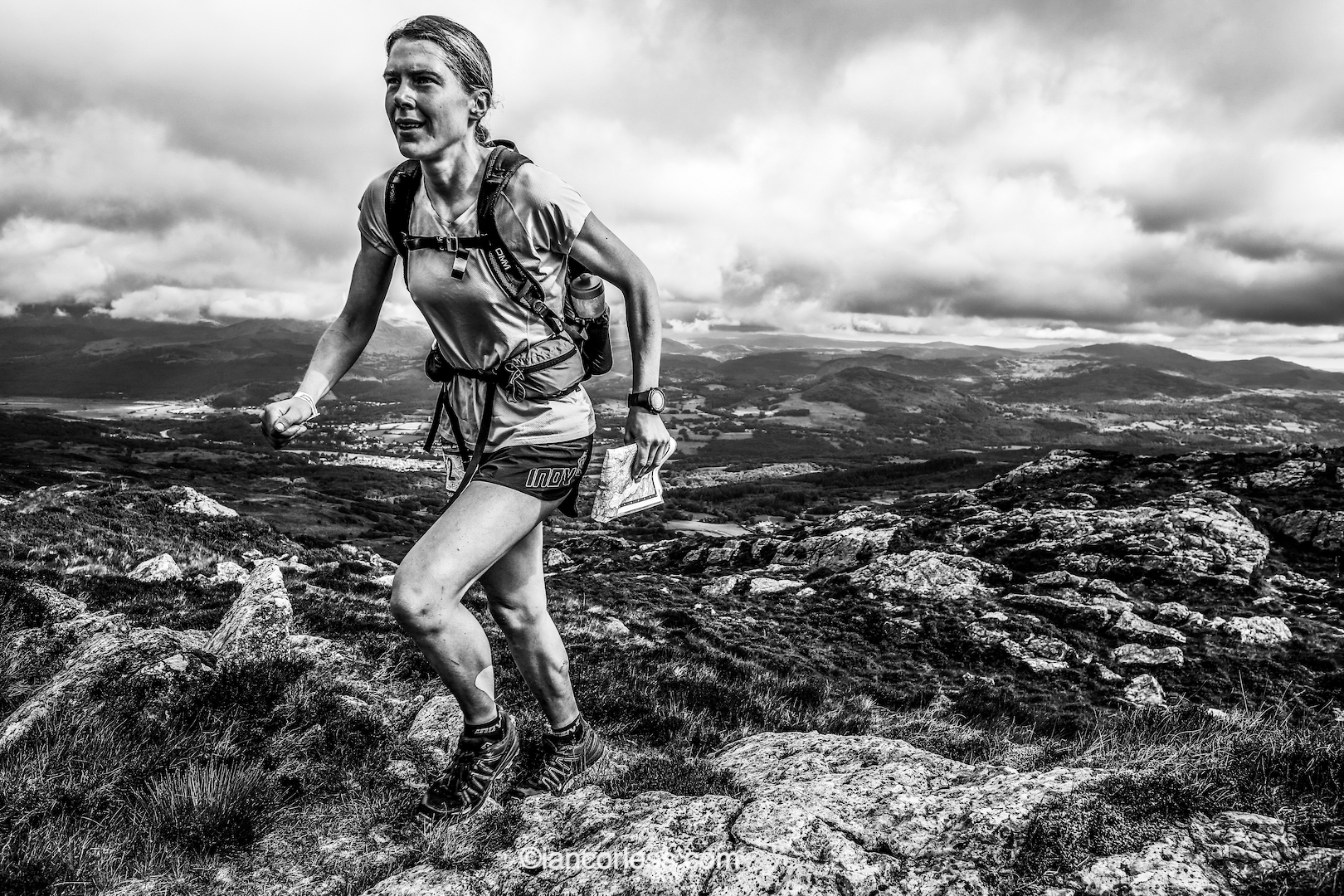
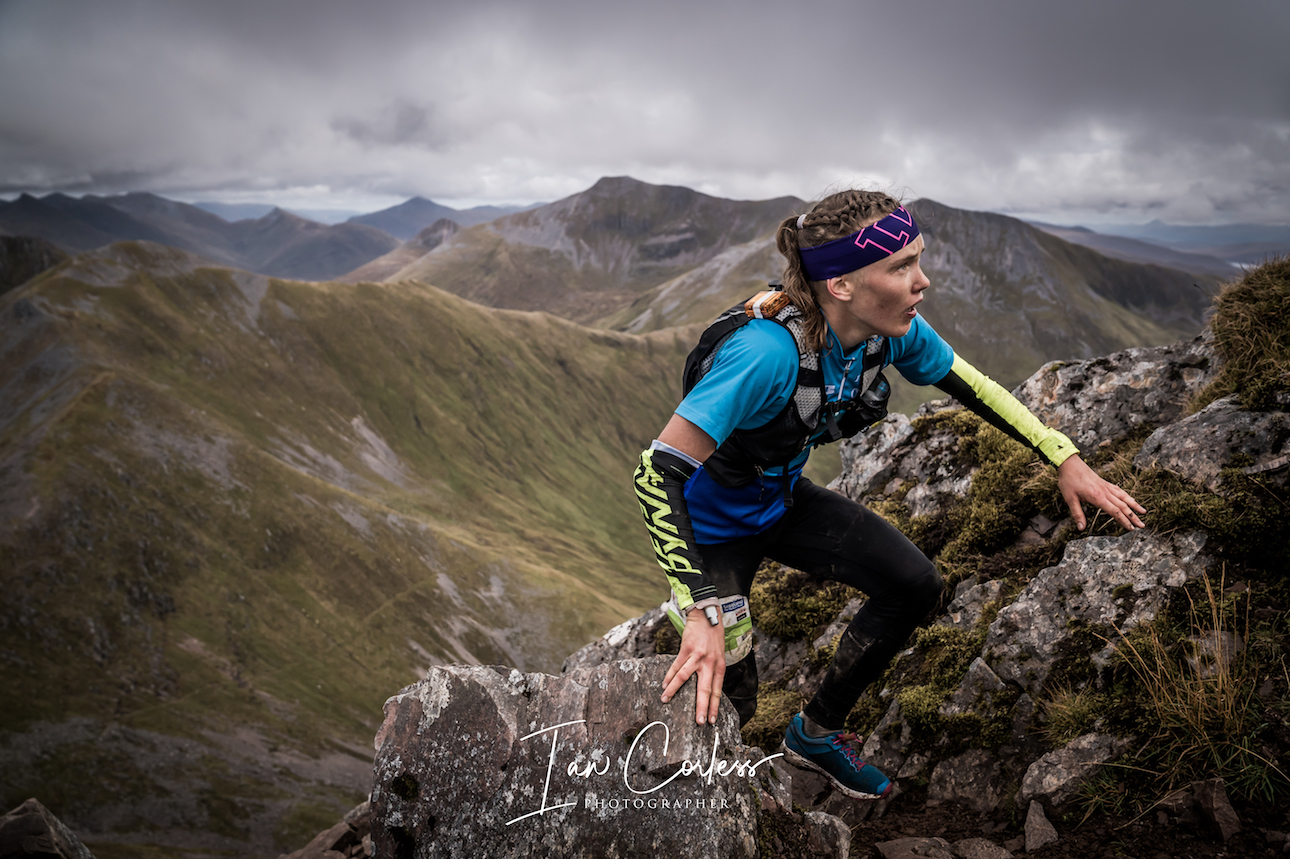
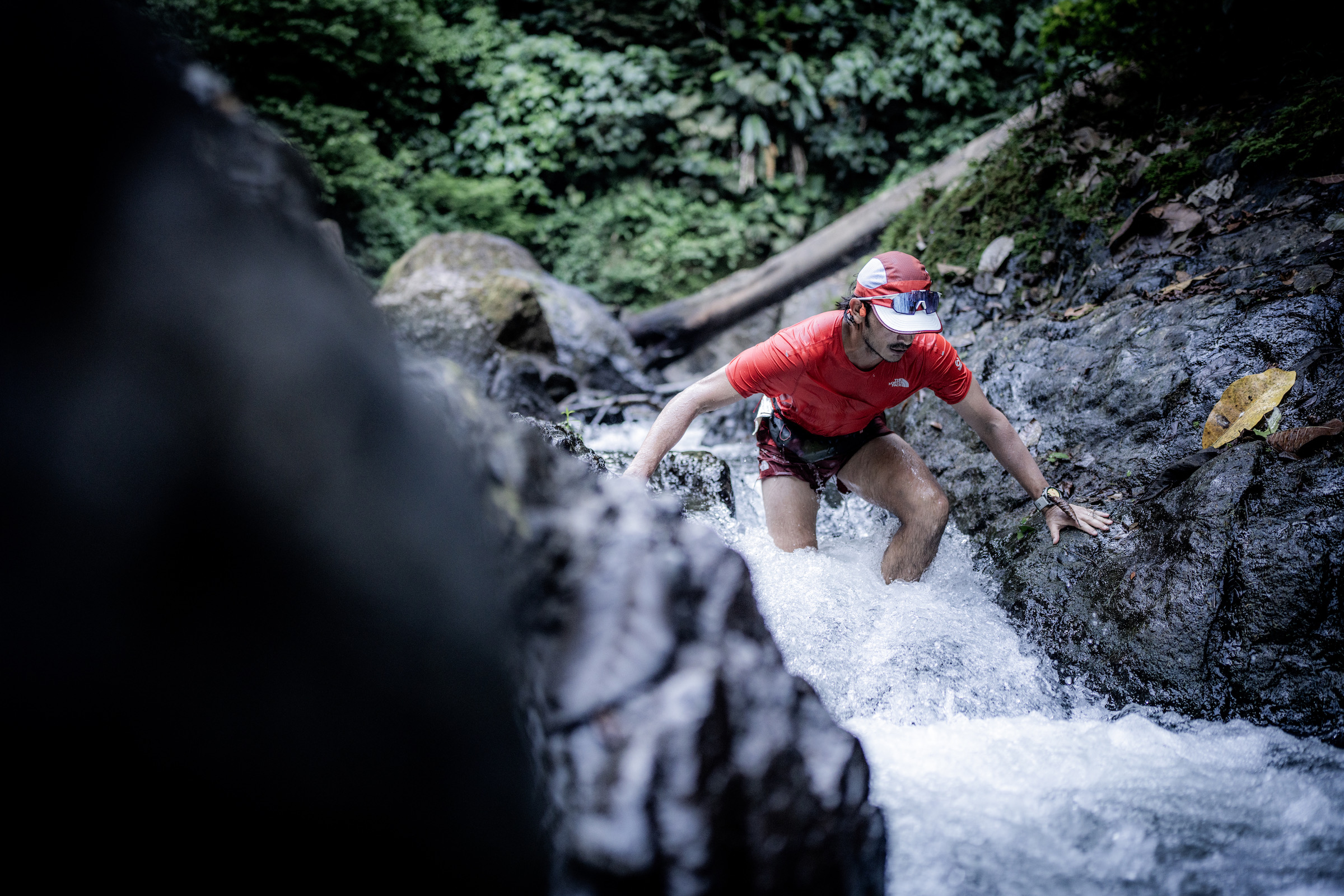
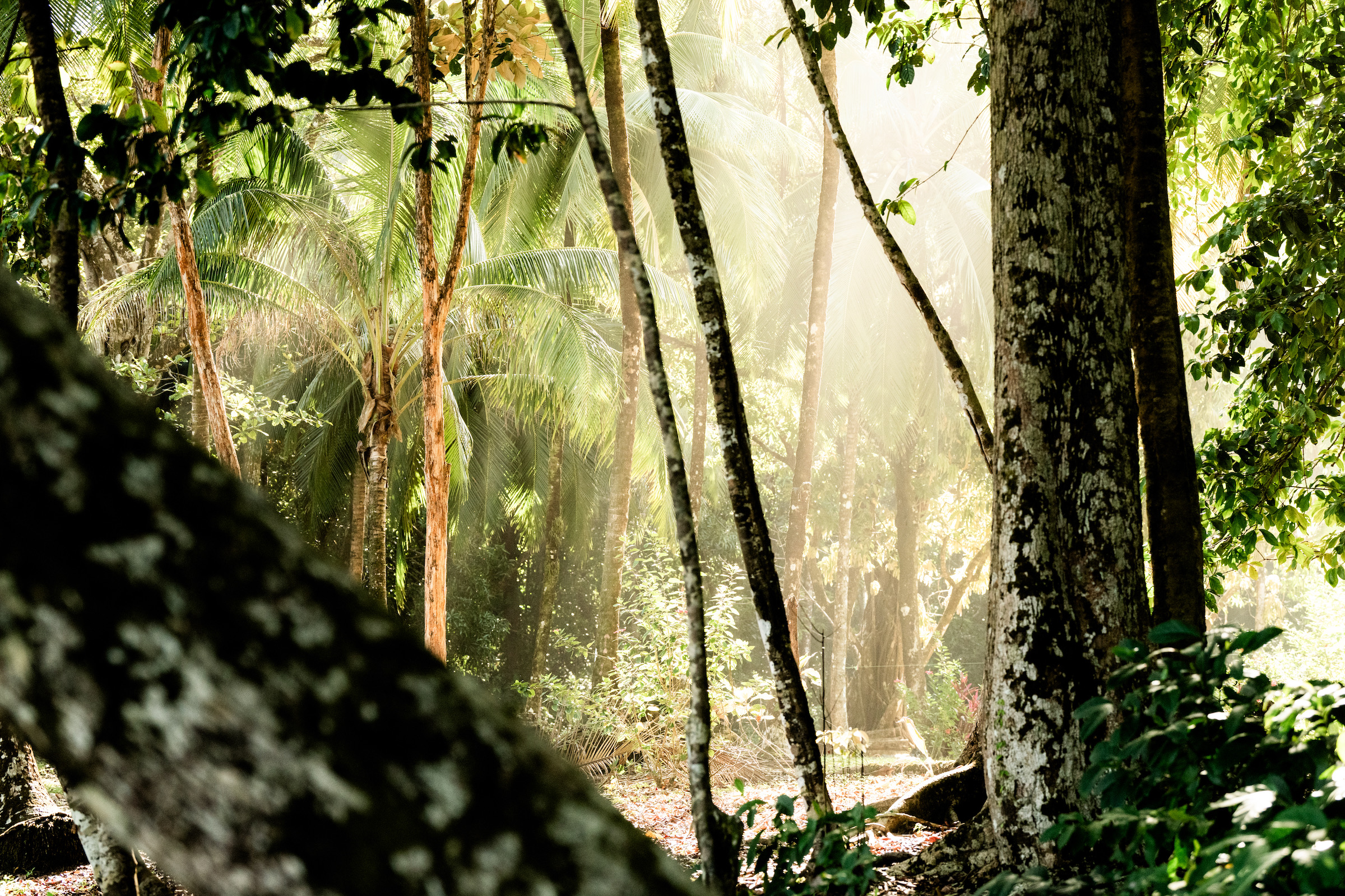
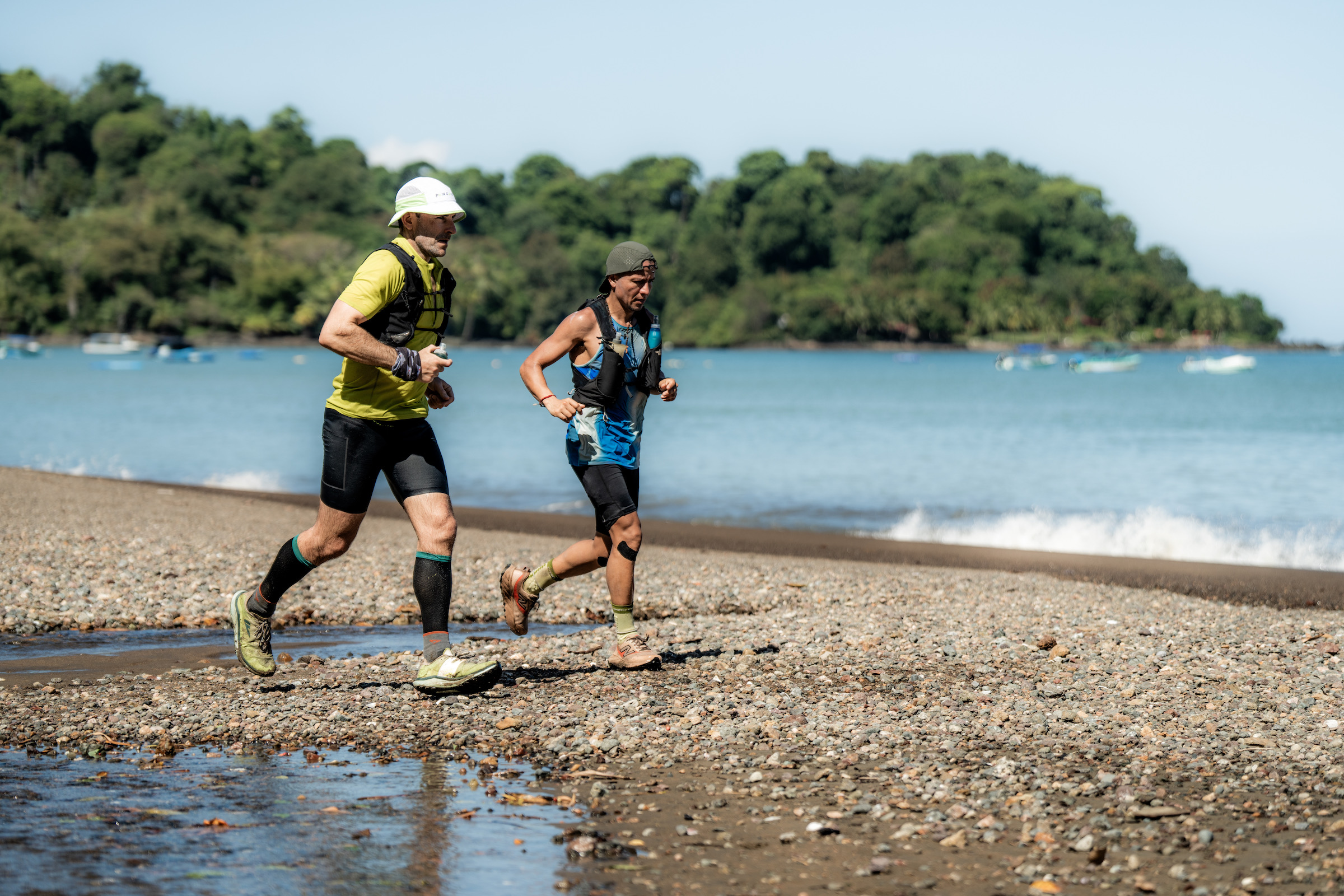
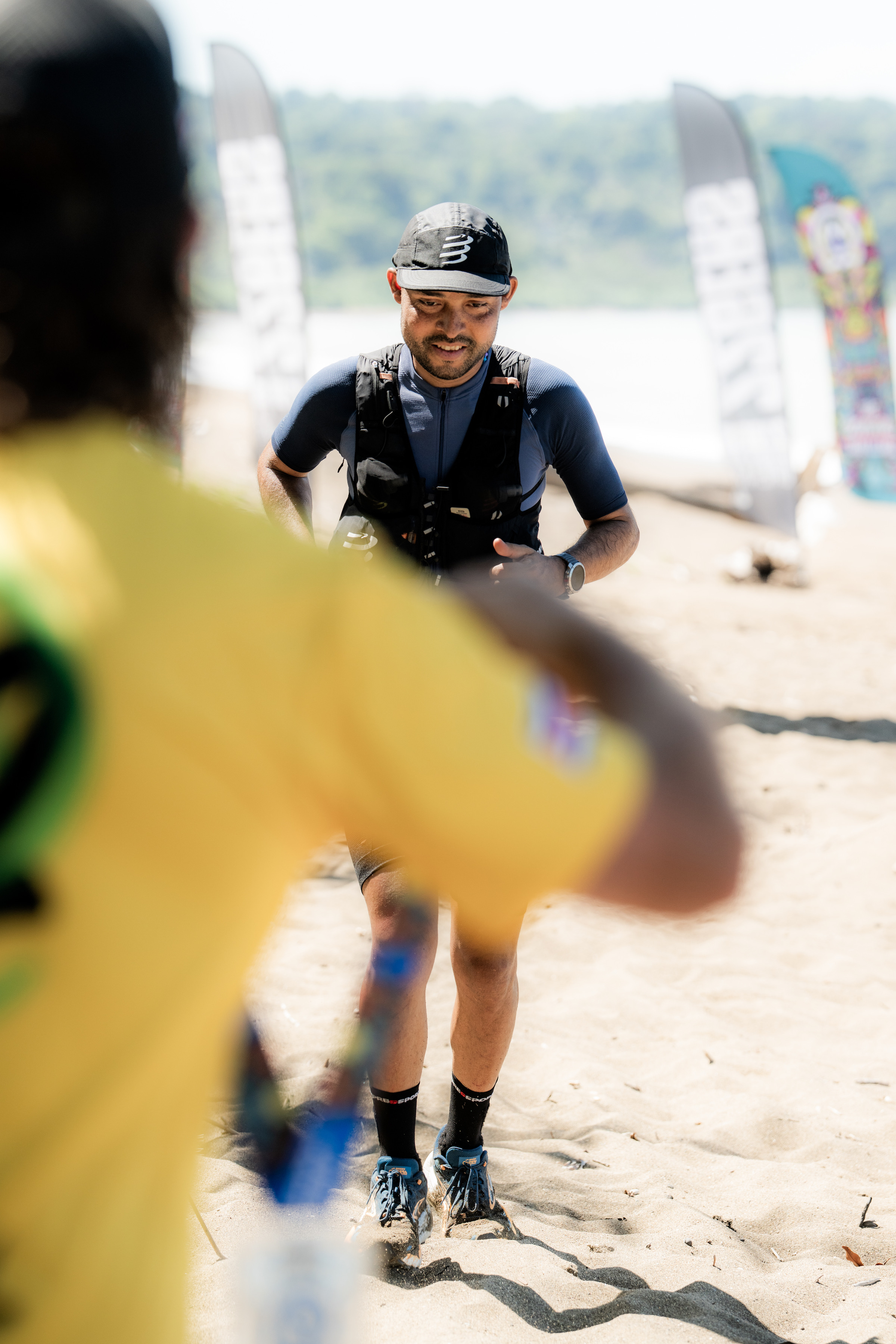
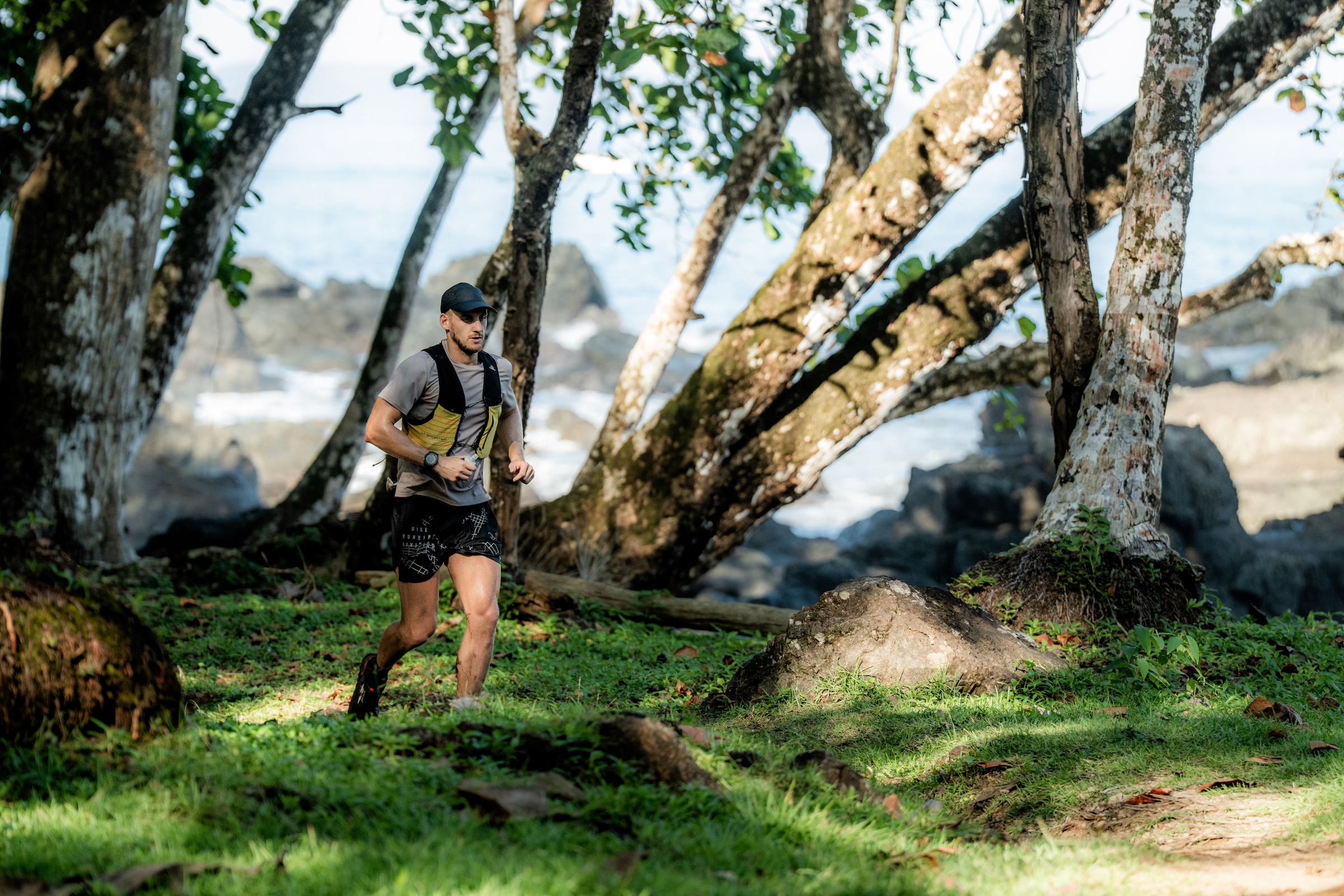
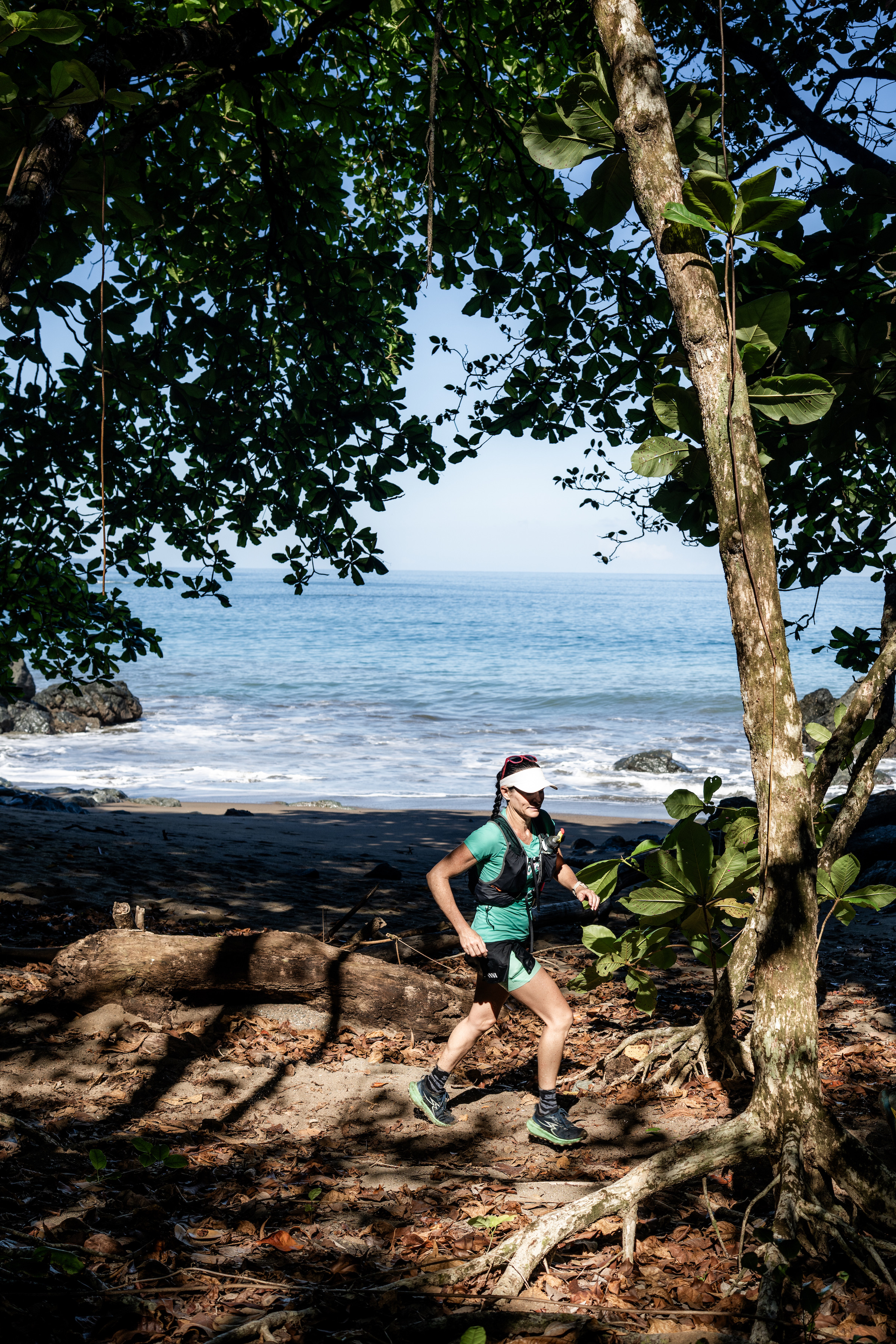
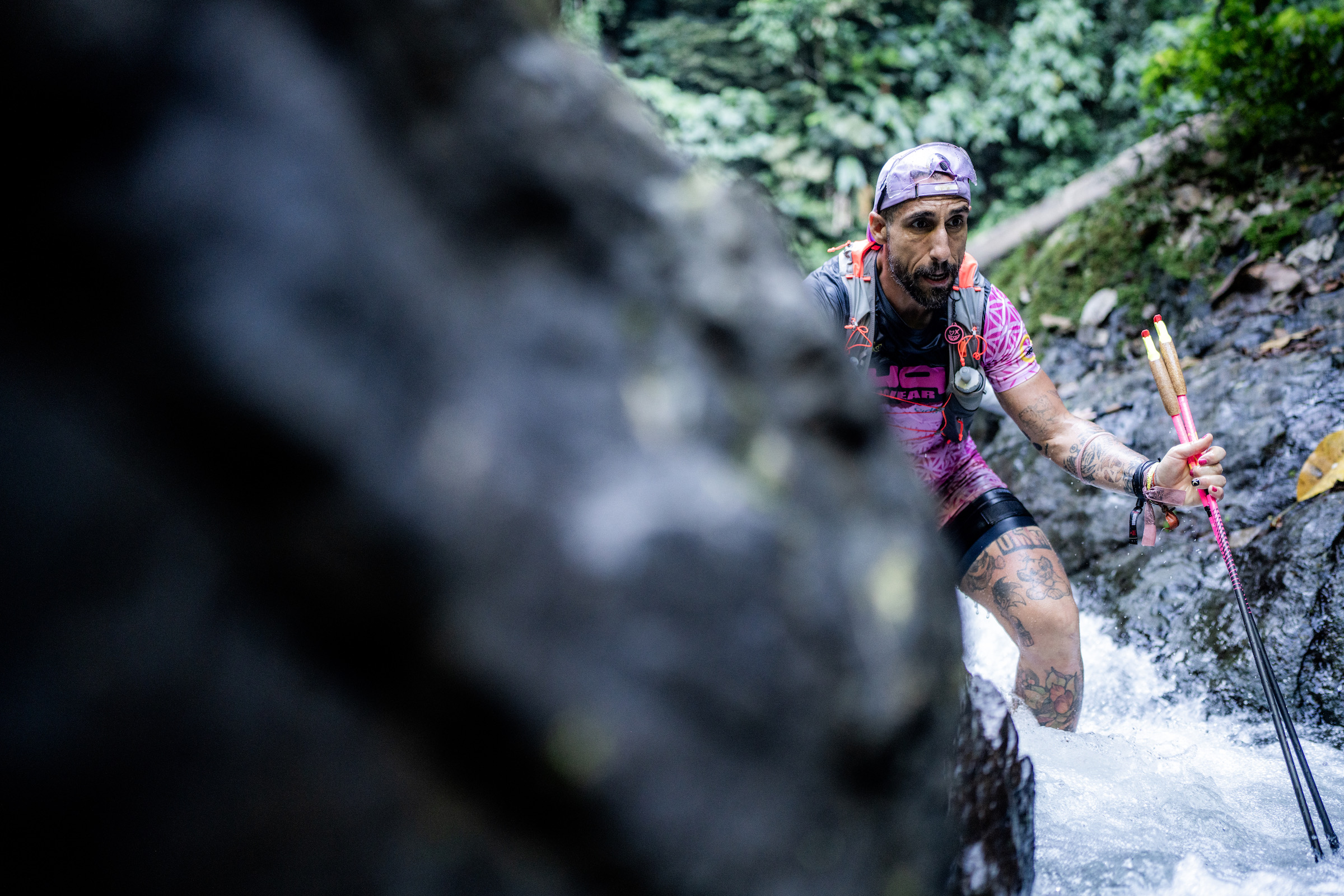
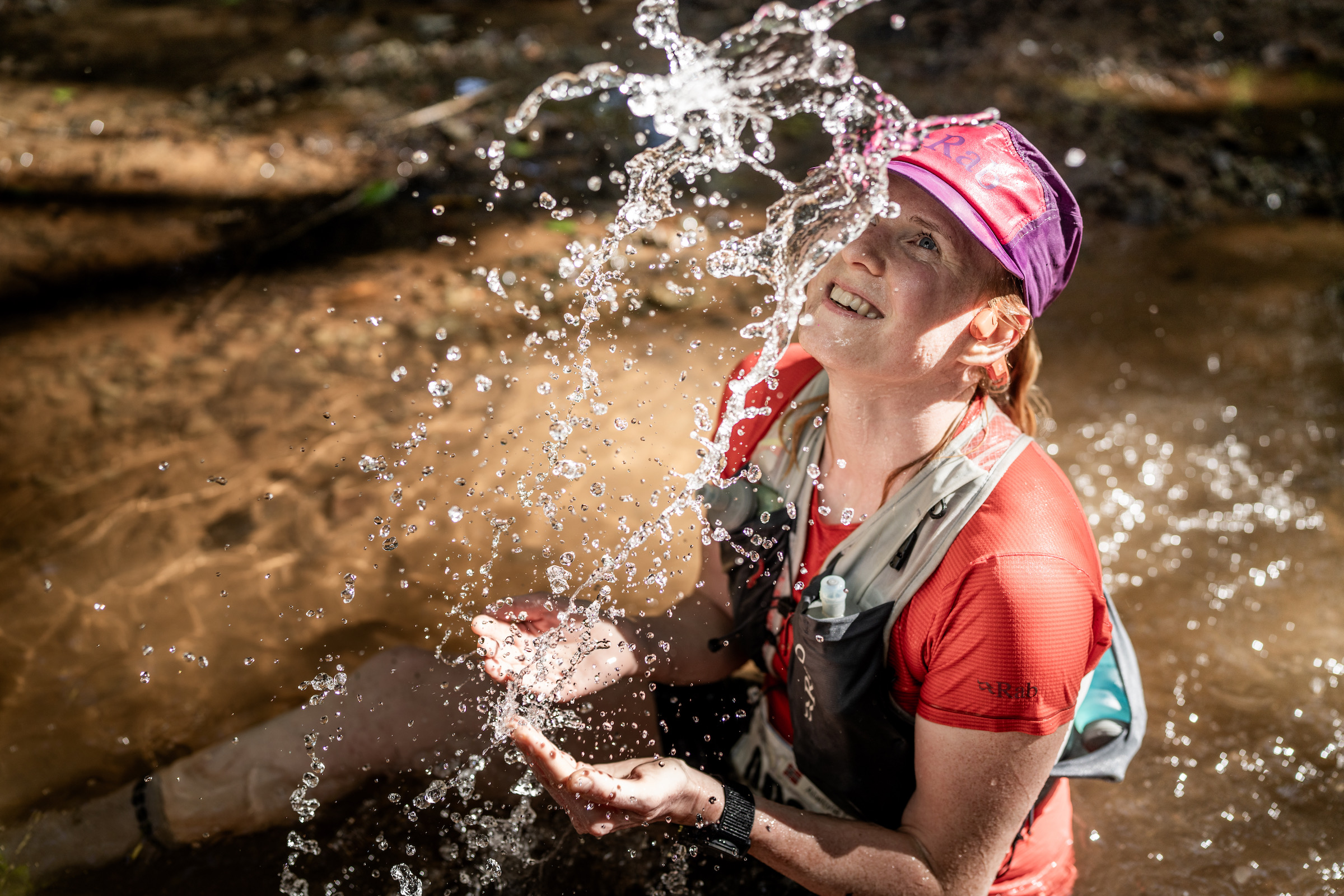
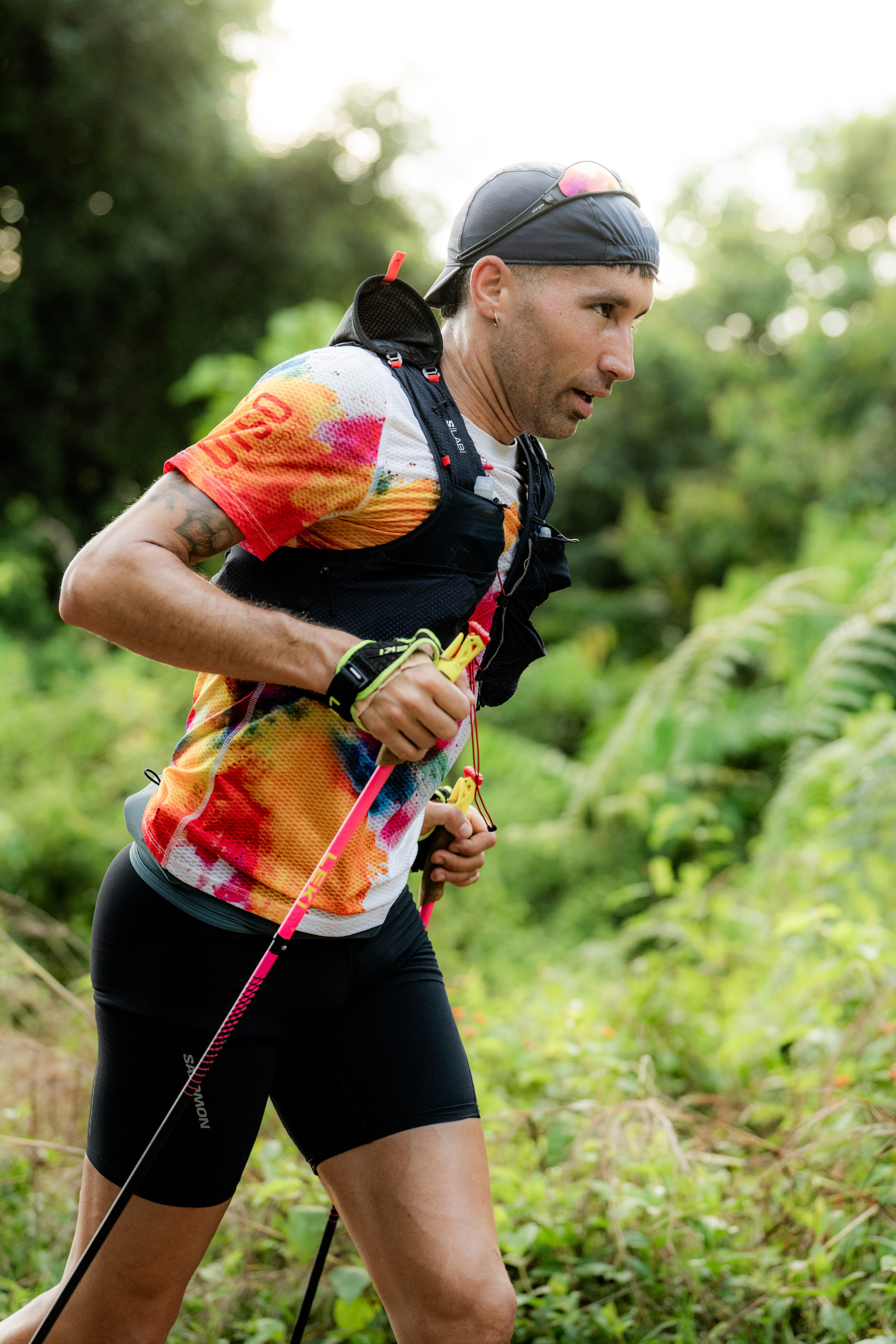
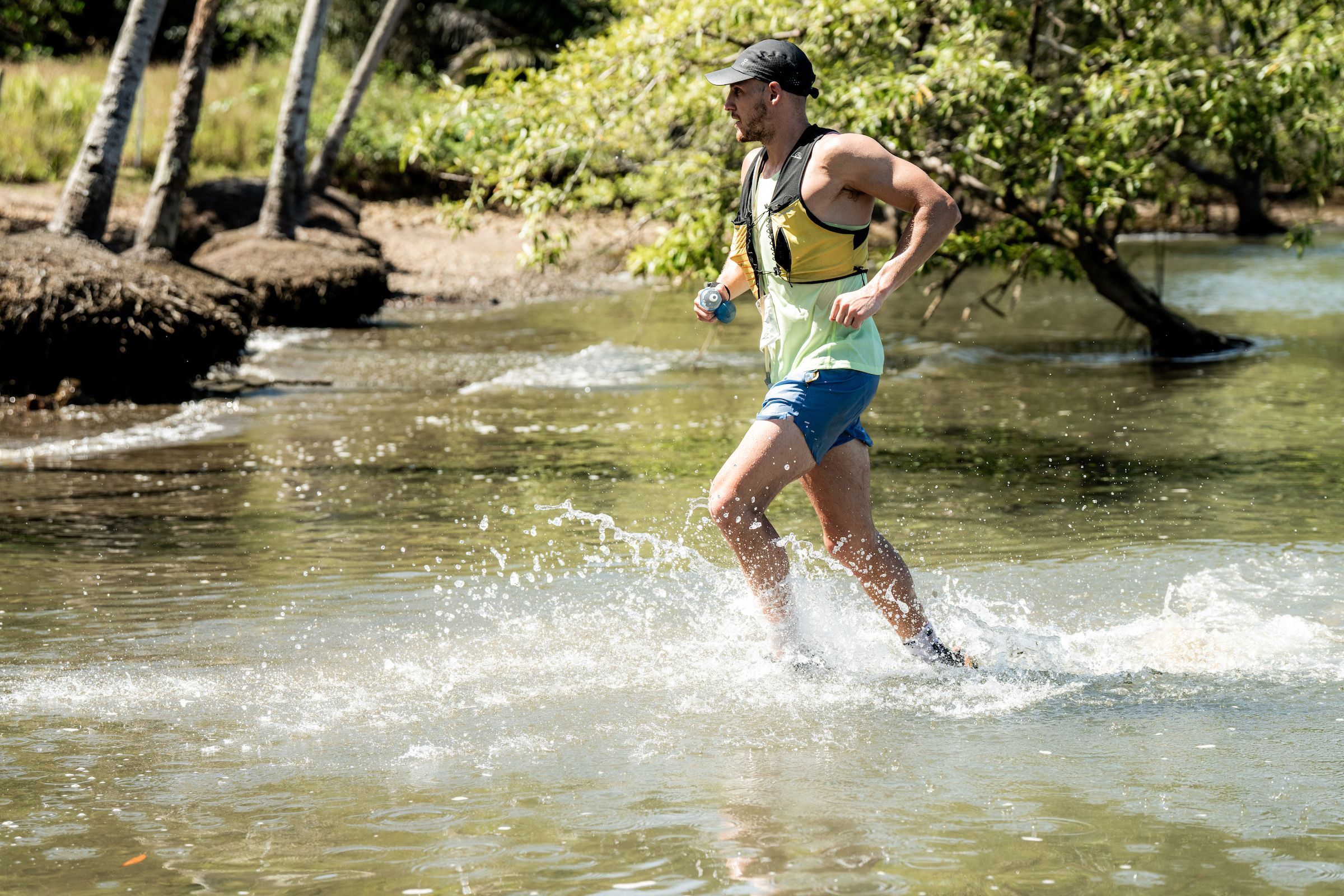
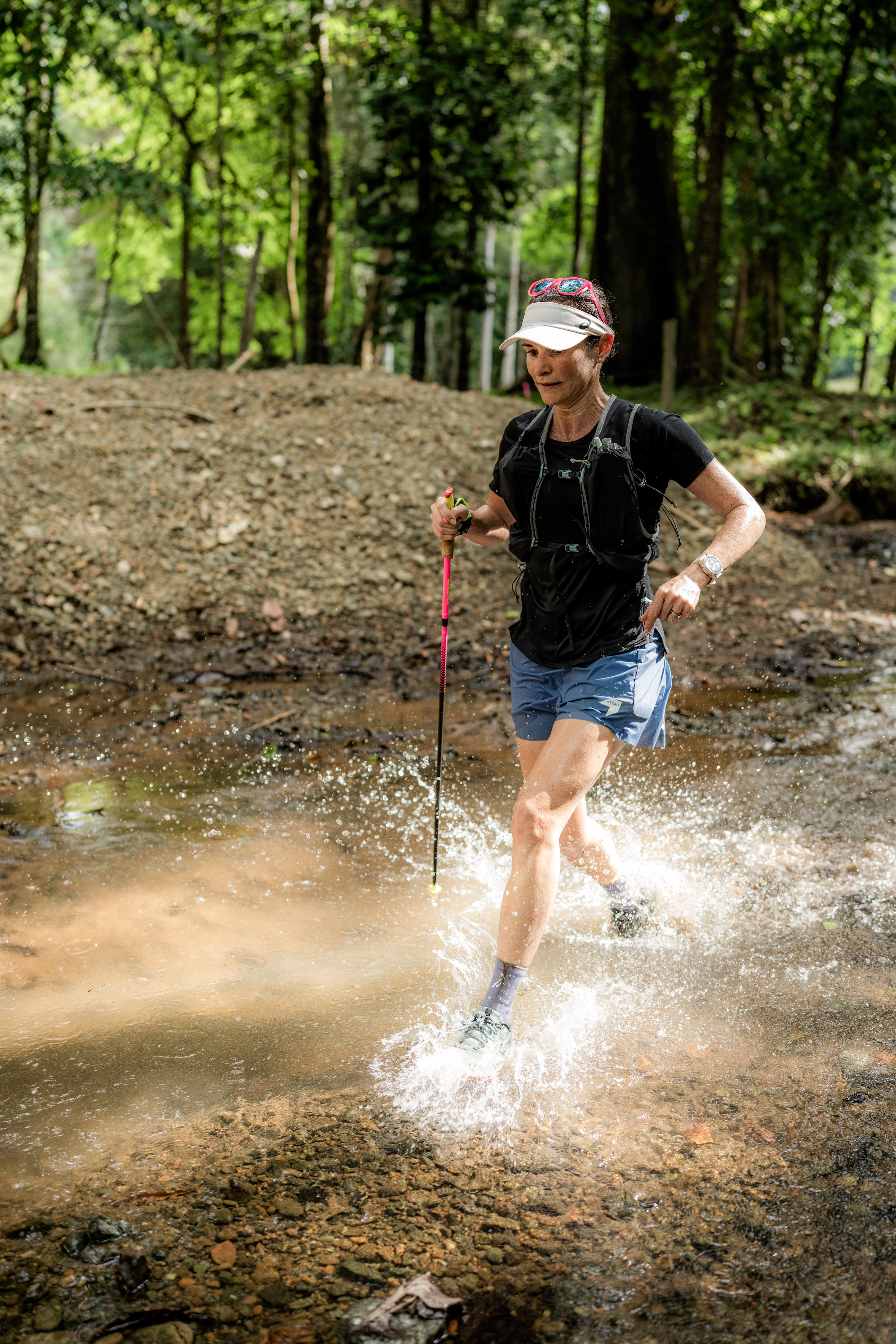
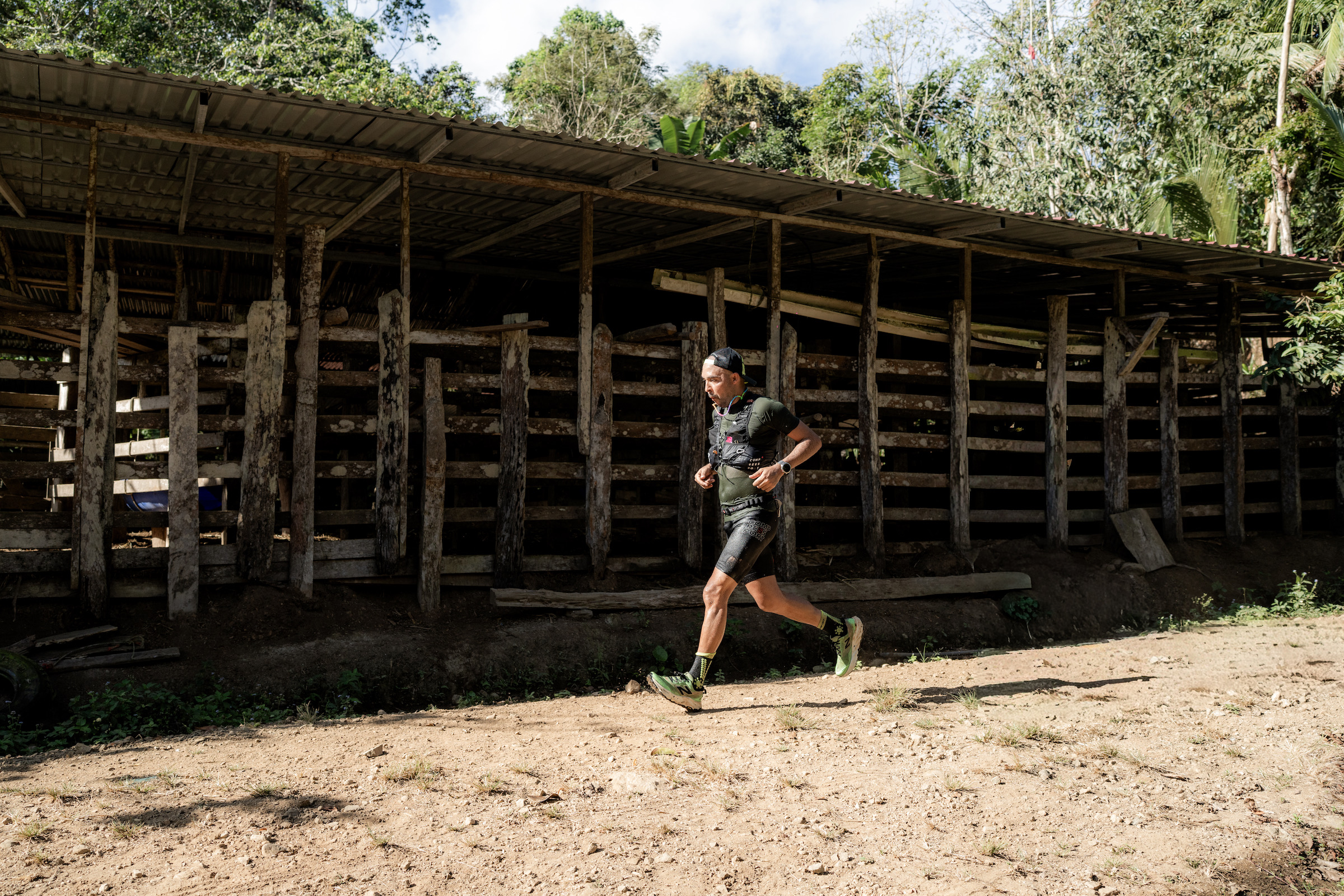
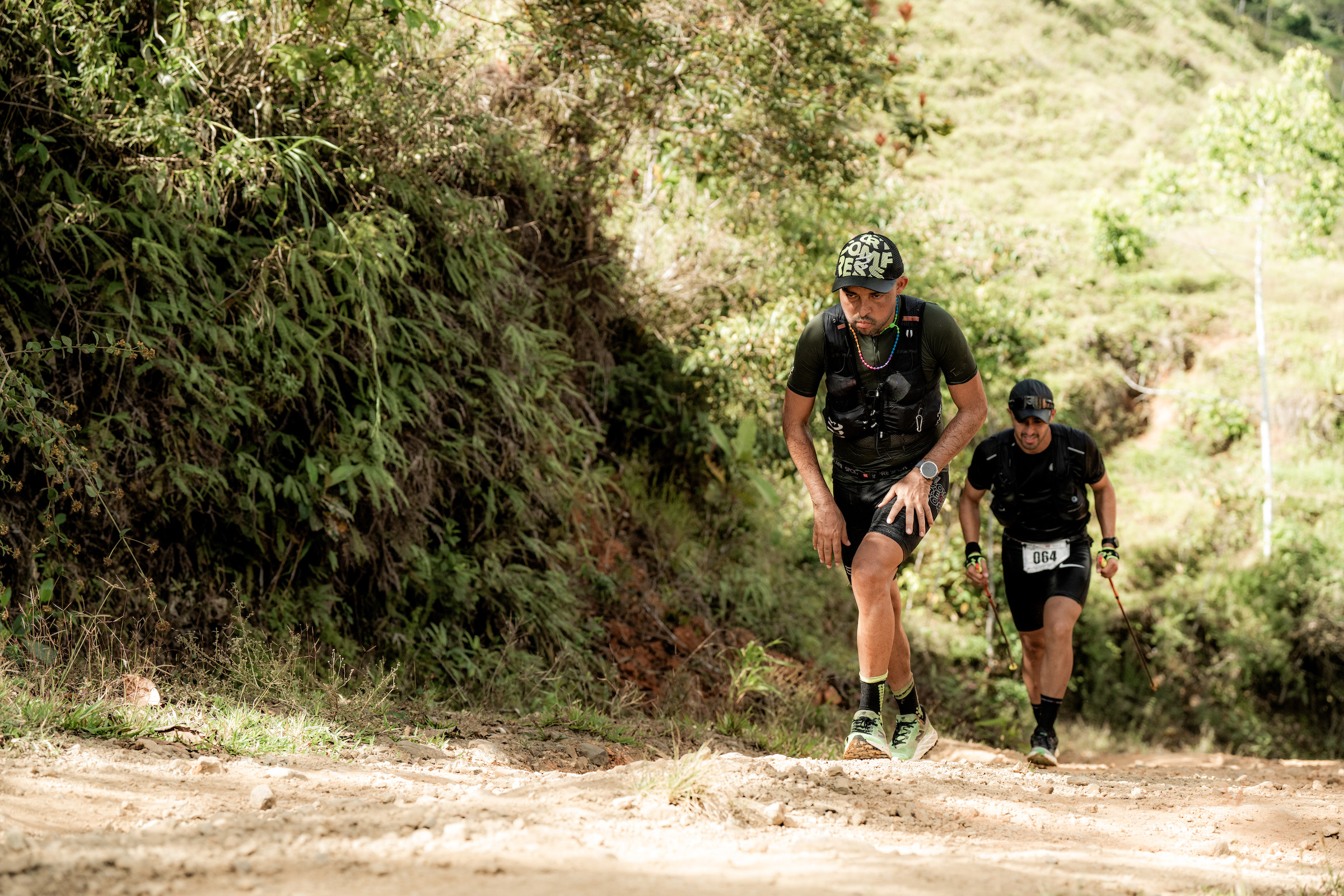
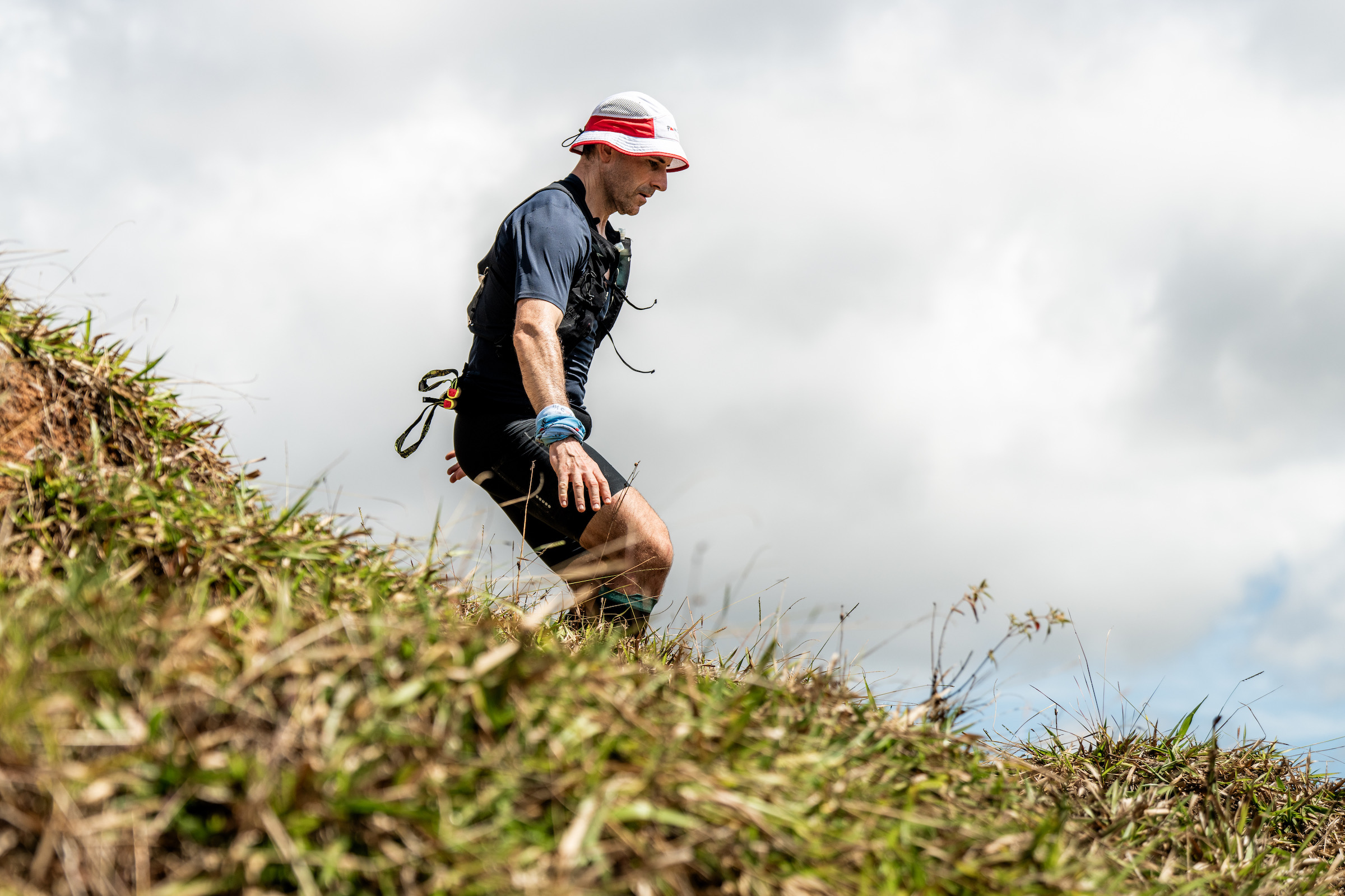
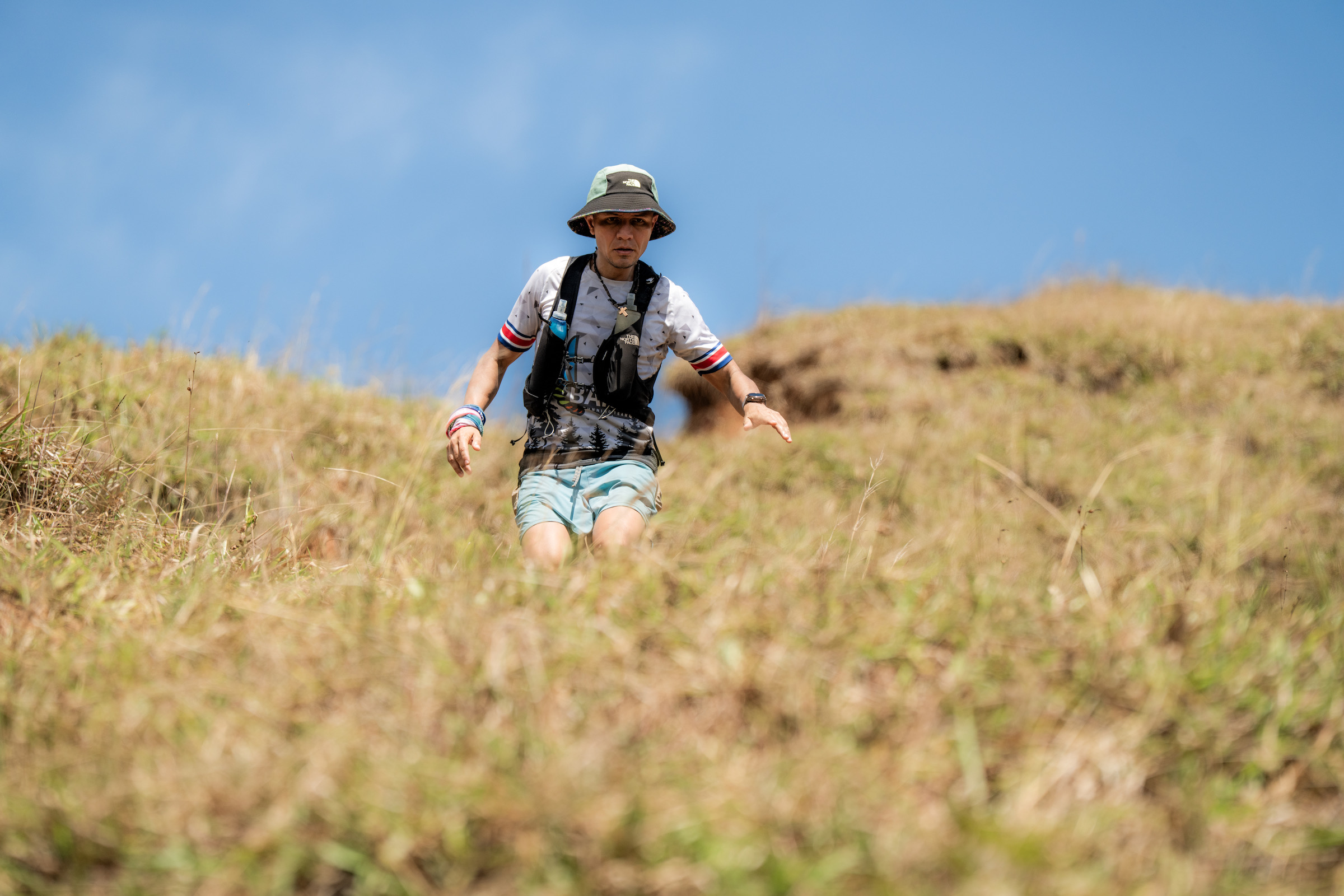
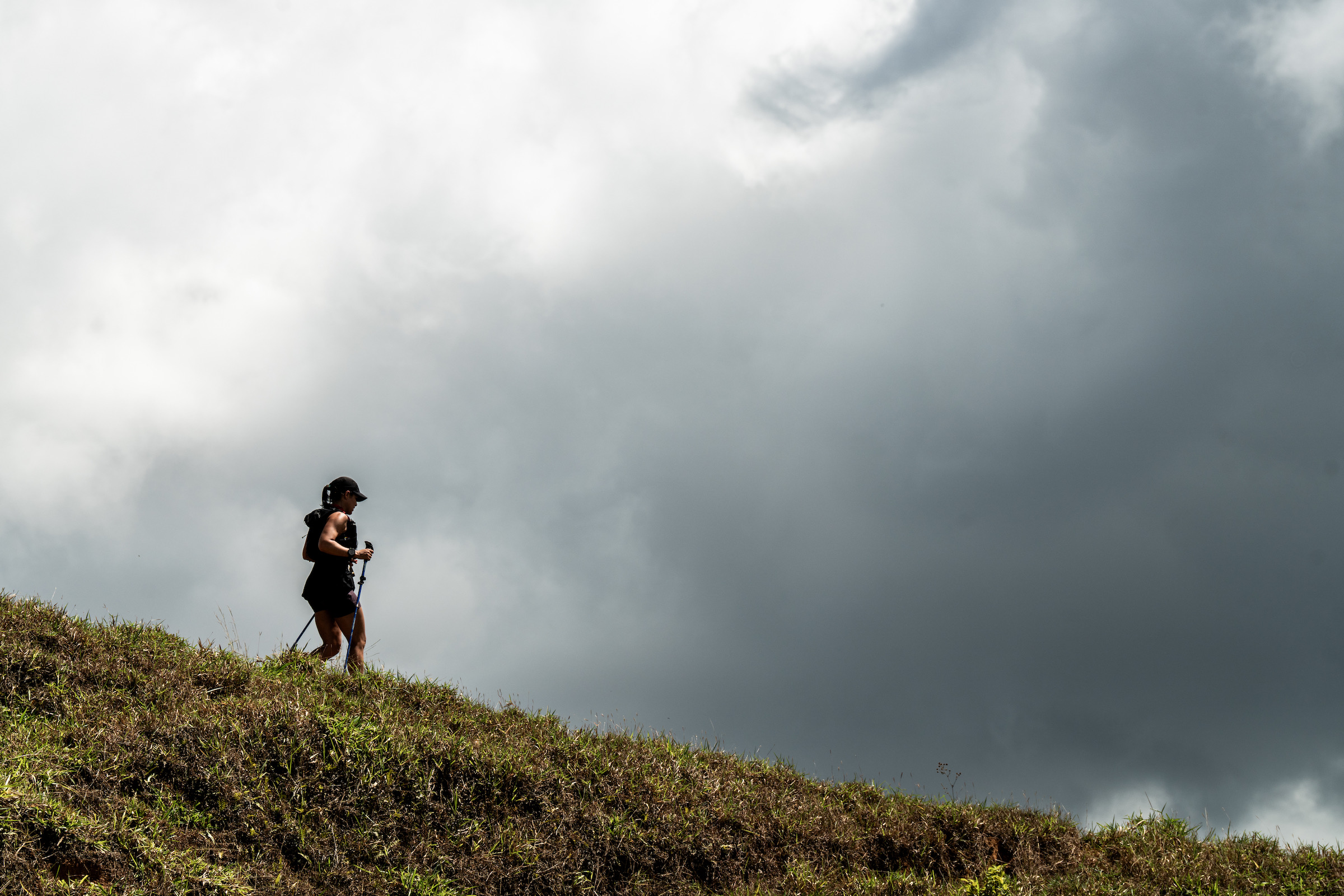
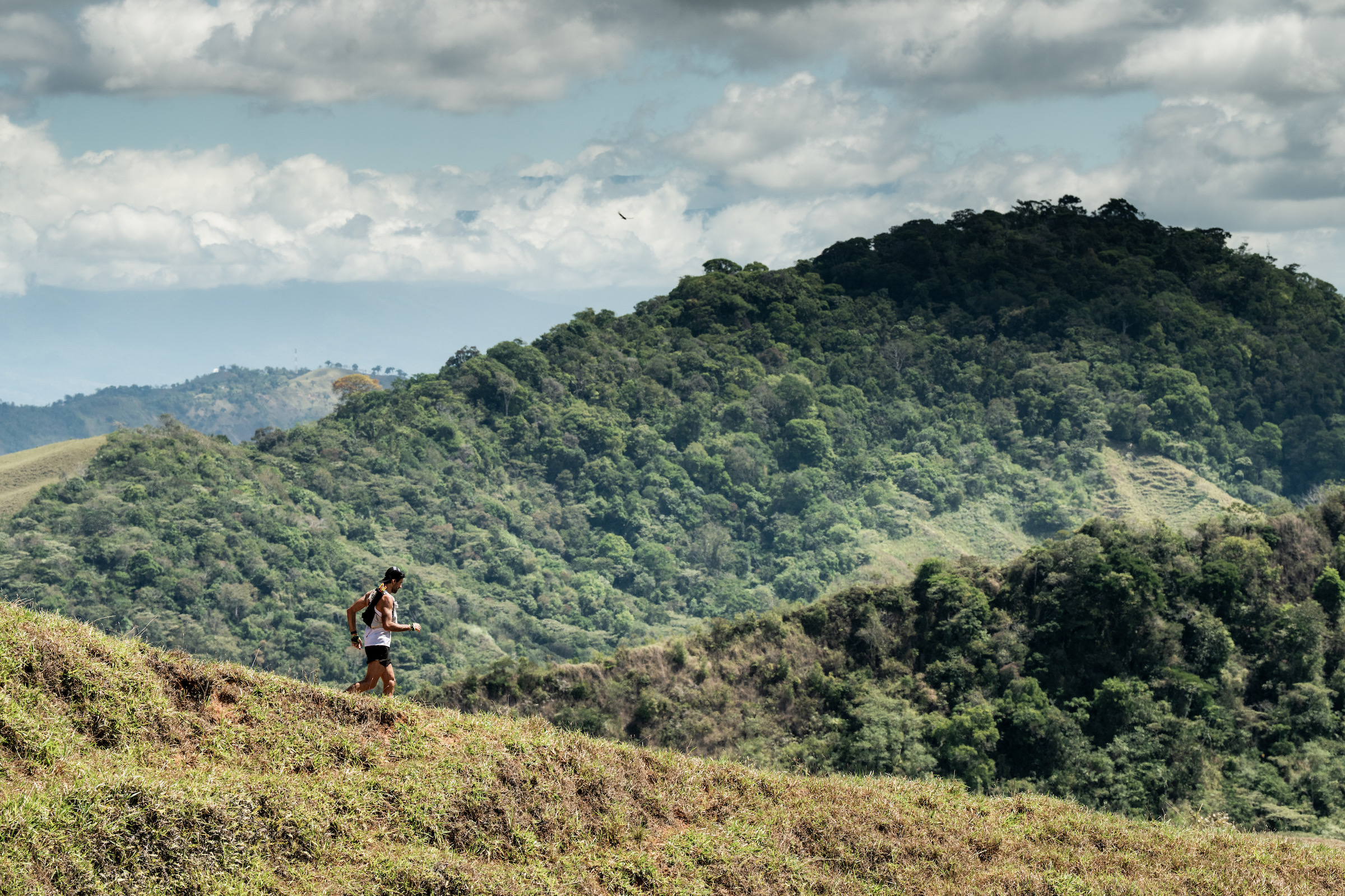
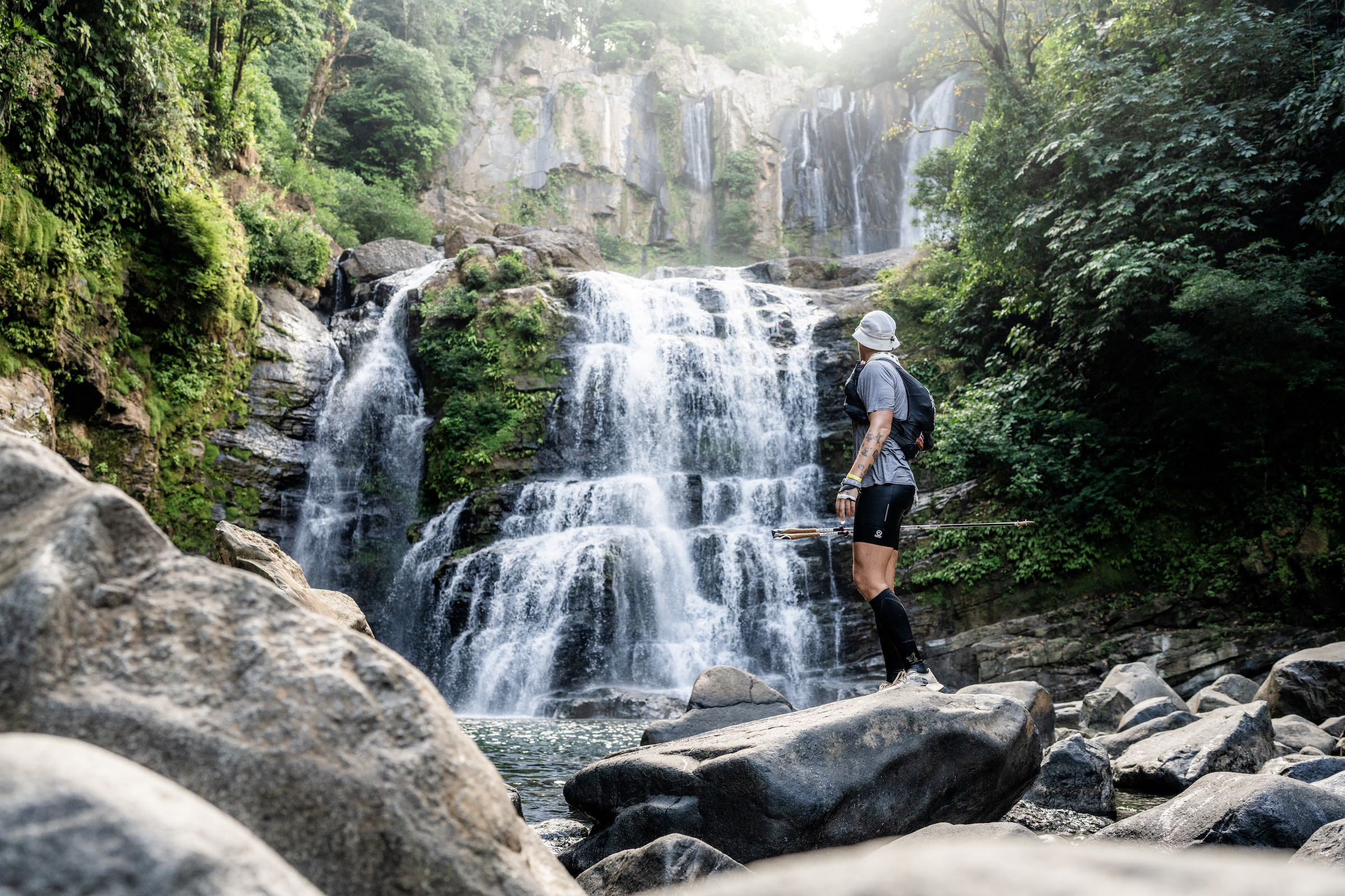
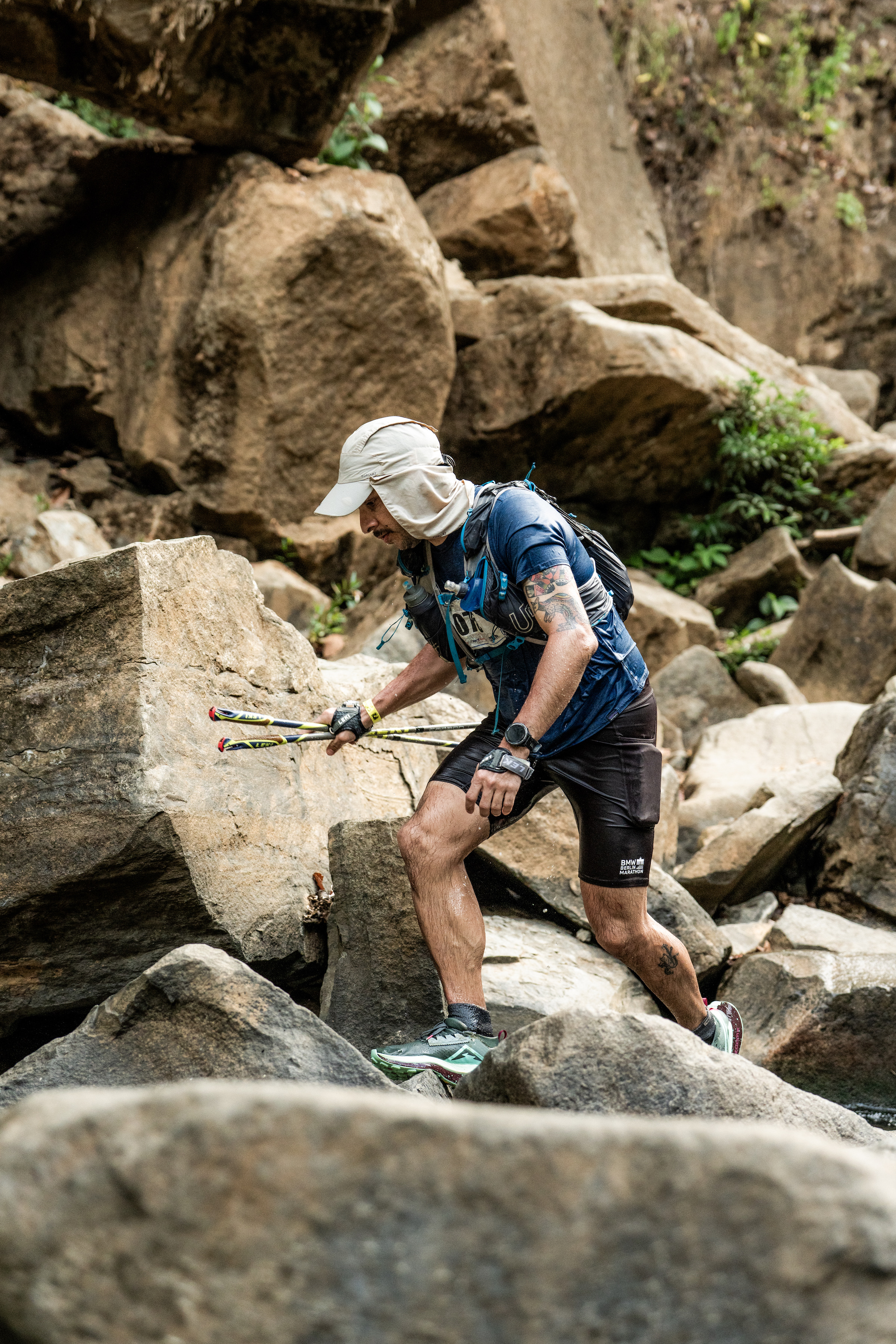
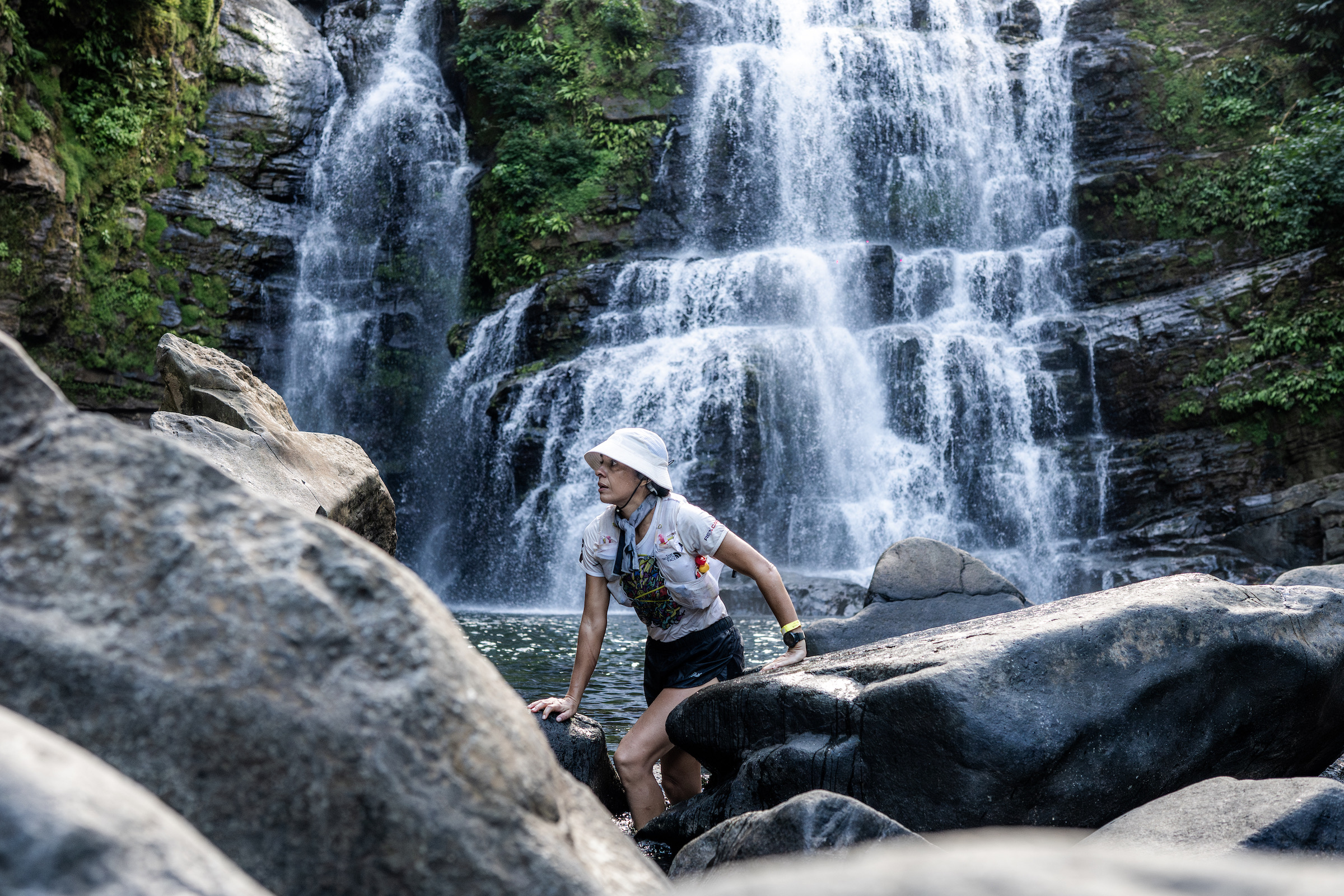
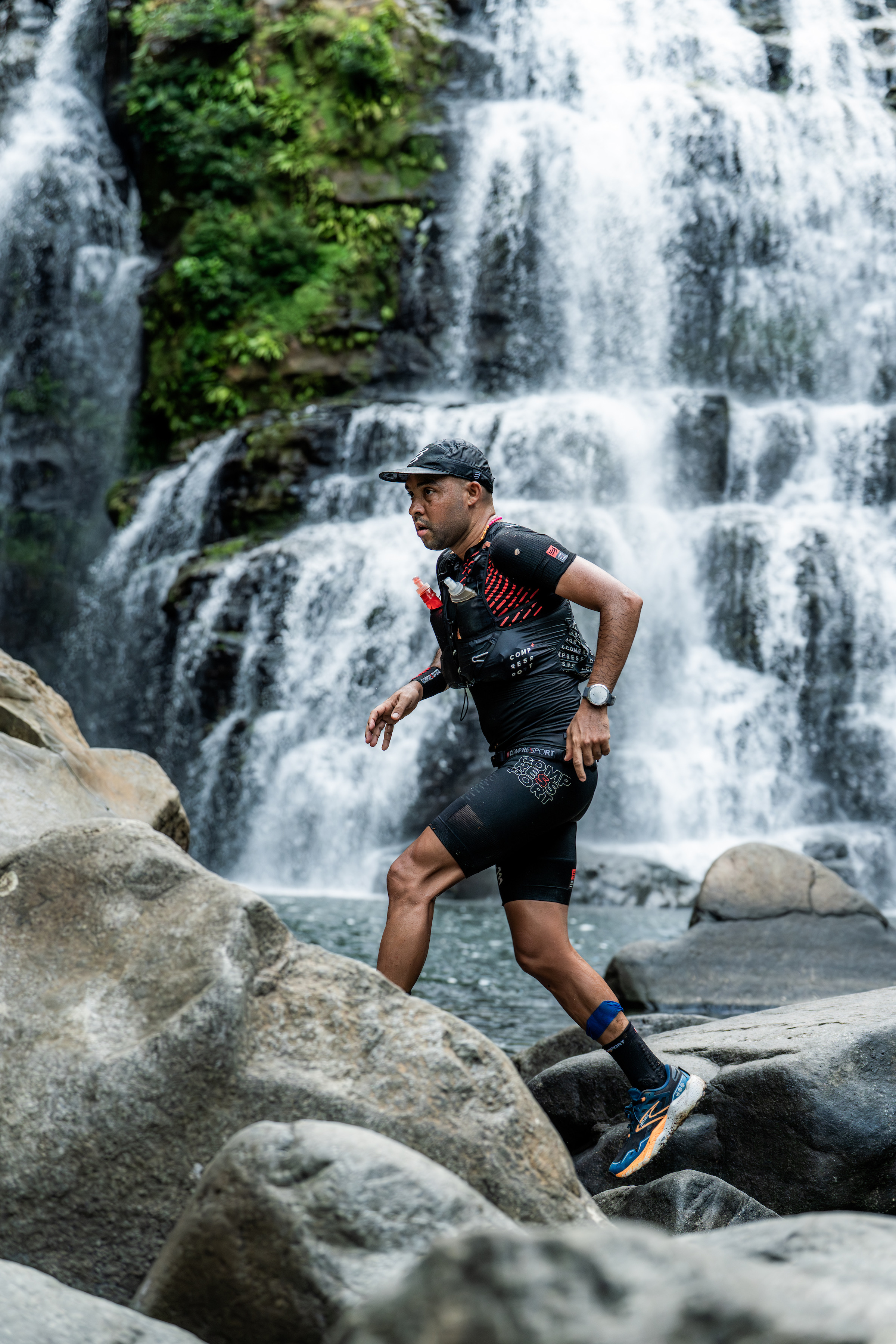
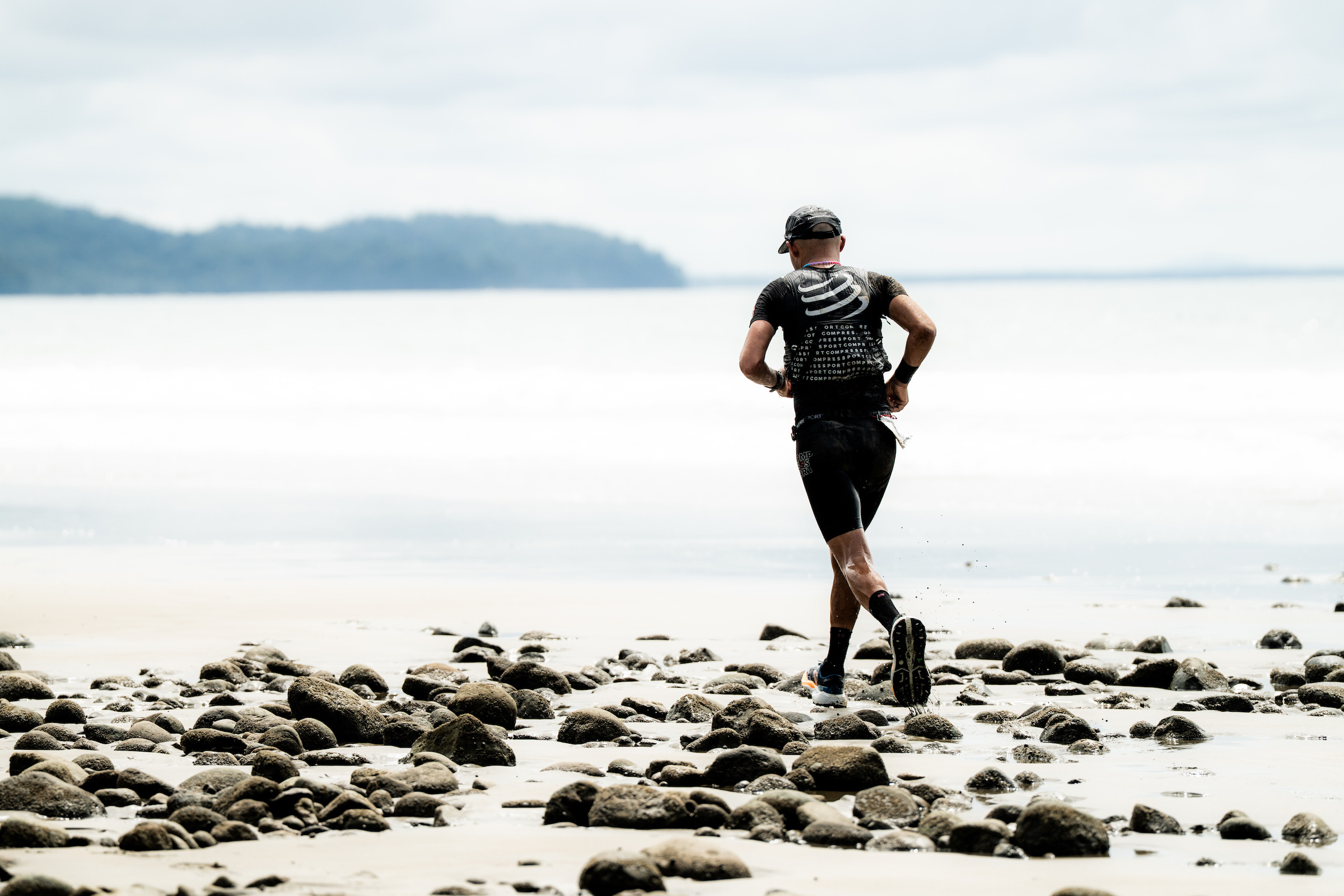
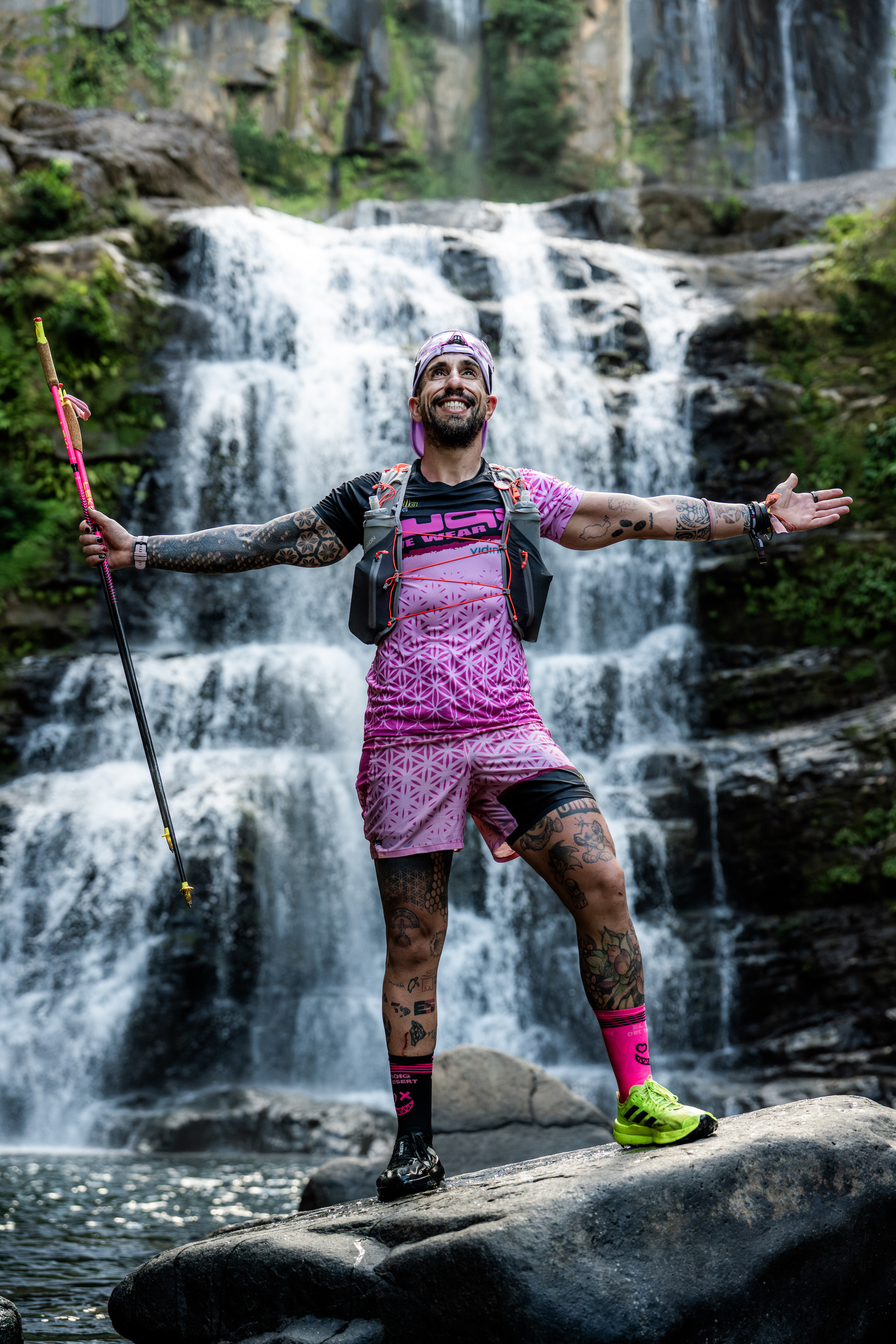
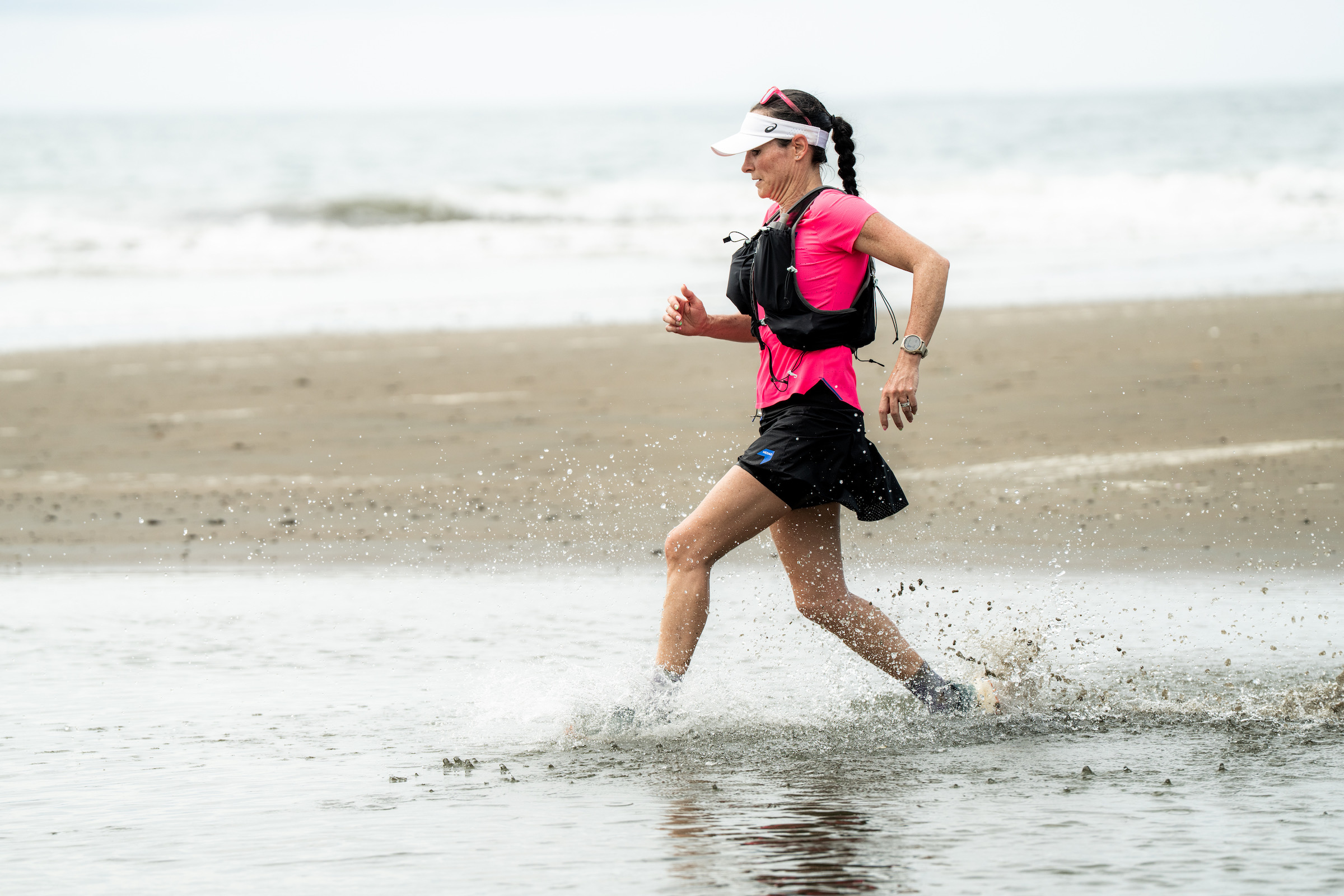
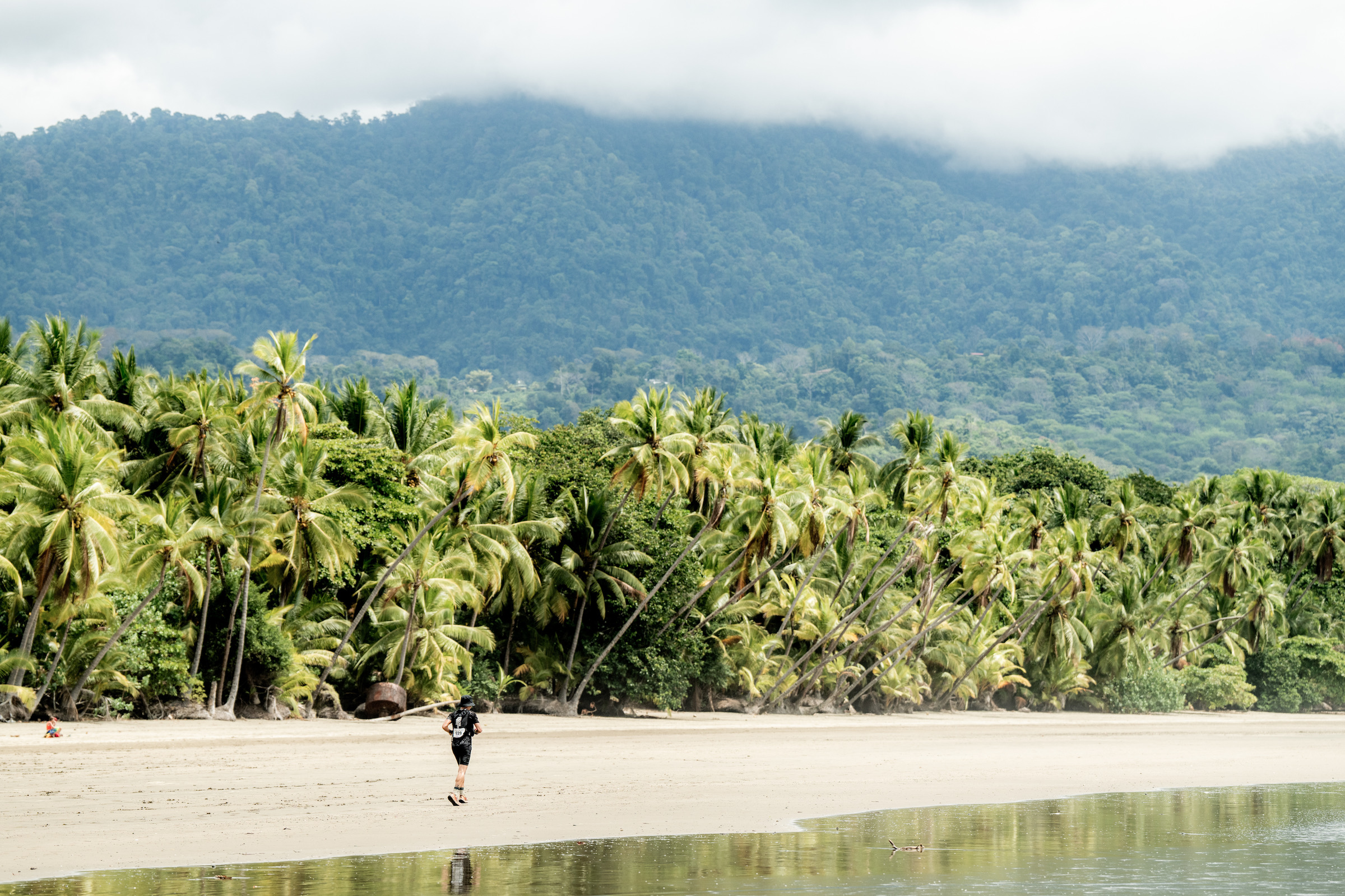
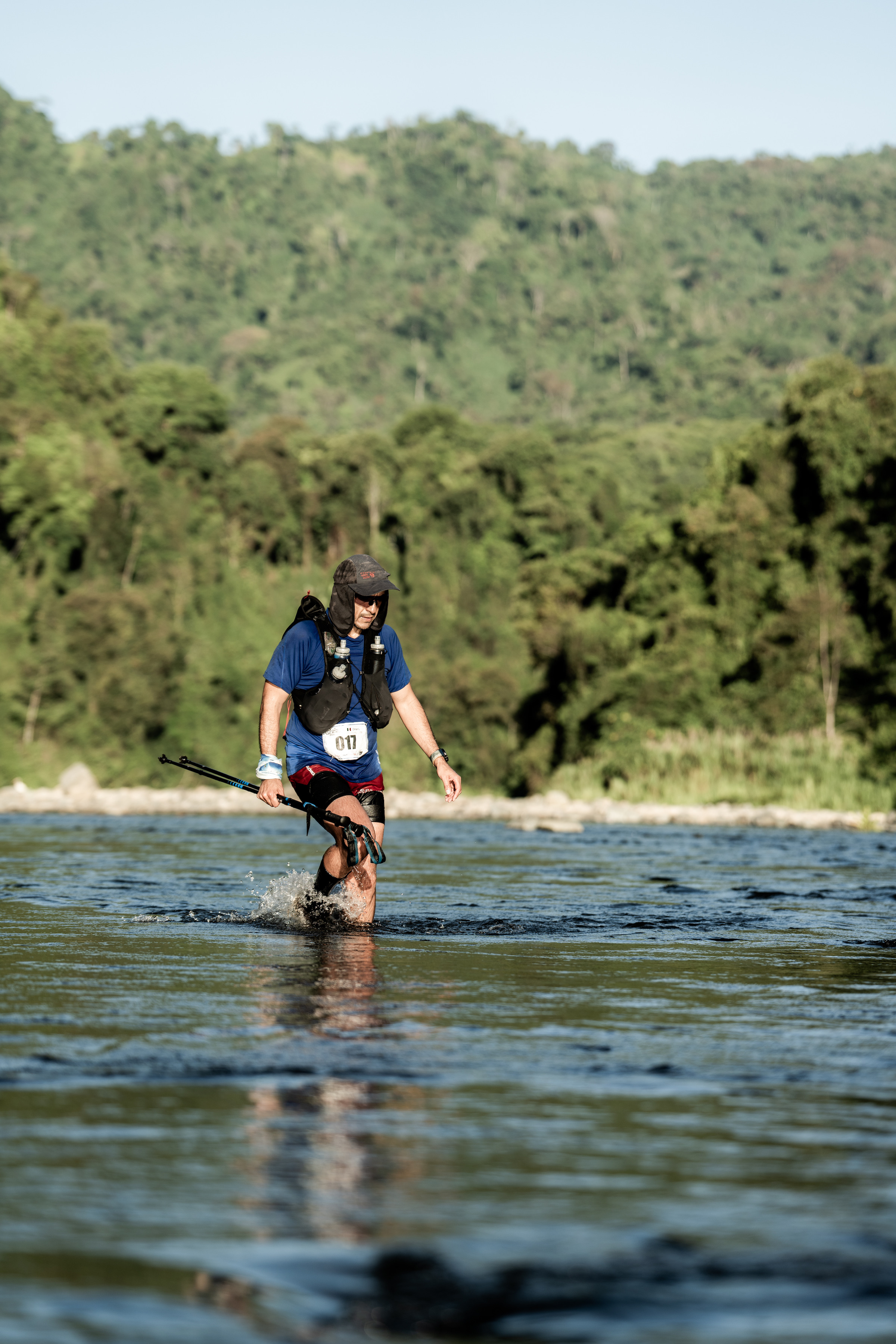
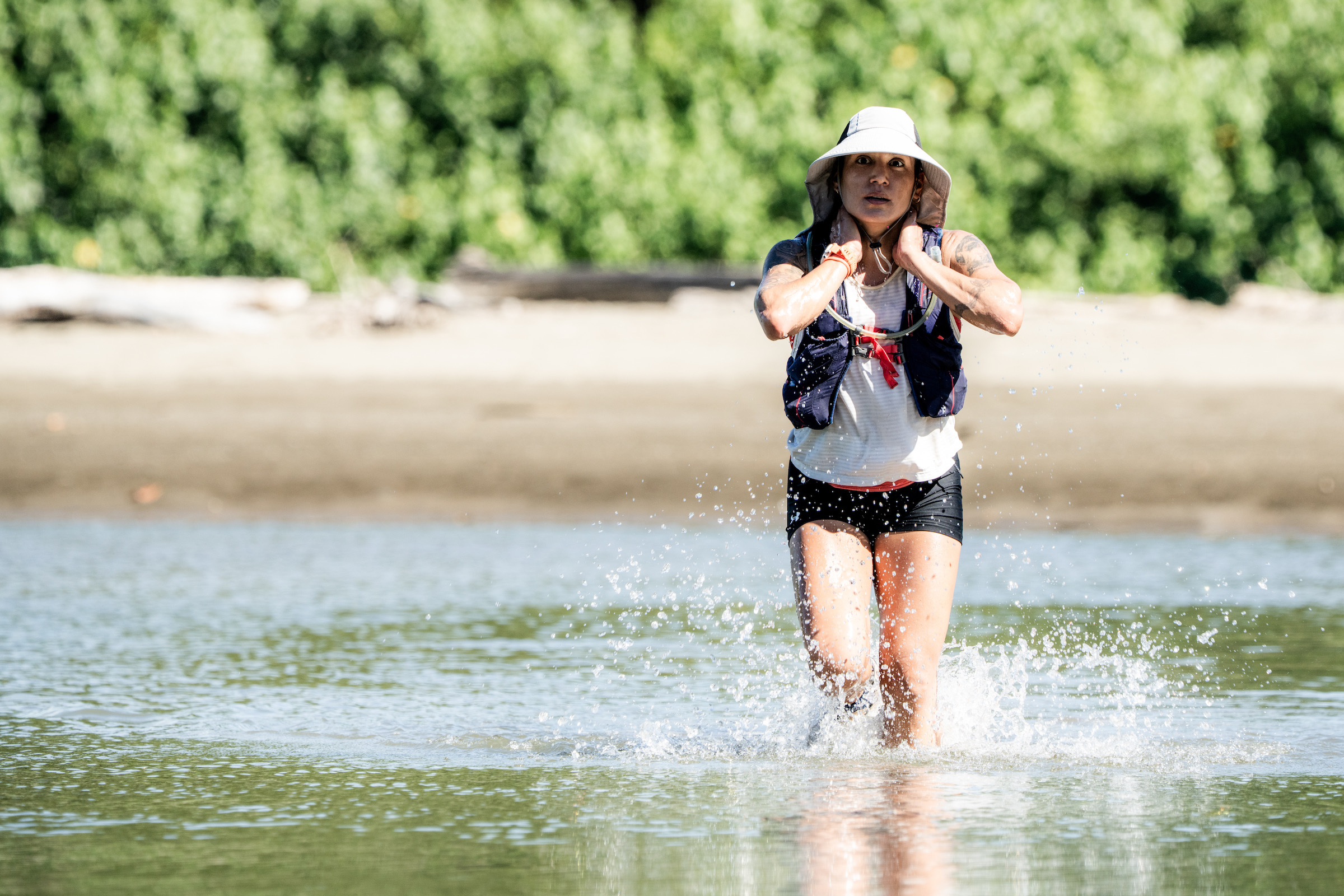
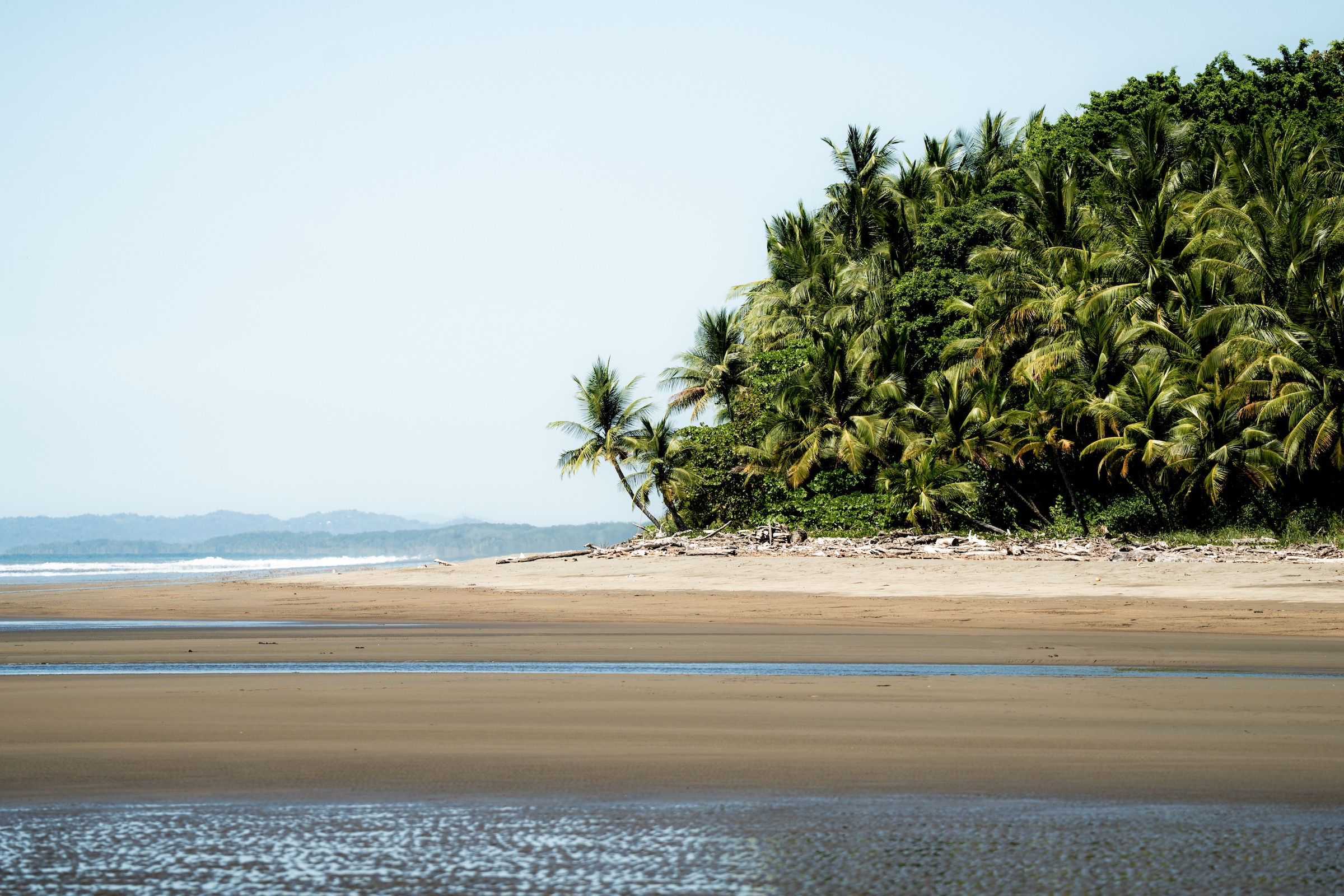
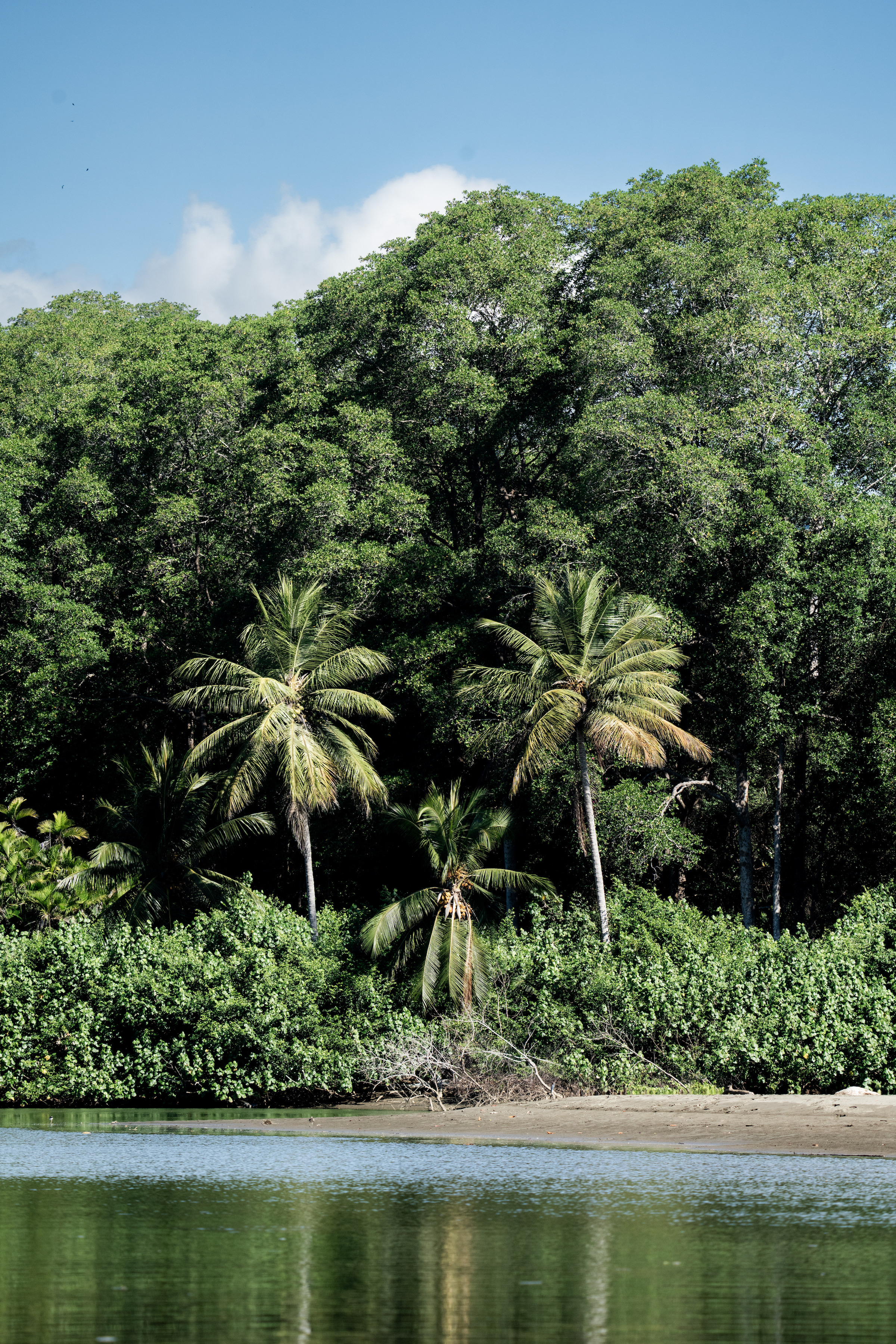
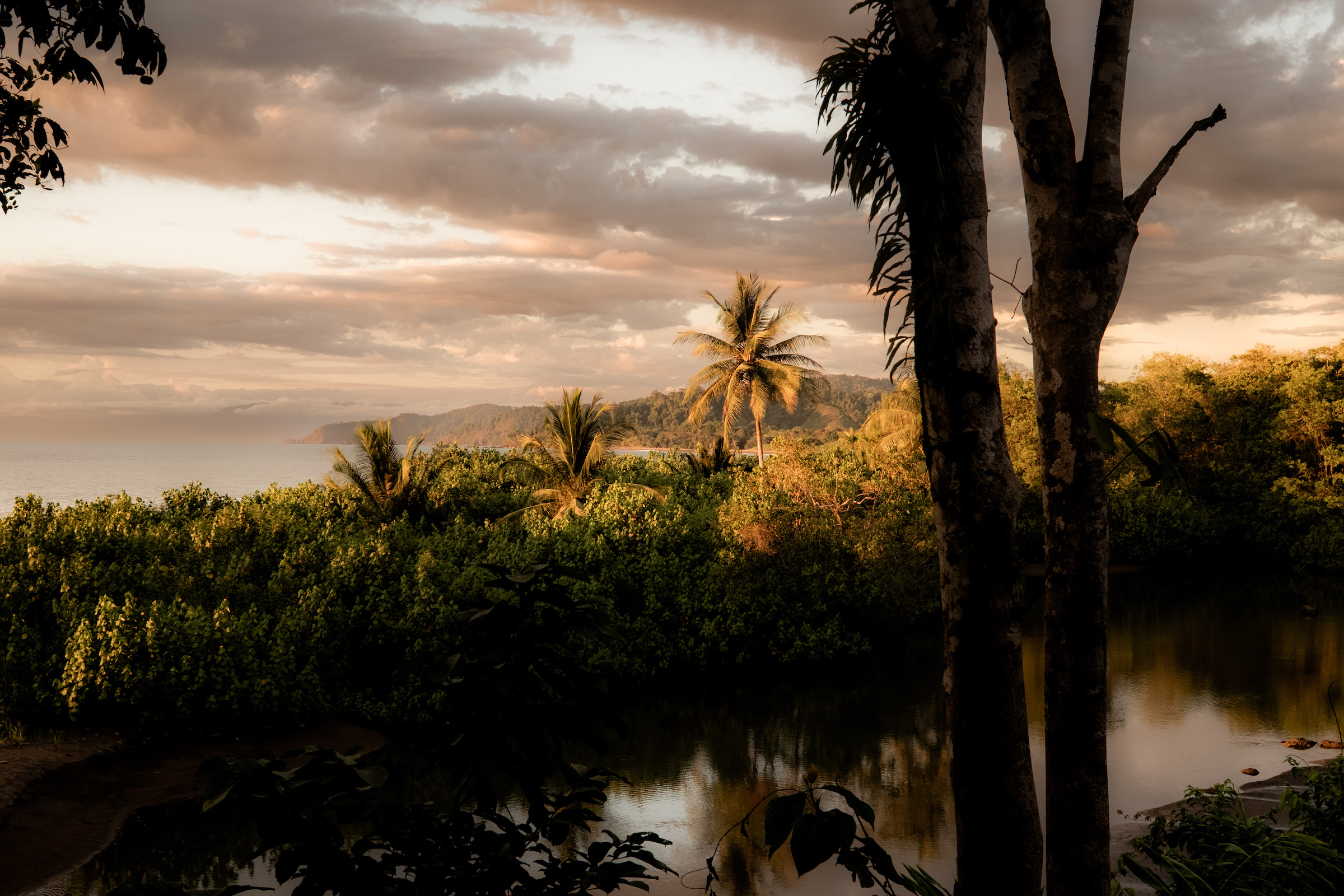
Stage 6 of The Coastal Challenge Costa Rica was always going to be special. It wasn’t just another race day. It was the closing chapter for the Adventure and Expedition categories. A loop that began and ended in the wild beauty of Corcovado and Bahía Drake. A day of waterfalls, gravel roads, jungle trails, river crossings, single track, beaches, and some of the most stunning light the Pacific coast can offer.

For many runners, this stage wasn’t only about time. It was about finishing what they started days ago. It was about earning the medal. It was about emotion.

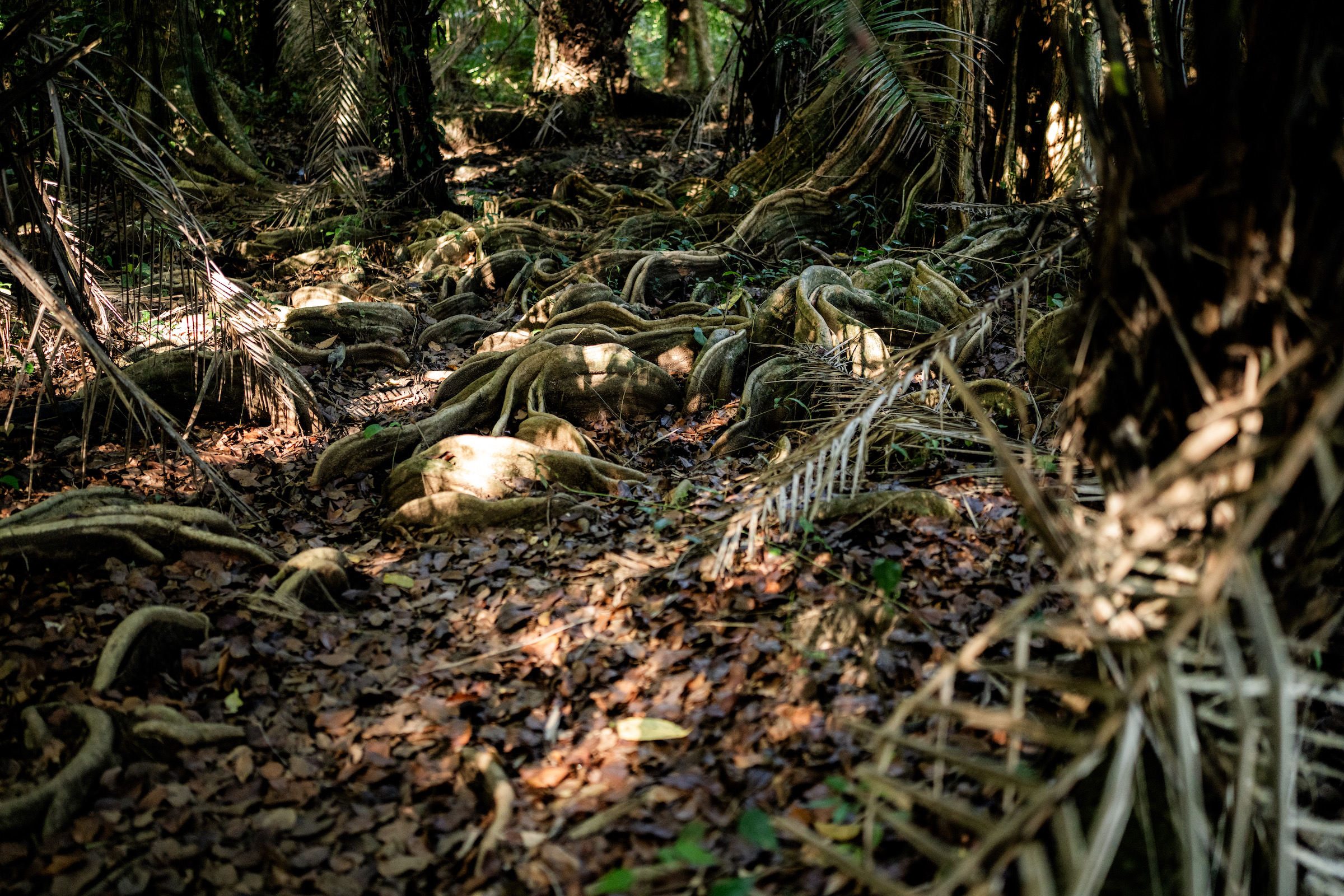
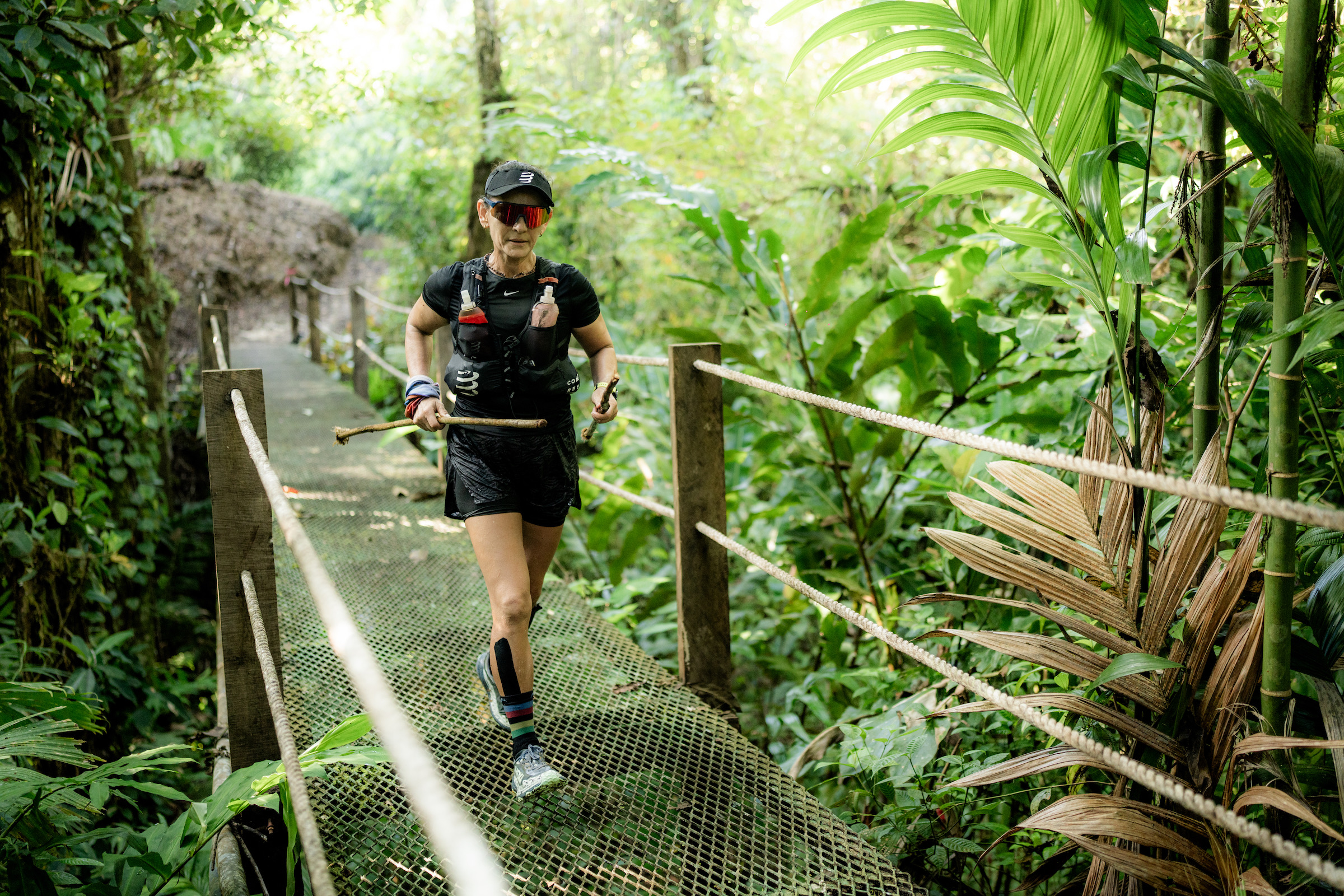
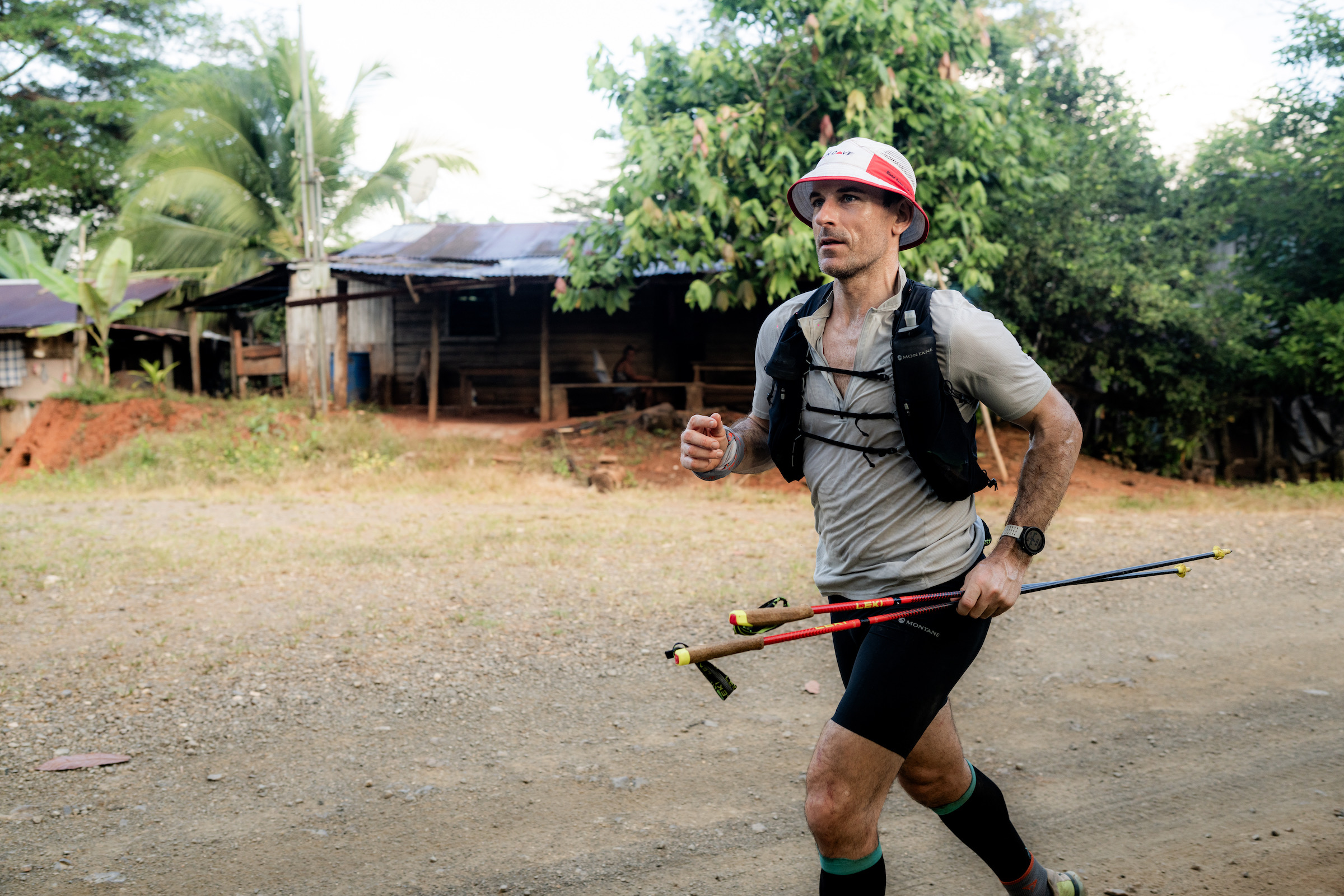
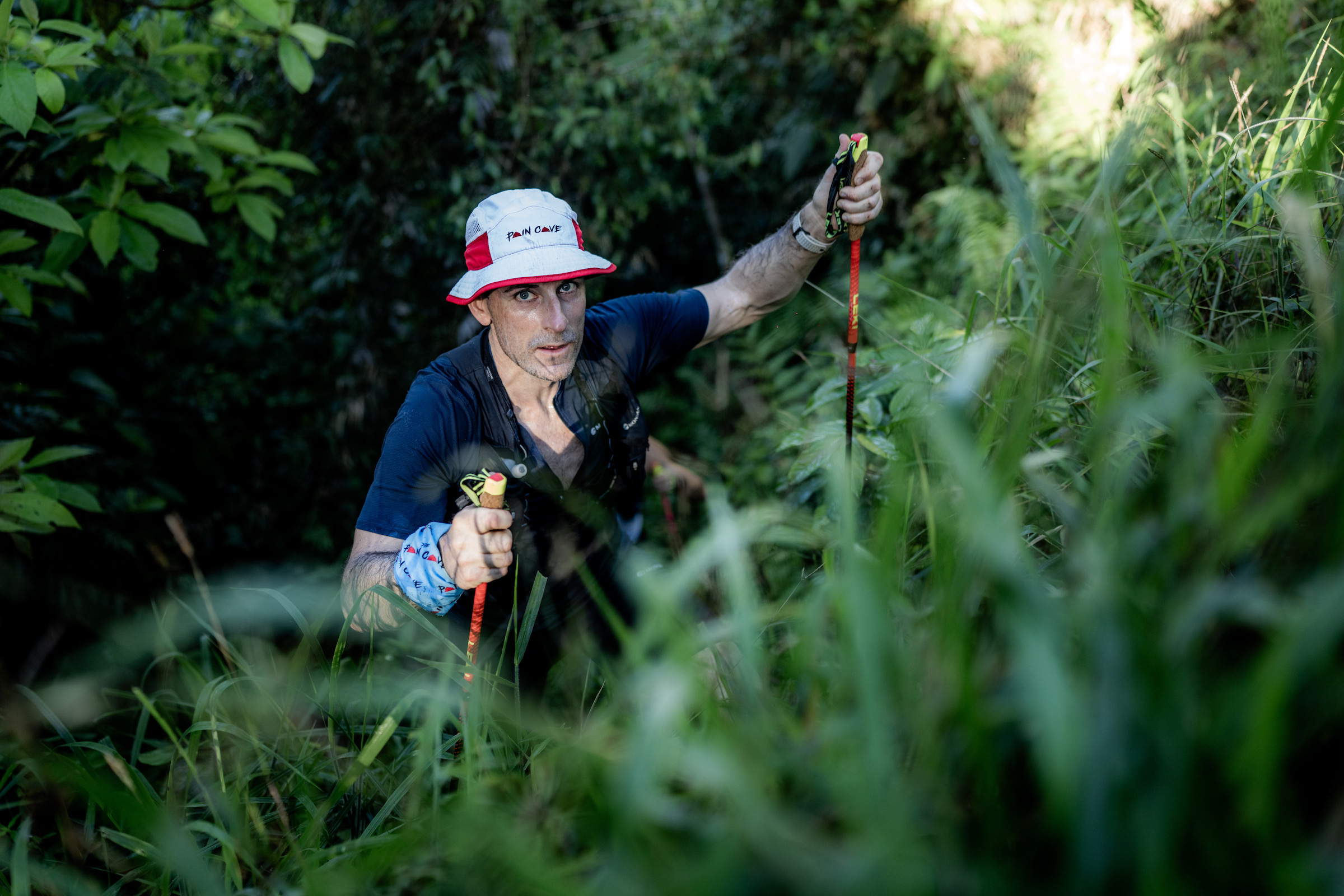
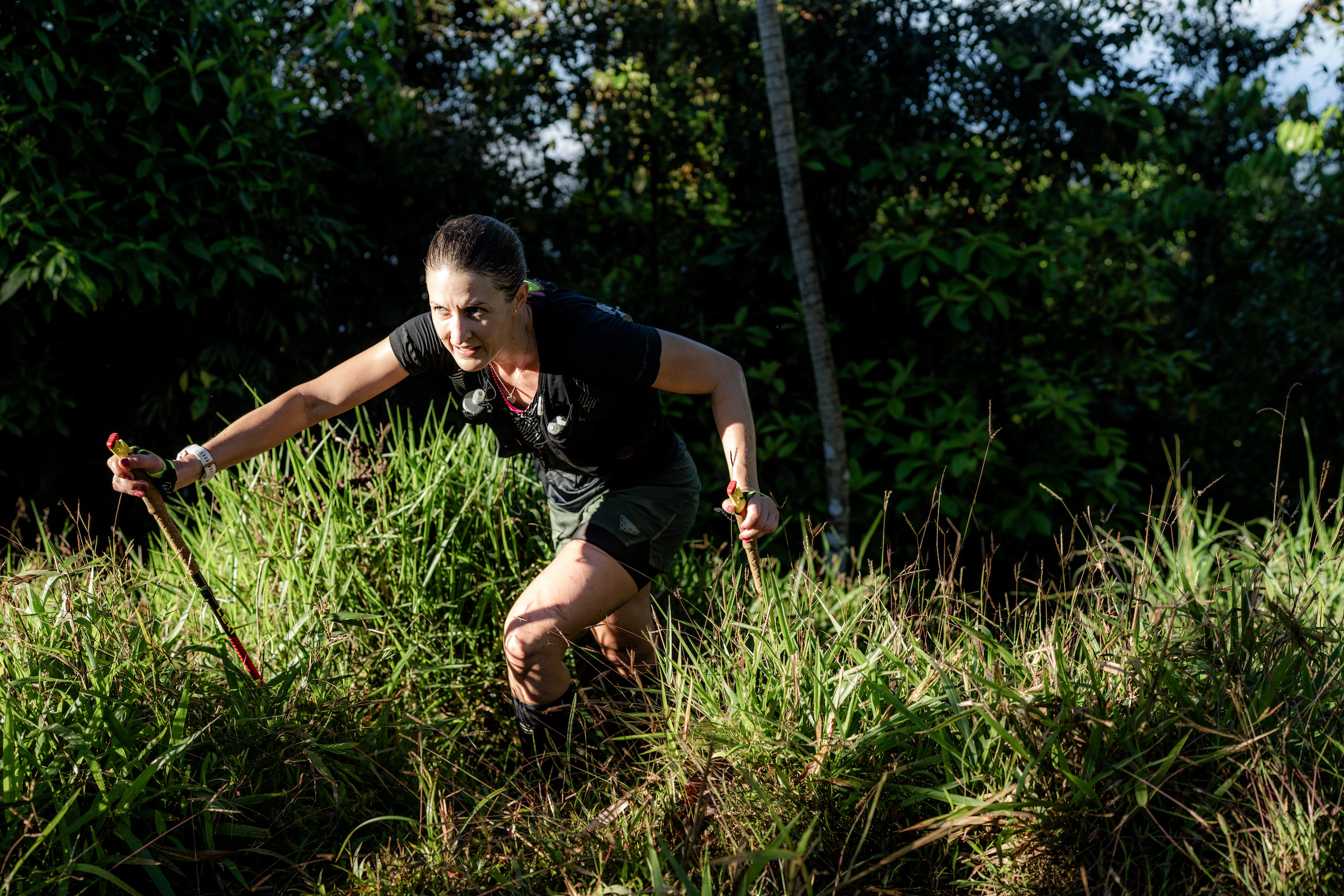
The route delivered everything Costa Rica promises. Thick jungle that swallowed sound and forced focus. Gravel roads that tested tired legs. Technical single track winding through roots and rock.

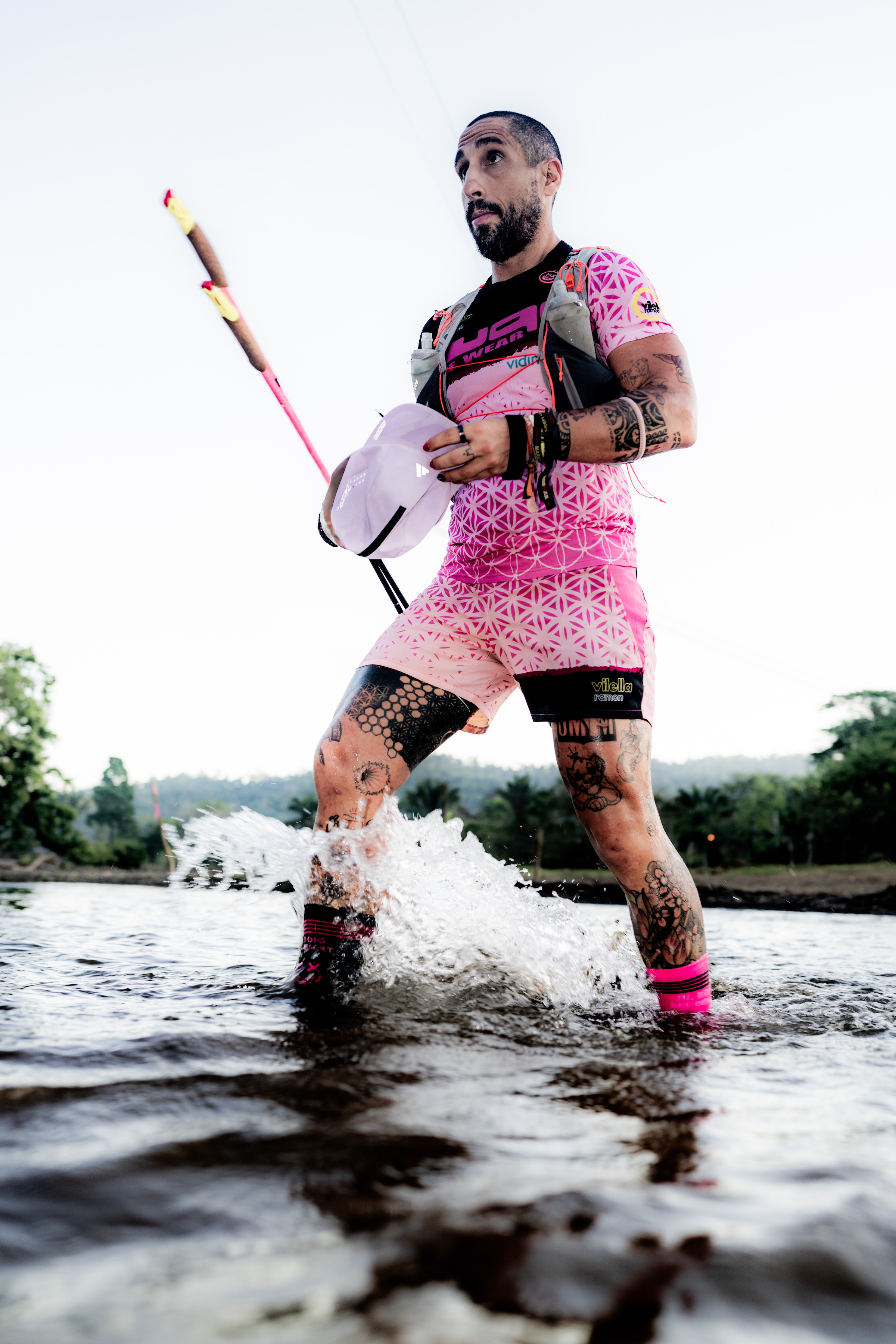
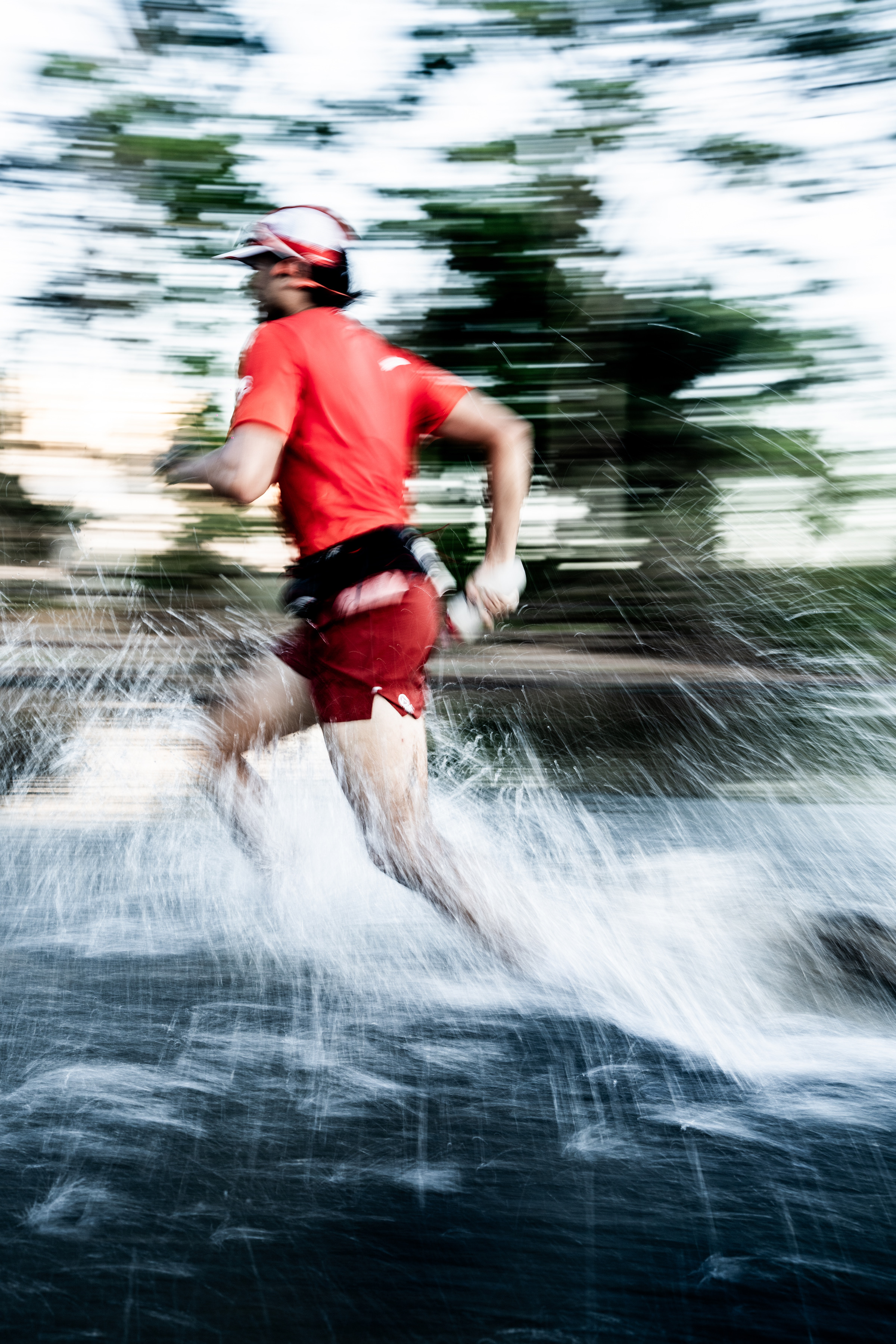
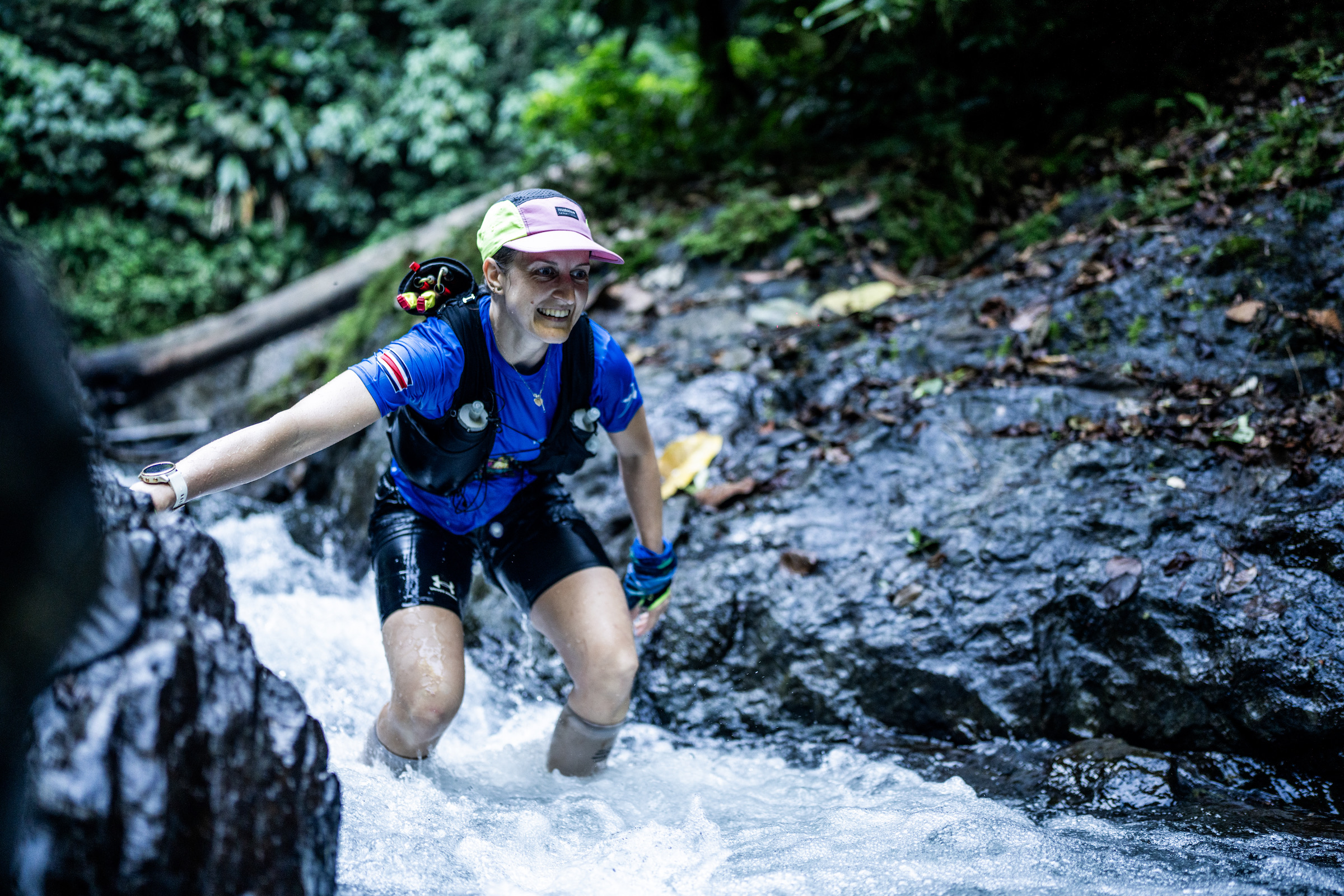
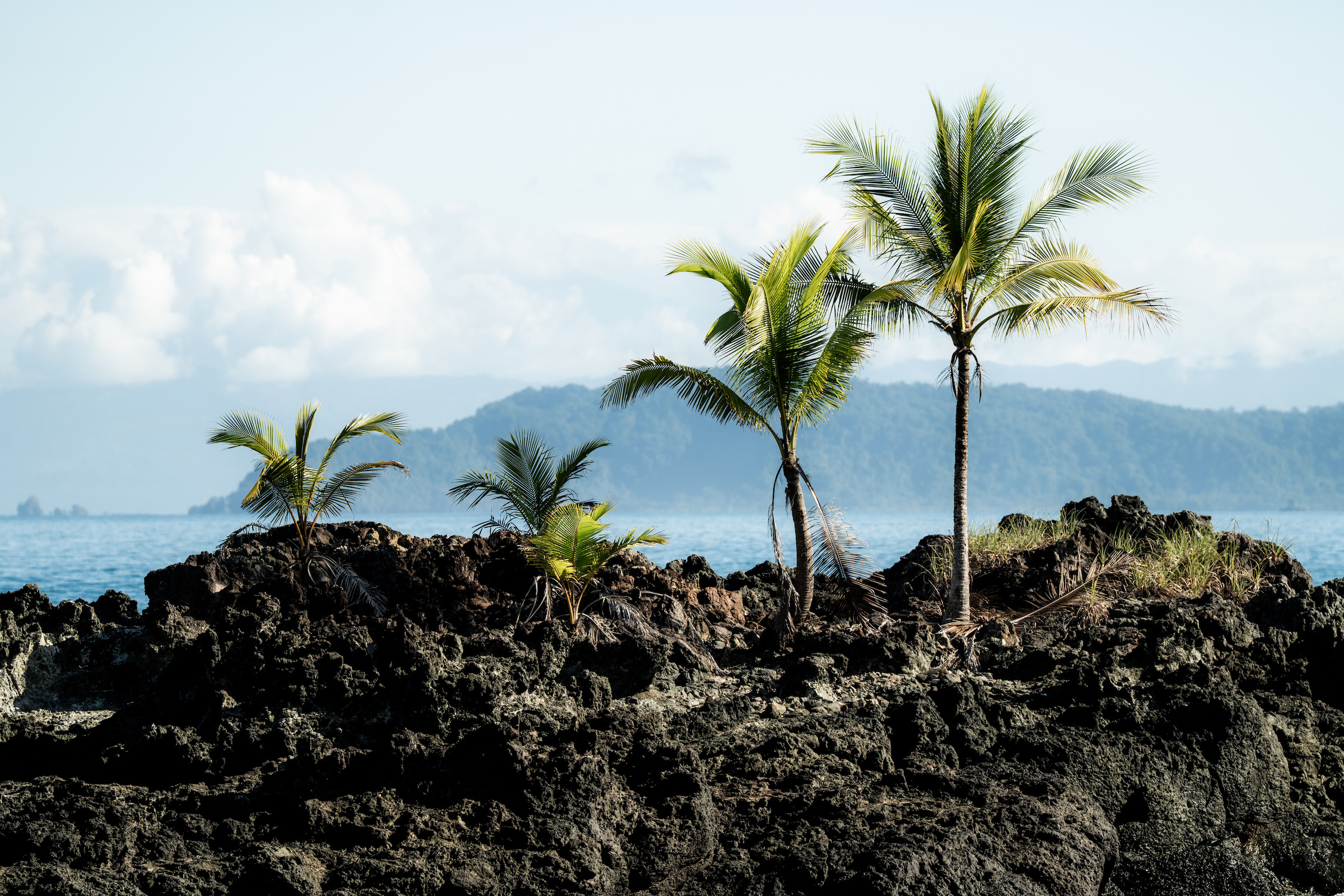
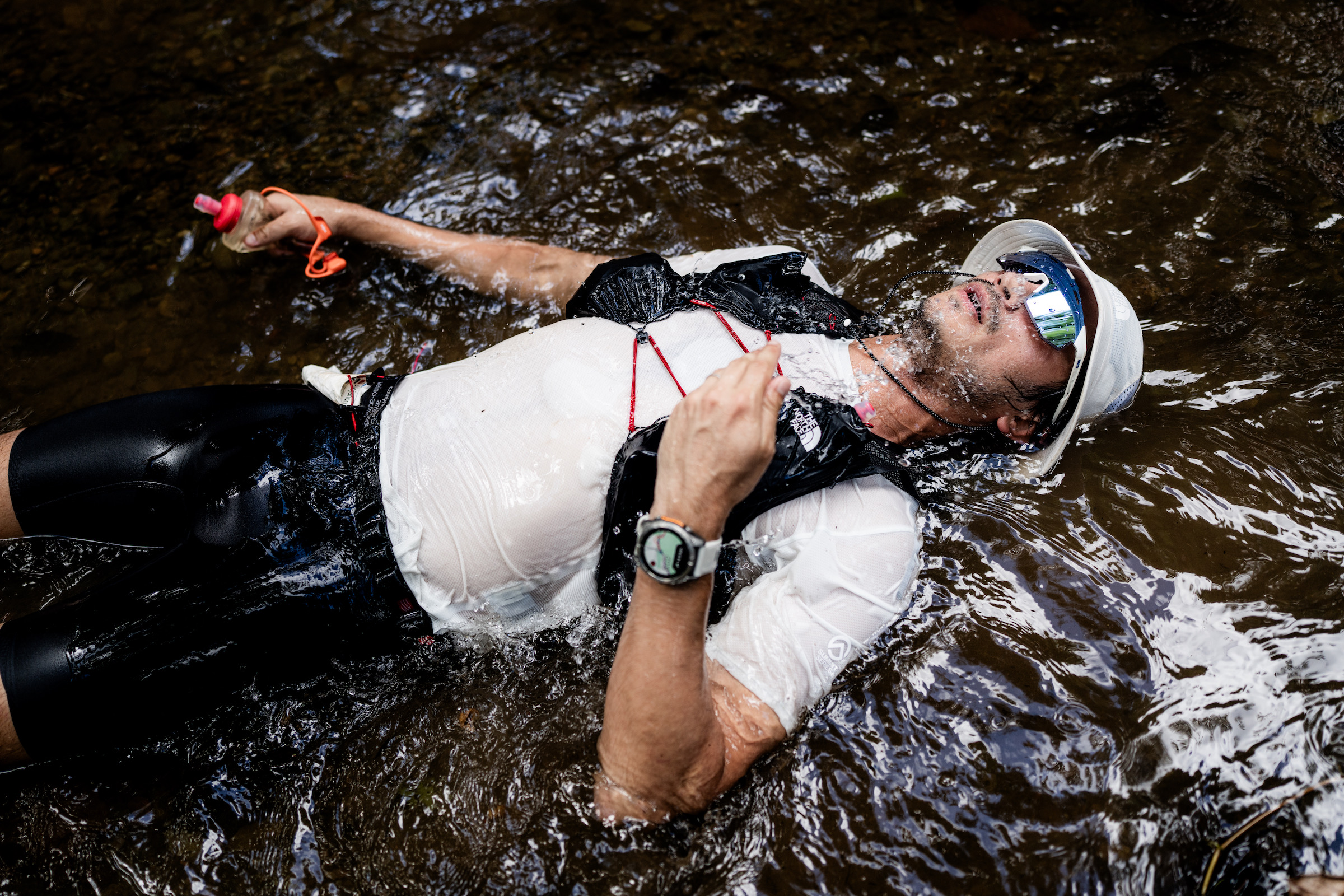
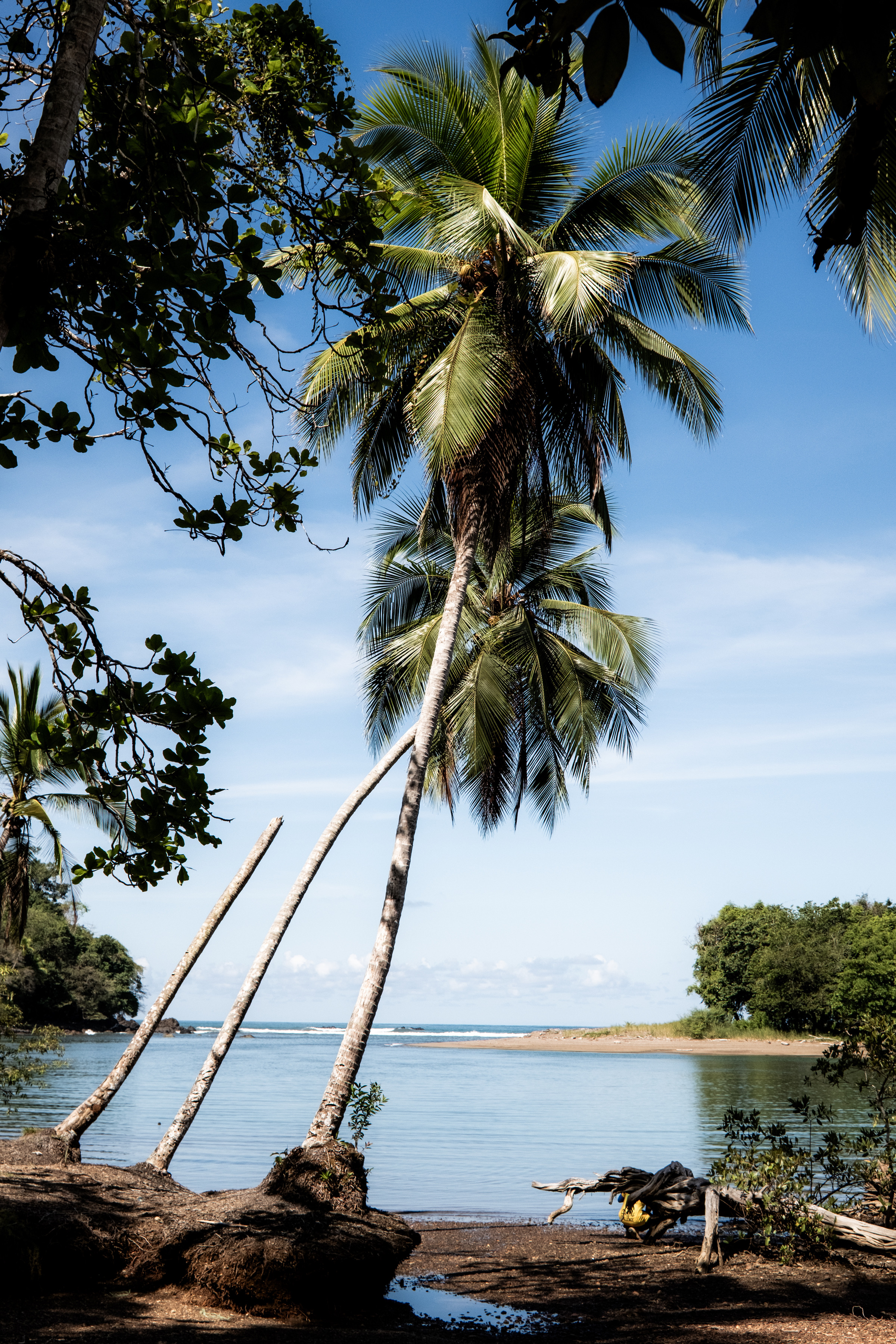
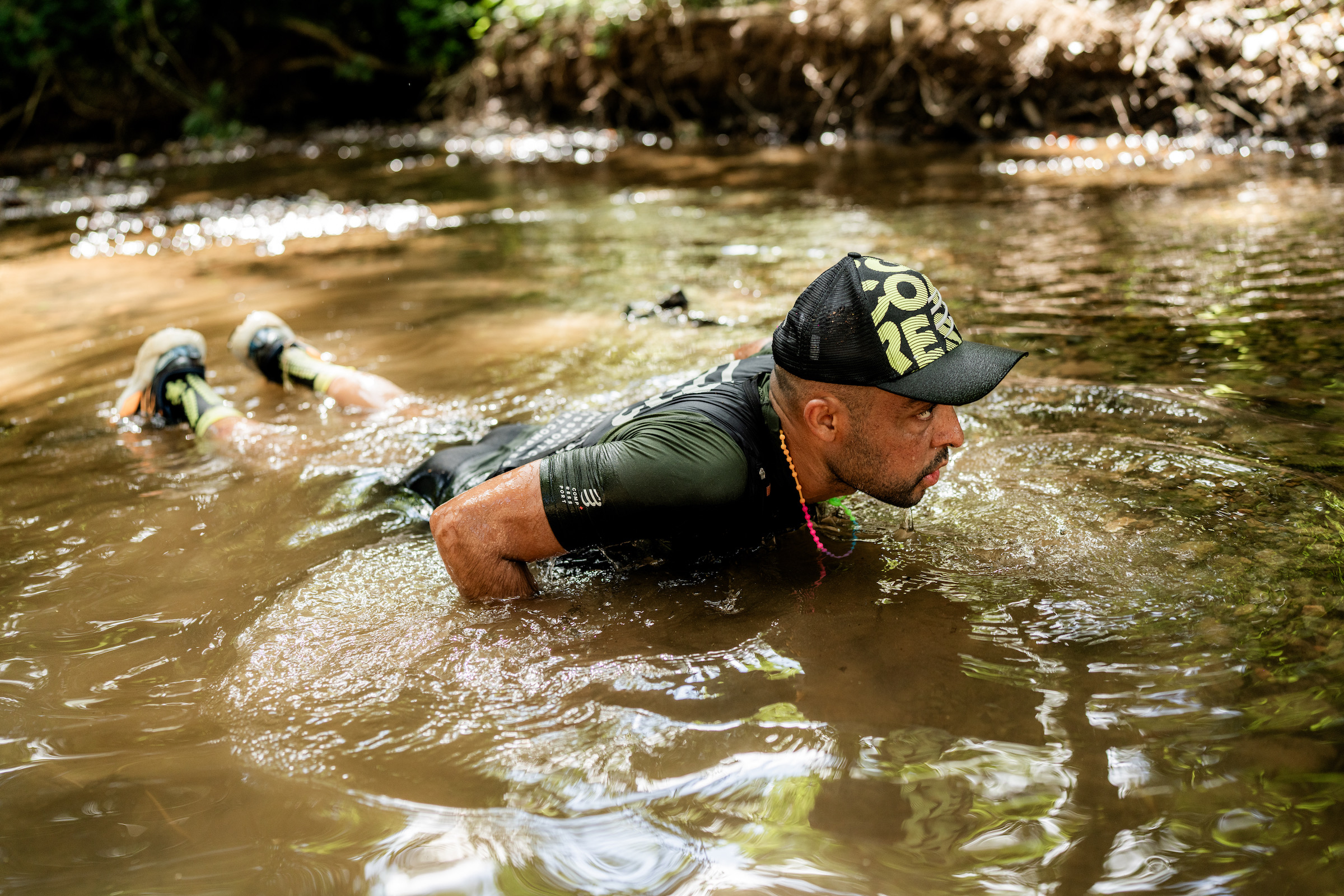
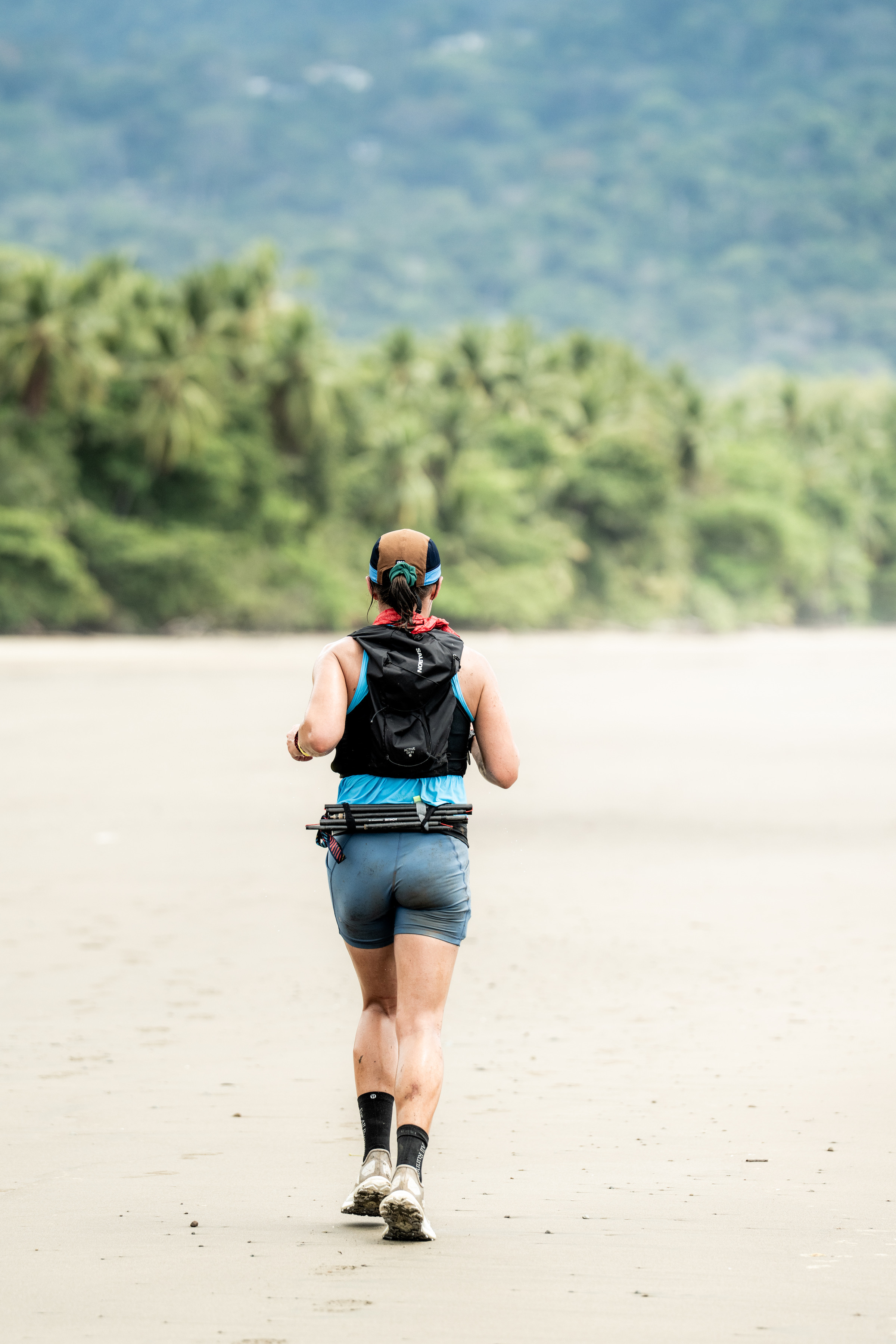
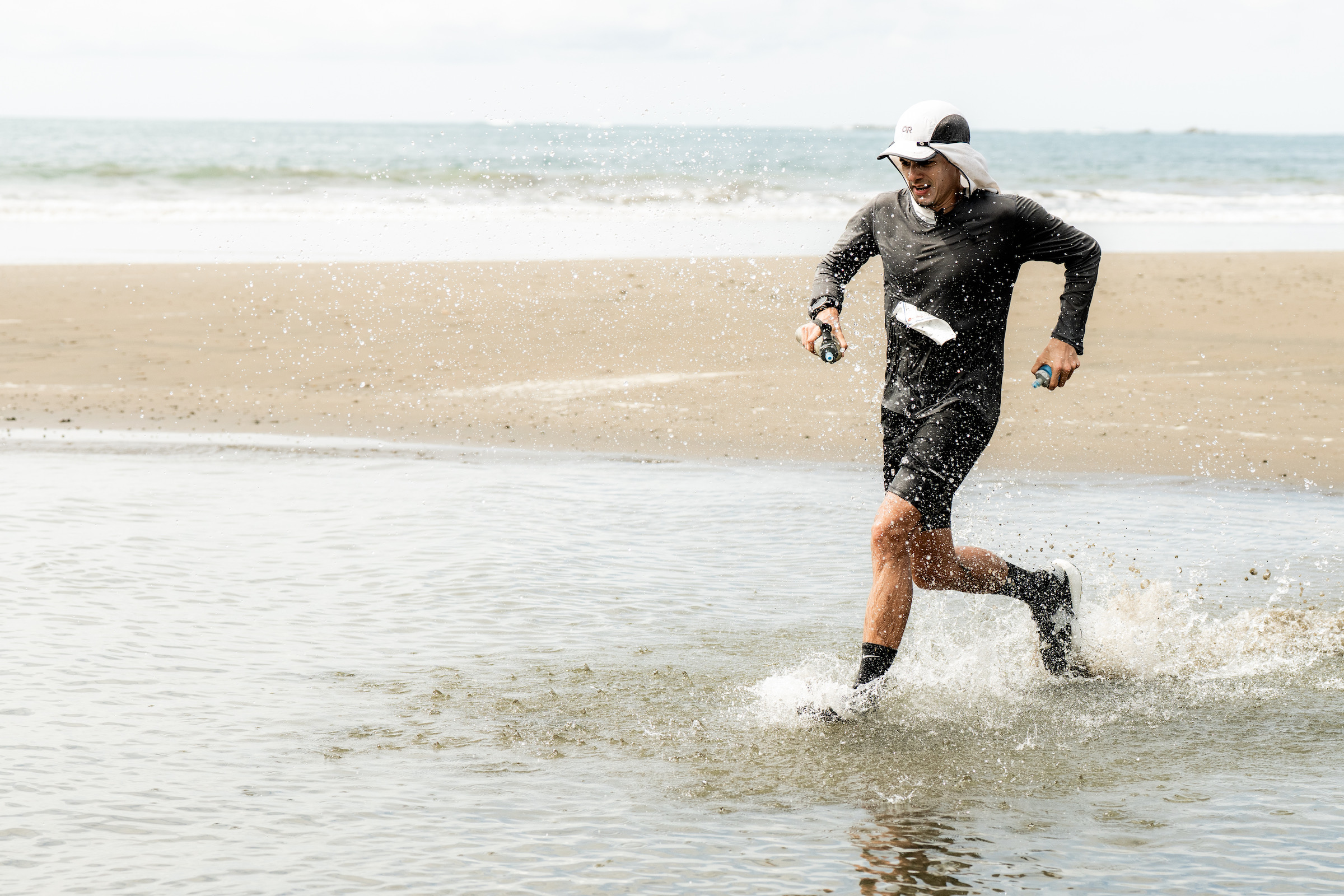
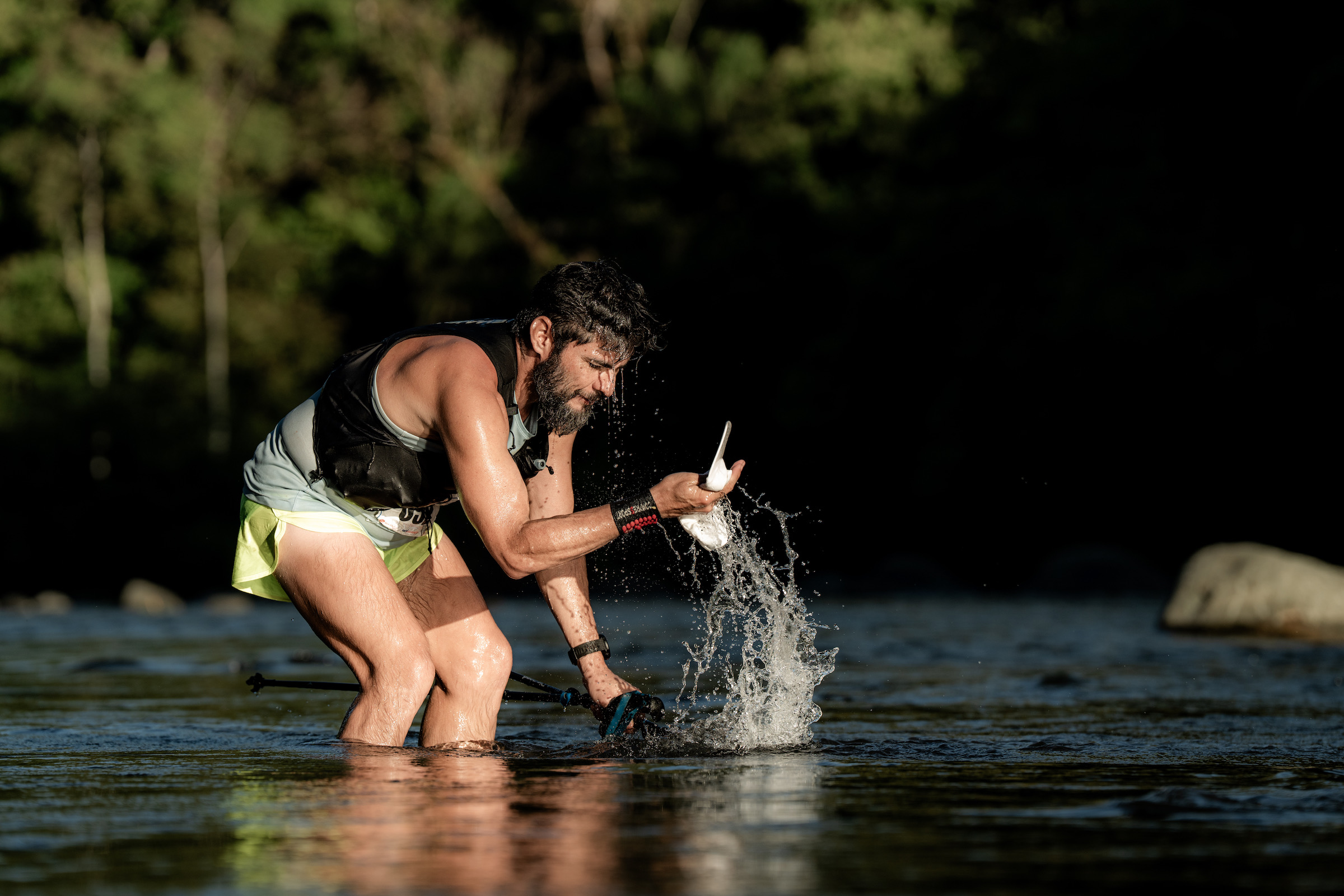
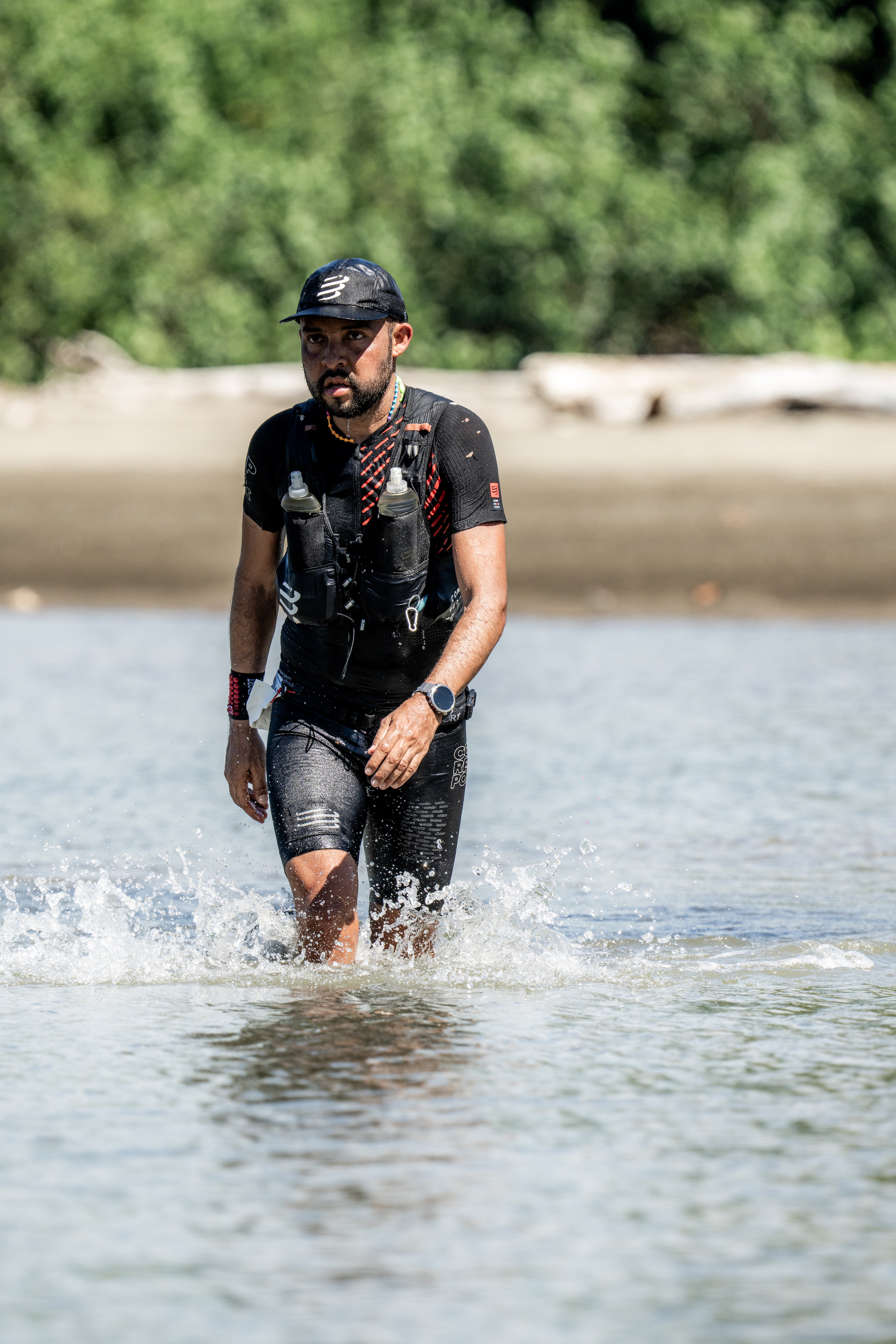
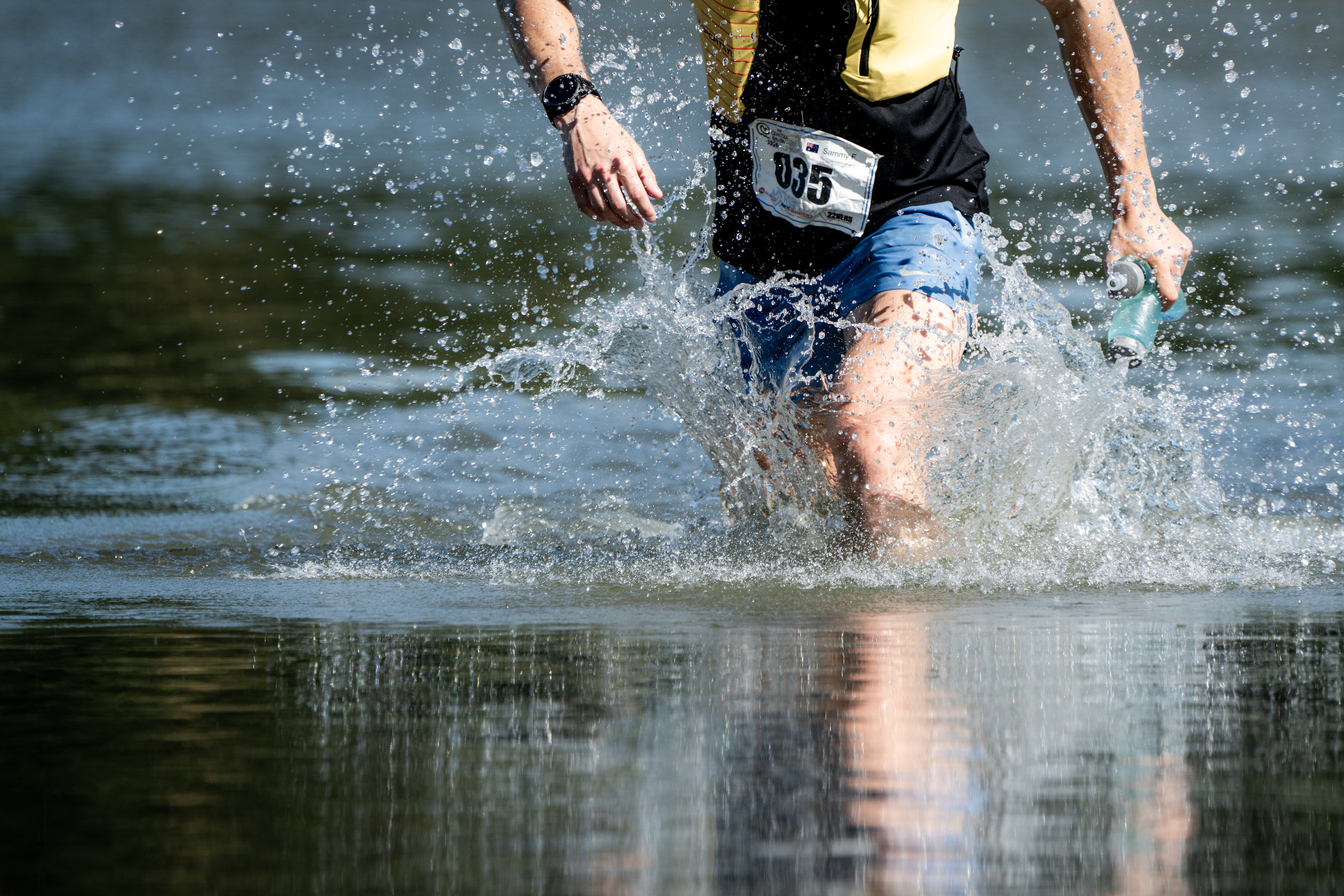
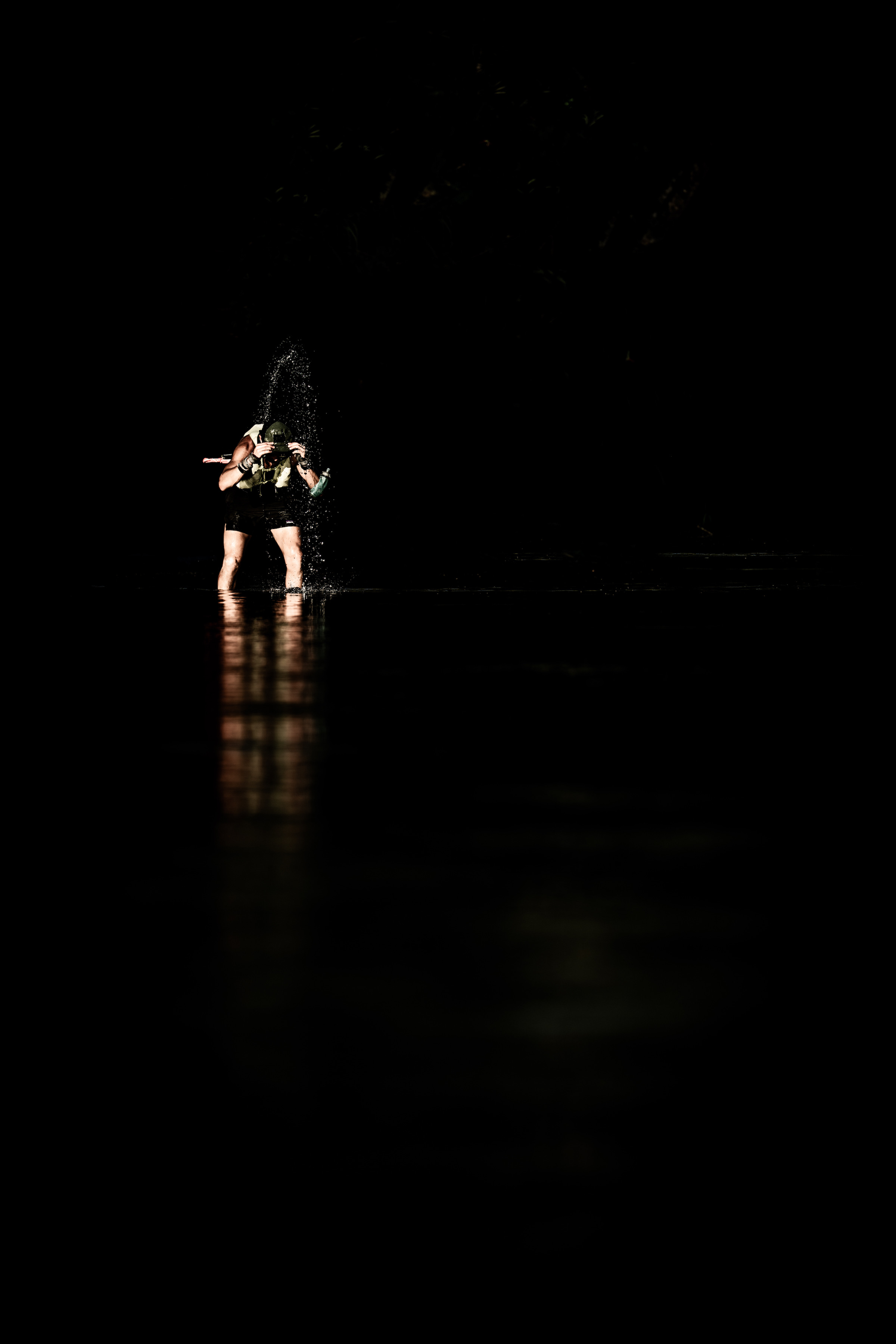
River crossings that cooled sore muscles for a brief moment. Beaches that stretched endlessly under a rising sun. Waterfalls tucked deep in green corridors. Every turn seemed to offer another view, another reason to pause, another reminder of how far everyone had come.

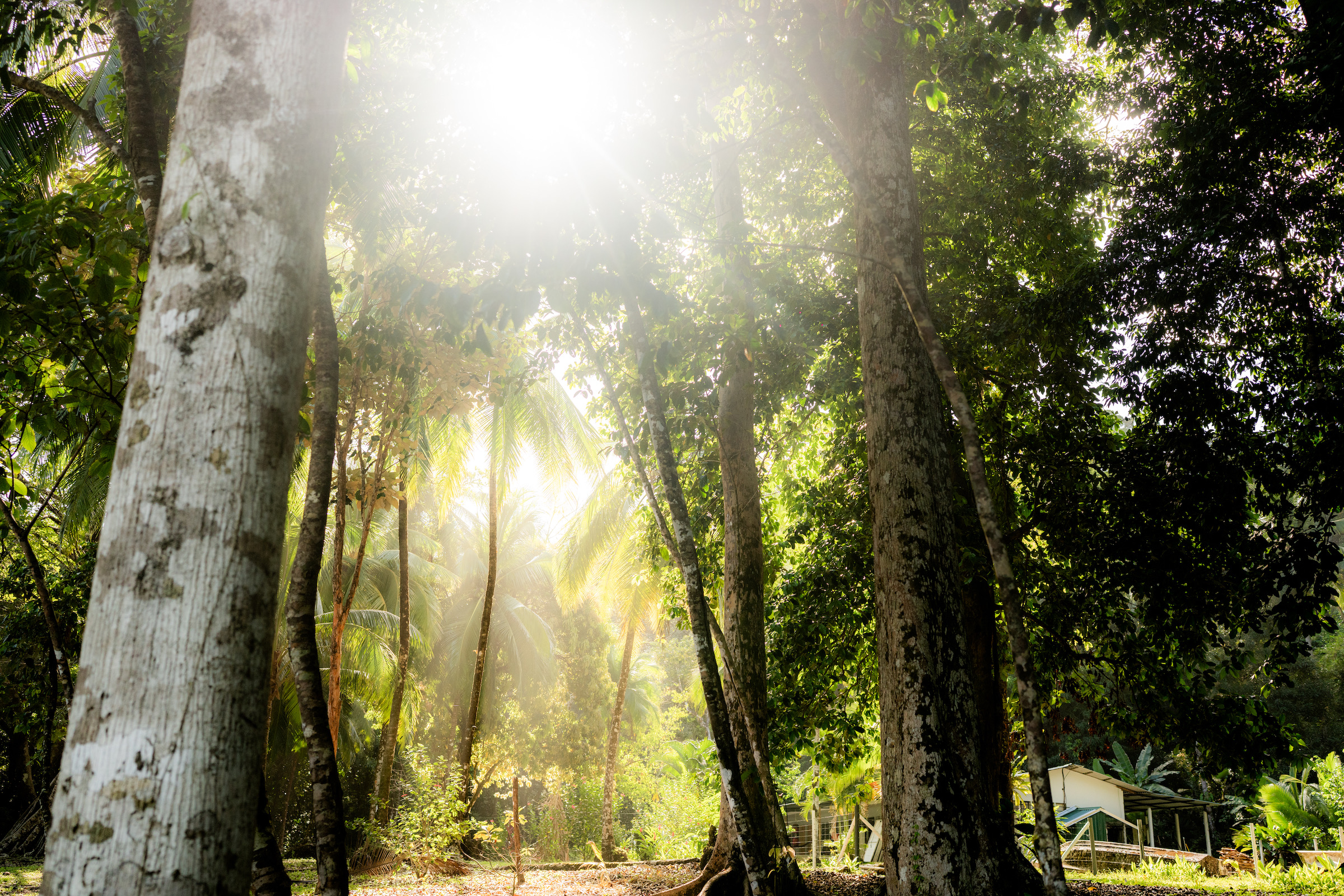
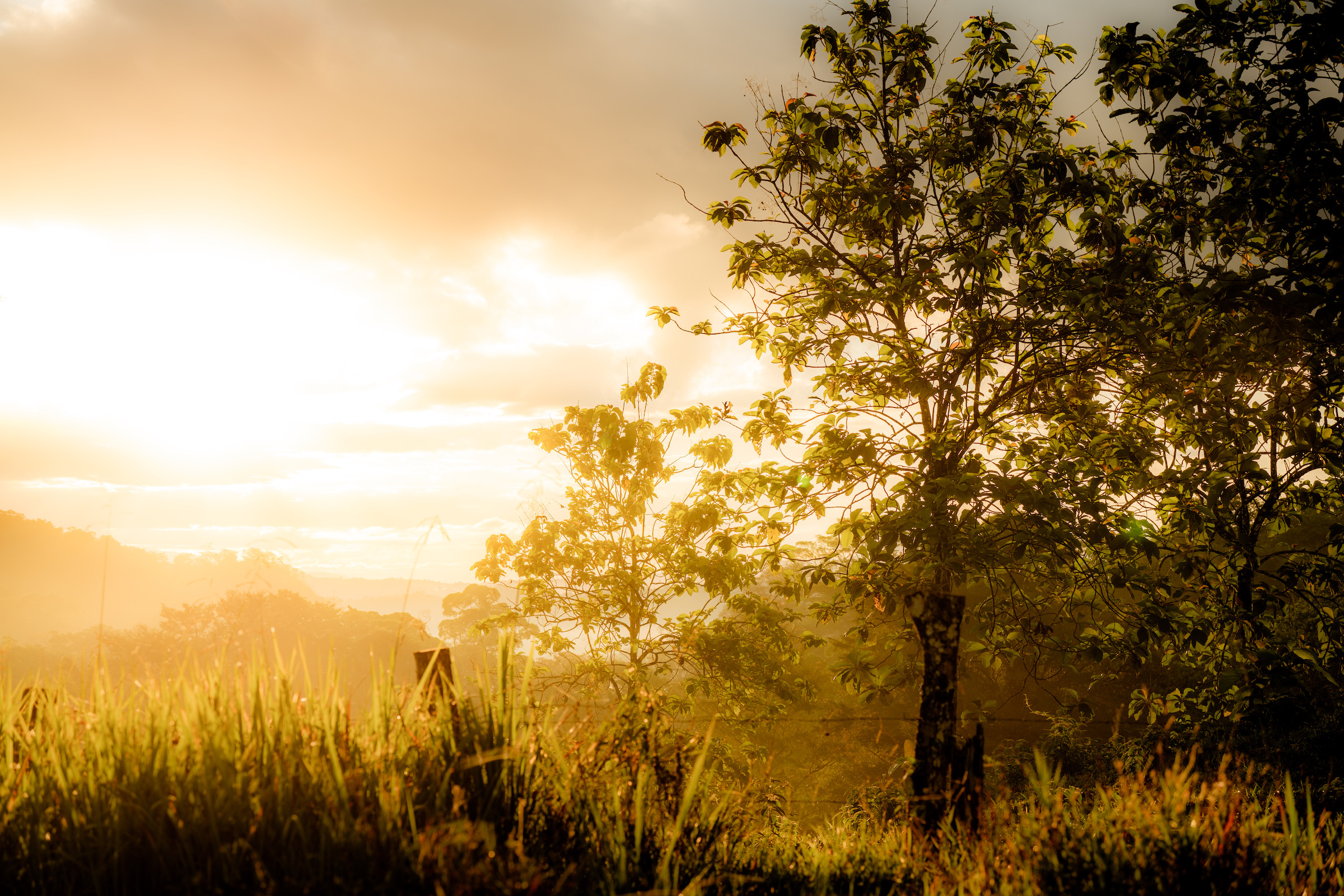
And the light. Early morning gold over the ocean. Sun filtering through canopy leaves. The kind of light that makes even exhausted runners smile.

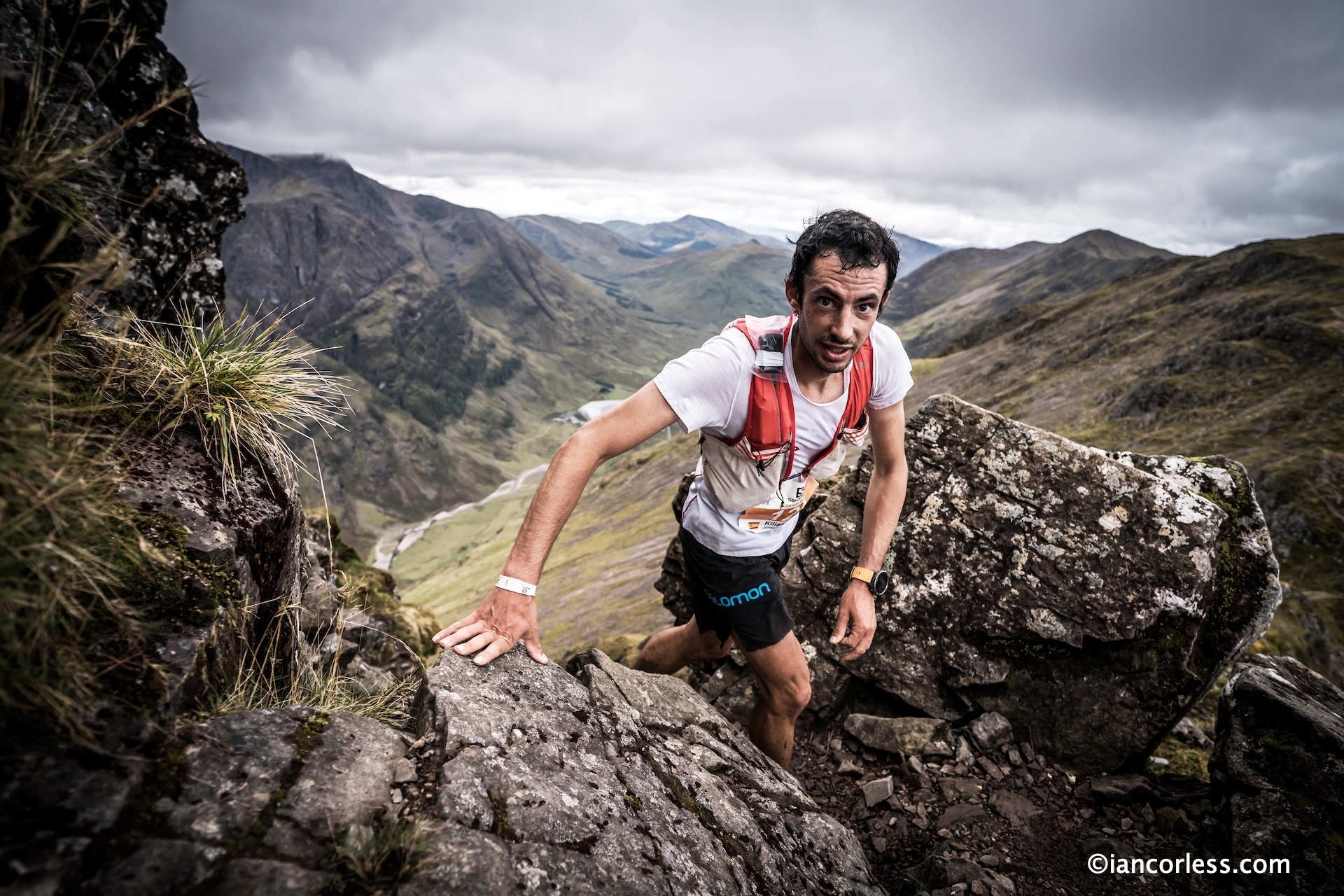
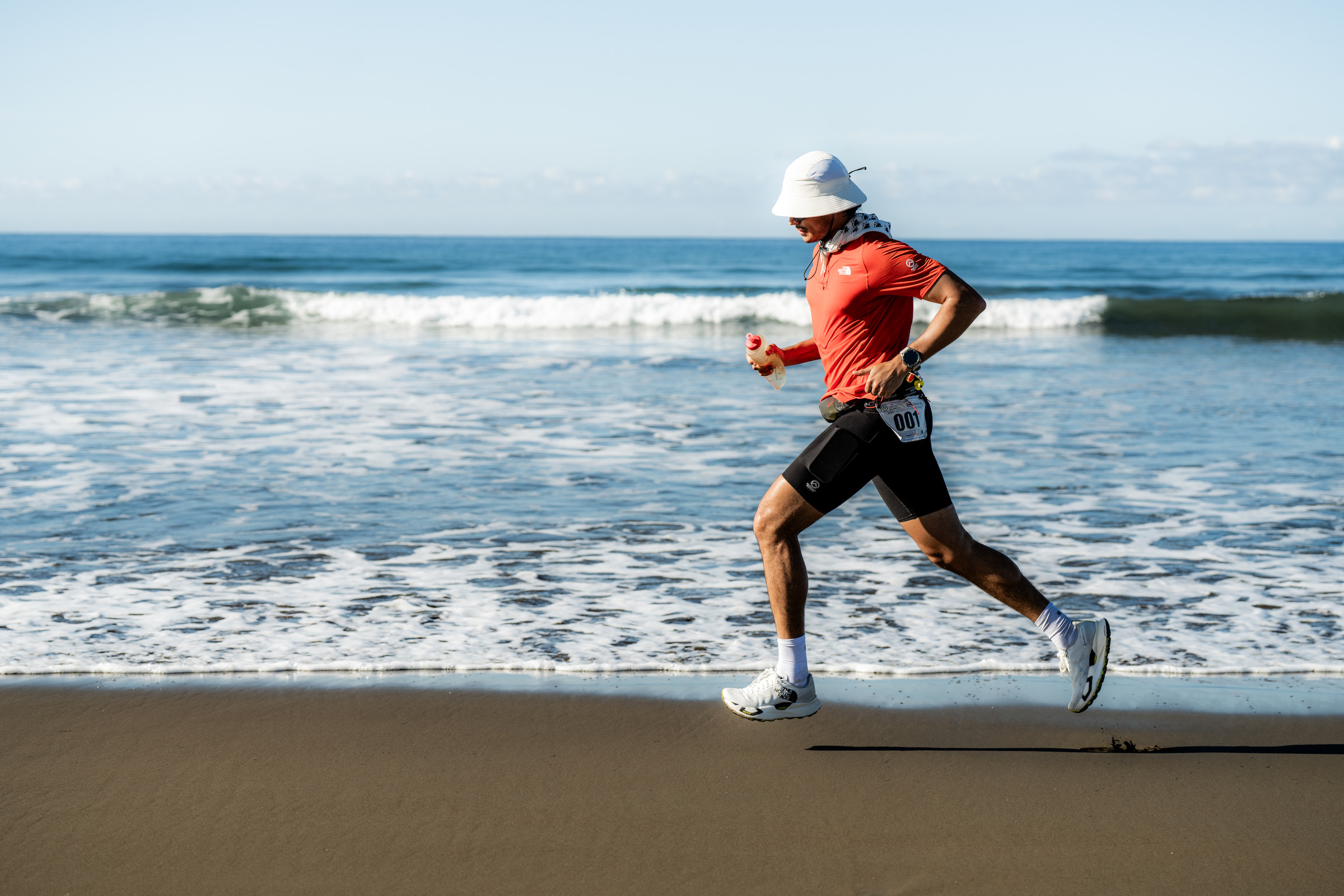
At the front of the Expedition men’s race, Alejandro Muñoz (#1) delivered a commanding performance, crossing the line in 3:54:46.1 to take the Stage 6 win. He ran with control and strength, managing the varied terrain with precision.

Martin Alonso Mena Jimenez secured second in 4:21:29.0, followed closely by Jon Shield in 4:22:43.9. Both men pushed hard through the jungle and across the beaches, knowing every minute mattered on this final day.

But while Stage 6 had its winners, the greater story in Expedition belonged to Erick Agüero.

After eight participations in The Coastal Challenge, Erick Agüero finally claimed the overall Expedition title. Eight times he stood on the start line. Eight journeys through heat, humidity, hills, rivers, and long lonely stretches of trail. Eight times chasing the dream.

And this year, he did it.

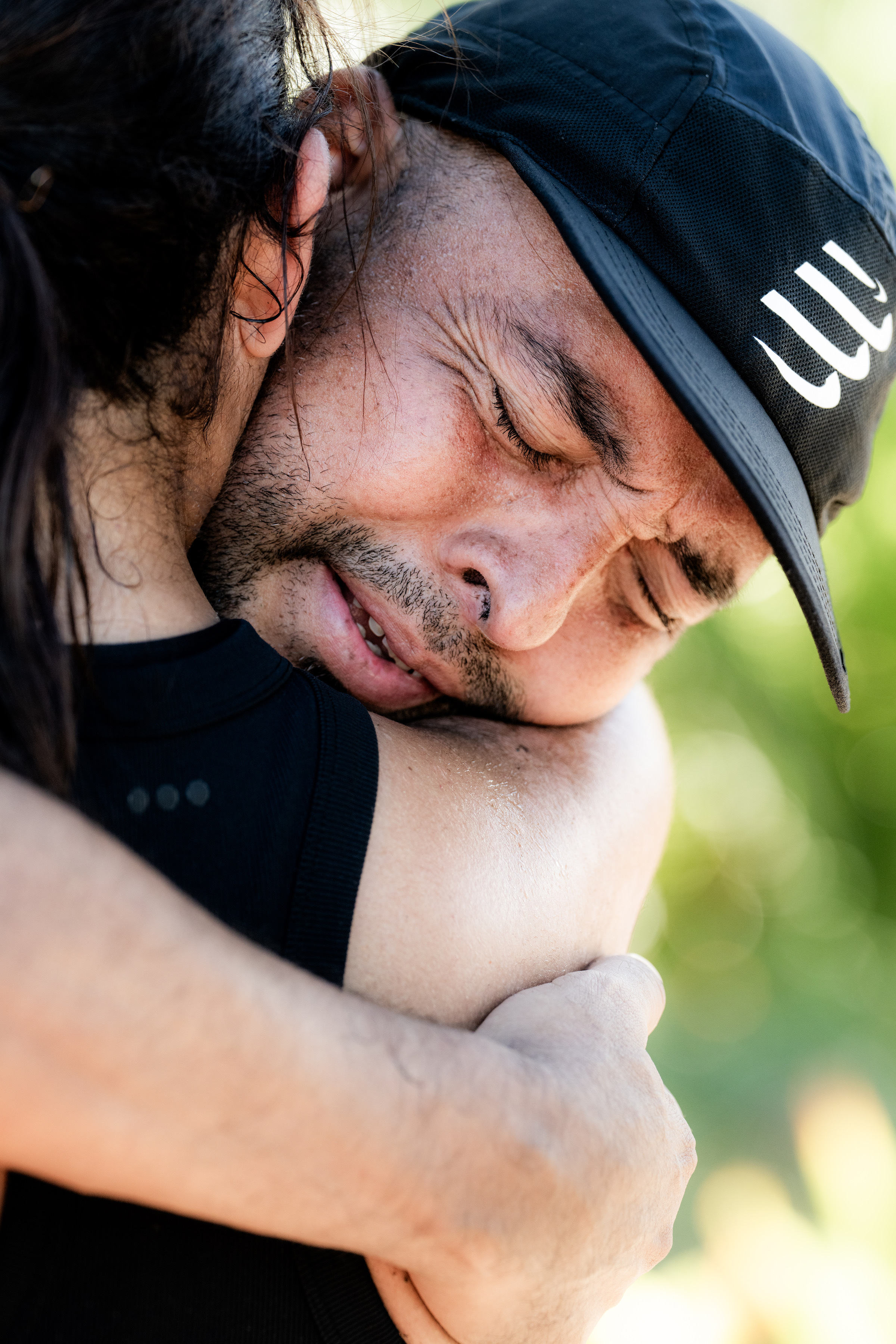
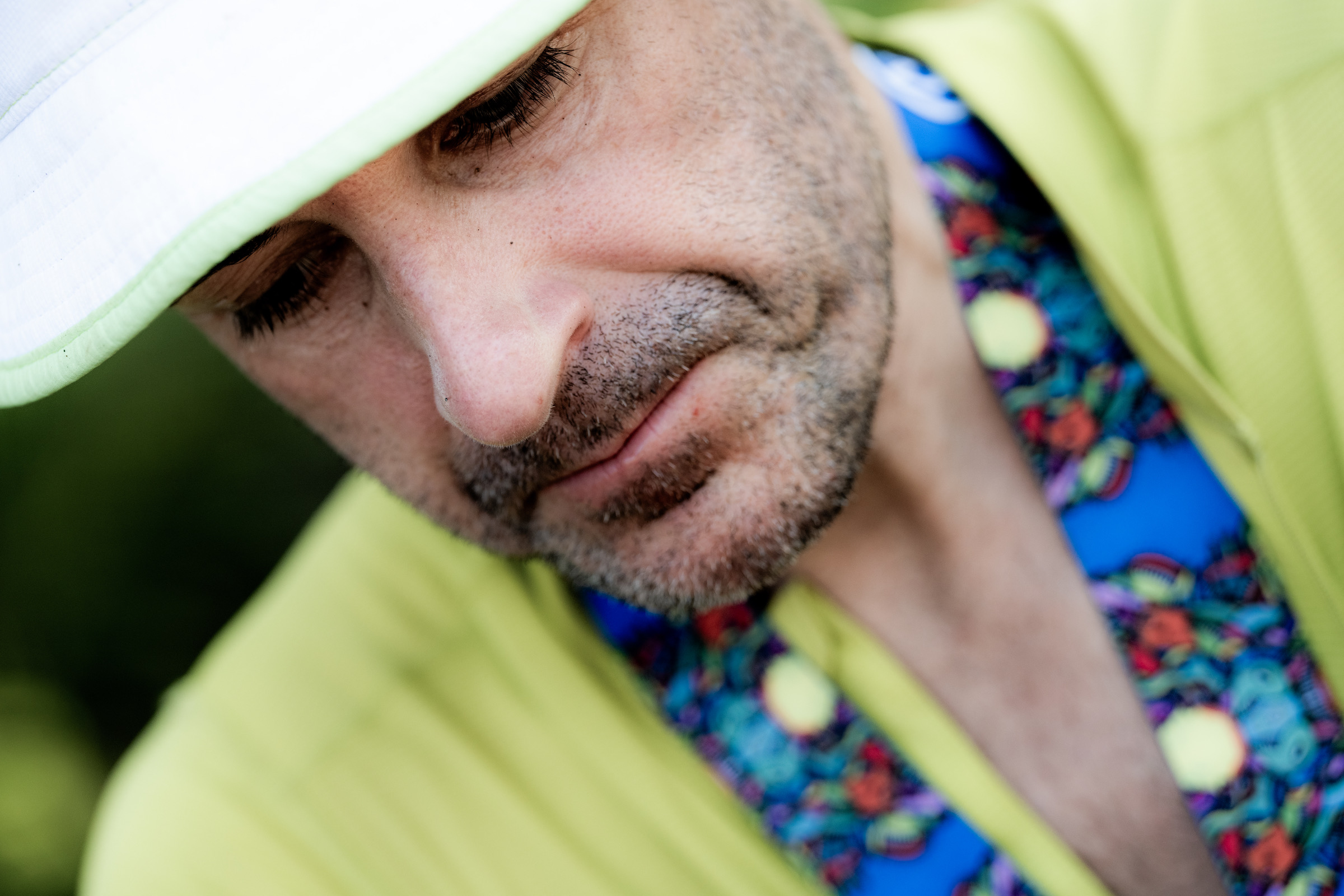
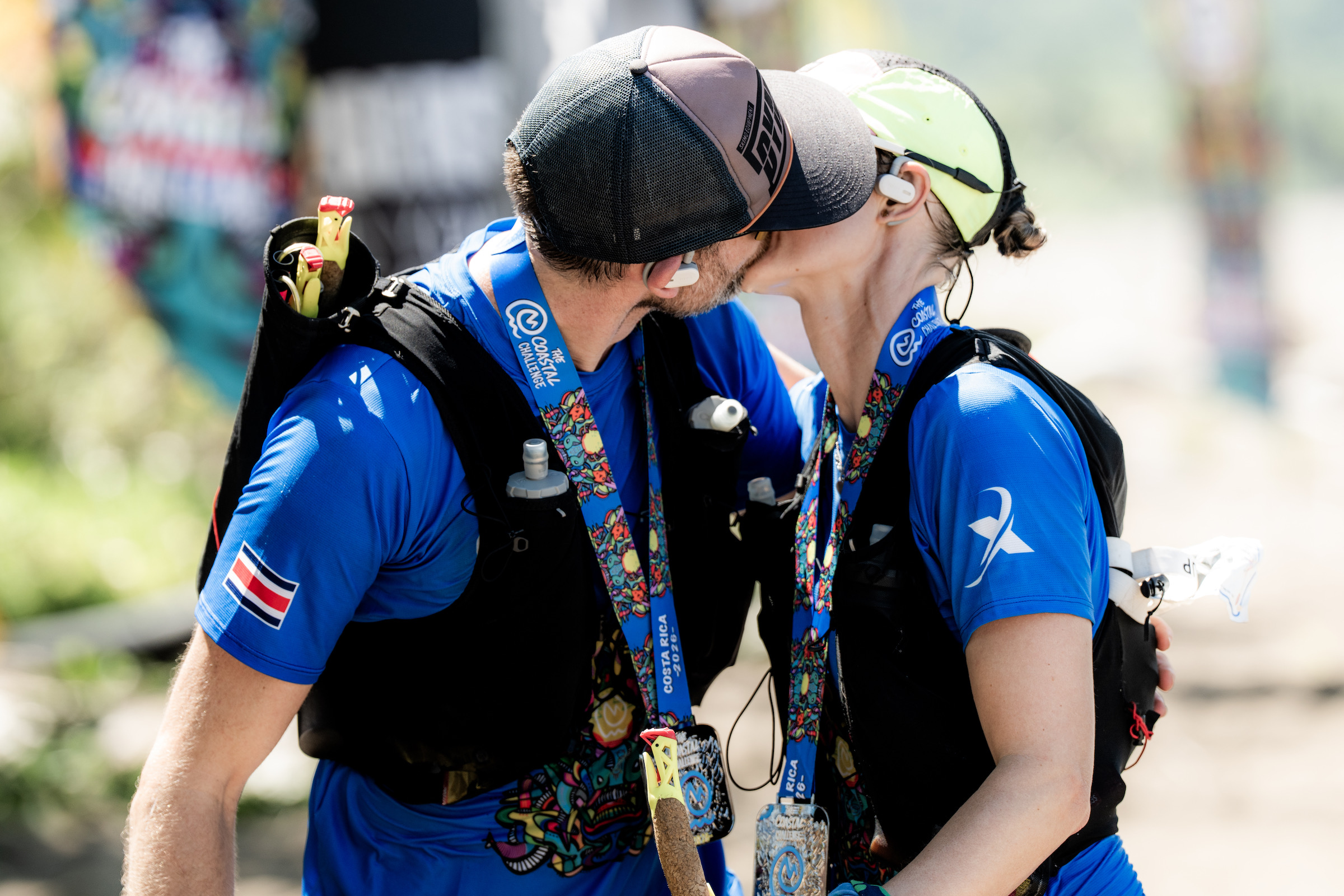
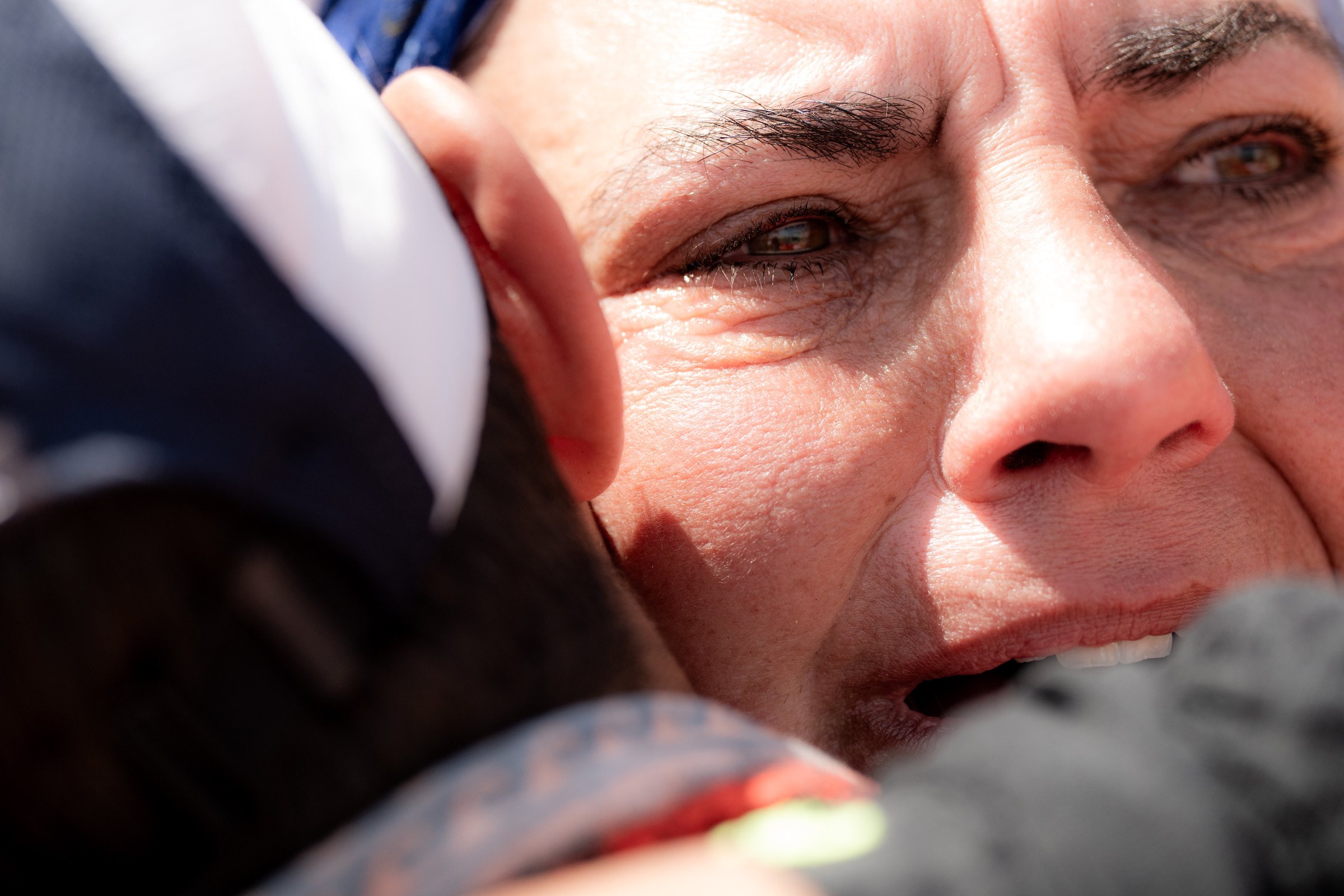
At the finish line there were tears. Real ones. The kind that come from years of effort, setbacks, persistence, and belief. You could see the weight lift from his shoulders as he crossed under the arch. Joy mixed with relief. Pride mixed with exhaustion. Winning after one attempt is impressive. Winning after eight shows something deeper. Commitment. Patience. Heart.It was one of those moments that reminds everyone why this race matters.

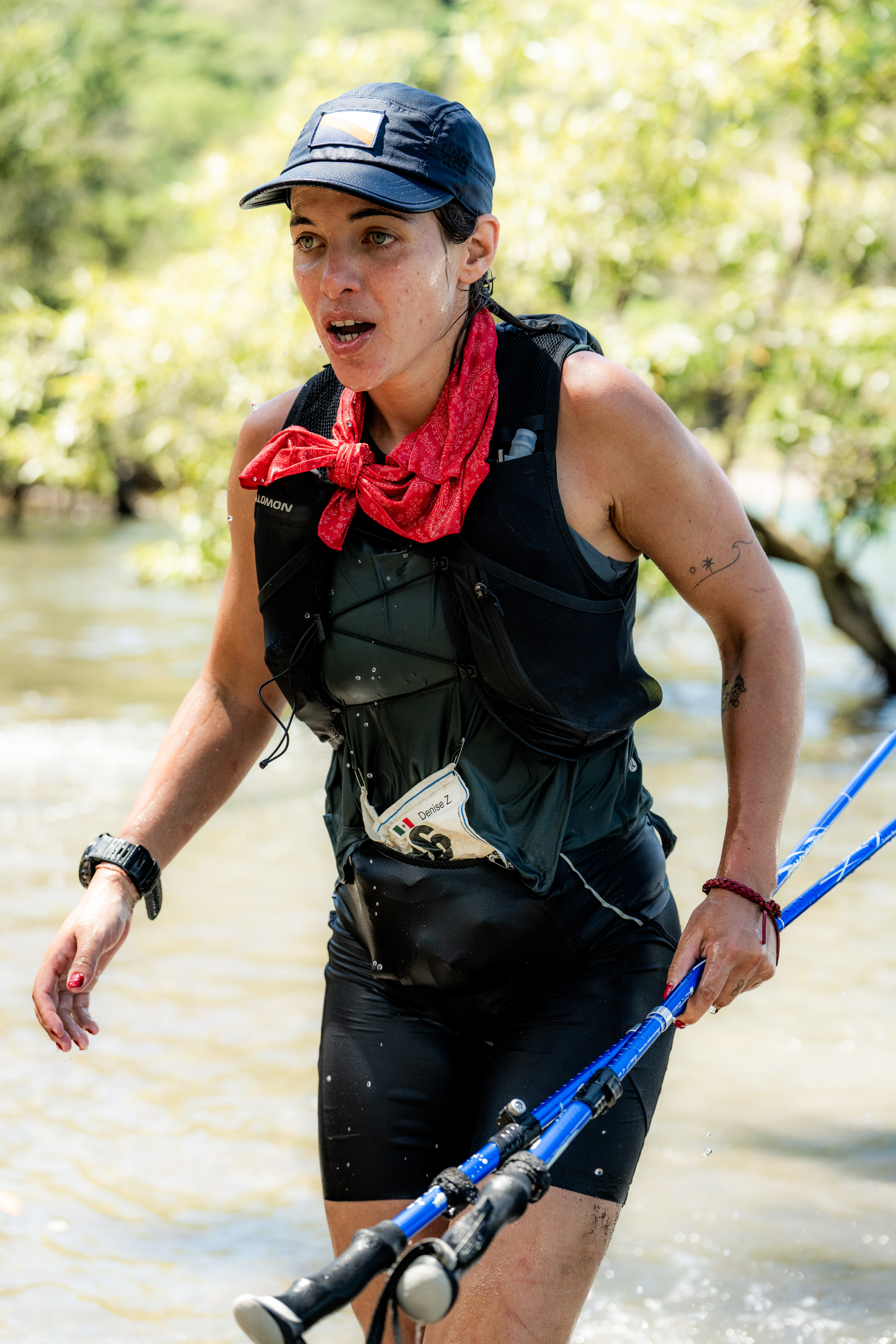
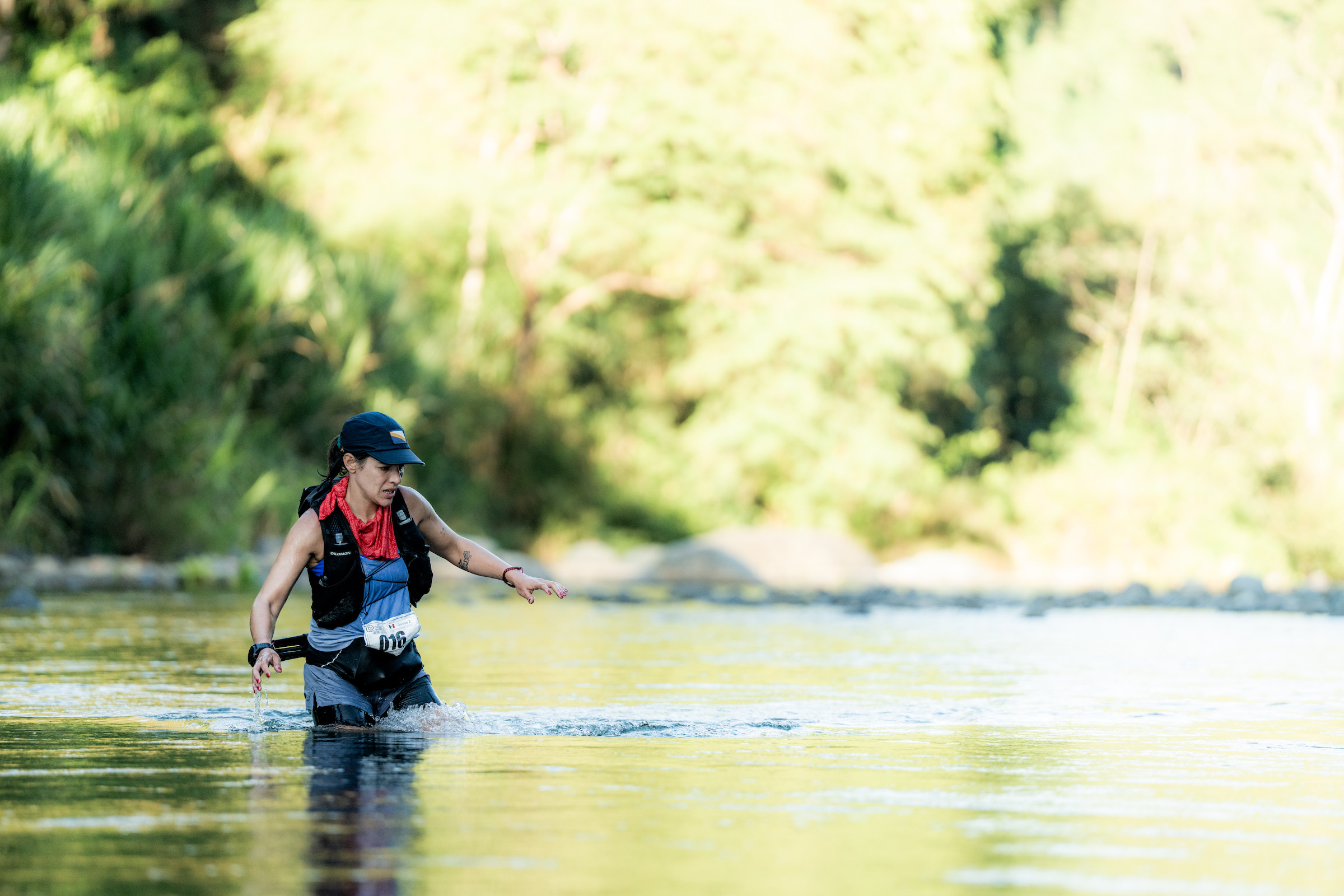
Denise Zelaya led the Expedition women home on Stage 6 in 4:24:35.1. She ran strong and steady, handling the technical sections with confidence and finishing her week on a high note.

Janina Beck followed in 5:11:18.6, while Floribeth Pérez (#38) completed the podium in 6:27:05.8. Each of them faced the same rugged loop and found their own way through it.

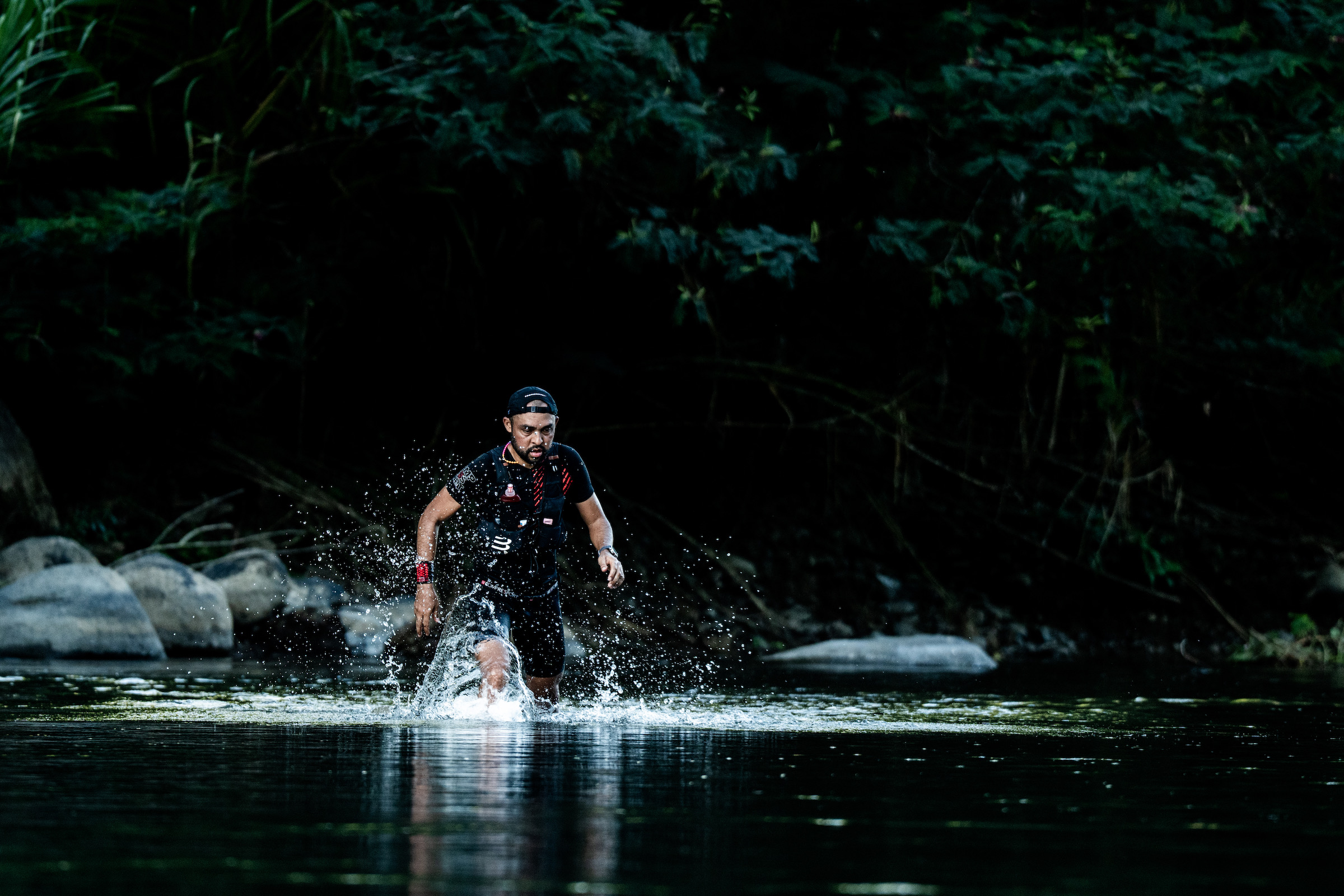
For the women’s field, the final stage was about resilience. By this point in the week, everyone is carrying fatigue. Legs are heavy. Feet are tender. Yet they kept moving forward. Through river crossings. Along sunlit beaches. Into the final stretch.

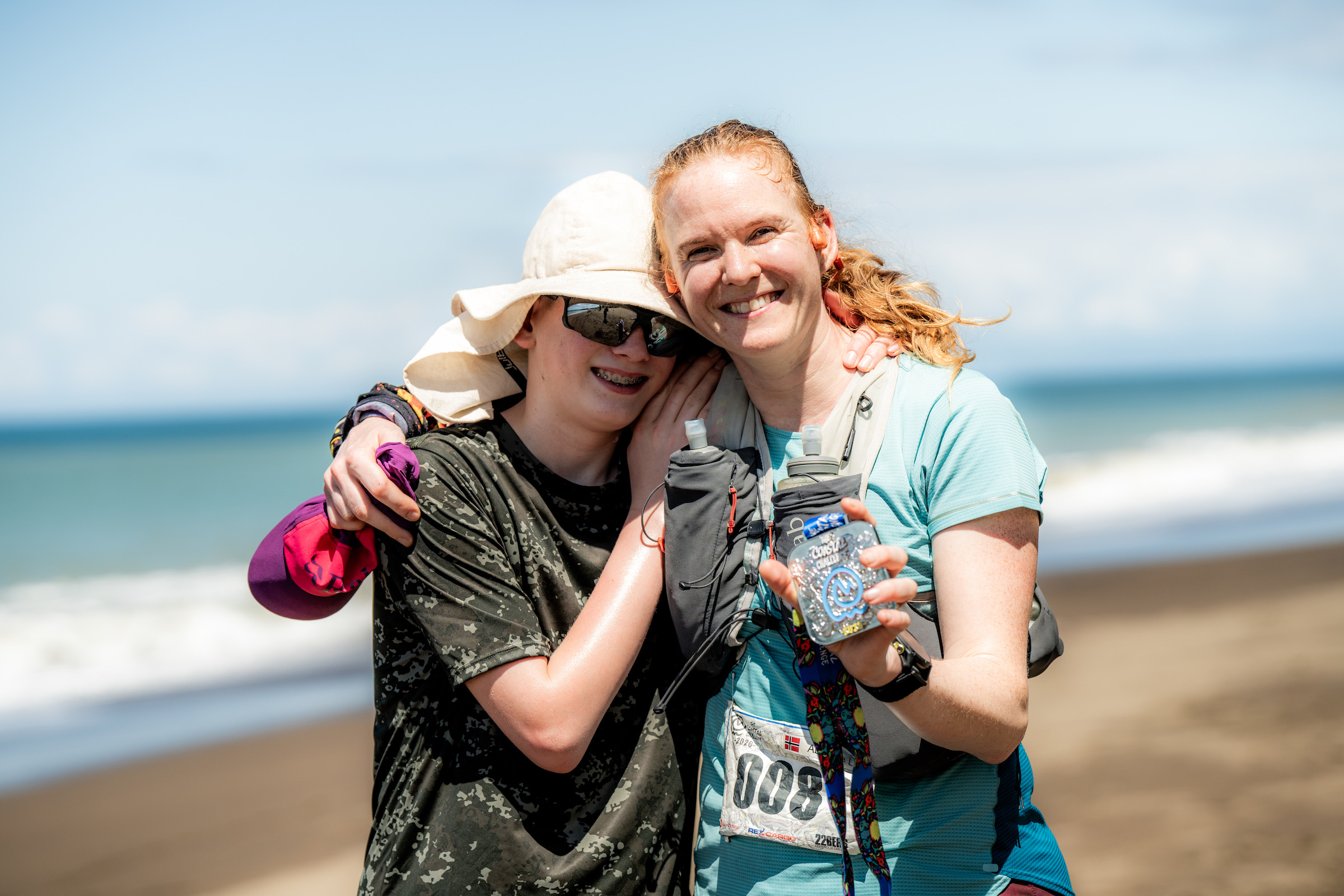
There were hugs at the finish. Long embraces. Shared smiles. The understanding that something meaningful had just been completed.

The Adventure category also closed its journey on Stage 6, and the racing at the front was sharp.

Sammy Francis (#35) took the stage win in an impressive 3:49:24.0, the fastest Adventure male time of the day. He attacked the course with confidence and made the most of the gravel roads and flowing single track.

Emerson Ulloa Avila (#61) finished second in 4:25:00.7, with Roberto Solano Rivera (#60) taking third in 4:32:05.3. All three demonstrated how much strength remains even at the end of a multi-day challenge.

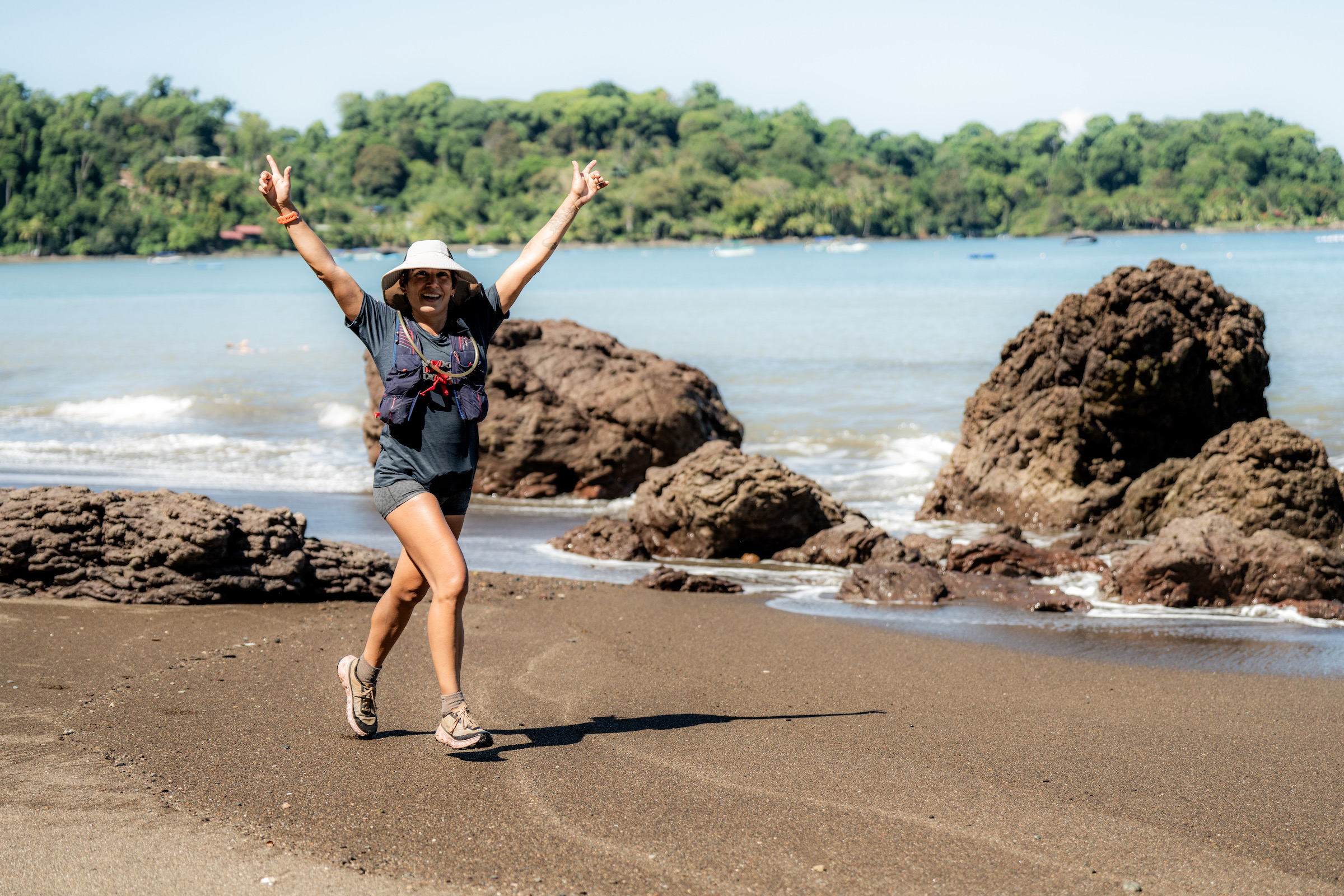
But beyond podium places, the Adventure field showed something just as powerful: joy. Runners crossing the final beach stretch with arms raised. Friends waiting at the line. The relief of knowing the journey was complete.

In the Adventure women’s race, Laura Zúñiga Alcázar claimed the Stage 6 win in 4:23:00.4 with a composed and determined effort.

Behind her, Toni Clarke and Kristel Polet (#34) finished in an exact tie at 4:26:27.0. A rare and beautiful result. Two athletes, side by side on the final day, sharing the moment.

That image said a lot about this race. It is competitive, yes. But it is also shared. Shared struggle. Shared laughter. Shared relief.

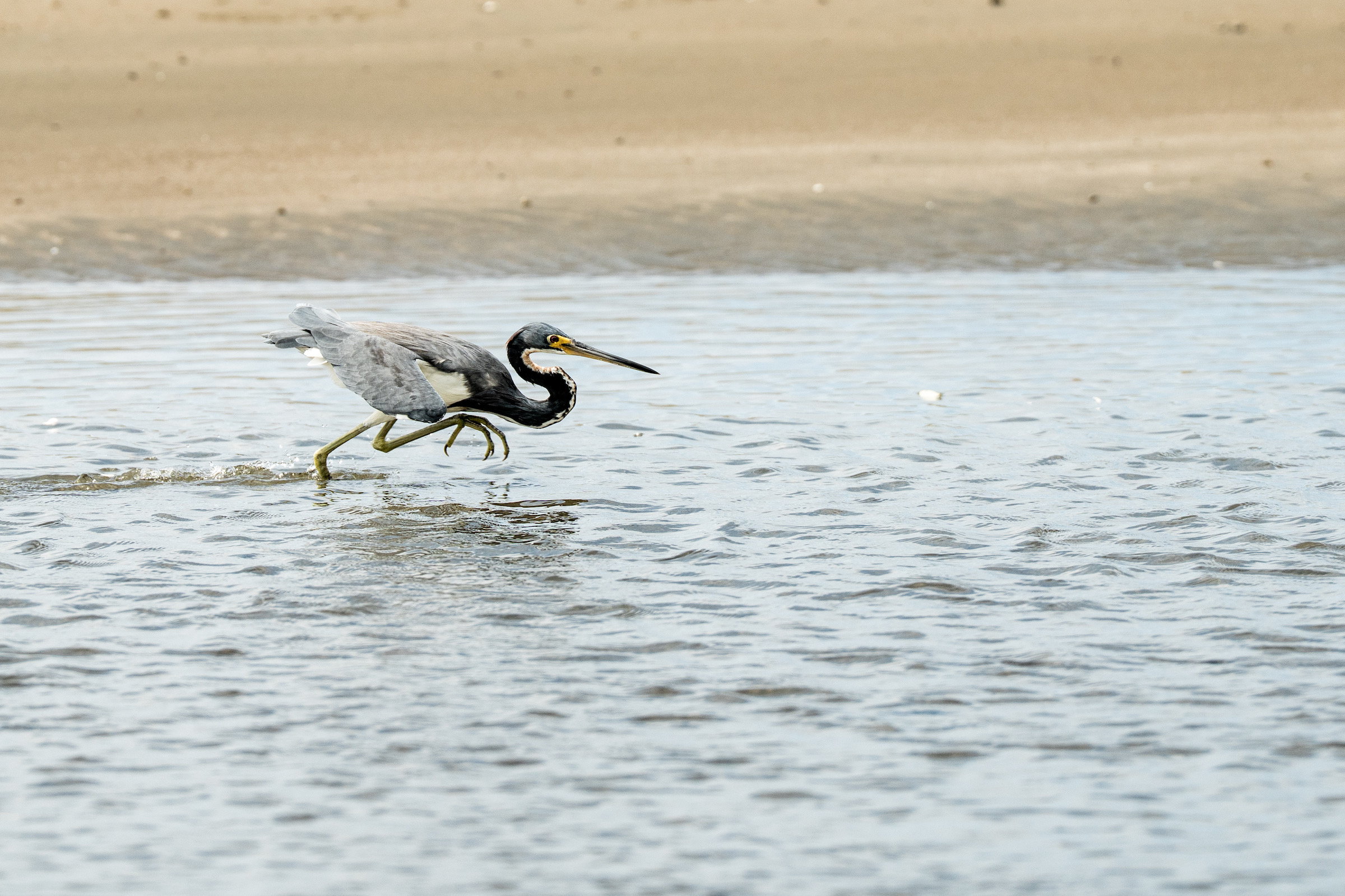
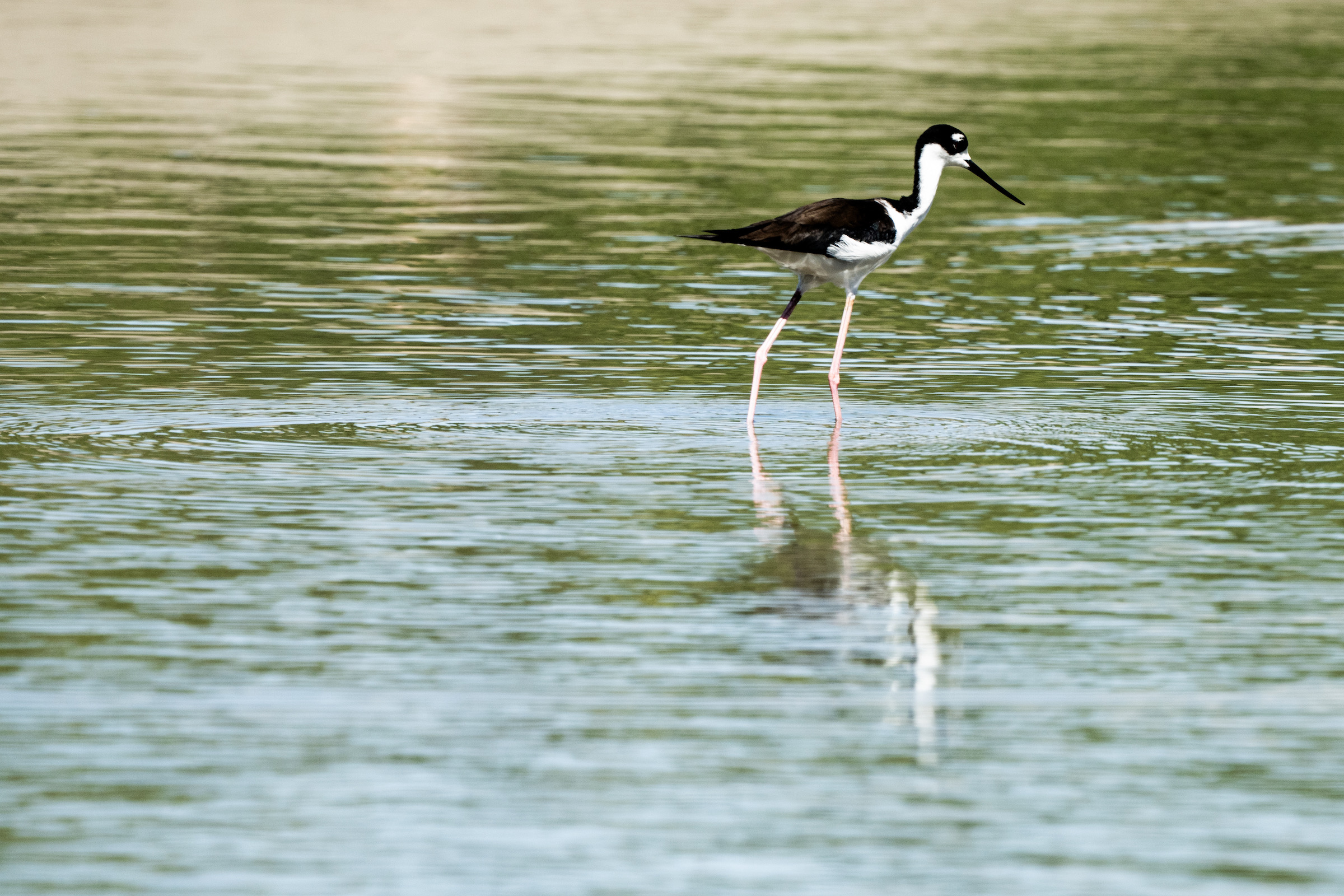
Stage 6 is always emotional. It marks the end of something intense and rare. Days of running through one of the most biodiverse regions on Earth. Corcovado’s wild heart. The raw coastline of Bahía Drake. The rhythm of waves and jungle birds.

This final loop captures everything the Coastal Challenge stands for. Variety in terrain. Beauty in every direction. Difficulty that forces growth. Moments that stay with you long after the medal is packed away.

The waterfalls cool the body. The jungle humbles you. The beaches test your patience. The gravel roads demand grit. The single track rewards focus. The water crossings refresh and surprise. And the views remind you why you signed up in the first place.

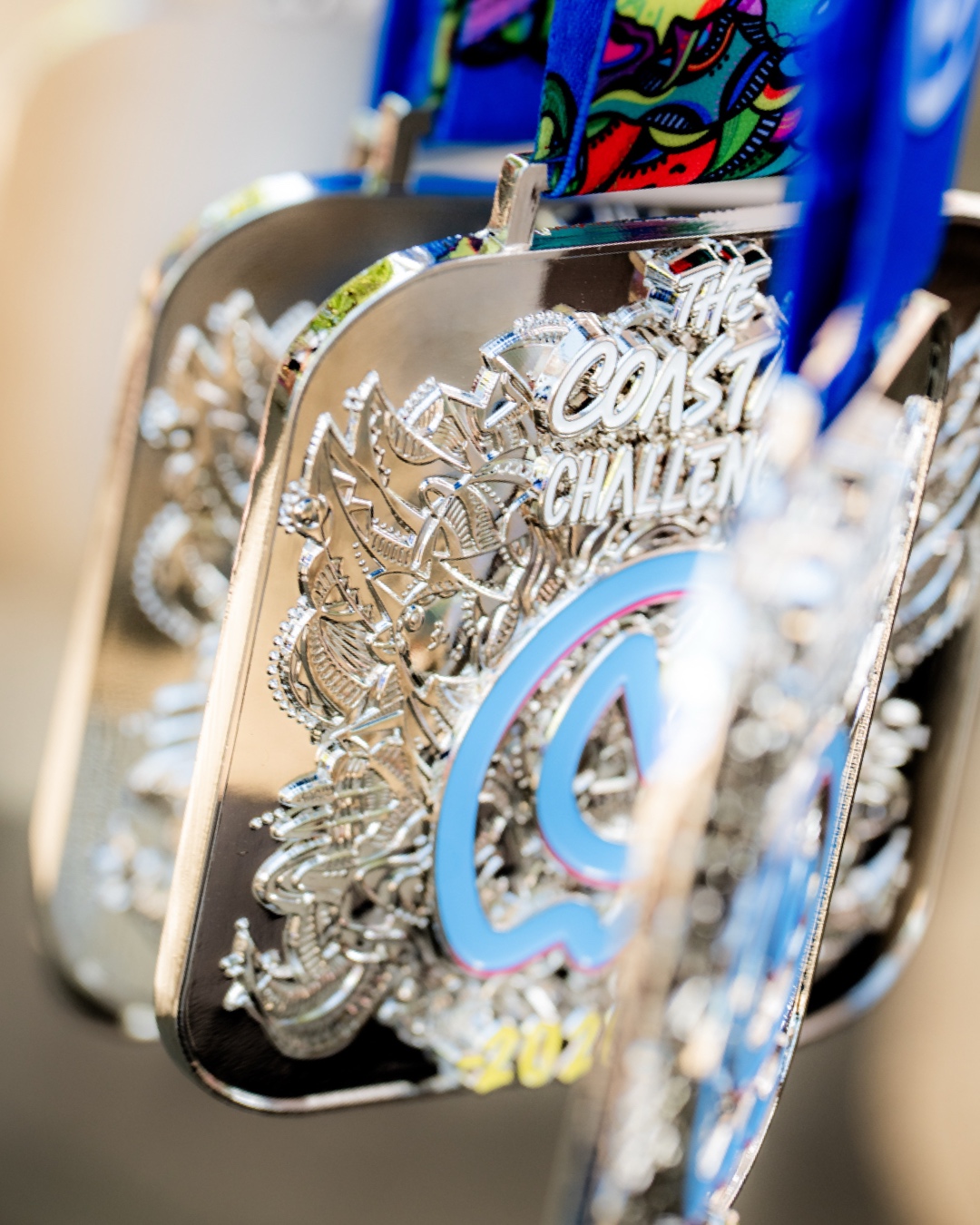
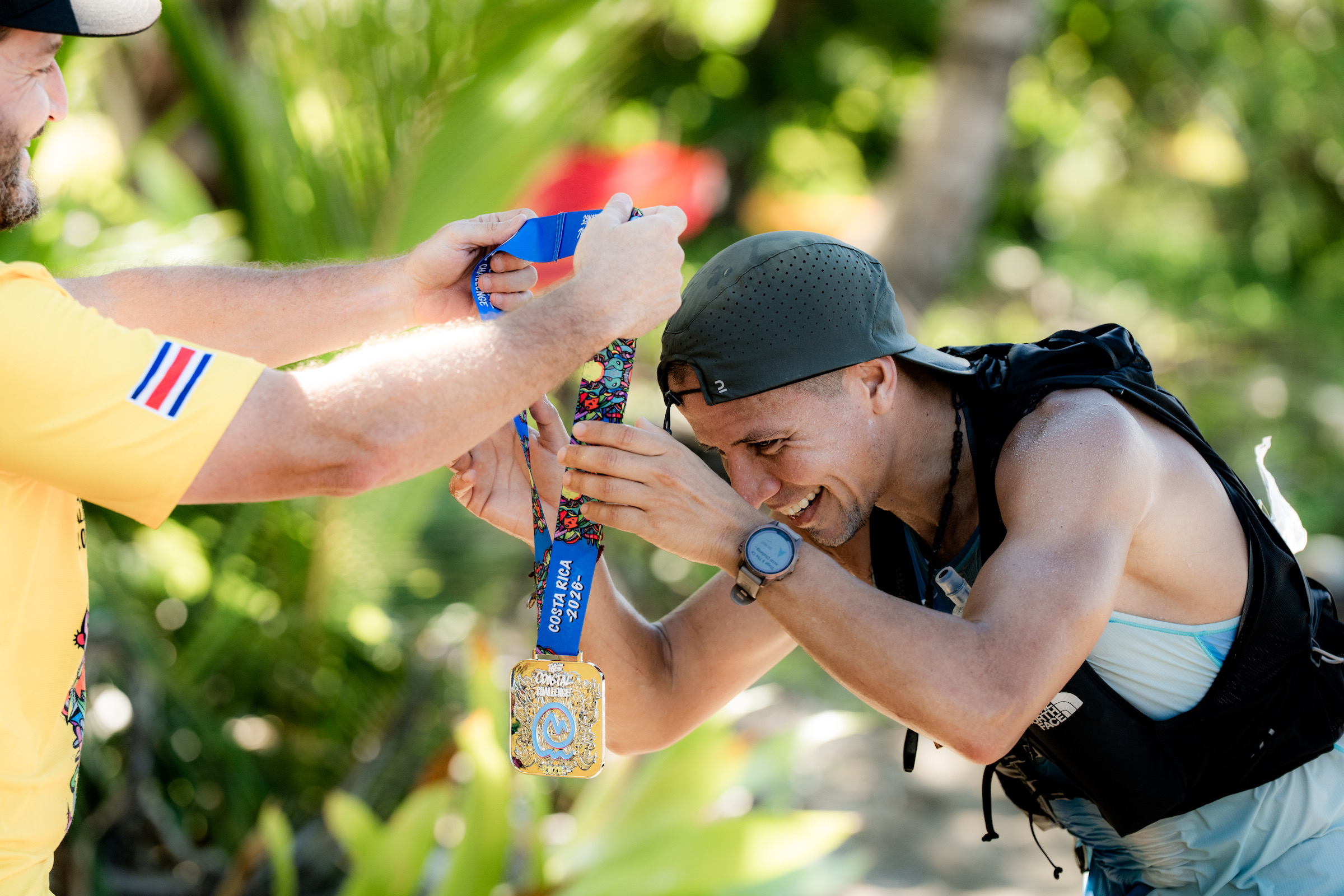
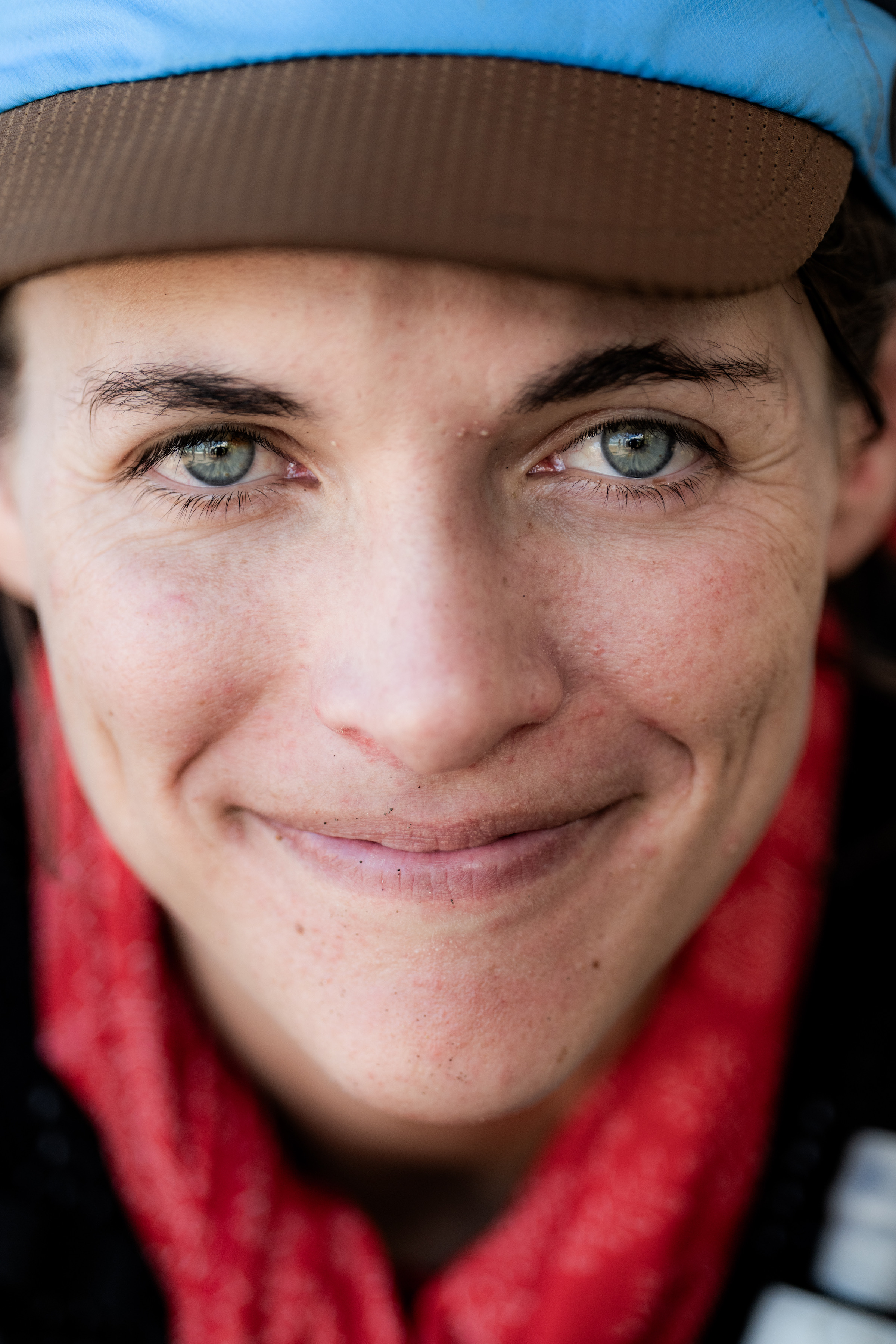
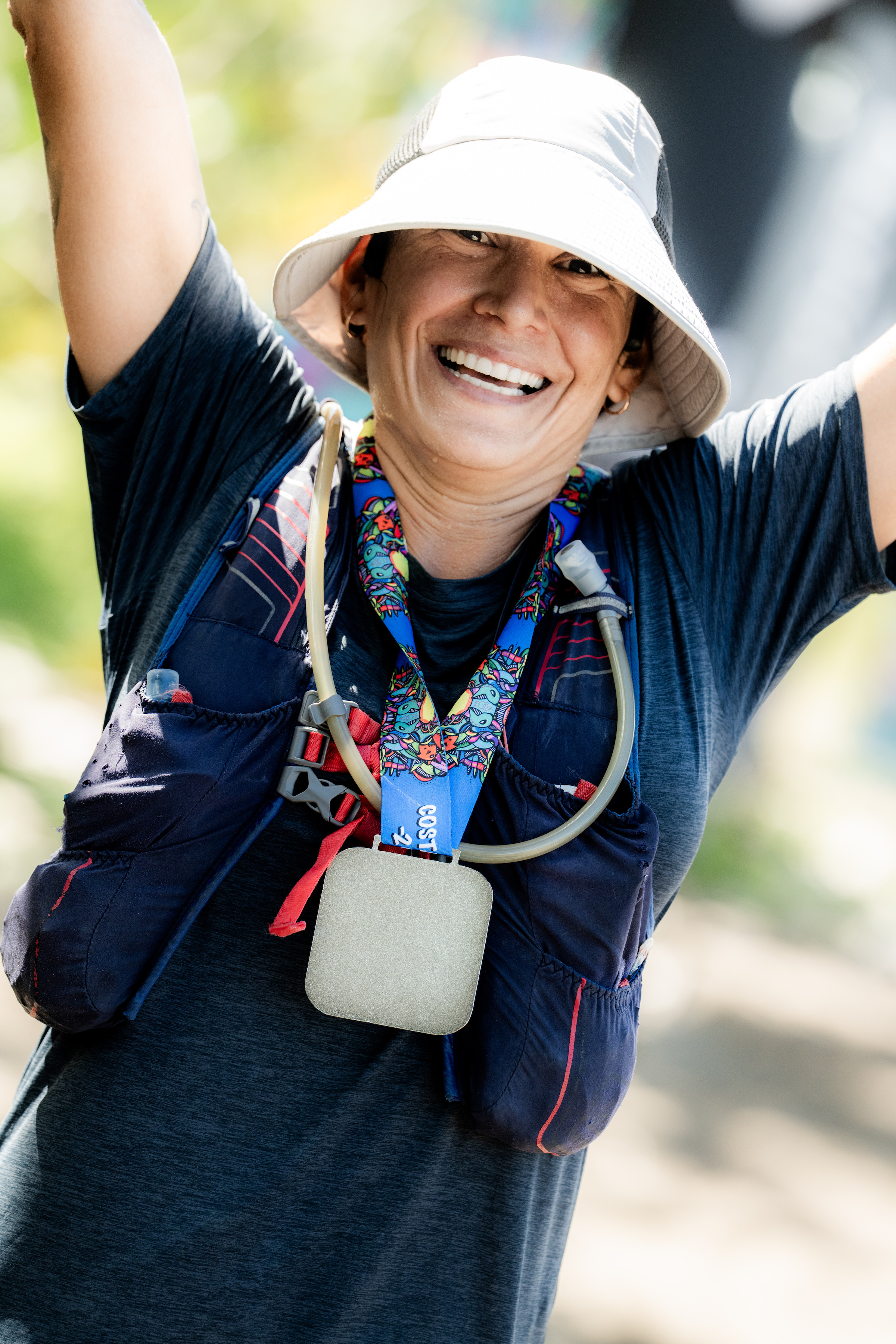
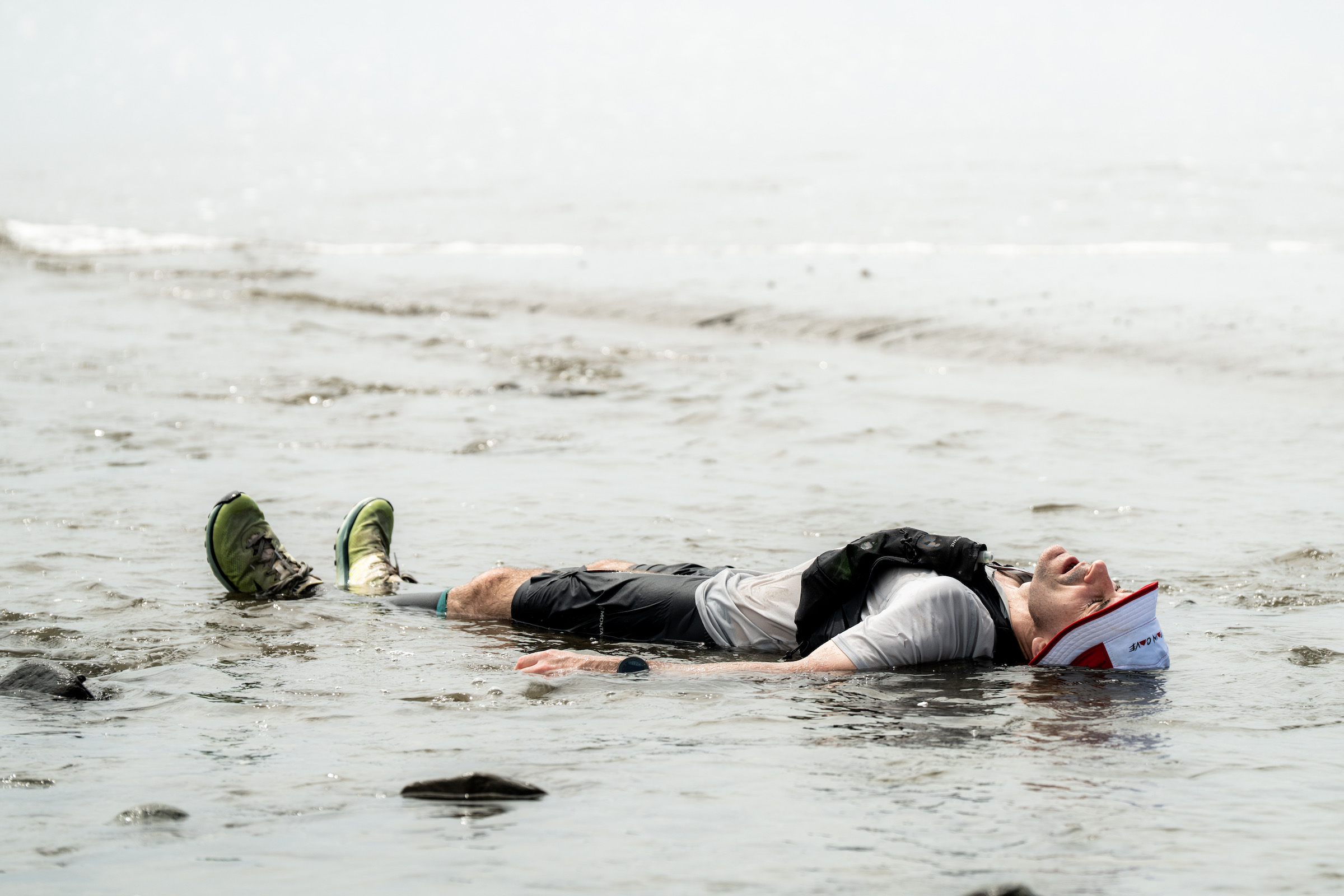
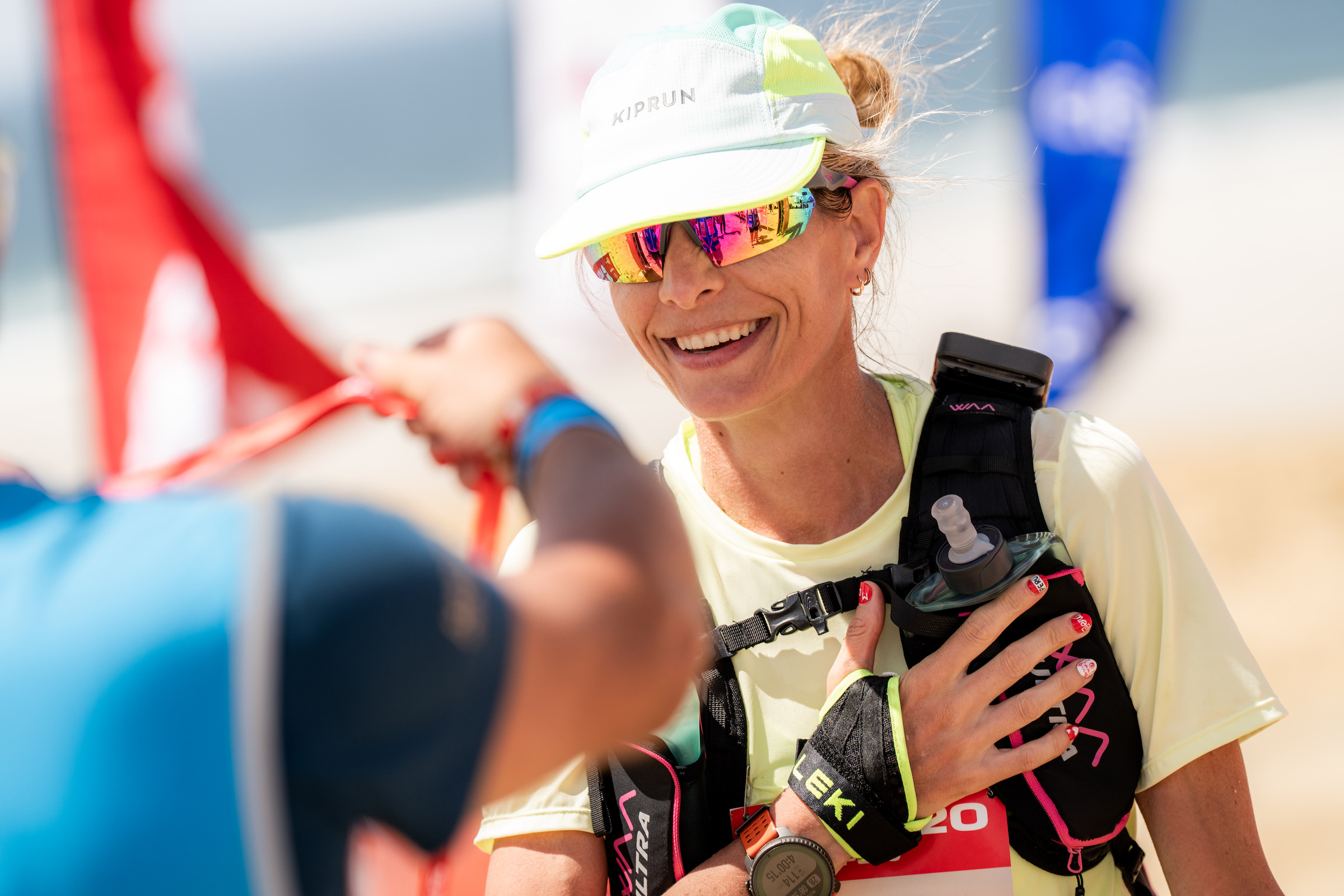
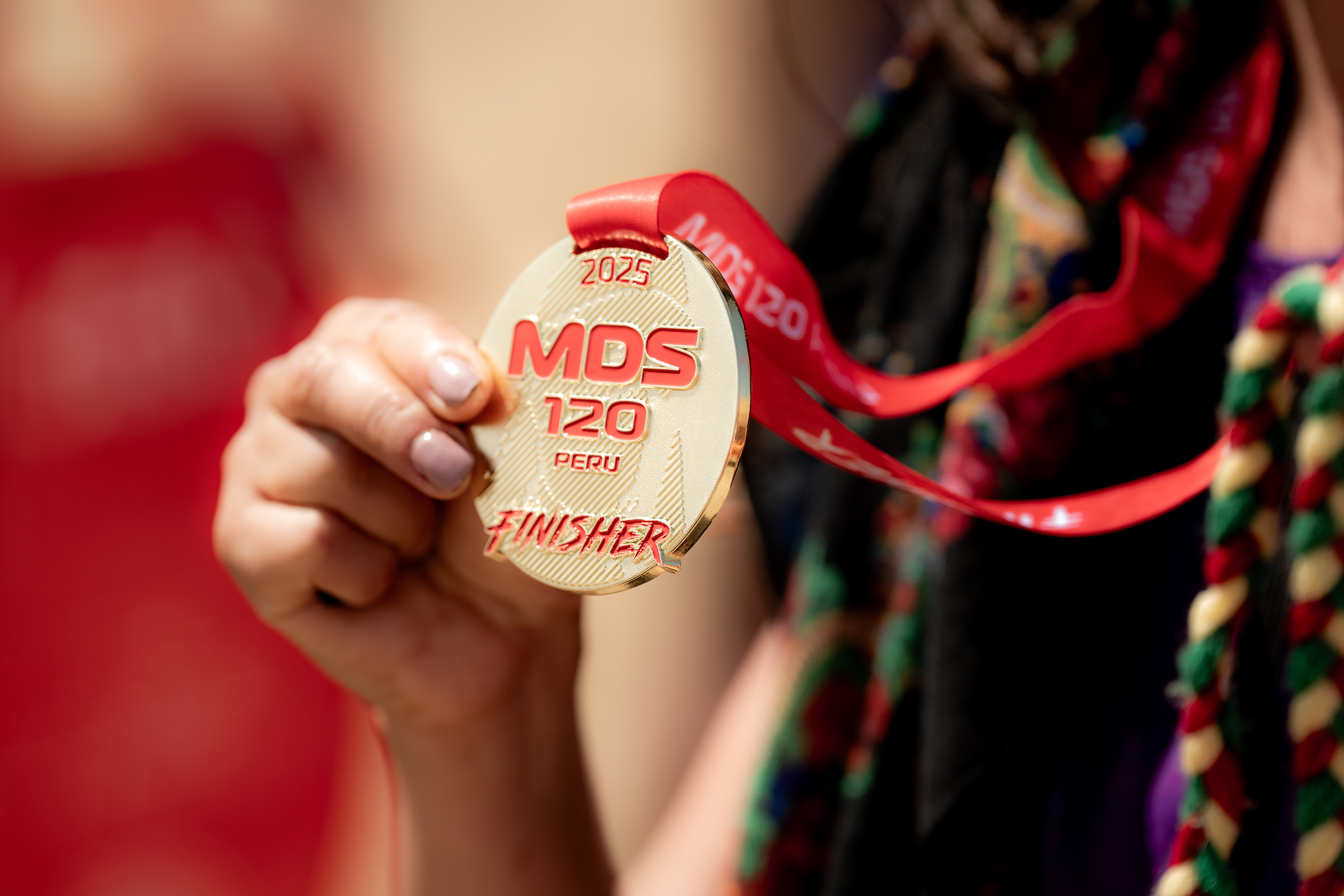
By the time runners reached the finish line on Stage 6, medals waiting, there was a mix of tears and laughter. Some sat quietly, absorbing it. Some embraced teammates. Some looked back toward the ocean.

Happiness doesn’t always arrive loudly. Sometimes it comes in a deep breath after days of effort. In the simple act of standing still after so much forward motion.

For the Adventure and Expedition categories, the journey is now complete. The miles are done. The jungle has been crossed. The beaches have been run.

And for Erick Agüero, after eight attempts, the dream has finally been realized.

Stage 6 wasn’t just the end of a race. It was the celebration of persistence, community, and the unforgettable experience of running through one of the most beautiful corners of the world. Medals were placed around tired necks. Eyes were wet. Smiles were wide.

The Coastal Challenge once again delivered more than a competition. It delivered a journey.

Expedition Overall Ranking

  • Erick Aguerro 31:46:30
  • Jesus Cerdas Padilla 32:58:06
  • Jon Shield 33:41:20
  • Denis Zelaya 36:54:34
  • Janina Beck 41:53:37
  • Floribeth Perez 47:36:05

Race results https://www.webscorer.com/

Follow Ian Corless

Instagram – @iancorlessphotography

Twitter – @talkultra

facebook.com/iancorlessphotography

Web – www.iancorless.com
Web – www.iancorlessphotography.com

The Coastal Challenge Costa Rica 2026 – Stage 5

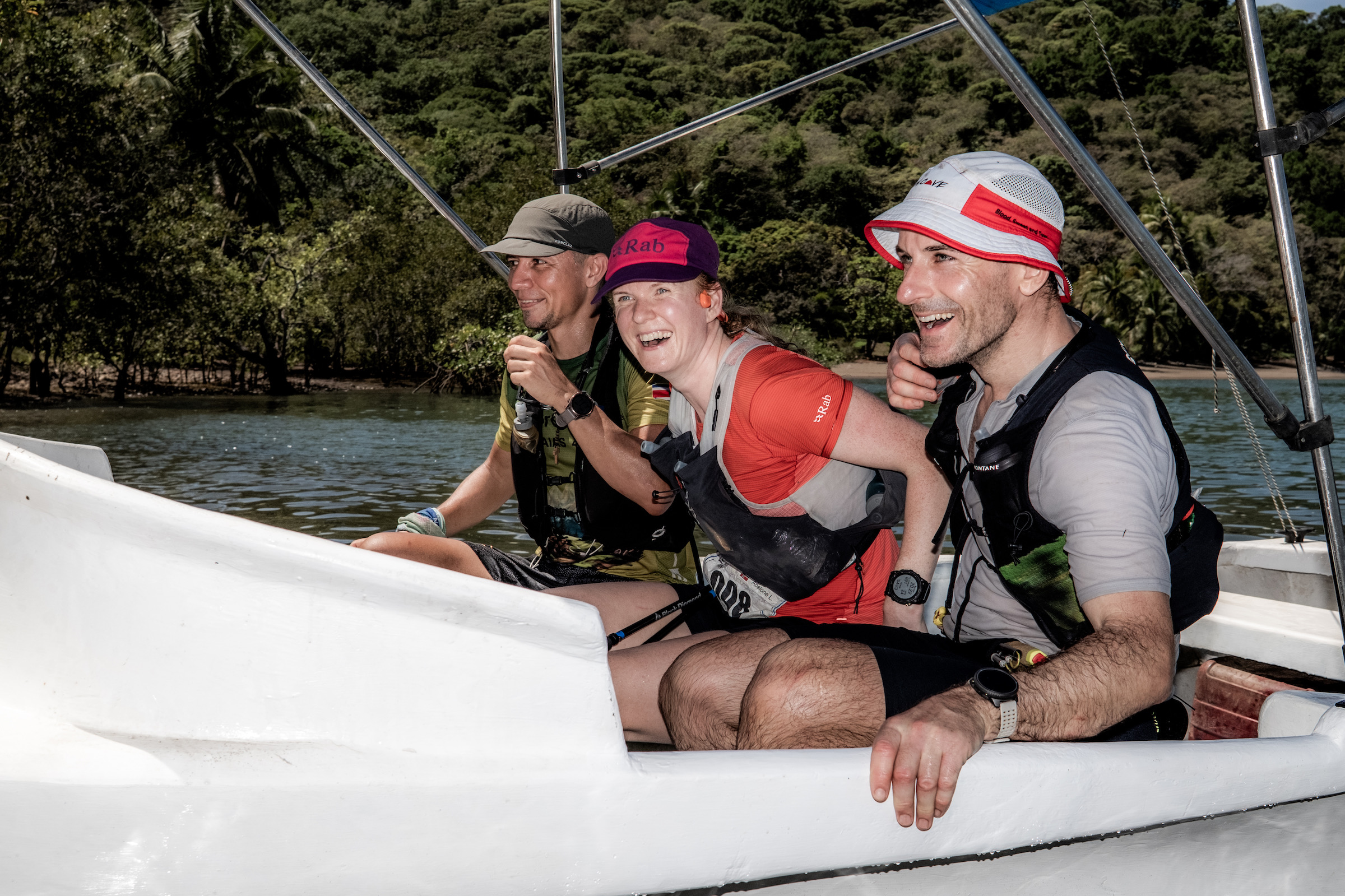
The penultimate stage of The Coastal Challenge Costa Rica led runners deep into one of the most biologically intense corners of the planet: the Osa Peninsula. Known locally as “The Paths of Osa,” the day was as much about immersion as it was about competition.

For Expedition runners, the route stretched 41 kilometers with 1,695 meters of climbing. The Adventure field faced 23 kilometers and 1,148 meters of ascent. On paper, those numbers were serious but manageable. On the ground, they unfolded across ferry crossings, fire roads, heavy jungle corridors, remote farms, and one unforgettable speedboat dash. The stage finished in the sweeping calm of Grandito Bay, where the rainforest spills toward the Pacific.

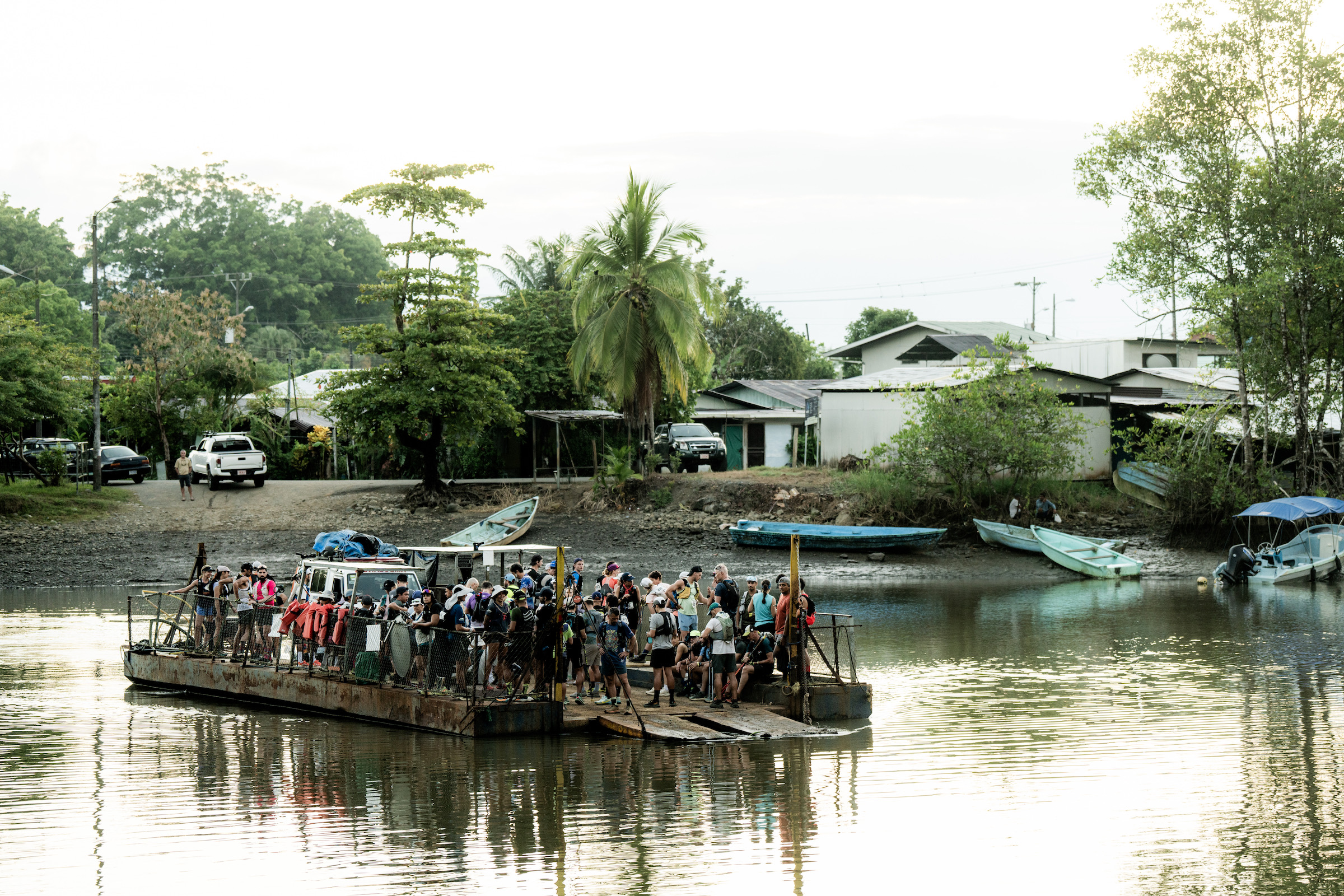
A River Crossing Into Another World, the day began not with a starting horn, but with a ferry ride across the Sierpe River.

Mist hung low over the mangroves. The Sierpe is one of the largest mangrove ecosystems in Central America, and at dawn it feels suspended in time. Runners stood quietly, some chatting, some conserving energy. It was a rare still moment in a multi-day race defined by heat, humidity, and relentless terrain.

Once across, the mood shifted. Fire roads opened the stage, dusty and exposed, climbing steadily away from the river basin. The surface was firm but unyielding, a reminder that even “runnable” terrain in Costa Rica comes with a cost.

The route threaded through working farmland before plunging into dense tropical forest.

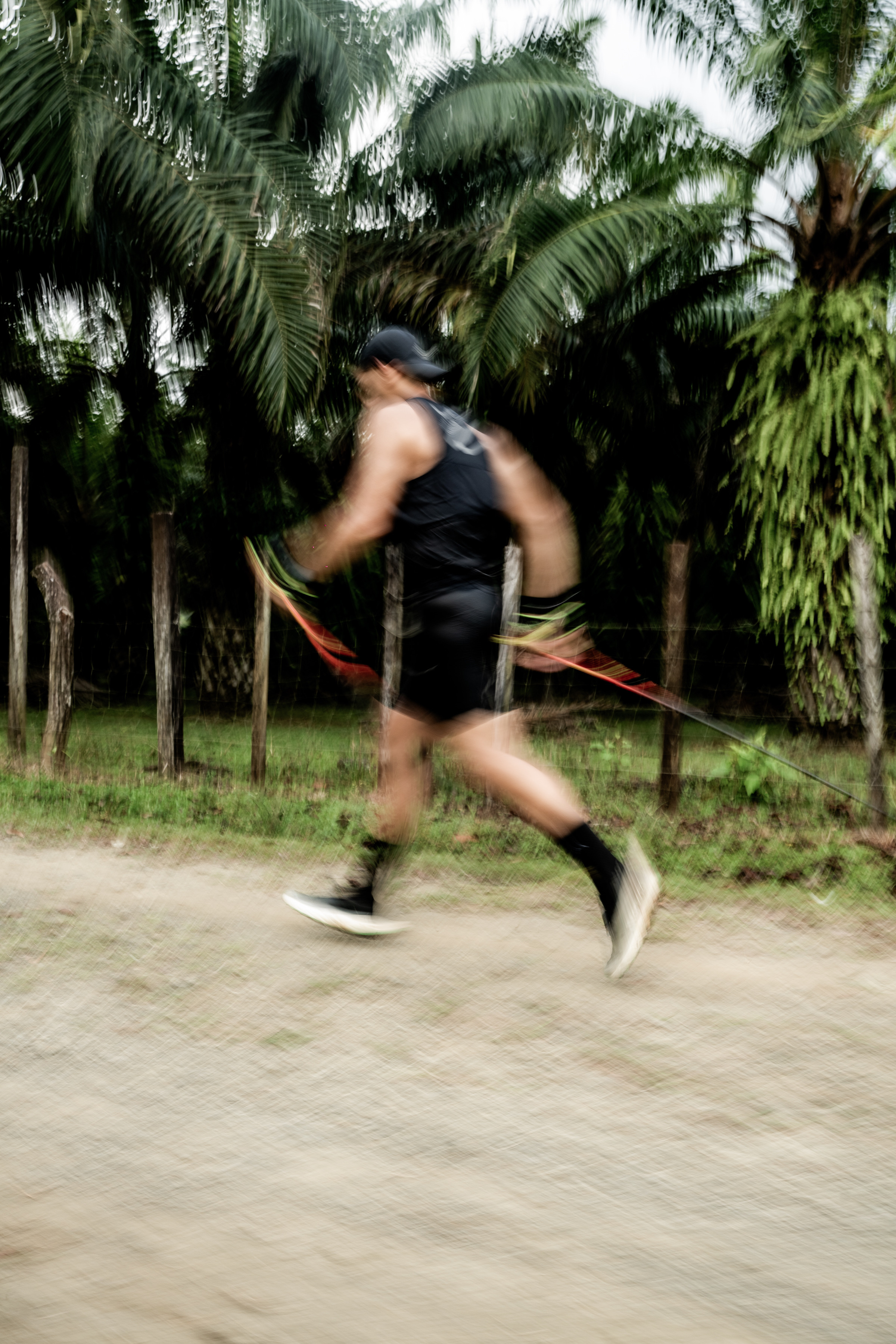
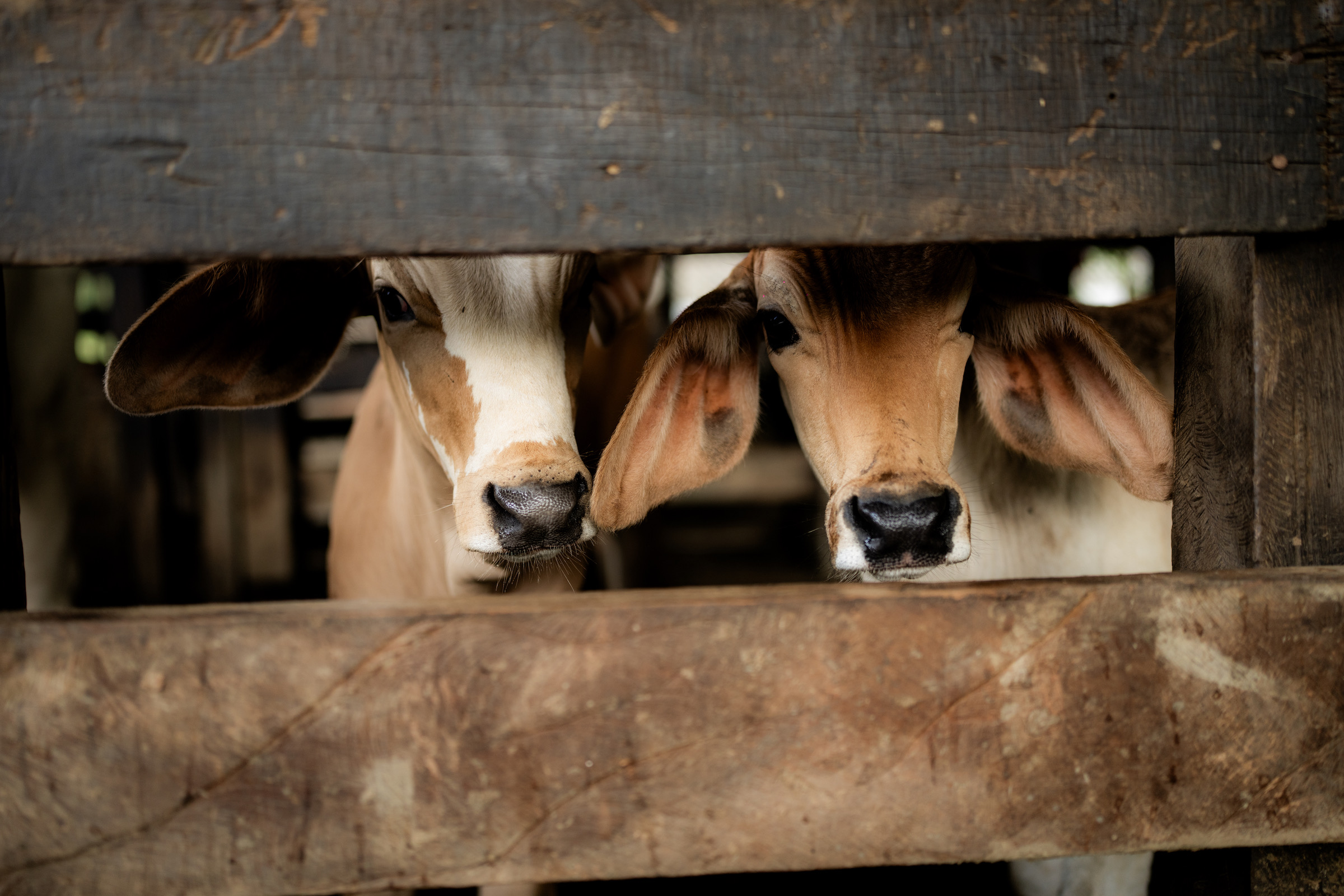
Out in the open, heat built quickly. Cattle pastures and palm-lined tracks offered little shade. Then, almost abruptly, the jungle swallowed the trail.

Under canopy, the air thickened. Roots twisted across narrow singletrack. The climbs felt steeper than the elevation profile suggested. Every descent demanded attention. It was classic Osa terrain: alive, humid, and unapologetically raw.

For those at the front of the race, though, the pressure was different from earlier in the week. With overall standings largely secure barring mishap, this stage offered a rare mental exhale. Leaders could look up, take in the green walls around them, and run with composure rather than urgency.

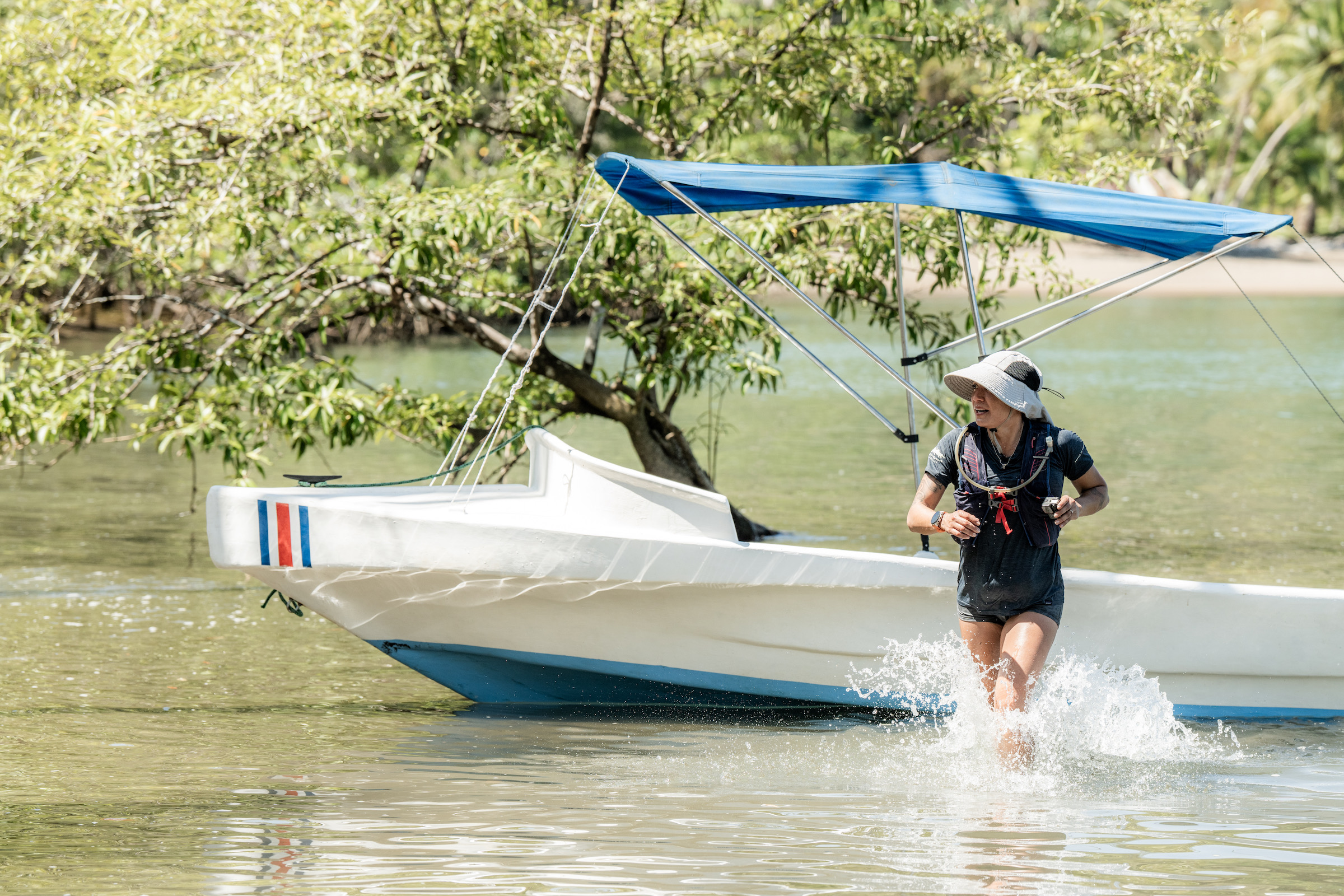
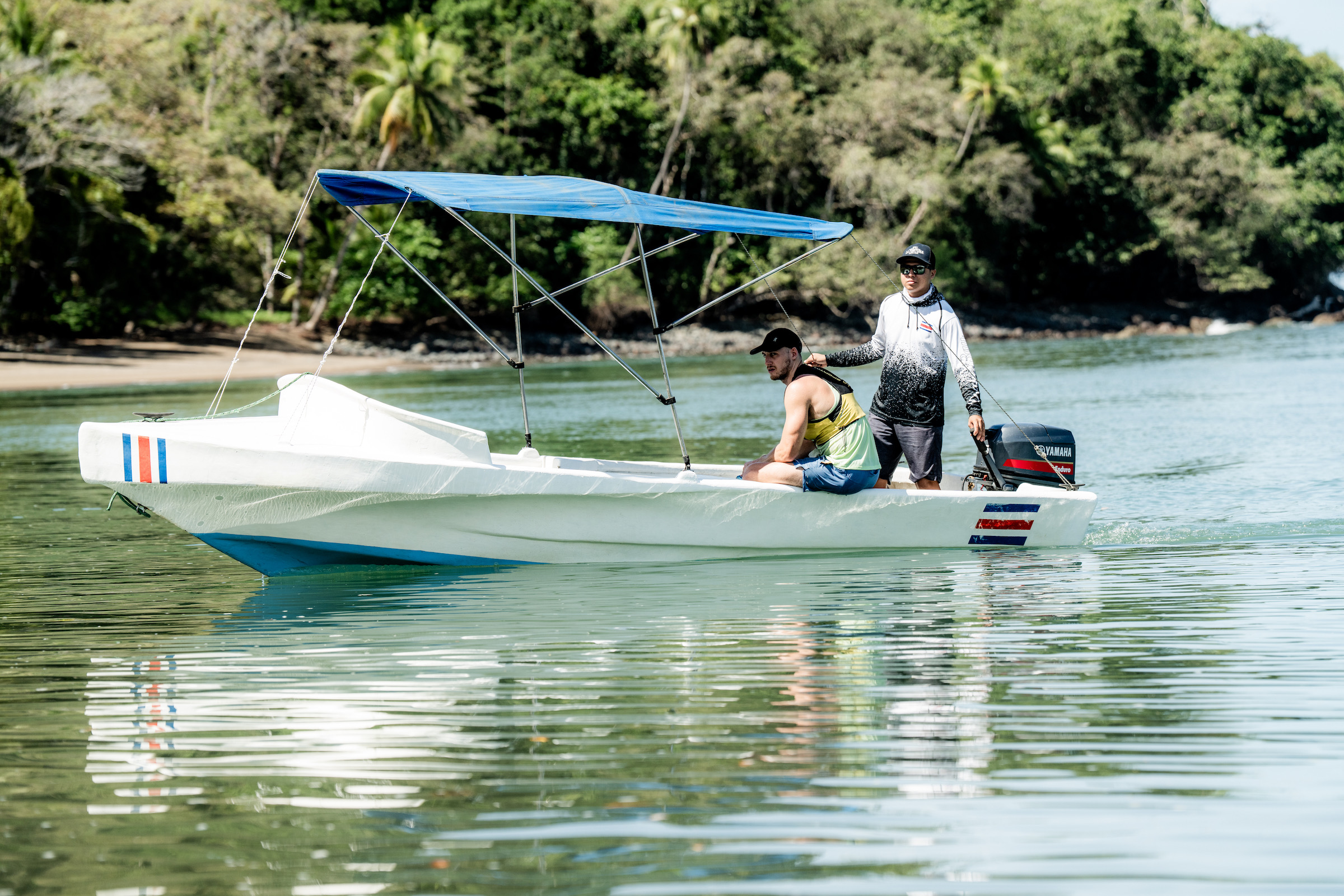
Midway through the day came one of the most distinctive features of the event: the iconic speedboat crossing.

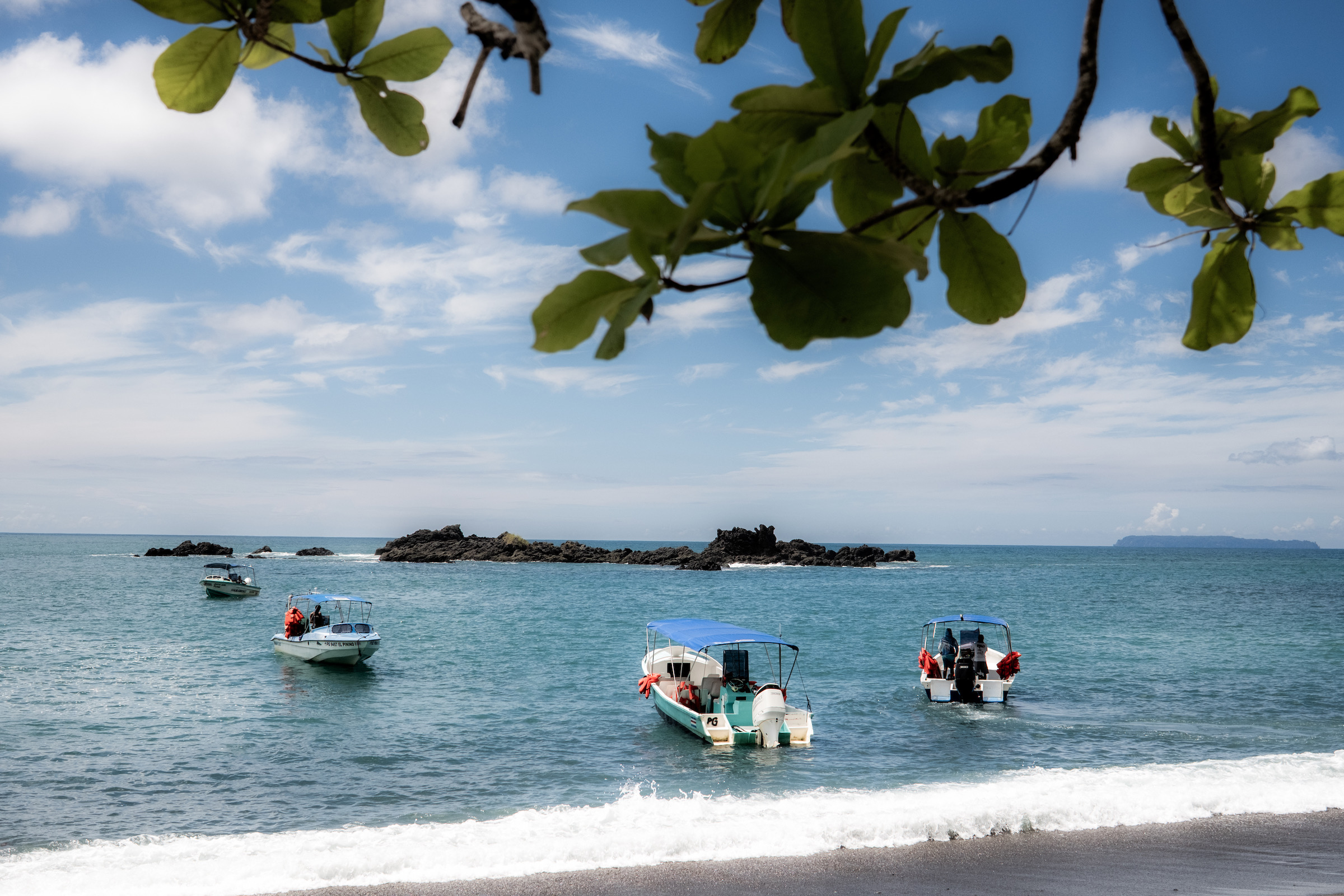
After hours of climbing and descending, runners boarded small boats that skimmed along the Pacific edge of the peninsula. Salt air replaced jungle humidity. The coastline unfurled in rocky points and quiet beaches. It was a logistical necessity, but it felt cinematic.

From there, the final approach led toward Grandito Bay, where the forest meets calm blue water. The finish line atmosphere carried a different tone from earlier, harsher stages. Relief mixed with quiet satisfaction. With one day remaining, the race picture was largely set.

In the Adventure men’s race, the day belonged to bib 35, Sammy Francis, who crossed in 4:07:57. He managed the terrain with confidence, balancing effort on the climbs and steady pacing through the jungle sections.

Roberto Solano (bib 60) followed in 4:51:46, while Alberto Gil (bib 48) secured third in 5:00:01. The gaps reflected not just speed, but careful navigation of the heat and elevation.

The women’s podium was tightly contested. Laura Zuñiga (bib 59) claimed the stage in 5:01:22, running a composed and consistent race. Just behind, Kristel Polet (bib 34) and Toni Clarke (bib 9) both stopped the clock at 5:08:01, sharing identical times after nearly five hours on course. On a day shaped by terrain rather than tactics, that symmetry felt fitting.

For Expedition runners, the added distance and climbing sharpened the challenge. Forty-one kilometers in Osa is not simply a long run. It is sustained exposure to gradient, heat, and technical trail.

Alejandro Muñoz set the benchmark, winning in 5:05:44. He held strong through the early climbs and maintained rhythm deep into the jungle sections. Erick Agüero (bib 57) followed in 5:17:22, while Jesus Cerdas (bib 64) completed the men’s podium in 5:34:57.

In the women’s Expedition race, Denise Zelaya (bib 16) led with a time of 6:11:05. Janina Beck (bib 53) finished in 6:53:21, and Floribeth Perez (bib 38) rounded out the podium in 8:00:49. Their performances reflected not only endurance but resilience across a stage that demanded constant adjustment to terrain and conditions.

What defined this stage was not just distance or ascent. It was context.

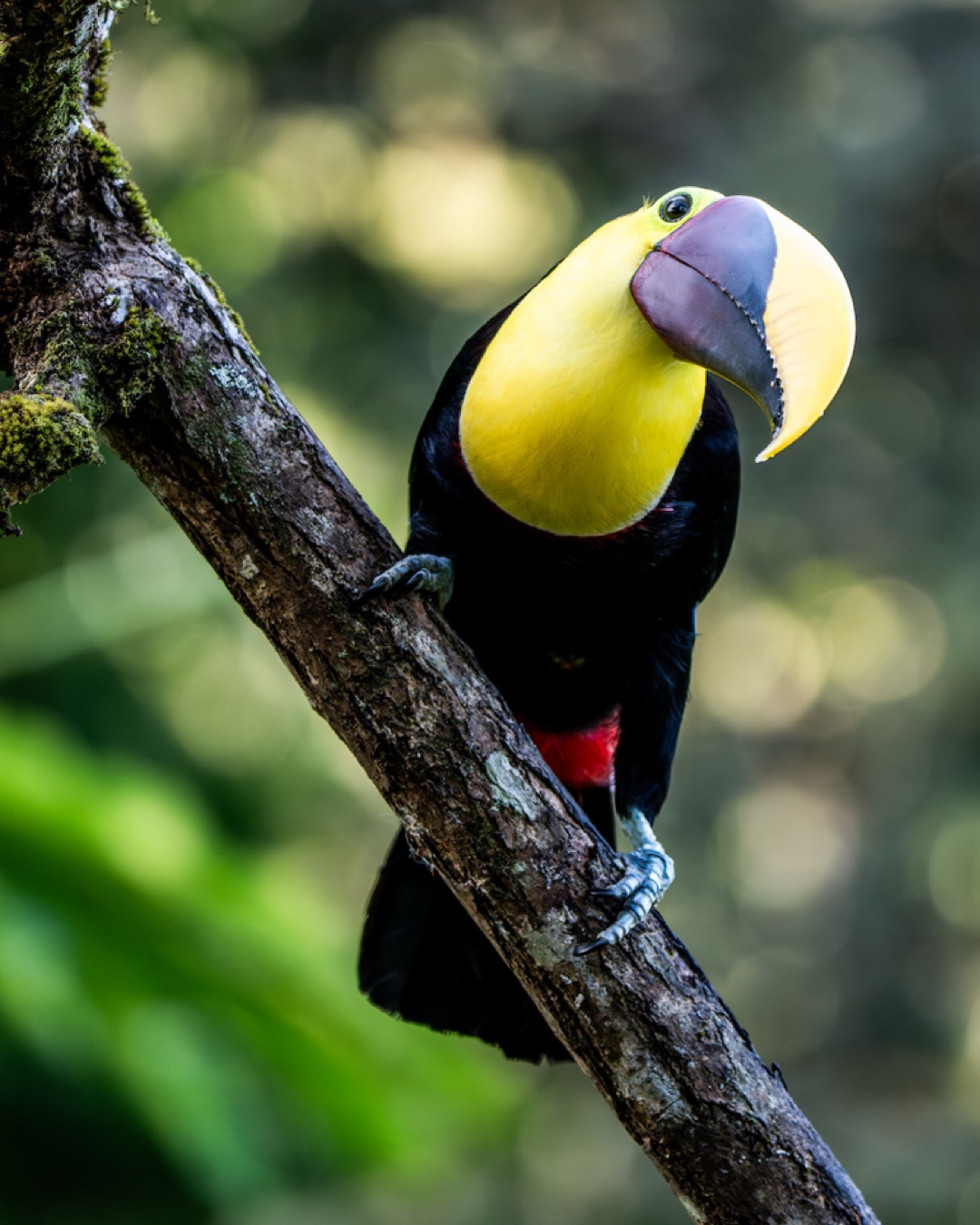
The Osa Peninsula is often described as one of the most biodiverse regions on Earth. Macaws arc overhead. Howler monkeys echo through the trees. The forest floor moves with insects and reptiles. Even seasoned trail runners find themselves looking up, momentarily distracted by the sheer density of life.

With overall victories nearly secure, race leaders could afford to ease slightly, to let the environment register. There is something rare about competing hard in a place that feels untouched. On this stage, performance and place were inseparable.

As runners gathered at Grandito Bay, shoes caked in mud and salt drying on their skin, the mood was steady and reflective. One more stage remained. But “The Paths of Osa” had delivered what the Coastal Challenge promises at its best: a demanding route set within a landscape that refuses to be ignored.

Times were recorded. Podiums were shaped. Yet long after the numbers fade, it will be the ferry across the Sierpe, the wall of jungle heat, and the rush of the speedboat toward the Pacific finish that define this penultimate day.

Race results https://www.webscorer.com/

Follow Ian Corless

Instagram – @iancorlessphotography

Twitter – @talkultra

facebook.com/iancorlessphotography

Web – www.iancorless.com
Web – www.iancorlessphotography.com

The Coastal Challenge Costa Rica 2026 – Stage 4

The Coastal Challenge Costa Rica pulled runners away from the coastline and into the high farmlands of the country’s interior. It was a bruising day, 37.7 kilometers with 2,613 meters of climbing for the Expedition category.

No hiding from it. The terrain rolled relentlessly, climbing and plunging through rough rural tracks and exposed hillsides before dropping toward the finish in Palma Norte. It was a stage built to test already tired legs, and it did exactly that.

Men’s Race

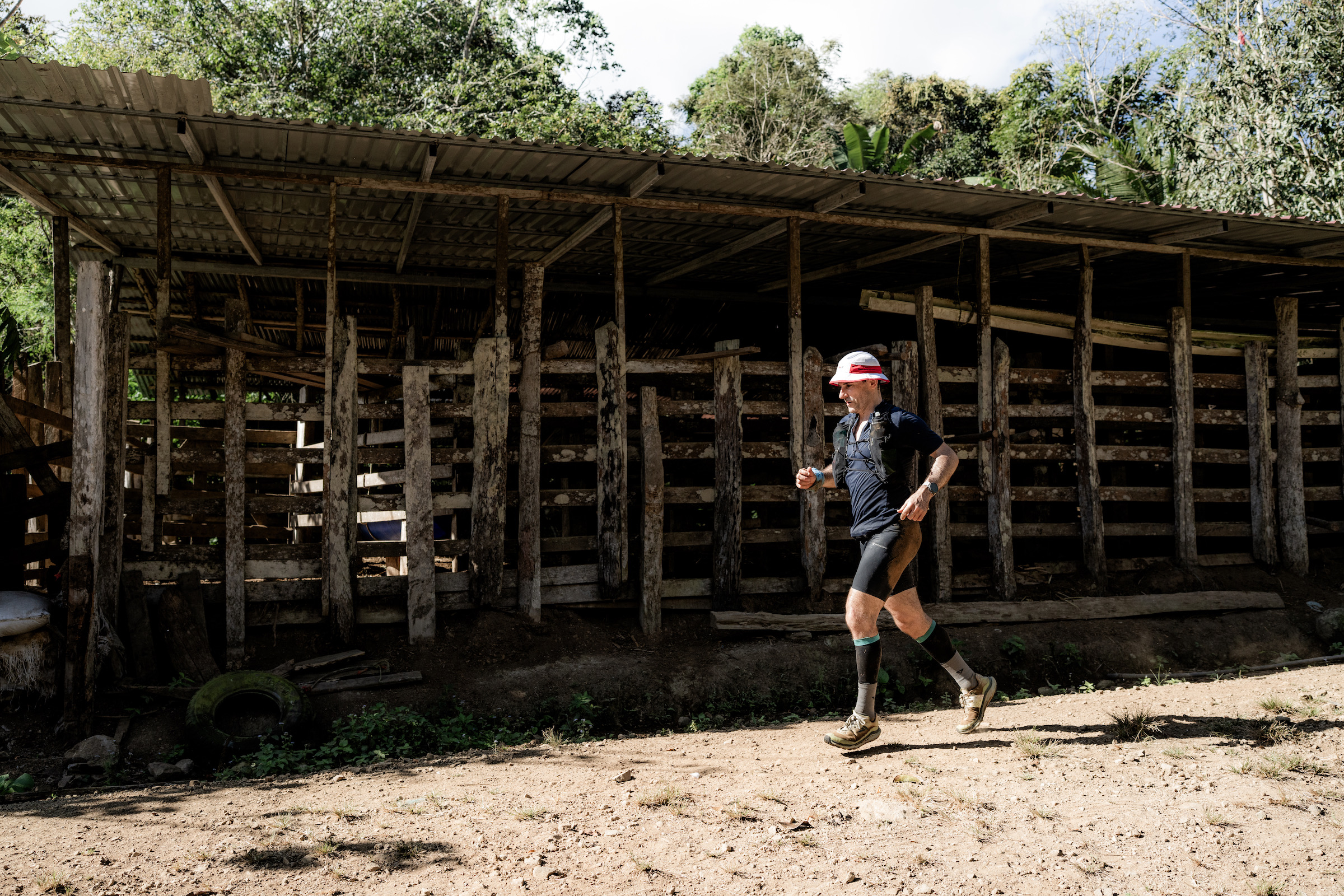
Erick Aguirre ran smart. With a solid overall lead, there was no need to take risks. He spent the day alongside Jesus Cerdas, the pair moving steadily across the harsh terrain. They crossed together in 6:05:43, controlled and composed.

Behind them, the real battle unfolded.

Jon Shield fought all day. For much of the stage he sat in fourth, but he never let the gap grow. Gradually he reeled in Martin Alonso Mena. The two arrived at the line almost inseparable after more than six and a half hours of racing. Shield edged it by just three seconds, 6:38:26 to 6:38:29. A long day decided by the smallest of margins.

Women’s Race

Denise Zelaya continues to run her own race. Calm, consistent, and completely dominant, she finished in 7:29, well clear of the field.

Janina Beck followed in 8:27, with Floribeth Perez completing the podium in 8:59. On a day that punished everyone, Zelaya once again showed control and strength.

Adventure Category

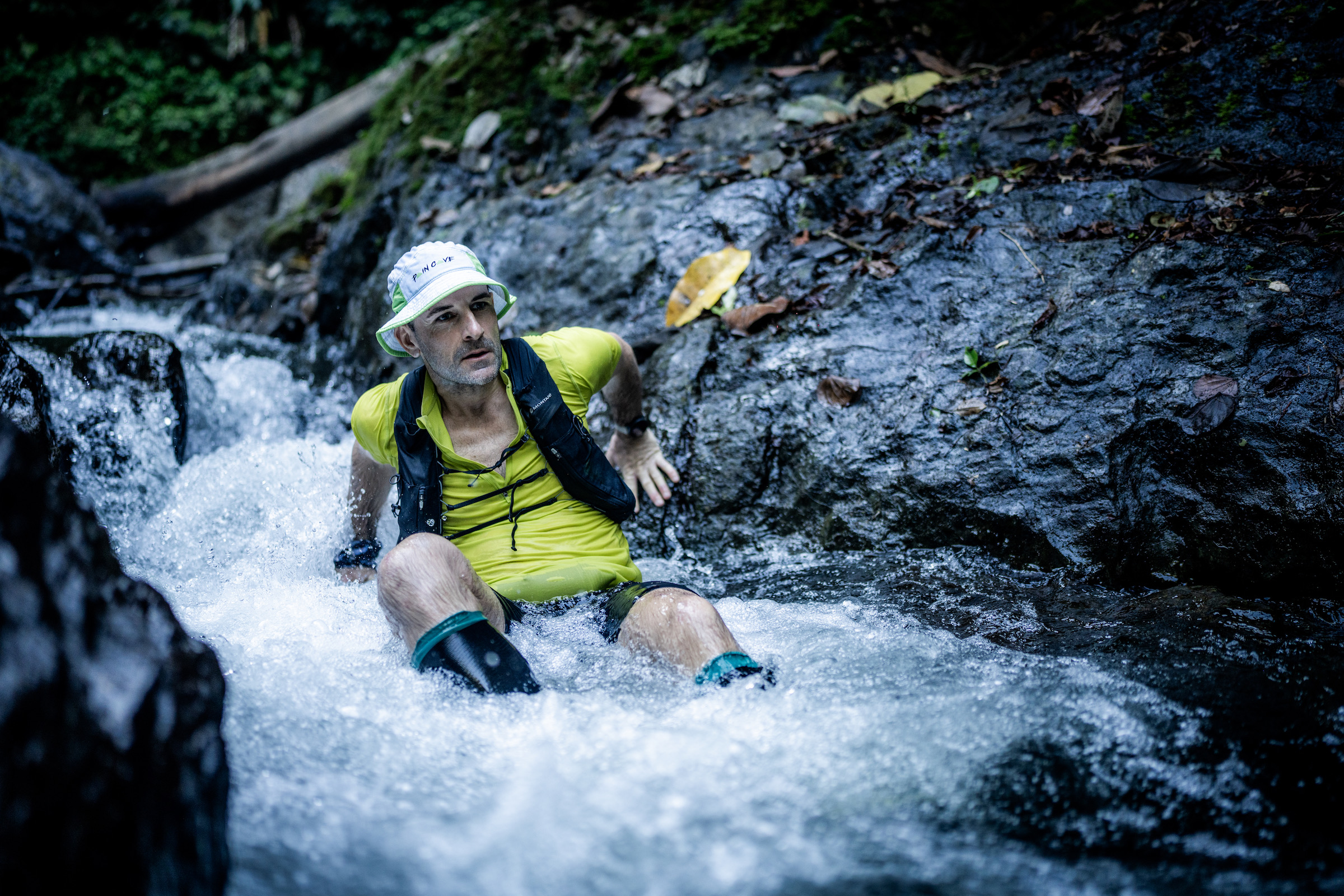
The Adventure course was shorter at 12 kilometers, but still far from easy. Sammy Francis ran solo again, crossing in 3:39:22 with another composed performance. In the women’s race, Laura Zuniga finished in 4:13:45, gaining more time on Toni Clark and steadily building her advantage.

*Please note – Adventure times need to deduct 1:49 from the times

With four stages complete, fatigue is real. The coastal humidity has been replaced by exposed climbs and rolling farmland. Every step now carries the weight of the days before.

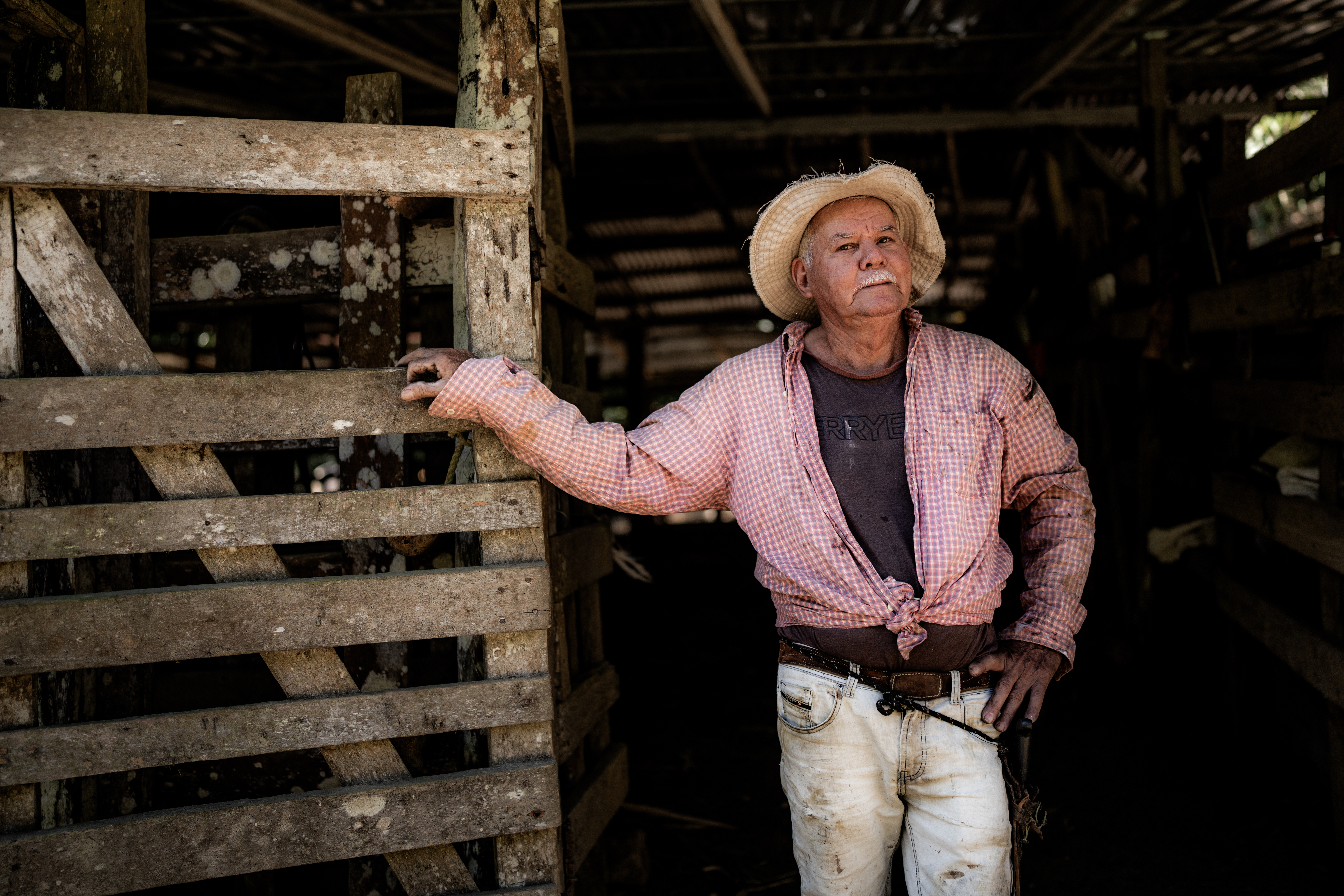
The Boruca region of southern Costa Rica feels different from the postcard version of the country. This is not manicured resort coastline or dense jungle trails pressed flat by tourists. It is rural, working land, shaped as much by history as by weather.

The Boruca people, one of Costa Rica’s remaining Indigenous communities, have lived here for generations, known for their hand-carved masks and fiercely preserved traditions.

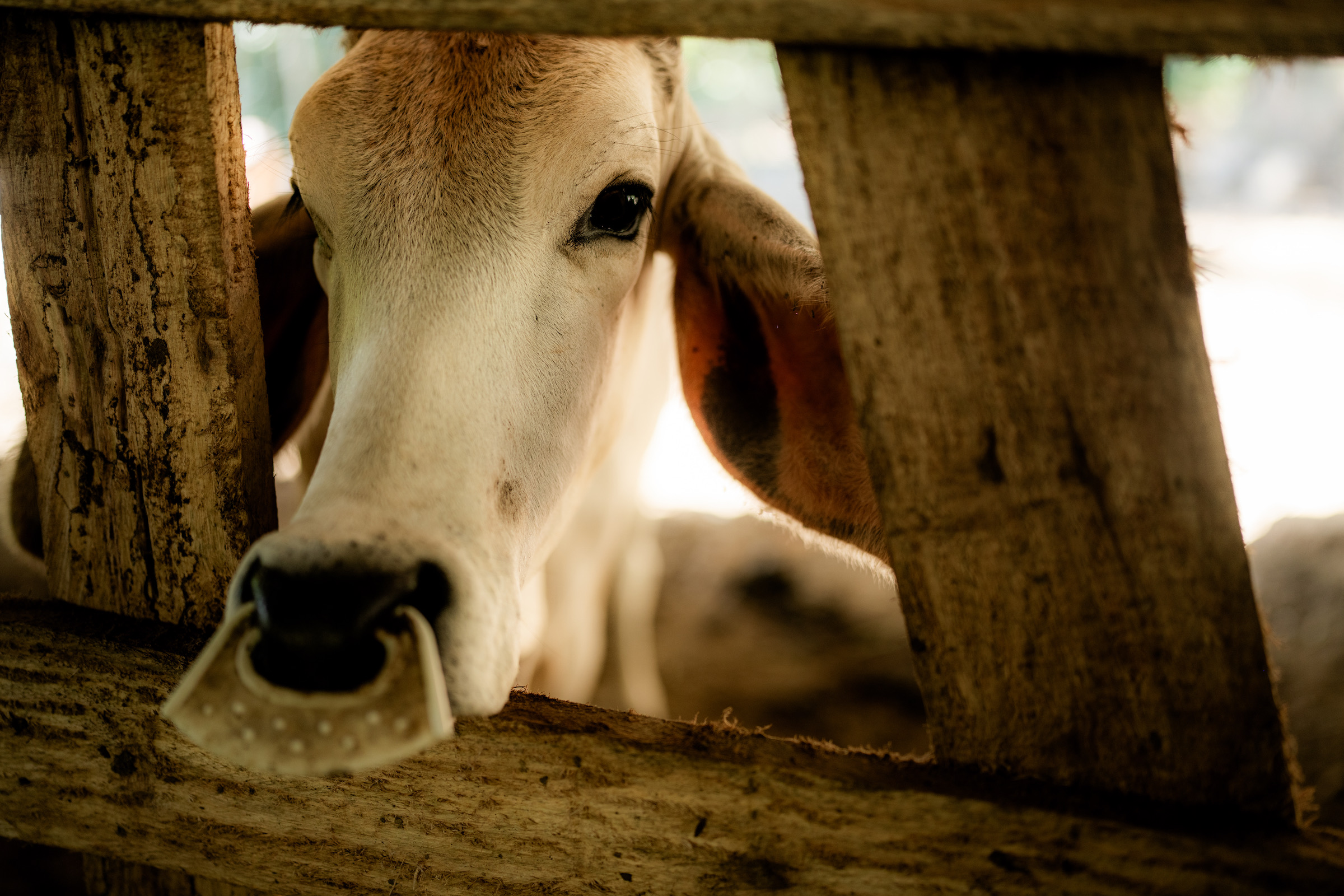
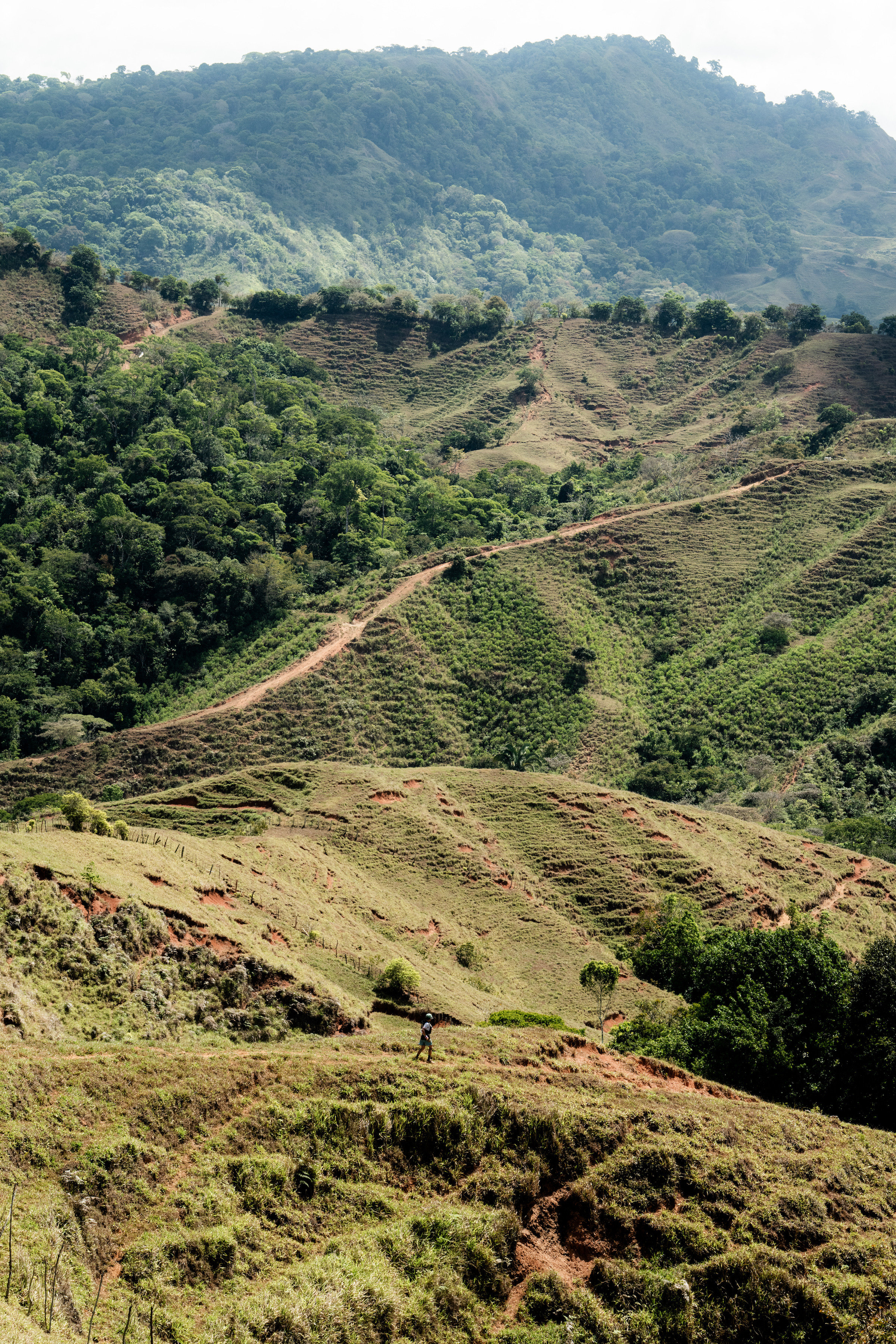
Around their villages the land rolls outward into open pasture and patchwork farmland, where cattle graze on steep green hills and small family plots cling to uneven slopes. The terrain is restless. Long climbs rise without rhythm, dirt roads bake under the sun, and sharp descents cut down into river crossings and humid low pockets before rising again.

It is a landscape that looks soft from a distance, all green folds and misty ridgelines, but up close it is rugged and unforgiving. The soil can be loose, the heat heavy, and the gradients relentless. In the high farmlands near Palma Norte, you move through open exposure rather than forest cover, feeling the scale of the land around you. It is beautiful, but it demands respect.

Race results https://www.webscorer.com/

Follow Ian Corless

Instagram – @iancorlessphotography

Twitter – @talkultra

facebook.com/iancorlessphotography

Web – www.iancorless.com
Web – www.iancorlessphotography.com

The Coastal Challenge Costa Rica 2026 – Stage 3

Stage 3 of The Coastal Challenge Costa Rica is always circled in red. The Queen Stage. The day that defines the race. The stage that strips things back to effort, patience, and decision-making. On paper it is long and brutal. On the ground, it is something else entirely.

The morning stars with the coast, in the quiet half-light where the jungle still holds the night. Runners gathered with headlamps flickering, shoes already damp from the humidity. The air was heavy but mercifully cooler than previous days. Low cloud sat over the hills. It would prove to be a gift.

Almost immediately, the course dropped into a wide riverbed. This opening section is deceptive. It looks runnable, even friendly. Pale stones, shallow flowing water, open sky above. But riverbed running is never free speed. Every step shifts. Ankles work overtime. Shoes fill with water within minutes. The rhythm becomes uneven, a constant negotiation between pace and balance. Some runners hopped rock to rock, trying to keep their feet dry. Others accepted the soak and drove straight through, splashing forward with purpose.

The sound here was distinctive. Footsteps slapping water. Heavy breathing echoing off the valley walls. Occasional shouts as someone slipped or laughed at the futility of staying clean. This was Costa Rica announcing itself early.

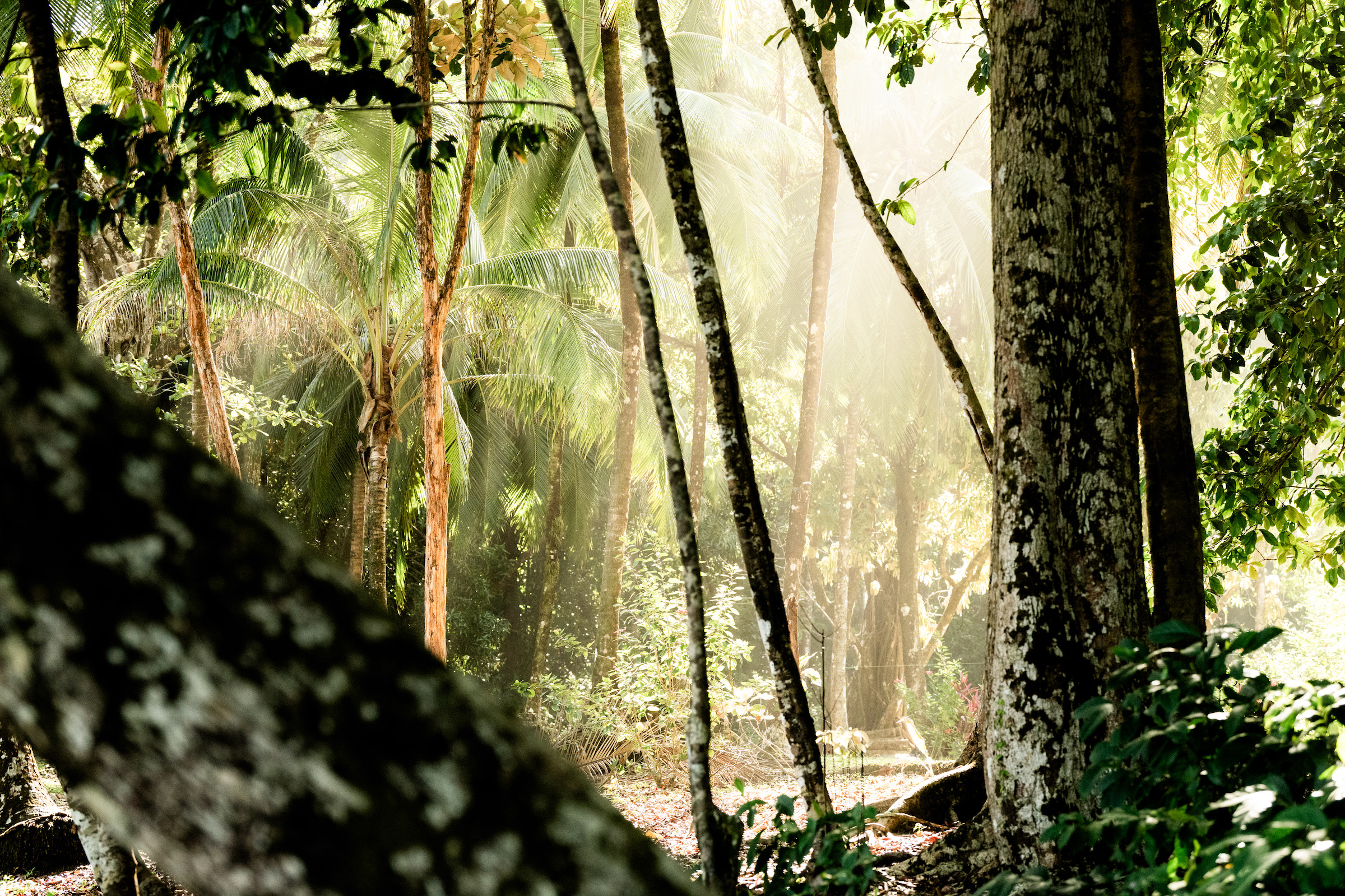
As the river narrowed, the trail began to rise. Jungle closed in. Thick green walls pressed close, vines hanging low, the smell of wet earth and vegetation everywhere. Heat built quickly once the climbing started, but the cloud cover held. No direct sun. No baking. For this stage, that mattered more than almost anything.

Then came Nauyaca Waterfalls.

Few race courses pass somewhere this iconic. The roar of the falls could be heard long before they were seen, a deep, constant thunder. Mist hung in the air. The trail twisted along the edge, offering brief, almost cinematic glimpses of white water crashing down into turquoise pools far below. Volunteers stood grinning, clapping runners through, knowing exactly how cruel it is to pass somewhere so beautiful with no time to stop.

The climbs around the waterfalls were short but sharp. Legs were already feeling the cost of the riverbed. Breathing became laboured. Sweat mixed with spray from the falls. It felt primal. Raw. A reminder that this race is as much about environment as distance.

After Nauyaca, the stage changed character again. The trail rolled relentlessly. Up. Down. Some long climbs you can settle into. No extended descents to recover. Just constant undulation through jungle, farmland, and rough tracks. This is where the Queen Stage earns its reputation.

The terrain was hard and punishing. Exposed dirt roads baked under thinning cloud. Narrow singletrack where roots and rocks waited to catch tired feet. Every rise felt unnecessary. Every dip stole momentum. It was a section that demanded discipline. Go too hard, and the coast would destroy you later. Hold back too much, and you’d bleed time you’d never get back.

At the front, Erick Aguero was putting on another master class.

Aguero’s racing here is never flashy. No surges for the crowd. No dramatic moves. Just relentless forward motion. Smooth cadence. Perfect pack management. He ran like someone who knows this land, understands the humidity, respects the distance. While others visibly fought the course, Aguero flowed with it. By the time the terrain began to open and the air shifted, his advantage was already established.

Eventually, after hours inland, something changed. The breeze arrived first. Salty. Cool. Then the light brightened. And suddenly, unmistakably, the coast appeared.

This transition is one of the great moments of the race. Jungle gives way to open sky. The sound of waves replaces insects. The vastness of the Pacific stretches out ahead. Runners hit the sands near the start of the Adventure course, knowing the end is closer now, but also knowing that beaches come with their own price.

The sand was soft in places, compact in others. Feet sank, calves screamed. The trail wove along the coastline, ducking in and out of shaded sections, then back onto open beach. Offshore, the famous Whale Tail formation of Marino Ballena National Park stood out clearly, a natural landmark that feels almost surreal when you’re deep into a long race.

There was beauty here, but also vulnerability. The sun broke through the cloud intermittently. Reflections off the water were harsh. Runners could smell salt on their skin. Aid stations felt like lifelines. Ice, cola, encouragement in multiple languages.

The final kilometres into Ballena Village were a test of stubbornness. Legs heavy. Feet blistered. Packs lighter but shoulders sore. The finish line came slowly, deliberately, making runners earn every step.

Aguero crossed first in 6:26:41, calm, composed, as if he had expected nothing else. Behind him, Jon Shield fought hard to secure second in 6:54:50, holding off a strong late push from Joe Matheson, who finished just over a minute later in 6:56:02. All three looked spent. All three knew they had survived the hardest day.

In the women’s Expedition race, the story was familiar. A repeat of the previous stage with a dominant Denise Zelaya in control from the front. No drama. Just execution. On a day like this, consistency matters more than heroics. Janina Beck finished 2nd 8:57:19 with Vanessa Duran 3rd in 9:34:11.

Results at webscorer.com

In the Adventure category Laura Zuñiga crossed in 5:40:27 with Toni Clarke close behind 5:45:42, it’s a battle between the two, and Kristel polet 5:46:04 in 3rd. For the men, once again Sammy Francis lead Alberto Gil, 5:20:23 and 5:22:28 respectively. Roberto Solano was 3rd in 5:40:20.

Stage 3 didn’t just shuffle the leaderboard. It revealed it. It exposed weaknesses, rewarded patience, and reminded everyone why The Coastal Challenge is respected worldwide. Long after the finish line buzz faded and runners collapsed into shade with food and cold drinks, the Queen Stage lingered

It always does.

Race results https://www.webscorer.com/

Follow Ian Corless

Instagram – @iancorlessphotography

Twitter – @talkultra

facebook.com/iancorlessphotography

Web – www.iancorless.com
Web – www.iancorlessphotography.com

The Coastal Challenge Costa Rica 2026 – Stage 2

Stage 2 of The Coastal Challenge Costa Rica delivered exactly what this race is known for: raw nature, relentless conditions, and a course that asks runners to adapt again and again. Starting deep in the rainforest at Rafiki Lodge, the day unfolded as a true Coastal Challenge classic, blending river crossings, technical trails, jungle heat, and a dramatic run to the sea.

From the first steps out of camp, it was clear this would not be a straightforward stage. The route followed the Savegre River, widely regarded as one of the cleanest and most biologically pristine rivers in Central America. Flowing from the highlands of the Talamanca Mountains down to the Pacific Ocean, the Savegre is internationally recognised for its exceptional water quality and rich biodiversity. Crossing it once would be memorable. Crossing it twice turned Stage 2 into something special.

The river crossings were more than just obstacles. They were moments that forced runners to slow down, focus, and respect the environment around them. Water rose around calves and knees, current tugged at tired legs, and the contrast between cool river water and the heavy jungle air was striking. It was a reminder that this race is as much about managing nature as it is about racing the clock.

After the river, the course tightened and twisted through rainforest trails. Roots, mud, and uneven ground demanded constant attention. The humidity settled in early and stayed all day. Even experienced runners felt the energy drain as the sun climbed higher. This is where The Coastal Challenge often reshuffles the deck, and Stage 2 was no exception.

For the Adventure race, the day began at CP2, roughly the midpoint of the Expedition route. While the distance was shorter, the challenge remained very real. Adventure runners faced the same heat, the same technical terrain, and the same unforgiving humidity. Starting later on the course offered no easy miles, only a condensed dose of everything Costa Rica can throw at a runner.

As both races pushed westward, the landscape began to change. Dense jungle gradually opened up, trails widened, and the distant sound of the ocean hinted at what was to come. Crossing road 34 marked a psychological shift. From there, runners entered the estuaries and beaches that lead toward Dominical. Soft sand replaced dirt, and the open coastline exposed runners to full sun with no shelter. Legs already fatigued now had to adapt once more.

This final section summed up Stage 2 perfectly. After jungle, rivers, and trails, the beach demanded a different kind of strength. Running on sand punished tired calves and slowed even the strongest athletes. Heat radiated from above and below. Yet the sight of the Pacific Ocean and the energy around the finish made it unforgettable.

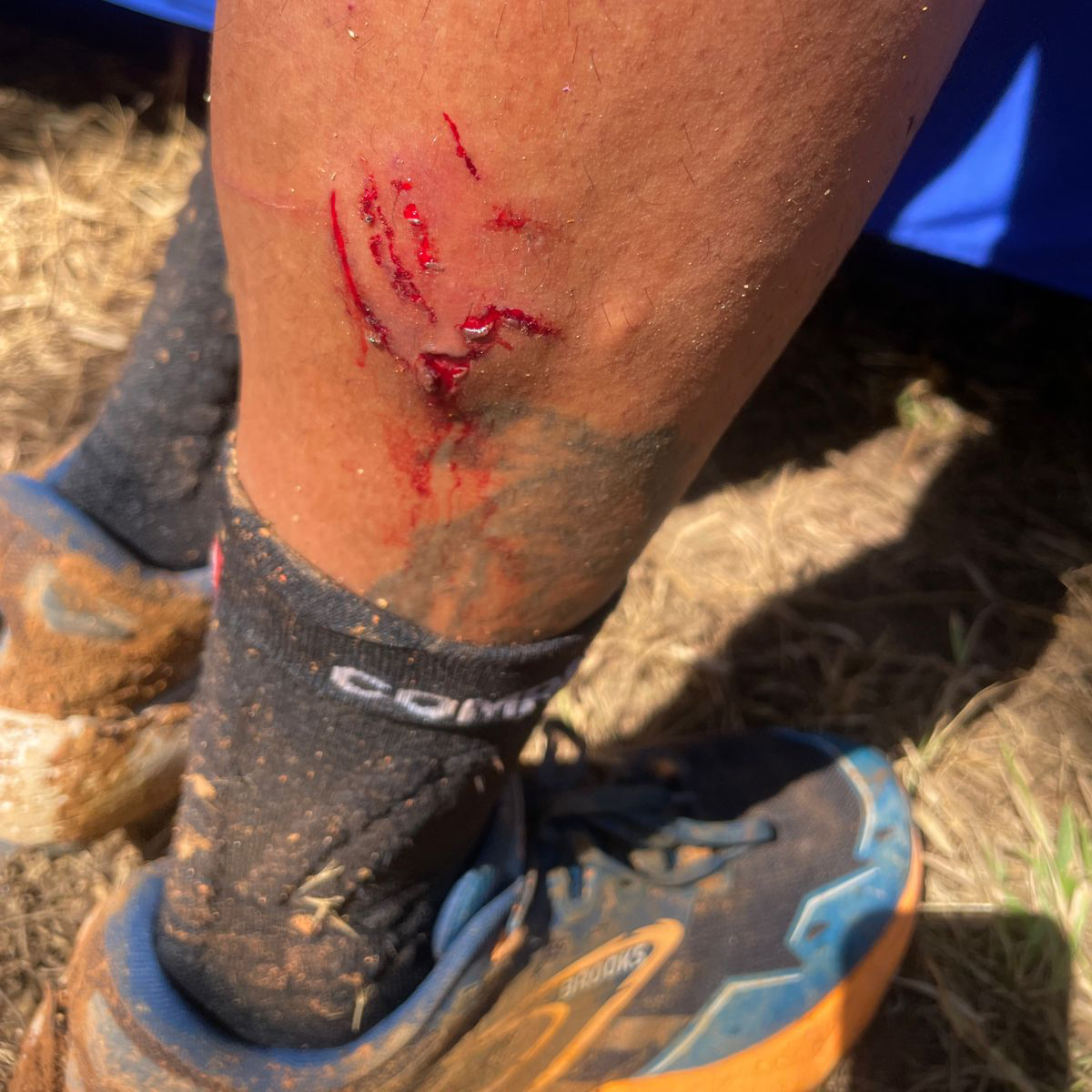
At the front of the Expedition race, the men’s competition came alive. After a controlled and measured Stage 1, Erick Aguero delivered what many have come to recognise as a classic ‘Aguero’ performance. He pushed early, established himself at the front, and gradually opened a gap that no one could close. His strength through the technical sections and consistency in the heat paid off, as he crossed the line in a commanding 4:49:04 – al this despite receiving a dog bite during the race.

Behind him, the battle for the remaining podium places was hard-fought. Jesus Cerdas Padilla ran a strong and steady race to claim second in 5:11:54. Stage 1 winner Ramon Rosello Pons followed in third with a time of 5:24:03. With this result, Aguero moved into the overall lead, setting up an intriguing dynamic for the stages ahead.

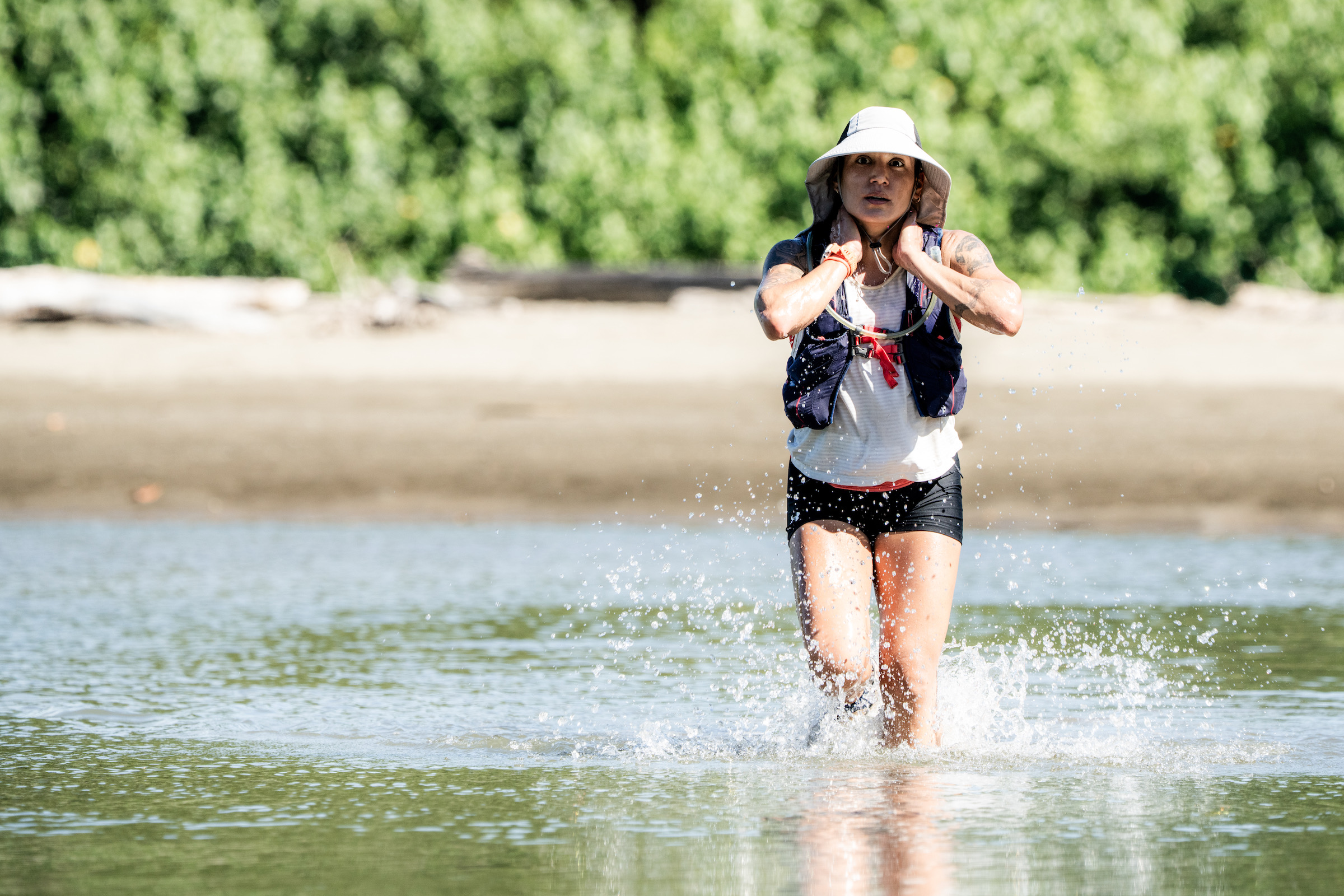
In the women’s Expedition race, Denise Zelaya was in a class of her own. From early on, she looked composed and controlled, handling the heat and terrain with confidence. Her dominance was clear as the stage wore on, and she crossed the finish line in 5:59:12, underlining her strength and experience in these conditions. It was a decisive performance on a demanding day.

Janina Beck and Pamela Muñoz placed 2nd and 3rd, 7:05:12 and 7:11:12 respectively.

The Adventure race delivered its own drama. Sammy Francis led the way, crossing first in 3:40:51 after a determined run through the heat and sand. The fight for second was tight and exciting. Toni Clarke, the Stage 1 leader, finished second, just over 30 seconds behind Laura Zuniga Alcazar, who crossed in 3:59:28. The close times reflected the intensity of the race and the way Stage 2 squeezed every bit of effort from the field.

Beyond results and times, Stage 2 captured the essence of The Coastal Challenge. It was tough, unpredictable, and deeply connected to the landscape. Runners were forced to think, adapt, and endure. The Savegre River crossings stood out as defining moments, but the entire course demanded respect.

By the end of the day, fatigue was written on every face. Salt streaked skin, mud-caked legs, and tired smiles told the story better than words. It was a hard day, but an exciting one. Stage 2 reminded everyone why this race holds such a special place in the world of stage racing, it has a little of everything, and it never gives anything away easily. Let’s not forget, Dominical is also an awesome place for camp.

Race results https://www.webscorer.com/

Follow Ian Corless

Instagram – @iancorlessphotography

Twitter – @talkultra

facebook.com/iancorlessphotography

Web – www.iancorless.com
Web – www.iancorlessphotography.com

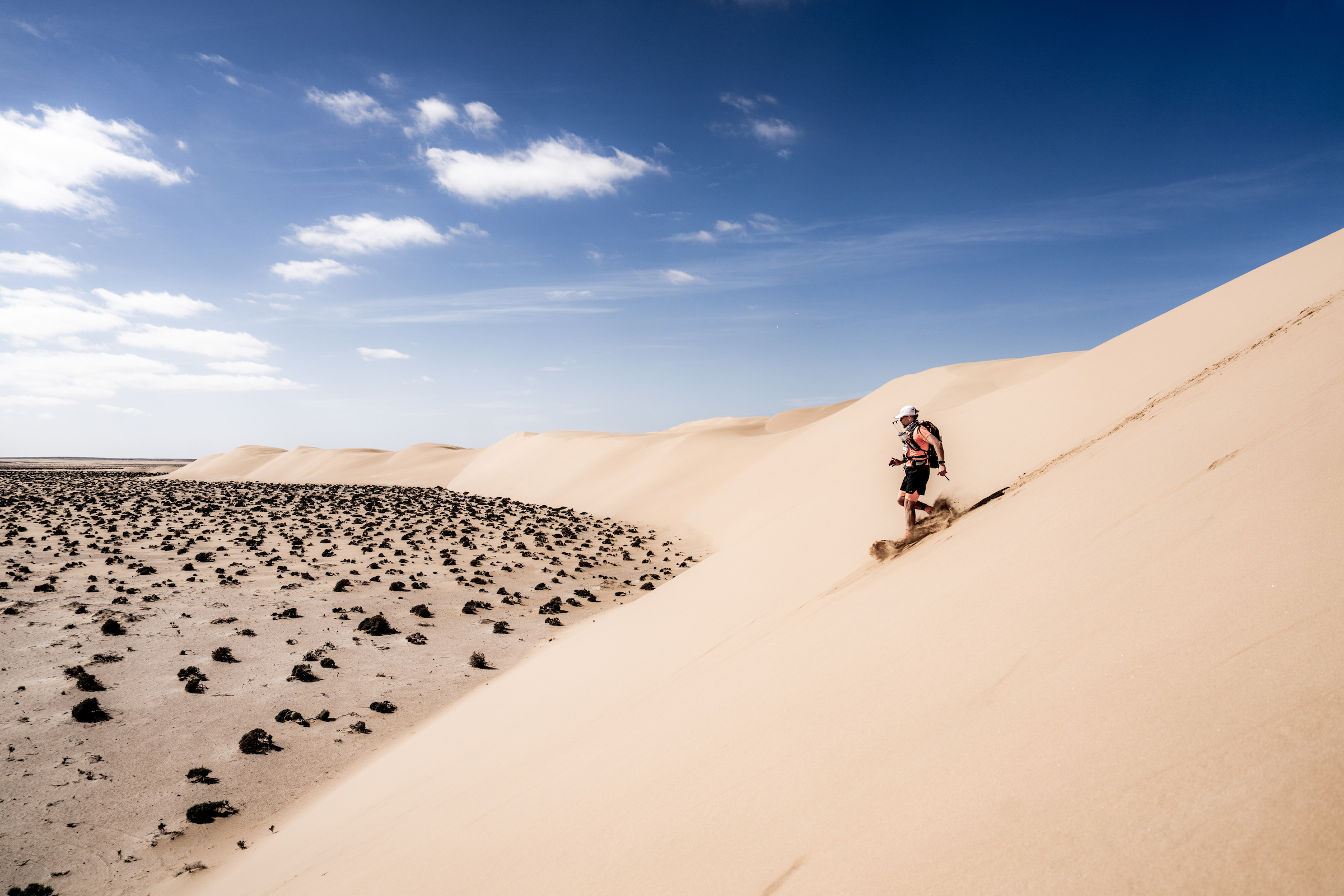
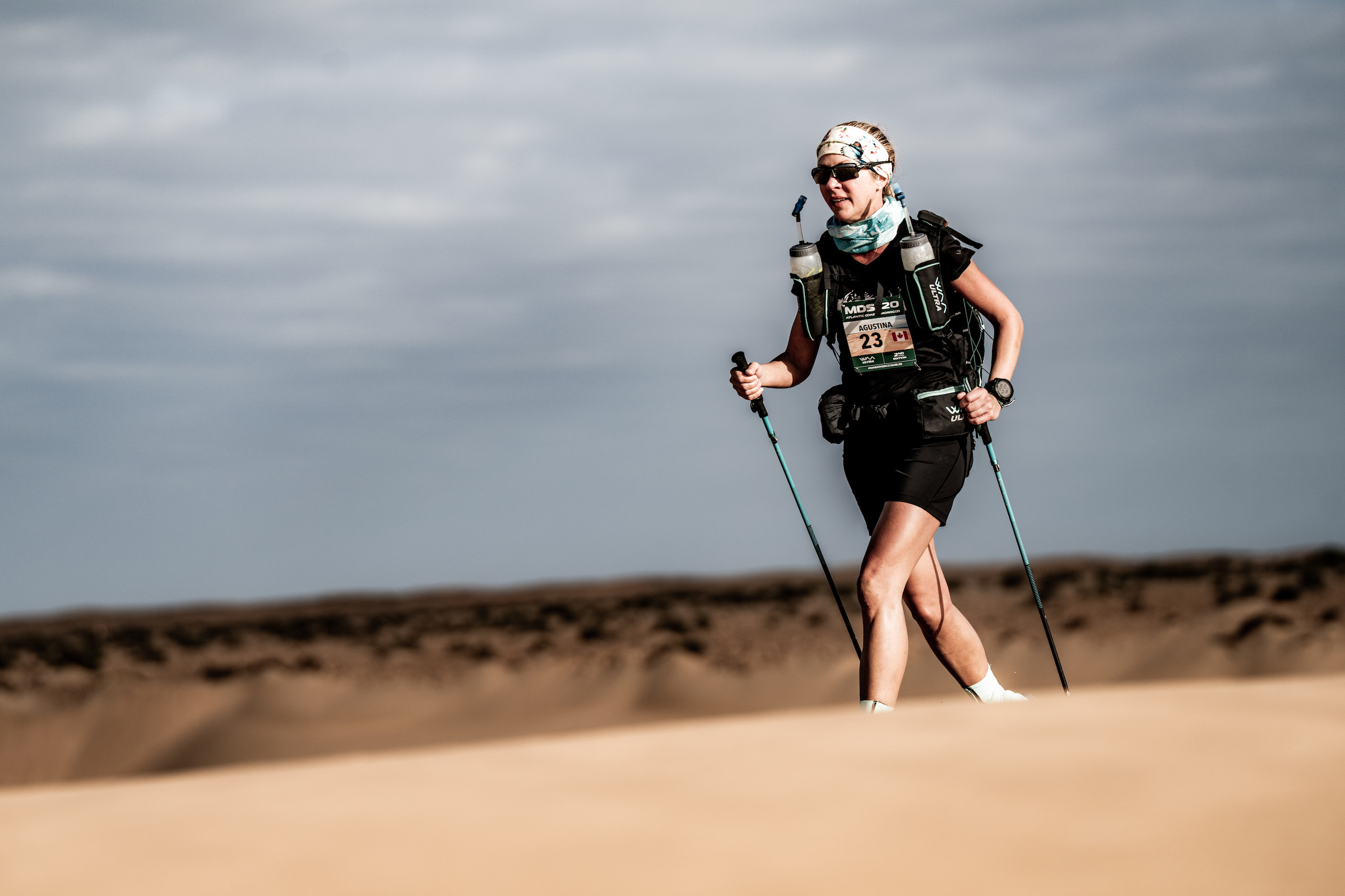
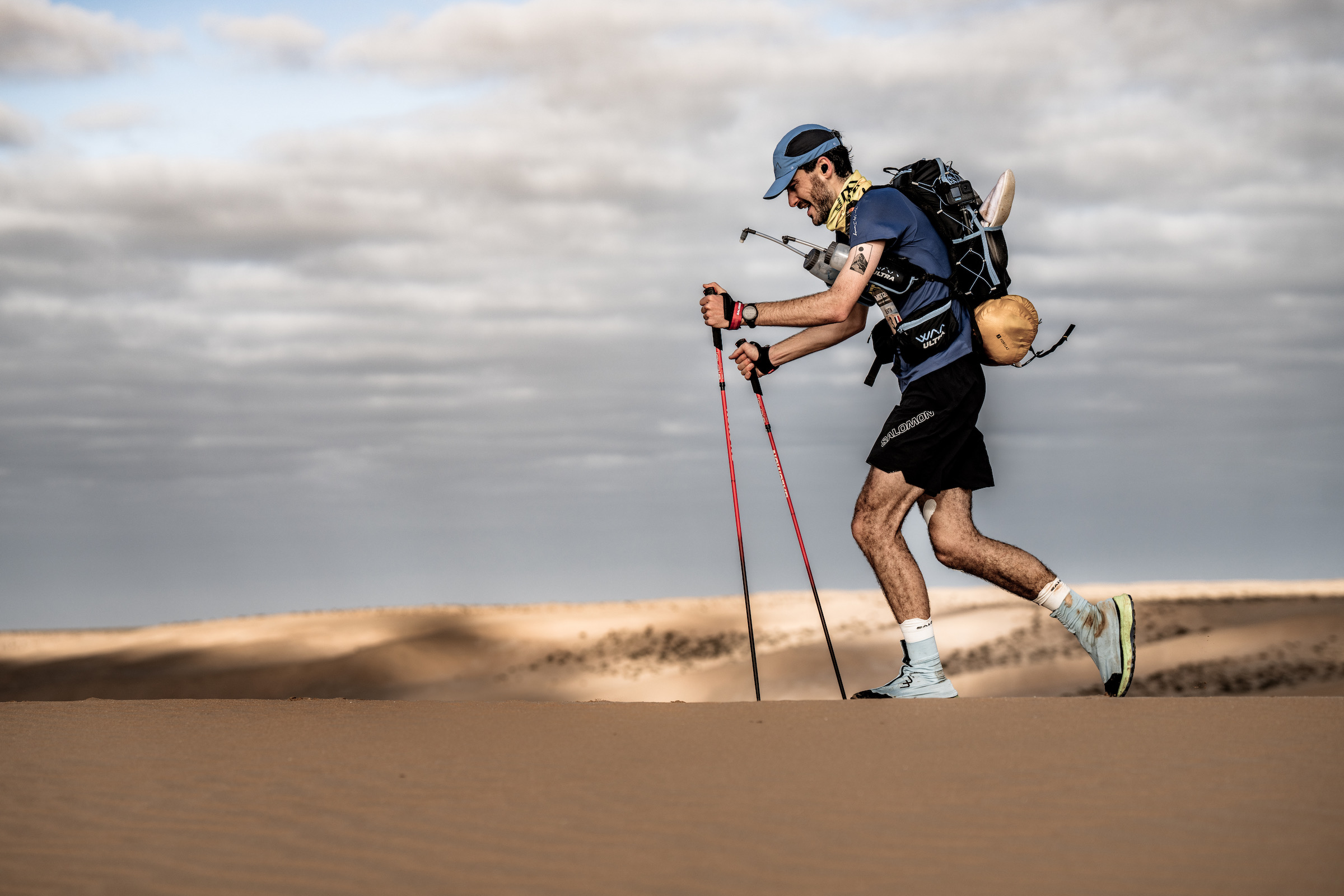
MDS 120 ATLANTIC COAST 2026 – STAGE 2

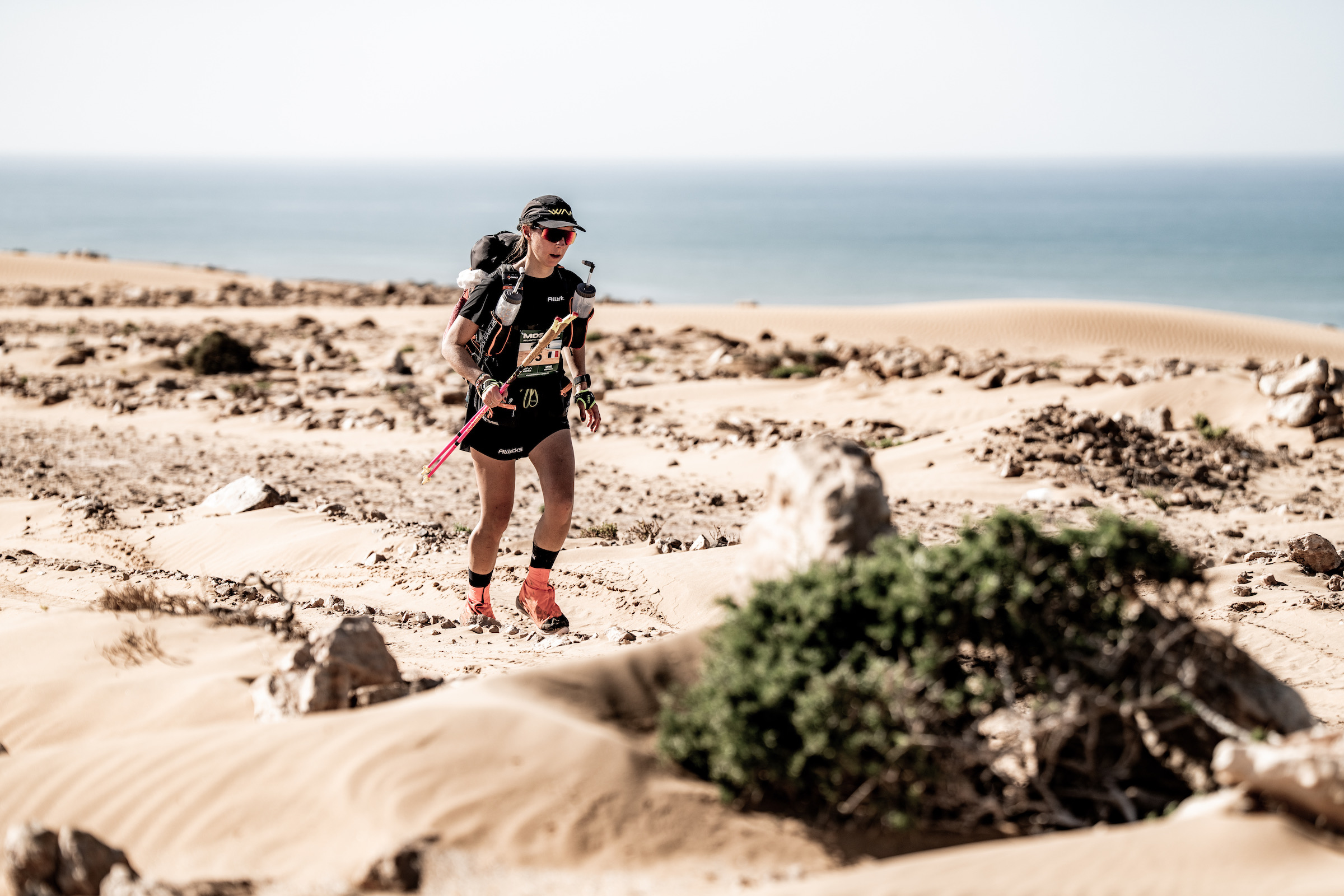
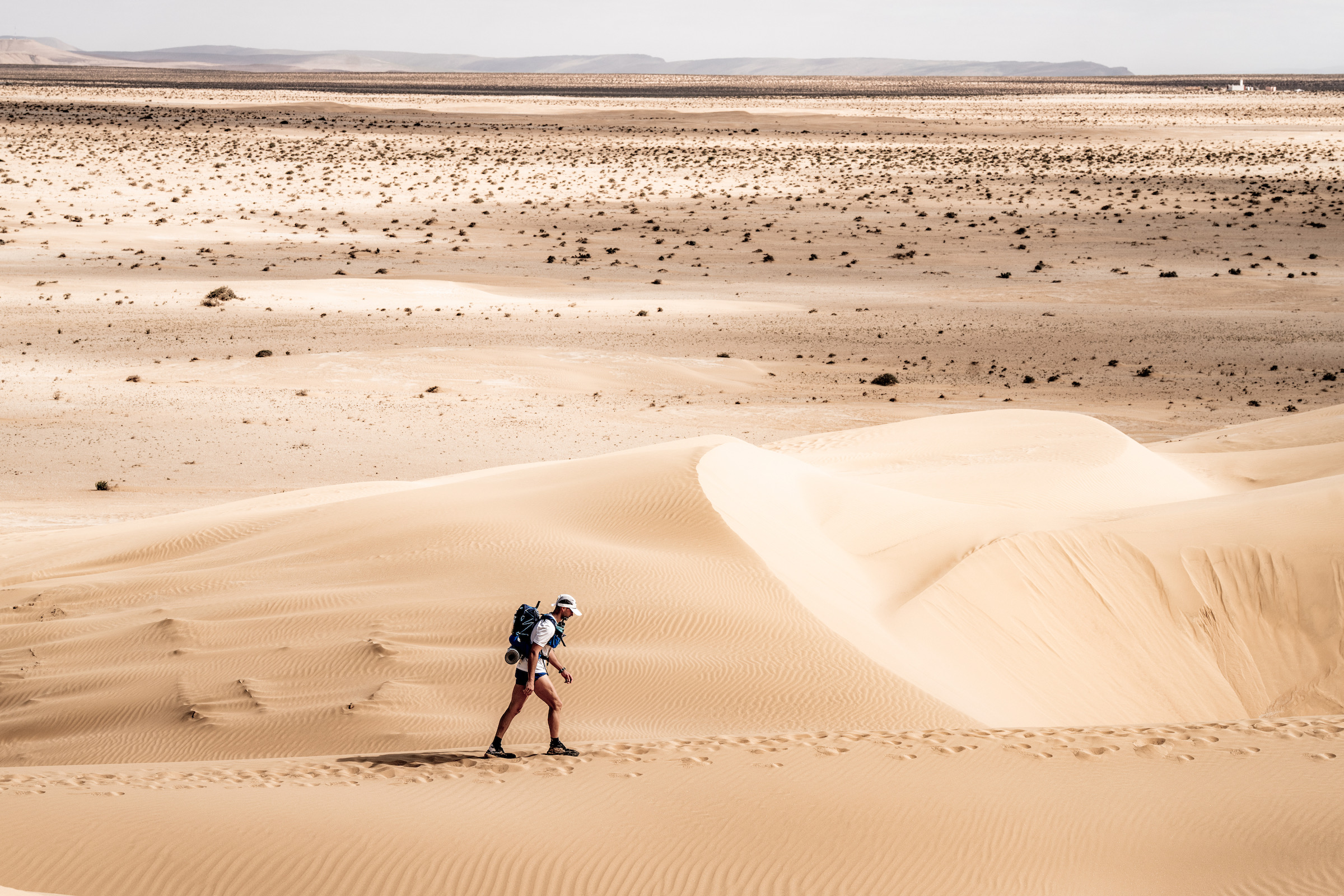
Stage 2 of the MDS 120 Atlantic Coast 2026 arrived with options and consequences. Twenty kilometres, forty, or the full sixty. Three distances, one shared truth: today would ask more than legs. It would ask for patience, judgement, and honesty. The course did not care which option was chosen. It simply waited, stretching out along the Atlantic edge, ready to test everyone who stepped onto it.

The morning hinted at uncertainty. Low cloud rolled in from the ocean, cool air brushing faces that had already been scoured by salt and sand. There was a little rain, just enough to darken the ground and sharpen the smell of wet earth. Then the sun broke through, sudden and bright, as if to remind the field that comfort would be temporary and effort unavoidable. It was a day of changeable weather in every sense, and the tone was set early. Adjust. Adapt. Keep moving.

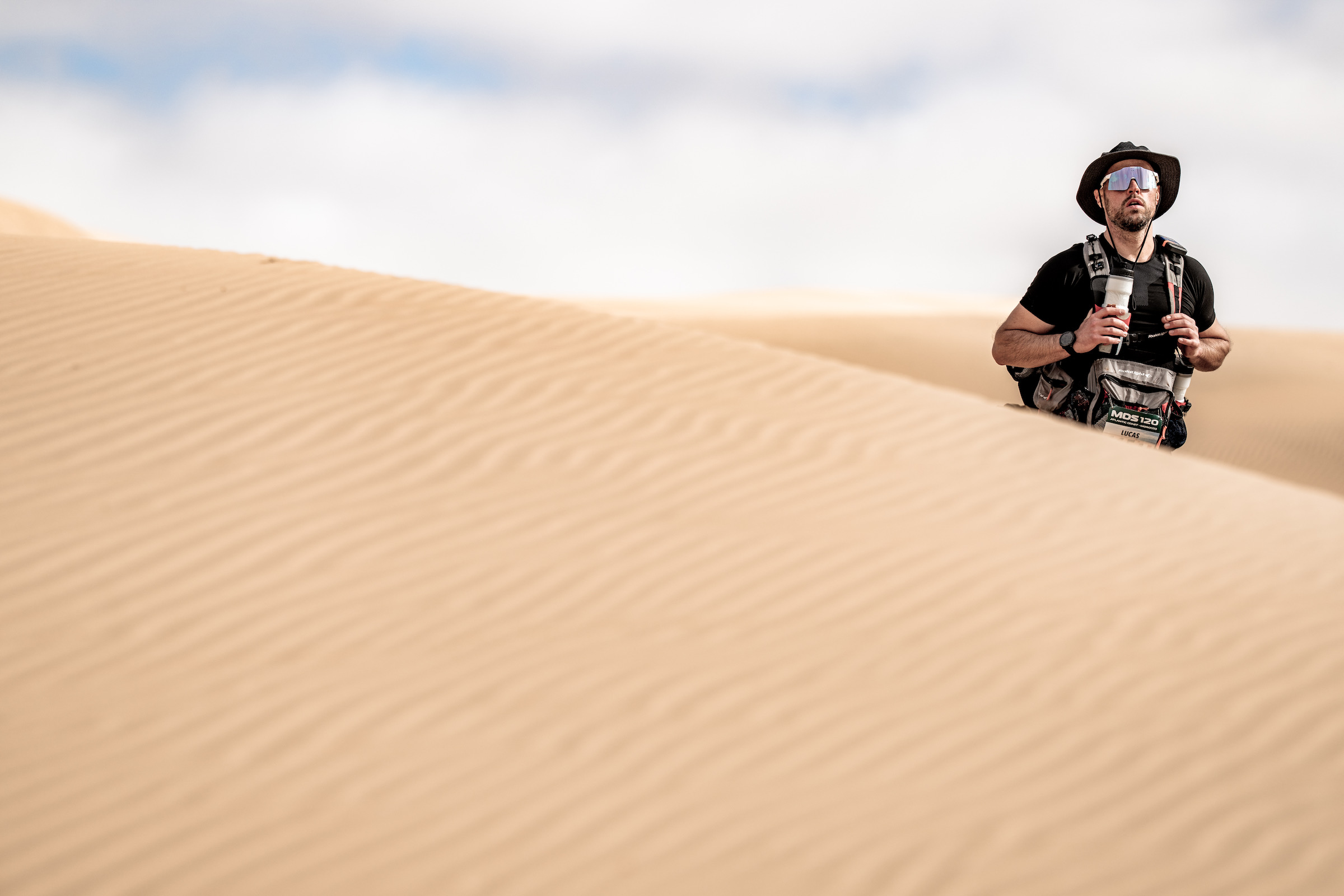
From the first kilometres, the terrain refused to settle into anything predictable. Soft sand swallowed shoes and rhythm, turning simple forward motion into work. Each step demanded attention. Ankles wobbled, calves burned, and breathing grew louder. Then the sand gave way to rocky plateau, hard and uneven underfoot.

The pace changed again, this time to caution. Eyes stayed down, scanning for safe placement. The plateau opened wide, exposing runners to the elements and to themselves. There was nowhere to hide from the wind, the sun, or the thoughts that arrive when the body starts to ask hard questions.

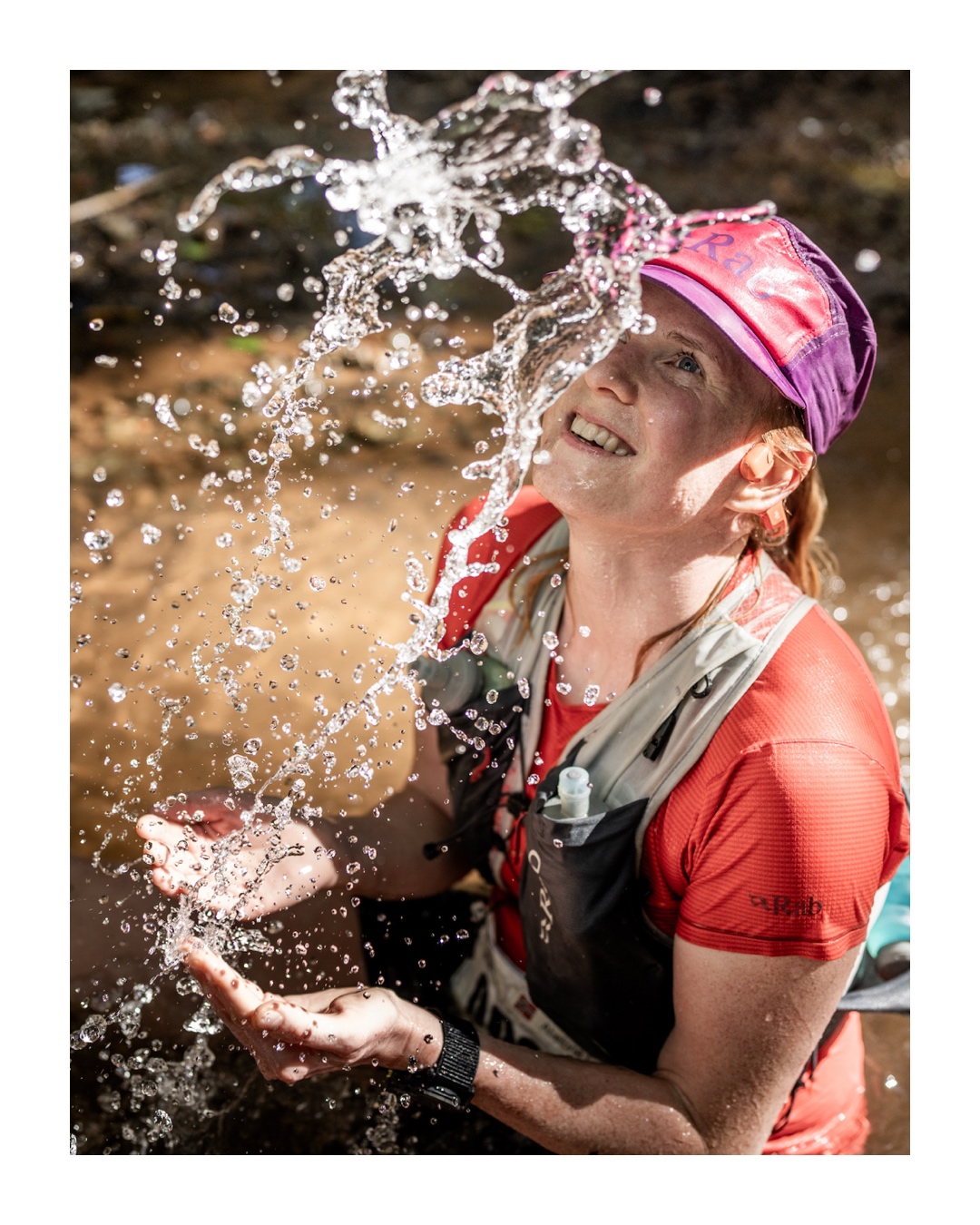
Flooded gorges brought a different challenge. Water pooled where it was least expected, cool and deceptively deep. Shoes filled, socks soaked, and the familiar squelch followed each step on the exit. Some laughed at the absurdity of it. Others grimaced, knowing wet feet mean blisters later. But everyone crossed, because stopping was never really an option. This race does not negotiate.

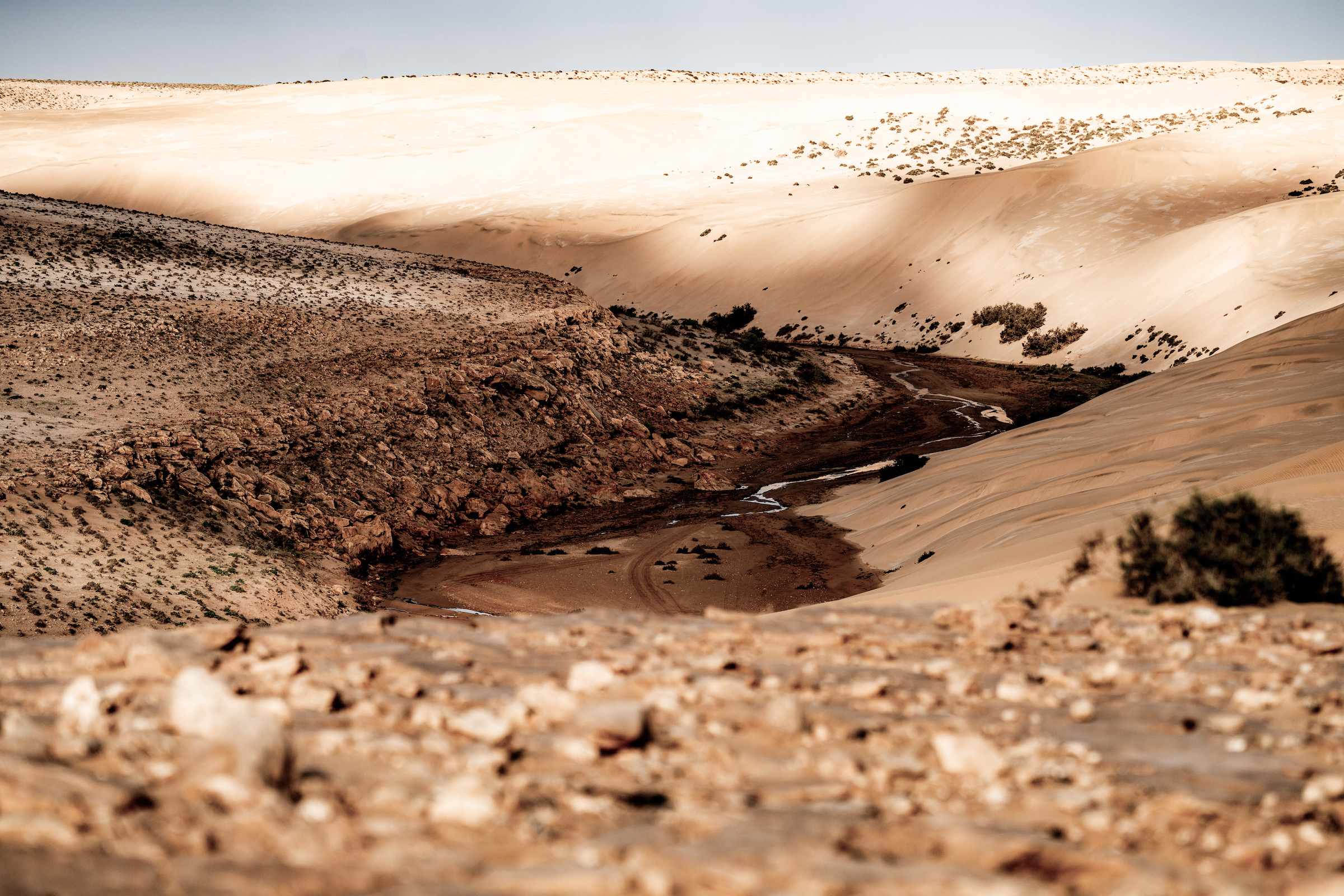
Beyond the gorges, the course stretched into wide open terrain. The Atlantic Ocean appeared and disappeared, sometimes a distant shimmer, sometimes close enough to hear. The scale of the landscape made individuals feel small, but also free. Lines of colour moved slowly across the land as runners spread out, each locked into their own effort. This was where time began to behave strangely. Minutes felt long. Hours blurred. The distance chosen mattered less than the simple act of continuing.

The final stretch ran flat and true, parallel to the ocean. It should have felt easier. On paper, it was. In reality, it was where fatigue spoke loudest. The body was already empty. The mind had been negotiating for kilometres. Yet the finish lay ahead, invisible at first, then slowly, mercifully, real. The ocean rolled on, indifferent and steady, while the race reached its quiet climax.

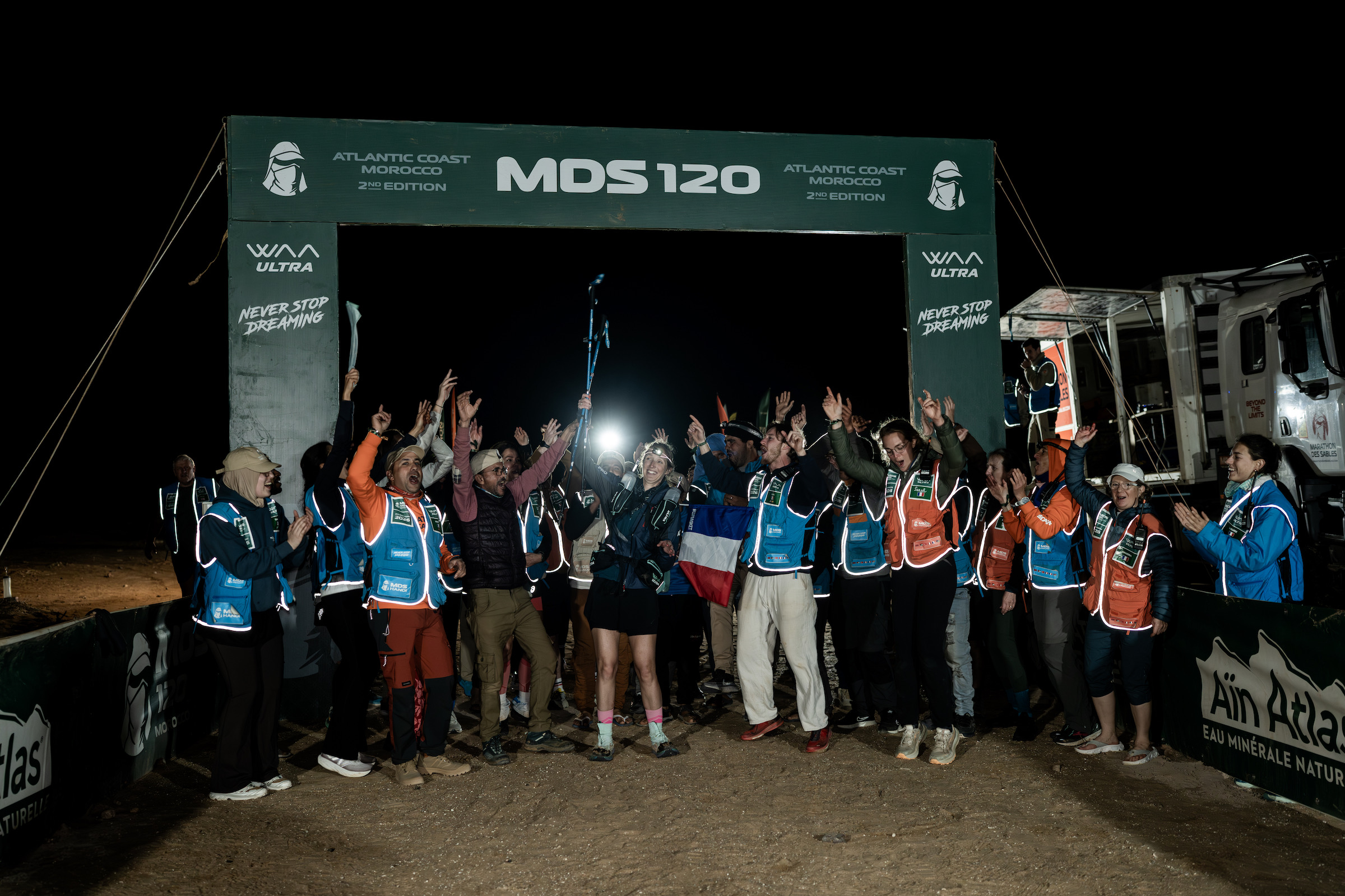
The finish line became a gathering point for everything this day had taken and given. It was a welcome sight, one that drew out raw emotion without apology. Tears fell freely, sometimes before the line, sometimes after. Laughter broke out in short bursts, the kind that comes when tension finally releases. There was joy, genuine and earned, mixed with exhaustion that sat deep in the bones. Some crossed upright and strong. Others bent double, hands on knees, searching for breath. All were changed.

The day stretched long into the night. Headlamps flickered in the distance as darkness closed in. Volunteers stayed wrapped in layers, voices steady, encouragement unwavering. The clock kept moving. And then, close to 2300 hours, the final finisher crossed the line. There was no rush. No hurry to be anywhere else. Just a moment held for someone who refused to stop. Applause cut through the night, not loud, but meaningful. This, too, mattered.

Stage 2 was not about speed. It was about choice and consequence, about learning the difference between discomfort and danger, about discovering how much is left when you think there is nothing. Today, participants found out who they are and why they are here. Some answers were quiet. Others arrived with force. But they arrived all the same.

There were moments of doubt, of frustration, of anger at the sand, the stones, the weather, the distance. There were also moments of clarity, when effort narrowed the world down to the essentials. Step. Breathe. Drink. Keep going. In those moments, the noise of everyday life fell away. What remained was simple and honest.

As the camp settles and the body begins to cool, tomorrow offers something rare in this environment. A day of rest. A pause. Time to recharge and recover. Muscles will stiffen, feet will tell their stories, and minds will replay the day in fragments. There will be care, conversation, and quiet pride. Because Stage 2 demanded respect, and those who met it earned that rest.

The Atlantic continues to roll in the dark. The course waits. And the field, changed by today, will rise again when it is time.

MDS Tour and MDS Clubs for 2026

Join the MDS Clubs on HEYLO HERE.

The MDS Tour starts in January and moves from location to location, Register HERE

Follow Ian Corless

Instagram – @iancorlessphotography

Twitter – @talkultra

facebook.com/iancorlessphotography

Web – www.iancorless.com
Web – www.iancorlessphotography.com

LOFOTEN STAGE RUN 2026 – SIGN UP!

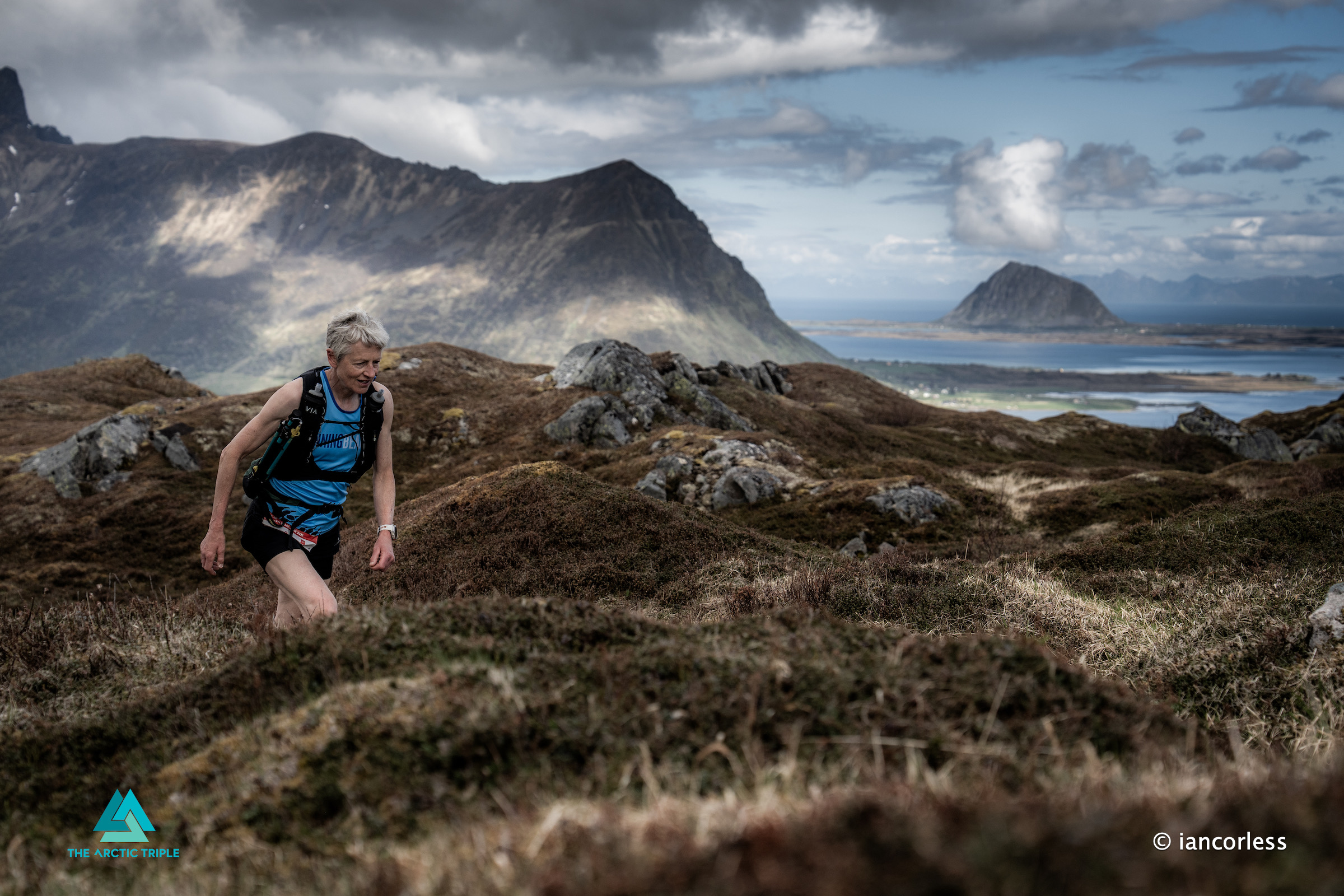
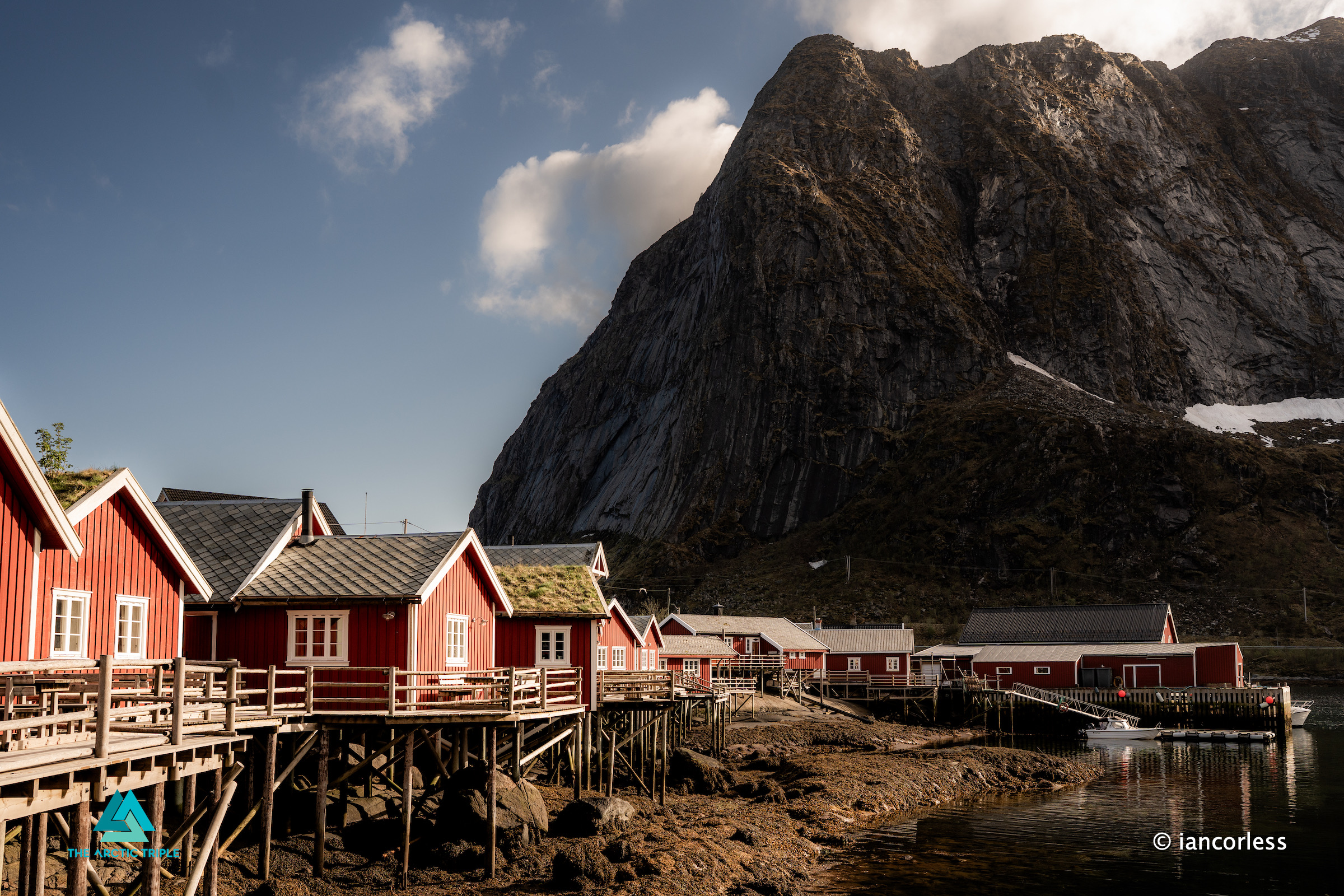
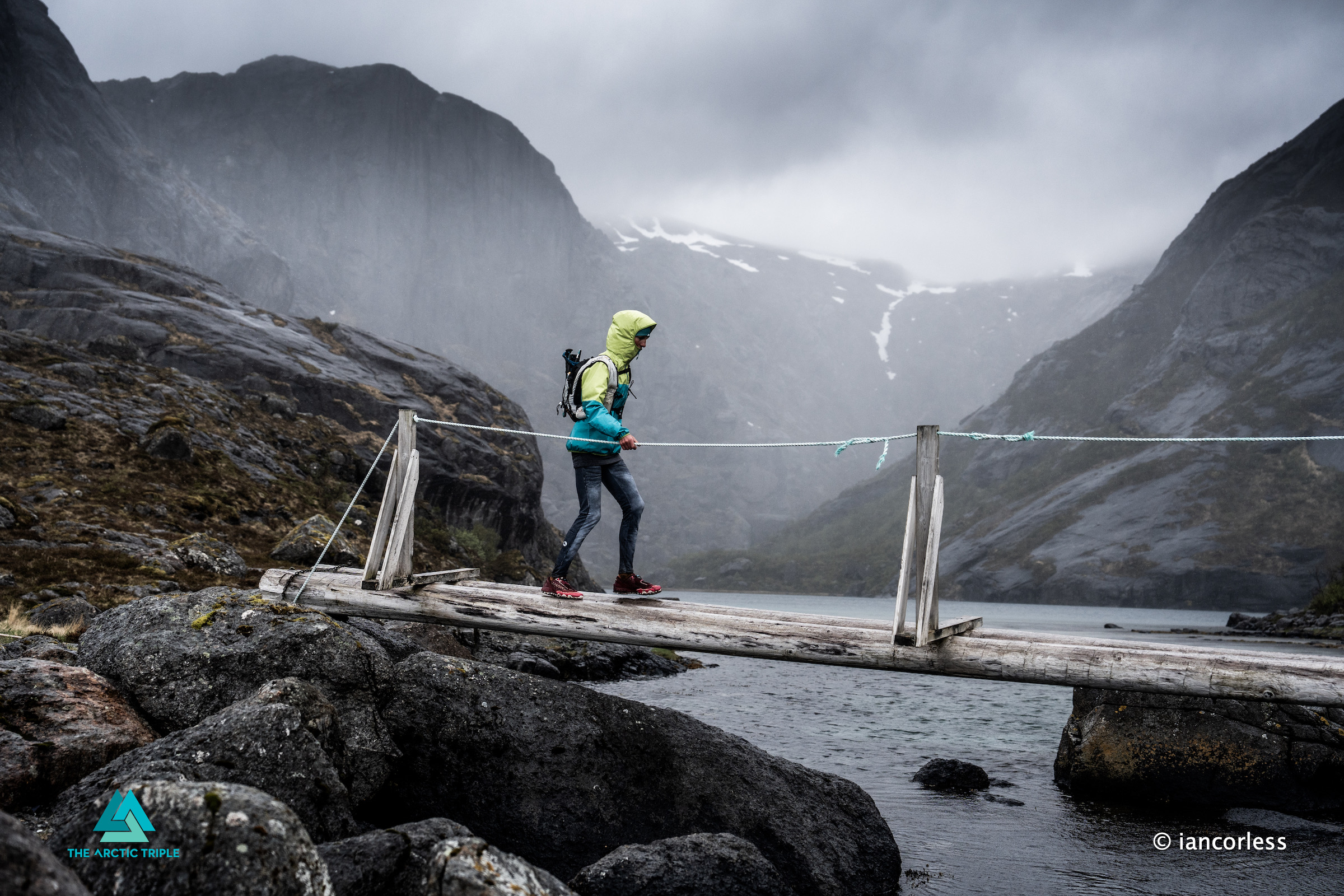
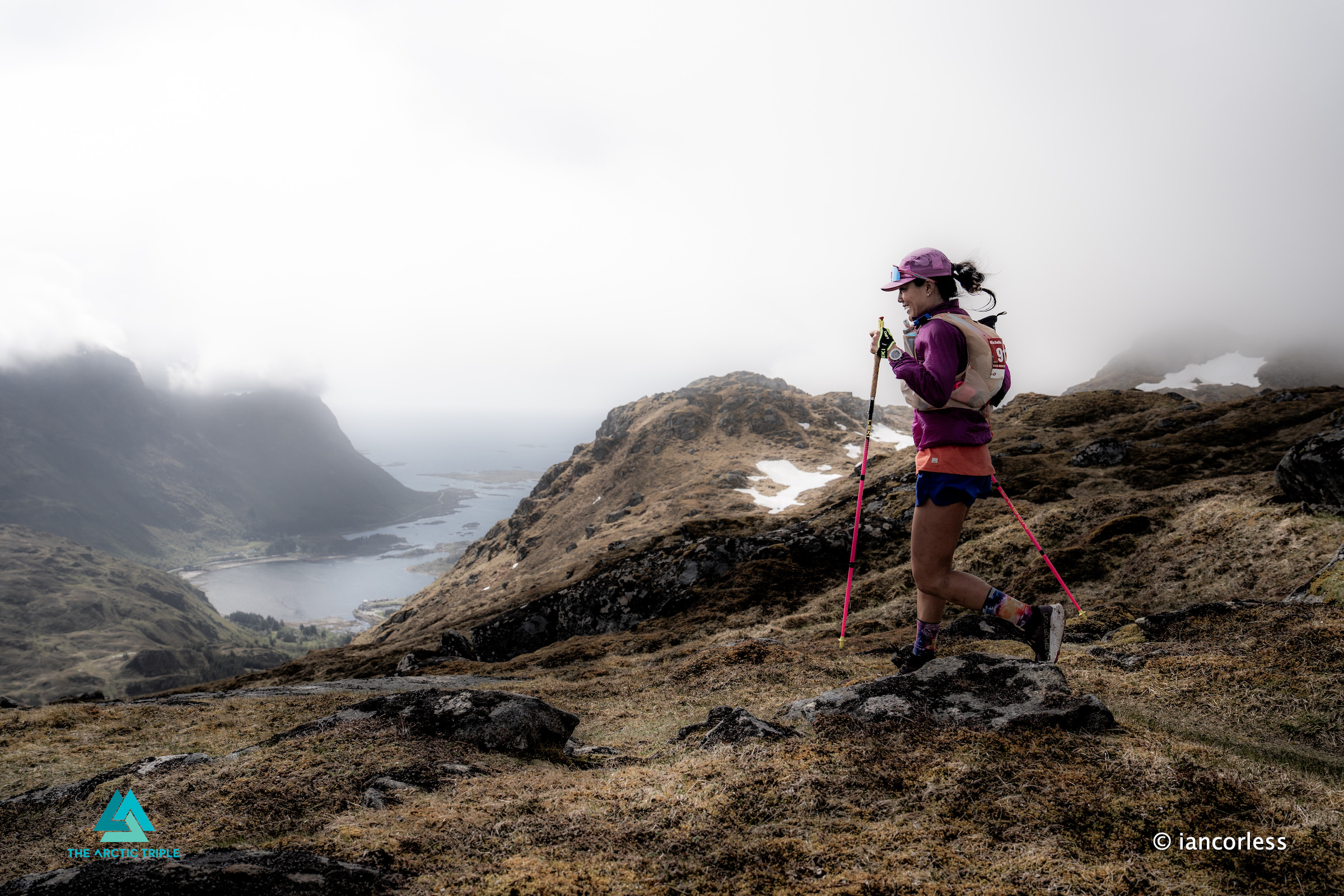
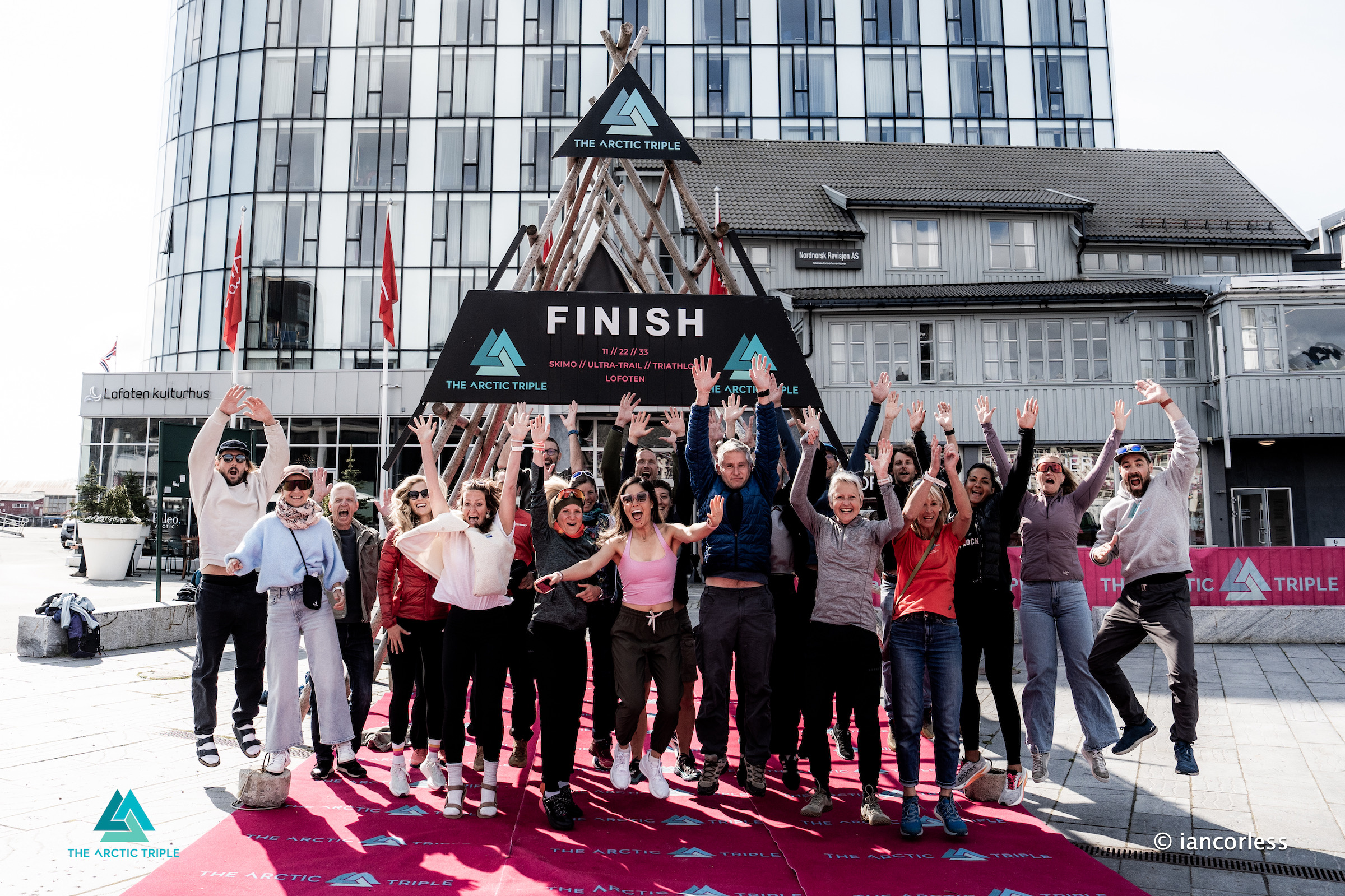
Lofoten Stage Run by the team at The Arctic Triple – Is the world’s most beautiful stage run, a rare kind of race that feels less like an event and more like a journey.

From 26 to 31 May 2026, a small group of just 30 runners will cross one of the most dramatic landscapes on the planet, moving step by step through mountains, fjords, beaches, and fishing villages under the returning light of the Arctic summer.

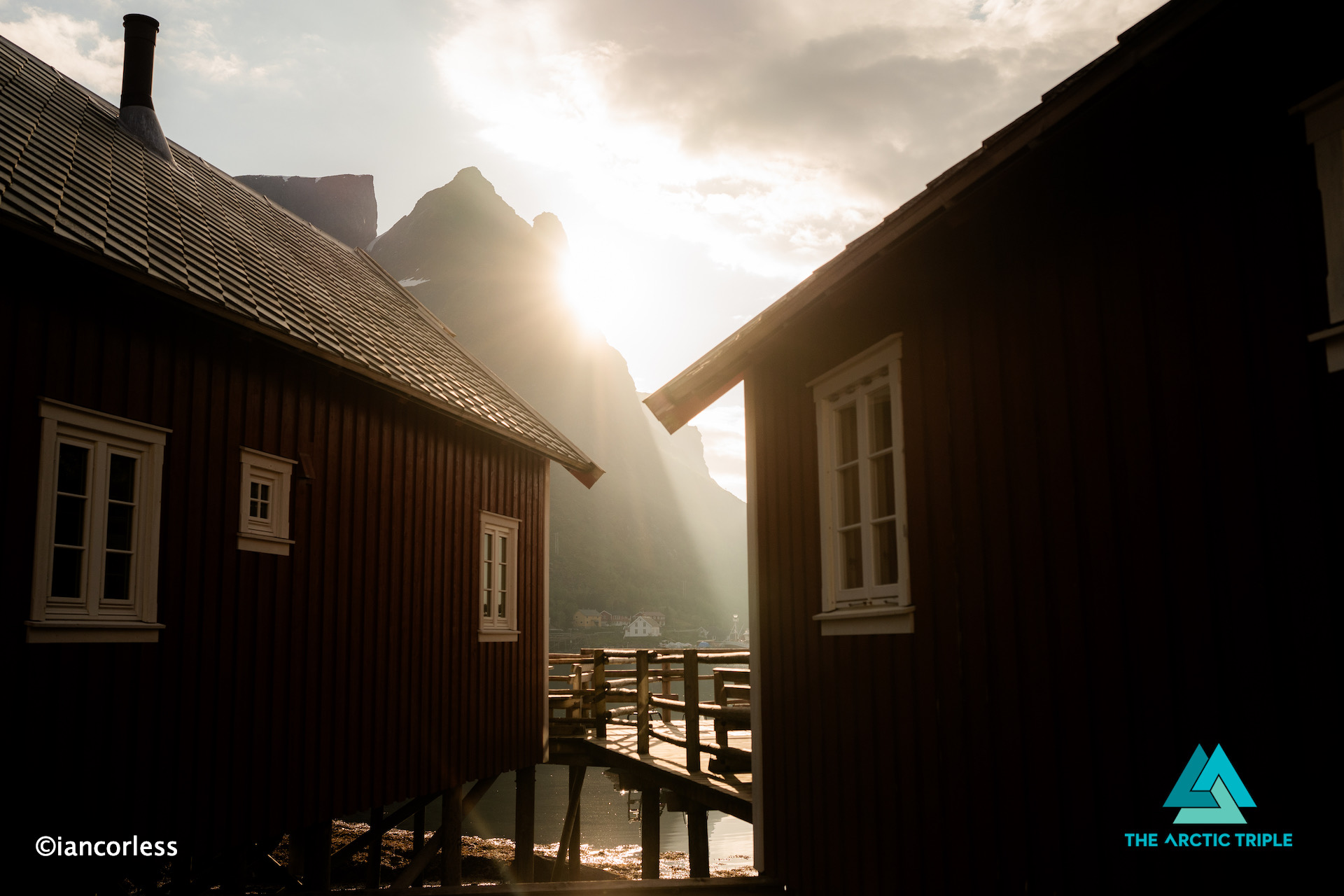
Set in Lofoten, Norway, this is a real multi-day adventure race spread over six days and four stages. The archipelago rises straight from the sea, with sharp granite peaks, narrow coastal trails, and open horizons in every direction. Late May is when the midnight sun begins to settle in, stretching the days and bathing the landscape in soft, golden light that never quite fades. You’ll run when the sun hangs low above the water, when shadows move slowly across the mountains, and when time feels different.

The race offers two distances. The 170 km Expedition Run covers four demanding stages between 34 and 52 kilometres, designed for runners who want a deep, physical immersion in the terrain. The 100 km Adventure Run follows the same spirit across four stages between 17 and 35 kilometres, offering a shorter but equally powerful experience. Both routes blend runnable sections with technical trails that require focus, respect for the landscape, and a steady rhythm rather than speed alone.

©iancorless

What sets Lofoten Stage Run apart is the way everything is woven together. From the moment we meet in Svolvær the day before race day, the experience is fully taken care of. Accommodation is comfortable, meals are generous and rooted in local flavors, and your luggage moves seamlessly from basecamp to basecamp. You run light, recover well, and wake up ready for the next stage. Every detail is designed so you can stay present in the experience rather than worry about logistics.

Each day on the trail brings something new. A climb that opens onto a wide fjord. A quiet stretch along white sand with turquoise water at your side. A remote valley where the only sounds are your breath and the wind. One stage begins with a boat ride into the heart of the landscape, delivering you to the start line in Kjerkfjorden, surrounded by steep walls of rock and sea. These are the moments that stay with you long after the race is over.

Evenings slow the pace. Warm dinners are shared around the table, stories traded between tired legs and smiling faces. With such a small field, the atmosphere stays personal and welcoming. You don’t disappear into a crowd. You become part of a temporary community moving together through a wild place. There is time to rest, to talk, to look out over the water and realise how far you’ve come.

The entry fee includes the entire package: five nights of accommodation, including the night before the race and the night after finishing, race registration, luggage transport, all meals from the first day in Svolvær until breakfast on day six, start kit, The Arctic Triple buff, service stations, first aid and evacuation transport, timing and tracking, warm dinner every night, the boat transfer to the starting line, and a quality finisher award. Everything is included so the focus stays where it should be, on the running and the place.

Lofoten Stage Run is not about crowds, noise, or chasing records. It’s about long days on epic trails, running beneath the midnight sun, and experiencing Norway at its most raw and beautiful. This is a race for runners who want more than a finish line, who are drawn to wild landscapes, shared effort, and the quiet magic that happens when movement, nature, and light come together.

Only 10-places remain for the 2026 edition, be quick!

Sign up HERE

©iancorless

Follow Ian Corless

Instagram – @iancorlessphotography

Twitter – @talkultra

facebook.com/iancorlessphotography

Web – www.iancorless.com
Web – www.iancorlessphotography.com

MDS 120 PERU 2025 – Stage 3

The last stage of MDS 120 Peru opened in darkness. Two waves, 0500 and 0600, slipped out of bivouac beneath a sky heavy with cloud and mist. It was a quiet start, almost private. Footsteps softened in the cool sand. Headlamps cut short beams through the haze. The whole scene carried a sombre tone, as if the desert itself was waiting to see who still had strength left to give.

Runners set off knowing this was it, 27.3km’s stood between them and the finish close to Laguna Grande, with the South Pacific stretching out behind Isla Independencia.

A straight line on paper. A world of effort in reality. After days of navigating sand ridges, barren slopes, and the weight of self sufficiency, the final morning felt like a test wrapped in silence.

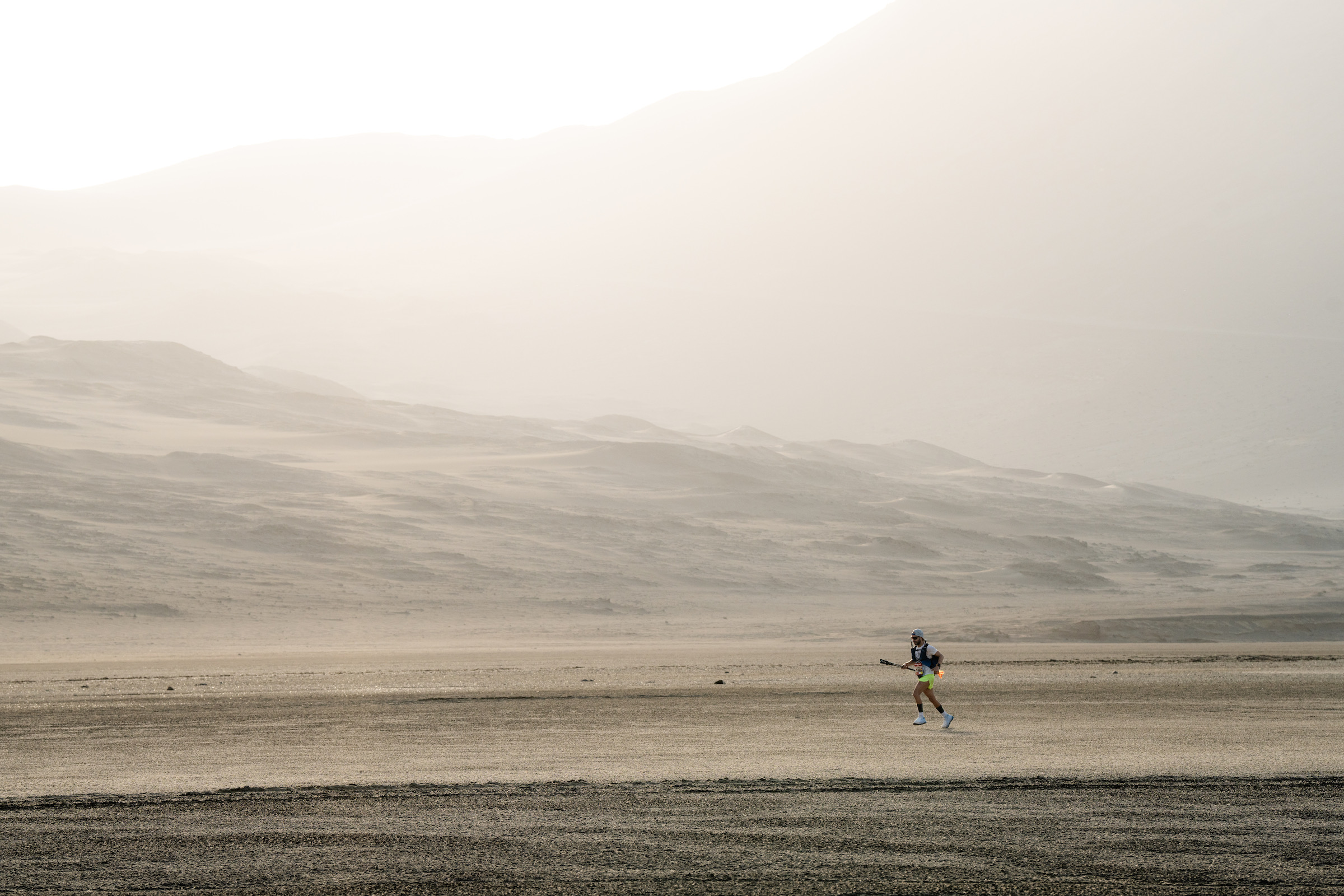
Then the sun rose. Not with drama, but with intention, as if it had been saving its entrance for the moment runners needed it most. Light broke through the mist and transformed the mood. What had been grey became gold. What felt eerie turned warm. Shapes that were hidden came alive in full color. The desert opened up, and the coastline showed its depth. The day shifted from hard to hopeful in minutes.

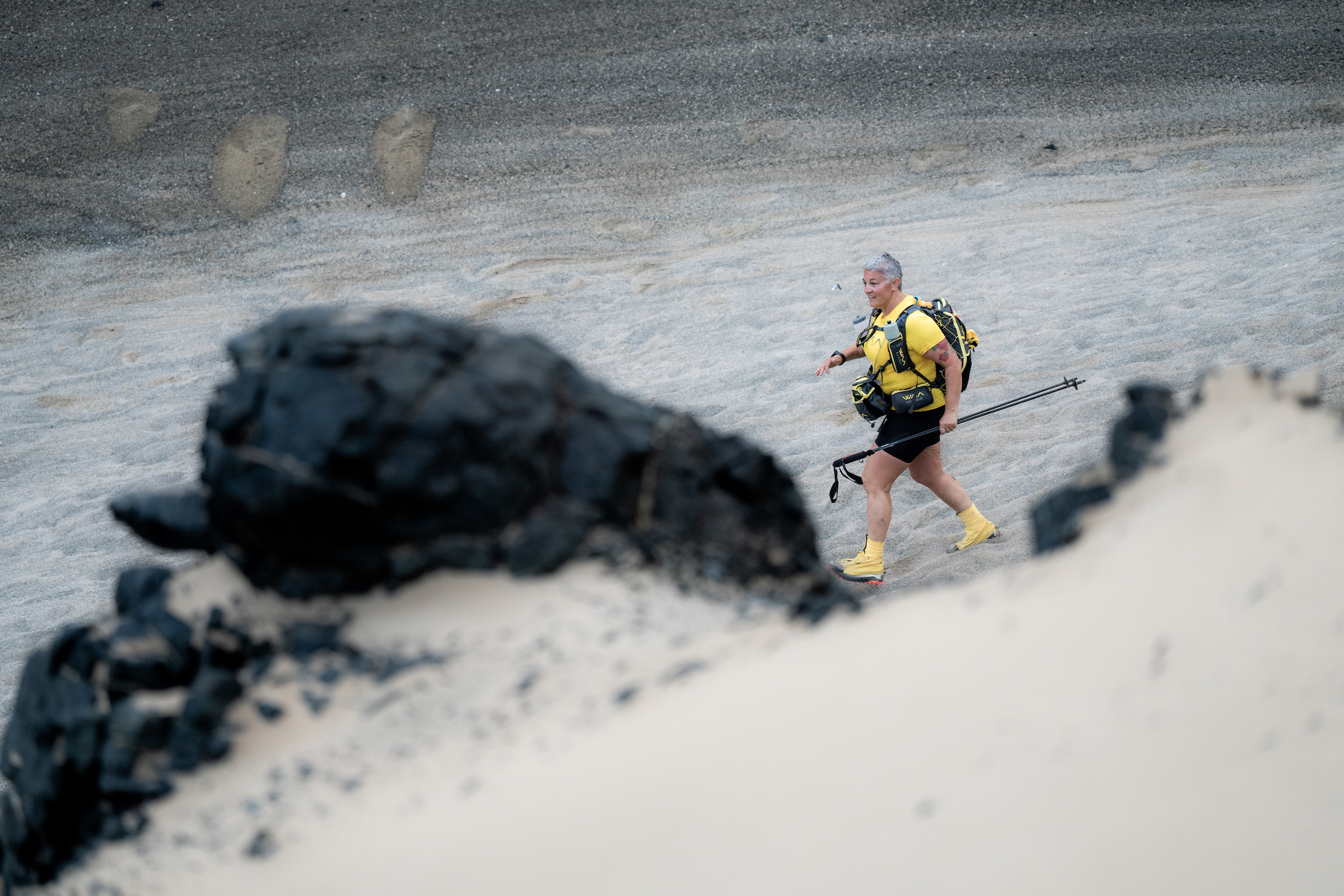
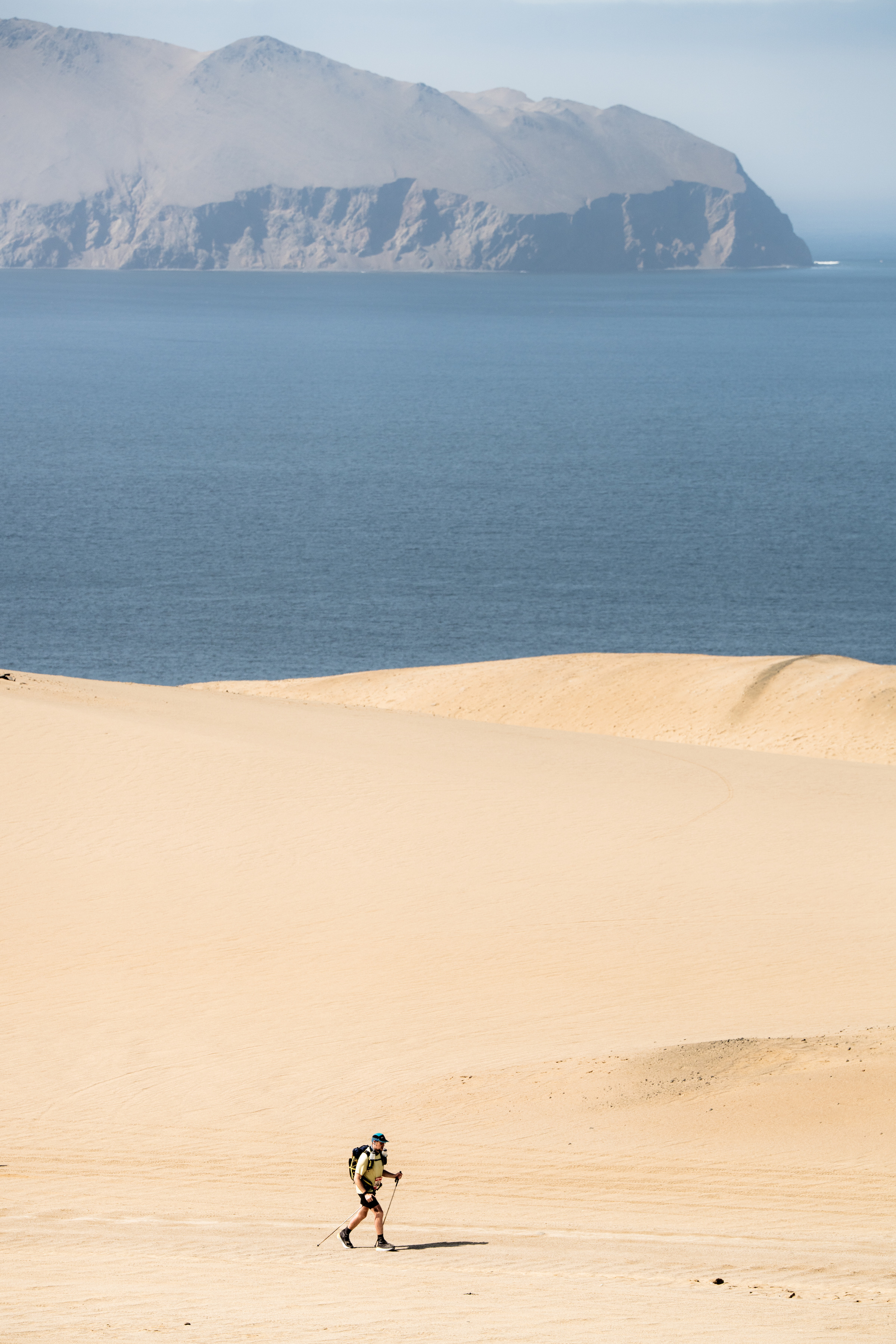
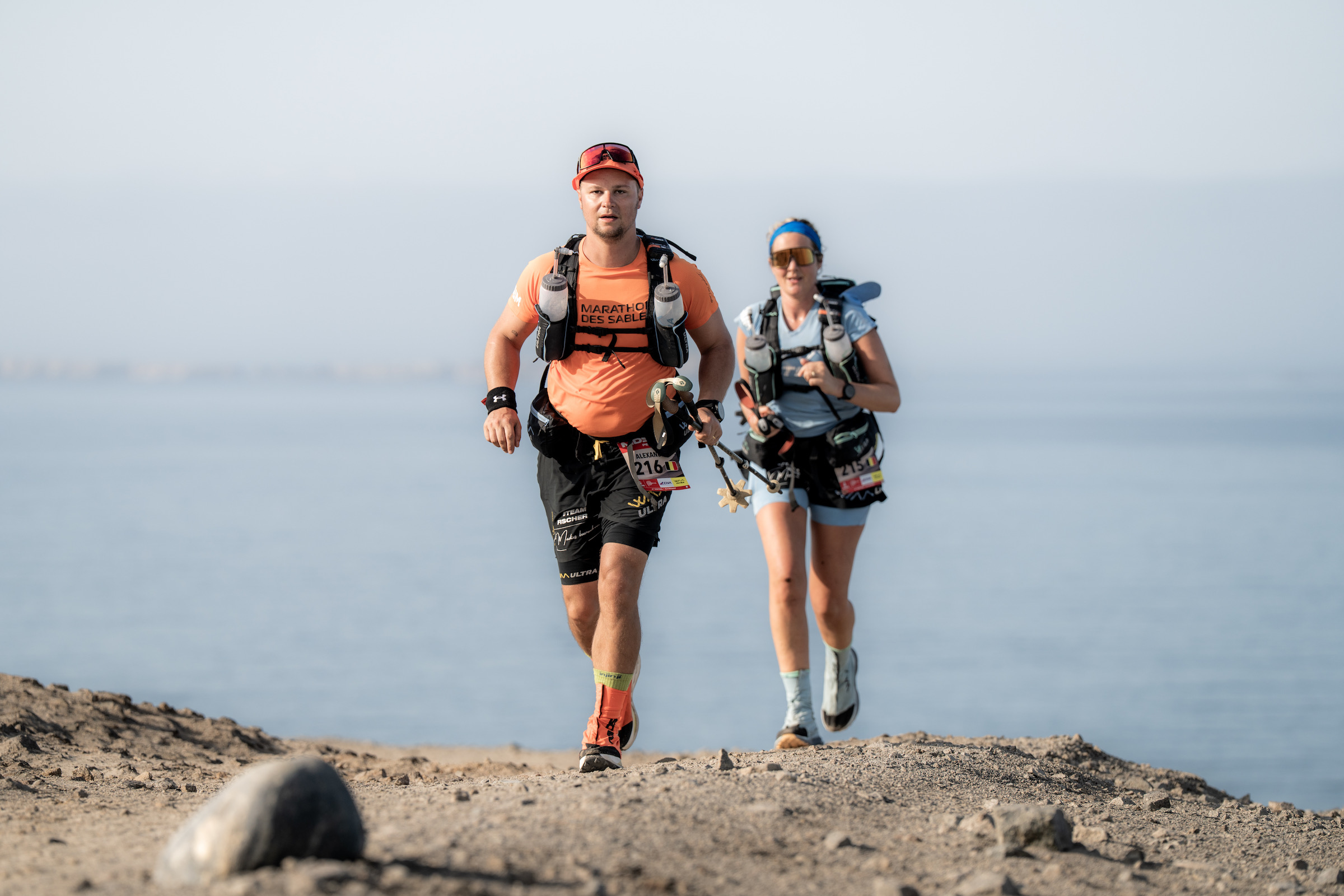
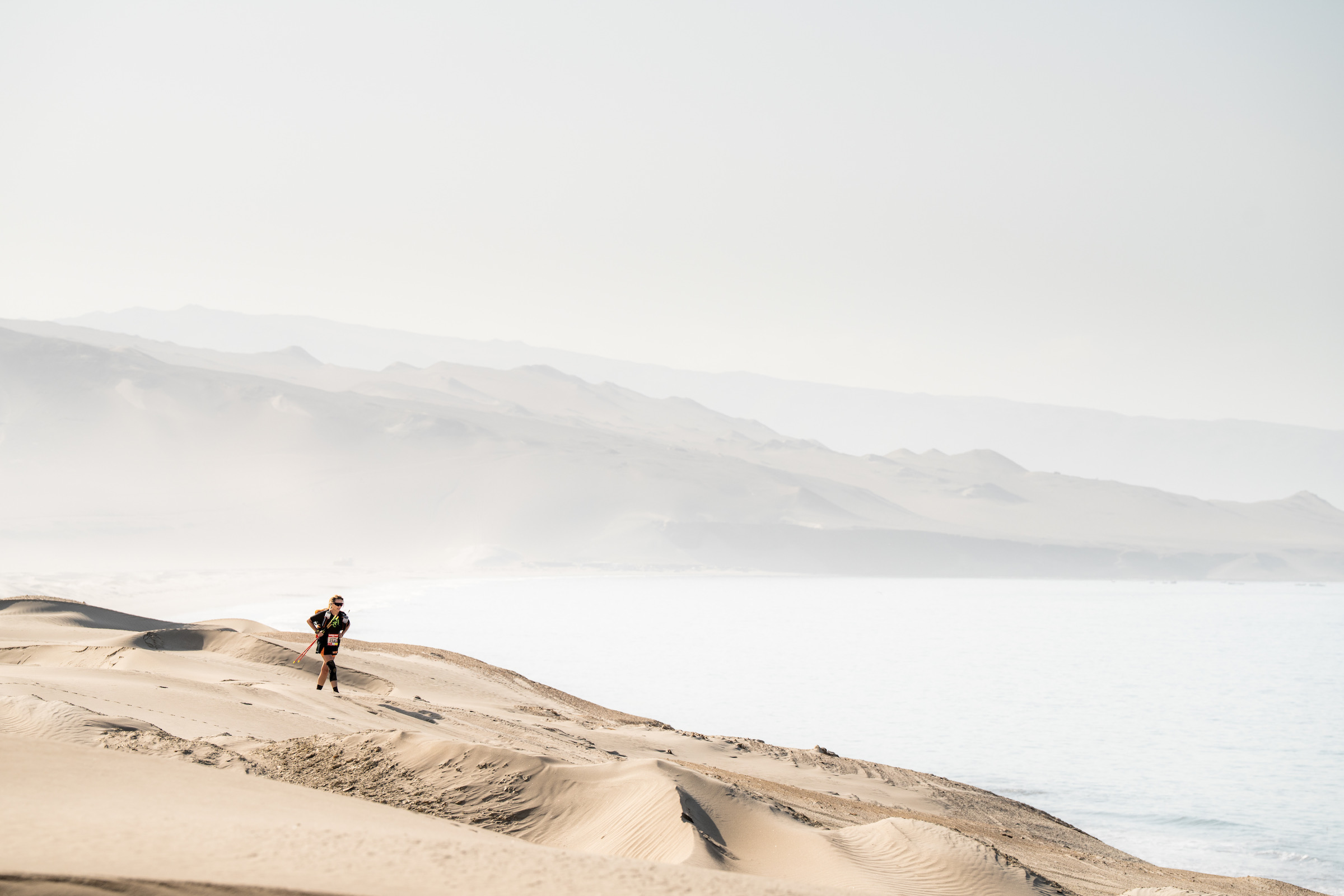
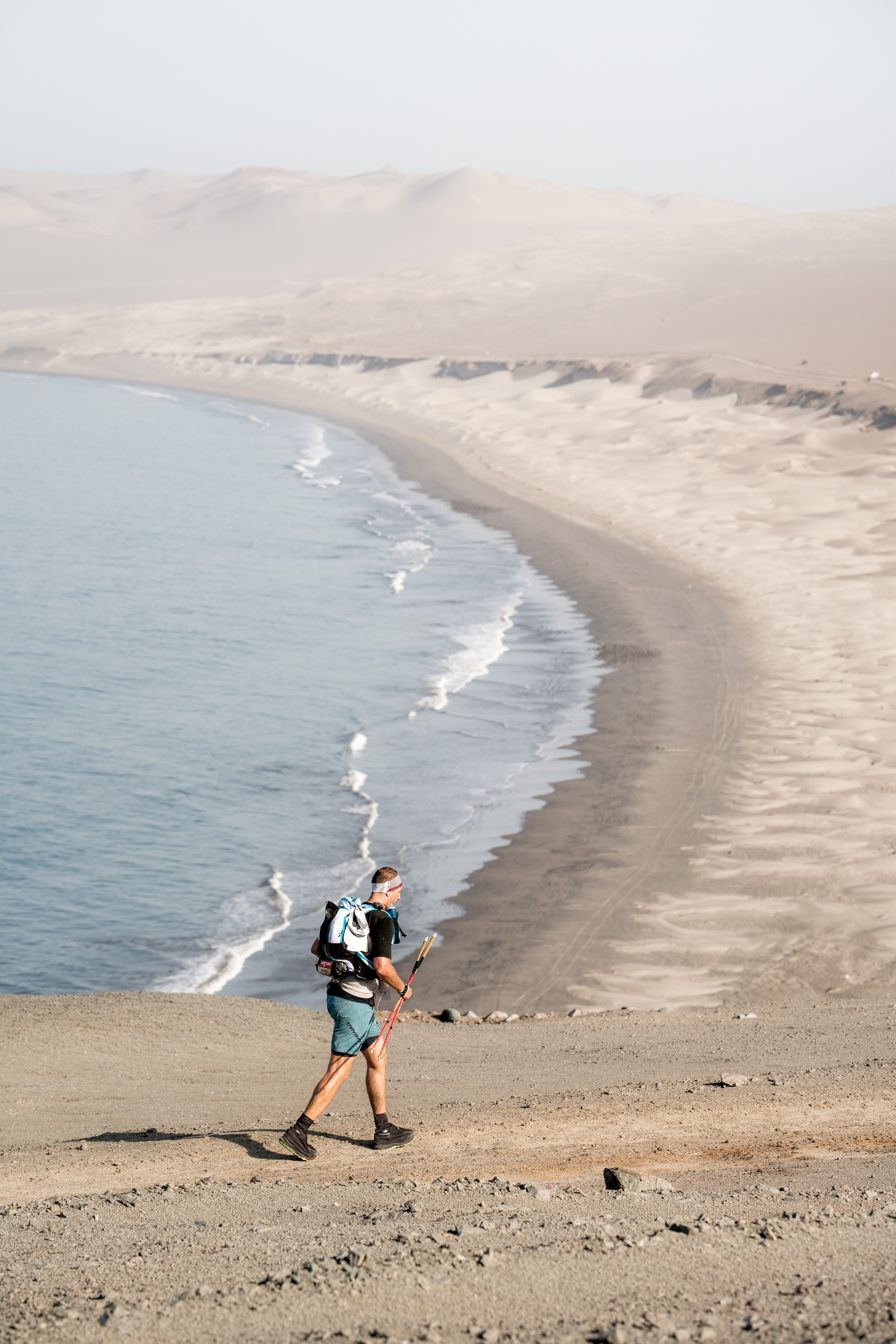
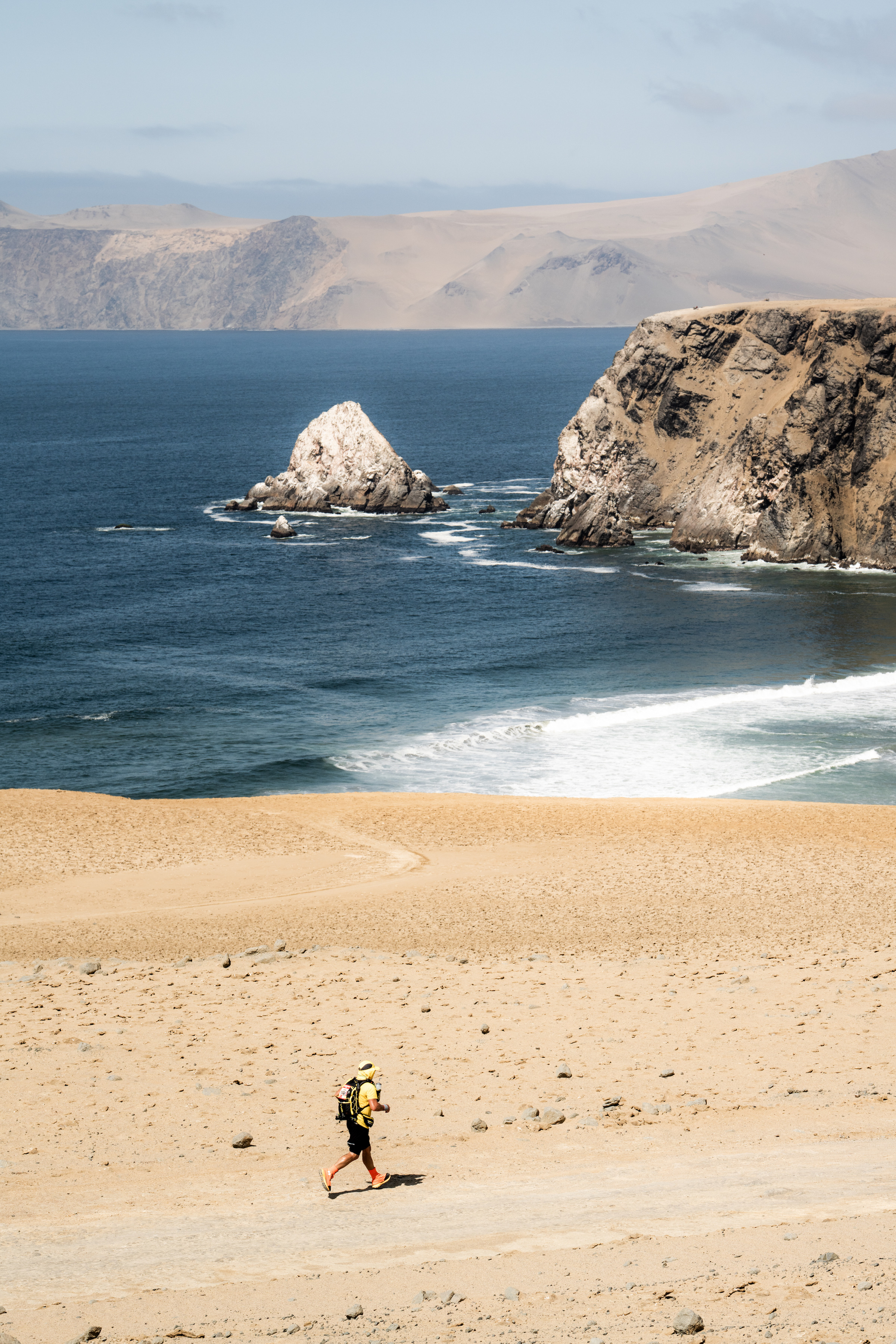
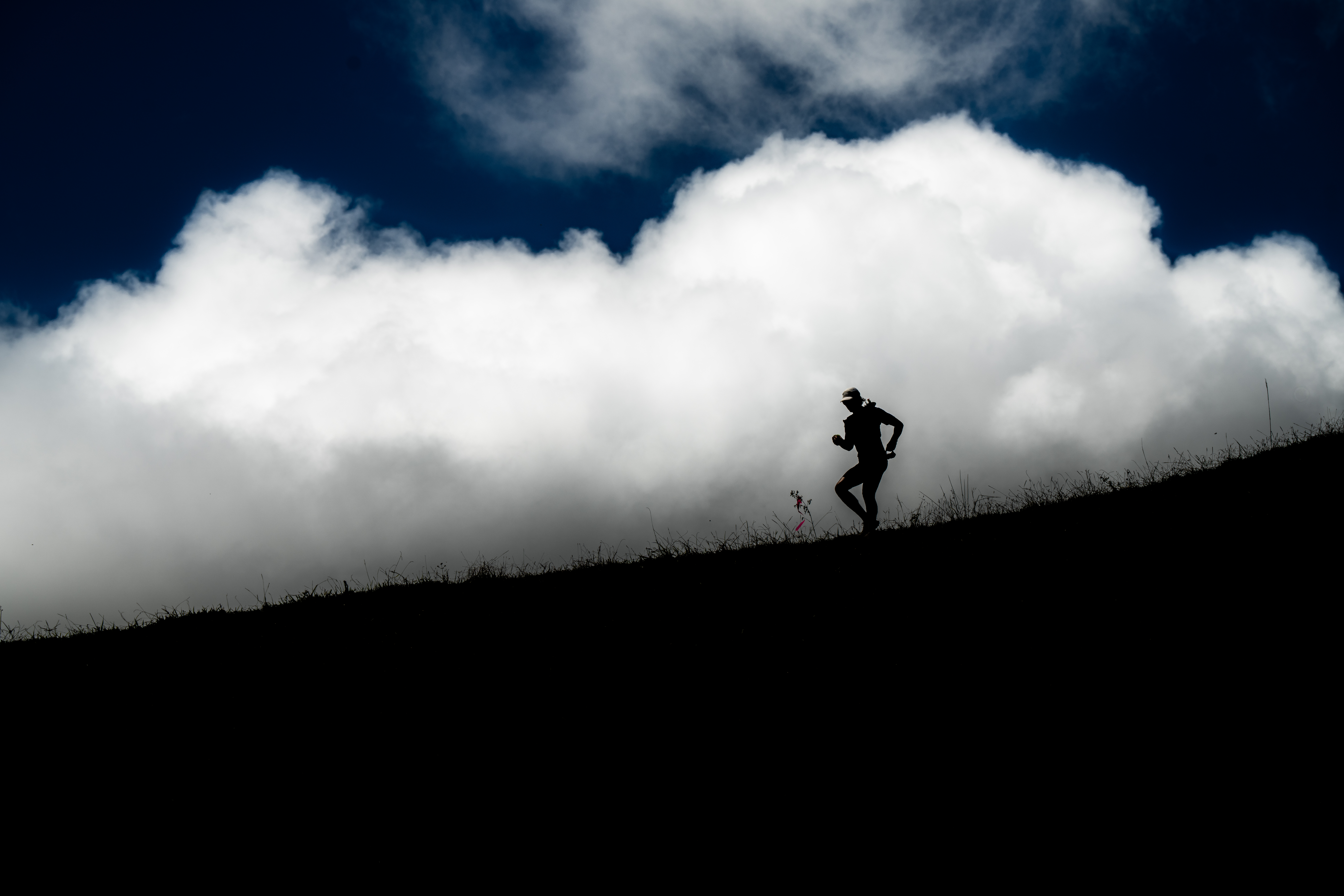
The course unfolded in long stretches where the runners sat between sand and sea. To the left, dunes rising and falling with perfect curves. To the right, the ocean pulling at the shoreline with steady rhythm. The contrast was sharp. The calm blue of the Pacific. The pale heat of the desert.

The line of runners threading through it all. It was a route that looked simple but felt huge. Every kilometre carried its own personality. Hard packed sand, soft patches, wind-carved paths, open flats. The landscape changed often enough to keep minds awake, and beautiful enough to pull them forward.

The heat arrived just as the field settled into its stride. It wasn’t the fierce blowtorch heat of earlier days, but it was real. A reminder of where they stood. Yet the ocean breeze stepped in like a quiet ally. It never erased the challenge, but it kept it honest. It made the effort manageable, even enjoyable, for those who still had enough in the tank to look around and absorb the moment. The contrast between struggle and beauty gave the stage its edge. You work for every step, but you are rewarded at every turn.

Ahead waited the final finish line. The one everyone had imagined since the first briefing. Flags. A strip of sand. A medal that represents far more than distance. For some, it marked the end of 70km’s, for others, 100 or 120km.

The numbers matter less than what they represent. Hours of carrying everything you need. Days of managing effort, discomfort, nutrition, and doubt. Nights spent in bivouac with sand in their shoes and a story building in their mind. Every runner arrived with their own reason for standing on that line. Every runner left with their own version of pride.

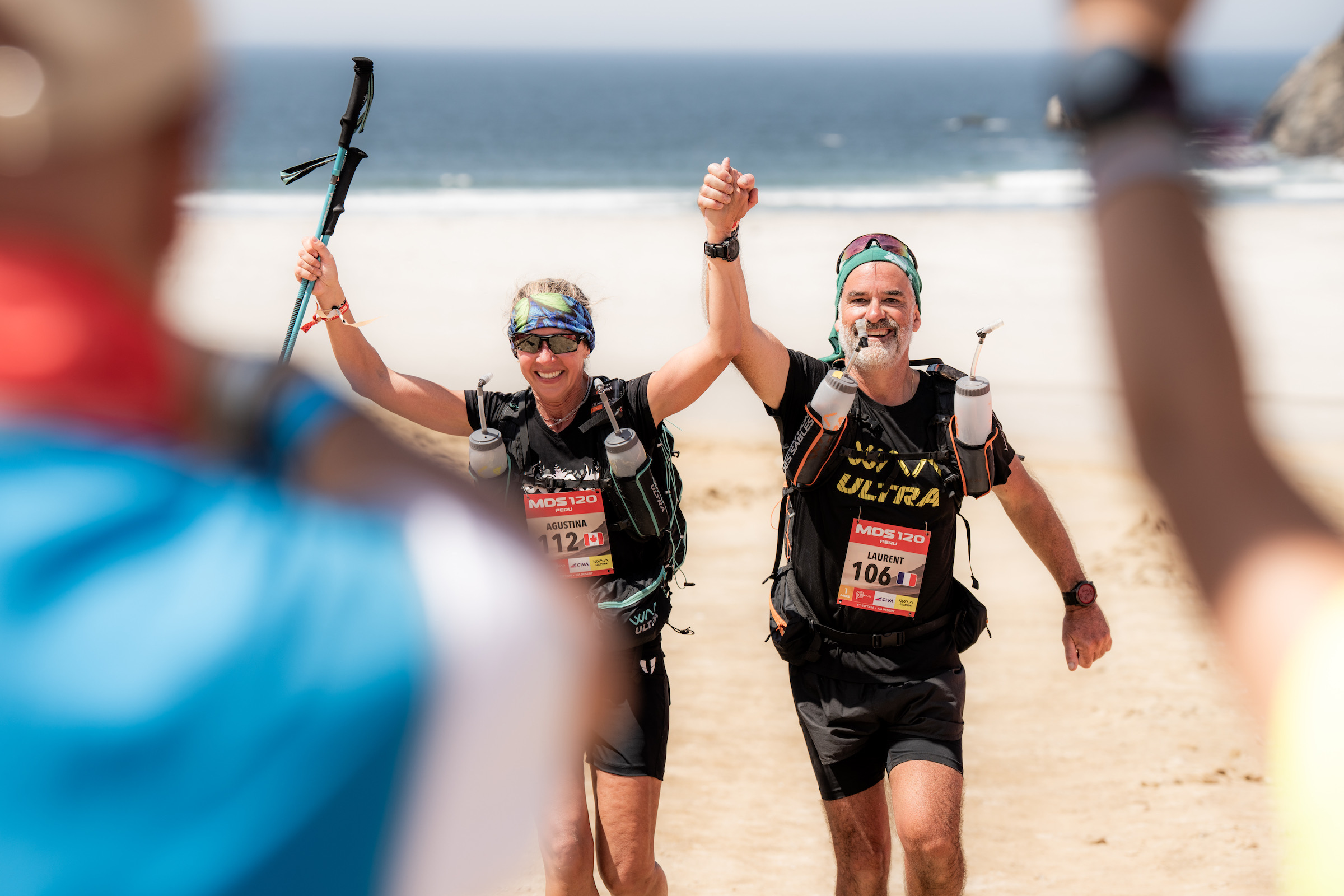
Ocean, desert, island, sky. A backdrop that looked unreal even with tired eyes. The final meters felt both endless and too fast. Some ran strong. Some walked with purpose. Some cried.

Some smiled because crying would have taken too much energy. But when they crossed, the moment hit all the same. Relief, release, accomplishment. A medal placed on a dusty, sunburned chest always carries more weight than its metal. It is a statement: you finished what you started.

Peru helped deliver that feeling. This place is varied and magical in a way words only capture from the surface. Participants have now experienced it from within. They have lived at the pace of the terrain. They have watched light move across dunes and cliffs. They have felt the temperature swing, the sand shift, the silence settle. They have stared at landscapes that looked untouched and walked through areas shaped by wind, water, and time. The magic isn’t something you observe. It is something that gets into you until the experience becomes part of your memory, and part of your identity.

Self sufficiency sharpened that magic. Carrying your world on your back changes how you see everything. Meals taste different. Rest hits harder. Small wins grow bigger. Each person learned to handle the course with their own decisions. When to push. When to save. When to stop and fix something. That independence builds a kind of confidence that no one can hand you. You earn it step by step. You also earn the hardship that comes with it. Fatigue. Friction. Heat. Moments when your thoughts wander into the wrong corners. Yet that is where the race shifts from physical to personal. You leave with a stronger sense of who you are and what you can do.

Stage three completed that story. It tied the effort of previous days into one clean line toward Laguna Grande. A route that looked almost gentle from above but carried the full emotion of the journey. Those final twenty seven kilometers gave runners space to reflect. Not in a soft poetic way, but in the grounded, honest way that comes when you are tired but not broken. Many thought about why they came. Many thought about who helped them get here. Many thought about how they had changed over the past days. The finish line didn’t give those answers. It confirmed them.

What stands out from this stage is the sense of balance. Mist, then sun. Heat, then breeze. Hardship, then reward. Desert, then ocean. A final effort that closed the race exactly as it should have: with clarity. Runners saw Peru in wide angles and fine detail. They felt the country’s scale and its intimacy. They moved through places you cannot appreciate from a screen or a road. They earned every view and every step.

MDS 120 Peru is built on challenge, but it thrives on discovery. Participants discovered what the desert holds, what the coastline gives, and what they themselves can carry through heat, sand, and self doubt. They discovered that Peru is not only beautiful. It is alive, shifting, layered, and surprising in ways that stay with you.

Stage three delivered the finish, but more importantly, it delivered perspective. The medal is the symbol. The journey is the reward, the magic of Peru is something they will keep long after the sand is washed from their shoes.

More information about MARATHON DES SABLE – HERE

Follow Ian Corless

Instagram – @iancorlessphotography

Twitter – @talkultra

facebook.com/iancorlessphotography

Web – www.iancorless.com
Web – www.iancorlessphotography.com

MDS 120 PERU 2025 – Stage 2

Stage 2 of MDS 120 Peru asked for grit, not the kind you feel in your teeth after miles of soft sand, but the kind that keeps you moving when your legs and head start to argue with each other.

The day opened under a blanket of cloud and a bite of early chill. Soon enough the sky broke open, the sun pushed through, and the landscape shifted again.

Runners climbed hard from the start, working through rolling terrain that rose and fell like waves before the coastline even appeared. The sand stayed soft and stubborn, forcing every step to count.

What the course took in effort, it paid back in views. Wide open desert. Long lines of dunes. Light bouncing off ridges and carving shadows that stretched for kilometres.

Each distance had its battles, but they shared one reward.

The final approach dropped into Paracas National Reserve, where the South Pacific came into full view.

The coastline set the stage for the last push, a reminder of why runners sign up for days like this.

Stage 2 was tough. It was also unforgettable. The kind of day that reminds you you’re capable of more than you think when the terrain and the moment rise together. Tomorrow, a rest day…

More information about MARATHON DES SABLE – HERE

Follow Ian Corless

Instagram – @iancorlessphotography

Twitter – @talkultra

facebook.com/iancorlessphotography

Web – www.iancorless.com
Web – www.iancorlessphotography.com

EVEREST TRAIL RACE 2025 – STAGE 6

The Final Push to Glory in Lukla

The end is in sight. After five brutal, beautiful days in the high Himalayas, Stage 6 of the 2025 Everest Trail Race delivers the final blow and the final reward. It’s 28.5 kilometres fo Lukla, a day marked by more descent than ascent: 2612 meters down, 1578 meters up, and every single step earned.

An early start, the arrival of the sun and soon, the heat will come – not only in the sky but with the bodies of each participant.

The day kicks off with iconic trails that weave from Stupa to Stupa to Namche Bazaar, the buzzing Sherpa hub perched on the mountainside like a fortress.

The backdrop behind, stunning, but the participants don’t get a chance to see it…

Namche brings checkpoint 1, it’s welcome, the early kilometres had worked the body hard with a steep descent, followed by a gentle climb and then an ‘easy’ run to the refreshment.

The early kilometers retrace some familiar ground – Sanasa, Phunki Tenga, and trails edged with mani stones and prayer flags, twisting through pine forests and clinging to cliffs. But don’t call it a repeat. The fatigue, the altitude, and the stakes make every step feel different.

This stage is less about vertical brutality and more about holding form, keeping control as the trail drops fast and hard. Quads burn, knees scream, but momentum is everything.

Soon, the trail funnels runners toward the legendary new Hillary Bridge – a sweeping, high-tension crossing that swings over the Dudh Kosi with views that could stop you in your tracks, if the clock wasn’t ticking.

Past the bridge, it’s Jorsale, where the race starts to feel like it’s dragging runners home. The Phakding checkpoint (CP2) marks another milestone, each bib scanned there is one step closer to Everest Trail Race glory.

By the time runners hit Cheplung, it’s all on the table. Here, a sharp left turn signals the endgame: the final climb to Lukla and oce again, Nepal and the Porters remind us, how lucky we are!

It’s not long, but it bites. After the day’s long descent, this uphill kick demands whatever strength is left in the tank. Runners grit teeth, dig deep, and push toward the town that marks the start of most Everest dreams, and now, the finish of this one.

Crossing into Lukla is like breaking through into another world. Crowds, bells, cheers, and tears—this is where it all ends. For some, it’s a triumphant sprint. For others, a silent, emotional walk over the line. But for everyone, it’s the culmination of six days of relentless racing through some of the world’s toughest terrain.

The 2025 Everest Trail Race is done, everyone earned more than a medal, they earned the mountain’s respect.

Follow Ian Corless

Instagram – @iancorlessphotography

Twitter – @talkultra

facebook.com/iancorlessphotography

Web – www.iancorless.com
Web – www.iancorlessphotography.com