Tarawera update

Tarawera logo

Locals Vajin Armstrong, Brendan Davies and Mick Donges had spent a summer preparing for what was almost certainly the most high profile race to have been staged in this part of the world.

Vajin Armstrong had been doing some crazy mileage in training each week (over 200k) in the build up to the event and was most definitely fired up to take the race to the ‘Yanks’. Fast man Brendan Davies was equally fired up and on paper certainly had the potential to give Sage and Timmy a race. Mick Donges as the 2012 winner of the race had some added pressure on his shoulders but he was in shape.

Sage Canaday was coming into this race as a relative newbie. His progression from a 2:16 marathon runner into one of the best ultra runners in the world (up to 100k) is nothing short of miraculous. He showed incredible strength in 2012 with some stunning wins and he showed this form had carried over to 2013 with a great win and course record at Bandera 100k.

Timmy Olson on the other hand had most definitely kicked back after Western States and had enjoyed getting married and was relishing the birth of his son. He also started the year at Bandera but raced the 50k. Although winning the event, his time was slower than Sages’ split time for the distance. However post Bandera Timmy had knuckled down and pre Tarawewra had stated he had had some great training and was ‘in shape’.

Race Day

Fast is probably the easiest way to describe it. Brendan Davies set an early pace that almost seemed like suicide. He was either in the shape of his life and was going to teach everyone else in the race a lesson or he was going to crash and burn. Ultimately it turned out to be neither. He most certainly dominated the race over the opening 20km by gaining a 1 minute lead but had to ease back as Sage took over the race and by the 45km mark, Sage was pulling away from a chasing Brendan Davies and Vajin Armstrong  with Timmy Olson and Mick Donges following.

At 40km Sage had a 6/7 minute lead and he then seemed to turn the after burners on. He just seemed to be getting faster and faster. At half way he had a 12 minute lead and in reality we looked back into the field and had to decide who was likely to take 2nd place.

Timmy Olson took over the reins at the front of the chasers and started to move away from Vajin Armstrong. It now seemed that Brendan Davies was paying for that first 20km’s and Mick Donges now in 5th was heard saying “I am saving myself for the final 15km”.

Feedback in the latter stages of the race became sporadic due the difficulty with comms. I had been told at one point that Sage had a 20 min lead. I had just posted on Facebook that I expected Sage to finish in approximately 10 min and Bryon Powell from iRunFar tweeted that Sage was in the final 2/3km.

But then the shocker…. a following tweet saying Timmy was only 2/3 min behind. Really? Had Timmy closed that gap?

Sage went on to say after the race “yeah, I went a little too fast in the middle and it almost got me in the end!”

Sage held on and crossed the line in 8:53:30 managing to avoid a sprint finish.

Timmy really had paced himself perfectly and to be honest, if the race had been a little longer he may very well have taken the win. But hey, the finish line is where it is and he crossed it in 8:56:45. I am still not sure of what the gap between the two front men stretched too but 12 mins or 20 mins, Timmy did a great job of closing down.

Vajin Armstrong took the final slot on the podium in 9:39:45 and was followed by Brendan Davies in 9:51:50 and Mick Donges in 9:59:47.

In the ladies race pre race favourite Ruby Muir absolutely dominated a small field and led from start to finish. New to the 100km distance she showed experience beyond her years. My pre race prediction that she would be doing some ‘chicking’ while out on the course came to fruision. She crossed the line winning the ladies race in 10:30:07. Her time was fast enough for a 7th overall. Impressive.

At the time of writing updates on the remaining ladies have been sporadic but Beth Cardelli a certainly looked likely to be taking a podium slot.

Update ladies result

2nd Beth Cardelli  : 11:43:56

3rd Kelly Harrington : 14:23:56

4th Raewynne Blommerde  14:35:55

5th Kate Townsley : 15:54:13

We must remember that other races did take place, a 60km and 85km event. Notable interest for these events are the relay pairings of Francois d’Haene and Emelie Forsberg going head-to-head against Rickey Gates and Anna Frost in the 85km. Also, Salomon Team manager, Greg Vollet was racing in the 60km.

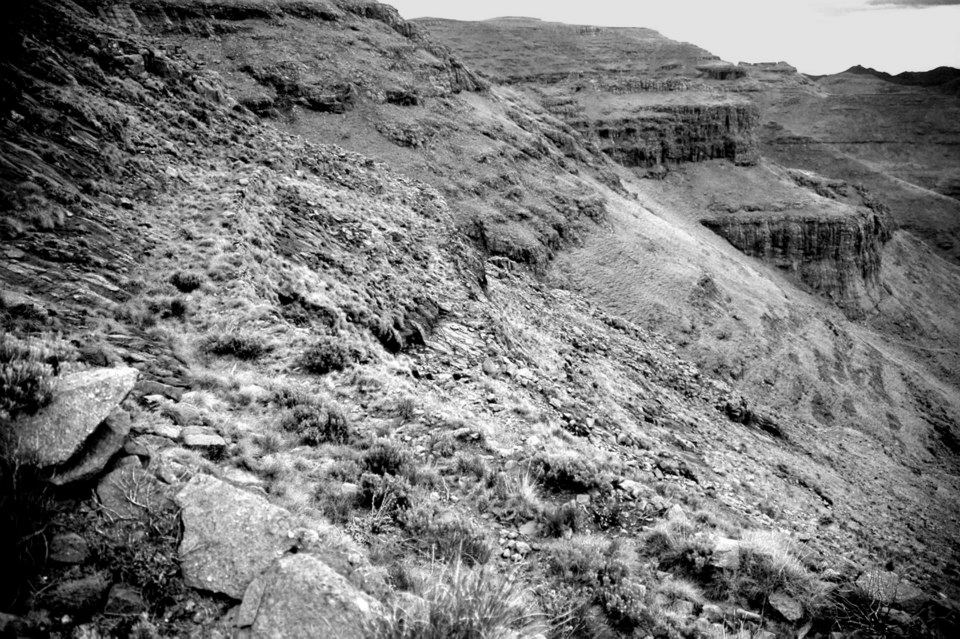
Skyrunning makes it to South Africa

SASA logo - web vector

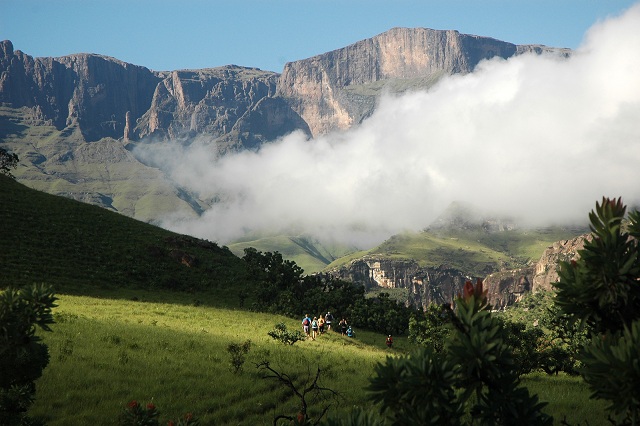
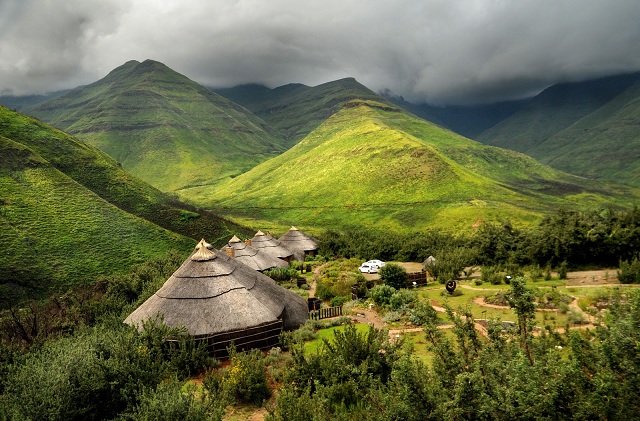
Skyrunning hits Southern Africa with the Lesotho Ultra Trail

A new ultra-distance race has hit southern Africa’s trail running calendar with the announcement of the Lesotho Ultra Trail, to take place in northern Lesotho on 30 November.

Created by well-known KZN race organiser Andrew Booth, the 68km race will traverse mountainous, rocky trails combining steep ascents, descents, some contour running and loads of single track, will be hosted by Maliba Mountain Lodge, just one hour south from the Free State town of Clarens.

Sanctioned by the South African Skyrunning Association (SASA), the event will be is recognised by the International Skyrunning Federation (ISF) as Africa’s first Ultra Skymarathon®, earning it the potential of being placed in the global circuit of ultras on the international trail calendar.

Defined as mountain running up to or exceeding 2 000m, where the incline exceeds 30% and where the climbing difficulty is not more than 11˚ gradient, the sport of skyrunning has taken the trail running world by storm in Europe, America and Asia over the past 20 years.

Skyrunning, a term coined by the ISF, is a discipline conceived by Italian mountaineer Marino Giacometti who, with a handful of fellow climbers during the early1990s, pioneered records and races on Mont Blanc and Monte Rosa in the Italian Alps. In 1993, sponsored by Fila, skyrunning took off across the world’s mountain ranges with a circuit of challenging races spread from the Himalayas to the Rockies, from Mount Kenya to the Mexican volcanoes.

copyright Andrew Booth

copyright Andrew Booth

Giacometti’s term skyrunning is, as the name suggests, where earth and sky meet.

Today, skyrunning has grown to span some 200 races worldwide, with about 30 000 participants from 54 countries.

Formed in 2011, SASA is an associate member of the ISF, and aims to promote and facilitate the growth of skyrunning in South Africa.

“The Lesotho Ultra Trail is the ideal event to pioneer the way forward for skyrunning in southern Africa,” said SASA chairman James Hallett.

“Not only does the location and route of the race represent the philosophy of skyrunning, but we have no doubt that it will the race be of a world class calibre. Offering spectacular terrain, incredible high altitude vistas and a 5-star host venue, we are extremely excited about the prospects of the Lesotho Ultra Trail.”

copyright Andrew Booth

copyright Andrew Booth

Hallett is confident that the Lesotho Ultra Trail will be incorporated into the ISF World Ultra Series, a new addition to the Federation’s global series offering.

“Following the inaugural running of the race in November, we will submit our recommendation and application to the ISF for possible consideration into the 2014 series. If successful, this will put South Africa into the world skyrunning arena, further exposing our country to top international athletes.

Booth said he believed there to be a great synergy between the race, its location and the development of skyrunning in South Africa.

“The Maluti Mountains offer some of the best terrain for high altitude running in the world. To be able to stage what is sure to become a world class event in this region is very special, and we look forward to playing a role in the pioneering of skyrunning in southern Africa.”

courtesy of Maliba Lodge

courtesy of Maliba Lodge

He added that the event’s partnership with Maliba Mountain Lodge as host for the race added an extra angle of quality to the event.

Hallett added that as the first official skyrunning event in southern Africa, the Lesotho Ultra Trail will also help facilitate the creation of a national circuit of skyrunning events.

“The Lesotho highlands and the regions of South Africa surrounding Lesotho are prime skyrunning regions, and we will be working with other race organisers in this area and around South Africa to develop the opportunities that present themselves there,” concluded Hallett.

Image credits:

LUT1: courtesy of Maliba Lodge

LUT2-4: Andrew Booth

The Twelve Labours of Hercules

Another publicity poster

Ultra running is growing and growing. As a race director do you follow a tried and tested formula and offer a race at one of the classic distances such as 50k, 50m, 100k or 100m or do you go off piste, have a random distance and shake things up a little.

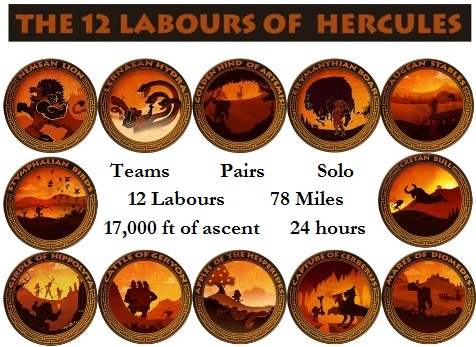
Richard Weremiuk has done just this and then some with his new race ‘The 12 Labours of Hercules’.

Hercules Transparent

You are already interested aren’t you… what could this enticing name offer?

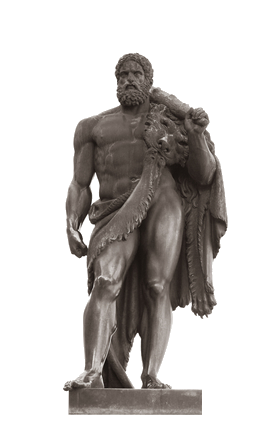
In Greek mythology, the twelve Labours of Hercules (Greek: δωδέκαθλον, dodekathlon) were a series of episodes carried out as a penance… oh dear, penance, what did Hercules do?

Hera, the wife and one of three sisters of Zeus, apparently drove Hercules mad. So mad, poor old Hercules killed his own six sons! She really must have driven him mad! Somewhat drastic eh. With a lack of a decent judicial system, Hercules pulled himself together and sought purification from King Thespius. To atone his actions he was asked to reside with King Eurystheus for 12 years and to complete 12 Labours. In return he would be rewarded with immortality.

So there you have it. But what on earth could the race entail…. 12 years running with 12 tasks? Of course not!

The Race

On July 20th / 21st 2013, participants in ‘The Twelve Labours of Hercules’ will have just 24 hours to cover between 1 and 78 miles, tackling as many ‘Labours’ as you can. The race offers 3 UTMB points for solo finishers of the full distance.

CourseQualificative2014_EN-150x150

It’s a great concept and the format makes the race inclusive for all abilities.

A ’labour’ will be completed by visiting one of twelve chosen control locations in the Peak District and then returning to HQ at the Victorian Gothic Mansion Losehill Hall, Derbyshire.

All Labours will be different. For example, some Labours may require the collection of a small item, which will then need to be returned to Losehill Hall.

Other Labours will only be revealed upon visiting the control point where participation in a task may be required!

Race director, Richard Weremiuk says “If you know us, then you know you should be prepared for anything when you arrive at a location. Be prepared for a few surprises.  All 12 locations within the Peak District have been carefully chosen. The name, or location is specifically or critically tied to one of the mythical Labours.”

The Route

To add spice, the route for the race is under wraps and being kept secret.

Richard says;

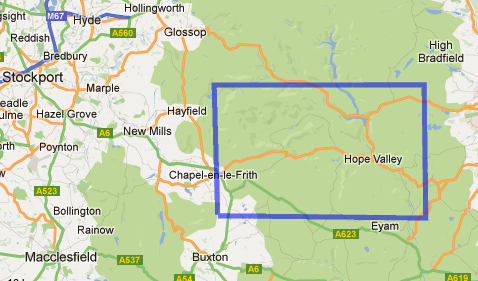
“Giving out the route would give away some of the surprises. All we will say is that the route will be held within the borders of Hope Valley in Derbyshire and cover 96 square miles”

Hercules Location

HQ for the 24 hours event is the Victorian gothic mansion, Losehill Hall in Castleton, Derbyshire. This location does offer overnight accommodation too.

Image YHA.org.uk - Andrew Bingham

Image YHA.org.uk – Andrew Bingham

Participants will be issued with a map of the area at ‘check-in’, which will show the 12 suggested routes to the ‘Labour’ locations.

It’s possible to take part as a solo, pair or team (up to 6) and you will be issued with one electronic timing chip supplied by Sportident to track your individual or team progress.

It’s an interesting format and as an alternative to ‘just’ running an element of tactics will come into play. Participants decide which control to visit and in which order. When at a CP they either dib in, perform a task (Labour) or retrieve an object. Each time your return to ‘Olympus’ (or as is most commonly known, HQ). Zeus will be waiting!

In contrast to solo competitors, pairs or teams can pass on the ‘timing chip’ when they have returned to Olympus and then a teammate can complete the next labour and so on.

Sounds simple eh! Well not quite as simple as you think, you see, certain ‘Labours’ must be completed within certain hours, so, this will need to be factored into your planning.

Ultimately, you decide how many Labours you go for BUT you must finish within 24 hours.

Outside the time limit? Every minute incurs a stiff penalty!

The Challenge

Unlike any other race, the twelve Labours of Hercules offers a new exciting perspective to the ultra running format.

As Richard says:

“It is as tough as you want to make it. Complete just one labour or you can choose to complete all twelve which will ultimately mean approximately 80 miles”

The format of solo, pair or team does mean that if you are new to ultra running or basically if you are just after something different, this race may very well tick all the boxes.

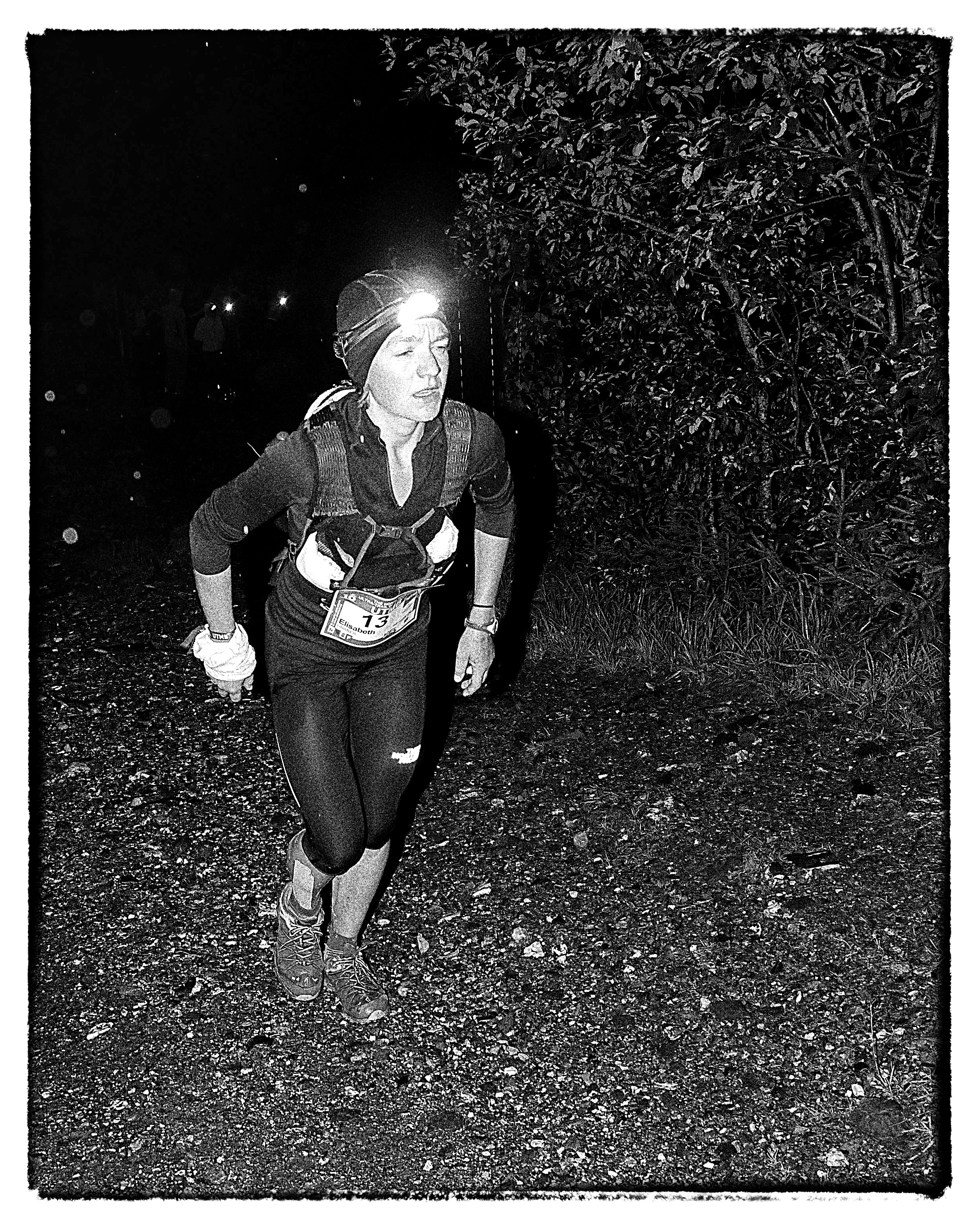
Taking place over 24 hours it does mean that night running will be involved. So be prepared.

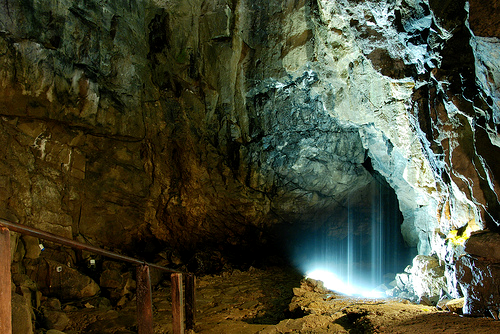
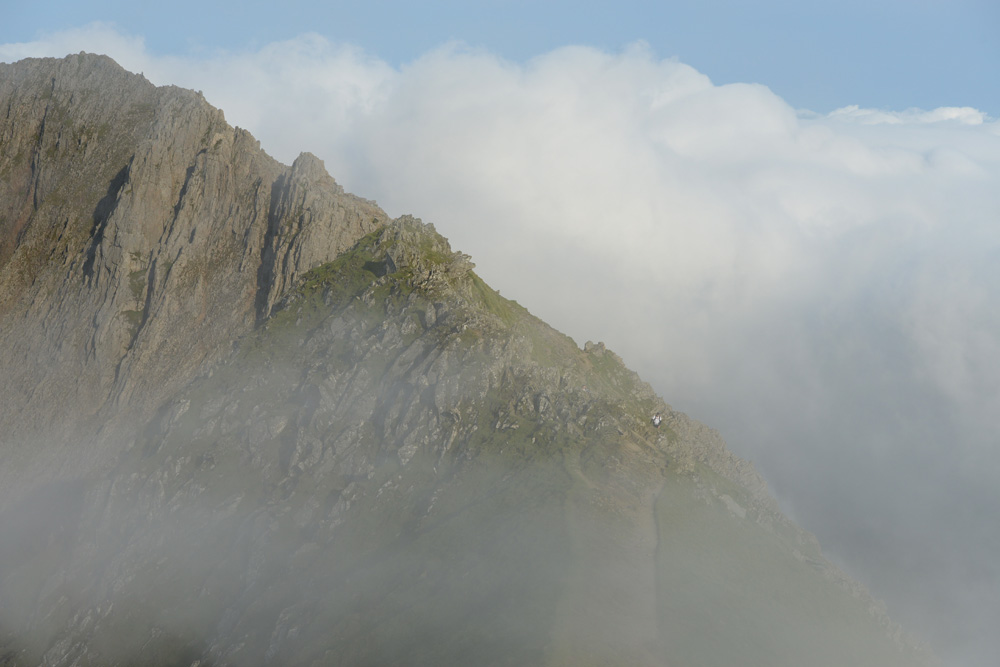
The race route is by no means easy. It does have plenty of ascent and one control point is underground.

The Hades Cave Control

One area that may worry many is navigation. I asked Richard what skills are required to participate:

“Runners are supplied with an OS map on which will be suggested routes to each CP. CP’s can be reached by road, footpath but others by just footpath. The course is not marked because part of the challenge is choosing how to get to the CP’s in the quickest way possible.”

Richard continued:

“Although expert map reading may not be required it certainly would be prudent to be confident with some elements of map reading in particular identifying your location on a map and being able to take a bearing from a compass. Remember, some of this event will be in the dark”

Participants are allowed to GPS but as Richard says, “this should not be because you don’t know how to map read. A GPS is really a back-up device”.

So, all in all, a tough challenge and not one for the feint hearted. But Hercules wouldn’t want it any other way, so why would you?

Grab your sword and shield…. Sorry, I mean your shoes and backpack and test your self against ‘The Twelve Labours of Hercules.’

Special Offers:

  • A 10% discount is offered on race entry if you contact Richard directly by emailing: info@beyondmarathon.com
  • In addition, the first 10 entries to mention ‘Talk Ultra’ will get a ‘Beyond Marathon’ technical T shirt

Info & Links

  • Official race website is HERE
  • Facebook page is HERE
  • If you are interested in the history of the Twelve Labours, the images below contain a link to inform you of what Hercules endured.

TrailRunner Mag – mention for Talk Ultra

logo

TUNE IN, RUN ON

April 2013 edition of http://www.trailrunnermag.com/current-issue

Trail-running podcasts dish up knowledge, inspiration and entertainment.

As trail running has grown in popularity, podcasts have proliferated. Contrary to their name, they do not require an iPod to enjoy—you can listen directly online or download them to your computer, mobile device or MP3 player.

We’ve rounded up a few of our favorites here—you can also search for or browse other podcasts through online podcast directories or in the iTunes store.

Talk Ultra

Ian Corless jam packs every episode of his ultrarunning-focused podcast with different segments—interviews, trail-running news, upcoming race info, blog highlights, a self-explanatory section called “Talk Training” and regular appear- ances by Karl Meltzer. Recent episodes have included an update on Joe Grant’s preparation for his attempt at the 350-mile Iditarod Trail Invitational and a chat with Internationl Skyrunning Foundation Executive Director Lauri van Houten.

Annapurna 100k Trail Race

Lizzy Hawker at the 2012 TNF UTMB copyright Ian Corless

Lizzy Hawker at the 2012 TNF UTMB copyright Ian Corless

Lizzy Hawker returned to racing in her beloved Nepal and hopefully puts to rest some injury issues that disrupted her late 2012 season and her early 2013 season. Although listed as potential starter of the 2013 Trans Gran Canaria, Lizzy decided to return ‘home’ and race in Nepal at the Annapurna 100.

Lizzy dominated the ladies race taking the win by over 4 hours from Eva Clarke. A notable mention must go to third placed lady, Bakiye Duran. I first met Bakiye at the Iznik Ultra in 2012. She is somewhat a legend on the small Turkish ultra running scene and deservedly so. She came to distance running late in life and has pioneerd the movement in Turkey.

The mens race was a very close affair with Aite Tamang taking the win just 2 seconds ahead of Tirtha Tamang. Taking third place on the podium was Upendra Sunuwar over 1 hour 20 mins later.

The Annapurna 100′s got big mountain views, forests trails, village culture and it’s probably the only ultra race where you get a tikka on your forehead at 20 km and a khata around your neck. It’s Nepal’s original ultra-trail race with great 50, 70 and 100 km courses.

On October 31st 1995 Sir Ian Botham, world-renowned cricketer, with Jan Turner and Ramesh Bhattachan, started the first 100 km race. Twelve local runners proved that a run from Pokhara to Poon Hill and back was possible in less than 12 hours. The route normally would take an average trekker five days. The winner took 11 hours 55 minutes..

Since then, due to a decade of conflict, only a couple more races could be run. Now the race has become an established annual event with a successful 100 km race in 2009, a 71 km trail-only race in 2010 and a 75% trail 100 km race in 2011.

2012 will be the best race ever, with an improved course with more trail than ever.

It is now a point-scoring, qualification race for India’s ‘The High‘ and the UTMB.

The course heads out of Dhampus, a mountain village close to Pokhara (1650 m), 8 hours drive west of Kathmandu. The views from the Dhampus ridge are spectacular. All three finish in Dhampus, after more or less ups and downs on a combination of technical tracks, well maintained trekking trails and some jeep roads, through forests and many villages.

RESULTS 2013

Men’s result:

  • Aite Tamang: 10:51:55
  • Tirtha Tamang 10:51:57
  • Upendra Sunuwar 12:10:00.

Women’s result:

  • Lizzy Hawker, 12:58
  • Eva Clarke from Australia in 17:11
  • Bakiye Duran in 20:02 minutes.

Lizzy Hawker, UK
“It was a beautiful and challenging race. An incredible experience to share, and a unique way to start a new year.”

Lizzy Hawker is sponsored by The North Face

Chasing The Dragon

JonBrooke_DSC_9916(1000)
It’s official, “Chasing the Dragon” – the story of the 2012 Dragon’s Back Race™ – has won three awards at the Sheffield Adventure Film Festival. The awards are Gold for Best Running Film, Silver for Best Feature Film and Bronze for the Festival Grand Prize.
2013-ShAFF-All-Awards-Graphic(600)
The World premiere of Chasing the Dragon was held at the Sheffield Adventure Film Festival on Saturday 2nd March at 8.45pm. Chasing the Dragon was ShAFF’s fastest selling film and demand for tickets had been so great that the premiere was upgraded twice and was eventually shown on the Showroom Cinema’s largest screen.
Festival judge and Trail Running Magazine Editor Claire Maxted said about Chasing the Dragon:  “Having been at the Dragon’s Back Race™ 2012 myself reporting for Trail Running magazine, I can see why the film has scooped three awards at ShAFF. It deftly conveys both the beauty of Welsh mountain scenery and the tough-as-nails attitude of the runners taking part in this extreme 220 mile, five day race last September.  Watching, you feel like you are part of this race, and interviews with both elite and regular racers gives you a unique insight into the hardships they are willing, or not willing, to endure.
JonBrooke_DSC_0254-1(1000)Race Director, Shane Ohly added, “The legend of the Dragon’s Back Race™ has proved to be alluring yet again. First, the 2012 Berghaus sponsored race was massively over subscribed and now it looks as though we will fill a cinema to bursting point!”
After the premiere finished, the audience was able to join Steve Birkinshaw, Helene Whitaker, Rob Baker and Shane Ohly for a Q&A session. Steve Birkinshaw won the Dragon’s Back Race™ in 2012 and is one of Britain’s most accomplished endurance mountain runners. Helene Whitaker (alongside Martin Stone) won the original 1992 Dragon’s Back Race™ and astounded many by finishing 4th overall – and first woman – twenty years later in the 2012 race. Rob Baker came second at the 2012 Dragons Back Race™ and is a top road and mountain runner.
Shane Ohly continued, “The premiere of Chasing the Dragon and launch of the DVD is proving to be a major catalyst for enquires about the next Dragon’s Back Race™ in 2015”.  With over 1,300 runners already having registered their interest in competing in 2015 the organisers are expecting a surge of applications when the entires open on the 1st April.

Joe Grant and the Iditarod Trail Invitational

75513_10152573141335316_1254715854_n

6 Days 8 hours and 47 minutes – he did it!

TO tackle an epic 350-mile race across the lonely frozen wilderness of Alaska requires an athlete to be extreme and committed.

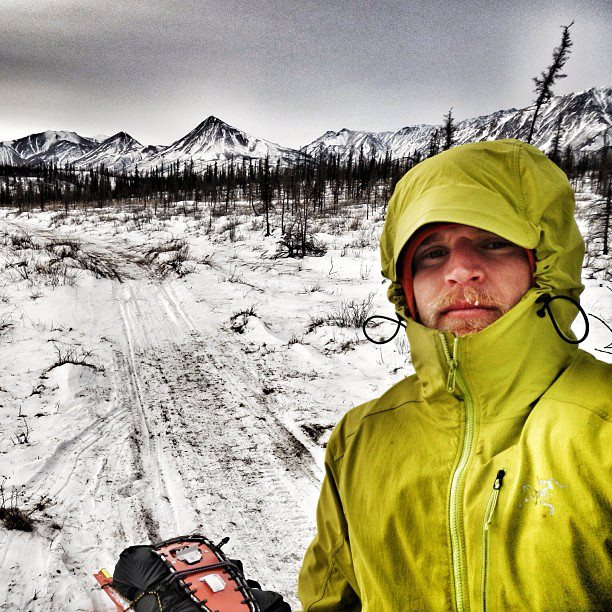
Inov-8 / Arc’teryx athlete Joe Grant proved he has both qualities in hardcore measures, overcoming exhaustion and pain to finish the Iditarod Trail Invitational in joint-second place.

Joe has been interviewed twice on Talk Ultra in the build up to the ITI and you can listen to those episodes:

We will have a post ITI interview with Joe Grant on Episode 31 or 32 of Talk Ultra

Described by organisers as the world’s longest human powered winter ultra-marathon, Joe raced on foot across frozen rivers and swamplands, through forests and over mountains to complete the course in 6 days, 8 hours and 47 minutes.

He did so pulling a sled weighing 35lb/15kg and taking in just 13 hours of sleep throughout.

The 29-year-old, who is part of a new global inov-8 team of athletes set to push boundaries and stretch limits in 2013, said:

“It was definitely the hardest thing I’ve ever done.

“It was relentless, every day it felt like I’d done 100 miles.

“I slept for just 13 hours in six days and none of that was what you would call really good sleep.”

Born in Oxford in the UK, raised in France and Spain, and now based in Colorado, US. Joe took part in the 2013 Iditarod Trail Invitational (ITI) race that saw 19 competitors on foot and 29 others on bikes complete the 350-mile route between Knik and McGrath.

There were just seven checkpoints on the course where food and lodging was available. Between checkpoints racers had only each other.

Joe said:

“Form the start it was hard.

“We left Knik at 2pm on the opening 57 miles to the first checkpoint at Yentna Station. I hoped to arrive there in the middle of the night at the latest. I eventually got there at 6.35am. I was wrecked, it felt like I’d done double the distance.

“The soft snow had made it tough going, and it was a relief to get inside and eat. I slept for about an hour and a half and left feeling surprisingly great.

“The next 30 miles to Skwenta Roadhouse took another nine hours. I’d planned to sleep for four hours at this point. I ended up sleeping for six hours. It didn’t, however, have the required effect and I left, at midnight, feeling banged up.

“That night on the course was a rough one for me. It was actually quite warm by Alaskan standards, above freezing level, and the snow was like mashed potato.

“Then, between the checkpoints at 130 mile (Winterlake) and 165 miles (Puntilla), and with the surroundings becoming more remote, I hit the wall. I had no choice but to bivvy down in the snow. I couldn’t sleep though, I felt like I was losing my mind. After getting into my bag fully I lay there and shivered for two hours.

“I eventually got into Puntilla at 7.30am. I was so miserable. Then the best thing all race happened – fellow competitor John Logar walked in. We hit the trail again, this time together, and to have that companionship was great.

“We charged up the big climb that followed then dropped down to the next checkpoint at Rohn (at 210 miles).

“Despite having John there with me, I arrived at Rohn destroyed, probably the most destroyed I’ve ever felt. Knowing there was still 140 miles to do to the finish, it seemed impossible. I thought about giving up, but after some soup and rest we set off on the next 90-mile section.

“Arriving at the last checkpoint at Nikolai knowing there was only 50 miles to go, I thought I’d feel improved, but instead my body rebelled in the heat of the hut and I started to feel feverish, so we didn’t stay long.

“Between Nikolai and the finish in McGrath, the temperature fell to -25C. Myself and John crashed and burned several times, lying down on our packs and falling asleep. We’d then get back up and go again.

“With 345 miles done and just five left to go, unbelievably we took a wrong turn that cost us a couple of miles. I think out of sheer frustration more than anything else, we turned around and ran the final seven miles to McGrath!

“With the sweat freezing to our bodies, we rolled across the finish line. I had given every last ounce of anything that was in my body to the race.”

With the 350-mile epic now in his locker, Joe will turn his attention to drier trails and plans to go head-on with the world’s best mountain runners at the opening race in the 2013 Skyrunner ultra series.

May’s 83km Transvulcania La Palma ultra-marathon monster on the island of La Palma in the Atlantic Ocean, which features 4,415m of elevation gain, was last year won by Dakota Jones, with Joe in joint 11th.

Joe went on to record an outstanding second place finish at the 2012 Hardrock 100-mile race in the US – an achievement he wants to better this year.

Note:

Joe wore inov-8’s roclite™ 286 GTX boot for the ITI

Clothing supplied by Arc’teryx

Iditarod Trail Invitational website and 2013 results: http://www.alaskaultrasport.com/alaska_ultra_home_page.html


TNF Trans Gran Canaria – Results

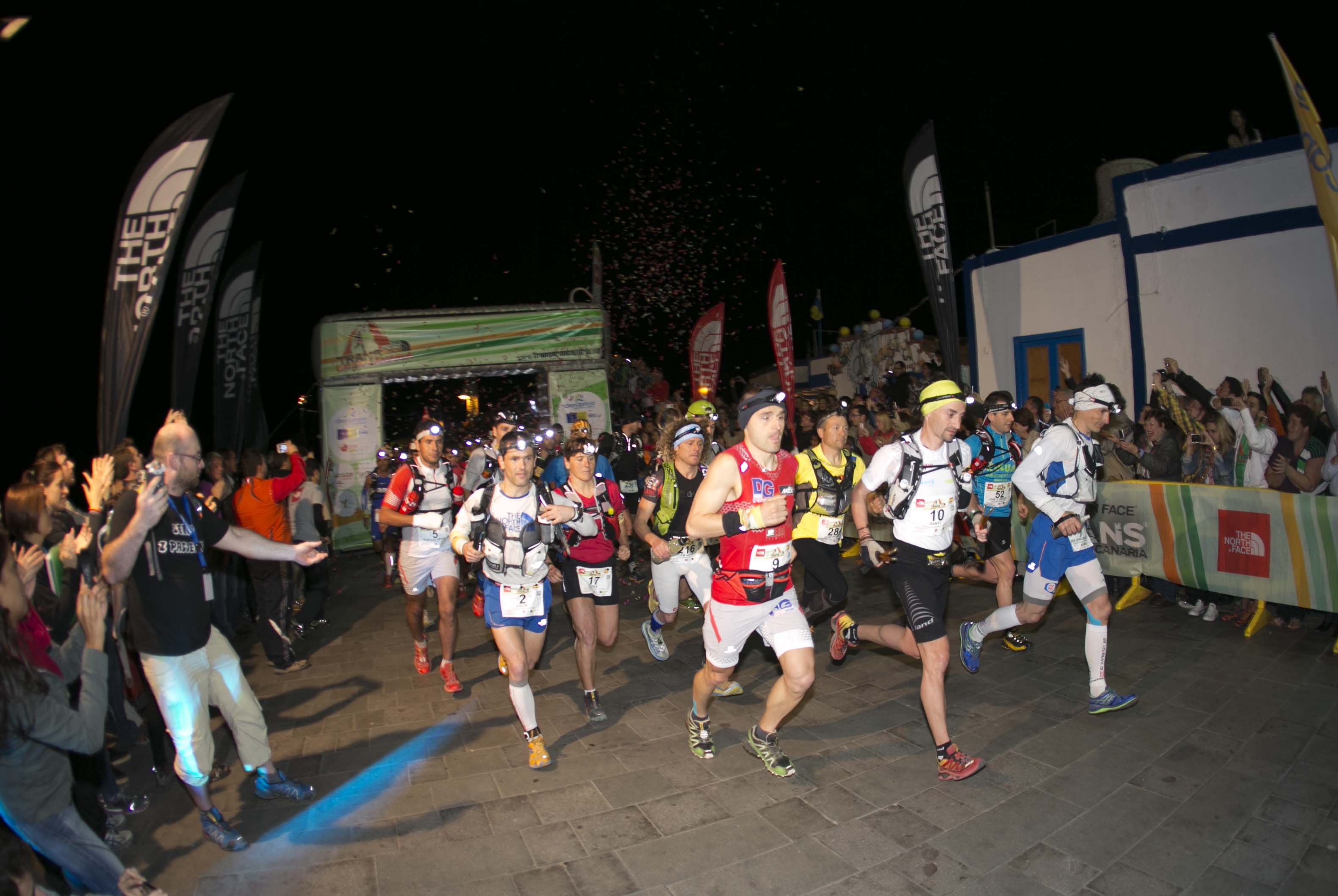
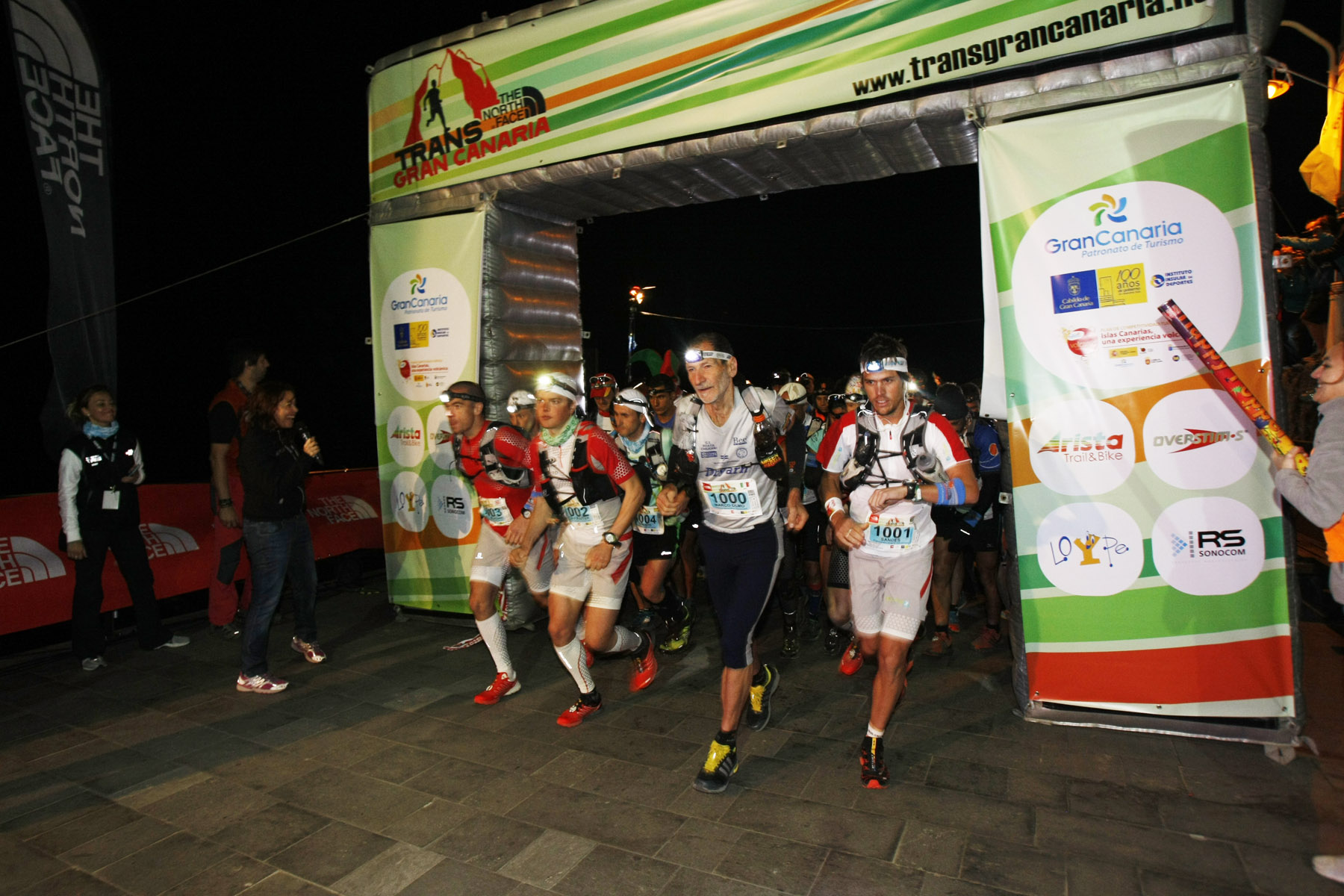
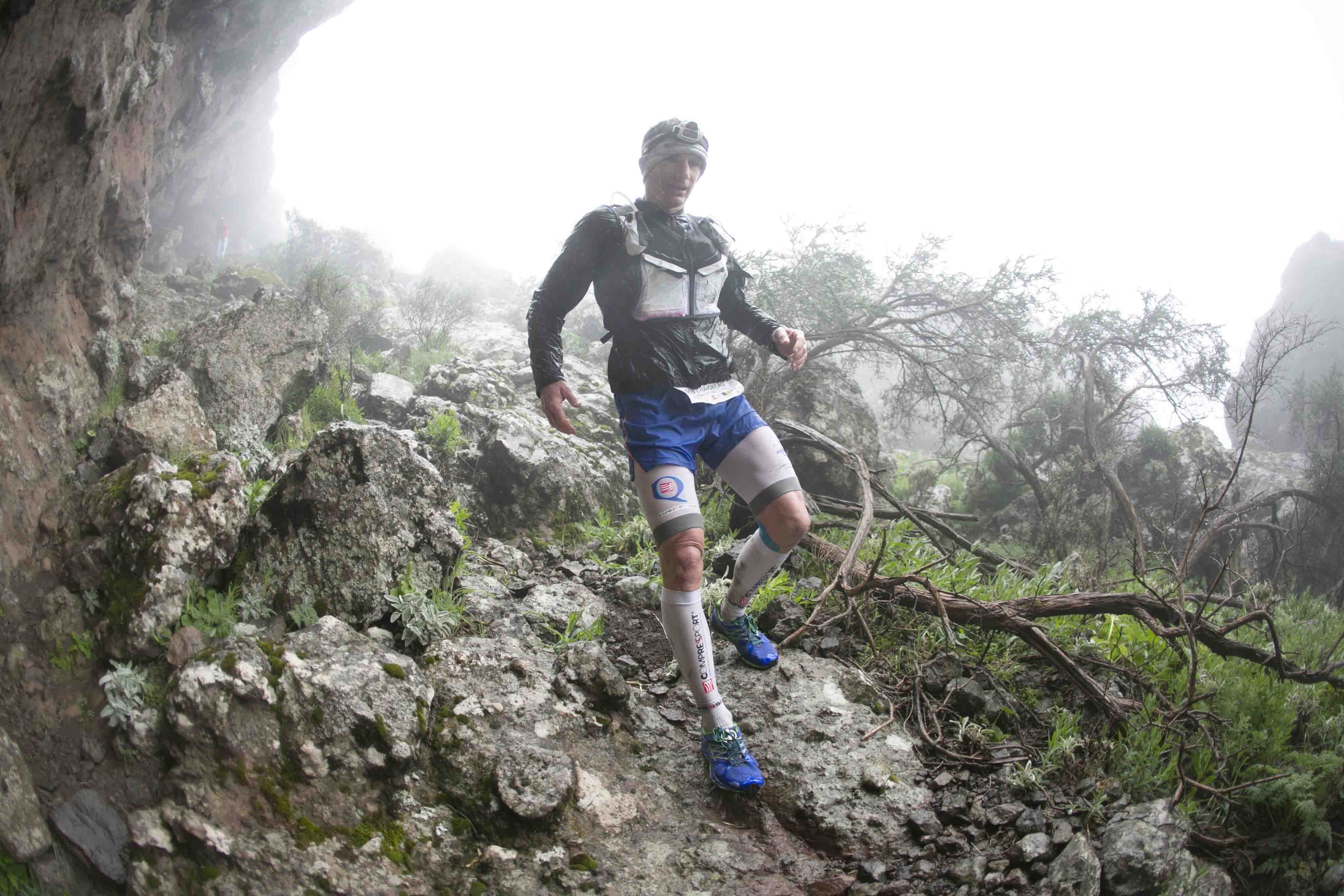
Tough weather conditions took it’s toll on the 2013 The North Face Trans Gran Canaria with some key favourites in the 119km race dropping – Miguel Heras, Carlos Sa and Gustav Reyes amongst others did not make the finish.

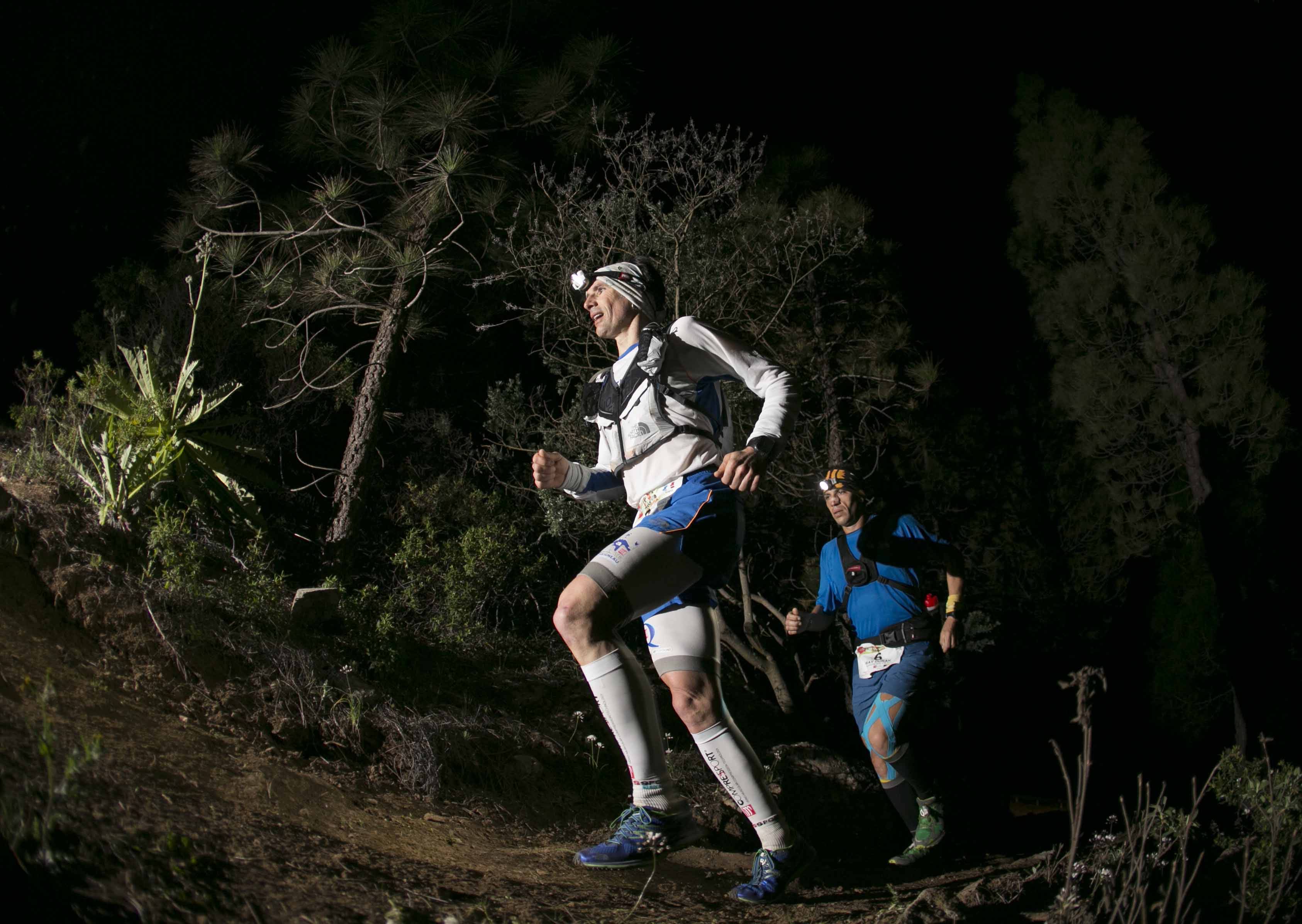
A super motivated and inform Sebastien Chaigneau dominated the race for The North Face team and secured a dominant victory. After a mixed year in 2012 he will be really motivated and confident with this performance. Oier Ibarbia was 2nd some 25 minutes behind and Yeray Duran was 3rd another 30 minutes behind.

Nerea Martínez completed the 119km race in 17 hours and 16 minutes to take the win, the Canarian, Esther Fernández placed 2nd once again (same as 2012) and the Swiss Denise Zimmerman placed third.

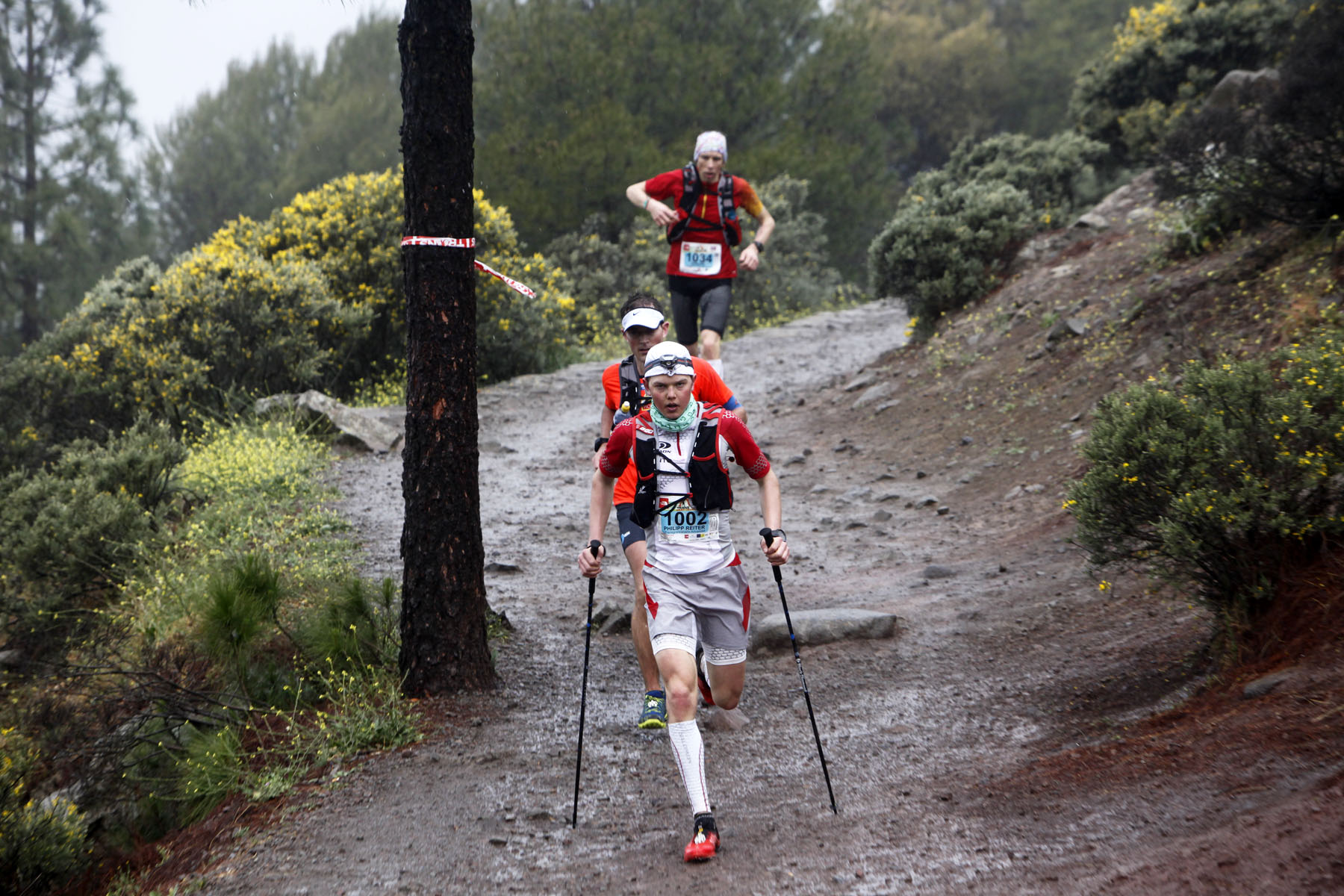
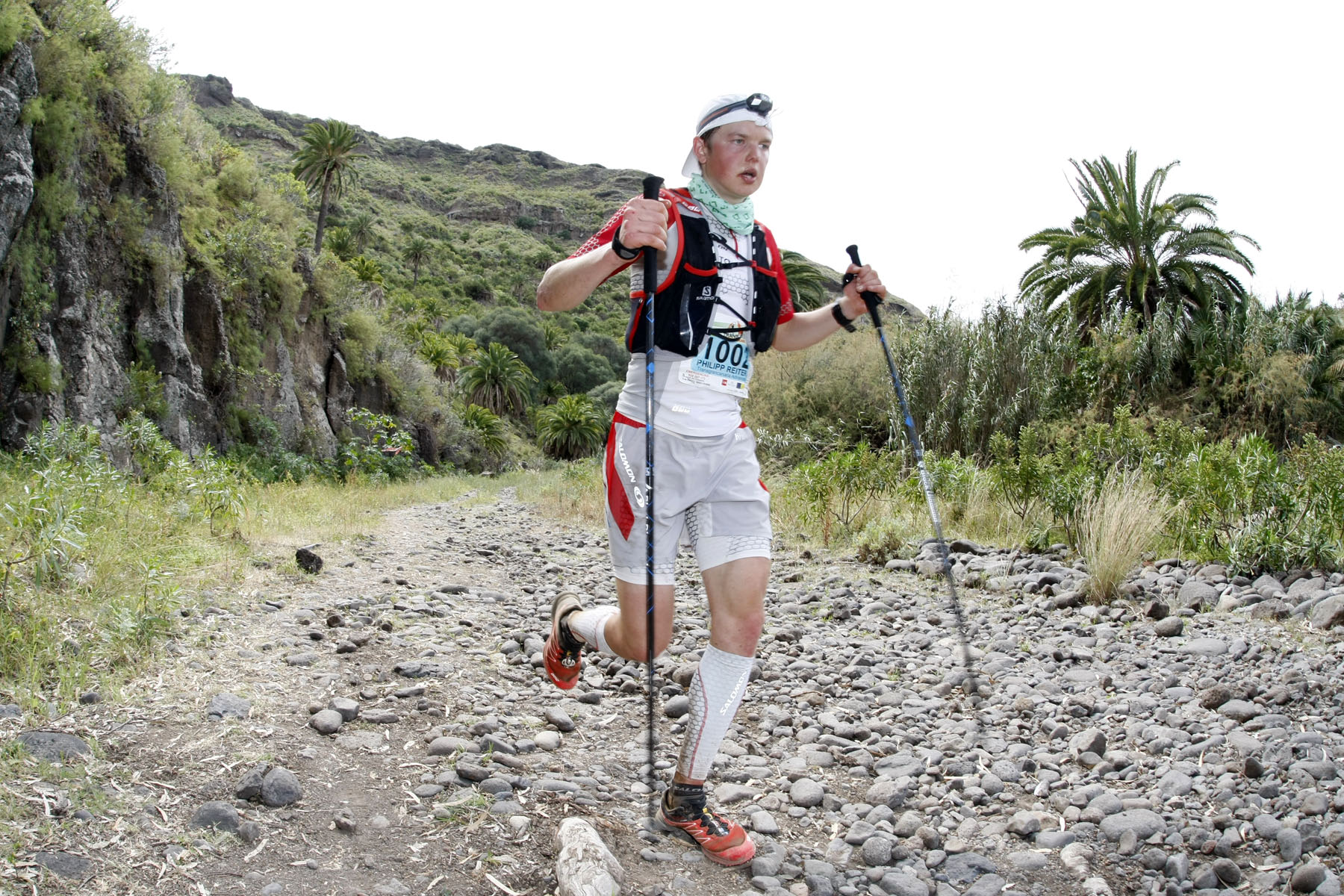
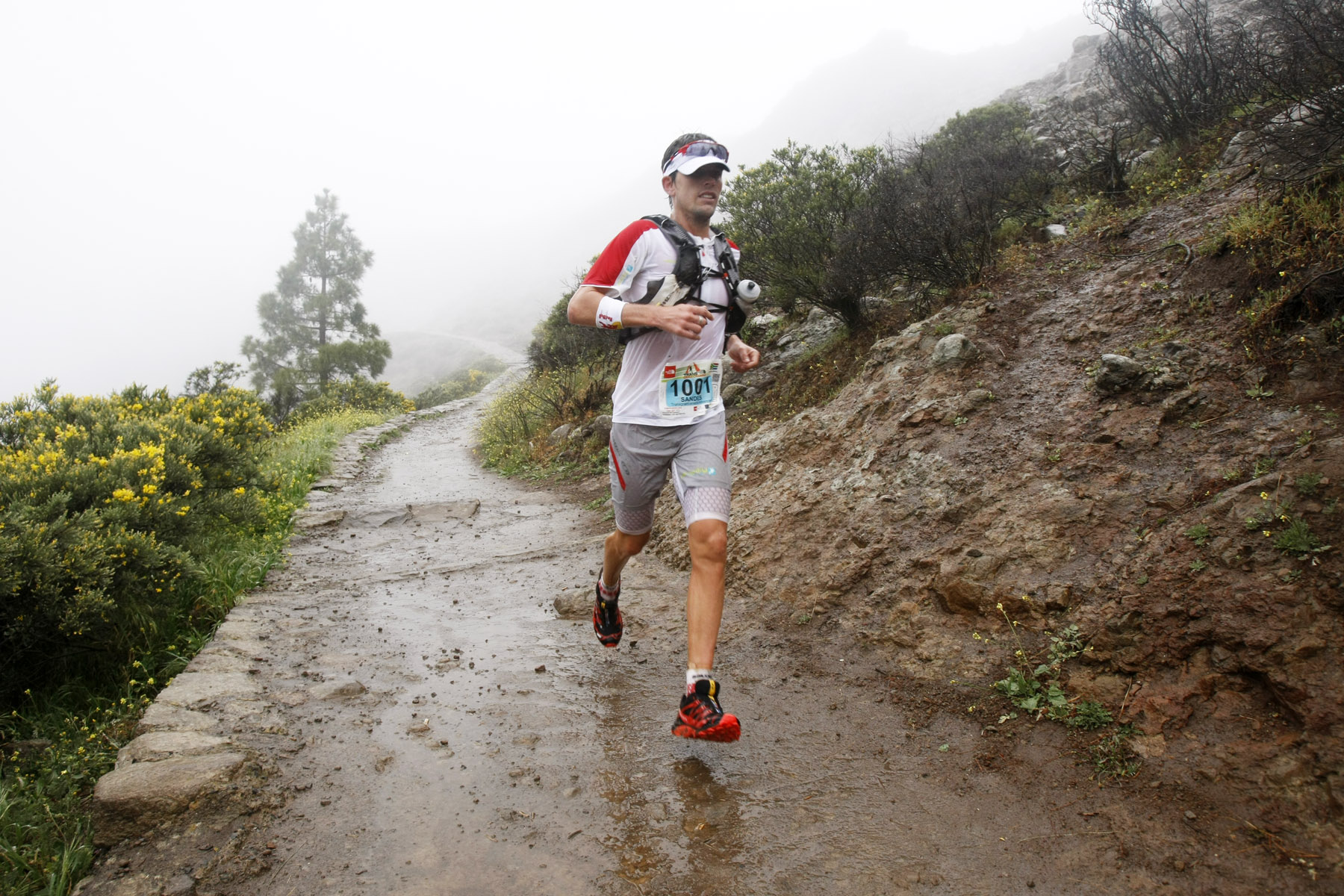
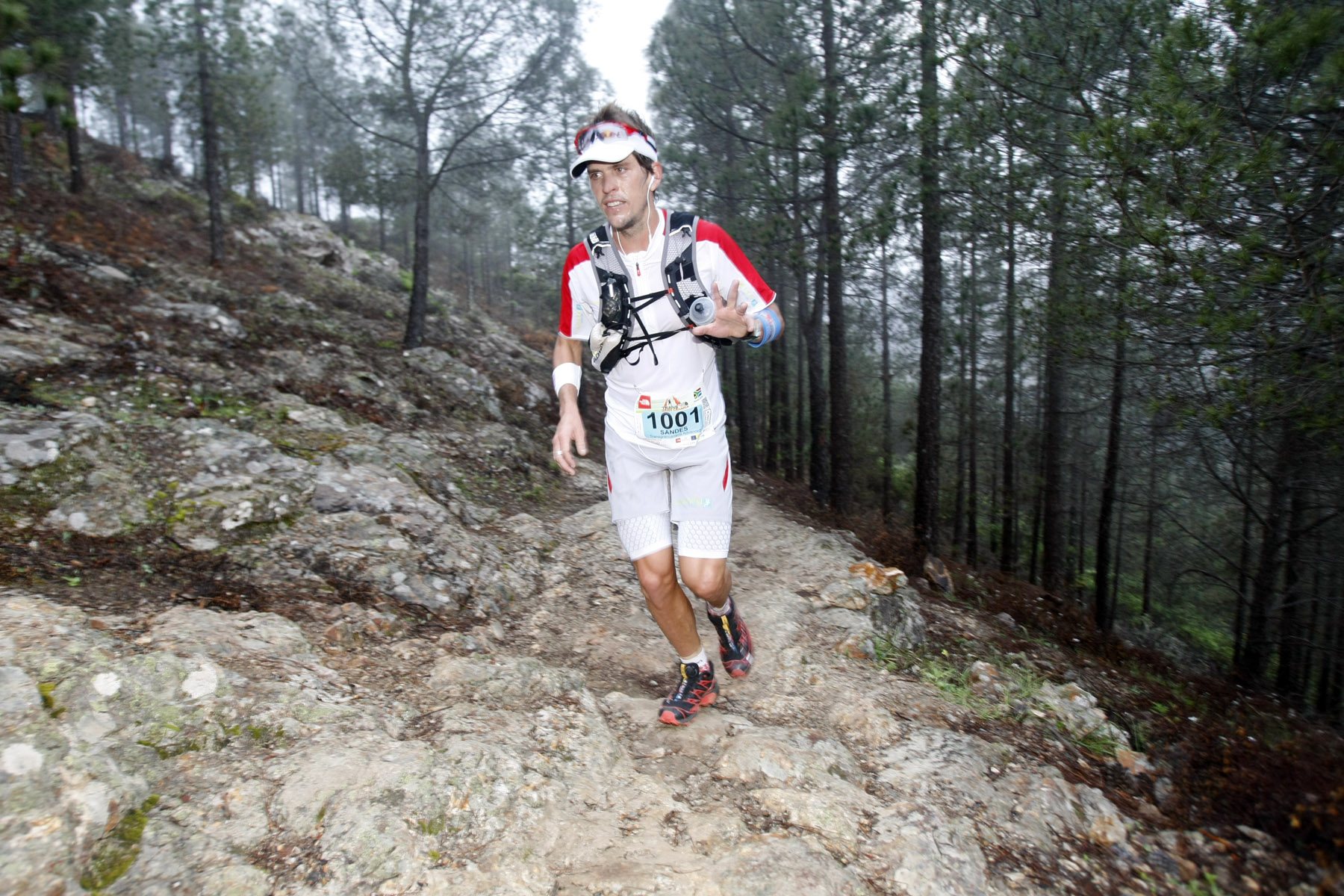
In the 83km race as predicted, Ryan Sandes dominated the race to take the win and in doing so has now won races on four continents. It’s a great start to his 2013 campaign. Behind Ryan was his Salomon team mate, Philipp Reiter. Philipp has only just come of skis so he has found form very early. It will now be interesting to see how he performs on anothe Canary Island in May for the Transvulcania La Palma. Taking the final spot on the podium was David Lutzardo.

In the female category of the 83k race, Yurena Castrillo got first. Lidia Gómez arrived in the second position: she was one of the favourites due to the fact that in the past she had won three times this race. Sophie Grant, the New Zealand runner, placed third.

The marathon race was won by Marcin Świerc in  02:58:53 dominating the distance ahead of Lexis Almedia Benitez who was over 15 mins behind. Rafael Bethencourt Guimera completed the podium 30 minutes behind the winner.

Emelie Forsberg from Salomon running once again confirmed that she is ‘one to watch’ in 2013 by winning her first race of the season. Nuria Dominguez arrived at the finish just 3 mins behind Emelie and Janelle Tarum arrived 10mins later.

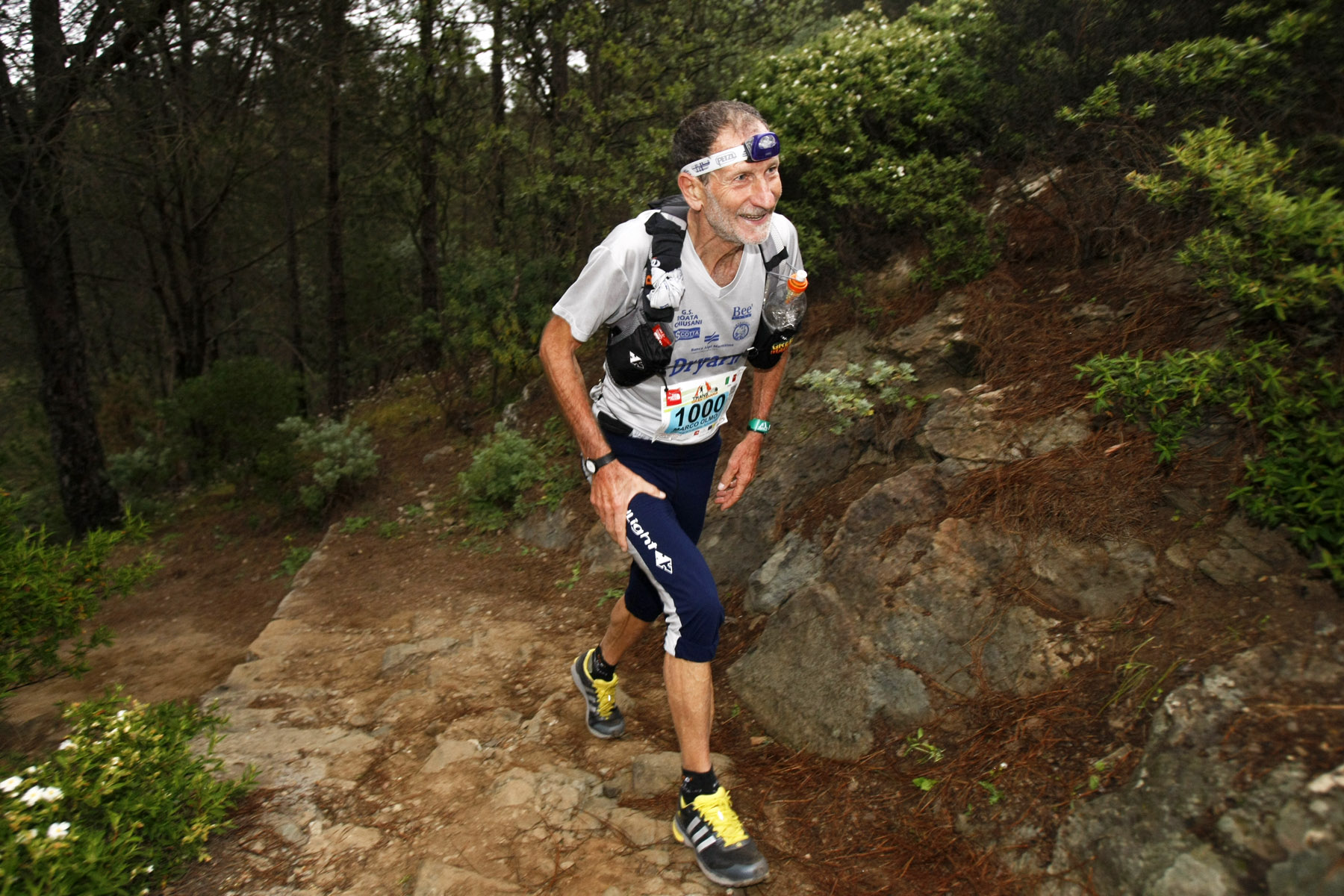
TRANS 1 (1) TransGranCanaria 2013 - AdvancedMarco Olmo racing the 83km

TransGranCanaria 2013 - AdvancedPhilipp Reiter in the early stages

TransGranCanaria 2013 - AdvancedPhilipp Reiter putting his poles to great use for 2nd place in the 83K

TransGranCanaria 2013 - AdvancedRyan Sandes on his way to victory in the 83k race

TransGranCanaria 2013 - AdvancedRyan Sandes

TransGranCanaria 2013 - AdvancedSeb Chaigneau in the early hours of the morning after a midnight start

TRANS 1 (2)Seb taking a really tough section of trail in his stride on his way to victory in the 119km race

TRANS 1 (3)Ryan talking about another victory. He has now won races on four continents

TransGranCanaria 2013 - AdvancedRESULTS

CLASIFICACIÓN GENERAL MASCULINA 42 KM

  1. MARCIN ŚWIERC 02:58:53
  2. ALEXIS ALMEIDA BENITEZ 03:15:19
  3. RAFAEL BETHENCOURT GUIMERA 3:28:17

CLASIFICACIÓN FEMENINA GENERAL MARATON 42 km 

  1. EMELIE FORSBERG 03:42:55
  2. NURIA DOMINGUEZ 03:45:46
  3. JANELLE TARUM 03:54:52

CLASIFICACIÓN GENERAL MASCULINA 83 KM – Ladies results to follow

  1. RYAN SANDES 08:11:26
  2. PHILIPP REITER 08:27:30
  3. DAVID LUTZARDO 08:46:02

CLASIFICACIÓN GENERAL MASCULINA 119 km – Ladies results to follow

  1. SEBASTIEN CHAIGNEAU 14:05:53
  2. OIER IBARBIA 14:30:52
  3. YERAY DURÁN 15:03:23

Ryan Sandes – Trans Gran Canaria

iancorless.comP1000828

“Howzit”

“I’m good Ryan, it’s great to finally meet up”

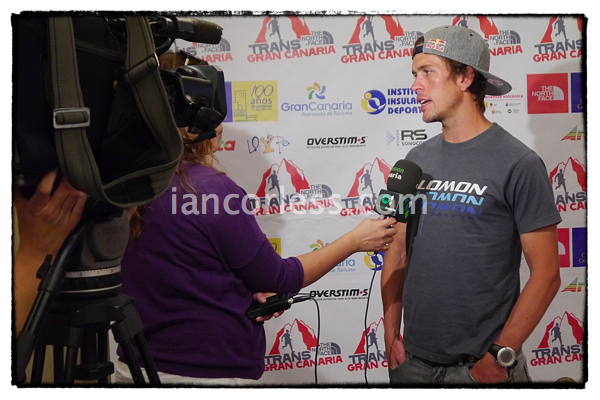
Ryan Sandes in Europe is quite a treat and for sure, the runners on Gran Canaria appreciate it.

Our first meeting is in a secluded mountain campsite. Ryan has arrived from South African heat so the chill in the air is noticeable by the several layers he is wearing. Our initial chat is purely a catch up about mutual friends and who is doing what. But then over dinner we discuss the season ahead and what it holds.

iancorless.comP1000777

We discuss the pitfalls of too much racing and too much training and Ryan explains that the end of February, beginning of March is still VERY EARLY in the season. His decision therefore to move from the 119km race and enter the 83km seems logical.

Ryan very much carves his own niche in the ultra world. Maybe the ‘isolation’ of South Africa allows him to do this? But what is for sure is that this guy nows exactly his strengths and weaknesses and knows how to maximise what he has.

“My first marathon was like teenage sex… it wasn’t pretty”

Ryan explains at a talk/ video presentation at the H10 hotel in Meloneras on the southern coast of the island. He has a great story, an ex rugby player who stopped growing and decided to move sports… He ran a marathon, it wasn’t pretty but somehow picked up the bug. He wanted a challenge and thought big! So big he chose a multi stage race in the Gobi desert.

Why did he choose it?

“Well the Gobi desert sounded like a cool place to go but to be honest, I didn’t even know where it was let alone a multi day race. But I gave myself six months, trained hard and amazed myself by winning the race”

iancorless.comP1000908

Quite amazing. That natural ability came through and he then went on to win all the ‘four’ desserts.

2010 4 DESERT CHAMPION AND ONLY COMPETITOR TO WIN EVERY STAGE OF EACH OF THE 4 DESERT RACES (www.4deserts.com)

Always looking for a challenge he needed to test himself against the best in the world, at the time this ‘stage’ for ultra running was America. Paced by team mate, Anna Frost, Ryan ran Leadville 100 in 2011 and won it! Suddenly the North American runners started to take notice.

Results 2011

2011 The North Face 100 Australia – 3rd

2011 The Salomon Zugspitz Ultra – 4th

2011 Leadville 100 Mile Trail Run – 1st in 3rd fastest time in history

iancorless.comP1000658

In 2012 all attention was focused on Ryan as he moved to the ‘Big Dance’ Western States 100. After a win at Vibram Hong Kong 100km Ultra (new record) and The North Face 100 in Australia what would Ryan do… many thought that ok, yes, he won Leadvillie and yes, no doubt he is a good runner. But this is Western Sates!

iancorless.comP1000788

An usually cold year at the Big Dance produced the fastest year on record with Timothy Olson setting a new bar for the 100 mile race. But pushing him all the way was Ryan. Ryan crossed the line in 2nd place also breaking the old course record set by Geoff Roes.

Results 2012

2012 Vibram Hong Kong 100km Ultra – 1st in new record

2012 The North Face 100 Australia – 1st

2012 Western States 100 Miler USA – 2nd in 2nd fastest time in history

2012 Fish River Canyon Trail – 6h 57min ( record time )

The Fish River Canyon was a personal project… a fastest known time attempt. He had tried the ‘fish’ before and as he explained at his talk;

“I looked at the distance and thought, no problem. I just wasn’t prepared for the severity of the course. It chewed me up and spat me out”

Returning to the Canyon in 2012 he put the demons to rest and as his video shows, he tamed the beast that had chewed him up.

The Beauty of the Irrational

So how will Ryan perform at Trans Gran Canaria in 2013? Well for sure, he is going to be competitive. However, he does have ‘Wonder Kid’ Philipp Reiter to race against plus plenty of other talent. Very often in these events the focus is on the ‘main’ event. At Trans Gran Canaria that is the 119km race. With Sebastien Chaigneau and Miguel Heras on the start line of the 119km, a classic race is in the making, but don’t forget the little brother, I think this year spectators and followers of ultra racing are going to get a 2 for 1 deal.

iancorless.comP1000871

You can see images from my photo shoot with Ryan HERE

Ryan Sandes website HERE

You can check out the race website HERE

Follow the race on Facebook HERE

Philipp Reiter – wonder kid !

iancorless.comP1010006


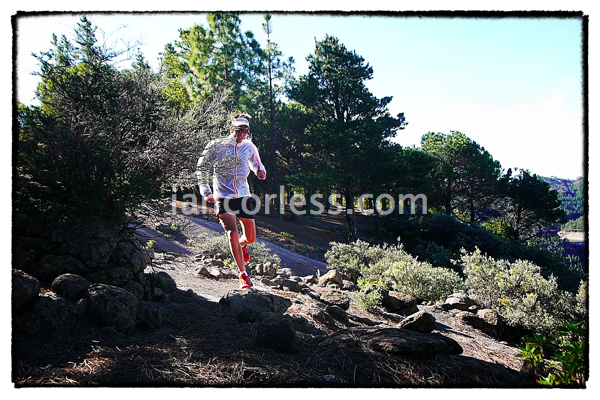
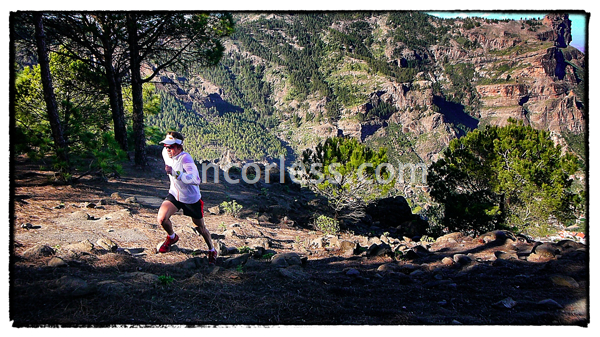
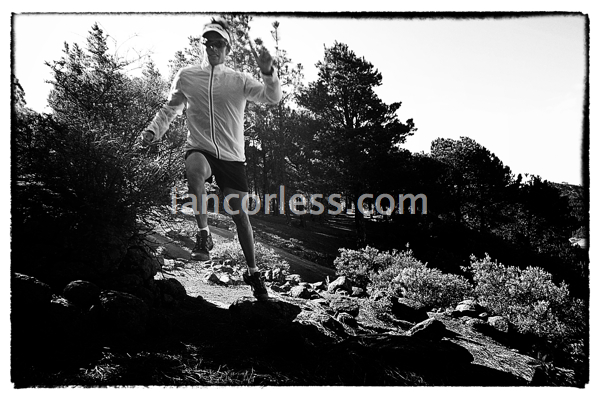
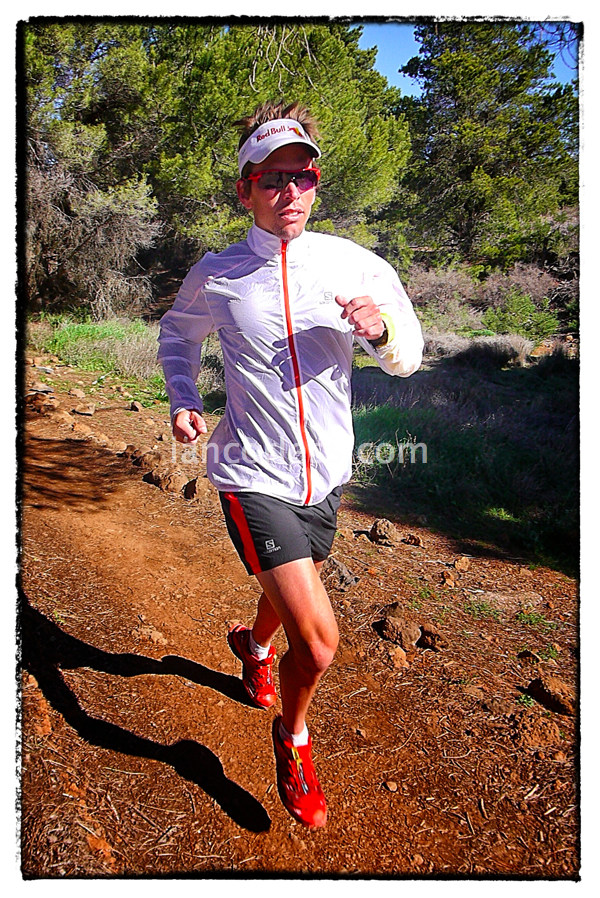
Philipp Reiter makes me laugh… he makes me laugh lots! 21 years old, the world is ahead of him and he embraces each day as though it was his last. His passion for life and running is matched by his appetite for the ‘buffet’ at our hotel. Boy can he eat!

In 2012, he emerged on the ‘world’ stage by clocking up a series of top 10 places and wins that only a fool could ignore. He won the Salaomon Four Trails ahead of Thomas Lorblanchet and Francois d’Haene. He teamed up with teammate, Iker Karrera at Trans Alpine and won. He suffered a little at Transvulcania, ran strong at Trofeo Kima and dug deep at Cavalls del Vent.

iancorless.comP1000971


After Trofeo Kima I asked him what his aspirations are for the future….

“I want to be the new Kilian” he replied.

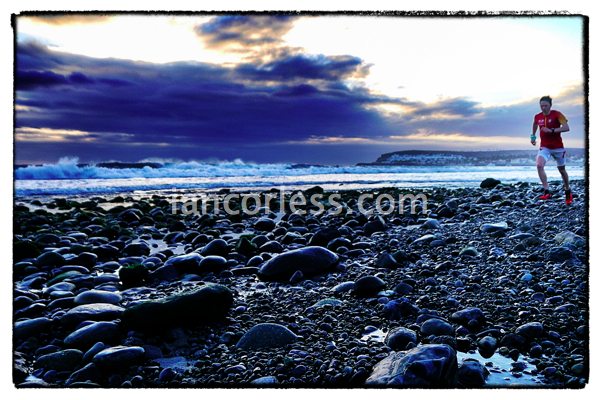
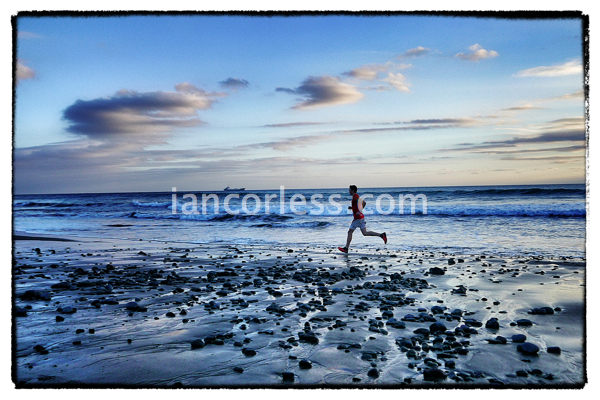
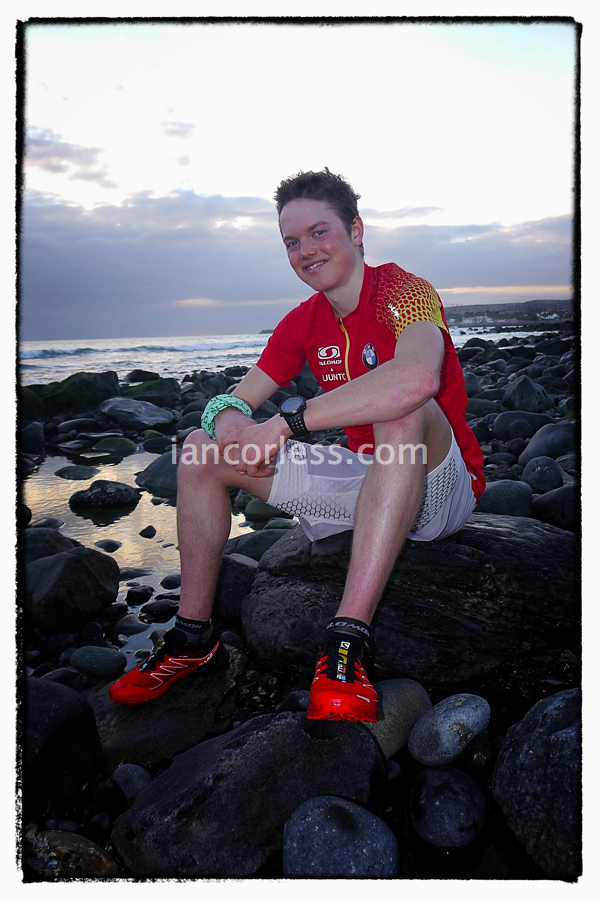
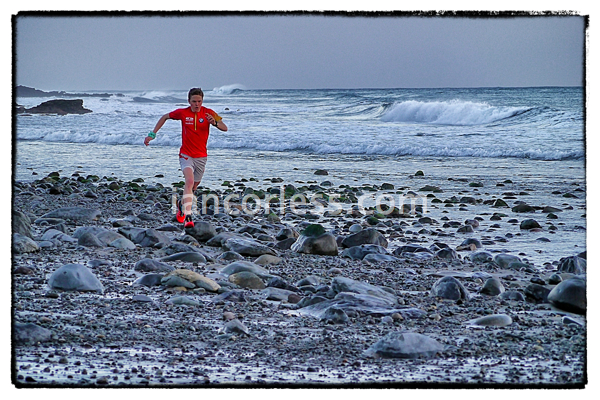
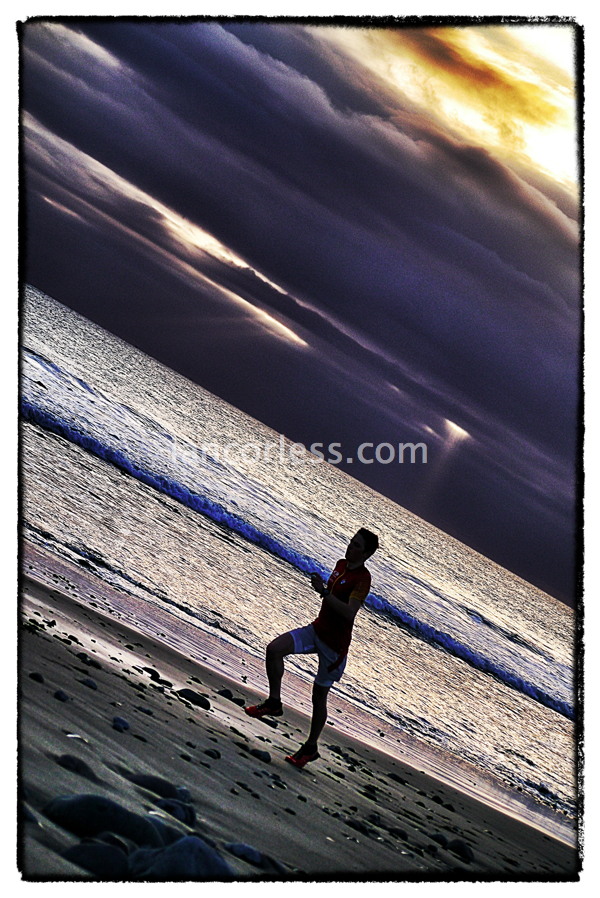
Today, just before we headed out on to the beach to take the photos that you can see in the post, I questioned him again. His answer today?

“I want to beat Kilian”

iancorless.comP1010026


He has just spent the last two to three months ski mountaineering and this weekend he lines up at the 83km TNF Trans Gran Canaria to take on a competetive field that includes teammate, Ryan Sandes. With no running in his legs is it possible to perform over 83km on tough trail? Philipp thinks so.

On the trails yesterday, Philipp flew off like a man possessed. It was hard to believe that he hadn’t run… no small stops to ease himself in. No, not at all. He bounded and leaped down the trail as though some binding shackles had been removed.

iancorless.comP1070445


“When you take the skis off and run, you feel so light. It’s incredible. It’s a joy to run” said Philipp in my 30+ min interview scheduled to be aired in episode 30 of Talk Ultra on March 8th.

“The break from running freshens the mind, it’s a good thing, I love sport, I love cycling, I love going to the gym, I love variety. That is what is so exciting about what I do”

You can see the logic. Look at his peer group; Kilian Jornet, Nuria Picas, Emelie Forsberg and so on… they all turn from trails to snow in the winter months.

iancorless.comP1070411


This coming weekend will show us how Philipp’s form is after months of no running. But ultimately the 83km on Saturday are only small and tiny steps on what will be a very interesting 2013 season.

A full set of images from today are available HERE

You can see how Philipp gets on against Ryan Sandes and the other runners at : http://www.transgrancanaria.net

You can listen to my interview with Philipp on the next episode of Talk Ultra. It will be available for ‘free’ download on iTunes, Libsyn and talk ultra.com.

ITunes http://itunes.apple.com/gb/podcast/talk-ultra/id497318073

Website – talkultra.com