After the last-minute cancellation of MDS 120 Fuerteventura, the focus now shifts firmly to Morocco, where two cornerstone events are about to take center stage: MDS 120 Morocco and MDS Trek Morocco. Anticipation is high, the energy is back, and participants are ready for the desert challenge they’ve been waiting for.
What Are MDS 120 and MDS Trek?
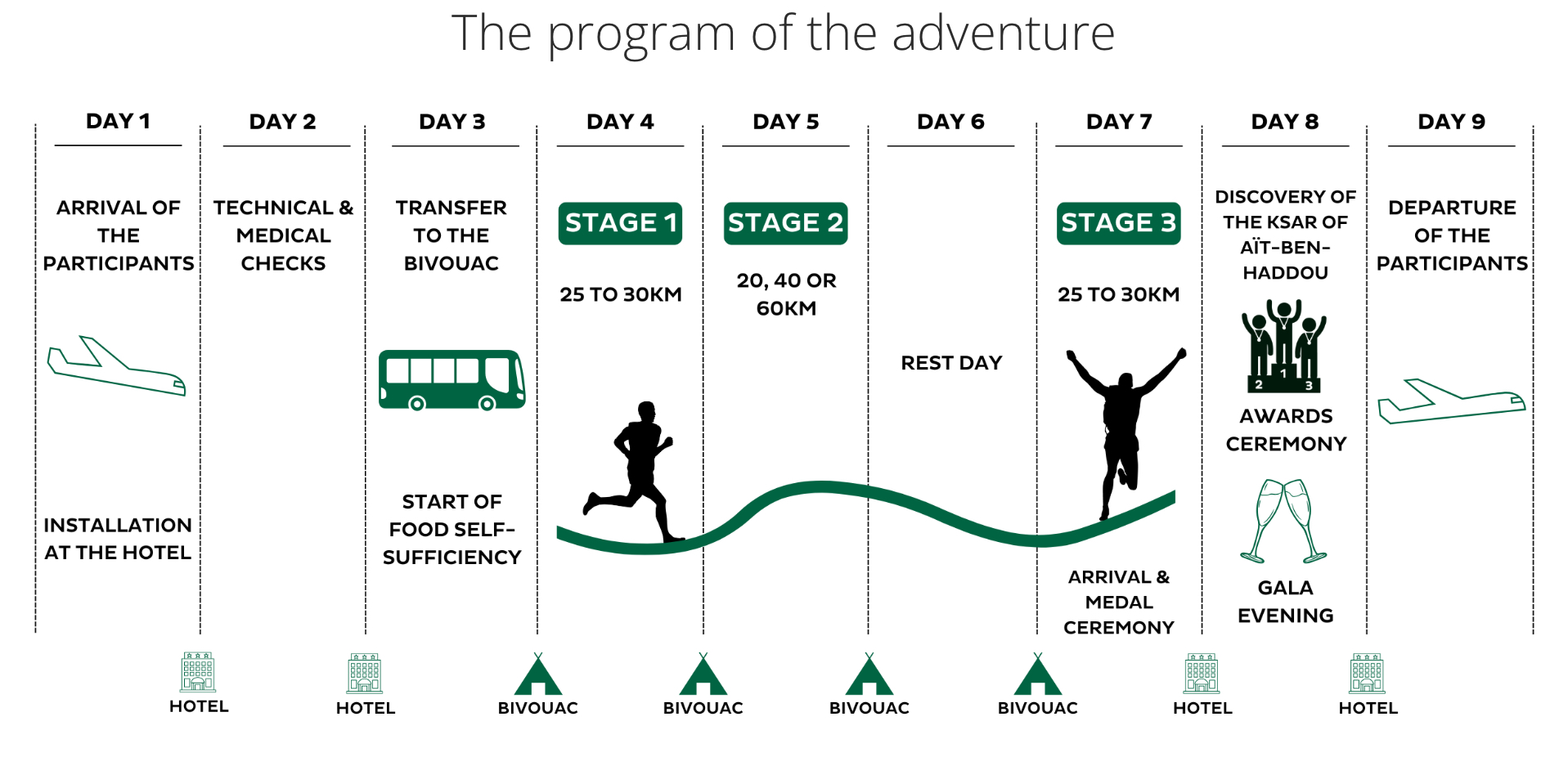
The MDS 120 is a three-stage, four-day 10/100 or 120 km endurance race in the desert, modelled after the legendary Marathon des Sables but in a shorter, more accessible format. Athletes carry their food and gear, manage their effort in the heat, and experience the highs and lows of true desert racing, every kilometer tests both body and mind.
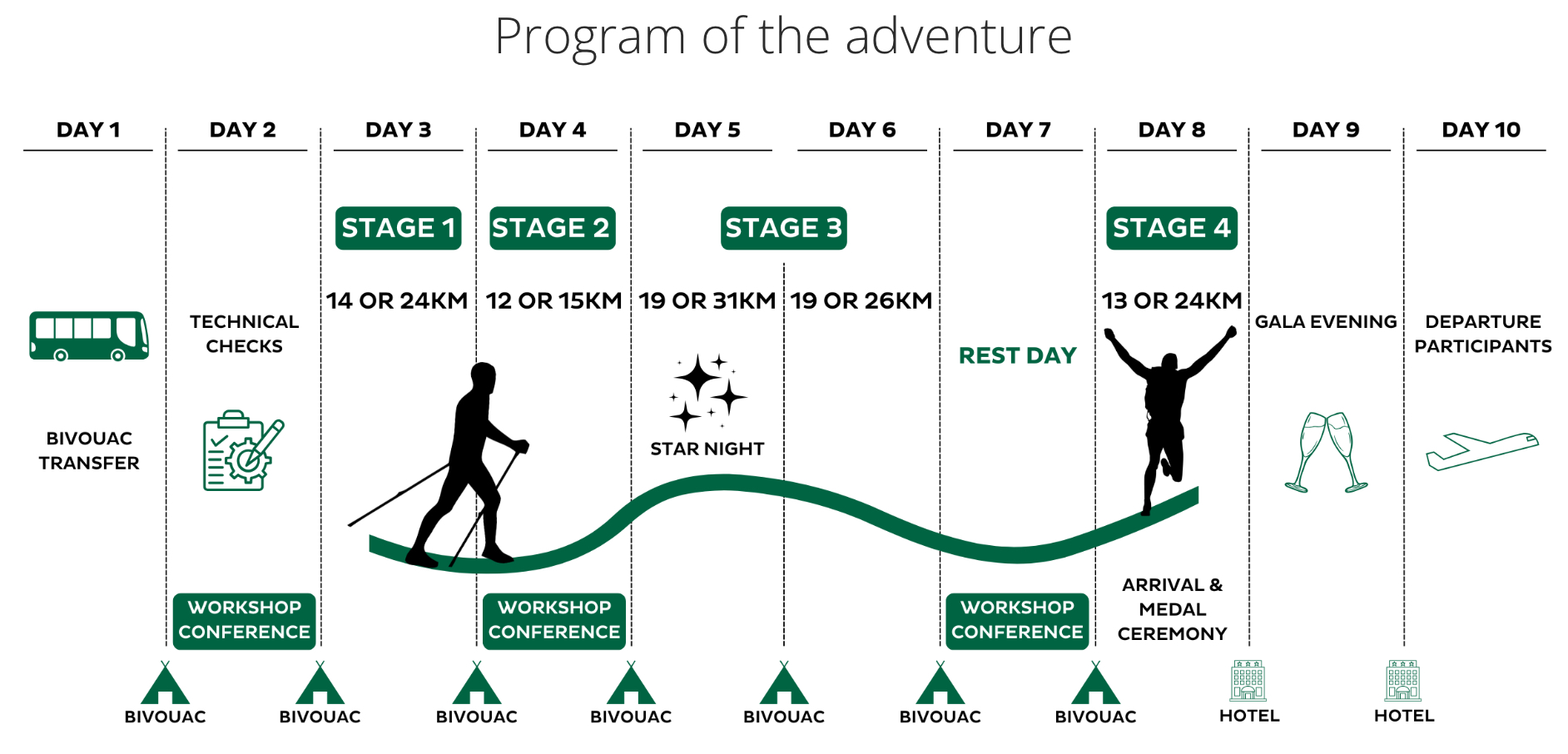
The MDS Trek shares the same landscapes and spirit as all MDS events but swaps competition for exploration. Designed for adventurers and walkers, it offers a supported trek across the Sahara, with each stage a new chance to discover the desert at a different pace. Participants are not self-sufficient, camp has more luxury and yes, even showers are possible!
The Journey Into the Desert
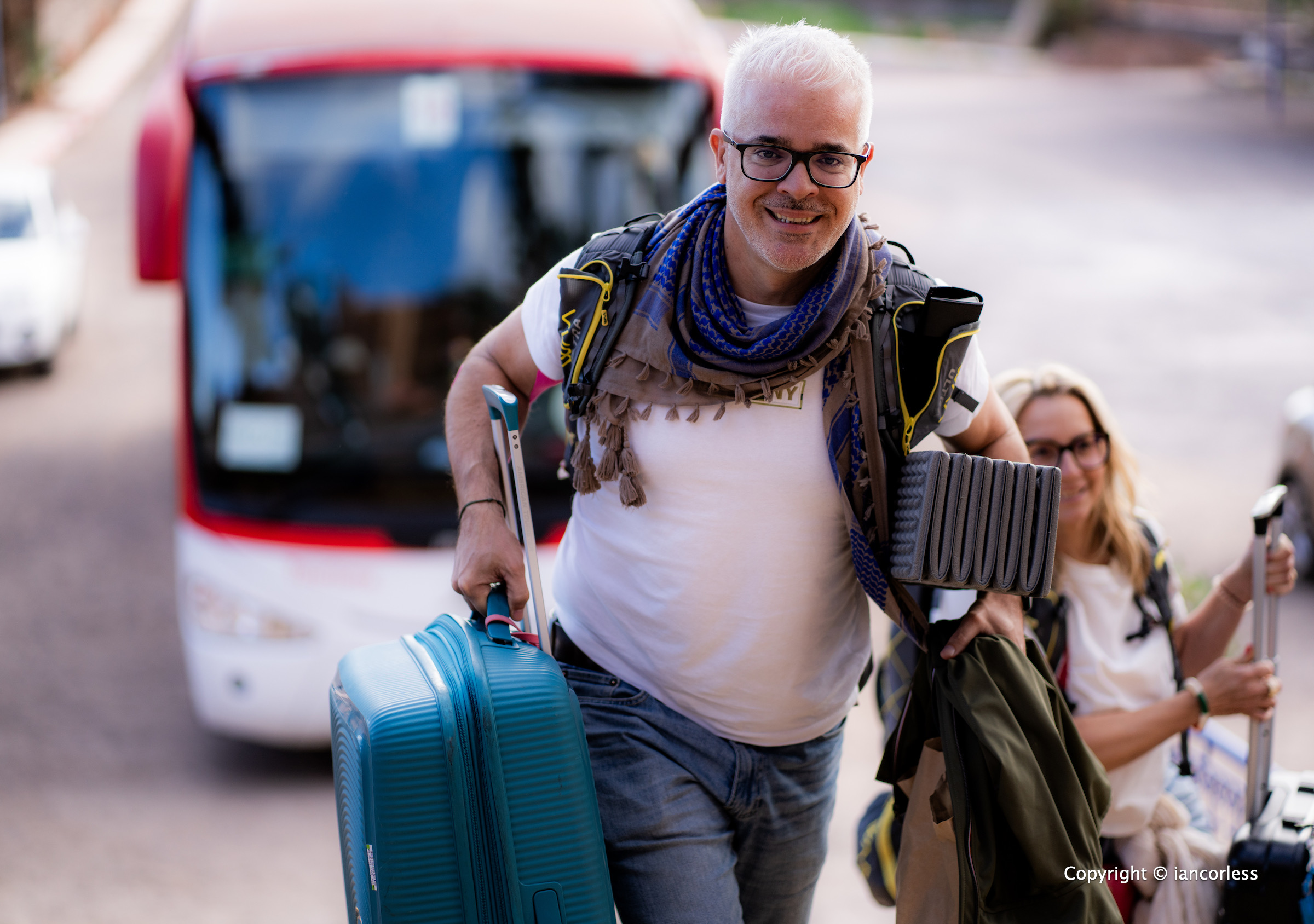
The adventure begins well before the start line. Most participants first gather in Marrakech, where the atmosphere is electric as athletes and trekkers from around the world converge. From there, MDS arrange transfers over the High Atlas mountains to Ouarzazate, often called the “door of the desert.”
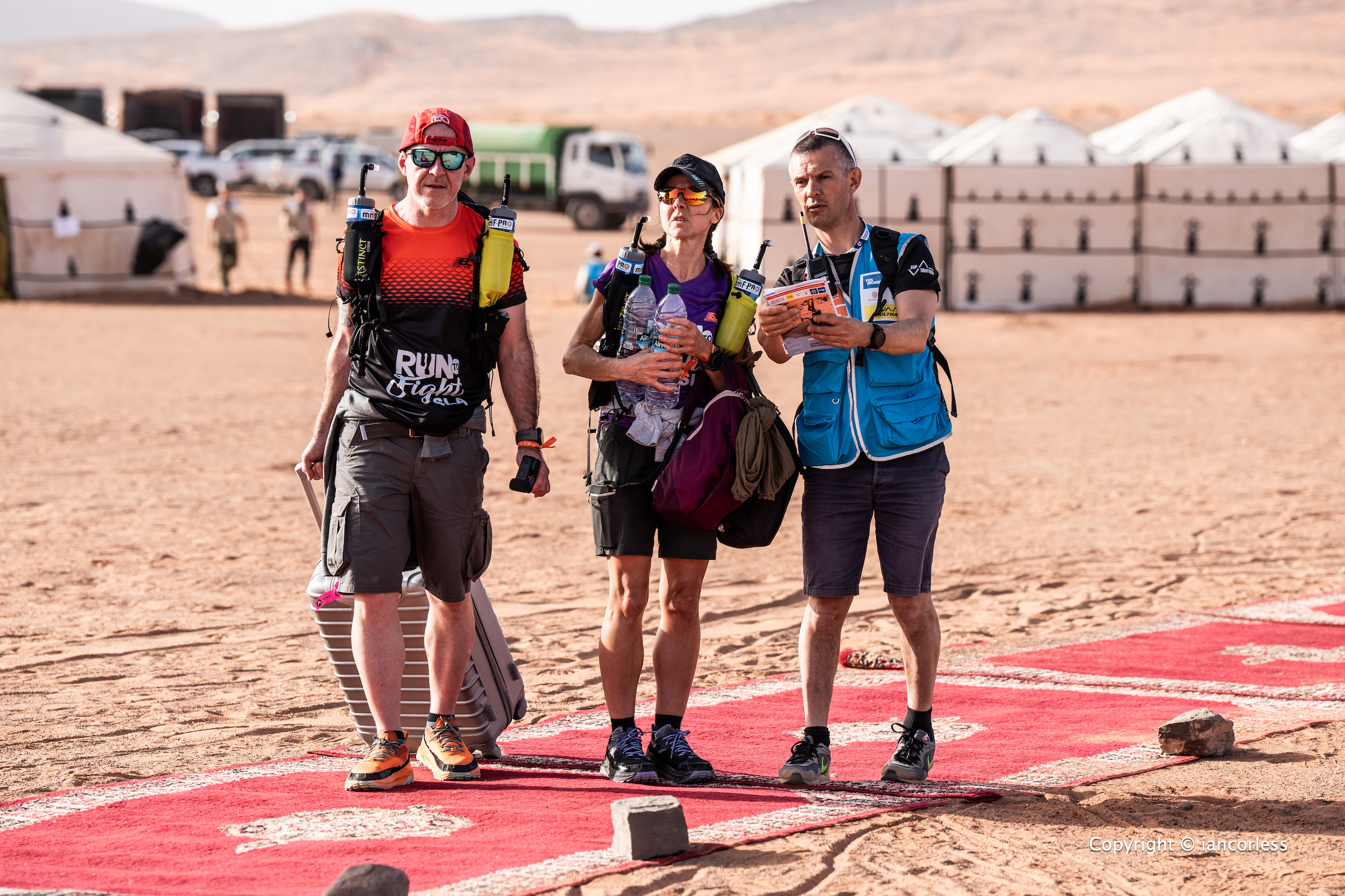
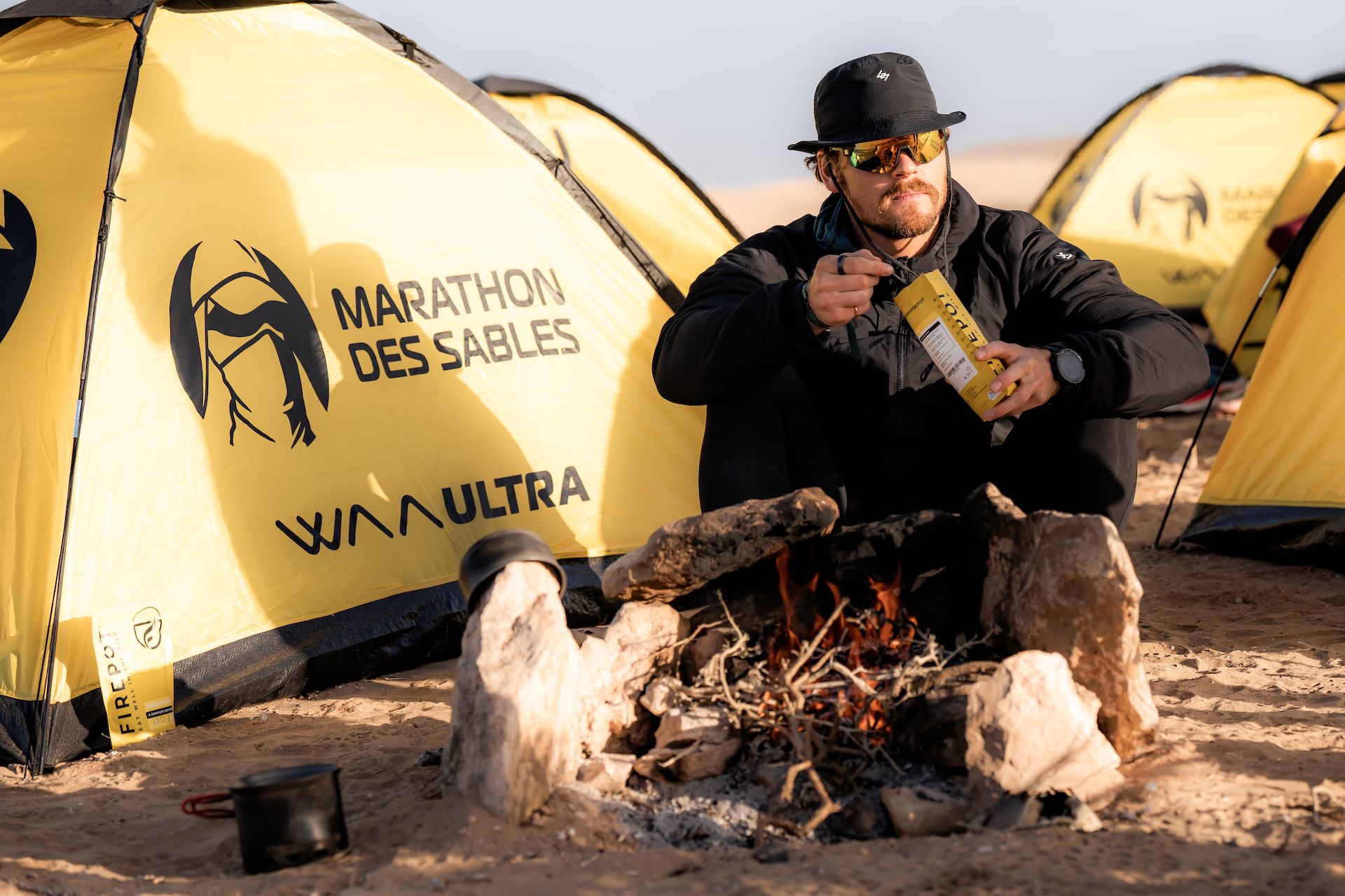
Two hotel nights in a hotel with administration protocols, then the caravan heads deeper into the Sahara. The transfer to Bivouac 1 marks the true start of the experience: the desert horizon stretching endlessly, the iconic WAA tents awaiting, and the realization that the adventure is about to begin.
MDS 120 Morocco:
MDS Trek Morocco:
Looking Back at 2024
The 2024 editions showed the enduring strength of the MDS spirit. Morocco delivered outstanding editions and for MDS 120, there were some challenging climatic conditions with rain and flooding.
MDS Trek, was business as usual with classic Morocco weather. Participants took on dunes, jebels, and starlit nights. These moments reinforced Morocco’s reputation as the spiritual home of the Marathon des Sables.
Why 2025 Will Be Bigger and Better
In 2025, expect the same, but amplified. The organisers have doubled down on delivering unforgettable events, and the buzz suggests the community is ready for it. The MDS 120 Morocco will push competitors harder, while the MDS Trek will continue to offer an inclusive and inspiring path through the Sahara.
And Then Comes Jordan
Photo by Ian Corless
The adventure doesn’t stop in Morocco. Just weeks after the conclusion of the MDS Trek, the focus shifts east for MDS 120 Jordan, where runners and trekkers will swap the Sahara for the dramatic landscapes of Wadi Rum. It’s a quick turnaround, but for those chasing the full MDS experience, it’s the perfect continuation of a year dedicated to desert discovery.
The countdown is on.
Morocco awaits.
Interested in a Marathon des Sables event? More informationHERE
It is two weeks to go, finally the big target is in your grasp, MDS The Legendary 2025 is waiting! To all intents and purposes, your training is now done. You will not get fitter in these last 14-days, only more tired, more stressed and potentially injured. Accept that the work is done, other than some easy runs or walks to keep moving and some planned heat acclimation, use the extra time that would have been used for training as planning time.
DON’T PANIC!
If you have got this far, you are in a great place.
When you break the race down, here are my TOP 20 TIPS of what to focus on for Marathon des Sable – The Legendary.
Photo by Ian Corless
MEDICAL
Make sure you have all the medical requirements fulfilled and an up to date ECG as specified in MDS rules and regulations. There can be no compromise here. The MDS medical time, quite correctly, are adamant that all protocols must be adhered to. This is for your safety.
The organization provide a medical certificate which you must download and you must have a resting electrocardiogram (ECG) report plus graph, dated less than 30 days before the start of the race.
The original documents are to be presented during the administrative, technical and medical checks on the admin day in bivouac. Failure to present these documents will incur penalties (see ART.27 et 28).
Note:
The signature and the stamp of the doctor must be applied on them.
Only the original documents, dated and signed, will be accepted (photocopy is not valid).
TRAINING
Well, we are all individuals, we all have different abilities, we all have different goals, we all have different free time and the list could go on. Importantly, keep the balance of training days the same. If you typically run 5-days a week, maintain those 5-days and reduce the volume/ intensity.
The Taper:
Week 2: 40km or 4.8 hours
Week 1: 20km or 2.4 hours (race week)
Your body needs to keep alert and active. So make sure you add some stimulus in this taper period, short periods of faster running and/ or hill work are ideal. However, do all this with the priority not to get injured. Now is not the time to get a niggle, a sprain or a problem.
ACCLIMATE
In the final two weeks of taper you need to hone in on acclimation to heat and prepare the body.
Don’t leave this to the last minute, plan ahead, especially if using a heat chamber. Heat chambers are limited and obviously, time slots are limited.
If you do not have access to a heat chamber think of other options: sauna, hot baths, bikram yoga, adding layers when running, or if you are lucky with time, arrive in Morocco early and taper in a real situation.
EQUIPMENT
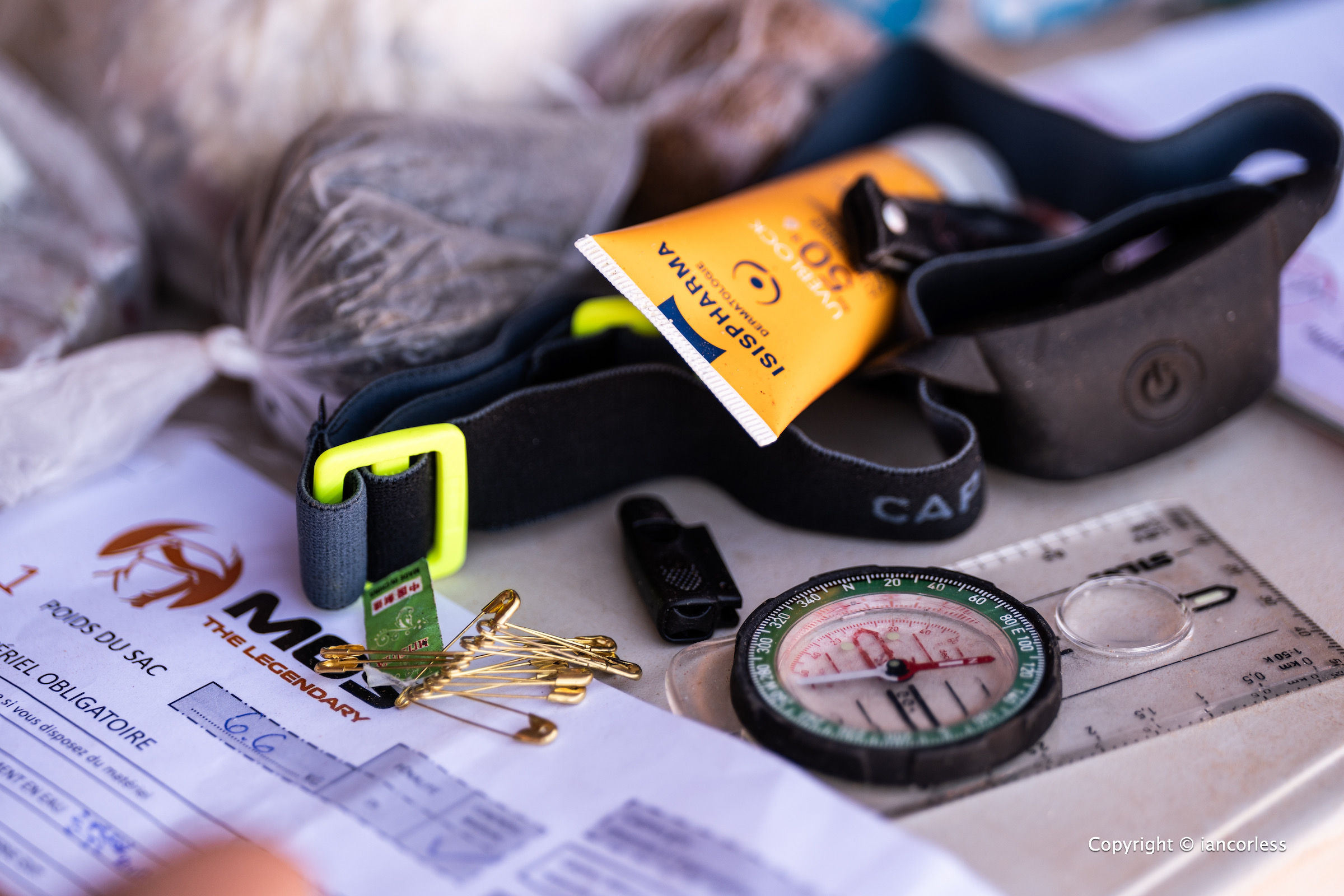
You will have been mulling over equipment for months and you may well have tweaked and changed your choices. Now, with 2-weeks to go, this is the time to make sure you have everything you need and also understand what it all weighs.
Clothes must be comfortable and not rub.
Shoes fit perfectly, give no hot spots and are suitable for the desert environment and have gaiters.
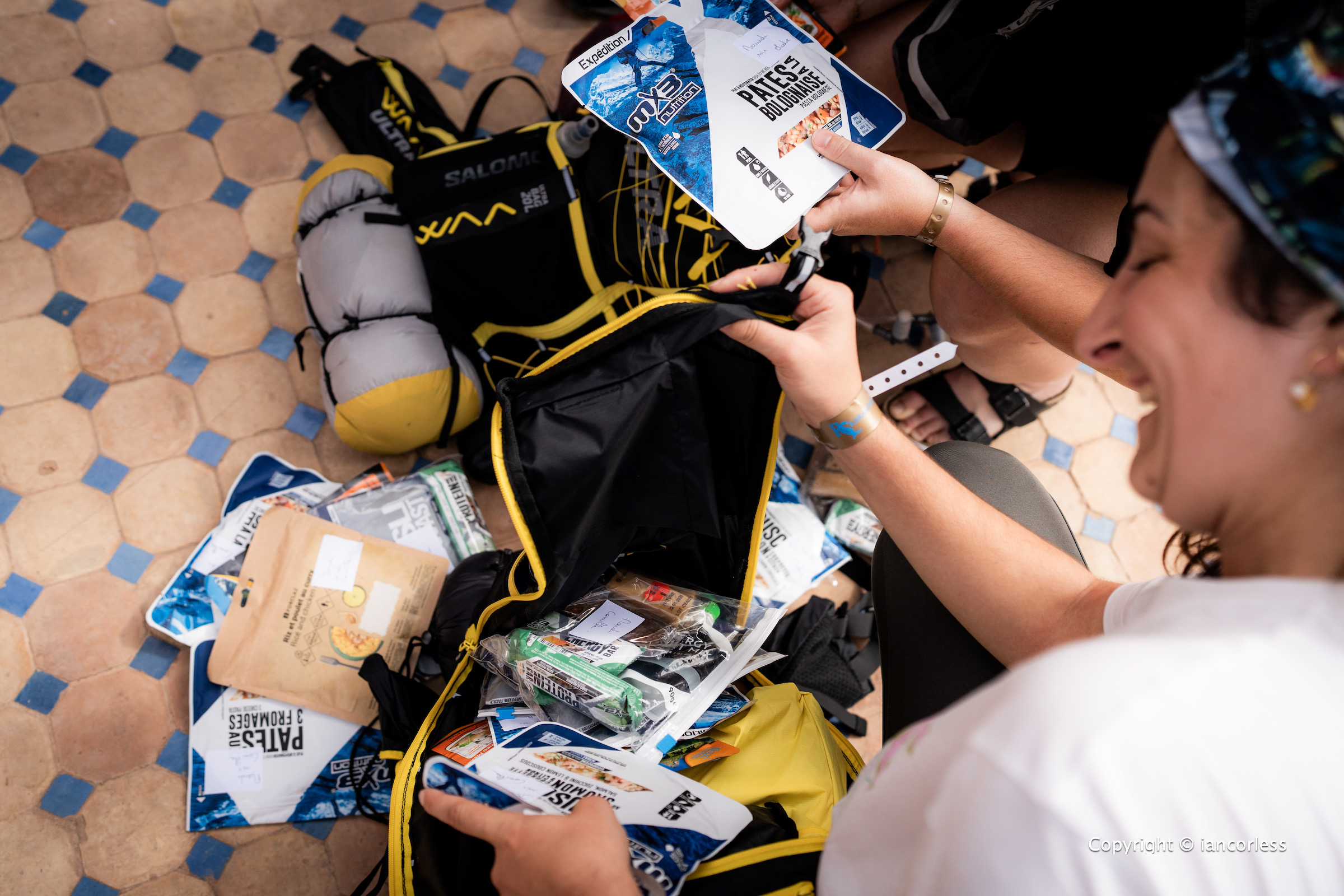
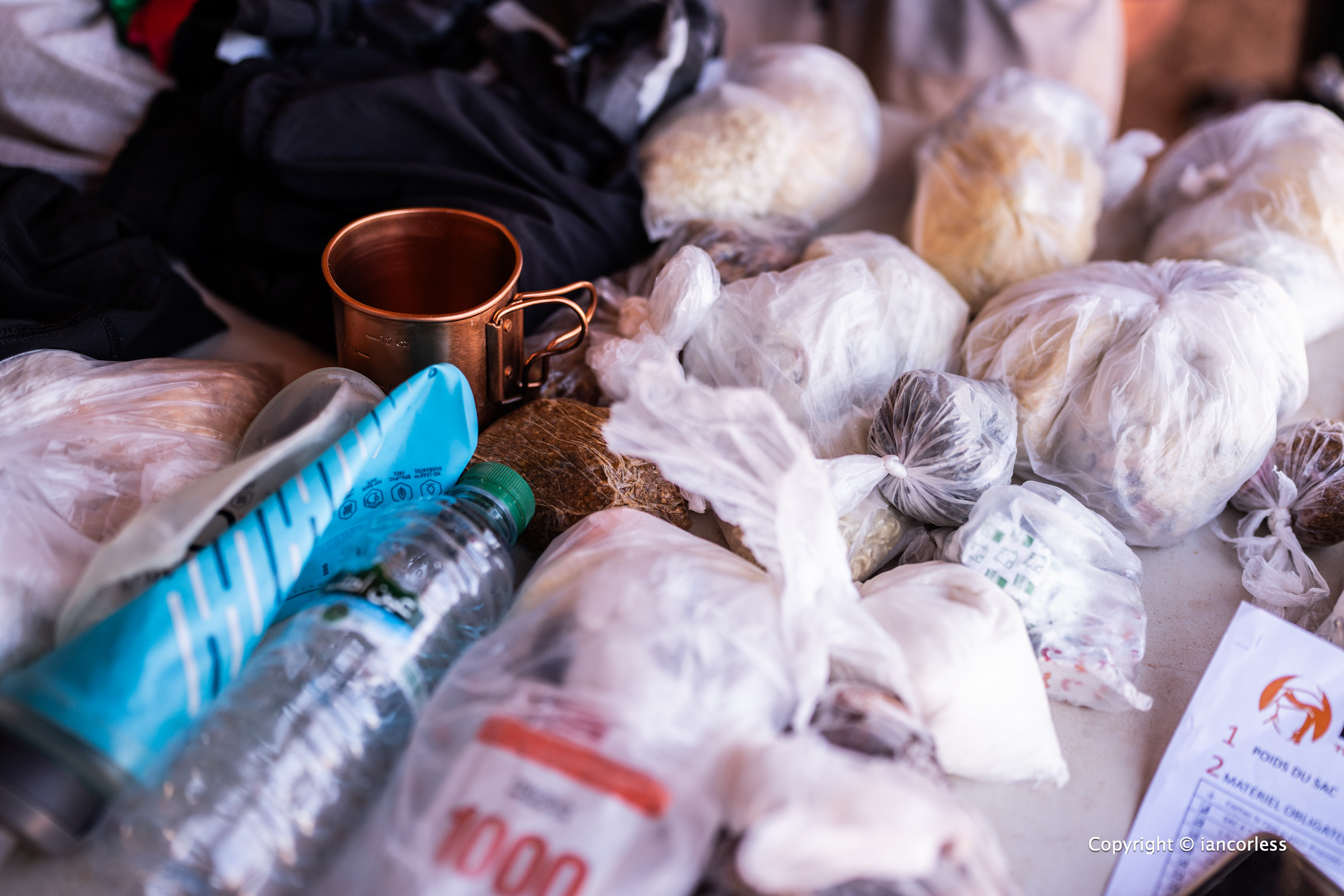
You need a minimum of 2000 calories per day. Lay food out for each day and have a spreadsheet that itemises everything and shows the weight and calories.
Where possible, re-package food in smaller and lighter packaging. Particularly important with dehydrated meals. Read HERE
TRAVEL
Runner’s are required to be at Ouarzazate Airport on the morning of Friday April 4th. Travel is for you to plan, flights are no longer provided by the MDS organisation, however, they do offer a free transfer service from Marrakech.
To get to Morocco and Ouarzazate, you can arrive at various airports:
Ouarzazate airport – Fly to Ouarzazate before the race and spend one or more nights in a hotel (at your own expense), then come to one of the meeting points on the morning of April 4. You must arrive no later than April 3.
Marrakech airport – Shuttles will be organized on the morning of April 2 and 3, 2025, between Marrakech and Ouarzazate (5-hour journey).
Travel in your run clothing including your run shoes with the gaiters. Yes, you are going to look somewhat ‘special’ at the airport but trust me, luggage goes missing and you do not want to be the person standing in the Sahara watching your dream slip away because of lost luggage.
Take your run pack with all contents for the race as carry-on. You can take pretty much take everything: food, sleeping bag, essentials etc. The only items you cannot take are run poles and knife-
Take spare items in your hold/ ckeckin luggage. MDS varies considerably in temperature, we get hot and cold years. Never assume it will be hot. You have the opportunity in bivouac to fine tune equipment before admin.
Purchase food and drinks at the airport to take on the plane. Also consider when you land in Morocco, you will have an approximate 6-hour bus journey to bivouac 1, take food and drink with you for this trip. However, MDS do ptovide you with a packed lunch.
Have cash with you, depending on which airline you use, card payments are not always possible, also, in Morocco, cash is king.
ARRIVAL
Runner’s are required to be at Ouarzazate Airport on the morning of Friday April 4th see above.
Runners will then fill buses, road books will be given and then you transfer to the desert. Expect 6-hours.
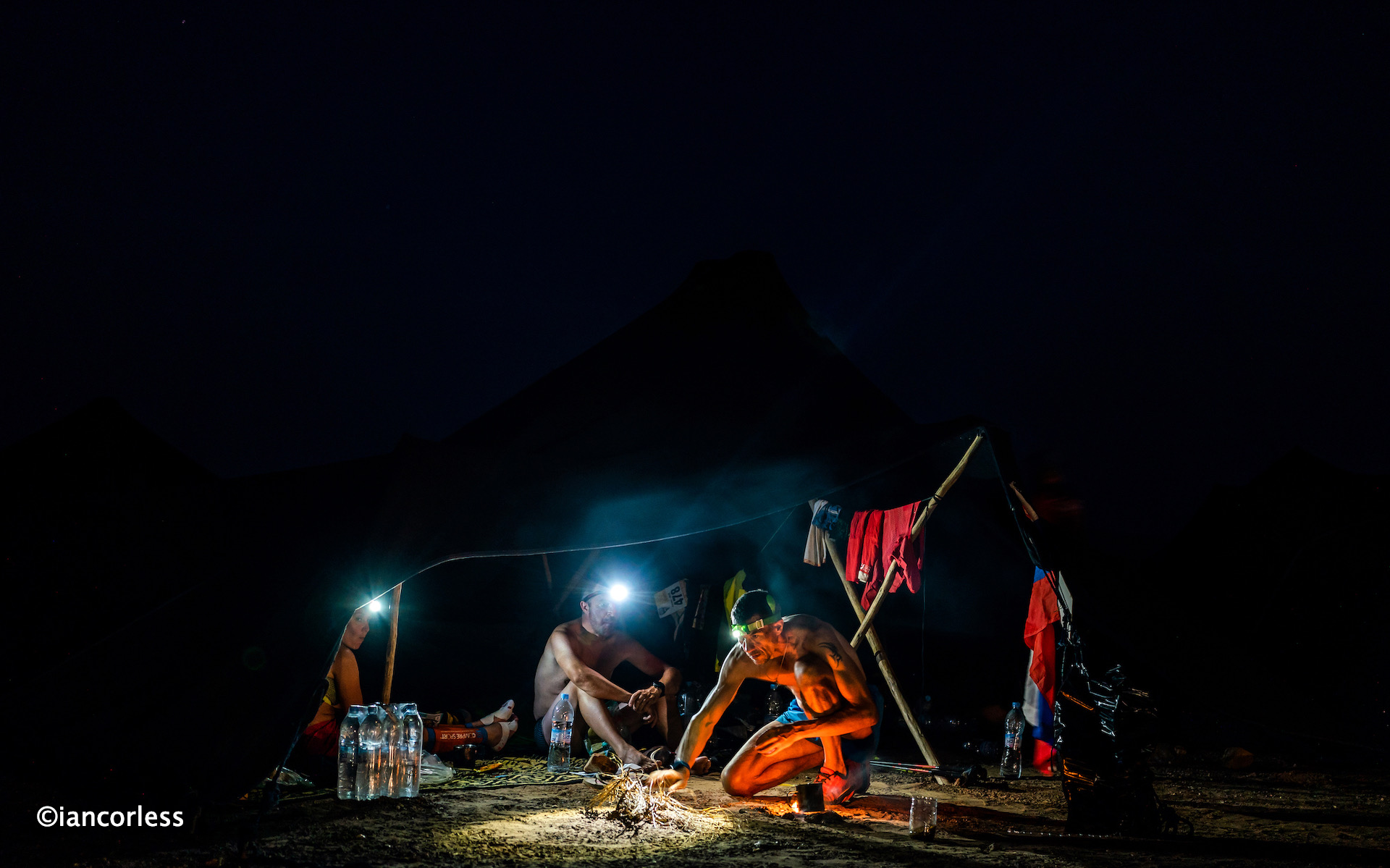
At bivouac you will find your tent and settle in.
REMEMBER food is now NOT provided and you therefore need to feed yourself on arrival day and admin day. There are no restrictions on weight or calories here, so, take as much as you want and plenty of variety, this includes drinks. Only water will be in camp.
As mentioned above, until admin, you have your luggage with you, so, you can have more layers, a more comfortable inflatable bed and some luxuries – consider what will make these days more pleasurable and comfortable. Importantly, you can fine tune your race pack with more or less layers based on the weather forecast and conditions.
ADMIN DAY
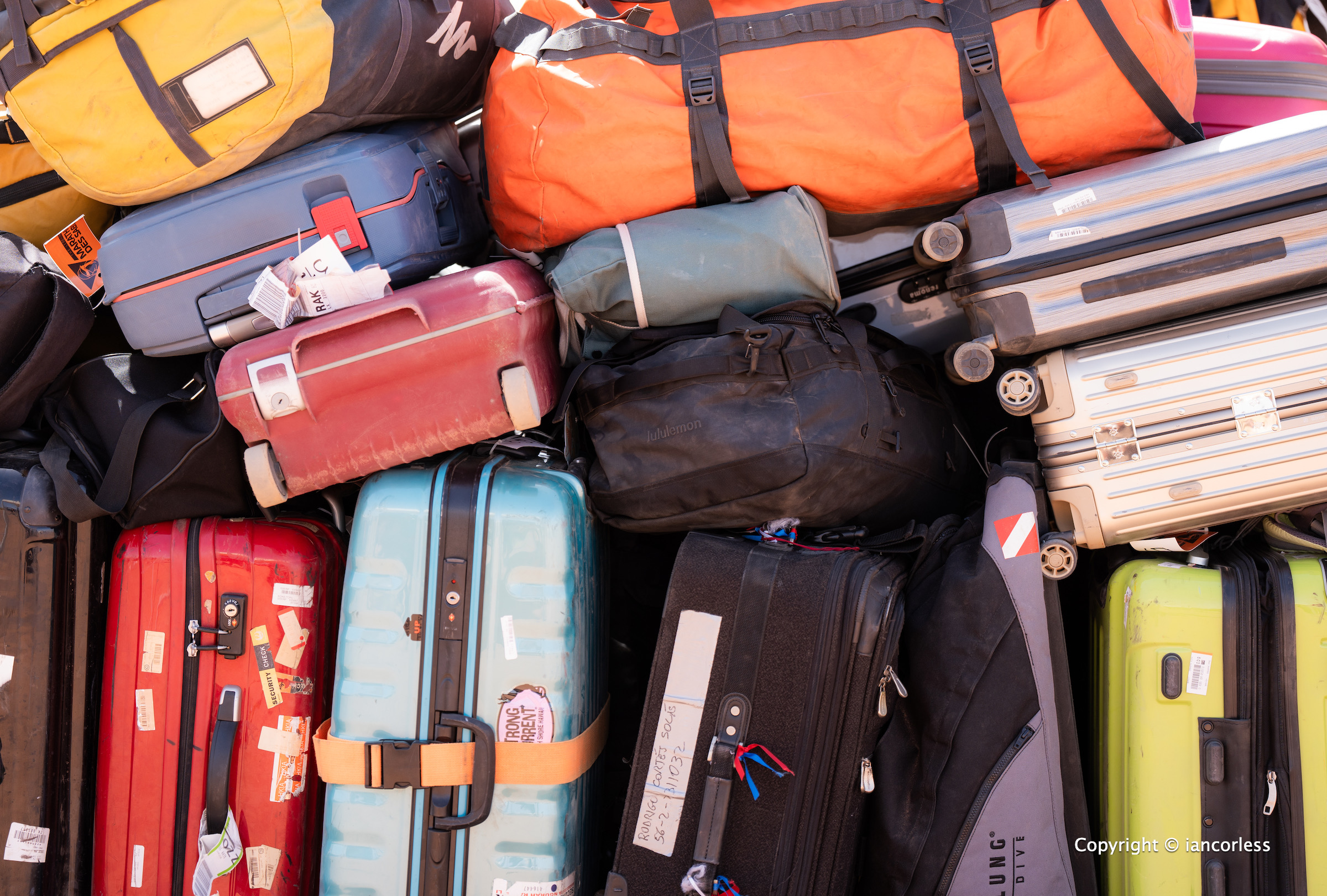
On admin day, prepare all your kit and make sure you have everything prepared and ready. Also make sure you have all mandatory and essential kit. Once you have passed through admin, your luggage is taken away and you will not see it again until after the race when you return to Ouarzazate.
Race self-sufficiency actually only starts the following day with stage 1.
Admin used to be a long and lengthy process, however, the system changed in 2024 and it was fast and seamless. Make sure you have a drink and snacks while waiting. A top tip is carry an umbrella to protect you in case of a very hot day.
RACE
The race will be 6-stages over 7-days. The distance will be 250km’s and the long day will be stage 4. There will be no Djebel El Otfal and Merzouga Dunes are back. Cyril Gauthier described the route as very beautiful and very tough. There will be a great deal of soft sand. Listen to a podcast where this is all discussed Countdown to MDS The Legendary 2025 – Two
“…and for sure it will be tough, I am not going to tell you that it will be easy! The distance will be 250km’s, I am little unhappy because I cannot put the long stage in the third position, I loved this last year, but according to our plan, we need to move it to the fourth stage. It will be tough, very tough and really beautiful. We have some amazing places planned, 80% is new tracks. You will see places never seen before in any MDS. There will be no El Otfal, there will be lots of sand and yes, Merzouga will return.” – Cyril Gauthier
Ease in to the race. Respect the challenge ahead. A slower and calmer pace on stage 1 and 2 will be rewarded on stage 3 and especially on stage 4, the long day. Remember after the long day you have a rest day. Stage 5 will almost certainly be a marathon, stage 6 a half marathon, plan for this physically, mentally and make sure you eat well to have the energy.
AFTER THE RACE
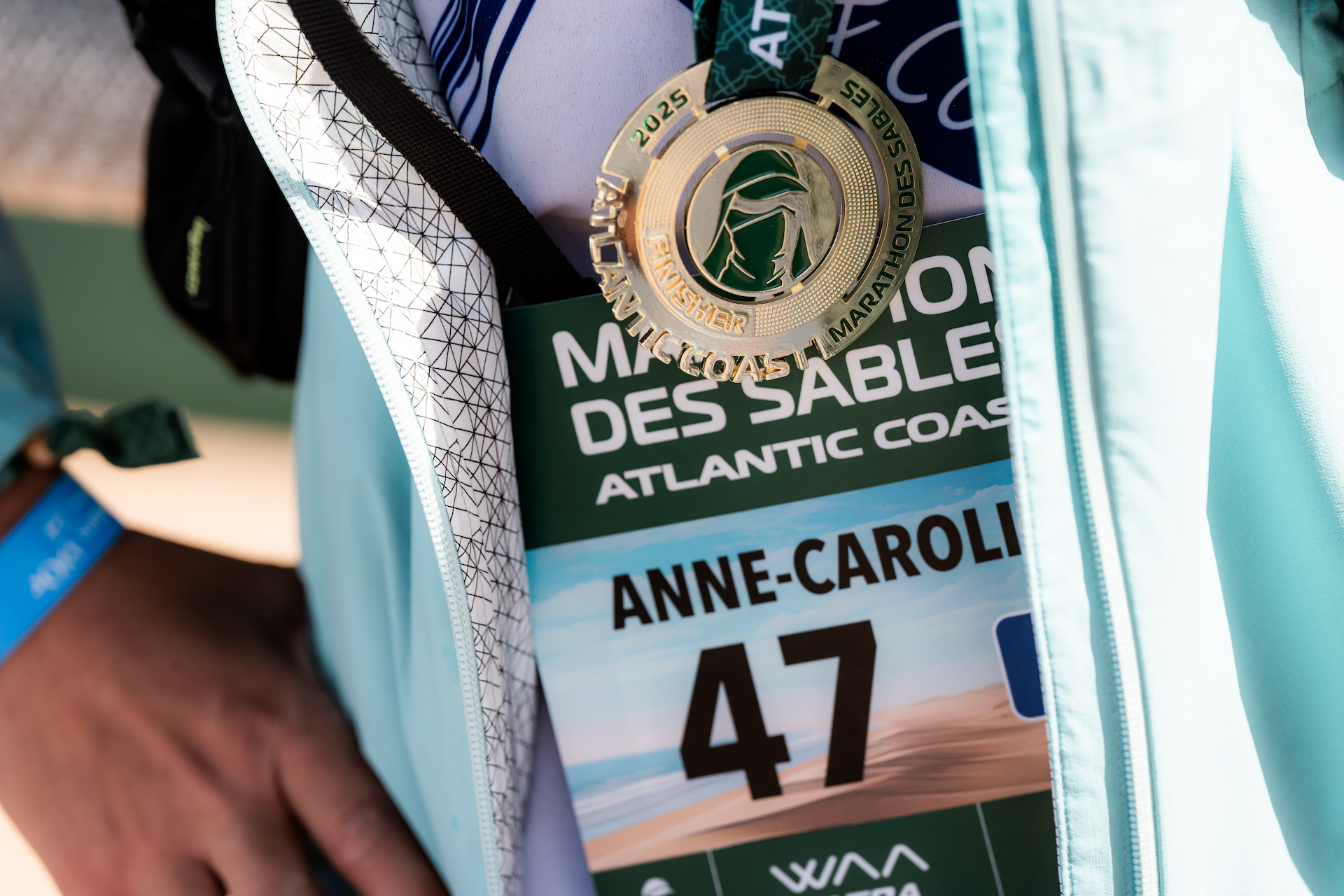
You will cross the finish line and be given a medal.
You will then be requested to board coaches that will be waiting for you. As each bus fills, it will depart for Ouarzazate, expect a 6-7 hour journey. A packed lunch will be provided.
On arrival in Ouarzazate, you will go to your hotel, your luggage will be waiting and then you have free time, dinner will be at your hotel.
The following day is a free day. In the evening it will be the awards ceremony.
Departure day, please make sure you check details for transfers to Marrakech if that is applicable for you.
Interested in another MDS event in 2025?
A full calendar of dates and destinations are available HERE
There is always something special about a first edition race. Despite all the planning, despite tight schedules, despite ticking all the boxes, there is always an element of the unknown, a curve ball nobody expected or predicted flying in and causing a problem. Gladly, no curve ball arrived on the Atlantic Coast, on the contrary, the first edition of MDS Morocco Atlantic Coast was a huge success and without hiccup.
Morocco is obviously not a new destination for MDS, Legendary is in its 39th year and MDS Morocco, MDS Morocco Trek and Handi MDS have all happened previously, so, a new event in Morocco feels comfortable.
Close to Agadir, the MDS Morocco Atlantic Coast brings something new to MDS events in Morocco and obviously brings something special to the MDS line up.
Photo by Ian Corless
Like Fuerteventura and Peru, the ocean provides a backdrop to the race and this alone is unique. The juxtaposition of desert, dunes, beach and the roar of waves and the blue ocean make for a special environment for a race to take place.
LOGISTICS
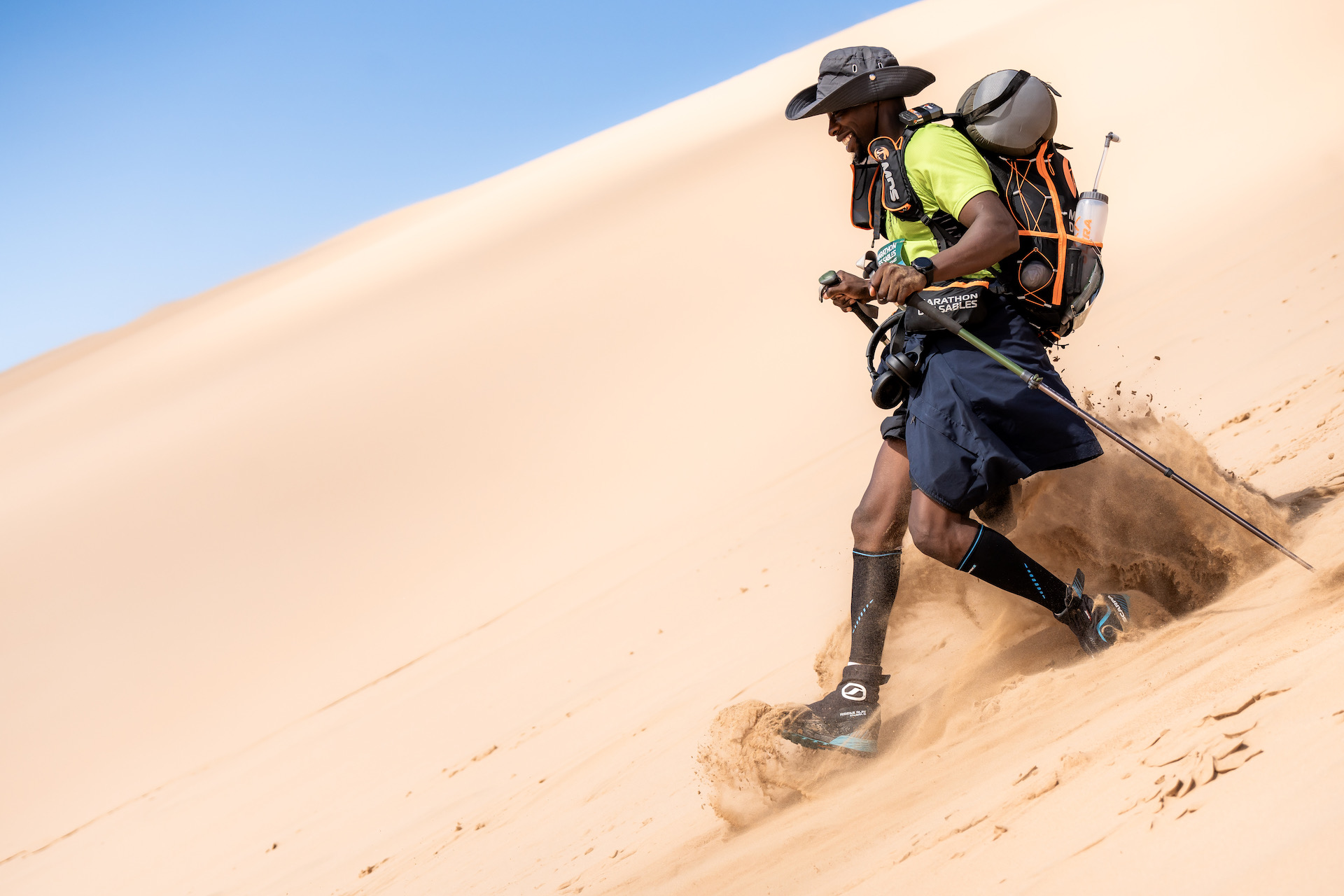
As with all MDS events, the race is 3-stages taking place over 4-days with 3 distance options, 70km, 100km and 120km. Stage 1 and Stage 3 is the same for all participants and stage 2 is the one where a choice must be made, typically 20km, 40km or 60km. It’s a great format that makes MDS appealing for all ages and all abilities.
With 170 participants and 27 nationalities, the MDS Morocco Atlantic Coast was a great first edition. Notably, once again, female participation was around 50%. MDS are without doubt pioneering the way for female participation in their races and this must be applauded and encouraged.
Photo by Ian Corless
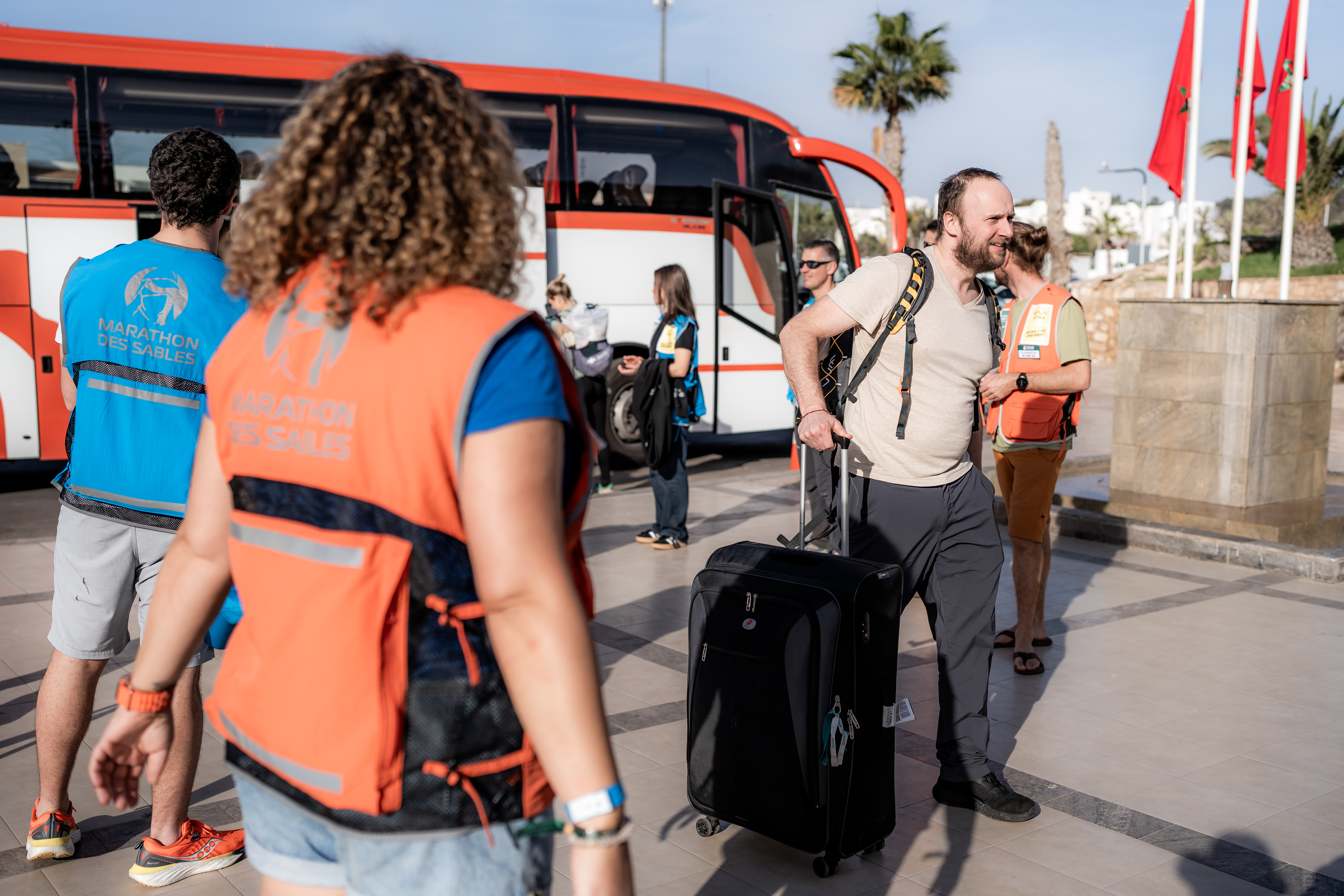
Travel to Morocco is easy and transfers were provided by MDS from Marrakech (appx 6-hours) or from Agadir, with just a 40-minute transfer to the race hotel, needless to say, most people flew to Agadir.
Photo by Ian Corless
A Saturday arrival and a Saturday departure, the race format had 2 nights in the hotel, 4-days and 3-nights in the desert and then a return to the hotel for 2-nights before onward travel.
The format provides an excellent opportunity to mix holiday and relaxation with sport.
THE EVENT
Saturday arrival was relaxed and with no commitments for the participants.
Photo by Ian Corless
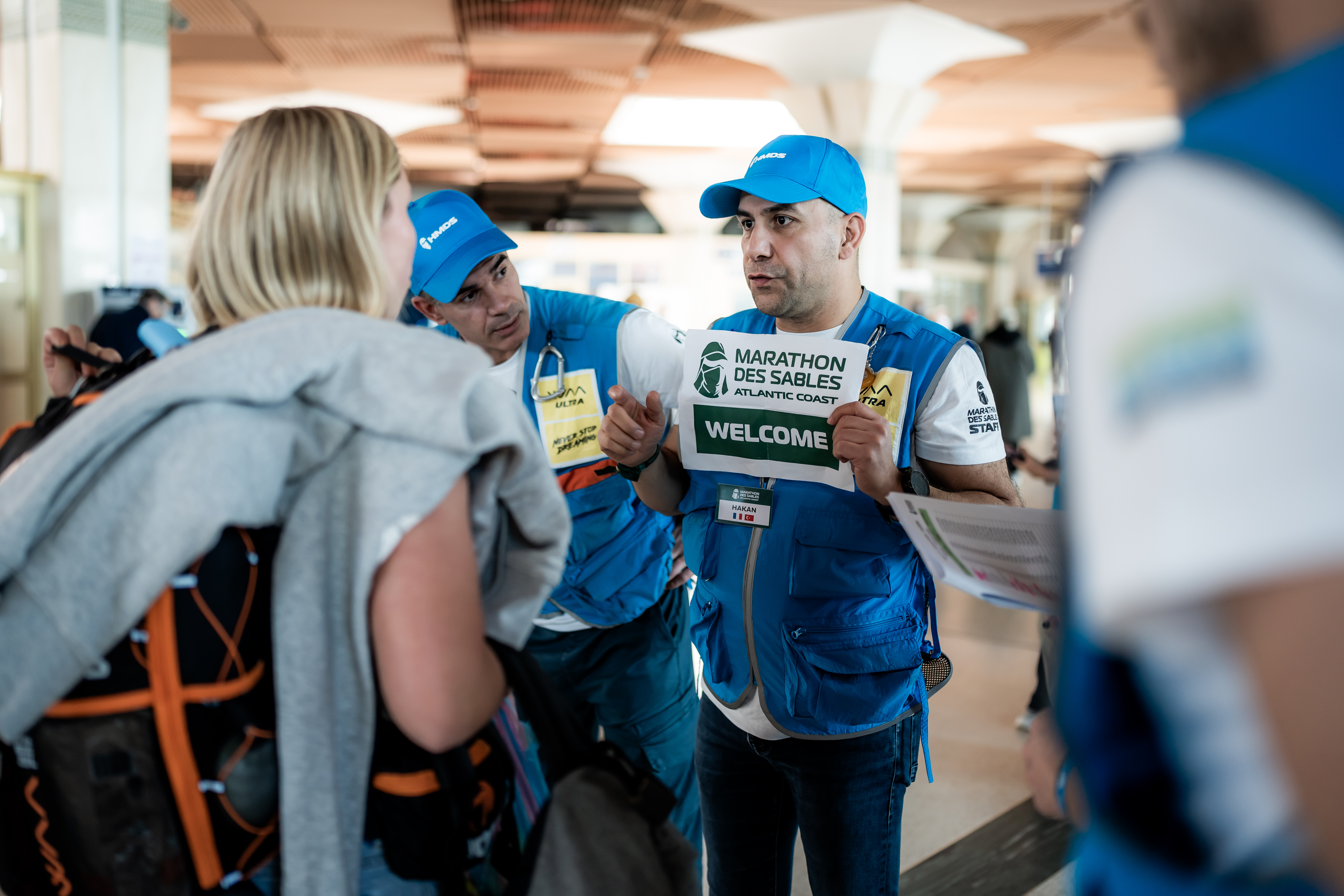
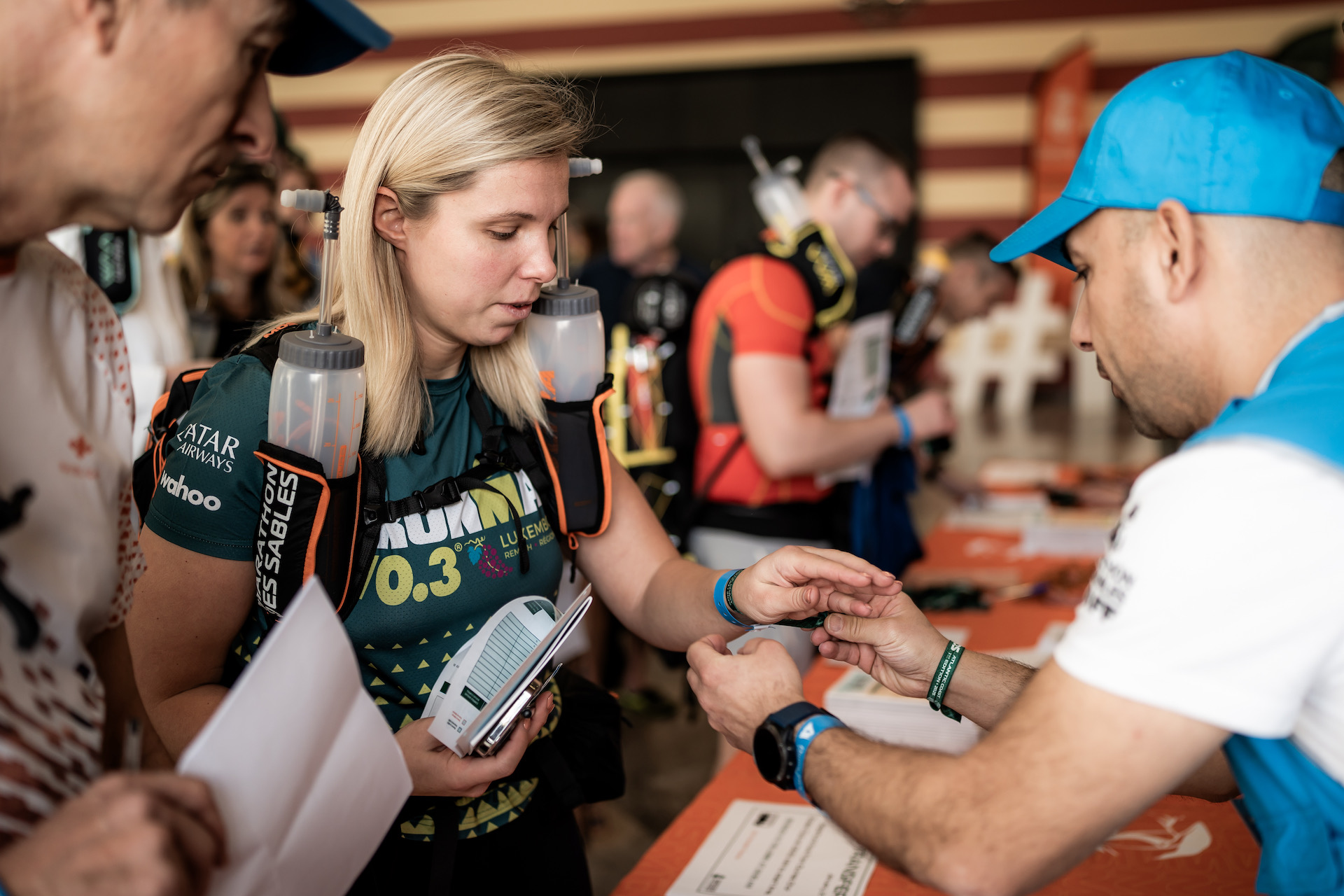
Sunday mornning and the MDS admin protocols were in place between 0900 and 1200, this is a requirement for eah participant – equipment is checked, medical certificates are checked, GPX trackers are added to packs and race numbers are provided. The whole thing is efficient, seamless and fast.
The afternoon provided an opportunity for relaxation or sight seeing and then an early dinner and bed.
Departure time for day 1 was 0300 for a 5-hour journey to the desert. On arrival, the plan, as always, was to get the runner’s underway as soon as possible.
Highway to Hell finished and the participants departed under cloudy skies at approximately 0930.
Photo by Ian Corless
Day 1, stage 1 at 24km’s headed from an inland location and basically headed directly to the coast. The terrain was mixed, with some easy running to start the day, of course, sand featured heavily with a dune section coming just after CP1 and a final dune section concluding the race just before the finish. Temperatures reached a high of 25-degrees and it was a great first day. Bivouac awaited the runner’s and a first night in sleeping bags with self-sufficiency started. The wind blew and the temperatures dropped, a chilly night was expected. Stage summary HERE
Photo by Ian Corless
Day 2, stage 2, intermittent rain and wind blew in off the ocean and there was a sense of dread at what this day would bring, especially for those participants who would take on the 40 or 60km distances. A challenging start and just a few hours later the weather started to clear and finally, skies cleared and the sun came to make for a beautiful day, highs reached 28-degrees. The course offered an obvious challenge mixing the best of Moroccan terrain with tsome stunning dune sections. The latter km’s running parallel to the ocean to give an epic backdrop. The race wnt into the night with the final finisher arriving just after midnight. Stage summary HERE
Photo by Ian Corless
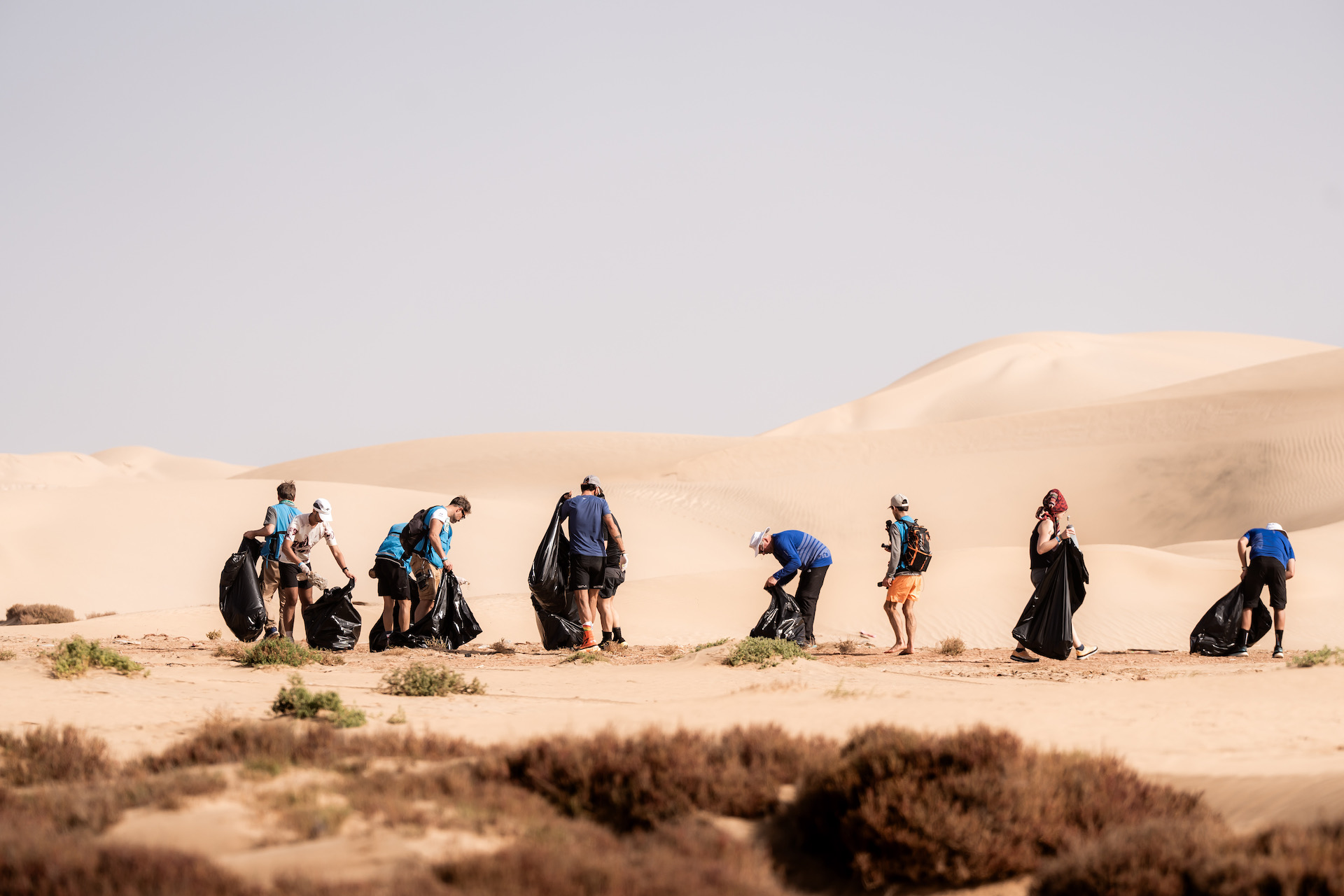
Day 3 was a welcome rest day. The skies were blue, the wind gentle and the warmth of the sun relaxing. It was a leisurely and relaxed start to the day. At 1130, blue and orange coats with participants walked to the beach and on the way cleared away rubbish and notably huge amounts of plastic. We race in these magical places and sadly, littering and pollution is high. The ocean obviously washing in debris daily. It was a huge campaign and yes, we may have only provided a small dent in what is a very big problem, however, it felt good and the difference afterwards was noticeable. The remainder of the day was releaxed, as per usual, mid-afternoon, a cold and refreshing drink was provided and as darkness came, most were already in sleeping bags gaining valuable rest before the final day.
Photo by Ian Corless
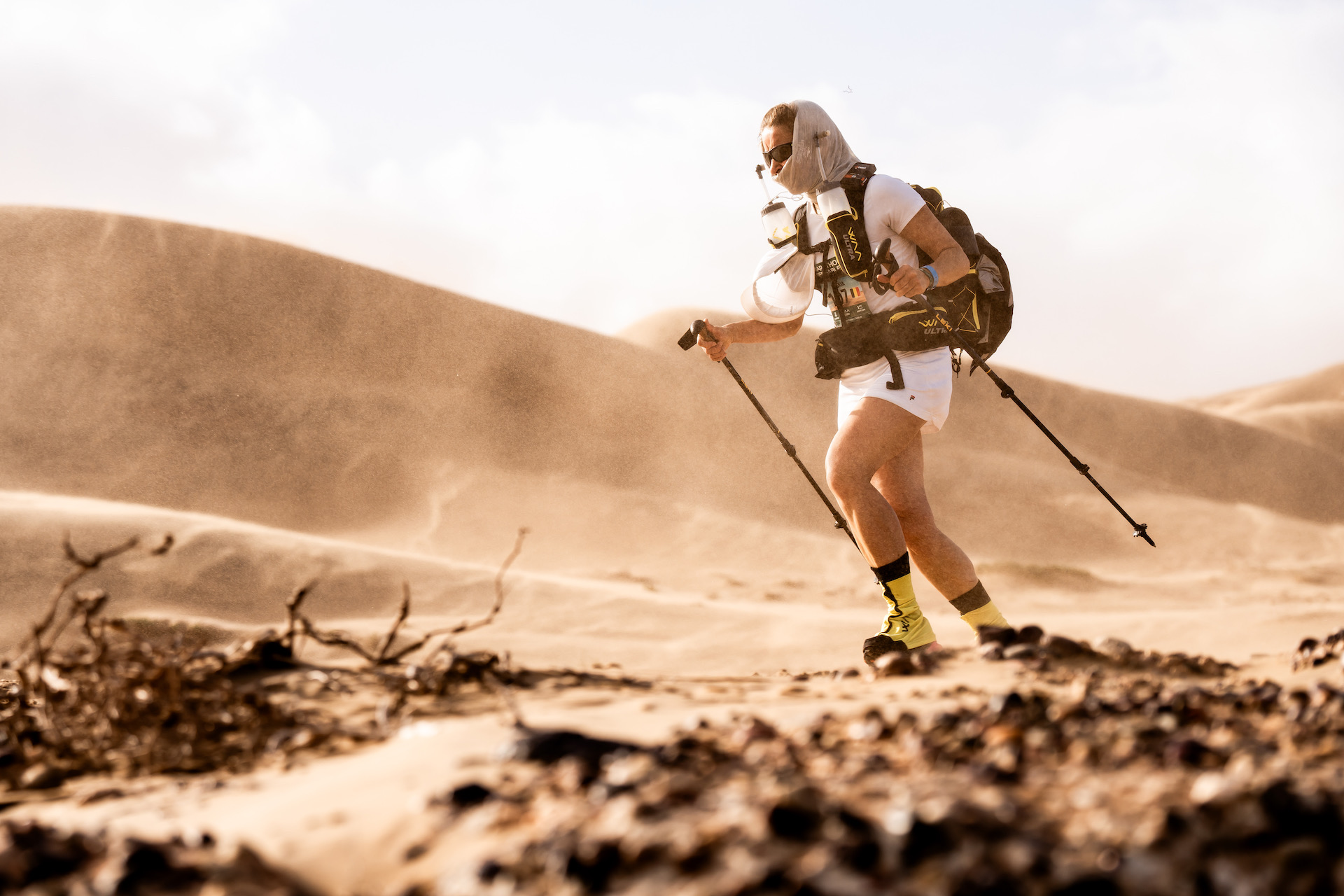
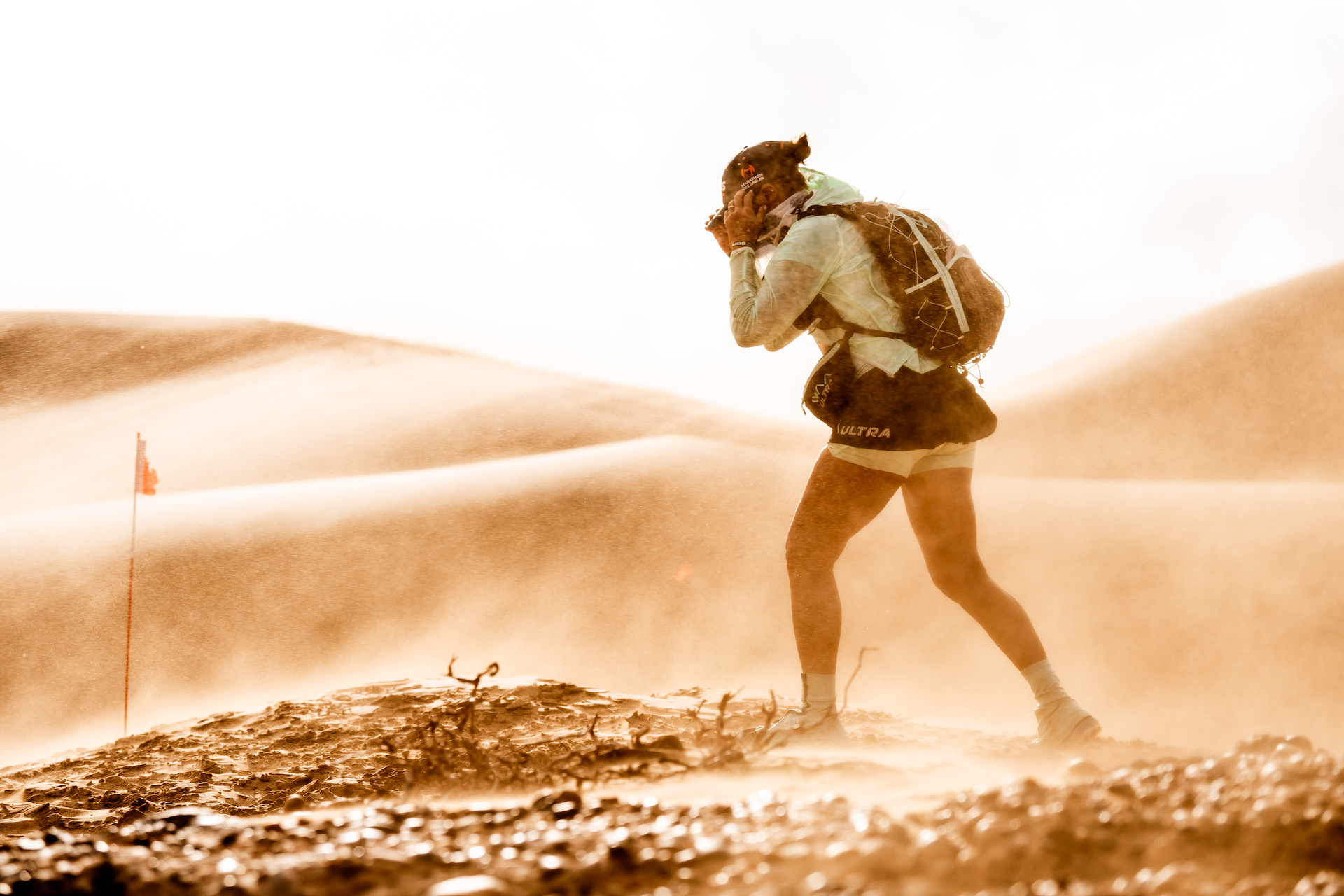
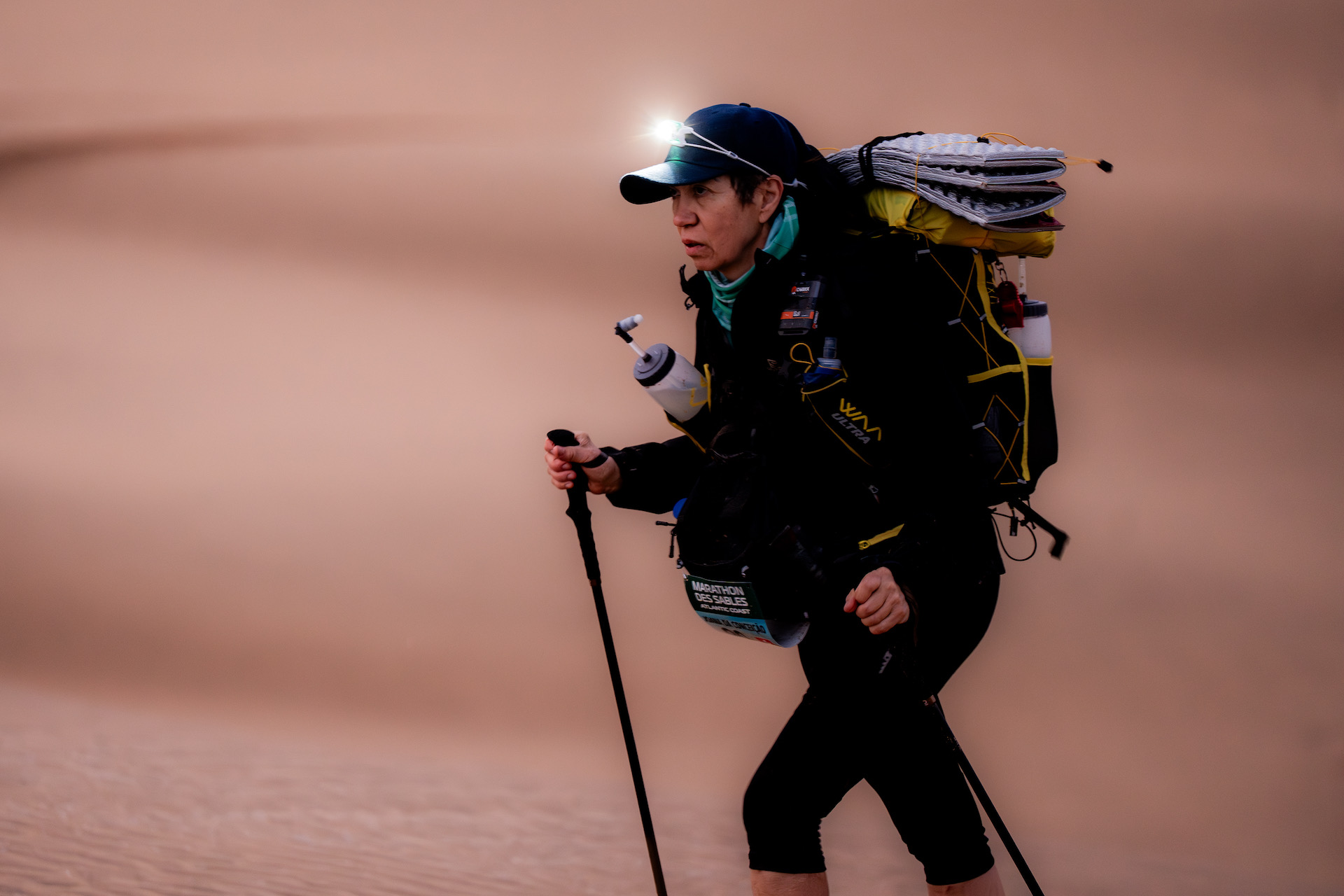
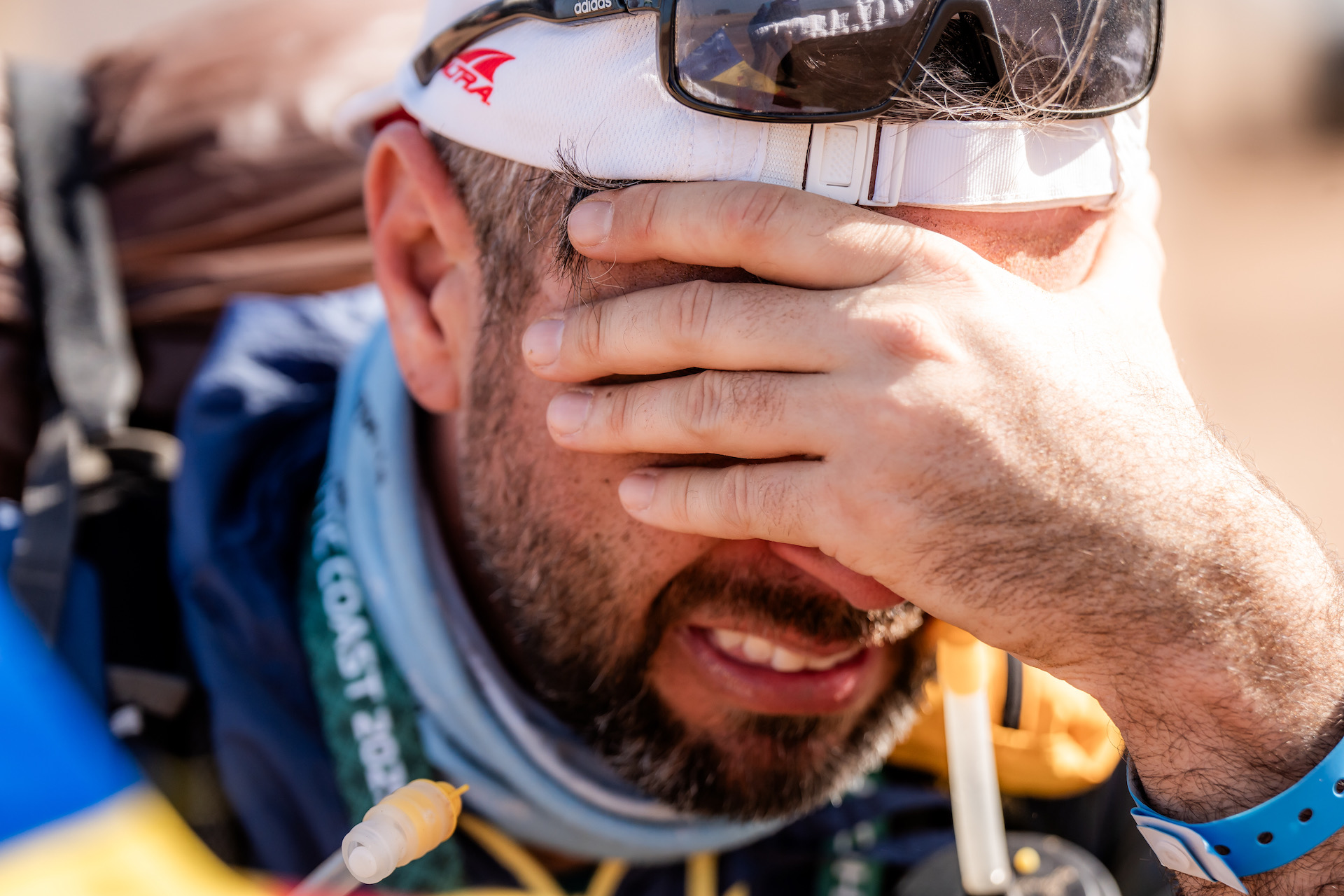
Day 4, stage 3 and what a start to the day, the wind was howling from the north bringing with it, at times, torrential rain. Runner’s were ready for the challenge though, with 2 starts, 0800 and 0930 for the top-25, the day got underway and gladly, by 0830 the rain stopped. However, the wind did not. The wind blew and blew, providing a constant headwind and relentless sand storms for the whole 27km’s. It was an epic and special day. Yes, it was hard but boy was it memorable. The joy, the emotion and the tears at the finish made the medal only more special. From the finish line, buses were waiting and as each was filled, they then departed back to Agadir for hotel comforts – shower, buffet dinner and a night in a bed with sheets and comfort. Stage summary HERE
Photo by Ian Corless
The following day was one of relaxation. Dinner was served at 1900 and then followed at 2000 hrs with a closing ceremony, awards and the showing of the MDS Morocco Atlantic Coast movie. The atmosphere was electric, the feedback incredible, the emotion high, it was a very memorable ceremony that only confirmed the success of the event. An outdoor DJ and dancing concluded the night and brought to a close this first edition.
Saturday and onward journies home.
NOTES AND CONSIDERATIONS
Photo by Ian Corless
MDS events are meant to challenge you both physically and mentally, some challenge more than others. MDS Morocco Atlantic Coast certainly falls in the latter category with challenging weather and varying temperatures. Having experienced 20 MDS events all over the world, my top-tip is ‘be prepared!’ Deserts are not always hot, they are not always dry and they are not always calm. Have with you a waterproof/ windproof layer, have with you a warm layer (lightweight down or primaloft jacket) and make sure you have eye protection. Trust me, those who did not have sunglasses or goggles for stage 3 suffered badly trying to move forward in a headwind for 27km’s.
Photo by Ian Corless
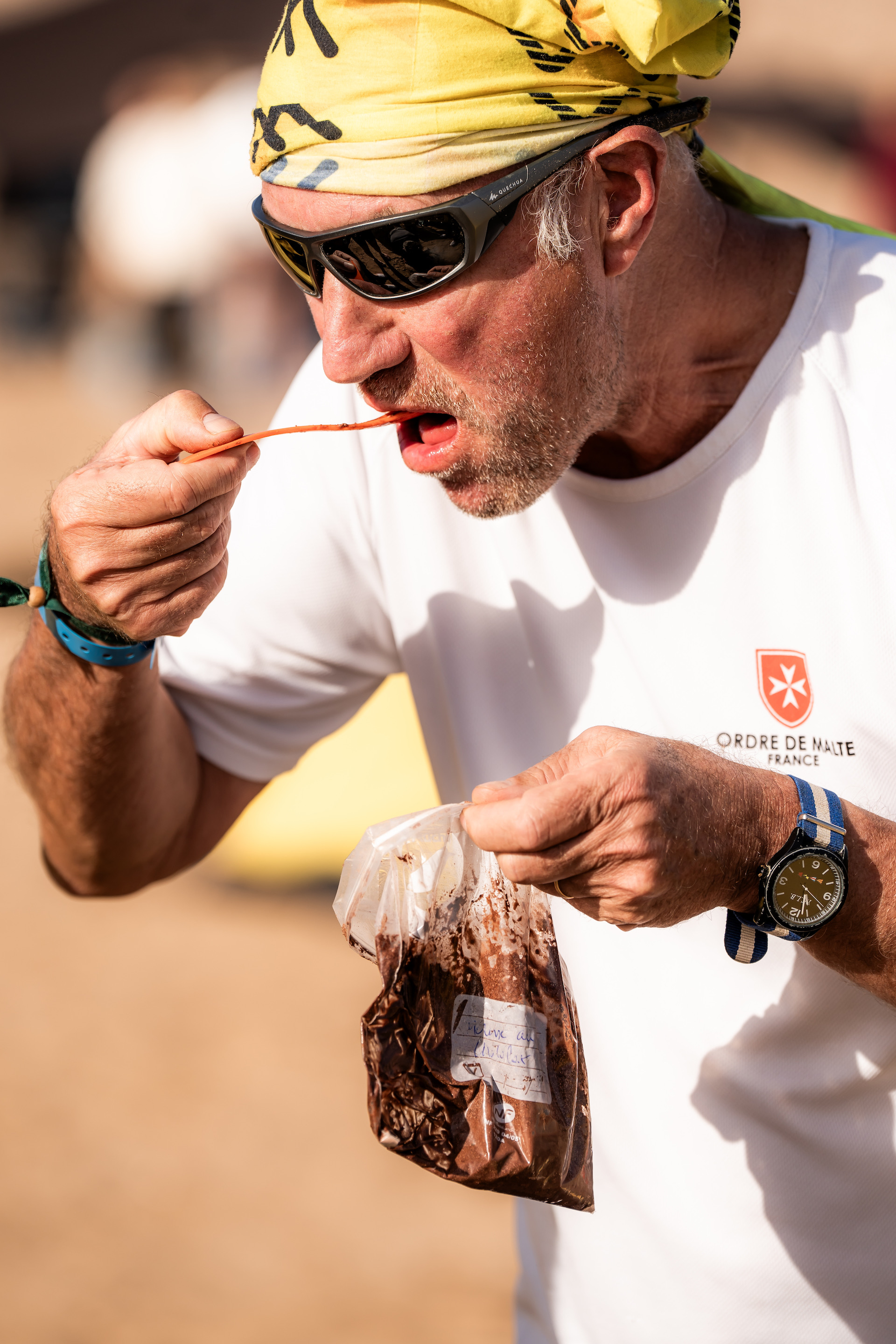
Be prepared with a variety of food choices and undesrtstand that what tastes good at home, may not taste good the desert. A balance of sweet and savoury s good and take note, as days pass, the demand for sweet becomes less.
Photo by Ian Corless
Prepare the mind for the challenge. Understand the WHY you are doing the event and be prepared for anything. The body is an amazing thing that could do incredible things, however, it needs to work in harmony and synergy with the mind to achieve your goals.
CONCLUSION
Photo by Ian Corless
MDS Morocco Atlantic Coast was a huge success. We were all tested by the weather but this only made the event more special and memorable. The MDS event team have called it the Viavaldi race as we had all four seasons. The Atlantic Coast brings something special to Morocco and in contrast to Legendary, MDS Morocco and MDS Trek, the terrain is different, unique and of course, the ocean as a backdrop is special. No doubt, this event will grow to become an MDS favourite. January is great timing, what a great way to start a year and globally, few races take place so early in the year making this an easy option for those looking for something special post Christmas.
The 2025 Marathon des Sables calendar kicks-off the a new event, MDS Morocco Atlantic Coast, a great addition to the MDS line-up and now the fourth event in the country, the others, Legendary, MDS Morocco and MDS Morocco Trek.
Photo by Ian Corless
Located close to Agadir, the MDS Morocco Atlantic Coast explores a new area of this magical country.
Photo by Ian Corless
For stage 1 it was a very early start of 0300 for the drive from Agadir and the start line.
Photo by Ian Corless
Kicking-off at 0930, 170 runners from 27 nationalities started the 23km journey with 344m+ heading north to the coastline of the Atlantic Coast. Of the 170 participants, 50% of the field are women, MDS once again pioneering the way for female participation in ultra races.
Photo by Ian Corless
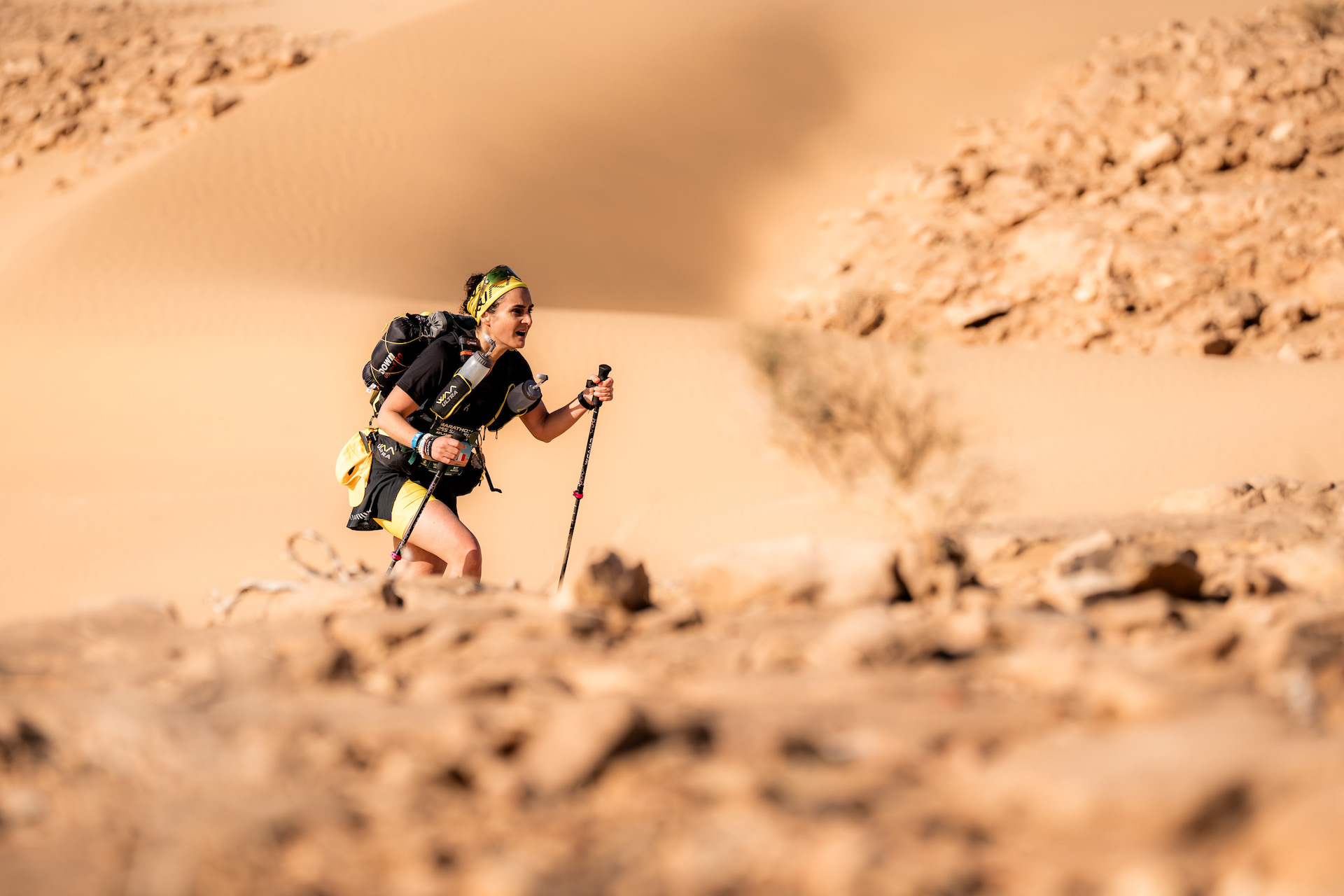
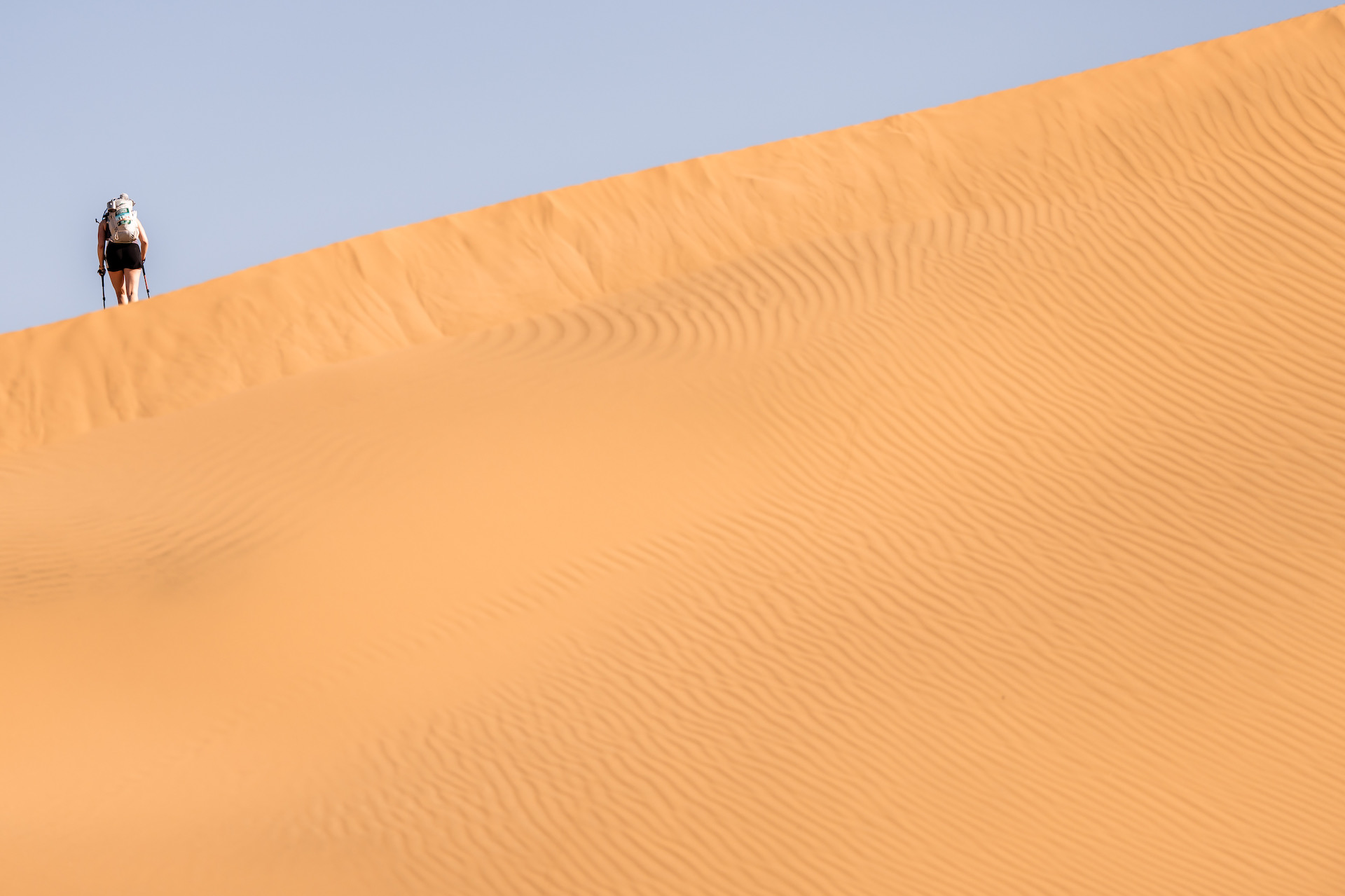
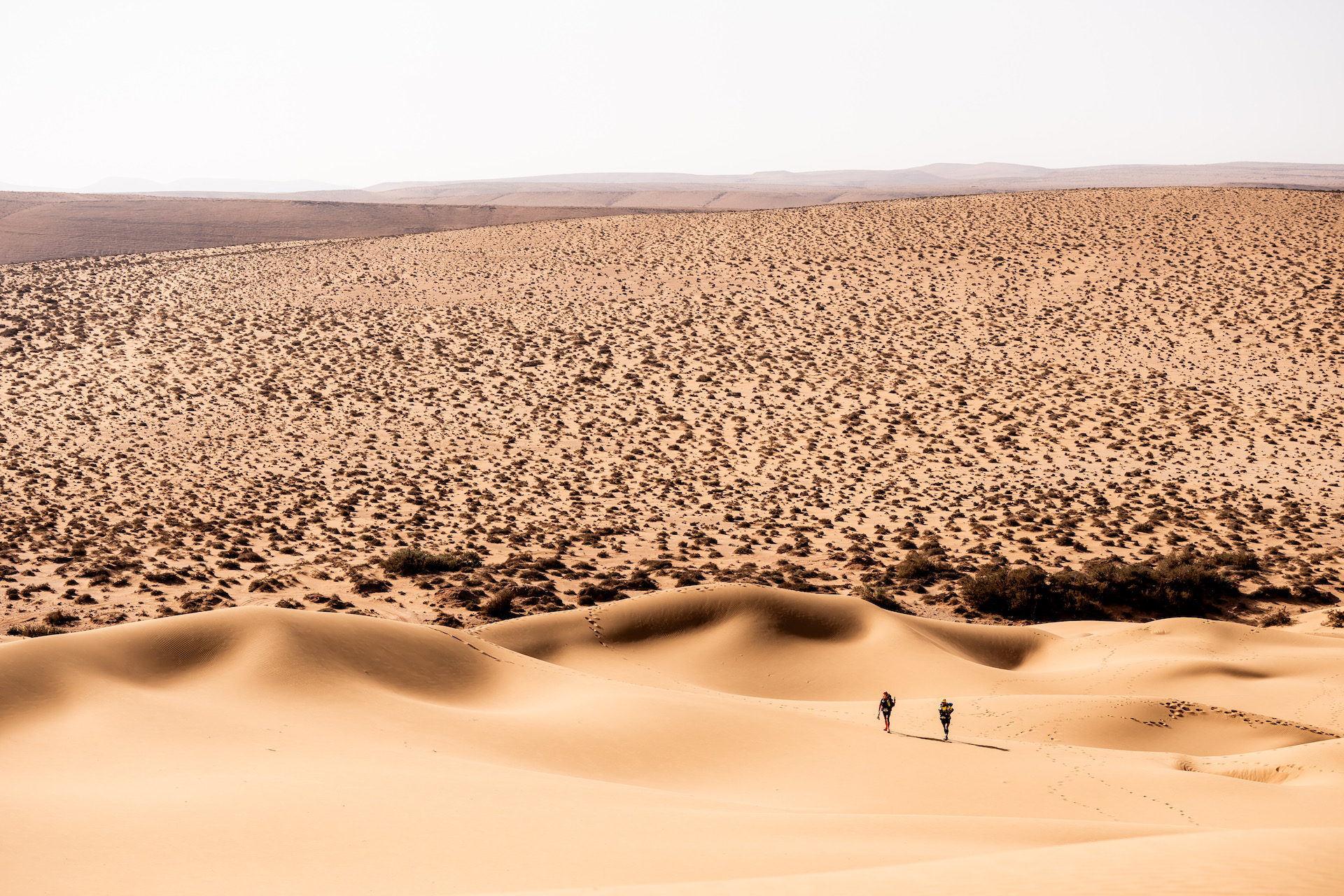
The day started with hard pack runnable terrain making for easy km’s before a dune passage, followed by a gorge and finally high dunes with the glimmer of the ocean in the distance. Cloud and a chill in the air soon moved away to leave blue skies and daily high temperatures of 27-degrees.
Photo by Ian Corless
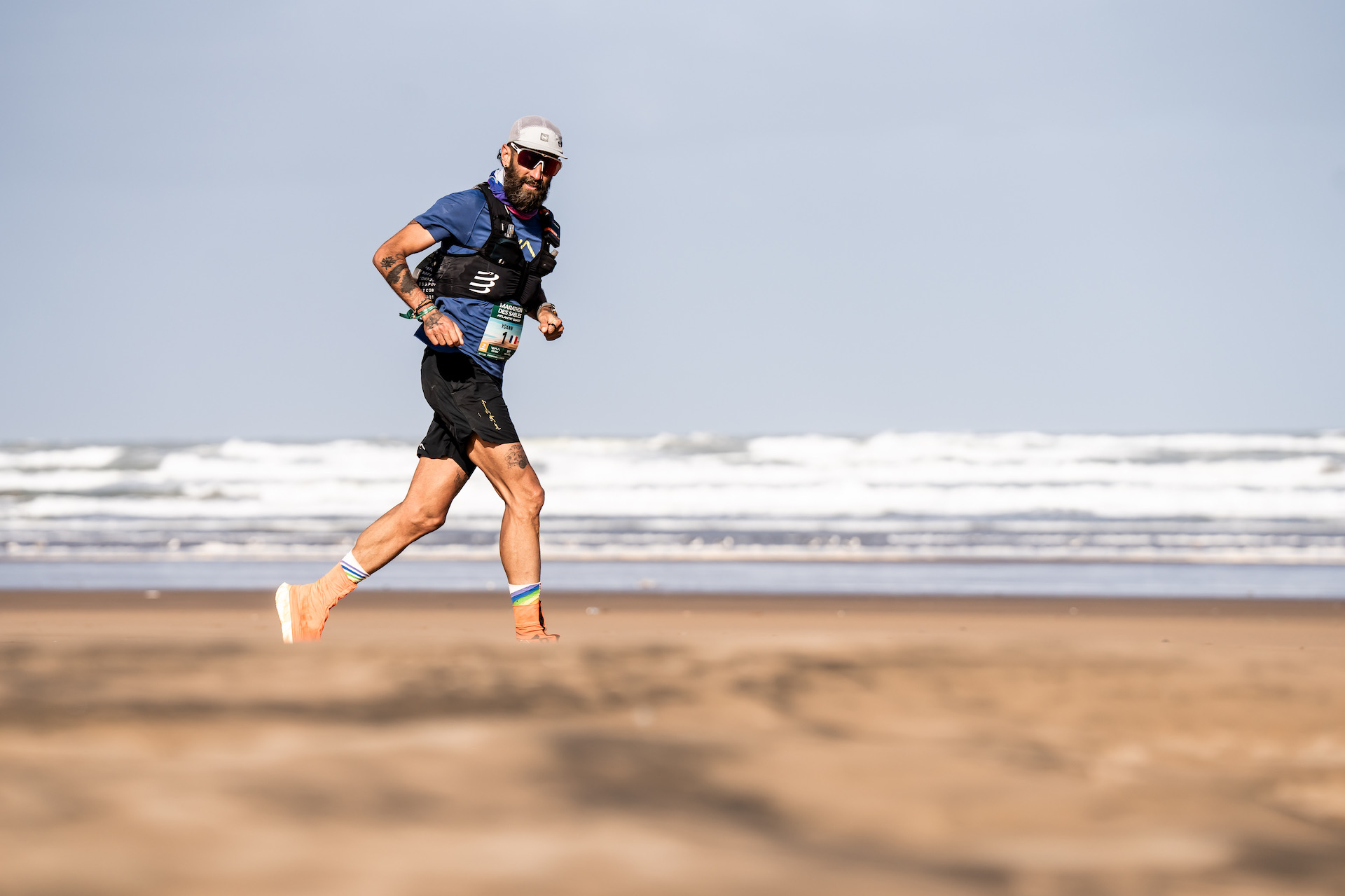
Yoann Stuck and Listy Mazille dominated the day. Yoann finishing the day in a super-fast 01:49:52 ahead of Göran Schrey and Stephan Bawey, 02:01:30 and 02:01:52 respectively.
For the women, Listy crossed the line in 02:16:58, a huge gap opened up with Janina Beck 2nd in 02:39:43. Anne-Caroline Kusinierz was 3rd in 02:43:08.
Following on from the success of the 38th (2024) edition of Marathon des Sables – The Legendary (summary here), today the dates for 2025 are announced:
April 4th to 14th 2025.
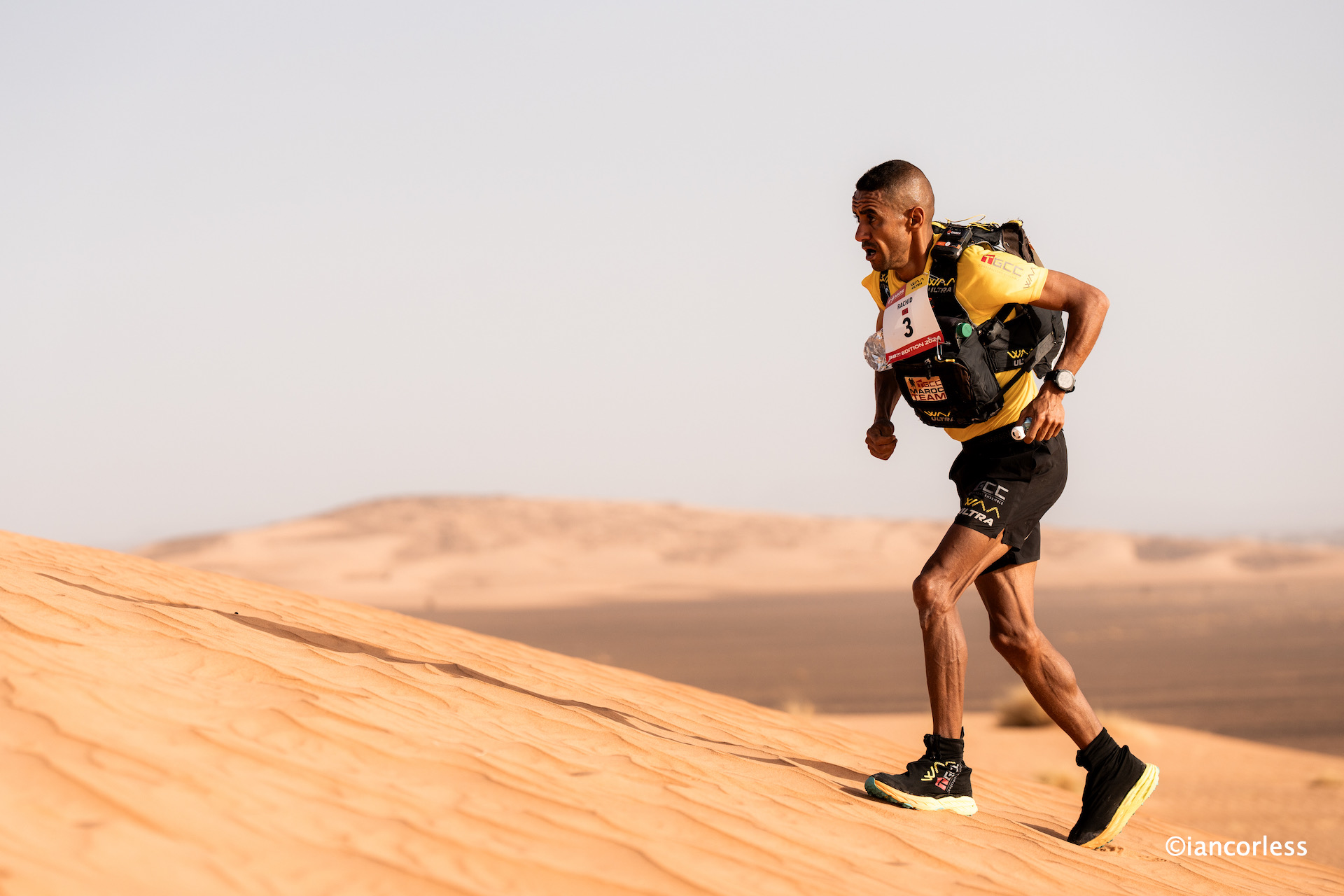
Will Rachid return in 2025 for an 11th title?
The timings will be as follows:
Apr 4 – Arrival in Morocco and meet in Ouarzazate for onward transfer to B1.
Apr 5 – Admin day.
Apr 6 – Stage 1
Apr 7 – Stage 2
Apr 8 – Stage 3 *
Apr 9 – Stage 3 continuation or rest day *
Apr 10 – Stage 4
Apr 11 – Stage 5
Apr 12 – Stage 6 and onward travel to Ouarzazate
Apr 13 – Free Day and Gala Evening Presentation
Apr 14 – Onward travel
* Based on ‘the long day’ coming on stage 3.
Currently, it is not possible to register for 2025, but entry will open on JUNE 19th 2024.
These are exciting times for the MDS brand and it is highly anticipated that entries for 2025 will flood in after the success of the most recent event which concluded just weeks ago.
Rajaa HAMDAOUA placed 4th in 2024.
WHAT IS NEW?
PRICE
Well, first of all, the price. For 2025 there will be no additional price for UK entrants. In past years, UK entrants have paid an increased price due to staying at the Berbere Palace Hotel. This hotel will now be an ‘upgrade package’ which will bring a smile to many a UK entrant, for multiple reasons.
PRICE FOR THE FIRST 500:
€3,690/person
and €3,890/person later.
THE UPGRADE PACKAGE with Berbere Palace Hotel
€4,090/person for the first 500
and €4,290/person later.
Both offers are available to everyone, regardless of their country of residence.
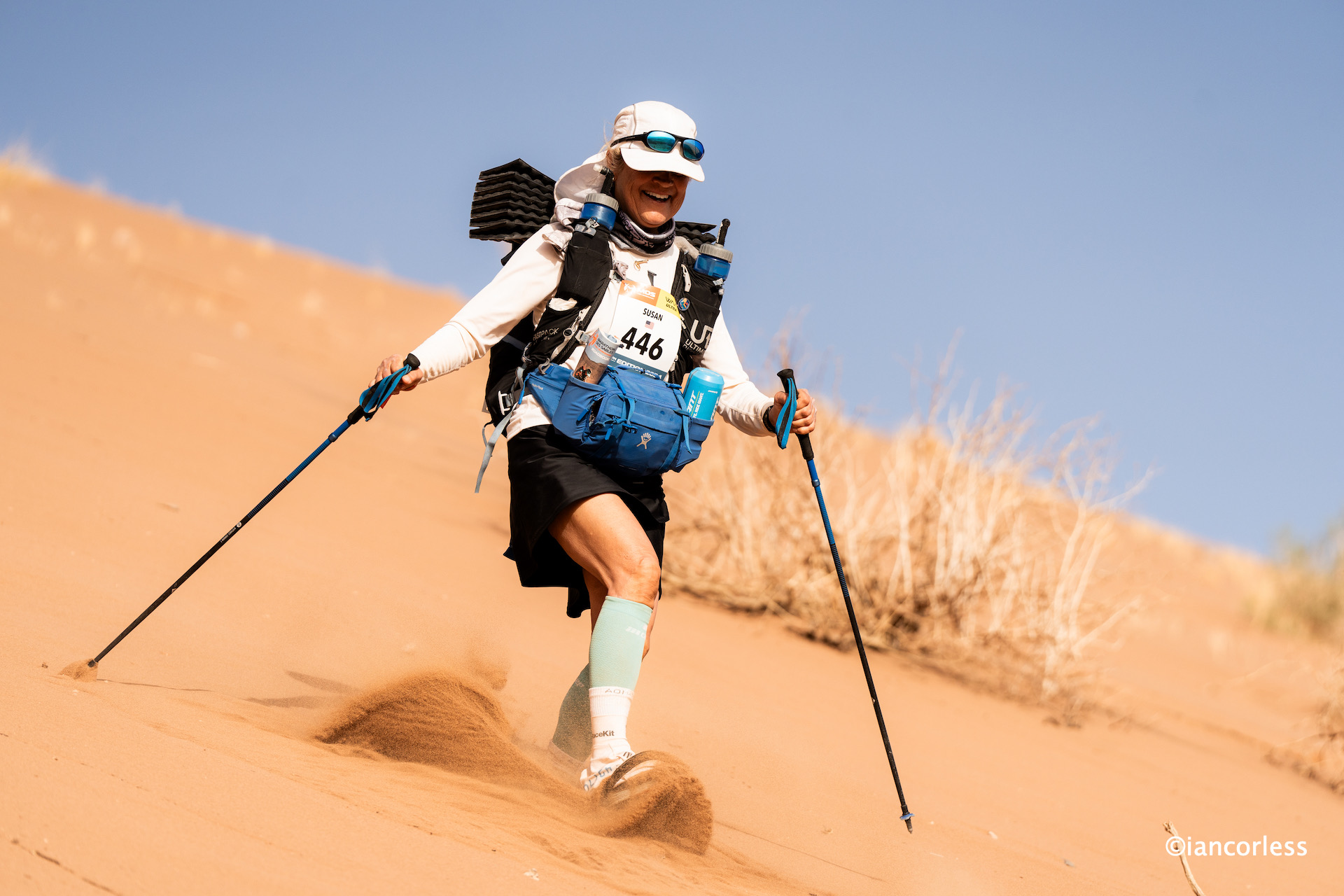
Susan Grimes from the USA.
NO CHARTER FLIGHTS FOR 2025
The meeting point will be in Ouarzazate on Friday morning, April 4, 2025.
Ouarzazate airport Fly to Ouarzazate before the race and spend one or more nights in a hotel at your expense.
Marrakech airport Fly to Marrakech the days before the race and go by *shuttle to Ouarzazate.
*Shuttles will be organized on the morning of April 2 and 3, 2025, between Marrakech and Ouarzazate (5-hour journey).
Timetable for the Marrakech / Ouarzazate shuttles on April 2 and 3 : 07:00 am: From the center of Marrakech (meeting point at the Kenzi Rose Garden hotel). 10:00 am: From Marrakech airport. 12:00 pm: From Marrakech airport.
The return trip at the end of the MDS follows the same logic.
If you wish, you can take advantage of the bus service provided between Ouarzazate and Marrakech. These buses will leave Ouarzazate at 06:00 am on April 14, so you’ll need to book a return flight from Marrakech after 2:00 pm.
A unique experience
THE EVENT
Will remain similar to the 2024 38th edition and in summary:
The total distance of the MDS The Legendary will be about 250km’s, divided into 6-stages. The exact route and distances are given at the latest in the road book which is distributed in Morocco on arrival and transfer to bivouac 1.
Self-autonomy (food) is required from immediate arrival at B1 and then race self-autonomy starts at the beginning of stage 1.
The 2024 edition was as follows:
Stage 1: 31,1 km
Stage 2: 40,8 km
Stage 3: 85,3 km (the 3rd stage takes place on 2 days)
Stage 4: 43,1 km
Stage 5: 31,4 km
Stage 6: 21,1 km
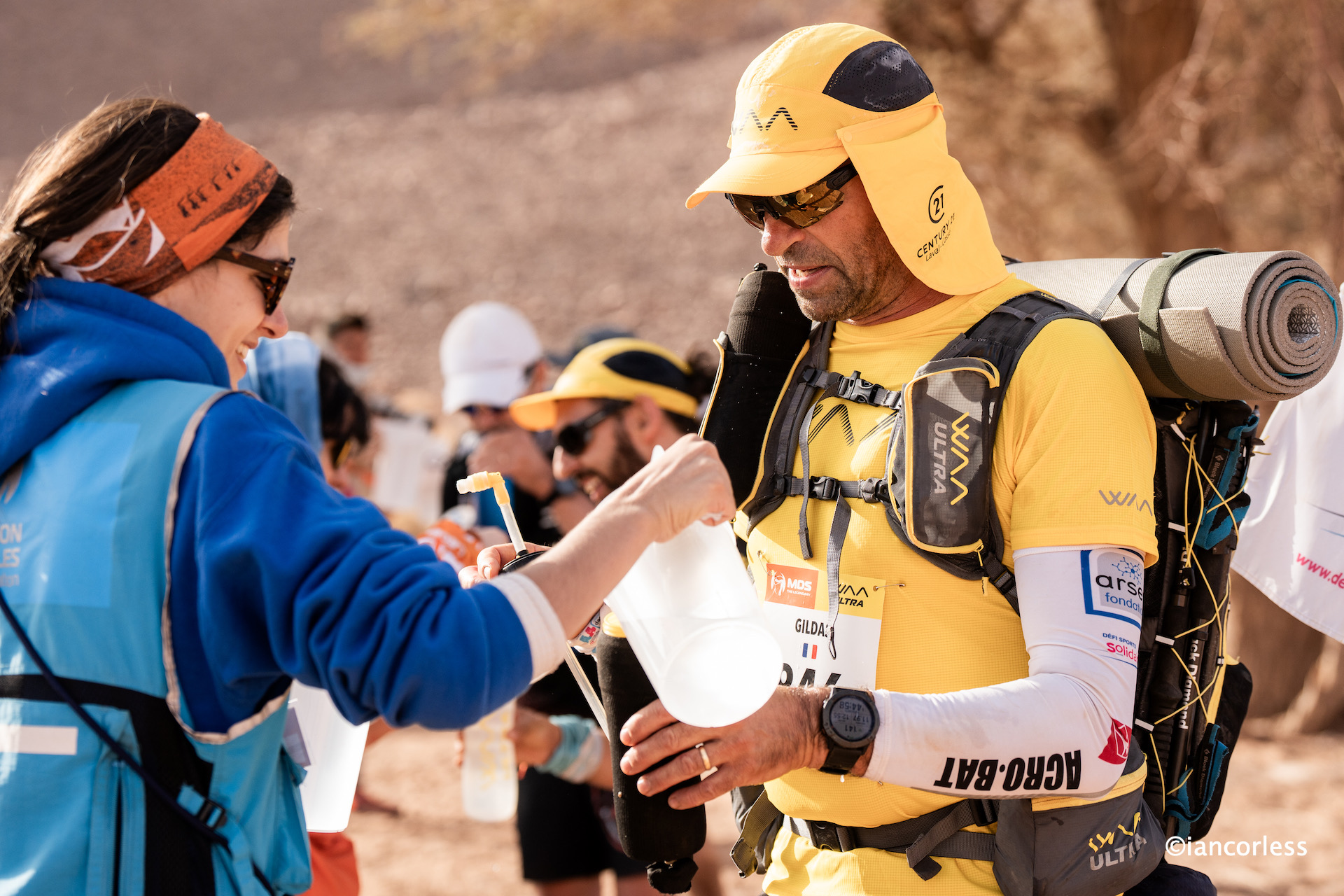
CP’s with water and iced water to cool the runner.
The MARATHON DES SABLES – The Legendary is a self-sufficient adventure. Competitors must carry all their equipment and food, except the water and the tent. Check-points are located approximately every10 km. Post stage, participants receive a water ration when arriving to the bivouac, for the evening and the morning.
Have peace of mind and benefit from free postponement insurance up to 7 days before the event, included in your registration.
A mythical crossing of the desert, 11 days of adventure in Morocco, including 9 days in the desert, a course of about 250 km divided into 6-stages, to be done by walking or running.
MARATHON DES SABLES – The Legendaryan extraordinary race and adventure.
The elation of the finish
Taking place in the southern Moroccan Sahara since 1986.
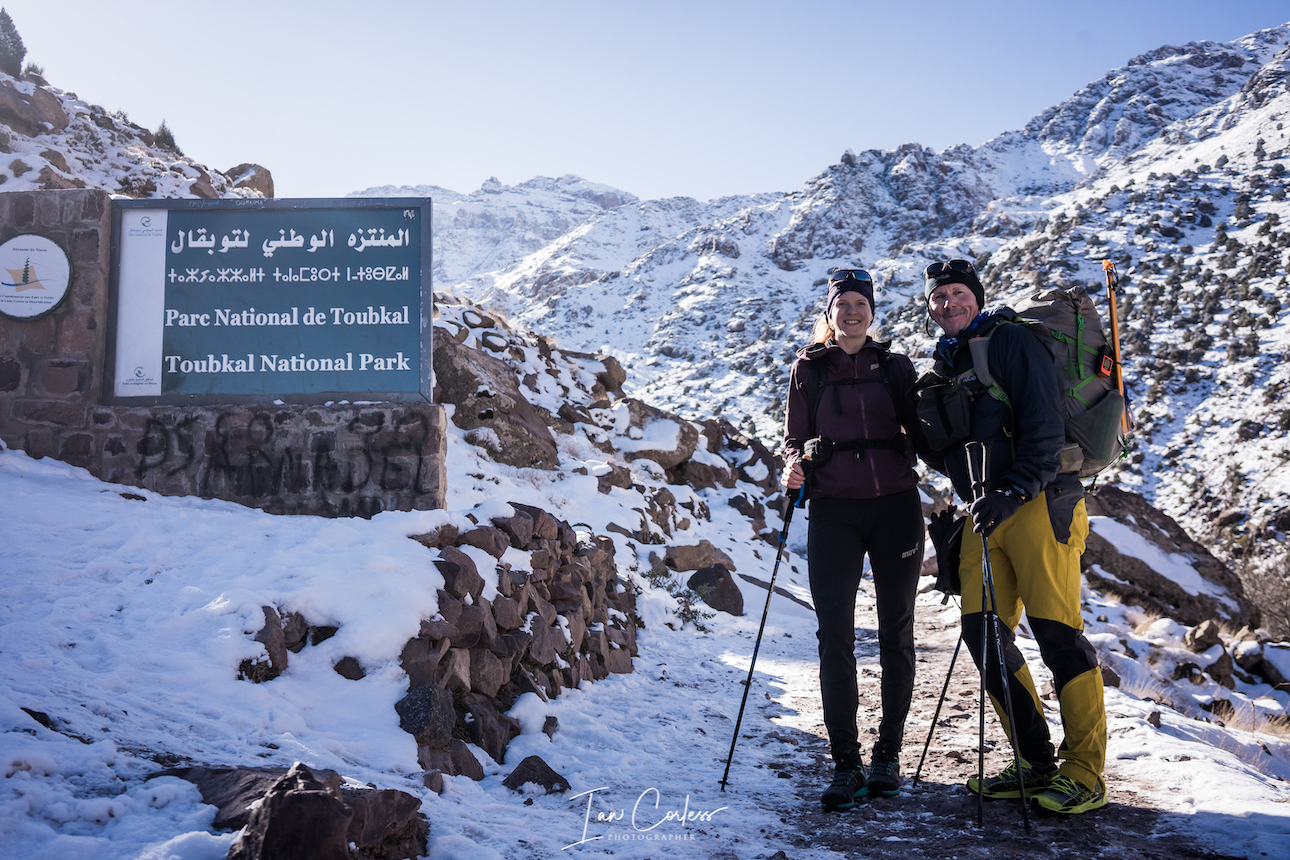
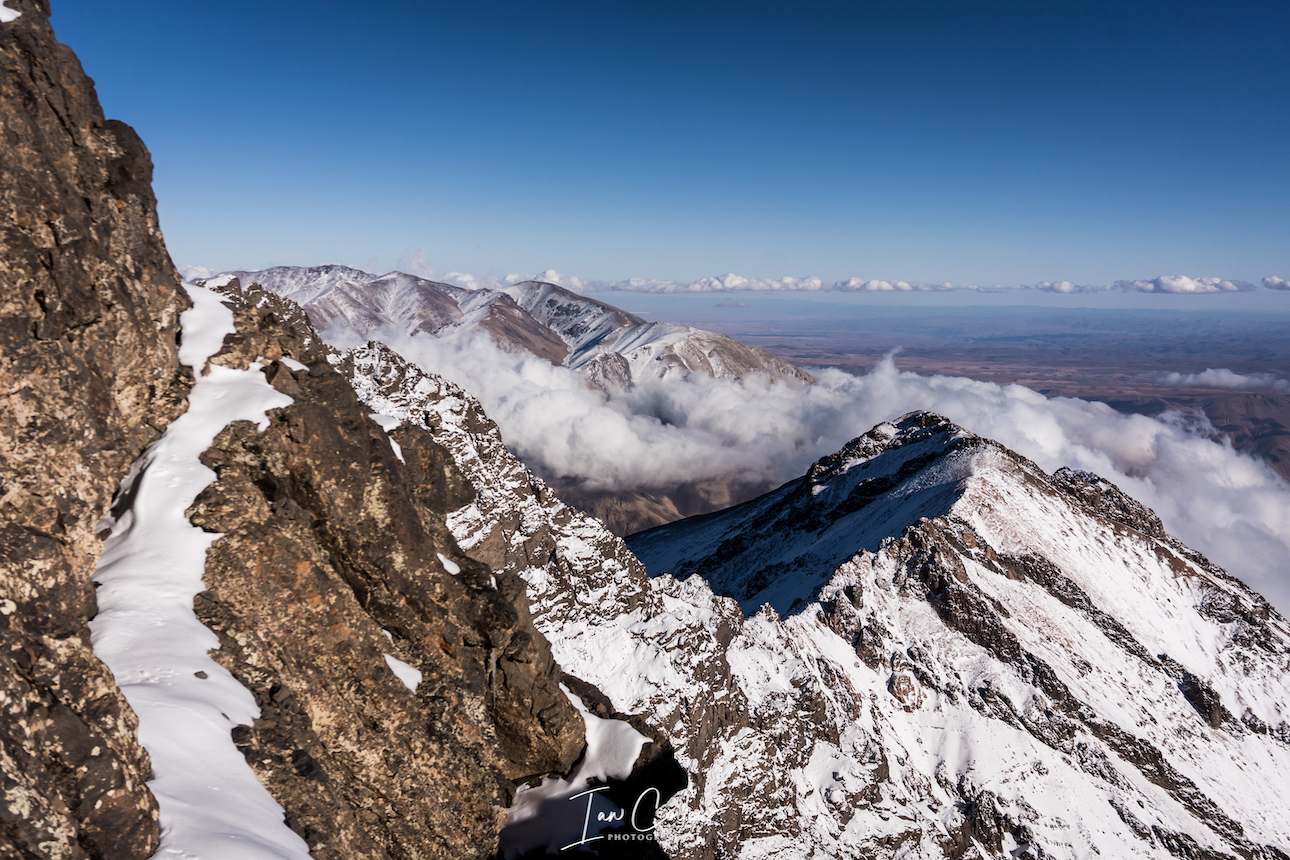
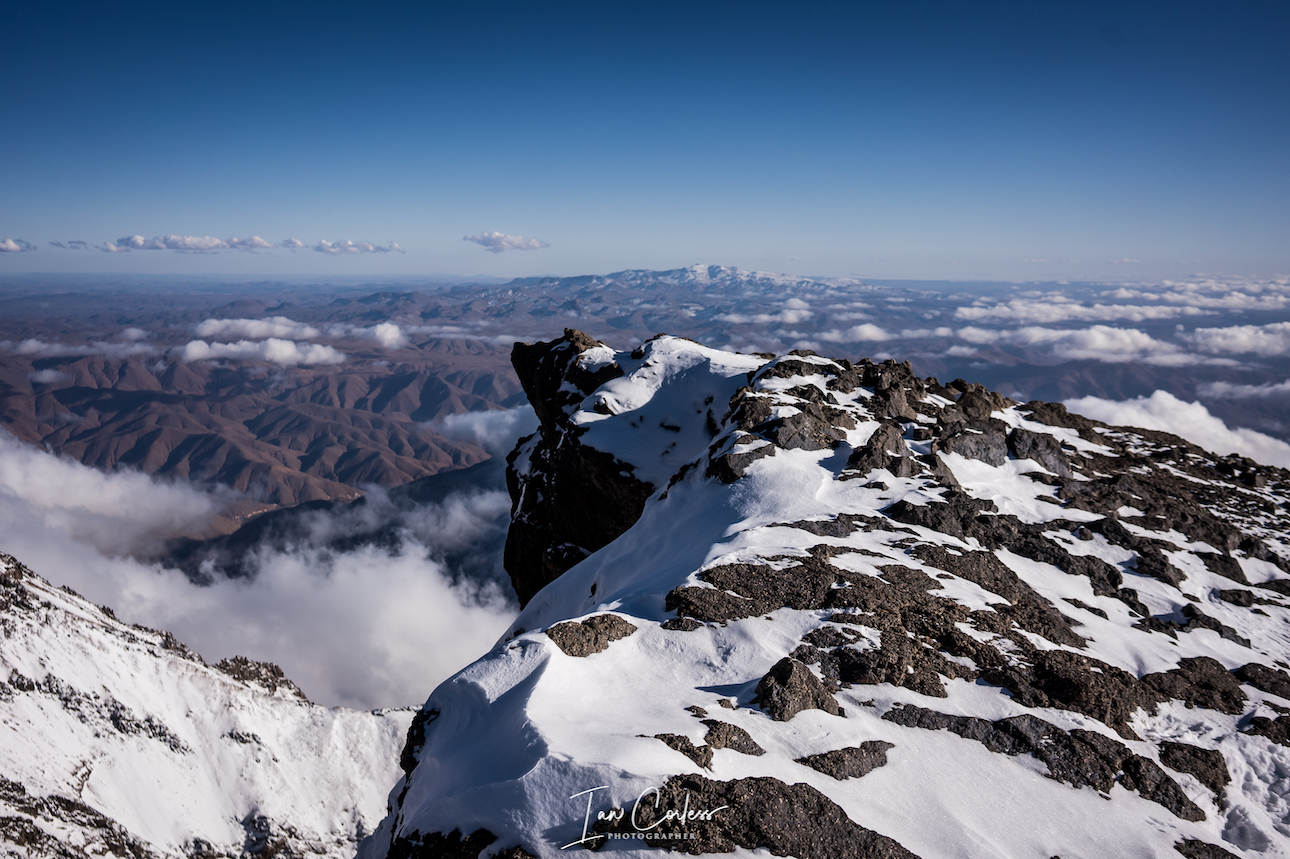
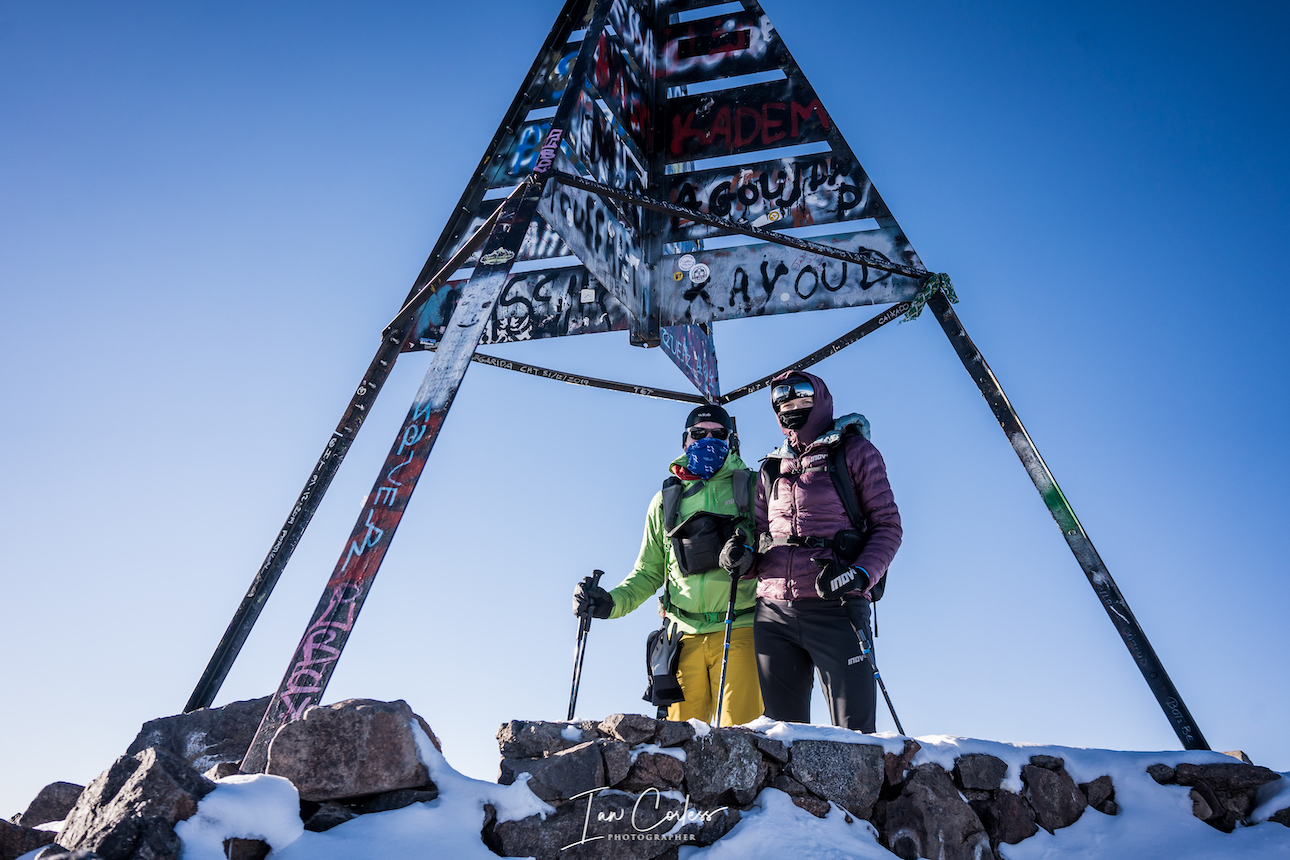
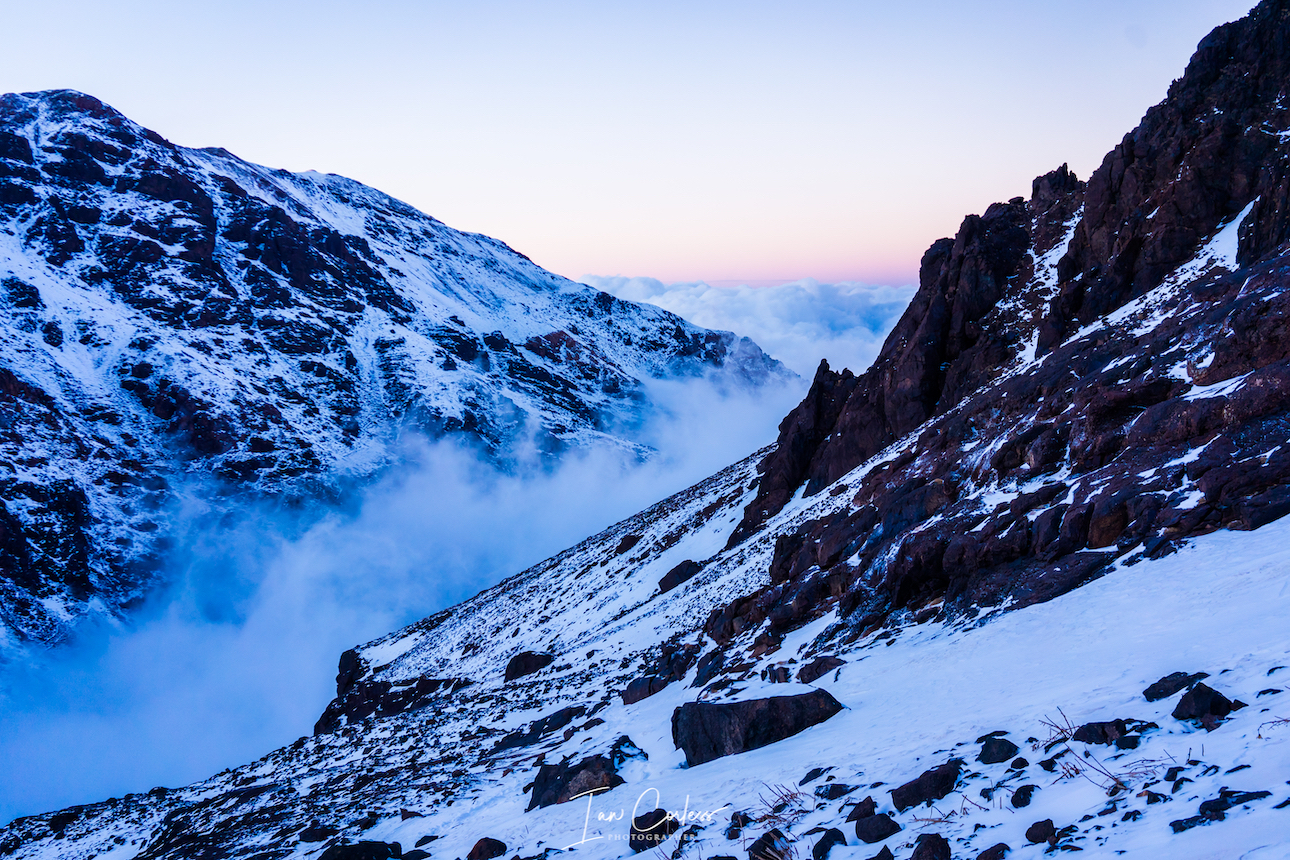
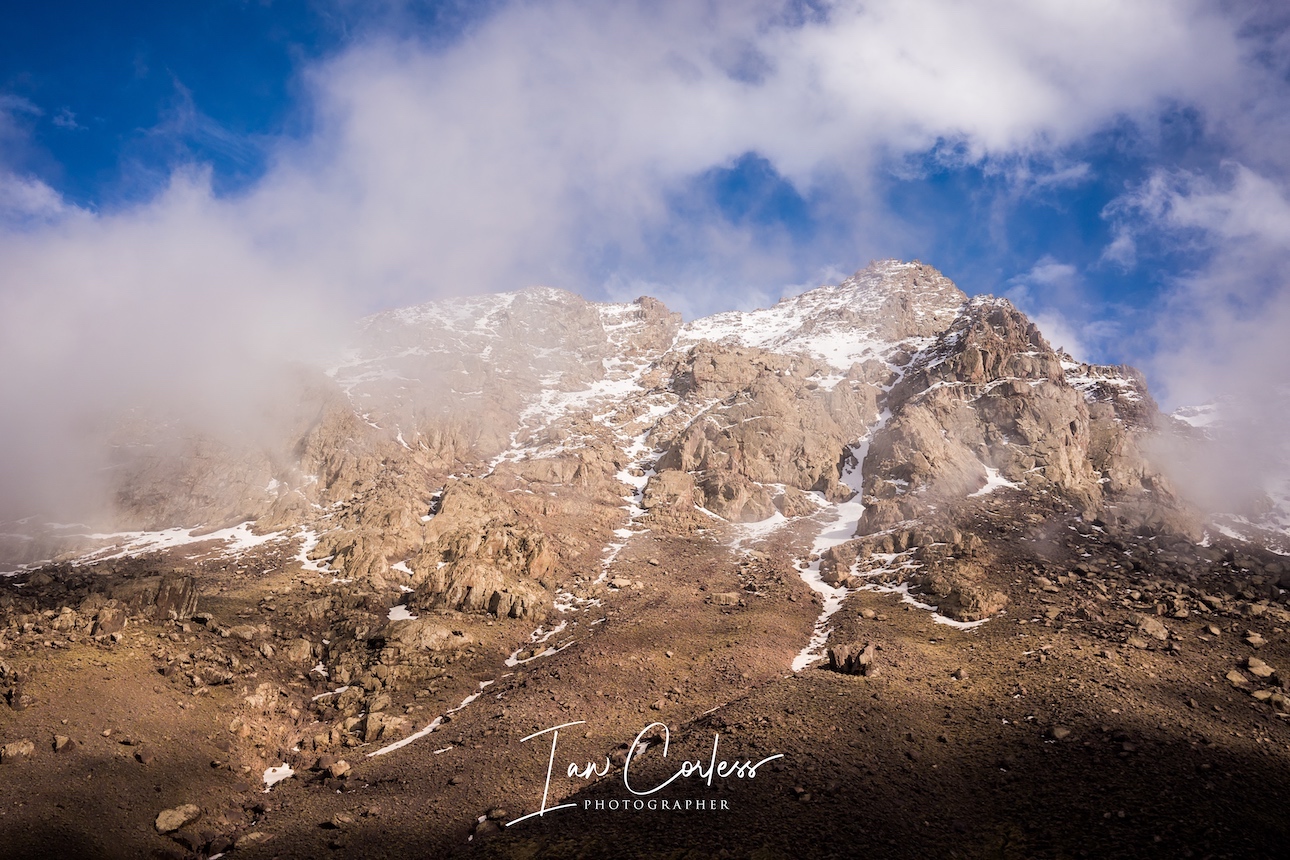
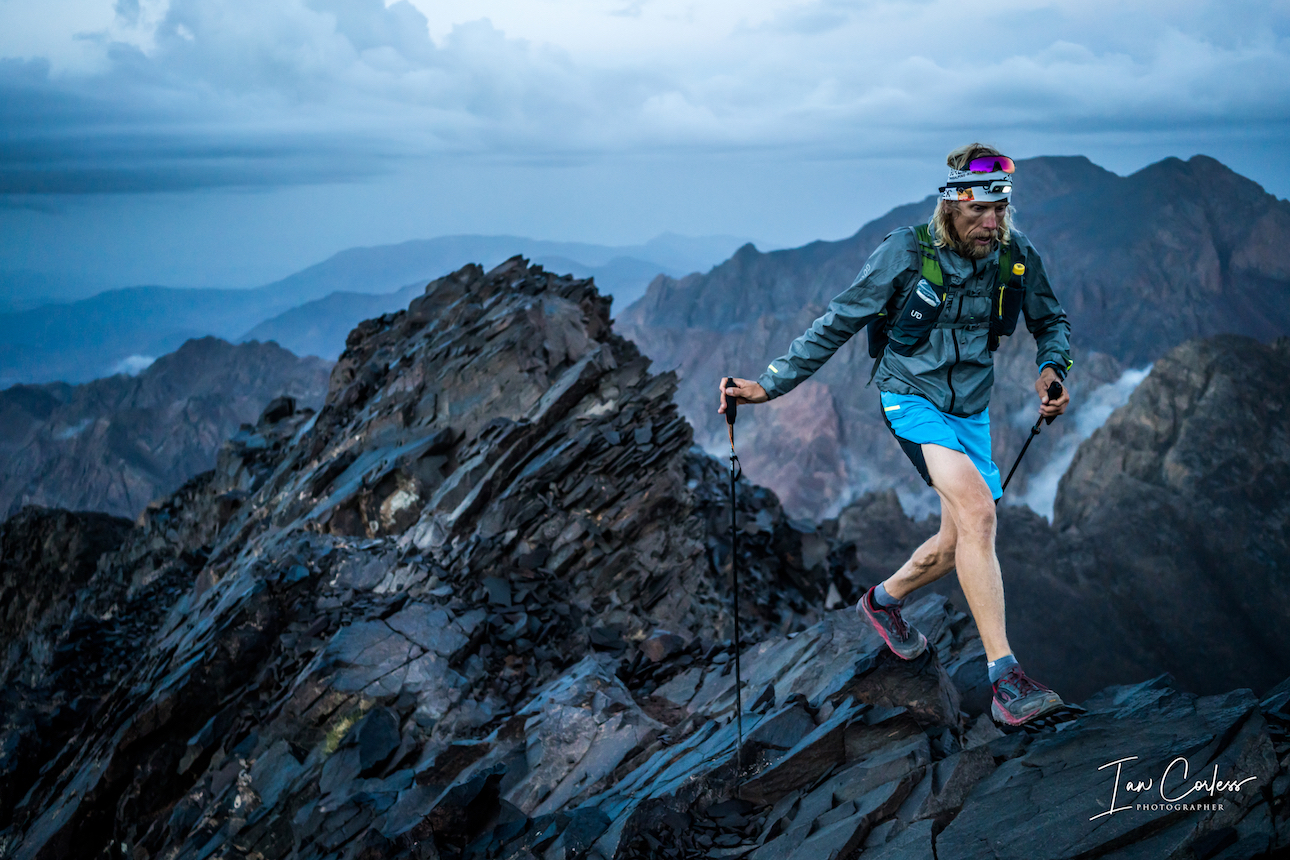
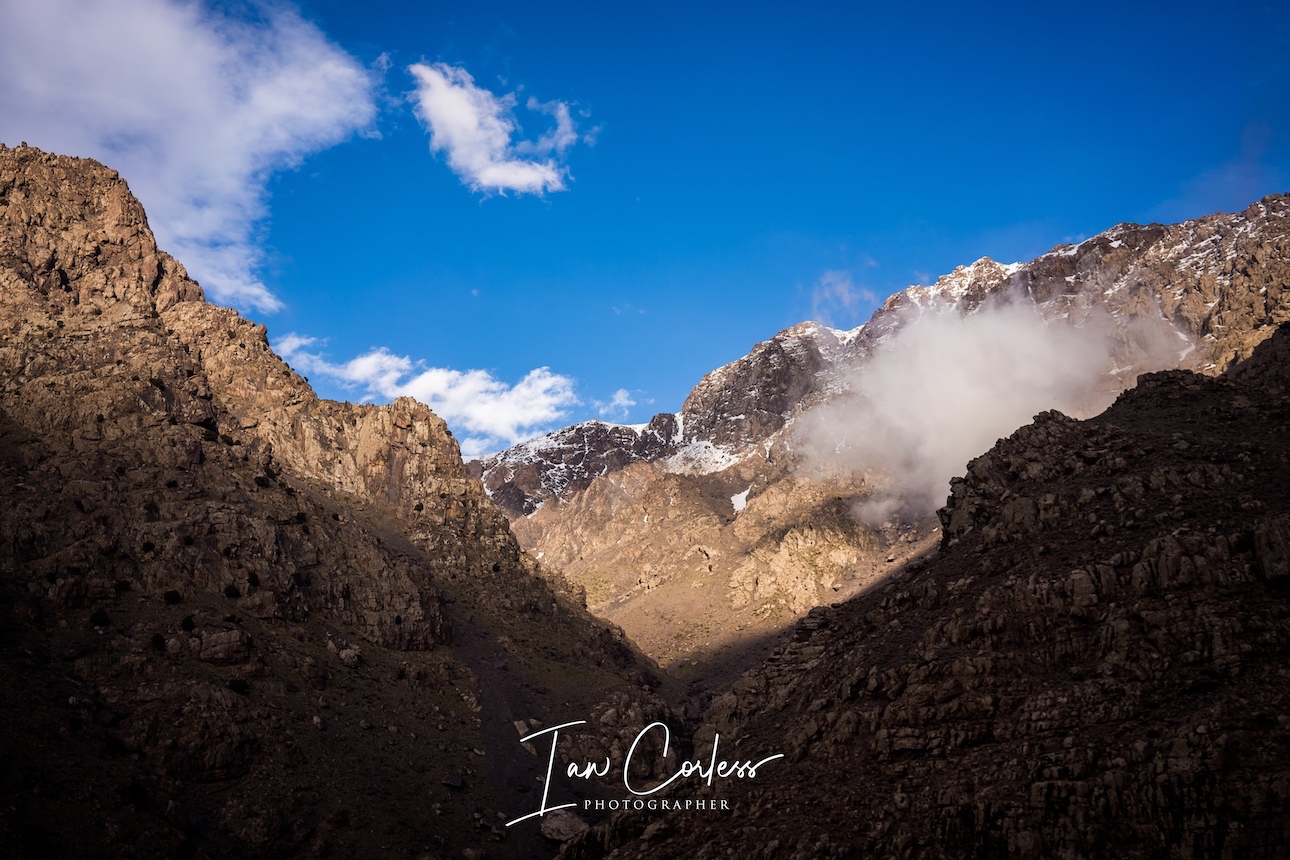
Located just 75-minutes’ drive from Marrakech (approximately 40-miles) the Toubkal National Park and Jebel Toubkal(4167m) is the highest peak in the Atlas Mountains. It is also, the highest peak in North Africa and the Arab World.
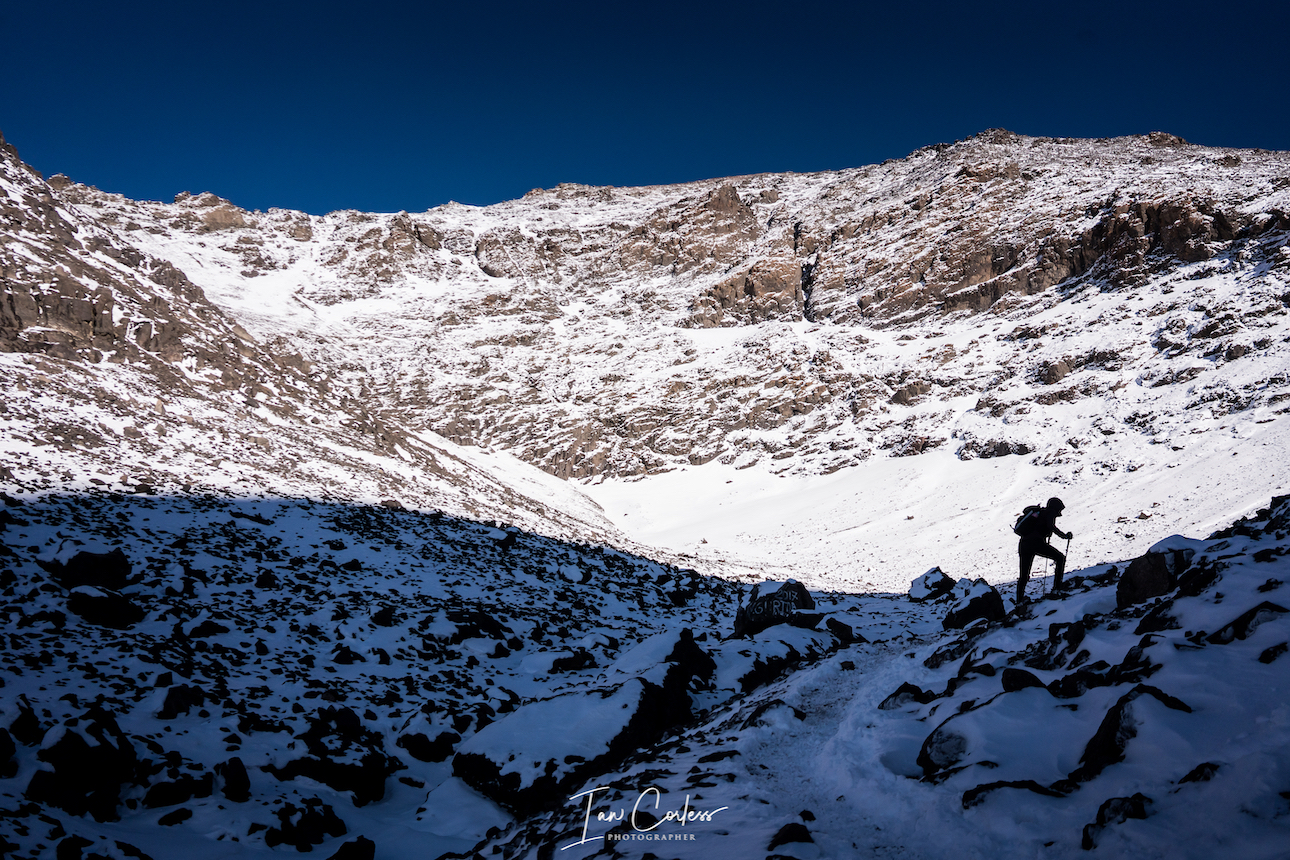
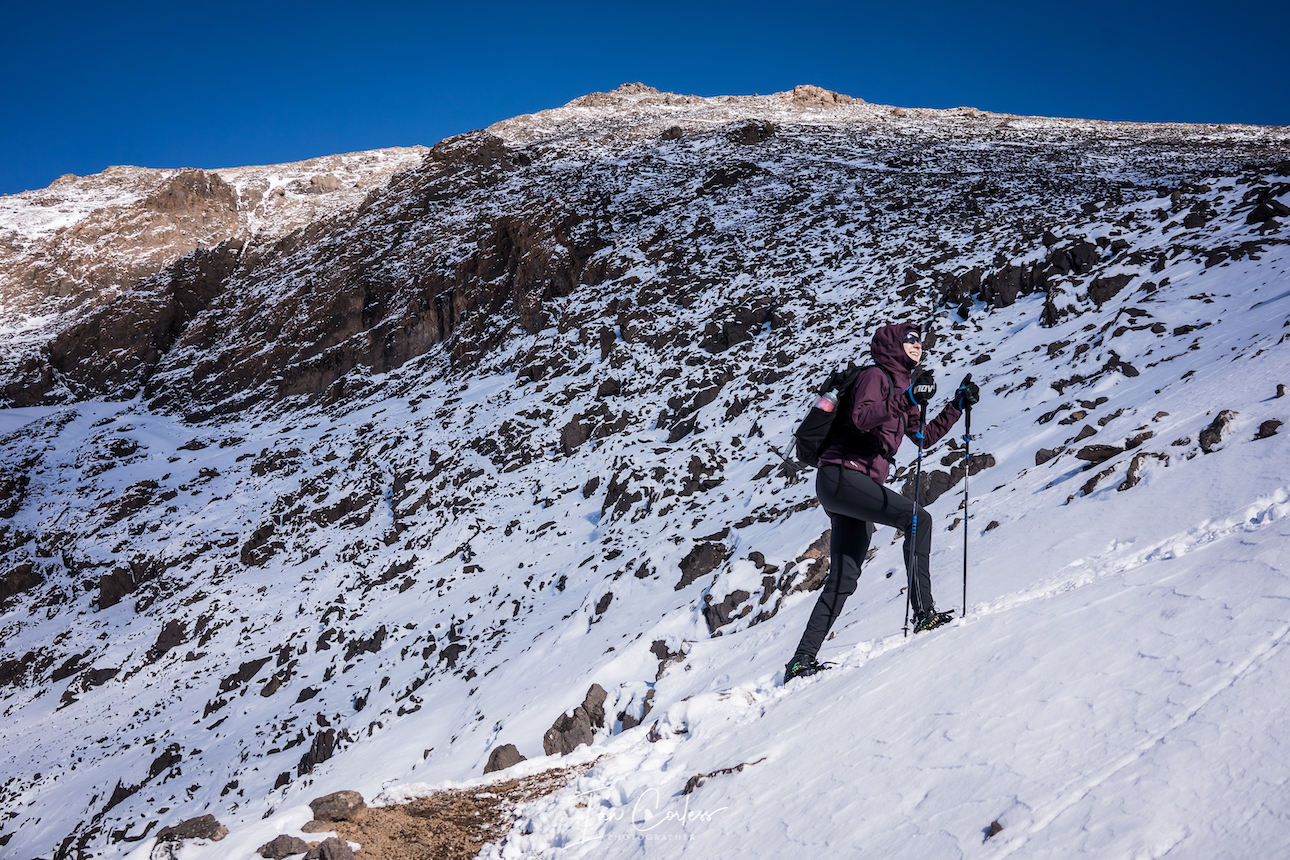
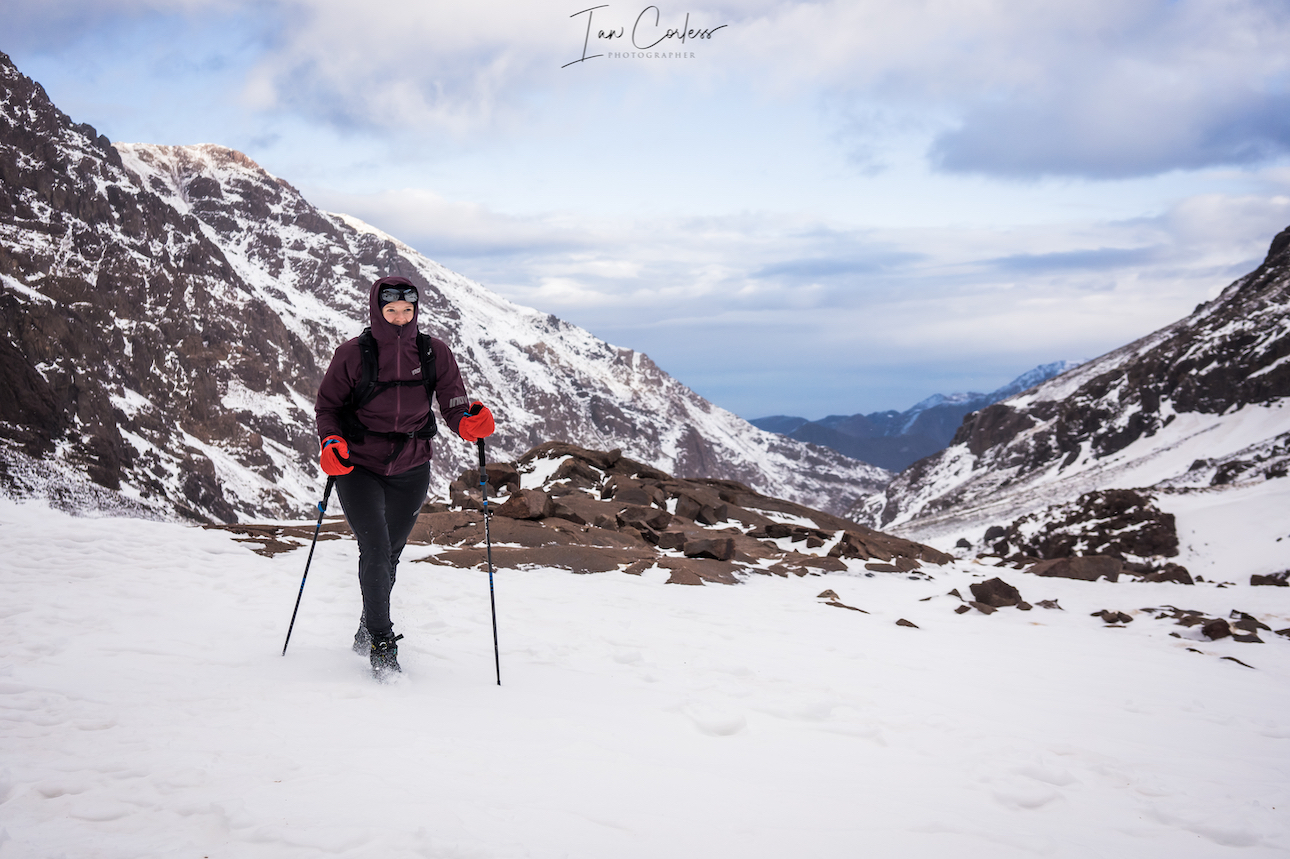
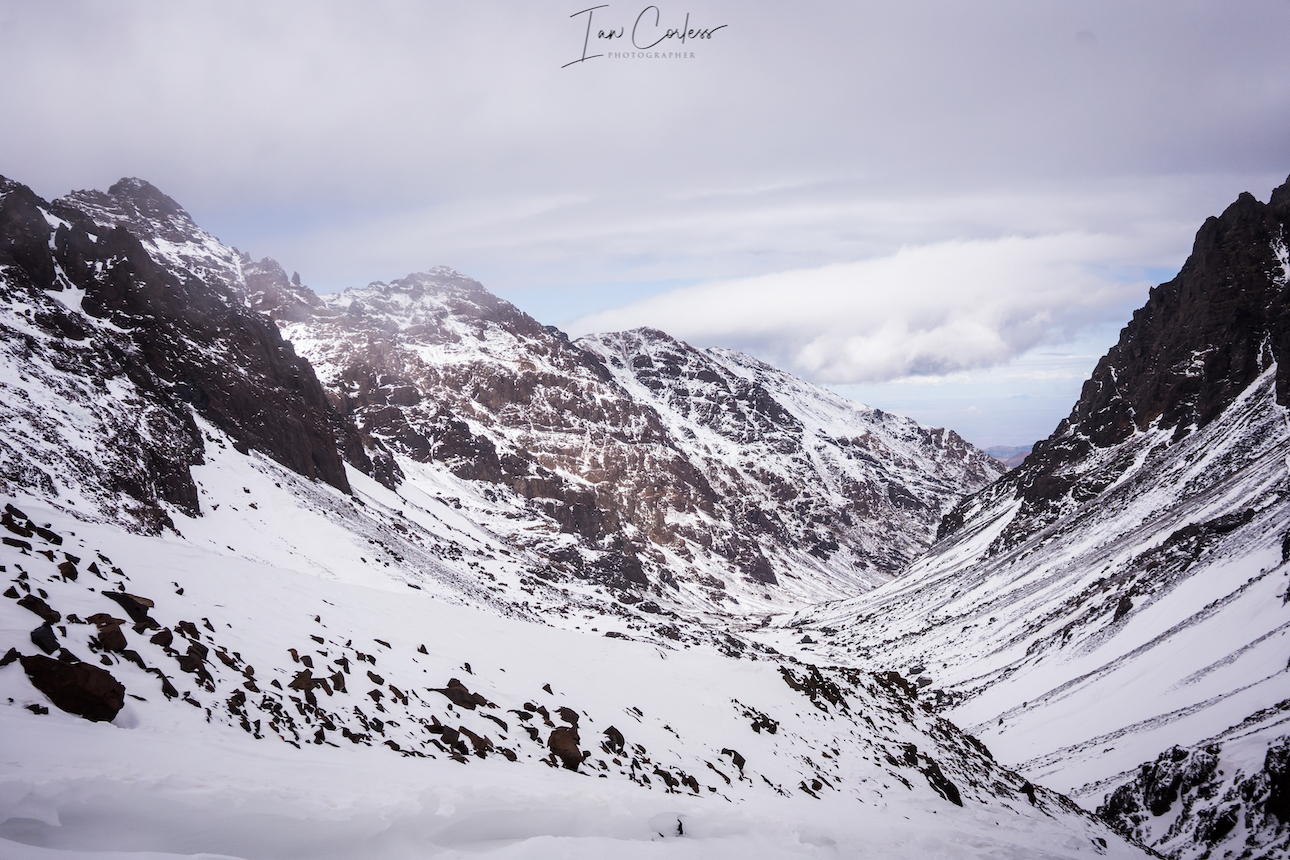
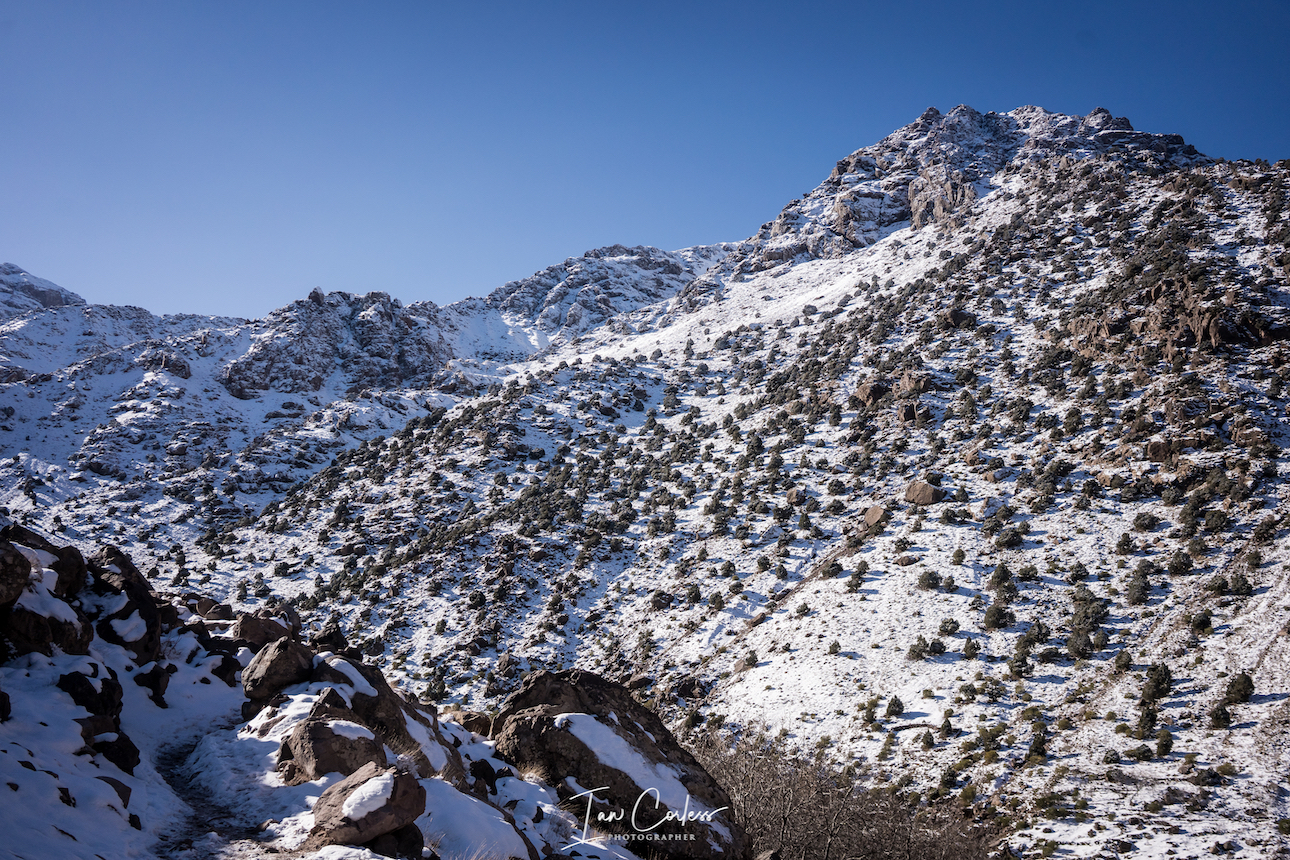
Toubkal has two-seasons, Winter and Summer. In winter, summiting the peak brings new challenges as it is completely covered in snow. Winter mountain skills are required, and the use of crampons is essential.
I wrote an in-depth article about visiting Toubkal in summer months HERE and some of the information from that article is repeated below.
PRACTICALITIES
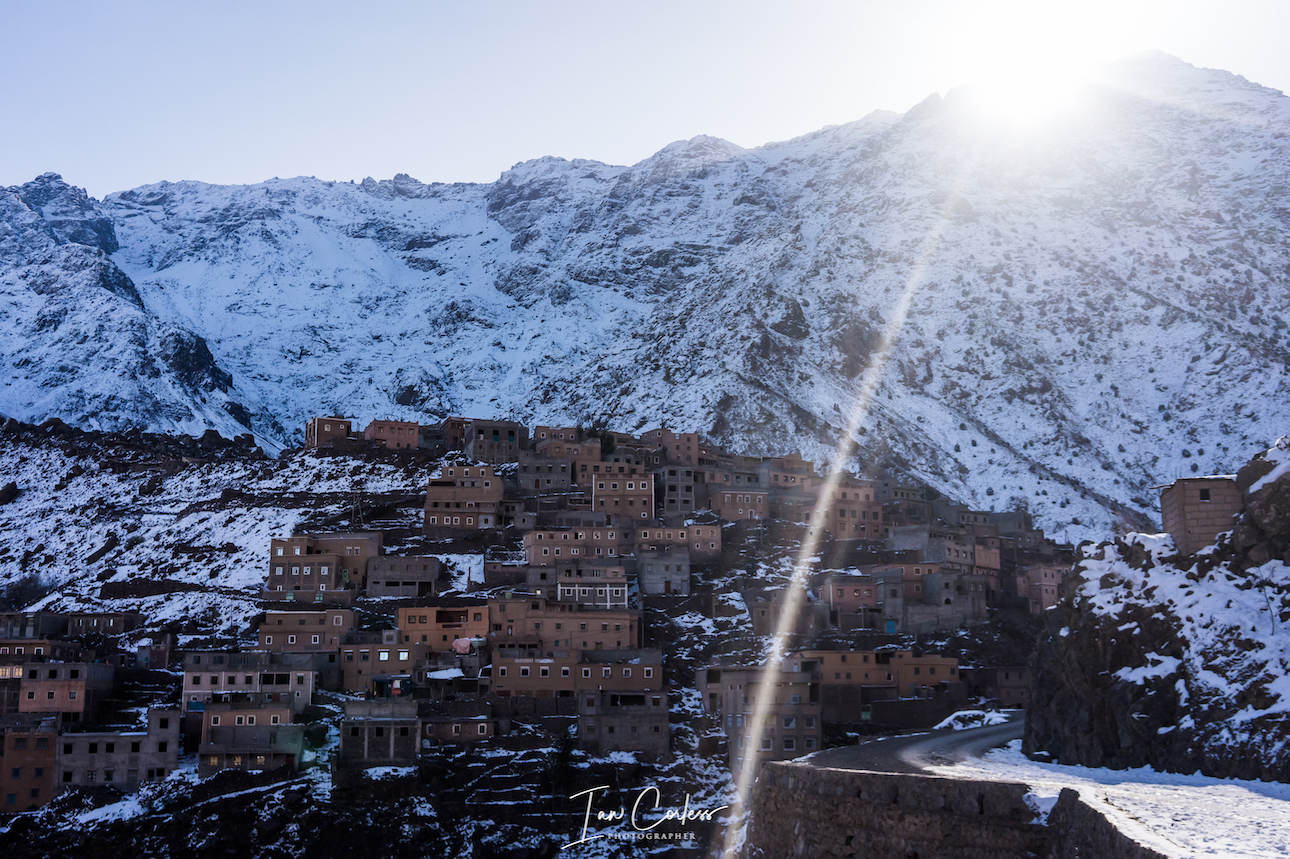
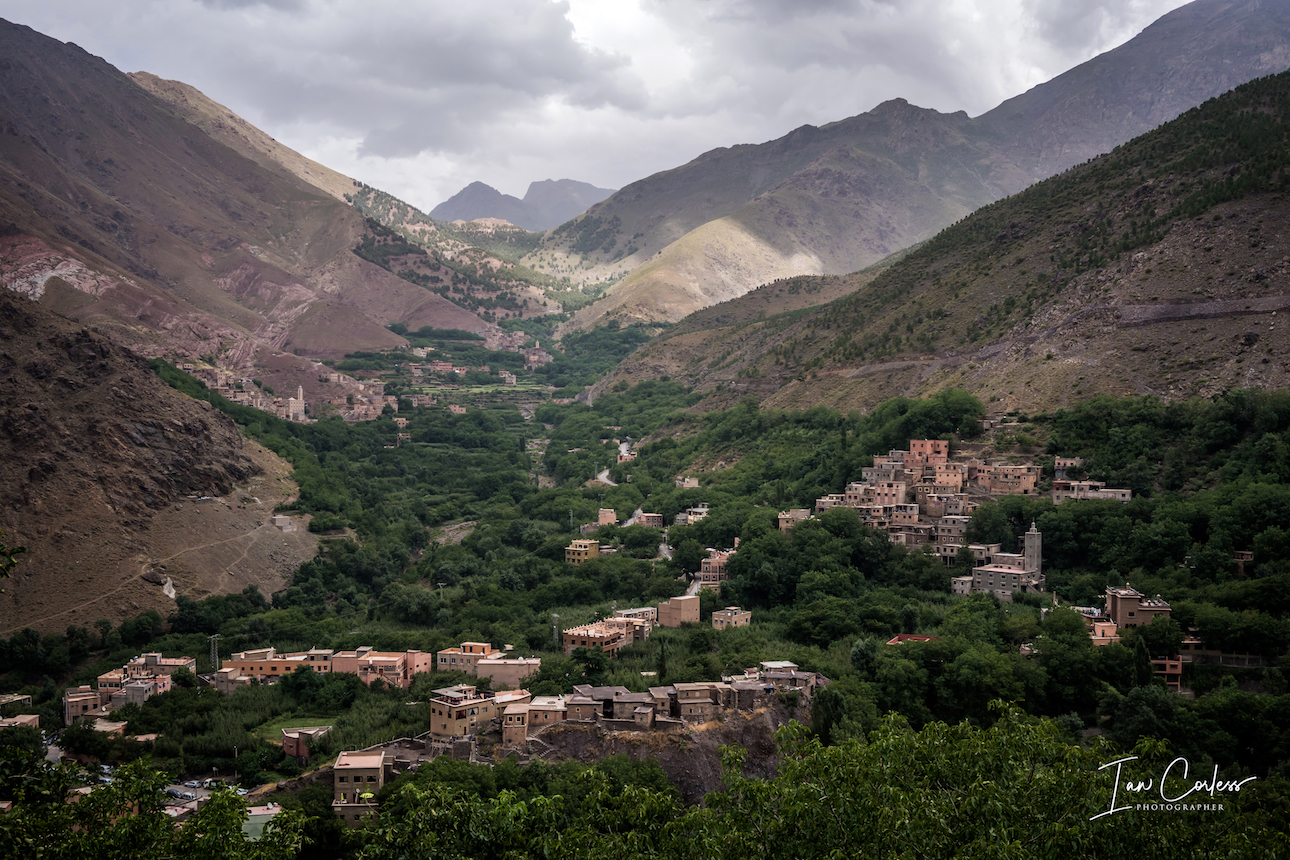
The gateway to Toubkal is Marrakech which is less than a 90-minute journey away from Imlil via taxi or private car. Imlil is the starting point for any adventure in the Atlas Mountains with a small village of restaurants, shops and hotels.
Flights to Marrakech are abundant and many budget airlines offer great prices, particularly if one can travel on a weekday.
If you have not been to Morocco before, I strongly recommend staying in Marrakech for several days before and after any trip to the Atlas. Even now, after multiple trips to the region, I still enjoy a pre/post stay in a Riad (local traditional hotel) to help provide some luxury and RnR either side of a strenuous hiking/ climbing period. There are many Riads in Marrakech all offering something unique and prices vary considerably, my favourite is the Dixneuf La Ksour which has only 6 rooms.
If you have been to the region before and want to maximize time, it is of course possible to land in Marrakech, get a taxi at the airport and be in Imlil within 2-hours. Riads in Imlil are very inexpensive and I have stayed at the ‘Riad Atlas Prestige’ on all my trips – it is inexpensive and offers great food.
A taxi to Imlil will be approximately 40 euro and a private car, usually arranged by your Riad will be 80 euro.
TOUBKAL and the ATLAS MOUNTAINS
If you have not been to the region before, it would make sense that you visit the area in the non-winter months when hiking/ climbing is much easier and very predictable.
Please note! You now MUST have a guide for any treks/ climbs in the region. This was a rule imposed in late 2018. There are currently three passport checkpoints on the way to the refuge. This in time will change with one new police checkpoint that is currently being constructed just before the entrance to the National Park.
Our guide, Mustafa
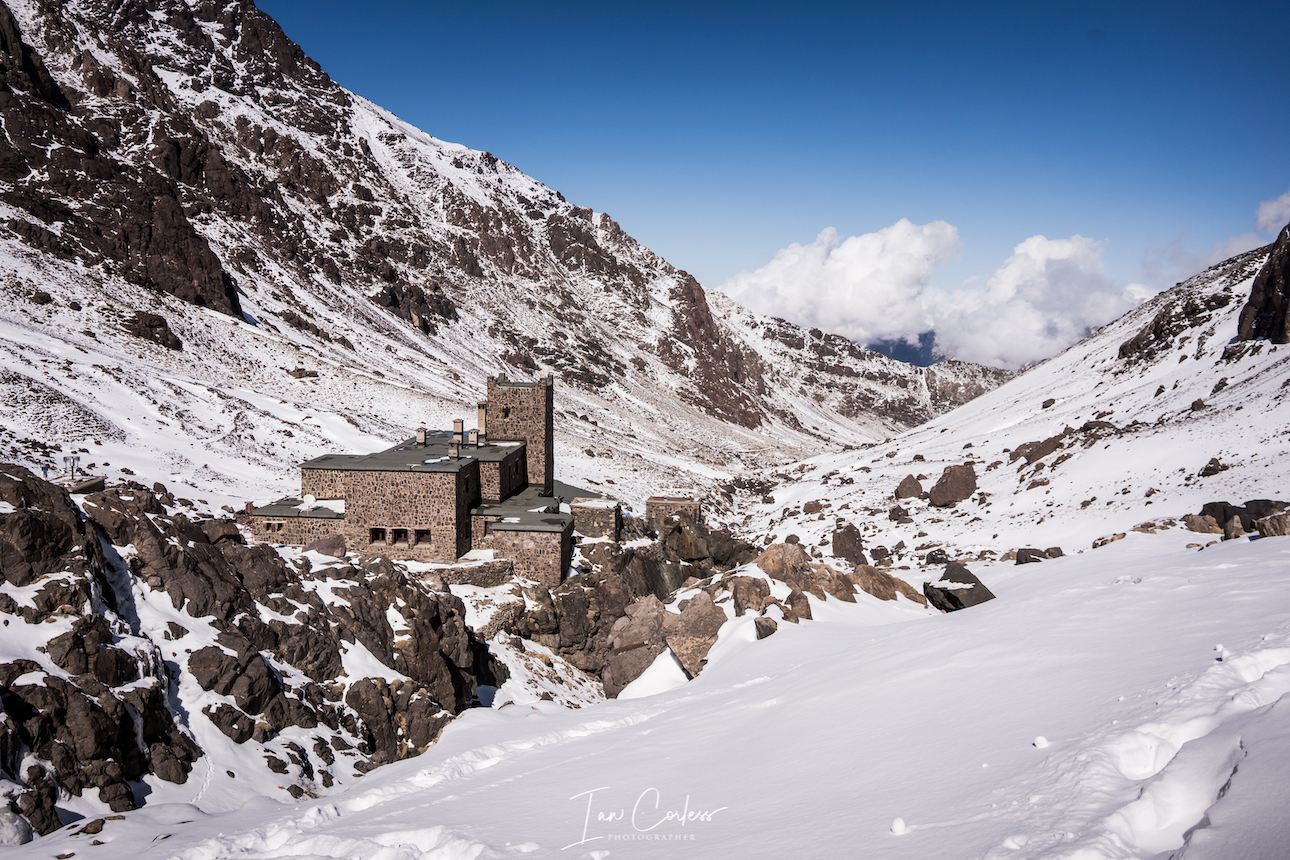
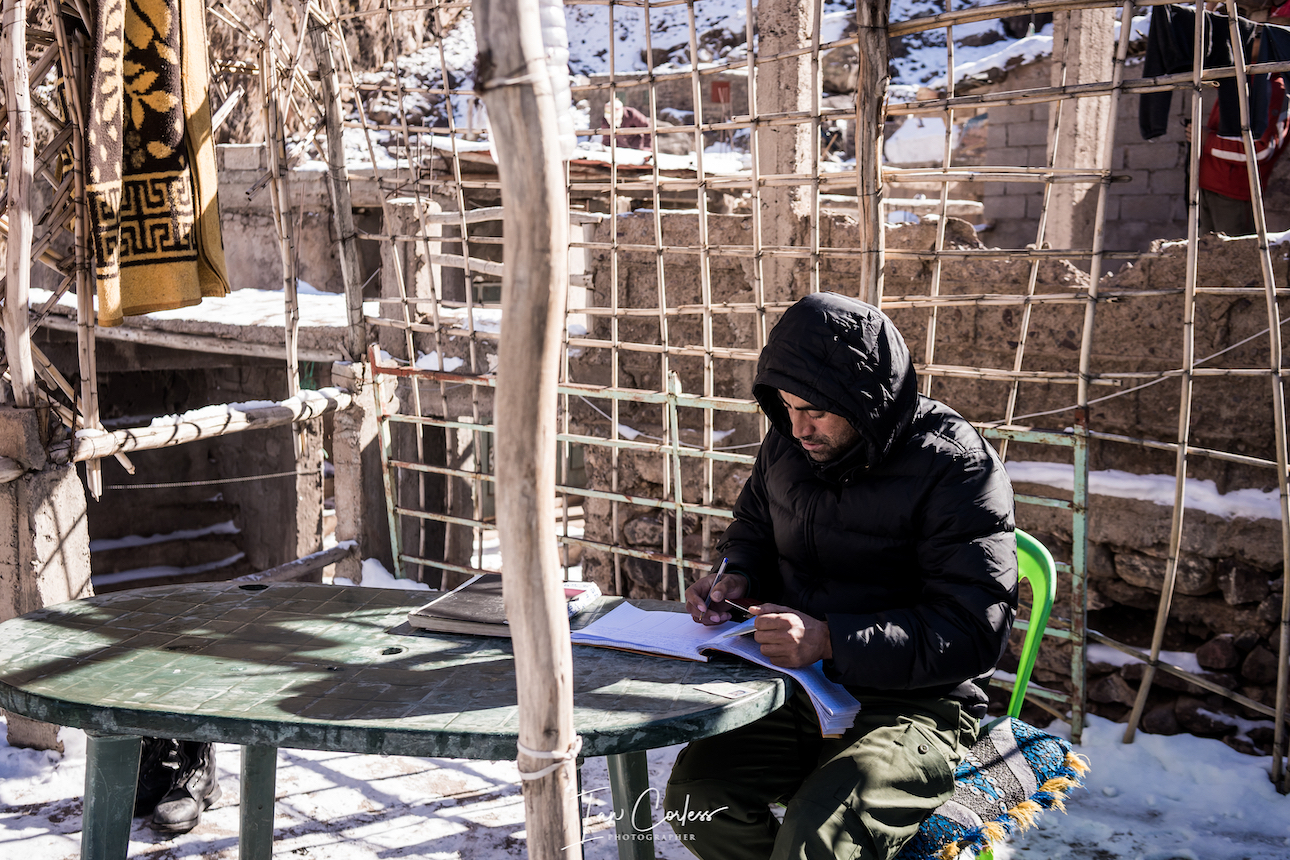
The refuge at Toubkal is a great place to plan a booking as you are able to arrange a guide and a bed at the refuge all in one email. Hamid is my contact who is always helpful.
34.5 euro per person per night full board (Dinner, breakfast and lunch)
29.5 euro per person per night half board (Dinner and breakfast)
19.5 euros per person per night (without meals)
The refuge can also arrange the following for you:
Transport from and back to Marrakech
Accommodation in Imlil
Mountain Guide
A guide will be approximately 50-80 euro per day and is payable in Euro (cash only).
CLIMBING and TREKKING
Toubkal is considered an entry level 4000m peak and as such it is a great place for training and gaining experience, particularly in summer.
In winter, it is still considered an entry level 4000m peak, however, far more equipment is required and some exposure to harsh winter environments would be strongly recommended.
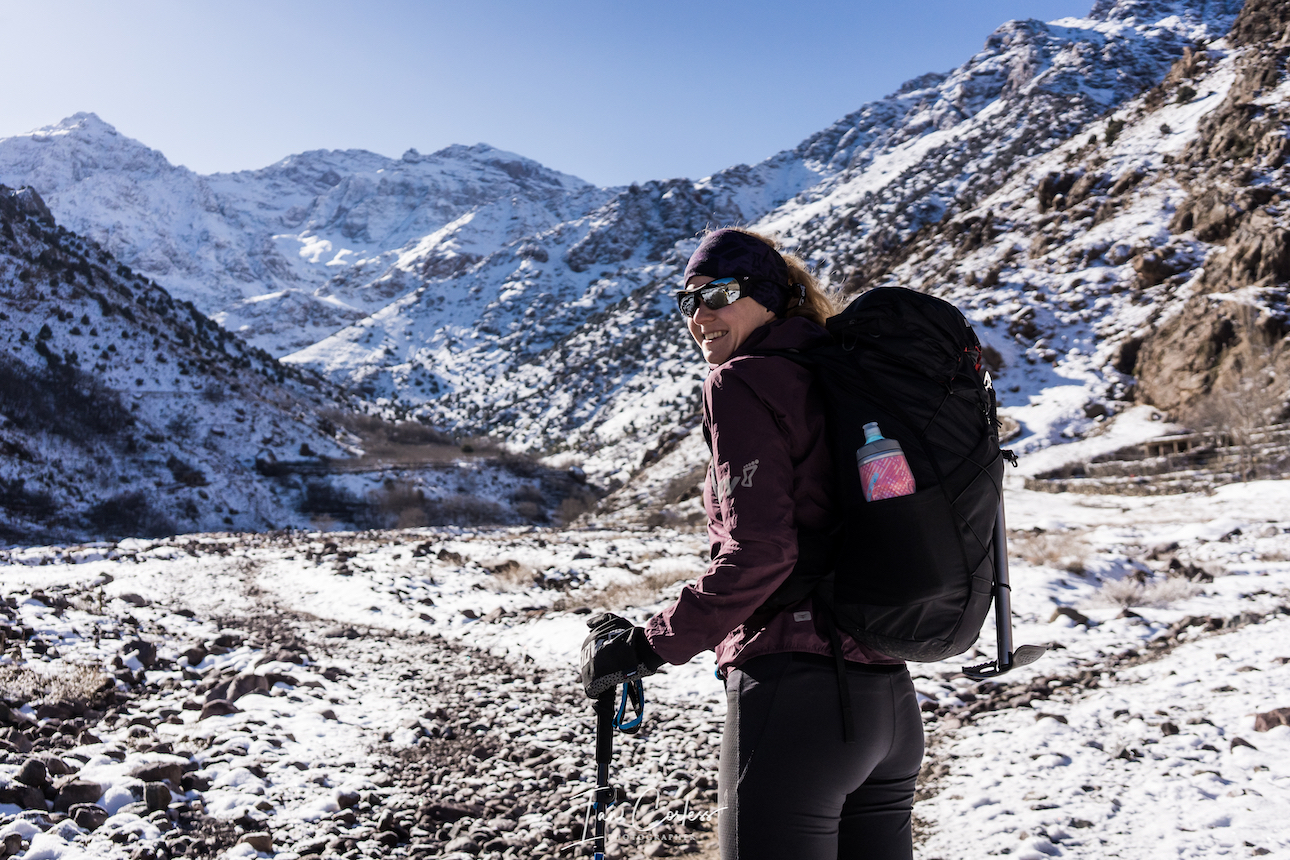
In summer one can usually wear shorts and t-shirts during the day but it is essential to have trekking pants, a warm upper layer, waterproof jacket/ trousers, hat and gloves at a minimum for any summit treks. Poles are for many an essential item too!
Winter is completely different, and the environment can be very harsh and dangerous. One needs to be prepared for conditions that can be below -20 with very strong winds, thick snow and a great deal of ice.
At a minimum you will need:
Merino base layer, top and bottom.
Trekking pants.
Mid-layer thermal top.
Down or Primaloft upper insulation.
Gore-Tex or equivalent out layer, top and bottom.
Very warm gloves. Probably with inner Merino layer.
Very warm socks, usually two pairs made up from inner Merino and outer mountain sock.
Climbing boots suitable for harsh winter than can take a mountain crampon – La Sportiva G5 as an example.
Crampons.
Ice Axe.
Poles.
Pack.
Sleeping bag (the refuge is usually quite warm (in the sleeping dorm), so, with a merino base layer, a bag with comfort to -5 should be ok).
ROUTE TO THE REFUGE
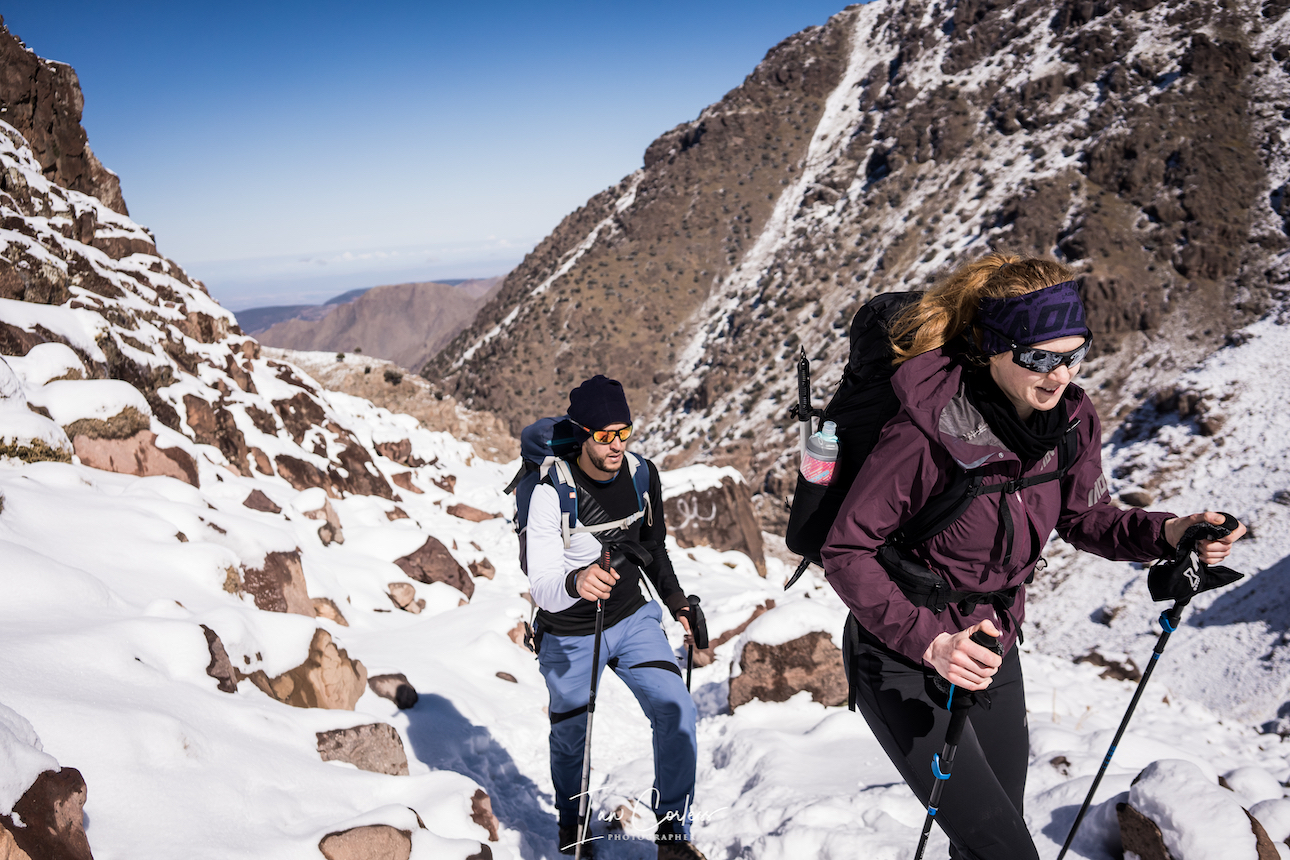
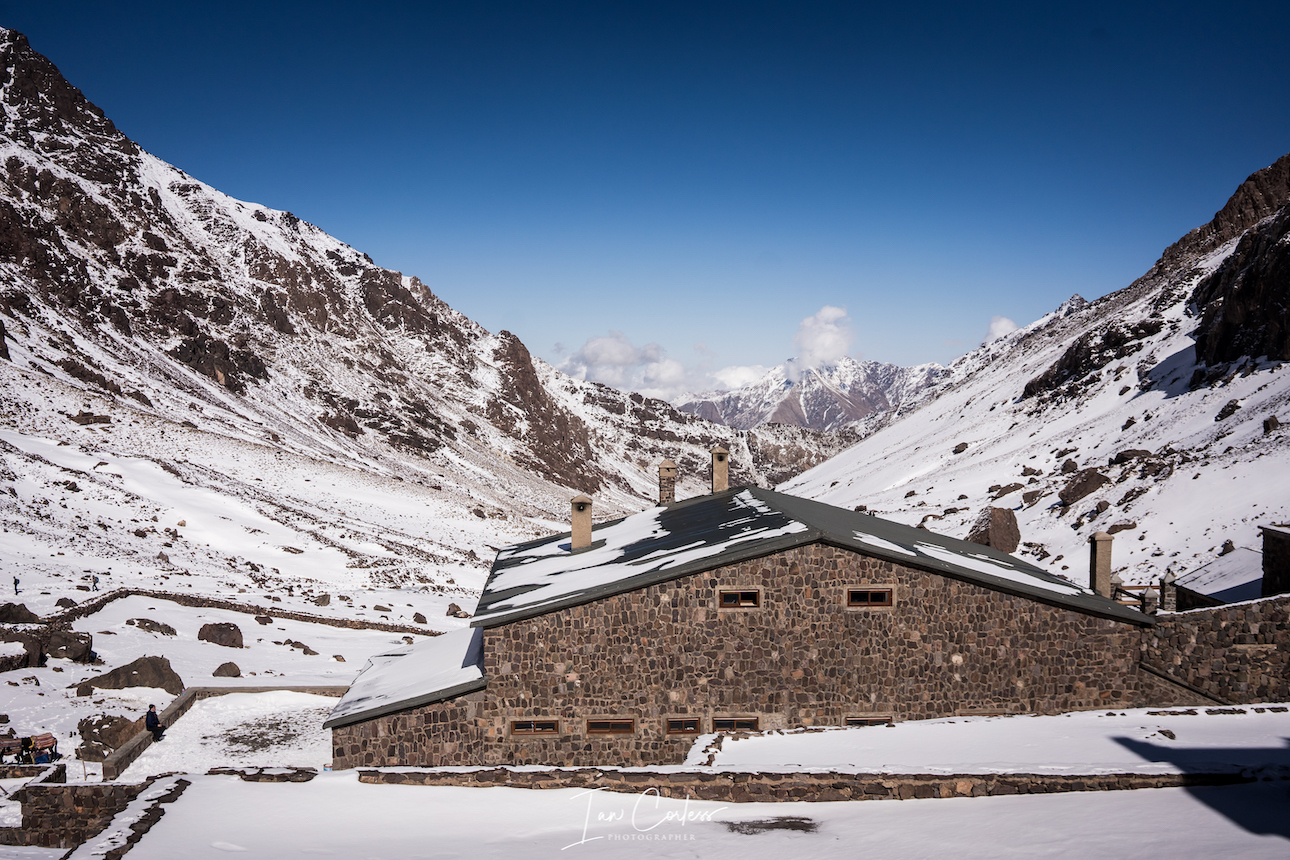
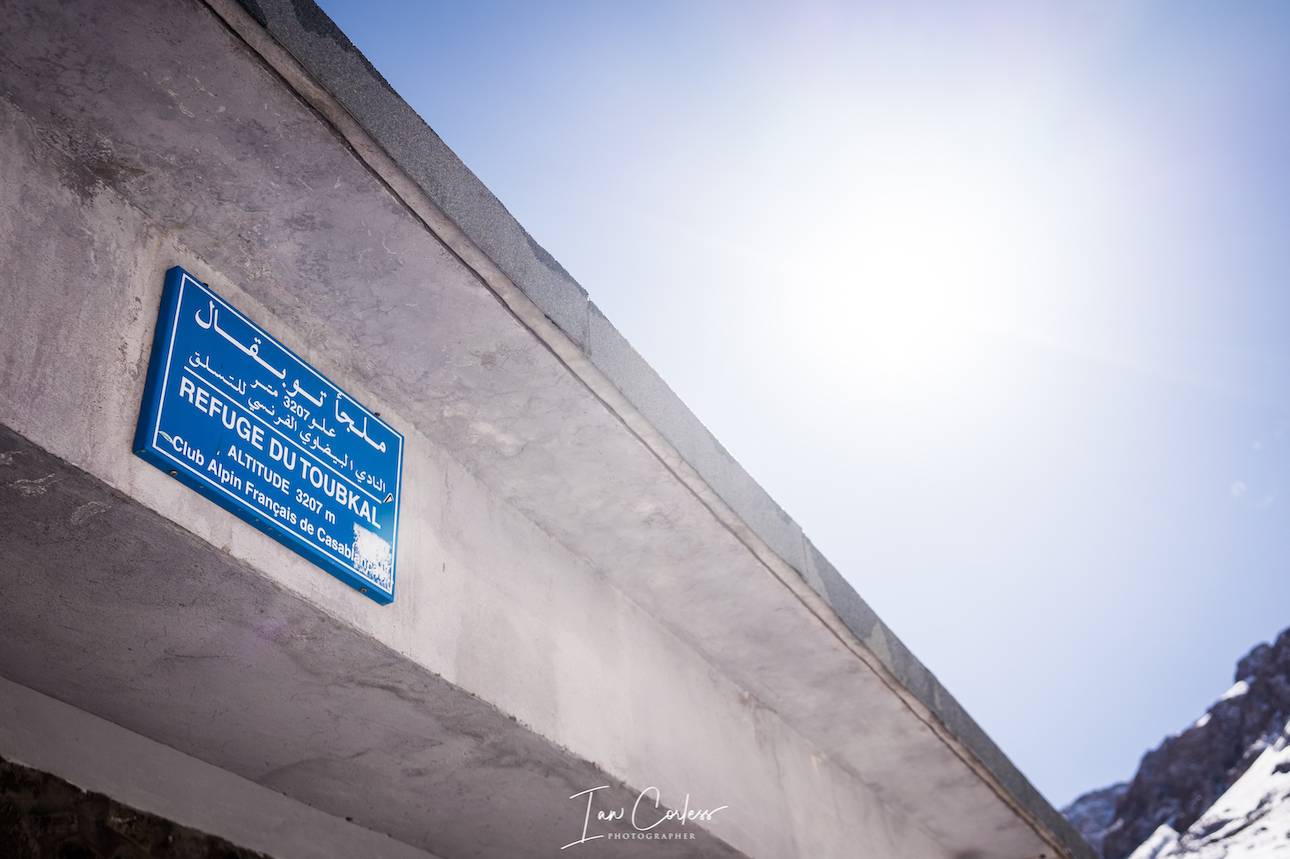
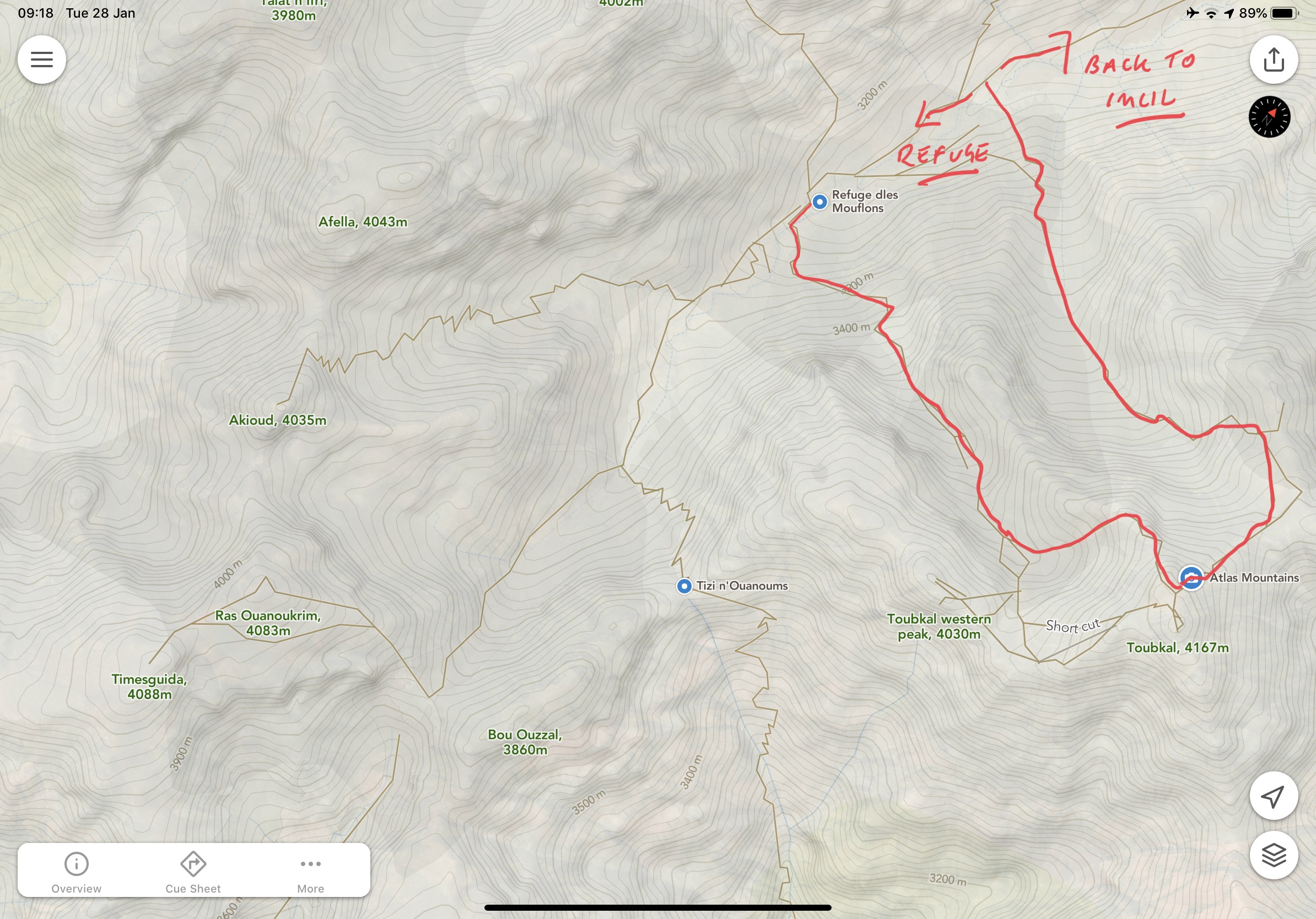
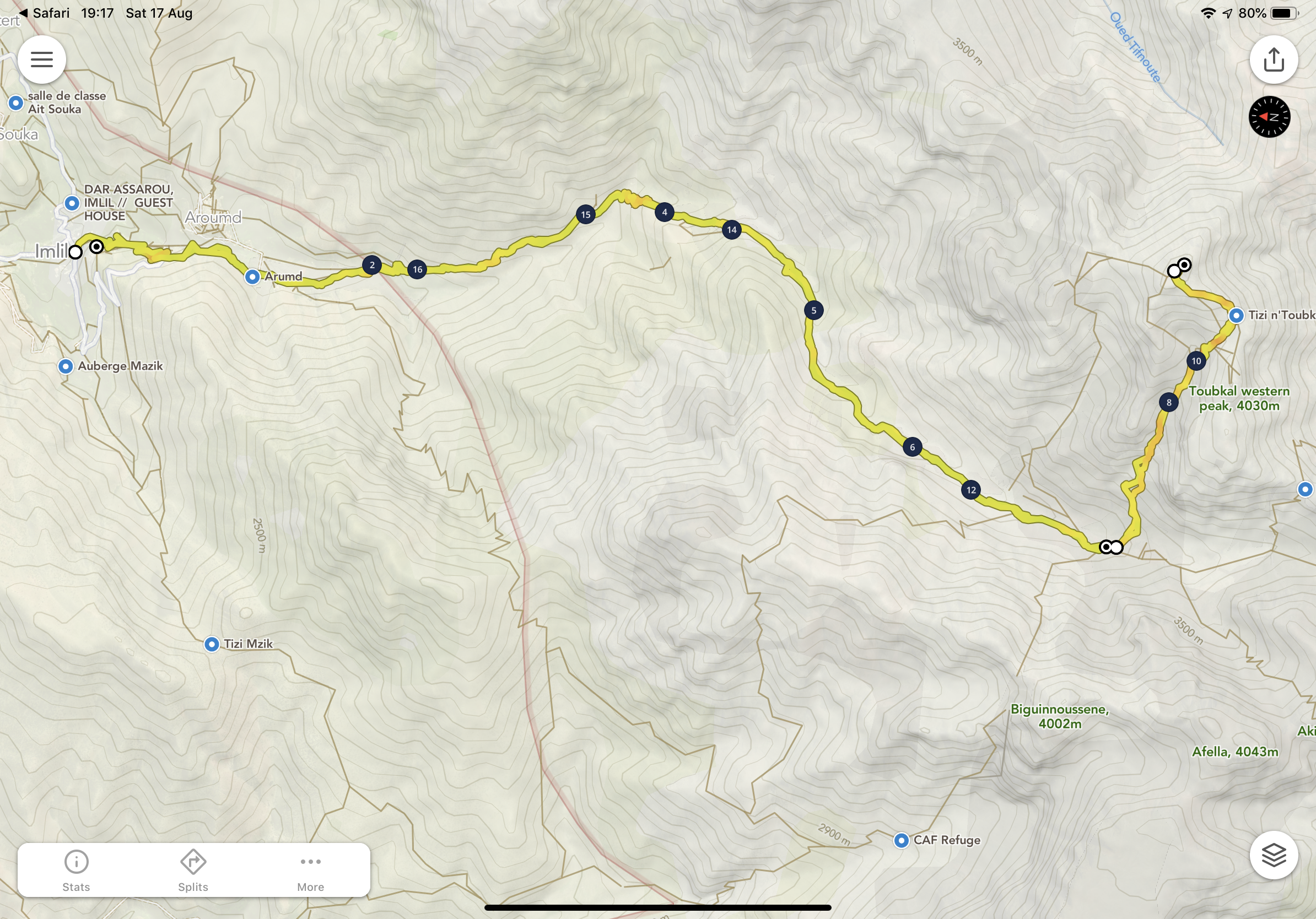
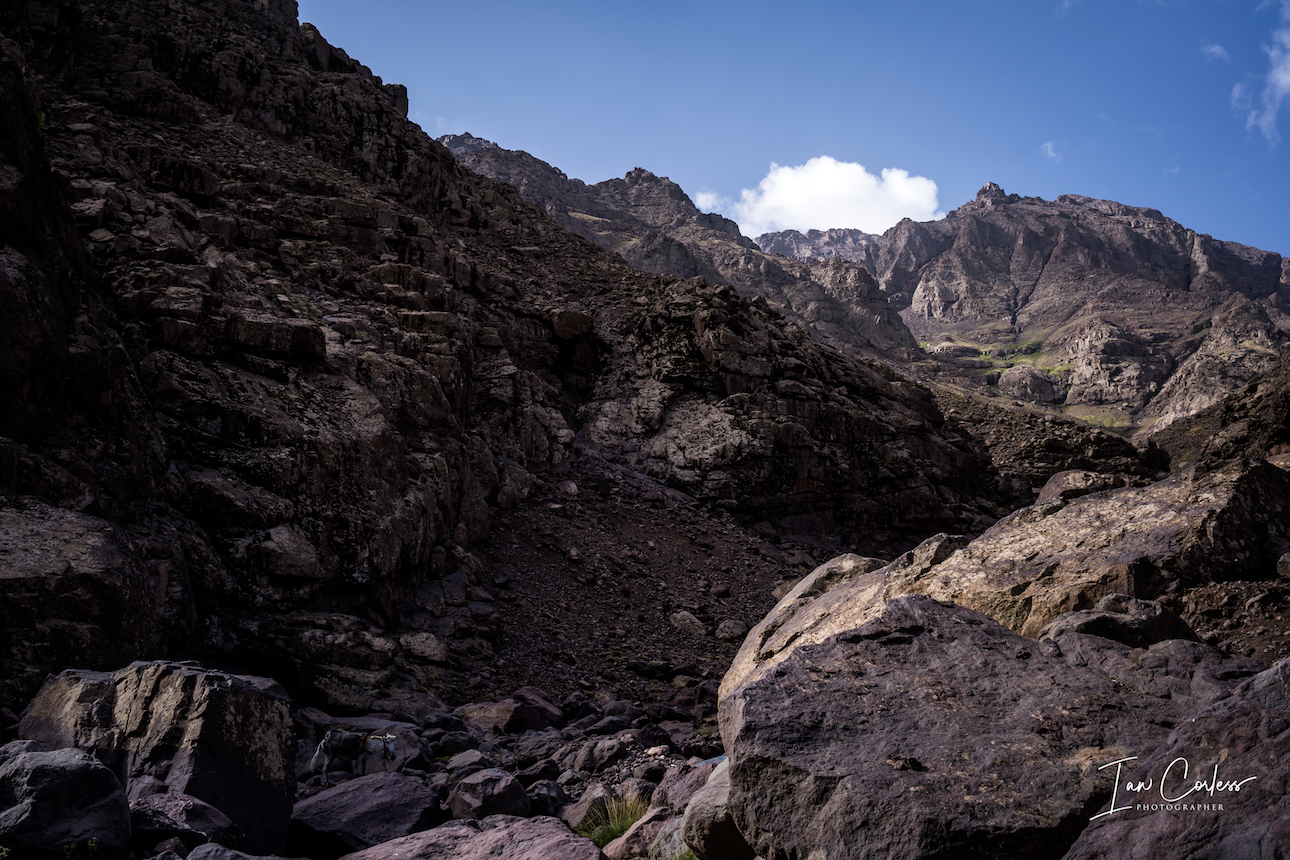
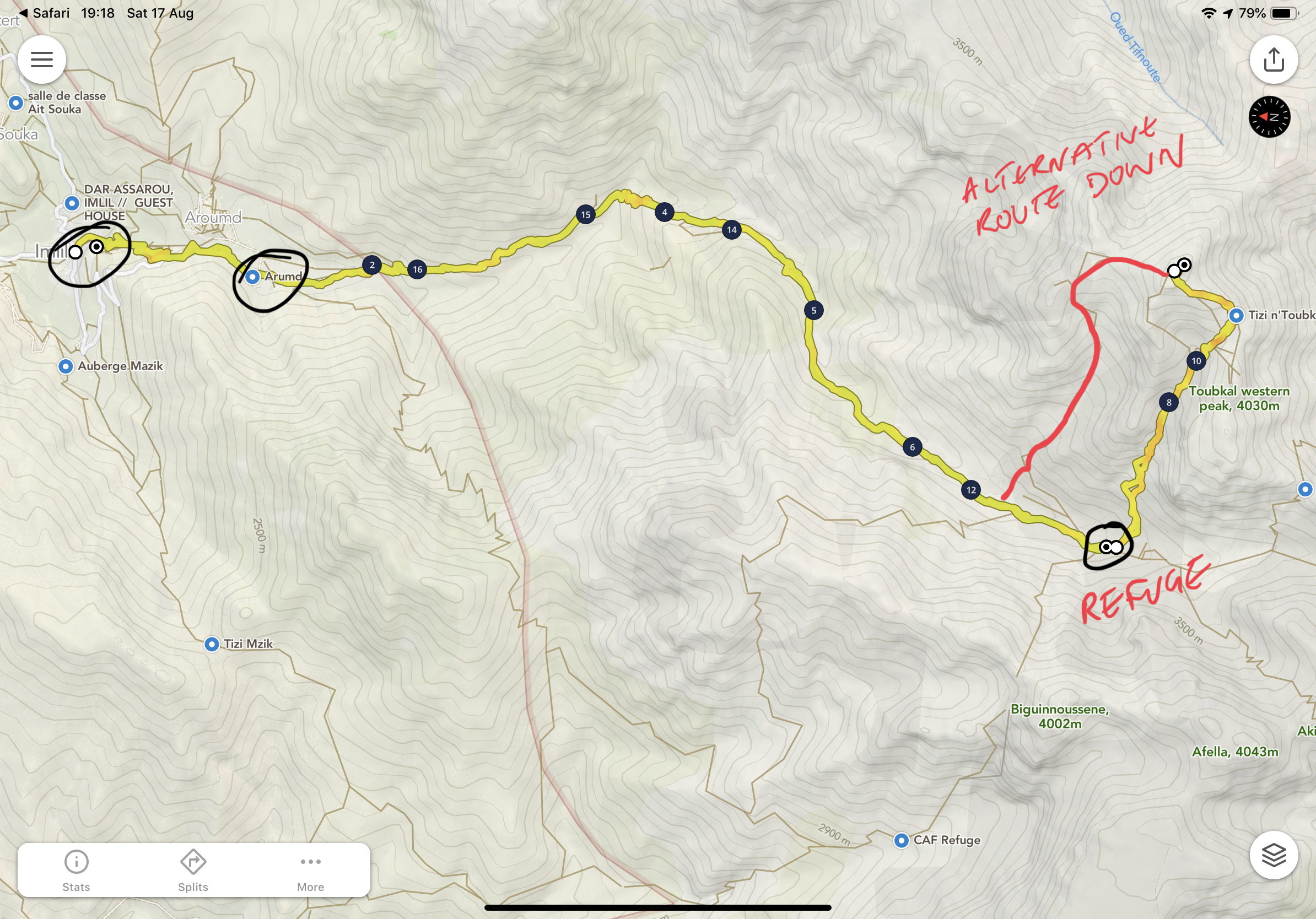
Imlil to the refuge is designed to introduce you to the terrain and slowly adapt you to the altitude. Imlil is at 1800m and the ‘Les Mouflons’ refuge is at 3207m. Depending on experience and adaptation, Imlil to the refuge can take 3-6 hours.
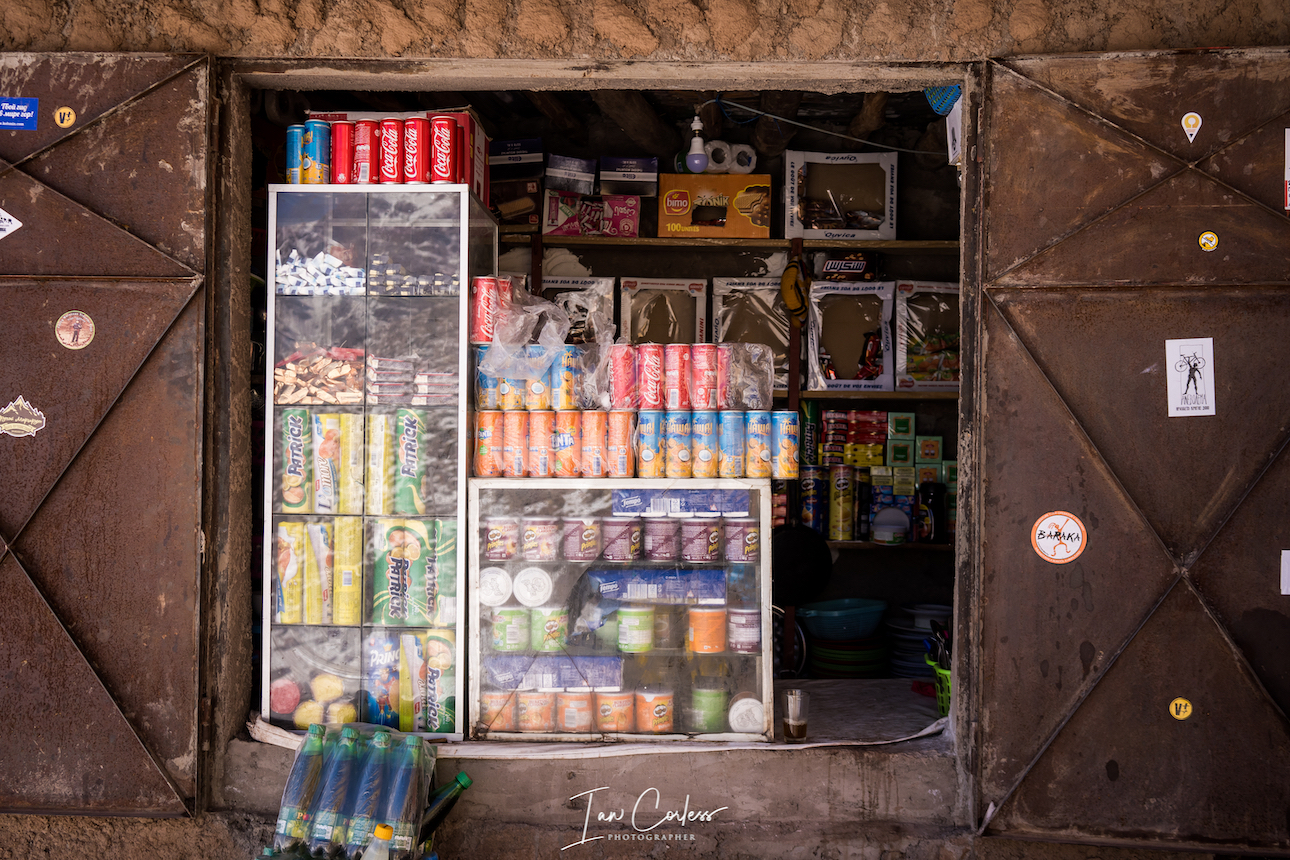
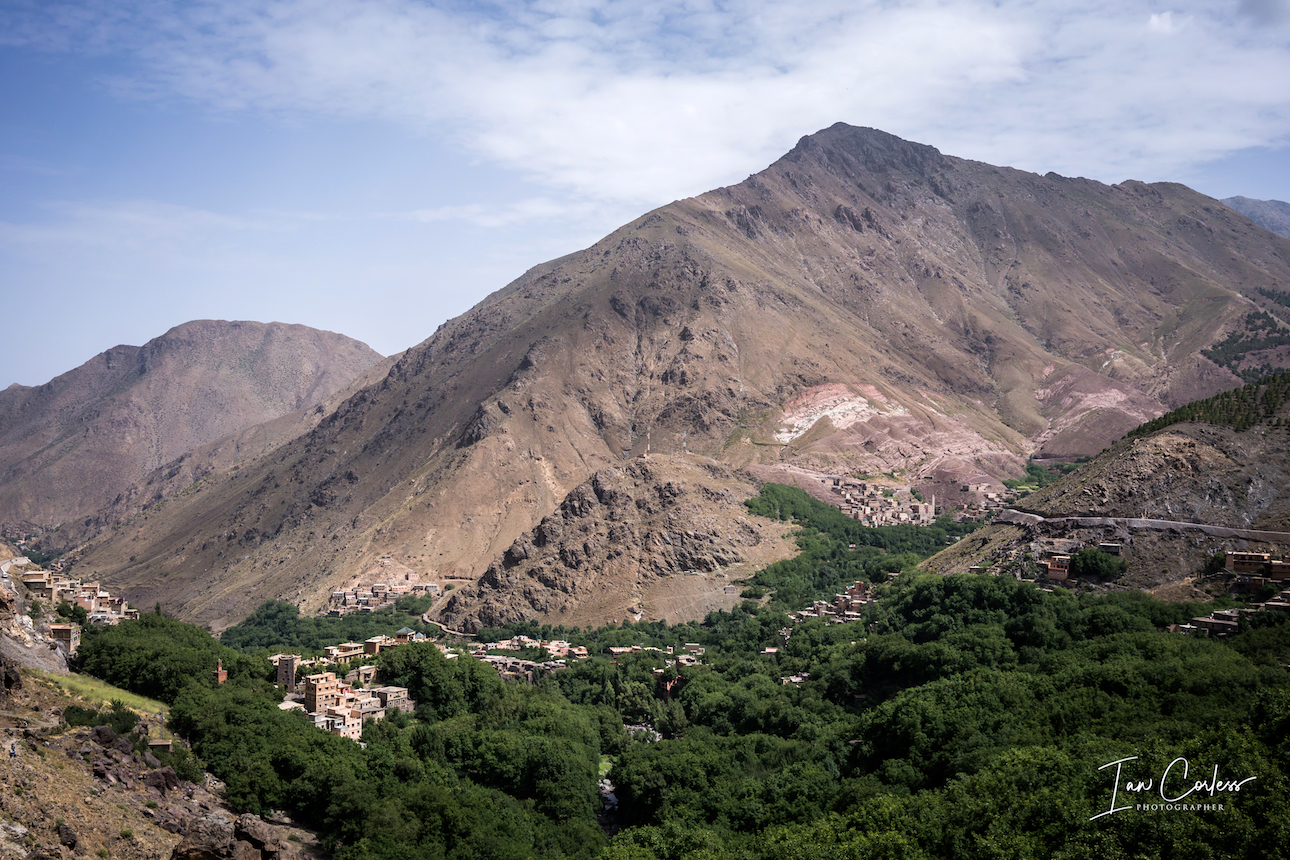
Leaving Imlil, you have a narrow trail that rises quickly to a road and then the village of Aroumd. Here you will meet the first passport control and then you cross a floodplain before starting the climb to the refuge. The terrain is rocky and rough but not dangerous. Chamharouch is the next passport control and here you will see a large white rock that is a Muslim Shrine. Here it is possible to by water, food if required and soft drinks such as coke.
Depending on the time of year and how harsh the winter has been, snow may already be present on the trail. Usually, just wearing trekking shoes or boots is fine to the refuge, however, it can be possible to need to add crampons in a harsh year, so, make sure they are easily accessible from your pack when you leave Imlil.
Passport check point
The path now climbs steeply and gently reaches upwards, once again the terrain is rocky. You will arrive at two disused building that now sell drinks and here is the 3rd and final passport check. Before you know it, you will arrive at the refuge located at 3207m.
Depending on what you have arranged with your guide, you will have a meal at the refuge and then you will stay in a shared dorm with all the other climbers. These dorms are often unisex, so be prepared. You also need to be self-sufficient in terms of sleeping bag, additional clothes and warm layers. Everyone usually sleeps by 8/9pm. Bring wet wipes/ toilet roll as this is not provided at the Refuge.
Dinner is typically served at 1830 and offers soup, bread, a carb rich main meal with protein, fruit dessert and tea. A shop is available to purchase soft drinks, water, chocolate and other items.
Breakfast is bread, mixed jams/ honey, soft cheese and a selection of drinks. Depending on one’s plans, breakfast is often served from 0400 through to 0900.
Lunch is served on request.
ROUTE OPTIONS
TOUBKAL
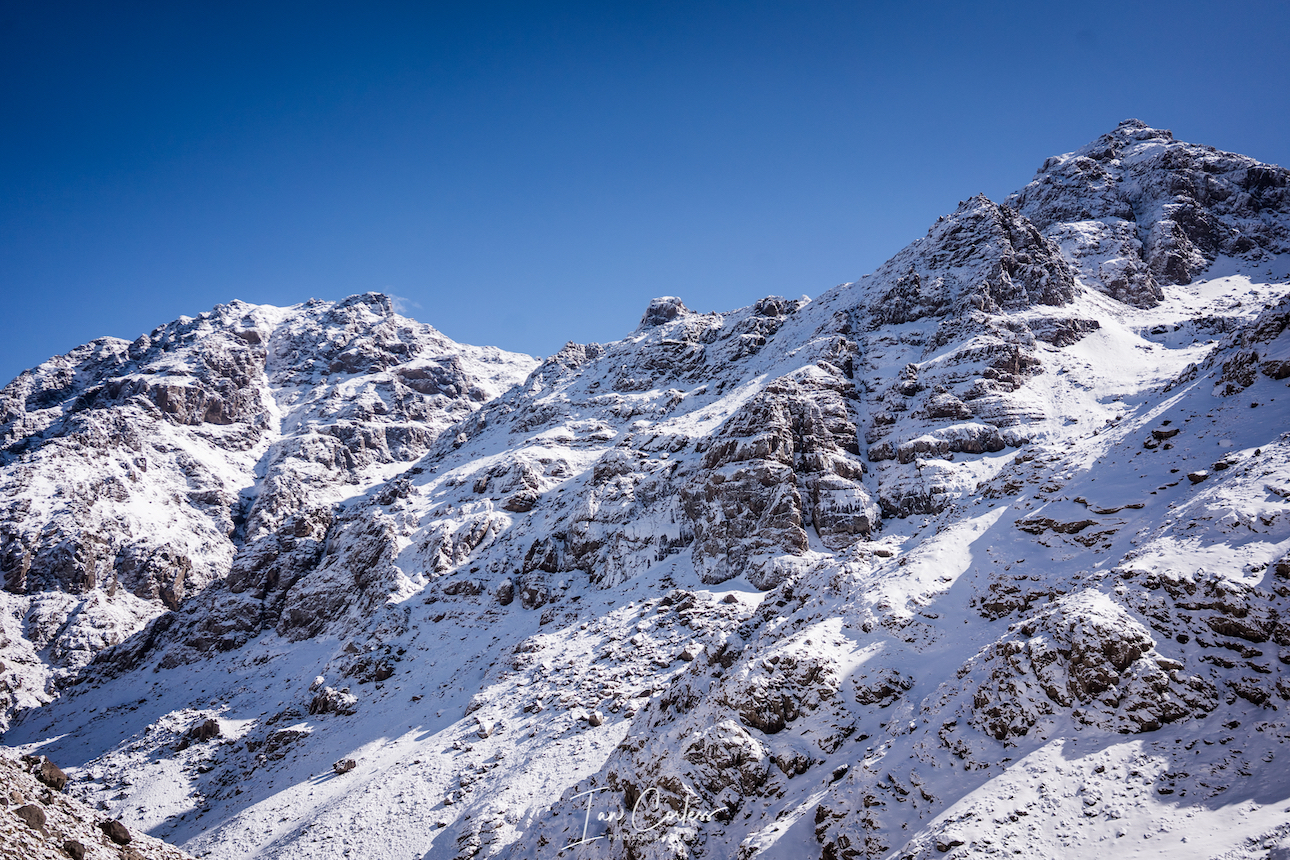
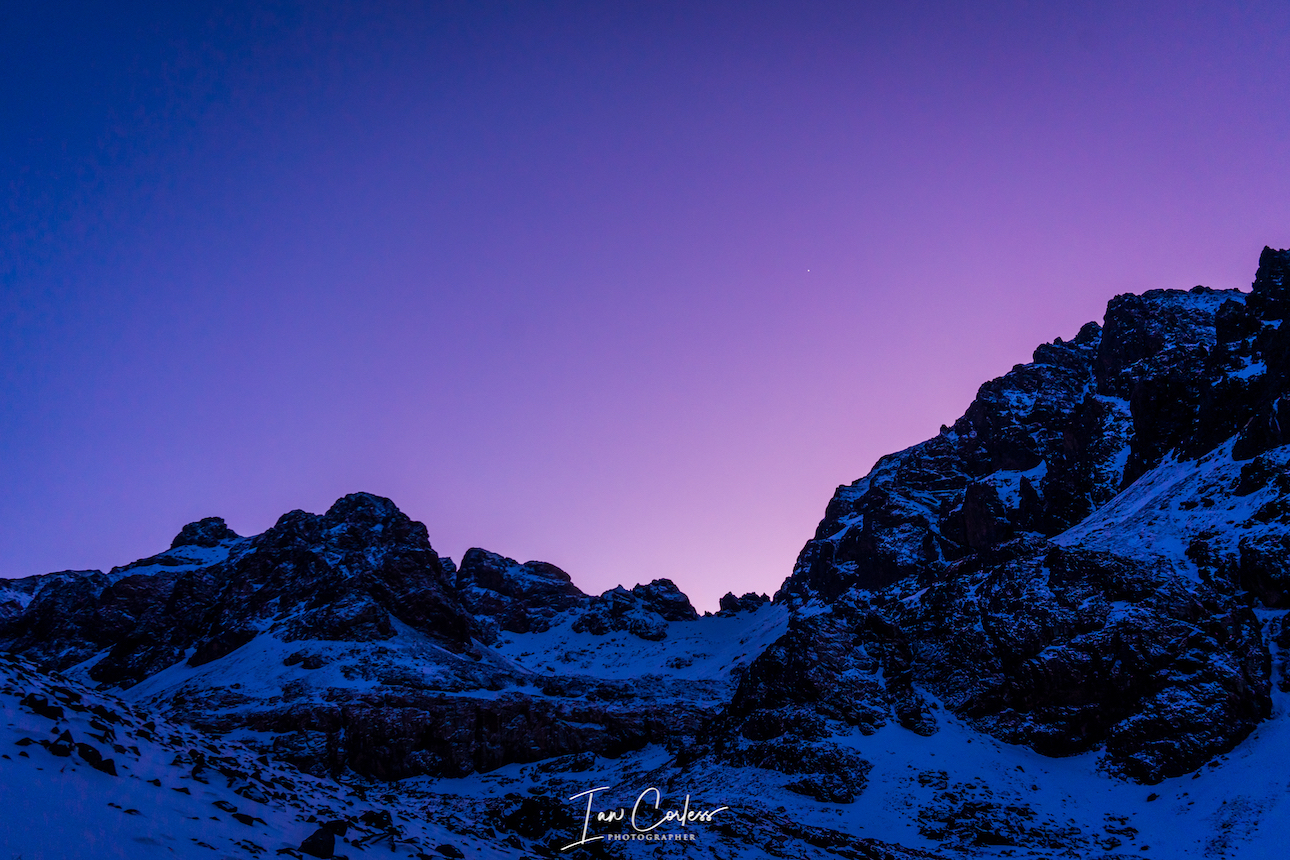
The standard Toubkal summit day will typically start at 0400 with breakfast and the intention will be to start the climb asap. Sunrise is approximately 0810 (+/-) in winter, so, depending on your projected speed, the guide will advise on a departure time so you can climb from 3207m to 4167m and arrive at the correct time to experience sunrise.
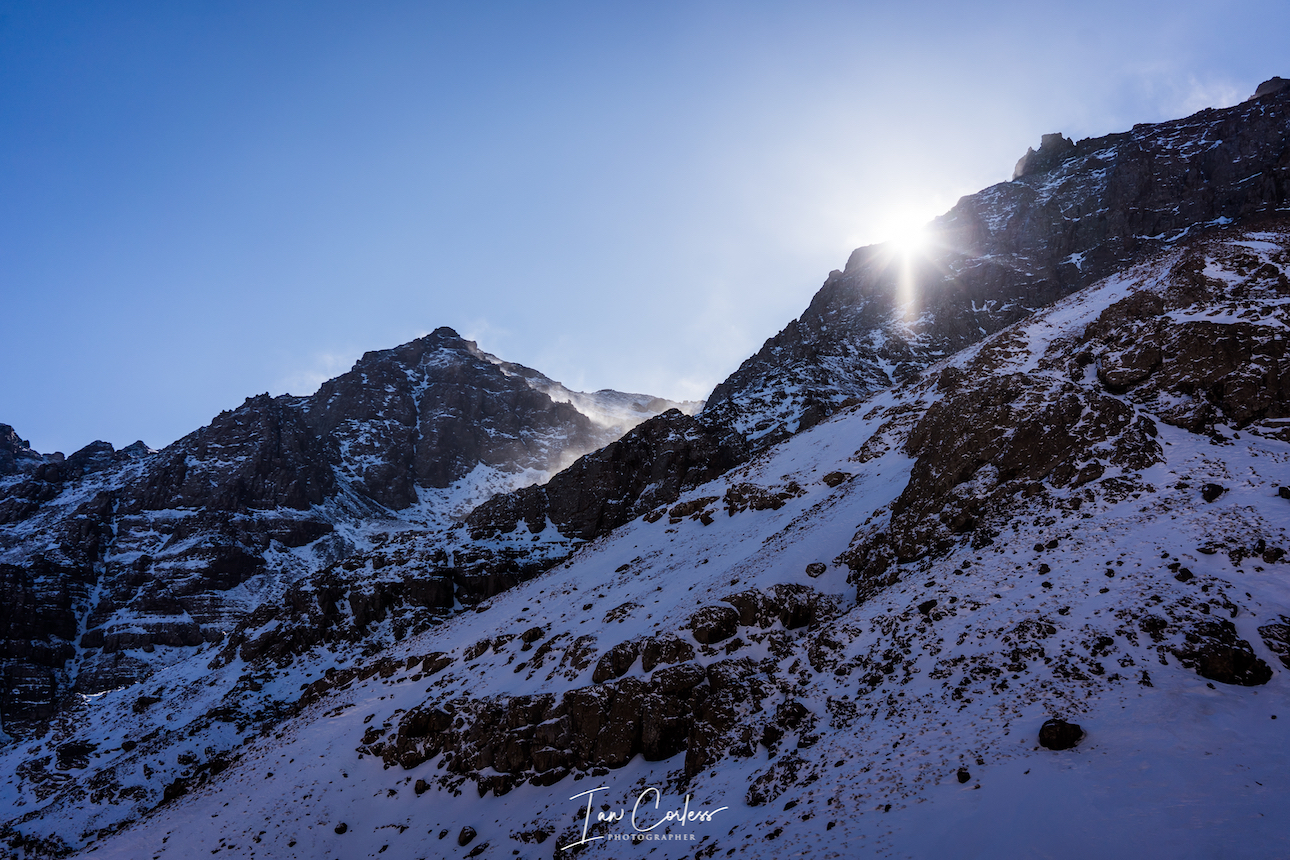
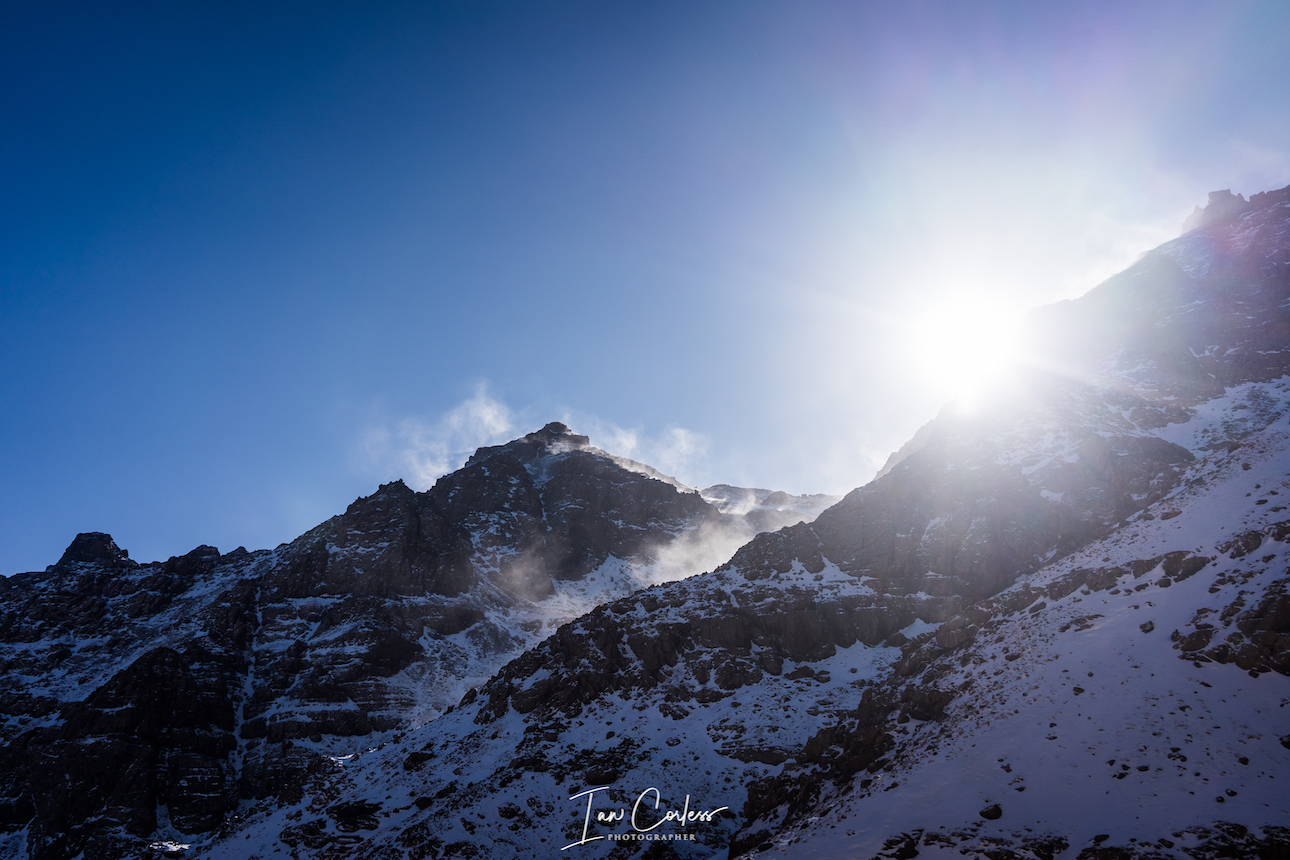
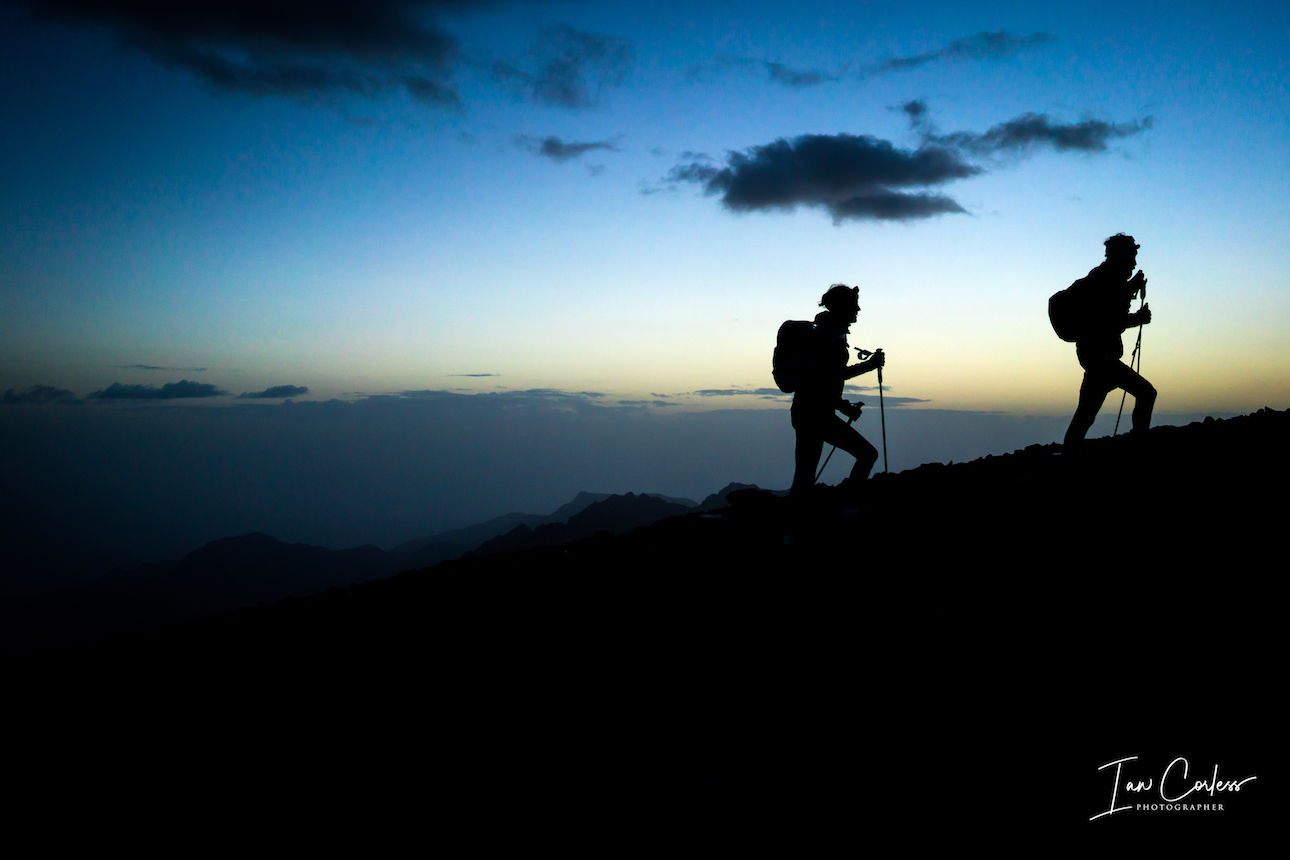
Note – It is dark for pretty much all the climb and very, very cold. How cold depends on many factors but be prepared! Ambient temperature may be -10 but in the wind chill this can easily be beyond -20.
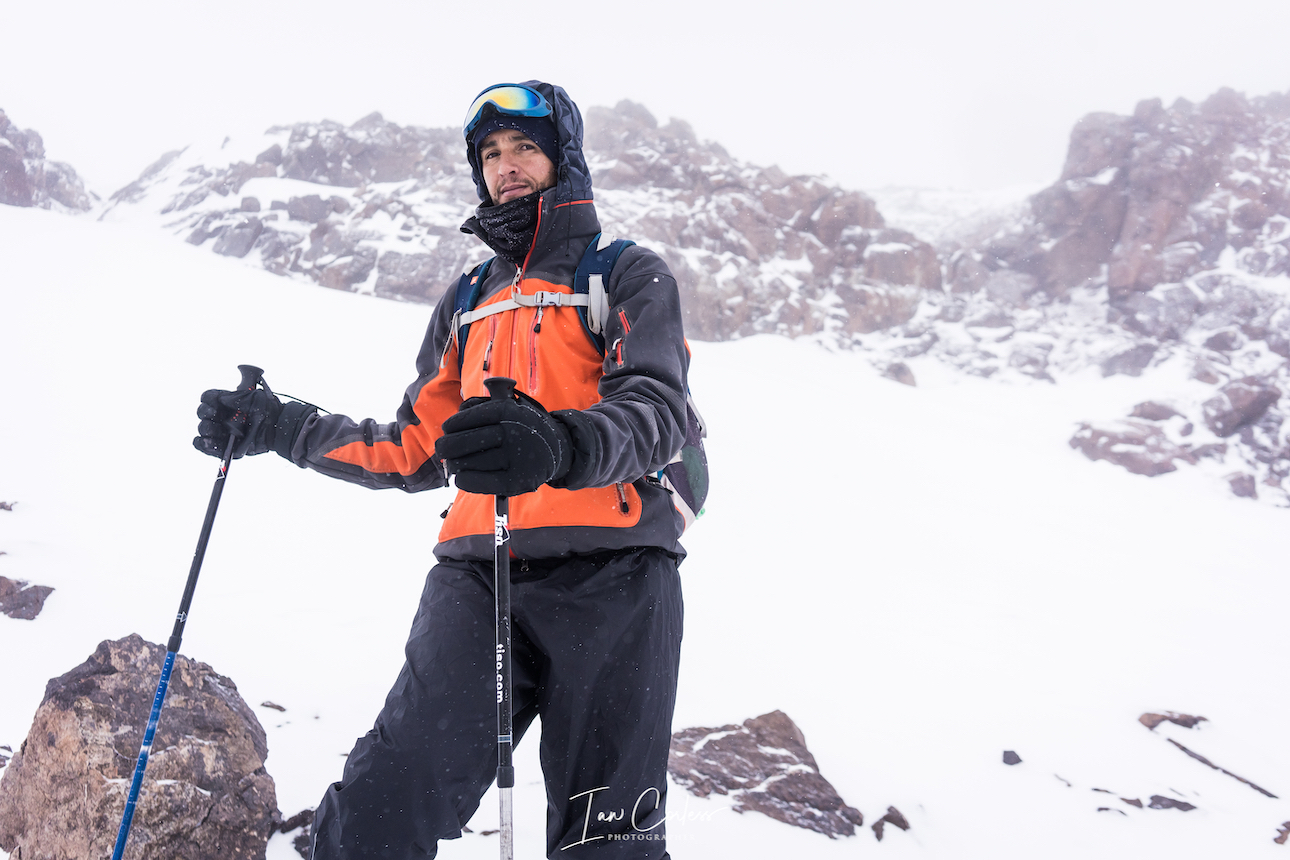
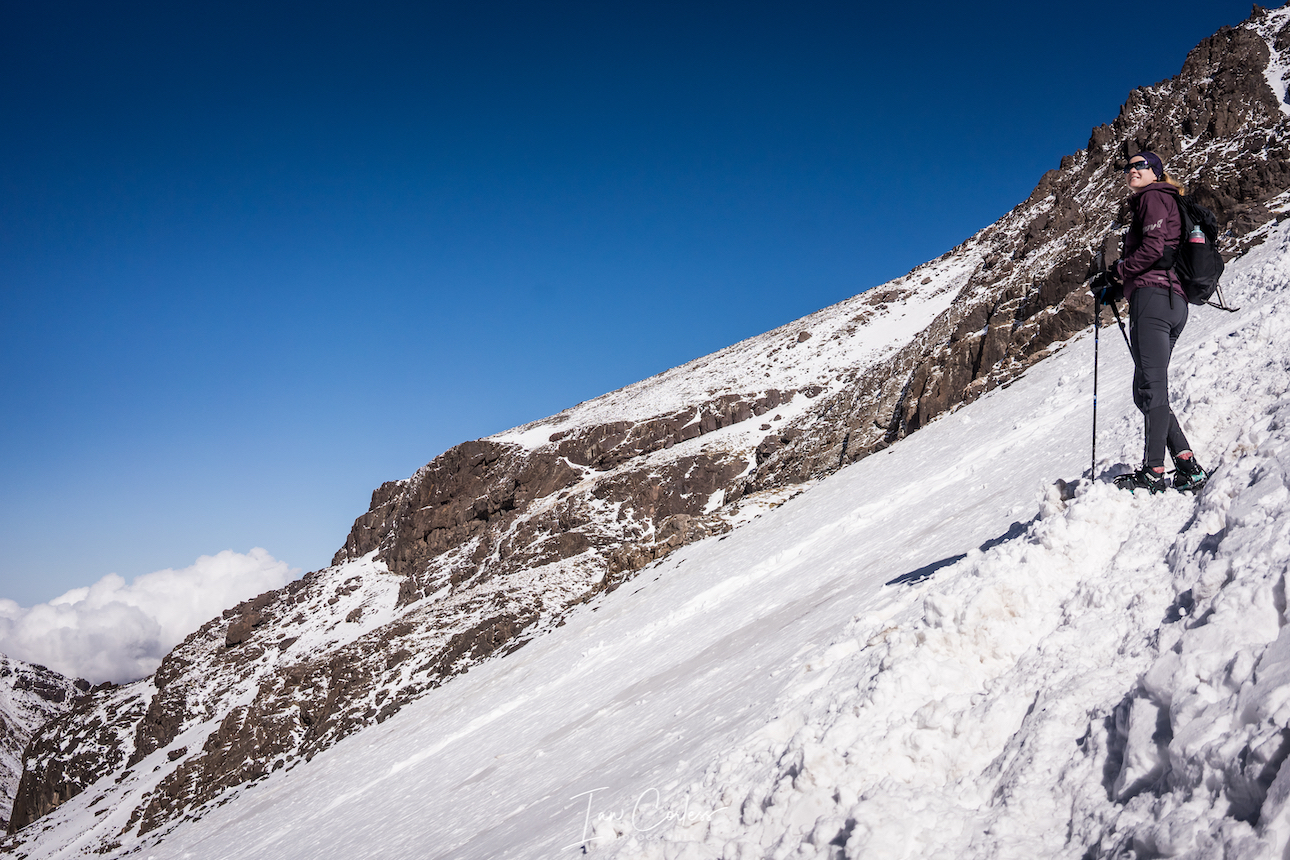
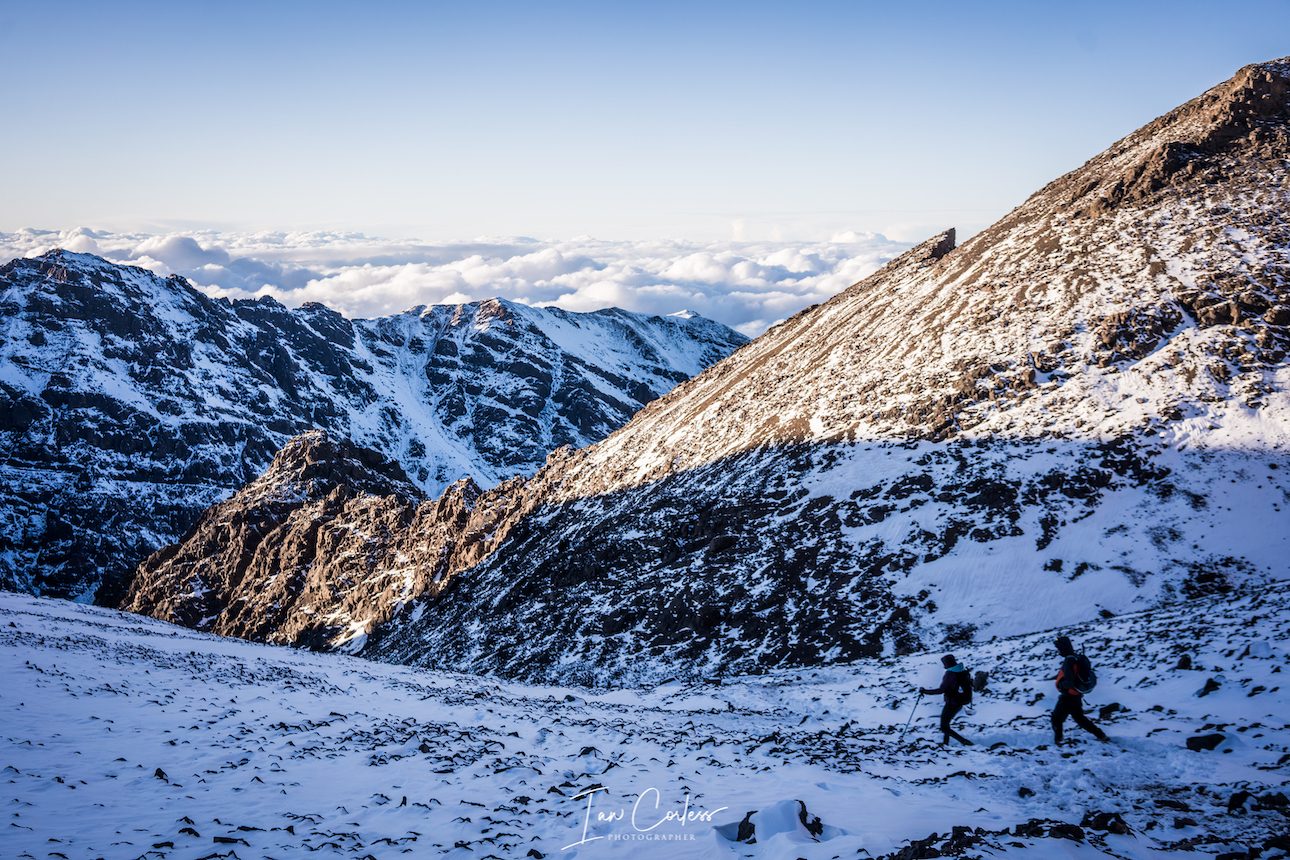
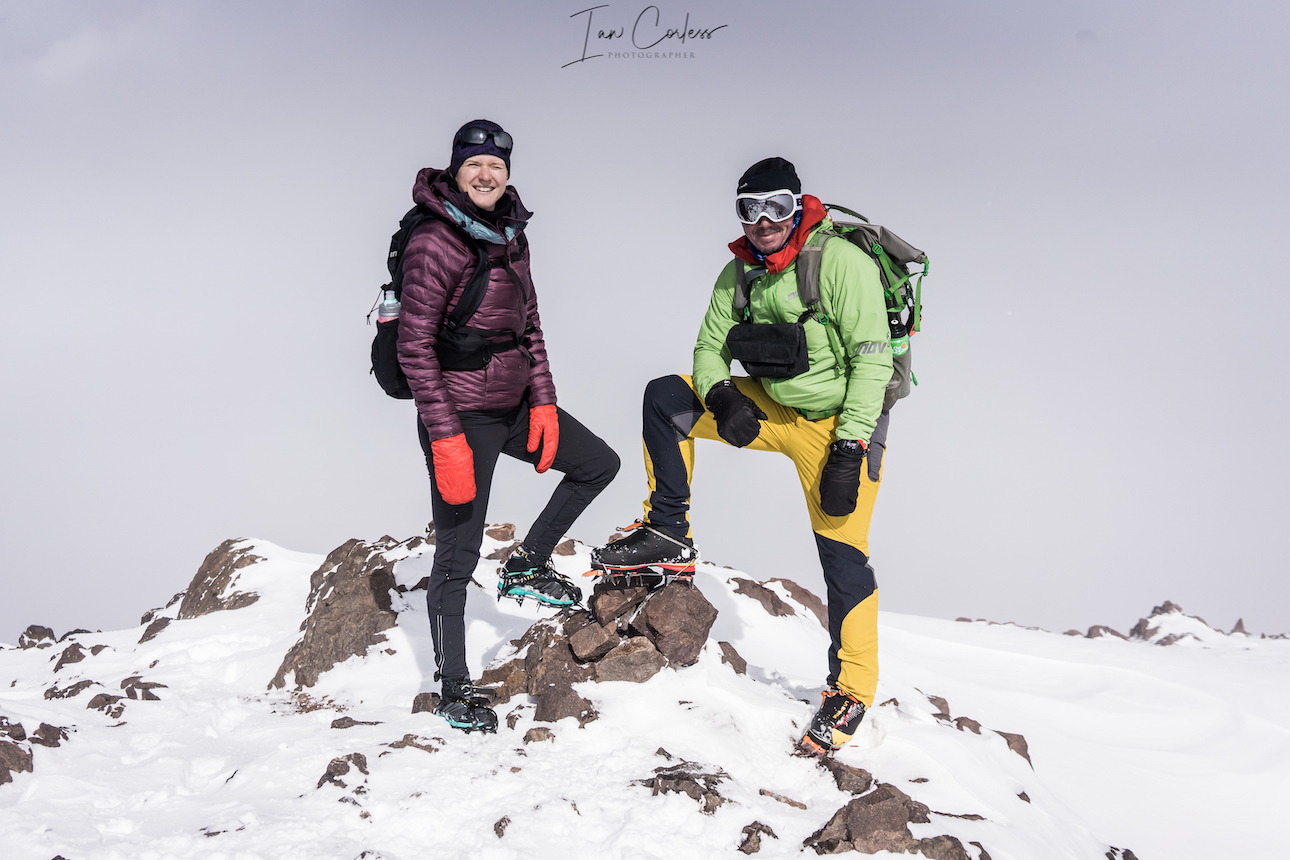
The trail goes straight up often zig-zagging to ease the gradient. The snow and ice can be unpredictable, and crampons are essential. The use of poles is highly recommended and the carrying an ice axe is in my opinion compulsory. You may very well not need it, but better to have one just in case.
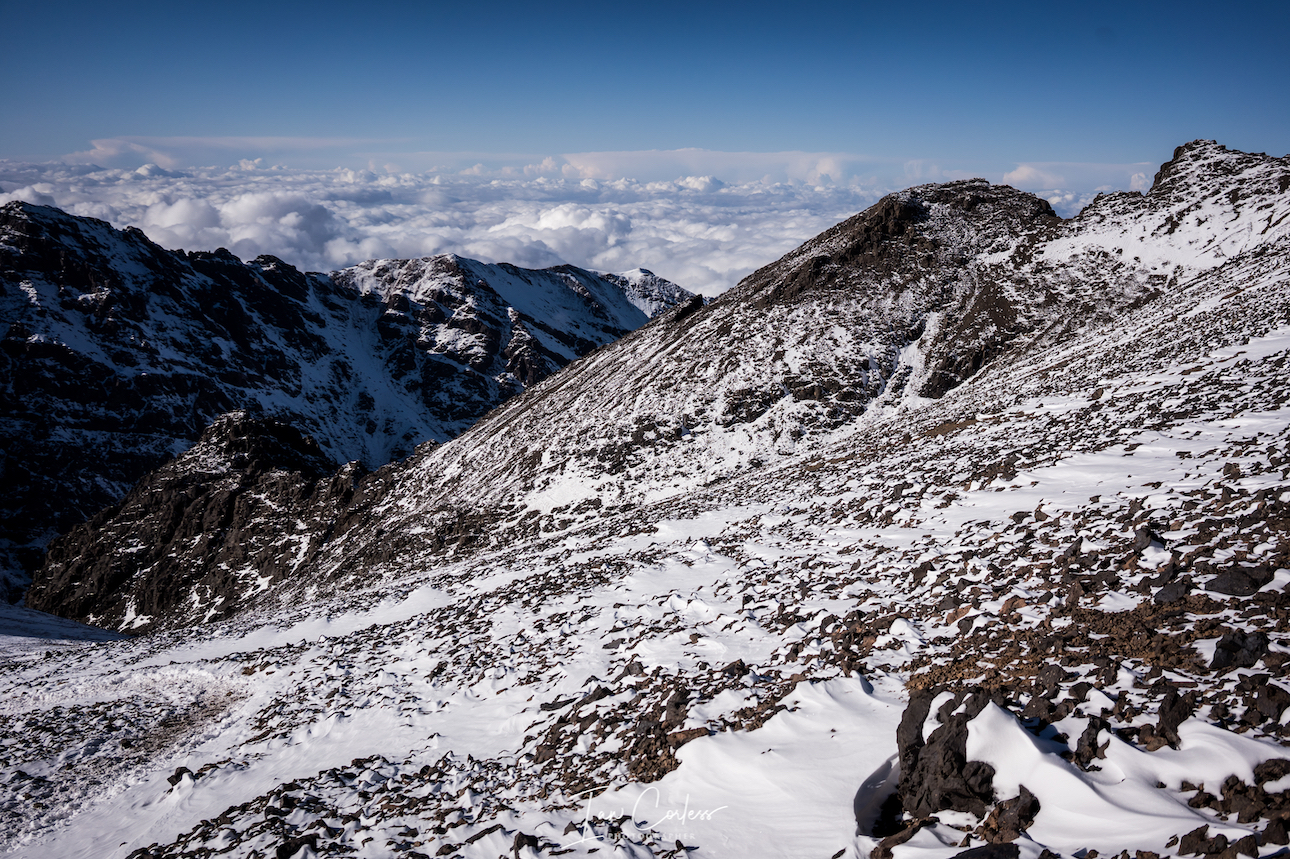
Once at the saddle, the trail goes left and right. Here you go left for a final push to the summit. On a clear day, the views are magnificent and if you time it correctly, the sunrise can be truly magical. The terrain here is not as steep but depending on route options, it can be a little more technical.
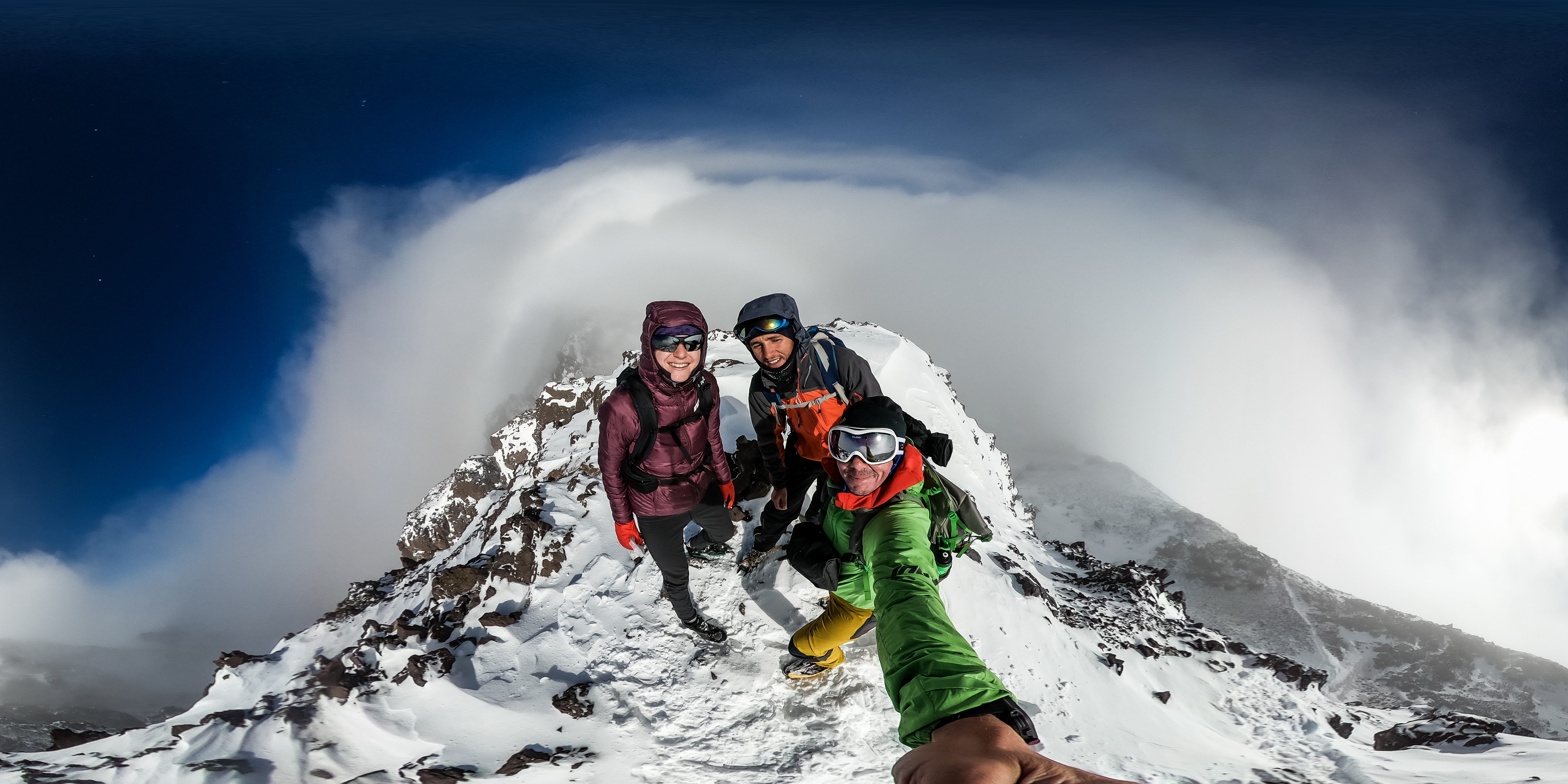
Most arrive at the summit between 0745 and 0900 to experience the winter sunrise. Depending on the day, hanging around is usually not an option; it is too cold. Of course, you may want to take a photo? Be careful! Removing gloves at the summit in -20 is not a good idea. Be sensible.
Descending becomes easier from an altitude perspective, with every meter you go down, the easier it will become to breathe. Rely on your crampons on the descent, they provide great security and often, depending on conditions, it is possible to take a more direct line. Let the guide dictate, they know all the route options and will keep you safe.
Once back at the refuge, many take a break for lunch and they will look to descend back to Imlil in the afternoon via the exact same route they went up the previous day.
The above scenario is the classic Imlil-Toubkal-Imlil mini-trek that is ideal to do over a weekend, Friday to Sunday or as a mid-week adventure. If possible, I always recommend mid-week, far less people!
FAST OPTION:
If you are experienced or want a challenge. Imlil-Toubkal-Imlil can be done in one day. I have done this twice now, once in Winter and once in Summer. Depending on one’s speed and ability, it is possible to leave Marrakech at 0530, meet a guide at 0700 in Imlil, summit at midday/ early afternoon and then be back in Imlil before dark.
The above is not for everyone, but for me, it was an ideal opportunity to fit an action-packed day between holiday days, before and after in Marrakech.
ALTERNATIVE OPTION:
Once you have summited Toubkal it is possible to take another route down. This is a more challenging descent with some exposure, very lose scree and lots of technical rocks in summer. In winter, you would need an experienced guide who understands the route and weather conditions and you personally would need a greater level of skill. The route rejoins the main trekking path and you then have an option to go left and return to Les Mouflons refuge or go right and return to Imlil.
OUANOUKRIM ROUTES
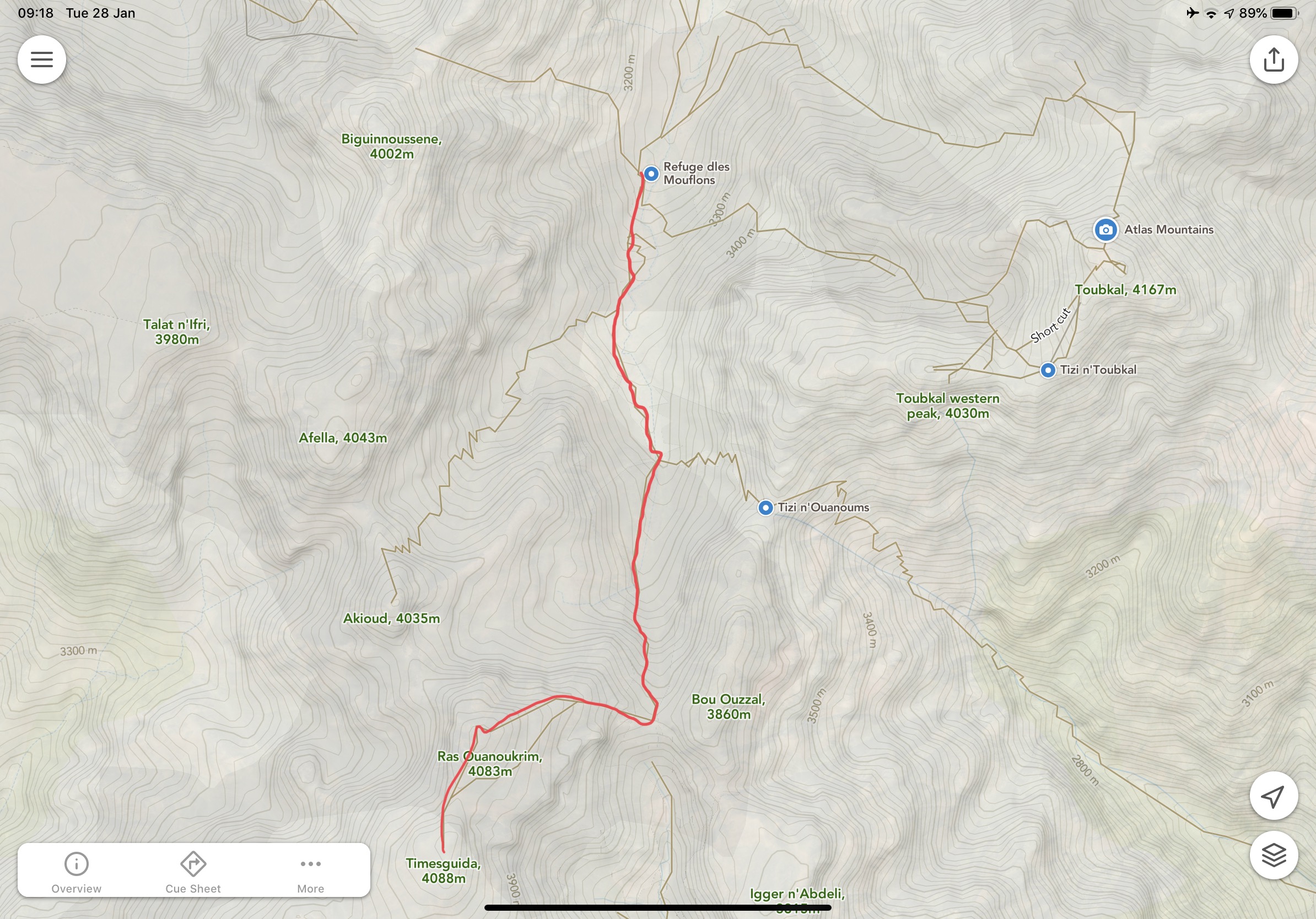
Located high above Les Mouflons refuge, Ouanoukrim offers the 2nd ‘TIMZGUIDA’ and the 3rd, ‘RAS’ highest peaks of the Atlas range. These two peaks are often neglected due to Toubkal being the highest peak, but these two are just a fraction lower at 4089m and 4083m and they offer much more challenging and technical climbing.
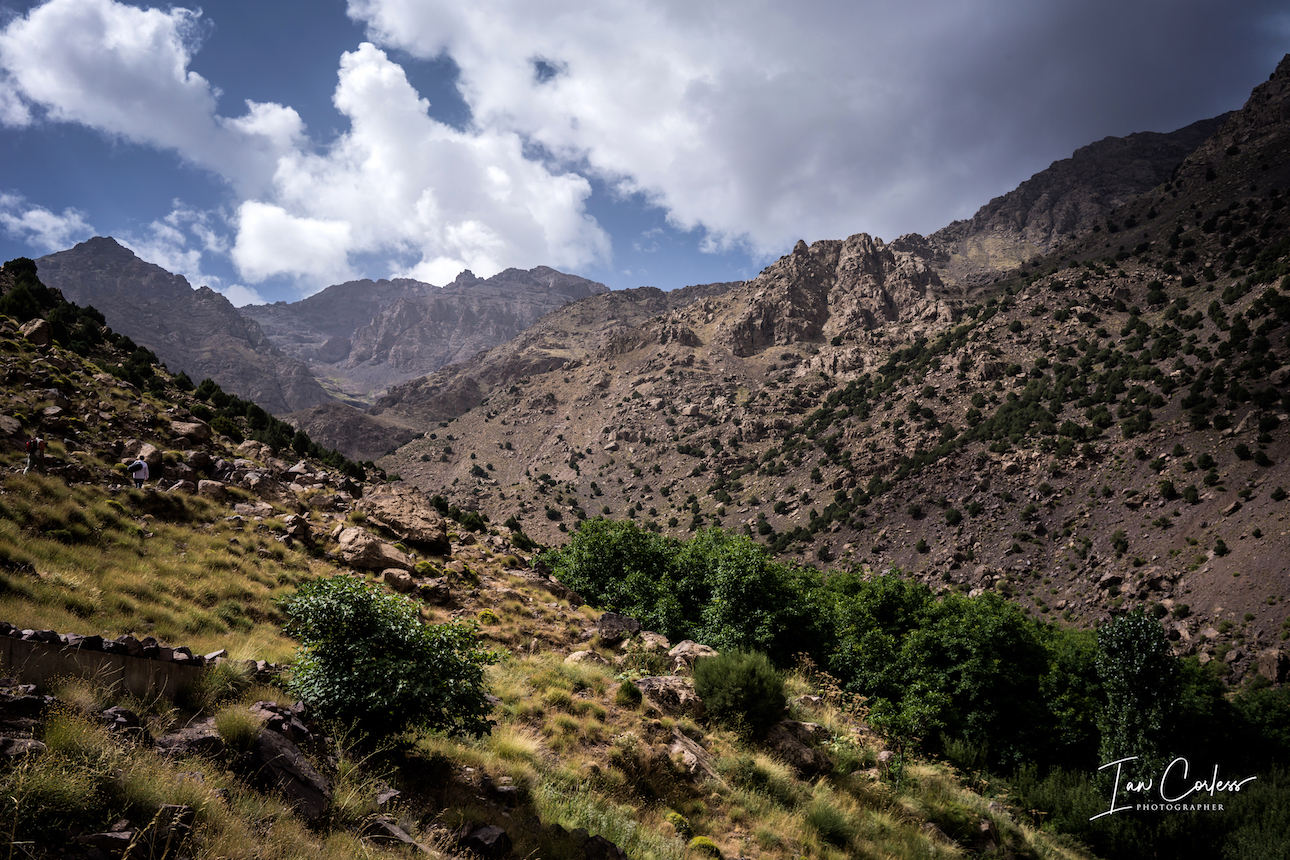
Leaving Le Mouflons, one heads up the mountain, Toubkal is to the left and you take the valley leading to the peaks ahead. The out and back trek/ climb is longer than Toubkal and the early gradients are less severe. However, as one moves up the climb the terrain becomes increasingly challenging and steeper.
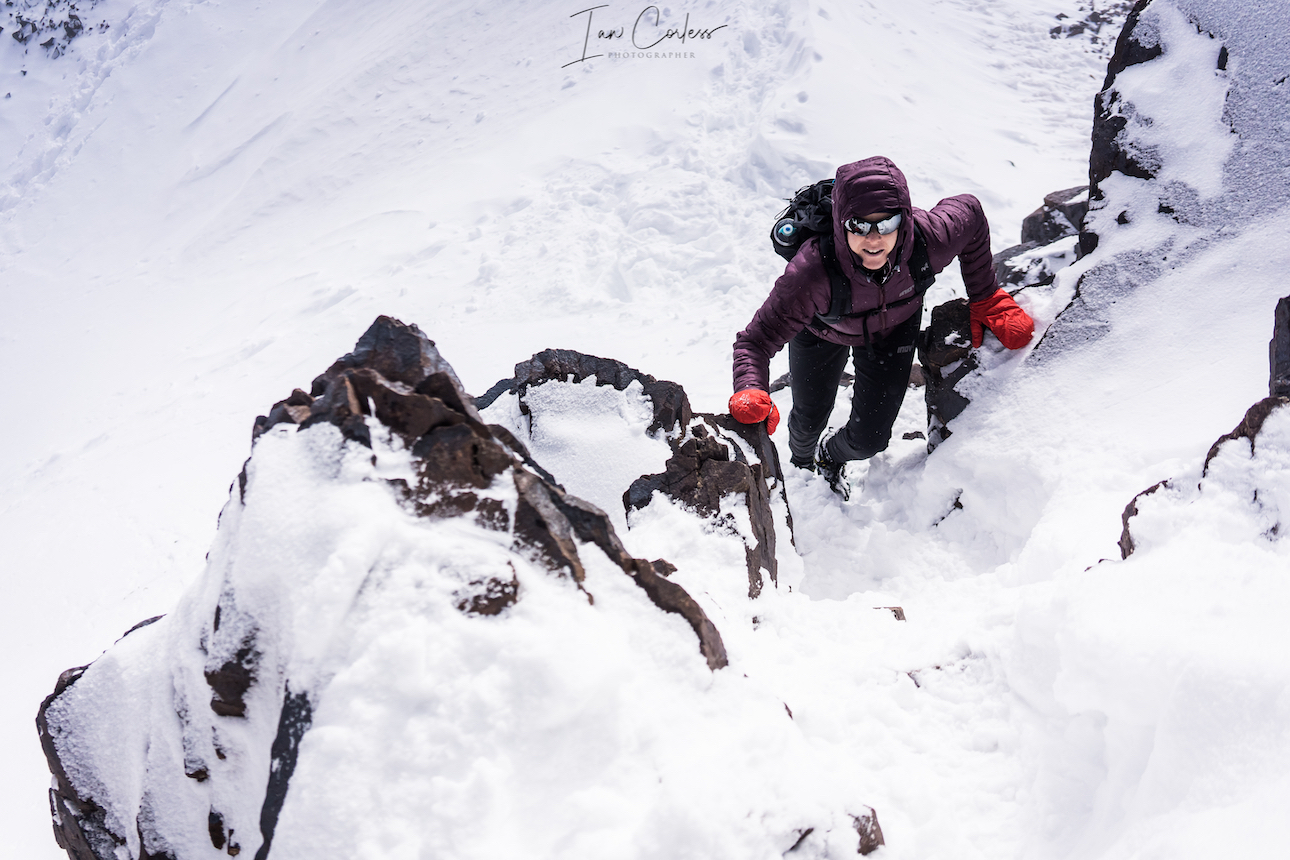
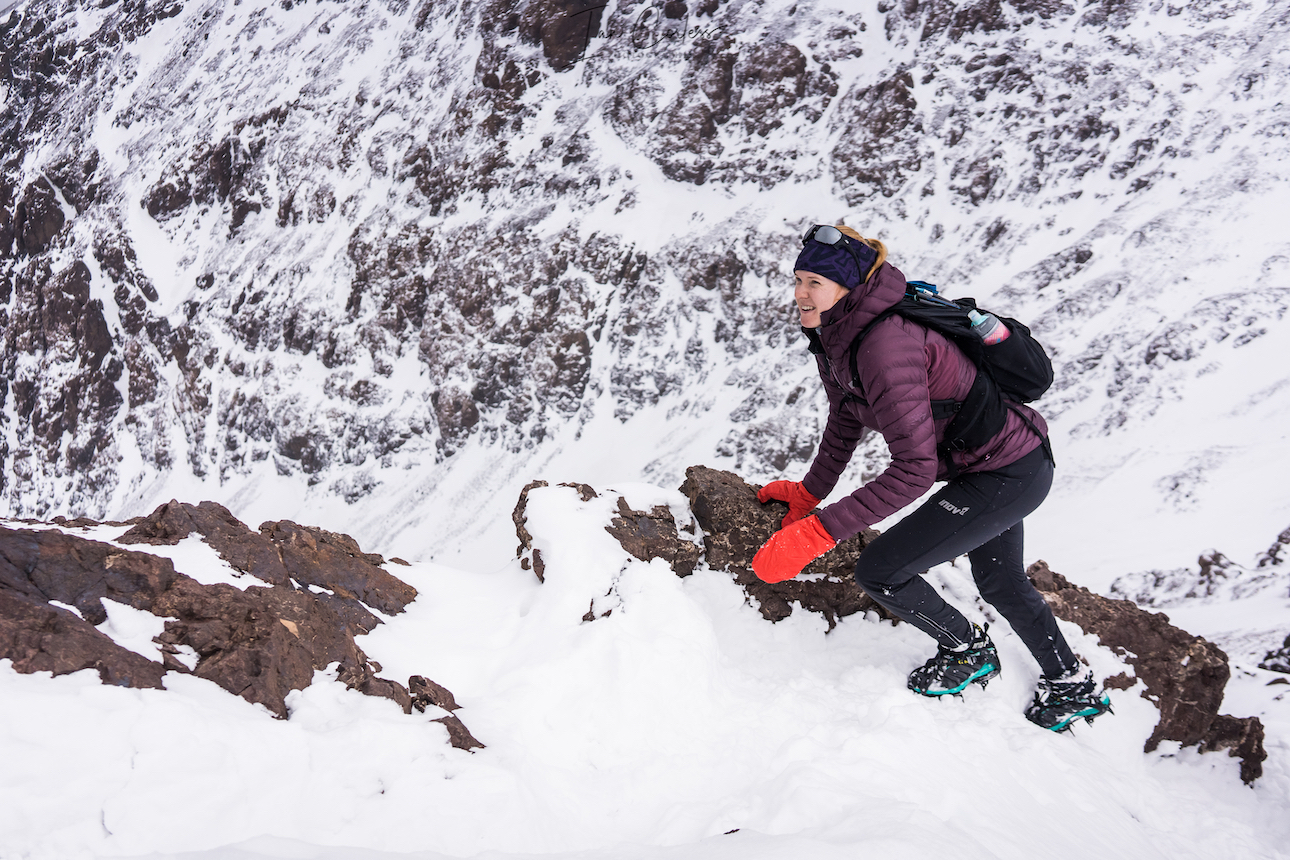
At the saddle, you can decide to go left for RAS or right to TIMZGUIDA. TIMZGUIDA is higher and a more challenging climb that in winter requires more advanced scrambling skills, the need for an ice axe and a level head. It’s a stunning route that is perfectly achievable, even for a novice climber, as long as you have a good guide and the correct equipment.
After several scrambling sections, the mountain opens up with one last scramble to the summit.
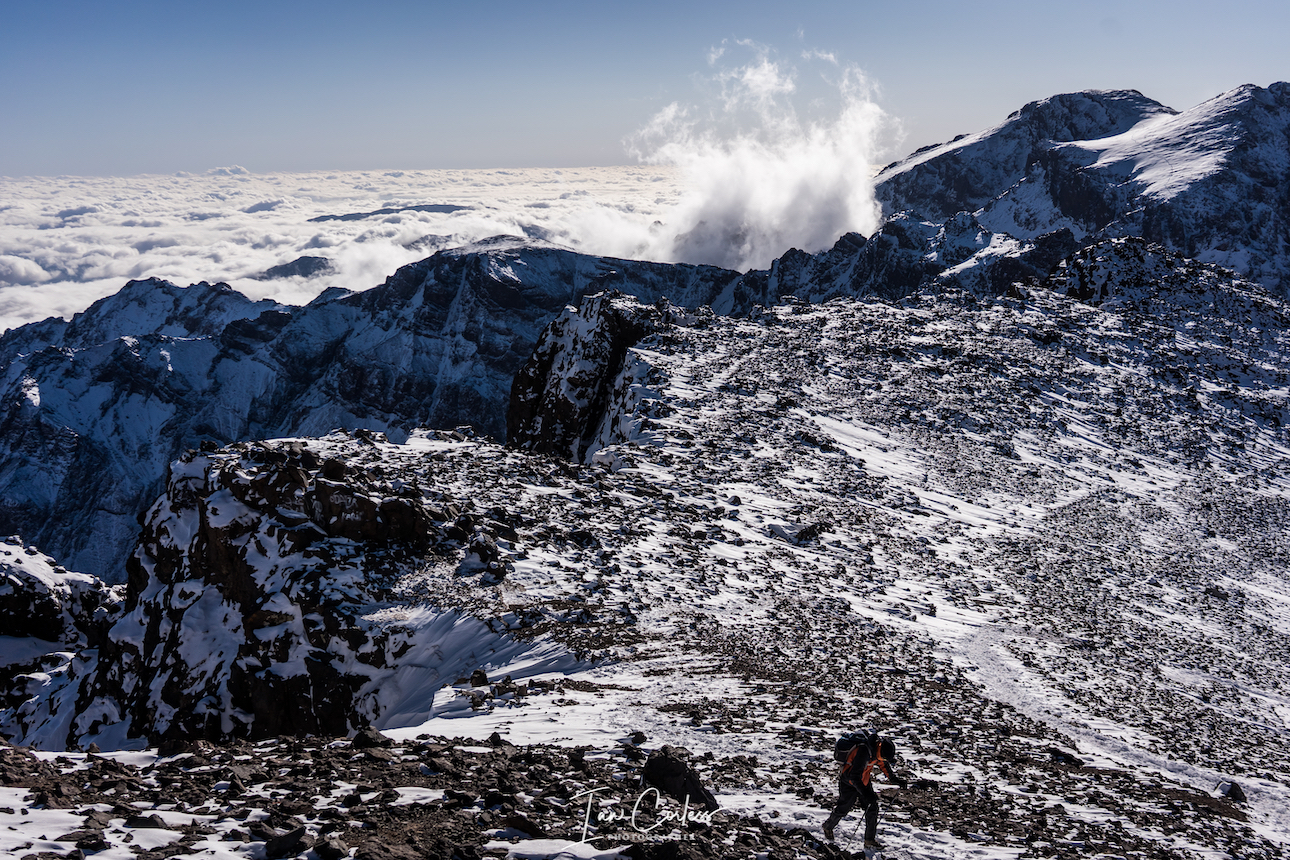
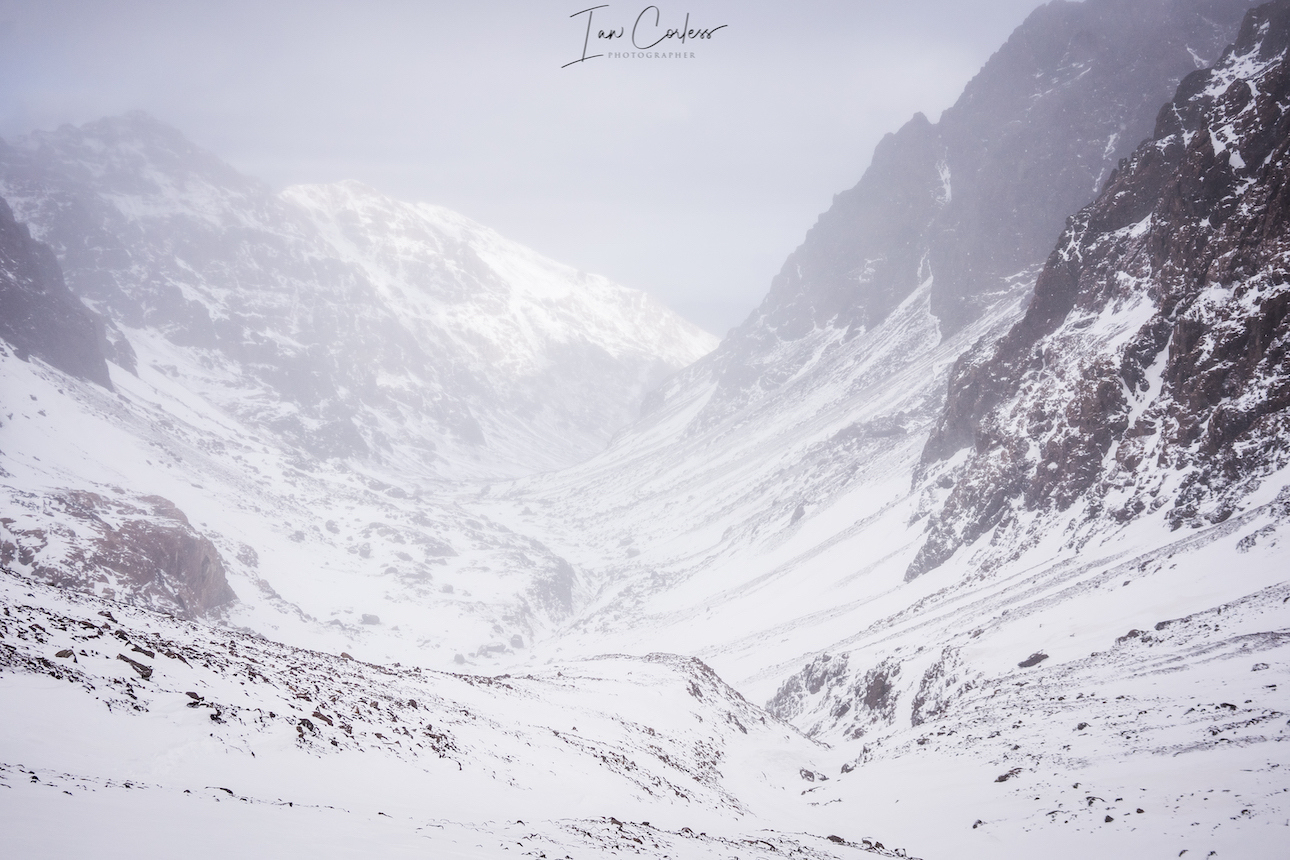
The return is via the way you arrived, so, constantly ask yourself on the way up, ‘Am I happy down climbing these sections?’ – It is always easier to climb up than climb down. Exposure to the elements is a factor that you must consider, especially in the final 100-200m where the mountain is exposed. On my most recent trip, we had thick snow which made trekking up and down hard, we had snow flurries, thick mist, fog and very, very cold temperatures.
Of course, it is possible to do RAS and TIMZGUIDA in one day.
OTHER ROUTE OPTIONS
AFELLA 4043m and AKIOUD 4035m are two other route options from the Toubkal refuge.
AFELLA is to the west of the refuge with more complex faces. The majority of the winter lines are on the south face and are accessed by a narrow ravine. The east face requires ice climbing.
AKIOUD is accessed from the south via the ‘Assif ait Maine.’ The climb can take 3 hours based on conditions and it is possible to ski down following a south east direction.
Other route options exist that can be made up of multiple days.
EQUIPMENT:
As suggested previously, summer on Toubkal and you can get away with standard running apparel with the addition of a warm layer (PrimaLoft or down) and water/wind proof top and bottoms for the climb and summit. Gloves, beanie, buff and so on are also essential.
In winter, you need very specific equipment which I will list below with links. Climbing boots are large and heavy and I strongly suggest you use a much lighter approach shoe or run shoe for the trek from Imlil to refuge and back.
Base layer:
RAB Forge leggings and top
Mid layer:
RAB Shadow hoody
Insulation:
RAB Xenon Jacket (Stratus insulation)
Pants:
RAB Torque and Winter Torque
Gloves:
RAB Forge liner glove and RAB Xenon Mitt
Hat:
RAB Shadow Beanie
Waterproof layer:
inov-8 Stormshell
Shoes:
La Sportiva Mutant (used for Imlil to refuge)
Boots:
La Sportiva G5 mountaineering boot
Crampons:
Petzl Irvis Hybrid
Ice axe and Poles:
Petzl Glacier and Black Diamond Distance Z Carbon
For extreme cold:
RAB Neutrino Pro Jacket
RAB Aragon Pants (down)
Sleeping Bag:
RAB Neutrino 600
Other:
Make sure you have good sunglasses and I found goggles essential in winter conditions.
Make sure you apply sun screen.
I recommend you have an emergency tracker, I use a Garmin InReach for all outings.
TIME OF YEAR:
Summer:
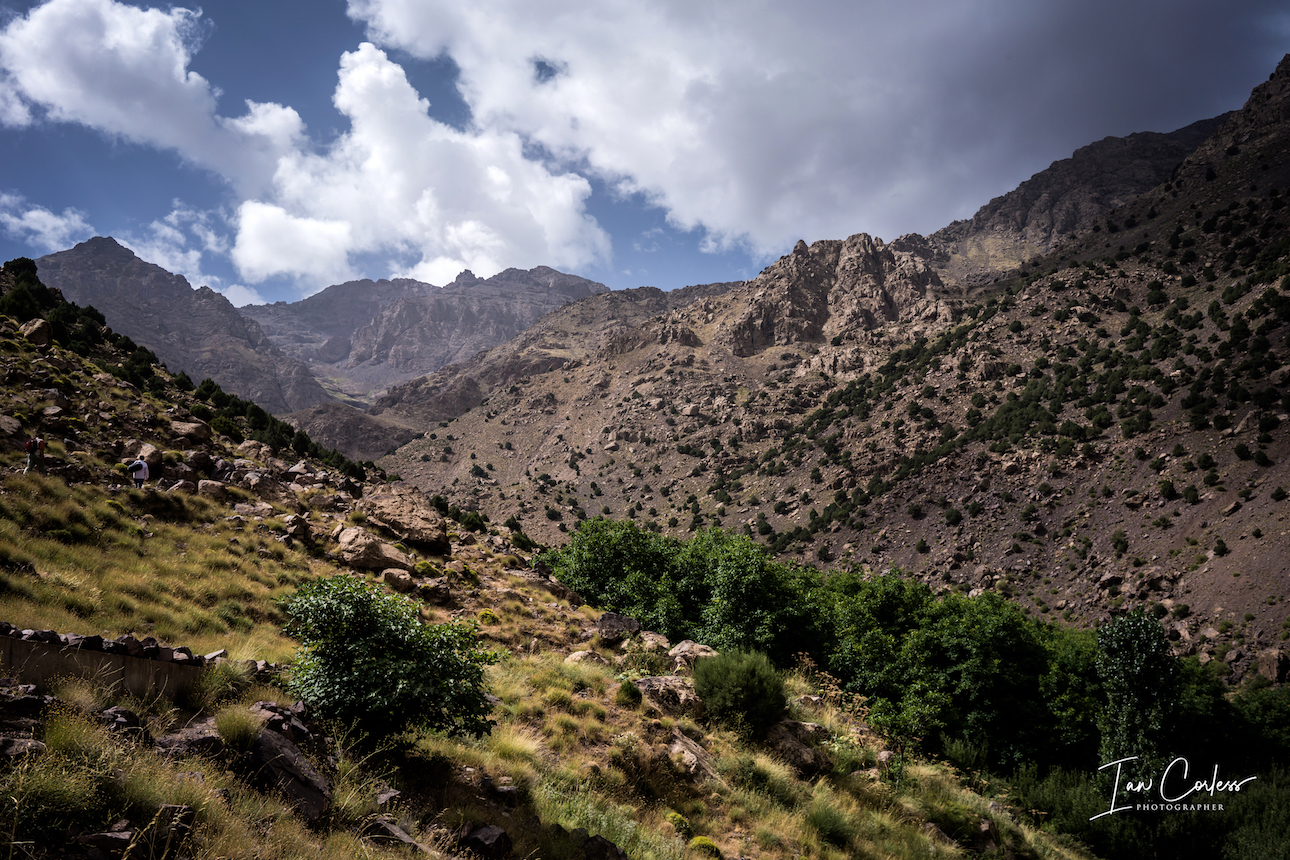
August for me is perfect. Marrakech is hot but has less tourists. Expect 30-40 degrees during the day. Imlil to the refuge, temperatures will be somewhere between 15 degs at 0700 and 30 deg in the afternoon.
Winter:
January through to April provides excellent winter conditions and snow/ ice levels will vary depending the usual weather variations. I have climbed in January and April. January provided more extreme conditions with much colder temperatures.
RETURNING TO IMLIL
The way to return to Imlil is via the trekking path used when coming out. There is no need or requirement to visit the control points and show your passport.
This January Toubkal and Atlas Mountain trip was undertaken in preparation for a 2020 expedition to Nepal for the ‘Three Summits Expedition‘ – read more HERE
Please support this website. I believe everyone deserves to read quality, independent and factual articles – that’s why this website is open to all. Free press has never been so vital. I hope I can keep providing independent articles with your help. Any contribution, however big or small, is so valuable to help finance regular content. Please support me on Patreon HERE.
Anyone fancy a mini-trip to Morocco, Jan 21 to Jan 25th?
I am happy for 1-3 people join me.
*****
Plan is to climb and summit Mt Toubkal (4167m) three times in three days! Basic experience of snow climbing from 3000m refuge to summit and back. The climb from Imlil (1800m) to the refuge (3100m) is just trekking.
You will need to be self-sufficient (meals at refuge) and you will need good winter climb boots, crampons and ice axe.
*****
Plan:
21st- Fly to Marrakech and transfer to Imil, overnight Imlil.
22nd – Imlil to summit and back to refuge with overnight at refuge.
23rd – Early summit for sunrise and back to refuge.
24th – Early start, summit, refuge and then return Imlil for overnight stay.
25th – Back to Marrakech and flight back to London.
*****
If you fancy a mini-adventure please use the contact form below.
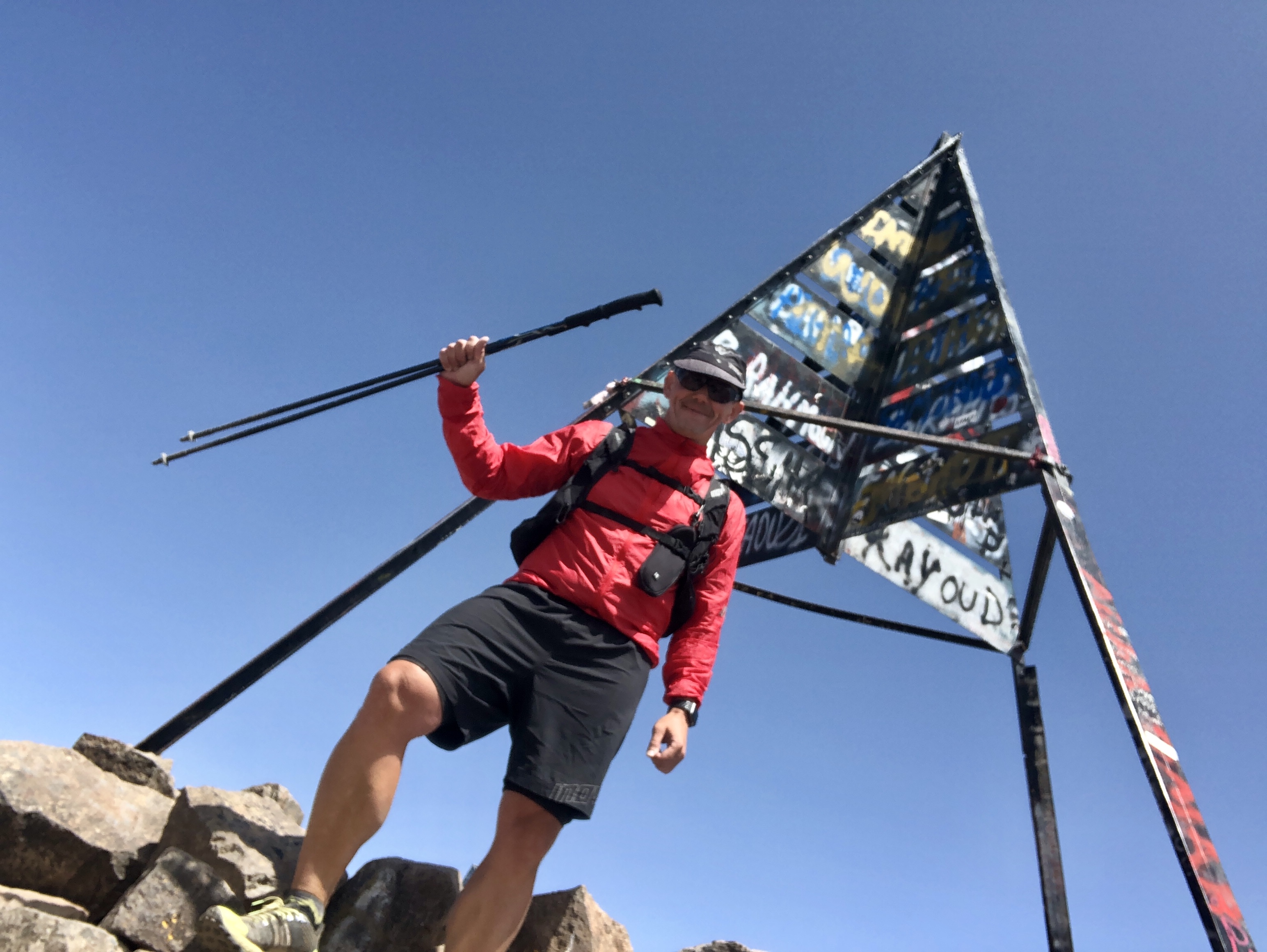
Located in the Toubkal National Park, Morocco, at 4167m, Jebel Toubkal is the highest peak in the Atlas Mountains. It is also, the highest peak in North Africa and the Arab World.
Located just 75-minutes drive from Marrakech (approximately 40-miles) the National Park and the Toubkal summit has long been an excellent opportunity for those looking for a challenge, either for a specific purpose or as an add-on to an active holiday. As ultra-running, mountain running and the desire to explore new places grows. Morocco and Toubkal is a great place to adventure. Toubkal is considered by many as a great entry level mountain and it’s altitude is a great allure.
Toubkal has two-seasons, Winter and Summer. In winter, summiting the peak brings different challenges as it is completely covered in snow and ice. Winter mountain skills are required and the use of crampons are essential.
So, in this article, we look at Toubkal as a summer adventure and in due course, I will follow up with a Winter article.
PRACTICALITIES
Flights to Marrakech are in abundance and if you plan ahead, you can get very good deals, particularly from some of the budget airlines.
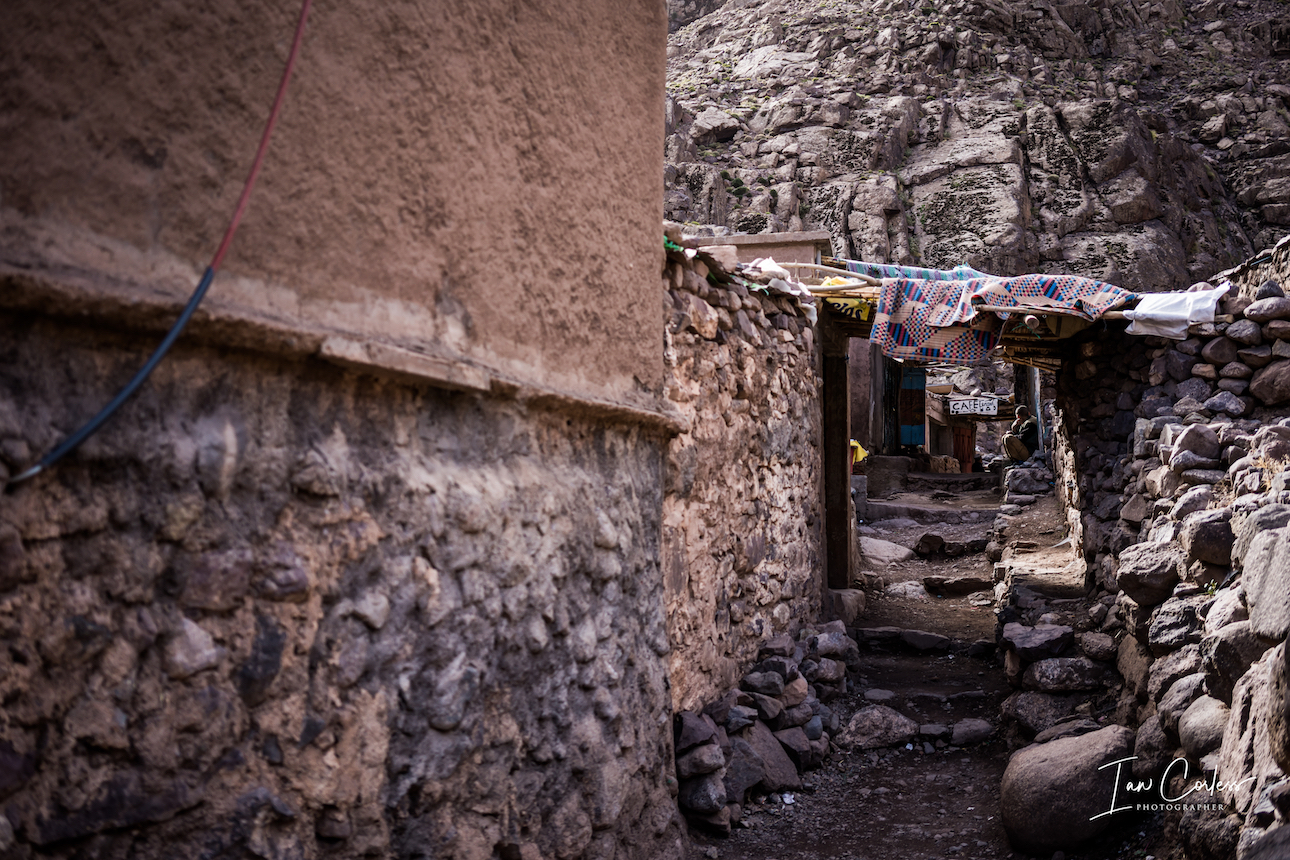
If you have not been to Marrakech before, I would say it is essential to soak up the atmosphere of the place by staying in the Medina (souk) in a typical Riad. Riad’s are standard Moroccan accommodation and like anywhere, you can go cheap or expensive. I have several favourites. My all time favourite, the ‘Dixneuf La Ksour’ (http://www.dixneuf-la-ksour.com ) which has only 6-rooms, excellent staff and they serve wonderful local food in the evenings and they have a licence to serve alcohol, if that is your thing!
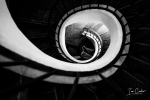
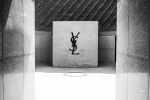
My advice would be, arrive Marrakech and then spend two days sightseeing. Visit the Medina, get lost and haggle for a bargain. On the following day you could visit the Yves-Saint-Laurent Museum (https://www.museeyslmarrakech.com/fr/ ) and the Jardin de Marjorelle (https://www.jardinmajorelle.com)both worth the effort. There are many other things that one can do, but this is a good starting point. You could then go to Imlil/ Toubkal for your adventure and the return back to Marrakech for another day or two before returning home.
TOUBKAL
Depending on your budget, you can either get a taxi or a private car to the village of Imlil. This is the starting place for all summit attempts. A taxi will be 35-40 euro and private car 80 euro.
OPTION ONE:
This is a standard option for Toubkal, and what most people do on a first attempt.
They leave Marrakech after breakfast, looking to arrive Imlil, say for 11am. You then meet your *guide, have tea (nearly always compulsory) and then leave for the refuge.
*A guide is now compulsory in the National Park and you cannot enter without one. There are currently three checkpoints that you go through and on each occasion your guide must provide your passport and the details are logged.
Imlil to the refuge is designed to introduce you to the terrain and slowly adapt you to the altitude. Imlil is at 1800m and the ‘Les Mouflons’ refuge is at 3207m. Depending on experience and adaptation, Imlil to the refuge can take 3-6 hours.
Leaving Imlil, you have a narrow trail that rises quickly to a road and then the village of Aroumd. Here you will meet the first passport control and then you cross a floodplain before starting the climb to the refuge. The terrain is rocky and rough but not dangerous.
Chamharouch is the next passport control and here you will see a large white rock that is a Muslim Shrine. Here it is possible to get water, food if required and soft-drinks such as Coke.
The path now climbs steeply and gently reaches upwards, once again the terrain is rocky. You will arrive at two disused building that now sell drinks and here is the 3rd and final passport check. Before you know it, you will arrive at the refuge located at 3207m.
Depending on what you have arranged with your guide, you will have a meal at the refuge and then you will stay in a shared dorm with all the other climbers. These dorms are often unisex, so be prepared. You also need to be self-sufficient in terms of sleeping bag, additional clothes and warm layers. Everyone usually sleeps by 8/9pm.
The summit day will typically start at 0400 with breakfast and the intention will be to start the climb asap. Sunrise is approximately 0700, so, depending on your projected speed, the guide will advise on a departure time so you can climb from 3207m to 4167m.
In summer, the trail is very dry and although not a technical climb, Toubkal does have a great deal of loose scree and rocks. With the addition of the demands of altitude, the climb can provide an excellent challenge for someone new to experiences like this. Or, experienced runners and climbers can use it as a form of training. The trail goes straight up often zig-zagging to ease the gradient. Once at the saddle, the trail goes left and right. Here you go left for a final push to the summit. On a clear day, the views are magnificent and if you time it correctly, the sunrise can be truly magical.
Importantly, be prepared for the cold. It may be 30-40 degrees in Marrakech but the summit can be very cold and windy. Make sure you have wind proof jacket/ trousers, warm layer, hat and gloves as a minimum.
Most arrive at the summit between 0700 and 0900, you spend time soaking the views and taking photos and then return via the path you came. (There is another way down, more on that later!)
Descending becomes easier from an altitude perspective, with every meter you go down, the easier it will become to breathe. However, I think many find the descent harder and more challenging than the climb. This is due to the loose scree and rocky terrain. If experienced, one can drop from the summit to the refuge in 60-75 minutes. However, many eek their way down and falling/ slipping is a very real possibility. To clarify, there are no exposed ridges or real danger. It will just be a slip and a slide.
Once back at the refuge, many take a break for lunch and they will look to descend back to Imlil in the afternoon via the exact same route they went up the previous day. The out and back route is approximately 22 miles.
Once back in Imlil, it makes sense to book a local Riad, they are very inexpensive and serve great Tagine. The following morning you can arrange for a taxi/ car to collect you and you will be back in Marrakech for lunch.
OPTION TWO:
If you are experienced or want a challenge. Imlil-Toubkal-Imlil can be done in one day. I have done this twice now, once in Winter and once in Summer.
Most recently (August) I left Marrakech at 0530. I met my guide at 0700. We summited at midday and I was back in Imlil before 4pm in the afternoon. I had a car collect me and I was back in Marrakech before 7pm.
The above is not for everyone, but for me, it was an ideal opportunity to fit an action packed day between holiday days, before and after in Marrakech.
OPTION THREE:
As option two, but from the summit it is possible to take another route down. This is a more challenging descent with some exposure, very loose scree and lots of technical rocks. In terms of distance, it is maybe a little less than the standard up and down route but it does offer more excitement! I took this route down on my first trip to Toubkal. It rejoins the path up to the refuge below Les Mouflons.
EQUIPMENT:
During the day, shorts and t-shirt is ideal for the climb to the refuge. Shoes should be good trail running shoes with toe protection. Hikers will probably use walking shoes, approach shoes or boots. I used VJ Sport MAXx shoes which were perfect on these trails. You will need a pack and in that pack a change of clothes, warm layers, a sleeping bag and the capacity to carry liquid and some snacks. Refuge to the summit and back can be cold and windy. Be prepared with a Primaloft warm layer, gloves, hat and wind proof pants and jacket. It is recommended to have waterproof (just in case!)
I think poles for most people are an essential item. They will considerably help on the climb up and on the descent, they will add a security blanket.
TIME OF YEAR:
August for me is perfect. Marrakech is hot but has less tourists. Expect 30-40 degrees during the day. Imlil to the refuge, temperatures will be somewhere between 15 degs at 0700 and 30 deg in the afternoon. May can still have snow, so, be careful.
BOOKING:
The refuge at Toubkal is a great place to liaise with in regard to booking.
refugetoubkal@gmail.com – Liaise with Hamid.
Refuge Tariffs:
34.5 euro per person per night full board ( Dinner, breakfast and lunch )
29.5 euro per person per night half board ( Dinner and breakfast )
19.5 euros per person per night ( without meals )
The refuge can also arrange the following for you:
Transport from and back to Marrakech
Accommodation in Imlil
Mountain Guide – A guide will be approximately 80 euro per day and is payable in cash only.
IMLIL HOTEL:
The Riad Atlas Prestige is located on the climb out of Imlil. It’s cozy, provides an excellent service and the food is great. It also very inexpensive at typically 30 euros a night for 2-people.
The hotel is on booking.com or you can contact directly +212 666 494954
SAFETY:
Morocco is safe. I have been travelling in different areas for over 7-years and I have always had a great time with wonderful experiences. Of course, there are cultural differences and as a tourist, it is we that must adapt. Women in particular should consider ‘covering up’ a little more, particular if running. But, in Marrakech, there are so many tourists that pretty much anything goes. Taking photographs, one should be careful. The locals really do not like it, and this I know from first hand experience.
Unfortunately, in December 2018 two girls were murdered between Imlil and Toubkal and this created a stir worldwide and locally. Hence the need for a guide and three passport controls now. I cannot emphasise enough that this incident was a one-off and to clarify, I have been back to Morocco and Imlil twice since this incident and at no point was I worried.
CONCLUSION:
An active weekend away or part of a longer trip to Morocco, Imlil and Toubkal is a real adventure and is highly recommended. For example, it would be quite feasible to fly from the UK (for example) on a Friday and return on Monday having visited Imlil and summited Toubkal over the weekend.
For those with more time Imlil is also a great place for a longer stay. There are many trails to explore in the area and the place is a hidden gem.
For those combining holiday and adventure, Imlil and Toubkal is a great active outlet amidst a more relaxed time in Marrakech. If you are planning to be in Morocco for longer than 7-days, also consider heading to the coast to visit Essaouira which is a 4-hour drive. It’s an old place with a very different feel to Marrakech. Of course, the options are only limited by your imagination and budget – it is also possible to go and stay overnight in the desert and have a bivouac experience.
For the first time in a long, long time. I had a holiday! Those who follow what I do would arguably say, that I am always on holiday as I am constantly travelling to photograph running races all over the world. However, I can honestly say that in the last six years, I have not been away without working. Admittedly, on one or two trips, work has maybe only been 20-30% of the actual trip. It’s still a holiday but the work element is there.
This August I booked a trip to Morocco, I put my email on auto-reply, I downloaded a couple of books on my Kindle app and I went way with the pure intention to do no work for a good 14-days.
As a photographer, you may be thinking or asking, but did you take a camera?
The answer is quite simply, yes!
When you do what I do in, day-in and day-out, it’s almost impossible to travel without a camera. I often consider a camera just an ‘essential’ item for what I do every day, be that a holiday or not.
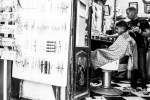
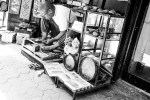
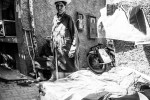
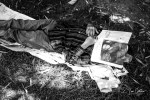
The key thing with taking a camera on holiday is that I can take images for the pleasure of it. No brief, no deadlines, no clients – I can shoot what I want and when I want.
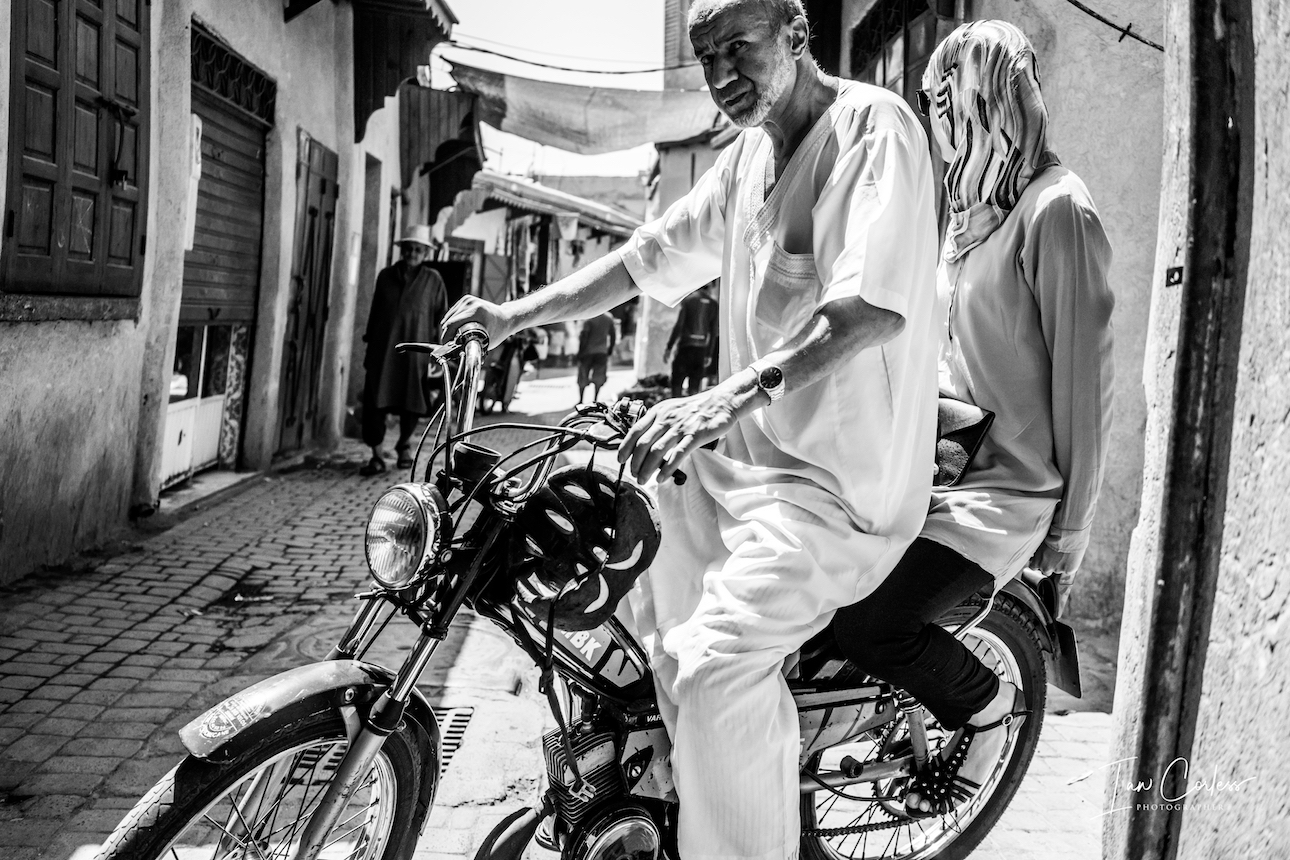
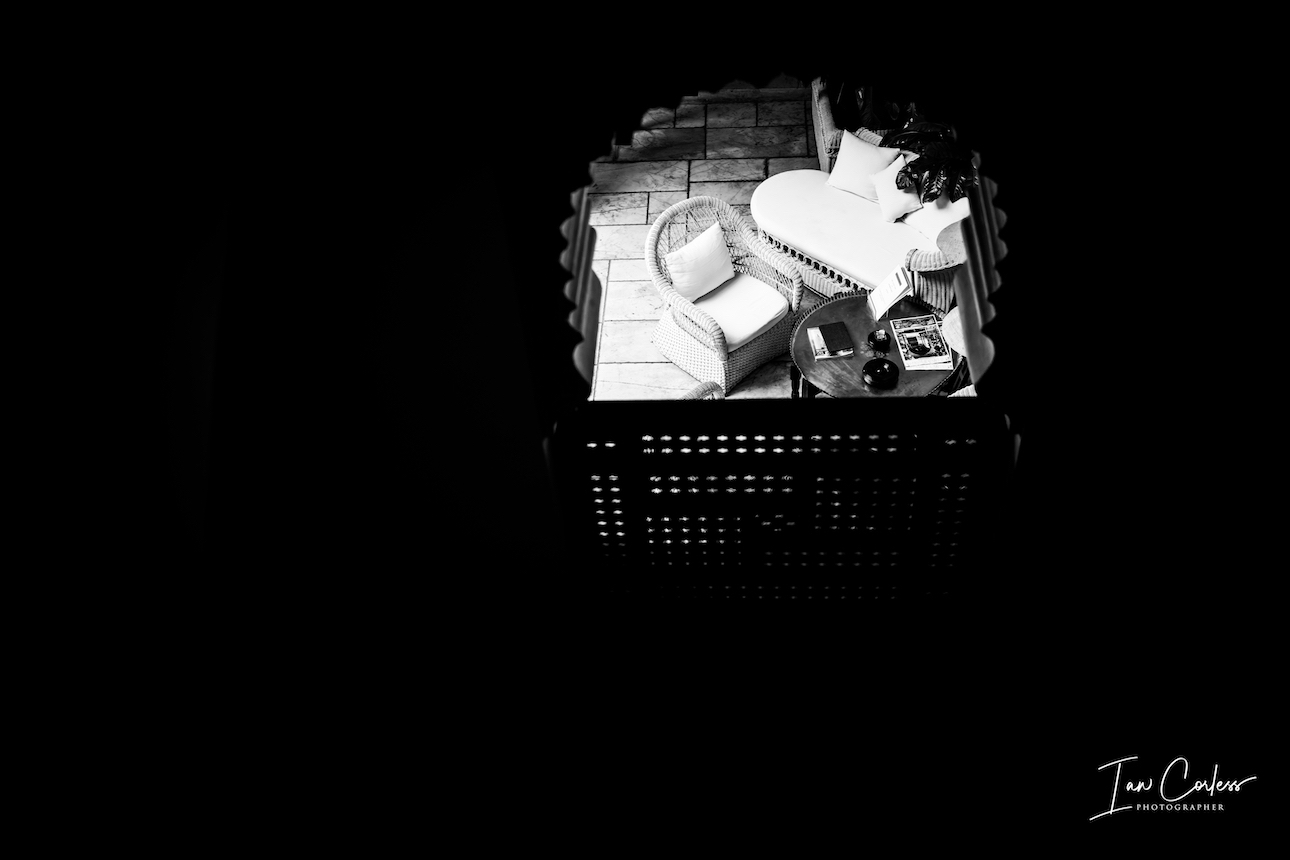
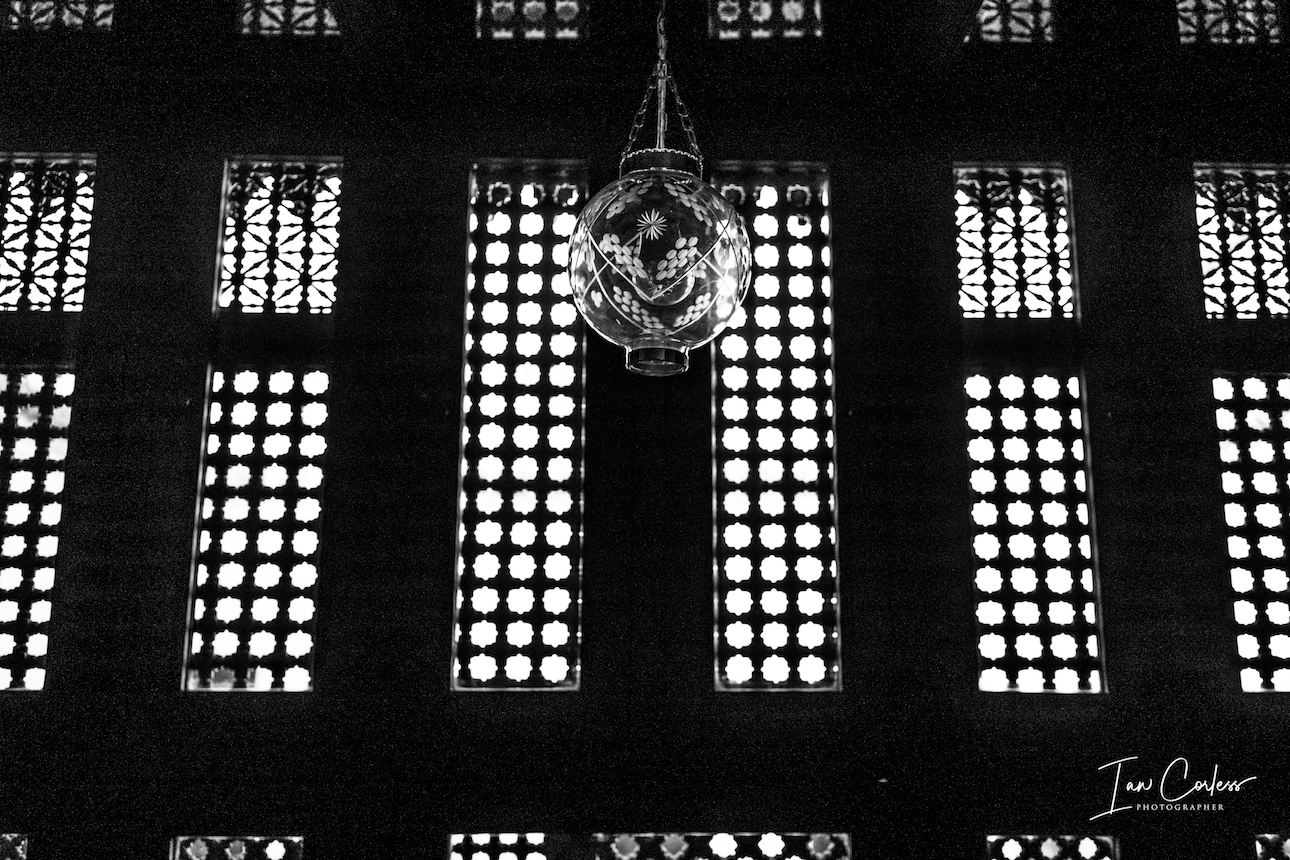
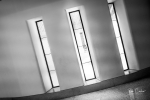
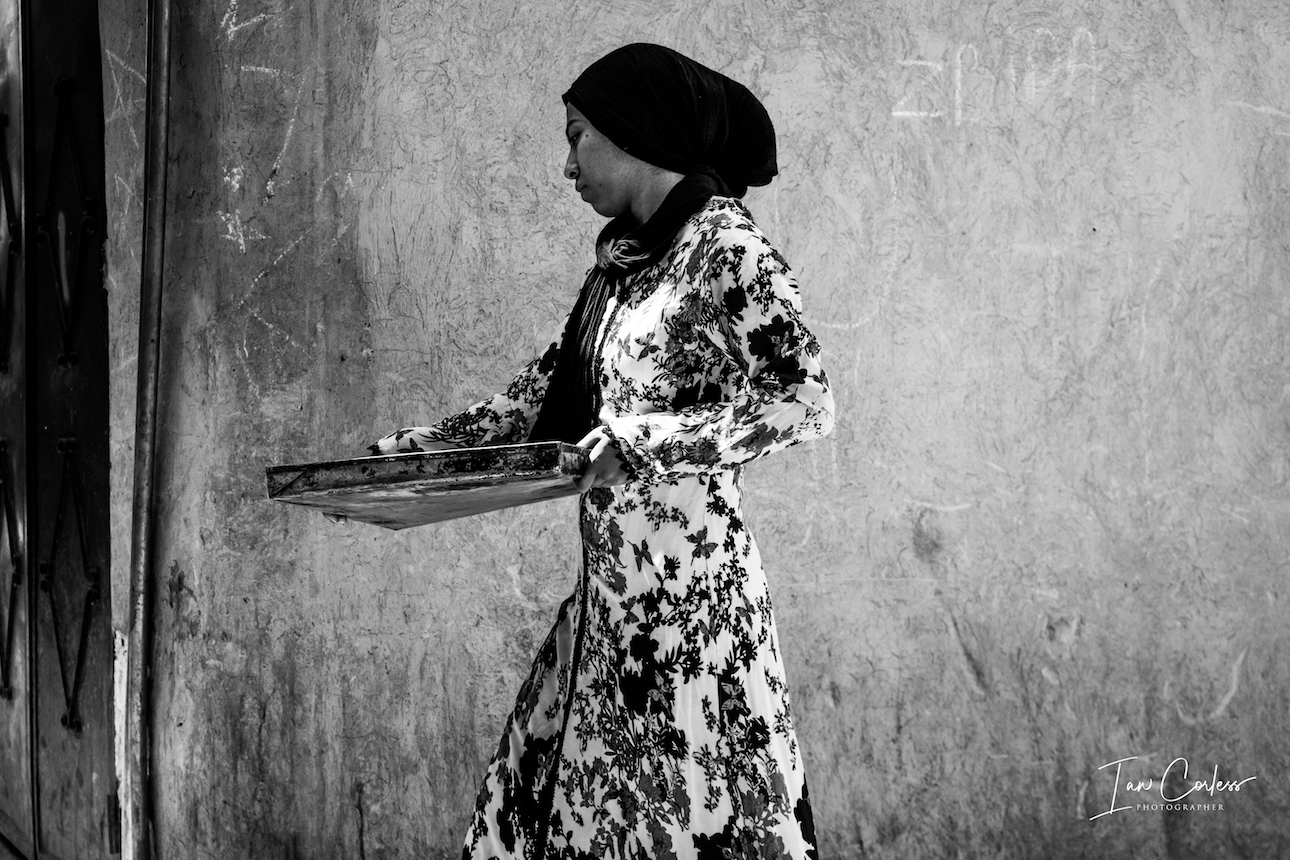
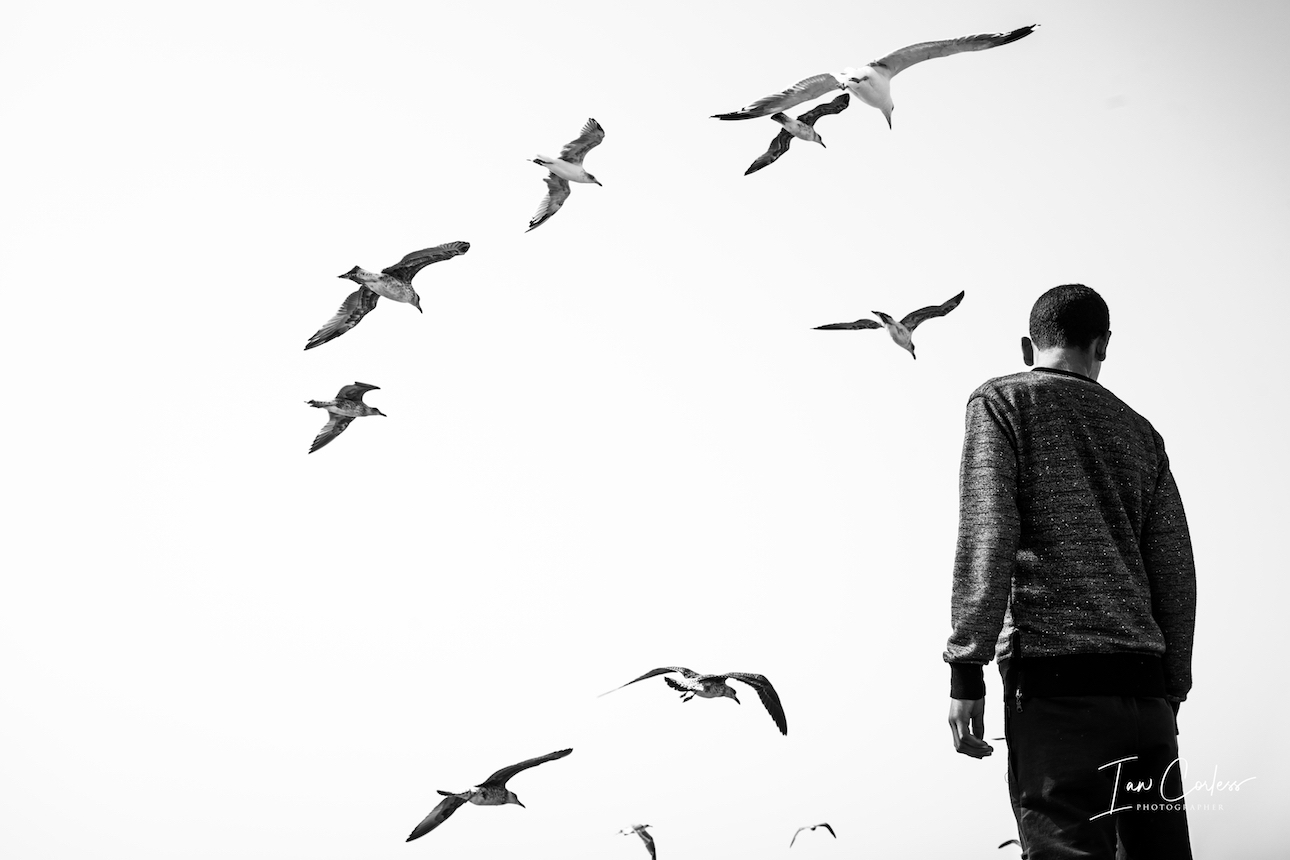
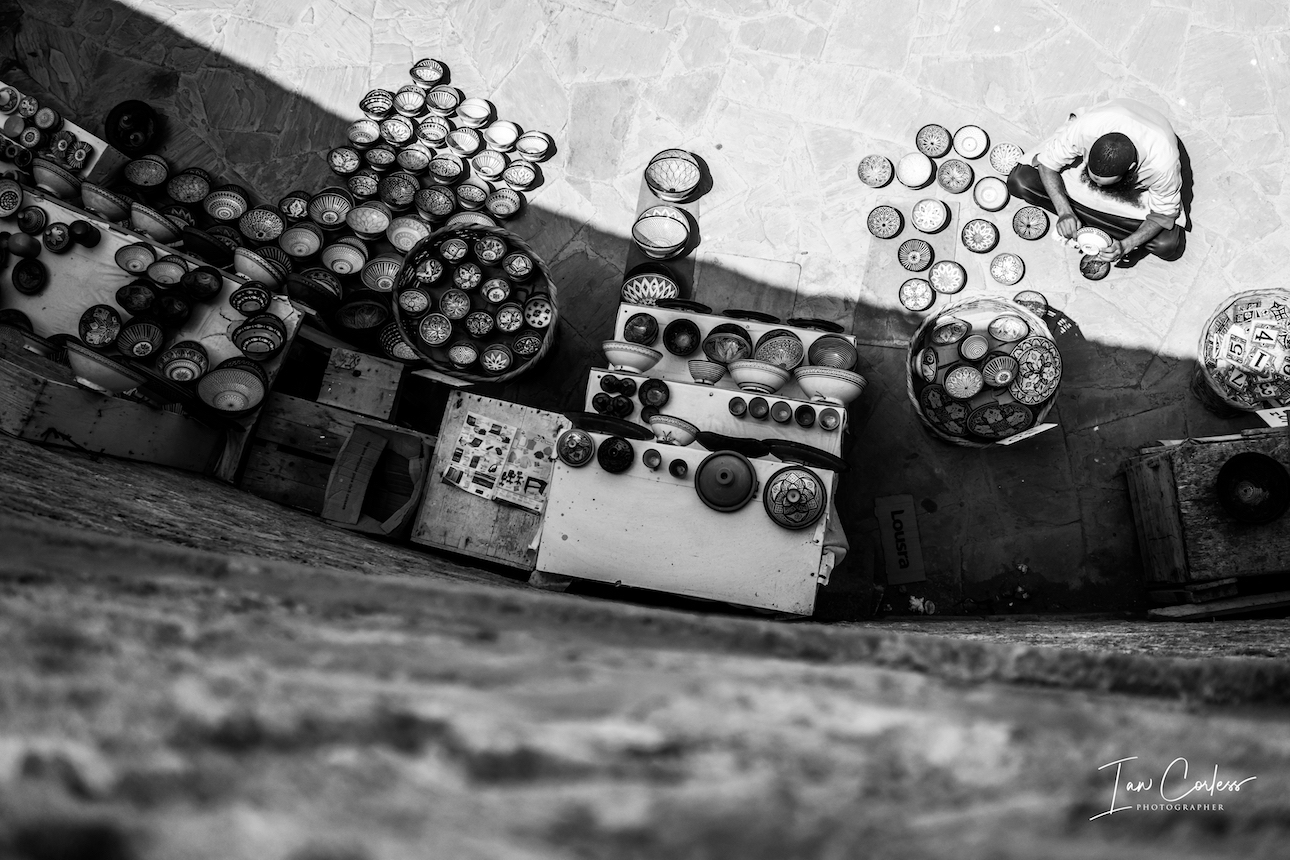
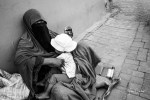
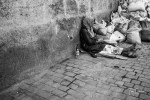
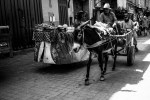
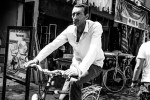
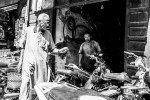
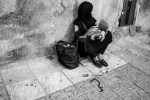
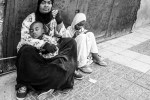
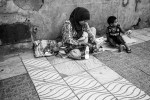
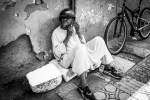
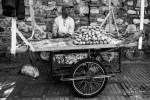
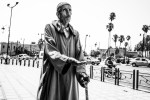
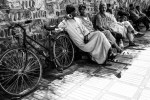
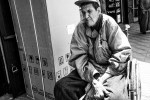
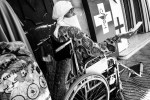
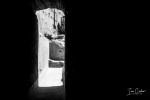
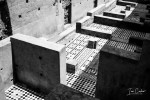
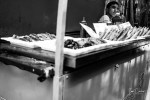
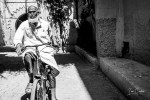
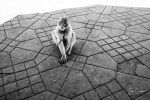
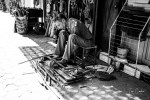
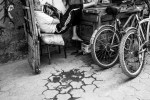
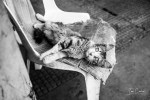
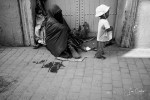
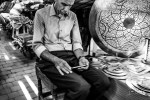
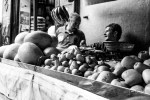
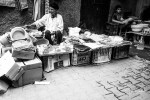
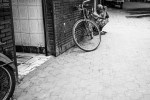
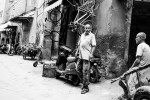
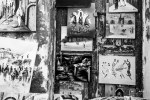
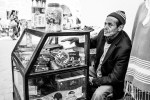
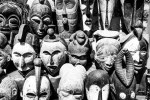
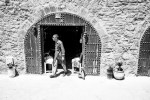
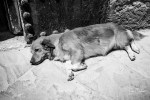
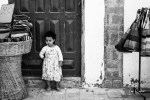
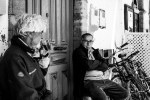
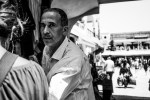
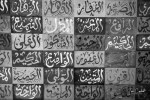
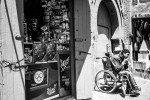
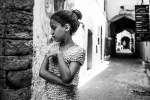
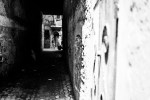
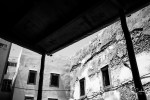
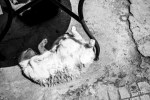
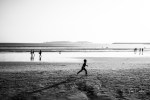
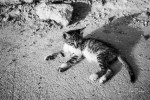
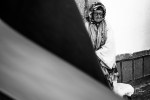
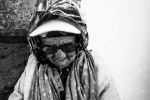
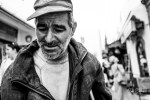
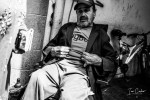
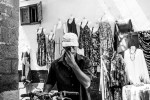
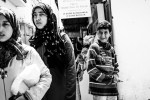
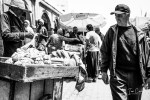
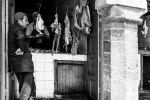
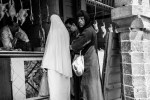
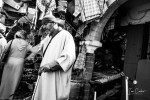
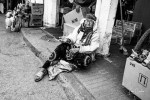
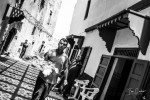
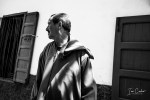
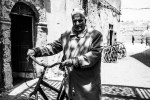
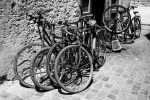
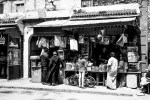
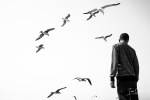
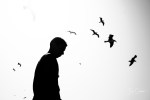
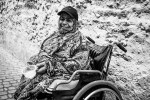
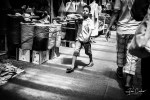
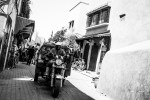
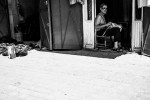
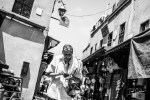
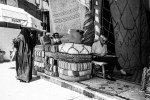
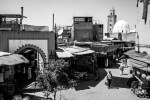
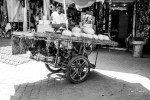
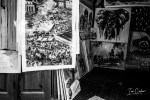
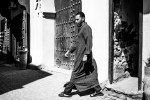
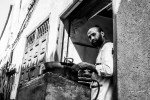
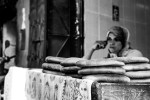
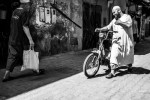
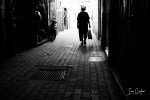
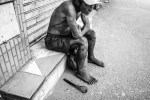
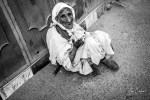
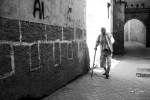
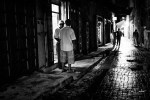
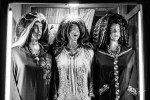
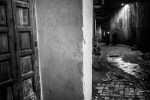
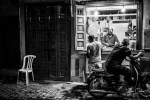
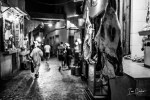
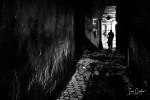
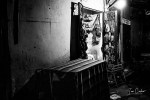
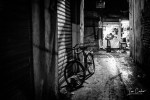
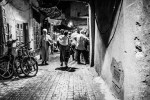
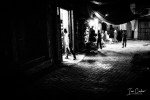
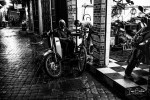
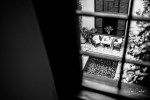
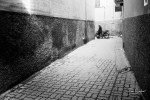
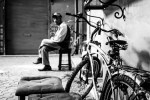
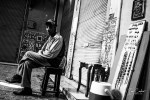
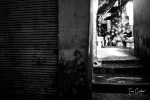
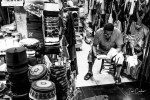
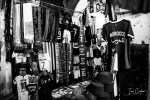
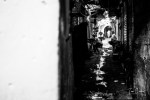
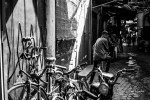
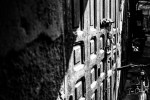
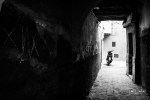
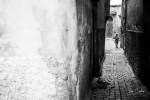
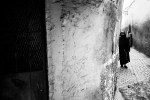
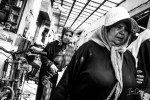
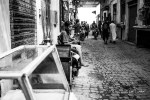
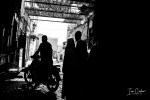
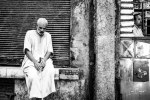
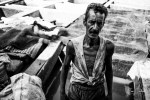
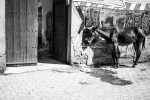
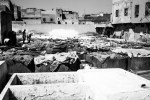
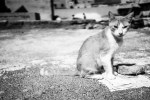
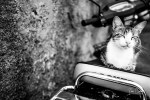
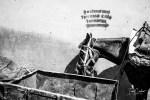
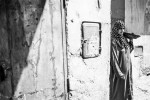
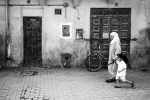
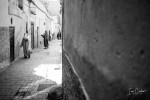
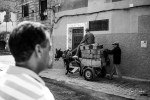
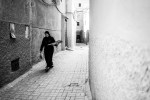
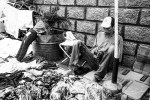
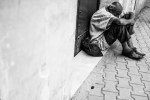
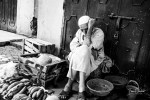
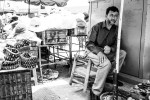
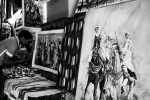
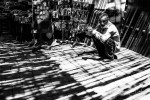
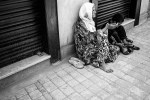
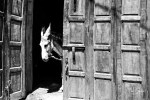
I started to post 10-12 B&W images a day whilst travelling, normally on my Instagram and on Facebook. What was interesting was the amount of feedback and direct messages I received. I guess most people know me as a sports/ running photographer, so, suddenly a series of gritty B&W street photographs appear, and it makes people curios.
So, I decided to write a brief post to answer the questions that was asked.
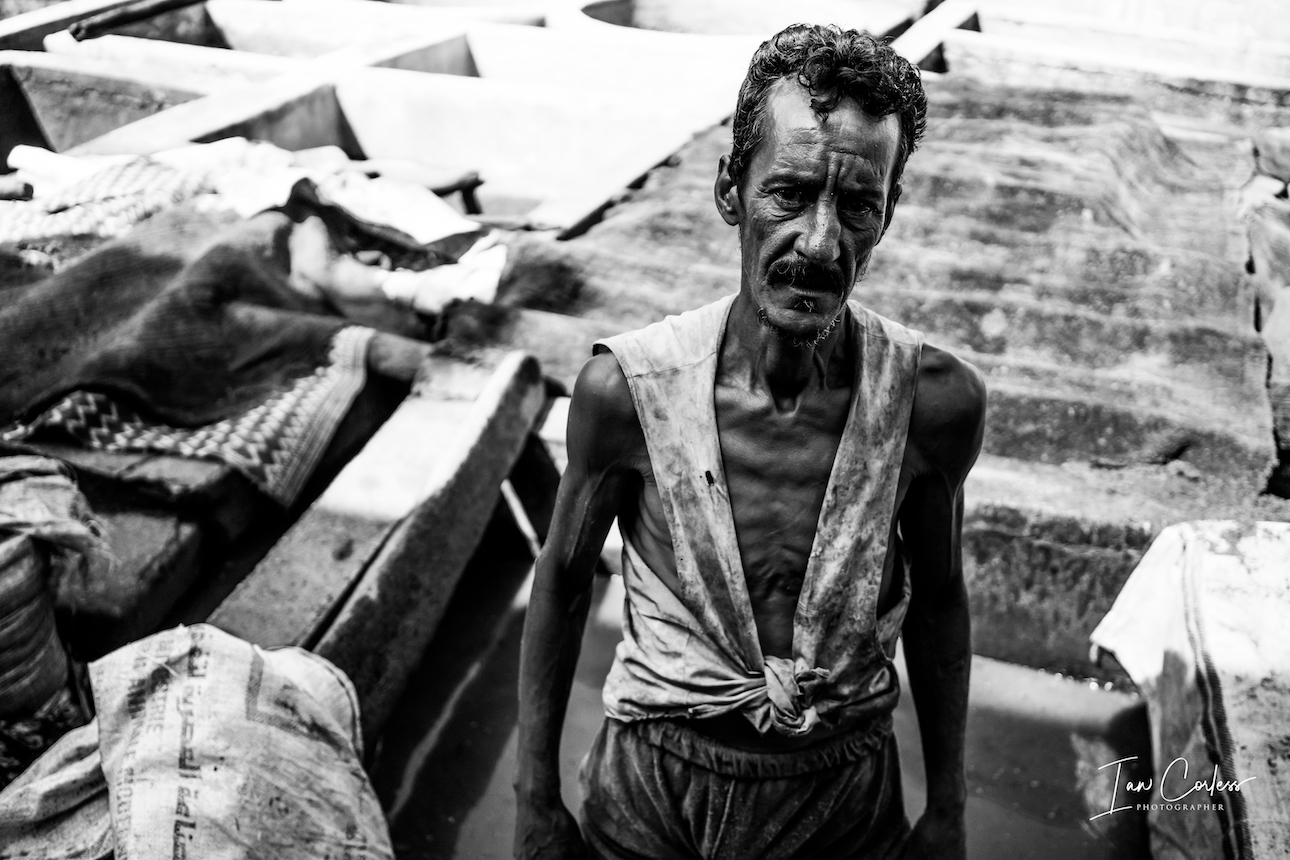
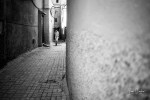
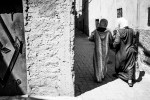
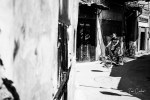
Street and people photography are something that I love. It’s raw, visceral, gritty and when done well should transport the viewer to the place and immerse them.
“Travelling, one accepts everything; indignation stays at home. One looks, one listens, one is roused by enthusiasm by the most dreadful things…” – Elias Canetti
Now there are many forms of street photography. And just to draw a comparison, I photographed in Nepal for many years, the street shots I have done there are very different to what I did in Morocco.
To clarify, I could photograph in Nepal the way I photographed in Morocco but not vice versa. The reason being, the people and the culture. The Nepali people love having their photographs taken, you can walk up to them, stick a camera in their face and take a shot. You can even ask them to move or look into a certain place. So, although it’s real, there can be an ‘element’ of set-up, however, I rarely go down that route.
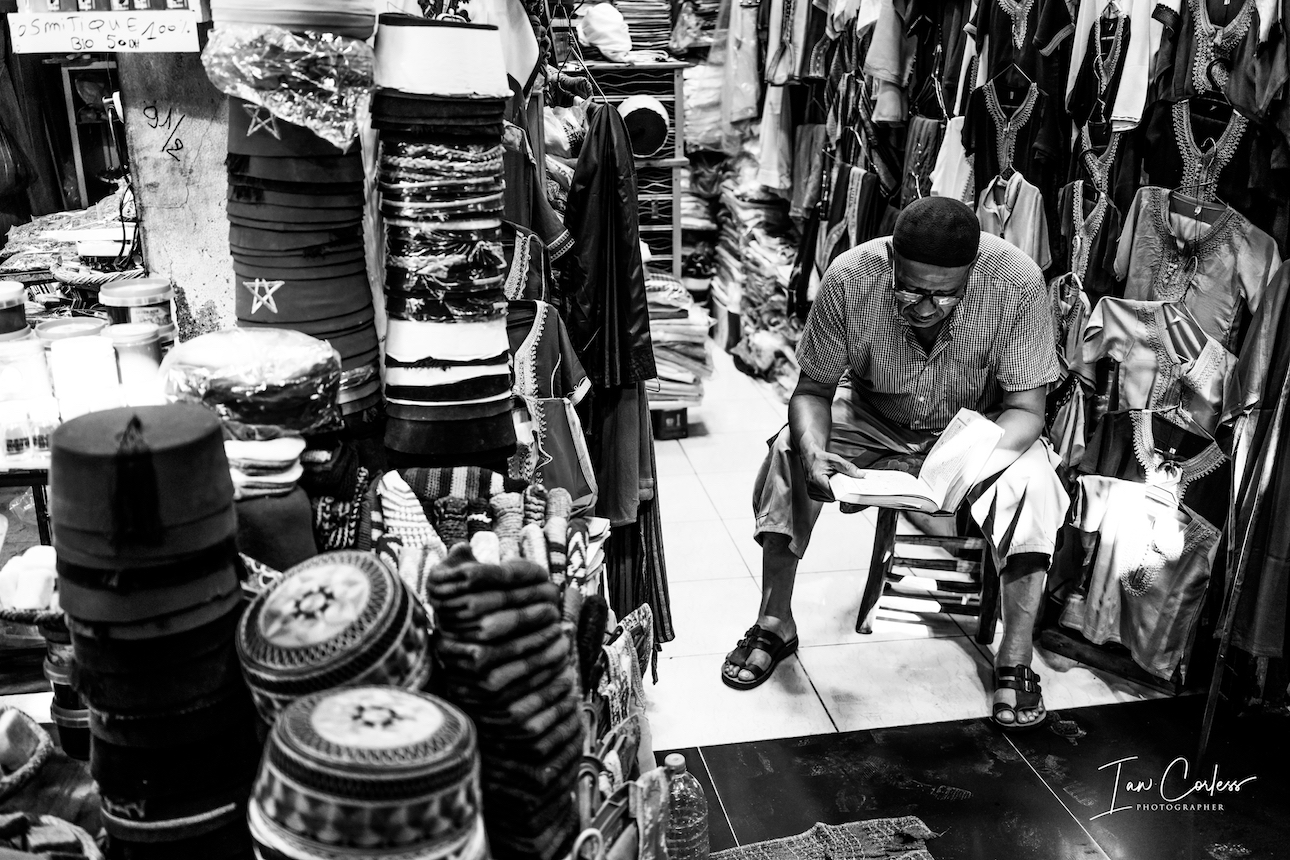
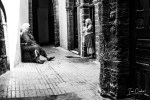
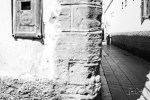
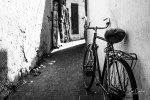
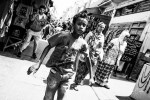
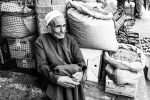
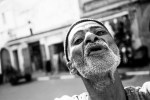
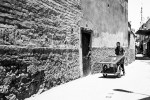
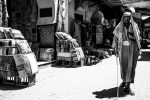
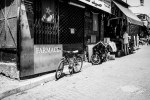
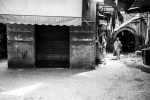
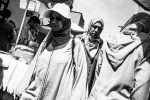
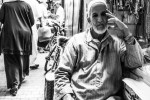
In Morocco, the people are very different. They do not like having their photograph taken. Don’t agree with me? Take a camera in to the Souk in Marrakech and start pointing your camera at people – you will soon realise that it is not an option. Now of course, there are exceptions. Occasionally it is possible to do a ‘posed’ shot and I have found that my experience with 30-year’s in the business lets me know when that is an option.
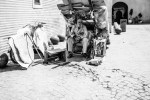
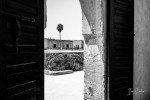
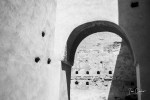
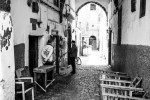
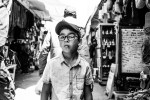
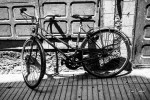
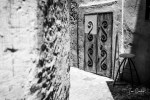
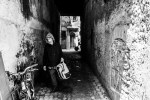
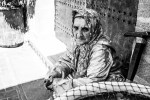
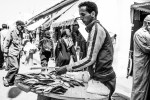
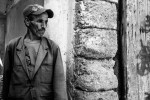
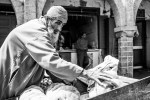
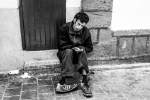
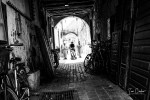
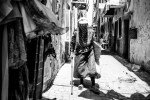
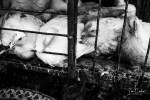
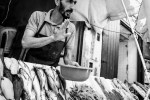
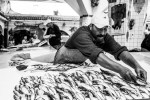
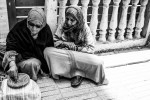
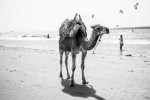
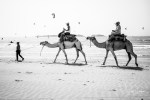
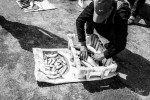
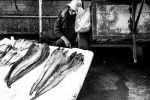
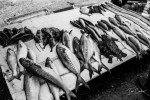
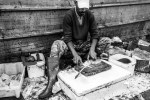
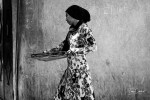
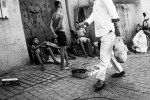
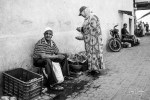
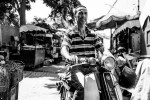
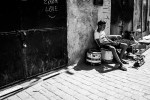
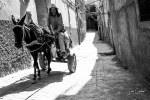
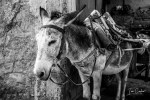
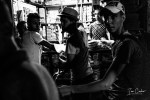
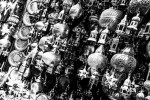
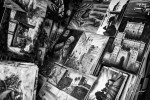
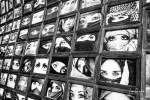
Below, there are over 300-images captured in Marrakech and the coastal resort of Essaouira, I would say that approximately 10-12 images were taken with the subject knowing I was taking the photo and they didn’t mind.
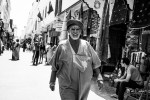
The remainder of the images were taken with the subject not knowing that I was taking photographs.
THE EQUIPMEMT
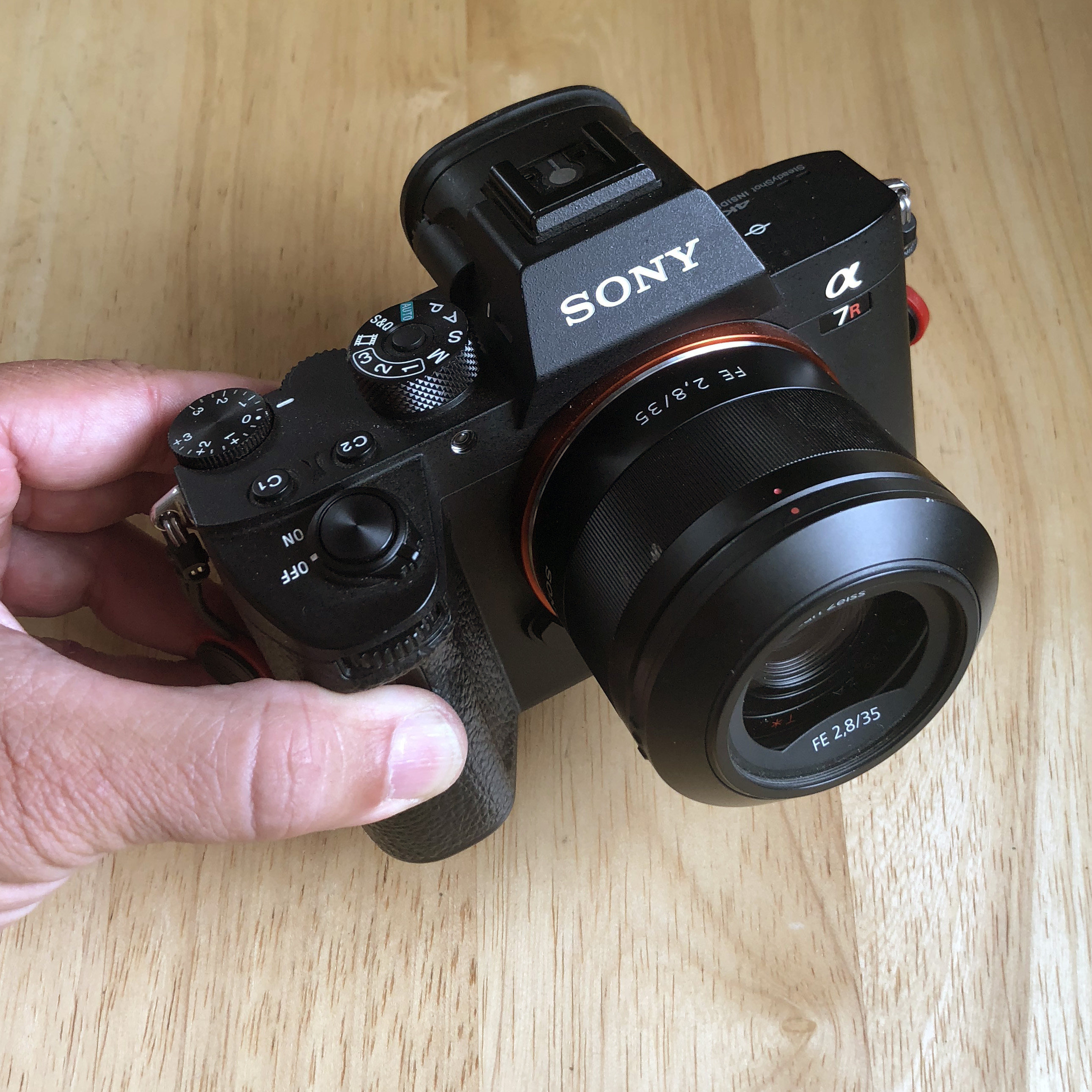
Sony A7RIII with Sony/Zeiss T Sonnar* 35mm F2.8
If you look like a photographer, you will stick out and the people will already be wary of you. For street work and when travelling this way, I carry one camera and one lens.
I use a Sony A7RIII (approx £3200) which is a full-frame digital camera which produces a whopping image size of 42.4MP, when shooting in RAW, that file is over 80MP. I have found a large file allows me options to crop in to the image and still retain a high quality/ high resolution file. The camera is mirrorless and therefore considerably smaller than a DSLR, it also has Image Stabilization built into the body; super handy in low-light. The camera can also shoot at 10fps, at times, this can be super important for capturing that all-important moment.
I use a prime lens, the 35mm F2.8 – The Sonnar T* FE 35mm F2.8 which is a Sony/ Zeiss lens. The optics are incredible, focus is fast and superb and F2.8 it is pin-sharp. There are several reasons why this lens is perfect for street work:
At 35mm, it is wide, but no so wide that you can’t take portraits. I would say that for most Pro photographers, a 35mm prime has replaced the traditional 50mm prime.
The lens has a lens hood which is flush to the front element keeping the lens neat.
Its size is extremely small.
Quality is off the scale, but it is not cheap, approx £850.
That is, it. I don’t use anything else. I don’t carry a camera bag and I have no accessories. The only two additional items I carry is a spare battery and spare SD cards.
SHOOTING
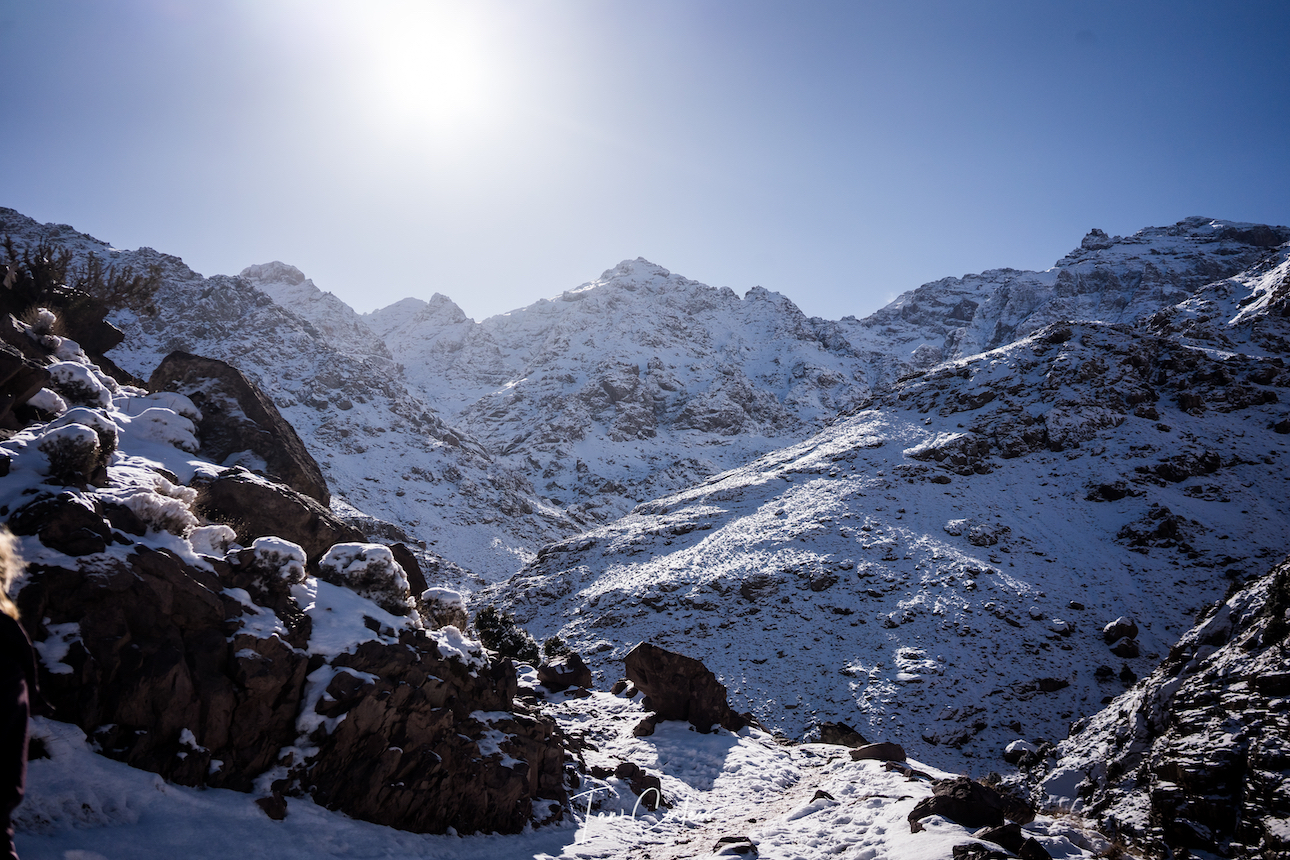
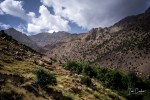
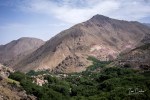
This camera set up is also my favourite set up when running and photographing. The main reason being is that the camera and lens are light, the quality is the best you can get, and I can carry the camera in my hand while running. I broke up my time in Marrakech and Essaouira with a 2-day trip to climb Toubkal, the highest mountain in the Atlas range. Here are some of the shots from that trip:
Back to the streets…
I have learnt over time to view the scene with a 35mm eye. Basically, I can look at a scene/ scenario and view the scene with the viewpoint and angle of the camera. This is essential in Morocco.
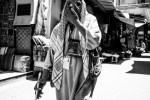
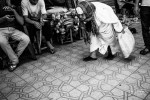
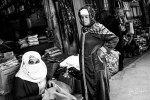
Many of the shots I took, I would say 80% (with the exception of the Toubkal shots) were taken with me NOT looking into the camera. The moment you raise your camera to your eye, people stop, look, put their hands up and on many occasions will say, ‘no photo, no photo!’
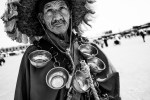
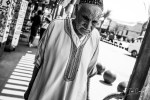
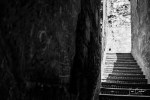
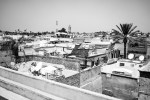
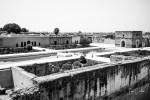
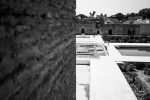
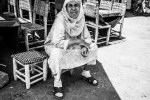
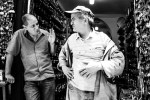
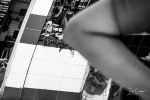
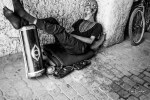
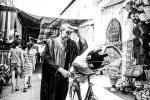
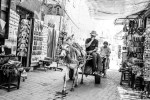
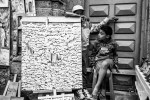
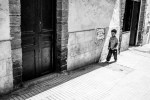
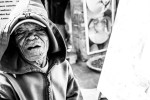
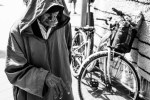
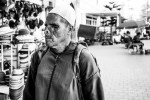
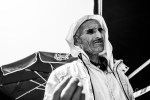
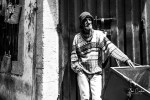
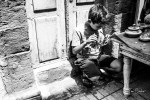
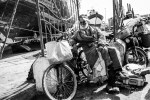
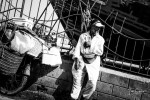
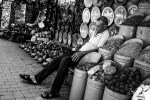
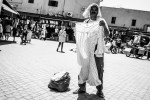
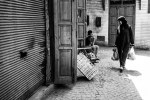
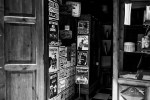
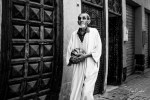
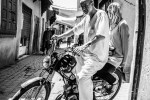
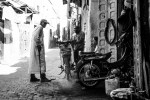
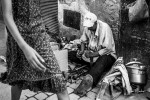
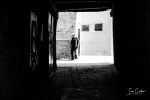
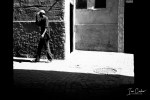
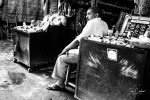
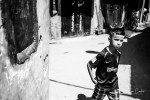
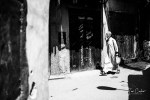
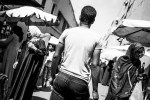
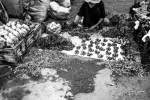
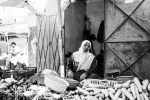
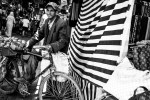
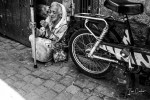
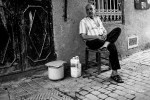
The below is a classic example of the subject posing for the shot.
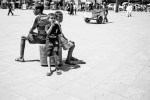
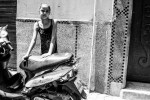
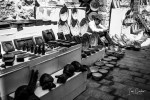
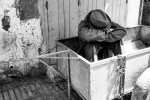
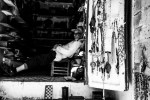
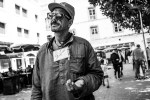
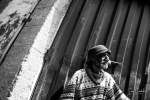
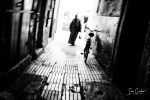
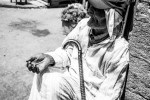
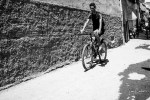
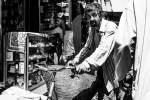
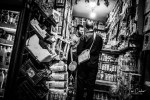
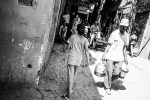
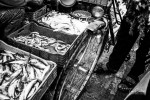
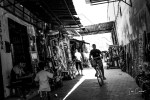
This shot I was looking through the camera, but the subject didn’t know I was taking the photo.
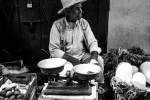
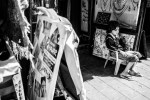
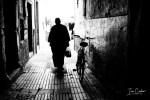
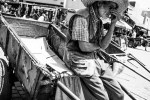
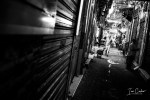
This shot I was looking through the camera.
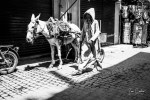
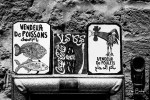
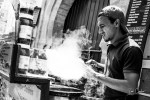
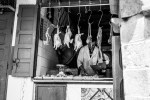
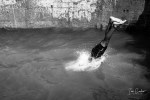
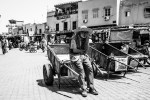
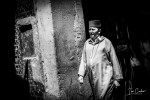
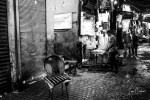
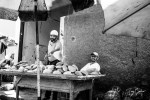
This shot was composed and planned but the subject didn’t know.
This is why Nepal and Morocco are so different.
To shoot, I would survey a scene, view the angles and decide on the shot and then walk past with my camera at mid-chest height. With experience, I understand the field of view the camera sees and I capture the scene.
Now of course, this sounds easy.
It’s not.
One has to consider focus and how one gets the ‘key’ element in the frame in focus.
One also has to consider exposure.
One has to consider if it is possible to make one or two attempts at a shot.
The above is actually what brings adrenaline into shooting in this way. One also has to accept that you will have a high failure rate, certainly early on. Failure rate becomes less with more experience.
SUMMARY
There are no hard rules in capturing images when working a scene. The place, the people and the location will often decide what approach you need to take. The comparisons between Nepal and Morocco provide a perfect example.
The key is to enjoy the process, have fun and learn by taking many, many shots.
Marathon des Sables is an iconic race. For over 30-years it has been the leading example of multi-day racing all over the world. It has often been copied, but never bettered. In its incredible history, runners from all over the world have toed the line for the experience of a lifetime.
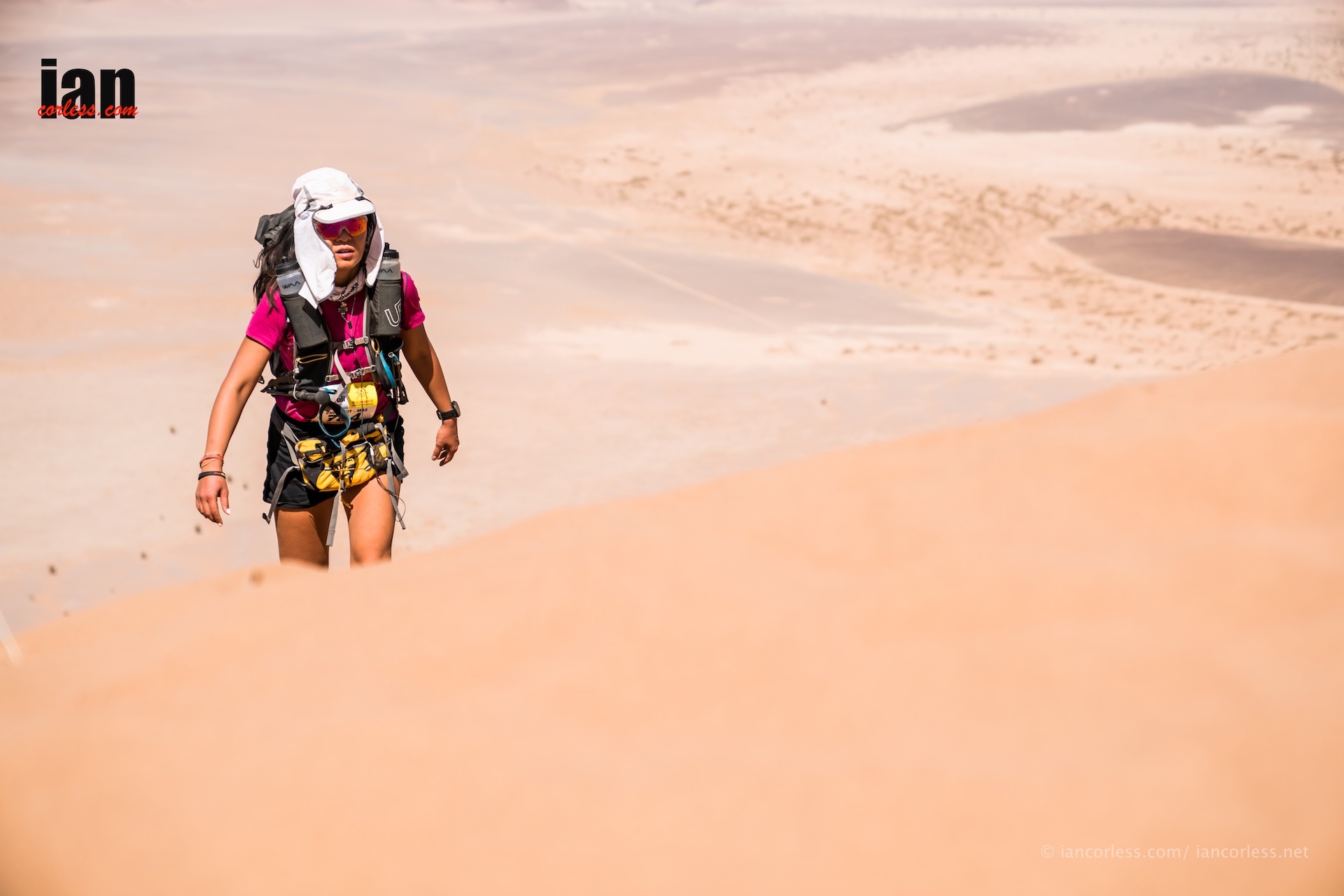
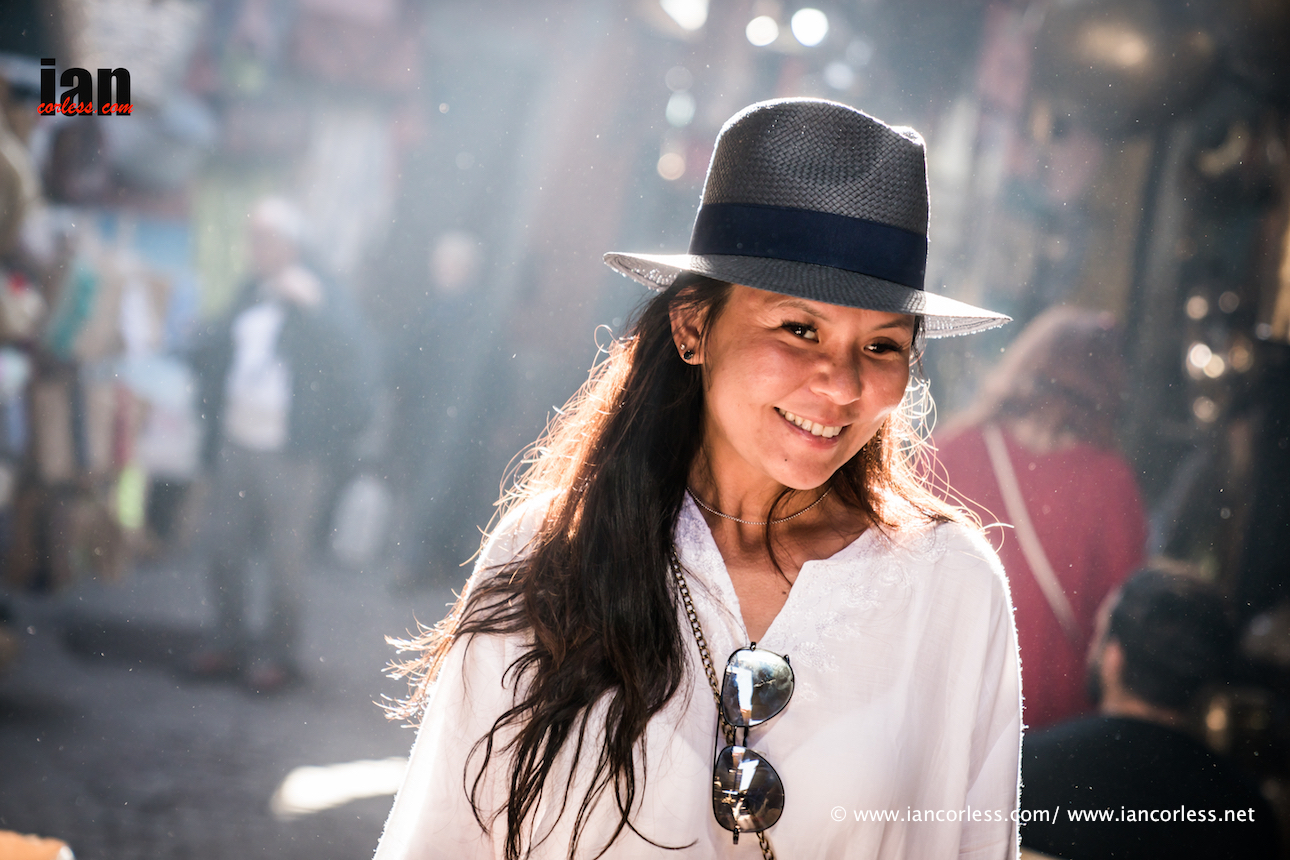
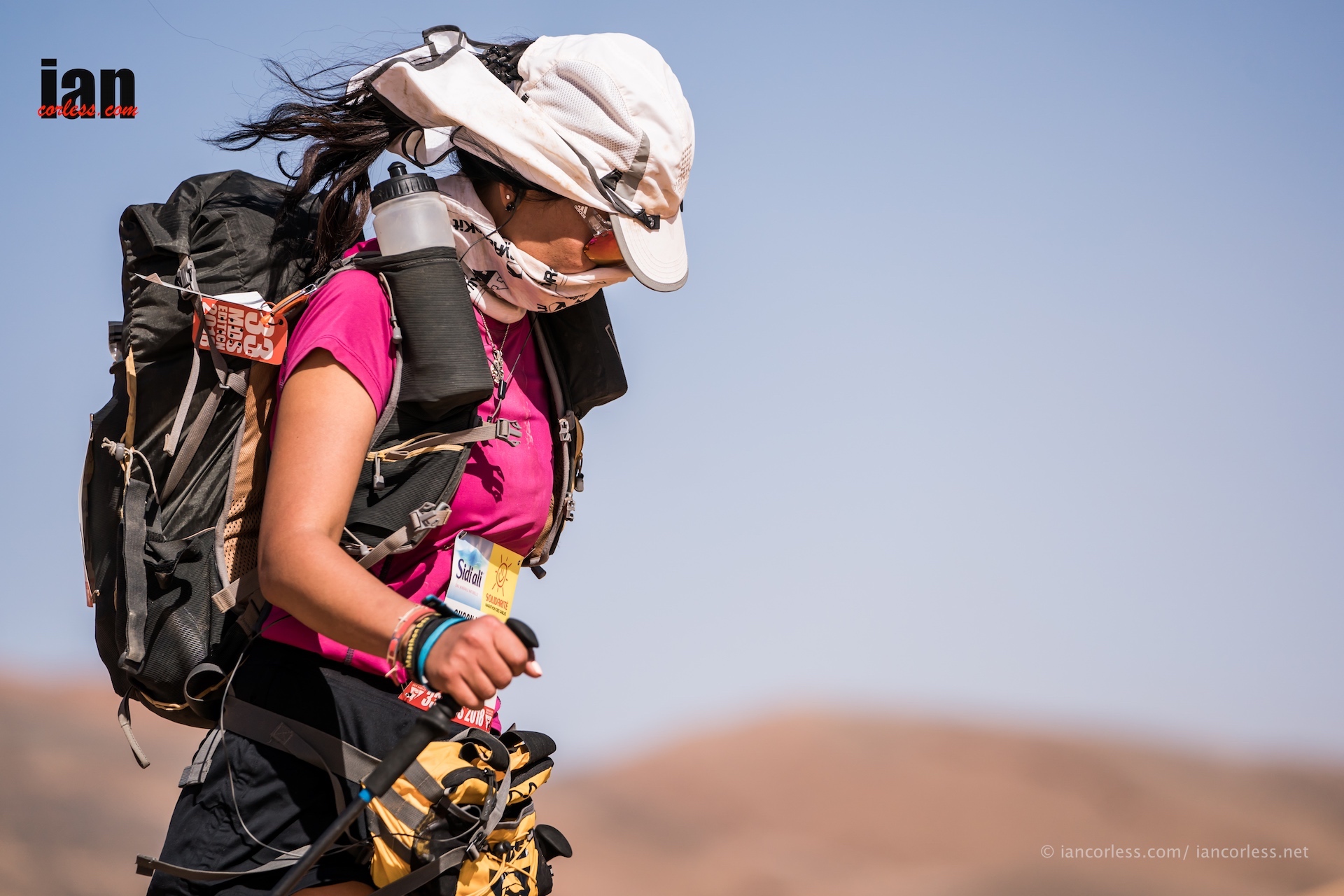
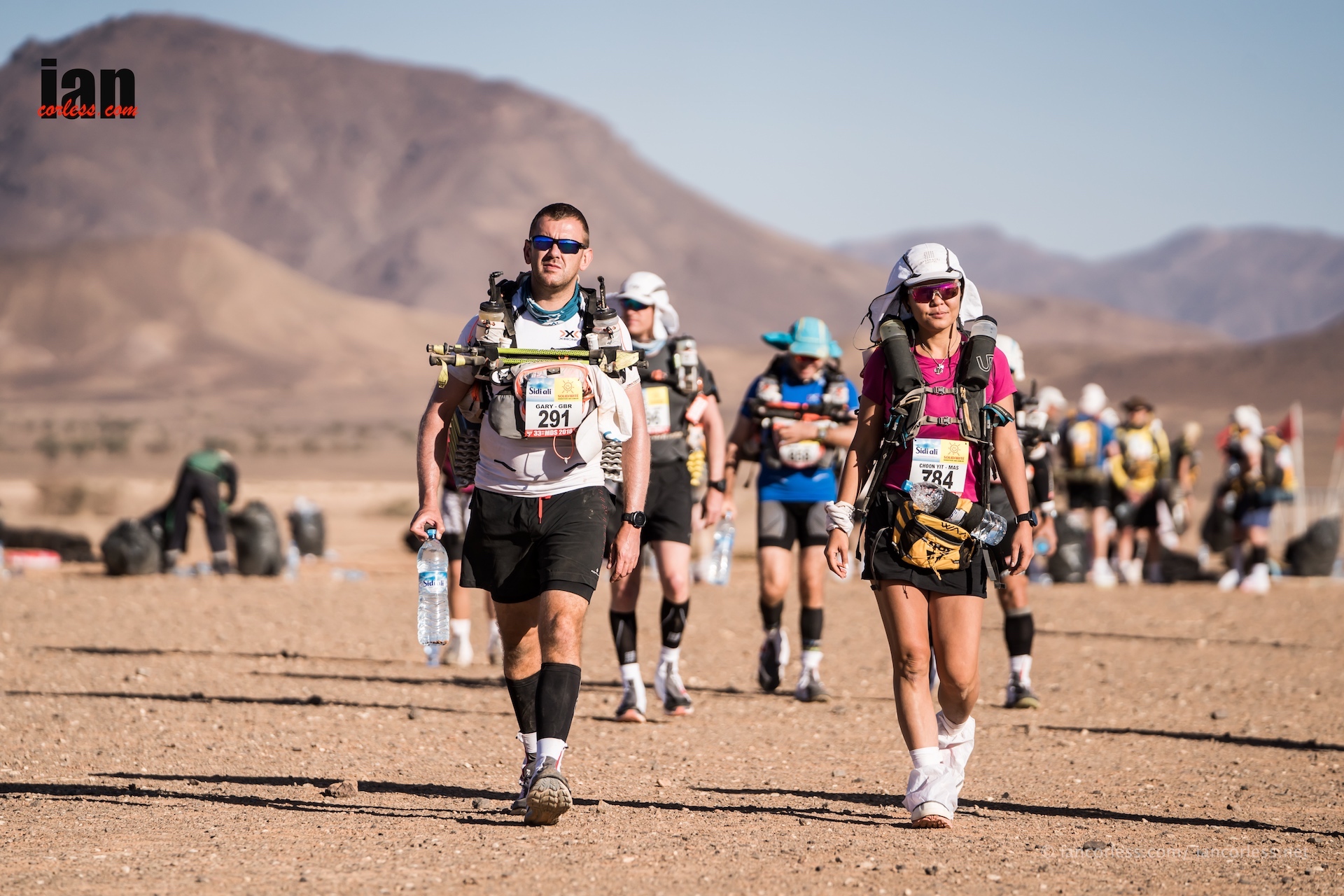
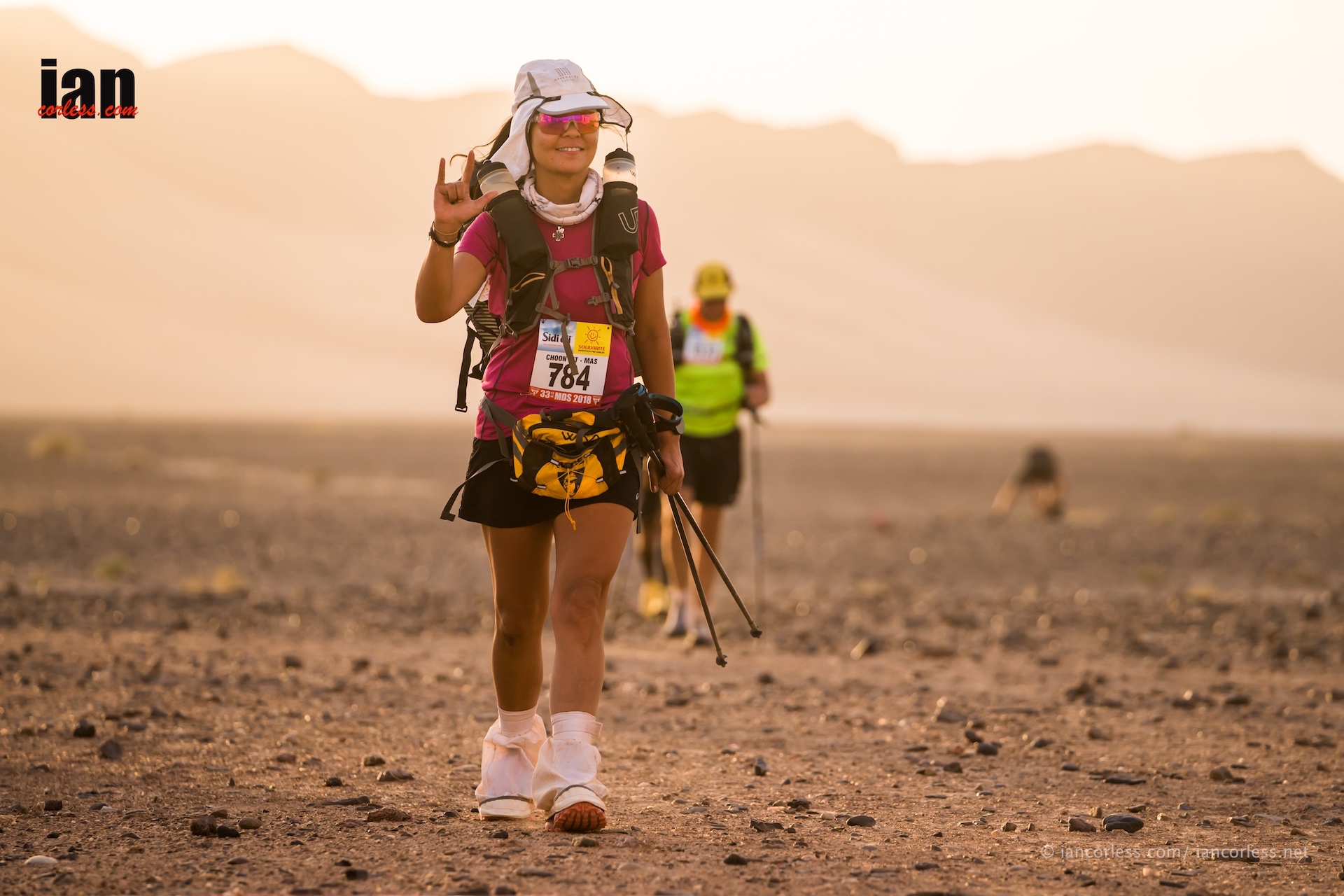
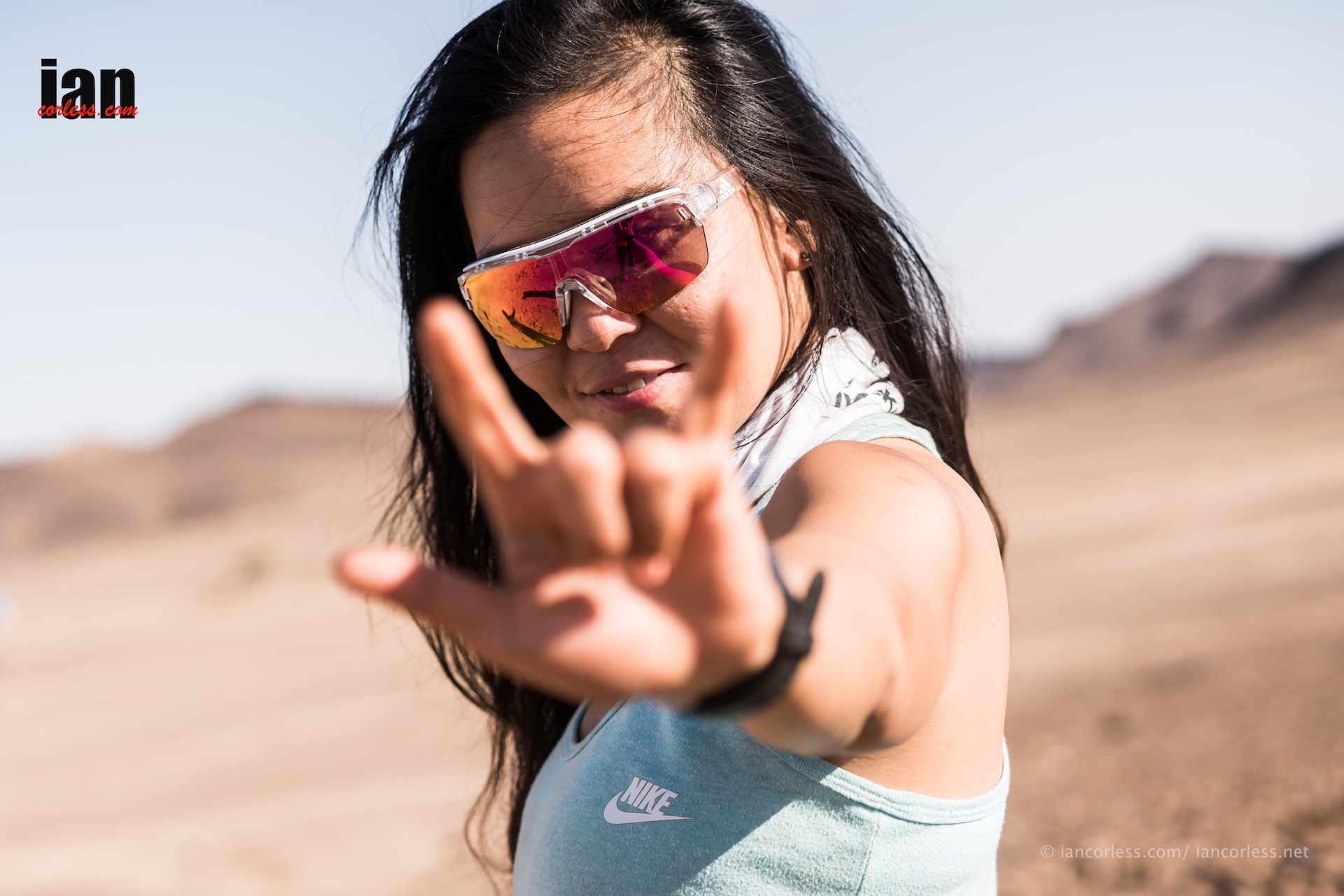
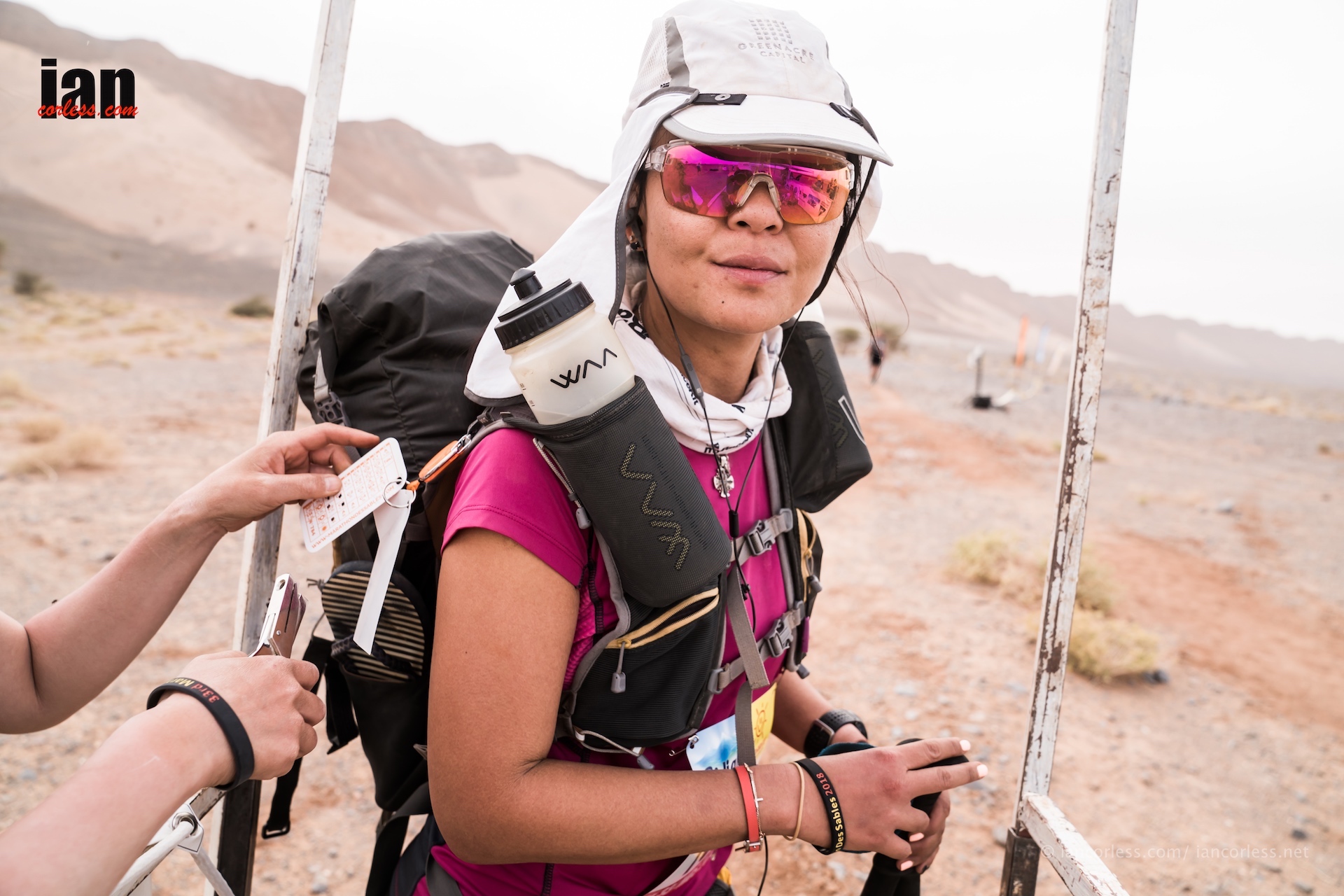
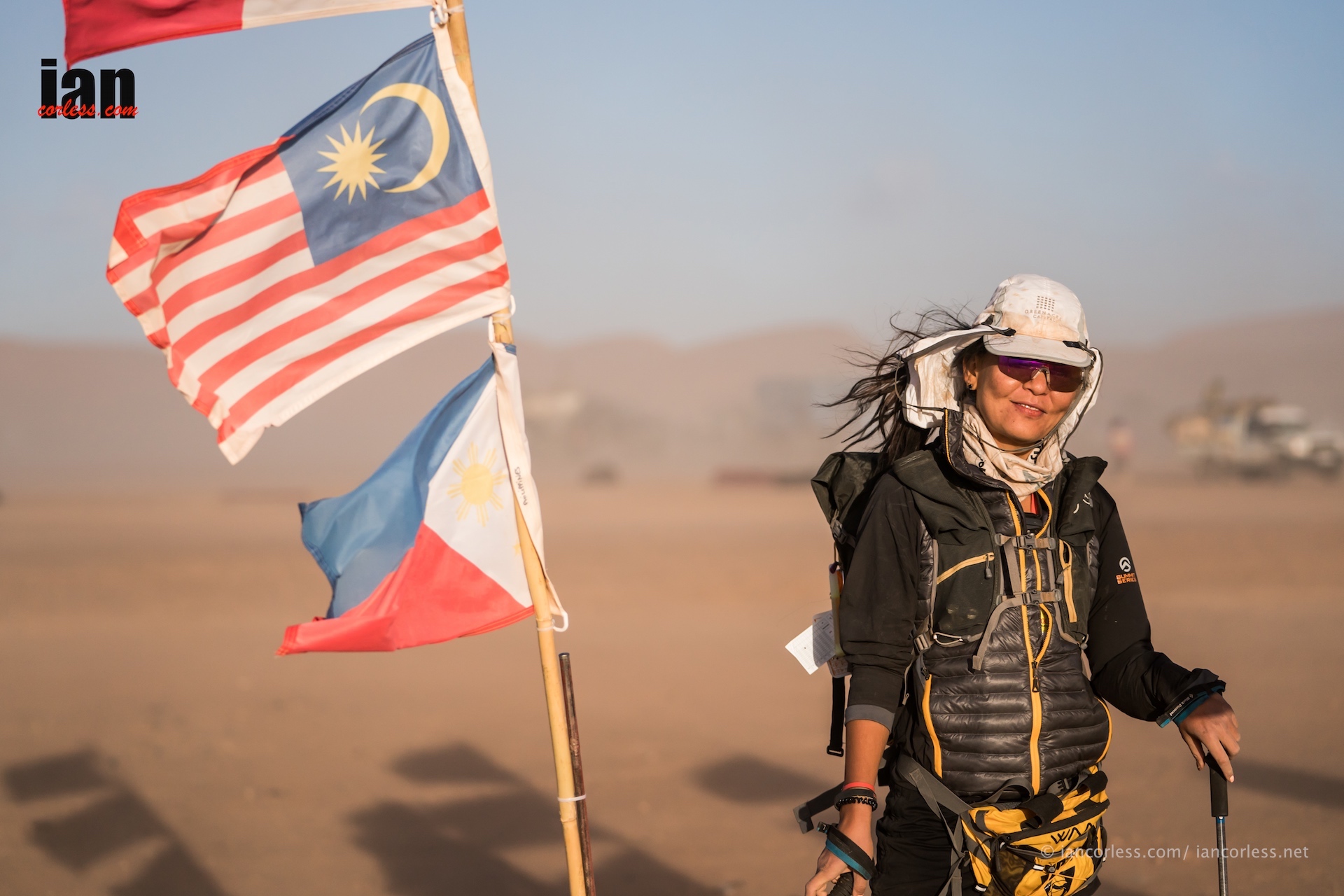
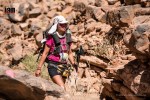
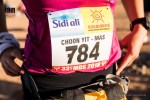
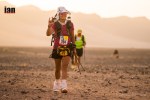
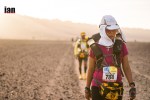
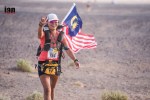
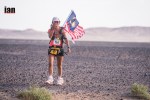
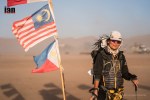
In 2018, for the first time ever, a Malaysian lady toed the line in the hope to be the first Malaysian lady ever to complete the race.
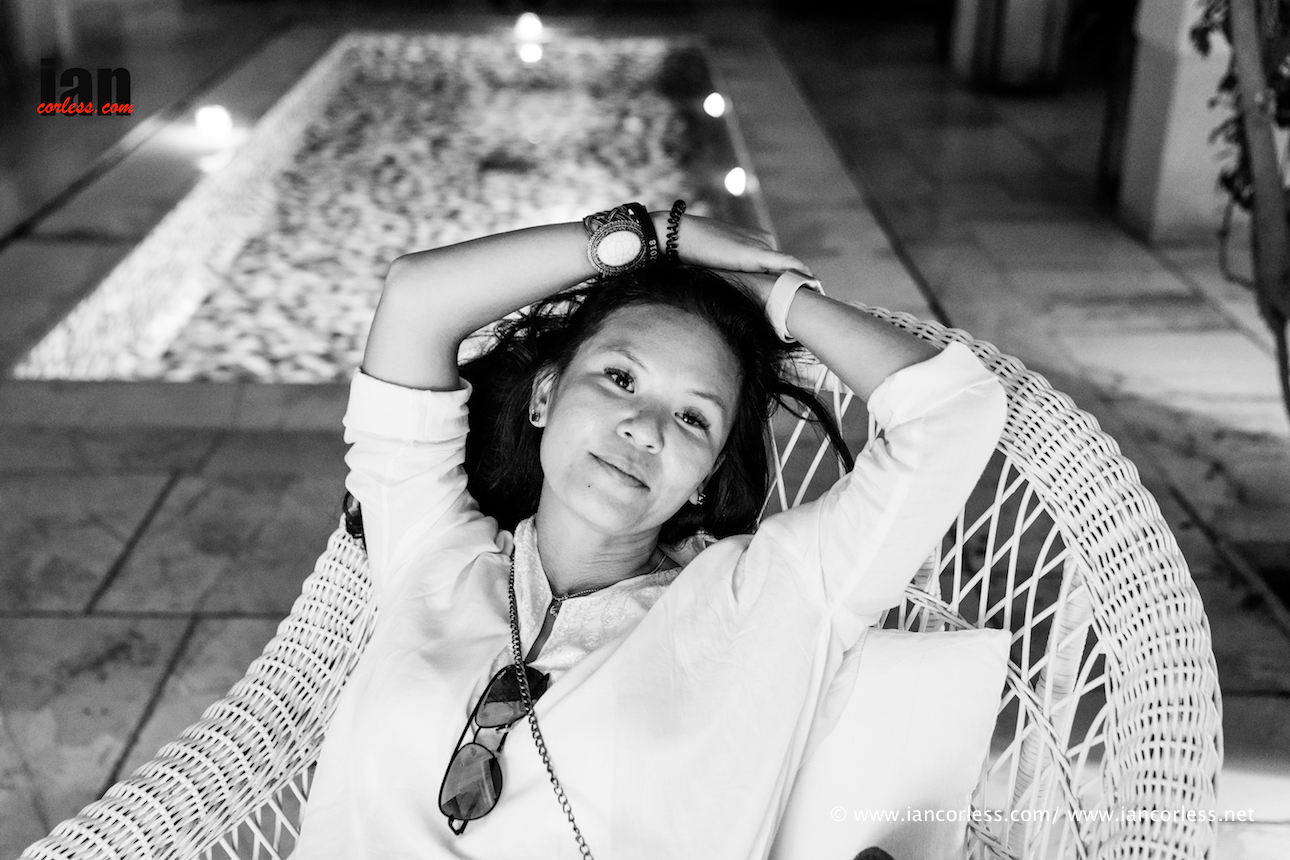
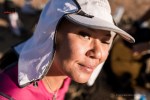
Sue Ding has been living in the UK for over 20-years. She came from Kuala Lumpur to study law at Liverpool University and then stayed successfully building her own legal practice in London. She is an entrepreneur, business woman and is extremely successful.
Running became an escape from the everyday stress of work. Like many, Sue built to the marathon distance and has successfully completed London, Berlin and Tokyo. But Marathon des Sables was something very different – a new challenge.
I first met Sue when she joined our Lanzarote Training Camp (HERE) in January 2018.
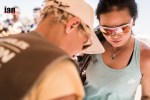
I was fortunate to follow her journey as she prepared for the 2018 MDS, both in training and then day-by-day throughout the race.
It turned out to be quite a story and shows that the mental aspect of ultra-running is often far more important than fitness.
You can listen to a full and in-depth interview with Sue on Talk Ultra podcast HERE
What initially made you decide to take part in MDS?
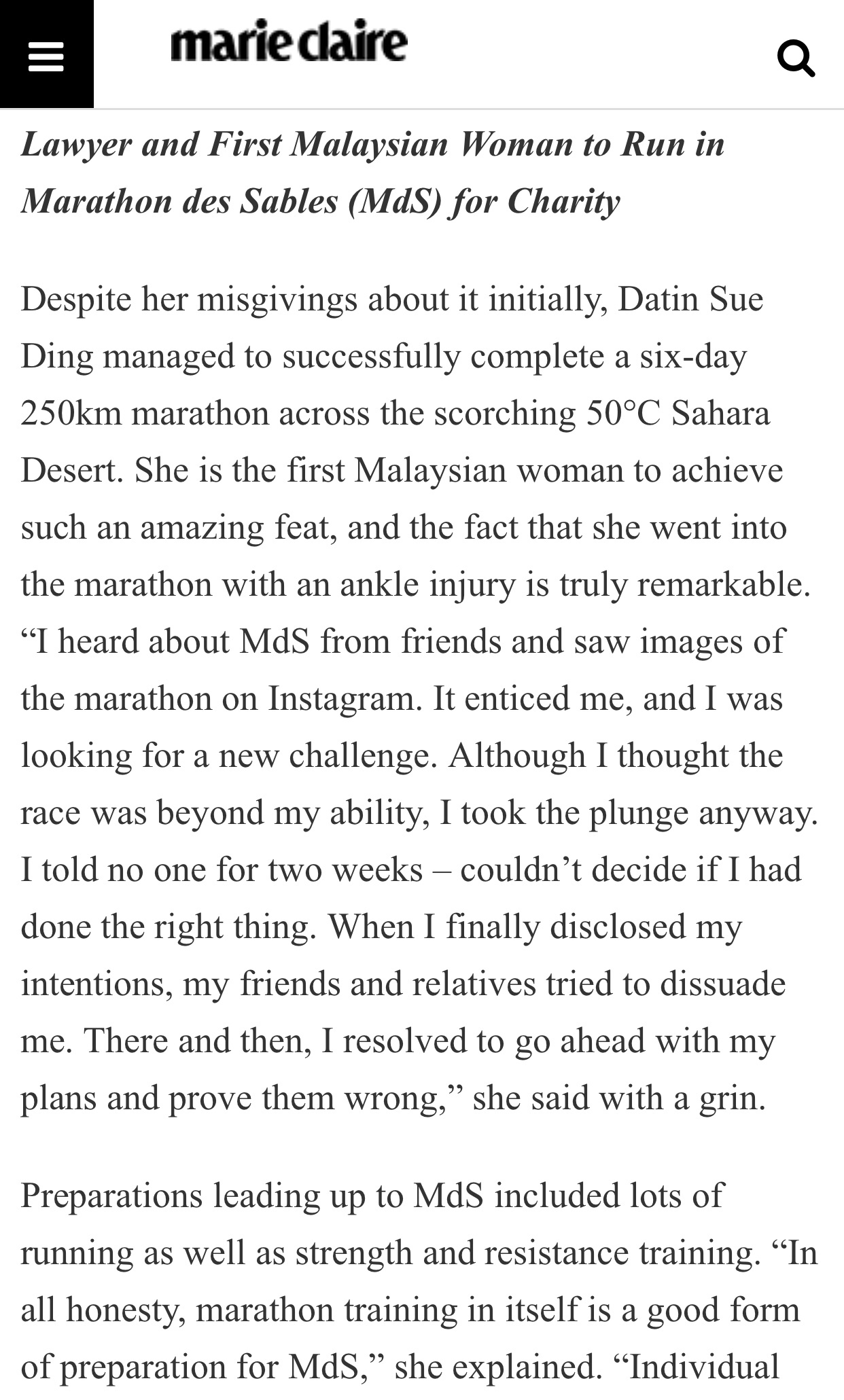
I had heard about the Marathon des Sables from friends and I had seen images on Instagram. It enticed me, I was looking for a new challenge and although I thought the race was beyond my ability I took the plunge and entered. I told nobody for two weeks as I couldn’t decide if I had done the right thing. When I did finally disclose my intentions, some friends and relatives were negative saying I was crazy and that I couldn’t do it… I needed no better motivation to prove them wrong!
You have run several marathons such as London and Tokyo. How does the MDS compare?
Other than running or walking, there is no comparison really. A road marathon is a challenge but it is safe, you have aid stations, there is always help at hand. MDS is just so much more than just running. It brings in elements of survival, it plays games with your mind and it pushes the individual to depths that they maybe never even realised they could reach.MDS is truly a transformational experience and although I will always remember my first road marathon, I now think, ‘it is only a marathon!’
What was your training and preparation like for the MDS? What are the differences in comparison to a road marathon?
In all honesty, marathon training is actually good preparation for MDS as the individual stages are marathon distance or below. Of course, the exception is the ‘long day’ which in 2018 was 86.4km (around 53 miles, so two marathons). Marathon training works well but of course one needs to build up strength and stamina for the challenge ahead. Therefore, most people allow 12-months to get ready for MDS. Time on feet is important and also including some specific ‘training’ races that provide a similar scenario to MDS. For example. Several races in the UK last 2 or 3 days therefore providing a mini MDS scenario.
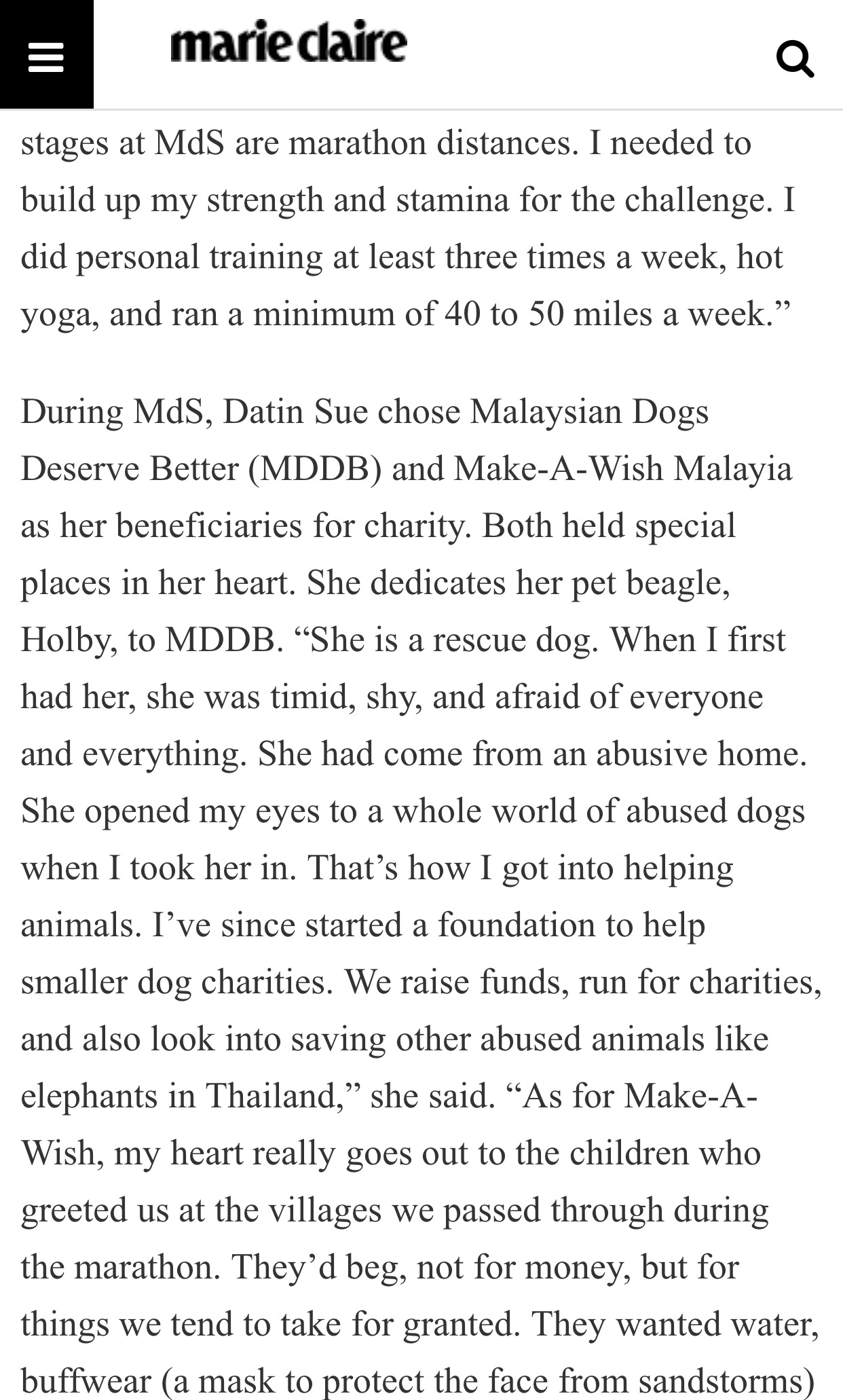
I also signed up for a specific desert training camp in Lanzarote, 3-months ahead of the race. This proved to be essential as I met other competitions, we trained on terrain specific and comparable to Morocco and I was able to test equipment. We even spent one night sleeping inside a volcano to simulate camp conditions in the Sahara.
Finally, two points. 1. Many runners think they will run MDS – the reality is that they will not! Walking is an essential and integral part of completing MDS for most participants and I can’t stress enough to walk, walk and walk in training. 2. Prepare the mind for the challenge. If you get the mind in the right place it will take the body to the line.
What was the biggest challenges out in the Sahara?
The challenges change daily. For example, just starting on day 1 seemed like a huge challenge as I was so anxious and nervous.
Then on day 2 I was silly and neglected taking my salt tablets, this impacted on my hydration and caused me to be dizzy. It was touch and go but I rallied and achieved the finish line.
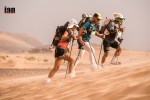
That night we were hit by a sand storm which wiped out our tent and reduced sleep to a minimum. So, as you see, the challenges change daily, by the hour or even by the minute at times. This is what makes MDS so special, it is how you adapt both physically and more importantly, mentally at times.
How did you cope with the challenges, did you feel prepared?
One can only prepare so much. I really dedicated myself to the task and prepared methodically for the challenge. But after Tokyo Marathon I picked up a stress fracture.
This resulted in no running for three weeks and then a slow return to training. Ironically, my final preparation to MDS was terrible and that worried me. Friends were always positive, they told me, ‘You can do this!’ I trusted them and despite my reservations, I achieved the start line.
Equipment is equipment but it is essential. I took advice from the training camp and honed my equipment for my needs. I made last minute changes to the pack I would use and I also changed my down jacket. It all worked well. During the race you must be flexible and adapt to conditions – tiredness, dehydration, sore legs, snoring tent mates, sharing a space with 7 others – you can’t really prepare for that, it is this that makes MDS such an experience, it is a journey into the unknown.
What did you enjoy most about the whole experience?
I was so anxious before the race but I feel like I blossomed as the race progressed. I embraced the challenge and got the race done – I did that and nobody can take that away. But my tent mates, Tent 95 were incredible and they will be friends for life. You were also at the race and shared my journey, that was so special and something that I will never forget. The race is a life changer, I was told this before I went to Morocco, it’s only now, afterwards, that I realised that this is true.
What were some of the most memorable or unforgettable moments for you, explain why?
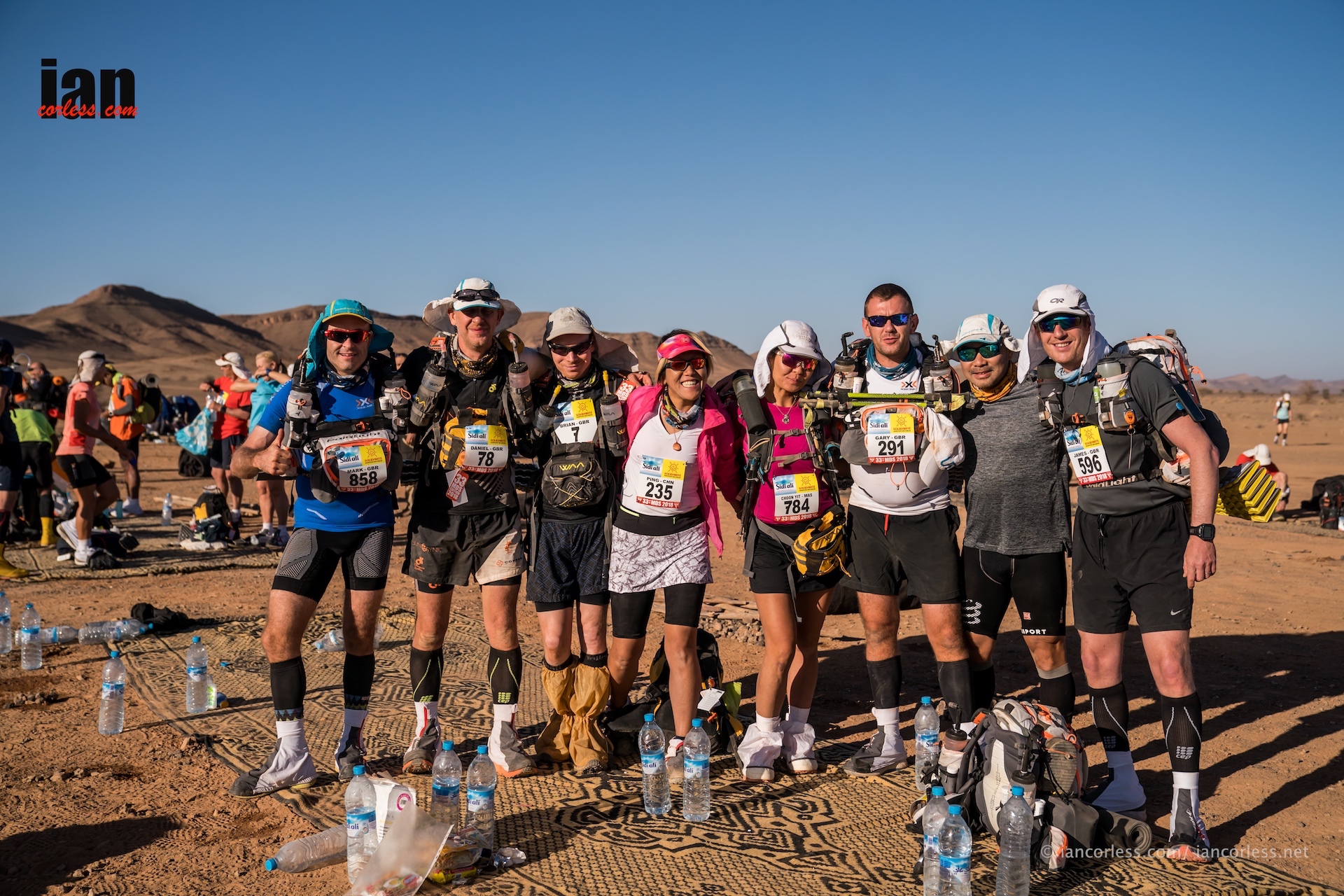
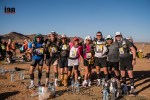
1. Tent 95 – Gary, Daniel, Mark, James, Brian, Taka and Denise were just the best. We laughed, we shared our stories in the morning and the evening and we rallied and encouraged each other. We all finished – what an experience!
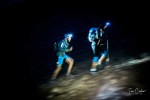
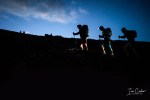
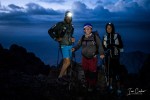
2. On the long day it was dark, I was walking through large sand dunes and I was listening to Craig Armstrong music, I looked up to the sky and saw thousands of stars… I was lost in my mind and thoughts and it was truly magical.
3. I had low points throughout the race, times of despair and worries if I could push on through. They were my lowest moments but each time they became the most memorable – you would always arrive, just at the right time.
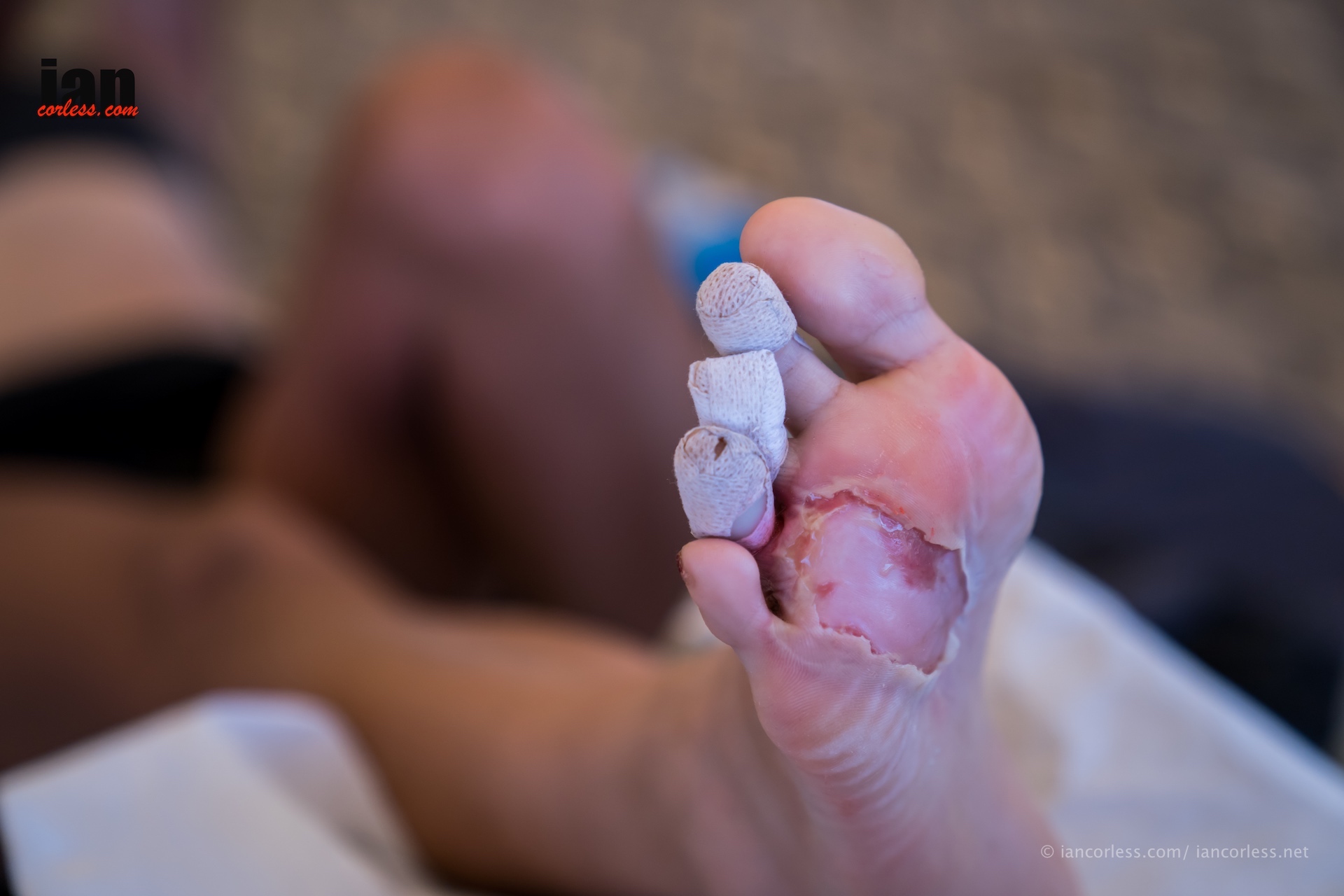
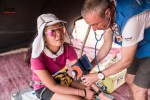
4. I got some really bad blisters which needed medical treatment and caused great pain – I had to continue on, ignore the negative and fight each day to achieve my goals.
How did you manage the conditions – heat, survival, rationed food etc?
In all honesty, I was expecting the worst and the reality was not as bad. We had cold nights, sand storms and hot days but I managed. I wore the same clothes for ten days with no showering or proper washing, it was unpleasant but I survived. I craved fresh food and had to eat dehydrated food.
I wanted so much a different drink other than water but water is the only thing available. I keep saying it but this is MDS. It is meant to test you mentally as much as physically and you need to embrace it. If you fight it, your week will be miserable. It’s best to laugh and soak up the experience.
A Coke after the long day was so magical – simple pleasure! Going to the toilet is also somewhat an experience… you will need to use your imagination for that one!
What went through your mind during the race?
Ha! What didn’t I think about…? I put the world to rights, thought about my past, thought about my future. I concentrated on one foot ahead of the other and I escaped with music.
You have a great deal of time to think and I think this is why, for many, MDS has such an impact. You suddenly realise what is important. I have realised it. Experiences and memories are far greater than things and possessions – the Sahara and the MDS made me feel truly alive, pushed me to the limit and beyond.
Did you doubt yourself at any time, elaborate?
I had huge doubts and anxiety before the race but did as much specific preparation as possible and I listened to you and Elisabet Barnes, you both told me I could do it. I was so nervous on day 1 and of course on day 2 I was extremely worried.
However, as the race progressed the stronger mentally I became. I was more tired, my body ached, my feet hurt but my mind was strong, there was no way I was giving up or not finishing – I had to prove all the doubters before the race wrong.
One lady had said, ‘If you finish the race, I will eat my hat!’ Guess what? I bought a hat in Morocco after the race…
What was crossing the finish line like?
On the marathon stage I had a moment early on when I cried but I got over it and pushed on despite the pain.
The miles ticked by and then as the finish line came, you were waiting as were all my tent 95 teammates.
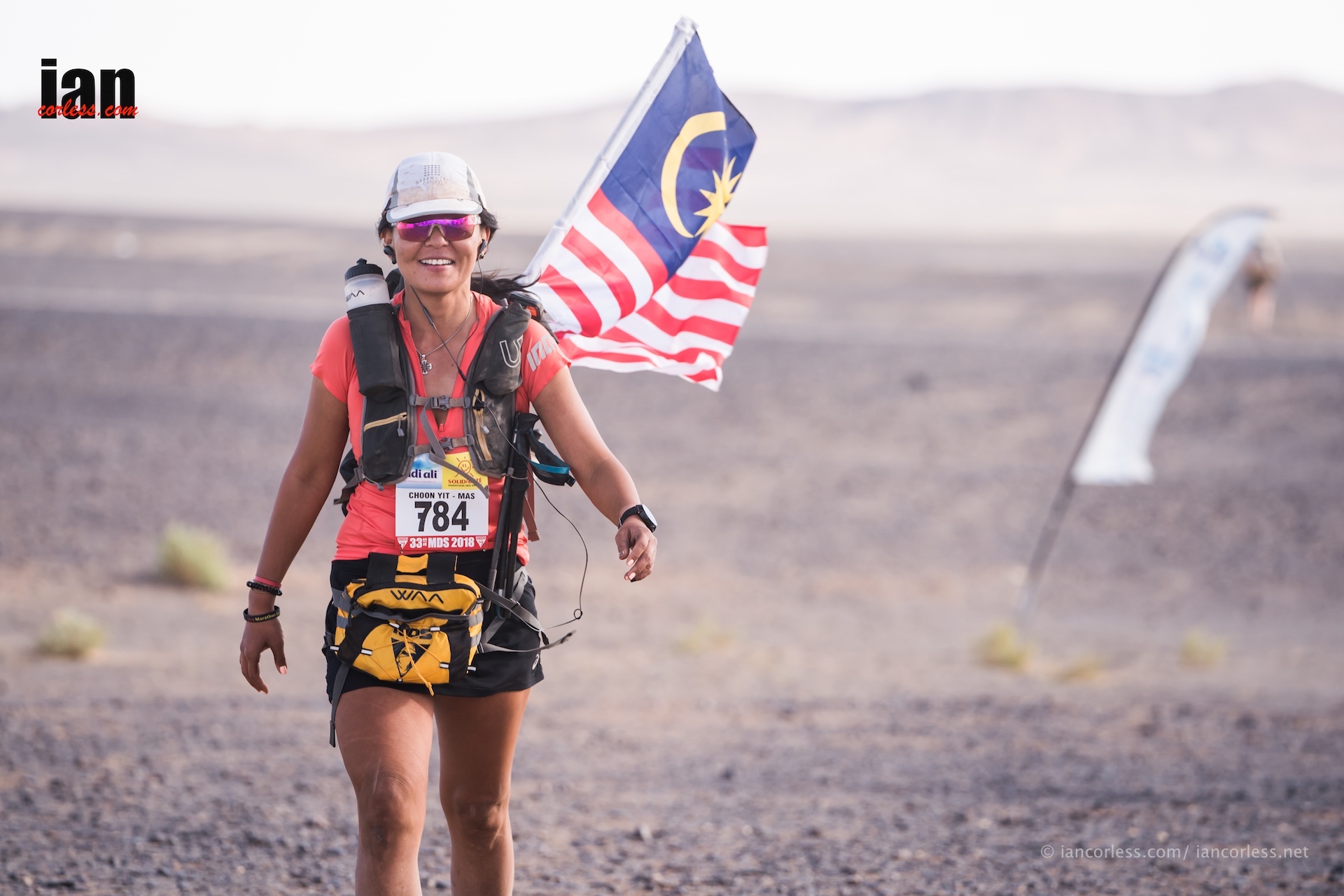
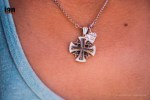
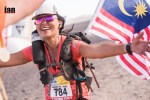
I had no more tears left, just smiles and gratitude. I was flying the Malaysian flag, I kissed my cross which was around my neck and I gave thanks for the opportunity to complete a truly magical, life changing journey.
What are the biggest takeaways from the race?
We are too protected, too comfortable in the world and we shy away from tough times. A little tough, some challenge, some hardship and some pain makes you realise you are truly alive.
I went to so many low points during the race and overcame them, I made new friends and I triumphed over arguably the toughest challenge I have ever undertaken.
I now feel invincible, I feel alive!
If you did MDS again, what would you change in preparation and why?
Well, I would definitely try not to get a stress fracture just 8 weeks before the race. In general though, I feel everything clicked into place. I would make sure my shoes did not give me blisters, I made a mistake there going with a shoe size too large.
What advice would you give to future MDS runners?
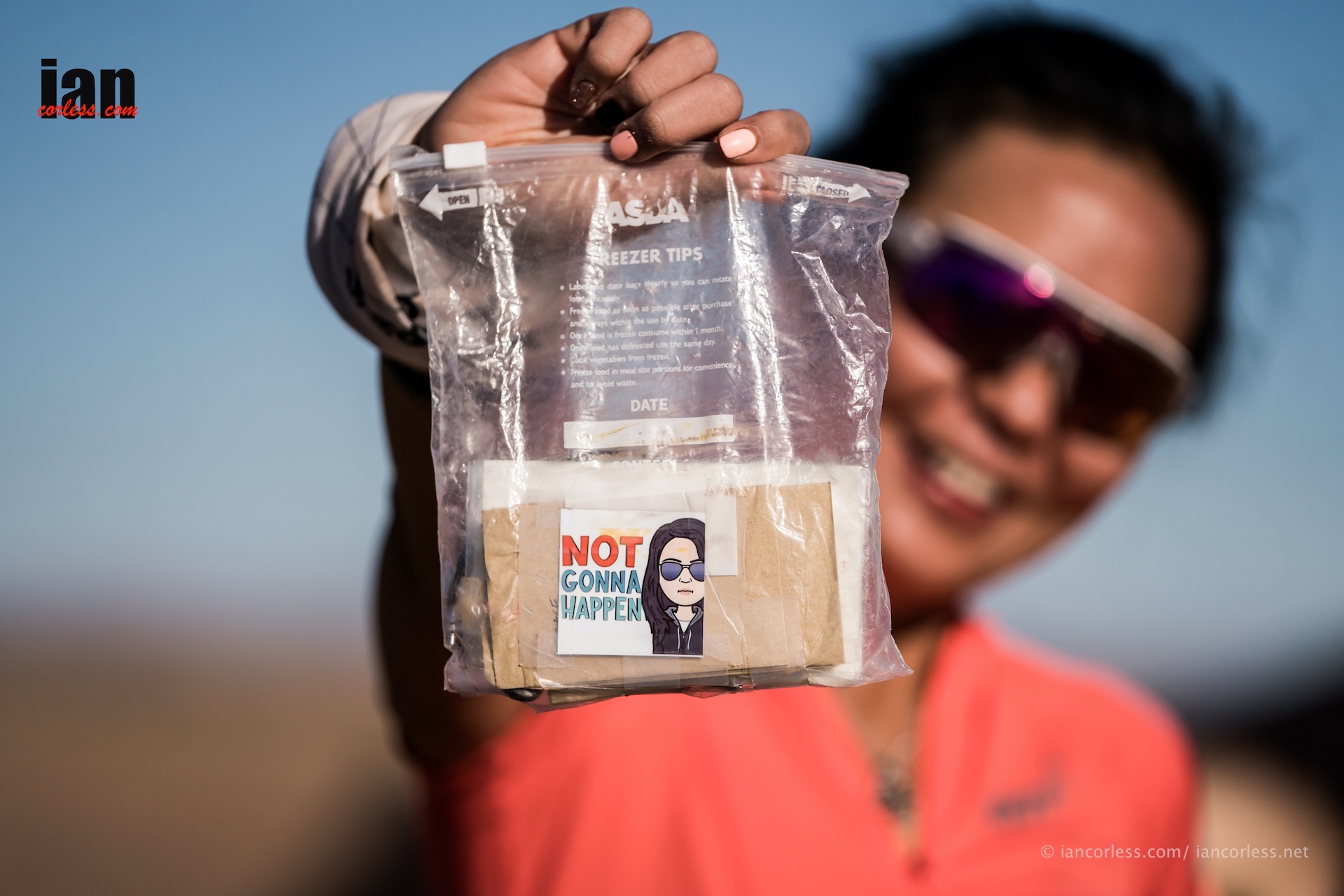
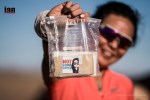
Prepare the mind and the legs and lungs will follow. I also had a ‘special’ bag with me ‘Not Gonna Happen’ it contained daily inspiration to keep me going… It was invaluable.
MDS is described as the toughest race on earth, on a scale of 1-10 give it a rating and explain why?
Tough question as I have done nothing like it to compare, so, for me it would be a 8, or 9. But the daily cut off times are generous and it is possible to complete the race walking, so, like I said previously, get the mind right and anything is possible.
Certainly, no change of clothes, carrying everything one needs on ones back and having rationed food and water takes things to another level and therefore it’s a combination of all those elements that makes the race so tough.
MDS is not cheap, can you elaborate on how much the whole process cost?
I don’t really want to think about it… The race costs so much more than just the entry fee. For example, entry fee, flights and hotels around £4000. But I started to prepare 12 moths in advance. I did training races, I did the Lanzarote training camp, I purchased all my equipment and then changed my equipment. I added some extras such as staying in Morocco afterwards. I have not tallied up the total cost but it would easily be £10.000.
You are the first Malaysian woman to complete the race, how does that make you feel?
I am proud to be Malaysian and cross the line flying the flag – it is a real honour.
You ran for charities, Make A Wish Malaysia and Malaysian Dogs Deserve Better, how much did you raise?
The total goes up daily as donations come in, but currently it is over £25.000.
“We all have our stories, we got together, encouraged each other, were there for each other, we went on a 250km MDS journey together… We are friends forever Tent 95! I was also privileged to have the additional support of a truly dear friend who documented our journey. Friendship and love completed the journey.”










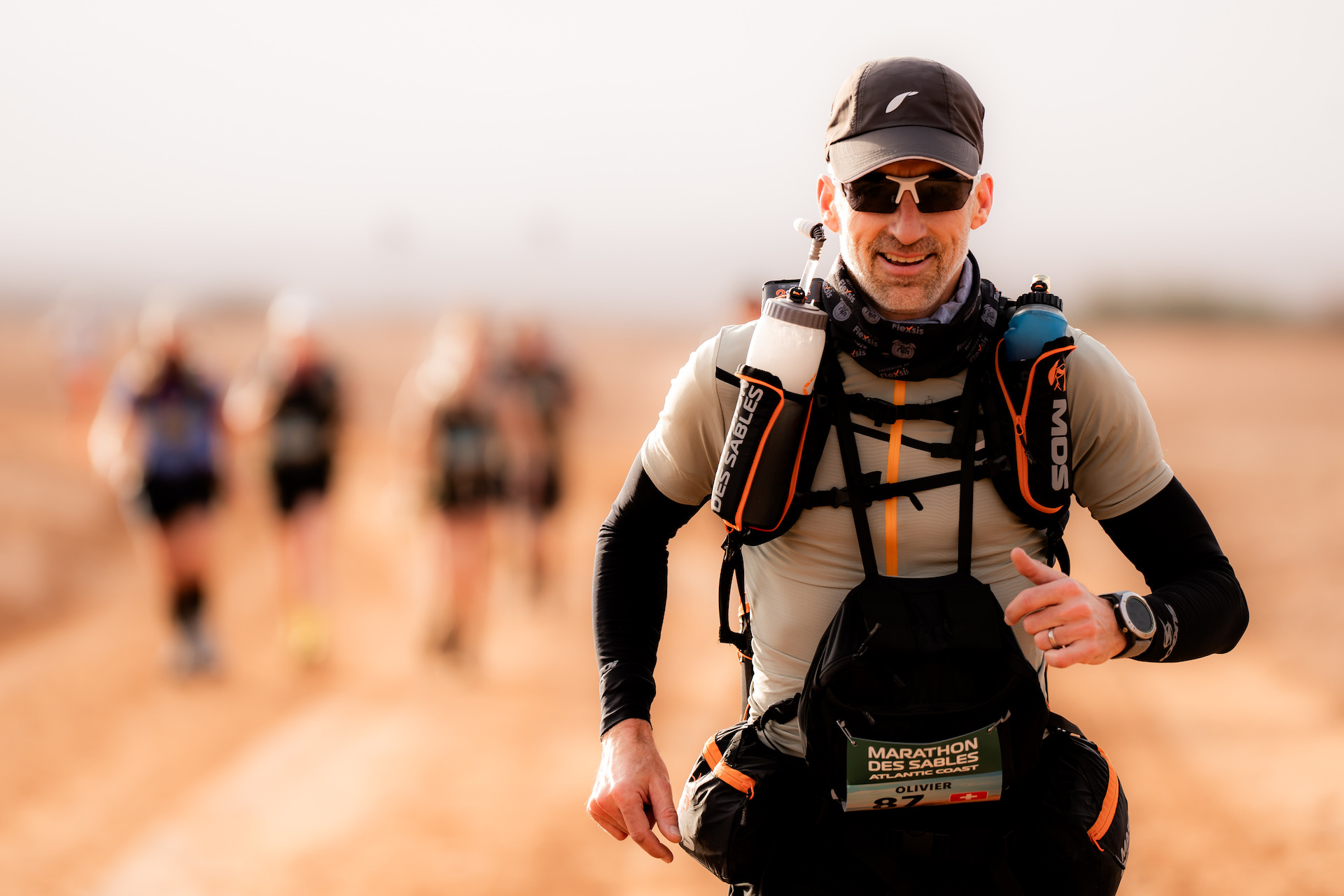
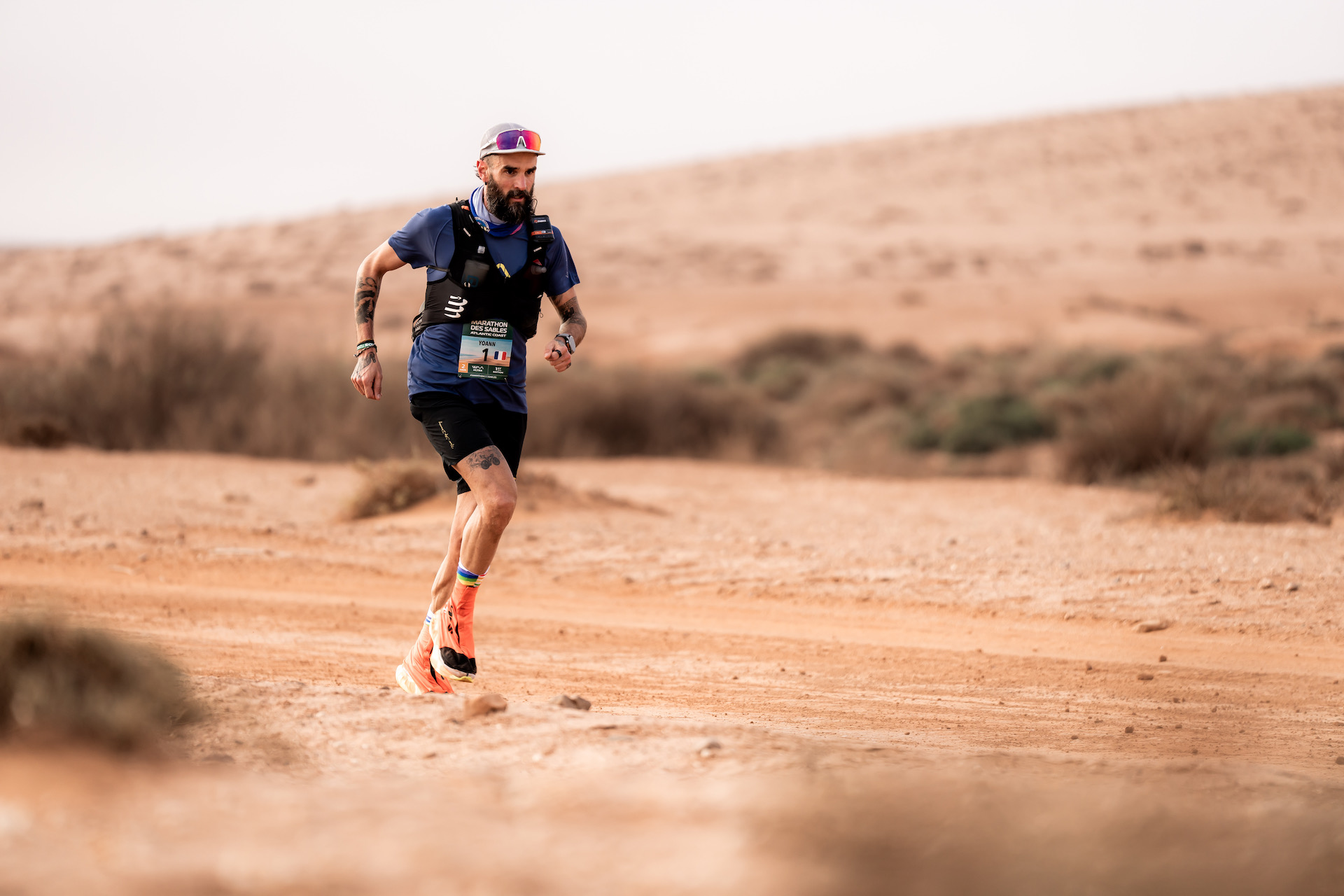
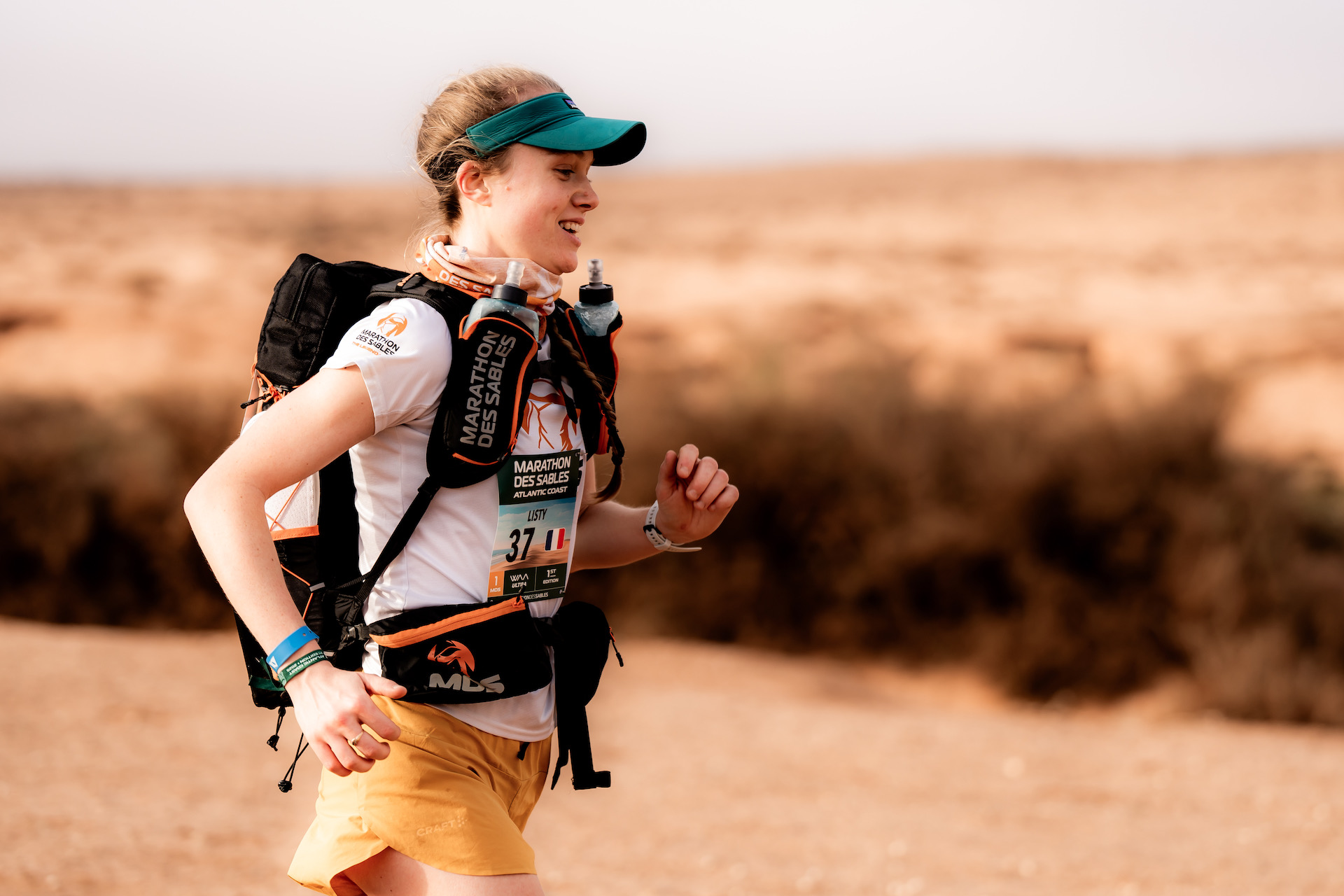
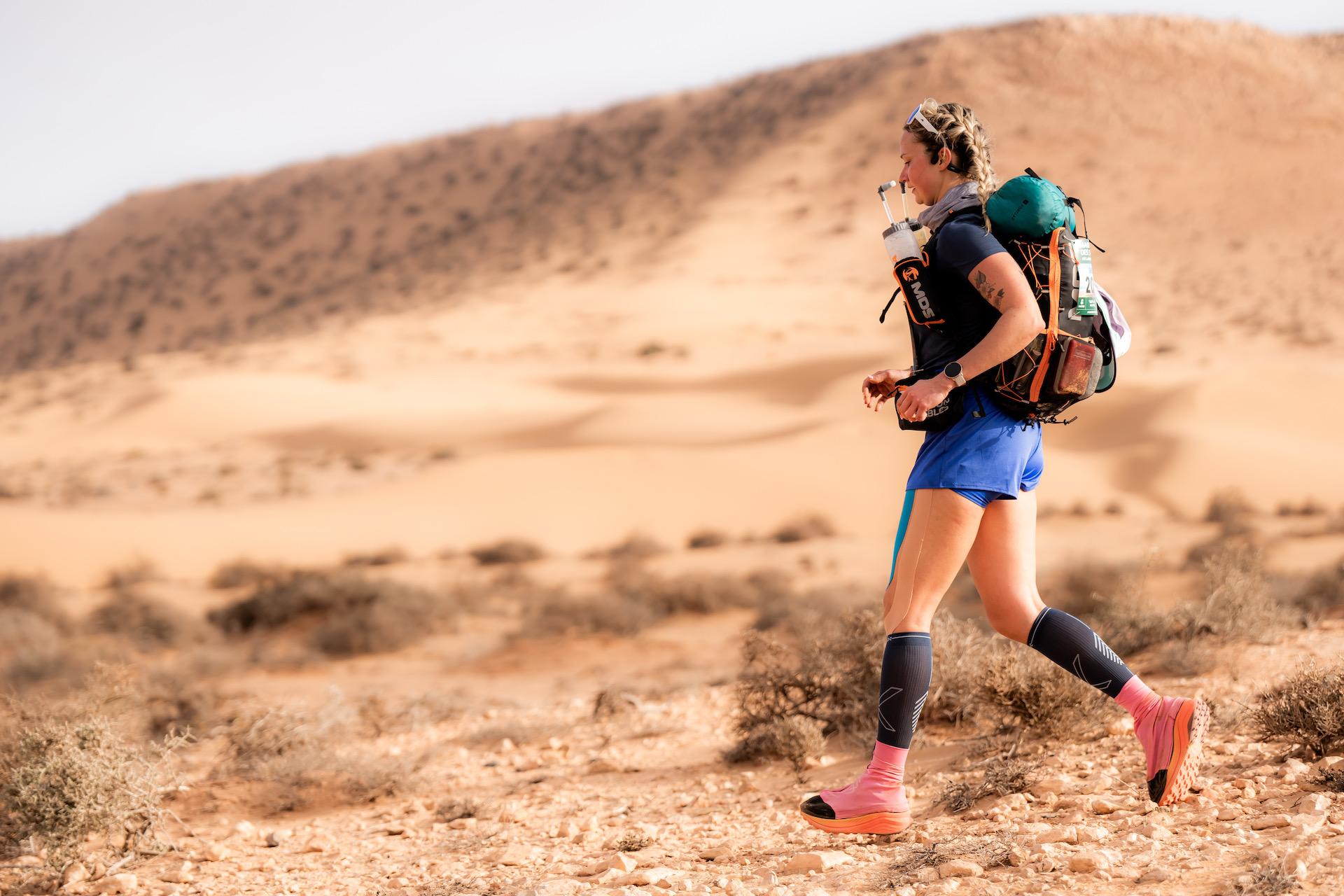















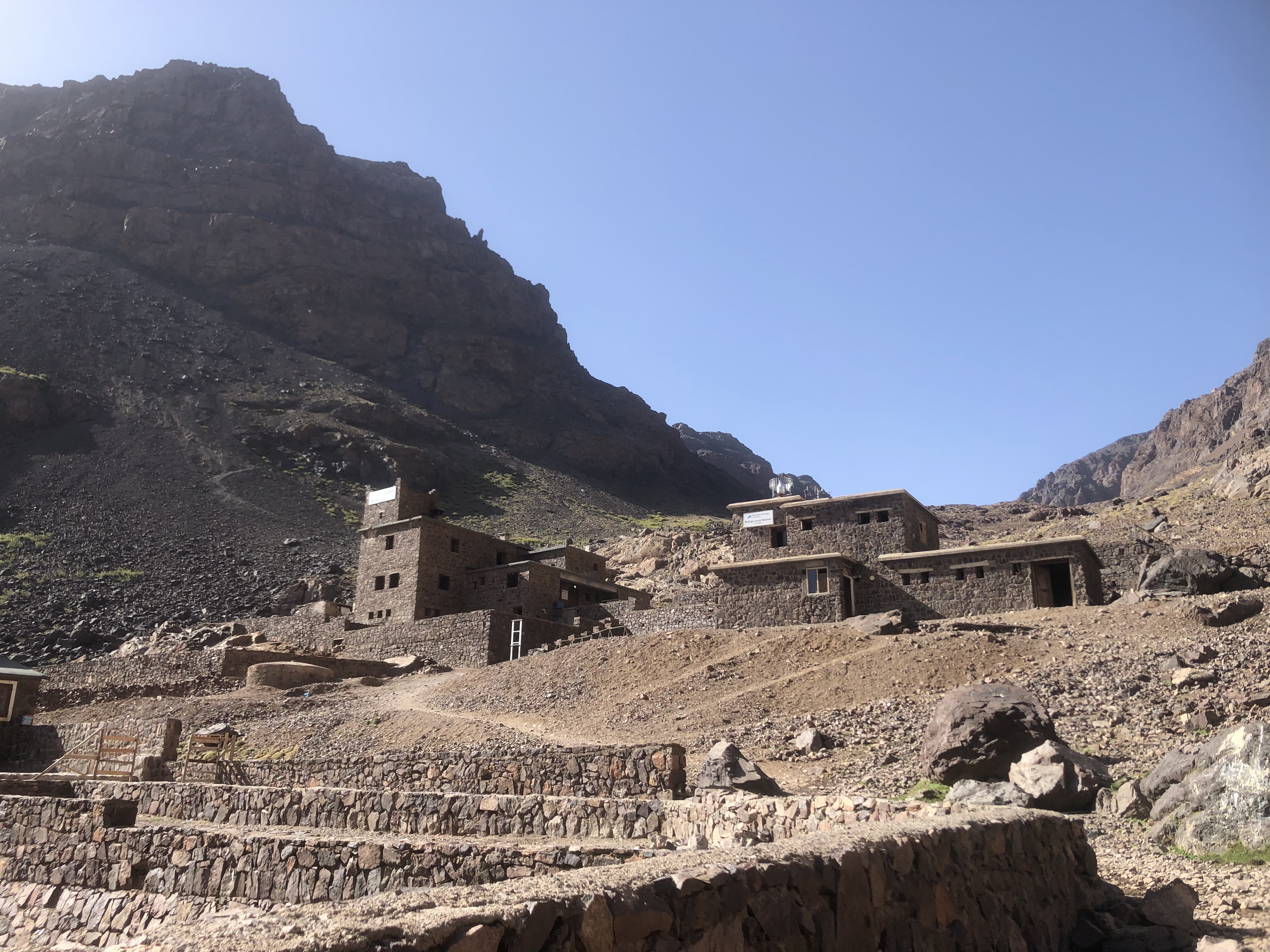 The refuge at Toubkal is a great place to liaise with in regard to booking.

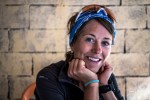






 In 2018, for the first time ever, a Malaysian lady toed the line in the hope to be the first Malaysian lady ever to complete the race.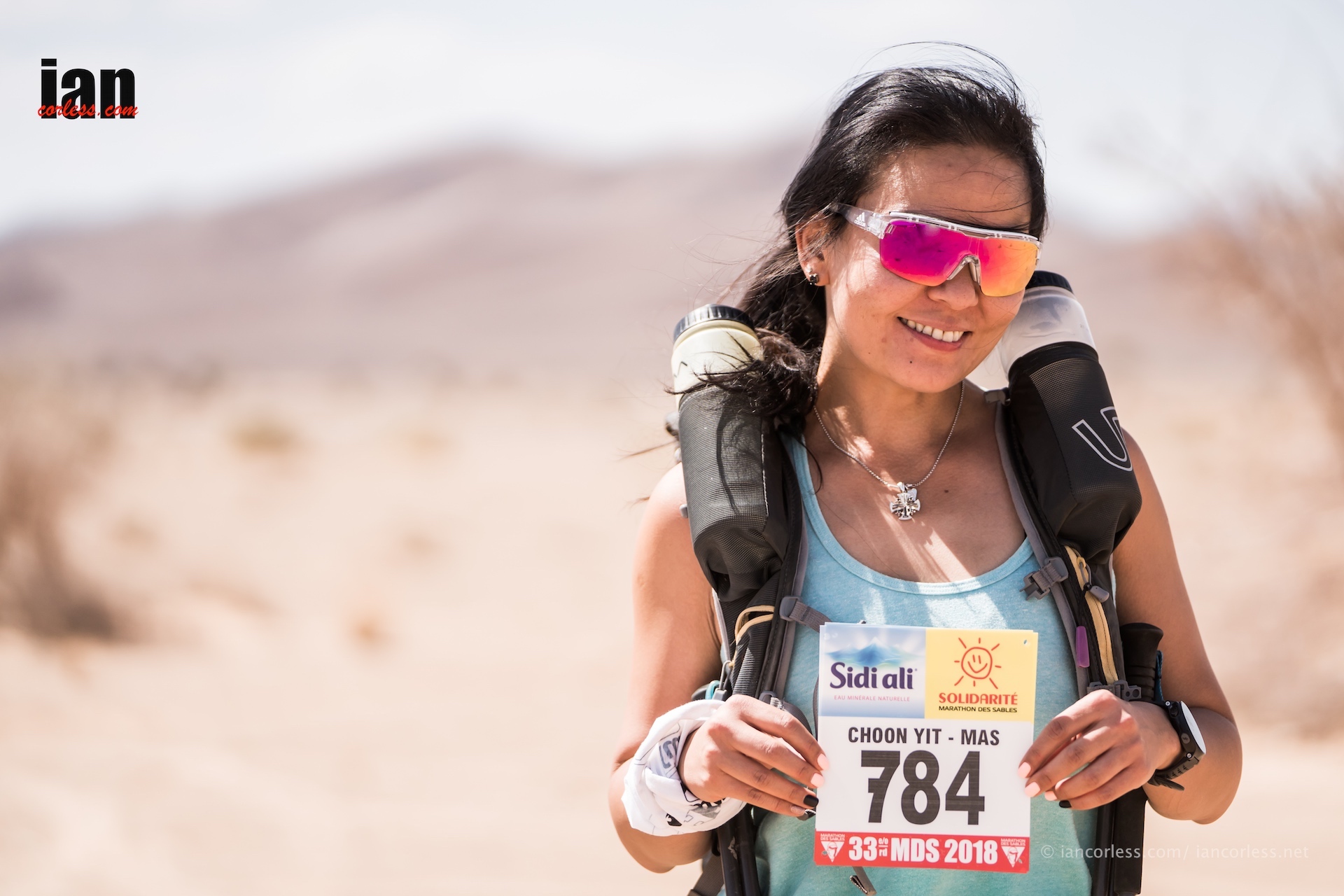
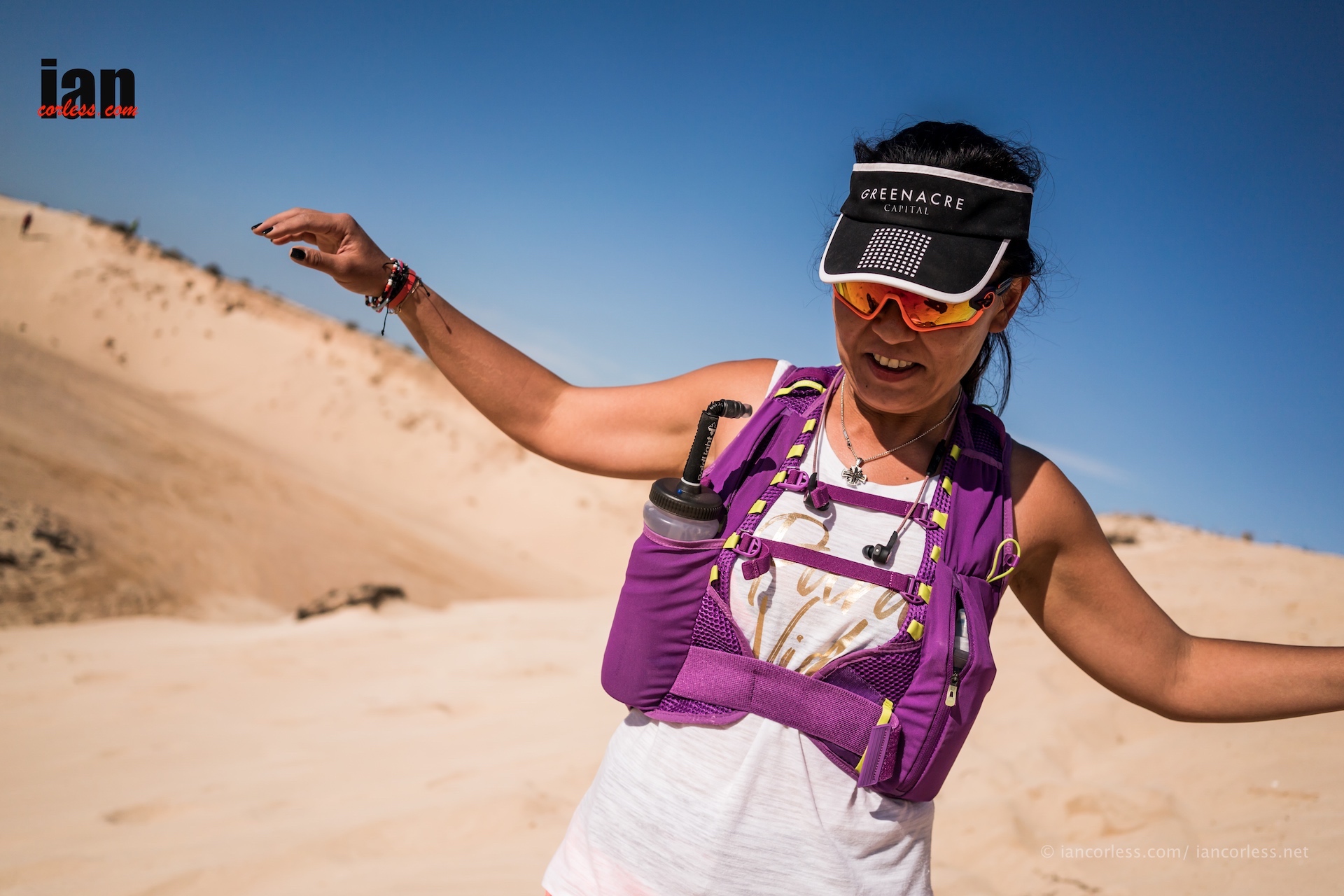
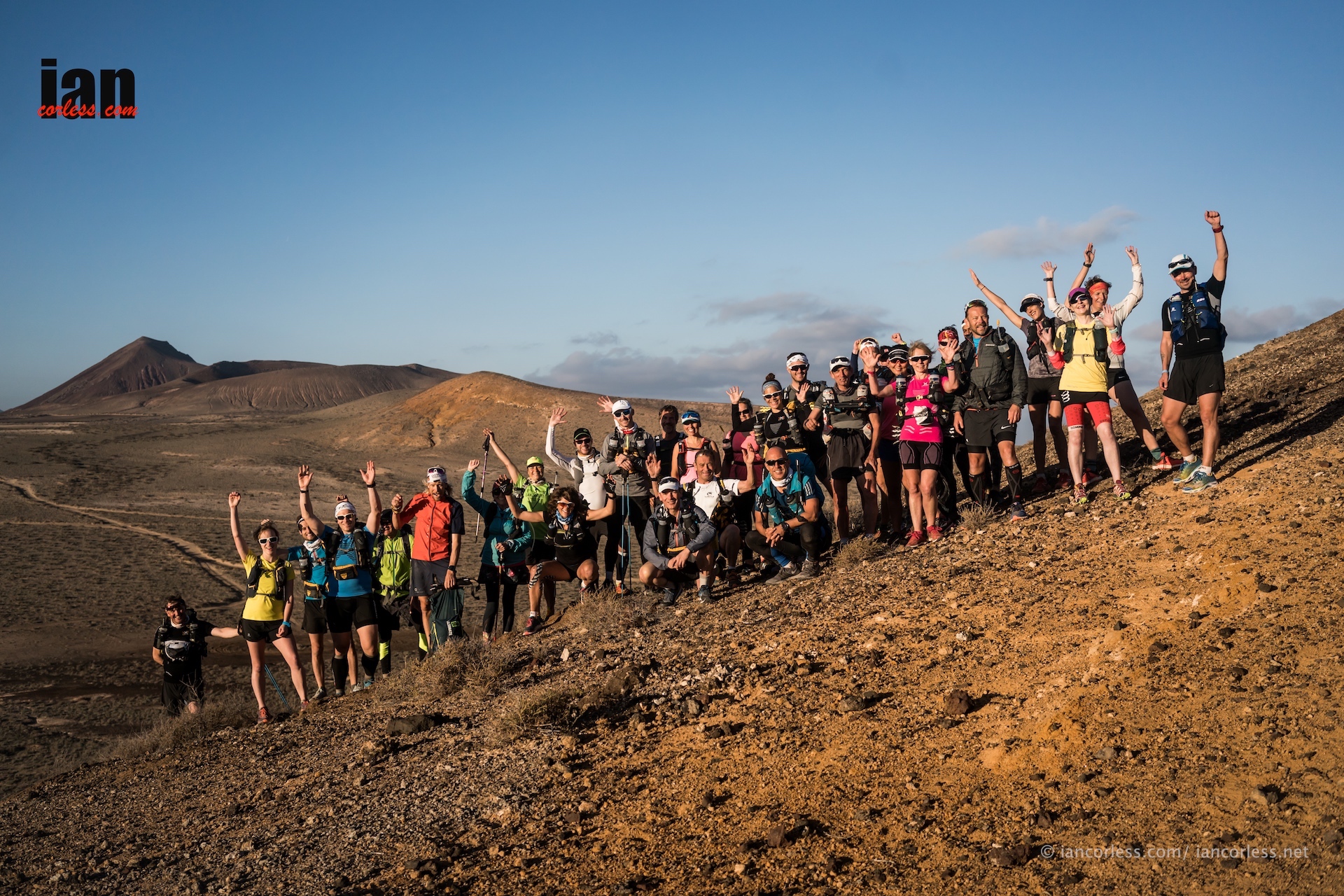
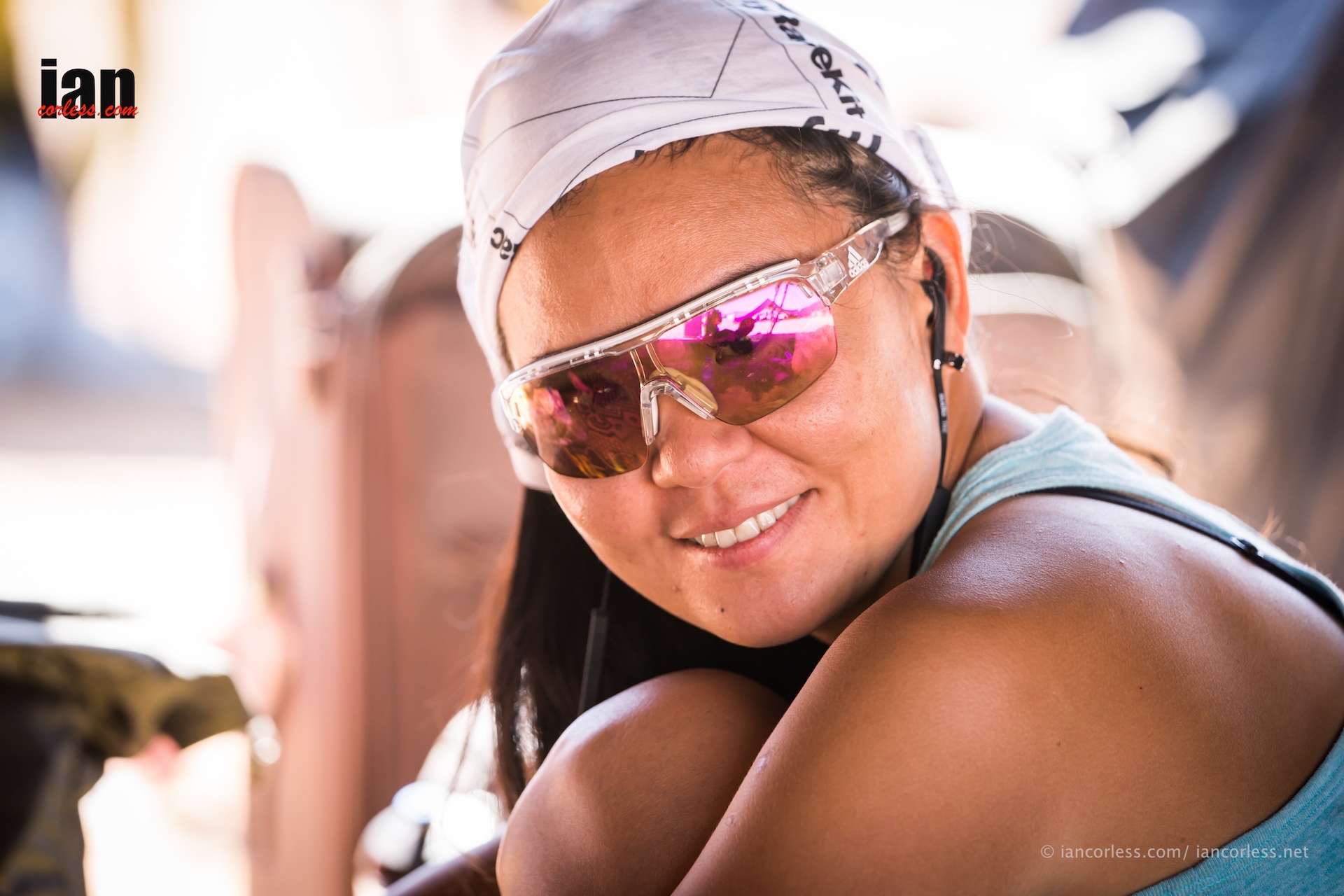

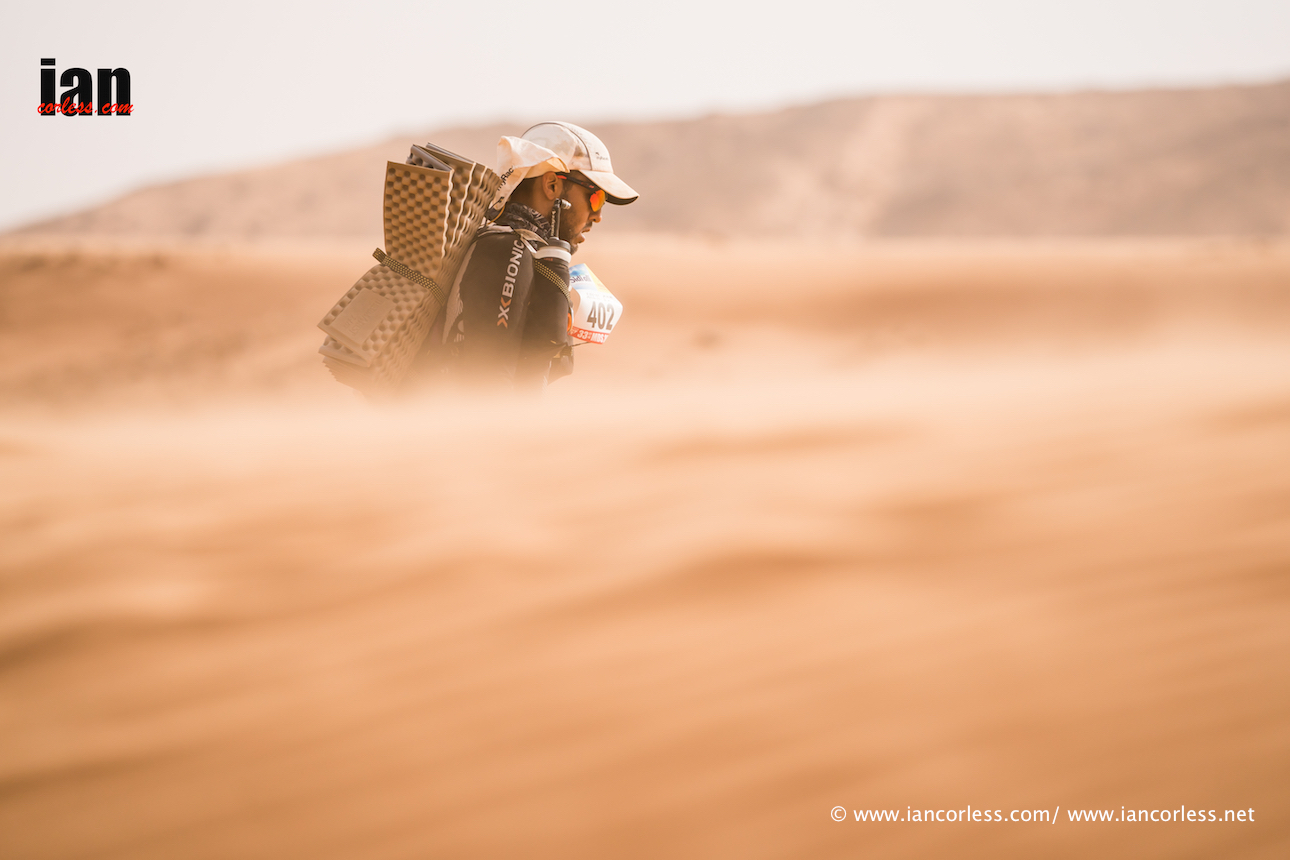
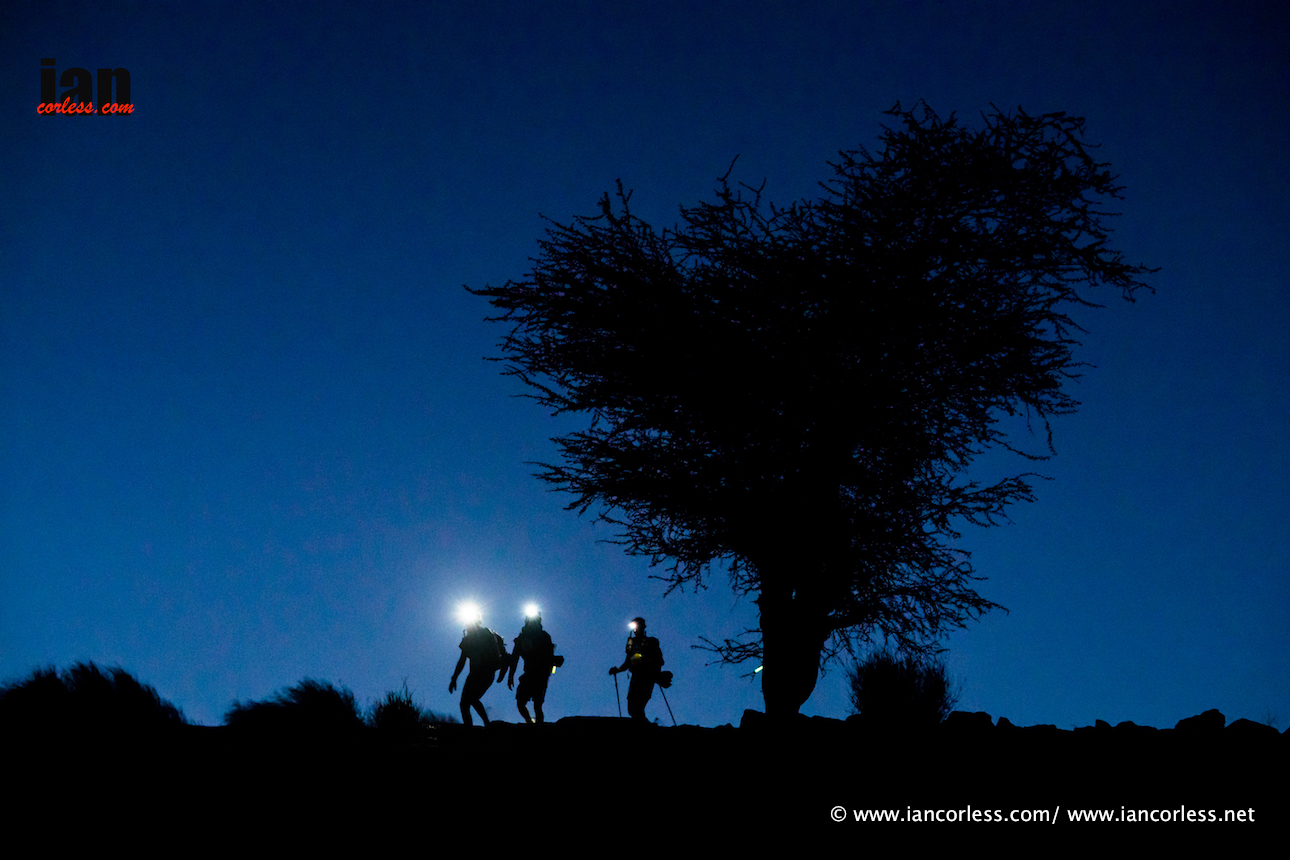

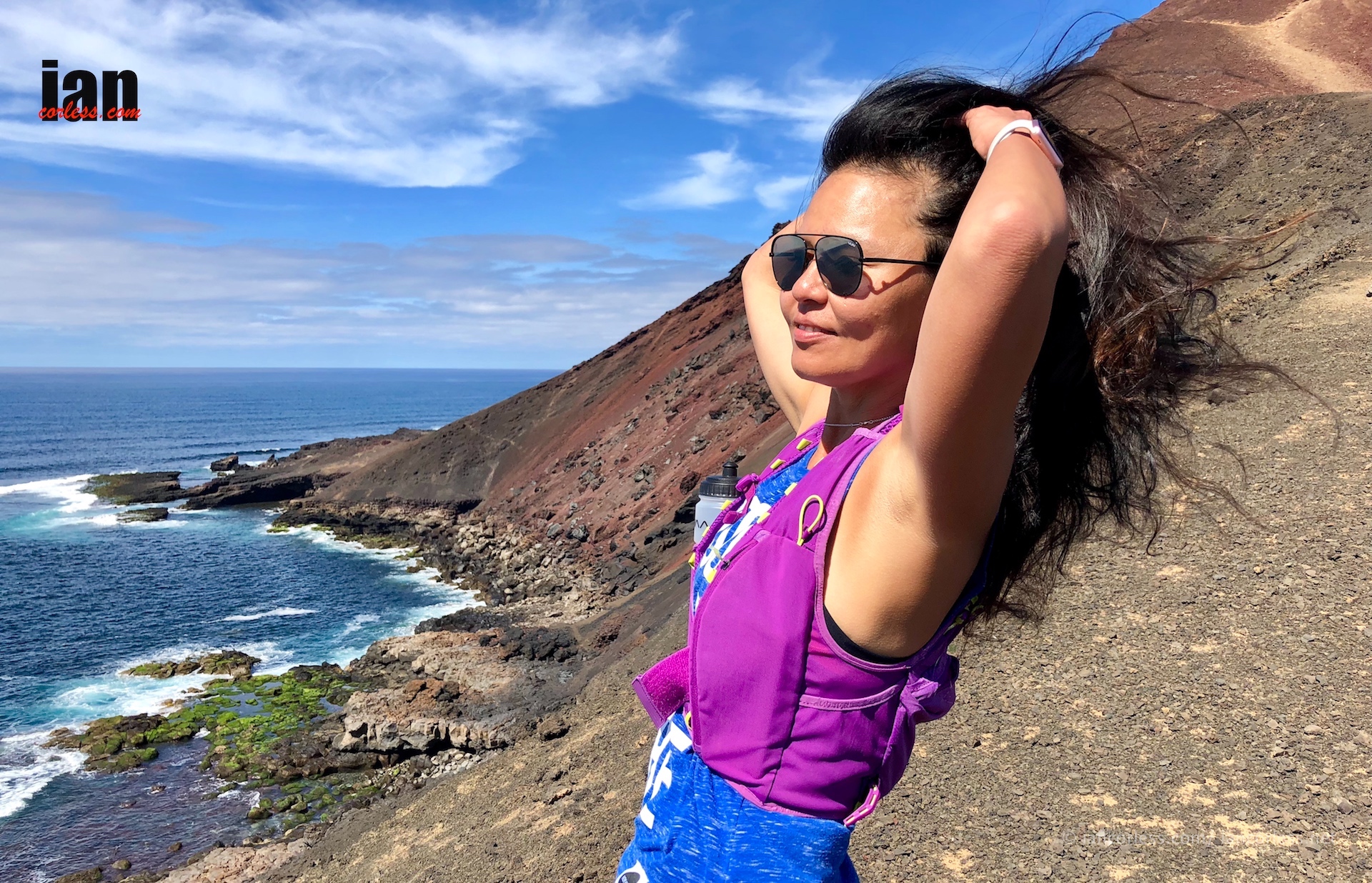 I also signed up for a specific desert training camp in Lanzarote, 3-months ahead of the race. This proved to be essential as I met other competitions, we trained on terrain specific and comparable to Morocco and I was able to test equipment. We even spent one night sleeping inside a volcano to simulate camp conditions in the Sahara.
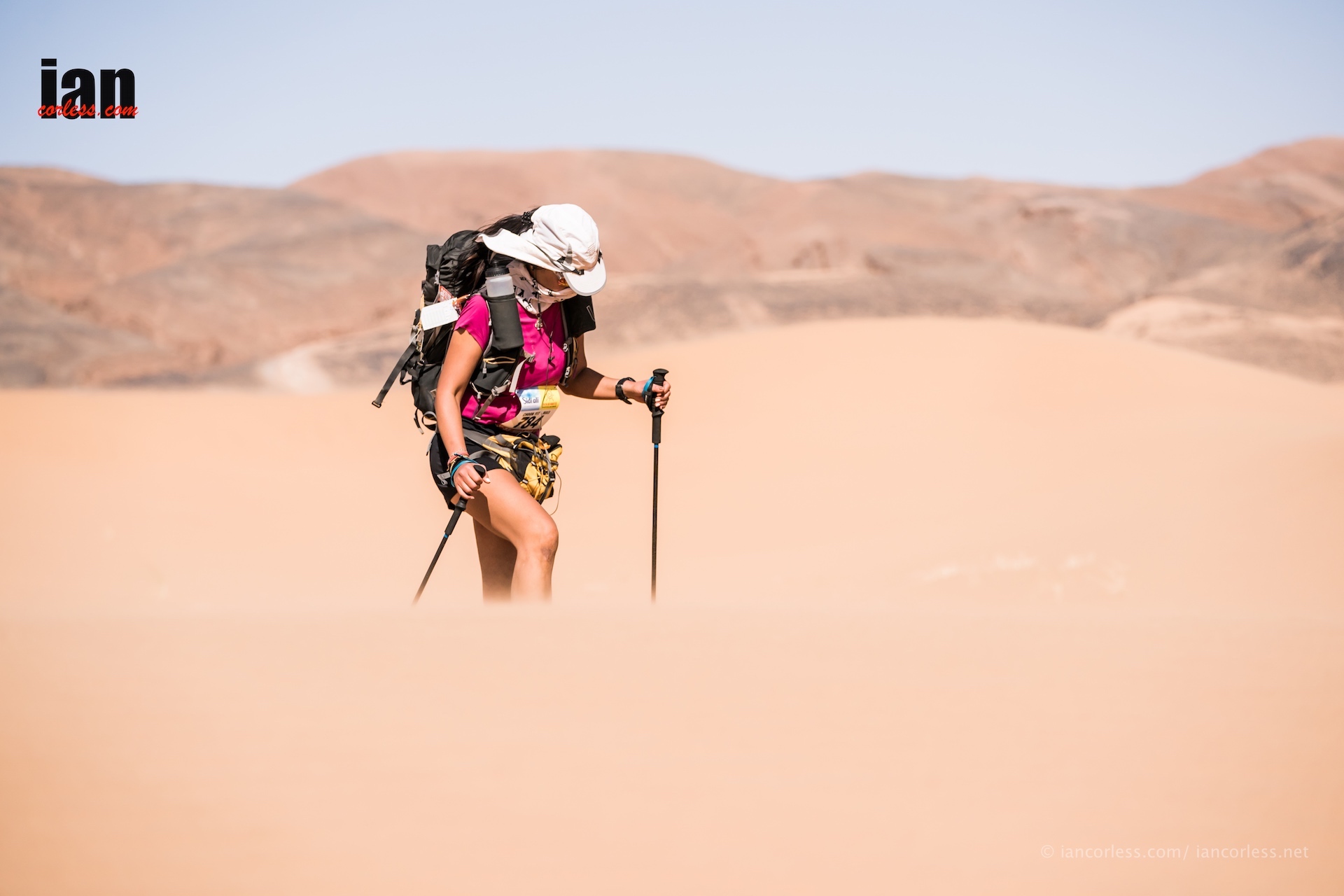
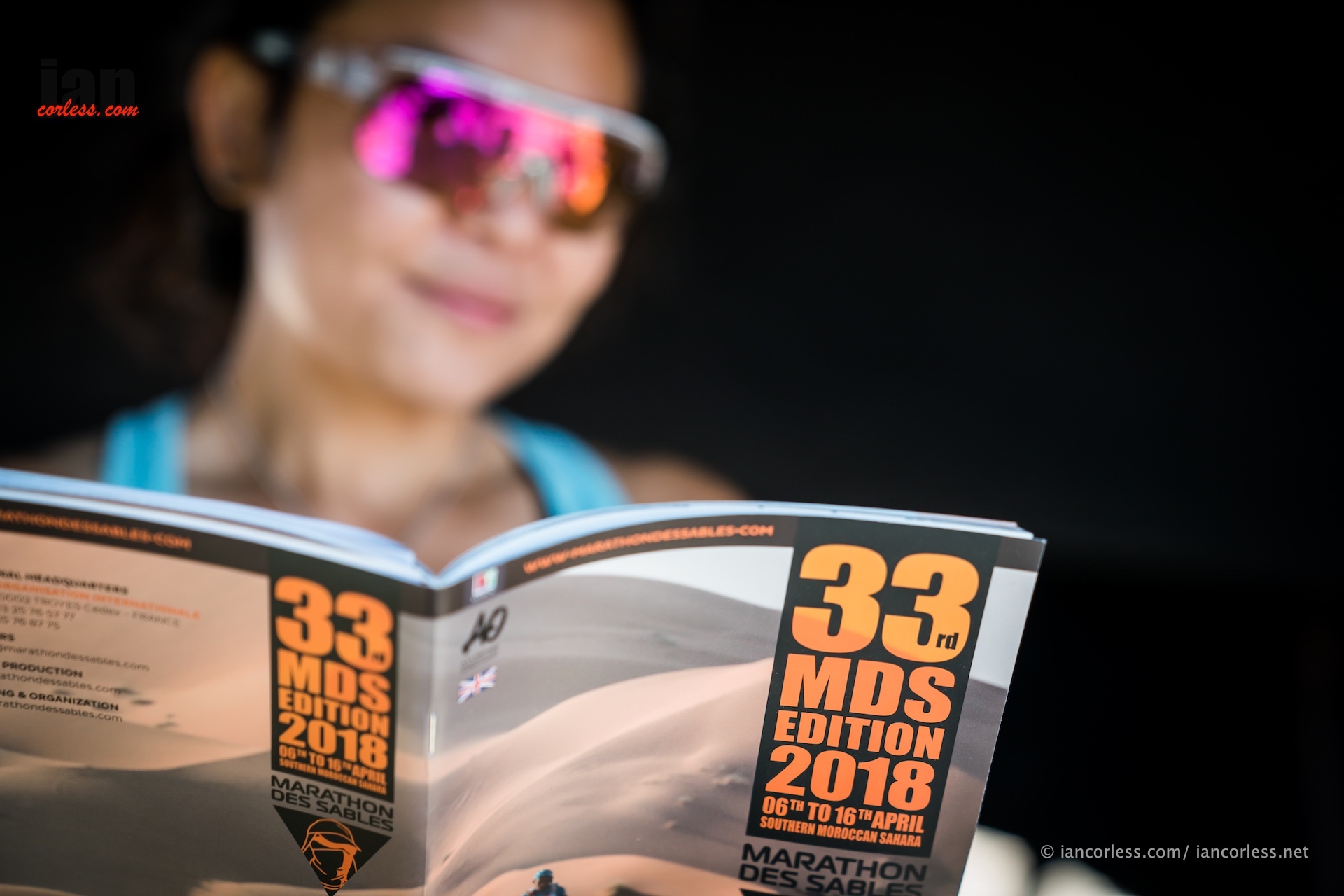
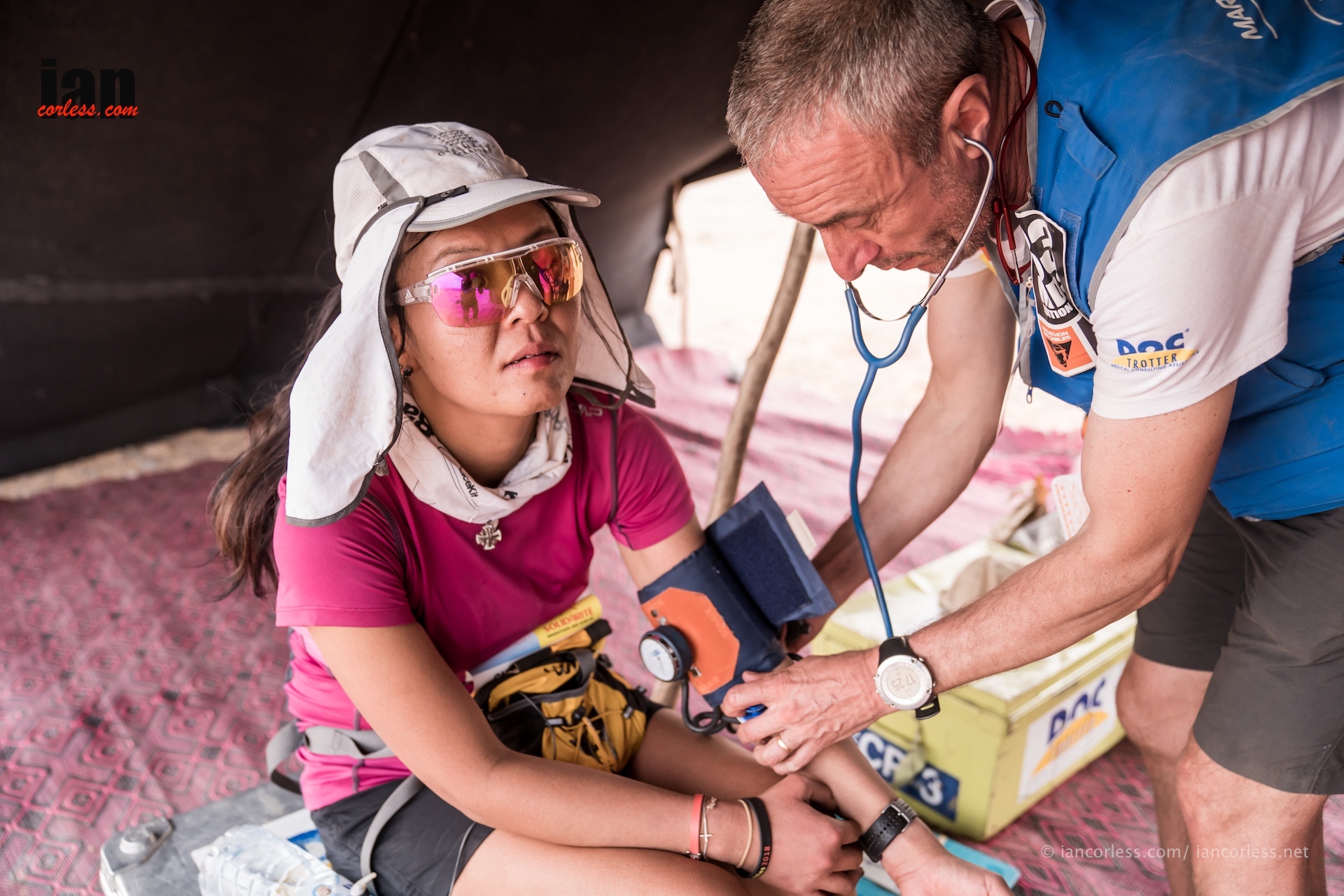 That night we were hit by a sand storm which wiped out our tent and reduced sleep to a minimum. So, as you see, the challenges change daily, by the hour or even by the minute at times. This is what makes MDS so special, it is how you adapt both physically and more importantly, mentally at times.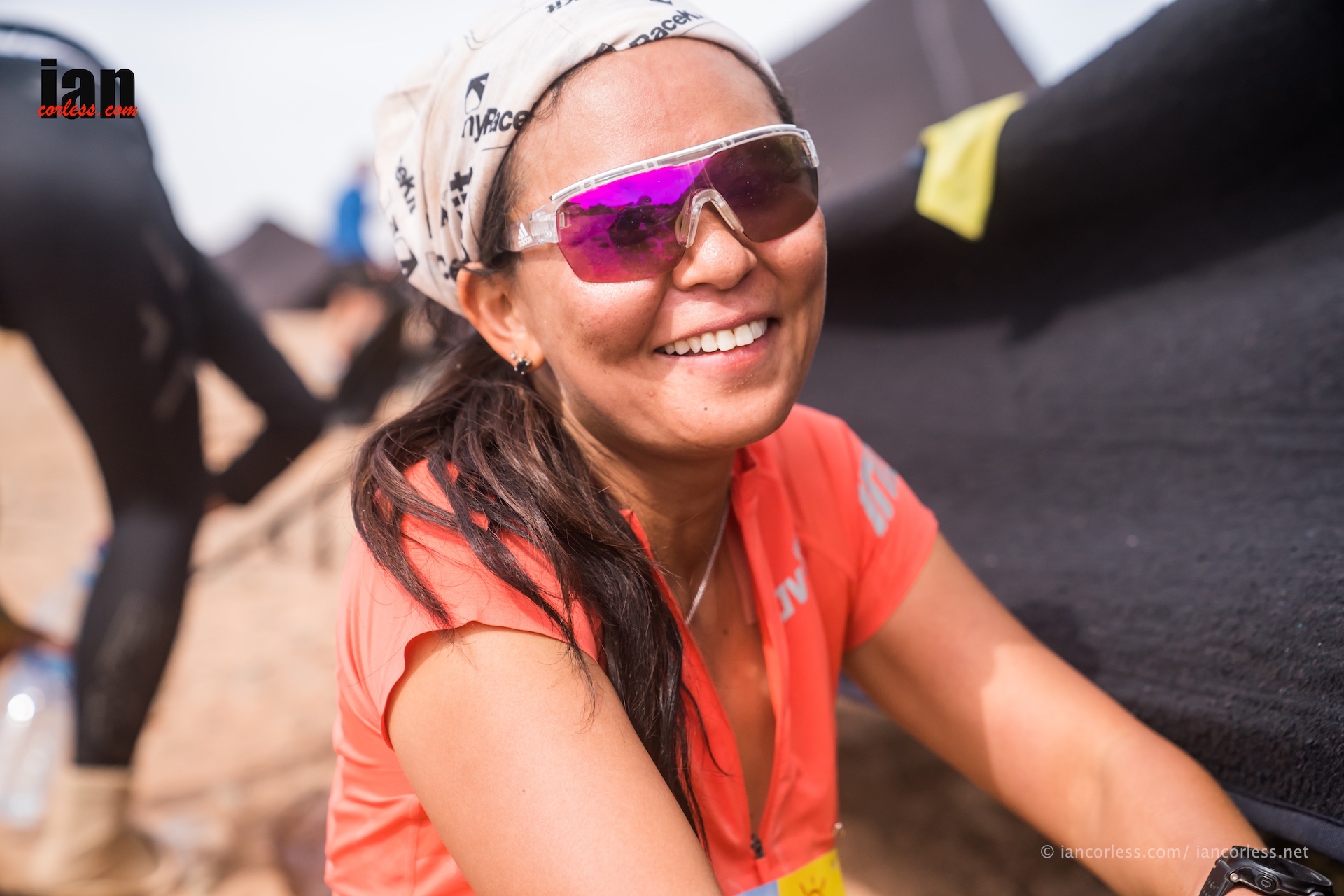
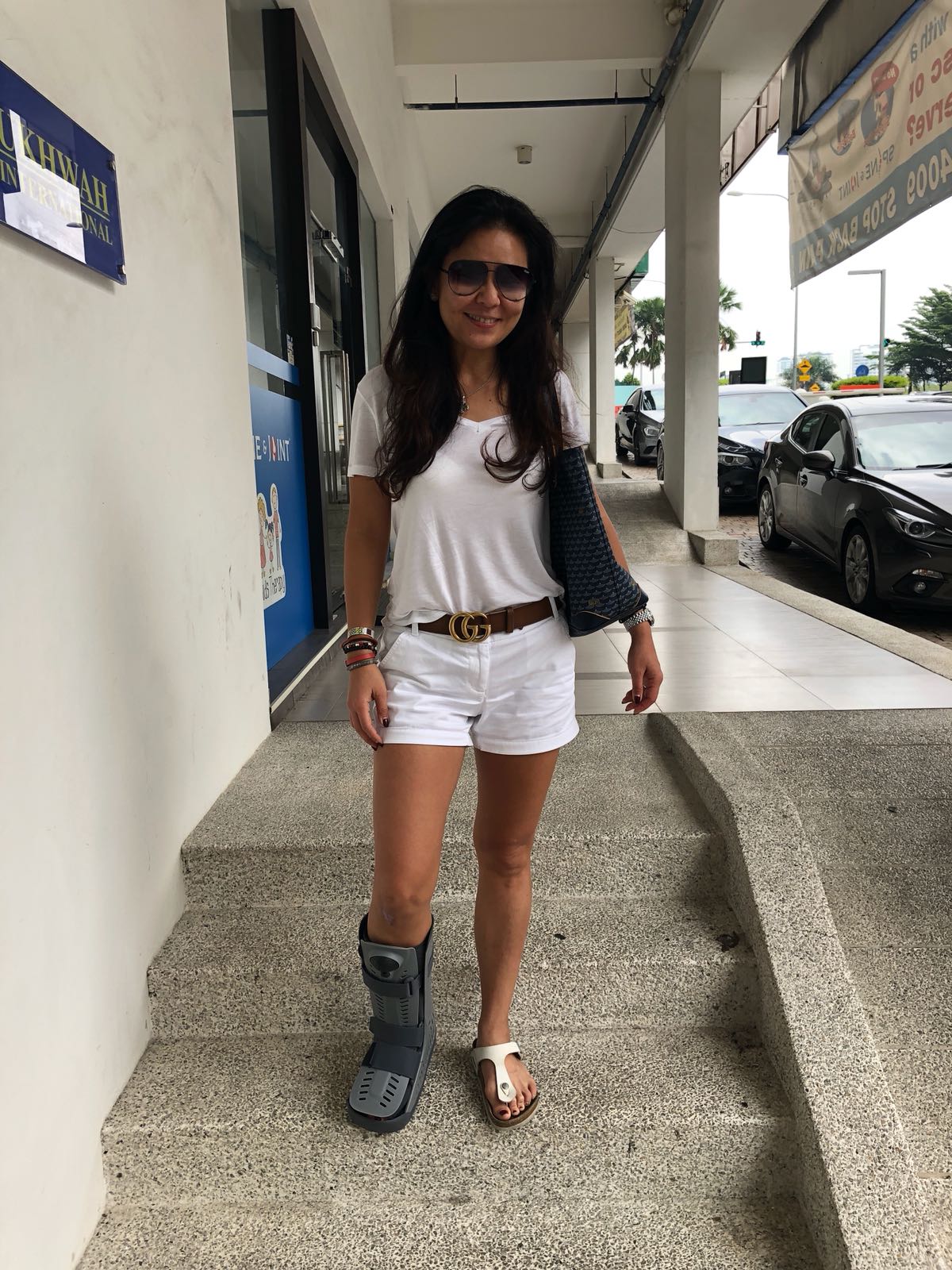
 Equipment is equipment but it is essential. I took advice from the training camp and honed my equipment for my needs. I made last minute changes to the pack I would use and I also changed my down jacket. It all worked well. During the race you must be flexible and adapt to conditions – tiredness, dehydration, sore legs, snoring tent mates, sharing a space with 7 others – you can’t really prepare for that, it is this that makes MDS such an experience, it is a journey into the unknown.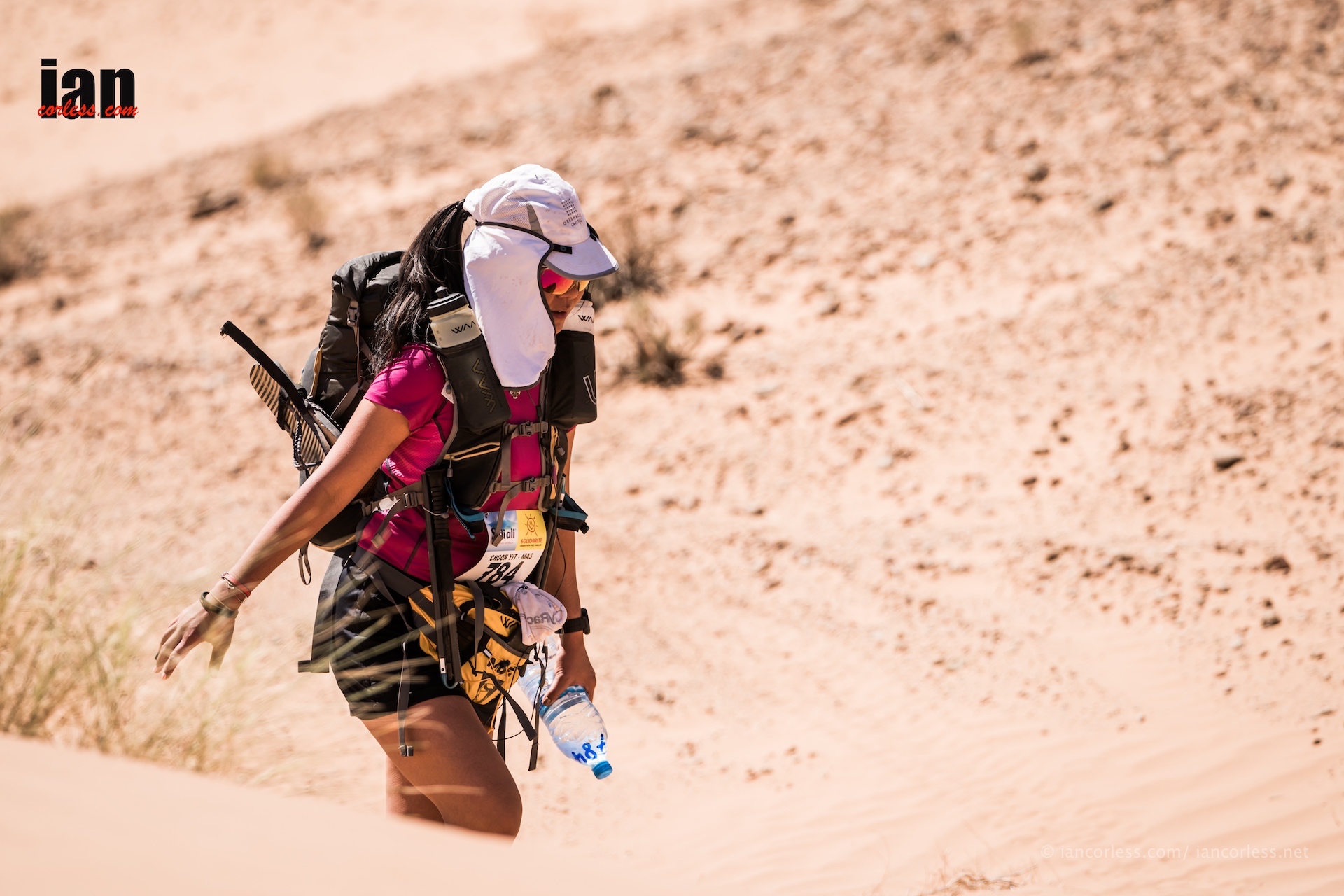
 2. On the long day it was dark, I was walking through large sand dunes and I was listening to Craig Armstrong music, I looked up to the sky and saw thousands of stars… I was lost in my mind and thoughts and it was truly magical.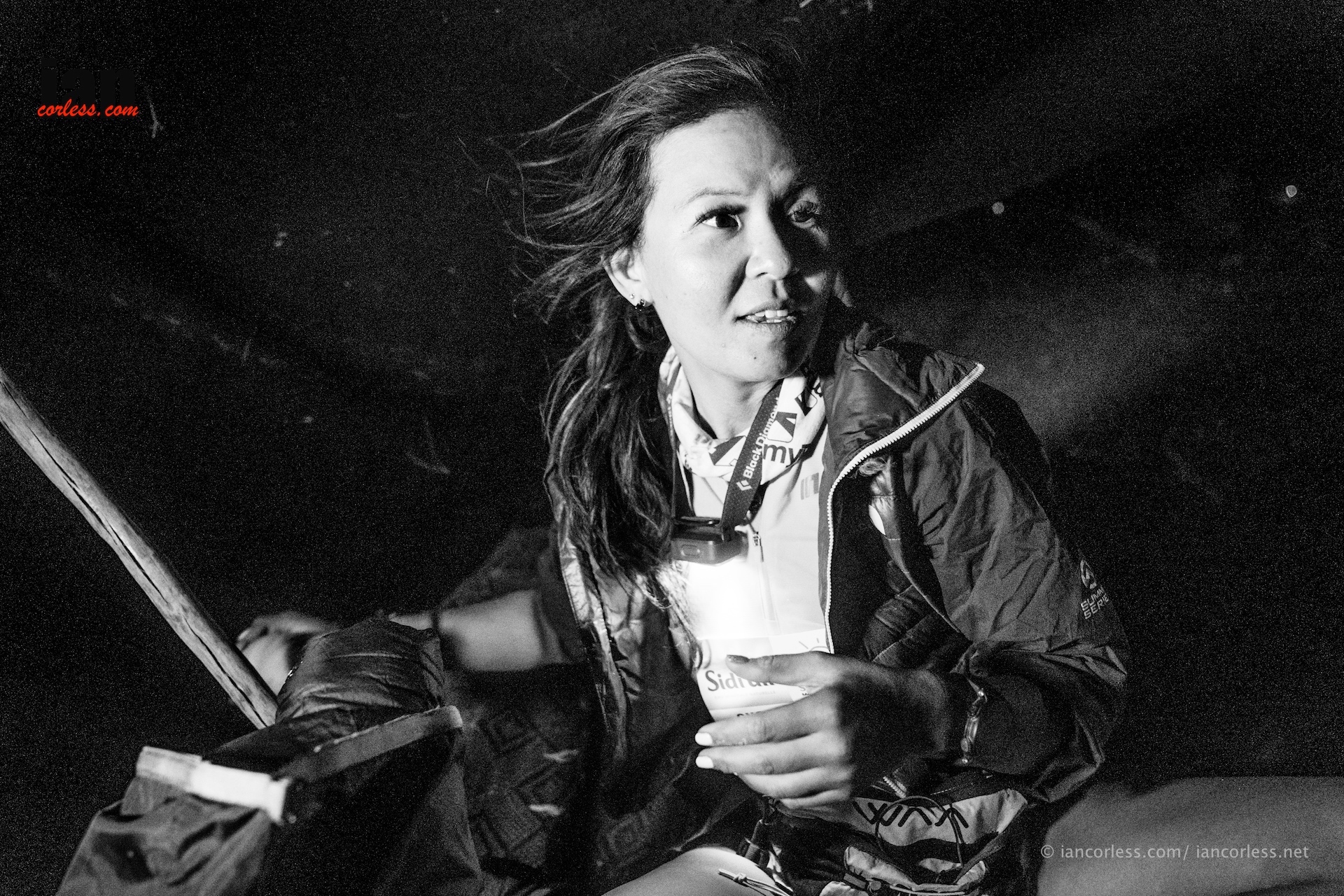
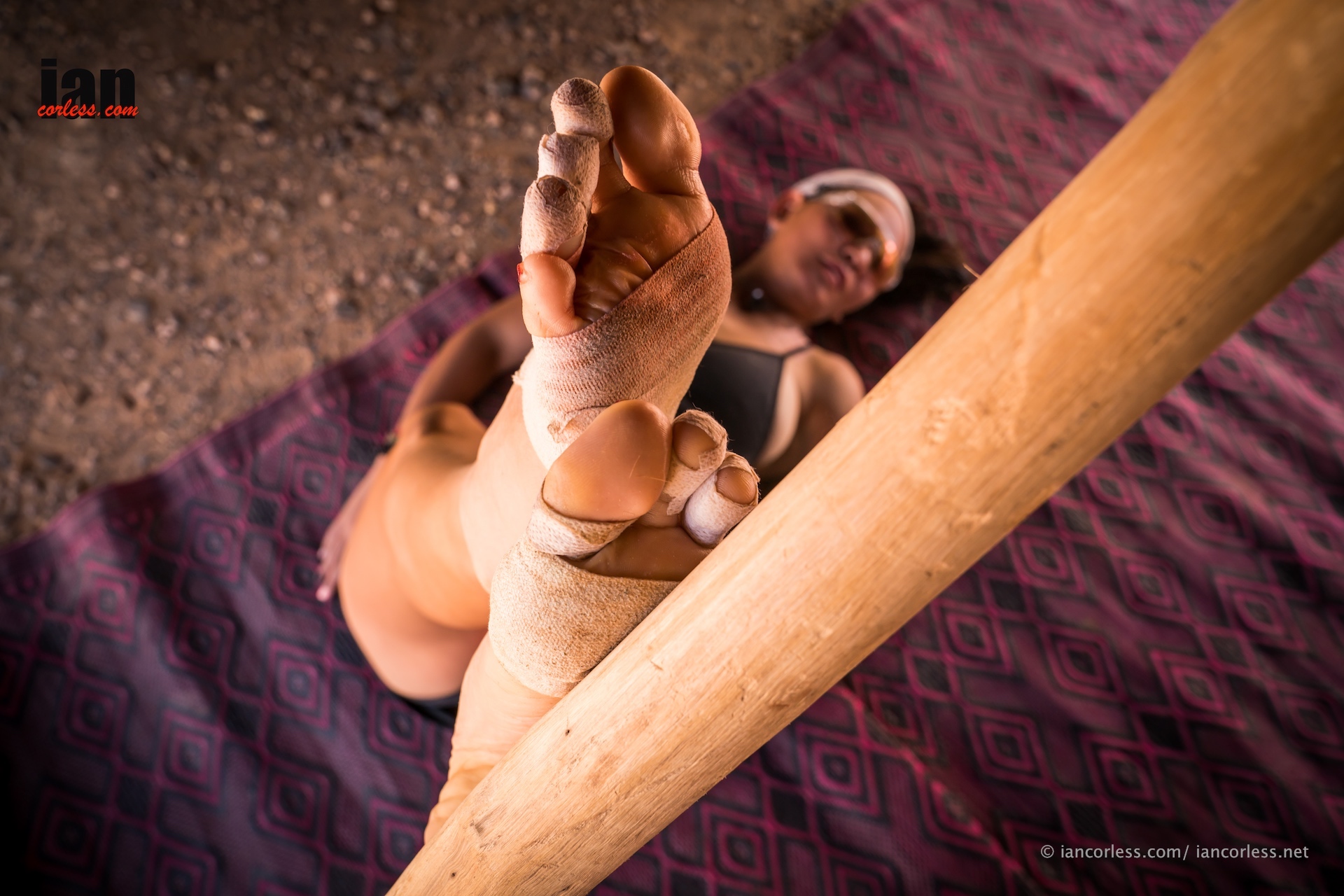
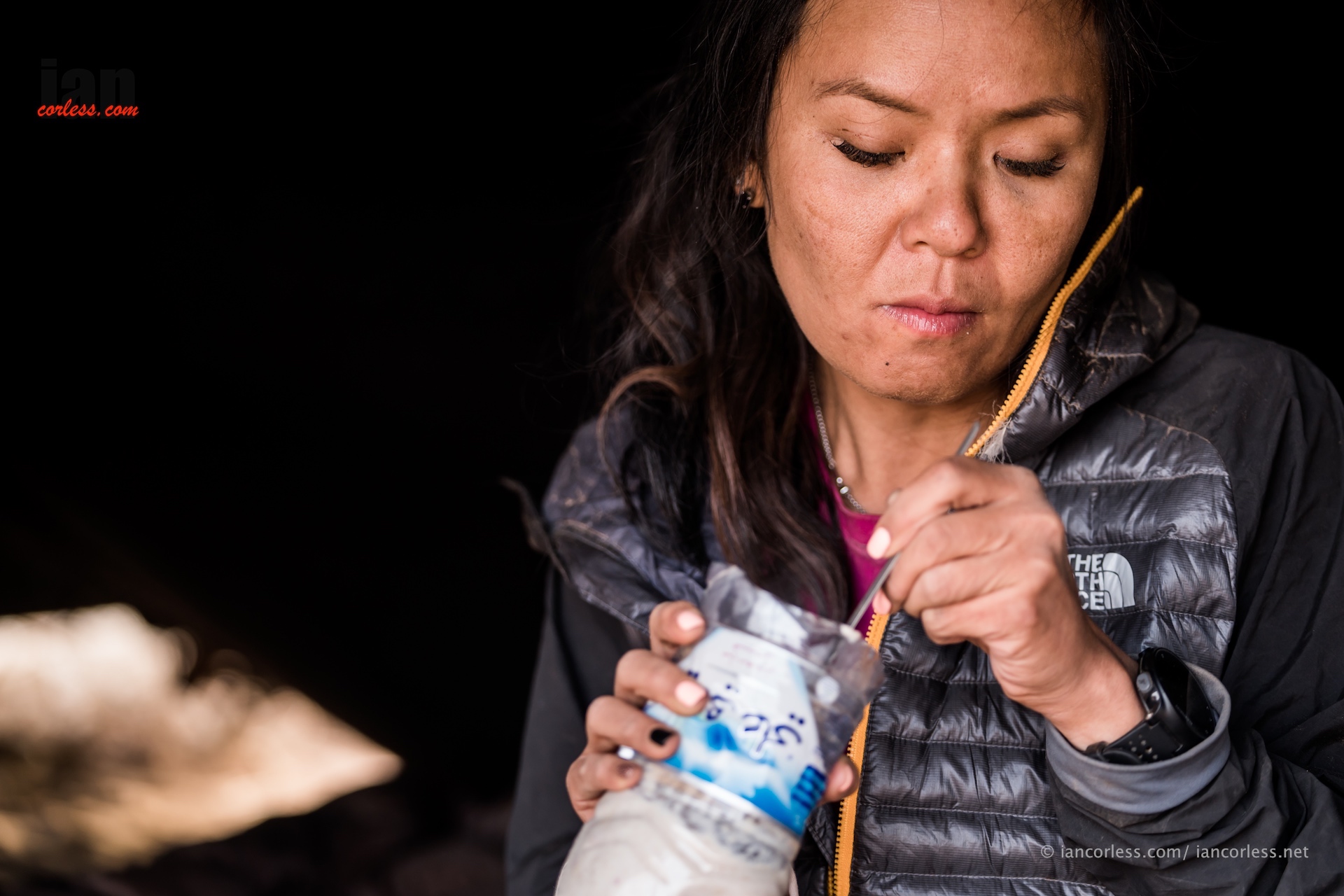
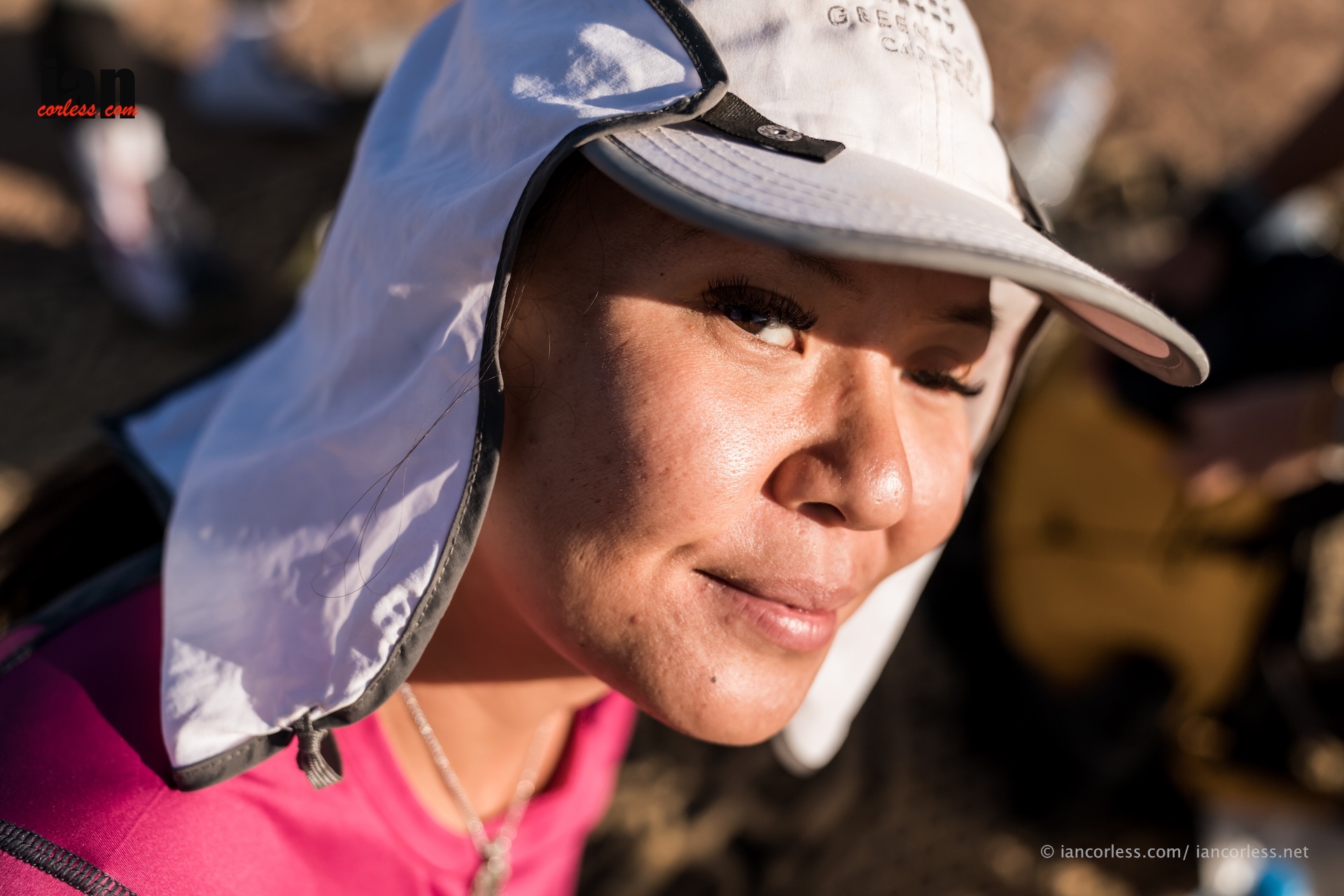 A Coke after the long day was so magical – simple pleasure! Going to the toilet is also somewhat an experience… you will need to use your imagination for that one!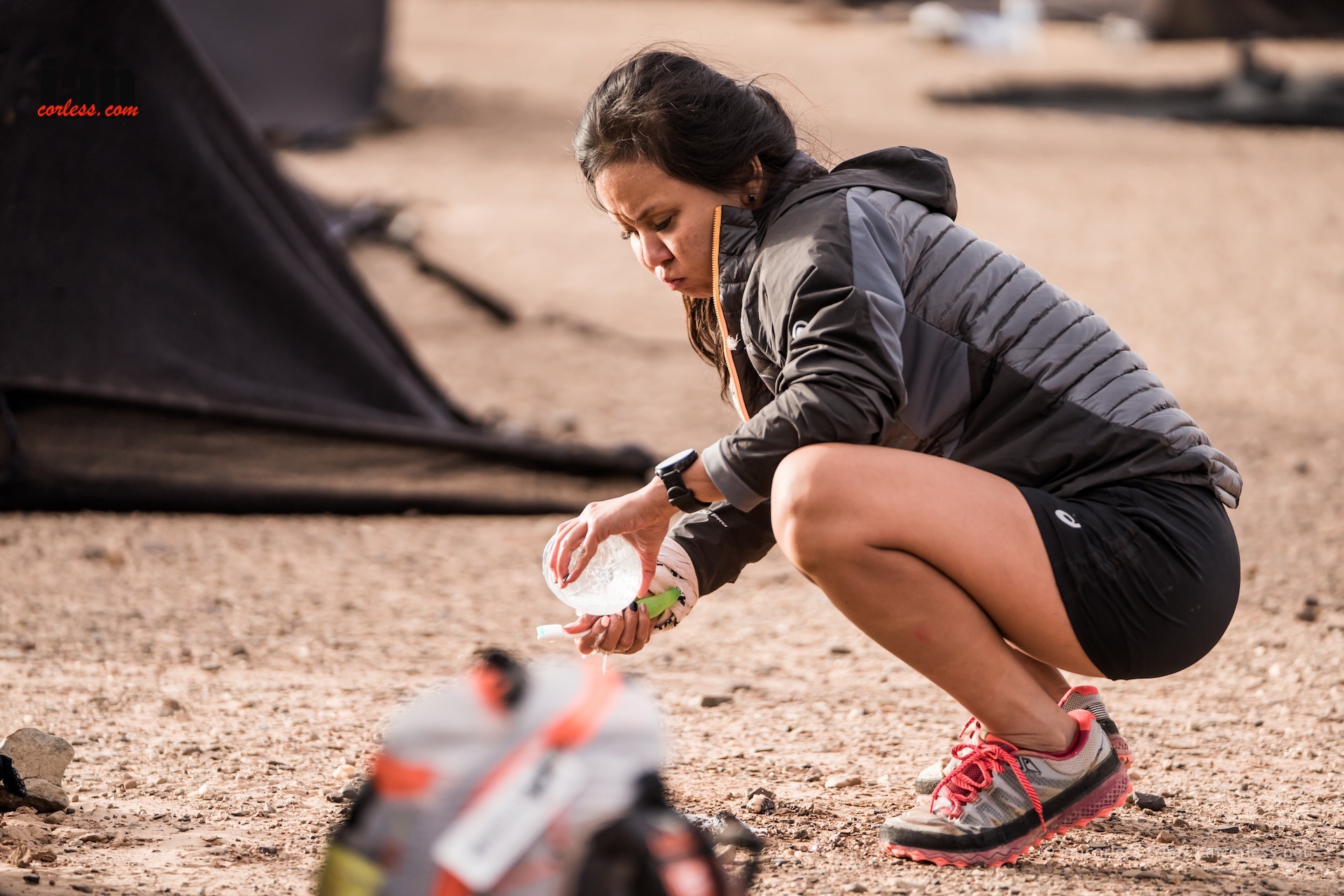
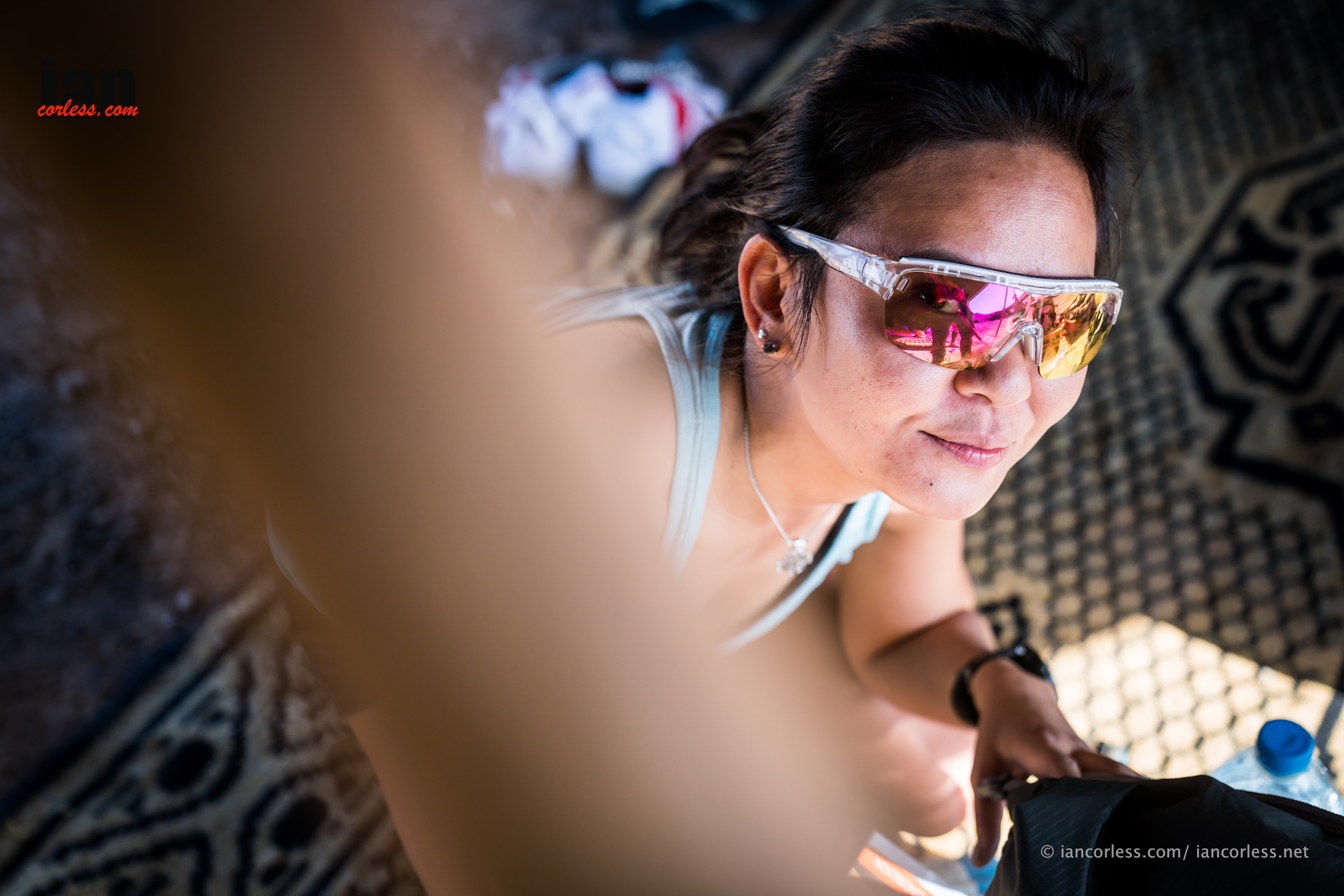 You have a great deal of time to think and I think this is why, for many, MDS has such an impact. You suddenly realise what is important. I have realised it. Experiences and memories are far greater than things and possessions – the Sahara and the MDS made me feel truly alive, pushed me to the limit and beyond.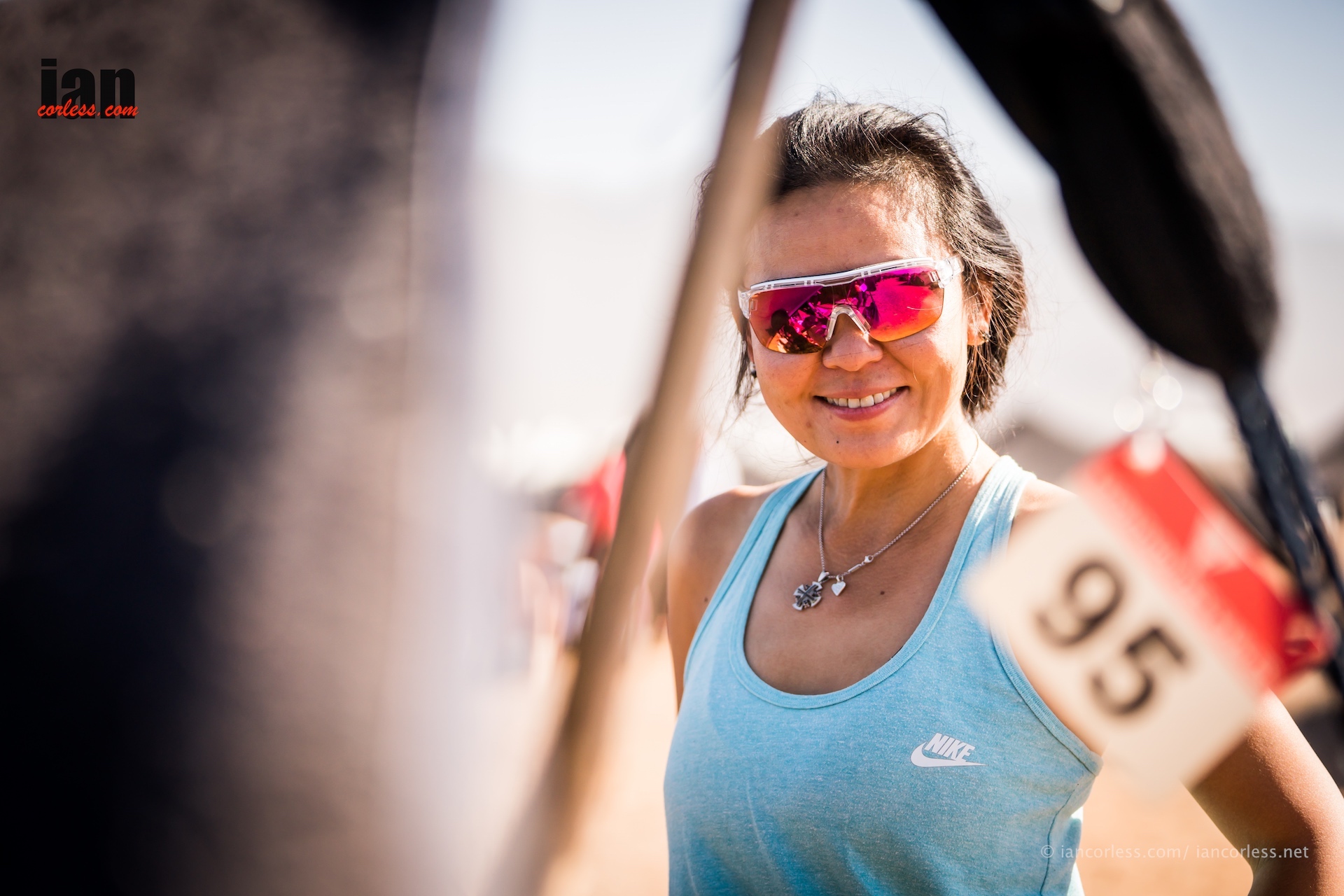
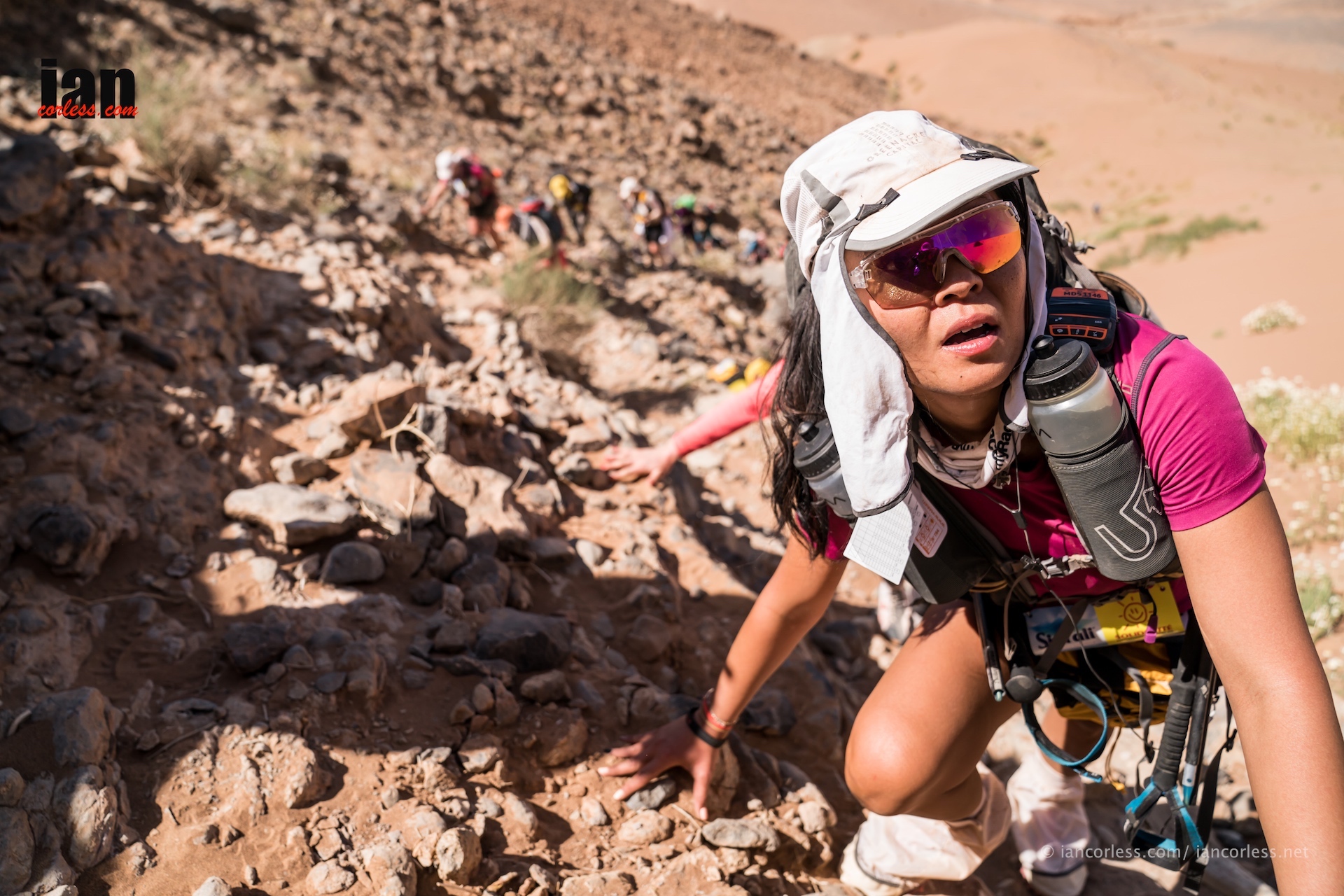 However, as the race progressed the stronger mentally I became. I was more tired, my body ached, my feet hurt but my mind was strong, there was no way I was giving up or not finishing – I had to prove all the doubters before the race wrong.
 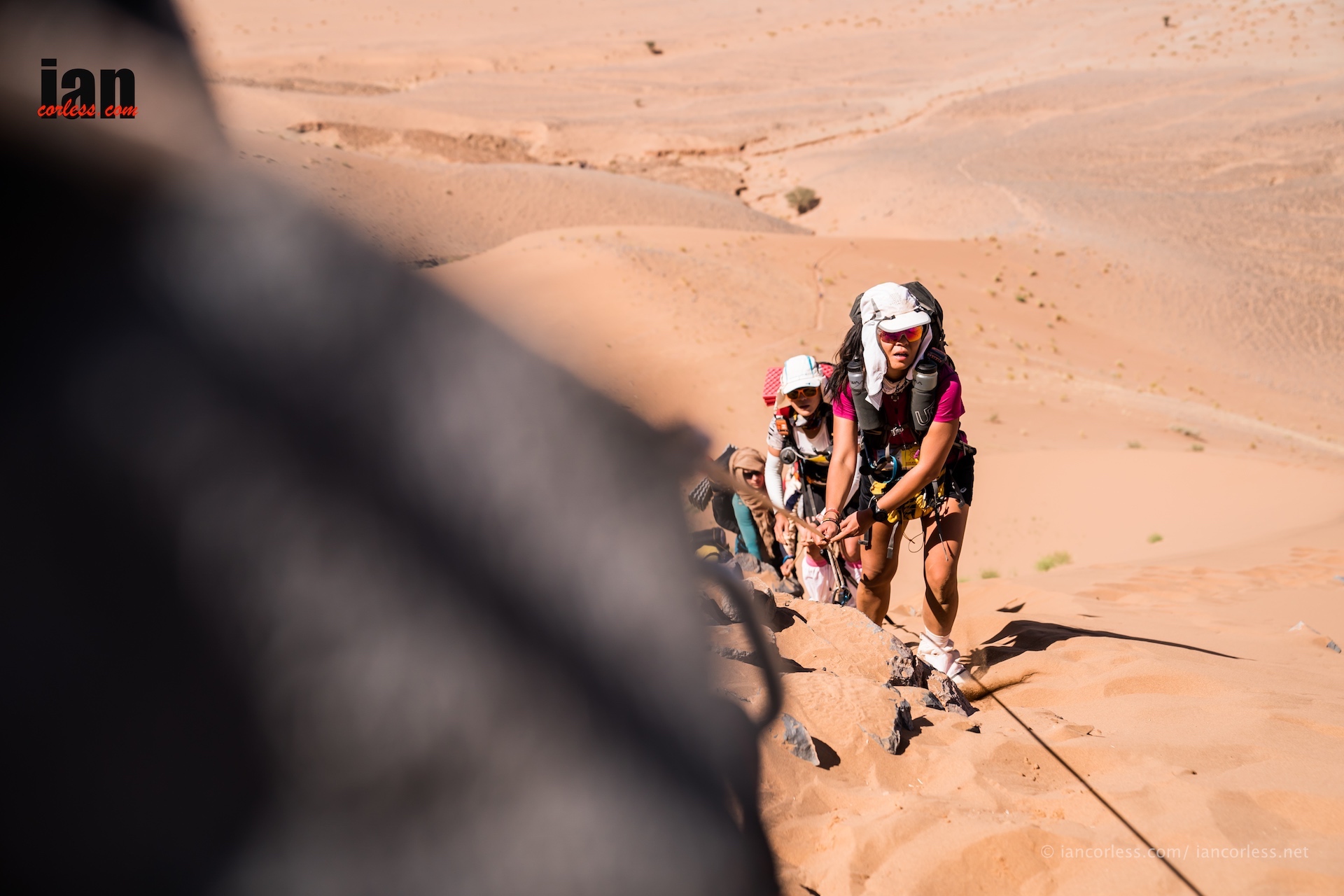 One lady had said, ‘If you finish the race, I will eat my hat!’ Guess what? I bought a hat in Morocco after the race…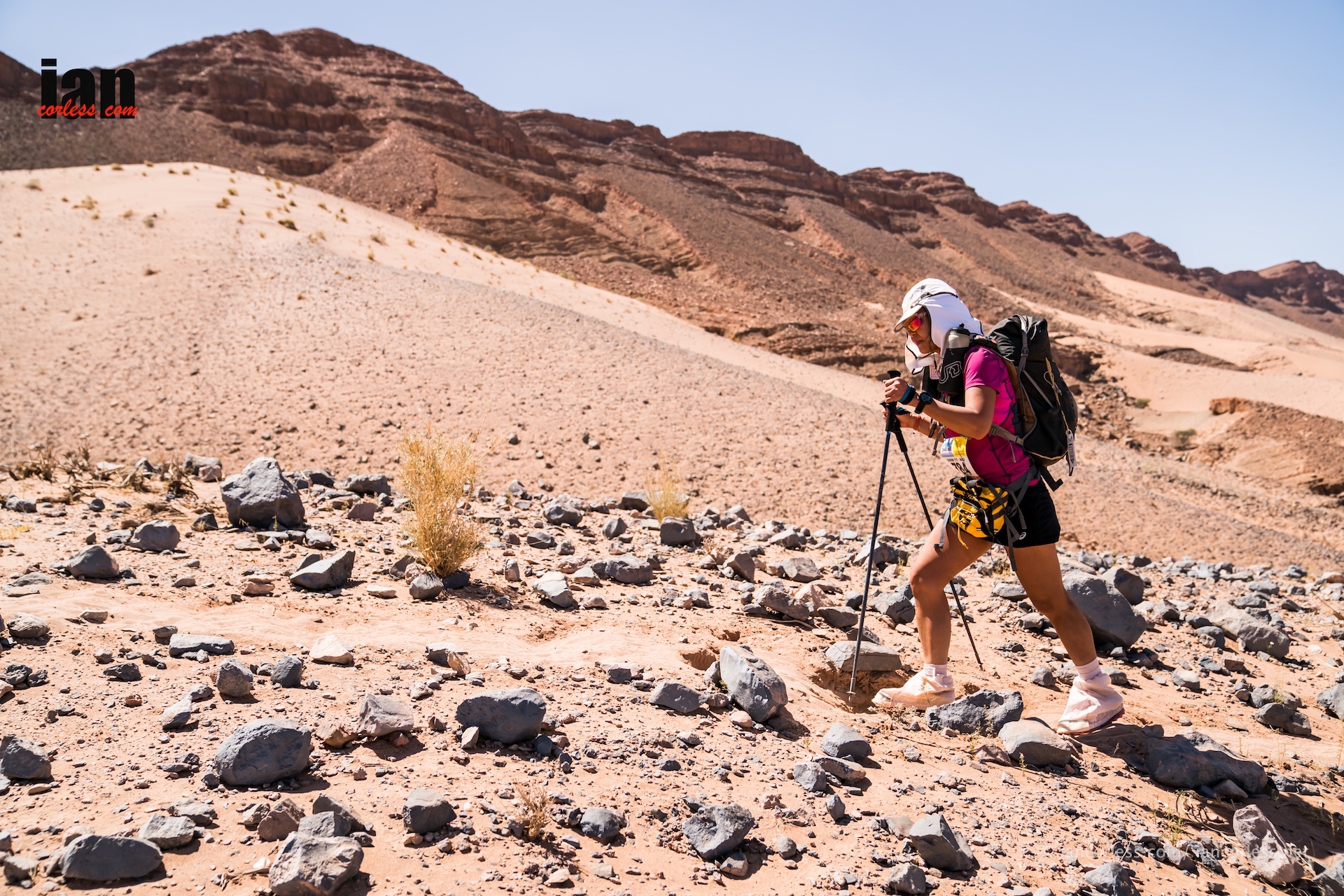
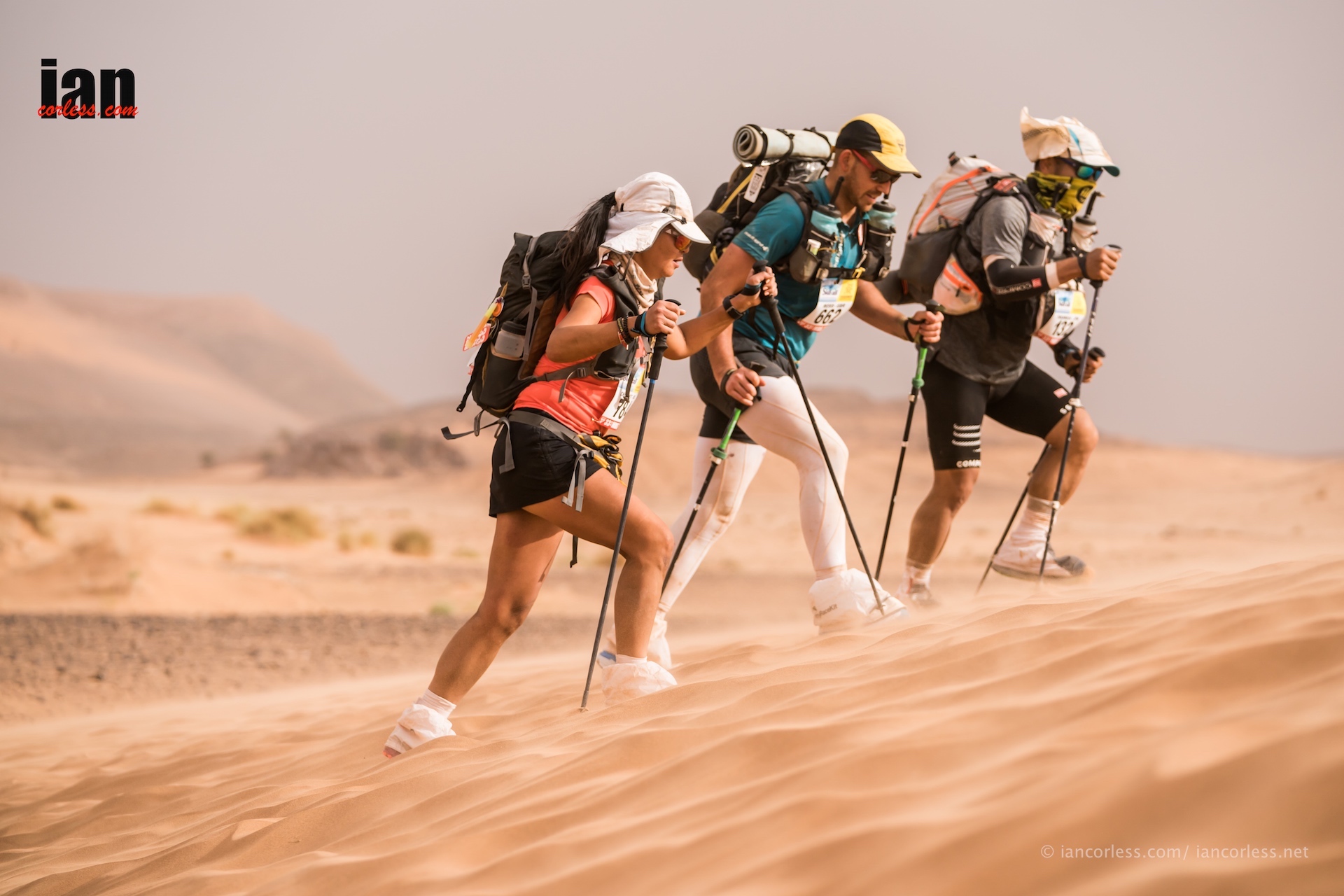 The miles ticked by and then as the finish line came, you were waiting as were all my tent 95 teammates.
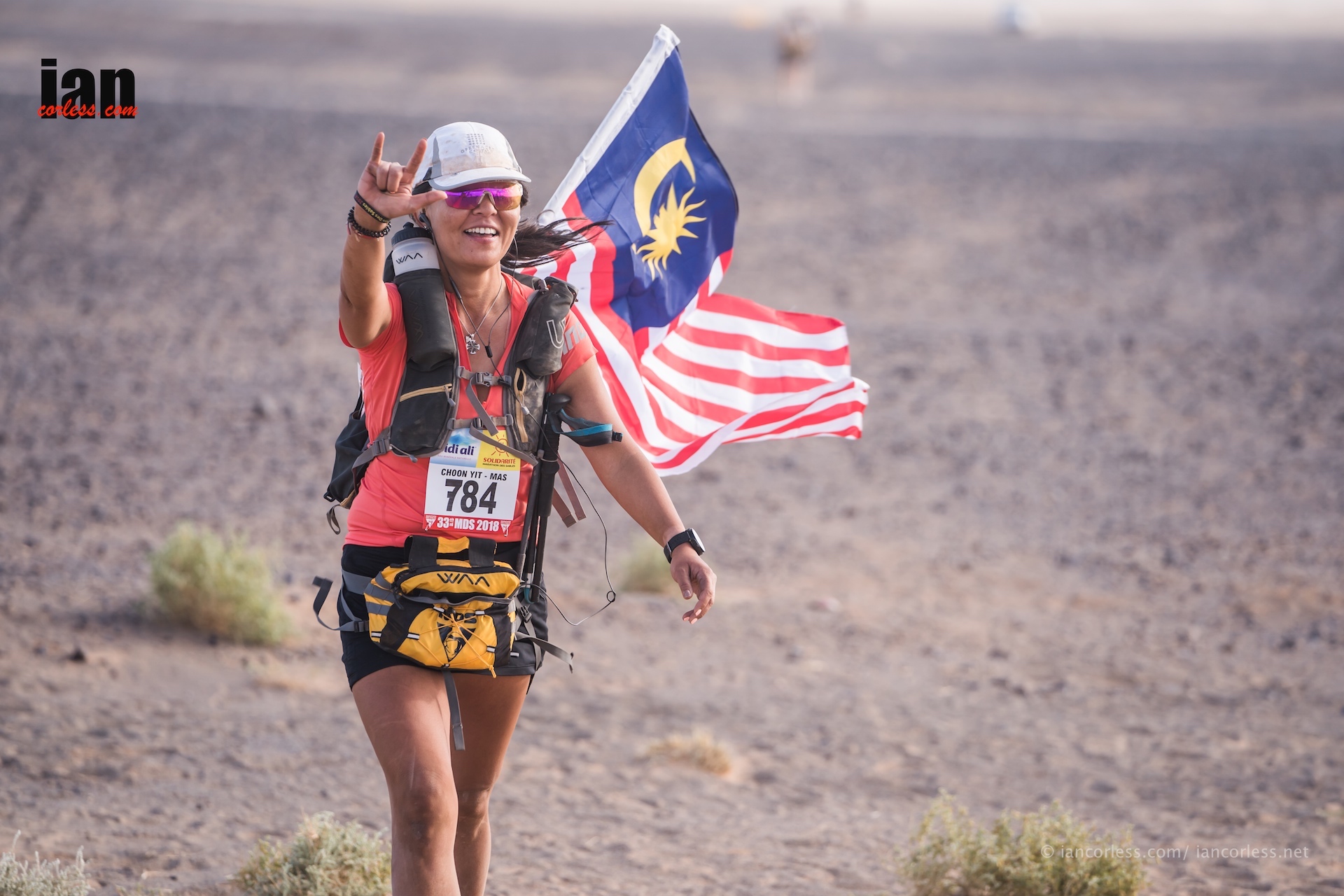 I had no more tears left, just smiles and gratitude. I was flying the Malaysian flag, I kissed my cross which was around my neck and I gave thanks for the opportunity to complete a truly magical, life changing journey.
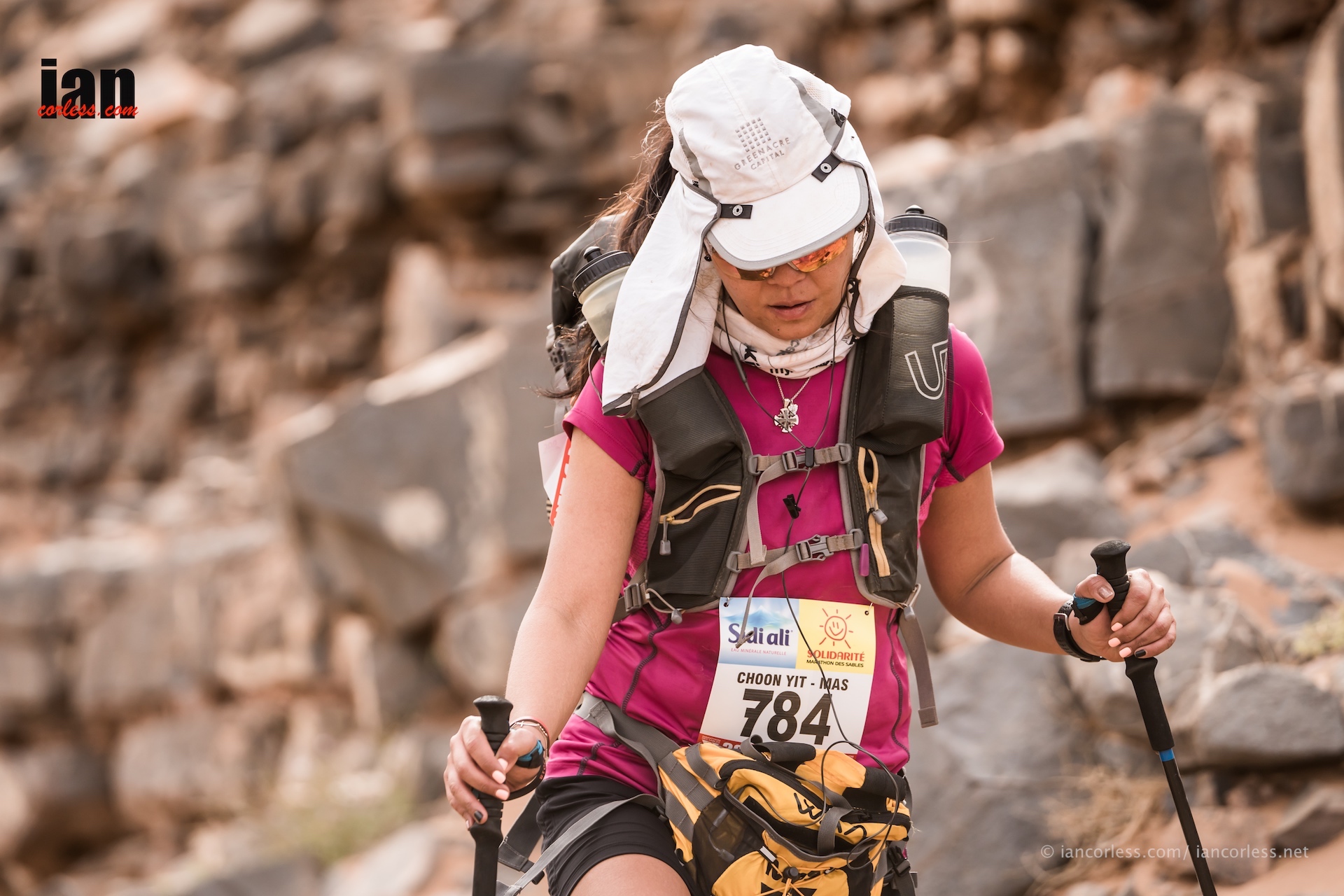 I went to so many low points during the race and overcame them, I made new friends and I triumphed over arguably the toughest challenge I have ever undertaken.
  I now feel invincible, I feel alive!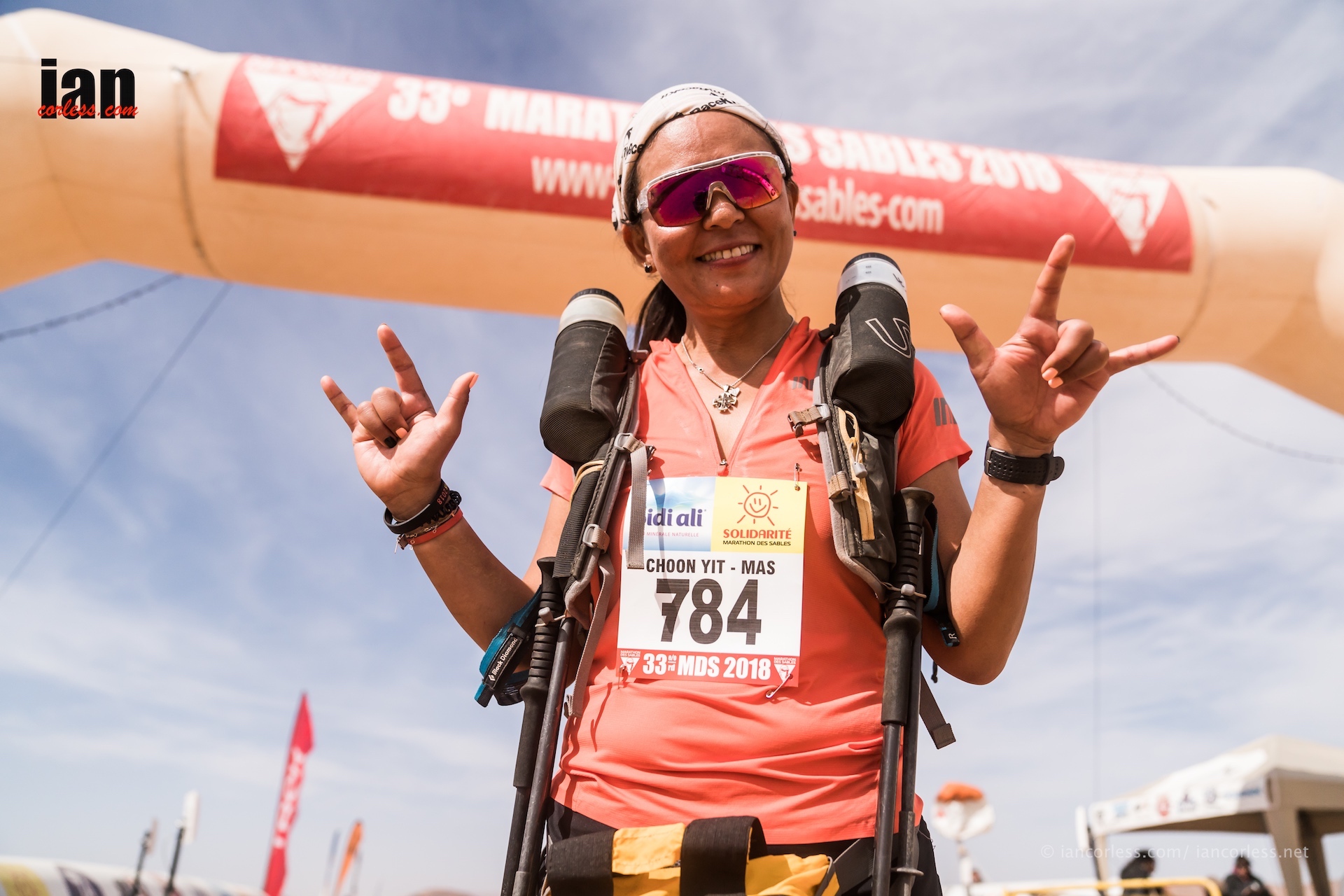
 Certainly, no change of clothes, carrying everything one needs on ones back and having rationed food and water takes things to another level and therefore it’s a combination of all those elements that makes the race so tough.






 IAN CORLESS