MDS 120 Cappadocia 2025 – Stage 1

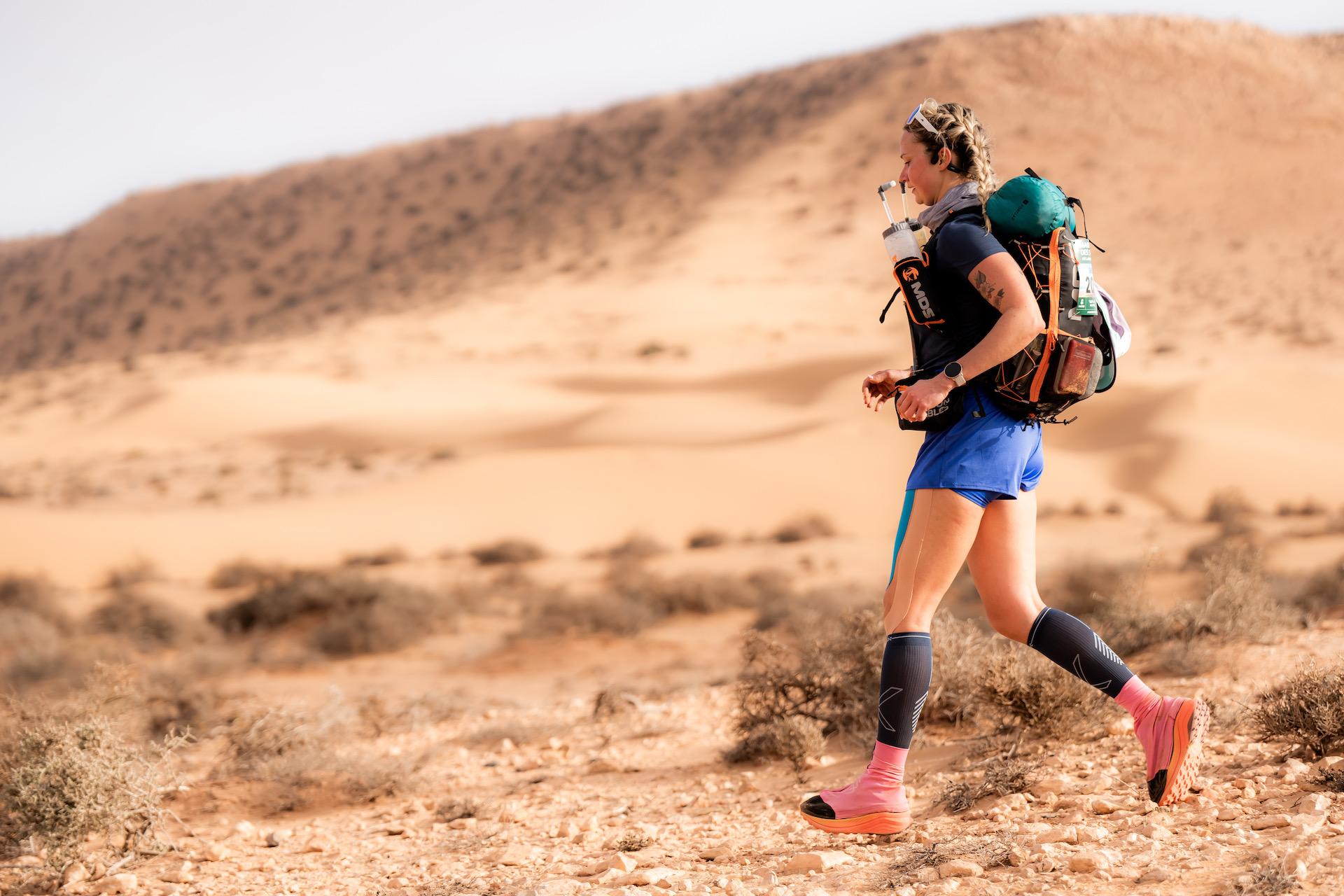
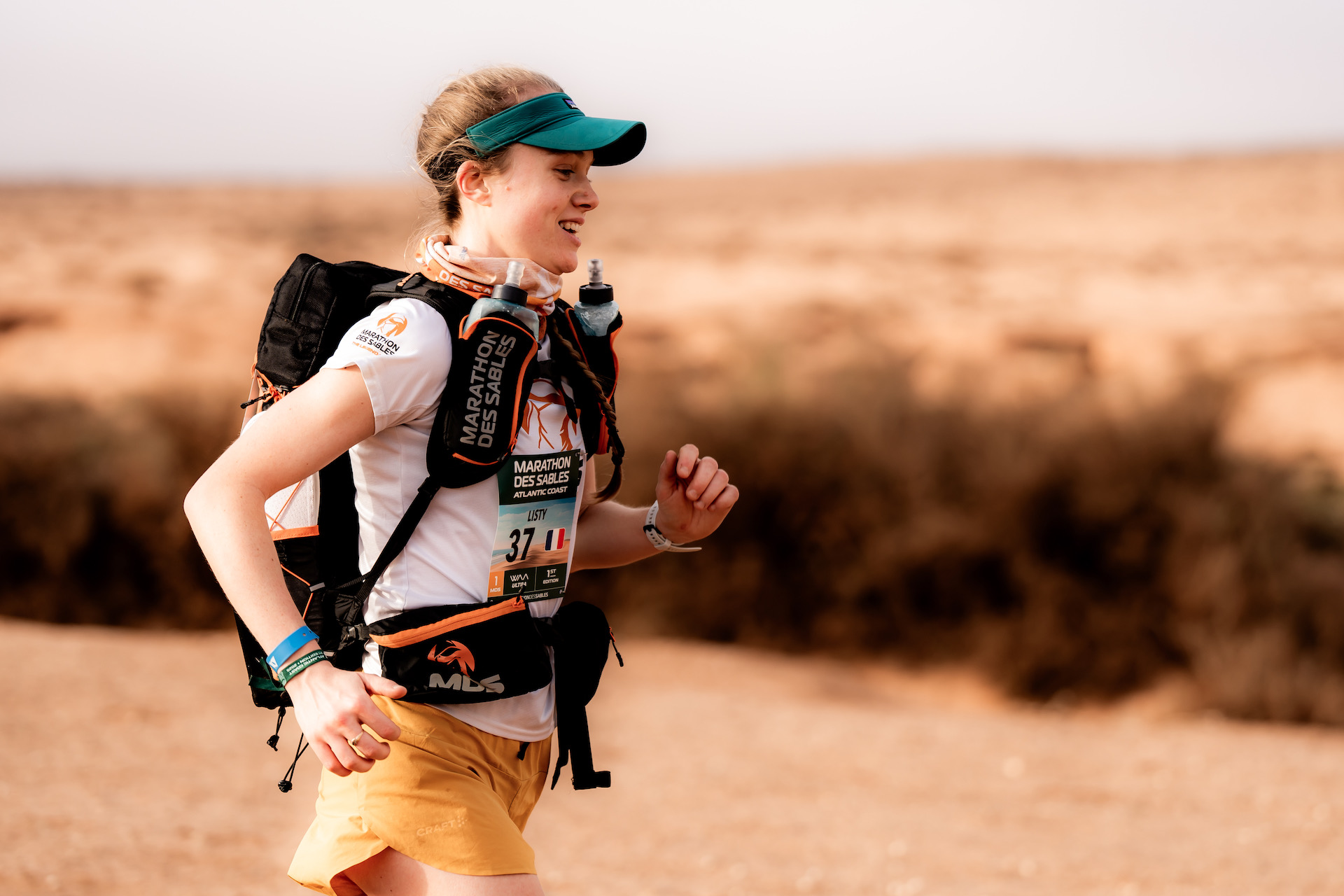
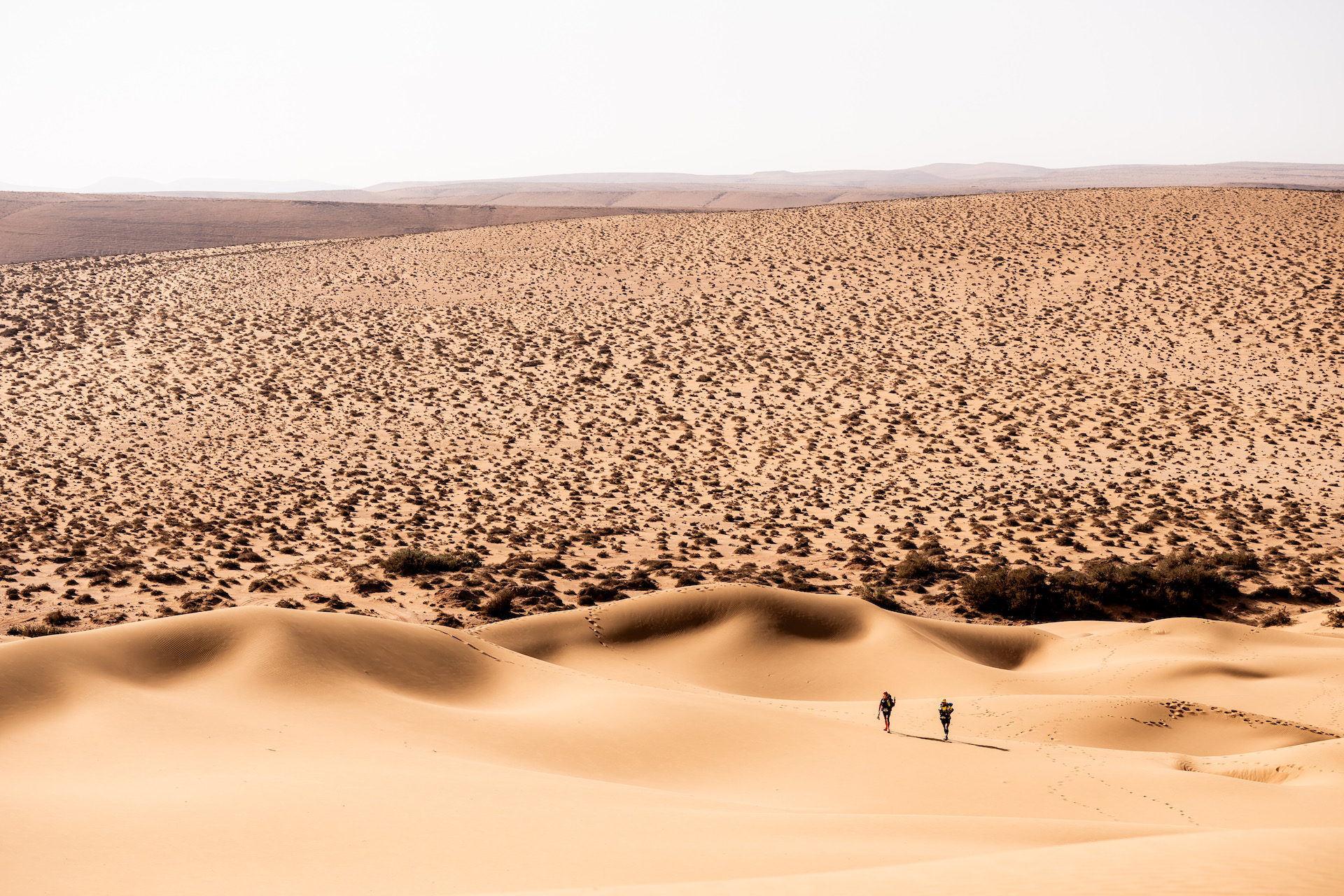
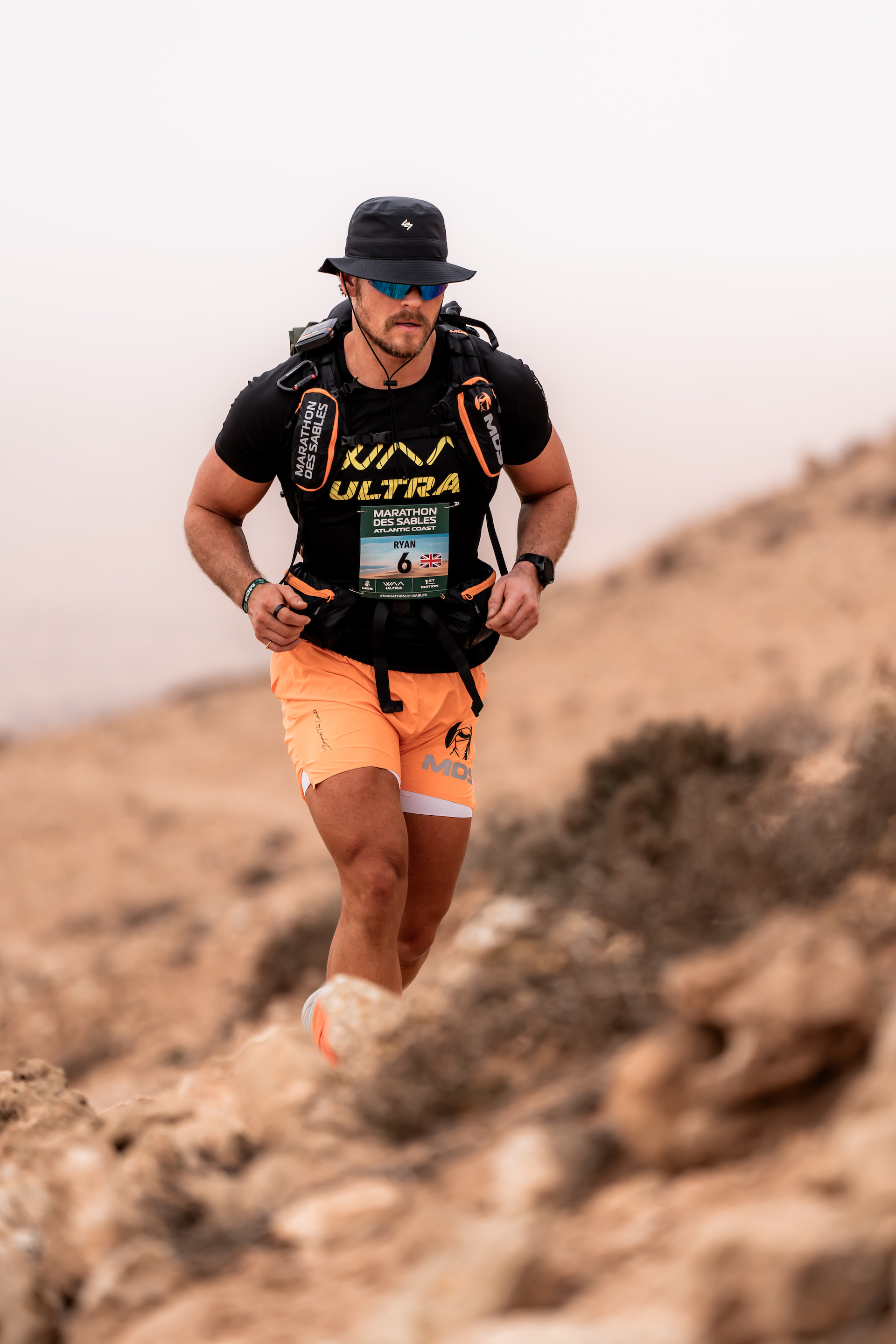
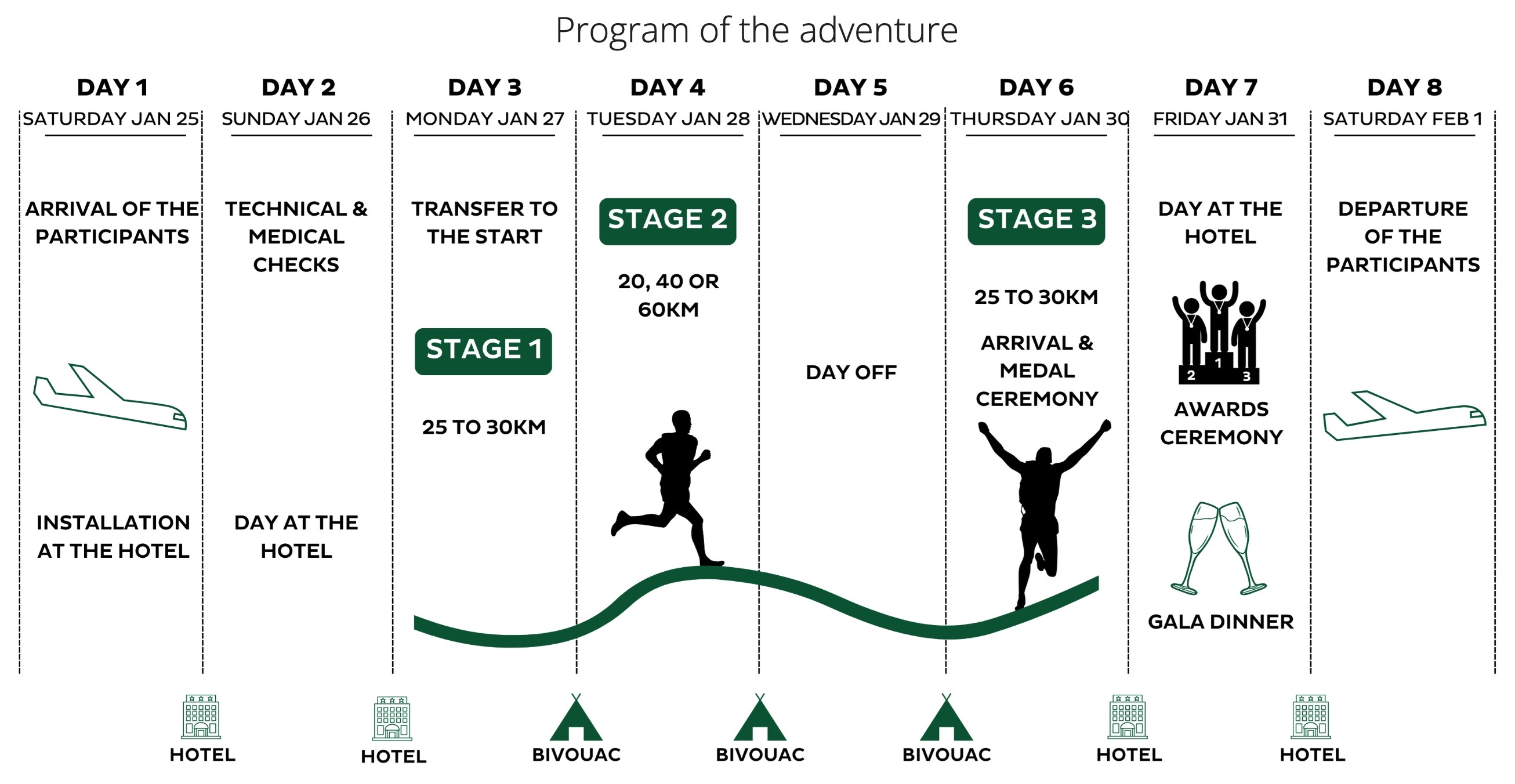
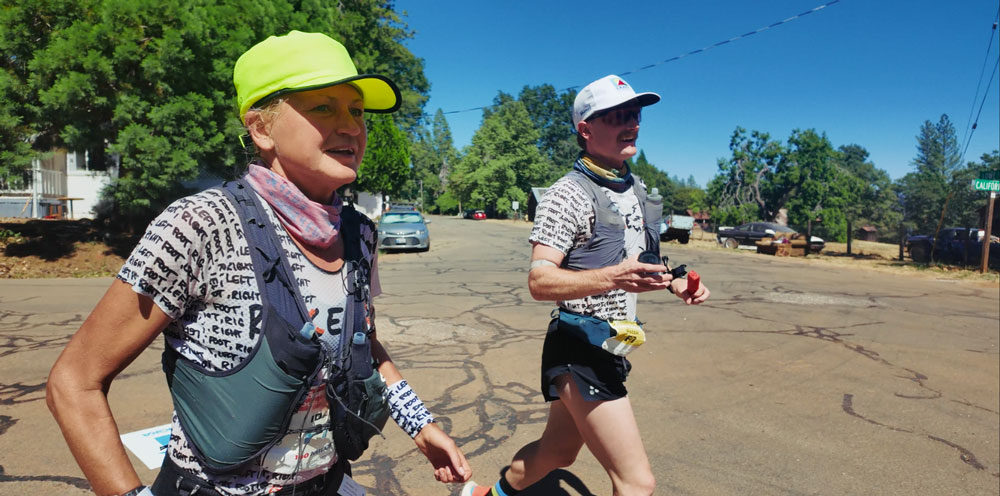
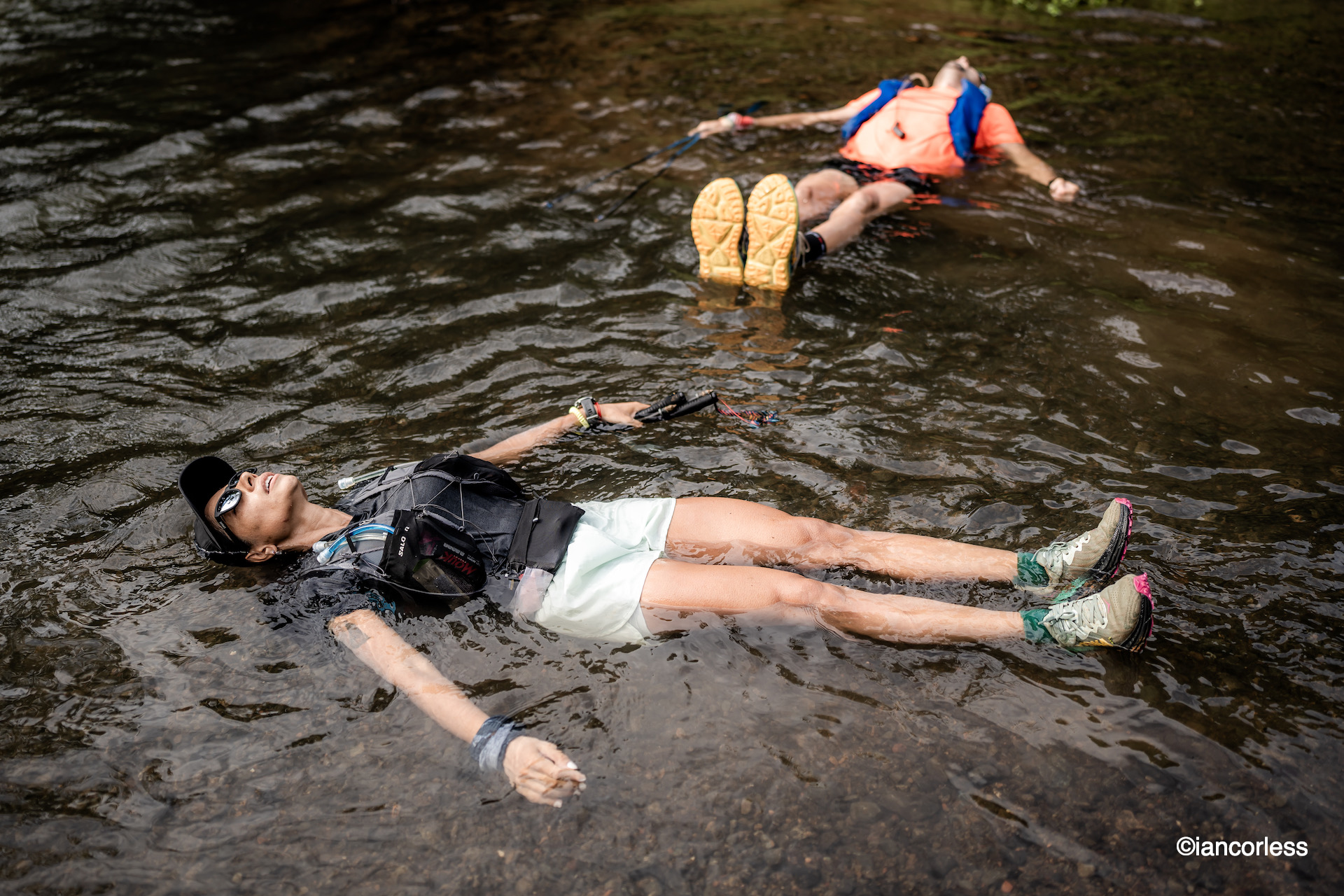
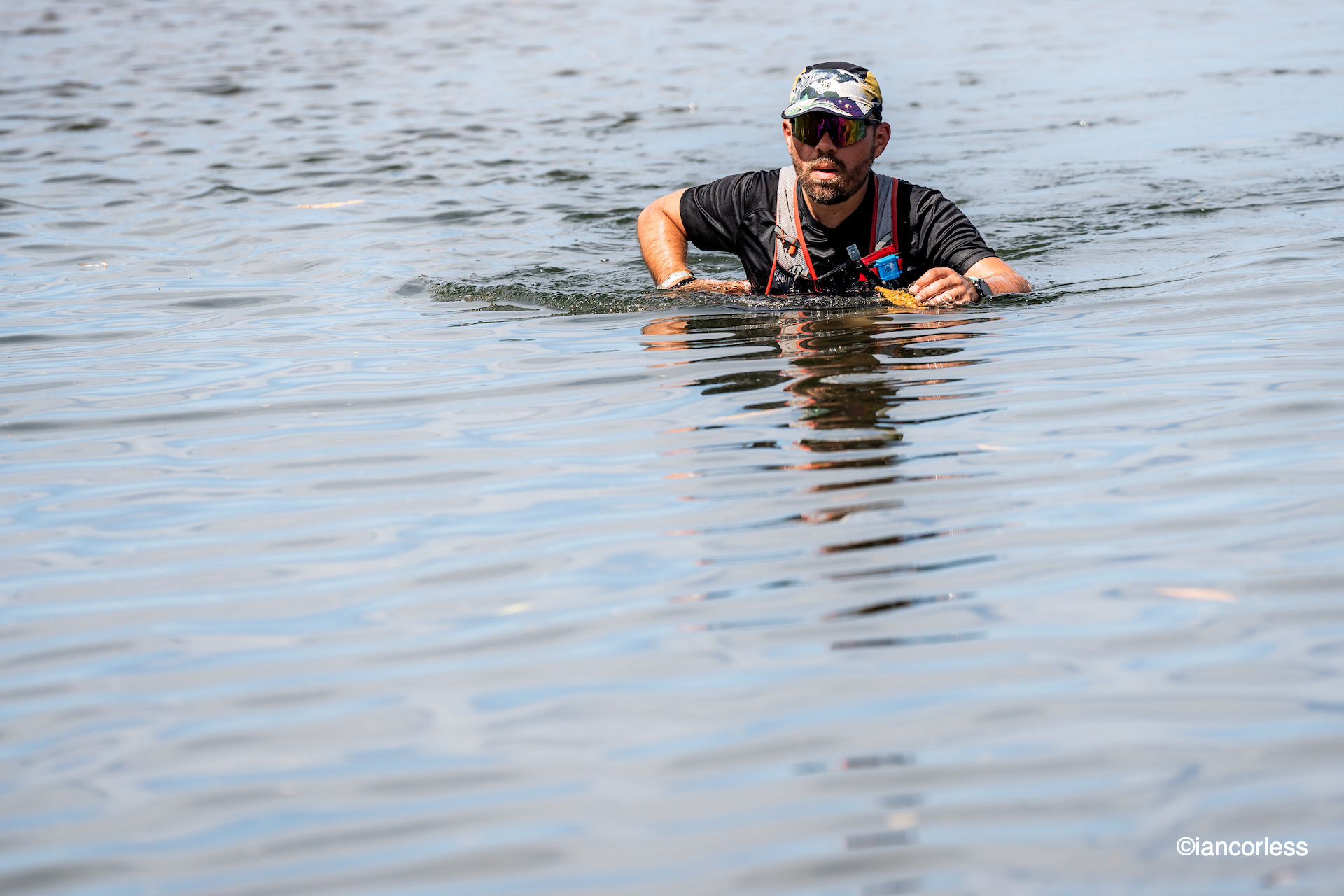
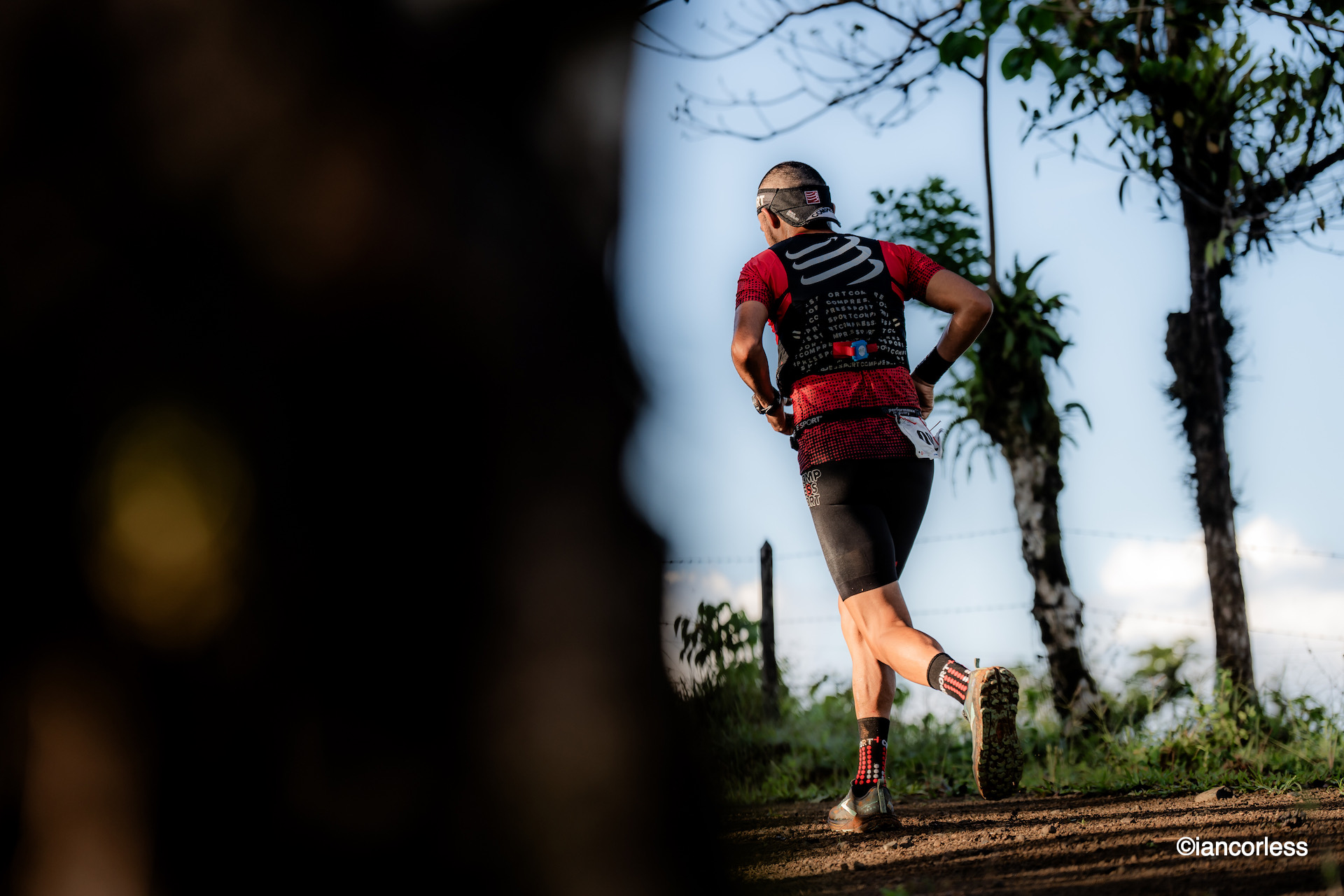
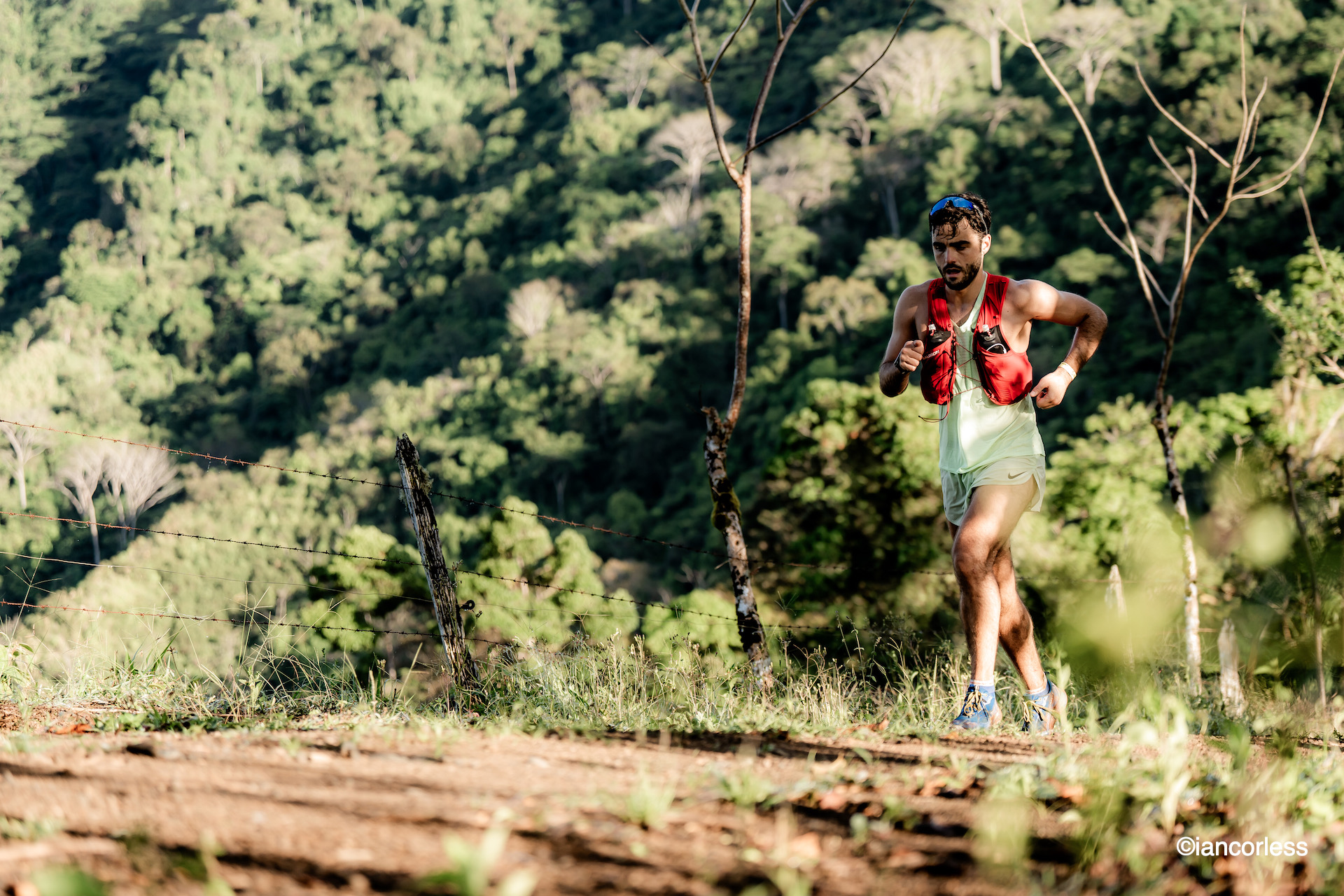
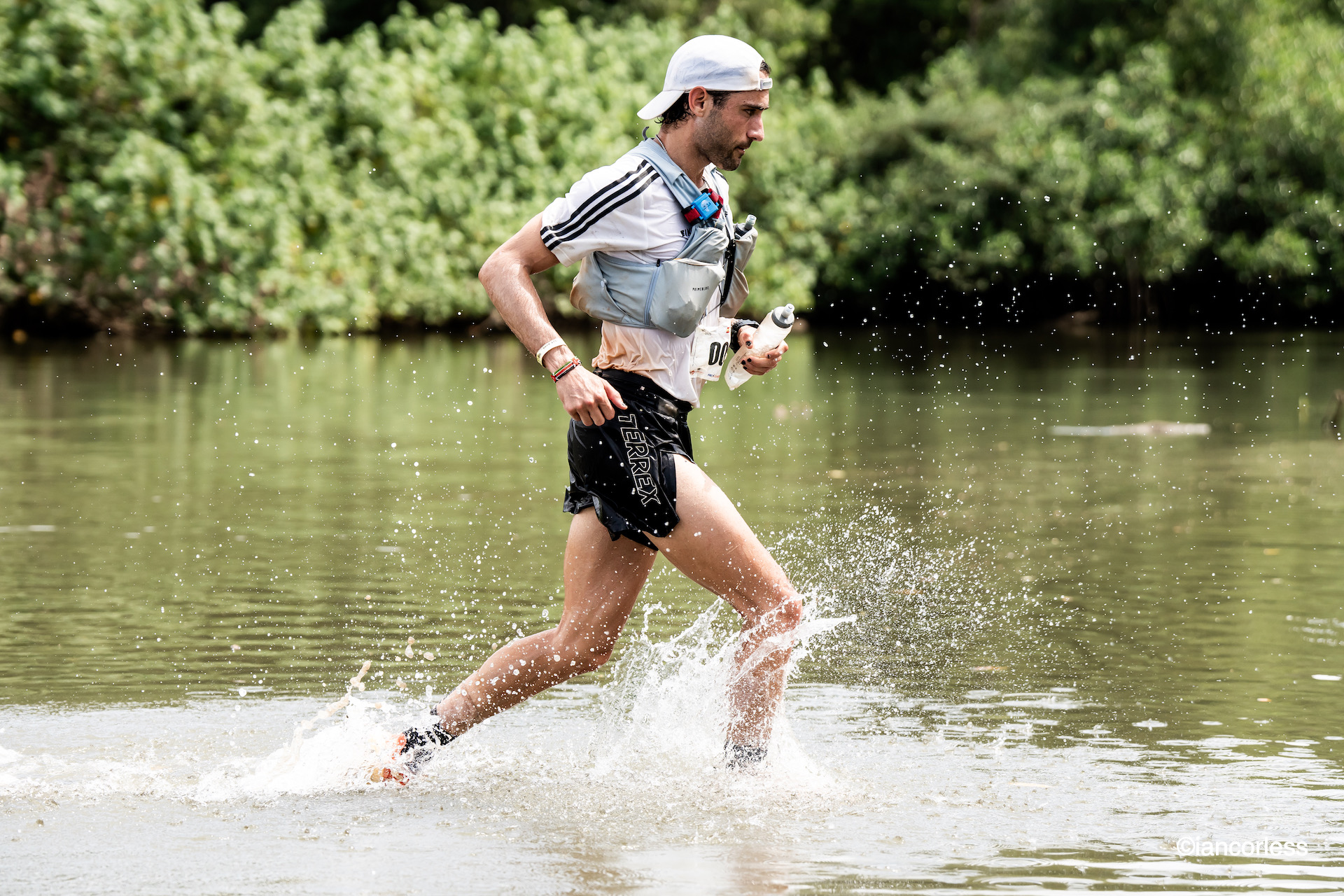
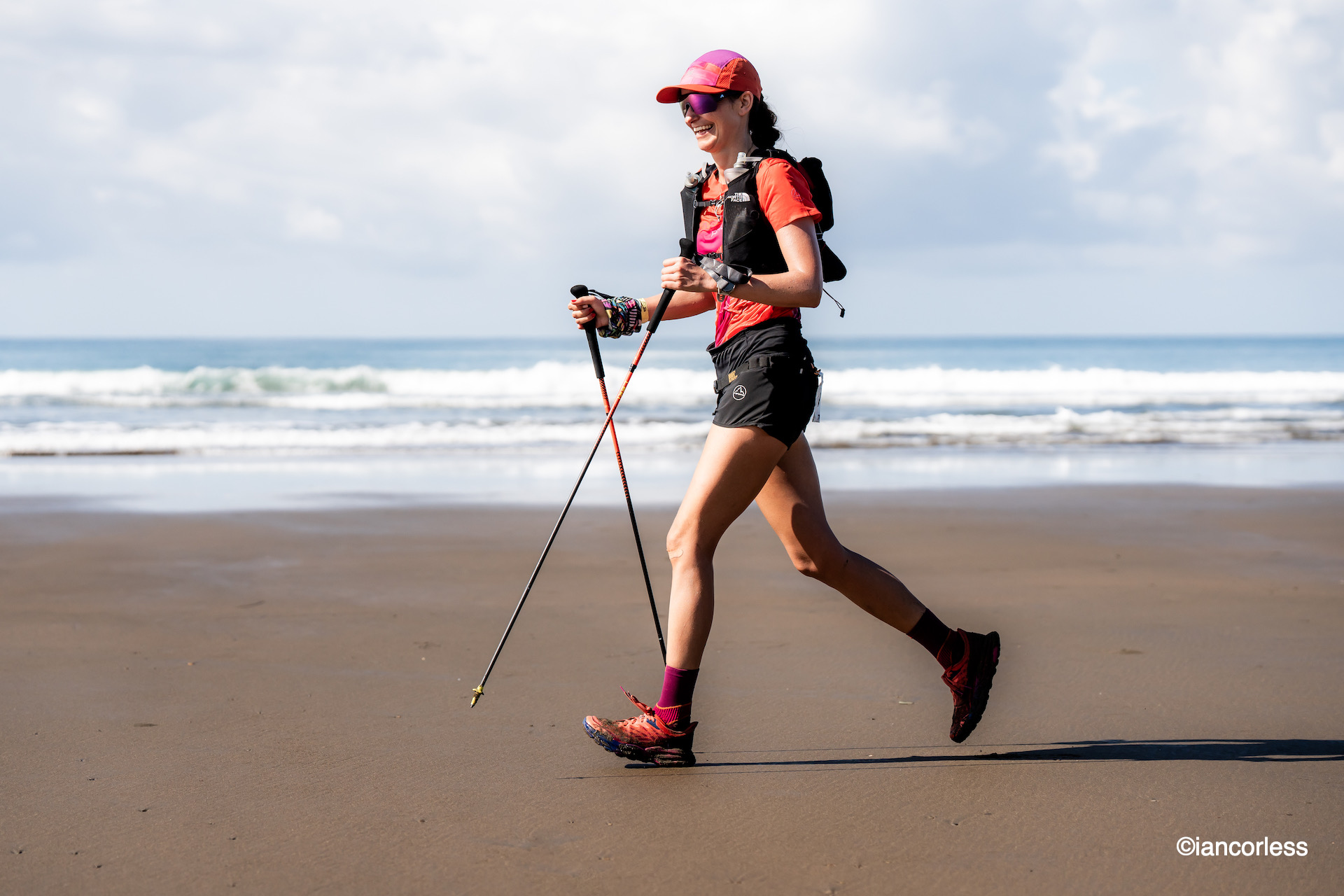
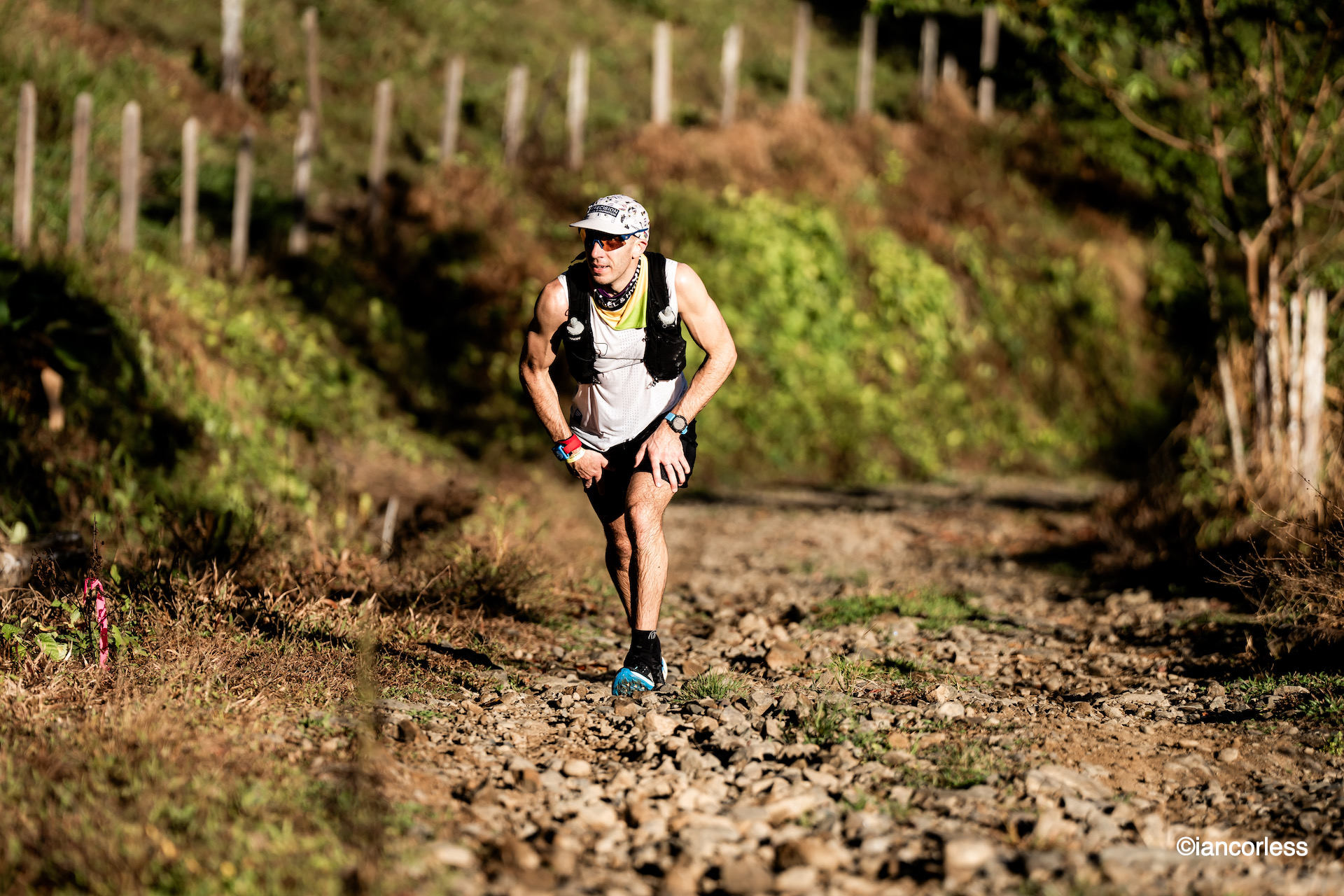
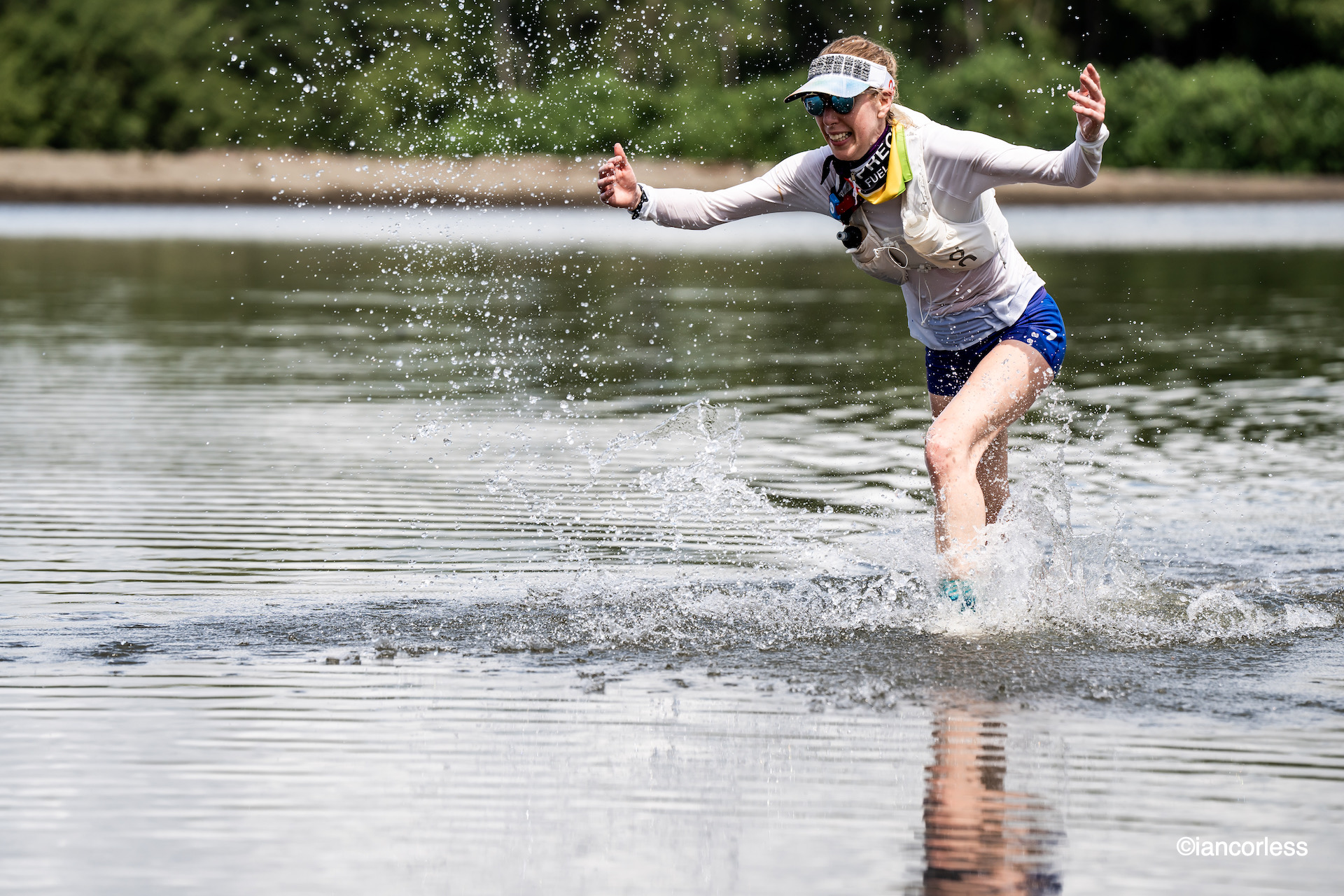
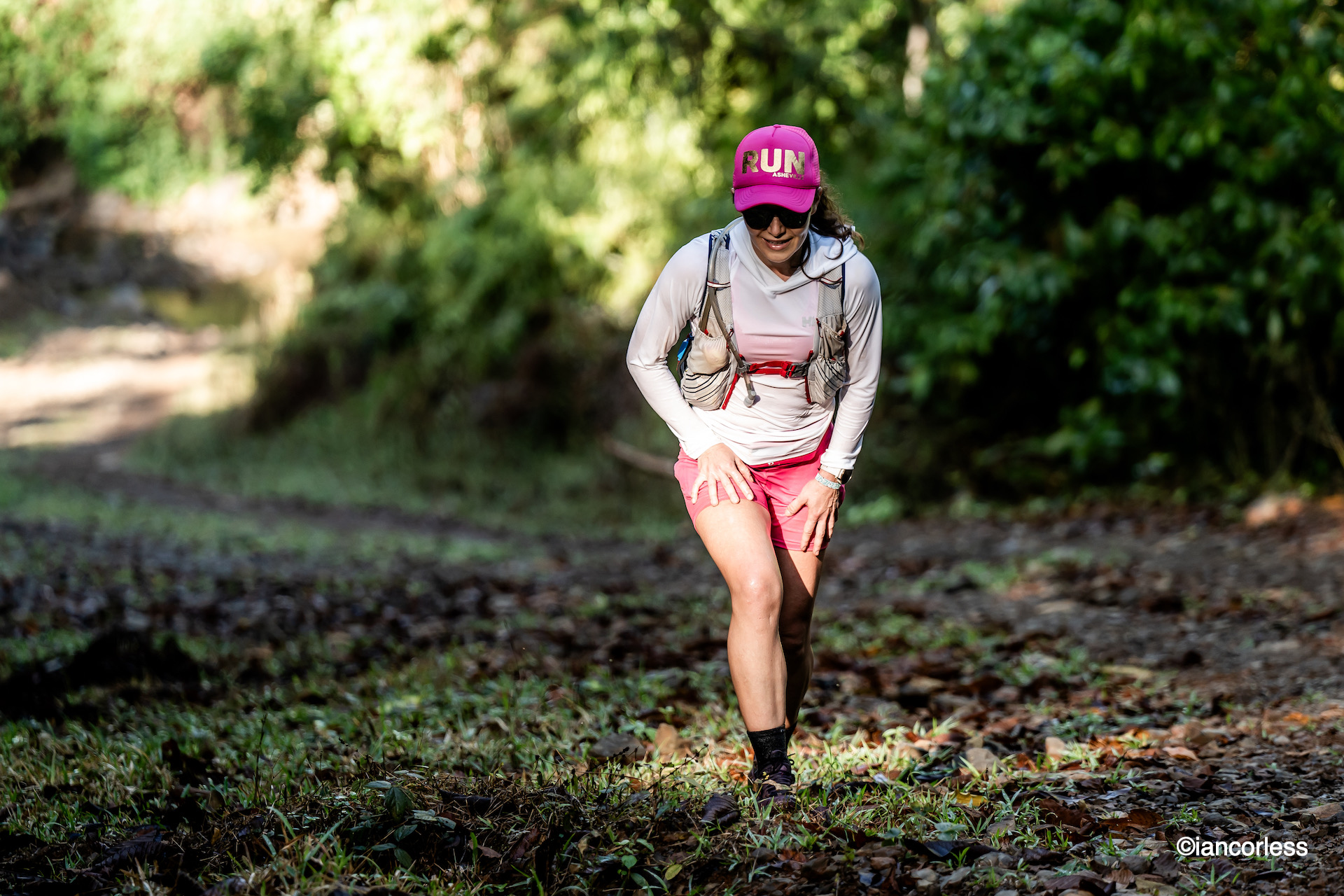
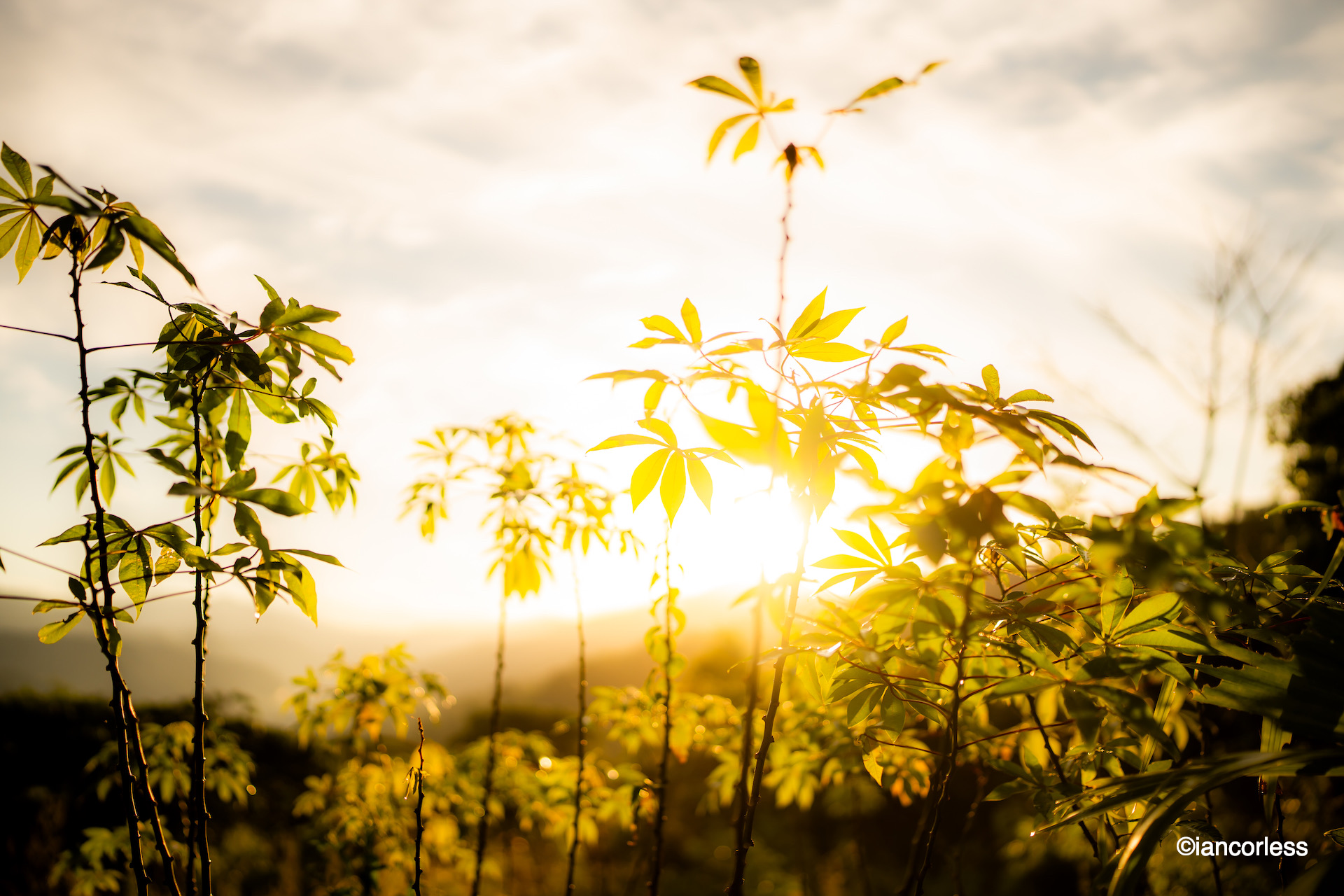
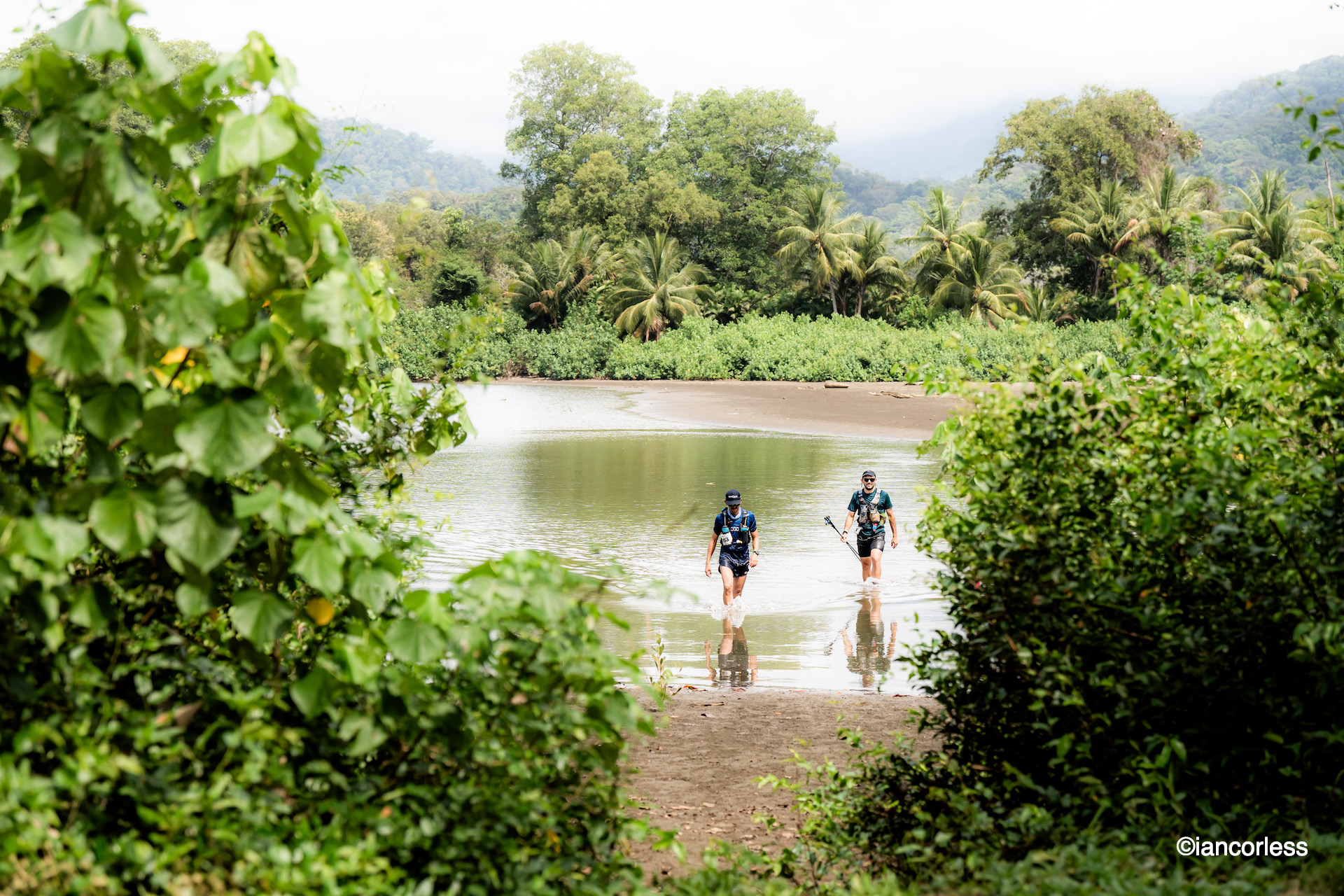
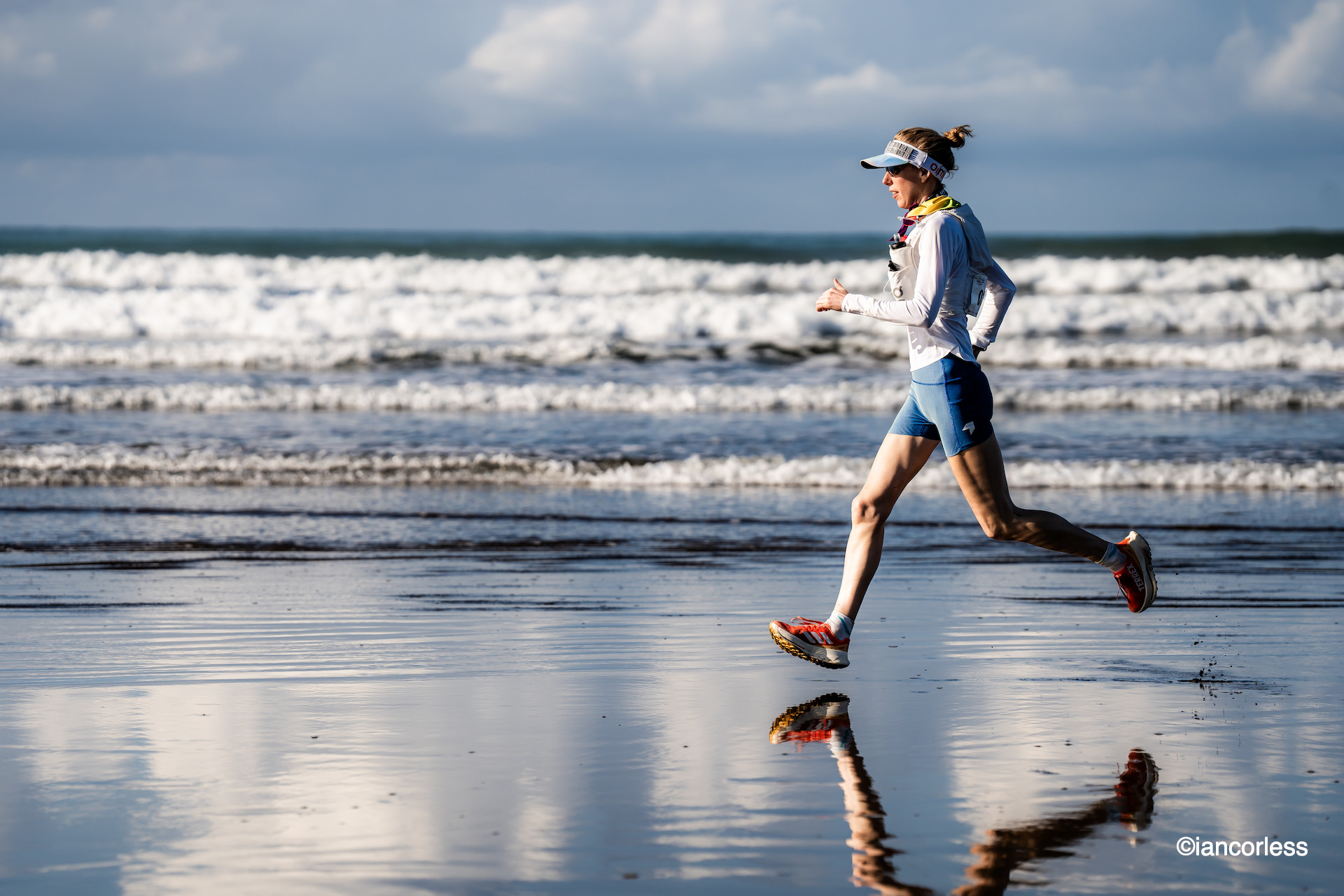
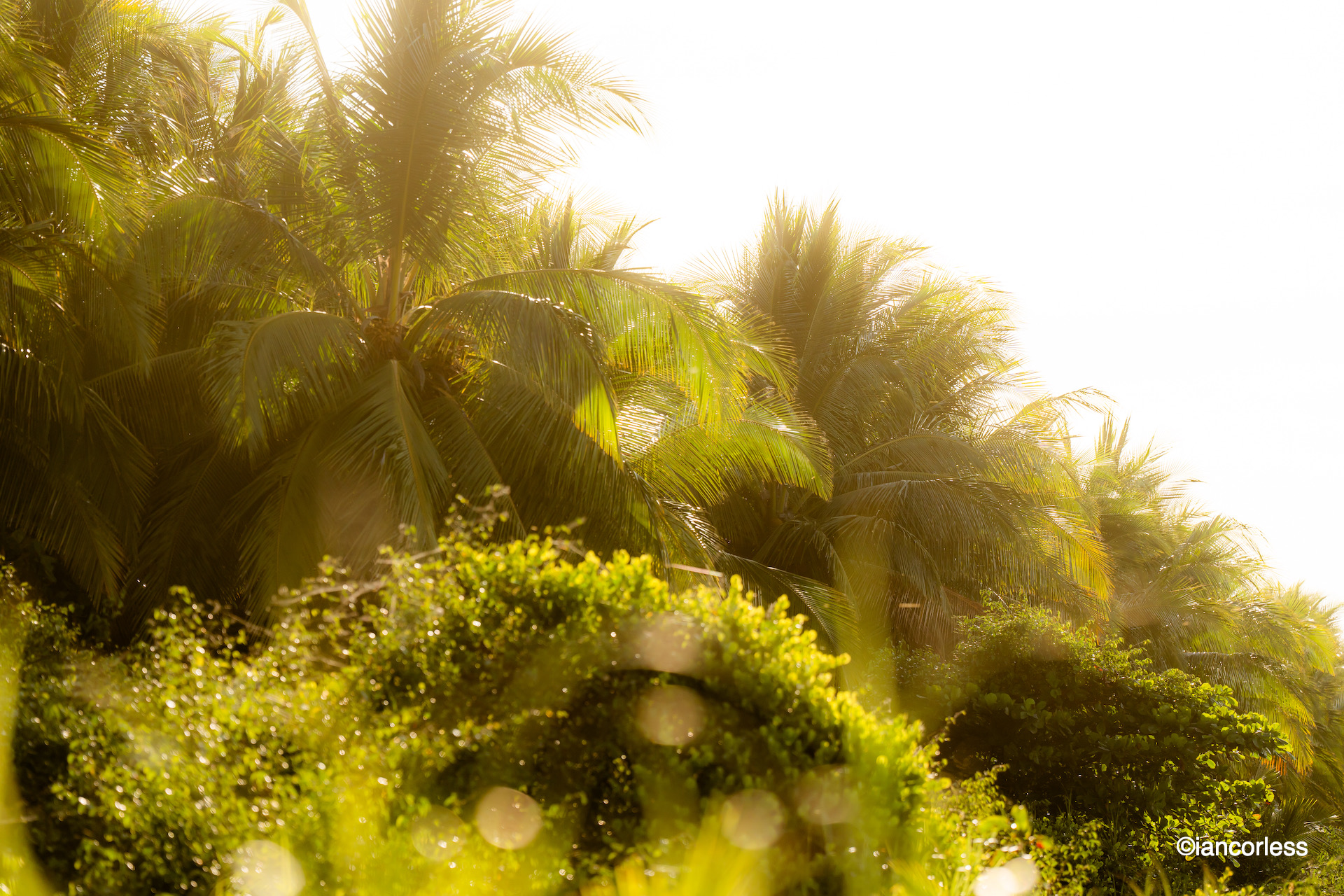
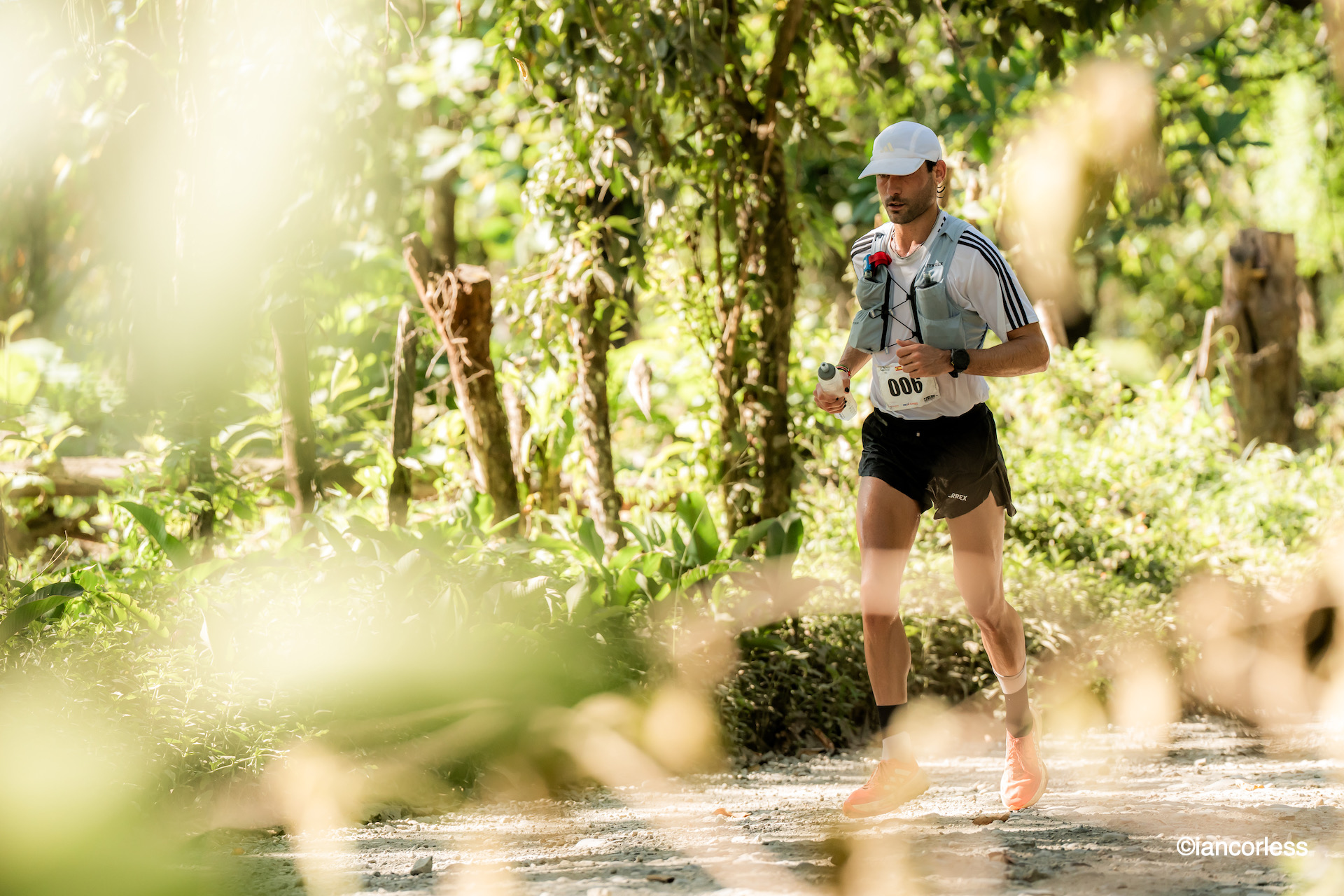
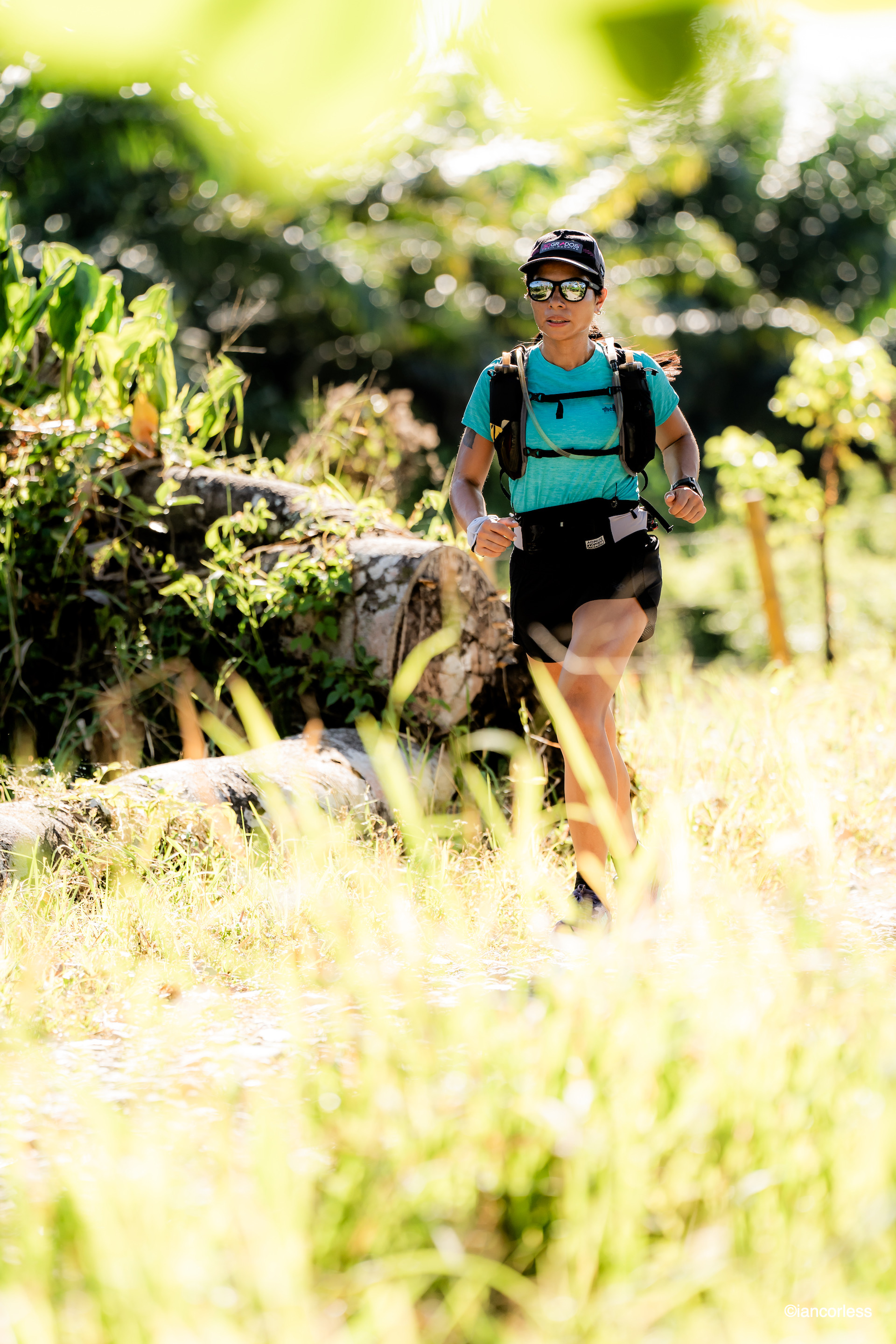
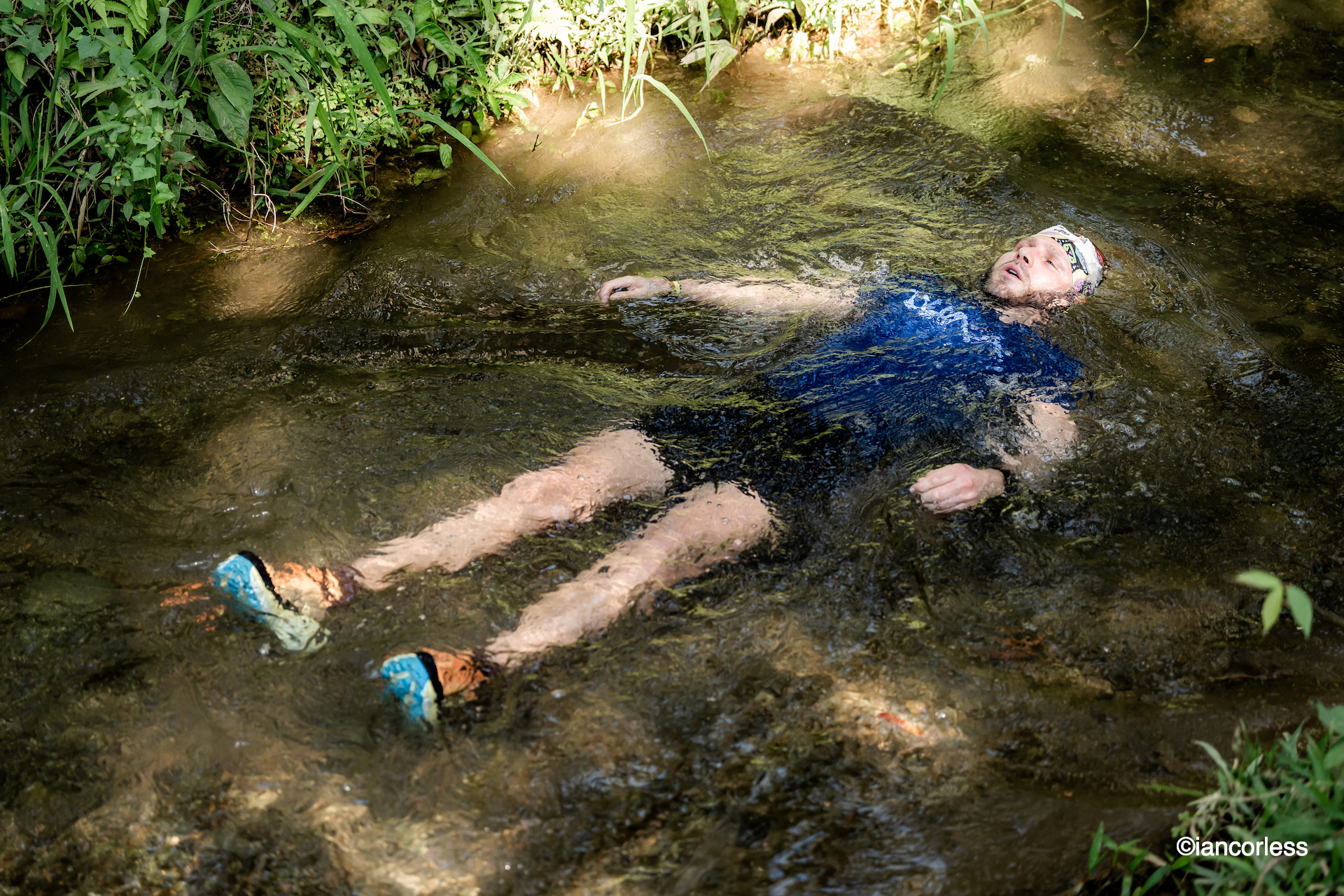
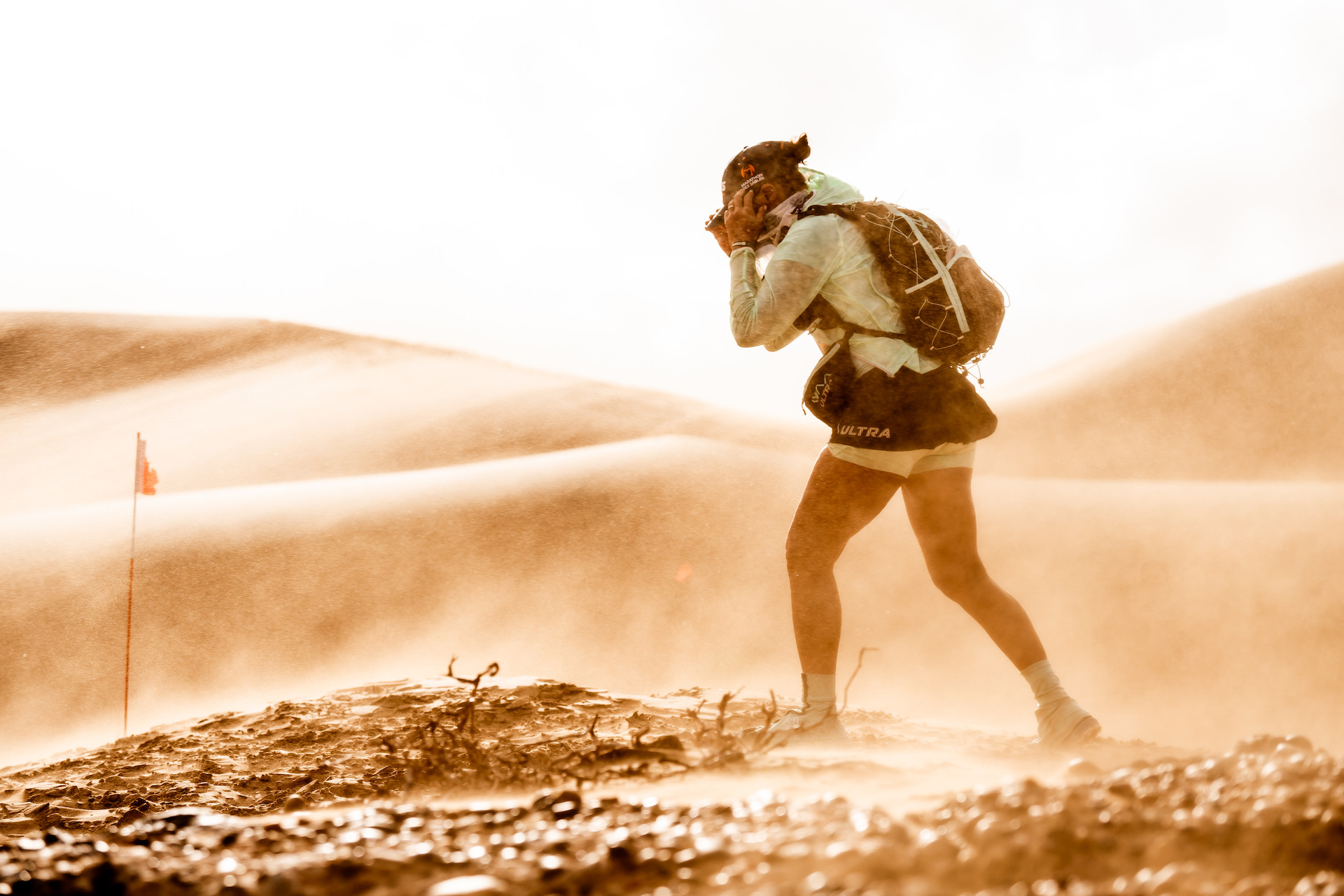
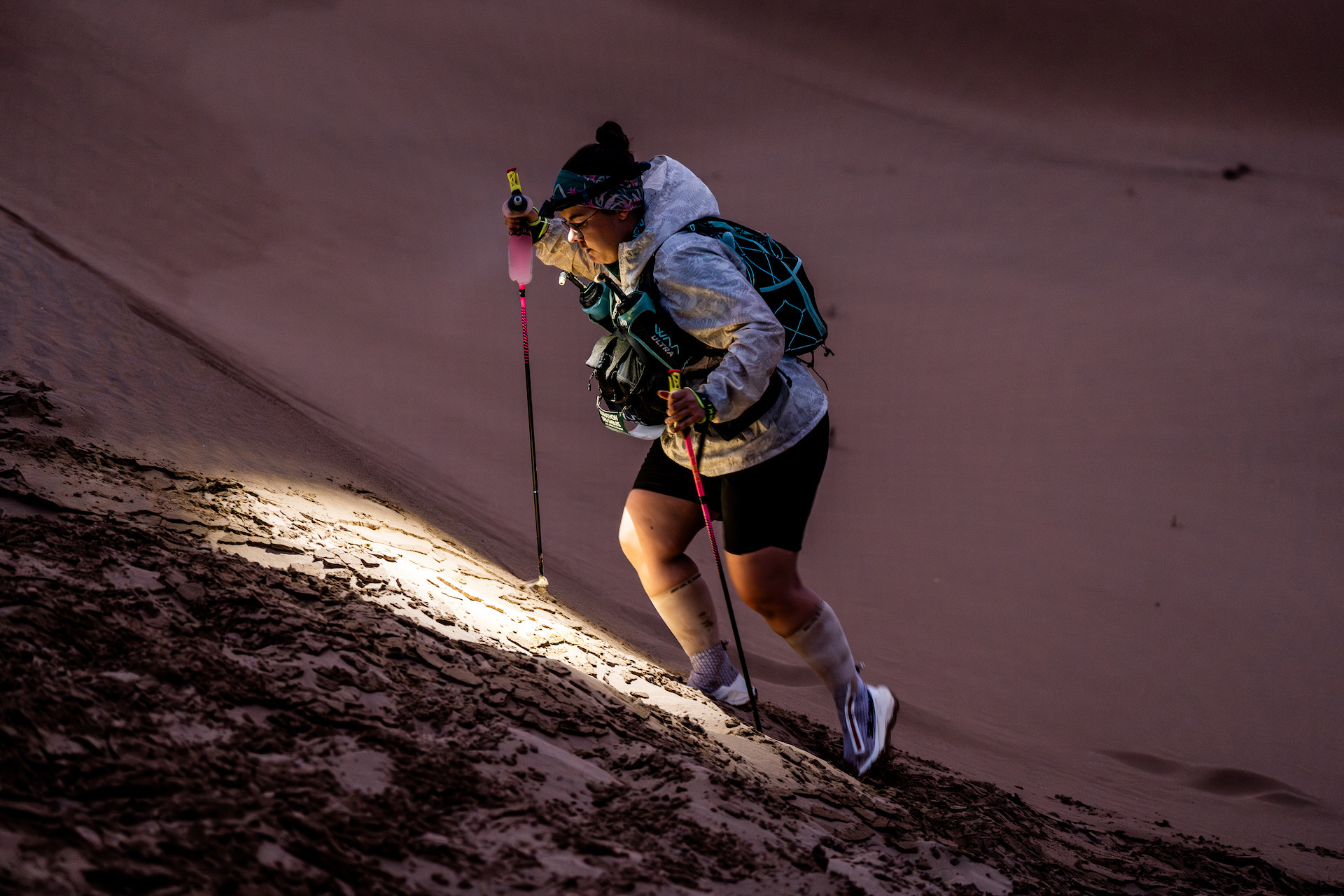
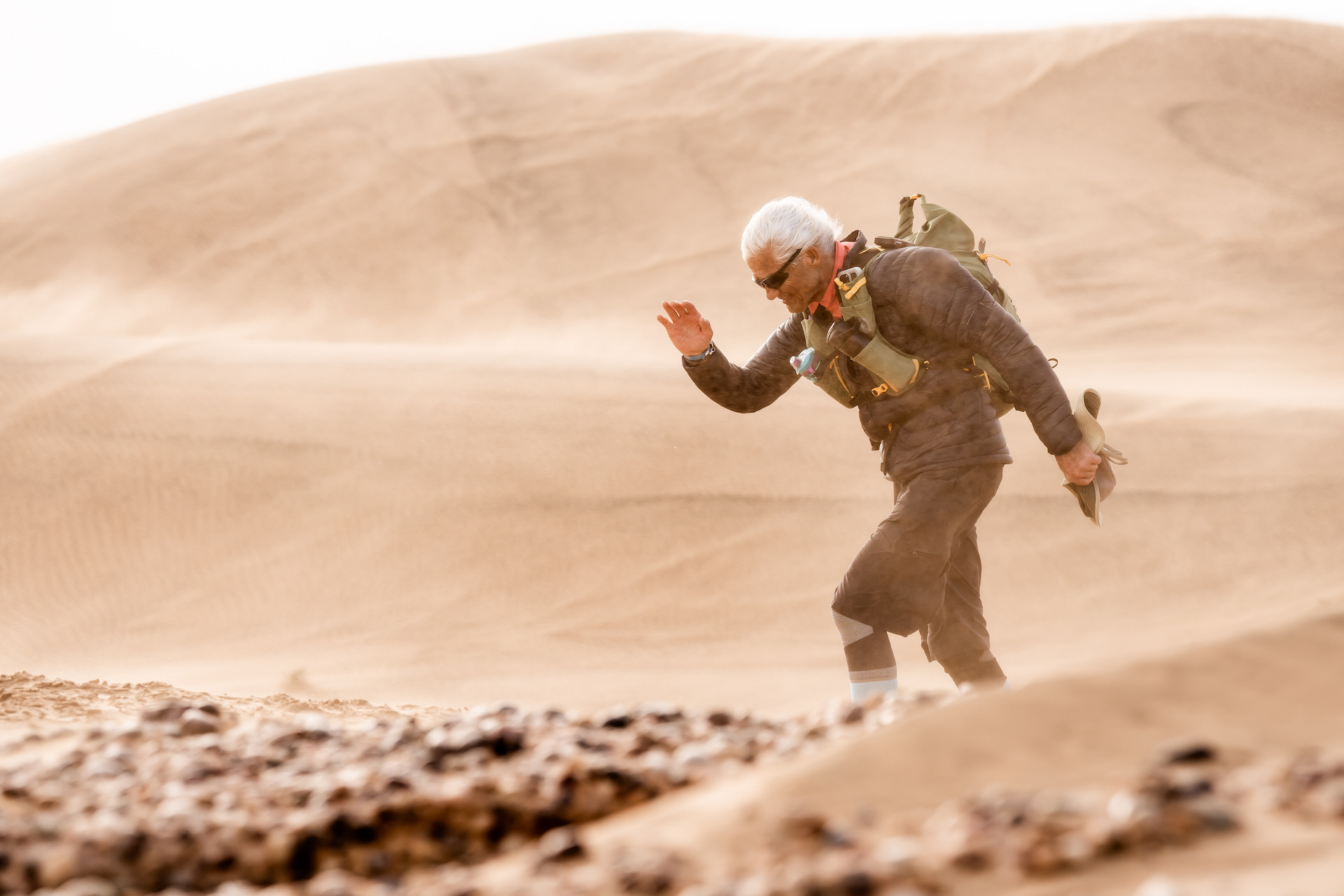
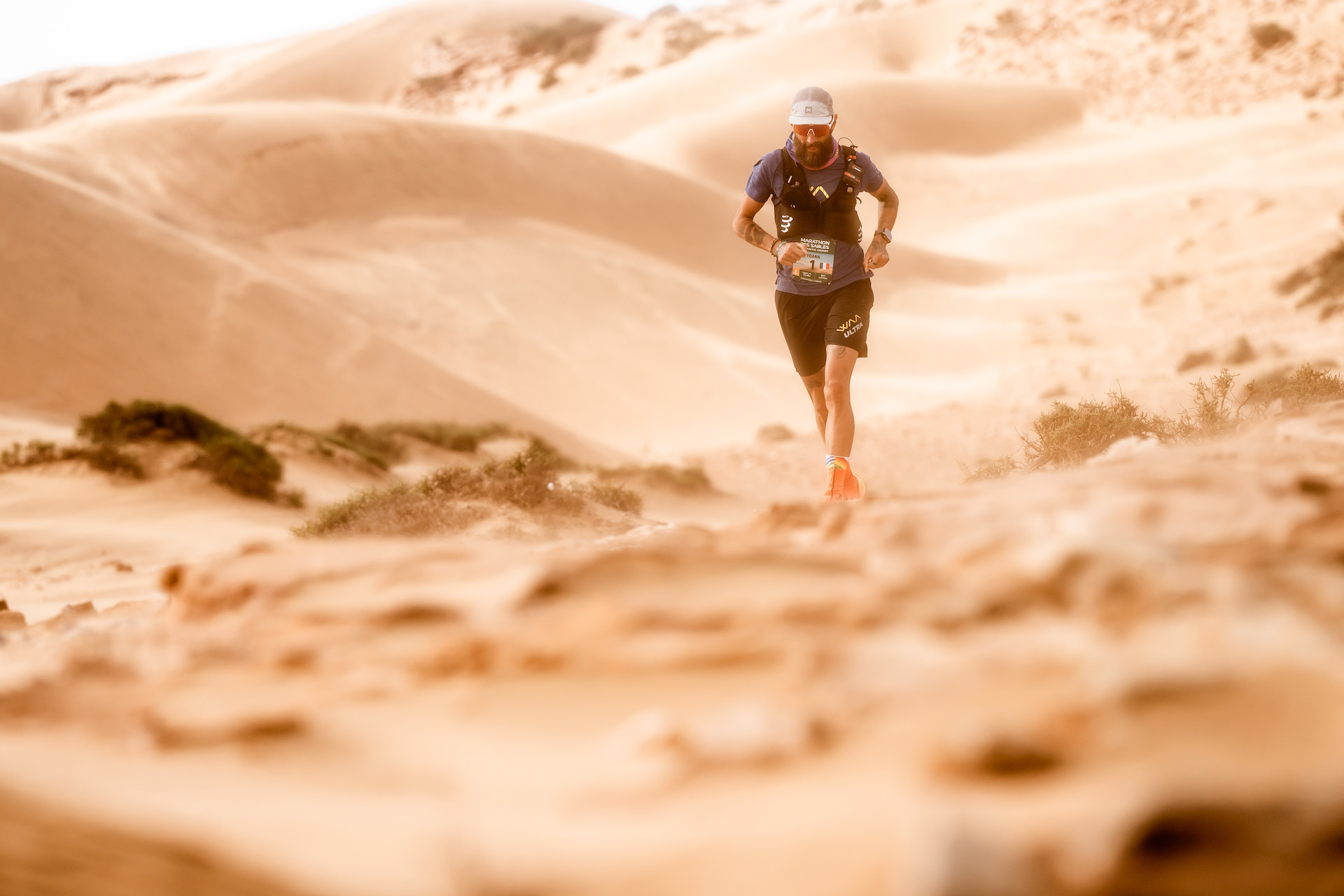
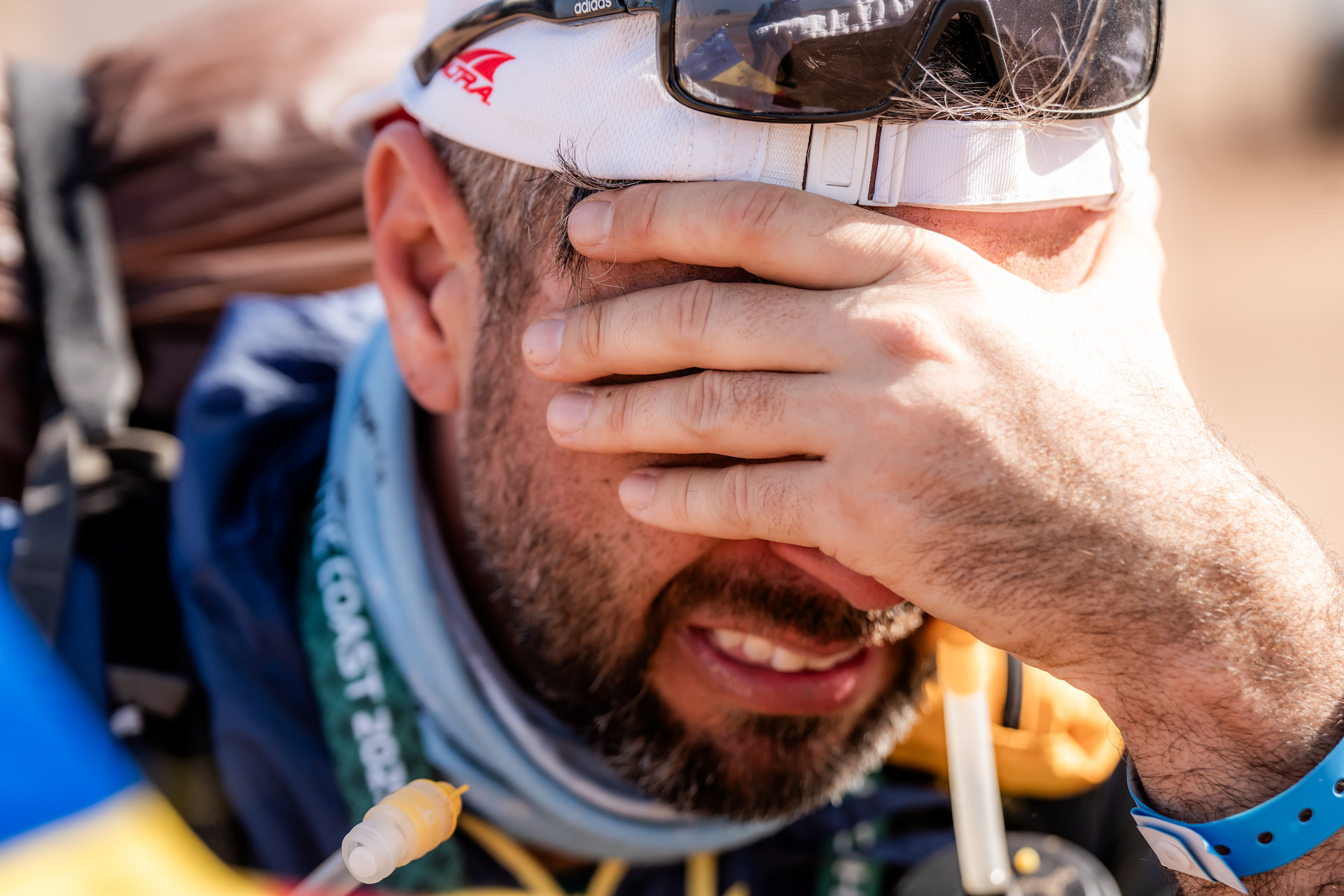
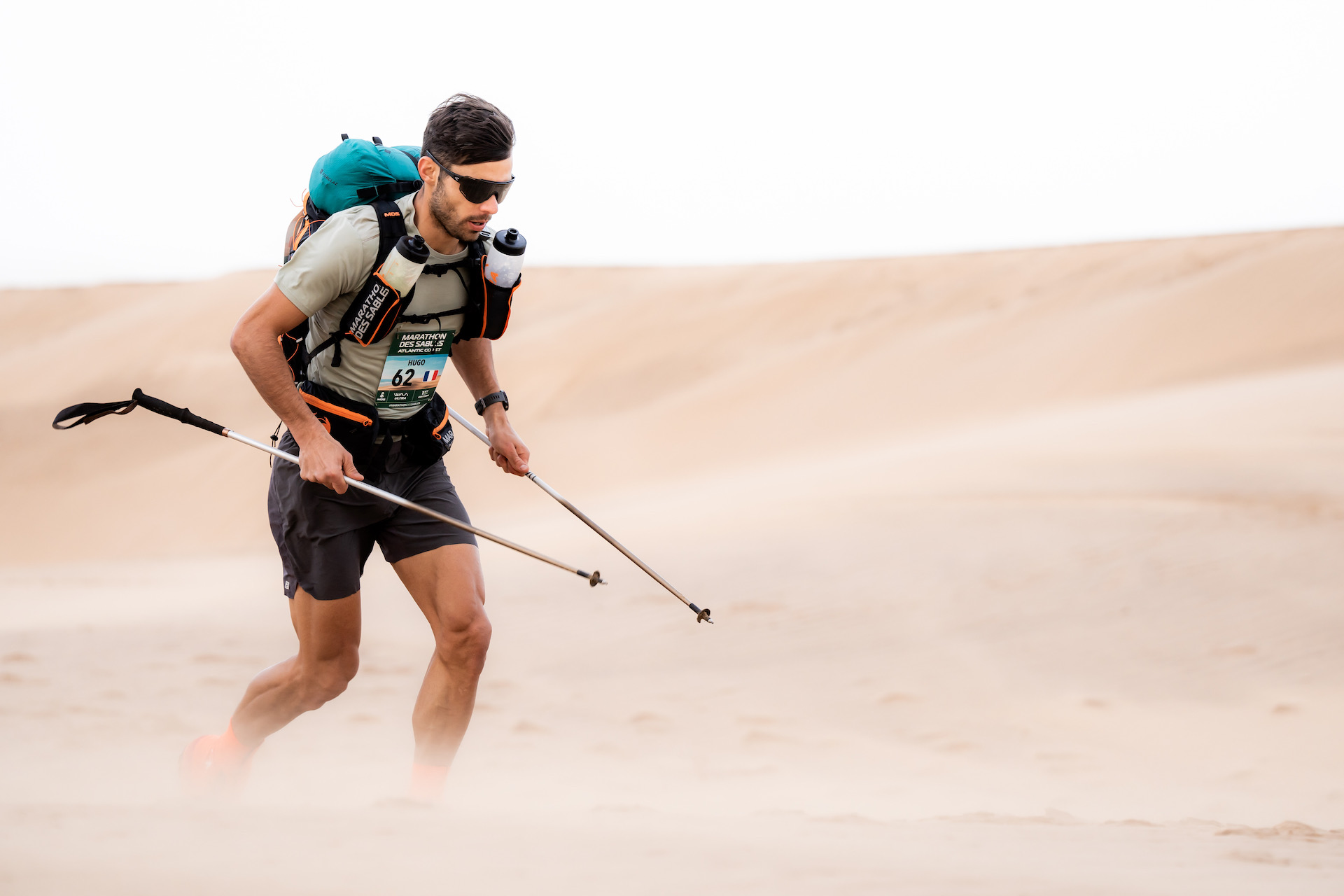
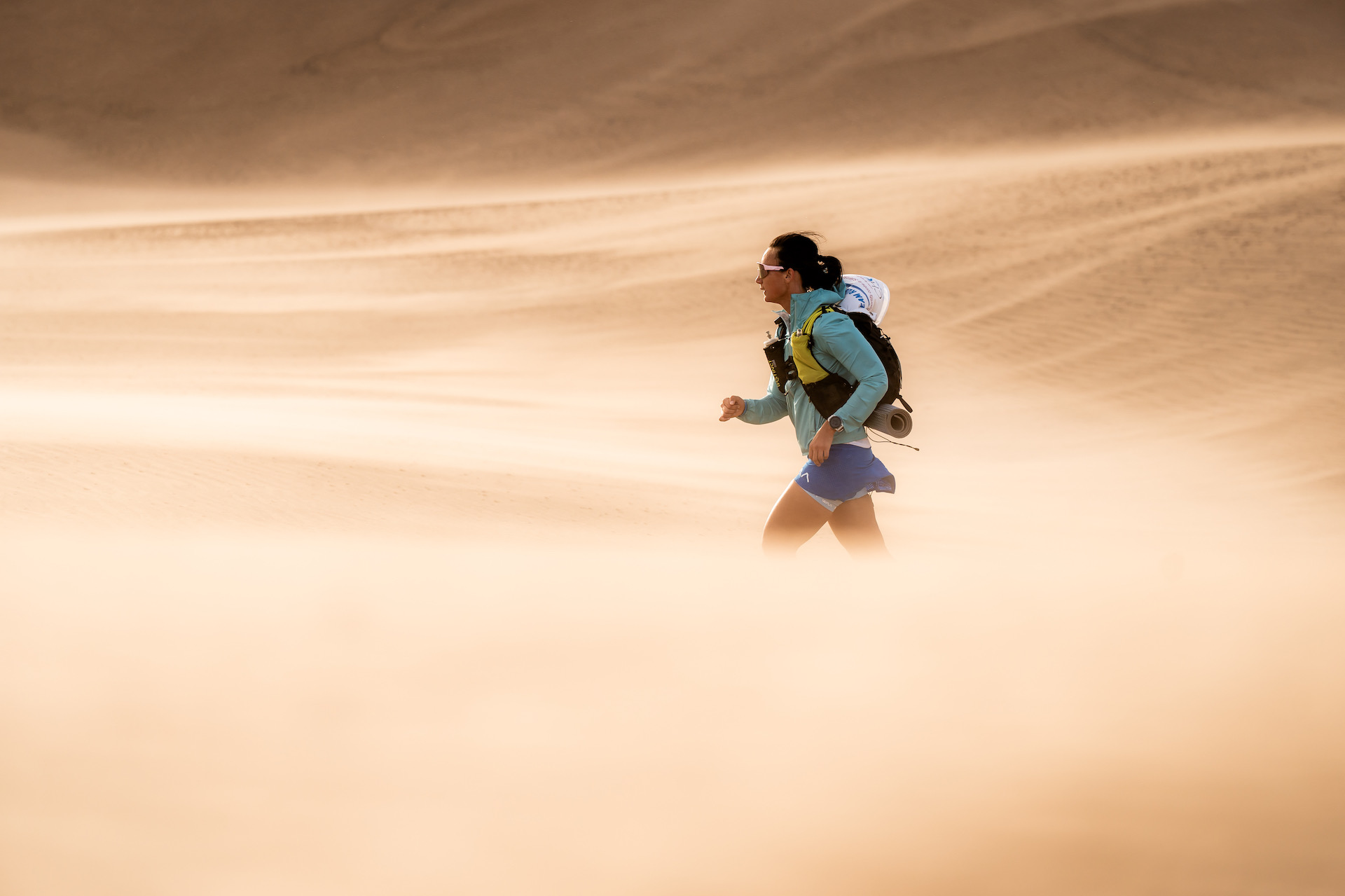
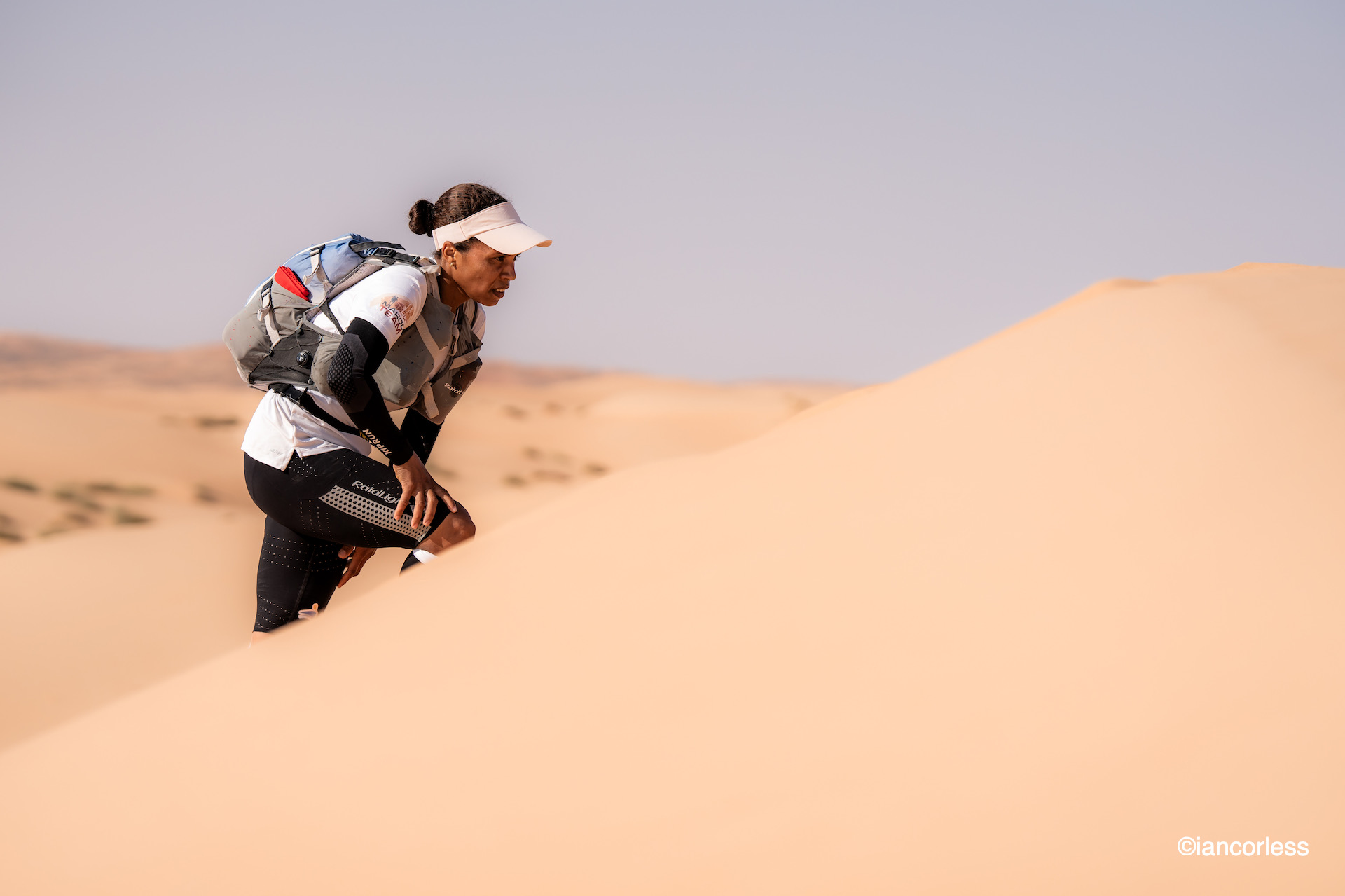
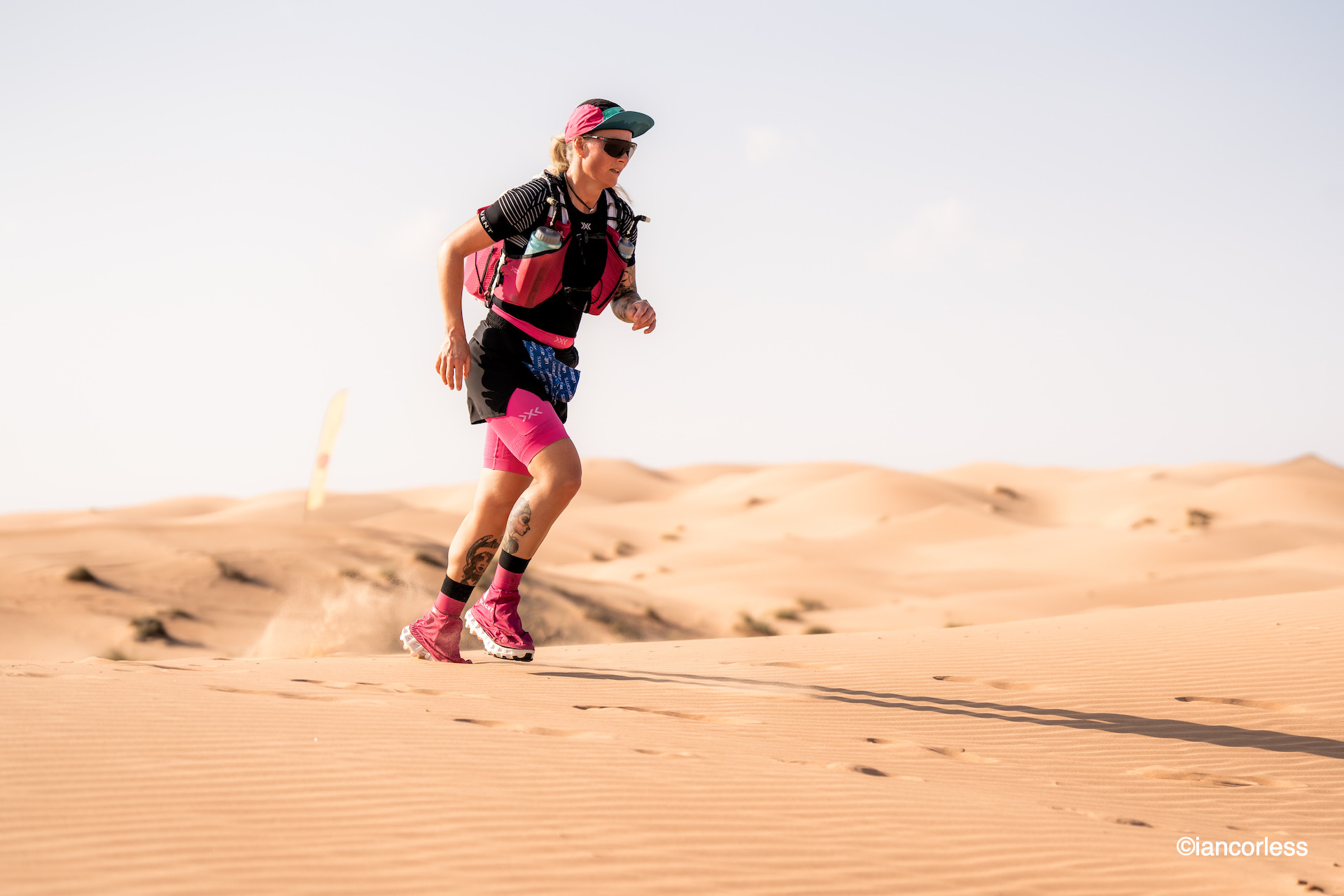
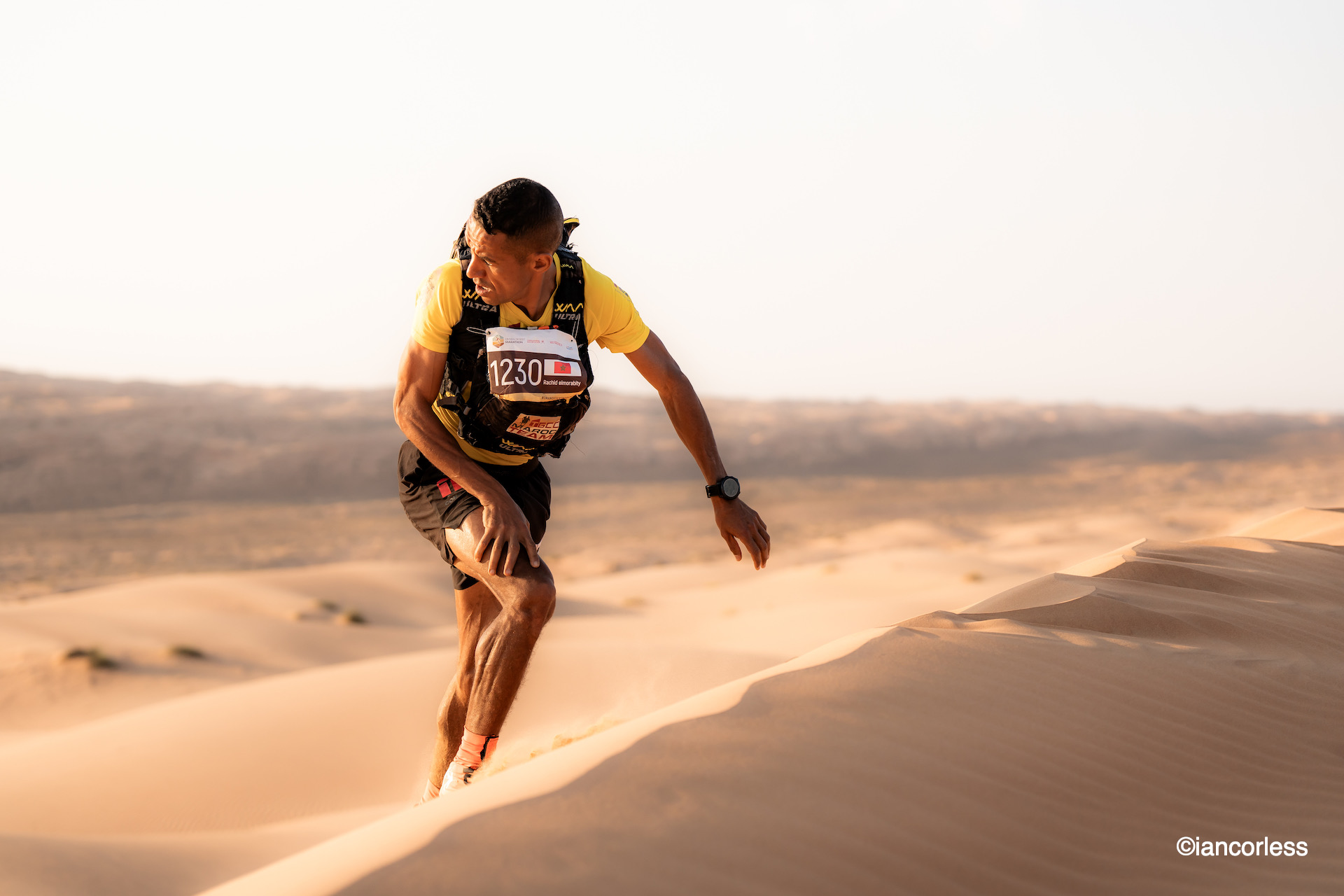
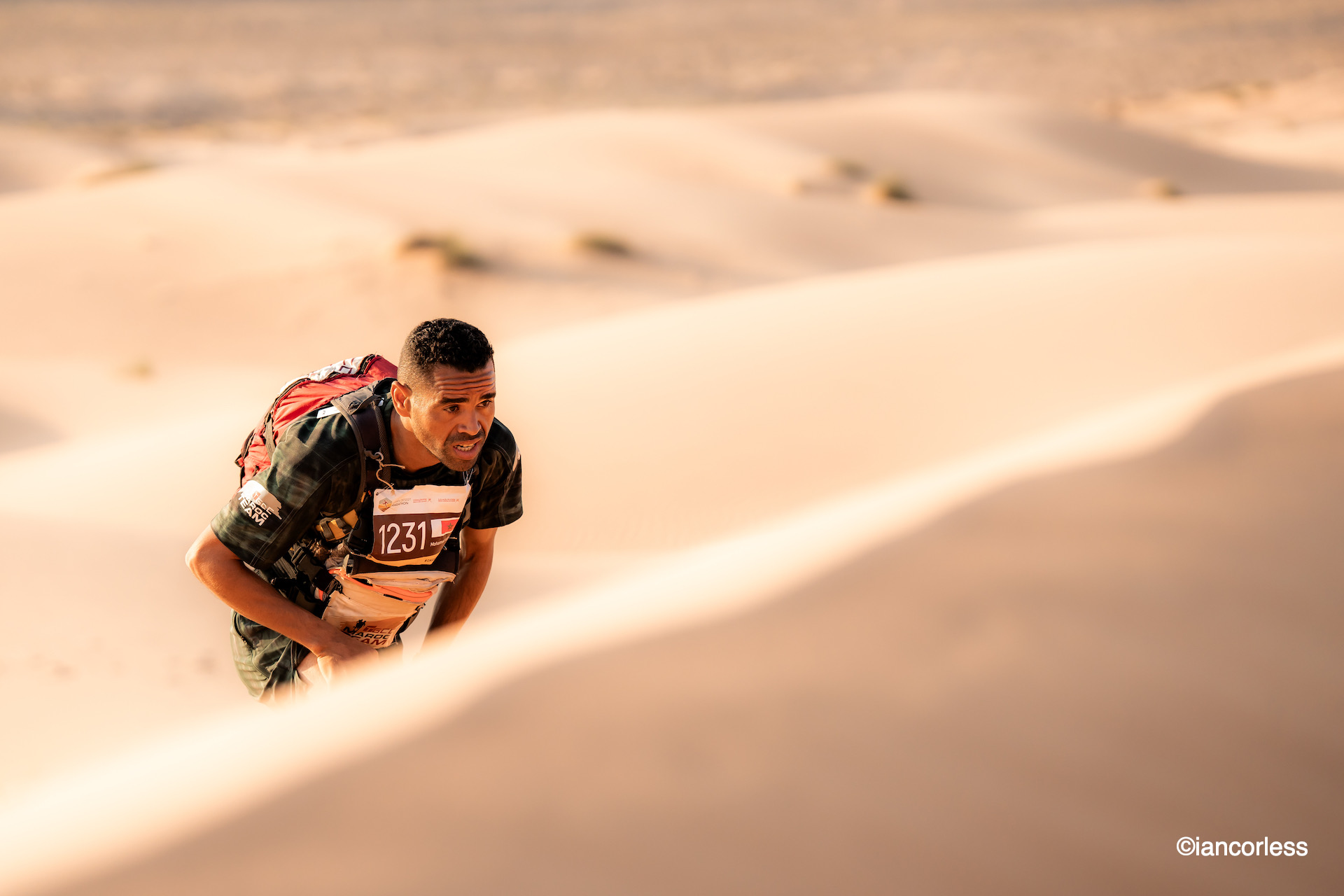
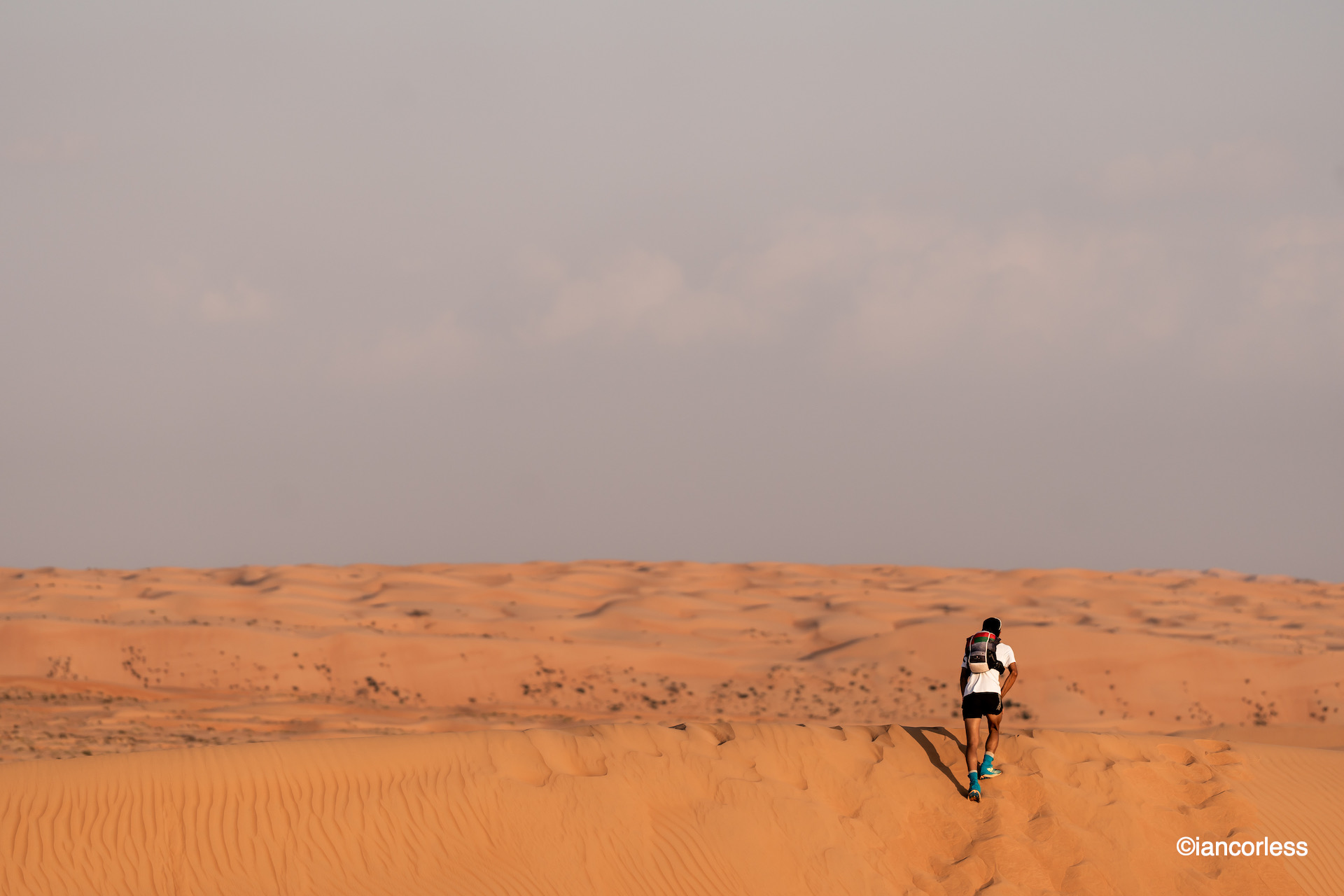
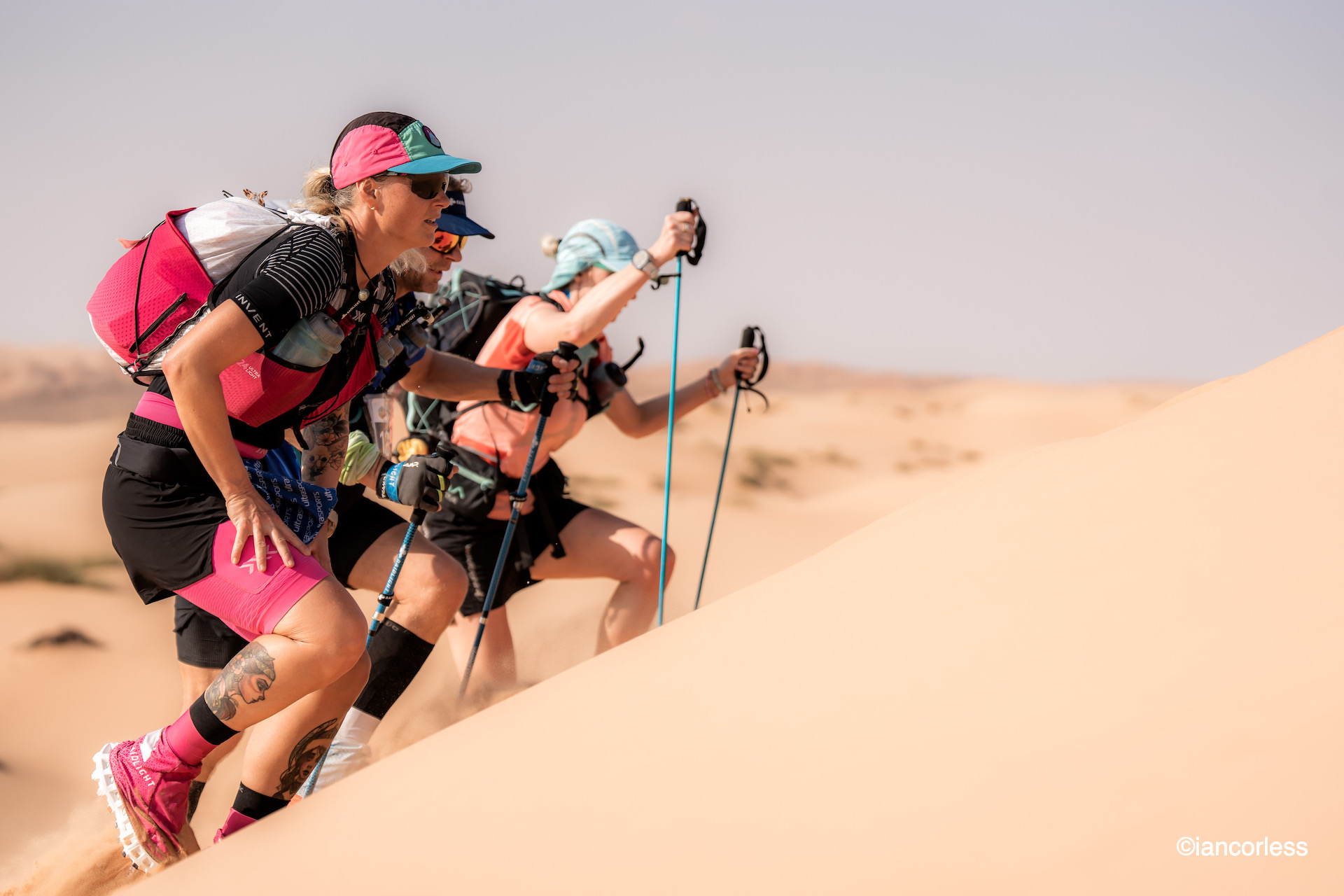
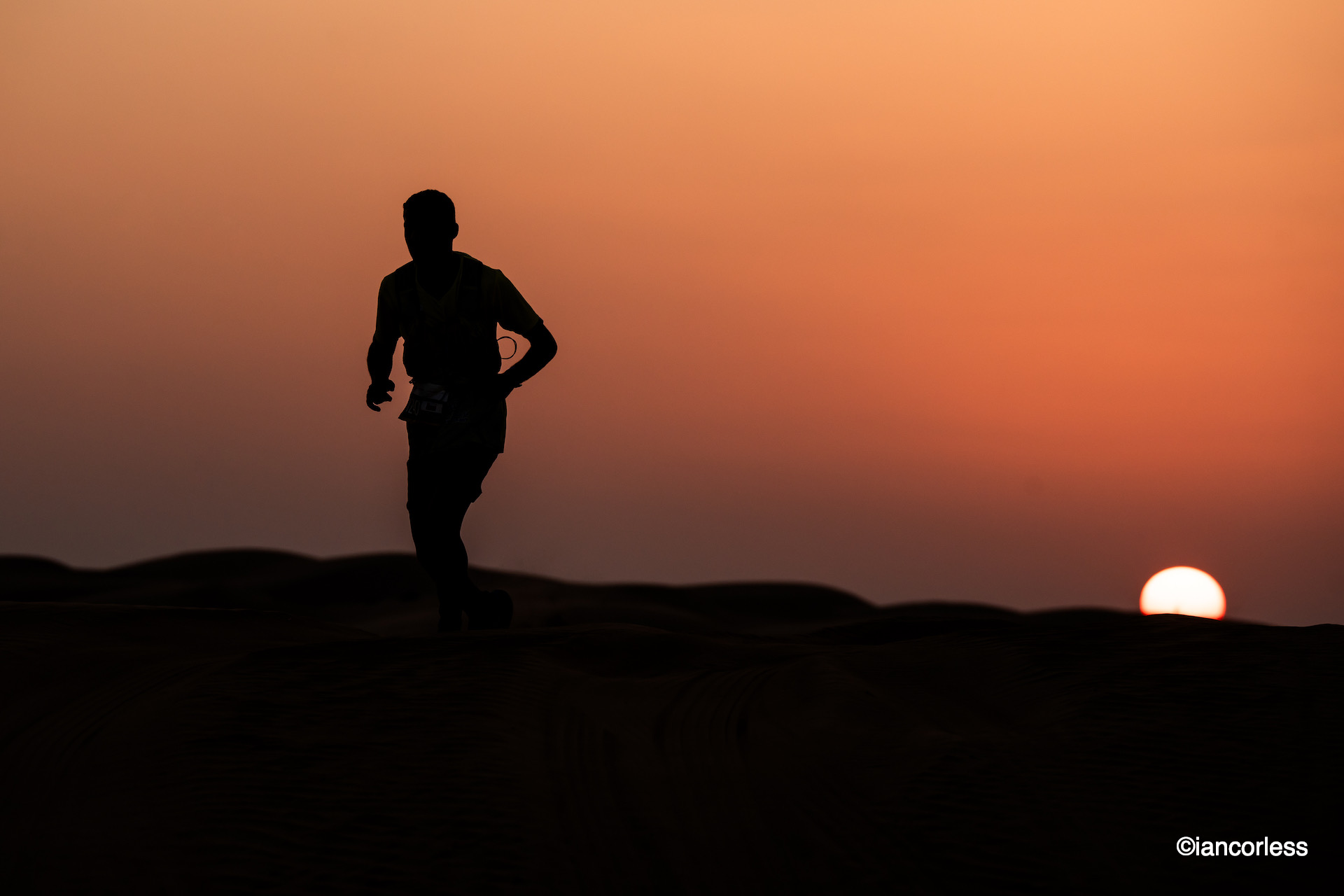
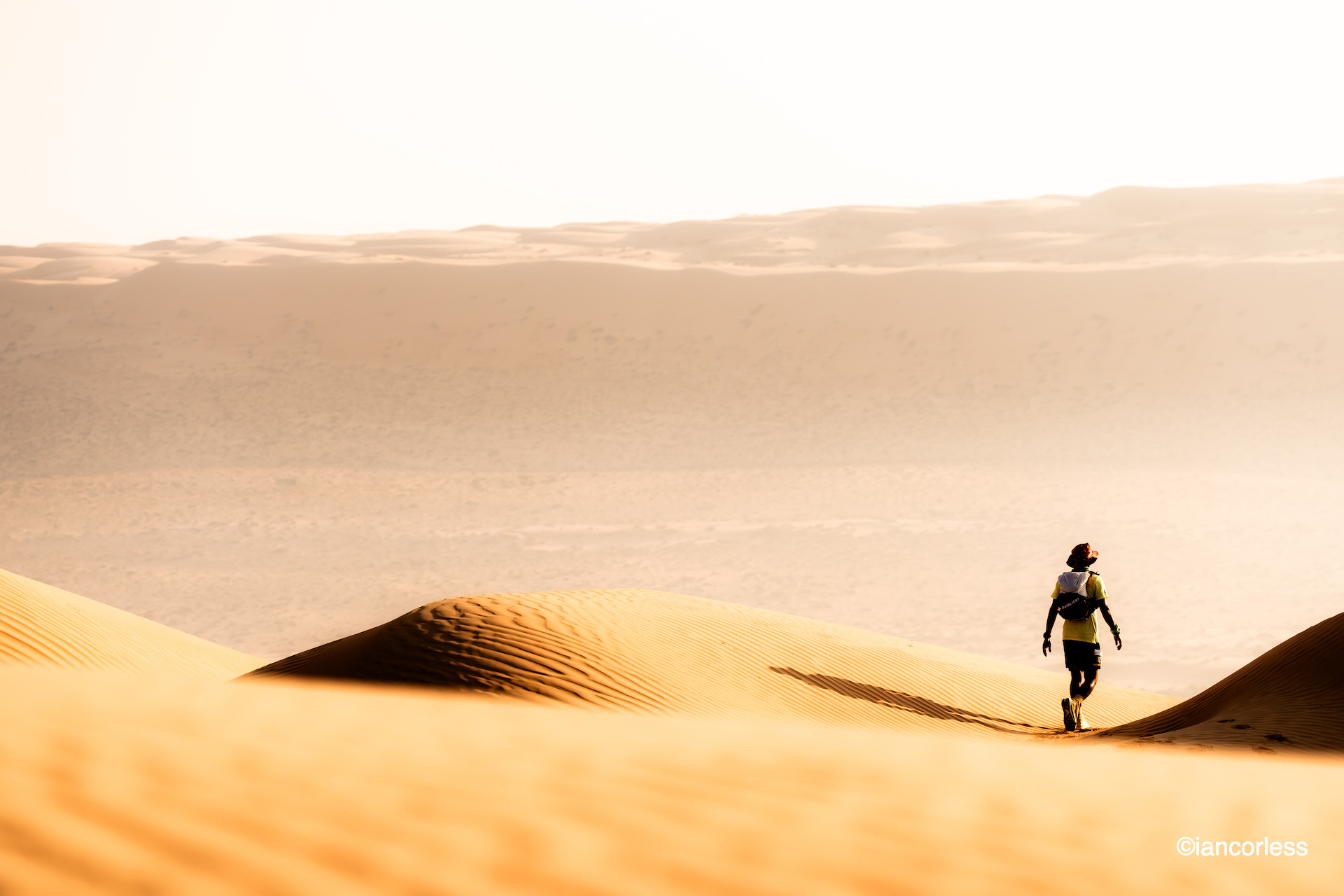
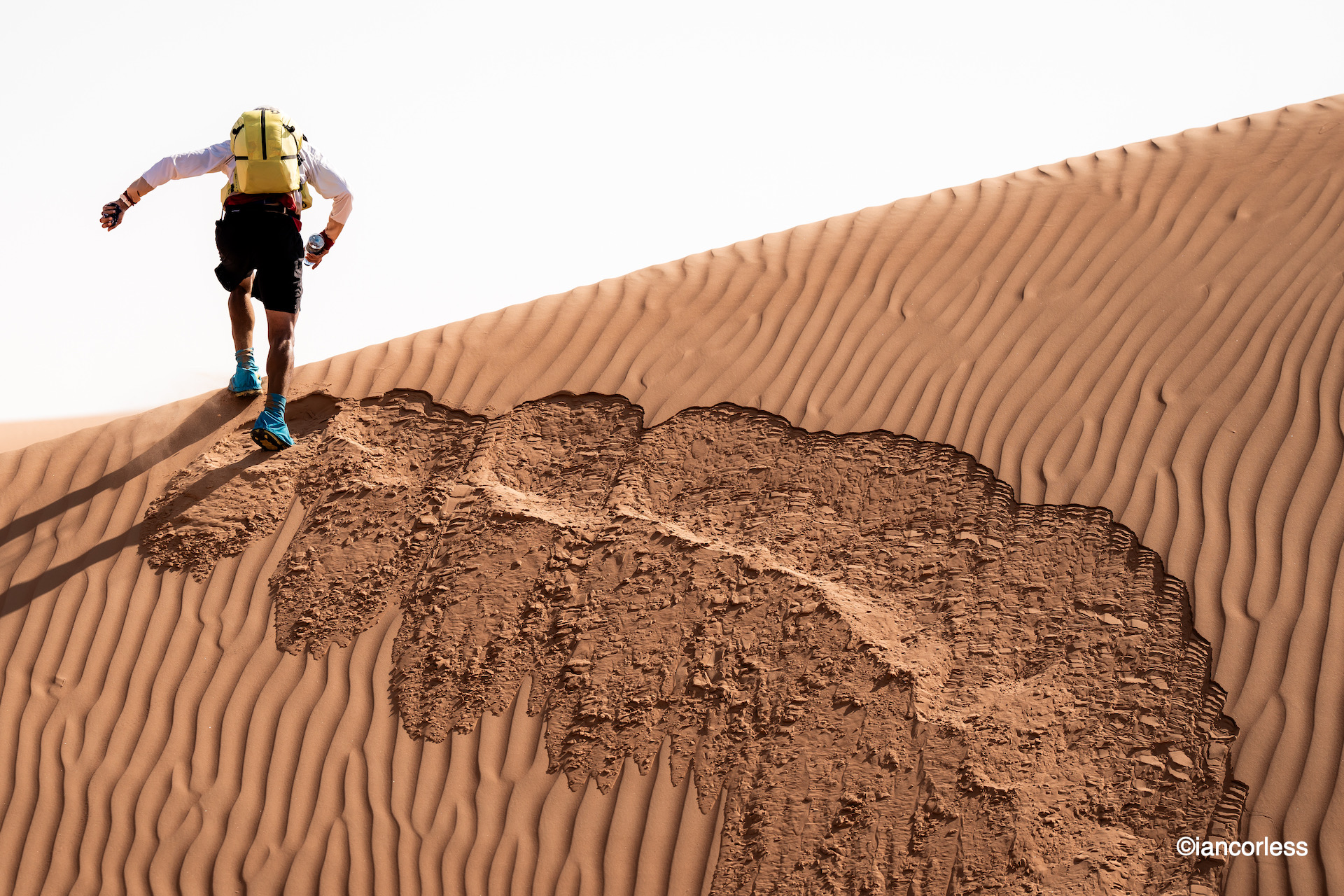
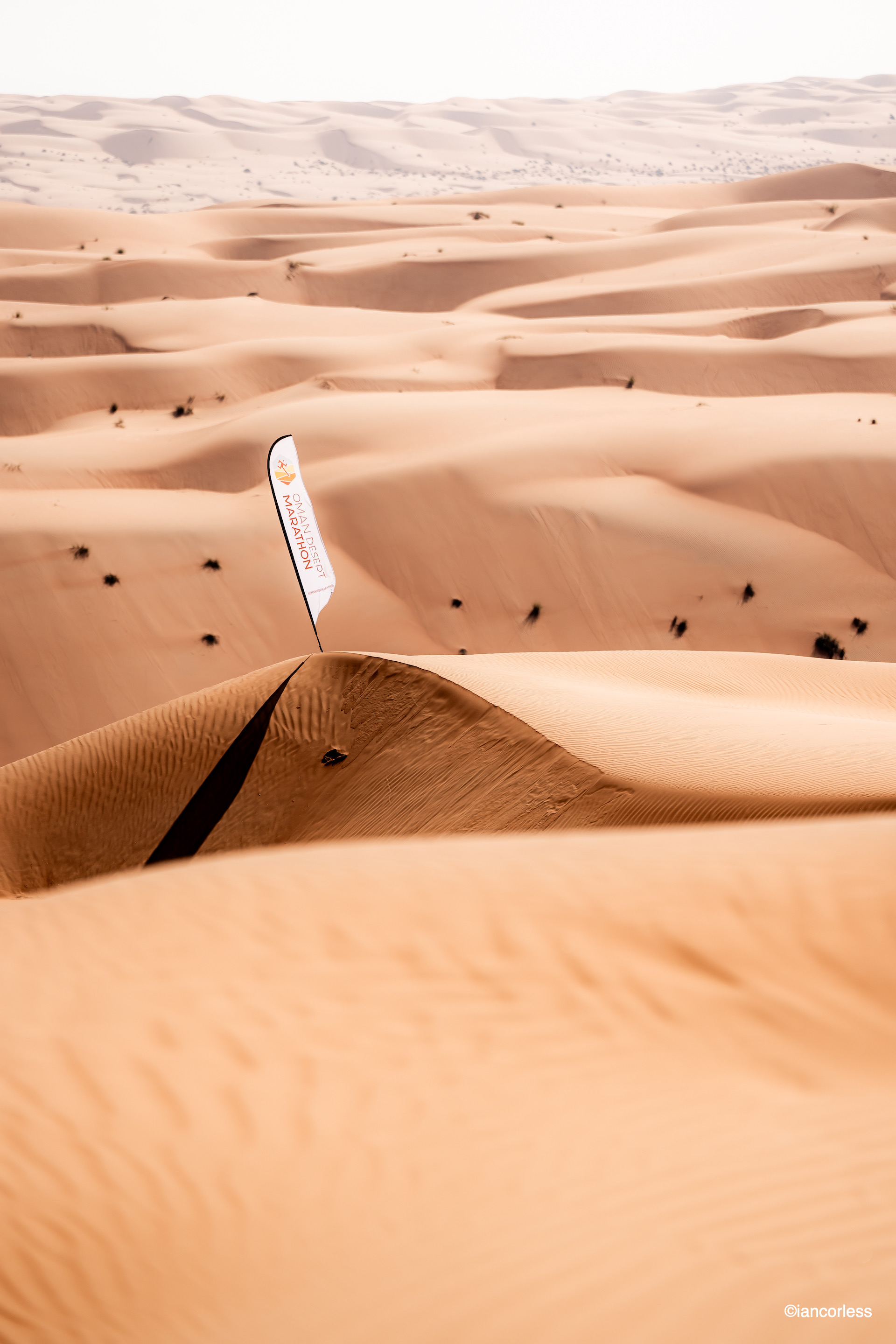
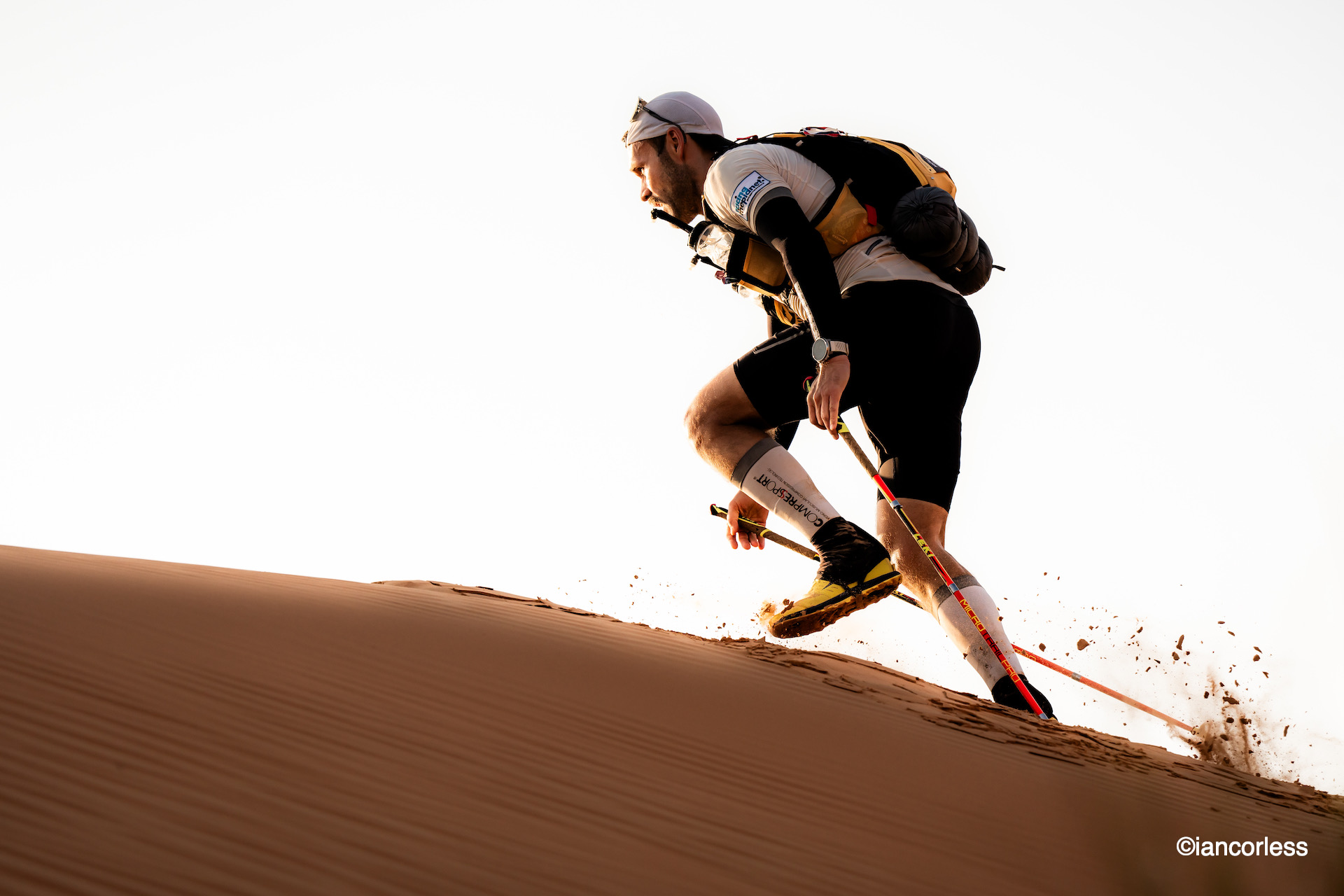
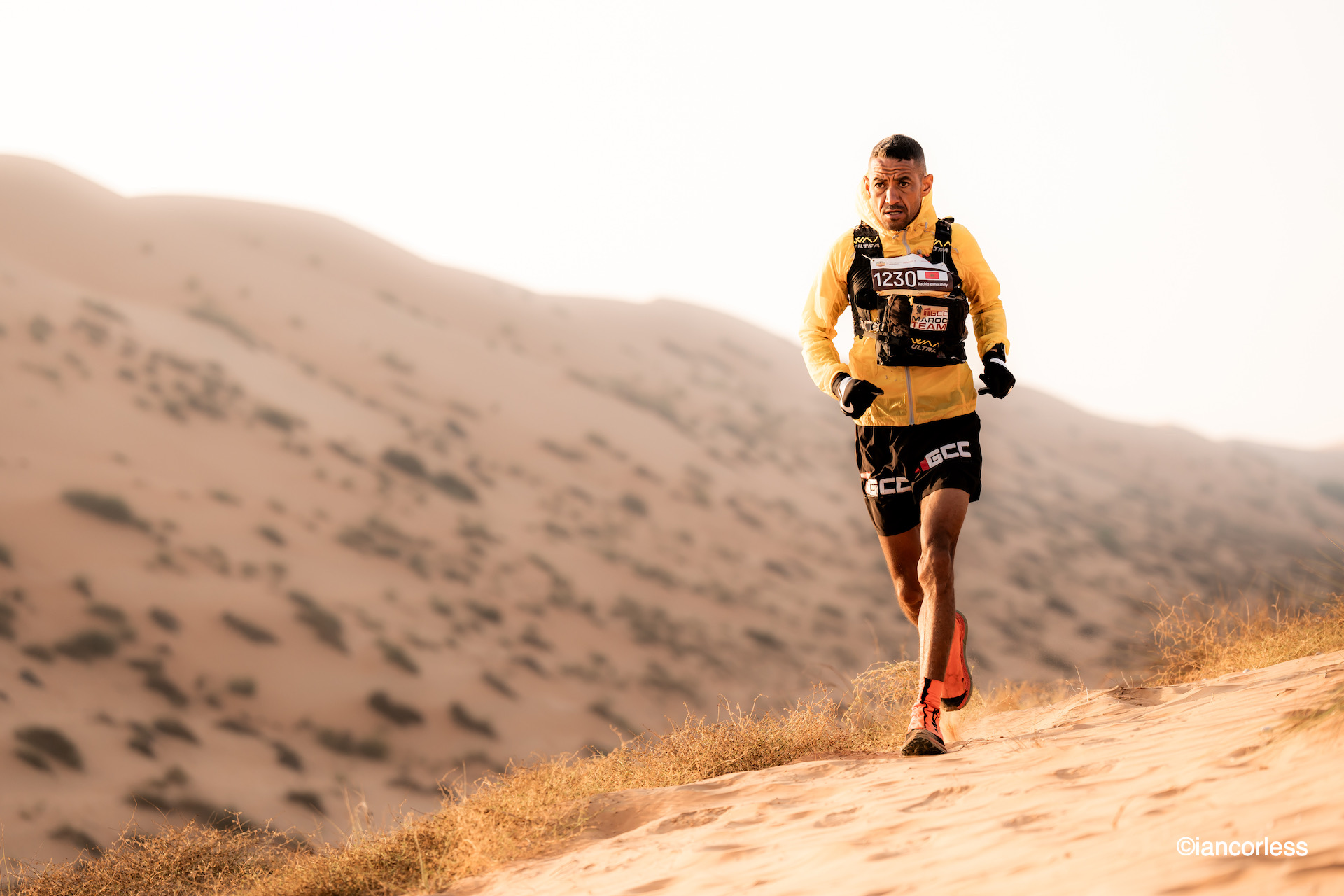
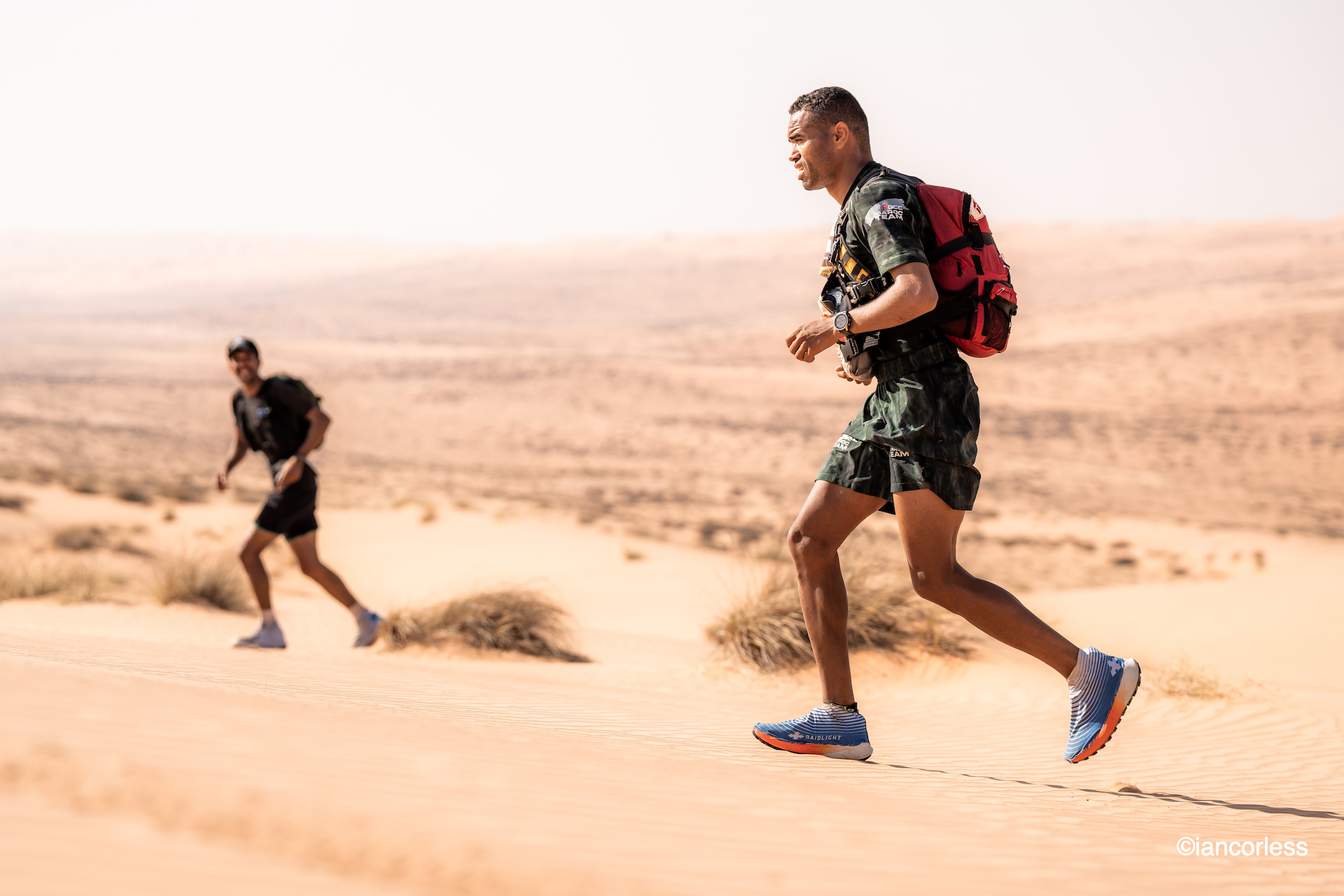
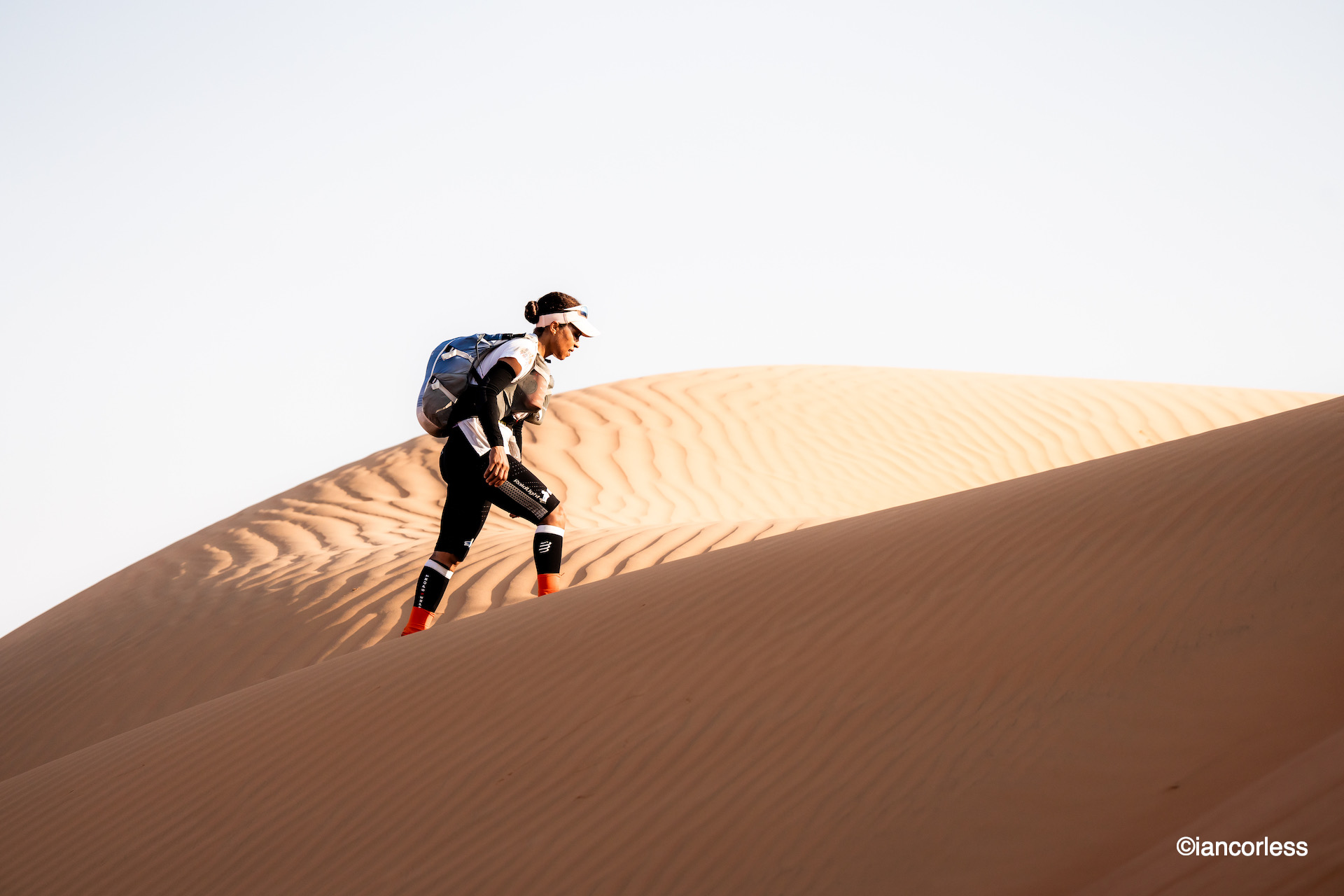
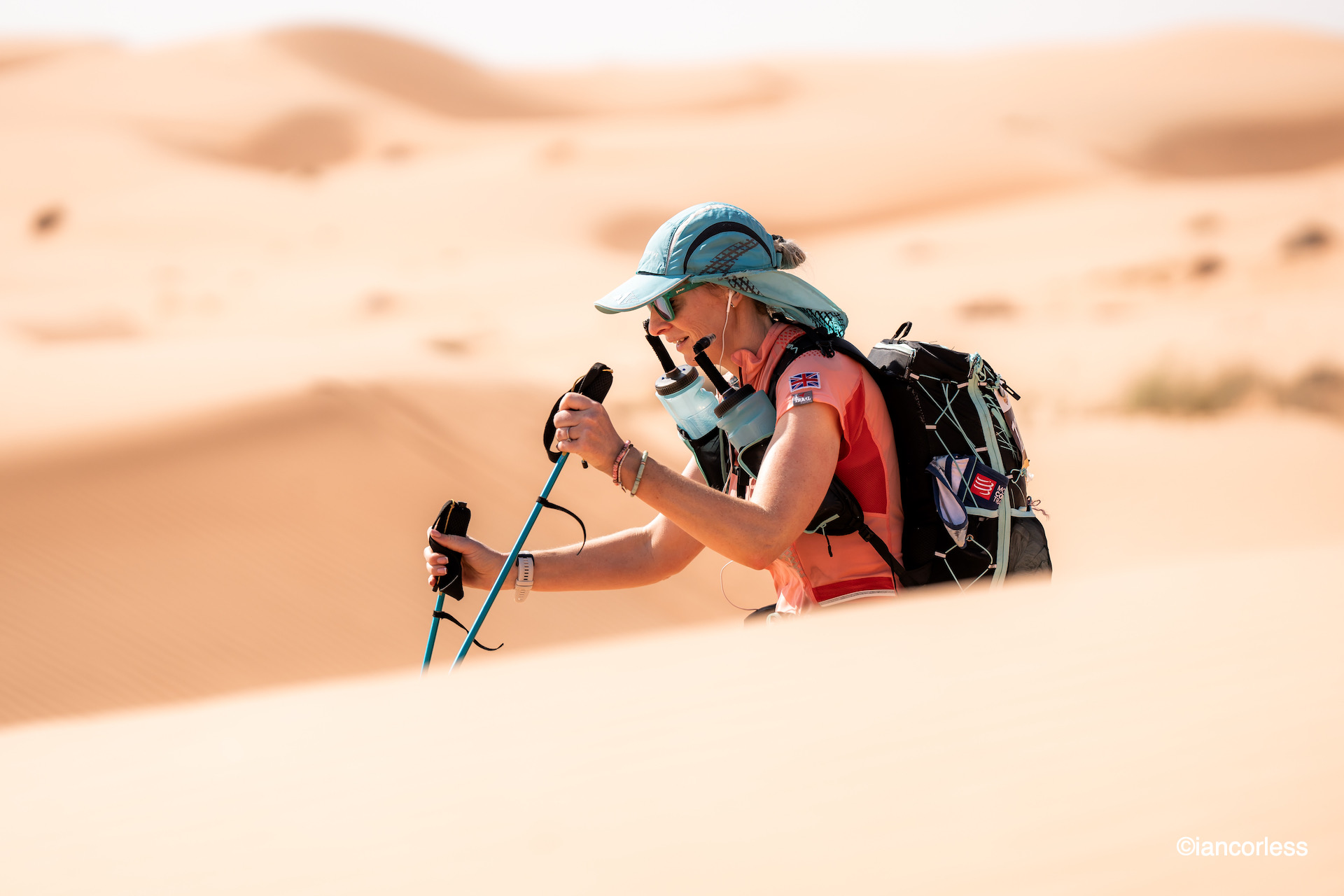
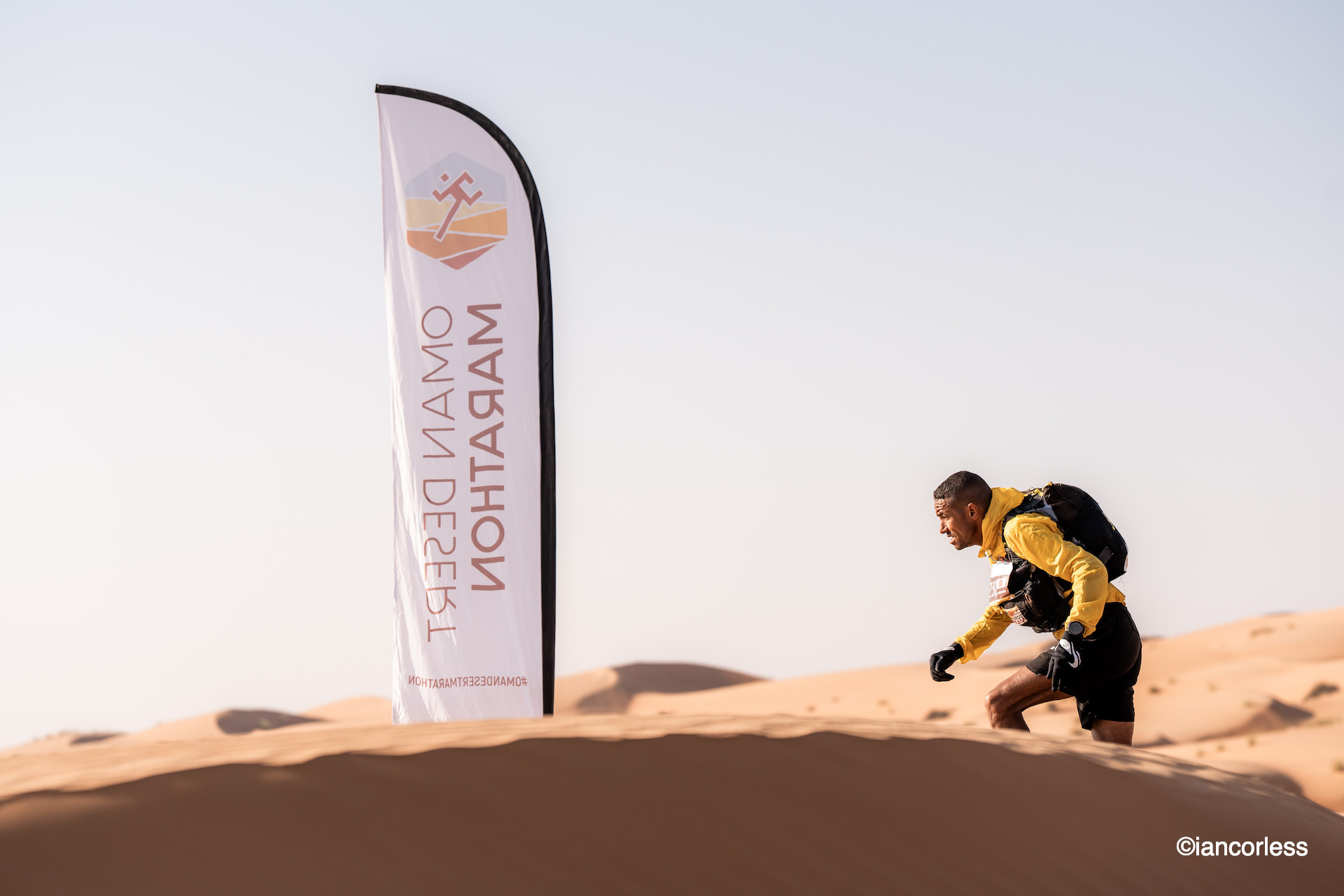
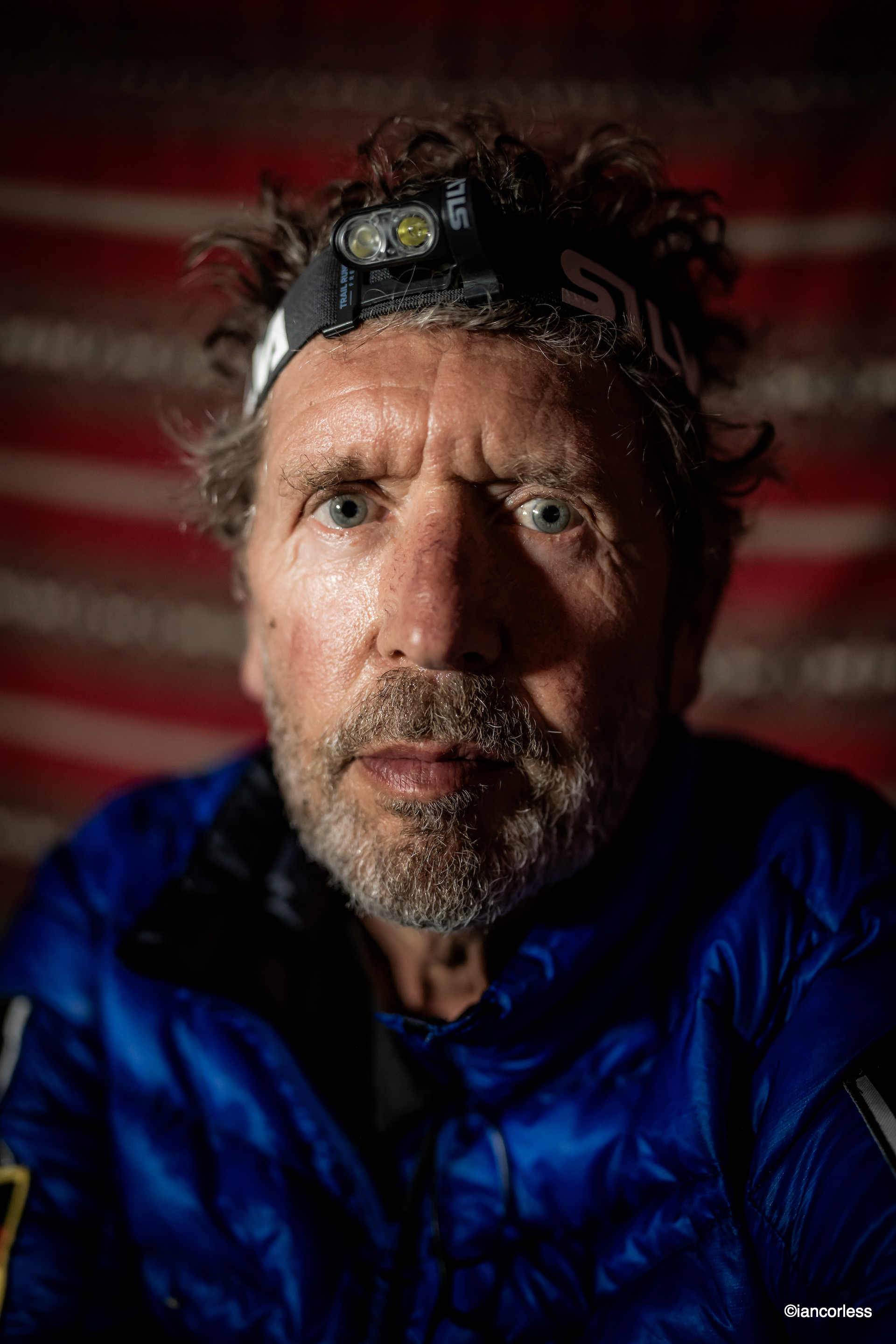
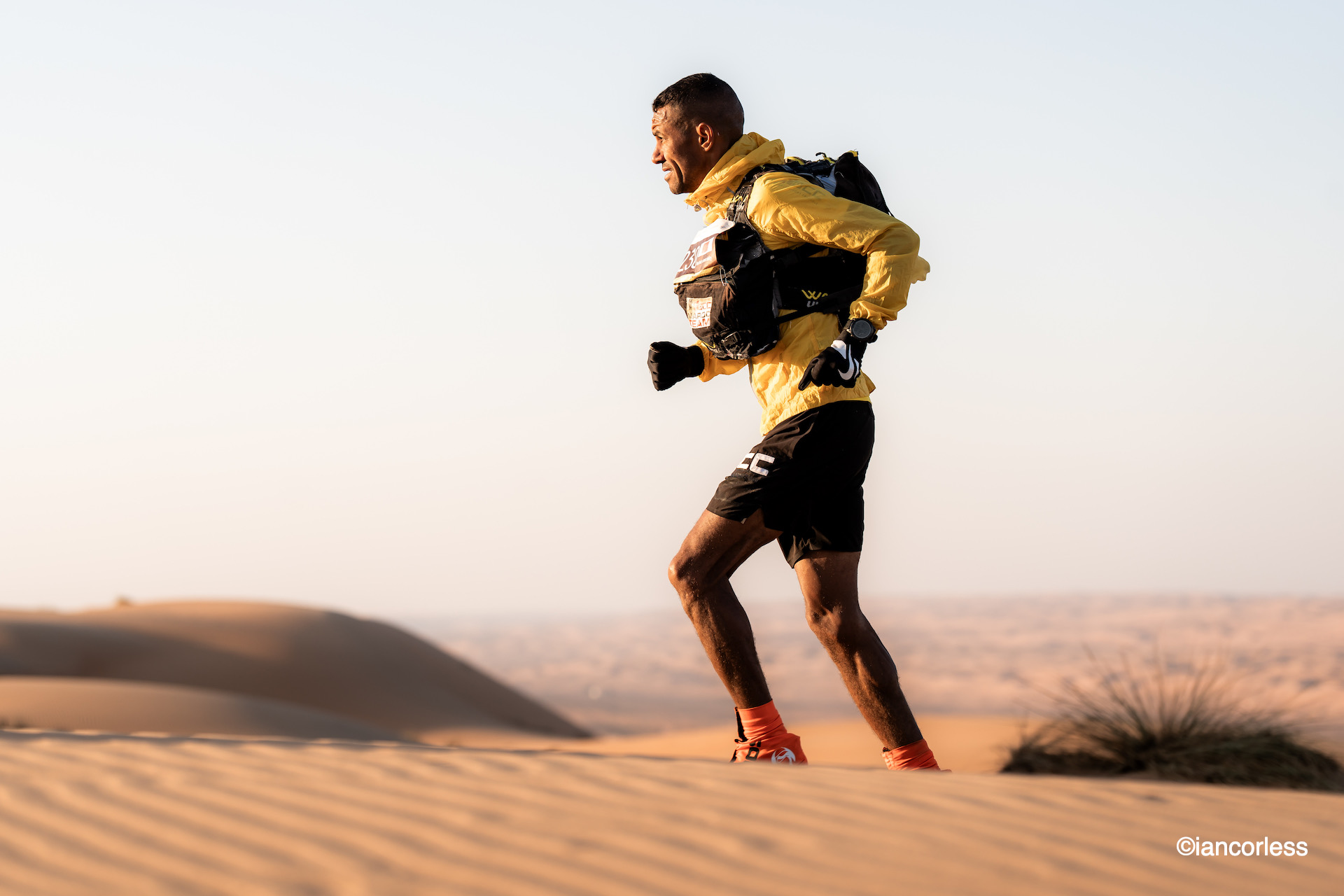
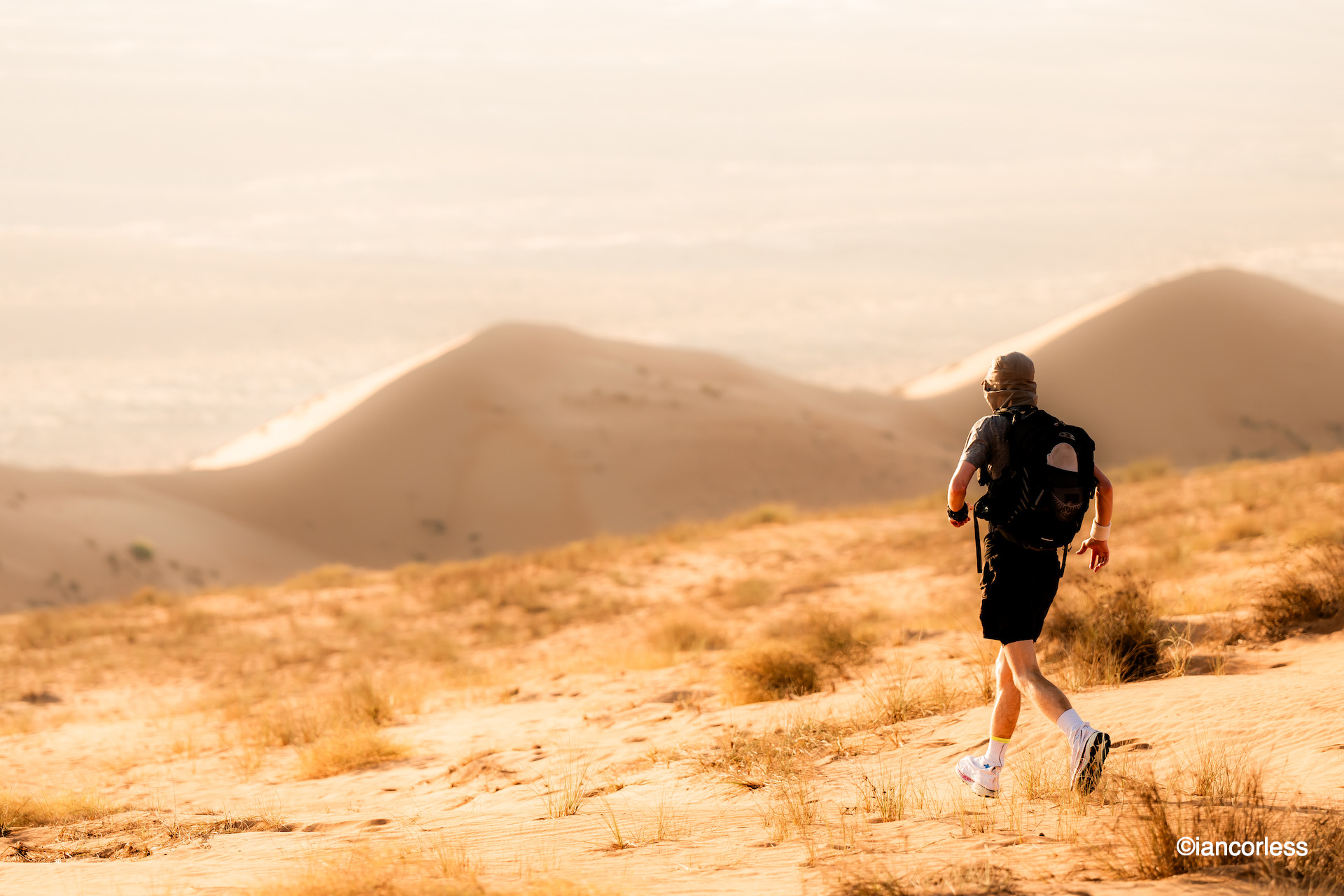
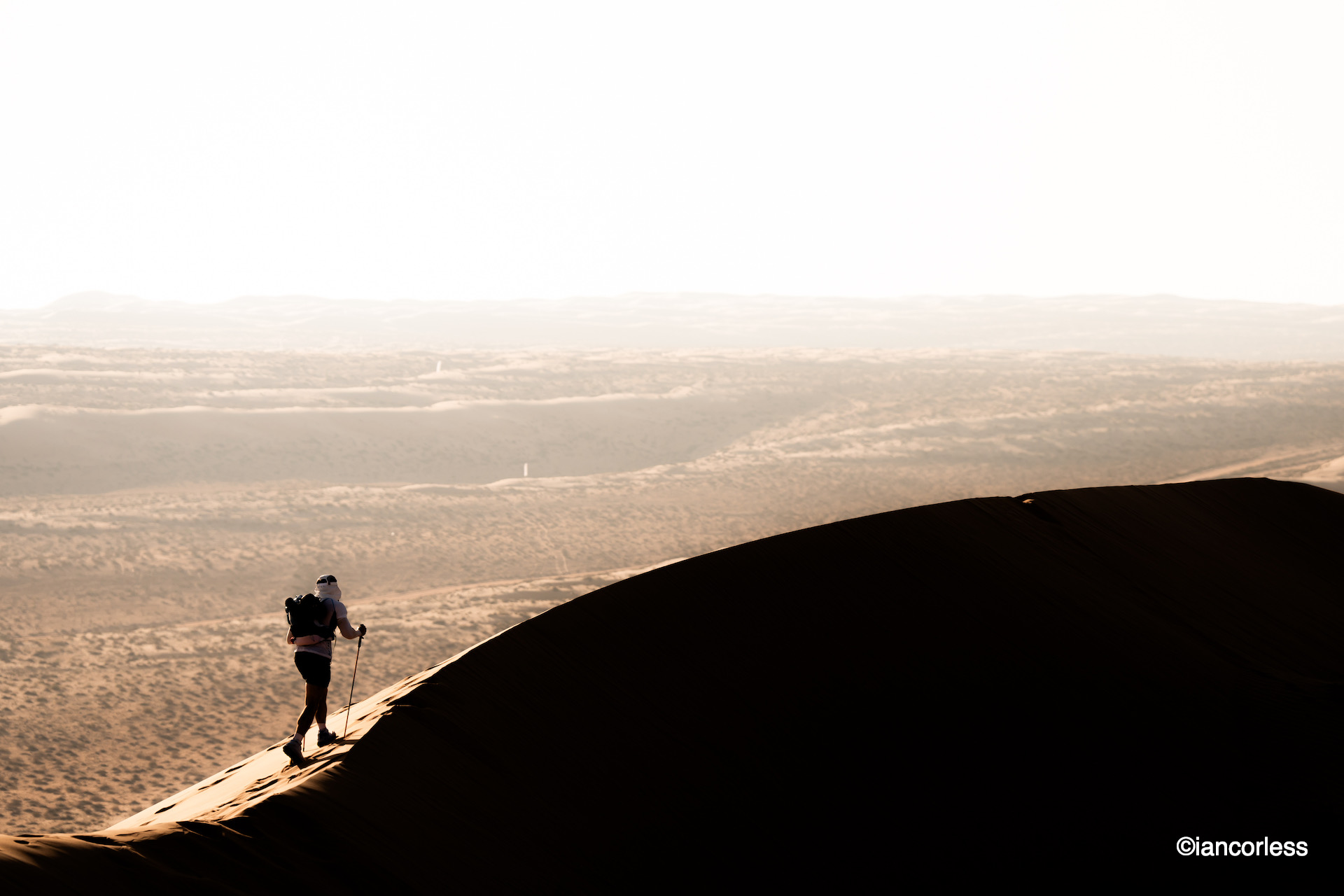
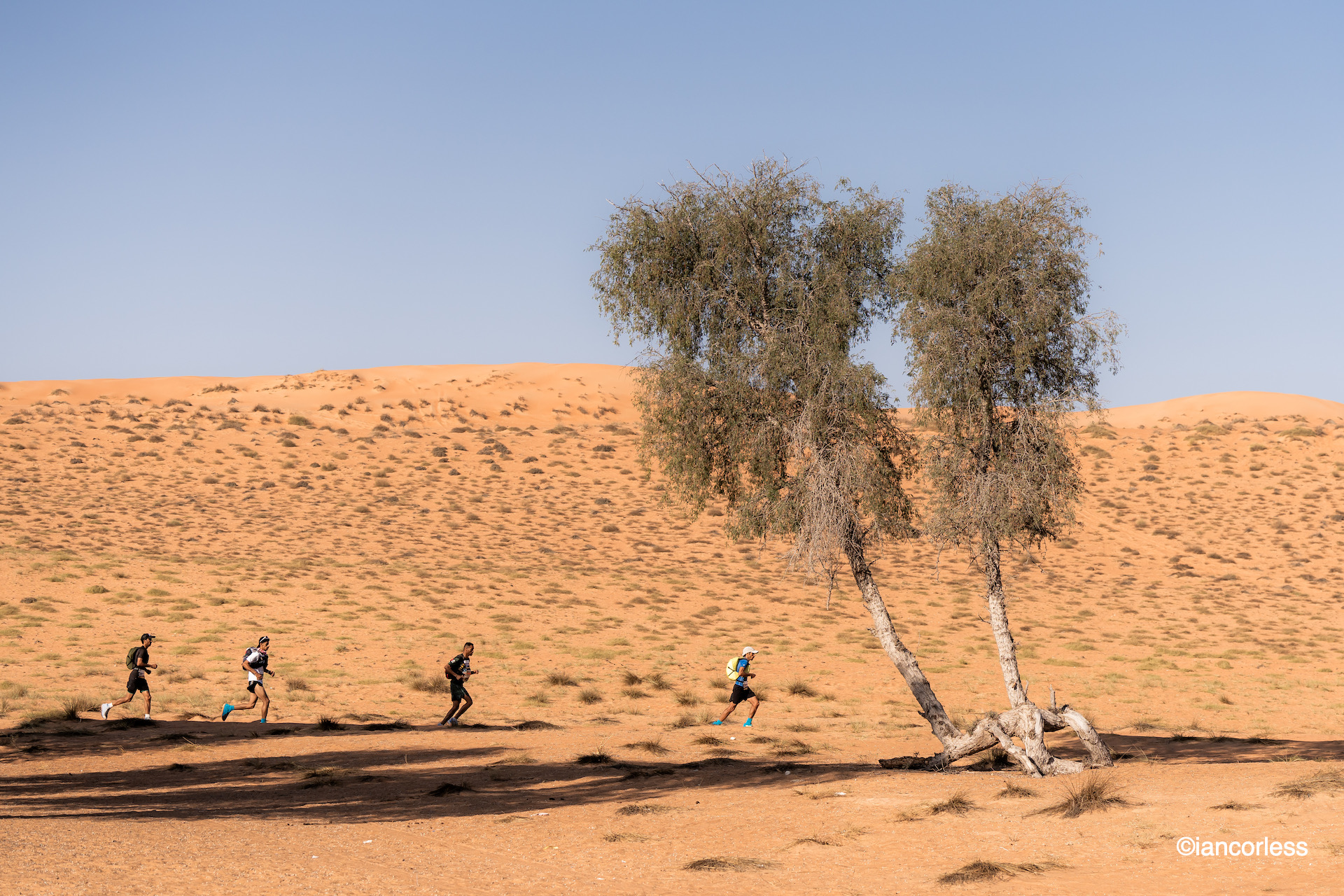
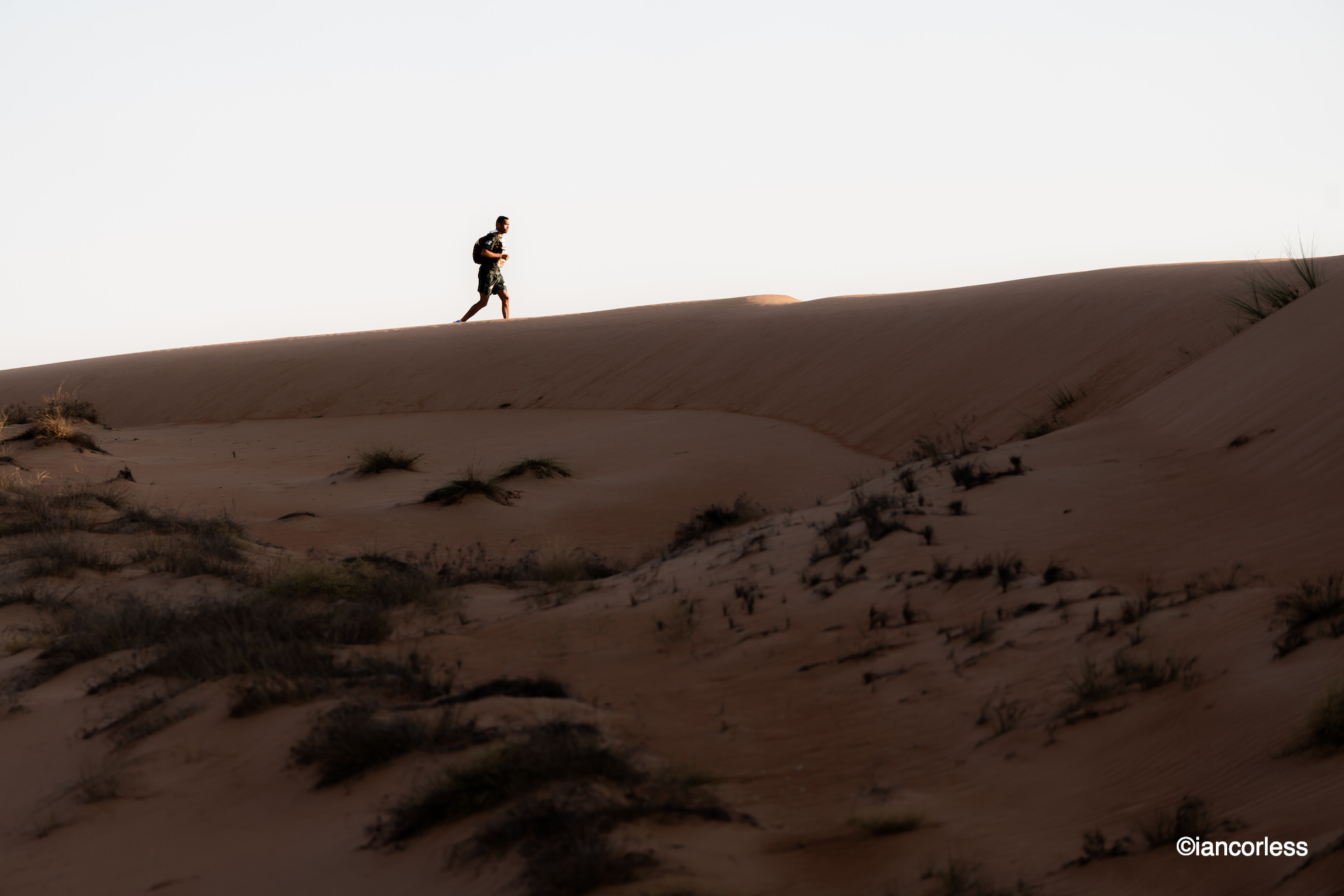
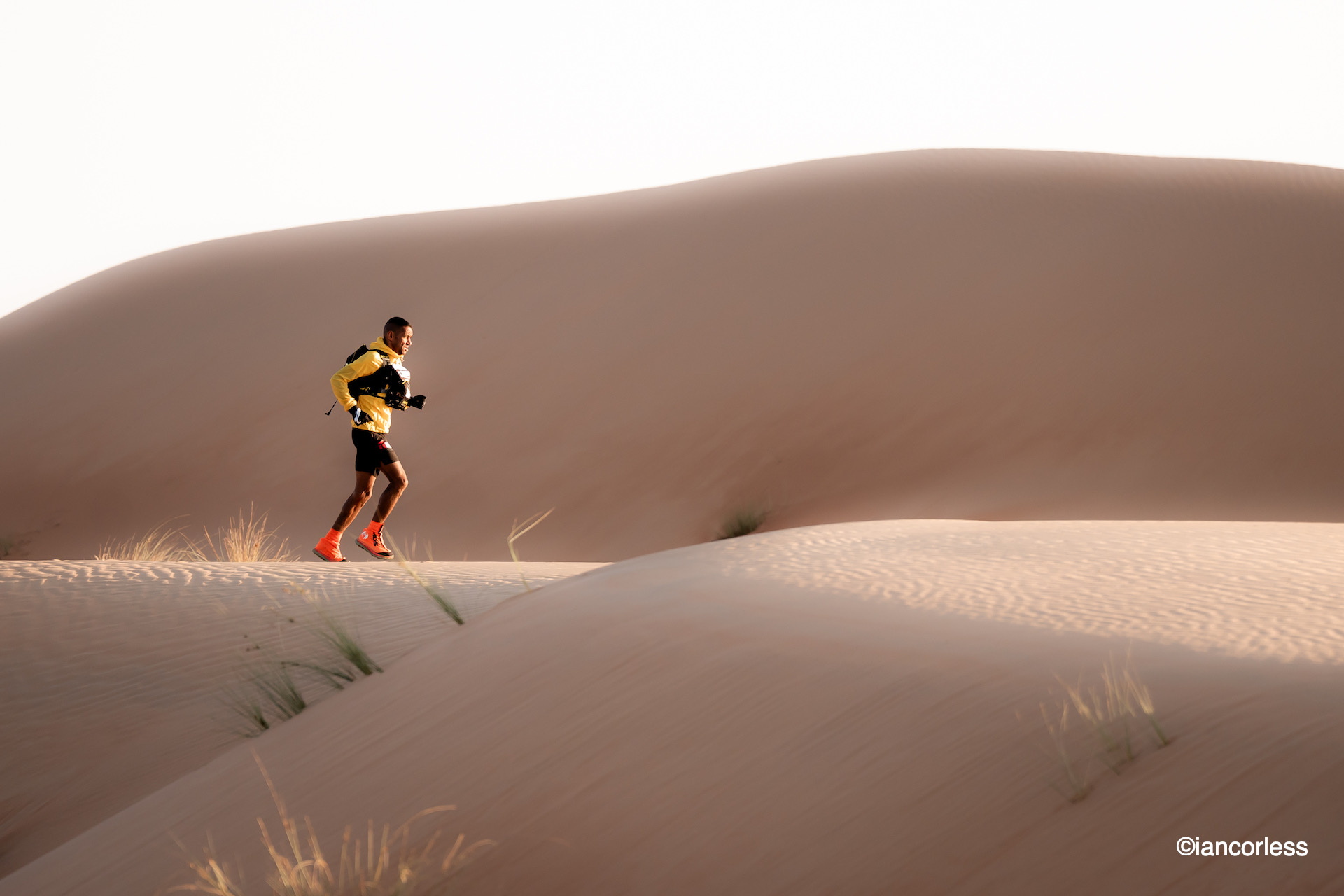
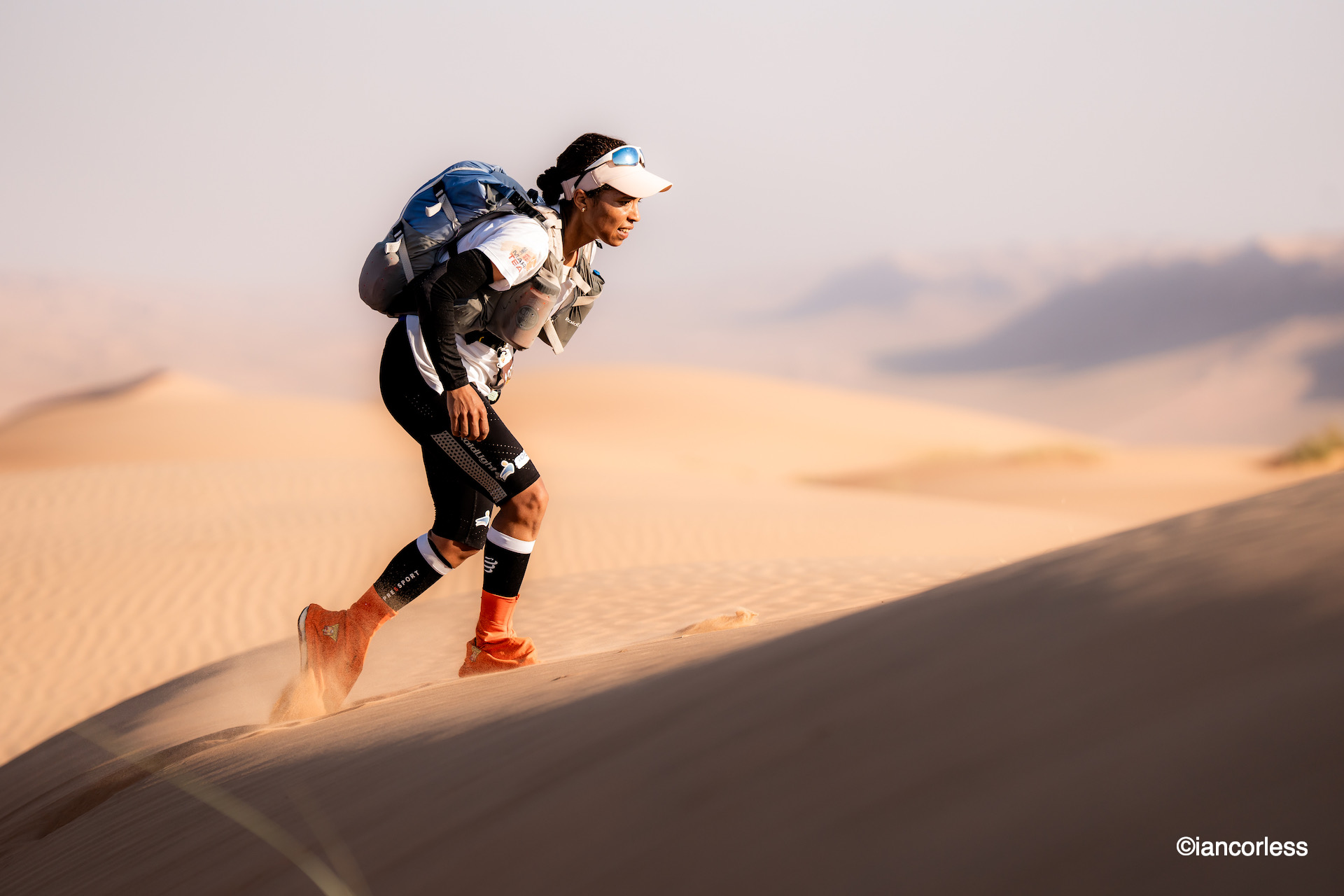
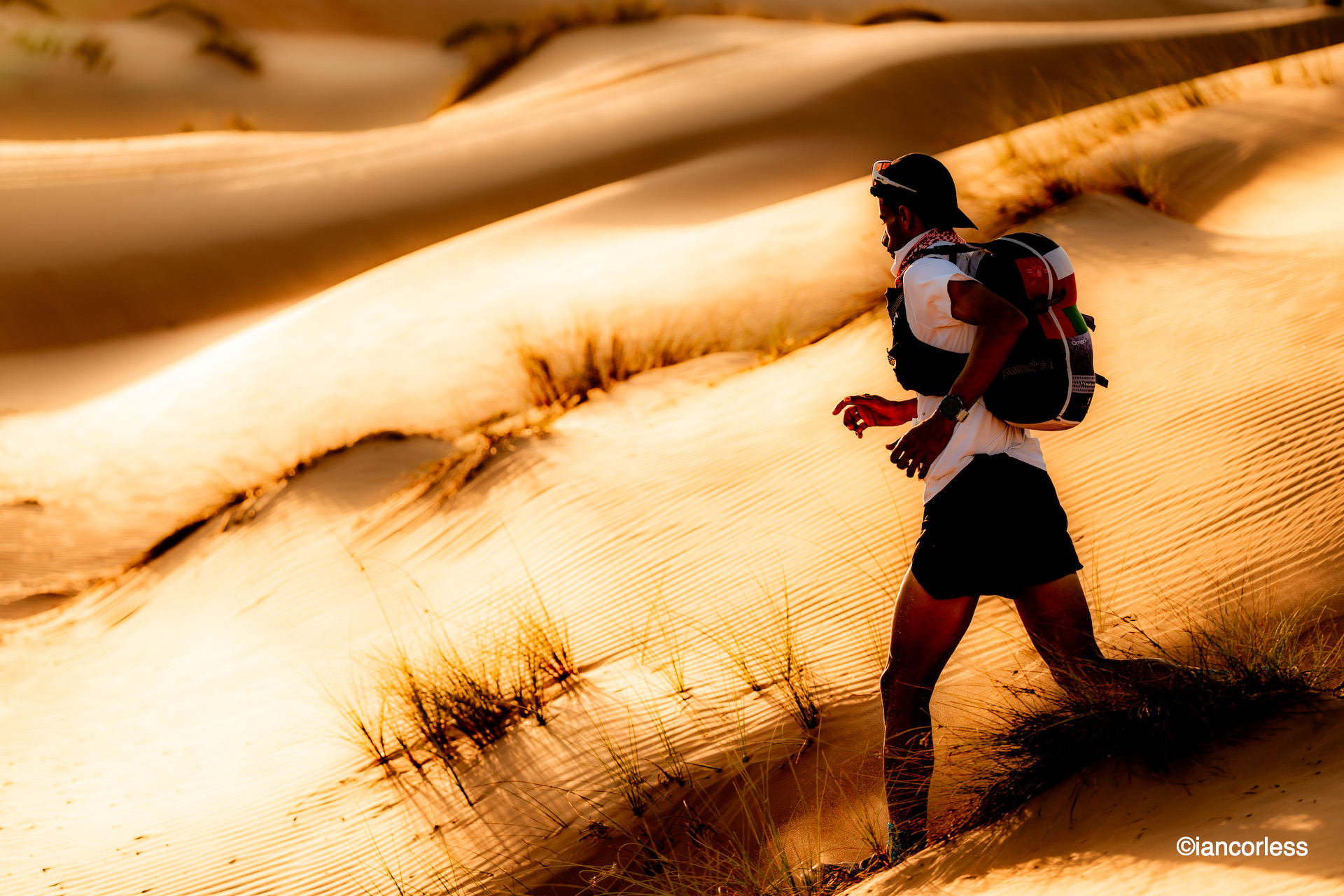
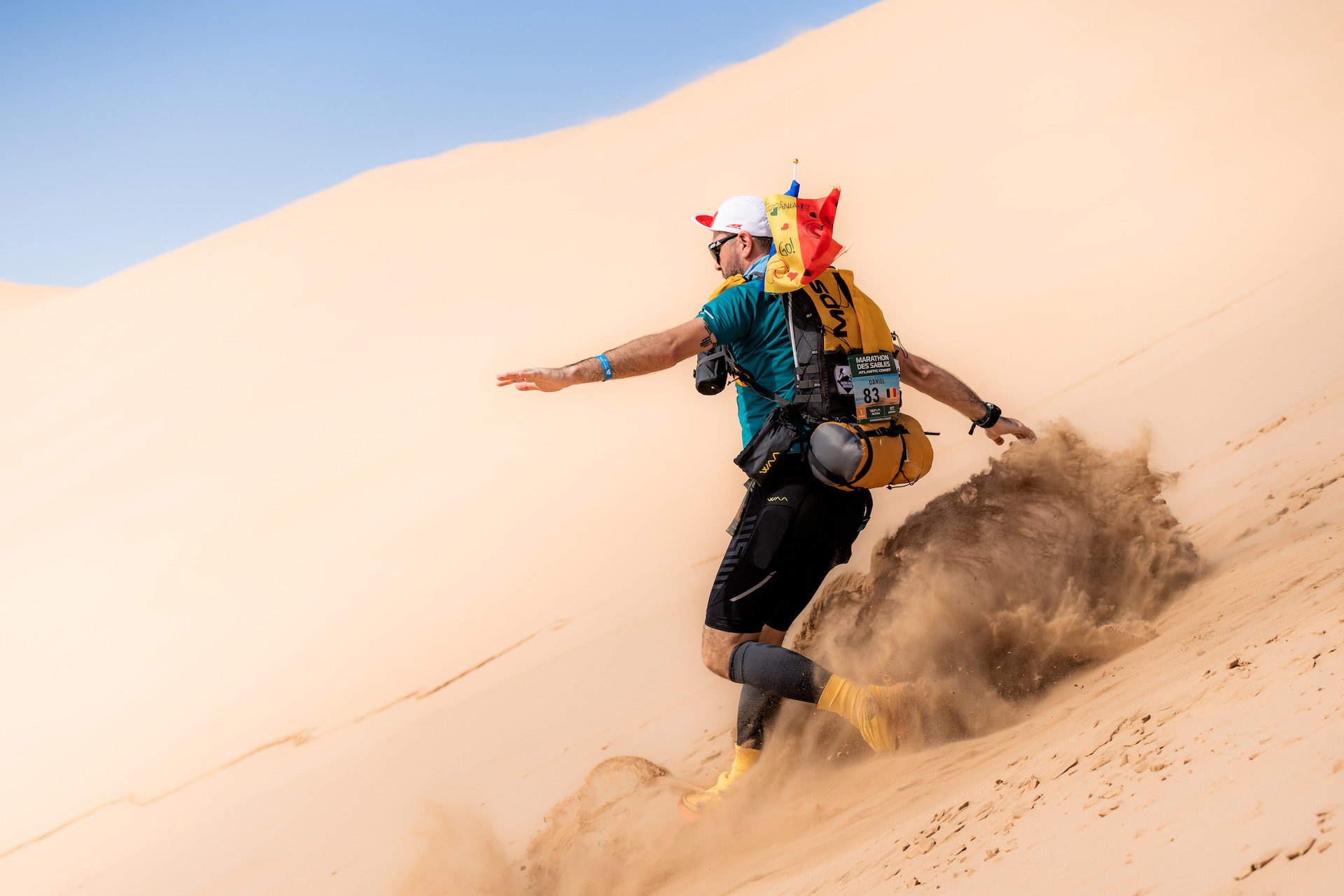
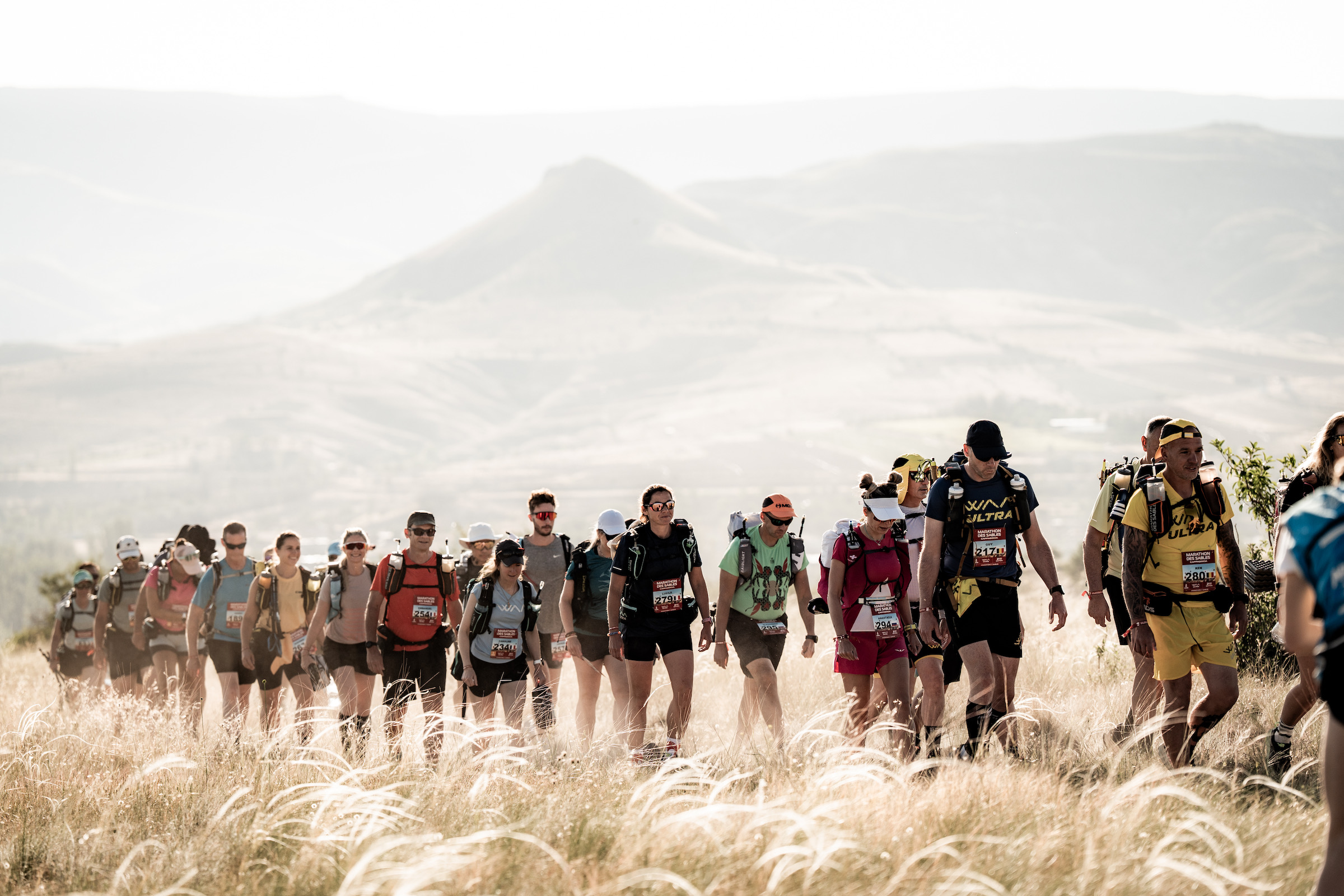
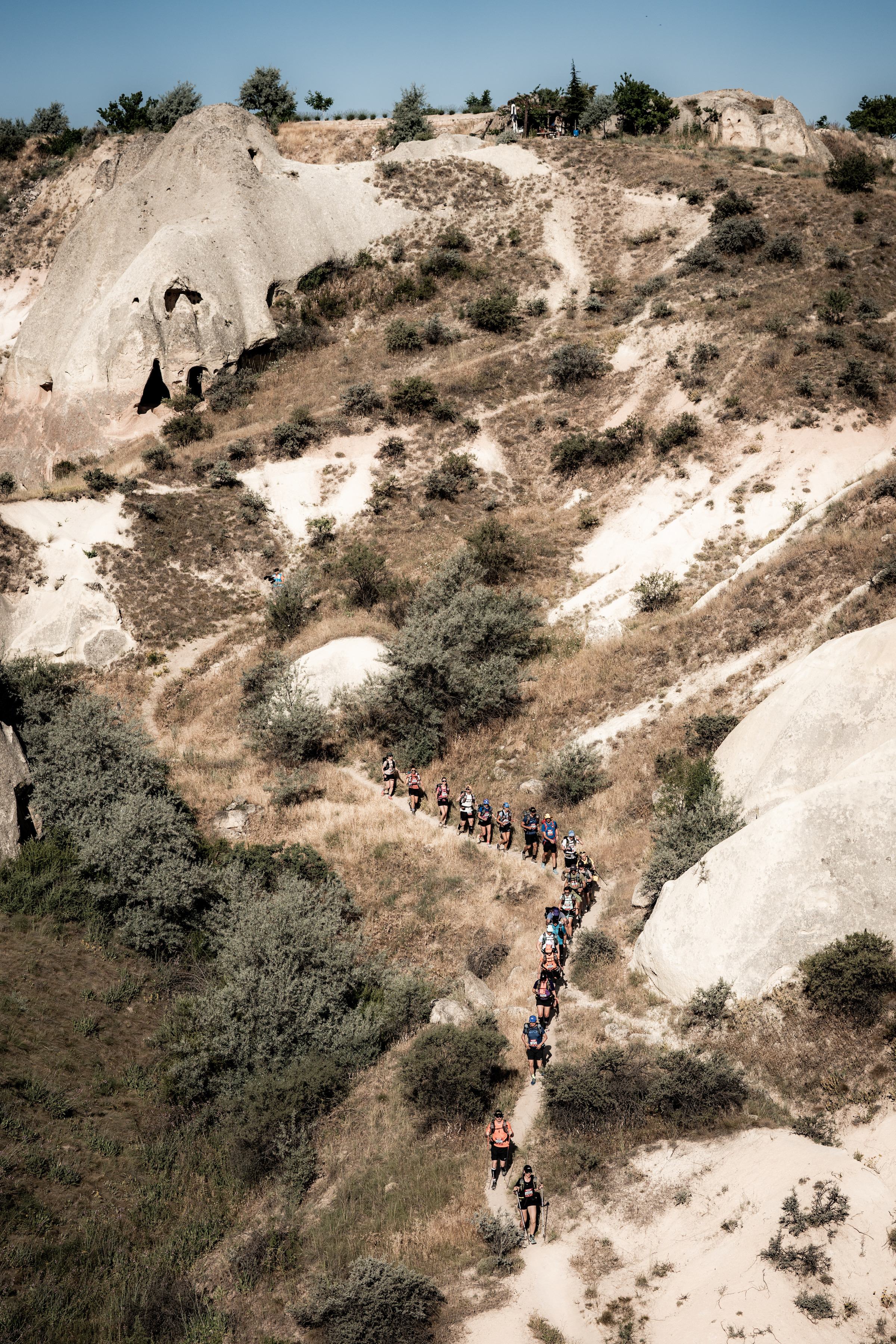
Stage 1 of the 2nd edition of MDS 120 Cappadocia kicked off under the early light of an Anatolian sunrise, with 25 km’s of raw terrain waiting to test the field. A race drawing runners from 25 countries, with 62% of the field made up of women, the stage offered more than just a test of fitness. It celebrated resilience, international camaraderie, and the wild beauty of one of Earth’s most spectacular landscapes.

MDS 120 Cappadocia LIVE HERE

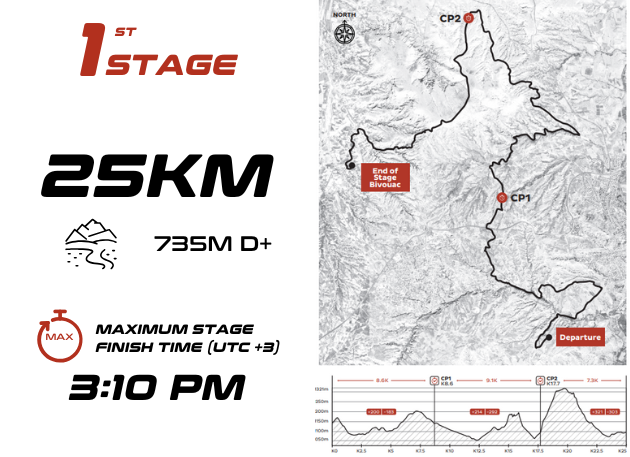
Start: Göreme valley
8:00 AM (UTC+3)

Distance: 25km
Elevation gain: 735m
Arrival: Bivouac
Arrival time max: 03:10 PM (UTC+3)

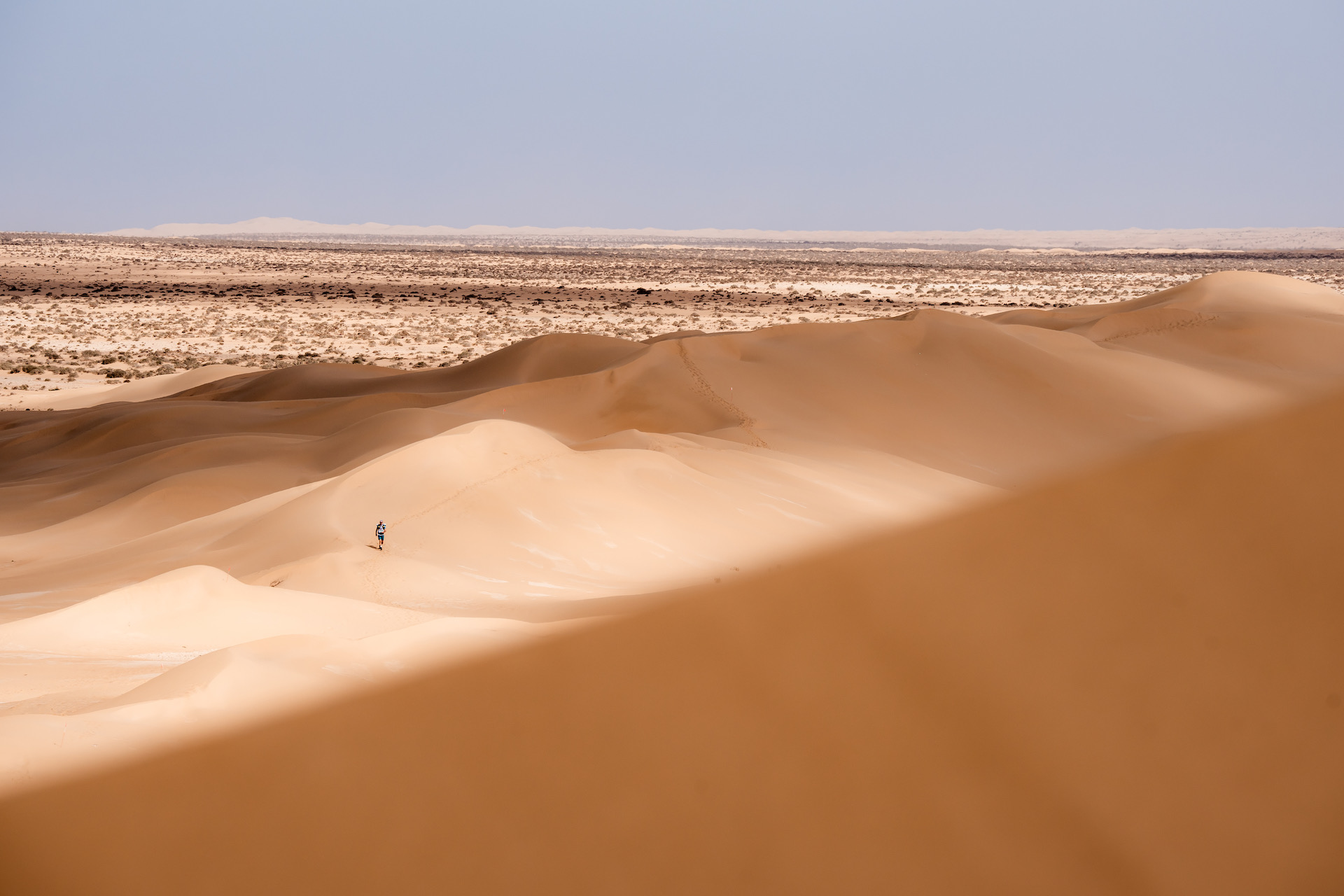
At 08:00, runners surged forward through soft dust and rising heat, chasing not just the finish line, but the promise of the valleys, ridges, and canyons that make Cappadocia a runner’s dream.

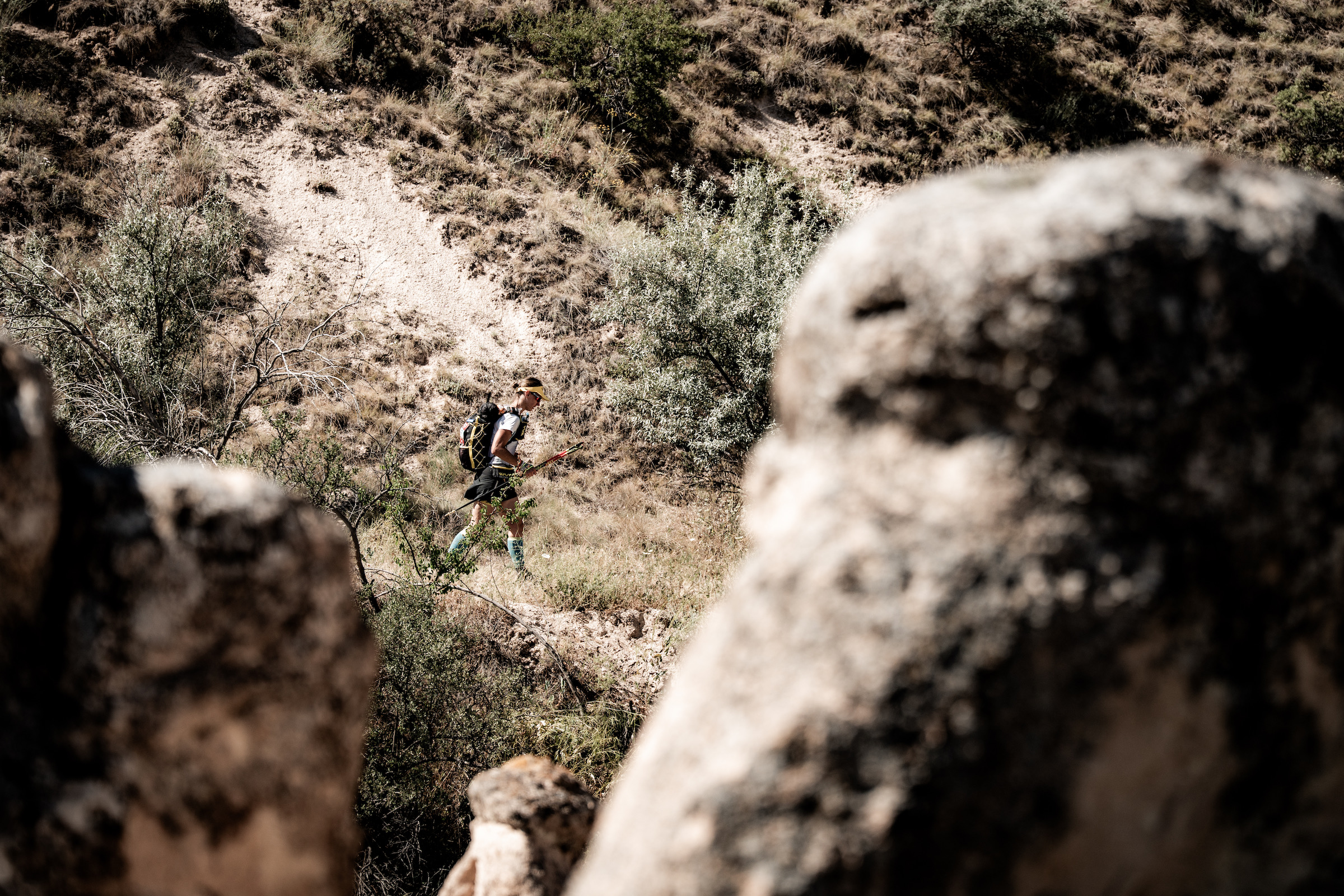
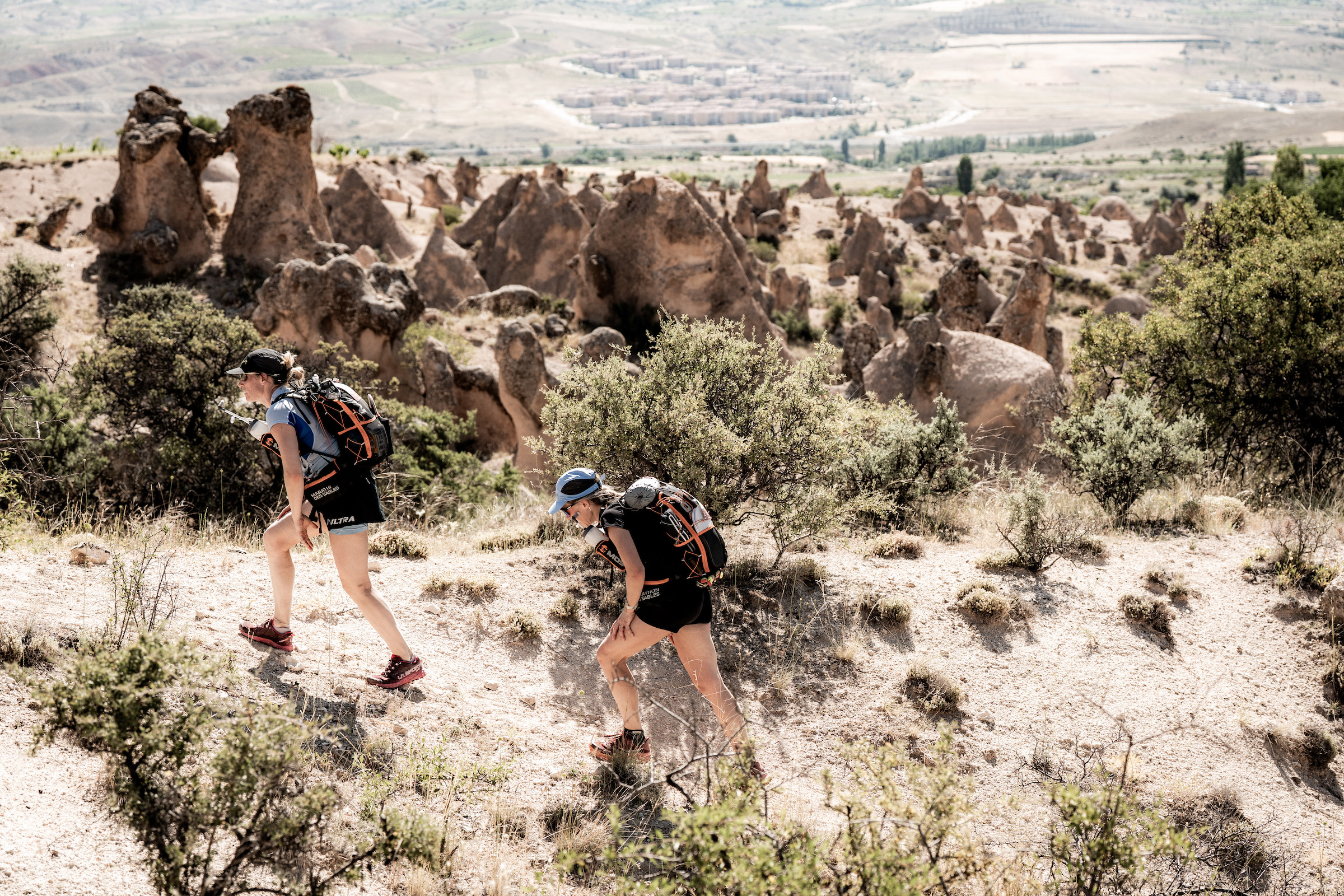
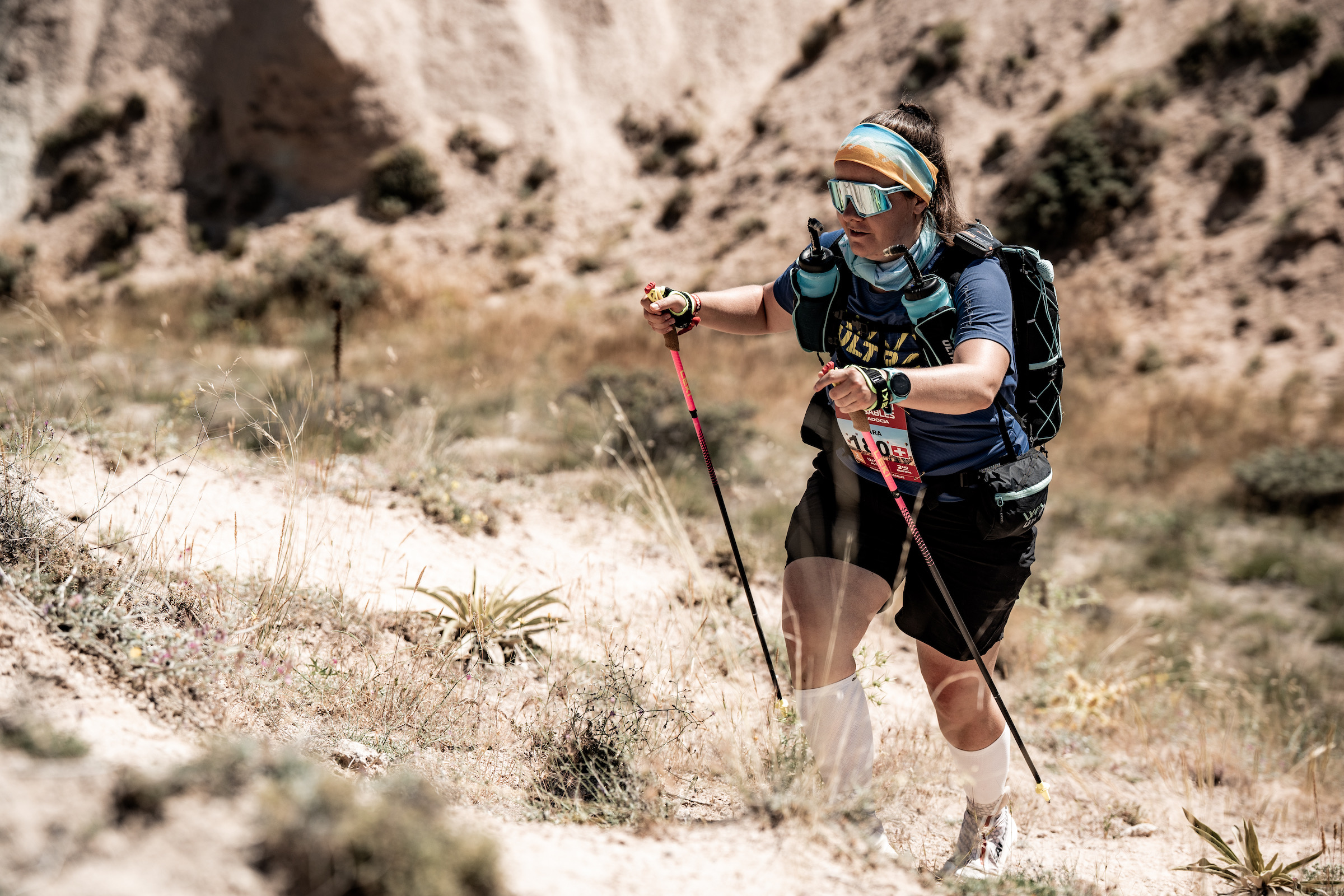
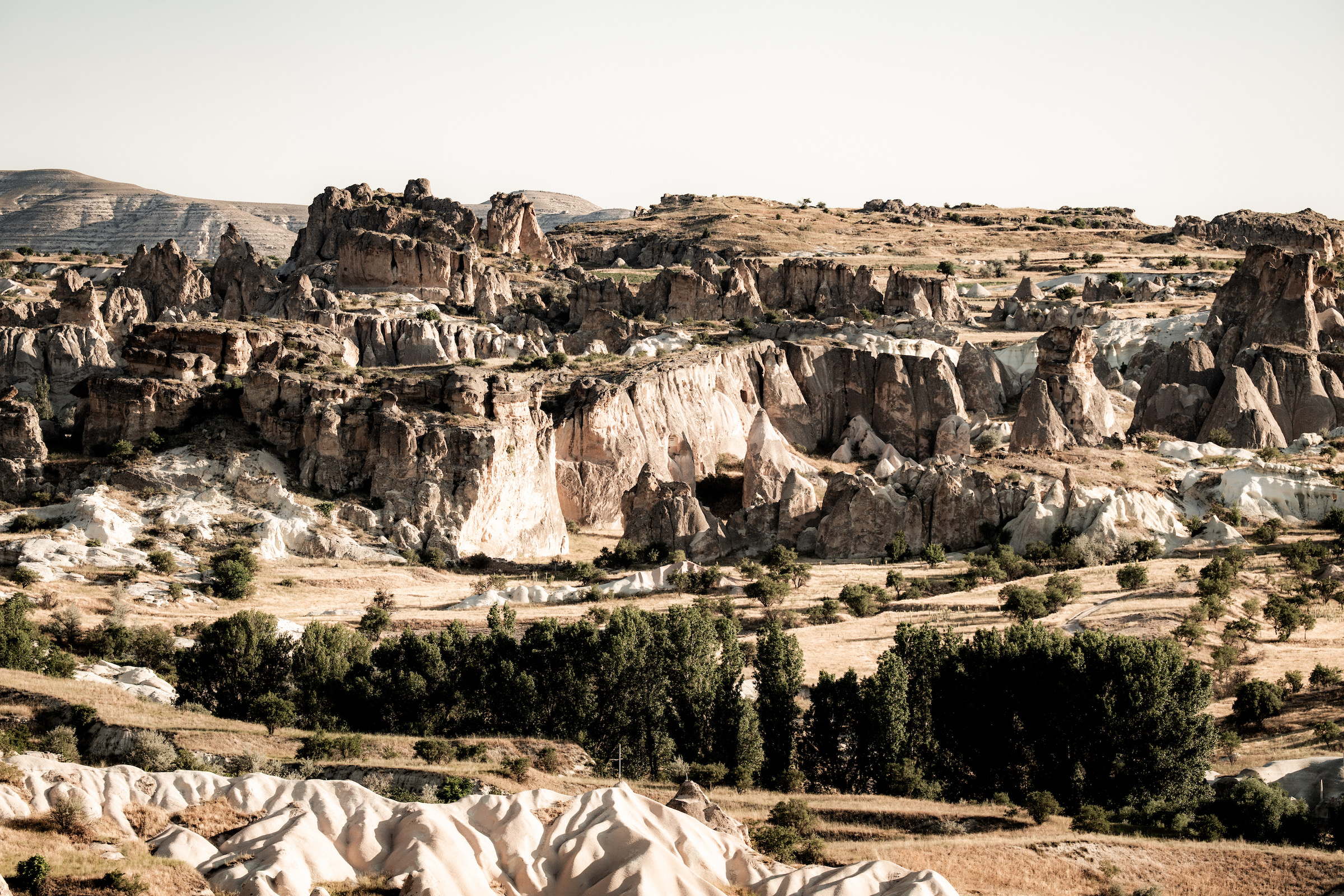
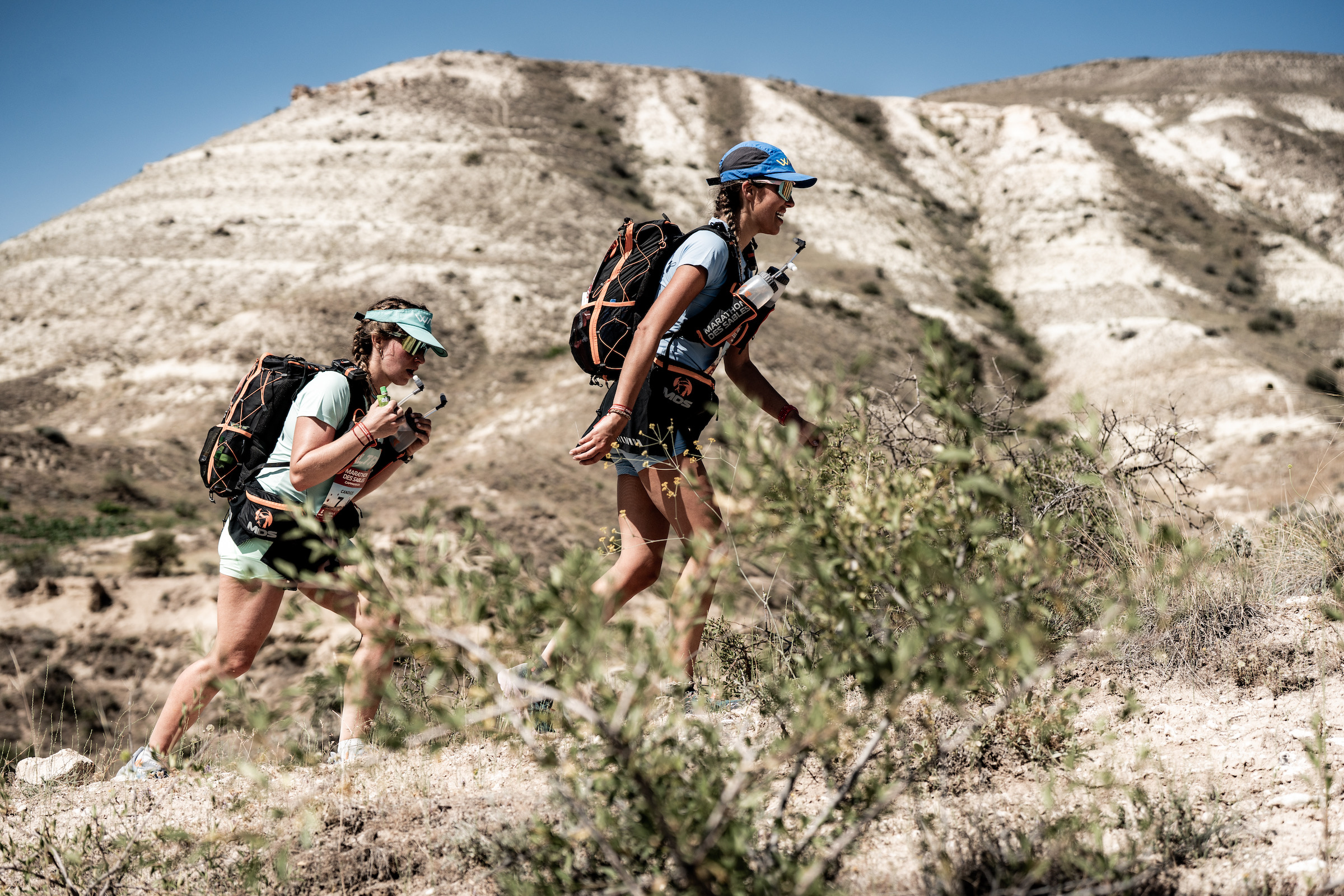
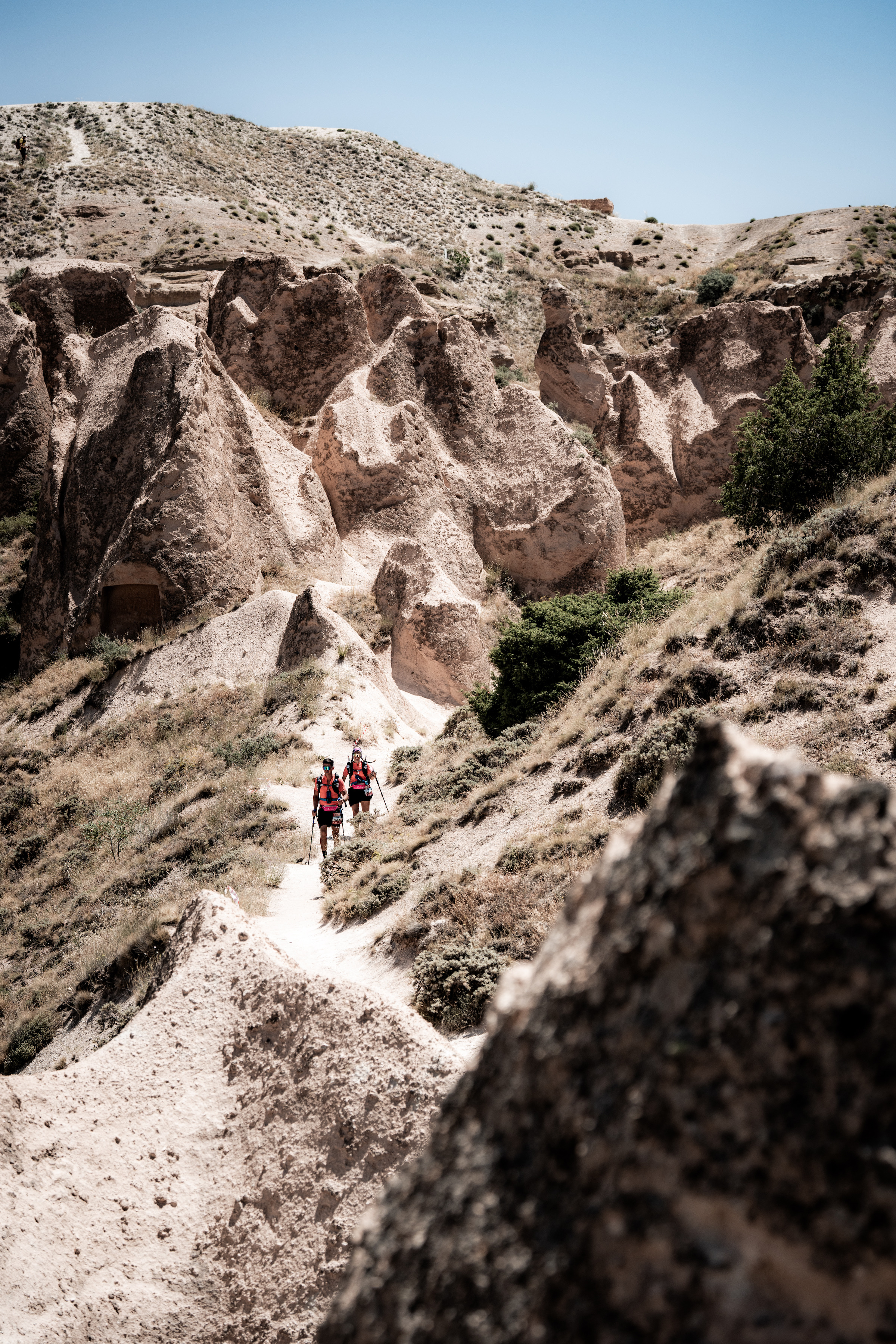
A perfect introduction to this region’s surreal terrain. Cappadocia’s sculpted rock formations and ancient pathways aren’t just scenic, they’re alive underfoot. The ground shifts from soft tuff to jagged stone without warning. Trails wrap through fairy chimneys, drop into hidden valleys, and climb ancient volcanic ridges that defy rhythm and punish pacing mistakes.

In Sword Valley, the finish line was framed by tall rock blades that towered like silent spectators. But before that moment of glory, runners had to earn it, through a twisting, relentless route that refused to give them anything for free.

This stage, at 25km’s, may have been short by ultra standards, but it made up for that in technicality and vertical grind.

“That climb? That was a truth serum to the CP,” said one British runner, laughing between gulps of water.

“I’ve raced ultras all over the world, and I’ve never seen terrain like this,” 

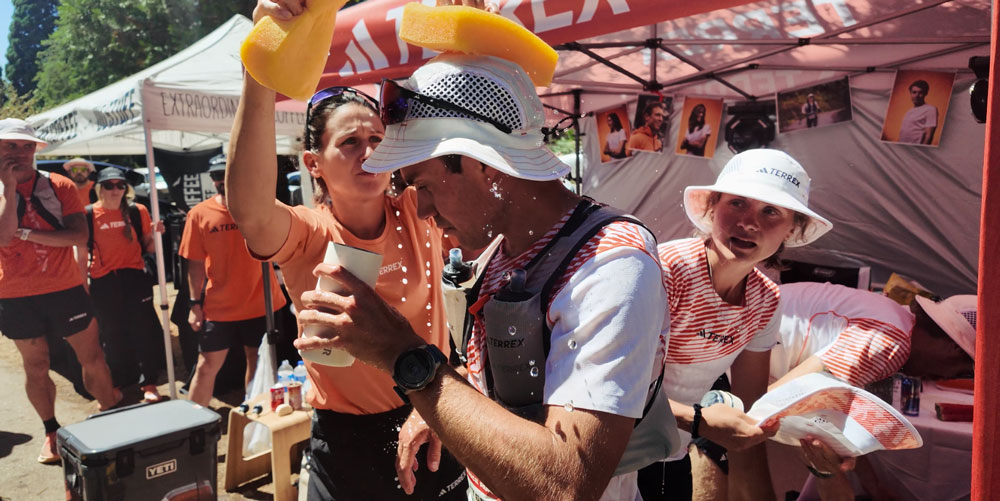
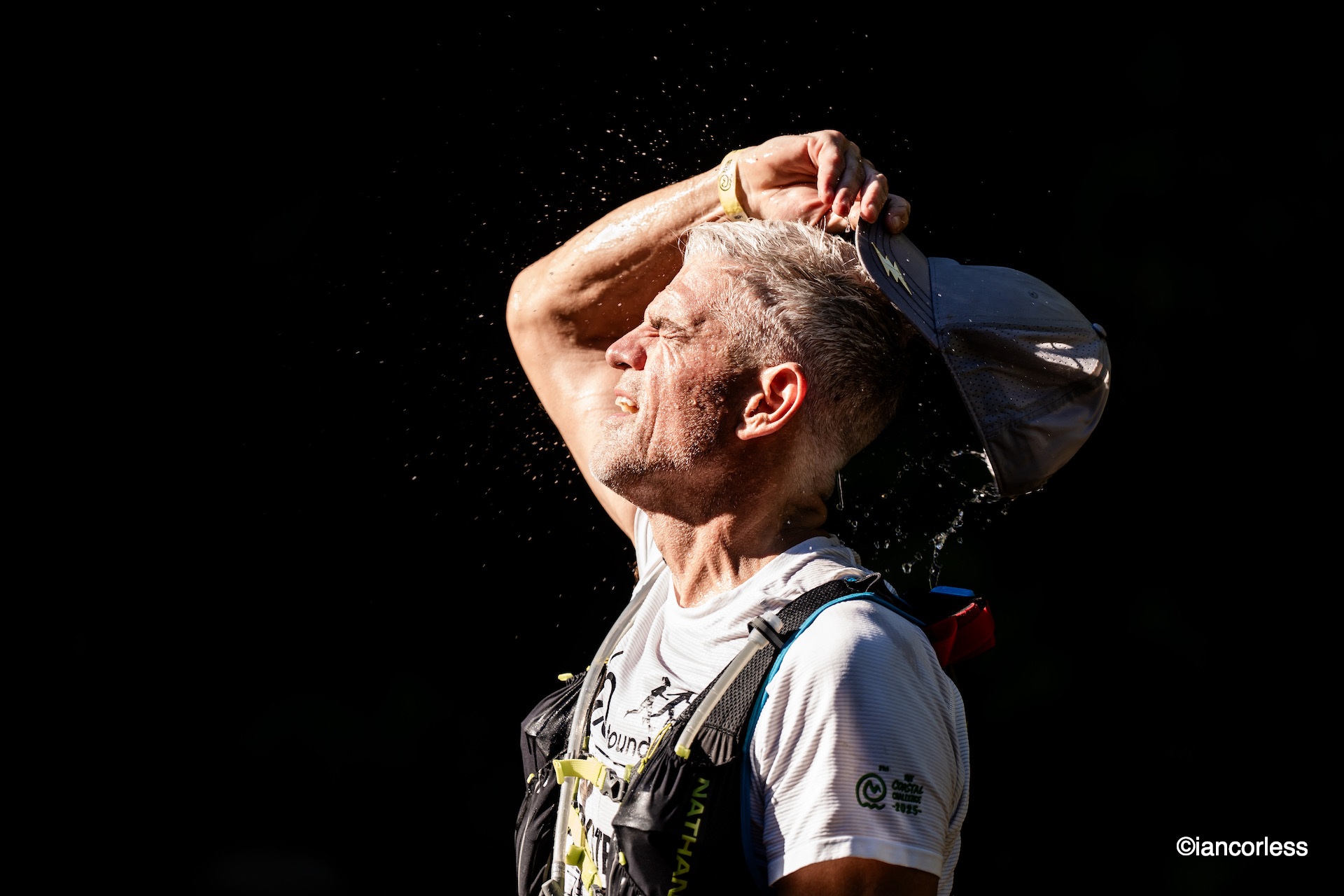
This was only the opening round, but already the stage has shaped expectations for the rest of the MDS 120 Cappadocia: With deeper valleys, hotter days, and longer distances on the horizon, strategy will start to matter even more. Pacing, hydration, and mental grit will be required in abundance, especially with increasing hotter temperatures.

Equal parts brutal and beautiful, it gave runners a taste of what’s ahead: unpredictable terrain, and heat. The landscape demands respect. The heat punishes the arrogant. And the first finish line felt like a small rebirth.

One stage down. Two to go. Cappadocia has opened the door and it’s not letting anyone through without a fight.

Marathon des Sables website HERE

Follow Ian Corless

Instagram – @iancorlessphotography

Twitter – @talkultra

facebook.com/iancorlessphotography

Web – www.iancorless.com
Web – www.iancorlessphotography.com

The Romsdal Method – A Gritty Ode to Community, Mountains & Method

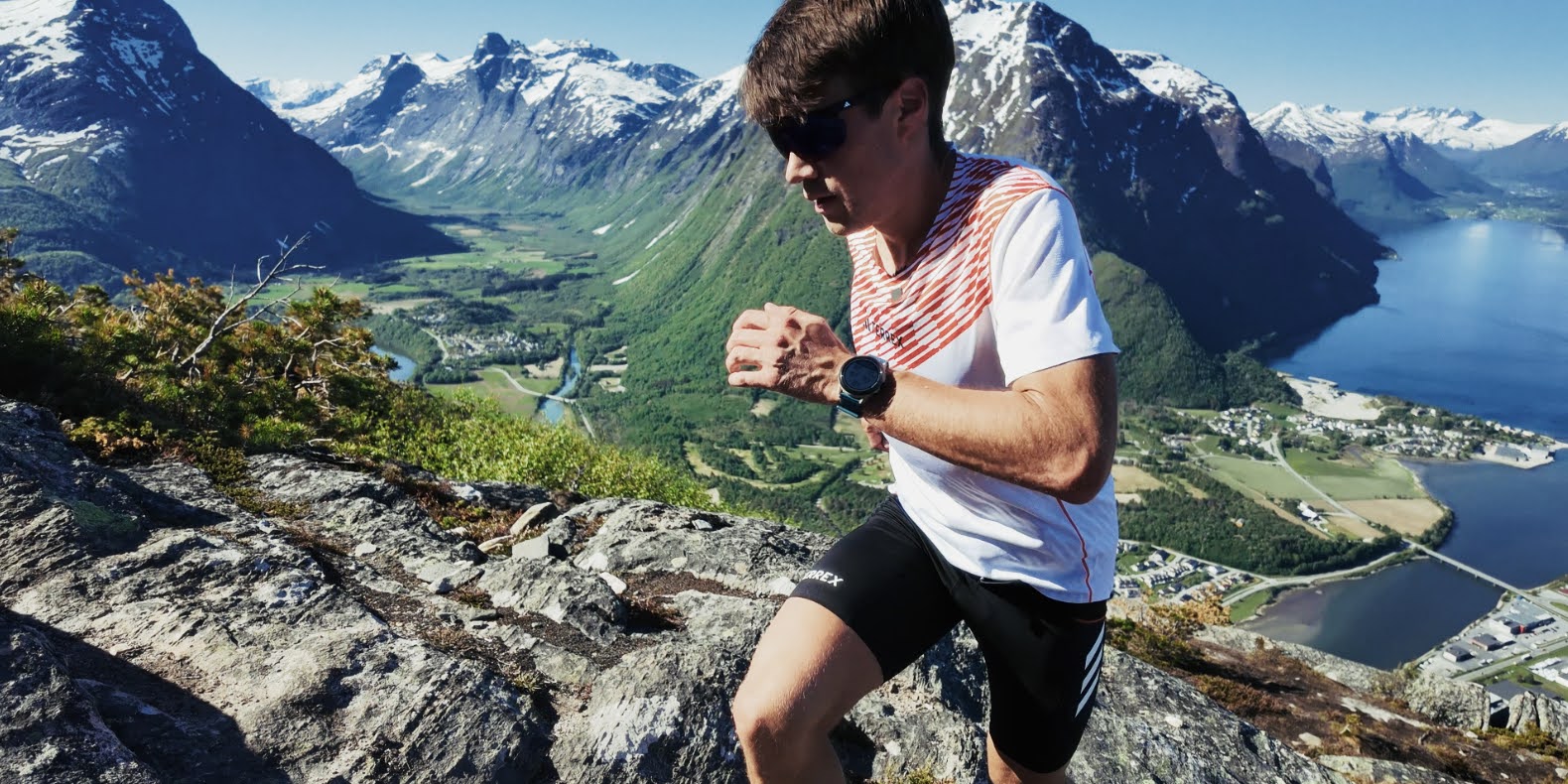
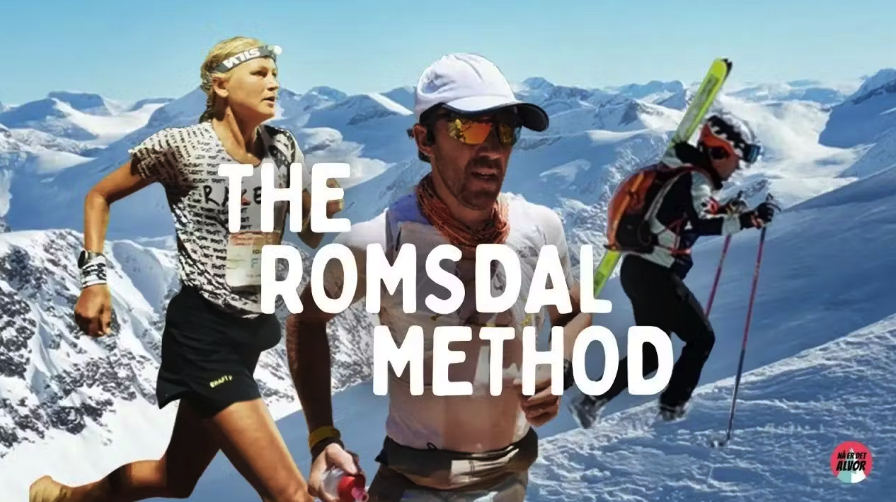
The Romsdal Method, directed by Hans Kristian Smedsrød, is a raw, immersive journey into the rugged training ethos of Romsdal, a Norwegian valley transformed into a living, breathing performance lab. Inspired by Kilian Jornet and Emelie Forsberg, three elite/ultra athletes: Ida Nilsson (Sweden), Jon Albon (Britain), and Petter Engdahl (Sweden) join this hub to progress their careers. What begins as a quiet exploration soon morphs into a testament to friendship, mutual respect, and the transformative power of place-based training.

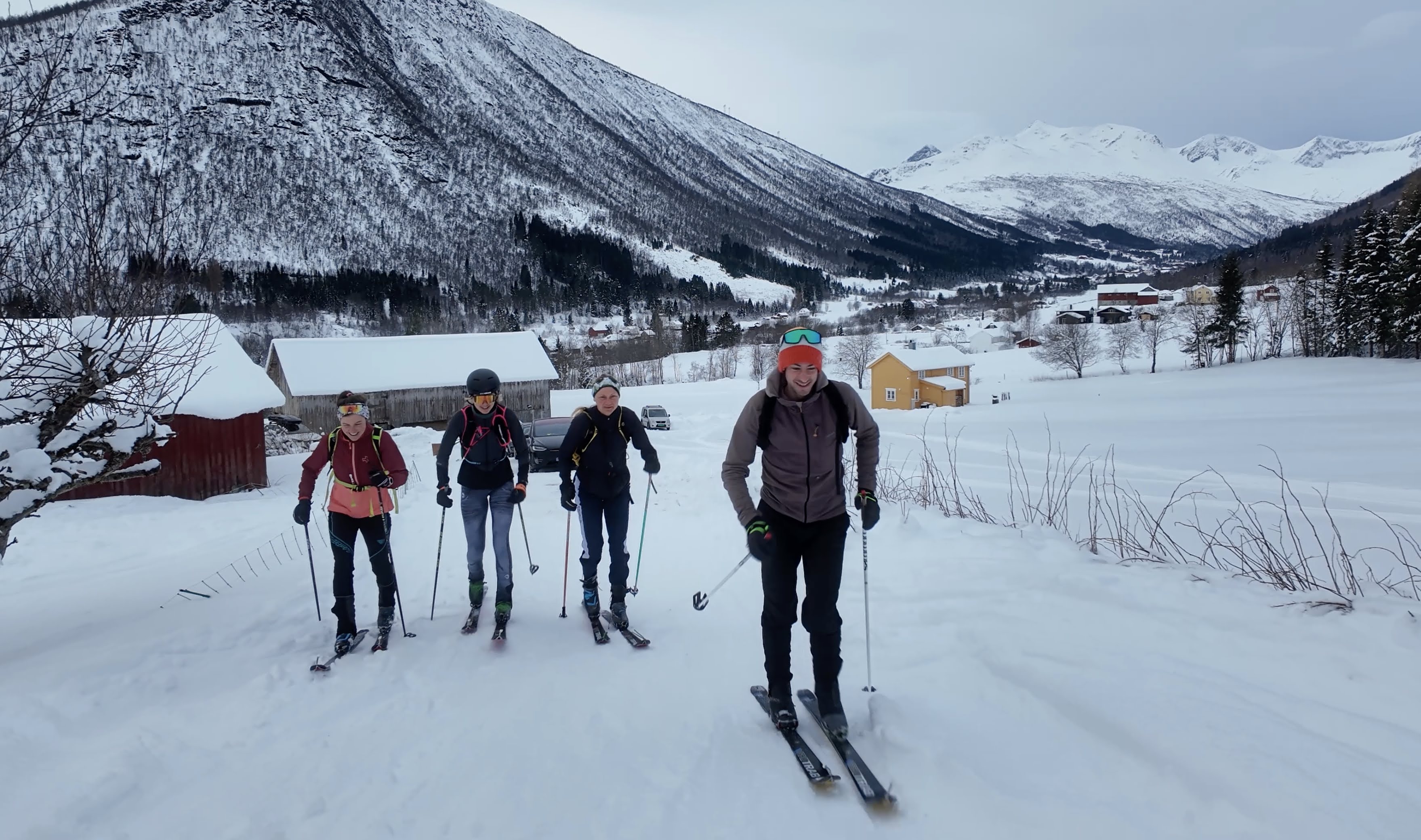
Group training

There are no egos here, on the contrary, there is a calm, understated respect of experience and knowledge. At the helm, the inspiration for Jon, Petter and Ida comes from Kilian who has pioneered the way for training in Romsdal.

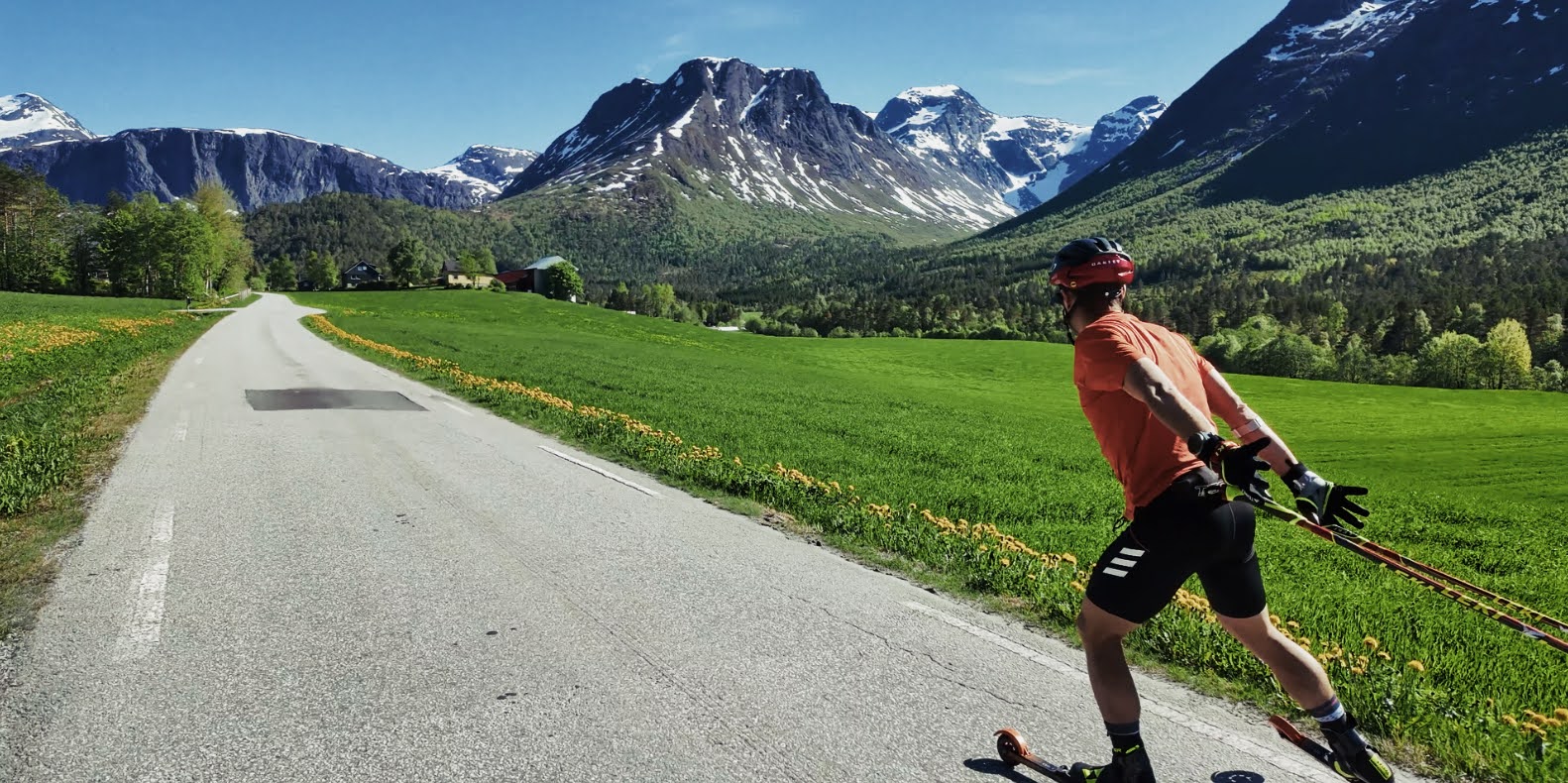
Petter on roller skis

Petter sums it up in a moment of reflection:

“Being the best in Romsdal and being the best in the world is kinda the same thing, it’s what makes this valley so insane.”

Jon, the Brit, is very much the scientist, the thinker, the analyst. He has a dry British humour that even Kilian acknowledges. Jon is a legend of the sport, a powerhouse athlete and he is the calming element that binds the group of three. Training sessions for Jon need to make sense, they need to be specific. His unassuming presence and measured discipline highlight the balance between elite drive and heartfelt connection with place and people.

Jon being specific with training

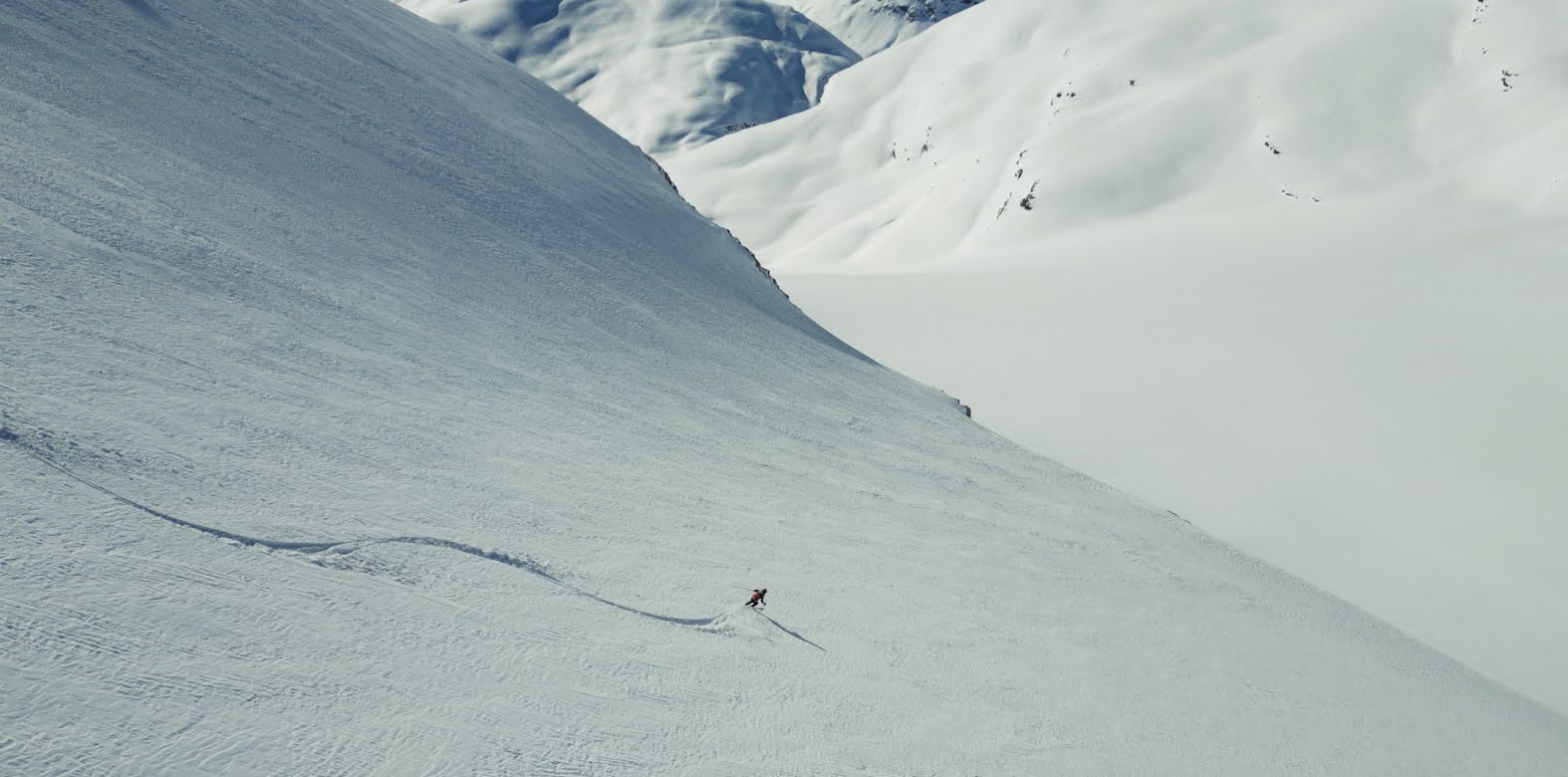
Ida, with a career that stems back to track running is an introspective, warm, and has a complete dedication and passion for sport. Sincere, sometimes quietly exuberant, Ida is motivated to perform, she’s looking for performance gains but at the same time, as shown on a ski mountaineering trip on a beautiful day, just being in the mountains for hours is what makes this life tick.

Ida in the best playground pointing to which peak she will climb

Petter, is calm, quiet, solid. He’s about grit and focus. He’s the silent undertow who likes his actions to speak louder than words, providing testament to a man pursuing the edge. He moved to Romsdal to be with and train with the best; Jon and Kilian. He acknowledges, that sometimes, particularly in his first year, that this ‘training’ in itself can be too much.

Petter at the top of Nesaksla

In many ways it can be summed up with a sound bite from Kilian Jornet:

“And many of the routes where we are training, if you do a mistake, if you slide, it’s not that you will break your ankle or hurt yourself, it’s that you will die!”

Romsdal isn’t just a backdrop or place, it’s arguably the key protagonist of what shapes the story, the experiences, the life and the training of those who live there.

Towering granite, unpredictable weather, rivers through valleys, every scene in the film places Romsdal as central, it plays as a coach, mentor, and even antagonist. Ascending steep slopes, scrambling or racing up and down ski-mountaineering routes; the mountains demand creativity, humility and respect. As Jon says at the end of the film, this is maybe not the best place to live to train for many races that I do, but, I wouldn’t want to live anywhere else. Romsdal forces adaptation: intelligent, situational, and deeply rooted in respect for nature. A prime example coming from the Nesaksla session, which Petter admits, has been copied by athletes around the world.

Kilian Jornet

Kilian, the legendary Catalan mountain athlete, appears less as a star and more as a guiding spirit. His cameo moments, on screen and in conversation, provide quiet counsel: pushing boundaries, listening to one’s body, respect for the mountains, he  embraces why we move and he has an immense respect for his peers. Kilian has pioneered the way; his deep bond with the mountains humbles the athletes. He is arguably the spiritual north of Romsdal.

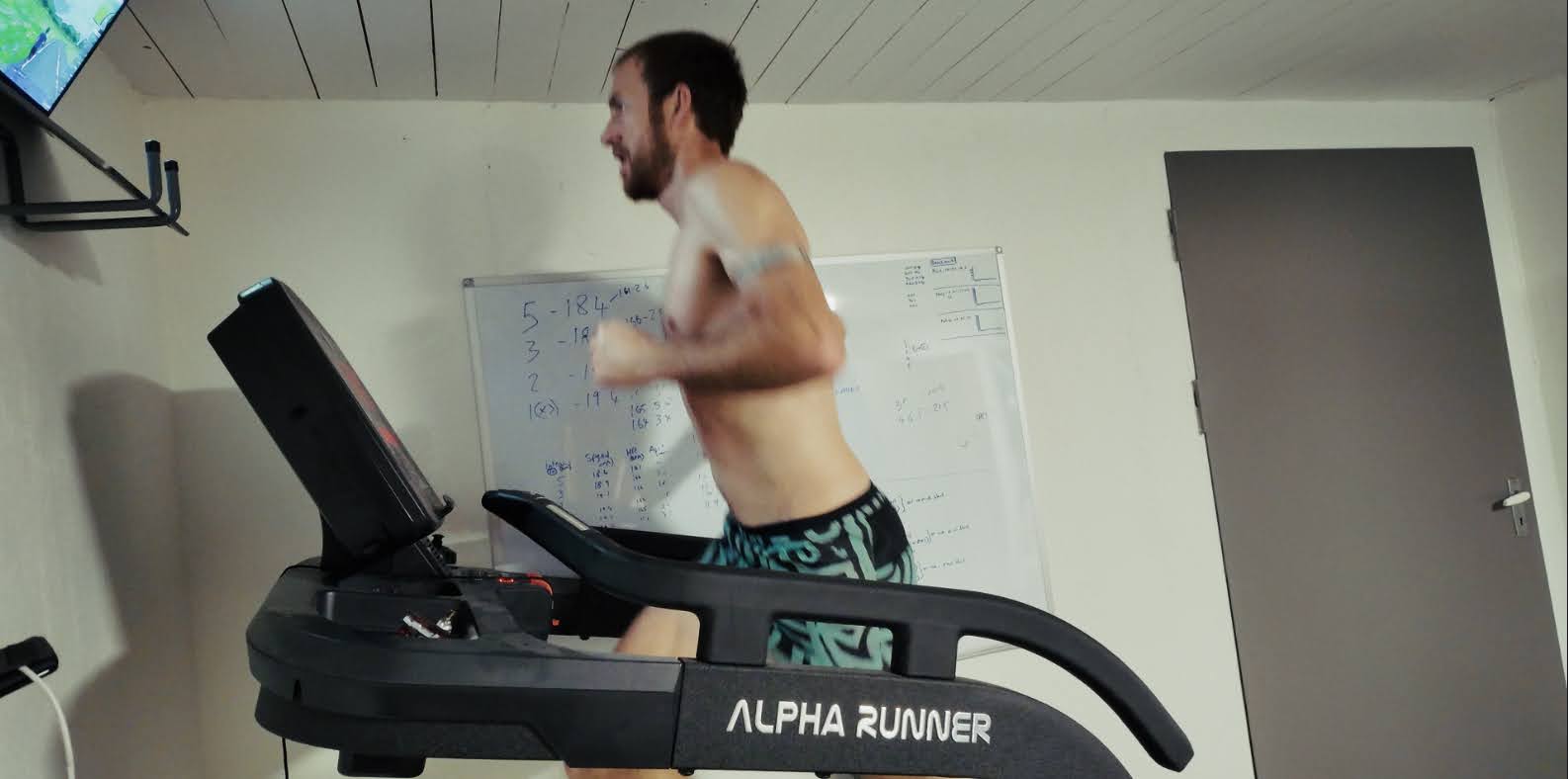
The film is called The Romsdal Method but there is no one answer here and Hans Kristian does a nice job of letting the location, the athletes and yes the weather, do a job of explaining that Romsdal requires creativity; multi-disciplinary skills, and community-driven training. A series of vignettes that show this, from epic ski mountaineering scenes, scrambling and climbing, cycling and yes, even the use of indoor sessions such as the treadmill.

Screenshot

It’s this layering of elements, skimo, run, scramble, climb, gym, cycle, heat work that defines the “method.” It’s adaptive, multi-modal, and very creative. It’s as much mental and communal than physical. And it’s deeply place-based: Romsdal is a training partner.

The first hour of the film lays the foundations for the Western States story, what sets The Romsdal Method apart is its emphasis on the collective group and how they each influence and help each others process.

These athletes didn’t relocate to Romsdal for solitude, they came to live and breathe together. From group runs, scrambling trips, skimo adventures and the sharing of knowledge indoors while next to a treadmill. Egos are not present, just respect: they challenge each other and they all listen and learn.

Hans Kristian made this a passion project. He spends the first 6-minutes of the film looking at a camera providing some history and outlining why the film came about. He’d be the first to admit that he came to this with little filmmaking experience and dare I say, this is arguably what makes The Romsdal Method appealing. Like the athletes, Jon, Petter, Ida and Kilian, Hans Kristian keeps the film raw and simple. There are some epic drone shots, wide angle shots of ridges, tight head-cams but ultimately, this is one man and a camera. 

At its core, The Romsdal Method is about belonging through movement. Each athlete finds clarity and authenticity through their pursuits and Hans Kristian manages to capture this through simple conversation.

A bigger budget could have added more effects, more cameras, extra editing time and countless other transformations, but, would it have made the film better? In a world chasing flashy results, screen time, and metrics, this film says: slow down, surround yourself with people who respect the story and let the athletes and the story do its job.

When we get to Western States, we are of course interested in the outcome, but, in many ways it almost seems secondary. Each athlete, of course, has a story to tell and each athlete performs at the highest level. Each viewer, I am sure, felt the pain of Petter’s fall and the potential disaster that this could create, his turnaround was phenomenal. We relish seeing Jon put the ice plan to use and make a top-10 debut in his first 100-mile race. We see Ida push with grit and determination and despite not feeling great, once again makes the top-10 and smashes the masters record. The Western States story is told both visually and with a series of post-race interview soundbites. The stories here just confirm that The Romsdal Method worked.

In conclusion, The Romsdal Method is not just a training film; it’s a journey into how place, community, and friendship can redefine performance. There are no shortcuts, it explains that a love for the sport, sweat, raw practice, and the joy of connection with others is what brings results. You, as a viewer are invited to reimagine your own training and ask simple questions of, ‘how do I train, where do I do it, who do I do it with and why?’

If you crave friendship, mountains, and the satisfaction of honest hard work, Hans Kristian’s film is essential. It may not be slick, but it has a genuine soul. And in a world drowning in disconnect, The Romsdal Method is a reminder that the deepest gains come not from gadgets, but from dedication, grit, passion all under taken under open skies that blanket Romsdal.

All images are used with permission of Hans Kristian Smedsrød ©

Purchase the film HERE

Follow Ian Corless

Instagram – @iancorlessphotography

Twitter – @talkultra

facebook.com/iancorlessphotography

Web – www.iancorless.com
Web – www.iancorlessphotography.com

The Coastal Challenge Costa Rica 2025 – Stage 5

Photo by Ian Corless

Nobody really expected more drama for stage 4 after the epic battle between Erick and Pierre. However, as darkness arrived, the heavens opened for a relentless downpour that lasted hours and hours. Camp was wiped out with flooded tents and countless runner’s seeking refuge in any shelter possible.

Photo by Ian Corless

It made for a night of wet clothes, broken sleep and very tired bodies come the 0300 wake up call.

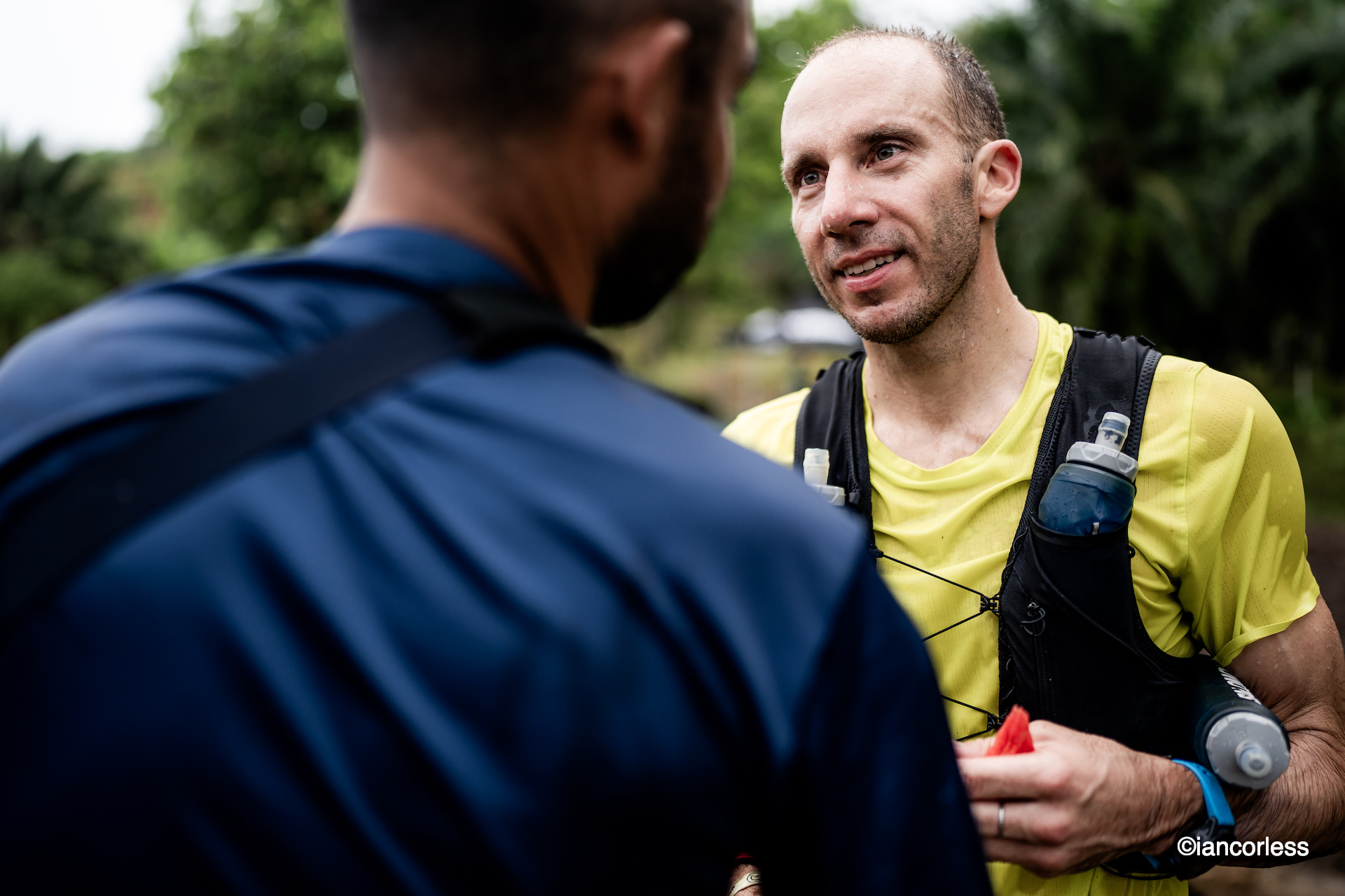
With a tough day ahead, many, looked less than happy at the prospect of 23 or 41km’s. Pierre Meslet summed it just with his look, he was exhausted and somewhat resigned to ‘getting through the day’ and saving it all for the last day.

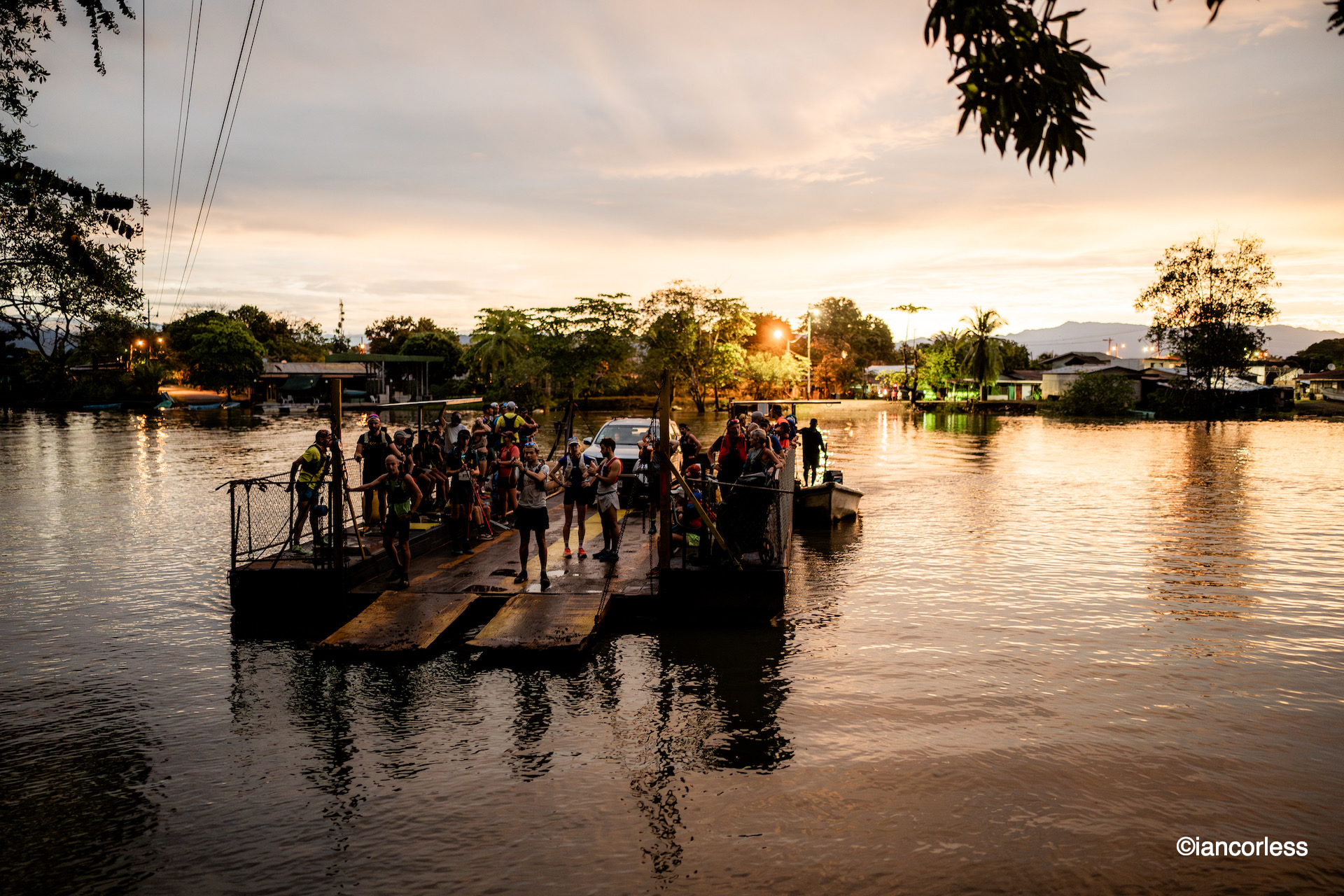
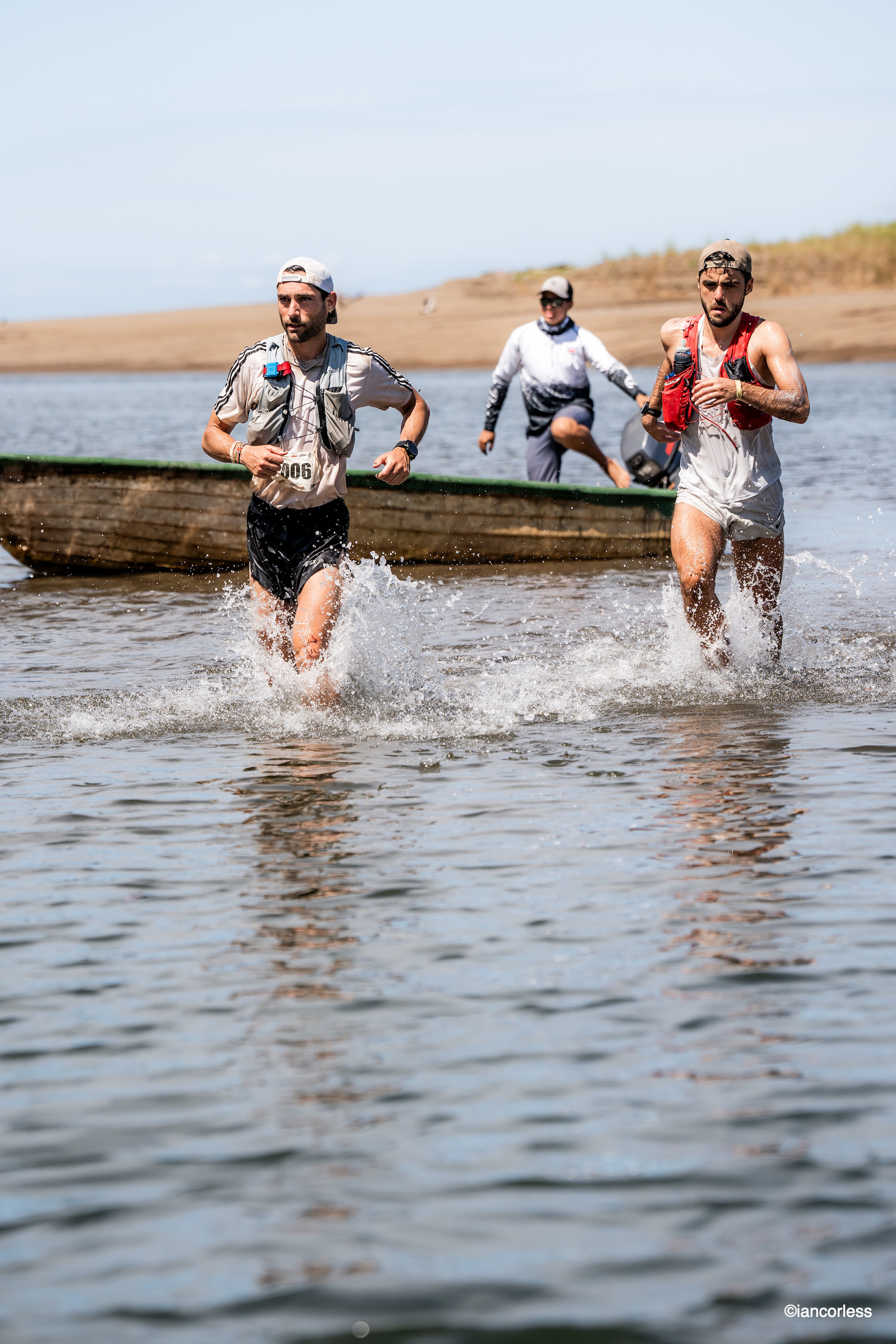
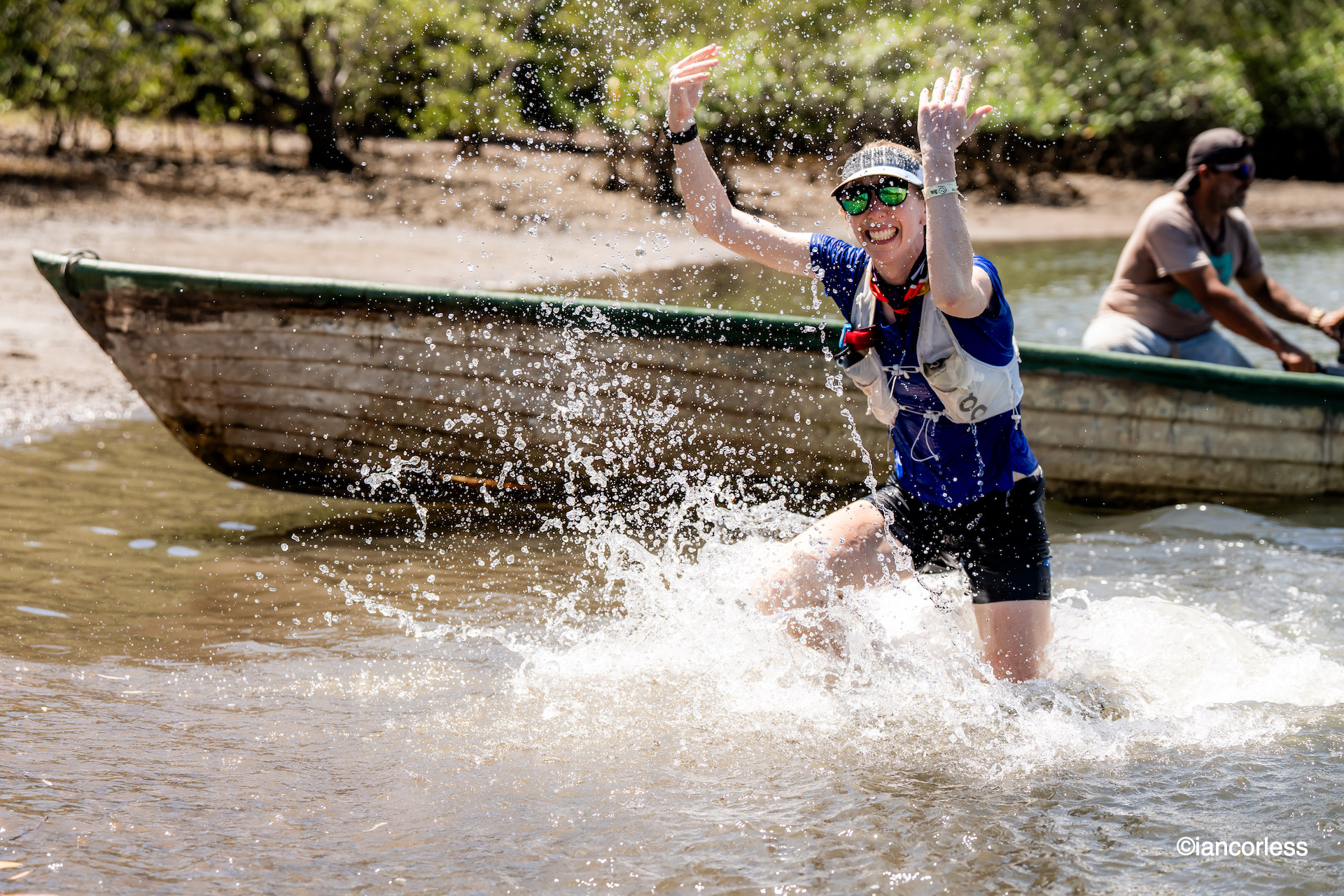
An early crossing of the Sierpe river and the race was soon underway, gladly, Erick Aguero was running, albeit with his arm in a sling.

Photo by Ian Corless

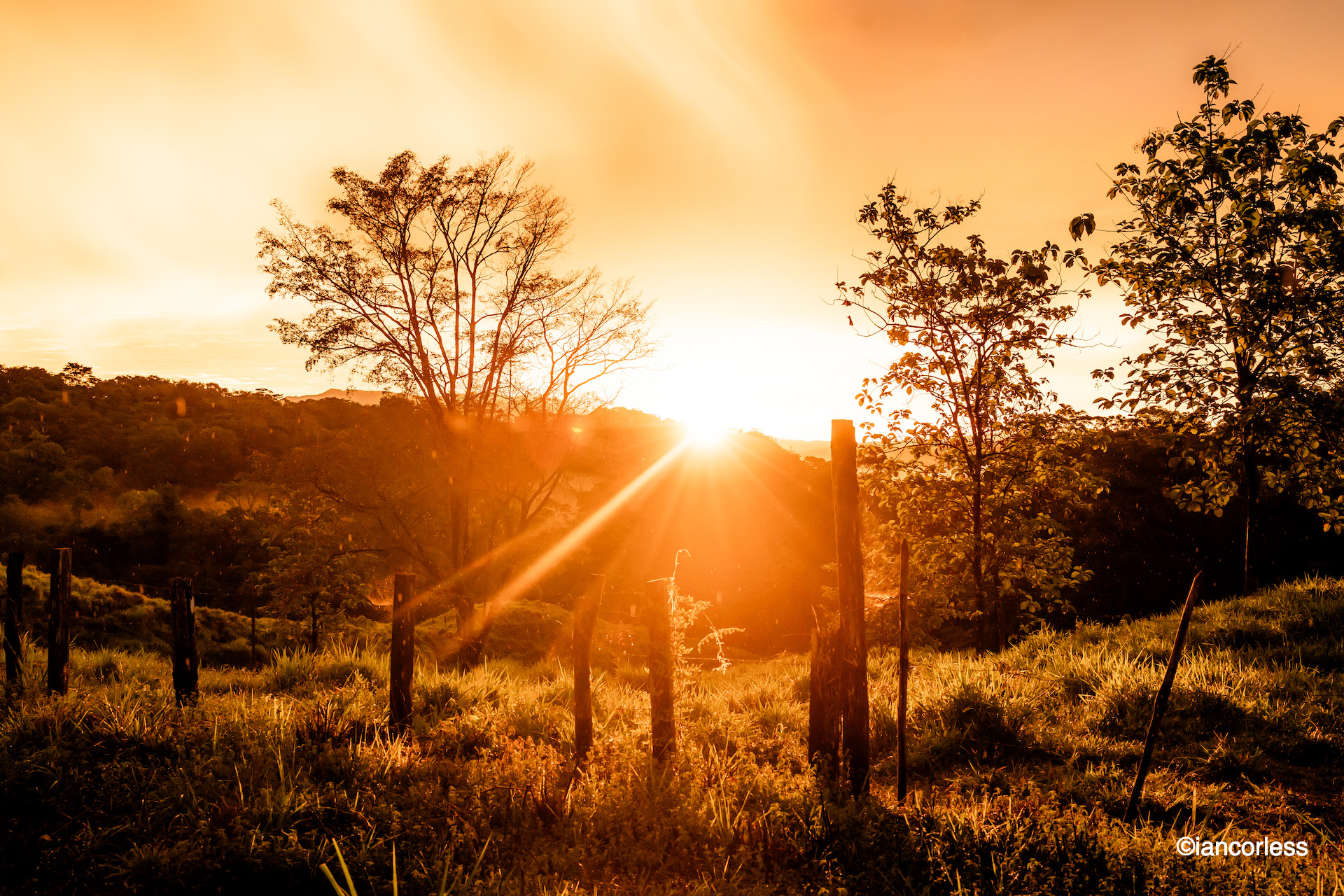
An incredible golden sunrise gave optimism to the day.

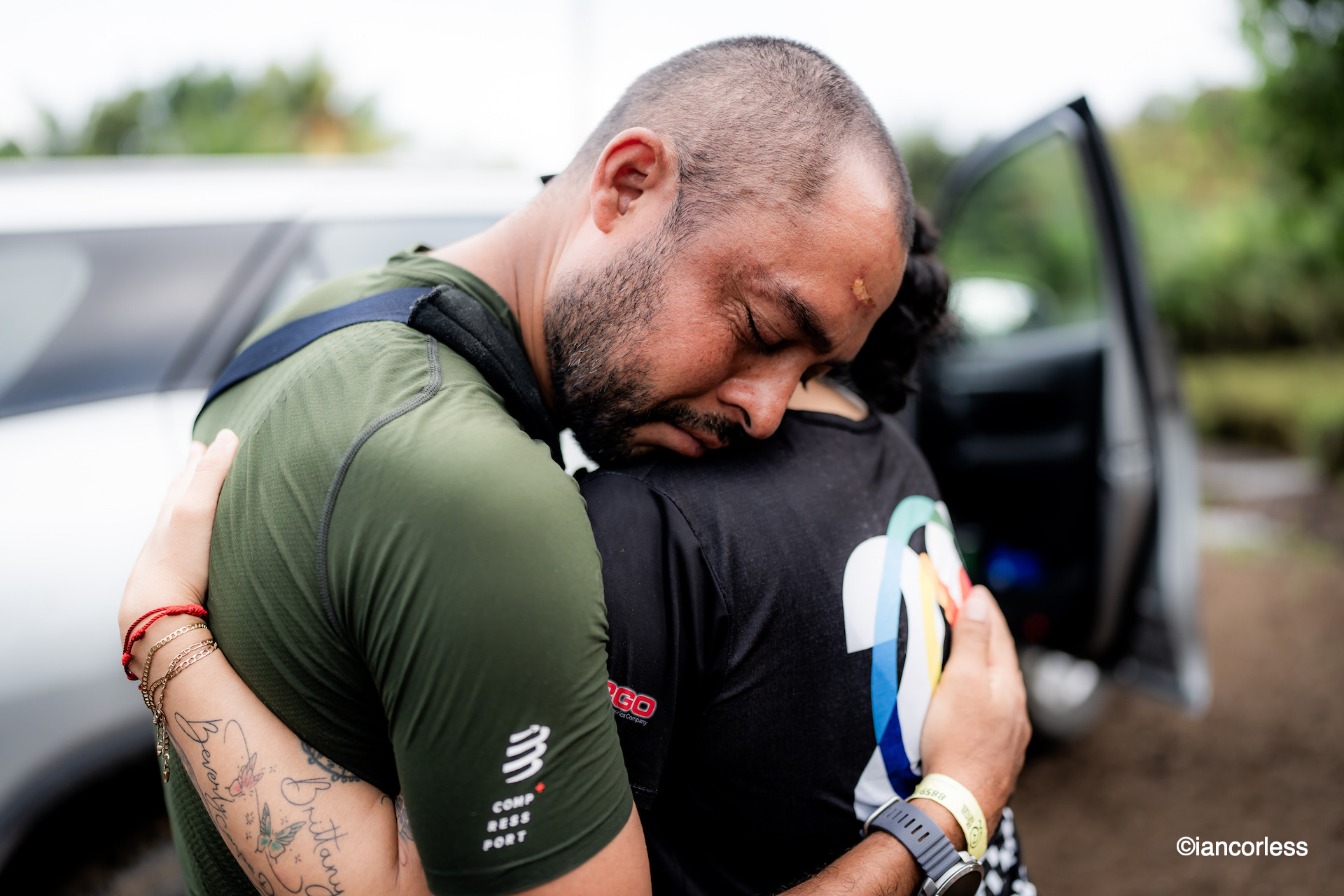
However, this optimism soon disappeared with the withdrawal of Erick. The pain was all too much and he emotionally took of his number and said goodbye to TCC2025.

Photo by Ian Corless

Pierre was leading the race but the sight of Erick waiting at cp1 was all too much for him. The duo had an emotional exchange and with the lack of pressure from a great competitor, a very tired mind and body, Pierre took his foot of the gas and ran easy all the way to the finish.

Photo by Ian Corless

Allan Barrielle and Sergio Turull took advantage of the situation and they ran hard to the line for a well deserved victory on the stage.

Photo by Ian Corless

For the women, Katie Young once again dominated the day, but she was feeling the fatigue from a sleepless and exhaustive night.

Photo by Ian Corless

Lucia Jarquin and Maria Jose Corrales once agin ran strong days to secure their respective 2nd and 3rd places.

Photo by Ian Corless

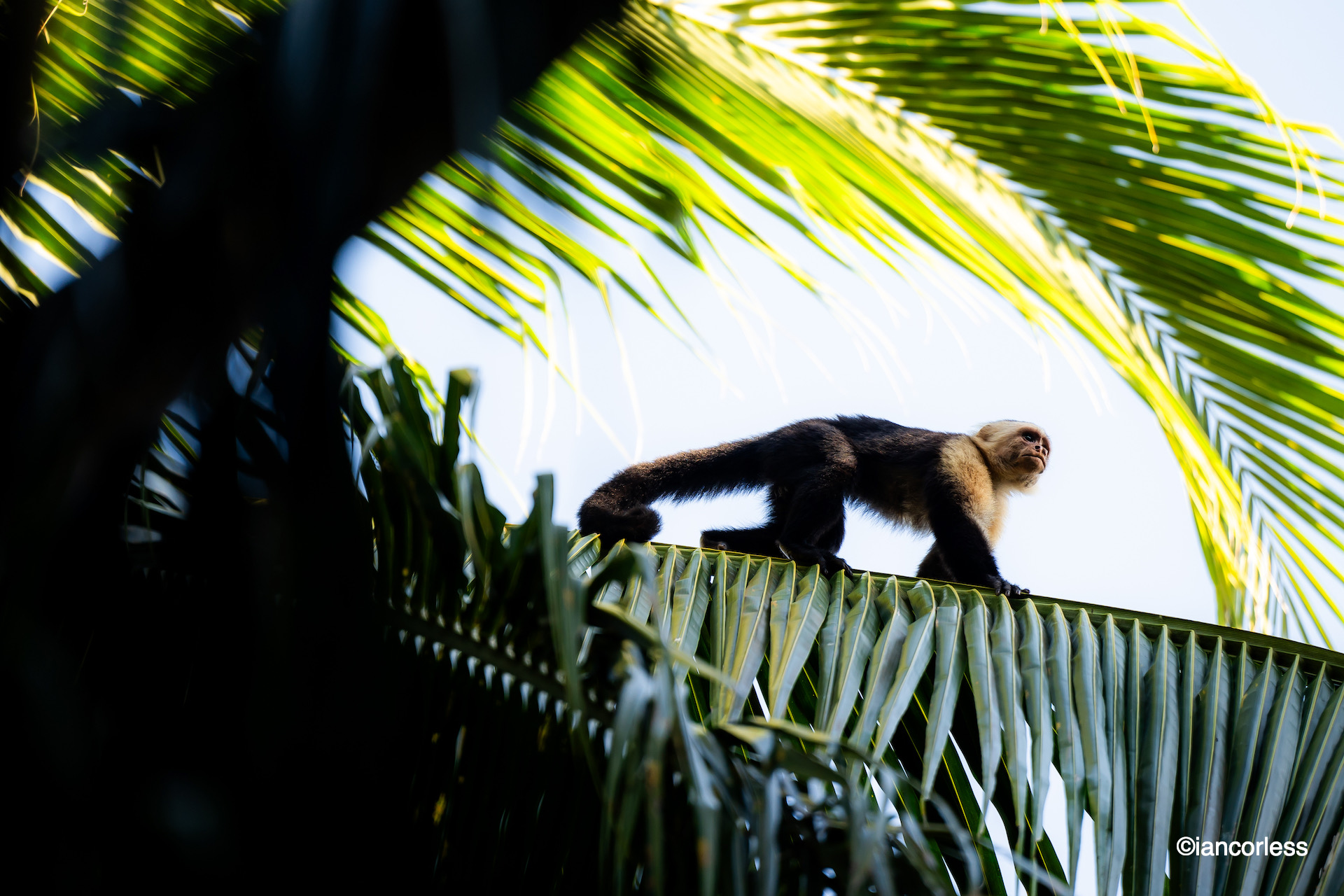
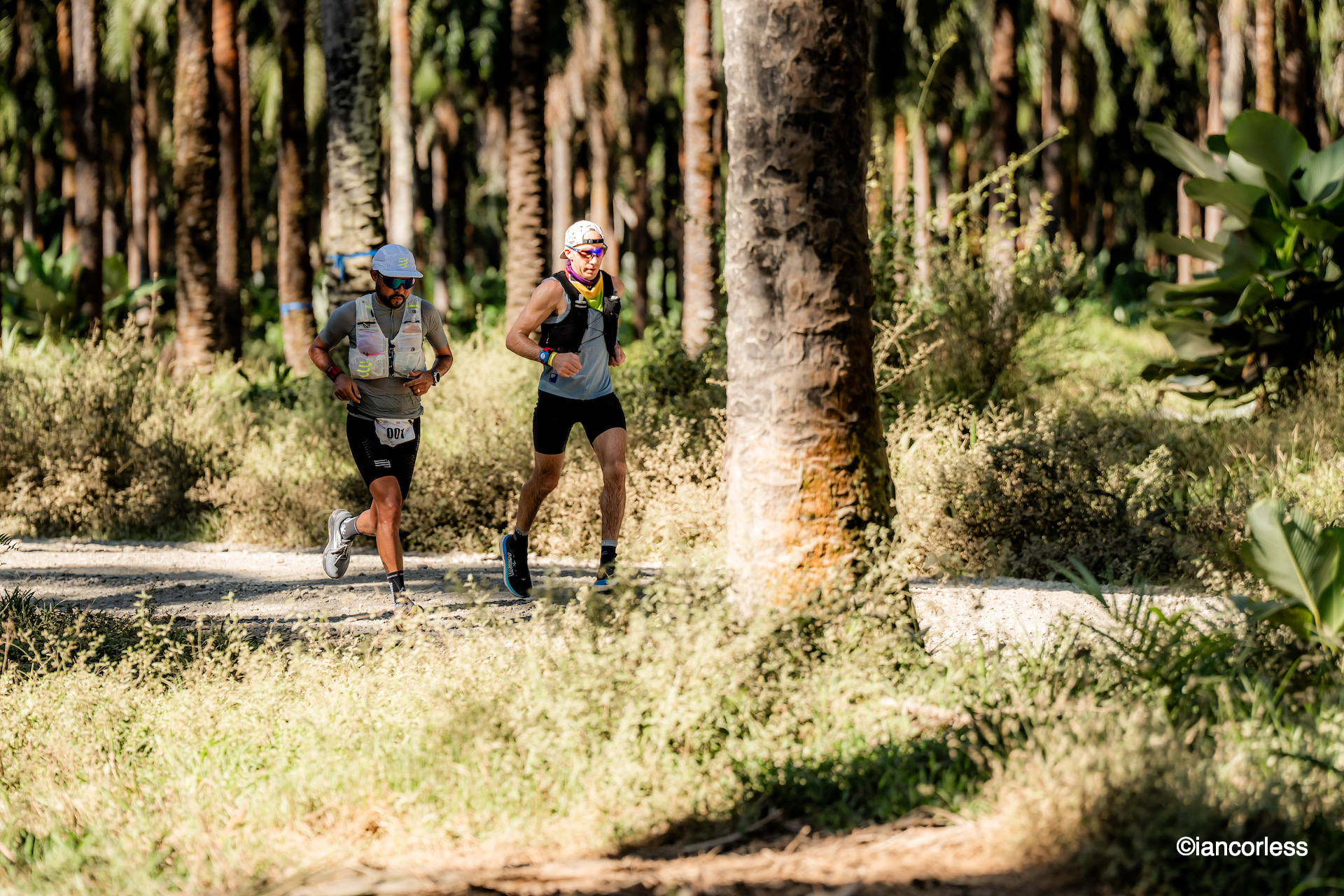
The stage, for many, is a ‘real’ Costa Rica experience. Gravel roads interconnect rainforest, farms, the locals, wildlife and in the latter stages, the beach and ocean lead you to Drake Bay.

Photo by Ian Corless

Tomorrow, the 6th and final stage is a victory loop that manages to compress the best of the previous 6-stages in one incredible course of rivers, waterfalls, farmland, beach, ocean and coasteering.

Race Results HERE

Photo by Ian Corless

Instagram – @iancorlessphotography

Twitter – @talkultra

facebook.com/iancorlessphotography

Web – www.iancorless.com
Web – www.iancorlessphotography.com

The Coastal Challenge Costa Rica 2025 – Stage 2

Photo by Ian Corless

It’s a rainforest, and last night the rain came. As per usual, it was short lived, but it was a torrential downpour that had an impact on those who had not been careful with admin in camp. If careless, everything was wet…

Everyone was asleep as early as possible. Stage 2 would have a 0500 depart by bus for adventure and an 0530 start for Expedition. Breakfast started from 0300.

Allan – Photo by Ian Corless

Out of camp, the Expedition runner’s went straight into a steep sharp climb, the ground now muddy and slippery from the rain. Humidity was high but temperatures were cool.

A hot day – Photo by Ian Corless

At the top, a rollercoaster of gravel roads lead to cp1, El Brujo, and then more gravel road and rainforest to cp2, Dos Bocas.

At cp2 Adventure started and the route drops all the way down to the ocean, but before, cp3 at Hatillo.

Photo by Ian Corless

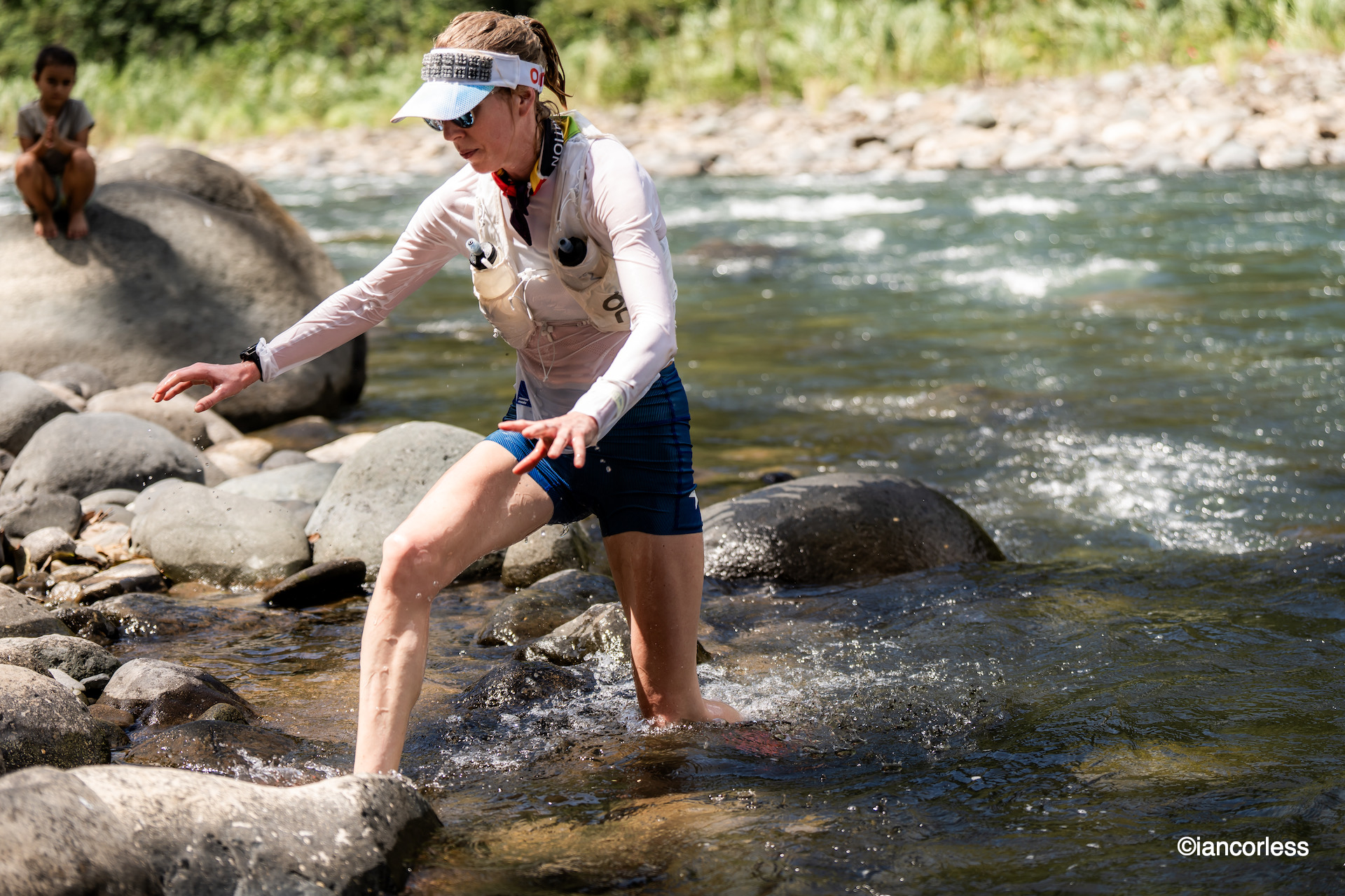
A water crossing leads to a long and hot beach section before finishing on the beach in Dominical.

Magdalena – Photo by Ian Corless

Erick Aguero started the day hard, pushing and pushing to open up a gap on Pierre Meslet. This is Erick’s 7th TCC and he has been on the podium many times, 2nd the highest, this year he wants to win.

At the top of the climb, Pierre was a few minutes back but relaxed.

For the women, Katie Young once again is in a race on her own and actually, is more than likely to place 3rd overall if she continues this relentless charge. She is on fire.

Pierre – Photo by Ian Corless

40km is a long tough day for Expedition and with the charge from Erick, many wondered what would happen. The due arrived together for the water crossing just after cp3. With a long flat beach straight to the line, this would fall into the hands to Pierre’s fast running style. Erick could just look on as the gap opened, he had fought hard, took a chance and today, he gained no time, the gap is 16-minutes. Allan Barrielle is 3rd, 1-hour 25-minutes behind Pierre.

Katies – Photo by Ian Corless

Katie dominated the day for the women, her lead now after 2 days is 3-hours 21-minutes over Lucia Jarquin and 4-hours 25-minutes over Maria Jose Corrales. TCC competition winner, Mirabela Ticu is 4th.

Mirabela – Photo by Ian Corless
Photo by Ian Corless

Tomorrow, stage 3, is 46km’s and includes the iconic Nauyaca waterfalls.

Photo by Ian Corless

Instagram – @iancorlessphotography

Twitter – @talkultra

facebook.com/iancorlessphotography

Web – www.iancorless.com
Web – www.iancorlessphotography.com

The Coastal Challenge Costa Rica 2025 – Stage 1

Photo by Ian Corless

It was an 0330 departure from San Jose to arrive at Quepos at the start of stage 1 at 0800.

The heat and humidity was already high and a tough day, as always was expected. The iconic Del Rey beach a backdrop to the start and the Pacific Ocean splashing on to the beach.

Photo by Ian Corless

The day, 33km’s with the opening km’s, all the way to cp1 and beyond, were flat and runnable. Always dangerous. Day 1 should be taken slow and steady, easing in to the week and the heat/ humidity. Boca Naranjito at 13.5km was the first cp, followed by Londres at 19.5km. Los Campenos at 30km was the 3rd cp to provide some refreshment before a tough final 3km. The finish at Rafiki Lodge.

Photo by Ian Corless

Last years TCC champion Katie Young, started like a rocket running the opening 10km’s solo at the front.

Photo by Ian Corless
Katie – Photo by Ian Corless

Pierre Meslet and Erick Aguero finally caught her and took the lead two places, but Katie never stopped and ran all the way to the line with a convincing victory and 3rd overall.

Pierre – Photo by Ian Corless

Pierre and Erick were always expected to be the duo battling at the front but finally, around 16km’s the elastic snapped and Pierre broke away soloing to the line with a very strong lead ahead of the Costa Rican and local favourite.

Sergio had a tough day in the heat – Photo by Ian Corless

Full results will be available in due course HERE

Photo by Ian Corless

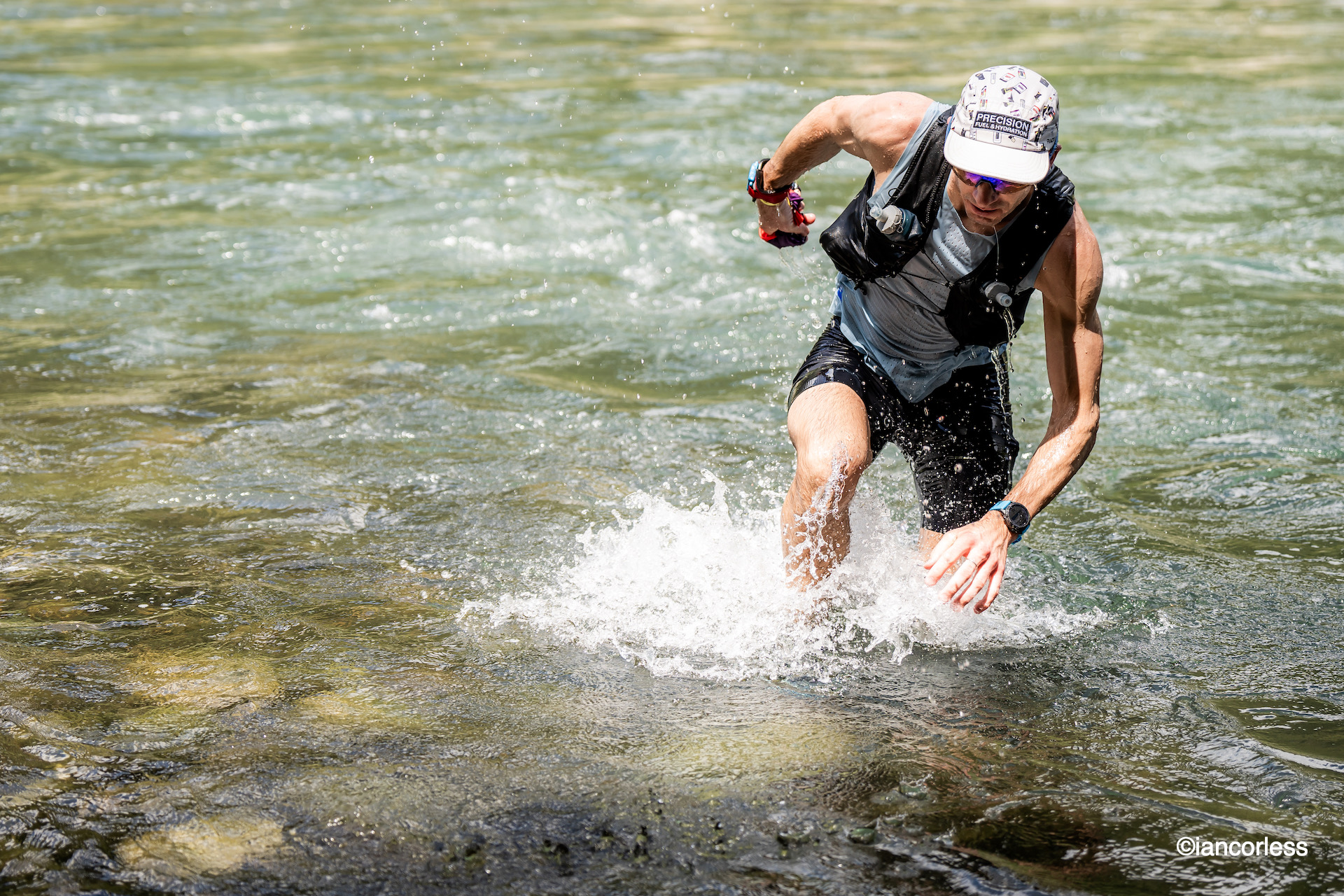
With two races, Expedition and Adventure, the participants fought hard to tackle the terrain, which became increasingly difficult as the stage progressed. The final section the toughest with a challenging water crossing to conclude the day.

Both races were 33km, but the expedition had more vertical gain, 1115m in contrast to 894m.

Photo by Ian Corless

Instagram – @iancorlessphotography

Twitter – @talkultra

facebook.com/iancorlessphotography

Web – www.iancorless.com
Web – www.iancorlessphotography.com

MDS Morocco Atlantic Coast 2025 – Stage 3

Photo by Ian Corless

The wind blew strong during the night causing a restless night for many. To add to the fatigue, rain arrived as the runner’s started to pack and get ready for the third and final stage.

It was an ominous start and it was clear that there was high anxiety for each participant, with 27km’s to go, this was not going to be an easy last day.

Photo by Ian Corless

The first wave left at 0800 and the top-25 departed at 0930. Gladly, the rain disappeared, however, the wind did not…

It was a northerly headwind for the entire 27km’s creating some of the most memorable moments and images of any MDS event.

Photo by Ian Corless

Runner’s battled, heads down, hands shielding faces and they fought what would seem like a never ending battle against nature to the finish line.

Photo by Ian Corless

But the finish line came for all and with it, great emotion.

Photo by Ian Corless

Stage 3 of the first edition of MDS Morocco Atlantic Coast was brutally beautiful. Relentless impressive dunes, the Atlantic Ocean to the left and the final 10km’s along the beach made for a completely memorable MDS.

Photo by Ian Corless

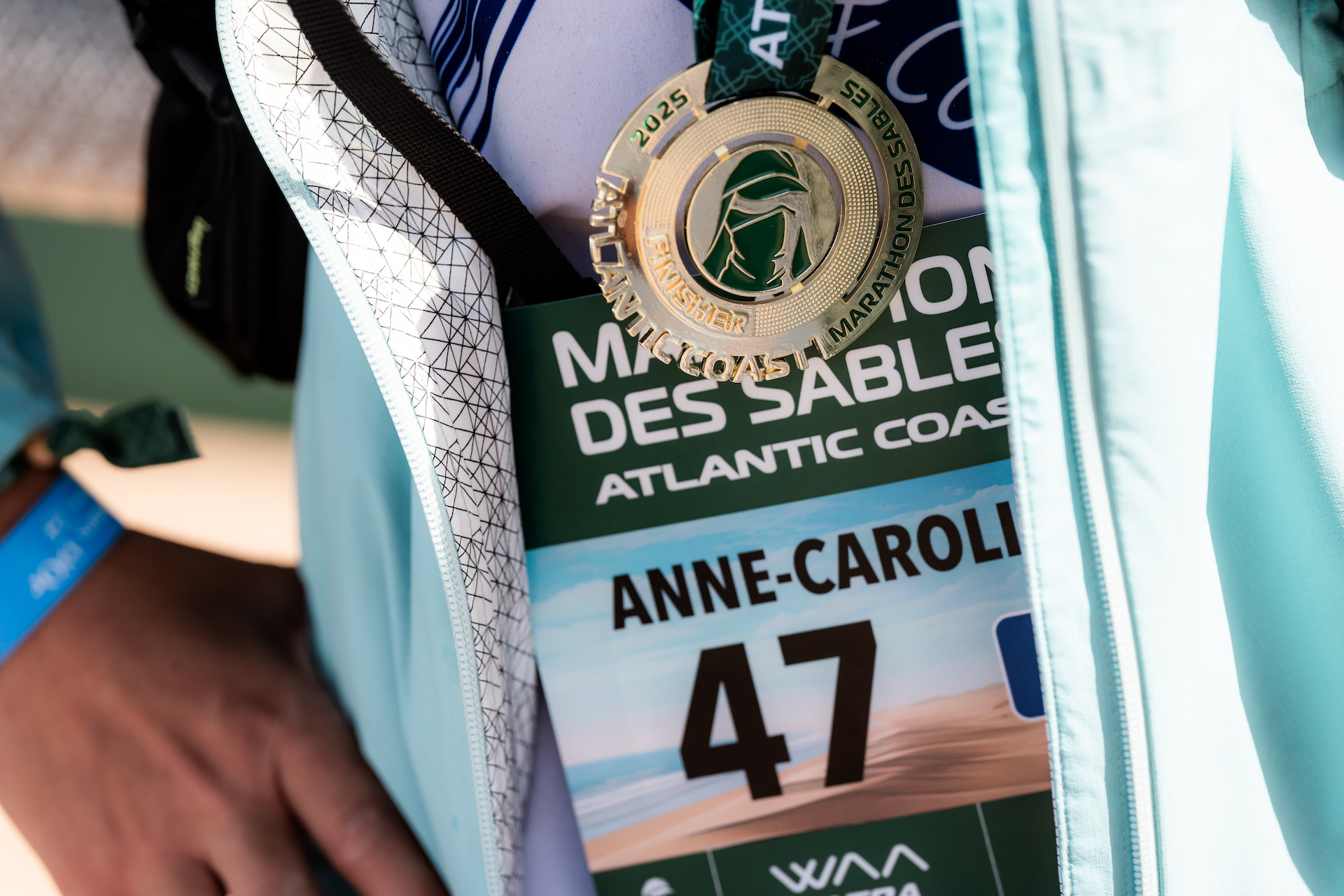
Tears, joy, emotion, relief and the bling of a medal all made the journey worthwhile.

Photo by Ian Corless

The journey for each participant unique. The experience unique. But there was one common thread…

‘We survived and experienced a truly memorable journey along the Atlantic Coast of Morocco.’

Photo by Ian Corless

Full race results HERE

Interested in an MDS event in 2025? A full calendar of dates and destinations are available HERE

Photo by Ian Corless

Instagram – @iancorlessphotography

Twitter – @talkultra

facebook.com/iancorlessphotography

Web – www.iancorless.com
Web – www.iancorlessphotography.com

Oman Desert Marathon 165km 2025 – Stage 4

Photo by Ian Corless

It was a morning of relaxation in bivouac, today, stage 4, has the participants starting at staggered times based on ranking. The first departure 1400, the second 1500 and lastly, the fast group at 1700.

The start times are designed to allow all participants to experience the Oman Desert under darkness.

The 30km stage starts with 6.8km’s of dunes and then after a left turn, the route takes a direct line to the finish line and final bivouac night before the final stage tomorrow.

Aziza – Photo by Ian Corless

In the 1500 departure, the top women raced head-to-head and unsurprisingly, Aziza Raji once again dominated in 03:59:21 followed by Lydia Oldham, 04:20:23 and today Tanja Schoenenborn, 04:46:13, had a very strong day finishing 30-minutes ahead of Sally Ford.

Tanja – Photo by Ian Corless

In the men’s race, it was all guns blazing from the off with Rachid El Morabity setting a super fast pace. It came as a surprise as he has taken the first three stages very relaxed.

Rachid – Photo by Ian Corless

He pushed ahead and at cp1 had an 8-minute lead. He continued the charge and crossed the line in 02:37:43.

Photo by Ian Corless

Behind, Saleh Alsaidi and Mohamed El Morabity chased both pushing each other hard. The elastic eventuall snapped and Mohamed pulled away to cross in 02:44:22, 6-minutes 39-seconds behind his brother. Saleh secured third in 02:50:06.

Photo by Ian Corless

The final and fifth stage tomorrow will have the participants run a 21km stage. It’s a flat and fast stage with just a short section of dunes to start the day.

Photo by Ian Corless

Stage 4 results HERE

Full results HERE

Photo by Ian Corless

Oman Desert Marathon website HERE

Photo by Ian Corless

Instagram – @iancorlessphotography

Twitter – @talkultra

facebook.com/iancorlessphotography

Web – www.iancorless.com
Web – www.iancorlessphotography.com

Oman Desert Marathon 165km 2025 – Stage 3

Photo by Ian Corless

These Omani nights are cold. Dare I say that last night was colder than the night before? It’s tough for the runner’s, especially those that are minimum with kit, particularly lightweight sleeping bag and no down jacket.

Stage 3 at 40km is the second longest of the week and arguably the toughest, compensated for with incredible beauty.

Saleh – Photo by Ian Corless

The Oman Desert Marathon is very much a sand race. Every step is on varying decrees of soft-sand and stage 3 adds the spice of a rollercoaster of dunes. There is even a dune section to the finish line.

Lots of sand – Photo by Ian Corless

Starting just after sunrise, the early morning light and views in the first and second dune sections were spectacular. Up high, you really get to see the enormity and expanse of the sand here in Oman, it is relentless.

A tough day – Photo by Ian Corless

Early km’s of the day saw many wearing a windbreaker, trying to get warm after a cold night and chilly start. The heat soon came though and it would keep rising to a high of 27-degrees.

Rachid feeling the chill – Photo by Ian Corless

The top male contenders ran much of the day together, nobody seemed particularly eager to push the pace. Rachid took it very easy wearing a windbreaker and gloves for the whole day, he was a long way back early on and then little by little he moved up the field as the race progressed.

Mohamed playing a waiting game – Photo by Ian Corless

Mohamed and Saleh are inform and the duo finished first and second on the stage just 11-seconds apart, 4:14:39 and 4:14:50 respectively. Rachid moved up to third by the finish line crossing nearly 10-minutes behind his brother.

Aziza Raji – Photo by Ian Corless

For the women, Aziza finished 11th overall in 5:52:44 and a long way ahead of Lydia Oldham in second, 6:30:49. Sally ford was third nearly 50-minutes behind second.

Sally Ford – Photo by Ian Corless

Stage 3 results HERE

Full results HERE

Tomorrow is the penultimate stage of 30km. With three starts, 1500hrs, 1600hrs and 1700hrs, the participants will go into the night and finish in darkness.

Ronan Kirby – Photo by Ian Corless

Oman Desert Marathon website HERE

Photo by Ian Corless

Instagram – @iancorlessphotography

Twitter – @talkultra

facebook.com/iancorlessphotography

Web – www.iancorless.com
Web – www.iancorlessphotography.com

Oman Desert Marathon 165km 2025 – Stage 2

Photo by Ian Corless

Stage 1 was a tough day, the talk in bivouac was all about the relentless sand and how the final 10km was relentlessly tough.

It was an early sleep for most and the night was a cold one. Temperatures plummeted, especially in the early hour of the following morning.

Tired! – Photo by Ian Corless

Bivouac came to life around 0500 and stage 2 eventually started at 0700.

Rachid – Photo by Ian Corless

The early km’s were relatively easy and cool. So cool that Rachid wore a windbreaker and gloves… He actually did not remove them all day despite the temperatures rising to 27-degrees.

Photo by Ian Corless

The highlight of the day was a dune section with sunrise. Pure magic with high views of the surrounding landscape.

Photo by Ian Corless

While there is no ‘easy’ running here in Oman, the km’s after the dunes were relatively flat and easy.

With Mohamed taking victory on stage 1, a slender 4-seconds ahead of his brother, Rachid, all the action would be around the Moroccan.

Photo by Ian Corless

The local Omani runner’s, especially Salah Al Saidi did all they could to put him under pressure but Mohamed is too strong. In the final 10km’s he made his move and opened a gap for the stage win in 3:05:54.

Stage 2 of the 2025 Oman Desert Marathon was full of action and spectacular dunes. Mohamed El Morabity and Aziza Raji took the stage wins!
Mohamed – Photo by Ian Corless

Rachid did an amazing job to finish 2nd, 3:09:26 and Saleh 3rd in 3:10:01.

Rachid – Photo by Ian Corless

Rachid by contrast was taking it easy, with 20km’s covered he was 5-minutes behind the leaders, however, the attack came and he closed the gap effortlessly and then forged ahead with on of the Al Said.

Aziza – Photo by Ian Corless

For the women, Aziza Raji was once again making the sand and the dunes look easy. Lydia Oldham, Sally Ford and Tanja Schoenenborn are all close together, but they are fighting for second.

Lydia – Photo by Ian Corless

Tomorrow is another 40km stage, followed by stage 4 which starts late afternoon and goes into the night.

Race results are HERE

Oman Desert Marathon website HERE

Photo by Ian Corless

Instagram – @iancorlessphotography

Twitter – @talkultra

facebook.com/iancorlessphotography

Web – www.iancorless.com
Web – www.iancorlessphotography.com

MDS Jordan 2024 Race Summary

Photo by Ian Corless

MDS Jordan brought to a conclusion the 2024 season of MDS events. It has been quite a year and since Fuerteventura in September, the events have followed one after another, MDS Morocco, MDS Trek Morocco and now MDS Jordan.

Jordan has become so popular as a destination, two events now exist in a year, May and November. Dates for 2025 are May 9-16 and November 1-8.

For the 4th edition, concluding on the 8th November 2024, 599 participants were signed up from 25 different nationalities. Once again, MDS pioneer the way with more women participants than men, 55% to 45%.

Come race day, 520 toed the line over the 3 race distances.

  • 249 in the 120km distance.
  • 190 in the 100km distance.
  • 81 in the 70km distance.

Full race results are available HERE via LiveTrail.

Jordan is not the easiest place to get to and typically, it will require two flights. Istanbul being a popular connecting point but many other options exist. Long haul travel always has potential problems and for the MDS Jordan, participants and staff had several problems with delays, gladly, everyone arrived on time. However, there is some general good advice here for future participants, allow yourself some time flexibility for arriving in Jordan, delays of 12-hours or even 1-day existed for some! Use reputable airlines with good track history, the cheapest option is not always the best!

Photo by Ian Corless

The current Israel – Hamas war quite obviously was on the minds of participants and some were concerned about travel. However, while the general advice from most governments was to ‘exercise caution,’ there was no reason not to travel. Having spoken to participants post-race, nobody at any time felt safety or security was at risk. The war however ‘may’ have had some impact on travel, it’s difficult to know?

Photo by Ian Corless

The MDS team do a fantastic job of facilitating everyones arrival in Amman and they provide a bus transfer to the Crowne Plaza hotel which is located on the Dead Sea. The journey takes under 90-minutes.

Photo by Ian Corless

The hotel is huge with excellent facilities, a good restaurant, bar, meeting rooms, multiple pools, spa, gym and of course, the Dead Sea is on its doorstep. It’s the perfect place pre and post-race. Another great benefit is that its size allows all competitors and MDS staff to stay at the same location. A great bonus for admin day and the post-race awards and gala dinner.

The Dead Sea is obviously an iconic place, located -430m below sea level. It is land locked between Jordan and Israeli occupied west bank in the west and Israel in the south. It is called the Dead Sea due to high levels of salt that make it impossible for any life form to live.

Photo by Ian Corless

With admin day done, the race got underway with a very early departure on Monday Nov 4th with an approximate 4-hour journey to Wadi Rum.

Photo by Ian Corless

Daily Summaries 2024:

Stage 1 Summary

Stage 2 Summary

Stage 3 Summary

Stage 1

Photo by Ian Corless

Stage 1 was scheduled to start at 0930am with 27.4km and 980m+ with arrival at bivouac. A point-to-point day with two Cp’s and a cut-off time of 2000hrs.

Photo by Ian Corless

The day was a shock for many! It’s a day of stunning views, epic vistas, remarkable landscape and a great deal of soft sand making the journey very hard work. If you are signed up for a future MDS Jordan, be prepared for a tough day 1.

Photo by Ian Corless

In bivouac, as per all MDS events, individual tents are in circular pods of 8. This is great for group friendship but also allows some privacy.

Photo by Ian Corless

While MDS events operate on the same formula: 3-stages over 4-days with full self-sufficiency, the exemption coming with rationed water provision and a place to sleep provided by MDS. I cannot emphasise enough that participants need to be prepared for the challenge they are undertaking. Weather and environmental condition vary from event to event and year on year. Just because Jordan was hot at one edition, it does not mean it will always be hot! Look at MDS Morocco in October, rain, thunderstorms and flooding. The 4th edition of MDS Jordan had a very cold first night. For those who did not bring a warm jacket, a warm sleeping bag or additional layers, they had a very cold and troubled night. My TOP TIP is always bring a windproof jacket such as the WAA wind running jacket as an absolute minimum and my high recommendation is to bring a light weight down jacket. Many down jackets exist these days and the top quality products are well under 200g, the Nordisk Y Strato is 165g for example. The advantage of a down jacket is warmth and comfort while sitting around post-race and in addition, on cold nights, you have a very warm layer to wear inside your sleeping bag should it be required. Make sure you have a Buff and cover your head, most heat is lost here!

Photo by Ian Corless

One advantage of the tent pods is the creation of a communal fire place, in Jordan, most pods created a fire place and this was used for cooking and warmth.

Photo by Ian Corless

Stage 2

Photo by Ian Corless

With a troubled night for many, stage 2 would prove a challenge. However, the great thing about MDS events is the possibility to choose how easy or how hard you want the adventure to be. Of course, all things a re relative based on individual ability and desires. The stage had two starts, 0700 and 0800, the top runner’s in the latter start.

Photo by Ian Corless

At two key points, participants can have a choice, the first option is to choose 20km’s. The second option to choose 40km’s. At the second option point if you choose not to take 40km’s, you must do 60km’s.

Photo by Ian Corless

249 chose to take the 60km route, 190 in the 40km and 81 the 70km distance.

Photo by Ian Corless

It was a challenging day, once again a great deal of soft-sand but considerably less vertical gain. For those who took the 60km route, they were treated to some additional technical terrain. At all times, the impressive Wadi Rum landscape was mind-blowing irrespective of the distance chosen.

Photo by Ian Corless

The day proved to be a long one for some with the last competitor arriving at 0300am the next day and many of the MDS team there to welcome.

Photo by Ian Corless

Rest Day

Photo by Ian Corless

It was a welcome day of rest and an opportunity for everyone to get some rest and recovery.

Photo by Ian Corless

Competitors as per usual, looked after feet, ate as much as possible, slept and took advantage of the local terrain to get some high viewpoints to take in the amazing landscape.

Photo by Ian Corless

TOP TIP – space blankets that are gold/silver provide excellent options for keeping tents cooler in the day, silver side out. And at night, if required, use them gold side out to keep a tent warmer.

Photo by Ian Corless

In the afternoon, local fisherman gave a music show and then ice cold drinks arrived for every participant via a camel.

Photo by Ian Corless

Of course, Born To Be Alive was played and bivouac turned into a desert rave.

Photo by Ian Corless

Stage 3

Photo by Ian Corless

Once again, two starts, 0430am and 0630am. Ahead, 26km’s and 733m+ on a point-to-point route that would provide everyone some of the best views that Wadi Rum has to offer. The large dune and the views from the top a highlight.

Photo by Ian Corless

Once at the finish, tears, joy and laughter, a hard earned medal the reward.

Photo by Ian Corless

A transfer to Petra post-race for an opportunity to experience one of the seven wonders of the modern world.

Photo by Ian Corless

Everyone was back at the Crowne Plaza for around 2000hrs. Of course, it’s all about priorities, several showers, fresh clothes and then dinner in the restaurant.

Final Day

Photo by Ian Corless

Was relaxed, a lazy breakfast, time by the pool, a swim in the Dead Sea and then at 1600hrs the awards ceremony took place followed by the MDS Jordan movie.

Photo by Ian Corless

Dinner followed outside with remarkable night time views of the Dead Sea. DJ Robin as per usual played some banging tunes and the party and disco went on into the night and the early hours of the morning.

Another MDS Jordan complete.

Finally, while many things are transferable between all MDS events: clothing, pack, sleeping mat, sleeping bag, food etc, one thing is important and it cannot be emphasised enough, be prepared.

Plan for the best and worst case scenarios, plan for intense heat, plan for the cold, imagine your worst case scenario and have a solution. MDS events are self-sufficient for a reason, they bring a challenge and dynamic that is not present at other races, how you deal with it is very much part of the event.

Looking ahead!

Photo by Ian Corless

Now is time to recover, recoup and plan ahead for 2025. There are no shortage of events. Here is hoping we get to share more time at a MDS event soon:

  • MDS Atlantic Coast January 25th to Feb 1st
  • MDS The Legendary April 4th to 14th
  • MDS Raid Namibia April 26th to May 3rd
  • MDS Jordan May 9th to 16th
  • MDS Cappadoccia June 21st to 28th
  • MDS Fuerteventura September 28th to October 5th
  • MDS Morocco Oct 12th to 19
  • MDS Trek Morocco date tbc
  • MDS Jordan November 1st to 8th
  • MDS Peru November 29th to December 6th.
Photo by Ian Corless

WAA clothing, apparel and Ultra bag HERE

Marathon des Sables website HERE

Since 1986, the MARATHON DES SABLES has crossed the world’s most stunning deserts with several unique concepts: the MARATHON DES SABLES THE LEGENDARY (252 km in the Sahara Desert in Morocco), the MARATHON DES SABLES (70, 100, or 120 km spread over 3 stages), and the new 2024 concept, the MDS TREK (4 stages with a total distance of up to 120 km), offering an accessible adventure with optimal comfort. These international events have seen over 50 editions in various countries such as Morocco, Fuerteventura Island, Peru, Jordan, Turkey, and offer adventures that combine running/hiking in the desert with tourism.

Instagram – @iancorlessphotography

Twitter – @talkultra

facebook.com/iancorlessphotography

Web – www.iancorless.com
Web – www.iancorlessphotography.com