“Winning isn’t about finishing in first place. It isn’t about beating the others. It’s about overcoming yourself. Overcoming your body, your limitations and your fears…. To find out whether we can overcome our fears, that the tape we smash when we cross the line isn’t only the one the volunteers are holding but also the one we have set in our minds? Isn’t victory being able to push our bodies and minds to their limits and in doing so discovering that they have led us to find ourselves anew and to create new dreams?” – Kilian Jornet, RUN or DIE
December always provides me with a little more spare time (not much) but certainly more time than the past 10-months when I have been on the road, travelling from race-to-race, recording images, writing stories and podcasting on the weekly and monthly action of mountain and ultra running.
I like to look back, soak in my experiences and one-by-one highlight key moments.
Although I plan to do this in the coming weeks, Kilian Jornet’s imminent ‘Summit’ attempt on Aconcagua has made jump ship and write a post about the Catalan himself.
What a year Kilian has had…
In a face-to-face interview in Zermatt earlier this year, I remember asking, “I think it’s topical we are speaking mid season. I believe the Kilian Jornet today is a different person to 1-year ago. For me, you seem to be in perfect shape. I don’t think I have seen you so fit and strong. Would you agree?”
As one would expect, Kilian looked away from me a little embarrassed by such a direct question that basically said, ‘you are the best!’
However, he replied with a smile and a twinkle in his eye that confirmed my thoughts, “This year I feel really well. I don’t know why? I started the season in Colorado in the winter doing plenty of high altitude meters. I was great in the ski season. It was my best season in regard to my condition. I was not tired after skiing so it was a big bonus. I have raced the same number of races but I seem to be recovering so much better. I am climbing more meters and doing fewer kilometers.”
I smile at his honesty and his genuine analysis of his form. You see 2014 has been the most impressive year not only in Kilian’s short life but arguably the most impressive in relation to any sportsperson.
We can argue all day about the pros and cons of distance, speed, difficulty and complexity of Kilian’s year but look at the simple facts:
Denali – Summit record (11-hours 40-minutes)
Hardrock 100 course record
Skyrunner World Series Champion – Vertical Kilometer
Skyrunner World Series Champion – Sky distance
Skyrunner World Series Champion – Ultra distance
Is Kilian THE most rounded athlete? I am biased but I like to think impartial and I have to say, with all things considered, yes! VK to 100-miles, Ski mountaineering and climbing. The Catalan is off the scale.
We have heard the stories of how Kilian says in RUN or DIE, “I enjoyed a normal childhood… I have never been one for being shut inside and was lucky that my parents lived in a refuge, which my father managed, 6500-feet above sea level.”
Kilian may well consider his childhood as normal, for him it was, but many would agree that right from aged two he was being nurtured step-by-step to be the perfect outdoor person.
“By the age of 3 I had already climbed Tossa Plana, Perafita and La Muga. By the age of 6 I had completed four Aneto summits and at the age of 10 I crossed the Pyrenees in 42-days.”
It’s an inspiring and intimidating thought process. At 10 years old I was a naive and inexperienced kid, in contrast Kilian was already on a path of greatness. It may not be a path that was pre determined, however, as we look back we can see that Kilian has not stumbled on this ability, this career, this destiny. With the passing of each year, he has created a legacy and should Kilian stop now at the age of 27, his list of records, results and palmares would quite happily last him to the end of his days.
“I have lost count of the weeks I have spent away from home, of the countries I have visited and the beds I have slept in. I began to compete 10-years ago and it has been 10-years of seeking to relive again-and-again the emotions and sensations that take me to the peak of ecstasy and make me live life at a pace more suited to a rock-and-roll musician.”
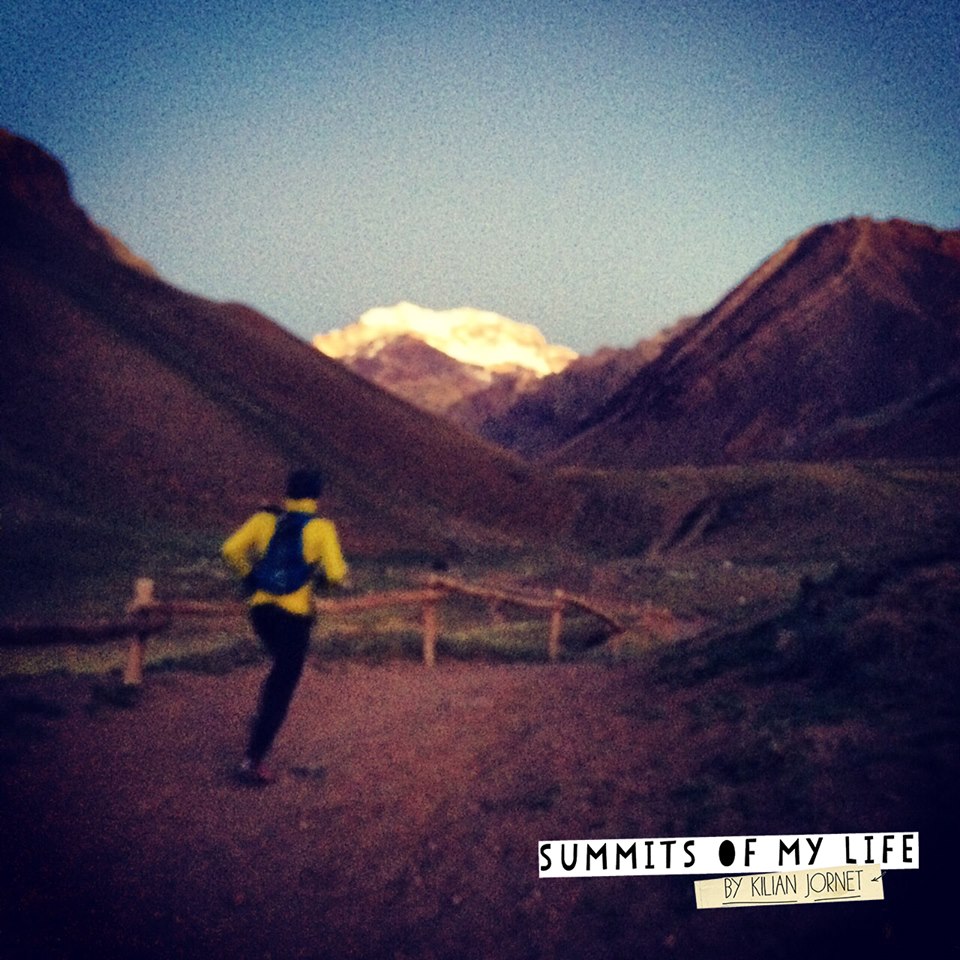
December is here and as runners all over the world slip into recovery and hibernation in preparation for the new-year, Kilian departs for the Andes and his attempt to set a record on Aconcagua.
In 2000 Brunod, Pelissier and Meraldi climbed from Plaza de Mulas in 3-hours 40-minutes to the summit and Carlos Sa did 15:42 from National Park Horcones. Two records, I wondered which Kilian would go for?
“I will go from the entrance and I will try to achieve both records. Also, Emelie Forsberg will try a female record too,” Replied Kilian to my question. “Aconcagua is easier than the Matterhorn. It’s rocky but not steep. Altitude is the big issue. You can get sick and have problems so the challenge is different. Aconcagua is the highest mountain in the western and southern hemisphere at just under 7000m.”
The first attempt to reach the summit of Aconcagua by a European was made in 1883 by a party led by the German geologist and explorer Paul Güssfeldt. Bribing porters with the story of treasure on the mountain, he approached the mountain via the Rio Volcan, making two attempts on the peak by the north-west ridge and reaching an altitude of 6,500 metres (21,300 ft). The route that he prospected is now the normal route up the mountain.
The first recordedascent was in 1897 by a British expedition led by Edward FitzGerald. The summit was reached by the Swiss guide Matthias Zurbriggen on January 14 and by two other expedition members a few days later.
The youngest person to reach the summit of Aconcagua was Tyler Armstrong of California. He was nine years old when he reached the summit on December 24, 2013.The oldest person to climb it was Scott Lewis, who reached the summit on November 26, 2007 when he was 87 years old.
Pushing boundaries is what Kilian does. It is his DNA and as an appreciation and acknowledgement for his contribution to our sport, Kilian was voted: ‘Peoples’ Choice Adventurer of the Year’ by National Geographic.
As the coming days unfold, Kilian will test himself once again. He will push his own boundaries and he will ask questions of himself and those around him. To document the journey, Seb Montaz will once again record the action as it unfolds. We get to see the Catalan’s endeavors and achievements through the brilliance of Seb’s eyes. Believe me, as a photographer I not only appreciate the craft of a man at the pinnacle of sports imagery but also as climber and sportsman himself. Remember, Seb is on the mountain, often side-by-side with Kilian, matching his strides, following his movements and in doing so he captures moments that we can look on and savor. We are able to experience the brilliance of two pioneers.
We will see less of Kilian in 2015. A return trip to Hardrock 100 is almost certainly on the cards. After all, why wouldn’t he want both course records? But ultimately, Kilian will focus on Everest and the ultimate challenge that this mountain will provide.
“It’s completely different, it’s very high, 9000m. It’s very long and this is the biggest problem, to go all this way without oxygen and fast. The route is technical. I will start on the north face to prepare. It’s quiet so I will have no problems with people. I will need to prepare. I will go in spring, autumn and maybe the following spring. As per usual with all mountains, any attempt will be weather dependent. I expect to have several attempts.”
I am unsure what Kilian will do in the future… I think maybe even Kilian is unsure?
Aconcagua is a priority for now and then focus will shift to Everest; the big peak in the Himalayas.
Everest will dominate the mind of the Catalan. It will consume him and with meticulous preparation and he will conjure a plan… a plan that will take him to the top of the world!
Credits 'RUN or Die by Kilian Jornet, Wikipedia and Seb Montaz
*****
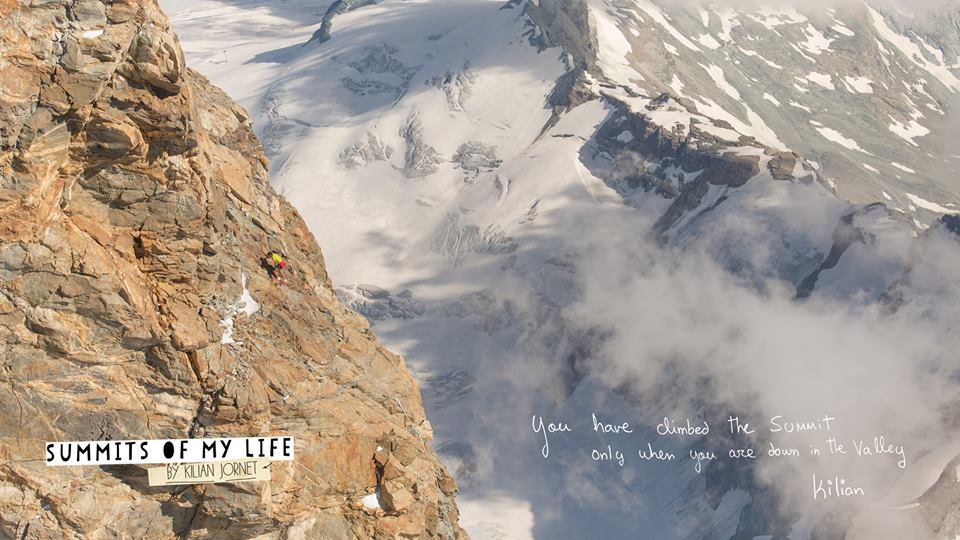
Follow Kilian and his team in the Andes @kilianj @sebastienmontaz @summitsofmylife
Today is the day!!! Kilian is right now trying to be the fastest person to climb up and down the Aconcagua!!! C’mon Kilian, you can make it!!! Gooo!!!#SoML
Dec 19th – 2:27pm
NEWS FROM ACONCAGUA: Kilian was not able to reach the summit on his attempt due to strong wind. He could reach up to 6.500m but 90km/h winds made the attempt completely impossible and he had to turn back. In Kilian’s words “I will try again soon” #SoMLAConcagua
December 20th
“I consider this failed attempt like a big training in altitude” said to me kilian after running and climbing from Horcones ( 2950m) to 6200 m and back ( about 14h) with crazy 90km/h wind in his face.
Emelie and Kilian will be stronger for the next attempt!
December 21st
When things do not go as expected, you go fast back at the start point and you try it again (soon #SoMLAconcagua
December 23rd
Aconcagua 2nd Round!
Kilian is on his way trying to achieve another dream!!
You can see the long road to the Summit! Go Kilian!!!
We’ll Keep you posted! #SoMLAconcagua
December 23rd
Kilian passed Plaza de Mulas, Aconcagua’s Base Camp at 4.300m. He is feeling well because weather is good and not too windy. Let’s push him up to the summit!!! GOOOOO KILIAN!!!
December 23rd
BREAKING NEWS: Kilian reached the summit of Aconcagua and is back to Plaza de Mulas Base Camp. He feels well but still 25 more Km to go. Enjoy it and goooo!!! #SoMLAconcagua
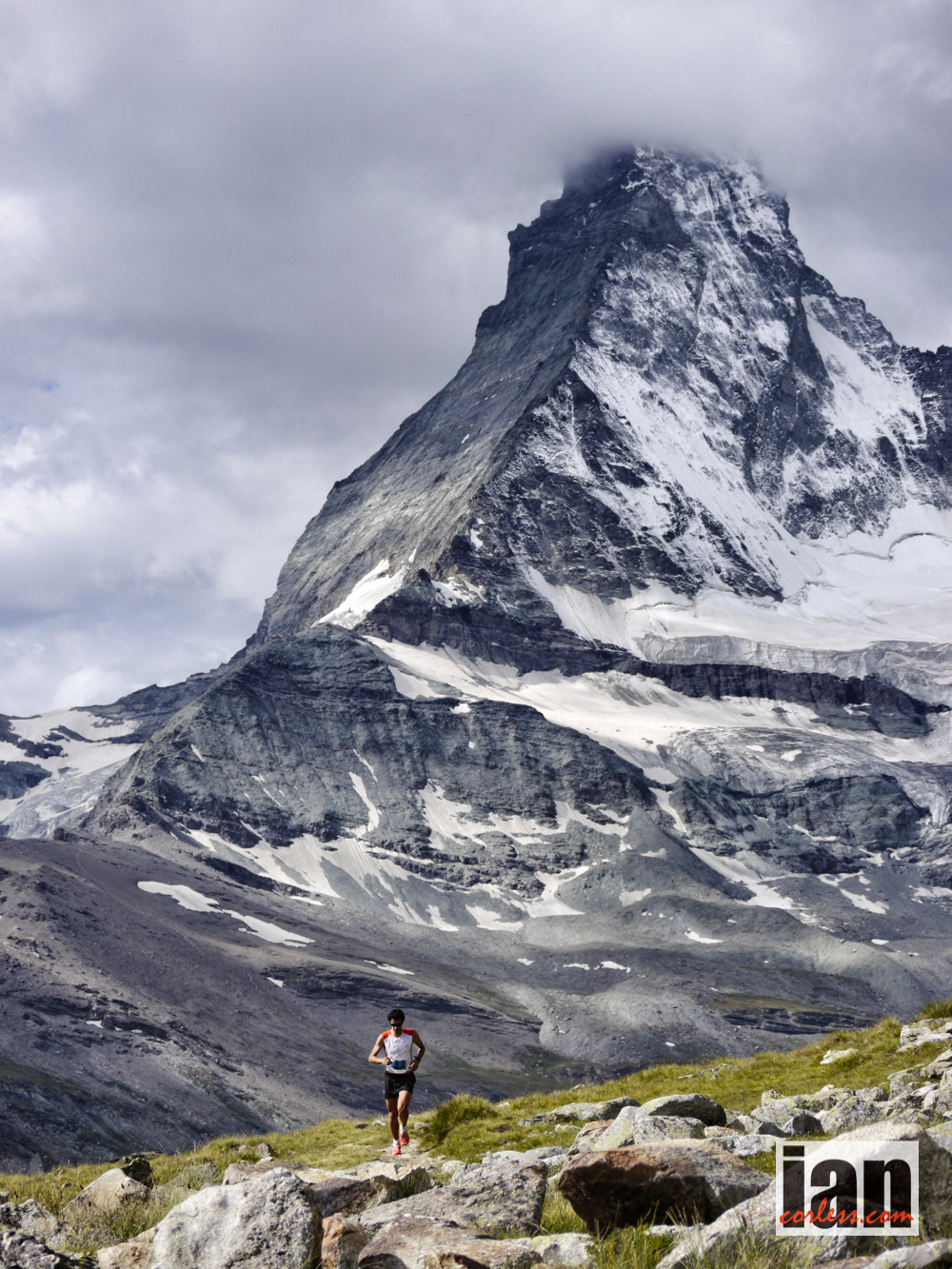
Kilian Jornet is defining our sport and in the process is setting new records and providing inspiration to thousands, if not millions of people. Just 12-months ago, I spoke to Kilian in Zermatt. It was just days after his incredible Matterhorn Summit where he set a new record for Cervinia-Matterhorn Summit-Cervinia beating the long standing Bruno Brunod record. Looking relaxed, Kilian joins me at a table and we chat. He looks lean and in the form of his life. The sky is blue and clouds are around the base of the Matterhorn. Looking up we pause and take it in.
It really is an incredible mountain. I turn to Kilian and ask…
IC – Do you feel nostalgic Kilian, looking up at the Matterhorn and thinking back 12-months?
KJ – Yes, I have great feelings. I-year ago I climbed from Italy (Cervinia) and today I climbed it from Switzerland (Zermatt). I have many great friends in Cervinia and very soon it will be 150-years of the Matterhorn. So many great memories; It’s such a beautiful memory.
IC – Okay, so you have just thrown this on me. You climbed the Matterhorn this morning from Zermatt?
KJ – Yes (laughs) I am not racing Matterhorn Ultraks so it’s okay. I went this morning… I was thinking to myself, it’s great weather so I decided to go. Conditions are not good though. The mountain has much more snow and the ridge was pretty icy. I had no crampons, which was a big mistake. At the summit it was very windy. I thought I might take the quick way down to Zermatt…!
IC – People say the Matterhorn is harder from Switzerland side?
KJ – The Italians say it’s harder from Cervinia and the Swiss say it’s harder from Zermatt. (He laughs) Both routes are very similar. I prefer the Italian side, it’s a narrow ridge about 500m long and you can really run. From Switzerland you go straight to the summit. It’s really beautiful and maybe a little more complicated. For me though, the Italian side is more difficult.
IC – Did you time yourself?
KJ – Hotel to hotel was 7-hours. I had planned to go down to the Italian side and come back via the pass. But the conditions were very windy and I decided to come back on the Switzerland side. It had lots of snow all the way up. I can normally climb up in good conditions in 2.5hrs but today it was 4-hours.
IC – Not the perfect time for a FKT?
KJ – No, it was really dangerous. Normally I would see 100’s of people at the summit. Today it was just me and I saw 4-people on my way down. The weather would be okay for Mont-Blanc but not here; it’s much more complicated.
IC – I think it’s topical we are speaking mid season. I believe the Kilian Jornet today is a different person to 1-year ago. For me, you seem to be in perfect shape. I don’t think I have seen you so fit and strong. Would you agree?
KJ – This year I feel really well. I don’t know why? I started the season in Colorado in the winter doing plenty of high altitude meters. I was great in the ski season. It was my best season in regard to my condition. I was not tired after skiing so it was a big bonus. I have raced the same number of races but I seem to be recovering so much better. I am climbing more meters and doing fewer kilometres.
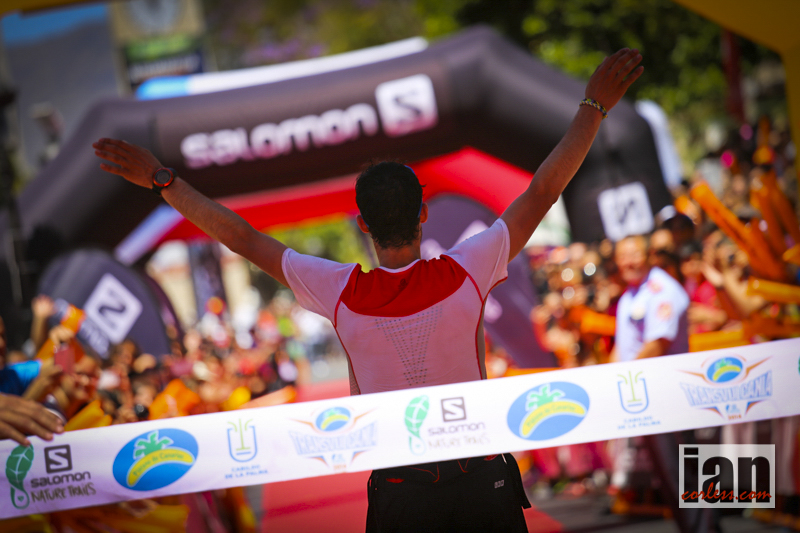
IC – It’s not unusual for you to start your run season at Transvulcania La Palma on 4-5 days running. This year you did this. You had a great race placing 2nd behind Luis. You then went to Denali and followed this with running again becoming Skyrunning World Champion. In Denali, this is not ultra running. It’s Alpinism. So tell us, what was the experience like?
KJ – It was a hard experience and fun. The weather was bad in Alaska. We stayed 21-days in the glacier and we had 3 sunny days. Everyday was snowing but we did a great number of things. We travelled very light. We would go to 4000m camp and from here everyday we would do something… we did the west ridge and then ski, we did another ridge, then I did the record, the north summit and so on. It was really nice to see. It’s possible to do something everyday. It was really interesting. I think I was surprised to come back to Chamonix and perform so well. Really I was just going to use it as training for Hardrock. In the VK I surpassed my expectation, in the marathon I knew I could do well. I lost weight in Denali.
IC – Yes for sure. You lost weight and your legs seemed smaller. Did it feel unusual to be back in Chamonix feeling like a different person?
KJ – Yes, I had small legs. It is similar to after Alpinism. It’s good for going up but coming down it has its affects.
IC – Denali unlike the Matterhorn was very much about you going and doing it. We haven’t seen the new Summits film yet, so, what did Denali involve?
KJ – It’s Skimo. You go via the plane to Anchorage and then take anther small plane to the glacier. It’s snow all the way. We didn’t take run shoes. We just used skis everyday. We had planned to acclimatize but the weather cleared and I made an attempt on the 6th day. I may have not been adapted but I was still strong. If you stay at altitude you loose strength. I had good conditions for 3-hours but the last uphill section and all the downhill had bad conditions. It was snowing and foggy. I just hoped that I could complete the summit. I added more clothes and pushed on.
IC – How do you prepare for an event like this? Do you do extensive research beforehand on maps? You make it sound casual and matter of fact but I know it’s not.
KJ – You need to be really well prepared. It’s a dangerous mountain. I looked at maps and we planned ahead, not only for the record but other adventures. I made good preparation 2-weeks before. We did 3-days to base camp and did the west ridge and ski down. It was good to see the conditions, find out what the snow was like and see if I could ski fast from the summit. You need to open your mind.
It was great to have a small team. We were 4-people: Seb Montaz, Jordi Tosas, Vivian Bruchez and me. It’s really quick to change plans and make decisions with a small set up. For example in 5-hours I decided to attempt the record. Everyone was ready; they all knew what they had to do. It was great. Also, the team had projects that each wanted to do. All 4 of us had aspirations to achieve things whilst in Alaska.
IC – That is what is so interesting about what you do. You have very experienced people with you. In particular, Seb, he’s a great mountaineer and cameraman. We often forget he is often doing what you are doing.
KJ – For sure. You either have a small team or a big team with multiple people, helicopters, and many cameramen. The problem is budget! For example, all our team can work independently and they can all film, even myself. I like this process. We all move in the mountain, they are happy alone and that is great. We all captured images of each other.
IC – That is going to be great to see. You followed Denali with Hardrock 100.
KJ – Three years of waiting!
IC – Yes, you got the confirmation in 2013. We all had expectations and excitement. You were racing really strong competition, Adam Campbell, Joe Grant, Seb Chaigneau, Dakota Jones, Julien Chorier and so on. You had a remarkable day; you smashed the course record. I know from pervious chats that you wasted lots of time. What was the experience like, did it live up to expectations?
KJ – It’s a beautiful race. I have run several 100-mile races and this is the best. The ambiance, the course, the spirit, it was just amazing. I arrived 1-week before and I checked all the last 100km so that I was prepared. I knew I would be in this section at night. I didn’t know the early section; I didn’t check it at all. We all started together; Seb, Adam, Timmy, Dakota and Julien. We had a big group. I felt good from the beginning. Having said that, you always feel good early. It’s just moving. After 4-5 hours I wasn’t pushing but I was pulling away. I thought to myself, maybe I will have a good day but I wanted to be cautious for the latter stages of the race. So, I waited for Julien and then I ran to km 100 with him and then the night started. After this point, I knew the course so I decided to go. It could take 9-hours if I was feeling good. I hadn’t eaten much up to this point so from here I took energy from soup and burritos. It was also really bad weather with rain and storms. I was happy to take a little time in the aid stations.
IC – I think you were lucky and got ahead of the worst of the storms. For example Adam Campbell had a crazy time.
KJ – Yes, this is what can happen, Handies Peak is at 4800m and 30km between aid stations, so, you are on your own. If a storm comes they don’t stop the race. You need to know what to do. If you are afraid, you stop and find shelter until the storm passes. Runners need to think and that is a good thing. We all need to think what to carry and what to do.
IC – You had Frosty (Anna Frost) and Ricky Gates as pacers. What point did they pace you?
KJ – Ricky started at 100km for the first part of the night section from Sharman. He ran around 35-40km with me. In the second part it was crazy rain. We were so cold and wet. He stopped. I continued for 10-miles alone and then met Frosty for the last 10-miles.
IC – At any point did you have the course record in mind?
KJ – Yes, you have it in your mind but I don’t race for records. I like racing a great deal. I do lots of races. My priority was to win if possible and I was also thinking of the Dolomites 1-week later…
(Laughter)
KJ – I said okay, I am doing well but don’t try to get tired! I was 20-min ahead of the record and I knew that Kyle Skaggs exploded in the latter stages when he set the record. So, if I kept my pace I knew the record was possible.
IC – As winner, you are the only male with a guaranteed place for next year. Will you be back?
KJ – Yes, for sure as it alternates direction each year.
IC – The two races are different, lets forget next year. Given what you have learnt this year, if you went back in 2-years, with what you now know. Of course weather dependant. Do you think you could make big differences to the time?
KJ – Weather is crucial and of course the feelings. Some days you feel great, like a cloud. You can’t predict these days. I had one of these days at the Matterhorn and certainly Hardrock. For sure I could go faster. I stopped 56-minutes in aid stations.
IC – And you waited for Julien 20-mins?
KJ – Yes, I think 1-hour quicker is possible should all things align.
IC – You came back from Hardrock and surprisingly raced at Dolomites Skyrace in the VK and SkyRace just days later.
KJ – I was happy about the VK. I was feeling recovered but after 100-miles you need recovery. The VK was super good. I placed 8th which was great. It surprised me that I could push. It motivated me for the Sky race just 2-days later.
IC – Another great victory for you, amazing really!
KJ – Yes. Thanks
IC – Trofeo Kima is just around the corner. It’s arguably one of ‘the’ key Skyraces. Do you have any plans or intentions for Kima?
KJ – It’s difficult to discuss plans. So many variables come into play. For example, I may do some mountaineering this week, which may mean I am tired. I have The Rut and Limone Extreme too this year. After a summer of rain when the sun comes out the snow tempts me, so, I can’t resist despite what races are on my calendar.
IC – I have to say, I was watching your posts about your runs this last week. Dakota and yourself doing big days in the mountains that have lasted 7-hours. With UTMB around the corner, didn’t Dakota make that mistake before?
(Laughter)
KJ – I have often done Mont-Blanc just days before UTMB. It has altitude, great training and it doesn’t take too much energy. Dakota is strong and talented. We did this with 10-days before UTMB. He will be fine. I sometimes think he thinks too much. He needs to just run… it will be interesting to see Tony, Iker, Tofol and all the rest. I think Iker will be good. Luis Alberto he will start strong but can he maintain it? Luis has one pace, hard! Maybe he will start slower. UTMB this year will be a great race.
IC – You have Aconcagua (Summits of my Life) left for this year, December yes?
KJ – Yes, I will start in November to do ski training and then I will go back to running for Aconcagua. I’m excited as it has a high summit of 7000m. It’s not technical but it’s a tough record.
IC – And the record?
KJ – I think there are a couple of records but I don’t know the times. (In 2000 Bruno Brunod, Pelissier and Meraldi climbed from Plaza de Mulas in 3-hours 40-minutes. Carlos Sa did 15:42 from National Park Horcones.)
KJ – I will go from the entrance and I will try to achieve both records. Also, Emelie Forsberg will try a female record too.
IC – Wow, nice! I guess Aconcagua will be more like the Matterhorn?
KJ – No, it’s easier. It’s rocky but not steep. The altitude is the big issue. You can get sick and have problems so the challenge is different.
IC – It doesn’t have the danger of the Matterhorn. Ultimately, you have Everest as the last big objective. Have you thought about this yet?
KJ – It’s completely different, it’s very high, 9000m. It’s very long and this is the biggest problem. It’s to go all this way without oxygen and fast. The route is technical. I will start on the north face to prepare. It’s quiet so I will have no problems with people. I will need to prepare. I will go in spring, autumn and maybe the following spring. As per usual with all mountains, any attempt will be weather dependant. I expect to have several attempts.
IC – If you achieve Everest and complete the Summit series, where do you go next? Your list is ticked off, do you think you will comeback to some races you have done before or do you think you will create a new sport, a combination of all your skill levels?
KJ – I have lots of projects. Today I climbed the Matterhorn, I looked around and suddenly projects appear. I think maybe I can go from here to here or in skiing I go down a steep line. It doesn’t need to be the highest or the longest. Nice mountains with not many people. I like this sport because of the beauty. I like aesthetic projects more than numbers. I have so many options to choose from.
IC – Do you think racing will still appeal?
KJ – Yes, I love racing. I love the ambiance. I also like it as training. I push I give it everything and you can’t do this alone, it’s boring. I will race for sure in skiing and maybe run less.
IC – Today I spoke to Marco De Gasperi, I took him back to ‘91’ when he was 16 and the formative days of Skyrunning. His first race!
KJ – Yes, it was Monte Rosa.
IC – Yes, Monte Rosa and he also did the VK. He reminded me of 2007 when you were 20 and you turned up at a race and placed 6th. He said you looked at him as though he was a hero. He now looks at you as the hero.
KJ – No, Marco is the hero.
IC – 20+ years of Skyrunning. In the last 3-years Skyrunning has become bigger than ever and it continues to grow. Would you like to see the sport progress in anyway?
KJ – Every person is a carabiner. We all pass on and provide energy and it grows. The sport keeps the values of the beginning. However, it’s not just about distance, elevation and athletics. It’s about mountains and alpinism. More people are interested in being in the mountains, it’s not just about technical terrain, and we must look at what is around us too. The sport will grow for sure. We are seeing VK’s grow and longer races. I think in central Europe it will stay as it is but it will develop in other countries, for example the US. It’s important to grow and keep quality; we must keep the spirit.
IC – In ‘89’ when Marino Giacometti ran up Monte Rosa and came back down, it was pure mountain spirit. Up and down as fast as possible. I feel that Skyrunning is starting to go back to where it was 20-years ago. Maybe because we look at sport differently; but also you are providing a great influence. Do you think there is room for another sport outside of VK, Sky and Ultra within Skyrunning, maybe an extreme event?
KJ – Yes. I think an extreme sport would be a great idea. It has been done before as you say. It’s really important though to understand that this is mountaineering fast and not running.
IC – Alpinism without the clutter?
KJ – Yes, it’s not about being strong or fast it’s about how you climb! You need confidence and you need self-awareness. It’s another level. It will come as the sport grows but it is not for all. It’s not about kilometres it’s about mountain experience.
IC – Kilian, once again thank you so much for your time and the inspiration.
Breaking news from Alaska and the Summits of my Life team is that Kilian Jornet has set a new record in Alaska. A time of 11-hours and 40-minutes (tbc)
Nº6
2014: AMERICAN SUMMITS
Mount McKinley, United States. 6.186 m
Denali is a symbol of exploration and adventure and we’ll be delving into the icy lands of Alaska to climb its frozen walls.
News from Alaska is sparse and we will update you as soon as we have any news. Kilian and the team are well and will return to Europe in the coming days.
Summits of my Life posted on Facebook:
Great news from Alaska!! Kilian has set a new record on the McKinley!! Huuuuge congrats Kilian!!!! The team is still out there for a few more days so there are no confirmed details. We’ll get you the full story as soon as they are back! Congrats again, Kilian, you are amazing!!
Ed Warren Date: 21 May – 01 June 2013 Location: Denali National Park, Alaska
Overview:
On May 31st, 2013 Warren set the speed ascent and round-trip records on Denali. Climbing via the West Buttress, he ascended in 12 hours and 29 minutes and completed the round-trip effort in 16 hours and 46 minutes. In doing so, he beat the previous records which Chad Kellogg set in 2003.
Kilian’s time beats the record by just over 5-hours, however, we do need confirmation of the official time.
The first European to document sighting the mountain was George Vancouver in 1794. In 1903, James Wickersham recorded the first attempt at climbing McKinley, which was unsuccessful. In 1906, Frederick Cook claimed the first ascent, which was later proven to be false. The first verifiable ascent to McKinley’s summit was achieved on June 7, 1913 by climbers Hudson Stuck, Harry Karstens, Walter Harper, and Robert Tatum, who went by the South Summit. In 1951, Bradford Washburn pioneered the West Buttress route, considered to be the safest and easiest route and therefore the most popular currently in use.[7]
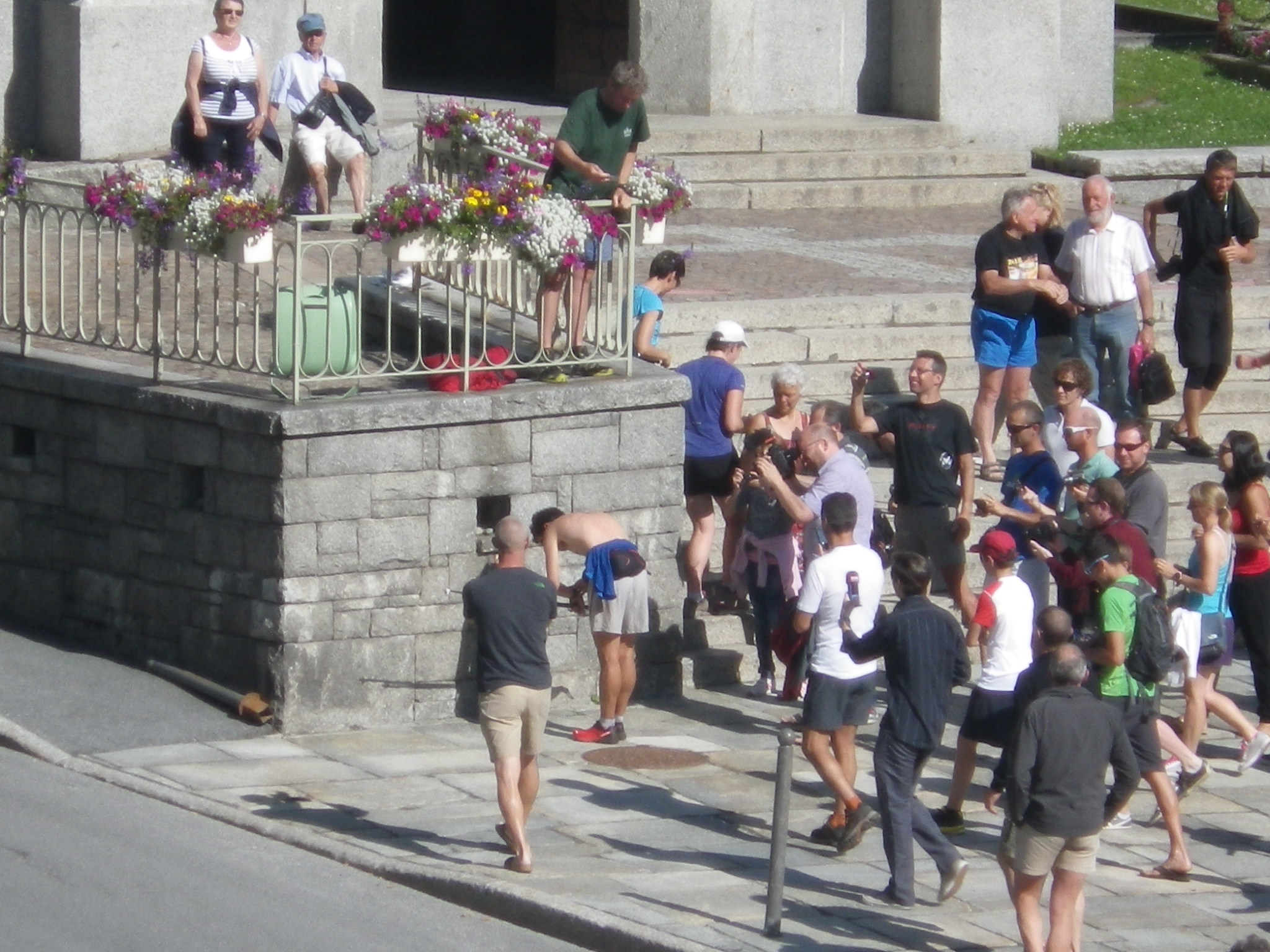
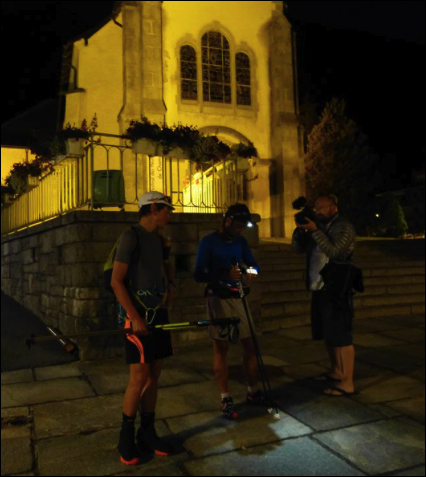
Mathéo and I synchronised our watches, switched on the stopwatch and gave each other five for luck before starting to run. It was 4:50 am, and it wasn’t cold in the church square in Chamonix. We were in shorts and thermal T-shirts, but nerves and excitement probably did not let us think about anything other than the challenge ahead. Mont Blanc, as majestic as ever, was just waking up and, from the square, we could spot the headlamps of those who had spent the night at the mountain refuge and were now preparing to reach the summit.
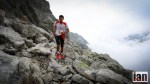
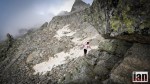
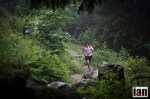
We are ascending well, within the estimated time. Upon arriving at the crack of Grands Mulet, we rope together for safety reasons as large amounts of snow have accumulated there this year. Halfway up, we spot Seb and Vivien, who have come to give us support and to film us. The sun is barely rising and the scenery is breathtaking. We are both using sticks to help us to climb and move faster. The marks we gouged into the ground a few days ago have lasted, and we follow them, so we can move fast and carry on with the ascent.
It’s the day after the Matterhorn Ultraks and just four days after Kilian Jornet’s successful attempt on the Matterhorn Summit record attempt from Cervinia. It has been quite a few days for this iconic mountain and although Kilian has excelled on both occasions, we all know, the mountain is still the boss.
Kilian arrives with Emelie Forsberg looking relaxed and fresh after a late breakfast. I congratulate him (and Emelie) once again on topping the podium at the Skyrunning Matterhorn Ultraks race and ask him how he feels, ‘I am a little tired but feel good. I was certainly tired in the race but I didn’t push too hard. I just did what I needed to do to win the race’.
Our conversation turns the TNF UTMB and we discuss how the race will unfold for the men and women. Kilian and Emelie are animated at the prospect of Julien Chorier, Miguel Heras, Anton Krupicka and the other contenders going head-to-head. Emelie gets excited at the thought of Nuria Picas in the ladies race, it’s her first 100-mile race and of course Emelie knows the Catalan well. We could talk all day but eventually I settle down with Kilian in a quiet corner and we discuss the Matterhorn.
IC: It’s the day after the Matterhorn Ultraks, firstly Kilian, congratulations on your win! Another great race with Luis Alberto Hernando but maybe what is more impressive is that it comes just a couple of days after your Matterhorn Summits. How are you feeling?
KJ: I feel good. It was a super good race with a great atmosphere. To run with Luis Alberto Hernando was super nice. I was very tired before the race, particularly the day before. I used a strategy for the race to take it easy and take the win in the last kilometers. Yes, I think I was much more tired than in other races this year.
IC: We spoke in the Dolomites and we discussed then that your next Summit would be the Matterhorn. You travelled to Cervinia and you lived here for weeks to train. You had the utmost respect for Bruno’s record of 3:14:44. The Matterhorn is a dangerous mountain. You said you needed to learn the mountain, to understand every step. I think in that time you went up and down the mountain multiple times. Just before your attempt you said that the record was in your grasp… what is it like to look at something that is perceived as being an iconic record, a record from 1995, you said in a quote that it was a record you had dreamt of. Something from childhood that you wished you could achieve. It is a massive undertaking. For you it is more than a record, it’s your life.
KJ: I remember it well; I was 13 years old. I entered into a mountaineering center; I was talking to Jordi, the trainer. I said at the time that the record was impossible. I spoke to Jordi recently and he reminded me that I was dreaming about the Matterhorn all those years back and about the record. I thought it was the ultimate expression of our sport. It’s a beautiful summit. It has a logical line. It is a hard record, it is push running and climbing, so, it was in mind for many years… more than Mont Blanc and all the other records. About five years ago when I started to think about Summits of my Life, the Matterhorn was my goal. The other summits were really preparation for the Matterhorn and Bruno’s record. For me, it was the most difficult record in Skyrunning and mountain running. For example, Pikes Peak is not Skyrunning. I was really afraid, not of the mountain as I was climbing a lot but of the time. I summited the Matterhorn nine times before the ascent. The first time you climb you become aware of what is possible. You go up and down and say, wow, this is the time I need to beat. After going up and down nine times I think okay, I know the mountain, I am not going to fall, I know this mountain well. I was aware of where I could go hard and where I needed to go easy. However, the morning of the attempt I was nervous. I thought to myself, will I do this record or will I do four hours?
IC: A few people asked why you made the attempt at 3pm; it seems quite logical that the Matterhorn is a busy mountain so I assume the mountain would have been less busy?
KJ: Yes for sure. It is a busy mountain when conditions are good. When I climbed nine times I saw hardly anyone, just two or three teams. I was alone. The week of the attempt we had good days with warm and dry conditions and everyone was on the mountain. Over one hundred teams! So, I was talking with all the guides and the helpers. We asked the question, what do we do? So many people on the mountain and it would have been impossible. My first idea was to start between 7-8am but it would have been crazy to pass people. We decided to start later. It was the perfect decision. It was warm at the summit and I wore just a t-shirt and nobody was in the way. Everyone was going down or in the hut. I just had the safety guides to help. It was perfect!
IC: In the build up to the record, you actually met up with Bruno Brunod. Did he go on the mountain with you or did you just talk about your attempt?
KJ: Bruno said he never climbed the Matterhorn after his attempt. We met in Cervinia and discussed his record. What conditions he had, how he prepared, how he was mentally and then we discussed the rope, the short cuts and how he made time. It is funny, Bruno stopped running in 2003 but last year he started running again and he is now preparing Tor des Geants. He never ran long distances; he was afraid. I said, c’mon man, you are strong, and you can do well in these races.
IC: So, Bruno has gone from no running to doing one of the longest races on the calendar, I guess when you are Bruno Brunod you don’t do things by half. When you go on the mountain to learn and understand, what process does that involve? Do you have several options to attempt the summit and therefore you try them or do you have a defined route and then you put that route in your mind so that you know every step. You know you can push in one place and you won’t slip in another place?
KJ: It’s one route. The Lion Ridge is the classic route and the fastest. It is the historical route and the same as Bruno used and those before him. You work out the differences but it is a thin ridge, you have several places that you can pass but yes, it is about planning. It is about knowing where to put your feet, knowing where to push and when not. I think you need to understand the mountain. You have parts in the west and north face and they are thin in the ridge and you can have ice. If you go in the morning you will have ice. If you go after 10am then this will be water so you can go there. You need to spend time to understand how it works, to understand the mountain and its life. Always in the north face it was icy, so I was aware I needed more care. On the west side I could push harder as the rock was warm and the rubber of my shoes would have better grip. It is important to spend time and understand that exactly. For example, if it is cold or windy, my shoes don’t grip the same as a warm day. I need to know this so I know exactly where to go. It is super important to understand the mountain and how the weather conditions are.
IC: On the face of it, people look at you and think you are very relaxed and casual. I know, I have seen you work and I have seen you study a mountain, you know the history, you go into in depth research to make sure these attempts are correct and that you know what you are doing. It is obviously very important. You have mentioned a simple thing like shoe rubber. Did you have special shoes?
KJ: Yes I tried different rubbers. I always used the Salomon Sense but I had different soles, different grades of rubber. For the attempt I used a softer rubber for grip. In the snow any shoe glides. You just need the technique of a flat foot and the ability to push.
IC: What is great about these attempts in comparison to Bruno, for example, in 1995 I guess Bruno stood in the square in Cervinia and just a few people were around probably having a beer, but Marino Giacometti and Lauri Van Houten were instrumental in Bruno’s attempt. They helped finance it, they arranged the safety, they arranged a helicopter and of course they got involved in your attempt. Fortunately for us we had the opportunity to have Seb Montaz follow the process, for those who know Seb, he is like your self a master of his craft. We have had some great glimpses of your summit; short videos are already on YouTube. Clips of you running a ridge jumping a crevice, or sliding down snow. It brings what you do into perspective. We can talk about you going up and down the Matterhorn but it’s easy to think, ok! But we may not have an idea of the difficulty or danger. These videos convey this. It is an important aspect. Is it a way to record you achievement but is it also a way to attract people to the mountains and also let people understand the beauty and danger?
KJ: It is the second for sure. It is not about my achievement. When I stop it will be in my mind. It is more a learning process. It enables the people to join us in the mountain and it enables everyone to understand. It’s beautiful, it is nice but it is also very difficult. It takes preparation, we do take some risks but the videos help motivate and inform. The way I go the mountain is possible but you need to learn. For me, my summit was the Matterhorn; I understood my capacity, my ability and my technical skill. I accept the risk. For everyone else it may be here or close to the home. We want to show and share that you can be light in the mountains and hopefully more people will understand. I go naked to the mountain.
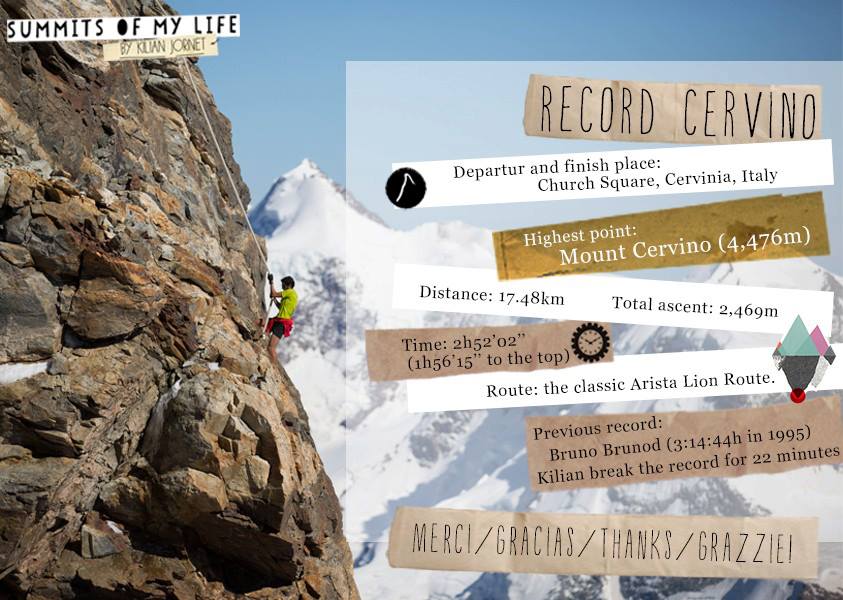
IC: The actual record. You started 3pm from Cervinia. You are in Salomon Sense, shorts, T-shirt and a jacket around your waist. You look like you are going for a run… of course that is what you are doing! You start and in the early stages it is easy and then it becomes tricky, technical, you have ropes, ridges, faces to ascend and so on, how do you process the attempt in your mind. Did you have specific targets, so, did you know what time you wanted to be at a certain place or do you go on feel? I know in the early stages you only had about 3 minutes on Bruno’s record, it was maybe a little too hot but once past a certain point you really opened up time. Of course on the descent you came down super quick. You did 2:52:02 instead of 3:14:44. I believe Bruno predicted 2:52! Were you surprised?
KJ: I was really surprised. When Bruno said 2:52 I said, no way. I was thinking, I might break the record by 2-3 minutes maximum. Maybe 3:10 would be a good time? During my practice runs I never ran fast because in the hard parts you don’t want to go hard. It’s like a lottery and taking numbers… you leave taking numbers for race day! The only time I went faster was the second day when I trained. I thought, wow, maybe I can beat Bruno’s time. If I am close to Bruno’s time then I can go faster. I spoke to Seb Montaz on the morning of the attempt, he said if you are at the summit within 2 hours it will be so good, you will have time for the downhill. I said, yeah I will be so very happy. When I started the summit attempt it was the afternoon so this was good at the top because it was warm, however, it was warm in the valley too. I don’t like warm. I started with a good pace but it was hard to find the strength. I saw lots of people and friends. Bruno was shouting at me, ski friends shouted, guides from Cervinia, Nuria Picas was there and so on… they gave me energy. I said to myself, I must keep going, I must push. I had Bruno’s time in my mind but I had no prediction of what I could do.
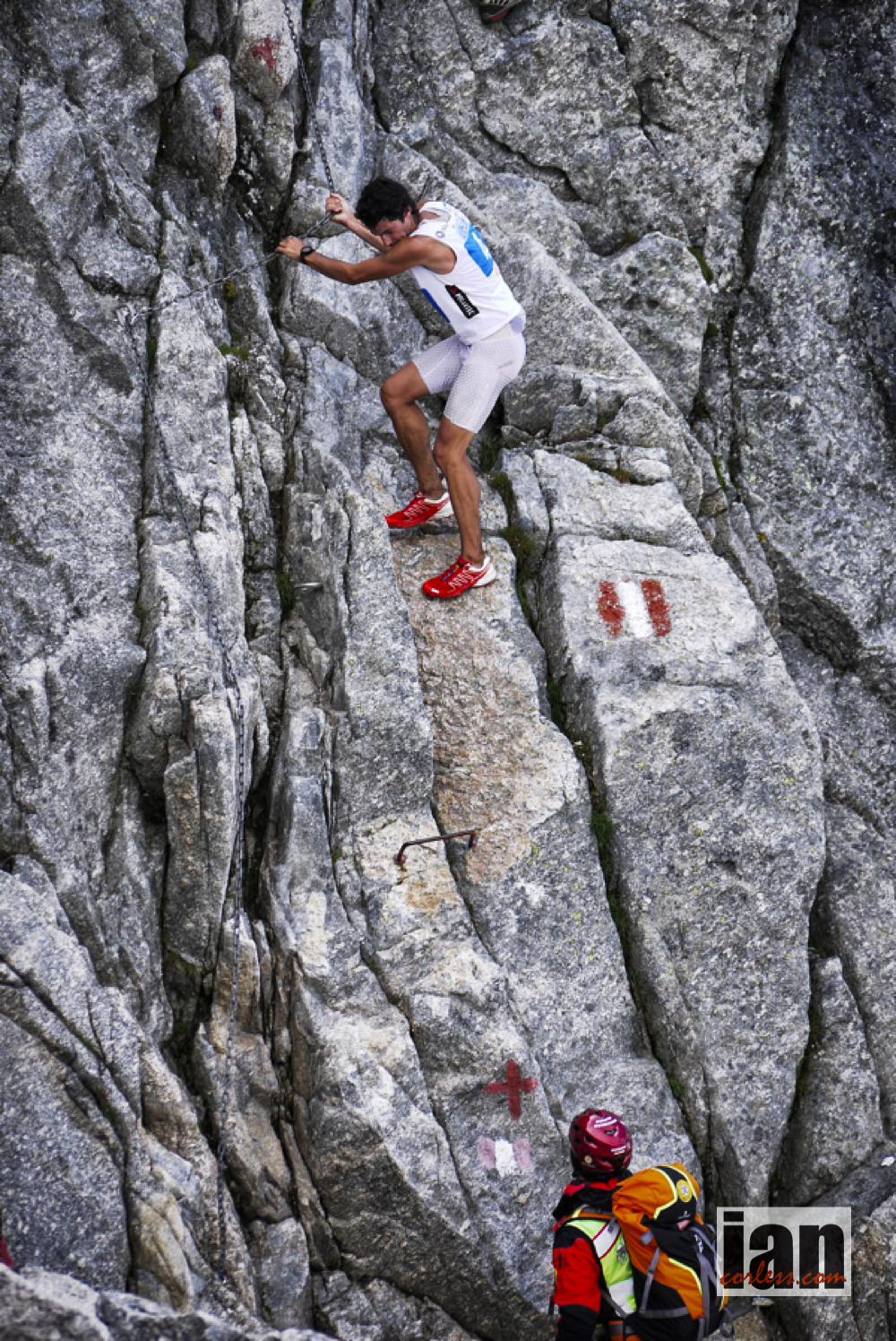
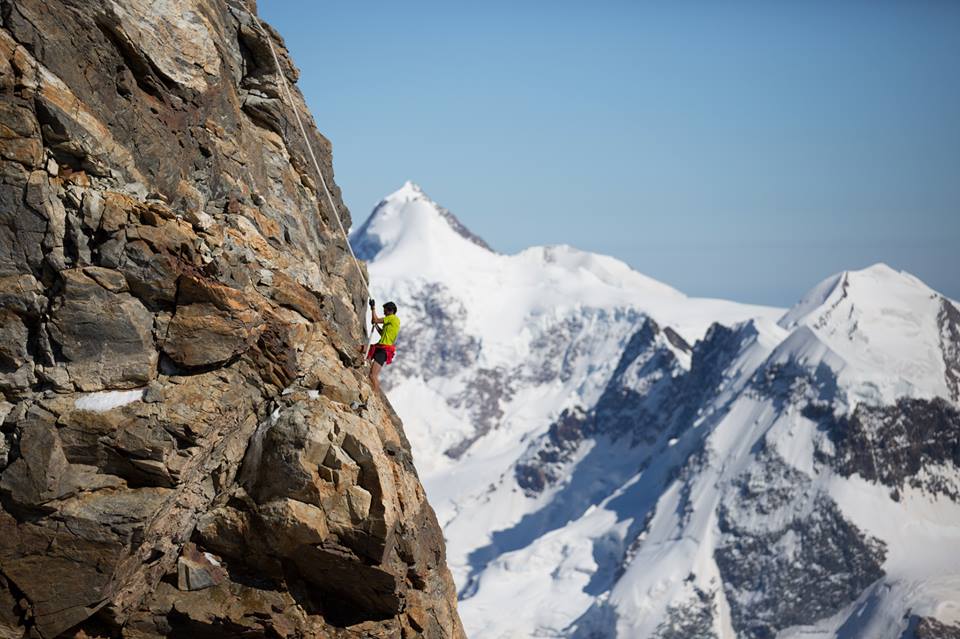
I was close to Bruno’s time until the Leone Col then the ridge starts and then I came into my own. It is where I love to run. It’s technical, you need to climb and you need to push. It is exposed. I love to be exposed on the mountain. From here I was not moving fast but fluid. This is the way to move in this terrain, if you go fast and you go more than you can you will have an accident. Moving fluid allows me to move quickly. I started to gain time all the way up to the summit. I looked at my watch and I saw I was almost 12 minutes in front of Bruno’s time, I said to myself, wow, this is incredible. It is possible! Okay, I said, I can do it. I was happy but I could not disconnect. It is a long down hill to Cervinia; I needed to be sure of every step. The boss of the guides in Cervinia said to me at the summit, you can do it! I started down in deep concentration. I was enjoying it so much; I love to run the technical sections. You don’t push with your legs; you push with your mind. Where to put your feet, where to put your hands, when to glide, when to go faster, when to stop, this is what I love, I was enjoying it so much. When the most technical part stopped, I realized I was almost 20 minutes in front of Bruno; so, the last part was just pushing to the finish.
IC: Myself and many other people were very worried about the Matterhorn. We respected the mountain and we anticipated that you would push; pushing brings danger, so when you got to the summit and you knew you were ahead of Bruno’s time did that mean that the descent was easier, you took less risks than if the time had been very close.
KJ: Yes of course. If I had been at the summit in 2:10 I wouldn’t have come down at the speed I did. I would have taken more risks. I also think that this doesn’t work! Many people who saw me said that I was going down very fast, they said I looked really fluid and that I wasn’t taking risks yet I was very fast. I think this is the way to go down the mountain. If you take risks the body position is different, you can’t glide as well and so on. You lean back and this slows you. If you feel confident, you can go fast. I think maybe I could have gained 6-7 seconds by taking risks. It’s nothing! These 6 or 7 seconds may have been my life… I knew the route very well and I had no need to take additional risks. I just wanted to be confident. My mother was on the mountain and she had bad memories of when she climbed the Matterhorn for the first time but if you climb again and again, you know it’s risky but it isn’t necessary to take risks, it is about being confident.
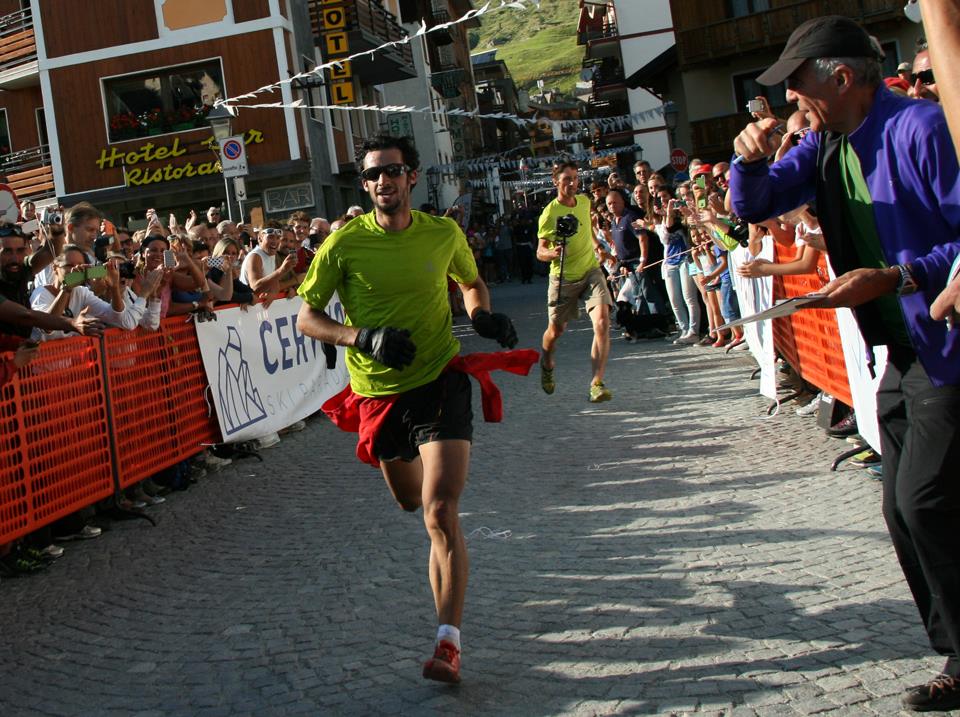
IC: When you arrived in Cervinia, it was like the end of a race. It was incredible. The barriers were out. It was almost like the race finish here in Zermatt. Did this surprise you?
KJ: Yes, I was completely surprised. I was in Cervinia for three weeks sleeping in my van in preparation for the attempt. I was surprised by the reception by everyone. For example, the first day I climbed the Matterhorn I was with Emelie. We climbed with running shoes and when we reached the top, the mountain guides said, ‘wow, you are going with run shoes. Congratulations. Do you want to try the Matterhorn record, can we help you? Tell us the day, we want to help you’. There is not another place that is like this, we usually get the response of, ‘What are you doing here in run shoes, this is ridiculous’. Not in Cervinia, they wanted to help us right from the start. Every time I climbed it was so open, the support was great. I was always asked, ‘tell us what day you go and we will help. We want to be on the mountain to help and support you’. It was the same for the hotels in Cervinia, they offered me showers or they said if I needed anything such as Internet that I could use the Wi-Fi. It was an incredible ambience. People were happy that I was in Cervinia to do the record and they got behind me. I think this was the most beautiful part of the record. I went just with my van, I was alone to climb but everyone was supporting the team and myself. It was so easy then to do the record. The day before my attempt, I made a call to the mountain rescue and said, ‘Tomorrow I go’. He replied, ‘Okay, how many people do you need? We will put people in the mountains for safety in case you have a mistake’. He called the mountain guides and they said, okay, we will put people here and here. The guides had finished work at midday on Wednesday and then they returned to the mountain to support me. It is unique. The reception was so fantastic.
IC: It was incredible the level of support you got. Knowing you, you would have quite happily got out of your van, started in the square and returned with no fuss. Marino Giacometti made a very good point, these record attempts do need to be verified, it does need an element of proof that you do go to the top and do come back down. Of course we are not questioning your honesty. But for future records a structure needs to be in place. I guess if we set a standard for the future it can only be a good thing. Does that mean for future attempts such as Elbrus in Russia, will you start to incorporate this system.
KJ: Yes, I know I need someone to do the chrono and I am aware I need someone at the summit. For Mont Blanc, I had people from the Tourist Office to confirm my attempt and I had guides at the summit. I also have the gps files on my Suunto. At the Matterhorn it wasn’t an issue, we had everyone in place and it was almost taken out of my hands. For example, Marino Giacometti did the chrono in Cervinia but the guides etc. were fully behind the attempt and they verified the route. My chrono was radioed to all the guides on the mountain so my progress could be monitored. It is important to be true. It is just like doping control… it is about integrity, my intentions are 100%, it is important to do a record in the correct way. I am aware that many ‘FKT’s have no control, I personally believe in the people but when you see the world and see the problems, I am aware of the issues of how people can not be honest.
IC: What was great about this attempt, because you had a team of people up the mountain, we had time checks back that meant that we could Tweet and Facebook times to the world. This was so exciting. Social media became alive following you. I think we stopped so many people from working. They wanted to follow. It is interesting from my perspective because it is what I do, but I guess the concept of someone running up and down a mountain and that message being sent around the world, some may think, why is that interesting? But it is so exciting; the updates had people glued to your progress. Can you relate to it or do you just think about the mountain?
KJ: When I am on the mountain. I am 100% focused. I need to be in my moment and think about where I put my feet, how fast do I go. If my mind wanders I will loose time or maybe my life, so I was super focused on moving as quickly as possible. It is just the mountain and I. The social media and the photography I leave to others. For example, Seb was in the helicopter but I never saw or heard it even though he was so close. This is because I needed to be 100% committed. I think this is nice. In racing I think for the last three years I have managed my effort and therefore I don’t need to focus as much but this was completely different. It was like the first time I raced ten years ago when I was super focused. It is a super nice feeling.
IC: Certainly social media has made what you are doing so accessible which is great for us but it is also great for you and everyone else involved. I guess now your energy focuses on Russia and Mt Elbrus?
KJ: Yes, I need to relax a little first…
IC: You said that to me last time, when I interviewed you in the Dolomites. You told me you wouldn’t race for a month and then you went to Sierre-Zinal.
KJ: Ah yes, I was close to Sierre-Zinal, it was just the other side of the Matterhorn, so it was good training. Plus it was the 40th edition. Now I take a couple of weeks with no racing but I will train a lot, I love that; I need to do it to be alive. I will train but not race until UROC in the US. I will focus on Elbrus for the next few weeks; I want to go to Russia before UROC, maybe the 15th September. I will plan around that date and train at altitude.
IC: So does that mean you will do the Elbrus summit before UROC?
KJ: Yes, I think so. After UROC I have Skyrunner World Series,Limone Extreme and the then Diagonale des Fous, so, after this I want a break.
IC: You say a break, does that mean ski mountaineering?
KJ: It means one week of no training and then I will be in the mountains for November and December but I won’t race.
IC: Okay, we will follow you and see if you do race… Kilian it has been fantastic for you to give me so much time to talk about the Matterhorn. It’s great to get such an insight. Finally, when are we going to see the full edited Seb Montaz movie of this year or the recent summit?
KJ: We are working on it and of course we will work more after Elbrus. November and December will see much of the work being done in edit, so we hope before the end of the year. Maybe late December?
“It is a technical mountain. Bruno Brunod has a record of 3:14:44. It is a technical route that is not difficult BUT if I fall, I will die! I need to know the route very well, I need to spend time on the mountain, and I need to learn every step.” Kilian Jornet, July 2013.
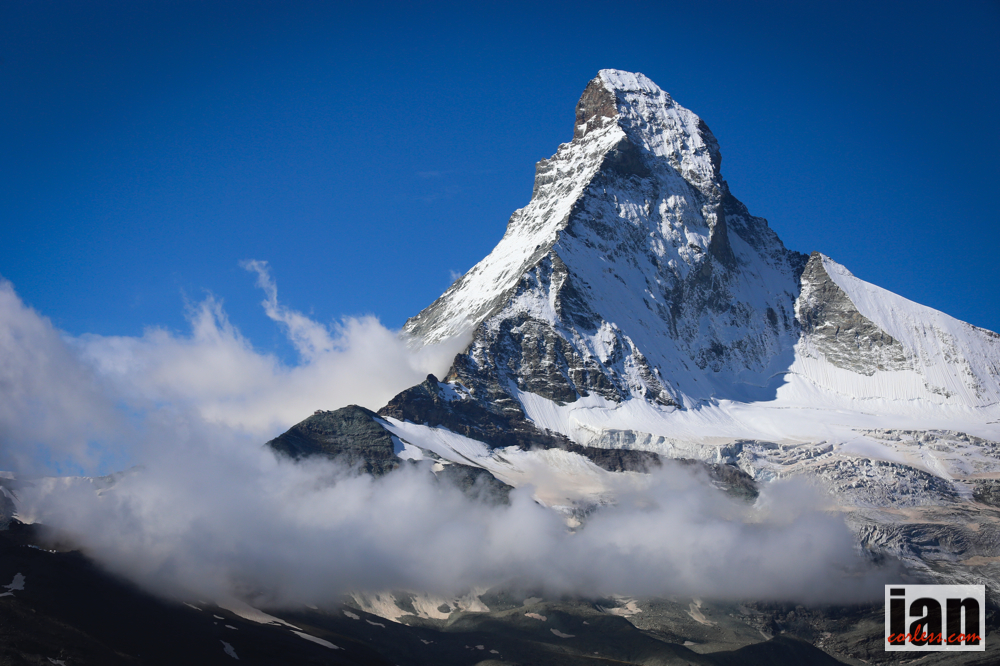
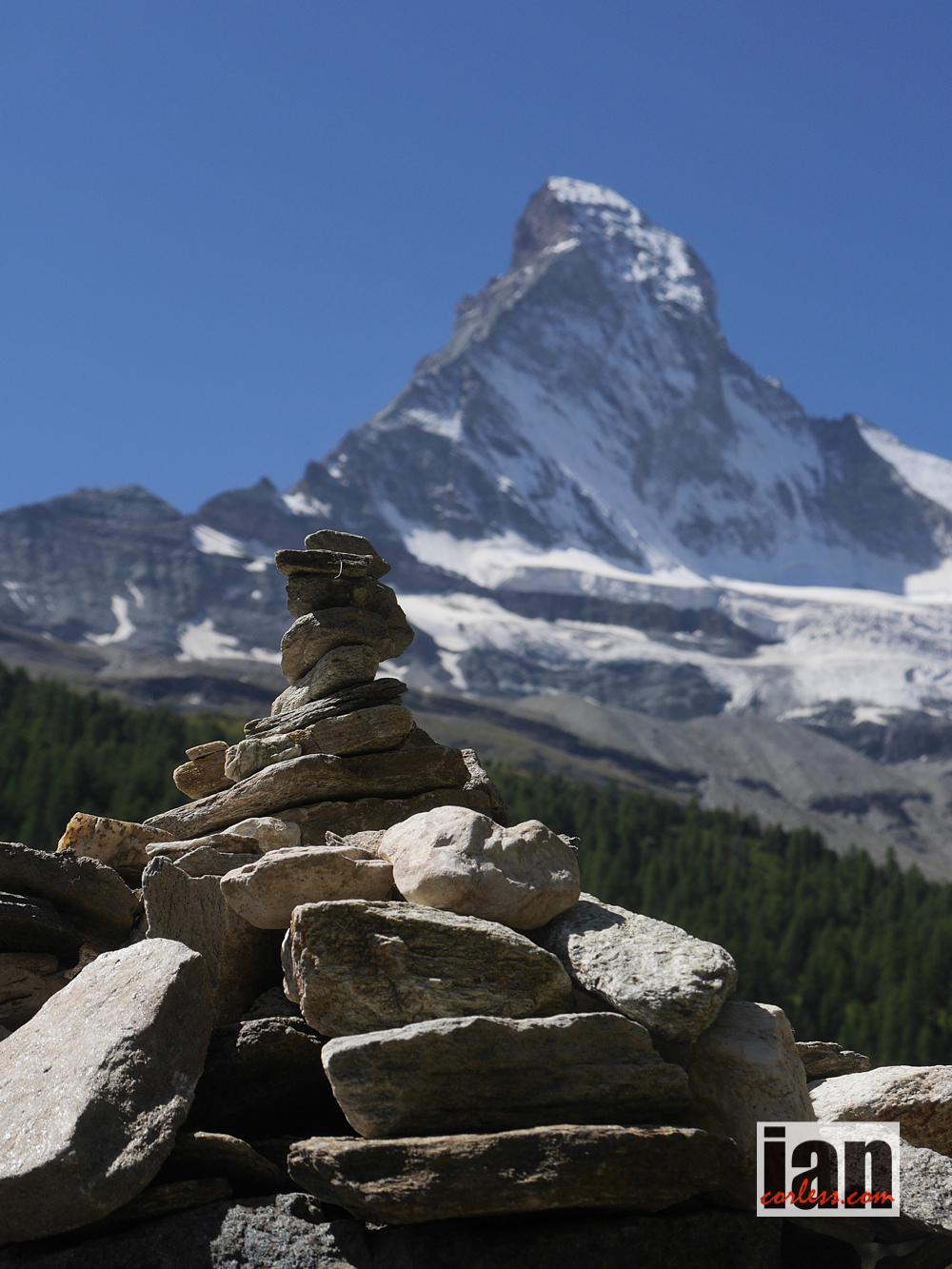
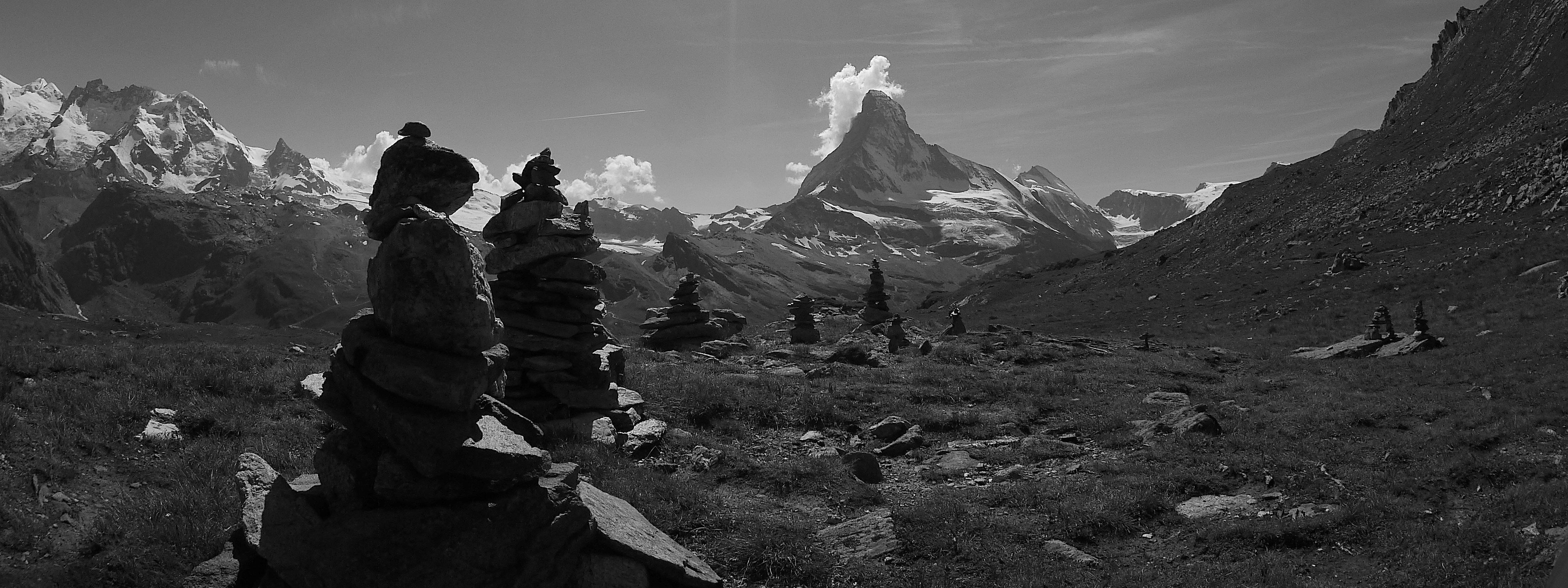
Monte Cervino (Italian) or Mont Cervin (French) or Just the Matterhorn is a mountain on the border between Switzerland and Italy. At 4,478 meters (14,690 ft) high, it one of the highest peaks in the Alps. It consists of four steep faces, striking above the glaciers that surround it. Overlooking the town of Zermatt it is an iconic mountain and possibly ‘the’ most photographed mountain in the world. It is a mountain that dreams are mad of. Kilian Jornet is no different, “I have been dreaming about this record since I was 15”.
Ironically, the Matterhorn was one of the last great Alpine peaks to be climbed and the first ascent by Edward Whymper in 1865 brought an end to the ‘Golden age of alpinism (The period between Alfred Wills ascent of the Wetterhorn in 1854 and Whymper’s ascent of the Matterhorn in 1865, this period saw many peaks in the Alps have first ascents)
Since 1865 to 1995 it has been described as one of the deadliest peaks in the Alps, over five hundred lives have been lost in this 130yr period. I guess the first ascent in 1865 showed us the danger potential when four climbers fell to their deaths on the descent.
The Matterhorn has two distinct summit, both situated on a 100-metre-long rocky ridge: the Swiss summit with a height of 4,477.5 meters (14,690 ft) on the east and the Italian summit with a height of 4,476.4 meters (14,686 ft) on the west. Their names originated from the first ascents, not for geographic reasons, as both are located on the border. Each summer a large number of mountaineers try to climb the Matterhorn via the northeast Hörnli ridge, the most popular route to the summit.
Small patches of snow and ice cling to the faces of the Matterhorn, but the faces are steep and regular avalanches occur. Snow hurtles down the four sides and accumulates on the glaciers at the base of each face.
Four main ridges separate the four faces of the Matterhorn and therefore it offers four distinct routes. The least difficult technical climb and by far the most popular is the Hörnli Ridge, which lies between the east, and north faces and it faces the town of Zermatt. The Zmutt Ridge (west), between the north and west faces is, according to Collomb, “the classic route up the mountain, it’s the longest ridge and also the most disjointed.
The Lion Ridge, lying between the south and west face is the Italian normal route. It is the shortest route on the mountain and has fixed ropes in place but many think it to be a far superior climb, particularly when compared to Hörnli Ridge. Furggen Ridge is the final offering, it is the hardest offering and in good conditions is not too difficult, and it does however have a reputation.
J.J and J.P Maquignaz made the first ascent of the Italian ridge as it is climbed today in 1867 but Kilian Jornet had his eyes on Bruno Brunod’s record set in 1995 when he did Breuil-Cervinia to the Matterhorn summitand back in an astonishing time of 3:14:44. In addition, Bruno also has the record for climbing the Matterhorn, again from Breuil-Cervinia just to the summit in a time of 2:10.
Back in 1995, Skyrunning president, Marino Giacometti and Executive Director, Lauri Van Houten were not only present but also helped finance Bruno’s attempt. Lauri still says how the thought of it, “brings shivers down my back”. Lauri and Marino both acknowledge the danger and undertaking that Kilian had given himself. “I remember standing in the square in Cervinia and about 3 hours 10 min had elapsed. There was a real buzz and noise and then somebody shouted, he’s coming! We all ignored it; we thought it couldn’t be possible… but minutes later Bruno appeared. It was a magical moment, one I will never forget”, says Lauri.
Bruno is very much considered the father of Skyrunning. His exploits, to this day seem to go beyond human limit. Without doubt, Kilian Jornet is in the same mold and in real terms, Bruno has lead the way for what Kilian now wants to achieve with his Summits project. Kilian’s final Summit will be Everest. Bruno himself attempted Everest; he however gave up when at a height of 8.200mt (26,900 feet) due to very hard weather conditions.
Bruno’s passion and time is now focused on his construction company, however, just recently he joined Kilian on the Matterhorn as he prepared for his Matterhorn attempt. Two masters together discussing the mountain. Without doubt, Bruno played a big part in the successful attempt by Kilian and ironically he predicted a time of 2:52:00. Maybe Bruno knows Kilian better than Kilian?
Bruno’s records:
Matterhorn uphill and downhill from Cervinia in 3:14
Monte Rosa uphill and downhill from Gressoney in 4:45
Aconcagua uphill and downhill in 5:57
Kilimanjaro uphill on the Marangu Route in 5:38
Mount Elbert uphill in 1:54
Three times winner of the Becca di Nona SkyRace (2002 – 2003 – 2004)
As another day draws to an end and the sun creeps behind the mountains, I catch up with Kilian Jornet outside his hotel on the outskirts of Canazei in the Dolomites. Looking fresh and relaxed he is on his iPhone, no doubt tweeting and replying to many of the messages he will have received congratulating him on another stunning win in the ISF Skyrunning Dolomites Skyrace. Just forty-eight hours earlier he had also won the Dolomites Vertical Kilometer.
Kilian needs no introduction. He is without doubt the leading example of everything that is great about our sport, not only on the trails, but also off them. He is the superstar of the sport. Always in the limelight, always in demand, I have been fortunate to see both sides in close quarters for some time now. It’s not just racing! Kilian has so many demands placed upon him, that it is miraculous that he can perform at the consistently high level that he does.
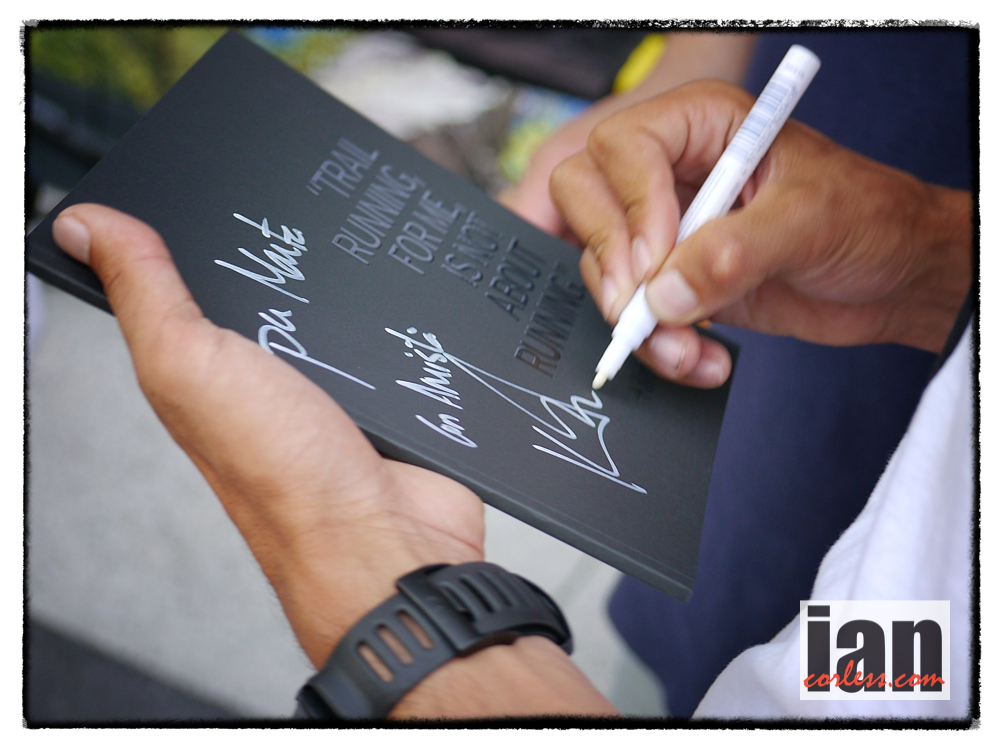
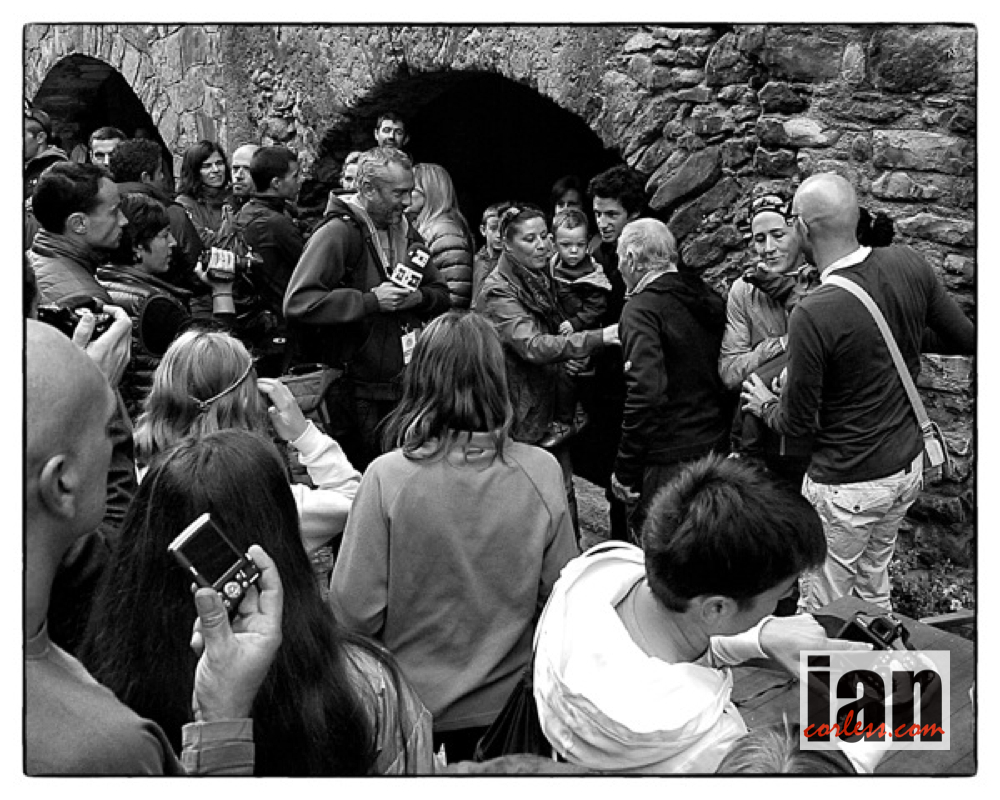
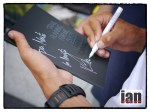
After our chat he must prepare for a long drive to Switzerland the following day for a four-hour meeting. Returning the same day to Canazei he will then leave for Verona, attend a meeting and then depart for the ISF SkyrunningTrans D’Havet ultra, he will attend three stores to do signings, photos and maybe go for a run. It is a hectic, full on, non-stop life. Despite all this, despite all the pressures placed upon him, I have never witnessed him say no to a photograph or an autograph. His dedication to the sport, his fans and al those around him is remarkable, so, when I ask to take up some of his valuable time for a chat it is always with a sense of guilt… I, just like you, want to hear what he has to say; I want his thoughts and his input. But at the same time, I also want to leave him, let him relax and just find some downtime away from the buzz that his ability as a runner attracts.
So, when I chat, although I would love that full hour with him so that I can go deep, ask about his life, talk through his progression I don’t. I set myself a fifteen-minute deadline, conscious of the fact that when I ask in the future, I hope, Kilian will always say yes!
Racing at the Dolomites Skyrace just hours before he had a close race; just three seconds…. Not many people can push Kilian to the line like that!
IC – Another great win Kilian and this time you had a real battle on your hands with your old adversary, Marco De Gasperi. You won by just three seconds, an incredible race!
KJ – Yes, a hard and incredible race. It’s always great to race Marco and today was very hard. During the race it’s hard and then it is beautiful afterwards. This is how we like it.
IC- Many people think that when they see a start list with your name on it, that you are automatically going to win. However, when we see Marco’s name, it’s great because we know he will push you along… Luis Alberto Hernando can do this too. Do you relish the opportunity to race these people so that you are pushed?
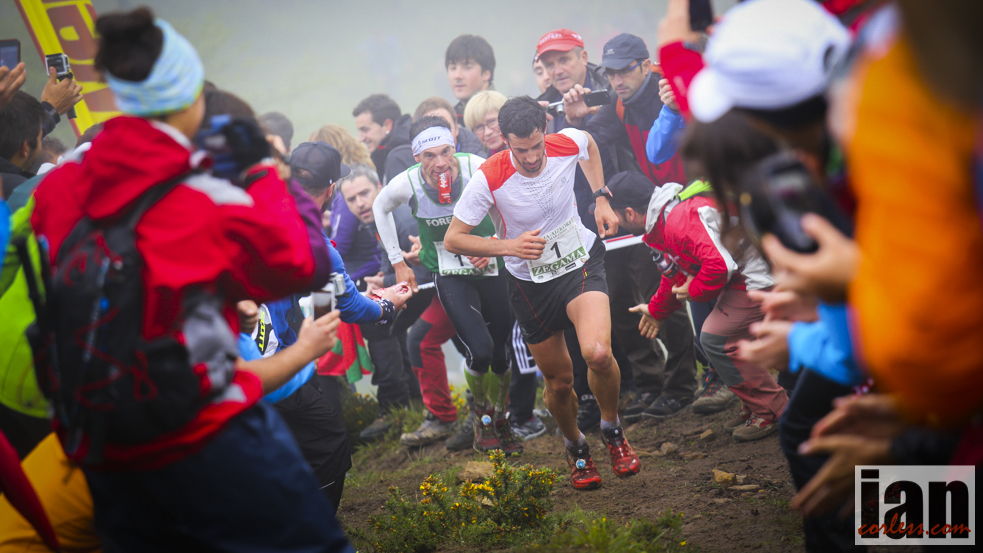
KJ – I think people think I am going to win but in my mind it is not like that. When I see Marco or Luis is in a race I think, this is going to be super hard. For sure, it is motivating. I relish competition. For the last three weeks I have done many races, for example the VK I have just done and the Skyrace when competition is tough that is what I like. I knew here at the Skyrace it would be tough against Marco. He likes short distances and I knew that he would go hard from the start. I needed to push myself. It may be easy from the outside to look in and think I am going to win but it is much harder than this.
IC – I agree, we all know your ability. Your skill in the mountains and your skill as a runner are without question. It is unfair to assume that you can race Ice Trail, the VK, The Skyrace and then go to Trans D’Havet and for us all to assume that you will win… when you approach a race like the Dolomites Skyrace and particularly this year with lots of snow, you must think that plays to your advantages, is that correct?
KJ – I know this race. I know the route quite well. I have raced here twice before. The snow wasn’t great for racing this year. It was soft, so not ideal to race fast. The snow wasn’t an advantage this year, however, it was more of an advantage to know the route. When I started with Marco I pushed on the uphill, at the top I had 20 seconds so I thought, we will do the downhill together. The downhill you need the correct line, so it was important to get the best line and if you are in front or if you have someone in front it is easy to follow, so, it would have been impossible to drop Marco. I was sure we would finish together. For me, I thought Marco would be stronger uphill. I thought he would start fast. But when I was with him uphill, I knew it would be a race to the line.
IC – Now Emelie Forsberg keeps tweeting about sprint sessions and interval work. The last time I spoke to her, she told me that she was going to make you do some speed work! After that VK finish when you sprinted from third place to take the win and then in the Skyrace finish you won by three seconds, does that mean you are not telling us something?
(Laughs)
KJ – I am improving in my sprint for sure. I am not a sprinter, in SkiMo I am a bad sprinter, but yes, I always have a little speed for the last meters. It is something I never train so I need to work on this, it’s good for me to train and work on this. Sometimes when you follow someone it’s better… last week we tried to catch Chamois, it was impossible but good for sprint training.
IC – Well it has worked! I mentioned the VK. The VK here is a tough course, very steep. I actually went up myself, boy it was tough and steep. Watching you three race up, I am guessing you placed yourself in third so that you could surprise the others. Did you have a race plan to use this tactic?
KJ – It’s a very particular VK, I have raced here three times before and I never felt good. So I was a little afraid, not afraid, I mean not confident. For all three races, (VK, Sky and Ultra) the VK is the race I was less confident about. It is a specialist race and it suited runners like Urban Zemmer. I was thinking before the start that I needed to relax and then when I saw that I was in good shape I tried to follow Urban, he is the best at this discipline. I was following and in the steep parts he was super strong, it was really difficult to be in touch with him. When it was less steep I could run and I felt better. It was okay. I needed to make sure I didn’t loose time or contact. When I saw the finish, I thought it was perfect for the sprint.
IC – It was an impressive sprint. I watched a clip on YouTube, you put your poles together, you went down the outside and then that final 50m is a wall. You have to grit your teeth and get up as quick as possible. Now one thing that many were interested in, is the fact that you used poles. Not something that you use a lot, the VK here is so steep that it would be foolish not to use them. What advantages do they bring?
KJ- I don’t use poles often for running but in SkiMo I use them everyday! I am extremely used to them. For years I used them everyday for 6-7 months. It is a particular exercise that you need to work on. On a VK like this it is like having four legs because you have the arms and upper body and you can really push. So when it is really steep it makes a big difference.
IC – Canazei is over and in 5-6 days you will race at Trans D’Havet*, it is the third event in the European Skyrunning Championships, you will be up against Luis Alberto Hernando, he will be arriving at that race fresh. You have lots of racing in your body, how do you think this race will be go?
KJ – It will be a great fight, I haven’t seen the list of other racers but I am sure it will be quality. I am in good shape. I am strong. Mont Blanc Marathon a few weeks ago was a fast race, Ice Trail Tarentaise was like a long training session and then the two races here makes it hard but I am good. I hope I can keep this shape for one week and then I will rest. Yes, it will be hard, Luis is strong this season and of course he hasn’t raced recently, he is focused on Trans D’Havet it is going to be hard but the hardest part of the race is the 0100am start… that is horrible.
(Laughter)
*Kilian and Luis Alberto raced head-to-head at Trans D’Havet and both crossed the line together in what will be seen as a defining moment of the sport, read my race report HERE
IC – You flippantly talk about races such as Mont Blanc and Ice Trail. Particularly Ice Trail, you said it was easy but everybody else thought it was super tough… you are here now for the VK and Sky but you have missed your Chamonix-Mont Blanc-Chamonix record… super impressive! A fantastic achievement, many look and find it difficult to comprehend how someone under human power can do something like this. What is it in the Summits project that has illuminated the fire within you to push to new depths?
KJ – Summits it is about pushing in the mountains. It is about being light. It is more than records, a record is nice but it is about being light and moving fast. How light can I be in the mountains? If you are light you need to be fast to be safe. Mont Blanc took a lot of time. We had too much snow early season, I attempted ‘CMBC’ after Mont Blanc Marathon but it wasn’t the correct time. The snow wasn’t correct. The week before my attempt I was in the mountains everyday to form an opinion on when was the best time and when the best day would be. It was all about timing. It is not like a race. Here you need to be in the mountains, to understand. Every mountain is different; you need to understand how it works how it breathes. I had perfect conditions for my attempt and the perfect day. I was with Mateo Jacquemoud for all the uphill and most of the downhill so it was just pushing, pushing each other. (Note – Mateo fell on the downhill and insisted that Kilian carry on)
IC – You mentioned a couple of great points. The one I concentrate on most is the need of understanding the mountain. It is very easy for people to follow Talk Ultra, websites or blogs and look at what you do and think, Chamonix-Mont Blanc-Chamonix, I can do that! But it is a real risk, a real understanding of the mountain is required, you make it look easy, I know that it is not. Do you feel you have a responsibility to those who follow you?
KJ – I saw Alex Honnold do soloing in Yosemite, I saw Ueli Steck doing the north face of the Eiger, and it is not because of this that I would do an attempt. It is inspiring but it is important not to follow. We can all have our goals, our own summits, but of course when we do these things, we have a responsibility. Chamonix is accessible, many people climb every year, and I am not dangerous but every year people die. That is because of rock falls, avalanches etc… you need to know the mountain, you need to know yourself and you need to know your limits. We take risks when we go, of course, but we accept those risks based on our ability.
IC – It is about your personal summits and about you understanding what risks you can take, about how light, how fast you can go?
KJ – Yes, it is about knowing each persons capacity and knowing the conditions, the mountain conditions change daily. Maybe one day you have the capacity and conditions but the next day it changes. I know people who climb a mountain and then they say it was easy… It is not like that! Today they climbed but another day maybe more wet, cold, snowing and everything changes; it is no longer the same mountain. Nobody is stronger than the mountain. You need to understand that, you need to take time, spend time in the mountains and understand them.
IC – The Matterhorn will be your next summit?
KJ – After Trans D’Havet I will take a break. I plan to stay more than one month without a race to recover and then prepare for the Matterhorn. It is a technical mountain. Bruno Brunod has a record of 3:14. It is a technical route that is not difficult BUT if I fall, I will die! I need to know the route very well, I need to spend time on the mountain, and I need to learn every step.
IC – And the process? Will it be going on the mountain everyday, working routes and understanding how the mountain adapts to the weather?
KJ – Yes I will be in Cervinia (Italian side of the Matterhorn) with my van and I will stay for at least a month. I know many guides in the area and I also know that it has too much snow at the moment but during this time I will go up and down, up and down etc… I need to know everything. I think Bruno climbed thirty times before the record attempt; so, I need to go up 10-15 times at least.
IC – And your attempt, will that come before or after the ISF Skyrunning Matterhorn Ultraks?
KJ – It depends on the weather? I planned Mont Blanc for May but snow made it impossible… I actually did it in June! I have planned the Matterhorn for late August or early September, however, the mountain will decide.
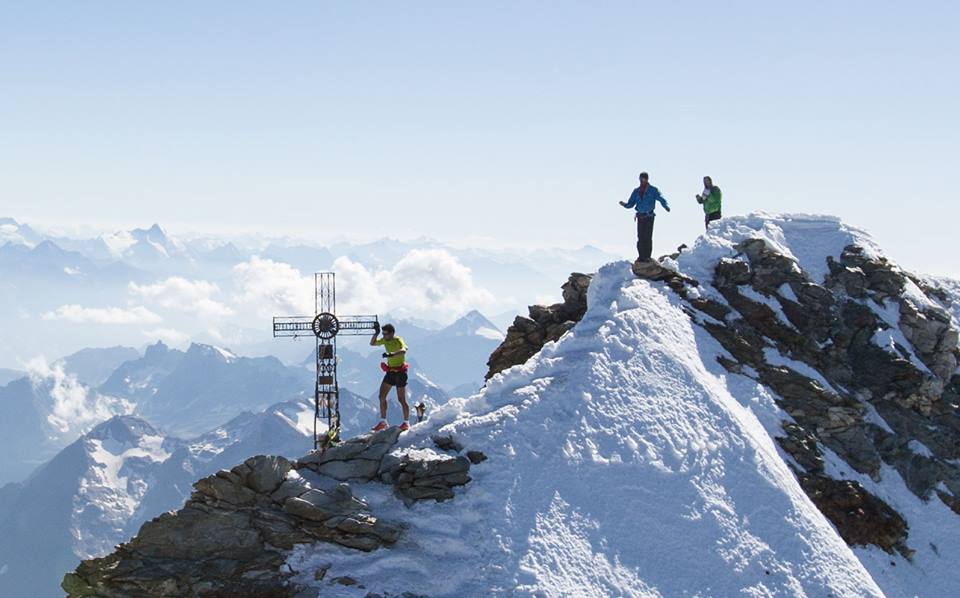
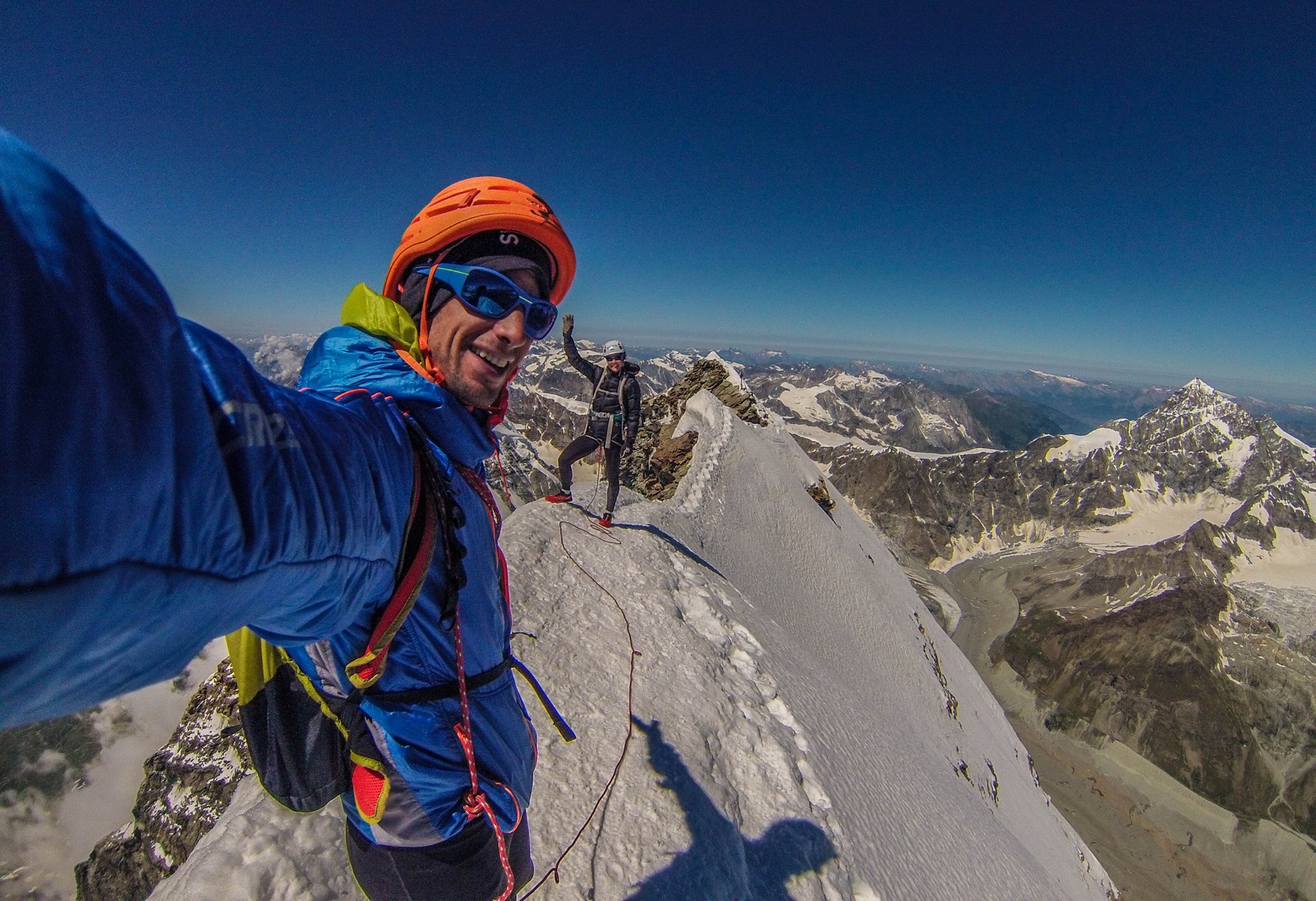
Image taken by Kilian Jornet, Friday Aug 2nd w/ Emelie Forsberg at the summit of the Matterhorn copyright: Kilian Jornet
IC – Kilian, thank you so much for your time. I wish you all the very best for the coming months.
KJ – Thank you so much Ian, see you at the Matterhorn!
You can listen to this interview on Episode 40 of TALK ULTRA – HERE
WANT TO WIN A SIGNED BOOK BY KILIAN JORNET?
PLEASE GO HERE AND ADD YOUR ANSWER TO THE QUESTION.
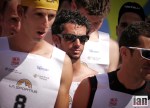
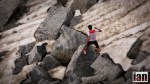
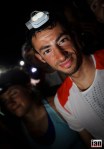
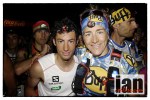
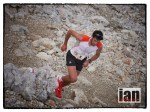
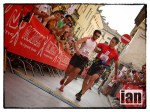
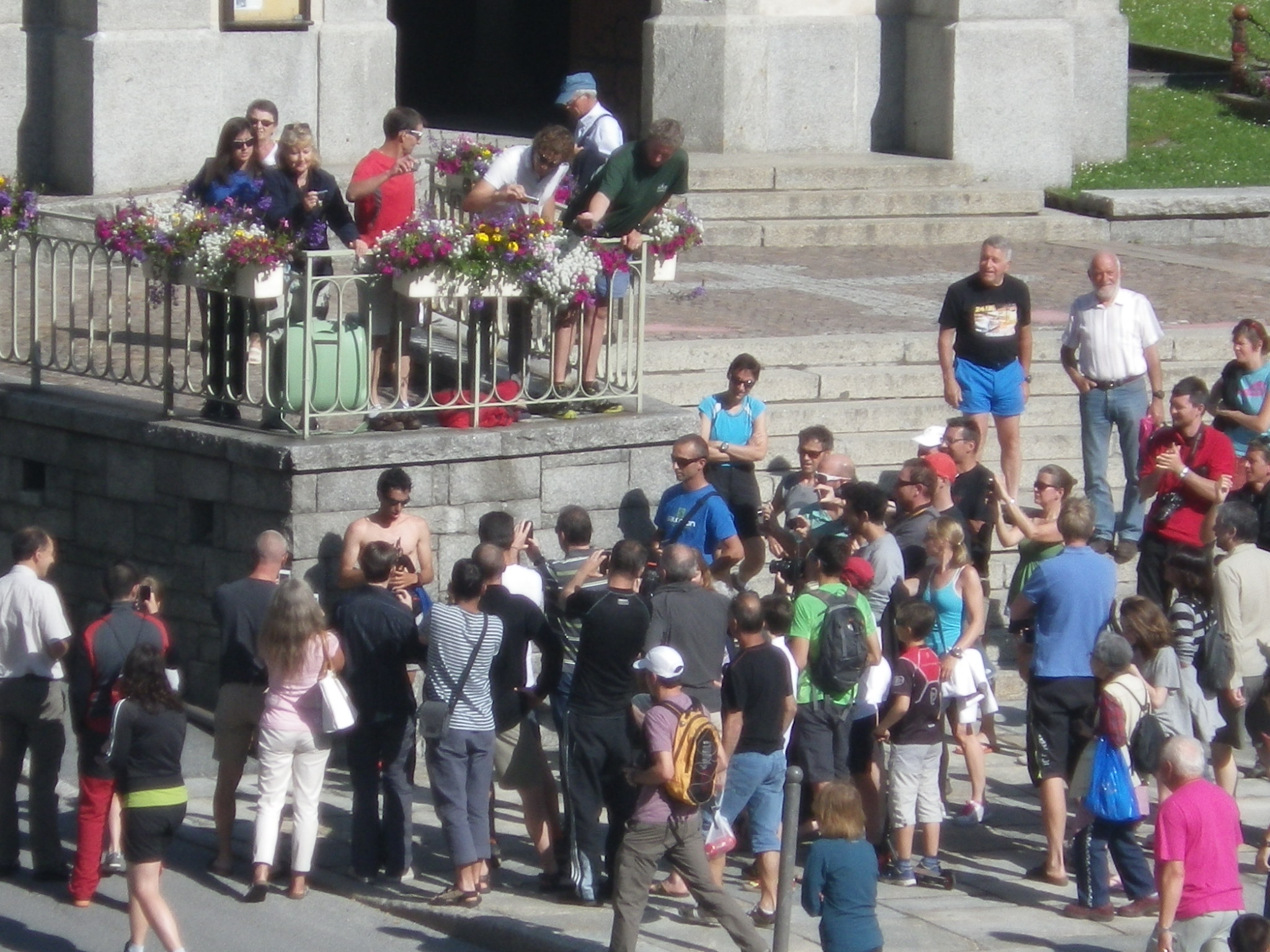
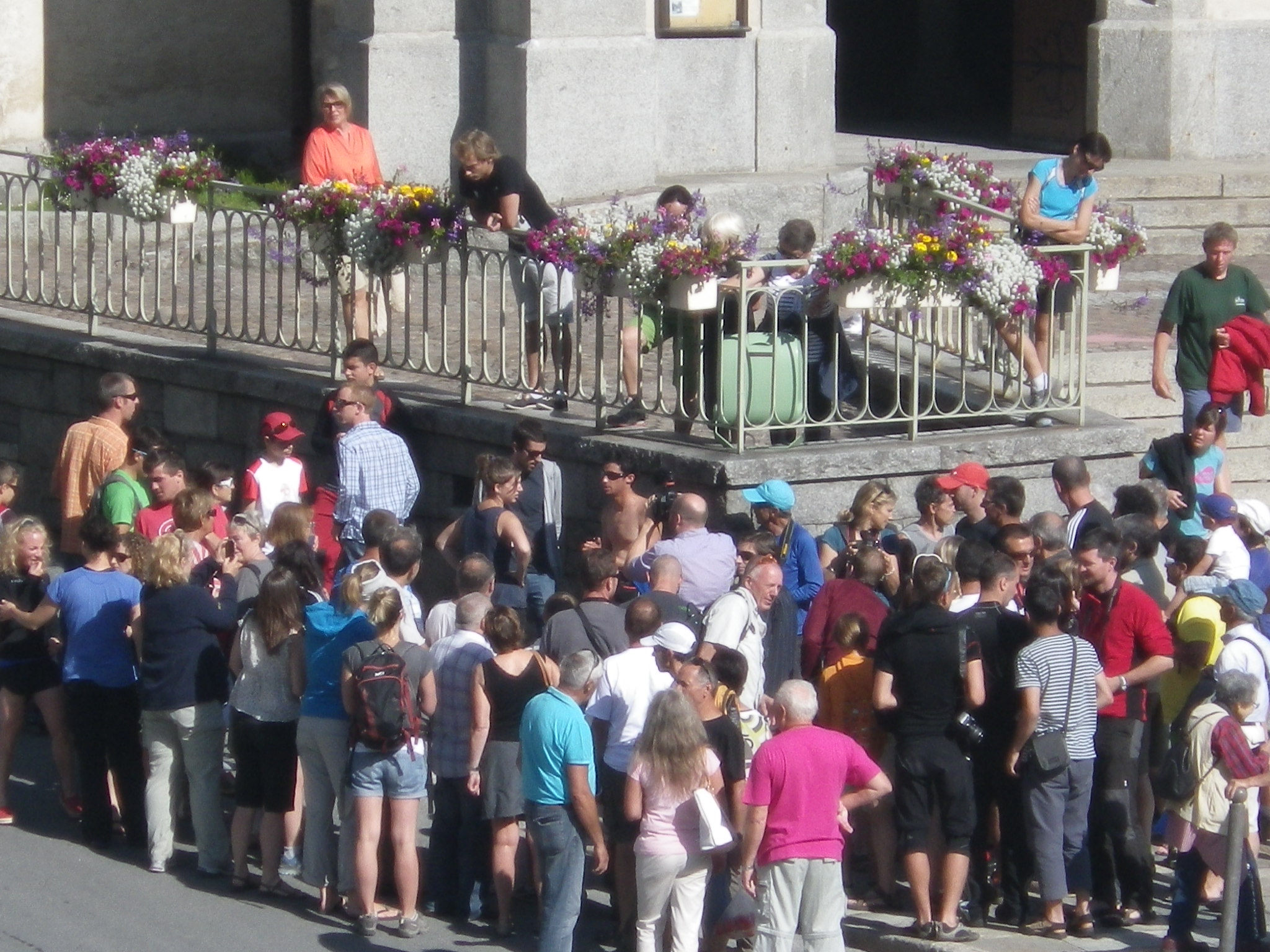
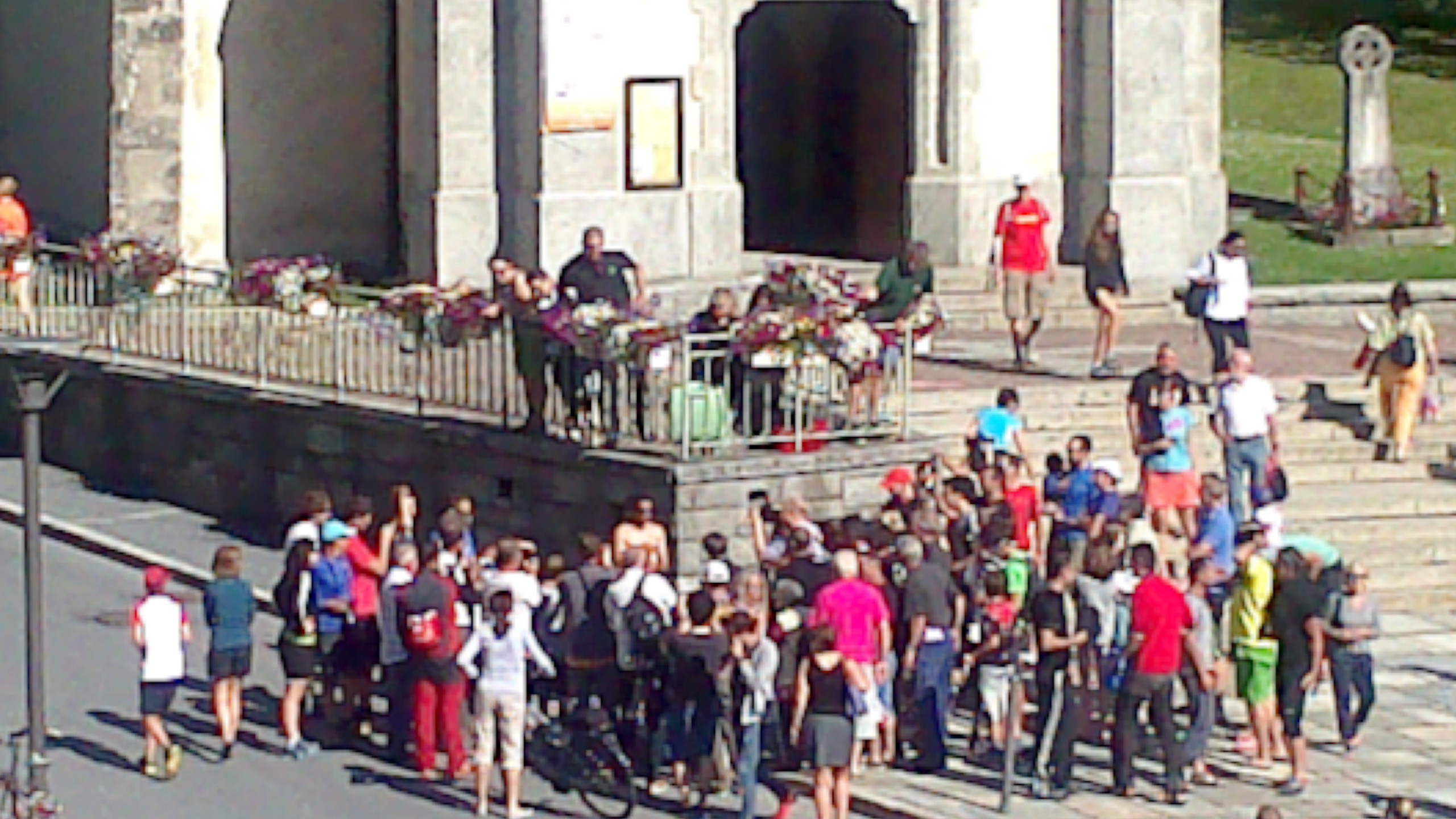
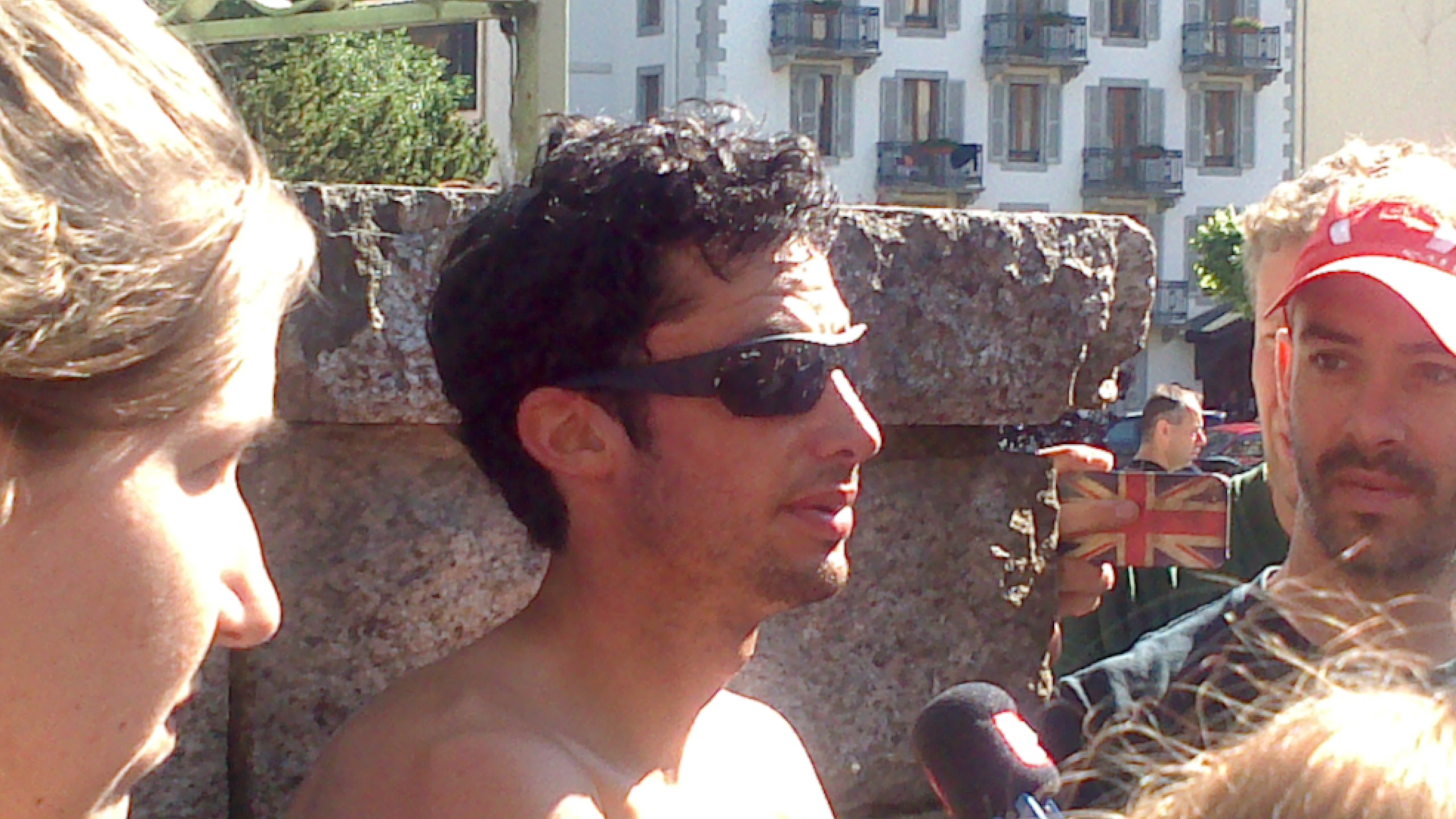
Image James Stewart – Kilian and Mathéo depart Chamonix 04:46am Thurs 11th July
Kilian Jornet and Matheo Jacquemoud will attempt to take the record for the fastest return ascent of the Mont Blanc on foot.
The current record is an incredible 5h11m, set by the Swiss Pierre-André Gobet, on 21 July 1990.
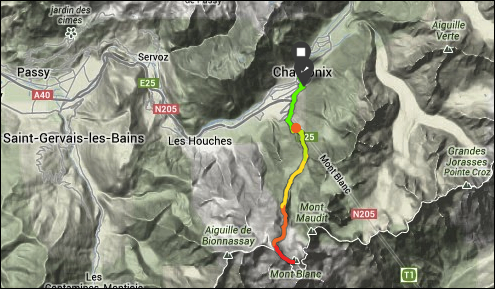
Departure is at 04:30 from the main Church in the centre of Chamonix 1042m.
The two athletes shall follow the road to the entrance of the Mont Blanc Tunnel, then take a right onto the track that leads to the Grands Mulet refuge.
From there, they will ascend through the Petit Plateau and the Grand Plateau, then onto the Bosses Ridge, past the Vallot refuge, followed by a final push to the summit of Mont Blanc 4810m.
On reaching the summit, Jornet and Jacquemoud are half way there. The dangerous, high speed descent, by the same route, should see them back in Chamonix, at the Church, for about 09:30am, to claim a new record time.
“It’s important not to get stuck in a routine and evolve as an athlete”
Kilian Jornet
He is still so young but we feel that he has been around for so long…. without doubt, in my opinion, he is without doubt one of the greatest athletes of all time and he still has so many years ahead of him. What he can achieve is beyond parallel. What he has already achieved is beyond parallel.
It may be time to move on, but it’s only time to move on from Kilian’s Quest.
I for one am excited about what the future holds for a true ambassador for ALL sports. Bravo Kilian and bravo Salomon for helping him on his journey.
Filming one again by the boys at The African Attachment. Top work fellas!




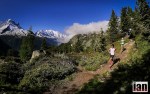
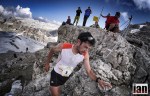
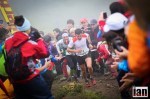

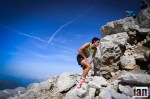
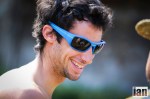
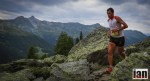

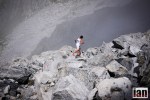
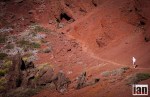
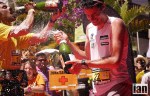
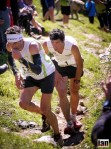


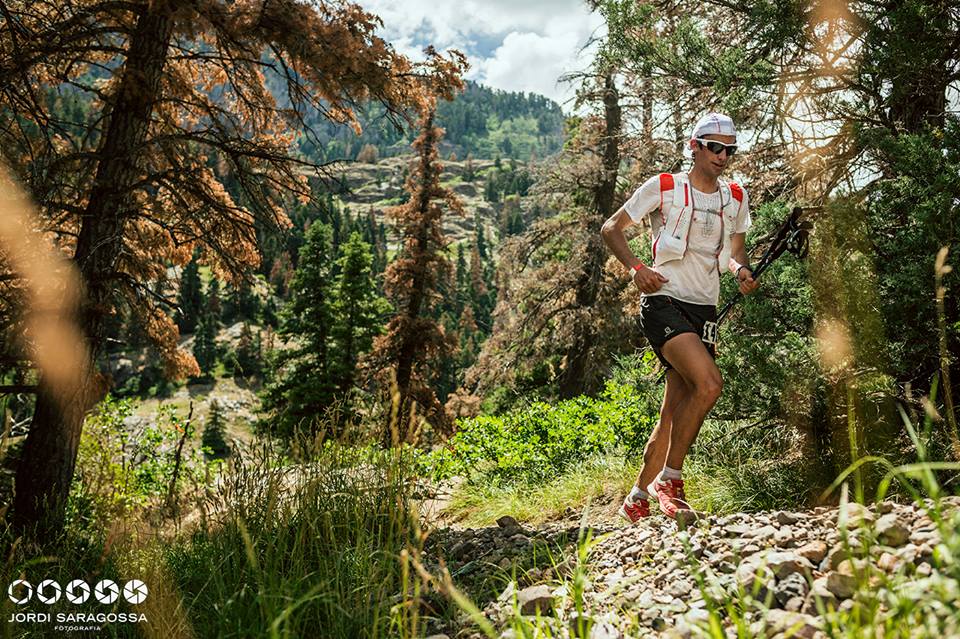
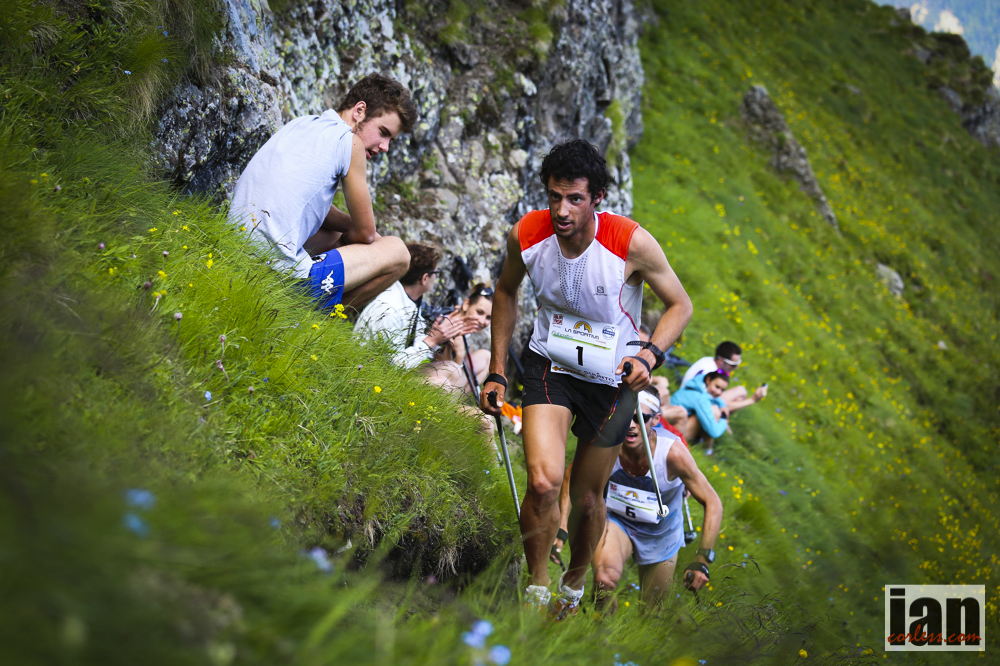

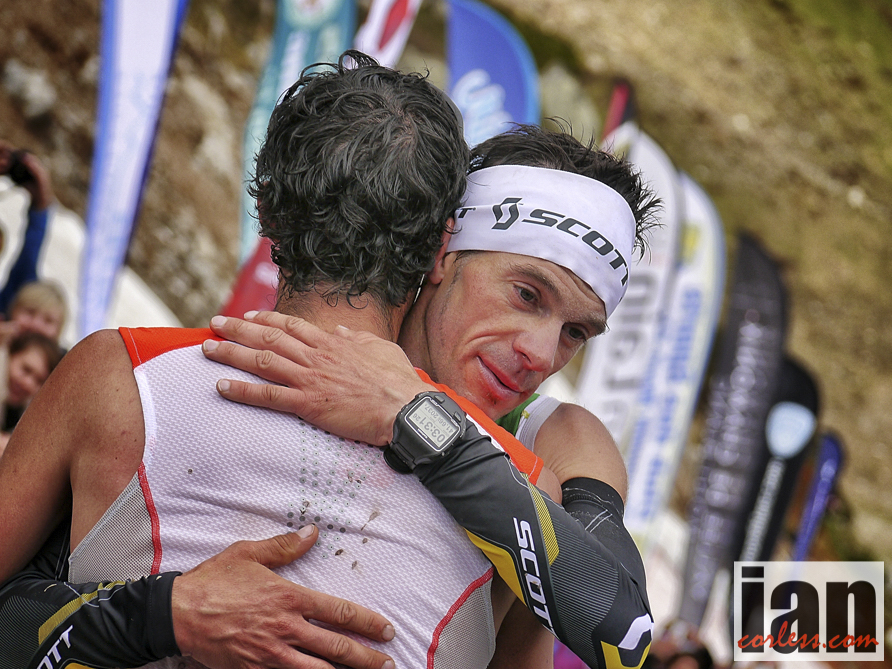

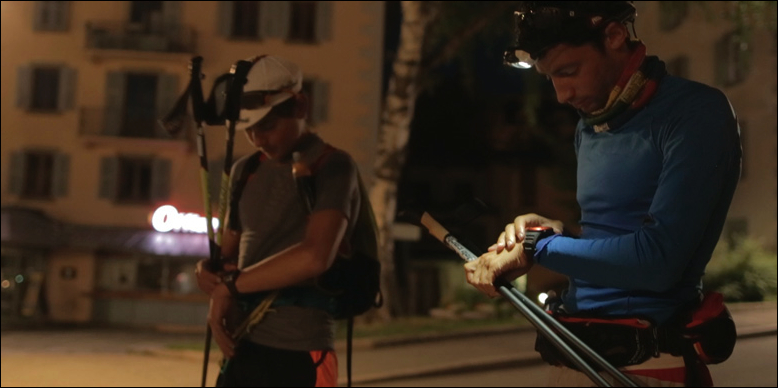
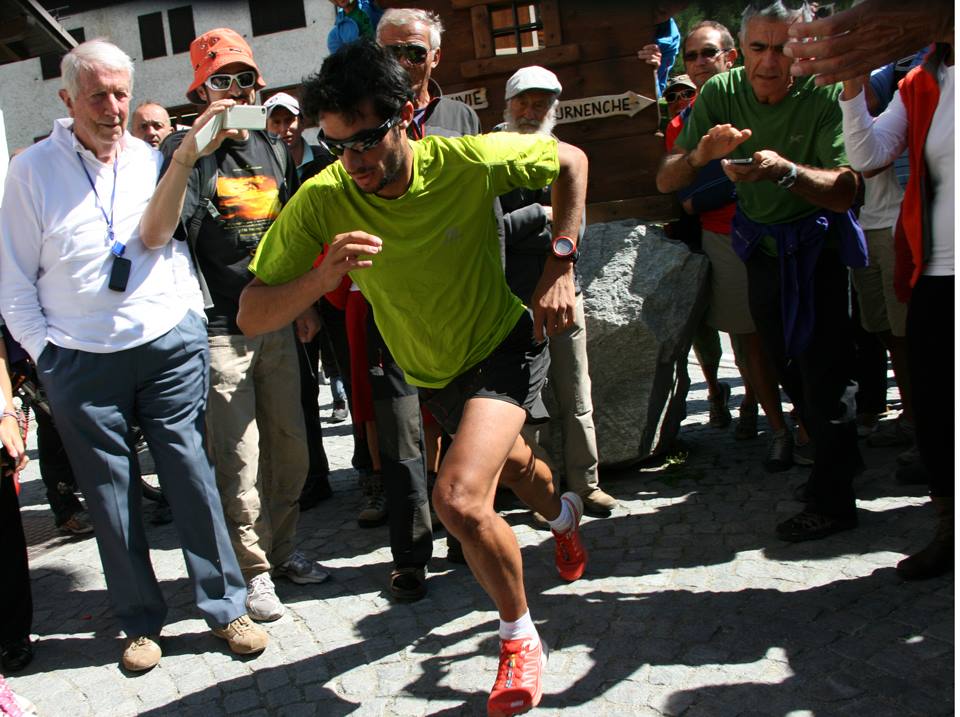
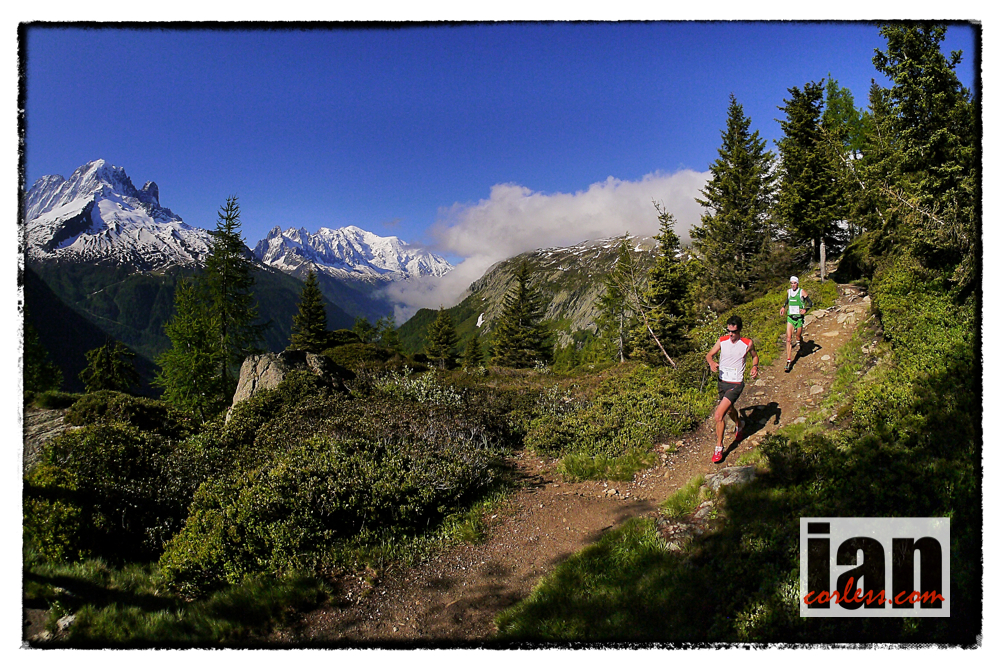
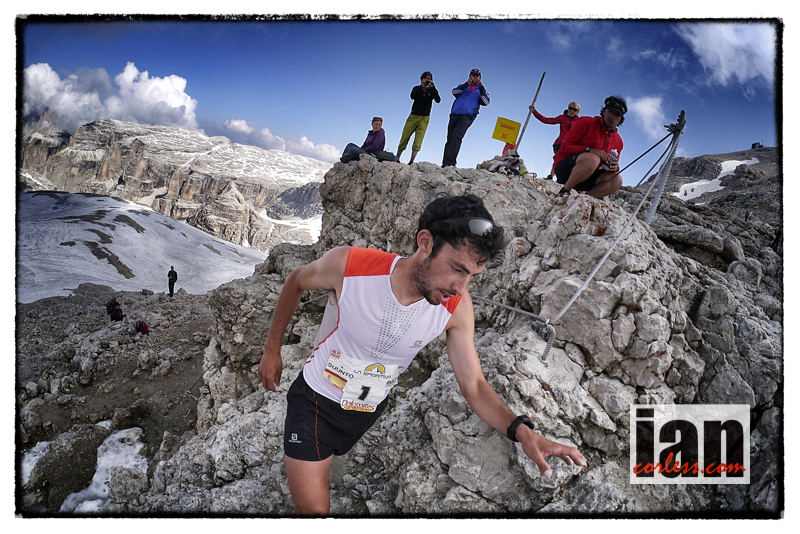
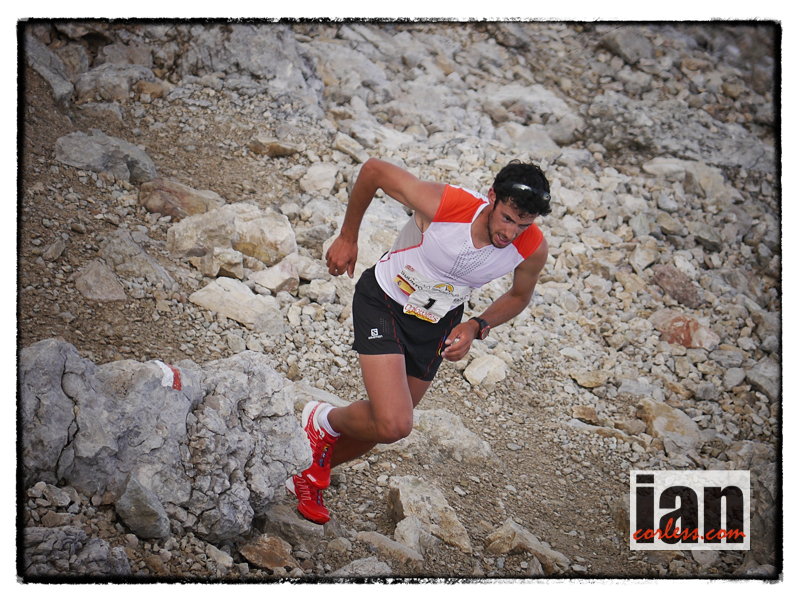

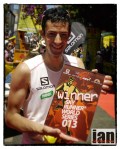
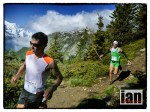
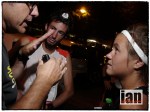
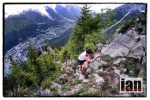
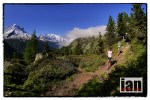
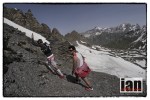
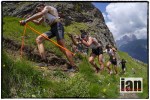
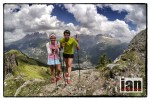
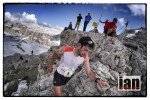
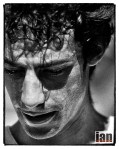
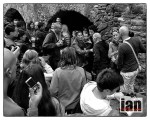
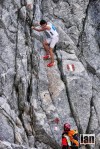
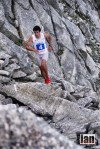
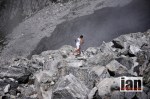
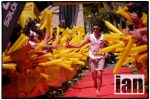
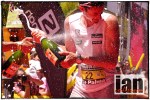
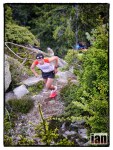
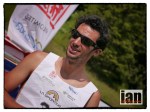
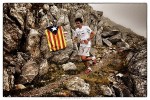


 At 04:46 on July 11th,

 IAN CORLESS