Episode 161 of Talk Ultra brings you a chat with Damian Hall who finally fulfilled his dream of placing top 10 at the UTMB. We also have a catch up with David Laney who is taking a year to get back to fitness after overdoing it in 2017 and we also speak with Neal Collick who won Superior 100 with a blistering course record.
*****
Talk Ultra is now on Tunein- just another way to make the show available for those who prefer not to use iTunes – HERE You can download the Tunein APP HERE
Talk Ultra needs your help!
We have set up a Patreon page and we are offering some great benefits for Patrons… you can even join us on the show! This is the easiest way to support Talk Ultra and help us continue to create!
Many thanks to our Patrons who have helped via PATREON
Wow – Eliud Kipchoge runs 2:01:39 for the marathon…. Off the scale
RUN RABBIT RUN
Unbelievable that Michelle Yates came back from being incredible in 2013 to win in 22:33 ahead of Emma Rocca and Kerrie Bruxvoort.
Jason Schlarb did it again winning in 18:48 – his 3rd win! Mark Hammond 2nd and Jeff Browning once again nailing another hundo!
SUPERIOR 100
Neal Collick and Mallory Richard set 2 course records in the process of winning the 2018 edition of the race. Read the report HERE.
00:24:39 Interview with NEAL COLLICK
SKYRUNNING WORLDS
Laura Orgue and Remi Bonnet were crowned the 2018 world champs for the VK ahead of Lina El Kott, Hillary Gerardi, Thor Ludvigsen and Stian Angermund-Vik on one of the toughest day’s on a mountain I have ever spent – torrential rain, windy and super cold. HERE
Ragna Debats backed up her IAU World Trail title with an ULTRA title in the Ben Nevis Ultra ahead of Gemma Arenas and Mercedes Pila. Jonathan Albon ran a stunning race to win against ever-present Andre Jonsson and Luis Alberto Hernando – the race route was changed due to bad weather making for less elevation, less technical running and a shorter course. HERE
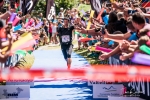
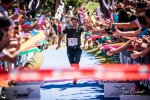
Kilian Jornet obliterated the old course record after battling all day with Nadir Maguet in the SKY distance Ring of Steall. Stian Angermund – Vik placed 3rd. Tove Alexandersson also obliterated the old CR ahead of Victoria Wilkinson and Holly Page. HERE
GLEN COE SKYLINE
The bad weather continued to bombard Scotland after the world champs and the SWS race once shortened with the Aonach Eagach ridge removed from the race – it was just too dangerous in high winds. However, Curved Ridge remained and post-race everyone commented what a challenging race they had despite the changes… Kilian Jornet pulled off a weekend double ahead f Andre Jonsson (wo also placed 2nd in the ultra) and Dani Jung. For the women, Hillary Gerardi and Jasmin Paris battled side-by-side during the race and were separated by seconds on the line – Hillary taking the win! Brittany Peterson was 3rd. HERE
TOR DES GEANTS
Franco Colle once again won the big jaunt in the Aosta Valley in 74:03. Silvia Trigueros won for the women in 87:50.
WORLDS 100km
Hideaki Yamauchi took the honours ahead of Takehiko Gyoba and Comrades champ, Bongmusa Mthembu – 6:28, 6:32 and 6:33.
Nikolina Sustic, Nele Alder-Baerens and Mai Fujisawa ran 1,2,3 in 7:20, 7:22 and 7:39.
TAHOE 200
Kyle Curtin and Courtney Dauwalter battled at the front and in the end, Kyle took the top slot in 49:32 ahead of Courtney’s 49:54.
Importantly, go to iTunes and subscribe so that you automatically get our show when it’s released we are also available on Stitcher for iOS, Android and Web Player and now Tunein.
Please support Talk Ultra by becoming a Patron at www.patreon.com/talkultra and THANKS to all our Patrons who support us. Rand Haley and Simon Darmody get a mention on the show here for ‘Becoming 100k Runners’ with a high-tier Patronage.
I was recently approached by LIFE OUTSIDE to provide a little insight into what it takes to, ‘Get the Shot!’
To be honest, it something that cannot be answered in just a few words.
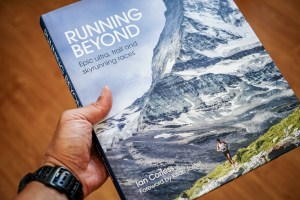
It would be impossible to introduce Ian Corless, and describe his passion for photography, and involvement with ultra running better than Killian Jornet’s words in Corless’ recent book Running Beyond…
However, HERE is the article. I hope you find it of interest.
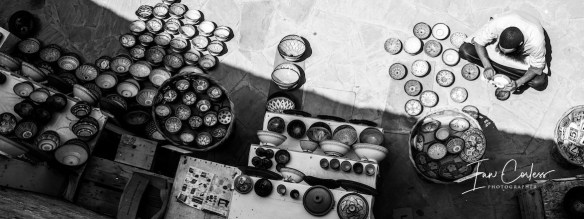
I recently also wrote an article on shooting in Morocco, HERE.
For those who may be looking to travel. I am speaking in October at TRF – Trail Running FestivalHERE (in Poland) – Be great to have you come and say hello!
I have used adidas shoes for many years both in road and trail versions, Adizero Adios were a personal favourite and recently I enjoyed using the Skychaser based on the laces and the excellent Continental outsole.
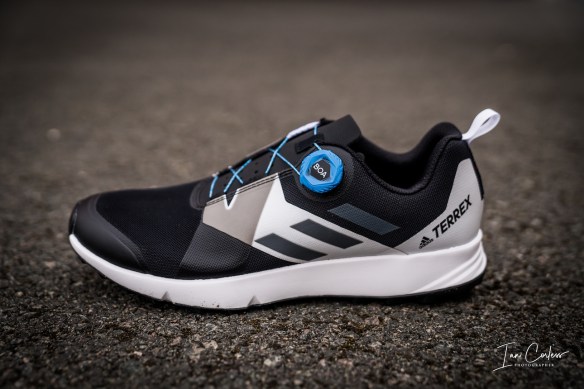
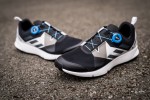
The Terrex range which is basically the outdoor/ trail running line of adidas really has some excellent products, so, when I was sent a pair of TERREX TWO BOA to test I was intrigued and interested.
The BOA® system (more info HERE) has been around many years. I actually first used the Boa fastening system on cycling shoes and to this day, I still do; it is my preferred method for fastening. Trail running, I used a pair of The North Face shoes way back in 2008 and recent years I have seen the system used in running packs, inov8-8 and Raidlight have used the fastening system in many products.
So, the BOA system for the new adidas really had me interested.
THE SHOE
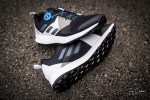
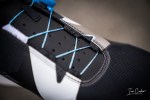
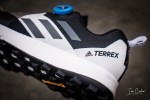
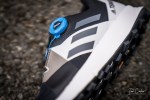
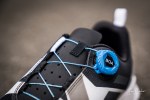
First off, the Terrex Two Boa is a great looking shoe, it comes in several colour options, but the black/white version I have on test is my favorite. The BOA system sticks out on the side of the shoe with the very obvious fastening dial, it is the USP of the shoe. If you are new to BOA, the system works by one lace threaded through the shoe. Press the BOA button and you engage the ‘lock’ system, turn the dial and the lace pulls tight. The more you turn, the tighter the laces become. To release, you pull the BOA button, and this works like a quick-release and the lace immediately becomes lose.
The shoe is 5mm drop and cushioned with 19.5mm at the front and 24.5mm at the rear of EVA. The drop is a great compromise and sits in a nice middle ground, however, I wonder why adidas chose 5mm instead of the more obvious 4mm?
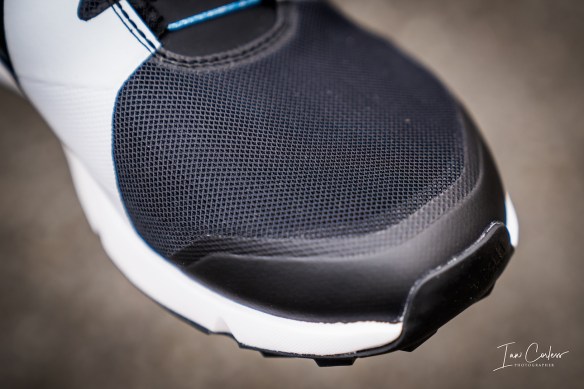
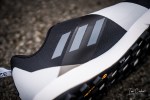
The upper is seamless mesh with TPU overlays and is extremely comfortable. The heel box is plush, comfortable and holds securely. The toe box is very wide – very wide! So, if you need wide shoes, the Terrex Two Boa should be on your list to check out, it is one of the widest shoes I have used.
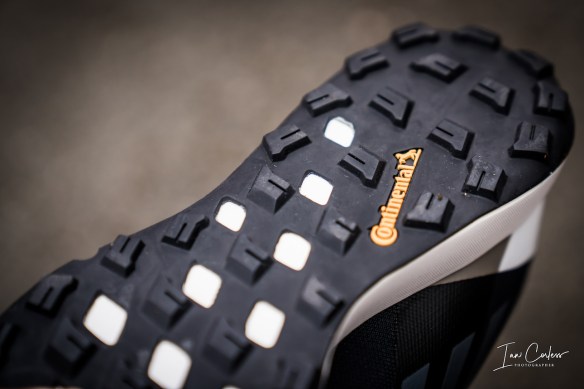
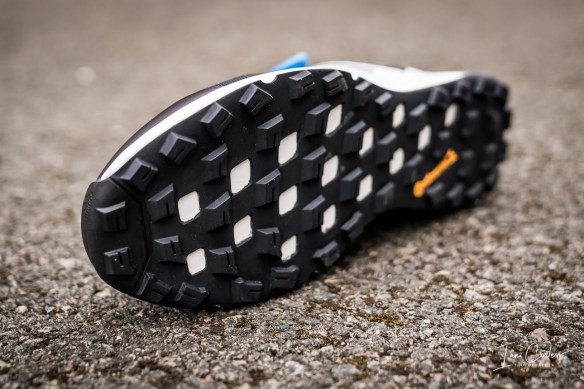
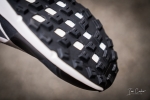
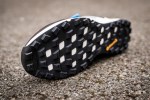
The outsole is by the German company Continental™(more info HERE) who are famous for making car and cycling tires. The outsole is one of the stars of the adidas Terrex range – it has incredible grip in the dry and wet. In my opinion, it is one of the best outsoles. The Terrex Two Boa has a classic ‘trail’ outsole that is designed for trails without too much mud.
IN USE
As I said, the Terrex Two Boa is a great looking shoe. Slipping the shoe on you immediately feel how comfortable the upper is and how cushioned the shoe is. They feel like slippers. You also notice how wide the toe box is. Engaging the BOA system, I tightened the lace by turning the dial and when I felt I had the appropriate tension on my instep I stopped.
I always use any run shoe in my apartment for one day to get a feel of the shoe. My immediate thoughts on the Terrex Two Boa was comfy, cushioned and excellent grip. However, with the wide toe box, I found that I wanted to add more and more tension to the lace to hold my foot secure. But once tightened, the BOA system never comes lose. A great plus.
On my first run which is on a classic 8-mile loop that includes a little of everything – mud, trail, dry single-track, stones, rocks, climbs, descents and also 2-miles of road, I was impressed with the shoe. They are really comfortable. The cushioning provides a nice bounce without losing a feel for the ground below. The Continental™ grip is really great – it grips everything and on rocks it is superb, be they wet or dry. It is a reassuring outsole.
Midway through the run I decided that I didn’t have my laces tight enough. There were two reasons for this:
When the trail was technical, and I was changing direction, my foot was moving inside the shoe. This is not good!
The toe box is wide, and I think maybe a little too wide for me. But to compensate for such a wide toe box, I needed to make the laces tighter. To hold my foot secure.
So, I turned the dial, the laces tightened, and they immediately felt better. On all runs that followed, I made sure I really tightened my laces to the maximum. It made my runs so much more pleasurable.
As a trail shoe, the Terrex Two Boa worked exceptionally well. It handled everything on my normal trail/ test loop and the mile of road at the beginning and the end was extremely comfortable. It would be a great ‘jack of all trades’ shoe.
PROS and CONS
The USP of the shoe is the BOA system and this may well put some people off immediately – does it over complicate something that doesn’t need to be complicated? One thing is for sure, break a lace when out running or racing and you are screwed… But the laces rarely break, however, the chance it can happen may be enough for some.
I often like to adjust my laces (I have a high instep) so that I can have good tension at the bottom and the top of the lacing section, but a little lose towards the top. With BOA there is no option for this. Turn the dial and it tightens as one.
I personally found the toe box so wide I wanted to really have the laces tight. However, once really tight I enjoyed the shoes. If trails were rocky and technical, I would prefer to use a shoe that had a precision fit. The Terrex Two Boa just had too much room for me. BUT for long-distance trail runs, the shoe is really comfortable. The toe box allows their toes to splay and the cushioning provides great comfort.
The Continental™ grip is a winner but if you are going in mud, you need a more aggressive outsole.
CONCLUSION
There is a great deal to like in the Terrex Two Boa. It is a great ‘all-rounder’ and as such I can see this really appealing to runners who are transitions from road to trail and need something that can handle a little of everything. If you have wide feet, check these out, they may well be the shoe you have been looking for. The looks of the shoe are great, and the outsole is excellent, the upper comfortable and has no hot spots. The BOA system works really well and only you can decide if the system is something that you can use and be happy with. I personally love the system, it works really well, once tightened it doesn’t come loose and when you have finished a run, you just pull the dial and you can slip the shoes off. The downsides are the lack of ability to adjust tension at different points – they are either tight or loose. The other aspect, although I had no issues or worries, if the lace breaks, you need to send the shoes away to be fixed.
FINAL THOUGHT
The Terrex Two Boa for me is a great shoe that I can use for pretty much any run, be that road or trail. It’s a perfect travel shoe when you may be compromised on space and just need a shoe that can handle a little of everything. For those runners who don’t want to spend a great deal of money on shoes and have a specific shoe for trail, road, mountain and say sand for example, then the Terrex Two Boa would be a great option as a one shoe does all. The price is good too at £109 rrp – BUT, they are wide and for many runners, they may well be too wide?
What adidas say:
“Feel the flow and discover your potential on any terrain in these trail running shoes. Built with a breathable mesh upper, the shoes have a thick midsole cushioning that delivers long-range comfort for off-road training and competition. They feature a Boa® Closure System that offers unmatched adjustability and security to meet the demands of rigorous trail use. A grippy Continental™ Rubber outsole holds the trail in all conditions, wet or dry.”
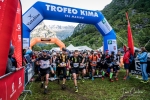
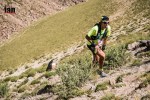
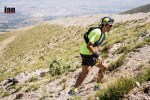
Kilian Jornet takes back the record at the Kima Trophy with a supreme effort. Equaling the record of Mario Poletti, Kilian took his fourth title after missing the race in 2016. Hillary Gerardi followed her victory in Tromso with another incredible win proving that she is the woman to beat on technical courses!
The 23rd edition of the Kima Trophy that will be remembered amongst one the most beautiful ever after overnight rain cleared to an amazingly beautiful cold day. However, temperatures were cold due to strong winds and ice was present on the course. The race director Matteo Colzada and his staff checked the various critical points on th ehigh passes and postponed the start but to the relief of all the runners, the full route was allowed.
Kima has 52 technical and very challenging kilometers with 8,400 m of total height gain and loss with 7 alpine passes all above 2500m (maximum altitude Cameraccio 2.950 m).
Already winner of this race and record holder before the Nepalese Bhim Gurung beat it (6h10’44 “), the star of Team Salomon ran with Alexis Sevennec for much of the race. The two raced shoulder to shoulder until the final descent, a real 2000 meters dive from Passo Barbacan to the village of San Martino. Here Kilian launched a winning attack, an attack that allowed him to cross the line in 6:09:19 beating the 06;10:44 mark set in 2016.
Alexis Sevennec 2nd in 6:11:59 was a popular favourite and rounding out the podium was Transvulcania winner, Pere Aurell in 6:20:50.
The top ten of the day also Andre Jonsson, Leo Viret, Petter Engdahl, Andy Simonds, Cristian Minoggio, Cody Lind and Samuel Equy. With today’s success, Kilian enters right into the history of Kima joining Mario Poletti in the golden book of success.
Hillary Gerardi, did not beat the record of 7:36:21 set by Nuria Picas in 2016 but she produced an outstanding race, following up victory in Tromso. On the first descent towards Bocchetta Roma, Ragna Debats had tried to make a difference and close the gap, but Hillary was too strong. In the high altitude crossing, Hilary pulled away with a slender 5-minute lead, chased by Jasmine Paris, Brittany Peterson, Robyn Owen and Martina Valmassoi. Ragna was unfortunately suffering and dropped back.
At the end, the South African, Robyn Owen tclosed on the leadership, but Hillary kicked and came back and won in 7:37:29.
Second place for Robyn in 7:39:01 was a real surprise… watch out for this woman! Third was for the Nepalese Mira Rai in 7:41:46.
The American Brittany Petterson, who had been in 2nd at the midway point, and the Italian Martina Valmassoi followed to round out the top-5!
Last year I finally got my hands on a pair of VJ Sport IRock 2 (HERE). I was blown away by pretty much everything about the shoes. The upper, the way they held one’s foot, the durability of the materials used, and the outsole was just incredible – the most amazing grip. The only reservation that I had, was how long I could run in these shoes… They are pretty minimal and although cushioned, the cushioning for me would probably only take me to 3-4 hours of running.
OCR World Champion and Skyrunner World Series Champion, Jonathan Albon, agreed. In some of the longer races, Trofeo Kima for example where the terrain is hard, rocky, muddy, has snow, maybe the odd glacier thrown in and when the male winning time is over 6-hours, although the IRock 2 was perfect on grip, the cushioning made a really long run like this tiring for the feet.
With Jon’s feedback, VJ Sport went back to the drawing board, took all the best elements of the IRock 2 and created a new shoe:
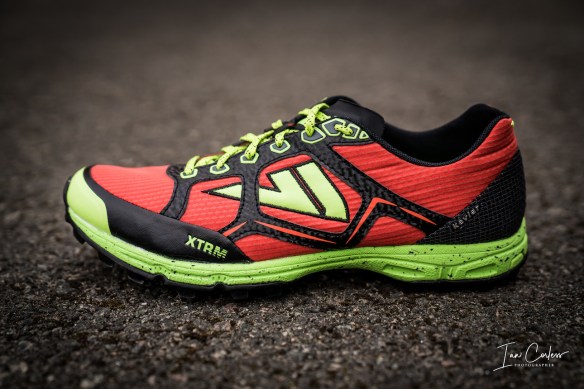
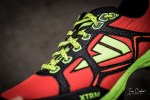
VJ XTRM.
The king is dead, long live the king!
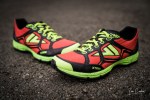
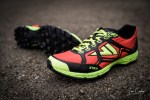
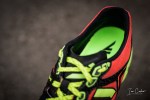
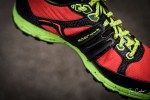
Let me just say in simple terms everything that was brilliant in the IRock 2 has been transferred to the new VJ XTRM and what VJ Sport have done, in my opinion, they have created the most perfect mountain running shoe for when the trails are demanding, rocky and throwing all sorts of variables at the runner.
So, what is new in the VJ XTRM.
Two new cushioning units have been added to the front and rear.
A full-length RockPlate.
A medium last.
A little extra room in the toe box.
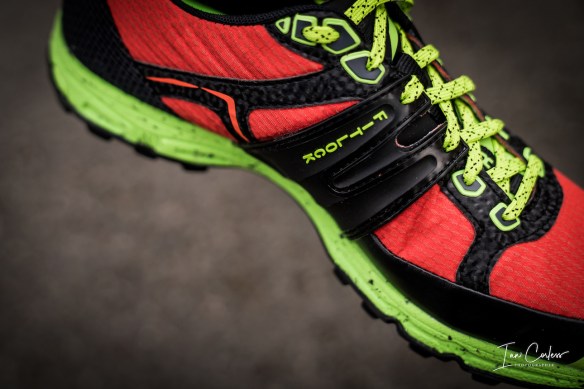
New Fitlock.
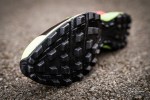
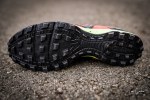
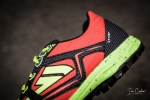
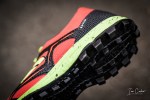
As I mentioned, much of the IRock 2 crosses over. For example, the outsole is the amazing Butyl Rubber which for me offers the best grip I have encountered on any mountain shoe. The outsole studs are 6mm which offers a good compromise between grip on muddy/ wet trails and excellent grip on smooth and easy single-track.
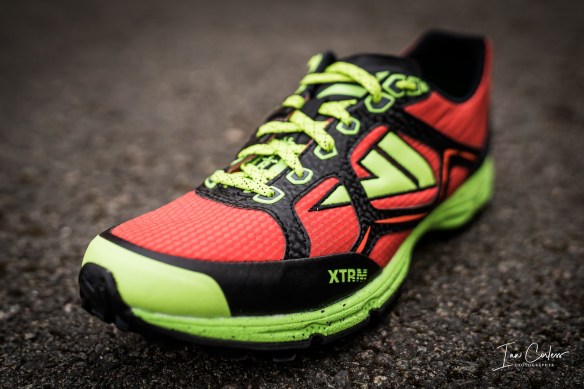
At 250g for a standard UK8, the shoe is light and 4mm drop sits in a comfortable middle ground for the zero drop fanatics and those who like a more comfortable and relaxed 8mm drop.
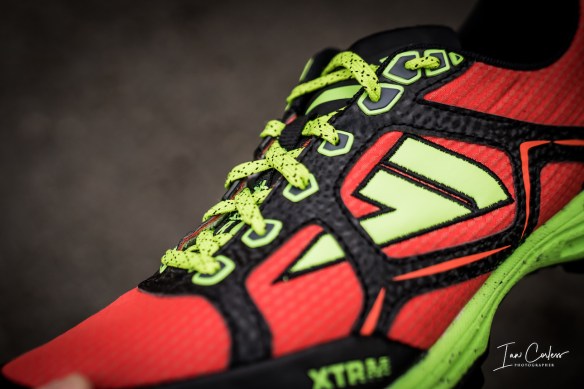
Kevlar and Polyester make the upper and the IRock 2 has been the most durable shoe I have ever used, so, I don’t anticipate the VJ XTRM to be any different. There is also Fiberclass stability control.
THE SHOE
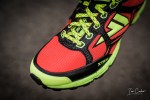
Slipping one’s foot into the VJ XTRM one immediately feels the snug and precision fit. However, the slightly wider toe box is noticeable. Don’t get me wrong here, this is not a wide and spacious toe box, so, if that is what you personally need, this may well be not the shoe for you. Please remember though that this is a specific mountain/ skyrunning shoe that will be used on technical mountainous terrain, so, a shoe for this type of running should be precision.
Pulling the laces tight, the FITLOCK takes hold and provides the most secure and comfortable hold of my foot. It is the best I have tried, no question. The laces are excellent, they pull tight and stay tight.
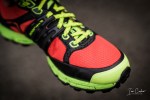
The upper is a mix of materials and is extremely durable. Although it is too early to comment on longevity of the VJ XTRM upper, the materials and comparisons with the IRock 2 are very close. My IRock 2 have been through everything and are still going strong. The heel box has minimal padding but holds the foot secure and is extremely comfortable. The toe box is well protected and ideal for mountain terrain.
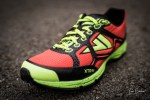
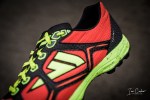
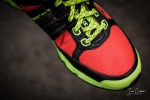
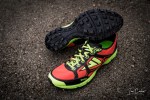
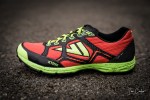
The colours of the upper are a little bright. They wouldn’t be my choice, I certainly loved the red & black combo of the IRock 2, but colours are just colours and after a good muddy run, the colours soon become muted.
Like the IRock 2, the VJ XTRM looks heavy, pick them up and you realise they are not, they are super-light!
The bottom of the shoe is what helps VJ Sport stand out amongst the competition and why they have such a following. The Butyl Rubber they use is the best outsole I have ever tested and on rock terrain, dry or wet, they are the most reassuring footwear ever! The 6mm studs are the same as on the IRock 2 and this is significant, the IRock 2 provided the best grip ever, so, to see this transferred over to the XTRM is superb.
IN USE
The IRock 2 last-year was the best mountain shoe I have ever used. This has now been replaced by the VJ XTRM and for me, moving forward, I would always purchase the VJ XTRM and not the IRock 2. For me, VJ Sport may well have killed the IRock 2 because the VJ XTRM is so good.
sport
WHY?
To all intents and purposes, the IRock 2 and VJ XTRM are very similar shoes. One difference is 6mm drop for the IRock 2 and 4mm drop for the VJ XTRM, this may be a decision maker for some? However, the new additions to the VJ XTRM just make it a much more versatile shoe without compromising what made the IRock 2 great, no, superb!
The added cushioning doesn’t compromise feel for the ground, control, stability for faster shorter mountain running but what it does allow is more cushioning and comfort for longer runs.
The RockPlate is a no brainier, it is added protection and added comfort for little to no additional weight.
The new Fitlock holds the foot as well, if not better than the Fitlock on the IRock 2.
The toe box has been widened to allow for a little more room and toe splay when running longer but not at the compromise of precision and feel.
The upper is as the IRock 2 with Kevlar and outstanding durability.
The outsole is the same, 6mm studs in the amazing Butyl Rubber.
The additions make the VJ XTRM the perfect all-round mountain shoe be that for short or long outings. Whereas, the IRock 2 was a shoe that I personally would not want to be out in for much longer than 4-hours.
SUMMARY
This is the best mountain running shoe I have ever used. For skyrunning, it is THE perfect shoe and for me, all other shoes that I test for that intended use will be compared to the VJ XTRM. Jonathan Albon’s influence can be felt in this shoe and I am sure his feedback with VJ Sport has been paramount in retaining all that was brilliant in the IRock 2 and then tweaking it to add what Jonathan and many other runners wanted; more cushioning, a RockPlate and a slightly wider toe box.
I personally am unable to find any negatives.
Obviously, the Butyl Rubber outsole works so well because it is soft and grippy, so, if you start running on roads and pavements, be aware, the outsole won’t last.
But the VJ XTRM is a formula 1 shoe and not a Ford Escort or similar. Maybe the VJ XTRM should make an appearance for those special runs or races?
However, if you are like me, I think the shoes are so awesome that if I am going to run anything technical, wet or dry, I want these shoes on my feet.
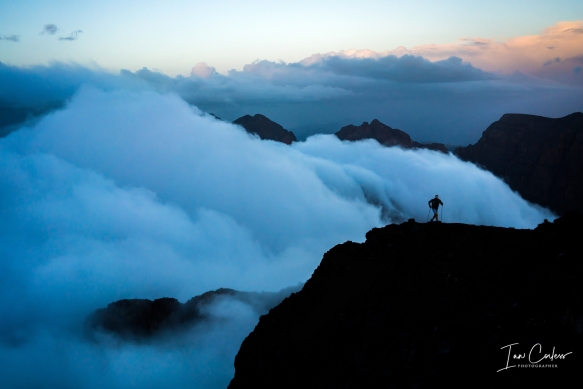
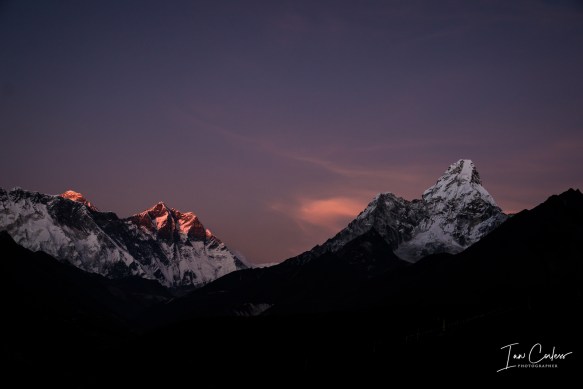
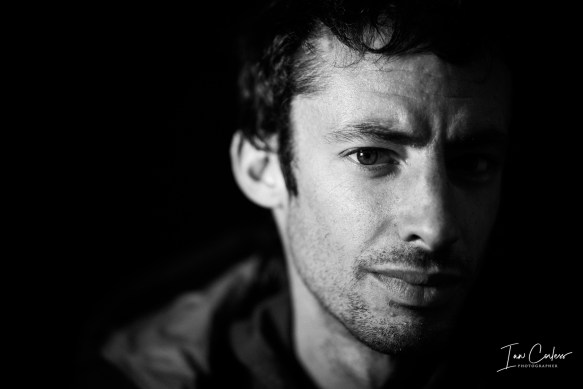
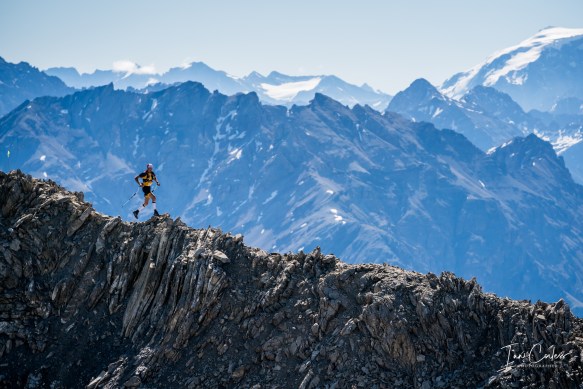
Always good to shake things up, freshen up and have a new image. So after a long, almost month break in August I am back into the swing of things with a new logo.
I have also had a re-vamp of my photography website http://iancorlessphotography.com and uploaded many new images that were taken in 2017 and 2018. This website has always very much existed in the background to this (iancorless.com) website and I used it as a showcase for those interested.
Moving forward I want to push more relevant traffic to my photography website. However, don’t worry, all my race reports, writing and podcast will still be here at iancorless.com – for many of you, you will not really experience any change other than a new logo.
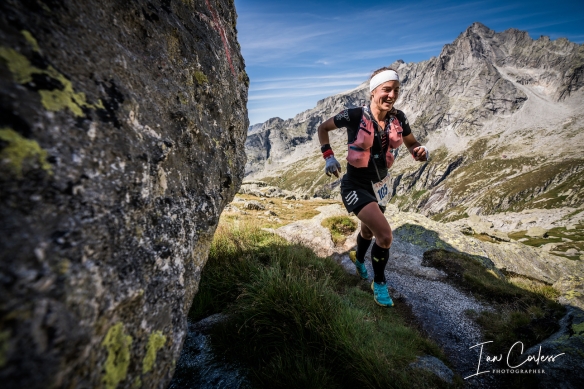
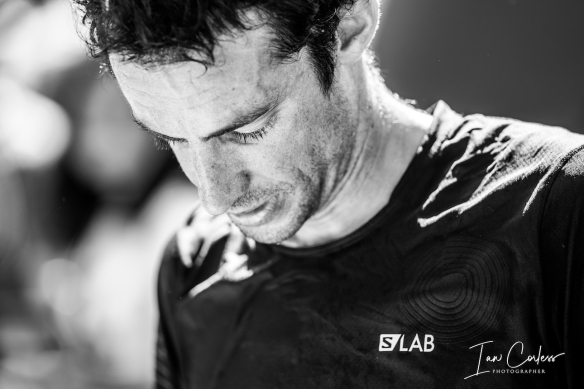
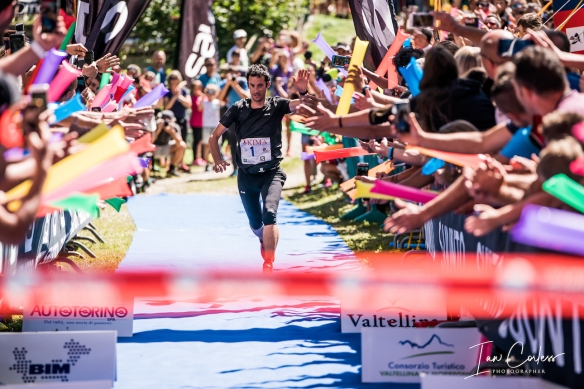
Below are a few samples of what you can experience at the new photography website. If you go to the ‘Home’ page of the new site at http://iancorlessphotography.com you can actually just stay there and you will be presented with a slide show of some of my favourite shots.
Once again, thank you for the continued support. You can follow what I do on the following links:
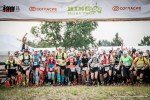
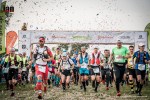
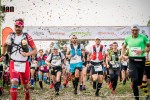
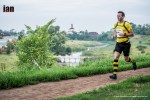
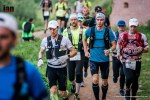
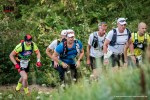
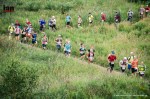
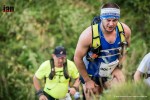
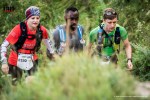
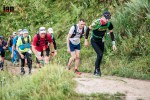
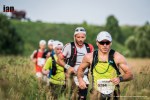
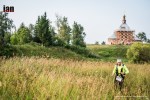
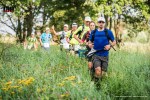
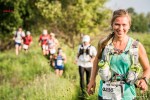
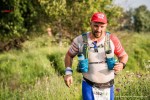
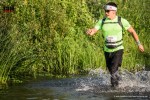
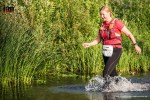
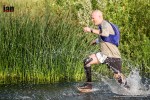
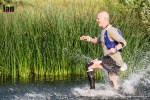
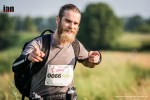
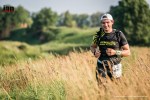
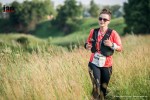
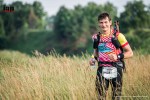
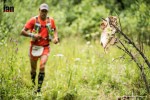
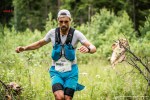
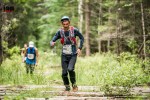
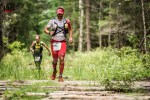
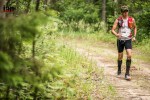
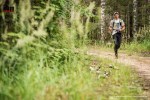
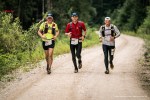
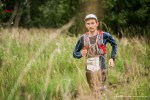
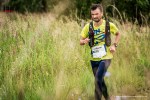
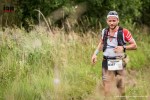
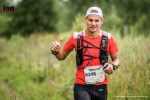
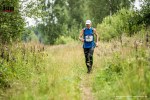
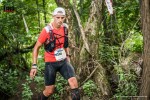
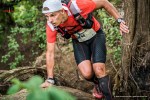
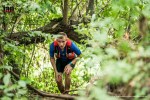
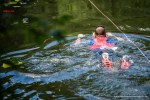
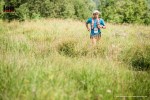
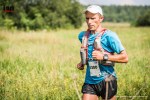
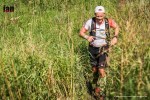
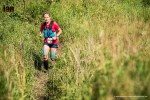
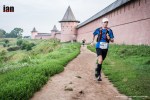
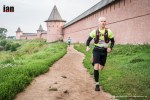
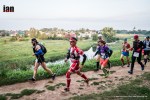
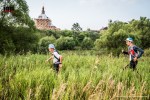
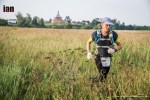
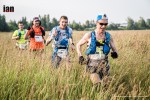
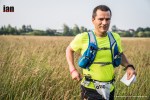
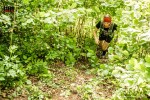
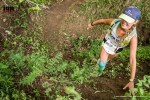
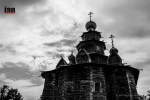
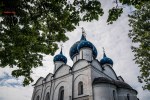
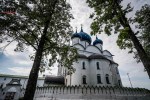
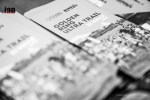
The Golden Ring Ultra-Trail® 100 is a trail race for runners of all backgrounds and levels of experience.
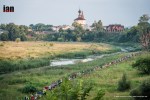
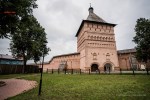
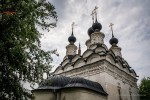
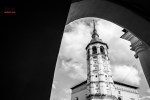
It’s no coincidence that the race is held in the town of Suzdal…
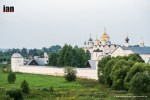
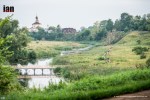
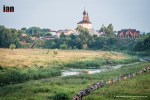
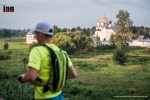
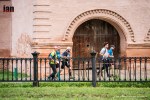
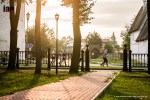
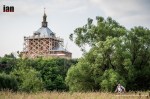
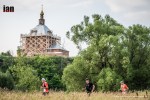
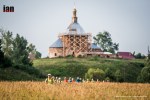
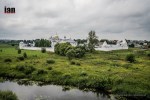
Founded in the 11th century, Suzdal is one of the oldest towns in Russia and home to more than 300 unique historical sites and monuments from ancient Rus, including several that have been named UNESCO World Heritage Sites. Awarded federally protected status in 1967 and surrounded by expansive forests and fields, Suzdal offers visitors a chance to travel back in time.
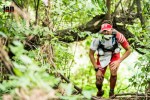
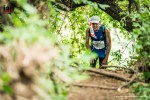
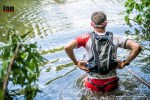
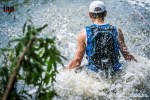
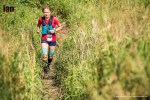
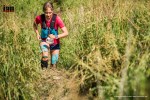
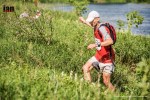
Set against this breathtaking landscape across which a millennium’s-worth of history has unfolded, the Golden Ring Ultra-Trail® 100 is designed for those who yearn for new adventures, discovering untapped strength within themselves, and finding total freedom in the outdoors.
A wide variety of distances is offered:
Participants can test themselves with a 5km, the City Run T10 and even kids can race!
Experienced amateurs can push themselves with the T30 and T50.
And finally, extreme ultramarathoners can set new challenges for themselves in the T100*
* All T100 finishers will receive ITRA/UTMB points (4 UTMB points)
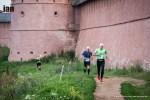
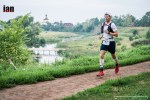
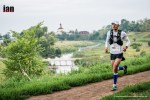
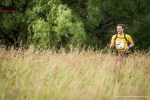
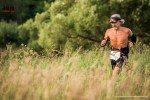
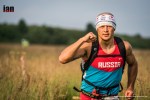
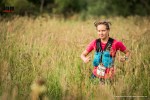
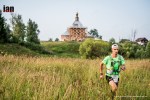
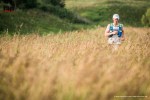
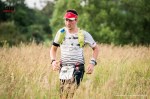
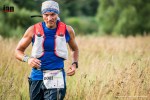
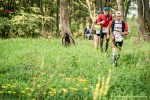
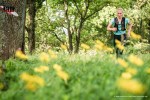
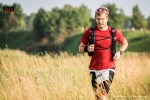
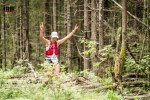
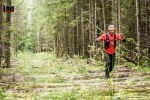
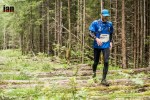
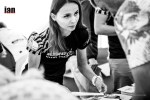
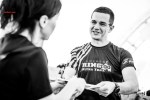
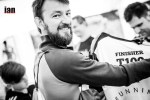
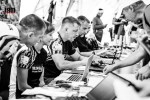
A full summary of the 2018 event will follow on this website. For now, enjoy the images of the 2018 Golden Ring Ultra-Trail®100.
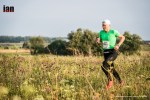
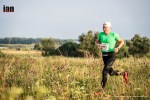
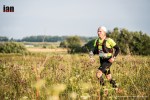
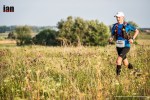
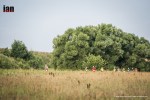
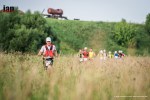
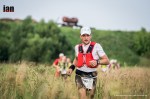
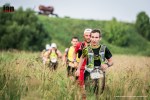
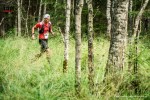
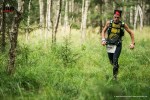
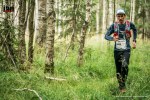
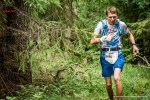
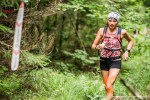
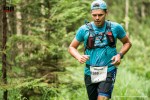
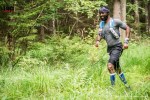
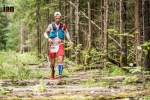
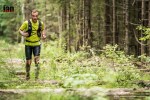
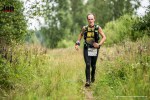
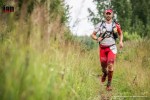
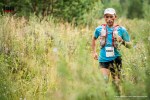
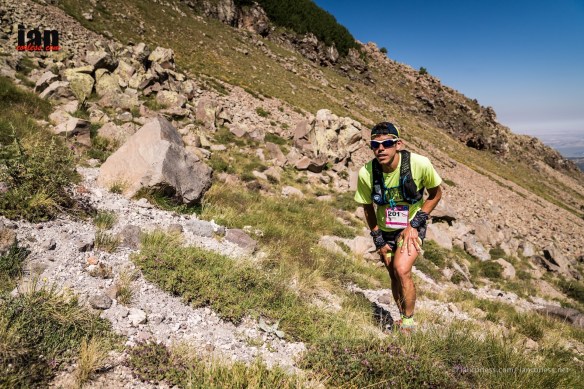
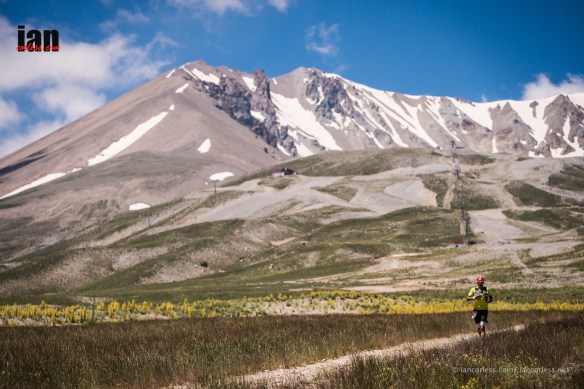
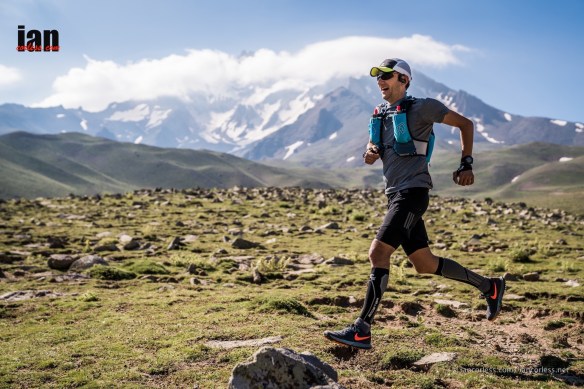
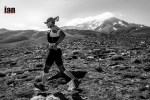
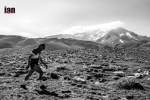
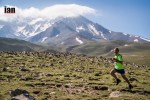
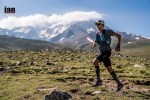
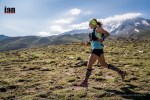
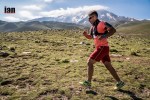
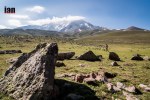
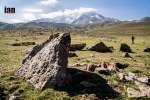
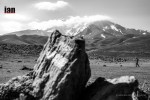
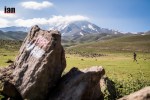
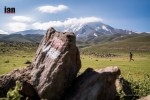
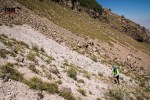
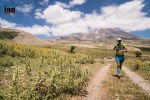
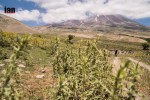
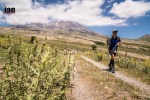
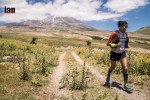
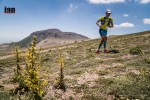
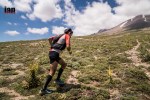
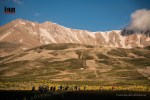
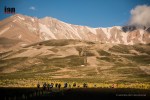
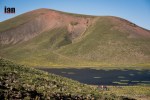
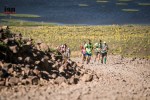
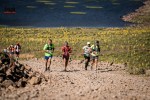
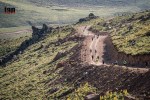
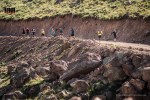
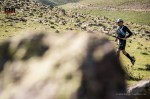
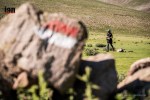
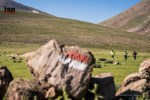
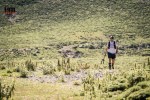
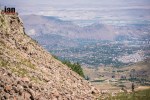
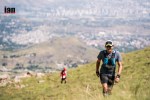
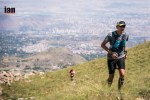
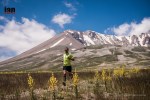
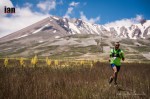
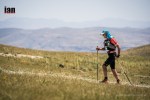
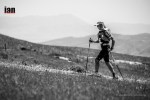
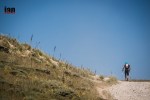
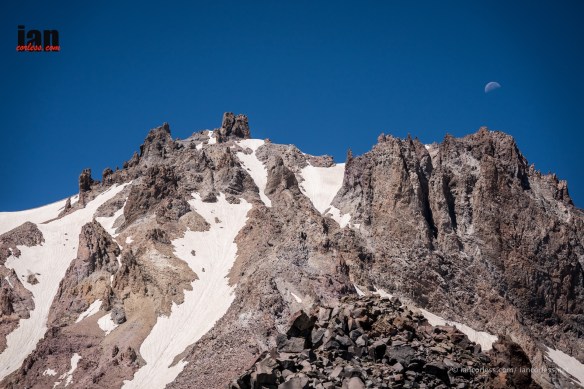
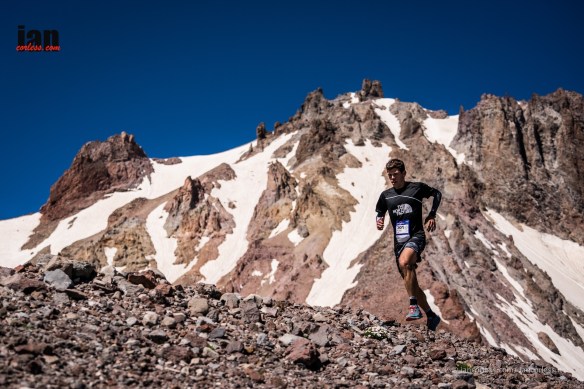
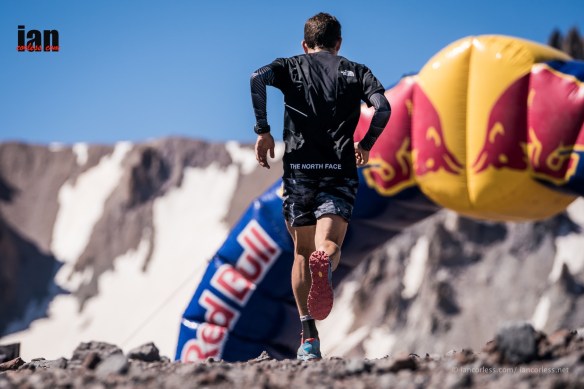
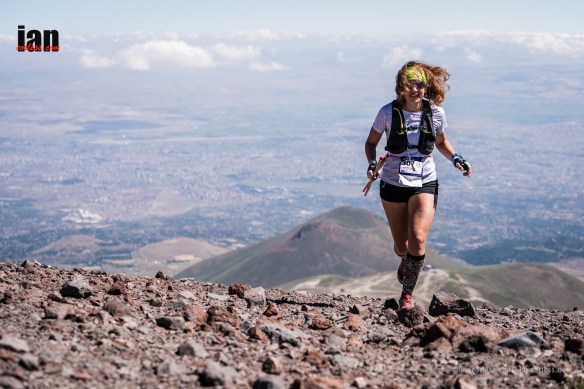
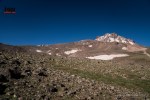
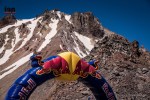
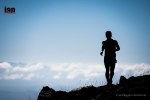
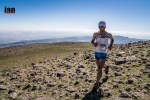
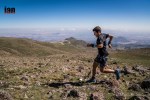
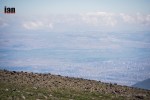
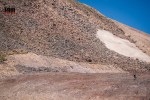
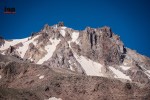
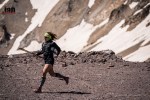
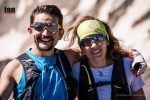
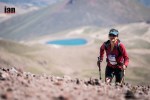
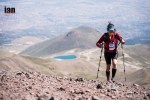
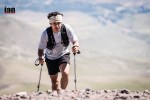
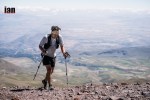
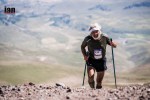
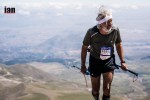
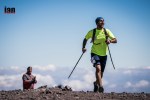
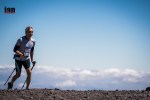
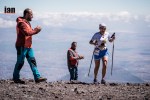
The Erciyes Ultra Skytrail was a seriously tough and challenging 64km race with 3000m of vertical gain held under an incredible hot and sunny Turkish day. A high altitude race, it starts and concludes at 2200m. Over the 64km it reaches 2600m on two occasions but it rolls along repeatedly dropping and rising. With over 40km covered, the route drops to just over 1600m and then once again climbs back to 2600m over 10km – it is tough! HERE
The men’s race had a triple whammy of Kemal Kukul, Cevdet Alyilmaz and Mehmet Zahir Kul who ran within minutes of each other all day, they crossed the line in 8:38:12. In the ladies’ race it was Aylin Savaci Armador who took top honours in 11:50:52 ahead of Sevil Toker and Deniz Berke, their times 12:02 and 14:40.
The 25km goes around high plateau, often higher than 2000mt. Occasionally, the trail runs over eroded lava rock surfaces, the event is a point-to-point and concludes at the ski centre. HERE
The event was a result repeat from the previous day’s VK (here) with Ahmet Arslan taking victory over Pau Capell. The duo ran close together in the early stages but Capell was feeling some soreness in his thigh and took and extended break to ease it off. Arslan pulled away and at the line the gap was 4-minutes, 2:13:37 and 2:17:06 – the duo obliterating the old course record. Serdar Unalan placed 3rd in 2:52:31 after Ahmet Bayram holding that position for most of the day.
As in the VK, Elena Polyakova once again took victory, her time 3:12:53 which was good enough for 7th overall. Bike Geckinli and Esther Koopmanschap were 2nd and 3rd.
The 10km is trail run that takes places along the eastern hills of the Erciyes Volcano in Kayseri. The distance is about 12 km with an elavation loss of 830 m+. HERE
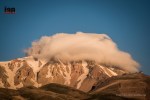
Mount Erciyes is the highest mountain in Central Anatolia, the mountain has a radius of 18 km and covers and area of 1100 km2. The race hub for the weekend was the Ericyes Ski Resort, near the city of Kayseri. For many centuries Kayseri has been an important hub on the silk road. In ancient times the city was famous for the fast horses bred in her stables. throughout history it took different names under different kingdoms, consecutively, Mazaka in Tabal kingdom period, Eusebia during Capadyoccian Kingdom, Caeseria in Roman period and Kayseri in under Turkih reigns of Karamanoglu, Selçuk and Ottoman Kingdoms.
All images will be posted HERE should you wish to purchase
Turkey today hosted the Sky Erciyes VK – Europes highest VK reaching 3350m to the Ottoman cable car just below the incredible backdrop of Mt Erciyes.
The Vertical Kilometer covers 4.5km and climbs 1007m, starting at 2336m and reaching a highest point of 3350m. The terrain is mostly rocky. Gradients vary but in the steepest sections, a gradient of 64% can be found – average over the entire course is 23%.
The day was dominated by Ahmet Arslan who set a new course record betting the previous time by over 10-minutes (official times to follow).
Spain’s Pau Capell was 2nd running his first ever VK. On the finish line he said, ‘That was tough… painful, they just hurt, maybe I should have run for a hour first to warm up!”
First Lady was the ever-present Elena Polyakova who races regularly in Turkey – this was another victory to who her already swelling list.
More results and information on the race website HERE
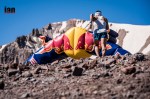
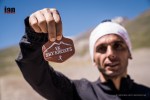
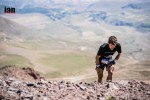
Tomorrow, Saturday 7th, the weekend concludes with a 10km, 25km and the main event, the Erciyes Ultra Trail which covers 64km and 3000m of vertical gain.
Marathon des Sables is an iconic race. For over 30-years it has been the leading example of multi-day racing all over the world. It has often been copied, but never bettered. In its incredible history, runners from all over the world have toed the line for the experience of a lifetime.
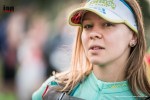
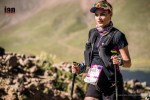
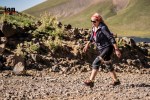
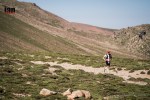
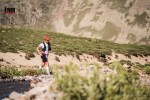
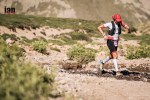
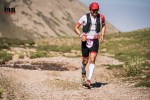
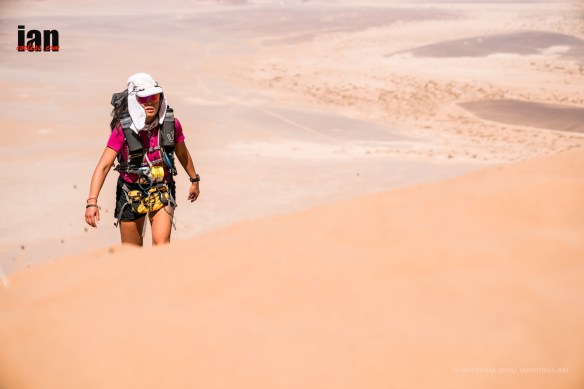
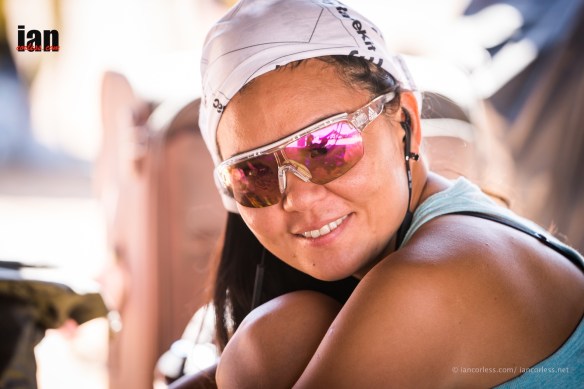
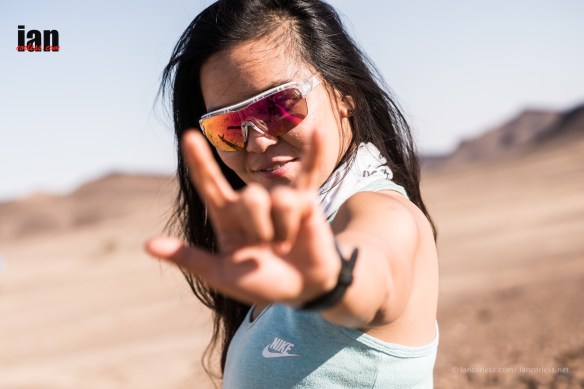
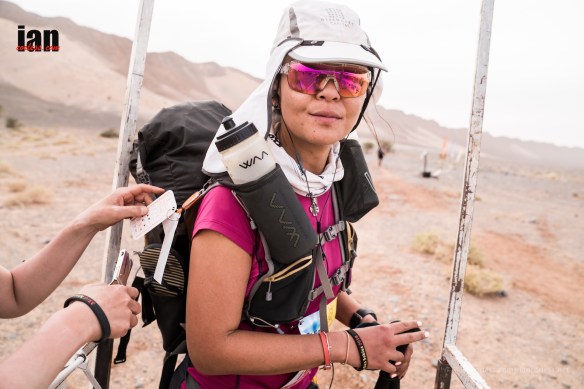
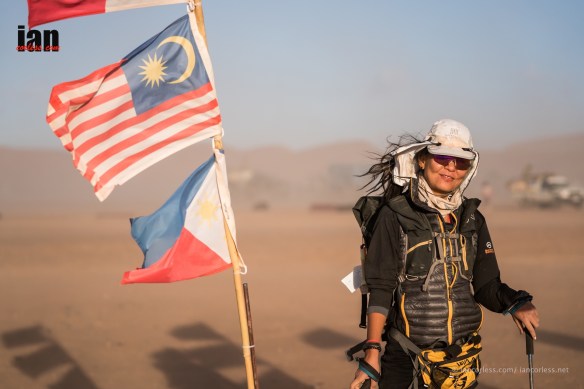
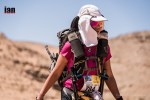
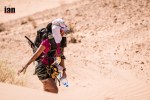
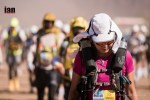
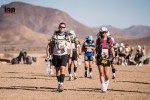
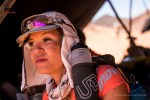
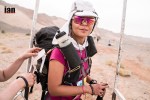
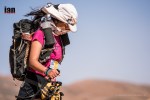
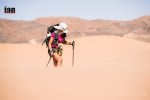
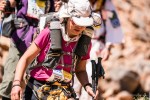
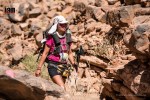
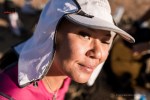
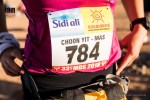
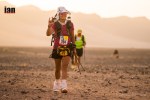
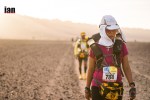
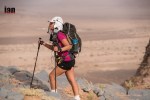
In 2018, for the first time ever, a Malaysian lady toed the line in the hope to be the first Malaysian lady ever to complete the race.
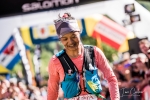
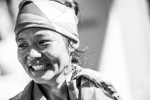
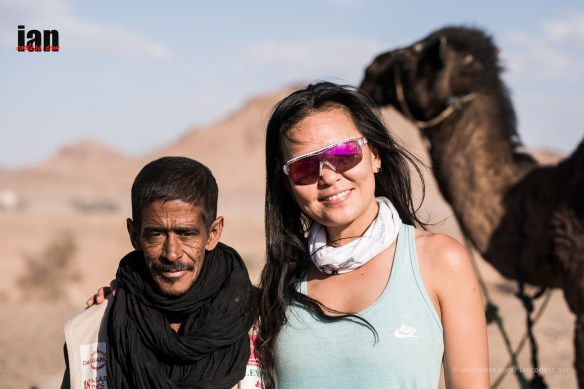
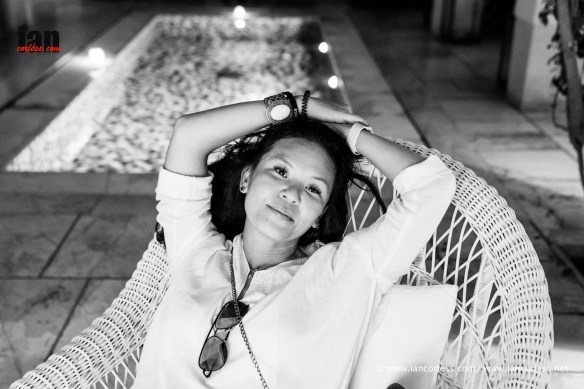
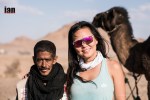
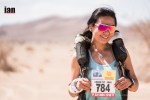
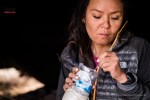
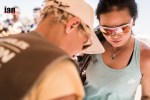
Sue Ding has been living in the UK for over 20-years. She came from Kuala Lumpur to study law at Liverpool University and then stayed successfully building her own legal practice in London. She is an entrepreneur, business woman and is extremely successful.
Running became an escape from the everyday stress of work. Like many, Sue built to the marathon distance and has successfully completed London, Berlin and Tokyo. But Marathon des Sables was something very different – a new challenge.
I first met Sue when she joined our Lanzarote Training Camp (HERE) in January 2018.
I was fortunate to follow her journey as she prepared for the 2018 MDS, both in training and then day-by-day throughout the race.
It turned out to be quite a story and shows that the mental aspect of ultra-running is often far more important than fitness.
You can listen to a full and in-depth interview with Sue on Talk Ultra podcast HERE
What initially made you decide to take part in MDS?
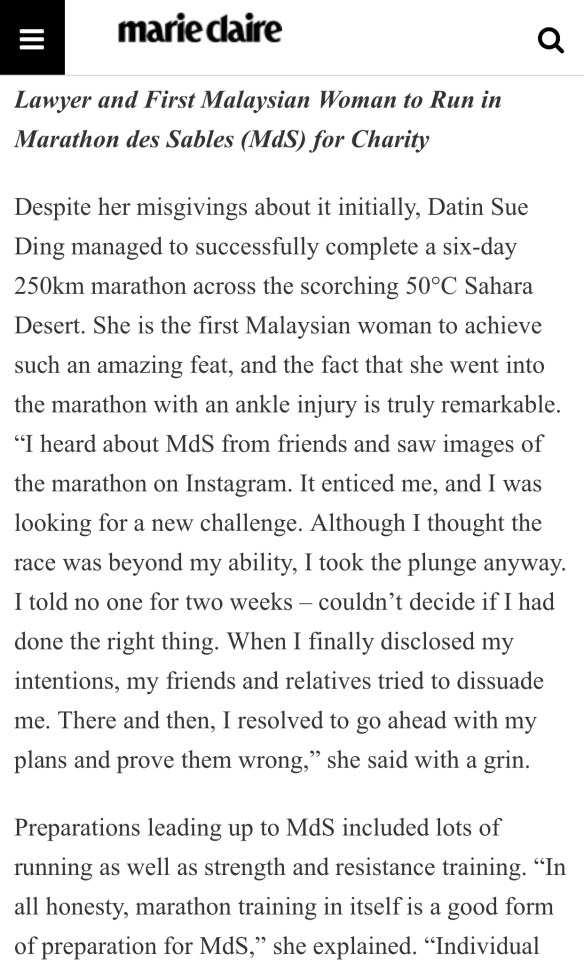
I had heard about the Marathon des Sables from friends and I had seen images on Instagram. It enticed me, I was looking for a new challenge and although I thought the race was beyond my ability I took the plunge and entered. I told nobody for two weeks as I couldn’t decide if I had done the right thing. When I did finally disclose my intentions, some friends and relatives were negative saying I was crazy and that I couldn’t do it… I needed no better motivation to prove them wrong!
You have run several marathons such as London and Tokyo. How does the MDS compare?
Other than running or walking, there is no comparison really. A road marathon is a challenge but it is safe, you have aid stations, there is always help at hand. MDS is just so much more than just running. It brings in elements of survival, it plays games with your mind and it pushes the individual to depths that they maybe never even realised they could reach.MDS is truly a transformational experience and although I will always remember my first road marathon, I now think, ‘it is only a marathon!’
What was your training and preparation like for the MDS? What are the differences in comparison to a road marathon?
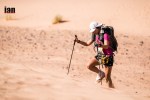
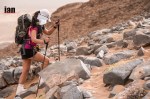
In all honesty, marathon training is actually good preparation for MDS as the individual stages are marathon distance or below. Of course, the exception is the ‘long day’ which in 2018 was 86.4km (around 53 miles, so two marathons). Marathon training works well but of course one needs to build up strength and stamina for the challenge ahead. Therefore, most people allow 12-months to get ready for MDS. Time on feet is important and also including some specific ‘training’ races that provide a similar scenario to MDS. For example. Several races in the UK last 2 or 3 days therefore providing a mini MDS scenario.
I also signed up for a specific desert training camp in Lanzarote, 3-months ahead of the race. This proved to be essential as I met other competitions, we trained on terrain specific and comparable to Morocco and I was able to test equipment. We even spent one night sleeping inside a volcano to simulate camp conditions in the Sahara.
Finally, two points. 1. Many runners think they will run MDS – the reality is that they will not! Walking is an essential and integral part of completing MDS for most participants and I can’t stress enough to walk, walk and walk in training. 2. Prepare the mind for the challenge. If you get the mind in the right place it will take the body to the line.
What was the biggest challenges out in the Sahara?
The challenges change daily. For example, just starting on day 1 seemed like a huge challenge as I was so anxious and nervous.
Then on day 2 I was silly and neglected taking my salt tablets, this impacted on my hydration and caused me to be dizzy. It was touch and go but I rallied and achieved the finish line.
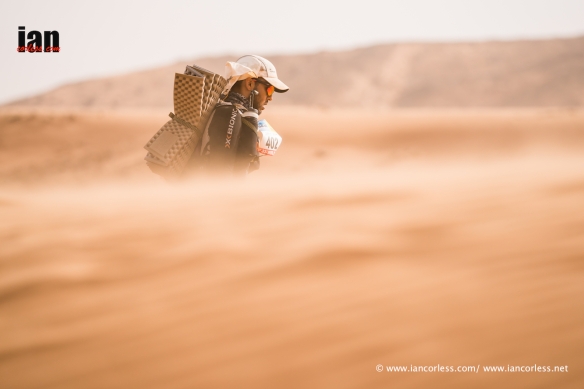
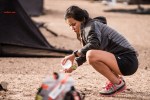
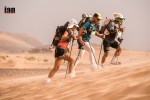
That night we were hit by a sand storm which wiped out our tent and reduced sleep to a minimum. So, as you see, the challenges change daily, by the hour or even by the minute at times. This is what makes MDS so special, it is how you adapt both physically and more importantly, mentally at times.
How did you cope with the challenges, did you feel prepared?
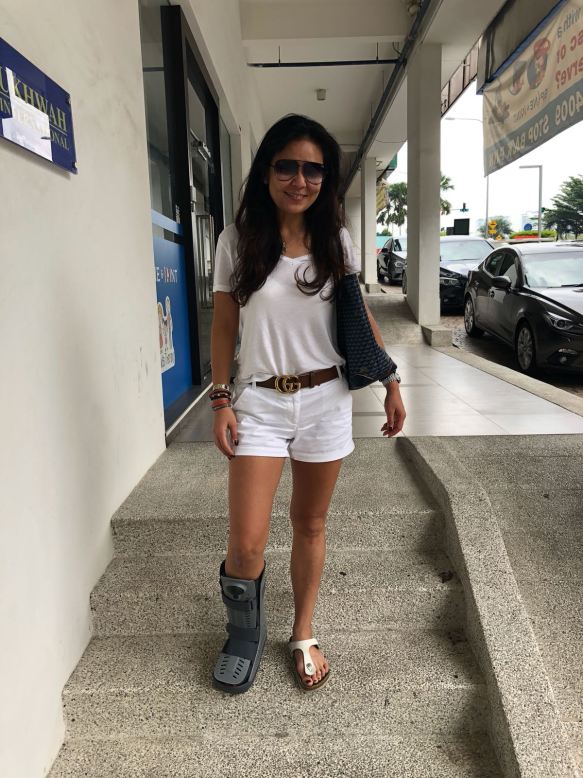
One can only prepare so much. I really dedicated myself to the task and prepared methodically for the challenge. But after Tokyo Marathon I picked up a stress fracture.
This resulted in no running for three weeks and then a slow return to training. Ironically, my final preparation to MDS was terrible and that worried me. Friends were always positive, they told me, ‘You can do this!’ I trusted them and despite my reservations, I achieved the start line.
Equipment is equipment but it is essential. I took advice from the training camp and honed my equipment for my needs. I made last minute changes to the pack I would use and I also changed my down jacket. It all worked well. During the race you must be flexible and adapt to conditions – tiredness, dehydration, sore legs, snoring tent mates, sharing a space with 7 others – you can’t really prepare for that, it is this that makes MDS such an experience, it is a journey into the unknown.
What did you enjoy most about the whole experience?
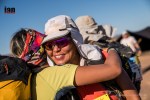
I was so anxious before the race but I feel like I blossomed as the race progressed. I embraced the challenge and got the race done – I did that and nobody can take that away. But my tent mates, Tent 95 were incredible and they will be friends for life. You were also at the race and shared my journey, that was so special and something that I will never forget. The race is a life changer, I was told this before I went to Morocco, it’s only now, afterwards, that I realised that this is true.
What were some of the most memorable or unforgettable moments for you, explain why?
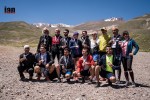
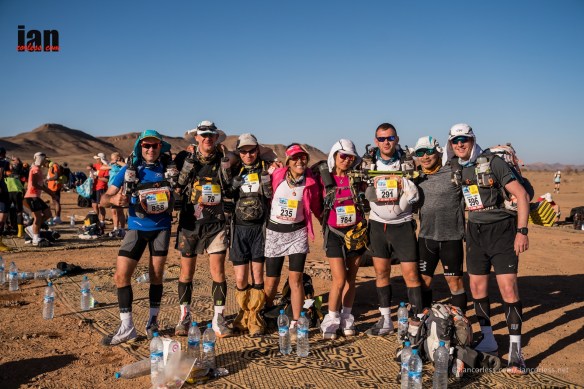
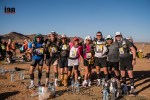
1. Tent 95 – Gary, Daniel, Mark, James, Brian, Taka and Denise were just the best. We laughed, we shared our stories in the morning and the evening and we rallied and encouraged each other. We all finished – what an experience!
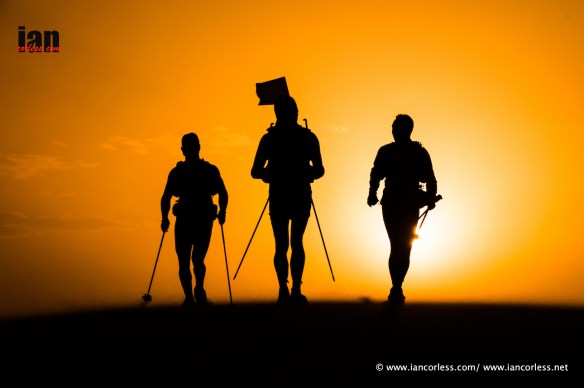
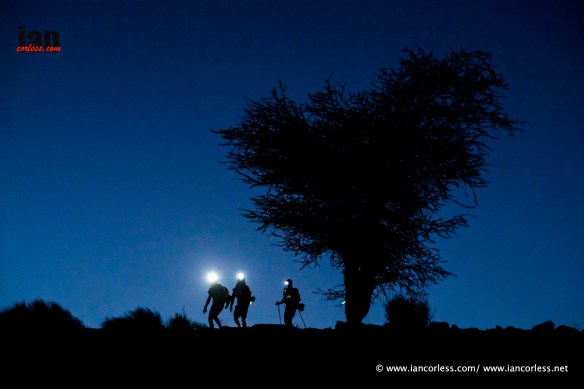
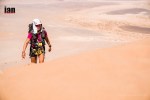
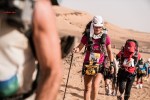
2. On the long day it was dark, I was walking through large sand dunes and I was listening to Craig Armstrong music, I looked up to the sky and saw thousands of stars… I was lost in my mind and thoughts and it was truly magical.
3. I had low points throughout the race, times of despair and worries if I could push on through. They were my lowest moments but each time they became the most memorable – you would always arrive, just at the right time.
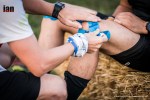
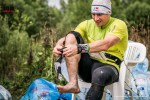
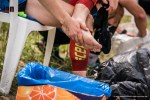
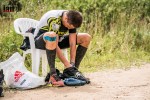
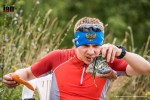
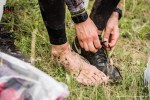
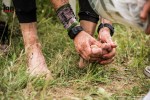
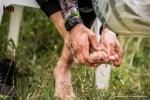
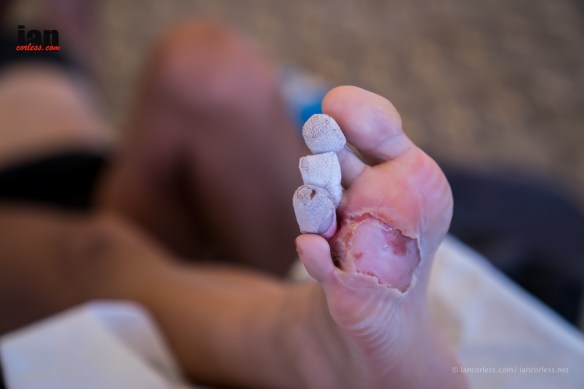
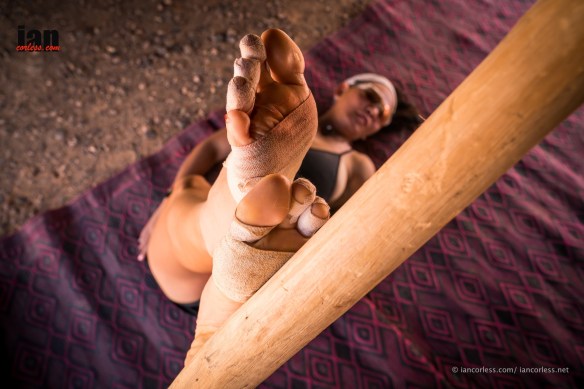
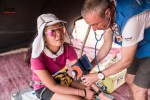
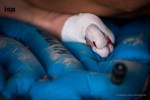
4. I got some really bad blisters which needed medical treatment and caused great pain – I had to continue on, ignore the negative and fight each day to achieve my goals.
How did you manage the conditions – heat, survival, rationed food etc?
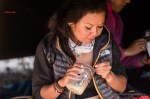
In all honesty, I was expecting the worst and the reality was not as bad. We had cold nights, sand storms and hot days but I managed. I wore the same clothes for ten days with no showering or proper washing, it was unpleasant but I survived. I craved fresh food and had to eat dehydrated food.
I wanted so much a different drink other than water but water is the only thing available. I keep saying it but this is MDS. It is meant to test you mentally as much as physically and you need to embrace it. If you fight it, your week will be miserable. It’s best to laugh and soak up the experience.
A Coke after the long day was so magical – simple pleasure! Going to the toilet is also somewhat an experience… you will need to use your imagination for that one!
What went through your mind during the race?
Ha! What didn’t I think about…? I put the world to rights, thought about my past, thought about my future. I concentrated on one foot ahead of the other and I escaped with music.
You have a great deal of time to think and I think this is why, for many, MDS has such an impact. You suddenly realise what is important. I have realised it. Experiences and memories are far greater than things and possessions – the Sahara and the MDS made me feel truly alive, pushed me to the limit and beyond.
Did you doubt yourself at any time, elaborate?
I had huge doubts and anxiety before the race but did as much specific preparation as possible and I listened to you and Elisabet Barnes, you both told me I could do it. I was so nervous on day 1 and of course on day 2 I was extremely worried.
However, as the race progressed the stronger mentally I became. I was more tired, my body ached, my feet hurt but my mind was strong, there was no way I was giving up or not finishing – I had to prove all the doubters before the race wrong.
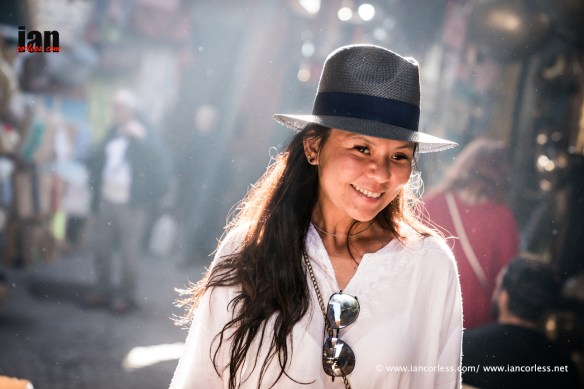
One lady had said, ‘If you finish the race, I will eat my hat!’ Guess what? I bought a hat in Morocco after the race…
What was crossing the finish line like?
On the marathon stage I had a moment early on when I cried but I got over it and pushed on despite the pain.
The miles ticked by and then as the finish line came, you were waiting as were all my tent 95 teammates.
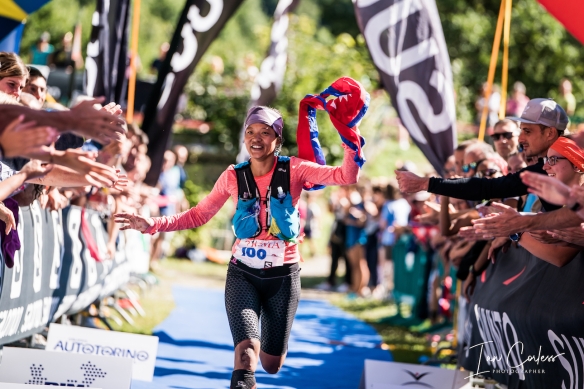
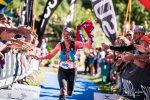
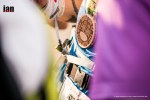
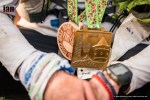
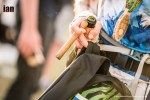
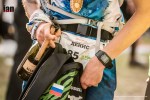
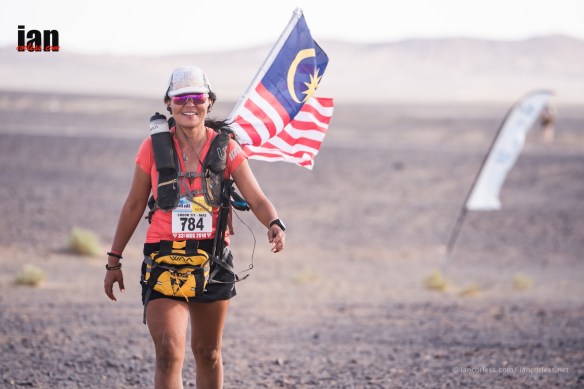
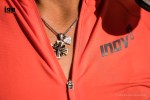
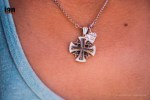
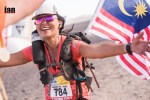
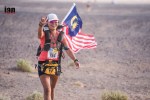
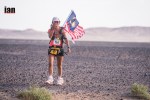
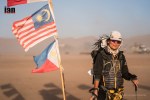
I had no more tears left, just smiles and gratitude. I was flying the Malaysian flag, I kissed my cross which was around my neck and I gave thanks for the opportunity to complete a truly magical, life changing journey.
What are the biggest takeaways from the race?
We are too protected, too comfortable in the world and we shy away from tough times. A little tough, some challenge, some hardship and some pain makes you realise you are truly alive.
I went to so many low points during the race and overcame them, I made new friends and I triumphed over arguably the toughest challenge I have ever undertaken.
I now feel invincible, I feel alive!
If you did MDS again, what would you change in preparation and why?
Well, I would definitely try not to get a stress fracture just 8 weeks before the race. In general though, I feel everything clicked into place. I would make sure my shoes did not give me blisters, I made a mistake there going with a shoe size too large.
What advice would you give to future MDS runners?
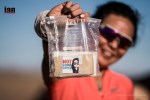
Prepare the mind and the legs and lungs will follow. I also had a ‘special’ bag with me ‘Not Gonna Happen’ it contained daily inspiration to keep me going… It was invaluable.
MDS is described as the toughest race on earth, on a scale of 1-10 give it a rating and explain why?
Tough question as I have done nothing like it to compare, so, for me it would be a 8, or 9. But the daily cut off times are generous and it is possible to complete the race walking, so, like I said previously, get the mind right and anything is possible.
Certainly, no change of clothes, carrying everything one needs on ones back and having rationed food and water takes things to another level and therefore it’s a combination of all those elements that makes the race so tough.
MDS is not cheap, can you elaborate on how much the whole process cost?
I don’t really want to think about it… The race costs so much more than just the entry fee. For example, entry fee, flights and hotels around £4000. But I started to prepare 12 moths in advance. I did training races, I did the Lanzarote training camp, I purchased all my equipment and then changed my equipment. I added some extras such as staying in Morocco afterwards. I have not tallied up the total cost but it would easily be £10.000.
You are the first Malaysian woman to complete the race, how does that make you feel?
I am proud to be Malaysian and cross the line flying the flag – it is a real honour.
You ran for charities, Make A Wish Malaysia and Malaysian Dogs Deserve Better, how much did you raise?
The total goes up daily as donations come in, but currently it is over £25.000.
“We all have our stories, we got together, encouraged each other, were there for each other, we went on a 250km MDS journey together… We are friends forever Tent 95! I was also privileged to have the additional support of a truly dear friend who documented our journey. Friendship and love completed the journey.”













 Kevlar and Polyester make the upper and the IRock 2 has been the most durable shoe I have ever used, so, I don’t anticipate the VJ XTRM to be any different. There is also Fiberclass stability control.
 sport
sport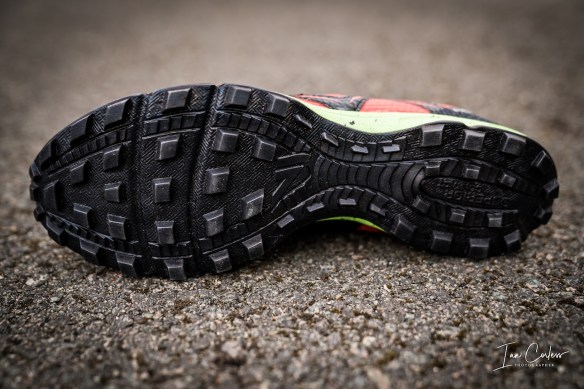


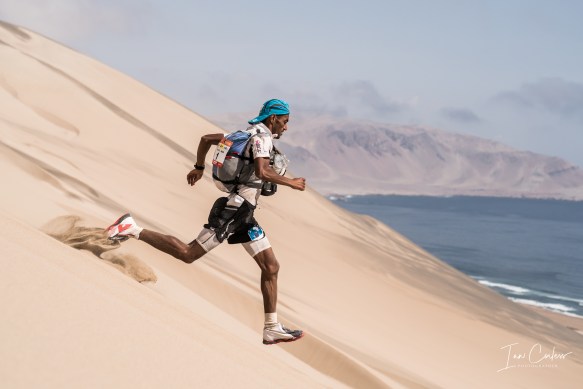
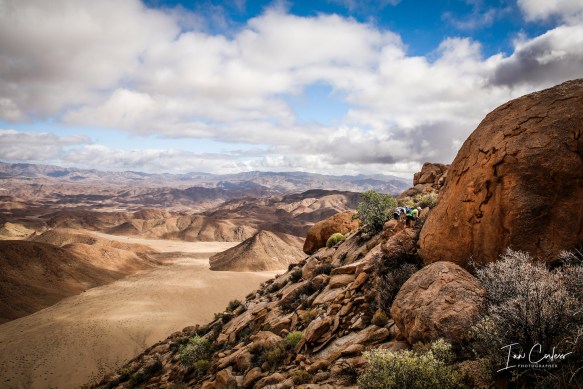







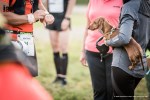
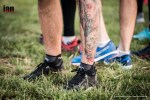
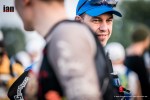
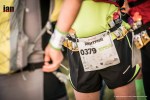


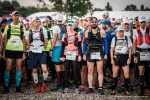









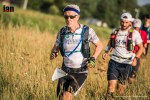
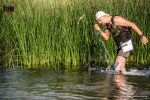
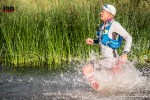
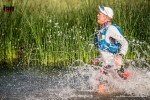

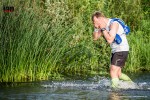
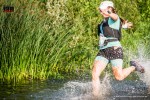
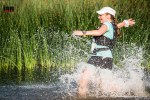
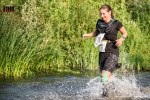

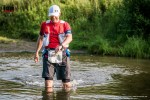
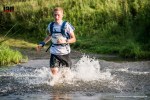
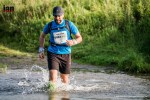


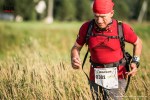

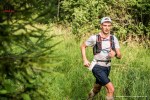
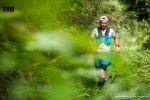
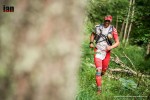
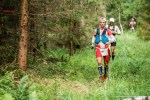


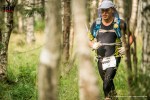
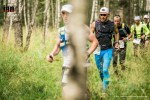
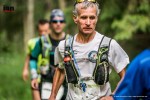
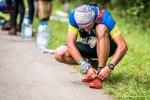
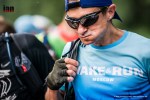
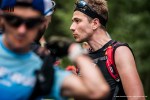
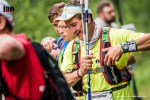
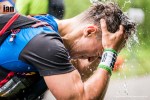
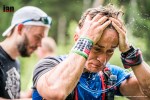
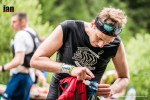
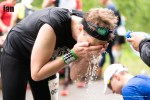
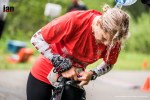
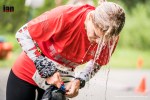
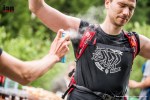
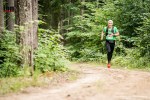

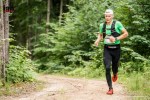
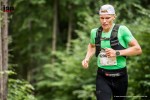
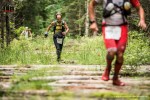
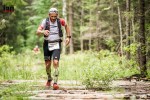
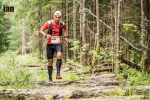
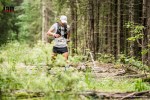

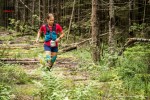
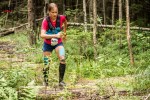
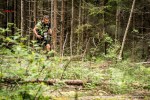
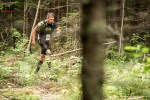
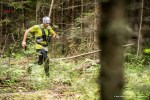
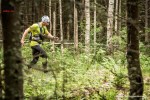
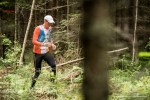
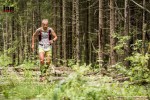
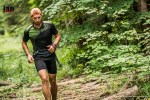
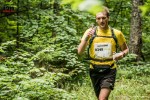
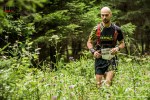
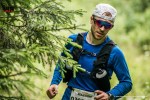


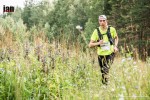
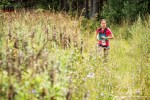
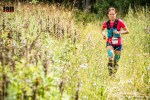
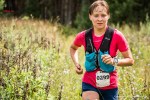
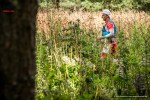
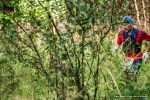
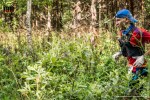

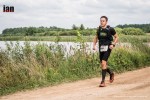
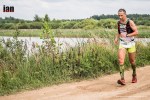
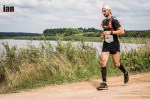
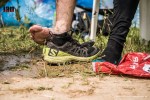
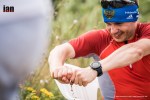
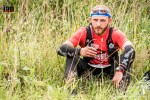
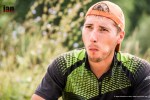
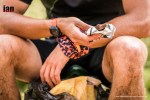


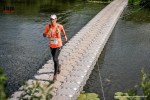
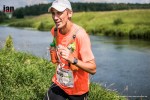
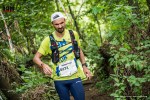
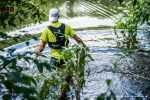
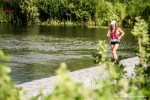
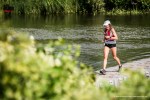
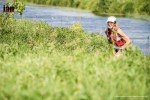
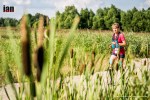

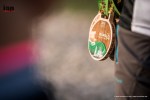

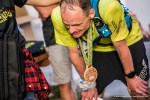
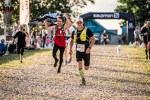
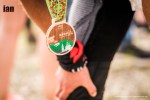
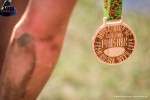

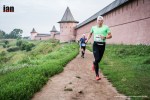


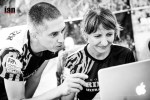
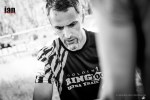
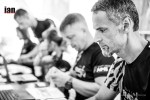


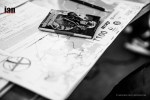


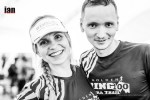
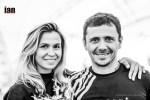


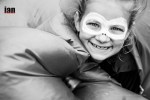

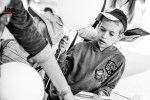

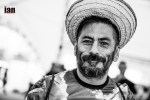
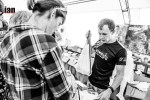
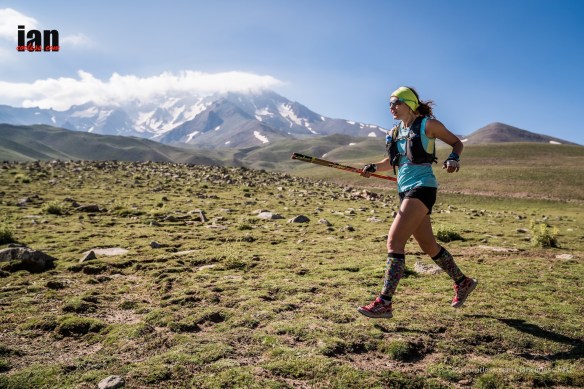
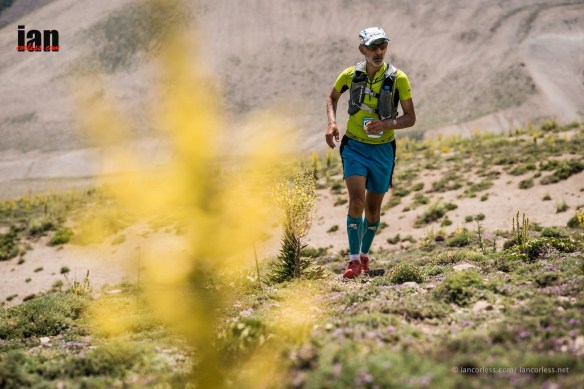
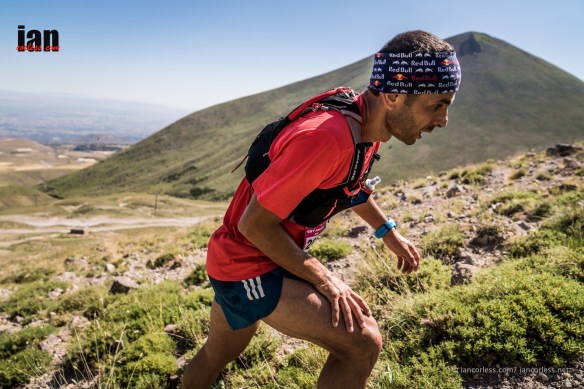
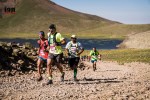
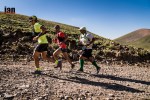
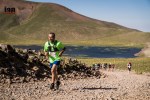
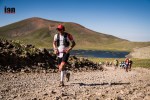
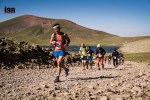
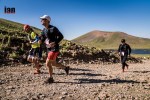
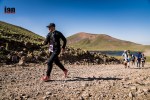
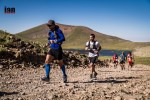
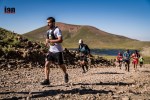
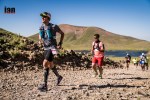
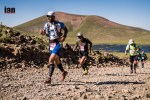
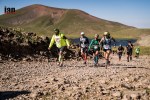


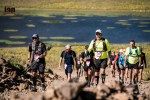
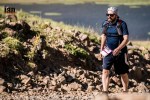
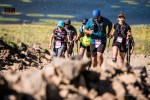
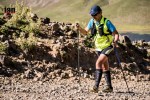
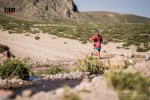
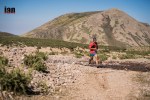
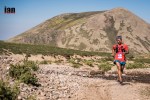
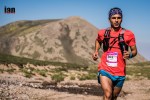
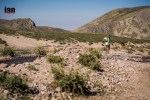
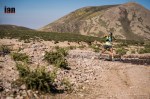
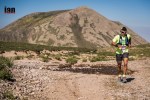
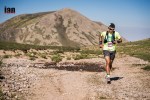
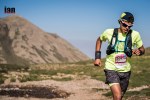
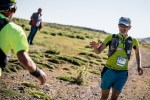
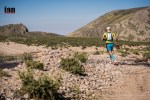
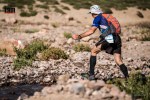
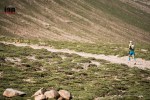
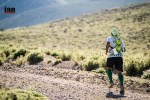
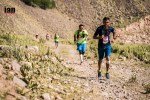
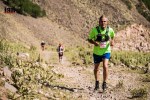
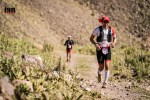
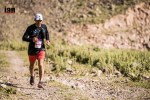
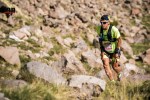
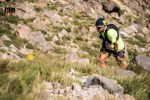
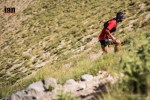
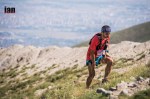
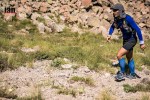
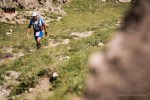
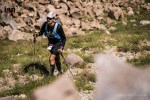
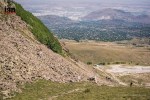
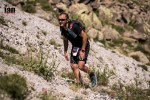
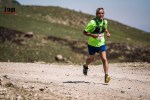
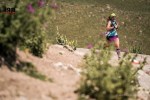
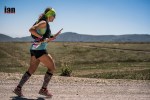
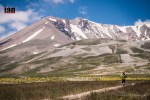
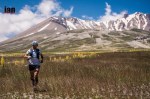
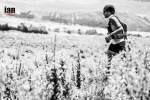
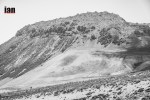
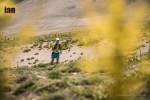
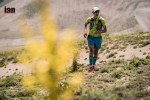

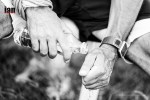
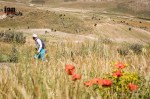
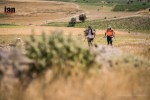
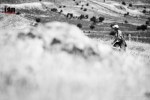
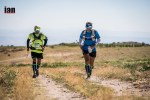
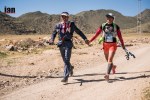
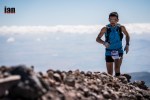
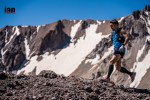
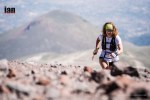
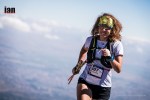
 In 2018, for the first time ever, a Malaysian lady toed the line in the hope to be the first Malaysian lady ever to complete the race.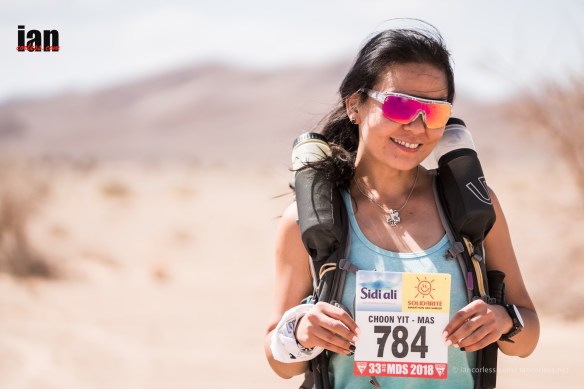
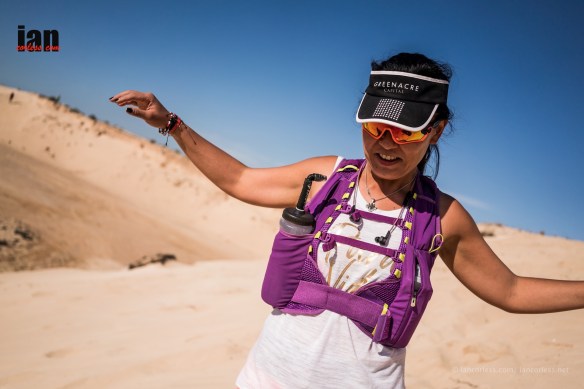

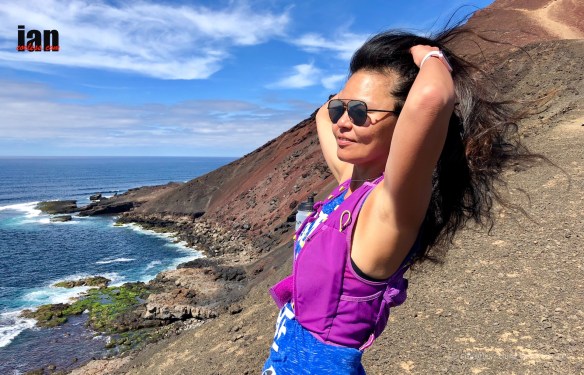 I also signed up for a specific desert training camp in Lanzarote, 3-months ahead of the race. This proved to be essential as I met other competitions, we trained on terrain specific and comparable to Morocco and I was able to test equipment. We even spent one night sleeping inside a volcano to simulate camp conditions in the Sahara.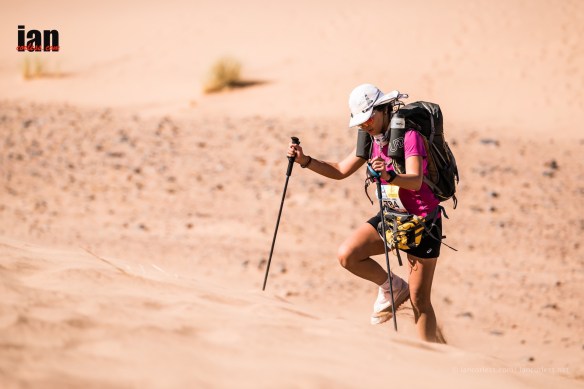
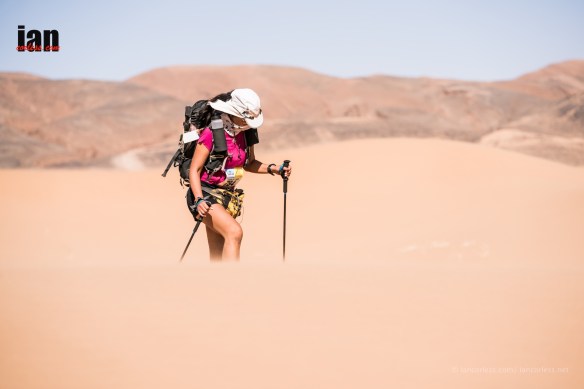
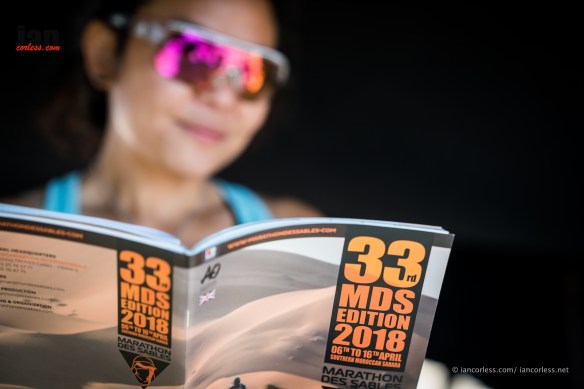
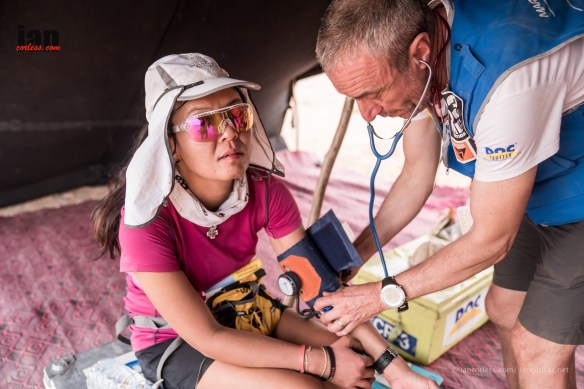 That night we were hit by a sand storm which wiped out our tent and reduced sleep to a minimum. So, as you see, the challenges change daily, by the hour or even by the minute at times. This is what makes MDS so special, it is how you adapt both physically and more importantly, mentally at times.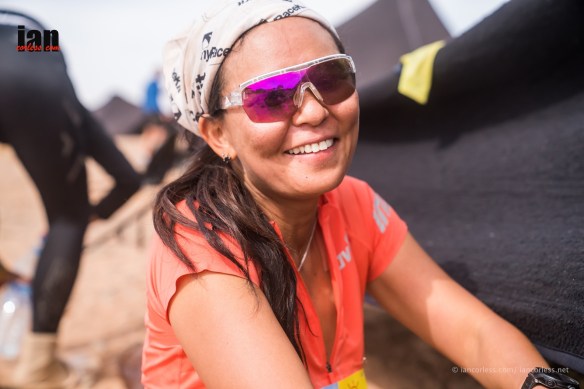
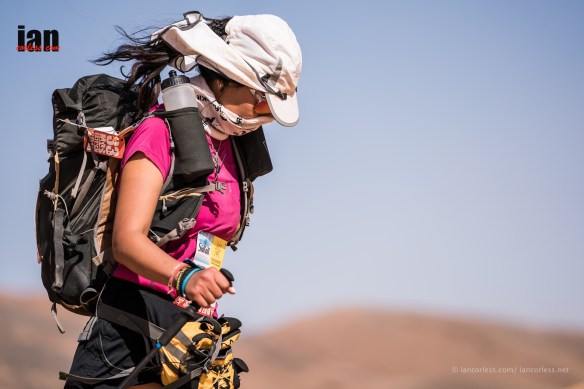 Equipment is equipment but it is essential. I took advice from the training camp and honed my equipment for my needs. I made last minute changes to the pack I would use and I also changed my down jacket. It all worked well. During the race you must be flexible and adapt to conditions – tiredness, dehydration, sore legs, snoring tent mates, sharing a space with 7 others – you can’t really prepare for that, it is this that makes MDS such an experience, it is a journey into the unknown.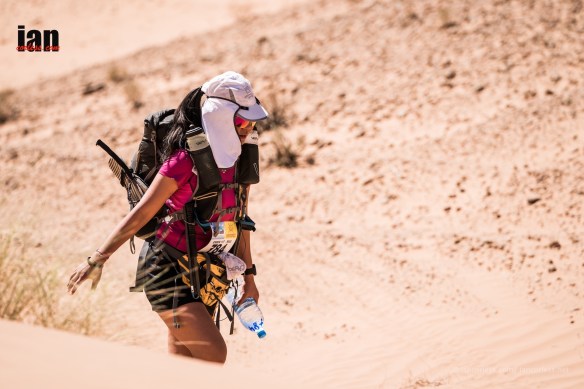
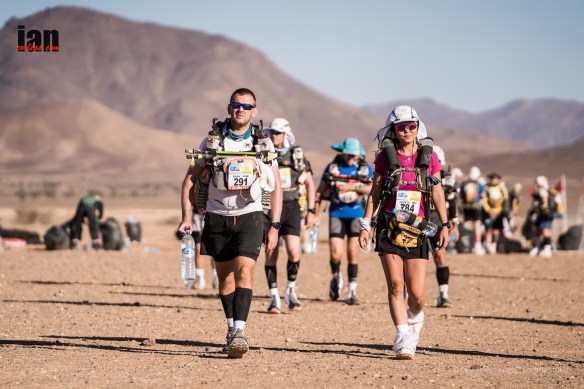
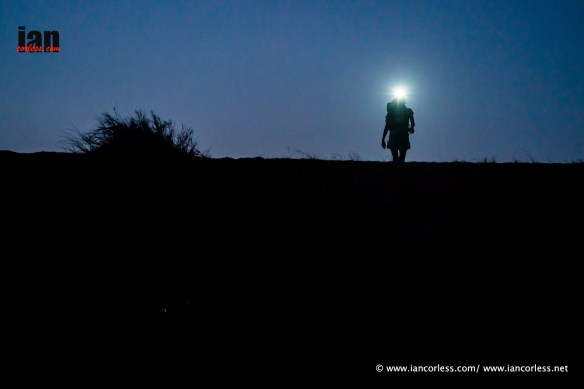 2. On the long day it was dark, I was walking through large sand dunes and I was listening to Craig Armstrong music, I looked up to the sky and saw thousands of stars… I was lost in my mind and thoughts and it was truly magical.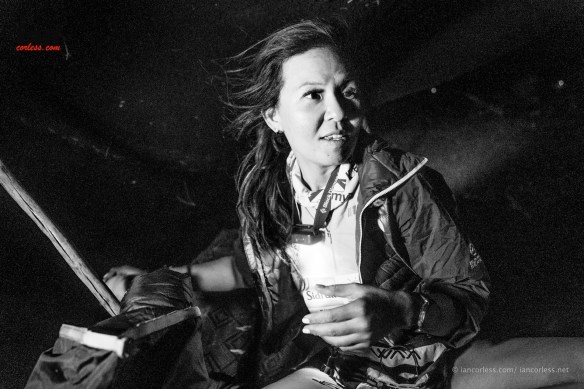
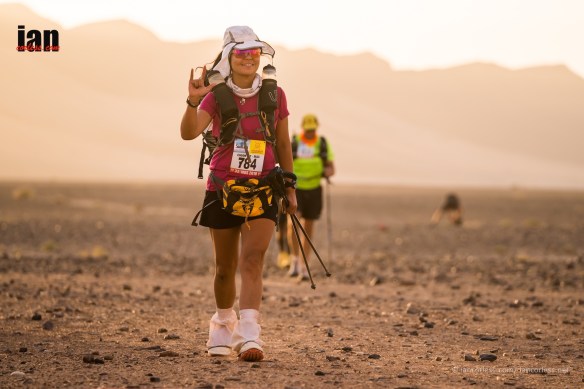

 A Coke after the long day was so magical – simple pleasure! Going to the toilet is also somewhat an experience… you will need to use your imagination for that one!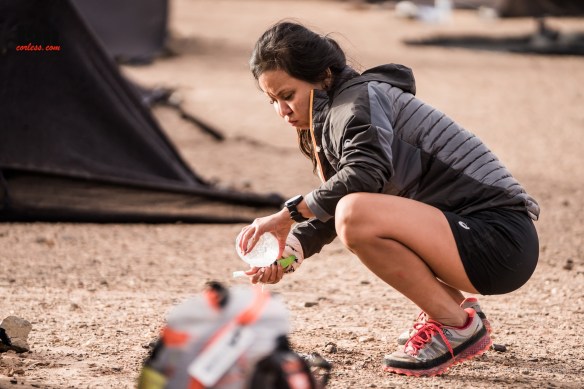
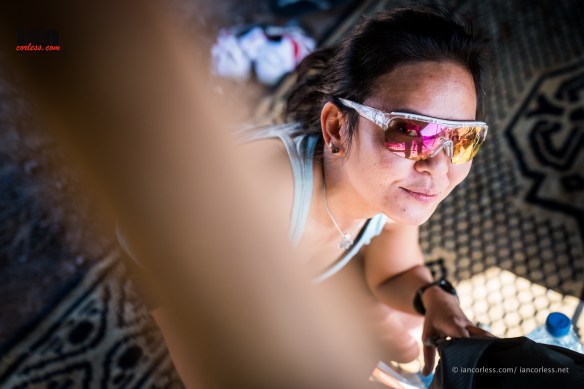 You have a great deal of time to think and I think this is why, for many, MDS has such an impact. You suddenly realise what is important. I have realised it. Experiences and memories are far greater than things and possessions – the Sahara and the MDS made me feel truly alive, pushed me to the limit and beyond.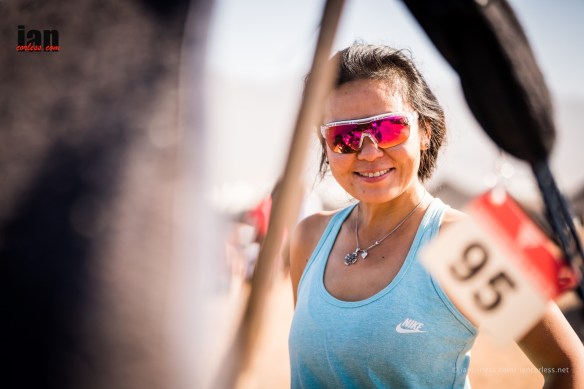
 However, as the race progressed the stronger mentally I became. I was more tired, my body ached, my feet hurt but my mind was strong, there was no way I was giving up or not finishing – I had to prove all the doubters before the race wrong.
 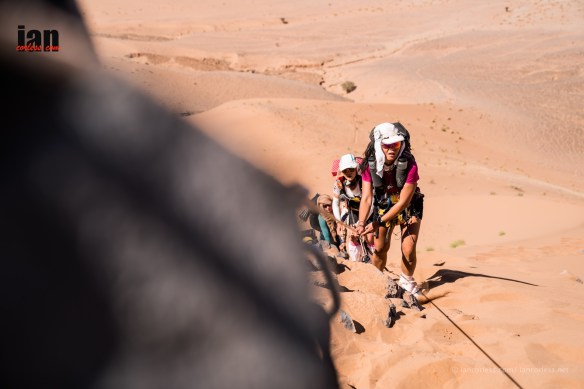 One lady had said, ‘If you finish the race, I will eat my hat!’ Guess what? I bought a hat in Morocco after the race…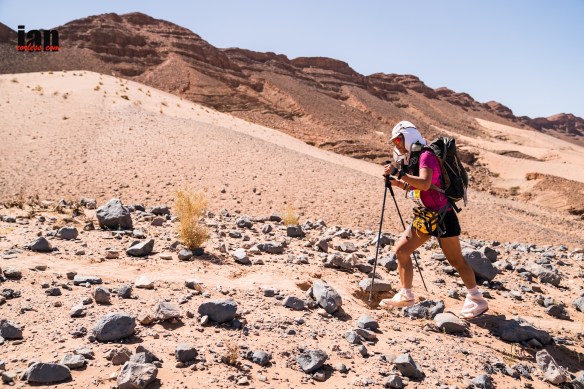
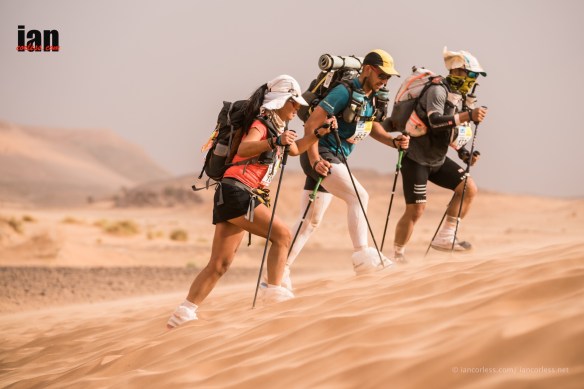 The miles ticked by and then as the finish line came, you were waiting as were all my tent 95 teammates.
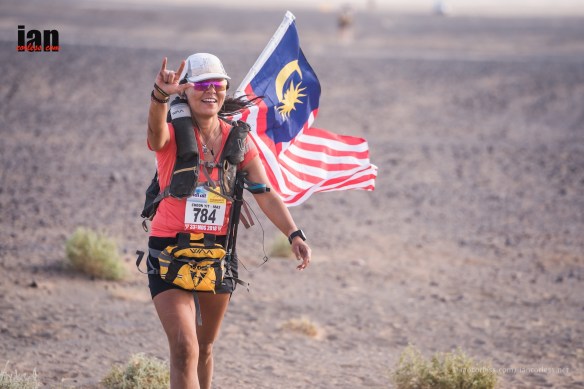 I had no more tears left, just smiles and gratitude. I was flying the Malaysian flag, I kissed my cross which was around my neck and I gave thanks for the opportunity to complete a truly magical, life changing journey.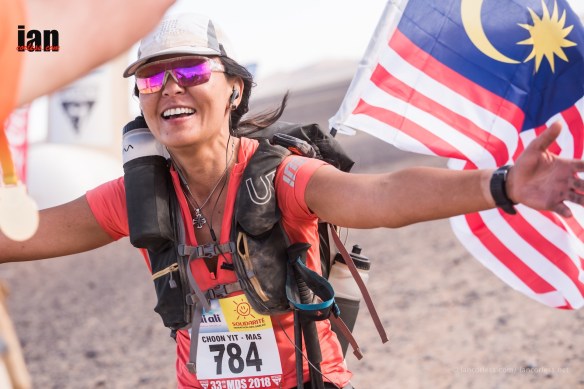
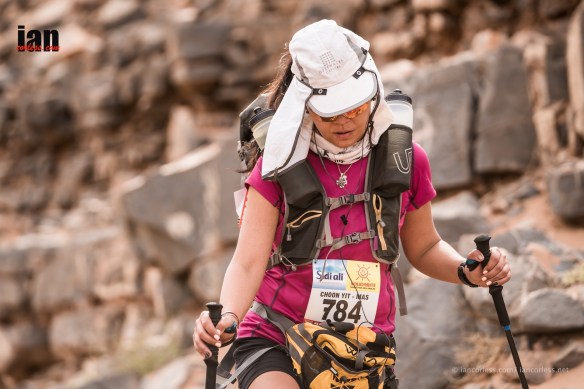 I went to so many low points during the race and overcame them, I made new friends and I triumphed over arguably the toughest challenge I have ever undertaken.
  I now feel invincible, I feel alive!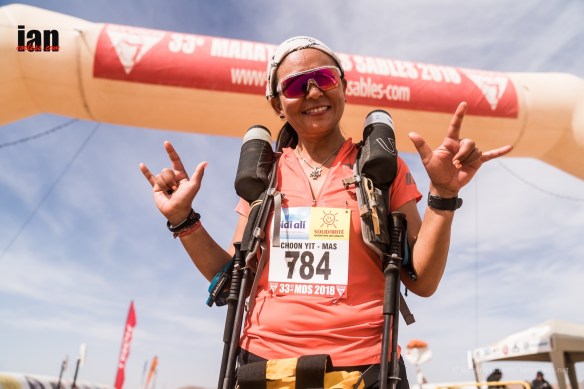

 Certainly, no change of clothes, carrying everything one needs on ones back and having rationed food and water takes things to another level and therefore it’s a combination of all those elements that makes the race so tough.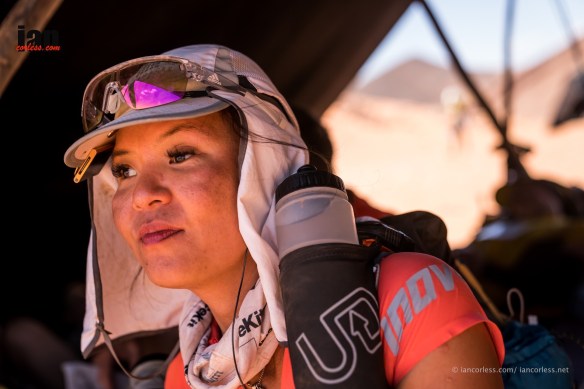




 IAN CORLESS