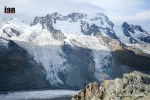
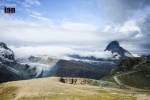
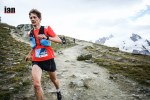
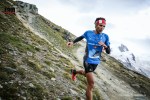
Limone Extreme 2016 #VK – Skyrunner® World Series

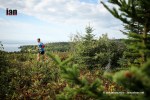
iancorless-com_limonevk2016-8842

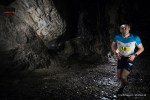
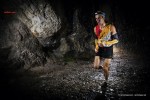
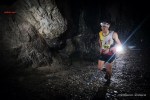
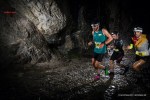
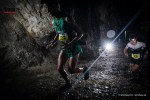
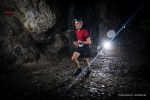
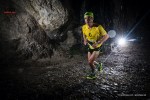
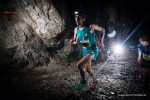
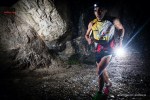
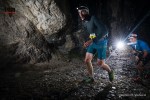
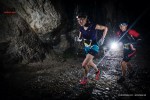
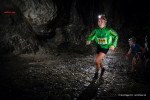
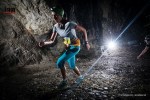
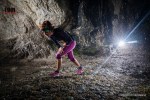
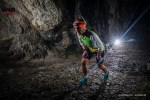
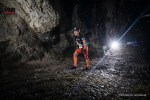
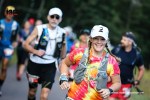
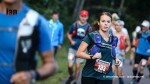
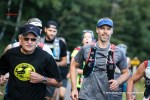
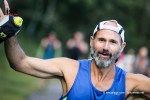
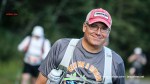
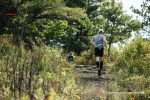
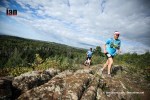
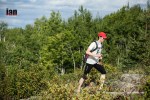
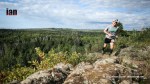
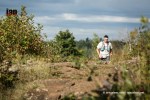
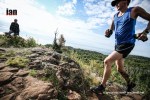
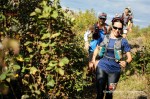
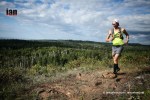
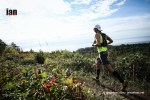
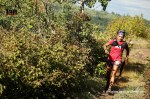
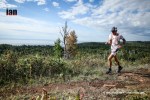
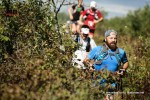
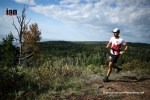
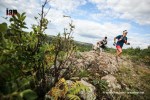
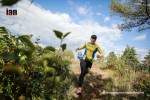
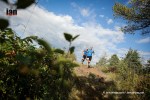
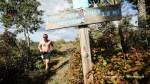
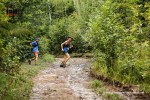
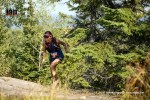
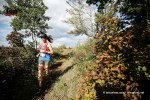
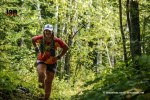
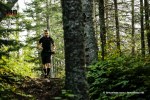
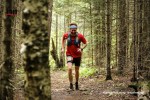
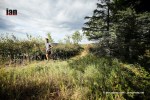
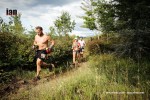
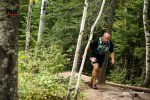
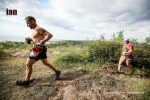
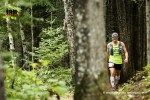
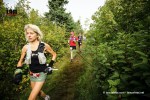
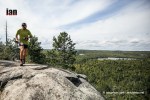
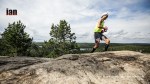
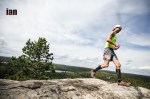
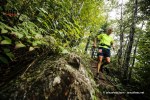
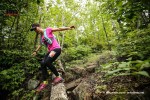
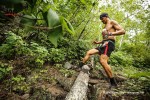
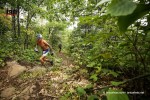
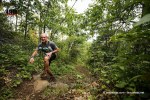
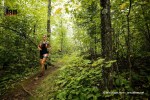
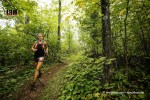
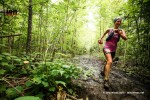
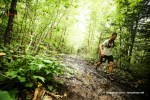
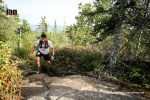
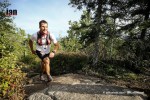
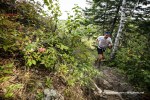
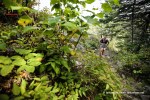
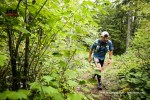
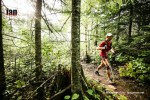
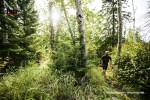
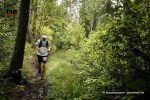
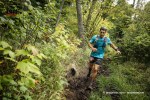
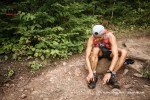
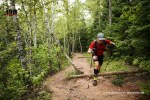
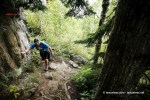
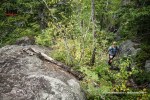
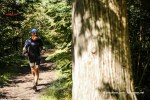
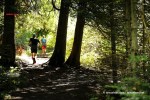
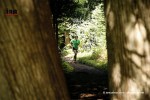
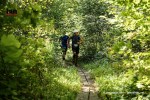
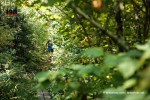
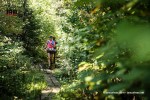
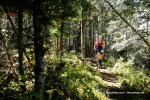
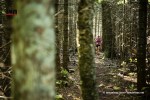
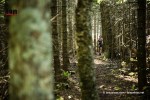
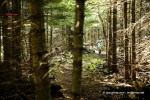
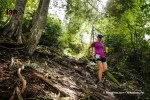
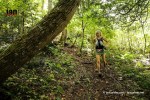
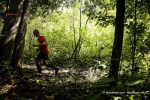
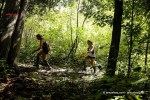
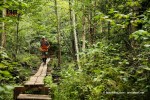
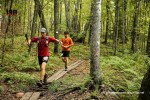
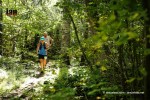
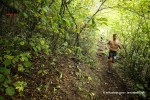
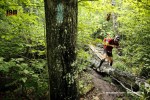
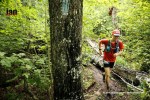
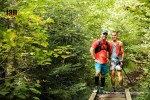
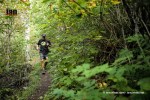
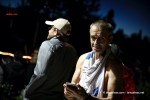
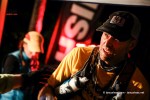
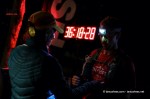
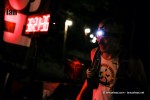
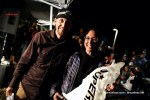
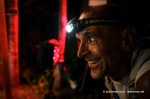
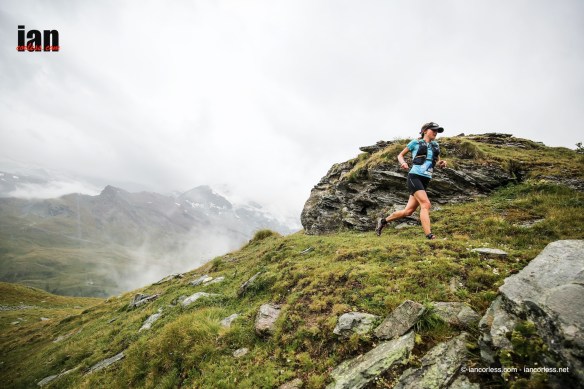
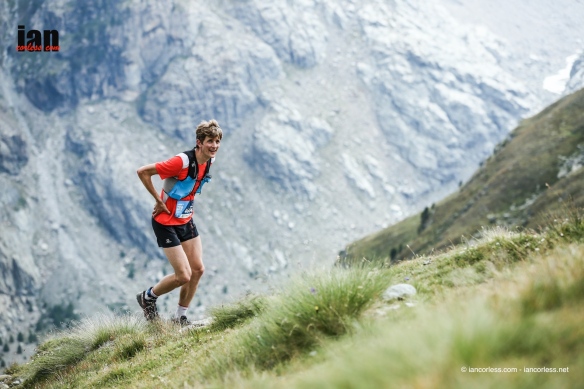
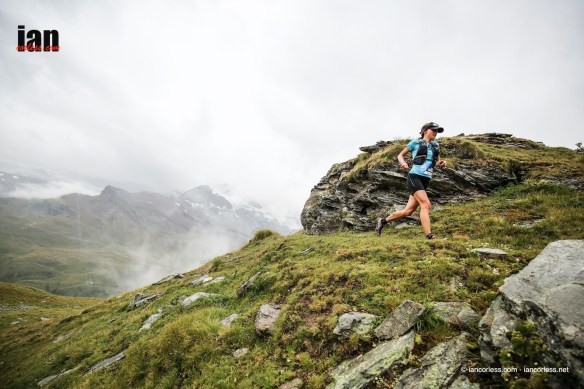
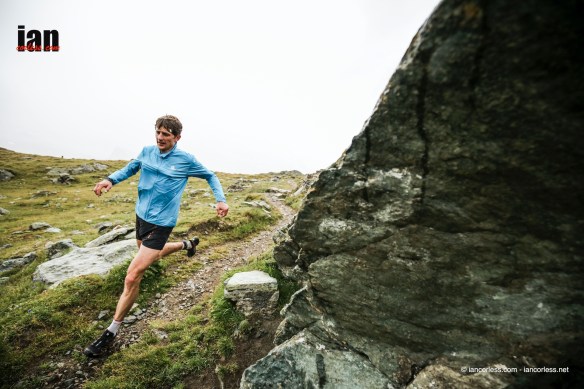
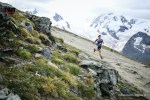
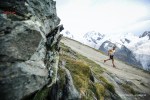
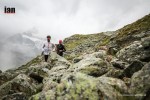
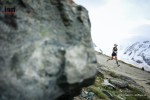
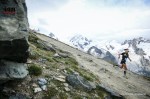
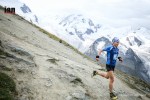
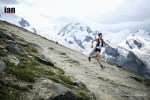
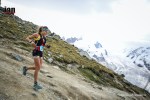
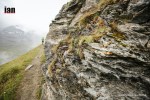
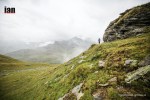
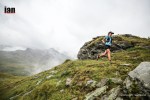
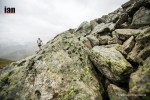
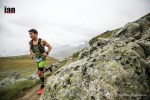
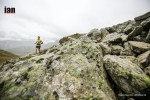
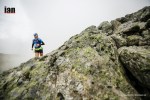
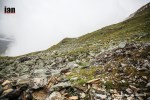
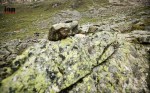
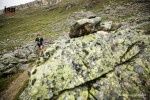
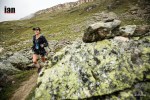
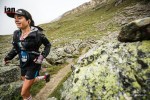
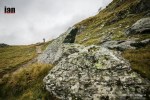
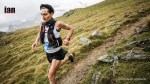
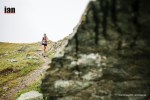
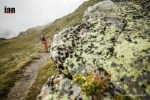
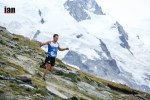
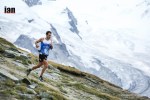
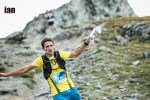
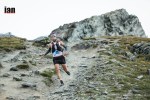
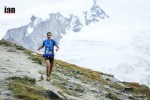
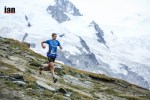
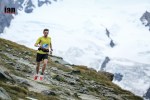
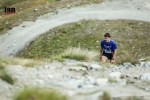
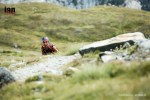
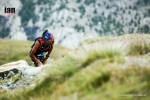
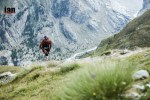
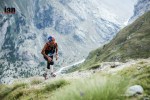
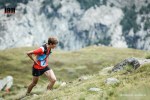
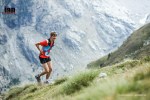
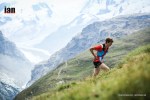
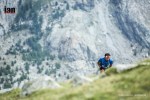
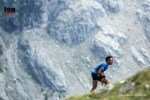
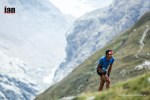
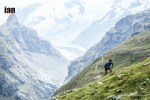
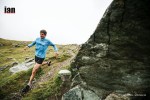
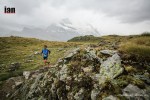
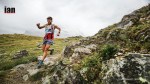
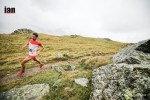
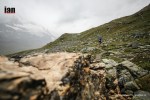
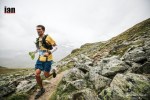
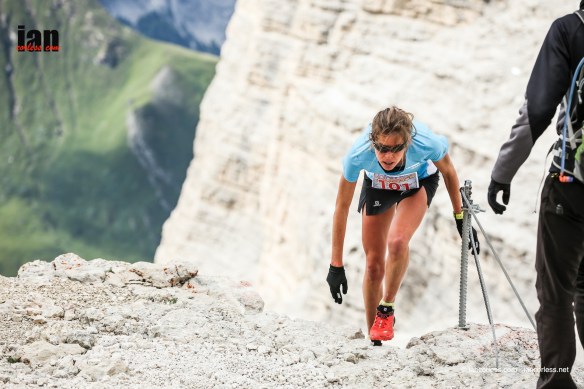
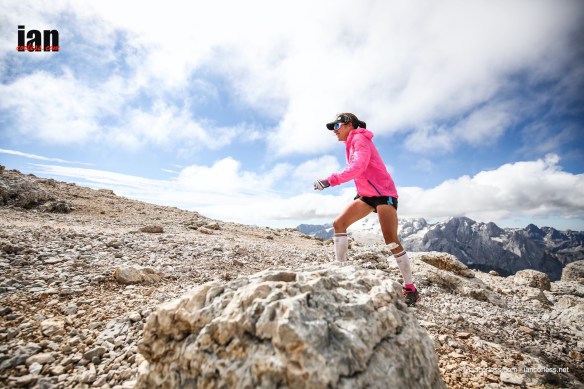
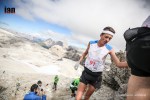
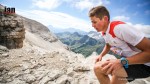
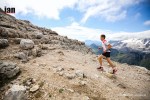
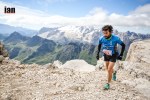
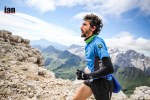
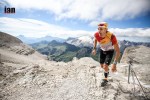
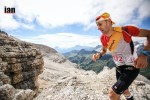
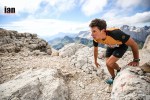
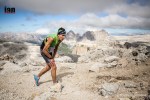
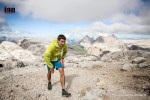
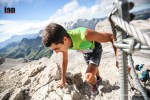
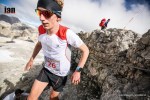
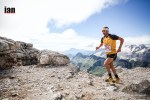
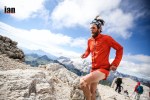
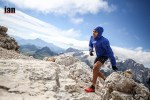
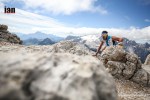
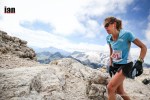
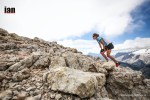
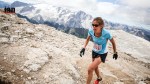
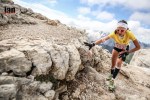
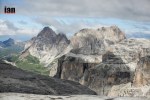
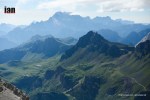
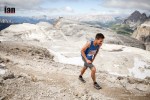
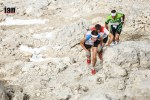
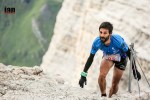
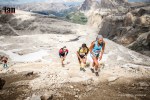
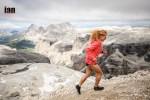
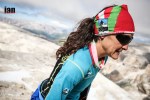
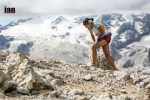
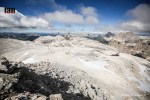
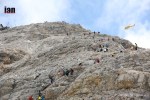
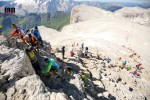
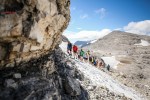
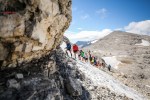
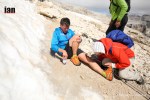
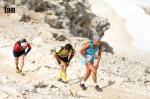
Torrential rain and thunderstorms started in the morning of the VK and continued on through the day and resulted in a course change instigated by the race organisation for safety reasons. The resulting course was very different to the original route and considerably longer at 6km. Less steep, less technical and considerably more runnable. Of course this may very well have changed the dynamic of the race but the usual protagonists for the VK distance still performed at the highest level.

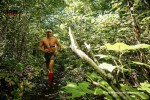
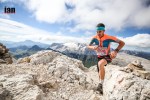
Philip Götsch and Christel Dewalle won the race and in the process set two new course records for the ‘B’ route – incredible under such tough conditions.

Race director, Fabio Meraldi, made the decision earlier in the day with advice from mountain rescue that the original vertical route would not be possible in such bad conditions.

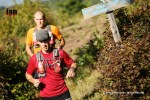
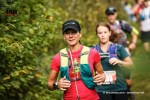
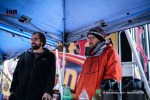
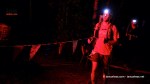
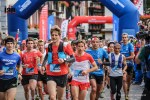
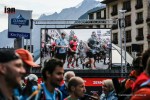
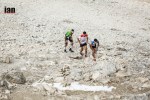
Although 289 runners were entered into the race, only 180 started in the inclement conditions. Leaving the warmth of a large tent, the 180 headed up 6km covering a total gain of 1200m.

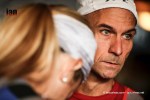
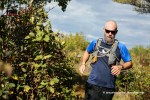
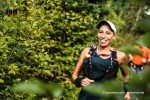
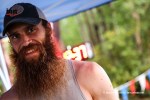
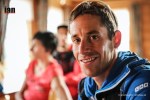
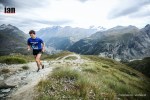
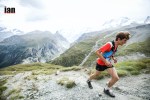
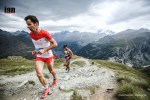
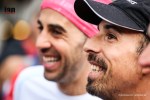
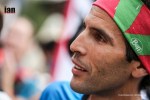
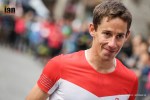
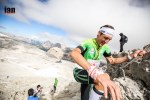
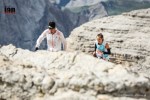
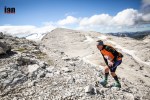
Stian Angermund lead the race in the early stages but it was Philip Götsch who won the race, 32 seconds faster than Remi Bonnet in 2015 to finish with a CR 43:19. Stian finished just 1-second slower in an agonising 43:20. Patrick Facchini placed 3rd in 43:47.

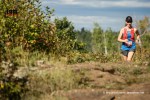
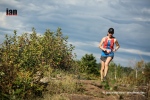
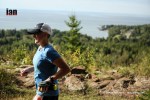
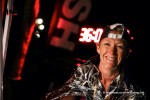
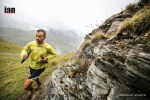
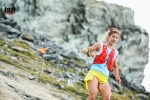
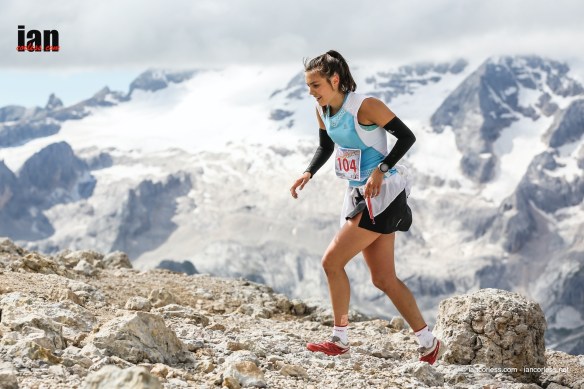
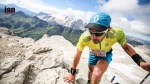
Christel Dewalle ran an incredible time of 49:59 to go 48 seconds faster than 2015 and also set a new CR. The expected battle with VK specialist Laura Orgue did not happen with Laura deciding to rest ahead of tomorrow’s SkyRace. Valentina Belotti placed 2nd 53:15 and Hilde Alders placed a solid 3rd in 54:50.

Attention now turns to the Limone Extreme SkyRace which will start at 1100 tomorrow.


Thanks to the support of our Partner Migu Xempower, Sponsor Alpina Watches and Official Pool Suppliers, Scott RunningCompressport and Salomon.

About Skyrunner® World Series
Skyrunning was founded in 1992 by Italian Marino Giacometti, President of the International Skyrunning Federation which sanctions the discipline worldwide and sports the tagline:
Less cloud. More sky.

The Skyrunner® World Series was launched in 2004 and has grown to represent the peak of outdoor running defined by altitude and technicality. In 2016, the Series, composed of four disciplines, features 23 races in 15 venues on three continents.

IANCORLESS.COM IS THE OFFICIAL PHOTOGRAPHER AND MEDIA PARTNER FOR THE

SKYRUNNER® WORLD SERIES

Social Media Logos

Facebook/iancorlessphotography
Twitter (@talkultra)
Instagram (@iancorlessphotography

Follow the Skyrunner® World Series on social media platforms

Facebook.com/skyrunning
Twitter @skyrunning_com
Instagram @skyrunning


“Within the landscape…” – 2017 Calendar now available to order

1-cover

The 2017 iancorless.com calendar is now available to order.

“Within the landscape…”

Price £20.00 (free postage UK)

The calendar provides a new perspective, of runner within the landscape. Countries featured are:

Canary Islands, USA, Spain, Andorra, Australia, UK, South Africa, Norway, Costa Rica and Morocco.

Delivery of all calendars will take place in November with the last orders posted on or before November 29th.

Delivery is guaranteed for Christmas and the print run is limited.

There will be no re-print.

To order a calendar please use the contact form below and choose your postage option. You will be invoiced via PayPal.

← Back

Thank you for your response. ✨


Superior 100 2016 Race Images and Summary

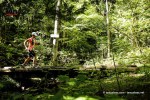
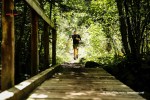
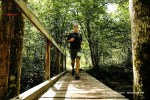
iancorless-com_superior2016-4930-2

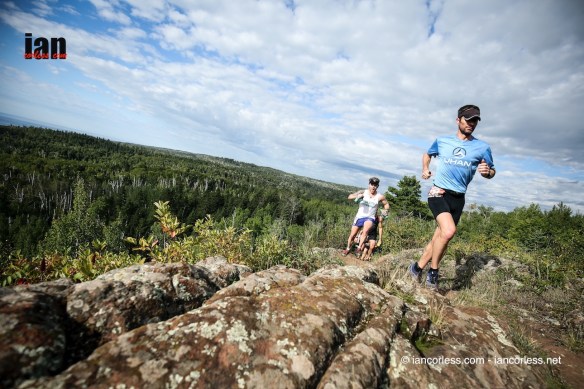
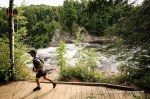
Frank Pipp, ‘pipped’ everyone to the line at the 2016 Superior 100 in a time of 20:24:00 in what turned out to be a dominant performance. Pipp (Iron Mountain, Michigan) was a professional cyclist from 2005 to 2013 and Superior 100 was hist first 100!

In the ladies race it was three ‘outa’ three for Mallory Richard in a time of 23:51:00. Her performance was strong enough to rank 5th overall.

Joe Uhan and Timbo Jenkins placed 2nd and 3rd in 22:46:00 and 22:59:00 respectively with 2014 Superior 100 champion, Adam Schwarz-Lowe placing 4th in 23:00:00.

Tina Johnson was 2nd lady some way behind a dominant Mallory in 29:50:00 and Stephanie Hoff placed 3rd in 30:52:00.

RACE SUMMARY HERE

Images are available to purchase from HERE

You can view the ladies 100-mile results HERE

You can view the men’s 100-mile results HERE

Images from Day One

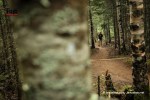
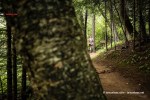
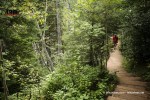
Day 2 – The Green Tunnel

Social Media Logos

Facebook/iancorlessphotography
Twitter (@talkultra)
Instagram (@iancorlessphotography) 

Follow the Skyrunner® World Series on social media platforms

Facebook.com/skyrunning
Twitter @skyrunning_com
Instagram @skyrunning

Superior 100 is featured in my new book, RUNNING BEYOND (information here)

RunningBeyond_JKT

Matterhorn Ultraks 46k 2016 Race Summary and Images– Skyrunner® World Series

©iancorless.com_MatterhornUltraks2016-0053

The Matterhorn provides a stunning backdrop for Switzerland’s Matterhorn Ultraks race, a 46km Skyrunning race with 3600m of positive and negative gain. Now in its 4th edition, the race once again is in the Skyrunner® World Series – a magical race that provides a circular journey that starts and concludes in the picture postcard mountain town of Zermatt.

©iancorless.com_MatterhornUltraks2016-9430

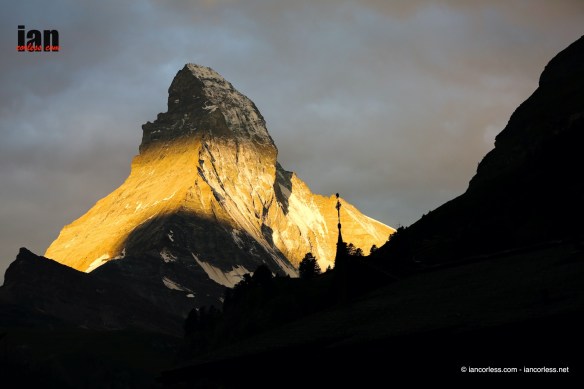
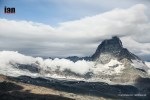
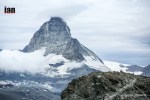
The day started well with wispy white clouds penetrating the blue of the sky, we all knew though that it wasn’t going to last… with 2 hours of running the sky turned grey, the rain arrived and low mist enveloped the mountains; the beautiful Matterhorn was gone!

©iancorless.com_MatterhornUltraks2016-8649

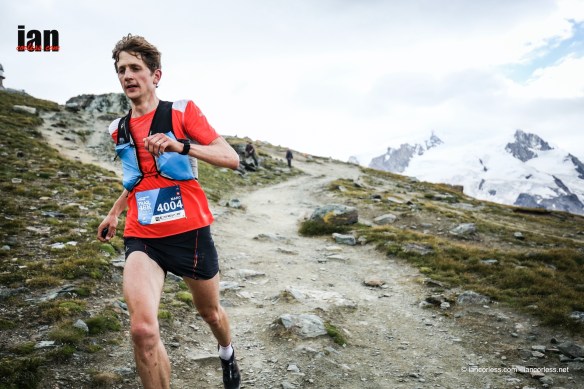
Wild expansive space, high mountains and the 3100m Gornergrat provides the high point of the race and the first indication of how this mountain game of chess was going to play out. Christian Mathys was a surprise arrival pushing the pace closely followed by Marc Lauenstein (pre-race favourite) and Nepalese runner, Tirtha Tamang.

©iancorless.com_MatterhornUltraks2016-8720

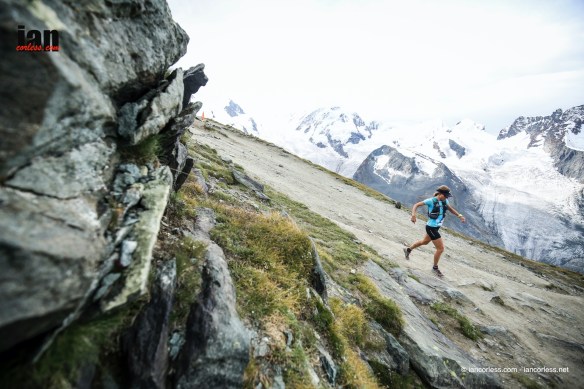
In the ladies’ race, Megan Kimmel from the USA was already dictating the race and the pace opening up a substantial gap on a chasing Elisa Desco from Italy and Michaela Mertova who was looking very strong.

It’s a brutal opening 14km to open any race and as such, those opening km’s can be decisive in who crosses the finish line first.

Megan Kimmel from the USA ran hard from the gun in 2015 setting the pace against a world-class field, “Anytime you get the rhythm in the up, the down, or the flat, the body is abruptly put into one of these other actions.  It is steep enough to grind you to a walk on a lot of the uphill and has fair bits of technical descent.”

A 1000m drop from the summit is broken by a small climb at Riffelalp and then Furi follows at 24km at 1880m. Two short sharp climbs follow, the first to Schwarzsee at 2583m and approximately 28km covered. Here Mathys was leading Tamang and Launstein followed minutes behind. It was difficult to tell if Lauenstein was going through a bad patch, he just smiled and pushed on.

©iancorless.com_MatterhornUltraks2016-9763

©iancorless.com_MatterhornUltraks2016-9776

Kimmel picks up her race, “I was comfortably leading the race for the first 30k. When I mean comfortable, I mean it seemed fairly effortless in a racing sense.  I was moving with the terrain on the uphill’s and I was holding back on the descents because it was a long race with a lot of transitions.” Kimmel’s lead was substantial and she was running her own race. Behind, barring an accident, the other ladies were running for 2nd.

©iancorless.com_MatterhornUltraks2016-0053

A drop down to 2200m from Schwarzsee was followed with another 500m+ climb and then what follows is mostly a flat runnable plateau that gently weaves up, down and left to right all the way to Trift. Lauenstein had taken the lead now and was flying, Mathys chased but the gap was opening up with every minute that passed.

©iancorless.com_MatterhornUltraks2016-9838

A short kick up of 100 to 200m follows Trift and then a fast and furious drop of almost 1000m over a distance of 6km leads to the finish line in Zermatt and the assembled crowds. Lauenstein sealed victory in 4:47:01, just a few minutes outside Kilian Jornet’s course record. Mathy’s held on for an excellent 2nd in 5:51:56 and Tamang placed 3rd in 4:53:03. Once again Hassan Ait Chaou ran an excellent 4th place and last year’s winner and course designer, Martin Anthamatten finished 6th.

Kimmel, the 2015 Dolomites SkyRace winner, after strongly leading the ladies race for the whole race, clinched victory with 20+-minute lead to Michaela Mertova, their respective times 5:23:15 and 5:46:21. Cilia Chiron backed up her great Dolomites SkyRace performance with 3rd and Oihana Kortazar placed 4th. Elisa Desco who had run in 2nd place did not finish due to a fall.

Skyrunning is not just about the uphill and more often than not, it’s the downhill that determines the winner. Today was all about patience and consistency. Racing is often a mental journey as much physical, Kimmel and Lauenstein today proved this at the Matterhorn.

Results for all race HERE


Thanks to the support of our Partner Migu Xempower, Sponsor Alpina Watches and Official Pool Suppliers, Scott RunningCompressport and Salomon.

About Skyrunner® World Series
Skyrunning was founded in 1992 by Italian Marino Giacometti, President of the International Skyrunning Federation which sanctions the discipline worldwide and sports the tagline:
Less cloud. More sky.

The Skyrunner® World Series was launched in 2004 and has grown to represent the peak of outdoor running defined by altitude and technicality. In 2016, the Series, composed of four disciplines, features 23 races in 15 venues on three continents.

iancorless.com is the official photographer and media partner for the Skyrunner® World Series Follow on:

Social Media Logos

Facebook/iancorlessphotography
Twitter (@talkultra)
Instagram (@iancorlessphotography) 

Follow the Skyrunner® World Series on social media platforms

Facebook.com/skyrunning
Twitter @skyrunning_com
Instagram @skyrunning

La Sportiva BUSHIDO Review

©iancorless.com_LaSportivaBushido-06562

La Sportiva have been making shoes for a long time, 80+ years! So it feels somewhat crazy that it’s only now that I have slipped on a pair of La Sportiva shoes for a test. I travel a great deal, particularly in Italy and it’s fair to say that Italians are loyal to the Italian brand that are based just outside Canazei in the Dolomites. Adding to the irony, I have driven past the La Sportiva factory many times on my way to the Dolomites SkyRace, year after year.

To provide a perspective of the foothold (pun intended) that the brand has in this area, La Sportiva shoes are the ‘norm’ and yes, even Salomon take 2nd place. The brand is that big!

I digress, needless to say, 80+ years of history and a desire to bring technical footwear to consumers so we can enjoy the playground is the heritage that La Sportiva trade on.

©iancorless.com_LaSportivaBushido-06564

The BUSHIDO shoe (which means way of the warrior) is not a new shoe, not at all. But it is a popular shoe and one that I have been recommended time and time again. So, finally I took the plunge and grabbed a pair.

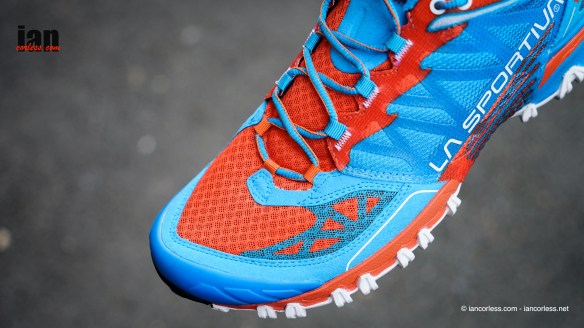
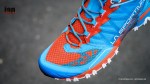
Like all shoes, different colour ways are available and the BUSHIDO comes in a pretty cool looking black and yellow. I unfortunately got a pair of turquoise and orange (?) – not my favourite colours. Oh vanity…

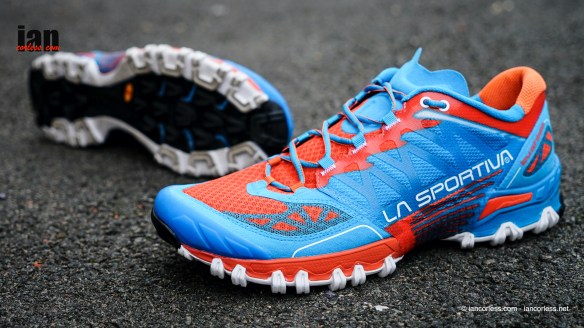
The BUSHIDO doesn’t look light and at 300g (give or take) they are certainly at the heavier end of shoes that I wear. But then again, everything is relative, this shoe looks like it means business and therefore, as in the way of the warrior, maybe the build quality and weight needs to reflect that?

©iancorless.com_LaSportivaBushido-06578

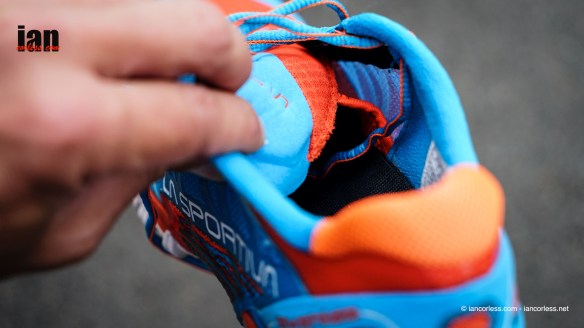
Slipping the shoe on I was really surprised with the hold the shoe had on my foot. It has a gusseted tongue which La Sportiva call an ‘Internal Slip-On Construction’ and I have to say that the BUSHIDO comes close to Salomon’s ‘Endofit’ as witnessed on the ‘Sense’ range for example. This is a huge compliment to the La Sportiva shoe. I test and wear shoes all the time and Salomon is still the benchmark in terms of how a shoe holds a foot.

Standing up things didn’t feel right? I did my usual walk around, flex the forefoot, bounce around a little and then I stopped. I asked myself the question internally, ‘are these shoes neutral and what is the drop?’

I checked – 6mm drop and neutral.

After running over 100 miles in these shoes I still really question these facts. The BUSHIDO for me does not feel neutral. Actually, I would almost go as far to say that they have a pretty aggressive arch support. I noticed it immediately and the more I ran in the shoes, the more I noticed it.

A 6mm drop should have had me feeling comfortable mid to forefoot striking but no, I felt as though the heal of the shoe was getting in the way. I haven’t had a low drop shoe feel this way before. It may well come from the 13mm to 19mm cushioning at the front and the rear? Yes, the BUSHIDO is a cushioned shoe. The Scott Kinabalu Supertrac (for example) has plenty of cushioning, loads of grip and an 8mm drop and they feel considerably ‘lower’ than the BUSHIDO. I use 8mm drop day-to-day and for long runs and I regularly use and run in 4mm drop for shorter/ faster sessions. However, the BUSHIDO never felt like a 6mm drop. I have found it difficult to pinpoint why but at all times I felt the heel was too pronounced.

©iancorless.com_LaSportivaBushido-06575

Running at first felt somewhat awkward and cumbersome with the shoe lacking flex and feel. It’s rare these days that shoe feels so stiff out of the box. I thought, a few runs and they will soften up. They never did…

I have to say, I was on a slippery slope. I had waited to try the BUSHIDO for quite some time and with every run I was realising that I disliked them more and more.

©iancorless.com_LaSportivaBushido-06564

The build quality is somewhat bullet proof: good toe protection in a TPU toe cap, a dual density compressed rock guard in the midsole, a TPU shank and IPS (impact brake system) and my conclusion? This shoe is completely over engineered and just doesn’t allow me to feel or enjoy the trail in a way that a good shoe should. For a ‘neutral’ shoe I felt as though I was being ‘guided’ with every foot strike as though my mind and my foot were saying, ‘let’s do this’ and then the BUSHIDO would step in and shout at me, ‘NO – YOU ARE DOING THIS!’

This relationship wasn’t going to last.

©iancorless.com_LaSportivaBushido-06569

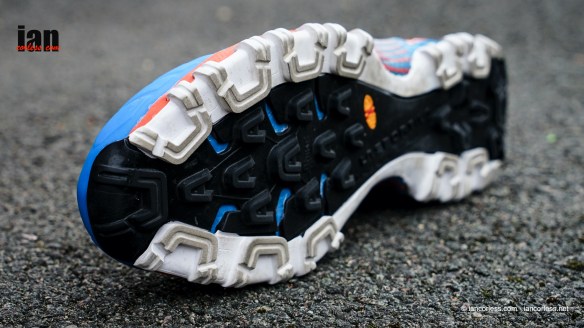
The outsole is unique with round edges and has two different sections, black and white. In simple terms it’s two different compounds that provide grip on a multitude of surfaces. This works well on dry trail, rocks and gnarly terrain and they grip well on wet rock. However, the outsole won’t handle mud – it’s just not aggressive enough. The black compound is sticky and grips whereas the white compound is more durable provide traction for off camber and irregular trail. Underneath all this you may well just see a flicker of blue? This is the rock plate which protects you (and your foot) from anything sharp, irregular or nasty. Like I said this shoe is bullet proof but all of the above and 13/19mm cushioning make for an unresponsive shoe which lacks feel.

The TPU cradle adds to the problem. This cradle wraps up into the midsole and holds the foot firm. It provides a cradle which the foot sits in. This for me is not really a ‘neutral’ shoe. I want my foot to be free and neutral – not guided.

©iancorless.com_LaSportivaBushido-06567

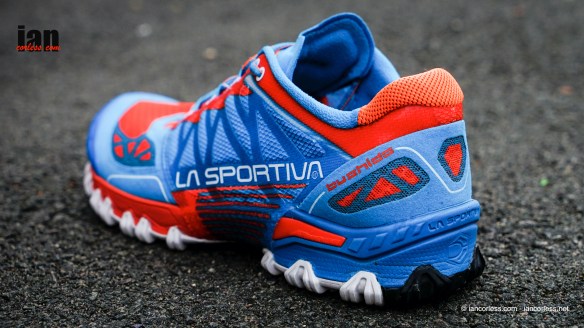
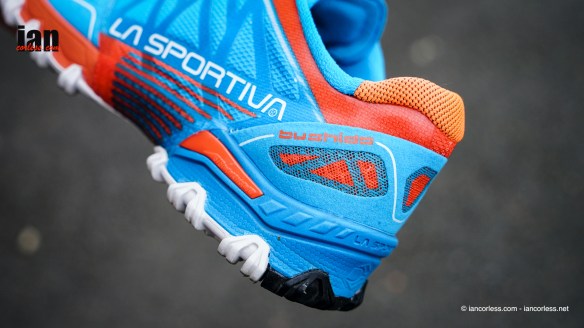
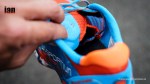
In the rear of the shoe you can see a little orange piece of plastic which is called ‘STB Control’ – again, the word ‘control’ – I think you are beginning to realise that the BUSHIDO is fighting me and my feet. Also at the rear is another cage like system that holds my heel. More stability, more support designed to hold the foot and stop it rolling or losing control.

©iancorless.com_LaSportivaBushido-06574


The upper is soft and breathable and as I mentioned has the gusseted fit which really is the high point of the shoe. There are no seams so you could, if you wish, go sockless. The tongue is slightly padded adding to the comfort and should you really want to pull your laces tight, this will add some additional protection.

©iancorless.com_LaSportivaBushido-06575

On the sides of the upper there is some reinforcement going into the lace zone and the lace section is additionally reinforced allowing laces to be pulled as tight or as loose as possible. This area follows the theme of the shoe in my opinion – stability, reinforcement and guiding.

The heel cup is tight and secure and is too high potentially causing an issue on the achilles. My left heel rubbed on run one and continued to rub on every run after causing me to add some protection for the test runs.

The toe box has a narrower and more precision fit which works really well for me. The BUSHIDO is designed for the mountains and I don’t want my toes moving left to right when I need reassurance. Of course, if you need a wider toe box this may well not suit you so make sure you try them. Toe protection is excellent.

I wear a UK9.5 and these shoes were true to size. I think it would be easy to think that the BUSHIDO sizes small on first impressions but I would say no! The shoe is designed to fit and hold your foot and so therefore, my advice would be start off with like-for-like sizes and see how you get on.

In conclusion, I have to say that the BUSHIDO and myself just didn’t get on. The shoe has loads of pluses, in particular the sock like fit. On paper I should have liked the shoe – 6mm drop and neutral fit rings all the correct bells. But no! The BUSHIDO at all times felt over engineered, too supportive, lacking feel and I have to say, of all the shoes I have tested in the last few years, this is one shoe that I won’t go back to.

But, many runners out there like this shoe so maybe I am the odd one out? If you are looking for a durable shoe, with loads of protection, a low ‘ish’ drop and plenty of security and guidance – this is the shoe for you… the BUSHIDO does all these things well, maybe too well?


Specs from La Sportiva

Weight 300g

Upper AirMesh/ Thermal Adhesive Microfiber/ High Frequency Welded Ripstop/ TPU Toe Cap

Lining Mesh/ Highly breathable lateral mesh inserts/ Stretch AirMesh Tongue

Rear/ Front Cushioning 19mm/ 13mm

Drop 6mm

Cushioning midsole 32A

Midsole Compression Molded MEMlex/ 1.5mm Dual-Density compressed EVA Rock-Guard in forefoot/ TPU Shank Dual-Density FriXion® XT V-Groove™ with Impact Brake System™

With performance driven design, the Bushido is perfect for technical terrain and provides added stability over stones, roots and branches on the trail.  The “STB Control” construction utilizes a TPU frame that wraps under foot to provide maximum stability, responsiveness, and reduce overall weight.

  • Internal slip-on construction fits the foot like a sock without causing excessive pressure.
  • Outsole lugs have rounded edges and wrap over the midsole to provide added traction and enhance stability on off camber terrain.

La Sportiva website HERE

DRUGS in Mountain, Ultra and Trail #EPO #UTMB

EPO-Doping-Offers-No-Benefit-to-Athletes-286x300

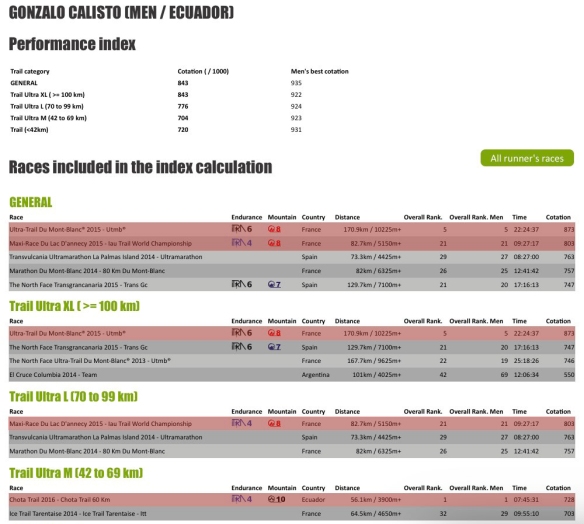
Last week and the week before, EPO, DOPING and the UTMB was the hot topic after Gonzalo Callisto’s positive test. Everyone was talking about it… this week it’s all gone quiet. That can’t happen! You can catch up on my posts below.

Post 1 UTMB faces positive EPO test HERE

Post 2 Michel Poletti HERE

Post 3 IAAF HERE

Post 4 Update IAAF and Catherine Poletti HERE

Post 5 Gonzalo Calisto statement HERE

Post 6 ITRA statement HERE

There are far too many questions unanswered, there are far too many people being quiet and if we want to eradicate doping from Mountain, Ultra and Trail running – we need to keep talking and discussing.

I was approached by Outside Magazine and they asked me a few questions. I am pretty sure that what gets used or published will be an edited version and with that in mind here are my thoughts, un-edited.

In light of the latest news from UTMB, what you think this positive test means for the sport? 

One has to embrace the positive test as a good thing as it confirms that preventative measures against doping are working. This positive was an ‘in competition’ test which only confirms the need for out of competition testing and blood passports. Of course, the answer is always that testing is too expensive. We have to act now and be proactive. I don’t have the answers but I do feel that we could start to address certain issues that would help. Maybe it’s time that we ask (for example) the top 100 male and top 50 female runners as listed on ITRA to pay for a regular medical? Sage Canaday recently released a full report on his medical status to ‘prove’ he is clean; that’s a good thing! (See below). Athletes of course may well say that they can’t afford it but this is where sponsors come in maybe? We cannot keep making excuses as to why we can’t but find ways to make sure we can! We are at the very early stages of doping in our sport and if we don’t act now it will only become worse and God forbid, we could end up like cycling or athletics.

Do you think doping is really becoming something to worry about, or is this a case of an outlier?

We need to worry, yes! This is not the first positive test, it maybe a high profile conviction, but it would be foolish to think that this is an isolated incident.

Are people starting to talk about doping more in ultarunning than before? Or maybe a better way of asking this is how are the athletes you know, talking about this subject and what it means for the sport?

I certainly have witnessed more discussion about doping and of course this was highlighted at the end of 2015 at San Francisco 50. This was a moment when the sport really looked at itself and many questions were asked. It actually became quite nasty at times and I think a sense of perspective was lost. For example, WMRA (World Mountain Running Association) and Skyrunning have been testing athletes for many years. They have very much paved the way but they acknowledge they can only do so much. In competition testing costs 1000’s of euros or dollars for one event and of course, only urine can be tested. Many say it takes an idiot to to be caught ‘in competition’ but it happens. I go back to blood passports – we really need them for elite, professional and sponsored runners. Some races do not have a ‘PED’ policy and San Francisco highlighted the need for races and RD’s to address this in the rules of the race. Western States for example has re-written its race rules to say that any runner who has had a positive conviction cannot race. Many runners have asked for a lifetime ban for any positive test and they have been vocal about this. I personally am reluctant to go down this route… I do believe that mistakes can happen in drug testing but I am not an expert. This creates a whole new debate and raises questions about the lasting effects of a doping program. For example, we used to have two positive tests and out, I liked that but apparently that has been deemed unfair?

Are people starting to test more for doping than in previous years? What has this looked like?

As mentioned previously, WMRA and Skyrunning have been testing for many years but not at all events. Skyrunning for example had its World Championships in Spain in July, they had three events, VK, SKY and ULTRA and WADA performed tests at all three race distances. The problem comes, once again with cost. At the Skyrunning World Championships, 12 athletes were tested. The make and female winner in each category (making 6) and then 6random tests. Let’s assume testing at an event is $10,000 – who pays? Do we add a surcharge on every runners entry fee? Does that race find a sponsor to cover the cost? Do we rely on a wealthy donor or do we approach all the major brands in the sport and say, you must pay! It’s a complex matter and this is why doping control is a rarity in contrast to the norm. Let’s look at races such as Speedgoat 50k, Run Rabbit Run and San Francisco 50 – these races have some substantial prize money, in some scenarios it could mean a pay check of $10,000+ for a win. Yet nobody has any idea if the winner is clean? Moving away from trail running and looking at ultra road running, Comrades in South Africa has huge prize money and it has a very chequered past with doping: Max King, Ellie Greenwood, Sage Canaday and Michael Wardian (amongst others) have all witnessed the impact of it first hand.

What is your own experience with testing?

I attend races as a photographer and a journalist so in reality, I have little experience of the drug testing process. However, I am a media partner for Skyrunning and I have been present and seen the processes undertaken at several major events where doping control has been in place by WADA. For example, I was at the Skyrunning World Champions on July, 22, 23rd and 24th. I also experienced doping control at Limone Extreme in 2015 and Mont-Blanc 80k in 2014 amongst others.

Do you think the tests, or the conversation about doping in general in ultras is lacking? What could be done better?

Certainly the positive test of Gonzalo Calisto has raised some major flaws in the communication process. I have done extensive research over the last weeks and my conclusions have been quite worrying. I will elaborate:

  • Gonzalo Calisto was tested after placing 5th at UTMB by French drug control – AFLD In August 2015.

  • AFLD have a written policy that a positive test is given to (in this case) the runner within three weeks.

  • The runner is then entitled to appeal and ask for a B sample test.

  • This process can then go backwards and forwards for several weeks and in this scenario (as I understand it) months. Don’t get me wrong, the runner has rights and it’s only fair that he or she has every opportunity to clear his or her name.

  • In June 2016 the IAAF released its current banned list.

  • On July 18/19th British Ultrarunner Robbie Britton noticed that Gonzalo Calisto was convicted of EPO and banned till March 2017.

  • I picked up the case and contacted UTWT and UTMB directly and asked were they aware of this conviction? I later found out, no!

  • Within 12 hours, UTMB released a press release disqualifying Gonzalo Calisto of doping.

The above raised so many questions for me:

1. How was it possible that Gonzalo Calisto had tested positive but UTMB did not know?

2. Why was his period of exclusion dated till March 2017 when he had been tested in August 2015?

3. Why had the IAAF only published this in June 2016?

I asked questions of the UTMB and the IAAF. In both scenarios they were both helpful. 

1. To cut a long story short it would appear that when an athlete is tested positive, the testing control, in this scenario AFLD, are not required to inform the race. REALLY? A race has a runner place 5th, the runner is tested, the runner is found guilty, due process is run and then a positive is confirmed and a sanction is put in place without the race being told…. C’mon that HAS to change! Had it not been for the eagle eyes of Robbie Britton and me grabbing the bull by the horns, nobody ‘may’ have known?

2. IAAF explained the ‘due process’ to me and although they were not able to supply specifics, they did say that these things can often take much longer than we would all like and that 6 months is not unusual. Considering Calisto was tested on the last day of August, that potentially could take us to February or March the following year.

3. The IAAF then confirmed that an error had been made! As I pointed out to them, why was Calisto banned till March 2017? The answer: Calisto’s ban and records were amended from a memo dated March 2016 and it was therefore human error. Calisto’s ban dates actually run from March 2016 to March 2018. This coincided with point 2 above and a lengthy due process where one assumes Calisto tried to clear his name.

4. From the March conviction, Calisto’s records then entered the IAAF system and his conviction was uploaded to the ‘sanctioned athletes’ list in June 2016.

5. The IAAF confirmed to me that AFLD did not have to notify UTMB of a conviction but they would look into it?

So, for UTMB to be aware that an athlete had cheated at a previous edition of their race it would appear that the only option open to them is to check daily on the IAAF website for any additions to the sanctioned athlete list.


I could go on…

Why do you think the sport has stayed clean for so long, and what might be changing that would compel people to cheat? 

The sport hasn’t been clean for so long. That is a naive viewpoint. Doping has existed in trail running for ages but if you don’t have testing or a blood passport, how would you know that…? I like to use an example and I must be clear here, I don’t doubt the integrity of the runner I use as an example. Karl Meltzer, my co-host for Talk Ultra podcast has won more 100 mile races than anyone. He has even won Run Rabbit Run and he took home $10,000+ He has been running ULTRA’s for 20+ years. You know how many times he has been tested for PED use?  NEVER. Need I say more… This is why our sport has bean ‘clean’ for so long, no testing!

For the most part it seems like the conversation around doping in ultras is relatively new, and also that cheating might be a new thing too. Do you think there’s a chance for race directors, athletes, etc. to get out in front of this and keep the sport clean before it becomes the kind of large-scale issue it is in some other sports?

The Calisto case has raised eyebrows, we need to latch on to that momentum and we need to consider many of my points above but let’s be clear, Calisto is not the first!

On a final note we need to keep this discussion open, we need to keep asking questions and we need to find answers and solutions. It’s too easy to say it’s too expensive, too difficult and so on. We could start by:

  • Blood passports for runners
  • Regular in and out of competition testing
  • Positive results MUST be sent to a race or RD as soon as possible if a positive test came from a race.
  • IAAF need to find a way to communicate ‘new’ sanctioned athletes to the relevant sport discipline. This is where ITRA or maybe an athlete commission could be set up.

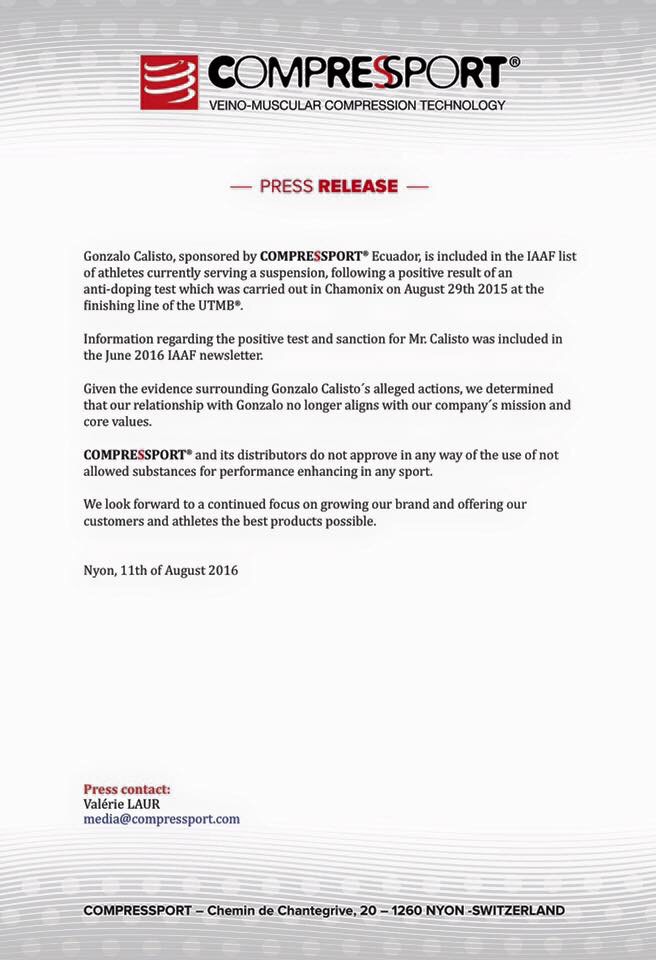
We, as runners, journalists, sponsors and so on must be loud and clear that doping is not welcome and we must do all we can to work together. In the Calisto case I have still not seen or heard any public statement from his sponsors, Movistar and Compressport. Compressport did contact me to say that they were ‘looking into it!’ What does that mean…? They also said that Callisto’s sponsorship with Compressport was with a local distributor and not the International division. As far as I am concerned, local or International, Calisto is still representing a brand and that brand gains attention. And also what about the races that Calisto has run and placed in in post August 2015?  The IAAF now confirms the suspension dates back to that time and until March 2018. Not one word, not one public statement from any race that I have seen… do these races condone doping? What about the runners who placed top 5 or top 10 only to loose a place… come on, speak up!

Update August 12th and Compressport respond


A great place to start is here, Sage Canaday has just recently posted his results online for all to see. Let’s lead by example!

SageDopingReport

I welcome your thoughts!

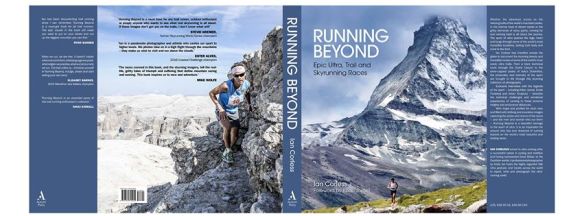
RUNNING BEYOND BOOK now available on pre-order

Book Cover

I am pleased to say that my new book, RUNNING BEYOND is now available on pre-order at Amazon (HERE). English version will be available November 3rd and Spanish, Italian, German and US versions will be available tbc.

Foreword is by Kilian Jornet.

©iancorless.com_RunningBeyondBook (6 of 278)

“Ian has been there to witness the stories. He knows the sport, he practices it and he has been involved in many different aspects, all of which provides him with a great overview. He has the strength and character to work many hours, even practicing his own ultra with cameras in order to capture the emotions and the passion from inside the sport. Ian has immense enthusiasm, and his commitment to following a race knows no bounds.” – Kilian Jornet

****

RUNNING BEYOND BOOK

by Ian Corless

Foreword by Kilian Jornet

Published by Aurum Press

Available in the UK from November 3rd 2016

Translated into French, Spanish, Italian and German (release dates to follow)

“Ian has been documenting trail running since I can remember. His images, writing and podcasts have played a major role in showcasing our sport and growing it into the global sport it has become today… Ian is extremely passionate and really understands what trail running is about, and this you can see in his incredible images. Ian’s images capture the runners emotion; the natural beauty and race atmosphere – making me want to put on my shoes and head out the door for a run. Running Beyond is a must get book for all trail runners.”

– Ryan Sandes

©iancorless.com_RunningBeyondBook (46 of 278)


ITRA release statement on #EPO positive for Gonzalo Calisto

©iancorless.com_TCC2016-1779

This morning I posted the long awaited statement from Gonzalo Calisto after testing positive for EPO at the 2015 UTMB. If you are new to the story, please read the posts below.

Post 1 UTMB faces positive EPO test HERE

Post 2 Michel Poletti HERE

Post 3 IAAF HERE

Post 4 Update IAAF and Catherine Poletti HERE

Post 5 Gonzalo Calisto statement HERE

Today, I have now received a statement and clarification from ITRA into the process that Gonzalo Calisto has gone through:

July 25th 2016

PREAMBLE

On June 29th  2016*, the International Association of Athletics Federations (IAAF) published on its web-site in newsletter 174 a list of athletes who had been sanctioned for doping. On this list figures M. Gonzalo CALISTO for a positive test of EPO on August 29th 2015 at the finish of the  UTMB®.

ITRA HEALTH POLICY

The term  «health policy» designates actions which  aim at increasing the prevention and the protection of the health of the sportspersons.

The ITRA, in particular, offers organisers the chance of setting up a preventative action concerning health matters. This action has neither the vocation nor the competence to be a substitute for  current national and/or international regulations regarding the anti-doping fight but has the aim of strengthening the medical supervision within the framework of the health security plan set up by the organisation. This action is led by a Medical Counsel, uniquely made up of doctors, who are able to take advice from experts of their choice and who are charged with giving consultative advice to the Race Jury on the medical state of participants.

More information about the ITRA health policy : http://itra.run/page/261/Politique_sante.html

HISTORY AND CHRONOLOGY OF THE ITRA’S HEALTH POLICY

Within the framework of the health policy set up by the ITRA, M. Gonzalo CALISTO submitted a first blood sample on May 28th 2015 at 13:077 (World Trail-Running Championships in Annecy (France) organised by the IAU in collaboration with the ITRA)

M. Gonzalo CALISTO’s  haematological profile presented several abnormal values which led to the athlete being summoned, on May 29th 2015, before the start of the race, to a meet with the event’s medical commission of 2 doctors and an expert from the Association «Athletes For Transparency» with a more specific responsibility for aspects concerning the anti-doping fight.

The Ecuadorian origin of M. Gonzalo CALISTO, which according to scientific literature, maybe be responsible for specific haematological profiles (Quito, altitude of 2850m), as well as the argument put forward by the athlete of having very regular exposure to very high altitudes  (>5500m) were retained to classify his haematological profile  as  « atypical » (rather than « abnormal ») and so authorised him to take the start of the race for the World trail-Running Championships in Annecy.

The information relating to  M. Gonzalo CALISTO’s  « atypical » profile was transmitted by telephone on May 29th 2015 to an organisation responsible for the anti-doping fight. The two possible options were retained by  the Association «Athletes For Transparency» to explain this « atypical » profile knowing that a specific genetical profile or the taking of EPO were then evoked.

The « atypical » profile of the athlete was once again brought up in a telephone conversation in June 2015 (no precise date) with an organisation responsible for the anti-doping fight.

M. Gonzalo CALISTO submitted a second blood sample on August 27th 2015 at 13:45 before the start of the UTMB® within the framework of the ITRA’s Health policy. His haematological profile once again showed several abnormalities.

With the reason, of the always possible specific genetic profile linked to his Ecuadorian origins, the athlete’s haematological profile was again classed as « atypical » and he was authorised to take the start of the UTMB®.

The ITRA learnt, on August 29th 2015 the urinary anti-doping tests at the finish had been able to specifically target M. Gonzalo CALISTO.

On April 21st 2016 information relating to  M. Gonzalo CALISTO were sent by email to the Association «Athletes For Transparency» by an organisation in charge of the anti-doping fight.

THE ITRA’S MANAGEMENT OF A POSITIVE TEST

The role of the ITRA following a positive test is:

–          To ensure the disqualification of M. Gonzalo CALISTO from events in which he would have been able to participate in during the period of disqualification  (as from August 19th, 2015).

–          To ensure the non-participation in any race which is a member of the ITRA during the period of  M. Gonzalo CALISTO’s period of suspension, from March 17th 2016 to March 17th 2018. (The start of the period of sanction (March 17th 2016) is determined by the “test authority” in relation to the provisional suspension, interviews, appeals made by the athlete, etc….)

Patrick BASSET – President of the ITRA Health Commission

Pierre SALLET – President of the Association Athletes For Transparency

ITRA performance profile – Gonzalo Calisto HERE


ITRAperformanceprofile

******

I would welcome clarification and statements from Gonzalo Callisto’s sponsors, MOVISTAR and COMPRESSPORT. I would welcome clarification from races that Gonzalo Calisto participated in after August 2015 – how will they proceed?

As usual I welcome your thoughts in this story and process

Dolomites SKYRACE 2016 Race Summary and Images – Skyrunner® World Series

©iancorless.com_DOLOMITESVK2016-3808

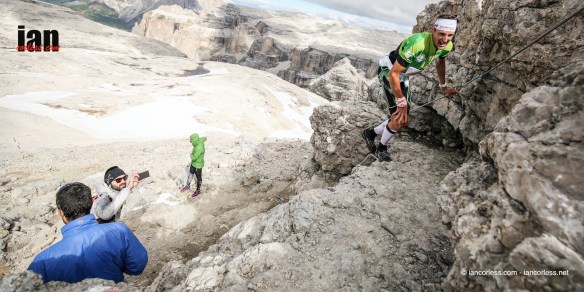
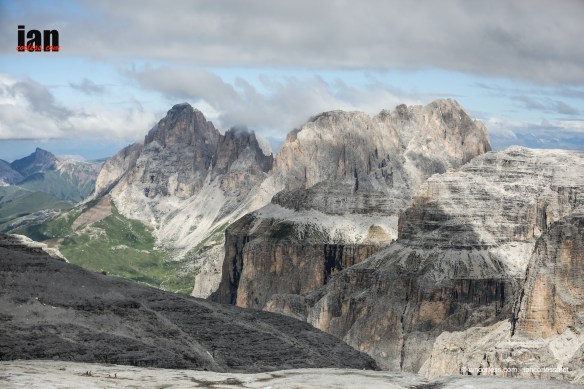
At 22km long with 10km uphill and 12km downhill The Dolomites SkyRace is a tough Skyrunning race that perfectly shows the ethos of the sport – start low, get high and then return as quickly as possible. Piz Boe at 3152m is the high point of the course and what follows is a technical descent to the starting town of Canazei.

Kilian Jornet and Megan Kimmel hold the current course, their times 2:00:11 and 2:25:57 recorded in 2013 and 2015 respectively.

Starting in Piazza Marconi, Canazei at 0830, 4 hours 30 minutes are allocated for participants to complete the course.

©iancorless.com_DOLOMITESVK2016-4143

From the gun Aritz Egea dictated the pace and lead a chasing trio of 2015 champion Tadei Pivk, Stian Overgaard and Martin Anthamatten. On the slopes leading up Piz Boe, Egea was relegated to 4th and a battle was on for victory.

©iancorless.com_DOLOMITESVK2016-3852

At the summit, Pivk took the lead and descended without fear as Anthamatten and Overgaard chased.

©iancorless.com_DOLOMITESVK2016-3793

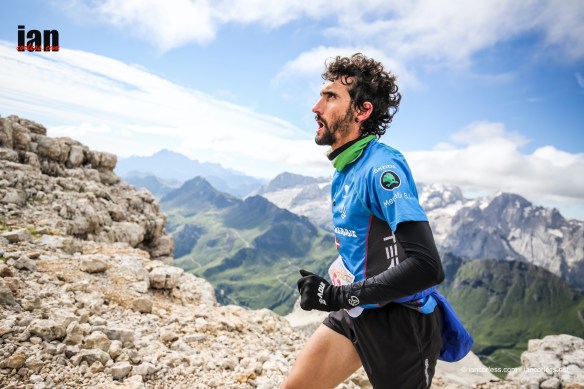
Pivk was too strong though crossing the line in 2:03. Overgaard in his first Skyrunning race placed 3rd in 2:04 and 2015 Matterhorn Ultraks champion, Anthamatten placed 3rd.

©iancorless.com_DOLOMITESVK2016-4213

In the ladies’ race, Laura Orgue was always going to be the lady to beat, the only question mark would come on her ability to descend from the summit of Piz Boe… easier this year she broke her leg in a skiing accident.

©iancorless.com_DOLOMITESVK2016-4104

We should have no questions! From the beginning Orgue pushed the pace and the only lady in close contention was Elisa Desco. Orgue summited first and then held that lead all the way to the line besting Desco by 2-minutes, 2:28 to 2:30.

©iancorless.com_DOLOMITESVK2016-4130

Surprise of the day came in the ladies 3rd place, Celia Chiron who ran an incredible 2:32. Pre-race favourites Yngvild Kaspersen finished 5th and post-race said, “I had bad feelings today and my legs were just heavy.” It was a similar story for 2016 Transvulcania champion, Ida Nilsson.

©iancorless.com_DOLOMITESVK2016-4312

Attention now turns to this coming weekend, the Skyrunning World Championships will take place in Spain with VK, SKY and ULTRA races


Thanks to the support of our Partner Migu Xempower, Sponsor Alpina Watches and Official Pool Suppliers, Scott RunningCompressport and Salomon.

About Skyrunner® World Series
Skyrunning was founded in 1992 by Italian Marino Giacometti, President of the International Skyrunning Federation which sanctions the discipline worldwide and sports the tagline:
Less cloud. More sky.

The Skyrunner® World Series was launched in 2004 and has grown to represent the peak of outdoor running defined by altitude and technicality. In 2016, the Series, composed of four disciplines, features 23 races in 15 venues on three continents.

iancorless.com is the official photographer and media partner for the Skyrunner® World Series Follow on:

Social Media Logos

Facebook/iancorlessphotography
Twitter (@talkultra)
Instagram (@iancorlessphotography) 

Follow the Skyrunner® World Series on social media platforms

Facebook.com/skyrunning
Twitter @skyrunning_com
Instagram @skyrunning

Dolomites SkyRace 2016 Race Preview – Skyrunner® World Series

©iancorless.com_DolomitesSkyRace2015-2169It’s a classic, no doubt about it and as such the Dolomites SkyRace personifies the ethos of the pure and simple act of starting low racing high and returning as quickly as possible – Skyrunning!

©iancorless.com_DolomitesSkyRace2015-2571

The race is 22km long with 10km uphill and 12km downhill. Depending on the weather, the route may or may not have snow which only adds to the complexity of the terrain. The route changes constantly and on the ascent the runners must fight gravity trying to reach the high point of the course, Piz Boe at 3152m.

©iancorless.com_DolomitesSkyRace2015-1920

From the summit, runners must defy gravity and drop like a stone with no fear, this race is often won on the descent!

©iancorless.com_DolomitesSkyRace2015-1723

Piazza Marconi, Canazei is the start and finish point and 4 hours 30 minutes are allocated for participants to complete the course. Course records currently stand with Kilian Jornet and Megan Kimmel. Their times 2:00:11 and 2:25:57 recorded in 2013 and 2015 respectively.

Dolomites Skyrace

Added interest can be noted in the record for the ascent and descent, a key feature of this race. Augusti Roc Amador and Laura Orgue have recorded 1:16:47 and 1:29:30 of the ascent and Fabio Bonfanti and Angela Mudge hold the records for the descent, 00:43:35 and 00:58:47.

In 2015 Tadei Pivk (2:02:47) beat Ionut Zinca and Pascal Egli to the top of the podium. In the ladies’ race, Megan Kimmel (2:25:57) beat Laura Orgue and Elisa Desco with a stunning descent and a course record time.

What is in store for 2016?
©iancorless.com_DolomitesSkyRace2015-1913

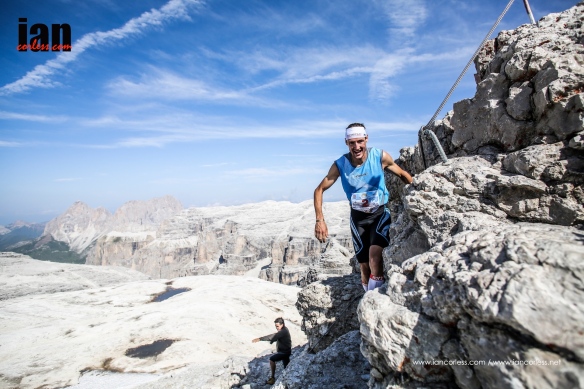
As one would expect, the line up in both the men’s and lady’s fields is stunning. Tadei Pivk heads up the men’s field after his victory in 2015 and his SWS 2015 title. He has been racing regularly in Italy and was the winner at Livigno SkyMarathon recently. However, he did play 5th at Zegama-Aizkorri.
©iancorless.com_Rut2015-0043

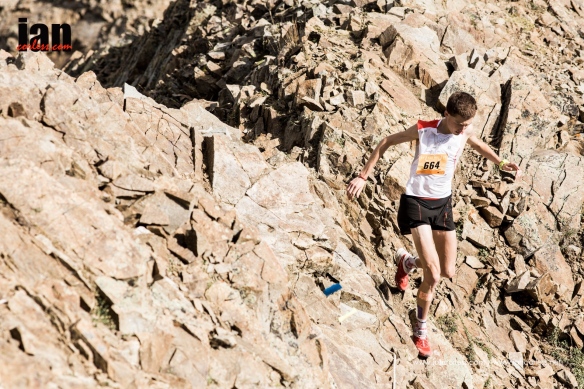
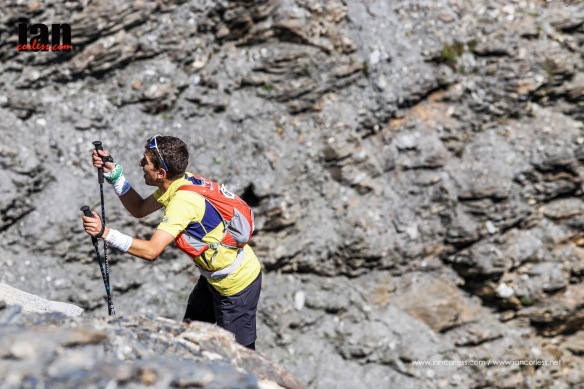
Tadei will definitely not have things his own way. A last minute entry by Remi Bonnet will almost certainly raise the Italians eyebrows. Remi raced the VK in Val D’Isere this past weekend and placed 3rd (28 seconds off the lead), not a position he is used to but he has been nursing an injury and may well not be in full shape in Canazei? That said, he is a formidable competitor over the SKY distance.
©iancorless.com_ITT2015-9355

Manuel Merillas, 4th at Zegama-Aizkorri always races consistently well over the SKY distance and almost certainly he will contest the top 5 and more than likely the podium. 


Marc Casal Mir, 2nd on the SWS ranking is a consistent performer but has never made the podium in Canazei. For sure he will be in contention but more likely in the top 10.
©iancorless.com_USM2016-5054

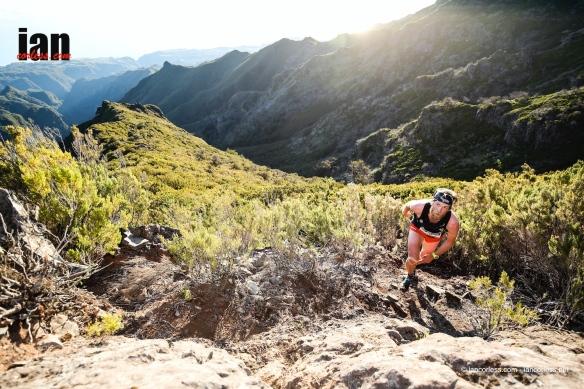
Andre Jonsson has been somewhat of a revelation in 2016, he goes out hard, puts it all on the line and races full on. He currently lies 3rd on the SWS 2016 ranking.

Martin Anthamatten will also be one to watch, he had a great result at Matterhorn Ultraks and in the USA at the RUT series of races. The Dolomites will suit him!

©iancorless.com_DolomitesSkyRace2015-1837

Saul Antonio Padua may well be the first to the top but he always falters on the descent, a key element of the Dolomites race, I wonder, this year can he string the two together?
©iancorless.com_HTV2016-3243

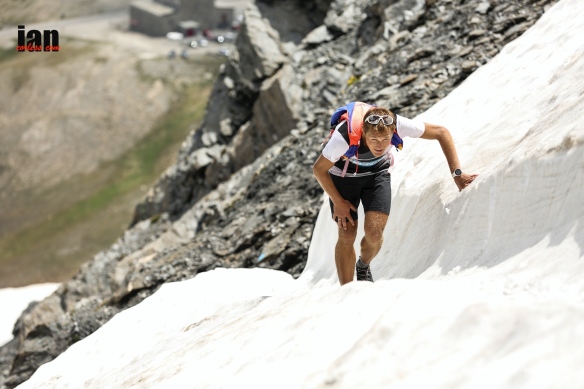
Other top names to watch out for are Francois Gonon, Alexis Sevennec, Aritz Egea, Dmityr Mityaev, Jan Magrit Sole, Hassan Ait Chaou, Daniel Garcia Gomez, Jessed Hernandez, Nil Cardona, Hector Haines and many more.

©iancorless.com_DolomitesSkyRace2015-2162

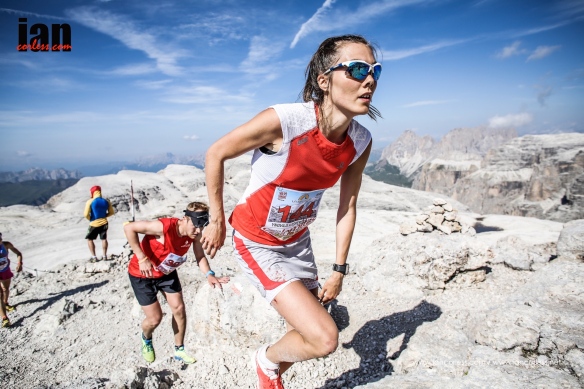
With Megan Kimmel missing from the race, Laura Orgue heads up the ladies race after a stunning performance in 2015. Laura’s only problem may well come on the descent… over the winter months she picked up an injury and the Dolomites SkyRace will be the first big test.
©iancorless.com_DolomitesSkyRace2015-2299

Laura though will have some serious competition from her Salomon teammates, Yngvild Kaspersen and Ida Nilsson. These two ladies are currently on fire and based on recent results they could take the top two spots? Yngvild won Zegama-Aizkorri and then went on the place 2nd at Mt Marathon in Alaska – for me, she is the favourite.

©iancorless.com_Transvulcania2016-5475

Ida had a stunning Transvulcania Ultramarathon has gone from strength-to-strength. Ironically, Transvulcania was a long way for Ida, the shorter distance will suit her running history. It’s going to be exciting!
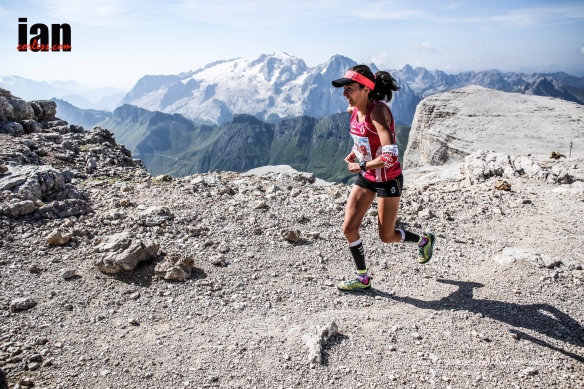
©iancorless.com_DolomitesSkyRace2015-2244Elisa Desco, 3rd in 2015 is back on form after injury and victory in Livigno. Elisa has the up and down game and without doubt is likely champion on Sunday.
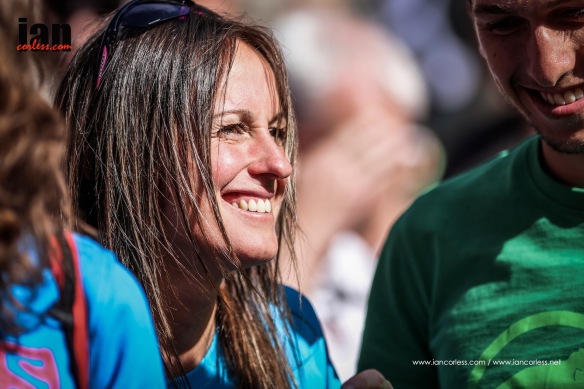
©iancorless.com_ITT2015-8847

2015 Zegama-Aizkorri champion, Azara Garcia has been looking for a return to form after prolonged injury and the Dolomites SkyRace may well be the opportunity to for her gain maximum points and challenge for the SWS ranking.
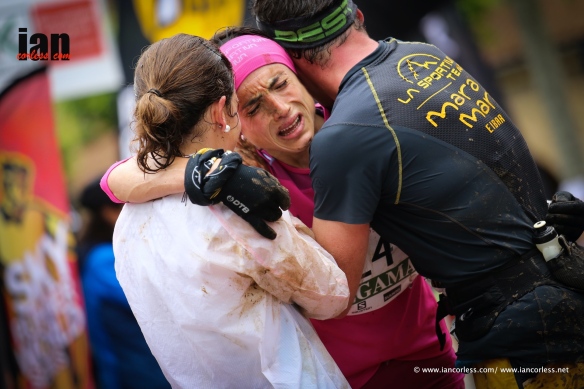
©iancorless.com_IMG_2179Zegama14

Maite Maiora has also had injury but if she is fit she will definitely be a contender for the podium. Maite races hard with 100% commitment in 2014 she placed 3rd behind Laura Orgue and Emelie Forsberg.

Marta Molist currently lies 2nd on the SWS ranking and she will be looking to gain valuable points, however, Russian Ekaterina Mityaev will be looking to topple the Spanish runner.

Ragna Debats and Sheila Alves heads up the other likely contenders for the top 5 followed by Aitziber Ibarbia, Eva Maria Moreda Gabaldon, Celia Chiron and of course, we may well have a few last minute entries…

Watch this space!

Dolomites_vertical

Kicking off proceedings on Friday, runners will take on the Dolomites Vertical Kiolmeter®. Starting at 0930 in Cisates just a short walk from the center of Canazei, runners will depart in groups of 20 with a time gap of 4-minutes separating the groups. Groups are categorized with slower runners departing early and elite runners departing last.

At 1100 the top runners as specified by the SWS ranking will depart.

Runners depart at an altitude of 1450m and reach the high point of Spiz 2465m with a total distance of 2.4km in length. The Dolomites VK is considered one of the toughest on the circuit due to the short, steep course and underfoot, much of the terrain is grass. Poles are not essential but recommended.

Course records date back to 2015 and 2014 when Philip Gotsch ran an incredible 32:38 and Laura Orgue ran 38:14.

©iancorless.com_Rut2015-5214

Ferran Teixido heads up the men’s race field and he currently leads the SWS ranking however, he did have a below par performance at Face Bellevarde in Val d’Isere. Francois Gonon, Nejc Kuhar, Marco Moletto, Jan Margarit, Dimitry Mityaeva, Mirko Cocco and Oriol Cardona Coll will push the Andorran runner all the way to the line. As is always the case in Italy and on the VK circuit, La Sportiva will send a strong and deep field. Urban Zemmer if confirmed running of course will be a clear favourite along with Remi Bonnet and Saul Antonio Padua.

©iancorless.com_Rut2015-5299

Laura Orgue heads up the ladies’ field and is the current course record holder but will have strong competition from Maite Maiora and Yngvild Kaspersen. Ekaterina Mityaeva, Maria Zorroza and Aitziber Ibarbia will provide competition but the ladies start list is definitely impacted by the Skyrunning World Championships that will take place the following weekend.


Thanks to the support of our Partner Migu Xempower, Sponsor Alpina Watches and Official Pool Suppliers, Scott RunningCompressport and Salomon.

About Skyrunner® World Series
Skyrunning was founded in 1992 by Italian Marino Giacometti, President of the International Skyrunning Federation which sanctions the discipline worldwide and sports the tagline:
Less cloud. More sky.

The Skyrunner® World Series was launched in 2004 and has grown to represent the peak of outdoor running defined by altitude and technicality. In 2016, the Series, composed of four disciplines, features 23 races in 15 venues on three continents.

iancorless.com is the official photographer and media partner for the Skyrunner® World Series Follow on:

Social Media Logos

Facebook/iancorlessphotography
Twitter (@talkultra)
Instagram (@iancorlessphotography) 

Follow the Skyrunner® World Series on social media platforms

Facebook.com/skyrunning
Twitter @skyrunning_com
Instagram @skyrunning