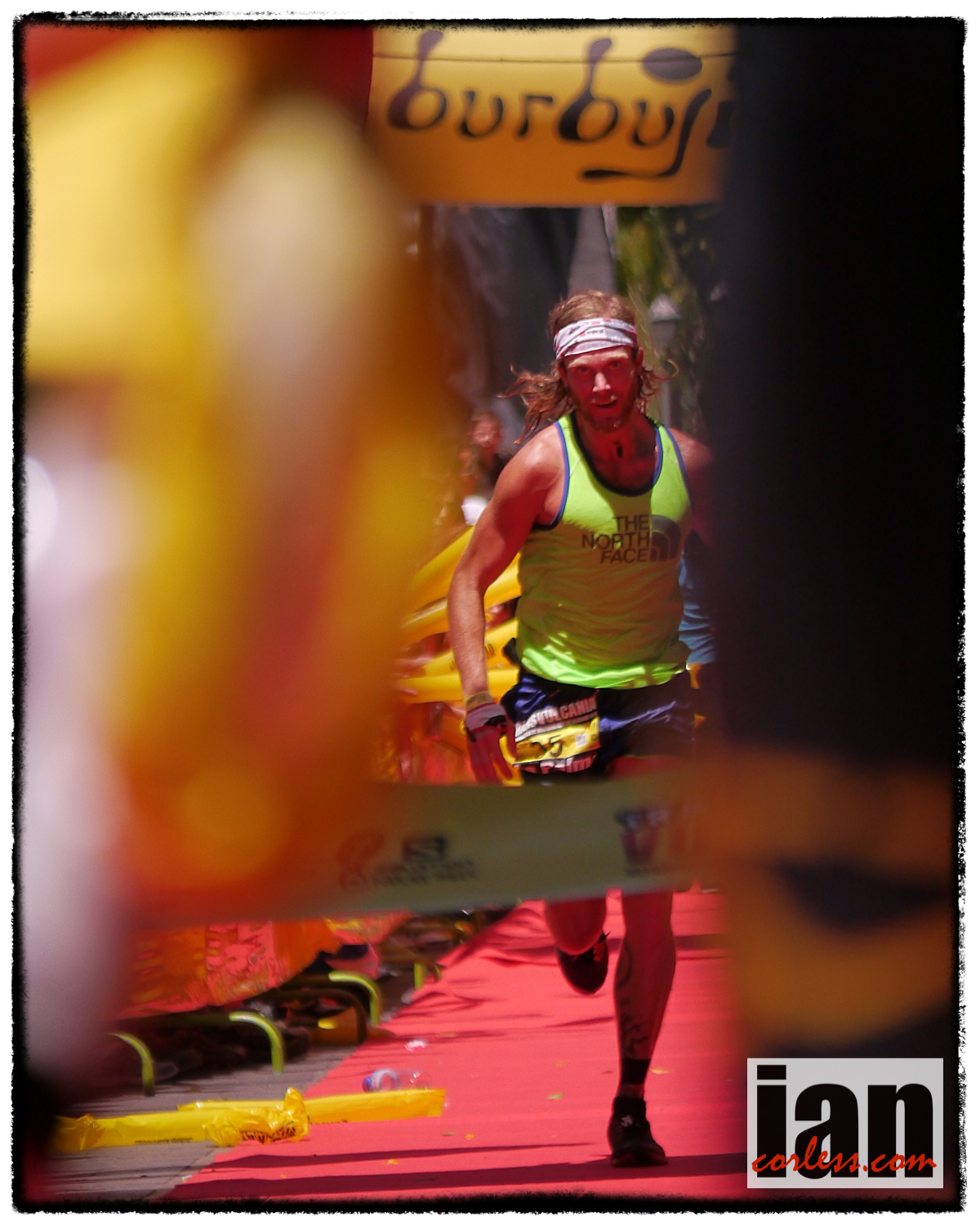
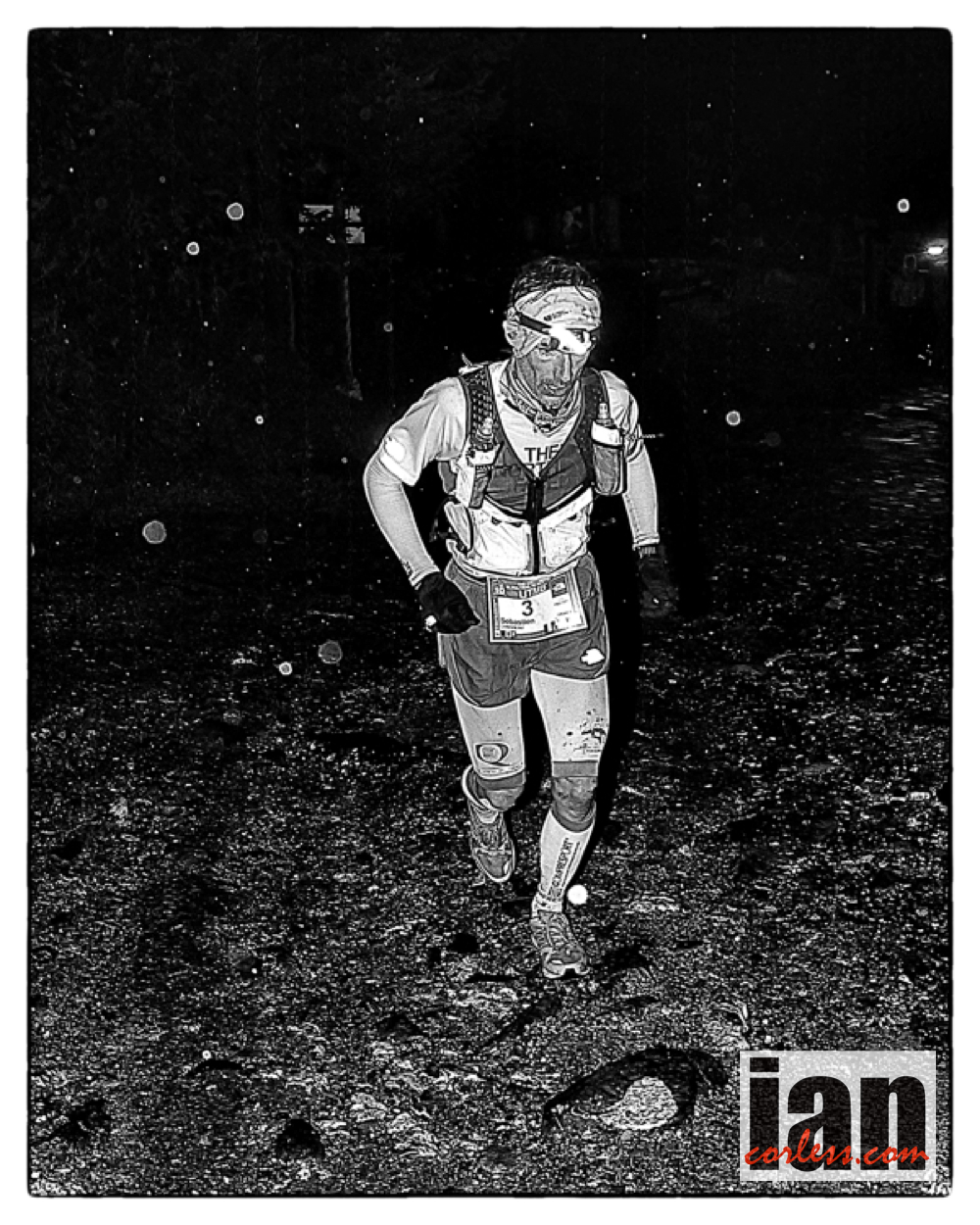
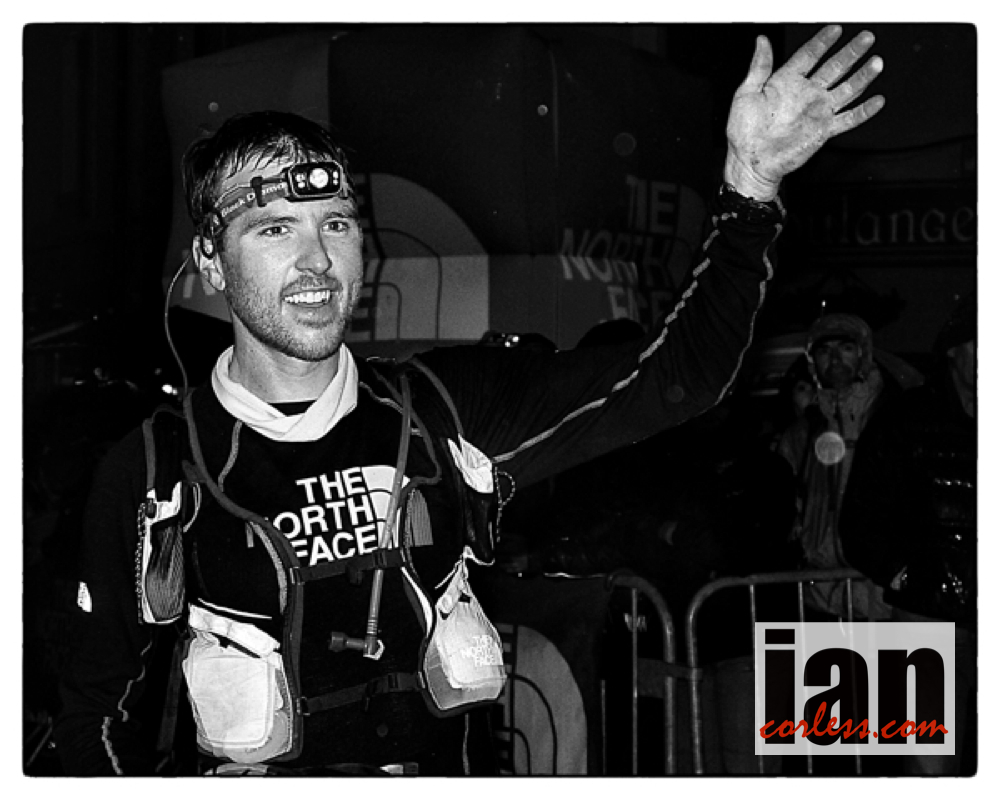
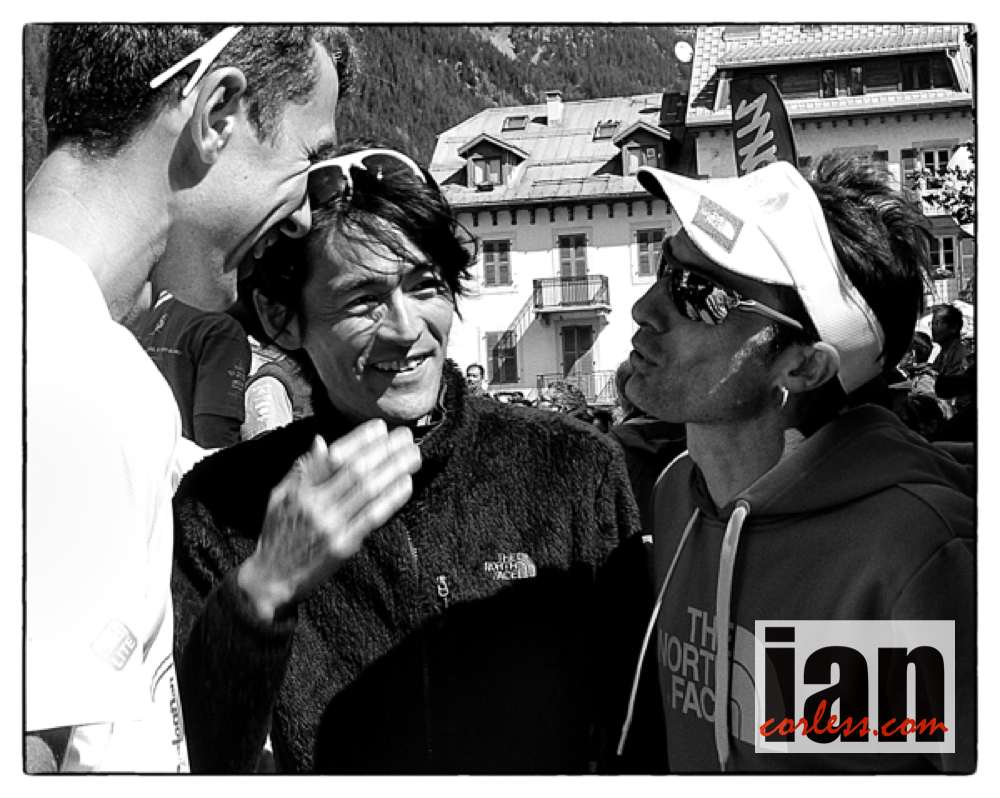
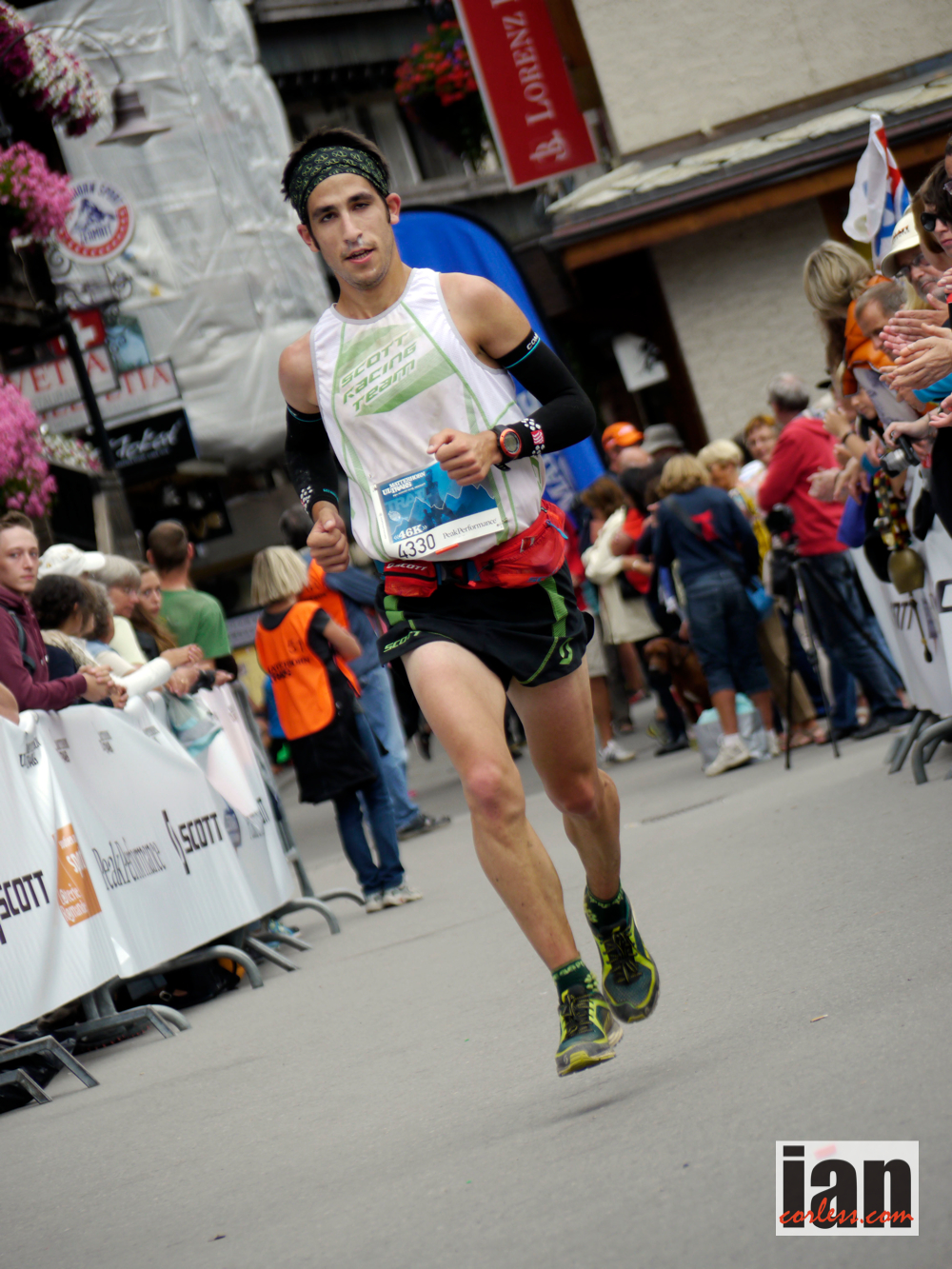
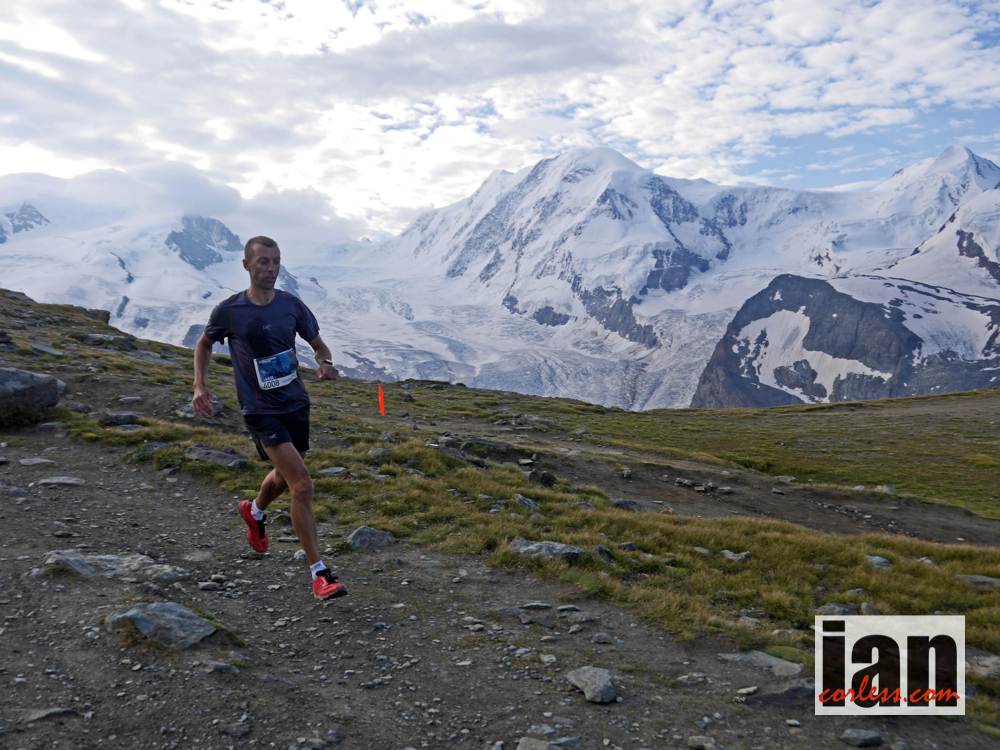
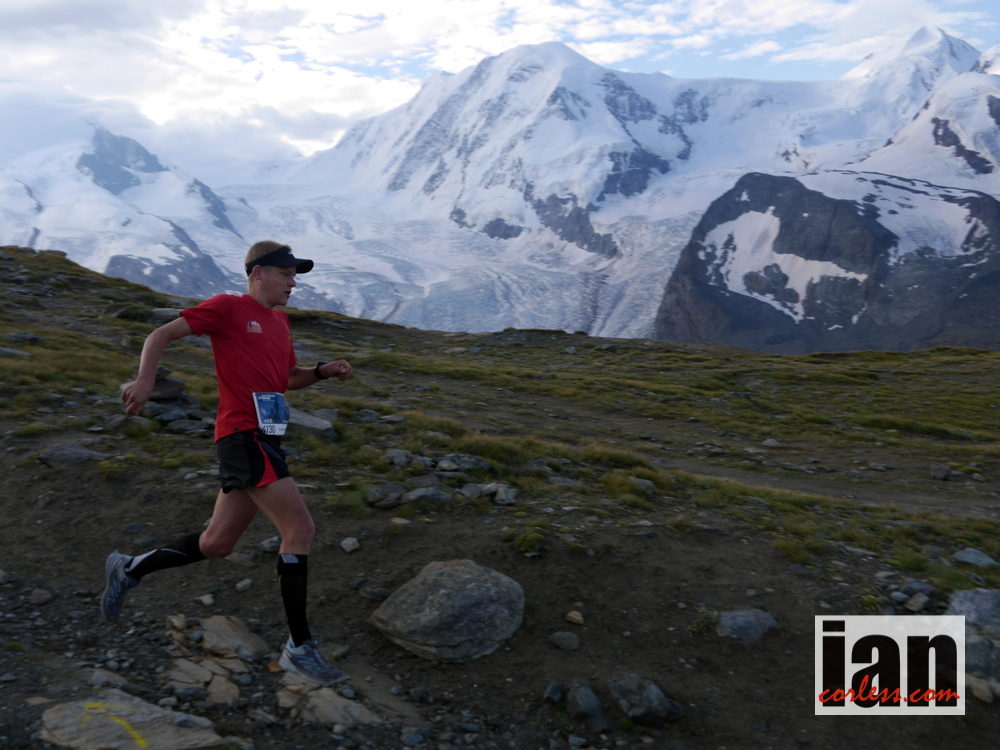
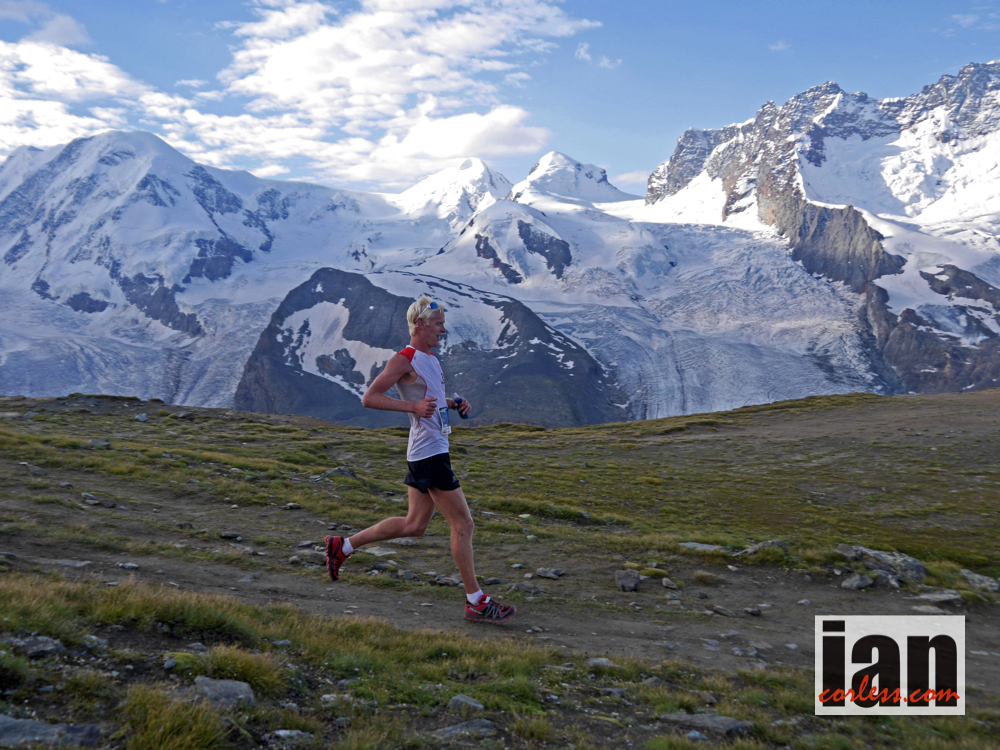
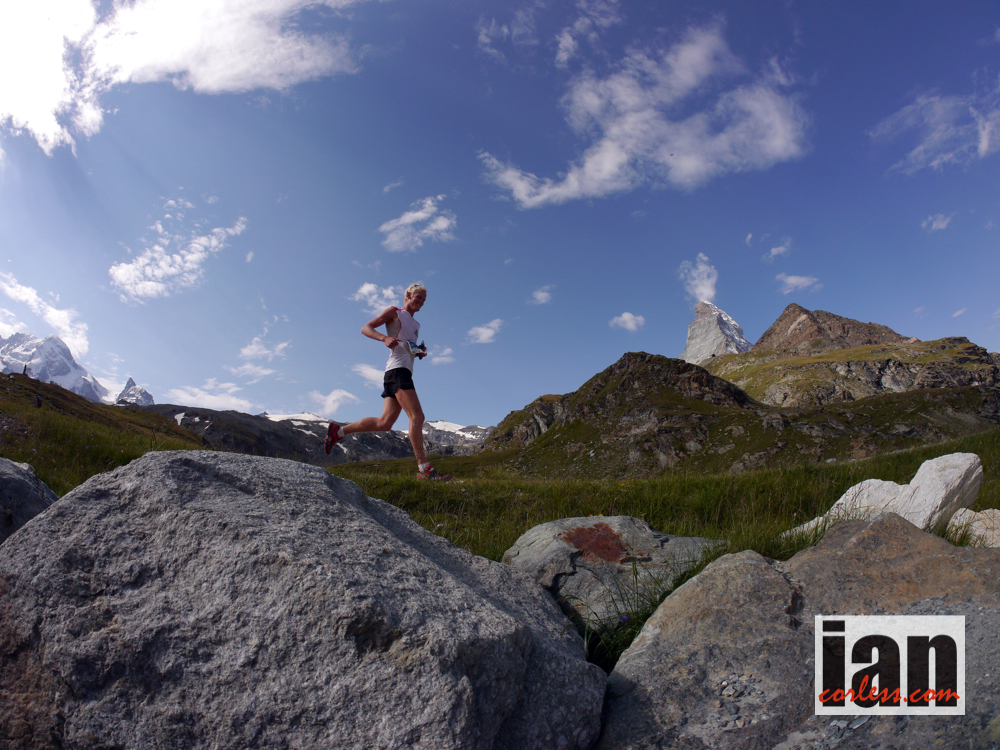
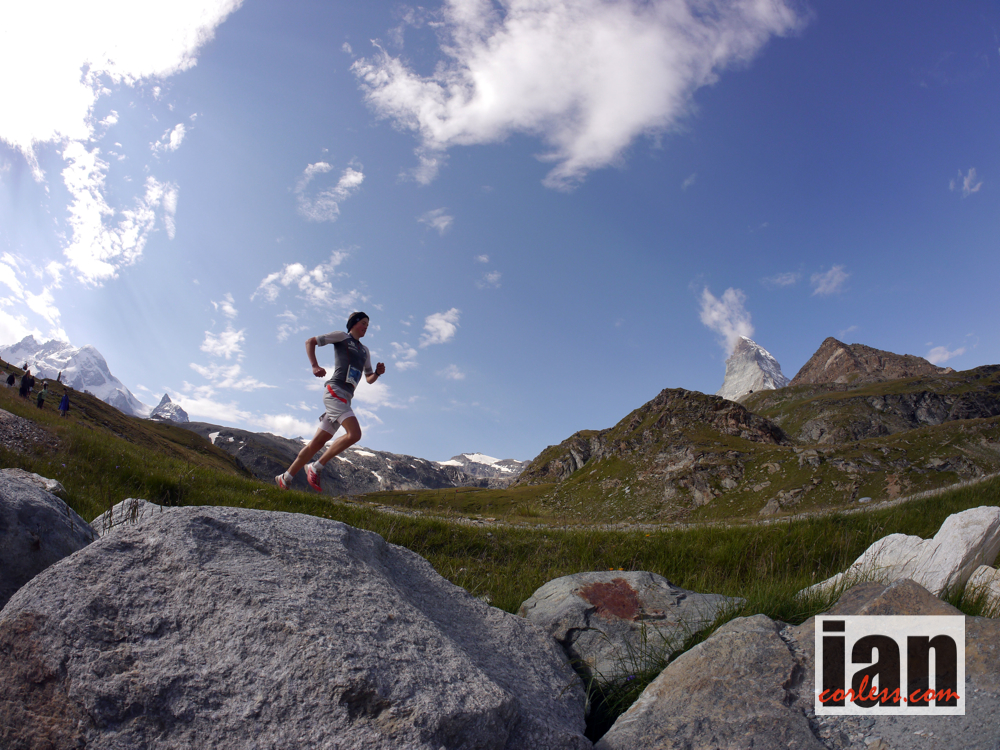
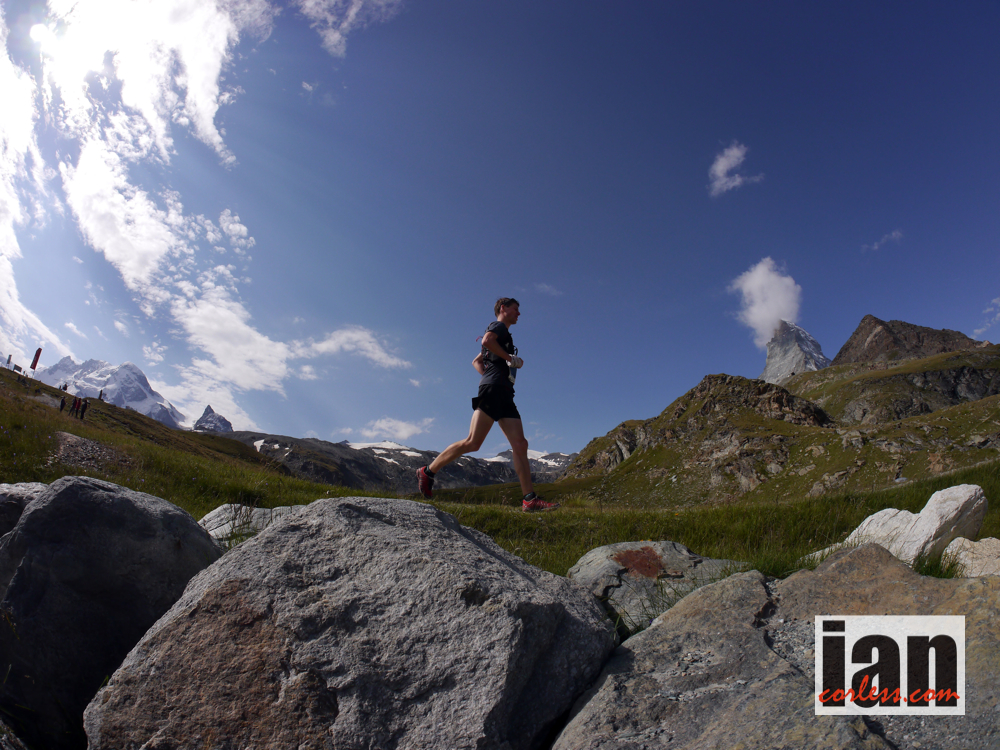
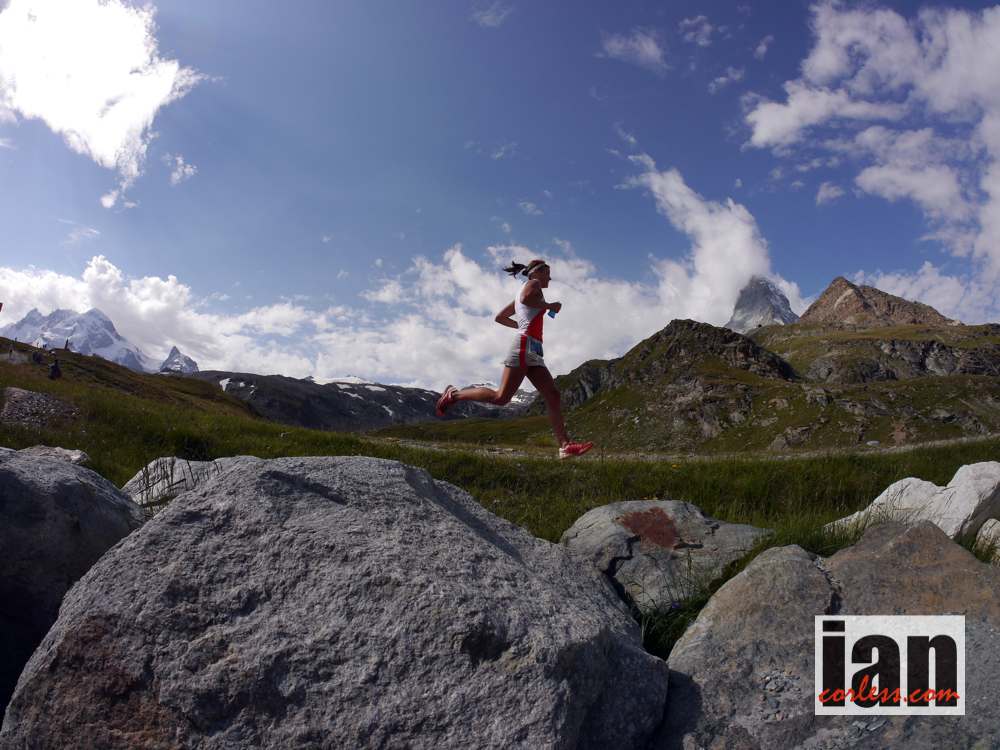
It was always going to be touch and go… unfortunately, it is go. Lizzy Hawker has struggled with injury for much of 2013 and despite running at Sierre-Zinal recently, Lizzy has been forced to withdraw from the 2013 TNF UTMB with another stress fracture. Of course, this is devastating news for Lizzy and the race. Lizzy is the Queen of UTMB and we want her here, not only so that she can chase the course record she so desires but also to allow the other ladies to race the best.
Another main contender for the overall, Emelie Lecomte has been forced to withdraw due to injury. Emelie is a strong performer over the long races and a lovely person. I for one am disappointed not to see her toe the line. She placed on the podium at Ronda dels Cims earlier this year but has struggled ever since.
So, who are the ladies to watch?
Francesca Canepa (Vibram/Montura) was 2nd in 2012 and then just one week later turned up at Tor des Geants and won! Without doubt, a remarkable double. Francesca likes long, tough and hard races. For sure, a shortened TNF UTMB as it was in 2012 in theory, would normally not suit her yet she still placed 2nd. That has to be a worry of all those that will line up against her on Friday. This year she has raced and raced. A very impressive and dominant win at Ronda dels Cims is probably the most significant result going into this race, however, Francesca placed well at Ice Trail Tarentaise and won the Eiger Trail. Recently she ran Speedgoat (not a race for her) and she placed 10th. All in all, Francesca is the outright favourite for this year’s race now that Lizzy and Emelie are not running.
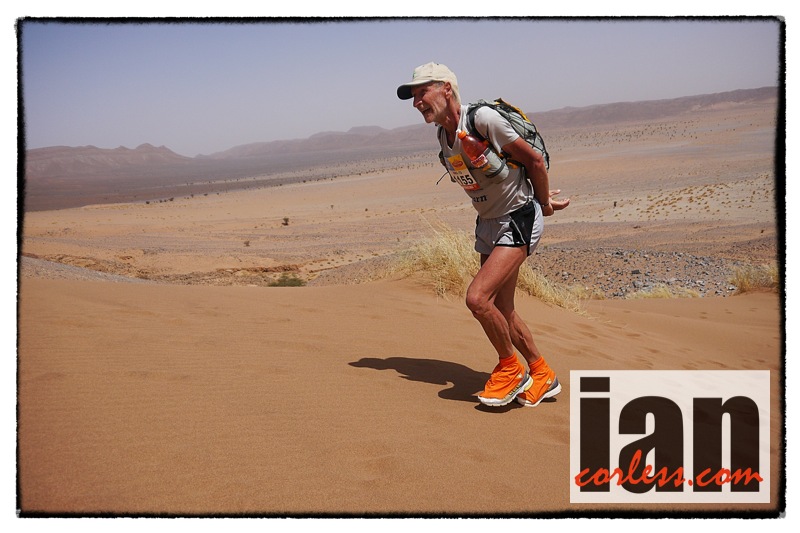
Emma Rocca (Buff) placed 3rd last year and is a consistently good performer with plenty of experience. For example, she has raced at Marathon des Sables (2nd in 2011) and just recently had a great run at Speedgoat with 4th place. That shows great depth over multi stage, single stage and also shorter faster courses. Without doubt, Emma is podium potential once again for this year’s race.
The most exciting prospect for the 2013 race is Nuria Picas (Buff). This is Nuria’s first 100-mile race and that for sure will be the biggest stumbling block. However, if she can hold the reins back, take it easy over the first two thirds and then use her speed and skill in the final third, then we may well see Nuria top the podium. Nuria had an incredible 2012 dominating the Skyrunning calendar, she had three great wins at Trofeo Kima, Cavalls del Vent and Templiers, and she also placed second behind Frosty at Transvulcania. 2013 has been an equally great year, however, she has been chasing Emelie Forsberg around the Skyrunning calendar and has placed a super consistent second at Transvulcania, Zegama-Aizkorri and most recently Trans D’Havet. She is without doubt one to watch!
Three US ladies make my ‘hot contenders’ for this year and first up is Amy Sproston (Montrail). Amy is a 100k champ and placed top 10 at last-years UTMB with 8th overall. On paper, Amy can most certainly be top 5 at UTMB and if she has a great day, maybe top 3. Significantly, she placed 3rd at Western States, two places ahead of Rory Bosio. However, I think we will see those roles reversed in the Alps but as we all know, anything can happen.
Meghan Arbogast (Scott) was in Zermatt last weekend for the Matterhorn Ultraks but she only ran the short race as a loosen up for this weekends fun. She was looking strong, relaxed and confident. Her 4th place at Western States certainly means that everything is in place for a great tour of the Alps. In 2012, Meghan placed 12th at UTMB and for sure she can move up and be top 10. A great day and she may well push top 5.
Rory Bosio (The North Face) placed 4th in the 2012 race over the shortened course and was some time behind Francesca Canepa. Rory’s recent 5th place at Western States is obviously a great race and a great boost, however, I for one thought she would make the podium. Post WSER, Rory has spent plenty of time in Europe and therefore will come to the race adapted and ready to push for the podium and top slot.
Shona Stephenson (inov-8) is making the long journey from Australia and arrived a day or so ago. Shona has already spent time in the Alps racing at the Mont Blanc VK, Mont Blanc Marathon and Ice Trail Tarentaise (she dropped about two thirds in). She also spent a great week with the inov-8 team testing new apparel and shoes in the mountains. Earlier this year she was performing consistently well with a win at Tarawera, a great 2nd place at UTMF and a win at Northburn 100. She like the longer and harder races and although she has limited European racing experience, if she is in the right frame of mind and feeling good, then we may well see Shona on the podium and I would expect a top 10 to be guaranteed.
Katia Fori (Technica) has raced twice at UTMB before placing 5th and 7th. Of course, being an Italian is a great advantage, as she will understand the terrain, mountains and the weather. This is a key to racing well over the Alpine course. In addition, she knows how to survive and spend a long time in the wilderness; her 4th place at the Tor des Geants proves this. In reality, I don’t see Katia making the top 5 but it only takes one or two to have a bad day and Katia to have a great day!
Helen Cospolich (The North Face) is a three times finisher at UTMB, her best performance came in 2011 with 6th. She has the super strong TNF team behind her and although she placed just inside the top 20 last year (17th), I would imagine that she could do better. It all comes down to the day! This year looks to be dry and warmer (at least in the day) and that will make her feel better for sure.
Another TNF (The North Face) athlete is Ligia Madrigal. Ligia is Costa Rican and I actually ran with her on several occasions at this year’s multi-stage, The Coastal Challenge; a race she has won and placed 2nd at in previous years. This year she didn’t have a great race and dropped. Although she places well in Central and South American races, UTMB will be a steep learning curve for her. She will do well to place in the top 20 and if she makes the top 10, she will have had a great race.
Completing the TNF line up is Ru-Ling Xing. I would be lying if I knew much about Ru-Ling however; her stats show top 10 results at TNF 100k in China and 3rd at Vibram 100k. She has raced at UTMB before but finished outside the top 20, if she edges into the top 20 this year she will have had a good race.
Nora Senn has placed 3rd overall at the tough UTMF in 2012; great grounding for the UTMB. Earlier this year she won Lantau 100k so I am sure she will be looking to put the record straight after dropping from UTMB last year. She has the potential to surprise a few people, however, best-case scenario will be top 10. I don’t see Nora contest the podium.
The ladies race may not have as many possibilities as the men’s race, but with Lizzy Hawker not in the race, it is wide open for a really exciting and competitive race up at the front.
Without doubt I will have missed several ladies who will make the top 10 and for sure make the top 20, so, if you know anyone let me know.
Who do you think will win?
Will we see a surprise performance from one of the ‘100’ newbies?
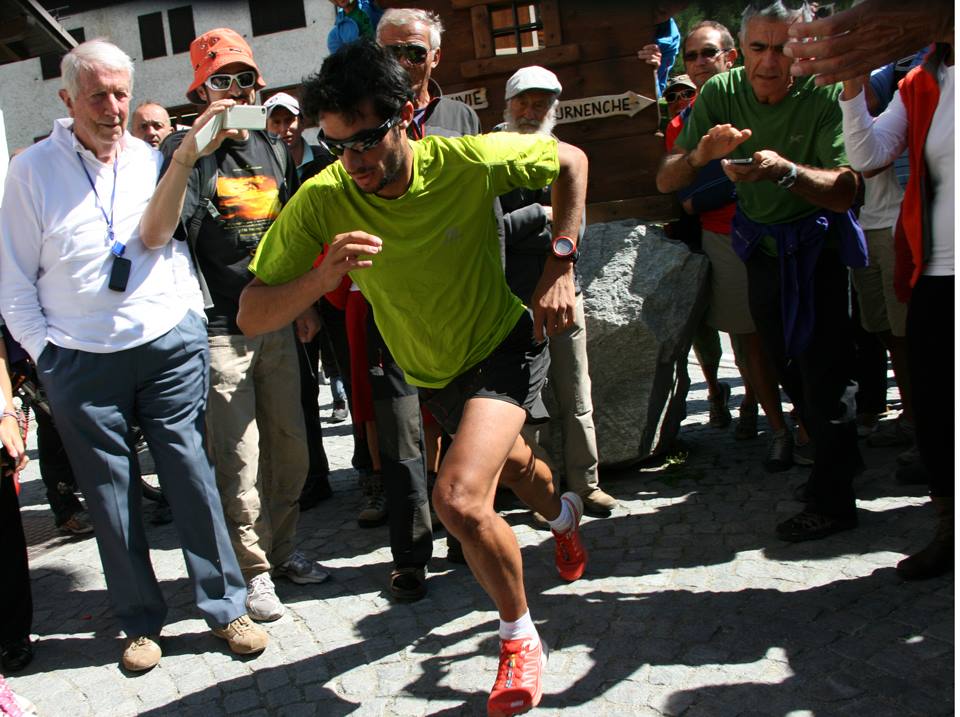
It’s the day after the Matterhorn Ultraks and just four days after Kilian Jornet’s successful attempt on the Matterhorn Summit record attempt from Cervinia. It has been quite a few days for this iconic mountain and although Kilian has excelled on both occasions, we all know, the mountain is still the boss.
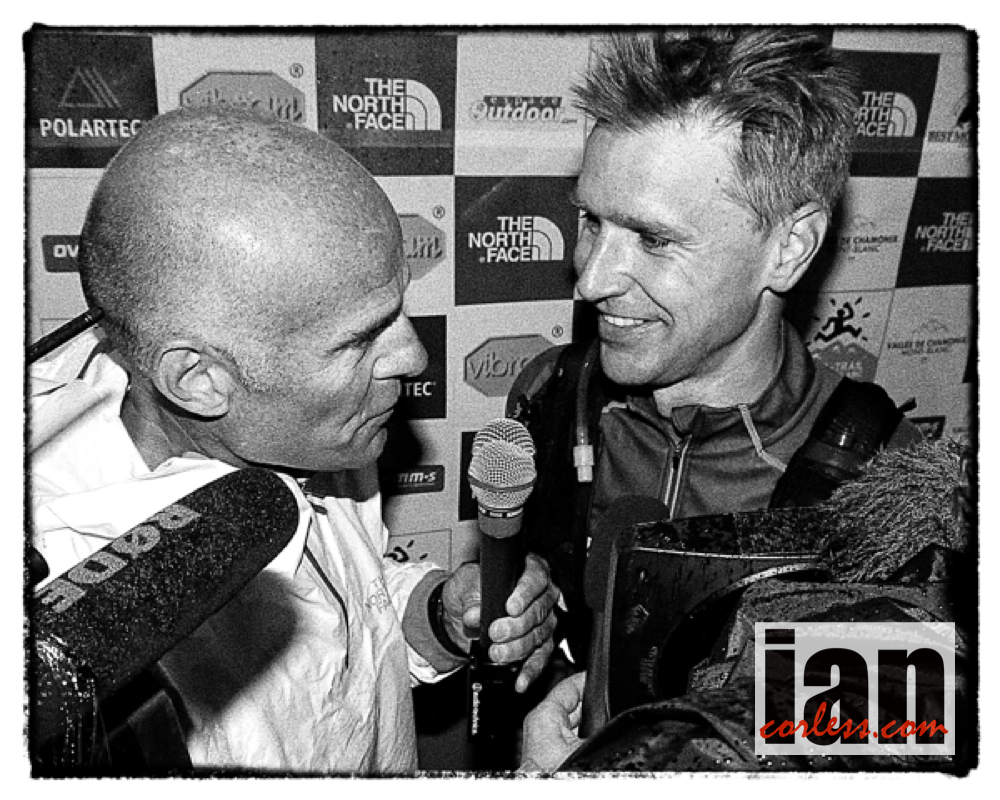
Kilian arrives with Emelie Forsberg looking relaxed and fresh after a late breakfast. I congratulate him (and Emelie) once again on topping the podium at the Skyrunning Matterhorn Ultraks race and ask him how he feels, ‘I am a little tired but feel good. I was certainly tired in the race but I didn’t push too hard. I just did what I needed to do to win the race’.
Our conversation turns the TNF UTMB and we discuss how the race will unfold for the men and women. Kilian and Emelie are animated at the prospect of Julien Chorier, Miguel Heras, Anton Krupicka and the other contenders going head-to-head. Emelie gets excited at the thought of Nuria Picas in the ladies race, it’s her first 100-mile race and of course Emelie knows the Catalan well. We could talk all day but eventually I settle down with Kilian in a quiet corner and we discuss the Matterhorn.
IC: It’s the day after the Matterhorn Ultraks, firstly Kilian, congratulations on your win! Another great race with Luis Alberto Hernando but maybe what is more impressive is that it comes just a couple of days after your Matterhorn Summits. How are you feeling?
KJ: I feel good. It was a super good race with a great atmosphere. To run with Luis Alberto Hernando was super nice. I was very tired before the race, particularly the day before. I used a strategy for the race to take it easy and take the win in the last kilometers. Yes, I think I was much more tired than in other races this year.
IC: We spoke in the Dolomites and we discussed then that your next Summit would be the Matterhorn. You travelled to Cervinia and you lived here for weeks to train. You had the utmost respect for Bruno’s record of 3:14:44. The Matterhorn is a dangerous mountain. You said you needed to learn the mountain, to understand every step. I think in that time you went up and down the mountain multiple times. Just before your attempt you said that the record was in your grasp… what is it like to look at something that is perceived as being an iconic record, a record from 1995, you said in a quote that it was a record you had dreamt of. Something from childhood that you wished you could achieve. It is a massive undertaking. For you it is more than a record, it’s your life.
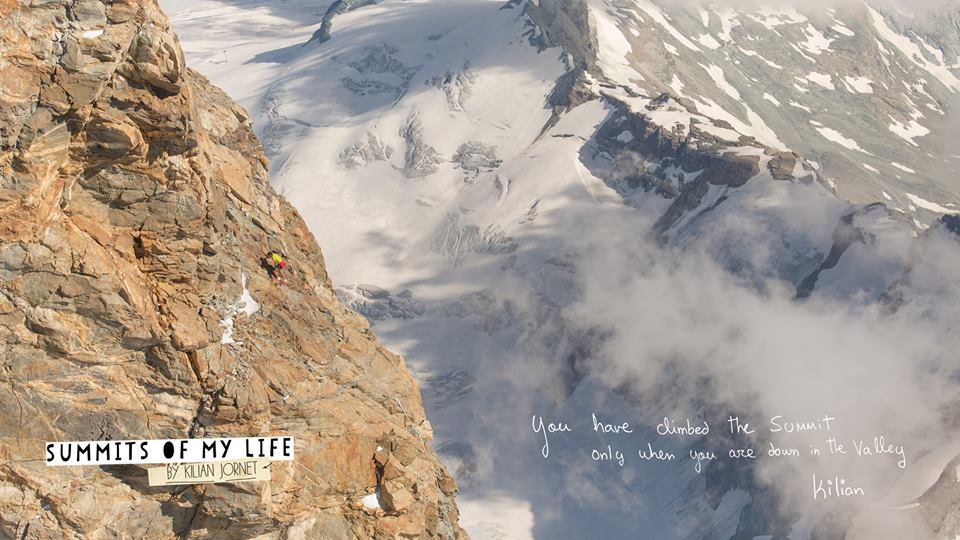
KJ: I remember it well; I was 13 years old. I entered into a mountaineering center; I was talking to Jordi, the trainer. I said at the time that the record was impossible. I spoke to Jordi recently and he reminded me that I was dreaming about the Matterhorn all those years back and about the record. I thought it was the ultimate expression of our sport. It’s a beautiful summit. It has a logical line. It is a hard record, it is push running and climbing, so, it was in mind for many years… more than Mont Blanc and all the other records. About five years ago when I started to think about Summits of my Life, the Matterhorn was my goal. The other summits were really preparation for the Matterhorn and Bruno’s record. For me, it was the most difficult record in Skyrunning and mountain running. For example, Pikes Peak is not Skyrunning. I was really afraid, not of the mountain as I was climbing a lot but of the time. I summited the Matterhorn nine times before the ascent. The first time you climb you become aware of what is possible. You go up and down and say, wow, this is the time I need to beat. After going up and down nine times I think okay, I know the mountain, I am not going to fall, I know this mountain well. I was aware of where I could go hard and where I needed to go easy. However, the morning of the attempt I was nervous. I thought to myself, will I do this record or will I do four hours?
IC: A few people asked why you made the attempt at 3pm; it seems quite logical that the Matterhorn is a busy mountain so I assume the mountain would have been less busy?
KJ: Yes for sure. It is a busy mountain when conditions are good. When I climbed nine times I saw hardly anyone, just two or three teams. I was alone. The week of the attempt we had good days with warm and dry conditions and everyone was on the mountain. Over one hundred teams! So, I was talking with all the guides and the helpers. We asked the question, what do we do? So many people on the mountain and it would have been impossible. My first idea was to start between 7-8am but it would have been crazy to pass people. We decided to start later. It was the perfect decision. It was warm at the summit and I wore just a t-shirt and nobody was in the way. Everyone was going down or in the hut. I just had the safety guides to help. It was perfect!
IC: In the build up to the record, you actually met up with Bruno Brunod. Did he go on the mountain with you or did you just talk about your attempt?
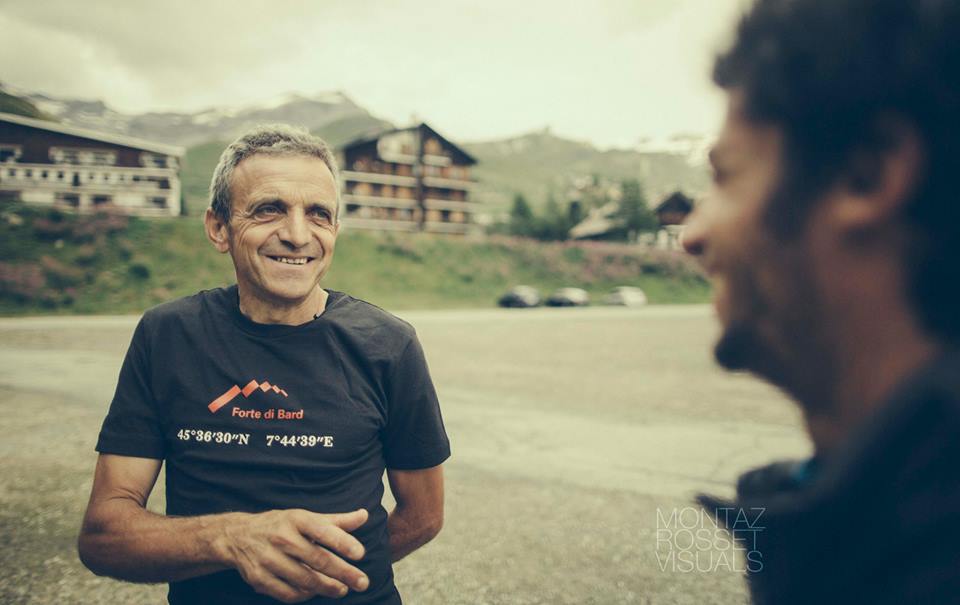
KJ: Bruno said he never climbed the Matterhorn after his attempt. We met in Cervinia and discussed his record. What conditions he had, how he prepared, how he was mentally and then we discussed the rope, the short cuts and how he made time. It is funny, Bruno stopped running in 2003 but last year he started running again and he is now preparing Tor des Geants. He never ran long distances; he was afraid. I said, c’mon man, you are strong, and you can do well in these races.
IC: So, Bruno has gone from no running to doing one of the longest races on the calendar, I guess when you are Bruno Brunod you don’t do things by half. When you go on the mountain to learn and understand, what process does that involve? Do you have several options to attempt the summit and therefore you try them or do you have a defined route and then you put that route in your mind so that you know every step. You know you can push in one place and you won’t slip in another place?
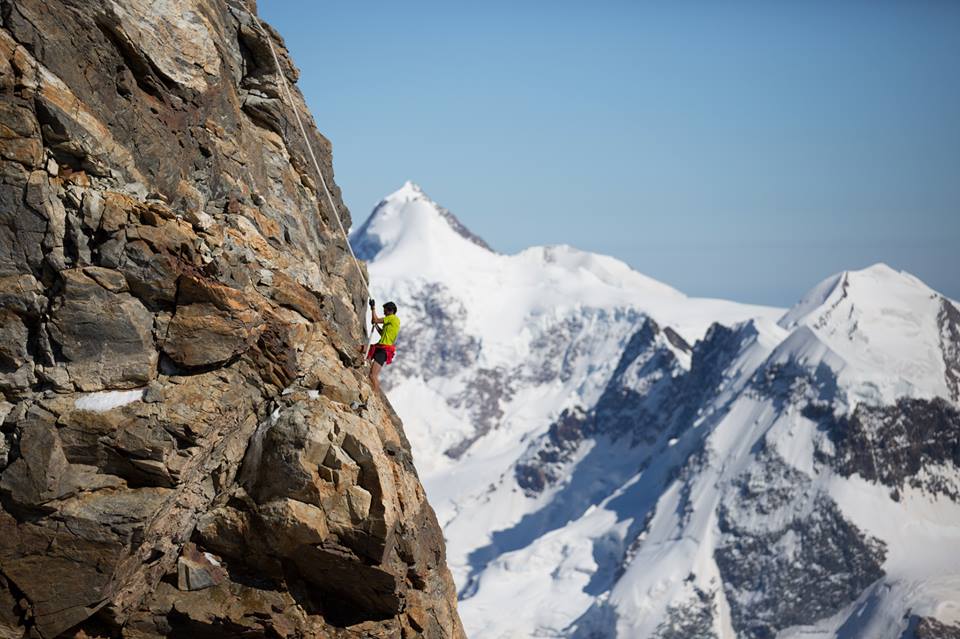
KJ: It’s one route. The Lion Ridge is the classic route and the fastest. It is the historical route and the same as Bruno used and those before him. You work out the differences but it is a thin ridge, you have several places that you can pass but yes, it is about planning. It is about knowing where to put your feet, knowing where to push and when not. I think you need to understand the mountain. You have parts in the west and north face and they are thin in the ridge and you can have ice. If you go in the morning you will have ice. If you go after 10am then this will be water so you can go there. You need to spend time to understand how it works, to understand the mountain and its life. Always in the north face it was icy, so I was aware I needed more care. On the west side I could push harder as the rock was warm and the rubber of my shoes would have better grip. It is important to spend time and understand that exactly. For example, if it is cold or windy, my shoes don’t grip the same as a warm day. I need to know this so I know exactly where to go. It is super important to understand the mountain and how the weather conditions are.
IC: On the face of it, people look at you and think you are very relaxed and casual. I know, I have seen you work and I have seen you study a mountain, you know the history, you go into in depth research to make sure these attempts are correct and that you know what you are doing. It is obviously very important. You have mentioned a simple thing like shoe rubber. Did you have special shoes?
KJ: Yes I tried different rubbers. I always used the Salomon Sense but I had different soles, different grades of rubber. For the attempt I used a softer rubber for grip. In the snow any shoe glides. You just need the technique of a flat foot and the ability to push.
IC: What is great about these attempts in comparison to Bruno, for example, in 1995 I guess Bruno stood in the square in Cervinia and just a few people were around probably having a beer, but Marino Giacometti and Lauri Van Houten were instrumental in Bruno’s attempt. They helped finance it, they arranged the safety, they arranged a helicopter and of course they got involved in your attempt. Fortunately for us we had the opportunity to have Seb Montaz follow the process, for those who know Seb, he is like your self a master of his craft. We have had some great glimpses of your summit; short videos are already on YouTube. Clips of you running a ridge jumping a crevice, or sliding down snow. It brings what you do into perspective. We can talk about you going up and down the Matterhorn but it’s easy to think, ok! But we may not have an idea of the difficulty or danger. These videos convey this. It is an important aspect. Is it a way to record you achievement but is it also a way to attract people to the mountains and also let people understand the beauty and danger?
KJ: It is the second for sure. It is not about my achievement. When I stop it will be in my mind. It is more a learning process. It enables the people to join us in the mountain and it enables everyone to understand. It’s beautiful, it is nice but it is also very difficult. It takes preparation, we do take some risks but the videos help motivate and inform. The way I go the mountain is possible but you need to learn. For me, my summit was the Matterhorn; I understood my capacity, my ability and my technical skill. I accept the risk. For everyone else it may be here or close to the home. We want to show and share that you can be light in the mountains and hopefully more people will understand. I go naked to the mountain.
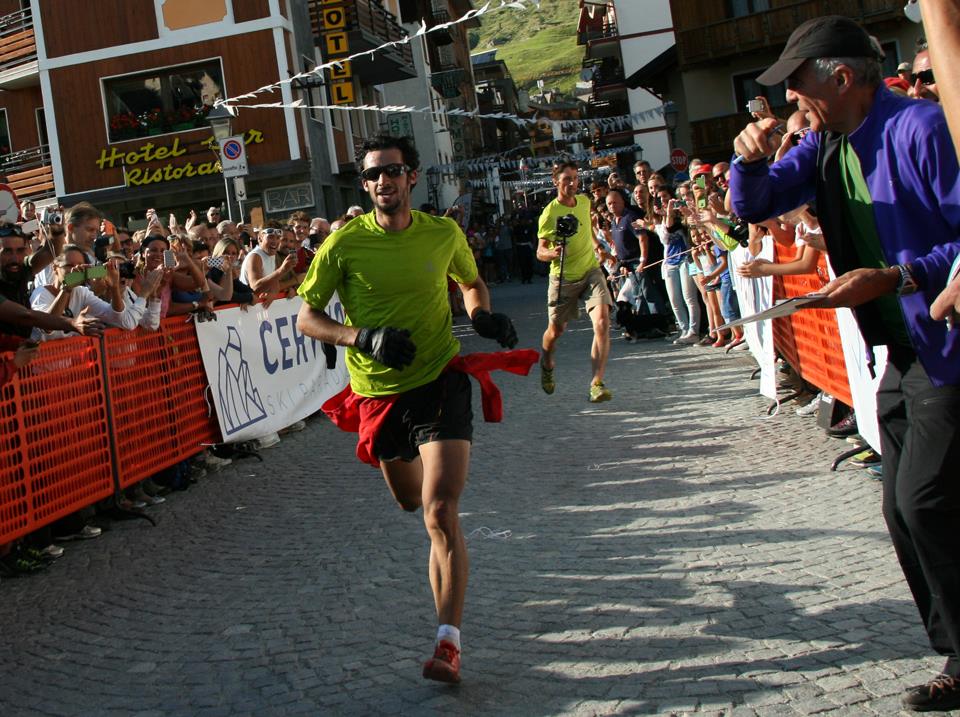
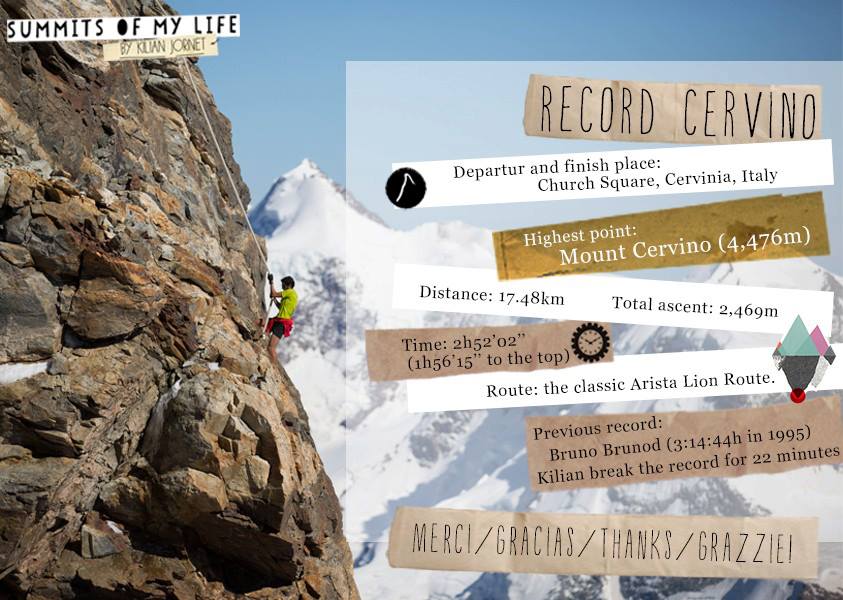
IC: The actual record. You started 3pm from Cervinia. You are in Salomon Sense, shorts, T-shirt and a jacket around your waist. You look like you are going for a run… of course that is what you are doing! You start and in the early stages it is easy and then it becomes tricky, technical, you have ropes, ridges, faces to ascend and so on, how do you process the attempt in your mind. Did you have specific targets, so, did you know what time you wanted to be at a certain place or do you go on feel? I know in the early stages you only had about 3 minutes on Bruno’s record, it was maybe a little too hot but once past a certain point you really opened up time. Of course on the descent you came down super quick. You did 2:52:02 instead of 3:14:44. I believe Bruno predicted 2:52! Were you surprised?
KJ: I was really surprised. When Bruno said 2:52 I said, no way. I was thinking, I might break the record by 2-3 minutes maximum. Maybe 3:10 would be a good time? During my practice runs I never ran fast because in the hard parts you don’t want to go hard. It’s like a lottery and taking numbers… you leave taking numbers for race day! The only time I went faster was the second day when I trained. I thought, wow, maybe I can beat Bruno’s time. If I am close to Bruno’s time then I can go faster. I spoke to Seb Montaz on the morning of the attempt, he said if you are at the summit within 2 hours it will be so good, you will have time for the downhill. I said, yeah I will be so very happy. When I started the summit attempt it was the afternoon so this was good at the top because it was warm, however, it was warm in the valley too. I don’t like warm. I started with a good pace but it was hard to find the strength. I saw lots of people and friends. Bruno was shouting at me, ski friends shouted, guides from Cervinia, Nuria Picas was there and so on… they gave me energy. I said to myself, I must keep going, I must push. I had Bruno’s time in my mind but I had no prediction of what I could do.
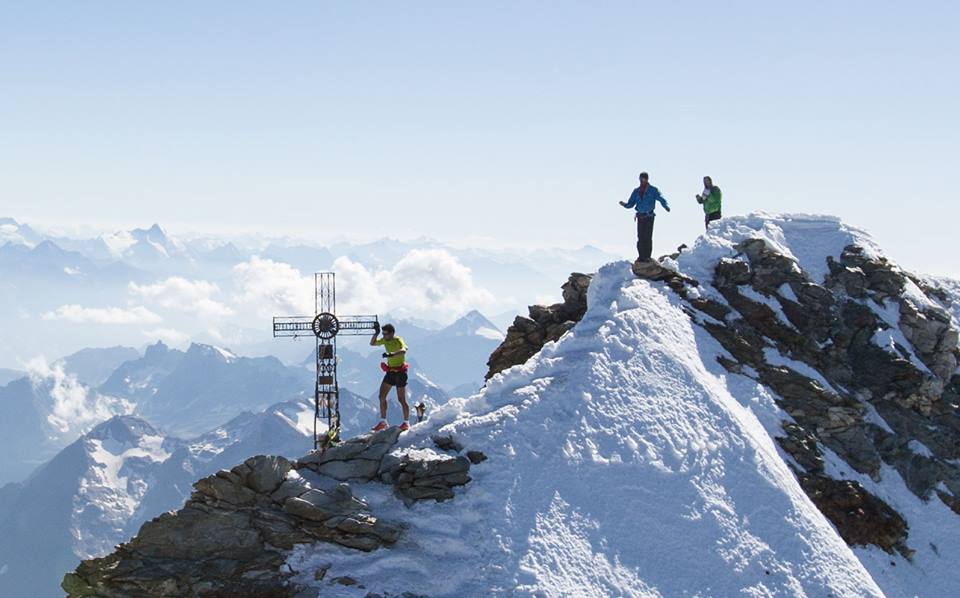
I was close to Bruno’s time until the Leone Col then the ridge starts and then I came into my own. It is where I love to run. It’s technical, you need to climb and you need to push. It is exposed. I love to be exposed on the mountain. From here I was not moving fast but fluid. This is the way to move in this terrain, if you go fast and you go more than you can you will have an accident. Moving fluid allows me to move quickly. I started to gain time all the way up to the summit. I looked at my watch and I saw I was almost 12 minutes in front of Bruno’s time, I said to myself, wow, this is incredible. It is possible! Okay, I said, I can do it. I was happy but I could not disconnect. It is a long down hill to Cervinia; I needed to be sure of every step. The boss of the guides in Cervinia said to me at the summit, you can do it! I started down in deep concentration. I was enjoying it so much; I love to run the technical sections. You don’t push with your legs; you push with your mind. Where to put your feet, where to put your hands, when to glide, when to go faster, when to stop, this is what I love, I was enjoying it so much. When the most technical part stopped, I realized I was almost 20 minutes in front of Bruno; so, the last part was just pushing to the finish.
IC: Myself and many other people were very worried about the Matterhorn. We respected the mountain and we anticipated that you would push; pushing brings danger, so when you got to the summit and you knew you were ahead of Bruno’s time did that mean that the descent was easier, you took less risks than if the time had been very close.
KJ: Yes of course. If I had been at the summit in 2:10 I wouldn’t have come down at the speed I did. I would have taken more risks. I also think that this doesn’t work! Many people who saw me said that I was going down very fast, they said I looked really fluid and that I wasn’t taking risks yet I was very fast. I think this is the way to go down the mountain. If you take risks the body position is different, you can’t glide as well and so on. You lean back and this slows you. If you feel confident, you can go fast. I think maybe I could have gained 6-7 seconds by taking risks. It’s nothing! These 6 or 7 seconds may have been my life… I knew the route very well and I had no need to take additional risks. I just wanted to be confident. My mother was on the mountain and she had bad memories of when she climbed the Matterhorn for the first time but if you climb again and again, you know it’s risky but it isn’t necessary to take risks, it is about being confident.
IC: When you arrived in Cervinia, it was like the end of a race. It was incredible. The barriers were out. It was almost like the race finish here in Zermatt. Did this surprise you?
KJ: Yes, I was completely surprised. I was in Cervinia for three weeks sleeping in my van in preparation for the attempt. I was surprised by the reception by everyone. For example, the first day I climbed the Matterhorn I was with Emelie. We climbed with running shoes and when we reached the top, the mountain guides said, ‘wow, you are going with run shoes. Congratulations. Do you want to try the Matterhorn record, can we help you? Tell us the day, we want to help you’. There is not another place that is like this, we usually get the response of, ‘What are you doing here in run shoes, this is ridiculous’. Not in Cervinia, they wanted to help us right from the start. Every time I climbed it was so open, the support was great. I was always asked, ‘tell us what day you go and we will help. We want to be on the mountain to help and support you’. It was the same for the hotels in Cervinia, they offered me showers or they said if I needed anything such as Internet that I could use the Wi-Fi. It was an incredible ambience. People were happy that I was in Cervinia to do the record and they got behind me. I think this was the most beautiful part of the record. I went just with my van, I was alone to climb but everyone was supporting the team and myself. It was so easy then to do the record. The day before my attempt, I made a call to the mountain rescue and said, ‘Tomorrow I go’. He replied, ‘Okay, how many people do you need? We will put people in the mountains for safety in case you have a mistake’. He called the mountain guides and they said, okay, we will put people here and here. The guides had finished work at midday on Wednesday and then they returned to the mountain to support me. It is unique. The reception was so fantastic.
IC: It was incredible the level of support you got. Knowing you, you would have quite happily got out of your van, started in the square and returned with no fuss. Marino Giacometti made a very good point, these record attempts do need to be verified, it does need an element of proof that you do go to the top and do come back down. Of course we are not questioning your honesty. But for future records a structure needs to be in place. I guess if we set a standard for the future it can only be a good thing. Does that mean for future attempts such as Elbrus in Russia, will you start to incorporate this system.
KJ: Yes, I know I need someone to do the chrono and I am aware I need someone at the summit. For Mont Blanc, I had people from the Tourist Office to confirm my attempt and I had guides at the summit. I also have the gps files on my Suunto. At the Matterhorn it wasn’t an issue, we had everyone in place and it was almost taken out of my hands. For example, Marino Giacometti did the chrono in Cervinia but the guides etc. were fully behind the attempt and they verified the route. My chrono was radioed to all the guides on the mountain so my progress could be monitored. It is important to be true. It is just like doping control… it is about integrity, my intentions are 100%, it is important to do a record in the correct way. I am aware that many ‘FKT’s have no control, I personally believe in the people but when you see the world and see the problems, I am aware of the issues of how people can not be honest.
IC: What was great about this attempt, because you had a team of people up the mountain, we had time checks back that meant that we could Tweet and Facebook times to the world. This was so exciting. Social media became alive following you. I think we stopped so many people from working. They wanted to follow. It is interesting from my perspective because it is what I do, but I guess the concept of someone running up and down a mountain and that message being sent around the world, some may think, why is that interesting? But it is so exciting; the updates had people glued to your progress. Can you relate to it or do you just think about the mountain?
KJ: When I am on the mountain. I am 100% focused. I need to be in my moment and think about where I put my feet, how fast do I go. If my mind wanders I will loose time or maybe my life, so I was super focused on moving as quickly as possible. It is just the mountain and I. The social media and the photography I leave to others. For example, Seb was in the helicopter but I never saw or heard it even though he was so close. This is because I needed to be 100% committed. I think this is nice. In racing I think for the last three years I have managed my effort and therefore I don’t need to focus as much but this was completely different. It was like the first time I raced ten years ago when I was super focused. It is a super nice feeling.
IC: Certainly social media has made what you are doing so accessible which is great for us but it is also great for you and everyone else involved. I guess now your energy focuses on Russia and Mt Elbrus?
KJ: Yes, I need to relax a little first…
IC: You said that to me last time, when I interviewed you in the Dolomites. You told me you wouldn’t race for a month and then you went to Sierre-Zinal.
KJ: Ah yes, I was close to Sierre-Zinal, it was just the other side of the Matterhorn, so it was good training. Plus it was the 40th edition. Now I take a couple of weeks with no racing but I will train a lot, I love that; I need to do it to be alive. I will train but not race until UROC in the US. I will focus on Elbrus for the next few weeks; I want to go to Russia before UROC, maybe the 15th September. I will plan around that date and train at altitude.
IC: So does that mean you will do the Elbrus summit before UROC?
KJ: Yes, I think so. After UROC I have Skyrunner World Series,Limone Extreme and the then Diagonale des Fous, so, after this I want a break.
IC: You say a break, does that mean ski mountaineering?
KJ: It means one week of no training and then I will be in the mountains for November and December but I won’t race.
IC: Okay, we will follow you and see if you do race… Kilian it has been fantastic for you to give me so much time to talk about the Matterhorn. It’s great to get such an insight. Finally, when are we going to see the full edited Seb Montaz movie of this year or the recent summit?
KJ: We are working on it and of course we will work more after Elbrus. November and December will see much of the work being done in edit, so we hope before the end of the year. Maybe late December?
“It is a technical mountain. Bruno Brunod has a record of 3:14:44. It is a technical route that is not difficult BUT if I fall, I will die! I need to know the route very well, I need to spend time on the mountain, and I need to learn every step.” Kilian Jornet, July 2013.
Monte Cervino (Italian) or Mont Cervin (French) or Just the Matterhorn is a mountain on the border between Switzerland and Italy. At 4,478 meters (14,690 ft) high, it one of the highest peaks in the Alps. It consists of four steep faces, striking above the glaciers that surround it. Overlooking the town of Zermatt it is an iconic mountain and possibly ‘the’ most photographed mountain in the world. It is a mountain that dreams are mad of. Kilian Jornet is no different, “I have been dreaming about this record since I was 15”.
Ironically, the Matterhorn was one of the last great Alpine peaks to be climbed and the first ascent by Edward Whymper in 1865 brought an end to the ‘Golden age of alpinism (The period between Alfred Wills ascent of the Wetterhorn in 1854 and Whymper’s ascent of the Matterhorn in 1865, this period saw many peaks in the Alps have first ascents)
Since 1865 to 1995 it has been described as one of the deadliest peaks in the Alps, over five hundred lives have been lost in this 130yr period. I guess the first ascent in 1865 showed us the danger potential when four climbers fell to their deaths on the descent.
The Matterhorn has two distinct summit, both situated on a 100-metre-long rocky ridge: the Swiss summit with a height of 4,477.5 meters (14,690 ft) on the east and the Italian summit with a height of 4,476.4 meters (14,686 ft) on the west. Their names originated from the first ascents, not for geographic reasons, as both are located on the border. Each summer a large number of mountaineers try to climb the Matterhorn via the northeast Hörnli ridge, the most popular route to the summit.
Small patches of snow and ice cling to the faces of the Matterhorn, but the faces are steep and regular avalanches occur. Snow hurtles down the four sides and accumulates on the glaciers at the base of each face.
Four main ridges separate the four faces of the Matterhorn and therefore it offers four distinct routes. The least difficult technical climb and by far the most popular is the Hörnli Ridge, which lies between the east, and north faces and it faces the town of Zermatt. The Zmutt Ridge (west), between the north and west faces is, according to Collomb, “the classic route up the mountain, it’s the longest ridge and also the most disjointed.
The Lion Ridge, lying between the south and west face is the Italian normal route. It is the shortest route on the mountain and has fixed ropes in place but many think it to be a far superior climb, particularly when compared to Hörnli Ridge. Furggen Ridge is the final offering, it is the hardest offering and in good conditions is not too difficult, and it does however have a reputation.
J.J and J.P Maquignaz made the first ascent of the Italian ridge as it is climbed today in 1867 but Kilian Jornet had his eyes on Bruno Brunod’s record set in 1995 when he did Breuil-Cervinia to the Matterhorn summitand back in an astonishing time of 3:14:44. In addition, Bruno also has the record for climbing the Matterhorn, again from Breuil-Cervinia just to the summit in a time of 2:10.
Back in 1995, Skyrunning president, Marino Giacometti and Executive Director, Lauri Van Houten were not only present but also helped finance Bruno’s attempt. Lauri still says how the thought of it, “brings shivers down my back”. Lauri and Marino both acknowledge the danger and undertaking that Kilian had given himself. “I remember standing in the square in Cervinia and about 3 hours 10 min had elapsed. There was a real buzz and noise and then somebody shouted, he’s coming! We all ignored it; we thought it couldn’t be possible… but minutes later Bruno appeared. It was a magical moment, one I will never forget”, says Lauri.
Bruno is very much considered the father of Skyrunning. His exploits, to this day seem to go beyond human limit. Without doubt, Kilian Jornet is in the same mold and in real terms, Bruno has lead the way for what Kilian now wants to achieve with his Summits project. Kilian’s final Summit will be Everest. Bruno himself attempted Everest; he however gave up when at a height of 8.200mt (26,900 feet) due to very hard weather conditions.
Bruno’s passion and time is now focused on his construction company, however, just recently he joined Kilian on the Matterhorn as he prepared for his Matterhorn attempt. Two masters together discussing the mountain. Without doubt, Bruno played a big part in the successful attempt by Kilian and ironically he predicted a time of 2:52:00. Maybe Bruno knows Kilian better than Kilian?
Bruno’s records:
Matterhorn uphill and downhill from Cervinia in 3:14
Monte Rosa uphill and downhill from Gressoney in 4:45
Aconcagua uphill and downhill in 5:57
Kilimanjaro uphill on the Marangu Route in 5:38
Mount Elbert uphill in 1:54
Three times winner of the Becca di Nona SkyRace (2002 – 2003 – 2004)
What an exciting prospect the 2013 TNF UTMB is going to be! Just a few months ago it looked as though the 2013 edition was lacking some really strong top competition, but a surge of confirmed US entries has brought this race to life and to be absolutely honest, if a US runner doesn’t take top slot this year, then maybe they never will…
It’s a quality field and the list of top men has incredible depth. For the purposes of a preview I am going to highlight who I consider to be the contenders for the top three slots and then give notable mentions to those who most certainly stand a chance to make the top ten and if on a great day, they may make the podium.
So, who is going to win? Or should I say, whom do I think stand a chance of the podium? In no particular order, here are my contenders:
Favorites:
Jonas Buud, Anton Krupicka, Julien Chorier, Miguel Heras, Timothy Olson, Jez Bragg, Sebastien Chaigneau, Mike Foote, Mike Wolfe, Carlos Sa, Dylan Bowman, Gary Robbins, Yoshikazu Hara, Francois Faivre, Tsuyoshi Kaburaki, Jean-Yves Rey and Arnaud Lejeune.
Preview:
Jonas Buud – UTMB 2012
Jonas Buud placed second last year over the shortened UTMB route behind Francois D’Haene. It was a great run and a superb confidence boost for this year’s race. His recent run at Comrades when he moved up through the field from around 40th to the podium was not only an incredible lesson in pacing but also how to execute a great race strategy. I am pretty sure that this will be something he will bring to Chamonix. Without doubt he has speed but the full UTMB is a very different race to the shortened version and in this field a podium place will be a great result.
What can we say about Anton Krupicka? With a long time out of the sport due to injury, his return seemed guaranteed at the end of 2012 when he placed 2nd behind Kilian Jornet at Cavalls del Vent. We had hoped to see Anton run at Tarawera but just a week or so before the race he pulled out due to a niggle. Racing Ronda dels Cims was on the cards but he decided an attempt at Nolans-14 was a better option; it didn’t go well leaving him in pieces on the trail. One thing that is guaranteed is that Anton is fit and can climb. His recent 2nd placing at Speedgoat is going to be a great boost and he has been in and around Chamonix for several weeks now training with Joe Grant who will be his support during the race. It may be Anton’s year?
Julien Chorier is meticulous in planning, knows the UTMB route very well and after watching him run and dominate the 2013 Ronda dels Cims, if he brings ‘that’ form to Chamonix, then he will win! He was consistent, strong and a machine. Julien has been on the podium at UTMB before, 2007 and 2008 but this was relatively early on in his run career (a former cyclist). Since then he has won Hardrock, UTMF, Raid de la Reunion and so on. He will bring his ‘A’ game to UTMB with just one position in mind. A hot favorite!
Miguel Heras has had a tough time recently with injury. Running UTMB was a big question mark, however, I heard just the other day that he has confirmed he will run. His training has been hampered for sure and it is impossible to say at this stage, how that will affect his race. His most recent notable performances came in 2012 with La Templiers and San Fran 50. Like Julien Chorier, he is meticulous in planning and outside of Kilian Jornet; I would have said that an in form Miguel Heras would be the stand out favorite for this race along with Julien.
A little like Julien Chorier, Timothy Olson picks his races, plans, trains, turns up and wins. Anyone who can win Western States two years on the run knows how to bring the ‘A’ game to the right race. Timothy placed well at Tarawera and Transvulcania but his notable words to me at the end of Transvulcania were, ‘it just needed to be longer, I was getting warmed up’. Racing at Speedgoat recently he placed in the top ten but that doesn’t reflect a lack of form, in fact the opposite, it shows focus; focus on the big target, which is now UTMB. He has been in Chamonix and getting out on the course and so will now fully understand what he needs to do come this Friday. Along with Anton, he is a key favorite for the outright win, the only thing I can see going against him is the lack of experience in a European 100-mile race particularly in the Mountains.
I am going to stick my neck out and say that in the 2013 UTMB we will see a new Jez Bragg. He will run UTMB in a way that he has never run it before. We all know he was the 2010 winner of the race but quite frankly, and no disrespect to Jez, it wasn’t the full race and that makes a big difference. In recent years things have not gone well for him and post 2012 UTMB we discussed certain health issues that may have affected his performance. With those issues under control and then his incredible run in New Zealand on the Te Araroa Trail, Jez will mentally and physically be in a different place when on the start line this year and in the famous Speedgoat Karl words he will be thinking, ‘a 100-miles is not that far’. Jez will have his best UTMB ever! Listen to Jez Bragg talk about UTMB kit HERE
Sebastien Chaigneau has already had an incredible year. His win at the recent Hardrock 100 in a course record time (counter clockwise) is a dream come true for Seb. He actually only got the go ahead for that race just a couple of weeks before as he was a reserve, so, I can’t help but think his long term training was for UTMB but also meticulously preparing for the hope to participate at Hardrock. His early season win at Transgrancanaria and then 3rd place at UTMF will no doubt all take its toll. Seb has all the abilities and experience to win this 2013 edition, however, he may very well be just a touch jaded.
Mike Foote placed third last year on the shortened course and by all accounts is in great shape and has been training really hard. However, he has been plagued by injury. His second place at Hardrock 100 in 2012 most certainly means that if he his 100% fit, he will mix it up at the front of the race and be in contention for the podium.
Teammate and great friend of Mike Foote is Mike Wolfe. Mike had a year to forget in 2012 after an incredible 2011. He has loads of skill, great fitness and can run like the wind when he needs to. After some time away to recoup, Mike has now found some form and fitness in 2013. He had a win at Pocatello 50 and recently raced to a podium slot at Lavaredo Trail in Italy. Most recently he set a ‘FKT’ on the John Muir Trail with teammate, Hal Koerner. Now no doubt this was great training and great preparation for a 100-miles in the mountains, but, and this is a big but, was it too close to UTMB?
Carlos Sa placed 4th at UTMB in 2012 and earlier this year won Badwater 135. I witnessed him run at close quarters at the Marathon des Sables where he consistently performed well and eventually finished 7th overall. UTMB is a very different race and with strong competition from ‘mountain men’, Carlos will need a great day to make the top three.
Another American joining the mix is Dylan Bowman. Dylan may well be the dark horse of the US contingent. For sure, European eyes will focus on Krupicka, Olson, Wolfe and Foote and therefore allowing Dylan a little more freedom and a little less pressure. They should take note; Dylan has had consistent top performances at Leadville and Western States. What Dylan’s resume of results lacks is experience on tough mountain courses and that will be the crux of how well he performs. Will he be able to take the ups and downs that the UTMB throws at him? *update 26th August, pulled out due to injury
Finally, my last contender is Gary Robbins from Canada. He had time away from the sport after having some horrendous injuries that almost stopped his career. With patience and rehabilitation he came back to his nemesis, Hurt 100 and not only won, but also set a course record. He has experience of UTMB and finished outside the top fifty last year, so why pick him as a possible contender? He knows what it is about now and to be honest, a full course is probably much more preferable than a short course for Gary. Also, he placed 4th at UTMF earlier this year behind Hara, Chorier and Chaigneau… that’s good company to be running with!
Yoshikazu Hara was the surprise winner of the 2013 UTMF putting Julien Chorier and Sebastien Chaigneau in 2nd and 3rd respectively. He is coming to this years race prepared and may well cause a few shocks!
Francois Faivre trainer of the French cross-country ski team from the Jura region, was recovering from some health issues at the start of the season. After signing up for the cancelled Maxi Race and after withdrawing from the Lavaredo Ultra Trail, François felt he lost some form. He finished 9th in 2011 and 7th in 2012! UTMB without doubt is his main goal for the season.
Tsuyoshi Kaburaki is extremely experienced at UTMB and has placed from 3rd to 11th in five outings. This year he won Bighorn 100 with some incredible running in the latter stages of the race. The jury is out on 2013 and I will update with more info as and when I have it on Thursday.
Jean-Yves Rey was 6th last year and is very much a dark horse. In his early 40’s he has had some impressive results over the years, 3rd at the iconic Sierre-Zinal in 2000, winner of the CCC in 2009 but recently he started the Eiger Trail and did not finish, so, his form is unknown.
Finally, Arnaud Lejeune is in his early 30’s placed 8th at UTMB and 3rd at Raid de la Reunion in 2012. He also had a string of top results with wins in; Faverges Trail, Trail de Savoyards, Trail Glieres, Quecha Trail Fiz, Verdon canyon Challenge and the Guyan Trail at 186km long. A resident of Annecy, he has access to the UTMB terrain on a regular basis and this is a distinct advantage. However, 2013 seems to have been very quiet. He may be a surprise!
As mentioned, the race has no shortage of possible winners, for example:
Sebastien Buffard 10th at UTMB and then of course we have Marco Olmo won UTMB at the age of 59yrs and in doing so became a legend. He most certainly won’t win this year but he deserves a mention.
Vincent Delabarre, Siu-Keung Tsang,Jason Loutitt, Gustavo Reyes, Armando Jorge Teixeira, Zigor Iturrieta, Giuliano Cavallo, Minehiro Yokoyama, Vajin Armstrong, Paul Giblin, Adam Perry and Terry Conway.
The TNF UTMB has gained a reputation as being one of the most iconic 100-mile races in the world. With over 2,000 participants, I will have missed several contenders who will create a stir and surprise us. Do you know who they may be?
The inaugural Skyrunner World Series, Matterhorn Ultraks, saw a stellar field line up in the centre of Zermatt, Switzerland at 0700, Saturday 24th August to do battle over 46 km in the fourth race of the ‘Sky’ series.
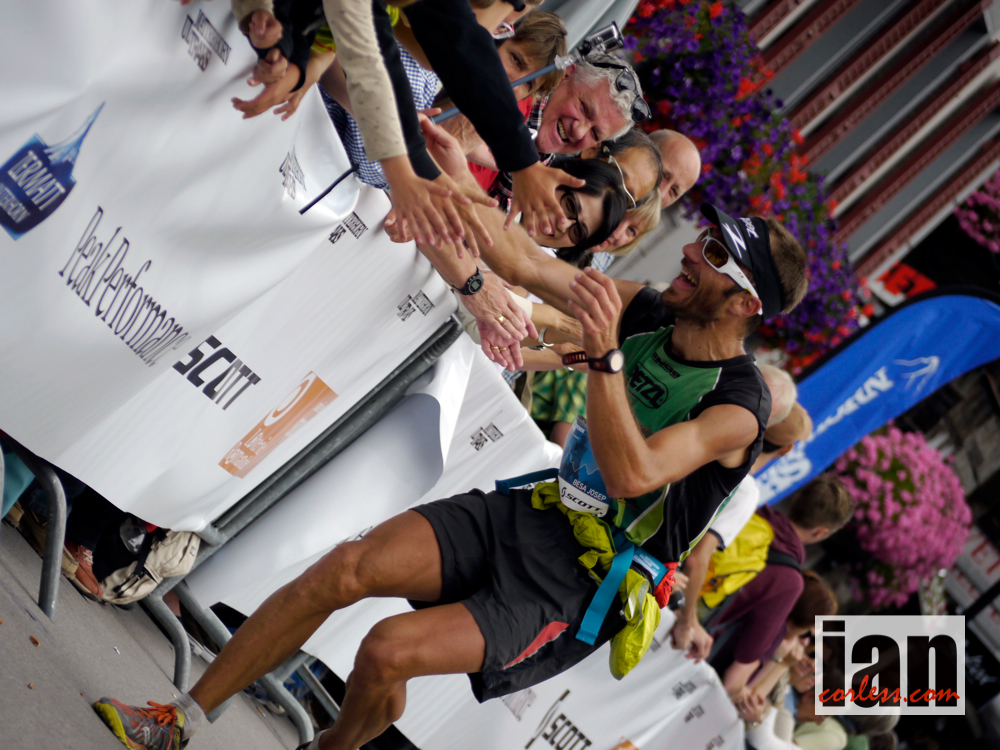
Salomon duo, Kilian Jornet and Emelie Forsberg topped the podium in what is proving to be a stunning and dominant year for the pair of them. Kilian Jornet, racing after his incredible ‘Matterhorn Summit’ set only couple of days previously expressed how beautiful the course was. On questioning, he said, ‘I felt a little tired today after the efforts of Wednesday, but this course was really beautiful and it was nice to be on the other side of the Matterhorn’.
Emelie Forsberg had a similar response, ‘Wow, it’s such a beautiful course with glacier at Gornergrat and then of course the Matterhorn ever present while we run. However, my legs felt heavy today… I don’t understand it! To be honest, I don’t like it…’ laughing she continued, ‘I’m really happy to win, it has been a great first edition’.
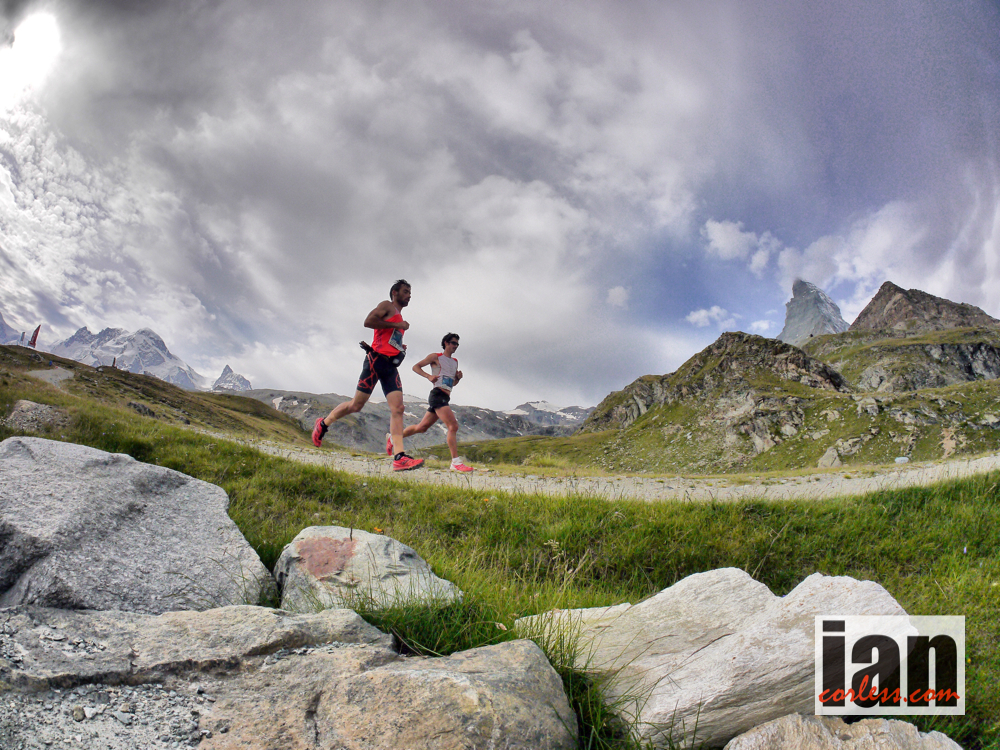
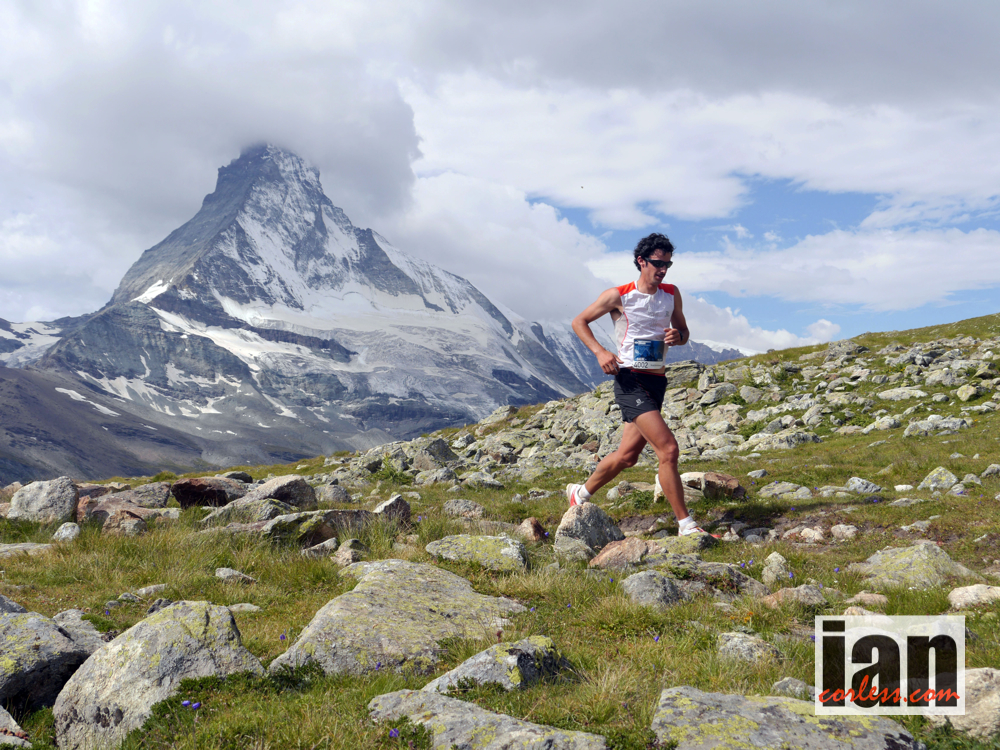
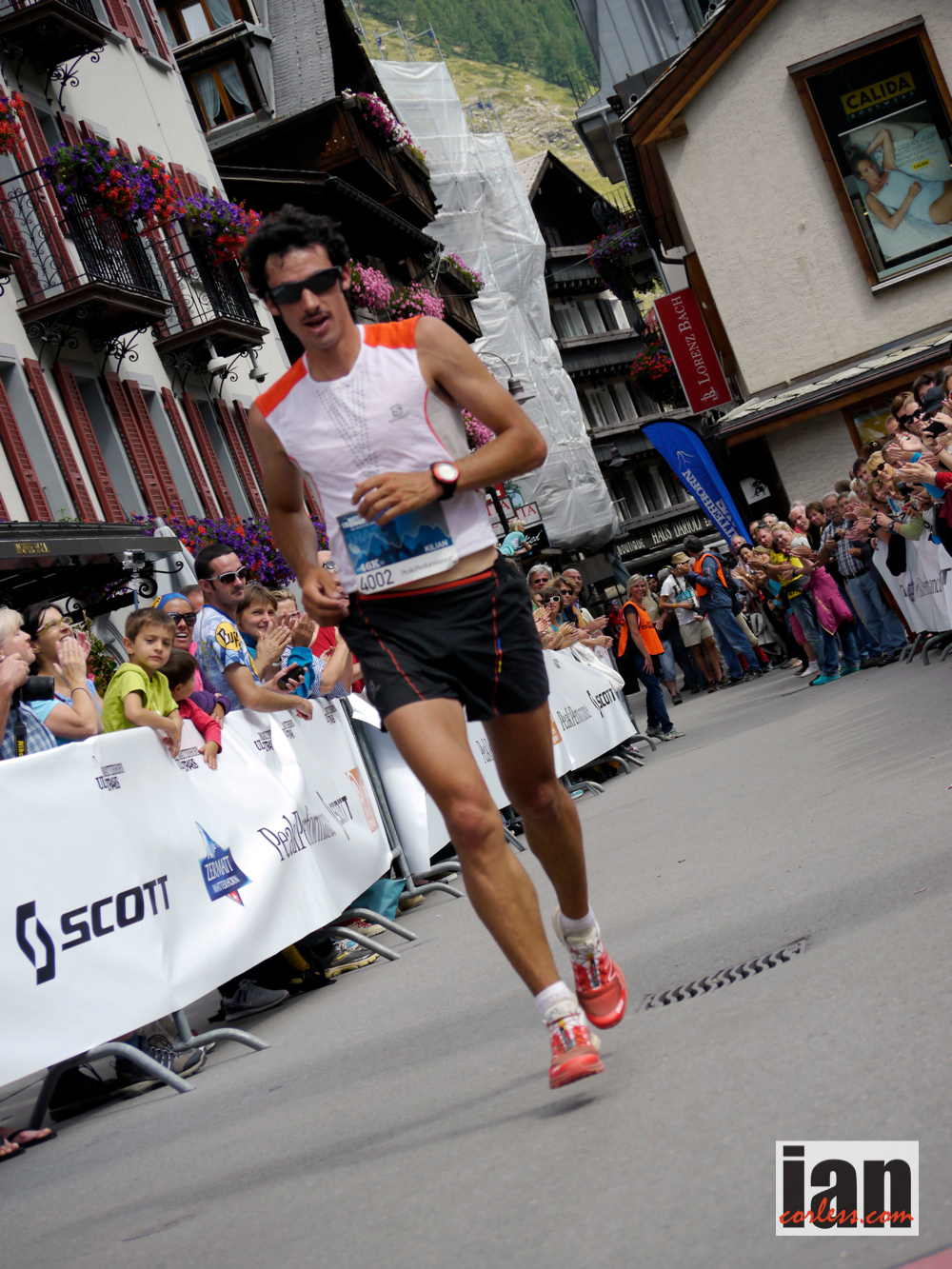
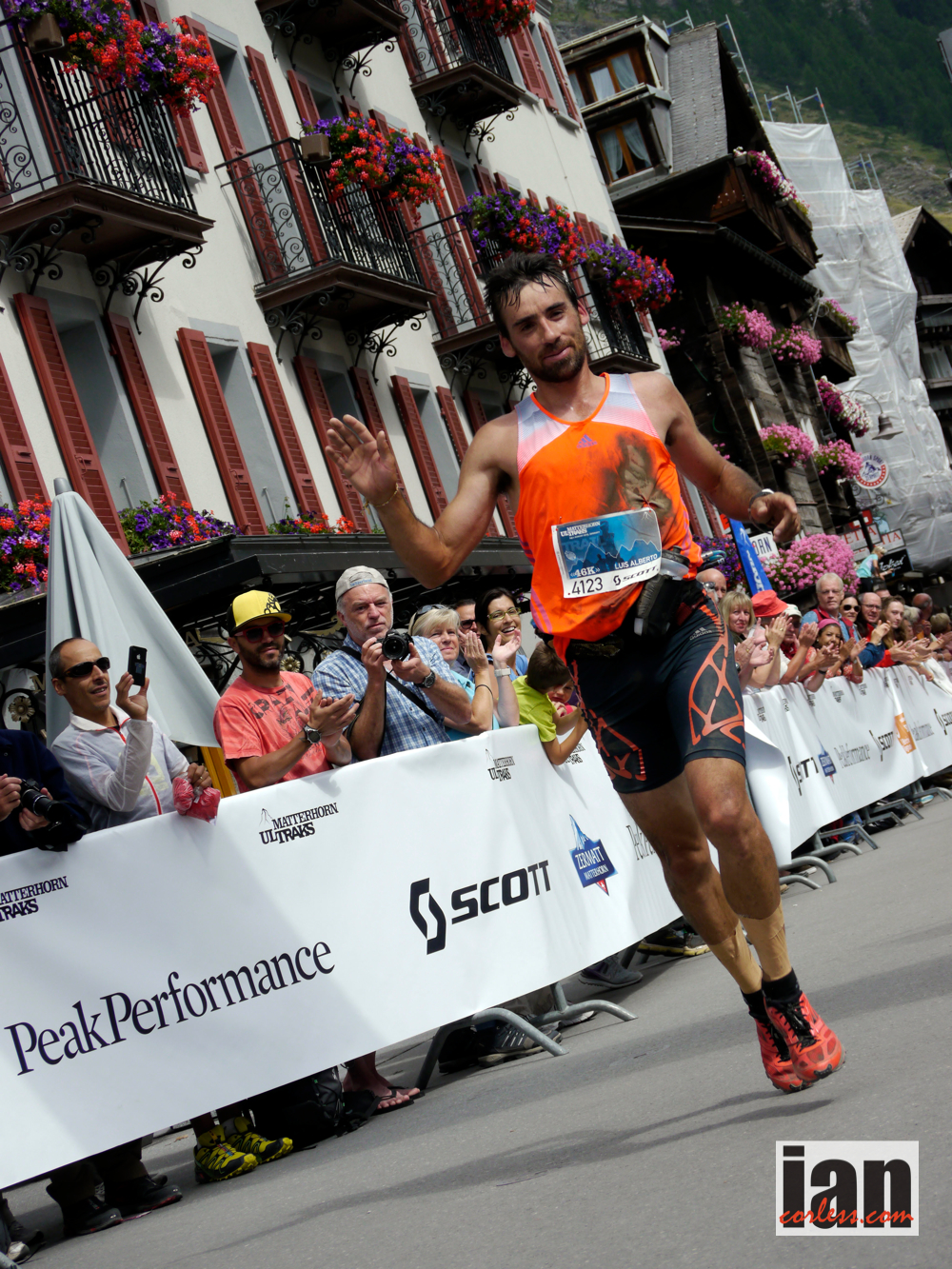
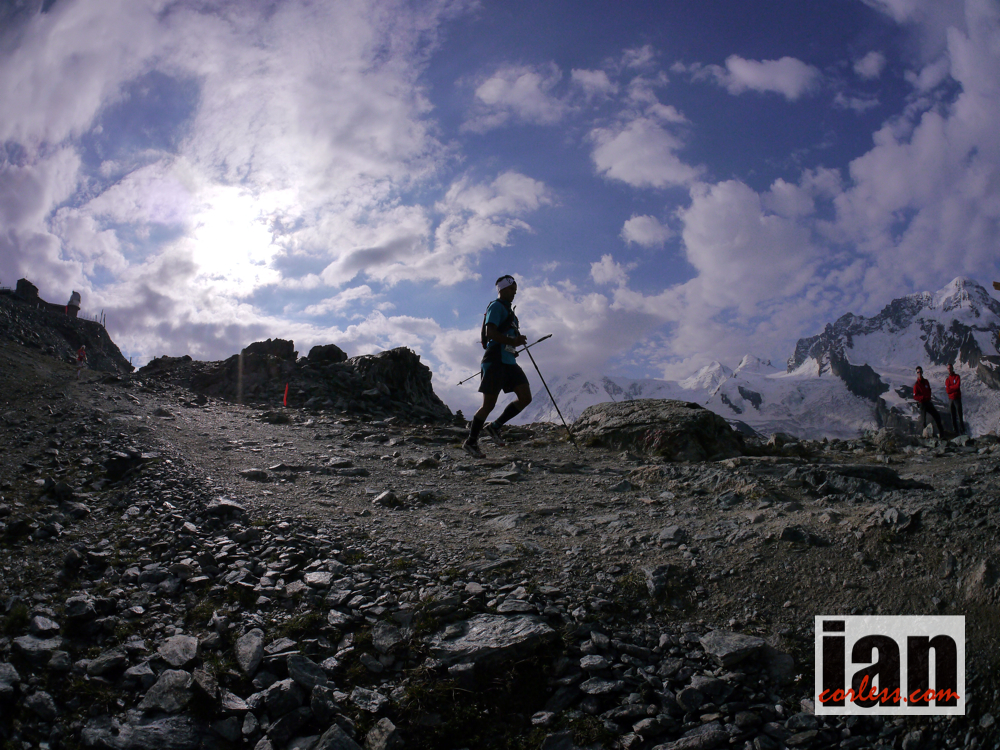
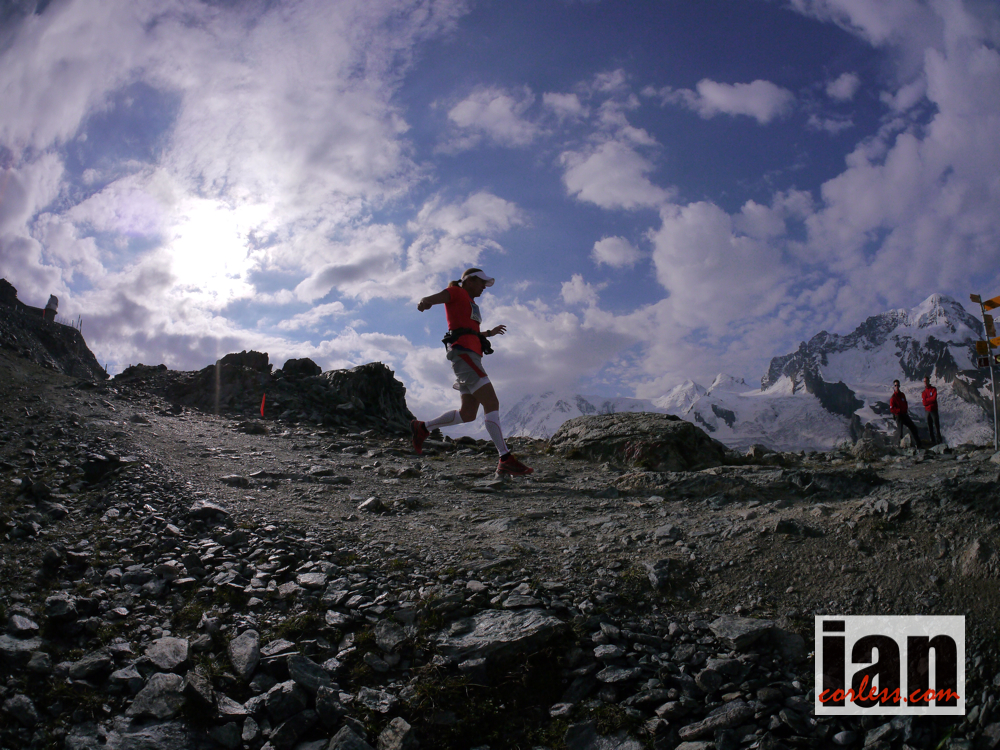
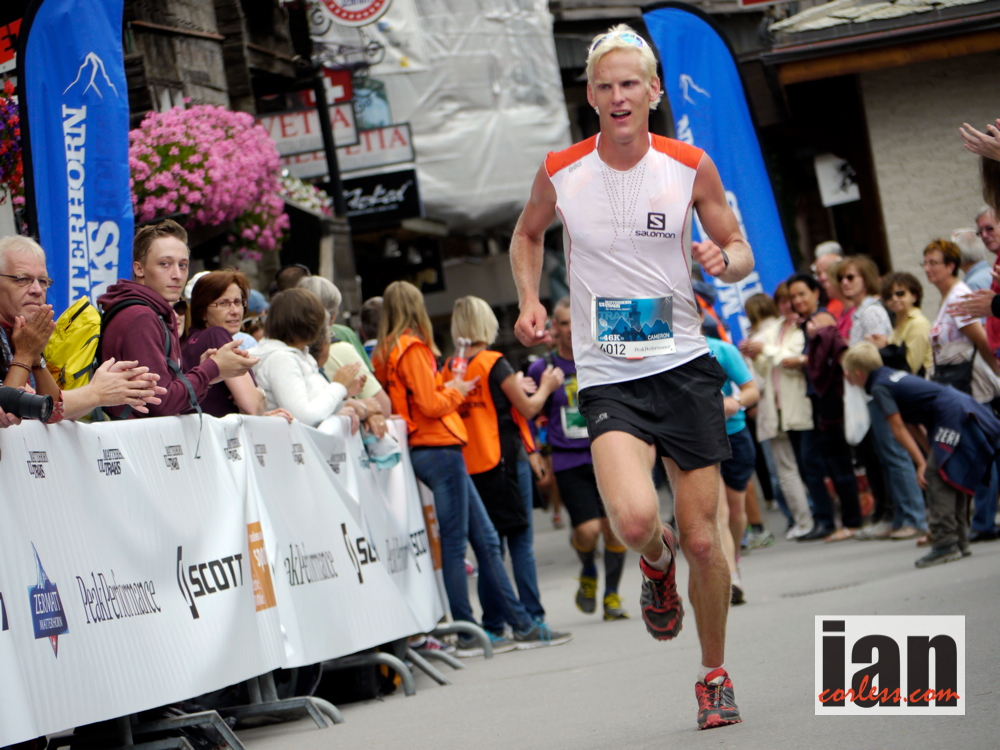
Departing Zermatt at 0700 with the arrival of day light, runners departed and headed upwards to the highest point of the course at nearly 3000m to the ‘Scott Summit’ at Gornergrat. First runner to arrive was Egea Caceres Aritz in 1:40:36 (winning the Scott summit prize) closely followed by Luis Alberto Hernando (adidas) and Kilian Jornet (Salomon).Not only was the race moving much faster than pre race predictions but also some of the main anticipated protagonists were having a tough day. Philipp Reiter (Salomon) and Tofol Castanyer (Salomon) had stomach issues and had to restrain their efforts, Philipp would go on to finish 19th but Tofol was forced to withdraw. Cameron Clayton Salomon) from the US who had placed top 5 at Pikes Peak just the previous weekend was also struggling with some chest issues.
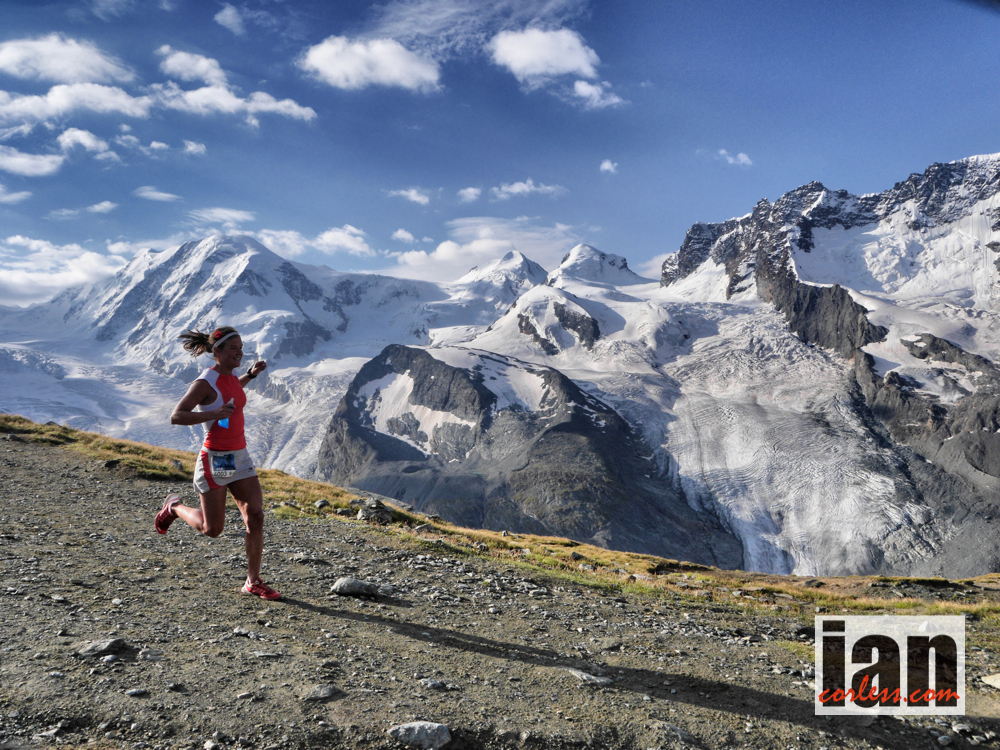
Emelie Forsberg (Salomon) was the first lady to arrive at the ‘Scott Summit’ followed by team mates, Oihana Kortazar (Salomon) and Silvia Serafini (Salomon). Emelie continued to push at the front of the race and at Schwarzee she looked comfortable and relaxed. However, behind Silvia Serafini was caharging and not only had she closed the gap on Emelie but she had moved into second place.
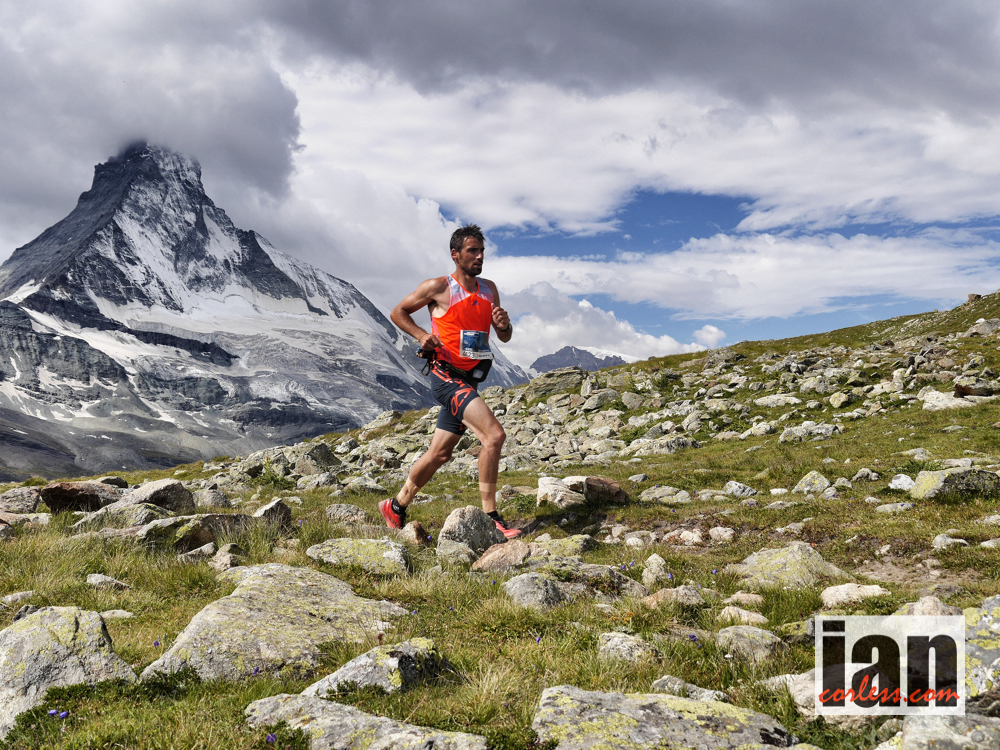
The front of the race took shape, Kilian Jornet and Luis Alberto Hernando run together, step-by-step just as they have so many times before this year. However, just before Trift on the plateau with Matterhorn providing a stunning backdrop, Kilian opened up a gap that he would maintain all the way to the finish for another victory.
Behind Kilian and Luis a really great battle was unfolding, Sierre-Zinal Marc Lauerstein had been caught by Nicola Golinelli (Arc’teryx) and with another great surge, Nicola followed up his impressive performance at Mont Blanc Marathon with 3rd place on the podium here in Zermatt. Swiss runners, Marc Lauenstein, Sierre-Zinal winner, and Ultraks ambassador Martin Anthamatten were fourth and fifth respectively.
The women’s field was comfortably led by Emelie Forsberg, Silvia Serafini once again showed that with each race she is becoming more experienced, more confident and more dominant. Her impressive showing at the Dolomites Skyrace was followed up here with another great 2nd place.
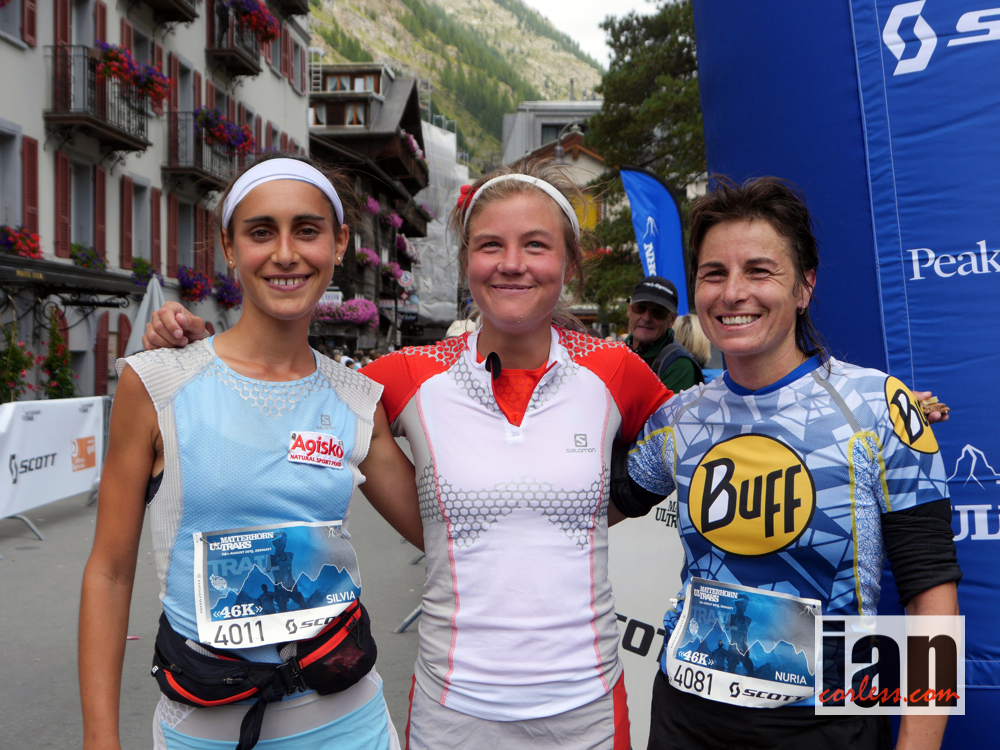
Oihana began to weaken and loose time leaving third place open for Nuria Dominquez (Buff) to take third, Anna Lupton (inov-8) from the UK had a great run for fourth and Ragna Debats (FEEC) placed fifth. Anna said on the finish line, ‘that is the most incredibly beautiful race I have ever done but it was also the hardest’.
Four teams from Spain competed in the event, counting no less than five men and five women in the top ten. A result that confirms Spain’s dominance in the sport.
The Sky Series final, hosted by the Limone Extreme, will take place in Italy on the slopes above Lake Garda on October 13, where the world’s top skyrunners will compete and the champions will be crowned.
The Skyrunner World Series Matterhorn Ultraks took place today, August 24th. A first edition race covering 46km around the iconic Matterhorn. Kilian Jornet and Emelie Forsberg were crowned winners.
Episode 42 of Talk Ultra – We speak to Fernanda Maciel as she prepares for the up and coming CCC and the Everest Trail Race. Ray Zahab has inspired many a runner and we chat to him about his career, Impossible to Possible and his recent Gobi Crossing. We have a chat with Scott Jurek and Nick Clark about Leadville. Smiles and Miles with Emelie Forsberg, Talk Training, the News, a Blog and the up and coming races. It’s another packed show!
00:00:45 START
00:09:46 NEWS
What a race Leadville turned out to be. We had all discussed the race beforehand and the script had been written. However, somebody should have told the runners….
00:10:22 – To set the scene, here is a pre race interview with Scott Jurek
00:26:49
Leadville 100
Ian Sharman 16:30 (4th fastest time)
Nick Clark 17:06
Mike Aish 18:28
Kyle Pietari 18:37
Andrew Catalano 18:43
Timo Meyer 19:04
Eric Sullivan 19:17
Scott Jurek 19:21
Bob Africa 19:38
Javier Montero 19:45
Ashley Arnold 20:25
Saheen Sattar 22:42
Keila Merino 22:47
Katrin Silva 23:16
Becca Hall 23:43
Kara Henry 23:50
Abby Mcqueeney Menamonte 24:06
Maddy Hribar 24:24
Nicole Struder 24:25
Maggie Nelson 24:37
Waldo 100k
David Laney 9:05
Jesse Haynes 9:45
Dan Olmstead 9:56
Caren Spore 11:07
Joelle Vaught 11:28
Paulette Zillmer 12:42
Pikes Peak
Touro Miyahara 3:43:25
Alex Nichols 3:43:48
Jason Delaney 3:53:46
Stevie Kremer,
Salynda Fleury
Laia Trias
*Stevie Kremer 12th overall and sets new CR for Age Group. Previous record of 4:21:09 and Stevie did 4:17:13. Interestingly, Stevie tells me she can’t run downhill… we all know Emelie Forsberg can! Well Stevie came down quicker than Emelie in 2012, Emelie did 1:34:09, Stevie did 1:33:08 so that is a new descent record too!
Finally, it is the Matterhorn Ultraks this weekend. Going to be exciting to see Kilian, Hernado and some of the other top Europeans going head-to-head.
Also, UTMB, TDS and CCC is just around the corner. Really strong American contingent… Anton K, Dylan Bowman, Gary Robbins, Dakota Jones, Mike Wolfe, Mike Foote, Timmy Olson and so on… is it the year for the US?
01:00:55 BREAKING NEWS
01:07:58 Brazilian, Fernanda Maciel is racing CCC and I caught up with her about her prep and how she is then preparing for Everest Trail Race later in the year!
01:31:06 BLOGS
Ian Sharman couldn’t sleep after his incredible Leadville win and instead decided to get his thoughts down in a blog post. – http://sharmanian.blogspot.co.u
“In summary, there were some fast guys aiming to do ridiculous times. Scott Jurek wanted to be the second man to break 16 hours and Ryan Sandes was coming back after a fast win in 2011… So Nick Clark and I were dark horses given the two 100s in our legs from recent weeks and we weren’t expected to be around the lead at the end.”
01:32:15 TALK TRAINING – Marc Laithwaite
01:57:47 INTERVIEW – Ray Zahab
This week’s interview is with Ray Zahab. Ray is a passionate guy who through Impossible to Possible has inspired many people. I finally had the opportunity to catch up with Ray after he completed yet another expedition, crossing the Gobi desert. We talk about his career and Ray shows his passion for i2P.
03:16:20 CLARKY’S CORNER –It’s three down and one to go for Clarky and the other ‘Slammers’. Leadville is just around the corner. We catch up with Nick, discuss how Leadville went and what his chances are of taking the Grand Slam away from Ian Sharman
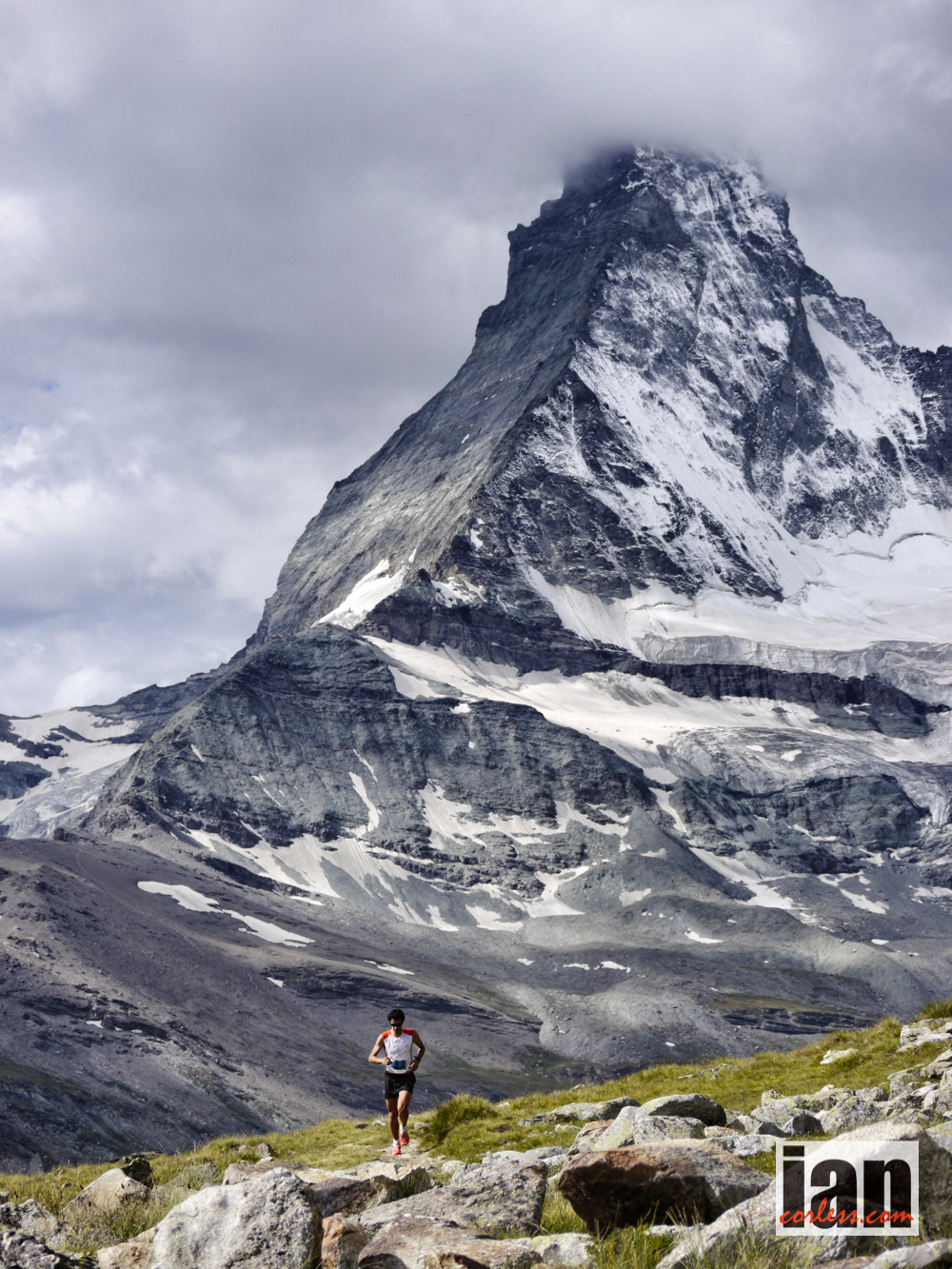
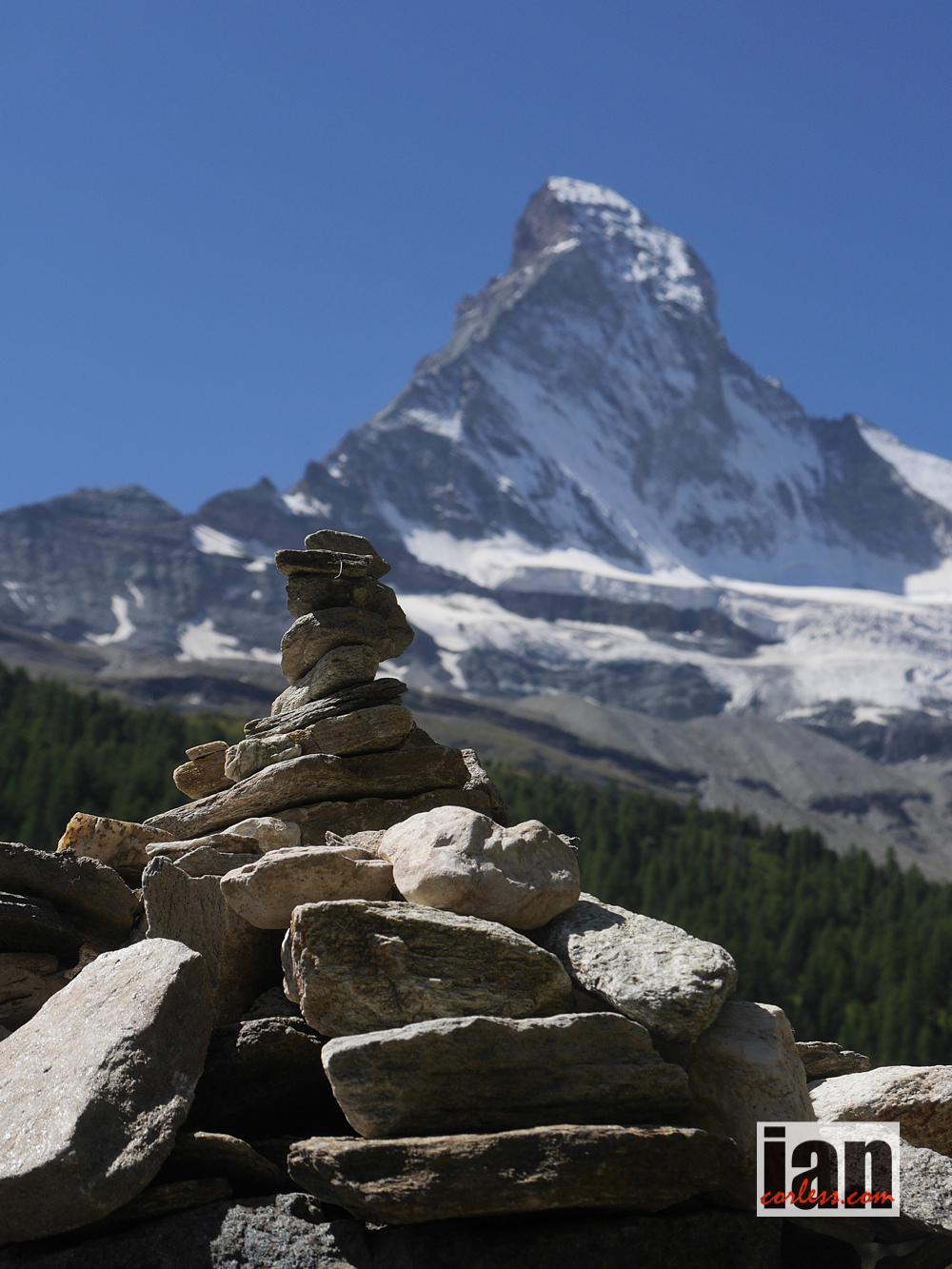
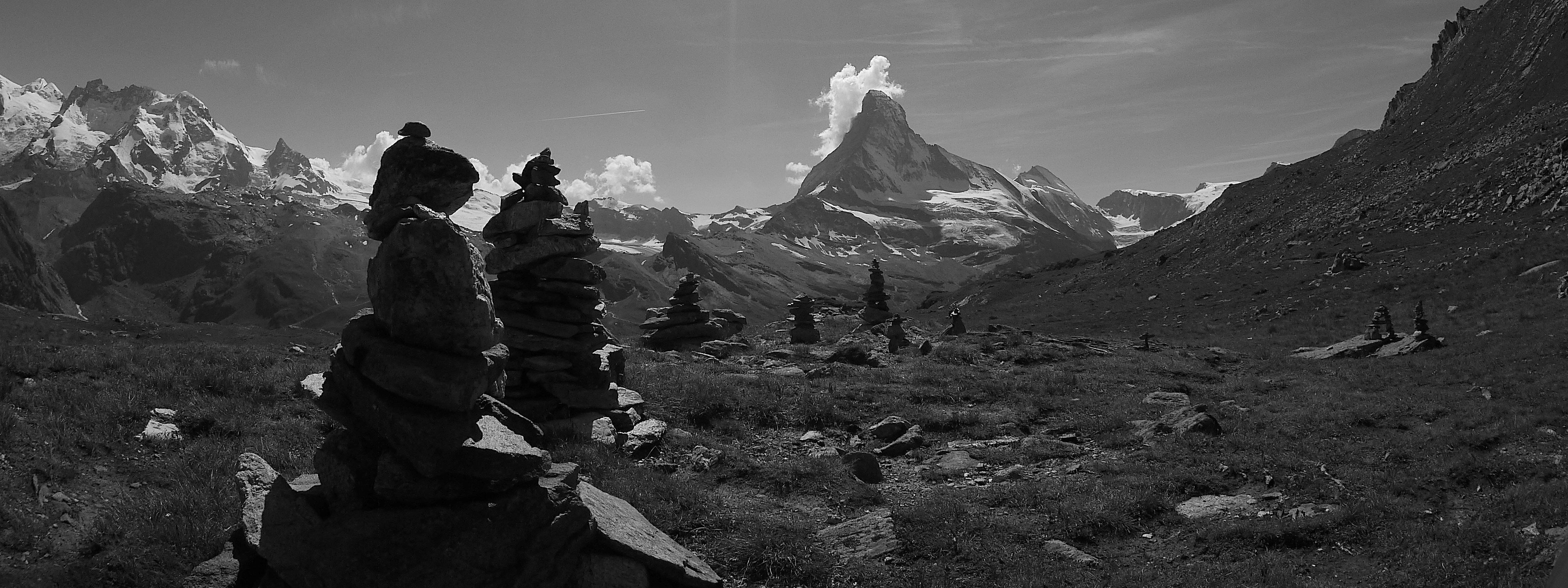
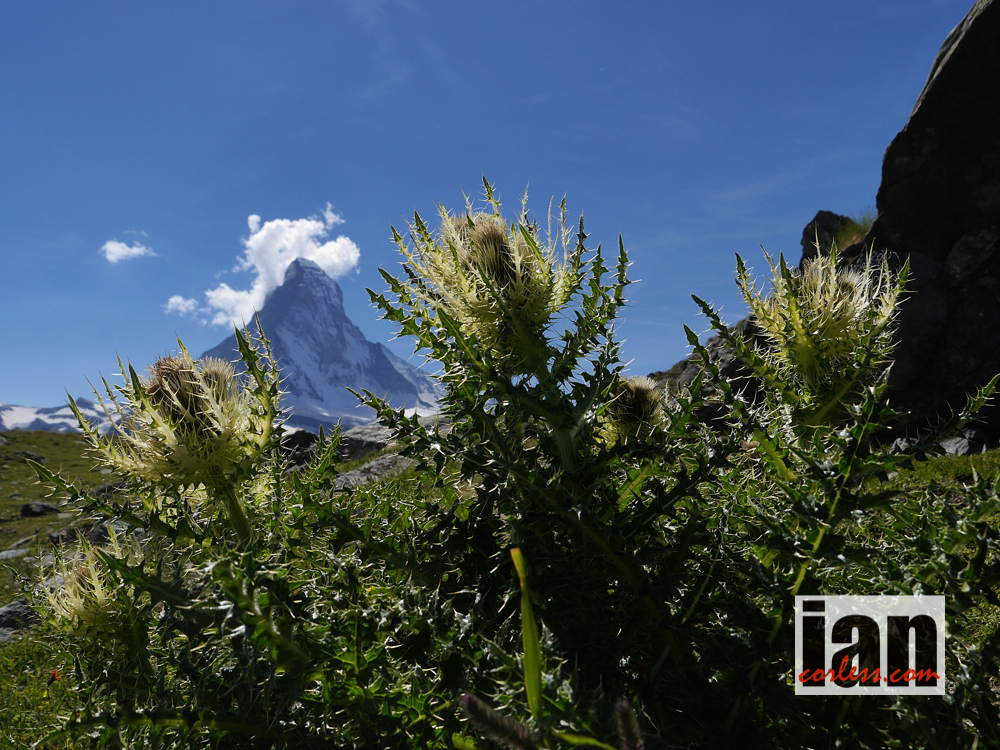
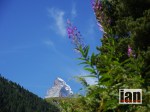
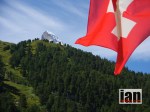
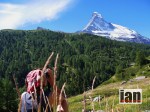
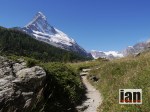
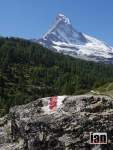
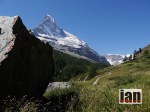
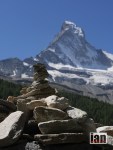
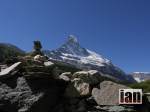
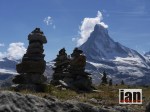
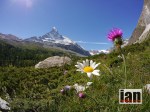
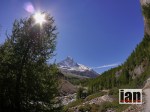
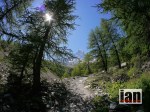
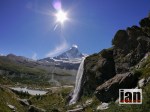
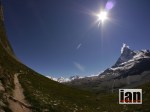
After the exploits of Kilian Jornet yesterday, I needed my own time with the trails and the Matterhorn. It really is such a beautiful and incredible thing… how Kilian ran up and down that in 2:52:02 is beyond me!
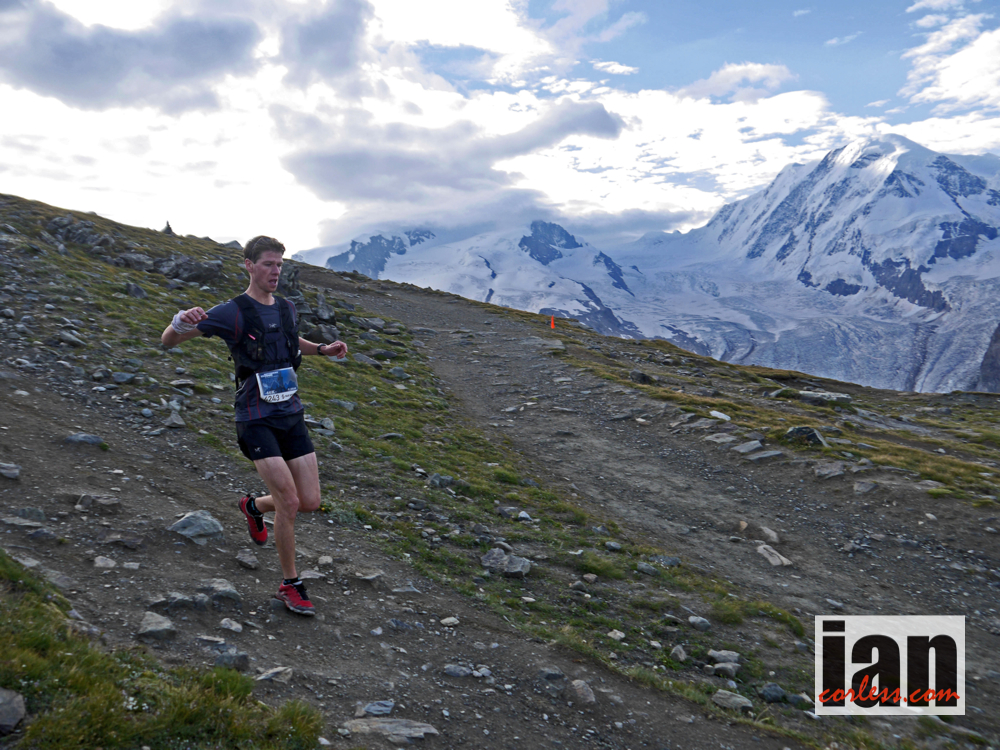
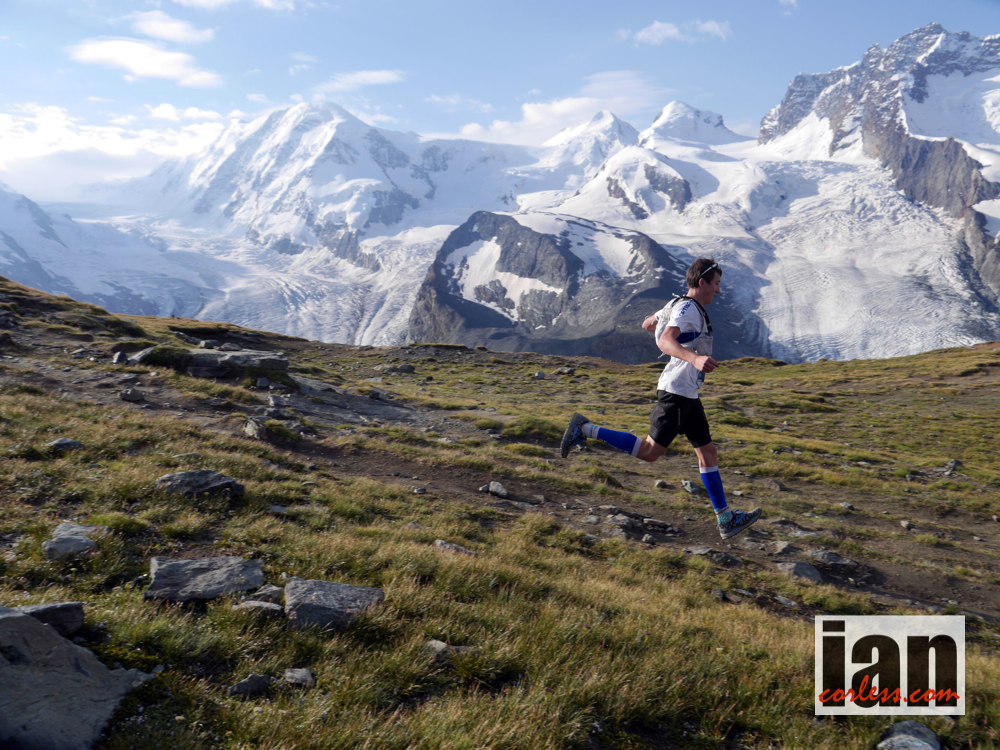
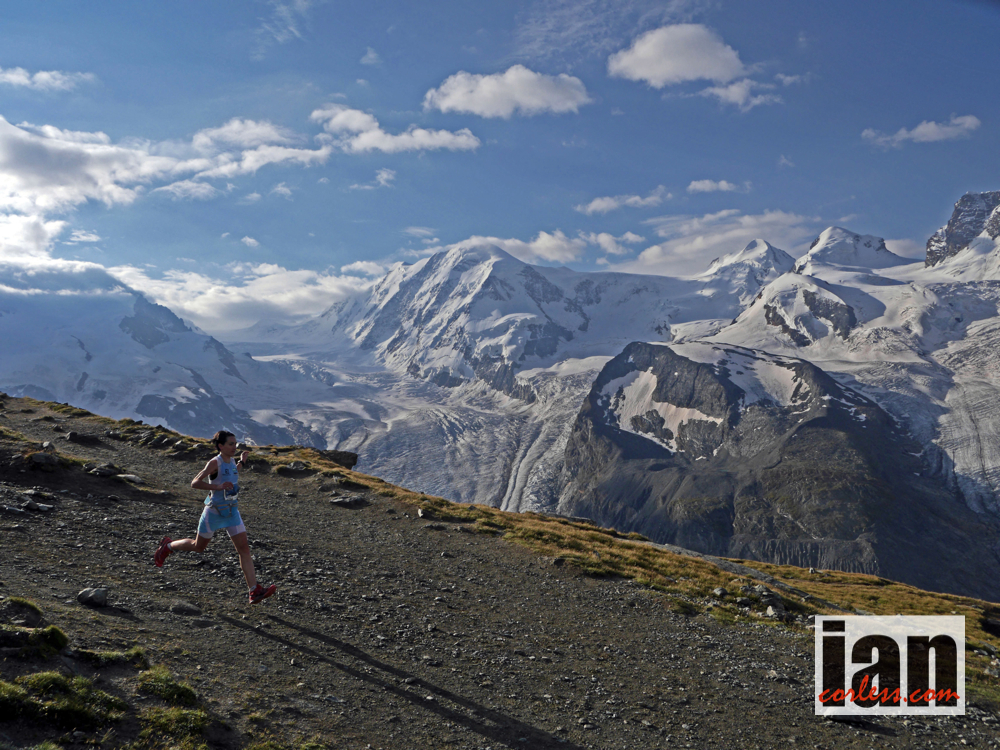
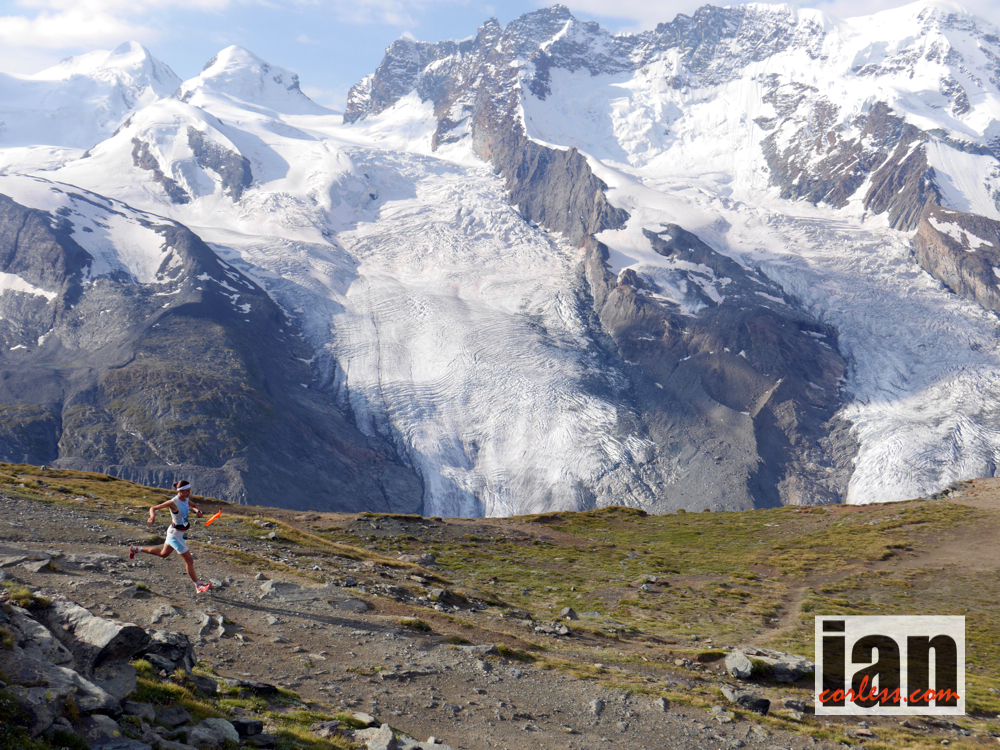
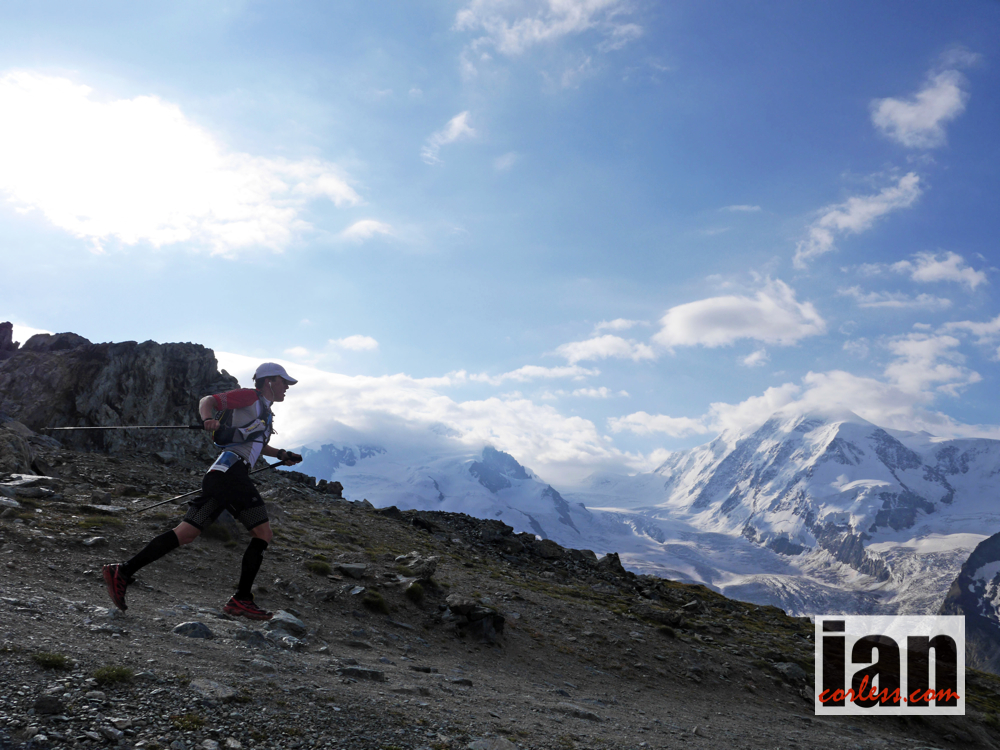
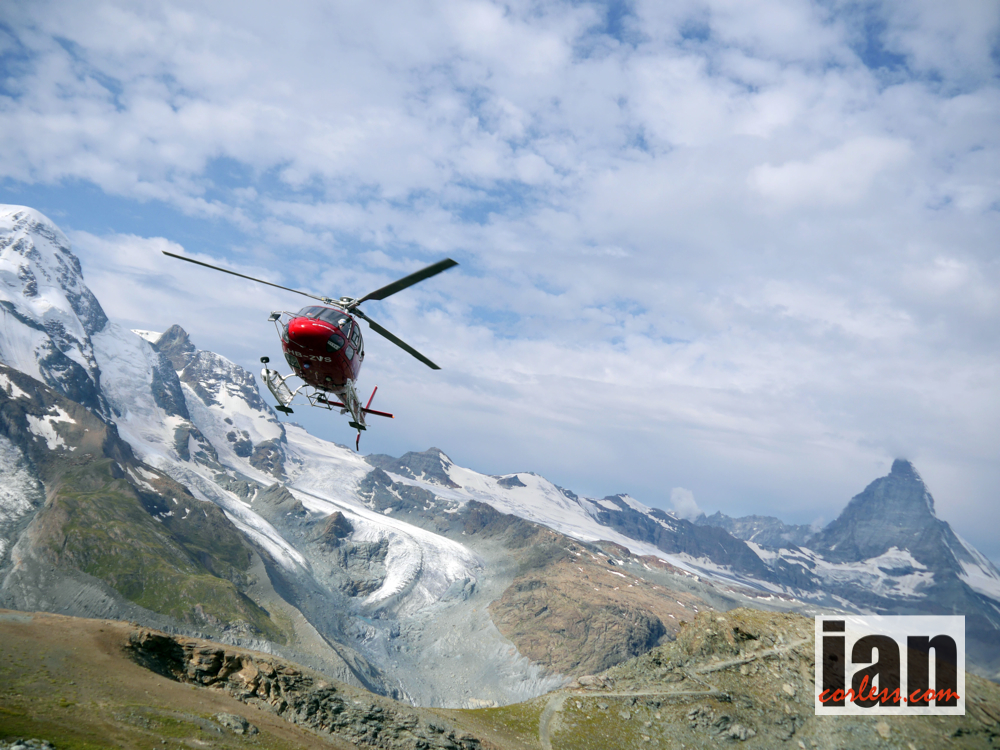
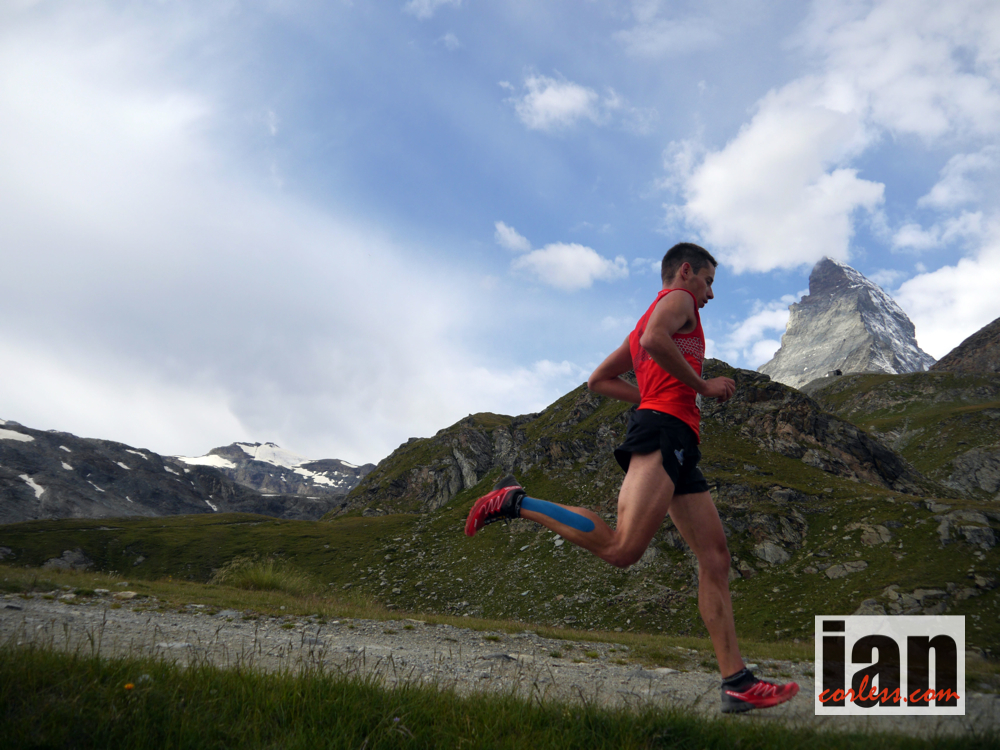
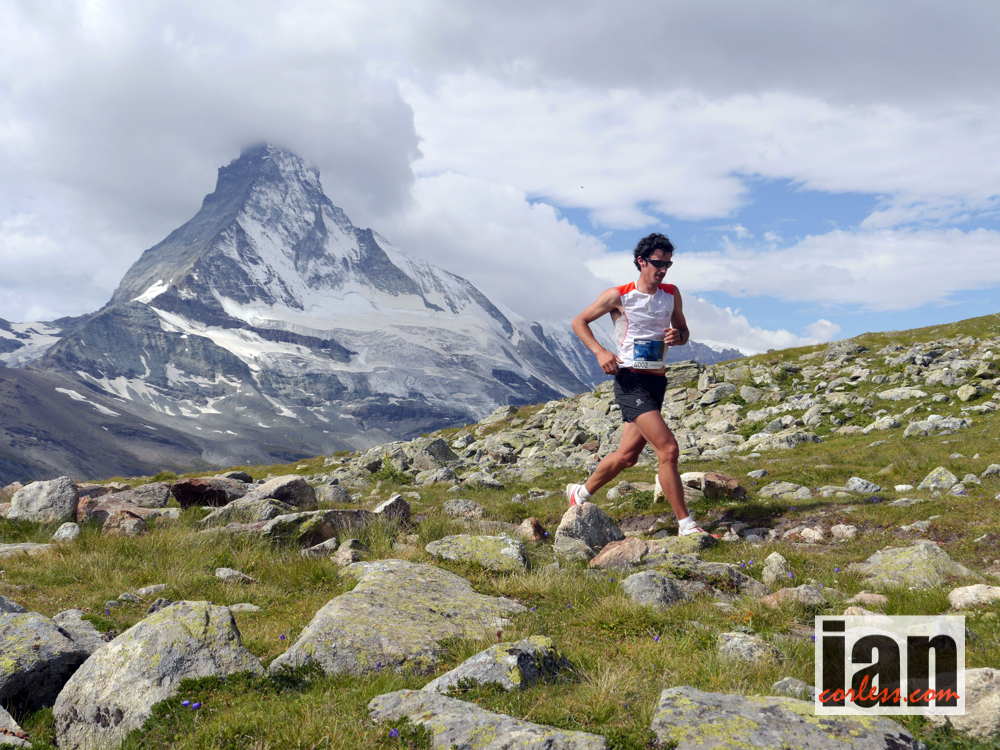
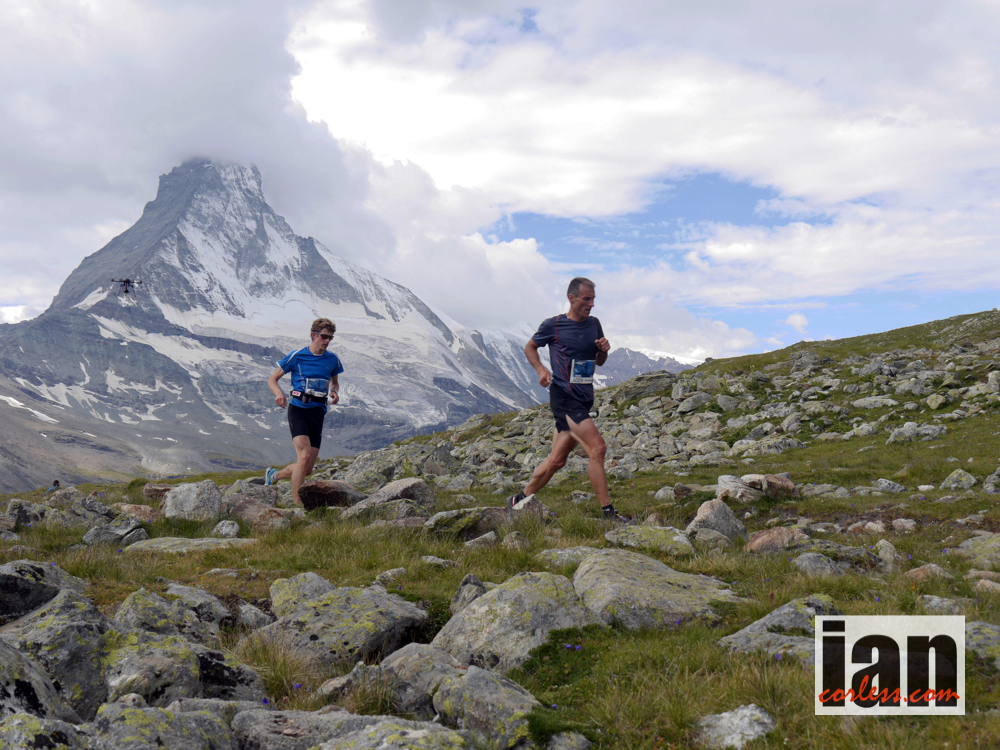
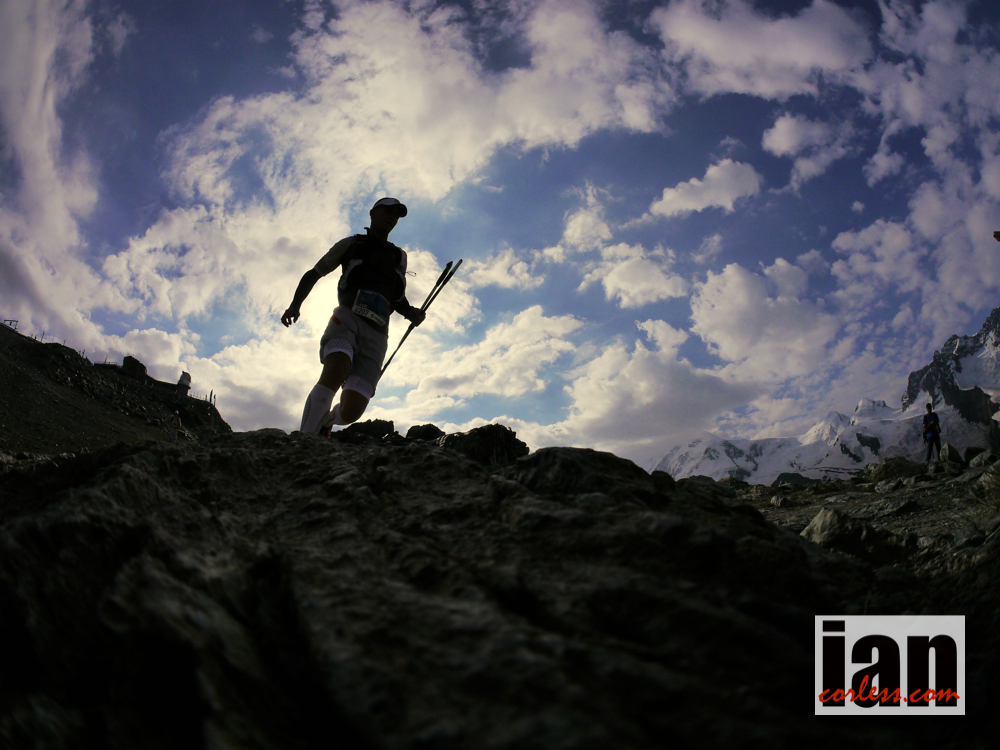
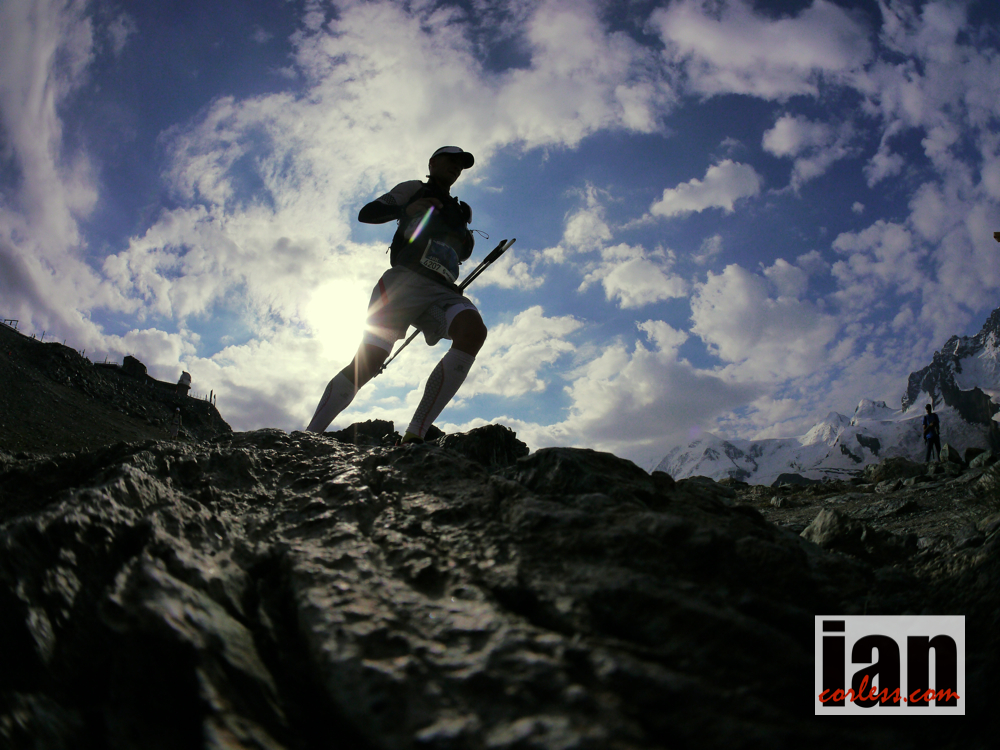
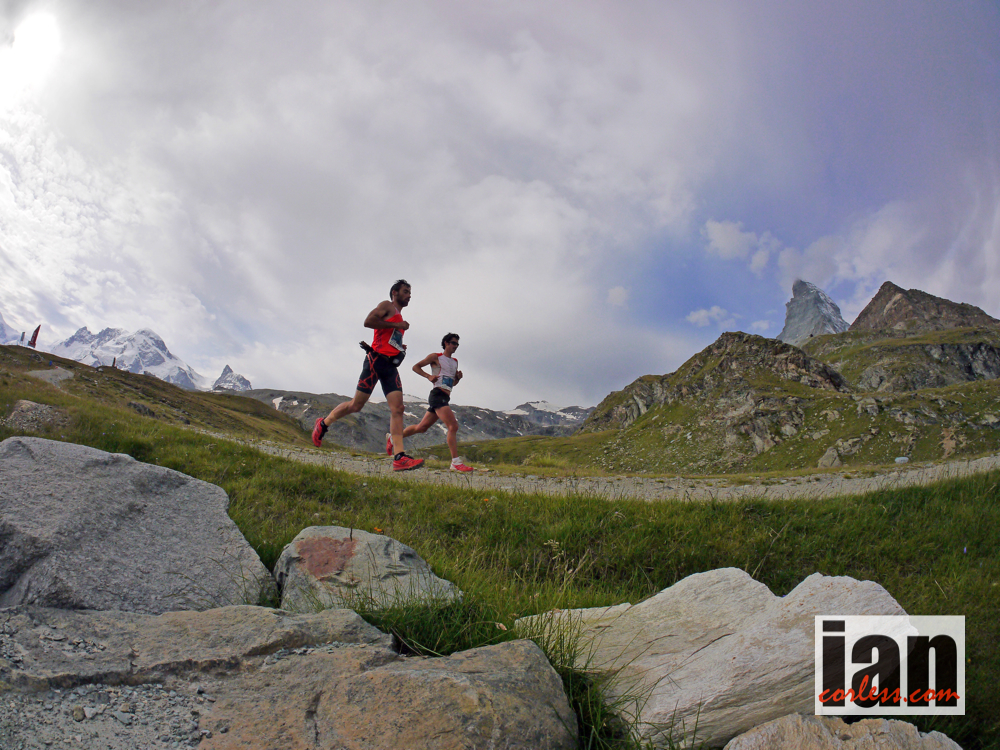
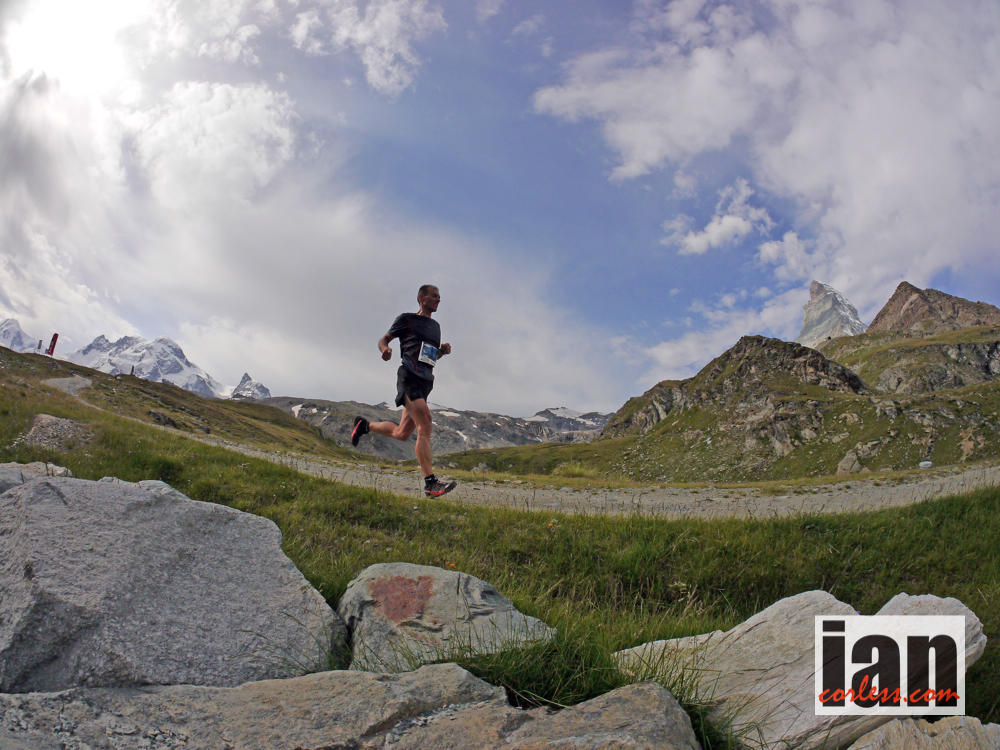
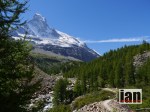
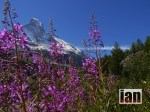
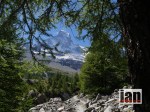
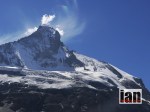
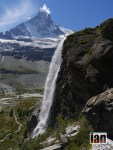
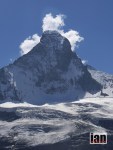
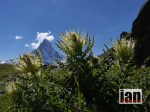
Today I was on the other side of the mountain, I approached from Zermatt and covered 6 hours of trails, all part of the Matterhorn Ultraks race route.
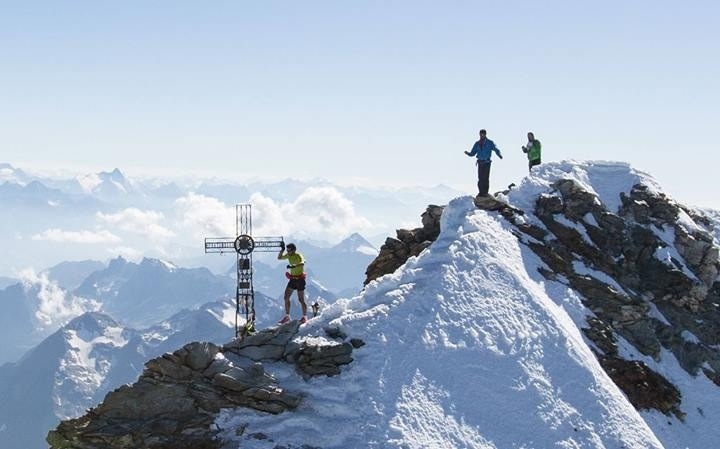
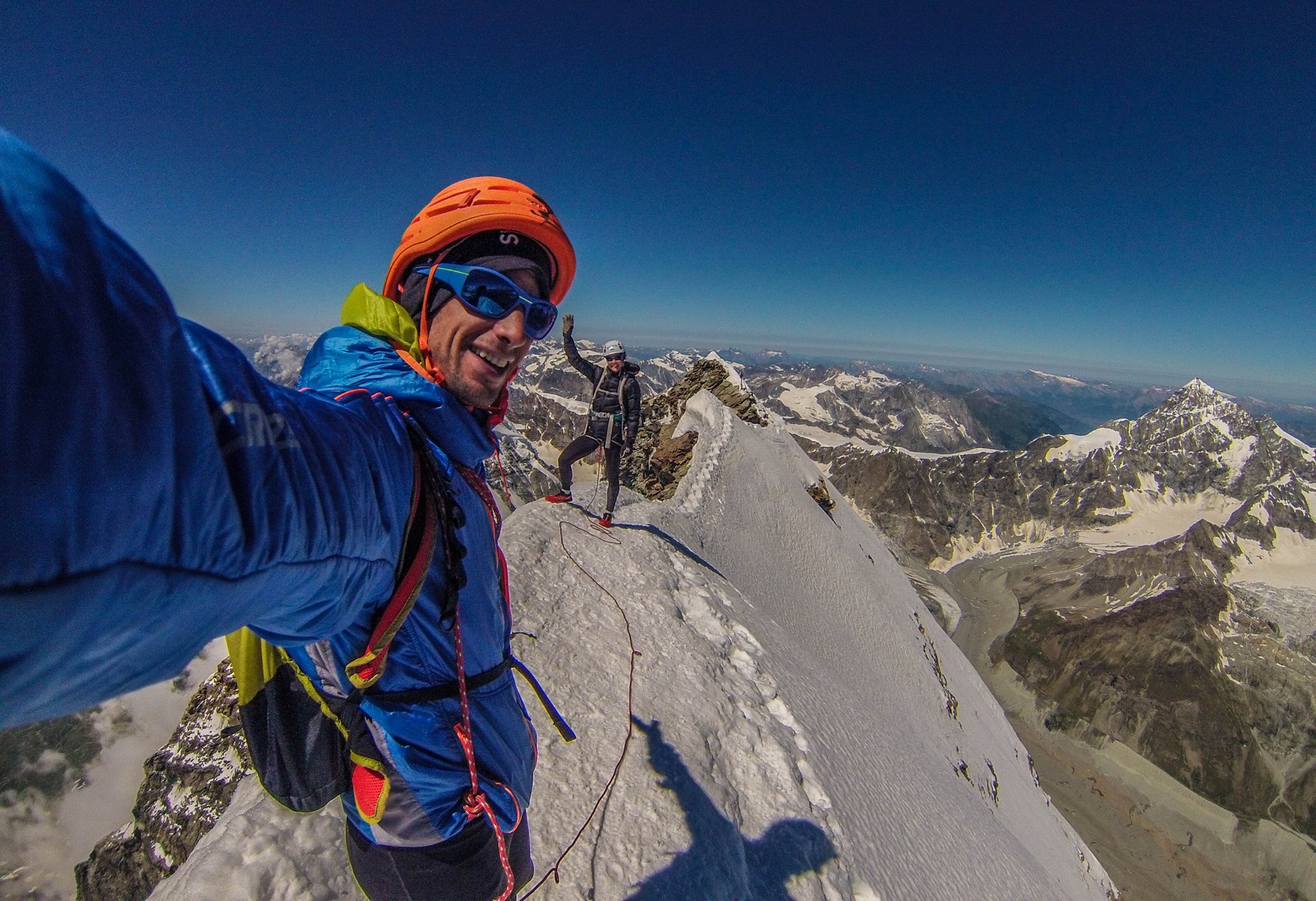
Image taken by Kilian Jornet, Friday Aug 2nd w/ Emelie Forsberg at the summit of the Matterhorn copyright: Kilian Jornet
“It is a technical mountain. Bruno Brunod has a record of 3:14. It is a technical route that is not difficult BUT if I fall, I will die! I need to know the route very well, I need to spend time on the mountain, and I need to learn every step.” Kilian Jornet, July 2013.
Monte Cervino (Italian) or Mont Cervin (French) or Just the Matterhorn is a mountain on the border between Switzerland and Italy. At 4,478 meters (14,690 ft) high, it one of the highest peaks in the Alps. It consists of four steep faces, striking above the glaciers that surround it. Overlooking the town of Zermatt it is an iconic mountain and possibly ‘the’ most photographed mountain in the world. It is a mountain that dreams are made of. Kilian Jornet is no different, “I have been dreaming about this record since I was 15”.
Ironically, the Matterhorn was one of the last great Alpine peaks to be climbed and the first ascent by Edward Whymper in 1865 brought an end to the ‘Golden age of alpinism (The period between Alfred Wills ascent of the Wetterhorn in 1854 and Whymper’s ascent of the Matterhorn in 1865, this period saw many peaks in the Alps have first ascents)
Since 1865 to 1995 it has been described as one of the deadliest peaks in the Alps, over five hundred lives have been lost in this 130yr period. I guess the first ascent in 1865 showed us the danger potential when four climbers fell to their deaths on the descent.
The Matterhorn has two distinct summit, both situated on a 100-metre-long rocky ridge: the Swiss summit with a height of 4,477.5 meters (14,690 ft) on the east and the Italian summit with a height of 4,476.4 meters (14,686 ft) on the west. Their names originated from the first ascents, not for geographic reasons, as both are located on the border. Each summer a large number of mountaineers try to climb the Matterhorn via the northeast Hörnli ridge, the most popular route to the summit.
Small patches of snow and ice cling to the faces of the Matterhorn, but the faces are steep and regular avalanches occur. Snow hurtles down the four sides and accumulates on the glaciers at the base of each face.
Four main ridges separate the four faces of the Matterhorn and therefore it offers four distinct routes. The least difficult technical climb and by far the most popular is the Hörnli Ridge, which lies between the east, and north faces and it faces the town of Zermatt. The Zmutt Ridge (west), between the north and west faces is, according to Collomb, “the classic route up the mountain, it’s the longest ridge and also the most disjointed.”
The Lion Ridge, lying between the south and west face is the Italian normal route. It is the shortest route on the mountain and has fixed ropes in place but many think it to be a far superior climb, particularly when compared to Hörnli Ridge. Furggen Ridge is the final offering, it is the hardest offering and in good conditions is not too difficult, however, it has a reputation.
J.J and J.P Maquignaz made the first ascent of the Italian ridge as it is climbed today in 1867 but Kilian Jornet has his eyes on Bruno Brunod’s record set in 1995 when he did Breuil-Cervinia to the Matterhorn summitand back in an astonishing time of 3:14:44. In addition, Bruno also has the record for climbing the Matterhorn, again from Breuil-Cervinia in a time of 2:10.
Back in 1995, Skyrunning president, Marino Giacometti and Executive Director, Lauri Van Houten were not only present but also helped finance Bruno’s attempt. Lauri still says how the thought of it, “brings shivers down my back”. Lauri and Marino both acknowledge the danger and undertaking that Kilian has given him self. “I remember standing in the square in Cervinia and about 3 hours ten had elapsed. There was a real buzz and noise and then somebody shouted, he’s coming! We all ignored it; we thought it couldn’t be possible… but minutes later Bruno appeared. It was a magical moment, one I will never forget”, says Lauri.
Bruno is very much considered the father of Skyrunning. His exploits, to this day seem to go beyond human limit. Without doubt, Kilian Jornet is in the same mold and in real terms, Bruno has lead the way for what Kilian now wants to achieve with his Summits project.
Bruno attempted Everest (the final summit for Kilian) he however gave up when at a height of 8.200 mt (26,900 feet) due to very hard weather conditions.
Bruno’s passion and time is now focused on his construction company, however, just recently he joined Kilian on the Matterhorn as he prepared for his Matterhorn attempt, I wonder, will we see a comeback!
Bruno’s records:
Matterhorn uphill and downhill from Cervinia in 3:14
Monte Rosa uphill and downhill from Gressoney in 4:45
Aconcagua uphill and downhill in 5:57
Kilimanjaro uphill on the Marangu Rout in 5:38
Monte Elbert uphill in 1:54
Three times winner of the Becca di Nona skyrace (2002 – 2003 – 2004)
August 21st 2013 at 1500 hours from the church in Cervinia, Kilian Jornet will depart on what I, and many others consider to be his ultimate challenge. The history books will show if his attempt was successful, ultimately though we want Kilian home safe. It’s about being on the edge and deciding what ‘your’ summit is, at this current moment, Kilian’s summit is Breuil-Cervinia to the Matterhorn summitand back in less than 3:14:44.