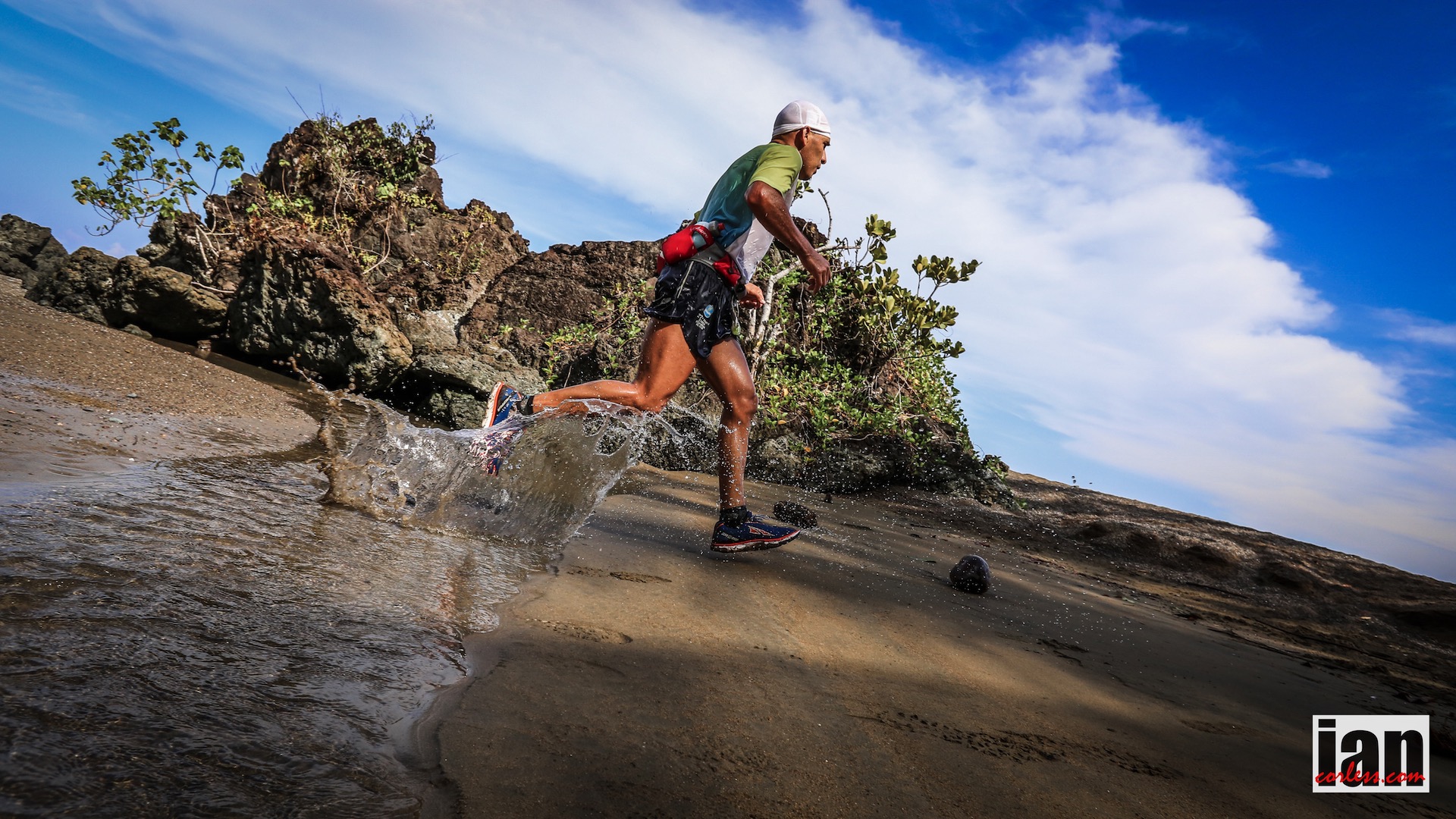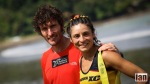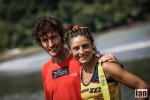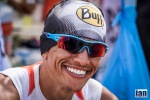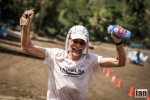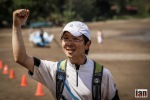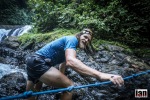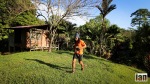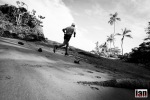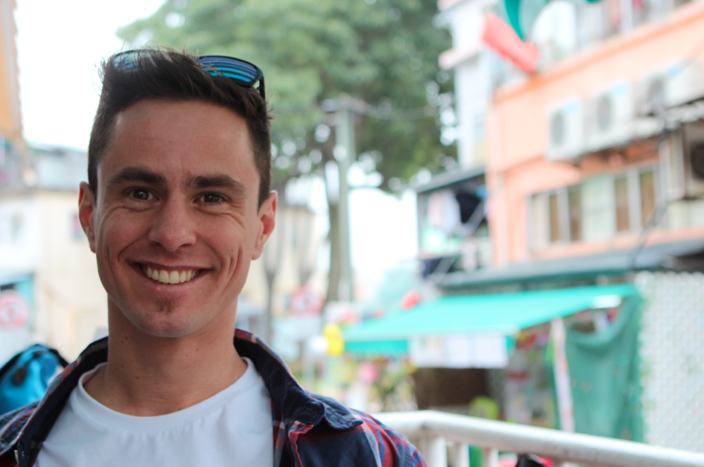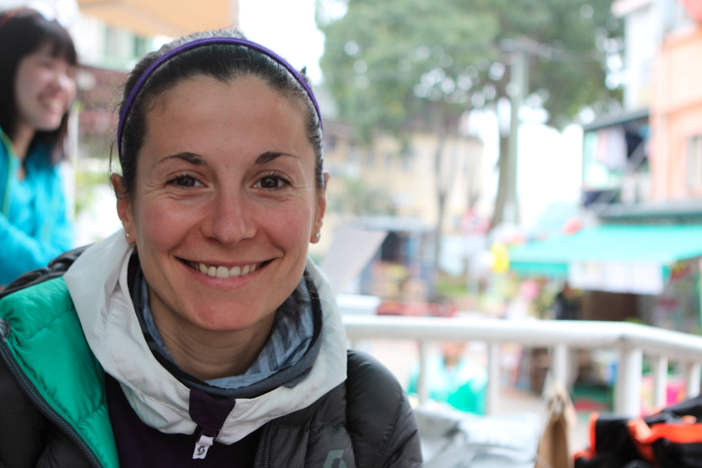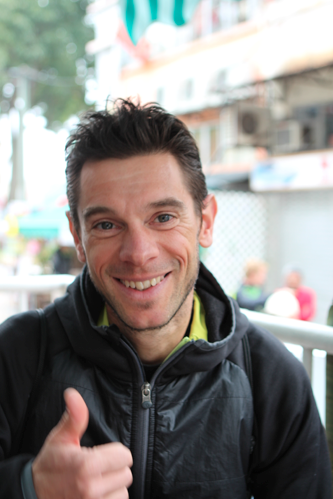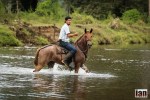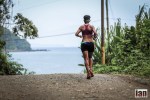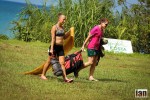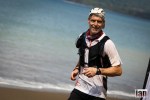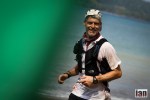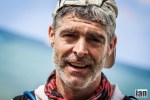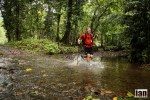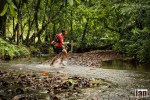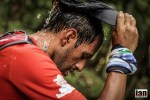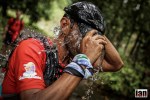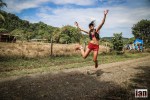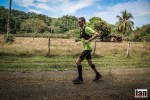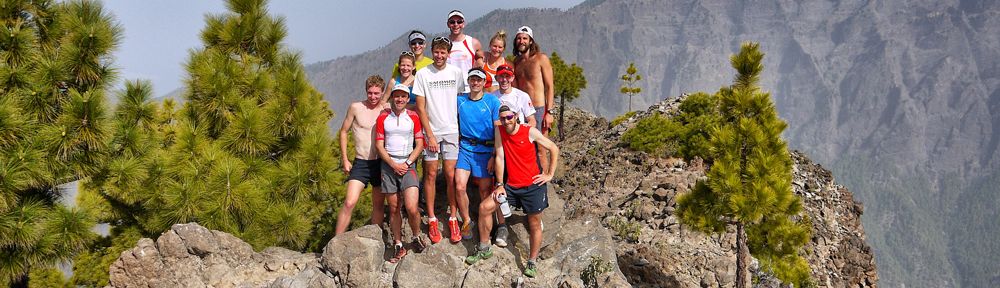
Hernando, Jones and Olson for Transvulcania La Palma 2015

©iancorless.com.IMG_8491Transvulcania14

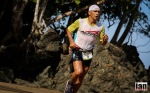
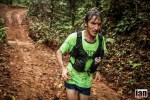
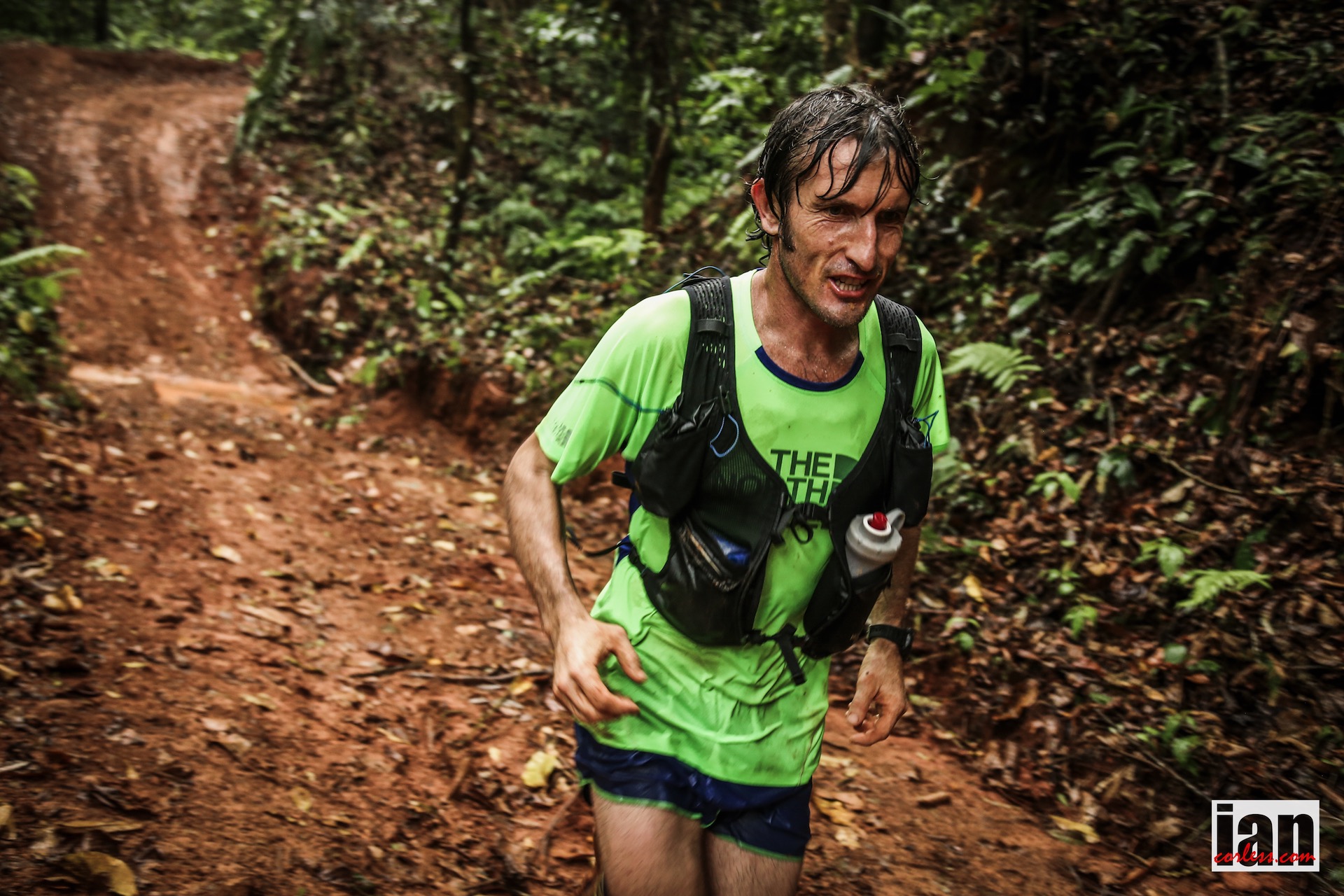
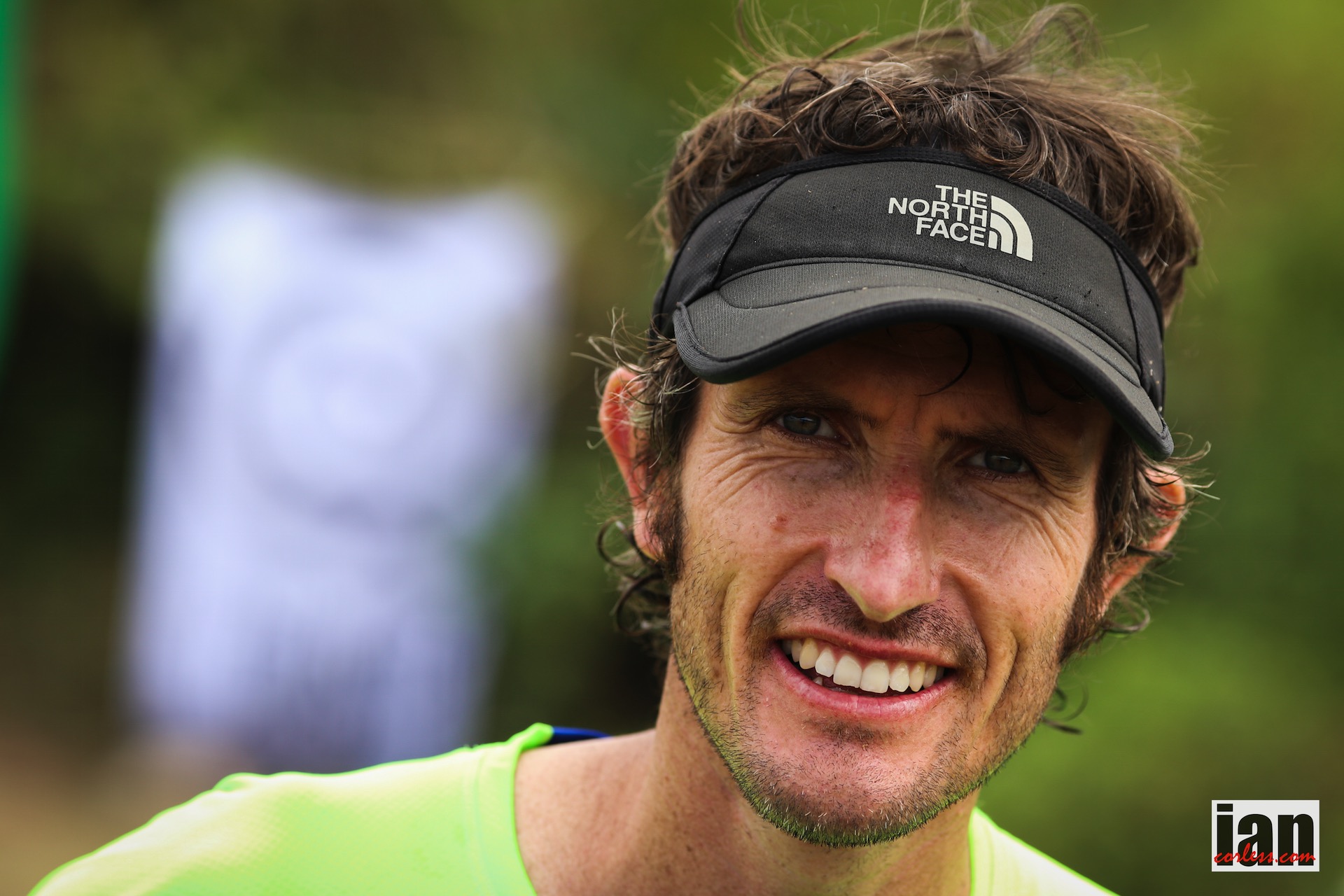
It’s only January and already the world of Skyrunning is hotting up with the announcement that 2014 Transvulcania La Palma champion and Skyrunning Ultra Distance World Champion, Luis Alberto Hernando will return to the island to defend his crown.

Luis Alberto Hernando had an incredible 2014 and his return to Transvulcania is eagerly anticipated. A true champion, the tough and challenging course is one that he relishes, however, Luis will not have things his own way!

©iancorless.com.IMG_7531Transvulcania14

Salomon Running new signing, Dakota Jones won the race in 2012 and he is back once again to test himself. Dakota raced in 2014 but had a disappointing race (his words) placing 10th. With a new team and definite plan to race theSkyrunner® World Series and Skyrunner® Continental Series, I think it is fair to say that the American will push Luis all the way to the line.

©iancorless.com.IMG_8884Transvulcania14

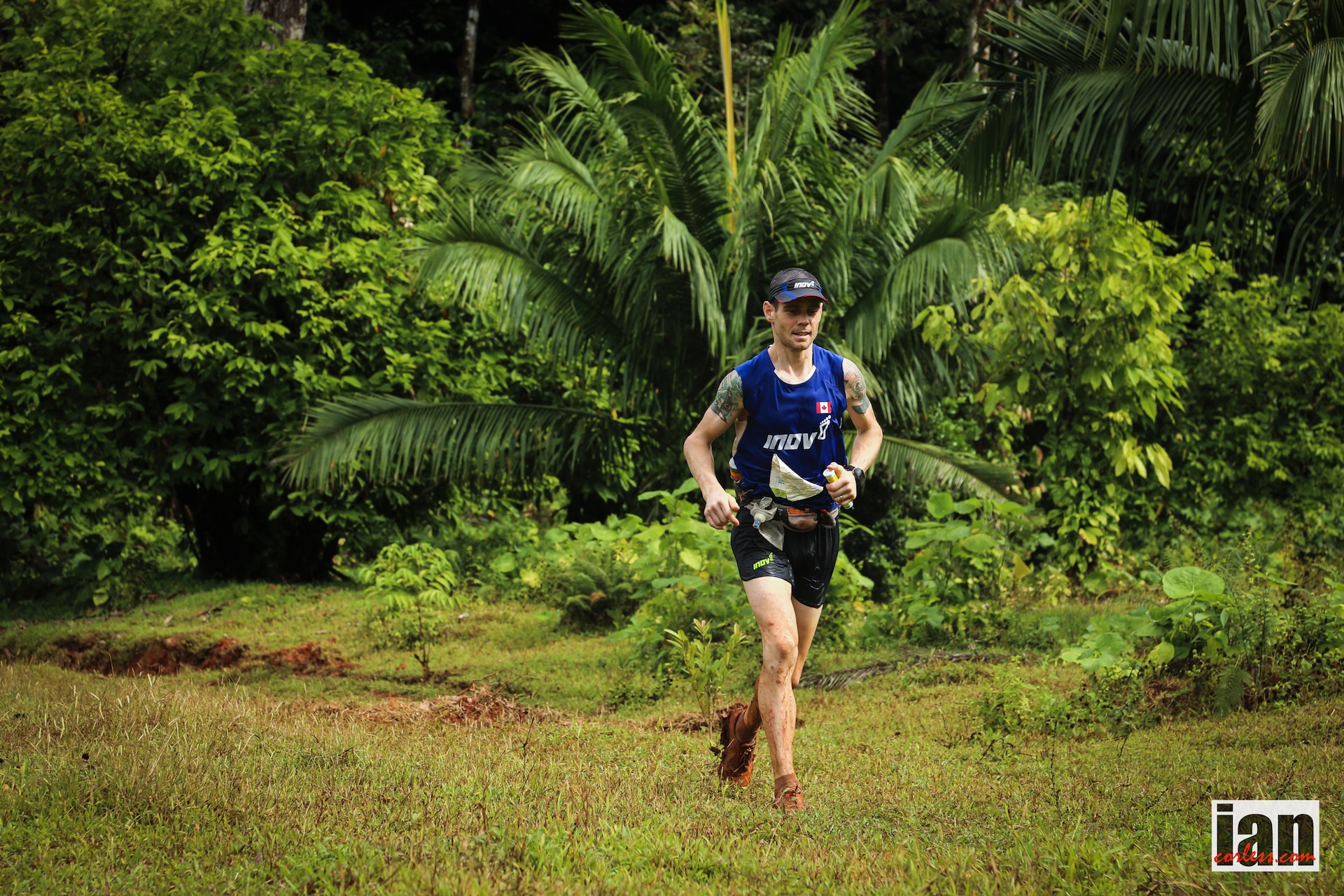
Timothy Olson loves the trails on the island of La Palma. In the past couple of years he has made the island his families home as he prepares meticulously for the race. Timothy is very clear, a podium place is a main objective. He came close in 2013 with 4th place and last year he placed 8th.

More athletes will be announced in the coming weeks and months as we all anticipate the 2015 Skyrunning Transvulcania La Palma.

 Check out the Skyrunner® World Series calander HERE
Check out the Skyrunner®  Continental Series 2015 HERE

Check out Skyrunning HERE

Transvulcania La Palma website HERE

CYCLING for RUNNERS – Article 6 Indoor Intensity


Cycling for Runners HEADER2

A new year can be a daunting thing… the excitement and buzz of Christmas is over and suddenly 12-months lie ahead. Many of you may well have already planned early season targets or even objectives for the whole year. However, as I know only too well, for every person who has planned key targets, there will be another person who has planned nothing. So, before you do anything, take some time out and decide on your targets for the coming year. Please remember, these targets do not need to be racing targets. They could be FKT’s, personal projects or even an expedition. Once you have dates in a diary, you will find structuring your training so much easier. It provides perspective!

Did December go well for you?

December can be a tough month. It’s so easy to be distracted and miss training but don’t worry. If you maintained 3-4 sessions per week you are going to be in a great place to build your fitness in 2015.

It goes without saying that if you weren’t injured you will have been out running, be that on the trails or the treadmill. We hope that you managed to include a couple of cycling sessions? Ideally you will have done one easy session spinning the legs to help recovery from running and one ‘faster’ session either on the road or on an indoor trainer to help build stamina and strength

Niandi has been doing several indoor sessions as recovery and she wrote about them HERE
Me? Well you know what, the winter arrived in the UK, the ice came and so did the snow. For me it was perfect. I love running in the cold and snowy conditions. However, cycling outdoors was not an option. Thank goodness for the indoor trainer (Turbo Trainer) and I applied the session we outlined in Article 5 (Here) and I also cycled easy for 30 minutes with a high cadence for recovery.

Here is a summary of the session:

Warm up for 10-minutes ‘spinning’ your legs in an ‘easy’ gear. This is all about getting blood flowing, loosening stiff and/ or tight muscles and preparing for the session ahead.

Session: Perform 2 minutes at 80% of maximum heart rate (keeping cadence on or around 90) – You will need to use your cycling gears to add resistance and provide the necessary difficulty level for you elevate your heart rate. Monitor your HRM with a quality item – We use Suunto Ambit 3 Peak and Ambit 2 units

Recover for 2-minute ‘spinning’ your legs as in the warm up.

Repeat the 2-minute session with 2-minute recovery for an additional 5-times (making a total of 6 in week-1). *In week 2 do 7-repetitions, in week 3 do 8-repetitions and in week 4 do 10-repetitions.

I hit the reps building up the 2-minute intervals over a 4-week period and it felt great.

If you are anything like me, you will not want to loose those gains made over December and January so in February we are going to build with four sessions that you can do indoors or outdoors. 

THE SESSIONS

If you don’t already know, training indoors on a bike is hard; I love it! You have no escape, no rest and your cadence, HRM, legs and sweat rate do not lie. Did I mention sweat! Boy do I sweat indoors. Even with a window open and a fan on me I am like a running tap with water pouring out of me. Make sure you keep yourself hydrated particularly during and after all sessions.

This month we have four sessions for you, one for each week and most of them include the same warm up and warm down. I call this: 5,4,3,2,1.

How does it work?

Your bike gearing will usually have two cogs at the front, for simplicity, we will call this the big ring and the small ring. Typically, a racing bike will have a 52/39 set up. The numbers refer to teeth on the cog. The ‘39’ makes gearing easier in comparison to the ’52.’

shimano-da9000-cset-zoom

At the back you will have a selection of gears, if your bike is relatively new it will probably have 10-cogs.

shimano-da9000-cass-zoom

The rear cogs start small (harder gear) and get larger (easier gear) and step up/ down progressively so that you can maintain an ‘ideal’ cadence (90) irrespective of the terrain. Your rear gearing may look like this:

12, 13, 14, 15, 16, 17, 19, 21, 23, 25

 The above numbers refer to ‘teeth’ on the rear cogs.

Shimano Dura Ace  press camp 2012 - Kortrijk/Belgium..For example, 39×23 may be used on a steep climb when you need an easier gear or by comparison, if you are riding down a steep hill with the wind behind you, you may use 52×12.

If you are not used to cycle gearing, the 5, 4, 3, 2, 1 will help you.

Depending on your experience, strength, fitness and experience. You may do this session on your small ring (easier) at the front of the bike or the big ring (harder.). I do my sessions on the ‘52’ cog. I am an ex cyclist with experience and bike strength and therefore adapted to pushing harder gears. Remember, you are using cycling to enhance running!

Start as follows:

  • 52*x25 for 5 minutes aiming for 90+ cadence
  • 52*x23 for 4 minutes aiming for 90+ cadence
  • 52*x21 for 3 minutes aiming for 90+ cadence
  • 52*x19 for 2 minutes aiming for 90 cadence
  • 52*x17 for 1 minute aiming for 90 cadence

 *Note, if you wanted this gearing to be easier you would replace the ’52’ (big ring) with say a ’39’ (small ring) for example.

By the time you reach the final minute you will be completely warm, your heart rate will have slowly elevated and the gearing will be ‘challenging’ but sustainable. Your heart rate will be in the 70-75% zone of max hear rate.

Now the sessions:

The sessions below can be done on the road or on an indoor trainer. It goes without saying that for such specific sessions, an indoor trainer would be preferable as you can control the whole session. If you do try the sessions outside, you will need a good long stretch of flat road. Undulating roads would make this session impossible.

Hints ‘n’ Tips

  • Use a heart rate monitor. It’s great to get the feedback. I have included my hear rate profiles recorded via my Suunto for the sessions below.
  • Have water handy – you will need it.
  • If training indoors use a fan or train near an open window.
  • Keep your pedalling technique smooth, don’t fight the bike.

Week 1: 40-minute session

©iancorless.com_Scott_Turbo-7662

5, 4, 3, 2, 1 warm up

*Move up 1 additional gear, for me this would be 52×16 and maintain a 90 cadence for 5 minutes. You can expect your heart rate to rise as you maintain the effort.

Drop back down to 5, 4, 3, 2, and 1 and repeat the warm up – this loosens the legs and adds souplesse.

Repeat the above set* but in the final minute push really hard to maximal effort. At the end of the final minute you will have a good idea of your maximum hear rate (MHR).

Cool down with 5, 4, 3, 2, and 1 but in reverse finishing with just 1 minute in the easiest gear. This works as a great cool down.

Week 1 heart rate data - Ian Corless

Week 1 heart rate data – Ian Corless

Week 2: 1-hour session

©iancorless.com_Scott_Turbo-7635

5, 4, 3, 2, 1 warm up

*Stay in the final gear you used for the 1-minute in the warm up and maintain a 90+ cadence for 30 minutes building your effort throughout the session.

Cool down with 5, 4, 3, 2, and 1 but in reverse finishing with just 1 minute in the easiest gear. This works as a great cool down.

Week 2 heart rate data - Ian Corless

Week 2 heart rate data – Ian Corless

Week 3: 40-minute session

©iancorless.com_Scott_Turbo-7675

4, 3, 2, 1 warm up (we miss the 5-min section this time)

Move up 1 additional gear, for me this would be 52×16 and maintain a 90 cadence for 4-minutes and then step up 1-gear (for me this is 52×15) and work hard for 1-minute. At the end of 1-minute drop back down one gear, for me 52×16 and repeat 4min/ 1min for four more times (total five repetitions)

Cool down with 5-minutes spinning in your start gear, for me, this would be 52×25

Week 3 heart rate data - Ian Corless

Week 3 heart rate data – Ian Corless

Week 4: 1-hour session

©iancorless.com_Scott_Turbo-7659

5, 4, 3, 2, 1 warm up

Move up 1 additional gear, for me this would be 52×16 and maintain a 90 cadence for 4-minutes and then step up 1-gear (for me this is 52×15) and work hard for 1-minute. At the end of 1-minute drop back down one gear, for me 52×16 and repeat 4min/ 1min for five more times (total six repetitions)

Cool down with 5, 4, 3, 2, and 1 but in reverse finishing with just 1 minute in the easiest gear. This works as a great cool down.

Week 4 heart rate data - Ian Corless

Week 4 heart rate data – Ian Corless

NOTE: The above cycling sessions would replace a faster run session in each week and I would still recommend one or even maybe two other cycle sessions per week for recovery. On the recovery sessions just use an easy gear and ‘spin’ with 90+ cadence. Make sure you drink if training indoors, it gets really hot!

©iancorless.com_Scott_Turbo-7619

Join us on STRAVA

TIS-Strava-Logo-big-square-600x340-e1354741369637

Thanks to SCOTT SPORTS and SUUNTO for the support and backing

Print

Check out SCOTT HERE

Suunto_logo [ConveWHITE_rted]

Check out SUUNTO HERE


ShAFF OIA Industry Hangout – Ian Corless shortlisted

ShAFF-Logo_2012

This year’s Industry Hangout looks to build on the success of last year’s, bringing together more industry professionals from a range of film makers, photographers, media and commissioning organisations.

This year’s Industry Hangout will also feature the first year of an annual award for Contribution to Adventure Film and Photography. Images, both moving and static, have become increasingly important in the outdoor industry and the award looks to recognise outstanding contribution in the calendar year Jan 1stDecember 31st 2014. While there are multiple awards for individual films it is hoped that this new award will encompass not just film makers and photographers but also those working to promote and distribute adventure film and photography. The award is sponsored by the Industry Hangout sponsors, the Outdoor Industries Association, and features a custom made bowl designed and made by legendary climber Johnny Dawes. The award will be presented at the beginning of the hangout by OIA CEO Andrew Denton.

Voting for the award is only open to industry professionals invited to the Industry Hangout with a shortlist of nominees drawn up after extensive consultation throughout the industry.

Check out the ShAFF website HERE

“Needless to say I am really honoured and flattered to be shortlisted for an award. I guess I am also somewhat embarrassed to be called a ‘legend’ as I am definitely not and it also makes me feel old! All of the names below are well known within the adventure world and for me to be associated let alone shortlisted is extremely satisfying. I love what I do and I do what I love.” – Ian Corless

The Shortlist:

Martyn Ashton: For Road Bike Party 2

Martyn Ashton is often described as a mountain biking legend and has been credited with turning trials from a niche form of riding into the sport it is today. After the phenomenal success of his Road Bike Party, Martyn was working on the sequel when an accident during a trials display  left him paralyzed from the waist down. Not giving up however Martyn completed Road Bike Party 2 with the help of  Danny MacAskill and Chris Akrigg. “Road Bike Party 2” was released on 10/Dec/2013, and like the first episode became a success making it one of the most influential bike films of 2014 with more than 7.5 Millions views and 66.000 likes in the first month alone.

BMC TV: For adventure film and photography distribution

Over the last year the BMC has really embraced the digital world and through their BMC TV channel have both commissioned and made accessible a range of videos covering all aspects of the outdoors. Through sponsorship the BMC has helped finance films on hill walking, climbing and mountaineering throughout 2014 and has provided a platform for several exclusive projects.

Ian Burton: For As the Crow Flies

Ian Burton broke the stranglehold of Alastair Lee and Paul Diffley in picking up the coveted People’s Choice Award at Kendal Mountain Festival for his film As the Crow Flies. With no chance of re-shoots in a constantly moving expedition from Land’s End to John O’ Groats in a straight line Ian used the latest technology to shoot through the night on record breaking kayak legs and created the atmosphere and feeling of an exhausting project. The finished film reaffirms the value of “live” expedition filming after a period of more “glossy” productions taking the awards

Lisa Cook: For promotion of adventure film and photography

The most reluctant nominee on the shortlist Lissa Cook handles publicity and promotion for a portfolio of clients that put adventure film and photography in fron of literally tens of thousands of people annually. As PR for Sheffield Adventure Film Festival, Buxton Adventure Festival, Steep Edge and the European Outdoor Film Tour Lissa probably watches more films a year than anybody in the country and is instrumental in the organisation of the festivals themselves.

Ian Corless: For adventure photojournalism

Another legend in his sport, Ian Corless is the name trail and ultra runners turn to whenever they want the latest news, views, reviews and interviews from around the world. With 78 episodes already produced, Ian’s Talk Ultra is the most respected podcast available for runners and his Skyrunning reports have been groundbreaking. As a photographer, journalist, and broadcaster Ian Corless has been the pre-eminent name in endurance running in 2014

Alastair Lee: For the Brit Rock Tour

2014 saw multiple award winning film maker Alastair Lee take a new direction; taking a series of short films on tour around the UK rather than a single “blockbuster” as in the previous 3 years. The response was astounding with packed audiences up and down the country following the Rheged Premiere. With over 5000 “bums on seats” the tour broke all known records for an adventure film tour. Through co-hosting with community groups the tour also helped raise funds for numerous causes including Mountain Rescue.

Steep Edge/Vertebrate Publishing: For Distribution of adventure film and photography

Since joining the Vertebrate stable Steep Edge has rapidly become the dominant distribution platform for downloading and streaming adventure films, froviding access via computer and mobile to hundreds of films for thousands of people. Covering a wide range of sports and activities Steep Edge regularly update with the latest trends and most watched films promoted through social media. Vertebrate Publishing, meanwhile, have continued their domination of the outdoor book market and produced the stunning Jon Griffith volume Alpine Exposures.

John Summerton: For promotion of adventure photography

When John Summerton and his team produced the first edition of Sidetracked magazine the whole adventure world took notice. In a single issue the publication changed the face of adventure publishing, raising the bar on content and production quality. Universally acclaimed the magazine has gone on to build on its initial success with equally high standard second and third issues.

Stu Thompson: For The Ridge

With over 27 and a half million hits The Ridge has been the adventure hit of the year. The stunning film of Danny MacAskill taking on the infamous Cuillin Ridge on Skye took the world by storm and cemented Stu Thompson and Cut Media’s position as one of the world’s leading film producers. Taking on the natural features of the knife edge ridge as opposed to man made obstacles opened up the film to a new audience of outdoor enthusiasts and maintained MacAskills position as a world leader.

Lukasz Warzecha: For Wild Women

Where do you start with trying to recount the influence of Lukasz Warzecha in 2014? From amazing images from the Ice Climbing World Cup to a National Geographic assignment on Skye his images his been everywhere. In producing the Wild Wome series, however, he highlighted the talents of some of the UKs leading female adventure athletes while encouraging greater participation in front of and behind the lens.

Marmot Dark Mountains™ Howgills 2015 – Race Preview

Marmot Dark Mountain - FINAL (BLACK)

Marmot Dark Mountains™ is the only overnight winter mountain marathon and the 3rd edition of the race will take place on Saturday 24th January in the Howgills.

The Howgill Fells are hills in Northern England between the Lake District and the Yorkshire Dales. The fells are bounded by the River Lune to the north by upper reaches of the River Lune and to the east by the River Rawthey. The Howgill Fells include two Marilyns: The Calf – 2,218 ft (676 m) and Yarlside – 2,096 ft (639 m) and a number of smaller peaks, including five Hewitts. Parts of the southern Howgill Fells lie within the Yorkshire Dales National Park, though they have been within the modern county of Cumbria since the county boundary changes in 1974. They were originally shared by the West Riding of Yorkshire and WestmorlandThe name Howgill derives from the Old Norse word haugr meaning a hill or barrow, plus gil meaning a narrow valley. – wikepedia

screenshot_468

This year’s elite course is a tough one, with a potential 3000m of elevation gain and an optimum distance of 53km. Famous for their steep rounded hills, the Howgills will be a tough challenge. Having viewed weather forecasts the organisers have issued a stern warning to all the competitors about the challenging nature of the terrain and event.

Needless to say, mandatory kit will be checked prior to the event.

©iancorless.com.©iancorless.com.P1100141

Marmot Dark Mountains™ is a true test of mountain craft for experienced mountain runners. Challenging terrain, night navigation and a wintery environment will test each runner over the variety of courses available: Elite, A, B, C, Short Score and Long Score.

©iancorless.com_IMG_5450Marmot24_2014_

“Marmot Dark Mountains™ takes the classic two-day mountain marathon format and gives it a new… darker twist.” said Race Director, Shane Ohly. “Rather than two days of running with an overnight camp in between, Marmot Dark Mountains™ packs everything into one winter’s night!”

Steve Birkinshaw

Three of the UK’s leading teams are of particular interest in the 2015 event: Steve Birkinshaw and Jim Mann, Chris Near and Tim Higginbottom and Kim Collison and Adam Perry.

Kim Collison at Mourne Skyline MTR

Kim Collison at Mourne Skyline MTR

Runners will start to race at 1900-hours and  Chris Near and Tim Higginbottom will be first off! The dynamic duo have won practically every elite mountain marathon and they have held various long distance mountain running records. In 2014, Near and Higginbottom missed the race due to last minute illness, they will be looking for victory in 2015.

Steve Birkinshaw needs no introduction. His incredible Wainwrights record in 2014 was a highlight of the year for many a trail, mountain, fell and ultra runner. Steve’s partnership with Jim Mann is fitting as Mann holds the record for the winter Bob Graham Round. Birkinshaw won the 2014 event when partnered with Tom Gibbs, so the pressure will be on! Birkinshaw and Mann start at 2000-hours chasing the other runners down.

Kim Collison and Adam Perry will be a tough pair to beat and setting off at 1940-hours. Collison won the first Marmot Dark Mountains in 2013 (running with Alex Pilkington) and finished the 98km Fellsman with Perry in first place last year. The duo are evenly matched and are considered favourites by many!

©iancorless.com.©iancorless.com.P1100347

Offering a range courses to suit a range of abilities, every year there has been a small but steady increase in the number of participants.

“The event kicks-off on the Saturday evening with the longest classes setting off first for dusk-to-dawn racing. The shorter classes will set off later in the evening with the aim of most competitors finishing within an hour or so of each other the following Sunday morning. This makes for an exciting finale as all the courses and most of the competitors converge on the finish as dawn breaks.”

There are four linear courses that follow the standard Elite, A, B and C format of ordinary mountain marathons and two score format courses.

This year there will be two manned checkpoints in the Howgills that competitors on the various courses may visit and the organisers intend to post updates to the event website as the night of racing unfolds.

©iancorless.com.©iancorless.com.P1100383

Follow the race at Ourea Events HERE
Marmot Dark Mountains HERE

OureaEventsLogo(500x500-cropped) copy

SCOTT Trail Rocket 2.0 (2015) Shoe Review

©iancorless.com_Scott-8036


Following on from the extremely successful and popular T2 Kinabalu (review HERE and ladies review HERE) Scott have produced an out and out trail running race shoe aptly named the Trail Rocket. The original Trail Rocket (Feb 2014) when released gained plenty of initial praise. I praised them! However, it soon became apparent that the sole had some serious issues. The black nodules as seen on the image below literally would just come off. For me, my shoes did last a while before I had issues, however, some runners had problems within 50-miles.

Scott Trail Rocket Sole

The new 2015 shoe has addressed this issue and the sole is now far more resilient and long lasting.

©iancorless.com_Scott-8046

The orange section of the sole is now a moulded compound and the grip is not ‘added’ as in the previous model. So if you have used the Trail Rocket in the past, like them but refused to go near them again because of longevity issues, don’t worry, Scott have addressed this!

If mud is your thing the Trail Rocket is not for you. The Trail Rocket 2.0 is for fast running on hard pack trails, rocks, gravel and so on. They can withstand a little mud but not too much. They perform well on wet ground but the compound used in the orange section of the sole is relatively hard and on occasion I have felt the shoe slip. It’s only a minor slip but nonetheless it does make you take a breath and then you question what will grip be like later in the run?

©iancorless.com_Scott-8044

Following the trend for low drop shoes, the Trail Rocket 2.0 has a 5mm heel to toe drop in comparison to the 11mm drop of the T2 Kinabalu. The T2 Kinabalu is still a favourite shoe of mine even though it has an 11mm drop. This is mostly due to the ‘rocker’ sole which makes the shoe feel lower than it actually is. You can see one of the 2015 T2 Kinabalu 3.0 colour ways below.

Scott T2 Kinabalu 2015

Scott T2 Kinabalu 2015

The upper of the Trail Rocket 2.0 is very breathable with a slightly narrow toe box (precision) and a snug heel compartment that provides a solid and secure fit. Toe protection is okay but not great.

©iancorless.com_Scott-8052

Sizing is true to size, however, if you are going without socks you may want to check what works for you. Lacing is solid and depending on your preferred lacing method the shoe holds firm to the foot and is extremely comfortable.

©iancorless.com_Scott-8051

The laces provide a real secure and tight hold and once tied they hold firm and don’t come loose. An elastic bungee (Lace Locker) holds and retains any  excess lace.It’s a really practical solution that was missing on the original Trail Rocket. It’s a simplistic solution to a problem that exists for all runners unless you use Salomon!


The Trail Rocket 2.0 is lightweight and versatile and designed for maximum performance for racing and fast training. The minimalistic design in combination with the eRide™ Technology promotes an efficient, natural and fast running style.

©iancorless.com_Scott-8057

Arguably, the eRide™ (rocker) may not required for this model of shoe as a 5mm drop will almost certainly mean that your run form should already be good and mid to forefoot landing is normal. However, should you be transitioning to lower drop shoe (say from 8mm) the eRide™ will help guide you on your way.

eRide

As you would expect, the shoes weigh in at a light 260g (UK9) which is obviously due to the minimalist design and Aerofoam.

Aerofoam

Forefoot cushioning is 17.5 and rear cushioning 22.5 providing a shoe that still provides good cushioning and protection. How far can you run in them? Well it very much depends on your form, adaptation and technique. Without doubt I think we will see many efficient runners covering 100-miles in this shoe, however, for many the Trail Rocket 2.0 will be ideally suited for fast running on trail races up to 50-miles.

©iancorless.com_Scott-8040


The Trail Rocket 2.0 has a ‘Rock-Protection-Plate’ too reduce any impact from obstacles on the ground and cushioning is good. I have had few issues with ‘feeling’ the ground beneath me.

Slipping the shoe on you have that confirmed comfort feeling inherited from the T2 Kinabalu, so, it’s fair to say that if you are a fan of its beefier brother you are going to like the Trail Rocket.

Overall comfort is great and you zip along feeling very light and fast. The shoe has great flexibility. They encourage you to move quicker, lighter and faster with increased cadence.

A real bonus is how good the shoe feels on road and/ or tarmac. Many of us need to transition to trail either by connecting roads or maybe you need to access trail with a jog to and from home? The Trail Rocket handles this well. It’s too early to say in testing what impact this will have on the wear and longevity of the sole.

The Trail Rocket is definitely a shoe for faster training sessions. Certainly if you are new to ultra racing or looking to complete rather than compete, the Trail Rocket may not be the shoe for you.

I really like the Trail Rocket. I enjoyed the first incarnation and had the sole not let me down I would have continued to use them. SCOTT may have an uphill battle convincing previous Trail Rocket owners back… that would be a shame! The 2015 edition of the shoe is exactly as before but now the shoe has a sole that can keep pace with your running.

Read about eRide HERE

©iancorless.com_Scott-8055

Read about Aerofoam HERE

Pros

  1. Light.
  2. Low drop (5mm).
  3. Breathable.
  4. Great lacing and ‘Lace Locker’.
  5. eRide and Aeroform and buzz words but they work.

Cons

  1. Maybe too light for some runners.
  2. Potentially too narrow in the toe box, so, if you like roomy shoes make sure you try these first.
  3. Previous model sole had real issues so runners are going to need to be convinced.

Specs:

  • Drop 5mm
  • Upper – mesh with synthetic overlays
  • Lower – eva/ rubber

Scott Running website HERE

logo

Salomon S-LAB Sense 3 SG (Soft Ground) Review

©iancorless.com_SalomonS3SG-8144

I test a great deal of shoes and these days rarely do I get a shoe that I really don’t like. All the brands learn from each other and I guess ‘borrow’ ideas to help develop their own shoes and so therefore the playing field starts to even out. In the old days I would test a ‘neutral’ shoe, decide if I liked it, look at the grip or lack of and then review it. However, we are spoilt for choice these days… 12mm drop, 8mm drop, 6mm drop, 4mm drop, 0 drop and then road grip, road-to-trail, trail, dry trail, wet trail, soft ground, fell and so on. Jeez it can be exhausting and that is from a reviewing point of view. I’m pleased to say, that as a reviewer I get provided all my shoes and so if I don’t like a pair, it’s no big deal. However, had I spent a £100+ on a pair I’d feel a little perturbed to find out that I didn’t like them. So, I take reviewing shoes seriously! After all, what I write may well influence you to spend your hard earned bucks. I always try to remain impartial, inevitably though some personal thoughts and preferences will come in and when they do, I usually try to be very clear when making those points. I wrote an article a while ago and it may be wise to read it (HERE) before reading on.

©iancorless.com_SalomonS3SG-8111So, Salomon Sense 3 Ultra SG (soft ground) do I like them? Yes, I love them!

I picked up this particular pair of shoes in the middle of 2014 and I have run on road (not too much) trail, hard trail, soft trail, rocks, snow, ice, mud, bog, fell and downright disgusting ploughed farm fields of mud and they have performed in most scenarios remarkably well.

I know Kilian wears Sense (not the ultra) as does many of the Salomon racing team and yes, it’s easy to be convinced that the shoes are great because they wear them. But genuinely, for me, the Sense Ultra really is the dog’s bolx. 

©iancorless.com_SalomonS3SG-8133

Why?

As with all the Sense shoes, Salomon use a fitting system within the shoe called ‘*Endofit’ It’s a sock-liner that holds the foot in place providing THE most comfortable fitting shoe on the market. (My opinion, obviously.) So, if you haven’t tried a Sense shoe on before, don’t order online, as you may well need to play around with sizing to find your ideal fit. Get the correct fit and the shoes are a dream to wear. Many say that the toe box is too narrow but I actually haven’t found that. Yes, they may be narrower than some shoes on that market but not as narrow as others, so again, try this out for you.

*Endoft – an internal fit sleeve designed to hug the foot in exactly the right places and improve feedback and foot wrapping.

©iancorless.com_SalomonS3SG-8140

Once your foot enters the shoe it’s like a custom made glove. You really notice it when you move to a shoe without Endofit. This is something I do a great deal when testing so that I understand the pros and cons of respective shoes. The SG has Salomon’s unique lacing system and the ‘garage’ to stow any excess lace when tied. I have yet to find a person who doesn’t love this lacing system.

©iancorless.com_SalomonS3SG-8122

The ‘Ultra’ version of the Sense has more cushioning than the normal ‘Sense’ and therefore it is designed for longer running. However, I think for most people, the Ultra version offers the ideal cushioning irrespective of racing distance. Of course I give a fair amount of personal preference here, so please keep this in mind if you really like the ‘feel’ of the ground as the normal ‘Sense’ may well be for you?

©iancorless.com_SalomonS3SG-8127

The ‘SG’ part of the Sense 3 Ultra SG refers to ‘soft ground’ and it basically takes the Salomon Speedcross, strips it down into a racing shoe that is lighter, provides more feel of the ground and ultimately makes it a faster shoe. I don’t agree 100% here, so, you will have to read on…

The shoes pros and cons

Lets start with the ‘SG’ part, as ultimately this is the ‘USP’ of the Sense 3 Ultra SG. It’s an aggressive sole shoe that as one would expect provides grip on multiple types of terrain. For me, the shoe excels on any trail that is dry with a loose surface. Mud is also easily dealt with if not too sloppy. BUT if you get on really muddy trails and very wet slippery grass/ fell the SG does not perform as well as other shoes. So yes, this is a criticism. However, I very much see the Sense 3 Ultra SG as a ‘go-to’ trail shoe when I need something that works well on a multitude of surfaces in one run. If I wanted a shoe for an out and out muddy fell run then I would choose the inov-8 X-Talon 212 (or similar.)

©iancorless.com_SalomonS3SG-8108

The ‘Contagrip’ sole compound is relatively hard wearing and non-marking. I have used my test pair for 6-months and they show significant wear but I have been hard on them. I have not used them purely on soft ground. For example, my daily trail run always includes 2-3 miles of road/ tarmac and that really can impact on any shoe over time but the SG has handled that well. On dry trail and rock the SG are great but when rocks, tarmac or road get wet, grip can be compromised. On VK (vertical kilometre) courses they have been excellent, for example the Chamonix VK that twists and turns on dry and rocky trail. However, on a grass VK such as the Dolomites, grip was compromised.

©iancorless.com_SalomonS3SG-8116Endofit is awesome and for me provides the most reassuring, secure and comfortable fitting shoe on the market. The toe box may be a little narrow for many runners but I had no issues and I usually prefer more room.

©iancorless.com_SalomonS3SG-8123

Toe protection is good from a reinforced toe box. The rear of the shoe is snug, comfortable and if you have the correct size shoe, you have no slipping or movement. Lacing is legendary and the lace garage is perfect.

4mm drop does mean you need to be an efficient runner with a mid to forefoot strike, so, if you are hitting the ground with your heal first, this is not the shoe for you. Feel for the ground is excellent and cushioning is great for such a light and responsive shoe. The ‘Profeel Film’ provides protection from sharp and/ or irregular objects so hours in the SG are not a problem. The shoes are neutral with no support, so if you like a little arch support (Salomon Speedcross) or you are prone to Plantar Fasciitis the SG is probably not for you. 

©iancorless.com_SalomonS3SG-8105

Conclusion

The Salomon Sense 3 Ultra SG is a great shoe. It’s not perfect though. If I were looking for an out and out soft ground shoe then ironically the ‘SG’ would not be it. But if I wanted a shoe for daily training or racing that handled a multitude of different surfaces then the SG would always be my shoe of choice (and is.) When I travel, and I travel a great deal, the Sense 3 Ultra SG is always in my bag.

So is this shoe for you? Well, only you can answer that question. But if you are looking for a shoe that can:

  • Handle a multitude of mixed terrain.
  • Has low drop.
  • Supreme foot hold.
  • Good cushioning.
  • Excellent lacing,

Then the ‘SG’ should be a shoe you consider.

If you want a shoe for running ‘just’ on soft ground, then no, ironically the SG is not the best shoe for you.

You will already know this but any product in the Salomon S-LAB range is not cheap. But I do really feel that in the Sense Ultra you get what you pay for, a high-end shoe that if it were a car, it would be a Ferrari.

Finally, no one shoe will ever do all things well. Want to run road? Get a road shoe. Want to run road and trail? Get a ‘City Trail’ shoe. Want to run on the fells in thick mud? Get a fell running shoe. Want a shoe that manages to mix all of the above (admittedly, not too much road) then the Sense 3 SG (or the new Sense 4) is going to be a tough shoe to beat.

In March 2015 the new incarnation of the Sense SG will be released, the Sense 4. Here is a sneak preview:

The Salomon S-LAB Sense 4 Ultra SG 

Salomon S-LAB Sense 4 SG

Salomon S-LAB Sense 4 SG

The Salomon S-LAB Sense 4 Ultra SG is new for 2015 and will be available in the UK from March (tbc.)

  • The sole has deeper lugs and the sole compound has been adjusted.
  • The already brilliant Endofit has been tweaked to avoid less debris entering the shoe.
  • Additional room in the toe box.
  • Additional mid-foot support.
  • A new upper will provide a better fit using Sensifit and additional width has been added to the toe box.
  • Fit will apparently be even better than the Sense 3.

Specifications for the new Sense 4

WEIGHT 264 g  (SIZE UK 8.5)


UPPER

Quick drying breathable mesh

Propriotection™

Sensifit™

Quicklace™

Racing last

Lace pocket

EndoFit™


SOLE CONSTRUCTION 

Mud & Snow non-marking Contagrip®

OS Tendon

Dynamic TRACTION


CHASSIS

Profeel Film


MIDSOLE

Dual density EVA

Moulded EVA


SOCKLINER

Die cut EVA


MID SOLE HEIGHT

13mm/9mm – 4mm drop

Check out Salomon S-LAB HERE

Salomon Logo


Vibram® Hong Kong 100 2015 – Race Preview

Hong Kong 100 Logo

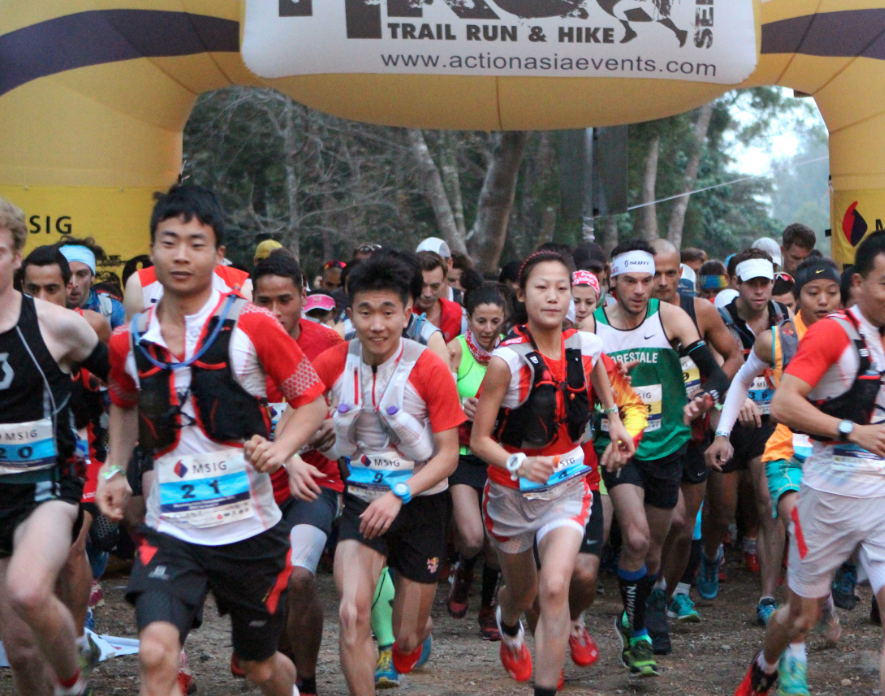
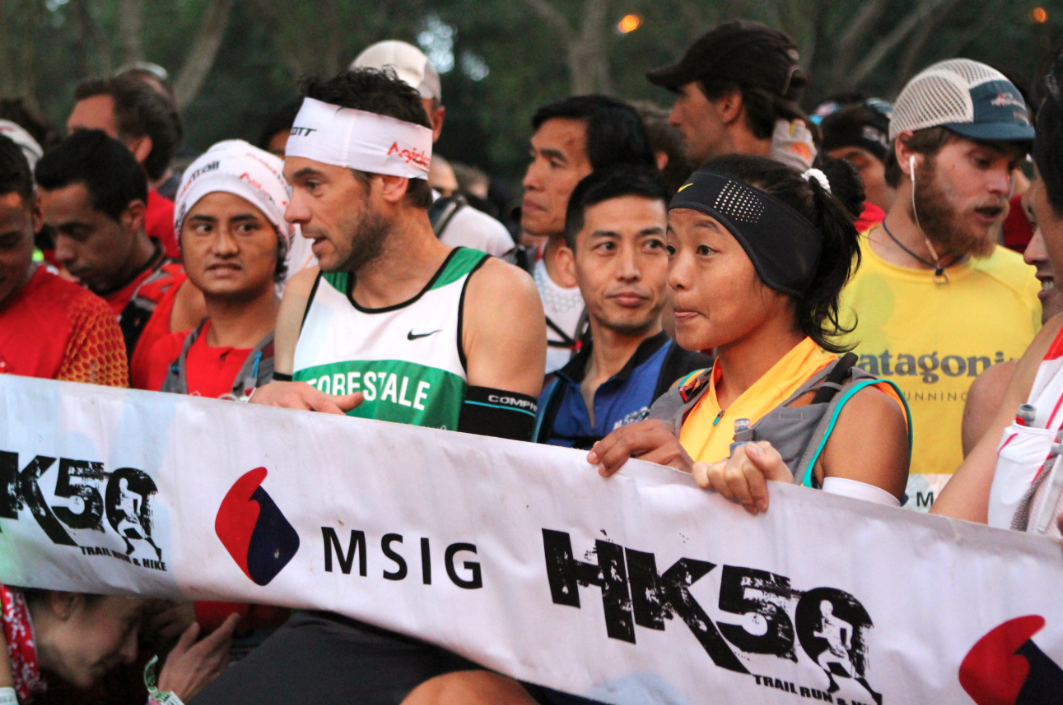
The Hong Kong 100 course starts in Pak Tam Chung on the east side of Hong Kong’s New Territories and winds its way west along coastal paths, across beaches, through ancient villages, over hills and through valleys before finishing after the descent of Tai Mo Shan, Hong Kong’s highest peak (at 957m). The 100km journey climbs over 4,500m and much of the climbing is in the second half of the course.

Hong Kong 100

The first race in the new UTWT 2015 calendar (Ultra Trail World Tour.) The UTWT have progressed in 2014 and they have started to assemble not only a solid of list of races but also an ever expanding list of racers who will take part. Francois d’Haene and Nuria Picas were crowned 2014 champions and nobody would doubt the credibility of either athelete or the impressive results they both had last year.

A series must start somewhere and HK100 may not have a stacked field but the next race in New Zealand,Tarawera, will see a more international runners and ever expansive field.

Hong Kong 100 course_profile

Current course records are held by Ryan Sandes and Claire Price; 9:54:57 and 11:58:04 respectively.

Ladies (alphabetical order)

Liza Borzani – incredible double at TDS and Tor des Geants

Francesca Canepa – Ever consistent performer, hot favourite for HK100 and looking to make amends after that DQ at Tor des Geants

Stephanie Case – Is a little unknown really in terms of recent form, she had a good UTMB in 2013 but other than that?

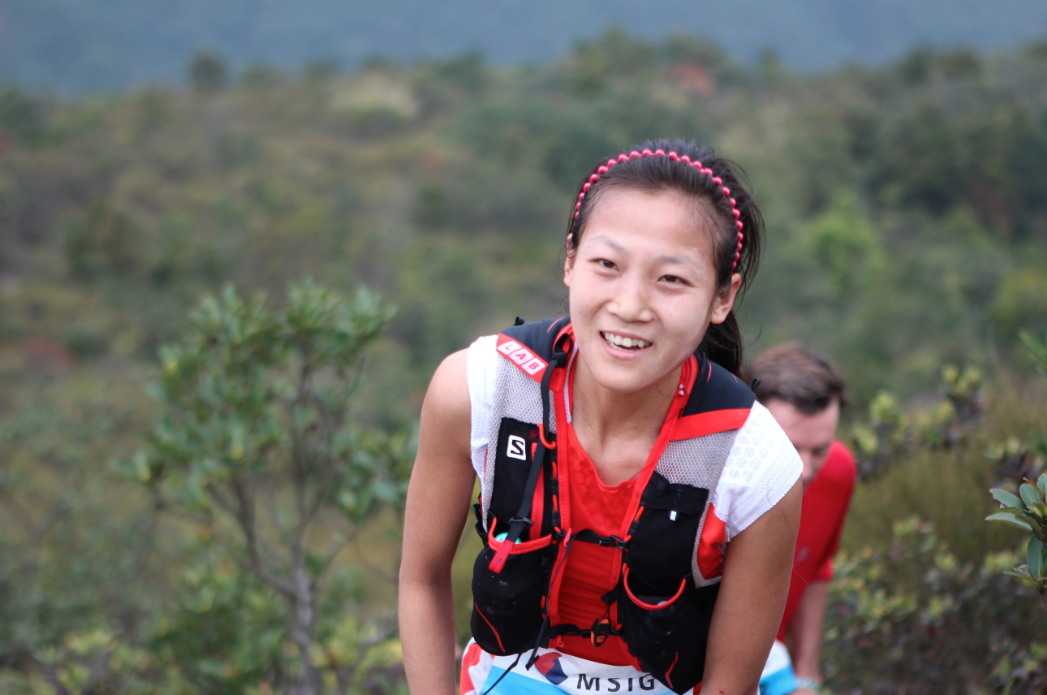
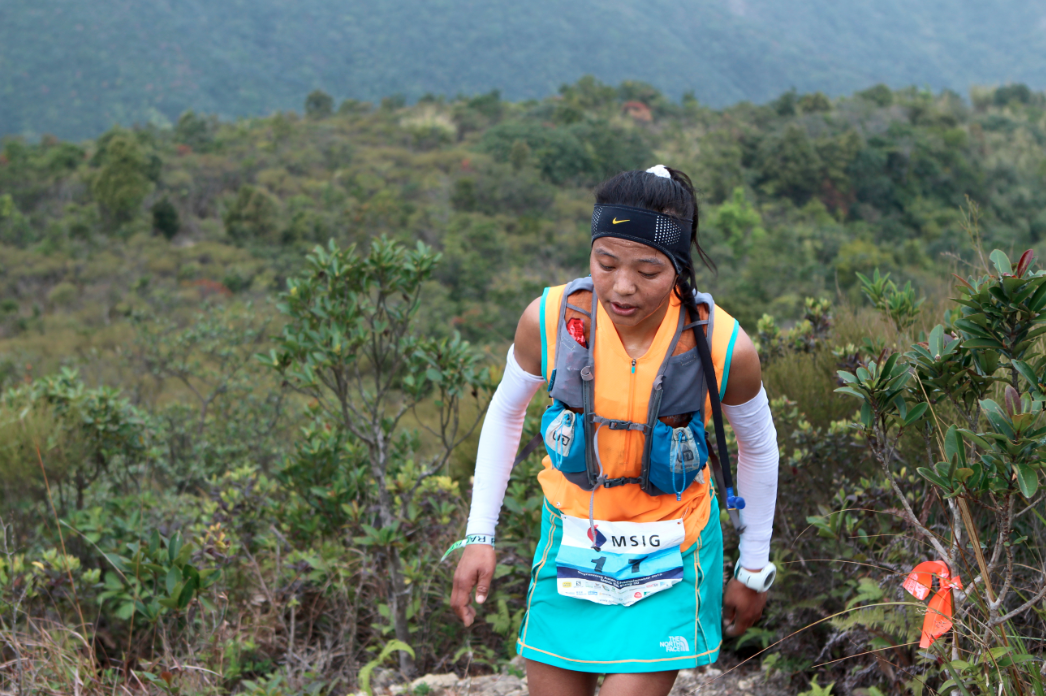
Dong Li – won the recent MSIG Lantau 88k.

Marie McNaughton – is from New Zealand and I have been told by many Southern Hemisphere friends that she is one to watch. I have to say, I know little about her. Marie did place 2nd at TNF100k a month or so ago.

Claire Price – Current course record holder and a hot favourite with Francesca Canepa. Claire raced at Mont Blanc 80k  in 2014 and seemed to struggle? However, this is home soil and she knows how to race here.

Nora Senn – Won the race in 2012 and that makes her podium material again this year.

Men

Sondre Amdahl – is a real rising star. He has had some incredible results recently, highlights being two top-10 finishes at UTMB and Transgrancanaria. He is a little intimidating to watch though… I have never seen anyone have such determination in their eyes.

Cyril Cointre – is the first of the ever present WAA trio (Christophe Le Saux and Antoine Guillon the other two) and although he wont win he will be up there (top-5?) You have to respect the quantity of races this trio do!

Jordi Gamito – has all the potential to rock the apple cart and place top-5. He is relatively unknown and that will play into his hands.

Antoine Guillon – as above

Yoshikazu Hara – Is a mystery, on paper a raw talent who could quite easily win the race. However, his 2014 was troubled apart from an incredible 24-hour which was not that long ago. Jury is out – 1st or 10th?

Vlad Ixel – would have been my tip for the win but he recently rolled an ankle so I am not even sure he will race. If he does and he is 100% in form, he could very well blitz this race! Keep an eye on him.

Dave James – I know Dave well. I have seen him race in Costa Rica looking fit, mean and dedicated and then I have seen him struggle. His 2014 was troubled with injury so HK100 is a question mark. He has the speed and is great at 100-miles, so, if he can string it together he is one to watch.

Christophe Le Saux – makes up the WAA trio. He will make his presence felt but not podium potential.

Jeremy Ritcey – On a good day he could win this race. However, his current form is unknown and leaves a question mark.

Stone Tsang – was 2nd in 2013 and for me, along with Vlad (if fit) is a potential winner.

There is a plethora of local talent, both male and female who will mix it up so expect plenty of surprises.

Race website HERE

UTWT HERE


Nikki Kimball – ‘Hints ‘n’ Tips’ Marathon des Sables #MDS2015

©iancorless.comIMG_2710

Nikki Kimball is one of the most highly respected ultra runners in the world, Her running CV is beyond comprehension. It all started in 2000 with a win at Escarpment Trail Run 30k at the age of 29.

In 2004, Nikki had a break through moment with victory at the iconic Western States. Nikki also won again in 2006 and in 2007 she did the ultra double winning Western States and UTMB in the same year.

An ever present in the world of ultra running, Nikki has often been referenced as a true pioneer of the sport. In 2014 Nikki ran the Marathon des Sables for the first time and won! The Marathon des Sables is 30+-years old this year so I wondered, what knowledge could Nikki pass on before the next edition.

Join our Multi-Day Training Camp in Lanzarote, January each year. Booking and details available HERE

©iancorless.comIMG_0691

It’s been a while Nikki, when did we last speak?

No, we spent a week together in Morocco.

Exactly… April, not that long ago I guess. A great place to start: was that your first multi day race?

I have done Jungle Marathon in Brazil, very similar to MDS but a lot less comfortable due to humidity. I did that in 2009. You need to carry all your gear just like MDS and I have done Transrockies too which is like summer camp.

I knew you had done Transrockies but not the Jungle Marathon.

 Oh yeah, Transrockies is a vacation.

 What enticed you to Morocco and MDS, great way to start a year?

Yes, I guess. I thought it would be great training for Western States. That was my initial goal. The UTWT helped me get me to Morocco so I must thank them. I had wanted to do MDS for some time but the financial side was an issue. I got the opportunity and wow; it was just awesome. It was so much more than what I expected. I was overwhelmed by the race. It is so professional, so impressive it is quite mind blowing. It was an incredible week of running.

So many have a perception of what MDS is. From a UK perspective it is an expensive race… USA also. The entry fee is high; I guess travel from the UK is okay but less so from the USA. It costs thousands of pounds and dollars. I am often asked: why does it cost so much? But having experienced it, it is the biggest circus I have ever seen.

Oh yeah. It’s amazing. The logistics are amazing. They have full medical teams and so on… There is a good reason why race entry is so much. It is beyond impressive. It is an unbelievable undertaking.

©iancorless.comIMG_3347

From your perspective, the ‘Batchens’ (Lisa-Smith and Jay) are heavily involved as USA agents. Lisa-Smith has won the race. Did you speak with them pre race?

Oh for sure. I stayed with them and asked every question possible.

So you came well prepared?

Yes I think so. I also spoke and spent time with 2013 ladies winner, Meghan Hicks, so, between Lisa and Meghan I was well looked after. They understood the race and they could pass that on. You know, the feel of the race. Races have a feel and MDS definitely has a unique feel.

 Great that you should get advice from the other Americans who have won the race?

Oh yeah, we all live relatively close together so it was great.

 Talk me through the 2014 race. Give me some highlights!

Wow, the first couple of days were fun. I didn’t push it hard and I enjoyed the atmosphere. I was kind of having some depression problems prior to MDS. I have major depression anyway and I was kind of not doing too well going into the race. I remember on the first day… I was climbing a dune and I could see nothing but sunshine and happy people. My mood lifted. It was just amazing. The depression broke and it was really instrumental to setting the stage for the race. Day two and three was easy and then I guess it was the long day that I made my move. I had planned beforehand that I would try to win the race that day.

 Yes I remember pre race when we chatted that you said you would make a push that day. You expected Laurence Klein to be faster on the short days but the long day would play into your skill set and 100-mile experience.

I have never had a race go so well. It went perfect. Exactly to plan; easy couple of days and then ramp it up. I’m really happy with how it all went.

Did you get nervous early on? You know, thinking that you were giving time away to Laurence or did you have complete confidence?

I had confidence that I was racing the best way for me and that my strategy would give me my best performance. I had no idea how Laurence would race. I couldn’t control her pace, so I just ran my own race. I didn’t know I would beat Laurence but equally I wasn’t convinced I would loose to her either. After day two one of the French reporters asked me, “At this point do you think that you could possibly beat Laurence?” Big mistake… I was polite but I thought, ‘I will show ya!’

Well it’s a French race and Meghan won in 2013 so I guess they were hoping they would have a French lady back on the podium.

I guess so.

You upset the apple cart. Once the long day was done, did you just consolidate?

Absolutely! I have just completed sixteen years of ultra running. That is a long time. Once I took that lead on the long day, I knew I had no need to push. I could just defend and race smart. I don’t even know how many ultras I have done… but I know I don’t need to destroy myself.

©iancorless.comIMG_7314

Great tactic. No extra points or extra prestige for winning by more hours. A great lesson for us all here!

I knew I had races coming up so I wanted to be sensible.

It’s a new year and MDS is not far away…  Runners are now suddenly panicking. The race is just months away. So may questions. What rucksack, what shoes, what sleeping bag, what food, tell us about bivouac and so on. What tips do you have for everyone that worked for you?

I had a very light sleeping bag and that was all I needed. I was warm in that but I do believe 2014 was a warm year. It didn’t really get cold at night, so, you may need to be careful on that. If you are racing and want to be competitive then weight is everything. You must go as light as possible. I didn’t have a sleeping pad, no luxuries, and no creature comforts. But if you want to ‘complete’ it makes sense to have a few comforts but don’t go crazy, remember you have to carry it!

How about food, what strategy did you use. You need a minimum calorie allowance.

Yes, I carried the minimum.

How did you break those calories down? It’s always a big debate; fat v carbs, dried food, bars, liquid, gels and so on. What did you do?

I took advice from Lisa and Meghan and a woman called Susan Hunt who had done loads of research on MDS. I went with what I thought would work for me. That is what you have to do. For me, I did one freeze-dried meal at night, which provided good calories. I rolled out all my food before I went to Morocco and mad it as small as possible and then put it in new bags. I just added water and then put them back in the sun to warm it so I didn’t need a stove. I also took a great deal of calories in peanut oil. It’s oil that lasts (it doesn’t go rancid) and it has loads of calories.

How did you carry that peanut oil?

I decanted it to small plastic bottles. I had over 1000 calories of peanut oil and I added it to my food. It was easy calories. If I go to MDS again I would take more. It worked really well.

So you had 1000+ calories to last the week?

Yes, I wasn’t eating 1000 calories of oil a day but I would definitely take much more for another trip or race like this. It’s great; just add to food and it really works.


©iancorless.comIMG_1704

What did you do for breakfast?

I had dehydrated potatoes but it didn’t really work for me. I don’t eat a high carb diet anyway so it was a struggle. They tasted great for a couple of days and then I couldn’t stand it. I was throwing my breakfast away, crazy.

Yes, so many struggle with what they thought was safe food and then they can’t eat it. I remember Meghan saying she had a favourite bar that she loved. It was a bar she could eat anytime, so she took them to MDS. After day one (I think) she couldn’t face them! It is funny how your palette changes so quickly when under stress.

Exactly. I’m not sure how you find out what works though? I think variety is good. You need to play safe to a certain extent.

©iancorless.comIMG_4051

What would be a breakfast choice now?

I would still take potato but only for a couple of days and then I would take some other freeze-dried option.

On the trail each day, how did you get calories?

I ate dried mango. I loved them and I never got sick of it. They were really great. I also had little packets of ‘Vespa’ for amino acid. That helped too. I knew I would burn my own fat for calories. You can’t race on 2000 calories alone so you will burn fat. I didn’t need to eat all that much really.

Great point! You have already mentioned you don’t eat much carb so am I correct to assume that you have a low carb and low sugar diet. You look to be fat adapted.

Not always but yes, for the last few years I have raced this way. I let myself go a little in the off-season but when I am racing I need to be 100% on my nutrition game. It’s all about balance, running is important but not all consuming.

I guess you prepared for MDS when the New Year started, what was training like. Did you do anything specific so that you knew you would be performant in Morocco?

When I signed up for MDS, I got invited to India to do a run. That wasn’t planned so I had to fit that in. This race was in February. It was a 100km in the heat in a salt desert on the Pakistan border; that was perfect! It was a great jump-start. I had no heat training at all really from that point onwards but I did run in the snow and that worked great. Running in the snow is very similar to the sand and dunes.

Yes, sand and snow very similar feel when running.

Yes, I have been running in the snow this winter and it has reminded me of MDS. Obviously running in the cold isn’t ideal but snow-running technique was brilliant. I have however always run well in the heat. My Western States performances confirm this.

What about back-to-back runs, speed sessions and running with a pack?

I didn’t run with a pack at all… I had one of those WAA packs and they are incredible. It fit me like a glove. I recommend people train with a pack but I do ski mountaineering and I always use a pack so I don’t need to adapt. I am 100% used to it.

I mentioned speed work and back-to-back runs. I guess you have been running so long that running a multi day is second nature?

Yes. I did no back-to-backs or speed. I have been doing this running thing for years.

©iancorless.comIMG_9176

You have an incredible running history. You’ve won Western States and UTMB and so many other incredible races, so where does MDS fit. Is it one of the best?

Oh yes. It’s up there. It was a surprise for me. I didn’t expect it to be as fun and as challenging as it was. As I mentioned, I was a little depressed pre race and so therefore I was a little down. But the race kicked me out of that and I had a ball. I’d love to go back some day. It was a wonderful learning curve too. I met so many amazing people. It holds a special place in my heart.

I agree, MDS is quite special; I feel fortunate to witness the race from the outside looking in. Documenting each participant’s journey through images and words. Final question; how difficult do you rate MDS?

It’s no easy race if you are pushing at the front. But it’s as easy or as hard as you want it to be. The cut offs are generous and that provides so many with an opportunity, which is great. But if you are looking to be at the front, you have to be fit, dedicated and focused. It’s not the hardest race I have done but it is also not the easiest.

*****

Nikki will race The Coastal Challenge in Costa Rica (HERE) in February and will hopefully peak for the 2015 Western States.

Nikki has a new film about to be released called FINDING TRACTION that documents her journey on the Long Trail (see Here)

If you require any photography, words or articles re Marathon des Sables please email using the contact form below.

← Back

Thank you for your response. ✨


FASTER DOWNHILL RUNNING? Tom Addison gives his top 10 Hints ‘n’ Tips

©iancorless.com.IMG_4943

inov-8 athlete and 2014 English Fell Running Champion Tom Addison is one of the best downhill runners in the business.

To help others improve their downhill running speed he is giving away his secrets with these top-10 go-faster tips.

Tom, a Great Britain and England international in mountain, trail and fell running, says:

There is no greater adrenalin buzz in running than nailing a downhill. It’s a battle of you against the terrain, and to win that battle feels amazing.

Being able to descend with confidence is crucial, especially when racing. You can be the best in the world at running uphill, but if you can’t descend then it will seriously hamper your chances of winning races, be that on the fells, mountains or trails. I have had to work hard to improve my downhill skills but that dedication to doing so paid off when I won last year’s English Fell Running Championships for the first time.”

©iancorless.com.IMG_4926

Here are Tom’s top-10 tips to improve downhill running speed.

Switch off your brain

Runners worry about falling, slipping and hurting themselves, which is understandable. However, to think like this will only slow you down. It’s not easy, but what you have to do is, at the top of the hill, switch off your brain and let your legs take control. The less your brain is working, the better. Empty it of fear and you will run downhill faster. Because it has less time to think about things, my brain switches to no-fear mode much easier when I’m racing. So, when training downhill I often pretend that I’m racing, tricking the mind!

Keep strides long

The most common mistake runners make – and I’m guilty of doing so myself when tired – is shortening their stride. Longer strides equal faster downhill running. I practice downhill running a lot and the focus is always on maintaining a longer stride. It takes time and a degree of bravery to improve your downhill running but the end benefits are huge.

Lean forwards

Whenever you can, especially on gradual downhill, lean forwards. This will lengthen your stride and ensure your brakes remain switched off. On steeper descents, I try to lean forward but tiredness can mean I lean back slightly. This does in turn give you a little more control in your downhill running but you won’t go as fast.

Look ahead and pick the best lines

Rather than looking directly at the terrain under your feet, look slightly ahead at what’s coming in two strides’ time. When racing, think more about your route choices and the lines you are going to take. I am always looking for the best, fastest lines, though these may not always be the most direct. Avoiding wet rocks in favour of a grassier, albeit slightly longer, alternative route can be quicker. I try and recce race routes in advance so I know the fastest lines and various alternatives.

Do repetitions in training

Find a gradual off-road downhill gradient and do sprint repetitions down it, ensuring you use a long stride length. Each repetition should be about a minute to a minute and a half in effort. Jog back up the hill after each repetition to recover. I try and do 10. Ensure you stretch well, especially your hamstrings, both before and afterwards.

Tom Addison - image#25A318F

Bend your legs

Try not to run downhill with straight legs, as this could potentially result in knee complaints. Your legs should be slightly bent, which will in turn give you more spring in your step.

Squat for strength

Leg strength is crucial for fast downhill running. One exercise I use a lot is the squat. Put your back against a wall, with your knees at a 90-degree angle. Push off your toes and force your back hard against the wall. Keep your knees at 90-degrees and hold for as long as possible. Yes, it hurts!

Pretend you’re a windmill!

It’s important not to forget that your arms also have a key role to play if you want to run downhill faster. Push them out, as high and wide as you feel comfortable, and use them to aid your balance. You might think you look a bit silly doing so but it definitely works. Imagine you are on a tight rope, what would your arms do? Now replicate that when running downhill.

Trust your feet and footwear

If you don’t have trust in your own feet and your footwear then you are in trouble. I like shoes with a really aggressive tread and wear inov-8’s X-TALON, MUDCLAW and OROC shoes when wanting the best grip.

Adapt your technique to the terrain

Be ready to adapt your technique to the different terrains you encounter on a downhill. Loose rock and scree can often work with you as it moves forward under your feet – just ride it! Wet rock is the most difficult to negotiate – the less time your feet are in contact wet rock, the better, so stay light-footed and springy. When running downhill through mud, dig your heels in a bit more.


Tom with his inov-8 team members at the Skyrunning Limone Extreme 2014.

Tom with his inov-8 team members at the Skyrunning Limone Extreme 2014.

 article by ©inov8

inov-8 logo

Read a review of the NEW Ultra 270 shoes HERE

Read a review of the NEW Race Ultra Vest (2015) HERE

X-Talon 212 Shoe review HERE

Read more tips and stories from inov-8 athletes at HERE

Anna Frost and Samantha Gash : 2-weeks and counting #TCC2015

©paulpetchphotography

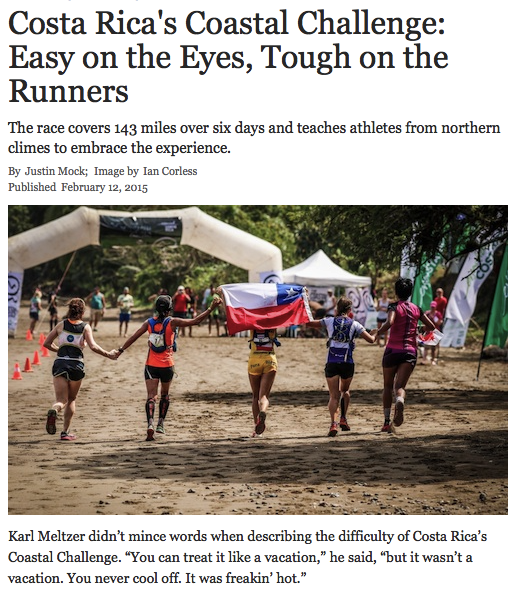
The Coastal Challenge 2015 (#TCC2015) is point-to-point race starting in Quepos and finishing in the stunning Drakes Bay close to the border of Panama. The 230km route weaves in and out of the Talamancas (a coastal mountain range in the south west corner of the country) providing a true multi terrain experience.

Participants are required to balance the distance, severity of the terrain and a tropical climate to reach the finish line. Jungle, rainforest trails, mountain trail, single track across ridge lines, highlands and coastal ranges lead into pristine beaches, rocky outcroppings, reefs, river valleys, river and estuary crossings to provide an ultimate journey.

I caught up with two of the male contenders for overall victory in the 2015 edition just the other day:  Joe Grant and Speedgoat Karl Meltzer (read HERE.) Today we have a catch up with Anna ‘Frosty Frost and Samantha Gash.

Anna Frost – Salomon

©iancorless.com.IMG_9258Transvulcania14

You have been back home in the Southern Hemisphere over the Christmas period, what have you been doing to prepare for TCC?

Well, it only seems like yesterday the 2014 race season finished. So I have been having a break and catching up with family and friends after a long race season away from home. It has been a wonderful hot summer so I have naturally been getting used to the heat and enjoying some beach runs and swims! It is a perfect time to be in the mountains on overnight adventures so I have taken the opportunity to get some long days back to back. 

You managed to experience the TCC race in 2014 without racing, how beneficial has that been in preparation for the 2015 race?

 I learnt a lot about the course and was able to see the challenges without putting myself through them. Although nothing really prepares you like the experience itself. I hadn’t expected such long beach sections so I have been making the most of living beside the beach and doing most of my runs there. 

Your mum is joining you out in TCC. That’s going to be quite special. Are you planning making this a holiday race?

Yes, my mum is joining me which will be fabulous to be able to share this part of my life with her. Stages races are so social and exciting everyday so for spectators to get involved is really nice for everyone. I got my travel blood from my parents so she is definitely looking forward to seeing somewhere new and in a new way through my race. (Im not sure what you mean by a holiday race) I am not fully back into race mode or training hard as I have a long season ahead, but this race will most definitely give me a good base to kick start the year.   

Any tips for all those taking part?

Drink lots of water, anytime you go past water submerge yourself to fully cool down, drink some replacement fluids afterwards and even in the morning and then drink some more water. It is so hot there…we are all going to need it. 

Anna Frost ©iancorless.com

Samantha Gash

Sam Gash

You have been back home after South Africa, what have you been doing to prepare for TCC?

I spent Christmas and New Years in New Zealand with my partner and fellow ultra running friends. It was only my second overseas trip in four years that didn’t revolve around a race! We spent everyday outside, running some incredible trails and hiking hard up some mountains. Although it wasn’t planned to be so, it was great training for TCC. 

You had a wonderful no racing multi day experience in South Africa. Great preparation for TCC but have you recovered?

To be honest I wouldn’t say I have recovered 100% yet. I get more tired after a run and mentally my mind isn’t yet committed to doing long runs for the purpose of training. It would be easier to be hard on yourself for feeling weaker whilst climbing hills and weary after a 20km run, but it is to be expected after what we experienced – both from a running and preparation perspective.

You have multi day racing dialled. What for you are the secrets of racing/ running day after day?

Be strategic in how you attack each stage. I personally like to think of the entire race as an arch as opposed to separate stages. There will be times where you may choose to run more conservatively to complete the entire arch. Nutrition and how you choose to recover between the stages is also important. So, I will aim to get some rest after each days run in addition to a good nights sleep. 

Any other tips for all those taking part?

Have fun, look around and get to know the other competitors. These are the things you will probably remember more than how you placed. 

Sam Gash2

The 2015 #TCC2015 starts on January 31st and finishes on February 7th. Daily reports and images will be available on this website and you can follow Facebook and Twitter#TCC2015

The Coastal Challenge Facebook page is HERE and the race website is HERE

Route book and profiles available on PDF Here

Top images of Anna Frost – ©paulpetch.co.nz