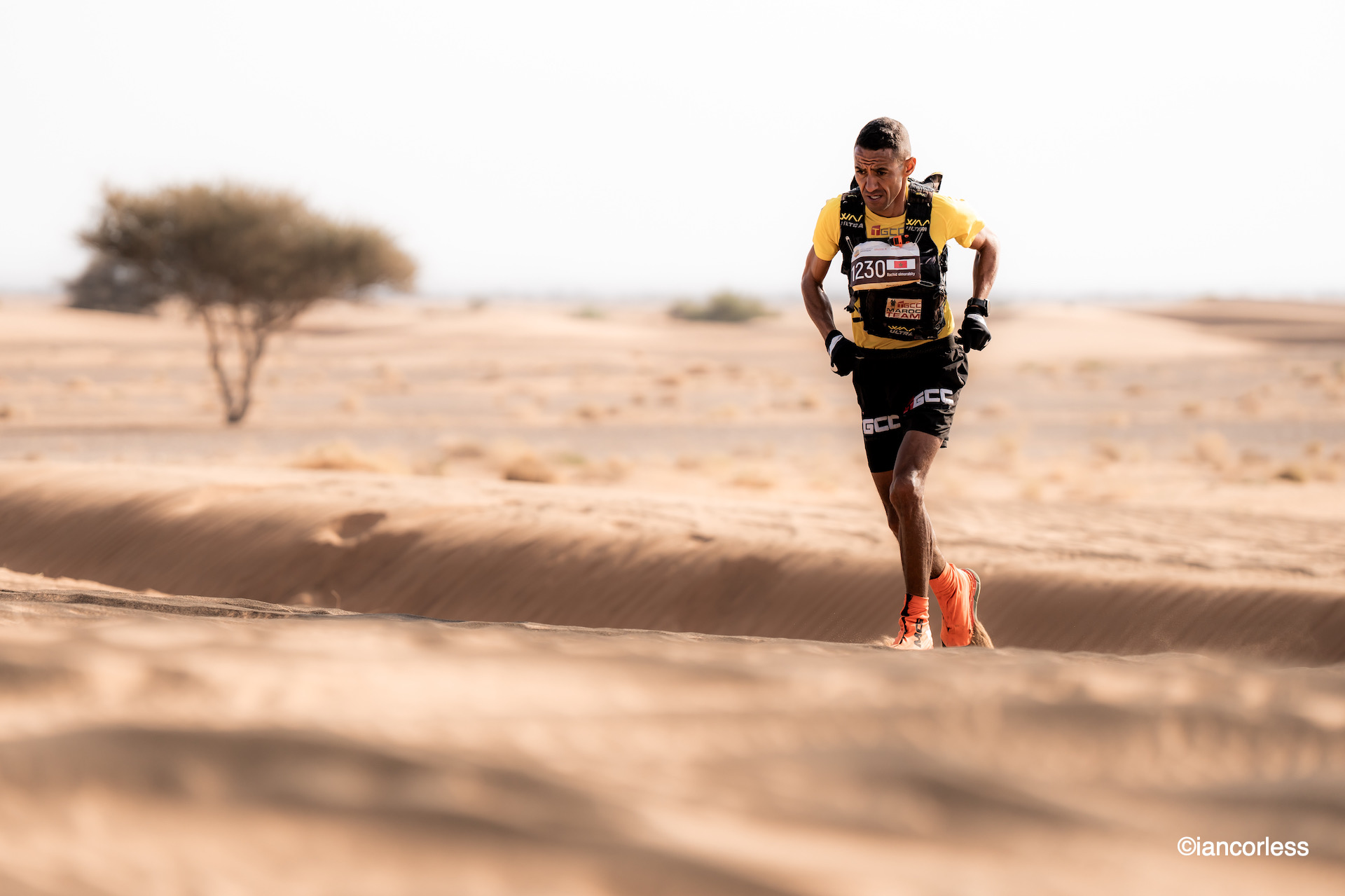
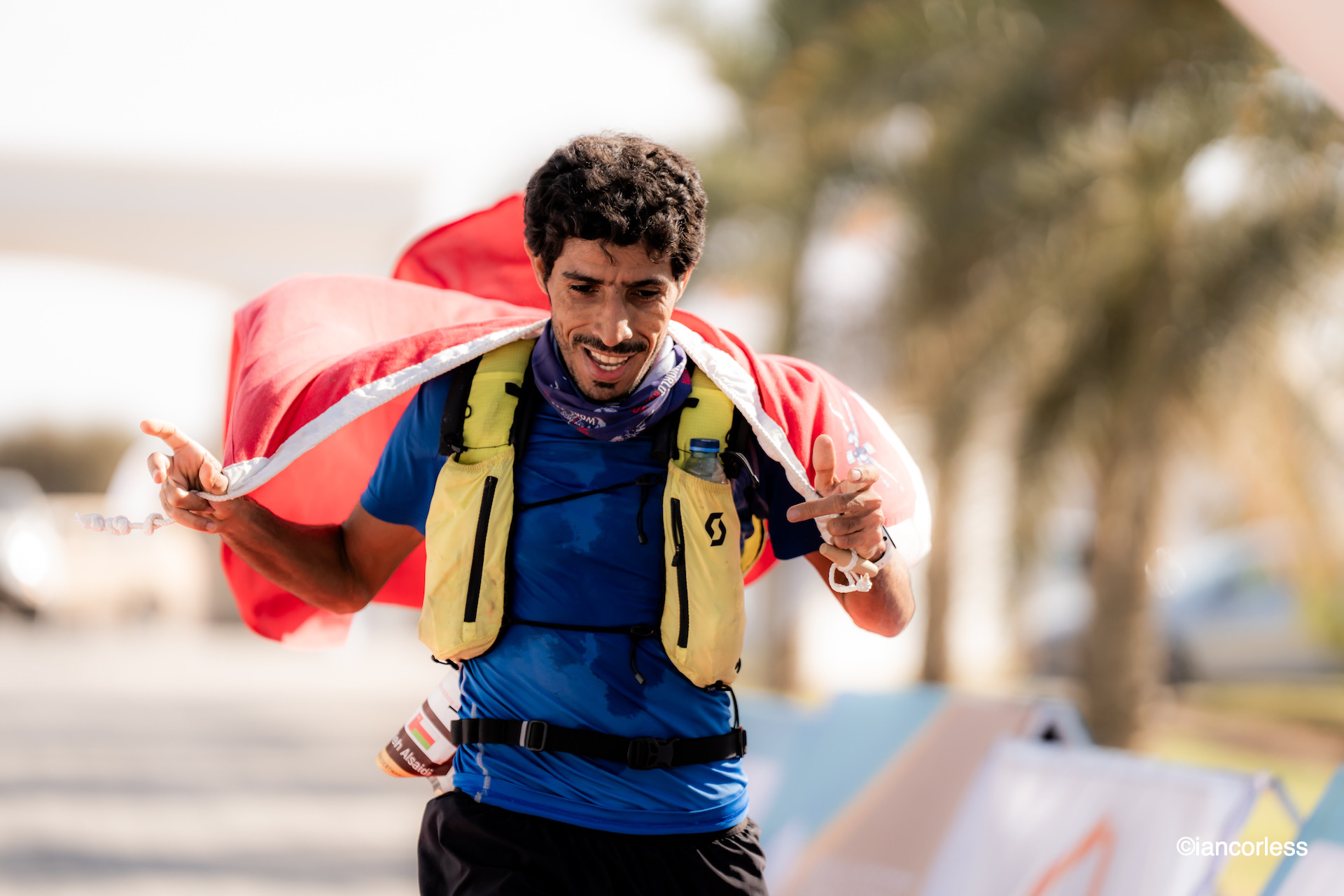
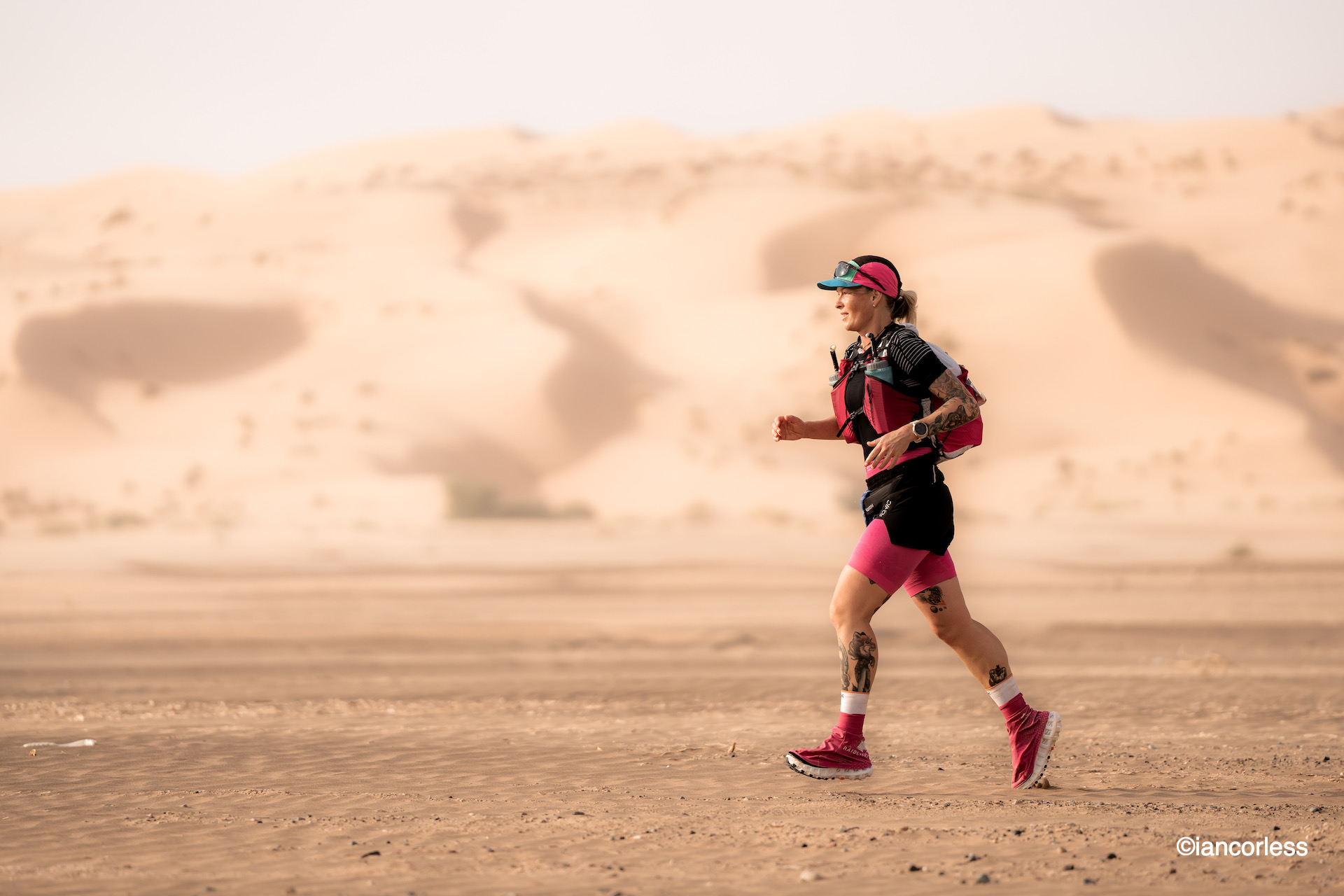
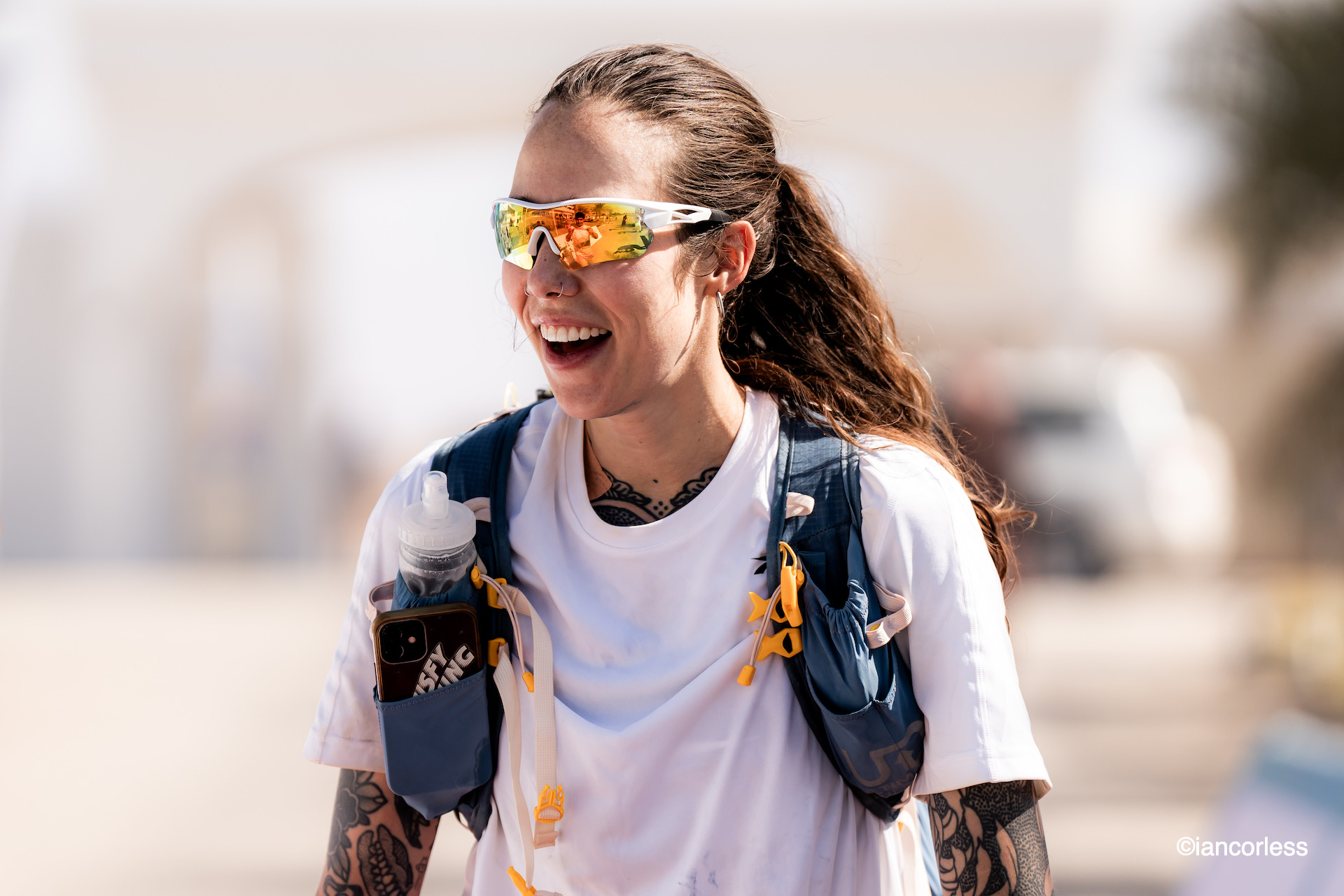
MDS 120 Cappadocia 2025 – Stage 3

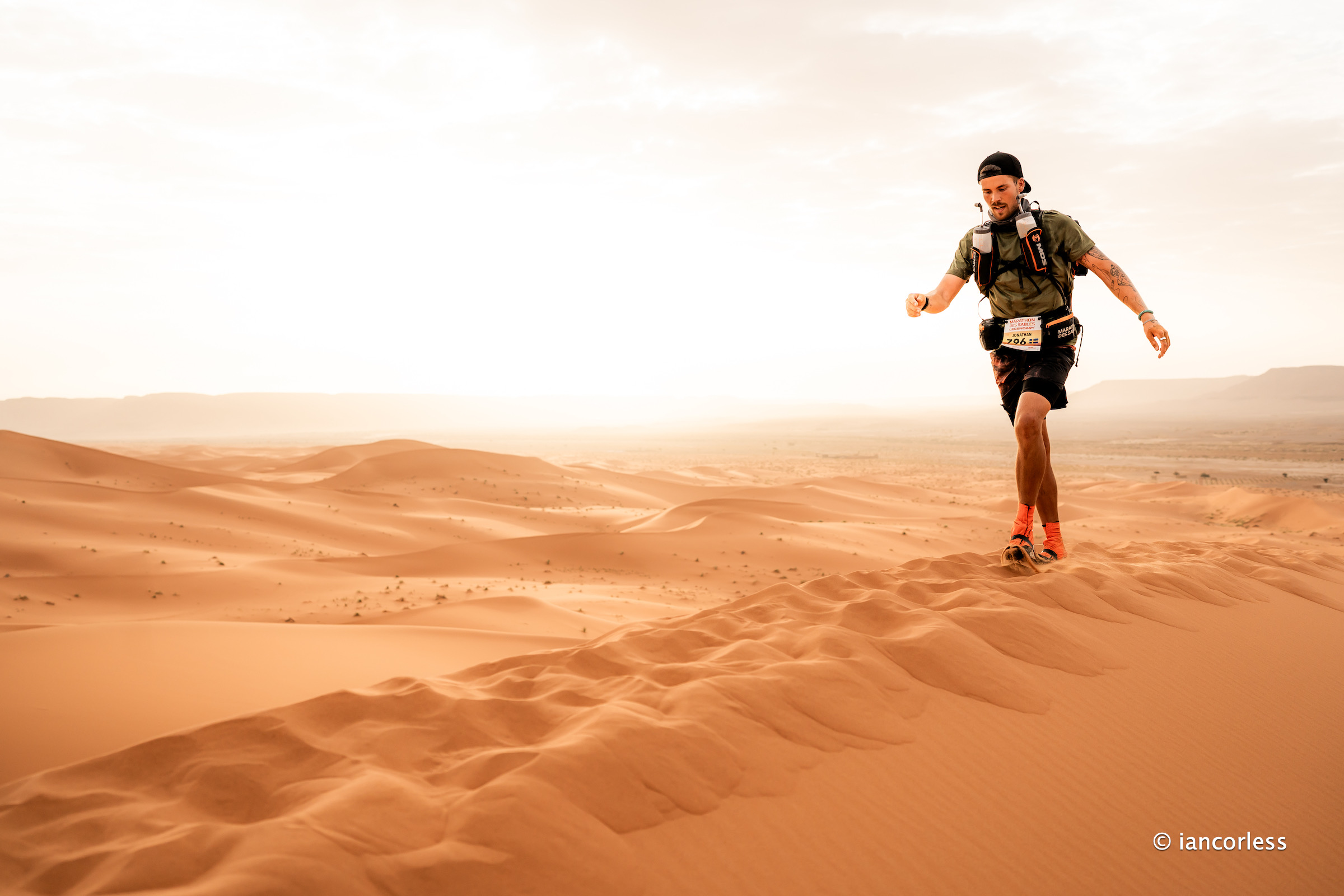
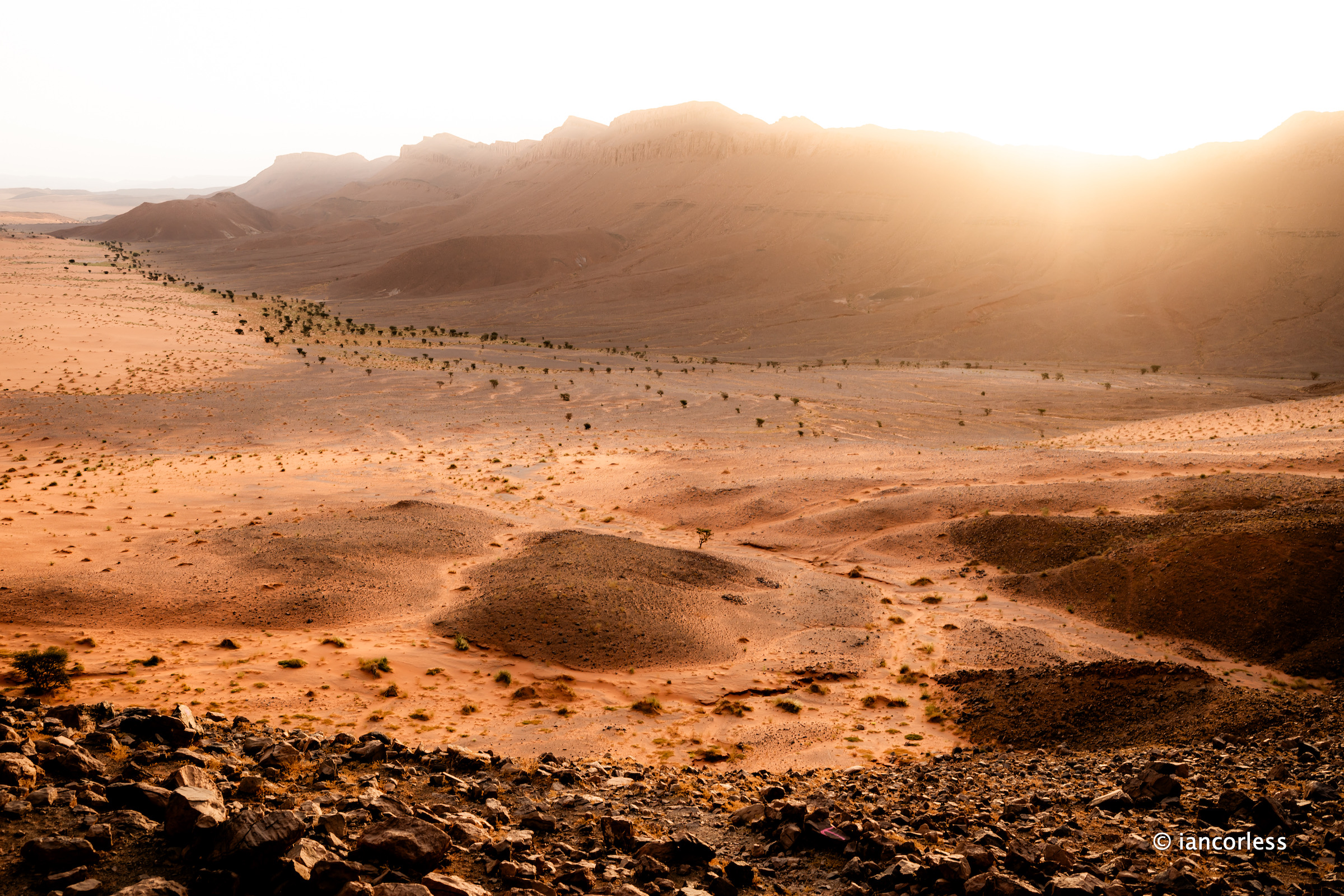
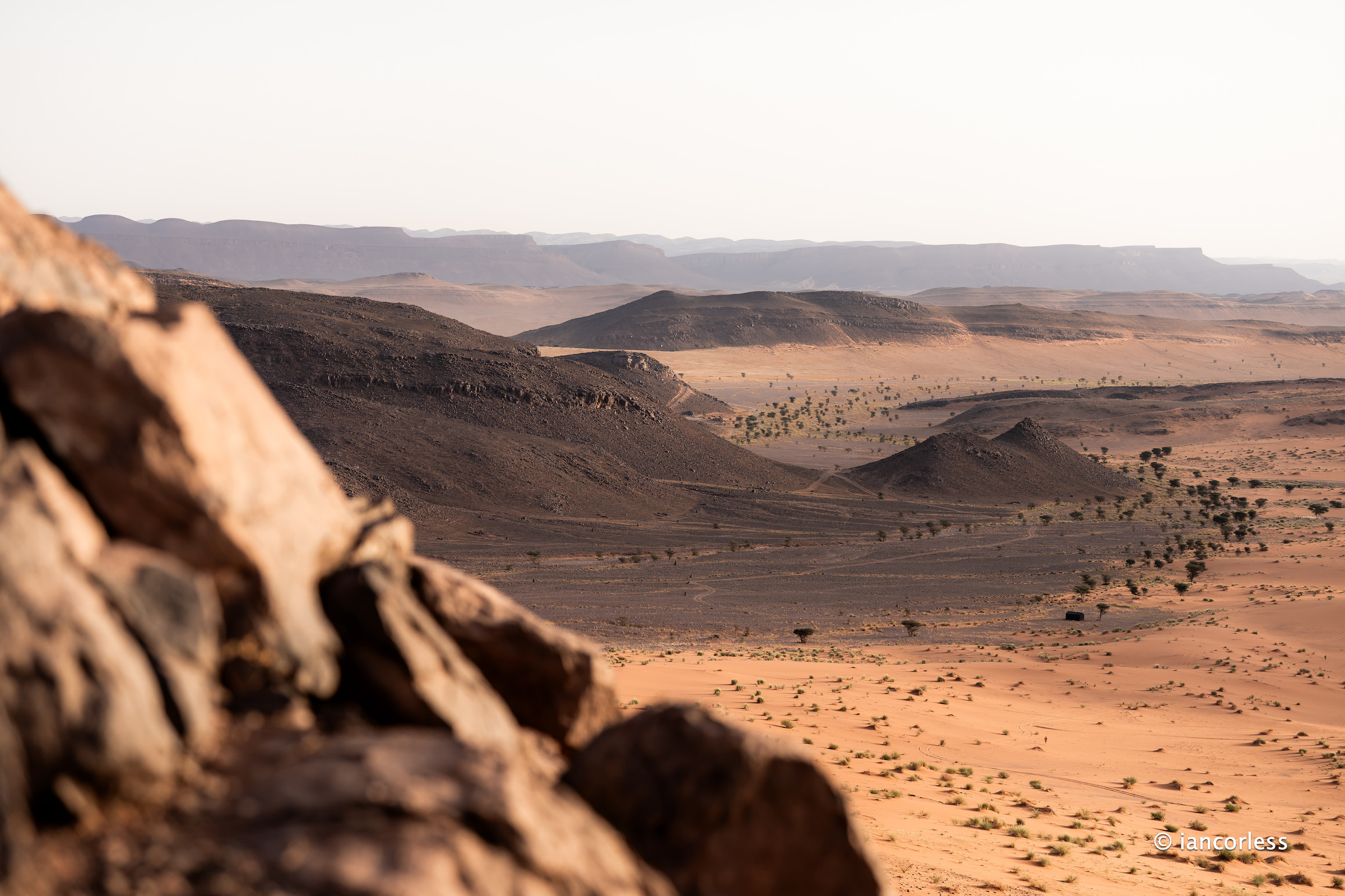
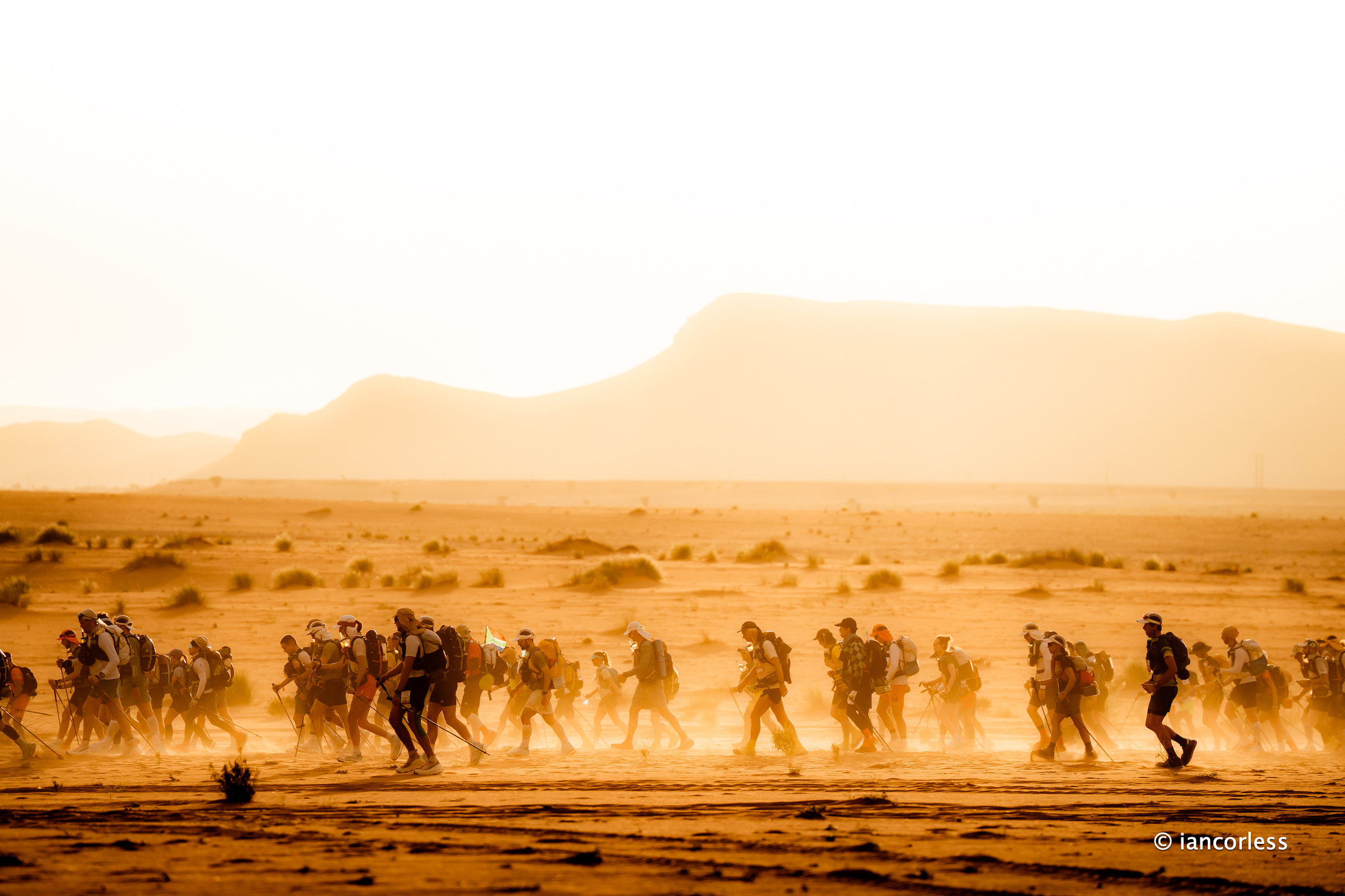
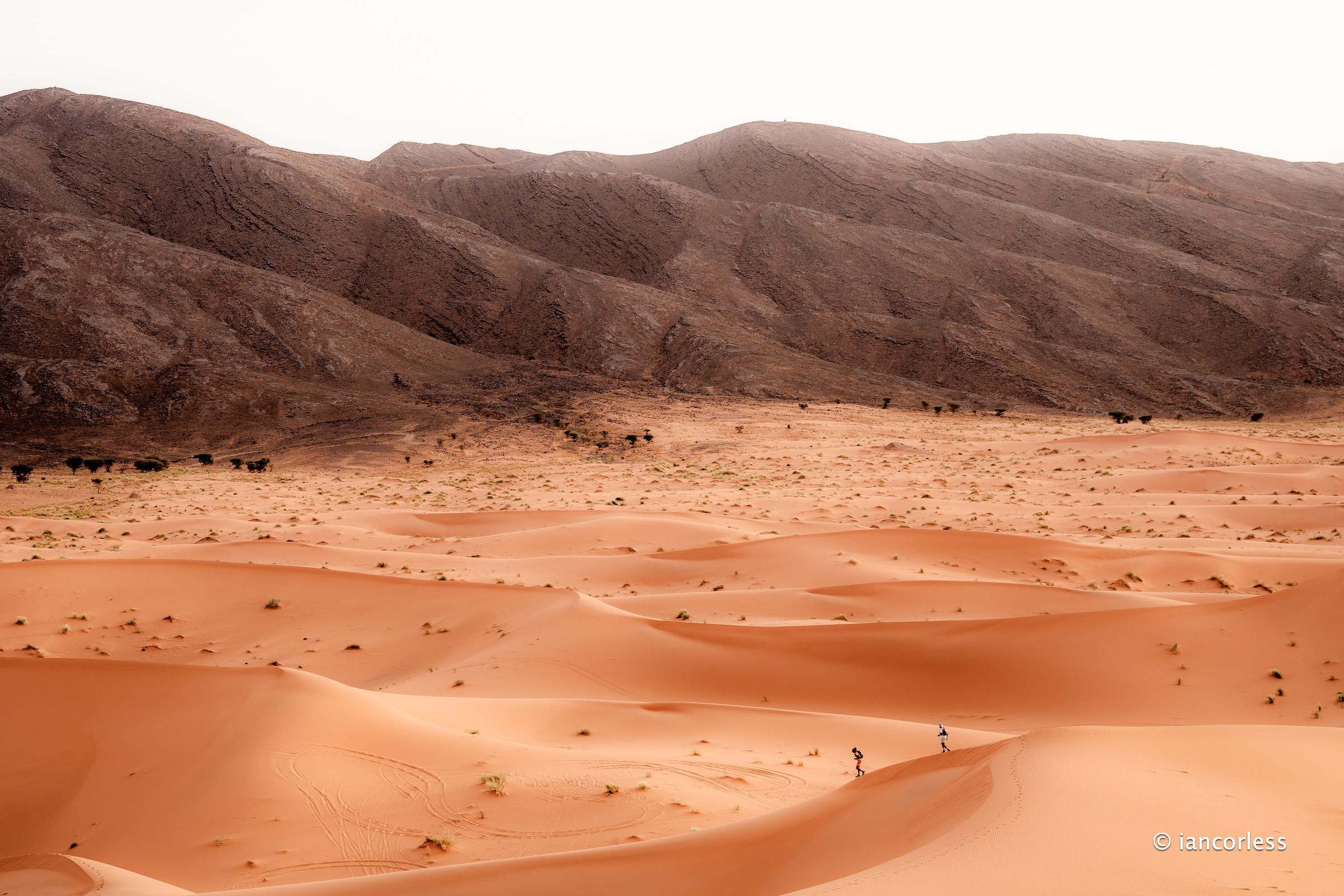
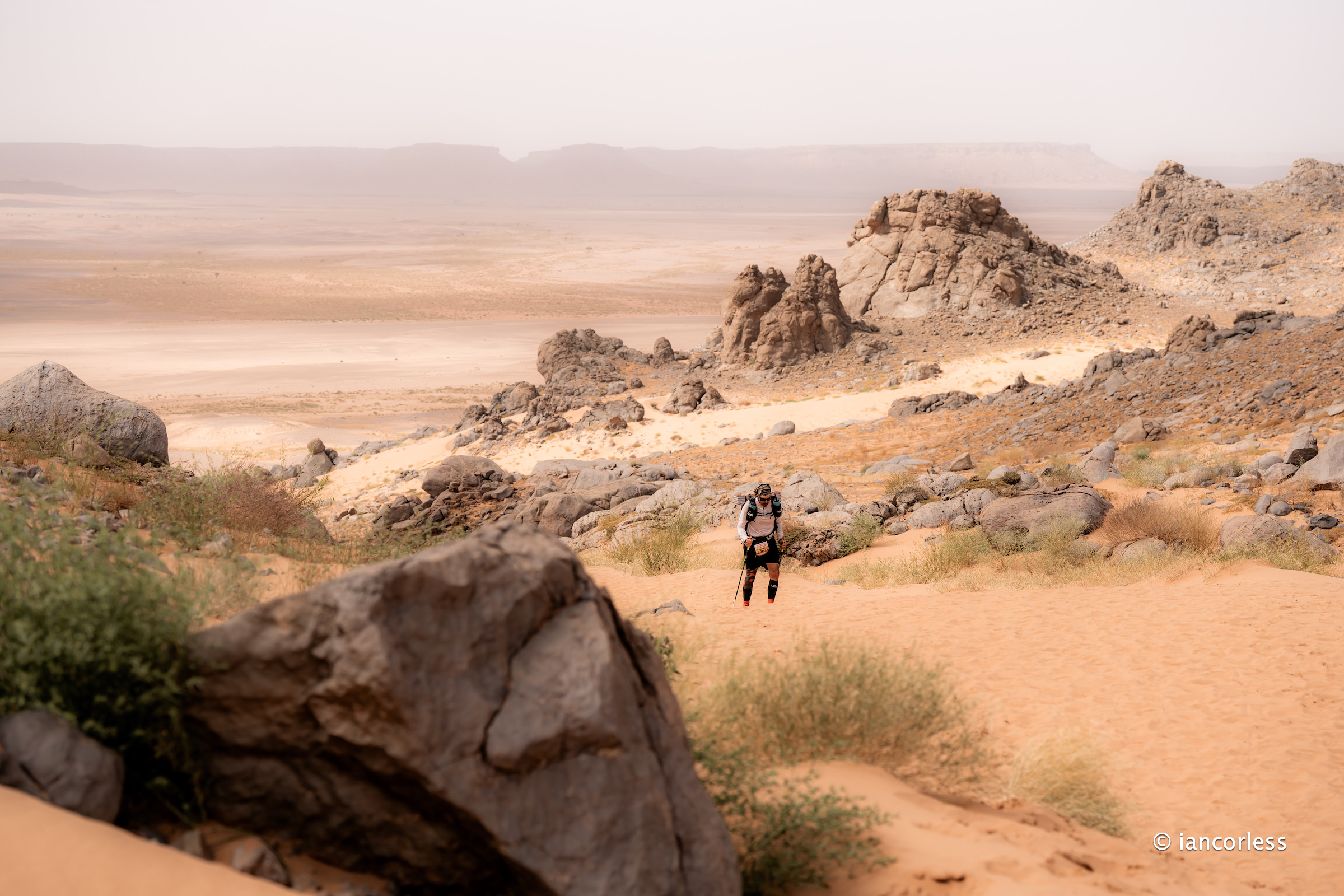
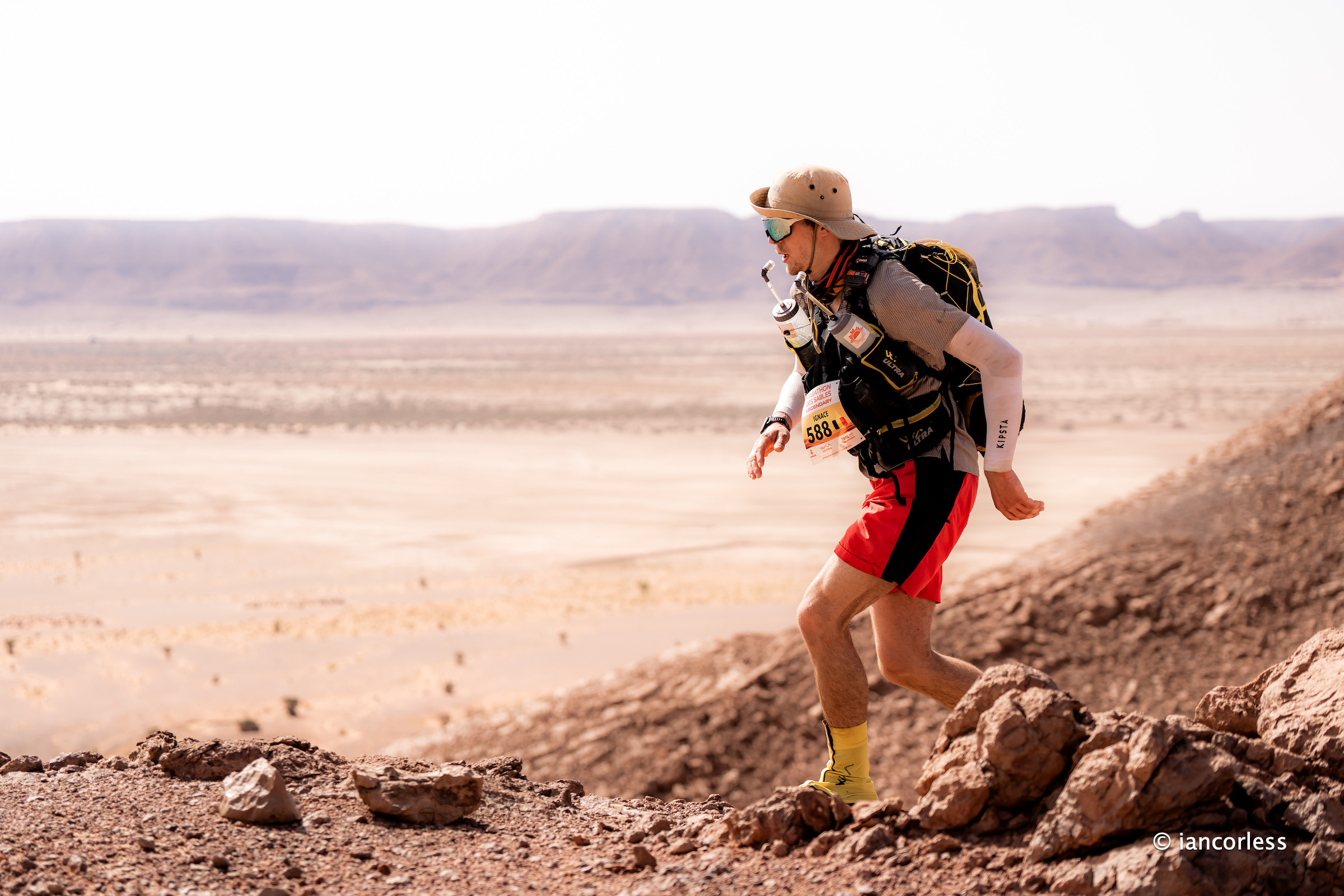
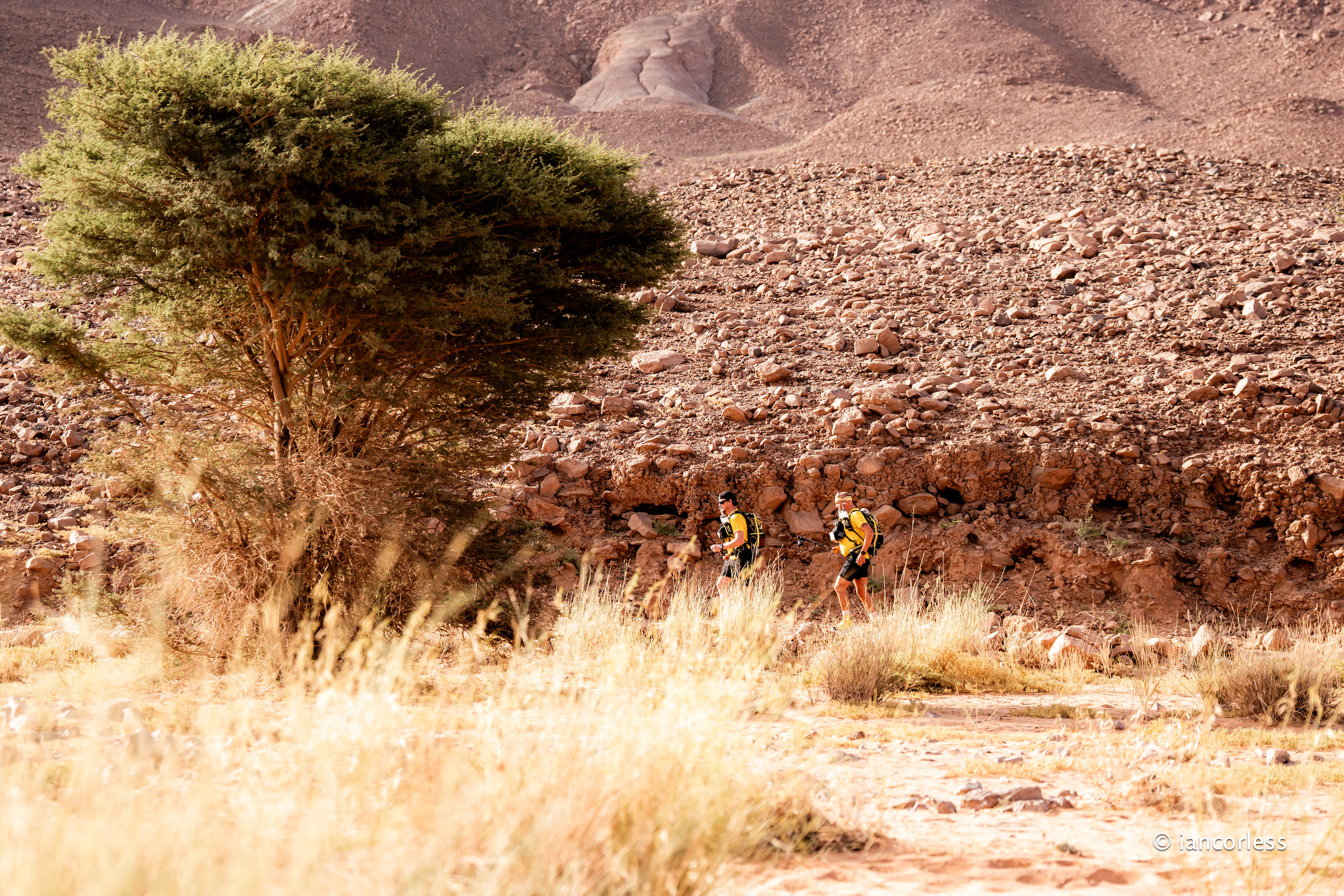
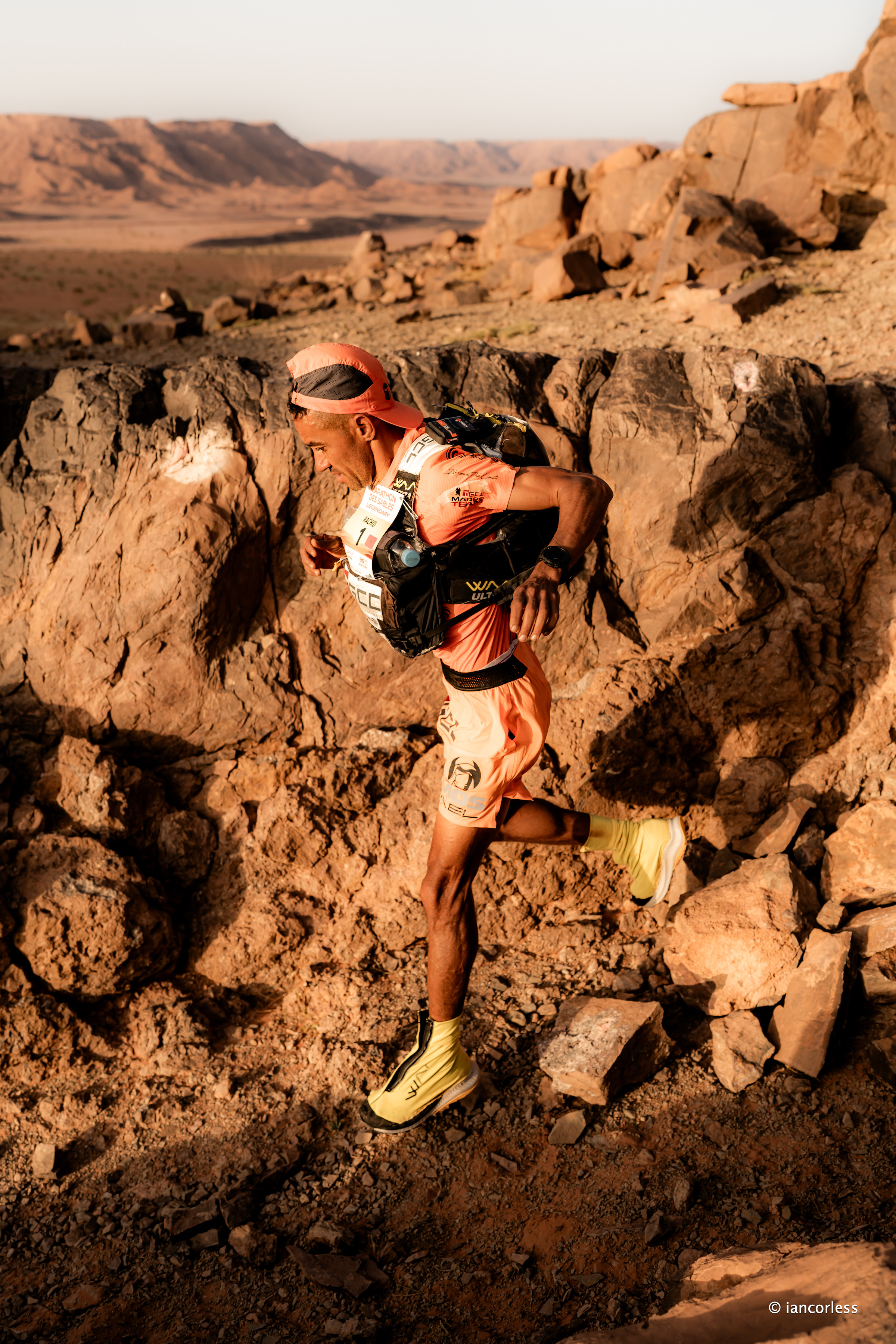
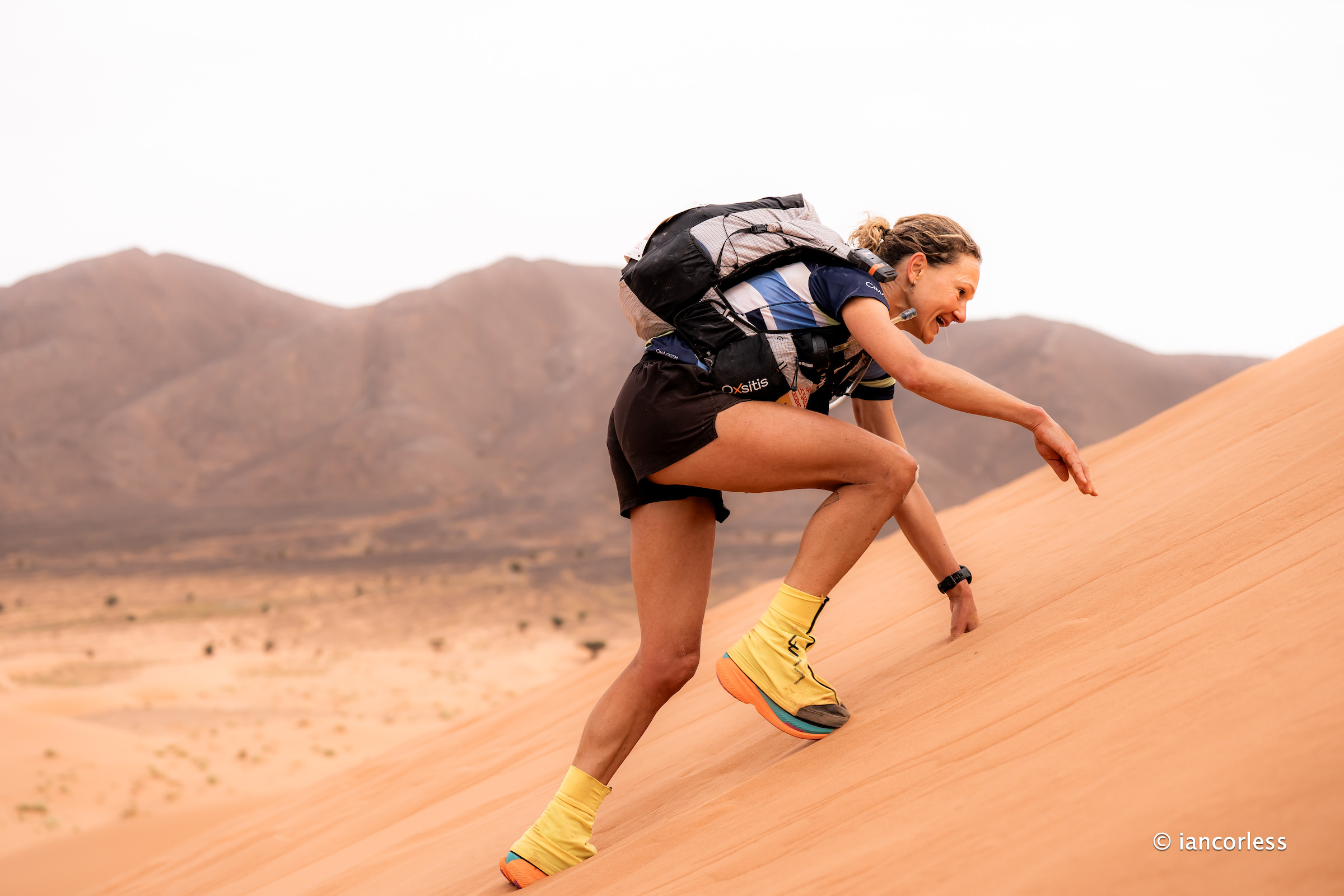
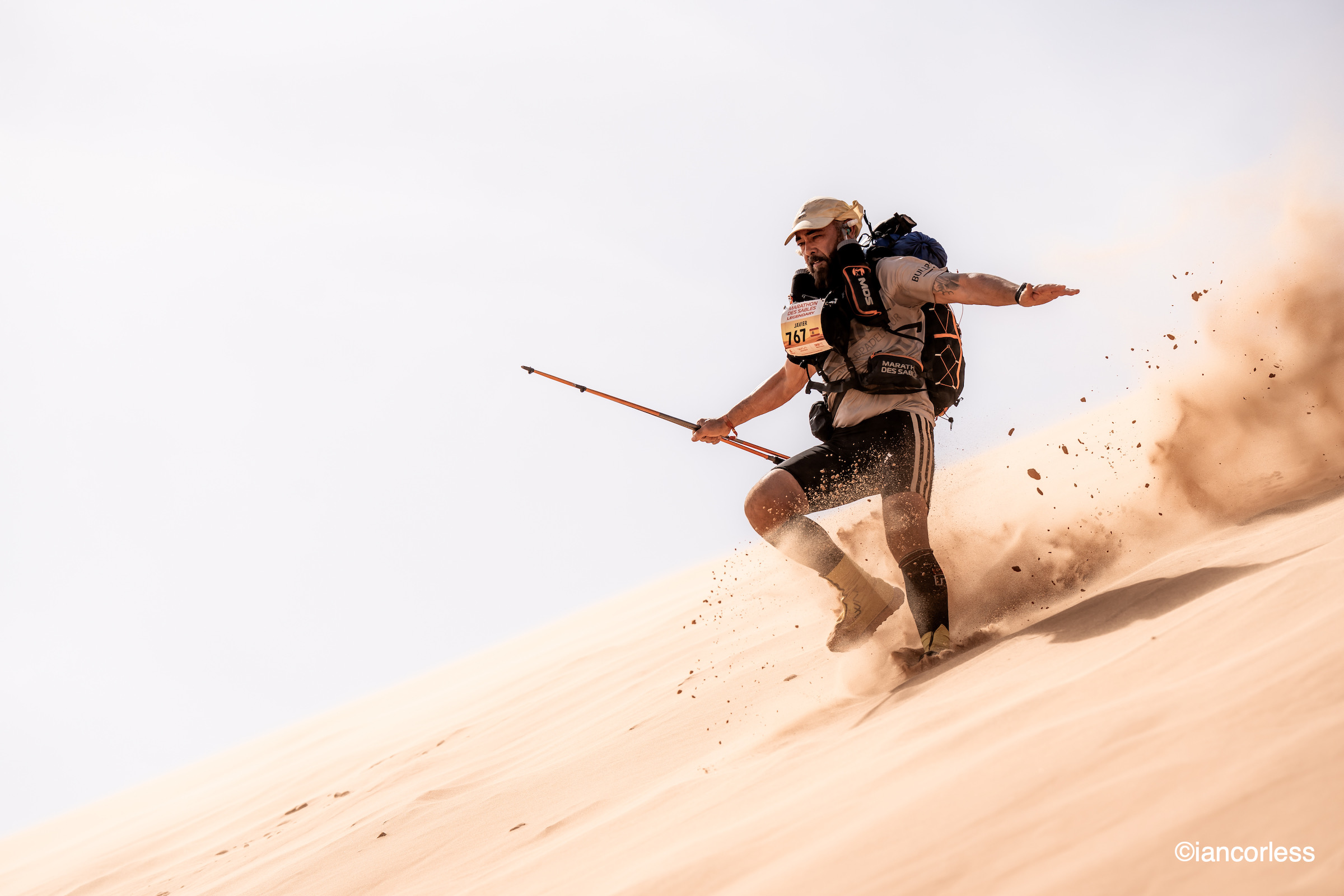
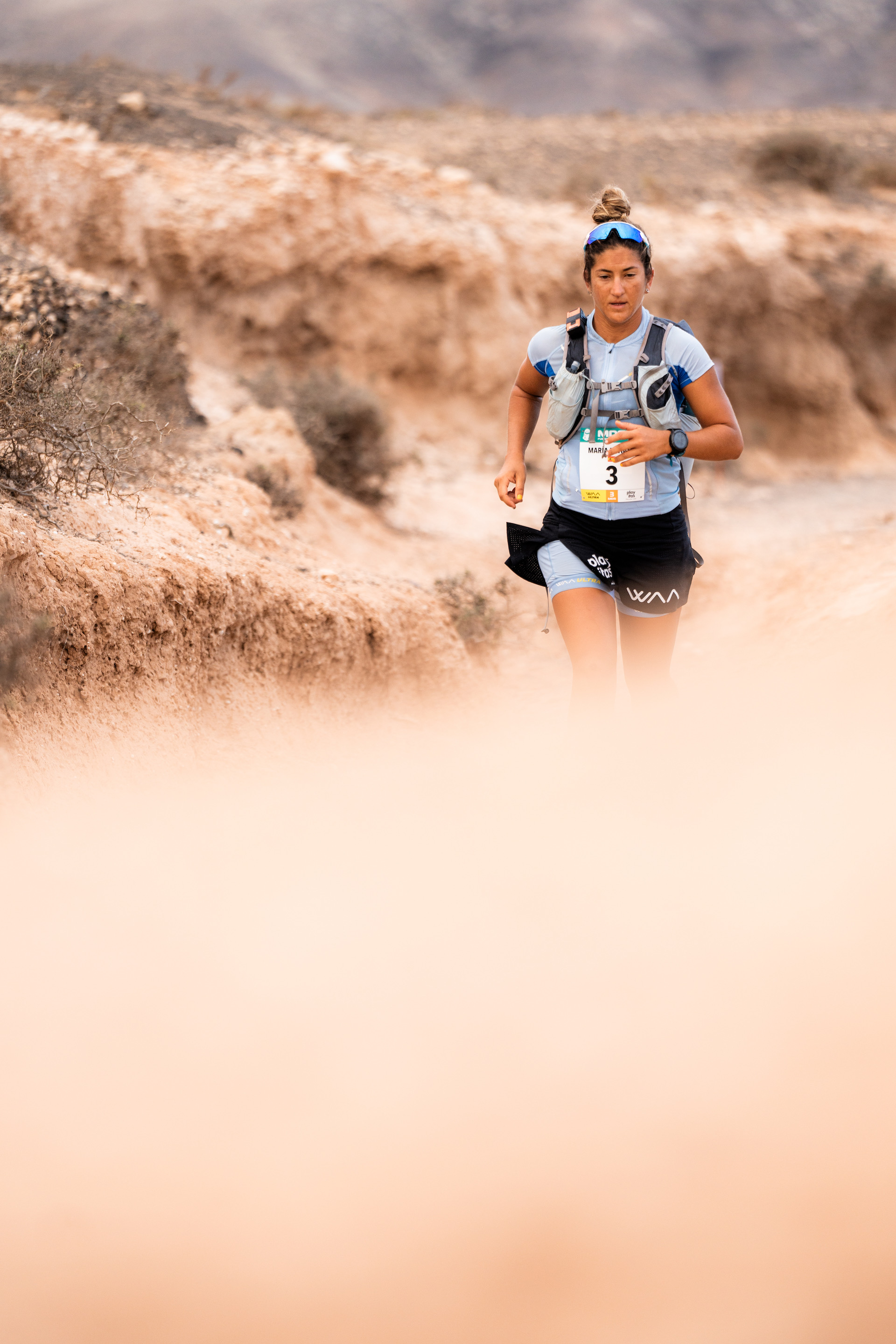
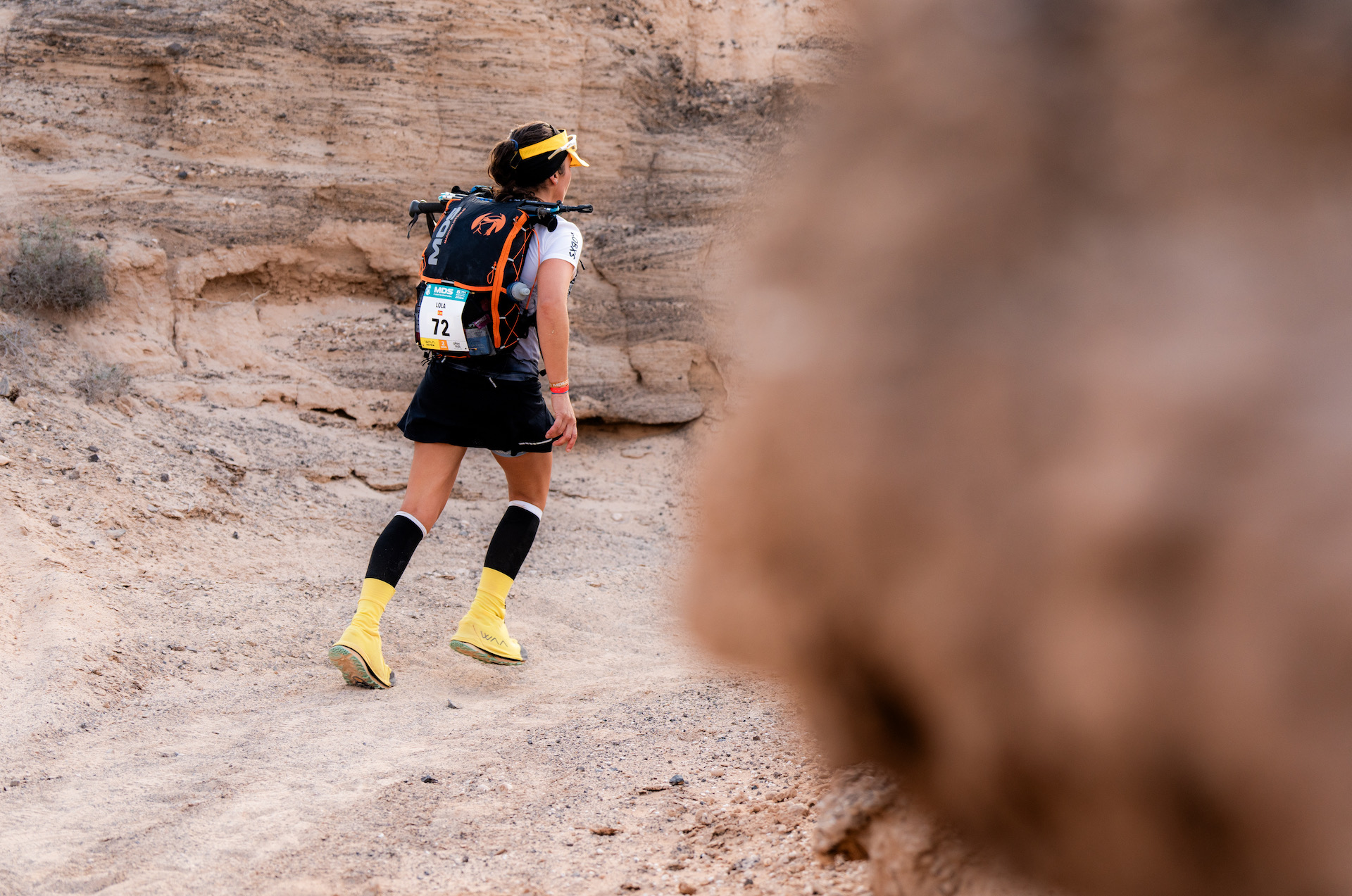
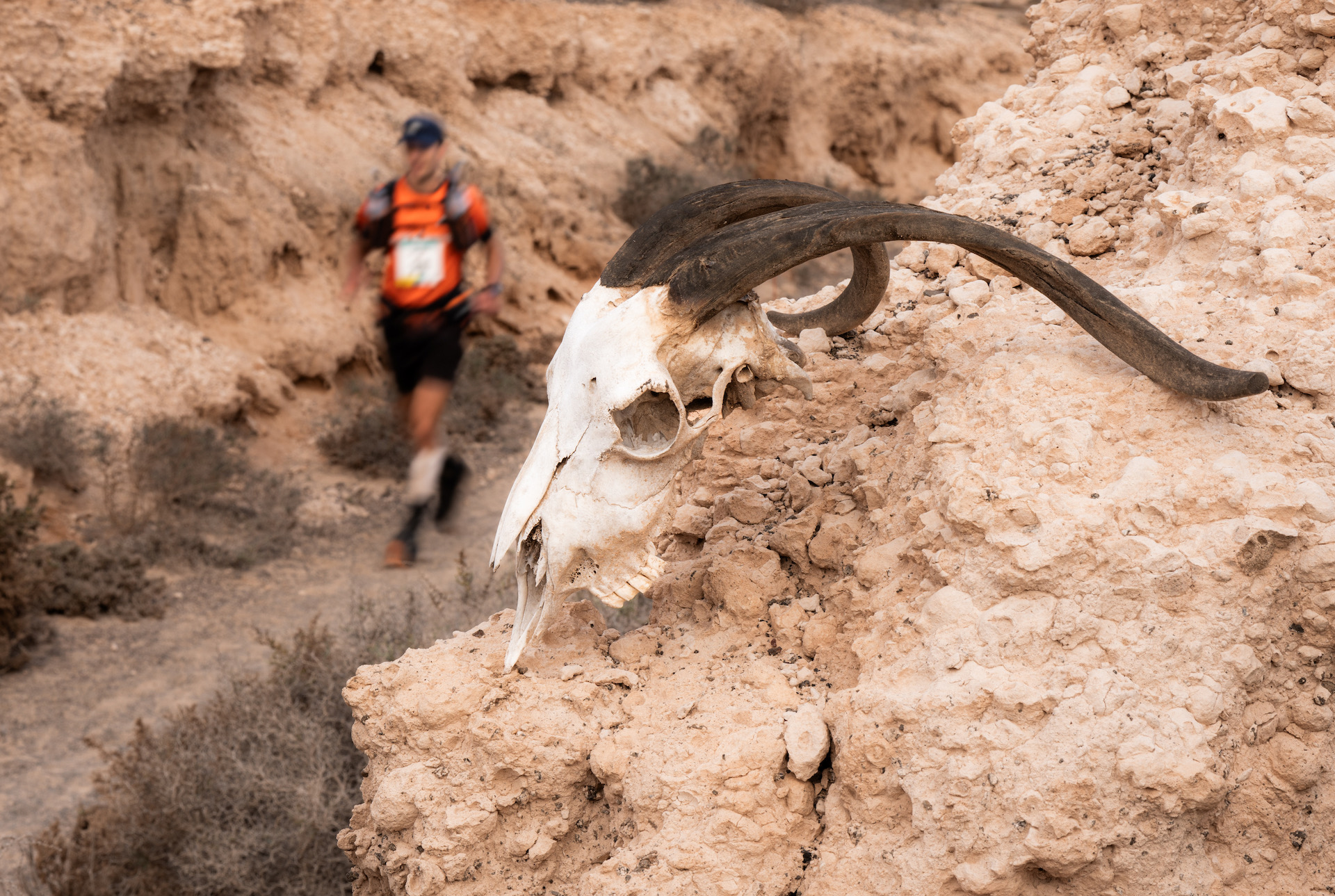
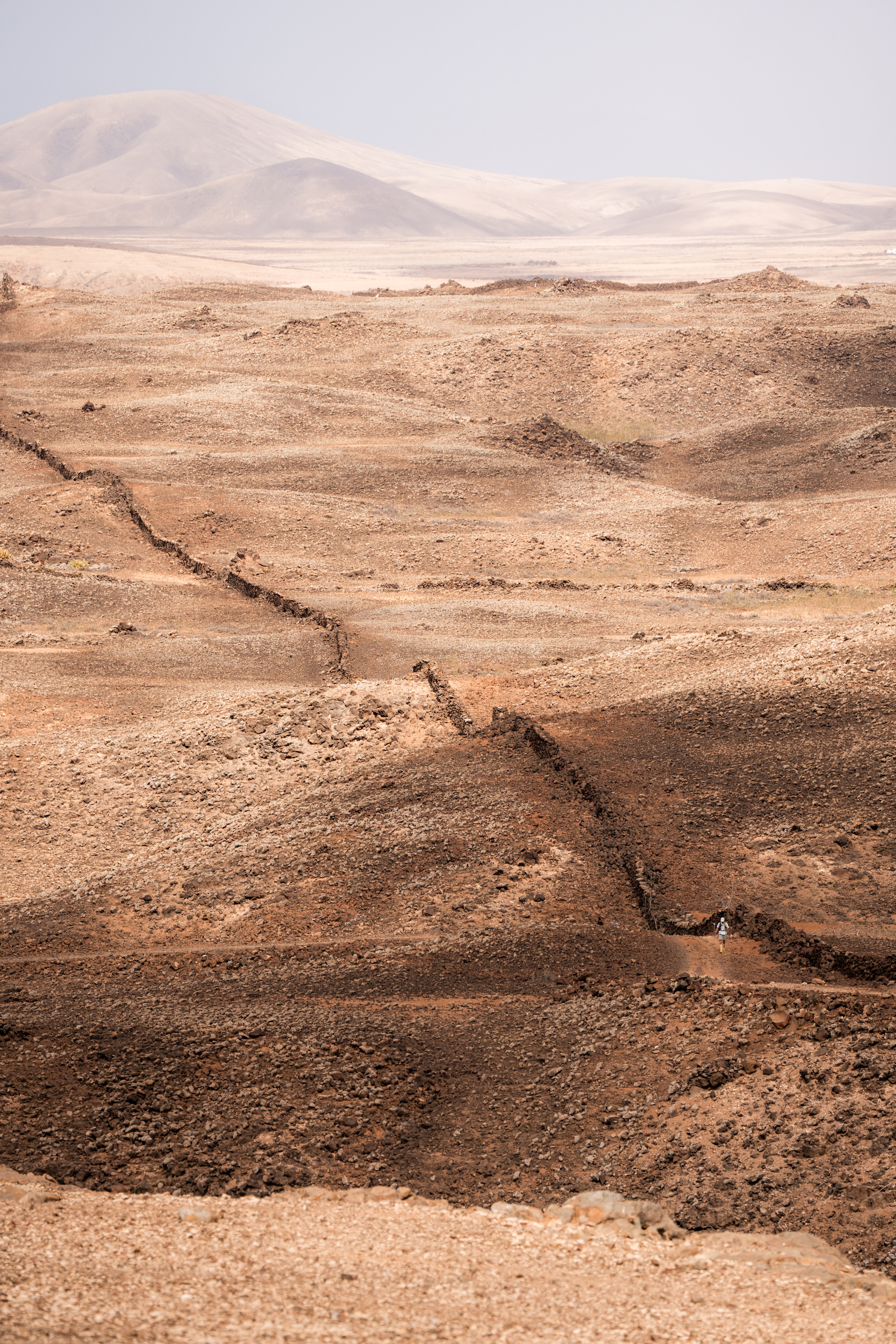
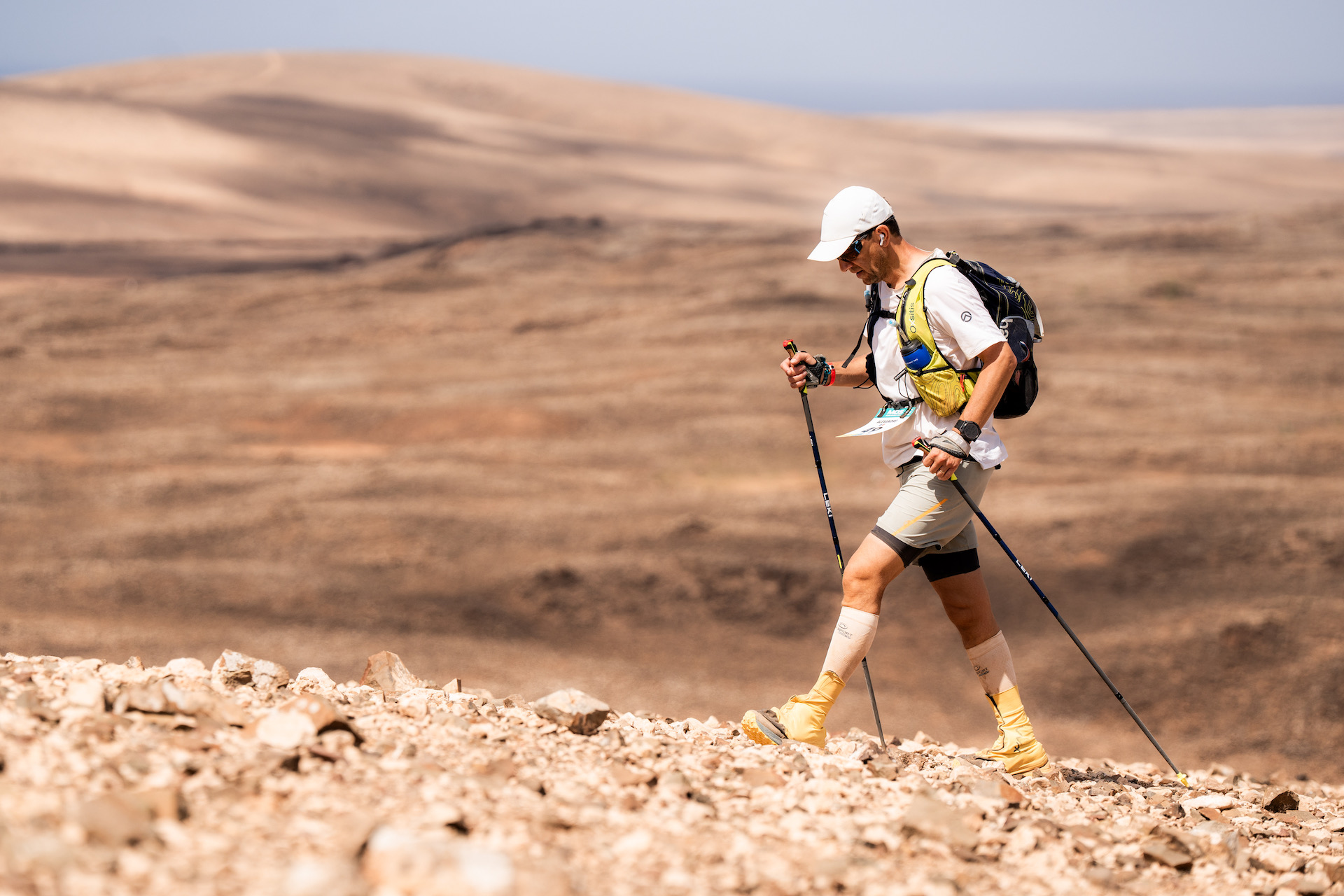
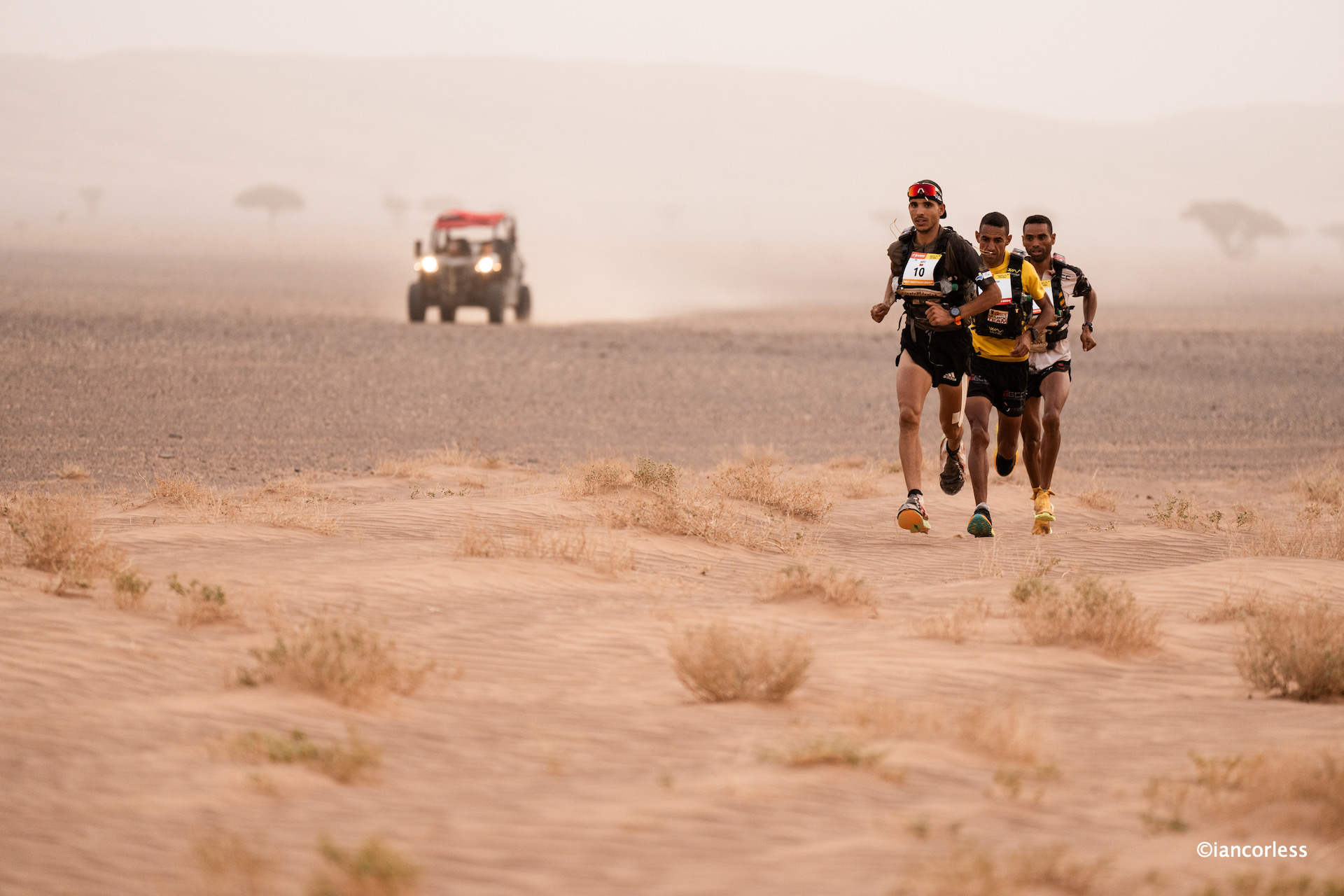
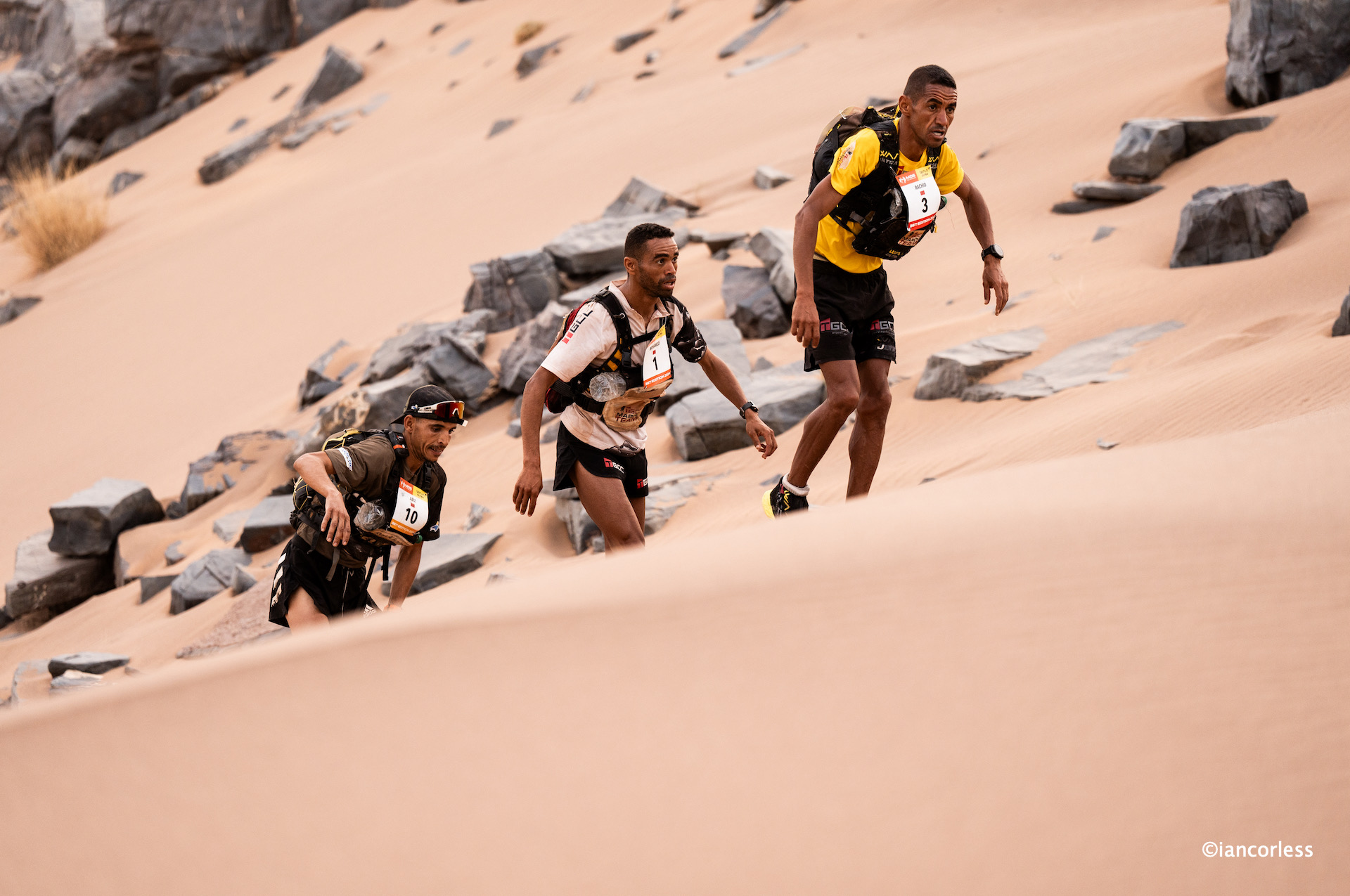
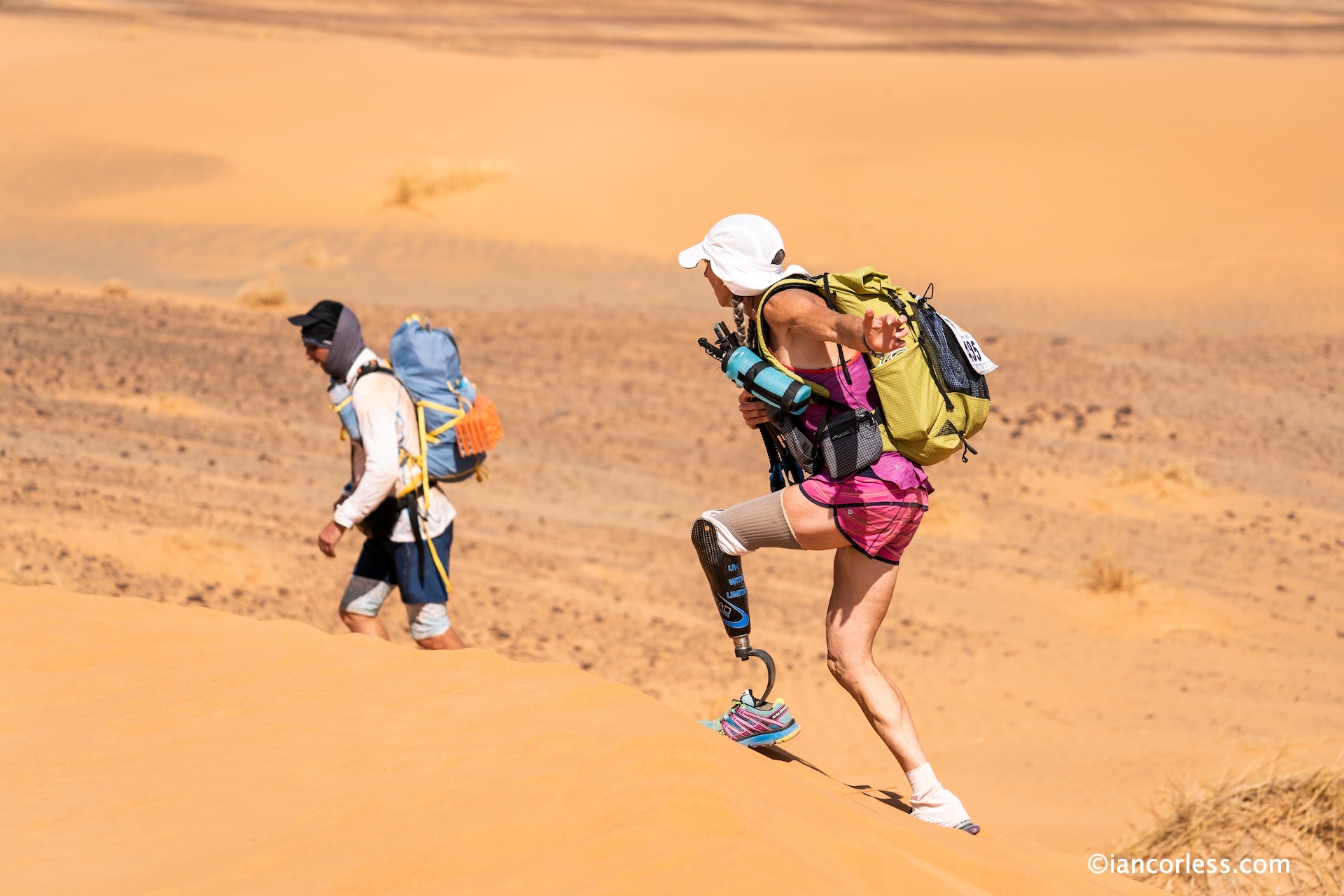
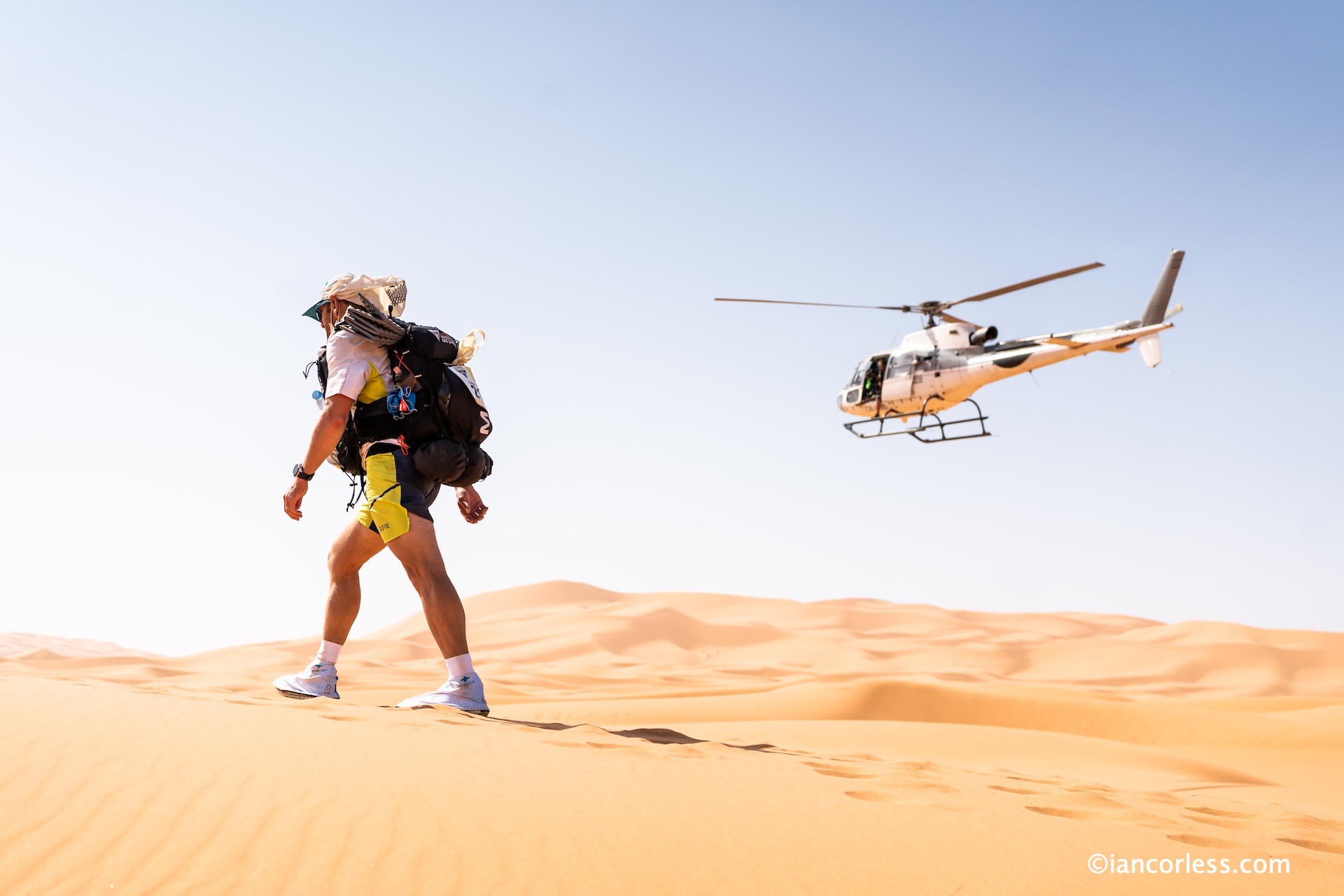
Stage 3 of the MDS 120 Cappadocia delivered a brutal, beautiful reckoning. Spanning 26 kms under a punishing sun, the course cut through some of Turkey’s most iconic landscapes, from the pastel walls of Red Valley to the towering spires of Love Valley. But make no mistake: this stage wasn’t just about scenery. It was a furnace.

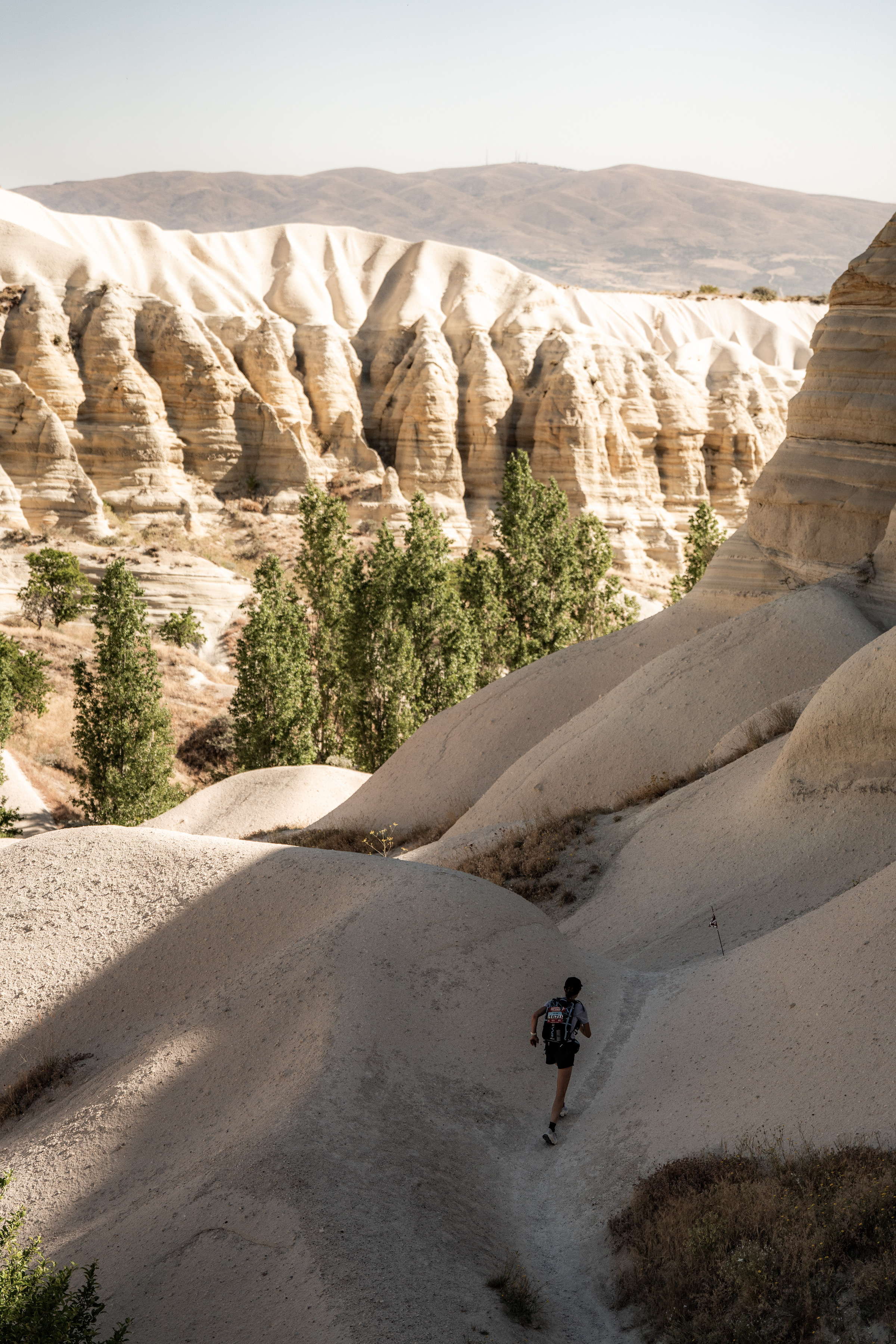
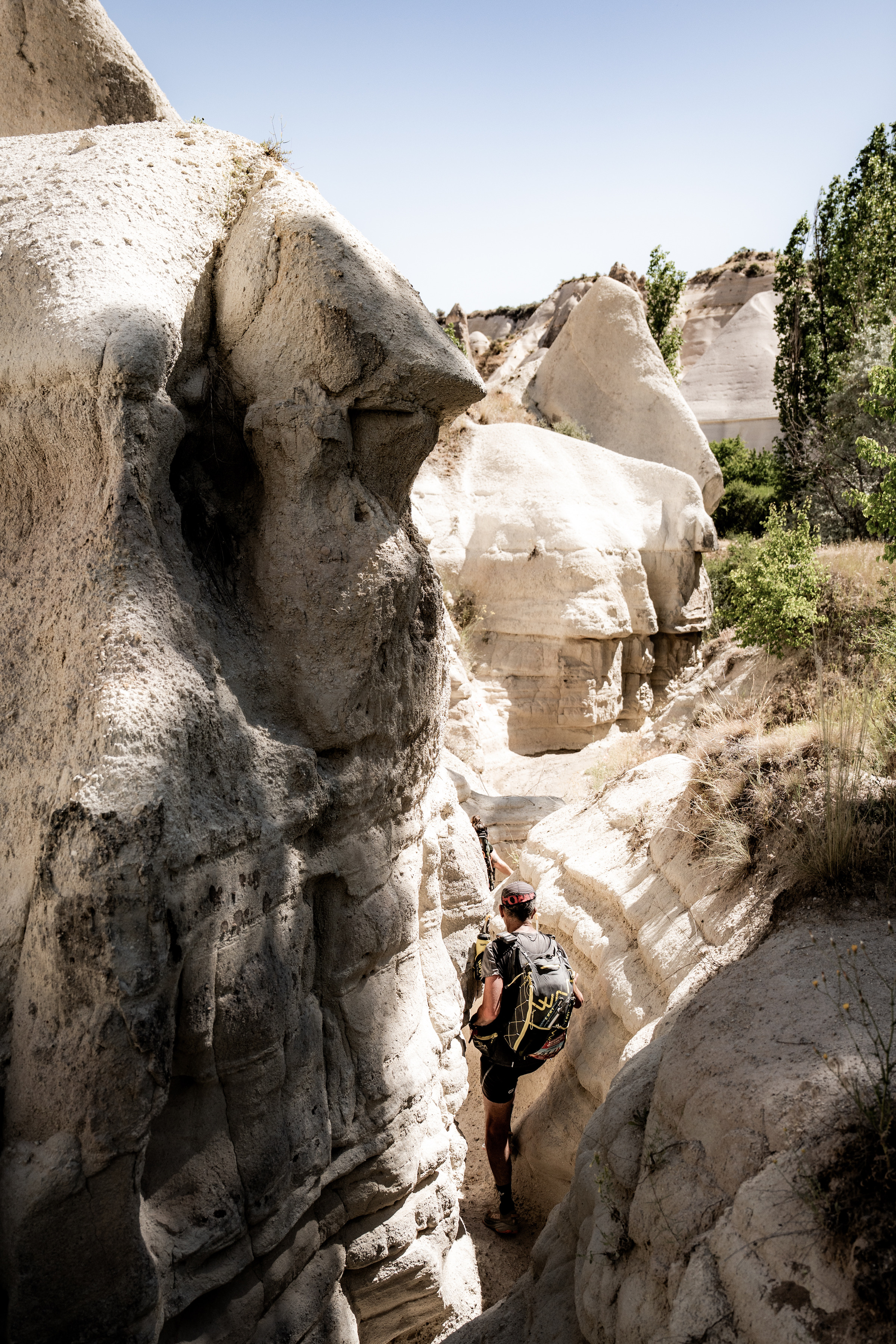
Love Valley – amazing

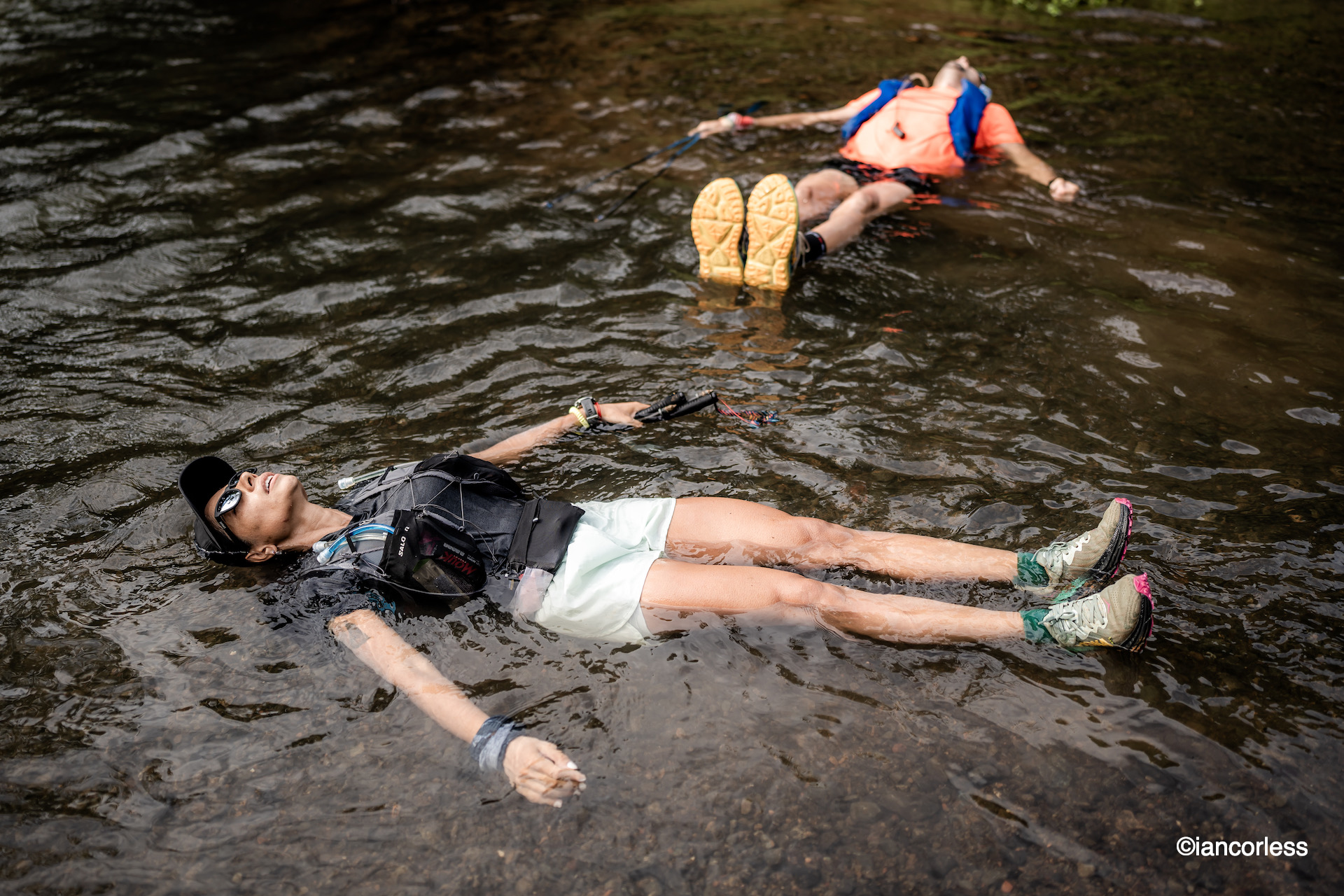
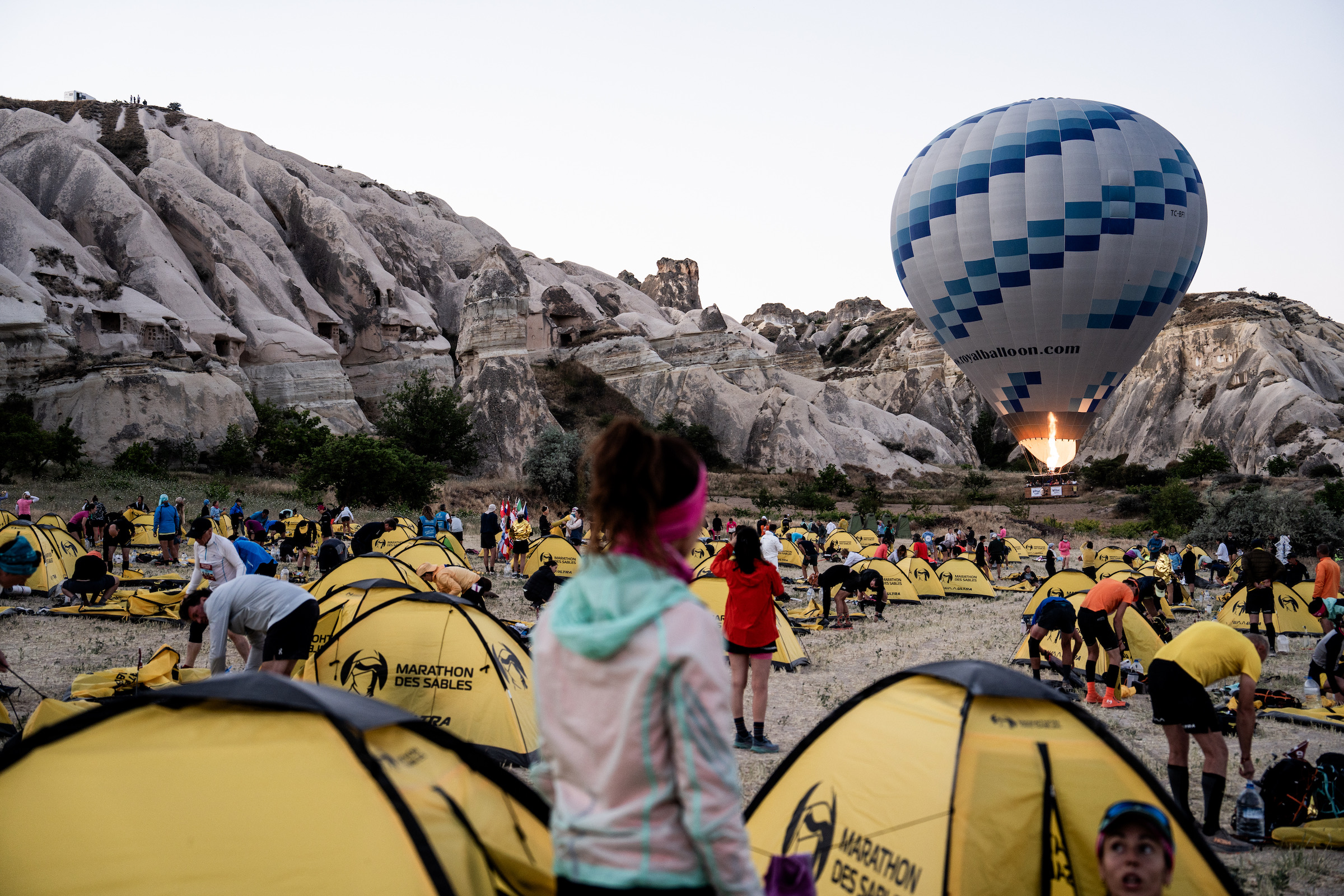
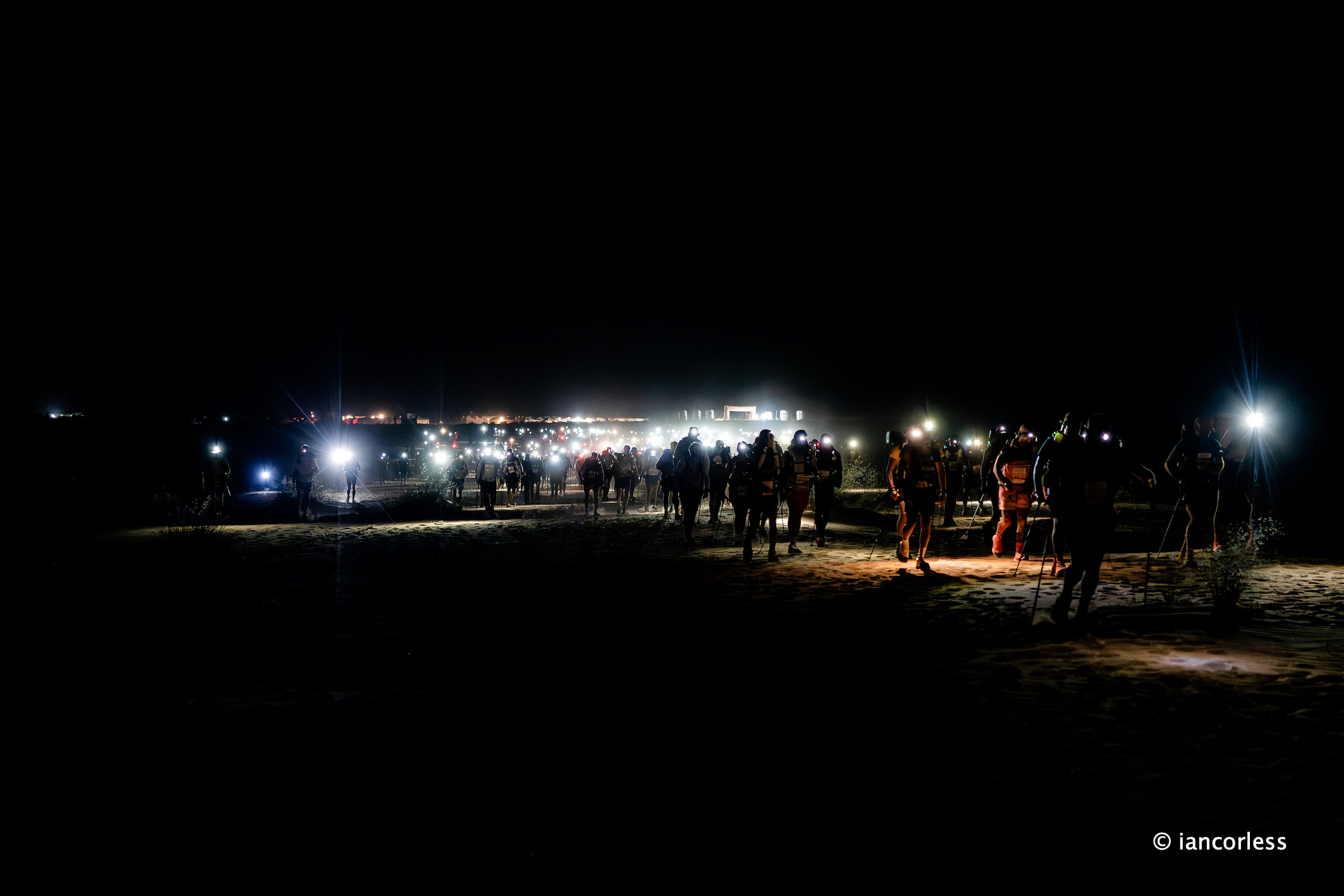
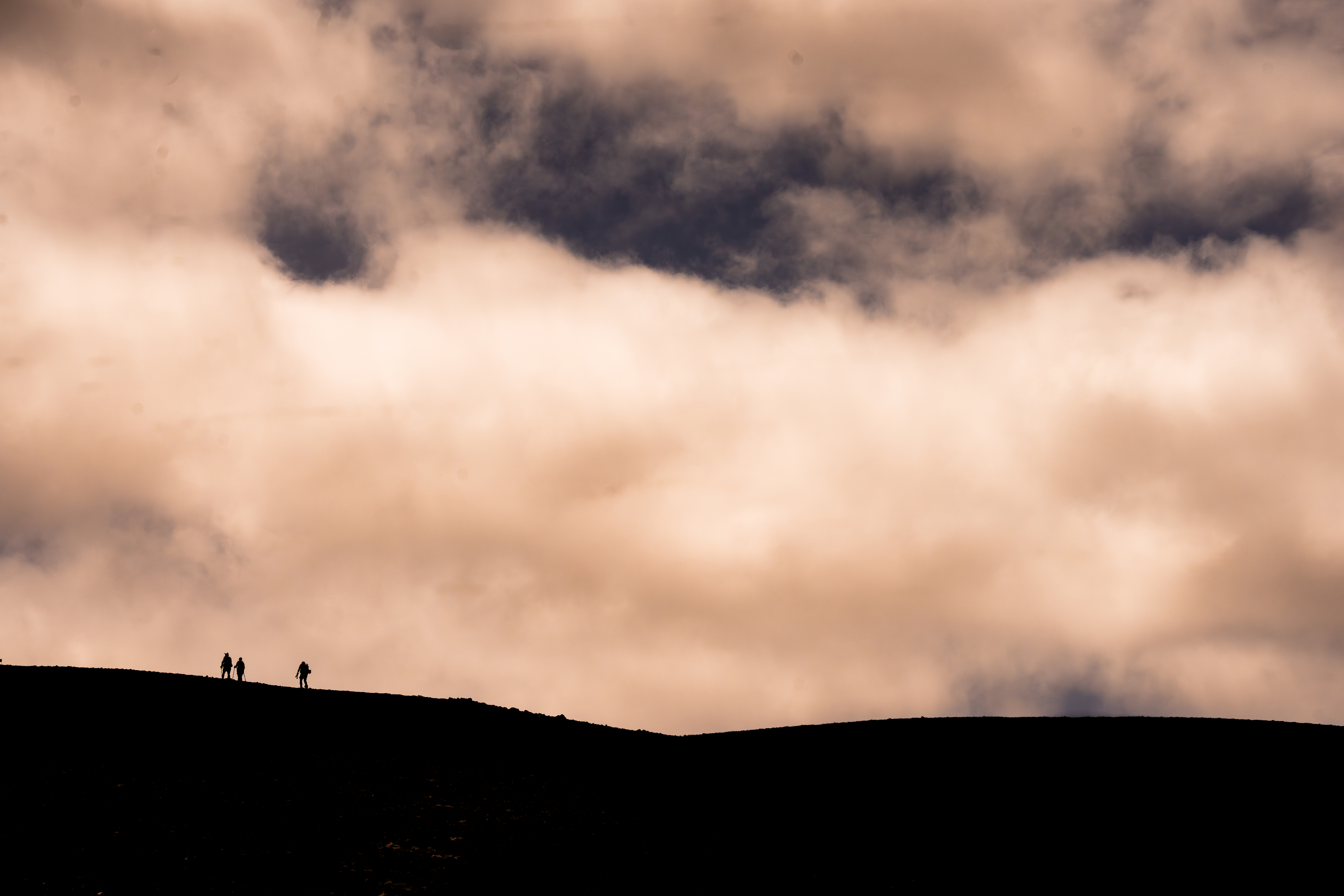
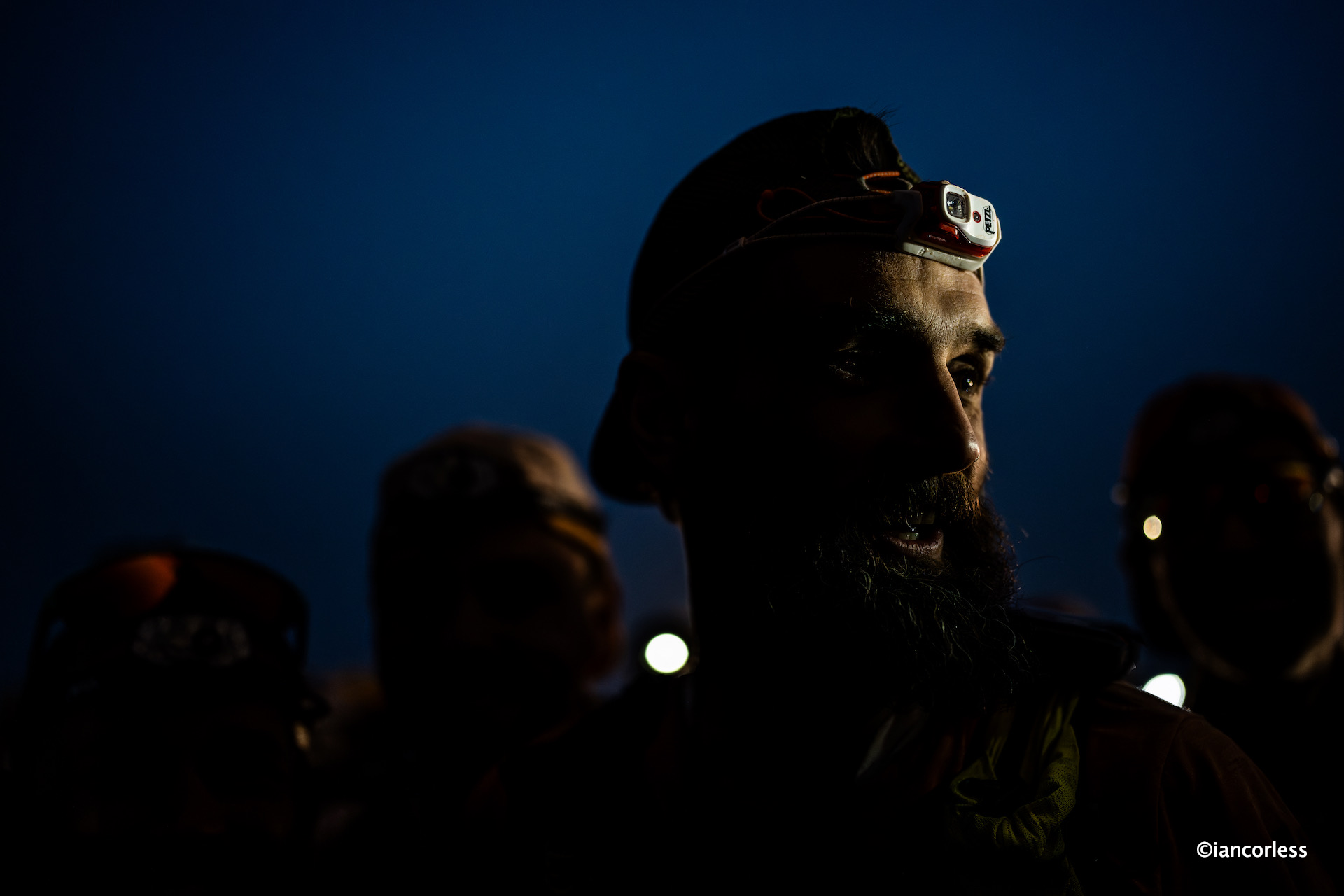
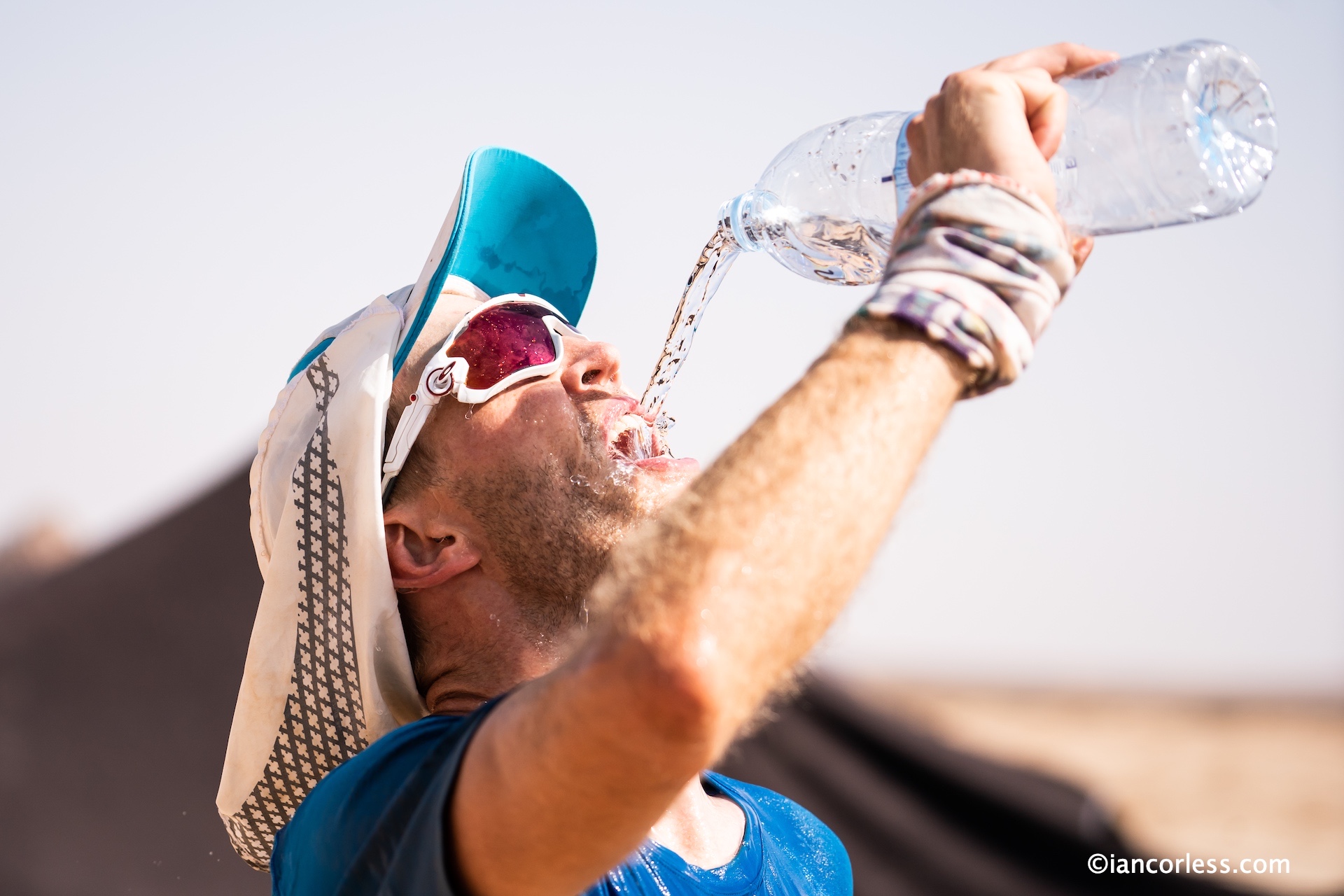
With temperatures soaring past 36°C and a heat index that felt closer to 48°C the early start with hot air balloons was welcome.

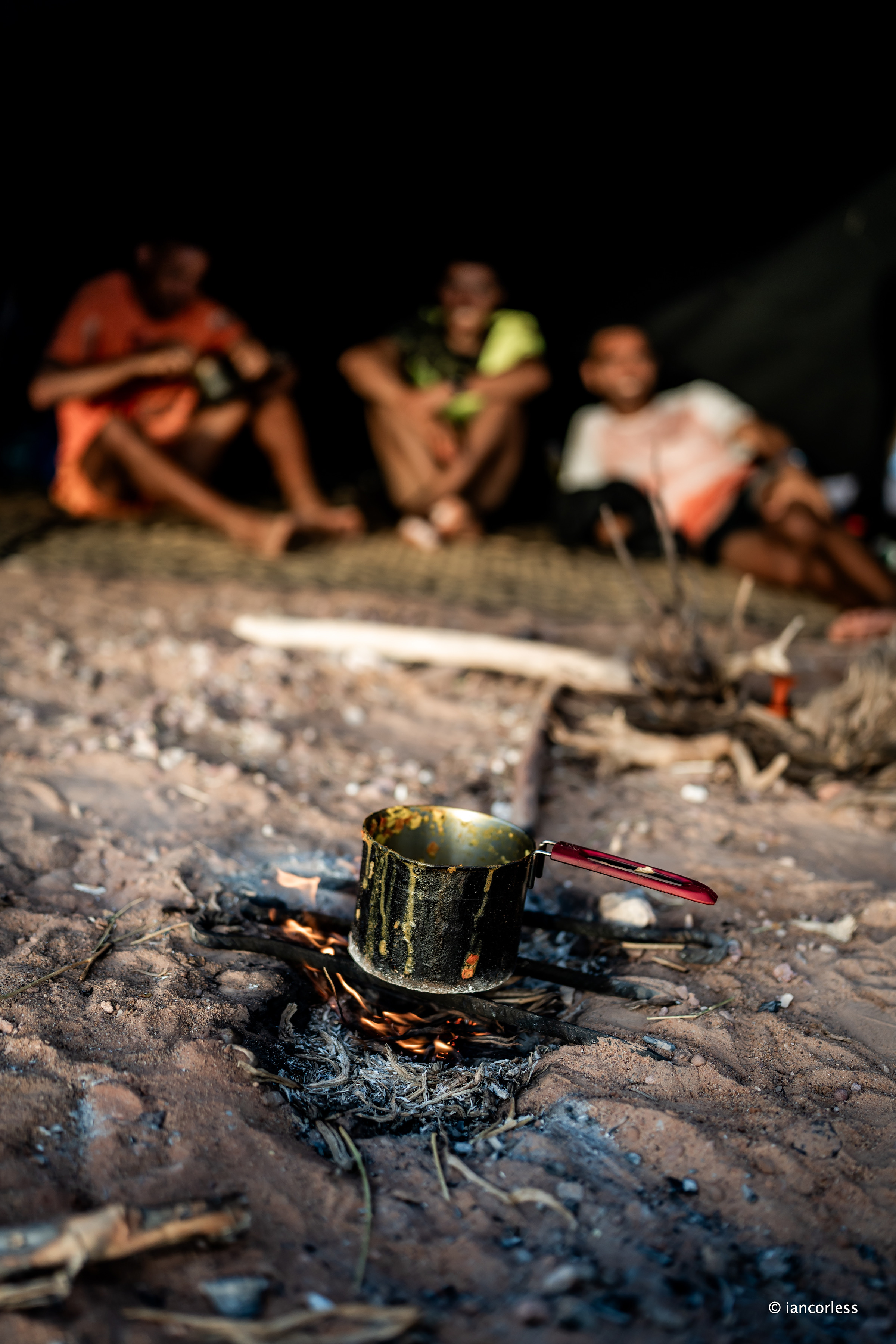
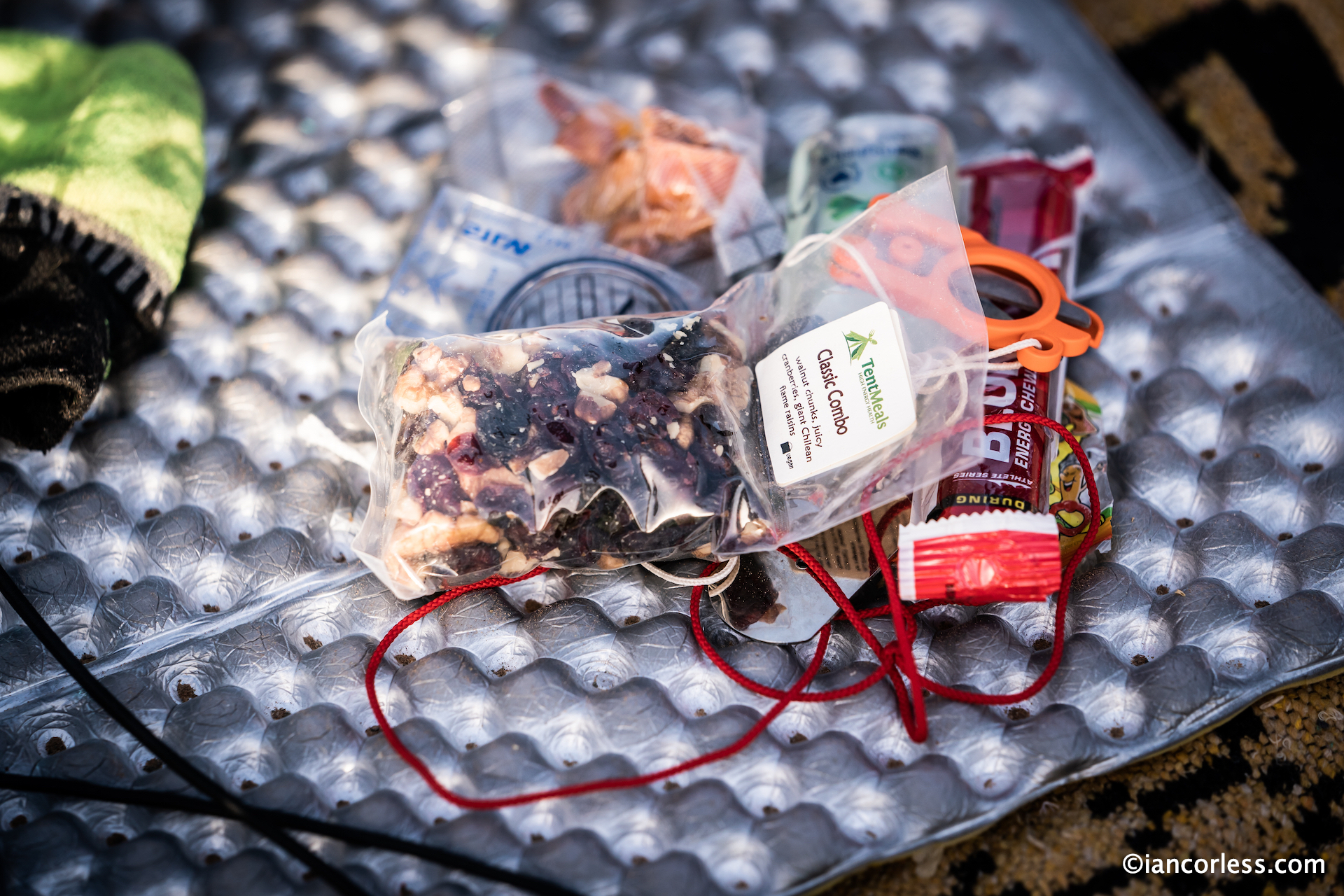
Not all bivouacs are the same

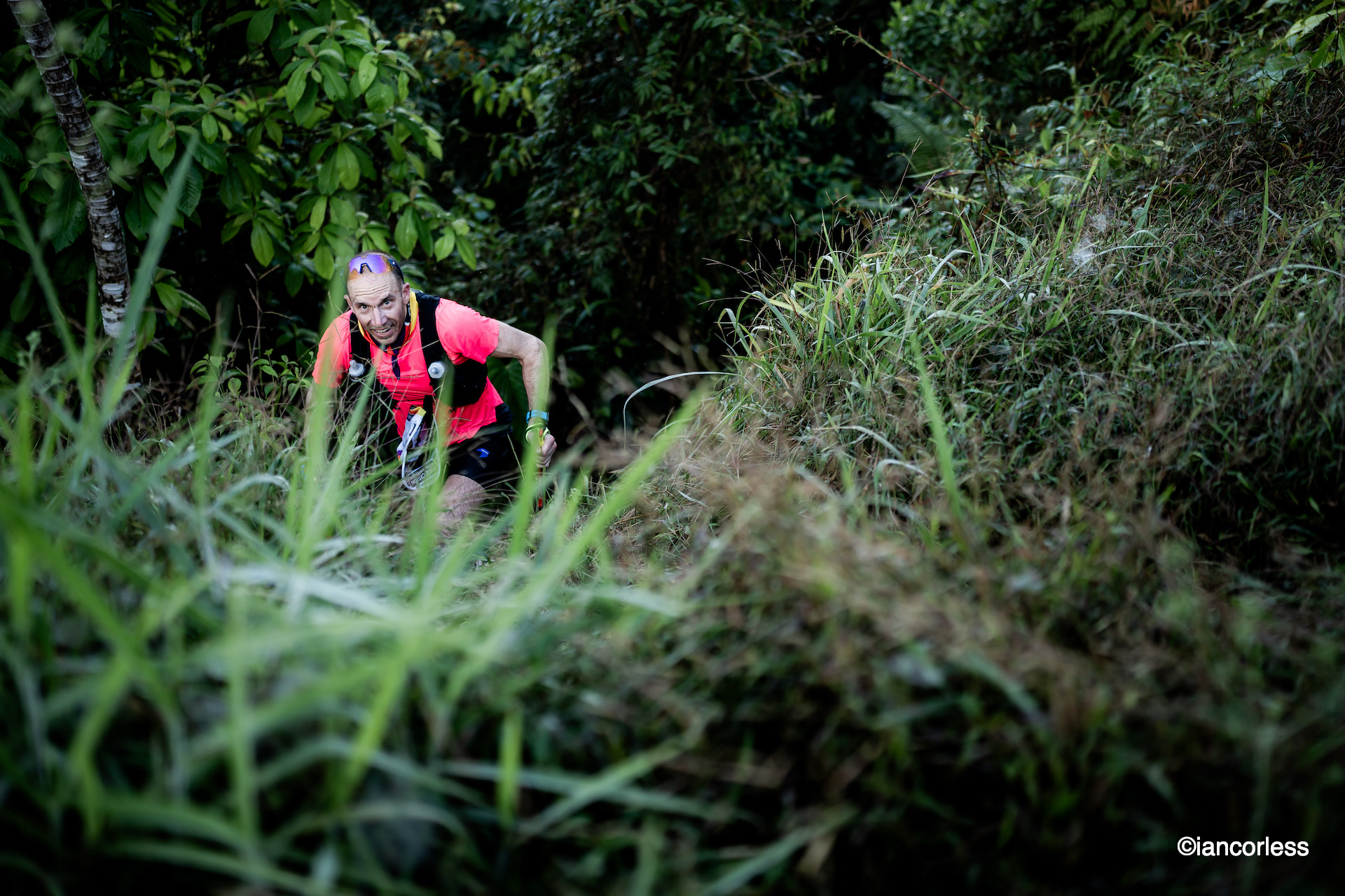
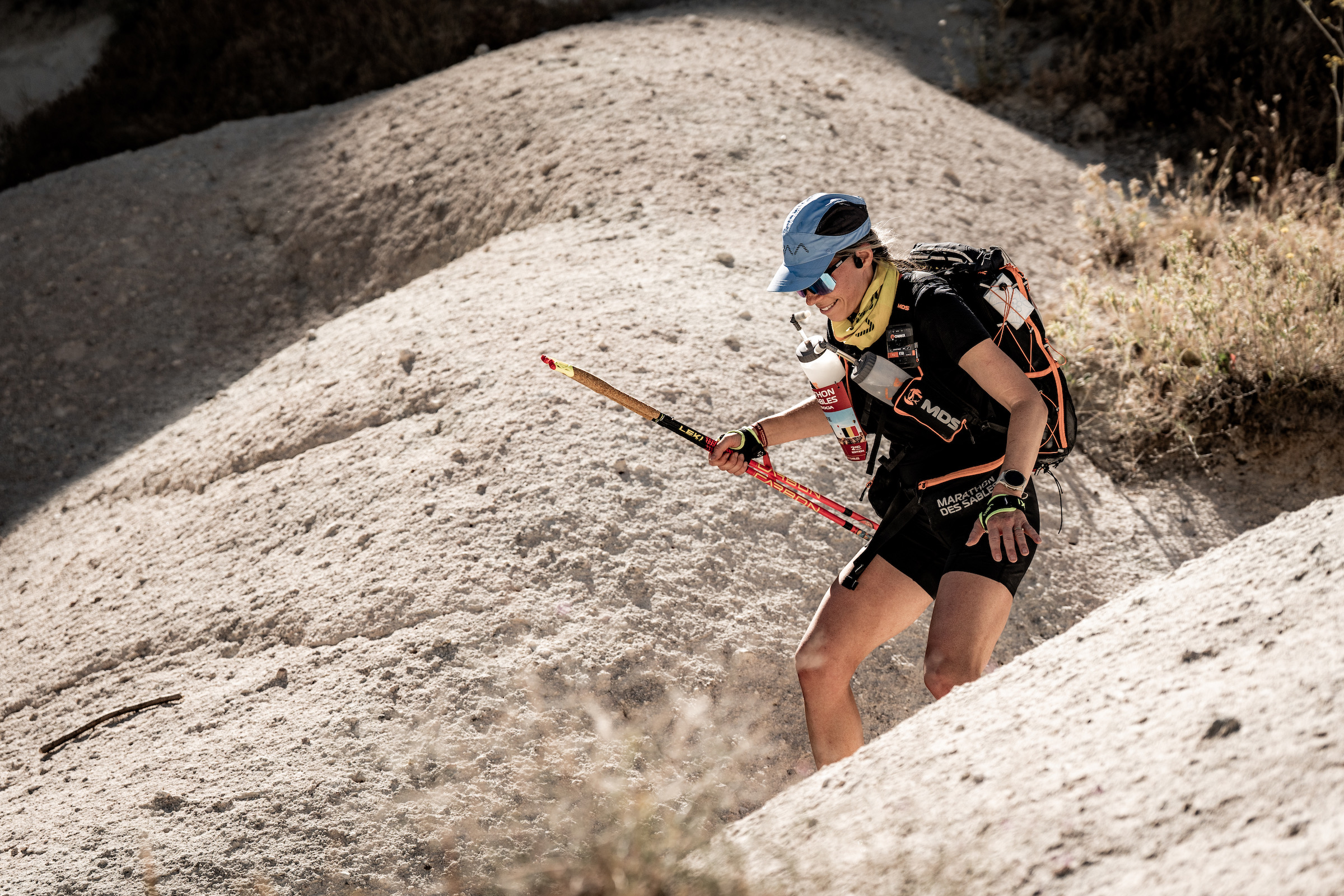
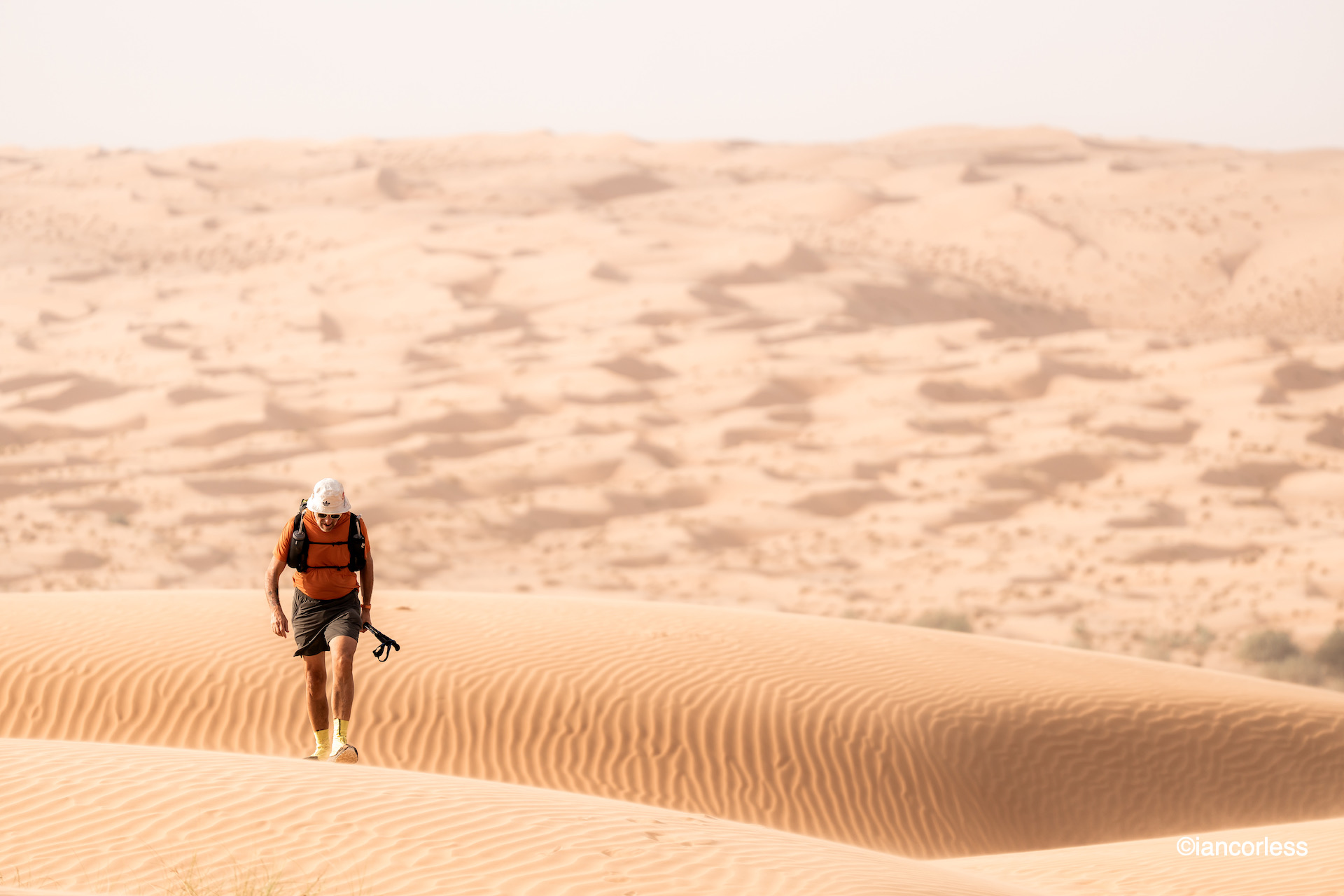
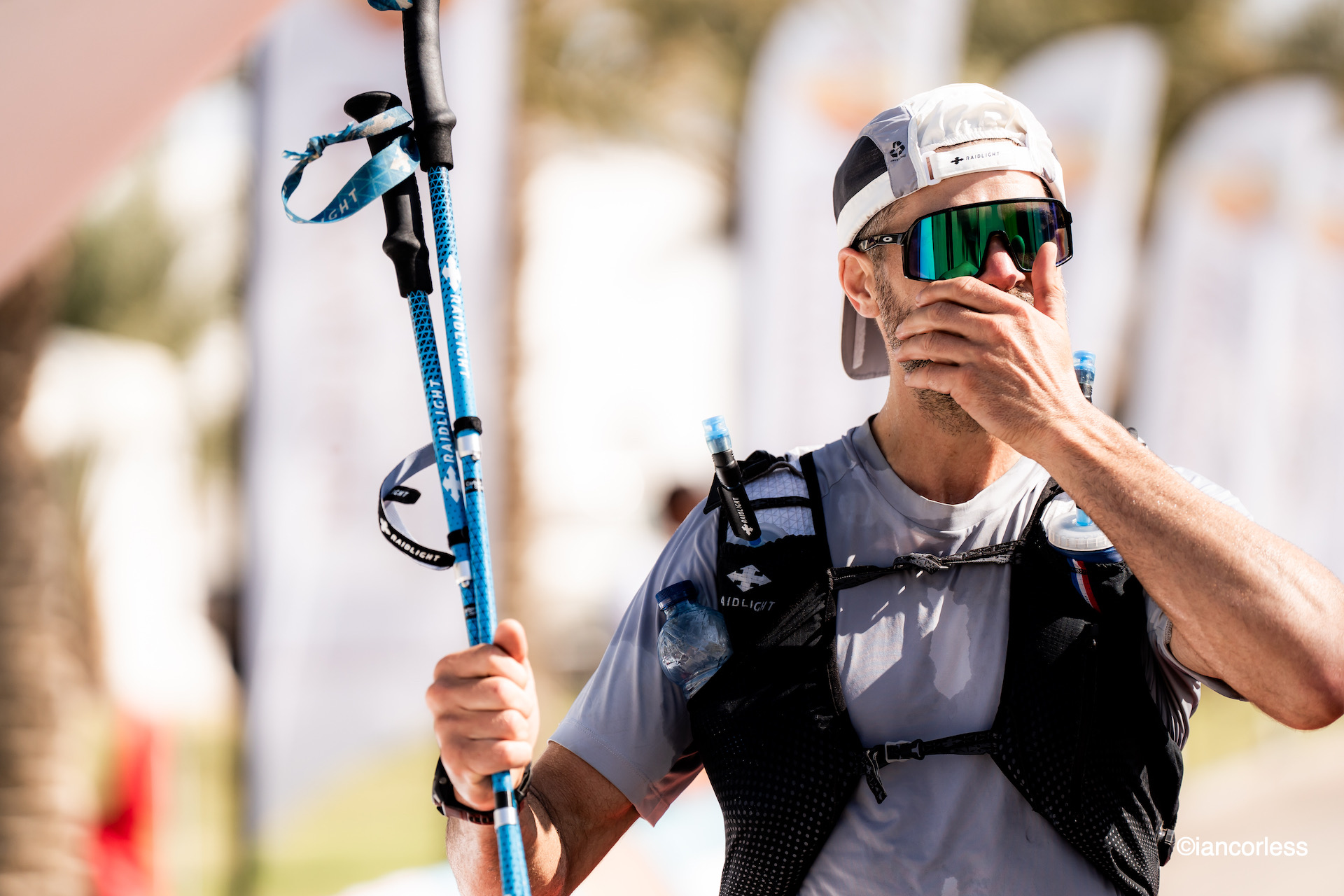
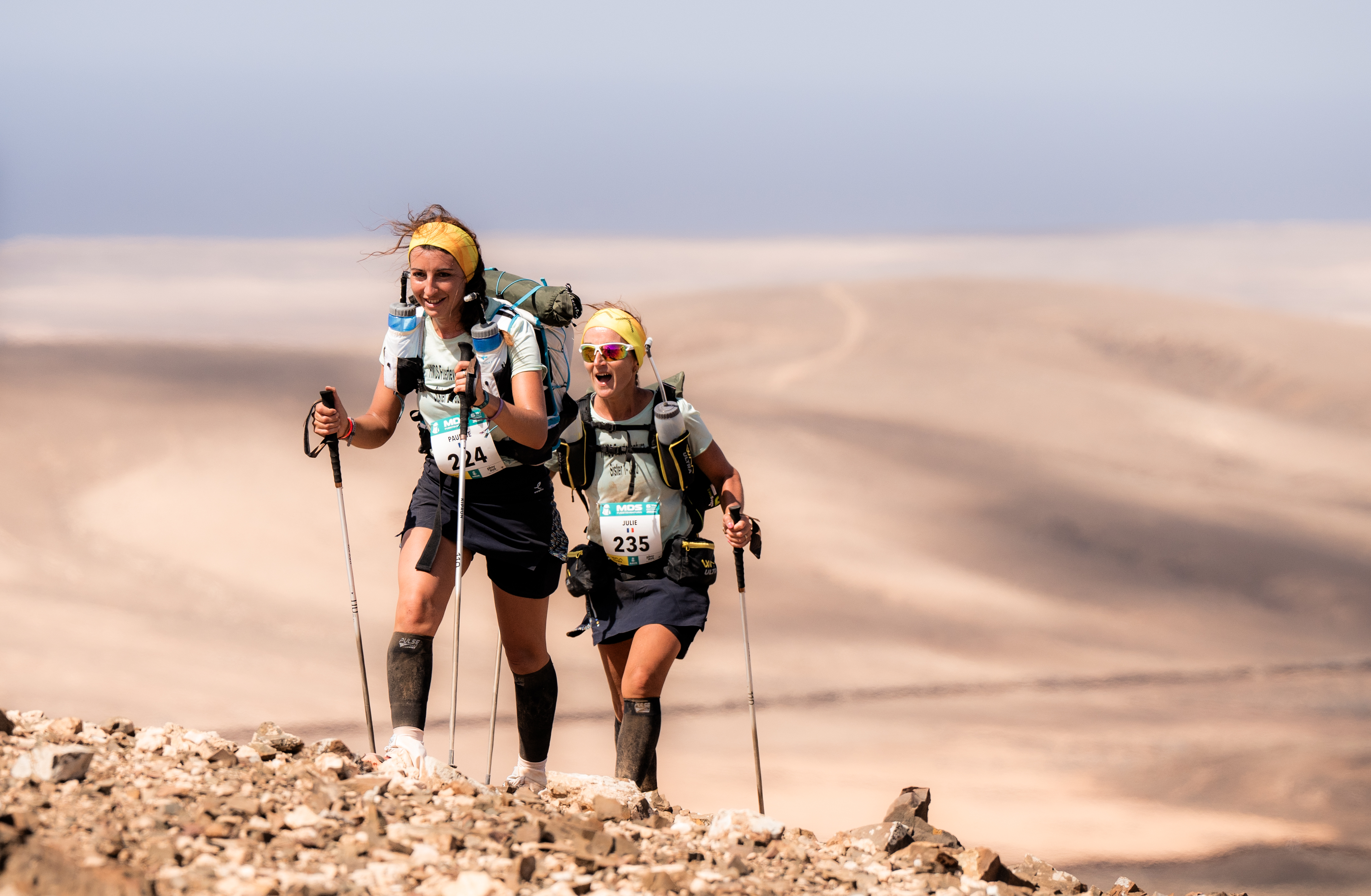
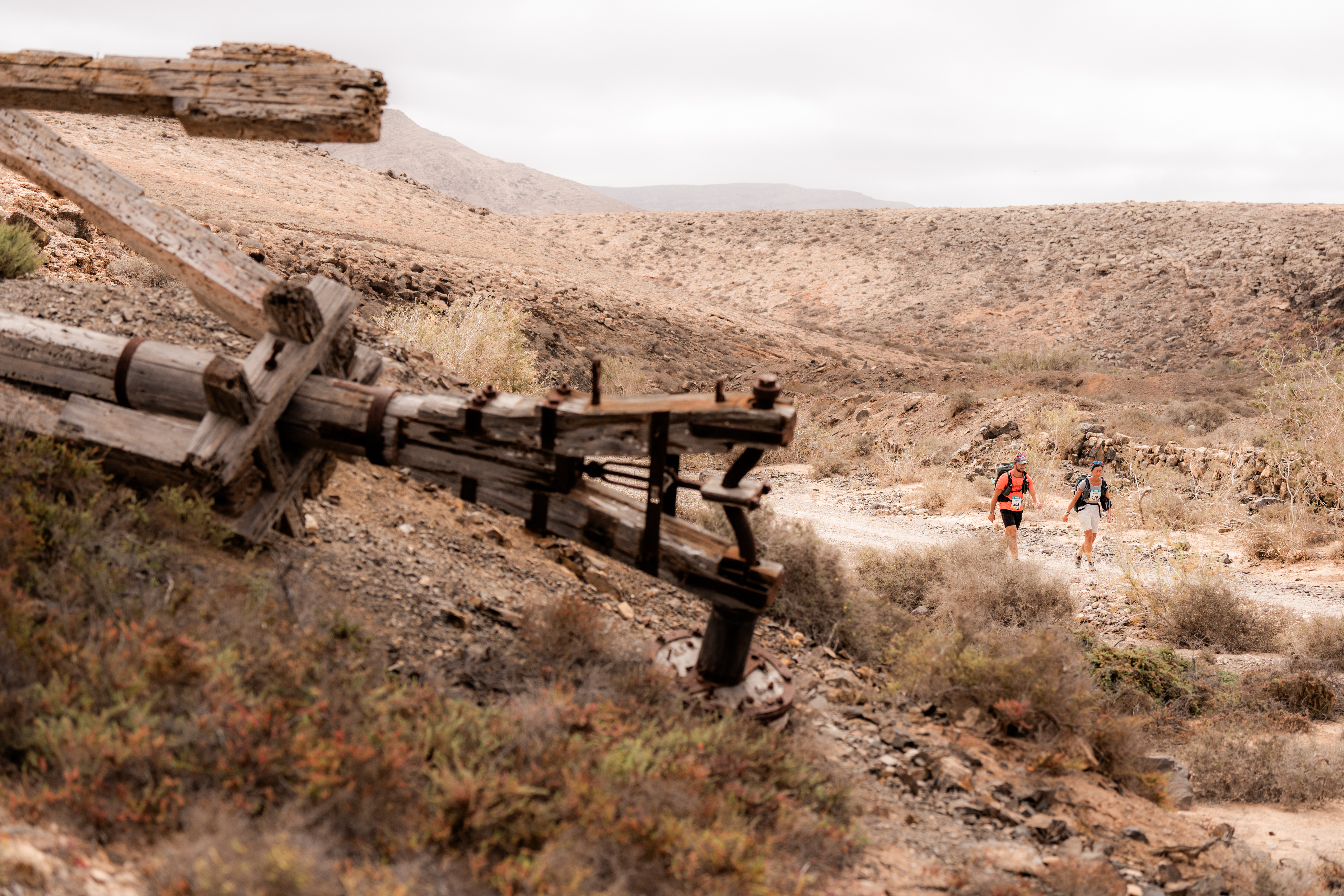
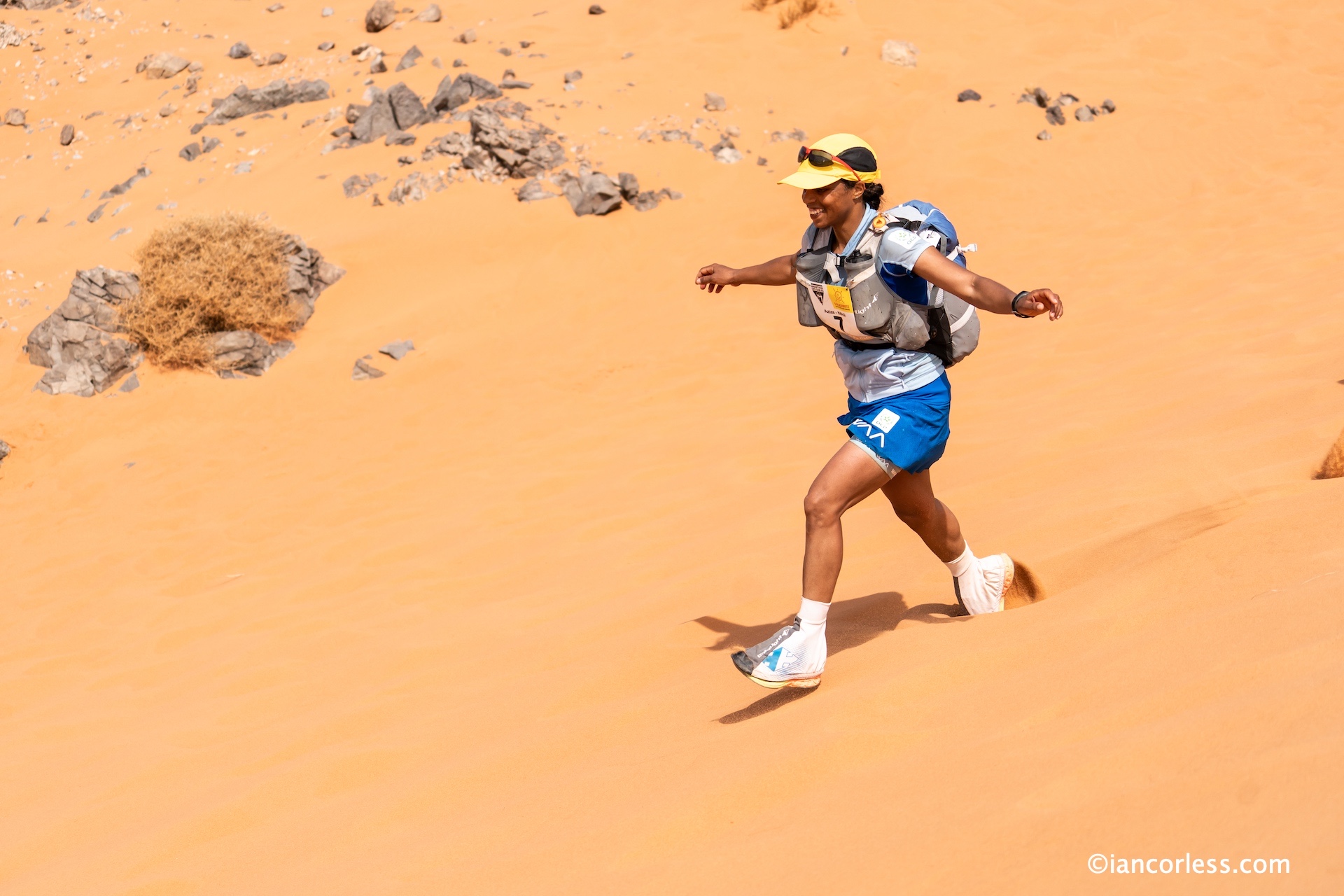
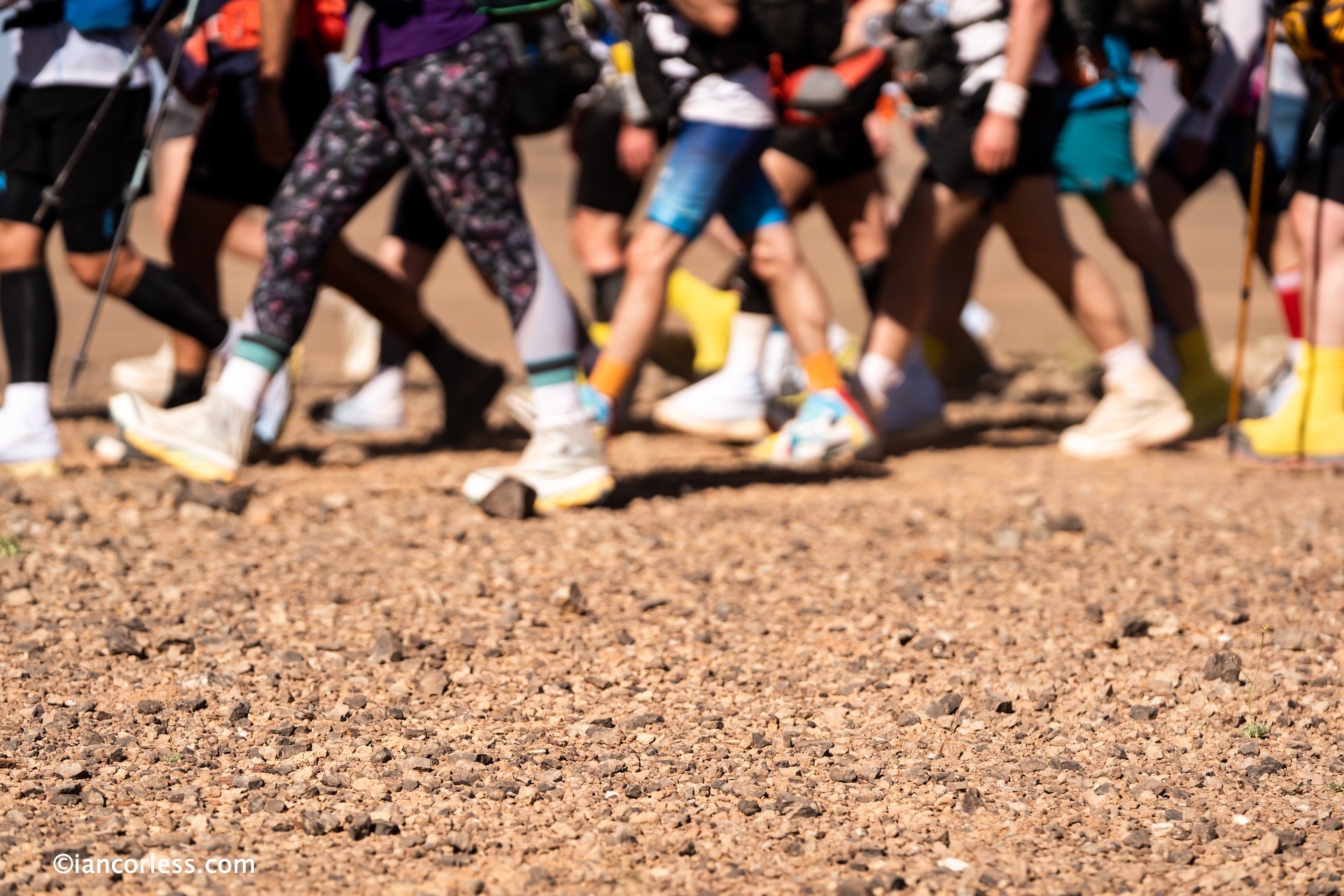
Even so, runners were fighting the heat within minutes. Shade was rare, and the terrain offered no favours: narrow single tracks, slot canyons, technical descents, and long exposed stretches tested every step.

By mid-morning, the route through Love Valley felt less like a romantic postcard and more like a slow-motion survival drill.

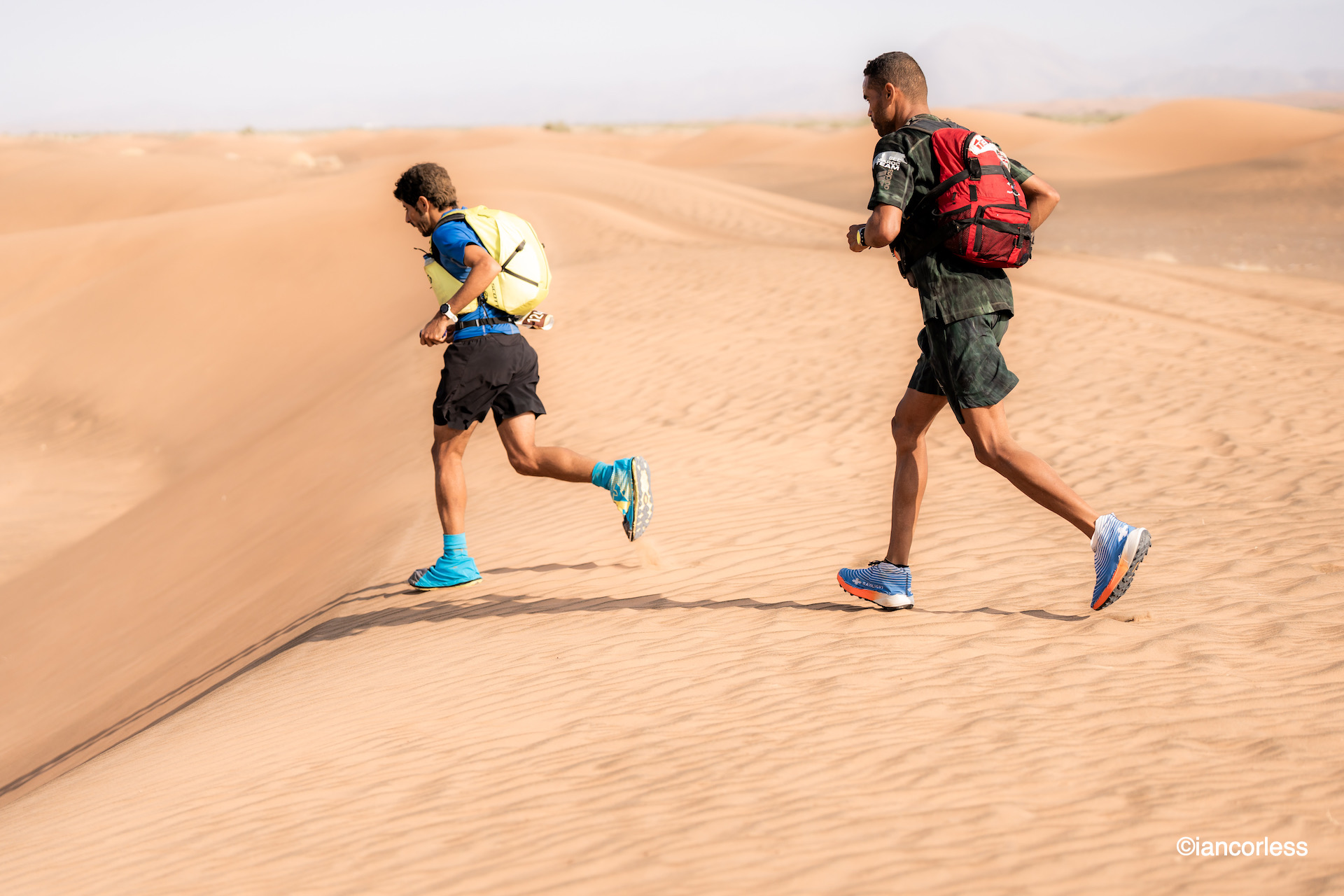
Despite the conditions, runners dug deep. The lead pack charged forward with astonishing control, weaving through the heat haze with purpose, but it was the back of the pack that showed the rawest version of the struggle. Blistered feet, overheated cores, and sheer exhaustion painted a stark picture of just how hard-earned every kilometer was.

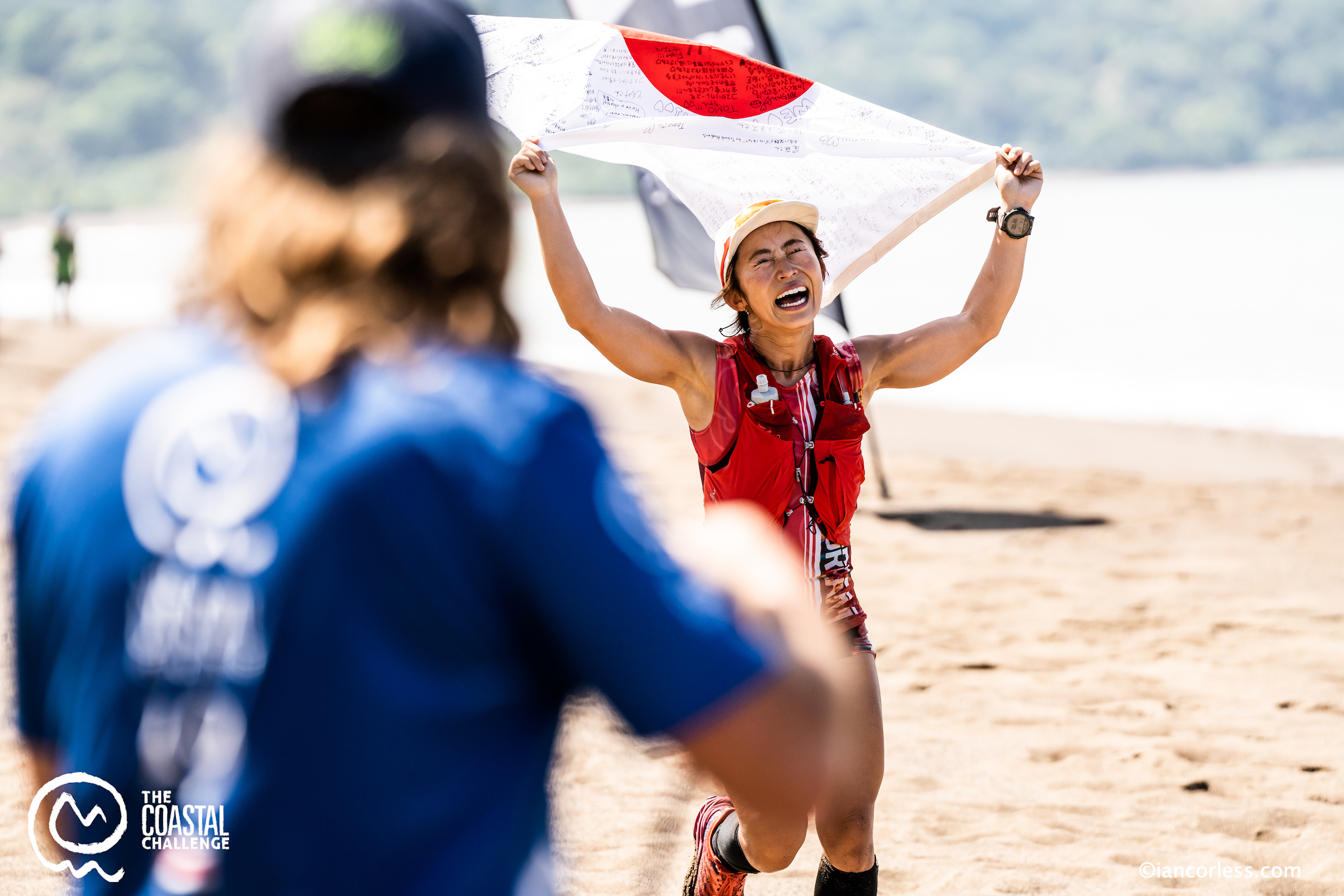
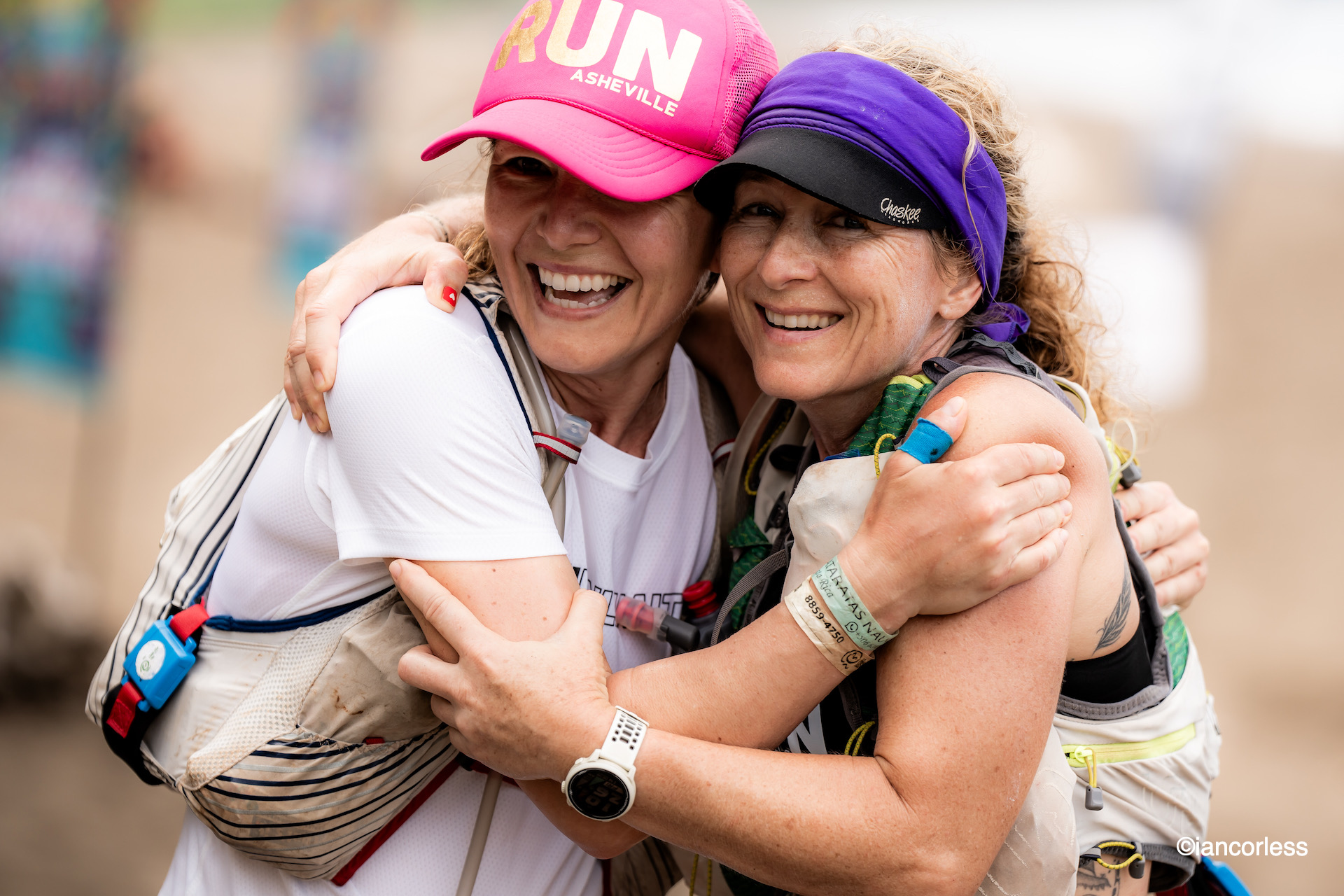
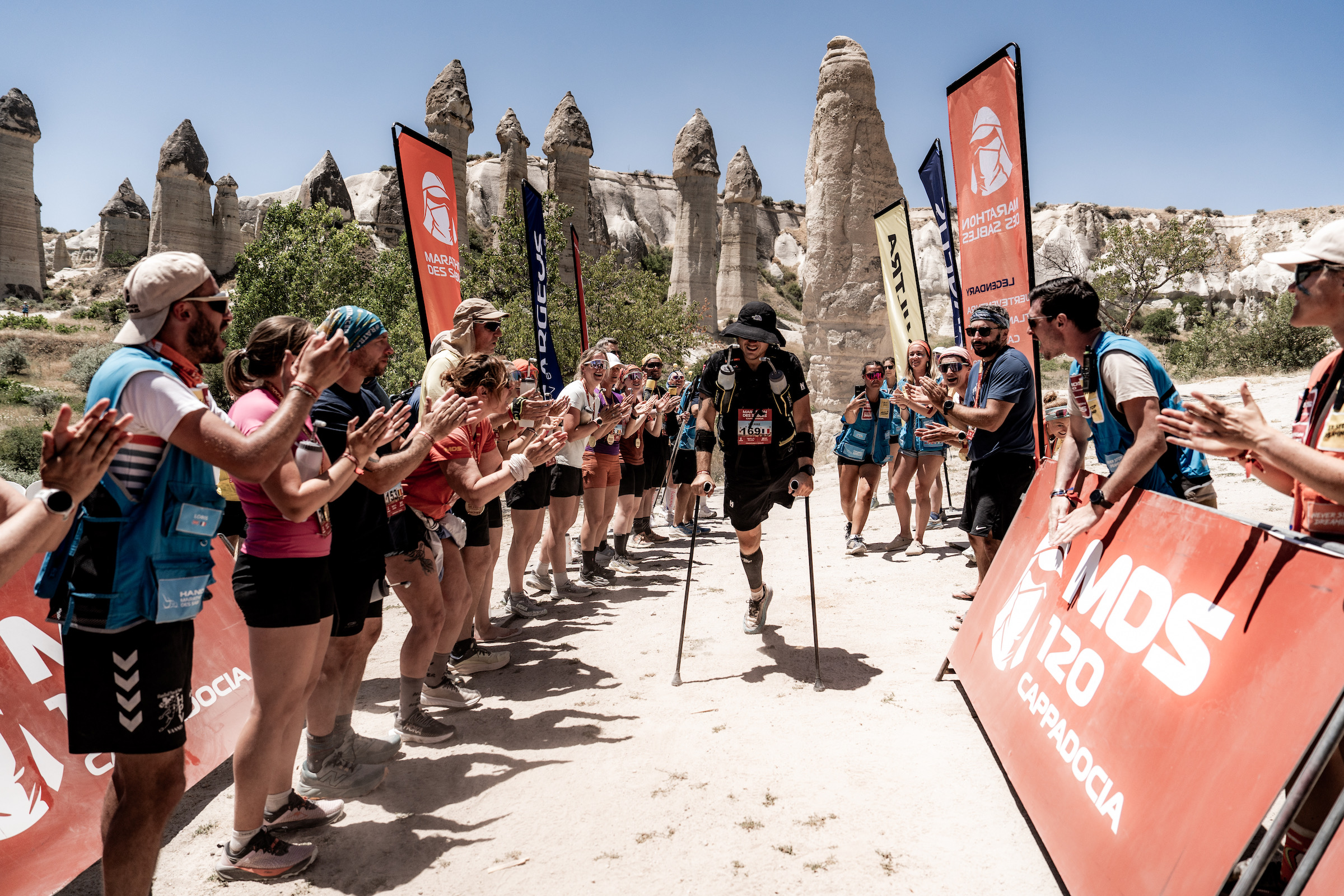
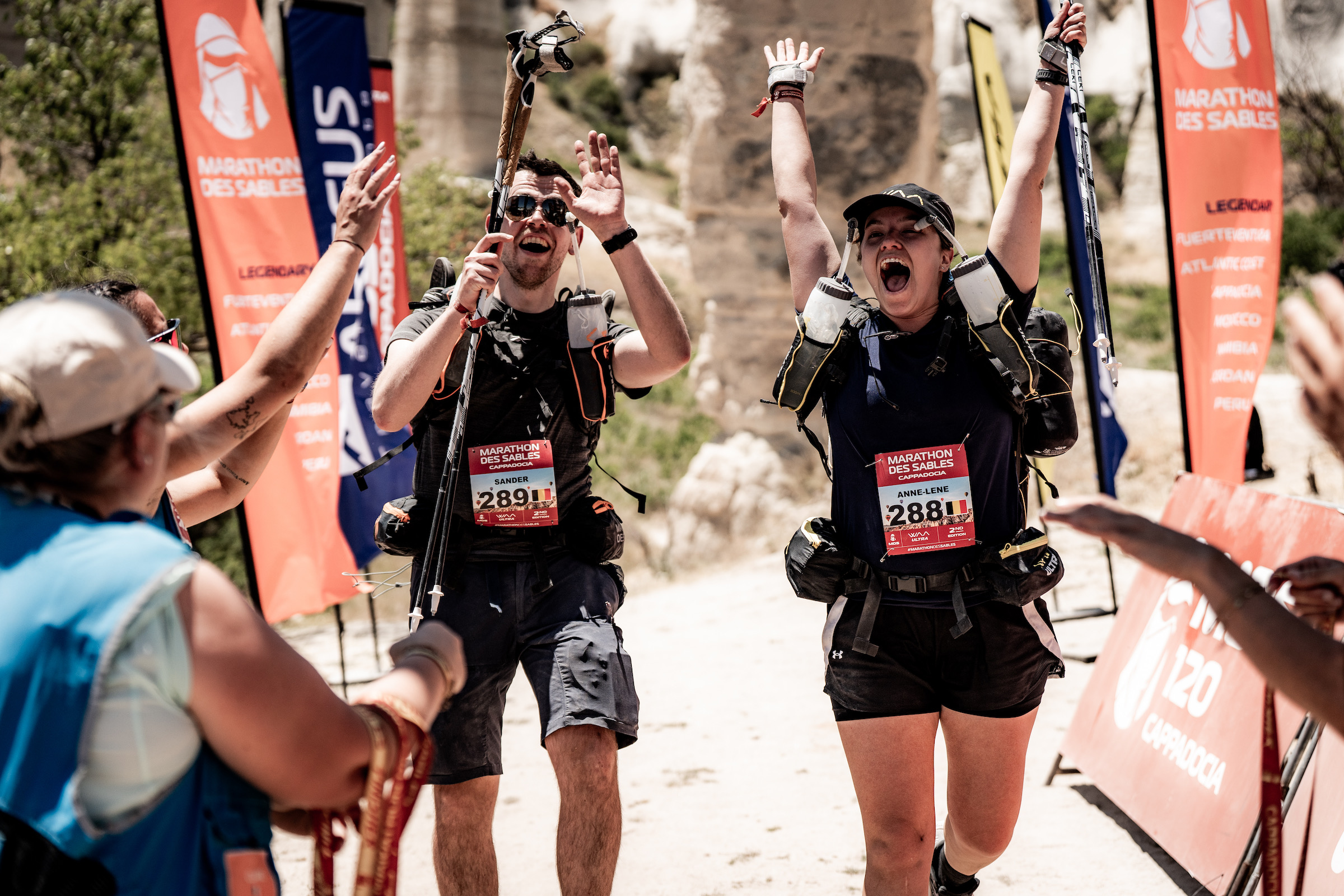
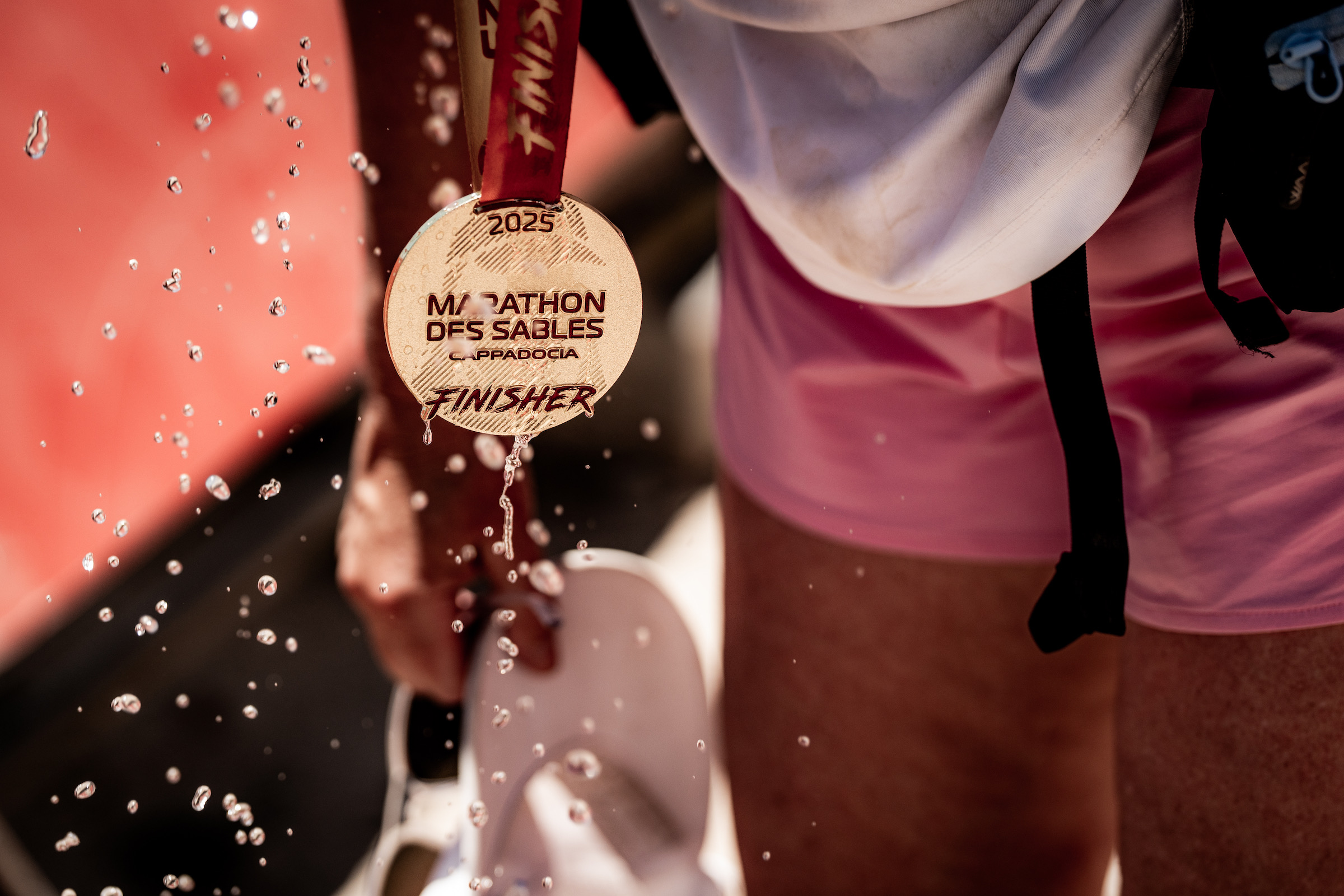
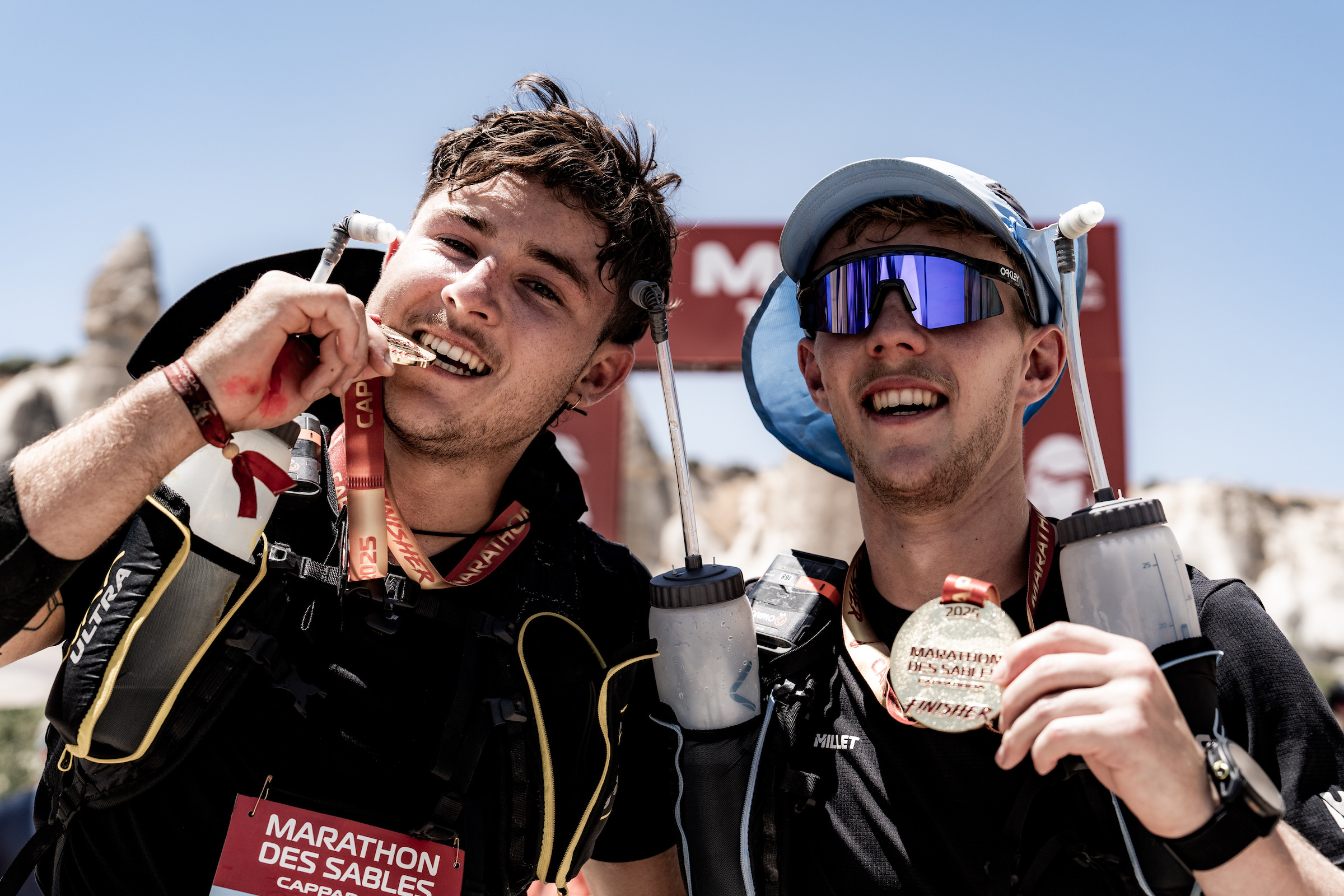
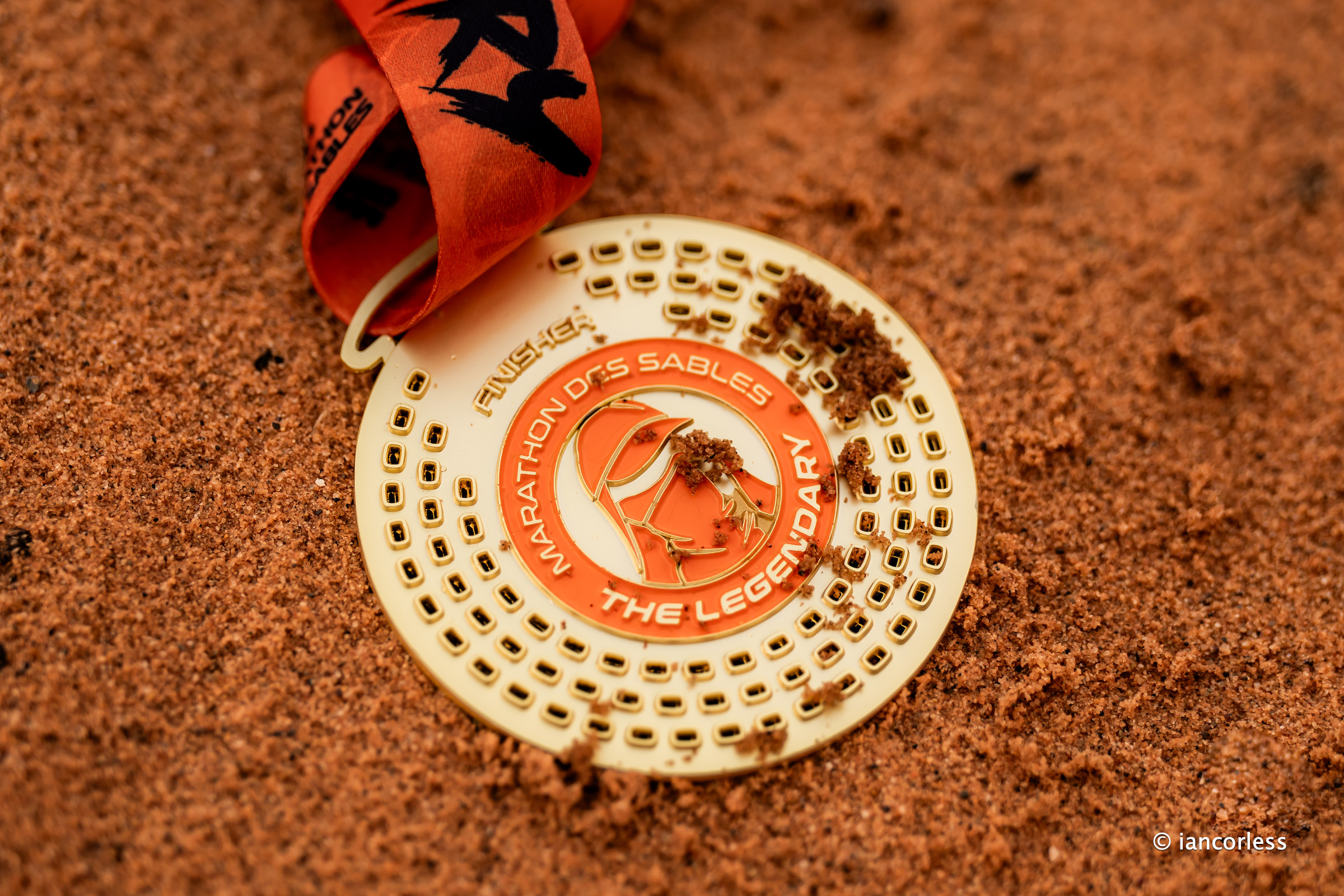
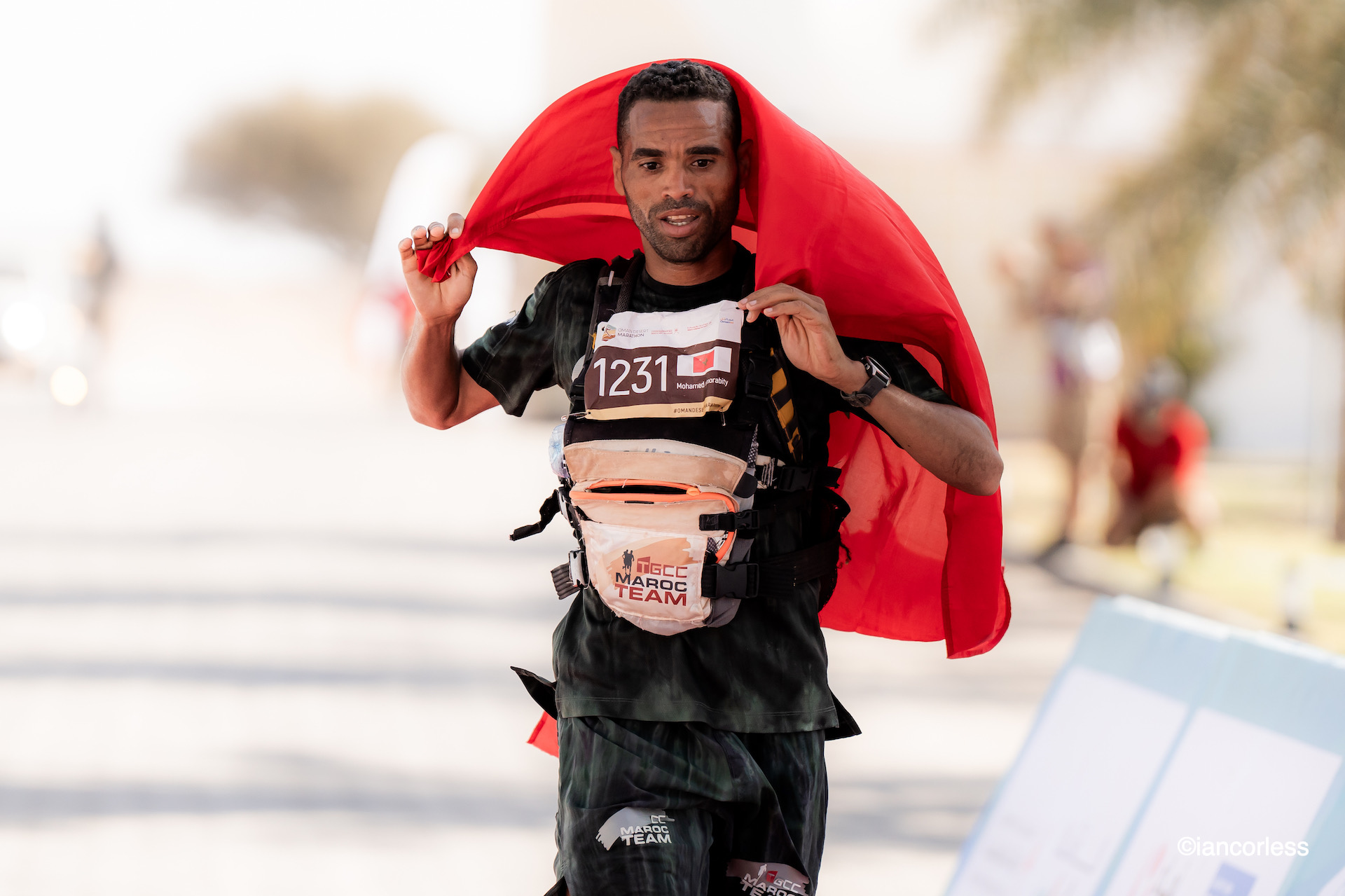
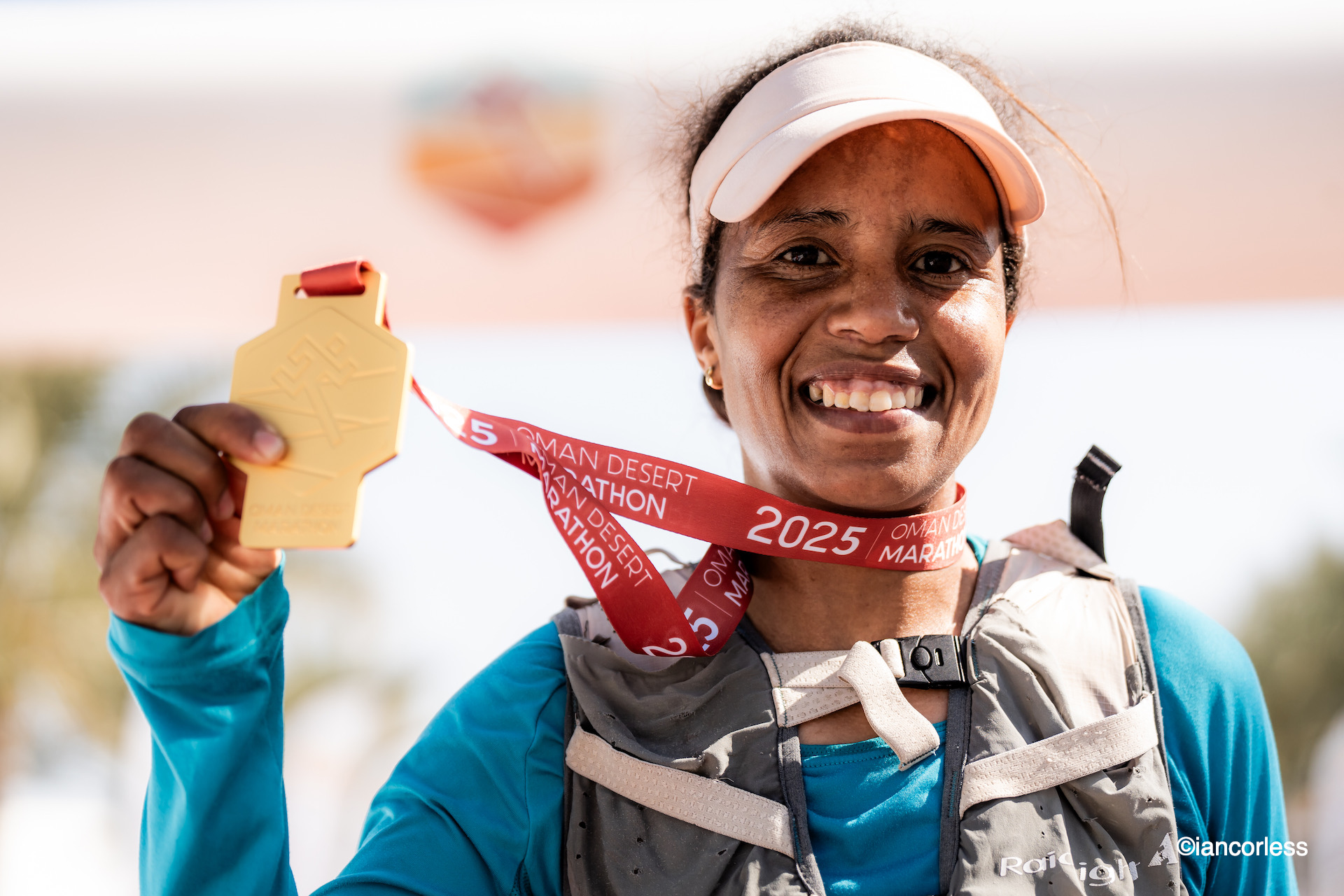
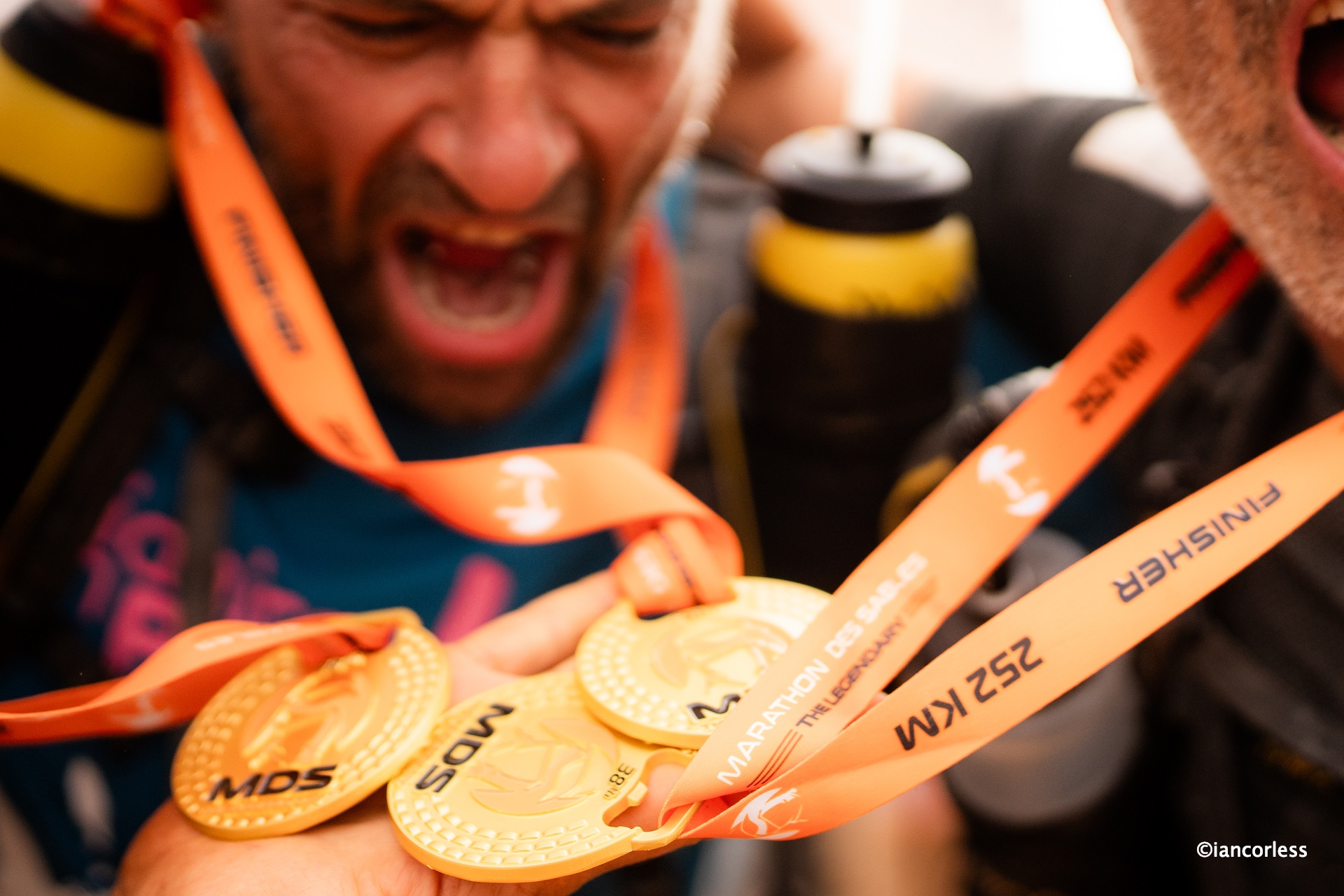
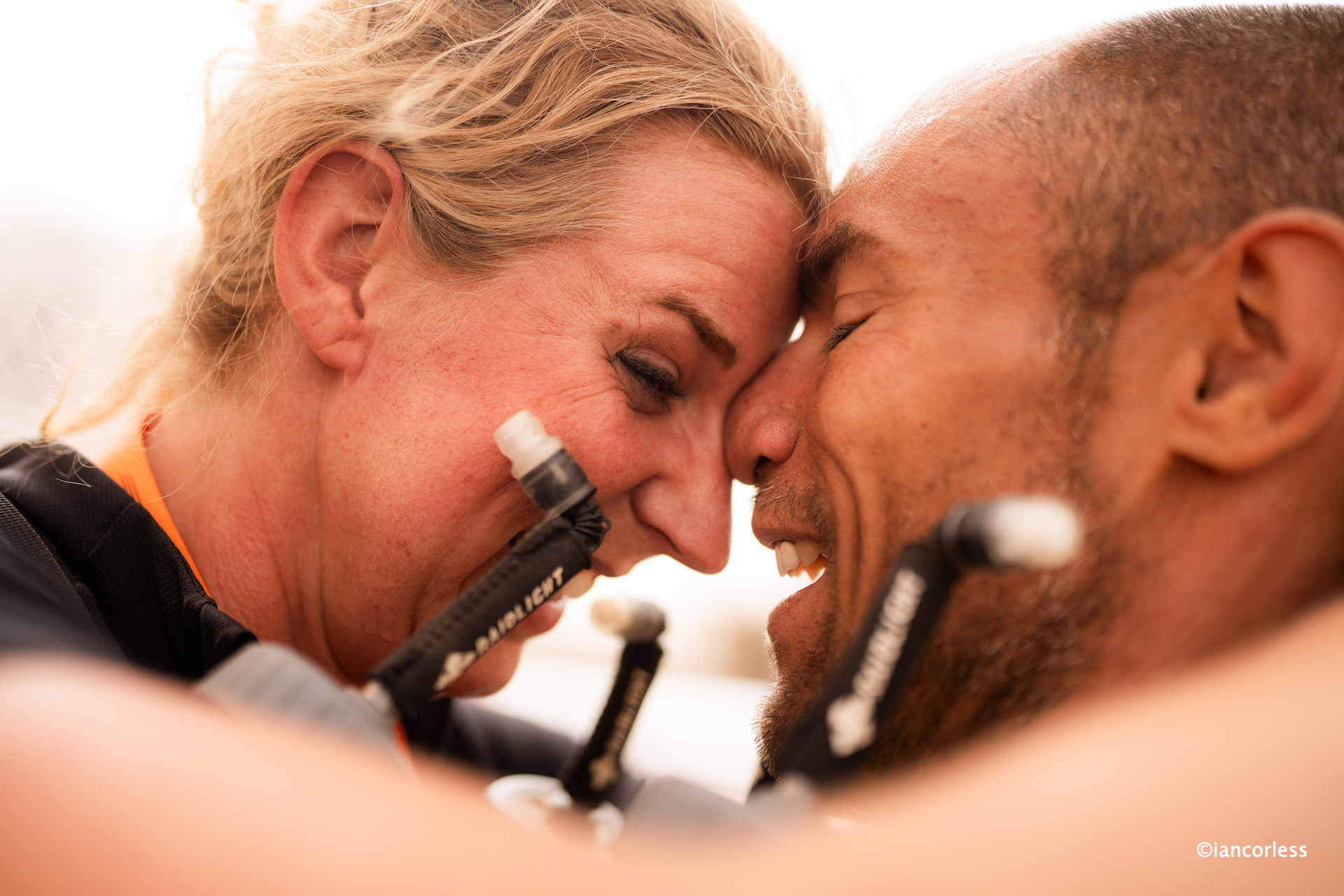
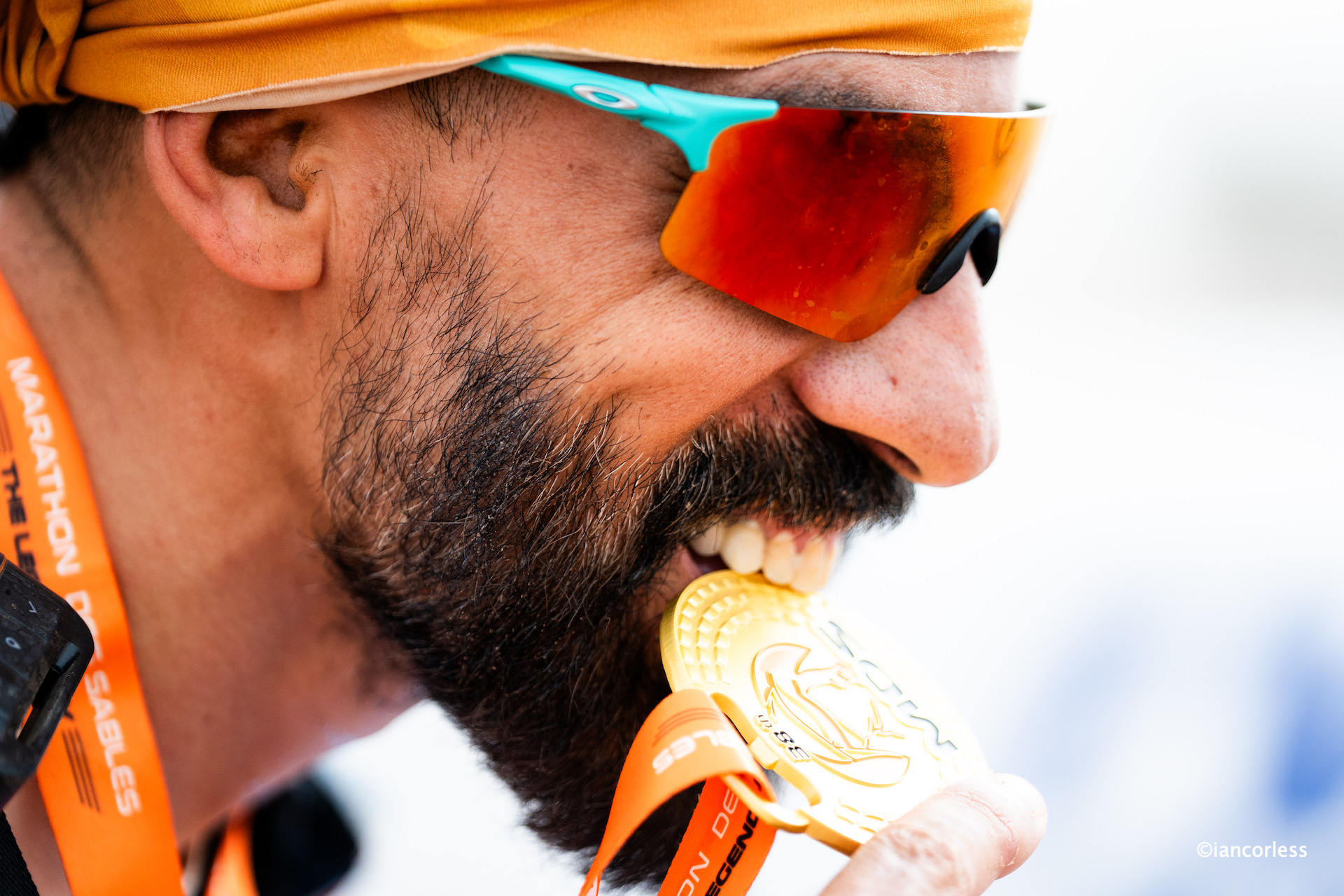
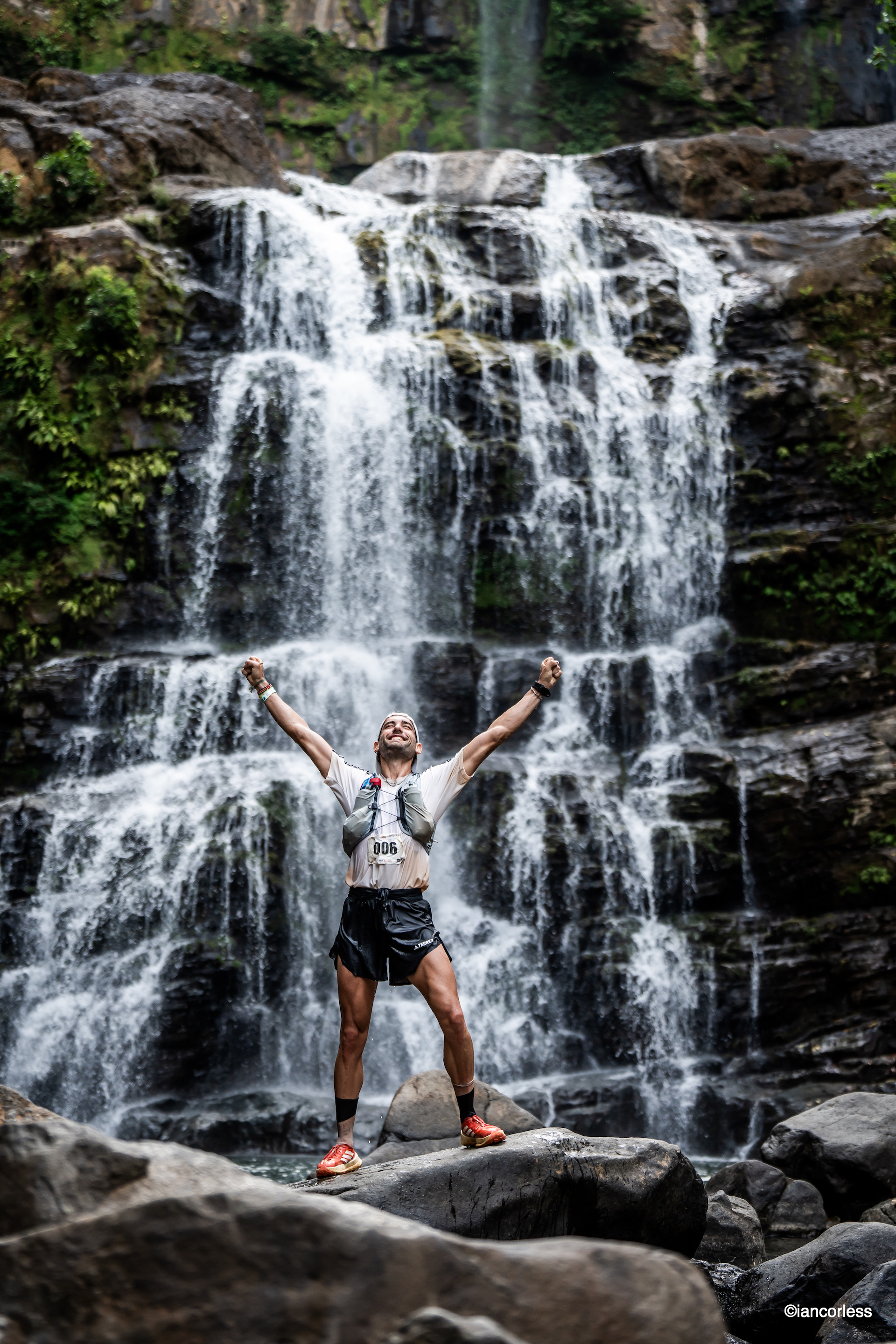
Crossing the finish line at the edge of Love Valley brought a wave of emotion. Some wept, others collapsed. The medal placed around each finisher’s neck wasn’t just symbolic, it was earned in full, mile by scorching mile. For many, it marked the toughest test they’d ever faced in a race.

From first to last, the results were staggering. All athletes held their nerve in the heat, but it was the collective will of the entire field that defined the day. This was more than a stage, it was a battle. And everyone who crossed that line came out the other side changed.

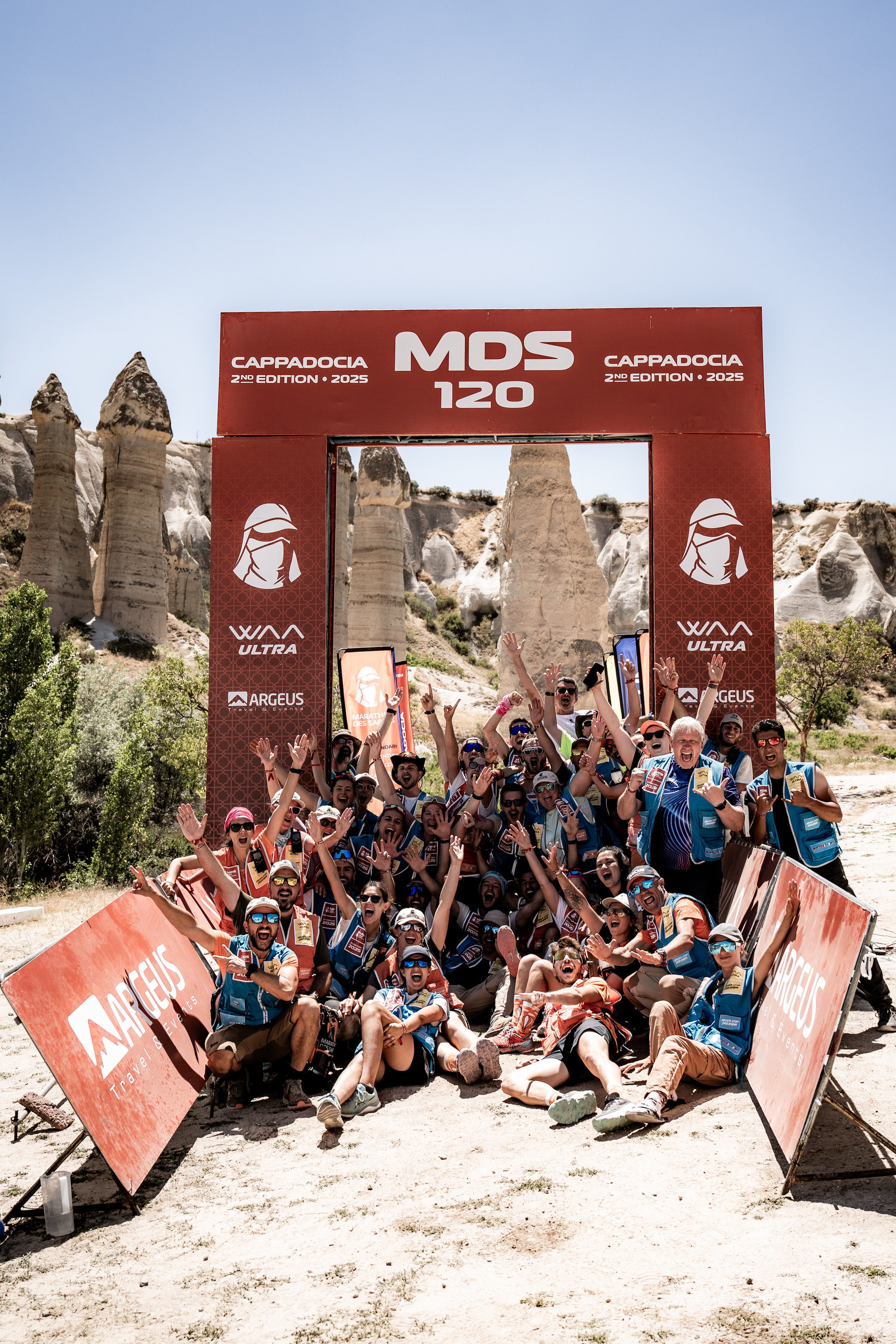
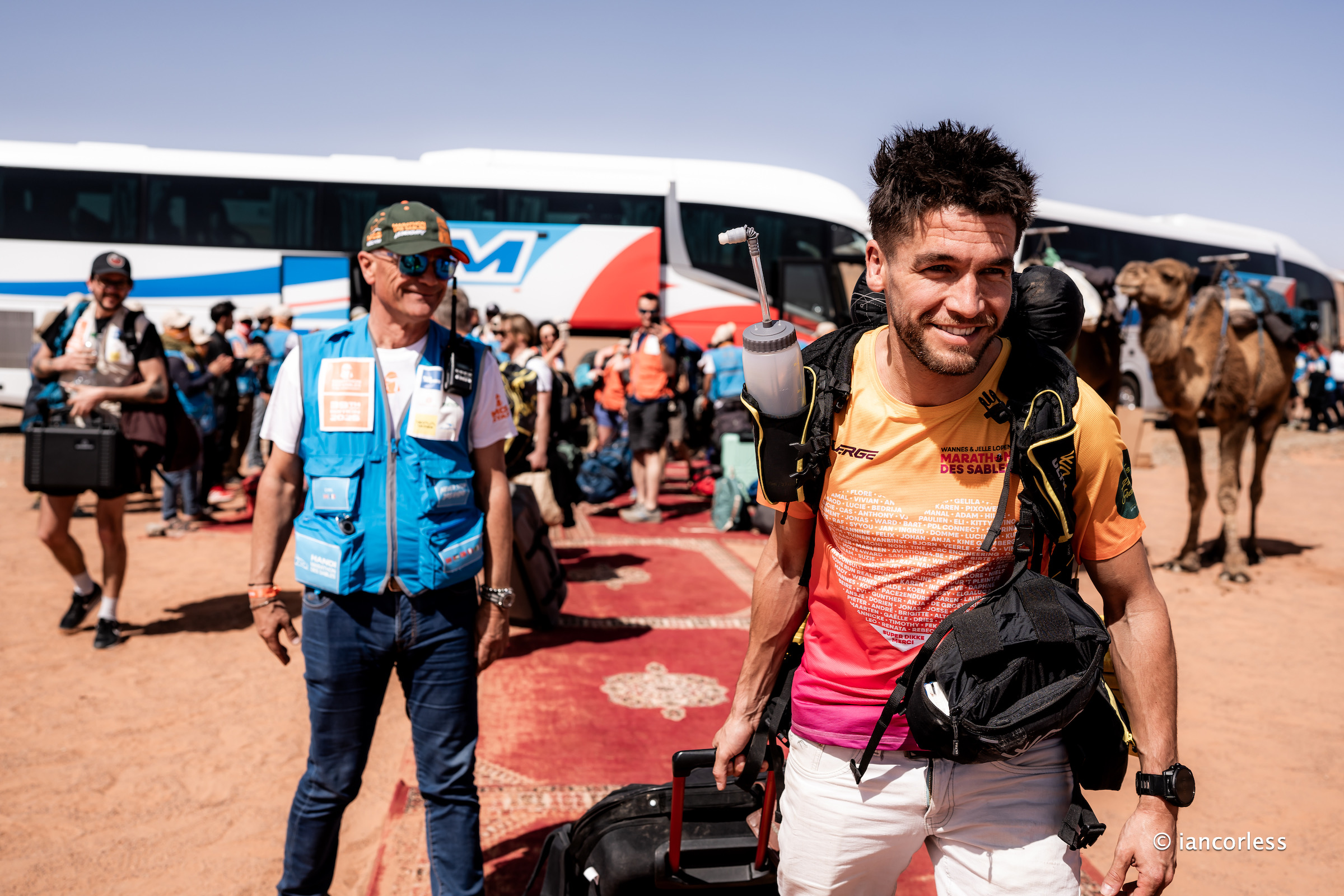
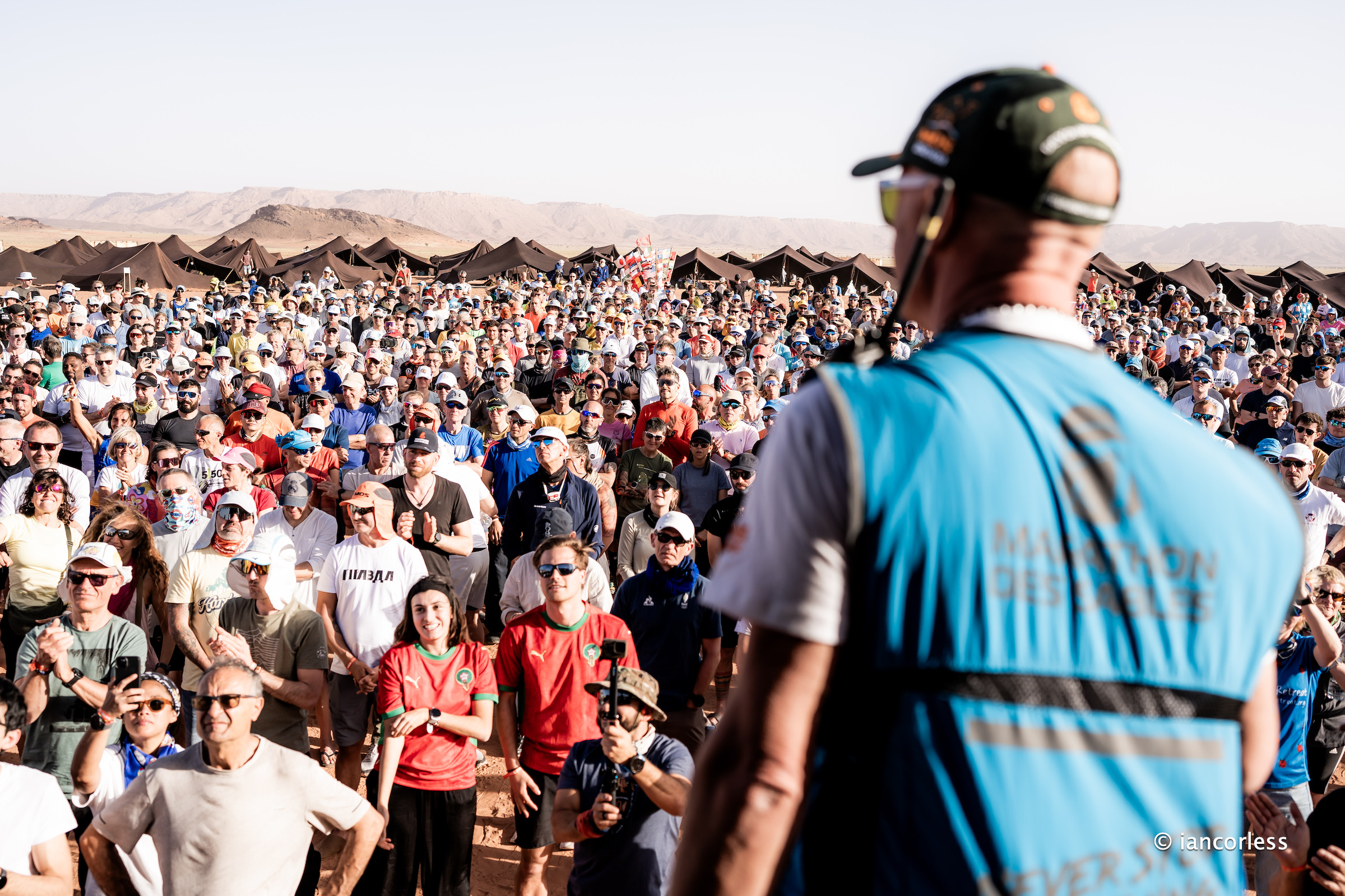
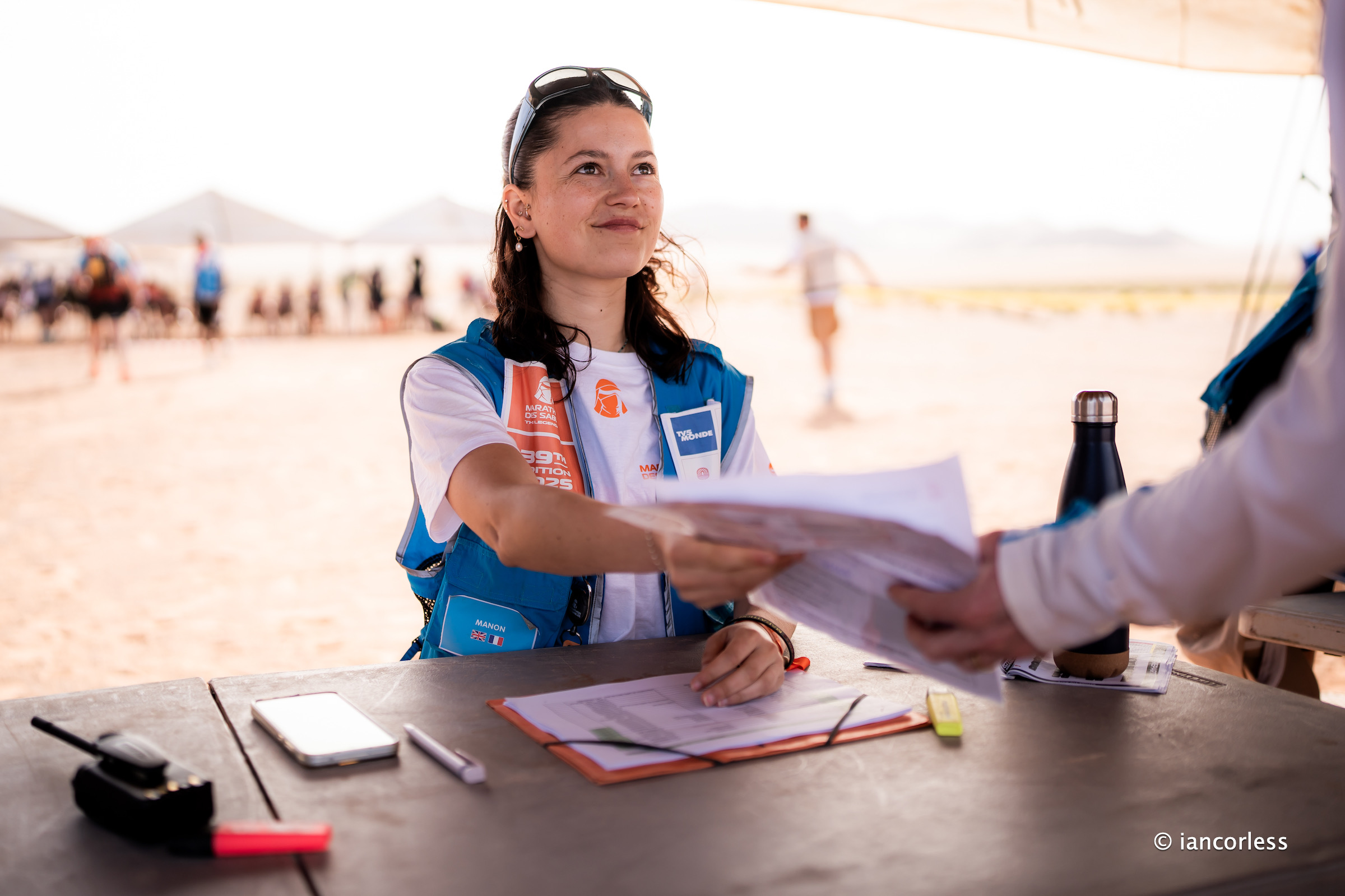
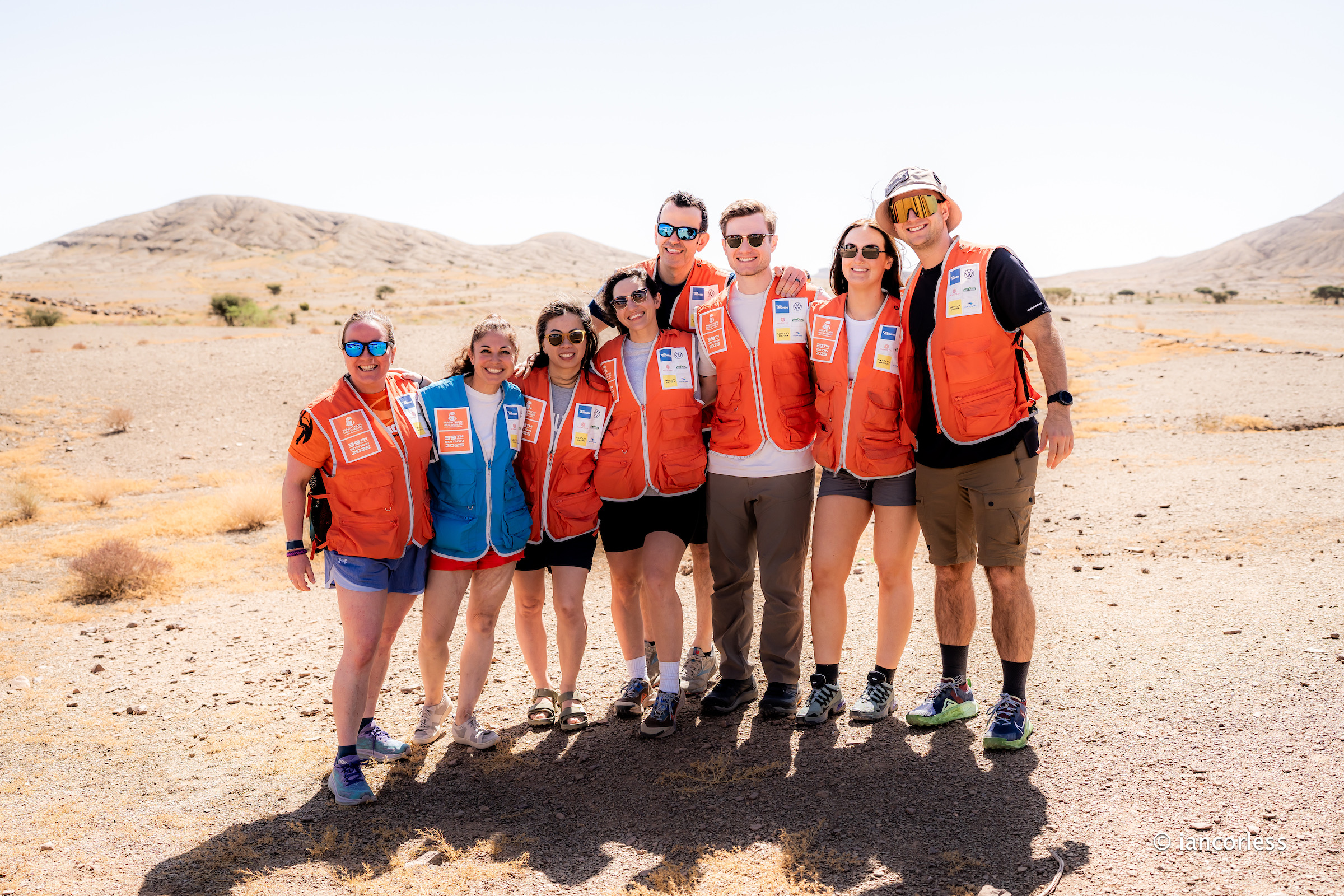
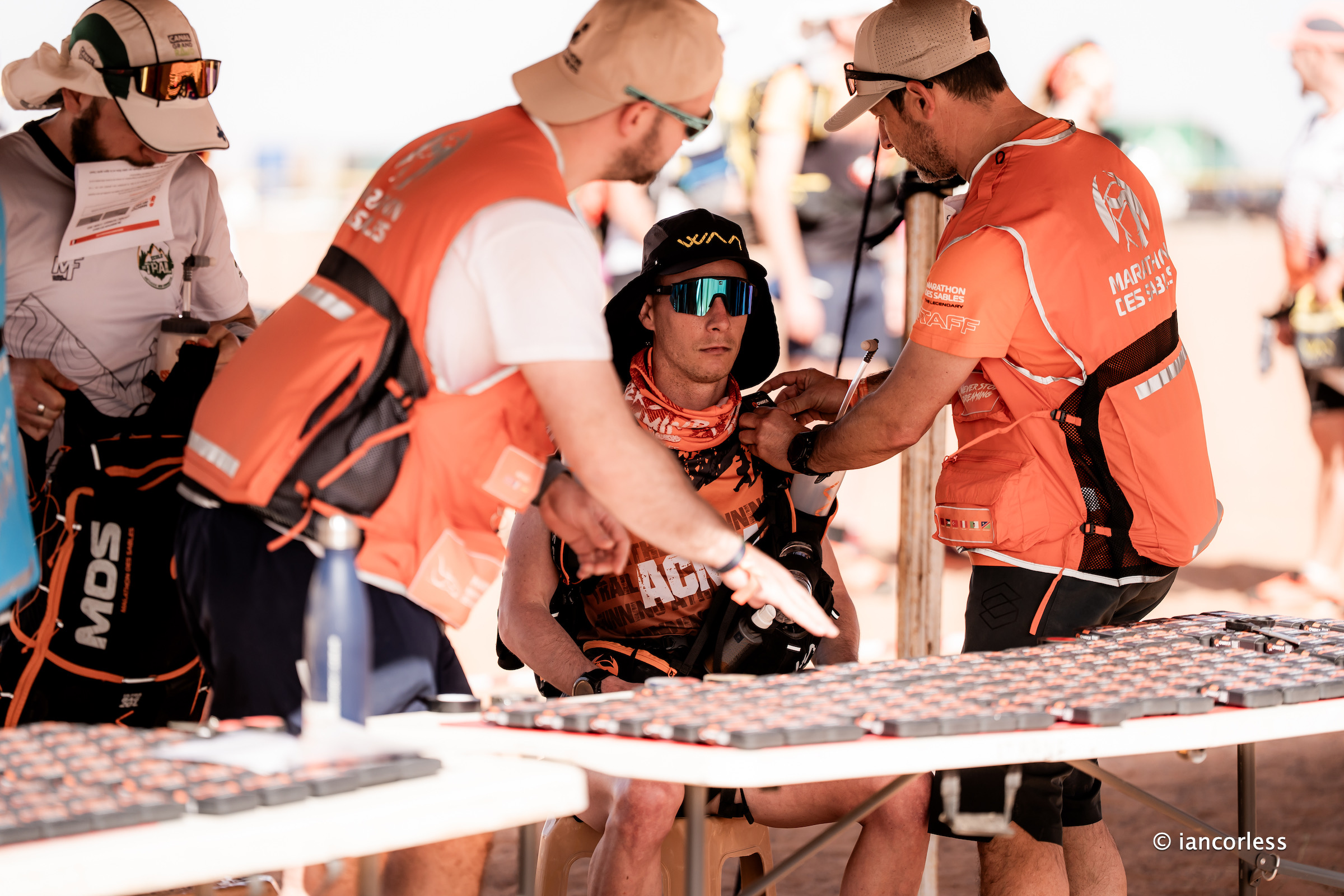
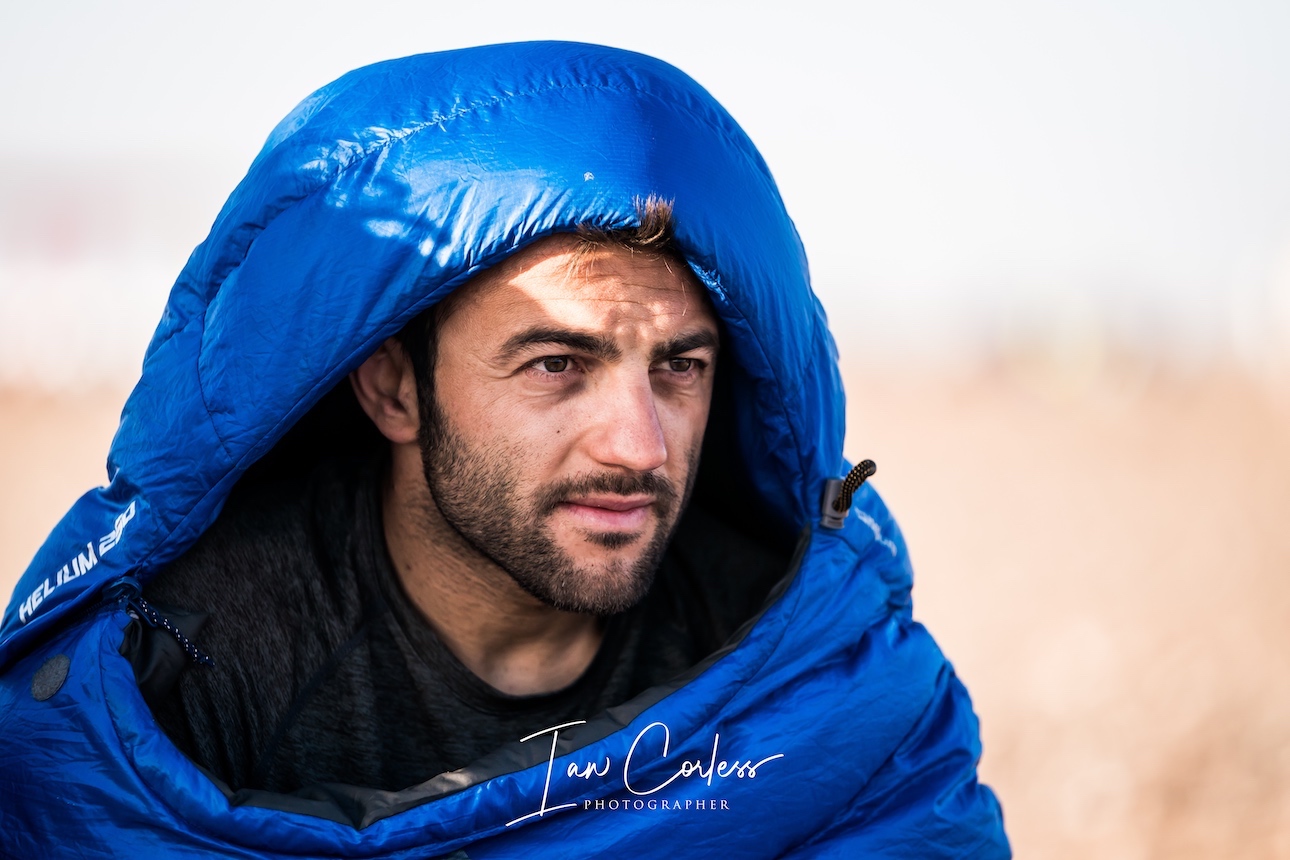
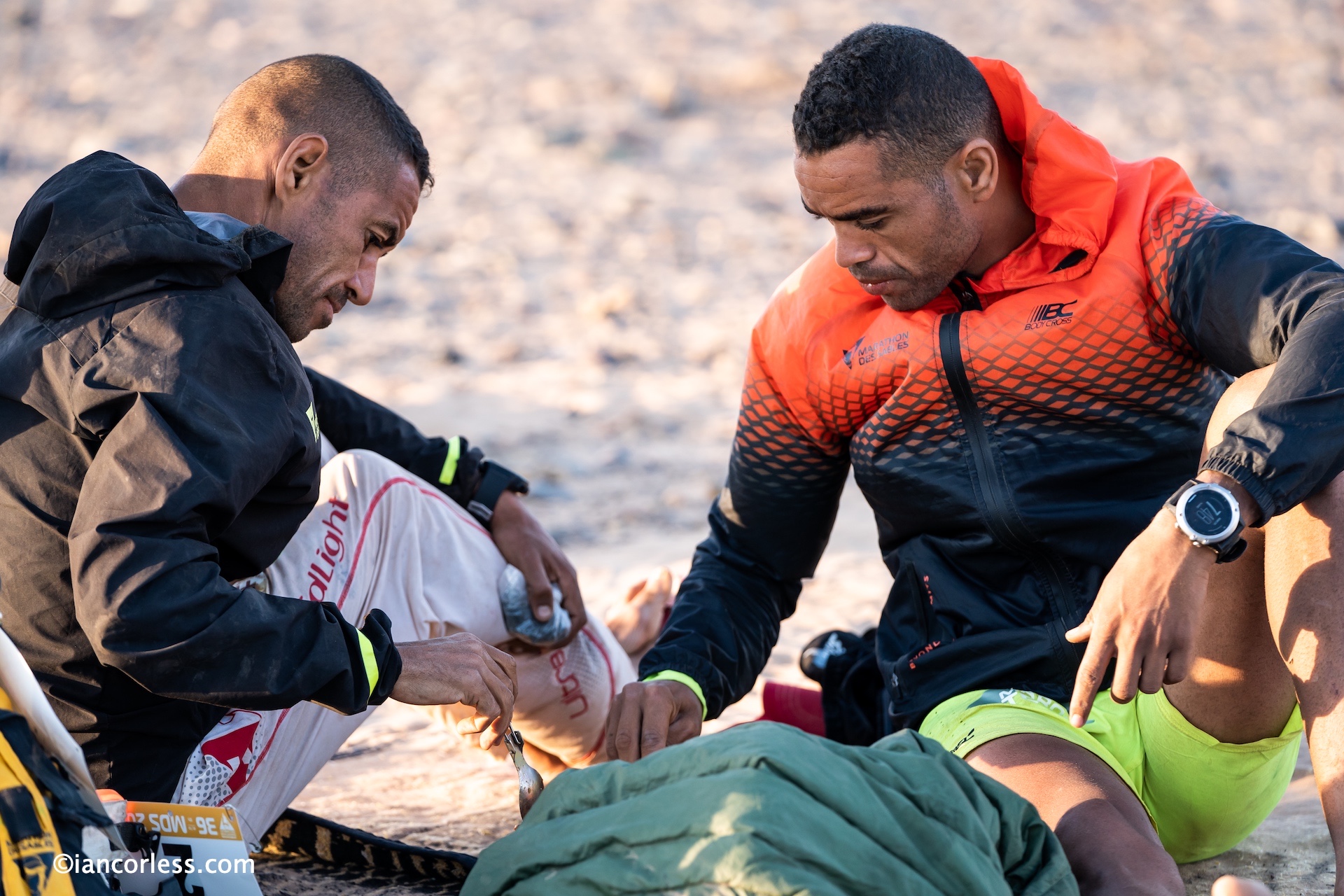
Blue and Orange jackets make it all happen

Stage 3 didn’t give anyone an easy finis. It demanded everything. The landscape may have been romantic, but the race was ruthless. The medal, deserved!


Follow Ian Corless

Instagram – @iancorlessphotography

Twitter – @talkultra

facebook.com/iancorlessphotography

Web – www.iancorless.com
Web – www.iancorlessphotography.com

MDS THE LEGENDARY 2025 : RACE SUMMARY

Photo by Ian Corless

The sand is settling, the 2025 and 39th edition of Marathon des Sables The Legendary is over.

Quite simply, a hugely successful edition with 95% completion rate and good time vibes felt throughout the Sahara and beyond.

OVERVIEW

Cyril and Olivier with Michael from the USA – Photo by Ian Corless

The transition from 2023 to 2024 was not an easy one. The take over of MDS from Patrick Bauer and into the hands of Cyril and Olivier had created some concern and anxiety. Most certainly, the build up to the 2024 (38th) MDS had many concerns for participants that were vocalised on social media. However, after the 2024 event, all these worries and concerns were extinguished with an incredibly successful event and high finish rate. You Can read Marathon des Sables – The Legendary : 2024 Summary HERE should you wish.

Nothing like a MDS start – Photo by Ian Corless

From May 2024 to April 2025 the build up to the 39th Legendary edition was seamless. The successful running and completion of MDS (3-stages over 4-days at 70/100 or 120km) events in Cappadocia, Fuerteventura, Jordan, Morocco, Atlantic Coast and the introduction of Trek and Handi only confirmed the growth, development, upward learning curve and the MDS team bonding and progression.

All of the concerns and worries for the 38th edition of Legendary played out on social media were not present for the 39th edition. There is a couple of reasons for this I believe:

  • The 38th edition had been a huge success and therefore worries and concerns were answered.
  • The pro-active communication from the MDS team improved considerably.
  • Runner testimonies from the 2024 event confirmed that the ‘new’ MDS team and the changes made were all positive.
  • Evolution, not revolution was the quote that Cyril Gauthier had used in 2023 this was played out in 2024 and then consolidated upon in 2025.
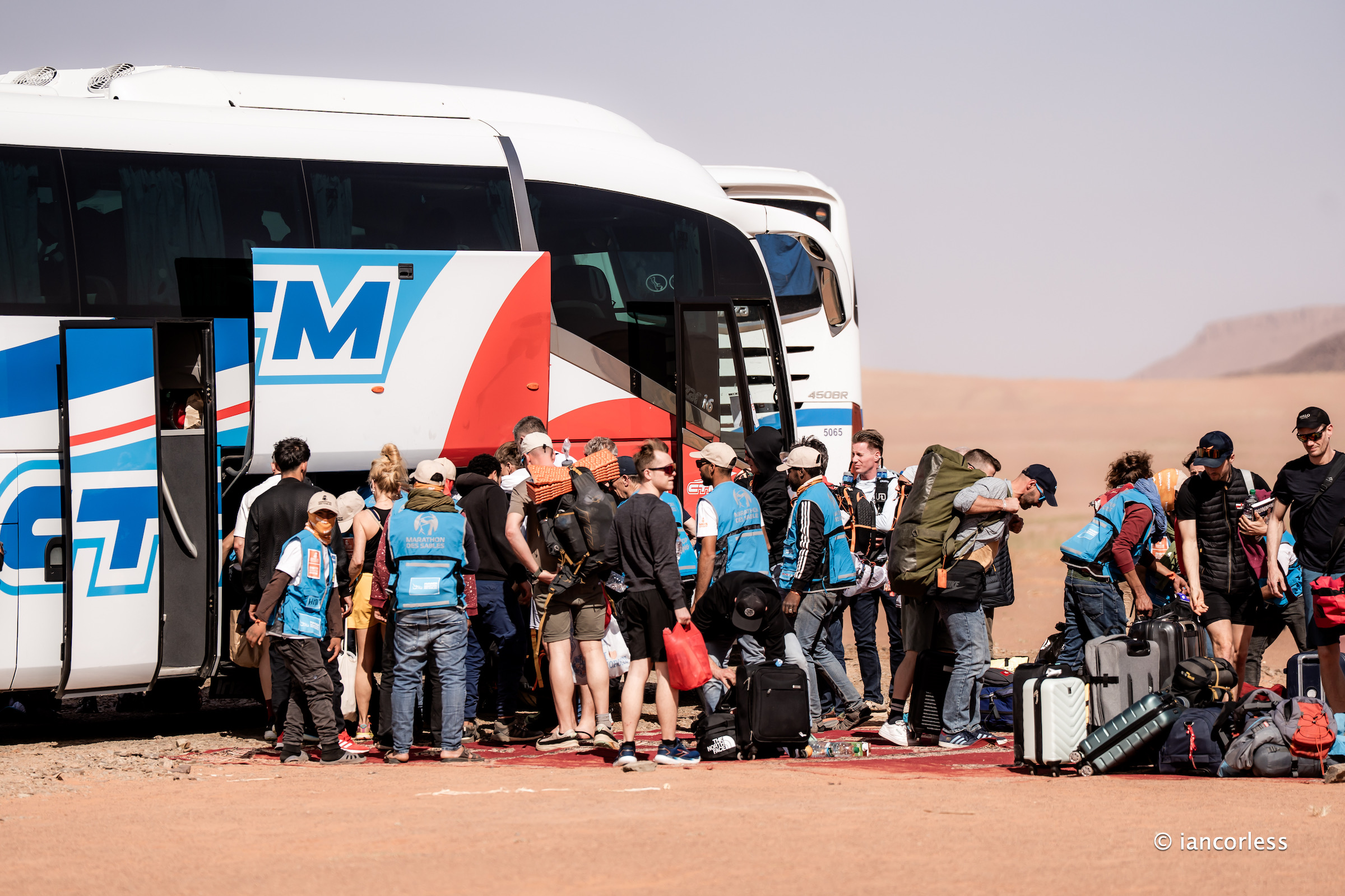
Arrival in the desert – Photo by Ian Corless

THE 2025 EVENT

Welcome to the Sahra – Photo by Ian Corless

Post-race questionnaires are extremely important for the MDS team. Cyril and Olivier very much take all the comments, absorb them, digest them and then move forward with new plans. If a new plan does not work and the participants confirm this, then it is changed. If a new plan works, it is retained. There are no one-stop easy solutions, MDS is an ever-growing and ever-changing event that must constantly be a chameleon to the ever-changing demands and needs of participants.

TRAVEL

Photo by Ian Corless

A key change for 2025 was in transportation. Two key points:

  • The core MDS team, based mostly in Paris, travelled to Morocco via train, boat and coach, taking 3-days and not using airplane travel. For 2025, this was a one way journey, a test, to see how feasible and practical this form of travel is. The general consensus from those who did it is/ was extremely positive. General comments were around this being an adventure in its own right, a brilliant opportunity to share more time with colleagues, a great opportunity to work while travelling and so on… I think we may well see this grow into something bigger for 2026!
  • In 2024, plane travel arranged by the MDS organisation was reduced to a minimum. For 2025 it was eradicated all together. Therefore, participants could no longer take the option of a MDS charter plane but had to arrange flights themselves. This is no big deal with so many flight options available, especially with MDS offering a free transfer coach service from Marrakech to Ouarzazate and post-race, a free transfer service back to Marrakech.

SELF-SUFFICIENCY

Photo by Ian Corless

Catering by the MDS organisation once in the Sahara was removed in 2024, this was reasoned for 2025. To clarify, when the buses leave Ouarzazate for the desert, self-sufficiency begins for the travel day, the fist night in bivouac, the following day (admin day), the evening and then, the following day, the race starts and ‘race’ self-sufficiency begins. There is a difference between the two forms of self-sufficiency as the travel day and admin day you can bring as much or as little as you like. Quite simply, it’s not part of the mandatory race minimum requirement of 2000 cal minimum per day. You can bring tinned food, drinks, wine, beer, caviar…. Whatever you wish! It’s a no brainer to be able to look after your own food requirements and quite simply it greatly reduces the possibility of food related health issues that could potentially ruin a race.

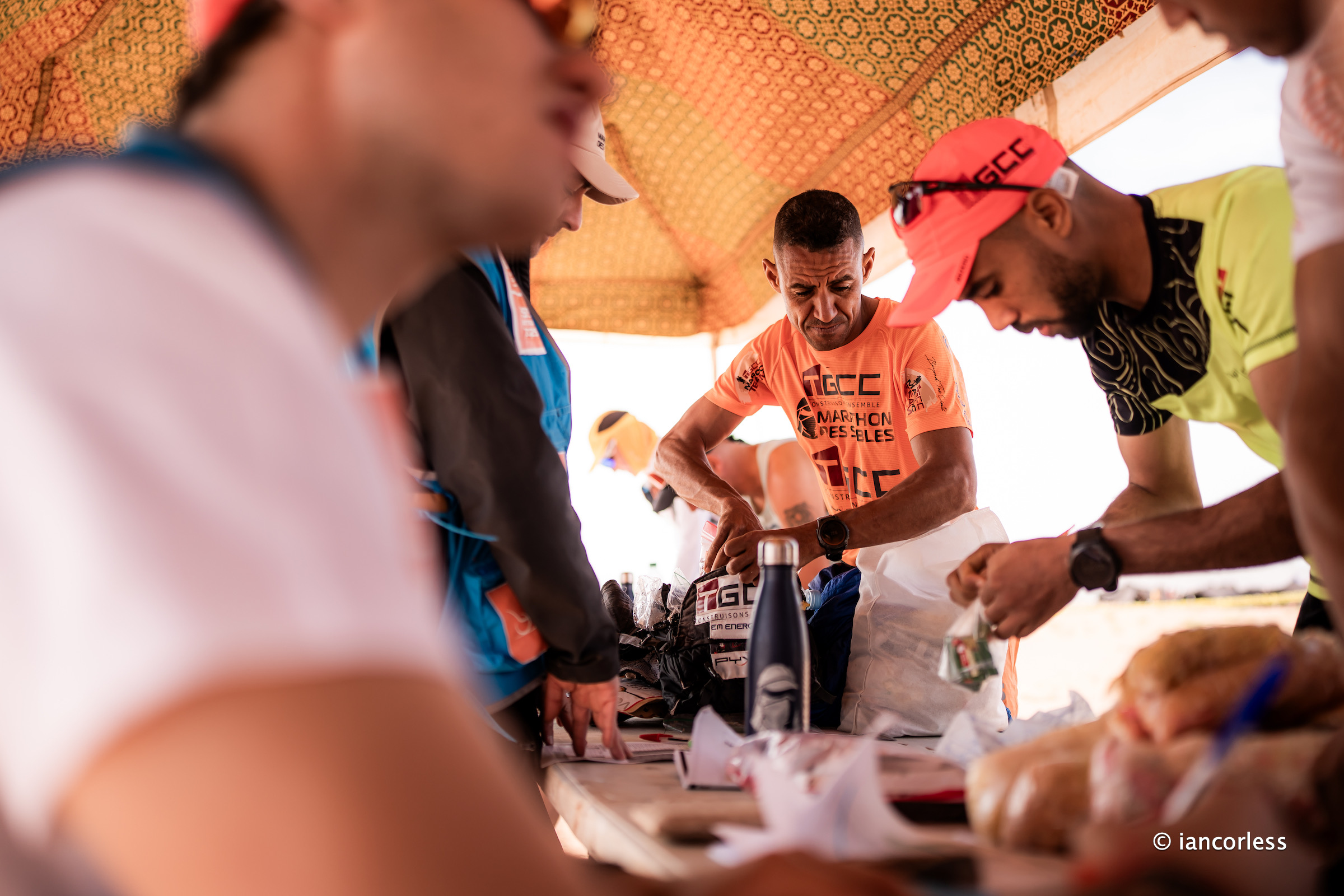
ADMIN DAY

Photo by Ian Corless

The procedures for admin day were changed for the 2024 edition and they were a huge success. This system was retained for 2025 making the process seamless, fast and considerably less painful than the procedures that had gone before.

Photo by Ian Corless

BIVOUAC

Photo by Ian Corless

In principle, it may well look the same, however, there are changes for the very observant. Firstly, the circles that make bivouac are smaller and tighter making the camp much more of a community. In 2025 there were new ‘women only’ tents for those who would prefer this option. On some days, in the middle of bivouac, yoga/ stretching was possible, circle of legend talks and yes, even a big fire.

WATER

Photo by Ian Corless

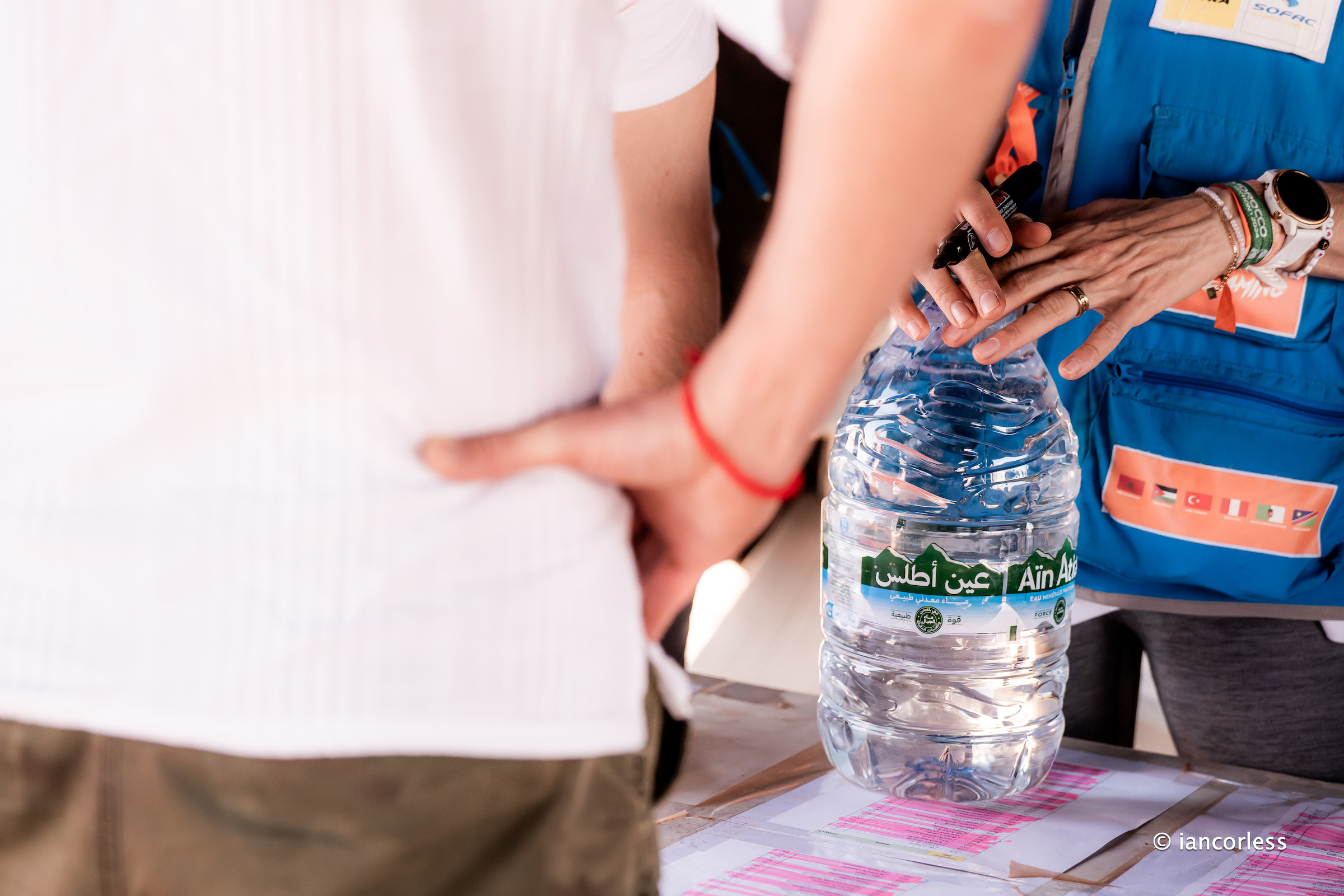
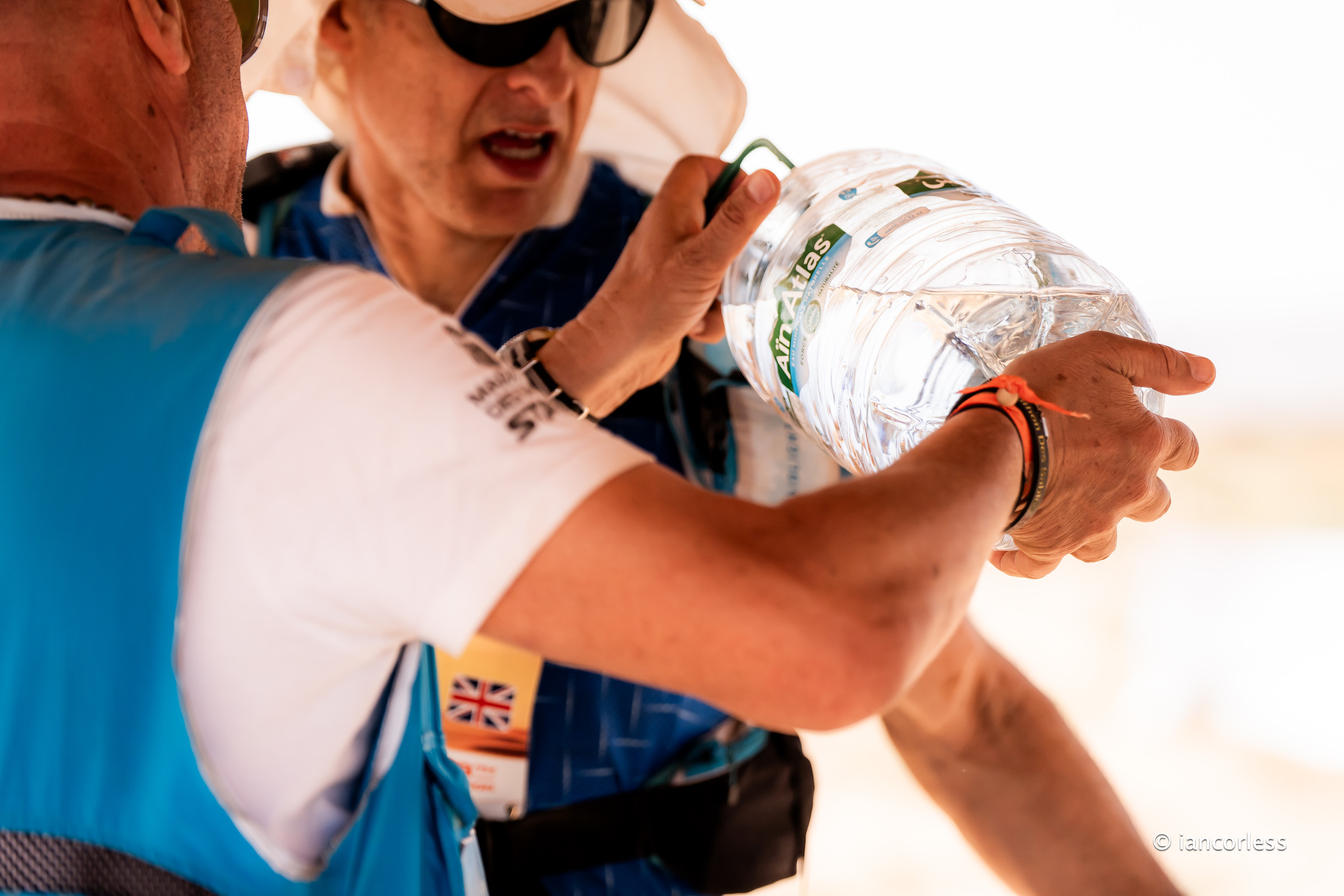
The provision of water was drastically changed in 2024 and this was retained for 2025. During the race there is no rationing of water. As you arrive at a CP, water is decanted into your bottles via MDS blue jackets who pour the water from jugs. This water comes from large 5ltr bottles. Quite simply, you can have 2x 750ml bottles filled, you can then drink one and it will be refilled if required – a game changer.

Photo by Ian Corless

Post-race you are provided with 1 large 5ltr bottle, the is rationed. So, this water must provide hydration post-race, be used for dinner/ breakfast and it must be used to fill your bottles to take you to CP1 the following day.

ICED WATER

Photo by Ian Corless

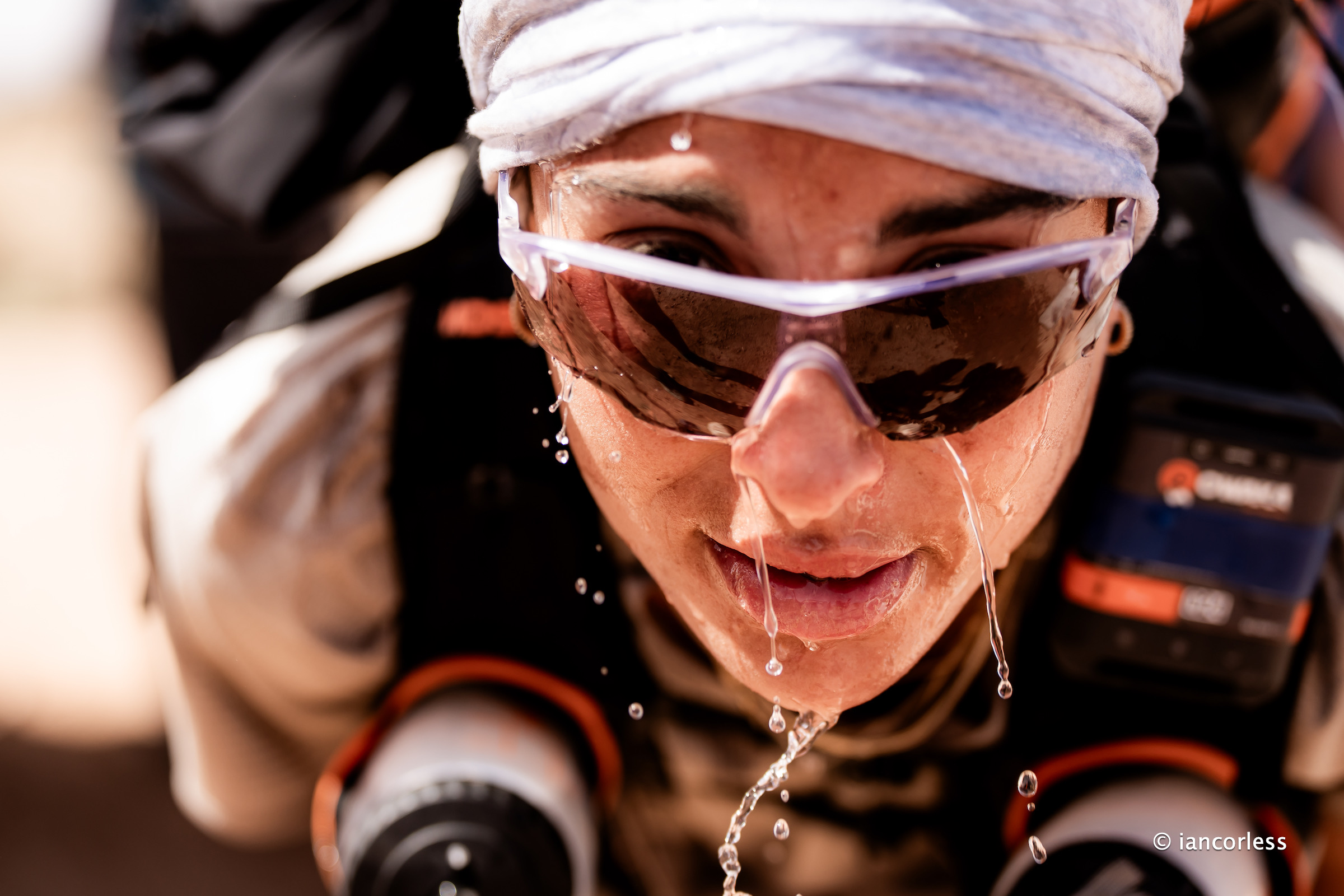
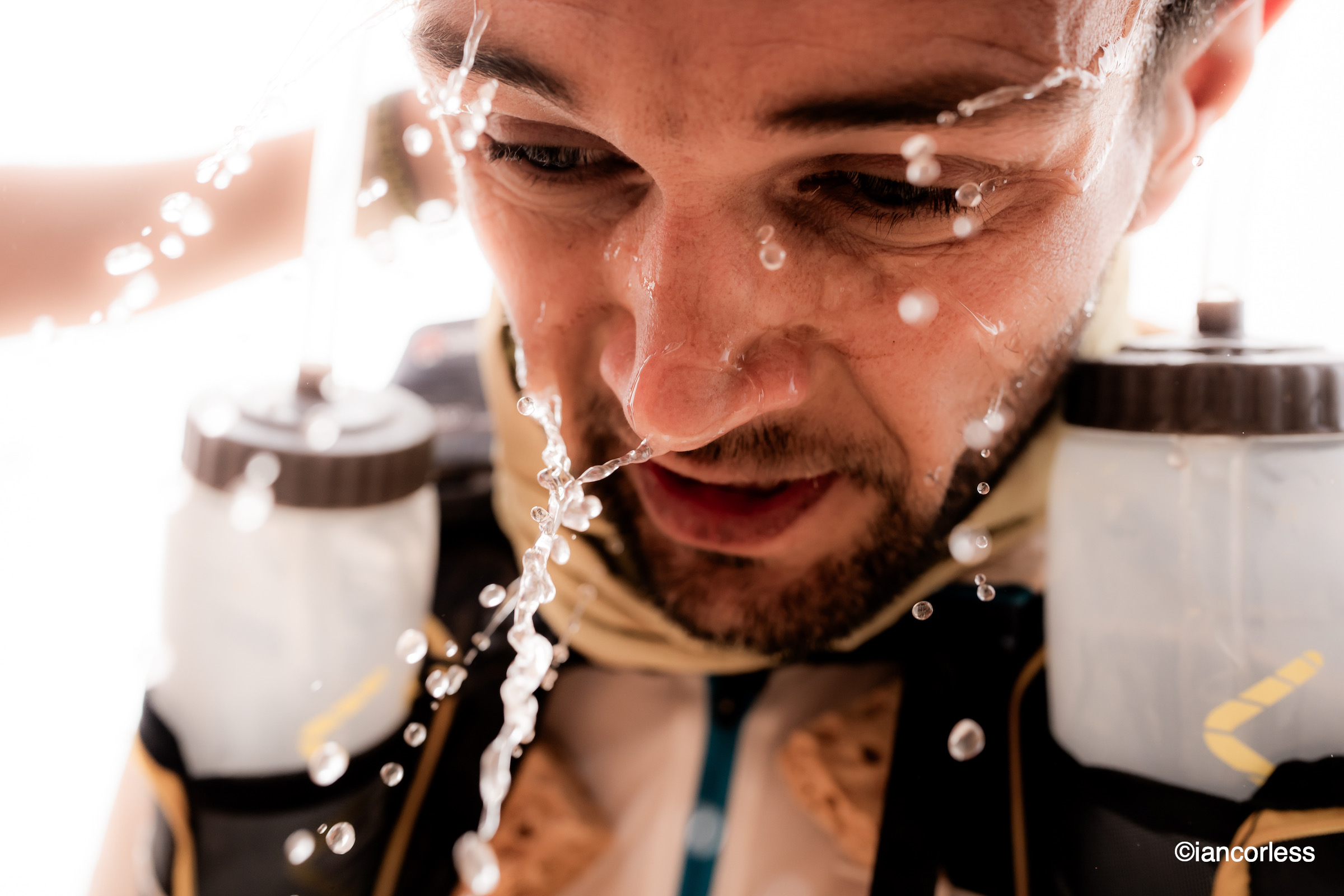
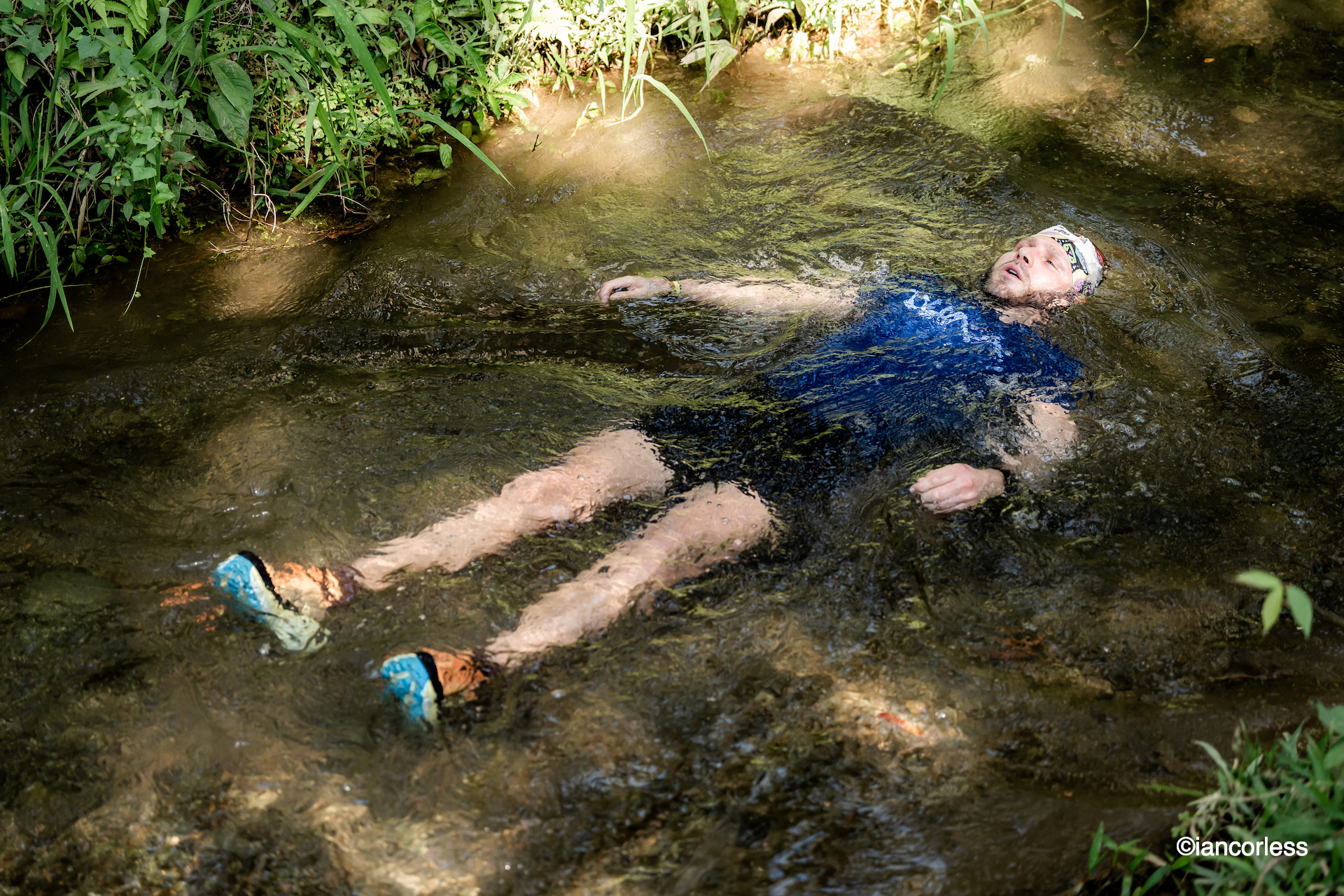
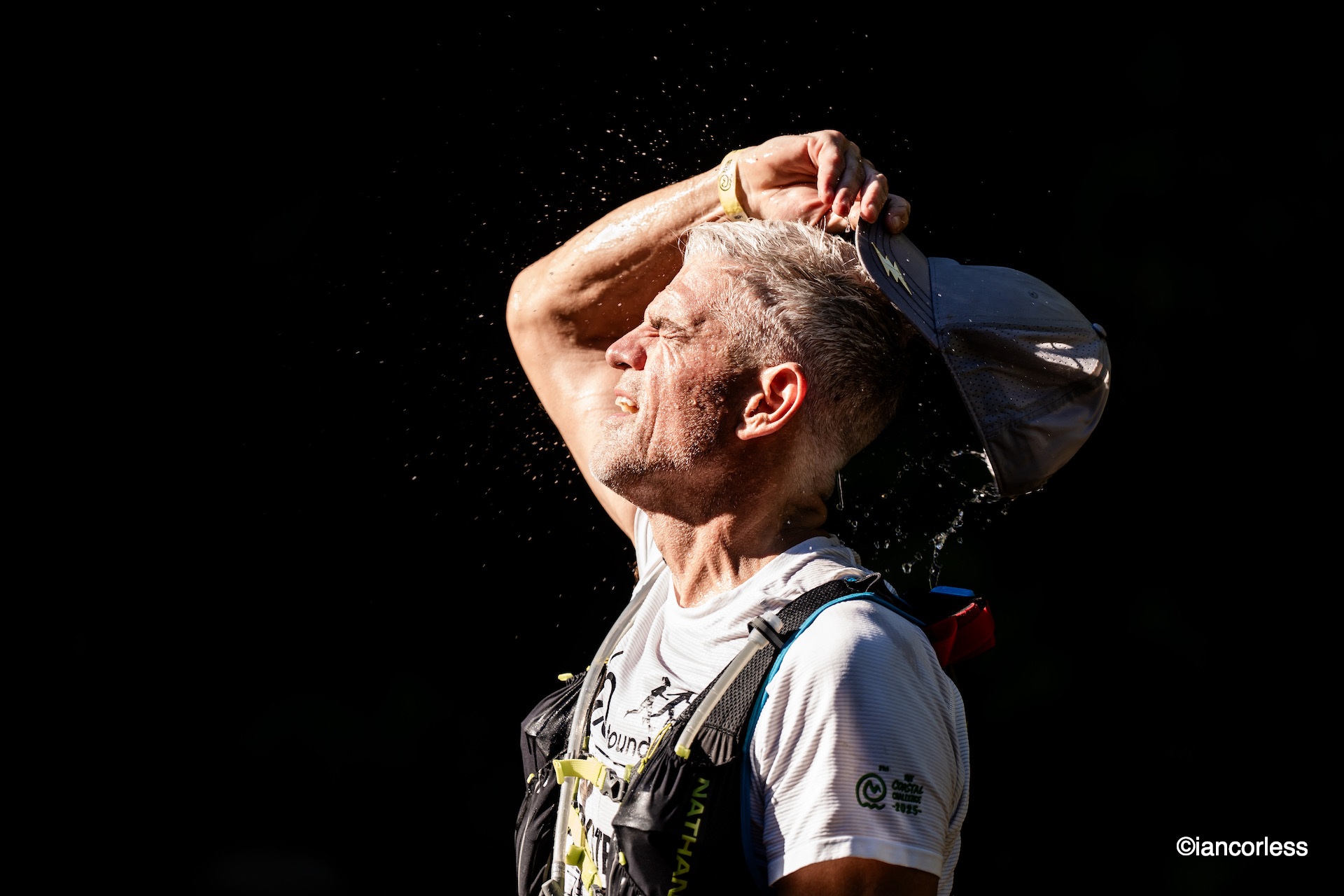
CP’s have MDS orange or blue jackets who will pour iced water over your head to enable cooling. It’s a small simple step that makes a huge change that ultimately helps facilitate completion of the Legendary.

ORANGE AND BLUE JACKETS

Photo by Ian Corless

The MDS would not happen without this amazing team of people. The energy, the enthusiasm, the constant good vibes make the runner the number one priority and YES, these people make the difference between finishing and not finishing. They are 100% switched on with the sole purpose to get every runner across the line. You can get a feeling of how important the blue and oranges are by taking a look HERE on Facebook.

Photo by Ian Corless

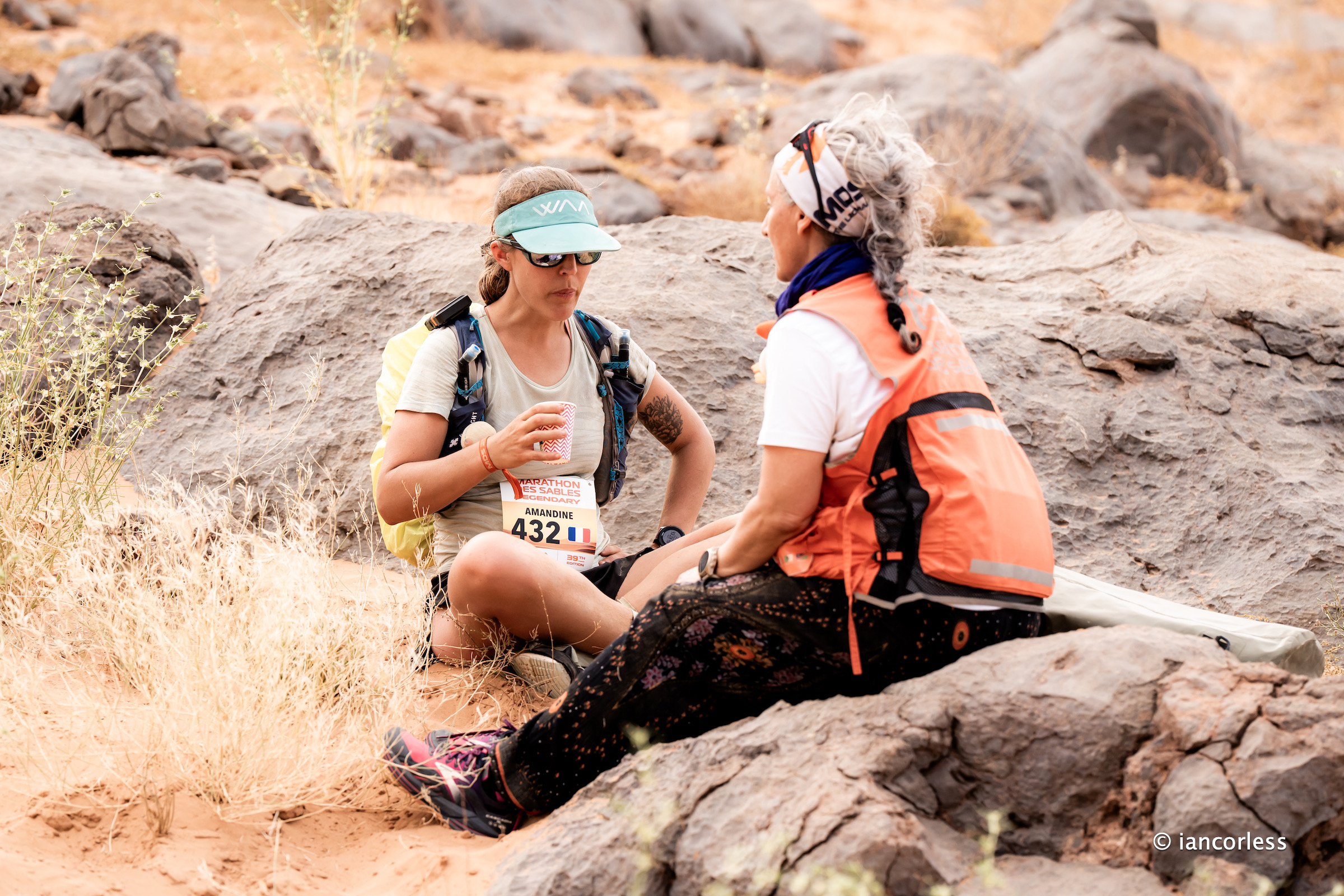
Orange jackets are the medical team who make sure that participants are looked after 100%. They are there for you, no matter what the issue. You will see them on the course at CP’s, in fast response vehicles, in 4×4’s and of course in the medical tents in bivouac.

SAFETY

Photo by Ian Corless

Any MDS event has risks associated with it. We are often in harsh environments, in challenging conditions, we have varying climate conditions and of course, we have runner’s and staff pushing the limit of what is humanly possible. Safety is taken very seriously and how safety is managed is an ever-changing and developing process.

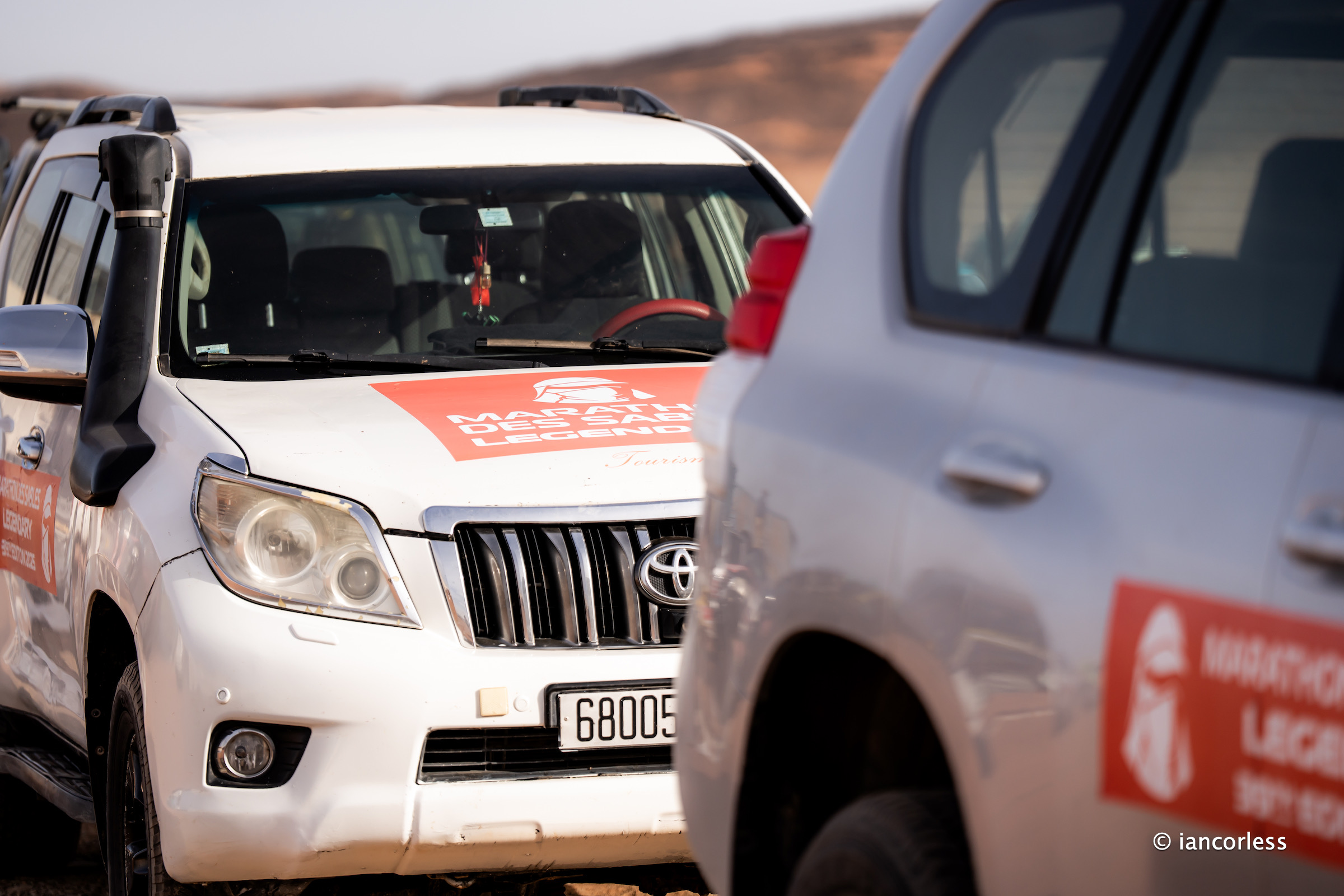
Countless 4×4’s – Photo by Ian Corless

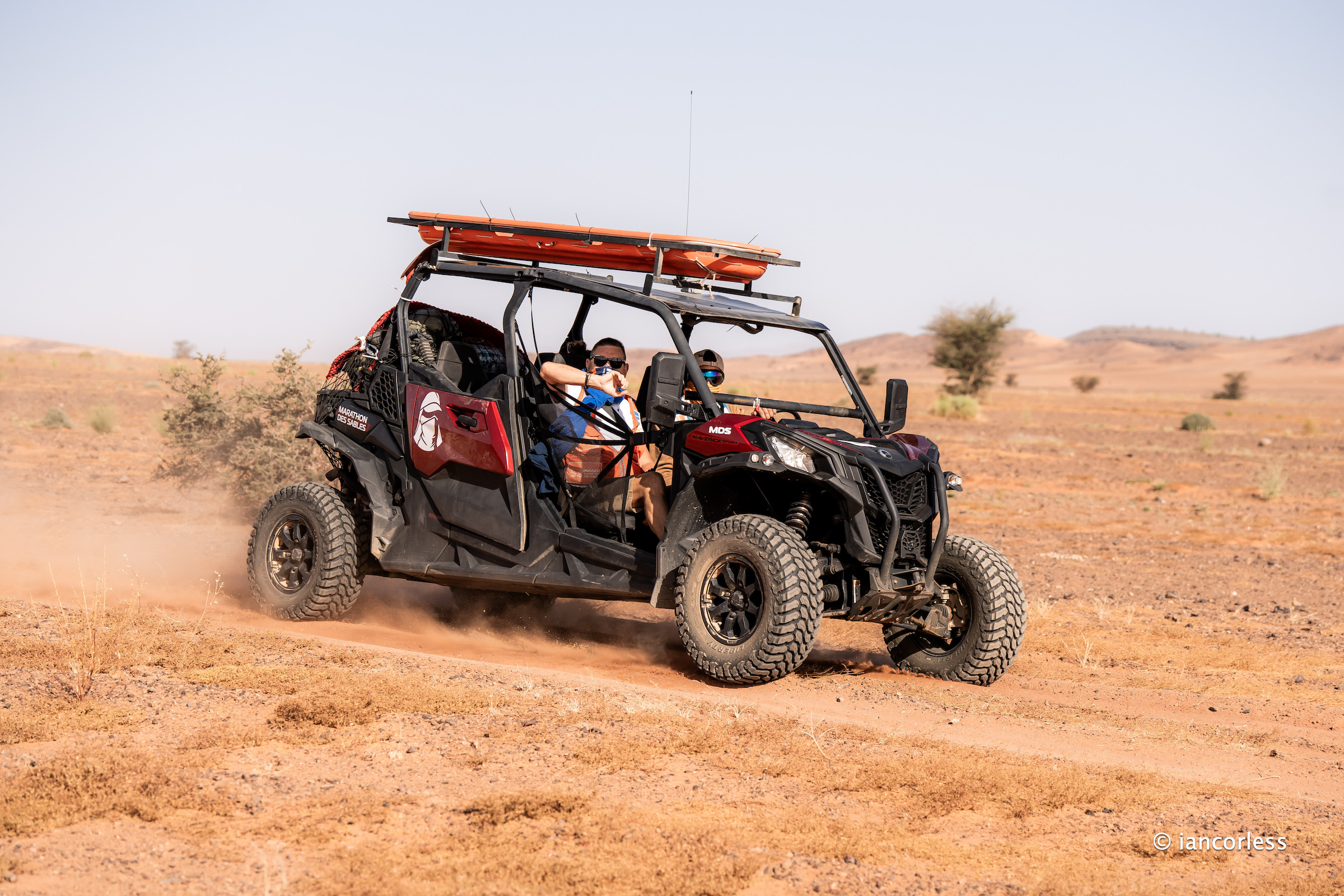
Legendary had more fast response vehicles, more medical professionals on course, there were 10 medical professional runner’s who did the course and there was a new mobile medical unit for 2025 which is state of the art. There was also the inclusion of the ‘Orange Squad’ – a medical team who do the course the opposite way so that they are able to see runner’s coming toward them and should there be a problem, they can help immediately.

Fast response – Photo by Ian Corless

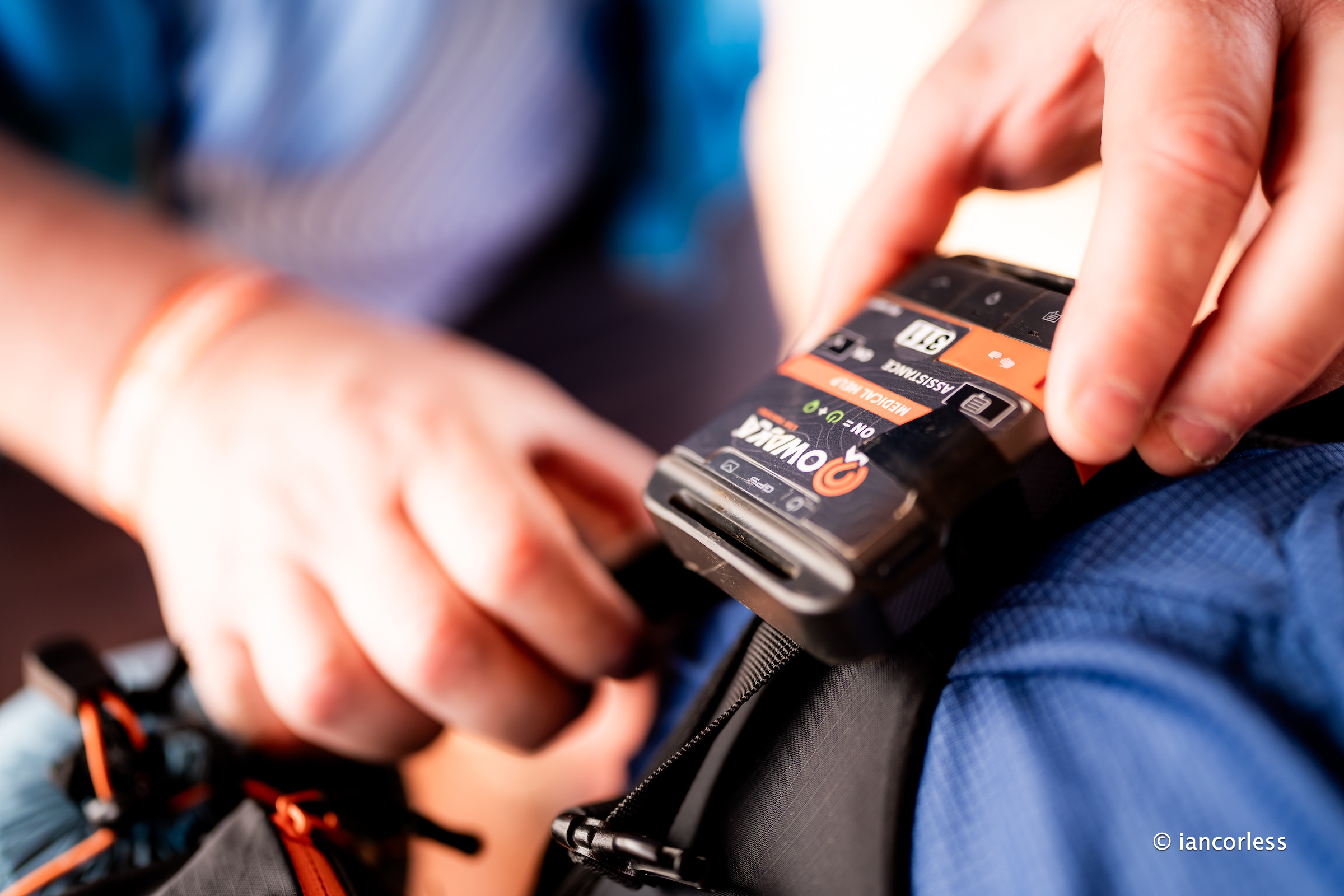
Each runner is issued with a Spot Tracker and this allows the MDS team to monitor each runner on the course and importantly, they have an SOS button which if pressed, will receive a medical response vehicle in minutes.

Fitting SPOT – Photo by Ian Corless

Feet are always an issue and of course, the medical tent is there to facilitate foot repair in bivouac. It’s important to be self-sufficient and look after your feet yourself, however, as and when necessary, a medical professional is always there to help.

RACE BRIEFINGS

Race start times are very important and pre 2024, the race start time was somewhat unpredictable. This changed in 2024 and was upped to another level in 2025 with every stage starting exactly on time! It may sound like a small thing, but knowing you will be underway as scheduled makes planning so much easier. If it says 0600 start, you know it starts at 0600.

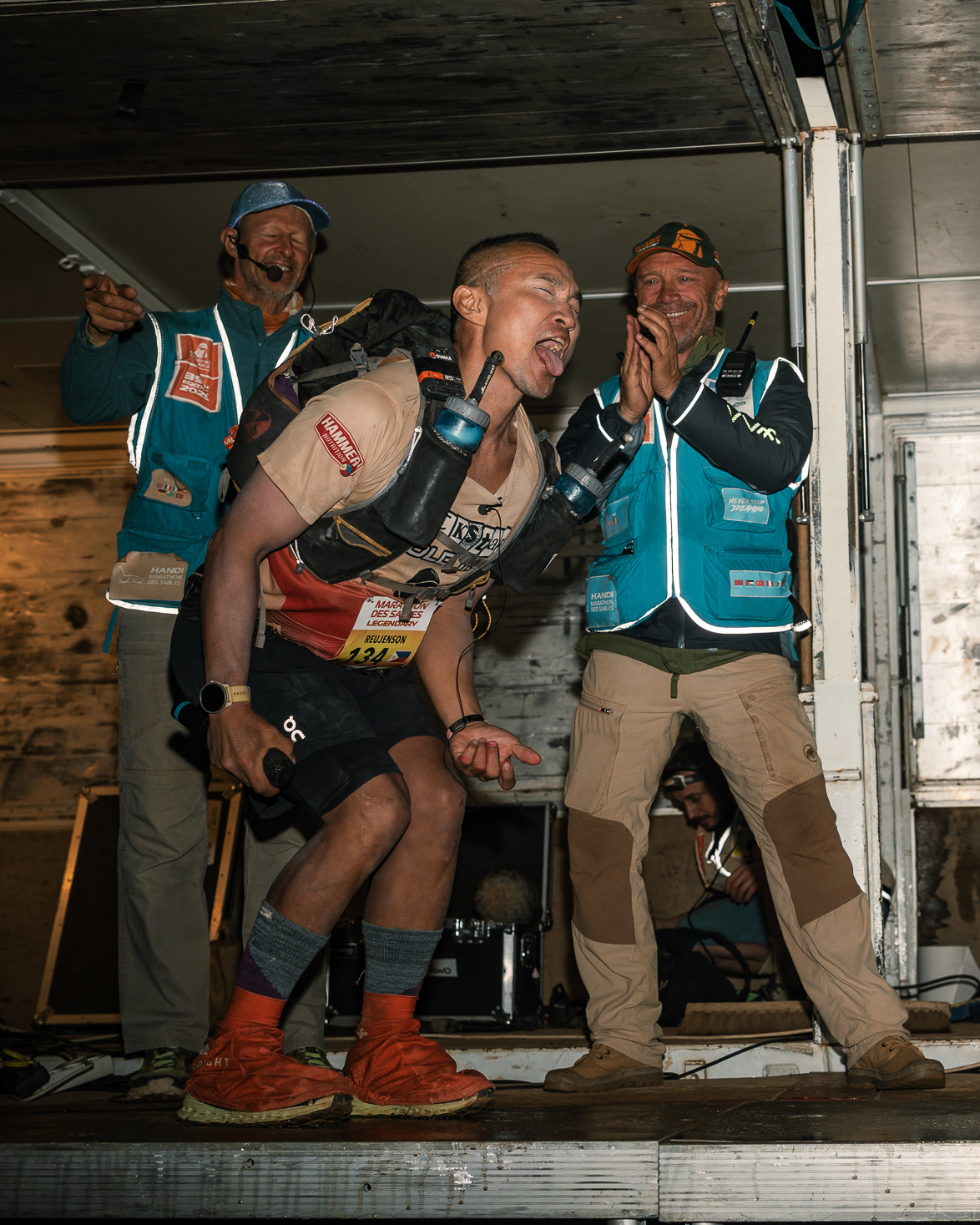
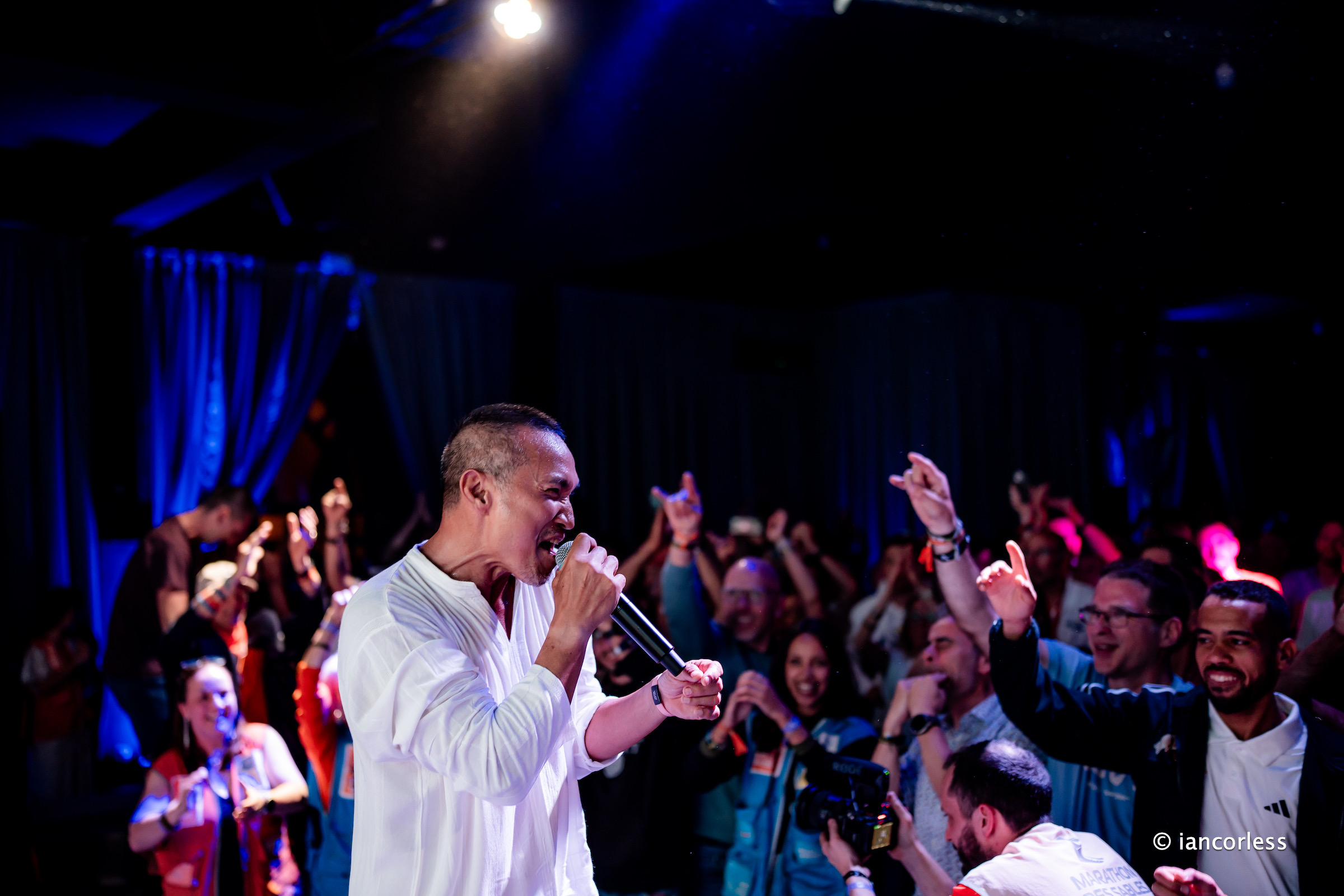
Another change was the addition of an English speaking announcer – yes, it was me! This was the idea of Cyril and we instigated and tested this at Atlantic Coast in January, it worked. So, for Legendary and moving forward, an English briefing will take place and then be translated into French and not the other way around. Stage 6 race briefing may well go down in history as the best. Mood was already high with the final stage ahead, nut hen we had participant, Reujen Lista join us on stage for a ‘live’ version of Highway to Hell – it was epic!

Highway to Hell ‘live’ – Photo by Florian

WEATHER

The weather took its toll – Photo by Ian Corless

As always, weather plays a key part in any MDS event. However, we are most definitely feeling the impacts of ever changing climatic conditions. It was always assumed that MDS will be hot and unbearable, history is showing that is not the case. Recently, particularly in Morocco, we have experienced difficult weather: MDS Morocco in October had torrential rain and flooding, the recent MDS Atlantic Coast in January had cooler temperatures, some rain and the last day had full-on sand storms. The 2025 Legendary started calmly and tranquil, it was looking to be a classic race, it was sunny, hot, but not too hot and the winds were relatively calm. That all changed come stage 4 (the long day) with cloudy skies and cooler temperatures in the day. During  the night the winds increased, rain came and without doubt, from 2100 hrs the conditions were difficult and challenging. Especially for those who were moving through the night looking to get the long day done. CP’s had cold participants taking shelter looking to get warm and continue the journey. This weather continued through the rest day. Stage 5 had a mix of everything but the heat never came and stage 6 was cloudy, cool and with intermittent rain. There is a very big lesson that needs to be learned, I did say this before Legendary, but now, post-race, I can only say it more, you need to be prepared for bad weather! A good jacket is now essential, so much so, I do think that it should be added to mandatory kit. I also think it wise to make sure that you are able to keep key items, such as sleeping bag, dry during bad weather. Many had wet sleeping bags during the long day which can effectively make them useless, depending on what filling is inside.

THE ROUTE

Photo by Ian Corless

Legendary is now 6-stages over 7-days and this is a huge difference. Pre 2024, the race was 5-stages and stage 6 was a non-times ‘solidarity’ stage for charity. It’s hard to argue against the charity side of this, however, a non-timed 6th stage was pointless.

Photo by Ian Corless

The race is now 6-stages timed and raced.

Photo by Ian Corless

For 2024, the ‘long day’ was moved to stage 3. For 2025, it was moved back to stage 4. The main reason for this was due to the course and the start/ finish point.

Photo by Ian Corless

2024 participants, as always, tried to stress that the 2024 edition was/ would be harder than 2025. Of course it’s nonsense. Comments like, ‘Argh, but here was more vertical gain in 2024!’ were unfounded as the people who made these comments had obviously not done due diligence, the reality is the 2024 Legendary was 252.9km’s and the 2025 event was 250km. Vertical gain was almost identical, 2024 was 2788m+ and 2025 was 2710m+

Photo by Ian Corless

In many respects, the 2025 edition was more ‘classic MDS’ with a marathon after the rest day.

Photo by Ian Corless

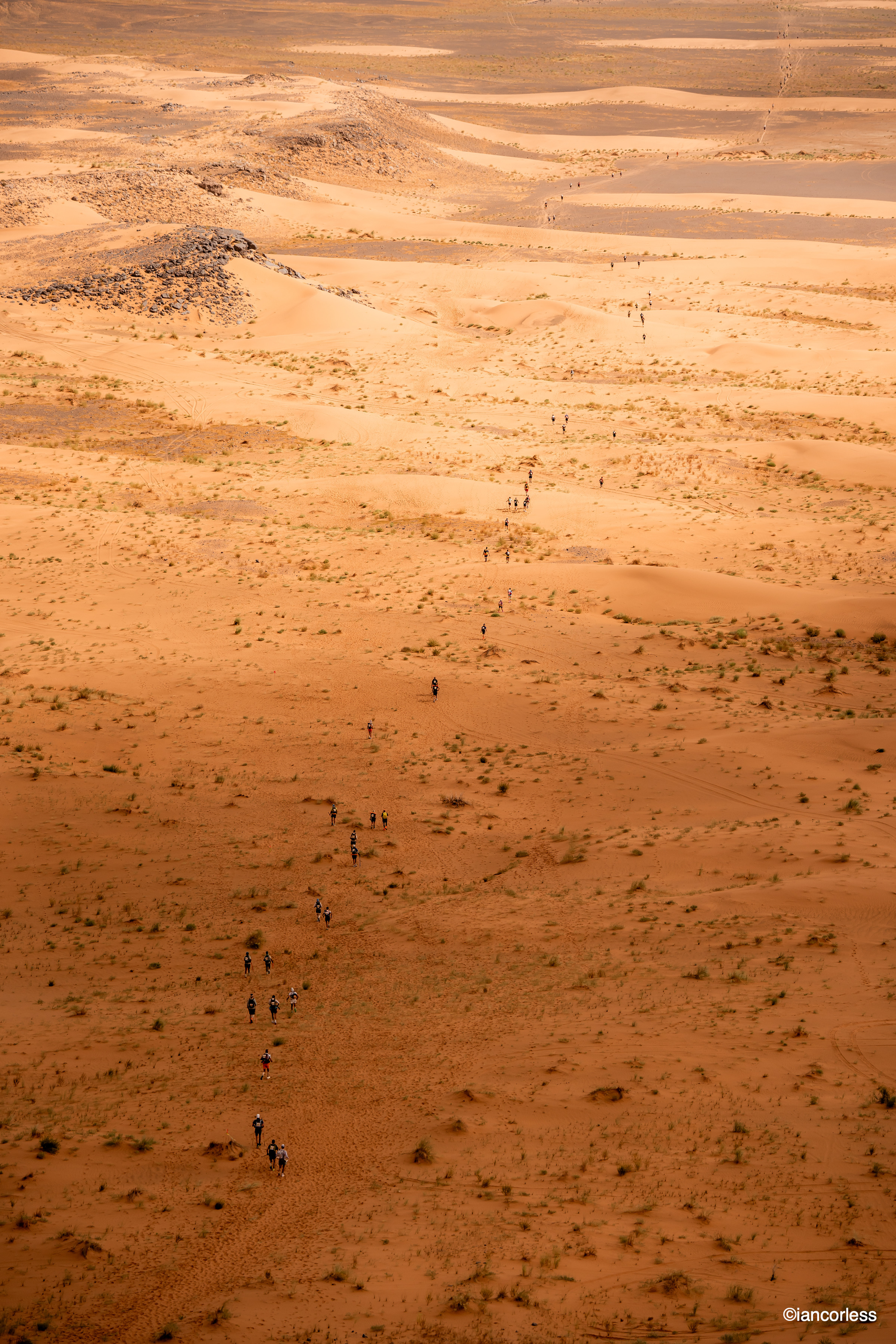
The route was notably different for some key reasons. The Sahara is vast and of course, needs to be explored more. Due to runner demand and logistical reasons, certain features have become almost ‘essential’ when running Legendary. However, Cyril and the team wanted to change that and therefore, there was no Jebel El Otfal in 2025, there was a return to Merzouga Dunes and while the route travelled in similar areas of the Sahara, the track was approximately 80% new. There were some great ‘new’ additions such as the huge dune on stage 4 and the stage 5 route was very special.

Photo by Ian Corless

THE RACE

Rachid – Photo by Ian Corless

Rachid El Morabity once again took victory securing his 11th and in the process he set a record for the most victories. It’s an incredible achievement to have this level of consistency over so many years. It’s fair to say, the level of competition at the front end of the race was less in 2025. The only real person who could upset Rachid was Hamid Yachou, he unfortunately withdrew mid-race with injury. We could argue all day if Mohamed El Morabity could beat Rachid, the simple fact is, it would not happen. However, as we look ahead to 2026, will Mohamed take over the Rl Morabity reigns? Mohamed is 10-years younger than Rachid and therefore, he has great potential ahead. Also, the inclusion of the 3rd and younger El Morabity, Mbark, should not be looked over.

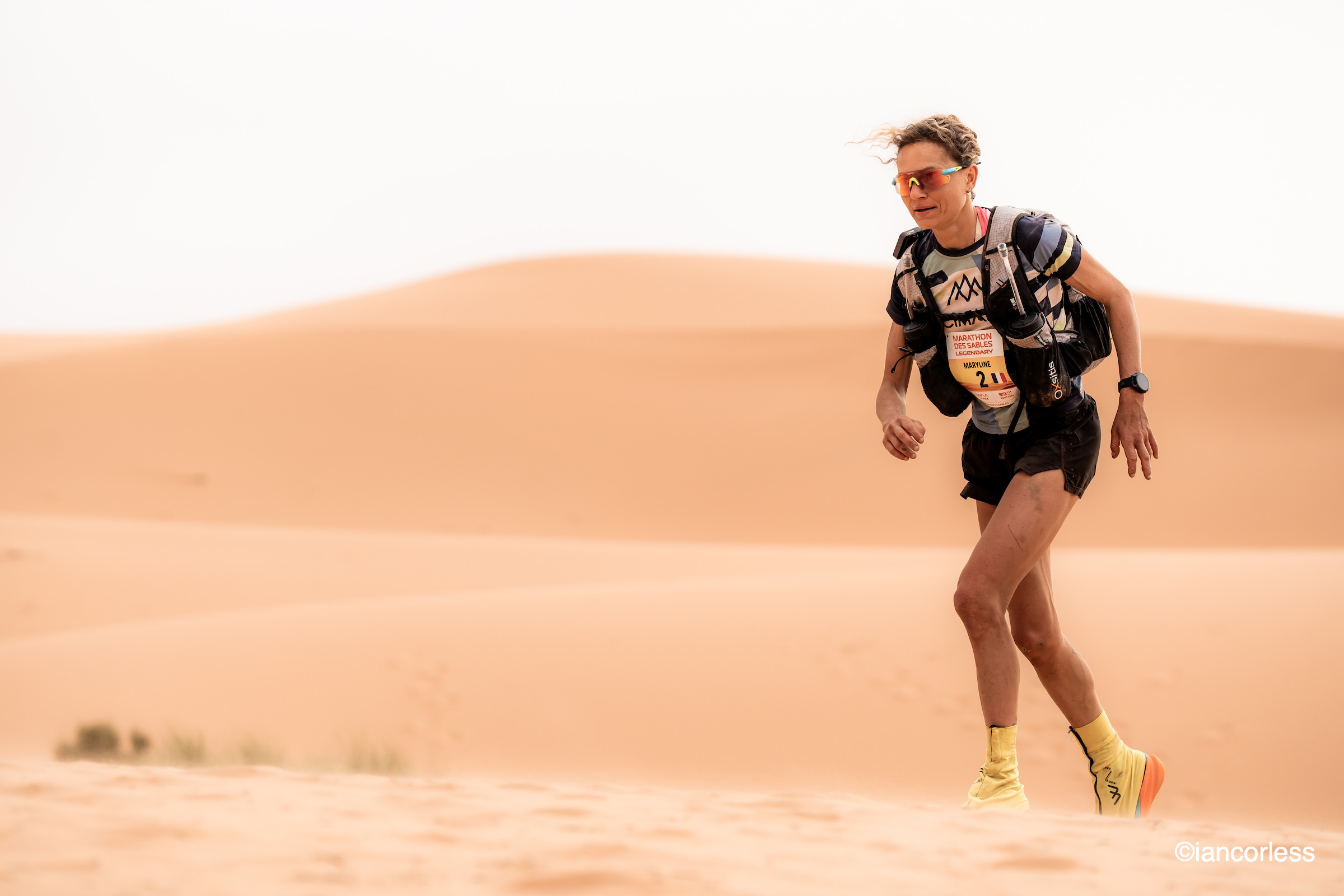
Maryline – Photo by Ian Corless

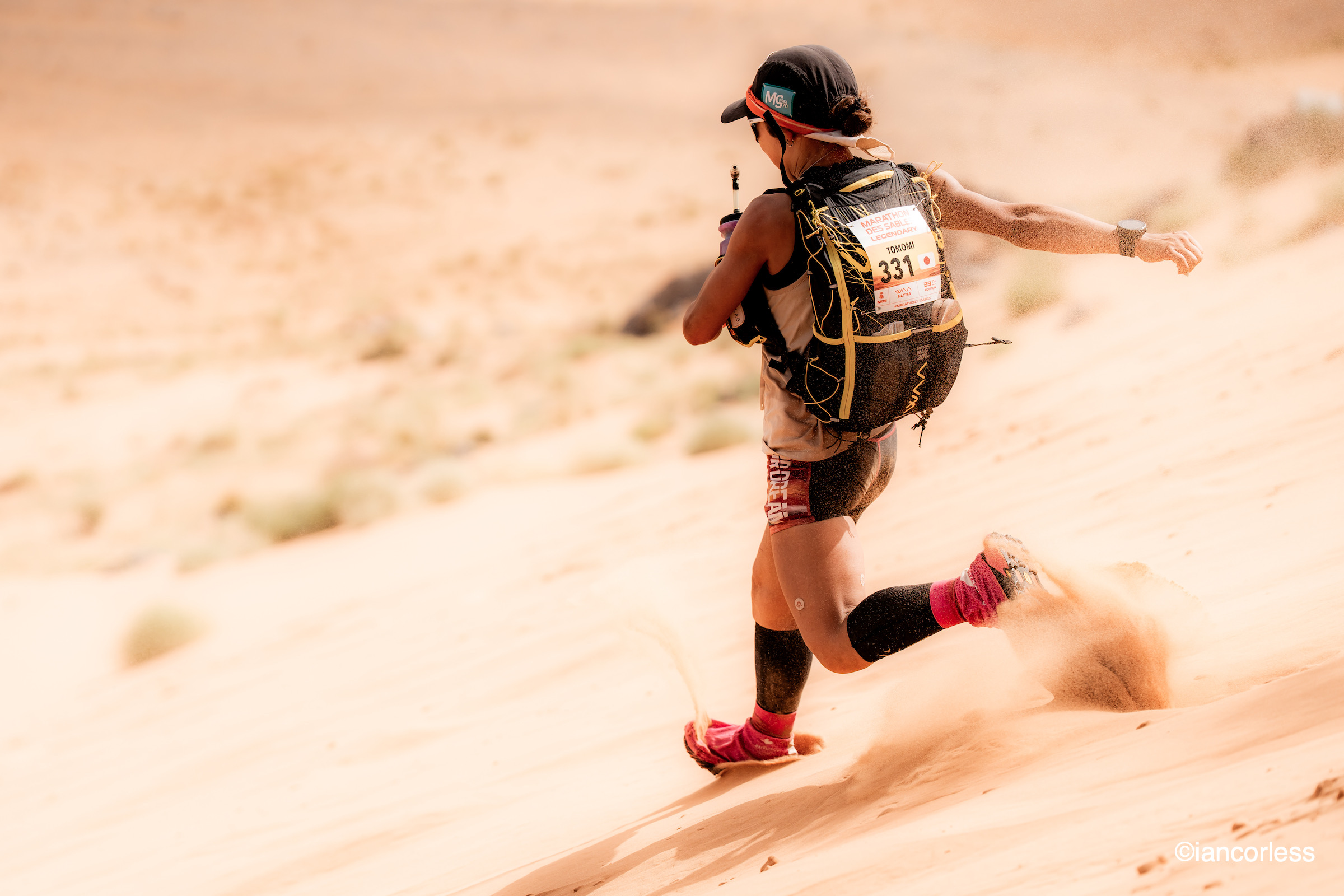
For the women, 2023 Legendary champion, Maryline Nakache returned and she was on fire. No, she was untouchable. For perspective, Maryline finished 3rd on GC for the long day and at the end of the race, was 4th on GC with the closest time to Rachid, by a woman, in the history of the race. Quite incredible. Aziza El Amrany won the race in 2024 and for 2025 she was 2nd, she looked great throughout, despite an arm injury, however, she was no match for Maryline. Tomomi Bitoh placed 3rd, she has placed 3rd before. However, Annelies Brak would have placed 3rd had she not received a 2-hour time penalty for non-compliance of mandatory kit.

Rachid completed the race in 20:55:47 and Maryline in 23:57:20. A total of 847 participants crossed the finish line, the last male Tomohito Hirai in 75:49:27 and the last woman, Nemoto Yuzuki in 74:31:01.

Results HERE

POST RACE

Reujen Lista rocking the awards – Photo by Ian Corless

Transfer back to Ouarzazate was easy and seamless with coaches filling with participants and leaving asap. Of course, a hotel, many showers, buffet food and a nice clean bed always feels amazing after the Sahara. The awards dinner turned into an impromptu rock concert with a participant, Reujen Lista, singing 3 songs on stage, the last, of course, was Highway to Hell. It was a fantastic way to end what was a legendary LEGENDARY.

Photo by Ian Corless

DAILY 2025 SUMMARIES

MDS The Legendary Stage 1 HERE

MDS The Legendary Stage 2 HERE

MDS The Legendary Stage 3 HERE

MDS The Legendary Stage 4 HERE

MDS The Legendary Stage 5 HERE

MDS The Legendary Stage 6 HERE

Photo by Ian Corless

Image Gallery HERE

Photo by Ian Corless

Marathon des Sables Website HERE

Follow Ian Corless

Instagram – @iancorlessphotography

Twitter – @talkultra

facebook.com/iancorlessphotography

Web – www.iancorless.com
Web – www.iancorlessphotography.com

MDS The Legendary 2025 – Stage 5

Photo by Ian Corless

The rest day allowed participants an opportunity to relax, look after their bodies and recharge ready for stage 5. However, sand storms throughout the day caused consistent problems, gladly, they eased when darkness came.

Photo by Ian Corless

With 2 starts for stage 5, 0630 and 0800, bivouac awoke early with the eagerly anticipated marathon stage.

Enthusiasm was high with the long day done! It may sound crazy, but the minds of the runners now think, ‘it’s only a marathon today!’

Photo by Ian Corless

The early part of the day was cloudy and cool, allowing for some great running temperatures.

Photo by Ian Corless

Around 0900 the sun started to appear but was constantly arriving and disappearing and on occasion, small amounts of rain would fall. As the day progressed, once again the winds increased for some challenging conditions.

Photo by Ian Corless

The route, new for MDS took participants through 3 key sections, Znigui Dunes, a mountain pass j. el Beg’e and finally a return to Znigui Dunes.

Photo by Ian Corless

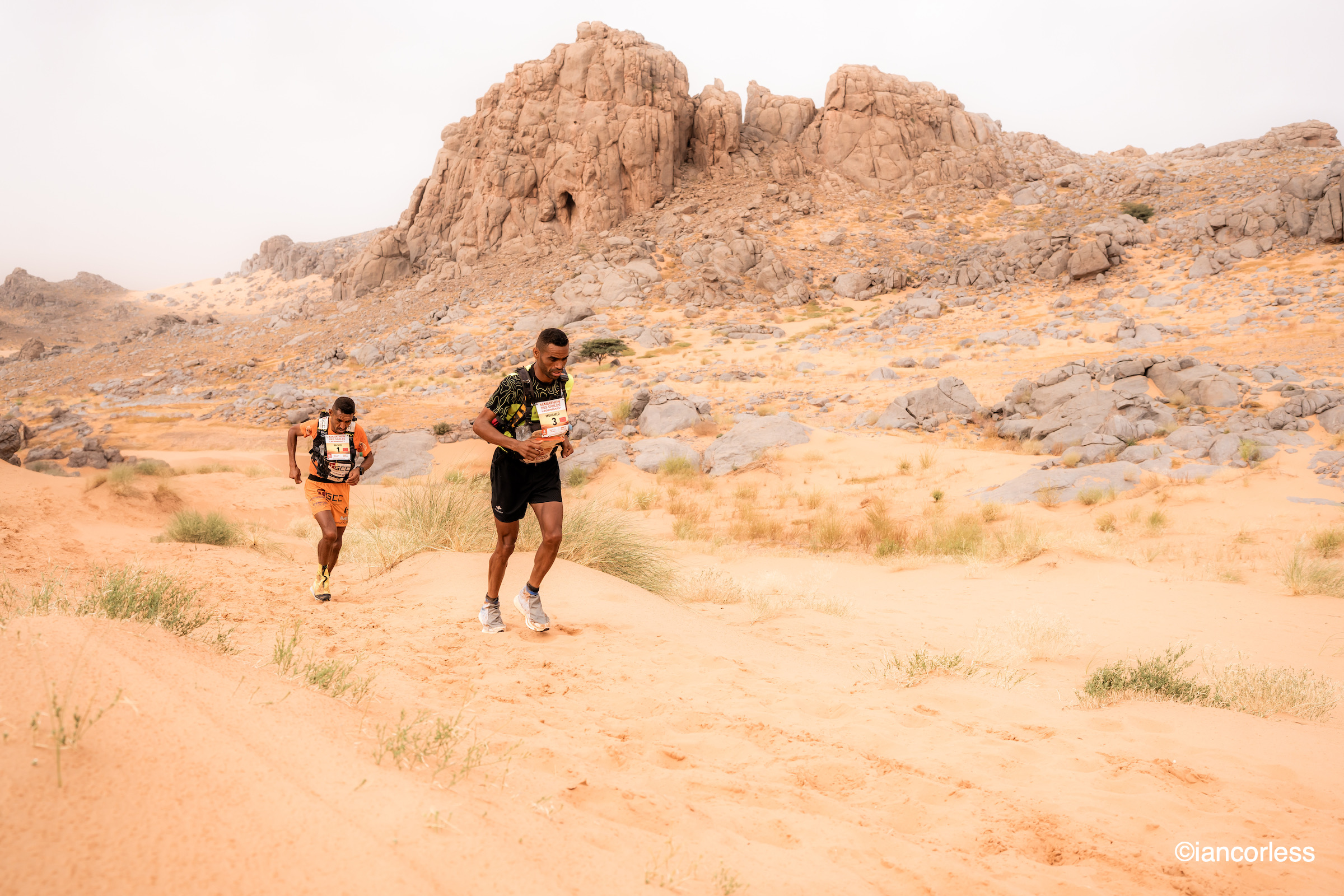
The men’s race was as expected, not a race. The top-3 contenders ran together for much of the day. It was only in the latter stages that Rachid and Mohamed pulled away from Ahmed to finish in 3:26:15 and 3:26:55 with Ahmed 4:26 later for a finish of 3:30:41.

Photo by Ian Corless

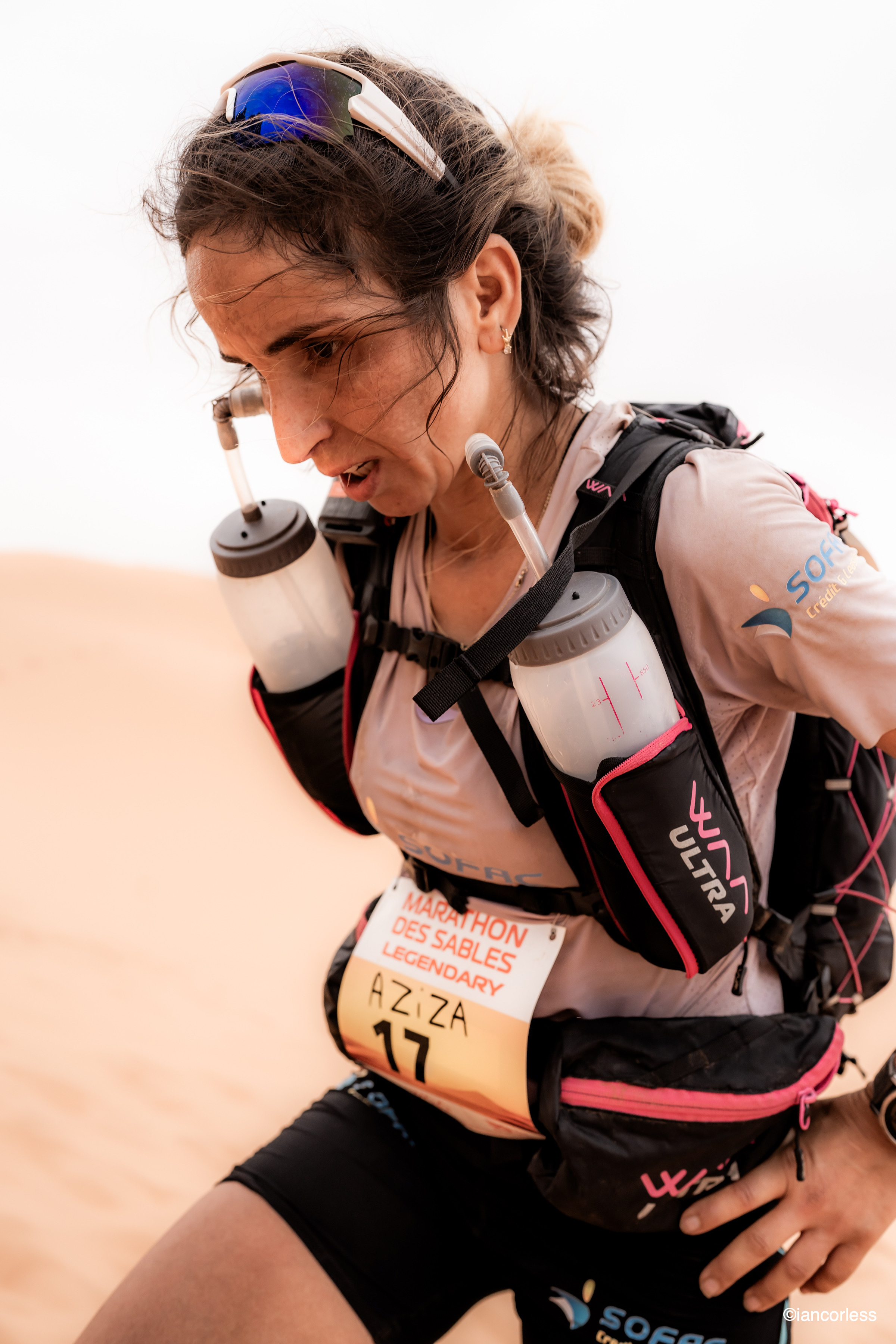
For the women, Aziza pushed hard from the front, constantly fighting and never giving up.

Photo by Ian Corless

However, Maryline looked calm and relaxed, she is in incredible form this year. Eventually she caught and passed Aziza to open up a gap of 03:37 to finish in 03:45:27.

Photo by Ian Corless

Aziza crossed the line in 03:39:04 and as expected, Annelies Brak charged looking to get back time after a 2-hour penalty and regain the 3rd position. She finished 3rd on the stage in 04:14:22.

Photo by Ian Corless

Tomomi Bitoh who is in 3rd overall finished 6th losing time to Annelies and 4th place on GC, Francesca Canepa had a tough marathon stage finishing 12th in 05:00:08 which has now moved Annelies to 4th on GC.

Photo by Ian Corless

With 21.1km’s tomorrow, Tomomi has a substantial 40-minute lead over Annelies. Can Annelies do something remarkable?

Full results are HERE

Men ranking HERE

Women ranking HERE

Photo by Ian Corless


Marathon des Sables Website HERE

Follow Ian Corless

Instagram – @iancorlessphotography

Twitter – @talkultra

facebook.com/iancorlessphotography

Web – www.iancorless.com

Web – www.iancorlessphotography.com

Oman Desert Marathon 165km 2025 – Stage 5

Photo by Ian Corless

The 2025 Oman Desert Marathon came to a conclusion with a 21km stage finishing at Al Jawharat Resort in Bidiyah.

Mohamed El Morabity and Aziza Raji were crowned champions.

Photo by Ian Corless

The stage, in comparison to those that had gone before was considered ‘easier,’ with less soft-sand making for a faster pace and easier running. However, a beautiful dune section started the day with impressive 360 views.

Photo by Ian Corless

It was one last big effort before receiving a finishers medal that was hard earned.

Saleh and Mohamed – Photo by Ian Corless

At the front of the race, Mohamed and Saleh pushed a hard pace, no doubt worried that Rachid was on a charge after his previous stage victory and win by a big margin. Mohamed was constantly looking behind fearful for his elder brother. However, Rachid looked relaxed and content that he would be second on the overall finishers podium.

Rachid – Photo by Ian Corless

In the closing km, Mohamed put his foot on the gas and pulled away taking the final stage victory by 22-seconds. Rachid would finish 4-minutes and 28-seconds later.

Saleh – Photo by Ian Corless

Men’s final results HERE

Aziza – Photo by Ian Corless

For the women, Aziza Raji was a clear and stand out winner. She once again won the final stage and was crowned the 2025 champion. Lydia Oldham finished second and Tanja Schoenenborn third. The final women’s podium would be Aziza Raji, Lydia Oldham and Sally Ford.

Tania – Photo by Ian Corless

Top three women’s results HERE

Complete results HERE

Lydia – Photo by Ian Corless

The 2025 edition of the Oman Desert Marathon will remembered for cold nights, hot days and relentless soft-sand. At 165km’s over 5-stages, the race is a tough one, Mohamed completed the whole route in 15:44:25, Aziza in 22:39:17 and for perspective, the last person concluded in 33:21:18, twice as long as the race winner.

Luigi – Photo by Ian Corless

While a tough challenge, the ODM appeals and caters for runner or walker, especially with the option to take a 100km option, basically broken down as 20km’s per day.

Emotion – Photo by Ian Corless

Planning will now start to take place for 2026, if you enjoy stage racing, the desert and making new friends, the Oman Desert Marathon provides a perfect experience for experienced or novice.

Photo by Ian Corless

Oman Desert Marathon website HERE

Photo by Ian Corless

Instagram – @iancorlessphotography

Twitter – @talkultra

facebook.com/iancorlessphotography

Web – www.iancorless.com

Web – www.iancorlessphotography.com

MDS Fuerteventura 2024 – Stage 2

Climbing up to Ovejas peak

Stage 1 was a challenging day for many, the 33.6km proving a tough start to the 2024 MDS Fuerteventura. On the positive side, there were no DNF’s.

Stage 2 is called ‘The Long Day’ as this is the day that for 100km and 120km will prove to be the longest of the race. However, the challenge can be as much mental as physical.

An early start

Challenge 1.

After the start, almost immediately, the runner’s are given the option to to turn right and take on the 17.8kmm loop, 20 men and 63 women chose this. Alternatively, you can turn right and start the 40.5km loop. The remainder of the participants chose this.

Challenge 2.

At the end of the 40.5 km loop, you can turn right and run to the finish – 25 min and 41 women chose this.

Challenge 3.

For the brave, a left turn after the 40.5km loop provides the option to complete a final loop and the total long day distance of 56.7km – 75 men and 61 women chose this.

MUJICA GONZÁLEZ

Today’s route followed a figure of 8 shape for the 120km. The terrain mostly sandy and rocky path, the need for gaiters minimal.

Some wonderful small canyons to run through

The day started at 0600 after a warm night under the stars. The winds had calmed but the sky was cloudy and it would remain that way until midday, when a sunny period provide some blue skies. Temperatures reached a high of 28 degrees and running conditions were good.

Time to grab the race by the horns

With three race distance options, rankings would change considerably during stage 2, however, in the 120km distance, the main protagonists of SANTANA FERNÁNDEZ, ROGER PÉREZ and FOULQUIÉ PADILLA would remain the same. However, today it was FOULQUIÉ PADILLA who now takes the overall lead with an elapsed time of 7:31:21 closely followed by SANTANA FERNÁNDEZ in 7:32:11. ROGER PÉREZ remains in third.

For the women, stage 1 winner MUJICA GONZÁLEZ started the day slower but then moved up through the field and is now in the women’s overall lead with a time of 8:56:08. BOLLENGIER who was 2nd on stage 1 is now 4th on GC with DEMARQUILLY moving into 2nd 9:55:47 and DEL RIO VALLES 3rd with 10:49:47.

Big landscape

All results for all distance are – Results here

When the sun came, the temperatures rose!

Tomorrow, day 3 is a rest day. An opportunity to relax and recharge before the final day of 29.3km.

Marathon des Sables website HERE

Since 1986, the MARATHON DES SABLES has crossed the world’s most stunning deserts with several unique concepts: the MARATHON DES SABLES THE LEGENDARY (252 km in the Sahara Desert in Morocco), the MARATHON DES SABLES (70, 100, or 120 km spread over 3 stages), and the new 2024 concept, the MDS TREK (4 stages with a total distance of up to 120 km), offering an accessible adventure with optimal comfort. These international events have seen over 50 editions in various countries such as Morocco, Fuerteventura Island, Peru, Jordan, Turkey, and offer adventures that combine running/hiking in the desert with tourism.

Instagram – @iancorlessphotography

Twitter – @talkultra

facebook.com/iancorlessphotography

Web – www.iancorless.com
Web – www.iancorlessphotography.com

Marathon des Sables – The Legendary : STAGE 6 2024

Time allowance 06-hours 30-minutes/ 0630am start

The 2024 Marathon des Sables – The Legendary is over. The race concluded with stage 6 and 21.1km to cover; challenging terrain of stony plateau, small dunes, an ascent to Jebel Mefatigbzef, wadi, and a palm grove finish – the MDS medal hard earned! Rachid El Morabity and Aziza El Amrany the champions!

Camp life

Once again it was an early start as everyone had to prepare for an 0630 start time.

Yoann Stuck

The last day was all about survival and getting the job done as quickly as possible, crossing the line and receiving the medal. The finish line for 2024 incredible, it was full of tears, emotion, relief and laughter; all accompanied by a DJ and party tunes. Quite a way to finish the race.

The medal

However, while the women’s race was decided early on and the top-3 places confirmed, the men’s race was a potential nail biter.

The El Morabity brothers had played their trump card on stage 5 and now Rachid could smell a 10th victory, however, he would need to perform at a top level to make this happen and make sure Aziz Yachou did not attack and pull back time.

The trio started fast and it stayed that way for the duration of the 21.1km’s. Aziz looking to break Rachid.

No matter how Aziz tried, Rachid responded and as the finish came in sight, the 9 times MDS champion pulled away, removed his Moroccan flag from his pack and secured a 10th victory. Mohamed eased up making sure that Rachid pulled back the required seconds to win overall, but not so many seconds that he would lose 2nd place.

Aziza El Emrany finally took the MDS top slot after many years coming close. It was great to see and one that is really deserved, she was in incredible form this year. Aziza Raji placed and for the third time, Gemma Game placed 3rd again.

The story though was all the legends who crossed the line and achieved greatness in making it through the Sahara to place a medal around their neck.

The 2024 edition has proven to be a memorable one, with a new organisation and many changes, many feared the race would lose something, not so. The opposite, the general consensus has been approval and open appreciation for what repeat MDS participants have said, ‘the best yet!’

As in any race, some don’t make the finish. For the 2024 MDS, at the time of writing, only 60 are DNF’s, this is from 867 starters.

Follow on:

Instagram – @iancorlessphotography

Twitter – @talkultra

facebook.com/iancorlessphotography

Web – www.iancorless.com

Web – www.iancorlessphotography.com

Image sales –www.iancorless.photoshelter.com

Marathon des Sables – The Legendary : News Seven – RACE ROUTE REVEALED

©iancorless

THE 2024 MDS THE LEGENDARY ROUTE

RACHID LOOKING FOR A 10TH

The 2024 and 38th edition of Marathon des Sables is here! MDS The Legendary, the longest edition in the history of the race, 252km’s over 6 timed stages. 

Close to 900 participants will toe the line, exact numbers will be confirmed at bivouac 1. With 60 countries represented, France and the UK lead the with 267 and 178 participants respectively. 

From the 900 starters, 27% are women; a record. The youngest participant will be Lionel Schneider (16) and the oldest, Harry Hunter who has just turned 75 on April 15th.

Runner’s will arrive in Morocco on April 12th for a transfer to the desert. 

Saturday 13th is admin day and then the race schedule is as follows:

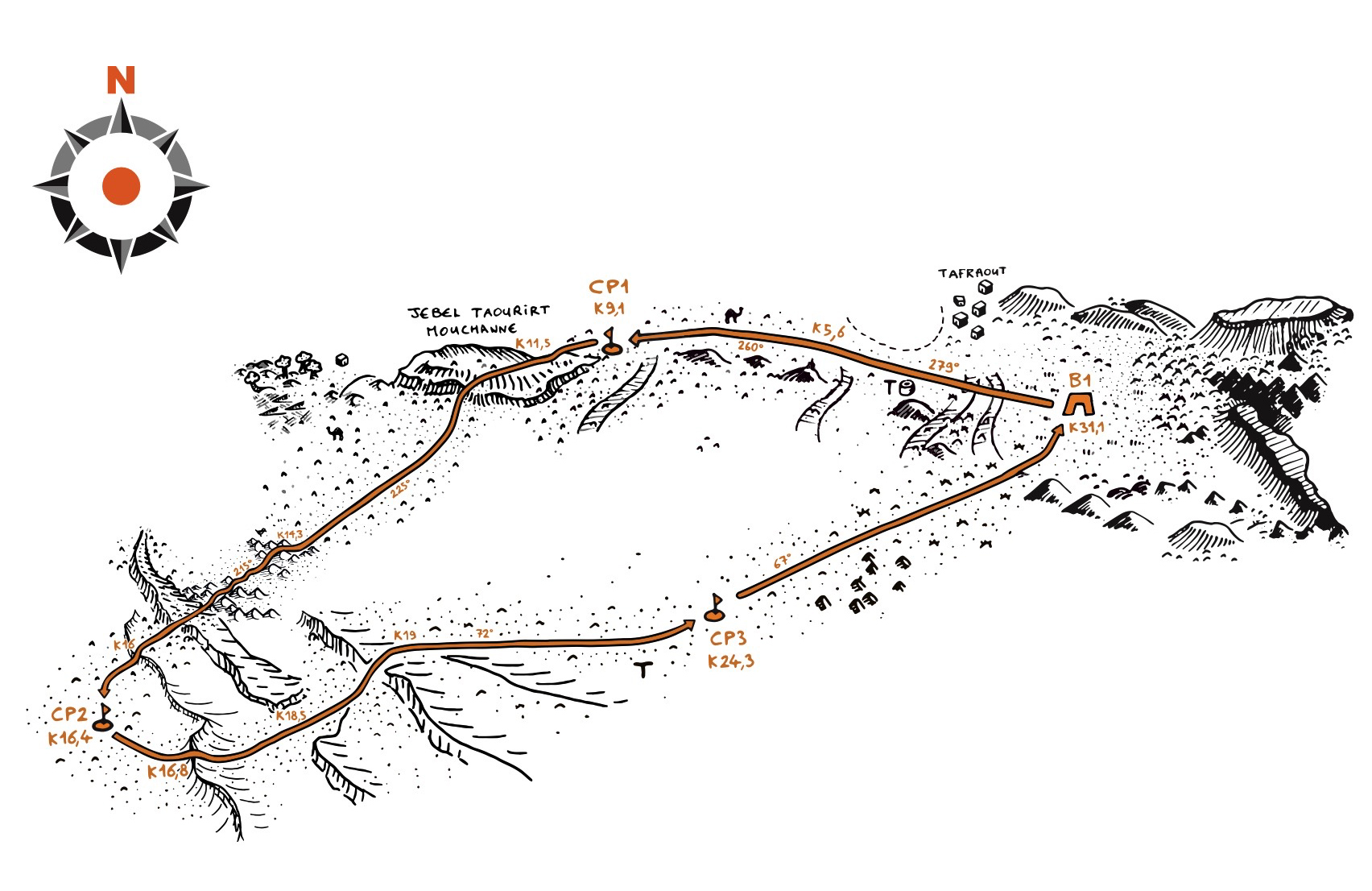
April 14 – STAGE 1 – Departure 0700 31.1km and 282m+

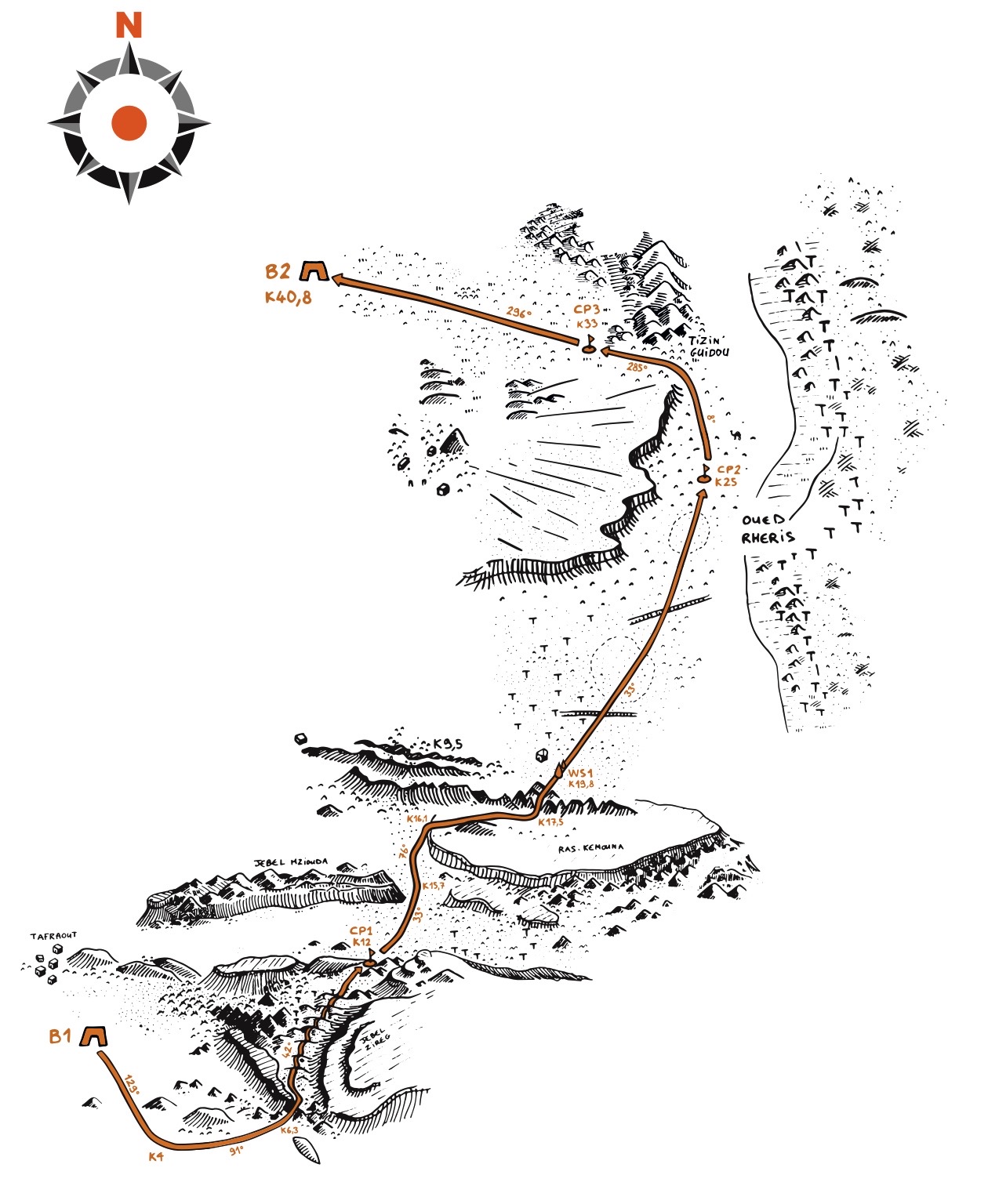
April 15 – STAGE 2 – Departure 0700 40.8km and 550m+

April 16 – STAGE 3 (The Long day which will go through to April 17) – Departure 0600 and 0730 for the top 50. 85.3km and 1154m+

April 18 – STAGE 4 – Departure 0630 and 0800 43.1km and 390m+

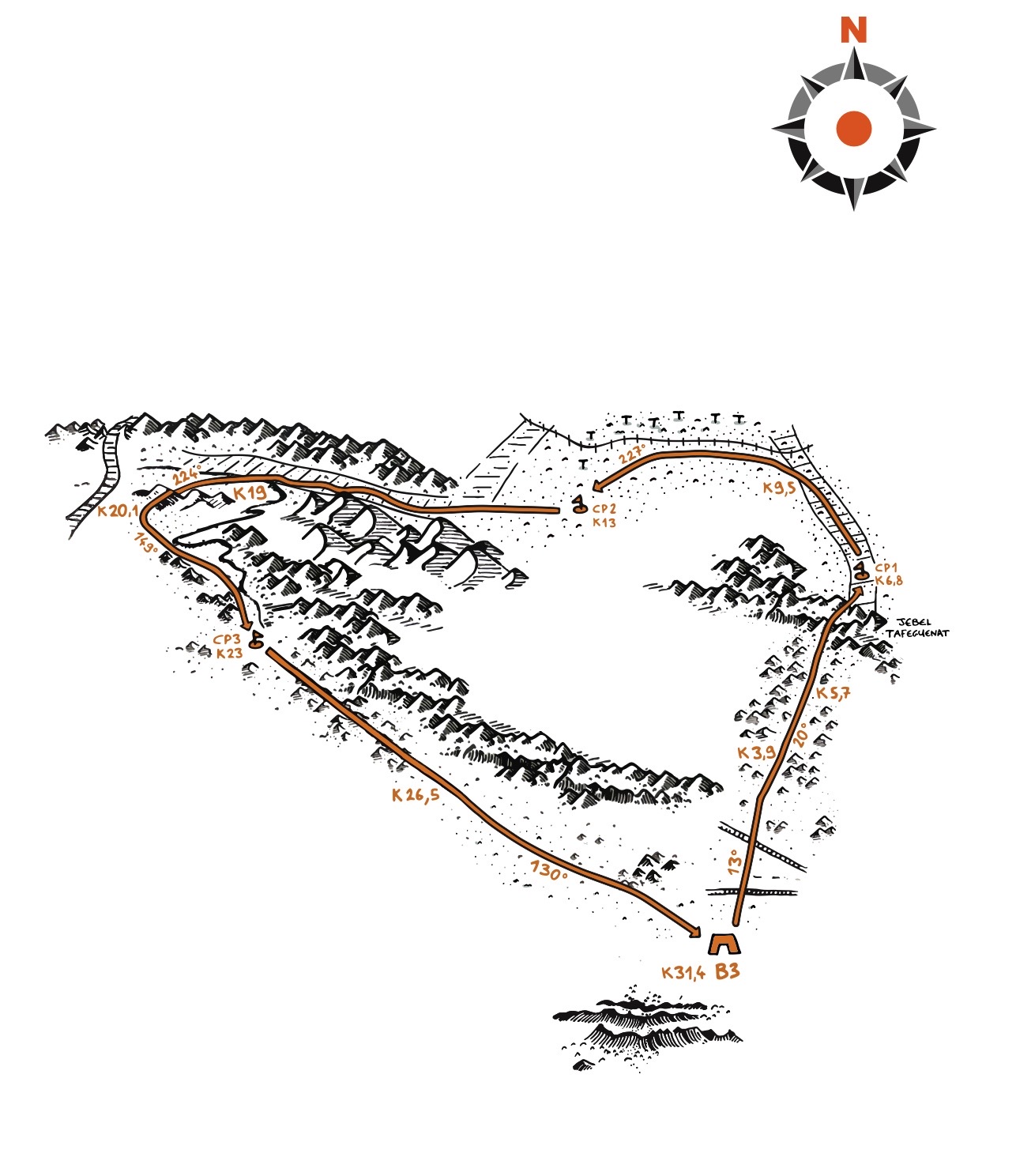
April 19 – STAGE 5 – Departure 0700 31.4km and 252m+

April 20 – STAGE 6 – Departure 0630 and then transfer back to Ouarzazate 21.1km and 160m+

April 21 – Ouarzazate

April 22 – Home travel

THE ROUTE

Unlike previous editions of MDS, the 2024 route will concentrate on one key area of the Sahara. It makes sense, it is the most beautiful. Therefore the race will not be a point-to-point but a series of journeys and participants will stay in the same bivouac on multiple occasions.

Importantly, Jebel El Otfal, Jebel Joha Baba Ali and the oasis of El Maharch will feature on the ‘long day’ however, there will be no Merzouga dunes during the race.

In summary:

Stage 1 B1 to B1 31.1km and 282m+

Stage 2 B1 to B2 40.8km and 550m+

Stage 3 Is an elaborate series of tracks, B2 back to B2 85.3km and 1154m+

Stage 4 B2 to B3 43.1km and 390m+

Stage 5 B3 to B3 a looped route that makes a heart shape 31.4km and 252m+

Stage 6 B3 to finish 21.1km and 160m+

ONES TO WATCH

MEN

MOHAMED EL MORABITY

As in any MDS, there are the front contenders who will do battle for overall honours, in the men’s category, three obvious names are stand out: Mohamed El Morabity, Rachid El Morabity and Aziz Yachou. All eyes will be on Rachid, he is looking for a 10th MDS title and after the disaster in 2023 when he received a 2-hour time penalty, Rachid will be looking to make amends and make history. Mohamed, Rachids brother took the reigns in 2023 and won, but will this be allowed in 2024? Aziz Yachou gets stronger and stronger every year, he has a battle against the brothers though.

Petter Restrop, Yoann Stuck, Roberto Mastrotto, James Miller, Alessio Zambon, Ahmed Ouikhalfen, Stéphane Ricard,Mérile Robert, Hamid Yachou, Anthony Ginter, Romain Laguigner Abdelhadi Elmoustahli are also ranked as the top contenders, as always, there will be surprises.

WOMEN

AZIZA RAJI

Aziza Raji and Aziza El Amrany fly the Moroccan flag and are of course, top contenders for the podium. The UK’s Gemma Game is returning, she has placed 3rd twice in 2018 and 2019 – is this the year?

Lai King Chan, Adriana Moser, Saskia Plaucheur, Marie Houdusse, Amélie Ginter, Ninette Banoun, Magdalena Kalus, Alexandra Bailly, Annę Godefroy, Nina Stein and Katherine Beckingham are all in with a shout of top-10 and maybe the podium.

STORIES

AMY PALMIERO WINTERS

The MDS is always a place for stories, challenges, inspiration and adventure and the 38th edition will be no different. Often, these stories unfold as the race happens. 

Mr MDS, Christian Ginter is back for his 36th edition, yes, his 36thRory Coleman from the UK return for his 16th and in and amongst these two highlight names, we will have new stories to follow and inspire us.

INTERESTING FACTS

In an effort to reduce the environmental impact of such a huge race, the MDS has taken some key measures.

In 2023 50 lorries were used, for 2024 this will be 20. In 2023 157 4×4 vehicles have been reduced to 78. A helicopter as per usual will be available for emergency use only. This equates to a 47% reduction I carbon emissions.

In addition, chartered flights were reduced to just 3 planes with an encouragement for participants  to choose commercial options.

The use of local services has been increased using local staff, vehicles, trophies made in Morocco, and the catering team for staff will be all Moroccan with 100% of produce local and a reduction in chicken and beef.

In addition, checkpoints will have solar power and all communication relays utilise solar too.

Waste management has been improved and a key move has been to eradicate 1.5ltr bottles and replace with 5ltr.

Safety has always been a key concern and for 2024 there is an increase in medical staff, 65 up from 56, there 9 SSV rapid response vehicles, up from 4 in 2023. There will be 9 4×4 vehicles and new for 2024, 3 MTB riders and 9 runner’s who will participate on the race route offering immediate medical response. A medical point will be in the centre of bivouac so that immediate attention can be given if required.

ADVENTURE AWAITS

The 38th edition is now waiting to unfold. It’s a new era for the race. Let the adventure begin, MDS The Legendary makes history.

You can receive daily updates and reports on this website. Follow on IG @iancorlessphotography and @mdslegendary

You can also follow ‘live’ at owaka.live

Follow on:

Instagram – @iancorlessphotography

Twitter – @talkultra

facebook.com/iancorlessphotography

Web – www.iancorless.com
Web – www.iancorlessphotography.com

Image sales –www.iancorless.photoshelter.com

Marathon des Sables – The Legendary : NEWS THREE – Feb 2024

©iancorless

Marathon des Sables is a simple race that often becomes over complicated by too much information. Take advice, look at websites, process the information but importantly find out what works for you. We are all individual, what works for one may well not work for another.

When you break the race down, here are my TOP 20 TIPS of what to focus on for Marathon des Sable – The Legendary.

  1. Pack – Ideally needs to be as small as possible and as close to the minimum 6.5kg weight when packed. There are many packs out there and just like clothing, packs fit in different ways, so, it is important to try many to find the best for you. I size between 20-25 Ltr is ideal. Key things to look out for: easy access to water, easy access pockets for snacks etc, adjustable to get perfect fit, minimal bounce when loaded, flexibility to compress the pack and make smaller as you reduce the contents (food you eat) as the race progresses.
  1. Sleeping bag – Needs to be lightweight, small when compressed and warm enough for you based on your warmth requirements – are you a cold or warm sleeper? Popular sleeping bags are PHD, Nordisk Y, OMM, Sea to Summit, Western Mountaineering, Rab etc. Take care on the ‘comfort’ rating and I have an in-depth article on choosing a sleeping bag HERE.
  1. Jacket – I always recommend a sleeping bag and jacket as opposed to just taking a sleeping bag. MDS can have cooler editions, particularly early morning or evening and having the option of a jacket is great. It also means that you can potentially take a lighter and less warm sleeping bag as the jacket can add as an additional warm layer. As an example, a Sea to Summit SP1 bag and a Haglofs L.I.M Essens jacket weighs 510g! Many brands do sub 200g jackets, look at Haglofs, Mont Bell and Y by Nordisk. 
  1. Clothes – You just need what you will run in. However, a spare pair of socks is commonplace. No need to get new clothes and don’t worry about colours. The most important is that they are comfortable and they do not rub or chafe.
  1. Sleeping Matt – Optional but a good nights sleep is important for recovery. There are only three things to do at MDS, run, eat and sleep. Make the sleep as comfortable as possible. Two options exist – inflatable and solid foam. The choice is yours. The inflatable ones offer more comfort, more flexibility in packing but with poor admin, you do run the risk of a puncture. Recommended Sea to Summit HERE
  1. Shoes and Gaiters – Shoes are personal and if you already have shoes that are comfortable and cause no blisters, then you have the perfect MDS shoe. Things to consider, a wider toe box is good to allow toe splay, a thumb nail of space above your longest toe is adequate, no need for more, and make sure they have enough durability for you! I say ‘you’ because Rachid El Morabity will complete the whole race in 21-hours whereas most people won’t even do just the long day in that time – his shoe shoe choice will and can be very different to what most of us need! Get your Velcro sewn on your shoes and make sure that when you get the shoes back the fit has not been altered. 
  1. Food – You need a minimum amount of calories per day specified in the race rules (2000 per day) and how those calories are made up are up to you. This for many is a difficult one. It raises many questions and yes, it’s good to find out what other people do and use but ultimately, YOU have to eat it. Food is the heaviest item you will carry, but remember, your packs gets lighter each day as you eat the contents. Re-packing food can save weight and space. Think about the the balance between carb, protein and fat and importantly, what tastes good at home, may not taste good in the Sahara.
  1. Stove – The decision to use a stove is another question mark but it would appear that most runners like that hot water option. Remember though, you can make a fire from twigs, shrub and branches that surround bivouac. 
  1. Pot – Many use a 1.5 ltr water bottle cut down as a food bowl. For the 2024 MDS, 1.5 ltr bottles will not be supplied, so, you will need a suitable pot. Esbit for example do a small titanium pot with lid.
  1. Water – You must have the capacity to carry 1.5 ltr of water and for the long day, 3 ltrs. Water is provided by the race. For 2024, water will not be provided in 1.5 ltr bottles but will be distributed by staff at the cp’s using jugs to decant water from larger 5 ltr bottles. On the long day, an additional 1.5 ltr bottle will be provided either at the start or cp1. 
  1. Salt Tablets – Salt tablets will no longer be provided at the race and you now must have a mandatory 14 stock cubes. Of course, you are recommended to work out your electrolyte needs and plan accordingly. You are welcome to take your own salt tablets or similar product such as those provided by Precision Hydration.
  1. Feet – Look after them, along with dehydration, blistered and damaged feet are a key reason for failure in any multi-day race. Prepare them before the race especially trimming nails back and knowing what socks work for you. After each day in the race, clean feet, allow them to breathe and look after them. Get any sore or hot points addressed immediately.
  1. Mandatory kit – You are supplied with a mandatory kit list and you MUST have everything on that list. Please note, for 2024 the venom pump has been removed and you must have 14 cubes of broth.
  1. You – You signed up for the challenge, you wanted to be on the start line and therefore you are responsible for the outcome. Believe me, the you that leaves the Sahara is not the same you that entered. Keep perspective, the MDS journey is an enhancement of you as a person. It’s easy to become obsessed, ultimately the majority of runners at MDS are enthusiasts, if you keep that in mind the journey will be a complete one. The legs, lungs, heart and feet will only get you so far, then the mind will take over. Mentally prepare for the challenge ahead and make mental plans for how to survive and motivate yourself when the going gets tough. Laugh when you hit rock bottom. Laugh when you are going the toilet in a brown plastic bag. Laugh with and at your tent mates and fellow runners. The comradeship of MDS is quite unique, embrace it.
  1. Training – Plan ahead, formulate a long term plan and aim for consistency.
  1. Walking – Learn to walk. Many think they will run 80% and walk 20%, if you are lucky, it’s the other way around. Make walking a positive, make walking fast, make walking productive.
  1. Poles – For many, poles are a huge advantage. They are like 4-wheel drive and without doubt, they make you walk faster. But you must train with them and learn how to use them.
  1. Shoes – NEVER take advice from anyone online that tells you that ‘X’ is the shoe to wear for MDS unless they know you and your run style. Forget the advice about going up a size or two sizes. It’s a recipe for disaster unless you know that your feet swell? A shoe that is too big will allow your foot to move, a moving foot causes friction, friction causes blisters and the rest of the story speaks for itself. General advice is that if you have a ‘thumb nail’ of room at the front of the shoe above the longest toe, this generally works. Notice I say ‘generally’ – there are exceptions. One thing that may happen, is your foot may get wider (rarely or never longer) with the heat and additional time on feet, therefore a shoe with a wider toe box often works well for many runners.
  1. Equipment – Minimum pack weight is 6.5kg plus water, get as close to this as you can. Additional weight is additional stress and just makes the journey harder. Luxuries are ok if they improve the journey and make it easier, music is a good example of an additional extra. I can’t really think of anything else…
  1. Friends – Tent mates will pull you through and motivate you. They will become friends for life. Ideally find tent mates before you head out to the Sahara and plan your tent group.

Admin and preparation that you may not think of:

  • Take essentials on the plane and wear your run apparel and shoes. That way, should a baggage disaster happen your chances of racing improve.
  • Take food with you for the travel and on the plane. 
  • The journey from the airport to bivouac 1 can be lengthy be prepared with your own snacks and drinks. MDS do provide a packed lunch.
  • Night 1 and night 2 in bivouac are NOT self-sufficient so take extras such as an inflatable bed, food and luxuries that you are happy to give away to the berbers. May as well have 2 comfortable nights and a comfortable day before the racing starts.
  • Food before the race starts is now down to you. Be prepared to have plenty of variety and remeber, within reason, this can be anything! 
  • Admin day can be  lengthy multi-hour experience. Take water and snacks for when standing in line and maybe take an umbrella so you have shade.
  • Keep sun screen on and keep hydrated. No need to drink vast volumes – drink to thirst before the racing starts.
  • Have additional items such as a base layer, sleeping bag liner and other items that may be on a ‘question’ list for the race. On night 1 and before you go to admin, you can make final decisions of what to and what not to take. Particularly important if you think you may be cold at night.
  • Remember that after bag drop and check-in you have no access to any additional items, however, you only become completely self-sufficient when you start the race. With that in mind, you can have additional food and luxuries with you until day 1 kick-off, it’s a useful tip and does mean that you can have additional comfort for a good 12-hours.

Conclusions:

Marathon des Sables is a magical and life changing journey as are most if not all multi-day races. It really is a true challenge of mind and body to race over many days, irrespective if you complete the race in just over 20-hours or 60+ hours. It’s a hark back to a more primitive time, a time without clutter and modern technology. Embrace this. Embrace the silence of the surroundings and the simplicity of placing one foot in front of the other.

Follow on:

Instagram – @iancorlessphotography

Twitter – @talkultra

facebook.com/iancorlessphotography

Web – www.iancorless.com

Web – www.iancorlessphotography.com

Image sales –www.iancorless.photoshelter.com

Marathon des Sables – The Legendary : NEWS ONE – Feb 2024

©iancorless

As we countdown to the 2024 edition of the Marathon des Sables – The Legendary, we will be providing a series of monthly updates, articles, interviews and podcasts.

The 2024 Marathon des Sables – The Legendary will be the longest edition in the 37-year history of the race. At 252km, the event will now take place over 6-stages/ 7-days and not 5-stages/ 6-days as announced in late 2023.

It was clear initially that the 6th stage charity stage would disappear, however, on reflection, the new organisation have decided to continue with 6-stages but this time, all stages will be timed. The charity stage in previous editions was not timed.

The infamous long day which typically took place on stage 4 will now move to stage 3 for 2024, this will be day 3 and day 4 of the race as it has an extended time allowance due to the distance.

What does the above mean for the runner?

252km’s is a long way, but the race has always been advertised as 250km’s, so, although the race has fluctuated in distance over the years, the 252km should not come as any great surprise.

The timed stages now numbering 6 and not 5 will make a big difference, especially with the long day coming on stage 3. This will mean that stage 4, stage 5 and stage 6 will need to approximately cover 100km. This makes for a tough end to the week. In past editions, the long day was feared but on completion, many had the mindset, ‘It is just a marathon to go!’ Now it will be significantly more.

The daily distances are typically never disclosed before the race and the jury is out if the distances will be announced pre arrival in Morocco, watch this space! However, it is pretty easy to guess on approximate distances.

Historically, distances for the stages are listed as follows:

  • Stage 1 from 28 to 35 km
  • Stage 2 from 28 to 39 km
  • Stage 3 from 28 to 39 km
  • Stage 4 (The Long One) from 75 to 85 km (over 2 days)
  • Stage 5 (Marathon Stage) of 42.195 km
  • Stage 6 Charity

We know the 2024 edition will be 252km, so, as a guess and guide the following will provide a good estimation, the daily figures are +/-, for example, stage 1 could be 30km and stage 2 40km.

  • Stage 1: 32km (day 1) running total: 32km
  • Stage 2: 38km  (day 2) running total: 70km
  • Stage 3: 83km (day 3 and 4) running total: 153
  • Stage 4: 42km (day 5) running total: 195km
  • Stage 5: 36km (day 6) running total: 23km
  • Stage 6: 21km (day 7) running total: 252km

Total: 252km 

With the above information, you now have at least a template and guide for which to plan around.

OTHER KEY CHANGES

Salt Tablets

As I announced in 2023, it was my expectation that salt tablets would not be provided for the 2024 race. The new revised mandatory requirement for the race requires 14 broth cubes – these cubes are known to be salty. You have no choice here, you must have them. However, it will be your decision if you use them? My advice is to plan a strategy that works for you. Listen to my podcast with Andy Blow from Precision Hydration HERE. Remember, this is a self-sufficient race, so, be prepared to be self-sufficient and have a plan/ strategy that works for you.

Water Capacity

Another key change was the requirement for ‘A minimum capacity of 3 litres of water’ in the form of bottles, bladder etc. This has now been revised and we go back to 1.5 ltr capacity. This is a good move. Cp’s will be increased so that runner’s will only need to carry 1.5 liters. However, on the long day, an additional 1.5 ltr bottle of water will be provided either at the start or at cp1 (making 3 ltr to carry) therefore the capacity to carry 3 litres on the long day between cp’s is recommend. It is important that you think HOW you will carry this extra 1.5 ltr. Maybe you will have a bladder in or on your pack, maybe two additional 750ml bottles at the rear or if you have the front pack, you can slide the 1.5 bottle on top. It’s not recommended to run with a 1.5 ltr bottle in you hand, so, be prepared…

Water

Water during the stage will not be provided via 1.5 ltr bottles as in past editions. Water will be provided from a series of tables and manned staff with jugs to decant water to your empty bottles. Importantly, there had been concerns about where the water will come from, to clarify: 5L Bottles on CP -> Served in 2L jugs -> Served by staff in the runners’ bottles.

The exception being on the long day as mentioned above when a 1.5 ltr bottle will be provided at the start or cp1 and at the end of each stage when a 5 ltr bottle per participant is provided. This 5 ltr bottle will cover the evening after the stage, the morning of the next day and the required 1.5 ltr capacity starting the next stage to cp1. So, if you had planned to cut down a 1.5 ltr bottle to use as a bowl for dinner and breakfast, this will not be possible. You will now need a suitable pot or similar.

Checkpoints

Will be typically 2 to 7 per stage. On the long day, it is therefore a good assumption that checkpoints will be +/- 12km’s apart and hence the need to require 3 ltrs.

Mandatory Equipment

I will list here the mandatory equipment to avoid any confusion:

  • Pack such as WAA Ultra Bag 20L
  • Minimum capacity of 1.5 liters of water*
  • Sleeping bag
  • Head torch and spare batteries (you can have a charger/ solar charger)
  • 10 safety pins
  • Compass with 1 or 2 deg precision
  • Lighter
  • Whistle
  • Knife
  • Topical disinfectant
  • Venom pump *has now been removed
  • Signal mirror
  • Survival blanket
  • 14 cubes of broth***
  • Sun cream
  • 200 euro or 2000 dirhams
  • Passport or ID card
  • ECG and medical

* new change but consider the long day when you will have 3 ltr.

** new change

*** to replace salt tablets

Food Requirement

You need 14,000 calories of food as a minimum, 2000 calories per day. You can of course carry more than this, but 14,000 is the minimum. You must be able to prove the calories, so, if you decant food into lighter or different packaging, make sure you keep the nutritional information.

You

In addition to the above you personally will need:

  • Run top
  • Neck roll/ Buff
  • Run shorts
  • Socks
  • Shoes with gaiters
  • Hat
  • Sunglasses
  • Watch
  • Spare socks
  • Warm layer
  • Foot care
  • Hygiene products
  • Toilet roll/ wipes
  • Lip balm
  • Blind fold
  • Ear plugs
  • Spoon
  • Pot/ bowl
  • Stove
  • Esbit cubes
  • Sleeping mat
©iancorless

Recommended

  • Zip ties
  • Gorilla tape
  • Super glue
  • Sewing kit
  • Cord/ thin rope

Top Tips

Keep the pack weight as close to the minimum 6.5kg as possible, additional weight is additional stress that you do not need.

Keep luxuries to a minimum, they only add weight. A super light Mp3 player (with good battery) and earphones is the only luxury I would consider.

Accept that this is a tough challenge, you will be stripped back to a survival mode. You will not wash, you will get dirty, you will get smelly. Accept it.

Start slow and ease into the race.

Poles can be a lifesaver and I recommend them but you must learn to use them. Those at the front do not need poles, they can run.

Learn to walk, walk and walk. Many go to the desert with the expectation of running 80% and walking 20%. The reality is it will be the other way around.

Look after your feet and start with the correct shoes for you.

Take a sleeping mat or pad. You only need to do three things: run, eat and sleep. Sleep and comfort is important for recovery.

Follow on:

Instagram – @iancorlessphotography

Twitter – @talkultra

facebook.com/iancorlessphotography

Web – www.iancorless.com
Web – www.iancorlessphotography.com

Image sales –www.iancorless.photoshelter.com

Oman Desert Marathon 2024 – Stage 4

The 2024 Oman Desert Marathon concluded at Jawharat Bidiah Resort, 165km’s travelled over 4-days and Rachid El Morabity and Aziza Raji are the champions covering the total race in 16:06:49 and 23:13:32 respectively.

Going into the last 21km stage, the end result was never in question, both Rachid and Aziza had built 20-minute plus leads and all they had to do was run a calm and measured last day.

However, Saleh Al saidi pushed the pace continuously, maybe, just maybe in the back of his mind he thought he could break Rachid?

In the closing km, Rachid eased back and gave Saleh a final stage victory for the home crowd and the Army Team which he respresents.

In third place, Ghaith Al saidi. The brothers ran an incredible race and at times placed Rachid under pressure, however, Rachid for now is just too strong and experienced.

For the women, the Aziza Team were dominant and after Raji built the lead early on, El Amrany was content to run by her side.

In third place was Veronique Messina who each day consistently covered the km’s with commitment, determination and a smile. A great run in 25:38:53.

In total, thirty participants completed the race from twelve nationalities. With the race almost completely sand, the race is considered considerably harder than Marathon des Sables. This was confirmed by Rachid, “Here it is all sand, it’s slower and more tiring. Only the last day has some easier and harder terrain on which to move quicker and easier.”

While it is difficult to pick out individuals in such a tough race, Pol Makuri has inspired everyone during the week. His commitment and dedication has been an inspiration. His completion of the event brought tears to many an eye, especially his friend and teammate, Albert Jorquera.

Rachid and Aziza may well have crossed the finish line the fastest, but a winner and champion comes in many forms and Pol Makuri is a prime example.

Each medal was hard earned and yes, as in many races some did not reach the finish. However, they were there at the finish line to cheer the others on, no doubt being inspired to return and try again.

Stage results HERE

Full results HERE

IMAGE GALLERY HERE

Follow on:

Instagram – @iancorlessphotography

Twitter – @talkultra

facebook.com/iancorlessphotography

Web – www.iancorless.com
Web – www.iancorlessphotography.com
Image sales –www.iancorless.photoshelter.com