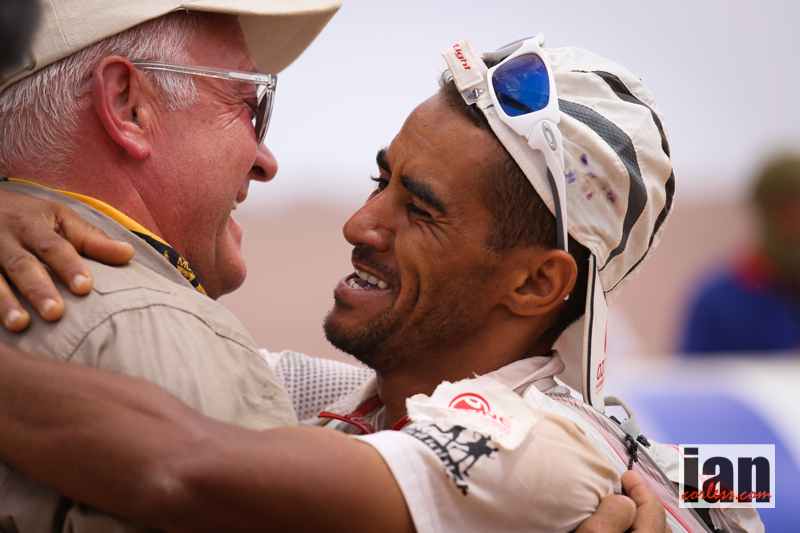
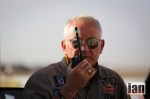
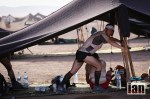
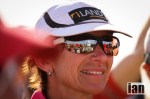
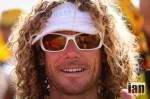
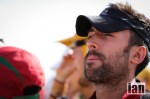
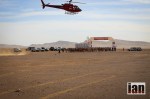
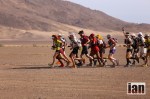
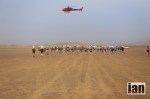
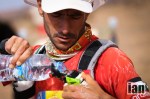
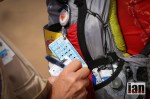
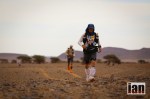
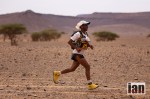
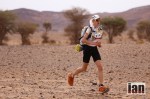
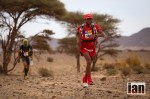
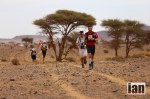
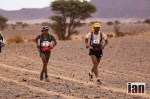
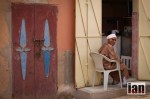
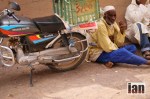
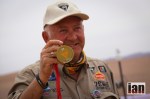
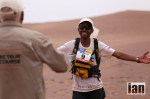
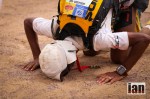
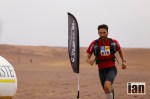
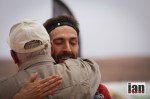
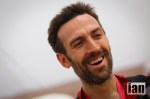
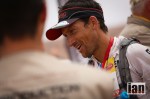
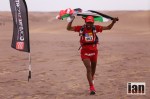
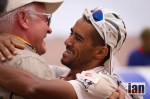
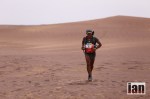
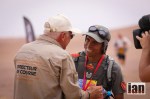
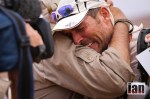
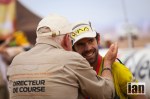
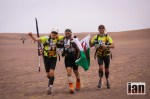
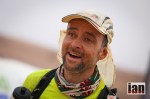
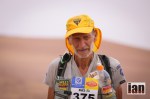
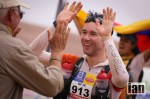
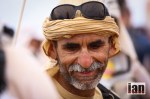
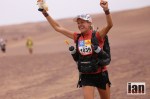
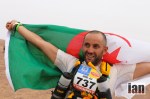
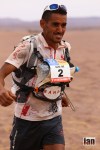
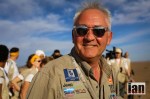
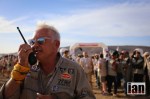
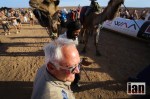
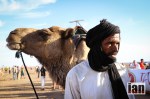
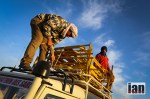
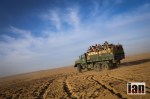
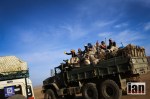
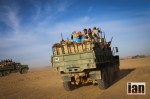
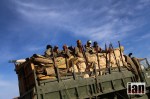
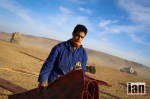
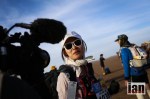
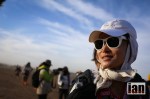
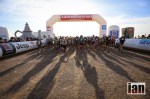
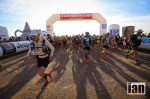
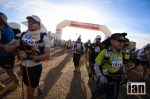
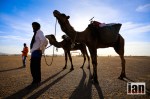
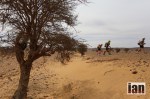
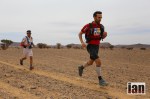
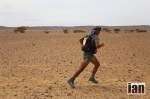
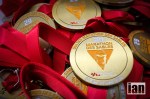
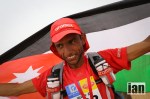
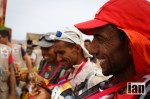
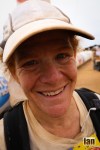
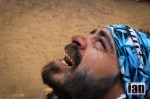
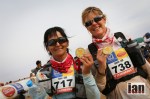
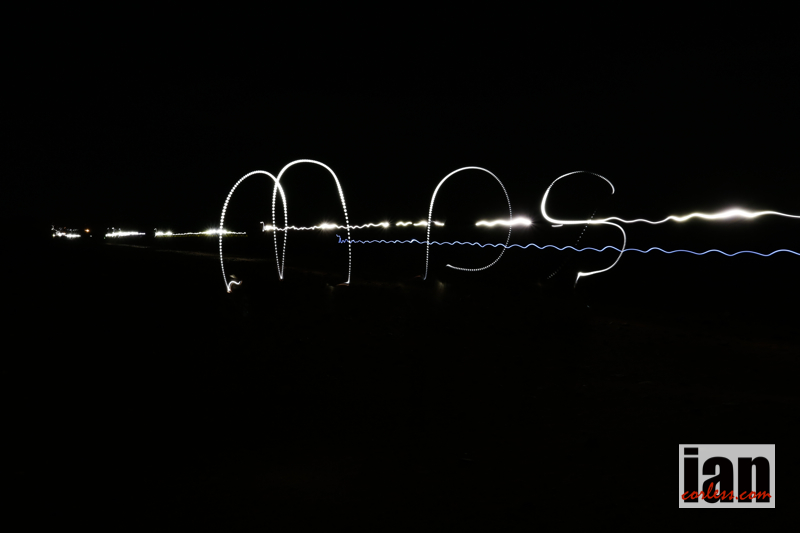
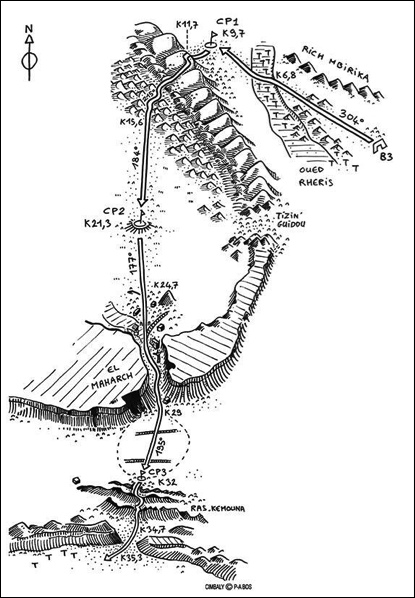
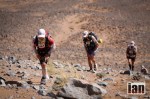
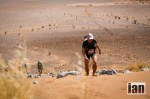
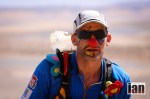
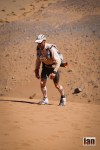
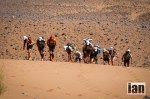
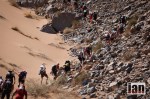
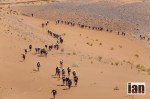
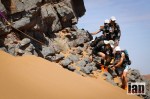
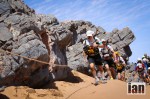
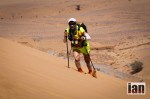
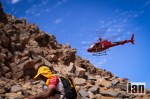
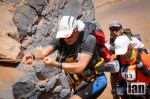
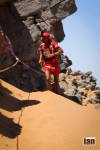
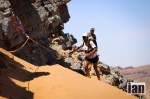
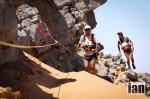
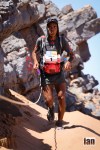
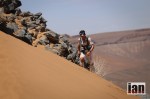
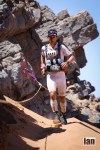
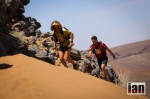
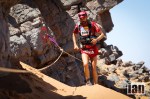
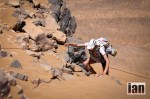
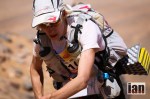
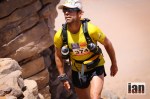
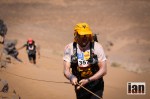
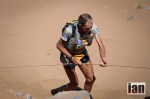
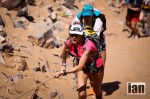
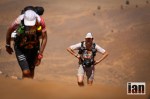
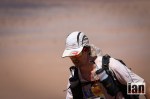
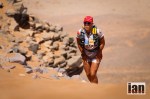
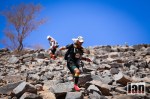
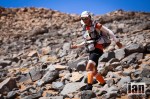
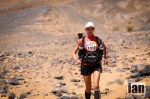
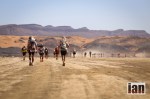
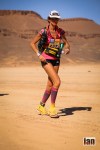
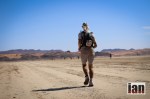
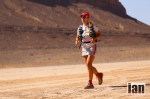
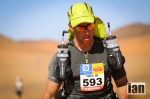
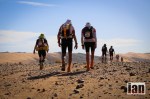
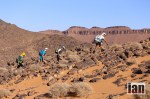
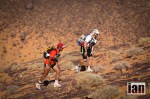
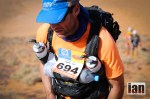
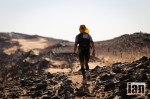
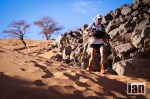
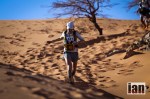
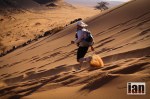
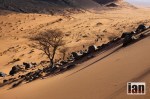
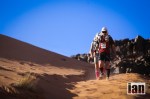
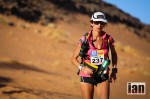
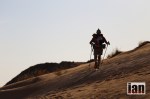
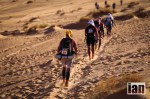
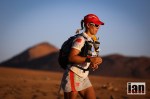
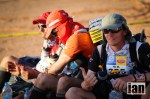
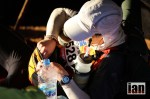
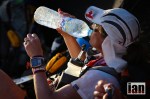
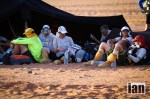
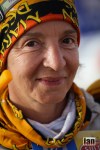
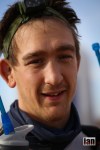
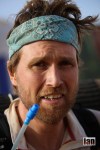
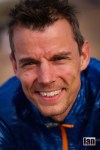
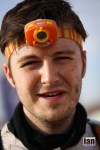
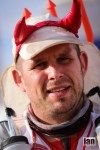
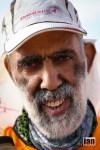
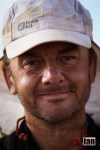
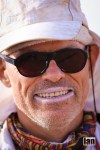
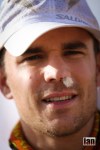
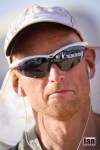
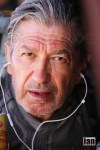
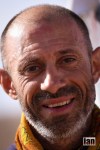
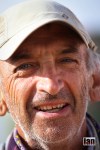
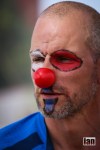
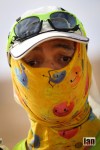
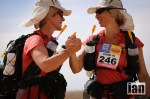
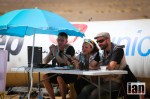
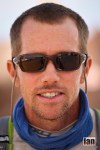
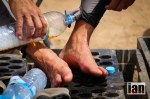
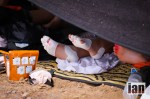
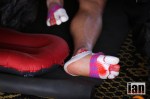
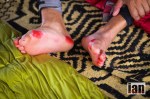
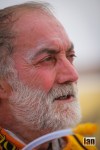
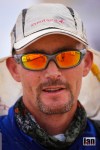
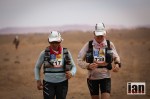
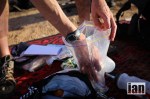
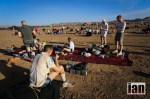
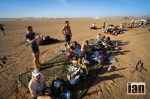
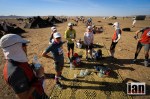
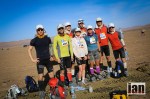
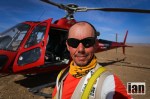
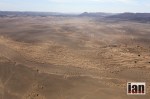
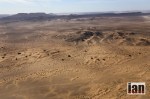
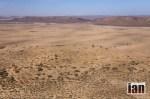
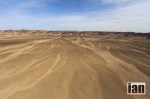
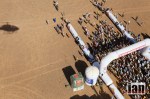
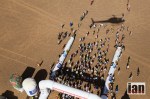
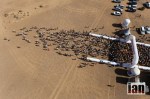
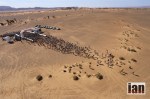
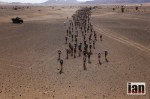
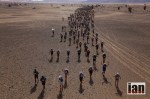
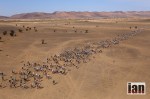
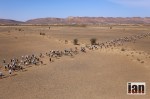
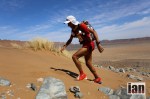
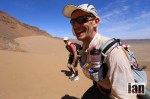
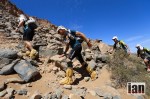
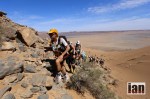
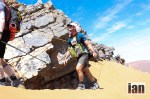
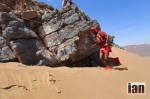
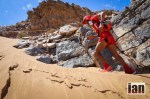
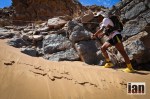
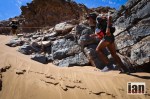
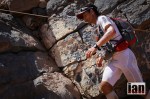
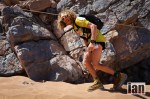
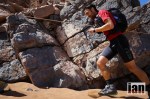
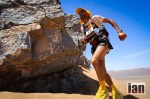
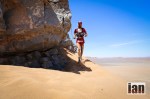
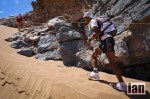
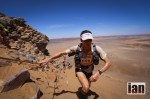
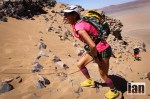
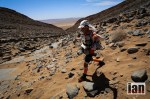
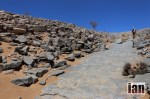
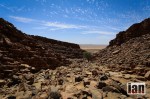
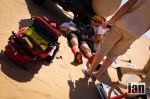
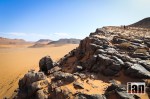
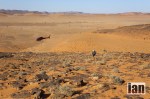
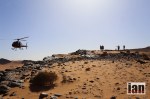
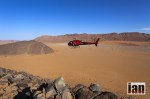
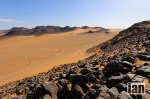
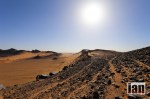
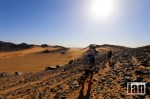
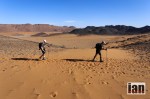
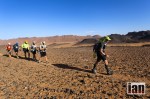
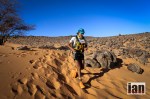
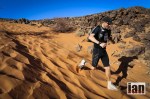
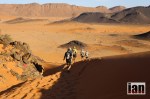
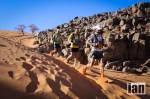
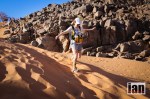
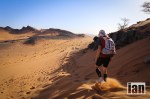
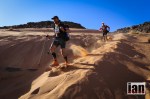
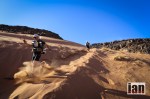
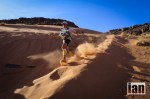
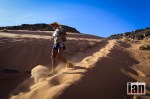
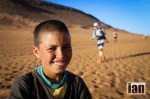
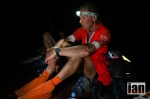
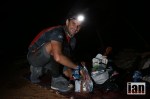
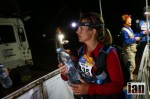
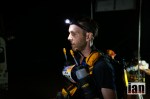
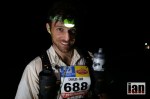
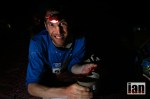
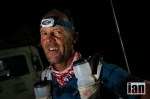
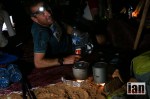
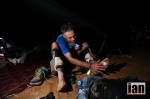
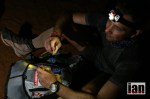
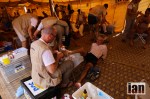
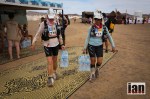
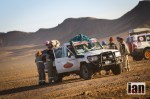
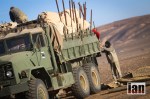
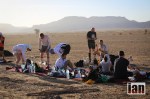
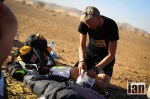
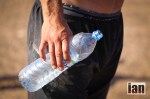
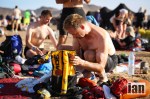
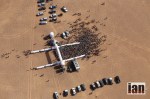
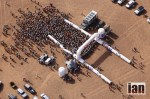
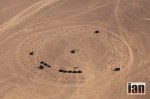
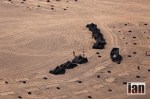
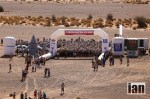
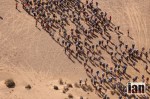
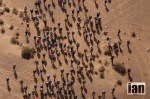
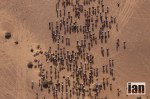
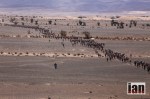
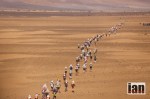
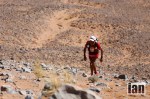
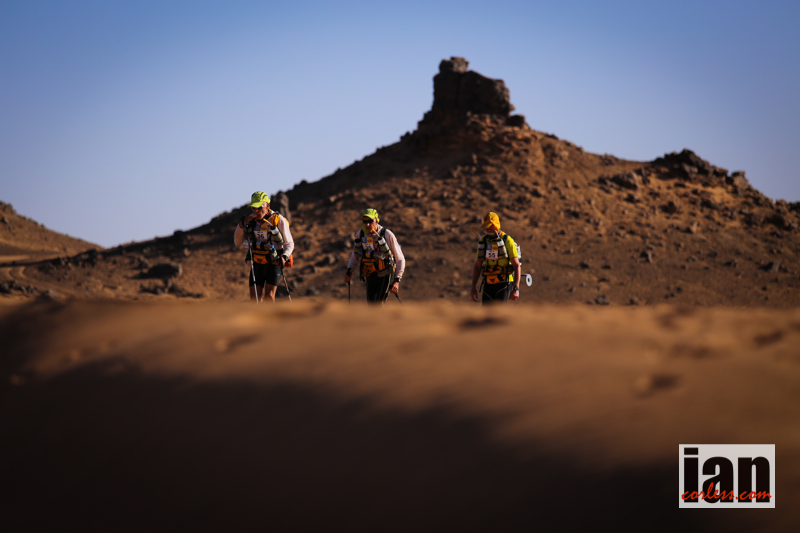
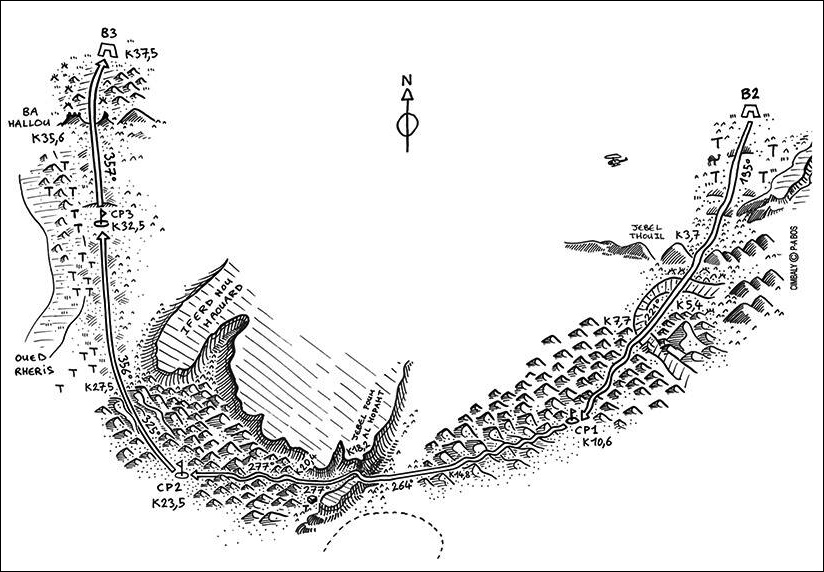
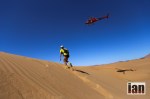
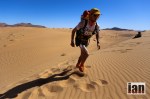
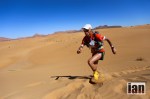
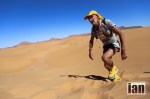
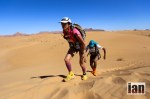
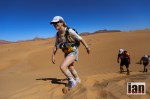
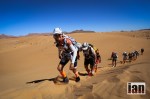
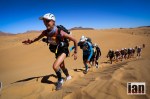
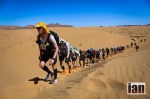
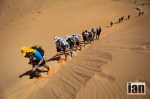
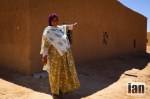
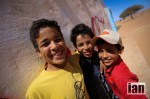
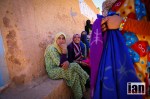
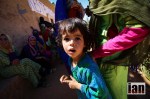
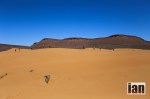
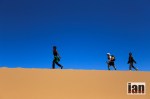
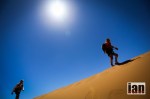
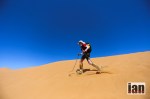
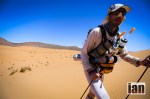
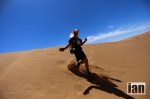
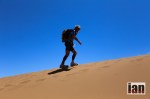
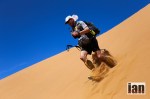
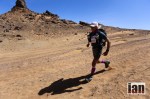
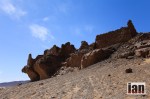
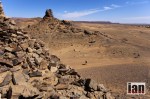
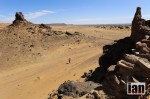
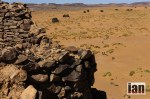
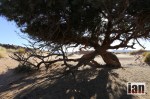
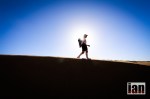
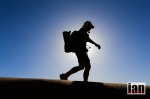
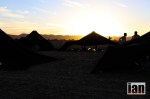
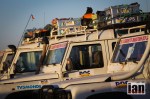
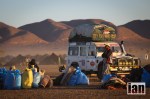
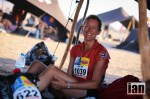
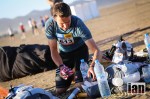
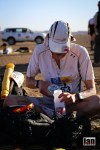
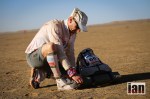
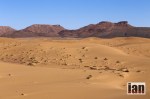
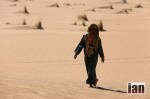
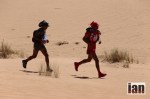
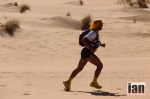
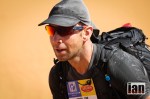
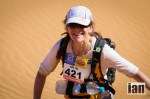
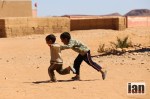
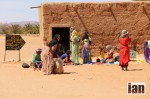
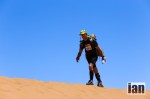
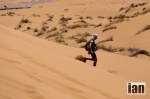
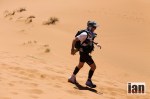
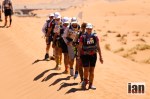
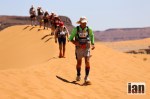
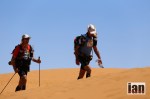
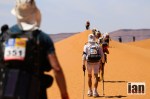
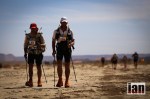
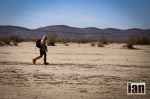
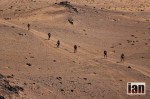
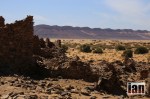
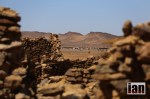
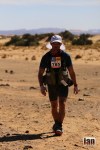
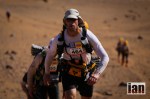
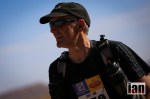
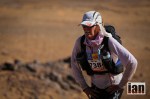
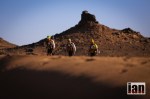
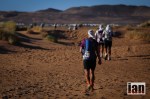
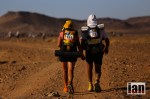
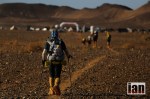
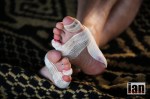
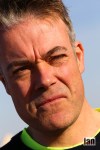
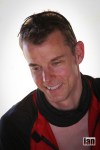
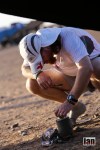
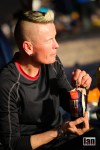
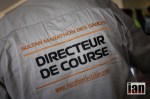
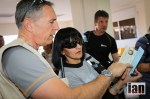
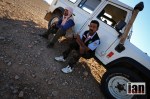
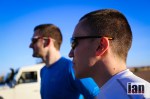
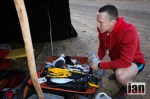
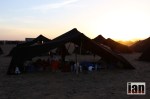
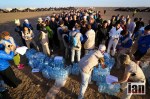
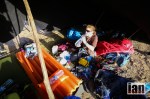
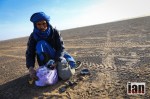
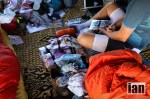
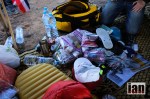
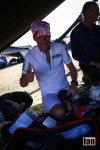
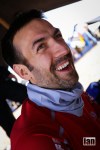
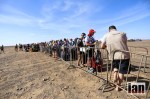
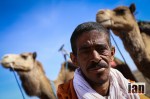
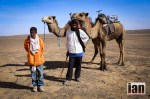
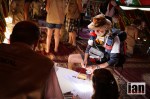
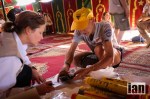
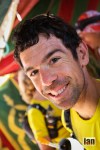
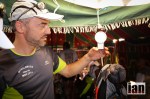
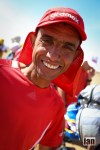
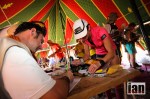
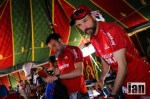
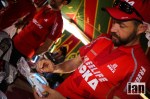
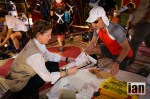
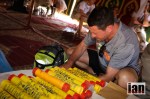
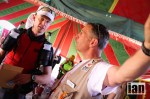
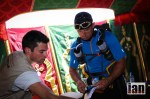
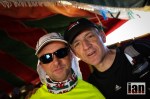
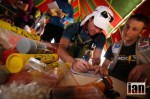
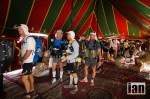
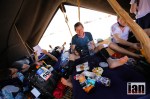
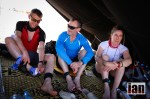
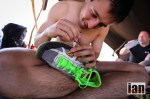
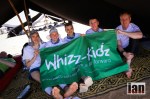
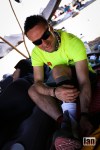
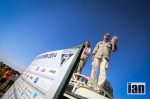
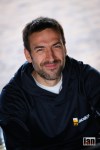
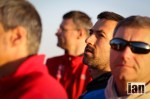
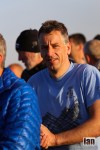
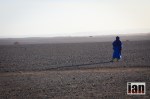
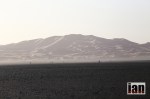
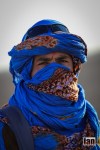
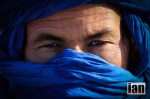
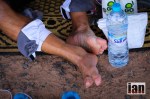
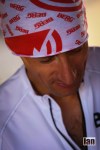
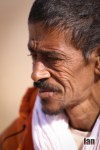
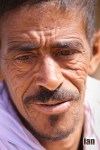
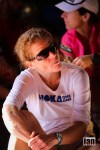
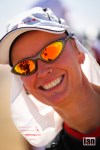
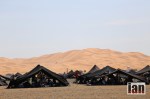
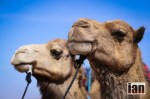
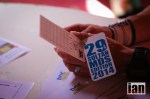
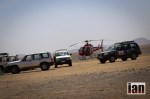
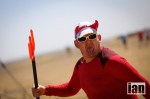
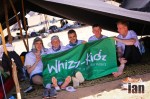
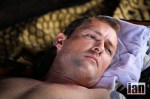
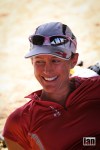
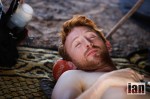
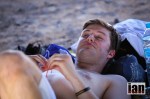
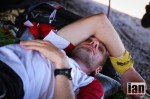
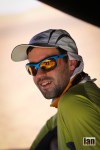
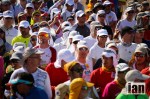
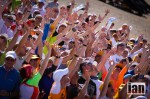
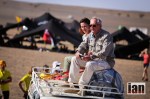
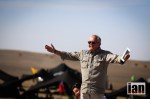
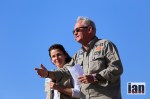
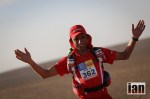
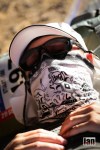
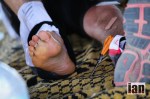
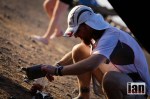
The 29th edition of the Sultan Marathon des Sables.
Arrival and registration for the race
all images ©iancorless.com – all rights reserved
No reproduction or sharing please.
Patagonia Run 100k | 100 kilometers | April 12, 2014 | website
Patagonia Run 63k | 63 kilometers | April 12, 2014 | website
Patagonia Run 84k | 84 kilometers | April 12, 2014 | website
Australian Running Festival Ultra Marathon | 50 kilometers | April 13, 2014 | website
Nerang State Forest 50 km | 50 kilometers | April 06, 2014 | website
Buffalo Stampede Ultra SkyMarathon | 75 kilometers | April 05, 2014 | website
3 Waters 50km Ultra Marathon | 50 kilometers | April 13, 2014 | website
Bunbury 50K Ultra | 50 kilometers | April 13, 2014 | website
Diez Vista 50k Trail Run | 50 kilometers | April 05, 2014 | website
Shangri-La LIJIANG Action Asia 3 day 100 km Ultra Marathon | 100 kilometers | April 18, 2014 | website
Shangri-La LIJIANG Action Asia 3 day 60 km Ultra Marathon | 60 kilometers | April 18, 2014 | website
100 Miles of Istria | 100 miles | April 11, 2014 | website
100 Miles of Istria – 105 km | 105 kilometers | April 12, 2014 | website
100 Miles of Istria – 65 km | 65 kilometers | April 12, 2014 | website
Gudenaa Trail Challenge | 75 kilometers | April 18, 2014 | website
Trans Aubrac | 105 kilometers | April 12, 2014 | website
Le Challenge des Seigneurs | 100 kilometers | April 12, 2014 | website
Le Défi des Seigneurs | 74 kilometers | April 12, 2014 | website
Le Grand Défi des Vosges | 58 kilometers | April 13, 2014 | website
L’Intégrale | 132 kilometers | April 12, 2014 | website
Trail Sainte Victoire 60 km | 60 kilometers | April 06, 2014 | website
Le Savagnin | 58 kilometers | April 06, 2014 | website
Cahors (Lot) – Eauze (Gers) : du 5 au 8 avril 2013 | 187 kilometers | April 11, 2014 | website
Trail du Pays d’Argonne – 55 km | 55 kilometers | April 13, 2014 | website
Le Crêt de l’Oiseau | 63 kilometers | April 13, 2014 | website
Mountain Azur Run | 58 kilometers | April 12, 2014 | website
Bilstein-Marathon BiMa 53+ | 53 kilometers | April 06, 2014 | website
Waldhopper 70Km Landschaftslauf | 70 kilometers | April 12, 2014 | website
Keep on Running St. Wendel | 52 kilometers | April 11, 2014 | website
Saxonian Mt. Everestmarathon | 84390 meters | April 12, 2014 | website
Athens International Ultramarathon Festival – 1000 km | 1000 kilometers | April 13, 2014 | website
Athens International Ultramarathon Festival – 1000 miles | 1000 miles | April 07, 2014 | website
Connemara Ultramarathon | 39 miles | April 06, 2014 | website
UltraTrail dei Monti Cimini | 80 kilometers | April 12, 2014 | website
100 km di Torino | 100 kilometers | April 12, 2014 | website
Dead Sea Ultra Marathon | 50 kilometers | April 04, 2014 | website
Marathon des Sables | 250 kilometers | April 04, 2014 | website
Everest Ultra | 65 kilometers | April 07, 2014 | website
Mustang Trail Race 2014 | 200 kilometers | April 15, 2014 | website
Limburgs Zwaarste 100 km | 100 kilometers | April 05, 2014 | website
Limburgs Zwaarste 60 km | 60 kilometers | April 05, 2014 | website
Limburgs Zwaarste 80 km | 80 kilometers | April 05, 2014 | website
Castricum Ultraloop | 60 kilometers | April 12, 2014 | website
Oxfam Trailwalker NZ | 100 kilometers | April 05, 2014 | website
Bergen Maratonkarusellen no3 – 1 1/2 Marathon | 63 kilometers | April 05, 2014 | website
Bergen Maratonkarusellen no3 – Ultra 100km | 100 kilometers | April 05, 2014 | website
Mayon 360º | 80 kilometers | April 05, 2014 | website
Caldeira Trail | 74 kilometers | April 12, 2014 | website
Loskop Ultra Marathon | 50 kilometers | April 12, 2014 | website
Anaga Ultratrail 88 km | 88 kilometers | April 12, 2014 | website
Ultra Trail Muntanyes de la Costa Daurada | 90 kilometers | April 05, 2014 | website
LXVII Milhas Romanas | 100 kilometers | April 04, 2014 | website
Silva Ursvik Ultra – 75 km | 75 kilometers | April 05, 2014 | website
Täby Extreme Challenge 100 miles | 100 miles | April 12, 2014 | website
TEC 100 Mile | 100 miles | April 12, 2014 | website
TEC 50 Mile | 50 miles | April 12, 2014 | website
The Calderdale Hike – Long | 36 miles | April 12, 2014 | website
Coastal Trail Series – Exmoor – Ultra | 34 miles | April 12, 2014 | website
South Downs Way 50 | 50 miles | April 05, 2014 | website
Glasgow – Edinburgh Double Marathon | 55 miles | April 05, 2014 | website
Cotswold Way Challenge Multistage Ultra | 57 miles | April 05, 2014 | website
Crown King Scramble 50 Km Trail Run | 50 kilometers | April 05, 2014 | website
American River 50-mile Endurance Run | 50 miles | April 05, 2014 | website
Grizzly Peak 50 Km Trail Run | 50 kilometers | April 05, 2014 | website
Lake Sonoma 50 | 50 miles | April 12, 2014 | website
Oriflame 50K | 50 kilometers | April 05, 2014 | website
Oriflamme 50k | 50 kilometers | April 05, 2014 | website
Ragnar Relay So Cal | 200 miles | April 04, 2014 | website
Woodside Ramble Spring 50K | 50 kilometers | April 13, 2014 | website
Trap Pond 50K | 50 kilometers | April 13, 2014 | website
Wild Sebastian 100 Spring Edition – 100 Miles | 100 miles | April 12, 2014 | website
Wild Sebastian 100 Spring Edition – 50 Miles | 50 miles | April 12, 2014 | website
Wild Sebastian 100 Spring Edition – 75 Miles | 75 miles | April 12, 2014 | website
SweetH20 50K | 50 kilometers | April 12, 2014 | website
Chicago Lakefront 50K George Cheung Memorial Race | 50 kilometers | April 05, 2014 | website
Potawatomi 100 Mile Trail Run | 100 miles | April 05, 2014 | website
Potawatomi 150 Mile Trail Run | 150 miles | April 04, 2014 | website
Potawatomi 50 Mile Trail Run | 50 miles | April 05, 2014 | website
Rocking K Trail 50 Mile Run | 50 miles | April 05, 2014 | website
Traverse City Trail Running Festival 50k Run | 50 kilometers | April 12, 2014 | website
Trail Mix Race Minnesota 50K Ultra | 50 kilometers | April 12, 2014 | website
Zumbro 100k | 100 kilometers | April 11, 2014 | website
Zumbro 100M | 100 miles | April 11, 2014 | website
Zumbro Midnight 50 Mile | 50 miles | April 12, 2014 | website
Gulf Coast Interstate Relay – Ride or Run | 263 miles | April 04, 2014 | website
Cedar Island 40 | 42 miles | April 12, 2014 | website
Umstead 100 Mile Endurance Run | 100 miles | April 05, 2014 | website
Umstead 50 Mile Endurance Run | 50 miles | April 05, 2014 | website
Forget the PR Mohican 50K | 50 kilometers | April 12, 2014 | website
Tatur’s Lake McMurty Trail Race 50K | 50 kilometers | April 12, 2014 | website
Peterson Ridge Rumble 40 Mile Trail Run | 40 miles | April 13, 2014 | website
Shotgun Trail Blast 50K | 50 kilometers | April 05, 2014 | website
Hyner Ultra Challenge 50K | 50 kilometers | April 06, 2014 | website
Blind Pig 100K Ultra Marathon | 100 kilometers | April 12, 2014 | website
Blind Pig 100 Mile Ultra Marathon | 100 miles | April 12, 2014 | website
XTERRA Hickory Knob Trail 50K | 50 kilometers | April 05, 2014 | website
Power to the Tower 50k Ultra | 50 kilometers | April 05, 2014 | website
War at Windrock – 3 stages race | 51 kilometers | April 12, 2014 | website
Hells Hills 50 km Endurance Trail Run | 50 kilometers | April 05, 2014 | website
Hells Hills 50 Mile Endurance Trail Run | 50 miles | April 05, 2014 | website
Zion 100k | 100 kilometers | April 04, 2014 | website
Zion 100 Mile | 100 miles | April 04, 2014 | website
Zion 50K | 50 kilometers | April 05, 2014 | website
Twin State 50 km | 50 kilometers | April 06, 2014 | website
Twin State 50 Miles | 50 miles | April 06, 2014 | website
Bull Run Run 50 Mile | 50 miles | April 12, 2014 | website
Alger Alp 50k | 50 kilometers | April 12, 2014 | website
Lumberjack 100 K Run | 100 kilometers | April 12, 2014 | website
Lumberjack 100 Mile Run | 100 miles | April 12, 2014 | website
Lumberjack 50 Mile Run | 50 miles | April 12, 2014 | website
Squak Mountain 50K Trail Run | 50 kilometers | April 12, 2014 | website
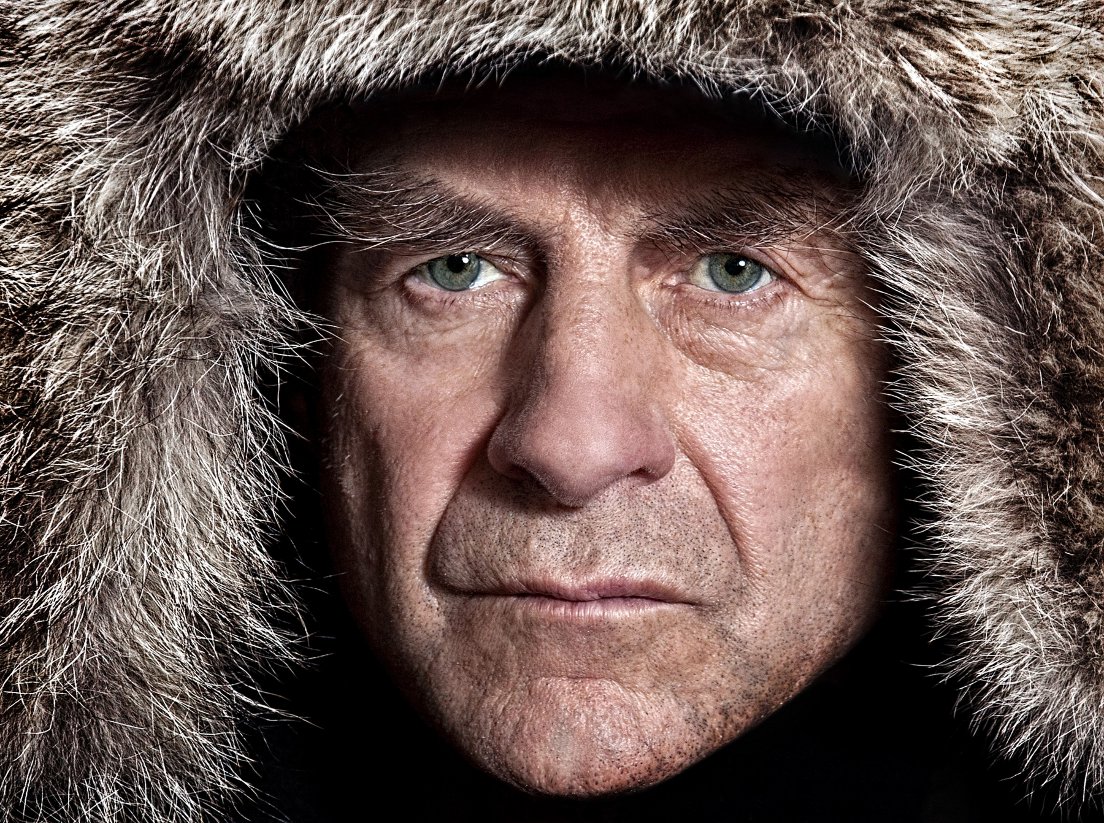
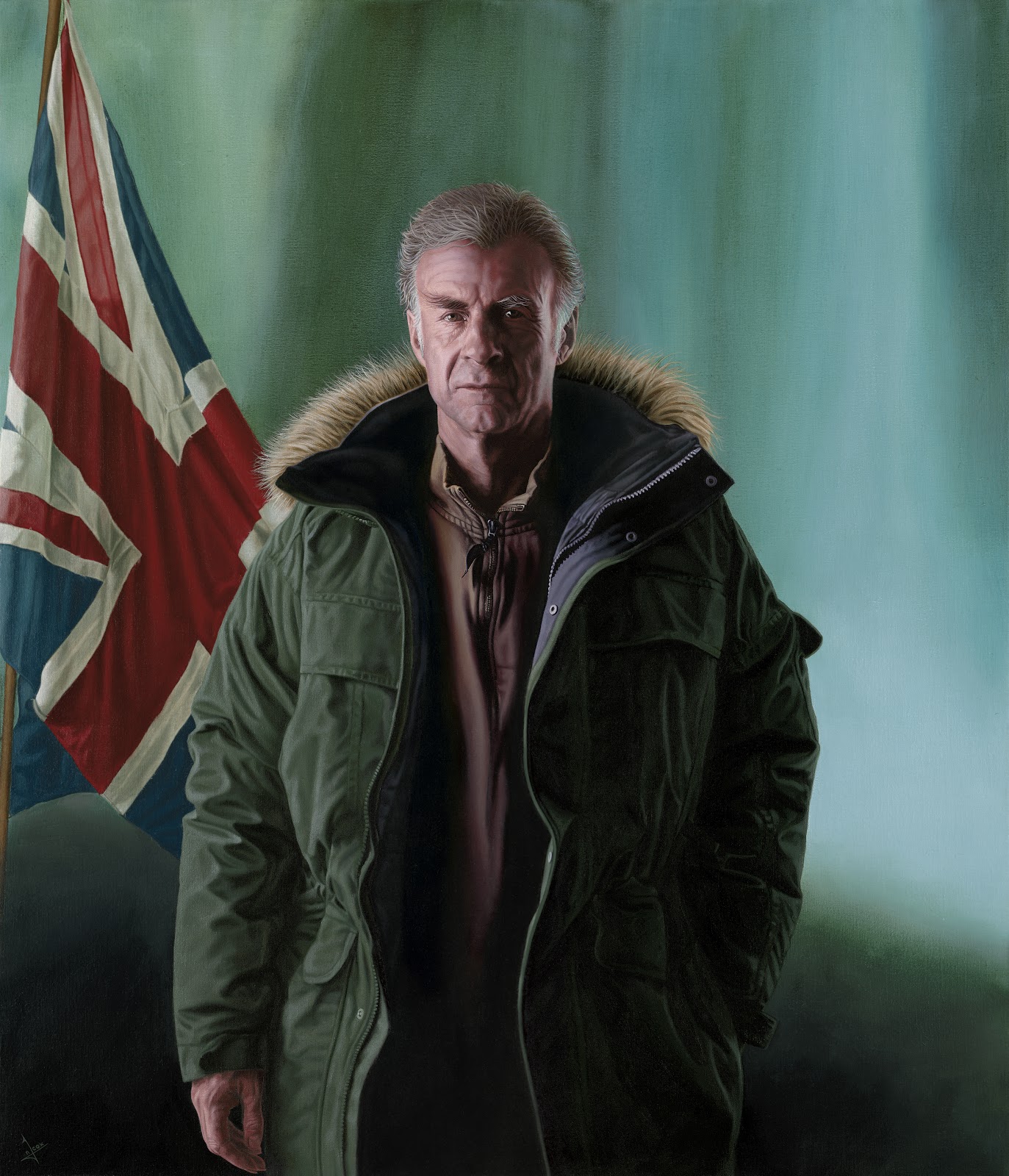
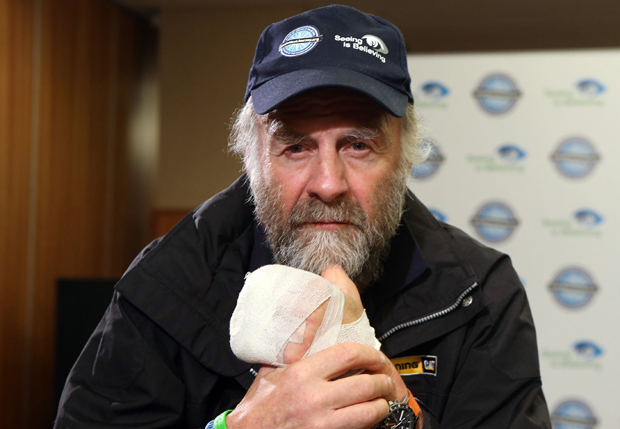
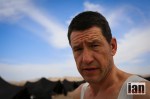
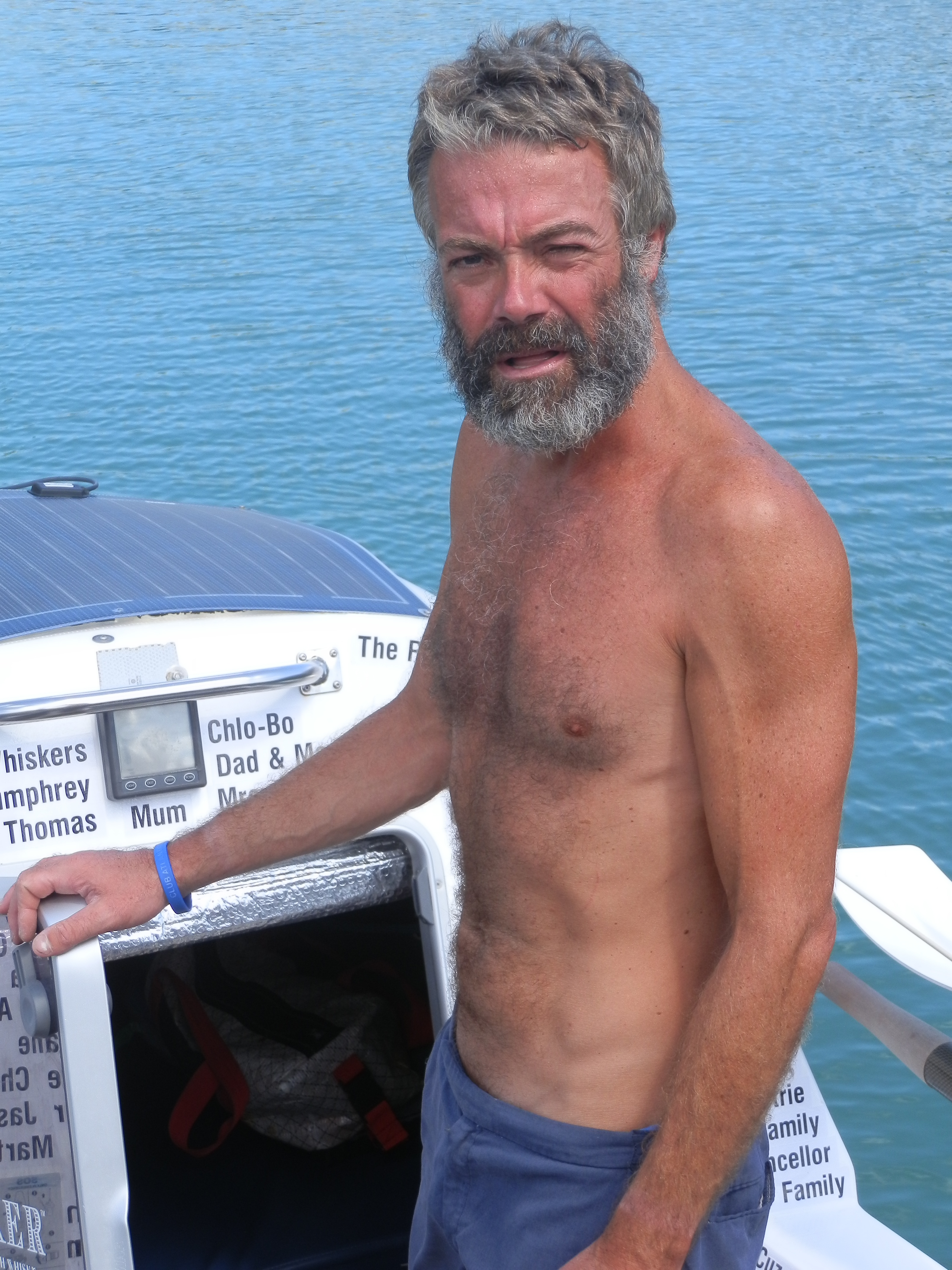
It doesn’t happen everyday does it… an actor with a career spanning back to 1992 taking on the challenge of the Marathon des Sables; arguably one of the most iconic multiday races in the world.
Bertie (Robert) Portal however is not shy of a challenge or putting himself way out of his comfort zone. In 2012, along with James Cash, Bertie crossed the Atlantic in 63-days and in doing so raised £350,000 for ‘Facing the World Association.’
‘…the idea of setting foot again on another waterborne vessel, let alone our boat, Patience, fills me with dread and horror.’ Bertie explained in a Telegraph interview (Feb 2012).
Swapping water for sand, Bertie will attempt the 29th edition of the iconic ‘MDS’ and his journey begins on April 3rd. I was intrigued; what had attracted an actor who has appeared in some modern day blockbusters such as, The Iron Lady, My week with Marilyn and The Kings Speech to leave the comfort of ‘Blighty’ behind for a week of self-sufficiency in the Sahara? After all, reduced food and water rations, sharing a bivouac with 7-others, oh, and the small matter of running approximately 250 km’s wouldn’t appeal to everyone?
I caught up with Bertie in the final days before his departure for Morocco, for the first of several interviews that will help document Bertie’s journey into the unknown.
IC Bertie, you are renowned for your acting career, what has attracted you to the Marathon des Sables, it’s going to be a little different to what you are used to!
BP People ask me this all the time and I often give different answers, however, as an actor I spend my professional life in someone else’s clothes, speaking someone else’s lines and being told where to stand and what to do… these events are me being me! Facing a challenge, it’s what I enjoy. I also enjoy facing the elements, be that the Atlantic of the Sahara on its own terms to see what it has to offer.
IC Is this something that has come to you later in life or have you always been interested in testing yourself in sport?
BP Fair to say I have pushed the envelope recently! However, I have done marathons, triathlons and swum to keep fit. I found that when I did the Atlantic, we were halfway across in a storm and I thought if I get out of this, I will do something land based. The Sahara fits the bill!
IC MDS has a reputation. It’s one of the oldest, if not THE oldest multiday races. It’s on many a runners bucket list, for you, the contrasts between the Atlantic and the Sahara will be extreme. When did you start preparing?
BP I have been training for about 18-months specifically. Ultra marathons are very different from doing a ‘normal’ marathon of 26.2-miles, so, doing longer runs of 30 or 40-miles have been a great eye opener. The thought of doing them back-to-back is very different; running on tired legs is something you need to adapt to. I have done lots of that; I don’t take this lightly! I think the MDS will be more painful physically than the Atlantic as it is more compacted in terms of time.
IC I guess 18-months ago you were just getting consistency in running. When did you start being very specific; placing an emphasis on MDS and doing specifics that will allow you to run in the Sahara?
BP I have been training with a pack for quite a long time. I availed myself of the services of Rory Coleman, he has done MDS 10-times and he helps out people with coaching. He set me a program and I have followed it. I went to Wales a month ago, we had a weekend program of running in dunes. It was a nightmare! I hated it… it’s grueling, debilitating, energy sapping, exhausting and depressing to be honest. It was a big eye opener and I found it incredibly hard. I am under no illusions of what to expect. Recently I have been in a heat chamber and I have 2-more sessions to do before we depart. That was horrible too!
IC Aaagh, you are really looking forward to the MDS then? (Laughs)
BP The heat chamber was just a small room. Quite claustrophobic, so it’s not ideal, however, it serves a purpose. You just want to get out of the room but you can’t. Lots of people are watching so you can’t ‘wuss’ out.
IC You will learn from anyone that has done MDS that heat sessions in the final days before departure are a great thing to do. It can be a savior to have that adjustment done before arriving in Morocco. Let’s go back a month ago if I may… the dunes, I guess you wanted experience and also a confidence boost. Do you now have a sense of dread of what the MDS holds?
BP The weekend was 2-days; Saturday was dunes and Sunday was a little different. I felt a little down after the first day but running up a mountain on day-2 was much better. I have also been told that dunes only make a small part of the MDS. The terrain is quite compact, hard, and rocky at times and we have salt flats to cover so that is good, we have a bit of everything! Dune day sounds like it will be day-1 so I shall grit my teeth and push through it.
IC Yes, you are correct. Dunes only usually make about 20% of the race route. However, the dunes take longer to get through because of the difficulty. What are you most fearful of?
BP Not finishing! It’s a fear of failure… far more than the heat, dehydration and so on. I think I can control those things. I need to look after myself. Personal admin is important. If I have my head screwed on that will be okay. However, I will have unknowns, maybe the medical team could pull me out of the race. I would hate that. All I can do is look after myself as best I can and don’t start too quickly. I need to enjoy the experience. I am so looking forward to it.
IC If you look at the race objectively; completion over competition, It is a great attitude to have. Cut-off times are very generous so you can slow down and still finish. Have you thought about this?
BP Well I set myself goals and I like to do things to the best of my ability otherwise I don’t see much point in doing them! I want to be the best that I can be. I’m in the middle I think; I won’t win but I want to give the best account of myself.
IC With a couple of days over and once familiarized, you will then be able to asses and decide if you can test yourself. You will know at that point how you feel and how you are reacting.
Bivouac will be interesting; an open tent with 7-other people. For me, it’s an attraction. You do have a celebrity status do you think at MDS you will be recognized?
BP I’m always ‘another’ person! I love these events because I can get away… no e-mail, no phones, I am away from all the humdrum day-to-day routine and I love that.
IC You have appeared in The Kings Speech, My week with Marilyn, The Iron Lady; they are all films about strong individuals. They are all characters that have overcome diversity, pressures and so on that have used strength of character to survive. Can you take anything away from the real life situations and apply that to the MDS?
BP Gosh! I don’t think so… my film life and my adventure life are so different. My actor mates and directors just don’t understand what I do. I was about to row the Atlantic when I did ‘Marilyn,’ my peers just didn’t get it. So, I don’t intertwine the two things at all. You are correct though; the films were about strong people. It’s the first time I have ever thought of it… it’s a great question. I will need to go away and think about it! Ask me on day-3 of the race.
IC How has training gone for you, are you confident, can you maybe give us an idea what a training week has looked like?
BP If I am honest, I was at my fittest in October last year. I was doing 3-day ultra runs. A normal week would be as follows: Monday, power hour on a treadmill – this is 4mins at pace and then sprint for 1-min and repeat. It’s horrible but gets your speed up. I may run a 5km the next day, 10km the day after and then on Thursday I would do a long run in the park. Richmond Park is my ‘killing ground’ and this is where I do my entire running. It has some nice hills! Then I would race at the weekend, a marathon or an ultra.
IC Okay, so how many races have you done in the build up?
BP Lots! I must have done somewhere in the region of 20 marathons in the last 11-months.
IC Wow, that is great. That’s lots of racing.
BP I have always ticked over. A typical year for me would include what I call the ‘Big-5.’ That would be 2-half marathons before London, London marathon and then another couple of other events. I am also a swimmer; I do that throughout the year. So I have a good base.
IC Tell us about your equipment. I am sure you have been through everything, weighing it and looking at options. Are you taking any luxuries?
BP I am looking at my bag now. I had problems with packs. I was going to use one pack but I found it too small, I just couldn’t fit everything in so I have changed it recently to something a little larger. I can’t run on nuts and air! (Laughter). My luxuries are ‘sweeties’ such as jellybeans, cola bottles and so on. I have a few gels but they can make me run to the bushes… not many of those in the Sahara! I have kept luxuries to a minimum; I see this as 7-days and 7-days only, I can get through that!
IC What is your pack weight?
BP About 9kg I believe.
IC You will need to add water to that?
BP Yes, I will add water and that is provided. I have packed food that I had left over from the Atlantic and I have trimmed packets, cords, and other items to reduce any weight. The food packets are useful as I can eat out of them.
IC You will take a stove then?
BP Yes.
IC Do you have any words of wisdom or is that only something you can pass on after the experience?
BP I think there is only so much you can do. You can train, you can prepare and you can plan but you can’t actually prepare for running in 45 degrees other than doing it. It’s no sprint; it’s what I call the Sahara shuffle.
IC You have the physical and mental strength to last 63-days in the Atlantic. I am sure you will be able to draw from that experience and apply it in the Sahara.
BP Yes, I do have lots to call on and I am grateful for that experience. I had some horrible moments. When things get tough, I will think to myself, it’s only 7-days. My father said, ‘you can doing anything for 7-days.’ However, I don’t think my dad has done MDS! (Laughter)
IC In the Atlantic you broke your oars and you bobbed around in the water for 7-days unable to move… ironically you could have run MDS in those 7-days.
BP Absolutely! Thank you for that. I will think on that whilst I am in the Sahara.
(Laughter)
See you in the Sahara!
Information
A race preview of the 29th edition of the MDS is available HERE
MDS hints ‘n’ tips from 3x ladies winner, Laurence Klein HERE
Links:
Bertie will be raising money for Rainbow Trust Children’s Charity (Facebook Here)
To make an individual donation, please visit: uk.virginmoneygiving.com/Blazing-a-Trail Or send cheques payable to Rainbow Trust Children’s Charity to: 6 Cleeve Court, Cleeve Road, Leatherhead, Surrey, KT22 7UD
Rainbow Trust Children’s Charity website – HERE
Go to ‘Blazing a Trail’ on Facebook – HERE
Follow Bertie’s MDS experience on www.iancorless.com and on Twitter @talkultra
Images from ©IMDB
Atlantic Crossing in The Telegraph – Here
Laurence Klein (FRA) is a triple winner of the Marathon des Sables; 2007, 2011 and 2012. In 2013, Laurence returned to the Sahara looking for a 4th crown. Running a strong and dominant race, Laurence looked invincible, however, on the long-day she suffered from the heat and was forced to withdraw from the race with dehydration opening the door for Meghan Hicks (USA) to take the lead and win the 28th edition of the race.
We can all learn and here, Laurence provides her top-10 tips for the MDS.
1/ RUNNING IN THE SAND
“Though sand is omnipresent along the Marathon des Sables course, you don’t just run in dunes. You also traverse stony zones, lunar landscapes and djebels. It’s important not to forget that detail in your preparation… To avoid getting tired, it’s also important to read the terrain you’re not used to. On large dunes for example, it’s best to run along the ridges and try to carve out your own wake so that you don’t sink into the sand as much. On the dunettes however, it’s easier to run in the tracks left by other competitors so as to use their footsteps like stairs. Finally, in the “fesh-fesh” (fine sand that looks like solid ground but behaves like soft mud), you really have to try to be as light on your feet as possible when you run.”
2/ AVOIDING BLISTERS
“Gaiters are essential in preventing sand from filtering through into your socks too much and causing large blisters. Those who are sensitive to them can also prepare their feet in the run- up to the event, by hardening them with special products or citric acid. On a personal level, I recommend choosing a suitable trail shoe, one or two sizes bigger than your usual town shoe, because feet tend to swell with the heat. Added to that, it goes without saying that when you have blisters, it immediately becomes a lot more painful to put your shoes back on with an additional layer of bandages if you’re already bordering on the limit of your shoe size.”
3 / HYDRATE REGULARLY
“Dehydration is one of the biggest risks in the desert. It’s imperative you don’t forget this and force yourself to systematically drink the water offered by the organisation, taking small, regular sips during the race and in the evening when you get into the bivouac. During this event, you also loose a lot of salt. As such it’s essential you remember to take the salt tablets supplied by the organisation and plan a diet rich in mineral salts.”
4/ PROTECT YOURSELF FROM THE SUN
“Avoid wearing dark clothing in the desert as it tends to retain heat. Instead, opt for light clothing and white caps, which reflect the light. It can also be very useful to keep a buff around the neck or the wrist, which you can moisten from time to time to freshen up and bring down your core temperature. The best thing is not to remove too much clothing, but not to wear too much either… and to protect oneself from the sun’s rays using a very good suncream.”
5/ A LIGHT, BALANCED BAG
“When you pack your bag, don’t forget that you have to add to it the litre and a half of extra water supplied by the organisation throughout the event… As such a bag weighing around 7 kilos is ideal. You also need to think about correctly distributing the weight between the front pack and the backpack, so as to remain balanced and avoid placing all the bag’s weight on your kidneys. Personally, I recommend putting everything at the front that will be of use to you during the day, energy bars, water, roadmap, compass, salt tablets, etc. That way you don’t have to unpack your bag to retrieve something that’s located at the back.”
6 / GET SOME REST
“It’s very important to get some good rest and sleep well. For this, don’t disregard the comfort of your sleeping bag and opt for a sleeping bag suited to temperatures of around zero. Indeed, even though it rarely gets cooler than that, the temperature range between day and night remains pretty significant and you can soon get cold. For the evening, the majority of runners use painters’ overalls, which keep out the cold and the wind, but you can also get very fine, very light technical clothing with long sleeves.”
7/ EAT PROPERLY
“Whether you opt for freeze-dried meals or simpler food with a rice, pasta, couscous or mashed potato base, the most important thing is to have a good distribution between protein, which are used to repair the muscles that are in such heavy demand during exertion, carbohydrates, which enable you to quickly restore your energy and speed up the body, and fats, which are essential for the body to work efficiently; especially with this type of exertion where you dig deep into your store of fat. Similarly, don’t think twice about stepping up a little on the organisation’s requisite minimum daily dose of 2,000 calories a day.”
8/ FINDING ONE’S BEARINGS
“Aside from some of the dunes, where you do need to know how to use a compass to keep on course, the risks of getting lost are virtually non-existent. Indeed the marking is very well done by the organisation throughout the course and there’s substantial monitoring of the runners by the race stewards. However that’s no reason not to learn to use a compass before taking off for Morocco!”
9/ MANAGING ONE’S EFFORT
“The Marathon des Sables is a long race. As such you need to spread out your effort with the passing days and, most importantly, you mustn’t set off too quickly on the first leg. Instead take the time to adapt to the different terrains you will encounter. You should also think about saving your energy so that you aren’t too tired when it comes to the long stage on the 4th day. To do this, think about getting some good rest in the evening as soon as you return to the bivouac.”
10/ LIFE IN THE BIVOUAC
“Life in the bivouac is very important. To really make the most of it, I advise you not to bring along your mobile phone so you can fully benefit from each and every moment. Indeed, a whole life and sense of solidarity takes shape within it… The runners are divided up into tents of eight people and they very quickly encourage and support one another and eat together… You have to learn to be generous within it and not get annoyed, remaining open to others. The MDS is a large family. There’s a big communion between the runners and you have to know how to respect that.”
Read a preview of the 2014, 29th Marathon des Sables HERE
Follow the race at http://www.iancorless.com and on Facebook HERE and Twitter HERE
Content ©marathondessables
All images ©iancorless.com – all rights reserved
Rin started PND Consulting in 2012 after working in the NHS as a dietician for several years. She has covered a variety of clinical areas from nutrition support on hospital ward and intensive care to diabetes and weight management in clinic settings.
Episode 55 of Talk Ultra – We have a The Coastal Challenge special with an interview with male overall winner, Michael Wardian. Jo Meek, ladies overall winner talks about her training and preparation for the TCC race and Nick Clark discusses how stage racing compares to 100-milers. We have an interview with the 2013 ITI350 winner and recent Susitna 100 winner and new course record holder, David Johnston before he emarks, once again on the ITI350 just one week after his impressive Susitna win! A special Talk Training on nutrition specific to Marathon des Sables with Rin Cobb (PND Consulting). Emelie Forsberg is back for smilesandmiles and of course we have the News, Up and Coming Races and Speedgoat Karl Meltzer.
NEWS
Rocky Raccoon
1. Matt Laye 13:17:42
2. Ian Sharman 13:38:03
3. Jared Hazen 13:57:17
Mention for Steve Spiers 15:26:25 follower of Talk Ultra and 4th – top job!
1. Nicole Struder 15:42:04
2. Kaci Lickteig 15:45:32
3. Shaheen Sattar 16:45:26
Shaun O’Brien 50
1. Dylan Bowman 6:23:17
2. Mike Aish 6:37:34
3. Mike Wolfe 6:57:15
1. Cassie Scallon 7:38:16
2. Sally McRae 8:36:25
3. Denise Bourassa 8:42:57
El Cruce Columbia
1. Marco De Gasperi 6:34:10
2. Sergio Jesus Trecaman 6:38:46
3. Dakota Jones 6:52:37
1. Emma Roca 7:59:23
2. Amy Sproston 8:11:59
3. Adriana Vanesa Vargas 9:30:26
Red Hot Moab 50K
1. Alex Nichols 3:57:11
2. Paul Hamilton 3:59:37
3. Mike Foote 4:07:26
1. Jodee Adams-Moore 4:31:28
2. Kerrie Bruxvoort 4:42:39
3. Hiliary Allen 4:52:01
Susitna 100
1. David Johnston
2. Piotr Chadovich
3. Houston Laws
1. Laura Mcdonough
2. Jane Baldwin
3. Sarah Duffy
AUDIO with DAVID JOHNSTON
The Costal Challenge
1. Michael Wardian 23:26:23
2. Vicente Beneito +0:25:32
3. Philipp Reiter +0:31:31
1. Jo Meek 29:17:19
2. Julia Bottger +0:57:02
3. Veronica Bravo +3:07:06
AUDIO with JO MEEK
TALK TRAINING
With sports dietician Rin Cobb from PND Consulting – http://www.pndconsulting.co.uk
INTERVIEW – TCC Special
MIKE WARDIAN
NICK CLARK
MELTZER MOMENT
Good, Bad and Ugly
UP & COMING RACES
Argentina
4 Refugios Classica | 80 kilometers | March 01, 2014 | website
4 Refugios Non Stop | 70 kilometers | March 01, 2014 | website
La Misión | 160 kilometers | February 22, 2014 | website
La Misión – 80 km | 80 kilometers | February 22, 2014 | website
Australia
NEW SOUTH WALES
Wild Women on Top Sydney Coastrek 100 km Team Challenge | 100 kilometers | February 28, 2014 | website
Wild Women on Top Sydney Coastrek 50 km Team Challenge Day: Party All Night | 50 kilometers | February 28, 2014 | website
Wild Women on Top Sydney Coastrek 50 km Team Challenge Day: Sun, Sand, Surf | 50 kilometers | February 28, 2014 | website
France
DORDOGNE
Trail en Night and Day 55 km | 57 kilometers | March 01, 2014 | website
GARD
Trail aux Etoiles | 58 kilometers | March 01, 2014 | website
LOIRE-ATLANTIQUE
Le Trail du Vignoble Nantais – 50 km | 50 kilometers | February 23, 2014 | website
PUY-DE-DÔME
Trail de Vulcain – 72 km | 72 kilometers | March 01, 2014 | website
Germany
HESSE
Lahntallauf 50 KM | 50 kilometers | March 02, 2014 | website
Hong-Kong
MSIG Sai Kung 50 | 50 kilometers | March 01, 2014 | website
Italy
TUSCANY
Terre di Siena 50 km | 50 kilometers | March 02, 2014 | website
Mexico
Ultra Caballo Blanco | 50 miles | March 02, 2014 | website
New Zealand
Bedrock50 | 53 kilometers | February 22, 2014 | website
Taupo 155 km Great Lake Relay | 155 kilometers | February 22, 2014 | website
Taupo 67.5 km Great Lake Relay | 67 kilometers | February 22, 2014 | website
Waiheke Round Island 100 km Relay | 100 kilometers | March 01, 2014 | website
Philippines
Davao50 | 50 kilometers | February 23, 2014 | website
Hardcore Hundred Miles | 100 miles | February 21, 2014 | website
Slovakia
Kysucká Stovka | 120 kilometers | March 07, 2014 | website
South Africa
South African Addo Elephant 44 km Trail Run | 44 miles | March 01, 2014 | website
South African Addo Elephant 76 km Trail Run | 76 kilometers | March 01, 2014 | website
Spain
ANDALUSIA
Ultra Trail Sierras del Bandolero | 150 kilometers | March 07, 2014 | website
CANARY ISLANDS
Transgrancanaria | 125 kilometers | March 01, 2014 | website
Transgrancanaria – Advanced | 84 kilometers | March 01, 2014 | website
United Kingdom
ESSEX
St Peters Way Ultra | 45 miles | March 02, 2014 | website
KENT
White Cliffs 100 | 104 miles | March 01, 2014 | website
White Cliffs 50 | 53 miles | March 01, 2014 | website
NORTHUMBERLAND
Coastal Trail Series – Northumberland – Ultra | 34 miles | March 01, 2014 | website
USA
ALABAMA
Mount Cheaha 50K | 50 kilometers | February 22, 2014 | website
ALASKA
Iditarod Trail Invitational 1000 mile | 1000 miles | February 23, 2014 | website
Iditarod Trail Invitational 350 mile | 350 miles | February 23, 2014 | website
ARIZONA
Elephant Mountain – 50K | 50 kilometers | February 22, 2014 | website
Old Pueblo 50 Miler | 50 miles | March 01, 2014 | website
Ragnar Relay Del Sol | 200 miles | February 21, 2014 | website
CALIFORNIA
Chabot Trail Run 50K | 50 kilometers | February 22, 2014 | website
FOURmidable 50K | 50 kilometers | February 22, 2014 | website
Montara Mountain 50K Trail Run | 50 kilometers | February 22, 2014 | website
San Juan Trail 50K | 50 kilometers | March 01, 2014 | website
COLORADO
Headless Horsetooth Fat Ass 50K | 50 kilometers | February 22, 2014 | website
FLORIDA
Everglades 50K Trail Race | 50 kilometers | February 22, 2014 | website
Everglades 50 Mile Trail Race | 50 miles | February 22, 2014 | website
Palm 100K | 100 kilometers | March 01, 2014 | website
Palm 50K | 50 kilometers | March 01, 2014 | website
MARYLAND
Hashawha Hills 50 km Trail Run | 50 kilometers | February 22, 2014 | website
MISSISSIPPI
Carl Touchstone Mississippi Trail 50K | 50 kilometers | March 01, 2014 | website
Carl Touchstone Mississippi Trail 50 K | 50 kilometers | March 01, 2014 | website
Carl Touchstone Mississippi Trail 50 Mile | 50 miles | March 01, 2014 | website
Carl Touchstone Mississippi Trail 50 Miles | 50 miles | March 01, 2014 | website
NEW JERSEY
Febapple Frozen Fifty – 50K | 50 kilometers | February 22, 2014 | website
Febapple Frozen Fifty – 50M | 50 miles | February 22, 2014 | website
Lenape Trail Run | 34 miles | March 01, 2014 | website
NEW YORK
Caumsett State Park 50K | 50 kilometers | March 02, 2014 | website
NORTH CAROLINA
Mount Mitchell Challenge | 40 miles | February 22, 2014 | website
TEXAS
A2B2: Alamo To Border 2 | 162 miles | February 28, 2014 | website
Cowtown Ultra Marathon | 50 kilometers | February 23, 2014 | website
Nueces 50K Endurance Trail | 50 kilometers | March 01, 2014 | website
Nueces 50 Miler | 50 miles | March 01, 2014 | website
VERMONT
PEAK Snowshoe 100 Mile Race | 100 miles | February 28, 2014 | website
VIRGINIA
The Reverse Ring | 71 miles | February 22, 2014 | website
WASHINGTON
Lord Hill 50 Km | 50 kilometers | February 23, 2014 | website
CLOSE
LINKS
▪ http://traffic.libsyn.com/talkultra/Episode_55_Wardian_Meek_Clark_Johnston.mp3
▪ ITunes http://itunes.apple.com/gb/podcast/talk-ultra/id497318073
▪ Libsyn – feed://talkultra.libsyn.com/rss
Website – talkultra.com
“The only horrible thing in the world is ennui,” Oscar Wilde once wrote, suggesting that boredom doesn’t feel much better in French. “That is the one sin for which there is no forgiveness.”
And no surprise that that is Brigid’s motto or leitmotiv in life! This ultra-lady has tons of energy to spare and boredom is not part of this athlete’s vocabulary. She’s permanently on the go or shall I say “on the run”, the penultimate globe-trotting ultra-runner. But make no mistake – tough as nails and metronomically endurant she might be but Brigid knows how to remain glam, look after 2 teenage kids and incidentally hold down a full time job.
She’s run through deserts, jungles, up and down mountains all over the globe. Multi-stage, ultra-long, exotic, extreme ……those are her pre-requisites for entering an event.
Marathon des Sables, Bhutan Ultra, Cambodia Ultra, The Volcano Ultra, Kalahari Augrabies Extreme …..she’s been there, she’s done it, you can’t miss the long blonde mane amidst the pack of tough sinewy seasoned ultra runners. But enough said over to Brigid ……
How did your passion for running start?
I live in the Black Forest and while I was studying, I discovered hiking and trekking here, then moved on to speed and alpine walking. Somehow this was too slow for me, so I started running to cover greater distances. But it actually wasn’t until a friend called my attention to the Marathon des Sables in 2005 that my running passion really got cooking – and is still very much cooking.
What makes you tick in ultra-running?
I have a great passion for extremely long distances on difficult terrain and extreme weather conditions. Sounds strange, but that’s what “cooks my noodle” as it were. When I realized I had a talent for this, it made it easier to put up with the hard times and whatever pain my body had. Crossing a finish line after so many hard kilometers is always such bliss!
What are your criteria for event selection?
Definitely ultra distance, difficult terrain and extreme weather conditions which usually means desert. I also love jungles and polar areas. I do not do any events that are close to home. My events have to be in far away exotic places. When I’m older and don’t have any sponsors, then I’ll have to/want to stay closer to home. But for now, the further away the better!
Tell us about your training?
I am not one of those people who has very strict training or nutritional plans. I train hard and long, but I do it at the times of the week where work and time allow. I only do long stretches, i.e. I don’t leave the house for any distance shorter than 20 km. I run anywhere between 20 and 50 kms in training, depending on how soon it is till the next race.
How do you manage to look so good and yet complete these tough events?
Oh wow, thanks for the wonderful compliment! Sport and sweating out toxins is wonderful for the skin. I am also not your typical too-thin runner. I’ve always had a few more pounds on my ribs, a bit more baby fat (I’ll call it…) which gives the skin perhaps a healthier glow.
At the moment, I’m hopelessly in love with my boyfriend Jürgen, which they say makes one look younger. A lot of people are telling me I look really good and I credit Jürgen for that.
I also think state of mind and where you put your mental energy actually play a major factor in looking good. I don’t worry about things like diet or being envious of other people or things that aren’t worth stressing about. I had quite a turbulent childhood, life seems easy now. I think that is definitely reflected in the way we look.
You are a single mother of two – how do you fit this in your schedule?
I have a very convenient working arrangement with my employer, Nagarro Software, an Indian software company based in Delhi, and that is that I do most of my work from my home office in the Black Forest. My kids are also a bit older now (17 and 21) so they don’t need constant attention – and the days of Hotel Mama are over! I can arrange my work schedule and my training schedule as I need and can cater to everything I have on my plate at any given time.
Another factor is that I don’t spend time doing ANYTHING that does not bring me closer to my goals – no shopping sprees or sitting in cafes for hours, etc. Nothing that is just time-consuming but doesn’t get me anywhere. This gives me more time to work on things that are really important to me.
How do you approach to diet and nutrition?
I love this question, ’cause it’s so easy to answer! I eat what I want, when I want and how much of it I want. Most of what I eat is healthy stuff, as sports tend to make us feel like eating healthy. But I don’t spend a lot of mental energy I need for high-performance sports on thinking too much about food. I basically just enjoy whatever I feel like!
What about your best running memory?
I have just completed one of the most difficult ultra-races on earth, the TransOmania, a 300 km non-stop race across the Omani Wahiba Desert. After many years of running experience, I have to say this race is best the damn running thing that has ever happened to me!
And your worst?
I’m not sure what my worst running memory is but I’m thinking of one bad memory from a race that was actually an incredible experience as well, the Cambodia Ultra which I did just this past December. Everything was going great on the first two stages – but suddenly I got diarrhea from the third to fifth stages, which totally slowed me down. I had to stop more often and longer to “enjoy the landscape” as I had ever wanted. And I often had to pit stop in front of locals, not having enough time to go behind the bushes. Was pretty embarrassing and frustrating!
You have done so many races, can you recommend a couple?
I can highly recommend the Kalahari Augrabies Extreme Marathon 250 km in South Africa, or Les Volcans de l’Extreme 250 km on Java in Indonesia. I could only recommend the TransOmania for those who really want to torture themselves over 3 or 4 days!
What events do you have coming up?
Just having finished the TransOmania so shortly after the Cambodia Ultra 220 km, I’ll be taking a break from training for a few weeks, then I’ll be preparing for the Madagascar Ultra of 250 km and the other big highlight of this year the TransArabia, another 300 km non-stop ultra across Jordan. I guess I just can’t get enough!
Web: http://www.brigidwefelnberg.com/
Interview by Niandi Carmont Niandi is South African born, a former resident of Paris, she now lives in the UK. A runner for over 20-years; Niandi has completed Comrades Marathon 13-times, Washie 100 2-times and has finished well over 100 marathons and ultras all over the world. Currently residing in the UK, Niandi splits her work life between the UK and France. LADIES IN ULTRAI think this quote pretty much sums up what Ladies in Ultra is about:“I’m strong, I’m tough, I still wear my eyeliner.” – Lisa Leslie (Basketball)
Personally I have never entered any events reserved solely for women and am unlikely to do so but that is another debate. For me the appeal in ultra-running lies in the fact that it is a sport where you will find yourself on the start-line with like-minded runners sharing the same goal and passion irrespective of sex, race, gender, ability or age.
However, as an ultra ‘lady’ myself I always wear my lipstick. And yes it’s OK to wear those pink N—trainers with the Swarovski crystals. Heck it doesn’t make me run any faster but let’s say it’s just that feminine touch – a statement. Tough, hard, sweaty, gritty and going for pit-stops on ultra-routes does not mean you can’t be or don’t feel the need to be feminine. It does not mean that your vocabulary cannot compete with that of a paratrooper’s when the going gets tough. Some of us feel the need to be feminine, some of us don’t. We all want to achieve and compete either against ourselves, other women, or the whole field (and chick guys too!).
Basically, the Ladies in Ultra interviewees are from a heterogeneous background in terms of nationality, age, experience, profile. Some fit their passion in in busy schedules and juggle with personal and professional commitments. Others are sponsored athletes but the common denominator is “the fairer sex”.
So that excludes Tony, Mike, Bruce …..have I forgotten anyone?
Ladies in Ultra will be a new series of interviews about everyday women doing extraordinary things… be inspired!Who would have thought it, the 2013 Marathon des Sables turned out to be a great year for British performances. Danny Kendall placed the highest ever overall placing with 10th and Jo Meek placed 2nd lady overall. It was a stunning performance by a relatively unknown. Armed with a new belief in her ability, Jo will has now planned to switch from the heat of the Sahara and test herself in the heat and humidity of a Costa Rican rainforest at The Coastal Challenge. I caught up with Jo at the end of August and we had a chat about MDS and her expectations for TCC.
IC I bet April and the Marathon des Sable (MDS) seems such a long time ago?
JM Yes, it does seem ages ago. Considering I am walking now in late August in the pouring rain. It’s wet and miserable… it doesn’t seem that long ago in regard to memories. I just watched the video that was available for download and it brought it all back.
IC So sitting at home, watching everyone running in the sand with a tear in your eye?
JM Definitely no tear, I think I am happy not be running in the sand. I am still surprised how I adapted especially considering I am now at home running on the road again.
IC Amazing eh that you can be in that environment, the sand, the wind, the bivouac, no washing, you are eating dried food and you adapt and then post race when we got in a luxury hotel, you said, you wished you could go back, you loved it didn’t you! You loved being in that environment. It was preferable to the clean hotel.
JM I did. Yes, I actually think I could be quite a ‘skanky’ person really. I am far happier roughing it than in luxury. I guess it sounds romantic but I like being at one with nature, eating, running and sleeping. Perfect. But I guess the other memory is the one from those clean white cotton sheets; that was quite special.
IC I have to say, the first shower, all that fresh hot water and then all the sand starts to escape from all the nooks and crannies. As you say, no more sleeping bags and a lovely comfy bed, it is quite a pleasure.
JM My roll matt was about the size of A4 to keep it light and small, so my hip was pretty sore after a week in the bivouac. I have to say the cushioning of a bed was welcome.
IC The Bristh performed really well at MDS. No disrespect to you but we had no idea who Jo Meek was before MDS. We knew Laurence Klein was outright favorite and we knew Meghan Hicks was back, she had performed well previously but outside of that it was all unknown. On the first day you were up at the front and then continued to perform at the front of the race for the whole race. You had this great battle with Meghan. Laurence had a convincing lead but it all fell apart on the long day when she had to drop with dehydration. This opened it up for you and Meghan. Meghan had a great long day but I remember standing on the finish of the final day, it was the marathon distance, you nailed it. You said the marathon was your distance and you wanted to stamp your authority on it. You placed second overall, many look at MDS as one of those iconic mult- day races, how did you go from a relatively unknown to getting second. What was it in you that enabled you to focus and become so efficient in the sand?
JM A few things really. I am very good at setting a training plan and sticking to it. When I race, I always race. I don’t just enter to complete it. So, looking at the conditions I set myself up in a heat chamber and did training that was specific. I didn’t want heat to be an issue so I acclimatized. What was interesting over the six days was that I became less scared of what the heat could do. On the last day I thought, what have I got to loose. I do think back now and wonder could I have gone harder but it was an unknown. I didn’t know what would happen so I played cautious. Meghan taught me a lot without her realizing it. I followed her on a couple of stages and I watched how she tracked across the sand looking for the hard sand, even if it was out of the way. She would deviate and look for the harder and faster sand. Also her style, it’s a definite technique to sand running. You don’t want to be a toe runner.
IC For sure, you need a flat foot.
JM Yes, you also want to shuffle. You don’t want big strides. A little like being in the army again. I learnt lots. I learnt also from training. I had done some awful ultras that were definitely worse than MDS. One race, a 40-mile race across Exmoor and the weather was awful… they said 40 but it was 43-miles I am sure. The last 3-miles were awful.
IC That can be good, a bad training experience. If you have had some tough and hard training and the race works out easier then that has to be a good thing. It’s a real positive.
JM I had no doubt that I wouldn’t finish the race. I had said that I wanted the podium at MDS but I had no idea what I based that on.
IC To put things in perspective you are a 2:46 marathon runner. Ability and speed are there. Many would die for a 2:46 marathon but also you are in the army. Does the combination of those two things make a good MDS runner?
JM I think the marathon pace and training was key in terms of the speed. I didn’t have the same endurance as Meghan over the ultra distance. Many of the days were shorter in terms of ultra distance so I knew I had that potential. In terms of tent life and conditions, maybe the army helped but that is me… I like that. The army helped with discipline; eating, drinking and so on… it was feet first, food and then wash. You need to look after yourself.
IC Give us an insight into your background, you are a roadrunner really?
JM Yes, but I do like cross-country. I came second in the Nationals. Essentially I have done road running. I started in my teens to loose weight and then just kept going. I wouldn’t say I have natural talent in terms of speed but I have something that works, particularly over distance.
IC How long have you been running?
JM 18 years, maybe 20!
IC So you have a great base of running and plenty of experience?
JM Yes. I always thought that maybe I should do ultra earlier and I thought, no rush! Particularly with how you develop with age and aerobic capacity. It seemed like the correct time for MDS. As you know, you don’t just enter MDS you have to enter years in advance.
IC Post MDS you really wanted to improve your marathon time. You put yourself on that path and recently you run a half marathon but you were disappointed with the performance. Many factors can affect a race, a conclusion you have arrived at is that you are now going to pursue trail and ultra running. So, you are going to another multi stage in early 2014 but this time you are going to a Rainforest. It’s a race that I was at earlier in 2013, The Coastal Challenge in Costa Rica. Also known as the Rainforest Run. What’s the attraction?
JM I am always very attracted to a country that is hotter than the UK. That is a no brainer! It’s the challenge, the opportunity to compete in something so different. This race I don’t need to carry all my kit, so, unlike the MDS I will be able to just run but admittedly for repeated days. It will be interesting and it should mean I can go faster.
IC The race is very different to MDS. Some things carry over such as the multi day. As you say, you don’t need to carry all your kit but you do need safety kit, food, water and just essentials. But you are correct, all your clothing, tent etc is moved for you and then food is provided. It’s a hot and very humid environment and even when it rains it is not a problem, it is so warm. All the daily campsites are in beautiful idyllic places. It’s such a wonderful environment. It’s a great combination of providing daily challenging runs but with just a touch of comfort. It’s perfect for those who may want an introduction to multi day racing.
JM In some ways it will feel easier but in an evening you will be able to eat as much as you like and so will the competition, in theory you are all the same come the following day. But at MDS it is about survival and balance. It is more about balancing and economy and how you ration your food and water.
IC The race has so much more elevation than MDS and in particular, the terrain is much more varied. You have single track, double track, rocky sections, forest, dense forest, beautiful beaches and then some tough climbs and descents. The next edition of the TCC celebrates its tenth year so it may have a little more climbing than normal, we shall see? The variety is amazing. If you are lucky, you’ll see wildlife. You hear it but don’t always get to see it.
JM I’m so excited. I can’t wait. I have some road races to do in the coming months and then I will start my TCC training three months out. I will use a heat chamber again. The heat chamber I used for MDS prep was stuck on 80% humidity so I have an idea of what conditions will feel like and I know what my sweat rate is like.
IC Costa Rica is very humid. It is almost 100% but it is not unpleasant. You really do sweat all the time, particularly when running. You need to be on the ball and balance your hydration.
JM I like it harsh and hard conditions. In some ways, the harder the better.
IC How do you prepare for a multi day race? In some ways you had to guess for MDS and that worked! So, what do you take away from that experience and what will you do in preparation for TCC. The longest stage is around 50k and not 80k so that will make a difference. As we have said humidity and terrain are the key differences and you won’t need to carry a heavy pack.
JM I will do far hillier off road training. For MDS I had to train with the weight too, however for TCC I will just use essential kit and I will do plenty of back-to-back training at a faster pace. I will try to replicate the race really. In some respects it won’t be too different from my marathon training. The key will be the back-to-back runs..
IC We have so many different ways to look at training. Some runner’s just head out of the door and run on feel. No time set, no distance set. It all goes on feel. Are you like this or do you have a plan that has everything planned out?
JM I work full time so I must have a plan. I don’t have the luxury to say go out and run for three hours when I feel like it. I have commitments. I get up at 05:30 and I do what I can and then I add to this at lunchtime or the evening if required. I make every session count so I fit in threshold running, speed work and so on. I need to be very specific. At weekends I have more time and if I need three days consecutive I take a day off work.
IC Do you do core stability, stretching, strength and core.
JM Oh yes, I am a proper geek when it comes to this. I am a physio too so I have no excuse. I stretch everyday, I do two strength sessions and I do two core sessions per week.
IC Wow, you are the perfect example for all of us. So often I ask this question and I get a blank answer. We all know we should do it but few of us apply it!
JM I am disciplined and I see the benefits. You have to be disciplined but it still doesn’t stop me getting injuries.
IC Ah well, injury can be caused with so many factors.
JM For me it is usually over doing it or being tired.
IC Yes, distance and speed increase injury risk. Slower and longer has more impact but you don’t overstretch muscles or tendons. Listen to your body and all will be good.
JM I never listen to my own advice… I am lucky, we have a gym at work so it makes strength work easy. If I didn’t have that available it would maybe be harder. I have been strict with this for four to five months and I can feel the difference.
IC TCC is still months away, are you planning on doing any trail races for late season in the build up?
JM Yes, I love to race. I will enter races, from experience, if I enter races too far in advance I get injured, so I have entered a couple of marathons on the road for training and speed. In December and January I will look for options. Of course, options are reduced and conditions will be a little different to Costa Rica.
IC Late and early season events do crop up specifically designed to help people get ready for MDS so you will have some choice. Final question, many may be reading this and they are going to MDS or they may be tempted by TCC. What advice would you give to these people?
JM It very much depends on what you want to get out of it? I shared a tent at MDS with people who wanted to just complete, they wanted to enjoy the race and that is what they did. Set an objective and train accordingly. Ultimately it is all about fun and enjoyment.
IC If you had to give three tips. Three lessons you learnt at MDS that you would take to any race.
JM Good question. I learnt specifics like running in the sand but I guess the need to watch and keep on top of nutrition. Start eating early and don’t wait. Also, keep any eye on hydration and drink to thirst and then finally enjoyment is key! You must enjoy it.
IC I am sure you’re going to really enjoy TCC and Costa Rica. Many thanks for the time and insight into your progression and have fun in the Rainforest.
JM Thanks, as you say, really looking forward to it. It will be a real adventure.
Links and information:
WANT TO RUN THE 2014 COASTAL CHALLENGE?
5% discount available using the form below for followers of iancorless.com
*Please note I will be at the 2014 TCC reporting on the race and capturing images at the invite of the race organisation.
“We could make runners stash their own gatorade bottles (glass) and run with the horses, but it’s not 1974.” Craig Thornley, Western States race director.
It’s a good place to start. The world of trail, mountain, road ultra running is changing. In recent years we have seen rapid growth. Runners, elite and non elite want to test themselves on ever demanding courses and ultimately test themselves against each other and see who comes out on top.
However, ultra running is not quite like any other sport. It places extreme demands on the body. Pushed too hard and the body breaks… ask Geoff Roes what he thinks.
So, although an Ultra Trail World Tour sounds attractive caution is needed. But before we worry about those aspects, we first need to look at what this UTWT entails.
The UTWT was launched on September 1st amidst the Ultra-Tour du Mont-Blanc. The fact that the race was not over and that many runners were still trying to get to the finish line may well have been a touch of bad timing. Admittedly though, many press leave immediately after the event so this may very well have been a logistical issue.
One by one, the initial races were announced and with them a representative from each race came to the stage.
2014 confirmed races are as follows:
So, this takes us up to August and apparently other races have been asked to participate and we can expect confirmation of these, on or before September 15th.
Of course, alarm bells initially ring at the presence of Western States. Secondary alarm bells ring at the presence on Marathon des Sables but I will come onto that later.
How does it work?
The UTWT will propose an international competitive circuit in partnership with the International Trail Running Association. The events should already be open to the widest public and will offer ‘everyone’ a unique chance, throughout each year, to participate. Question: How does that relate to Western States with limited capacity and demand far outweighing places available? Also, Marathon des Sables… UK entrants for example are on a three year waiting list.
In each race points are awarded to every runner and therefore at the end of the year, a male and female UTWT world champion will be announced. To attract elite athletes, certain events will have Ultra Trail Series status and these will offer more important weighting in the ranking. (I assume this will be for races like Western States?)
Runners will be presented with a Passport. This can be ordered online before the end of the year, it was not made clear if these passports need to be paid for? When you complete a race, you are awarded a visa, this is added to your passport and shows your completion.
The minimum race distance will be 100km, races must have had two previous editions to qualify and already have 500 minimum participants (again, Western States has less than 400). A minimum of twenty countries will be represented and be emblematic venues.
So, how do you become World Champ?
All finishers in every race will be awarded points according to his performance. These points will be added to the International ranking and updated after each race. This ranking will be available on line at the UTWT website. The circuit will be an International competitive circuit in partnership with the ITRA (International Trail Running Association).
As mentioned, a limited number of races will be called Ultra Trail Series and you may only use two best performances from these races in building up points for the world title. In total, three races score, so, you could have two UTS races and one other.
A world champion lady and male will be announced each year.
ANALYSIS
Okay, first and foremost, we don’t have the complete picture, so, you will need to be patient.
The press conference was slick, enticing and all was going well until a call for questions came. I jumped in and asked about Western States…
It’s not just ‘any’ race, it has a limited field, it’s a desirable race, what is the impact and so on a and so on.
The answer was vague and very unconvincing. In actual fact it was embarrassing. One comment that came from the stage was, “it’s early days and we haven’t worked these things out yet”. Not a good start.
One journalist asked several questions:
Will you have doping control? YES
Will you have prize money? EACH INDIVIDUAL RACE CAN HAVE PRIZE MONEY, IT’S UP TO THE RACE. We did not have clarification though if the world title had a prize, other than the ‘title’ of world champ.
What will the elites get? ELITE 1 RUNNERS WILL GET TRAVEL AND HOTELS PAID FOR. But they never clarified if that is open to all elite 1. Lets say 50 want to do Western States, will they all get hotels and travel?
The series very much seems like the Skyrunning concept, is this competition or are you offering something different?. THE RACES WILL BE 100km OR MORE AND ON VARIED TERRAIN, SKYRUNNING WORK TO A SPECIFIC FORMAT AND WITH THE ODD EXCEPTION, ALL RACES ARE UNDER 100k. I agree, the UTWT is very different to Skyrunning, it is taking some principles from the Skyrunning ethos, for example, a series of races, three qualify out of five and the winner is world Skyrunner champion but the terrain is varied. Skyrunning look at altitude and technical.
At this point, the stage participants could feel more and more questions were coming and the conference was drawn to a close quite quickly.
Overall, it started well and ended badly. It certainly appears that the UTWT team wanted to maximise the UTMB as a platform to launch but they had far too many question marks and lack of answers to leave me feeling reassured or convinced.
POINTS TO CONSIDER
I have to say, I like a championship that includes mixed terrains and distances. That will provide a true rounded athlete. However, the UTWT never specified how runners enter, so, for example, to qualify, do you have to do one 100k, one 100m and one stage race? Do you have to do one on sand, one in the mountains and one jungle for example? Without this specified, I could maybe do three 100k races on fast trail and get maximum points if that is what I was best at? We need clarification.
World destinations, iconic races are great. I can see the beauty and excitement of going to New Zealand, Hong Kong and so on, BUT these races already exist and to be honest, if I went to one it would be highly unlikely I would go to another. Far too expensive for the average pocket.
Travel and hotels for elites are all well and good but who is paying? Surely that is what sponsorship from a team is about. I am we’ll aware that places are offered and expenses paid already exists but this is very much in conjunction with a race, the RD and the athlete. Blanket travel and hotels need to be paid for and by someone and that will come down to the everyday runners and the races themselves who I am assuming are paying a yearly fee to be part of the UTWT. Transparency is needed here. Many figures have been mentioned that ravces are paying 15,000 to 30,000 euro to be part of UTWT. I believe this to be speculation.
The UTWT title needs additional incentives. Prize money! However, that has no bearing on all the other runners. I can’t help but think that only a small few (who are rich enough) will travel to several continents to experience the world tour.
What will the races get out of it? Well, recognition and exposure for one. But, I know I go back to Western States, does that race need more exposure… Does it need more entries, does it need more PR? Same applies for UTMB, you already have to get points and enter a lottery, so, if you get a ‘Passport’ does it mean you get automatic entry in a UTWT event? Confusing!
MDS is a completely different race to all the others, to have just one stage race and no others would be long term problematic. In addition, I am not even sure it should be in this series. A great race but is a unique race.
We also need to think about the runners, all the runners. The calendar is increasingly becoming larger with more and more choice. Do we really need to insist that participants run three races over 100k to be a world champion? In addition, for this to be a true championship, one of those three races would need to be a 100-miles.
Ultra is not always better when longer. I wonder if some races under 100k should be allowed?
Why not have an Ultra World Tour and include road? Comrades is an iconic race for example and surely a true ultra world champ should be able to run road too?
Are we seeing the creation of an ‘Ironman’ for trail or is this ‘just’ a series of races with quite simply a world title?
I’d like to know who is beyond this with clear transparency. I have experienced many things in the last twelve months that I have questioned and now suddenly they all add up. For example, late 2012 WAA (What an Adventure) became the official pack for MDS. At the 2013 MDS, Catherine Poletti was present at the finish in the Sahara and then WAA became the official supplier of the blue UTMB bag. Also, I believe that Catherine Poletti visited Western States to view the event… So, is the UTWT an extension of the UTMB organisation and what does it mean? Is this good or bad? I merely ask the question.
At this stage we do not have any answers. Paul Charteris from Tarawera ultra was prepared on Sunday at the press conference, although he did not attend he was online and responded to my tweets. He also had a press release ready and he has been open and transparent. Equally, Transgrancaria have been proactive and the team at Lavaredo I spoke with personally. They all want the races to be valued, increase in size and stature and be part of something bigger. I think Craig Thornley and team are having a harder time. Western States is the holy grail and change here will be difficult and in many cases not welcome. The sport must move on and grow and that means all the sport, Craig in many ways is correct when he tweeted, “We could make runners stash their own gatorade bottles (glass) and run with the horses, but it’s not 1974.”
So what do YOU think?
I don’t have the answers and I will have missed many points. Please provide some input.
*Please note, for reasons of clarity, I do work alongside the ISF Skyrunning Federation and my thoughts and comments in this posting are impartial and with the pure objective of what is the best for our sport.
Ultra-Trail® World Tour: bringing together the most emblematic trails (of 100km or more) in the World.
Chamonix, 1st September 2013
The organizers of:
– The Western States 100 Mile Endurance Run
– Marathon des Sables
– The North Face® Ultra-Trail du Mont-Blanc®
– The North Face® Transgrancanaria
– The North Face® Lavaredo Ultra-Trail
– Vibram® Tarawera 100km Ultramarathon
– Vibram® Hong Kong 100
– Ultra-Trail® Mont. Fuji
have today announced at Chamonix their participation in the 2014 Ultra-Trail® World Tour.
International circuit, shared values
The races in the Ultra-Trail® World Tour, in their specific natures, illustrate all the diversity of trail: steep paths of the Alps, California trails, hills and beaches of Hong Kong, Moroccan desert…
The races’ many different formats will present participants with a real adaptation challenge .
Between The North Face® Lavaredo Ultra-Trail and the Vibram® Tarawera 100km Ultramarathon, between the Ultra-Trail Mont Fuji and The North Face® Transgrancanaria, participants will need very different qualities to win, or simply to become a finisher.
While being fundamentally different, the Ultra-Trail® World Tour races will have common values, which they are proud to share and to promote. Ethics, equality in sports, self-respect, respect for others, for the Environment…
Taking part in the Ultra-Trail® World Tour will be the opportunity, throughout the years, to discover cultural and sporting differences. Every continent will be visited: Africa, America, Asia, Europe, Oceania… providing opportunities to enhance their sporting culture, create new friendships, and to feed on emotions in order, one day perhaps, to be a “finisher” in all the events!
Simple criteria of eligibility
Long distance trail running races of at least 100km.
Emblematic venues.
Popular races (around 500 runners minimum).
International events (a minimum of 20 countries represented).
Minimum 2 realized editions
An annual ranking for the award of the title of champion of the Ultra-Trail® World Tour
Any “Finisher”, according to his performance, will be assigned a number of points and be integrated into the international ranking , updated for each race, and available online at http://www.ultratrailworldtour.com site.
The Ultra-Trail® World Tour will propose an international competitive circuit, in partnership with the International Trail Running Association (http://www.i-tra.org).
With the goal of bringing together top athletes, a limited number of races will be labelled «Ultra-Trail® Series». Only the 3 best results should be taken in consideration, with a maximum of 2 “Ultra-Trail® Series”.
At the end of the year, after the last race, the titles of “Ultra-Trail® World Tour 2014” champion, male and female, will be awarded.
Who will win? Encourage your favorites!
A passport for all races
By the end of 2013, all runners planning to participate in one or more stages of the Ultra-Trail® World Tour can order their “Ultra-Trail® World Tour” passport on the http://www.ultratrailworldtour.com site.
Whenever they are “finishers” in a racing circuit, they receive a visa to stick in this passport.
Participation in one of these circuit races will automatically imply integration in the rankings for the Ultra-Trail® World Tour of the given year .
2014, a year full of promise
For its very first year, the Ultra-Trail® World Tour will be present on all the continents, with a dozen venues spaced out throughout the year.
The following have already been confirmed:
– January 18th: Vibram® Hong Kong 100 (Hong Kong, China)
– March 1st: The North Face® Transgrancanaria (Spain)
– March 15th: Vibram® Tarawera 100km Ultramarathon (New Zealand)
– April 4th to 14th: Marathon des Sables (Morocco)
– April 25th to 26th : Ultra-Trail Mt.Fuji® (Japan)
– June 27th to 29th : The North Face® Lavaredo Ultra Trail (Italy)
– June 29th: The Western States 100 Mile Endurance Run (USA)
– August 29th: The North Face® Ultra-Trail du Mont-Blanc® (France, Italy, Switzerland)
Other emblematic races will soon be confirming their participation.
Many questions were left unanswered at the press conference. It felt as though the organisation wanted to monopolise on the media presence available for the UTMB and spread the UTWT news.
Importantly, when I asked questions directly about Western States the answer was less than reassuring. I can’t help but think all those who love WSER will be asking serious questions.
I will update more on this but please respond? Make your points here.
For in depth live coverage from the press conference go to @talkultra twitter feed and follow by blow-by-blow comments from 0930 French time. Or use #UTWT and follow the thread.
More to follow