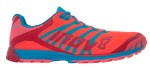
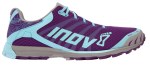
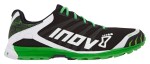
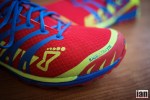
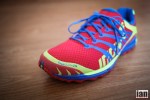
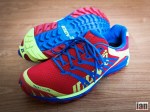
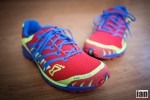
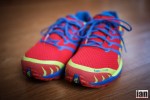
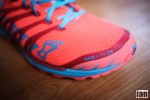
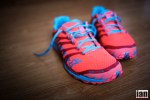
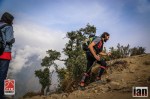
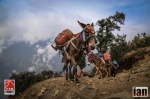
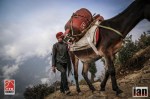
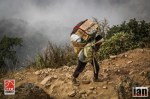
inov-8 launch Race Ultra 270 for 2015

©iancorless.com_RaceUltra270-7533The release of the Race Ultra 290 in 2014 (review here) showed inov-8’s intentions to appeal to the ever-expanding ultra market that run on mixed terrain for a very long time. The shoe ticked many boxes and soon became a favourite for many a runner. In particular, the ‘290’ fulfilled the one shoe does all scenario quite well. It was happy on the road, happy on hard trail and rock and adequate when the trail got muddy… admittedly, not when very muddy! It was cushioned, had that ‘sweet’ drop of 8mm and a wide toe box.

The perfect shoe?

It was certainly a shoe that many touted as perfect but what about that new breed of runner that loves a lighter and lower drop shoe?

Your prayers are answered.

©iancorless.com_RaceUltra270-7561

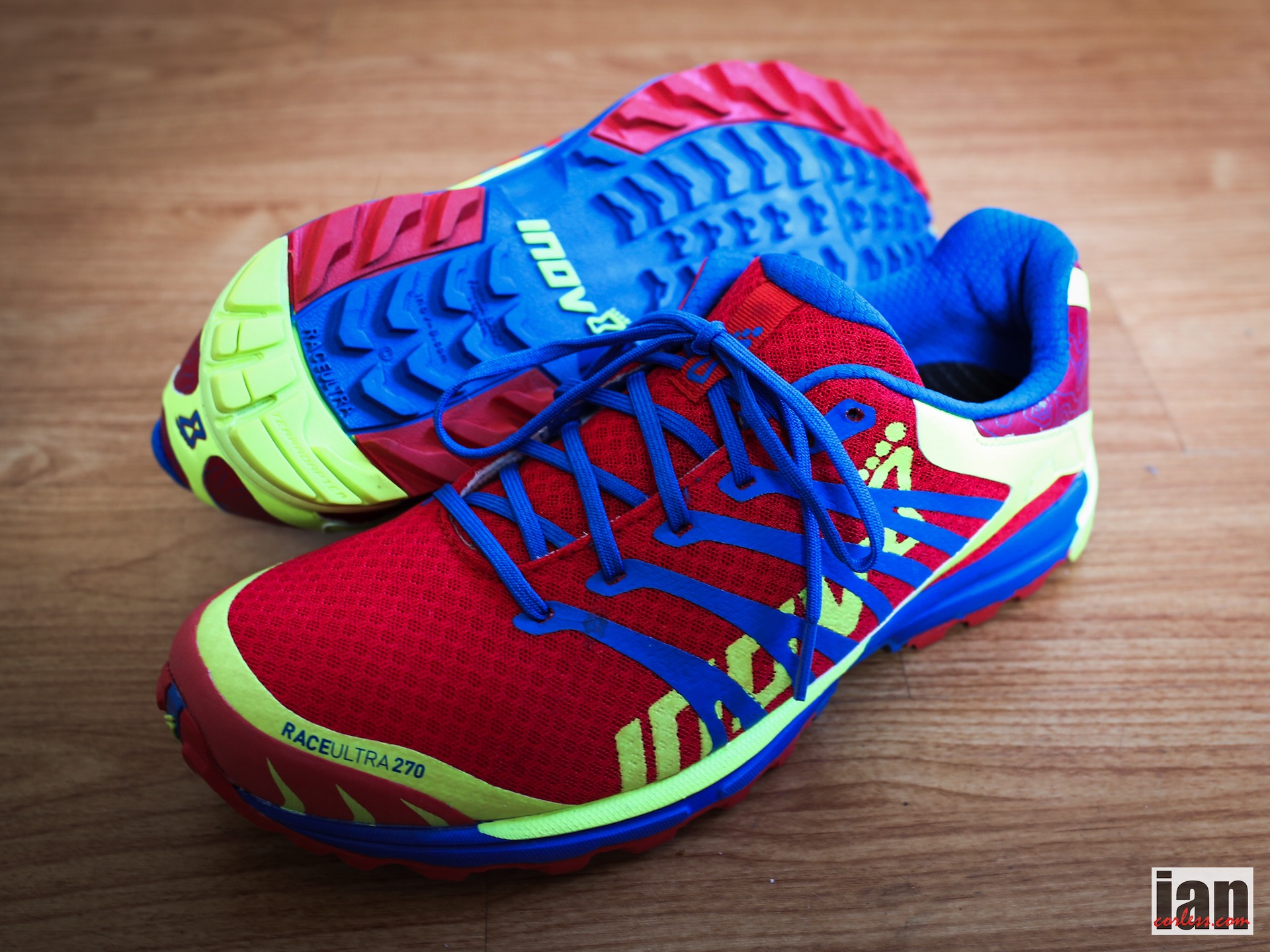
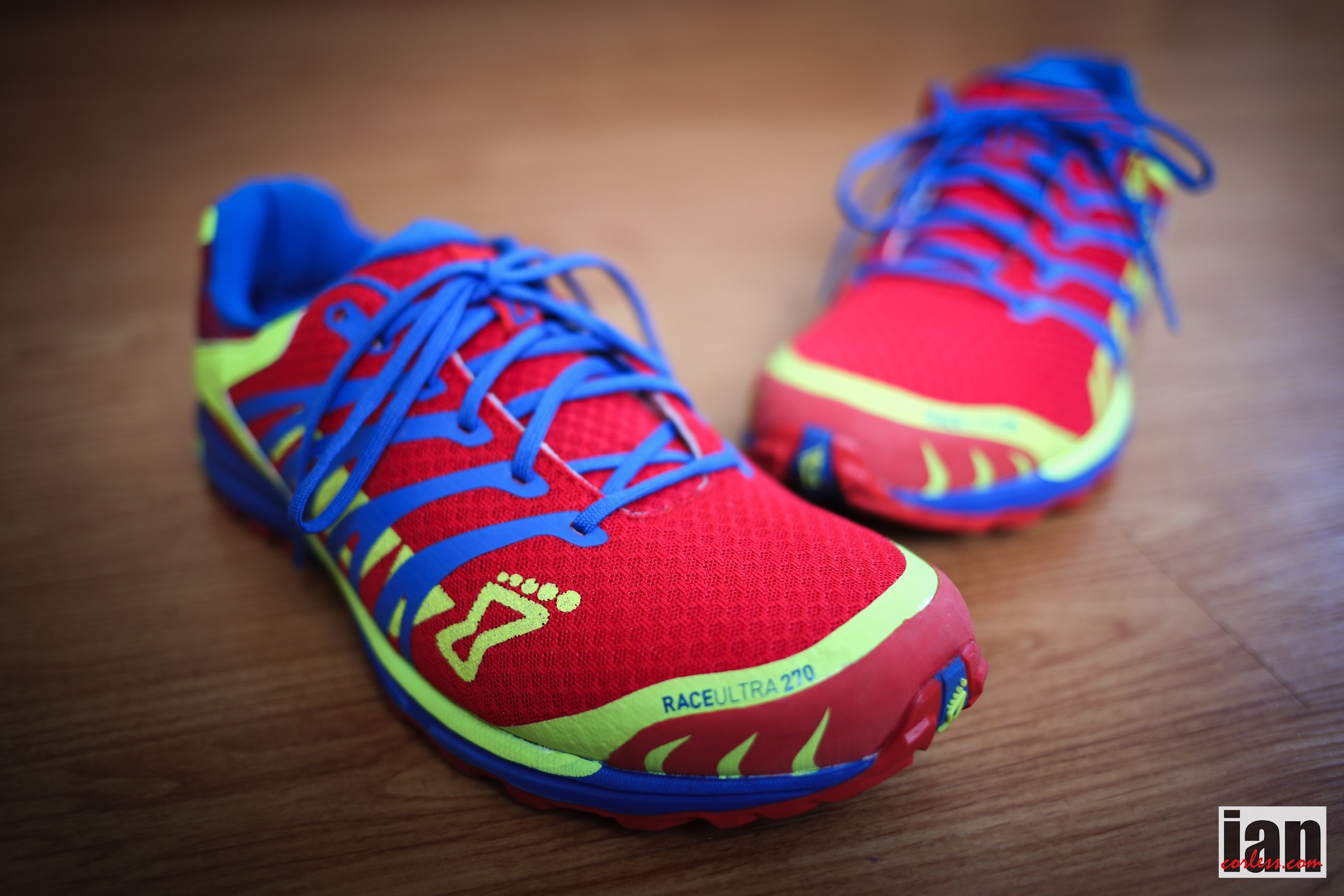
Building on the success of its ISPO award-winning RACE ULTRA 290, inov-8 will launch in Spring 2015 a lighter version of the ‘290’ to give long-distance athletes an even faster weapon in their shoe armory; the Race Ultra 270.

Weighing in at just 270g (hence the name), the Race Ultra 270 is 20g lighter than the 8mm drop Race Ultra 290 and has a drop of 4mm (1-arrow.)

Designed to bring the runner closer to the terrain the 270 will provide increased levels of proprioception while not losing cushioning.

©iancorless.com_RaceUltra270-7537

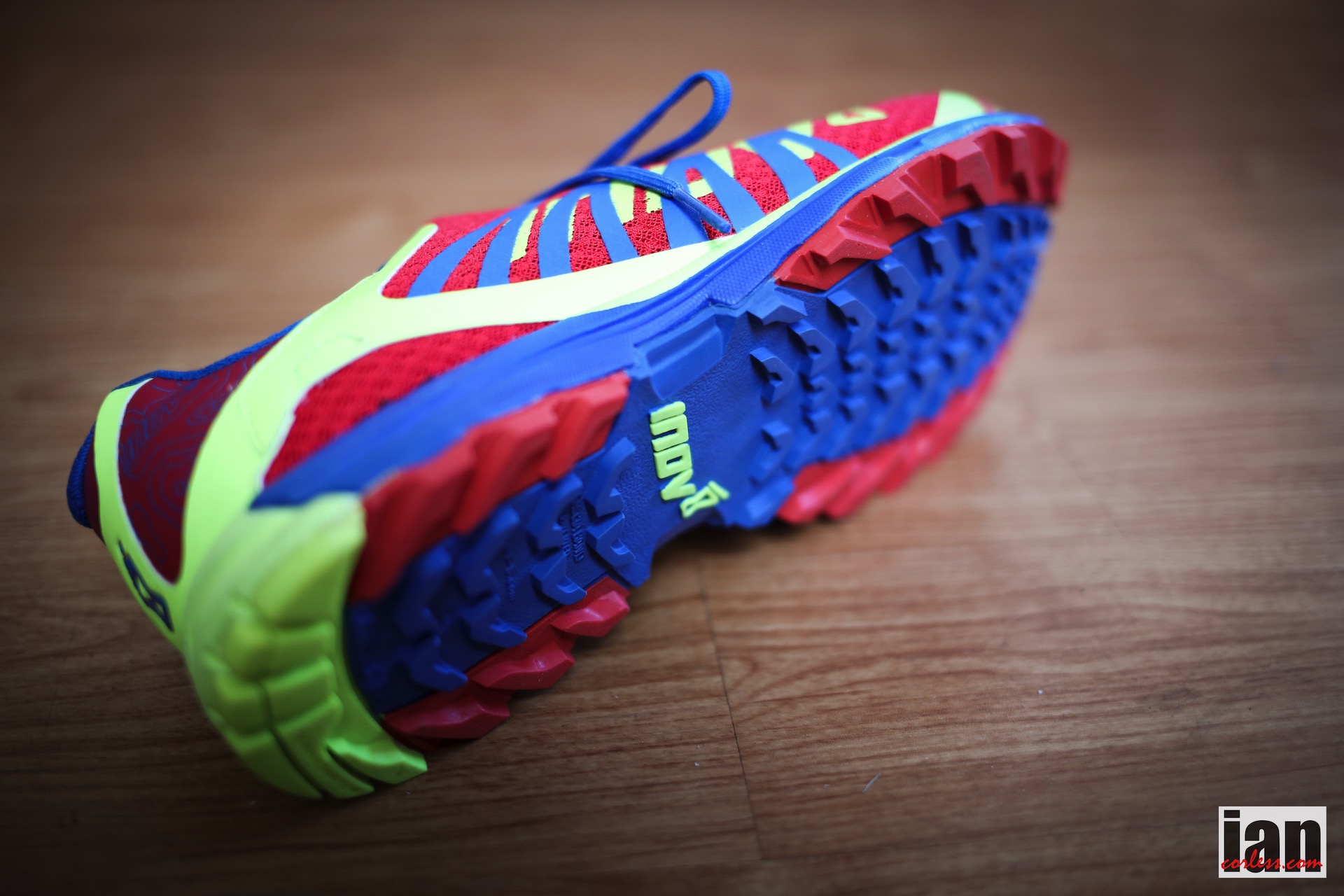
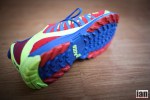
Grip will remain the same as the ‘290’ and is very much designed to accommodate road, hard trail, rocks and light mud with a mixture of soft and hard rubber. It has a flatter outsole ensuring a stable ride even when hours in the shoe increase and fatigue sets in.

Like the ‘290,’ the ‘270’ will also incorporate the unique on-the-shoe gaiter attachment so that should you require a RACE ULTRA GAITER you can purchase the item separately and attach/ de-attach with ease.

©iancorless.com_RaceUltra270-7550

On first looks, inov-8 are taking a successful shoe (the 290), replicating it and making it appealing for those who require a lighter shoe, a little less cushioning and importantly, a lower drop. The two prototype colour ways look really impressive and in particular we really like the look of the men’s colour. Four colours will be available, two for men and two for ladies.

©iancorless.com_RaceUltra270-7595

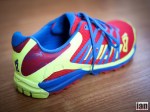
The shoe is flexible (you can fold it in half) and has a ‘Meta-Shank’ that aligns with ones individual metatarsals. This Meta-Shank helps provide energy without loosing impact protection. Lightweight, the combination of good lacing, a gusseted tongue and a wide toe box (standard fit) all combine together to make the ‘270’ a real ‘one to look at’ for those looking for a door-to-trail shoe.

©iancorless.com_RaceUltra270-7591

Door-to-trail is a buzzword at the moment and brands such as Salomon, The North Face and others are looking to capture this market. inov-8 with two offerings at 8mm and 4mm drop will certainly cover the bases and provide two important options. Importantly, it will also allow a nice stepping-stone for those looking to drop from 8mm to 4mm.

Initial feedback from a couple of runs confirms that if you liked the ‘290’ then you are going to like the ‘270.’ In use they certainly feel lighter, a little more responsive and most importantly comfortable. Due to the standard fit (wide at the front) you may want to try your normal shoe size and a half size smaller to make sure you have the correct fitting shoe.

A full review of the Race Ultra 270 (men’s and ladies) will follow in February 2015. We now need to go and rack up some miles in them… Niandi says, ‘Les nouveaux bébés de Inov8.’ I think that means she is excited to try them out!

Suggested retail price: £110 (110 UK pounds)

Contact inov-8 HERE

Contact HERE

inov-8 X-TALON 212 Review

©iancorless.com_inov8_212-7294

If Wolverine™ were going to go running on the trails, he would pair up his incredible hands (and blades) with a pair of X-Talon 212’s.

Irrespective of what type of running you do; road, trail, mountain, fell or even treadmill, the X-Talon 212 has that distinctive look that not only sets it apart from the competition but also makes one take a second look and ask the question, “is that a run shoe or a football boot?”

It’s a winning shoe that combines minimal weight, low drop, stability and awesome grip for when conditions are muddy, boggy, slippery or basically just downright awful.

I doubt that inov-8 needs an introduction but let’s have a recap just in case.

©iancorless.com.IMG_5365

The company is just 11-years old and the creation of South African, Wayne Edy. You can sum up inov-8’s growth in just one quote from Wayne, “I’m not a follower, I never will be. I like to carve a new way. I thrive to innovate.”

inov-8 shoes are all about being at one with the terrain and in the UK they have become the ‘go to’ shoe when you need grip.

inov-8 say, “We believe in natural running. Natural running involves taking running back to its most innate form, letting nothing alter the natural biomechanics of the foot and body. Natural running relies on the strength of the runner’s feet and legs rather than the cushioning or support of a shoe. The foot controls the shoe, not the other way around.”

inov-8 were very much at the forefront of minimalist running and right from the off the offered a very structured and methodical approach to getting ‘lower’ to the ground.

This system was a series of arrows (on the rear of the shoe) that signified the shoes drop in 3mm increments: 3 arrows = 9mm, 2 arrows = 6mm and so on. This arrow system informed runners immediately of what drop a shoe was and importantly allowed runners to make an informed and structured progression to get lower (if required). The shoe naming was also quite innovative. You had the model of shoe, for example: Trailroc, Roclite or X-Talon and then a number afterwards, so, in this scenario X-Talon 212. The ‘212’ refers to the weight of the shoe in grams.

Lightweight, minimal and functional, inov-8 have pioneered running shoes for trail, rock, fell or mountain and in simple terms have endeavoured to keep runners low to the ground (with grip) via a plethora of shoe models providing a selection of drops, cushioning and grip. The recent addition of the Race Ultra 290 (Review HERE) is a prime example of how the company are looking at the growing ultra market and the need for a more cushioned shoe but still with a low drop (6mm) and a flatter outsole for extended hours running.

2015 will see many new additions to the already expansive range. (*see below)

X-TALON 212

©iancorless.com.IMG_5434

Firstly, big news! The X-Talon is now available in a standard fit in addition to the normal precision fit. This is important news for many a runner who would have loved to use the 212 but found the tight and narrow fit of the precision just too tight for their Hobbit like feet.

As mentioned previously, the 212 may well be one of the flagship shoes in the inov-8 range and you can expect to see the shoe in Trail, Mountain, Fell, Orienteering, Cross Country, Obstacle and Skyrunning races all over the world.

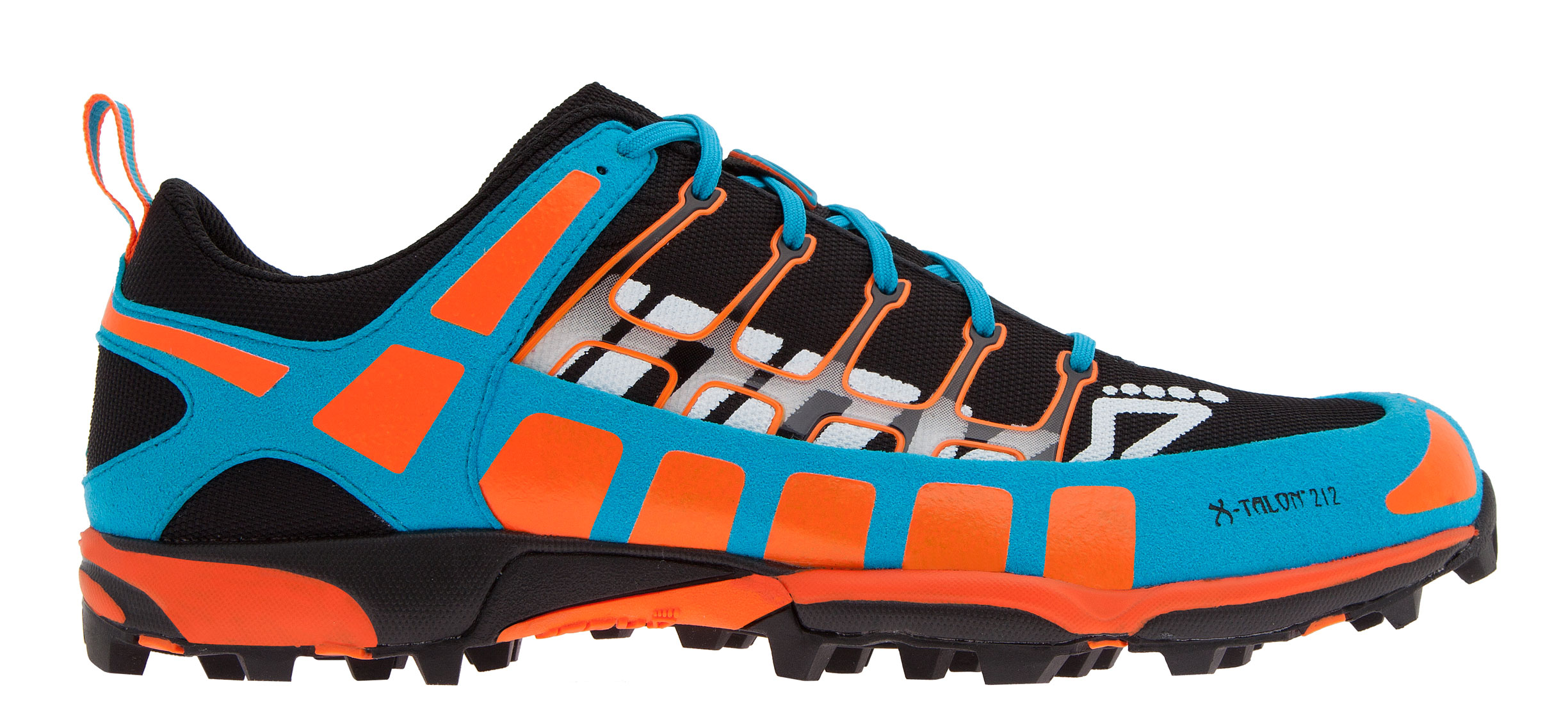
The 212 is an out and out off road shoe and as the name suggests, the grip is Talon like.

The Shoe 

x-talon-212-side

I used the standard fit in my normal shoe size UK9.5 so it would be fair to say that the 212 is true to size. However, even though this shoe is standard fit it still fits super close in the toe box, you almost certainly would want to try this shoe on before purchasing. Please remember that the 212 are an out-and-out off road and soft ground shoe, so it is important that your foot has minimal movement within the shoe. This is why the shoe was originally designed in precision fit only. A close fitting shoe is ideal when climbing, descending or contouring when on soft or uneven ground. The lacing system allows you to pull the shoe tight to your foot and cradle it offering more support. Spend a little time tweaking the lacing and you will be rewarded with a wonderful close and natural contact to the ground.

©iancorless.com_inov8_212-7305

First off, the shoe is super flexible. You can bend it anyway, fold it in half and the shoe does not resist. The shoe upper is tough and quite thick and I have heard criticism saying the upper is too thick! Of course this all comes down to personal preference but if you are bombing up and down wet and muddy terrain everyday, you need an upper that can withstand that sort of abuse… I have had my 212’s for 6-months (probably 3-runs a week) and I have well and truly abused them without failure. That’s a plus in my book.

©iancorless.com.IMG_4481

The shoe has Meta-Flex™ and Meta-Cradle ™, which provide a flex groove and upper webbing support at the metatarsal heads. In all honesty I am not fully sure what that means but if that means good flex and support then I agree.

INO540_400_2

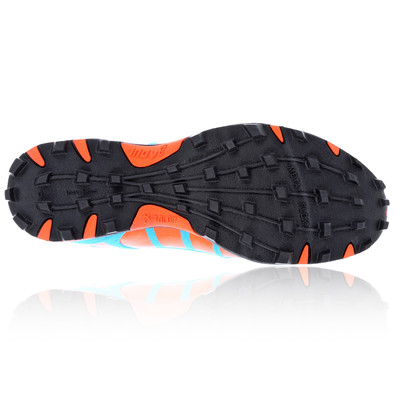
The sole of the 212 looks like a football boot with a series of spaced out rubber nodules that are made of soft ‘sticky’ compound rubber as one would see on some climbing shoes. What makes this shoe work so well off road is the fact that the grip is spaced out and this therefore stops soft ground filling and clogging up the grip of the shoe. The soft rubber works really well on rocks, gravel and other dry surfaces and should the rocks become wet, grip is still highly impressive allowing you to run with confidence. One downside of the soft rubber is that if you go on the road it will wear down. This is not a criticism of the shoe. It’s basically just a heads up to warn against excessive road use. I should point out that my everyday run requires at least a couple of miles on road or pavement to get to the trail and yes, my sole has started to show wear and tear but that is after 6-months of regular use.

©iancorless.com_inov8_212-7314

Cushioning is minimal and the drop (2 arrows) is 6mm; this provides a great contact for the trail beneath your feet. Ironically, the shoe feels very comfortable on hard trail and even road. I would say it feels surprisingly cushioned despite its minimal looks. inov-8 do not use a rock plate to protect your foot against small and/ or sharp objects and therefore you can sometimes feel these objects when running.

Th front of the shoe has a rubber bumper but toe protection is minimal. The rear of the shoe holds the foot well and if you have the right size shoe and the laces adjusted correctly, you have have little or no movement when running.

IN USE

Pros

The 212 are all about gaining grip on soft and boggy ground. If you use the shoe in these conditions you will be over the moon by the grip, feel and security offered. The upper is durable and the lacing perfect. The addition of a standard fit in addition to the long established precision fit now ensures that you can have comfort despite your shoe size or width. The combination of these elements makes the 212 my ‘go to’ shoe for anything that resembles fell running or soft ground running (including snow.) I have used the shoe for 6-months, accumulated 100’s of hilly miles and the shoes have performed perfectly. They have also been my preferred shoes when running Vertical Kilometres™ particularly when the terrain has been grassy and steep. The low drop allows great feel for the terrain below and although relatively minimalist from a cushioning perspective, they do offer great comfort for runs of 2 to 3-hours. This comfort is extended if the ground remains soft and boggy.

Cons

It’s a very specific shoe for a very specific use and therefore this would be an ‘addition’ to your shoe collection. It’s almost unfair to say this is a con but for some, they want a wonder shoe that does ‘all things,’ the 212 is NOT that shoe.

The lack of a rock plate does mean that you can feel small and sharp objects occasionally.

The shoe is very flexible with minimal cushioning and therefore one would need to be attentive to how long one runs in them. Of course this is very personal to the user… one person may find 60-mins enough, another 3-hours. Certainly, the more you use them, the more time you will be able to spend in them.

Specs

  • Weight 212g
  • Upper Synthetic, TPU
  • Lining Mesh
  • Drop 6mm (2 arrows)
  • Sole X-Talon (Sticky)
  • Midsole Injected eva
  • Fit Precision and now Standard

Conclusion

The X-Talon 212 really is a top quality shoe with a very specific use. If you are looking for a shoe to do several types of running (road and trail), the 212 is not for you. However, if you are looking for grip on off road terrain then you would be hard pressed to find a shoe that does the job better than the 212. The addition of a standard fit to the long established precision fit should mean that if you have tried the 212 in the past and found them too narrow, they may very well fit you now! Both models are unisex.

Note

X-Talon-190-side-1_13

If you prefer a more minimalist shoe with lower drop, inov-8 make the X-Talon 190, which has 3mm drop, a stripped back upper and the same talon like grip.

*New for 2015

X-talon-200-Blk-Red-Yel-1-15-1024x490

inov-8 are strengthening the  X_TALON off-road running shoe range (212 & 190) with the addition of the new X-TALON 200. Available in early 2015, the shoe looks set to be a huge hit with off-trail runners and obstacle racers.

Embrace the Treadmill or is it the Dreadmill?

©iancorless.com_CarrMill-7245

Days are shorter and many of you will be feeling like hibernating! It’s December after all… Nothing wrong with that, training should have peaks and troughs and if you don’t have them you will just end up with a series of flat performances.

Hopping on a treadmill may not be something that immediately springs to mind this time of year but hey, lets face it, a couple of indoor sessions are a great way to spice up your training.

A treadmill provides less impact a warm environment and a completely controllable situation. Perfect if you are looking to improve your running.

Before you sign up to the gym or order a treadmill in the January sale, lets keep a couple of things in mind:

  • Maintain your long run either mid-week or at the weekend
  • Incorporate strength, conditioning and one cross training session (elliptical, stepper, rower or so on)
  • Stretch post sessions.
  • Have a rest day.
  • Monitor your sessions with a HRM and/or GPS.

Treadmill ‘v’ Road/ Trail

Running is running yes? Well, yes it is BUT running outside in contrast to indoors provides a very different experience. It may come as no surprise that going for a run on some winter trails would be preferable to running indoors but like so many other runners, we all want to see improvements and a treadmill can provide a very controllable situation that you just can’t find out on the road or trail, especially in winter.

The treadmill shouldn’t replace your outdoor runs BUT be an addition!

©iancorless.com_CarrMill-7153

For example, you can control your heart rate, monitor your cadence, you have no traffic, bad weather or more importantly, danger! You can remain warm, listen to music and embrace a quality workout.

Here we are going to provide two sessions. One that works on hill strength and one that works on speed. Incorporate these two sessions into your running over January and February and you will feel the benefits in March when the weather improves.

Hints ‘n’ Tips

  • Dress light – you will get warm.
  • Take liquid with you.
  • Take a towel.
  • Load up your Mp3 with some kick ass motivation tunes.
  • Use a heart rate monitor.
  • Embrace the session.

TREADMILL SESSION 1

Warm up: for 10-minutes jogging with the treadmill at 1% incline and heart rate below 70% of max heart rate (MHR). This is all about getting blood flowing, loosening stiff and/ or tight muscles and preparing for the session ahead.

Session:

Based on experience, the main session can be 3 to 8-miles. The objective is to increase the incline (but not lower pace) for the session. Pace should be sustainable for the entire session.

Run 1 mile at 2%

Run 1 mile at 3%

Run 1 mile at 4%

Run 1 mile at 5%

Run 1 mile at 6%

And so on…

Recover for 10-minutes as per warm up

NOTE The main session can start with 3 x 1-mile and each week add 1-mile for 3-weeks. On the 4th week drop back down to 3 x 1-mile repeats and then on the *5th week start back building up reps from 5 x 1-mile repeats and finish with 8 x 1-mile repeats. (*Based on fitness and progression)

This session is a quality workout that maximises your time training and provides the necessary stimulus to make you a stronger runner.

Why is this session worthwhile doing indoors?

You have control! You can monitor speed, distance and elevation all within a controlled and repeatable environment.

TREADMILL SESSION 2

Warm up: for 10-minutes jogging with the treadmill at 1% incline and heart rate below 70% of max heart rate (MHR). This is all about getting blood flowing, loosening stiff and/ or tight muscles and preparing for the session ahead.

Session: Perform 3 minutes at 85% of maximum heart rate (MHR) at 1% incline

Recover: for 90-seconds ‘jogging’ at sub 70% MHR at 1% incline

Repeat the 3-minute session with 90-sec recovery for an additional 2-times (making a total of 3 in week-1). In week 2 do 4-repetitions, in week 3 do 5-repetitions and in week 4 do 3-repetitions for recovery and than start week 5 with 5-repetirions and build to 8-repetitions based on fitness and ability.

Warm down for 10-minutes spinning as warm up

*****

Winter is all about mind set and motivation. The above two sessions provide a great indoor stimulus that works on two different aspects of running: strength and speed. At the end of 8-weeks, we guarantee that you will be faster and stronger.

Give it a go and let us know how you get on!

Ultra Running, Mountain, Trail and Skyrunning Review 2014

2014

Did that just happen?

Another year draws to a close and with it many races, many experiences and many highlights. I don’t need to tell you but our niche sport is progressing at an alarming rate: more runners, more races and more standout experiences, what a year!

It is no easy task being at the top of your game in our sport anymore. Competition is high at every race and past scenarios where a runner could return to a ‘fave’ race year-after-year and win it are long gone! I don’t think we will ever see a Scott Jurek or Ann Trason dominate the sport as they did in their times.

Runners at the top of the game now need to be specific, peak for races; recover and then re peak if they want to perform. The ISF (International Skyrunning Federation) and the UTWT add to the complexity of the race calendar by adding a ‘series’ element to proceedings. The need to be at your best for a series requires planning, commitment, dedication and patience. It’s way to easy to burn out… a good year, maybe two good years and then boom, gone! We have seen this happen time-and-time again. Ask Geoff Roes, ask Anna Frost, Tony Krupicka and so on. The need to balance racing and recovery is now more than ever a key component of the ultra runners weaponry and so therefore when I review a year, I do it with a sense of hesitation.

For sure, I am going to write about several runners who have excelled, who have repeatedly blown my mind with stunning performances and against all logic have recovered, come back and won again. So as I write this, please keep in mind the above. A long ultra running life must come with balance.

Also, the following summary and notes are my highlights of 2014 so I welcome your thoughts and feedback..

2014 in summary

©iancorless.com_1120572

Jo Meek followed on 2nd place lady in the 2013 Marathon des Sables (2013) with a course record performance in The Coastal Challenge in Costa Rica. Showing meticulous preparation and dedication, Jo just gave us all a glimpse of what was about to come!


©iancorless.com.IMG_2858

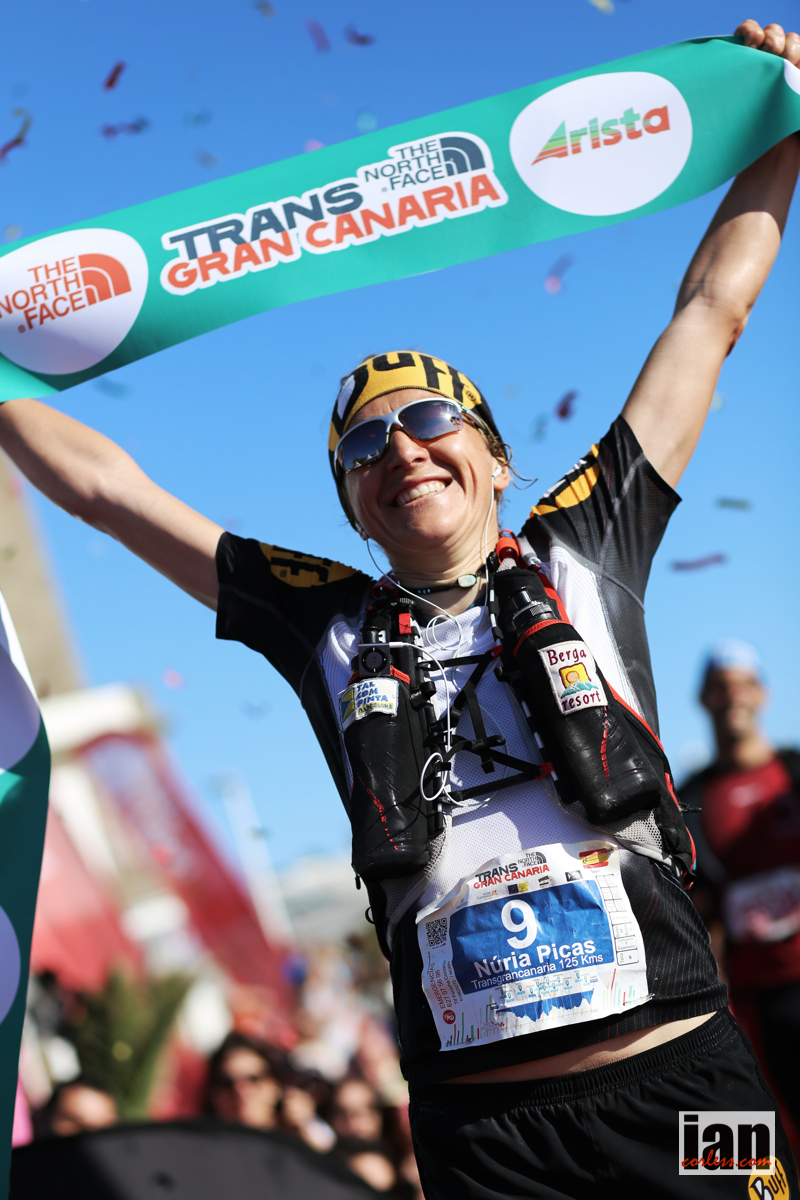
Ryan Sandes and Nuria Picas laid out a stall at Transgrancanaria and put on two consummate displays of ultra running prowess. Nuria lead from the front showing all the ladies a clean pair of heals whereas Ryan played the waiting game and moved through the field slowly but surely to grasp the race by the scruff of the neck in the latter stages and take a superb victory.

ryno-ryan-dgt-map-drakensberg

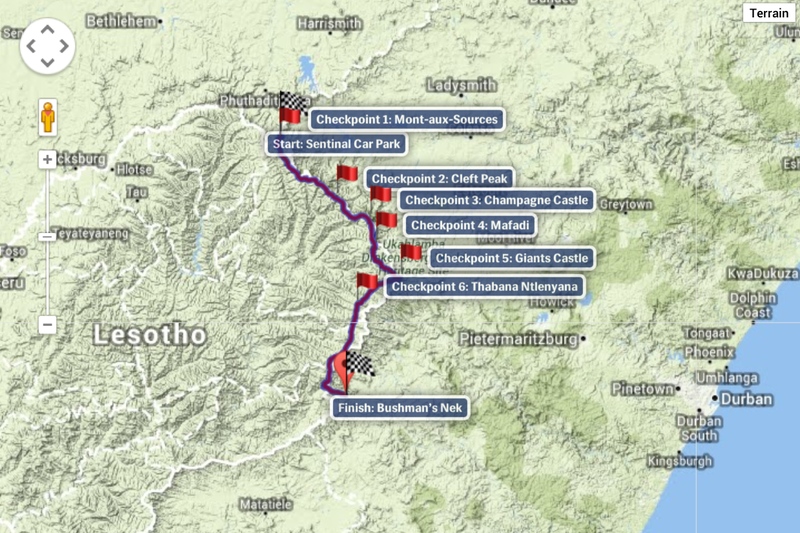
Ryan Sandes and Ryno Griesel did the DrakTraverse and in doing so they showed us that big projects in the mountains are just as exciting as racing. FKT’s love them or hate them are here to stay and I for one love the concept. Ultimately it gets back to why we all run. Ryan and Ryno with considerable help of Red Bull really put South Africa on the map and the fellas at The African Attachment produced a great film called Trevelyan to document the record.

UTMF (Ultra Trail Mt Fuji) confirmed that Nuria Picas was going to be the lady to beat in 2014. Nuria’s strength, powers of recovery and ability to push beyond the norm elevated her to a new level. Equally, Francois d’Haene showed us that he had recovered from Raid de la Reunion in 2013 and when it came to 100-miles in mountainous terrain he would be the man to beat.

Nikki Kimball on her way to victory in the 2014 MDS.

Nikki Kimball on her way to victory in the 2014 MDS.

Nikki Kimball arrived in Morocco and for the 2nd year running put an American on the top of the ladies podium and in doing so she confirmed her status as one of the best female ultra runners in the world.

©iancorless.com.IMG_9258Transvulcania14

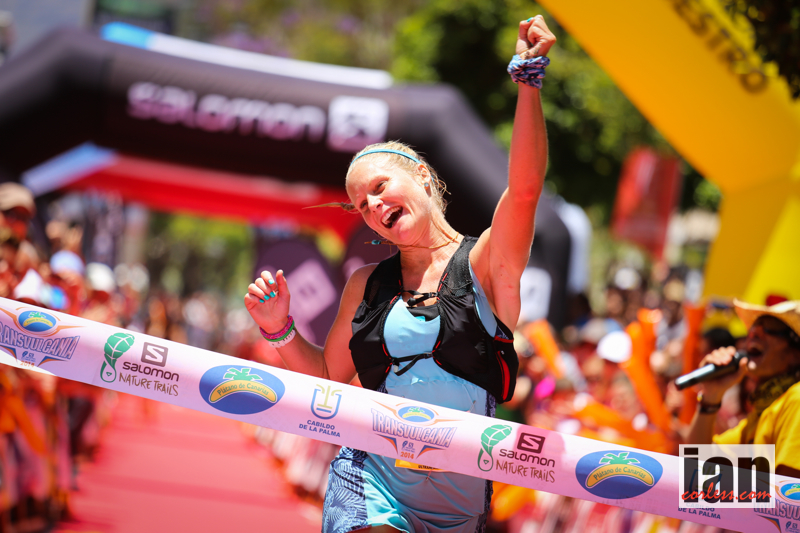
I mentioned Anna Frost above and after 12+ months in an ultra wilderness the ever smiling lady from New Zealand returned to the volcanic island of La Palma and produced not only one of the best comebacks in our sport but in the process set a new course record for the Transvulcania La Palma course.

©iancorless.com.IMG_8491Transvulcania14

As Frosty made that comeback, up the trail in La Palma, Luis Alberto Hernando was having one of the best races of his life as he went toe-to-toe with Kilian Jornet. He pulled it off! He beat Kilian and in doing so he achieved something that so few have done. His emotions on the line in Los Llanos provided a special moment in the sport.

©iancorless.comStevie_Zegama

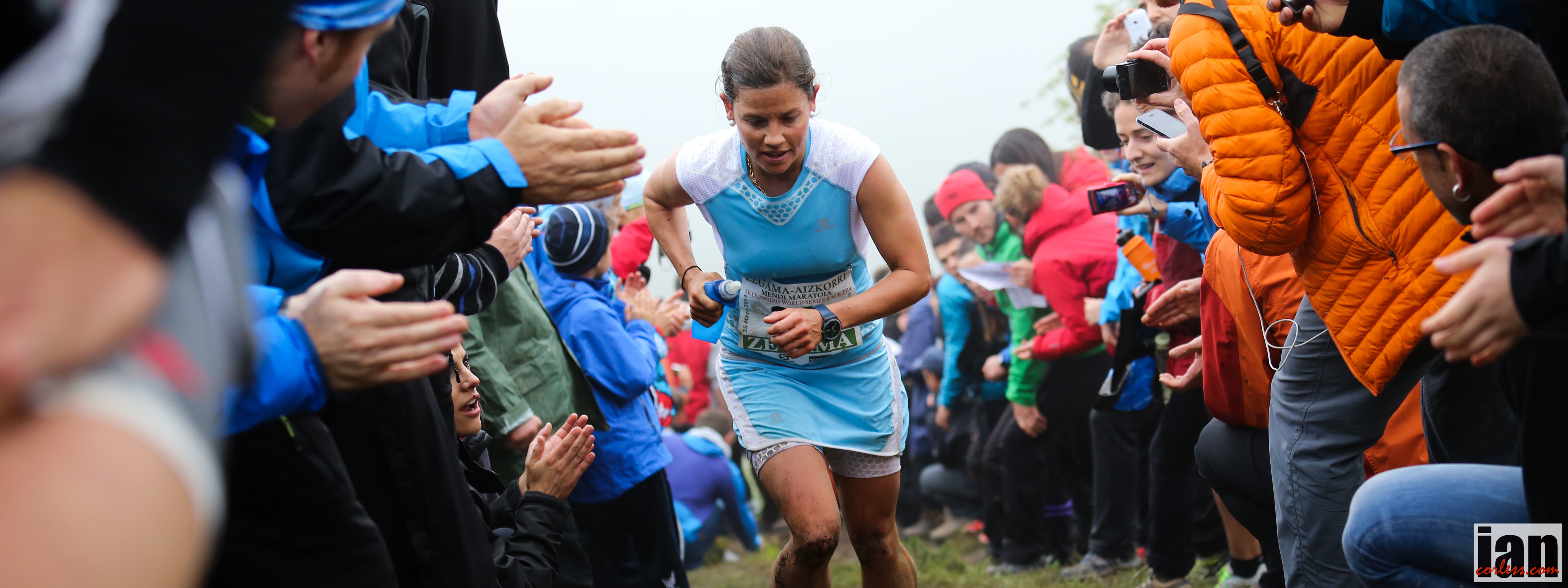
Zegama-Aizkorri had all the excitement and buzz of previous years and Kilian started a winning streak that placed his career on an all time high. By comparison, Pocket Rocket, Stevie Kremer took top honours confirming that her 2013 results were no flook (never in question) and that a repeat performance for the Skyrunning World Series was on the cards

Ellie Greenwood did it… she won Comrades and achieved the ultimate tick for her own bucket list but inspired so many Brits, Canadians and Americans in the process. It was quite a run and one that Ellie will take to the grave as a defining moment of her running. Jo Meek followed up victory in January’s The Coastal Challenge in Costa Rica with 5th in South Africa; the ultra community looked on and asked the question: who is Jo Meek?

Kilian Jornet obliterates the record for Denali in Summits of my Life (11:48) – nuff said!

©iancorless.com©iancorless.com-1049

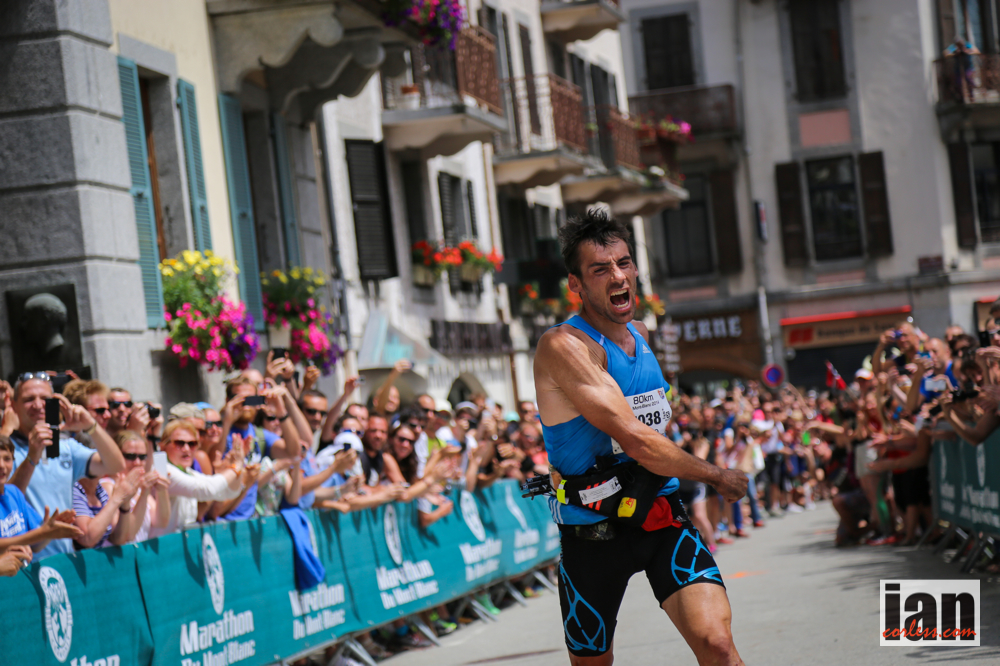
Luis Alberto Hernando bolstered by his Transvulcania performance laid it all on the line in Chamonix for the Skyrunning World Champions in the 80Km Ultra event. Collapsing on the finish line not only had Luis achieved a lifelong dream but he had relegated the almost unbeatable Francois d’Haene into 2nd place. Emelie Forsberg won the ladies race against Anna Frost and Kilian Jornet proved what an incredible athlete he is by working his craft in the VK and SKY race just days after setting a new Summits of my Life record on Denali. Elisa Desco became ladies SKY world champion in a highly competitive and exciting race and Laura Orgue confirmed her outright climbing ability and was crowned VK world champion.

Steve Birkinshaw

Steve Birkinshaw produced the ultimate FKT and broke a long-standing record for the Wainwrights (518km) in the English Lakes. Summiting 214 tops with an elevation gain/loss of 36,000m Steve set a new record of 6-days and 13-hours.

©iancorless.comIMG_0918

Ice Trail Tarentaise in the stunning resort of Val D’Isere allowed Francois d’Haene to once again excel in the snowy and cold mountains of this tough, technical and amazing Skyrunning course. Running head-to-head with Luis Alberto Hernando (again) with less than 20km’s to go, Francois moved ahead and took top honours. Emelie Forsberg took a back-to-back victory at the race and confirmed that her ability at the 80km distance was unmatched.

Kilian ©jordisaragossa

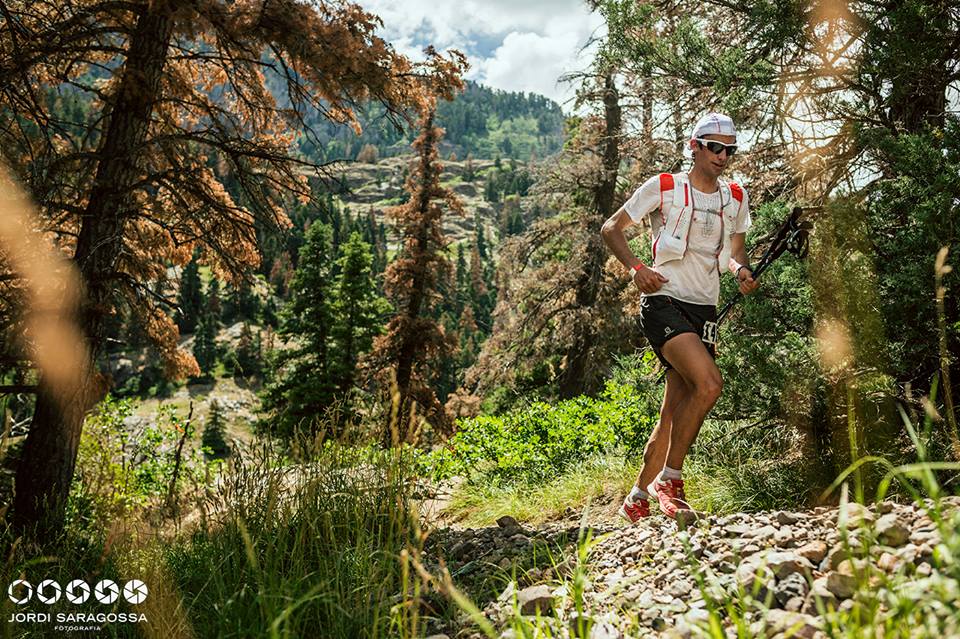
Hardrock 100 will go down in the history books as one of THE runs of all time. It was the most stacked field ever, it was a who’s who of ultra running and the prospect of Kilian Jornet finally getting an opportunity to test himself on what many consider to be the ultimate course was just way too exciting. Like a script from a screenplay, Kilian bided his time, pulled away, hung out waiting for Julien Chorier and then by his estimations ‘wasted’ 55-minutes in aid stations and still smashed the record. KJ’s victory guarantees an entry for next year when the course is run the opposite way; I wonder… could we see Kilian set two CR’s?

Western States was all about Rob Krar doing his thing and coming back for a repeat victory (14:53:22). This quiet unassuming man let his legs do the talking and produced what was the start of a trio of 100-mile successes. Max King in his first 100-miler set a blistering pace early on and eventually placed 5th… more on him later! Stephanie Howe was crowned ladies champion in 18:01:42.

©iancorless.comIMG_3077Canazei2014

The Skyrunning Dolomites Skyrace was remarkable for two reasons. Laura Orgue progressed from a VK specialist to a SKY victor and remarkably Kilian Jornet, just 7-days after Hardrock ran the VK on Friday (placing top-10) and then won the SKY race on Sunday against the best in the world; ridiculous.

Sierre-Zinal, the epic mountain race in Switzerland was finally won by Pocket Rocket herself, Stevie Kremer after placing top-3 on two previous attempts. It was a defining moment for the little lady from Crested Butte and post race she said if she could only win one race, Sierre-Zinal would be it. A pattern is forming… yes, those two words: Kilian Jornet. Yes, he did it again!

©iancorless.com-0691Kima2014_

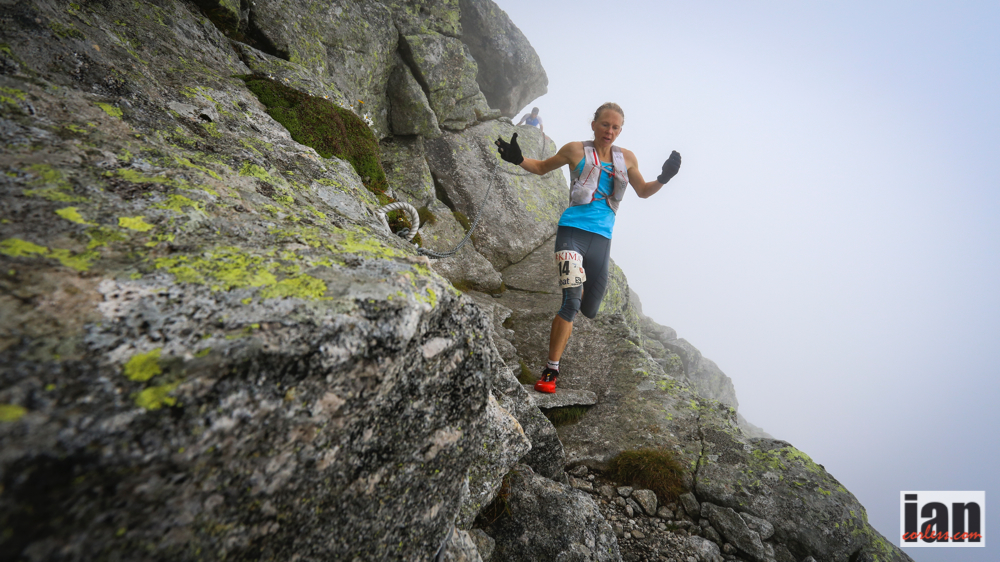
Trofeo Kima (Italy) only happens every 2-years and is arguably the jewel in the Skyrunning crown. It’s a kick-ass race of epic proportions and if I could only ever cover one race as a photographer, Kima would be it. Combining running, climbing, descending, chains, ropes, ladders and vertical drops it is a course that is made for Kilian Jornet. Needless to say the Catalan won and in doing so, he set a new course record. Emelie Forsberg look set to take the ladies crown but a lapse of concentration mid race took Emelie of course and loose approximately 1-hour. Despite chasing like a demon, Emelie could not pull back the time on ladies winner, Kasie Enman.

©iancorless.comIMG_9657UTLD2014

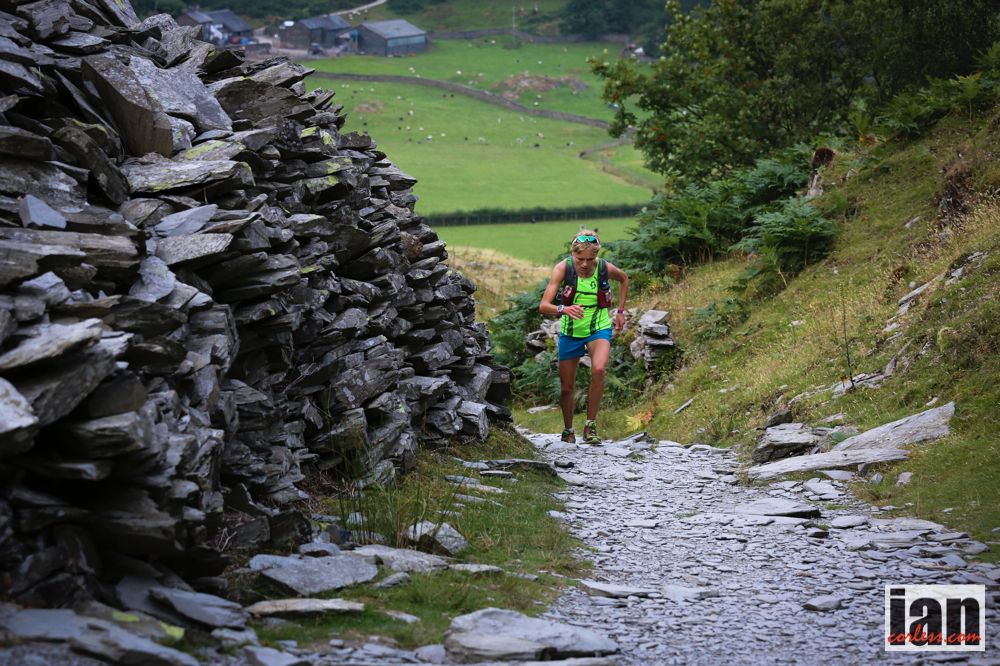
The British Ultra Trail Championships crowned Jo Meek and Kim Collison as respective champions in two exciting races on the Lakeland 50 course.

Iker Karrera and Nura Picas won Buff Epic Trail in ‘testing’ conditions.

UTMB provided confirmation that Rory Bosio is one of the best female mountain runners in the world. Her 2013 course record performance was epic but as we all know, to come back and win again confirms the accolades. Nuria Picas placed 2nd and gets a nod here as her list of performances and results (on the UTWT) are off the scale. If anyone questioned who is the best 100-mile mountain runner in the world at the moment – Francois d’Haene backed up his incredible UTMF performance with an outstanding UTMB run against a stellar field.

Rob Krar backed up victory at WSER with a stunning Leadville 100 victory and set the stage for a repeat ‘Ultra Runner of the Year’ award.

Run Rabbit Run came pretty close after Leadville and to my surprise we saw Rob Krar toe the line. I was a little surprised. Rob has always been one of the more savvy runners on the circuit in that he peaks, recovers, trains and then re peaks. For Rob to run 100-miles so soon after Leadville was a surprise! Maybe the big prize bucks were a motivating factor? Anyway, what do I know… he took the win and the bucks! Nikki Kimball followed up 5th at WSER with the biggest payday victory of her career and she shed a few tears to show how much it meant.

--©iancorless.com.IMG_7416Transvulcania14_kilian

Skyrunning Limone Extreme confirmed Stevie Kremer as Skyrunner® Word Series Champion for the 2nd consecutive year but the big news came via Kilian Jornet. His victory in the VK confirmed him as Skyrunner® World Series Champion in all 3 Skyrunning disciplines – VK, SKY and ULTRA. If any of us needed confirmation of the Catalans all around ability, this was it!

Ultra Pirineu (Cavalls del Vent in the past) had Nuria Picas and Luis Alberto Hernando take top honours – unstoppable!

USA’s The Rut set the benchmark for Skyrunning in the USA with universal accolades about the course. It may come as no surprise that Kilian Jornet and Emelie Forsberg took top honours and respective Skyrunner® World Series titles.

Raid de la Reunion became the Francois d’Haene show. He followed up his 2013 victory with a repeat consummate performance. Dare I say, ‘he makes 100-miles in the mountains look easy!’ Nathalie Mauclair also produced a quality back-to-back victory and along with great runs on the UTWT circuit set herself firmly at the top of the best female ultra runners in the world.

Doha finally became the venue for the 100km world championships and Ellie Greenwood backed up an incredible Comrades victory and placed herself on top of the world with a stunning performance. Big shout here too for the British ladies, Joasia Zakrzewski and Jo Meek who both placed in the top-5 ad took home team gold. Max King showed amazing depth of ability, speed and performance in taking the male victory ahead of some of the fastest men in the world.

©iancorless.com_SkyRun14-0445#ETRkathmandu

Iain Don Wauchope smashes the Salomon SkyRun record in South Africa and Landie Greyling tops the ladies podium.

Rounding out the year, Sage Canaday and Magdalena Boulet took top honours at San Francisco 50.

Phew…

Wait a minute! Kilian Jornet gets the last word. As I write this Mr Jornet is attempting another summit, Aconcagua. Only appropriate that we should end a year on a real high… Just below 7000m to be exact.

Get involved:

I am going to have missed races, missed performances and no doubt you will remind me of what they are. I welcome that. I’d love you all to comment (below) on what 2014 has meant to you and what/ who in your opinion deserves a tip of the hat.

MY 2014 AWARDS

  • Male ultra runner of the yearFRANCOIS D”HAENE (Rob Krar came close)
  • Female ultra runner of the yearNURIA PICAS
  • Best male performanceKILIAN JORNET for Hardrock 100
  • Best female performanceANNA FROST for Transvulcania La Palma and ELLIE GREENWOOD at Comrades
  • Best single stage raceTROFEO KIMA
  • Best multi day raceEVEREST TRAIL RACE
  • Best FKTSTEVE BIRKINSHAW, The Wainwrights
  • Biggest surprises of 2014ZACH MILLER and the rise of JO MEEK. The AUSSIES at the Skyrunning World Championships.
  • Stand out athlete of the year – KILIAN JORNET
  • Best cinematography – The African Attachment and Seb Montaz
  • Best film – Dejame Vivir

Anything else worthy of a mention?

Personal message:

On a personal note, 2014 has been an incredible year! I have travelled the world and in the process I have attended and worked on 31-races. From the humidity of Costa Rica, to the heat of the Sahara and the cold of the Himalayas, my job has afforded me the privilege to watch, observe and photograph the best runners in the world work their craft.


I am eternally grateful to each and every race, race director and of course I must give huge thanks to Lauri van Houten and Marino Giacometti from the ISF for the continued support and opportunities they have afforded me in allowing me the opportunity to work on and cover the Skyrunner® World Series.


I must also give a huge thanks to every single person who listens to my podcast, Talk Ultra, reads this website and ‘likes’ or ‘follows’ my respective Facebook and Twitter feeds.

I am eternally thankful.


Now roll on 2015 and lets do it all again!

Everest Trail Race #ETR2014 Day 4 Image Gallery

©iancorless.com_Nepal2014_7-1419

Results top-3 stage 4

  1. Samir Temsang 3:53:35
  2. Phudorje Lama Sherpa 2:53:38
  3. Zigor Iturrieta 4:09:41
  1. Anna Comet 4:28:18
  2. Kerry Sutton 5:06:09
  3. Yangdi Lama Sherpa 5:35:47

Everest Trail Race #ETR2014 – Travel to Jiri

©iancorless.com_Nepal2014-8376

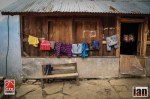
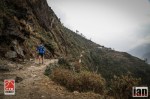
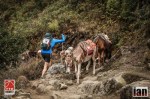
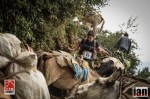
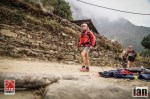
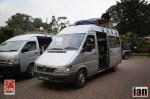
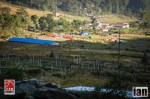
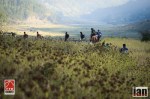
Departing in five 16-seater mini buses, participants of the Everest Trail Race made the long, twisty and at times stressful journey from Kathmandu to Jiri for the start of the 2014 edition. It’s a rollercoaster journey up single -rack roads, a frenetic and constant beeping of horns and a multitude of bends that would leave the most hardened rollercoaster freak with a turning tummy.

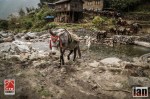
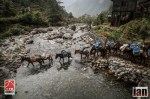
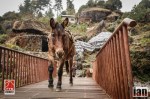
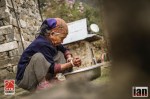
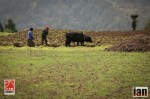
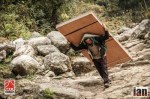
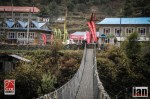
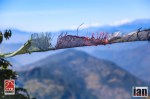
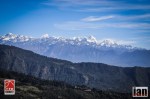
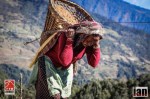
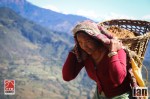
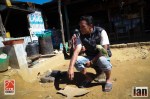
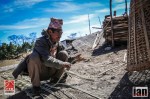
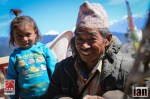
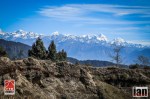
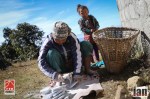
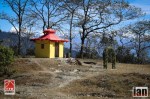
Our lunch stop at Karidunga was a welcome break from the journey. While runners found a space and enjoyed the view of the Himalayas, off into the distance I walked looking for some local colour. You never have to go far, Ladies working in fields, men weaving basket wear and children playing; all have wonderful smiles.

They seem to embrace tourists and actually seem to enjoy the process of having a photo taken. Off course it’s all the more appealing if they receive a ‘token’ for their efforts…

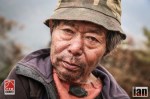
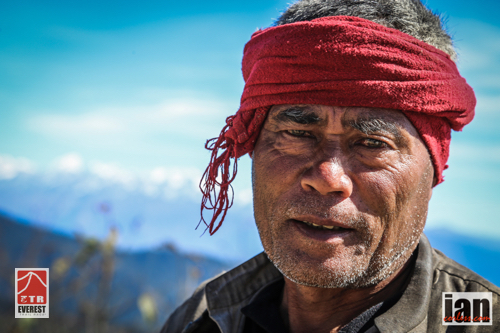
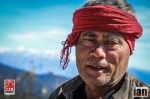
Weathered faces show the lines from years of toil from harvesting crops. Children have round faces, wonderful colour and piercing eyes and a cheeky smile. In all honesty, I could photograph these people all day. They fascinate me.

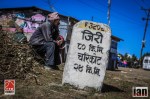
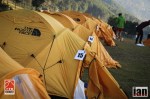
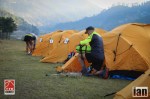
Back on the buss the toing and froing continued and finally our arrival at Jiri came. We had been on the road 8-hours and the glow of our yellow TNF tents glowing as the day began to loose its light was more than a welcome sight.

Water collection, tent allocation and final preparations underway for tomorrows race day. A mug of hot tea warms as the departing of the sun takes the heat away and the temperature slowly drops… little by little venturing to zero and then suddenly it drops below. ‘Don’t worry’ Pasang Sherpa says, ‘it will only be -3 tonight.’


Day 1 commences at 0900 Thursday 13th November.

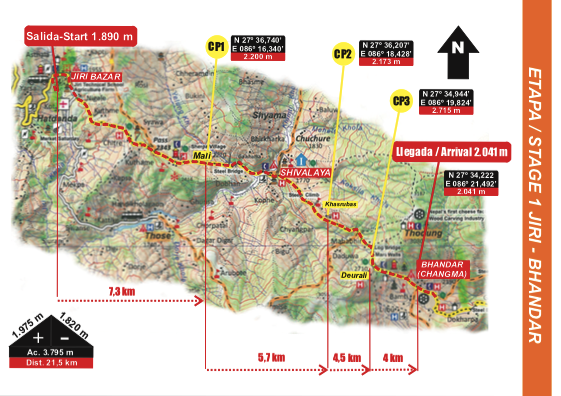
ETR Stg1

Jiri (1850m) to Bhandar (2050m) – 21.5km 3795m+

The stage has two summits, one at 2400m and the high point of the day at Deurali Pass 2700m before descending to the finish at Bhandar.

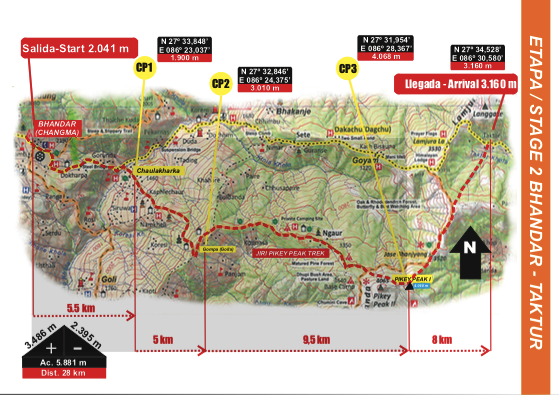
Day 2 Preview:

ETR Stg2

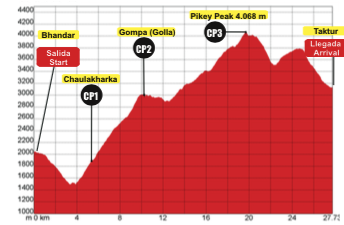
ETR Stg2 Profile


Episode 73 – Kremer, Collison, Greyling

Ep73


This is episode 73 of Talk Ultra and on this weeks show we speak with Skyrunner World Series Champ and Mourne Skyline winner, Stevie Kremer. Kim Collison tells us all about his running and his great 2014 season. Landie Greyling discusses running in South Africa and the up and coming Salomon SkyRun. In Talk Training it is episode 3 of our navigation special with Charlie Sproson, the News, a Blog, Up & Coming races and Speedgoat Karl talks busting quads.


NEWS

Mourne Skyline MTR

  1. Stevie Kremer 4:24.2 (10th overall)
  2. Jo Meek 4:30.3
  3. Diane Wilson 4:45.4
  4. Sharon Trimble 5:02.1
  5. Shileen O’Kane 5:03.1


  1. Kim Collison 3:57.0
  2. Eoin Lennon 3:59.4
  3. J Marshall Thomson 4:08.3
  4. Ally Beaven 4:12.0
  5. David Steele 4:15.0

INTERVIEW with Kim Collison

Raid de la Reunion

  1. Francois D’Haene 24:25:02
  2. Ludovic Pommeret 25:55:26
  3. Aurelien Collet 27:24:53
  4. Gediminus Grinius 27:25:13
  5. Javier Dominguez 28:23:43
  1. Nathalie Mauclair 31:27:28
  2. Juliette Blanchet 34:17:54
  3. Uxue Fraile 34:18:02
  4. Christine Benard 35:45:21
  5. Melanie Rousset 36:28:49

 
Templiers

Benoit Cori 6:36:49
Sylvain Court 6:39:15
Alex Nichols 6:43:14
Sage Canaday 6:45:00
Zach Miller 6:51:01

Nuria Picas 7:51:46
Juliette Benedicto 8:00:33
Magdalena Boulet 8:02:40
Maud Gobert 8:20:18
Aliza Lapierre 8:20:35

Holly Rush 6th

BLOG
 
#GirlwhatCycles Niandi Carmont tells us all about her new journey in #CyclingforRunners @girlwhatcycles – HERE
 
INTERVIEW

Stevie Kremer
 
INTERVIEW
 
Landie Greyling

GOOD, BAD & UGLY

TALK TRAINING – Navigation part 3 with Charlie Sproson

 
UP & COMING RACES

Antartica
Last Desert (Antarctica) | 250 kilometers | November 01, 2014 | website

Argentina
Puna Inca Trail | 200 kilometers | November 04, 2014 | website

Australia
New South Wales
Carcoar Cup Ultra Marathon | 60 kilometers | November 02, 2014 | website
Queensland
Blackall 100 | 100 kilometers | November 08, 2014 | website
Blackall 100 – 50 km | 50 kilometers | November 08, 2014 | website
Run to Paradise Ultra Marathon | 74 kilometers | November 09, 2014 | website

Brazil
60k Aceguá a Melo | 60 kilometers | November 09, 2014 | website

Estonia
Haanja Jala100 – 100 km | 100 kilometers | November 01, 2014 | website

France
Aveyron
Trail des Hospitaliers | 75 kilometers | November 02, 2014 | website
Marne
SPARNATRAIL classique | 55 kilometers | November 09, 2014 | website

Germany
North Rhine-Westphalia
Bottroper Herbstwaldlauf – 50 km | 50 kilometers | November 02, 2014 | website

Hong-Kong
Oxfam Trailwalker Hong Kong | 100 kilometers | November 14, 2014 | website
Salomon LT 70 | 70 kilometers | November 01, 2014 | website

India
Bangalore Ultra Marathon – 100 km | 100 kilometers | November 08, 2014 | website
Bangalore Ultra Marathon – 50 km | 50 kilometers | November 08, 2014 | website
Bangalore Ultra Marathon – 75 km | 75 kilometers | November 08, 2014 | website
Himalayan 100 Mile Stage Race | 100 miles | October 31, 2014 | website

Italy
Tuscany
Eroica Running Ultramaratona | 65 kilometers | November 02, 2014 | website

Jordan
Jordan Running Adventure Race – 190 km | 190 kilometers | November 02, 2014 | website
Jordan Running Adventure Race – 70 km | 70 kilometers | November 03, 2014 | website

Morocco
Trans 333 | 333 kilometers | October 31, 2014 | website
Ultra Runners Race 777+++ | 777 kilometers | October 31, 2014 | website

Namibia
100 km of Kalahari | 100 kilometers | November 08, 2014 | website
Desert Ultra | 250 kilometers | November 14, 2014 | website

Nepal
Everest Trail Race | 160 kilometers | November 09, 2014 | website
Manaslu Trail Race | 212 kilometers | November 11, 2014 | website
NEPAL Action Asia 3 day ultra 100km | 100 kilometers | November 01, 2014 | website
Nepal Action Asia Ultra 3 day marathon 60k | 60 kilometers | November 01, 2014 | website
Solukhumbu Trail | 289 kilometers | October 31, 2014 | website

New Zealand
Queen Charlotte Ultramarathon / Relay | 71 kilometers | November 08, 2014 | website
Taranaki Steelformers 100 mile Around the mountain Solo | 100 miles | November 07, 2014 | website
Taranaki Steelformers 150 km Around the mountain Running and Walking Relay | 150 kilometers | November 08, 2014 | website
The Taniwha – 60 km | 60 kilometers | November 08, 2014 | website

Oman
Oman Desert Marathon | 165 kilometers | November 07, 2014 | website

Spain
Valencian Community
Mondúber Utrail | 80 kilometers | November 08, 2014 | website

Thailand
Zulu W 80 km Run | 80 kilometers | November 02, 2014 | website

United Kingdom
Kirklees
White Rose Ultra 60 Mile | 60 miles | November 02, 2014 | website
Northamptonshire
XNRG Druid Challenge | 84 miles | November 07, 2014 | website

Uruguay
ULTRA Maratón Altas Cumbres Serranas 100K Ultra | 100 kilometers | November 01, 2014 | website
ULTRA Maratón Altas Cumbres Serranas 60K Ultra | 60 kilometers | November 01, 2014 | website

USA
Alabama
Pinhoti 100 | 100 miles | November 01, 2014 | website
Arizona
Javelina Jundred 100 Mile Endurance Run | 100 miles | November 01, 2014 | website
California
Almaden Hills 50K Run | 50 kilometers | November 01, 2014 | website
Chino Hills Spring Trail Series 50K | 50 kilometers | November 08, 2014 | website
CTR Lake Chabot Train Run 50 km (Nov) | 50 kilometers | November 08, 2014 | website
Dirty Dare Trail Run 50 km | 50 kilometers | November 01, 2014 | website
Rio Del Lago 100K | 100 kilometers | November 08, 2014 | website
Rio Del Lago 100M | 100 miles | November 08, 2014 | website
Rio Del Lago 50K | 50 kilometers | November 08, 2014 | website
Two Cities Ultra Marathon | 50 kilometers | November 02, 2014 | website
Georgia
Georgia Sky to Summit 50k | 50 kilometers | November 08, 2014 | website
Illinois
Chicago Lakefront 50K | 50 kilometers | November 01, 2014 | website
Indiana
Owen Putnam State Forest 50K | 50 kilometers | November 08, 2014 | website
Owen Putnam State Forest 50 Miles | 50 miles | November 08, 2014 | website
Maryland
Rosaryville Veteran’s Day 50k | 50 kilometers | November 08, 2014 | website
Massachusetts
Stone Cat 50 Mile | 50 miles | November 08, 2014 | website
Missouri
Ozark Trail 100 Mile Endurance Run | 100 miles | November 01, 2014 | website
Nevada
Bootlegger 50K | 50 kilometers | November 08, 2014 | website
Coyote Springs 100K Trail Run | 100 kilometers | November 01, 2014 | website
Coyote Springs 100M Trail Run | 100 miles | November 01, 2014 | website
Coyote Springs 50K Trail Run | 50 kilometers | November 01, 2014 | website
Coyote Springs 50M Trail Run | 50 miles | November 01, 2014 | website
Ragnar Relay Las Vegas | 195 miles | November 07, 2014 | website
New Hampshire
Ghost Train Ultra Race 100M | 100 miles | November 01, 2014 | website
Ghost Train Ultra Race 45M | 45 miles | November 01, 2014 | website
Ghost Train Ultra Race 60M | 60 miles | November 01, 2014 | website
Ghost Train Ultra Race 75M | 75 miles | November 01, 2014 | website
Ghost Train Ultra Race 90M | 90 miles | November 01, 2014 | website
New Jersey
NJ Trail Series One Day – 50K | 50 kilometers | November 08, 2014 | website
New York
Mendon 50K Trail Run | 50 kilometers | November 01, 2014 | website
Oklahoma
Turkey & Taturs 50K Trail Race | 50 kilometers | November 02, 2014 | website
Oregon
Silver Falls 50K Ultra Trail Run | 50 kilometers | November 01, 2014 | website
Tennessee
Nashville Ultra Marathon 50 K Race | 50 kilometers | November 01, 2014 | website
Nashville Ultra Marathon 50 Mile Race | 50 miles | November 01, 2014 | website
Nashville Ultra Marathon 60 K Race | 60 kilometers | November 01, 2014 | website
Nashville Ultra Marathon 70 K Race | 70 kilometers | November 01, 2014 | website
Upchuck 50K Trail Running Race | 50 kilometers | November 08, 2014 | website
Virginia
Mountain Masochist Trail Run | 50 miles | November 01, 2014 | website
Paris Mountain 50 Mile Ultra | 50 miles | November 08, 2014 | website
Washington
First Call 50K | 50 kilometers | November 08, 2014 | website
First Call Veterans Day 50K | 50 kilometers | November 08, 2014 | website

CLOSE

http://traffic.libsyn.com/talkultra/Episode_73_Kremer_Collison_Greyling.mp3

ITunes http://itunes.apple.com/gb/podcast/talk-ultra/id497318073
Libsyn – feed://talkultra.libsyn.com/rss
Website – talkultra.com

Navigation 101: Intermediate Navigation – Beyond the Basics by Mountain Run

Mountain Run

This is a second article in a trio of interviews with Ian Corless, about Navigation for Ultra Runners & more. Read article one HERE

all content ©mountainrun

In the first interview we covered the Basics of Navigation, this encompassed maps, compasses, setting your map & how to set a bearing.

The second interview was moving into intermediate navigation & it consisted of the following information & techniques:

  1. Declination/Magnetic Variation
  2. Grid Numbers/Plotting a Grid Reference
  3. Back Bearings
  4. Re-Orienting/Re-locating
  5. Thumbing the Map
  6. Hand-railing
  7. Catching Features
  8. Aiming Off

So lets start with:

1) Magnetic Declination or Magnetic Variation: 

There are 3 points at which north is seen. 1) True North, 2) Grid North & 3) Magnetic North. We are concerned with Grid North & Magnetic North.

Grid North is what is detailed on a map, its where the North/South grid lines show us the direction of north, according to the grid lines printed on the map. This is almost the same as True North, so we will group True North & Grid North the same. These are fixed points & do not move.

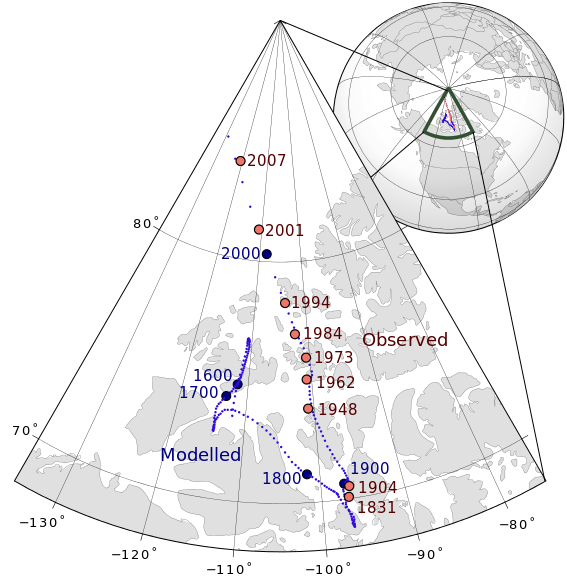
Magnetic North is what your compass needle points towards, being magnetised & this is not a fixed point, it moves over time. Magnetic North is explained as so:

“The North Magnetic Pole is the point on the surface of Earth‘s Northern Hemisphere at which the planet’s magnetic field points vertically downwards (in other words, if a magnetic compass needle is allowed to rotate about a horizontal axis, it will point straight down). There is only one location where this occurs, near (but distinct from) the Geographic North Pole and the Geomagnetic North Pole.

The North Magnetic Pole moves over time due to magnetic changes in the Earth’s core.[1] In 2001, it was determined by the Geological Survey of Canada to lie near Ellesmere Island in northern Canada at 81.3°N 110.8°W. It was situated at 83.1°N 117.8°W in 2005. In 2009, while still situated within the Canadian Arctic territorial claim at 84.9°N 131.0°W,[2] it was moving toward Russia at between 34 and 37 miles (55 and 60 km) per year.[3] As of 2012, the pole is projected to have moved beyond the Canadian Arctic territorial claim to 85.9°N 147.0°W.[2]

Because we have a variance between True North & Magnetic North, we therefore need to use something called the Magnetic Variation. This is described as follows: 

“Magnetic declination or variation is the angle on the horizontal plane between magnetic north (the direction the north end of a compass needle points, corresponding to the direction of the Earth’s magnetic field lines) and true north (the direction along a meridian towards the geographic North Pole). This angle varies depending on position on the Earth’s surface, and changes over time.”

It is also explained more formally, Bowditch defines variation as “the angle between the magnetic and geographic meridians at any place, expressed in degrees and minutes east or west to indicate the direction of magnetic north from true north. The angle between magnetic and grid meridians is called grid magnetic angle, grid variation.
Magnetic_North_Pole_Positions

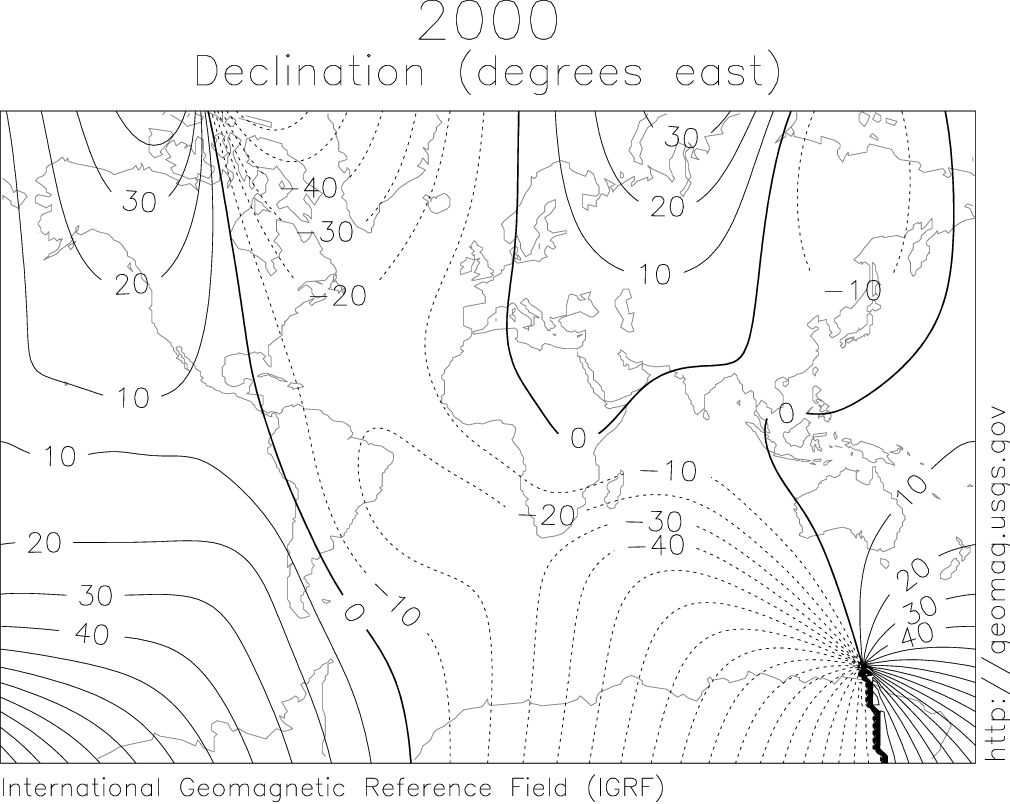
Depending on which country you reside in will then depend on what the Magnetic Variation actually is. For example, if you live in the UK then the Magnetic North is 1.5 degree’s at the start of 2014 west of True North. The reason it is west is that we sit to the east of the Agonic Line or line of Zero Declination where Mag North & True North are the same. There are several points where this occurs around the world. Its a bit technical, but all you need to remember is that the Mag Variation is printed on all maps in the UK to advise what the Mag Variation is at what ever year the map was printed.

IGRF_2000_magnetic_declination

In order to correct your bearing to take into account the Mag Variation, you must adjust the compass 1.5 degrees east of the bearing you have taken, or more easily remembered, add 1.5 degrees on to your compass bearing you have just taken from the map. To make life even more confusing, the Mag Variation in 2015 is 0, therefore Mag Variation need not be corrected for that year, so it is almost not worth making this correction for the next year & certainly if your navigation is broken down into small legs. It really only comes into play right now, if you are travelling over large expanses of land, without any catching features, hand rails etc.

Transversely, if you are using the Mag Variation, remember when making a sighted bearing, whilst relocations, you might want to subtract 1.5 degree’s off your bearing in order to get an accurate bearing when you place the compass on the map. It all depends how accurate you need the bearing to be? Are you looking at a mountain summit? If so, is your bearing really that accurate anyway.

So Mag Variation in the UK is not really necessary right now.

If you are in Europe or other parts of the world like the US, then your Mag Declination/Variation will be different. It should be on the map you are using, if not consult a website like Wiki for more information.

North & South of the Equator. 

If you buy your compass in the northern hemisphere, then it is not set to work in the southern hemisphere & visa versa. Silva produce 3 types of compasses to work in 3 different magnetic zones. The best piece of advise is if you are traveling, then buy a compass for use in the zone which you are traveling. Best to contact a company like Silva to get the right compass.

Can I set the declination on a compass, so I can forget about the Mag Variation? 

Yes is the answer, but they don’t come at a small price. Most compasses, of reasonable value, like Silva 2NL-360 Explorer will have a Declination Scale on the bevel base plate, this can be used for quick adjustment. If you want to set the mag declination, then you need to purchase a compass capable of doing this, like the Silva 15T-360/6400 Green military compass. Its not really necessary for general use, especially in the UK right now.

Ok, so the confusing Mag Declination/Variation is done. Use at will, just remember to check on the country you are in as to what the variation is & apply it if necessary. Its list on the map you have in your hand, or at least the one you will be using.

2) Grid Numbers & Plotting a Grid Reference

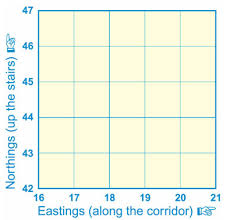
Grid numbers are applied to the grid lines. These are a squared matrix applied to the whole country to divide it into different sections. They are laid out to make squares 100k by 100k, these squares are then broken down to have a further matrix applied giving squares of 1km by 1km. These are the lines/squares printed on your map. The lines running from east to west are numbered from south to north, these are the ‘northings’, the lines running from north to south are numbers west to east, these are called the ‘eastings’. A grid reference is made up of these printed numbers.
northings-eastings

So on the image pictured to the left, we have Eastings along the bottom & Northings running up the side. In order to find a certain grid we need 4 of these numbers. This a 4 figure GR.

We are always given the Eastings first & the Northings second.  A 4 figure GR would read as 17 45

Once we understand this we can move to a 6 figure GR. This is done by breaking down each of the squares into a further 10 divisions on either scale, making 100 squares inside the existing square and will allow us to pin point a location to within a 100m square on the ground. A 6 figure GR would be something like 175 454.

This can be taken into a further pin point of 10m squares by using the same logic & so on.

A roamer on your compass can be of great help here to pin point 6 figure GR’s.

Not following? Book on a course….

3) Back Bearings. 

Very useful in either re-locating yourself or using a feature to make sure you are looking at what you think your looking at. A back bearing is taken by using a sighting of an identifiable feature, be it a path, summit, building or  large reentrant & applying it to the map. This can help you do one of 2 things. 1 – re-locate yourself on a line feature (its hard to relocate with this technique exactly, but it can help your judgement or give you a rough location) or 2 – help you to make sure the feature you are looking at is the same one you are looking at on the map.

Remember that when taking a back bearing, you might need to subtract the Mag Variation to make sure its correct. 
compassatpeak

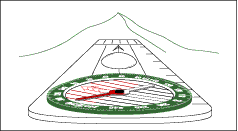
To take a back bearing, line the direction of travel arrow at the front of your compass with the feature, make it as exact as possible. Then swivel the rotating bevel so that you line the red end of the needle in the red house/shed, remember the Red in Shed. This is now your bearing set. Next put the compass on the map & line the front side up with the feature you think you are looking at, and move the compass until your orienting lines on the base plate match with the N/S Grid Lines on the map. You should now be able to locate yourself somewhere along the side of the compass.

A back bearing works best if you are already located on a line feature, as this bearing will then cross the line feature at some point, giving you a rough location of where you are on that line feature.

4) Re-Orienting/Re-Locating.

A very necessary skill, used to either make sure you are where you think you are, or as it sounds, to actually re-locate. Once you are adept at this skill, it should be used throughout the day, as you progress through your race or just through the mountains to keep a check on your position, but of course if you are thumbing the map, then it will be a whole lot quicker & easier. When you’re really good at it you will re-locate whilst on the move.

Clients on a recent OMM Mountain Skills Day relocating on Place Fell, Eastern Lakes

©iancorless.com.IMG_5128GL3D_Day1

How to do it: 

Use everything at your disposal. This means look for all the identifiable features you can see, summits, paths, streams, woods, walls, buildings, ruins, sheepfolds etc. Orientate your map, if it is not already! Now match the features on your map to the ground, or visa versa. If your still not sure, then use a back bearing by locating a summit or other feature & take a bearing from it by following what was discussed above.

If you are not on a line feature you will then need to start really assessing the contours & because you have studied your contours well at home, you have a good handle on how to interpret what you are looking at to the features/contours on the ground. Are you in a reentrant, or is there one close by. Is the valley in the right place in front of you in relation to the map.

Re-Location requires lots of practice, the more you do, the better you will get until you can re-orientate whilst on the move.

5) Thumbing the map. 

Thumbing the map with compass in hand.

©iancorless.com_IMG_5329Marmot24_2014_

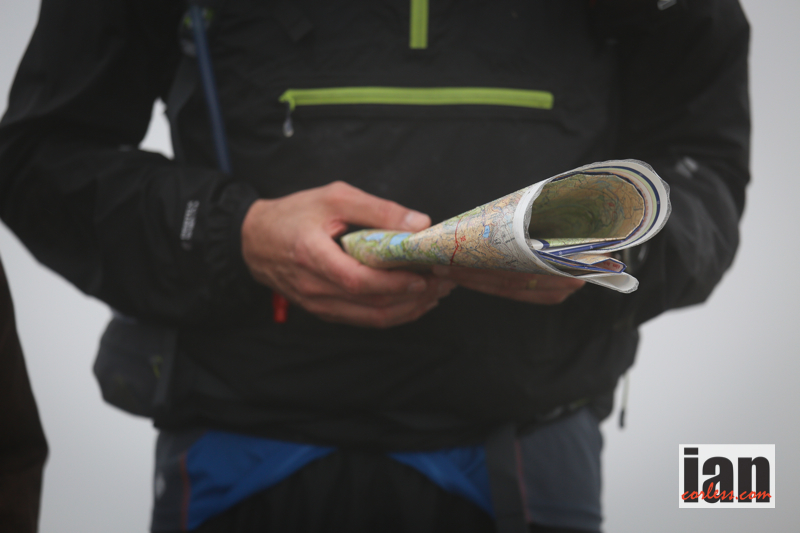
A very simple, but very useful technique. Once you start to get a handle on navigation, map reading & compass work you will be able to fold your map smaller, so not needing so much of it in view. The smaller you can have your map folded, the easier it is to thumb the map. By doing this we mean, fold your map in half, half again and so on until you have a manageable size to hold in your hand. Obviously make sure you can see the area you are in. Now, knowing where you are on the map, put your thumb over this location. Having the map oriented correctly in your hand is very important. As you walk/run along your chosen courses/bearing, you simply move you thumb small increments to keep up to date with your progress.

Why is this useful? 

Because you need to be able to locate your rough position on the map at a split second or whilst on the move. When you want to check your surroundings against the map, just pull it up to have a look & your thumb will be placed near to where you are, you can then re-locate very quickly & keep a track of your progress from map to land or the other way round. This is how you will learn to re-locate whilst on the move!

6) Hand-railing. 

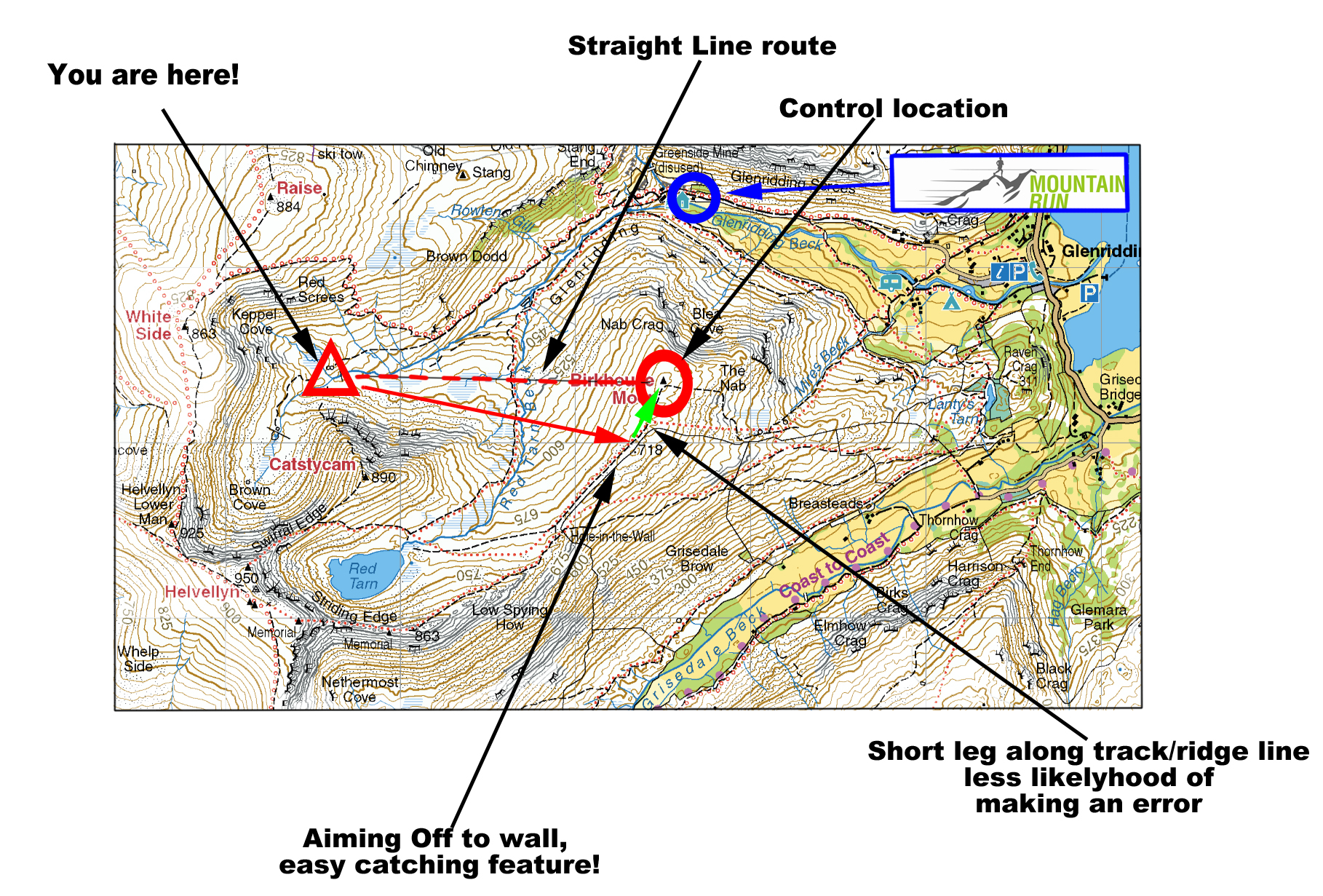
It is as it sounds, using a handrail to help you on your way as you travel across the land. So what is a handrail? It a feature on the map that allows you to use it as a hand-rail. It is always a line feature & can be as simple as a path, or as obscure as a blind ridge line (by blind I mean rounded & not obvious). Once you have established the handrail is going in the direction of travel you want you can walk/run along it until you need to make your next decision.

Examples of Hand Rails

Handrails

How do you know when to stop? Use the next technique, a catching feature….

7) Catching Features. 

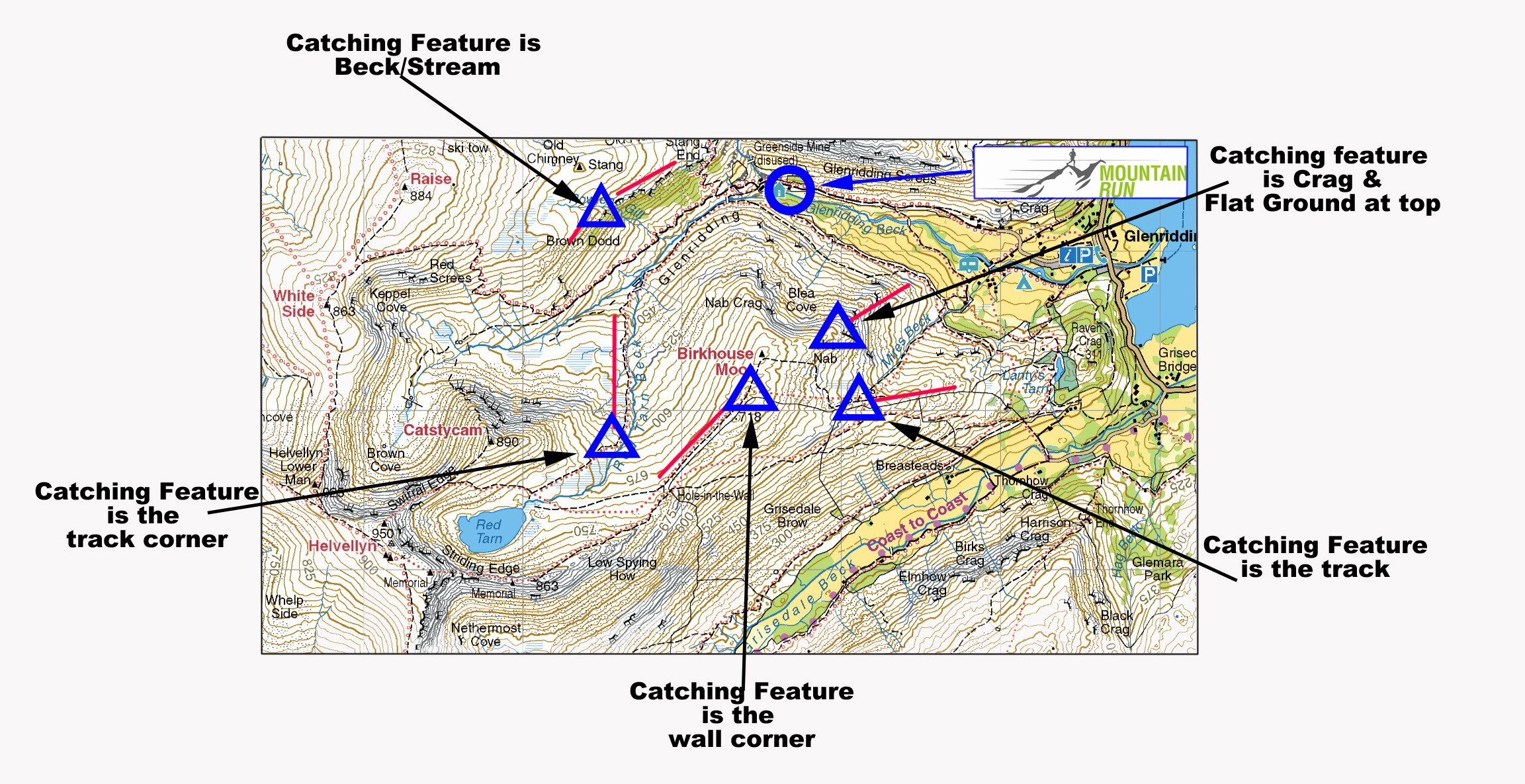
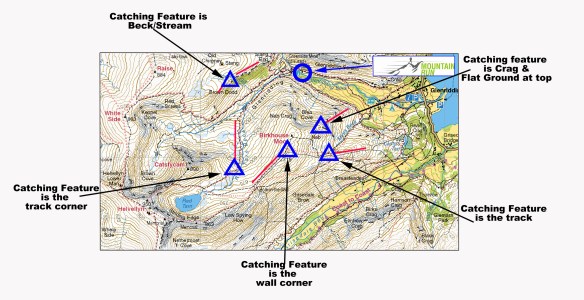
A catching feature again is as it sounds, its a feature that catches you. It can be designed to wake the brain up to say your nearly at your destination, next direction change or just as a marker to what is coming next. You can have as many catching features as you like along your chosen course. Don’t pick too many though, as it will be hard to remember. Try to limit them as wake up calls, or direction changes, but you can still use them as markers to track your progress.

Plenty of Catching Features in the image below: 
Catching-Features_edited-2

A catching feature might be a wall corner, building, junction in a path or river or a crag that you are moving past. Used in conjunction with thumbing the map & hard rails, you can see that you can really track your progress as you move forwards.

8) Aiming Off. 

The last technique in our intermediate navigational skill set. We use aiming off to catch a line feature, that we may then use as our next bearing setter or as a handrail until we reach the next catching feature.

To aim off we use a bearing slightly off to the side of the line feature we are heading for. This can be either left or right, but it need to be obvious, otherwise you might miss it.

Aiming Of below so you don’t miss the control, best practice in foul weather!

Aiming-Off_edited_edited-1

Lets say your travelling across open ground south to north, there is a tarn in front of you running from west to east & you want to catch this feature, but keep moving past it. The weather is in and visibility isn’t what you want it to be. You want to pass the tarn to the east, so you need it to be on the western side of you. How will you know you have passed it, if you can’t see so well due to mist? The tarn might be 500 m long, west to east. By aiming off, rather than passing the tarn on a bearing and checking it off as you go, you are better aiming off your bearing slightly to the west & hitting the tarn, this then gives you an identifiable feature to break up your leg & confirm you are where you think you are. You can then take your next bearing to the location you want to reach, using the techniques of handrails, catching features & possibly aiming off again.

Get these skills dialled in good weather & you can now be ready to head out in to the open fell in inclement weather. Get them dialled in bad weather & your getting ready to head out at night.

Still not got it? 

Are you interested in an UltraTrail Nav Day or a Mountain Marathon Skills Day?

Send us your details here:
← Back

Thank you for your response. ✨


Rab Mountain Marathon 2014 Preview

rab_logo_horizontal

The 8th Rab Mountain Marathon™ will be held on the 27th and 28th September 2014. The Rab Mountain Marathon™ is a two-day fell running and navigation challenge for solos and pairs with an overnight camp.

©iancorless.com.IMG_5949GL3D_Day1


The Rab Mountain Marathon kicks off this weekend at 0830. Two days of navigation and running will unfold in the English Lakes using the popular score format.

Now in it’s 8th year, the Rab Mountain Marathon has become an iconic race that has visited many stunning locations, the Cheviot Hills, Derwent Fells, Snowdonia, Howgills and this year it once again returns to the English Lakes.

©iancorless.com.IMG_5641GL3D_Day1

Taking on challenging mountain terrain, participants need to be competent and confident at moving fast over tough terrain. As usual, the is the UK and runners will need to be prepared for the worst despite a recent spell of really good weather in the UK.

As one would expect, the Rab Mountain Marathon will take place over rough, steep and technical mountain terrain. Many sections of the course will be isolated and if bad weather comes in, everyone needs to be prepared.

©iancorless.com.IMG_5731GL3D_Day1The race format is ‘score’ as this tests navigation skills and avoids snakes of runners going from point-to-point. A rolling start window of 2-hours will spread the runners out and electronic timing is used to track the runners. As normal, different class options are available (including walking) and it’s possible to participate as a solo or team of two.

It’s hard to highlight some standout competitors for 2014. If I were to place a bet on the top Long Score competitors it would be between Adam Stirk and Andrew Higgins (who are a pair) and Stewart Bellamy (solo). Adam and Andrew finished 3rd last year behind Steve Birkinshaw (1st in 2013) and Alex Pilkington (2nd in 2013) both of whom are not taking part this year. They were also 2nd at the Highlander in 2013.

Stewart Bellamy is a strong runner and whilst he may not have featured in the results of recent mountain marathons, he did win the GL3D in 2013.

©iancorless.com.IMG_5177GL3D_Day1

The Rab Mountain Marathon’s approach is designed to be relaxed and less formal and structured than that of the OMM, which will take place next month.

Shane Ohly, race director for Ourea Events says, ‘But hey the Rab isn’t really about the elite runners and there is some super generous support from Rab who are providing vouchers to the value of about £10,000 for 1st, 2nd and 3rd across a huge range of categories. Check them out here: HERE

At registration on the Friday evening or Saturday morning, competitors can view a Master Map of the competition area which will give a full overview of the event area being used plus provide details of any out of bounds areas, map corrections etcetera. The event Master Map will not be over-printed with any control points.

So there you have it… two days of navigational fun in the English Lakes. It’s possible to follow a live stream HERE and a free APP has been created. Details HERE

Apps can be downloaded here:

iOShttp://bit.ly/1wwcbDKAndroidhttp://bit.ly/1AUZNhj

Ourea_Events_Logo(600)

Race Website HERE

Rab Apparel HERE

Rab Twitter HERE

Like the Wind Pop-UP : Photography with Ian Corless

Photo ©covadongafernandezcue

Photo ©covadongafernandezcue

Are you a budding photographer? Do you want to learn from an expert? Then the Like the Wind Pop-Up has the answer – a masterclass and workshop with the one and only Ian Corless, the man behind many of the most inspiring and moving photos from the ultra and mountain running scene.

This will be a chance to learn from an expert about all the things it takes to create a great photo of a runner. Bring your camera and leave with information and inspiration. Details on how to book will be released in the next few days, but for now… who’d be interested in signing up for this?

Provisional date : Thursday October 30th1400 to 16/1700.

Like the Wind Pop-Up – what is it?

Like the Wind was conceived as a way for the running community to share each others stories – a magazine dedicated to collecting words, images and art that coveys what it is to be a runner. We want every piece to evoke something about running.

Happily, the running community, around the world, has embraced the magazine and enjoyed reading – and contributing – stories. Now, with two successful issues under our belts, we have decided to go beyond bringing runners together online and through the pages of the magazine. We are going to bring them together in a physical space.

The Like the Wind Pop-Up will be in the heart of the creative hub that is Shoreditch in east London. There will be space for brands who want to support the Pup-Up, there will be film nights, inspiring talks, guided runs and a launch party to rival the one that we held for the launch of the first issue of Like the Wind.

For one week, there will be a home for running stories in central London. Runners will be able to come and meet one another, interact with the magazine, buy limited edition artwork from the artists who have appeared on the pages, check out some of the finest running brands and generally have their running mojo given a boost.

We hope that as many runners as possible will join us and make this a special week for Like the Wind and everyone associated with it.

You can find out more about our Pop Up Gallery here.