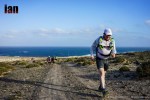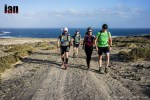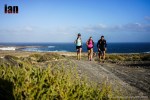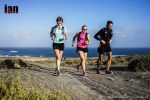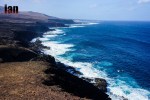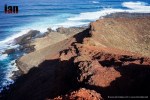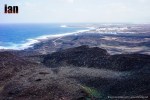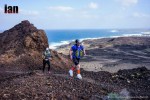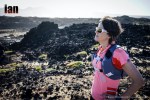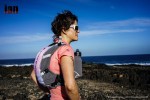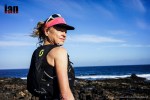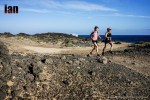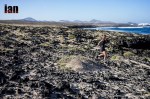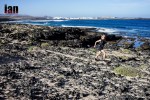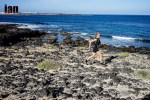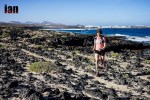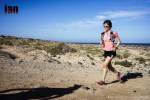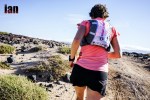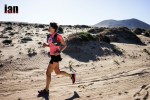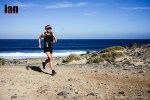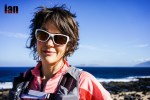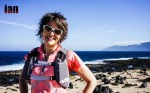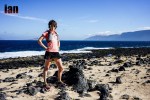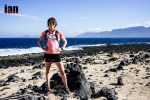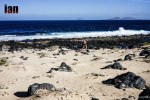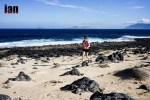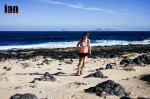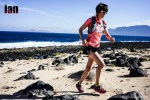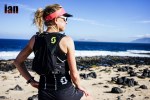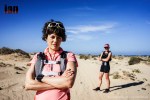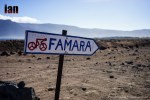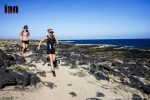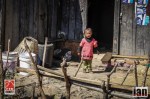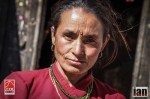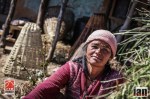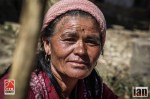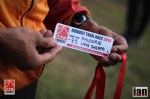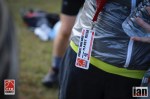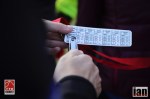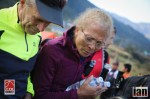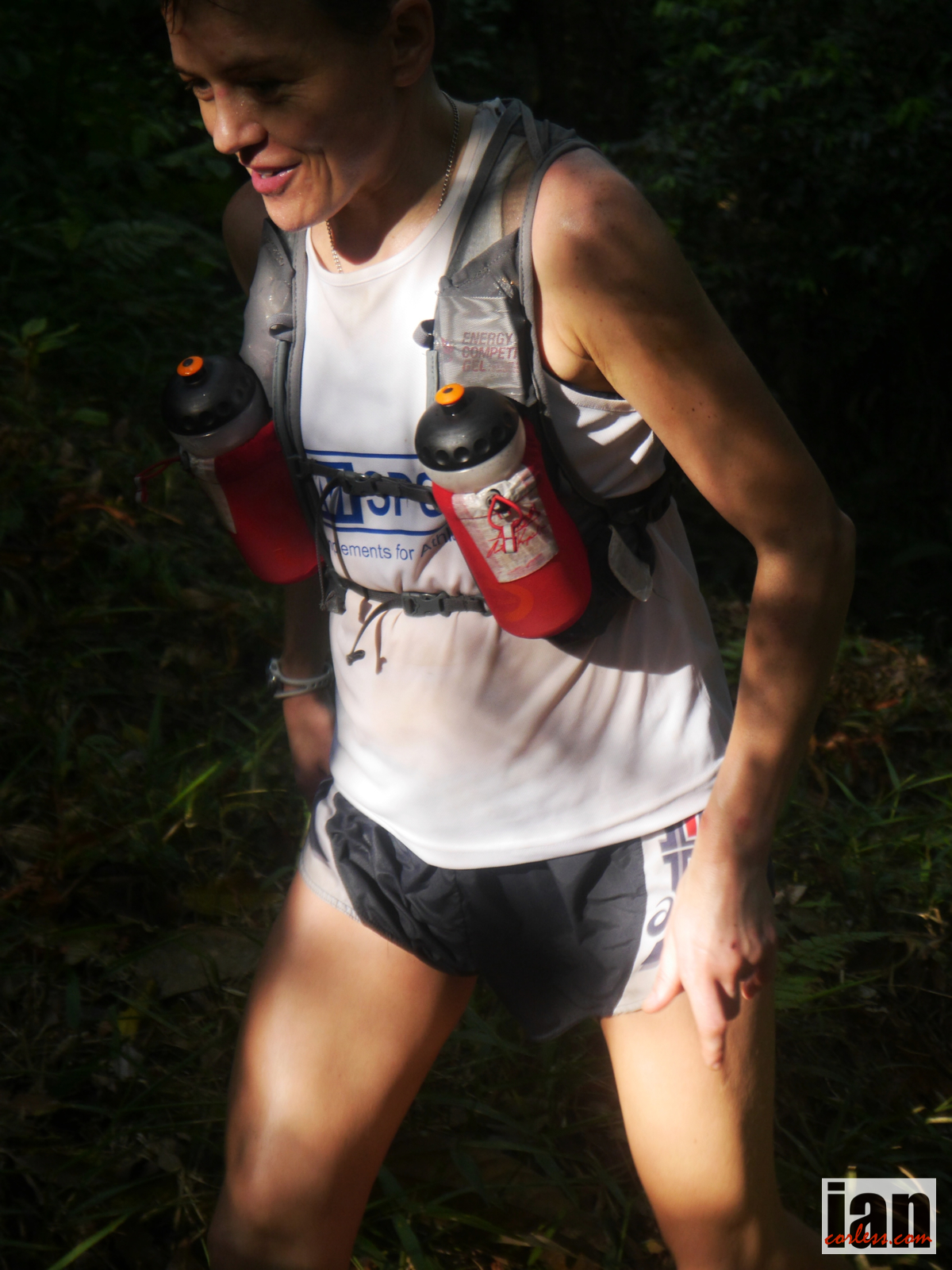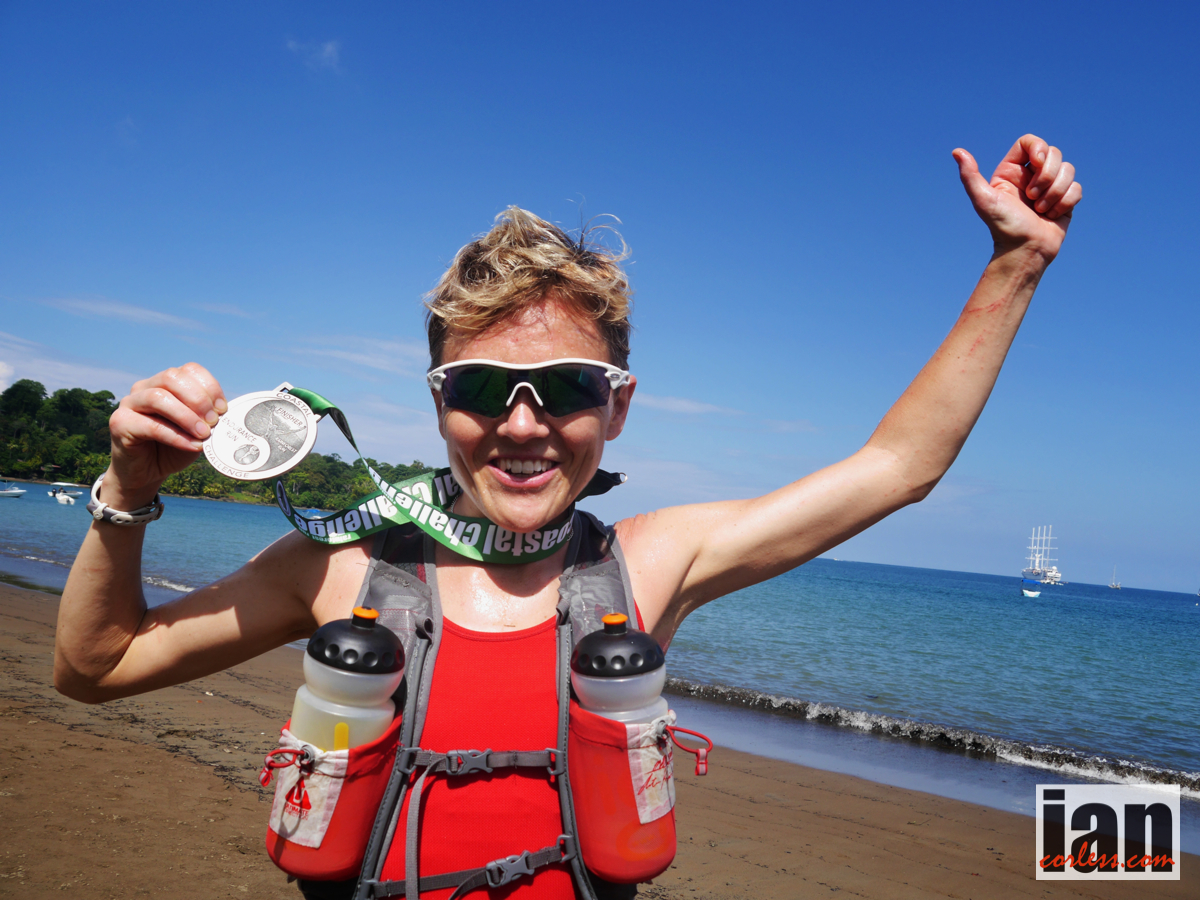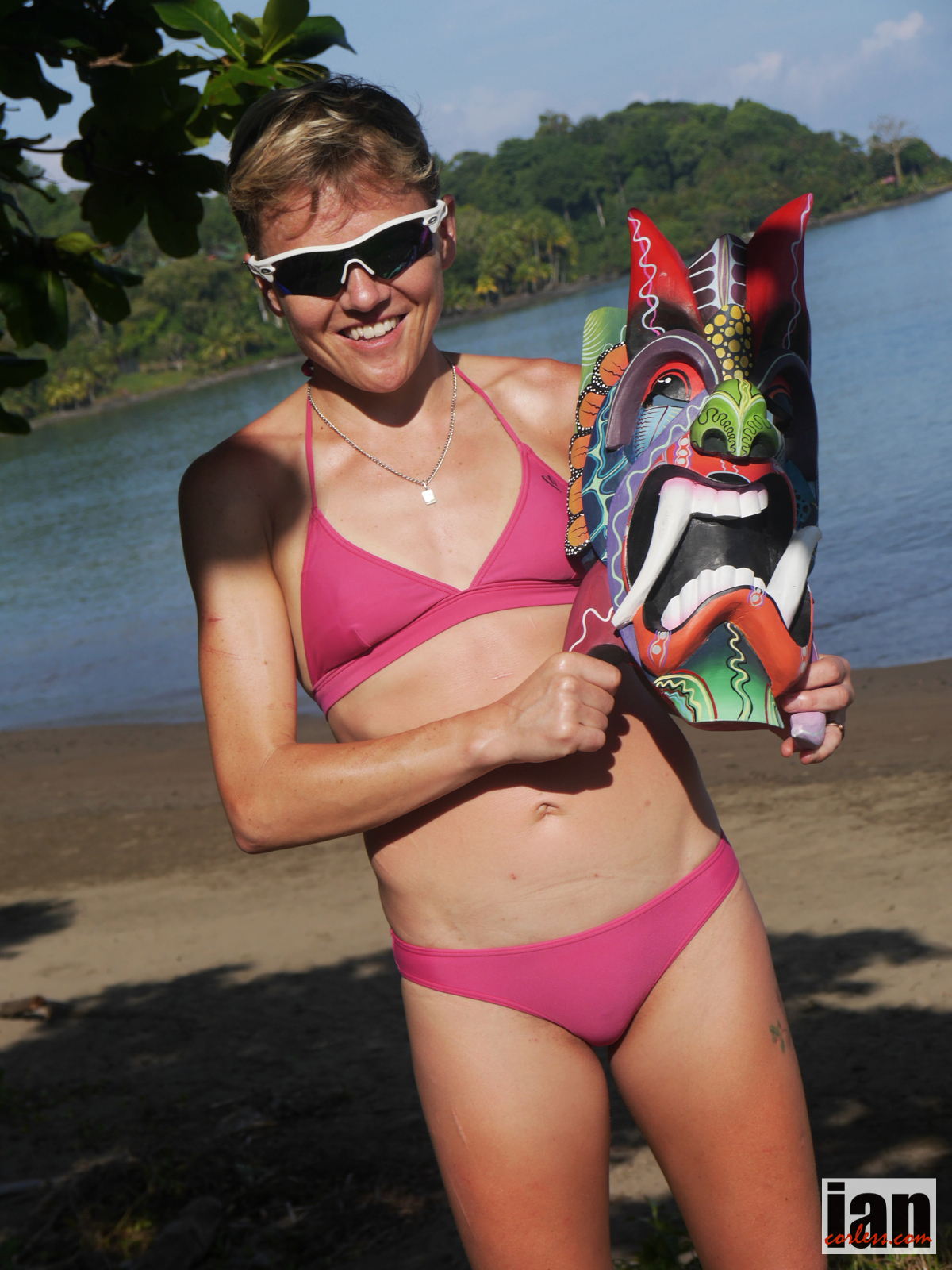
Lead From Behind by Niandi Carmont

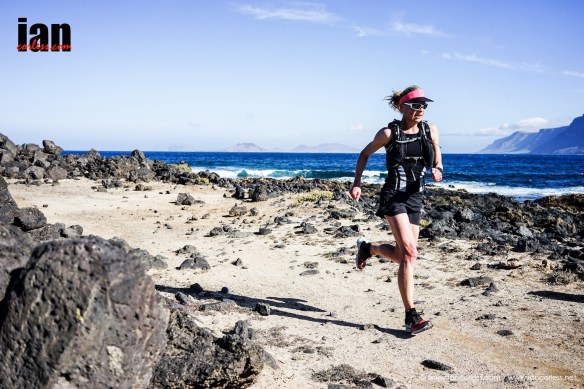
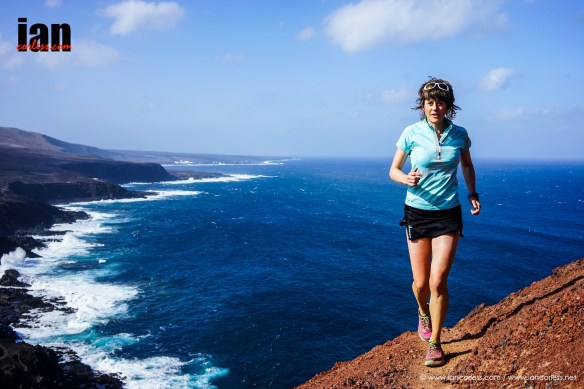
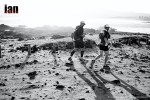
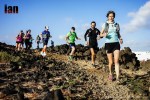
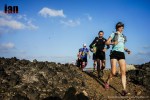
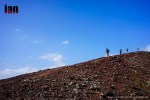
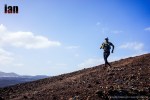
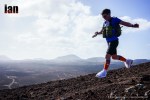
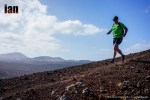
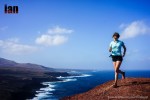
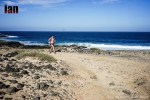
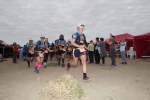
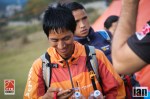
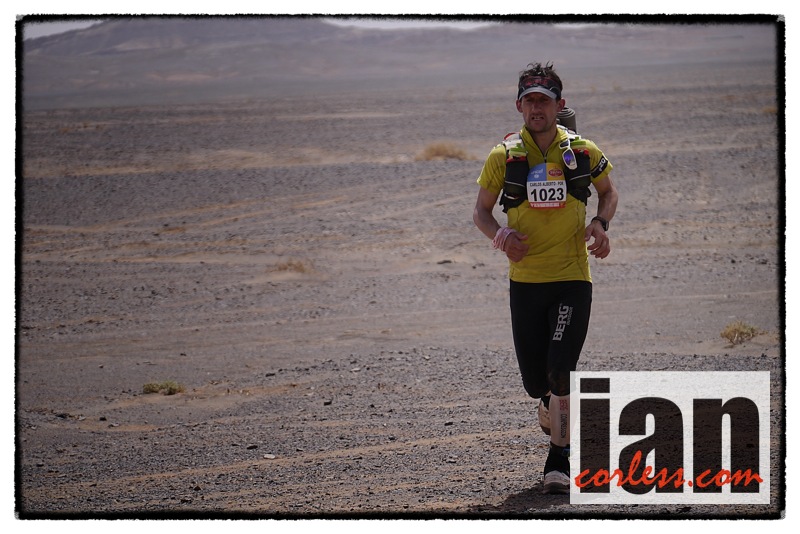
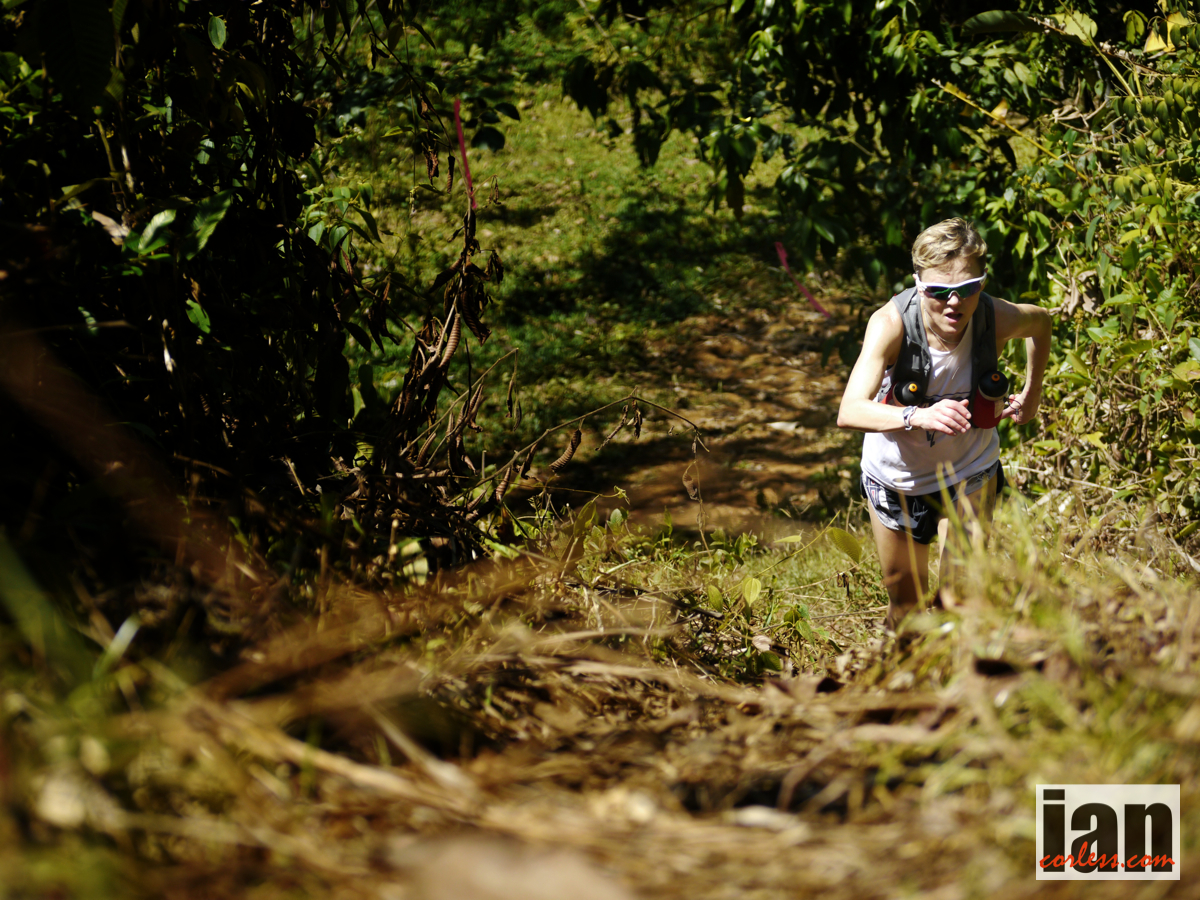
©iancorless.com_Lanza2016-05464

“It is better to lead from behind and to put others in front, especially when you celebrate victory when nice things occur.” – Nelson Mandela

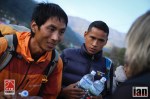
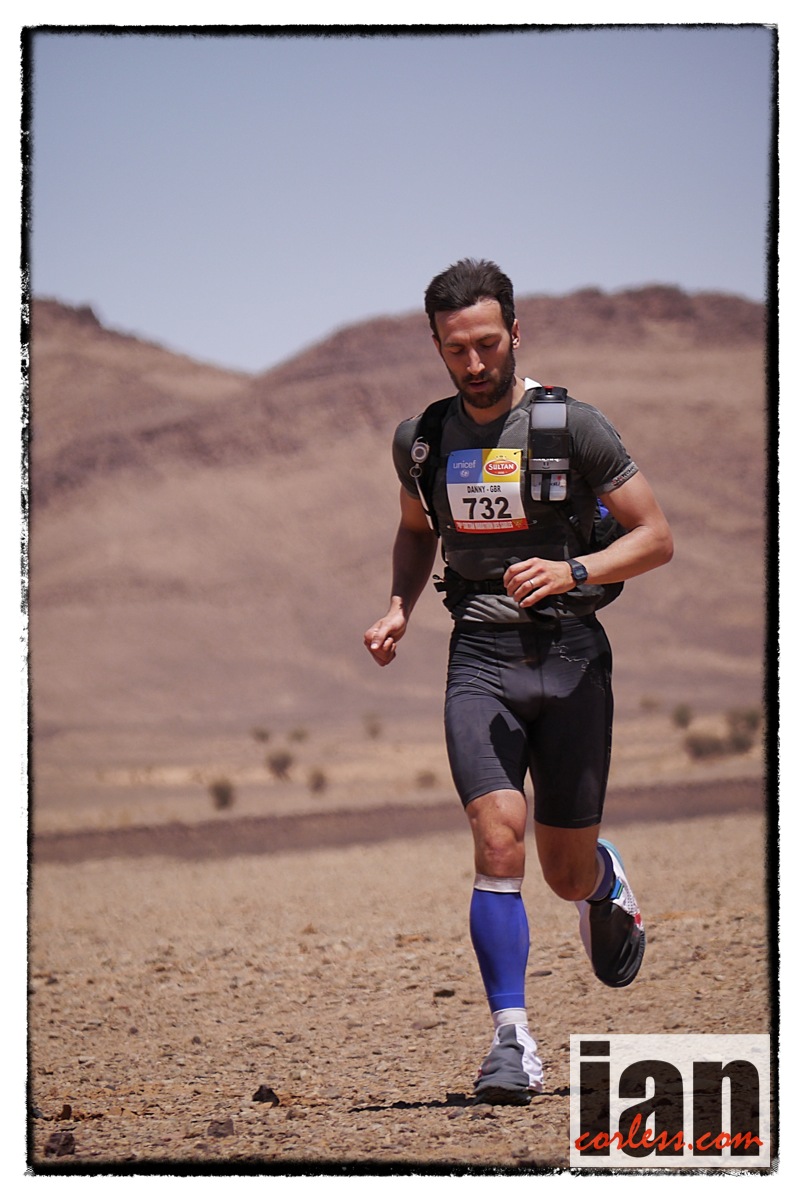
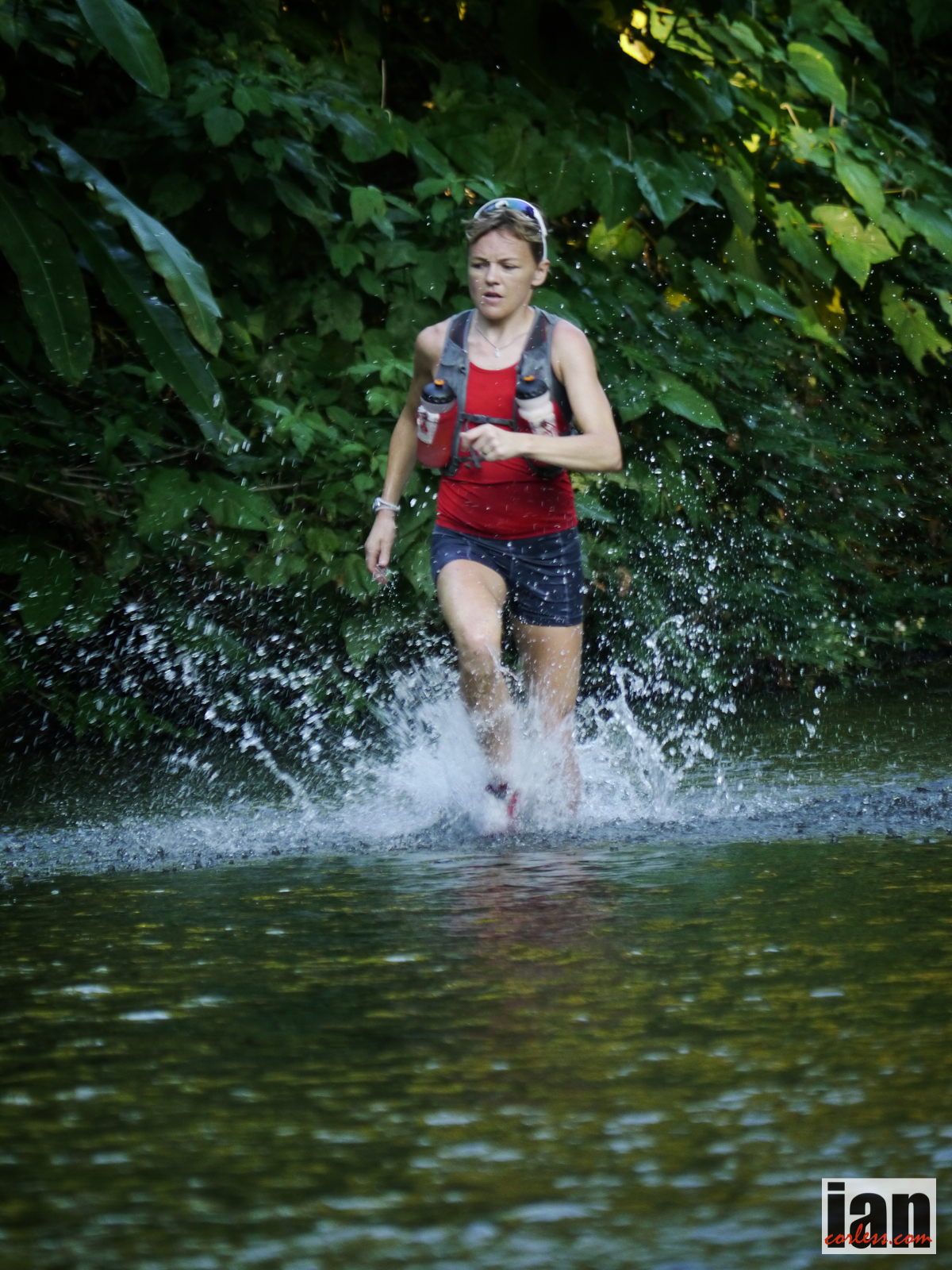
©iancorless.com_Lanza2016-05567

I just so love this quote by Mandela one of history’s truly great legendary and inspiring leaders. This guiding principle is what no doubt helped Mandela lead South Africa towards the democracy it is today, even from behind the secluded prison bars of Robbin Island.

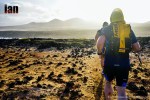
Leading from behind is one of the most effective, rewarding and empowering leadership strategies. It goes against the traditional image we hold of great leaders, leading the troops from the front by setting the example.

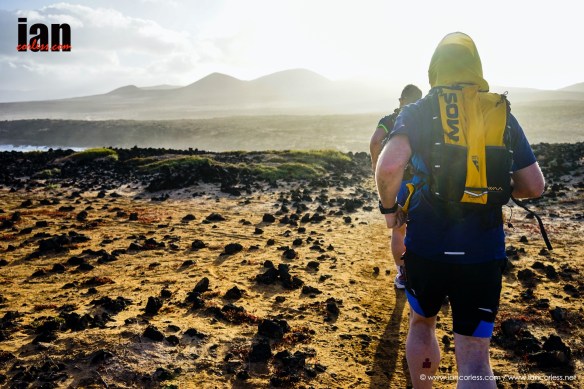
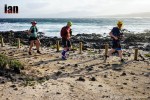
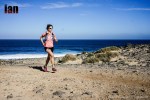
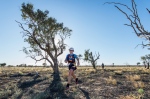
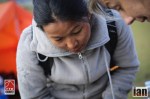
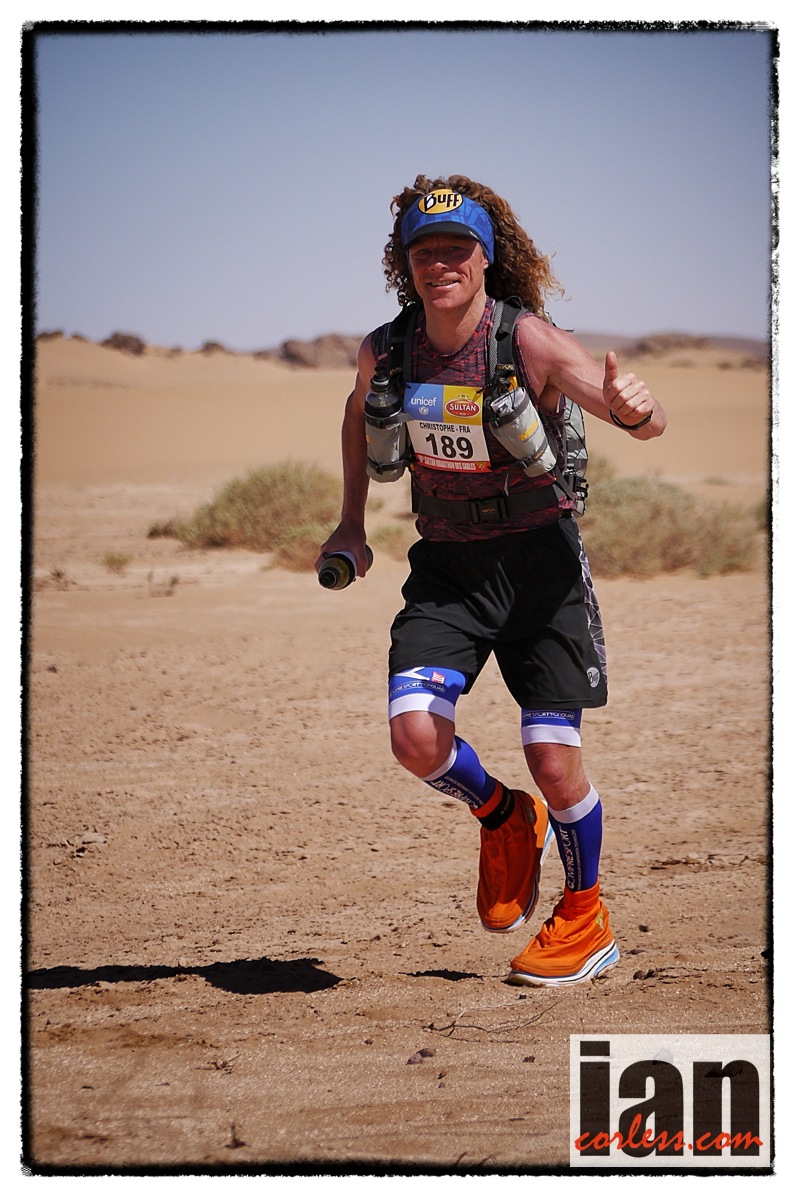
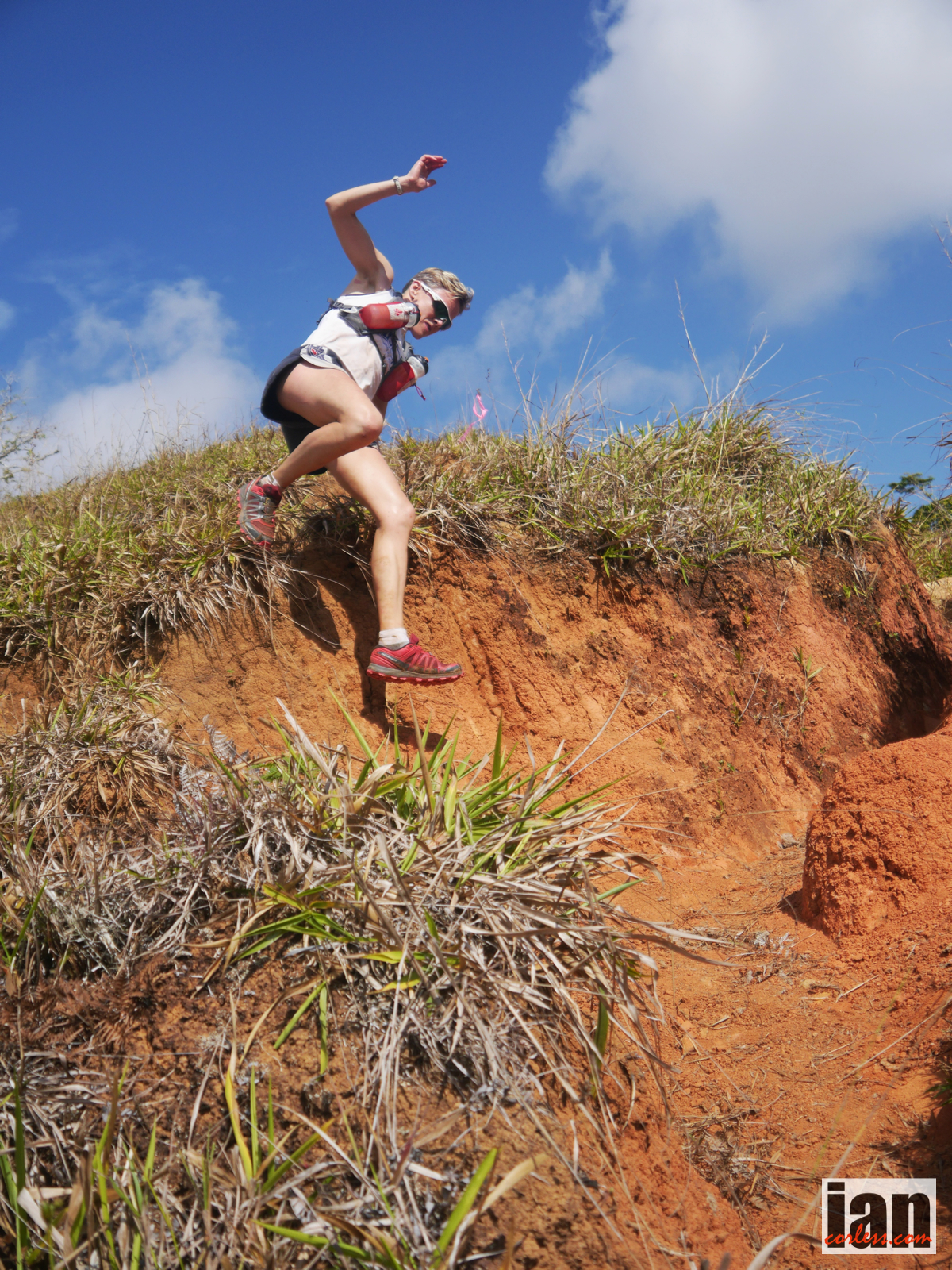
©iancorless.com_Lanza2016-03389

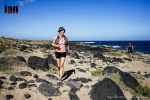
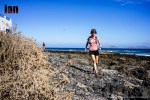
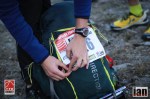
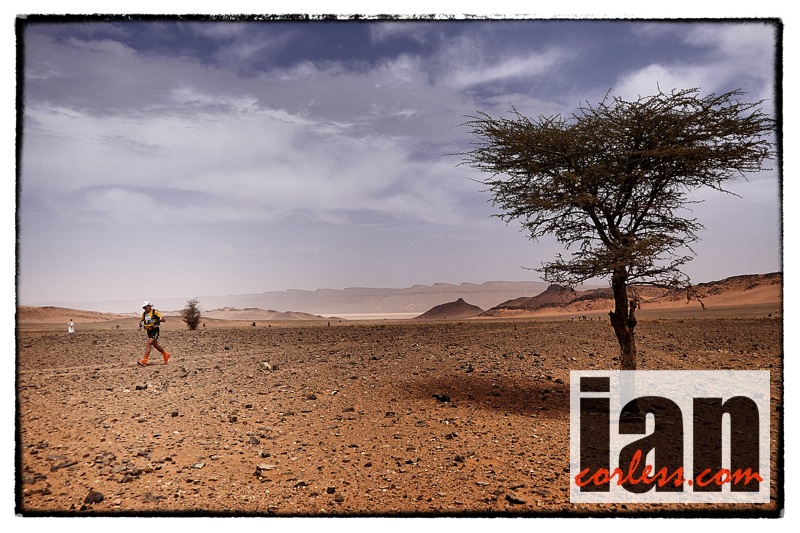
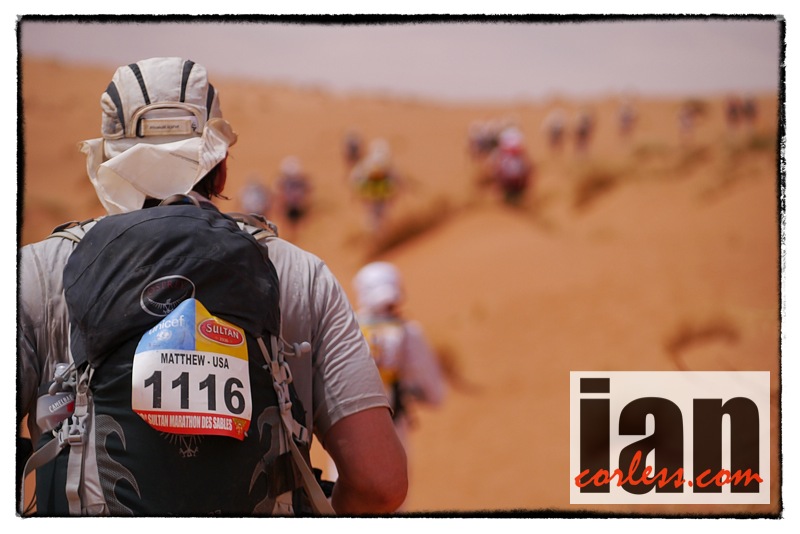
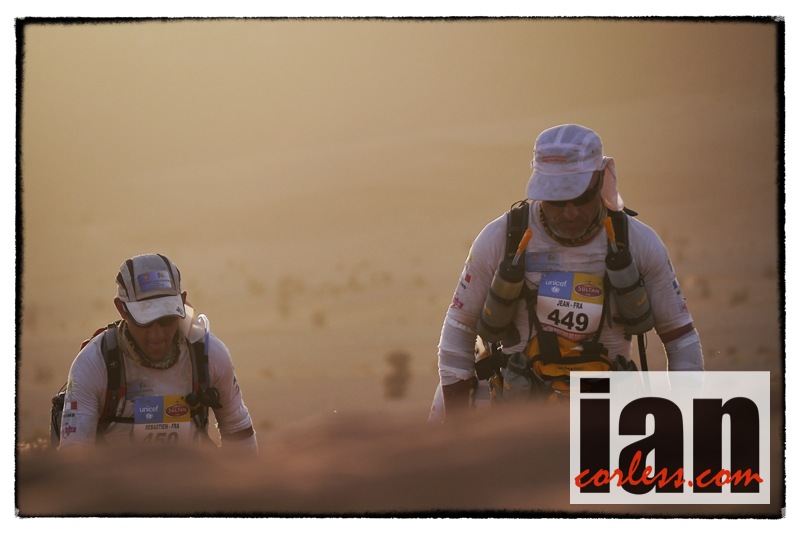
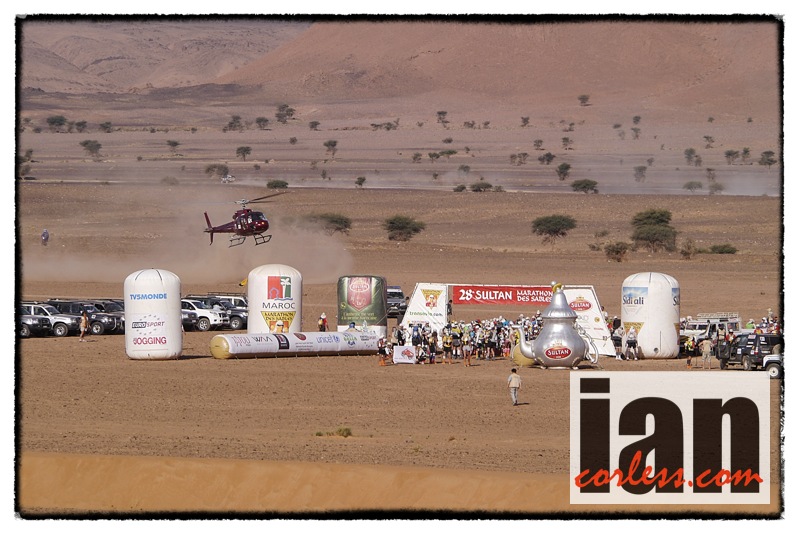
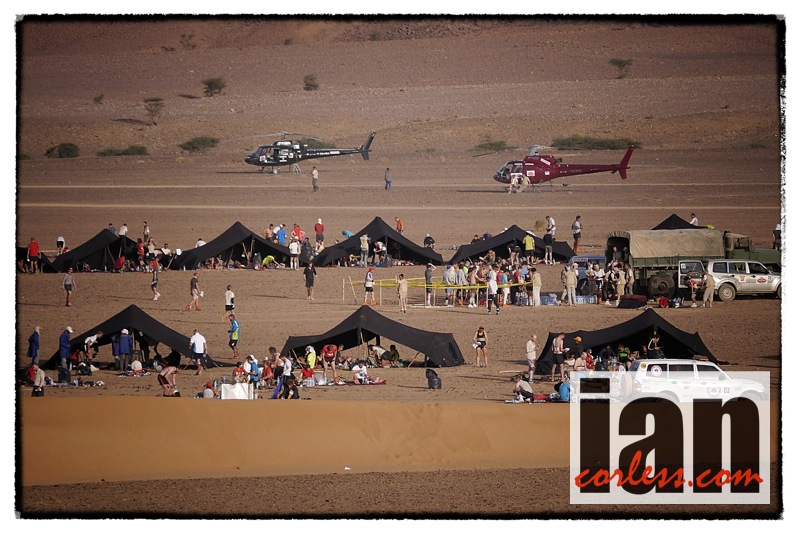
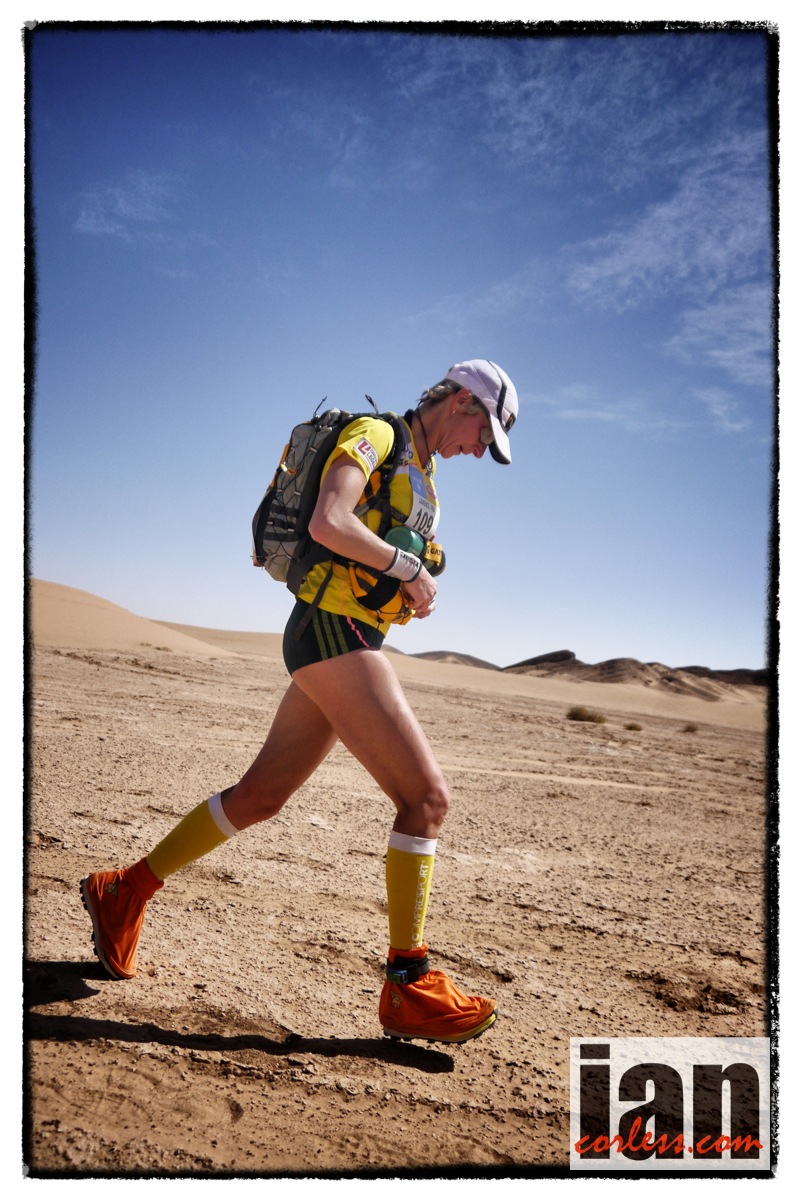
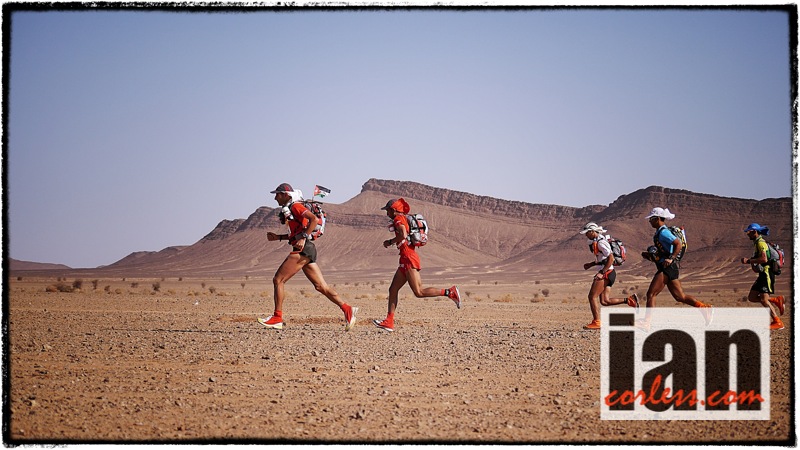
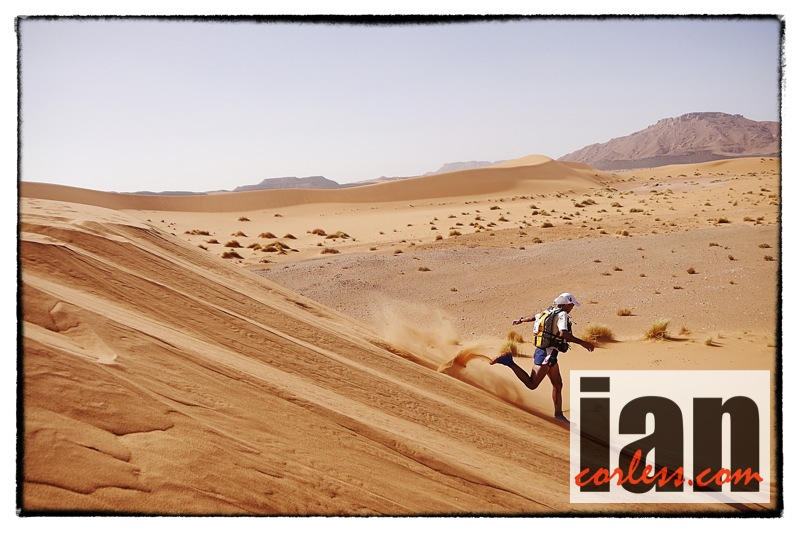
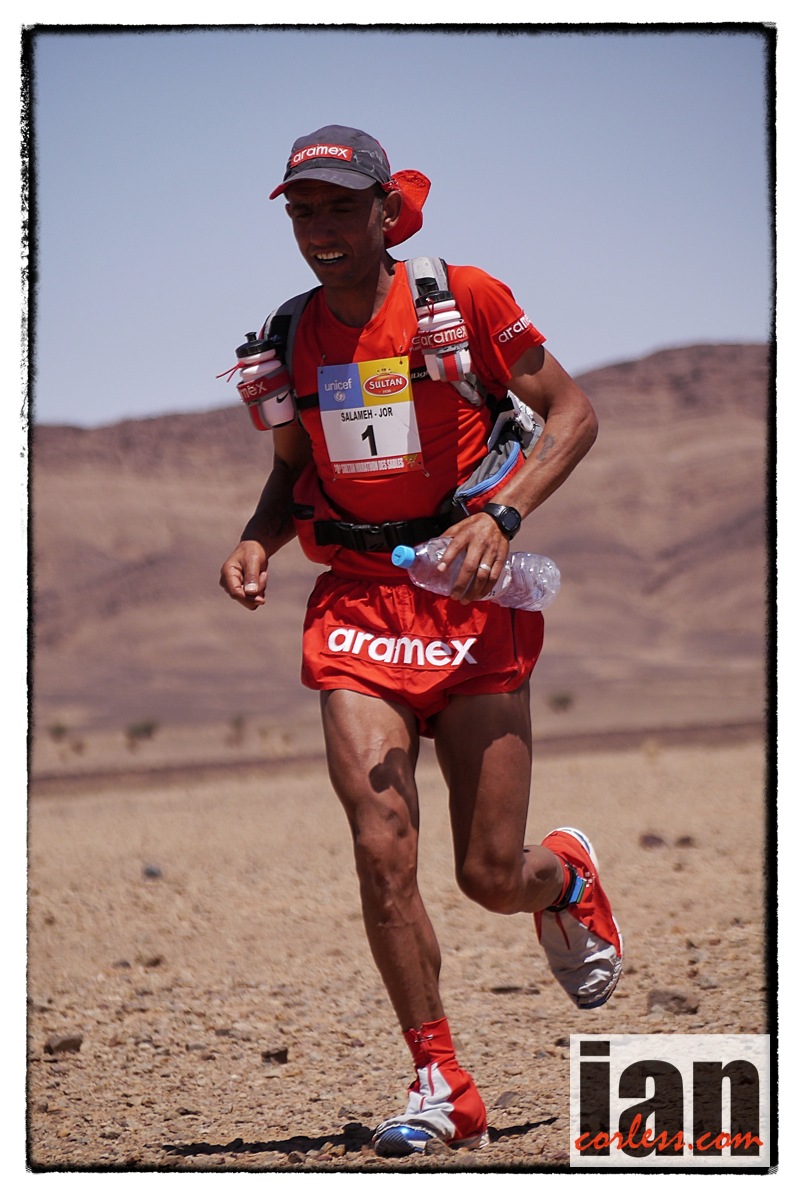
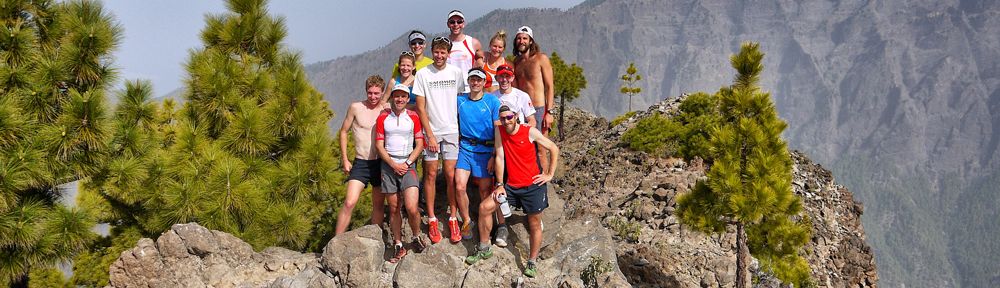
As a coach during a 2016 training camp for multi-day racing and specifically the Marathon des Sables (here), I had the opportunity to put this into practice. Marathon des Sables or “MDS” as it is affectionately called by most aficionados is a gruelling self-sufficiency multi-stage running event which takes place every year in April in the Sahara. The event is celebrating its 31st year this year and will gather over 1300 international participants at the start line on 8 April. Participants are required to carry a minimum weight of 6.5kg with a minimum calorie allowance of 2000Kcal/day covering a total distance of 250km with temperatures exceeding 45C over dunes, jebels and scorched sun-dried salt lakes.

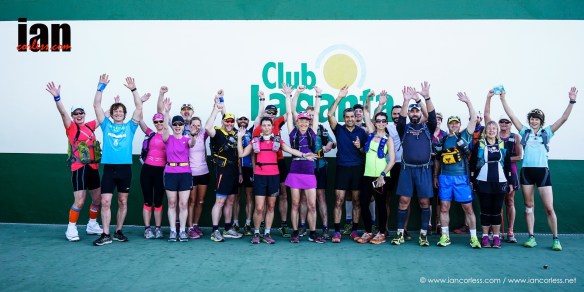
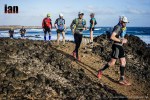
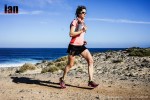
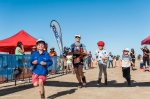
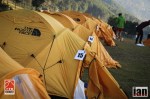
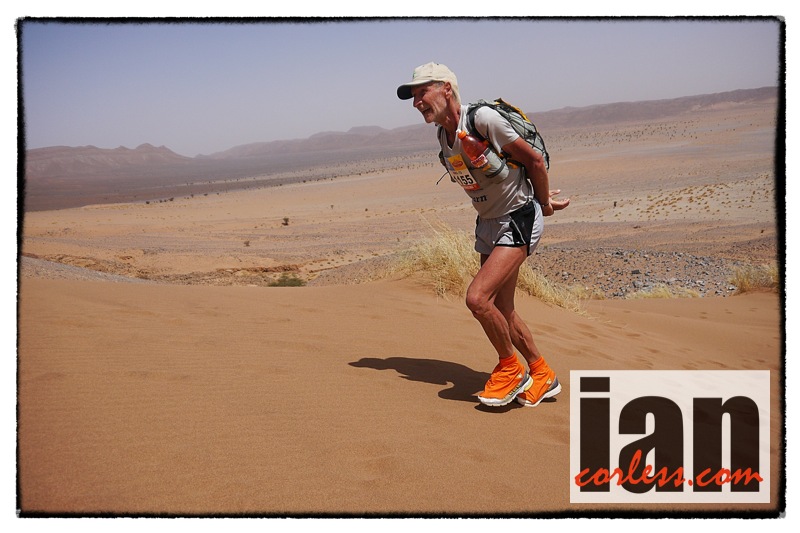
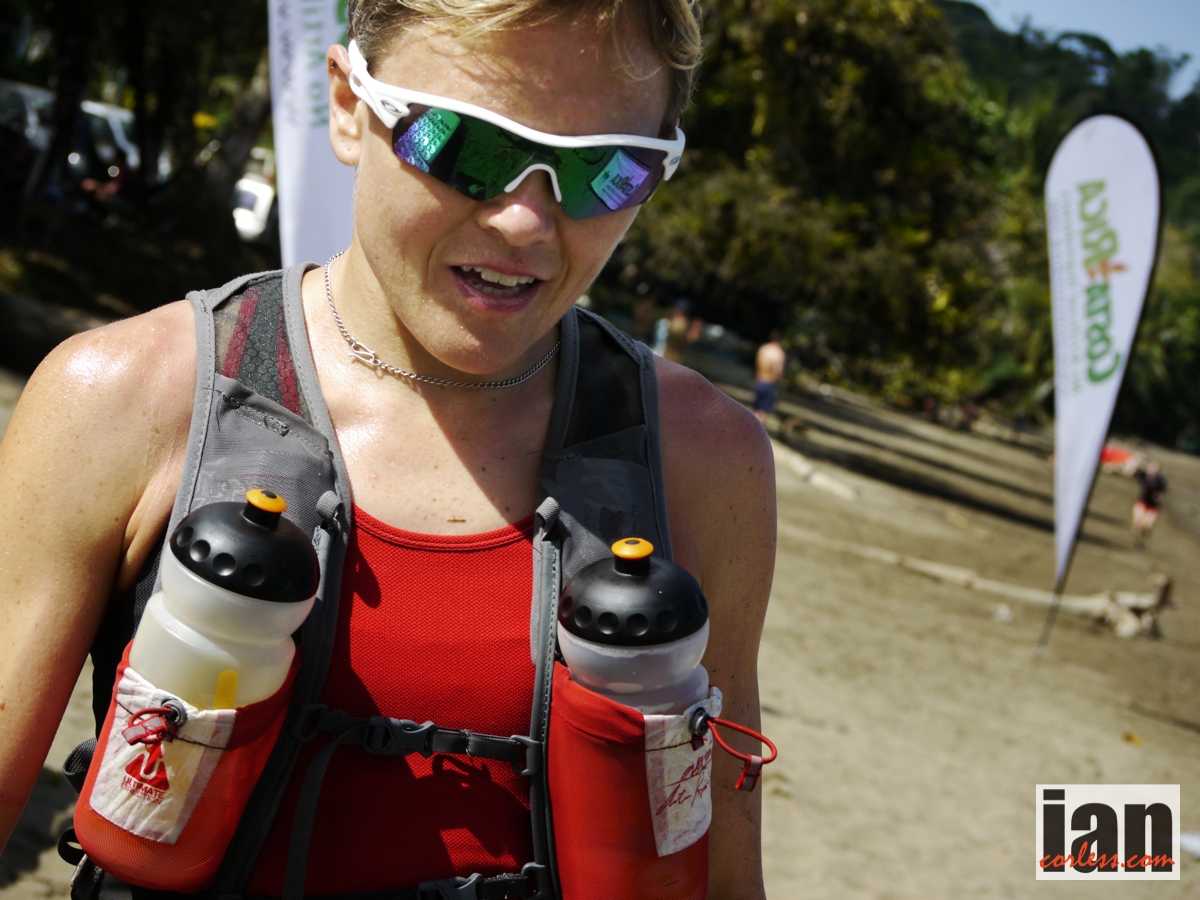
©iancorless.com_Lanza2016-02516

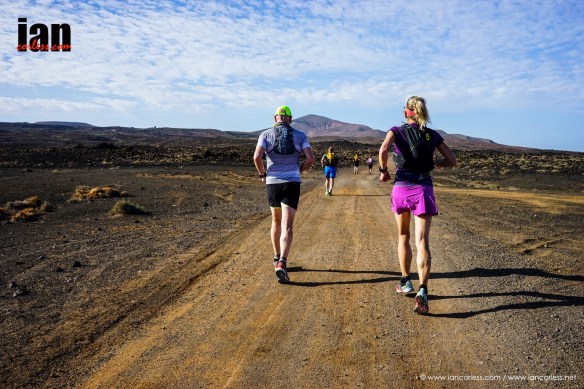
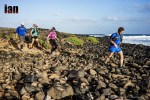
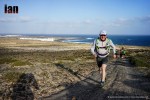
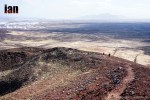
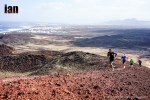
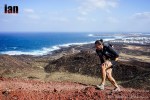
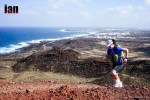
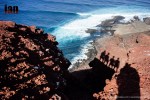
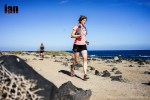
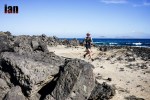
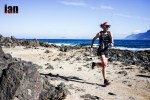
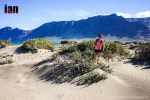
The pre-race training camp last week in Lanzarote provided participants with an opportunity to run long distances on consecutive days in the heat and on demanding terrain simulating that encountered in the Sahara. It also allowed them to test their equipment and exchange with coaches on nutritional and hydration strategies.

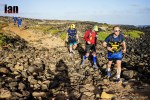
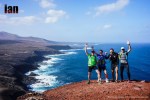
Attendees were divided into groups of differing ability depending on the objectives they had set themselves.

“Outstanding leaders go out of their way to boost the self-esteem of their personnel. If people believe in themselves, it’s amazing what they can accomplish.” — Sam Walton

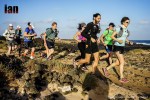
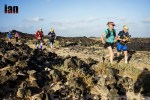
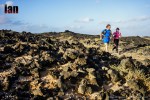
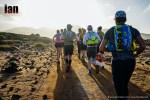
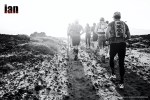
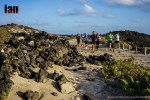
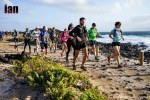
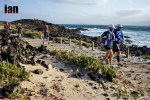
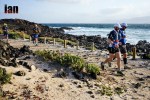
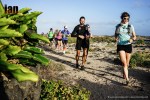
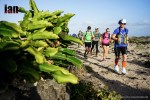
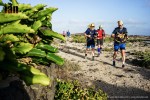
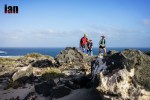
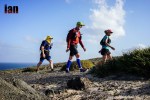
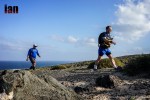
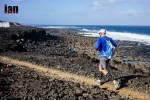
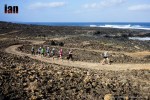
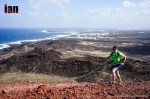
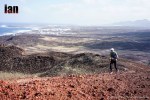
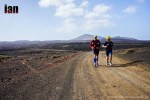
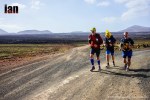
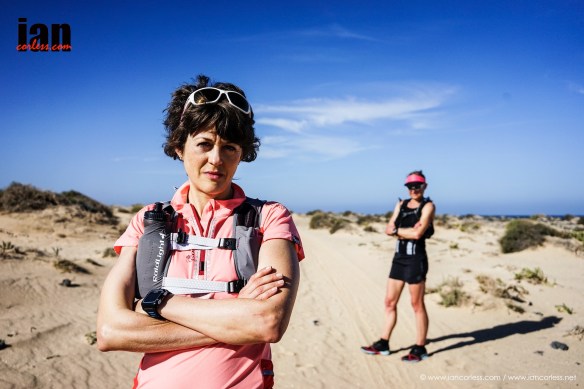
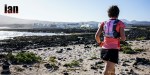
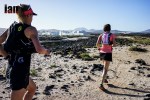
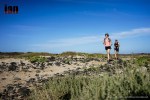
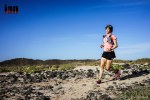
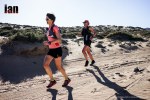
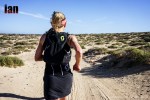
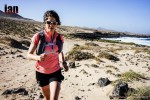
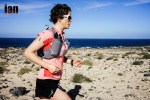
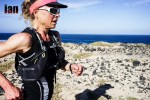
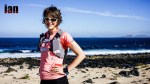
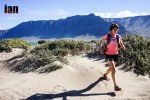
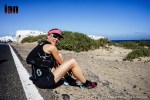
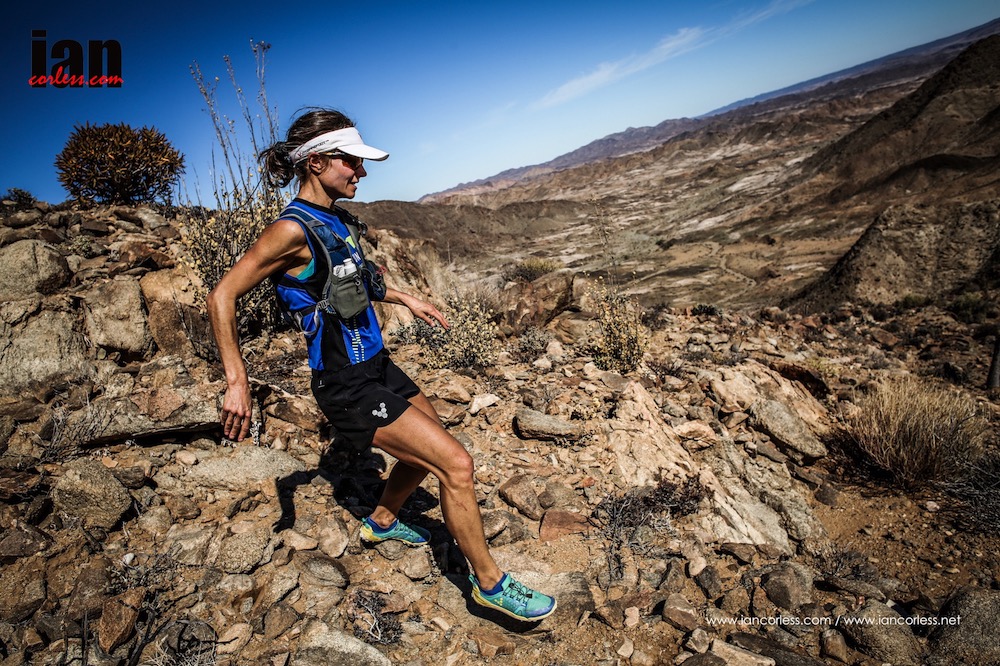
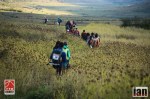
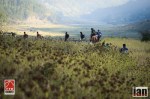
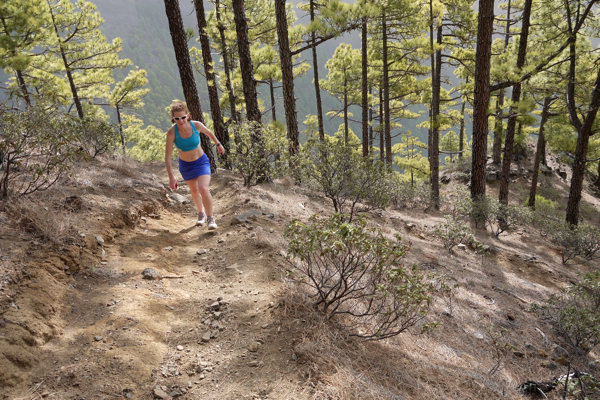
Coaching one of the groups provided me with one of the most insightful weeks on leadership, mentoring and providing feedback. How do you support and develop each participant in the group giving them the self-confidence to learn and grow? This is where leading from behind comes in. At times I would be running ahead setting the pace. Then I would slow down and run in the group egging them on to the next landmark. Other times I would drop down to the back of the pack and let them set the pace. After all isn’t it all about a balance between pushing people outside their comfort zone because you know this is what will help them have the strength to face adversity in the challenge they have set themselves? Then again you also need to be there to monitor their progress and not push them beyond their limits or dampen their enthusiasm. A fine line!

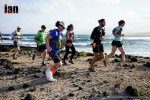
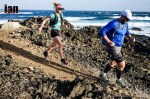
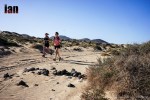
©iancorless.com_Lanzarote2016-00897

A good leader is also a good listener. Managers are advised to listen 70% and speak 30% when providing feedback. It is surprising what you learn from coachees when you listen actively. I learnt a wealth of useful information listening to each participant in my run group. Listening gave me a better understanding of the difficulties of each and everyone: ranging from juggling personal and professional commitments to finding the time to train, fitting training around consecutive business trips, adopting a healthy nutritional strategy with a demanding work schedule and business dinners, dealing with sports injuries due to increased mileage, apprehension of the unknown, fear of failure, professional stress impacting on training performance…the list is endless. But listening helped me to be specific in my advice.

“A leader takes people where they want to go. A great leader takes people where they don’t necessarily want to go, but ought to be.” — Rosalynn Carter

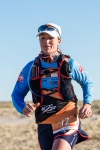
©iancorless.com_ScottVest-01561

A leader should also enhance competitiveness. Many in my group had set out with the objective of completing Marathon des Sables and getting that beautiful big shiny medal handed over to them by the race Director Patrick Bauer, ticking MDS off on their bucket-list of ultra-running achievements and adding it to their run CV. I know the runners in my group will cross that finish line but I also know that they can achieve much more. They showed that tenacity, grit and determination in training that will take them to the finish line at MDS.

“The final test of a leader is that he leaves behind him in other men, the conviction and the will to carry on.” – Walter Lippman

And so my final message to my coachees after a week of learning from them about leadership, mentoring and providing feedback is:

“I won’t be there with you at the start-line although I’d love to be but I will be be tracking your progress live on-line and living every minute of the MDS experience with you.” – Niandi


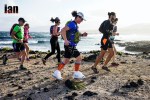
©iancorless.com_Lanza2016-05055

If you would like to join our 2017 Multi-Day Training Camp, please go HERE

View images from 2016 HERE

View daily images and summaries from 2016 HERE

Lanzarote Multi-Day Training Camp 2016 – Day 5

©iancorless.com_Lanza2016-03269

It was day 5 of the Lanzarote 2016 multi-day training camp and what a day…

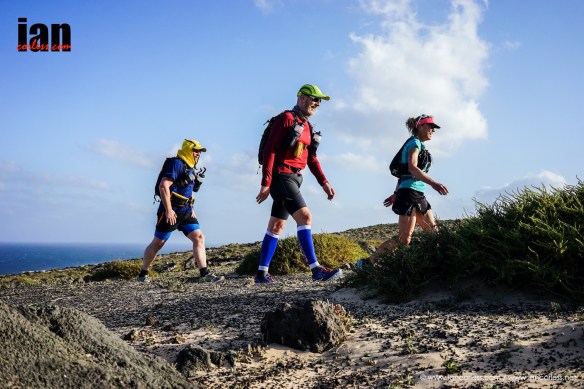
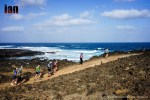
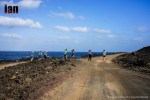
Leaving the resort at 0830, three groups covered 4-hours to 5hours 30-minutes on the challenging trails of Lanzarote in three groups: walking, walk/ running and running.

It was a tough day, the clouds cleared, the sky came a deep blue and the heat started to slowly rise but all the time it was masked by the ever present winds coming from Morocco.

©iancorless.com_Lanza2016-03389

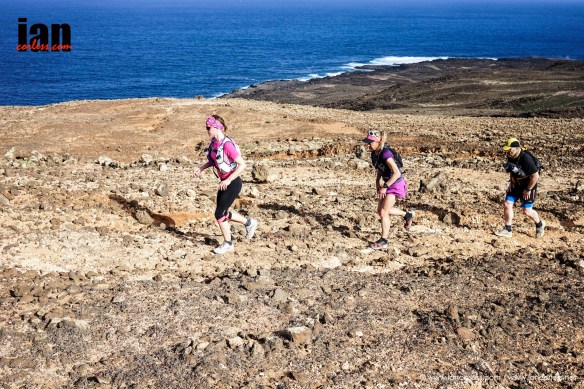
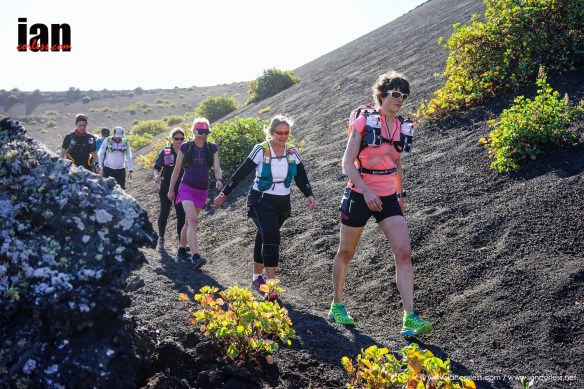
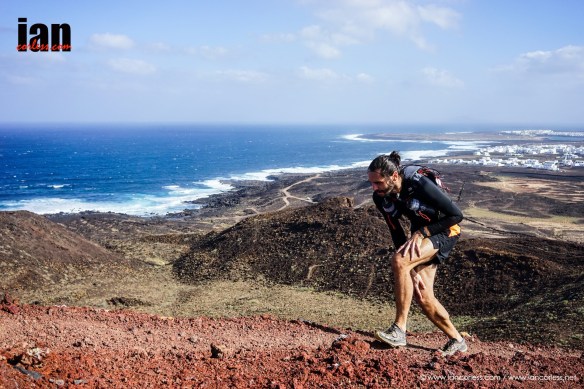
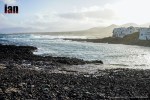
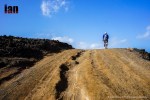
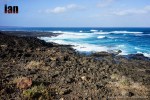
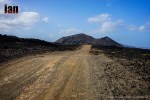
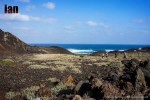
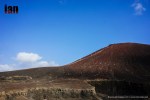
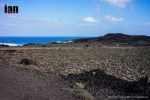
Starting at Club La Santa, the groups moved along the coastline, moved inland to Soo and then re-navigated back to the coast and the village of La Santa before heading out on new coastline. Lanzarote’s mixed terrain provides the perfect environment for a multi-day camp and today, camp attendees enjoyed a real mix os sandy access roads, volcano trails, climbing, coasteering, volcano climbing and then out-and-out technical dried lava.

©iancorless.com_Lanza2016-03566

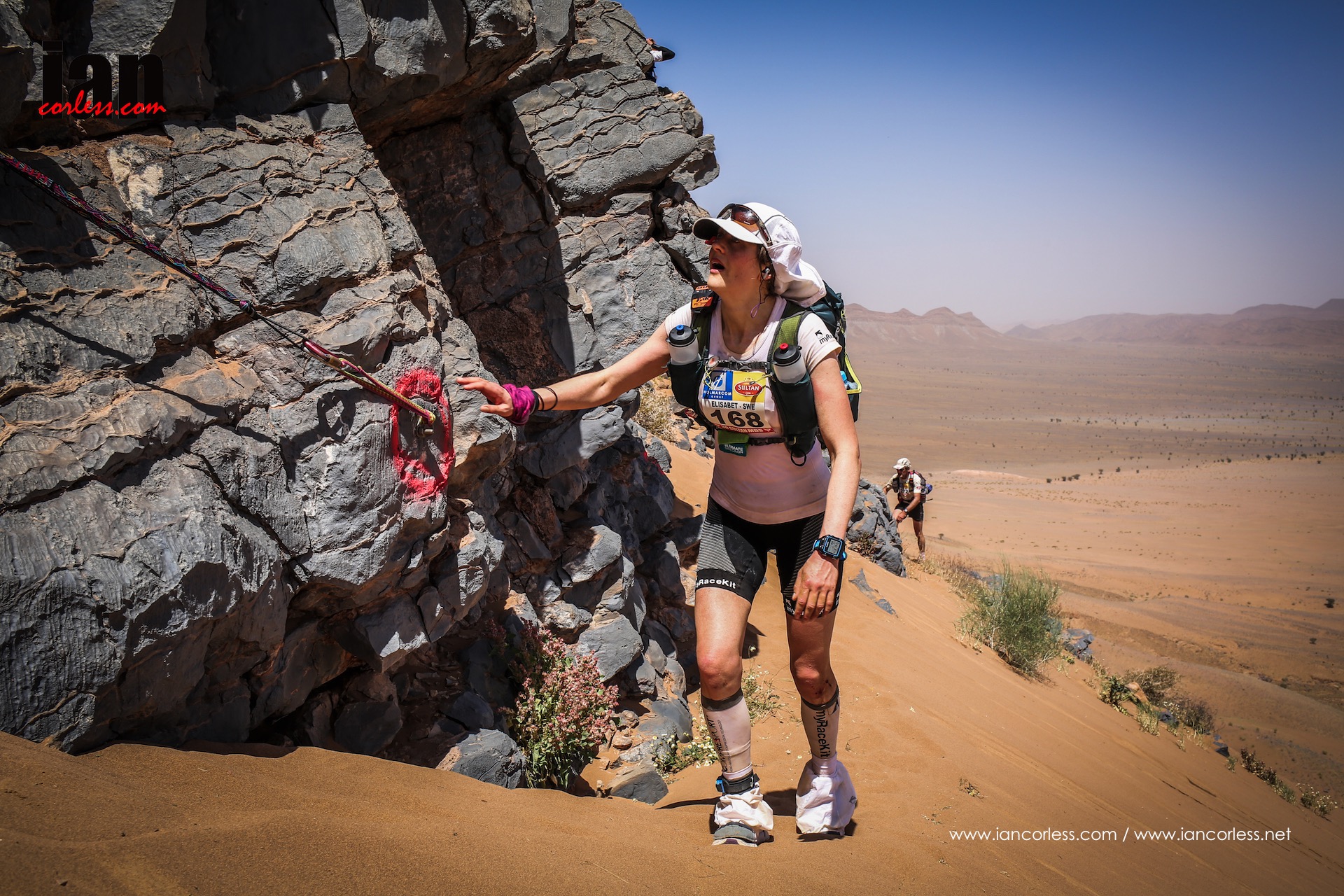
Elisabet Barnes from MyRaceKit and sponsored Raidlight athlete guided the ‘fast’ group over 5-hours and 15-minutes and although it’s her first time on the Canarian island, she is taken back by its unique beauty and its specific trails.

©iancorless.com_Lanza2016-03779

“Lanzarote is just amazing. The climate and the trails are just perfect for Marathon des Sables training. La Santa and the surrounding area manages to throw everything at you that you will experience in a typical edition of the iconic Moroccan race, even down to the strong winds, variable heat and especially the mixed terrain. Soft sand, stoney ground, hard trails, tough climbs and beautiful views; what more could you ask for?”

Like any training camp, mixed abilities are catered for and Niandi Carmont has guided a run/ walk group and Marie-Paule Pierson (who recently competed Atacama) has guided and paced the walkers.

©iancorless.com_Lanza2016-03960

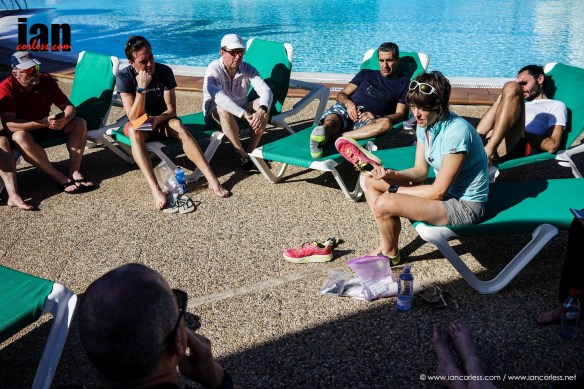
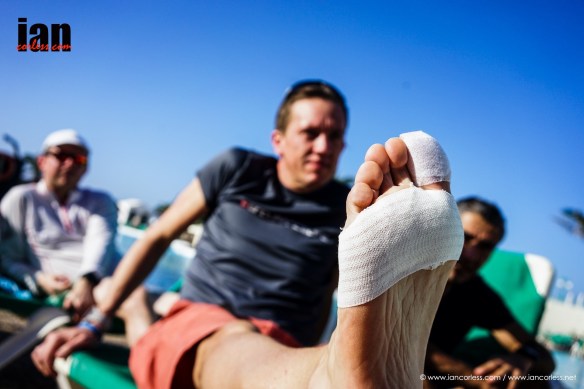
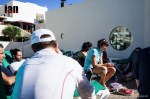
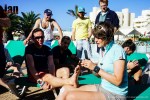
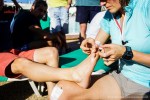
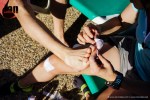
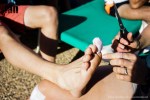
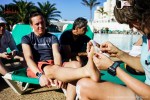
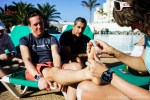
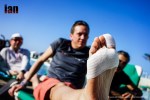
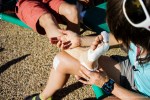
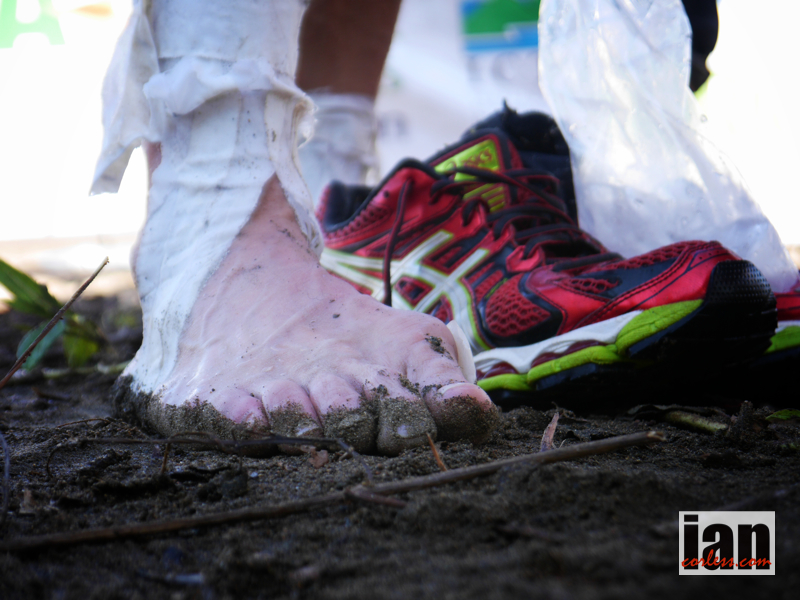
After a midday break, the afternoon had a foot care seminar hosted by Elisabet Barnes where she clearly explained the pros and cons of specific foot treatments and she also provided some very clear and highly informative ‘taping’ workshops.

©iancorless.com_Lanza2016-04120

Tomorrow is another long day with a 2-hour run at 0700, a seminar late morning and then in the afternoon a 2 to 3-hour run will be followed with an overnight bivouac.

If you would like to join our 2017 training camp, please go HERE.

Many thanks to Raidlight, OMM, inov-8, Scott Running, Berghaus, PHD and MyRaceKit of the support of this camp.

Lanzarote Multi-Day Training Camp 2016 – Day 1

©iancorless.com_Lanzarote2016-00826

Day 1 in Lanzarote for the 2016 multi-day training camp. It’s all about scouting courses, checking out terrain and looking for some specific routes that will put our 26 clients through their paces that will help simulate classic multi-day races like Marathon des Sables, Atacama, The Coastal Challenge and more…

MDS 2015 champion, Elisabet Barnes is here and just recently she has secured a three year sponsorship deal with Raidlight. Lanzarote is not only an opportunity to test new Raidlight apparel and packs but also to train and pass on Elisabet’s experience to those who may well be undertaking a multi-day race for the first time.

Our other coaches, Niandi Carmont and Marie-Paule Pierson will also be passing on their own wisdom from their own multi-day experiences. Niandi in particular has been racing ultras for approximately 20-years, anything from 50k, 100k, 100-miles and of course multi-day races such as Marathon des Sables and The Coastal Challenge,

Our clients arrive tomorrow, Thursday. It will be a settle in day with an easy run late afternoon and then all the action starts on Friday with a coastal run that includes mixed terrain, soft sand, some scrambling and of course great weather and great views.

Thanks to OMM, inov-8, Scott Running, Raidlight, Berghaus and PHD of the support on this camp.

Episode 100 – Elisabet Barnes and Anna Comet

A_GRAVATAR

This is Episode 100 of Talk Ultra. Yes, episode 100! We speak with multi-day expert Elisabet Barnes about her recent victory at Oman Desert Marathon and plans for 2016. We also speak to Anna Comet Pascual who won the Everest Trail Race in 2014 and just recently in 2015 and in addition made a huge impression on the 2015 Skyrunning calendar. Niandi talks cycling in Talk Training and Speedgoat is back!

100 episodes! wow

“100 episode is not that far….!” you gotta say it Speedgoat!

00:01:30 Show Start

00:20:16 NEWS

Help Nepal – Nepal images ‘FACES of NEPAL’ – order a print and all funds donated to Nepal charities HERE

TRAINING CAMP in Lanzarote with Elisabet Barnes 28th Jan to Feb 4th HERE

iancorless.com 2016 Calendar, not many left! HERE


JFK 50

1 – Jim Walmsley 5:47

2 – Graham Peck 5:49

3 – Robert Bond 5:58

1 – Sarah Bard 6:31

2 – Lorraine Young 7:16

3 – Lauri Dymond 7:27

EVEREST TRAIL RACE

1 – Anna Comet 25:44

2 – Jo Meek 27:20

3 – Julia Boettger 28:42

1 – Bhim Gurung 20:24

2 – Roger Vilardeli 22:54

3 – Joan Esparto 24:31

SALOMON SKYRUN SA 

1 – Bruce Arnett 13:56

2 – Pedro DeLa Barca, AJ Calitz and Christian Grayling all 2nd 14:57

1 – Landie Grayling 18:05

2 – Misty Weyers 21:36

3 – Riana van der Merwe 26:16

TUNNEL HILL 100-Mile

Notable result here as Mike Bialick ran a super fast 12:52 coming very close to Ian Sharman’s 12:44 at Rocky Raccoon. Needless to say, no other runners came close to Mike and we plan to catch up with him for the next show!

CHIMERA 100

Nikki Kimball got herself another 100-mile victory in 23:19 and Mark Hammond won for the men in 18:59.

OMAN DESERT MARATHON

1 – Rachid El Morabity 13:19

2 – Evgini Giyva 13:53

3 – Sami Alsaidi 14:15

1 – Elisabet Barnes 18:37

2 – Aziza Alraji 20;32

3 – Silvia Amodio 22:46

00:34:10 INTERVIEW with ELISABETH BARNES

01:09:09 TALK TRAINING this week Niandi Carmont tells us about how she has included cycling in her training. Read Cycling for Runners HERE

01:36:30 INTERVIEW with ANNA COMET 

UP & COMING RACES

Australia

New South Wales

Coast to Kosciuszko | 240 kilometers | December 11, 2015 | website

Tasmania

Bruny Island Ultra Marathon | 64 kilometers | December 05, 2015 | website

Victoria

Alpine Challenge 100 km | 100 kilometers | November 28, 2015 | website

Alpine Challenge 100 Mile | 100 miles | November 28, 2015 | website

Alpine Challenge 60 km | 60 kilometers | November 28, 2015 | website

Brazil

Desafio das Serras 80 km | 80 kilometers | November 28, 2015 | website

Burkina Faso

Ultra AFRICA Race | 213 kilometers | December 04, 2015 | website

Cambodia

The Ancient Khmer Path | 220 kilometers | November 27, 2015 | website

Cape Verde

Boavista Salt Marathon | 71 kilometers | December 05, 2015 | website

Boavista Ultramarathon – 150 km | 150 kilometers | December 05, 2015 | website

Colombia

Del Mar a la Cima – 60 km | 60 kilometers | December 06, 2015 | website

France

Côtes-d’Armor

Le Grand Menestrail | 53 kilometers | December 06, 2015 | website

Haute-Garonne

Trail Toulouse Métropole | 50 kilometers | November 29, 2015 | website

Loire

La Saintélyon | 72 kilometers | December 06, 2015 | website

Seine-et-Marne

Trail du Tour du Canton – 82 km | 82 kilometers | December 05, 2015 | website

Germany

Lower Saxony

  1. Lauf PSV Winterlaufserie 100 KM| 100 kilometers | November 28, 2015 | website
  2. Lauf PSV Winterlaufserie 50 KM| 50 kilometers | November 28, 2015 | website
  3. Lauf PSV Winterlaufserie 100 KM| 100 kilometers | December 05, 2015 | website
  4. Lauf PSV Winterlaufserie 50 KM| 50 kilometers | December 05, 2015 | website
  5. Lauf PSV Winterlaufserie 100 KM| 100 kilometers | December 06, 2015 | website
  6. Lauf PSV Winterlaufserie 50 KM| 50 kilometers | December 06, 2015 | website

Rhineland-Palatinate

Kleiner KoBoLT | 106 kilometers | December 05, 2015 | website

KoBoLT | 140 kilometers | December 05, 2015 | website

Ghana

Runathlon 50km Ultramarathon | 50 kilometers | November 28, 2015 | website

Runathlon 50km Ultramarathon | 50 kilometers | November 28, 2015 | website

Runathlon 50km Ultramarathon | 50 kilometers | November 28, 2015 | website

Greece

Feat in the Footsteps of Minos | 70 kilometers | November 29, 2015 | website

India

Tamil Nadu

Nilgiris 100 km Men-Only Ultra | 100 kilometers | December 05, 2015 | website

Nilgiris 100 km Women-Only Ultra | 100 kilometers | December 06, 2015 | website

Nilgiris 50 km Men-Only Ultra | 50 kilometers | December 05, 2015 | website

Nilgiris 50 km Women-Only Ultra | 50 kilometers | December 06, 2015 | website

Italy

Emilia-Romagna

Trail del Cinghiale | 60 kilometers | November 28, 2015 | website

Malaysia

Putrajaya 100 km | 100 kilometers | November 28, 2015 | website

Putrajaya 100 Miles | 100 miles | November 28, 2015 | website

Putrajaya 52 km | 52 kilometers | November 28, 2015 | website

Putrajaya 78 km | 78 kilometers | November 28, 2015 | website

Namibia

100 km of Namib Desert | 100 kilometers | November 29, 2015 | website

New Zealand

Kepler Challenge Mountain Run | 60 kilometers | December 05, 2015 | website

Réunion

Mafate Trail Tour | 65 kilometers | November 28, 2015 | website

Spain

Andalusia

Ultra Trail Sierra Norte 105 km | 105 kilometers | November 28, 2015 | website

Catalonia

Marató de Muntanya l’Ardenya 63 km | 63 kilometers | December 05, 2015 | website

Marató de Muntanya l’Ardenya 63 km | 63 kilometers | December 05, 2015 | website

United Kingdom

Dorset

Coastal Trail Series – Dorset – Ultra | 34 miles | December 05, 2015 | website

Kent

Gatliff 50 km | 50 kilometers | November 29, 2015 | website

USA

Arizona

McDowell Mountain Frenzy 50K | 50 kilometers | December 05, 2015 | website

Solemates’ Thanksgiving Tryptophun Rhun 100 Miler | 100 miles | November 28, 2015 | website

California

Calero Park 50K Run | 50 kilometers | December 05, 2015 | website

High Desert 50K Ultramarathon | 50 kilometers | December 06, 2015 | website

Santa Barbara Red Rock 50 Mile | 50 miles | November 29, 2015 | website

The North Face Endurance Challenge California 50K | 50 kilometers | December 05, 2015 | website

The North Face Endurance Challenge California 50 Mile | 50 miles | December 05, 2015 | website

Florida

Caloosahatchee Ultra 50K | 50 kilometers | December 05, 2015 | website

The Guana River 50K Trail Run | 50 kilometers | December 06, 2015 | website

Georgia

Pine Mountain 40 | 40 miles | December 06, 2015 | website

Illinois

Arctic Frog 50K | 50 kilometers | December 05, 2015 | website

Iowa

Hitchcock Hundred 100 Miler | 100 miles | December 05, 2015 | website

Hitchcock Hundred 50 Miler | 50 miles | December 05, 2015 | website

Louisiana

Big Dog Trail Run 50 K | 50 kilometers | November 28, 2015 | website

Massachusetts

TARC Fells Trail Ultra 32M | 32 miles | December 05, 2015 | website

TARC Fells Trail Ultra 40M | 40 miles | December 05, 2015 | website

North Carolina

Derby 50k Ultra Run | 50 kilometers | November 28, 2015 | website

Oregon

Civil War Relay | 52 miles | December 06, 2015 | website

South Carolina

Last Chance 50k Trail Run and Relay | 50 kilometers | December 05, 2015 | website

Texas

Isle du Bois 54 km Trail Run | 54 kilometers | December 05, 2015 | website

Utah

Team Relay | 50 miles | December 05, 2015 | website

Washington

Ghost of Seattle 50K | 50 kilometers | November 28, 2015 | website

01:56:38 CLOSE


02:01:29

ITunes http://itunes.apple.com/gb/podcast/talk-ultra/id497318073

Libsyn – feed://talkultra.libsyn.com/rss

Website – talkultra.com

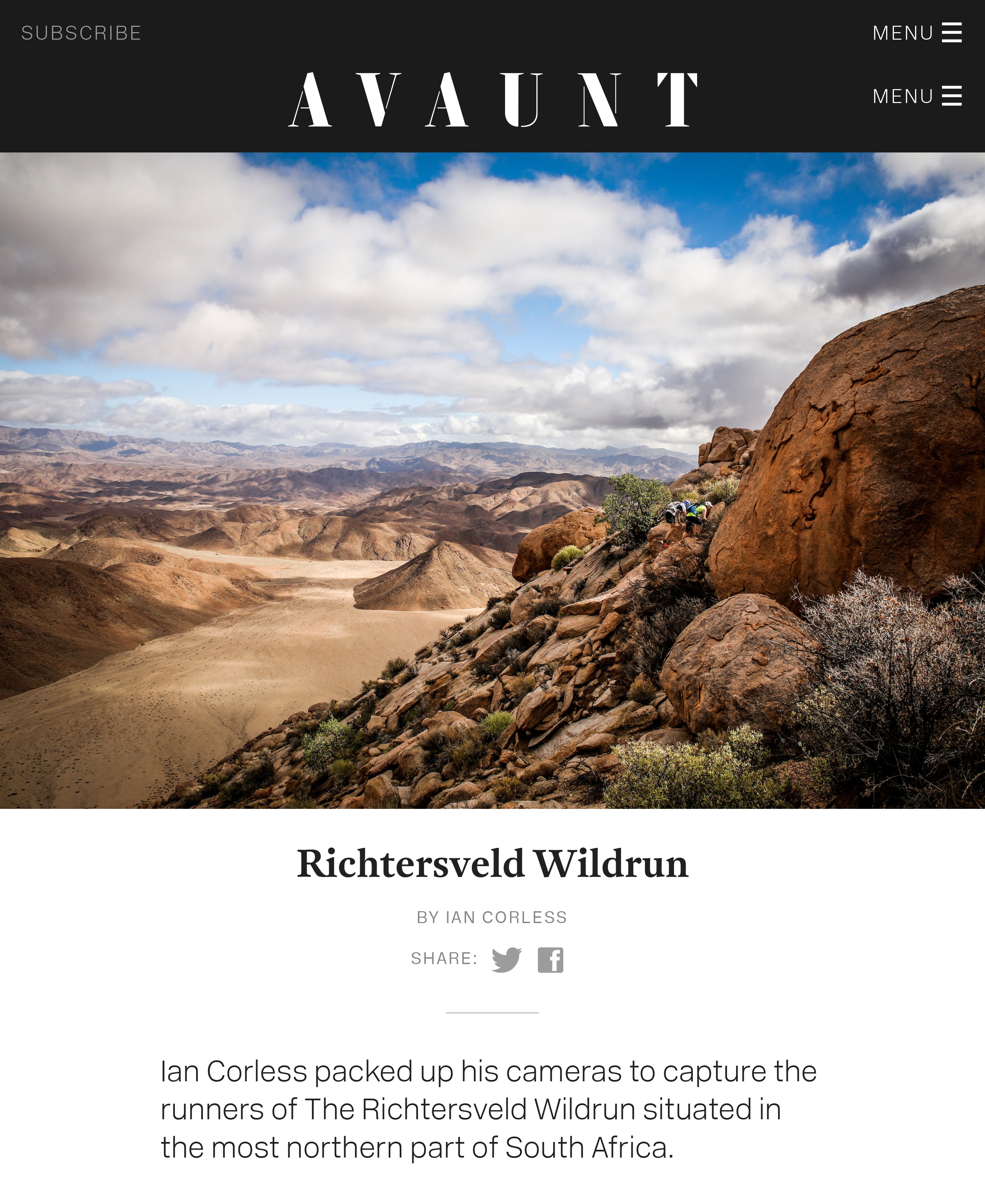
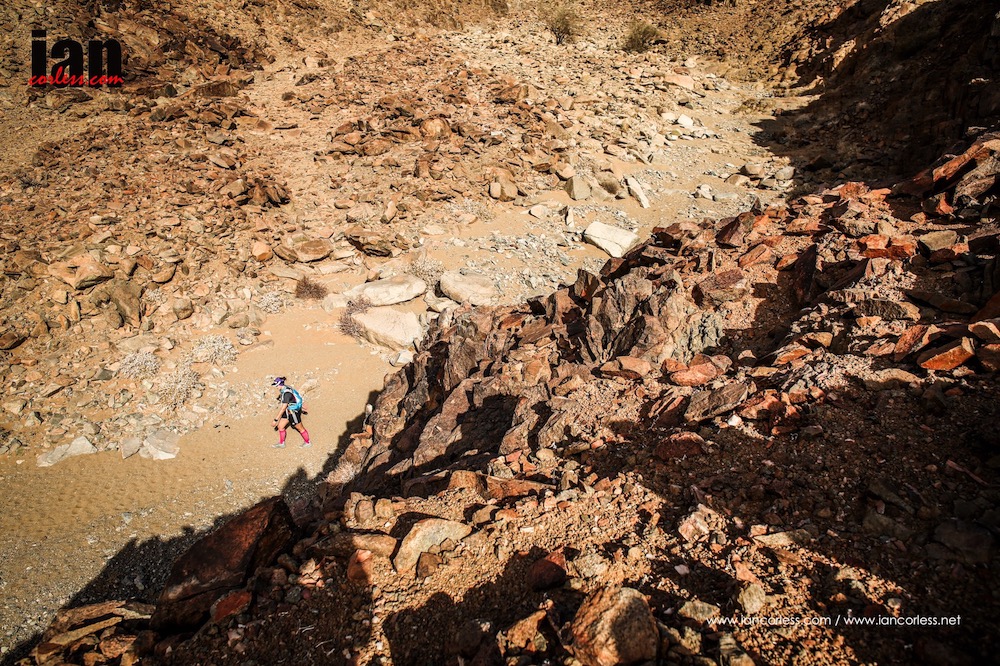
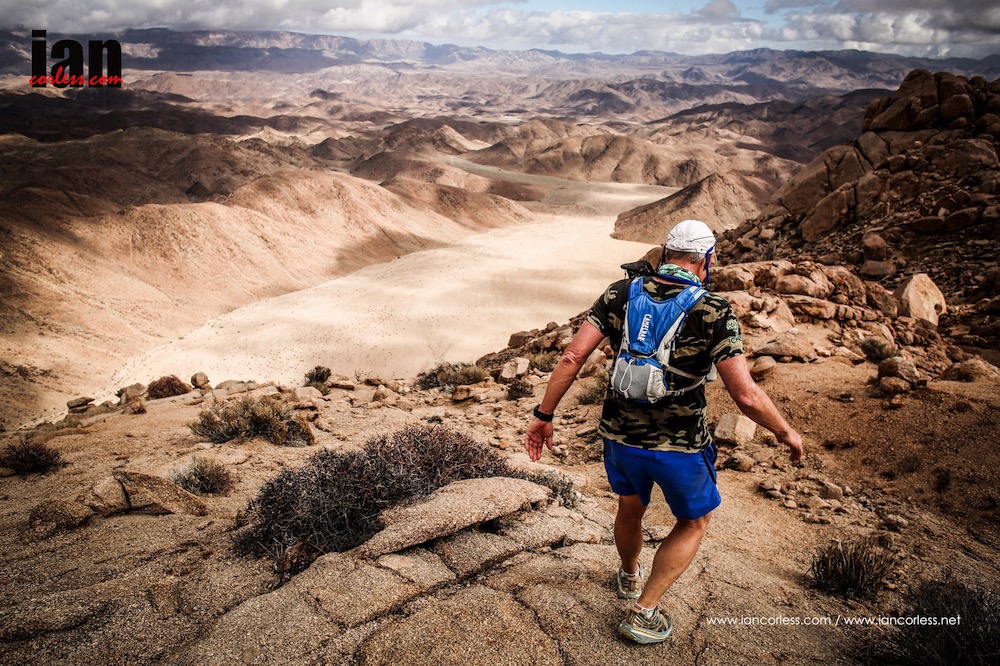
Richtersveld Transfrontier Wildrun™ 2016

©iancorless.com_RichtersveldRaceDay42015-1791

I am fortunate to travel to many races and work as a photographer and journalist. In 2015, I traveled to South Africa with Nikki Kimball and Olympic rower, James Cracknell for the Richtersveld Wildrun.

It was an incredible experience and I have to say, a highlight of my year. I recently wrote in an online article for AVAUNT Magazine (HERE):

“The simple act of running, placing one foot in-front of the other as a method of transport takes us back to our roots, our basic instincts. In search of a place to sleep, to hunt for food; it is about being in the wild, surviving and fulfilling a primal need.”

Richtersveld Wildrun | Avaunt Magazine-1

In 2016, the race goes one step further and becomes ‘Transfrontier.’ The race will now pass over the Orange River and in to Namibia.

After two years the Richtersveld Wildrun™ has become known as one of the toughest, most scenic and unique trail running stage race events on the South African trail running calendar. In 2016 however, this iconic event takes on a new shape to become the first cross-border trail running event in the world; extending to a linear 200km, five day crossing from South Africa to Namibia through the heart of the /Ai/Ais-Richtersveld Transfrontier Park.

“We are absolutely thrilled to have unlocked a truly unique opportunity to experience both sides of such a unique and powerful place  – and to finish a long day at a natural hot springs in the middle of the wilderness is unbelievable!”said Owen Middleton, MD of Wildrunner, the events company behind the Wildrun™ events.

The new route will maintain the best of the first three days of the original edition, including the Vyf Susters, Hellskloof Pass, Armmanshoek, the Tswayisberge, Springbokvlakte and the iconic Tatasberg boulders. On day 4, the route will veer of its original course and cross the Orange River at De Hoop into Namibia and the untouched southern section of the Fish River Canyon. This 50km day will take runners into a wilderness that is completely inaccessible by vehicle and rich in wildlife such as Hartmann’s mountain zebra, kudu, gemsbok, springbok, Namibian wild horses and giraffe.

©iancorless.com_RichtersveldRaceDay32015-0853After a long, tough day, runners will spend the evening in the canyon at a natural hot spring, before taking on the final day of roughly 25km to finish at the /Ai-/Ais Hot Springs Resort and wrap up a powerful and truly unique experience.

Race dates are 13-17 June 2016 and entries open midday October 21st

International entries HERE

European entries HERE

The overall race distance for 2016 will be 200km and the daily distances will be – 36.3km + 32.1km + 34km + 48.3km + 21.3km.

Terrain is very mixed, varied and stunning and requires adaptation to sandy terrain, heat, climbing, remoteness and an ability to run with a GPS.

Need help with training, join my 2016 multi-day training camp in Lanzarote.

Details are HERE

Multi-Day Camp Image

Roland Vorwerk, marketing manager of Boundless Southern Africa, one of the driving forces behind the success of the event, said they are very happy to support this new cross-border trail running event.

“This new route contains even more highlights than the original Richtersveld Wildrun™, and promises to give participants a challenging but spectacular trail running experience.”

©iancorless.com_RichtersveldRaceDay32015-0449

If you need inspiration, check out the film from 2015 below.

You can also view photo galleries HERE


If you would like more information please use the form below or use the above links.

← Back

Thank you for your response. ✨

Warning
Warning
Warning
Warning

Warning.

BIG RED RUN Australia June 2016 – Entries Open

OKane-5733150628©2013

Marathon des Sables celebrated 30-years in 2015. An amazing achievement. Just think about it, multi-day racing has been in existence for so many years. It’s a sign of how ultra running and the challenge of testing oneself over long distances and over multiple days is so appealing.

Racing is a word I like to use in a very casual way when I talk about ultra running. After all, only a very few runners can really race an ultra. The real story often is those who test and push themselves to see what is possible, to push a boundary, to achieve something that they thought impossible is what captivates me. Don’t get me wrong, I marvel at the front of the race but I can often feel a little removed from the supreme efforts.

Over recent years, multi-day racing has boomed due to several key factors:

  • It’s an opportunity to travel
  • It’s an opportunity to push boundaries
  • It may well be a once in a lifetime experience
  • It allows you to escape back to our primitive roots of survival and escape a material world
  • It affords an incredible opportunity to socialize with like minded people and create special bonds
  • You get memories that will last a lifetime

Imagine finding all of the above in Australia?

BJB_150702-405

The Big Red Run is the brainchild of Greg Donovan, a runner who ran the 4 Deserts and then decided he needed a 5th, back home, in Oz.

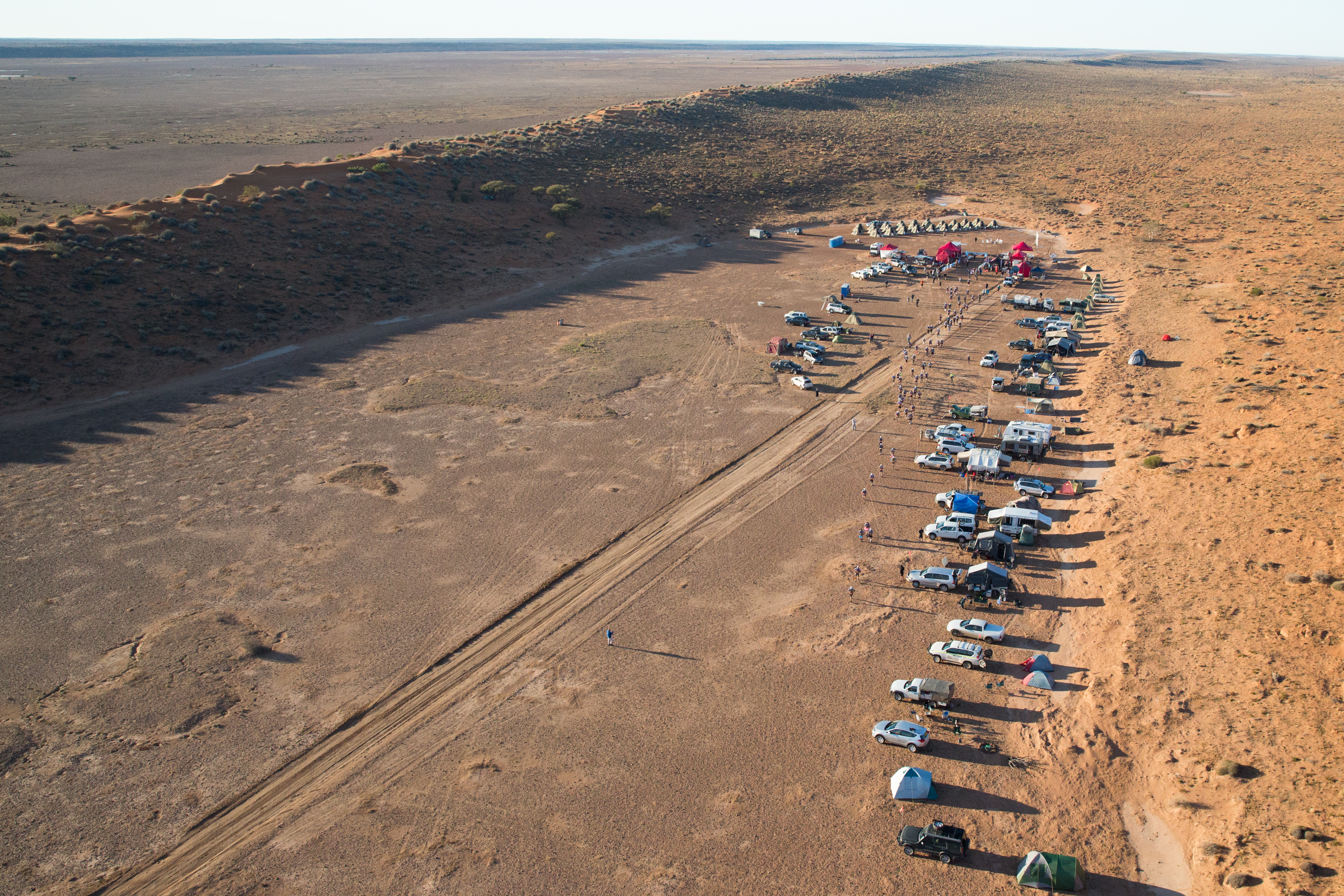
Taking on the classic multi-day racing format created by Marathon des Sables, runners at the Big Red Run will travel through the Simpson Desert on mainly untracked paths but gear is transported to each night’s camp allowing you travel each day without the burden of a heavy pack.

OKane-9785150628©2013

Sleeping in tented accommodation for the entire race, the week is topped and tailed with accommodation at the Birsdville Caravan Park or Sports Hall.

Mixing sand dunes, gibber plains, salt lakes, clay flats and several station tracks, the Big Red Run is a true adventure. Camp will be near Big Red for the first 2 nights and on a gibber plain in a dune amphitheater for the next 2 nights. The final camp after the long day is on the Diamantina River just outside of Birdsville.

BJB_150630-178

Covering the classic distance of 250km in 6-stages the race is a great adventure into the Australian outback. 5 marathons and a long day of 84.39km make up the total distance for the race and if that is too much, a shorter race of 150km is available; The Little Red Run.

As with any race, the after party is a key element. Here in Oz they celebrate properly with a concert. Yes, runners gain entry into the ‘Birdsville Big Red Bash Music Festival’ that coincides with the end of the race.

Attracting a global audience, the Big Red Run in 2016 is inviting past winners to rejoin the race and to increase the competition, 2015 Marathon des Sables ladies champion, Elisabet Barnes will toe the line.

©iancorless.com_MDS2015_1

Entries for this unique experience opened on the 16th September 2015 and places are limited.

I caught up with Greg Donovan, the Big Red Run race organizer in a one-to-one interview to find out about him, his history and of course the Big Red Run – Listen HERE

podcast logo

Elisabet Barnes needs no introduction to a worldwide or UK audience, her rise in the sport in the past 12-months has been quite incredible. Speaking about the Big Red Run she said:

“I am really excited to be taking part in the Big Red Run. It will be my first time in Australia and getting the opportunity to experience it through a multi-stage desert race is just fantastic. Greg Donovan, the race director, has extensive experience from other multi-stage races around the world and he has created a truly unique event, aiming to offer the best possible experience to the participants. Having heard the feedback from previous entrants I can’t wait to head out to the Simpson Desert!”

Elisabet Barnes at the 2015 Marathon des Sables

Elisabet Barnes at the 2015 Marathon des Sables

In conjunction with Elisabet, iancorless.com is running a multi-day desert training camp in late January that will provide a perfect opportunity to gain information and train specifically for a desert race such as Marathon des Sables or Big Red Run – Details HERE

Big Red Run logo

Entries close on May 5th for the Big Red Run and all entrants who enter before January 16th will obtain an early bird discount.

Entry details are as follows:

Be sure to get in early and take advantage of the early bird specials outlined below which apply to both Australian and overseas participants!

All competitors and volunteers receive free tickets to the Birdsville Big Red Bash music festival on 5th and 6th July valued at over $300! Festival details to follow in late 2015.

Payment Installments

Register by 31st October 2015 Deposit $500 Balance8th April
Register 1st November 2015 to 16th January 2016 Deposit $1000 Balance 8th April*
Register 17th January 2016 onwards Full entry fee payable  on registration
ENTRIES CLOSE 15TH MAY 2016

* Balance of entry fees will be invoiced and payable by 8th April 2016. Entry fees can be paid by direct transfer or credit card. Credit card payment will incur a 2.5% surcharge.

Early Bird Offers

For all entrants who register BEFORE 16th January 2016

Early Bird extras include

  • $100 entry fee discount
  • Helicopter flight voucher valued at $60
  • Big Red Run fleece valued at $60
  • Big Red Run casual T Shirt valued at $40

Total Early bird extras valued at $260. Early bird packs will be sent by 29th February 2016.

UK and European entrants can find out key information HERE. Pricing is as follows:

Overseas Fundraiser: AUD $2,850
Overseas Non Fundraiser: AUD $3,200

Please use the contact form below to express an interest in the race or book a place.

← Back

Thank you for your response. ✨

Warning
Warning
Warning
Warning

Warning.

All images ©alisonstepens / ©bigredrun

Everest Trail Race #ETR2014 – Travel to Jiri

©iancorless.com_Nepal2014-8376

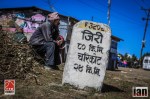
Departing in five 16-seater mini buses, participants of the Everest Trail Race made the long, twisty and at times stressful journey from Kathmandu to Jiri for the start of the 2014 edition. It’s a rollercoaster journey up single -rack roads, a frenetic and constant beeping of horns and a multitude of bends that would leave the most hardened rollercoaster freak with a turning tummy.

Our lunch stop at Karidunga was a welcome break from the journey. While runners found a space and enjoyed the view of the Himalayas, off into the distance I walked looking for some local colour. You never have to go far, Ladies working in fields, men weaving basket wear and children playing; all have wonderful smiles.

They seem to embrace tourists and actually seem to enjoy the process of having a photo taken. Off course it’s all the more appealing if they receive a ‘token’ for their efforts…

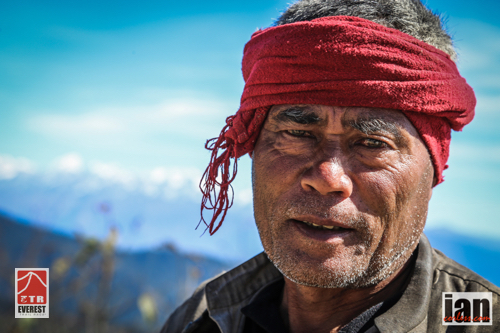
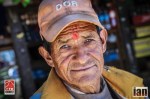
Weathered faces show the lines from years of toil from harvesting crops. Children have round faces, wonderful colour and piercing eyes and a cheeky smile. In all honesty, I could photograph these people all day. They fascinate me.

Back on the buss the toing and froing continued and finally our arrival at Jiri came. We had been on the road 8-hours and the glow of our yellow TNF tents glowing as the day began to loose its light was more than a welcome sight.

Water collection, tent allocation and final preparations underway for tomorrows race day. A mug of hot tea warms as the departing of the sun takes the heat away and the temperature slowly drops… little by little venturing to zero and then suddenly it drops below. ‘Don’t worry’ Pasang Sherpa says, ‘it will only be -3 tonight.’


Day 1 commences at 0900 Thursday 13th November.

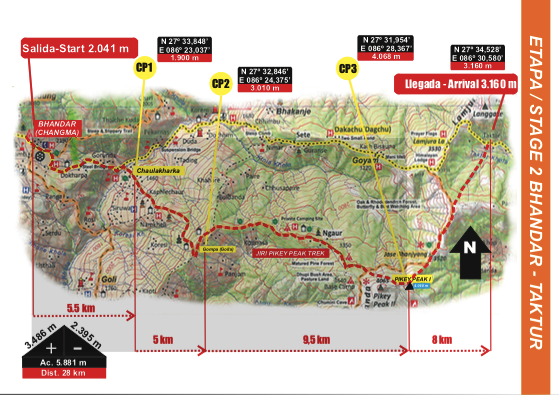
ETR Stg1

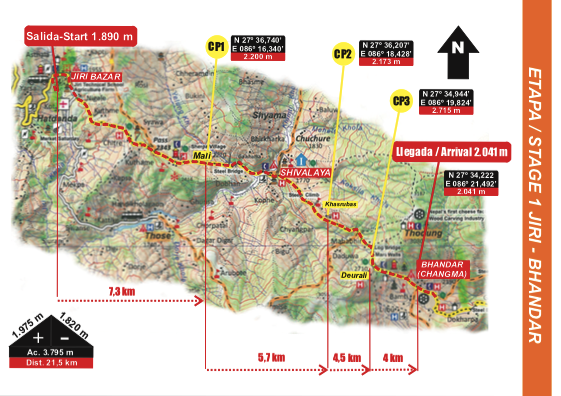
Jiri (1850m) to Bhandar (2050m) – 21.5km 3795m+

The stage has two summits, one at 2400m and the high point of the day at Deurali Pass 2700m before descending to the finish at Bhandar.

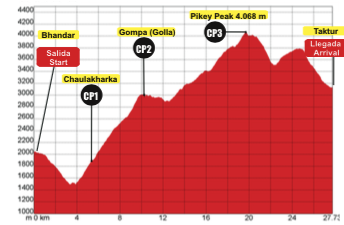
Day 2 Preview:

ETR Stg2

ETR Stg2 Profile


Marathon des Sables, 29th Edition, Race Preview

MDS Logo

It begins again, the Marathon des Sables! Now in its 29th year, the epic multiday race in the Sahara is considered by many the Father of stage racing. Often called ‘The Toughest Race on Earth’ we all know that it isn’t but one thing is for sure… it’s no walk in the park.

all images ©iancorless.com – all rights reserved

iancorless.comP1030603Heat, sand, survival, reduced calories and self sufficiency pushed to the limits will test each and everyone of the 1079 participants who will toe the line in South Morocco.

iancorless.comP1080964

 Participants from France will represent 30% of the field and over 45 other nations make up the remaining 70% with the UK providing the largest contingent. The provinces of Errachidia and Tinghrir will host the 2014 Marathon des Sables over 6-stages with a total distance of 250km’s. An easy day will be 30km and the longest day, 75km. It’s a wonderful way, albeit a tough and challenging way to embrace the Moroccan dessert.

iancorless.com_1090422

The 2013 edition of the race was noted as ‘one of the toughest’ in the races prestigious history, 2014 will be no different; traversing ergs, djebels, stony plateaus, dried-up lakes (wadis) and of course lush oasis. Occasional passing traditional villages and encampments of nomads, the 29th edition of the Marathon des Sables promises to be a ‘secret garden’ of the Sahara.

iancorless.comP1090053

Described by race founder, Patrick Bauer as ‘the greatest show on earth’, his comparisons to a circus are apt. The Marathon des Sables really is a large circus like operation on a scale that is second to none. Volunteers number 130 to supervise the race, 430-general staff support the race and 300-local Berbers man the bivouac. All-terrain vehicles number 120, 8 ‘MDS’ planes, 25-buses, 4-dromederies, 1-incinerator lorry, 5-quad bikes and 2-helicopters keep the show on the road. Add to this 52-medical staff, journalists, photographers and you really have what I have come to call, the ‘Cirque de Sahara’, it’s quite special.

 iancorless.com_1090777

A race with a history, the Marathon des Sables dates back to 1984 when Patrick Bauer, aged 28, ventured into the Sahara to traverse solo a 350km journey with a pack weighing 35kg. It was an ultimate self-sufficient expedition that lasted 12-days.

 iancorless.com_1090790

Inspired by the experience, in 1986 the first edition was created, just 23-pioneers embarked on what must have been ‘the ultimate’ expedition. Who would have thought those formative years would have laid the foundations for what is, without question, the father of multiple day racing. The race has had memorable moments; in ‘1991’ the Gulf drama had an impact on the race, ‘1994’ the arrival of Doc Trotters, ‘1995’ the 10th anniversary, ‘1996’ Mohamed Ahansal participates for the first time, ‘1997’ Lahcen Ahansal wins his first MDS one of many),  ‘2000’ internet arrives in the Sahara, ‘2001’ the ‘long’ day exceeds 70km, ‘2002’ a week of sandstorms and wind, ‘2009’ flooding at the MDS, ‘2010’ the 25th edition and finally, in ‘2013’, solar energy arrives in bivouac. What does ‘2014’ hold for us…?

iancorless.com_1090603

Results recap

2013

  1. 1. Mohamad Ahansal (MAR) 18:59:35
  2. 2. Salameh Al Aqra (JOR) 00:41:40 deficit
  3. 3. Miguel Capo Soler (ESP) 1:19:56 deficit
  1. 4. Meghan Hicks (USA) 24:42:01
  2. 5. Joanna Meek (UK) 00:00:59 deficit
  3. 6. Zoe Salt (UK) 02:21:57 deficit

iancorless.com_1090587

2014 Preview

Ladies

2013 female winner, Meghan Hicks unfortunately will not return to the Sahara this year. Meghan would have loved nothing more than to defend her title, however, Meghan has received an injury and has had no other option but to retire; a real shame.

Laurence Klein

Laurence Klein

Jo Meek and Zoe Salt will not return, this leaves the floodgates open for 2011 and 2012 champion, Laurence Klein (Fra) to return and dominate the race. Laurence dropped from the 2013 edition of the race with dehydration whilst in the lead. I have no doubts, Laurence will return, 1-year wiser, 1-MDS wiser and with lessons learnt. Laurence raced at Gruissan Phoebus Taril 50km in February this year and won, in the process, she also placed 20th overall. She’s in form!

Nikki Kimball

Nikki Kimball

Nikki Kimball (USA) looks to be the hot US replacement for Meghan Hicks and I have no doubt that this formidable lady can push Laurence all the way to the line. It’s a showdown that I am really looking forward to watching unfold. Nikki returned to Western States in 2013 and placed 2nd, she was also 2nd at Run Rabbit Run 100-miler… would you like to bet against her? *UTWT entrant

Simone Kayser from Luxemburg has 3-MDS (2002, 2004 and 2005) victories and returns in 2014. With past experience, knowledge of multi-day racing and an understanding of the Sahara, Simone will also test the podium positions. However, her current form is unknown.

Men

iancorless.comP1080345

Salameh Al Aqra and Mohamad Ahansal have battled ‘royal’ in the dunes of the Sahara for years. In 2009, Ahansal won, Al Aqra was 3rd, in 2010 it was Ahansal 1st, Al Aqra 2nd, 2011 Ahansal placed 2nd and Al Aqra 3rd, 2012 Al Aqra took honours relegating Ahansal to bridesmaid, however, last year, Ahansal once again regained his crown with Al Aqra chasing the locals heals. Both return in 2014 and based on past records you have to tip Ahansal with his 5-victories and 9-second places to dominate once again.

Mohammed Ahansal

Mohamad Ahansal

iancorless.comP1080264

Salameh Al Aqra

Rachid El Moriaty won in the race in 2011 and in doing so placed Ahansal in 2nd by just 7-minutes. He’d do well to repeat that performance.

Miguel Capo Soler is arguably the hot prospect to place Mohammed and Salameh under pressure, his 2013 3rd place will without doubt have ignited a fire and a desire within him to take his performance one step further and move up one notch on the podium and if all goes well, two notches to reign supreme.

Carlos sa

Carlos sa

Carlos Sa, 4th in the 2013 edition will do all he can to infiltrate the podium and if his form is good, he may very well upset the front of the race. His 2013 season was quite spectacular, in particular, his win at Badwater a highlight and his 4th at the 2012 TNFUTMB establishes him as ‘hot’ for the podium at the 29th edition. *UTWT entrant

Miguel Heras certainly is a surprise entrant for MDS and I guess this is a significance of the *UTWT flexing its muscle and introducing runners who we would not normally see at a multi-day race. This is a good thing! However, Miguel had to withdraw from Transgrancanaria with injury issues and I am not sure currently his status? Should he race he will without doubt bring an interesting dynamic to the race. When in form, he is world class and one of the best ultra runners in the world, Miguel has proved this time and time again and is 2nd place at the 2013 TNFUTMB proves this. I hope he’s fit, firing on all cylinders and ready to bring his ‘A’ race to the Sahara.

Danny Kendall

Danny Kendall

UK hopes are in the legs and lungs of Danny Kendall. A ‘regular’ at the MDS, Danny has consistently worked hard on his training, racing strategy and in in 2013 he placed 10th overall, the best ever performance by a Brit. The podium may well be out of reach but anything higher than 9th will be something to celebrate and embrace.

Cyril Cointre also takes a *UTWT place and will be a potential force at the front of the race. Cyril placed 8th at Transgrancanaria and 11th and HK100 in the last 2-months. Will he be recovered.

Wild card may well be Abdelkader El Mouaziz who has 13 sub 2:10 marathons! He hasn’t run the MDS before and that speed may well transfer well to the dunes and terrain of the Sahara, however, one has to wonder what if? Mouaziz won London Marathon in 1999 and 2001; in addition, he also won New York in 2000 and Madrid in 1994. He may well be nowhere near his glory days but Mouaziz is an exciting addition to the 29th edition.

Who else to watch:

Christophe Le eaux

Christophe Le Seaux

Marco Olmo

Marco Olmo

Christophe Le Saux – 9th at MDS 2013

Marco Olmo – 13th at MDS 2013

Anything can happen and without doubt, 2014 will throw up some surprises and names that we have never heard of before. 2013 was no different and that is what makes this sport so exciting and exhilarating.

What does the 2014 course look like?

Leg No.1 – Sunday 6 April

We get straight to the point and attack hard with a good fifteen kilometers or so of dunes in total on this first leg. Our imagination transports us into the shoes of British explorer, Sir Wilfred Thesiger, or to the very core of superb cinema, which were a wonder to us all!

Leg No.2 – Monday 7 April

This is coloured by fields of dunettes on the mountainside and a vast reg plateau, where the marathon runners will be able to really show what they’re made of at over 16km/hr. An abandoned adobe village, a dried-up lake crossing, a small erg with some beautiful dunes, an extensive plateau of black rock, the negotiation of a remote village and a djebel climb will make up the varied menu of this long second leg, where managing ones effort will take on its full meaning.

Leg No.3 – Tuesday 8 April

After 8km of running on fair terrain, the sand will put in an appearance again prior to a djebel ascent where a fabulous erg can be perceived at the bottom of the valley. There the runners will again negotiate some high dunes to make CP2, from where they will discover an ancient town, in ruins and perched on a hill, before making the night’s bivouac.

Leg No.4 (referred to as the long leg or the 80) – Wednesday 9 / Thursday 10 April

An ultra flat plateau running along a series of dunettes will form today’s backdrop before the runners traverse a wadi and hopefully get a bird’s eye view of the desert from up high after a tough little climb of around thirty-minutes. The landscape is truly breathtaking! Once you make it to the valley, you can make out a fabulous little erg followed by vast plateaus and a succession of djebels. The images here are strikingly beautiful and herald the discovery of an impressive sandy valley. Here, a laser beam will guide runners surprised by the cover of darkness. Participants will then link onto terrain dotted with crevasses before traversing a long, winding, sandy wadi and finally the bivouac. It will be important to follow the markers!

Leg No.5 (Marathon leg) – Friday 11 April

A long plateau of black reg will lead the runners into the ‘Out of Africa’ valley before they link onto a mountainous path, which will guide them to the bottom of a deep wadi. It’s a place where a number of villagers have taken up residence along this dried up river in which the palm trees are kings and agriculture is the only resource. A vast plateau peppered with dunes and dunettes will lead the competitor to the bivouac in this final timed leg.

Leg No.6 (the solidarity leg) – Saturday 12 April

As they make for the small village that will play host to the final finish destination, the competitors, sponsors and families that form the caravan will be able to appreciate the beauty and softness of the landscape in the ambience of closeness and sharing that is synonymous with this UNICEF leg (which supports projects benefiting disadvantaged children). For the majority of participants, this walk gives them time to reflect on this beautiful human adventure and collectively realize their accomplishments before getting back to civilization.

Links:

Follow the 2014 Marathon des Sables on www.iancorless.com and on Facebook at https://www.facebook.com/talkultra and on Twitter @talkultra

Updates will be posted daily as and when possible based on wifi connection and gps. Please be patient. I will do all I can to upload images and daily reports.

Info:

*UTWTIn 2013, the event became part of the Ultra-Trail World Tour Series, which groups together the major Ultra Trail races across all the different continents. The MARATHON DES SABLES will represent Africa in this circuit, where the distance (at least 100km), the site, the participation (at least 500 at the start), the internationality (at least 20 nations) and the length of existence (at least two editions) determines which events are selected. Beyond these sporting criteria, moral and ethical values, sporting equity, respect for oneself and others, as well as a respect for the environment, must be brought to the fore. Such values have always been conveyed by the MARATHON DES SABLES. 10 races, 5 continents, 150 global elite athletes… the Ultra-Trail® World Tour 2014 draws together the superlatives to provide the biggest number of runners with a world tour of the most prestigious races off the beaten track. Indeed, through their specific features, the #UTWT races illustrate the true diversity of the trail. Their sporting formats call for participants to have a real ability to adapt. As such you need a range of very different qualities to be a contender for victory! The MARATHON DES SABLES, the 4th leg of the 2014 tour, ranks among the ‘series’ races. As such, the number of points won in this event is increased, which makes it a decisive race in the bid for the #UTWT 2014 champion’s title. Participating in the Ultra-Trail® World Tour gives everyone a chance to discover unique cultural and sporting features. All the continents will be visited: Africa, America, Asia, Europe and Oceania. So many opportunities to enrich one’s sporting culture, to create new friendships and to feed on emotions and perhaps, one day, be a ‘finisher’ in every one of the events!


MEEK and mild – The Jo Meek interview

©iancorless.com_1120572all images ©iancorless.com – all rights reserved

The eyes tell the story… they look through you. Deep in focus, almost blinkered like a horse, Jo Meek has only one purpose. To run as fast and as efficiently as possible over 6-days and when crossing the final finish tape, be crowned winner of the 10th edition of the 2014 The Costal Challenge in Costa Rica.

I had seen this look once before, at the end of stage-1 of the 2013 Marathon des Sables. Sitting in a bivouac, Jo Meek had just excelled on the first day of the race. I like others looked around in wonder and asked the question, ‘who is Jo Meek?’

No more questions needed to be asked, at the end of the 28th Marathon des Sables, we all were well aware who Jo was, she was the lady who had just placed 2nd overall behind Meghan Hicks at her first Marathon des Sables.

When you excel at one race it’s easy for many to look on and say, ‘It was first time luck.’ Not that Jo needed to prove anything, certainly not to me! I had seen her race; I had witnessed the dedication and focus as Jo pushed herself daily to get the best she could out of her body.

Switching from the dunes of the Sahara to the beaches and rainforest of Costa Rica was always going to be a cathartic moment for Jo, particularly when one considered the competition she would be up against; Julia Bottger (Salomon), Veronica Bravo (Adventure Racer from Chile) and Anna Frost (Salomon). Unfortunately, ‘Frosty’ had to withdraw from the race just days before the start in Quepos on doctor’s orders. Disappointed at not having the opportunity to test herself against one of the best female mountain/ ultra runners in the world, Jo focused and said, ‘It changes nothing. I am here to race and race hard. I would have loved to have Anna push me but you know what, I can push myself pretty hard.’

As we all found out, Jo can push herself pretty hard; maybe too hard at times? On day-1 of the TCC, Jo raced like a demon. Unaffected by the Costa Rican heat and humidity, she put 45-minutes into the female competition and set the platform on which to build for an incredible victory at the 10th edition of the race.

Back in the UK after a recovery week in Costa Rica, I caught up with Jo as she attempted to move house… a house that she had purchased without seeing! Yes, Jo had purchased a house she hadn’t seen. When I asked her in Costa Rica about this, Jo replied, ‘I was too involved in my training, I had one focus, to be in the best shape for the TCC. I just didn’t have time to go and look at it. I convinced myself it would be okay…’
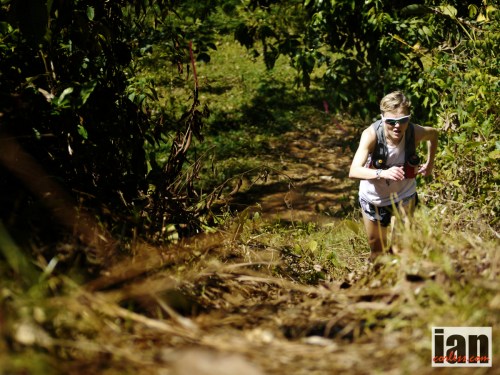
©iancorless.com_1130144

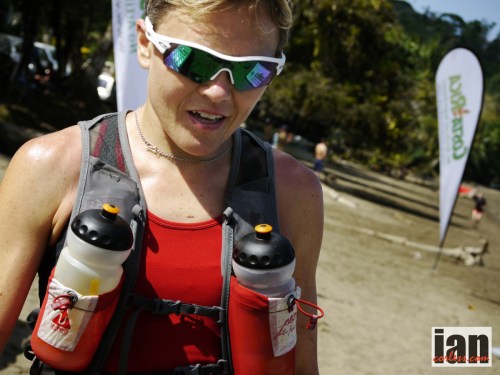
IC: A year ago I was talking to you at your surprise 2nd place at MDS. You have now been out to Costa Rica, a very different environment in comparison to the Sahara, raced against stronger competition? And you have won an incredible victory over 6 –tough days of racing. How do you feel?

JM: I feel really pleased. I have complete satisfaction from the race. It’s possible to sometimes come away with question marks but I have none. I feel that the effort I put in was rewarded appropriately. I put a great amount of dedication into this race and sacrificed lots.

IC: Yes, you had that steely MDS look in your eyes. Like blinkers. You dedicate yourself to the task and I guess knowing in advance what the competition was going to be like at TCC and having the MDS experience inside you, you were able to be far more specific in training. I know post MDS that you thought you had maybe been a little over cautious. You could have run quicker? So, did you go to TCC with all guns blazing and take each day as a race?

JM: Yes I did. I remember listening to Ryan Sandes on Talk Ultra and he said it was amazing how quickly one recovers. I thought, I do recover well and I had nothing to loose. I know from MDS that I had been cautious, for example on the last day I pushed hard. Had I done that everyday the result may have been different but it’s difficult to say. So, at TCC I wanted to give it everything. I had prepared for the heat and my training was good.
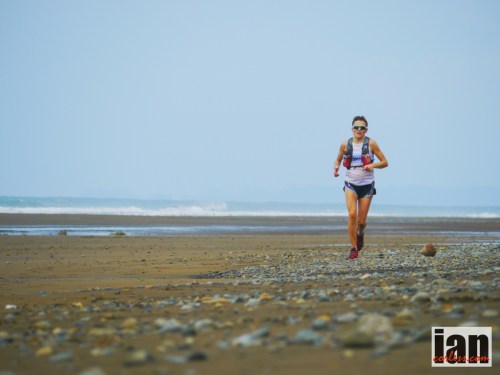
 ©iancorless.com_1150601

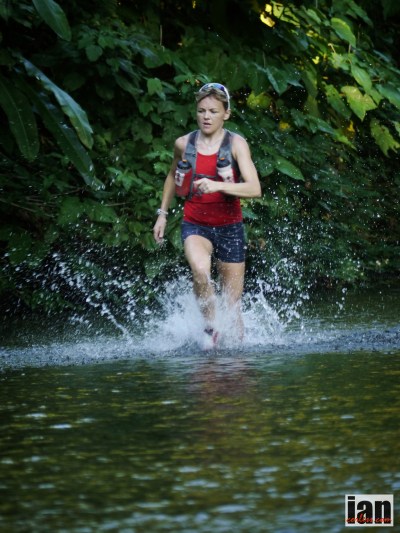
IC: You have just mentioned that you committed yourself from day-1. Needless to say, TCC day-1 was impressive. You put 45-mins into the competition, impressive, particularly when we look at the ladies who you were racing against. Of course it gave you a real buffer. A safety net. The biggest issue on day-1 for everyone (except you) was the massive contrast in European weather and Costa Rican weather. Even in Costa Rica itself, the temperatures between San Jose and the coast were remarkable. As you approach the coast the heat goes up along with the humidity. Day-1 has a later start so you are straight into the heat… mid 30’s and closer to 40 at the height of the day. But it did not affect you and the main reason for this was 10-days training in a heat chamber.

JM: Yes. I was prepared. I gave everything on that first day. I had assumed that the competition would have done the same? Using a heat chamber is only a case of contacting Universities and they are usually willing to help. I assumed some heat work would put me on a par. As it turned out it wasn’t the heat that struck me but the pace! We were running slower than I expected so I ran at what was comfortable for me and nobody ran with me. I then ran scared thinking I had made a mistake that I was going to pay for.

IC: Now you have had an opportunity to reflect on TCC can you tell us about the heat chamber, how did it benefit you, are there any crossovers between MDS and TCC prep?

JM: I did the same sort of training. I followed a marathon program but I did more back-to-back runs. Essentially you are training for the same thing. In the heat chamber I was under the guidance of the team. I told them I would do whatever I needed to do… They told me I needed 10-days. You actually don’t need to exercise in the heat chamber, you can just sit inside but it takes longer. I could sit for 3-hours or run for 1-hour. I am dedicated, I am focused, and that’s a really big thing.

IC: Lets talk about the training. When you say a classic marathon program, I guess you are talking about a speed session, hill session and then long runs. Of course, you were training for multi-day so you built from 1-long run to back-to-back long runs. What did a peak week look like; I guess this was 3-4 weeks out from the TCC?
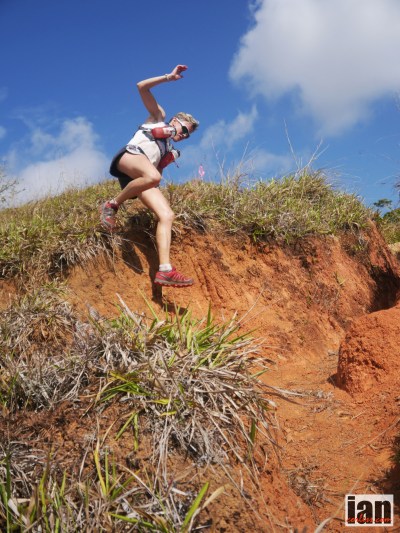
 ©iancorless.comP1130161

JM: Yes, 4-weeks out and then I would taper. You are right; I would do a speed session, a threshold run, a hill session and then long runs that would build to back-to-back runs. What you can’t afford to do is not let yourself recover in terms of, if you have done a long run and made it fast, you need to recover. It was all about balance. You need to be sensible and listen to your body. I would do 2.5-3-hours normally for a normal long session, whereas my long run for TCC was 4-hours; but at a slower pace. I wanted to make sure I could incorporate hills to prepare me for the hills of TCC.

IC: Back-to-back sessions, was that 2 x 4-hour runs?

JM: No, I did 3 back-to-back 3-hour runs.

IC: So, 9-hours split over 3-days; I presume when you did this you eased back of speed and hill work?

JM: I actually kept the sessions. In actual fact, that week I did a race. You have to remember, the long runs were really slow. It was just a case of recovering from a food and nutrition perspective. The runs actually didn’t damage my muscles. I am sensible after each run. I rest. For the 3 back-to-backs I took a day off work to make sure I had the best platform from which to build.

IC: So you planned this into work. You took a day off work and you treated this very much from a professional perspective. Feet up after the run, concentrate of food and hydration and make sure you are in the best place.

JM: Yes it was like being a full time athlete. Of course day-to-day life gets in the way; cook dinner and walk the dog for example. I just took this relaxed and in my own time.

IC: How did you break speed sessions down? Many ultra runners look at speed sessions as something that they don’t need to do. But that is not the case, you actually need endurance and speed, so, how do you work this to your benefit, how did you go about speed sessions?

JM: It is difficult to answer as we are all individual and it depends on your race. You need to target your sessions at the pace you want to achieve and then sometimes faster. I would do some track work running 400’s or I would do 1-mile reps. I guess you need to vary what you do… try to enjoy it! We all think, speed; it’s going to hurt. But if you find sessions you enjoy it makes a big difference. Also try training with others.
 ©iancorless.com_1160267

IC: So you had your plan, you did speed, you did strength, you did hills, you did back-to-backs but you realized that to give you an edge or in your terms an equal playing field was that you needed to adapt to the heat. It was a variable. It was one thing you couldn’t account for. You did 10-days consecutive in a heat chamber?

JM: Yes, 10-days.

IC: What is day-1 like?

JM: Oh you think I will never be able to run in this? I went in thinking that I would run at ‘pace’ but actually you run at a slow pace as they don’t want your temperature to rise too quickly. It feels bearable at the start. They monitor the core temperature and mine went too high after 30-min so then I had to walk and rest to keep it under control. It’s not as physically as hard as you may think. It’s all about core temperature.

IC: What is important is the lesson that we can all learn. You trained in the UK; you did the heat sessions, which gave you massive temperature and humidity fluctuations. You got that process over with before arriving in Costa Rica. By contrast, nearly all the runners had to go through that process on day-1 of the race… for example; Philipp Reiter had a really tough 1st day. He was overheating and red, he was trying to control himself but to no avail. However his recovery was phenomenal. He recovered so well to come back strong on day-2.

JM: That is the benefit of being 20!

IC: Yes, for sure that helped. However, had Philipp and the others got day-1 over with in a heat chamber it would have made a massive difference. It could have been the difference between top-3 and a win.

When you went back to the heat chamber how was the adaptation?

JM: Mentally I was more prepared. On day-1 I felt nauseous and tired but I guess it just gets easier. By day-3 my resting core had reduced dramatically. It gets easier and easier unless you are a moron like me and fall off the treadmill.

(Laughter)

IC: Mmmm yes, you did make a mess of your face. Not the best thing to land on in the final days of prep in the build up to an important race!

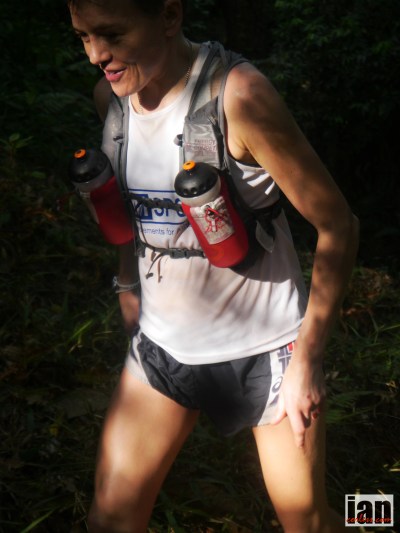
So, you adapted in the heat chamber. The process went exceptionally well and pretty much after the last session you made your way to Costa Rica. It’s a shock, isn’t it? Time changes, a day of registration, logistics and presswork, an early bed and then a very early start the following day that starts at 3am. A transfer by bus to the coast and before you know it, day-1 starts at 0930 just as the heat of the day is beating down. It’s hot, really hot, however it caused you no problems. You had that amazing first day. Post day-1 you said you felt great. You had taken the race on, you had pushed yourself and you had stamped your authority on the race. How did the rest of the race unfold for you? You had a couple of key moments; day-3 in the river section start when you struggled with the technicality, ironically, very similar to the male winner; Mike Wardian. You and he are very similar runners, you both run well on fast terrain but less so on technical terrain.  However, as the race progressed you both adapted and became far more efficient.
©iancorless.comP1120273

JM: Yes, without doubt.

IC: Moving up hill and covering technical ground became so much better for both of you.

Lets go back to that day-3 start when you had Veronica Bravo and Julia Bottger ahead of you, did you think you were loosing the race?

JM: When you can’t see runners you immediately think you are loosing 45-mins. It’s funny. However, when it is so technical you can’t think about anything other than what is below your feet and what is ahead. I just had to follow the course markers and cover the ground as best as I could. All the time I was thinking, I just need to get on the flat or get on a good hill and start chasing and pulling time back.

IC: You got through the section and you started to chase. You clawed back the time, you caught Julia and Veronica and then on the final beach section in 40-deg heat you pulled away and got another stage win. You re-established your dominance of the race. It must have been a great day and a great boost?

JM: The 3rd day was the longest and most emotional day. It almost felt like the end of the race. I was very emotional. Had someone been waiting for me at the end I would have cried. Even though I still had 3-days of racing ahead I had concentrated so much it had exhausted me. Having got through that it was a case of maintaining it. But as you very well know, I like to race and continued that way. I didn’t want to take anything for granted. I could have fallen and hurt myself and with Veronica and Julia chasing, I couldn’t be complacent. I raced hard to the end.

IC: Post race you said one day in particular is the day that you got things wrong that impacted on the final 2-days, was that day-4?

JM: I gave everything on day-3 and then I continued to race on day-4 when I didn’t need to?

IC: Yes, we had that conversation when I said to you, ‘you know what, you have a 60-min lead so be sensible. You have no need to put yourself in the ground. Consolidate what you have and be sensible.’ But in true Jo Meek fashion you continued to push…

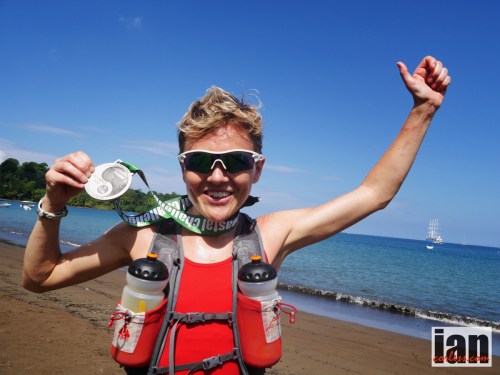
Day-5 was significant. You had been in the lead and then Julia came back to you with about 10-km to go. It was the final feed station. You had a 60-min lead, so, overall victory was secure.
 ©iancorless.comP1130916

JM: I was at the feed and Julia arrived and I thought, ‘Oh my goodness, I thought I have to go.’ I ran, ran hard and closed out the final 10-km like a stand-alone session. I finished out of breath with hands on knees.

IC: Funny, when I saw you, you said, ‘I am an idiot.’

JM: I did.

IC: When I asked why, you explained the situation. Of course you have now reflected and I hope you realize that it wasn’t clever racing? You could have still had a bad moment on the last day and needed the reserves.

JM: Oh yes. I am well aware. What hurt me on the last day were sore quads. It was all the descending from the previous days. So I ran the last day within myself, however, had I thought Julia would have really pushed I would have found something, some extra energy.

IC: You have 2-great experiences under your belt. Marathon des Sables provided an introduction into multi-day racing and you performed maybe beyond our expectations but not beyond your own and now you have the victory at The Coastal Challenge. You have confirmed yourself as someone who can race hard, day-after-day, so, what are the hints ‘n’ tips you can provide for multi-day racing?

JM: Assess what you as an individual want from the race and then train accordingly. You must have a goal. Do you want to compete or complete? It makes a big difference. If you get your mind it the right place it is half of the battle. Prepare mentally, don’t be scared of the environment. Do what you can do and make sure that is clear. Have a great understanding of your body and how it recovers. Give yourself what you need. Without doubt eating after exercise within an hour is key, especially for multi-day racing or training. Rest when you get an opportunity; elevate your legs. For sure your feet and ankles will get tired. Relax, eat, drink and let everything settle. If you can sleep, do so. It provides great recovery. Ultimately, common sense prevails and the body is an amazing thing.

IC: TCC and MDS are very different. At MDS you had to be self-sufficient and carry a pack whereas at TCC tents and food were provided so you could run light, you just needed a hydration pack. Of course it’s a level playing field as everyone must do the same but from your perspective what are the pros and cons from both races and which did you prefer?

JM: That is very tricky. At TCC having food in abundance is obviously great. You can eat when you want and as much as you want so that makes recovery easy. However, everyone has that option so it’s not a personal advantage it’s just a different scenario. At MDS you can use this to your advantage, if you have planned well and your nutrition is optimum for your own personal needs then of course your competition may have not, so this can be something you work into a positive. It requires more planning. It’s a game of calories v weight. I like the challenge of the MDS scenario but equally your running style changes; your speed changes and you are carrying the burden of the pack.  I guess it depends if you prefer faster racing or a more expedition type of approach.

IC: It’s a crazy question but MDS compared to TCC, which race, all things considered was the hardest race?
 ©iancorless.comP1140703

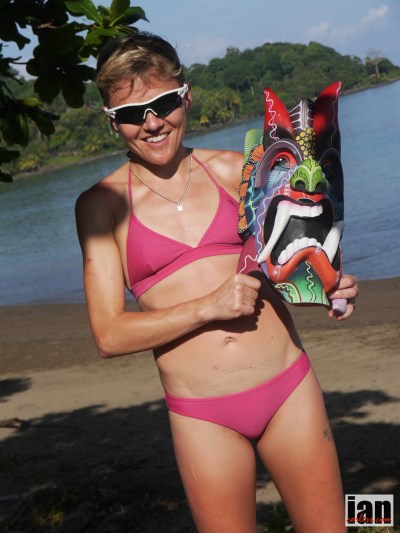
JM: The Coastal Challenge course. It has everything, ascending and descending, the damage the course did to my legs was far greater than the MDS. I found the MDS was harder from a food perspective, it took me 4-5 weeks post MDS to put the weight back on. The Coastal Challenge course tests the body and mind and the continual changes of terrain keep you guessing and working hard.

IC: So what is next, recovery is first and foremost I guess?

JM: I want to prove myself as an ultra runner. I want to run in a GB vest. I will try to qualify for GB in a trail race. I’d like to do more stage races and I have entered Comrades in June. That will be an interesting test and very different to what I have currently achieved.

IC: Finally, Costa Rica, what was the experience like for you, can you sum it up?

JM: The race is incredible. Where else can you run (or walk) in such an amazing place! The organizers have created a race and a route that often is inaccessible to most; riverbeds, jungle and plains. I probably didn’t look around too much while racing but I stayed for 1-week afterwards and I had a holiday. I went diving, saw a whale, I walked, went white water rafting and saw plenty of wildlife. It’s just an incredible and exciting place. Even if you did just the race you would come away with a whole new outlook. It really is incredible.

LINKS:

TCC 2014 race images – HERE

The 2015 The Coastal Challenge is now available to book. Want a discount? Use the form below for early bird booking.

Race Website – HERE
← Back

Thank you for your response. ✨

Warning
Warning
Warning
Warning

Warning.

The Coastal Challenge – Stage 6 – Drakes Bay to Drakes Bay

©iancorless.com.P1130916 All good things must come to an end and today on the beaches of Drakes Bay, the 10th edition of the 2014 The Costal Challenge came to a close.

©iancorless.com._1150551

It has been an epic race that has thrown daily excitement from all angles. The men’s race in particular has been a nail biter with a constant battle for the top slot. However, Mr.Consisitent, Mike Wardian produced the goods on a daily basis with some of the most impressive running I have had the pleasure to witness. Jeez does Mike like to win and boy does he know how to dig deep!

Mike Wardian TCC2014 Champion ©iancorless.com

Mike Wardian TCC2014 Champion ©iancorless.com

Jo Meek from the UK dominated the 10th edition producing a stand out performance on a daily basis. Setting her stall out on day-1, Jo won with a convincing 45-min margin. However, she didn’t relax, consistently pushing, consistently running scared, Jo took each day as an individual race and on the beach at Drake she was crowned the 2014 Champion.

TCC2014 ©iancorless.com

TCC2014 ©iancorless.com

TCC2014 ©iancorless.com

TCC2014 ©iancorless.com

Today’s stage was very much a celebration of the previous 5-days racing. With the ‘GC’ established, a unanimous decision was made by all the front-runners that stage-6 would be a Tour de France style victory lap.

TCC2014 ©iancorless.com

TCC2014 ©iancorless.com

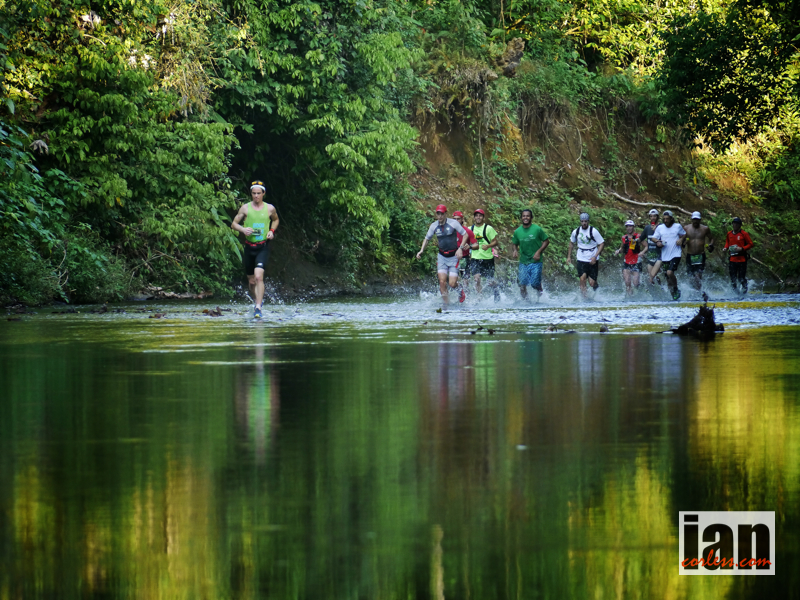
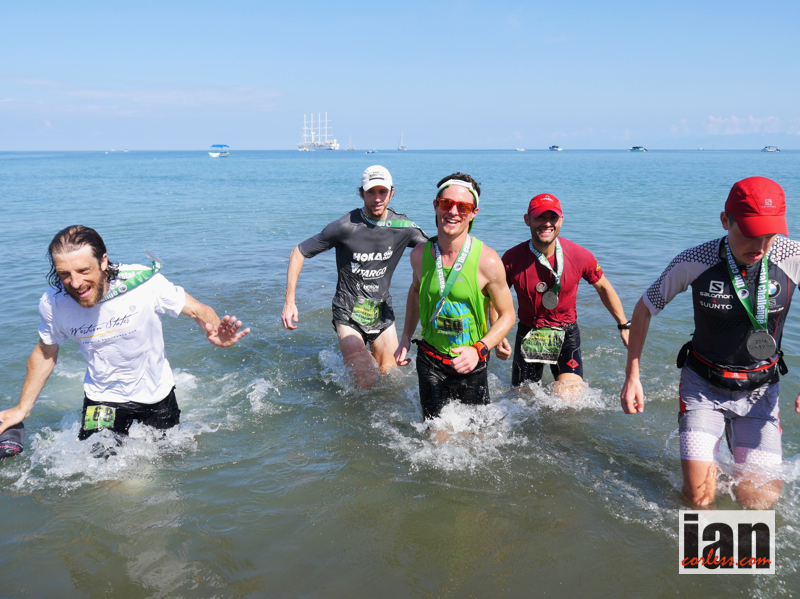
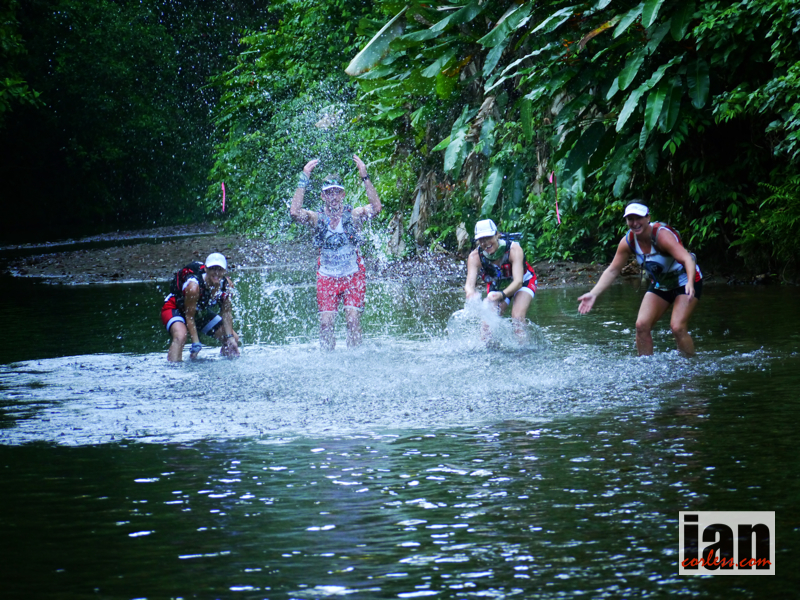
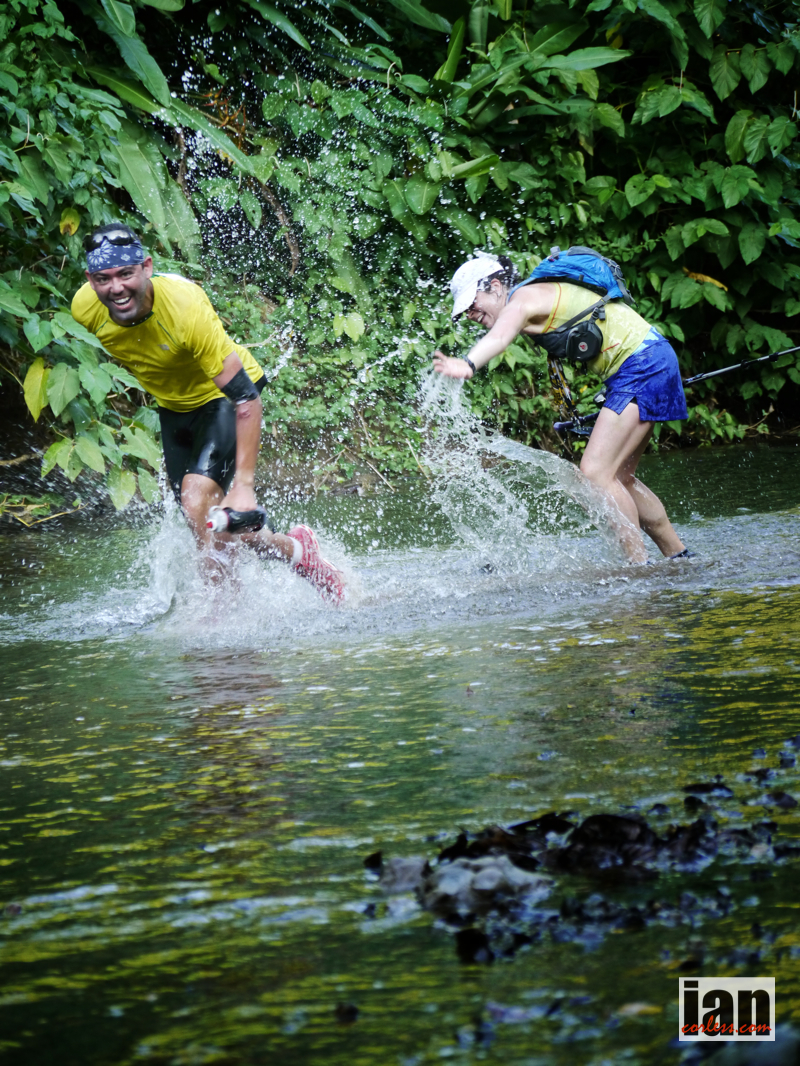
It was great to see the fun and the laughter between all the runners on the trails. Tired and aching bodies once again managed to produce another effort to cover the wonderful circular route of the Corcovado National Park.

TCC2014 ©iancorless.com

TCC2014 ©iancorless.com

TCC2014 ©iancorless.com

TCC2014 ©iancorless.com

Pura Vida TCC2014 ©iancorless.com

Pura Vida TCC2014 ©iancorless.com

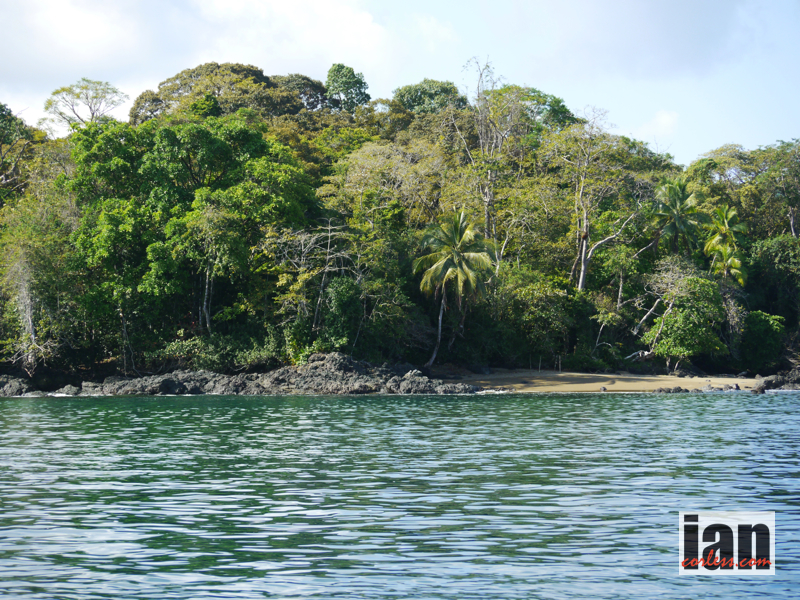
Starting with a gentle road incline, participants dropped into a long river section before climbing out and negotiating rocks and a waterfall. Climbing up through lush green vegetation, they then ran through plains and plantation fields before finally making the journey back to the start by weaving in and out of the coast. Beach after beach, cove after cove the finish line at Drakes was a welcome and well earnt reward for each and every participant.

TCC2014 ©iancorless.com

TCC2014 ©iancorless.com

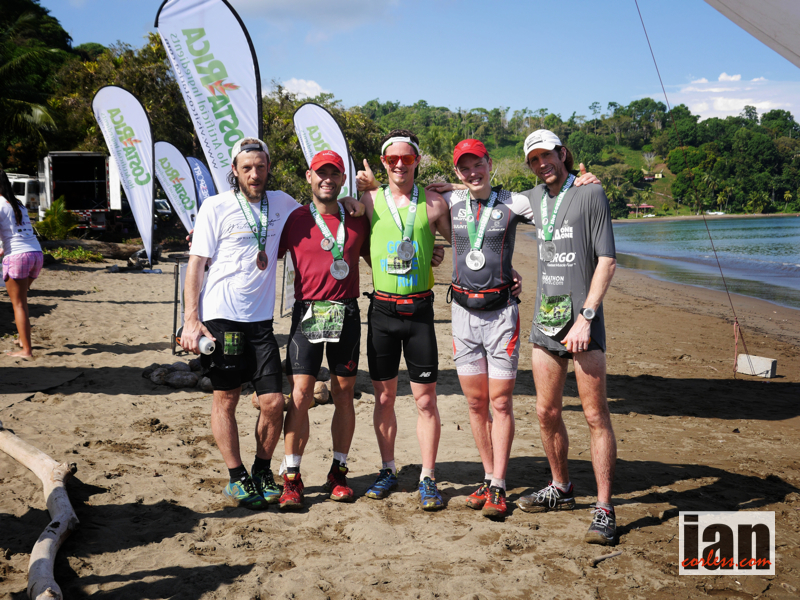
It was quite a sight to see the top-5 men run to the line as one!

TCC2014 ©iancorless.com

TCC2014 ©iancorless.com

Michael Wardian said post race, “The Coastal Challenge was a test in so many ways. So much varied terrain. It suited different strengths and weaknesses. I feel really honoured to have the over all victory. The other guys really did push me and I had to fight… I guess it’s a shame a race can only have one winner. But it was a pleasure to have a victory loop on the last day. A memory I won’t soon forget.”

Julia Bottger TCC2014 ©iancorless.com

Julia Bottger TCC2014 ©iancorless.com

Julia Bottger and Jo Meek ran together early in the stage but Bottger said post race, “that was by far the most beautiful stage. I was just having fun out there so I hope Jo didn’t mind I pushed on ahead.” As Meek crossed the line, the relief was clear, “I really did not have anything left today. I just took it easy and had comfort in my almost 60-min lead. It’s been a real honour to have such an incredible race with such wonderful people.” Veronica Bravo smiled her way around the TCC course and placed a solid 3rd place. Her joy was visible on the line as the realisation that a tough week was over.

Veronica Bravo TCC2014 ©iancorless.com

Veronica Bravo TCC2014 ©iancorless.com

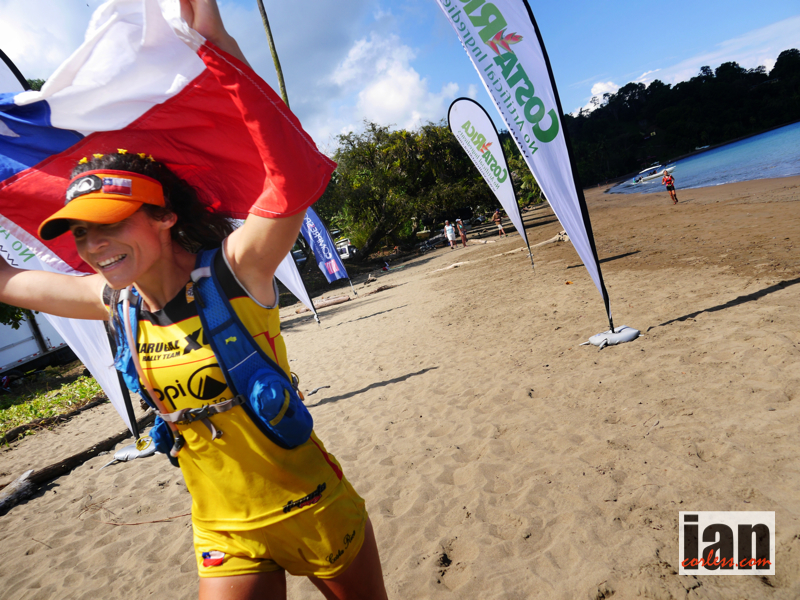
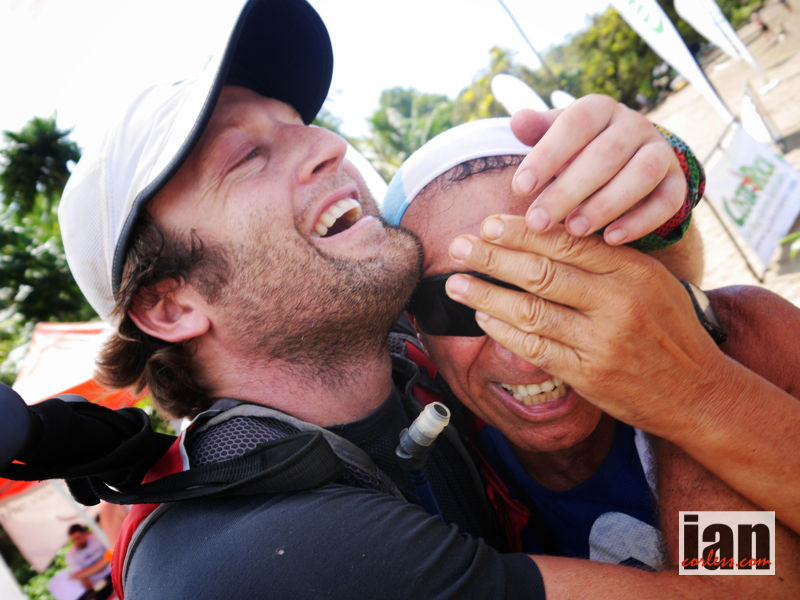
Finish lines are all about emotion and I love to see 6-days effort unfold in a split second. Cheers and laughter, hugs and screams; it’s why we all do our sport.

Carlos Sa TCC2014 ©iancorless.com

Carlos Sa TCC2014 ©iancorless.com

Nick Clark TCC2014 ©iancorless.com

Nick Clark TCC2014 ©iancorless.com

Beneito TCC2014 ©iancorless.com

Beneito TCC2014 ©iancorless.com


Philipp Reiter TCC2014 ©iancorless.com

Philipp Reiter TCC2014 ©iancorless.com

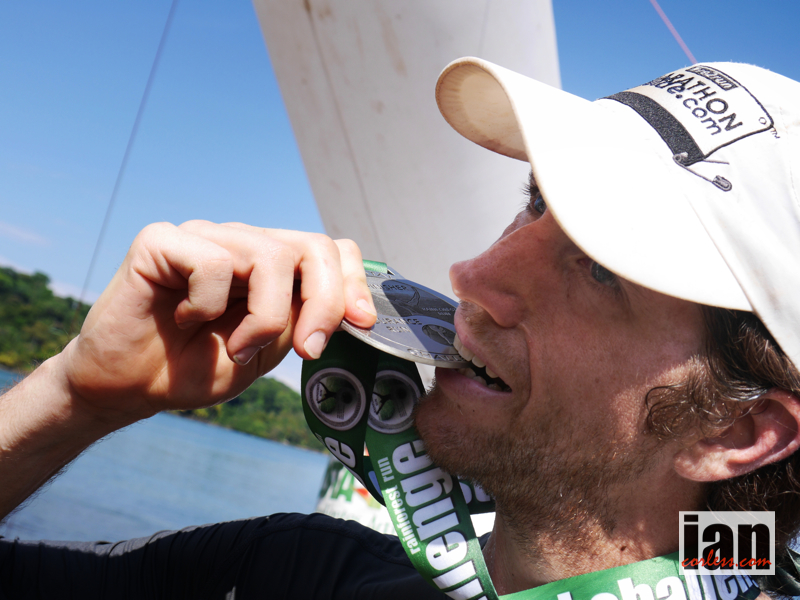
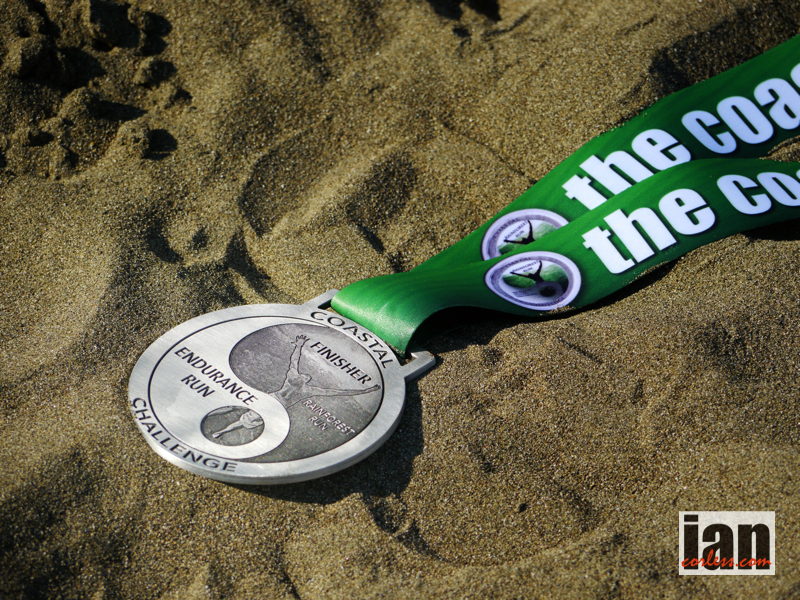
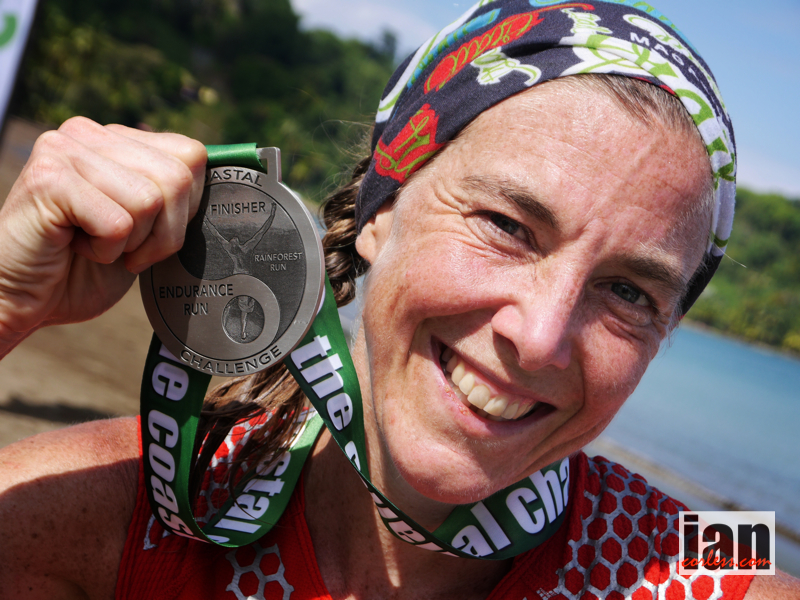
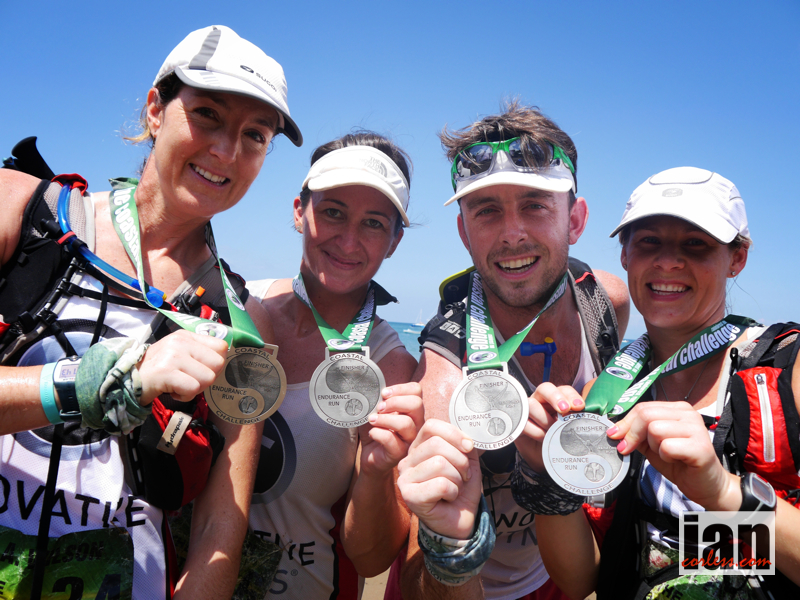
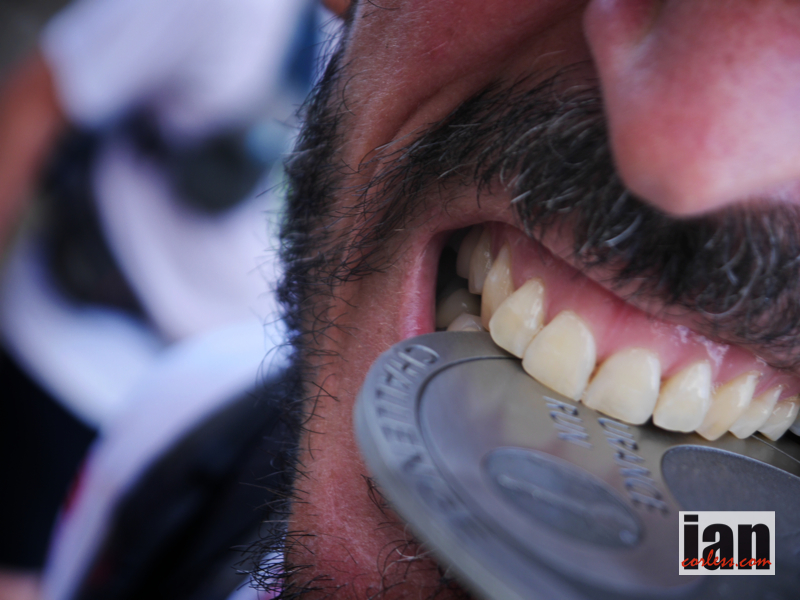
The Coastal Challenge is one of the toughest races out there… relentless heat, plenty of climbing and multiple terrain variations require a runner to be ‘rounded’. Each and every person, first or last, can take comfort in a great achievement and the medal should take pride of place as a just reminder of what was achieved in February 2014.

TCC2014 ©iancorless.com

TCC2014 ©iancorless.com

TCC2014 ©iancorless.com

TCC2014 ©iancorless.com

TCC2014 ©iancorless.com

TCC2014 ©iancorless.com

TCC2014 ©iancorless.com

TCC2014 ©iancorless.com

Pura Vida!

RESULTS Stage-6

  1. Mike Wardian  all same time
  2. Vicente Juan Garcia Beneito
  3. Philipp Reiter
  4. Marti Gaffuri
  5. Nick Clark
  1. Julia Bottger
  2. Jo Meek
  3. Veronica Bravo

Results and times to follow

GENERAL CLASSIFICATION Confirmed

  1. Wardian 23:26:23
  2. Beneito +0:25:32
  3. Reiter +0:31:31
  1. Meek 29:17:19
  2. Bottger +0:57:02
  3. Bravo +3:07:06