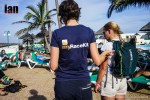
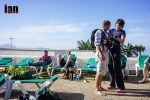
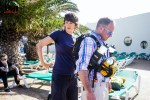
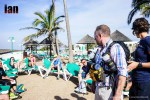
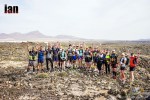
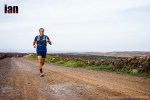
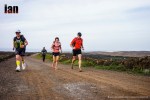
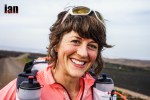
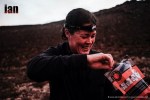
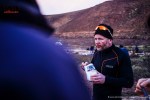
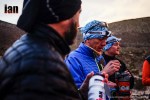
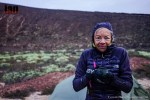
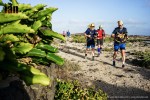
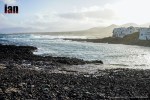
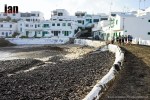
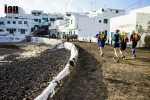
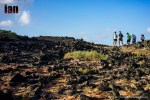
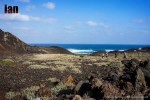
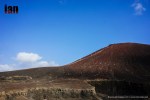
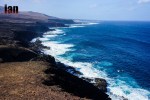
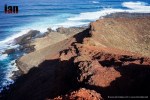
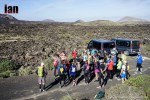
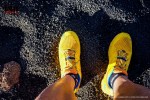
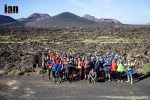
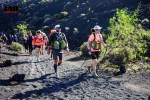
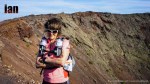
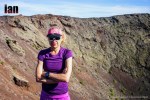
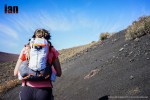
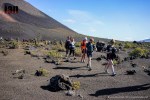
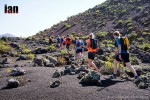
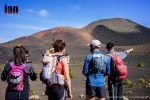
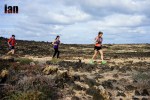
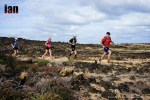
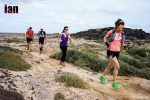
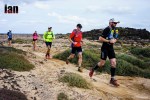
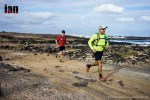
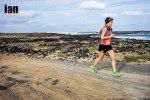
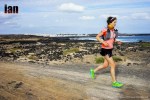
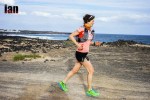
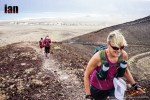
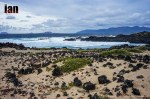
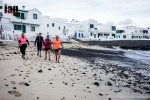
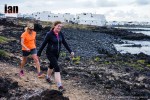
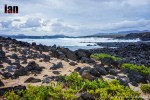
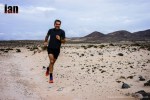
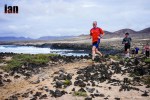
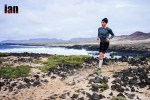
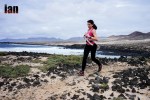
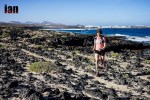
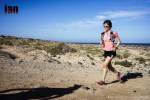
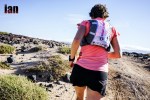
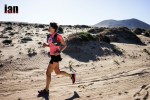
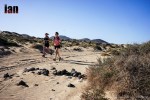
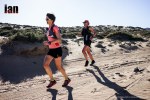
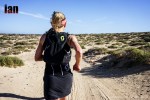
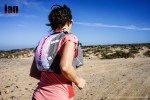
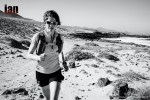
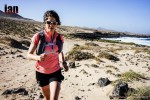
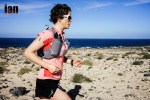
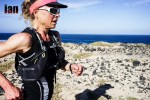
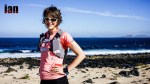
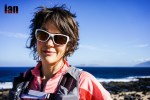
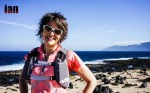
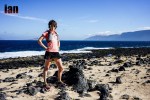
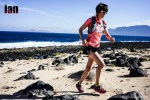
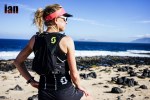
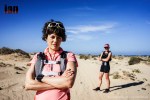
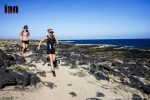
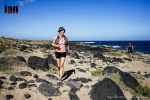
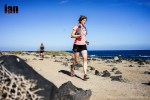
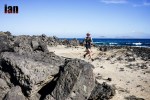
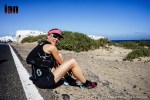
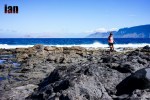
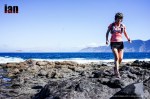
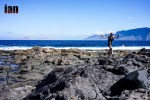
Lanzarote Multi-Day Training Camp 2016 – Day 6 and 7

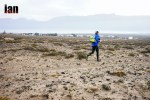
©iancorless.com_Lanza2016-04780

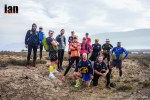
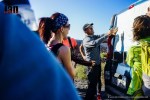
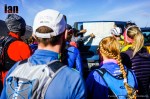
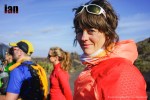
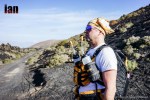
For the participants of the 2016 Lanzarote multi-day training camp, it all got ‘real’ on day 6 and 7 of the camp.

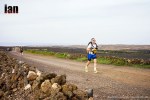
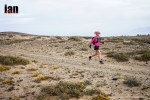
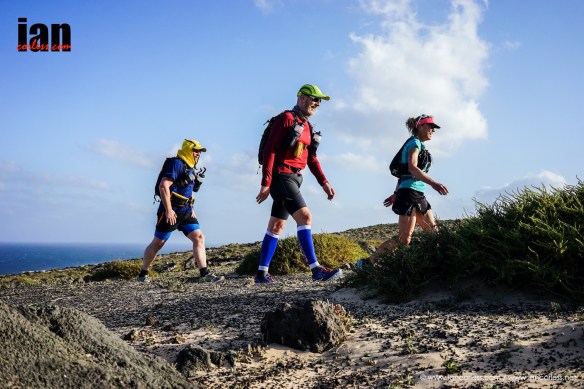
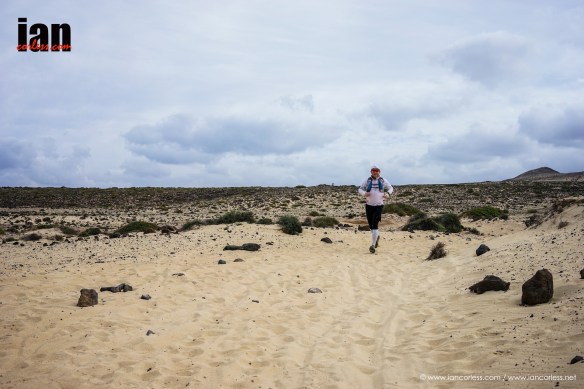
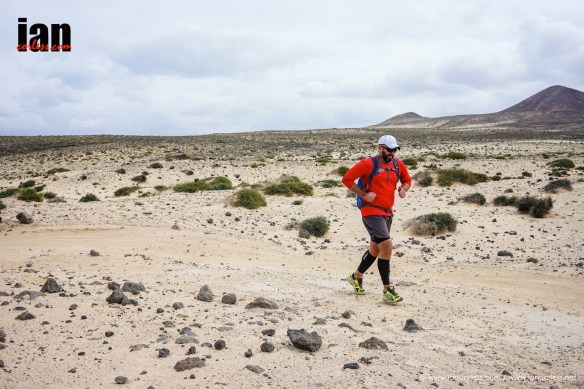
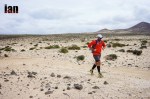
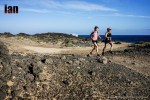
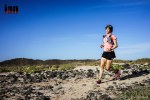
It all started of with blue skies, sun and a 2 hour run without packs so that everyone had an opportunity to work on a little faster running. In most cases it was a great tempo 10-12 miles in the bag.

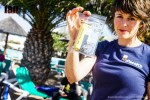
©iancorless.com_Lanza2016-04163

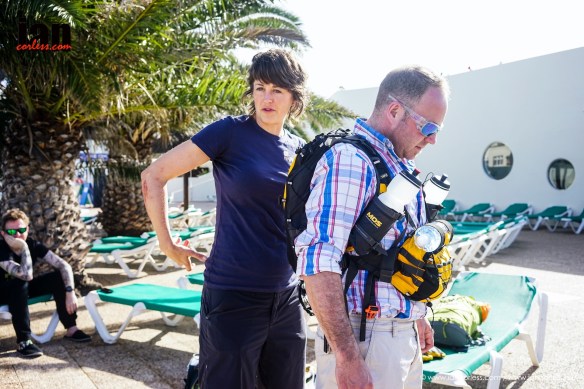
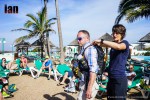
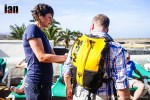
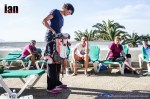
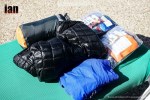
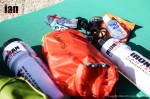
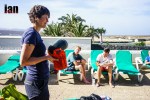
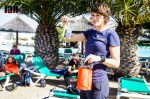
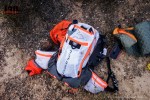
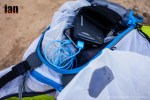
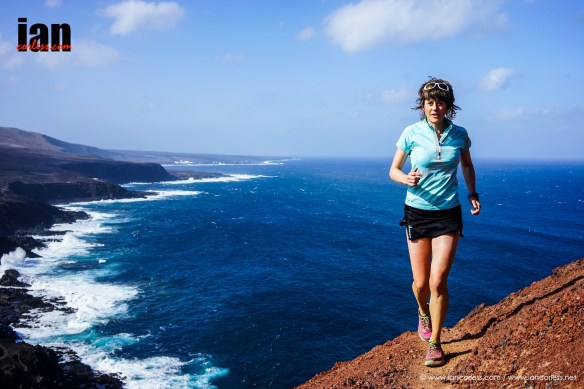
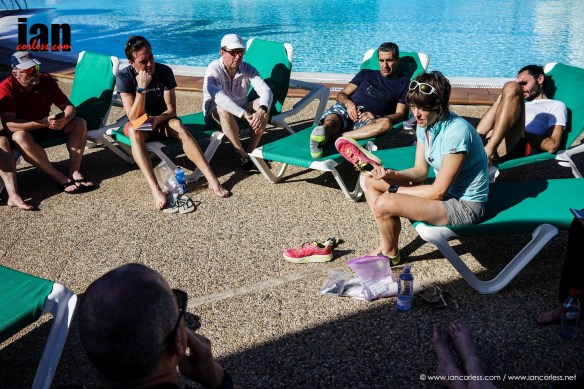
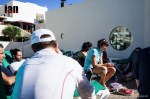
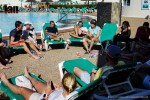
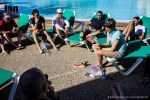
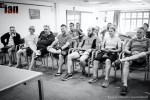
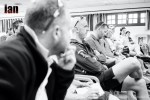
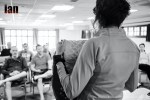
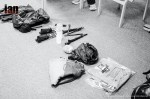
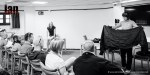
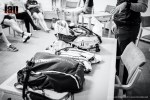
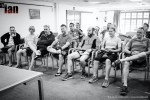
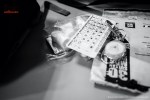
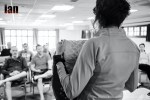
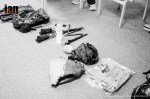
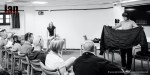
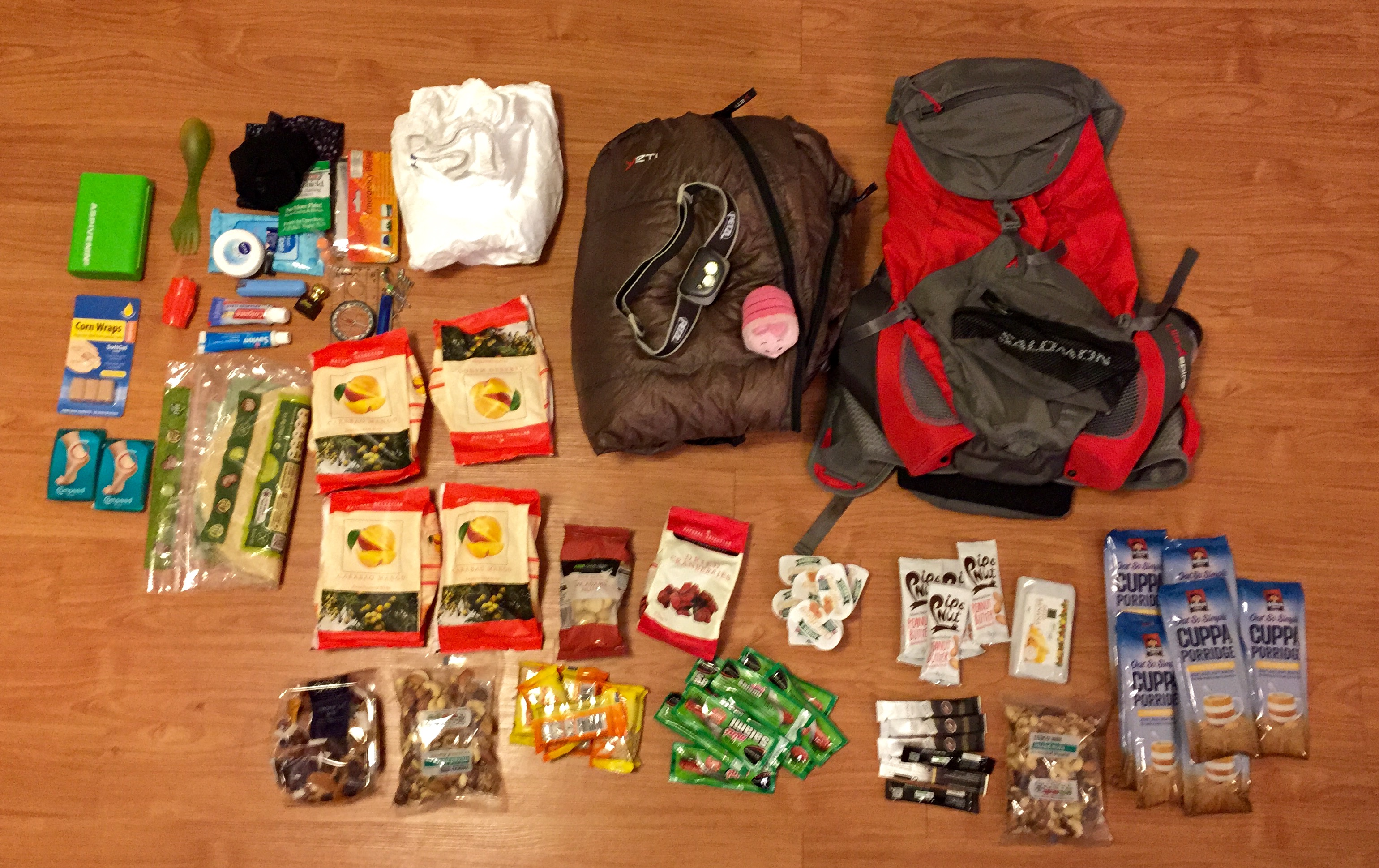
Following this we had a 2-hour talk, demo and an opportunity to test packs from WAA, OMM, Raidlight and Aarn with a very informative and enlightening discussion on bag packing from Elisabet Barnes. It really raised the question; what is and is not an essential item?

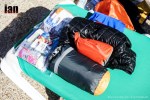
©iancorless.com_Lanza2016-04204

Ultimately the day (and night) was all about a medium length run of 2-3 hours and an overnight bivouac.

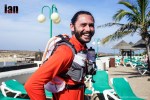
©iancorless.com_Lanza2016-04296

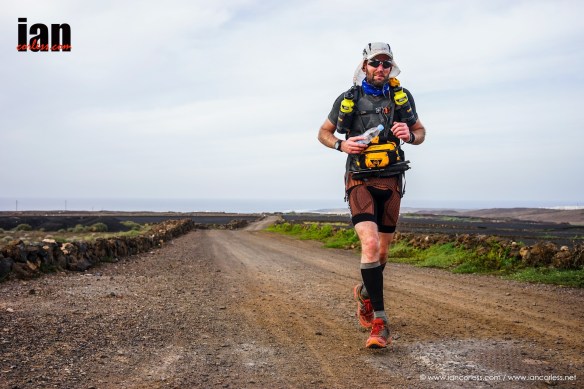
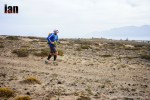
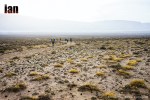
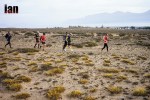
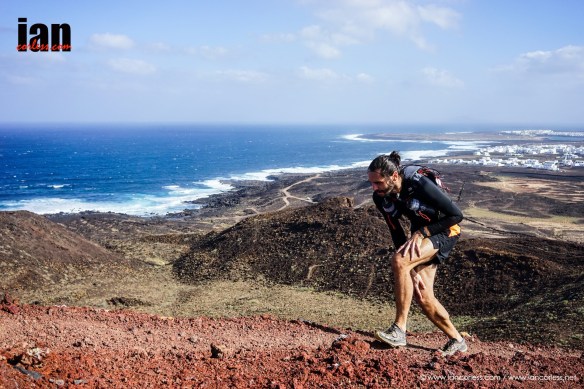
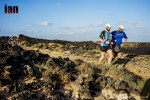
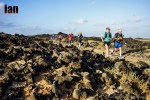
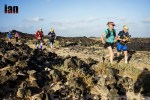
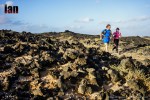
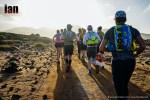
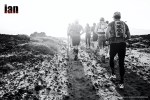
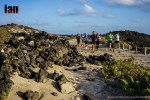
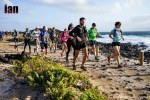
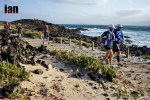
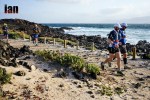
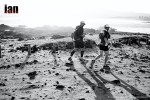
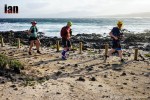
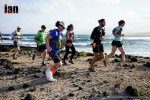
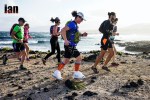
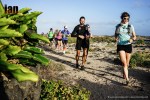
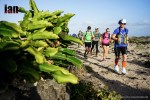
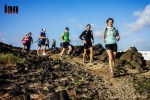
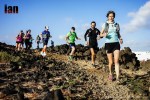
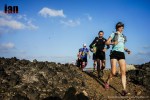
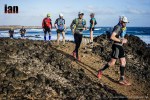
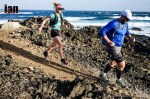
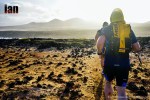
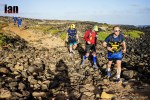
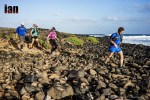
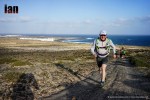
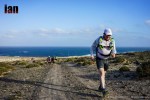
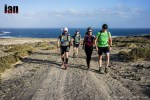
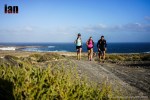
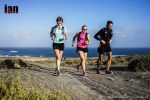
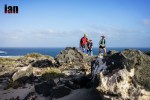
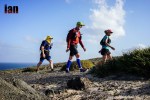
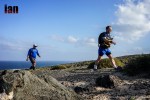
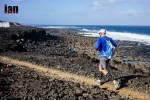
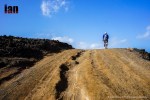
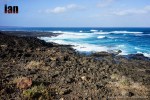
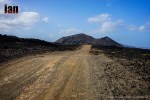
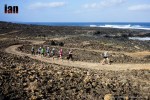
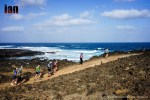
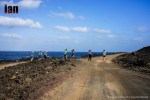
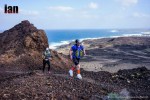
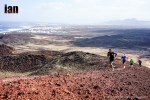
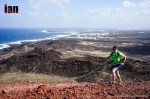
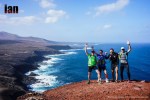
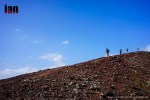
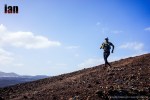
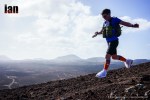
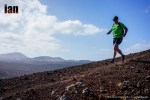
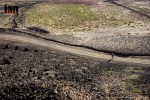
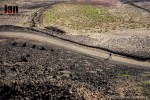
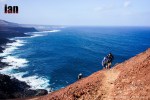
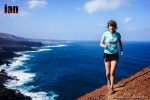
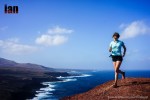
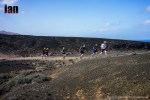
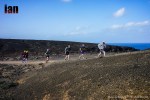
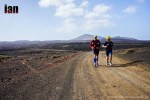
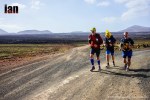
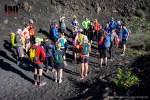
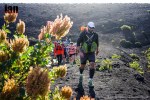
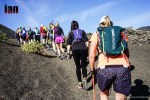
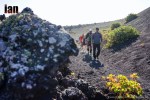
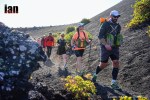
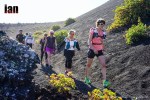
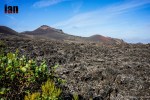
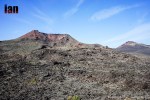
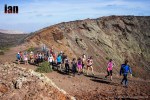
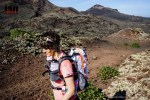
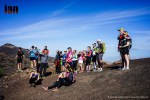
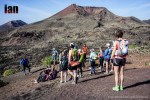
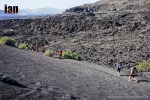
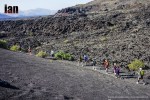
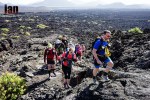
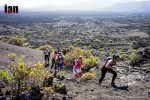
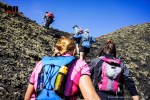
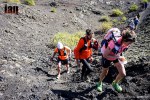
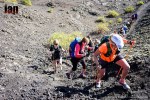
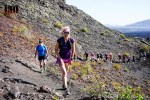
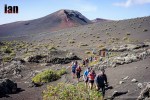
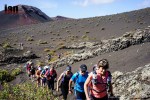
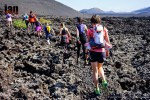
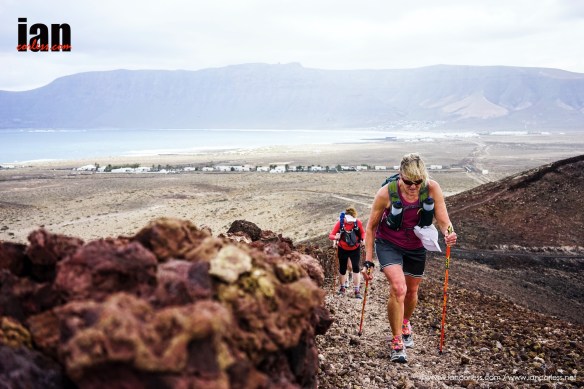
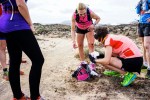
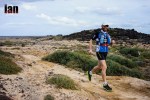
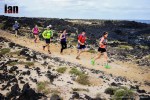
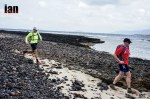
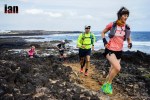
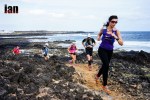
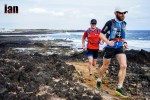
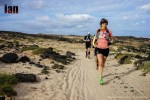
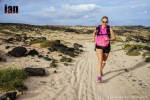
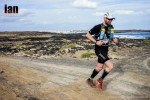
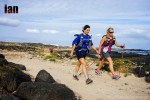
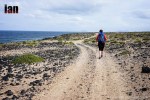
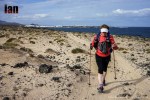
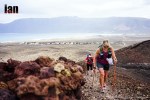
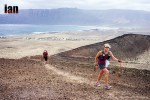
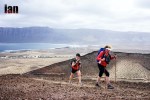
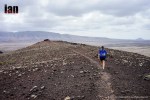
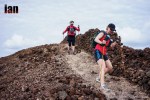
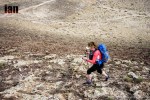
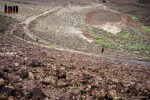
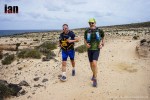
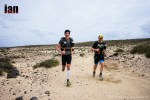
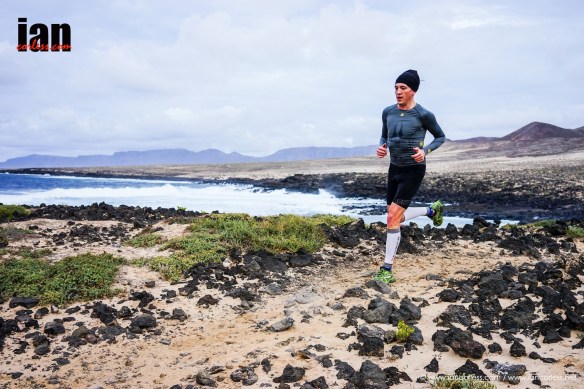
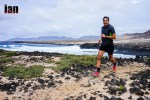
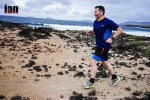
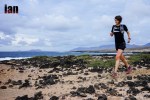
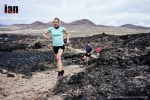
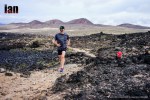
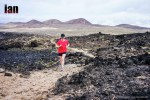
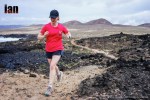
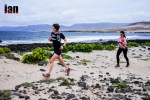
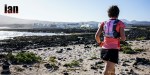
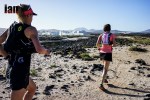
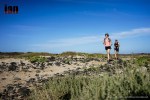
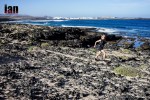
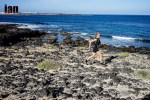
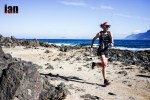
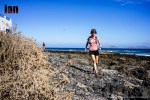
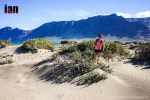
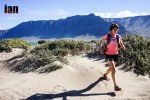
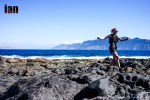
Heading out along the course, the runners departed in three groups: walking, run/ walking and ‘mostly’ running to a pre-arranged rendezvous on the coast.

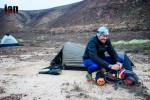
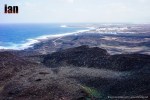
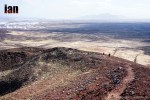
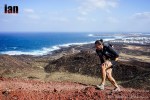
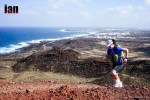
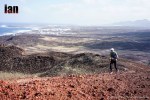
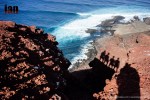
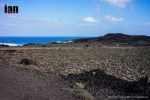
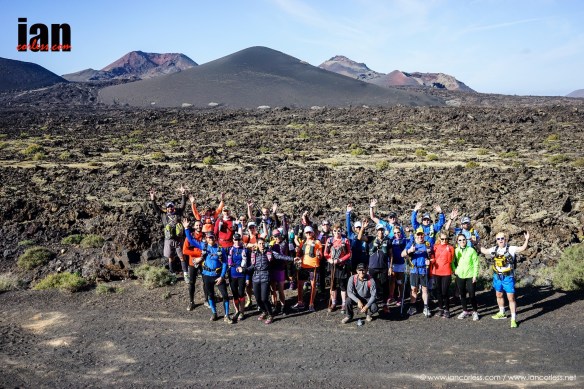
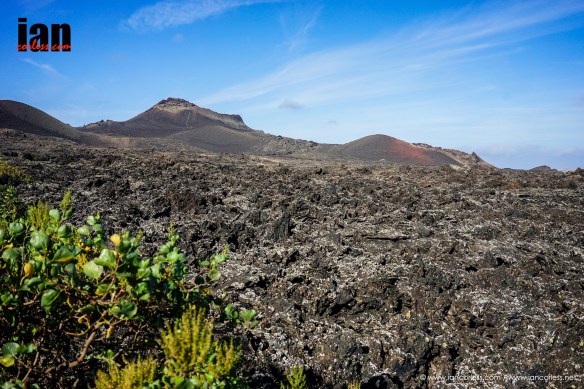
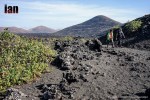
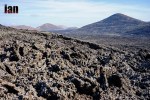
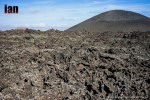
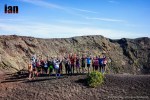
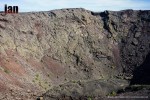
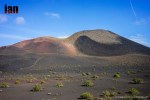
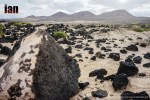
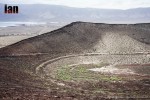
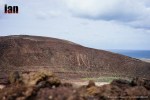
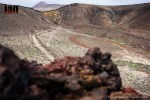
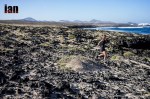
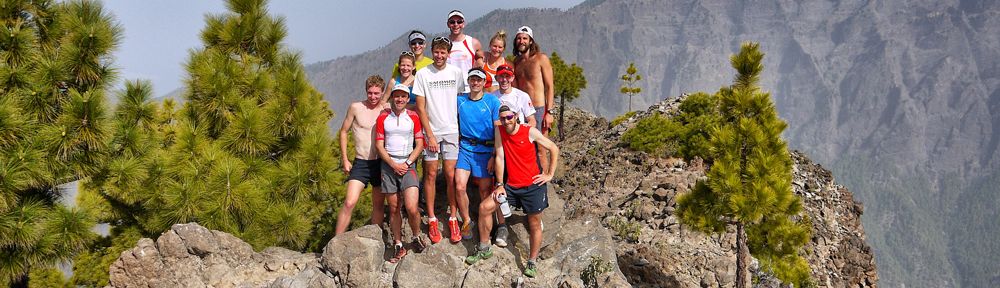
Ian Corless moved ahead and set up camp inside an incredible and dormant volcano. Rendezvous time was 1900 and right on cue, the three groups all arrived from different directions within 15-minutes of each other.

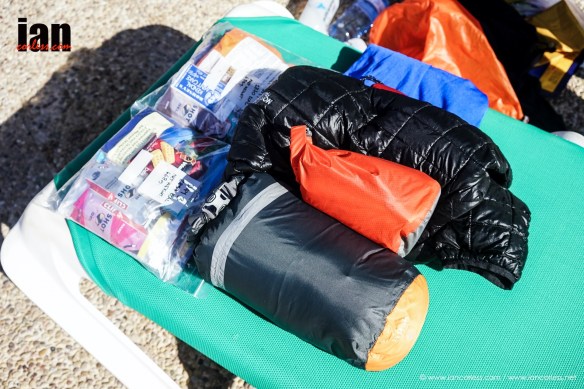
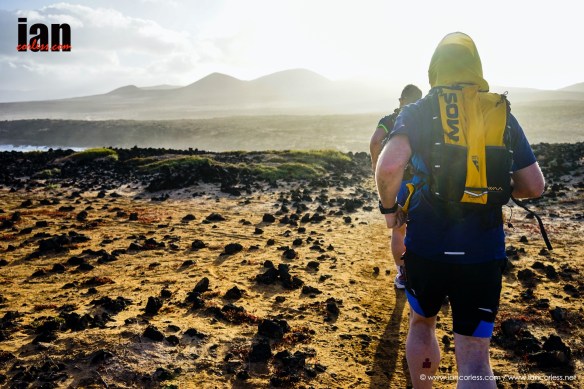
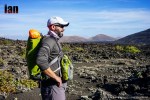
Running with packs, the runners carried all essentials less the additional days food. Food requirements were snack for the run on both days, evening meal and snacks plus breakfast.

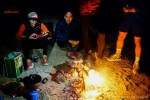
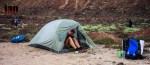
At the overnight bivouac we operated self-sufficiency, water was provided but rationed. The only treat came from 24 beers (alcoholic and non-alcoholic) transported in as a special treat.

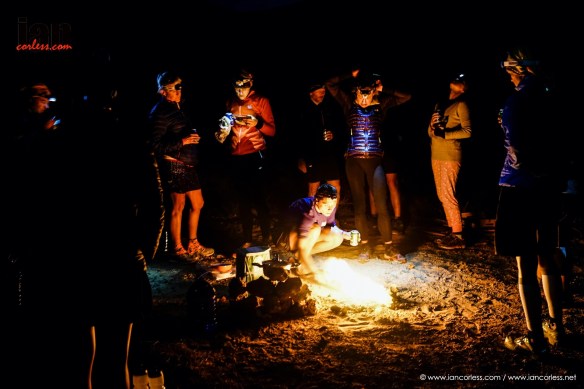
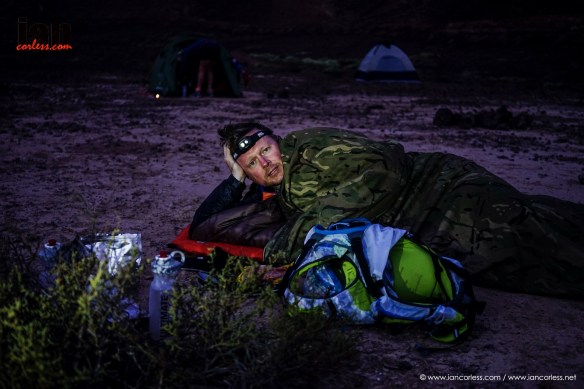
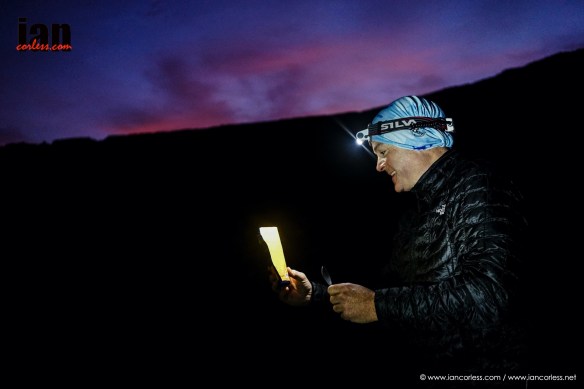
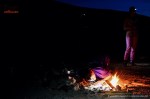
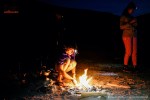
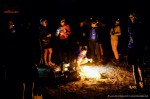
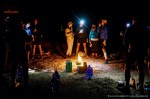
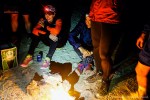
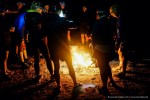
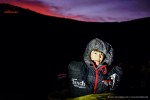
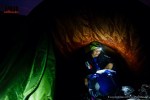
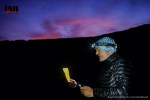
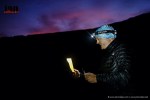
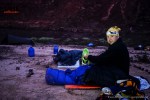
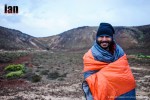
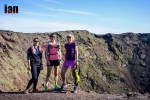
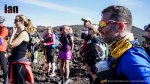
A clear starry sky, camp fire and the illumination of head torches within the stunning setting of an amphitheatre of rock made everyone suddenly realise that it was one of the special moments.

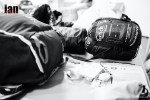
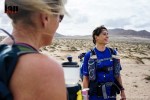
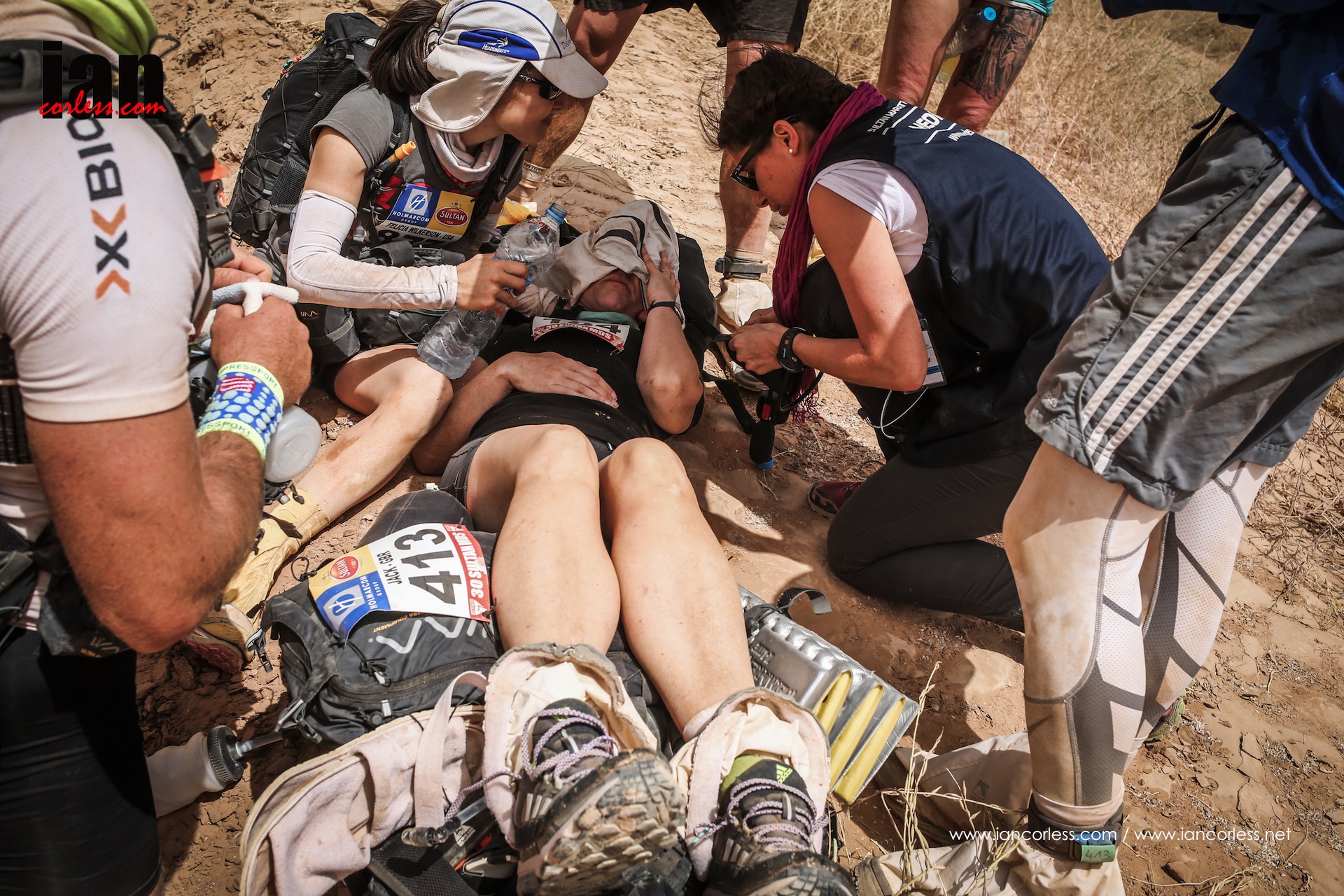
It wasn’t all plain sailing though. One or two runners realised on the run that their chosen pack just wasn’t the one for them. This is the whole reason behind providing a real scenario such as this on a training camp. It’s invaluable to find out these issues before your chosen must-day race.

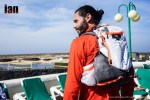
©iancorless.com_Lanza2016-04483

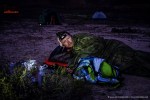
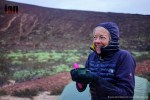
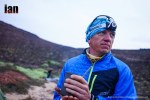
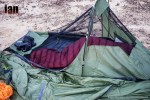
It was lights out, well, head torches out around 9pm and as the warm night drifted past midnight, the temperatures dropped. Unlike races such as Marathon des Sables, the night was damp lowering temperatures even more. One common thread with 0700 wake up call, a cockerel crow by Niandi, was, ‘My sleeping bag is not warm enough!’

Yes, it had been a rough night for some.

Elinor Evans said, “This experience has been incredibly invaluable. I have learnt my packs not right for, my sleeping bag is not warm enough and I need a warmer jacket. Last night was beautiful but also a little harrowing as I got so cold. Better here though than at my race!”

©iancorless.com_Lanza2016-04617

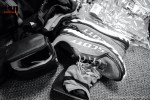
It was a sentiment echoed by Leon Clarance, “I was just cold last night. Despite additional layers, my sleeping bag was not warm enough. I also made the mistake of removing my socks. I woke up with feet of ice.”

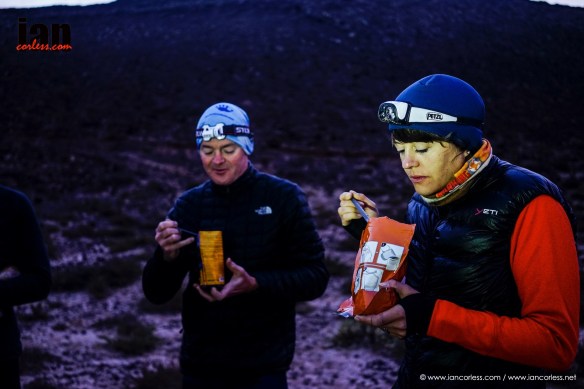
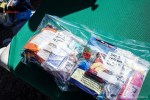
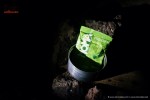
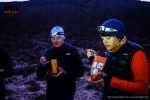
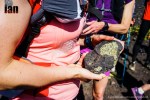
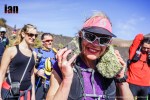
In general though, freeze dried food and peoples selections seemed to hit the spot, apple pieces with custard proving to be a hit with those lucky enough to be carrying it.

©iancorless.com_Lanza2016-04606

©iancorless.com_Lanza2016-04629

The bivouac provided everyone with a very real and practical scenario and valuable lessons were learnt. A bivouac debrief back at Club La Santa will allow everyone to discuss this.

Leaving camp, the sun was getting higher in the sky, a new day and more valuable experiences to follow. But before that debrief, there was another 2-3 hours of running.

It’s been a great two days and night.

If you would like to join our 2017 camp, please go HERE

Many thanks to Raidlight, OMM, PHD, inov-8, Berghaus, Scott Running and MyRaceKit for the support


Lanzarote Multi-Day Training Camp 2016 – Day 5

©iancorless.com_Lanza2016-03269

It was day 5 of the Lanzarote 2016 multi-day training camp and what a day…

Leaving the resort at 0830, three groups covered 4-hours to 5hours 30-minutes on the challenging trails of Lanzarote in three groups: walking, walk/ running and running.

It was a tough day, the clouds cleared, the sky came a deep blue and the heat started to slowly rise but all the time it was masked by the ever present winds coming from Morocco.

©iancorless.com_Lanza2016-03389

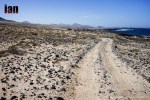
Starting at Club La Santa, the groups moved along the coastline, moved inland to Soo and then re-navigated back to the coast and the village of La Santa before heading out on new coastline. Lanzarote’s mixed terrain provides the perfect environment for a multi-day camp and today, camp attendees enjoyed a real mix os sandy access roads, volcano trails, climbing, coasteering, volcano climbing and then out-and-out technical dried lava.

©iancorless.com_Lanza2016-03566

Elisabet Barnes from MyRaceKit and sponsored Raidlight athlete guided the ‘fast’ group over 5-hours and 15-minutes and although it’s her first time on the Canarian island, she is taken back by its unique beauty and its specific trails.

©iancorless.com_Lanza2016-03779

“Lanzarote is just amazing. The climate and the trails are just perfect for Marathon des Sables training. La Santa and the surrounding area manages to throw everything at you that you will experience in a typical edition of the iconic Moroccan race, even down to the strong winds, variable heat and especially the mixed terrain. Soft sand, stoney ground, hard trails, tough climbs and beautiful views; what more could you ask for?”

Like any training camp, mixed abilities are catered for and Niandi Carmont has guided a run/ walk group and Marie-Paule Pierson (who recently competed Atacama) has guided and paced the walkers.

©iancorless.com_Lanza2016-03960

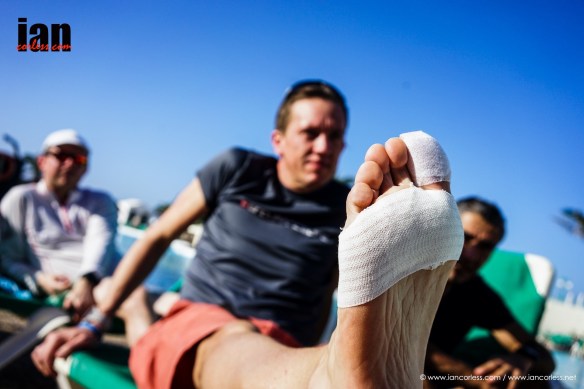
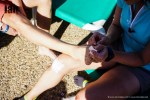
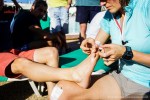
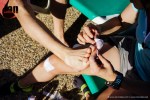
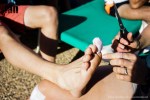
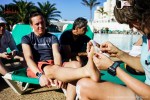
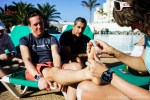
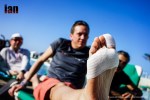
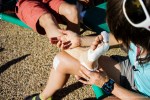
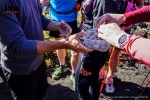
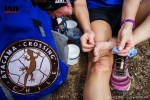
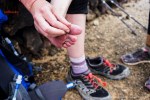
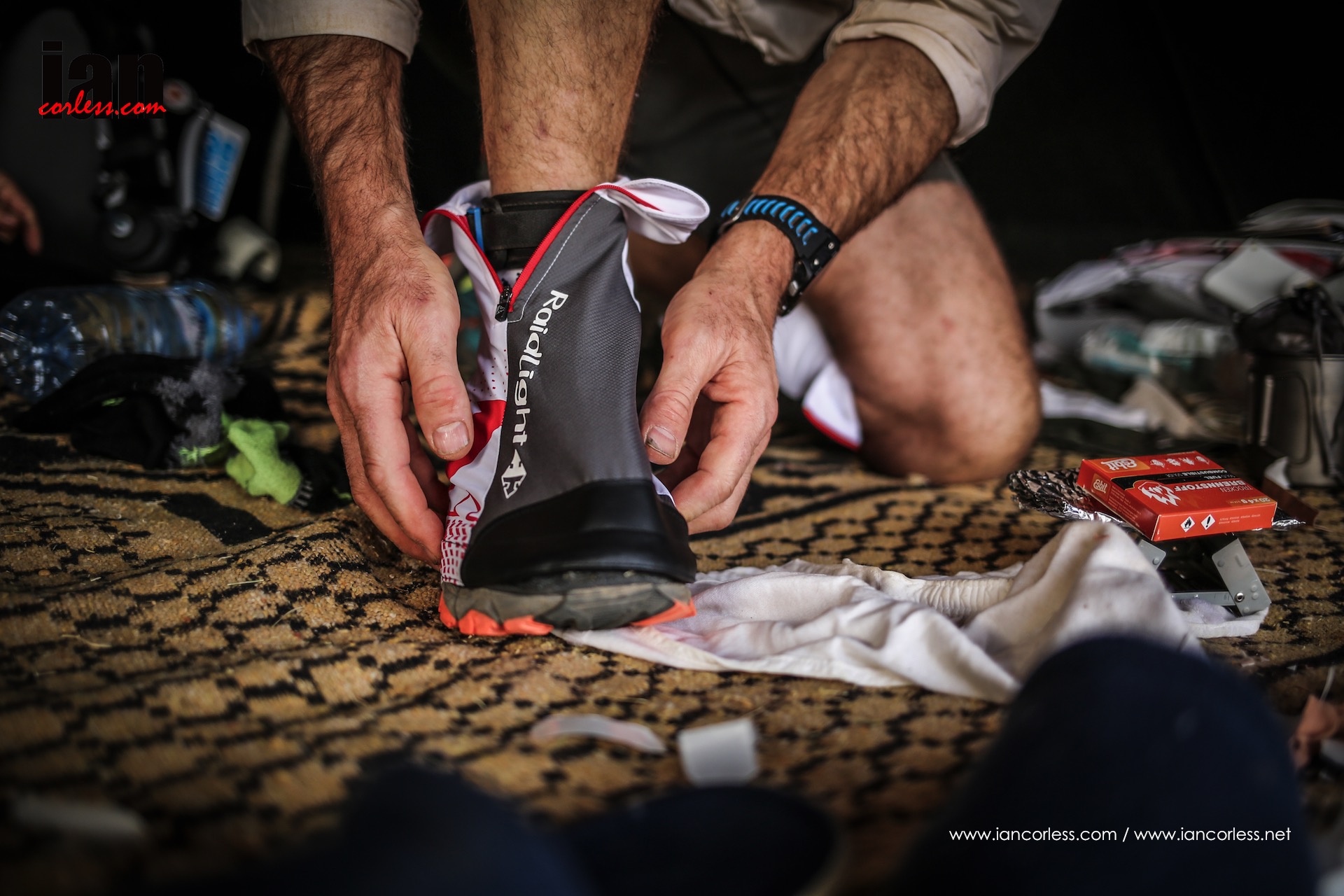
After a midday break, the afternoon had a foot care seminar hosted by Elisabet Barnes where she clearly explained the pros and cons of specific foot treatments and she also provided some very clear and highly informative ‘taping’ workshops.

©iancorless.com_Lanza2016-04120

Tomorrow is another long day with a 2-hour run at 0700, a seminar late morning and then in the afternoon a 2 to 3-hour run will be followed with an overnight bivouac.

If you would like to join our 2017 training camp, please go HERE.

Many thanks to Raidlight, OMM, inov-8, Scott Running, Berghaus, PHD and MyRaceKit of the support of this camp.

Lanzarote Multi-Day Training Camp 2016 – Day 4

©iancorless.com_Lanza2016-02363

It was an active recovery day at the 2016 Lanzarote multi-day training camp. It was kicked off with a guided 3-hour walk through some of the islands most stunning volcano sections close to the Timanfaya National Park.

©iancorless.com_Lanza2016-02639

Famous for it’s volcanic landscape, today everyone was able to appreciate up close how dramatic and tough these trails can be. Black lava sand, interspersed with jagged rocks but ultimately everyone was blown away with the dramatic and somewhat eerie vistas. In the early 1700’s, this area had six continuous years of volcanic eruptions that created this stunning landscape.

©iancorless.com_Lanza2016-02533

Elinor Evans, a yoga expert undertaking Marathon des Sables for the first time in 2016 commented after the walk:

“It’s been a really special day in this environment. We have walked with our packs, covered some miles and in the process had a wonderful learning experience. It has been magical.”

It was a sentiment echoed by everyone in the camp and with 5-hours of running waiting for everyone tomorrow, the opportunity to walk today was welcome.

The evening discussion was all about food and hydration for multi-day racing and we discussed the different nutritional needs for someone who may be looking to compete, the mid-packer and the walker. Of course, it’s all very personal, but many similarities from all three scenarios crossed over providing all the participants with plenty of key and essential information that they can now take away and formulate their own strategies for their chosen race.

Tomorrow, Sunday, kicks off with a 5-hour run along a new coastal section that will involve some climbing, scrambling and of course a plethora of mixed terrain.

If you are interested in a multi-day training camp, our 2017 dates are set and you can view HERE

Many thanks to:

Raidlight, OMM, inov-8, Berghaus, PHD, MyRaceKit and Scott Running for the support with this camp.

Lanzarote Multi-Day Training Camp 2016 – Day 3

©iancorless.com_Lanza2016-01737

The 2016 Lanzarote multi-day training camp really got underway today with a full day of activity. This morning was a 4-hour run or hike over some very specific terrain that provided every participant a full-on appreciation of what terrain they may encounter at a race such as Marathon des Sables.

Mitch Keene, on the training camp with his wife, said post run:

“It was great to experience the sort of terrain that we are likely to come across when we get to the real event. To understand what it is like to run in some deep sand. It was also great camaraderie on the run. It’s good to know that there is going to be people around you who are in the same sort of position as you are and learning from them. And then there is just some basic stuff like understanding that wearing very short socks is a bad idea when running in the sand. So really simple stuff that you think you know when you set off but don’t. The whole learning experience is phenomenal out here and I really enjoyed it.”

The morning session took a relatively flat run out over very mixed terrain (sand, rock, lava, dunes) in three groups. Elisabet Barnes leading the runners who are able to hold a faster and more consistent pace. Niandi Carmont leading the runners who will run and occasionally walk and then Marie-Paule Pierson leading a small group who intend to walk the whole event. Ian Corless moved from one group to the next.

©iancorless.com_Lanza2016-02166

“It’s nice meeting people who actually want to talk to you while you are running. I have found it quite difficult taking up running again on my own and going to events on my own,” said Leon Clarance. “People are usually polite but today people were actually chatting about their own experiences and it was nice to meet some likeminded people.”

©iancorless.com_Lanza2016-01959

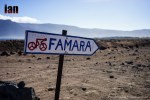
At the coastal resort of Famara, everyone turned 180-deg and the re-traced along the coastline but this time taking in the small mountains and hills that back on to the sea in this area. At times rocky and technical, everyone had a real insight into the complex terrain that one may encounter in a multi-day event. At the summit, one or two runners experimented with foot care and treatment; a key element of successful multi-day competition.

©iancorless.com_Lanza2016-02188

“It’s ben a real eye opener,” said Alan Guthrie. “I have been behind with my training and today I managed my longest session for some time in some very specific terrain that directly relates to my chosen event; Marathon des Sables. It’s been a tough session but I have loved every minute of it.”

©iancorless.com_Lanza2016-02226

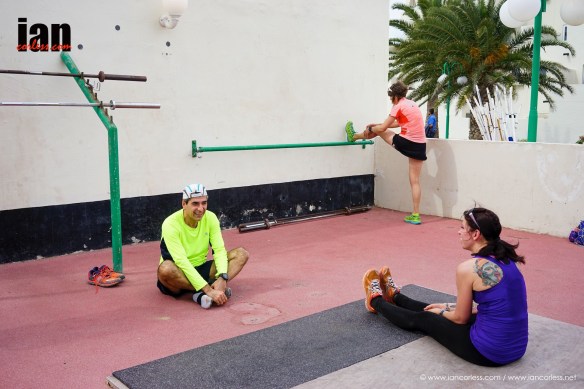
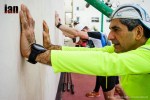
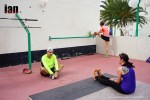
Post run stretching relaxed tired muscles and 2-hour break was followed with a talk and discussion called, ‘What goes in the Multi-Day Pack?’

And just when the runners thought it was time to relax and chill-out an ‘optional’ 20-30min shake out run fired everyone up for one last effort, making the day a very successful and tiring one. Evening drinks, relaxing chat and good food was extremely welcome. Tomorrow we have a structured group walk in the Timanfaya National Park in a series of volcanoes followed with a talk on nutrition and hydration.

Many thanks to MyRaceKit, Raidlight, OMM, PHD, inov-8, Scott Running and Berghaus for the support.

If you would like to take part in a multi-day training camp like this, dates have been set for 2017 and it’s possible to book HERE

Click on an image to view today’s gallery

Lanzarote Multi-Day Training Camp 2016 – Day 2

©iancorless.com_ScottVest-01427

The Lanzarote 2016 multi-day training camp got underway today with an easy 1-hour run along the coastal trails of La Santa to Famara.

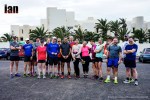
In total, we have a group of 27 runners with a broad range of 2016 objectives such as Marathon des Sables (Morocco), The Coastal Challenge (Costa Rica), Big Red Run (Australia), Cape Wraith Ultra (UK) and the Everest Trail Race (Nepal).

It’s always great to see so many runners of mixed ability come together with one goal in mind; completion of a challenging multi-day race!

Tomorrow, 4-hours of classic desert terrain awaits the runners as they depart in three groups lead by Elisabet Barnes, Niandi Carmont and Marie-Paule Pierson. Ian Corless, camp co-ordinator and planner, will move through the groups, running out-and-back to ensure that everyone is on track and comfortable.

In the afternoon, a group talk and discussion followed with an easy 30-60 min run.

Lanzarote, situated off the coast of Morocco provides the perfect environment to simulate many of the conditions that runners will experience in a classic multi-day race; wind, sand, rocks, tough terrain, climbs and maybe even a little scrambling.

If you are interested in a multi-day training, dates for 2017 have been set and you can view HERE

Many thanks to the following brands for helping with this camp:

MyRaceKit, OMM, inov-8, Berghaus, PHD, Raidlight, Scott Running


Lanzarote Multi-Day Training Camp 2016 – Day 1

©iancorless.com_Lanzarote2016-00826

Day 1 in Lanzarote for the 2016 multi-day training camp. It’s all about scouting courses, checking out terrain and looking for some specific routes that will put our 26 clients through their paces that will help simulate classic multi-day races like Marathon des Sables, Atacama, The Coastal Challenge and more…

MDS 2015 champion, Elisabet Barnes is here and just recently she has secured a three year sponsorship deal with Raidlight. Lanzarote is not only an opportunity to test new Raidlight apparel and packs but also to train and pass on Elisabet’s experience to those who may well be undertaking a multi-day race for the first time.

Our other coaches, Niandi Carmont and Marie-Paule Pierson will also be passing on their own wisdom from their own multi-day experiences. Niandi in particular has been racing ultras for approximately 20-years, anything from 50k, 100k, 100-miles and of course multi-day races such as Marathon des Sables and The Coastal Challenge,

Our clients arrive tomorrow, Thursday. It will be a settle in day with an easy run late afternoon and then all the action starts on Friday with a coastal run that includes mixed terrain, soft sand, some scrambling and of course great weather and great views.

Thanks to OMM, inov-8, Scott Running, Raidlight, Berghaus and PHD of the support on this camp.

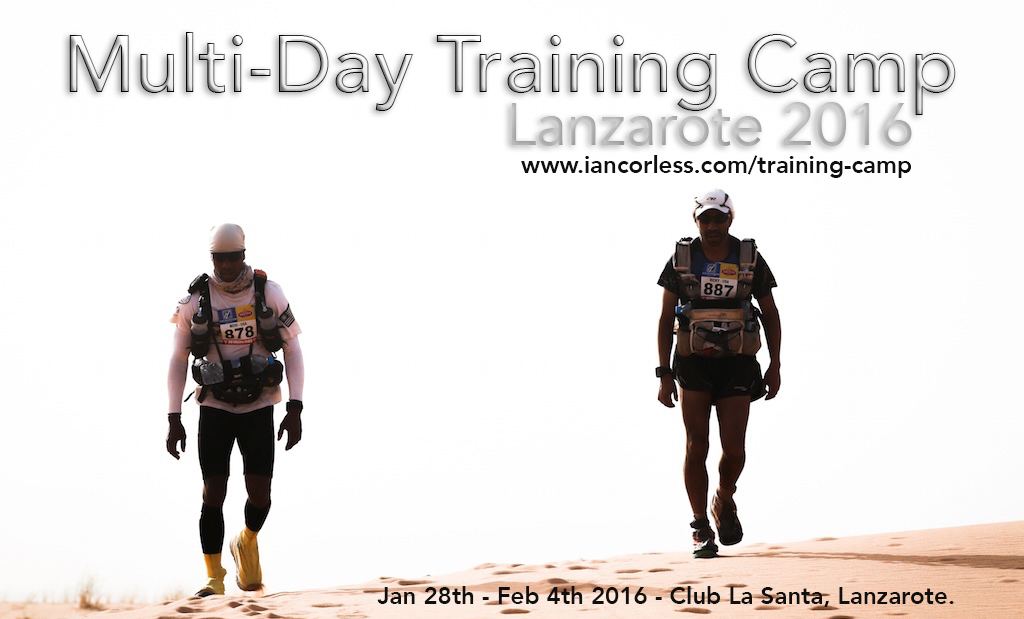
Multi-Day Training Camp Schedule Jan 28th – Feb 4th 2016

Multi-Day Camp Image

Located at the iconic Club La Santa resort, our training camp will provide you with all the knowledge, experience and practical training you need to make your next multi-day adventure a success.  Hosted by Ian Corless and 2015 ladies Marathon des Sables champion, Elisabet Barnes,

The 2016 multi-day training camp in conjunction with:

LogoHeader

Lanzarote offers a variety of terrain that can be found in many desert races and therefore it’s the ideal training ground to prepare and acclimatize for an up and coming challenge.

The camp will provide workshops where it will be possible to discuss and test apparel and specific multi-day kit.

You’ll be able to try dehydrated food and test your hydration strategy in a real situation.

You’ll spend a night out under the stars in your sleeping bag and importantly, you’ll be able to test your pack and work out what works and what doesn’t work.

In addition to all this you’ll have 7 days of training geared towards your targets based around your ability and experience. This camp is for everyone; experienced or novice.

Club La Santa as a resort offers a great base and all facilities are included. This is great for relaxation, an opportunity to cross train or more importantly it’s perfect for friends and family to join you as a plethora of opportunities are available.

INFORMATION

The purpose of any training camp is to provide you with specific information and training designed specifically to help you with your future objectives. Although you may run (train) more in this condensed week, it’s not designed to break you! Therefore, all training sessions are flexible and you can dip-in and dip-out as required. Most importantly, just as in any race, we will have a very mixed ability base. You will therefore train at your appropriate pace with like minded people.

Each day will be broken down into one or two specific training sessions, one workshop and leisure time.

Club La Santa as a resort is a great destination for a training camp due to its proximity to Morocco, mixed terrain and the excellent facilities available within the Club La Santa complex. Over 30 different sports are available ‘free’ to anyone staying within the complex and of course they can be included within your schedule or during your free time.

Apartments at Club La Santa are functional and consist of a lounge/ diner with kitchen, bedroom with 2 x single beds and a bathroom. The lounge area coverts to 1 or 2 single beds. Apartments are for 2 adults sharing and 1 or 2 children can join for free as required.

Club La Santa has 4 restaurants: Atlantico is a buffet restaurant, Pool Bar is located outside near the swimming pools and is great for lunch, casual drinks and evening dinner, La Plaza and El Lago are based within the complex and offer a more formal dining experience. La Santa village is less than 2-miles from the CLS resort and a selection of excellent local restaurants are available. Finally, apartments do offer the option to self cater, however, you will find that evenings in CLS are about getting together, relaxing as a group or in smaller groups and bonding. Just as you would in bivouac.

SCHEDULE

This schedule may tweak or change due to situations beyond our control.


Thursday 28th

Travel to Arrecife from the UK. Easyjet offer a selection of very affordable flights from London, Bristol, Midlands and Liverpool. Ideally an arrival time at CLS before 1700 hours is preferable.

A taxi from Arrecife airport to CLS is 35-50 euros and that is for 1-4 people. Journey time is less than 30-minutes. Where possible, we can look at journey times and connect people prior to departure so it will be possible to share taxi costs.

1700 – 1900 Meet and greet at the Sports Bar within CLS.

1930 Group dinner and welcome at the Pool Bar (food payable locally)

Friday 29th

Important – unless otherwise stated, all sessions will meet at the run track. Please be punctual. All sessions will start on time.

©iancorless.com_MDS2015Day2-1365

0900 – 1200 Coast run to Famara and return. This is a flat run along mixed terrain (sand, lava, rocks) to the coastal town of Famara and then return back to CLS. This is an out and back route and therefore suitable for all abilities.

12-00 – 1500 Lunch and relaxation.

©iancorless.com_MDS2015Day4-6691

1500 – 1700 What goes in the multi-day rucksack

1730 Optional easy 20-40min run or walk.

1900 Drinks and the Sports Bar.

2000 Dinner as a group or as per your requirements.

Saturday 30th

Meet 0830 CLS Reception

©iancorless.com_MDS2015Day3-68620900 – 1530 Volcano Walks – 5 hours trekking over 3 different routes catered for all abilities. This is an organized CLS excursion and is suitable for all providing an opportunity to sight see and gain time on feet. Make sure you have sun cream, water and snacks. An official guide and a snack is provided. This is for adults only, apologies for anyone who may be travelling with children.

©iancorless.com_MDS2015Day5-7013

1730 – 1900 Food and Hydration for the multi-day adventure (workshop and talk).

1930 Drinks at the Sport Bar.

2000 Dinner – as a group or as per your requirements.

Sunday 31st

0800 – 1200 Coastal run to Timanfaya over mixed undulating terrain. This run has some challenging terrain, a little scrambling and provides an excellent opportunity to test oneself.

1200 – 1500 Lunch and relaxation. ©iancorless.com_MDS2015Day2-0398

1500 – 1630 Foot care what to do and what not to do.

1700 – 1800 Easy run of 20, 40 or 60min.

1930 Meet Sports Bar.

2000 Dinner as a group or as per your requirements.

Monday 1st

0700 – 0800 Optional pre breakfast run.

©iancorless.com_MDS2015Day1-9804

0900 – 1200 Rucksack discussion (look at Raidlight, WAA, Ultimate Direction, OMM) We discuss fitting, packing and how to ensure that the pack you choose is specific to your needs and how to pack.

MDS Kit

1200 – 1500 Lunch and relaxation.

1530 Run and Bivouac – This will provide all of you with an opportunity to test your pack, sleeping bag, clothing, food, hydration, cooking options and dehydrated food in a real situation. We will run/ hike out of CLS camp departing at 1700 for an estimated 3-4 hours. We will then bivouac and depart the following morning back to CLS early.

©iancorless.com_MDS2015Day5-9765

*Note – due to logistics and functionality we will not be able to provide shelter for the bivouac, so, if you wish you can bring a bivvy bag or you can buddy up with another runner and share a 2-man tent. Alternatively, you can sleep under the stars (weather depending). We strongly recommend that you bring a sleeping matt even though you may wish not to use or carry one when racing. Also, your multi-desert sleeping bag may well be a little cool for a bivouac night in February! Please bring long sleeve base layer and tights. We also recommend that you bring a lightweight jacket (down) for added evening and/ or sleeping warmth. This is all very specific and applicable to a typical evening in a desert race. We will be available to provide any help and advice prior to departure to ensure that you have all you need.

Tuesday 2nd

0700 Depart bivouac and head back to CLS.

1200 – 1500 Lunch and relaxation.

1530 – 1700 Debrief from bivouac run. Lessons learnt, what worked and what didn’t work.

1730 Easy 30min run or walk.

1900 Drinks at Sport Bar.

2000 Dinner as a group or as per requirements.

Wednesday 3rd
©iancorless.com_MDS2015Day6-0791

0900 – 1200 Run/ walk with dune/ sand familiarization and technique.

1200 – 1500 Lunch and relaxation.

©iancorless.com_MDS2015Day5-8258

1500 What can go wrong and how to prevent it. Be prepared workshop!

©iancorless.com_MDS2015Day2-0626

1600 Shoe choice and gaiters.

1730 – 1830 Coast run/ walk – out and back route for all abilities.

1930 Drinks at the Sports Bar.

2000 Farewell group meal. 

Thursday 4th

©iancorless.com_MDS2015Day1-0379

0700 – 1000 Coastal run for all abilities with pack and putting into practice everything learned during your week in Lanzarote. We appreciate that Thursday is departure day, so this run is optional and a bonus for those who can make it. You can obviously cut this run short at anytime, hence the out and back route.

Thursday am/pm return back to the UK.

Please book your taxi or bus at CLS reception.

PRACTICAL INFORMATION

This training camp is designed to provide an insight into the demands that a multi-day adventure will bring. It is aimed at all abilities and although training and adaptation is a key element of the camp, it is not the most important aspect. Your week in Lanzarote has been designed to provide you with all the information you will need in a ‘real’ environment so that you can ask questions and make mistakes during your training week, not during your race. Leave nothing to chance!

Places are limited and the camp is currently over 50% full.

Camp cost £800 (early booking discounts now have expired, apartments and places now on application)

This includes a self catering apartment on a share basis. Inclusion in the above schedule and access to all facilities within the Club La Santa complex. 

non-running partner cost is £500 or £530.00 if they wish to attend the Volcano walk which is suitable for all abilities.

Balance deadline is now due on booking due to the proximity of the training camp.

What is not included?

Food and drinks are all payable locally. Any additional day trips or excursions and flights/ transfers to and from the UK and internal transfers to and from the airport in Lanzarote.

How to book?


Go back

Your message has been sent

Warning
Warning
Warning
Warning

Warning.


PHD Summer Lightning Review

© www.NICKMUZIK.com

Fast and Light. They are buzzwords in the world of trail, mountain and ultra running. We could argue all day about how this came about. Many would potentially give Kilian Jornet credit for the movement but I think it’s fair to say that men and women have been going light to the mountains and trails for quite some time, it’s just recently that we have all become far more aware.

Light does have its problems!

We have many documented reports, articles and stories of runners, mountaineers or alpinists being ‘caught out’ on a mountain and as a consequence in certain circles, mountain runners have gained a bad reputation.

Travelling light is all well and good providing that you are able to move fast! The two words go together; FAST and LIGHT! But what do I mean? Well quite simply, the process of going light will almost certainly mean that what you carry as a runner or alpinist will be minimal. Minimal of course is subjective and dependent on the person. For arguments sake, lets call light as follows:

  • Hat
  • Gloves
  • Waterproof Jacket
  • Pack to carry water
  • Mobile phone

In essence, that is going light to the trail or mountain. Should conditions become difficult or problematic, this is where FAST comes in. You need to get out of trouble, danger or the cold fast and to safety. In many respects, this is part of the challenge. Running in the mountains is not a risk adverse sport.

Question:

What if though you could add a 1000 fill down product to your pack for a weight addition of 3oz (85g) or 6oz (180g)?

I kid you not.

UK based company PHD currently have 2 remarkable products that embrace low weight, low pack size and ultimate functionality in a limited availability range of products called Summer Lightning.

PHDsummerlite-jck-1-5-15_med

PHDwafer-vest-28-4-15_med

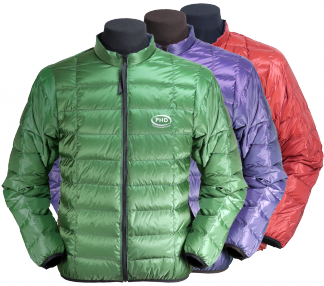
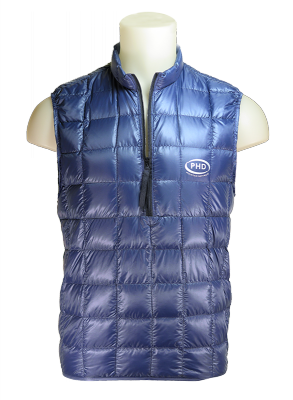
A SUMMERLITE DOWN JACKET (£199 6oz) and a WAFERLITE DOWN VEST (£99 3oz) are part of the K Series range of products that offer ultimate warmth against minimal weight. Filled with 1000 fill power European goose down (responsibly sourced) the jacket has a water-resistant Ultrashell outer fabric, stitch through construction and the vest has a 10x inside and out fabric that is not water-resistant and stitch through construction.

I have to say, having tested both these products I think PHD should make them available all year around. As a brand, my understanding is that they see them as a warm alternative for summer months but to be honest, they are a great addition to any kit list irrespective of the time of year. Both products would provide ideal warm layers to any multi-day adventure such as MDS. The potential to combine a warm layer and lightweight sleeping bag are endless. The apparel would also make a perfect addition (for every run) to any mountain runner’s kit list and lets face it, for fast packing they are brilliant. You see, these products are so light, so small I simply can’t think of a reason not to take them! I even have the jacket packed away in my day-to-day laptop bag or camera bag for that ‘just-in-case’ scenario.

On Test

I have had both products for 1 month and I have tested them ‘in situ’ at Richtersveld Wildrun in South Africa and at the Ultra Skymarathon Madeira. Both races provided me with changeable weather and an opportunity to test each product to the full.

On first impressions it’s difficult to believe that when one looks at these items compressed in a small stuff sack that they could possibly be a down vest and a down jacket. You pick up the vest and you don’t even notice any weight. It is just 3oz. The outer Ultrashell fabric on both products is silky smooth and a pleasure to wear against the skin. I wore the vest and jacket with just a t-shirt underneath and found them both really comfortable.

They may be light but they are warm, really warm. Let’s be realistic, they are not for polar conditions. But if you need a warm layer to protect against morning or evening chill, daily colder or cooler temperatures or an additional warmth layer to be added under a Gore-Tex (or similar) or windproof jacket, they are the perfect choice.

They are arguably the lightest down products in the world? Both pack to the size of an apple!

I have to say, I was spoilt; having a vest and jacket did allow me to regulate my temperature extremely well and on one occasion I actually wore the vest under the jacket on a very cold and damp night in South Africa.

They are simple, no frills products. The vest has no pockets and just a half-zip to reduce weight. The jacket has a full-length zip, two side pockets and a short stand up collar with no hood. However, it is possible to add a hood when ordering for the additional cost of £27.

As with all PHD products, items are made to order and this does allow you to customize any apparel exactly to your needs. For example, you could have a jacket with a half-zip, no pockets and a hood! The choice is yours.

Please keep in mind that if you need or require products by a certain date, you will need to allow for manufacturing time.

On the go, I found adding or removing either the vest or the jacket easy. They pack so small that I could actually just stuff either item in the pocket on my shorts. This is important because as soon as you start to move quickly, they retain heat exceptionally well and you find that you need to remove them so that you don’t sweat. Of course, as soon as you stop, you can quickly access the vest or jacket and wear them so that you don’t get cold

I wore the jacket all day on a very wet and chilly South African day and the Ultrashell outer fabric did a great job protecting the down from wet and moisture. Admittedly, I did wear a waterproof layer over the top. But in and around base-camp I was often moving from one tent to another with no waterproof layer and the product held up well with no problems despite constant drizzle and rain. Notably, the vest and the jacket did a great job of blocking out the wind.

Summary

PHD has come up with two incredibly light and small items of apparel that are now part of my ‘essential’ kit. They are so small, light and effective that I can’t be without them. Yes, they are that good!

Do I have a negative comment?

Down does not like rain, wet or moisture and it effectively becomes useless should this happen. Ultrashell fabric does protect the insulation in the jacket but this would only protect to a certain extent. So, if you anticipate bad (wet) weather you would almost certainly need a Gore-Tex or similar 100% outer layer to maximize the 1000 down fill. To be honest though, if you were going to the mountains a waterproof outer layer should be mandatory no matter how light you are going!

On a final note, I can’t recommend these two products enough. They may not be the cheapest apparel available but what you get are two incredible products that are functional, pack small and are superlight. Did I also mention that PHD has two sleeping bags that are also part of this range: ELITE RACER DOWN BAG (8oz) and RACER DOWN SLEEPING BAG (90z) more news on those to follow.

 PHDracer-sleeping-bag-26-4-15_med

PHDelite-racer-down-sleeping-bag-10-5-15-1_med


Specs as provided by PHD 

Summer Lite Down Jacket £199 

PHDsummerlite-jck-1-5-15_med

  • A PHD ‘K Series’ product: Ultimate warmth / weight performance
  • PHD’s Unique 1000 fill power European Goose down
  • Water-resistant Ultrashell outer fabric (our lightest-ever proofed fabric)
  • Ultralight 10X inner fabric
  • Stitch-through construction for lightness
  • Pockets: 2 zipped hand-warmer pockets

Not only is this our lightest-ever insulated jacket, it’s made in water-resistant Ultrashell fabric too.

A super-light down jacket with exceptional summer race and trekking performance.  At just 180gr it weighs less than many base layers, and it packs down tiny taking the absolute minimum space up in a summer rucksack.

The amazing Ultrashell outer fabric (our lightest water-resistant material) protects the down from damp and its 100% wind block qualities enhance the performance of the unique 1000 fill power Down insulation.

  • Ideal companion for summer nights
  • Pack without noticing the weight or bulk
  • Outer layer or mid-layer warmth
  • Warmer, lighter and a smaller pack size than a fleece jacket and 100% wind block too.

5 deg C

180g / 6oz

Add a hood £27

Three colours 

XS, S, M, L, XL


WAFERLITE DOWN VEST

 PHDwafer-vest-28-4-15_med

  • A PHD ‘K Series‘ Product: Ultimate warmth / weight performance
  • PHD’s unique 1000 fill power European Goose Down
  • Outer & Inner fabric: Ultra light 10X
  • Stitch-through construction for maximum weight saving
  • Down-filled collar to seal in the warmth

At 85g (3oz) the WaferLite vest is the lightest down vest in the world. 35% lighter than our superlight standard Wafer Vest.

The 10X fabric gives total wind block and the unique 1000 fill power down provides the highest warmth-for-weight performance possible. Packed into a tiny stuff sac, the WaferLite vest is simply breath taking for summer racers and ultra-light trekking.

The WaferLite vest will fit snugly under any of our down jackets, even the Minimus or the Yukon.

  • Ideal companion in a cool camp, bothy, or hut.
  • Pack without noticing the weight (or the bulk).
  • Midlayer to boost warmth

Add performance to your sleeping bag.

5 DEG C

85G / 3OZ

£99


PHD are available HERE 

SummerLite Down Jacket and WaferLite Down Vest are currently only available in May/ June.


PHD v YETI v OMM – Sleeping Bag Review

©iancorless.com_MDS2015Day5-9765

If you are running a self-sufficient race or if you are going fast packing, a sleeping bag is going to be an essential item. The need to carry all your supplies in your pack quite simply means that you are constantly having a battle against weight and functionality.

It’s fair to say, that for most people a 20 ltr pack has now become the ‘norm’ for multi-day adventures and they vary considerably. But hey, we are not here to talk about packs, we are here to discuss the sleeping bag that will go in the pack and importantly provide you with warmth and comfort during the night so you feel fresh for the following day.

I have just returned from working (3rd consecutive year) at the Marathon des Sables. Arguably, MDS as it is affectionately known is the daddy of multi-day racing. To draw a comparison, it holds the same allure and respect that Western States holds for the 100-mile distance.

Now in it’s 30th year the race has seen it all. Today, the British contingent are the most represented nation at the race, closely followed by the French. Following online forums as the 30th edition came close, one question was repeatedly asked, ‘What sleeping bag are you taking?’

It was a good question and on the face of it, a question that could easily be answered by each person clearly writing the name of their chosen product. However, nothing is ever that simple and sleeping bags (along with which pack) may very well have been the most argued and discussed topic prior to the race.

One thing was apparent from a British perspective. Three names repeatedly cropped up – OMM, PHD and YETI. Armed with this information, I decided to take all three to the MDS and test them, ‘in situ’ and feedback my thoughts.

Are you running a multi-day race? Join our Lanzarote Training Camp which takes place in January every year with two-time Marathon des Sables champion, Elisabet Barnes. Along with Sondre Amdahl and Shane Benzie.

Check it out HERE
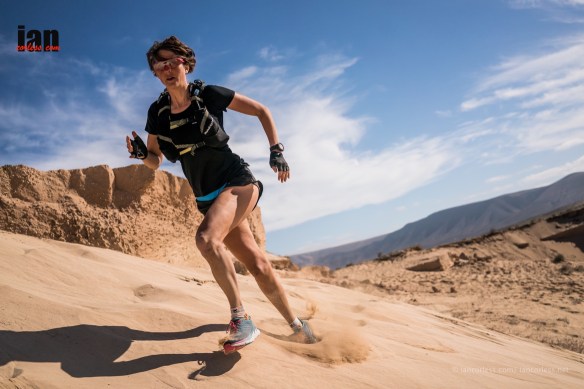
Firstly a little background history.
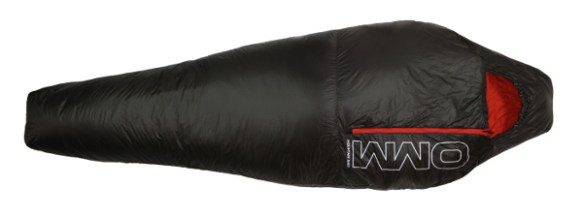
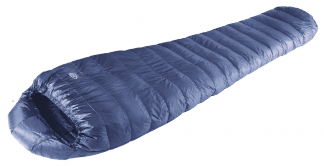
OMM 1.6

OMM – (website HERE) OMM stands for Original Mountain Marathon and they have pioneered apparel, packs and products to enable runners to move fast and light in challenging terrain for multiple days.

Minimus

PHD – (website HERE) PHD stands for Peter Hutchinson Designs is a UK based company who provide a range of functional and technical apparel for adventures all over the world. They offer a range of ‘off the shelf’ designs but they are renowned for their bespoke services. You can read a profile here.
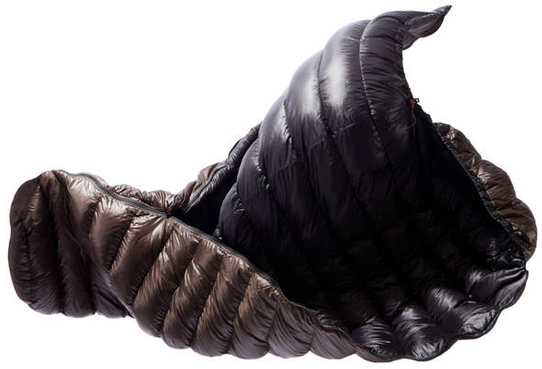
Yeti Passion One

YETI – (website HERE) YETI are a small German based company who specialise in down sleeping bags. They also making clothing and accessories.

THE TEST

Before I get down to the nitty gritty, I must clarify certain things. Firstly, the weather at MDS in 2015 was quite variable, we had warm days, plenty of variable wind (including sand storms) and at night temperatures dropped considerably towards the end of the week.

I alternated between bags and in particular on the first night (particularly warm) I slept in all three bags for approximately 90-120 minutes each. Also, I did this on the coolest night which coincided with the longest day.

So that you can draw comparisons, here are my personal body stats:

  • Height : 5ft 9in.
  • Weight : 73 (ish) Kg.
  • Waist : 32″ inch.
  • Shoulders : 40″ chest.

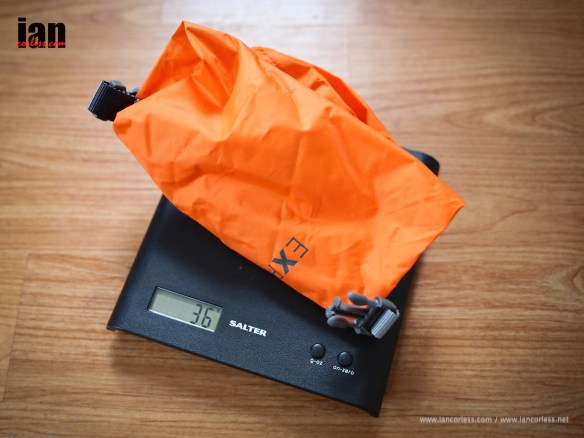
It will soon become apparent why the above stats are important. Each night I used a sleeping matt and a small travel pillow. I also had a TNF down jacket that weighed 250g as an optional ‘warmth’ layer if required. For consistency I used a ‘Exped’ dry bag for all my sleeping bags. It does add extra weight (36g) but I like the security of a bag like this protecting my sleeping bag from the elements.

©iancorless.com_OMM-7649

©iancorless.com_OMM-7642

Lets look at the sleeping bags in detail

OMM

©iancorless.com_MDS2015Day7-2379

OMM provide two sleeping bag options, the 1.0 and the 1.6 (as tested). As you would imagine, OMM want to make a bag or bags that are light, functional and pack small. I like two key things about the OMM bags: they are cheap in comparison to the competition and the filling is not down. By using Primaloft the OMM is functional in varied weather and as such, this bag can get wet and it will still remain warm. This does not happen with down! Of course, rain in the Sahara may well be far from your mind but remember, MDS is just one race… I am sure you will use your bag for may adventures.

OMM say:

The bag is made from a combination of materials to ensure maximum performance. The Purist bag for the Minimalist, The shell is made from PointZero, It has a DWR treatment to the fabrics face to give it a degree of water repellency and also extra stain resistance. The synthetic insulation is Primaloft Gold to give the best warmth to weight ratio available on the market, we have used different weights per panel to ensure the best technical usage of the fill. The base sheet is filled with Primaloft Gold 60g, we then put the Primaloft Gold 100g on the top sheet. The footbox is also shaped and filled with Primaloft Gold 100g to keep the feet warm. The construction is also considered as we have a loose laid outer shell and the inner stitched through to the insulation again this is to maximise insulative value and eliminate cold spots.
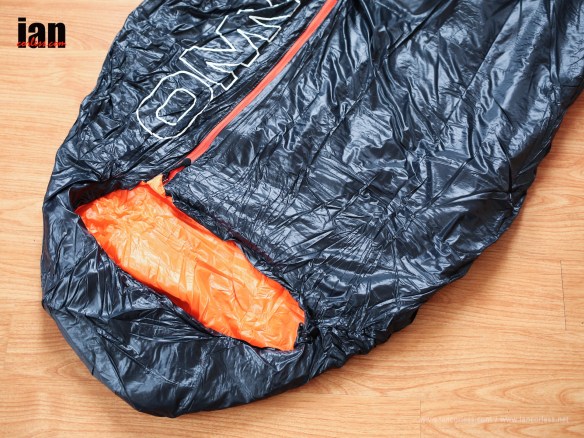
©iancorless.com_OMM-7630

OMM do not provide a rating for their bags and this does cause some issues for many people. I can understand why, no rating does leave a question mark on how warm the sleeping bag will be. The bag is mummy shaped with a short zip that sits in the middle of the bag and not at the side. It has a drawstring hood and is silky soft to touch. As mentioned this bag is fast drying and has an element water repellency.

©iancorless.com_OMM-7636

The bag only comes in one size, so, if you are taller than 6ft it’s not the bag for you. In addition, as with all the bags in this test, they are designed to be minimalist and therefore some compromises must be made. When zipped up I personally had little room to move around in the bag, this was not a problem for me. However, if you have a big chest and shoulders you may want to make sure that it’s comfortable. At £170 this bag is a bargain and I would really recommend it. On the warm nights at MDS, particularly the first night, I was able to open the zipper which allowed me to get air to my torso and cool down. On the coldest night, I zipped up, put my head inside the hood and I used the draw string to keep out any drafts. I took a TNF lightweight down jacket but did not need it, however, the addition of a sleeping bag liner or lightweight thermal top and pants would be recommended for the coldest MDS nights
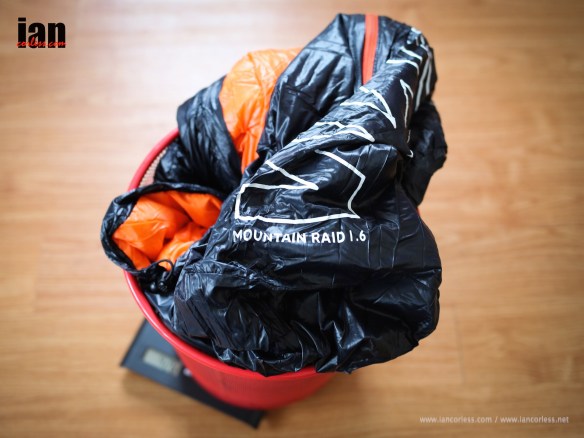
©iancorless.com_OMM-7623 ©iancorless.com_OMM-7626

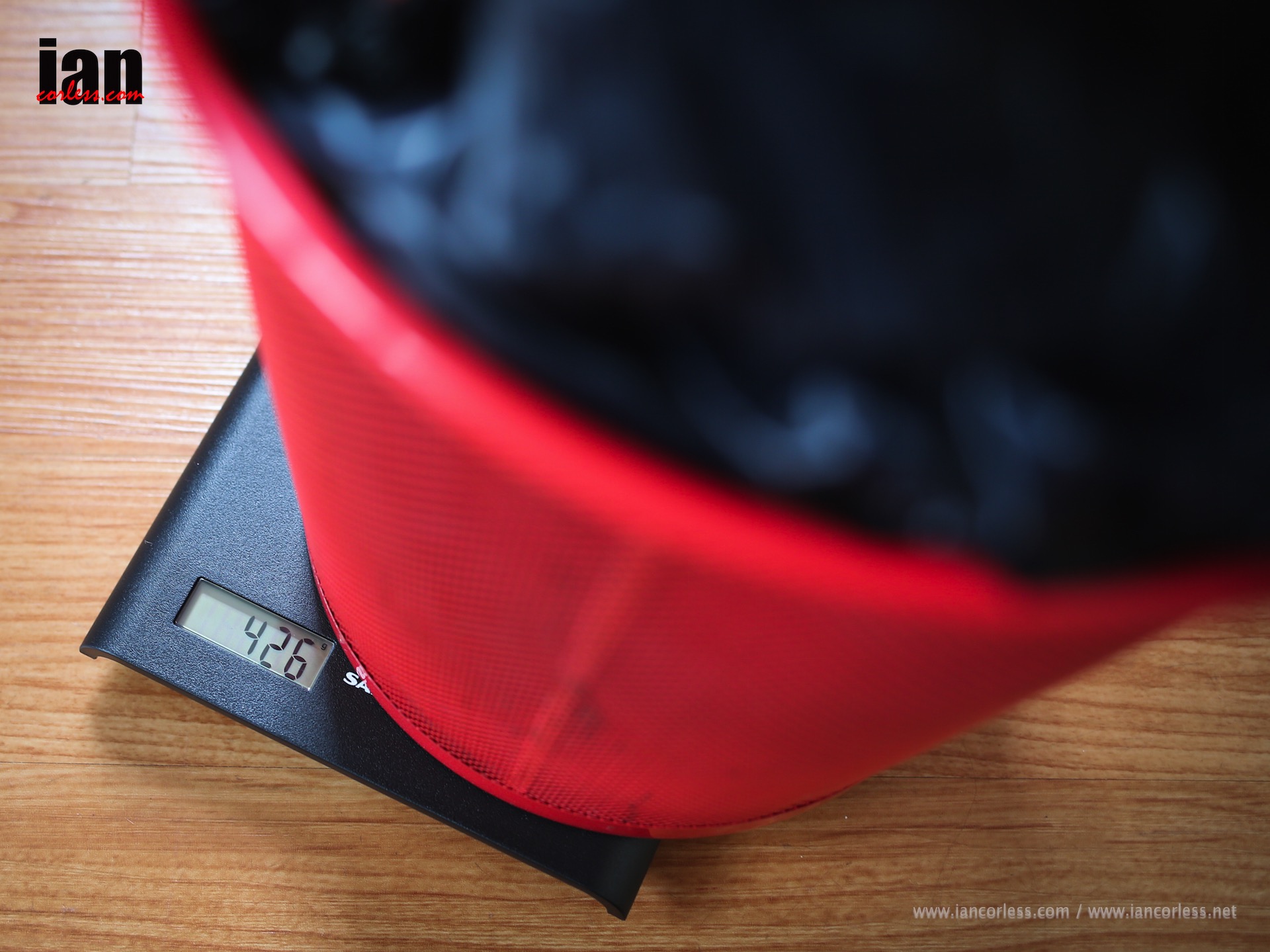
Weight is good (426g) but it’s the heaviest bag here and the bag packs down really small.

PROS:

  • Primaloft fabric is extremely versatile.
  • 1/2 zip keeps weight lower and does offer ventialtion.
  • Soft feel and comfortable.
  • Price.

Price

CONS:

  • Not the lightest bag
  • You need to be under 6ft tall
  • Not warm enough on the coldest night.
  • Need a liner or base layer clothing for colder nights

What 2015 MDS participants said:

Henry Potter Had the omm, was cold after about 2 am every night. I’m usually a petty hot person so thought I would get away with it. Also being 6,1ft it was a little on the small side!

Mark Gibson Used the OMM. Felt cool in the night but not uncomfortably, I like to spread out so the narrow end took some getting used to. Would use it again.

Ben Daly Omm1.6 cold between 3 and 5am every night and I’m quite brave when it comes to the cold

PHD

©iancorless.com_MDS2015Day7-2366

PHD make several sleeping bags and the Minimus K has become a regular at MDS. As mentioned, PHD make custom products for the entire range, however, it is possible to purchase the Minim Ultra K (330g from stock) at a cost of £263 in ‘standard’ fit. The big plus of PHD over other sleeping bags is how it is possible to customise a bag specific to your needs:

  • Length – short, standard, long and extra long
  • Width – slim, standard, wide, extra wide
  • Outer fabric – MX or ultra shell
  • Zip – no zip or short zip

Adjusting all of the above obviously alters the price, but if you are tall, wide, get cold feet, require no zip or require a half zip, PHD can give you exactly what you want! I recommend you allow time for this… don’t try to order a bag in March when you have a race in April…

For example, lets say you are small, slim build and require a half zip – Cost is £335 and the weight is 372g.

By contrast, lets say you are very tall, have huge shoulders and require a half zip – Cost is £458.28 and the weight is 588g.

A standard ‘off the peg’ Minim Ultra K with no zip in standard length and width weighs 330g and cost £263.

PHD say:

This K Series product has been created for one single reason, to take warmth-for-weight performance to the limit of what’s possible. Unique 1000 down, super-light materials, and specific design features mean that the word Ultralight now applies to this wide range of gear that will take you to the Poles as well as on a Sahara Marathon.

To those who like to shave every gm of weight off their load, the Ultra K sleeping bag is designed for you. The 10X inner brings a new soft comfort as well as reduced weight, while the unique 1000 down ensures max warmth per gram. An ultralight dream at 330gm (11.5oz).

Minim Ultra K.   330grm  (Mostly selected for weight saving).
Minimus K.         380grm  (designed for 5c nights – for a good nights sleep and recovery. This is the most popular choice)
Minim 400 K.     585grm  (mostly selected by those that do feel the cold)

Zip options are interesting. We find for MdS we’re sometimes putting in a short zip and occasionally just a foot zip. The Design Your Own Sleeping Bag site allows foot zips:  http://www.design-your-own-sleeping-bag.com/
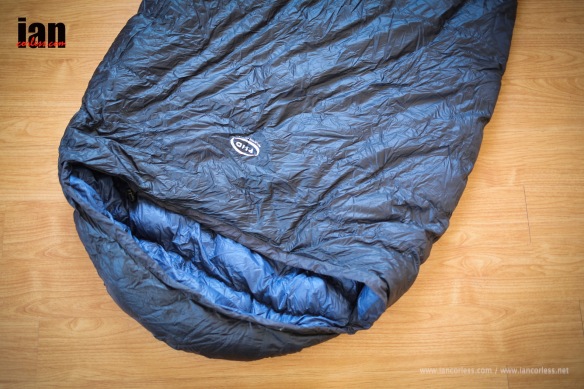
©iancorless.com_PHD-4544

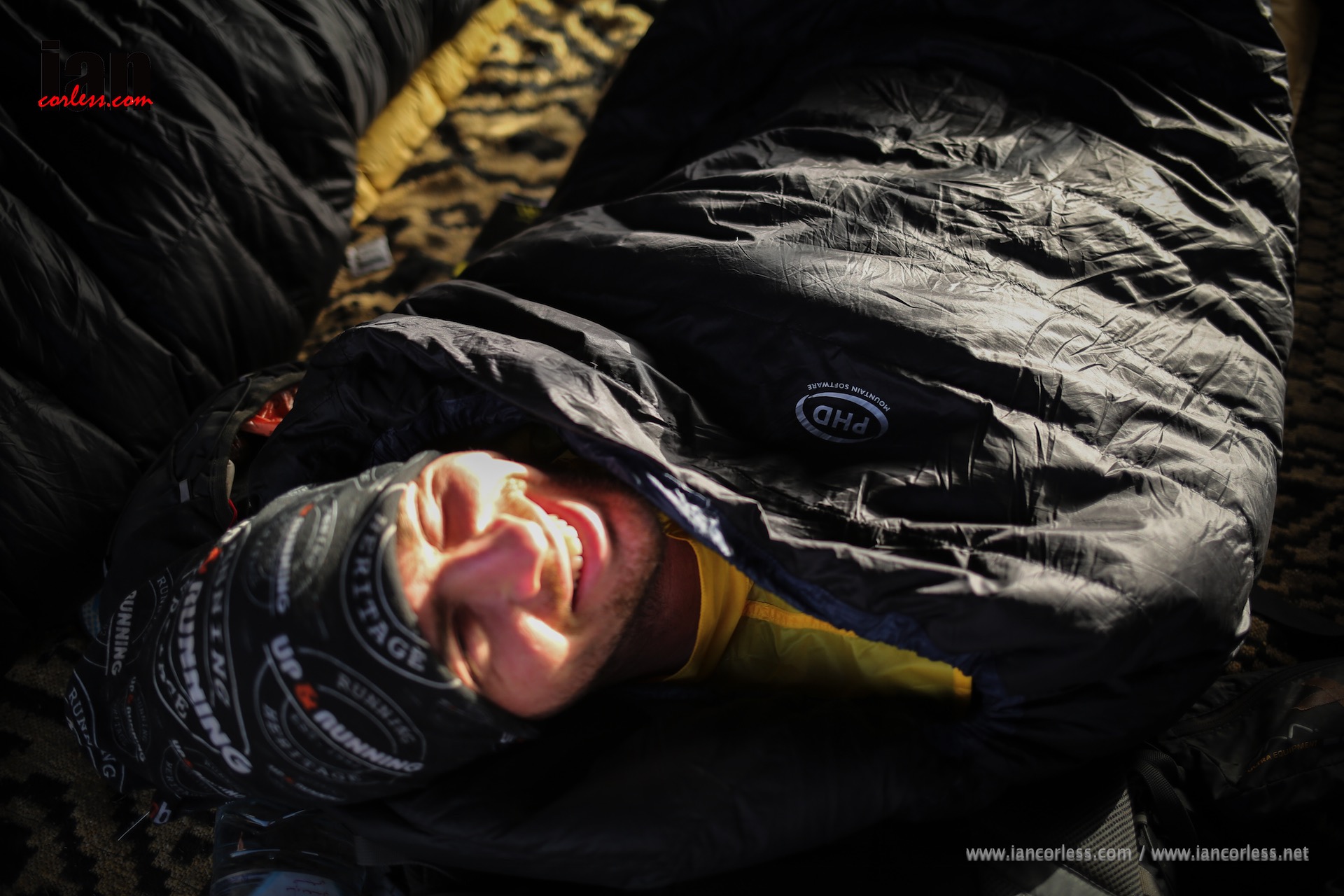
The PHD was actually too warm for me on the warm nights and was perfect on the colder nights without any base layer or liner. It’s a real plush bag and very comfortable. The lack of a zip means temperature regulation is cumbersome. My only option was to pull the bag below my arm pits or push down around my waist. I personally would order a custom bag with a half zip given the choice. The fill is 1000 European goose down (hence the warmth).
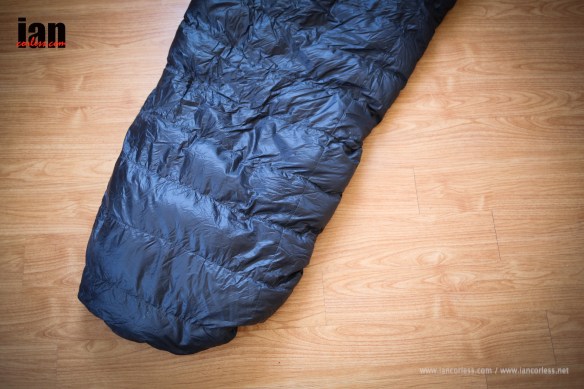
©iancorless.com_PHD-4547

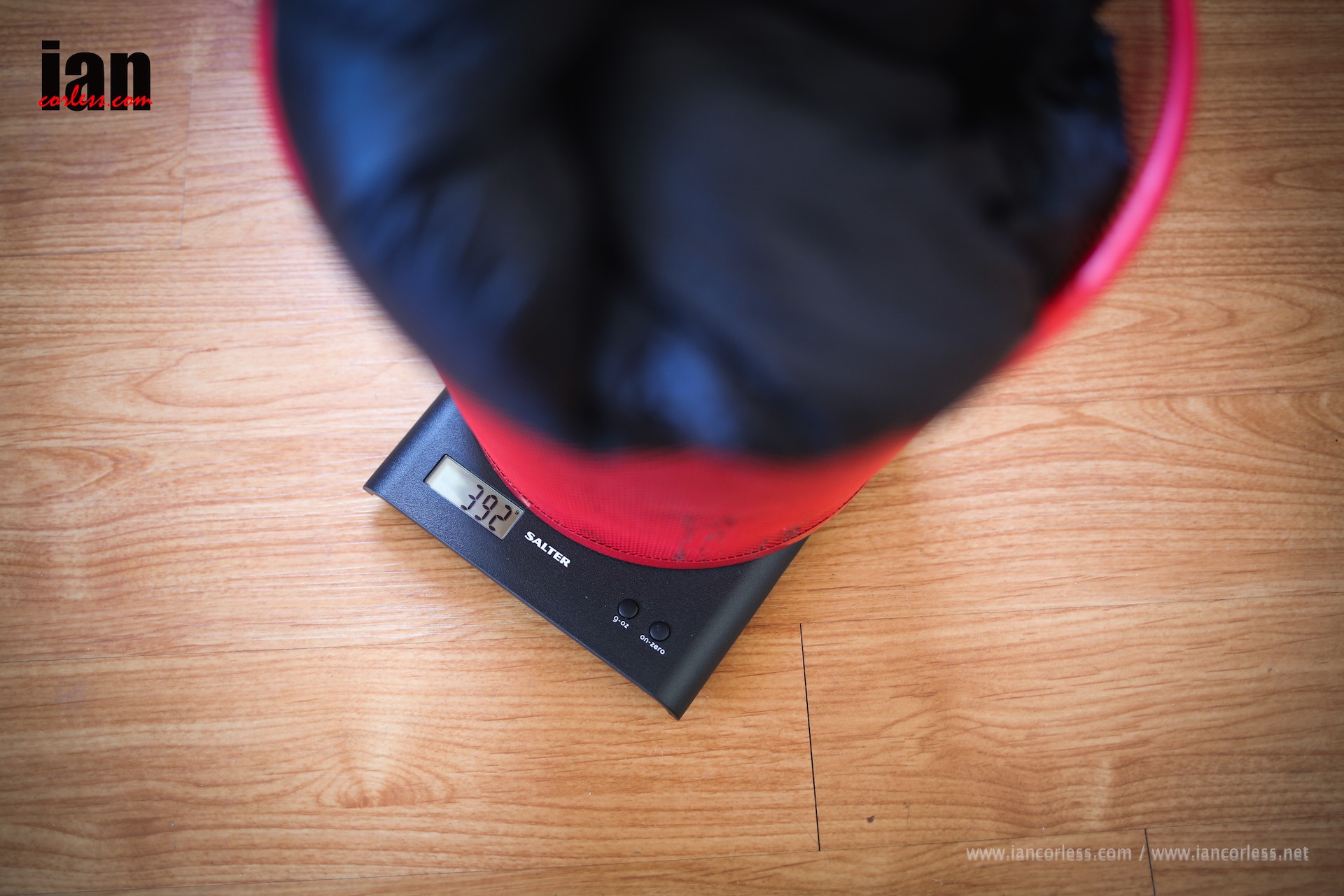
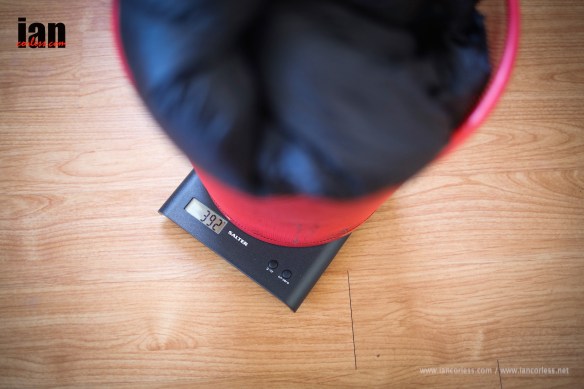
The bag tapers nicely and doesn’t restrict in any way. The construction of the bag guarantees a great spread of down and it packs small and weighs a very competitive 380g.My bag actually weighed 392g.
©iancorless.com_PHD-4550

PROS:

  • Warm
  • Packs small
  • Comfortable
  • Customiseable

CONS:

  • Off the shelf it has no zip
  • Maybe too warm for some (without zip)
  • Lighter than OMM but not as light as Yeti
  • You don’t want to get the bag wet.

What 2015 MDS participants said:

Leigh Michelmore Used the PHD Minimus during MdS and found it to be perfect for what I needed. Compact, lightweight and very comfortable. It may have actually been a little too warm as I had one or two nights where it did too good a job. Overall very happy with it and will use it again!

Mat Needham I used the minimus Ian.

Super warm and I had to sleep partly out of the bag due to how well it performed, there were a couple of nights where I had to fully get in but that was more to do with the wind and sand blowing in the tent. Fitted in my small pack perfectly and very light. I would definately recommend it to others.

Dafydd Lewis I used the PhD minimus. Brilliant bag, really warm and light enough. Would definately take again……if I go again!!

Rich Torley Had issue with the zip on the PHD Minimus: would jam frequently and mostly during the night when I needed to escape for a pee. Wondered if it was to do with sand but never proved conclusively. Grew quite jealous of the Combi being doubled up as a jacket, especially on the colder mornings.

YETI
©iancorless.com_MDS2015Day7-2459

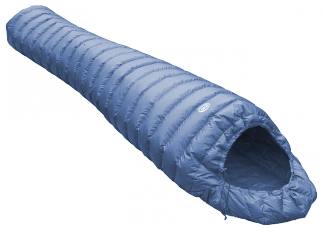
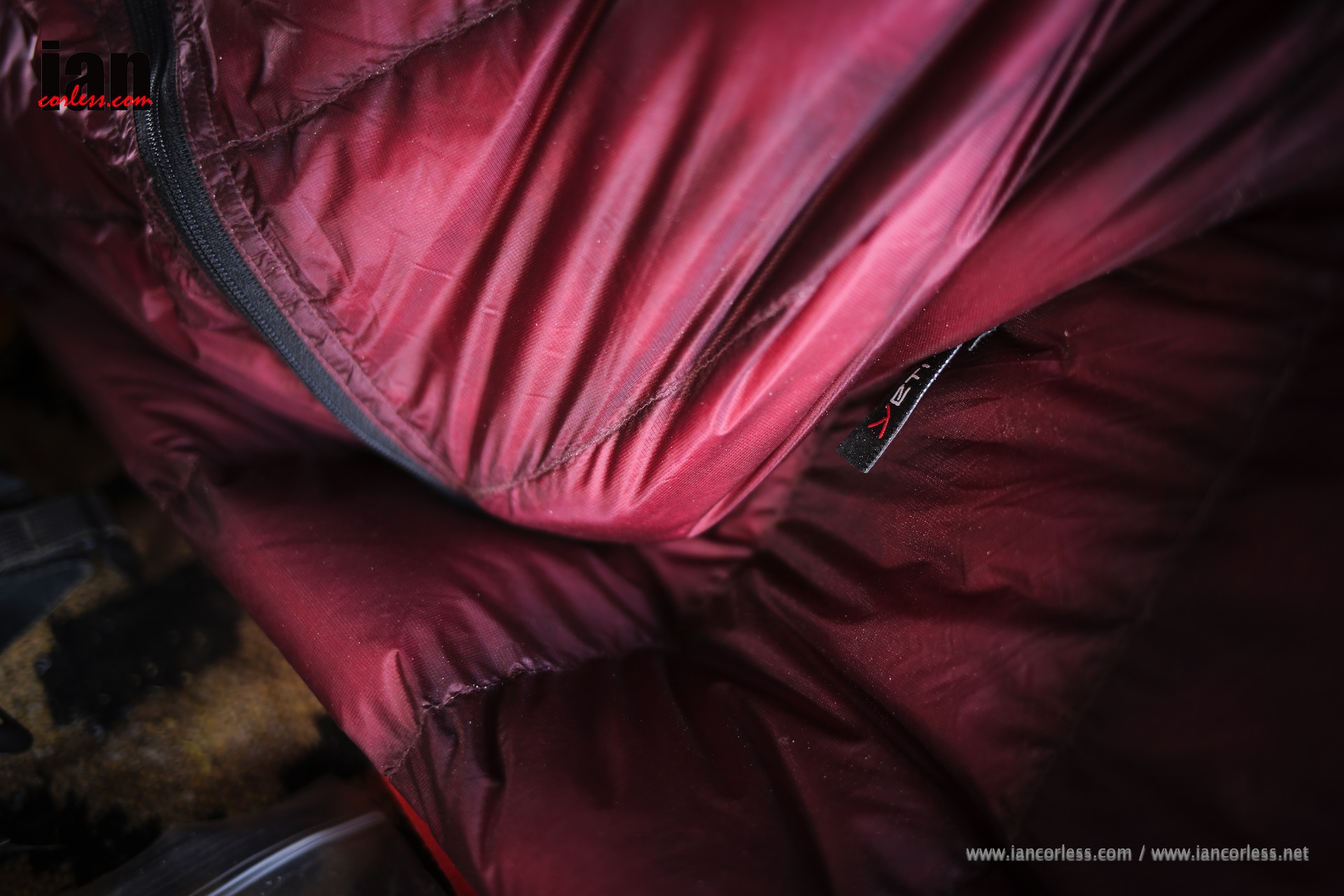
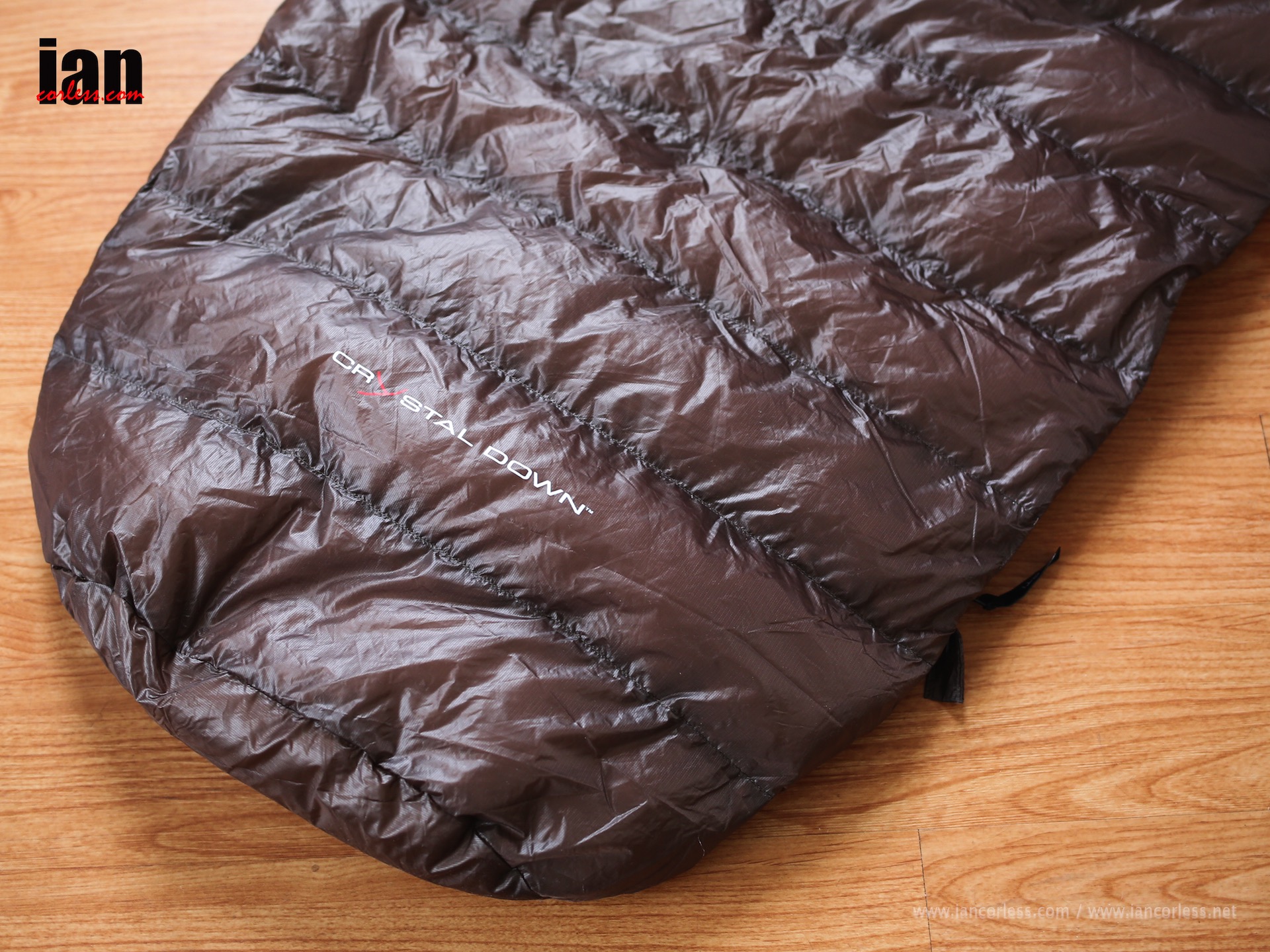
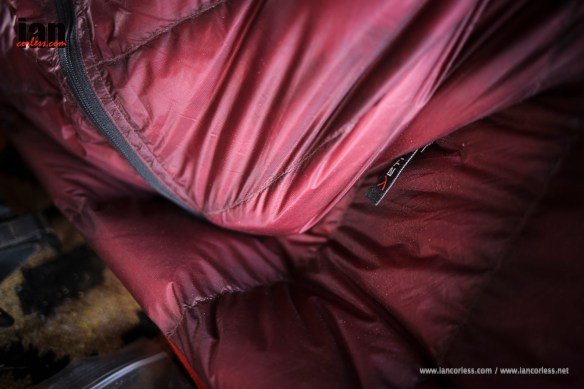
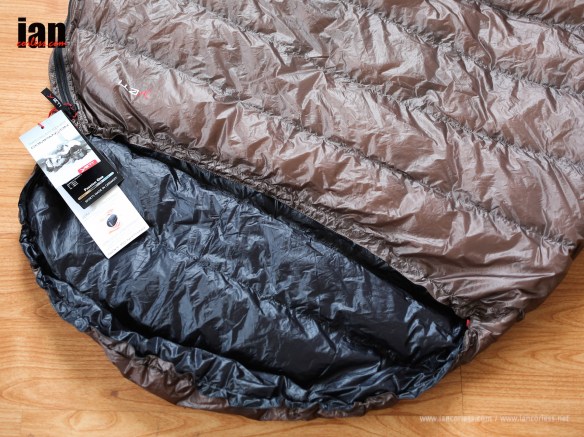
YETI (new bag, Fever Zero above) are specialist sleeping bag makers. They offer a range of products so that you can decide on the exact bag for your needs and requirement. However, unlike PHD, they only offer ‘off the shelf’ products. The Passion One bag was extremely popular at the 2015 MDS for two reasons: small pack size and low weight. Weighing just 320g this bag has a full zipper, a real bonus for hot nights and it has Goose Down class 1 filling. It’s worth noting that if you require more warmth, a Passion Three (465g) and a Passion Five (690g) is available.

The Passion One is silky smooth, soft on the skin and on the first night in camp it was a real pleasure to have a full length zip to allow air to get around my body and regulate temperature. However, on the coldest night, I found the Passion One on the cold side and found the need for an additional layer.

YETI say:

Perfect for people who experience adventures while others sleep; who enjoy a trip with good companions; who consider flirting an adventure as well; who believe life is too short for bad design; who do not consider fashion and nature to be inconsistent with one another; who dream about flying; who believe their eyes travel as well; who consider the lightness of being absolutely bearable.
©iancorless.com_Yeti-7604

In comparison to the PHD and OMM products, the Passion One felt ‘too light’ which I guess is a good thing.
©iancorless.com_Yeti-7621

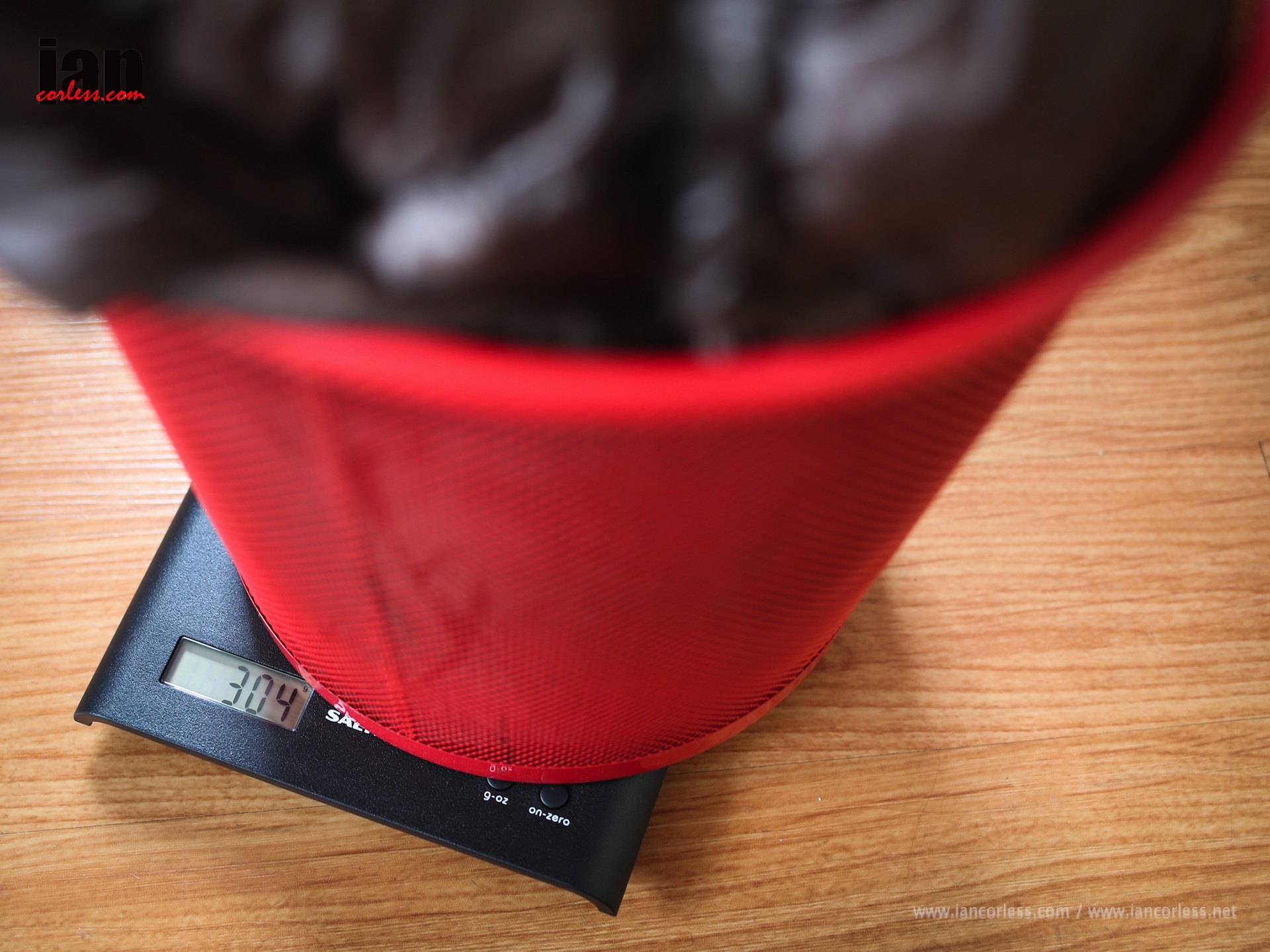
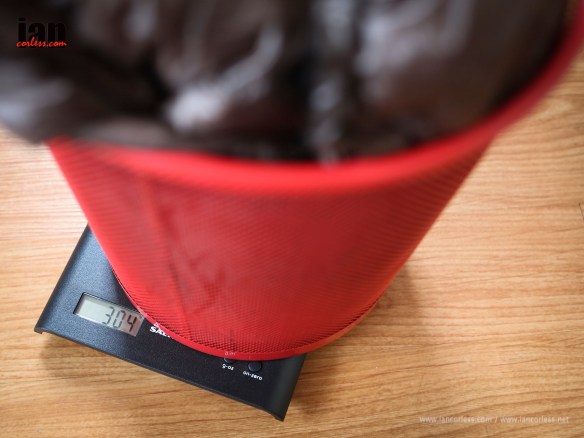
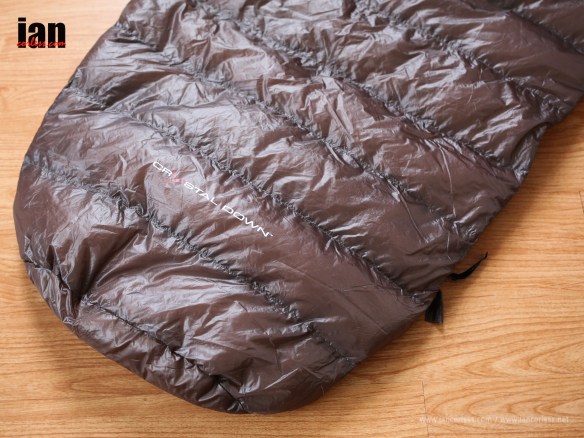
The scales confirmed that my bag was 304g, so, a good 100g lighter the the PHD Minim Ultra K and 122g lighter than the OMM 1.6. However, weight isn’t always everything… like the PHD, the Passion One comes in a choice of sizes: M, L or XL. The M is Ideal for me as I guess I am pretty much ‘standard’ size, however, big shoulders, extra height and you may struggle so rest assured that Large (6′ 3″) and Extra Large (6′ 9″) are available – obviously weight increases. The cost of the Passion One is £300
©iancorless.com_Yeti-7605

As with all the bags in this test, space is at a premium. It’s the nature of travelling light, however, I did find the Passion One offered a little more room in the toe box.

PROS:

  • Lightest bag in the test.
  • Full length zip.
  • Draw string hood.
  • Small size.

CONS:

  • Not warm enough on the coldest night.

What 2015 MDS participants said:

John Evans Took the Yeti Passion One without liner, cover or mat. Found that stuffing it into my bag nearest my back provided good cushioning and saved 40g on carrying the cover  The bag itself was fine, a little too warm on the first few days but the full length zip was fine for temperature adjustment; got cool on the later stages when the wind was up (i was sleeping in the centre of the tent with most airflow) and body reserves were low, but manageable. Stuck it in the washing machine when i came back which seems to have screwed up the lining.

Melissa Venables Yeti – freezing cold with silk liner most nights except the warmer night where I did hang a leg out. Stage 4 I got in it with the space banker they had also given me and did that for a few nights (sorry tent 183 for rustling like a crisp packet)
The last three days it started shedding down everywhere as the material is so thin it split (inside)
I am a cold person hence taking liner – chose it because it was small and at one point I was going with a 14 l pack. Wouldn’t take again I would go for something warmer even if it meant a little more bulk and weight!

Rob Shaw I used the Yeti one. Very light and packed up small. Decided at the last minute not to pack the silk liner and regretted it. Very cold on the later days of the race mainly due to wind blowing. It’s a warm bag but if you are in a draught the wind blows right through it. If you can drop a side of your tent to block the wind it certainly helps.

Dave Benison Yeti Passion One with no liner. Perfect choice for me. Full length zip allowed for legs to pop out on the warmer nights, and during the sandstorms the drawcord around the top meant I could really batten down the hatches & keep sand free inside. On the cooler nights I would say it was ‘just about’ warm enough, and only had to reach for my Ghost Whisperer jacket once (at about 4am after the long stage.)

For what it’s worth…

©iancorless.com_MDS2015Day5-6780

Another popular bag/ combination at MDS is the Raidlight Combi Down Sleeping Bag / Jacket. At £170 it represents real value for money as it combines a jacket and sleeping bag in one package. This obviously sounds like a great idea… However, the weight of the Raidlight is 700g. I personally prefer the flexibility of a sleeping bag and separate lightweight down jacket as this not only provides extra flexibility but reduced weight.

Raidlight say:

Raidlight’s ‘Combi Duvet’ dual purpose Sleeping Bag and Jacket. It is down-filled for great warmth to weight ratio. Perfect for use on multi-day races such as MdS or any event where duel purpose is key. At night, a warm sleeping bag and by day just unzip the arm holes, fold the bag up inside the back section, and it’s a really warm jacket.

CONCLUSION

As you can see, purchasing a sleeping bag is not as easy as you think, particularly when you are trying to pack this in a pack with all your food and other equipment for a multi-day adventure. You need to ask some very specific questions to ensure that you get a bag that works for you and fulfils your needs:

  • Are you tall?
  • Are you wide
  • Do you sleep cold or hot?
  • What is your budget?
  • Do you want to use your sleeping bag for other trips?
  • How important is weight?
  • How important is pack size?
  • Will you carry an additional base layer and/ or down/ thermal jacket?

One you have answered the above you can be very specific about what you need and it should, I hope become obvious which of the above bags is likely to be suitable for you.

I of course need to stick my neck on the line and say what my choice would be!

To be honest, it’s a relatively simple decision, I would go for a custom made PHD Minim Ultra K with zip so that I could regulate my temperature. With this bag, I would not need to carry an additional down jacket (weight saving 250g) and I could carry a small wind shell as a layer when not sleeping. Bag and wind shell £320.

But, the OMM 1.6 represents real value for money (if you are under 6ft). It provides a sleeping bag that can withstand the elements (rain) and the money saved on the bag would allow me or you to spend up to £200 on a real super lightweight down jacket that would offer great flexibility not only at a race such as MDS but at other events. Combined bag and Jacket price £370.

If I was an out-and-out racer looking for the lightest bag, the Yeti Passion One with full length zip and options of M, L or XL make this a tempting choice. But for me the money spent on making this bag small and light is potentially outweighed with the need for an additional warm layer that not only adds cost but weight. I would say that this bag and jacket may well come close to a combined cost of £500.

The curve ball comes with the Raidlight Combi Down Sleeping Bag / Jacket that provides great value for money. It’s certainly warm and the flexibility of the jacket option is attractive for some. However, it does weigh slightly more and packs larger. The cost at £170 is a bargain.

So what do you think…. what would you go with?

Please support this website. I believe everyone deserves to read quality, independent and factual articles – that’s why this website is open to all. Free press has never been so vital. I hope I can keep providing independent articles with your help. Any contribution, however big or small, is so valuable to help finance regular content. Please support me on Patreon HERE.

Follow on:

Instagram – @iancorlessphotography

Twitter – @talkultra

facebook.com/iancorlessphotography

Web – www.iancorless.com

Web – www.iancorlessphotography.com

Image sales –www.iancorless.photoshelter.com
Packing for Nepal and Everest Trail Race

©iancorless.com_Nepal2014-0463238

Packing for Nepal…

If you are like me, packing and deciding on kit is harder than doing an event sometimes. This is magnified in an event like the Everest Trail Race when I need to cover the same ground as participants, be self sufficient AND carry all my camera equipment.

It has taken me a long time to tweak and get this right. I am still not sure I am 100% but I am close.

I have been asked many times what do I take, how do I do it and what are my hints ‘n’ tips are? So as I pack for Nepal it seemed to make sense to document this and provide a little insight.

From the start I want to express many thanks to The North Face, Montane and Suunto for the support on making these trips possible. I couldn’t do it without help.
MONTANE-2

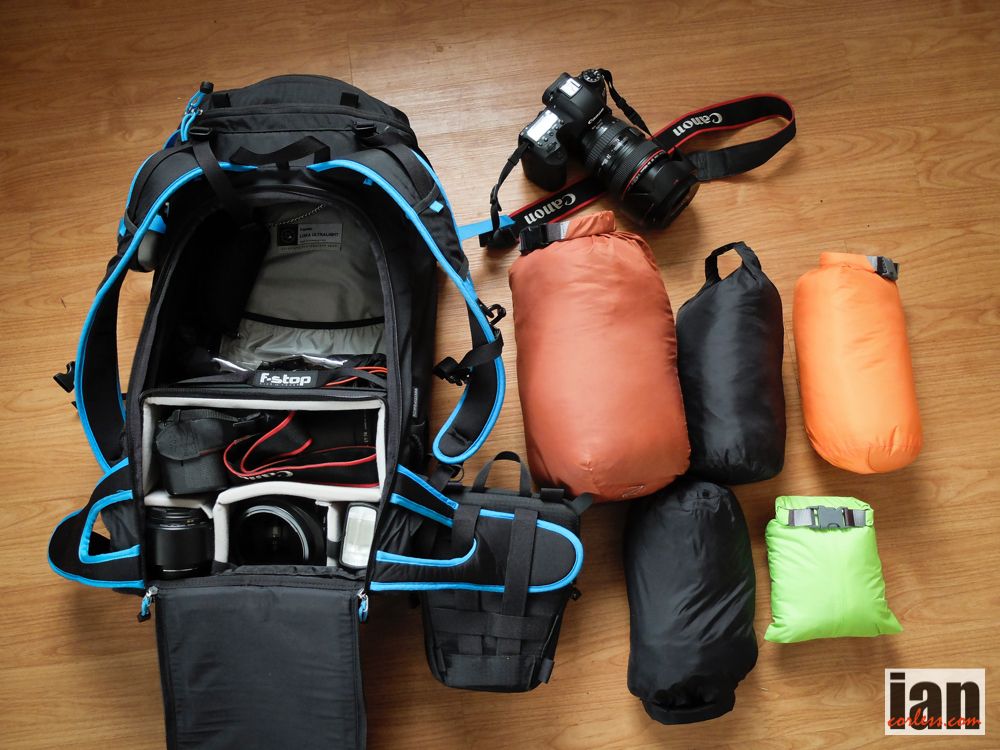
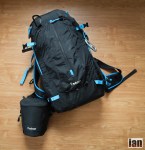
To start with I use a F-Stop camera rucksack. F-Stop are without doubt the ‘dogs bolx’ when it comes to combining cameras and equipment for tough long days on any terrain. Unlike other camera bags, these packs work just as well as any top quality hiking or run pack but with the addition of providing a safe and functional home for my gear. They use ICU‘s that are possible to purchase in different sizes so you can have exactly the camera storage you need allowing you to customise ‘free’ space for essential kit. I usa the LOKA UL which is a lighter version of the classic LOKA.

©iancorless.com_Nepal2014-0393231

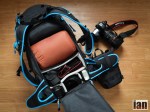
The above picture shows my LOKA UL with a small pro ICU. Inside the ICU I have the following:

  • Canon 6D with 70-200mm F4
  • Canon 50mm F1.8
  • Canon 17-40mm F4
  • Flash
  • Remote flash triggers

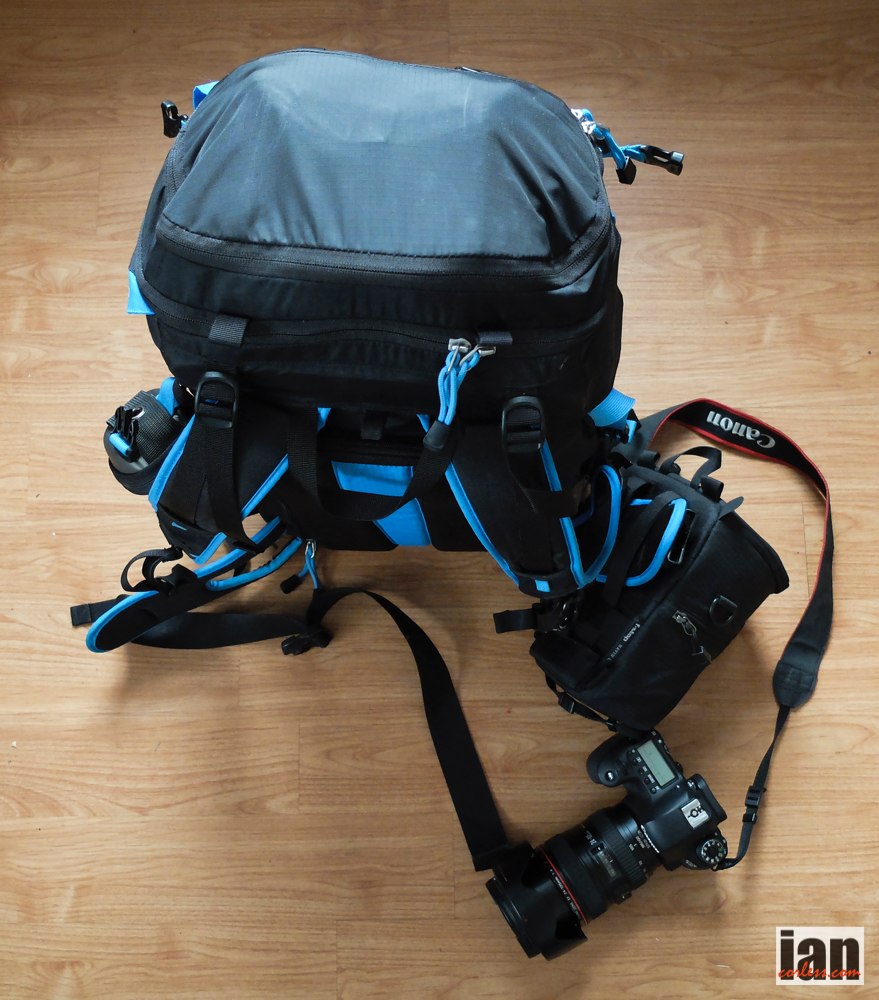
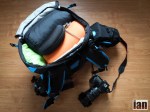
On the waist belt I have a camera holder that will take my 2nd Canon 6D with a 24-105mm F4 lens.

The above set up allows me to have immediate access and quick access to another camera and accessories as required.

A huge plus of the F-Stop is the storage and comfort capacity.

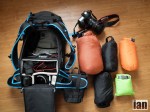
The above photo asol shows a selection EXPED dry bags with all my equipment for a week on the trail. These bags are great as you can colour code, they come in different sizes and of course they keep everything dry!

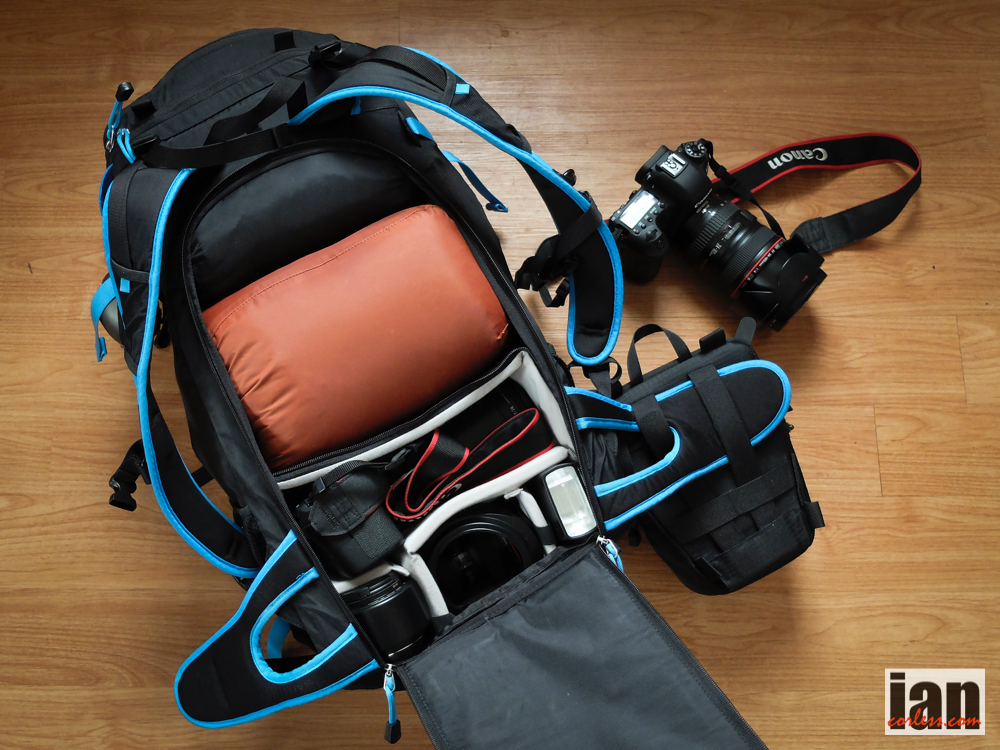
Here it is in the pack:

©iancorless.com_Nepal2014-0373229

So what am I taking? Take a breath….

  • Montane Direct Ascent 800 down sleeping bag – see HERE
  • PHD Minimus Down pants – see HERE
  • PHD Minimus Down Socks – see HERE
  • TNF Victory hooded jacket – see HERE
  • TNF Thermoball gilet – see HERE
  • TNF – GTD tights – see HERE
  • TNF GTD shirt – see HERE
  • TNF GTD shorts – see HERE
  • Ice Breaker Merino wool base layer
  • Smartwool Merino socks
  • TNF Ultra Trail shoes (not shown) HERE

Essentials:

  • TNF Gloves Red Point HERE and eTip HERE
  • TNF Neckwear HERE and Hat HERE
  • TNF Balaclava HERE
  • Leki ‘Stick’ walking poles (not shown) HERE
  • Suunto Ambit 3 Peak HERE

©iancorless.com_Nepal2014-0413233

I am not sure on the overall weight. To be honest, if it was just the clothing and sleeping bag I would be travelling very very light indeed. The cameras add some serious weight but once in or on the pack the whole package is very workable and comfortable.

©iancorless.com_Nepal2014-0443236


I will be posting daily from Nepal as and when connections allow. Everything will be posted on this website, Facebook and Twitter.