Turkey Style

Running Fitness September 2012 – Turkey Style

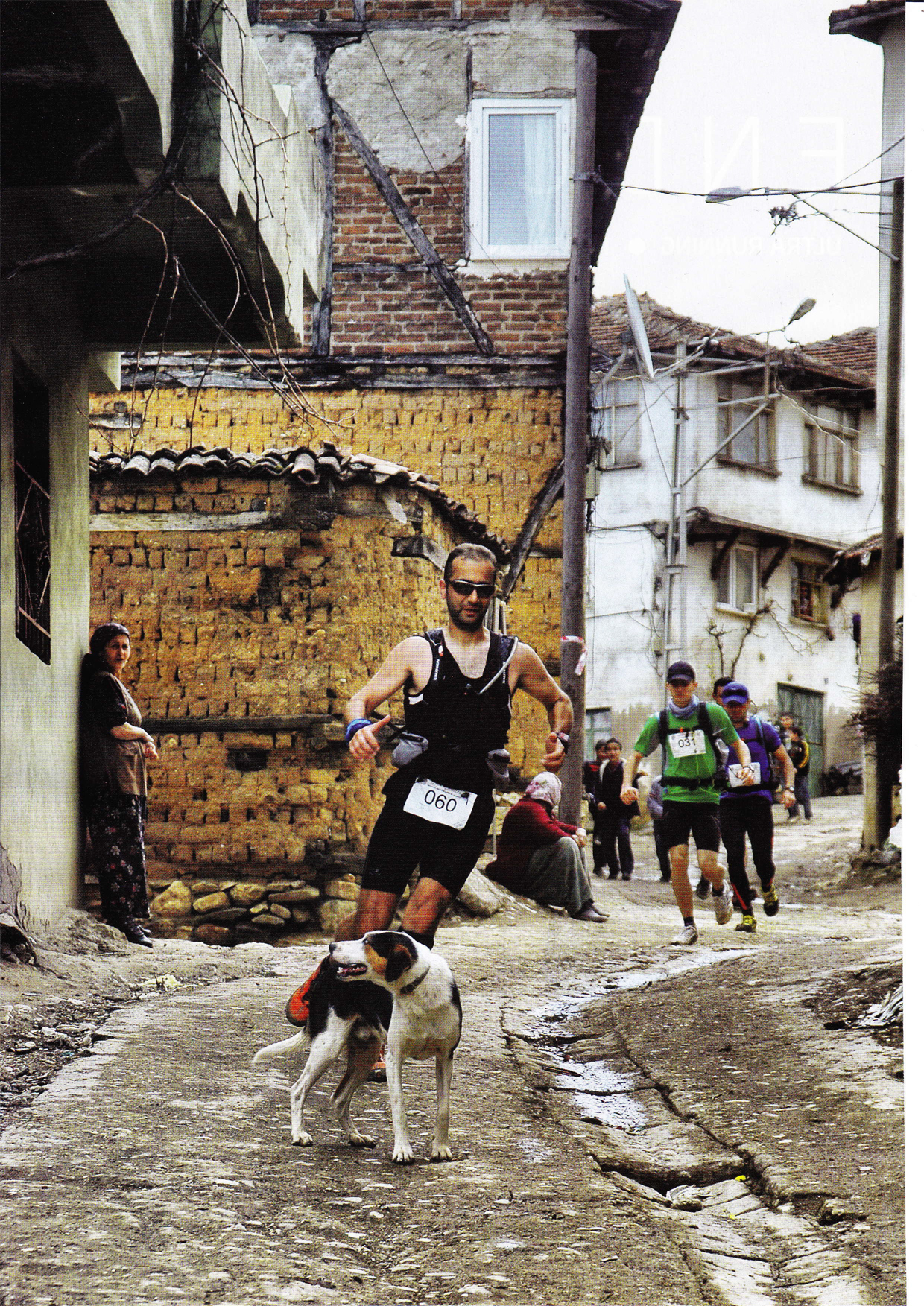
Fancy an ultra race with a cultural feel? Look no further than Turkey’s Iznik Ultra.

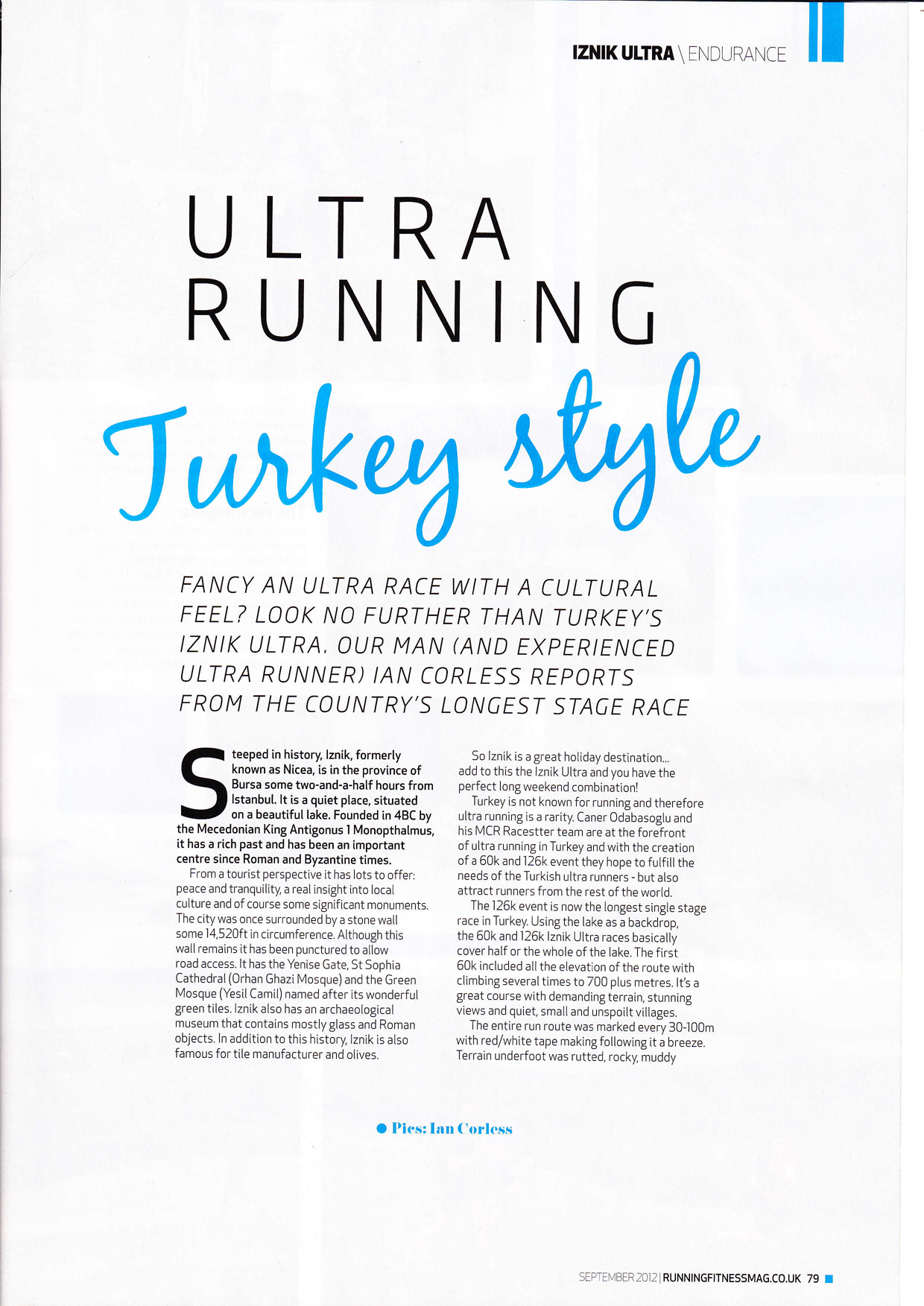
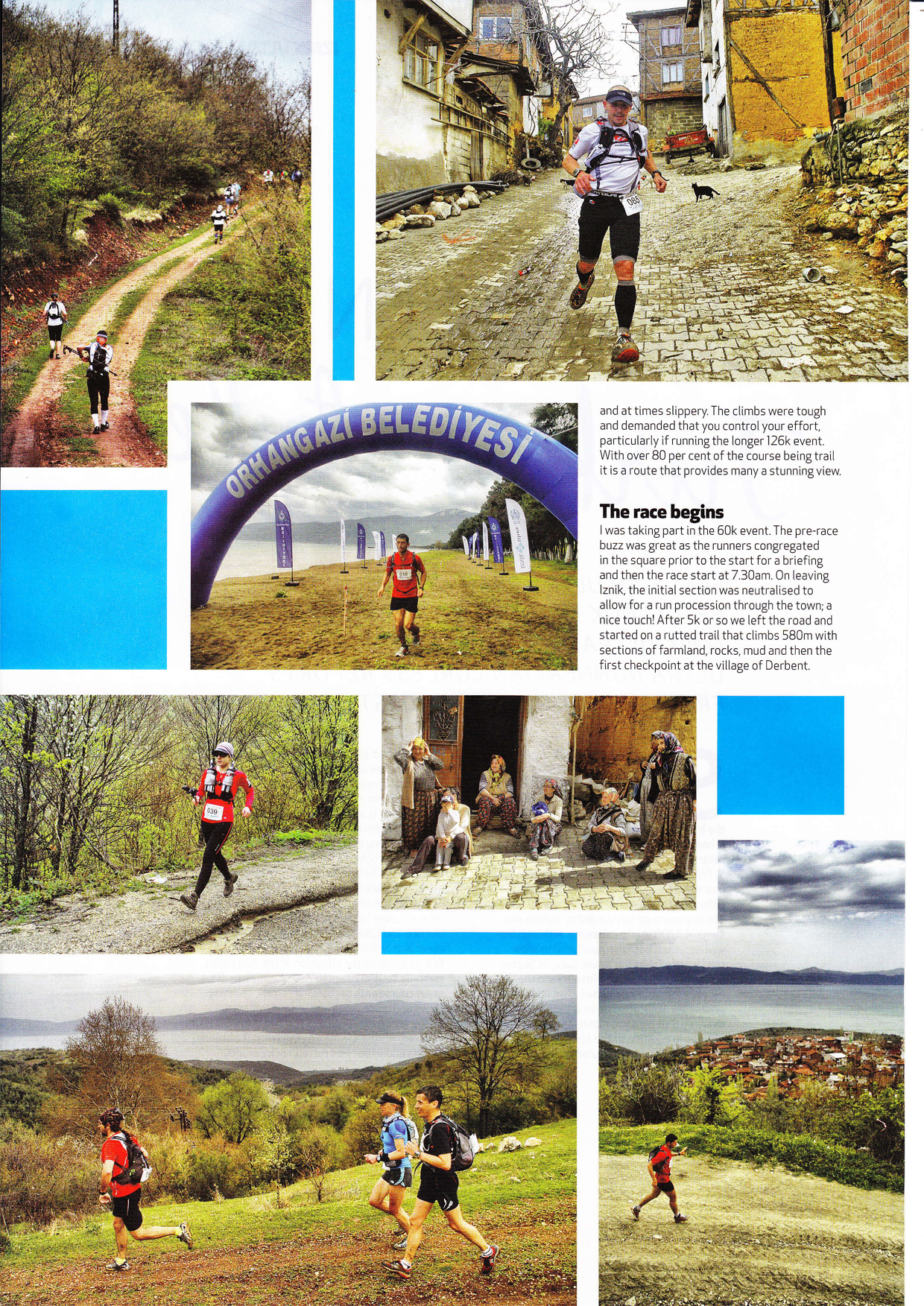
Steeped in history, Iznik, formerly known as Nicea, is in the province of Bursa some two and a half hours from Istanbul. It is a quiet place situated on a beautiful lake. Founded in 4BC by the Macedonian King Antigonous 1 Monopthalmus, it has a rich past and has been an important centre since the Roman Byzantine times….

Tempted?

Read on…

Please note. The Iznik Ultra has new distances for 2013. They are as follows:

130km, 75km, 42km and 10km

Race Information is available in FRENCH here

The Iznik Ultra will take place on the 20th April 2013.

Race information is available on the race website HERE

You can download this article HERE

If you would like to speak to somebody in the UK and discuss a race travel/ travel package please fill in this form:

← Back

Thank you for your response. ✨

Hydration

Wow! it would appear that Dr Tim Noakes and his ‘Waterlogged‘ book has caused some interest… not a surprise. I guess the whole reason for me initially posting was that I new that it would rock the boat and make us all look at what we do personally in regard to our own personal hydration when running or racing.

As part of Talk Ultra we have a regular section of the show called Talk Training – we look at our sport and we discuss all aspects of what will make us all better runners. Often our subjects and our thought processes may very well be controversial and thought provoking. Only recently we actually discussed this exact subject. You can listen HERE

However, Marc Laithwaite from Endurancecoach who is my co-host for Talk Training is far more experienced and a specialist in this field. I will let him tell it in his words:

An alternative view on hydration

Our focus is hydration or in more simple terms how much to drink.

Why drink?

Your body needs fluids for various functions. Body cells and tissues are filled with fluid, the nervous system requires fluid and the fluid component of your blood (known as plasma) is also affected by your drinking habits. Exercise leads to a loss of body fluids via sweating and breathing and this loss of fluid can eventually lead to what is commonly termed dehydration.

What happens when we drink?

When you put fluids into your stomach, they pass through the stomach wall into your blood vessels and effectively become plasma. As your blood stream can pretty much reach any part of your body, any tissue or any cell, this fluid can be transferred from the blood stream into the tissues or cells.

How does fluid actually pass from one place to another?

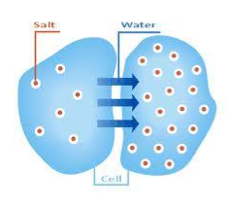
To get the fluid from your stomach into your blood stream or from your blood stream into tissue cells requires a process termed ‘osmosis’. Salt acts like a magnet drawing fluid towards it and the concentration of salt in your blood and tissues determines the shift of fluid around your body.

When you take a drink of water it reaches your stomach and waits excitedly to pass through the wall into your blood stream. Your blood is saltier than the water in your stomach and due to the higher level of salt in the blood, the water is drawn from the stomach, through the wall and into the blood. This water effectively becomes blood plasma and travels around your body. If it finds muscle tissue which has a higher salt concentration, the magnetic pull of the salt within the muscle will draw the fluid from the blood into the muscle.

In simple terms, when something is dehydrated, it becomes more salty. By becoming more salty it’s magnetic pull increases in power and it attracts water towards it. That’s how fluid shift and hydration works within the body, that’s ‘osmosis’.

What happens when you dehydrate?

When you dehydrate your tissues and blood have less fluid thereby making them more salty, in the hope that they can attract fluid towards them. Your blood becomes thicker as you still have the same amount of ‘blood cells’ but the fluid component is reduced, thereby making it more concentrated. Not only does the blood become thicker (making flow more difficult), the absolute amount of blood is also reduced so you have to pump the smaller blood volume more quickly around the body, thereby increasing heart rate.

Most text books will recommend somewhere between 1 – 1.5 litres per hour depending upon individual sweat rates, but it is unlikely that this amount can actually be absorbed when you are exercising. As each litre of fluid weight 1kg in weight, it is possible to calculate (very roughly!) fluid loss by taking weight before and after.

The Endurance Coach research on ultra distance runners

Last year we measured pre and post body weights for competitors taking part in a 100 mile mountain running event http://www.lakeland100.com. Race finish times varied from 24 to 40 hours and if we presume that athletes are losing 1-1.5 litres per hour, just how much weight did the competitors lose???!!

The body weight stats 2010

Our stats from last year showed the followed weight loss at the finish line:

  1. Runners sub 30 hours, average weight loss 860g / 860ml
  2. Runners sub 32 hours, average weight loss 1008g / 1008ml
  3. Runners sub 35 hours, average weight loss 1040g / 1040ml

Compare those figures to the guidance given in the previous paragraph which suggest that athletes will need to replace 1-1.5 litres per hour as this is the rate at which they are losing fluid. Admittedly the competitors may not be exercising at a very high intensity due to the nature of the event, but even then.. something doesn’t add up as the fastest runners haven’t even average 1 litre fluid loss at the finish.

Take the mineral water challenge.. we guarantee if you drink 5 litres per day we’ll feel great about our bank balance and you might end up in hospital..

I know.. I’m cynical.. However, there needs to be some common sense applied to hydration. Your body tells you when you need fluid by making you feel thirsty and then you should drink what you’ve lost. Your body is very much like a water tank with an overflow system, once the tank is full, any further fluid intake will be dispensed with by urinating. It’s correct to say that urinating frequently and especially if the urine is clear, IS NOT a sign of optimal hydration, it’s a sign you’re drinking too much.

The drink might kill you..

For many years marathon runners were encourage to drink at every aid station and “don’t wait until you’re thirsty.. it’s too late then!” Unfortunately a few of those people died as a consequence due to a condition known as ‘hyponatremia / hyponatraemia’ which is excessive dilution of body salts.

What’s going on??

Hyponatremia is quite simple:

  1. Take 1 medium sized bucket, add a tea spoon of salt and then add 1 pint of water and in your bucket you have a salt solution.
  2. Add another pint of pure water to the same bucket and you have now diluted the salt solution (it’s a bit weaker).
  3. Add another pint of pure water to the same bucket and dilute the salt even further.
  4. Keep going until the salt solution is so weak you can hardly even taste the salt.

We said earlier in this article that salt acts like a magnet and attracts water towards it:

‘When you take a drink of water it reaches your stomach and waits excitedly to pass through the wall into your blood stream. Your blood is saltier than the water in your stomach and due to the higher level of salt in the blood, the water is drawn from the stomach, through the wall and into the blood’

What if you’d added so much water to your body that the blood wasn’t salty at all, it was massively diluted and had thereby lost all its pulling power?

Stay calm..

The chances of anyone dying from hyponatremia are so minimal and so infrequent that this should never concern you but weight measurements before and after can be an important part of medical checks. In essence, if you collapse and you’ve lost weight, we’d give you a drink, some food and a lift back home. If a competitor were to collapse and following a weight check they had gained weight, we would take it more seriously.

Some of you may be thinking at this point that you can take salt tablets with your water, if you add salt and water simultaneously, problem solved! The research has shown that it’s not a lack of salt intake which leads to hyponatremia, it’s too much fluid.

In conclusion

Drink sensibly, let thirst guide you and don’t force load yourself with water.

Aside from excess fluid intake, there is one other thing which may lead to weight gain during ultra distance endurance events and that is ‘rhabdomyolysis’ or ‘muscle damage’ leading to inflammation. This is a real issue for longer events and has a huge impact upon performance and health.

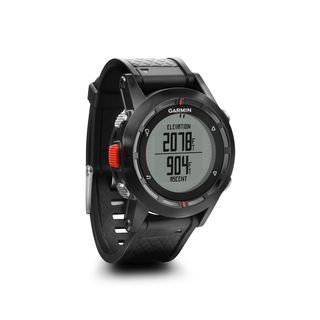
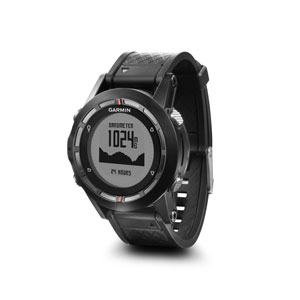
Garmin Fenix GPS

Garmin® fēnix™ Outdoor Watch Lets Adventurers Go Even Further Off-Trail

garmin-presents-fēnix-the-game-changing-outdoor-gps-watch-for-mountaineers.html

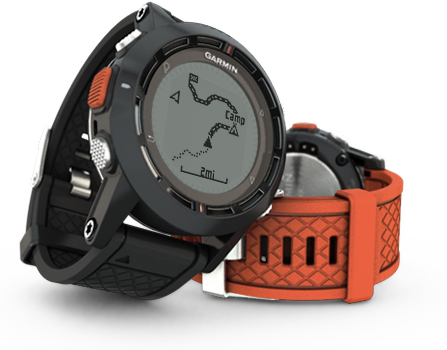
Garmin International Inc., a unit of Garmin Ltd. (NASDAQ: GRMN), the global leader in satellite navigation, today announced fēnix, its first GPS wrist watch for outdoorsmen, such as mountaineers, hikers, cyclists, hunters and backpackers. fēnix provides comprehensive navigation and tracking functionalities as well as trip information to guide adventurers during their challenging activities off the beaten track. Its built-in sensors provide information on heading, elevation and weather changes. Utilizing Garmin’s leading GPS technology, fēnix can guide adventurers off the trail and back to the safety of a vehicle, trailhead or campsite. Sporting a classic round watch design in a high-strength housing with a scratch-resisting display, it is built to endure the toughest outdoor conditions and also makes a stylish day-to-day timepiece.

“fēnix packs Garmin’s leading and trusted outdoor technology into a robust, wrist-worn GPS watch that outdoorsmen can rely on,” said Dan Bartel, Garmin’s vice president of worldwide sales. “Being able to go hands free while still having access to Garmin’s precise and accurate information on weather, elevation and position provides adventurers the confidence and peace of mind to take their outdoor activities even further off-trail.”

Plan, Navigate and Track

fēnix includes a comprehensive navigational toolset that allows users to plan trips and create routes, record waypoints, such as campsites or points of interest, and record GPS bread crumb trails on the move (tracklogs). Adventurers can navigate to coordinates, along a track or route, towards waypoints, geocaches or along any other selected bearing. A navigation arrow provides clear directional guidance and the TracBack® function can guide one back along a previously recorded tracklog. This provides adventurers peace of mind knowing they’re never “lost” and can easily find their way back in case of an emergency or bad weather conditions. Also included is a worldwide basemap displaying cities nearby. Using the BaseCampTM desktop application, fēnix users will be able to easily plan trips and share their adventures with friends and family. fēnix is equipped with both ANT capabilities and Bluetooth® to wirelessly share tracks, waypoints, routes and geocaches with other compatible Garmin devices. A Basecamp mobile app allows users to transfer waypoints and tracklogs to view them on a more detailed map and larger screen of select smartphones.

Altimeter, Barometer and Compass

fēnix is equipped with ABC sensors (altimeter, barometer and compass) to provide explorers relevant real-time information. The built-in altimeter provides elevation data to accurately monitor ascent and descent, the barometer can be used to predict weather changes by showing short-term trends in air pressure and a 3-axis electronic compass keeps the user’s bearing whether he’s moving or not. Utilizing its GPS receiver, fēnix can auto-calibrate its ABC sensors and also auto sets the time based on location. For an extremely accurate temperature reading, fēnix can be paired with tempeTM, Garmin’s new external temperature sensor.

Measure Performance

Similar to Garmin’s running watches, fēnix provides real-time performance data, such as distance, pace time and calories, helping outdoorsmen keep track of their progress during and after their adventures. This is especially useful to keep track of fitness activities off the beaten track, such as adventure or trail running. fēnix is also compatible with Garmin’s premium heart rate monitor for heart rate info and with a speed/cadence sensor for distance, speed and cadence while on a bike. The displayed data fields are fully customizable right from the watch.

Built to Endure the Roughest Conditions

fēnix is built to endure the toughest outdoor conditions, combining a high-strength housing to survive shocks with a mineral glass lens to resist scratching. It boasts a large LCD display with LED backlight and a robust polyurethane wristbands. Garmin’s outdoor watch is waterproof to 50 meters and has a battery life of up to 50 hours in GPS mode (depends on settings) and up to 6 weeks in watch mode. Basic watch functions include alarms, tones, vibration alerts, timer, stopwatch and world clock with the ability to display several times zones at once.

Read on Garmin site HERE

Garmin fēnix is expected to be available in fall 2012 and will have a suggested retail price of $399.99. tempe is an optional accessory and has a suggested retail price of $29.99. The polyurethane wristband will be available in olive or orange and an optional leather wristband can be added.

fēnix is the latest solution from Garmin’s growing outdoor segment, which focuses on developing technologies and innovations to enhance users’ outdoor experiences. Whether it’s Golfing, Hiking, Hunting or Geocaching, Garmin outdoor devices are becoming essential tools for outdoor enthusiast of all levels. For more information about Garmin’s other outdoor products and services.

http://www.garmin.com/us/products/onthetrail/

http://www.garmin.blogs.com and http://twitter.com/garmin.

ARC’TERYX Endorphin

I have just returned from a three day media event in the Pyrenees arranged by Arc’teryx and in conjunction with Skyrunning.

Arc’teryx are synonymous for providing superior clothing, backpacks and accessories for mountain sports. In 2013 they are launching a new clothing range called Endorphin. This new range of clothing has been created for male and female runners.

Endorphin will push limits on weight, comfort and protection. Faster and lighter they are designed to maximise athletic performance in varied conditions. Controlling moisture, providing protection from the wind, repelling rain and providing warmth, Endorphin will provide all runners with a selection of products that will not only enhance running experience but will also be a pleasure to wear.

Over the coming months I will testing many products within the range before the release in 2013.

In the Pyrenees I was able to do an initial test on the Skrunning VerticalK course and on a 3.5 hour mountain run in 30 deg temperatures. Attending the camp we had journalists from Sweden, Germany, USA, Spain and Italy and we had the pleasure of being joined by Arc’teryx sponsored athletes Adam Campbell (Canada) Nicola Gollinelli (Italy) Didier Zago (France) Tessa Hill (UK) and Murray Strain (UK).  You can read my initial thoughts HERE

Western States 2012

A smack down was predicted and a smack down happened.

The 2012 Western States will go down in history as a most remarkable race.

Firstly, we had the initial disappointment of a no show by Kilian Jornet. Please don’t get me wrong; his decision to pull out after the sudden death of his friend and ski mountain partner, Stephane Brosse was completely understandable considering the proximity to the race. However, not to have Kilian toe the line did mean that the main contender for the title would not be mixing it up at the front.

This though did not dent what was a class male field. In many respects it was a who’s who of current ultra running…. Having said that it did also miss two other key protagonists, current Western States record holder, Geoff Roes and Anton Krupicka. Roes has had a recent spell of poor performances and was lined up to run Hardrock but has decoded to go back to the drawing board and re build over the coming months. Krupicka has been out of racing for over a year after a series of problems, he too had targeted Hardrock but has now delayed his comeback saying that he hopes to be on the Leadville start line.

So, pre race who was in with a shout at taking the win. From a Talk Ultra poll the outright public favorite was Ryan Sandes, closely followed by last years second place, Mike Wolfe. I could completely understand tipping Wolfeman, a great competitor, plenty of speed, good in the mountains and I guess with no Kilian he was potentially lined up to move one place forward and take the win. Ryan Sandes ‘Sandman’ as he affectionately is known of course is super talented… just a few weeks earlier he had won The North Face 100 in Australia, He had won Leadville in 2011 and of course his record in multistage races was without question. However, despite that win at Leadville, this was his first race against a stacked field. How would he fair?

Timothy Olson was my pre race favorite. This is a super talented runner who has found a new lease of life. He has a great story… almost a film script. An ex drug addict turned ultra runner. You couldn’t make the story up! My other tip was ‘warrior’ Nick Clark. Nick did a great double last year placing 3rd at Western States and then two weeks later getting 3rd place at Hardrock. Other contenders included Jez Bragg, 3rd and 4th previously, could he move up. Dave Mackey, 2011 ultra runner of the year, super quick and last years 8th place Ian Sharman, Dave Riddle, Mike Wardian and I could go on…

The ladies race was equally stacked but contenders seemed to be much tighter. Last years winner, Ellie Greenwood was coming from a 2nd place at Comrades just three week earlier. Nobody doubted Ellie’s ability, the question was the damage that a super hard Comrades may have had on her body and what effects this would have over 100 miles. Lizzy Hawker was returning from injury but over this distance and terrain she is unstoppable. Kami Semick was also returning from injury, she had purposely missed Comrades to prepare for Western States. The ever present Nikki Kimball was firing on all cylinders again in 2012 and after a couple of great runs at Transvulcania and Zegama, she too could put pressure on at the front. Meghan Arbogast, Krissy Moehl, Rory Bosio, Aliza Lapierre and a whole host of others would be in contention.

Key elements for 2012 would be a lack of snow and a return to the ‘proper’ course. In addition to this, it turned out that temperatures on race day would be uncharacteristically chilly. Many of the runners complained about the cold over the first 30-40 miles. But of course these cooler temperatures are really advantageous over the 100-mile distance when trying to manage hydration, food and pacing. Not necessarily good weather but fast weather…

As expected, the men’s race was quick with Wolfe and Olson dictating the early pace with Clark, Bowman, Sandes, Mackey and Sharman all in contention. Sandes in particular seemed to be running a smart ace holding back in about 6th place and controlling his effort.

In the ladies race, Hawker ran hard and put 14 minutes into Greenwood who was chasing. Greenwood didn’t seem too worried though, she had commented at around the 30-mile mark that she was happy with her pace and this was a 100-mile race… wise words!

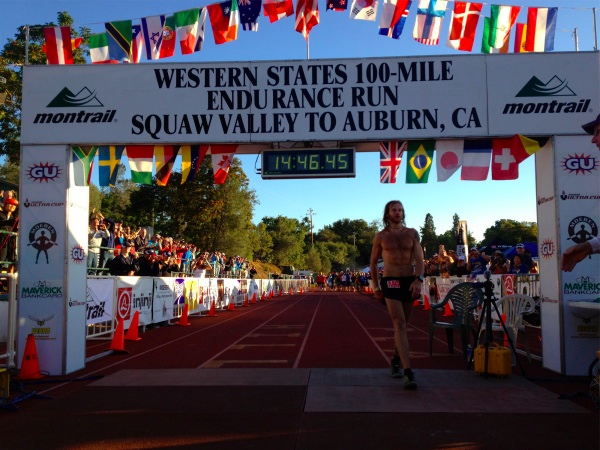
What happened over the 100 miles of Western States will go down in history. Olson pushed at the front as Sandes moved up through the field. Clark went through a bad patch but rallied to move up into 3rd place while Wolfe who had either been in 1st or 2nd place for much of the race faded and moved back… Mackey moved to 4th closely followed by Sharman and this made the top 5 men. But what was key was how Olson and Sandes pushed each other… Olson finally moving away and boy how did he move away. He crossed the finish line in 14:46 knocking nearly 20 mins of Roes previous course record! As a testament to both Sandes and Olson, the pace that they had made during the event also gave Sandes the second fastest time ever with a 15:03 just dipping under Roes CR time. Mackey who placed 4th also broke Kaburaki’s masters course record with a time of 15:53:36.
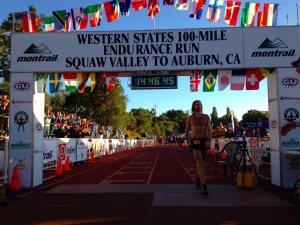
Image by Bryon Powell iRunFar.com

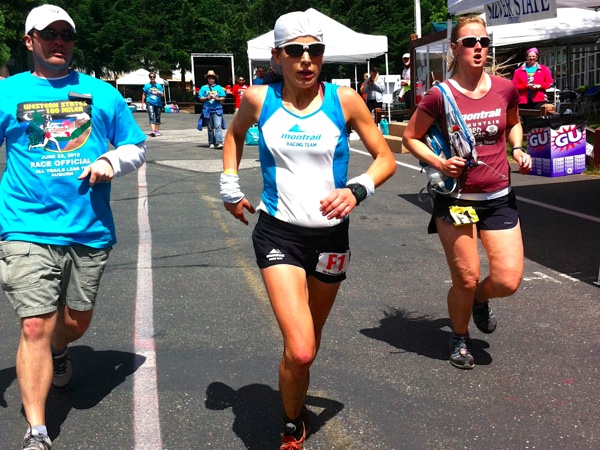
In the ladies race, just after Devils Thumb Greenwood had suddenly pulled back 12 mins on Hawker and was just 2 mins behind. Then she was 14 mins ahead. Not only did she completely annihilate the women’s field she started to wipe out the men’s field ‘chicking’ some top quality runners. The question marks on if Greenwood would be recovered from Comrades now seemed crazy. She became the Terminator, focused on one goal, the finish line. When she entered the stadium at the finish she had blown Ann Trason’s long-standing Western States record out of the atmosphere by some 50 minutes setting a time of 16:47:19. Arguably creating one of the most outstanding ultra running performances ever. It’s too early to call her the ‘new’ Ann Trason and to be honest it would be unfair to do so. Ultra Running now is a much bigger sport than when Ann ran, the fields are more competitive, the competition is greater and to dominate as Greenwood did at Comrades and then Western States for me puts her on a pedestal so high that it is going to take someone remarkable to come and knock her off it. In addition to this, Greenwood is the most smiley, happy and generous of runners. She has it all.

Image by Bryon Powell iRunFar.com

Greenwoods performance was also followed by some other wonderful female performances from Rory Bosio proving that she is no ‘fluke’ at Western States. She has placed 4th and 5th in the past and now placing 2nd with 18:08:06 (1h 20m behind Greenwood), Aliza Lapiere who placed 6th last year now placed 3rd with 18:18:29, Krissy Moehl ran a smart race and moved through the field to 4th in 18:29:15 and Nikki Kimball proving that her form is good 5th with 18:3:39. Lizzy Hawker fought hard after a fast start and one can only assume that her injury meant thet she wasn’t quite in fighting form for Western states but one can’t help but think that this will just be the start for her, she came in 6th with 18:31:39.

When all is said and done, 2012 was the year that records tumbled. Olson set a new benchmark for the men’s race and Greenwood set a record that will stand the test of time. So much so, I think only she could beat it!

One key feature of the race was the weather. No snow, great trail conditions and cool temperatures all came together to make 2012 a fast year. This doesn’t happen often. So, these records may very well be around for some time and if they do I don’t think anyone will be disappointed. In Olson and Greenwood we have two worthy winners who have illuminated the ultra world with two remarkable performances.

Talk Ultra will be interviewing Ellie Greenwood on Tuesday 26th June and Nick Clark 27th/28th June for the next edition of the show. Of course, Ian Sharman will also be discussing the ‘news’ and giving us an insight into his 5th place. The next episode will be released on Friday 29th June so please tune in

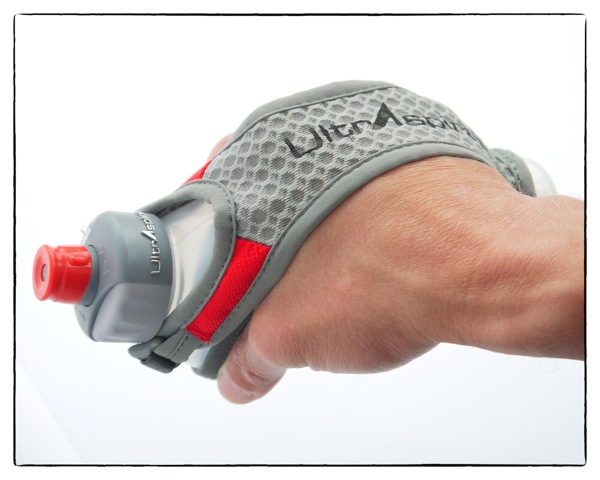
UltrAspire Isomeric Pocket Handheld Bottle

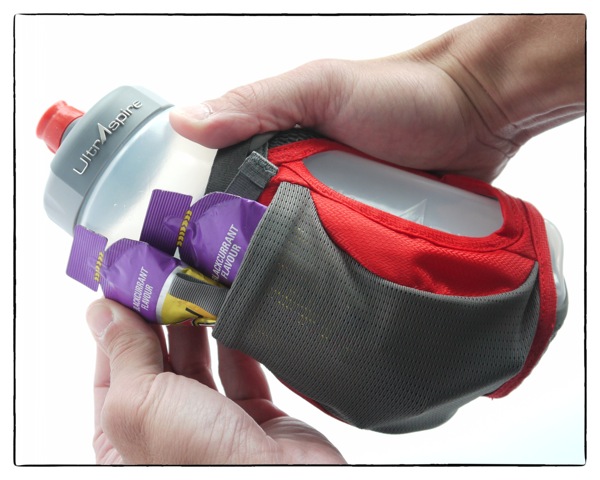
Handheld bottles are not for every runner but UltrAspire have in some ways reinvented the handheld bottle with a few subtle tweaks.

They have re shaped the bottle, added a twist valve on the mouth piece, angled the neck and added a comfortable holding strap. Read my review here

Summits – insight

This is great little insight into Kilian’s next project by the man behind the camera, Seb Montaz.

Seb is without doubt one of the best cinematographers out there. He has worked closely with Kilian over the years and between them they are the perfect combination. Kilian performs the magic with his feet, Seb performs the magic with his eyes. Together it is a stunning combination.

Seb Montaz – Summits

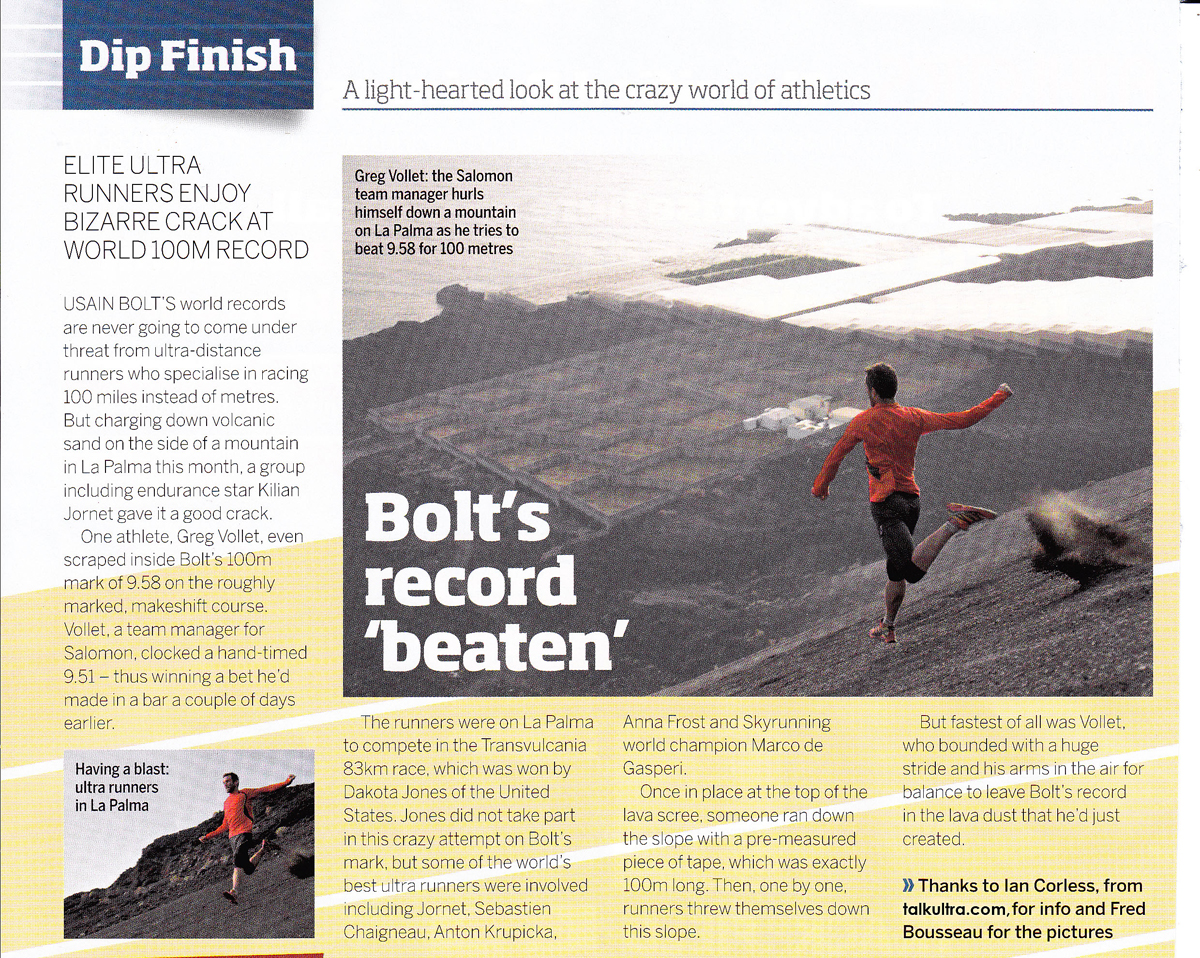
Usain Bolt’s record falls… ‘ish’

Athletis Weekly, June 1st, 2012. UK

It only takes a few beers, the side of a volcano, some of the best ultra runners in the world and the talent of Salomon Team Manager, Greg Vollet to put Usain Bolt’s 100m record to bed! Well, sort of…

Admittedly, Greg did say after his run that he has a new respect for Usain Bolt. It is all well and good running down a vertical slope and ‘just’ breaking the record, BUT to go that fast on the flat is quite something else.

Well done Greg. It was a pleasure to see this at first hand. What a fun way to spend a few hours.