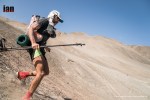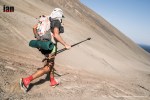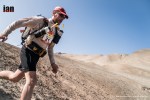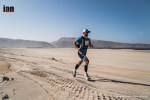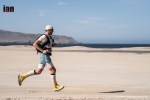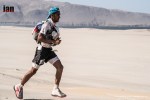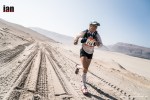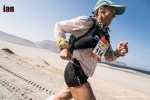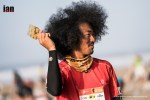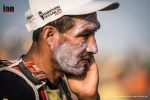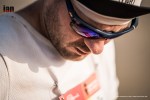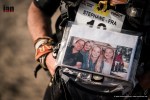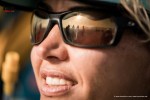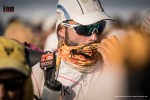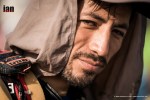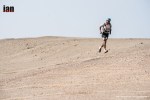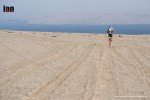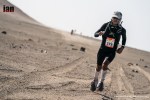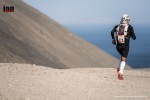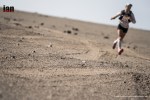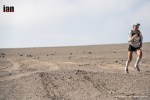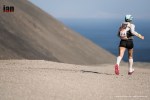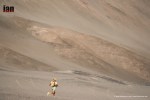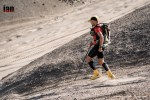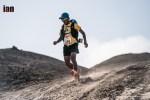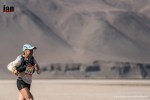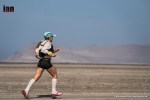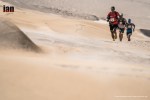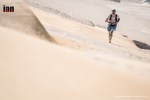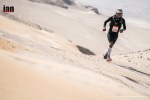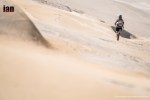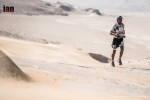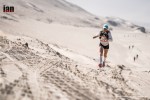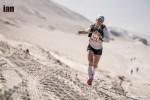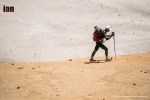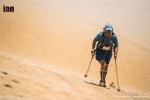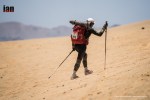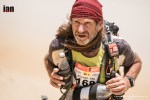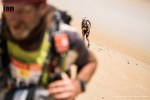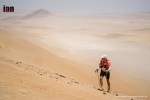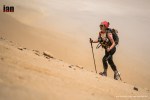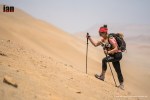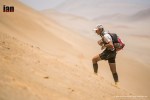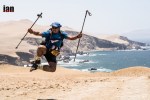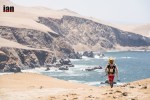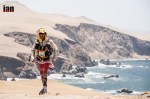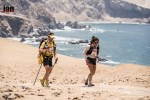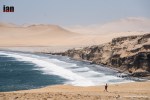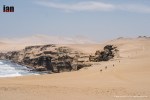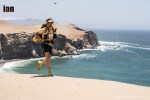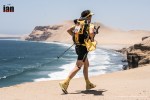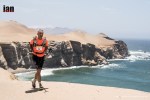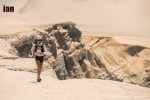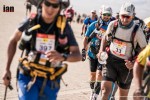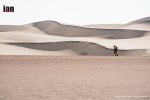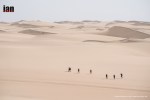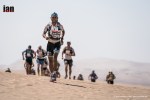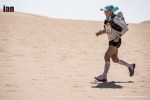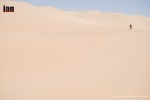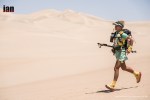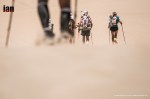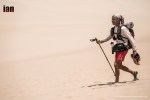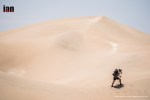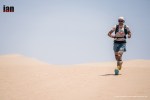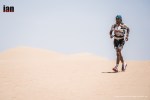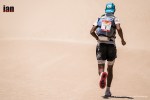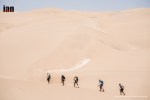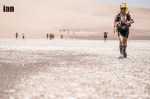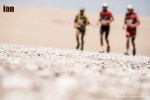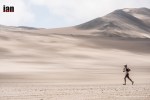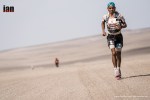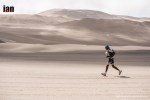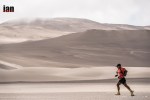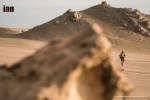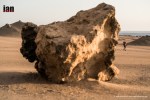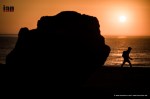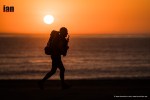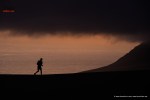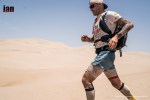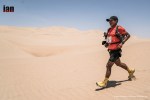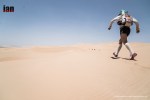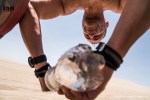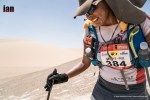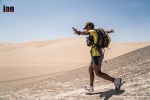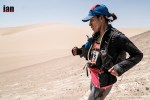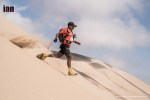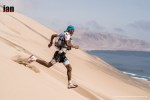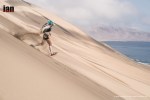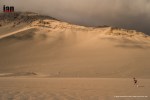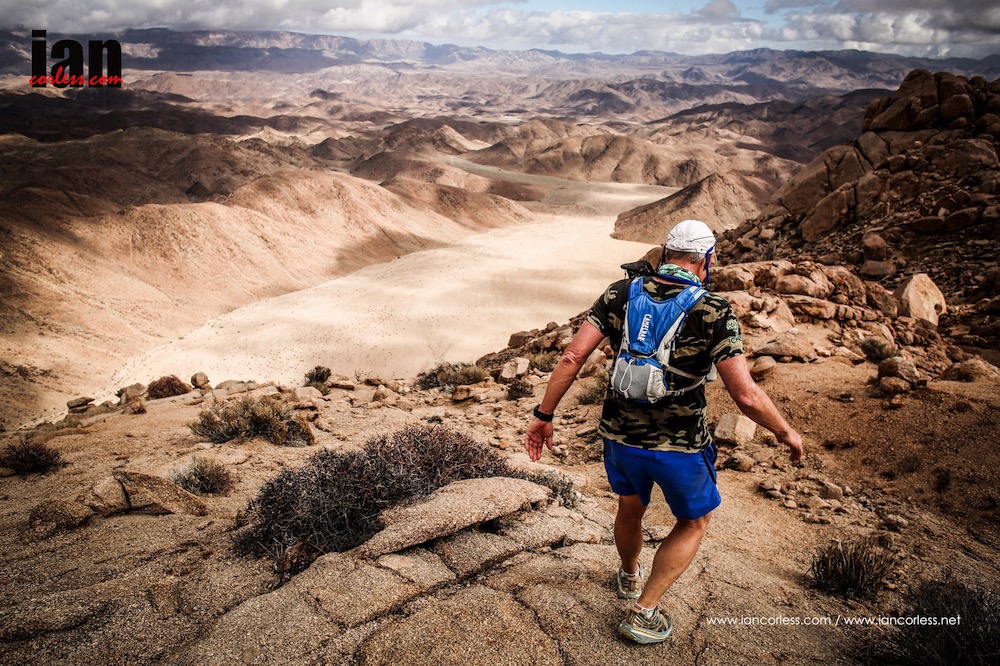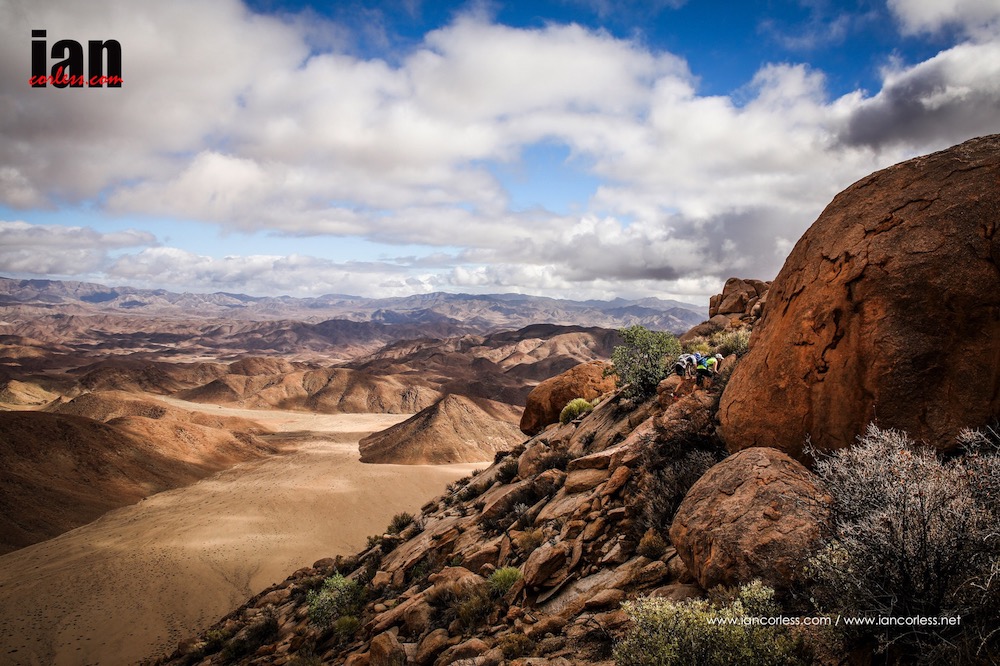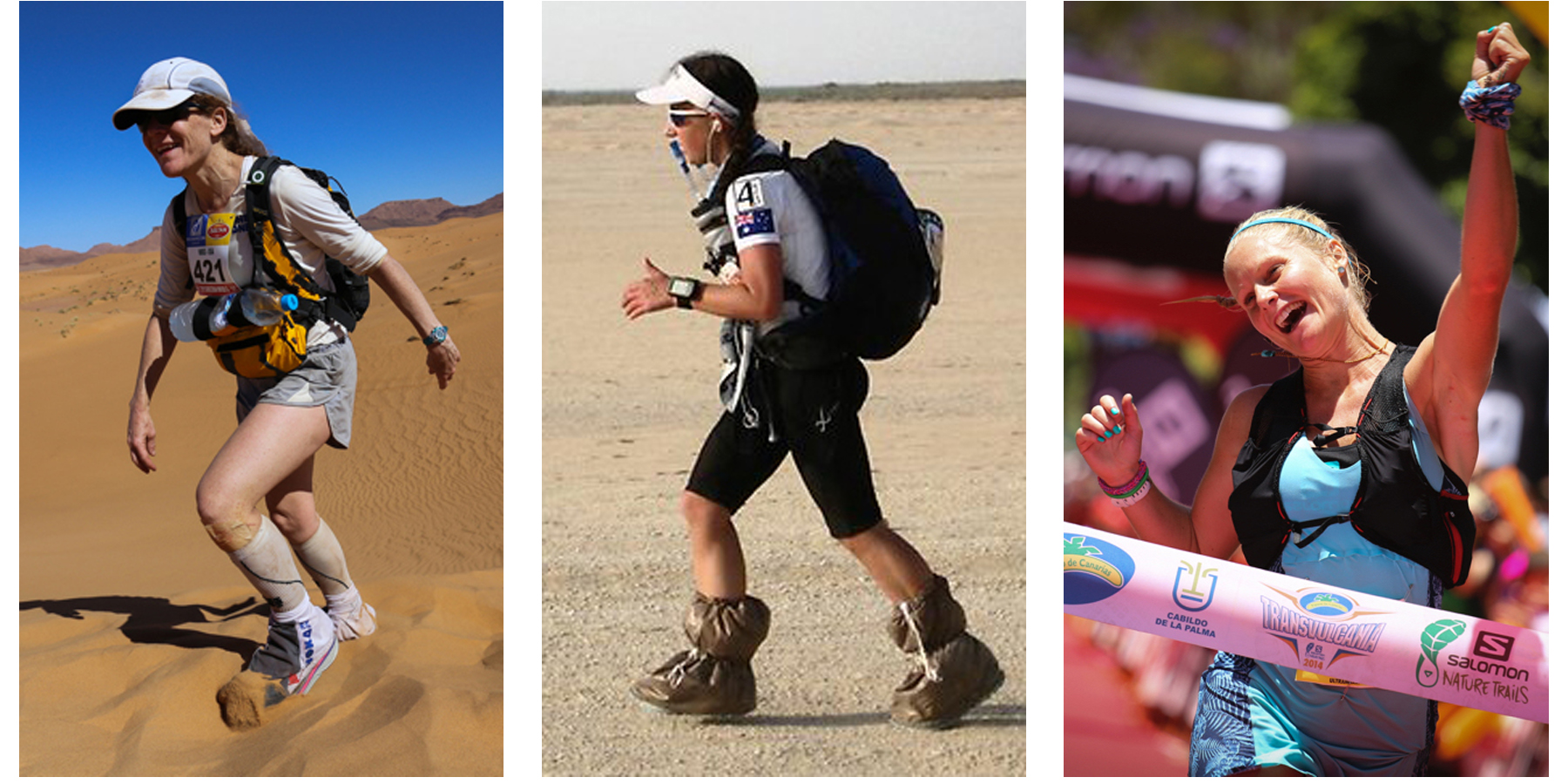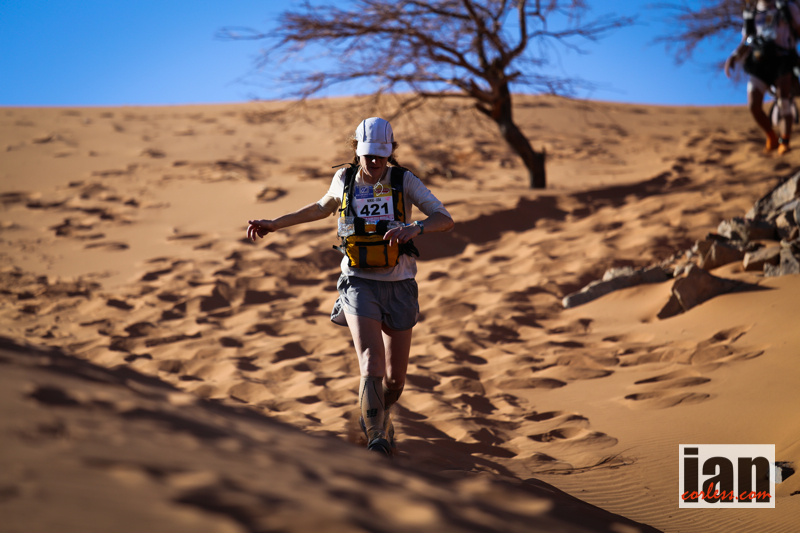
Marathon des Sables PERU 2017 #MDSPeru – RACE DAY 5

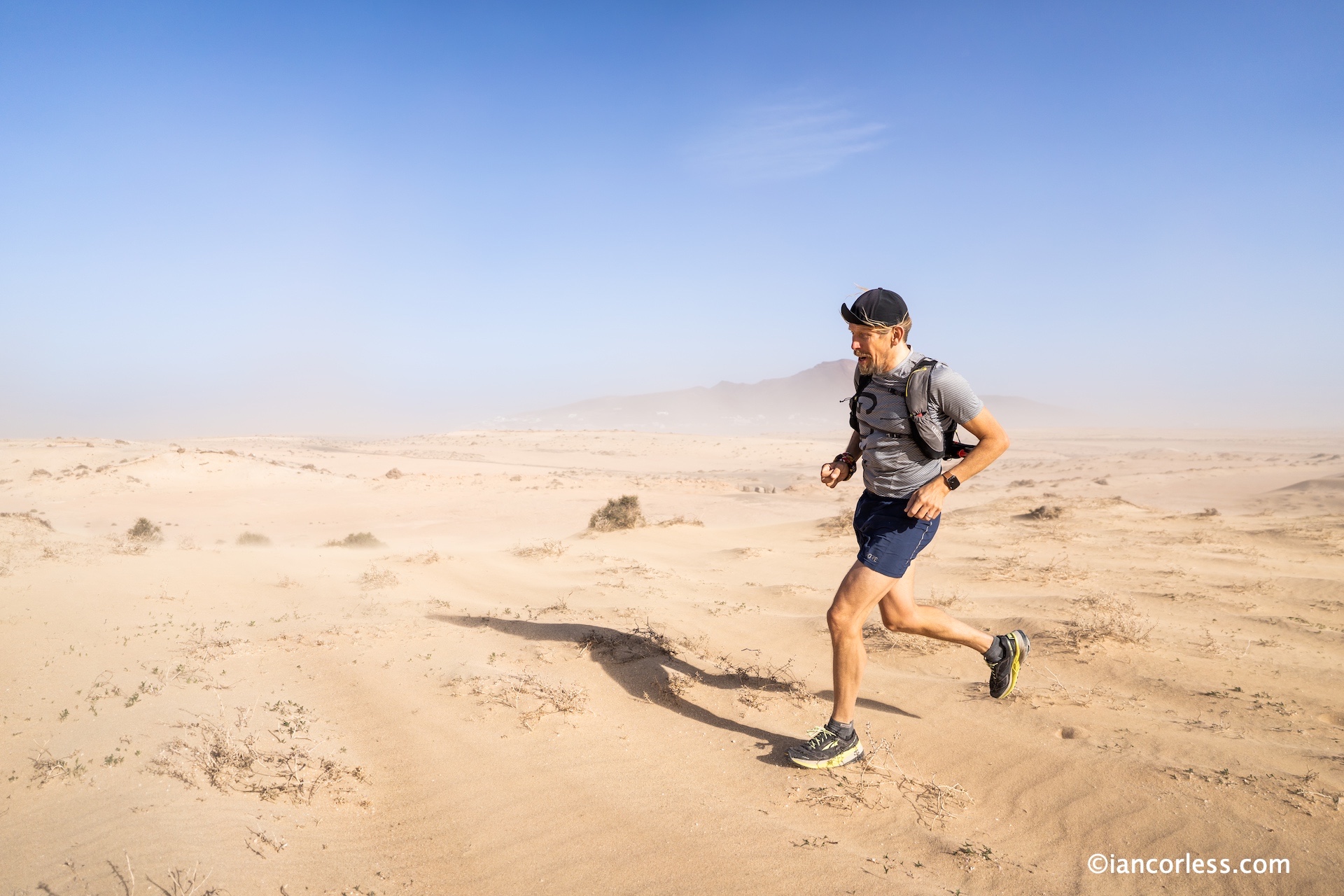
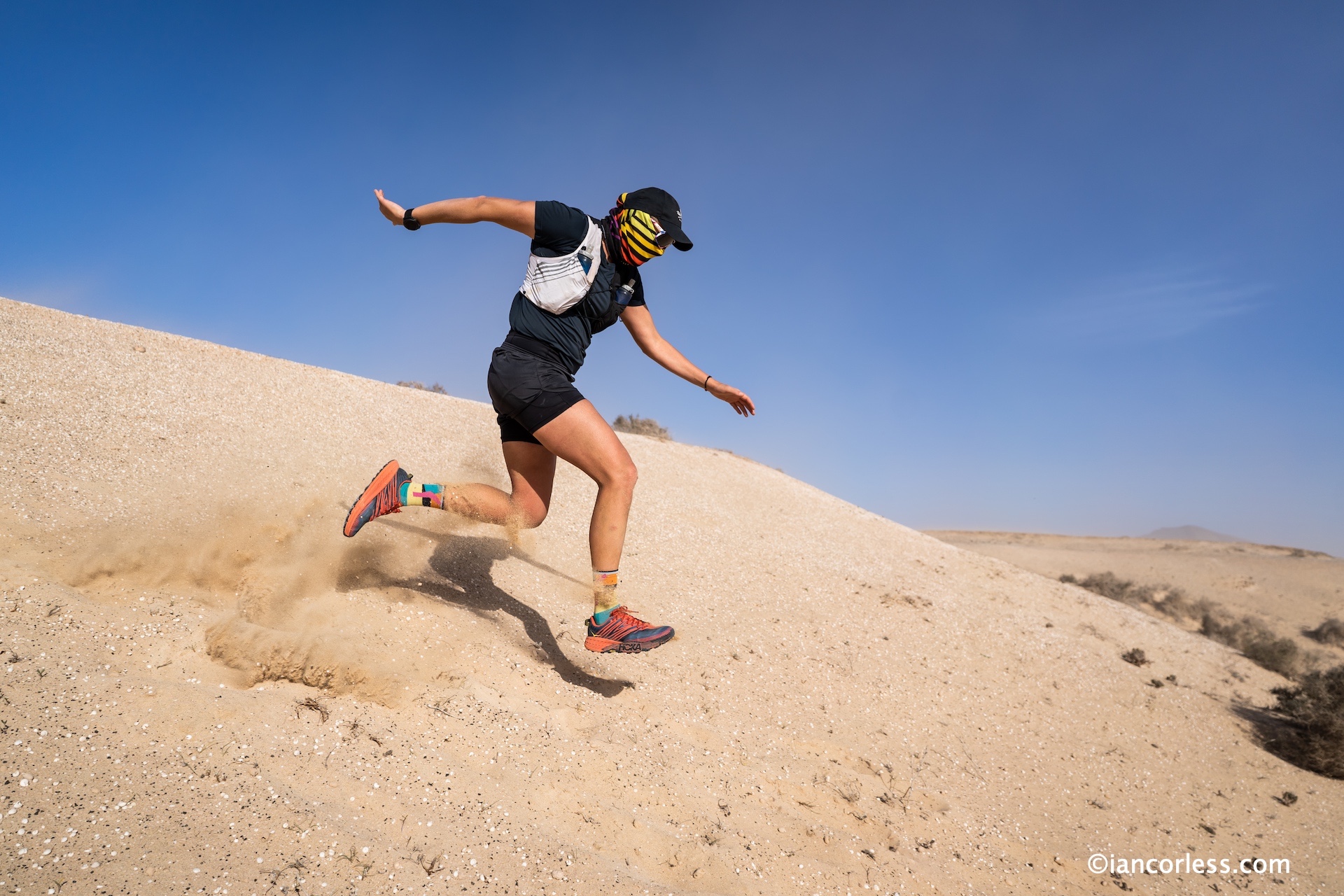
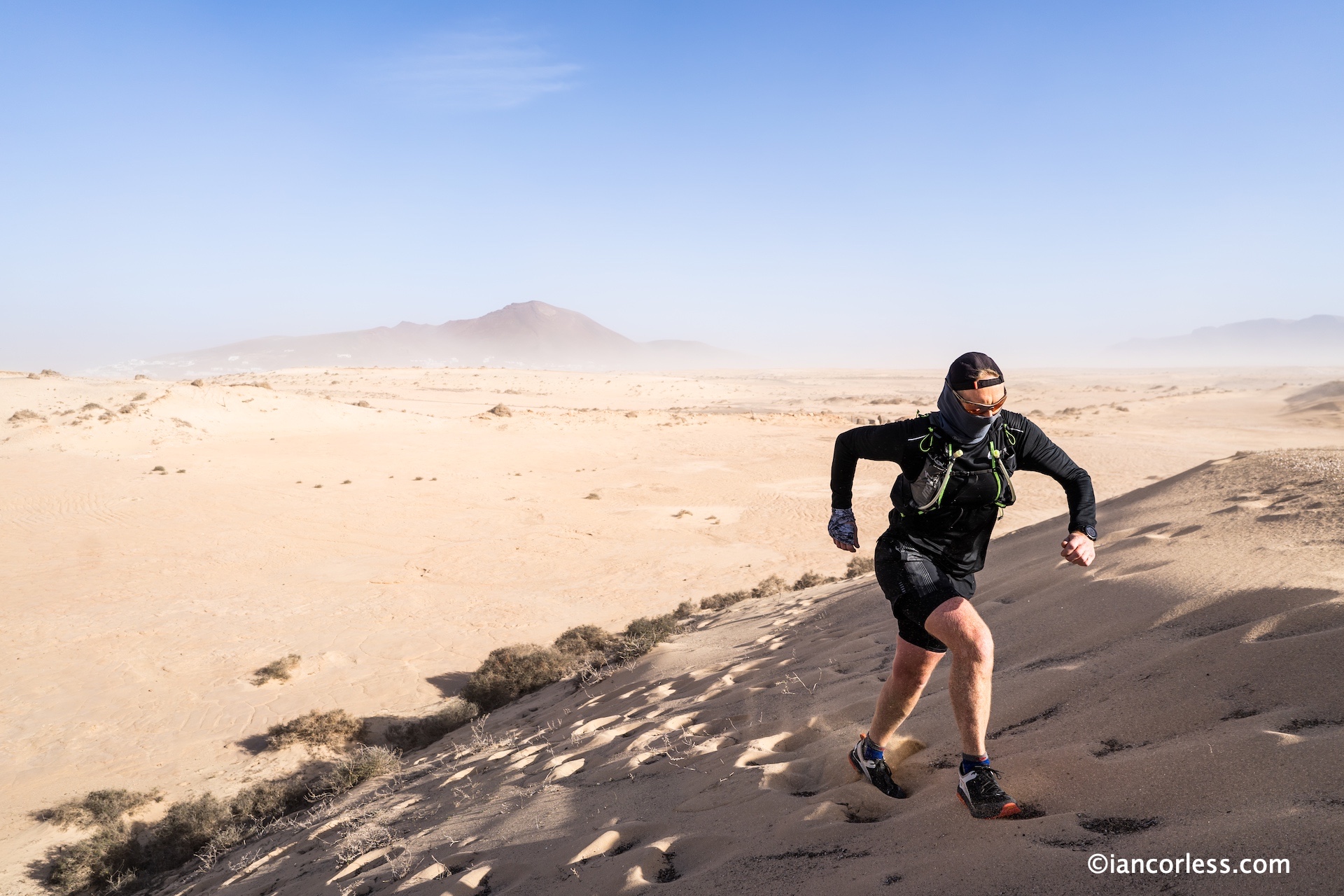
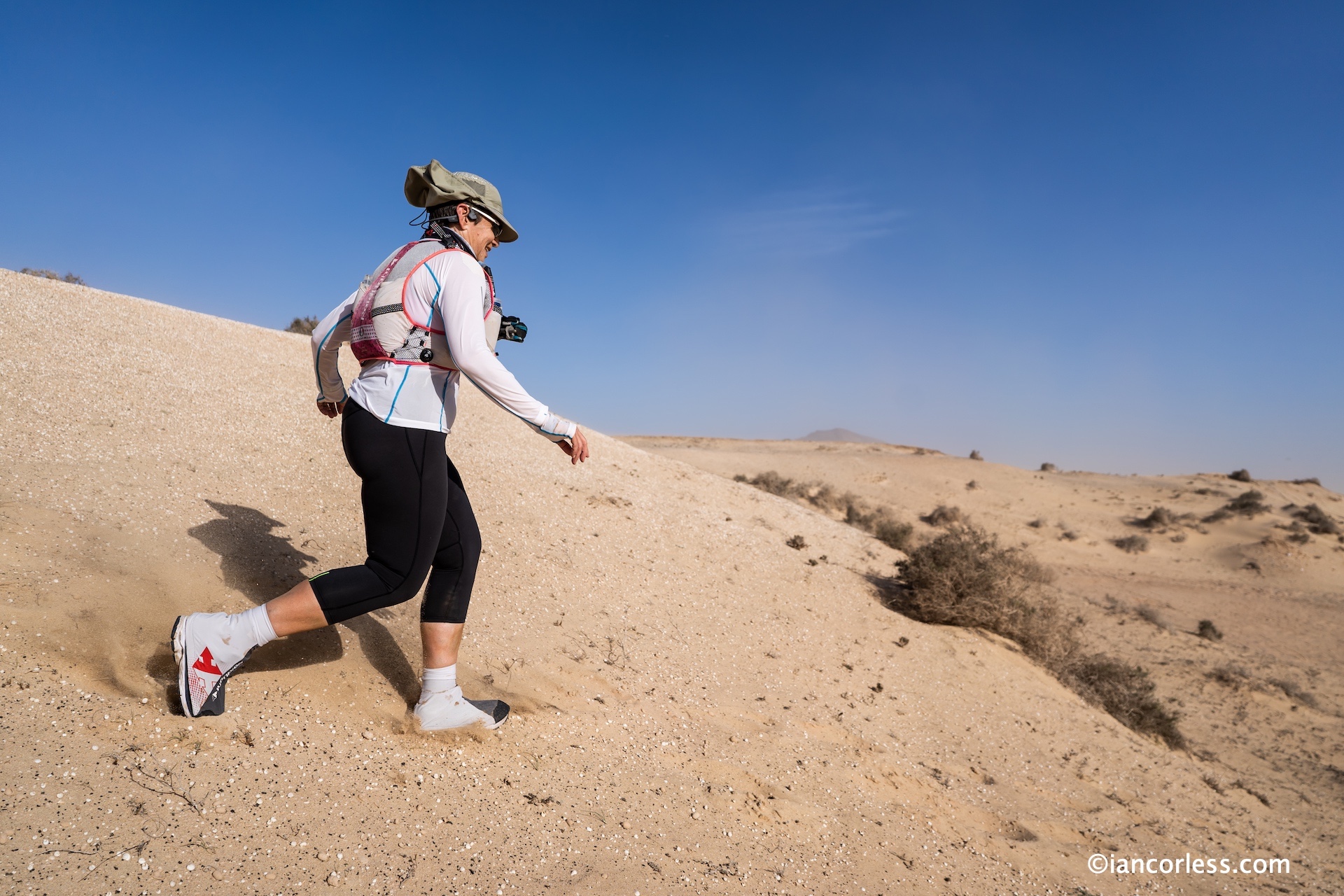
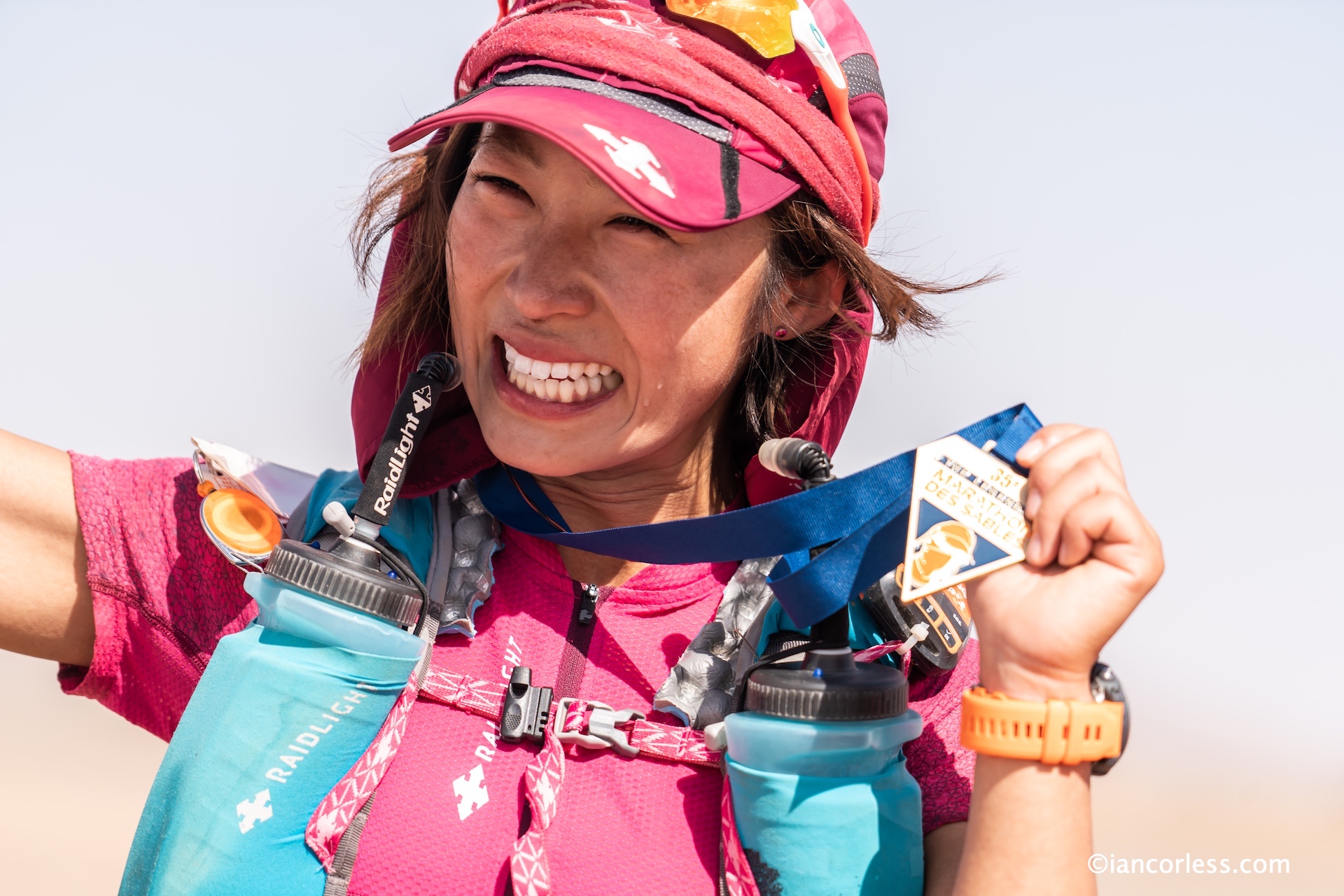
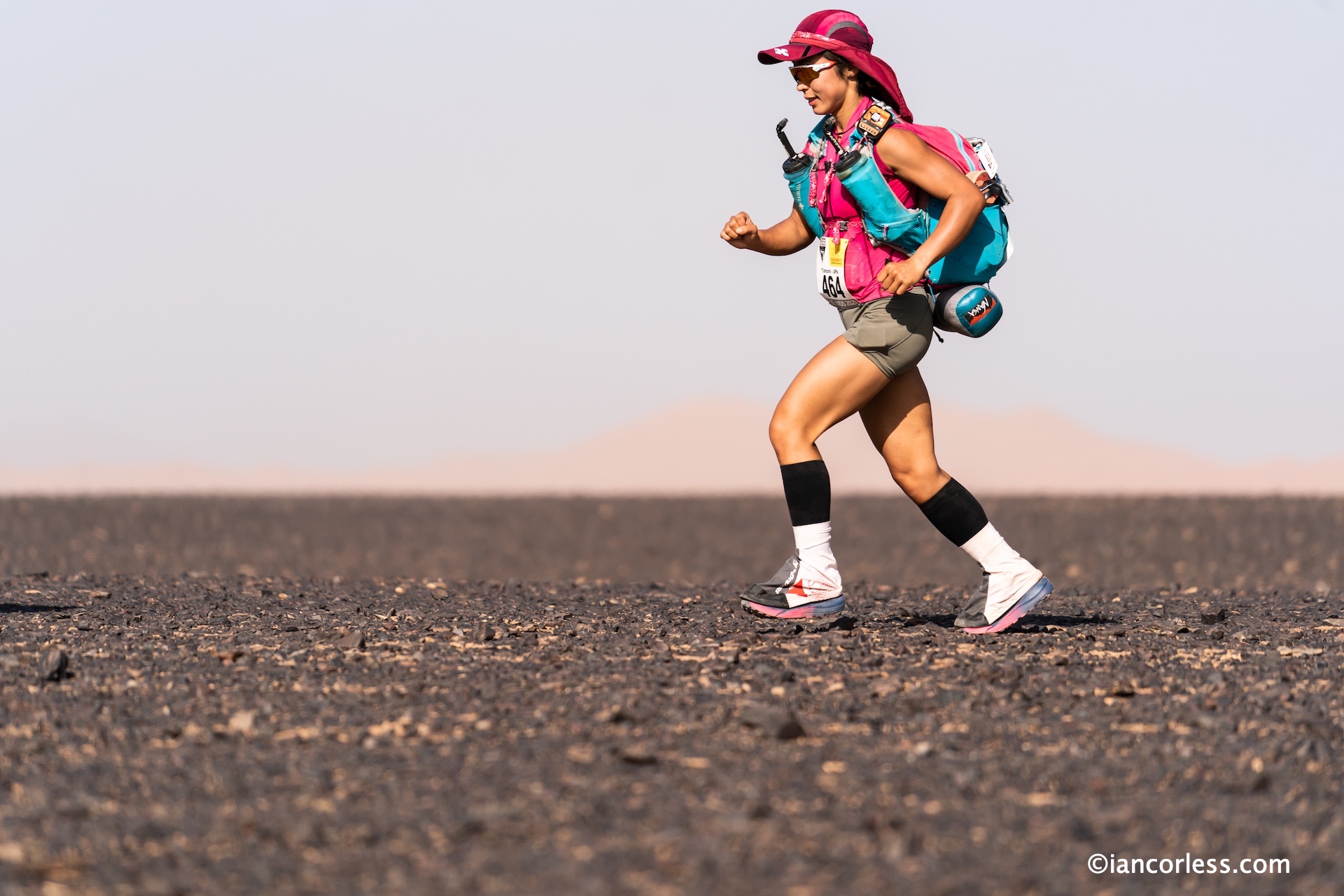
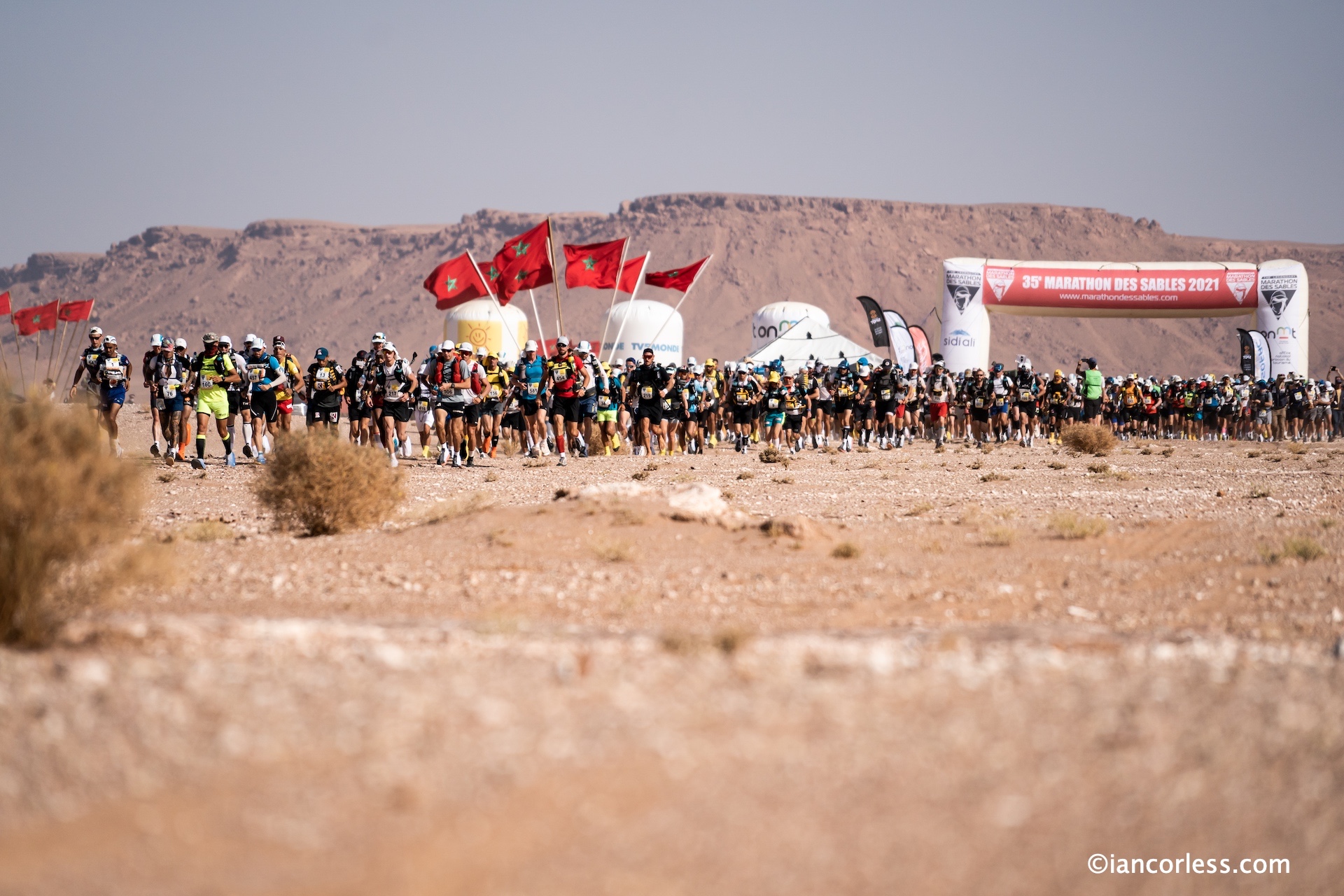
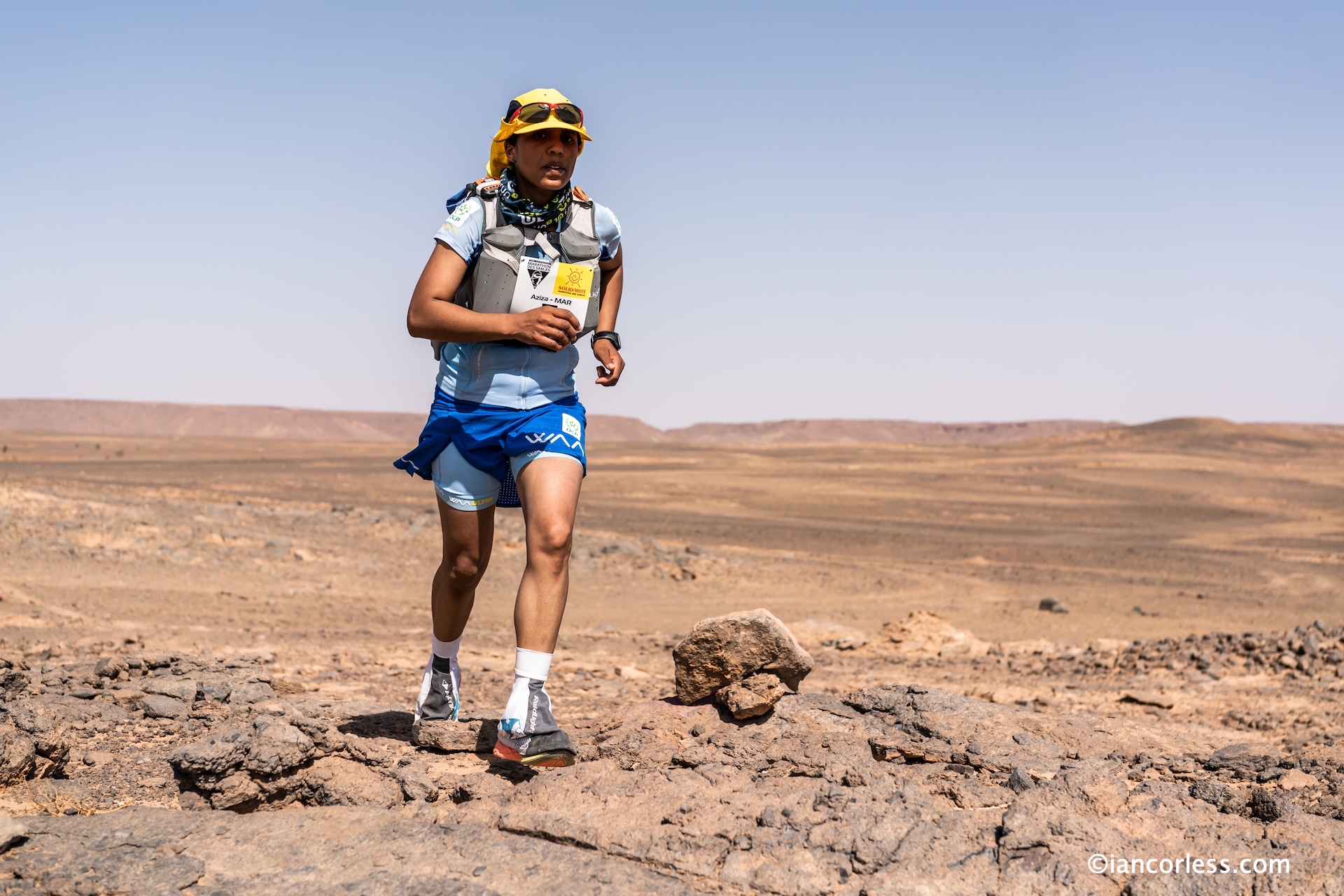
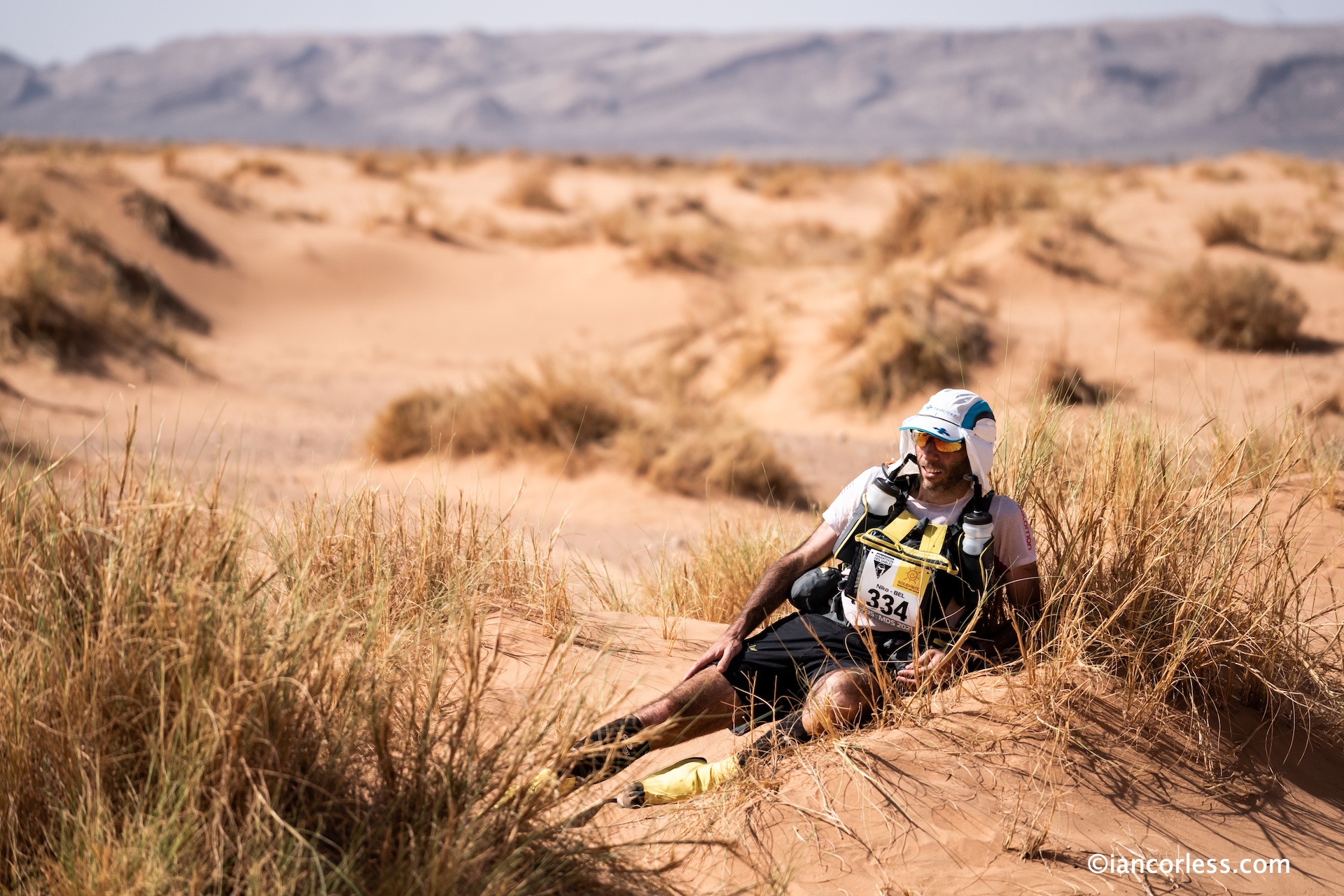
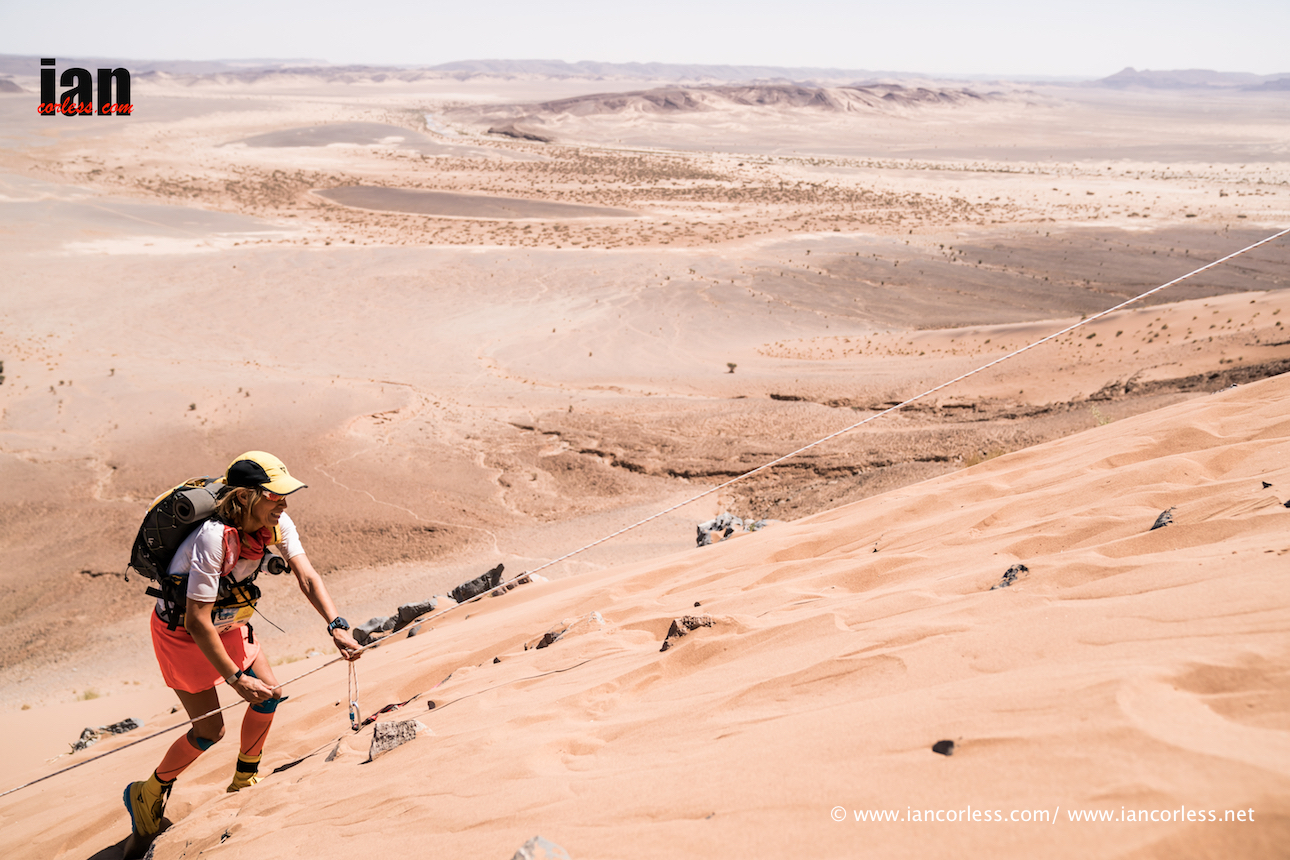
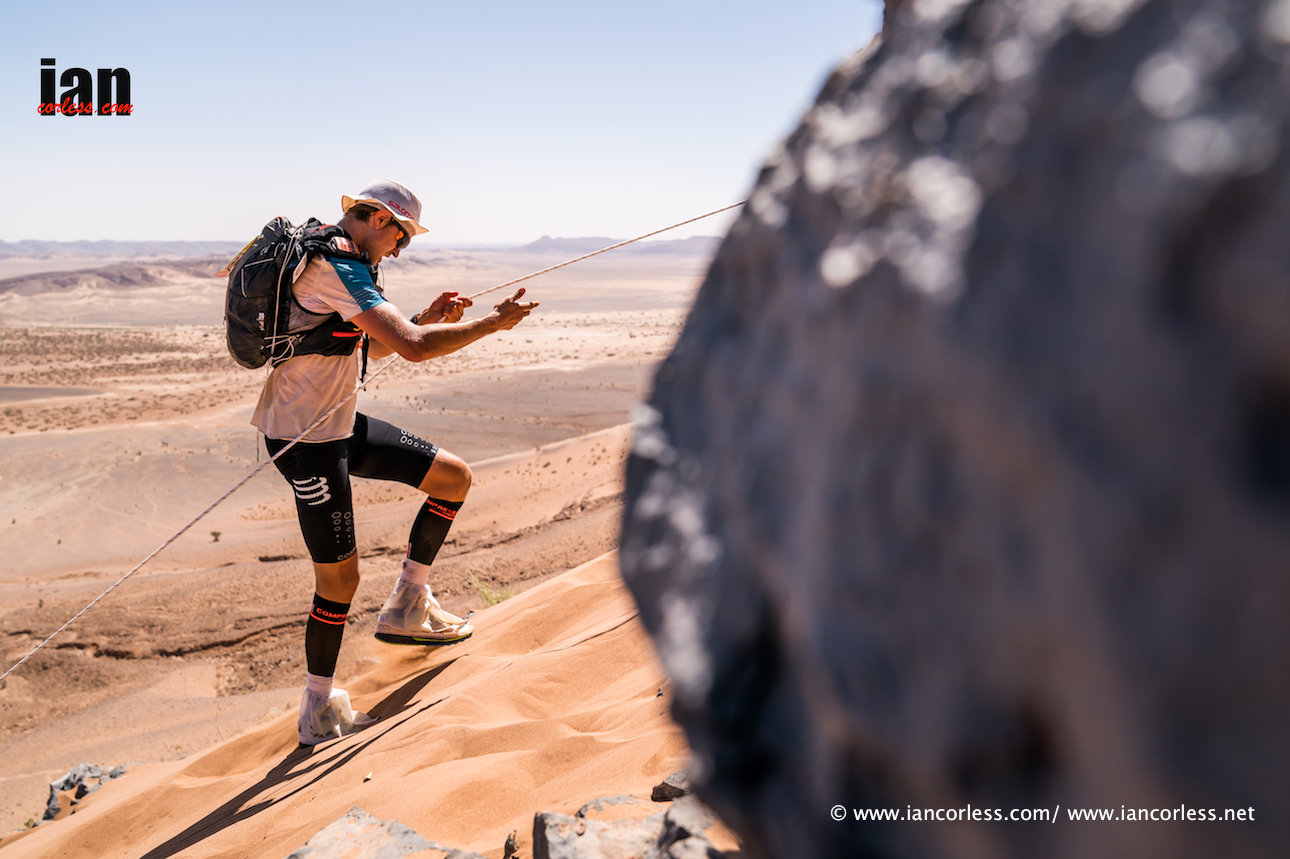
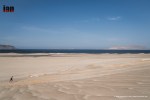
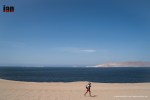
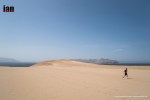
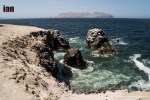
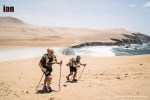
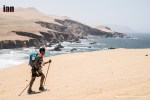
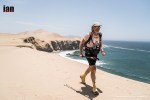
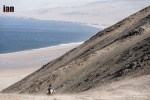
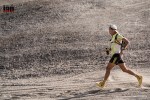
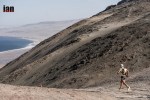
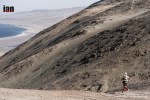
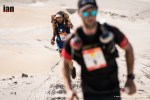
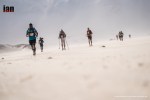
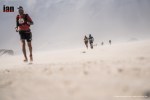
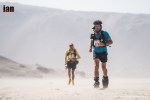
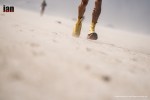
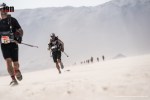
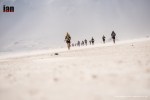
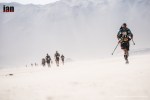
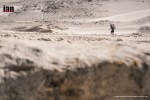
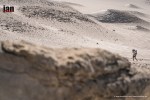
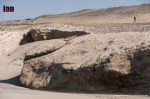
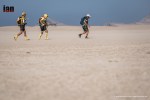
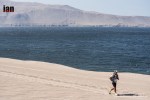
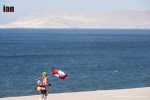
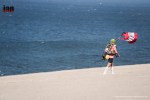
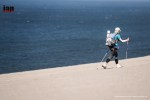
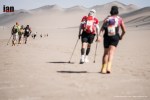
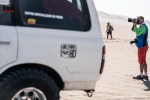
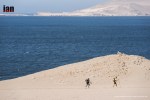
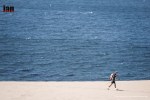
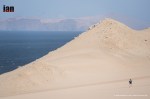
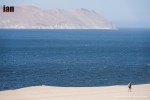
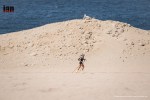
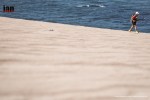
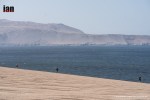
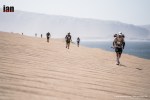
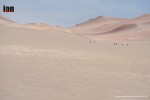
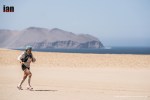
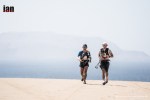
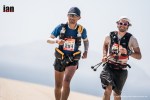
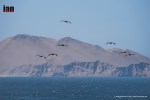
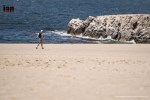
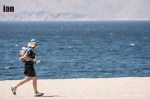
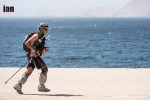
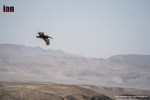
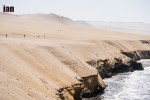
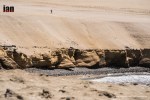
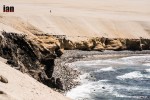
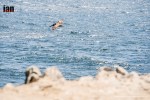
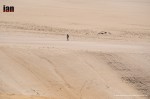
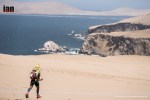
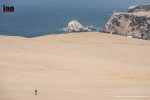
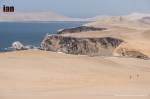
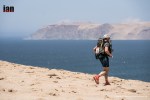
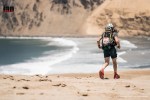
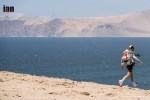
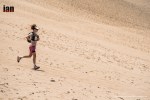
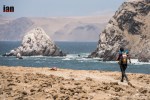
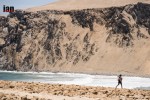
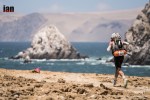
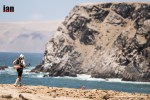
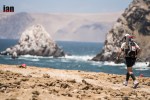
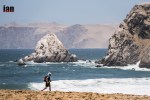
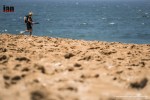
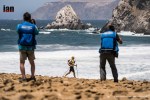
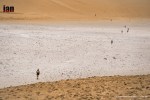
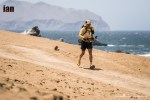
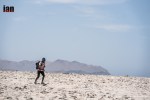
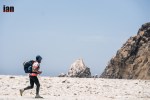
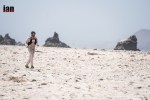
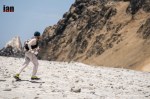
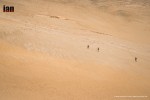
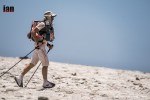
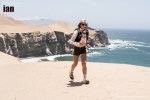
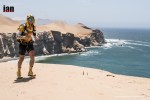
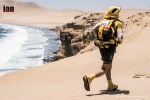
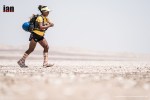
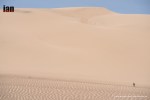
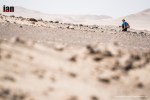
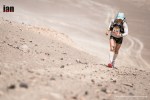
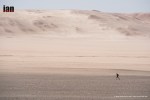
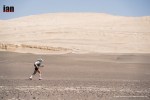
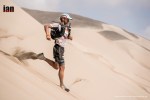
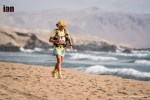
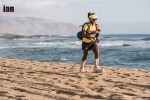
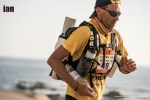
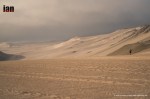
Stage 5 of MDS Peru was a classic and beautiful stage. Staring on the beach in Barlovento, the runners covered 42.2km to Mendieta hugging the coastline of the Pacific.

Unfortunately, Remigio Huaman, 2nd overall on GC, yesterday received a 2-hour time penalty for an infringement of MDS rules in regard to the calories available in his backpack. This penalty moves him out of the top-3 and needless to say, he was less than is smiling self on the start line of the penultimate stage.

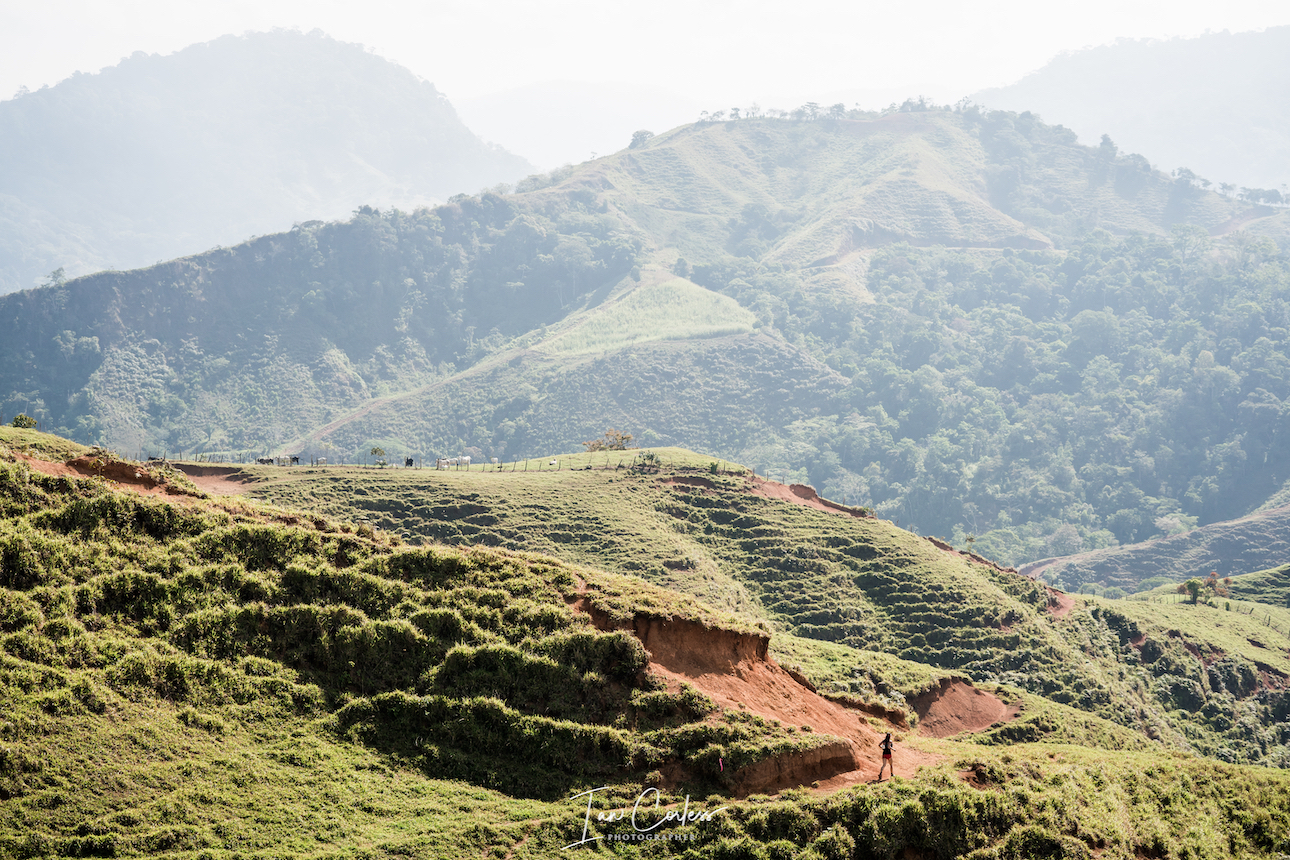
The day promised to be amazing and it was. The route was a roller coaster of small climbs and decent as the route covered 42.2km.

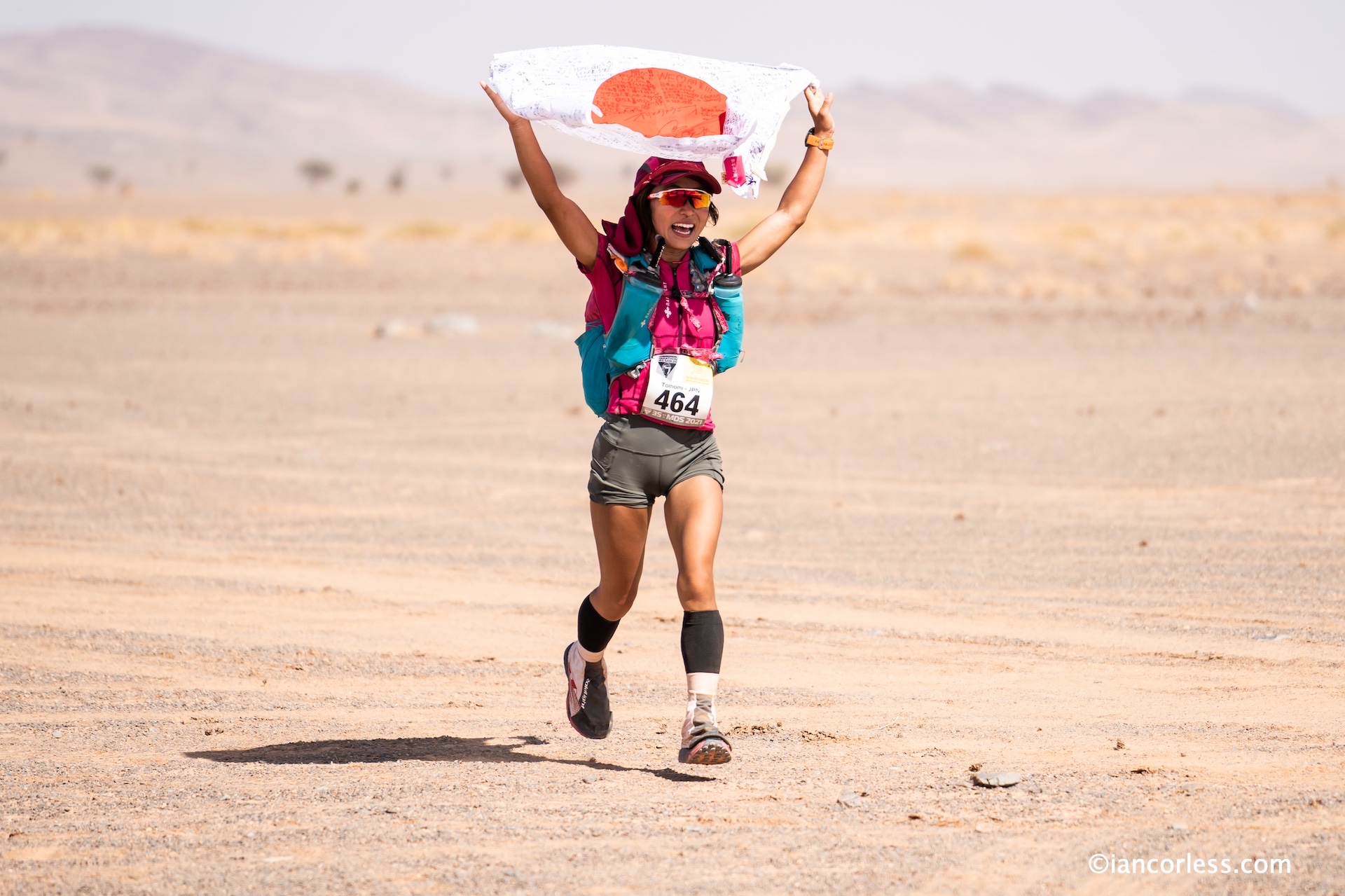
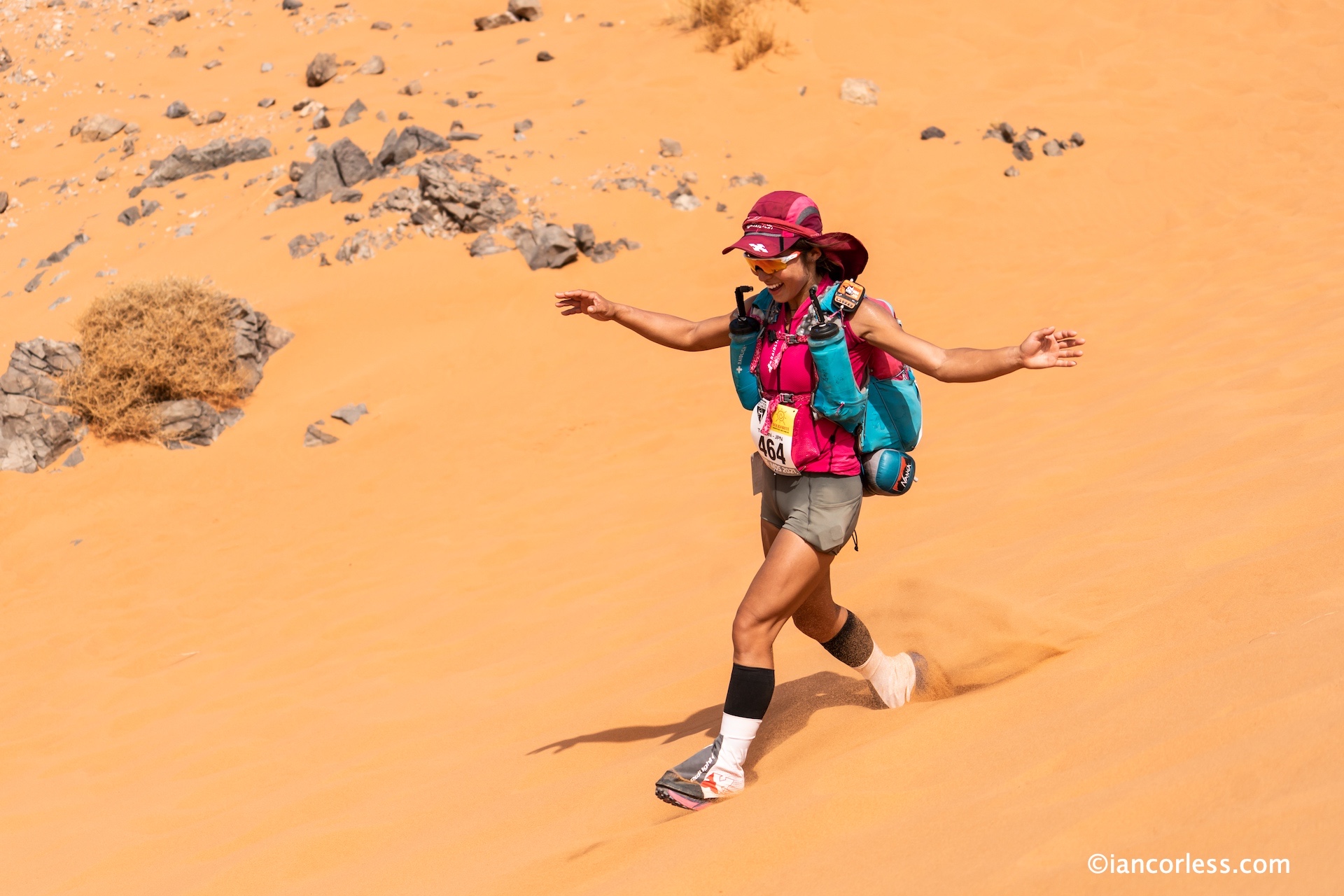
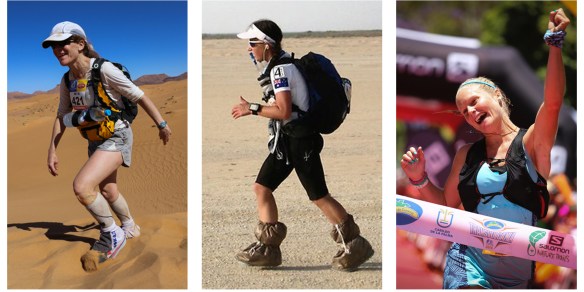
The ladies race was as it had been all week with Nathalie Mauclair leading from the front and being pursued by Melanie Rousset. The result was as in the previous 4-days, Mauclair took the stage. Rousset once again finished 2nd and Rocio Carrion finished 3rd. The result may sound like a formality but these three ladies have raced hard all week. Mauclair in particular has pushed and pushed when she had no need too. For Peru, Carrion on the podium will be a great result and when the race finishes tomorrow, I expect a Peruvian party.

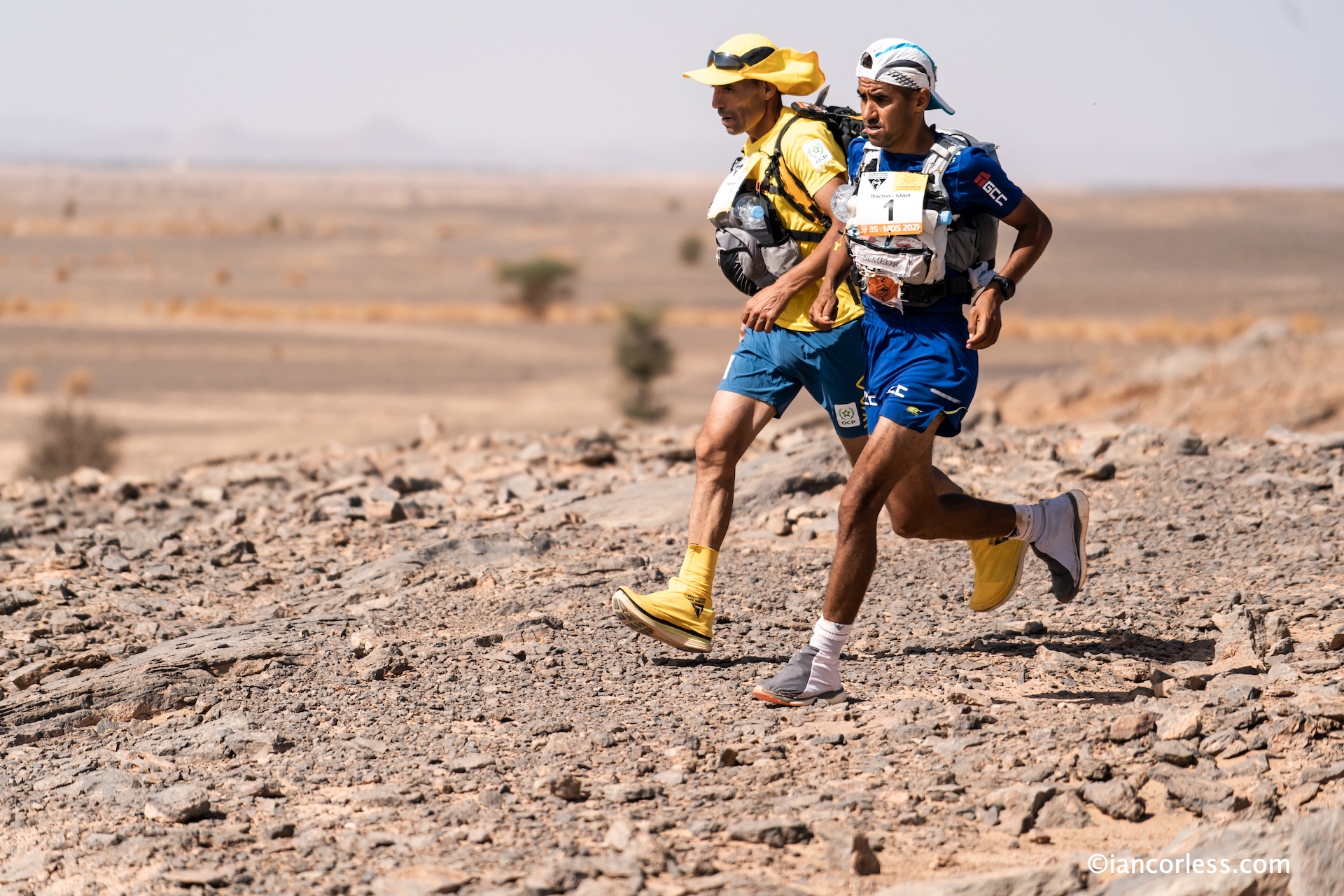
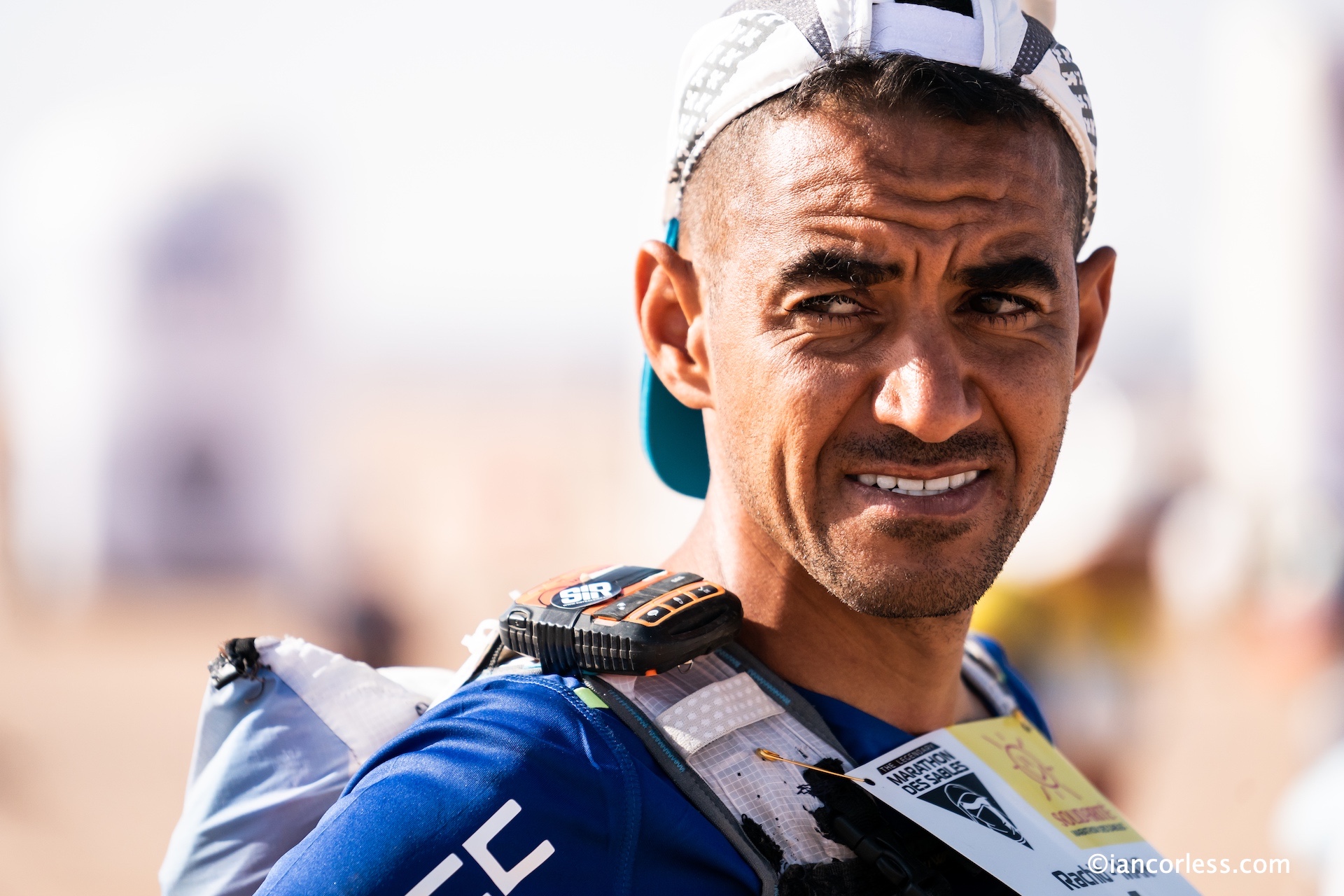
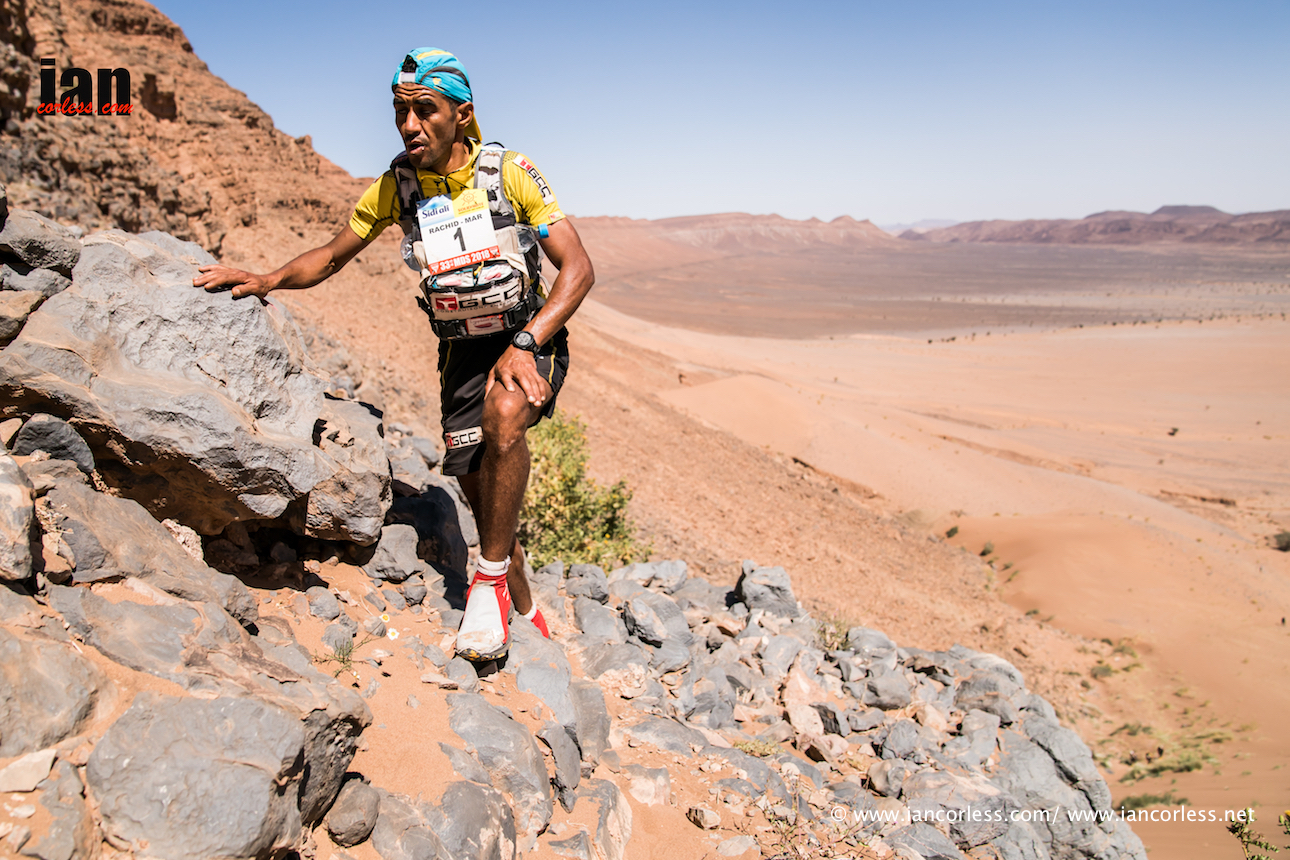
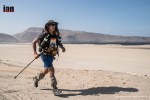
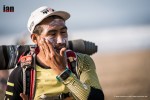
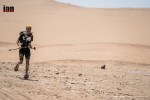
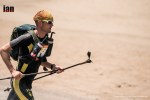
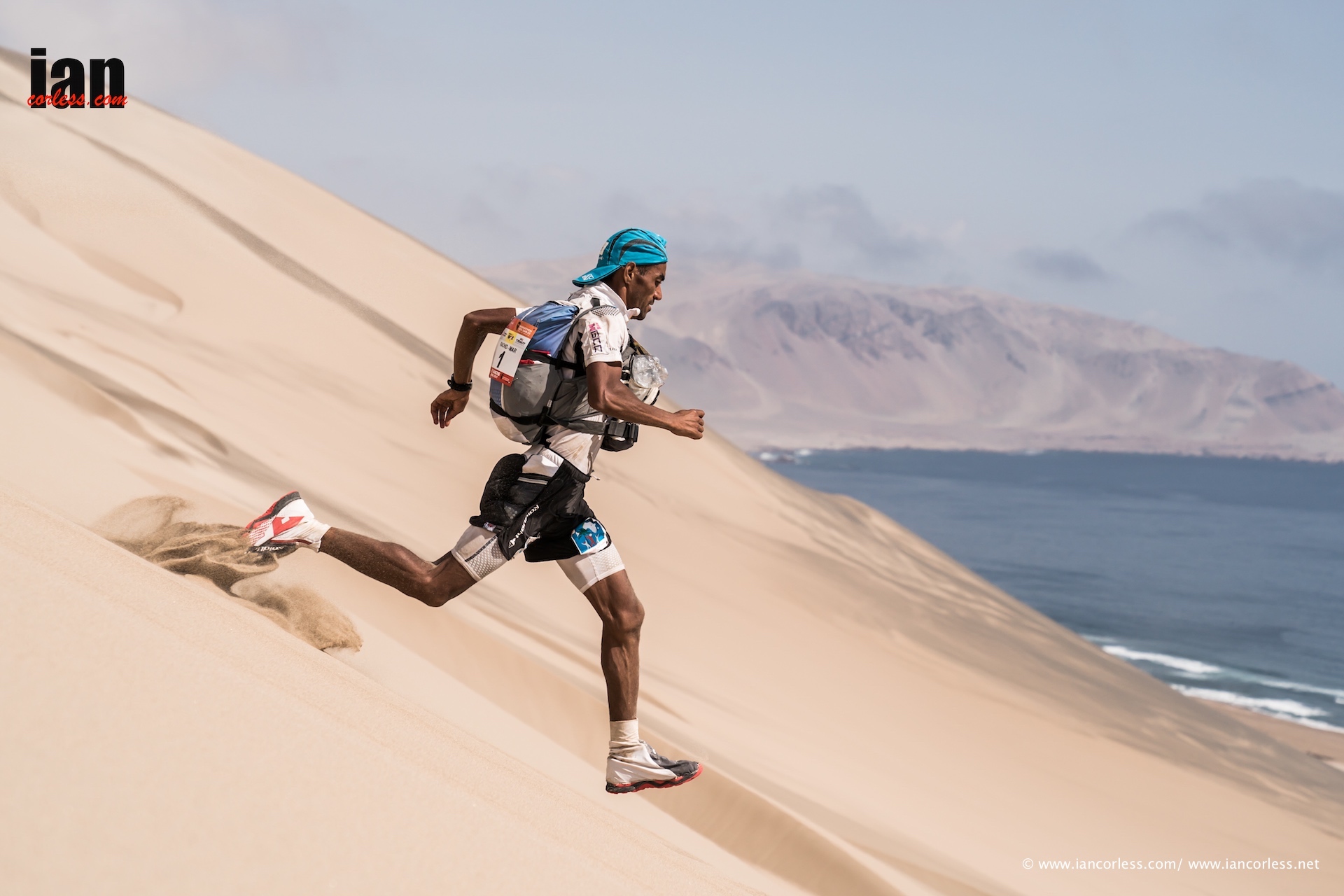
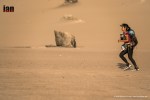
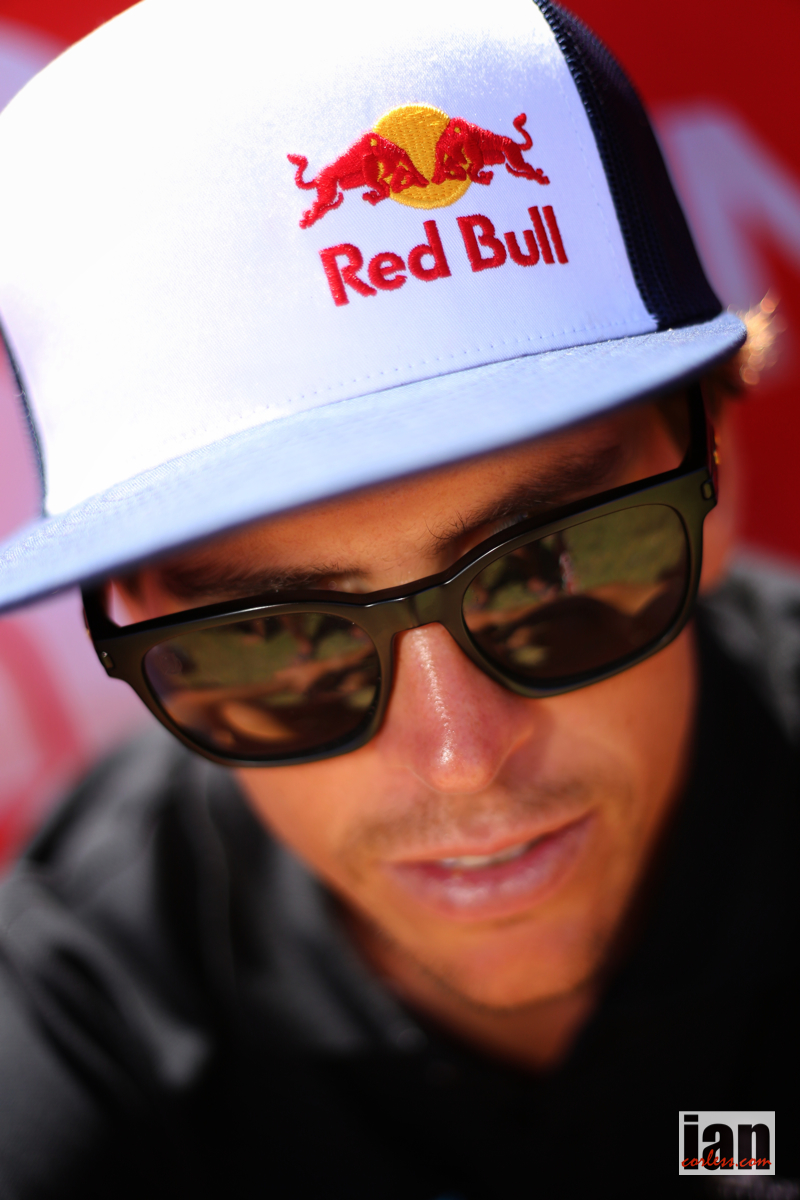
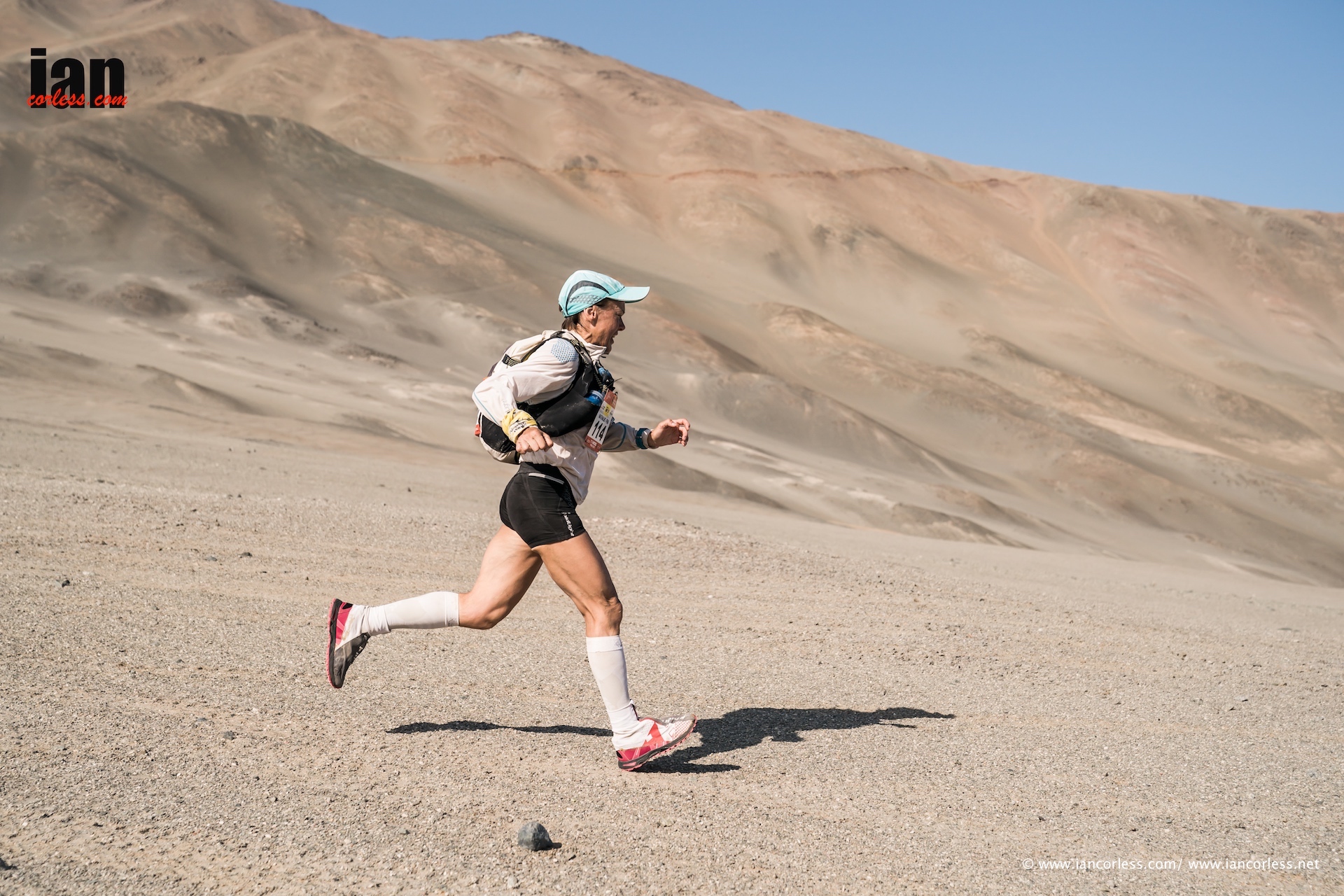
Rachid El Morabity is the master of the desert, and today he proved t once again! He starts relaxed, off the pace and running at times minutes back from the lead men. He then decides to move up a gear and when he does, t is incredible. He glides across the sand when others sink, he is a Fennec – a master of the sand and heat. Once again, he took the stage.

Remigio Huaman, Erik Clavery, Aldo Ramirez, Julien Chorier and Gediminas Grinius had set the early pace ahead of the Moroccan but it was all to no avail. Huaman was obviously looking to make amends for his penalty and once again he finished 2nd ahead of Clavery in 3rd. But it was Ramirez who benefited most, he is now 2nd in GC and flying the flag for Peru.


  1. Rachid El Morabity 3:12:51
  2. Remigio Huaman 3:15:07
  3. Erik Clavery 3:24:04


  1. Nathalie Mauclair 3:59:00
  2. Melanie Rousset 4:30:19
  3. Rocio Carrion 4:46:30


GC


  1. Rachid El Morabity 20:22:43
  2. Aldo Ramirez 22:21:03
  3. Erik Clavery 122:30:23


  1. Nathalie Mauclair 24:22:35
  2. Melanie Rousset 27:46:03
  3. Rocio Carrion 30:33:20

Stage 6 of MDS Peru is the last day and although the runners have 19km to cover along the coast of Peru next to the Pacific, the race, at least for the top-3 males and female’s s over. It’s a party day!

Marathon des Sables PERU 2017 #MDSPeru – RACE DAY 4

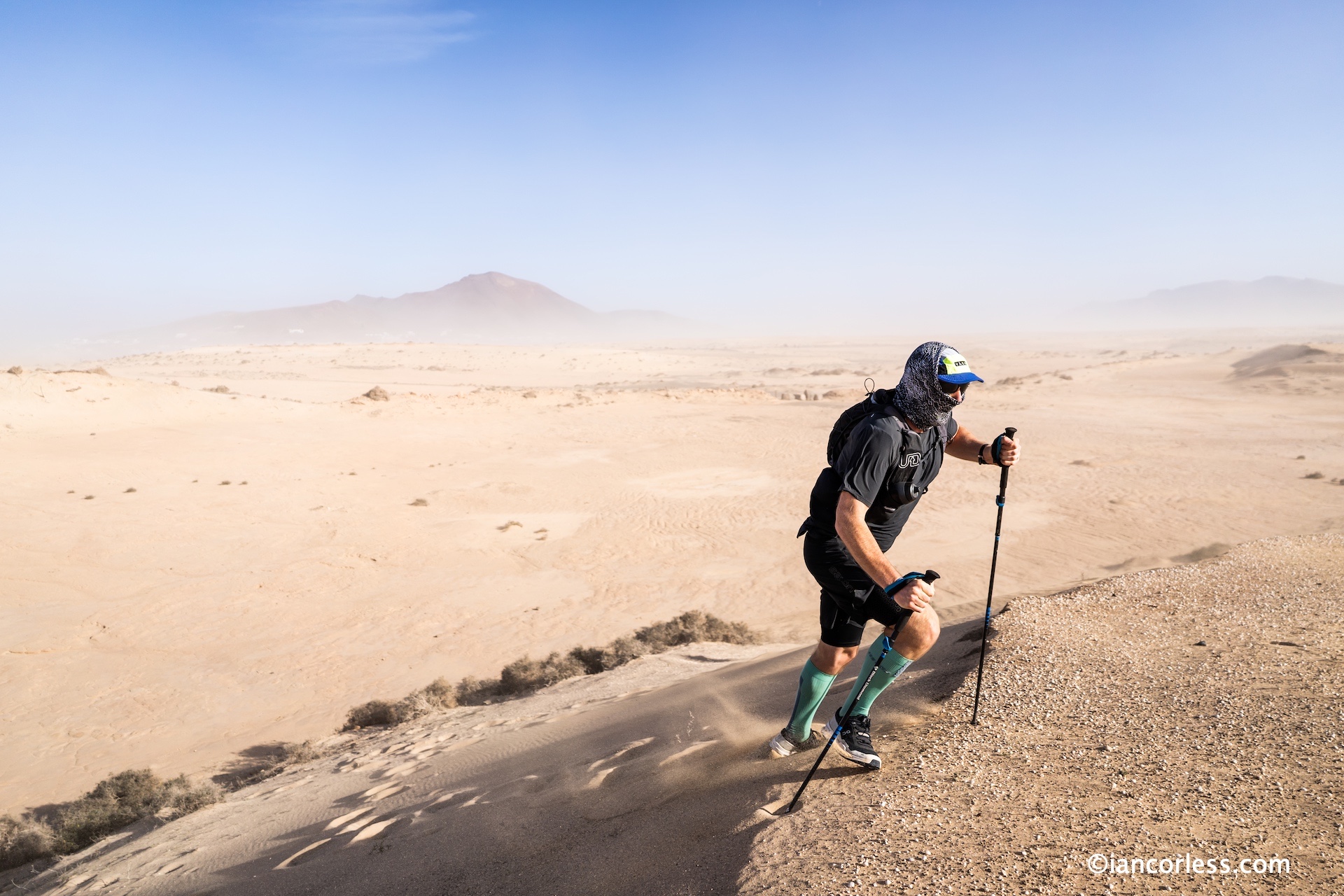
Stage 4 of MDS Peru was the eagerly anticipated long-day, it was billed as a stunning stage and it didn’t disappoint, however, with beauty came difficulty and many said how hard it was. The thought of views of the Pacific Ocean pulled the runners through to the 51km mark and then from here, the sea was by their side all the way to the finish line.

Erik Clavery dictated the race early on but by Cp2 he was caught and it was Also Ramirez from Peru who forged a fast pace looking for a top-3 finish. Fellow Peruvian, Remigio Huaman, was never going to let a countryman run away from him and the duo ran at the head of the race before Rachid El Morabity budged the gap. It was interesting to see the dynamics at the front of the race, it would appear, that El Morabity was not having a ‘normal’ dominating day and this was reflected in him crossing the line with Huaman, hand-in-hand, in 7:10:24. Ramirez held on for 3rd just 7-minutes later with Gediminas Grinius and Clavery placing 4th and 5th.

The ladies race once again had a very similar format as all the previous days with Nathalie Mauclair dictating from the front and never looking back. She is, with all due respect to the other ladies, in a race on her own! She crossed the line in 8:08:45 and Melanie Rousset finished 2nd once again over 1-hour later in 9:19:10. Peruvian, Rocio Carrion, was as consistent as ever placing 3rd in 10:01.

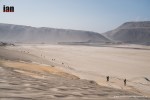
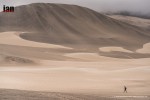
The long-day will be remembered for the stunning landscape and the variety. Beautiful white dunes, white stone flats, amazing valleys flanked by mountains and then the stunning sandy drop to the Pacific and bivouac 4 next to the sea.


  1. Remigio Huaman 7:10:24
  2. Rachid El Morabity 7:10:25
  3. Aldo Ramirez 7:17:21


  1. Nathalie Mauclair 8:08:45
  2. Melanie Rousset 9:19:10
  3. Rocio Carrion 10:01:15


GC


  1. Rachid El Morabity 17:09:53
  2. Remigio Huaman 17:47:54
  3. Aldo Ramirez 18:49:51


  1. Nathalie Mauclair 20:23:35
  2. Melanie Rousset 23:15:44
  3. Rocio Carrion 25:46:50


Stage 5 of MDS Peru is as the Moroccan brother, the marathon stage. Staring on the beach in Barlovento, the runners will cover 42.2km to Mendieta hugging the coastline of the Pacific. It will be a stunning stage!

Richtersveld Transfrontier Wildrun™ 2016

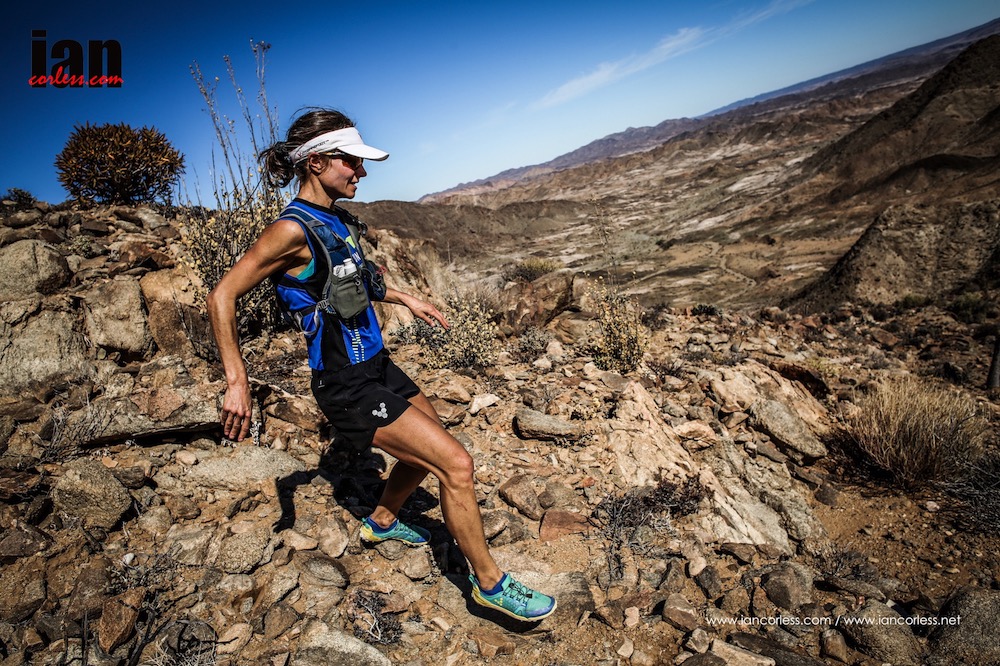
©iancorless.com_RichtersveldRaceDay42015-1791

I am fortunate to travel to many races and work as a photographer and journalist. In 2015, I traveled to South Africa with Nikki Kimball and Olympic rower, James Cracknell for the Richtersveld Wildrun.

It was an incredible experience and I have to say, a highlight of my year. I recently wrote in an online article for AVAUNT Magazine (HERE):

“The simple act of running, placing one foot in-front of the other as a method of transport takes us back to our roots, our basic instincts. In search of a place to sleep, to hunt for food; it is about being in the wild, surviving and fulfilling a primal need.”

Richtersveld Wildrun | Avaunt Magazine-1

In 2016, the race goes one step further and becomes ‘Transfrontier.’ The race will now pass over the Orange River and in to Namibia.

After two years the Richtersveld Wildrun™ has become known as one of the toughest, most scenic and unique trail running stage race events on the South African trail running calendar. In 2016 however, this iconic event takes on a new shape to become the first cross-border trail running event in the world; extending to a linear 200km, five day crossing from South Africa to Namibia through the heart of the /Ai/Ais-Richtersveld Transfrontier Park.

“We are absolutely thrilled to have unlocked a truly unique opportunity to experience both sides of such a unique and powerful place  – and to finish a long day at a natural hot springs in the middle of the wilderness is unbelievable!”said Owen Middleton, MD of Wildrunner, the events company behind the Wildrun™ events.

The new route will maintain the best of the first three days of the original edition, including the Vyf Susters, Hellskloof Pass, Armmanshoek, the Tswayisberge, Springbokvlakte and the iconic Tatasberg boulders. On day 4, the route will veer of its original course and cross the Orange River at De Hoop into Namibia and the untouched southern section of the Fish River Canyon. This 50km day will take runners into a wilderness that is completely inaccessible by vehicle and rich in wildlife such as Hartmann’s mountain zebra, kudu, gemsbok, springbok, Namibian wild horses and giraffe.

©iancorless.com_RichtersveldRaceDay32015-0853After a long, tough day, runners will spend the evening in the canyon at a natural hot spring, before taking on the final day of roughly 25km to finish at the /Ai-/Ais Hot Springs Resort and wrap up a powerful and truly unique experience.

Race dates are 13-17 June 2016 and entries open midday October 21st

International entries HERE

European entries HERE

The overall race distance for 2016 will be 200km and the daily distances will be – 36.3km + 32.1km + 34km + 48.3km + 21.3km.

Terrain is very mixed, varied and stunning and requires adaptation to sandy terrain, heat, climbing, remoteness and an ability to run with a GPS.

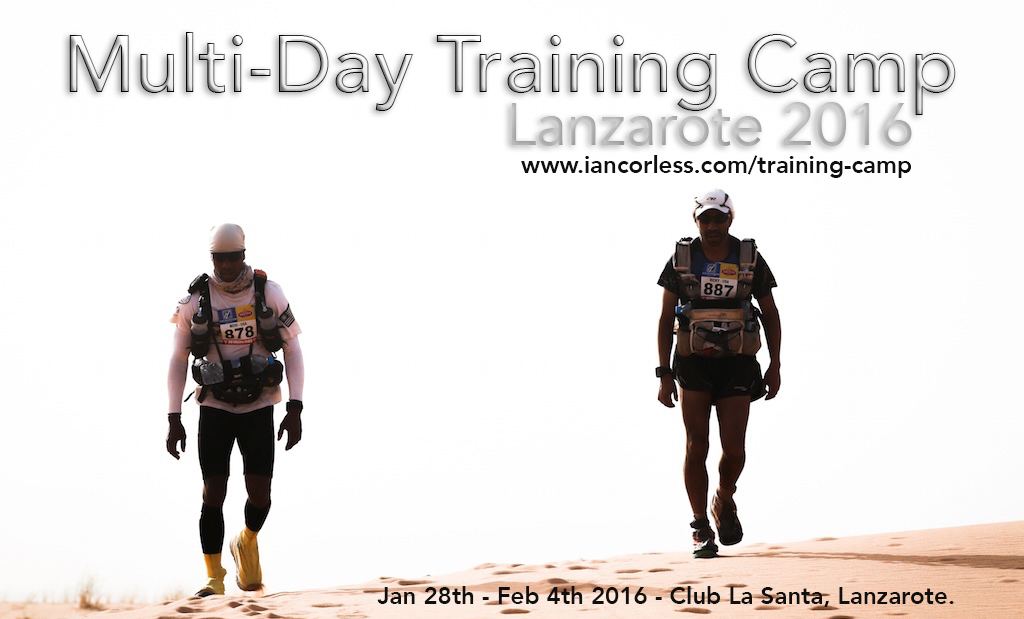
Need help with training, join my 2016 multi-day training camp in Lanzarote.

Details are HERE

Multi-Day Camp Image

Roland Vorwerk, marketing manager of Boundless Southern Africa, one of the driving forces behind the success of the event, said they are very happy to support this new cross-border trail running event.

“This new route contains even more highlights than the original Richtersveld Wildrun™, and promises to give participants a challenging but spectacular trail running experience.”

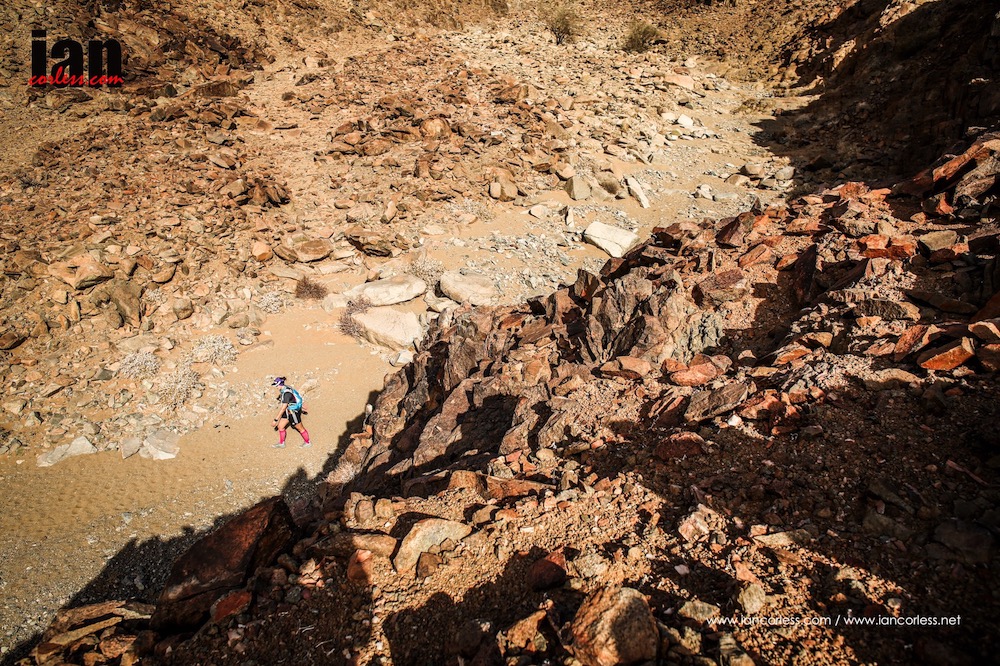
©iancorless.com_RichtersveldRaceDay32015-0449

If you need inspiration, check out the film from 2015 below.

You can also view photo galleries HERE


If you would like more information please use the form below or use the above links.

Go back

Your message has been sent

Warning
Warning
Warning
Warning

Warning.

Richtersveld Wildrun™ goes TRANSFRONTIER

©iancorless.com_RichtersveldRaceDay32015-0413

After two years the Richtersveld Wildrun™ has become known as one of the toughest, most scenic and unique trail running stage race events on the South African trail running calendar. In 2016 however, this iconic event takes on a new shape to become the first cross-border trail running event in the world; extending to a linear 200km, five day crossing from South Africa to Namibia through the heart of the /Ai/Ais-Richtersveld Transfrontier Park.

©iancorless.com_RichtersveldRaceDay42015-0939“We are absolutely thrilled to have unlocked a truly unique opportunity to experience both sides of such a unique and powerful place  – and to finish a long day at a natural hot springs in the middle of the wilderness is unbelievable!” said Owen Middleton, MD of Wildrunner, the events company behind the Wildrun™ events.

©iancorless.com_RichtersveldRaceDay42015-0946The new route will maintain the best of the first three days of the original edition, including the Vyf Susters, Hellskloof Pass, Armmanshoek, the Tswayisberge, Springbokvlakte and the iconic Tatasberg boulders. On day 4, the route will veer of its original course and cross the Orange River at De Hoop into Namibia and the untouched southern section of the Fish River Canyon. This 50km day will take runners into a wilderness that is completely inaccessible by vehicle and rich in wildlife such as Hartmann’s mountain zebra, kudu, gemsbok, springbok, Namibian wild horses and giraffe.

©iancorless.com_RichtersveldRaceDay32015-0853After a long, tough day, runners will spend the evening in the canyon at a natural hot spring, before taking on the final day of roughly 25km to finish at the /Ai-/Ais Hot Springs Resort and wrap up a powerful and truly unique experience.

Roland Vorwerk, marketing manager of Boundless Southern Africa, one of the driving forces behind the success of the event, said they are very happy to support this new cross-border trail running event.

“This new route contains even more highlights than the original Richtersveld Wildrun™, and promises to give participants a challenging but spectacular trail running experience,” he said.

©iancorless.com_RichtersveldRaceDay32015-0449Tamaryn Middleton, general manager of Wildrunner, was very excited to launch the new route and said:

“To be the first to cross an international border in a trail running event and to be in such an iconic part of Namibia as the Fish River Canyon is awesome – we can’t wait to take a new group of adventurers on this epic journey.”

The Richtersveld Transfrontier Wildrun™ will take place from 13-17 June 2016 and entries will open 21 October 2015 

Interested? Contact the UK agents for the race using the contact form below.

Go back

Your message has been sent

Warning
Warning
Warning
Warning

Warning.

FROST – KIMBALL – GASH : The Coastal Challenge, Costa Rica 2015

TCC Ladies 2015

The 2015 multi-day The Coastal Challenge gets underway in less than 3-months. Runners from all over the world will arrive in San Jose in preparation for the journey down to the coast to Quepos and the 11th edition of the “TCC.”

After a stellar line-up for the 10th edition, Rodrigo Carazo and the TCC team have once again excelled in providing a top quality elite line up making TCC arguably one of the ‘must-do’ multiple day stage races in the world.

Come race day, elite runners will toe the line in Quepos with everyday runners, with one purpose in mind, to embrace an ultimate challenge in the remarkable Talamancas.

Unlike other multi day races, the TCC is supported. Each day camp is moved ahead and awaits the runner’s arrival at the finish. Running light and fast, runners are able to keep equipment to a minimum and as such, racing is extremely competitive. The 2015 edition of the race is proving to be extremely exciting, particularly when one looks at the line up of runners.

Heading up the ladies field is a trio of hot talent that will without doubt make the race one to remember.

KIMBALL – FROST – GASH

NIKKI KIMBALL

Nikki Kimball on her way to victory in the 2014 MDS.

Nikki Kimball on her way to victory in the 2014 MDS.

Nikki Kimball is a legend of female ultra running. A multiple winner of the iconic Western States her palmares are longer than my arm… just this year, Nikki won Run Rabbit Run 100 and the 29th Marathon des Sables. Nikki’s presence in Costa Rica is a defining moment for the TCC. It is a confirmation of the credibility of the race and Nikki’s years of experience will be something to embrace, not only for the other runners but all those involved in the experience.

‘I loved MDS and am excited to add TCC to my stage racing experience.  I’ve run MDS, Transrockies (3 times), Jungle Marathon and each was very special in its own way.  Each experience will help me in my preparation for TCC.  Transrockies, like TCC, transported runner gear and set up their tents, which gives me a sense of racing daily with the speed allowed by running without gear.  The Jungle Marathon exposed me to rain forest and the accompanying heat and humidity.  And MDS gives me a more recent experience of racing in extreme conditions against great competition. I absolutely loved, though occasionally hated, each event. As for direct comparison with MDS, a few points are obvious: I will be exchanging dry oppressive heat, for humid oppressive heat; varied types of sandy surfaces for wet and rocky footing; desert vistas for close forests and ocean views; and nearly full self sufficiency for the relative luxury of camps with food and sleeping supplies I do not need to carry.  I recommend MDS very highly to fellow runners, and believe I will finish TCC similarly impressed.’

Running without a pack and all the weight, do you think it will be a fast race?

‘I actually love the challenge of carrying my entire kit for MDS, but am looking forward to the freedom from gear that TCC will give. Yes, the running is much faster without a heavy pack, and TCC will be very fast in places.  Hopefully the technical elements will slow the pace down a bit, as I run more on strength, endurance and technical skill than speed.  This is particularly true in the winter when nearly all my training is done on skis.  I think anyone peaking her running training for TCC will be running quickly.’

How excited are you to race in Costa Rica?

‘As we said growing up in Vermont, I’m wicked psyched!  Seriously, running has given me access to parts of the world I would never otherwise see.  And I’ve run in Mexico and South America, but never run between the two.  I feel I gain so much from playing with other languages, exploring other cultures and environments, and bonding with runners throughout the world.  I cannot wait, not only to run in Costa Rica, but to spend a few days before the event picking up a few more Spanish phrases, meeting local people and splashing in the water while knowing that my friends at home are playing on top of a much colder form of water.’

You will be racing against Anna Frost and Samantha Gash amongst others…. does this excite you?

‘I do not know Samantha, but I very much look forward to meeting her.  And, like anyone who has spent time with Anna, I absolutely adore her.  I love racing with/against anyone, and Anna is certainly a great talent.  But more than that, she is a fantastic person with a depth of character that far exceeds her running achievements. I get to hang with Anna for a week, and that is always great.  For that matter, every stage and ultra race I’ve been in (and over 16 years there have been many) attracts great people.  From volunteers to elite athletes to less experienced racers looking to see what’s possible, the people of this sport keep me doing it.  I’m excited by the top end competition and just as excited to hear stories from TCC participants I have yet to meet.’


ANNA FROST
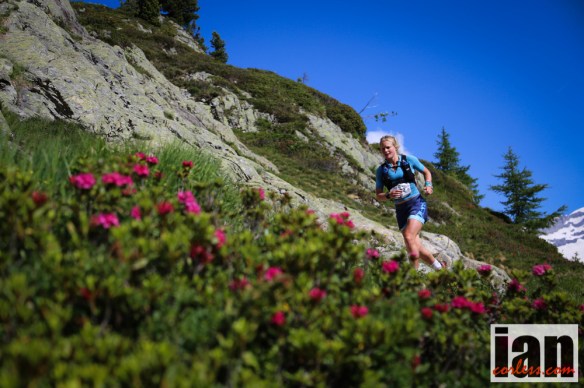
Anna Frost Skyrunning World Championships 2014 - Chamonix

Anna Frost Skyrunning World Championships 2014 – Chamonix

Anna Frost arrived in Costa Rica for the 10th edition but unfortunately couldn’t race due to an injury set back which was really disappointing for the New Zealander. However, Costa Rica was a cathartic process… Frosty followed up her TCC experience with victory and a course record at Transvulcania La Palma, Speedgoat 50k and Bear 100.

‘I gained so much energy and pleasure out of just being in Costa Rica that I came home almost injury free. I cant wait to get back to explore further and see all of the course. The atmosphere is so much fun, great food, wonderful campsites, beautiful beaches and rain forests and HOT weather! IM SO EXCITED!’

The Coastal Challenge is a supported multi-day race and therefore allows runners to run fast and free. Looking at the quality of the ladies field, I asked Frosty about the 2015 race and if she expected it to be fast?

‘There are a lot of fast trails and dirt roads, long flat beach sections and smooth trails. But in between that there is hard, steep, trail-less, muddy, rain forest covered dirt, spiders, noises? and more to keep the challenge high. But luckily the race has many aid stations so you don’t need to carry too much which means you can move as fast as possible through all of that!’

Nikki Kimball has won MDS and WSER and Sam Gash has just run for 1-month all over South Africa, two real solid runners. How excited are you to test yourself over the multi-day format against these ladies?

‘It will be fantastic to share this race with them. They are both super strong girls and also great friends, so it is going to be so much FUN!’

You ran your first 100-miler recently, do you think that will be a benefit in Costa Rica?

‘Definitely. With each race I undertake I am beginning to understand more about myself, my limits, and what challenges me. This process allows me new ways to overcome obstacles. It will be good to put what I have learnt in practice.’

‘Visiting Costa Rica again. The people and places we see along the way are wonderful! And being able to share that with all the other runners in the Coastal Challenge is so awesome!’


SAMANTHA GASH
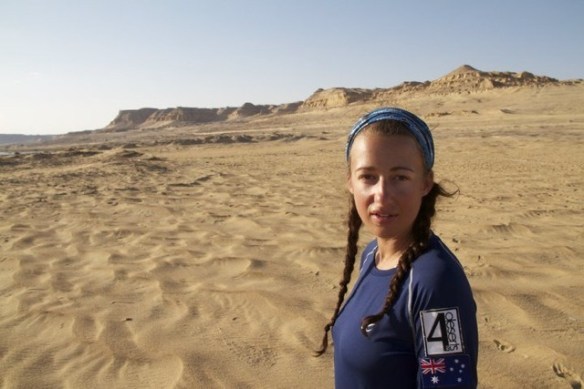
Samanha Gash ©samanthagash

Samanha Gash ©samanthagash

Samantha Gash is the youngest lady to ever complete ‘The Four Deserts’ and was one of the featured runners in the film, ‘The Desert Runners.’ Just last week, Sam has completed an epic journey…

‘Oh boy I have just been on an adventure of a lifetime, one that took me close to 2 years to prepare for. I ran with Mimi Anderson from the UK and side-by-side we ran an ultra every day for 32-days through some pretty challenging terrain. Our run focused on supporting a South African based initiative, so it was pretty special to run through some incredibly remote & rural locations.’

‘It was great preparation for Costa Rica in the sense that a multi day format suits me. However my run along South Africa was an expedition not a race, so the pace was very different. It’s been less than a week since I’ve finished the biggest physical & mental challenge of my life so I’m looking forward to letting both recover for the month of November. Come December I will evaluate how my body is going & hopefully begin to train for the Coastal Challenge. Once I start training again I will need to put my legs through some serious speed work.’

Kimball and Frost need no introduction. Are you looking forward to racing them? 

‘Geez these ladies are of a different caliber to me and I predict they will place at the top of field outright. I’ve met Anna a couple of times so I’m looking forward to catching up again & meeting Nikki too. Just to race with them both will be an absolute pleasure; they have had incredible years. Great to see Anna dominate in her first 100-miler; I had no doubt she would also excel over that distance.’ 

I recently watched ‘The Desert Runners’ again and I must say I love the film and the experiences that you all had, how significant was that process for you?  

‘When I did the 4 deserts it was my first experience to ultra running. I fondly look back on that year (2010) as it started my passion into a sport & lifestyle I never really knew existed. What I love about multi stage racing is the relationships you develop with other competitors & volunteers over the duration. Of course there are moments when you are intensely racing but then there are other moments where you are relaxed and are enjoying banter with people you’ve just met. Some of the closest people in my life are people I’ve met in these types of races. I also like the build up you can have over the days. I tend to start a touch more conservatively to let my body adapt and then work into the longer stages.’ 

You have been fortunate to travel with racing. Costa Rica will be a new experience for you, are you excited?

‘The setting for the race looks spectacular and Rodrigo seems like a top-notch race director. I am also drawn to the race because it offers variety in terrain – mountains, river crossing, single track, rock and glorious beaches.’

Would you like to join these incredible ladies in Costa Rica?

Entries are open in the UK HERE

or HERE for outside the UK.

Links

Official race website HERE and Facebook HERE

You can view images from previous editions HERE

And race day reports from 2014 and 2013 HERE
Ryan Sandes goes back to his roots

©craigkolesky

©craigkolesky

Trail running extraordinaire, Ryan Sandes, who by the way is currently leading the Ultra Trail World Tour (UTWT) rankings, is going back to where it all began and will be taking part in RacingThePlanet’s seventh Roving Race, on the picturesque island of Madagascar from the 31st of August 2014 to the 6th of September 2014.

©iancorless.com.IMG_0585

“I am really excited to be travelling to Madagascar for the first time, to take part in Racing the Planet Madagascar. This is going to be an epic experience with lots of wild life and some pretty crazy conditions,” says Ryan. “As this is a self-supported multi day race I will need to get used to running with a 7-9kg backpack again. I have taken a 4 week break after Western States 100, so I am feeling well rested and looking forward to the next adventure.”

©iancorless.com.IMG_1766

Starting from the beaches of the Indian Ocean, the course follows the coast along white sandy beaches, lush green rice paddies and across vast savannah. It includes Baobab trees, red and grey limestone formations known as Tsingy and a mixture of flora and fauna found only in Madagascar. The format of the course follow is the same as previous races in the 4 Deserts Race Series – 250km, 7 day, 6-stage completely self-supported endurance race.

Madagascar, sometimes known as the Eighth Continent, is the world’s fourth largest island. As with previous RacingThePlanet races that Ryan has taken part in, on day’s 1 to 4, competitors will run 40km each day, then have a long day on day 5 – 80km – and a short 10km sprint on the last day for the final finish line.

©iancorless.com.IMG_3082

With temperatures averaging between 30-40°C accompanied by humidity, Ryan should be in his comfort zone. Approximately 250 competitors from 40 countries around the world will compete, made up of roughly 80% male and 20% female competitors. The race leaders are expected to complete the race in around 26 hours, with the slower competitors taking up to 70hours. For more info on the race please visit the race website or follow Ryan Sandes and Facebook and Twitter.

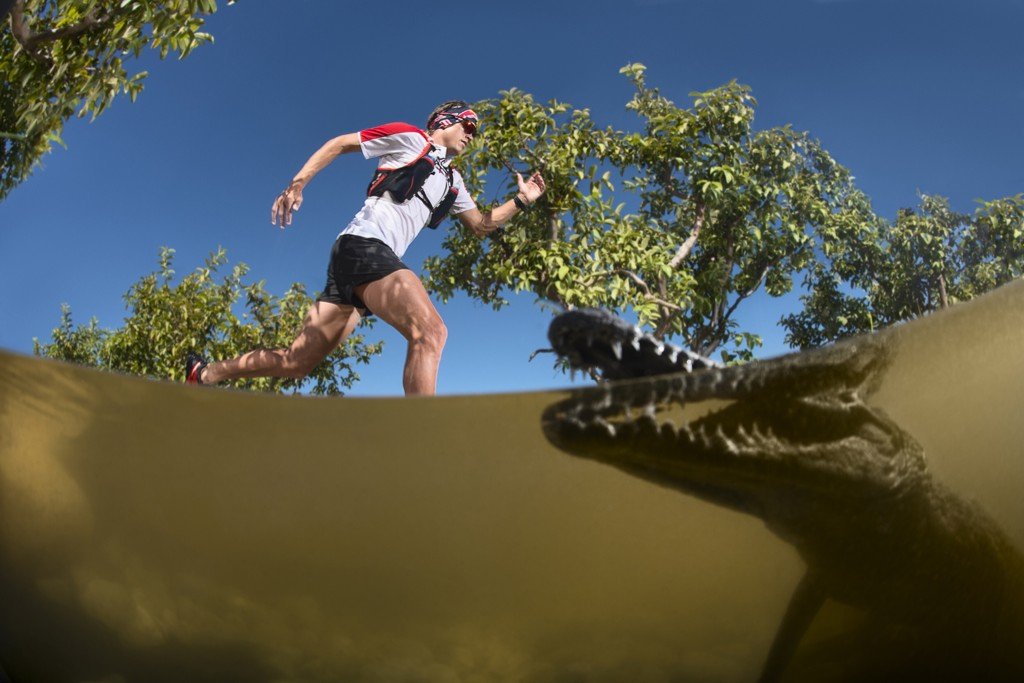
Ryan was kind enough to forward d me the excellent photo at the header of this post.

‘Here’s a photo you are welcome to use of me running with crocs. Credit is Craig Kolesky. See you soon!’ Ryan Sandes

I asked Ryan, ‘Is it a real situation or a photo comp?’

His reply, ‘No it’s real;-) we put Perspex on water for me to land on but I was nervous – the crocs weren’t too big though. Only big enough to eat my leg, not my whole body;-)’

We wish the ‘Sandman’ all the very best on his journey back in time.

MEEK and mild – The Jo Meek interview

©iancorless.com_1120572all images ©iancorless.com – all rights reserved

The eyes tell the story… they look through you. Deep in focus, almost blinkered like a horse, Jo Meek has only one purpose. To run as fast and as efficiently as possible over 6-days and when crossing the final finish tape, be crowned winner of the 10th edition of the 2014 The Costal Challenge in Costa Rica.

I had seen this look once before, at the end of stage-1 of the 2013 Marathon des Sables. Sitting in a bivouac, Jo Meek had just excelled on the first day of the race. I like others looked around in wonder and asked the question, ‘who is Jo Meek?’

No more questions needed to be asked, at the end of the 28th Marathon des Sables, we all were well aware who Jo was, she was the lady who had just placed 2nd overall behind Meghan Hicks at her first Marathon des Sables.

When you excel at one race it’s easy for many to look on and say, ‘It was first time luck.’ Not that Jo needed to prove anything, certainly not to me! I had seen her race; I had witnessed the dedication and focus as Jo pushed herself daily to get the best she could out of her body.

Switching from the dunes of the Sahara to the beaches and rainforest of Costa Rica was always going to be a cathartic moment for Jo, particularly when one considered the competition she would be up against; Julia Bottger (Salomon), Veronica Bravo (Adventure Racer from Chile) and Anna Frost (Salomon). Unfortunately, ‘Frosty’ had to withdraw from the race just days before the start in Quepos on doctor’s orders. Disappointed at not having the opportunity to test herself against one of the best female mountain/ ultra runners in the world, Jo focused and said, ‘It changes nothing. I am here to race and race hard. I would have loved to have Anna push me but you know what, I can push myself pretty hard.’

As we all found out, Jo can push herself pretty hard; maybe too hard at times? On day-1 of the TCC, Jo raced like a demon. Unaffected by the Costa Rican heat and humidity, she put 45-minutes into the female competition and set the platform on which to build for an incredible victory at the 10th edition of the race.

Back in the UK after a recovery week in Costa Rica, I caught up with Jo as she attempted to move house… a house that she had purchased without seeing! Yes, Jo had purchased a house she hadn’t seen. When I asked her in Costa Rica about this, Jo replied, ‘I was too involved in my training, I had one focus, to be in the best shape for the TCC. I just didn’t have time to go and look at it. I convinced myself it would be okay…’

©iancorless.com_1130144

IC: A year ago I was talking to you at your surprise 2nd place at MDS. You have now been out to Costa Rica, a very different environment in comparison to the Sahara, raced against stronger competition? And you have won an incredible victory over 6 –tough days of racing. How do you feel?

JM: I feel really pleased. I have complete satisfaction from the race. It’s possible to sometimes come away with question marks but I have none. I feel that the effort I put in was rewarded appropriately. I put a great amount of dedication into this race and sacrificed lots.

IC: Yes, you had that steely MDS look in your eyes. Like blinkers. You dedicate yourself to the task and I guess knowing in advance what the competition was going to be like at TCC and having the MDS experience inside you, you were able to be far more specific in training. I know post MDS that you thought you had maybe been a little over cautious. You could have run quicker? So, did you go to TCC with all guns blazing and take each day as a race?

JM: Yes I did. I remember listening to Ryan Sandes on Talk Ultra and he said it was amazing how quickly one recovers. I thought, I do recover well and I had nothing to loose. I know from MDS that I had been cautious, for example on the last day I pushed hard. Had I done that everyday the result may have been different but it’s difficult to say. So, at TCC I wanted to give it everything. I had prepared for the heat and my training was good.

 ©iancorless.com_1150601

IC: You have just mentioned that you committed yourself from day-1. Needless to say, TCC day-1 was impressive. You put 45-mins into the competition, impressive, particularly when we look at the ladies who you were racing against. Of course it gave you a real buffer. A safety net. The biggest issue on day-1 for everyone (except you) was the massive contrast in European weather and Costa Rican weather. Even in Costa Rica itself, the temperatures between San Jose and the coast were remarkable. As you approach the coast the heat goes up along with the humidity. Day-1 has a later start so you are straight into the heat… mid 30’s and closer to 40 at the height of the day. But it did not affect you and the main reason for this was 10-days training in a heat chamber.

JM: Yes. I was prepared. I gave everything on that first day. I had assumed that the competition would have done the same? Using a heat chamber is only a case of contacting Universities and they are usually willing to help. I assumed some heat work would put me on a par. As it turned out it wasn’t the heat that struck me but the pace! We were running slower than I expected so I ran at what was comfortable for me and nobody ran with me. I then ran scared thinking I had made a mistake that I was going to pay for.

IC: Now you have had an opportunity to reflect on TCC can you tell us about the heat chamber, how did it benefit you, are there any crossovers between MDS and TCC prep?

JM: I did the same sort of training. I followed a marathon program but I did more back-to-back runs. Essentially you are training for the same thing. In the heat chamber I was under the guidance of the team. I told them I would do whatever I needed to do… They told me I needed 10-days. You actually don’t need to exercise in the heat chamber, you can just sit inside but it takes longer. I could sit for 3-hours or run for 1-hour. I am dedicated, I am focused, and that’s a really big thing.

IC: Lets talk about the training. When you say a classic marathon program, I guess you are talking about a speed session, hill session and then long runs. Of course, you were training for multi-day so you built from 1-long run to back-to-back long runs. What did a peak week look like; I guess this was 3-4 weeks out from the TCC?

 ©iancorless.comP1130161

JM: Yes, 4-weeks out and then I would taper. You are right; I would do a speed session, a threshold run, a hill session and then long runs that would build to back-to-back runs. What you can’t afford to do is not let yourself recover in terms of, if you have done a long run and made it fast, you need to recover. It was all about balance. You need to be sensible and listen to your body. I would do 2.5-3-hours normally for a normal long session, whereas my long run for TCC was 4-hours; but at a slower pace. I wanted to make sure I could incorporate hills to prepare me for the hills of TCC.

IC: Back-to-back sessions, was that 2 x 4-hour runs?

JM: No, I did 3 back-to-back 3-hour runs.

IC: So, 9-hours split over 3-days; I presume when you did this you eased back of speed and hill work?

JM: I actually kept the sessions. In actual fact, that week I did a race. You have to remember, the long runs were really slow. It was just a case of recovering from a food and nutrition perspective. The runs actually didn’t damage my muscles. I am sensible after each run. I rest. For the 3 back-to-backs I took a day off work to make sure I had the best platform from which to build.

IC: So you planned this into work. You took a day off work and you treated this very much from a professional perspective. Feet up after the run, concentrate of food and hydration and make sure you are in the best place.

JM: Yes it was like being a full time athlete. Of course day-to-day life gets in the way; cook dinner and walk the dog for example. I just took this relaxed and in my own time.

IC: How did you break speed sessions down? Many ultra runners look at speed sessions as something that they don’t need to do. But that is not the case, you actually need endurance and speed, so, how do you work this to your benefit, how did you go about speed sessions?

JM: It is difficult to answer as we are all individual and it depends on your race. You need to target your sessions at the pace you want to achieve and then sometimes faster. I would do some track work running 400’s or I would do 1-mile reps. I guess you need to vary what you do… try to enjoy it! We all think, speed; it’s going to hurt. But if you find sessions you enjoy it makes a big difference. Also try training with others.

 ©iancorless.com_1160267

IC: So you had your plan, you did speed, you did strength, you did hills, you did back-to-backs but you realized that to give you an edge or in your terms an equal playing field was that you needed to adapt to the heat. It was a variable. It was one thing you couldn’t account for. You did 10-days consecutive in a heat chamber?

JM: Yes, 10-days.

IC: What is day-1 like?

JM: Oh you think I will never be able to run in this? I went in thinking that I would run at ‘pace’ but actually you run at a slow pace as they don’t want your temperature to rise too quickly. It feels bearable at the start. They monitor the core temperature and mine went too high after 30-min so then I had to walk and rest to keep it under control. It’s not as physically as hard as you may think. It’s all about core temperature.

IC: What is important is the lesson that we can all learn. You trained in the UK; you did the heat sessions, which gave you massive temperature and humidity fluctuations. You got that process over with before arriving in Costa Rica. By contrast, nearly all the runners had to go through that process on day-1 of the race… for example; Philipp Reiter had a really tough 1st day. He was overheating and red, he was trying to control himself but to no avail. However his recovery was phenomenal. He recovered so well to come back strong on day-2.

JM: That is the benefit of being 20!

IC: Yes, for sure that helped. However, had Philipp and the others got day-1 over with in a heat chamber it would have made a massive difference. It could have been the difference between top-3 and a win.

When you went back to the heat chamber how was the adaptation?

JM: Mentally I was more prepared. On day-1 I felt nauseous and tired but I guess it just gets easier. By day-3 my resting core had reduced dramatically. It gets easier and easier unless you are a moron like me and fall off the treadmill.

(Laughter)

IC: Mmmm yes, you did make a mess of your face. Not the best thing to land on in the final days of prep in the build up to an important race!

So, you adapted in the heat chamber. The process went exceptionally well and pretty much after the last session you made your way to Costa Rica. It’s a shock, isn’t it? Time changes, a day of registration, logistics and presswork, an early bed and then a very early start the following day that starts at 3am. A transfer by bus to the coast and before you know it, day-1 starts at 0930 just as the heat of the day is beating down. It’s hot, really hot, however it caused you no problems. You had that amazing first day. Post day-1 you said you felt great. You had taken the race on, you had pushed yourself and you had stamped your authority on the race. How did the rest of the race unfold for you? You had a couple of key moments; day-3 in the river section start when you struggled with the technicality, ironically, very similar to the male winner; Mike Wardian. You and he are very similar runners, you both run well on fast terrain but less so on technical terrain.  However, as the race progressed you both adapted and became far more efficient.

©iancorless.comP1120273

JM: Yes, without doubt.

IC: Moving up hill and covering technical ground became so much better for both of you.

Lets go back to that day-3 start when you had Veronica Bravo and Julia Bottger ahead of you, did you think you were loosing the race?

JM: When you can’t see runners you immediately think you are loosing 45-mins. It’s funny. However, when it is so technical you can’t think about anything other than what is below your feet and what is ahead. I just had to follow the course markers and cover the ground as best as I could. All the time I was thinking, I just need to get on the flat or get on a good hill and start chasing and pulling time back.

IC: You got through the section and you started to chase. You clawed back the time, you caught Julia and Veronica and then on the final beach section in 40-deg heat you pulled away and got another stage win. You re-established your dominance of the race. It must have been a great day and a great boost?

JM: The 3rd day was the longest and most emotional day. It almost felt like the end of the race. I was very emotional. Had someone been waiting for me at the end I would have cried. Even though I still had 3-days of racing ahead I had concentrated so much it had exhausted me. Having got through that it was a case of maintaining it. But as you very well know, I like to race and continued that way. I didn’t want to take anything for granted. I could have fallen and hurt myself and with Veronica and Julia chasing, I couldn’t be complacent. I raced hard to the end.

IC: Post race you said one day in particular is the day that you got things wrong that impacted on the final 2-days, was that day-4?

JM: I gave everything on day-3 and then I continued to race on day-4 when I didn’t need to?

IC: Yes, we had that conversation when I said to you, ‘you know what, you have a 60-min lead so be sensible. You have no need to put yourself in the ground. Consolidate what you have and be sensible.’ But in true Jo Meek fashion you continued to push…

Day-5 was significant. You had been in the lead and then Julia came back to you with about 10-km to go. It was the final feed station. You had a 60-min lead, so, overall victory was secure.

 ©iancorless.comP1130916

JM: I was at the feed and Julia arrived and I thought, ‘Oh my goodness, I thought I have to go.’ I ran, ran hard and closed out the final 10-km like a stand-alone session. I finished out of breath with hands on knees.

IC: Funny, when I saw you, you said, ‘I am an idiot.’

JM: I did.

IC: When I asked why, you explained the situation. Of course you have now reflected and I hope you realize that it wasn’t clever racing? You could have still had a bad moment on the last day and needed the reserves.

JM: Oh yes. I am well aware. What hurt me on the last day were sore quads. It was all the descending from the previous days. So I ran the last day within myself, however, had I thought Julia would have really pushed I would have found something, some extra energy.

IC: You have 2-great experiences under your belt. Marathon des Sables provided an introduction into multi-day racing and you performed maybe beyond our expectations but not beyond your own and now you have the victory at The Coastal Challenge. You have confirmed yourself as someone who can race hard, day-after-day, so, what are the hints ‘n’ tips you can provide for multi-day racing?

JM: Assess what you as an individual want from the race and then train accordingly. You must have a goal. Do you want to compete or complete? It makes a big difference. If you get your mind it the right place it is half of the battle. Prepare mentally, don’t be scared of the environment. Do what you can do and make sure that is clear. Have a great understanding of your body and how it recovers. Give yourself what you need. Without doubt eating after exercise within an hour is key, especially for multi-day racing or training. Rest when you get an opportunity; elevate your legs. For sure your feet and ankles will get tired. Relax, eat, drink and let everything settle. If you can sleep, do so. It provides great recovery. Ultimately, common sense prevails and the body is an amazing thing.

IC: TCC and MDS are very different. At MDS you had to be self-sufficient and carry a pack whereas at TCC tents and food were provided so you could run light, you just needed a hydration pack. Of course it’s a level playing field as everyone must do the same but from your perspective what are the pros and cons from both races and which did you prefer?

JM: That is very tricky. At TCC having food in abundance is obviously great. You can eat when you want and as much as you want so that makes recovery easy. However, everyone has that option so it’s not a personal advantage it’s just a different scenario. At MDS you can use this to your advantage, if you have planned well and your nutrition is optimum for your own personal needs then of course your competition may have not, so this can be something you work into a positive. It requires more planning. It’s a game of calories v weight. I like the challenge of the MDS scenario but equally your running style changes; your speed changes and you are carrying the burden of the pack.  I guess it depends if you prefer faster racing or a more expedition type of approach.

IC: It’s a crazy question but MDS compared to TCC, which race, all things considered was the hardest race?

 ©iancorless.comP1140703

JM: The Coastal Challenge course. It has everything, ascending and descending, the damage the course did to my legs was far greater than the MDS. I found the MDS was harder from a food perspective, it took me 4-5 weeks post MDS to put the weight back on. The Coastal Challenge course tests the body and mind and the continual changes of terrain keep you guessing and working hard.

IC: So what is next, recovery is first and foremost I guess?

JM: I want to prove myself as an ultra runner. I want to run in a GB vest. I will try to qualify for GB in a trail race. I’d like to do more stage races and I have entered Comrades in June. That will be an interesting test and very different to what I have currently achieved.

IC: Finally, Costa Rica, what was the experience like for you, can you sum it up?

JM: The race is incredible. Where else can you run (or walk) in such an amazing place! The organizers have created a race and a route that often is inaccessible to most; riverbeds, jungle and plains. I probably didn’t look around too much while racing but I stayed for 1-week afterwards and I had a holiday. I went diving, saw a whale, I walked, went white water rafting and saw plenty of wildlife. It’s just an incredible and exciting place. Even if you did just the race you would come away with a whole new outlook. It really is incredible.

LINKS:

TCC 2014 race images – HERE
The 2015 The Coastal Challenge is now available to book. Want a discount? Use the form below for early bird booking.

Race Website – HERE
Go back

Your message has been sent

Warning
Warning
Warning
Warning

Warning.

The Coastal Challenge #TCC2014 – Pre race audio and images

©iancorless.com.P1100848


The stage is set for the 2014, 10th edition Coastal Challenge. Without doubt a quality field will toe the line in Quepos tomorrow for stage one of the race (route preview here).

We held an impromptu press conference and had an opportunity to chat to each of the lite runners on how they have prepared and how they thing this 10th edition will unfold. As you well be able to tell from the audio… spirits are high and we are going to see a very exciting race.

A Podcast LogoAUDIO HERE
http://traffic.libsyn.com/talkultra/TCC2014_pre_race.mp3

Unfortunately, Anna Frost has to make the difficult decision to remove herself from the race on doctors advice. However, she will follow, help out and participate in her own unique way. You see her interview HERE
 

The Coastal Challence #TCC2014 – Stage 1 Preview

tcc-stg-1

Day 1 – Quepos to Rafki Lodge

RACE START SUNDAY FEB 2nd 0930 +/- Costa Rica Time
Total distance for day-1 of the 2014 and 10th edition of the TCC is 33.5km. Although the depart will still be from Quepos, the start point has been changed to avoid approximately 10km’s of road that in the past was used to ‘ease’ the runners into the race. However, through general consensus, this road start was not only a little uninspiring, but also it also caused runners to go off far too fast. Today, the runners will head straight into the forest and head for the final destination of Rafki Lodge in the Saverge Valley. A total elevation gain of 850m will see runners pass through 3-checkpoints; Palmas (10km), the small village of Cruce al Saverge (21km) and then at the end of a long pontoon bridge at Andarivel (29.6km) before the final push to the beautiful grounds and hotel of Rafki Lodge. In terms of terrain, it’s a relatively easy day with some wide double track. The biggest issue will be the heat… get your pace and hydration wrong on day-1 and you may just not recover as many found out in the 2013 edition of the race.

©copyright .iancorless.com.P1050156 ©copyright .iancorless.com.P1050258

Ones to watch:

Ladies

  • Gemma Slaughter – 2013 champion – Canadian
  • Julia Bottger (Salomon Germany) – German
  • Anna Frost (Salomon International) – New Zealnd
  • Jo Meek (unattached) – United Kingdom

Men

  • Nick Clark (Peal Izumi) – United Kingdom
  • Michael Wardian (Hoak One One/ UVU) – USA
  • Philipp Reiter (Salomon International) – Germany
  • Carlos Sa (Berg)  – Portugal
  • Vicente Juan Garcia Beneito (Lurbel) – Spain
  • Martin Gaffuri (New Balance)- France
  • Karim Mosta – France

Local ones to watch:

  • Marcelo Jiminez
  • Daniel Calderon (Altra Ambasador)

100km del Sahara, April 2014

Logo

An adventure, an experience, a stepping stone to something else… the 100km Sahara is multi-day race that will introduce you to a whole new world. Join the journey in April, 2014. 

©copyright.iancorless.com._BEN2717

Irrespective of your experience, the 100km of the Sahara will provide every participant a definitive sporting accomplishment. For some it may well provide the ultimate challenge, while for others, it may become a launching pad for continued participation in highly demanding extreme running races. The spirit of the race combines many elements; travel, adventure, excitement and ultimately a challenge.
 Pursue your dreams, pursue your passions and let the 100km of the Sahara provide you with a gateway to a new world.

©copyright.iancorless.com._MC23589

An annual race taking place over multiple days, participants test themselves against the challenge of running against the desert, while accepting the minimal assistance that is needed. The Sahara is fascinating, however it is one of the least suitable environments for running. If it was easy, anyone would do it… take yourself to a new level, add a new stimulus to your running. The Sahara will not only test your physical parameters but your capacity to control your mind.

Achieve your finish line!

©copyright.iancorless.com._BEN5048

DETAILS:

The “100 km of Sahara” maintains a departure from the oasis of Ksar Ghilane, in the great Eastern Erg for the 2014, 16th edition of the race. The arrival; the mythical oasis of Douz will be achieved after travelling 100 km’s in 4-stages with 3-nights undertaken in a tented camp.

©copyright.iancorless.com._MCA2074

The race itinerary is 7 days 6 nights. This competition is designed to bring out the spirit of challenge for those who create their own adventure. The race will have all the necessary ingredients of the extreme, but provides a race structure and format that is accessible to all. It’s a tough race but a race that is possible for all levels of ability!

©copyright.iancorless.com._BEN2939

The 100 km of Sahara is a qualifying race for the UTMB Race and will count for 2 points.

CourseQualificative2014_EN

Capacity, 150-people.

  • Program flight included € 1.840 Milan or Rome
  • Program without flight € 1.640 
  • Single supplement (3 nights in hotel) € 100

The participation fee includes:

  • Flight to and from Djerba from Italy (only in the program with flight),
  • Transfers by bus and by 4×4 cars,
  • Full board for the whole week,
  • 3 nights in hotel and 3 nights in tents (6 people each),
  • Medical assistance during the race,
  • Tourist assistance,
  • Insurance.

During the race, a catering service provides food for all participants. All produce comes from Italy with the exception of fresh fruits and vegetables; they will be sourced locally in Tunisia. The menu will be balanced and based around runner’s needs and requirements.

©copyright.iancorless.com._MC22832

  • Breakfast: 
Coffee, tea, milk, cookies, cakes, fresh bread, jam, honey, muesli, cereals, eggs, cooked ham, cheese, fruits
  • Light lunch: 
Pasta or rice, hot or cold dish of meet, hot or cold side dish, salami and cold pork meat, Parmesan cheese, tuna, tomato salad, fruits
  • Dinner: 
Appetizers, pasta, rice, vegetable soup and broth, hot dishes of meet, hot or cold side dishes, tomato salad, Parmesan cheese, fruits, dessert, wine on the table.

What is not included?

  • Drinks and beverages at the hotel and in the oasis of Ksar Ghilane.
  • Airport tax.

WALKERS

©copyright.iancorless.com._BEN2769

Max number of participants: 20

A new addition to the race is a walking category. Just 20-places are available, allowing an opportunity to explore the emotions and landscape of the Sahara in a more relaxed way. A special program has been arranged and will be independent of the running race but will run in parallel.

Walkers will be accompanied with a guide, dromedaries and 4×4 vehicles. Dromedaries will carry small personal luggage and the vehicles will provide security and reassurance for all walkers.

©copyright.iancorless.com._MC22935

The treatment for walkers will be the same as for the runners; night accommodation will be nomadic tents with personal sleeping bags; breakfast, lunch and dinner will be provided in the camp with the entire group of participants.

©copyright.iancorless.com._MCA9737

ITINERARY

Sunday, April 27th, 2014

  • Flight Milan or Rome-Djerba
  • Transfer to the Hotel ****, dinner and overnight in hotel
  • It will be possible to leave the extra baggage in the hotel; it’s MANDATORY for all the participants to put everything you need in just one bag. Exceptions will not be allowed.

Monday, April 28th, 2014

  • Wake up at 7.30 am, breakfast in the Hotel and transfer to Ksar Ghilane by bus for the opening ceremony
  • Arrival in the oasis, accommodation in the tent camp equipped with common
  • Rest rooms and showers
  • Lunch at the camp with local food specialties
  • 3.00 pm opening of the shop “merchandising 100 km del Sahara”
  • 5.00 pm designation of race bib numbers and assignment of tent
  • groups.
  • 6 people per tent
  • Dinner made by the Zitoway staff and overnight stay in the tent of the oasis

Wednesday, April 30th, 2014 – 2nd and 3rd stage 26km + 9km (night stage)

  • 7.00 am breakfast and baggage delivery
  • 7.30 am start of walkers
  • 8.30 am start of the 2nd leg
  • Arrival at the camp, open lunch, relax in the afternoon
  • 7.00 pm dinner at the camp
  • 9.00 pm start of the night leg
  • Overnight at the camp

Thursday, May 1, 2014 – 4th stage marathon 42km

  • 6.00 am breakfast and baggage delivery
  • 6.30 am start of walkers
  • 7.00 am start of the 1st group
  • 8.00 am start of the 2nd group
  • 9.00 am start of the 3rd group
  • Arrival at the Hotel****Sahara Douz, end of the race
  • Lunch by the hotel restaurant
  • Relax in the afternoon

Friday, May 2, 2014

  • Wake up and breakfast
  • Transfer to Djerba, lunch at the hotel
  • Afternoon in relax by the pool
  • 8.00 pm dinner in the hotel and slide show of the race/li>
  • Overnight in hotel

Saturday, May 3, 2014

  • Wake up and breakfast
  • Transfer to the Airport of Djerba, on the way free lunch
  • After lunch transfer in airport for the flight back
THE FOLLOWING PROGRAM MAY CHANGE AND IS SUBJECT TO FINAL CONFIRMATION
PRACTICALITIES:

BAGGAGE

The backpack will be the only hand luggage on the plane, which should contain just what is necessary for the race – running shoes, shorts, t-shirt, and survival kitWe have already had an incident where someone’s personal luggage was in delay and they were at risk for not being able to participate in the race. If you have the necessary items in your backpack, you can run with no problem until your baggage arrives.

REQUIRED DOCUMENTS

  • I.D. is required to go in Tunisia for Italian people.
  • A valid passport is required and no vaccinations are needed at this time. It’s always recommended to check with your Embassy for any travel advisories.
  • A medical certificate issued by a sports medical center facility with a test of physical efforts confirming that the athlete is physically fit for this race is absolutely MANDATORY. Without this certificate, you will not be allowed to participate.
  • No certificate is required for walkers.

RACE CLOTHES

  • Shoes should be suitable for off road running, and should be a little oversized to allow for sore and swollen feet.
  • It is advisable to use gaiters for the sand, but make sure they are good quality and don’t impede performance.
  • If you tend to burn easily in the sun, it is not advisable to wear a singlet or tank top during the race.
  • T-shirts should be made of a suitable anti-sweat material like dryfit, etc.
  • It’s strongly recommended  to bring a Saharan scarf, called a “cechès”, that can be useful to protect nose and mouth in case of wind or sand storm as well as motorcycle glasses.

RACE BACKPACK

For safety reasons it is MANDATORY that participants have a race backpack that contains the following items:

  • A minimum of 1-litre of water (inside the backpack or in flasks around the waist), salt tablets, survival blanket, whistle, lighter and chemical light .
  • A hat, sunglasses, protective sun lotion, a small knife and some Compeed plasters are also recommended.
  • The mandatory equipment may be verified at any moment and if an item is missing a penalty will be immediately applied per regulations.
  • The survival kit can be purchased from the Organisation.

MEDICAL CERTIFICATE

  • A medical certificate issued by a sports medical center facility with a test on physical efforts confirming that the athlete is physically fit for this race is absolutely MANDATORY.
  • No certificate is required for walkers.

SAFETY KIT

For safety reasons it is MANDATORY that participants have a race backpack

that must contain the following items:

  • A minimum of 1-litre of water
  • Salt tablets
  • Survival blanket
  • Whistle and lighter
  • Chemical light
  • Hat
  • Sunglasses
  • Protective sun lotion
  • Small knife
  • Compeed plasters

The mandatory equipment may be verified at any moment and if an item is missing a penalty will be immediately applied per regulations.

Test yourself!

If it was easy, anyone would do it… take yourself to a new level, add a new stimulus to your running. The Sahara will not only test your physical parameters but your capacity to control your mind.

Achieve your finish line!

More information or booking here:

Go back

Your message has been sent

Warning
Warning
Warning
Warning

Warning.

GALLERY:

Organisation:

ZITOWAY Sport & Adventure
P.I. 02510760362
Tel. +39 059 359813
Fax +39 059 2920013
Port. + 39 337 573662
Skype: Adrizito