More fun, new trails and new experiences…. love these trails, this island and the company.
Transvulcania… another day of fun!
13
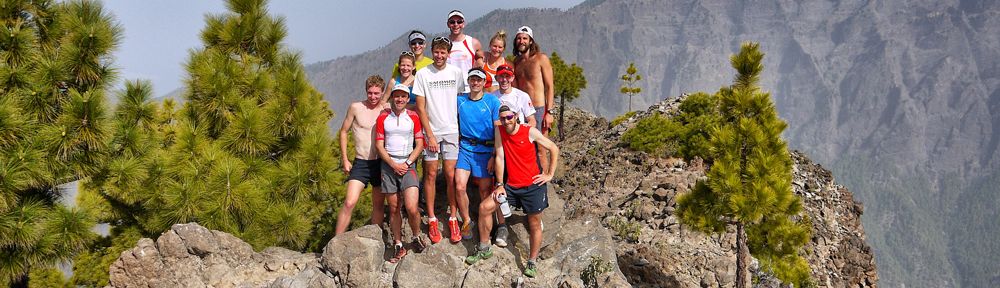
More fun, new trails and new experiences…. love these trails, this island and the company.




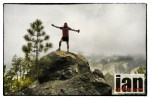
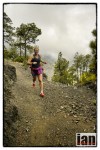


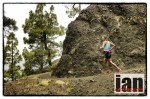

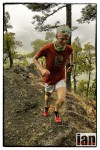
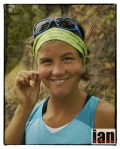



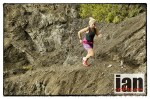
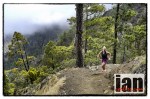
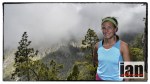
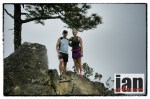
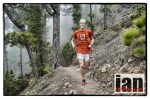
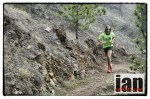
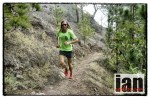



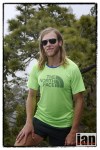
More to follow….. promise 😉


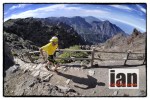


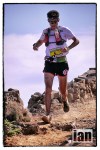

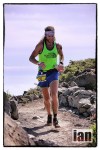

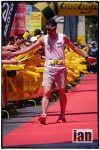





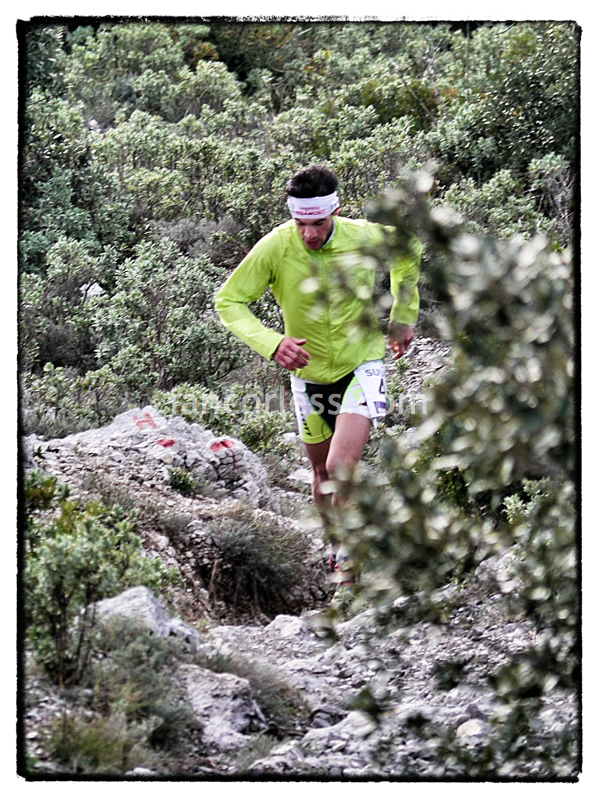
Timothy Olson Transvulcania 2013 – copyright Ian Corless
Timothy Olson has been on the island of La Palma for nearly two weeks now and he has loved every moment exploring. Early in 2013 he placed second behind Sage Canaday at Tarawera in New Zealand and just recently he raced at Lake Sonoma. A few niggles with his knees have caused some concerns in recent weeks but we all hope that he is in full health on Saturday.
YouTube HERE
Links:
Have you ever asked yourself?
Dr Phil Maffetone says he can’t tell you the answers to such questions but what he does say is that he can help you find out.
He has a mantra that ‘everyone can succeed’. I agree, we are all capable of so much more than we think. But often, we need to think outside the box or we need to think in a very different way. We all become programed; we conform to the general consensus when actually finding our own path may very well be the best decision we could make.
Forget easy fixes. They don’t really exist. If you want something, you are going to need to work at it. That doesn’t necessarily mean you will need to make sacrifices but it may mean that you will need to adjust your thought process and look at things from a completely different angle.
Dr Maffetone has evolved and developed his ‘method’. We are all individual but certain patterns exist within all of us when we are not balanced in a perfect way.
As Dr Maffetone says, “These were physical, biochemical and mental-emotional imbalances, complete with various signs and symptoms. These patterns provided vital information, which helped lead to quicker and more accurate evaluations, and faster therapeutic outcomes.”
The ‘method’ leads to specific questions such as “Do you get pain?”
“These questions are a vital part of my style, and important tools anyone can use to find and fix physical ailments, metabolic imbalances and other problems.” Says Dr Maffetone.
Ultimately we all need our own personal program that will allow us to progress and function to the best of our ability. We need to self-test.
“By testing the body by adding or avoiding certain foods or specific workouts, for example, one can obtain valuable information to begin piecing together the details of an individualized program.”
There are many different facets of health and fitness that also must work together to create optimum human potential for an ultra runner, we are primarily looking at the bodies efficiency at using fat as a fuel and the physical activity that we undertake in training to make us stronger and fitter for the challenges ahead.
Burning body fat helps any athlete to perform at high levels, particularly ultra runners. The benefits are incredible, lets face it, and we all have plenty to call on. If we are using the fat within our bodies effectively not only can we perform better but we also prevent the accumulation of excess stored fat and weight.
“Most of the body’s energy for daily living comes from the conversion of both sugar (glucose) and fat to energy (in the form of ATP).” Says Dr Maffetone “Some people rely on larger amounts of fat, with the result of high physical and mental vigor, improved health, and better all-around performance.“
If you are not able to burn fat and rely mostly on sugar for energy, then you will burn less fat in day-to-day life but more importantly you are neglecting one of the primary fuel sources that will enhance your training and race experiences. In addition, you will have the highs and lows that are associated with the ‘spikes’ from a high sugar diet, you will gain body fat and weight and you may very well feel sluggish with less consistent energy to perform daily tasks.
Is a Paleo lifestyle something that you now feel will enhance your life?
But Paleo is only one aspect of the Maffetone Method. If you want to switch on the fat burning mechanism within your body and enhance it, then we need to look at how we undertake our physical activity. Dr Maffetone pioneered this process way back in the 80’s with Mark Allen (now a highly respected champion Ironman Triathlete).
We need to train our Aerobic system.
“By stimulating the full spectrum of slow-twitch muscle fibers, which rely on fat for fuel, improvements in the heart and lungs with increased circulation and better brain function also occur.”
If we don’t train our fat burning system we are missing a really key component that will enable us to function at the best of our ability, we actually run the risk of becoming aerobically deficient.
Dr Maffetone explains, “Being aerobically deficient is a common syndrome associated with fatigue, increased weight and body fat, reduced immune function, physical disability, and hormonal imbalance.”
The Maffetone Method also covers so many other aspects such controlling chronic inflammation and stress management, which you may like to follow up on in one of his many publications.
Aerobic Training
How do you calculate your own maximum aerobic training heart rate?
To find your maximum aerobic training heart rate, there are two important steps to the Maffetone Method:
1. Subtract your age from 180.
2. Modify this number by selecting among the following categories the one that best matches your fitness and health profile:
a. If you have or are recovering from a major illness (heart disease, any operation or hospital stay, etc.) or are on any regular medication, subtract an additional 10.
b. If you are injured, have regressed in training or competition, get more than two colds or bouts of flu per year, have allergies or asthma, or if you have been inconsistent or are just getting back into training, subtract an additional 5.
c. If you have been training consistently (at least four times weekly) for up to two years without any of the problems just mentioned, keep the number (180–age) the same.
d. If you have been training for more than two years without any of the problems listed above, and have made progress in competition without injury, add 5. For example, if you are thirty years old and fit into category (b), you get the following: 180–30=150. Then 150–5=145 beats per minute (bpm). In this example, 145 will be the highest heart rate for all training. This is highly aerobic, allowing you to most efficiently build an aerobic base. Training above this heart rate rapidly incorporates anaerobic function, exemplified by a shift to burning more sugar and less fat for fuel. If it is difficult to decide which of two groups best fits you, choose the group or outcome that results in the lower heart rate. In athletes who are taking medication that may affect their heart rate, those who wear a pacemaker, or those who have special circumstances not discussed here, further individualization with the help of a healthcare practitioner or other specialist familiar with your circumstance and knowledgeable in endurance sports may be necessary.
Two situations may be exceptions to the above calculations:
• The 180 Formula may need to be further individualized for people over the age of sixty-five. For some of these athletes, up to 10 beats may have to be added for those in category (d) in the 180 Formula, and depending on individual levels of fitness and health. This does not mean 10 should automatically be added, but that an honest self-assessment is important.
• For athletes sixteen years of age and under, the formula is not applicable; rather, a heart rate of 165 may be best. Once a maximum aerobic heart rate is found, a training range from this heart rate to 10 beats below could be used as a training range.
For example, if an athlete’s maximum aerobic heart rate is determined to be 155, that person’s aerobic training zone would be 145 to 155 bpm. However, the more training at 155, the quicker an optimal aerobic base will be developed. Initially, training at this relatively low rate may be stressful for many athletes. “I just can’t train that slowly!” is a common comment. But after a short time, you will feel better and your pace will quicken at that same heart rate. You will not be stuck training at that relatively slow pace for too long. Still, for many athletes it is difficult to change bad habits.
CASE STUDY taken and edited from markallenonline.com
Mark Allen says:
During my 15 years of racing in the sport of triathlons I searched for those few golden tools that would allow me to maximize my training time and come up with the race results I envisioned. At the top of that list was heart rate training. It was and still is the single most potent tool an endurance athlete can use to set the intensity levels of workouts in a way that will allow for long-term athletic performance. Yes, there are other options like lactate testing, power output and pace, but all of these have certain shortcomings that make them less universally applicable than heart rate. In our sport there are three key areas of fitness that you will be developing. These are speed, strength and endurance. Strength is fairly straightforward to do. Two days per week in the gym focusing on an overall body-strengthening program is what will do the trick.
Next are the focused workouts that will give you raw speed. This is perhaps the most well known part to anyone’s training. These are your interval or speed sessions where you focus on a approaching a maximal output or your top speed at some point in each of these key sessions. But again, developing speed in and of itself is a fairly simple process. It just requires putting the pain sensors in neutral and going for it for short periods of time.
Now for the tougher part…the endurance. This is where heart rate training becomes king. Endurance is THE most important piece of a triathlete’s fitness (or ultra runner). Why is it tough to develop? Simply put, it is challenging because it usually means an athlete will have to slow things down from their normal group training pace to effectively develop their aerobic engine and being guided by what is going on with your heart rate rather than your will to the champion of the daily training sessions with your training partners!
For those patient enough to do just that, once the aerobic engine is built the speed work will have a profound positive effect their fitness and allow for a longer-lasting improvement in performance than for those who blast away from the first day of training each year.
What is the solution to maximizing your endurance engine? It’s called a heart rate monitor. And using one in the way I am going to describe will not only help you shed those last few pounds, but will enable you to do it without either killing yourself in training or starving yourself at the dinner table.
I lived by the motto “No Pain, No Gain” motto. And it worked…sort of. I had some good races the first year or two, but I also suffered from minor injuries and was always feeling one run away from being too burned out to want to continue with my training.
Then came the heart rate monitor. A man named Phil Maffetone, who had done a lot of research with the monitors, contacted me. He had me try one out according to a very specific protocol. Phil said that I was doing too much anaerobic training, too much speed work, too many high end/high heart rate sessions. I was forcing my body into a chemistry that only burns carbohydrates for fuel by elevating my heart rate so high each time I went out and ran. So he told me to go to the track, strap on the heart rate monitor, and keep my heart rate below 155 beats per minute.
Maffetone told me that below this number that my body would be able to take in enough oxygen to burn fat as the main source of fuel for my muscle to move. I was going to develop my aerobic/fat burning system. What I discovered was a shock. To keep my heart rate below 155 beats/minute, I had to slow my pace down to an 8:15 mile. That’s three minutes/mile SLOWER than I had been trying to hit in every single workout I did!
My body just couldn’t utilize fat for fuel. So, for the next four months, I did exclusively aerobic training keeping my heart rate at or below my maximum aerobic heart rate, using the monitor every single workout. And at the end of that period, my pace at the same heart rate of 155 beats/minute had improved by over a minute. And after nearly a year of doing mostly aerobic training, which by the way was much more comfortable and less taxing than the anaerobic style that I was used to, my pace at 155 beats/minute had improved to a blistering 5:20 mile.
That means that I was now able to burn fat for fuel efficiently enough to hold a pace that a year before was redlining my effort at a maximum heart rate of about 190. I had become an aerobic machine!
On top of the speed benefit at lower heart rates, I was no longer feeling like I was ready for an injury the next run I went on, and I was feeling fresh after my workouts instead of being totally wasted from them.
Now use the 180 Formula as outlined above and….
Go out and do ALL of your cardiovascular training at or below this heart rate and see how your pace improves. After just a few weeks you should start to see a dramatic improvement in the speed you can go at these lower heart rates.
Over time, however, you will get the maximum benefit possible from doing just aerobic training. At that point, after several months of seeing your pace get faster at your maximum aerobic heart rate, you will begin to slow down. This is the sign that if you want to continue to improve on your speed, it is time to go back to the high end interval anaerobic training one or two days/week. So, you will have to go back to the “NO Pain, NO Gain” credo once again. But this time your body will be able to handle it. Keep at the intervals and you will see your pace improve once again for a period.
But just like the aerobic training, there is a limit to the benefit you will receive from anaerobic/carbohydrate training. At that point, you will see your speed start to slow down again. And that is the signal that it is time to switch back to a strict diet of aerobic/fat burning training.
Who is Mark Allen?
Mark Allen was born January 12, 1958 and is the six-time Ironman Triathlon World Champion. He graduated from Diego, where he was an All-American swimmer, with a degree in biology. After competing and losing in the Ironman Triathlon Championships six times, Mark Allen emerged victorious in 1989, winning one of the most difficult one-day sporting events in the world. It would be the first of six Ironman victories for Allen, the last coming in 1995 at age 37.
Web Site markallenonline.com
What is Paleo?
We have had some excellent discussions on Talk Ultra in the ‘Talk Training’ element of the show and I recommend that you go back and listen to them. In particular, my discussion with Barry Murray in episode 19 available HERE
The Paleolithic (‘Paleo’) lifestyle has been gaining a lot of interest lately. It has gained increased momentum recently with such notable figures as Prof Tim Noakes and Comrades legend, Bruce Fordyce changing to this way of eating and reaping the benefits. So much so, that Prof Tim Noakes is re writing the nutrition section of his iconic book “The Lore of Running’.
Followers of a Paleo lifestyle are finding that they loose weight quickly as well as generally feel better once their bodies adjust to it.
Paleo is a call to old food values for millions of years ago before a relatively recent event, ‘The Agricultural Revolution’, completely changed the way humans eat.
But what does Paleo mean for you and your running lifestyle?
Well, it will mean a complete change for many… A daily diet of rice, pasta or potatoes will go. No grains, no bread, and especially no sugar or processed carbs, nothing that comes out of a box or a carton and no vegetable oils.
Nothing labeled “low fat” or “light”. Low or light usually means fat is removed and replaced with processed sugar.
I can hear you now, but that is what I eat. I live on rice, pasta and bread.
Paleo is high fat, medium protein, and low carb. It is about eating plenty of meat, eggs, fish, vegetables, fruits and nuts. The emphasis of this diet is based around eating fats of all kinds such as the ones found in Canola oil. Ideally when cooking, you will use coconut oil or butter.
Paleo and exercise work well together and as we have explored with Dr Phil Maffetone and the case study of Mark Allen, if you are patient the rewards can be reaped. Many ultra runners (amongst other athletes) are switching to a Paleo approach, 2012 Western States winner; Timothy Olson is a classic example.
You may find this article taken from ‘Me & My Diabetes’ of interest.
Earlier this summer, Steve Phinney and Jeff Volek, authors of The Art and Science of Low Carbohydrate Performance, headed to the Western States 100-mile Endurance Run, to study how runners in this grueling race fared, literally, for they were checking how the athletes performed, AND how they ate.
Link HERE
Ultimately, and I love this quote, this article is ‘Food for Thought’. Paleo has been around for years and recently its prominence has grown. Just like barefoot running became the next best thing after the book ‘Born to Run’, Paleo may very well be the next best diet. I however feel that having investigated it for months that a Paleo approach, or should I say, a reduction in carbohydrate is certainly a direction that can reap rewards and benefits.
But it’s all about the individual and finding out what works for you!
I’d love to get your feedback and stories both for and against all that has been mentioned above.

Without doubt, the International Skyrunning Federation and the organization of the 2012 edition of the Transvulcania La Palma created a race that ultra runners throughout the world had been waiting for. A showdown! The best-of-the-best racing ‘head-to-head’ on a tough and technical mountain route on the island of La Palma.
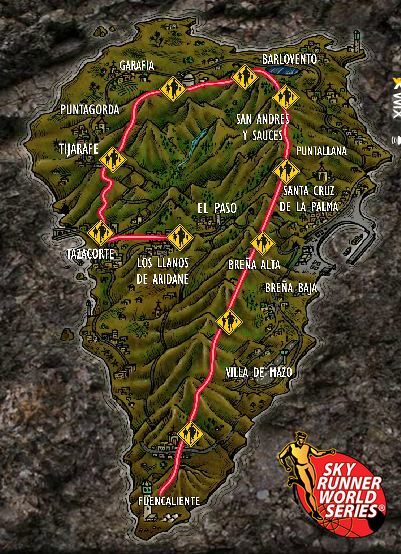

Billed as the ‘race of the year’ the tough La Palma course did not disappoint. Both the ladies race and the male race created a topic of discussion, not only during and after the race but also before it… the build up, the media and the buzz was unparalled.
The 2012 race is now history; Dakota Jones triumphed over the volcanic course and in doing so created a moment in ultra history that will be talked about for years to come. Anna Frost for the ladies produced a performance that was nothing short of miraculous. She smashed the female course record and confirmed herself as one of the most dominant forces in mountain running. So strong was her performance, she actually almost made the top 10 overall.
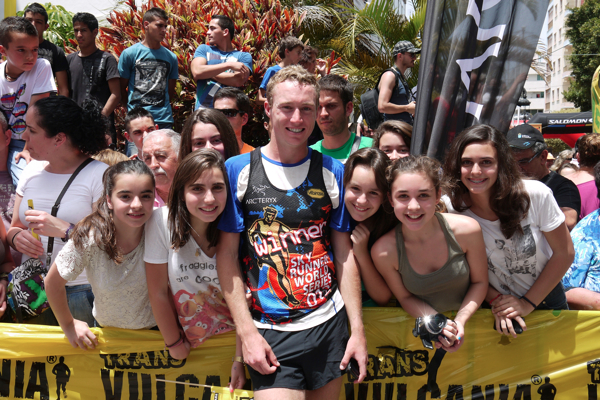
Dakota Jones, 2012 winner and course record holder copyright Ian Corless
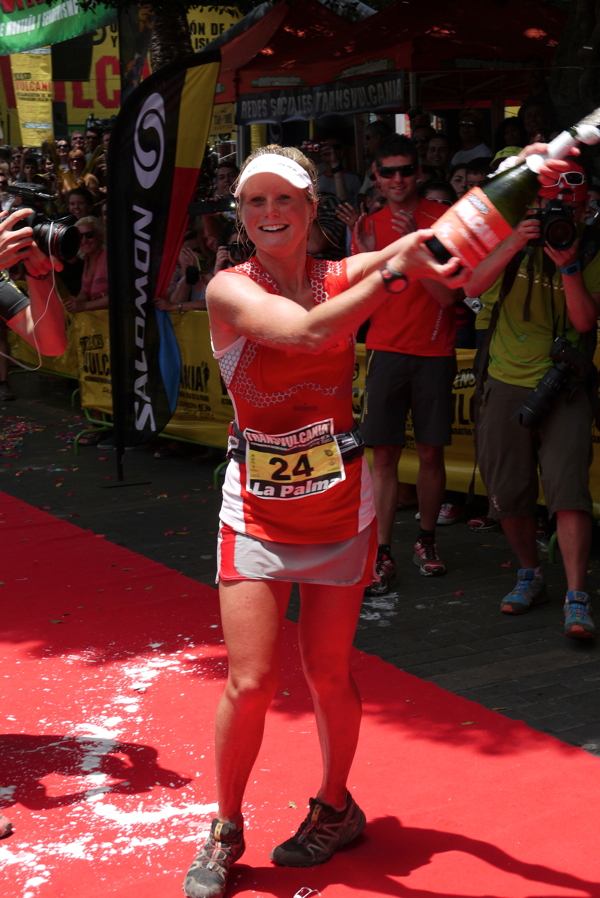
Anna Frost, 2012 winner and course record holder copyright Ian Corless
On May 11th, once again we will have one of the greatest ultra fields assembling in ‘La Isla Bonita’ to climb, sweat and survive over one of the most beautiful run courses I have had the pleasure to witness.
Ladies first
Anna Frost is returning in the hope to defend her title. Once again she will arrive on the island weeks in advance and prepare meticulously in the hope not only of taking out the win once again but maybe beating her own CR and creeping into the top 10. She has had a quiet winter and raced at El Cruce 3 day stage race for a 3rd lady place and just recently ran a relay with Rickey Gates at Tarawera ultra in New Zealand. *update 5th May, Anna is having some ongoing health issues and her presence in the 2013 Transvulcania is currently 50/50. Anna’s priority is her health and as much as we want ‘Frosty’ in the race,more importantly we want her healthy. Best wishes Anna.
**6th May – “I have decided not to race Transvulcania” Anna Frost has announced she will not run the 2013 Transvulcania – you can read a post HERE**
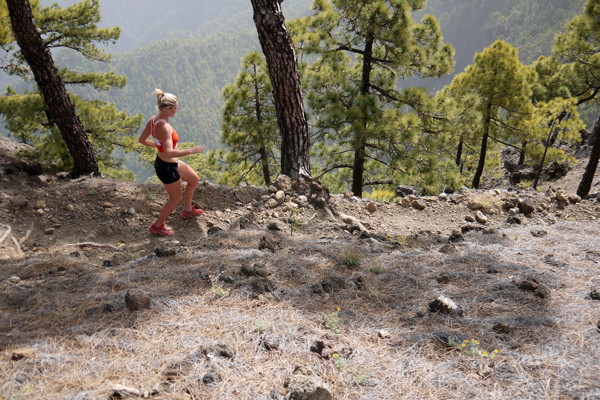
Frosty training on La Palma copyright Ian Corless
Nuria Picas will return to push Frosty to the limit. Nuria had an incredible 2012 and most certainly stepped up a notch. With incredible diversity and wins at iconic races such as Trofeo Kima and Cavalls del Vent, Frosty and the rest of the ladies will have their hands full stopping the Catalan charging over the course and taking the win.
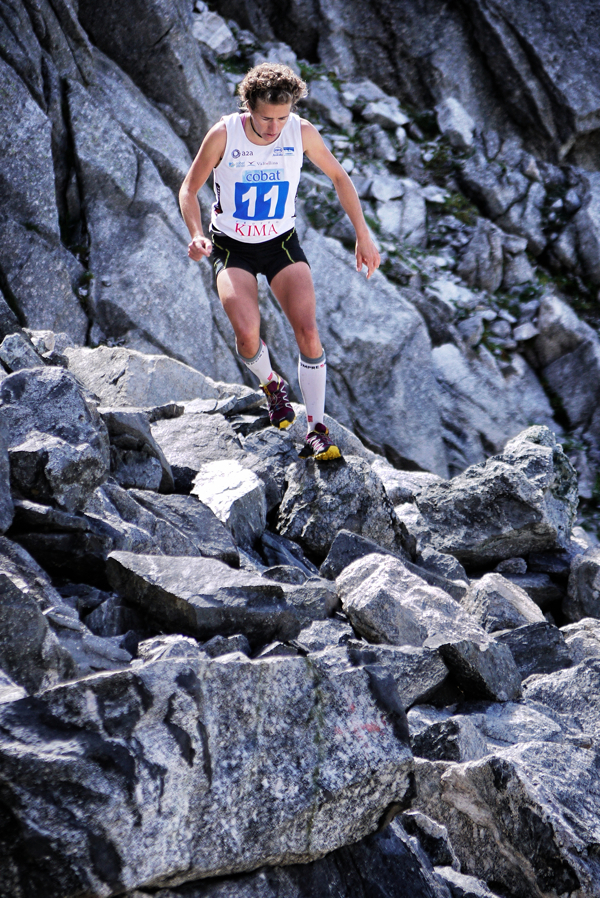
Nuria Picas at Trofeo Kima copyright Ian Corless
Missing from the 2012 race, Emelie Forsberg, now more relaxed at the 50-mile distance will join her friends and sparring partners to make an incredible three Musketeers at the front of the field. Emelie burst onto the 2012 race season and impressed with every race performance, she can run down hill like no other as she proved at Pikes Peak. She also placed 2nd or 3rd behind Frosty and Nuria for most of 2012 but she finished of the season with an incredible win at San Francisco. Emelie has all the potential to win at Transvulcania. She started 2013 with a win over the marathon distance at Transgrancanaria and recently raced Tarawera as a relay with Francois d’Haene.
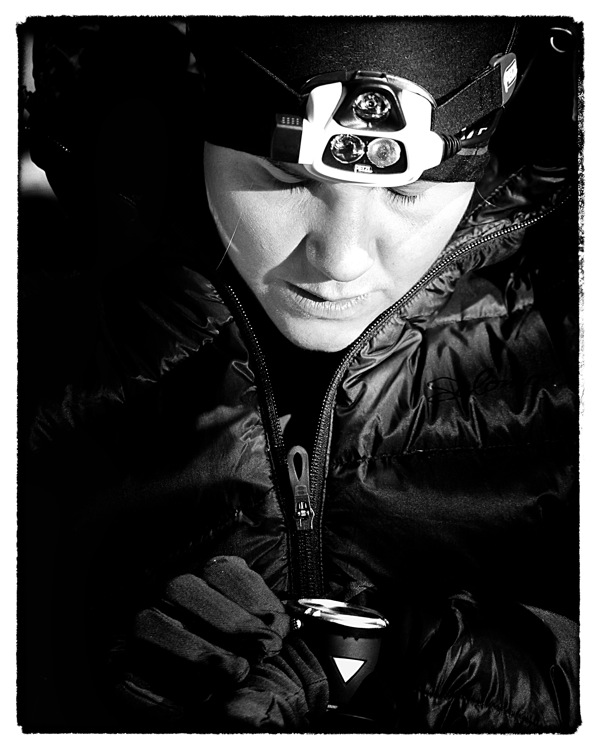
Emelie Forsberg at Templiers copyright Ian Corless
Silvia Serafini like Emelie has had an incredible rise in 2012. An incredible talent who is new to the longer distances may very well find Transvulcania La Palma a learning curve race. However, she has the ability, passion and dedication to push at the front. *Update May 5th via email: I decided together with Greg (Salomon International Team Manager) and Fabio (Team Manager) not to race at Transvulcania. I have to run the ‘Great Wall marathon’ the week after, and Zegama on the 26th.
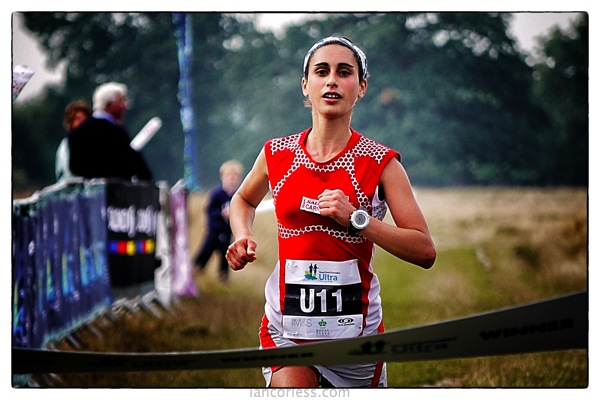
Silvia Serafini at Royal Parks Ultra copyright Ian Corless
Emilie Lecomte is renowned for running long distance races and performing at the highest level. In 2012 she set a female record for covering the GR20 in Corsica and she finished the season with a win at Diagonale des Fous on Reunion Island. Without doubt she has all the ability to make her presence known at the front end of the race. I just wonder if 80km’s is just a little too short for her?
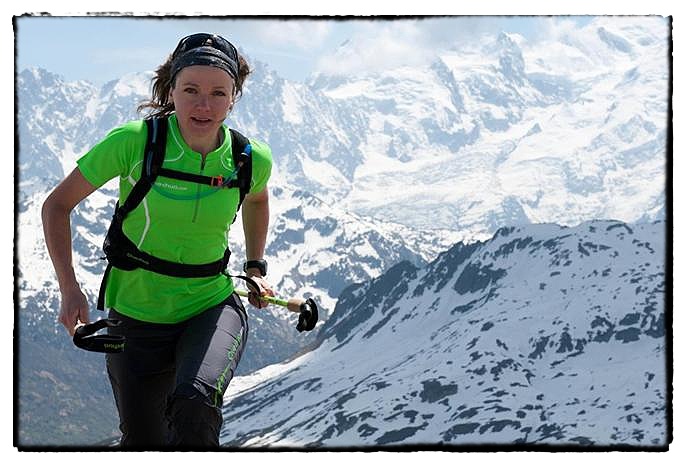
Emelie Lecomte, Quecha. copyright http://www.ledauphine.com
Fernanda Maciel from Brazil has had some great results. In 2008 she was 4th at TNF 80k in California. In 2009 she won the TDS and in 2010 she placed 4th lady at UTMB. She may well be a dark horse in the ladies with no Frosty and Maud Gobert, Fernanda may well make top three and if she has a great day, she may take the top slot. In 2012 she was first at The North Face Transgrancanaria 123k. In June, she finished second at TNF Lavaredo Ultra Trail. She placed at the TNFUTMB and in October, she ran the 860k Camino de Santiago de Compostela in Spain.
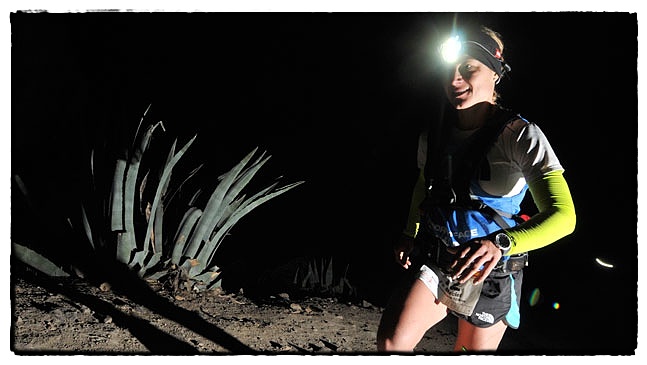
Fernanda Maciel copyright The North Face
Maud Gobert from France had a strong 2012 season and raced throughout the year but ultimately, the key performance came at the end of the year placing 3rd behind Emelie Forsberg at San Fran 50. After a quiet winter it will be interesting to see how she progresses. Maud was 6th at Transvulcania 2012 in 9:54:40. *Update 7th May, Maud will not race and go to Zegama two weeks later instead.
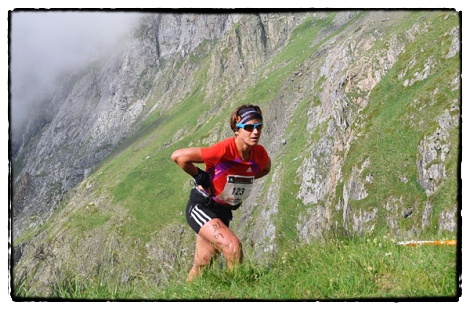
Maud Gobert copyright maudgobert.com
Notable mentions go to Tina Lewis *no longer racing, updated 1st May 2013, Karine Sanson, Uxue Fraile and Lidia Gomez.
The Men
Boy oh boy… the men will have a battle. On paper, the 2013 race has all the makings of a classic. Kilian Jornet, Miguel Heras, Anton Krupicka, Timothy Olson, Mike Foote, Francois d’Haene, Philipp Reiter, Cameron Clayton, Thomas Lorblanchet, Sage Canaday, Tofol Castanyer, Gustav Reyes and so many more.
With no Dakota Jones (winner 2012) and no Andy Symonds (2nd in 2012) first roll call goes to Kilian Jornet. Kilian placed 3rd in 2012 after being in the lead with Dakota and Andy for the best part of 74k. However, in the final km’s just after the long hard descent to Tazacorte Port, Kilian was hit with fatigue and dehydration. He crossed the line and promptly passed out. It’s not often we see Kilian look ‘human’ but at Transvulcania he did. We must point out that only 7 days previous he had taken off his ski’s after a long racing season. The question is for 2013 will he allow himself more preparation time? It certainly looks as though he has. Nobody doubts Kilian’s ability and his incredible 2012 season confirms that he is the main favourite for Transvulcania.
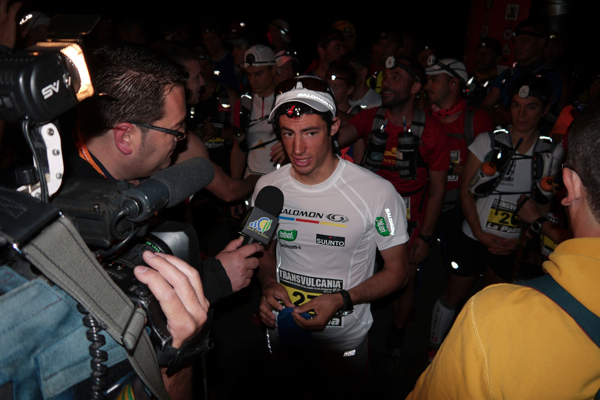
Kilian pre race at the 2012 Transvulcania copyright Ian Corless
Anton Krupicka injured for most of 2011 and 2012 returned with a bang in the latter half of 2012 and got a great 2nd place behind Kilian at Cavalls del Vent. His 2013 season was due to see him start his year at Tarawera in New Zealand but he pulled out just 10 days. He did say he had a hip injury that was very much on the mend but he didn’t want to take any risks. He will be arriving in La Palma in form, in shape and without doubt running with only one objective, to win the race!
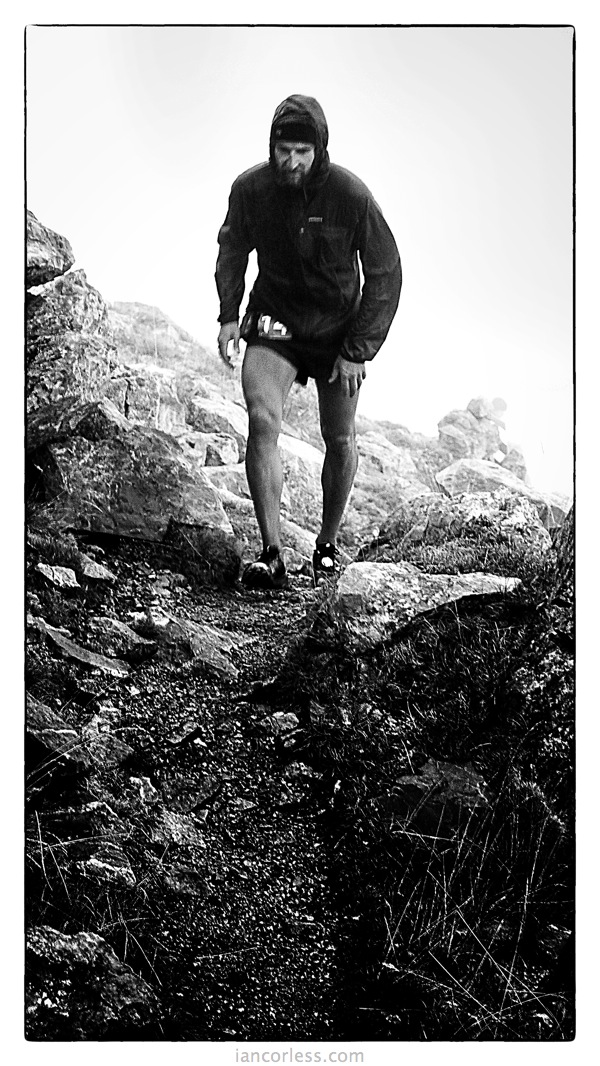
Anton Krupicka at Cavalls del Vent copyright Ian Corless
Sage Canaday has burst on to the ultra scene and has pretty much left the community looking on in wonder. A 2:16 marathon runner he has introduced that speed to the longer races and although as he says himself, he is still learning he is dominating and setting course records. He blazed a trail at Bandera 100k and set a new CR in early 2013 and just recently set the trail on fire at Tarawera. Mid race he was over 12 minutes ahead but at the end that had been reduced to just 3 minutes. Transvulcania is a runnable course but the elevation may be more demanding on Sage and his learning curve may very well take a sharp swing in the ‘up’ direction. However, with his speed and ability he can win the race. In particularly, if Sage is in contention at Tazacorte Port, the final kilometers of the race include road and if Sage gets chance to use his speed it could be devastating.
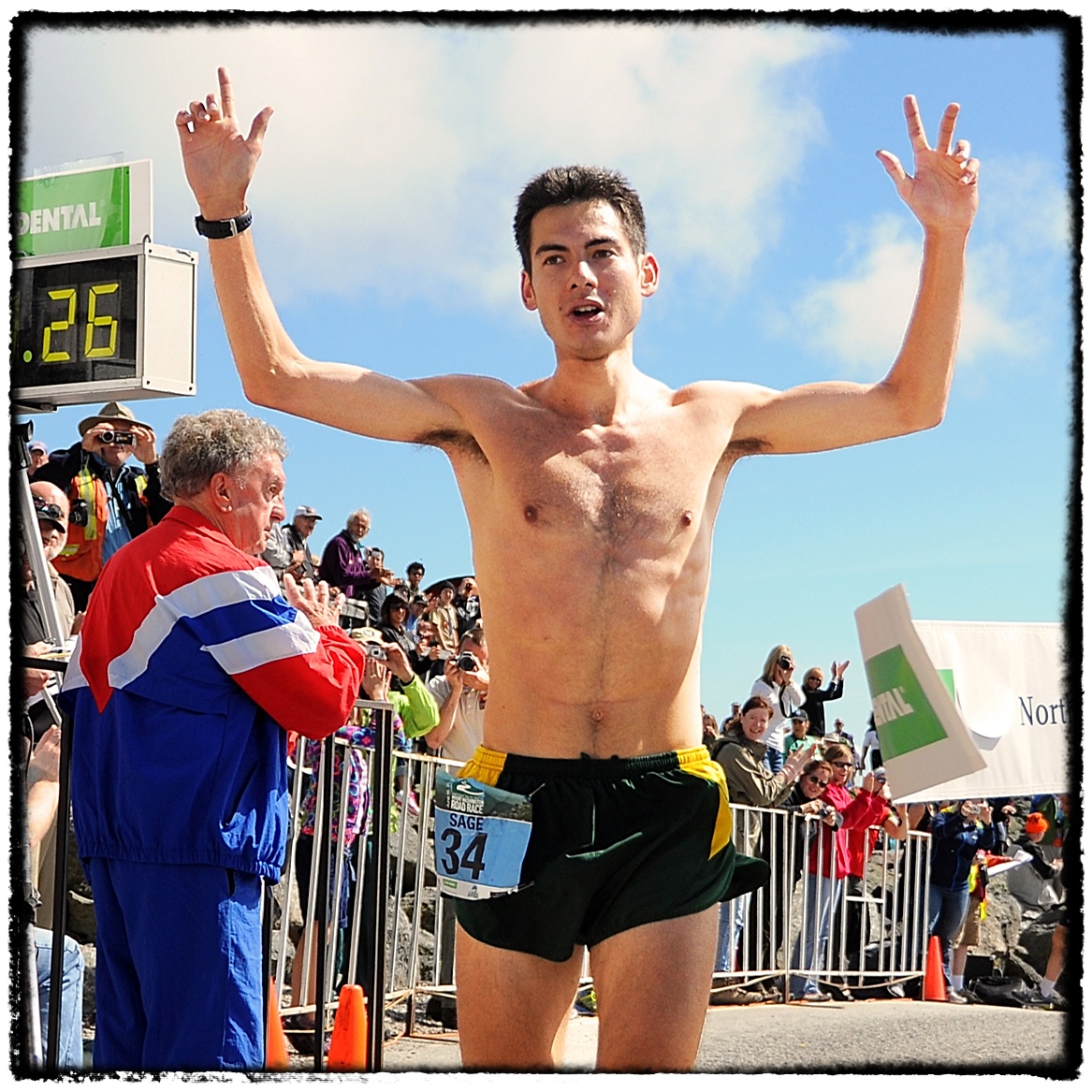
2012 Western States winner and course record holder, Timothy Olson is almost duplicating the racing calendar of Anton. They had planned to face up against each other at Tarawera and then follow with Transvulcania and TNF UTMB. Timothy without doubt has all the potential to create a stir. With a new sponsorship deal with The North Face, 2013 looks like it will be an incredible year. He raced early on in 2013 at Bandera 50k and although he won the race his pace wasn’t fast (by his standards). Going in to Tarawera ultra he said he had trained well and that he was in form. He was! Trailing Sage Canaday by over 12 minutes at half way he reeled Sage in and at the finish was just 3 minutes behind to take 2nd place. I can’t help but feel that Timothy is just warming up and I am now moving him up to a ‘favourite’ for Transvulcania.

Miguel Heras had a mixed early part to 2012 but finished it of with a podium place at La Course des Templiers and a win at San Francisco. In form he is most certainly one to beat and he will be mixing it with Kilian at the front end of the race… can he win? Absolutely. He raced the 119km Trangrancanaria but pulled from the race relatively early on. *Update 7th May, Miguel Heras will not start the 2013 Transvulcania.
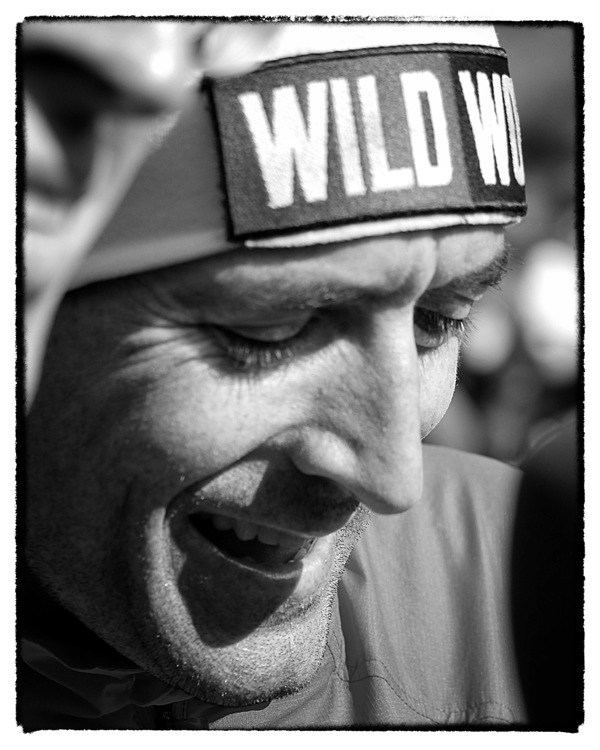
Miguel Heras at Templiers copyright Ian Corless
Francois d’Haene, 4th at Transvulcania in 2012 and winner of the shortened TNFUTMB has all the potential to make the podium and even win the race. He just needs a perfect day. Like Kilian he has the advantage of already racing over the course. He will know how to pace himself. He raced at El Cruce early in 2013 and made the podium behind Max King. He has also just raced at Tarawera in New Zealand.
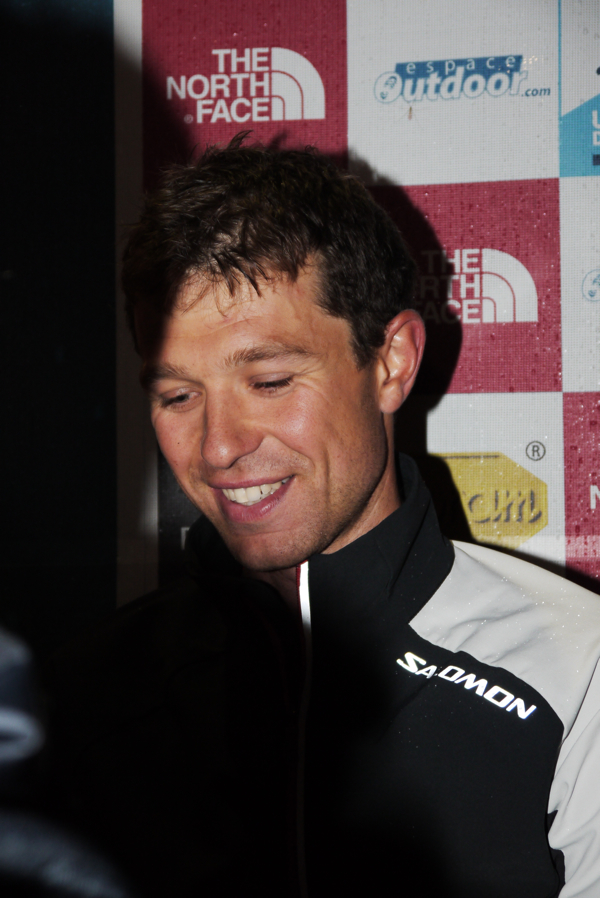
Francois d’Haene just after his win at UTMB copyright Ian Corless
German, Philipp Reiter, like Emelie Forsberg created a name for himself in 2012 with consistently top-notch performances. At the 2012 edition of the Transvulcania he had a few issues early on, which cost him a top 10 place. However, he battled on and finished side by side with Joe Grant. He raced at the 83km Transgrancanaria in 2013 and placed 2nd behind Ryan Sandes. I spent several days with Philipp in Gran Canaria and he is definitely looking to arrive on the island of La Palma to improve on his 2012 placing.
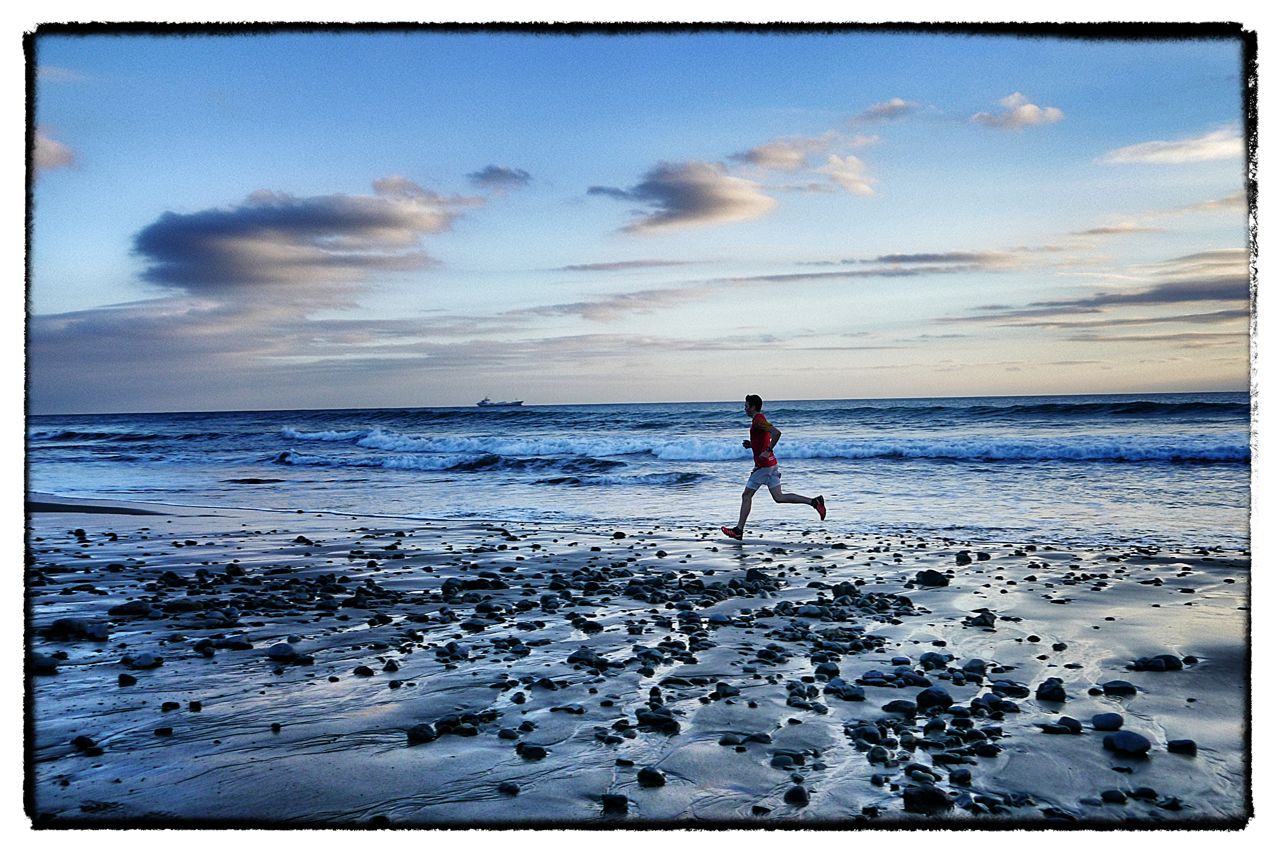
Philipp Reiter stretching his legs on an evening run in Gran Canaria copyright Ian Corless
Thomas Lorblanchet figured well in the 2012 race but had a breakthrough moment when he took the win at Leadville 100 ahead of Tony Krupicka. He has secured a new sponsorship deal for 2013 with Asics so it will be interesting to see how he performs.
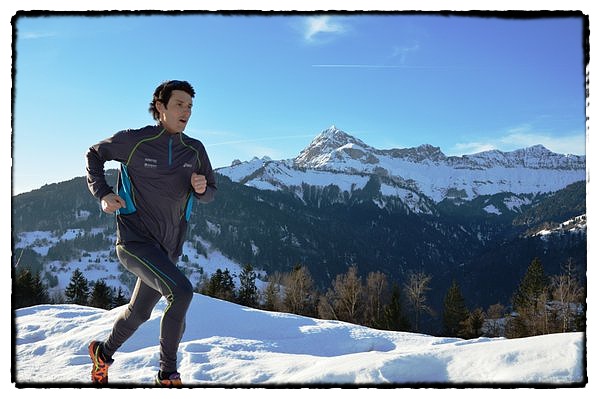
Thomas Lorblanchet image from Asics http://www.asics.fr
*Tofol is not racing. Apparently we had some confusing information and Tofol had not planned to race at Transvulcania – apologies
Tofol Castanyer adds more Salomon weight to an already packed field. Tofol was the 2010 Skyrunning World Series champion. He always packs a punch when racing and his stunning performance at the CCC in 2012 proves this. He was 5th at Sierre-Zinal, he won at Giir di Mont Skyrace, 6th at Dolomites Skyrace and 3rd at Mont Blanc Marathon amongst others. He had a long 2012 season and suffered like many others at Cavalls del Vent. Without a doubt he will me a main contender at Transvulcania.
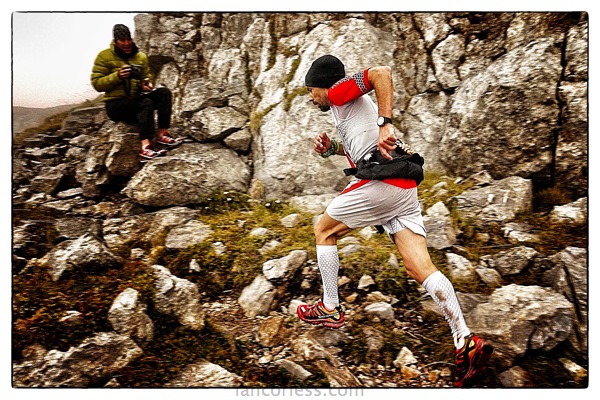
Tofol Castanyer at Cavalls del Vent copyright Ian Corless
Adam Campbell had a mixed 2012. I was with him in the Pyrenees for an Arx’teryx media camp mid year and his plan was to race TNF UTMB. However, a recurring injury saw him return home and not race at the iconic 100-miler that ultimately was reduced to 100k. Once recovered he managed to set a new Guinness World Record for the marathon by running in a business suit and then at San Fran 50 he competed with the best, including Sage Canaday, however, he managed to go off course and gave away any chance of a win. Adam once again had an injury issue early season but he has assured me all will be good by May.
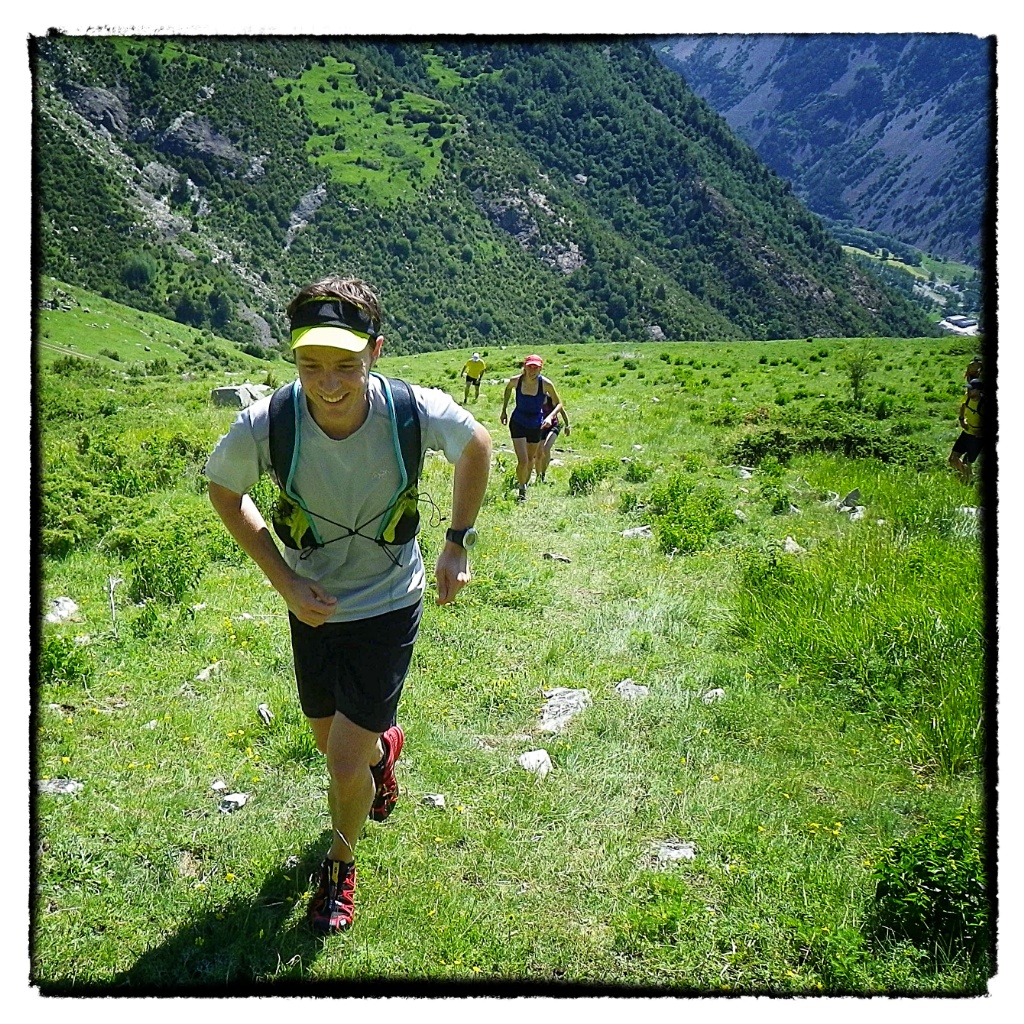
Adam Campell copyright Ian Corless
Joe Grant has just finished the 350 mile Iditarod Trail Invitational in joint 2nd place in just over 6 days. Having interviewed him several times about this event before and after one can only speculate how his recovery will be. He has openly said that the 6 day experience was much harder than he anticipated but relatively quickly afterwards he felt recovered. In fact, he has already been for an easy run to start the build up for his run season. Joe races Transvulcania in 2012 and finished just outside the top 10. He will be looking to move in the field this year but his big objective is improving on his 2012 2nd place at Hardrock 100.
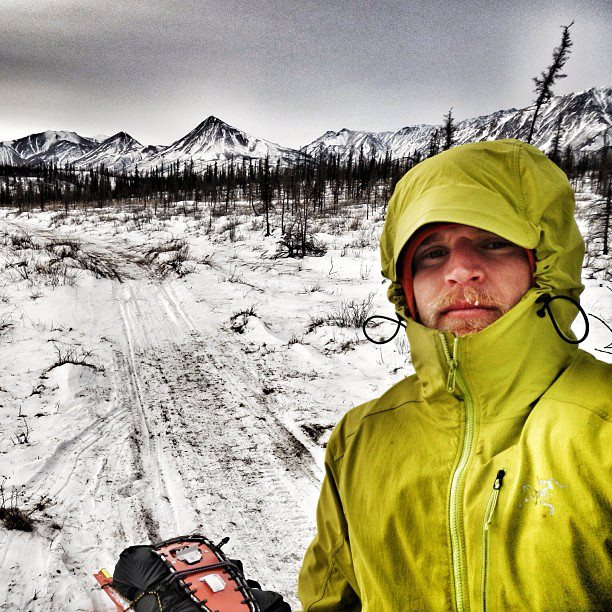
Luis A Hernando is a Skyrunning specialist and was the 2012 Skyrunning World Series champion and ranked 2nd last year. He loves the mountains and technical terrain and excels at the ‘marathon’ distance. The question is not his ability to perform at the highest level but if 83km’s will be be too far?

Luis A Hernando and Tom Owens in the early stages of Zegama 2012 copyright Ian Corless
Dave Mackey **update April 1st 2013 – Dave Mackey has withdrawn from the race – needs no introduction. He has been running for years with a string of consistent results. He has also placed highly at Western States, 4th in 2012 with a masters record, so he will be coming to the island of La Palma with high hopes. At Bandera 100k 2013 he finished 2nd behind Sage Canaday but he will have been getting the miles in since then and you can be sure that he will be ready to mix it up and push hard against the best.
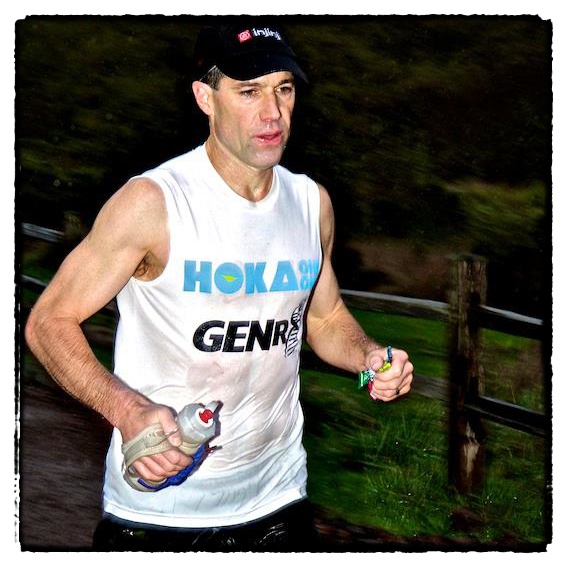
Dave Mackey copyright Ultra Pace Photos
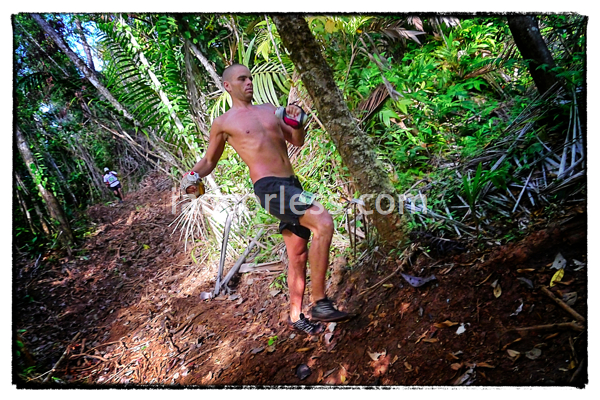
Dave James has a very strong reputation on the US ultra scene. He is a USATF national champion and has run some incredible times over the 100 mile distance, his PR is 13:06:52.. He has already had an an impressive 2013. He secured another win at the multi stage, The Coastal Challenge in Costa Rica and then just one week later raced at Fuego Y Agua to get second place behind Nick Clark. He is racing The Lost Worlds Tuscany event and just 7 days later the Causeway Crossing. he will head to La Palma for Transvulcania, just two weeks later he will race at Zegama and then the big one! Ronda del Cims in Andorra. A super tough 100 miler that has a profile that looks like JAWS dental records. Without doubt Dave will be competitive but he has a busy diary… he is going to need to keep some powder dry.
Notable mentions also go to Gustav Reyes who placed 17th at Transvulcania, Armando Teixeira who was 2nd Transgrancanaria, 7th Cavalls Del Vent 2012 and 11th UTMB all in 2012 and Miguel Caballero who was 6th in the Skyrunning World Series last year. Also, Santi Obaya, Toti Bes, Zigor Iturrieta.
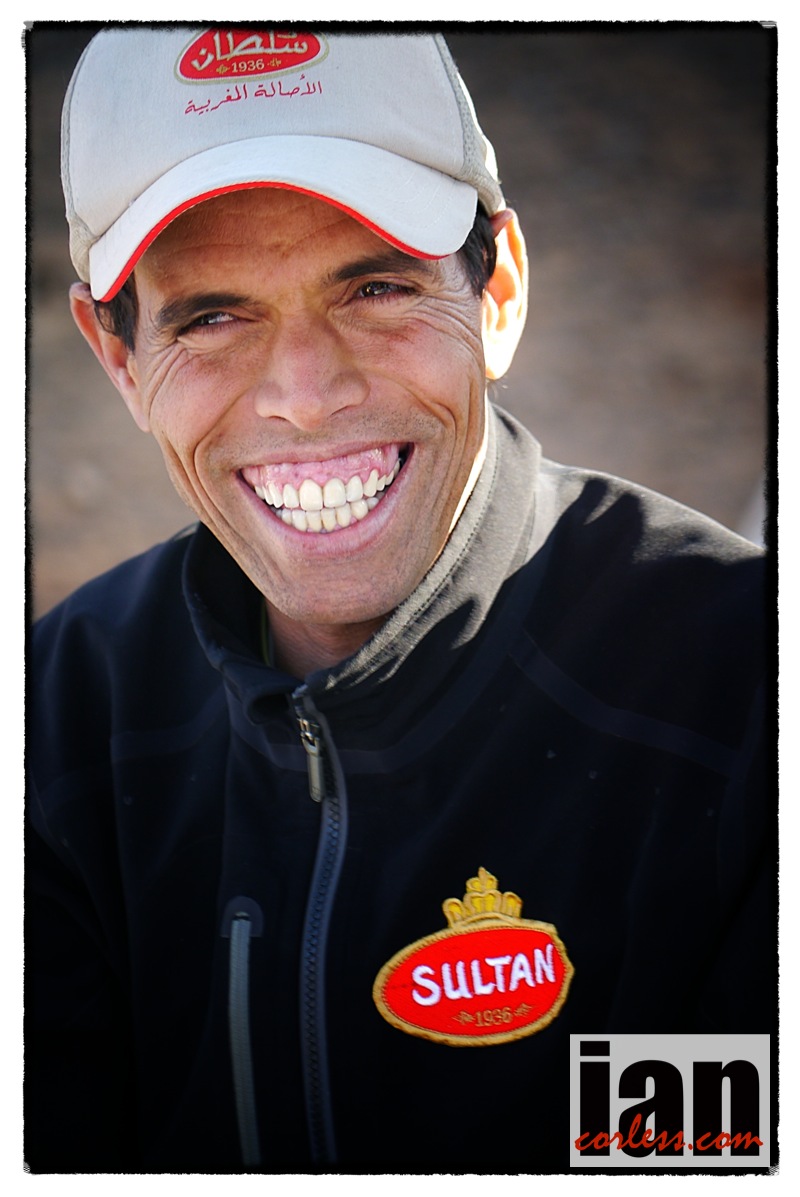
The surprise package may come from Marathon des Sables expert and champion, Mohamad Ahansal. Mohamad has just won his 5th ‘MDS’ and will be travelling to La Palma with great fitness. I for one will be very curious to see how he performs on this course and terrain.
Don’t hold your breath
2013 without doubt will once again be an iconic race. But don’t hold your breath… we have time to go yet and in that time we may even have more names to add.
The current records of 6:58:54 set by Dakota Jones in 2012 and 8:11:31 by Anna Frost are incredibly fast. However, we do have two incredibly talented and fast fields assembled. Will records fall in 2013? The 83km Transvulcania La Palma course course with 8525m of ascent and descent offers the perfect volcanic arena to watch one of the key races of 2013 unfold.
The growth of Skyrunning and ultra running has been incredible in just the last 12 months. Transvulcania La Palma has set the benchmark for all other races to follow. As 2010 Western States winner, Geoff Roes said:
“It was great to be at such a great race. It had everything you would want from a race. A point-to-point course with unique trail for the entire route. Tough climbs of mixed terrain. Amazing scenery. A finish line in the center of town with amazing crowds, it was like the Tour de France. It is certainly one of the most appealing events I have done. In my mind it has nothing lacking….”
I for one can’t wait to see what May 11th has in store.
Links
“Find out everything concerning this Isla Bonita” : www.visitlapalma.es

“The quality of the field is amazing,” says Charteris, with a grin. “The 2013 Tarawera Ultra will be the most competitive long distance running event in New Zealand since the 1990 Commonwealth Games marathon.” Paul Charteris, RD
I shouldn’t say it but I guess I must, I am starting with a negative. After some serious smack down talk just months ago, Anton Krupicka has pulled out of the Tarawera race. This is not breaking news, he actually stated this on his blog a couple of weeks ago but it is sad news for the race and for Anton.
“I decided over a week ago to not make the trip down to New Zealand for the Tarawera 100K in 10 days, and despite my hip showing significant improvement I know it was the right choice. I’ve done no long runs of any type since December and don’t have any desire to travel all that way to muddle through 62 miles with poor fitness and a very likely chance of re-injuring myself”
However a race will go ahead and the missing Anton just means one less name in a stacked field. The European contingent of Francois d”Haene, Emelie Forsberg, Greg Vollet will not mix it up in the ‘main event’. Francois announced at the press conference that he stepped down to the 80km relay and would partner Emelie Forsberg. That will mean that the Francois/Emelie show will be going head-to-head against Salomon teammates Rickey Gates and Anna Frost.
The Main Event
As announced earlier in the week, the main race is now even tougher as the course has had some modifications due to fire risk. You can read the post HERE.
The Men
Ultimately, particularly in the mens race race it is the Southern Hemisphere against the USA. The USA have three top representatives toeing the line in the land of the Hobbits.
Timothy Olson, Jason Schlarb and Sage Canaday.
Without doubt, my hot tip is Sage Canaday. Sage throws some freakish speed into the mix. A 2:16 marathoner, he has recently switched to ultra distance racing and became the United States 100km trail champion. He started 2013 by running a stunning course record at Bandera 100k in 8:13:49. His marathon training background and natural speed make him a danger on any course. He may not be used to high mountains but Tarawera will suit him. You can listen to an interview with Sage Canaday on Talk Ultra episode 27.
Timothy Olson needs no introduction after his incredible run at Western States in 2012. Married life and the birth of his son saw him take a more relaxed approach to 2012 and he too started 2013 by running at Bandera but in the shorter 50km race. Although he won that race his pace was casual. It was very much a ‘getting into a new year run’. Since then he has put in the miles and has knuckled down and says he is in good shape. He is without doubt a contender for the podium but I can’t help but think his passions and motivations will be concentrated on Western States and the UTMB. It is still very early in the year for him.
In contrast, Jason Schlarb looks ready for this race. He has spent several months in the Southern Hemisphere preparing so he is going to feel relaxed and adapted. Unlike Sage and Timmy who are really only just starting a racing season, Jason is in the thick of it. This will play into his hands. He has the speed to be up a the front and with Sage and Timmy taking the limelight he may just slip under the radar and take many by surprise.
With USA contingent covered we now look at the Southern Hemisphere.
Vajin Armstrong, Brendan Davies, Mick Donges and Dave Eadie.
My tip here would be Brendan Davies. Brendan really is super focused on this event. Like Sage he brings a real speed element to the race and I wouldn’t be surprised to see these two battling at the front for much of the day. I interviewed Brendan for episode 23 Talk Ultra and you can listen to that HERE. Brendan has recently run a 3:16 50k at Stromlo and he is a top 100k runner.
Mick Donges comes to this race with some pressure on his shoulders as last years winner. I spent time with Mick in 2012 in and around Sierre Zinal and UTMB. He is certainly a talent and he has the speed to go with it. However, pressure and the big occasion can seem to affect him. They don’t get any bigger that Tarawera this year so how will he hold up? Mick ran the famous six foot track marathon just last weekend (was that a good idea?) in 3:35.
Vajin Armstrong wants this race. I actually really think he had focused his mind on taking on Anton after the ‘smack down’ talk months ago and as such has been doing some really heavy training. He won the 2012 Kepler Challenge in 4:55:24 and like Brendan he will be pushing for the win or at least, the podium.
Finally Dave Eadie is without doubt a quality runner but I don’t think he will be in the mix for the podium. No disrespect for Dave (honestly Dave). He has done it all… just last year he was at Badwater crushing out those 135 miles in the soaring heat. He has run Western States and has been a multiple 100k champ. He will go out strong and hope he can hold on.
Who do I predict? Sage Canaday. To be honest, I think he will run hard and smash it. Lets just hope he doesn’t go off course.
The Women
I guess with Anna Frost and Emelie Forsberg taking some spice out of the ladies race by running the relay we have four who will fight for the podium.
Ruby Muir, Candice Burt, Shona Stephenson and Beth Cardelli.
“The ultra-racing world is keen to see how 21-year-old Barefoot Inc sponsored, Ruby Muir from Napier will handle the distance”, says Charteris. “She’s unbeaten – including winning her first ever ultra distance run when she stormed away from the field at the 2012 60k Kepler Challenge in Te Anau.”

Beth Cardelli won the last eight events she entered in her home country. That is impressive! She was Australia’s ultra athlete of the year but having had some recent injury issues it does look like her emphasis will be on a good consistent run to lay a foundation for racing some of the 2013 Skyrunning calendar.
Shona Stephenson, like Cardelli had a really impressive 2012. She has recently won a 50km in Victoria but I don’t see her beating Ruby Muir.
Finally, Candice Burt placed 3rd at Hurt 100 and she also had a top 3 placing at the Tahoe Rim Trail. She most certainly has the endurance but does she have the speed. It may very well be that if Beth Cardelli really is not in perfect form that Candice can take that 3rd podium slot or maybe even the 2nd if she has a great day.
Who do I predict? Ruby Muir. She is new to the 100k distance but I think she will lead this race out and may very well ‘chick’ a few guys in the process.
Interviews are available on Talk Ultra as listed below:
“It’s like organising a local bicycle race and having half of the Tour de France peloton show up for the ride,” says Charteris, as he scoped out a section of the course in Rotorua’s world-renowned Whakarewarewa Forest. “It’s humbling – and frankly, scary.”
Fire risk makes ultramarathon even tougher
Extreme fire danger means that New Zealand’s Vibram Tarawera Ultramarathon100 kilometre-long run will be even tougher to complete for the 430-strong field.
The event is on this Saturday, March 16 and was scheduled to run from Rotorua to Kawerau in New Zealand’s Bay of Plenty. However, because of a prolonged drought the fire risk is so high the last 40 kilometres of the course is now closed to the event organisers.
Instead of finishing on relatively easy forestry roads in Kawerau, the runners will turn-around at the 60km mark of the race – right next to the Tarawera Falls – and run another marathon over rugged, hilly trails.
“Mind you, ‘easy’ really is a relative term,” says event organiser, Paul Charteris. “Once you’ve been running for 60km, the thought of running another marathon of any sort is mind-boggling, even for the most experienced runners.”
The Tarawera Ultramarathon has a reputation as being relentlessly tough – but achievable – even for a first-time ultra runner.
“I’m afraid this new course is going to break some of those runners,” continues Charteris. “It’ll mercilessly eat them up and spit them out.”
For those who may get chewed-up on race day, the Tarawera Ultra has shorter options with an 85km and an 60km distance. Both will be run on many of the same trails as the 100 kilometre distance.
“The choice to re-route the course was an straightforward one,” says Charteris. “The safety of runners, spectators and volunteers is always the number one priority.”
For the runners, the last minute curve ball throws in some new challenges.
With more of the route being covered by rocks, roots and hills, runners will need to conserve more energy for later in the race. The winner of the 100km event is expected to finish in a little over eight and a half hours. The final finisher is expected home just before midnight.
Many of the world’s best off road distance runners will be racing Tarawera. For the European and North American favourites, this is their first clash of 2013. The world’s ultra running media are keen to see how they fare against the best from down under, including top runners from Australia.
“Christchurch’s Vajin Armstrong will be defending Kiwi honour in the men’s race and 21-year-old ultra phenom Ruby Muir in the women’s 100k race,” adds Charteris. “Both runners are sponsored by American brand, UltrAspire.”
Armstrong has been running an astonishing 250km per week to prepare for the race, while Muir has continued her habit of winning every race she’s entered.
Many of the Northern hemisphere athletes have already arrived to get acclimatised to the heat and to course conditions.
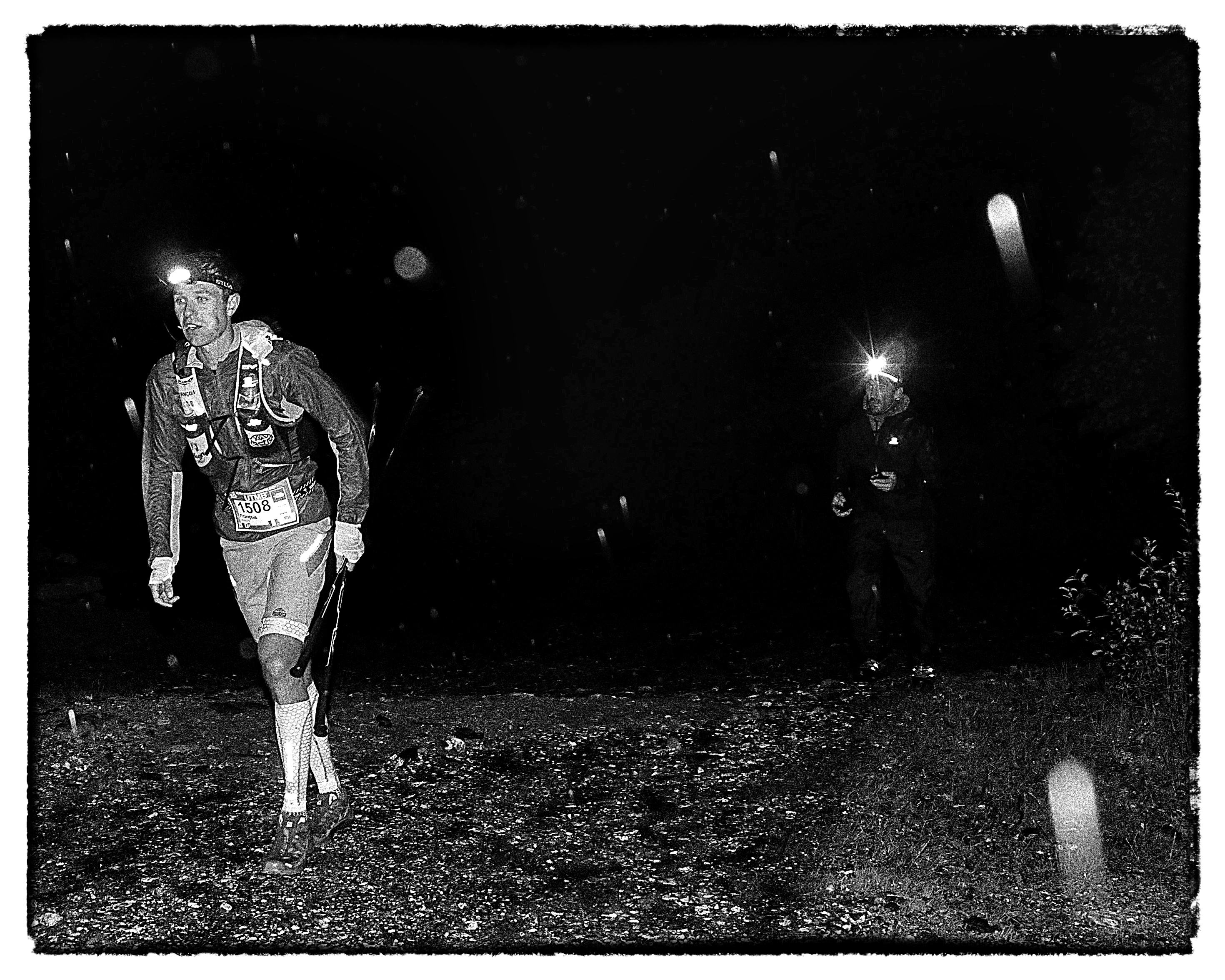
Francois d’Haene TNFUTMB 2012 copyright Ian Corless
France’s Francois D’Haene, a professional athlete from the European-based Salomon Racing Team, has been training in the South Island, getting acclimated to the roots and rocks of New Zealand trails. In 2012, D’Haene won the coveted Ultra Trail Mont Blanc title in his home country, with over 2000 runners in the field.
For Race Director, Charteris, it’s been a hectic few days re-arranging the course. There’s an army of dedicated volunteers putting on long hours to make sure the race come off smoothly. An added complication is that large sections of the race are now only accessible by boat.
“I’m trying to figure out a way to transport about 20 volunteers and about quarter of a million calories worth of food across Lake Tarawera,” he says.
Rotorua is renowned for hosting a number of international sporting events. In 2006 the UCI Mountain Bike & Trials World Championship were in Rotorua and the Single Speed World Champs were held in the Whakarewarewa Forest in 2010.
On race day, running shoes will replace wheels on many of the same trails.
“With this sort of fierce competition, there will be a large national and international media following for this race,” adds Charteris. It will be a big week for the region.”
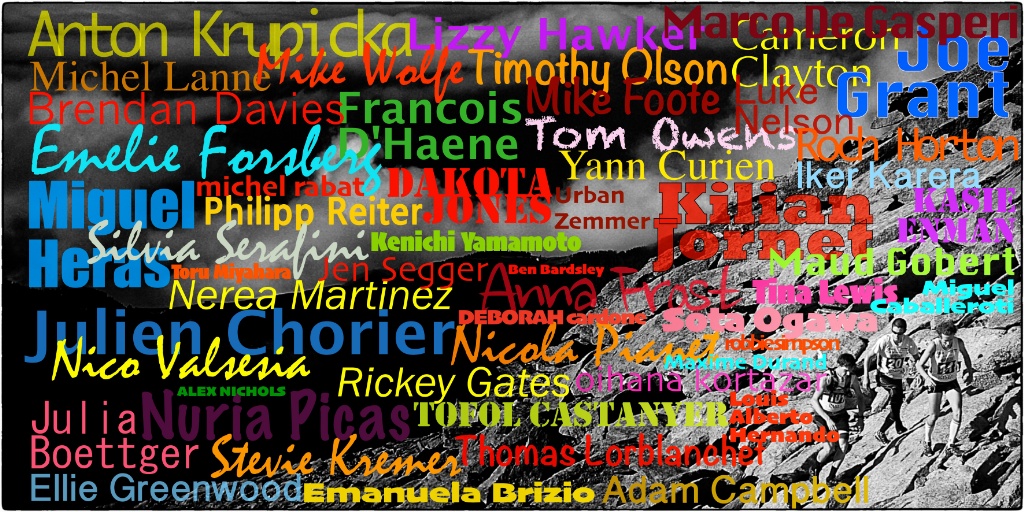
SWS – champions choice
Building on the 2012 Skyrunner® World Series success and the introduction of the Ultras, 2013 prepares for an even bigger star-studded cast.
The line-up of champions is headed by 2012 SWS winners Kilian Jornet, Emelie Forsberg and Nuria Picas, joined by past world champions Emanuela Brizio, Oihana Kortazar, Luis Alberto Hernando and Tofol Castanyer and WMRA champions Marco De Gasperi and Stevie Kremer.
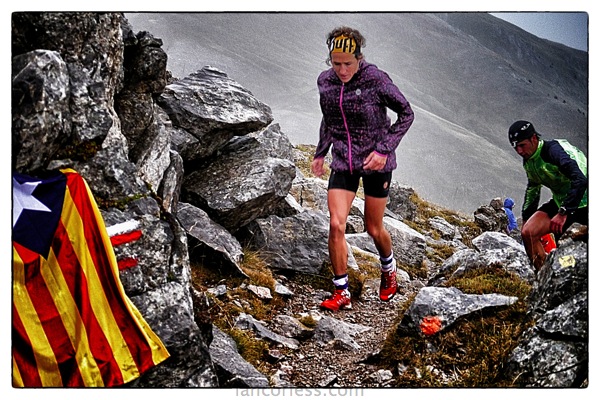
Nuria Picas copyright Ian Corless
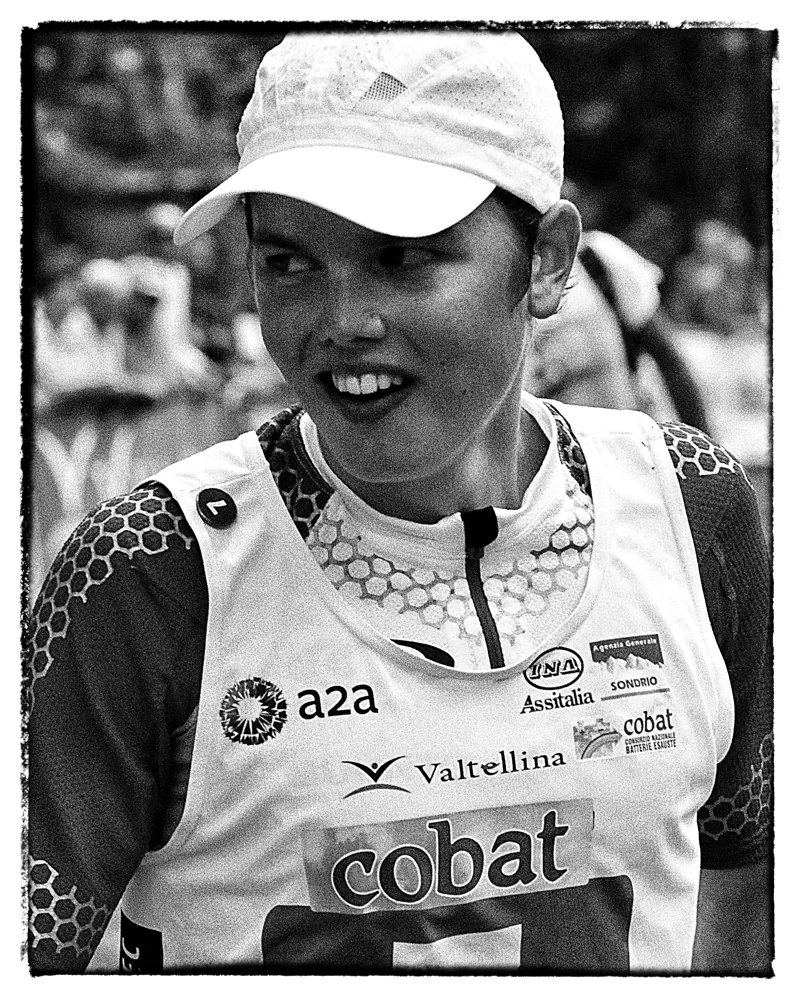
Philipp Reiter copyright Ian Corless
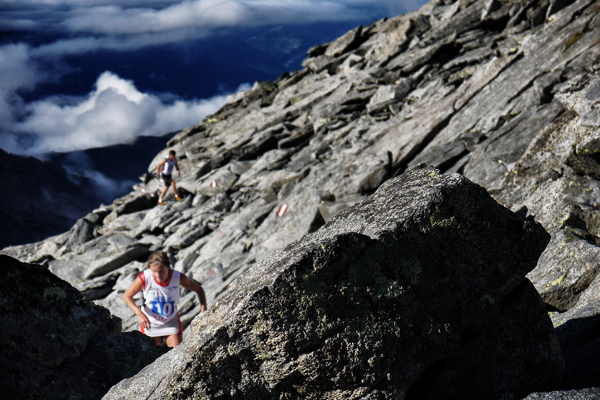
Emelie Forsberg copyright Ian Corless
With some of the big American ultra legends crossing the pond last year to get a taste of skyrunning, the word is out! Joining them this year: Anton Krupicka, Dakota Jones, Rickey Gates, Mike Foote, Timothy Olson, Joe Grant….
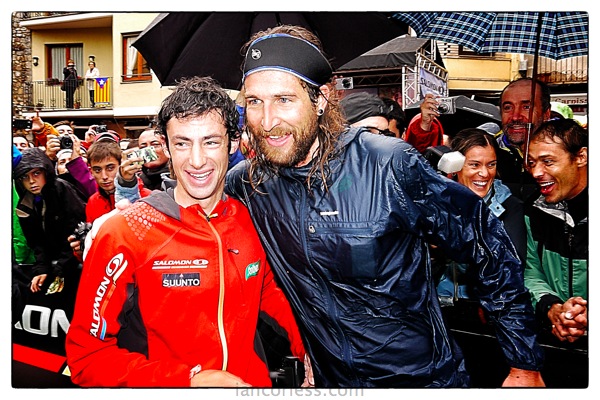
Kilian and Tony Krupicka copyright Ian Corless
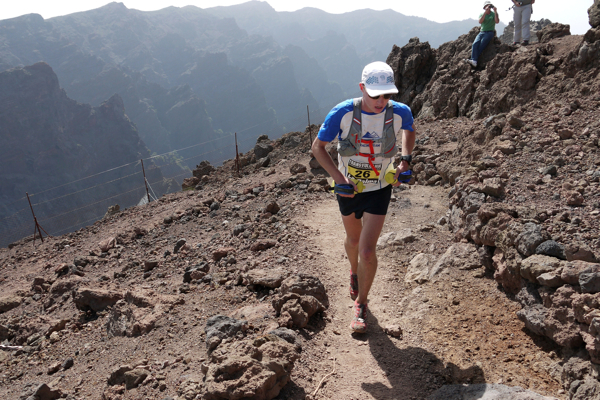
Dakota Jones copyright Ian Corless
It’s full immersion for Kilian Jornet who, with his unique skills, will participate in no less than all three Series: Vertical, Sky and Ultra!
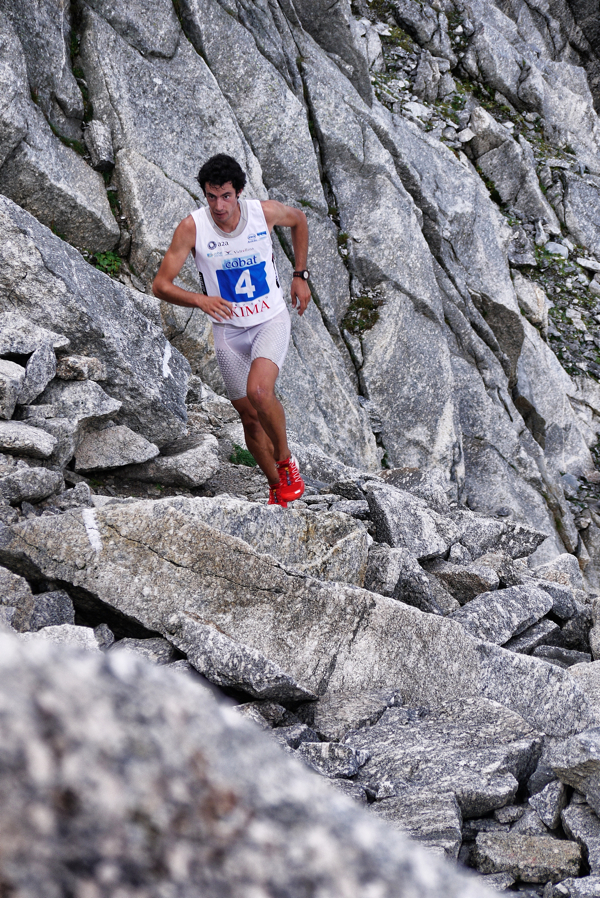
Kilian Jornet copyright Ian Corless
Lizzy Hawker will be toeing the start-line at the Series’ first 100-miler while Anna Frost will take part in both the Sky and the Ultra Series. The mix includes Phillip Reiter and Julia Böttger from Germany, top French names: Francois d’Haene, Julien Chorier, Michel Lanne, Yann Curien, Maud Gobert and Stephanie Jimenez, Britons Andy Symonds and Tom Owens, Canada’s Adam Campbell.
Marco de Gasperi – copyright Ian Corless
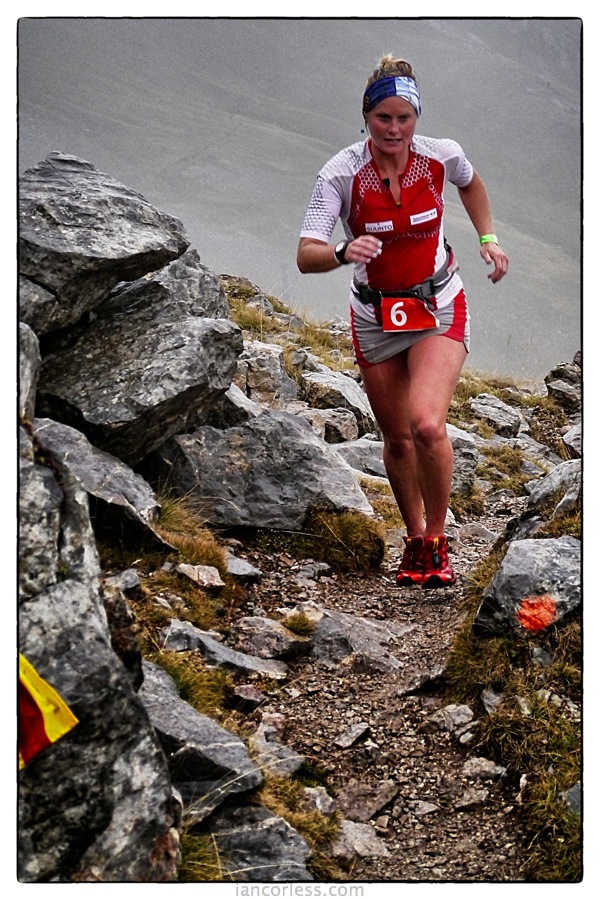
Anna Frost copyright Ian Corless
Strong team participation is engaged right across the Series headed by the heavy-duty Salomon team as well as hefty, international line-ups from inov-8, La Sportiva, Salomon Agisko and Arc’teryx, The North Face, Haglöfs, Montrail, Scott as well teams from Spain, Italy, Russia, Japan
Take a look at the mix here. Have we got everybody?
You’re still in time to join the throng and remember, if you’re competing in the World Series, there’s always a slot available for you.
Follow us for who goes where as the skyrunning season unfolds.
Follow the action on Skyrunning HERE
Follow on Talk Ultra HERE
On Twitter @talkultra
Tarawera trails set for world-class endurance test on March 16 2013
It’s a ridiculously long-distance running race on some of the most beautiful trails in New Zealand’s North Island.
The 100 kilometre Vibram Tarawera Ultramarathon will be run on the magnificent bush tracks and forestry roads from Rotorua to Kawerau on Saturday March 16.
One of the world’s toughest endurance running races, it’s the brainchild of Paul Charteris. The Rotorua event organiser launched ‘the Tarawera’ 5 years ago and for many of the world’s best off-road distance runners, it has quickly become a ‘must-do’.
“The quality of the field is amazing,” says Charteris, with a grin. “The 2013 Tarawera Ultra will be the most competitive long distance running event in New Zealand since the 1990 Commonwealth Games marathon.”
It’s a bold claim.
“The race sold out months ago and the 430-strong field is stacked with the world’s best,” says Charteris to back this up. “The winners of nearly every major international ultra marathon race will be on the start-line.”
A lot of top Kiwi runners will also be in the field, defending local honour.
“The ultra-racing world is keen to see how 21-year-old Barefoot Inc sponsored, Ruby Muir from Napier will handle the distance”, continues Charteris. “She’s unbeaten – including winning her first ever ultra distance run when she stormed away from the field at the 2012 60k Kepler Challenge in Te Anau.”
Muir is expected to receive stiff competition from Dunedin’s Anna Frost, widely regarded as the top female trail runner in the world last year. Frost’s Salomon Racing teammates, Emelie Forsberg from Sweden and Candice Burt from the United States will also be on the start line, along with Australia’s Beth Cardelli.

Copyright Ian Corless
Cardelli won the last eight events she entered in her home country.
The top of the men’s field is a fleet-footed freight train of long-distance talent.
Mick Donges from Katoomba Australia is back to defend his 2012 Tarawera title against Christchurch’s Vajin Armstrong. The Kiwi finished second over the 100km distance the past two years and is keen to go one better.
Colorado-based runner Anton Krupicka, who ran a relay leg at Tarawera last year, has already fired a warning shot, posting online that he’s coming back to New Zealand for the win.
“This year, I’m looking forward to the technical trail between Humphries Bay and Tarawera Falls most of all,” says Krupicka. “The whole section from Okataina Lodge to the Falls will definitely be a highlight of the day, especially cruising at race pace.”

Copyright Ian Corless
UPDATE* on Anton Krupicka posted on his blog site:
“I decided over a week ago to not make the trip down to New Zealand for the Tarawera 100K in 10 days, and despite my hip showing significant improvement I know it was the right choice. I’ve done no long runs of any type since December and don’t have any desire to travel all that way to muddle through 62 miles with poor fitness and a very likely chance of re-injuring myself”
Other top runners to watch will be Brendan Davies, Australia’s ultra runner of the year and Timothy Olson, Jason Schlarb, Rickey Gates and Sage Canaday from the United States. France’s Francios D’haene and Greg Vollet lead the European contingent.
Interviews are available on Talk Ultra as listed below:
Olson and D’haene won the two biggest races in the world during 2012. Olson won the Western States 100-mile endurance run in California in record time and
D’haene won the coveted Ultra Trail Mont Blanc title in his home country, with over 2000 runners in the field.
Canaday throws some freakish speed into the mix. A 2:16 marathoner, he has recently switched to ultra distance racing and became the United States 100km trail champion just last week. You can listen to an interview with Sage Canaday on Talk Ultra episode 27.
For Race Director, Charteris, it’s been a dizzying few weeks.
“It’s like organising a local bicycle race and having half of the Tour de France peloton show up for the ride,” says Charteris, as he scoped out a section of the course in Rotorua’s world-renowned Whakarewarewa Forest. “It’s humbling – and frankly, scary.”
Rotorua is renowned for hosting a number of international sporting events.
In 2006 the UCI Mountain Bike & Trials World Championship were in Rotorua and the Single Speed World Champs were held in the Whakarewarewa Forest in 2010.
On race day, running shoes will replace wheels on many of the same trails.
“A beautiful environment and superb athletes – it really is a recipe for a fabulous day of racing,” enthuses Charteris.
“And with this sort of fierce competition, there will be a large national and international media following for this race. It will be a big week for the region.”

ULTRA
The Ultra distance races selected in 2012 were held in the following countries: Andorra, France, Germany, Great Britain, Italy, Réunion, Italy, Spain, USA. The ranking is based on the best three results of the year – or two results, plus one from 2011, taking into account the top 15 men’s and 10 women’s results in each race.
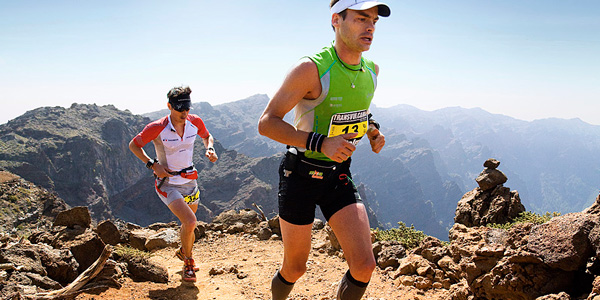
The athletes are listed in alphabetical order according to their nationality.
ELITE MEN
AUSTRIA
Wagner Thomas
CANADA
Campbell Adam
FRANCE
Antolinos Fabien, Bringer Patrick, Buffard Sebastien, Camus Sebastien, Chaigneau Sebastien, Chorier Julien, Clavery Erik, Court Sylvain, Curien Yann, D’Haene Francois, Durand Maxime, Gault Emanuel, Guillon Antoine, Lanne Michel, Le Saux Christophe, Lejeune Arnaud, Lorblanchet Thomas, Martin Nicolas, Pasero Mikael, Pianet Nicolas, Rancon Julien
GERMANY
Reiter Philipp
GREAT BRITAIN
Conway Terry, Symonds Andy, Sharman Ian, Grant Joe (?)
HUNGARY
Nemeth Csaba
ITALY
Cavallo Giuliano, Dapit Fulvio
JAPAN
Kaburaki Tsuyoshi, Yamamoto Kenichi
NEPAL
Sherpa Dachhiri Dawa
PORTUGAL
Sa Carlos, Teixeira Armando Jorge
SOUTH AFRICA
Sandes Ryan
SWITZERLAND
Rey Jean-Yves
SPAIN
Bes Jordi, Castanyer Tofol, Jornet Kilian, Karrera Iker, Heras Miguel, Merillas Manuel, Perez Lopez Oscar, Sanchez Sebas
SWEDEN
Buud Jonas
UNITED STATES OF AMERICA
Bowman Dylan, Clark Nicholas, Clayton Cameron, Foote Michael, Gates Rickey, Grant Joe, Jaime Scott, Jones Dakota, King Maxwell, Koerner Hal, Krupicka Anton, Mackey Dave, Maravilla Jorge, Meltzer Karl, Olson Timothy, Pedatella Nicholas, Tidd John, Tiernan Zeke, Wolfe Mike
ULTRA
ELITE WOMEN
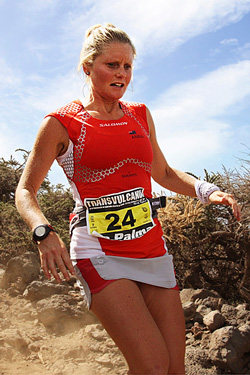
BRAZIL
Maciel Fernanda
FRANCE
Chastel Veronique, Combarieu Maud, Favre Corinne, Gobert Maud, Herry Karine, Lecomte Emilie, Martin Sandra, Motto Ros Sandrine, Valero Anne
GERMANY
Bottger Julia, Calmbach Andrea
GREAT BRITAIN
Hawker Elisabeth, Greenwod Ellie
HUNGARY
Wermescher Ildiko
ITALY
Canepa Francesca, Fori Katia
NEW ZEALAND
Frost Anna
SPAIN
Fraile Uxue, Iruretagoyena Leire, Martinez Nerea, Picas Nuria, Roca Emma
SWEDEN
Forsberg Emelie
USA
Africa Darcy, Bosio Rory, Bruxvoort Kerrie, Claridge Rhonda, Howe Stephanie, Howard Elizabeth, Kimball Nikki, Lewis Tina, Moehl Kristin, Nordell Ashley
See the 2012 élite listings: Sky and Vertical
Updated January 16, 2013
 IAN CORLESS