inov-8 X-TALON 212 Review

©iancorless.com_inov8_212-7294

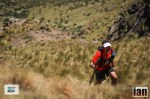
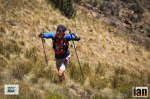
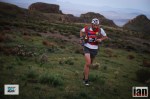
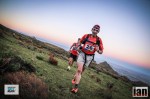
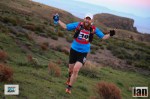
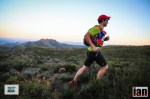
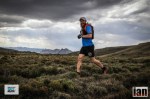
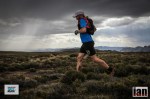
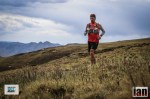
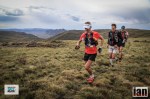
If Wolverine™ were going to go running on the trails, he would pair up his incredible hands (and blades) with a pair of X-Talon 212’s.

Irrespective of what type of running you do; road, trail, mountain, fell or even treadmill, the X-Talon 212 has that distinctive look that not only sets it apart from the competition but also makes one take a second look and ask the question, “is that a run shoe or a football boot?”

It’s a winning shoe that combines minimal weight, low drop, stability and awesome grip for when conditions are muddy, boggy, slippery or basically just downright awful.

I doubt that inov-8 needs an introduction but let’s have a recap just in case.

©iancorless.com.IMG_5365

The company is just 11-years old and the creation of South African, Wayne Edy. You can sum up inov-8’s growth in just one quote from Wayne, “I’m not a follower, I never will be. I like to carve a new way. I thrive to innovate.”

inov-8 shoes are all about being at one with the terrain and in the UK they have become the ‘go to’ shoe when you need grip.

inov-8 say, “We believe in natural running. Natural running involves taking running back to its most innate form, letting nothing alter the natural biomechanics of the foot and body. Natural running relies on the strength of the runner’s feet and legs rather than the cushioning or support of a shoe. The foot controls the shoe, not the other way around.”

inov-8 were very much at the forefront of minimalist running and right from the off the offered a very structured and methodical approach to getting ‘lower’ to the ground.

This system was a series of arrows (on the rear of the shoe) that signified the shoes drop in 3mm increments: 3 arrows = 9mm, 2 arrows = 6mm and so on. This arrow system informed runners immediately of what drop a shoe was and importantly allowed runners to make an informed and structured progression to get lower (if required). The shoe naming was also quite innovative. You had the model of shoe, for example: Trailroc, Roclite or X-Talon and then a number afterwards, so, in this scenario X-Talon 212. The ‘212’ refers to the weight of the shoe in grams.

Lightweight, minimal and functional, inov-8 have pioneered running shoes for trail, rock, fell or mountain and in simple terms have endeavoured to keep runners low to the ground (with grip) via a plethora of shoe models providing a selection of drops, cushioning and grip. The recent addition of the Race Ultra 290 (Review HERE) is a prime example of how the company are looking at the growing ultra market and the need for a more cushioned shoe but still with a low drop (6mm) and a flatter outsole for extended hours running.

2015 will see many new additions to the already expansive range. (*see below)

X-TALON 212

©iancorless.com.IMG_5434

Firstly, big news! The X-Talon is now available in a standard fit in addition to the normal precision fit. This is important news for many a runner who would have loved to use the 212 but found the tight and narrow fit of the precision just too tight for their Hobbit like feet.

As mentioned previously, the 212 may well be one of the flagship shoes in the inov-8 range and you can expect to see the shoe in Trail, Mountain, Fell, Orienteering, Cross Country, Obstacle and Skyrunning races all over the world.

The 212 is an out and out off road shoe and as the name suggests, the grip is Talon like.

The Shoe 
x-talon-212-side

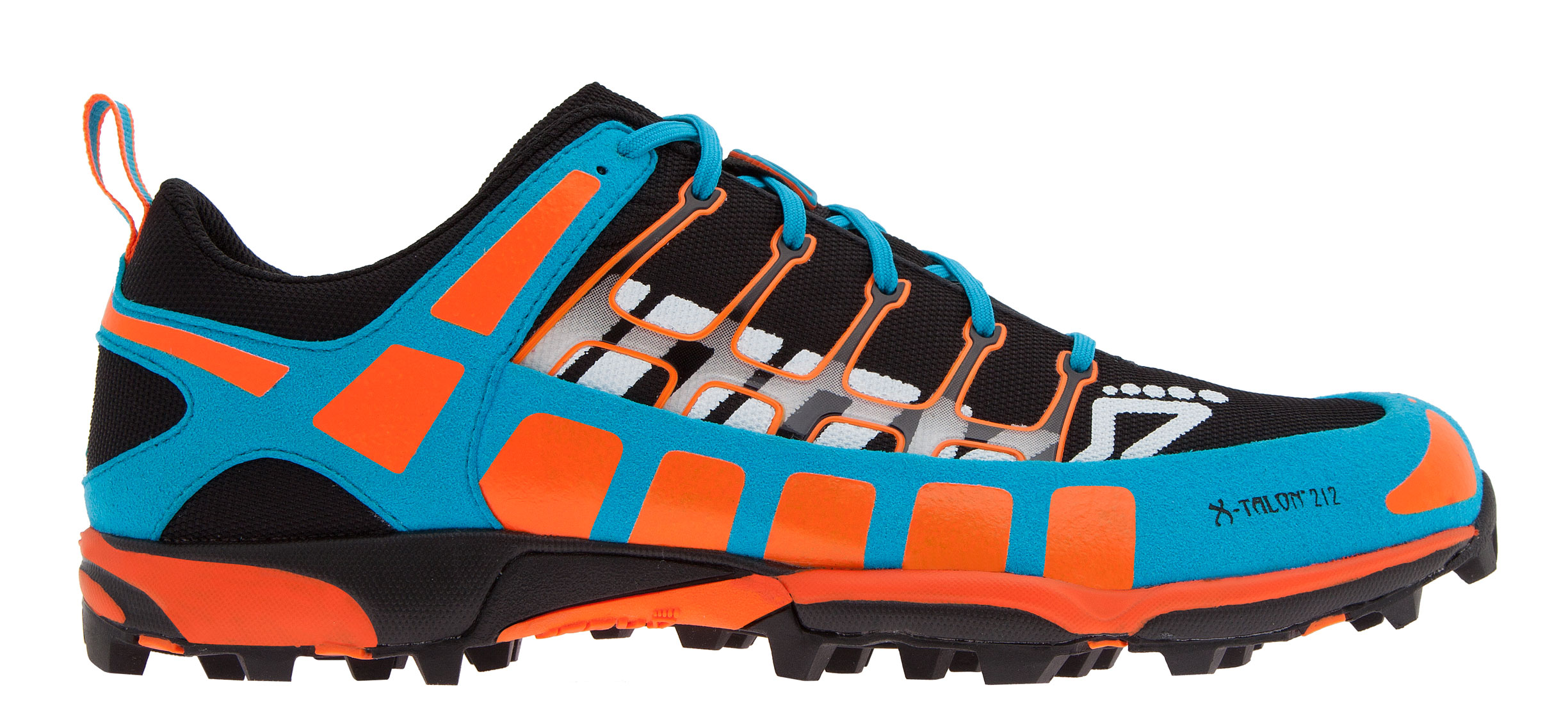
I used the standard fit in my normal shoe size UK9.5 so it would be fair to say that the 212 is true to size. However, even though this shoe is standard fit it still fits super close in the toe box, you almost certainly would want to try this shoe on before purchasing. Please remember that the 212 are an out-and-out off road and soft ground shoe, so it is important that your foot has minimal movement within the shoe. This is why the shoe was originally designed in precision fit only. A close fitting shoe is ideal when climbing, descending or contouring when on soft or uneven ground. The lacing system allows you to pull the shoe tight to your foot and cradle it offering more support. Spend a little time tweaking the lacing and you will be rewarded with a wonderful close and natural contact to the ground.

©iancorless.com_inov8_212-7305

First off, the shoe is super flexible. You can bend it anyway, fold it in half and the shoe does not resist. The shoe upper is tough and quite thick and I have heard criticism saying the upper is too thick! Of course this all comes down to personal preference but if you are bombing up and down wet and muddy terrain everyday, you need an upper that can withstand that sort of abuse… I have had my 212’s for 6-months (probably 3-runs a week) and I have well and truly abused them without failure. That’s a plus in my book.

©iancorless.com.IMG_4481

The shoe has Meta-Flex™ and Meta-Cradle ™, which provide a flex groove and upper webbing support at the metatarsal heads. In all honesty I am not fully sure what that means but if that means good flex and support then I agree.
INO540_400_2

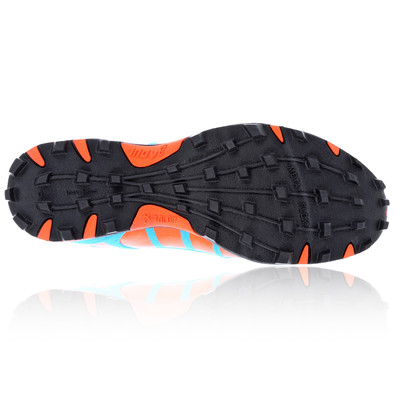
The sole of the 212 looks like a football boot with a series of spaced out rubber nodules that are made of soft ‘sticky’ compound rubber as one would see on some climbing shoes. What makes this shoe work so well off road is the fact that the grip is spaced out and this therefore stops soft ground filling and clogging up the grip of the shoe. The soft rubber works really well on rocks, gravel and other dry surfaces and should the rocks become wet, grip is still highly impressive allowing you to run with confidence. One downside of the soft rubber is that if you go on the road it will wear down. This is not a criticism of the shoe. It’s basically just a heads up to warn against excessive road use. I should point out that my everyday run requires at least a couple of miles on road or pavement to get to the trail and yes, my sole has started to show wear and tear but that is after 6-months of regular use.

©iancorless.com_inov8_212-7314

Cushioning is minimal and the drop (2 arrows) is 6mm; this provides a great contact for the trail beneath your feet. Ironically, the shoe feels very comfortable on hard trail and even road. I would say it feels surprisingly cushioned despite its minimal looks. inov-8 do not use a rock plate to protect your foot against small and/ or sharp objects and therefore you can sometimes feel these objects when running.

Th front of the shoe has a rubber bumper but toe protection is minimal. The rear of the shoe holds the foot well and if you have the right size shoe and the laces adjusted correctly, you have have little or no movement when running.

IN USE

Pros

The 212 are all about gaining grip on soft and boggy ground. If you use the shoe in these conditions you will be over the moon by the grip, feel and security offered. The upper is durable and the lacing perfect. The addition of a standard fit in addition to the long established precision fit now ensures that you can have comfort despite your shoe size or width. The combination of these elements makes the 212 my ‘go to’ shoe for anything that resembles fell running or soft ground running (including snow.) I have used the shoe for 6-months, accumulated 100’s of hilly miles and the shoes have performed perfectly. They have also been my preferred shoes when running Vertical Kilometres™ particularly when the terrain has been grassy and steep. The low drop allows great feel for the terrain below and although relatively minimalist from a cushioning perspective, they do offer great comfort for runs of 2 to 3-hours. This comfort is extended if the ground remains soft and boggy.

Cons

It’s a very specific shoe for a very specific use and therefore this would be an ‘addition’ to your shoe collection. It’s almost unfair to say this is a con but for some, they want a wonder shoe that does ‘all things,’ the 212 is NOT that shoe.

The lack of a rock plate does mean that you can feel small and sharp objects occasionally.

The shoe is very flexible with minimal cushioning and therefore one would need to be attentive to how long one runs in them. Of course this is very personal to the user… one person may find 60-mins enough, another 3-hours. Certainly, the more you use them, the more time you will be able to spend in them.

Specs

  • Weight 212g
  • Upper Synthetic, TPU
  • Lining Mesh
  • Drop 6mm (2 arrows)
  • Sole X-Talon (Sticky)
  • Midsole Injected eva
  • Fit Precision and now Standard

Conclusion

The X-Talon 212 really is a top quality shoe with a very specific use. If you are looking for a shoe to do several types of running (road and trail), the 212 is not for you. However, if you are looking for grip on off road terrain then you would be hard pressed to find a shoe that does the job better than the 212. The addition of a standard fit to the long established precision fit should mean that if you have tried the 212 in the past and found them too narrow, they may very well fit you now! Both models are unisex.

Note

X-Talon-190-side-1_13

If you prefer a more minimalist shoe with lower drop, inov-8 make the X-Talon 190, which has 3mm drop, a stripped back upper and the same talon like grip.

*New for 2015

X-talon-200-Blk-Red-Yel-1-15-1024x490

inov-8 are strengthening the  X_TALON off-road running shoe range (212 & 190) with the addition of the new X-TALON 200. Available in early 2015, the shoe looks set to be a huge hit with off-trail runners and obstacle racers.
Embrace the Treadmill or is it the Dreadmill?

©iancorless.com_CarrMill-7245

Days are shorter and many of you will be feeling like hibernating! It’s December after all… Nothing wrong with that, training should have peaks and troughs and if you don’t have them you will just end up with a series of flat performances.

Hopping on a treadmill may not be something that immediately springs to mind this time of year but hey, lets face it, a couple of indoor sessions are a great way to spice up your training.

A treadmill provides less impact a warm environment and a completely controllable situation. Perfect if you are looking to improve your running.

Before you sign up to the gym or order a treadmill in the January sale, lets keep a couple of things in mind:

  • Maintain your long run either mid-week or at the weekend
  • Incorporate strength, conditioning and one cross training session (elliptical, stepper, rower or so on)
  • Stretch post sessions.
  • Have a rest day.
  • Monitor your sessions with a HRM and/or GPS.

Treadmill ‘v’ Road/ Trail

Running is running yes? Well, yes it is BUT running outside in contrast to indoors provides a very different experience. It may come as no surprise that going for a run on some winter trails would be preferable to running indoors but like so many other runners, we all want to see improvements and a treadmill can provide a very controllable situation that you just can’t find out on the road or trail, especially in winter.

The treadmill shouldn’t replace your outdoor runs BUT be an addition!

©iancorless.com_CarrMill-7153

For example, you can control your heart rate, monitor your cadence, you have no traffic, bad weather or more importantly, danger! You can remain warm, listen to music and embrace a quality workout.

Here we are going to provide two sessions. One that works on hill strength and one that works on speed. Incorporate these two sessions into your running over January and February and you will feel the benefits in March when the weather improves.

Hints ‘n’ Tips

  • Dress light – you will get warm.
  • Take liquid with you.
  • Take a towel.
  • Load up your Mp3 with some kick ass motivation tunes.
  • Use a heart rate monitor.
  • Embrace the session.

TREADMILL SESSION 1

Warm up: for 10-minutes jogging with the treadmill at 1% incline and heart rate below 70% of max heart rate (MHR). This is all about getting blood flowing, loosening stiff and/ or tight muscles and preparing for the session ahead.

Session:

Based on experience, the main session can be 3 to 8-miles. The objective is to increase the incline (but not lower pace) for the session. Pace should be sustainable for the entire session.

Run 1 mile at 2%

Run 1 mile at 3%

Run 1 mile at 4%

Run 1 mile at 5%

Run 1 mile at 6%

And so on…

Recover for 10-minutes as per warm up

NOTE The main session can start with 3 x 1-mile and each week add 1-mile for 3-weeks. On the 4th week drop back down to 3 x 1-mile repeats and then on the *5th week start back building up reps from 5 x 1-mile repeats and finish with 8 x 1-mile repeats. (*Based on fitness and progression)

This session is a quality workout that maximises your time training and provides the necessary stimulus to make you a stronger runner.

Why is this session worthwhile doing indoors?

You have control! You can monitor speed, distance and elevation all within a controlled and repeatable environment.

TREADMILL SESSION 2

Warm up: for 10-minutes jogging with the treadmill at 1% incline and heart rate below 70% of max heart rate (MHR). This is all about getting blood flowing, loosening stiff and/ or tight muscles and preparing for the session ahead.

Session: Perform 3 minutes at 85% of maximum heart rate (MHR) at 1% incline

Recover: for 90-seconds ‘jogging’ at sub 70% MHR at 1% incline

Repeat the 3-minute session with 90-sec recovery for an additional 2-times (making a total of 3 in week-1). In week 2 do 4-repetitions, in week 3 do 5-repetitions and in week 4 do 3-repetitions for recovery and than start week 5 with 5-repetirions and build to 8-repetitions based on fitness and ability.

Warm down for 10-minutes spinning as warm up

*****

Winter is all about mind set and motivation. The above two sessions provide a great indoor stimulus that works on two different aspects of running: strength and speed. At the end of 8-weeks, we guarantee that you will be faster and stronger.

Give it a go and let us know how you get on!

TALK ULTRA is now on STITCHER

Stitcher

Due to demand, TALK ULTRA has now been added to STITCHER.

You can listen to and view the show HERE

You can listen on iOS HERE, Android HERE or via a web player HERE

What is STITCHER?

Listen to over 25,000+ radio shows and podcasts on your iPhone, iPad, Android or PC -anytime, anywhere

Get the freshest episodes of your favorite podcasts and radio shows streamed directly to your smartphone or iPad – no downloading or syncing. From NPR’s Fresh Air to Adam Carolla, WNYC’s Radiolab to the Wall Street Journal, Rush Limbaugh to Rachel Maddow and more, Stitcher organizes and delivers the world of talk radio fresh daily. Listen whenever and wherever you want.

Stitcher Image

content ©stitcher

Marmot Dark Mountains 2015

©iancorless.com_IMG_5450Marmot24_2014_

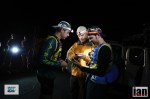
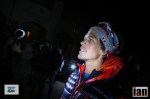
The organisers of the formidable Marmot Dark Mountains™ have just announced that the 2015 event will take place in the Howgills on the night of 24th & 25th January 2015.
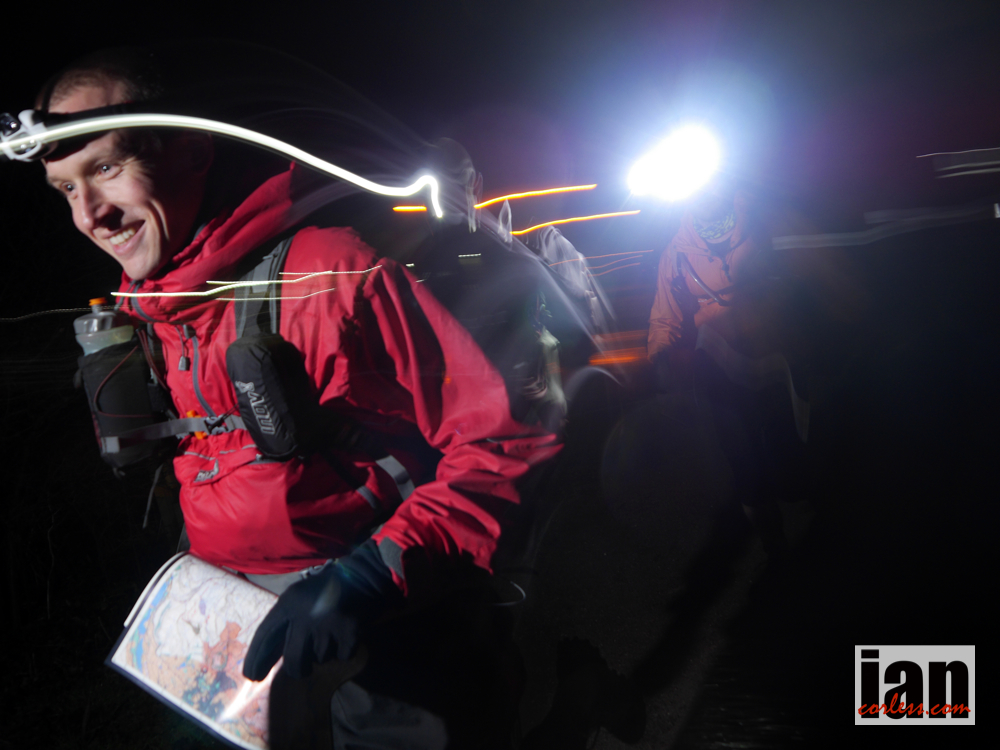
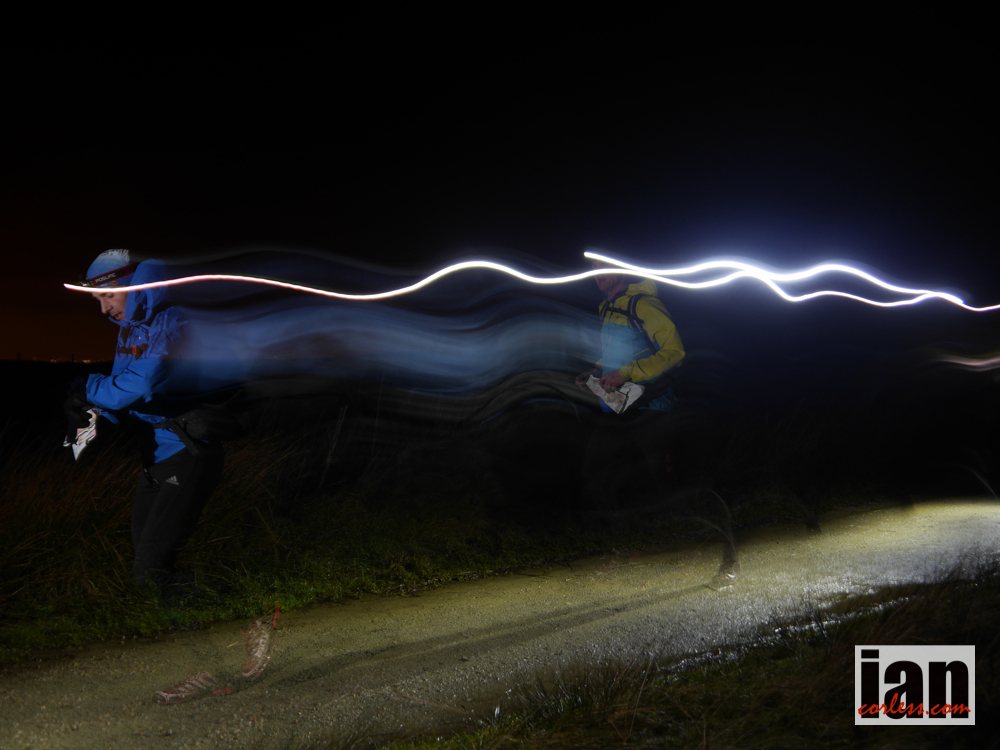
Marmot Dark Mountains™ takes the classic two-day mountain marathon format and gives it a new… darker twist. Rather than two days of running with an overnight camp in between, Marmot Dark Mountains™ packs everything into one winter’s night!
©iancorless.com.©iancorless.com.P1100372
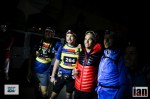
The event kicks-off on the Saturday evening with the longest classes setting off first for dusk-to-dawn racing. The shorter classes set off later in the evening with the aim of most competitors finishing within an hour or so of each other the following Sunday morning. This makes for an exciting finale as all the courses and most of the competitors converge on the finish as dawn breaks.
©iancorless.com.©iancorless.com.P1100383
Race Director, Shane Ohly from Ourea Events describes the 2015 event area, “The Howgills provide a superb setting for Marmot Dark Mountains™. The terrain is definitely more runable than previous editions of the race but with the steep sided valleys that are typical, there is significant height gain, and the course are sure to provide a suitable test of endurance.” He continued, “The Howgills also seem to catch more than their fair share of winter weather and we are anticipating a tough challenge for those competitors brave enough to enter.”
©iancorless.com.©iancorless.com.P1100464Marmot Dark Mountains™ has a growing reputation as the test of competence for experienced mountain runners. Ordinarily a standard mountain marathon with its combination of mountain running and navigation at its heart is a sufficient challenge but Marmot Dark Mountains™ takes it a step further by packing two days of running into one long winters night with dusk-to-dawn racing.
Marmot Dark Mountains™ 2013 was held in the southwest fells of the Lake District National Park. That year the event experience extremely poor weather and the completion rate for the linear courses averaged just 21%. In 2014 the event moved to the Peak District National Park and with better weather the completion rate rose to 53%. Still, these are low completion rates considering that competitors are vetted for experience before their entry is accepted.
With the announcement of the venue, the organisers have also released details of the routes, which have been planned by Charlie Sproson who is a regular Race Planner for Ourea Events. These are:
  • Elite Course: 53.1km / 2,966m
  • A Course: 42.3km / 2,415m
  • B Course: 35.8km / 2,311m
  • C Course: 33.9km / 1,770m
  • Long Score: 10 Hours
  • Short Score: 8 hours
Working in collaboration with Harvey Maps at the 2014 Marmot Dark Mountains™ bespoke ‘high contrast’ maps were produced for the first time. These were designed to show contours more clearly in the dark and when the map is illuminated by high-powered headtorches. These were a great success and the 2015 event will also feature these special night maps.
Ourea_Events_Logo(600)
Race Director, Shane Ohly elaborated, “For an event that is focused on mountain navigation and running, we understand completely that the quality of the map is directly linked to the quality of the overall experience and as such, we invest significant time and energy into the map. As in previous years we will be using waterproof and tearproof paper and our special night-nav high contrast printing developed with Harvey Maps. Whilst checking control sites both Charlie Sproson and I have been recording new paths, fences etc with GPS and combined with Harvey’s updating their base data from a new photogrammetry survey data, we are confident that we will provide a high quality and accurate map for the competitors.”
With the support of sponsorship from Marmot® and Petzl® there is a £500 cash prize for the winning elite team. In 2014 Steve Birkinshaw and Tom Gibbs won and Alex Pilkington and Kim Collison won in 2013.
Key Event Information
Website: www.Marmot-Dark-Mountains.com
Date: 24th & 25th January 2015
Venue: Howgills, Northern England
Entry: from £50 per person
Courses: Elite, A, B, C, Short and Long Score

Marmot Dark Mountain - FINAL (BLACK)

marmot_logo

ortlieb-logo(290x290)

SALMON SKYRUN package for International runners 2015

©iancorless.com_SkyRun14-5205#ETRkathmandu

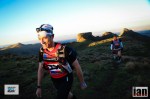
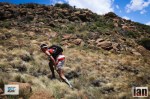
Embrace an opportunity to not only take part in one of South Africa’s toughest races but also be privy to a VIP package that will allow you to experience the journey of a lifetime.

Following on from a successful inaugural experience in 2014, Salomon SkyRun are now offering a very exclusive package for 15 very lucky individuals in 2015.

©iancorless.com_SkyRun14-4502#ETRkathmandu

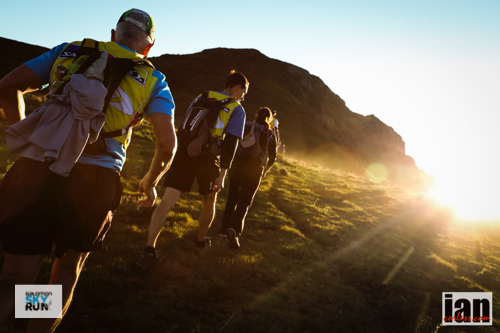
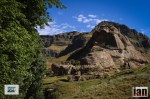
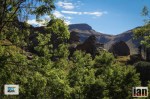
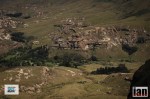
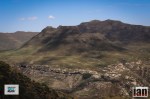
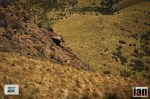
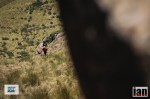
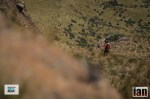
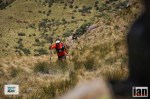
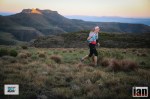
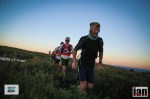
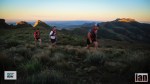
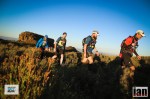
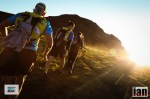
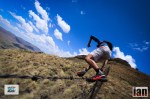
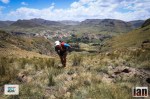
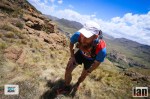
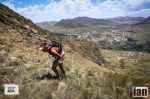
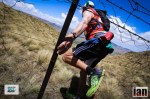
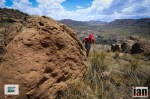
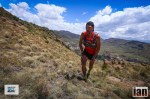
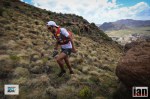
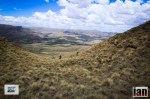
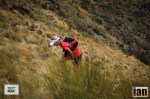
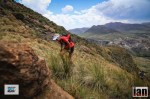
The Salomon SkyRun is a true mountain running experience on an unmarked course in the stunning Witteberg Mountains just off the southwest corner of Lesotho. Offering a variety of tough and challenging terrain, SkyRun is a self-supported and self-navigation journey of 100-kms.

©iancorless.com_SkyRun14-0383#ETRkathmandu

Leaving the town of Lady Grey behind, the beauty and remoteness engulfs each and every runner. It is not uncommon to run for the entire race without seeing much civilization around you except those involved in the race.

BIG NEWS a $10,000 prize purse is available for the first male to go under 12-hours or the first lady to go sub 14-hours 30-minutes.

©iancorless.com_SkyRun14-0282#ETRkathmandu

©iancorless.com_SkyRun14-0445#ETRkathmandu

©iancorless.com_SkyRun14-4482#ETRkathmandu

©iancorless.com_SkyRun14-4652#ETRkathmandu

View race images HERE

To experience first hand the journey of SkyRun, listen to Episode 75 of Talk Ultra HERE. It is a special show that discusses in detail the route, the experiences of South Africa and has in-depth chat with Gary Robbins who placed second in the men’s race. The show also has interviews with ladies first and second place, Landie Greyling and Julia Boettger. In addition the show brings sounds of SA and interviews the race directors, Adrian Saffy and Michael de Haast.

©iancorless.com_South Africa14-5376

An evening in Lady Grey post race allows some rest and recovery before the 3-hour transfer journey to the stunning Moketsi Game Ranch.

©iancorless.com_South Africa14-5611

Moketsi is a jewel. A five star resort offering luxury accommodation on a full board basis.


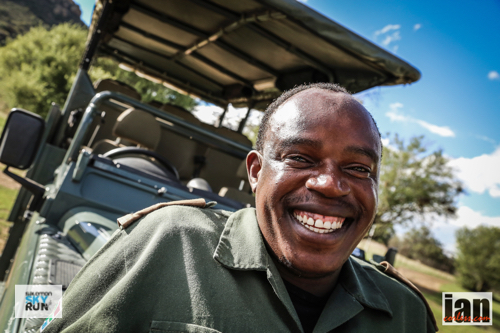
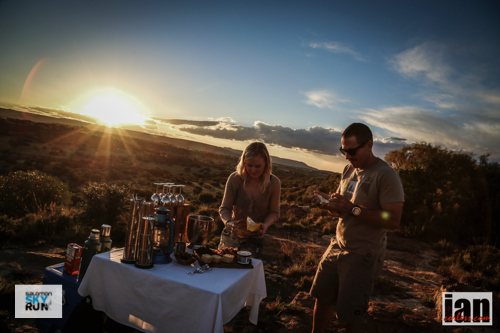
Moketsi provides an opportunity to experience wildlife on a personal level that is seldom scene or experienced. Go on safari in custom made Land Rover vehicles, drink a ‘sundowner’ as the sun departs the day and if you are lucky, experience the reserve ‘on foot’ under the guidance of the Ranch Manager, Gustav.

©iancorless.com_South Africa14-5629

©iancorless.com_South Africa14-5683

©iancorless.com_South Africa14-0012

The Ranch covers some 6,000 hectares (65 km²) of beautiful grassland plains and contrasting mountain landscapes in a unique and comfortable setting for an exclusive and private experience. It may even be possible to run up Moketsi mountain… can you set an FKT?

©iancorless.com_South Africa14-5862©iancorless.com_South Africa14-5887

Moketsi has a large variety of game with four of the Big Five (including Lion, Rhino, Buffalo and Leopard). The varied landscape, range of animals, birdlife and luxurious accommodation make for a true outdoor experience.

©iancorless.com_South Africa14-0205

©iancorless.com_South Africa14-0137

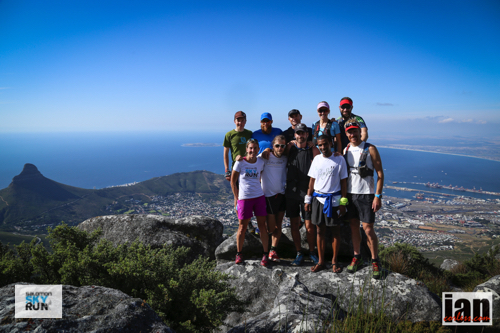
Leaving the quiet seclusion on Moketsi Game Ranch, a 90-minute transfer to Bloemfontein and an internal flight to Cape Town will awaken the senses to the bustle of South Africa’s second largest city. Hooking up with the local run scene, you will climb Lion Head, run up and down Table Mountain.

©iancorless.com_South Africa14-5983

©iancorless.com_South Africa14-6686

©iancorless.com_South Africa14-6842©iancorless.com_South Africa14-6978

By contrast you will relax on the wine route visiting vineyards, watch the penguins at Boulders Colony and chill in Hout Bay with some quality seafood.

©iancorless.com_South Africa14-6048

©iancorless.com_South Africa14-6547

©iancorless.com_South Africa14-6641

 The Salomon SkyRun International Package is a once in a lifetime experience that is available at an incredible price.

©iancorless.com_SkyRun14-0606#ETRkathmandu

Package (excludes flights to South Africa)

£975.00 (€1250 or $1750)

Only 15-places are available for this incredible experience distributed as 5 to the USA/Canada, 5 to Germany and 5 to UK/ Europe.

Package includes:

  • Transfer from Bloemfontein to Lady Grey
  • Race entry
  • 2 nights pre race lady grey bed and breakfast one night post race
  • 2 nights Moketsi Game Ranch fully inclusive
  • Flight from Bloemfontein to Cape Town
  • 3 nights in Cape Town bed and breakfast all transfers and transport

The trip starts from Bloemfontein with a transfer to Lady Grey on Thursday 19th Nov and finishes with departure from Cape Town on Nov 28th.

Please note that all arrivals must be in Bloemfontein on Thursday 19th November 2014 by 3pm.

Included:

  • All meals as specified in Package (note race entry includes a meal at race briefing and a meal at finish line as well as Breakfast/ Brunch before prize giving)
  • All transfers in aircon Vehicles and domestic airfares as stipulated in package
  • Area Permit to traverse Conservancy
  • All accommodation is per person on a sharing basis as applicable. Single supplement applies.

Excluded:

All meals not stipulated in package

All beverages except at Game Lodge

International flights: into and departing South Africa – arrival Bloemfontein, departure Cape Town.

How to book:

To book a place a non-refundable 25% deposit secures your place. Full balance is due, on or before 1st August 2015. Please specify your booking country.

PACKAGE PLACES ARE AVAILABLE FROM DEC 8th 2014

← Back

Thank you for your response. ✨

Darkness to Light

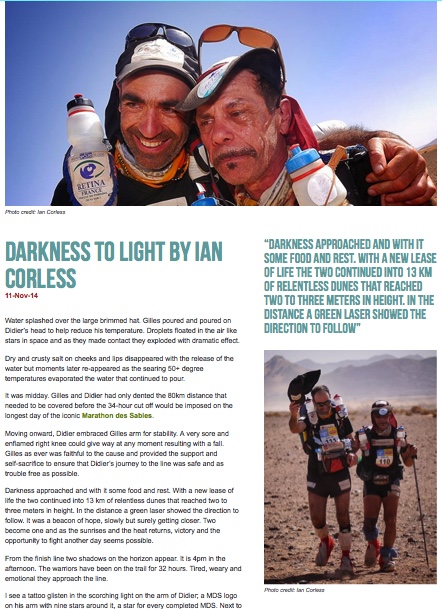
Darkness to LightThe Marathon des Sables needs no introduction. It has been hailed as one of the toughest races in the world. Like it or love it, it has produced some wonderful and epic stories.

One sees clearly only with the heart. The essential is invisible to the eyes. – Antoine de Saint-Exupéry

I marvel at the front runners moving fast through the dunes, up a jebel and ignoring the heat. However, the middle of the field and those who struggle each day to make the cut off no doubt provide me with incredible inspiration.

Gilles and Didier have provided such thoughts on numerous occasions.

Tears stream down his face as he sobs uncontrollably. Gilles, all smiles, pulls away and kisses him on each cheek with a passion seldom seen. It’s a moment to savor! They are the last two runners on the course and the moment epitomizes all that the Marathon des Sables represents. It shows a bond between two people and confirms all that is good and pure in human nature and ultra running.
Read the full article on RUNULTRA HERE
run-ultra-logo

ELS 2900 Alpine Run – Run. Tag a peak. Repeat.

DCIM101GOPRO

Run. Tag a peak. Repeat.

Inspired by our FKT on Els 2900 route, we customized our track to add more ridge running and off track segments. Be ready to tackle one of the most incredible alpine route ever made for a runner. It’s hard and steep. Think averaging 1,000m of vertical variation every 5K.

Yup, you read it right…

Here are some info about our race…
  • Name: Els 2900 Alpine Run
  • What: 70km, 6,700m of vert.
  • When: October 16-18, 2015
  • Where: Andorra

Why this is a race like no other:

  • We tag the 7 highest peaks of Andorra in a row (all above 2,900m of altitude, hence the name ‘Els 2900’ which means ‘The 2,900’ in Catalan);
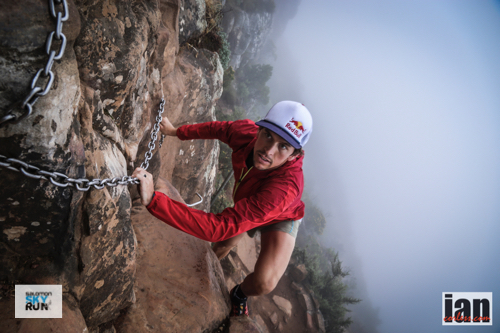
  • A 100% alpinrunning course, mixing ridge running, scrambling, off-track segments and even a via ferrata!
  • For safety reasons, 50 spots only: The race are only looking for highly skilled mountain runners w/ alpine background;
  • The race is over a day but start and finish lines are from and to mountain huts above 2,300m. So the race will have an approach hike the day before the race and will spend the night at the first hut all together. Same thing after the race, runners will all spend Saturday’s night in a hut before to get down to the valley the next day;
  • All meals, hosting and supplies are taken care of within the price
  • Cost – 200EUR for the 3 days
We ran our Edition Zero last October and runners have been amazed to say the least. Some pictures here.
Some useful links:
Important:
  • We’re a non-profit organisation;
  • Our only aim is to demonstrate that alpinrunning is not ‘a daredevil thing’ or yet another trend, but a real sport that requires strong skills from both mountaineering and running worlds…

Salomon SkyRun 2014 – Race Day Images

©iancorless.com_SkyRun14-4502#ETRkathmandu


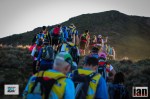
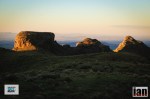
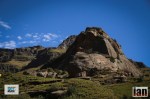
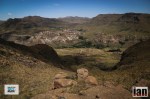
The Witteberg is a South African mountain range just off the south-west corner of Lesotho. The range, which rises to 2408 metres, stretches for about 60km from Lundin’s Nek in the east to Lady Grey in the west. The range lends its name to the Witteberg Series, the uppermost fossiliferous sequence of the Cape System of sedimentary rocks in South Africa. The race starts in the town of Lady Grey which is famous for its annual Nativity Play and its quaint houses and incredible scenery. Discover the wonder of Balloch cave along the route with it bushman art and idyllic setting nestled between some of the highest peaks in the Witteberg.

The Witteberg range is one of the most picturesque places in South Africa with some distinctive peaks like Avoca and Halston Peaks dominating the skyline.

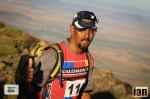
The Salomon SkyRun and SkyRun Lite are unique in that they are truly self-supported and self-navigational races, where athletes tackle the remote terrain of the Witteberg Mountain range with a Map a Compass or GPS unit and a back pack containing all there food, water and compulsory equipment that will enable them to survive in this harsh environment, while operating at an average height of between 2200-2500 meters above sea level.

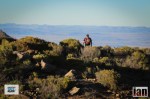
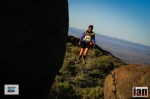
The trail starts in Lady Grey and the first 65km of the route is the same for both races, after the compulsory stop and medical check at Balloch are the Skyrunners allowed to continue while the Lite runners have completed their journey. The route climbs sharply out of Lady Grey to the first check point at the Tower; this is about a 12km run and is a combination of hiking trails and mountain running. As you climb the trail to the tower the majestic landscape unfolds in front of you and it now feels as if you are on top of Africa. Following the fence line you make your way along the ridge line to the second check point which is at Olympus, this is another 10km and the terrain is now devoid of paths and trails and athletes must decide which is the best route to the check point. After Olympus the athletes can pick up a small trail that will lead them to Snowden which is check point 3 another 11km or so, there is a natural spring just past Snowden where you can fill up your water bladders (does depend on how much rain has fallen so not always guaranteed a lot of water) before making your way to Avoca Peak the highest point (2756m) on the race. The climb up Avoca peak is challenging as the gradient is steep and the terrain is rough especially after good summer rain. From Avoca the route takes you over the “Dragonback” a ridge line that is about 3 meters wide with steep descends on either side, a fantastic formation of rock that is a feature of the race and a spectacular viewing point on a clear day. The route flattens out for a while as you move towards CP6 at Skidor which is again a leg of about 10km. At Skidor you descend into the valley down a technical descend before picking up the river that will lead you to the compulsory stop at Balloch Cave having now covered about 65km of the race.

Once Athletes have done their medical and been give the all clear by the doctor, it upwards and onwards as they take on the challenge of Balloch Wall a climb with a vertical ascent of over 500m in just 3km and back down the other side on the way to CP 8 at Edgehill Farm. Most athletes will now be operating in the dark as night fall will have replaced the harsh African sun. Navigating through the Bridal Pass from EdgeHill to the turn is tricky with a lot of athletes losing a lot of time trying to find the correct entrance into the pass that will lead them onto the ridgeline again. The Bridal pass has now been included as a waypoint on the route to assist athletes in negotiating the pass. A steady climb up the Pass will take you onto the ridgeline and to the check point at the Turn. From here you will double back toward the Wartrail Country Club via Halston Peak which is the last check point on the route. The climb down from Halston’s is technical and is made more difficult by the fact that you are very fatigued at this stage but buoyed by the fact that you are now heading to the finish at Wartrail Country Club.

RESULTS *to be updated

  1. Iain Don Wauchope 12:08:15 – new course record
  2. Gary Robbins 13:46
  3. Jock Green 14:12


  1. Landie Greyling 16:14
  2. Julia Boettger 19:53
  3. Sue Chapman 23:33

Ladies results to follow.

More images to follow.

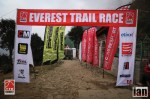
Everest Trail Race #ETR2014 Day 6 Image Gallery

©iancorless.com_Nepal2014_9-3348

Race Summary for Stage 6 HERE

Everest Trail Race #ETR2014 – Stage 6

©iancorless.com_Nepal2014_9-2954

Day 6 #ETR2014

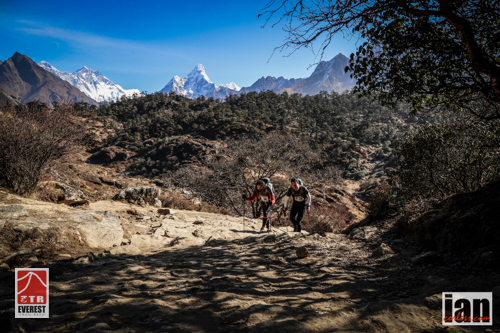
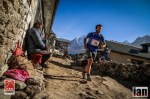
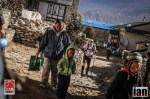
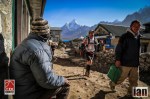
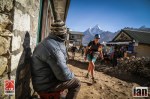
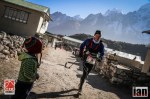
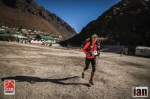
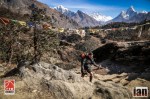
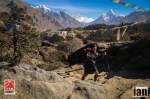
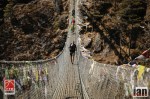
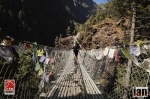
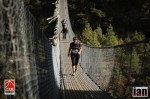
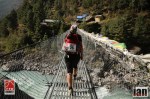
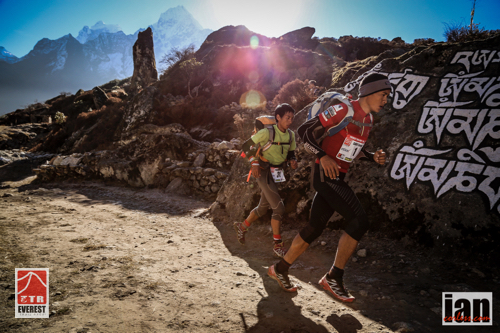
On paper, today’s stage of the Everest Trail Race was mostly downhill with 3183m of descent in comparison to 2105m of ascent over the 29.5km course. Don’t be fooled though, it was a tough day. The terrain is relentlessly tough and technical and the altitude burns the lungs.

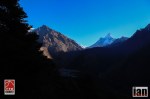
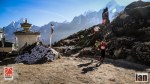
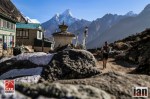
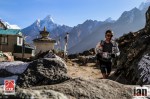
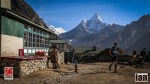
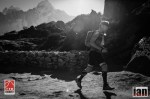
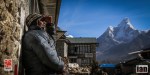
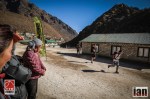
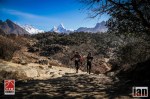
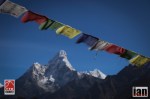
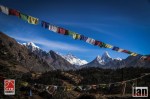
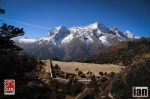
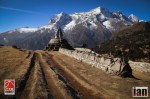
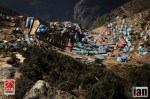
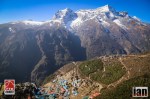
Leaving Tengboche the race retraces stage-5 to Phakding and then branches left up to the race finish in Lukla. It’s a course with stunning views and vistas and Namche Bazar is impressive when looked upon with a bird’s eye view. Surrounded by beautiful white peaks it would be easy to be tempted to stop and just look in wonder at the awesome arena the Himalayas create. Behind the runners, Everest, Lohtse and Ama Dablam slowly but surely disappear from view with every step to Lukla, a sure sign that the 2014 ETR is drawing to a conclusion.

Samir Temang and Phudorje Lama Sherpa really put the pressure on early in the stage reaching Khumjung in just 45-mins. From here they pushed on together through Namche Bazar, Monjo, Phakding, Cheplung and they crossed the line together in just 3-hours 20-minutes. A crazy time for the course and one that confirmed Samir as the 2014 Everest Trail Race champion. Zigor Iturrieta found his legs again today and finished 3rd on the stage and 3rd overall.

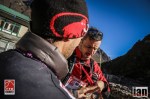
Anna Comet looked to take things a little more relaxed today secure in the knowledge that barring some disaster the ladies overall title was secure. Equally, Kerry Sutton decided to enjoy the final day and ran with 3rd place lady, Yangdi Lama Sherpa. Post race Kerry said, ‘I really enjoyed today and it was nice to look around and enjoy the surroundings.’

James Eacott placed 4th overall in the men’s race and he said that the ETR was one race that he would definitely come back to do again.

Samir Temsang and Anna Comet are crowned the 2014 ETR champions but all credit goes to each and every finisher. At 100-miles, this race may not be the longest but it is surely one of the toughest! The combination of tough technical terrain, relentless climbing and descending and of course altitude, all combine to make the ETR a race to do!


Results top-3 *times to follow


  1. Samir Temsang
  2. Phudorje Lama Sherpa
  3. Zigor Iturrieta


  1. Anna Comet
  2. Kerry Sutton
  3. Yangdi Lama Sherpa


OVERALL RESULTS *times to follow


  1. Samir Temsang
  2. Phudorje Lama Sherpa
  3. Zigor Iturrieta


  1. Anna Comet
  2. Kerry Sutton
  3. Yangdi Lama Sherpa