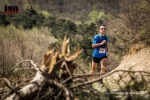
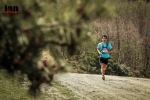
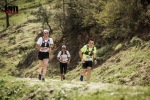
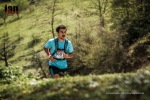
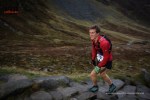
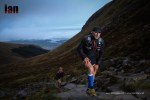
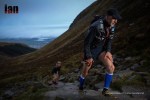
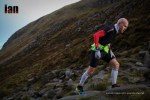
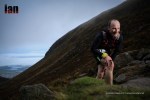
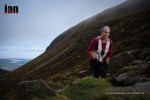
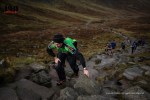
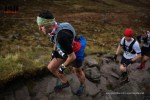
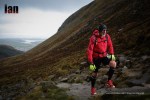
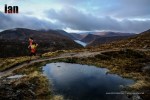
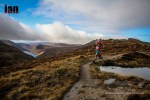
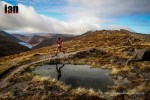
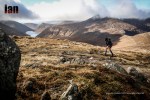
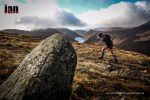
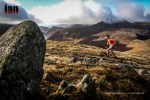
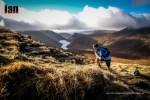
Iznik Ultra 2016 – Race Report and Summary

The sands of the Sahara lured me away from the Iznik Ultra this year. A real shame as this race has been a fixture on my calendar all the way back to the 2012 edition when I won the 60km race. Iznik and Turkey are special places and the Iznik Ultra provides a wonderful opportunity to combine running and sightseeing.


The people are magical, the calm tranquility of the lake Iznik is sublime, the surrounding mountains are impressive and the combination of great food, hospitality and a committed and dedicated race team headed by race director Caner, make this experience a ‘must’ for the enthusiastic runner.


Not wanting to miss out on the action, I asked good friend and fellow photographer Jordi Saragossa and adventure journalist/ athlete Tobias Mews to work on behalf of iancorless.com at the 2016 edition of the race. 


Enjoy the journey!


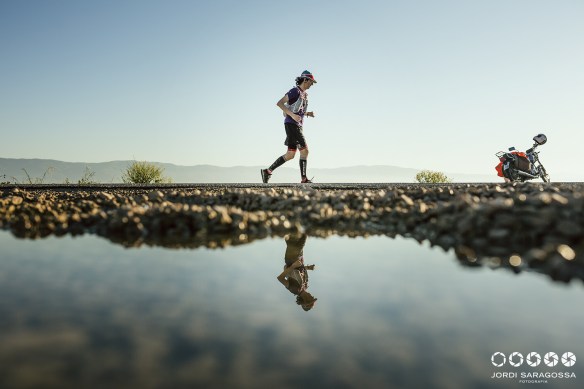
Words by Tobias Mews/ Images by ©jordisaragossa

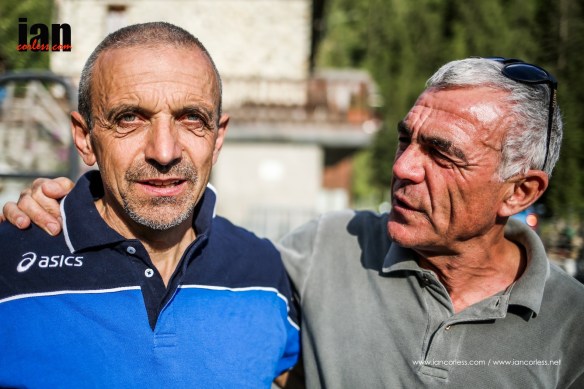
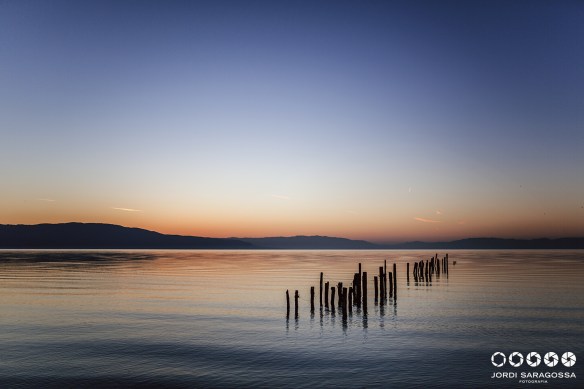
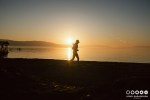
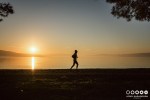
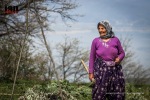
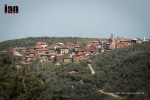
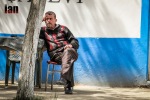
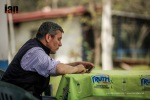
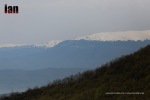
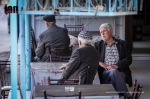
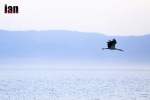
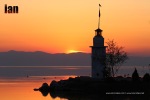
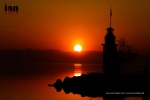
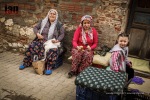
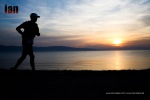
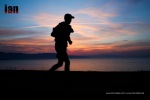
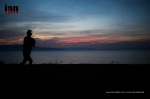
‘You’re first time in Turkey?’ the old man remarked in surprisingly good English, as I watched the sun behind Lake Iznik, the third largest lake in Turkey.  The water was incredibly calm with not a ripple in sight, despite being 32kms long and 10kms wide. It was also mind blowingly beautiful, offering an unparalleled level of peace. I couldn’t help but wish I had a stone to skim along it’s smooth surface.

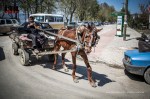
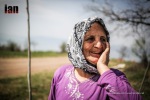
‘It is,’ I reply, although I was already silently vowing to return.  As through thrilled with this fact and despite my protests, he offers me a cup of tea – not a cup of Earl Grey, but one of the Turkish variety. They drink the stuff by the gallon.  Sipping away, I mused on the notion that I no idea how stunning this country was or how kind everyone is. Turkey, I would soon discover, is a truly magical place.

I’ve often said that if you’re going to put yourself through any degree of suffering during an ultra, and let’s face it, who doesn’t have a moment where they question their sanity, then you might as well do it somewhere beautiful. It’s a mantra that I’ve held to my core and to date, have not been left disappointed through my travels and races as an adventure journalist.

Rather embarrassingly, and perhaps to my shame, I’d not considered Turkey a running destination, which is perhaps why I’d never visited this ancient cradle of civilization.  Too many lasminute.com cheap package holidays, slightly less than positive press, terrorist attacks and an unsettled political climate have not helped Turkey solidify its position in the ‘must visit’ destinations lists. But thanks to the likes of Caner Odabasoglu, the Race Director and founder of the Iznik Ultra, things are changing and running events are becoming more common place.

Indeed, when the Iznik Ultra launched in 2012, it was the second ultra to be established in the country.  Now, there are three road three road marathons and seven ultras. It is, as he puts it, ‘booming at the moment’.

Since I first began running competitively, just under a decade ago, I’ve suffered a serious case of FOMO (Fear of Missing Out). Perhaps due to the fact that I’m stubborn and a sucker for punishment, when faced with a choice of distances, I’ve always picked the furthest/hardest race on offer, especially if the race is named after this distance, such as Ultra Trail du Mont Blanc or Transvulcania. I want to get the full race experience, not just an excerpt. So, it was with a certain amount of trepidation that I chose to take part in the 80k option as opposed to the main event.

Besides the main event, there are in fact four other races on offer – 5k, 15k, 50k, 80k –  all of which follow parts of the full 130km course around the lake. Considering the course was actually 86kms with 2600m of ascent/descent, it is by no means a distance to be sniffed at and after all, still an ultra!

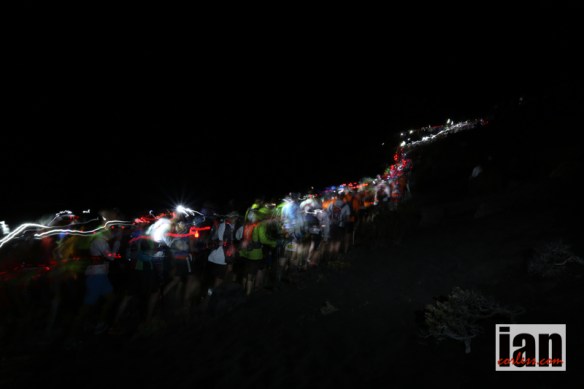
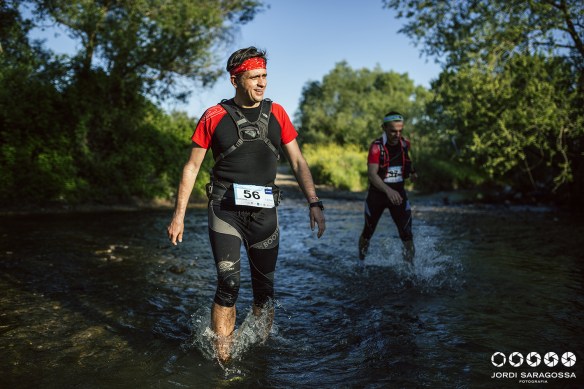
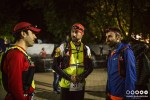
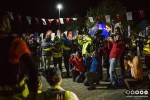
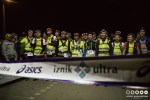
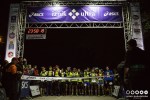
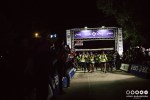
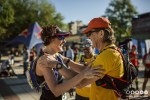
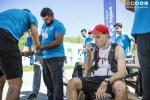
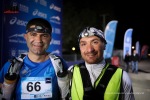
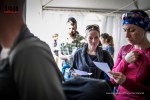
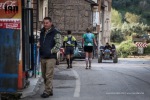
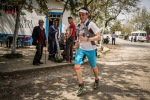
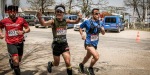
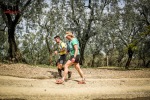
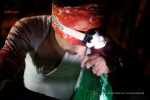
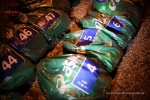
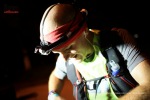
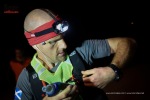
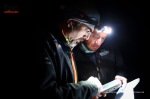
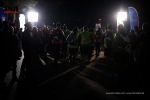
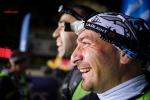
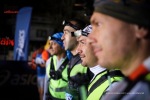
Keen to show buy support I made my way to the midnight start of the 130k event. After more than 200 races including dozens of ultras, I’m more than familiar with the shit that goes through your head as you toe the start line of a big race, especially one that begins in the middle of the night. But curiously enough on this occasion, I didn’t see the usual thousand-yard stare that you might expect to see from a runner as he or she prepares to run 136kms non-stop (it’s slightly further than the advertised 130k). Instead I saw smiles, laughter, lots of slapping on the back, hugs and the sort of banter you might expect to see at a running club Monday night fixture. The only thing that was missing was a lack of women (only five amongst the relatively small field of 63).

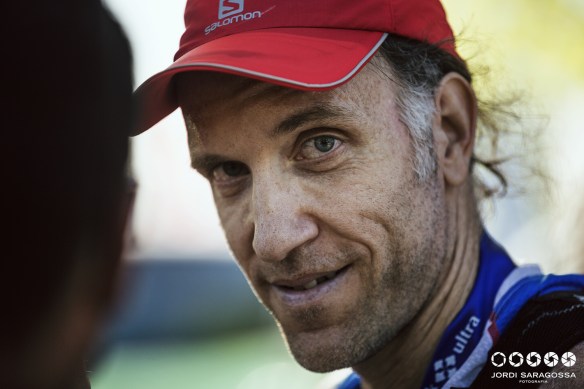
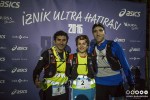
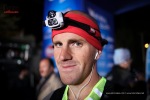
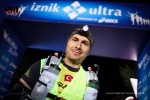
The race favourite, Aykut Çelikbas looked as cool as the proverbial cucumber as he chatted with his fellow Team Salomon Turkey runners, Faruk Kar and Elena Polyakov. Hardly surprising considering Aykut had competed in the previous four editions of the race, coming third last year. He’s also a two-time finisher of Spartathlon, so knows a thing or two about pushing the pain barrier.

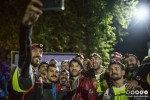
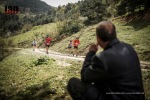
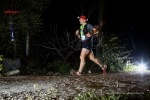
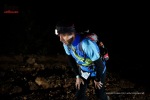
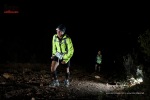
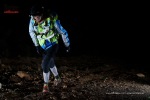
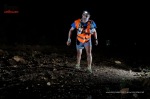
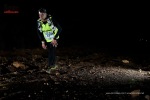
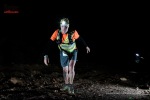
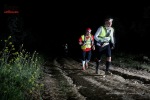
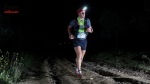
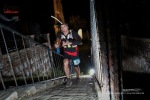
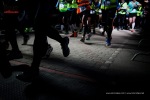
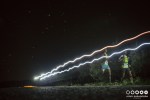
And then, as just after the stroke of midnight, they were off, a luminous streak of smiles as a small army of intrepid ultra runners disappeared into the night. Feeling a mixture of sadness and guilt that I wasn’t amongst them, I trotted back to my hotel and went to bed, in preparation for my race, 9 hours later.

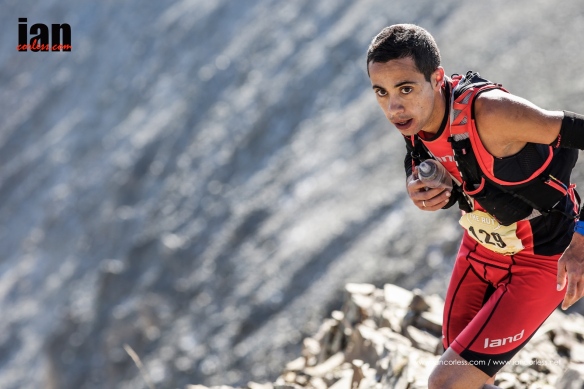
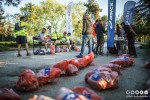
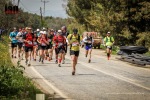
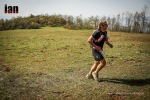
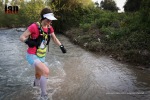
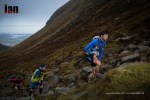
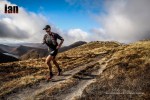
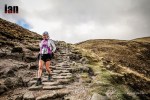
After a 45-minute bus ride to Orhangazi, a medium sized town situated in the Bursa province about half way around the lake, and a countdown from 10 in Turkish, we set off in pursuit of our 130k brethren. With a police escort to accompany us, a couple of Turkish competitors went off a little too fast before looking around and realising they were in the lead, sheepishly slowed down. Which left yours truly at the front.

Before the race, people had asked me what my expectations were. But with my wife recently having a child and moving house to the French Pyrenees, my training had temporarily taken a bit of a nose dive for worse. In fact, I’d even told my wife that I was doing the 50k, so she wouldn’t give me grief for doing one of the main events on next to no training.

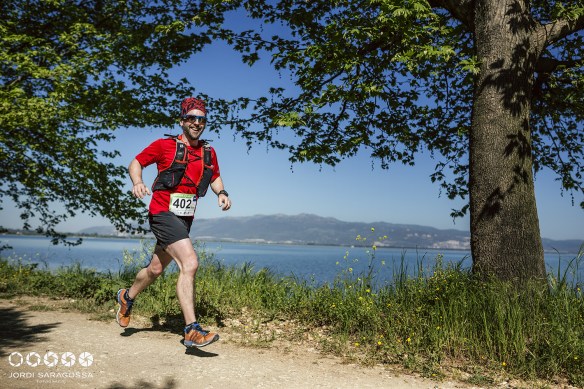
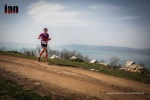
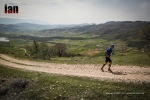
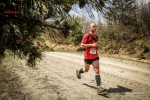
Seeing that no one was willing to take the lead, I strode out at a 4.30 min/km pace, making the most of the 19kms of flat terrain. It follows a stretch of road out of Orhangazi before meeting the edge of the Lake Iznik and a sandy beach that brought back to me a a few memories of the Marathon des Sables. From the perspective of race tactics, it’s an opportunity to put some distance between you and your opponents. But go out too fast and you’ll later hit an 800-meter-high wall of pain and that later on in the race will come to bite you not just in the arse, but in your quads and calves.

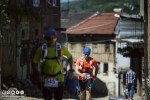
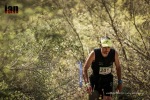
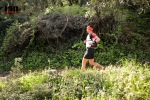
Somewhat conscious that I might be going too fast, for the next 4 hours I steadily overtook around 30 odd runners from the 130km race, exchanging broken pleasantries in Turkish as I went.  I couldn’t help but feel a pang of guilt, watching a number of them hobble along in that all too familiar death march.  I had come with no expectations of winning the race, but for a while I genuinely thought I had a chance.

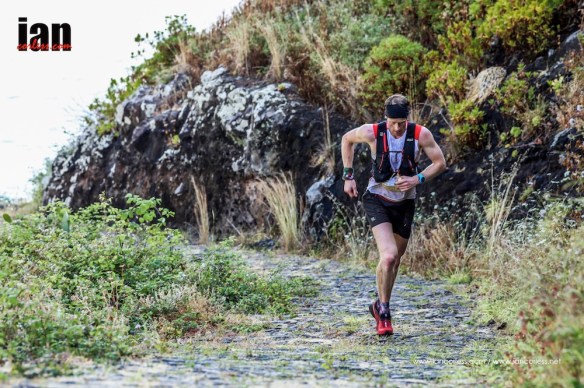
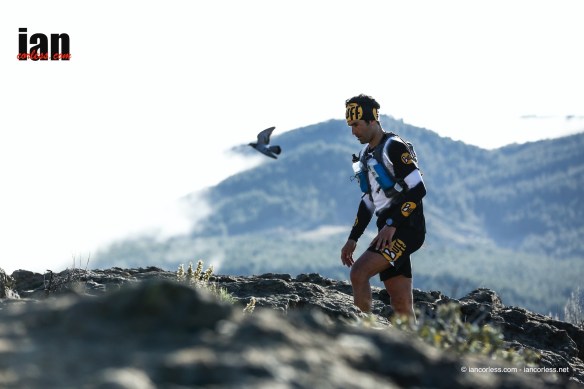
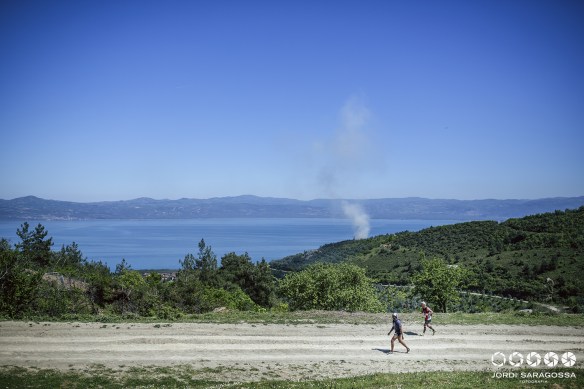
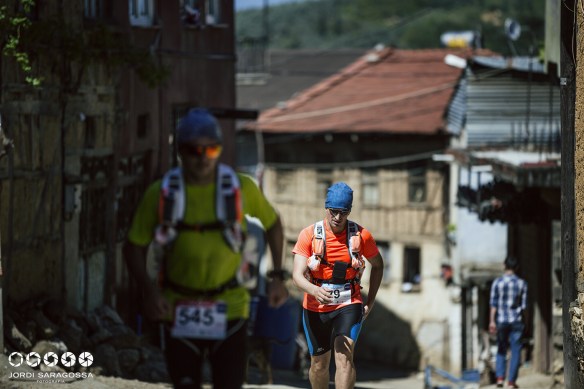
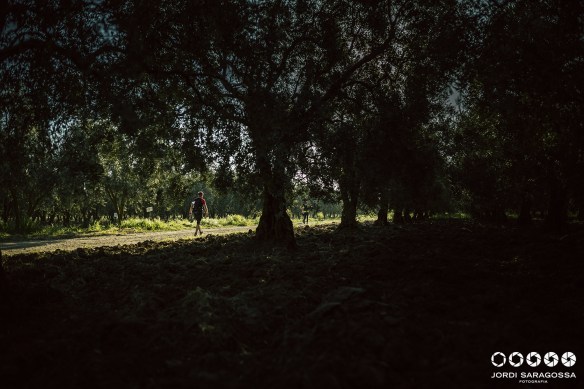
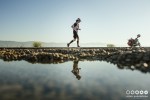
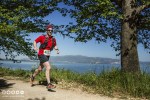
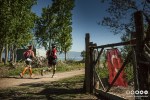
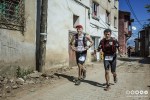
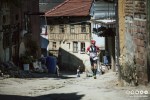
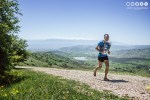
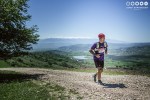
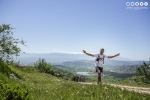
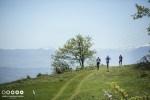
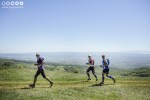
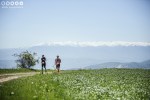
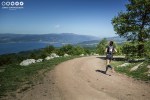
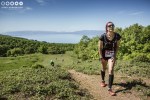
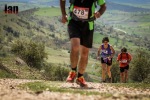
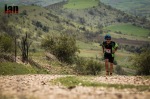
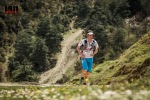
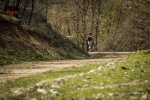
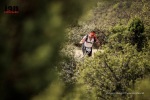
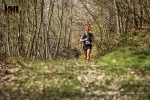
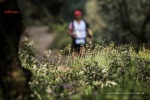
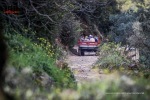
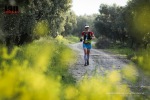
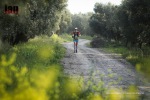
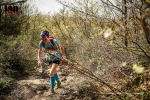
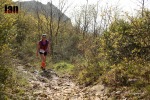
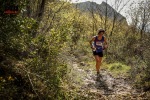
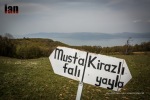
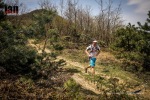
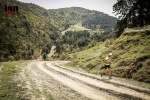
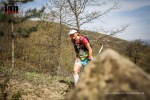
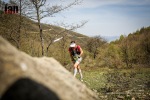
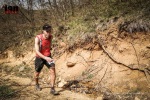
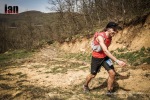
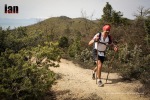
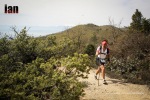
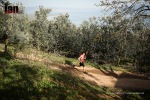
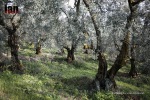
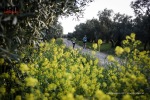
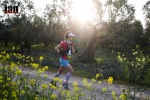
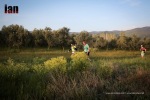
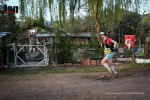
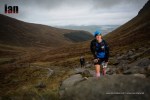
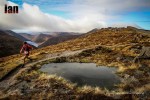
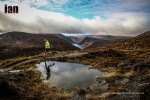
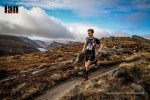
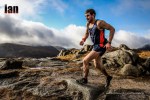
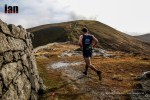
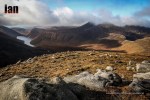
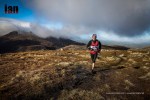
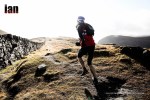
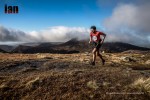
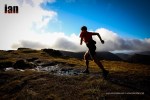
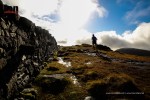
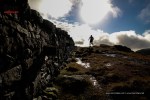
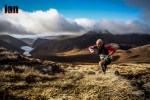
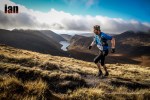
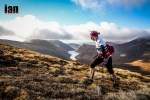
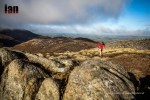
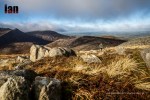
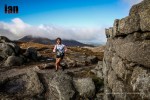
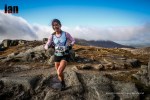
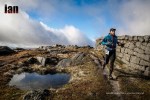
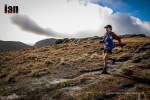
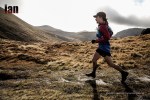
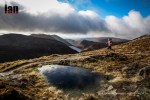
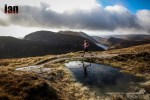
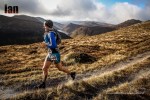
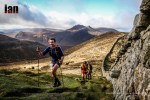
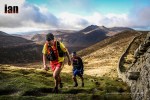
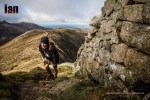
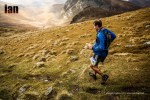
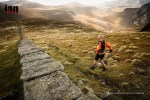
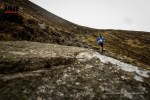
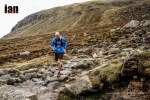
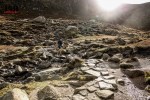
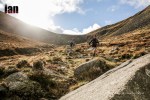
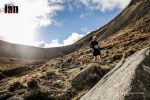
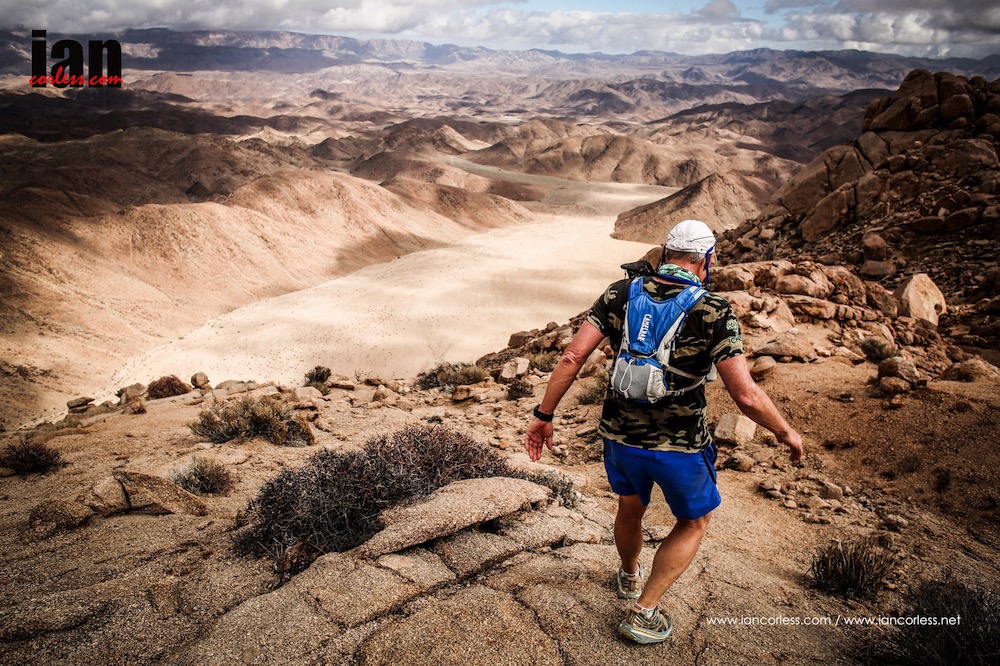
However, any thoughts of podiums were far from my mind. I was simply reveling in the scenery as I ran through olive groves, along beaches, charming little villages before going high into the hills surrounding the lake, which offered panoramic views to die for.

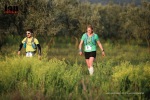
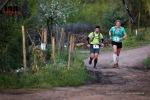
But then, for the first time, I heard the the pitter patter of feet of Hasan Öztürk, who unbeknownst to me had been doggedly following me. With my two words of Turkish vocabulary and his non-existent English, conversation was brief as we trotted alongside each other, silently pushing one another slightly harder than we’d have liked.

That’s of course the problem with being out front, and what I imagined Aykut and Faruk were going through. They had decided to run together and hold on to the lead. But lovely though it is to be out front, you simply don’t know how fast your pursuers are going – so you push on harder than might be wise.

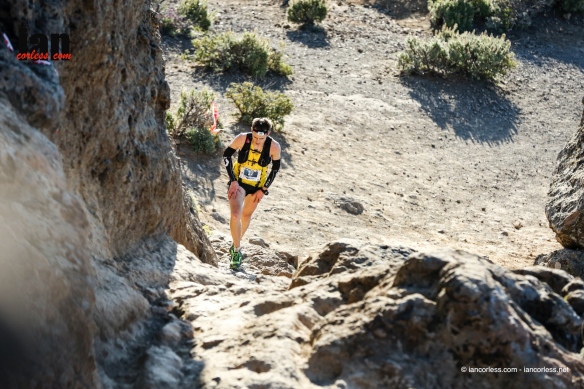
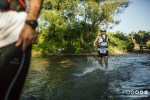
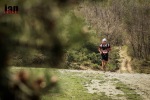
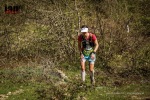
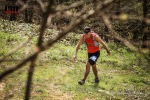
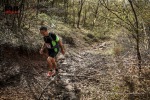
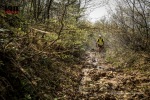
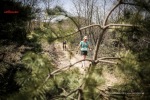
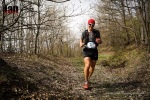
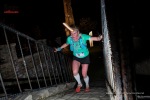
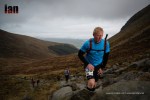
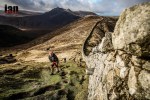
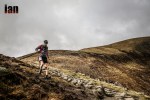
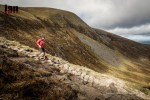
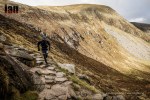
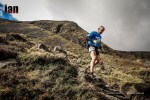
Until now, the terrain had been very runnable. But new to 2016, Caner had inserted in a rather technical and simultaneously hilly section smack in the middle of the 80k and about 87k into the main event. Very steep descents which often involved hanging onto tree routes and branches slowed us all down, less for the odd mountain goat. Some might say it was too difficult (it added a minimum of two hours on to most people’s time), but I think it was bloody marvelous, even though I was cursing at the time.

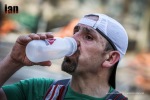
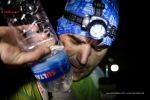
The checkpoints are spaced between 10 and 15k apart – about right for a course of this nature. As to be expected, they were a welcome reprieve and a chance to fill our water bottles, as the warm sun was thirsty work. It was during one of these moments that I noticed third place man, Mehmet Yildirim catching me up.

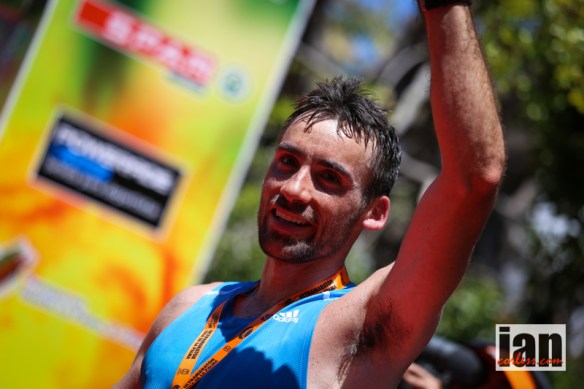
Cutting short my replen, I hobbled off and spent the next 20kms looking over my shoulder like a man being chased. Just shy of 10kms from the finish, my legs began to object and I regrettably waved Mehmet on with a ‘bravo’. Unbeknown to me, a similar situation had happened several hours early in the main event, where Aykut and Faruk separated. Aykut maintained the lead, finishing in 17hrs 10mins, leaving Mehmet Arslan to claim second place in 17hrs 30 and Faruk third, 18 minutes later.

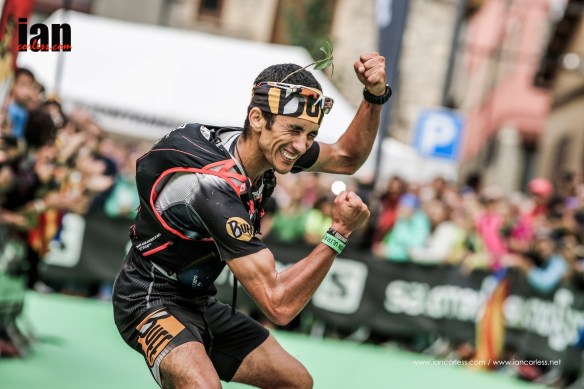
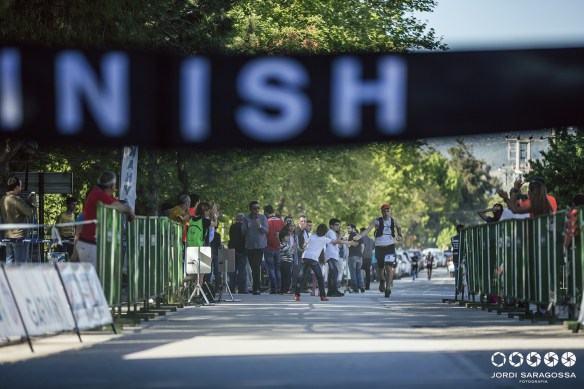
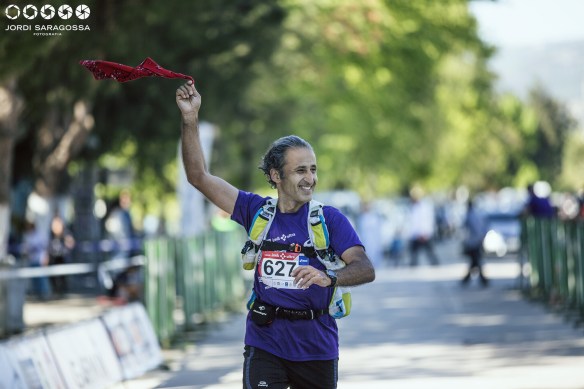
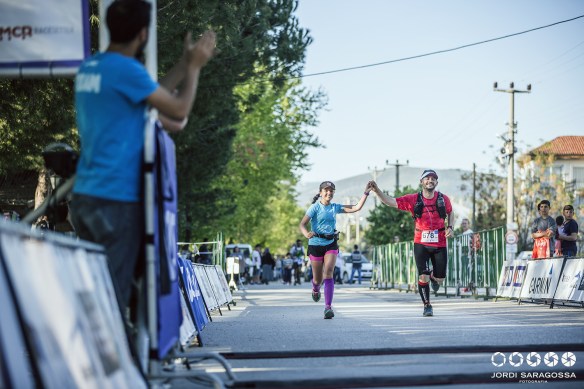
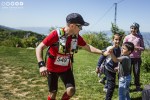
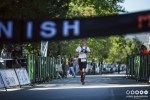
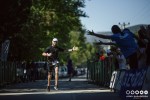
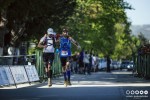
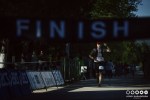
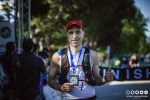
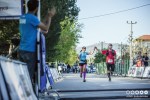
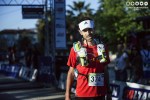
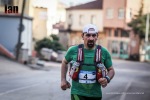
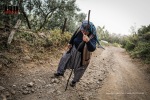
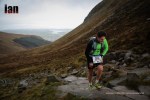
As I arrived into Iznik I felt like a warrior returning from war. Covered in dust but grinning from ear to ear, I must have looked a strange sight to the Iznik locals who had come to watch the runners roll in.  Knowing that I didn’t have long left, I picked up the pace, even though I was way over what the time I estimated it would take me to run 86kms to cross the finish line 3 seconds shy of ten and a half hours and a full 55 minutes behind Hasan who’d I’d not seen again.

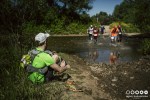
After collecting one of the most fabulous medals I’ve ever seen, a locally made ceramic tile, I made my way back to the edge of the lake I had been standing at almost 24hours previously. Digging into my pocket, I picked out a smooth pedal I’d found in a river bed, and with my last remaining energy, skimmed it along the still smooth waters, trying to count how the bounces. The old man, who I’d seen yesterday, was still here and shuffled over to me.

‘What do you think? You like?’ he asked, his eyes sparkling with curiosity.

‘I loved it’ I replied.  And that’s the truth!

130k results

33 finishers from 58 starters (57% finishers rate)

Men

1st Aykut Çelikbas 17.10:12

2nd Mehmet Arslan 17.30:43

3rd Faruk Kar 17.48:46

Women

Elena Polyakova 22.49:45

Bakiye Duran 24.43:19

80k

65 finishers from 84 starters (77% finishers rate)

Men

1st Hasan Öztürk – 9.35:55

2nd Mehmet Yildirim 10.19:28

3rd Tobias Mews 10.29:57

Women

1st Alessia De Matteis 11.10:28

2nd Martine Nolan 12.02:31

3rd Asli Sertcelik 12.08:23

all images ©jordisaragossa – all rights reserved

IZNIK ULTRA WEBSITE HERE

©iancorless.com_Iznik2015-4166

Images from the 2015 edition by ©iancorless.com below

BARNES is BACK! The Coastal Challenge 2017 #TCC2017

©iancorless.com_TCC2016-4874

2017 UK registrations now open HERE

The Coastal Challenge are pleased to announce that Elisabet Barnes (Sweden/UK)), female winner of the 2015 Marathon des Sables, Oman Desert Marathon and runner up in the 2016, The Coastal Challenge will return once again to Costa Rica in 2017.

“TCC is a magical race and this has been echoed by so many participants after the 2016 edition. I loved the variety of the course, the challenges in terms of heat, humidity and terrain and the friendly atmosphere. I am really looking forward to returning in 2017 already!”

A multi-day race over 6-days starting in the southern coastal town of Quepos, Costa Rica and finishing at the stunning Drake Bay on the Osa Peninsula, The Coastal Challenge is an ultimate multi-day running experience that offers new challenge even to the most experienced runner.

“I now know what aspects of the course and the terrain I coped well with and what aspects I can improve on.” Elisabet said after the 2016 edition. “The good thing is that I have quite a few improvement areas on this type of terrain so if I manage to do specific enough preparations there is certainly potential to do better next time around. I think this is encouraging and it will help me develop as a trail runner, broadening my skill set.”

©iancorless.com_TCC2016-4677

Intense heat, high humidity, ever-changing terrain, stunning views, Costa Rican charm, exceptional organisation; the race encompasses Pura Vida! Unlike races such as the Marathon des Sables, ‘TCC’ is not self-sufficient, but don’t be fooled, MDS veterans confirm the race is considerably harder and more challenging than the Saharan adventure.

“Not carrying equipment makes the running easier and that is nice of course. However, if I look at my strengths I like the completely self-sufficient races too. I am tall and strong and I run well with a backpack. In many cases this means I can get a relative advantage over runners who are less experienced running with a pack or who have a smaller frame than me. I still felt that the TCC was a tough race due to the humidity and terrain and if it was self-sufficient it would be incredibly hard.”

©iancorless.com_TCC2016-0831

Hugging the coastline, the race travels in and out of the stunning Talamanca mountain range via dense forest trails, river crossings, waterfalls, long stretches of golden beaches backed by palm trees, dusty access roads, high ridges and open expansive plains. At times technical, the combination of so many challenging elements are only intensified by heat and high humidity that slowly but surely reduces even the strongest competitors to exhausted shells by the arrival of the finish line.

“You always have an advantage when you have done a race once. I know the course and the challenges better now. In terms of the heat and humidity I found it tough but not a major problem. Time was a limiting factor before the race but ideally I would have spent a bit more time acclimatizing to the conditions.”

©iancorless.com_TCC2016-9354

2017 will signify the ‘lucky for some’ 13th edition and building on the success of the 2016 edition, Central America’s most important multi-day race looks set to elevate itself to new heights. The race has already announced that Anna Comet, winner of the 2014 and 2015 editions of the Everest Trail Race will participate in 2017. Anna Comet in recent years has shot to fame as a trail and mountain runner after a very successful career as an Alpine skier and ski mountaineer. Her 2014 victory at the Everest Trail Race (also a multi-day race) paved the way for a strong and consistent Skyrunning year in 2015.

But Elisabet Barnes is a multi-day expert and before 2017 comes around, a very busy calendar awaits:

“First I am going back to Marathon des Sables in April and it will be my third race. I am looking forward to it and I predict a very competitive women’s race this year with several top runners coming back from previous years and also some new, extremely competent runners participating. It should be interesting. After this I am going to Richtersveld Transfrontier Wildrun in South Africa in June, followed closely (1 week!) by the Big Red Run in Australia. Later in the year I am going to the US for Grand to Grand. I am very excited about all of these races and the year ahead.”

©iancorless.com_TCC2016-9342

The 2016 edition of TCC tested Elisabet and unlike the MDS, the race is not self-sufficient. In many respects it was a learning curve but 2017 will be very different.

“The TCC is not self-sufficient so you can afford to take some more luxuries like a fresh set of running gear for every day, a few pairs of shoes etc. Also not having to cook reduces admin time in camp and means you can spend more time relaxing. From the perspective of the terrain it is completely different with a lot more ascent and descent and technical parts of trail. It requires a different skill set than running in sand and over flat hard packed desert terrain. Finally, the humidity makes it a different beast. Heat is always tough but when you add humidity you have another element to deal with and possibly have to monitor your body even more closely. The same is true with all the water you run through which means that your feet are wet pretty much 100% of the time.”

©iancorless.com_TCC2016-8610

Anna Comet will no doubt push Elisabet every step of the way on the 2017 TCC journey and of course, at this stage, other female elite racers may decide to enter the race. The TCC has a long history of top female competition – Anna Frost, Jo Meek, Julia Better and Nikki Kimball to name just a few. Of course, Elisabet’s main concern may well be the possibility that 2016 champion Ester Alves from Portugal may return?

“It was great to race against Ester in 2016. She is a lovely girl and a genuinely nice person. I am very happy for her that she won the race. I now know more about her strengths relative mine and how I can improve to reduce the gaps that led her to victory. I know that Ester is very focused though, so should she decide to return I am sure she will work very hard to keep improving too. If our paths don’t cross in TCC next year, I am sure we will see each other in another race before long.”

©iancorless.com_TCC2016-0130

In a very short space of time Elisabet has rose through the ranks to be one of the most respected multi-day races in the world. A very busy 2016 will only add to that reputation! The 2017 TCC is already looking like an incredibly exciting race.

©iancorless.com_TCC2016-1229

All images ©iancorless.com – all rights reserved

Contact Information

Email: HERE

Website: HERE

Facebook: HERE

Twitter: @tcccostarica

Global Contacts: HERE

TCC_2017_JoinUs?

More information:

Read the full 2016 TCC race story HERE

View and purchase images from the 2016 TCC race HERE

You can read daily reports from the 2016 TCC edition HERE


The North Face #TNF Ultra TRII Shoe Review

©iancorless.com_TNFUltraTRII-06121

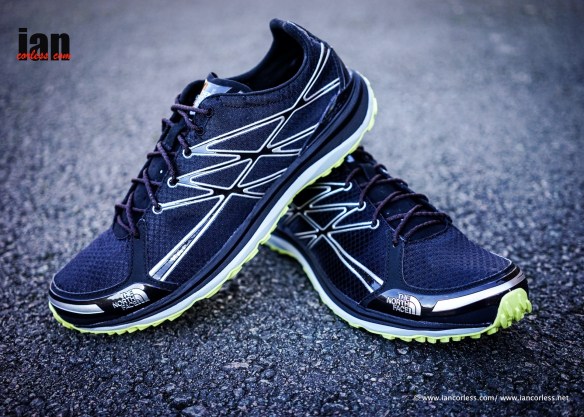
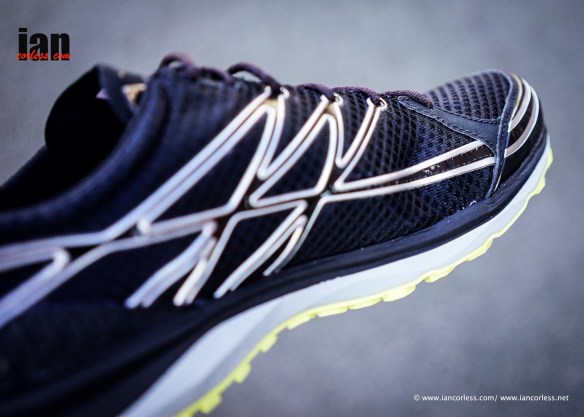
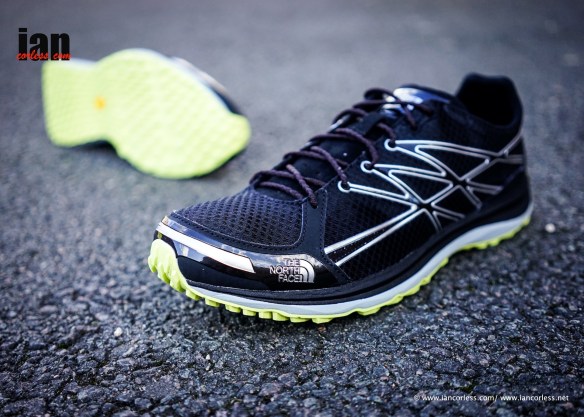
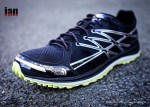
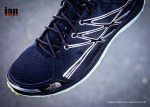
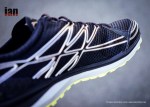
I keep saying it but TNF are really getting their act together with run shoes, no doubt the signings of Timmy Olson, Rob Krar and so on are having a huge influence in how the brand not only look at run shoes, but design them. The Ultra TRII is a shoe that has elite (or should I say fast) runners written all over it. It’s a light shoe designed to tackle long runs that can include road and dry trail trail. Ultralight, this durable running shoe has been designed with a glove-like fit and the non aggressive Vibram® soles provides excellent traction.

©iancorless.com_TNFUltraTRII-06080

The TRII is an update to the award-winning Ultra TR and the shoe has the same exceptional traction and featherlight ripstop construction that has taken influences from track shoes or a racing flat.

The TRII has an 8mm drop which for me is just perfect, I keep saying it but 8mm (for me) is the perfect all round drop and particularly when running longer, the 8mm allows for a little more leeway when technique gets sloppy with fatigue.


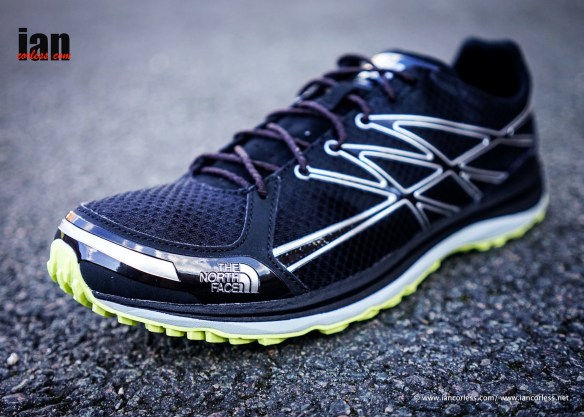
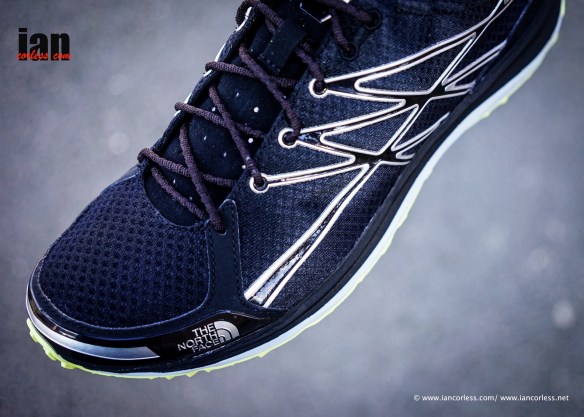
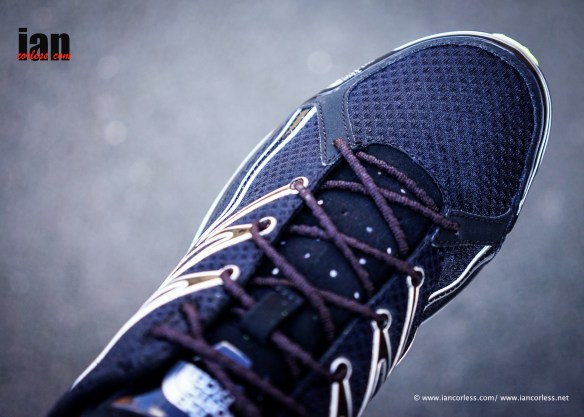
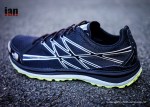
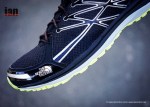
These shows feel fast before you even run in them. A neutral shoe, they are designed for runners with a good run style. When you slip them on, they feel like slippers and the tongue of the shoe is attached to the upper enhancing that glove like feel. Toe protection is minimal but the shoe has ‘Snake Plate’ and the TNF ‘Cradle’ to offer excellent protection for road or trail.

©iancorless.com_TNFUltraTRII-06087

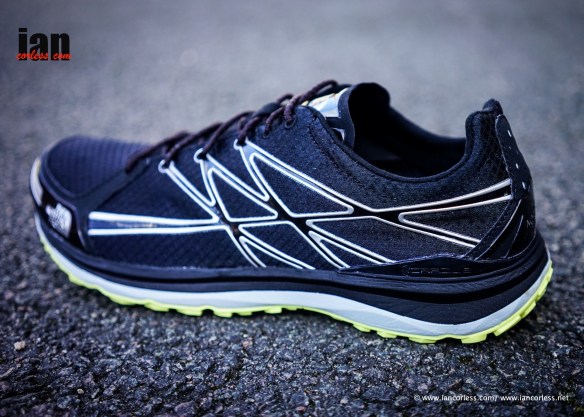
The heel ‘Cradle’ in particular is something that TNF have used for sometime and it most certainly helps with foot positioning, support and energy return.

©iancorless.com_TNFUltraTRII-06095

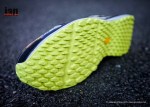
The shoe has ‘Airmesh’ and is designed to keep the foot cool and thus avoid hot spots, using FlashDry™ fibres in the lining adds to the plush feel. The upper is ripstop fabric from the tent industry and it therefore should be very durable. The shoe has a suede forefoot and the black/ silver upper contrasts nicely against the brightly coloured sole.

©iancorless.com_TNFUltraTRII-06098

Cushioning is good with 8mm at the front and 16mm at the rear, drop as mentioned is 8mm. The weight is very good at 230g (UK8).

©iancorless.com_TNFUltraTRII-06110

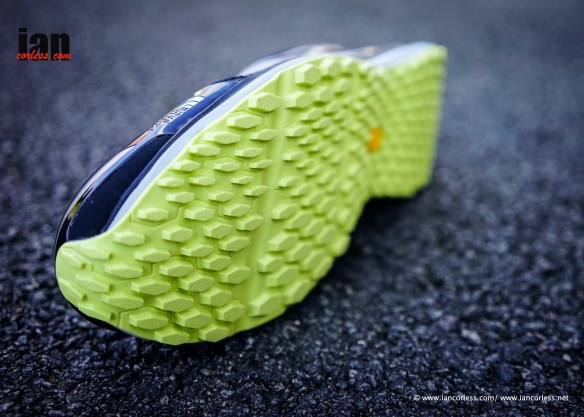
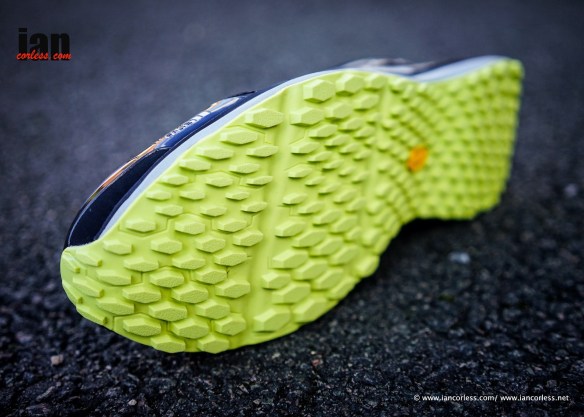
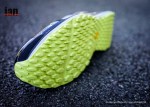
The sole is Vibram, say no more. It works exceptionally well for its intended use; dry trail, rocky terrain or road.

In Use

©iancorless.com_TNFUltraTRII-06073

The shoe feels great the first time you slip it on and the upper is seamless and snug. The shoe feels light and fast but yet it still has plenty of cushioning for long runs.

8mm drop for me is perfect, it provides a drop that allows me to run longer and when I can’t keep my form, the extra height allows for some compensation, especially with the 16mm cushioning at the rear.

The shoe is not for muddy runs, not at all. It’s a shoe that excels of dry trail, rocky trail (wet or dry) and road. It has actually become my preferred road shoe and at least once or twice a week I have used this shoe for shorter/ faster road sessions. They feel great and actually encouraged me to run faster. Feel for the ground is great and the Vibram® full-length road-to-trail outsole engineered for optimal traction and balance really does a great job.

On trail, the shoes feel great and for example, I can see this shoe have a great influence from Rob Krar. I can almost certainly see him blazing a trail to another Western States victory in a shoe like the TRII. As mentioned, it’s a dry trail shoe and on the odd occasion when I have encountered mud, the shoe has had little grip. That is not a criticism as the shoe is definitely not designed for anything other than dry, slick or rocky trail.

©iancorless.com_TNFUltraTRII-06082

The heel box holds the foot secure with no slipping. It’s snug and reassuring. The toe box is generous but not wide, so you would need to try the shoes on if you have a wider foot. Because this shoe is designed for faster running and due to the influences from track spikes, the TRII should have a snug feel as this adds to the security when running on technical trail. It’s all about personal preferences, for me, they are spot on!

©iancorless.com_TNFUltraTRII-06099

The relatively seamless upper and sewn in tongue really holds the foot secure and has given me no hot spots, the very breathable upper obviously adds to this.

Sizing is true to size. I use a UK9.5 and this shoe fits perfectly.

Conclusion

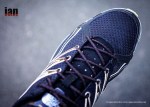
Using the ripstop technology and minimising cushioning definitely has definitely paid off. The upper is very breathable, the laces are slightly textured and stay fastened; ideal! The Vibram sole has enough grip for the intended purpose.

It’s a great shoe for those who want something light, fast, 8mm drop and will run on road and dry trail. It’s not an all rounder and therefore if you are looking for a ‘one shoe does all’ this is not it. It’s a shoe to add to other shoes and one that you will use every now and gain for specific runs. It would make a great race shoe.

Planning a Training Week by Marc Laithwaite

©iancorless.com_Lanza2016-05150

In recent articles we’ve talked about how to plan you training and how to look ahead with target goals in mind. Marc Laithwaite now narrows our focus and takes a look at a single week of training and how you should plan it for maximum benefit.

What’s the purpose of the session?

I’ve mentioned many times that one of the key issues with the way people train, is that they do their easy stuff too hard and their hard stuff is too easy. This generally results in most of the training being done in a ‘middle zone’. Before you plan your week, you need to consider the objective of each session as that will influence the optimal day and time.

High Intensity Intervals / Hard Sessions

‘HIT’ or harder sessions are designed to be carried out at a HIGH INTENSITY. For this reason, you can’t plan them on the days following other hard sessions, you must be rested for these sessions or you will not be able to produce the required intensity, whether that be running speed or cycling power output.

Low Intensity Endurance Sessions

The lower intensity endurance sessions can be done on days following harder sessions, it’s ok to complete these when tired. You can slow down and complete the distance comfortably, without having to push yourself.

Time Of Day

It is generally easier to complete higher intensity sessions in the evening, as our bodies are more awake. It’s often more difficult in the mornings, although some ‘morning people’ don’t have an issue. Completing longer endurance sessions in the morning isn’t an issue as the intensity isn’t very high. There is also a benefit to doing longer and easier sessions in the morning as you can do them ‘fasted’ and encourage fat usage. One of the problems relating to this is that most races are in the morning, so at some point in the season, there may be real benefits to switching higher intensity sessions to mornings.

Single Sport Example:

For single sport athletes, the planning is relaively simple. You can have 2-3 harder days, broken with easy/rest days:

Mon: Easy run / ride (AM)     Strength (PM) – depending upon time of year
Tue: Hard intervals / training (PM)     (May be affected by strength)
Wed: Easy run / ride (AM)
Thur: Hard intervals / training (PM)
Fri: REST / Very easy run / ride (AM)
Sat: Hard Intervals (AM)
Sun: Easy long run / ride (AM)

Multi Sport Athletes:

If you’re training for triathlon, it becomes a little more difficult. Here’s an example based on 2 key swim/cycle/run sessions and includes strength for this time of year:

Mon: Swim (AM)     Strength (PM)
Tues: Easy long run (AM)
Wed: Swim (AM)
Thur: Cycle Hard Intervals (PM) – Option of 30 minute run to follow
Fri: REST or Swim (AM)
Sat: Run Hard intervals (AM)
Sun: Easy long ride (AM)

Strength Training

If you are doing strength training, this can leave you feeling very ‘heavy’ for 24-48 hours after a hard gym session. You firstly need to consider the time of year (block of training). If you are still in your base phase, you can swap a harder ride/run session for a strength session or fit in the strength on your easier / recovery days. If this is your strategy, you should expect to feel heavy on the following days and you may not perform at your optimal level. As the season approaches, you may need to reduce strength to hit your target training times in the more intense sessions.

Summary

Take a look at your training week and ask the following questions:

1. What sessions do you need to be doing at this time of year to hit your goals?
2. On which days are the key sessions where I need to be performing at high intensity?
3. If so, have you got an easier day before and after?
4. Can you change the time of day to benefit the session?
5. Are your easier / longer days planned to follow the harder days?
6. Are you doing those easier / longer days at the correct / low intensity or just racing your mates?

Critically, ask yourself the question, is there a clear difference in intensities between your training sessions. Are your longer sessions easy and your shorter sessions near maximal, or are they all falling into that ‘middle zone’ where the easy is too hard and hard is too easy?

This article as first posted on the Endurance Store Blog

Read related articles here:

Planning a Running and Racing Year HERE

To Base Train or not to Base Train HERE

Base Training HERE

How long should the long run be? HERE

In addition, I wrote several articles on walking and how important it is to practice this for:

Ultra running HERE

Walking with poles HERE

Walking efficiency when climbing HERE

About Marc:

Sports Science lecturer for 10 years at St Helens HE College.

2004 established The Endurance Coach LTD sports science and coaching business. Worked with British Cycling as physiology support 2008-2008. Previous Triathlon England Regional Academy Head Coach, North West.

In 2006 established Epic Events Management LTD. Now one of the largest event companies in the NW, organising a range of triathlon, swimming and cycling events. EPIC EVENTS also encompasses Montane Trail 26 and Petzl Night Runner events.

In 2010 established Montane Lakeland 50 & 100 LTD. This has now become the UKs leading ultra distance trail running event.

In 2010 established The Endurance Store triathlon, trail running and open water swimming store. Based in Appley Bridge, Wigan, we are the North West’s community store, organising and supporting local athletes and local events.

Check out the endurance store HERE

Endurance Store Logo

Strength Training for Endurance (Part 3) by Marc Laithwaite

©iancorless.com_RabMM2015-6659

This week we look at putting the schedule together for the winter period and how to ‘periodise’ and progress towards summer 2016.

Missed part 1 or part 2? Go HERE and HERE

Strength training by nature involves high resistance for a short period of time, it’s important that you don’t rush your routine, you must provide adequate rest between exercises. Don’t turn this routine into a ‘circuit training session’ moving quickly from one exercise to the next. I’m not questioning the benefits of circuit type training, but to develop strength, there must be adequate recovery between exercises for maximal lifting.

Periodisation Made Simple

Periodisation is simply breaking your training into blocks. You probably do this already, winter being your base phase. In a similar way, you should periodise your strength training. If you were to start your strength training at the beginning of December, that gives you 6 months to reach the end of May, which for most is the beginning of the summer season. Here’s the simple guide to the exercise routine and your periodisation plan:

Base Phase, Weeks 1-8

The objectives for the base phase are:

1. Learn the exercises so technique is perfect

2. Reduce risk of injury by improved joint stability

3. Develop basic conditioning as a platform to progress from

1. The routine should be completed twice per week and repetitions for all free weights exercises should be 12-15. For core stability exercises such as plank etc, the ‘time’ should be whatever you can manage whilst holding perfect form.

2. Learning the technique is critical for all of the exercises. If you have never done free weight exercises, the basic technique will be challenging. For weeks 1-4, minimise the weight and learn the exercises to perfection. Don’t simply start adding weight / resistance, learning the movement is a critical part of your development. Weeks 1-4 is ALL ABOUT TECHNIQUE AND MOVEMENT.

3. During weeks 5-8 increase the load / weight for the exercises gradually, repetitions should stay at 12-15. It’s impossible to predict the actual ‘weight/kg’ you should be lifting, this is something that you will have to work out for yourself. Don’t overload during weeks 5-8, your technique must remain perfect.

Strength Phase, Weeks 9-16

1. You need to increase resistance during this phase, without losing technique. To develop strength you need to reduce the repetitions and use a heavier weight. Weeks 9-12, complete 3 sets for each exercise and your repetitions should be 12/9/6, increasing the weight slightly each set. Weeks 13-16m complete 3 sets for each exercise and your repetitions should be 10/6/4, increasing the weight each set.

2. Over this period you aim is to increase resistance, you should do this when you feel ready. Some people will increase every week, others may need a couple of weeks before progressing.

3. You should change exercises slightly in strength phase to focus on larger muscle groups.

Power and Plyometric Phase, Week 17-24

1. The strength work will continue with an emphasis on explosive power. You should continue to progress the exercises and increase the resistance, using lower repetitions. By completing the exercises more quickly, in an ‘explosive manner’ you will switch focus to ‘power’. Use a moderate weight to warm up then complete 3 sets for each exercise and your repetitions can drop as low as 6/4/2 increasing the weight each set.

2. Plyometrics will be introduced, this is particularly important for running performance. Plyometric activities will include jumping, hopping etc. For cyclists, you can introduce sports specific explosive power. This is done by combining your strength work with explosive, high resistance, short duration sprinting on a static bike. Introduce the plyometrics gently and build over 8 weeks. Complete 3 sets of each plyometric exercise, building the intensity (e.g. jumping higher / harder) throughout each set.

If you have a free weights routine already in place, you can apply the above principles to your schedule right now. Make sure you’ve read parts 1 & 2 HERE and HERE before starting this program.

Starting the program in January? No problem, as with any plan you need to adjust and adapt so that your plan works inline with your racing objectives and racing calendar.

About Marc:

Sports Science lecturer for 10 years at St Helens HE College.

2004 established The Endurance Coach LTD sports science and coaching business. Worked with British Cycling as physiology support 2008-2008. Previous Triathlon England Regional Academy Head Coach, North West.

In 2006 established Epic Events Management LTD. Now one of the largest event companies in the NW, organising a range of triathlon, swimming and cycling events. EPIC EVENTS also encompasses Montane Trail 26 and Petzl Night Runner events.

In 2010 established Montane Lakeland 50 & 100 LTD. This has now become the UKs leading ultra distance trail running event.

In 2010 established The Endurance Store triathlon, trail running and open water swimming store. Based in Appley Bridge, Wigan, we are the North West’s community store, organising and supporting local athletes and local events.

Check out the endurance store HERE

Endurance Store Logo

PHOTOGRAPHERS wake up!

photo-credit-graphic

You may remember a previous post of mine. It’s not hard to forget as I was ranting. I seem to be getting good at ranting. If you can’t remember the post, refresh your mind HERE

The above post dates back to February this year. At the time, the post gained great momentum and plenty of social media time. People in the creative industry could relate to my plea. I would say since that post, things have improved. Of course, that may well be because those looking for a freebie shouldn’t contact me!

However today, I had one of those emails. And I quote:

“Hi Ian. I’m a contributor for **********, and I’m working on a winter running post with *********. I noticed you have a beautiful shot of her atop a mountain. Wondering if you would be willing to provide that image un-watermarked in exchange for a full credit and direct link to your site. ***** is part of a massive national network of action-sports publications, so the play is potentially big. Would love to talk to you about other images for the future, too! LMK what you are comfortable with.”

It is easy to think on first reading, wow, ******* want to use MY image on TV and in articles. But hold on a minute. They want an unbranded image for free?

“so the play is potentially big”

What, so big that you can’t pay me to use my image?

I replied:

Hi *****,

Many thanks for the email and interest in my photography/ work.
I don’t supply images for credit and for free. I make a living at this and without payment, I can’t go to the stunning locations to capture the images you like. This post puts my thoughts into perspective HERE.
I am more than happy to work with you and to come up with a working relationship moving forward. 
If ****** is as big as you say, I am sure money for great photography can’t be too demanding.
Yours in sport,
Ian
In other words; don’t take the piss! Photographers, designers, magazines, anyone in the industry and other industries, please take note.
FUCKING WAKE UP!
I received a reply:
Duly noted. As a fellow freelancer it is always awkward for me to ask for something for free. Unfortunately too many good photographers are giving it away, as you know, which has created a spiral effect. ***** actually used to pay for images and even full photo collages, but I guess the good stuff came too cheap and they moved away from that model. I will certainly keep you in mind for paid gigs going forward, as you obviously have an eye and we are in a similar area for content. Cheers!
This is my job! I am not playing at this. I don’t want sympathy, I want photographers and those who work in this industry to WAKE UP and stop giving work away for free.
YOU ARE KILLING OUR PROFESSION
Rant over. If you agree, sympathise, like what I and those like me produce, then please share. Without our work, content, images, writing and stories, what will you have? You will have bland free content that all merges into mush. That is not good for me, for those like me and it is certainly not good for you, the consumer, who has to look at and read shit!
Apologies for the rant!

William Sichel sets new World Record in Norway

william.bislett3

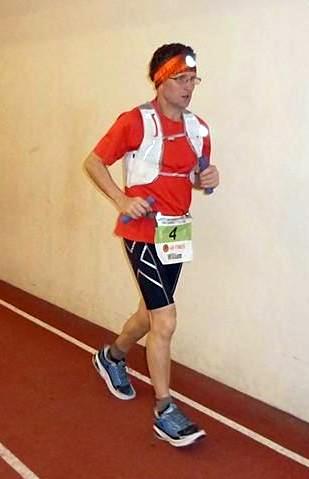
Orkney-based ultra marathon runner, William Sichel (62) ended the year on a high by running 315.565km/196.083 miles to claim 3rd overall in the men’s race, from 37 starters and first in the over 60 age category with a new World Age-Group Record in the Bislett International Endurance Indoor Festival 48 Hour race in Oslo, Norway.

As is often the case William worked his way gradually to the top positions from much lower down the field in the early hours.

“As always happens, people start too fast, eat too much and get sick.  I just stick to my plan and used my experience to run a more even pace throughout the race.  Sometimes it’s important to see the whole race as a whole and not be too myopic.”

William set a life time best time for 100-miles indoors of 19 hours 56 minutes, 28 seconds and covered 184.791km/114.82 miles for the first 24 hour period.  This was only 3 miles less than he ran when coming 3rd overall in September’s Tooting 24 Hour track race in London.

“I then went on to do just over 81 miles in the second day, when the track was less crowded and added a substantial 25 miles to the current World Age-Group record for indoor 48 hours which was set last year in Alaska. To be honest over-crowding wasn’t too bad most of the time but I did find it far too noisy a lot of the time and had to run with ear plugs.  The high noise level also interfered with my system of having quick 20 minute naps as I couldn’t get to sleep.”

William would like to thank his crewman Alan Young from Dundee who travelled to Oslo to assist him as well as all sponsors who helped to make the trip possible.

William will now check all the records set at intermediate distances and times to see how many records were set all together.

Read all articles about William Sichel HERE

Garmin Mourne Skyline MTR – First Images

©iancorless.com_Mourne2015-7641

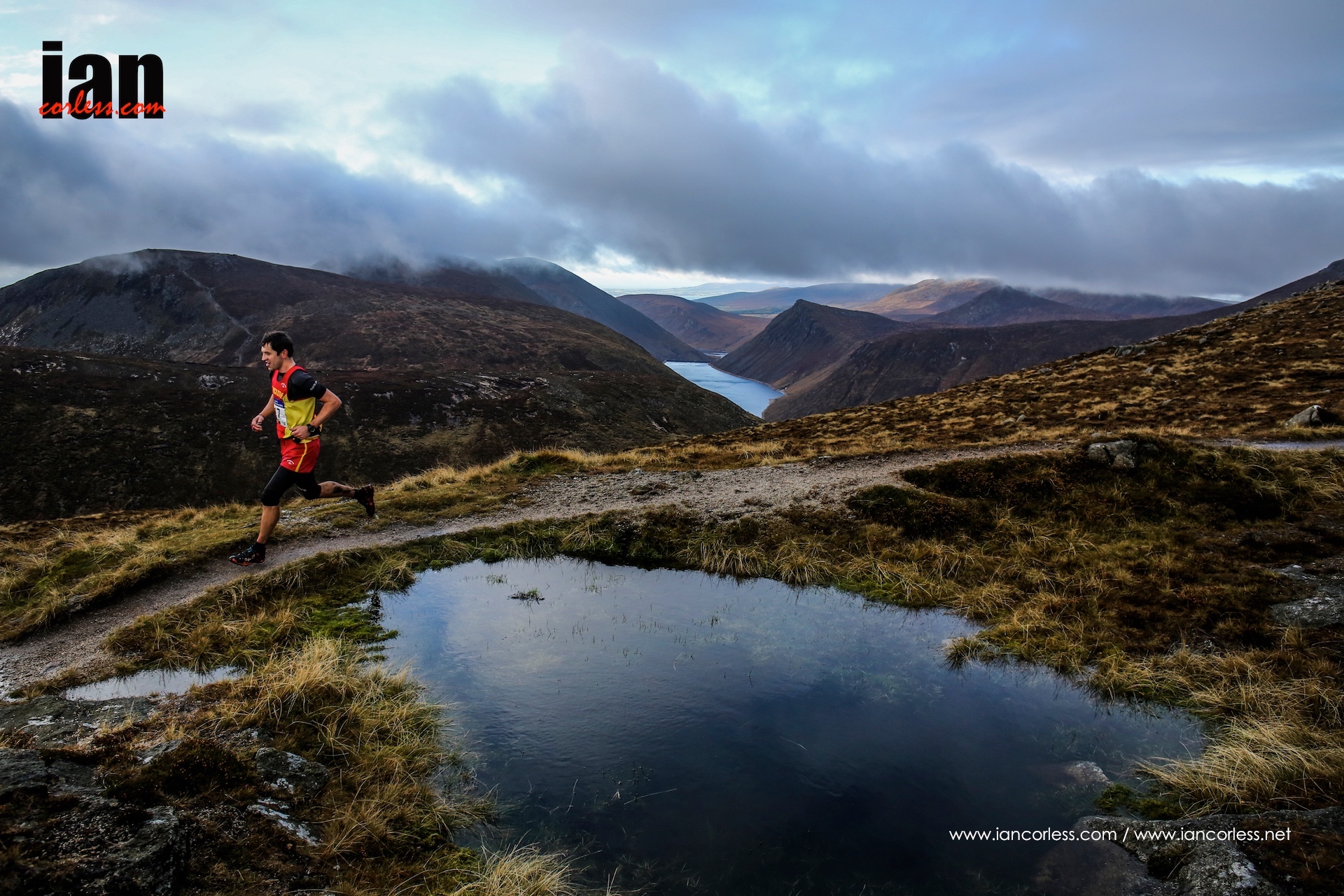
Absolutely stunning and tough day in the Mourne Mountains, Northern Ireland, for the 2nd edition of the Mourne Skyline MTR and the 6th and final race in the 2015 Skyrunning UK calendar.

Garmin Mourne Skyline MTR logo

Race report, results and full set of images to follow.

Here is a preview of the days action

Richtersveld Transfrontier Wildrun™ 2016

©iancorless.com_RichtersveldRaceDay42015-1791

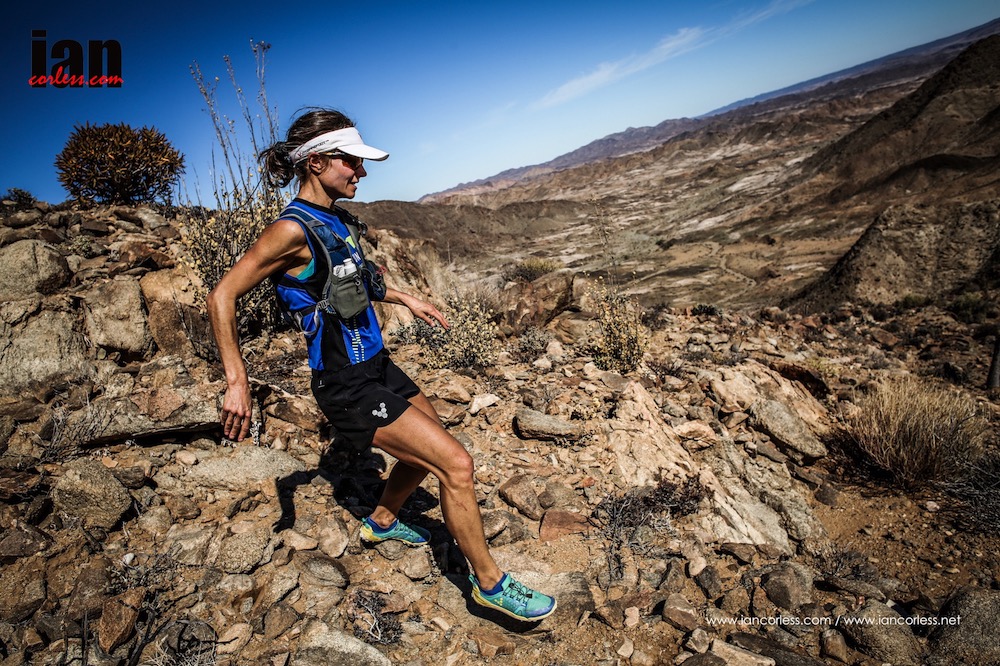
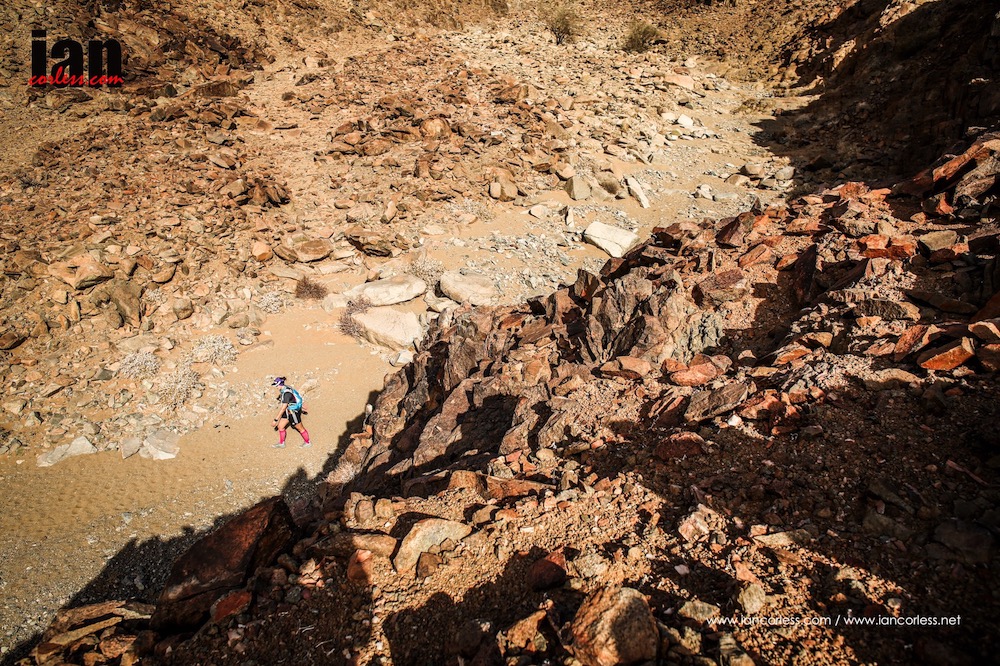
I am fortunate to travel to many races and work as a photographer and journalist. In 2015, I traveled to South Africa with Nikki Kimball and Olympic rower, James Cracknell for the Richtersveld Wildrun.

It was an incredible experience and I have to say, a highlight of my year. I recently wrote in an online article for AVAUNT Magazine (HERE):

“The simple act of running, placing one foot in-front of the other as a method of transport takes us back to our roots, our basic instincts. In search of a place to sleep, to hunt for food; it is about being in the wild, surviving and fulfilling a primal need.”

Richtersveld Wildrun | Avaunt Magazine-1

In 2016, the race goes one step further and becomes ‘Transfrontier.’ The race will now pass over the Orange River and in to Namibia.

After two years the Richtersveld Wildrun™ has become known as one of the toughest, most scenic and unique trail running stage race events on the South African trail running calendar. In 2016 however, this iconic event takes on a new shape to become the first cross-border trail running event in the world; extending to a linear 200km, five day crossing from South Africa to Namibia through the heart of the /Ai/Ais-Richtersveld Transfrontier Park.
“We are absolutely thrilled to have unlocked a truly unique opportunity to experience both sides of such a unique and powerful place  – and to finish a long day at a natural hot springs in the middle of the wilderness is unbelievable!”said Owen Middleton, MD of Wildrunner, the events company behind the Wildrun™ events.

The new route will maintain the best of the first three days of the original edition, including the Vyf Susters, Hellskloof Pass, Armmanshoek, the Tswayisberge, Springbokvlakte and the iconic Tatasberg boulders. On day 4, the route will veer of its original course and cross the Orange River at De Hoop into Namibia and the untouched southern section of the Fish River Canyon. This 50km day will take runners into a wilderness that is completely inaccessible by vehicle and rich in wildlife such as Hartmann’s mountain zebra, kudu, gemsbok, springbok, Namibian wild horses and giraffe.

©iancorless.com_RichtersveldRaceDay32015-0853After a long, tough day, runners will spend the evening in the canyon at a natural hot spring, before taking on the final day of roughly 25km to finish at the /Ai-/Ais Hot Springs Resort and wrap up a powerful and truly unique experience.
Race dates are 13-17 June 2016 and entries open midday October 21st

International entries HERE

European entries HERE

The overall race distance for 2016 will be 200km and the daily distances will be – 36.3km + 32.1km + 34km + 48.3km + 21.3km.

Terrain is very mixed, varied and stunning and requires adaptation to sandy terrain, heat, climbing, remoteness and an ability to run with a GPS.
Need help with training, join my 2016 multi-day training camp in Lanzarote.
Details are HERE

Multi-Day Camp Image

Roland Vorwerk, marketing manager of Boundless Southern Africa, one of the driving forces behind the success of the event, said they are very happy to support this new cross-border trail running event.

“This new route contains even more highlights than the original Richtersveld Wildrun™, and promises to give participants a challenging but spectacular trail running experience.”

©iancorless.com_RichtersveldRaceDay32015-0449

If you need inspiration, check out the film from 2015 below.

You can also view photo galleries HERE


If you would like more information please use the form below or use the above links.

Go back

Your message has been sent

Warning
Warning
Warning
Warning

Warning.

Ultra-Trail du Mont-Blanc® #UTMB 2015 In-Depth RACE PREVIEW

Logo_UTMB

It’s the end of August and that can only mean one thing, UTMB. 

UTMB has become one of if not THE mountain races to do. In many respects it is almost a victim of its own success. More and more runners want to participate in the big circular dance around the Mont-Blanc but the trails can only take so many people.

I could enter into a debate about the points system but I won’t. I actually think it’s a solution to an ever increasing problem that UTMB organisation face and as such we all know the score, we know what we need to run the race and ultimately we have a choice.

Should points come from qualifying races? Yes, why not!

Should races pay a fee to supply those points? Yes, why not!

I know my last comment will create some debate but to be honest, the fee to ITRA is relatively small and the cost per head is minimal and the races that offer points gain entries. However, I do think another option exists for points.

Why not let all races provide points? Say 0.5 points for an easy trail race of say 50km and then points increase by 0.5 up to a maximum 4-points for a big mountain ultra. If you then want the points, you the runner pay for each 0.5 point you receive. That way, the person who wants/ needs the points pays and the race and other runners don’t pay. Seems logical to me and in actual fact, I think it would generate even more money for ITRA and the UTMB. I welcome your thoughts on that and boy oh boy what a way for me to start a preview on the 2015 race.

UTMB is part of the Ultra Trail World Tour (UTWT) and as such offers points to a larger circuit. Francois D’Haene and Nuria Picas were 2014 champions.

UTWT-Logo_NEWS

Well, I was supposed to be in Chamonix for this race but at the 11th hour I have decided not to attend. It was a tough decision and one that I didn’t take lightly. Particularly now that I am seeing all the social media posts of all the runners and spectators arriving in the endurance capital of the world.

The reality is I have been on the road since January with little or no break and next week I travel to the USA for over a week which is then followed by a succession of weekends travelling and providing photography and writing for a succession of races. I personally had great potential to break )ver training one may say), so, home I am staying and for once a relaxing weekend.

The main event starts at 1800 Friday 28th August. I always feel a little ashamed when I say the main event as a whole series of tough and challenging races take place during UTMB week. For example, the ridiculous PTL, the tough TDS, the challenging CCC and the OCC but I only have so much time and the UTMB draws the crowd and the most stacked field. For the first year, UTMB will not be a TNF event and the new sponsor Columbia, Mountain Hardwear and Montrail has a tough act to follow, I wonder if we will notice any difference?

One thing is for sure, the men’s and ladies’ races are stacked. Darn it, I used that word again! Let’s try again – A plethora of talent has arrived in Chamonix to do battle on this super tough and iconic 100+ mile course that circles Mont-Blanc.

MEN

©iancorless.com_IMG_0698SierreZinal_2014_

Tofol Castanyer made the podium last year and with no Francois D’Haene he for me has the nod for victory. He has been quiet lately no doubt keeping the powder dry and although not very experienced over 100-miles he is a super savvy and experienced mountain runner with the solid Salomon team who can offer support and backup.

©iancorless.com_Transvulcania2015-8400

Luis Alberto Hernando should win UTMB but he won’t. Nothing would please me more to see Luis top the podium in Chamonix but the reality is, he is not a 100-mile runner (not yet anyway). Put him on a course from 50km-80km and he is unstoppable. Put him on a 100km course and he may or may not win but will podium. Put him on 100m route and he will go great for the first 80km and then fade. This is not helped by entering UTMB tired. He won Transvulcania, placed 2nd at the IAU World Trail Champs, won Ice Trail Tarentaise and then placed 2nd at Tromso Skyrace looking distinctly whacked at the end. That was only a few weeks ago and I just don’t see the recovery and training working in Luis’s favour. I hope I am wrong!

tnfutmb 2013 ©iancorless.com

Miguel Heras, well who knows? If he is fit and on fire he could win and almost certainly podium. However, he is extremely injury prone and his performances could come with a flick of a coin. In 2015, Miguel has been much more low key, he has raced but without any pomp and circumstance and that was intentionally so. Placing 2nd behind Thevenard in 2013, Miguel WANTS to win the UTMB and this may well just be the year!

©iancorless.com_South Africa14-5983

The Salomon trio is rounded out with Ryan Sandes. This is a really interesting inclusion into the UTMB mix. Ryan can climb, can run fast and is endurant (Drakensberg Traverse) and therefore may well have the essential credentials to podium at the least and may well just win. Certainly, Salomon could repeat the trio of results that we have seen in pervious years. Ryan has had a mixed 6-months with injury, a last minute withdrawal from Western States and I therefore think he is going to be super focussed on this race. One to watch!

©iancorless.com.IMG_8711Transvulcania14

Sage Canaday enters the 100-mile distance for the first time and as great a runner as he is, I don’t see him making the podium. Controversial I know. He has the speed for sure. He has the climbing and descending but I have no reason to think he has the race plan or strategy for what will be at best a 20-hour race. Like Luis Alberto I would expect strength and dominance over the first 100km and then a fade. But he has been in Chamonix preparing and he is a student of the sport. He may very well have hidden himself away, changed everything about his training and come up with the perfect 100-mile training plan? A 5k track session (in 16min) just 3-days before the race suggest otherwise though.

tnfutmb 2013 ©iancorless.com

Xavier Thevenard won the race (surprisingly) in 2013 and then seemed to implode with the pressure. Last year he took the attention of himself and ran the TDS and won it. In doing so, he became the only runner to have won the CCC, TDS and UTMB; impressive! So the facts speak for themselves, super talented and obviously can perform with the best if the pressure is off. Will the pressure be on for 2015 is the question? I think it will but less than in previous years and that may just allow him to run his own race and find his 2013 legs and head. Good luck.

Julien Chorier Ronda dels Cims ©iancorless.com

Julien Chorier impressed the hell out of me a couple of years ago at Ronda dels Cims with a consummate performance. He loves the mountains and he can run fast too. He was 2nd to Ryan Sandes at Transgrancanaria in 2014 and 2nd to Kilian at Hardrock 100. A recent 6th at Western States shows us that all is in place for a great run and that’s why I give him a nudge over Gediminas.

©iancorless.com_Transgrancanaria15-6747

Gediminas Grinius has been a revelation. His rise in the sport over the last 18-months has been remarkable and you know what, he could win UTMB. He ran a great UTMB last year (5th), won Transgrancanaria and placed 4th at Western States. Expect him to be out of the mix early on and then he will close out super hard and fast.

Stephan Hugenschmidt is my dark horse and potential big surprise of the 2015 UTMB. He had a breakthrough 5th at Transvulcania, won Zugspitz and had a great result at Transalpine.

We are now in the territory of surprise packages and believe me, some of the fellas mentioned below will figure highly in the run for the podium and top-10.

Seth Swanson has been 2nd at Western States 2-years on the run and I still know very little about him. My head says he will need a UTMB run to find his legs before he can comeback and mix it up at the very front. However, nobody expected him to place 2nd at WSER and then go back and do it again!

 ©iancorless.com_likethewind-7570

Sebastien Chaigneau is the old guard of the race, the wily old fox that everyone loves. Seb has had a tough couple of years and as time has passed, the competition has got faster. I’d love him to find some of that old form, that 100-mile sparkle and dish out to the newbies.

Jeff Browning may well be the best prospect from an American perspective as he is a true mountain man. But he may well lack some of the essential European speed.

©iancorless.com_ITT2015-9929

Franco Colle won Tor des Geants and then earlier this year placed 2nd at Mont-Blanc 80km. In addition, he has been at the IAU World Trail Championships, ran (and won) a Skyrunning exhibition event in Cervinia and recently ran Tromso Skyrace. Potential dark horse for UTMB!

©iancorless.com_Transgrancanaria15-6975

Sondre Amdahl like Gediminas has been a revelation. He is committed, sometimes too committed but I love his passion. He prepared meticulously for Transgrancanaria and placed 4th, went out to the USA to prepare for WSER and placed 15th and has spent recent months preparing in Chamonix for UTMB. Top-10 potential and maybe around 5th if he has a great day.


Best of the rest


Francois Faivre – 7th at UTMB last year.

Carlos Sa – He could win it but more than likely a top-10.

Pascal Giguet – Top-10 at Mont-Blanc 80km.

Ryan Smith – a Brit who may well be a real dark horse.

Robbie Britton – local lad, 3rd at the 24-hour and 7th at Tarawera. Placed just outside top-50 at UTMB last year but has been in Chamonix for months which will either mean he is in fine form or broken. I think the former. Good luck Robbie.

Yeray Duran – Always strong at Transgrancanaria.

Paul Giblin – another Brit with all the potential to spring a surprise.

Kim Collison – Another multi talented Brit who has speed and endurance.

Joe Grant – We all know Joe and what he can do.

Danny Kendall – The UK’s top MDS performer, not new to UTMB and this may well be his best year.

Jesse Haynes – Great at WSER but in Europe, who knows?

John Tidd – Won’t win but absolutely solid performer.

Stone Tsang – Every chance for a stunning or latter ‘teens’ performance.

Yoshikazu Hara – same as Stone?


I could go on….


LADIES 

©iancorless.com_Transgrancanaria15-7277

Neck on the line, this race is for Nuria Picas and I personally think she is going to have the race of her life and win it with a consummate performance. This is no way a reflection on the competition, just an observation of Nuria and an understanding of how this lady ticks. For the past 2-years, Nuria has raced a ridiculous schedule and still placed 2nd twice behind Rory Bosio. This year, Nuria has been quiet. Very quiet. A win at Transgrancanaria and then what? I will tell you, training and preparation. She will be on fire!

©iancorless.com_Transgrancanaria15-4457

Caroline Chaverot though has also been on fire! In the last 18-months Caroline has exploded with a series of remarkable performances that would suggest a solid UTMB is on the cards. Her victories at Lavaredo and the Eiger confirm that she can perform on the big days out.

Nathalie Mauclair beat Caroline at the IAU Word Trail Championships but that really draws no comparison to UTMB. However, Caroline beat Nathalie at Lavaredo. Take your pick! On paper, I would say Nathalie will be better over the longer distance and time that UTMB will offer and her victories at Diagonale des Fous will put her in a great place both physically and mentally for that.

The upset may well come from Stephanie Howe and I am sure that TNF and the USA would like nothing more than Steph picking up where Rory Bosio left off. Stephanie’s 3rd at WSER left her feeling tired but by all accounts, she has prepared well for the circle of the big white mountain. She has the speed, I just wonder if she has the legs for the climbs and descents and a 24+ hour run in her?

iancorless.orgiancorless.orgP1060737vibramUTMBvibramUTMB

Francesca Canepa may make the podium? I have always been impressed how Francesca can race UTMB and then just a week later race Tor des Geants. One thing is for sure, I don’t think we will see Francesca at Tor this year after last years’ controversy. 2014 was a great year for the Italian (until Tor) and then it all seemed to go to bits. Understandable really. So coming into UTMB we have little to go on, other than 3rd at the Eiger but she was 30min of the winning time. UTMB may well be a redemption year!

©iancorless.com.IMG_9464Transvulcania14

Uxue Fraille has always impressed with her patience and calculated running. She is a diesel. Expect her off the pace early on and close well. She placed 5th last year and a repeat performance is a distinct possibility.

©iancorless.com_Transgrancanaria15-5568

Fernanda Maciel is solid on the UTWT circuit and although I don’t see her taking the top slot on the podium, top-5 is a distinct possibility and if she has a great day, the podium may well be hers. Fernanda spent a great deal of time at altitude over Christmas (too long) and this tired her. Let’s hope she is recovered and ready to race hard in Chamonix.

Darcy Piceu is an interesting addition and after that ding-dong with Frosty at Hardrock I am really eager to see what she can do here in France. She placed 3rd in 2011 in just under 29-hours, she will need to run much faster than that this year! One thing is for sure, the distance and time on feet will be no issue, the question mark will be recovery post Hardrock?

©iancorless.com_USM2015-3127

Ester Alves from Portugal has already raced a great deal in 2015 with a string of top placing’s and I have no reason to think that a strong performance is a distinct possibility here. But by strong I mean top-10. A recent tumble at Ice Trail Tarentaise won’t have helped her preparation but she is strong and committed.

Lisa Borzani races and races and races. At TDS in 2015 she placed 2nd. I see her a consistent performance for a top-10 but not victory or the podium.

Nicole Struder ran 14:22 at Rocky Raccoon 100-mile. That’s fast! But she will need to add 10-hours of running to that Rocky time at a minimum for UTMB and through in some serious mountains. So although I see her potentially having a good race, I don’t think that those USA trail legs will handle the European mountains.

©iancorless.com_TCC2015_Day4B-1768

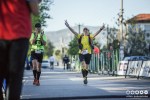
My dark horse for the ladies is Veronica Bravo. She is a super strong adventure racer, has the mind for the long game and 100% commitment. She may not win but I expect she may turn a few heads and UTMB race day looks like it will be a hot one; she loves the heat! Earlier this year she won The Coastal Challenge in Costa Rica.
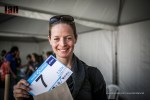
Amy Sproston is a tough one to call. She won Hurt 100 but UTMB is a faster race with tougher competition.

Sally McRae may well offer the best prospects of a top USA performance outside those of Howe. Sally has been top-10 at WSER twice and although UTMB is a big step up from Western, she may well have the race to mix it up.

Gill Fowler from Australia may well rock the apple cart. She was 4th at Lavaredo, yes somewhat off the front pace but a top-10 at UTMB is on the cards.


Ones to watch


Shona Stephenson – Top-10 at UTMB before.

Sarah Morwood – 11th at UTMB previously.

Manu Vilaseca

Caroline McKay

Denise Bourassa


And so many more….

RACE WEBSITE HERE

Schedule HERE

Ultratrail TV HERE

Follow LIVE HERE