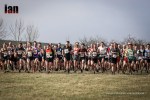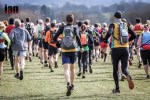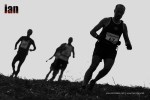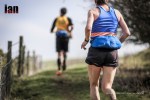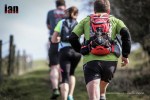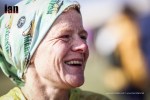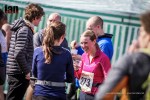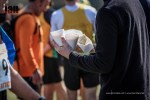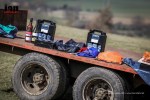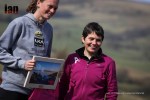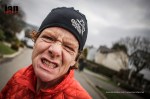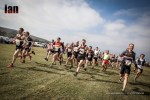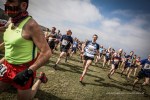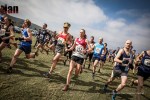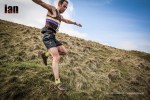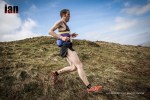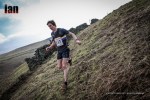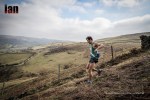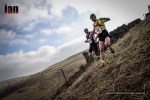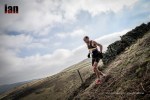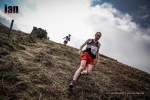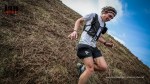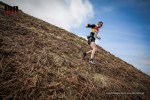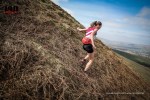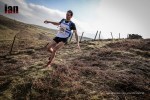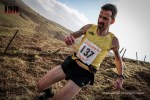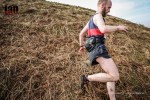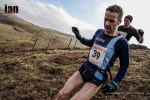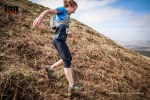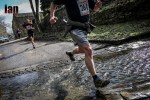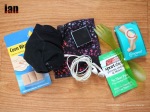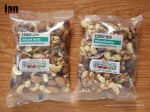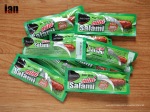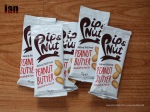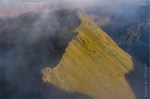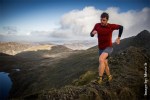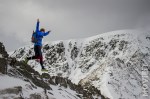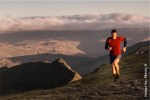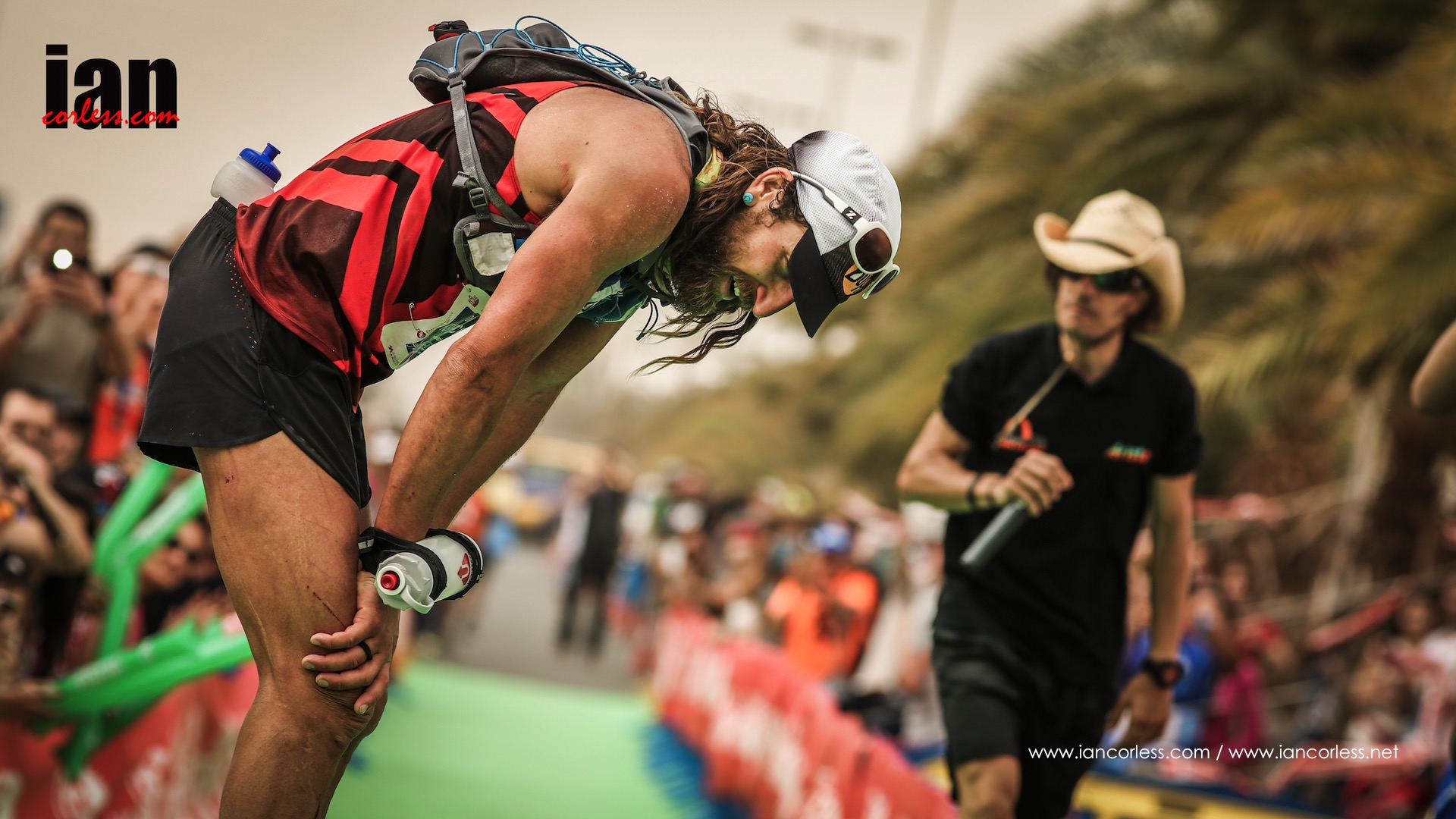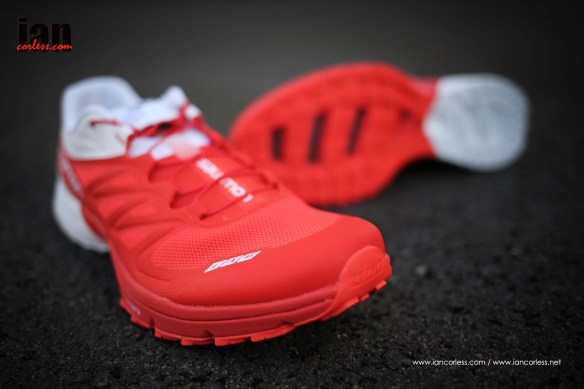
The 2015 11th edition of The Coastal Challenge on RUNULTRA

TCC 2015

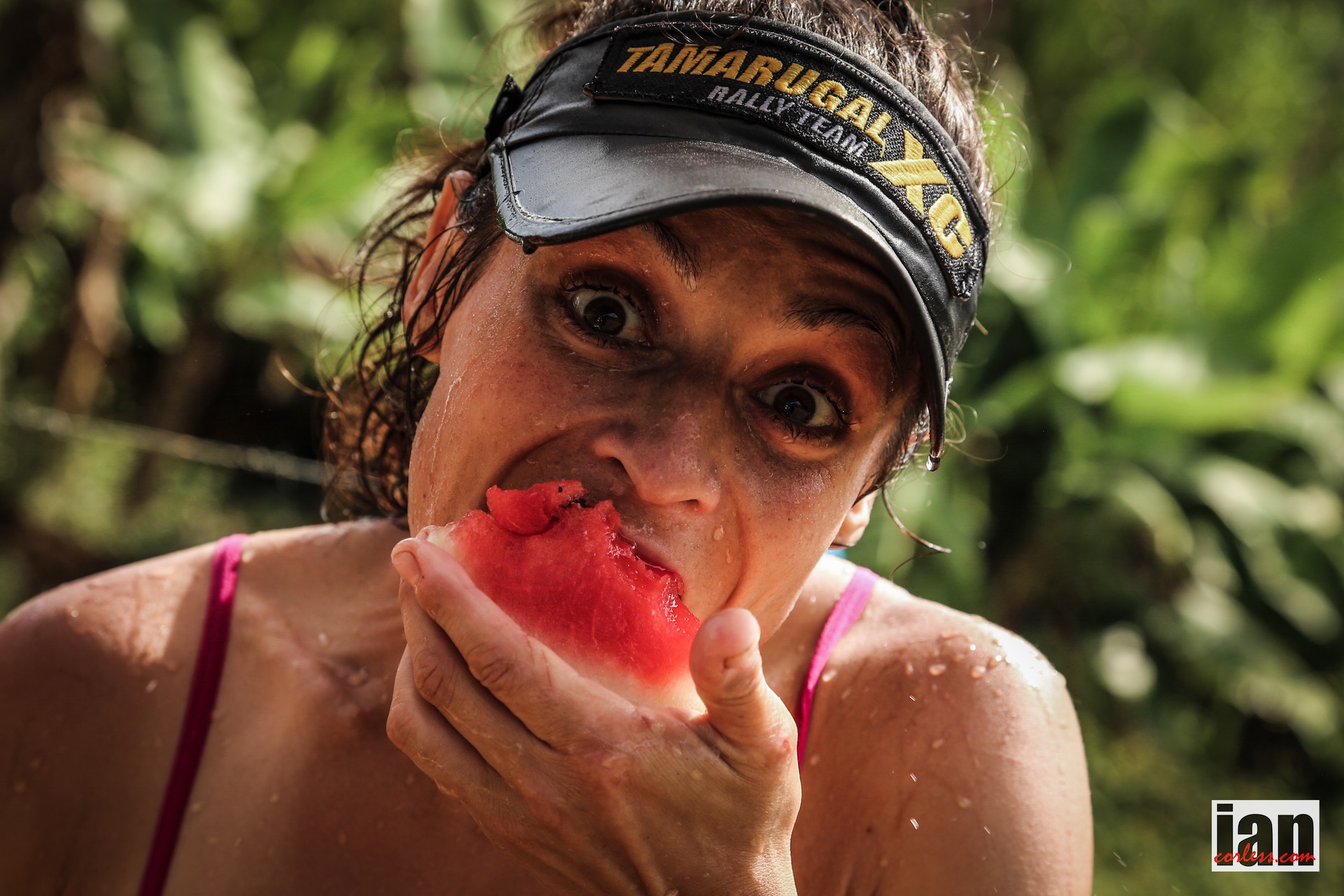
“Anything can happen in a race that lasts multiple days and believe me, The Coastal Challenge provided more than its fair share of excitement. But as a battle raged at the front, behind, the story was one of survival, perseverance and enjoyment in equal measure.”

Read the full article  and view a selection of images from the 2015

The Coastal Challenge

HERE

A full selection of images are available HERE

And you can read daily reports with images from the race here:

Day 1 HERE

Day 2 HERE
Day 3 HERE images HERE


Day 4 HERE images HERE

Day 5 HERE images HERE

Day 6 HERE

run-ultra-logo

Karl Egloff breaks Kilian Jornet’s Aconcagua Record

Image copyright TRAIN RUNNING ARG  @trailrunarg

Image copyright TRAIL RUNNING ARG @trailrunarg

Kilian Jornet’s Aconcagua record has been broken!

Ecuadorian mountaineer and runner, Karl Egloff has broken Kilian Jornet’s record for ascending and descending Aconcagua.

“URGENTE: KARL ACABA DE ROMPER EL RECORD DE SPEEDCLIMBING DEL ACONCAGUA HORCONES-CUMBRE-HORCONES CON UN TIEMPO FABULOSO DE 11 hrs Y 52 min”

In simple terms, the tweet posted on the 19th February says:

“KARL JUST BREAK THE RECORD OF THE ACONCAGUA SPEEDCLIMBING HORCONES – SUMMIT – HORCONES WITH A FABULOUS TIME 11 hrs and 52 min”

News is coming in slowly and mostly via Facebook and Twitter. Needless to say, this is a significant result for Karl. This is not the first time Karl has taken a Kilian Jornet record… in 2014, Karl also took Kilian’s record on Kilimanjaro.

Swiss veteran mountain guide, Karl Egloff, has broken the Mount Kilimanjaro fastest ascent and descent record, in a mind-blowing time of 6 hours, 42 minutes and 24 seconds. The previous record was held by Spanish mountain runner, Kilian Jornet, who in 2010 managed to run to the top of Uhuru Peak and back down in 7 hours, 14 minutes. – taken from climbkilimanjaroguide.com

Kilian Jornet tweeted – “Muchas felicidades @karlmtb ! Nuevo record en el Aconcagua #RecordsAreToBeBroken

Who is Karl Egloff?

Karl Egloff is a natural athlete; he spent part of his life in Switzerland, where he  played football. Karl is now a mountain guide and one of the best runners of trail and mountain running in South America. Karl participates in various sports such as cycling and swimming. He currently holds the record for climbing, descending Kilimanjaro.

More news will unfold as time passes and we will update as and when appropriate.

Bullet Proof Coffee – Boost Your Endurance by Marc Laithwaite

I Love Bullet Proof Coffee

There is a current trend for ‘Bullet Proof Coffee’ which is used to boost endurance performance, in this post, we’ll explain the basic thinking behind the concept and how it can help you when training for endurance based events such as marathon running, cycling and long distance triathlon events.

Why Bullet Proof Coffee?

It’s something we’ve discussed many times before, if you can increase your fat burning during exercise, you will save glycogen (carbohydrate) and therefore exercise for longer. People who use glycogen at a high rate will run out much more quickly, so shifting your metabolism to use fat as your main source of energy is of great benefit.

What is Bullet Proof Coffee?

Bullet Proof Coffee 2

The subject can become a little over complicated, but in simple terms, it’s ground coffee with added MCT oil and butter. The perfectionists will argue that you need a specific high quality coffee bean freshly ground, but I’m sure you can start with general filter coffee powder and progress from there! The term MCT oil refers to ‘medium chain triglycerides’ which are a specific type of fat which is known to be fantastic for energy. MCT is found in coconut, so MCT oil is generally derived from coconut with the flavour removed. The other ingredient is butter, preferably organic and grass fed to be high quality, don’t use ‘Flora’ or ‘I can’t believe it’s not butter’ it’s really not the same. Full fat, organic, grass fed butter might sound a little strange as it’s high in saturated fat. However, saturated fat is one of your main fuels and critical for endurance performance.

Those who know a bit about nutrition trends will be familiar with the above info, those who are not familiar with nutrition trends might be thinking ‘I thought saturated fats were the bad one’s?’ It turns out they were wrong, who’d have thought it? it’s a long explanation so probably easiest if you just go with it…

The process:

Bulletproof Coffee

Make your coffee, add 1-2 tbs of MCT oil and 1-2 tbs of butter. Put it all in the blender and whip it up until you have a nice froth on the top. You can pour boiling water into your blender to keep it hot, then empty it just before the coffee goes in to stop the coffee cooling. Fat & oil don’t dissolve in water so it floats in the top.

You alternative option (the fanatics will not like this) is to use MCT powder. It works a bit like coffee mate, add a heaped teaspoon to your cup then add a small amount of coffee. Give it a good stir and whip to get the lumps out, then add the rest of the coffee. MCT powder tastes quite creamy (not of coconut) and you might find it more palatable than oil and butter floating on the surface, although I’d encourage you to try to original recipe also!

When should I drink it?

Before you go training, most people will generally opt for one of the following:

1. High carb breakfast
2. No breakfast
3. High fat breakfast

All 3 are viable, but it really depends upon the athlete and the type of session you are about to take part in. We will discuss this in a lot more detail next Tuesday.

Eating no breakfast (fasting) is a common method for encouraging the body to burn more fat, but actually taking a high fat breakfast (in this case a bullet proof coffee), might enhance fat usage even greater, by increasing the amounts of fats circulating in the blood.

IMPORTANT: It should be used for endurance sessions (long and slow) and works perfectly if you’re following a Maff formula or similar (as per last week’s blog). Each person will differ, but eating no breakfast and drinking a bullet proof coffee would work perfectly for:

Endurance runs of 1-2 hours
Endurance cycles of 2-3 hours

The timescales will very much depend upon the experience and fitness of the athlete. If you are very well trained, you may well be able to do more on a single drink, but these are average timescales. You should not take any breakfast beforehand and you should not eat sports products or ingest any other form of energy during the run or ride. You should also ride at the correct intensity (as per Maff or similar).

What to do next?

Buy some filter coffee, or some beans and a grinder. Google MCT oil or MCT powder and purchase some online, then get some grass fed organic butter. If you don’t have a blender, don’t worry, just give it a good whisk with a fork!! Drink the coffee 30 minutes before exercise.

– Marc Laithwaite

About Marc:

Sports Science lecturer for 10 years at St Helens HE College.

2004 established The Endurance Coach LTD sports science and coaching business. Worked with British Cycling as physiology support 2008-2008. Previous Triathlon England Regional Academy Head Coach, North West.

In 2006 established Epic Events Management LTD. Now one of the largest event companies in the NW, organising a range of triathlon, swimming and cycling events. EPIC EVENTS also encompasses Montane Trail 26 and Petzl Night Runner events.

In 2010 established Montane Lakeland 50 & 100 LTD. This has now become the UKs leading ultra distance trail running event.

In 2010 established The Endurance Store triathlon, trail running and open water swimming store. Based in Appley Bridge, Wigan, we are the North West’s community store, organising and supporting local athletes and local events.

Check out the endurance store HERE
Endurance Store Logo

Tromsö Skyrace, soul skyrunning between the sea and the sky

IMG_4252
The second edition of the Tromsö Skyrace to be held the first weekend of August in northern Norway was presented today. This year’s event will include a vertical kilometre race but will still keep the essence of the first edition: technical routes for lovers of skyrunning and a family atmosphere.

There will be a Skyrace, 45 km and 4,600m climb and a Miniskyrace, 21km and 1,600m D+. In addition, a new circuit has been added: a Vertical Skyrace of 2’6km and 1,044m D+. All of them are ‘very technical circuits designed for experienced runners who enjoy the wilderness’ declared athletes Emelie Forsberg and Kilian Jornet who, once again, will be ambassadors of the event. This year the Skyrace and the Vertical Kilometre will score towards the Skyrunner® World Series, and some of the best athletes in the world will take part in it.

After the excellent reception last year, in which inscriptions were sold out within hours, the number of runners has been increased by 600 -200 per race- but not too many to crowd the race with runners, and always with the mountains taking centre stage.

Like last year, athletes will enjoy a route with the Norwegian fjords in the background as well as wild paths, technical trails and glaciers. A unique landscape in a race that remains very respectful of the environment and very familiar. The bond between the sea and the mountains, with participants from all over the world. Last year there were up to 25 nationalities present, and this number is expected to increase this year.

The event will have two star athletes: world champions Emelie Forsberg and Kilian Jornet, who are very excited about this second edition ‘we are looking forward to returning to share those circuits, at a very special time when it never gets dark.’

Emelie and Kilian are actively involved in the Tromsö Skyrace by helping out the organizers, designing the circuit and in a rather curious and original way: by cooking cinnamon pastries for all participants. Emelie explained: ‘We want this to be a race where all runners feel looked after. Last year I had a great time cooking and sharing moments with the participants. The race is growing but we still want to maintain this spirit.’

Nature is the most important thing in the Tromsö Skyrace and, therefore, the environment is taken care of by marking the circuits with biodegradable tape, setting up the checkpoints in shelters and crossroads and avoiding paper notices.

Registration for this event, which is the dream of every Skyrunner, is now open.

The event will take place on July 31st, 1st and 2nd August 2015 and will be part of the Skyrunner World Series.

Registration for 600 places opens today and the event hopes to be as successful as last year.

A technical route in a unique setting with Norwegian fjords.

Images copyright Jordi Saragossa

IMG_4252

IMG_4254

Iain Don Wauchope (aka Gandalf) writes about winning The Coastal Challenge 2015

©iancorless.com_TCC2015_Day6-0400

On Sunday, 25 January, at 15:30pm I departed my home in the Drakensberg, South Africa, and embarked on the longest and most challenging trip of my life. I finally arrived in San Jose, Costa Rica, on Wednesday, 28 January. Actually, I only arrived at my hotel at 17:30 after taking 3 local buses from the airport to Poasito where I had booked a hotel room for the next few nights. In total, 82 hours had elapsed since I had left home! Not only was this trip long and testing in duration, it was extremely stressful and proved to be a bigger challenge than the actual trail running race that was the purpose of my trip to Costa Rica.

©iancorless.com_TCC2015_Day5-0278

The Coastal Challenge is a 6-day, 225km, supported trail run through the tropical rainforests of the South Western region of Costa Rica, Central America. All runners bring along their own tents, sleeping mats, sheets, mosquito nets etc. The organisers provide the meals, the overnight camping venues, transport for your bag, a well-marked route, aid stations on each day’s route and the usual back-up crew of media, medics, volunteers and logistics people. All runners are treated the same whether you are an international trail running legend or a local Costa Rican that the organisers haven’t even heard of before.

©iancorless.com_TCC2015_Day5-0492

For me, this race was a true test of perseverance and a reminder of how important it is to maintain a positive mental outlook no matter how bad the situation seems. I struggled for the first 2 days with headaches, my legs feeling lethargic, without rhythm and generally out-of-sorts. It felt as though my body was fighting off a bug or possibly still recovering from my arduous trip. Nevertheless, I kept plugging away and just tried to enjoy the journey and the beautiful surroundings. Despite how I was feeling and the results of each day, it was a privilege and honour to be in Costa Rica running through forests, rivers and beaches that most people would never get to experience.

©iancorless.com_TCC2015_Day6-0382

As it turned out, the final result of day 1 was not bad. Mike Murphy, the Canadian, was galloping off ahead in the lead, looking mighty fit, when he failed to see the course markings and continued in the wrong direction. As a result, I found myself in the lead and somehow managed to maintain that lead all the way to the end. It was extremely hot towards the end of the stage and it required a lot of mental effort to keep going all the way to the finish. I only had about 6 minutes on Ashur Yousseffi, a local Costa Rican, but about 14 minutes on Mike. There was no doubt that Mike was in great shape and the fastest runner on the day. I would have to keep an eye on him. As expected Karl Meltzer had started slowly and make good progress towards the latter stages. Joe Grant struggled in the heat, as did everyone else. I just seemed better able to adapt to the conditions and get to the finish quickest despite not feeling great.

©iancorless.com_TCC2015_Day1-0512

Day 2 started with a steep climb from our lovely overnight campsite at Rafiki Lodge. Mike immediately took the lead closely followed by Joe and I. While I kept an eye on Mike and Joe, I remained focused on myself maintaining a constant pace that I was comfortable with at that stage. By the top of the climb Mike and Joe had a few minutes on me and I was pretty sure I wouldn’t see them again. So I continued to slog away up and through an overgrown track through the jungle, not feeling great but moving forward. By the 2nd check point / aid station, another local Costa Rican, Jeffrey Portuguez, had caught up to me while Mike had extended his lead to about 10 minutes. Joe was only 3 minutes ahead so I was hoping we could reel him in at some point. The section towards checkpoint 3 was flatter along a good gravel road but it was also getting very hot. Jeffrey dropped off the pace along this section but I was also suffering, so I stopped to buy a coke at a local shop. Shortly thereafter, at checkpoint 3, I was surprised to catch Joe; he had rolled his ankle badly and was hobbling along. We headed off together to tackle the last section along a long open beach; it was hot and we were both suffering a bit. It was great to have some company for this last stretch and I was very relieved to finally reach the end of day 2 alongside a new friend. Mike had a stormer of a run; he set a new stage record and finished almost 30 minutes ahead of us. That evening I mentioned to someone that the only way to beat Mike would be to chop his legs off! He had a 16-minute lead, I still wasn’t feeling 100% and he looked like he was ready to take on the world! Little did I know that he was having a few issues of his own that would soon escalate into more serious problems.

©iancorless.com_TCC2015_Day2-0088

©iancorless.com_TCC2015_Day3-0755

Day 3 started in much the same way as the first 2 days. Mike sped off from the start and the rest of us followed. I needed a few minutes to warm up and then started feeling okay. I soon realised that Mike wasn’t gaining any more distance on me and I slowly caught up to him. I knew we had a rocky river section ahead of us and I suspected that I would be able to negotiate the slippery rocks better than Mike. As it turned out, this was a critical part of our race and the turning point of our dual. We arrived at the river section together. I focused on just getting over the rocks and through this river section as efficiently as possible. Mike, on the other hand, was struggling over the rocks and kept falling and slipping. He lost his sunglasses and most of his pre-mixed race juice. He grew increasingly angry with himself and I knew I should keep the pressure on by moving swiftly through this tricky section. After 10km, we arrived at checkpoint 1 together. The big difference was that Mike had expended a lot of energy up until this point. He was battered and bruised with numerous cuts on his legs, he had lost his sunglasses and his pre-mixed race fuel and, more importantly, this was now playing on his mind. Incidentally, I had also lost my cap but I didn’t worry too much about it. I filled up my bottles, grabbed some delicious fruit and then ducked off into the bush to alleviate a bit of diarrhoea.

©iancorless.com_TCC2015_Day4-0866

Soon thereafter, we trotted off from checkpoint 1 together and immediately started a climb out of the valley. Mike dropped back half a stride and then a full stride. I was feeling good so I increased my tempo slightly. I knew I had to take advantage while I was feeling good and Mike was struggling. Even though I was aware of Mike, I remained focused on myself realising that it was still a long way to go to the finish on day 6. I got into a comfortable rhythm, kept myself well hydrated and as cool as possible. Towards the end of the day we had a long beach section to negotiate. It was very hot and, without my peak, the sun felt more intense than usual. I attempted to make a plan with a large leaf to provide some protection from the blazing sun, but it only lasted about 500m. Despite feeling good at the start of the beach section, by the time I reached the other end of the beach I was suffering and really feeling the heat. To everyone’s relief, including mine, there was an Eden-like freshwater stream and plunge pool as the route left the beach and entered the forest. I submerged by body in the cool water, gulped down some oh-so-refreshing water and then started the slog up the steep forest track towards the final checkpoint. From there it was a blistering hot 4km stretch along tar towards the finish. I didn’t want to over-exert myself but I also didn’t want to lose any advantage that I had built up over Mike. Keep in mind that you have no idea of the time gaps between yourself and those behind you; I didn’t know whether Mike was 3 minutes or 30 minutes behind me and how he was feeling or moving. So I just kept trudging along towards the finish. I was pleasantly surprised to arrive in a new stage record time of 4:43, beating the previous record by almost 33 minutes. Mike arrived about 16 minutes later, also under the old stage record. Overall, I was now leading Mike by less than 2 minutes. The race was on!

©iancorless.com_TCC2015_Day3-0850

Day 4 was another big day starting with a long, steep climb and ending with a very steep descent with a total ascent of 2950m. Mike was a little more tentative at the start and didn’t go tearing off as usual. As soon as we hit the first climb he fell off the pace again. I applied the same strategy as in the previous stages; I kept going at a good, steady pace that I knew that I could sustain all the way to the finish. My body was feeling better each day and I was now in the groove of running on a daily basis in the hot and humid conditions. Interestingly, the long and steep descent towards the end of the day was actually very dry.

©iancorless.com_TCC2015_Day4-0911

It reminded me of running back home in South Africa with brown, dry grass and dusty paths. My legs felt very good over the last few kilometres and I had a nice spring in my stride. This was a good place to be after 4 days of tough running. In contrast, Mike was taking strain and had fallen again on his elbow. This elbow later became infected and added to his health issues. Nevertheless, he wasn’t giving up and kept persevering all day long. My time of 3:58 was more than 20 minutes faster than the previous stage record and almost 40 minutes faster than Mike. I know had a comfortable lead but anything can happen in a multi-day event so I didn’t want to take my foot off the accelerator.

©iancorless.com_TCC2015_Day4-0841

Day 5 was the last tough day and the longest in distance of the race. We were greeted overnight with some rain and started the day’s run in a gentle drizzle. The road conditions were good for the first 16 kilometres and with the cooler temperatures this made for a relatively fast pace. I was happy to tick along at my pace and soon found myself running alone up front. Shortly after the first check point the route headed onto a smaller forest road that had recently been graded. In fact, I passed the grader and other trucks at the start of this forest section. Consequently, the next section was very muddy and slippery. Even gentle gradients became almost impossible to run up. Instead of fighting through this section of about 16 kilometres, I once again focused on getting through the mud as efficiently as possible. Once I was through the slippery quagmire, I was able to pick up the tempo again and head towards the finish at Drake Bay. Despite the testing conditions I was very surprised to beat the previous stage record by 3 minutes. Unfortunately for Mike, this was the day that his body starting shutting down. He put in a huge effort just to reach the finish line unassisted but he was clearly in some serious trouble. The medics were very quick to attend to him and he was ultimately admitted to hospital the following morning with multiple health issues.

©iancorless.com_TCC2015_Day5-2273

Mike’s withdrawal from the race left the door wide open for Ashur and Roiny to fight it out for 2nd and 3rd place overall. The final day’s stage was only about 24 kilometres and in the end Ashur secured a well-earned 2nd place with Roiny about 10 minutes back in 3rd. I decided to run the last day just like I had run all the other stages and managed to set another stage record.

©iancorless.com_TCC2015_Day6-2849

In summary, I won 5 out of 6 stages, I set records in the last 4 stages and I set a new overall record by almost an hour. I surpassed all my own expectations and was very grateful that I did not experience any major problems. What appeared to be problems for me in the early stages were, in fact, minor in comparison to what others endured, especially Mike. The beautiful setting of the finish at Drake Bay, the wonderful people and fantastic weather (despite the humidity it’s great to be in the sun!) made my victory even more enjoyable.

©iancorless.com_TCC2015_Day6-0405

While any stage race over this distance requires careful body management, a distinguishing feature of this particular race is learning to deal with the very high humidity and high temperatures. As expected, correct hydration, nutrition and recovery are vital components of this jungle race. And don’t forget to look after your feet and to avoid infections from cuts and grazes while negotiating the trails! Most importantly, remember to maintain a positive attitude and enjoy the beautiful surroundings; Costa Rica has tremendous biodiversity and is a paradise waiting to be explored.

©iancorless.com_TCC2015_Day6-1199

All in all, The Coastal Challenge is a great event that tests your physical fitness and mental toughness to the maximum. However, what I will remember most about this unique event are the wonderful people that I met along the way. The local race organiser, Rodrigo Carazo is a gem. This guy has done some of the most amazing backpacking trips, adventure racers and explorations that I have ever heard about. Furthermore, he has a fantastic team of workers and volunteers, from the cooks to the medics to the aid station crew to the sweepers. A bunch of great people who have a single purpose, to make The Coastal Challenge as enjoyable as possible for each and every participant.

©iancorless.com_TCC2015_Day4B-1399

Entries for the 2016 The Coastal Challenge are now available online.

Please go to tcccostarica.com and thecoastalchellenge.co.uk


Maffetone Formula for better endurance performance by Marc Laithwaite

Marc Laithwaite at Lakeland 100/ 50 2014

Marc Laithwaite at Lakeland 100/ 50 2014

In a new series of articles, Marc Laithwaite (The Endurance Store), endurance coach and regular contributor to Talk Ultra podcast will provide insight in how you can become a better endurance athlete by training smart and eating for performance.

In the first article, we look at the Maffetone Formula also known as ‘MAFF.’


The term ‘aerobic base’ is used widely in endurance sports but what exactly does it mean? To build aerobic base athletes will generally do long and slow distance to gain specific benefits, we consider those 2 key benefits to be as follows:

  1. Conditioning – Your legs deal with a great amount of impact every time they hit the ground, which causes muscle damage. In turn, this muscle damage will slow you down. The only way to prevent this muscle damage is to become accustomed to ‘time on your feet’. Hence, by slowing down and running long distances at a slower pace, you will ‘harden your legs’ and prevent damage. If you run too hard during your ‘base training runs’ you will not be able to run far enough to get the required ‘time on feet’ so slowing to the correct intensity is critical. It’s important to note that this applies to cycling also, whilst the impact isn’t the same, the repeated action of pedalling means that your muscles will break down, your hips will become tight and your back will ache!
  2. Metabolic Adaptation – Your muscle fibres will adapt and more closely resemble the ‘slow twitch variety’. One of the key changes is the ability to use fat as a fuel source and also to use less energy overall. These combined changes mean that you are less likely to run out of fuel during longer distance exercise. If you can change your muscle fibres so running out of fuel is unlikely, combined with your ‘hardened legs’ which don’t become damaged easily, you are ready for some serious endurance action.

So how slow should I run?

It’s very common for endurance athletes to get the ‘training zone’ thing very wrong. The key thing to remember is that variation is critical, so easy sessions to develop base should be easy and high intensity sessions to develop power should be extremely hard. Many athletes tend to drift into the middle ground where no training is really easy, no training is really hard, but pretty much everything is ‘moderately hard’.

What is the Maffetone Formula?

Made famous by Mark Allen who won the famous Iron War with Dave Scott in 1989. Allen had repeatedly failed to beat Dave Scott, always running out of fuel in the marathon stage. He turned to Maffetone who revolutionised his training, with the principal aim of enhancing fat burning to make him a more effective runner. Maffetone employs a maximum aerobic heart rate above, which you cannot exercise. Initially, athletes find it very frustrating as they will be running very slowly, but over time there are large benefits to be had as the base aerobic system improves.

What’s the Formula?

Subtract your age from 180.

Modify this number by selecting among the following categories the one that best matches your fitness and health profile:

If you have or are recovering from a major illness (heart disease, any operation or hospital stay, etc.) or are on any regular medication, subtract an additional 10.

If you are injured, have regressed in training or competition, get more than two colds or bouts of flu per year, have allergies or asthma, or if you have been inconsistent or are just getting back into training, subtract an additional 5.

If you have been training consistently (at least four times weekly) for up to two years without any of the problems just mentioned, keep the number (180–age) the same.

If you have been training for more than two years without any of the problems listed above, and have made progress in competition without injury, add 5.

For example, if you are thirty years old and fit into category (b), you get the following:

180–30=150. Then 150–5=145 beats per minute (bpm).

If it is difficult to decide which of two groups best fits you, choose the group or outcome that results in the lower heart rate. In athletes who are taking medication that may affect their heart rate, those who wear a pacemaker, or those who have special circumstances not discussed here, further individualization with the help of a healthcare practitioner or other specialist familiar with your circumstance and knowledgeable in endurance sports may be necessary.

Two situations may be exceptions to the above calculations:

  • The 180 Formula may need to be further individualized for people over the age of sixty-five. For some of these athletes, up to 10 beats may have to be added for those in category (d) in the 180 Formula, and depending on individual levels of fitness and health. This does not mean 10 should automatically be added, but that an honest self-assessment is important.
  • For athletes sixteen years of age and under, the formula is not applicable; rather, a heart rate of 165 may be best.

Once a maximum aerobic heart rate is found, a training range from this heart rate to 10 beats below could be used as a training range. For example, if an athlete’s maximum aerobic heart rate were determined to be 155, that person’s aerobic training zone would be 145 to 155 bpm. However, the more training at 155, the quicker an optimal aerobic base will be developed.

Completing the Test:

Completing the test is simple, for running find a flat 3 miles course or complete 20 minutes. The simplest way is to find a running track as this makes distance measuring easier. Warm up for 15 minutes within the Maffetone Training Zone and then run 3 miles within the Maffetone Training Zone and record your time. You could use a flat circuit on road and use a GPS but variations in GPS accuracy mean that a running track is more accurate. Record your time for the 3 miles and preferably record your time for each of the mile splits. For the bike, it’s best done on a calibrated turbo training or riding to power. Warm up for 15 minutes in Maffetone Training Zone, then ride 30 minutes within the Maffetone Training Zone and measure average power or distance completed. Remember that the turbo and power meter needs to be calibrated or the accuracy is poor.

Practicalities:

You may find the run pace very slow and frustrating, if so, then you should take this as a positive, your base is very poor and you therefore have plenty of improvement to make for the 2015 season!! All of your easy mileage running should be done in the Maff Training Zone and the test can be repeated every 4-8 weeks. You should see an increase in speed and distance for the same heart rate as your base fitness improves. If you keep getting quicker, then don’t worry about speed work until the Maffetone training reaches a plateau. Develop your base as much as possible at the start of the year for maximum gains later.

On the bike, heart rate is generally lower than it is during running, so you’ll find the test a little less frustrating. In reality, the Maffetone Training Zone for cycling should be adjusted by reducing it between 5-10 beats (my opinion – you might want to incorporate it). This test is based on 180 minus age and we all know that maximum heart rate varies from person to person (220 minus age to calculate maximum has been widely criticised), but just go with it and try the formula, nothing is perfect!

We’d be keen to hear your feedback, go and give the test a try and let us know your progress. If you found this article useful, please share with your friends and re-post on Facebook or Twitter!

– Marc Laithwaite

About Marc:

Sports Science lecturer for 10 years at St Helens HE College.

2004 established The Endurance Coach LTD sports science and coaching business. Worked with British Cycling as physiology support 2008-2008. Previous Triathlon England Regional Academy Head Coach, North West.

In 2006 established Epic Events Management LTD. Now one of the largest event companies in the NW, organising a range of triathlon, swimming and cycling events. EPIC EVENTS also encompasses Montane Trail 26 and Petzl Night Runner events.

In 2010 established Montane Lakeland 50 & 100 LTD. This has now become the UKs leading ultra distance trail running event.

In 2010 established The Endurance Store triathlon, trail running and open water swimming store. Based in Appley Bridge, Wigan, we are the North West’s community store, organising and supporting local athletes and local events.

Check out the endurance store HERE
Endurance Store Logo


The Coastal Challenge 2015: Easy on the Eyes, Tough on the Runners

TCC2015 runnersworld.com


Justin Mock writes for runnersworld.com about the 2015 The Coastal Challenge and talks with Speedgoat Karl Meltzer and Joe Grant.

“There’s no motel room, no shower, no air conditioning. That would be a lot easier,” Meltzer laughed. “It’s 110 degrees in your tent, you just lie there in a pool of sweat.”

You can read the full article HERE
View The Coastal Challenge 2015 image gallery by iancorless.com

HERE
Entries for the 2016 event, open today, Friday 13th 2015

For full details and to reserve your slot now, contact your region’s agent or email us directly at INFO@TCCCOSTARICA.COM. Pura vida!

North America – Tim Holmstrom: tim@thecoastalchallenge.com – Limited Slots!

USA: Krista Baker: racequesttravel@gmail.com – Limited Slots!

United Kingdom, South Africa – Steve Dietrich: info@thecoastalchallenge.co.uk – Limited Slots!

Spain, Morocco, Portugal – Olivier Sepulchre: oliviersep@gmail.com – Limited Slots!

Canada – Hailey Van Dyk: hailey@runlikeagirl.ca – Limited Slots!

Central America, South America, Caribbean – Rodrigo Carazo & Sergio Sánchez: info@tcccostarica.com – Limited Slots!

Ever wondered, what is too much in an ultra?

©iancorless.com_TCC2015_Day5-2322

Ever wondered, what is too much in an ultra?

Canadian, Mike Murphy last week ran The Coastal Challenge in Costa Rica. He was having a battle royal with South African, Iain Don Wauchope. Showing real grit, on day two Mike pulled back a huge time deficit (due to going off course on day one) and took over the race lead.

©iancorless.com_TCC2015_Day2b-0401

Mike then lost the lead again on day three. The stage was set for a head-to-head battle but Mike started to suffer… on the evening of day five (with just one day left) Mike was pulled out of the race by the medics and eventually ended up in hospital.

©iancorless.com_TCC2015_Day1-0124

All is okay and Mike is now back in Canada. But he just sent me this message:

“I’m ALIVE! Got home from the hospital (Vancouver) last night, and my issues/injuries seem to stable and/or improving. The list is:
Broken Radius, Arm/elbow infection, Heat stroke, Hyponatremia, Blood loss (causing anemia).”

Believe me, Mike is one of the most committed runners I have ever witnessed in a race. Costa Rica and The Coastal Challenge offered each and every competitor a unique set of challenges. Lets face it, that is the attraction isn’t it? Relentless heat, high humidity, long stretches of open beach, dense forest, fire roads, water crossings, technical river beds and a plethora of other challenges.

©iancorless.com_TCC2015_Day2-0053

But can you be too committed in a race?

Welcome your thoughts and have you ever pushed yourself too far?

William Sichel planning on getting HIGH!

3100.3

Orkney-based ultra marathon runner, William Sichel (61) has announced his race programme for 2015 which includes races as short as 40 miles and as long as 6 days in duration, but nothing as long as the 3100 mile race he finished in August last year. Read my interview HERE
One of the most eye-catching of his races will be his attempt to complete the World’s Highest Ultramarathon – ‘The High’ – in the Himalayas in August. With an average altitude of 14,500 feet/4400 metres and with two mountain passes to tackle at 18,000 feet/5500 metres, that’s almost 3½ miles high, it will require very special preparation if William is to have any chance of success.

“This event will take my right out of my comfort zone as I have never trained or competed at any kind of altitude before. There will be a lot to consider with regards to health and performance at heights like that. I will need to prepare very carefully and seek advice from those with previous experience. I’ll need to be on top of my game to complete that one.”

William will open his season by returning to the Barry 40 Mile track race in South Wales on March 8th, a race he last attempted 12 years ago. Then follows a two week warm weather training spell in Lanzarote followed by the World 6 Day Trophy in Balaton, Hungary from May 6th to the 12th – an event William won in 2011.

August will see William head east to the Himalayas for ‘The High’ – 222kms/134 miles over the mountains of Ladakh in India.

“My main event after the high altitude race in India will be the new indoor 48 hour race in Oslo in November which will provide some new record opportunities for me. This year is a very challenging schedule of races following an epic 2014 when I managed to complete the World’s Longest Footrace – 3100 miles in New York.”

You can follow and find out more about William HERE
MSIG Sai Kung 50 Skyrunning Asian Championships race report

Screen Shot 2015-02-07 at 18.23.52Hong Kong is certainly full of surprises and the MSIG Sai Kung Skyrunning race was no exception, with results going against the odds and also against form.

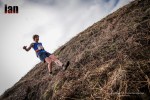
Certainly the most significant surprise for a visitor to Hong Kong is the presence of hills and forests. Actually the towering, high-rise, tightly packed urbanised area, full of flashing neon and determined taxi drivers, that is synonymous with Hong Kong represents a tiny fraction of the area that Hong Kong covers. Forty five minutes drive out of the city is the Sai Kung Screen Shot 2015-02-07 at 18.24.30Country Park, the venue for today’s race: a seemingly vast area thickly covered with vegetation made up of extremely steep hills tumbling down to beaches and the sea. It was on these hills that 2000m of vertical ascent was packed into 28km on extremely steep and in some places technical trails.

Screen Shot 2015-02-07 at 18.24.20The race was scheduled to start at 7am and the sun rose on a grey overcast and thankfully cool morning for the four races taking place over 13km, 24km, 28km and 50km.

The first to set off were the 28km and 50km races.

In the shorter distance, the men’s favourite was considered to be Marco de Gasperi, but with athletes such as Tom Owens, and Martin Gaffuri lining up with him, it was never likely to be a cake-walk. In the 50km the same was true: whilst Yan Long Fei was considered to be the favourite by many, Samir Tamang, David Byrne, Luke Nelson and Blake Hose plus others were never going to give in easily.Screen Shot 2015-02-07 at 18.24.00

For the women, Elisa Desco and Stephanie Jiminez were considered the pre-race favourites for the 28km race, whilst in the 50km Kasie Enman, Wyan Chow Pui Yan, Dong Li and Mira Rai were the ones to watch.

The race

The start of the 28km and 50km races happened at the same time and involved a very fast downhill road section, before the first climb started towards the trails that would make up the majority of the races.

Samir Tamang from Nepal in the 50km race

Samir Tamang from Nepal in the 50km race

Perched just above the third check point before the two races split at around 22km, we were getting snatches of news. Especially about the race leaders who we were hearing were having some problems staying on the course. Before we caught sight of the runners we knew that 28km pre-race favourite de Gasperi has taken a wrong turn and lost time on two Japanese runners who had taken the lead.

By the time the runners reached us, we could see that de Gasperi’s mistake had indeed cost him and the Japanese pair of Dai Matsumoto and Kondo Yoshihito were in control with only around 6km left to go.

Dai Matsumoto in the 28km race

Dai Matsumoto in the 28km race

Indeed from that point to the end, the positions remained the same, with Dai winning in 2:49:23, Kendo second in 2:51:41seconds and a disappointed de Gasperi in third in 2:54:32, who rued taking a wrong turn. He said after the race “I made a mistake by missing the course and I realized it until I saw Dai, the Japanese runner coming in front of me running down the hill. I probably wasted 4 minutes until I found the right way. If time can turn back, I would do everything to avoid the mistake.”

In the men’s 50km race Nepalese runner Samir Tamang won 4:58:40. After the race he said ‘Such an honor to become the champion, but I didn’t finish the course within my estimated time. I have been to Hong Kong once before for a 100k race and this is my first 50k in HK. It marked a good start of the year in 2015!’ Tamang was followed in by Yan Long Fei from China in 5:11:50 ‘I chose to follow some of the strong runners as usual and I guess I followed the wrong person this time. I realized there were two people ahead of me at the very last bit of the race and that was too late for me to overpass them both. I enjoyed the race overall especially the view at the hilltop.’ The final spot on the podium was taken by Spanish runner Cristofer Clemente in 5:15:07.

Screen Shot 2015-02-07 at 18.25.34

Elisa Desco on her way to victory in the women’s 28km race

Screen Shot 2015-02-07 at 18.25.43

Stephanie Jiminez in the 28km Skyrun

For the women, the 28km race went with the predictions, with Elisa Desco narrowly beating Stephanie Jiminez in 3:41:02. Desco said afterwards ‘The course is very challenging for me because there were lots of up hills and down hills. Unlike those in Italy, we usually climb up one main mountain. I’m not used to the hilly terrain and it makes the course very technical to me.’ Finishing the trio was Japanese runner Kanako Hasegawa in 3:56:25.

In the women’s 50km race, it was Mira Rai from Nepal who backed up a win in the HK50 with a completely dominant performance, elegantly skipping up the brutal climbs and down the technical descents to win in 5:39:31 over an hour ahead of China’s Dong Li in second and Kasie Enman in third.

Screen Shot 2015-02-07 at 18.26.03

Mira Rai winning the women’s 50km race

For complete results click here.

The responses

Screen Shot 2015-02-07 at 18.26.13 Screen Shot 2015-02-07 at 18.26.21Whilst there were a few runners who went off course which caused frustration, the general feeling was that the race was a great way for many to start the year. The route was technical and exciting with many of the more experienced runners saying that it was a ‘true’ Skyrunning race.

As a part of the new way that the Skyrunning series will be decided, there were valuable points scored for some today and for others it was a chance to bounce back from lacklustre ends to 2014 or injury.

Whatever the racer’s take on the Sai Kung 50, it was a great way to see a different side to Hong Kong and a superb way to ensure that Asia has an even stronger place on the world trail running map.

Screen Shot 2015-02-07 at 18.25.51

Race director Michael Maddess and Marco de Gasperi discuss the race after the action has finished

Screen Shot 2015-02-07 at 18.25.16

Luke Nelson

Screen Shot 2015-02-07 at 18.25.25 Screen Shot 2015-02-07 at 18.25.07

Screen Shot 2015-02-07 at 18.24.50