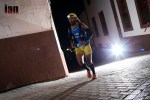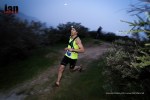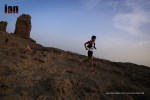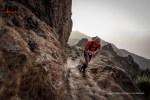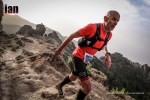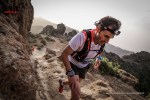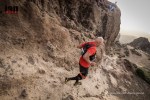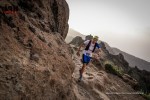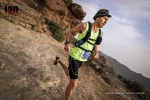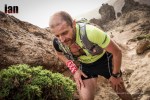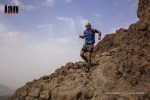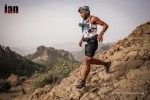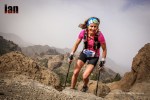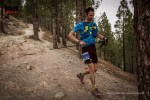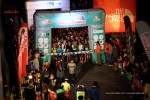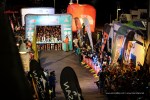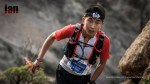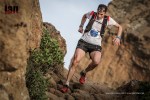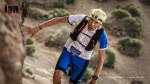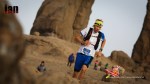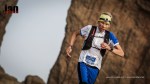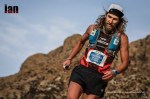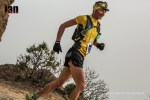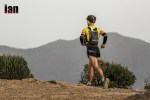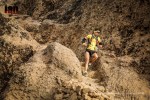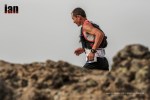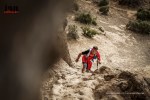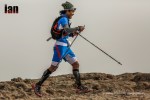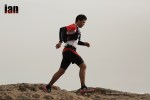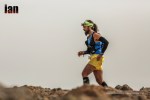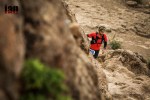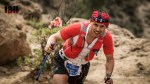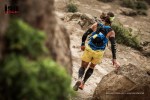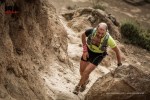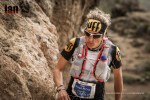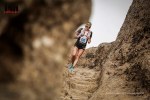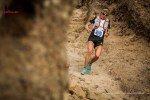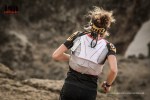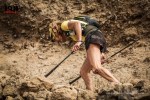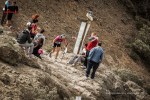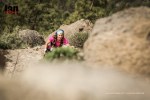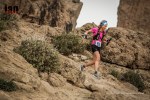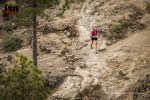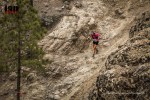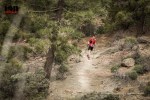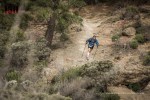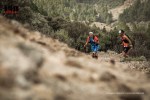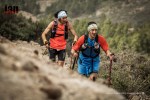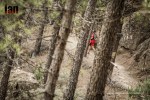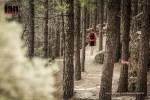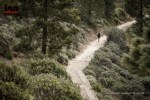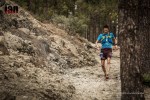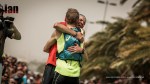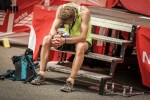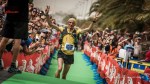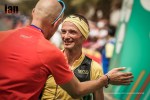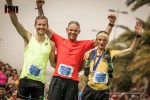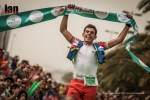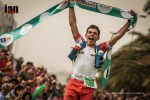
The North Face® Transgrancanaria® 2015 – Race Preview

Transgrancanaria2

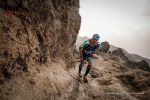
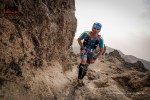
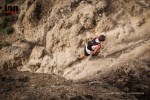
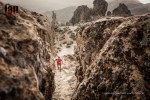
Transgrancanaria kicks off the first race of an ever growing European calendar and just as has happened in previous years, a stellar field will assemble on the island for what is always a tough and challenging series of races.
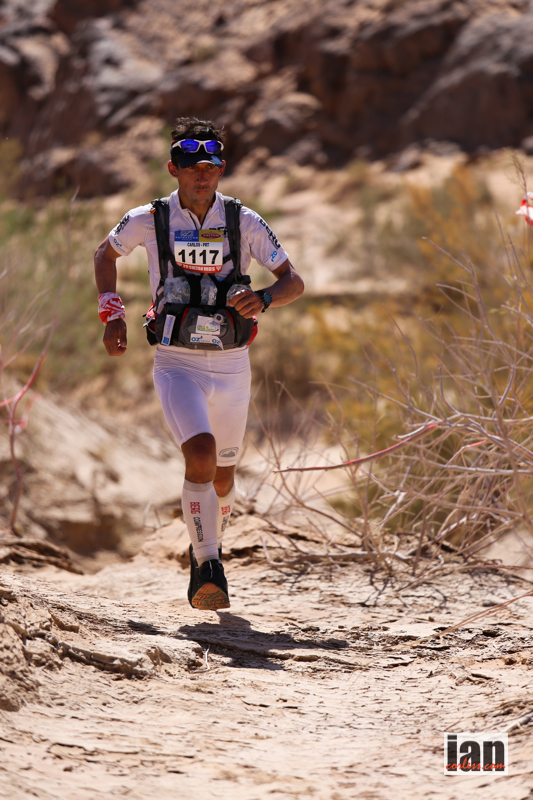
For the men, we have some of the 2014 big hitters missing: Ryan Sandes, Julien Chorier, Timothy Olson and Sebastien Chaigneau. That leaves the podium wide open… you’ll soon see though, Transgrancanaria has no shortage of male talent gunning for the top slot.

For the ladies, 2014 champion Nuria Picas returns along with Fernanda Maciel who placed 3rd. The only significant name not starting is Francesca Canepa.

The third race of the 2015 Ultra Trail World Tour (UTWT) looks all set for an epic battle.

©iancorless.com.IMG_1657

MEN

The competition among male runners will be tough and exciting. Many elite runners already know the race but we need to watch out for several names that are racing for the first time who stand a great chance to contest the podium.

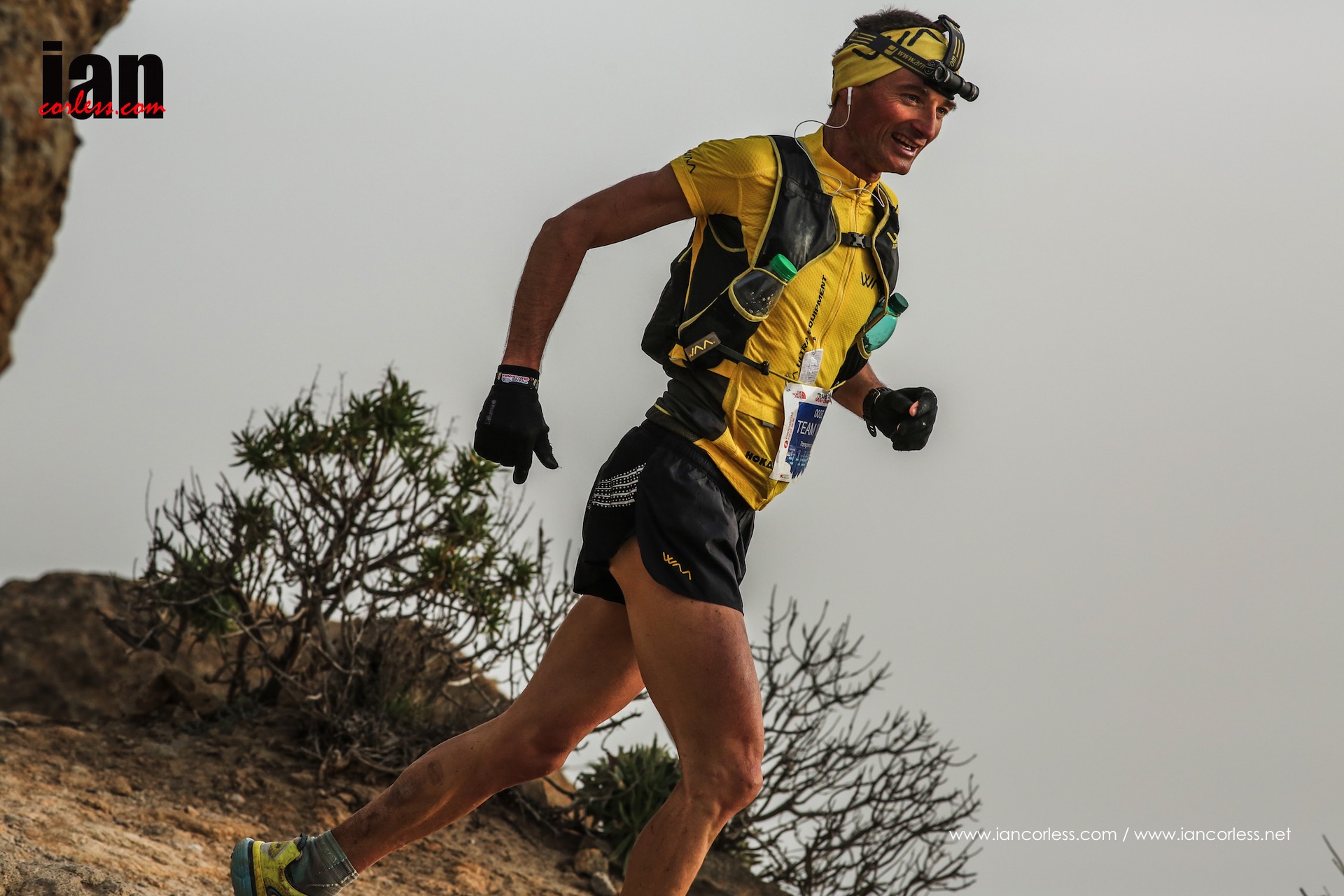
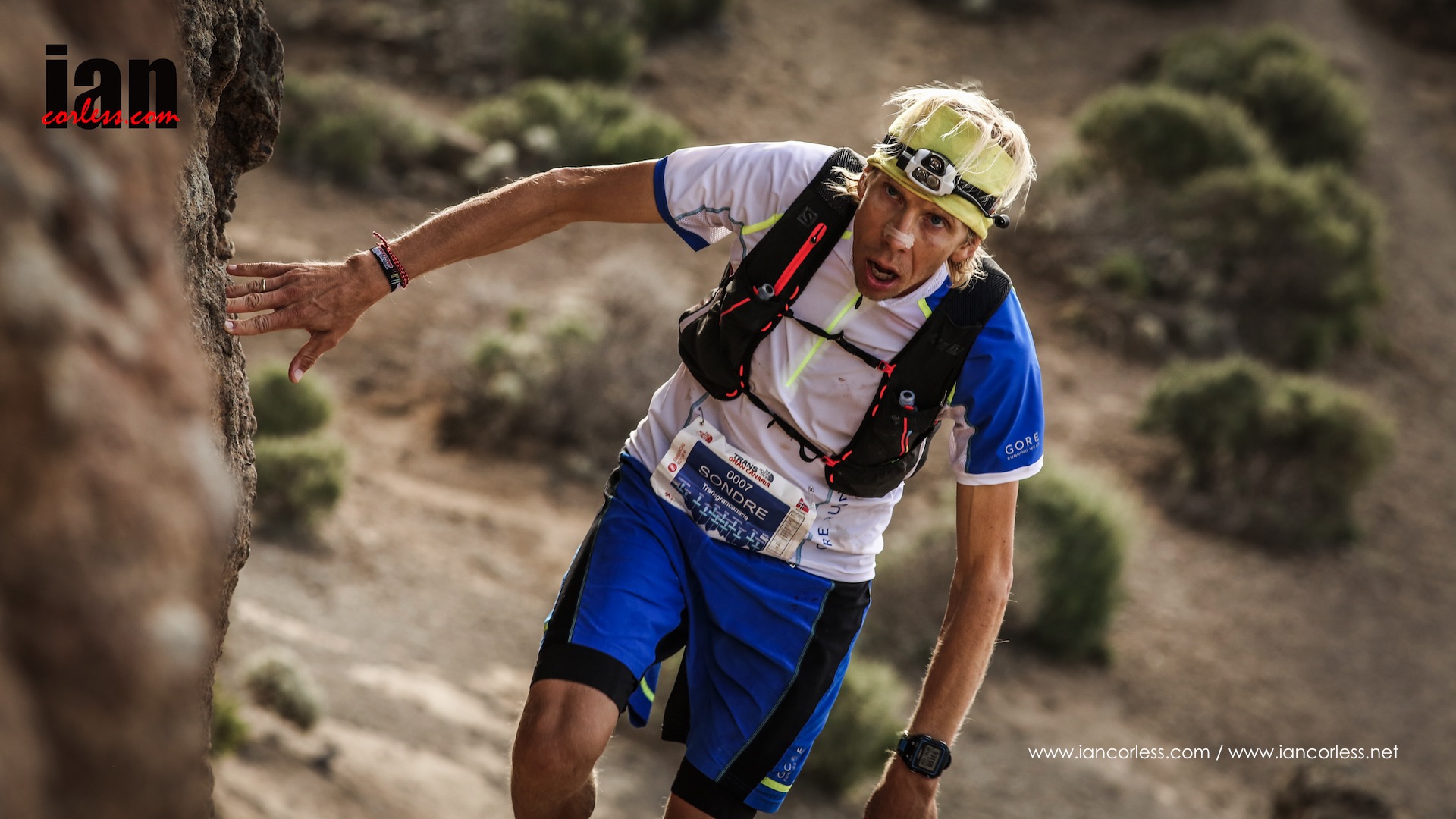
Iker Karrera, Anton Krupicka, Pau Bartoló, Sondre Amdahl, Carlos Sa, Gediminas Grinius, Yeray Durán, Antoine Guillon and Javier Domínguez arguably head up the elite field but there are no guarantees of victory…

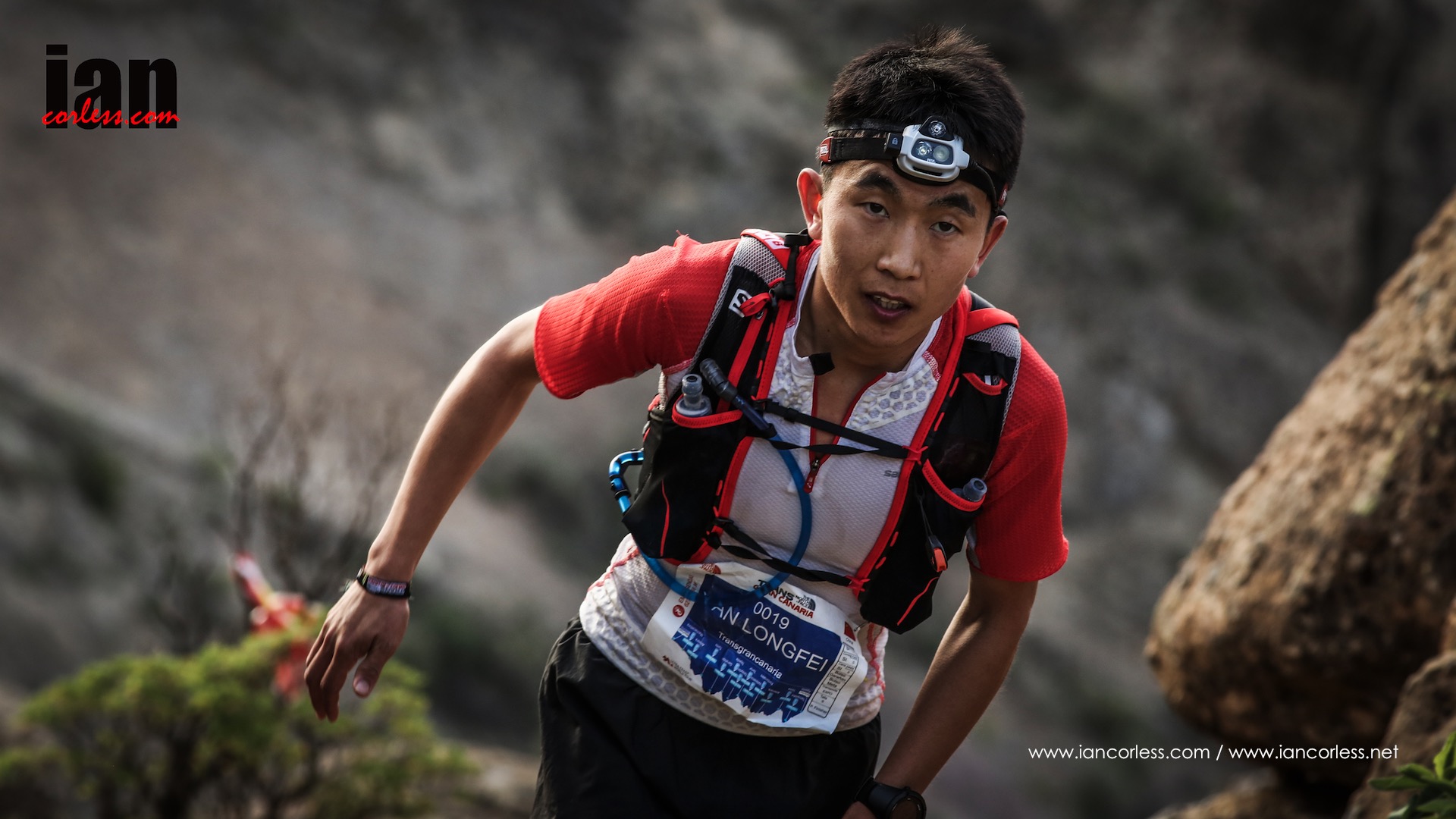
Experience always provides an advantage; previous editions of Transgrancanaria have shown that this course offers many surprises due the tough and challenging terrain. Joe Grant, Brendan Davies, Sebastien Buffard, Anthony Gay, Sylvain Couchaud, Cyril Cointre, Christophe Le Saux and Yan Longfei will all ensure that the ‘hot’ contenders will have to fight hard for victory.

Who’s shooting for the podium?

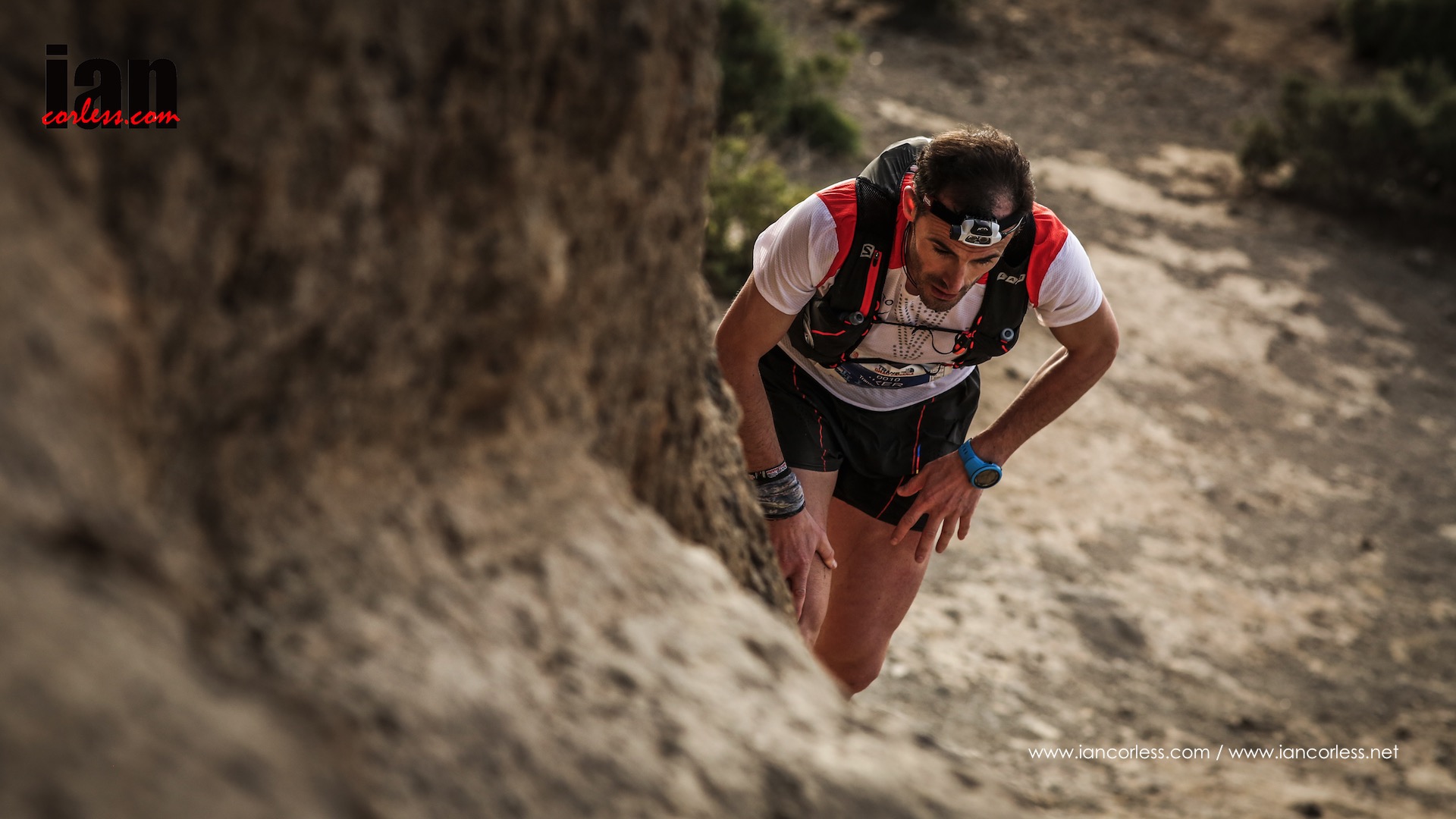
Iker Karrera ©iancorless.comIker Karrera has all the potential to be an unstoppable force at Transgrancanaria. He has a great combination of strength, speed and endurance; Ail essential ingredients for success at Transgrancanaria. Iker’s 2013 Tor des Geants and Eiger Ultra Trail performances and arguably, he would have been a potential 2014 UTMB winner had an unstoppable Francois d’Haene not turned up.

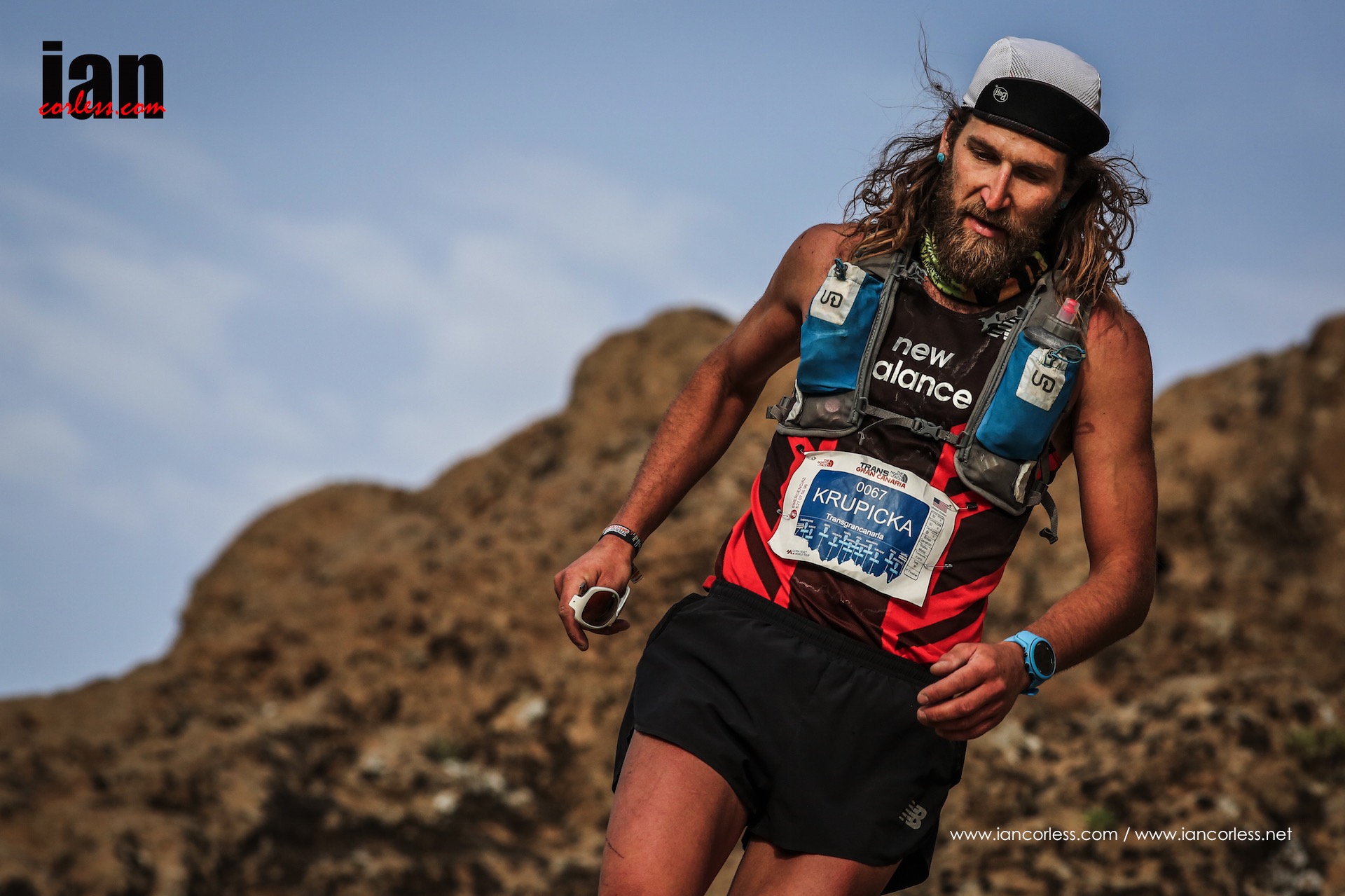
©copyright .iancorless.com._1080340Anton Krupicka had a couple of low-key successes in 2014 with Jemez 50 and the Dirty 30; both great comeback races that precluded a strong and impressive Lavaredo. This had us all thinking Anton is back! Unfortunately, it all went pear shaped at UTMB when his body shut down. If Anton is ‘on’ then he will push at the front and contesting the win. The distance suits his racing style and the technicality will play into his hands.
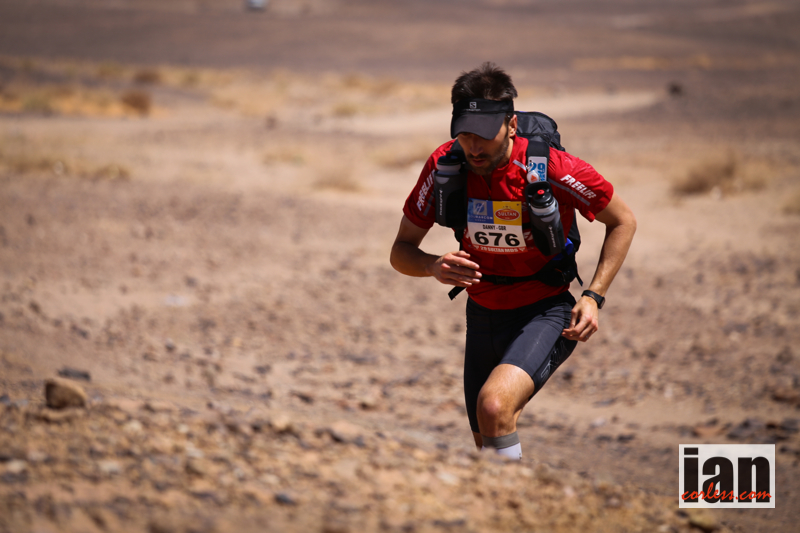
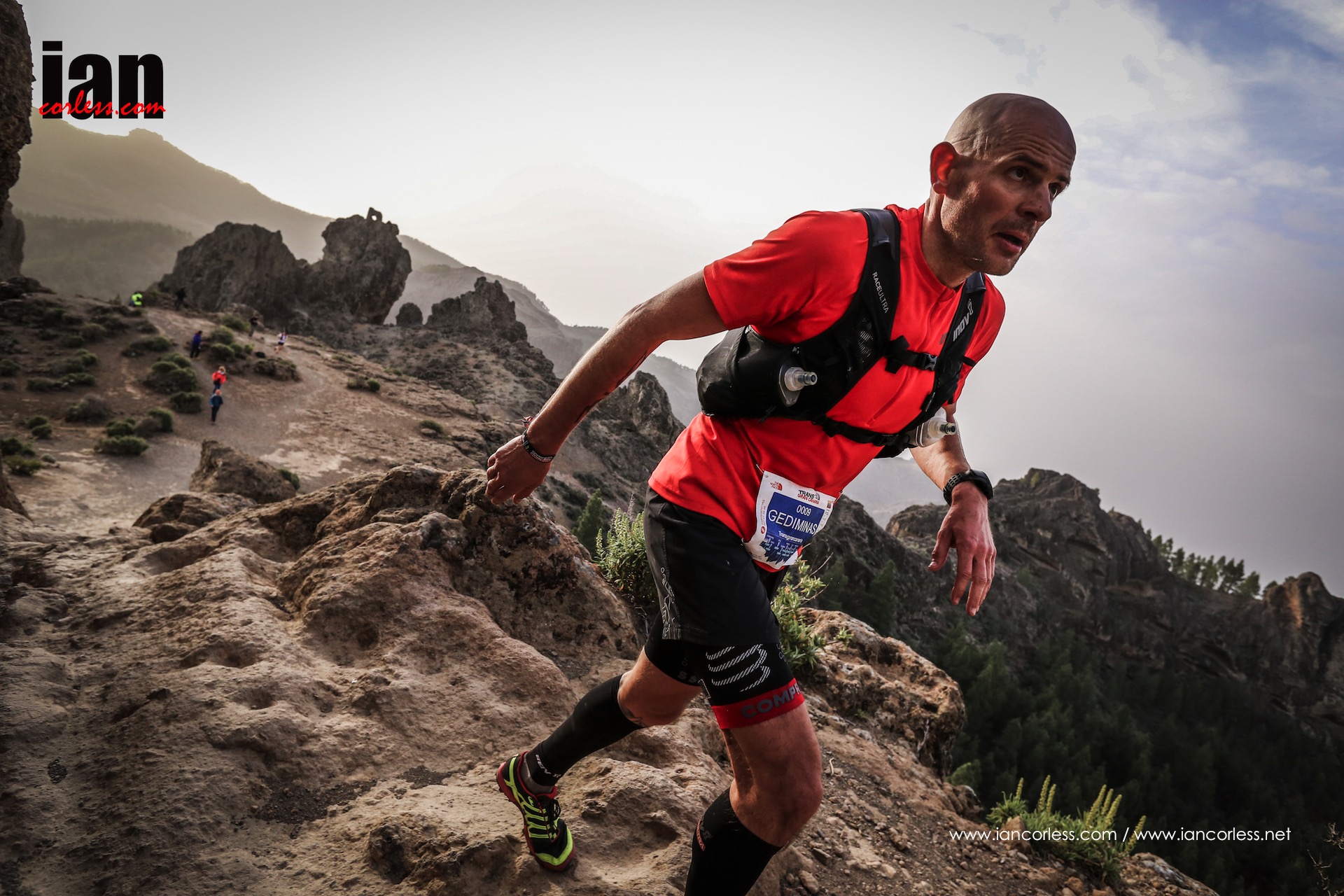
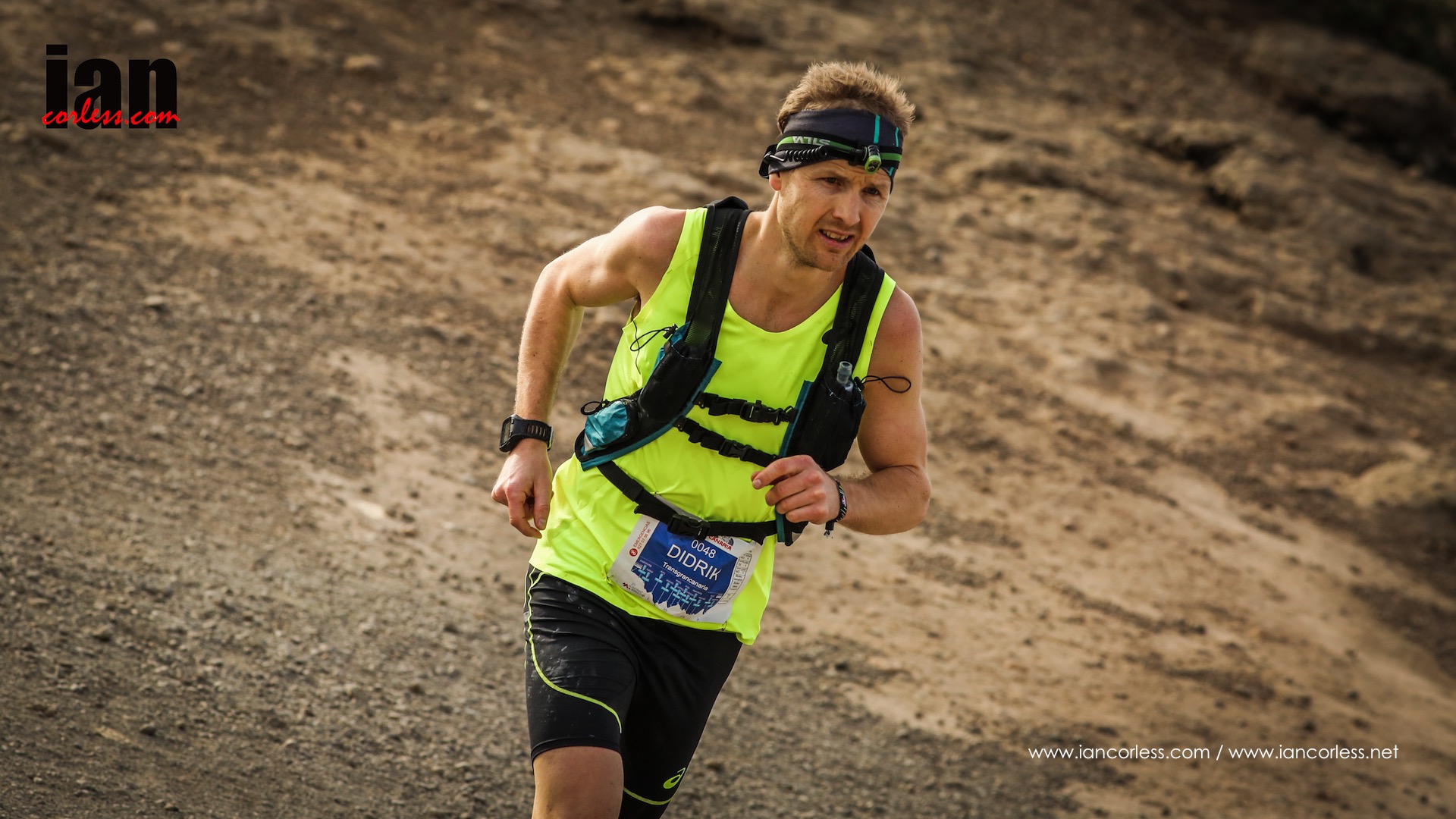
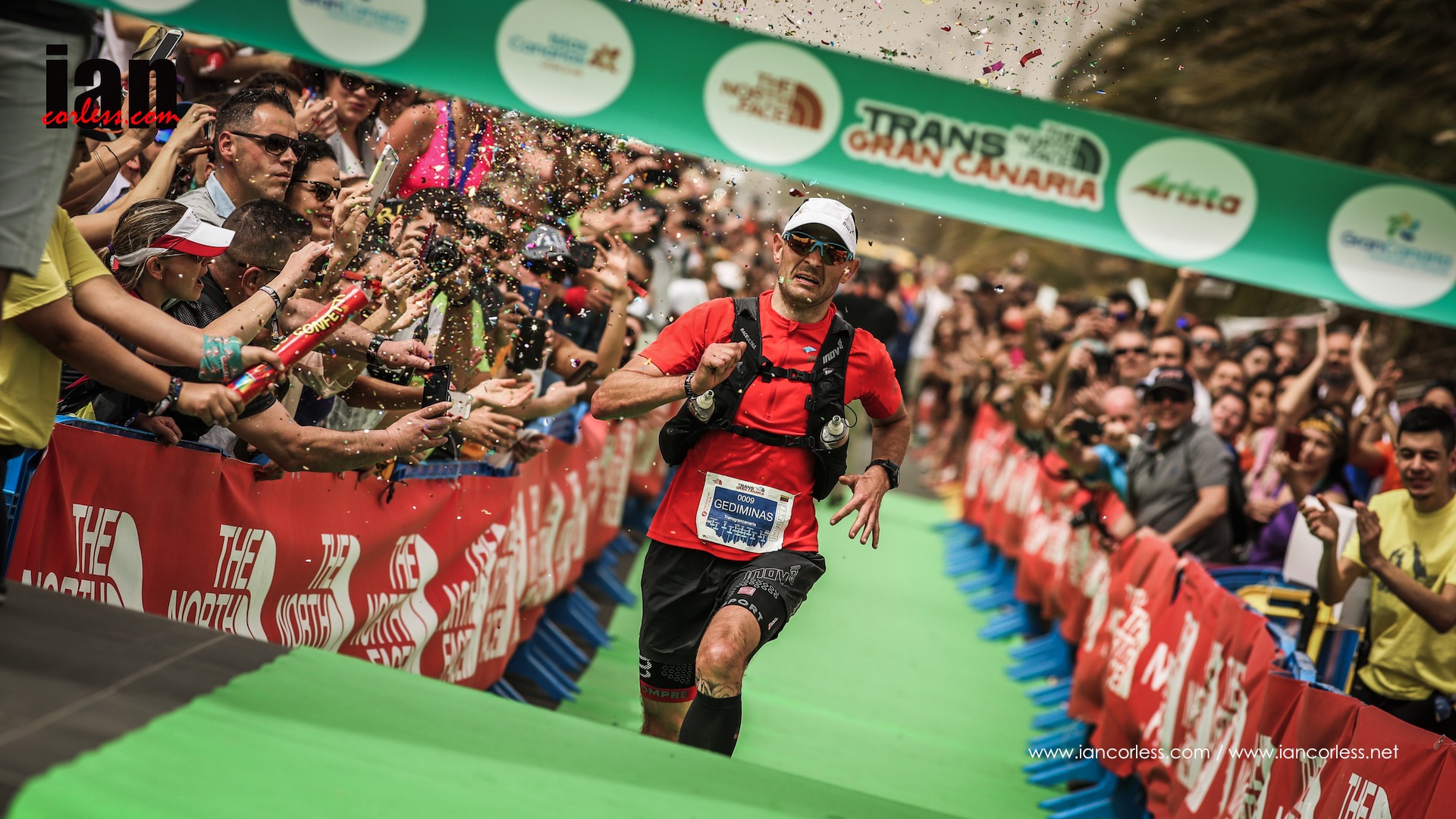
Gediminas Grinius had a stunning 2014 with 3rd, 4th and 5th places at Lavaredo, UTMB and Raid de la Reunion. Three tough races! Based on these performances, Gediminas has all the potential to podium once again and should all things align, he may even win.
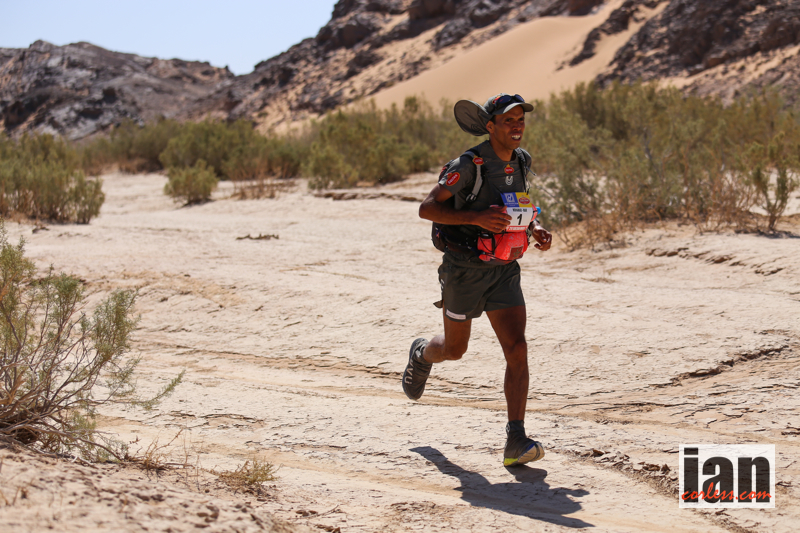
©iancorless.com.IMG_3844MDS2014

Carlos Sa is an ever-consistent performer who performs exceptionally well on a multitude of surfaces, distances and temperatures. Think: Badwater, UTMB and Marathon des Sables. Without doubt Carlos will be in the mix, definite top-10 material and if he has a great day, the top-5 is not beyond him.

Sondre Amdahl like Gediminas Grinius had a great 2014. He placed 6th at Transgrancanaria last year and then 7th at UTMB. His recent 2nd at HK100 is a sure sign that he is in form. He has prepared meticulously for Transgrancanaria… he even moved to the island! 2015 may very well provide an opportunity for a breakthrough performance?

©iancorless.com.IMG_2400

Pau Bartoló won the 2014 CCC and a tough and challenging Transgrancanaria course will play into his skill set. He’s going to need a great day to make an impression on the podium but this island has a habit of jawing runners up. A little patience early on may well pay dividends later.

©copyright .iancorless.com._1050394

Brendan Davies is a guy who likes to run, a win at TNF100 and top-10 at Western States proves this. However, he always seems less positive on technical courses and as we all know, Transgrancanaria has plenty of this. If Brendan can find his legs and get in a rhythm, he will be a contender.

Javi Dominguez was 7th last year and followed that up with a solid 5th Raid de le Reunion. He’s a shoe in for top-10 but the podium will likely elude him unless several other runners crumble (possible on this course) and he as a great day!

Antoine Guillon is part of the unstoppable WAA team who somehow seems to manage racing almost every race in the UTWT calendar and still come out with great results as his 3rd, 4th and 5th at Tor des Geants, UTMF and Transgrancanaria show. I see no reason why Antoine wouldn’t make top-5 again!

©iancorless.com.IMG_1749Yeray Duran was 4th last year and is always fired up for what is his ‘home’ race. His form however can be little unpredictable, so, I’m going to sit on the fence; he could very well have a brilliant day or a disappointing day. Let’s go for the former… top-5!

Yan Long Fei won HK100 ahead of Sondre Amdahl arguably to his incredible sub 2:15 marathon speed. Ultimately though, Transgrancanaria is not going to all Yan many opportunities to open the after burners and run… I see Yan having a similar race to Brendan; they could both potentially struggle with the technicality.

©iancorless.com_TCC2015_Day6-2991Plenty of other great male runners in this race and any of them could shine. For example, Joe Grant will like this course, how he performs very much depends on his recovery from The Coastal Challenge, which he raced in early February.


LADIES

©iancorless.com.IMG_2858The female field can often lack depth, but not at Transgrancanaria… 2014 champion Núria Picas heads up the ladies race along with 2014 3rd place, Fernanda Maciel. Nikki Kimball fresh from The Coastal Challenge in Costa Rica will also be a major contender.

From Europe, Caroline Chaverot, Emilie Lecomte, Denise Zimmerman, Ildiko Wemescher and Elena Polyakova are the main contenders but they will need to suppress competition from American and Canadian: Aliza Lapierre and Stephanie Case. Manuela Vilaseca, Dong Li, Wyan Chow, Nerea Martínez, Xari Adrián, Silvia Trigueros and last but not least, Claire Walton make this arguably one of the strongest female fields we have seen at Transgrancanaria.

Who’s shooting for the podium?

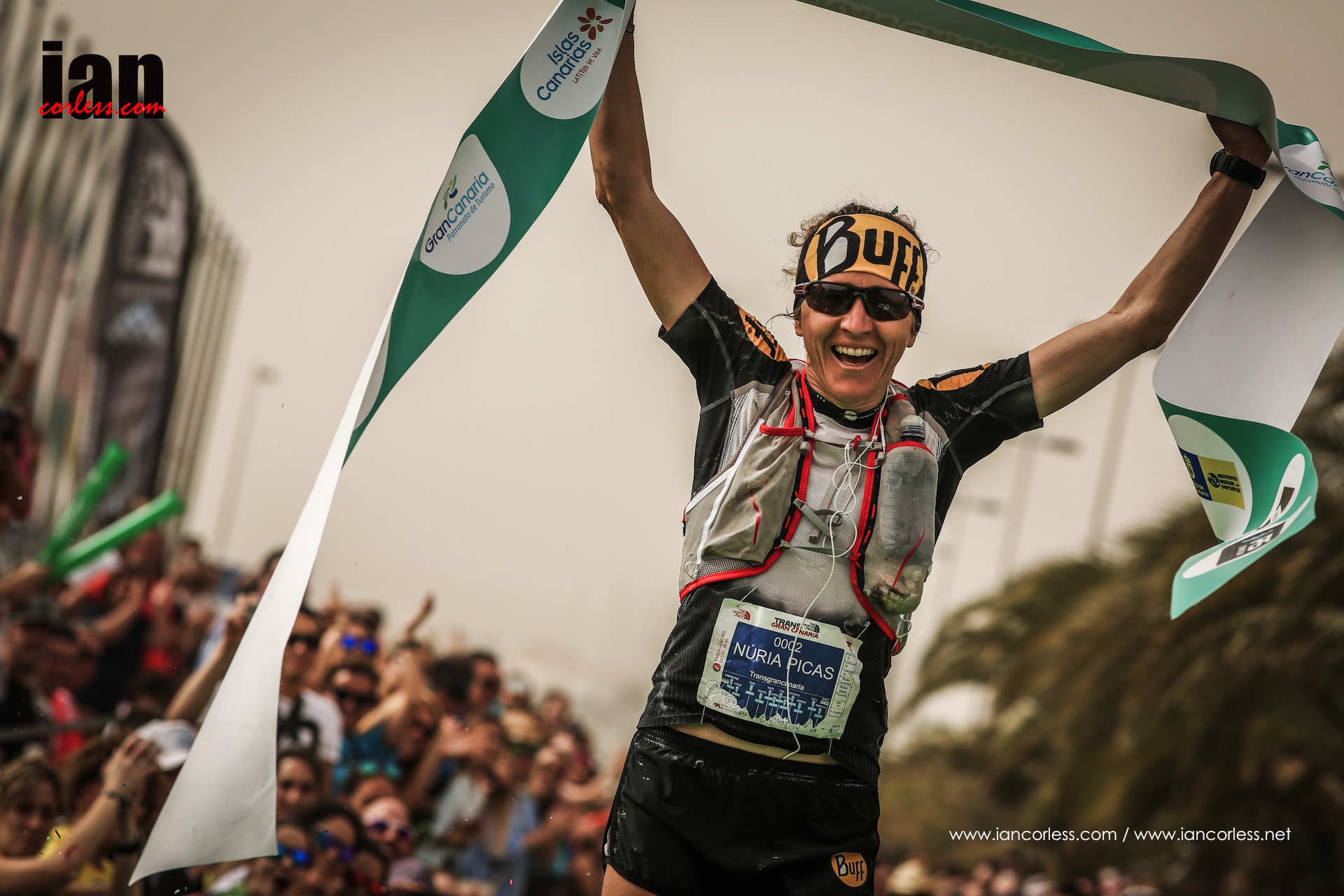
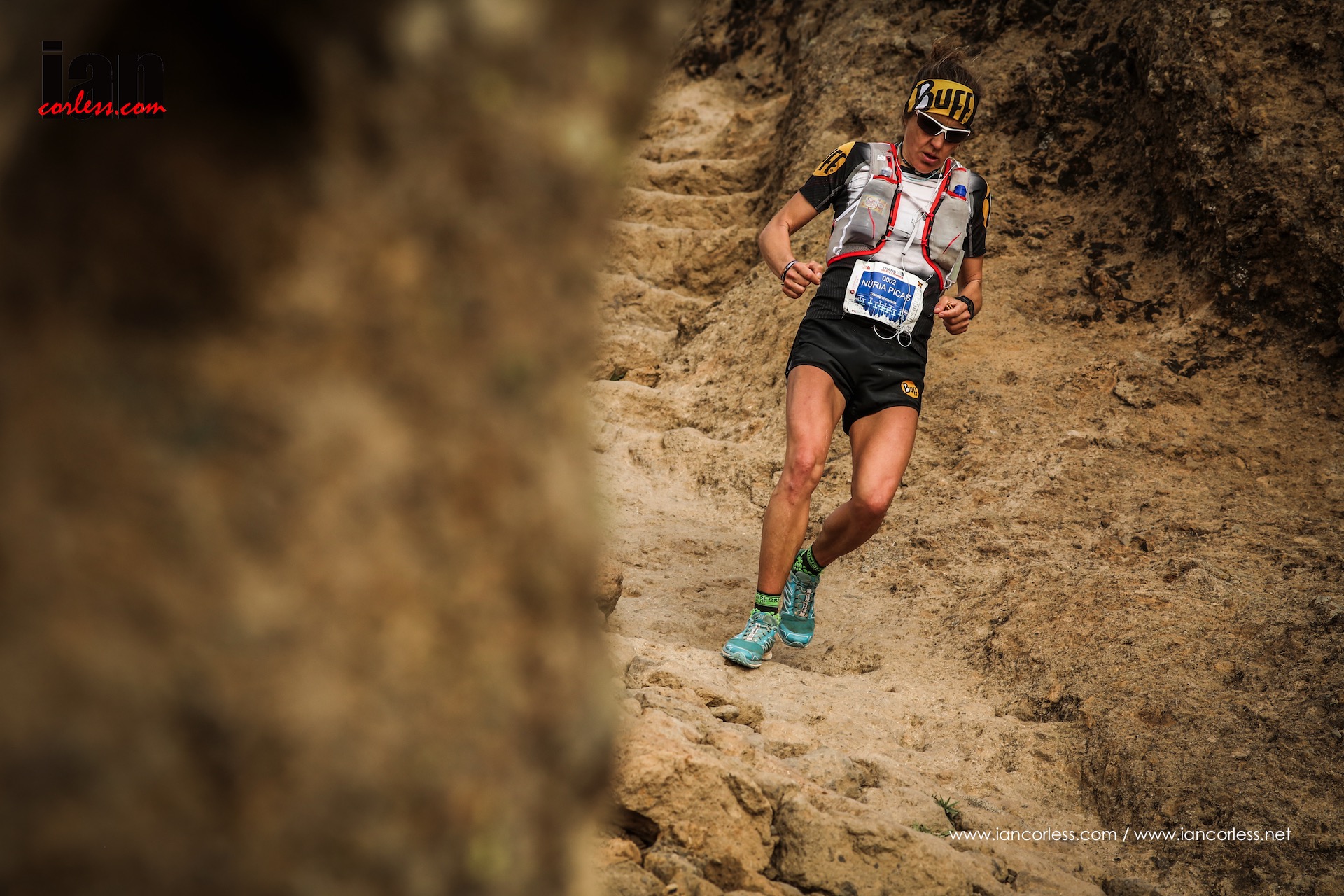
©iancorless.com.IMG_2053Nuria Picas was unstoppable last year winning or making the podium in pretty much every race she ran. Kicking off 2015 with a podium place at UTMF was clear sign that Nuria was running herself in to form. I think she will show the ladies a clean pair of heels at Transgrancanaria and take a strong and decisive victory.

©iancorless.com.IMG_2998

Fernanda Maciel placed 3rd last year and arguably gave 2nd place away to Francesca Canepa (who has decided not to race) after having a to-and-fro battle with the Italian. Fernanda had a strong 2015 consistently making the podium in UTWT races. Recently, she has had an extended period at Aconcagua and all that altitude must be advantageous.

©iancorless.com_TCC2015_Day4-2099Nikki Kimball needs no introduction, she has been there and done it: from Western States to UTMB. Nikki, like Joe Grant raced The Coastal Challenge in Costa Rica and by contrast to Joe, I don’t think TCC will have fatigued her, on the contrary, it will have provided a great kick-start for a potential podium performance in Gran Canaria.

Aliza Lapierre placed 5th at Templiers in 2014 and has won Bandera 100k. I can’t help but think that a ‘running’ course would play into Aliza’s hands more than this course, however, she has loads of class and we can expect that to shine through for a potential top-5.

Emilie Lecomte copyright iancorless.comEmelie Lecomte lacks outright speed but she is a pure mountain lover and she has endurance in abundance. The tougher the better! Emilie has set records on the GR20, excelled at Tor Des Geants, Raid de la Reunion and Ronda dels Cims.

Nerea Martinez and Emelie are made from the same mold and ironically have very similar race histories. Top-10 for sure and don’t expect Emelie and Nerea to finish next to each other in the results.

Wyan Chow won HK100 and may well upset things a little. I don’t see victory coming Wyan’s way but a podium is a possibility. Similarly, Dong Li who placed 2nd at HK100 and Sai Kung 50 will almost certainly make top-10 but the podium is a long shot.

A surprise may come Caroline Chaverot who placed 5th at Mont Blanc 80K in 2014 and my dark horse is Claire Walton and possibly Elena Polyakova.

Stephanie Case gets a nod as a last minute entry.

Follow the race in images and posts on Facebook HERE and on Twitter HERE


Note:

Elite runners will not be seen just in the Ultra race but also in the Advanced race of 83 km. The Advanced has been included this year for the first time in the Spain Ultra Cup® Aml Sport HG and will start from Moya town. Furthermore, this race will allow runners score points for the Championship of the Canary Islands. Zaid Ait Malek, from Morocco, Jorge Aubeso, Pau Capell, Judit Franch, Laia Díez, Yolanda Fernández, among a number of local runners from the Canary Islands, are the ones who will keep the level of this race very high.

Additionally, last year winner Nuria Domínguez will participate in the Marathon and the Polish Tomasz Kilsz, winner of Marathon in 2013, will run this year the Starter race. Efrén Segundo, Trail Series, Championship and Cup of the Canary Islands winner, will participate in the Promo race.


What is the UTWT? 

The aim of the UTWT is to gather the most important races of the five continents and to offer the runners the opportunity to discover new landscapes while running. These races also show how diverse trail running can be: steep mountains on Gran Canaria, strenuous uphill in the Alps, paths in California, hills and beaches in Hong Kong or the Moroccan desert.

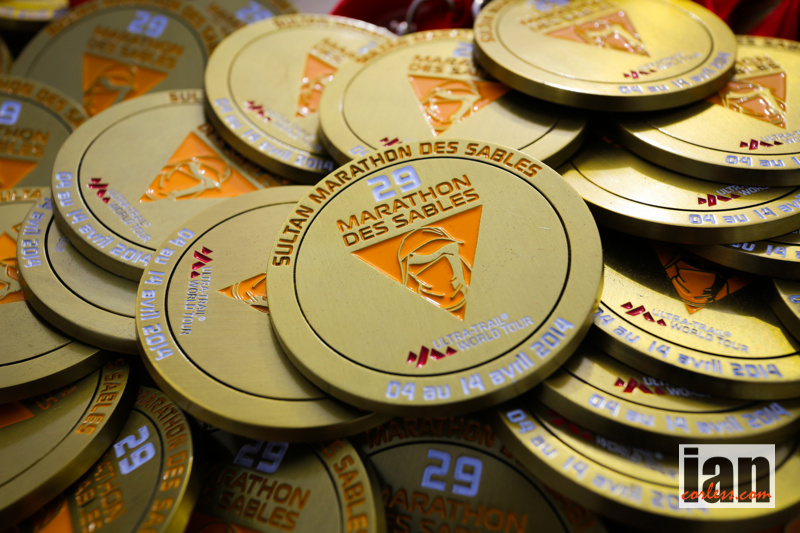
The proposed races are made for runners with high adaptability and each and every of them is unique: The North Face® Transgrancanaria®, Vibram® Hong Kong 100, Tarawera Ultramarathon, Marathon des Sables, The North Face® 100 Australia, The North Face® Lavaredo Ultra-Trail®, Western States 100 Mile Endurance Run, Eiger Ultra-Trail®, Ultra-Trail® du Mont-Blanc, Ultra-Trail® Mt.Fuji® and Le Grand Raid de la Réunion. All these races require different skills in order to win or to be one of the finishers.

Suunto Launches Ambit3 Run GPS watch

Suunto Ambit3Run Trio_1

The Ambit3 Run is a smart Bluetooth® enabled GPS watch for runners for whom style, fit and functionality are of equal importance. It is a running partner, coach and guide, letting you plan, progress and recover more efficiently.

Plan your workouts and discover how well you have recovered

The Suunto Ambit3 Run lets you create and follow detailed interval workouts with the Suunto Movescount App. Set the duration and intensity you want, activate your workout and when used with the Movescount App, the voice coach will guide you through the workout.  A software update later in the spring will allow you to compare your running performance against your last 30 day average and analyze your recovery using a quick recovery or sleep recovery test.

Ambit3 Run has full GPS navigation meaning you can plan your route online, download and then run without fear of making a wrong turn.  Battery Life of 10hrs when GPS accuracy set to 1 sec, 15hrs when set to 5 sec and 100hrs when set to 60 sec.

Follow your friends using the Suunto Movescount App

Using the watch together with the popular Suunto Movescount App brings additional benefits. You can customize your Ambit3 watch and share your Moves while on the go as well as receive call and text notifications on the watch so you don’t need to stop to see who’s calling. Or you can make a Suunto Movie, which turns your route into a playable video file. A new feature of the App, available via a software update this spring, will be an activity feed which lets you follow your friends’ activities – and lets them see what you’ve been up to. The App is currently available for iPhone/iPad users and becomes compatible with Android in April.

Suunto has also teamed up with TrainingPeaks. Moves can now be seamlessly synced to TrainingPeaks after uploading to Movescount. The online service offers advanced training advice for endurance athletes. 

The Suunto Ambit3 Run has a rrp of £200/£250 (with the Smart Sensor) and is available from March 3rd.

For more details, visit www.Suunto.com/ambit3.   @suunto

Suunto_logo [ConveWHITE_rted]Press release by Suunto


Interview with MARSHALL ULRICH

Marshall Ulrich Interview


There was one day though when Jean lay in her bed at home in a darkened room, battered and exhausted from all that disease was doing to her. The gloomy scene made me claustrophobic. My wife was wasting away in a lightless cabin I wanted to run and I told her so.


“How can you leave me right now? How can you be so callous? I need you. I’m so tired. Please stay.”


“I have to run.”


“Don’t do. Please, god I’m alone.”


I looked at her desperate to go. I left. I ran and I still regret it.


Marshall Ulrich has run more than 120 ultra marathons averaging over 125 miles each. He has completed 12 expedition-length adventure races, and climbed the ‘Seven Summits’ all on his first attempts. Is he, ‘the ultimate endurance athlete?’

He finished the first-ever circumnavigation on foot of Death Valley National Park, about 425 miles in one of the hottest, driest places on earth. He ranked this expedition as tougher than ascending Mount Everest, but not as challenging as his record setting transcontinental run of more than 3,000 miles from San Francisco to New York City, which was the subject of his book and memoir; Running on Empty.

In his sixties, Marshall inspires adventurers, active and armchair athletes, and a growing general audience by sharing his experiences and defying the ideas of “too far,” “too old,” and “not possible.”

I caught up with this amazing man to get a glimpse into what makes him tick.

You can read the full interview on RUNULTRA HERE

run-ultra-logo

SCOTT KINABALU SUPERTRAC – First Impressions

©iancorless.com_ScottSupertrac-5082

Spring is here and new run shoes are a plenty. Christmas takes place in December but I have to say, if you are a runner, February is stepping up to be a great month for a few surprise presents. Recently I have had new shoes from The North Face (Ultra MT, Cardiac and TR2, the Salomon S-Lab Sense 4 is due to arrive any day and several weeks back I looked at the Scott Trail Rocket and mentioned the Kinabalu.

Today we are taking a look at a new shoe from SCOTT, the KINABALU SUPERTRAC.

This is a shoe I asked Scott to make some 12-18 months ago! Having used and loved the Kinabalu (Here) I pleaded with them to come up with an 8mm drop shoe with a more aggressive sole. They have only gone and done it!

©iancorless.com_ScottSupertrac-5043

This shoe is a winner!

Looking at current shoe trends, Scott like The North Face, Salomon and other key brands have realised that a lower drop is the way forward. For many companies, 8mm provides that sweet middle ground. New Balance, TNF and now Scott have confirmed this while Salomon pave a way with 4mm and 6mm drop shoes.

As mentioned previously, if you are after a fast trail shoe (for dry conditions) and with a lower drop (5mm), you can’t go far wrong with the Scott Trail Rocket. But if you are after a shoe that can handle mud and a multitude of different conditions then the 8mm drop, Kinabalu Supertrac may be for you!

©iancorless.com_ScottSupertrac-5053

Carrying over many of the characteristics of the Kinabalu, the Kinabalu Supertrac in summary :

Fits like a glove, laces up nice and tight, hugs the heel without rubbing, the toe box provides a secure hold of your foot with a precise feel and grip is AGGRESSIVE!

©iancorless.com_ScottSupertrac-5061

In Detail

The Kinabalu Supertrac introduces a new level of technical shoe and a completely new concept of superior grip. The shoes are designed to match the needs of trail and mountain runners in the most extreme conditions : mud, snow, rock and mountain! Delivering great traction on soft and rough surfaces and all within a shoe that provides great comfort, cushioning and with an 8mm drop.

It comes as no surprise to me really. As I said previously, I loved the Kinabalu. I just wanted more grip and lower drop. Scott have that now provided me with that, so this can only mean one thing: happy runner!

If you are familiar with the Kinabalu, this ‘Supertrac‘ version will feel familiar. The tongue is padded, extremely comfortable and the laces are thin and textured. Importantly, the laces stay tight when tied. Scott’s ‘Lace Locker‘ is present and this provides a no nonsense simple solution to store loose laces.

©iancorless.com_ScottSupertrac-5070

The shoes are neutral fitting and cushioned using AeroFoam+ which provides additional cushioning, increased durability and great rebound. The upper is breathable mesh with synthetic overlays and the lower part of the shoe is constructed from EVA and rubber.

©iancorless.com_ScottSupertrac-5088

The toe box is reinforced extremely well and will withstand some serious contact with rocks or unwanted obstacles. I usually prefer a wider shoe and the Supertrac allows for this but still holds my forefoot firm and without hot spots.

©iancorless.com_ScottSupertrac-5073

The heel is injection moulded, plush, soft has no harsh contact points and provides a secure firm grip irrespective of when running on the flat, descending or going uphill. I had no movement at all.

©iancorless.com_ScottSupertrac-5075

As one would expect, Scott carry over many features that we have seen on other shoes in the range. The eRIDE is a ‘rocker’ platform that is designed to guarantee a more efficient foot strike. If you already strike mid to forefoot, this may be less noticeable. However, if you are heel striking, the rocker really does roll you forward on to your toes.

©iancorless.com_ScottSupertrac-5094


The most noticeable aspect of the shoe is the GRIP! I can’t write about the GRIP without putting it in capital letters. Boy do they GRIP…

©iancorless.com_ScottSupertrac-5061

Think JCB meets running shoe. The outsole is extreme and made from a superior wet traction rubber compound that works really well on a multitude of surfaces. I am really impressed with just three to four runs*.

Conclusion

If you are looking for an out-and-out trail beast with great cushioning, 8mm drop and a comfort rating that will least all day, the Kinabalu Supertrac is going to be a serious contender. It has very quickly become my ‘go to’ when heading out on my local muddy trails.

Expect to see Marco De Gasperi, Elisa Desco and Joe Gray using this on the trails and mountains of Europe and the USA.

Pros:

  • GRIP
  • Cushioned
  • Spacious toe box with protection
  • True to size fit

Cons:

  • Not the lightest shoe

Details:

RRP £105

Available SS2015

Technology:

  • Lace bungee
  • Wet traction rubber
  • eRIDE Platform
  • AerFoam+
  • Self cleaning lugs
  • Upper: Mesh/ synthetic overlay
  • Lower: EVA/ Runner
  • Drop: 8mm
  • Weight: 340g (UK8)
  • Sizes: US7-14

#noshortcuts

©iancorless.com_ScottSupertrac-5096

©iancorless.com_ScottSupertrac-5104

©iancorless.com_ScottSupertrac-5107

*I will provide an updated review after 1-month and plenty of nice muddy shots to show the shoe’s durability in the upper and outsole

Don’t worry, we will give you a credit!

©iancorless.com_P1060017

I am lucky, very lucky! I have a life and business that allows me to travel to amazing places documenting a sport that I love. It’s a dream job and one that I throw myself into 100% each minute, of each hour of everyday.

It’s a job that not many can do. It requires long hours, an ability to handle stress and you need to be fit. Well, you need to be fit if you do the job in the way that I do it!

I have built a business out of hard graft and my commitment has been rewarded. For example, in 2014 I travelled and worked on over thirty races. In 2015, I will work on a similar quantity.

I do have a ‘USP.’ I am not only a photographer. I offer a one stop package for a race with writing, podcast and a website that generates thousands of hits on a daily basis.

But don’t be mislead. If I was doing any other job, I would arguably be wealthy. But working in a niche sport does limit what is available in regards to re-numeration. I accept that!

However, I don’t like having the piss taken!

Let me give you a scenario:

Imagine you work for a magazine. You go to the office on Monday and you start work at 0900. You take a lunch break at 1300, return to work at 1400 and then work to 1800. You do this day after day… At the end of the week, the magazine you have toiled on is ready. You have dedicated forty hours minimum to its success. Your boss comes in, congratulates you on an awesome job and says how great your work is! You feel proud. You feel happy and you pat yourself on the back.

“We have decided not to pay you for your work this week. We have no budget! But don’t worry, we will give you a credit in the magazine. It’s a real plus for you, your name will be associated to the incredible body of work you have created. What more could you want?”

I am well aware that belts are being tightened in the world of running magazines. Lets face it, It’s no surprise… magazines print old news that will have appeared on websites like mine weeks and more than likely months before. However, it’s always nice to have something in print both from a consumer perspective and a contributor’s perspective. But lets not be fooled, somebody somewhere is making money.

Let’s just look at a potential scenario:

  • A magazine sells at £4.99 per issue.
  • They sell 28,000 copies.
  • That is £130,000+ of sales.

“It will be great advertising for your work and getting published by us will help you professionally.”

****

So does this argument have any merit?

Who doesn’t like seeing their work in a magazine? It’s a great showcase and of course as a photographer, it’s a confirmation of my ability.

However, readers of magazines are not the people who are going to commission future work from me, so, other than an ego boost; little gains come from a ‘credit.’

But, I do get a tear sheet and I can add it to my website HERE to show that I am credible and trustworthy! My photography is so credible that the magazine editor didn’t respect me, or my work enough to pay me for my time, skills and professionalism?

“Yes, but other magazine professionals and people in the industry will see how good you are, phone you up and commission something from you.”

No! Potential clients think, aaagh, you worked for ‘X’ magazine, they have a reputation for not paying, so you probably did the work for free.

Without wishing to blow my own trumpet. I am well established in the trail, mountain, sky and ultra world. My work is known and I get the job done. That is a USP and it is a bonus for any commissioning editor or client.

I can overcome obstacles and always come up with the goods. These things all mean far more than if I have been published. As a photographer, the best way to help me (and those like me) is to do what professionals do — treat us with respect and pay us for the work we do!

I work on races all the time. I provide a service and I get paid for that service. So, when an  editor of a magazine emailed recently asking me to use my photos of a particular race I asked, “what budget is available” and I was clear. “I can be flexible.”

“We don’t have a budget for photography,” the editor said in a way that was almost saying; “how dare you request a fee.”

I replied and I used my scenario of going to the office, working all week and then getting a ‘credit’ instead of getting paid.

“Ah, but that is different,” they said, “You were paid by the race to cover the event and therefore you should provide images for free to help promote the race, that is normal!”

Errr no! Some races ‘may’ well have a photographer that ‘may’ be contacted in who ‘may’ have signed a deal where all images are available post race and then the images ‘may’ be used in multiple media outlets? In theory, the photographer will have been paid ‘extra’ to allow this.

I don’t do this!

For one, it devalues my work.

I provide a quality service and any fee I receive covers my time and not the images I take. My images are mine and they are unique to me. They have my style, my fingerprint and that is the value. They are a piece of art with intrinsic value and they are protected under copyright.

Of course, I also provide considerably more! My website can get over 40,000 hits per day when I post images from a race. I also write race reports and I promote a race through my reach… social media has a huge benefit and you will see ‘branded’ low resolution images of my work everywhere. It’s a package that I provide and one that works.

It is time to stand firm

Photographers please stand firm. Don’t let publications walk all over us.

I, just like you am a professional. I have done five years at university; I have been in the business for twenty-five plus years and I have served my apprenticeship.

My work is unique, valuable and worth a fee.

If we are not getting paid, how are we different from the millions of budding photographers who do this as a hobby while still making money in another profession? How do we pay the rent, how do we put food on the table if we don’t charge for our services?

It is time to stick to our guns and not give away our work and make the magazines (or other businesses) pay us our due rewards for the work that we provide.

What other profession would be expected to work for free?

Clients have the money, they just play the game and far too many times, they win through pressure. If we have photos that are good enough to be published, they are good enough to be paid for!

Magazines will always continue to get ‘free’ content from enthusiasts but in time, the quality will soon drop and with it, the life of the magazine.

****

Note: This post has been generated through a frustration from those in the industry who continue to use bullying tactics in a hope that I will succumb to providing content for magazines and other similar publications without payment.

This post is not a reflection on races, race directors and brands who I work with on a professional basis, day-in and day-out and who I have an excellent working relationship with. To all those, I thank you for your continued loyalty.

Please look at my photography website HERE

Image sales available HERE

Fat Burning Efficiency by Marc Laithwaite

Image ©getphysical.co.uk

Image ©getphysical.co.uk

Last week we talked about the possible benefits of high fat coffee (Bullet Proof Coffee) prior to an endurance workout. Greater levels of circulating fats in the blood stream, may promote the use of fat as a fuel source and thereby saving precious carbohydrate stores. It created quite a stir… as we expected!

As a recap, when you run long distances, you use a combination of both fat and carbohydrate to provide energy. Your objective is simply to get the most energy as possible from fat and less from carbohydrate, as your carbohydrate stores are relatively limited and can run out quickly.

For example: If when running at an endurance pace (say long ultra) you currently use 600kcal per hour with 30% coming from fat and 70% coming from carbohydrate, that’s 420kcal of carbohydrate per hour. If you reverse this figure so only 30% of your energy comes from carbohydrate, then you will only use 180kcal of carbohydrate per hour. That is a saving of 240kcal of carbohydrate per hour (60g per hour), which is actually the recommended intake during most endurance events!

So if the recommended guidelines are to ingest 60g of carbohydrate per hour during endurance events (that’s approximately 1-2 bars or 2-3 gels) and you switch your fat usage from 30% to 70%, then technically you don’t need to take any fuel right??

Not quite… even if you optimise your diet and training to enhance your fat usage, you’re always going to be using carbohydrate to some extent, so you still need to take it on board. There are a couple of key things you need to take into account:

  1. If you’re rested, tapered and fuelled, then you should be starting on a full tank of carbohydrate, so eat a good source of carbohydrate in the days prior to racing.
  2. We are obsessed with carbohydrate portions, thinking that more is better and a bigger portion equates to more glycogen (stored carbohydrate). Your glycogen stores are relatively small, so you don’t need to eat a lot. If anything, eat a little less in the final days to stop yourself feeling bloated and heavy. This is difficult to do, as we generally believe that ‘carbo loading’ is required so eat excessively in the final few days. The same rule applies for breakfast, a huge meal is of no benefit as your stores are probably already full.
  3. If your fat usage is enhanced, you don’t need to eat as much during the race or training. In Ironman many people ‘panic eat’ on the bike with a fear that we won’t have enough fuel on board. There is a real trend for people to be obsessed with how much they can eat during the cycle section. Athletes often have a set plan of several bars and gels, plus energy drinks at regular intervals. Stomach problems are very common due to high amount of carbohydrate, which gather in the stomach, leading to bloating.
  4. The most common reason given for people failing to hit their target times in endurance events is ‘I got my nutrition wrong in the race’. The truth of the matter is that you got your training wrong.

Last week, we suggested that Bullet Proof Coffee or training in a fasted state works best when training for 1-3 hours, depending upon your sports and ability. But what if you’re going further? What if you’re running for 3-5 hours or cycling 5 hours or more? For many athletes, riding for 5 hours in a fasted state would create a very high level of fatigue, which may take several days to recover from and impact upon your normal weekly training. If you are riding or running longer distances, breakfast and food throughout the session is needed and you should follow these guidelines:

  1. Eat food which will maximise fat usage to save carbohydrate.
  2. Maintain a constant blood sugar level and avoid spikes and dips.
  3. Based on point 2, eat foods which provide a slow ‘drip feed’ of energy rather than those which give you an instant hit.

Here are examples:

Breakfast is 1 mug full of muesli with no sugar. To increase fat content, buy mixed seeds/nuts breakfast cereal topper and add quarter of a mug. To further increase fat content sprinkle on desiccated coconut. Add dried or chopped fruit (anything low GI) and eat with full fat milk or natural yogurt. Don’t add any sugar, honey or syrup. It should be a small to medium bowl, don’t overeat and try to stock up with extra toast and jam for carbohydrates.

During exercise eat nothing for the first hour then take something every 30 minutes. You need to avoid things, which give you an instant hit, so avoid all high sugar products and don’t use energy gels. Energy bars take longer to digest so half a bar every 30 minutes would be suitable. Opt to have half every 30, not a full bar every hour, as this is easier for your stomach and intestines to deal with. You can choose something different to sports bars, such as flapjack, dried fruit or bananas. If you make your own flapjack, butter, fruit, coconut and oats are good, avoid sugar and syrups. The key is small quantities frequently (every 30 minutes from 60 onwards), coupled with water, squash or electrolyte solution, but no energy in drink.

The great gel quandary

Gels were invented for a specific purpose. When you felt low on energy and you were about to ‘bonk’ or ‘hit the wall’, you took a gel and it gave you instant energy. They gave you a rapid sugar spike at times when a rapid sugar spike was required. Then at some point the rules changed, gels were no longer a rapid source of energy for low periods, they are now to be taken every 20 minutes to provide a constant flow of energy. Simultaneously we are advised that we need a constant drip feed of carbohydrate and to avoid sugar spikes. Maintaining a steady blood sugar level is key to efficient metabolism. I’m not sure if I’m the only one confused, but I’m not sure how taking a product designed to spike your sugar levels every 20 minutes can be described as ‘drip feeding carbohydrate’ and maintaining a steady supply. In fact, gels sold based on their ‘fast acting’ properties, would surely be the worst things to take? That of course depends upon how you’re using it, if you’re taking it every 20 minutes to top up energy through a long race, the statement is correct. If you’ve bonked and you need an instant hit, then a gel is perfect, as that’s what they were designed for. It’s interesting how the purpose of a product can change, but I guess if you only took gels when you ‘bonked’ compared to buying 18 of them for a 6 hours ride, the gel economy would take a hit. Just saying.

What next?

As a start point, go out and ride or run and try the strategy. Don’t panic eat or over-eat either before or during. Choose low sugar foods in small quantities at frequent intervals and don’t be afraid of ‘bonking’ during this process. It may take your body a while to become accustomed to utilising fat so give it some time.

Pacing is key

Pacing is the missing jigsaw piece for this strategy. Riding or running at the correct intensity is critical during training sessions if you wish to maintain glycogen stores for the full duration of the workout. We’ll discuss pacing in next week’s blog and how intensity impacts upon fuel usage during endurance training and racing.

– Marc Laithwaite

About Marc:

Sports Science lecturer for 10 years at St Helens HE College.

2004 established The Endurance Coach LTD sports science and coaching business. Worked with British Cycling as physiology support 2008-2008. Previous Triathlon England Regional Academy Head Coach, North West.

In 2006 established Epic Events Management LTD. Now one of the largest event companies in the NW, organising a range of triathlon, swimming and cycling events. EPIC EVENTS also encompasses Montane Trail 26 and Petzl Night Runner events.

In 2010 established Montane Lakeland 50 & 100 LTD. This has now become the UKs leading ultra distance trail running event.

In 2010 established The Endurance Store triathlon, trail running and open water swimming store. Based in Appley Bridge, Wigan, we are the North West’s community store, organising and supporting local athletes and local events.

Check out the endurance store HERE

Endurance Store Logo

The 2015 11th edition of The Coastal Challenge on RUNULTRA

TCC 2015

“Anything can happen in a race that lasts multiple days and believe me, The Coastal Challenge provided more than its fair share of excitement. But as a battle raged at the front, behind, the story was one of survival, perseverance and enjoyment in equal measure.”

Read the full article  and view a selection of images from the 2015

The Coastal Challenge

HERE

A full selection of images are available HERE

And you can read daily reports with images from the race here:

Day 1 HERE

Day 2 HERE

Day 3 HERE images HERE

Day 4 HERE images HERE

Day 5 HERE images HERE

Day 6 HERE

run-ultra-logo

Karl Egloff breaks Kilian Jornet’s Aconcagua Record

Image copyright TRAIN RUNNING ARG  @trailrunarg

Image copyright TRAIL RUNNING ARG @trailrunarg

Kilian Jornet’s Aconcagua record has been broken!

Ecuadorian mountaineer and runner, Karl Egloff has broken Kilian Jornet’s record for ascending and descending Aconcagua.

“URGENTE: KARL ACABA DE ROMPER EL RECORD DE SPEEDCLIMBING DEL ACONCAGUA HORCONES-CUMBRE-HORCONES CON UN TIEMPO FABULOSO DE 11 hrs Y 52 min”

In simple terms, the tweet posted on the 19th February says:

“KARL JUST BREAK THE RECORD OF THE ACONCAGUA SPEEDCLIMBING HORCONES – SUMMIT – HORCONES WITH A FABULOUS TIME 11 hrs and 52 min”

News is coming in slowly and mostly via Facebook and Twitter. Needless to say, this is a significant result for Karl. This is not the first time Karl has taken a Kilian Jornet record… in 2014, Karl also took Kilian’s record on Kilimanjaro.

Swiss veteran mountain guide, Karl Egloff, has broken the Mount Kilimanjaro fastest ascent and descent record, in a mind-blowing time of 6 hours, 42 minutes and 24 seconds. The previous record was held by Spanish mountain runner, Kilian Jornet, who in 2010 managed to run to the top of Uhuru Peak and back down in 7 hours, 14 minutes. – taken from climbkilimanjaroguide.com

Kilian Jornet tweeted – “Muchas felicidades @karlmtb ! Nuevo record en el Aconcagua #RecordsAreToBeBroken

Who is Karl Egloff?

Karl Egloff is a natural athlete; he spent part of his life in Switzerland, where he  played football. Karl is now a mountain guide and one of the best runners of trail and mountain running in South America. Karl participates in various sports such as cycling and swimming. He currently holds the record for climbing, descending Kilimanjaro.

More news will unfold as time passes and we will update as and when appropriate.

Bullet Proof Coffee – Boost Your Endurance by Marc Laithwaite

I Love Bullet Proof Coffee

There is a current trend for ‘Bullet Proof Coffee’ which is used to boost endurance performance, in this post, we’ll explain the basic thinking behind the concept and how it can help you when training for endurance based events such as marathon running, cycling and long distance triathlon events.

Why Bullet Proof Coffee?

It’s something we’ve discussed many times before, if you can increase your fat burning during exercise, you will save glycogen (carbohydrate) and therefore exercise for longer. People who use glycogen at a high rate will run out much more quickly, so shifting your metabolism to use fat as your main source of energy is of great benefit.

What is Bullet Proof Coffee?

Bullet Proof Coffee 2

The subject can become a little over complicated, but in simple terms, it’s ground coffee with added MCT oil and butter. The perfectionists will argue that you need a specific high quality coffee bean freshly ground, but I’m sure you can start with general filter coffee powder and progress from there! The term MCT oil refers to ‘medium chain triglycerides’ which are a specific type of fat which is known to be fantastic for energy. MCT is found in coconut, so MCT oil is generally derived from coconut with the flavour removed. The other ingredient is butter, preferably organic and grass fed to be high quality, don’t use ‘Flora’ or ‘I can’t believe it’s not butter’ it’s really not the same. Full fat, organic, grass fed butter might sound a little strange as it’s high in saturated fat. However, saturated fat is one of your main fuels and critical for endurance performance.

Those who know a bit about nutrition trends will be familiar with the above info, those who are not familiar with nutrition trends might be thinking ‘I thought saturated fats were the bad one’s?’ It turns out they were wrong, who’d have thought it? it’s a long explanation so probably easiest if you just go with it…

The process:

Bulletproof Coffee

Make your coffee, add 1-2 tbs of MCT oil and 1-2 tbs of butter. Put it all in the blender and whip it up until you have a nice froth on the top. You can pour boiling water into your blender to keep it hot, then empty it just before the coffee goes in to stop the coffee cooling. Fat & oil don’t dissolve in water so it floats in the top.

You alternative option (the fanatics will not like this) is to use MCT powder. It works a bit like coffee mate, add a heaped teaspoon to your cup then add a small amount of coffee. Give it a good stir and whip to get the lumps out, then add the rest of the coffee. MCT powder tastes quite creamy (not of coconut) and you might find it more palatable than oil and butter floating on the surface, although I’d encourage you to try to original recipe also!

When should I drink it?

Before you go training, most people will generally opt for one of the following:

1. High carb breakfast
2. No breakfast
3. High fat breakfast

All 3 are viable, but it really depends upon the athlete and the type of session you are about to take part in. We will discuss this in a lot more detail next Tuesday.

Eating no breakfast (fasting) is a common method for encouraging the body to burn more fat, but actually taking a high fat breakfast (in this case a bullet proof coffee), might enhance fat usage even greater, by increasing the amounts of fats circulating in the blood.

IMPORTANT: It should be used for endurance sessions (long and slow) and works perfectly if you’re following a Maff formula or similar (as per last week’s blog). Each person will differ, but eating no breakfast and drinking a bullet proof coffee would work perfectly for:

Endurance runs of 1-2 hours
Endurance cycles of 2-3 hours

The timescales will very much depend upon the experience and fitness of the athlete. If you are very well trained, you may well be able to do more on a single drink, but these are average timescales. You should not take any breakfast beforehand and you should not eat sports products or ingest any other form of energy during the run or ride. You should also ride at the correct intensity (as per Maff or similar).

What to do next?

Buy some filter coffee, or some beans and a grinder. Google MCT oil or MCT powder and purchase some online, then get some grass fed organic butter. If you don’t have a blender, don’t worry, just give it a good whisk with a fork!! Drink the coffee 30 minutes before exercise.

– Marc Laithwaite

About Marc:

Sports Science lecturer for 10 years at St Helens HE College.

2004 established The Endurance Coach LTD sports science and coaching business. Worked with British Cycling as physiology support 2008-2008. Previous Triathlon England Regional Academy Head Coach, North West.

In 2006 established Epic Events Management LTD. Now one of the largest event companies in the NW, organising a range of triathlon, swimming and cycling events. EPIC EVENTS also encompasses Montane Trail 26 and Petzl Night Runner events.

In 2010 established Montane Lakeland 50 & 100 LTD. This has now become the UKs leading ultra distance trail running event.

In 2010 established The Endurance Store triathlon, trail running and open water swimming store. Based in Appley Bridge, Wigan, we are the North West’s community store, organising and supporting local athletes and local events.

Check out the endurance store HERE

Endurance Store Logo

Tromsö Skyrace, soul skyrunning between the sea and the sky

IMG_4252
The second edition of the Tromsö Skyrace to be held the first weekend of August in northern Norway was presented today. This year’s event will include a vertical kilometre race but will still keep the essence of the first edition: technical routes for lovers of skyrunning and a family atmosphere.

There will be a Skyrace, 45 km and 4,600m climb and a Miniskyrace, 21km and 1,600m D+. In addition, a new circuit has been added: a Vertical Skyrace of 2’6km and 1,044m D+. All of them are ‘very technical circuits designed for experienced runners who enjoy the wilderness’ declared athletes Emelie Forsberg and Kilian Jornet who, once again, will be ambassadors of the event. This year the Skyrace and the Vertical Kilometre will score towards the Skyrunner® World Series, and some of the best athletes in the world will take part in it.

After the excellent reception last year, in which inscriptions were sold out within hours, the number of runners has been increased by 600 -200 per race- but not too many to crowd the race with runners, and always with the mountains taking centre stage.

Like last year, athletes will enjoy a route with the Norwegian fjords in the background as well as wild paths, technical trails and glaciers. A unique landscape in a race that remains very respectful of the environment and very familiar. The bond between the sea and the mountains, with participants from all over the world. Last year there were up to 25 nationalities present, and this number is expected to increase this year.

The event will have two star athletes: world champions Emelie Forsberg and Kilian Jornet, who are very excited about this second edition ‘we are looking forward to returning to share those circuits, at a very special time when it never gets dark.’

Emelie and Kilian are actively involved in the Tromsö Skyrace by helping out the organizers, designing the circuit and in a rather curious and original way: by cooking cinnamon pastries for all participants. Emelie explained: ‘We want this to be a race where all runners feel looked after. Last year I had a great time cooking and sharing moments with the participants. The race is growing but we still want to maintain this spirit.’

Nature is the most important thing in the Tromsö Skyrace and, therefore, the environment is taken care of by marking the circuits with biodegradable tape, setting up the checkpoints in shelters and crossroads and avoiding paper notices.

Registration for this event, which is the dream of every Skyrunner, is now open.

The event will take place on July 31st, 1st and 2nd August 2015 and will be part of the Skyrunner World Series.

Registration for 600 places opens today and the event hopes to be as successful as last year.

A technical route in a unique setting with Norwegian fjords.

Images copyright Jordi Saragossa

IMG_4252

IMG_4254