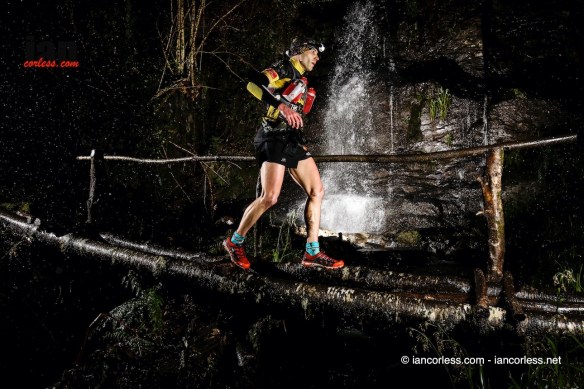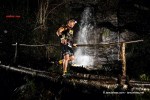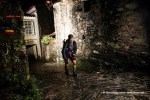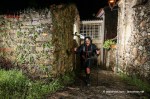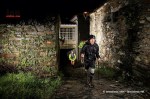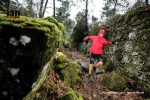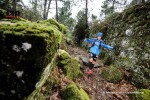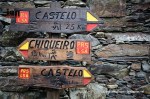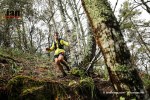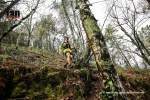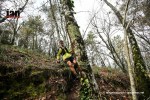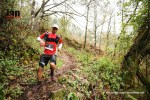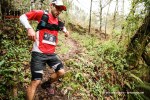
RICHTERSVELD TRANSFRONTIER WILDRUN 2016 – Entries close soon!

©iancorless.com_RichtersveldRaceDay32015-0853

“The simple act of running, placing one foot in-front of the other as a method of transport takes us back to our roots, our basic instincts. In search of a place to sleep, to hunt for food; it is about being in the wild, surviving and fulfilling a primal need.”

Richtersveld Wildrun | Avaunt Magazine-1

VIEW ON AVAUNT HERE

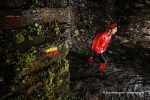
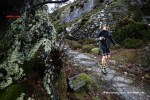
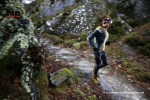
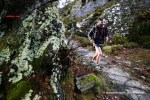
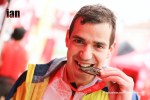
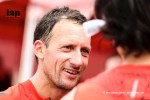
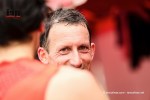
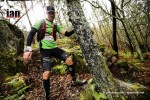
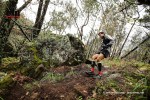
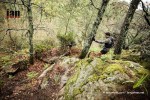
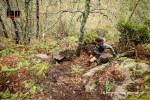
Join 2015 Marathon des Sables champion, Elisabet Barnes, South Africa’s unstoppable Linda Doke and the UK’s Tobias Mews in the 2016 Richtersveld Transfrontier Wildrun.

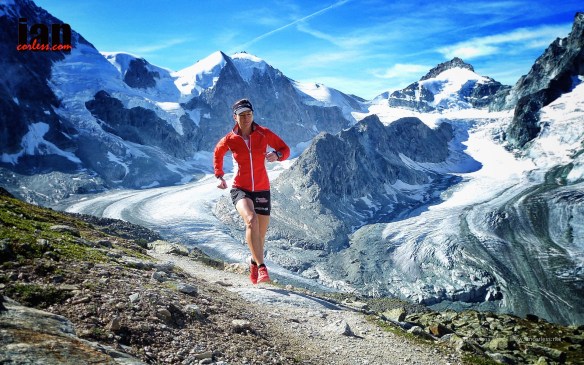
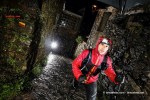
Linda Doke, Zinal, Switzerland - image ©iancorless.com

Linda Doke, Zinal, Switzerland – image ©iancorless.com

The 2015 edition of the race was an incredible, mind-blowing journey but in 2016, the race goes one step further and becomes ‘Transfrontier.’ The race will now pass over the Orange River and in to Namibia.

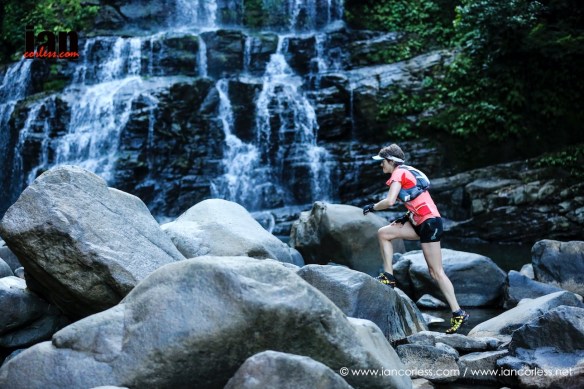
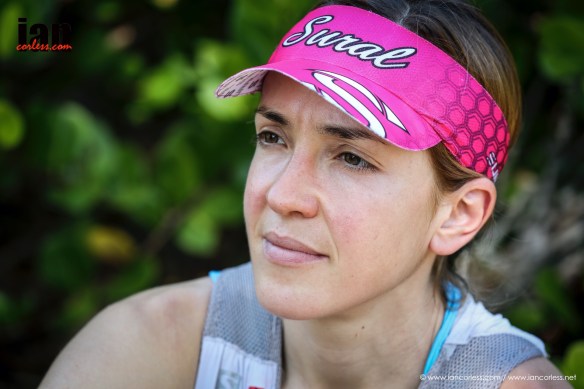
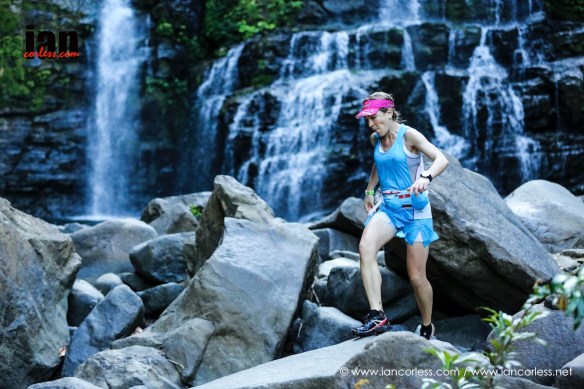
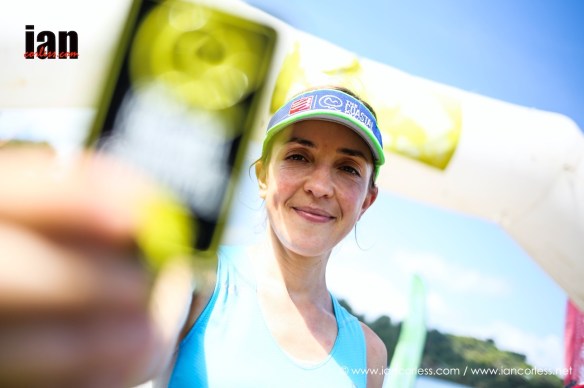
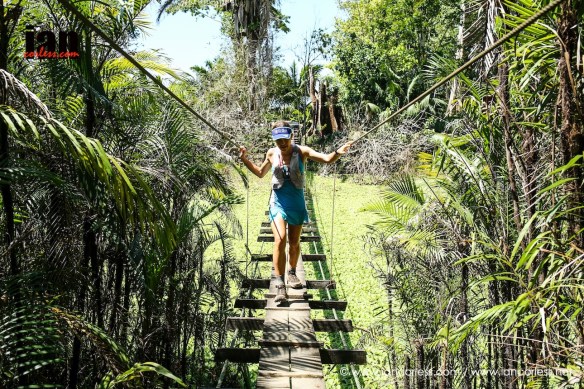
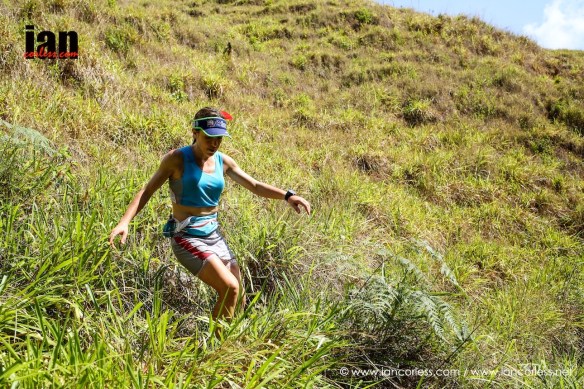
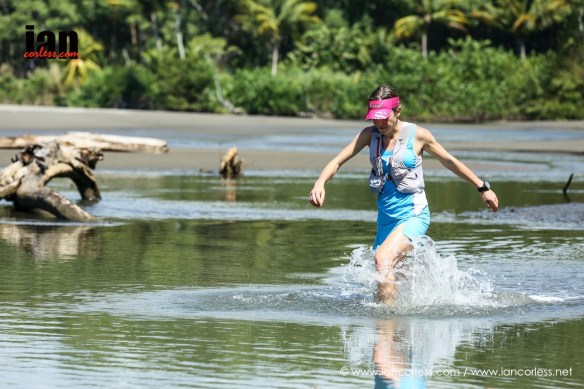
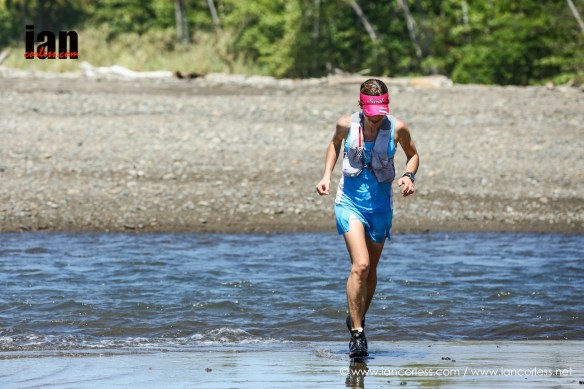
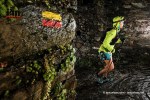
Elisabet Barnes 2016 The Coastal Challenge, Costa Rica (2nd place lady).

Elisabet Barnes 2016 The Coastal Challenge, Costa Rica (2nd place lady).

Known as one of the most scenic and unique trail running stage race events on the South African trail running calendar the Richtersveld Wildrun™ takes a new direction and in doing so become a cross-border trail running event; a worlds first! Extending to a linear 200km race, the five day crossing from South Africa to Namibia goes through the heart of the stunning /Ai/Ais-Richtersveld Transfrontier Park.

“We are absolutely thrilled to have unlocked a truly unique opportunity to experience both sides of such a unique and powerful place  – and to finish a long day at a natural hot springs in the middle of the wilderness is unbelievable!”said Owen Middleton,” MD of Wildrunner, the events company behind the Wildrun™ events.

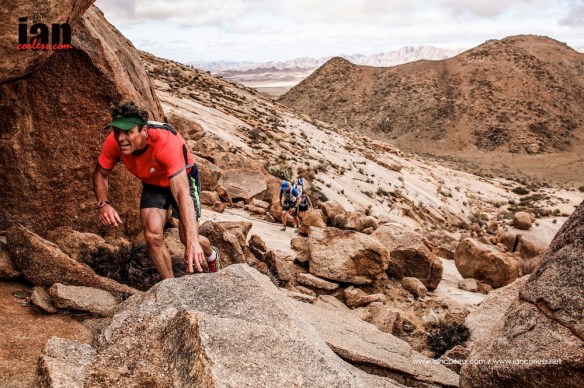
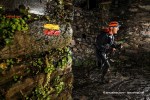
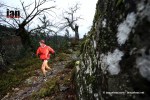
Tobias Mews, The Dragon's Back Race 2015.

Tobias Mews, The Dragon’s Back Race 2015.

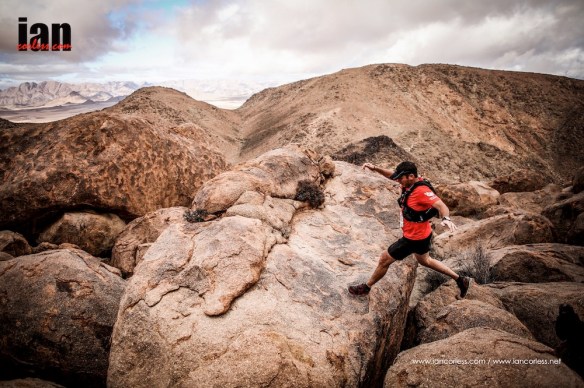
Including the Vyf Susters, Hellskloof Pass, Armmanshoek, the Tswayisberge, Springbokvlakte and the iconic Tatasberg boulders, the new route will maintain the best of the first three days of the original edition but on day 4, the route will veer of its original course and cross the Orange River at De Hoop into Namibia. Yes, the race will go into the untouched southern section of the Fish River Canyon made famous by Ryan Sandes.

©iancorless.com_RichtersveldRaceDay32015-0156

It’s no easy addition to the race, runners will need to cover 50km into a wilderness that is completely inaccessible by vehicle. Rich in wildlife, runners will have a once in a lifetime experience with a possibility of seeing Hartmann’s mountain zebra, kudu, gemsbok, springbok, Namibian wild horses and giraffe. It’s the race of a lifetime!

Tobia Mews is no stranger to incredible races, his recent book release called ’50 Race To Run Before You Die’ looks like it will need a new chapter, 51 Races…

“I am so looking forward to this race. For me it’s the epitome of adventure running wrapped up in one of the most stunning places on earth. And it’s partly Ian Corless‘s fault for producing such amazing photos from last year.” – Tobias Mews

©iancorless.com_RichtersveldRaceDay42015-0939

After a long, tough day in Namibia, runners will spend the evening in a canyon at a natural hot spring, before taking on the final day of roughly 25km to finish at the /Ai-/Ais Hot Springs Resort and wrap up a powerful and truly unique experience.

Race dates are 13-17 June 2016

ENTRY CLOSES VERY SOON, APRIL 1st

International entries HERE

European entries HERE

The overall race distance for 2016 will be 200km and the daily distances will be – 36.3km + 32.1km + 34km + 48.3km + 21.3km.

©iancorless.com_RichtersveldRaceDay32015-0346

Terrain is very mixed, varied and stunning and requires adaptation to sandy terrain, heat, climbing, remoteness and an ability to run with a GPS.

Need help with multi-day training? join our 2017 multi-day training camp in Lanzarote.

Details are HERE

Multi-Day Camp Image

Roland Vorwerk, marketing manager of Boundless Southern Africa, one of the driving forces behind the success of the event, said they are very happy to support this new cross-border trail running event.

“This new route contains even more highlights than the original Richtersveld Wildrun™, and promises to give participants a challenging but spectacular trail running experience.”


©iancorless.com_RichtersveldRaceDay32015-0771

If you need inspiration, check out the film from 2015 below.

You can also view photo galleries HERE

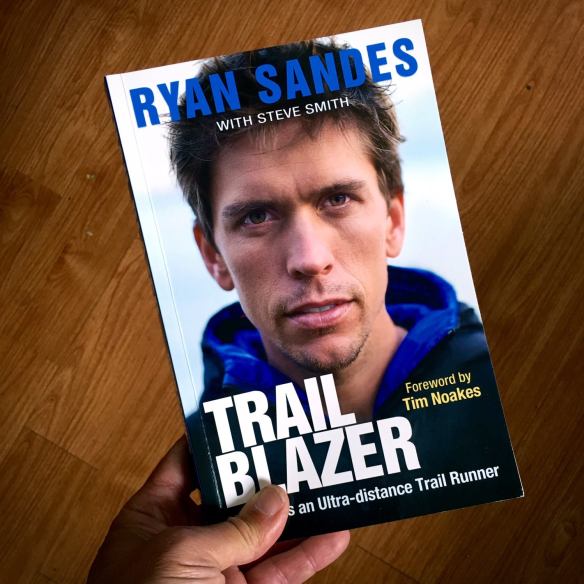
WIN! a signed copy of TRAIL BLAZER by Ryan Sandes

RyanSandes book

I caught up with Ryan Sandes for the latest episode of TALK ULTRA podcast (you can listen HERE) episode 107.

We discussed at length Ryan’s career, his difficult 2015 season and of course his book, TRAIL BLAZER (available on Amazon here).

In the interview, Ryan asked a question, ‘what was the second desert race I won?’

To be in with a chance of winning a signed copy of the book, please comment below with an answer. All correct answers will be added to a hat and a winner drawn in April.

Good luck!

ETHICAL DOPE on RUNULTRA by iancorless.com

©iancorless.com_UTAX-4522

You may have noticed but sport in general is going through a tough time. Athletics is in a mess, the Russians are out, questions over Salazar, Seb Coe backtracking and in and amongst all this a series of positive tests in Basketball, Tennis, Football and so on…

Trail running has to all intents and purposes been isolated, in a bubble you may say. That bubble was burst though late in 2015 when Italian runner, Elisa Desco turned up in the USA to run in San Francisco. iRunFar commented in a pre-race article that Desco had previously tested positive for EPO and had served a 2-year ban.

BOOM!

The internet exploded, Facebook and Twitter ignited into a series of debates and posts that said, ‘convicted’ dopers were not welcome in the sport of trail, mountain and ultra running. Notice I did not add Skyrunning here! The reason being that Desco had raced repeatedly in the Skyrunner World Series in 2015 and previous years post her ban. She had gained success with many wins and on occasion these victories (not always) had been confirmed clear with post race drug testing.

Now of course I could dwell on the rights and wrongs of the reaction in the USA to Desco’s participation but I won’t. I commented at the time on my thoughts and if you so desire, you can read them HERE.

A flurry of responses in the USA saw many runners become vocal about #cleansport and let’s be clear here, I am 100% for clean sport. Ian Sharman was very proactive and a website was created where athletes could sign up and declare that they would run clean. It was a start and I am sure the momentum will fuel onward debate and proactive actions that ensure a ‘clean’ sport for all those who participate in trail, mountain, ultra and Skyrunning races.

Cut to March 2016 and Maria Sharapova stands at a press conference and declares to the world that she has tested positive for a drug called Meldonium.

Shock, horror; what a bombshell! one of THE most successful sports stars in the world is found guilty of doping!

READ THE FULL ARTICLE ON RUNULTRA HERE


run-ultra-logo

THE CHAMPION RETURNS – ESTER ALVES and The Coastal Challenge #TCC2017

©iancorless.com_TCC2016-2474

Ester Alves a former road cyclist from Portugal, who represented her nation at the 2009 UCI Road World Championships and ladies winner of the 2016 The Coastal Challenge has confirmed that she will return to Costa Rica in 2017 to defend her crown.

It was a tremendous experience. Every day is like your last day, and after the end of each stage, you have only few hours to reborn, to recover. It’s an amazing transcendent experience. Similar to a cycling stage race…. You always give your best for each stage and then you just hope your body will recover as soon as possible.

©iancorless.com_TCC2016-6285

The Coastal Challenge is multi-day race over 6-days starting in the southern coastal town of Quepos, Costa Rica and finishing at the stunning Drake Bay on the Osa Peninsula. Considered by many an ultimate multi-day running experience, it challenges even the most experienced runner.

Everything is special, the heat, the forest, the solitude of the race, the hot pacific sea, the intimacy between organisation, camping, athletes, workers and locals from the little villages. The closeness between my new ‘coastal family’ was enormous and in a week of racing and relaxing you create bounds for life… it’s what makes the race so special.

©iancorless.com_TCC2016-1059

‘TCC’ is not a self-sufficient race, but don’t be fooled, MDS and other multi-day veterans confirm the race is considerably harder and more challenging than many other adventures they have participated in. It’s a race that can provide a steep learning curve. Intense heat, high humidity, ever-changing terrain and the need to adapt, Ester says in 2017 she will be better prepared.

I will try to go to Costa Rica or I will do some specific training using heat sessions at home. Maybe a sauna will be a good idea as it is winter in Portugal in the key training phase. In 2016 I went from 8 º C To 34 ºC, the first day was tough! Each day I adapted to heat and the my body recovered better, to make this adaptation in advance would be very beneficial.

©iancorless.com_TCC2016-1841

Hugging the Talamaca coastline, the TCC travels in and out of the stunning mountain range that runs parallel to the sea. Dense forest trails, waterfalls, river crossings, long stretches of golden beaches, an abundance of palm trees and many winding and interconnecting dusty access roads provide a unique challenge.

Every day I ended  a stage with the feeling of lungs burned and legs tired, and in the next day I was running again with a reinforced motivation. I can’t wait to return.

©iancorless.com_TCC2016-1113

At times technical, the combination of so many challenging elements are only intensified by heat and high humidity that slowly but surely reduces even the strongest competitors.  In 2017, Anna Comet, 2x winner of Everest Trail Race and someone you have raced against in Skyrunning along with Elisabet Barnes will be present. When Ester was asked  about the challenge, she replied:

I will run with all my soul and strengths as always, but next year with more knowledge I can hopefully enjoy the forest and the trails even more, TCC is just a wonderful experience.

©iancorless.com_TCC2016-0246


With victory in 2016 secured, Ester has a busy year ahead racing in the Skyrunner World Series, something she has embraced, particularly in 2015 where she had great success at races such as Transvulcania. Many runners however will sign up for the 2017 TCC with little or no experience of Costa Rica, the heat, the humidity and the terrain; what advice would Ester give them?

Train hard and consolidate the marathon distance before the race and prepare the body for the heat and dehydration. Also teach your body to be more economic, it’s a long and difficult race!

A long year ahead but Ester is already looking into the distance, thinking of the heat, the humidity and the beautiful surroundings that Costa Rica provides.

The Coastal Challenge is more than a race, it’s an experience, it something to be shared. It provides closeness and an intensity of feelings that will never be forgotten… I wish to be there right now.

©iancorless.com_TCC2016-9965

All images ©iancorless.com – all rights reserved

Contact Information

Email: HERE

Website: HERE

Facebook: HERE

Twitter: @tcccostarica

Global Contacts: HERE

TCC_2017_JoinUs?

More information:

Read the full 2016 TCC race story HERE

View and purchase images from the 2016 TCC race HERE

You can read daily reports from the 2016 TCC edition HERE

©iancorless.com_TCC2016-0221

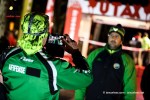
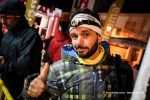
Ultra Trail Aldeias do Xisto #UTAX 2016 – All for one, one for all!

©iancorless.com_UTAX-5331

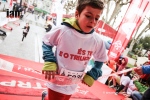
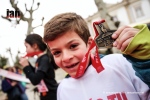
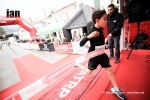
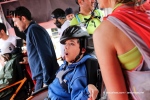
The rain continued to fall, day 2 at UTAX was a continuation of day 1 but the sun did break through every now and again and gladly, overt the midday, a continuous sunny dry spell provided the Da Inclusivo race with a clear spell. The last finisher of the 110km had arrived early in the morning and at 0900 it was time for the Children to race. Axtrail Kids allows 6-16 year olds an opportunity to have their own moment in a full weekend of activity. It’s this all encompassing approach of the Aldeias do Xisto that makes it special.

While the kids raced in the centre of the town, the MTX 10km was also underway, an introduction to trail running that used the first 10km of the UTAX race which finishes in the Schist village of Gondramaz. It may only be 10km but it’s a challenging 10km with plenty of technicality, mud, rocks, water, water-crossings and abundant waterfalls. The finishing village of Gondramaz providing a picture postcard ending.

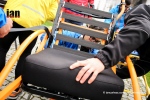
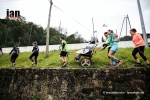
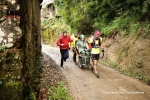
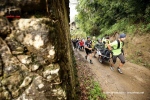
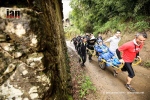
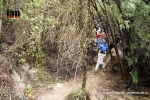
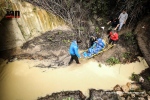
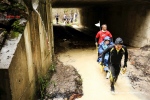
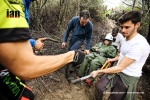
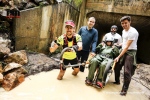
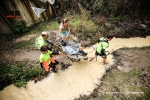
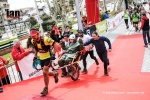
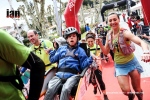
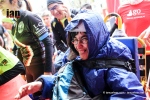
And mid-morning, in the town of Vila Nova, the ‘Da Inclusivo’ race was due to start. Five teams carrying five disabled people on an 8km trail journey to the race finish in the centre of Miranda do Corvo. It’s this race that personifies trail running, the people, the ethos and the sharing of our sport. It’s an inclusive sport, not exclusive. Despite the at times technical trails, the five teams worked together as one. On occasion, from the outside looking in, it almost appeared like a rescue mission but the journey was completed to a welcoming crowd.

It’s this foresight and all encompassing attitude that has seen Portugal rise as a key influencer in the sport of trail and mountain running. Of course, trail running brings tourism and this is an important element in any growing race series. The natural conditions of the region, the stunning Schist villages combined with local hospitality make Aldeias do Xisto and Portugal the perfect destination for a family of trail runners; all are welcome. Mum, dad and children can race and they have a custom events geared to their abilities. Or maybe they can reach out and push a new boundary, move up say from the 22km event and run the 50km, or even take on the UTAX? This area has so much to offer, an extended stay to explore many of the 27 Schist villages makes logical sense for those travelling from overseas.

Fernando Pinto, one of the key organisers at AXtrail sums it up, “The AXtrail®series is an event for everyone, with a comprehensive character. Children, youth, adults, experienced athletes, sports teams or families; everyone is welcome and will find a place!”

Racing is more than racing, it’s a series of experiences! Participating, watching, supporting or cheering, many a runner who ran one of the events over the Aldeias do Xisto weekend gained as much satisfaction on Sunday watching children arrive with beaming smiles or watching the arrival of the five Da Inclusivo teams. AXtrail know how to put on a weekend of racing. I will be back, I am sure.

Many thanks to:
Fernando Pinto, Miguel Pessoa, João Lamas, Aldeias do Xisto, Marli Monteiro, Palacio do Lousa, AXtrail® and many thanks to Centro de Portugal Touristic Office http://www.centerofportugal.com.

Ultra Trail Aldeias do Xisto #UTAX 2016 – Race Images and Summary

©iancorless.com_UTAX-4190

The Aldeias do Xisto Ultra Trail, offers a series of races that is all encompassing with six races on offer: Da Inclusivo, Kids, Mini-Trail Do Xisto, Trail Do Xisto, TSL and the main event, the UTAX (the largest event in the territories of the Shist Villages) which is 110km’s in length, has 5300m of vertical gain and a 26-hour cut-off time for the participants.

Go Outdoor are embracing the rise and demand in the sport of trail and the Astral®series reflect this!

A breakdown of the events is as follows:

▪UTAX – 110 Km

▪TSL – 50 Km

▪TX – 22 Km

▪MTX – 10 Km

▪Axtrail Kids – For kids with 6 to 16 years old

▪Axtrail Inclusion – For people with reduced mobility.

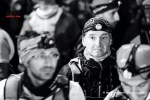
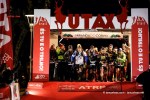
This year the UTAX race started in Miranda do Corvo, in the Plaza José Falcão, this was also the logistical centre of the race too and due to the inclement weather, it was tested to the maximum. From the ticking of the midnight bell, the rain was already falling and although the occasional dry patch provided a welcome break, it was going to be a race of rain, rain and rain.

Gondramaz, welcomed the front runners after approximately just one hour of running – the runners ‘enjoyed’ a beautiful single-track that was hard and technical; only made more challenging by the falling rain. Lousã followed and it here in that stunning Hotal Palacio da Lousã is located.

Candal is a small typical Schist Village and here the runners winded up narrow streets as the rain continued to pour. It was now 0300 for the front runners and the temperatures were dropping well below 5deg and with the slight wind and constant wt, this will have felt like zero or colder.

Cerdeira offers panoramic views of the mountains and is a place of peace and tranquility but on the night of the UTAX, no views were visible; just darkness and the glow of a head-torch. The Schist Villages are magical places and key feature of the UTAX race, it is what make this race so unique. But don’t be fooled, the villages where time passes more slowly are hidden between rock and lush vegetation, this is what must be navigated to completee the UTAX.

From Pena a climb followed to the highest point of the race, for the front runners, the early signs of dawn were making an appearance, not that anyone would know… a shroud of mist and a cold blowing wind made a deceiving blanket that would fool the runners.

Castanheira de Pera then northwest for Ameal, a fantastic single-track rises up and winds to a farm at the top of Lousã, continuing on in the direction of the House of the Forest Guard the trail then descended to the villages of Catarredor and Vaqueirinho, and follows to the Schist Villages Talasnal and Casal Novo.

Casal Novo’s trails of mud, rock, trees and slippery ground provided one of the last key challenges before the arrival back to the Square José Falcão in Miranda do Corvo for the finish.

The race was full of drama, Jêrome Rodrigues, the pre-race favourite unfortunately had to drop from the race with injury and for the ladies, Ester Alves who recently won The Coastal Challenge in Costa Rica was forced to retire with fatigue and cold after 4-5 hours. No surprise really, 40-degrees and high humidity to zero degrees and torrential rain would force the most hardy competitor to crumble.

The withdrawal of two hot favourites opened the door for Luis Duarte, a previous winner of the mens race and Sofia Lopes Roquette finished the race as she started, from the front!

Nuno Silva ran to a strong and consistent 2nd place ahead of Bruno Coelho, but it was some way off the dominating performance of Duarte. Duarte finished the race in a sprint and looked extremely fresh on the line; something that many looked  on, me included, and failed to understand. The UTAX is a seriously tough, challenging race, only made considerably harder with weather but Duarte dominated it!

Equally, Sofia Lopes Roquette used her skills, strength of mind and her ability to endure the long run and take out victory over Fernanda Verde with Raquel Campos taking the 3rd spot.

More information and interviews will follow.

  1. Luis Duarte 12:25:36
  2. Nuno Silva 12:50:24
  3. Bruno Coelho 12:57:26
  1. Sofia Roquette 16:20:40
  2. Fernanda Verde 16:57:42
  3. Raquel Campos 20:09:36

Tourism Portugal

Aldeias do Xisto Ultra Trail race coverage would not be possible without the support ofAXtrail® Go Outdoor and many thanks to Centro de Portugal Touristic Office www.centerofportugal.com. Special thanks to to ADXTUR – Schist Villages. 

GoOutdoor

UTAX

Episode 107 – Lizzy Hawker, Ryan Sandes

A_GRAVATAR

This is Episode 107 of Talk Ultra. This show has so much content, we speak with Lizzy Hawker about her amazing 200km Kathmandu Valley FKT, Ryan Sandes talks about his 2015 and his new book, Trail Blazer. Gavin Sandford tells us about his amazing double Marathon des Sables challenge. Niandi catches up with past participants of the Big Red Run in Australia who will return in 2016 and Speedgoat is back from the AT.

00:01:30 Show Start

00:21:26 Niandi talks injured foot and Big Red Run

00:28:02 INTERVIEW Jamie Hildage, Big Red Run

Jamie Hildage ran the Big Red Run in Australia in a past edition and will return in 2016, Niandi caught up and had a chat about the unique challenges this race brings

01:00:51 NEWS

TRANSGRANCANARIA

1 – Didrik Hermansen 13:41:48

2 – Gediminas Grinius 13:45:08

3 – Pau Capell and Diego Pazos 14:11:02

1 – Caroline Chaverot 15:23:40

2 – Andrea Huser 17:21:43

2 – Uxue Fraile 17:28:05

WAY TO COOL 50K

David Roche 3:19

Jorge Maravilla 3:22

Dylan Bowman 3:23

Megan Roche 3:42

Yiou Wang 3:43

Anne Mae Flynn 3:59

UTMB line up announced for 2016 – wow! See HERE

01:26:11 INTERVIEW LIZZY HAWKER is back with an incredible 200km run around Kathmandu and 15000m of vertical gain. I caught up with Lizzy after 3-years in the run wilderness.

Lizzy’s race, Ultra Tour Monte Rosa has a few places available and you can enter HERE

02:00:19 INTERVIEW RYAN SANDES has a new book out called Trail Blazer. We caught up with Ryan, discussed his troubled 2015, what 2016 has in store and of course we found out about the book. Ryan asked a question in his interview, if you like to win a signed copy, you need to comment on these show note with the correct answer

03:11:56 INTERVIEW Gavin Sandford will attempt two Marathon des Sables in 2016 – a world first, all in the name of charity. You can donate HERE and contribute to his funding at Crowdfunder HERE. Talk Ultra have offered a place on the Lanzarote 2017 Training Camp (worth £800) to Gavin as a pledge to help him raise additional funds. This place will be available for £500 (saving the lucky person £300). It’s first come, first served!

UP & COMING RACES

Australia

Queensland

Wildhorse Criterium 50 km | 50 kilometers | March 27, 2016 | website

Wildhorse Criterium 70 km | 70 kilometers | March 27, 2016 | website

Croatia

Istratrek Trail Race | 60 kilometers | March 26, 2016 | website

France

Ariège

Trail des Citadelles – 70 km | 73 kilometers | March 27, 2016 | website

Eure

11km | 110 kilometers | March 20, 2016 | website

Haut-Rhin

Trail du Petit Ballon | 52 kilometers | March 20, 2016 | website

Morbihan

Trail du Kreiz Breizh Bras | 55 kilometers | March 27, 2016 | website

Puy-de-Dôme

52 km | 52 kilometers | March 27, 2016 | website

Yvelines

50 km | 50 kilometers | March 19, 2016 | website

80 km | 80 kilometers | March 19, 2016 | website

Germany

Hesse

Eschollbrücker Ultra-Marathon 50 km | 50 kilometers | March 20, 2016 | website

North Rhine-Westphalia

Nord Eifel Ultra | 56 kilometers | March 26, 2016 | website

Greece

100k | 100 kilometers | March 26, 2016 | website

50k | 50 kilometers | March 26, 2016 | website

Guadeloupe

GUADARUN : ultra-marathon des îles de Guadeloupe | 136 kilometers | March 26, 2016 | website

Hungary

BSI Half Lake Balaton Supermarathon | 95 kilometers | March 19, 2016 | website

BSI Lake Balaton Marathon+ Balatonfüred – Siófok | 51 kilometers | March 20, 2016 | website

BSI Lake Balaton Marathon+ Fonyód – Szigliget | 52 kilometers | March 18, 2016 | website

Ireland

Dublin

Wicklow Way Ultra | 51 kilometers | March 26, 2016 | website

Italy

Tuscany

Ultratrail delle Valli Etrusche | 50 kilometers | March 20, 2016 | website

Veneto

Ultrabericus | 65 kilometers | March 19, 2016 | website

Malaysia

TITI 100KM | 100 kilometers | March 19, 2016 | website

TITI 200KM | 200 kilometers | March 18, 2016 | website

TITI 50KM | 50 kilometers | March 20, 2016 | website

Morocco

Morocco Tizi N’Trail | 120 kilometers | March 25, 2016 | website

Nepal

Annapurna Mandala Trail | 250 kilometers | April 01, 2016 | website

Kathmandu West Valley Rim 50km | 50 kilometers | March 19, 2016 | website

New Zealand

50 km Mountain Run | 50 kilometers | March 19, 2016 | website

Northburn Station 100 km Mountain Run | 100 kilometers | March 19, 2016 | website

Triple Peaks Challenge | 50 kilometers | March 19, 2016 | website

Peru

ASIA Eco Trail 65K | 65 kilometers | March 19, 2016 | website

Philippines

CEBU50 Trail Ultramarathon – Aspirant | 54 kilometers | March 26, 2016 | website

TRD80 Ultramarathon | 80 kilometers | March 19, 2016 | website

Réunion

Caldeira Trail | 74 kilometers | March 19, 2016 | website

Semi Transrun | 75 kilometers | March 26, 2016 | website

Ultra | 140 kilometers | March 25, 2016 | website

South Africa

Old Mutual Two Oceans Marathon | 56 kilometers | March 26, 2016 | website

Spain

Catalonia

Half | 60 kilometers | March 26, 2016 | website

Ultra | 87 kilometers | March 26, 2016 | website

Sweden

Silva Ursvik Ultra – 75 km | 75 kilometers | March 20, 2016 | website

United Kingdom

Andhra Pradesh

Oldham Way Ultra | 40 miles | March 20, 2016 | website

Dorset

Jurassic Coast Challenge | 78 miles | March 18, 2016 | website

East Sussex

Coastal Trail Series – Sussex – Ultra | 34 miles | March 19, 2016 | website

Highland

2XU Jogle | 860 miles | April 01, 2016 | website

Lancashire

The Canalathon 100 km | 100 kilometers | March 27, 2016 | website

The Canalathon 50 km | 50 kilometers | March 27, 2016 | website

The Canalathon 75 km | 75 kilometers | March 27, 2016 | website

Liverpool

Liverpool to Manchester Ultra | 47 miles | March 26, 2016 | website

North Yorkshire

Hardmoors 55 Ultramarathon | 55 miles | March 19, 2016 | website

USA

Alabama

Lake Martin 100 Mile Trail Race | 100 miles | March 19, 2016 | website

Lake Martin 50 Mile Trail Race | 50 miles | March 19, 2016 | website

Oak Moutain 50+ | 50 kilometers | March 19, 2016 | website

Alaska

White Mountains 100 | 100 miles | March 27, 2016 | website

Arizona

Old Man 52K | 52 kilometers | March 19, 2016 | website

Ultra Adventures Monument Valley 100 Mile | 100 miles | March 19, 2016 | website

Ultra Adventures Monument Valley 50K | 50 kilometers | March 19, 2016 | website

Ultra Adventures Monument Valley 50 Mile | 50 miles | March 20, 2016 | website

Arkansas

3 days of Syllamo | 150 kilometers | March 18, 2016 | website

California

Beyond Limits Ultra and BLU Relentless 100 Miler | 100 miles | March 31, 2016 | website

Beyond Limits Ultra and BLU Relentless 50K | 50 kilometers | March 31, 2016 | website

Beyond Limits Ultra and BLU Relentless 50 Miler | 50 miles | March 31, 2016 | website

Canyon Meadow 50 Km Trail Run (March) | 50 kilometers | March 20, 2016 | website

Nine Trails 35 Mile Endurance Run | 35 miles | March 26, 2016 | website

Old Goats 50K Trail Race | 50 kilometers | March 26, 2016 | website

Old Goats 50 Mile Trail Race | 50 miles | March 26, 2016 | website

Old West Trails 50K Ultra | 50 kilometers | March 19, 2016 | website

Ragnar Relay So Cal | 200 miles | April 01, 2016 | website

Colorado

High Line Canal 100K | 100 kilometers | March 19, 2016 | website

Florida

Cross Florida Route 40 Romp | 116 miles | March 19, 2016 | website

Cross Florida Route 40 Romp – 2 Person Relay | 116 miles | March 19, 2016 | website

Fort Clinch 100M | 100 miles | March 19, 2016 | website

Fort Clinch 50M | 50 miles | March 19, 2016 | website

Georgia

Georgia Death Race | 60 miles | March 19, 2016 | website

Idaho

Pickled Feet 100 Mile Run | 100 miles | March 25, 2016 | website

Maryland

50K HAT Run | 50 kilometers | March 19, 2016 | website

Hat Trail Run 50K | 50 kilometers | March 19, 2016 | website

Mississippi

Spring Equinox 50K | 50 kilometers | March 19, 2016 | website

Spring Equinox 50 Miler | 50 miles | March 19, 2016 | website

Nevada

Vegas Moonlight Ultra 100 Mile Run | 100 miles | March 19, 2016 | website

North Carolina

Badwater Cape Fear 50 km | 50 kilometers | March 19, 2016 | website

Badwater Cape Fear 51.4 Mile | 51 miles | March 19, 2016 | website

North Dakota

Extreme North Dakota Sandhills Ultra Run Experience 100K | 100 kilometers | March 19, 2016 | website

Extreme North Dakota Sandhills Ultra Run Experience 50K | 50 kilometers | March 19, 2016 | website

Pacific

Sac River Ultramarathon | 50 miles | March 23, 2016 | website

Pennsylvania

Lt. J. C. Stone 50K UltraMarathon | 50 kilometers | March 19, 2016 | website

Mt. Tammany 10 | 40 miles | March 19, 2016 | website

South Carolina

XTERRA Hickory Knob Trail 50K | 50 kilometers | March 19, 2016 | website

Tennessee

Music City Trail Ultra 50K | 50 kilometers | March 19, 2016 | website

Texas

Prickly Pear 50K Trail Run | 50 kilometers | March 19, 2016 | website

The Grasslands 50-Mile | 50 miles | March 19, 2016 | website

Utah

Antelope Island 100 Mile | 100 miles | March 18, 2016 | website

Antelope Island 50K | 50 kilometers | March 19, 2016 | website

Antelope Island 50 Mile | 50 miles | March 19, 2016 | website

Vermont

PEAK Snowshoe 100 Mile Race | 100 miles | March 18, 2016 | website

Virginia

Elizabeth’s Furnace Fat Ass 50K | 50 kilometers | March 19, 2016 | website

Terrapin Mountain 50km | 50 kilometers | March 19, 2016 | website

Washington

Badger Mountain Challenge 100 Mile Endurance Run | 100 miles | March 25, 2016 | website

Badger Mountain Challenge 50k Ultramarathon | 50 kilometers | March 26, 2016 | website

Badger Mountain Challenge 50 Mile Ultramarathon | 50 miles | March 25, 2016 | website

Chuckanut 50 K | 50 kilometers | March 19, 2016 | website

West Virginia

Haulin’ in the Holler 50K Trail Race | 50 kilometers | March 26, 2016 | website

Vietnam

50k | 50 kilometers | March 19, 2016 | website

Ultra ASIA Race | 160 kilometers | March 20, 2016 | website

03:41:13 CLOSE

Ian will be at UTAX HERE

03:43:29

ITunes http://itunes.apple.com/gb/podcast/talk-ultra/id497318073

Libsyn – feed://talkultra.libsyn.com/rss

Website – talkultra.com

UTMB – Ultra Trail Mont-Blanc announce the elite field for the 2016 edition

UTMB

The 2016 edition of the UTMB will take place this August, for 13-years the race has made a rendezvous in the endurance capital of the world, Chamonix!

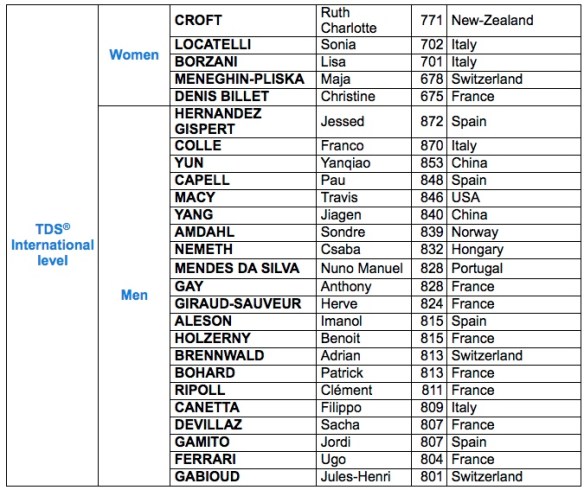
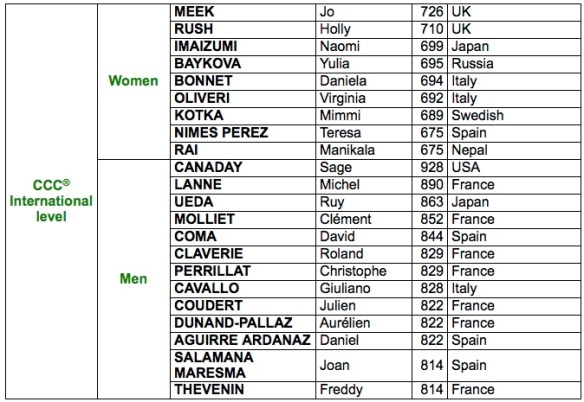
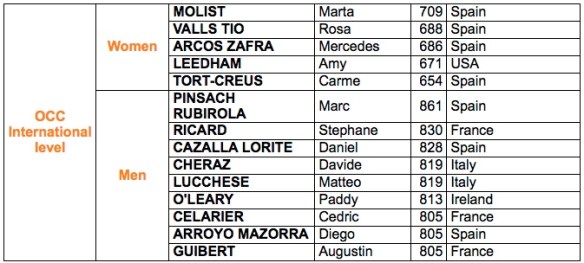
In preparation for the 2016 edition, the organisation have just announced the elite level competitors that will compete, head-to-head, with 7500 runners over the four races – CCC, OCC, TDS and UTMB.

The main event, the UTMB, is a 170km journey that takes in 3 countries with a total elevation gain of 10,000m. A time limit of 47 hours is provided to give the 2300 runners an opportunity to complete the journey.

So who is running?

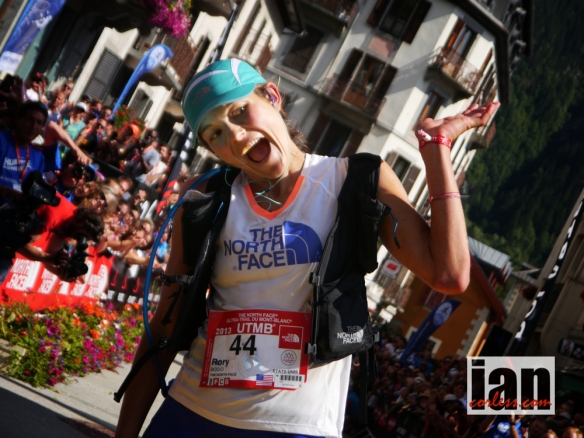
Rory Bosio TNFUTMB ©iancorless.com

Rory Bosio TNFUTMB ©iancorless.com

LADIES:

  • Rory Bosio
  • Stephanie Howe
  • Caroline Chaverot
  • Magdalena Boulet
  • Andrea Huser
  • Alissa St Laurent
  • Francesca Canepa
  • Uxue Fraile
  • Frederica Boifava
  • Gemma Arenas Alcazar
  • Fernanda Maciel
  • Jasmin Paris
  • Cristina Bes Jineta
  • Pui Yan Chow
  • Meghan Arbogast
  • Denise Zimmermann
  • Emelie Lecomte
  • Ildiko Wermescher
  • Amy Sproston
  • Kerrie Wlad

©iancorless.com_Transgrancanaria2016-3338

Now in anyones book, that is a quality ladies line-up. The most notable name missing is of course Nuria Picas. I have highlighted the hot favourites for overall victory and definite wild card of Jasmin Paris for a surprise podium place.

©iancorless.com_Transgrancanaria2016-1500

MEN:

  • Luis Alberto Hernando
  • Tofol Castaner
  • Dylan Bowman
  • Zach Miller
  • Miguel Heras
  • David Laney
  • Stephan Hugenschmidt
  • Timothy Olson
  • Seth Swanson
  • Ryan Sandes
  • Jason Schlarb
  • Gediminas Grinius
  • Pau Bartolo
  • Jordi Bes
  • Tim Tollefson
  • Fabien Antolinus
  • Jorge Maravilla
  • Ryan Ghelfi
  • Ludovic Pommeret
  • Didrik Hermansen
  • Julien Chorier
  • Andy Symonds
  • Thomas Lorblanchet
  • Ryan Kaiser
  • Arnaud Lejeune

©iancorless.com_Transgrancanaria2016-3016

WOW! That may well be THE elite field assembled in any race ever… It’s a seriously exciting line-up and just look at how many bold names are in that line-up! In all honesty, the whole list could be bold as victory could come from anywhere.

So with several months to go, we have already seen Caroline Chaverot and Didrik Hermansen lay down seriously strong performances at Transgrancanaria.

Elite line-ups for TDS, CCC and OCC are as follows:

Notable names in the TDS are Ruth Croft and Lisa Borzoi for the ladies and in the men’s race, Franco Colle, Pau Capell, Travis Macy and Sondre Amdahl amongst others.

TDS2016

CCC ones to watch: Jo Meek, Holly Rush and Manikala Rai fo the ladies and Sage Canaday, Michel Lanne and Freddy Thevenin amongst others for the men’s race.

CCC2017

OCC2017

Who in your opinion will make top 3 in the respective male and female races at the 170km UTMB event?

Please comment below:

The North Face #TNF Ultra Endurance Shoe Review

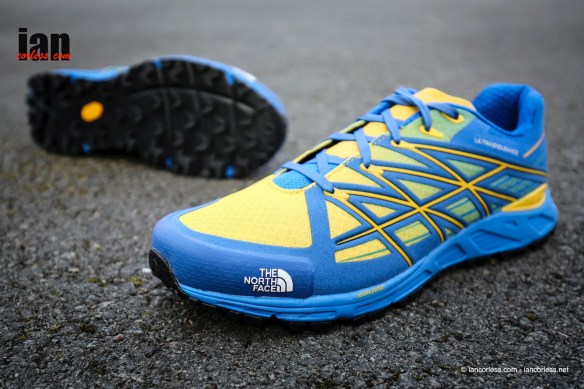
©iancorless.com_TNFUltraEndurance-3919A couple of weeks ago I took a look at the TNF Ultra TRII, I said then that TNF are really getting their act together with run shoes. The recent products from the brand have continued to impress and the addition of the ULTRA ENDURANCE adds another quality shoe that offers runners another option to tackle the trails. The current TNF line up is as follows:

ULTRA TRII read my review HERE

ULTRA CARDIAC read my review HERE

ULTRA MT read my review HERE

and the ULTRA ENDURANCE

In a review toward the end of 2015, when I compared many leading shoes against each other (not all shoes I must stress) the Ultra Cardiac very nearly took top honours, it was just pipped by the Scott Kinabalu Supertrac. (Read the review HERE).

If I did that review now, I strongly feel that the battle between the Scott Kinabalu Supertrac and the TNF Ultra Endurance may well be even closer but the Supertrac would still get the nod from me due to the outsole which is extreme and made from a superior wet traction rubber compound that works really well on a multitude of surfaces, overall comfort and flexibility.

To provide some clarification, we need to look at the current TNF line up and see how (in simple terms) the shoes are to be used so that you can decide which shoe is for you:

ULTRA TRII – Is a dry trail, light and fast shoe for a runner who like a more minimalist feel. Cushioning is 8mm/ 16mm and It has an 8mm drop.

ULTRA CARDIAC – Is a cushioned trail/ mountain shoe that feels plush, fits snugly and works well and on dry trail, wet rock and very moderate mud. Cushioning is 12mm/ 20mm and it has an 8mm drop.

ULTRA MT – Has an aggressive outsole and is designed for off-road use in mud, mountains and demanding terrain. Cushioning is 9mm/ 17mm and it has an 8mm drop.
©iancorless.com_TNFUltraEndurance-3927

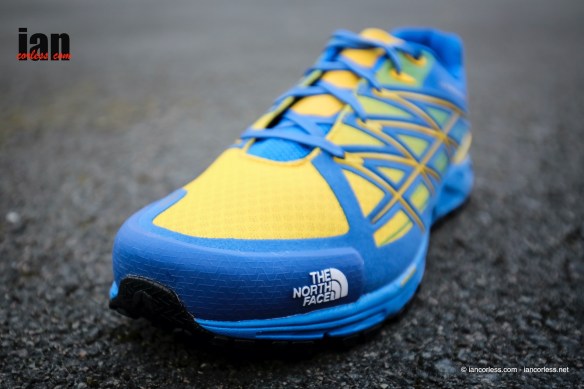
Enter the ULTRA ENDURANCE – 9mm/17mm with 8mm drop.

This new shoe from the TNF brand sits somewhere between the CARDIAC and MT and as you would expect, has an 8mm drop. I like this! But then again I would… I am a real fan of 8mm drop shoes and as I have said many times before, this drop sits in the perfect middle ground that can work for most people. TNF have obviously thought about this and hence the continuity between the ‘ULTRA’ range. It’s also fair to say that as the name suggests, the ‘ULTRA’ shoes are designed for running longer and therefore 8mm will be more forgiving.
©iancorless.com_TNFUltraEndurance-3960

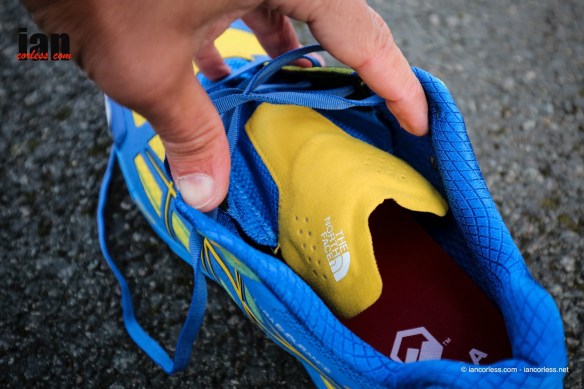
Slipping the shoe on, it does feel different to the CARDIAC but more similar to the MT. This primarily due to the gusseted tongue which is secured within the shoe – this holds the foot firmer and in addition reduces the chance of debris getting in the shoe. It’s a winning combination that I love.
©iancorless.com_TNFUltraEndurance-3930

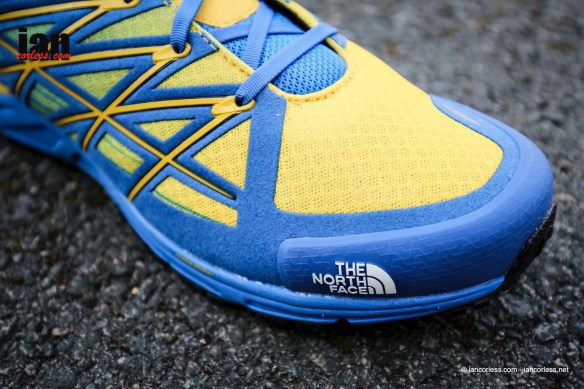
The front (toe box) is wider than both the CARDIAC and MT and therefore allows the toes to splay a little more. Protection at the front is excellent with a very reinforced toe box bumper that will definitely protect against all those unplanned collisions with rocks, stones or other debris.
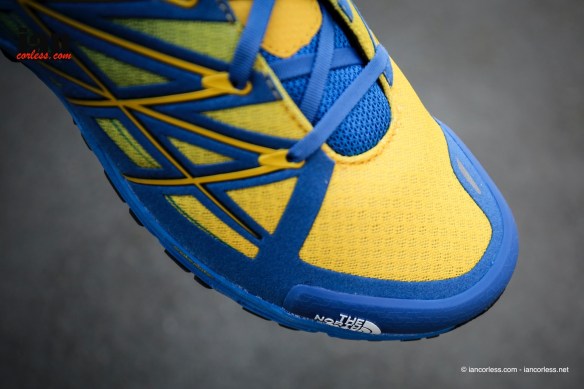
©iancorless.com_TNFUltraEndurance-3948

Heel box is plush, padded and holds the foot secure and has FlashDry technology.
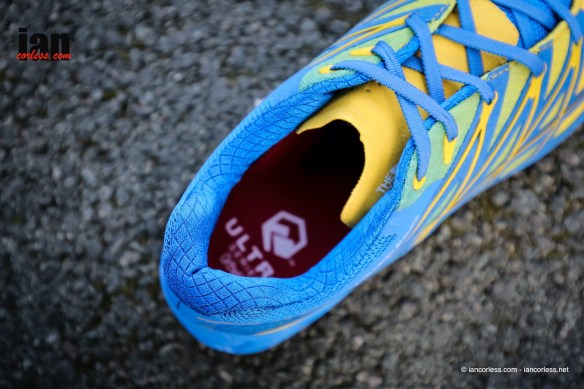
©iancorless.com_TNFUltraEndurance-3963

Key features of many TNF shoes is ‘Snake Plate’ and the ‘Cradle,’ these two elements are present here in the Ultra Endurance and add to the overall benefits of the shoe.
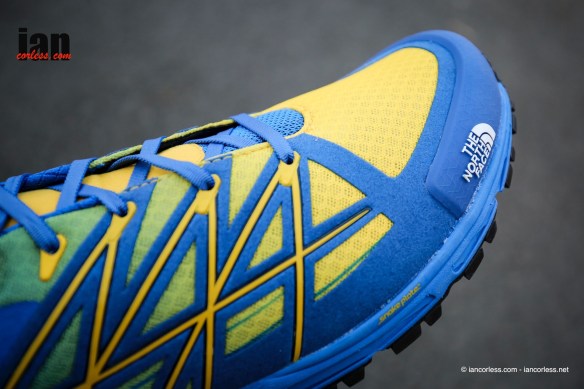
©iancorless.com_TNFUltraEndurance-3941

Snake Plate adds protection to the forefoot of the shoe and protects against rocks/ impact and so on, TNF vary the plates from one shoe to the next depending on what they consider to be necessary. In other shoes this would be called a rock plate.
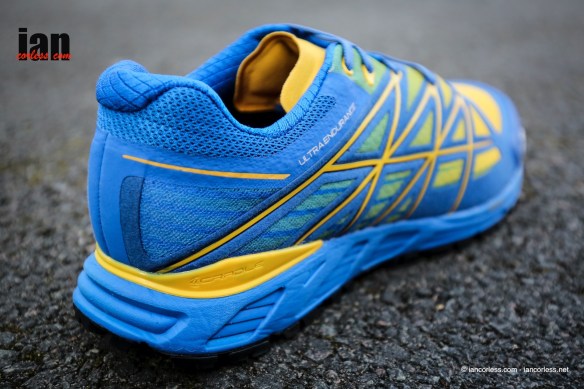
©iancorless.com_TNFUltraEndurance-3932

The cradle is designed to hold the rear of the foot more secure and stable.
©iancorless.com_TNFUltraEndurance-3938

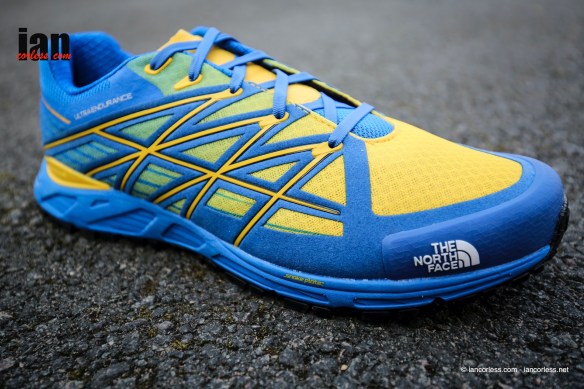
The upper is breathable and most importantly seamless, therefore reducing the chance of rubbing, hot spots or the chance of blisters. The upper is welded TPU with suede overlays.
©iancorless.com_TNFUltraEndurance-3944

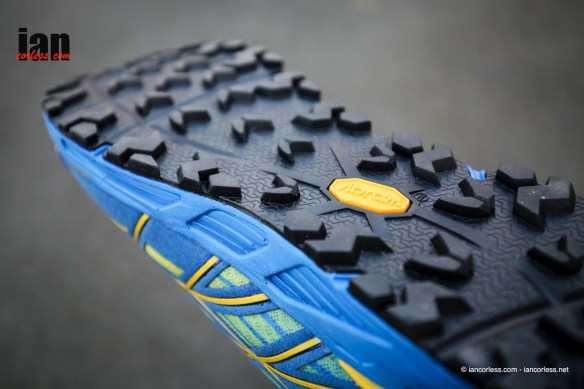
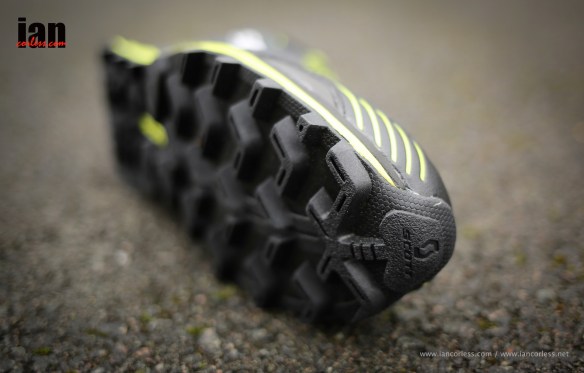
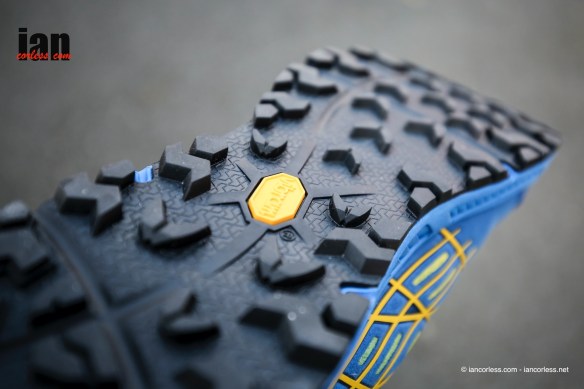
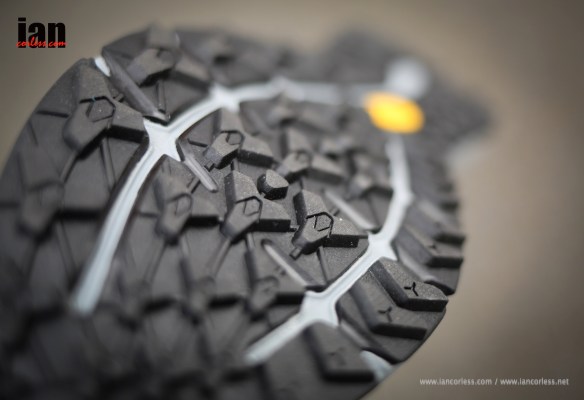
The outsole is Vibram Megagrip which is making an appearance on countless shoes in the trail world. I need to clarify here that Vibram don’t only make one Megagrip outsole (see here). They do many variations, so, please check! A classic example is the outsole on say the TNF ULTRA CARDIAC and TNF ULTRA ENDURANCE – they use Megagrip but they each have three different variations of the product. The Ultra Cardiac having a more subtle version, the Ultra Endurance a more aggressive outsole for mixed terrain and to draw comparisons, the Scott Kinabalu Supertrace (has a special Scott outsole) that is basically just aggressive, extreme and made from a superior wet traction rubber compound that works really well on a multitude of surfaces.

For example:

Ultra Cardiac outsole:
©iancorless.com_TNFUltraCardiac-7017

Ultra Endurance outsole:

©iancorless.com_TNFUltraEndurance-3946

Scott Kinabalu Supertrac outsole:

©iancorless.com_ScottSupertrac-5061

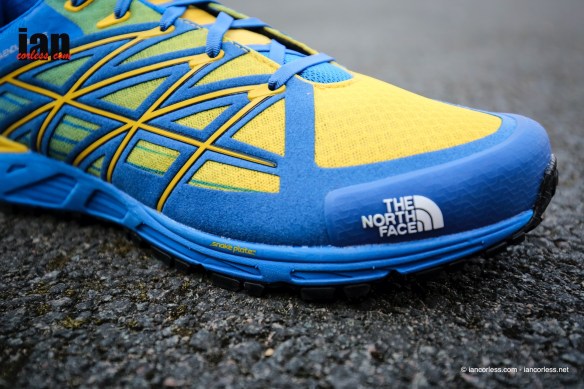
Cushioning in the Ultra Endurance is single-density compression folded EVA which does a great job of allowing you to feel the ground but provide enough cushioning for a long day out.
©iancorless.com_TNFUltraEndurance-3937

IN USE

The upper is seamless and snug and the gusseted tongue is a real pleasure which holds the foot firm. The toe box feels noticeably more roomy in comparison to say the Cardiac or MT.  The shoe feels relatively light but not super light. You really feel as though you are wearing a shoe that will take a battering. This in many respects is reflected in the shoes name, Ultra Endurance.

8mm drop for me is perfect, it provides a drop that allows me to run longer and when I can’t keep my form, the extra height allows for some compensation. As I mentioned above, this is obviously something that TNF have really thought about and the whole ‘Ultra’ range of shoes has an 8mm drop. This is also great as it means I can seamlessly move from one who to the other shoe without having a shock. A clear example of this is that I have been doing road runs in the Ultra TRII and I have been out in the really muddy stuff in the MT.

The shoe works well in mud but it’s not an out-and-out shoe for muddy trails, better get the MT if that is what you need. The Ultra Endurance is a great trail/ mountain shoe that works well and transitions from a multitude of surfaces. As I mentioned above, I believe it would give the Scott Kinabalu Supertrac a run for it’s money as a potential best ‘all rounder!’

To emphasise a point, if you were looking to but just one shoe that could handle many terrains and provide you with happy and many days out on the trail, then the Ultra Endurance would be a good place to start. It’s not a great road shoe, but it will gladly provide a cushioned and responsive ride for road sections between trail. It’s not an excellent performer in very muddy conditions but it does provide some grip that will allow you to progress. Where the shoe excels is when all these elements combine, say on a long training run, long hike or a race when you may well be mixing from road to trail, to rocks, to mud, to scree and so on, here the Ultra Endurance works so well.

It’s a shoe that excels of dry trail, rocky trail (wet or dry) and some road. It has actually become a real favourite when travelling when space is limited and I need a ‘one shoe does all’ scenario. Feel for the ground is good and has improved the more I have run. The first few runs felt a little hard and flat but the shoe bedded in nicely. The Vibram® Megragrip sole is as mentioned, almost becoming a standard feature on trail shoes. the version applied to the Ultra Endurance compliments the shoe perfectly.

Grip in mud is compromised, it always is in a shoe that is designed for trail. That is not a criticism as the shoe is definitely designed to be an all rounder. If you need out-and-out grip and a shoe that will just be used for soft-ground, mud, fells or other messy terrain, you’d be better looking at the TNF Ultra MT or a fell shoe from say inov-8 – the Mudclaw 300 for example is a great off-road shoe.

The heel box holds the foot secure with no slipping. It’s snug and reassuring.

The relatively seamless upper and sewn in tongue really holds the foot secure and has given me no hot spots. It’s a real bonus and it’s great to see that TNF are incorporating this more. For anyone who has used a Salomon S-Lab shoe with ‘endofit,’ a gusseted tongue really is just so much more comfortable. Although the TNF version is different to the Salomon version, similarities can be drawn.

The shoe has a neutral fit as does all the TNF ‘Ultra’ range and so therefore you could add an insert or orthotic if required. Drop is 8mm. Sizing is true to size, I take a UK9.5 in most shoes and my Ultra Endurance is UK9.5. However, due to the wider toe box the shoe does feel different to the Cardiac or MT so you may want to just make sure by trying in-store.

This is not the lightest shoe on the market but I don’t think that is really an issue. It’s not trying to be the lightest. What it does, is offer cushioning, protection and longevity in an attractive package that will last for many days, weeks and months. The colour-way of blue and yellow also looks pretty swish.

©iancorless.com_TNFUltraEndurance-3952

Conclusion

This shoe is a great all-rounder and may well be a perfect ‘one shoe’ purchase for anyone who is looking for something that can do many things well. It excels on dry trails and loose surfaces such as scree, stones, sand etc. Grip from the Vibram sole is good on wet rocks and the shoes transition from trail to road well and the cushioning allows for plenty of happy miles.

The Ultra Endurance can handle mud as part of a mixed terrain trail run but if you wanted an out-and-out shoe for muddy trail, this is not it. It’s a really solid shoe with some serious toe protection, a plus for anyone heading out into mountainous terrain.

I have been working with and running myself in harsh, rocky, desert like terrain in Lanzarote, La Palma and so on and I think the Ultra Endurance would potentially make a great shoe for someone participating in a multi-day race like the Marathon des Sables. The combination of features sits well, the slightly wider toe box, protection, grip and cushioning all combine to make it a great shoe for such an adventure. I will feedback on this after the 2016 Marathon des Sables where I will test the shoe daily.

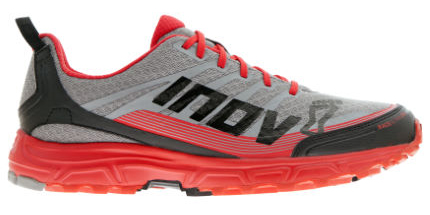
To draw a comparison, I think those runners who have enjoyed the inov-8 Race Ultra 290 will find the TNF Ultra Endurance very appealing. The plus side being the TNF who has more grip.

The TNF ULTRA ENDURANCE alternative colour-way
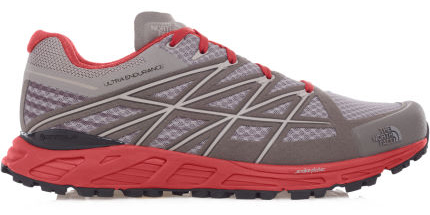
The-North-Face-Ultra-Endurance-Shoes-SS16-Offroad-Running-Shoes-Silver-Grey-Pompeian-SS16-2

The inov-8 RACE ULTRA 290

Inov-8-Race-Ultra-290-Shoes-SS16-Offroad-Running-Shoes-Grey-Red-Black-SS16-5054167431

The downsides are minimal for me. It’s a slightly heavier shoe and I have touched on the reasons why above. Longevity in TNF shoes has been an issue in the past so I will hold judgement on this and feedback. Currently after 100+ miles of mixed terrain, the shoes are holding up well with no issues.

The North Face say: With its Vibram® Megagrip outsole, Snake Plate™ forefoot protection and Ultra Protect™ CRADLE™ stability, the Ultra Endurance will keep you tearing up the trail without tearing up your feet. CRADLE™ technology provides extra heel stability on uneven terrain, a gusseted tongue keeps loose trail debris out, while the rigid-yet-flexible ESS Snake Plate™ delivers on lightweight, heavy duty forefoot protection.

▪Welded TPU and suede mid-foot support overlays

▪Molded-TPU toe cap for protection

▪Gusseted tongue for protection from trail debris

▪Ultra Protect™ CRADLE™ heel-stability technology

▪Single-density, compression-molded EVA midsole

▪Vibram® Megagrip outsole for durable sticky traction in all conditions

▪ESS Snake Plate™ forefoot protection

▪Cushioning 9mm front/ 17mm rear

▪8 mm offset

▪Weight per shoe 260g+/- for a UK8

▪Approximate Weight Pair: 510 g

TNF Technologies explained:

Snake Plate™

The patent-pending Snake Plate™ consists of a forefoot plate that winds back and forth between the medial and lateral sides of the foot. Because it is not one solid element, it is not as uncompromisingly rigid from side to side and front to back. The result is a forefoot plate that allows the foot to do what it is physiologically designed to do: flex, bend, and contort to changing terrain. At the same time, the Snake Plate™ delivers rigidity where and when it is still needed. The thickness, composition and size of the Snake Plate™ vary from style to style as appropriate. For example, a thicker, more rigid Snake Plate™ addresses the technical, ever-changing demands of a mountain run. A thinner, more flexible Snake Plate™ reconciles flexibility with a decreased demand for protection while on smoother dirt paths.

Vibram® Outsole Technologies

The North Face® collaborated with Vibram, long respected for quality and durability, to create various outsoles (Vibram® Humbolt Outsole, Vibram® Mikeno Outsole, Vibram® Walsh Outsole, and Vibram® Rubber Outsole Compound) with superior traction, stability and protection.

Ultra Protect™

A shank plate for torsional rigidity and consistent underfoot feel.
THRESHOLD TRAINING by Marc Laithwaite

©iancorless.com_TCC2016-0742

Is ‘Threshold’ the most misunderstood sports physiology term? It certainly does cause confusion and in many cases, a runner’s perception of threshold is different. Marc Laithwaite takes a look and strips it back-to-basics.

What is threshold?

To start this conversation, we need to first point out that there are many different types of threshold and this is where the confusion begins. To give a few examples:

1. Lactate threshold

2. Aerobic / Anaerobic threshold

3. Ventilatory threshold

4. Functional threshold

There’s lots of magazine articles which outline the benefits of calculating your threshold and how you can use it for training purposes, but many of them are poorly written and incorrect, so here’s our low down.

Lactate Threshold

You can complete a lactate threshold test by cycling or running, gradually increasing your pace and taking finger prick blood samples at regular intervals to measure lactate in the blood. As the exercise gets harder, the lactate levels will increase.

There are technically 2 lactate threshold points. The first one is very early in the test, when your lactate levels start to rise above their resting levels. In practical terms, if you can hold a full conversation whilst riding your bike, then suddenly you feel that your breathing rate rises slightly, this is your true ‘lactate threshold’. This occurs very early and generally the heart rate at your lactate threshold will be the border of zone 1 and zone 2, so relatively comfortable.

As the test continues your breathing will get harder and harder and then you’ll reach a second lactate threshold. Up until this time your lactate has been steadily rising, but this is followed by a sudden and sharp kick upwards. As the test continues, your lactate will continue to rise sharply and you’re on borrowed time… you will be stopping soon as the lactate accumulates in your muscles. This second and sharp ‘kick up’ or ‘deflection point’ is what we tend to incorrectly refer to as ‘lactate threshold’. This is the figure that most people have completed the test for, technically, this is the ‘lactate turn-point’ or ‘Onset of Blood Lactate Accumulation’ (OBLA).

So why should I measure my lactate threshold / lactate turn-point?

Well, your lactate threshold is a very good marker for many endurance events. Optimal Ironman bike pace tends to be very close to lactate threshold for many people (for training zones we use, it’s the border of zone 1 / 2, but this is not the case for other calculated zones).

The lactate turn-point is the measurement that most people really want to find out. When does my lactate start to rapidly accumulate, what’s the running speed / heart rate / power output at that point? Many magazine articles generally state that your hard / sustained exercise pace coincides with lactate turn-point, but in practical terms, that’s incorrect.

Let’s give an example of a runner who completes a lactate turn-point test and we calculate the heart rate at lactate turn-point to be 165bpm. If we ask this runner what their heart rate generally is during a 5-10k race, they will generally give is a figure 5-8 beats higher than the lactate turn-point. Initially this is confusing, as most people think that the heart rates will match. In terms of calculating heart rate training zones, we will therefore have to guess by adding 5-8 beats to the lactate turn-point, to calculate a ‘threshold heart rate’.

So why do a lactate threshold / lactate turn-point test?

Lactate testing does provide some information, but it can also be relatively limited in it’s use. One of the key things it does provide is a bench mark. If you repeat the test and the turn-point occurs at a later speed or power output, then your fitness has improved. From a coaching perspective, if we want to use the test results to provide coaching advice and training zones, then it’s not the best option for us to choose.

So what’s the other options?

Aerobic/Anaerobic and Ventilatory thresholds can be calculated by measuring expired gases and breathing rates during testing. These tend to fall much more accurately as predictors or training intensities. Functional threshold, is a completely different concept.

We don’t need to take blood (as we do for lactate) to measure these thresholds. They can be calculated by measuring the air going in and out of your lungs. Primarily, there are 3 things we measure, how quickly you’re breathing, how much air moves in and out and what the air is made up of e.g. oxygen and carbon dioxide.

The role of carbon dioxide

Carbon dioxide is a waste product produced by muscles and other tissues. It’s pretty toxic so when we produce it, we need to get rid of it. Your body has sensors which detects when carbon dioxide level increase, it triggers your breathing rate to speed up so you can exhale it.

When you run harder, you need more oxygen so you breathe harder; yes?

Technically yes, although the main trigger is carbon dioxide. When you start to run, you produce CO2, this triggers breathing and heart rate to go up. The harder you work, the more CO2 you produce, this triggers breathing and heart rate to increase further.

How do we use this to calculate thresholds?

This is very simple. We can measure the increase in breathing rate when you exercise and we can measure how much oxygen your body absorbs. When you breathe faster, you do it for 2 reasons: to get more oxygen in and to remove waste carbon dioxide. If your breathing rate goes up but your body doesn’t absorb any more oxygen as a result, then you must be breathing faster for the other reason… to get rid of carbon dioxide.

Calculating thresholds

During a cycle or run testing session, there are 2 key thresholds. The aerobic threshold occurs quite early, this is the point when your breathing rate increases above rest. The best example of this is being able to exercise and hold a full conversation, then as the pace increases, you notice a change in your breathing and can’t hold a full conversation. This threshold occurs quite early during an exercise test.

As the exercise test gets harder, your breathing rate increases steadily to match. Eventually you hit a second ‘anaerobic threshold’ point where your breathing starts to rapidly increase. During a 10k / 5k running race at your fastest pace, your breathing will be fast and hard, but it will remain ‘stable’. If you push the pace just a little too much, it becomes ‘unstable’ and you start to hyperventilate. The only way to change this is to slow down and regain control of breathing.

These 2 thresholds can be measured during a Vo2 max testing session, by using a mask and gas analysis machine. Their description sounds similar to lactate thresholds but we find that the heart rate calculations are generally higher than during a lactate threshold test. Measuring thresholds as above tends to be more accurate for most athletes, when lactate threshold tends to calculate lower than expected and is therefore less practical.
Ventilatory threshold

The test we’ve outlined above involves the measurement of breathing rate to identify changes, for this reason, they are often referred to as ventilatory thresholds (VT). Next time you are riding with a friend and approaching a hill, listen to their breathing (and your own) and you can identify the 2 thresholds. Start at an easy conversation pace and climb steadily, the conversation will soon stop at VT1. Continue to climb and increase the pace and your breathing will become more laboured but still under control. For the last few minutes, ride at a pace which is harder than you can sustain, you’ll sense and hear your breathing rapidly increasing beyond control, this is VT2. On a long, hard climb, most people know where their VT2 is, and instinctively ride/run a few beats below it, to ensure that they don’t ‘blow!!’.
Now we’re talking ‘functional threshold’ which is a term more commonly used amongst cyclists in particular.

What is functional threshold?

The clue is in the name ‘functional’. The lactate / anaerobic / ventilatory thresholds are all valuable physiological markers but what’s their practical use? A cyclist riding a time trial really only needs to know one thing, how much power can they sustain for the full ride. The more power they can sustain, the faster they will complete the course.

There is often a misunderstanding with regards to lactate / anaerobic threshold. If you visit a lab and have your lactate threshold measured, that doesn’t tell you the power or speed you are able to sustain for a long period of time. To find the answer to that question, there is a more simple / practical / functional approach. Simply get on your bike and ride as hard as you can for an hour, then you’ll know the answer.

Functional Threshold Power

The FTP is a real ‘buzz term’ in cycle coaching and I’m sure most cyclists and triathletes will have heard it mentioned by someone at some point! FTP is quite simply the highest amount of power you can average for an hour. To complete this test, you need a power meter on your bike or turbo trainer.

Riding for an hour on the turbo is a killer!! So to get round that, most people complete a 20 minute test and take the average power reading. If you then calculate 95% of that figure, that’s your predicted FTP (average power for hour). For example:

1. Bob completes a 20 minute maximal test and averages 250 watts.

2. 95% of 250 = 237.5, this is Bob’s FTP and what he should be capable of holding for an hour.

Is this just for cycling or can it be used for running and swimming?

The issue with running and swimming is that you don’t have access to power data, so you can’t calculate the figures as you can with cycling. Having said that, the functional threshold is really just a ‘practical test’ to calculate what you can hold for a period of time.

Swimmers will often complete a ‘critical swim test’ which is basically the same thing. The test is simply swimming as far as you can in 20 minutes. For running, the same applies, you could complete a 15-20 minute test and measure distance on the running track.

So why are functional tests popular?

They’re popular because they are very practical. If you want to find out how fast you can complete a 25 miles time trial, the figure which is most likely to give you the answer is how much power can you average for an hour. Doing a lab test to calculate your lactate threshold or anaerobic threshold is valuable and useful for many reasons, but it will not give you the answer to the above question. Ultimately, functional tests tell you how fast you can swim/cycle/run for a set period of time and that’s the best indicator of race performances.

About Marc:

Sports Science lecturer for 10 years at St Helens HE College.

2004 established The Endurance Coach LTD sports science and coaching business. Worked with British Cycling as physiology support 2008-2008. Previous Triathlon England Regional Academy Head Coach, North West.

In 2006 established Epic Events Management LTD. Now one of the largest event companies in the NW, organising a range of triathlon, swimming and cycling events. EPIC EVENTS also encompasses Montane Trail 26 and Petzl Night Runner events.

In 2010 established Montane Lakeland 50 & 100 LTD. This has now become the UKs leading ultra distance trail running event.

In 2010 established The Endurance Store triathlon, trail running and open water swimming store. Based in Appley Bridge, Wigan, we are the North West’s community store, organising and supporting local athletes and local events.

Check out the endurance store HERE

Endurance Store Logo