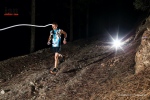
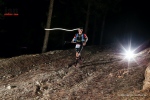
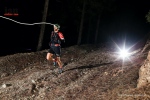
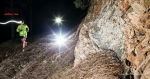
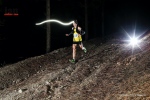
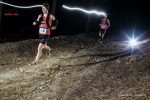
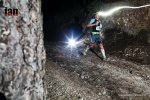
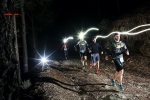
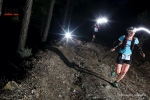
Marmot Dark Mountains™ 2016 saw an unprecedented 200 competitors take to the Northern Fells of the Lake District, starting from the event centre in Mungrisedale, in what can only be described as windy and wintery conditions. As Andrew Higgins (competing on the Elite course with Adam Stirk) put it:
“…one of the best challenges of sound mountain judgement, endurance and skill that I have ever had the pleasure of competing in. By retiring with windburned eyes after 8.5hrs of pretty full on fun – I think Adam and I passed the test, despite not completing the challenge. We will be back…”.
Marmot Dark Mountains™ follows the usual two-day mountain marathon format but condenses it into one winter’s night. Elite, A, B, C and Score categories set off in pairs on a staggered start, the longer courses followed by the shorter ones, all hoping to converge back at the event centre as dawn breaks. Live GPS tracking enables the organisers, alongside friends, family, and any other keen followers, to track the progress of the competitors through the night.
On the back of a sell out 2016 event, entries have just opened for the fifth edition of Marmot Dark Mountains™, the world’s only overnight winter mountain marathon, which will take place on 28-29th January 2017.
Race Director Shane Ohly said:
“There are very few events that are as demanding as Marmot Dark Mountains™ and require such an all-round skill set from the competitors. When I started the event in 2013 I had no idea how many mountain runners would step up to the challenge and it has been a delight to see the event grow year on year. I can’t wait for 2017 and to reveal the brilliant area we have lined up”.
Marmot have been the title sponsor of the event from day one, and UK Sales Director Hugh Harris added:
“We’ve been on board with this event right from the start in 2013, and we couldn’t be happier with how it’s grown over that time. Very demanding events like Marmot Dark Mountains™ are perfect for us to showcase our brand and we look forward to supporting it again in 2017”.
Janet Hill, who was competing with John Williams on the Short Score course got in touch to say, “First of all I would like to say how much I enjoyed this event, and I am in awe about the amount of time and effort it must take to put on an event like this. The snow, strong winds, river crossings and darkness made this a challenging but exhilarating event… …Thanks again for a great weekend. I hope to be there in 2017”.
Marmot Dark Mountains™ has something for everyone; the Elite course to challenge the most seasoned of competitor through to the C and short score courses which would be suitable for a first timer.
We look forward to revealing the location of the 2017 event on Monday 5th December 2016, and welcoming both new and old competitors to another superb race area.
The Coastal Challenge are pleased to announce that Elisabet Barnes (Sweden/UK)), female winner of the 2015 Marathon des Sables, Oman Desert Marathon and runner up in the 2016, The Coastal Challenge will return once again to Costa Rica in 2017.
“TCC is a magical race and this has been echoed by so many participants after the 2016 edition. I loved the variety of the course, the challenges in terms of heat, humidity and terrain and the friendly atmosphere. I am really looking forward to returning in 2017 already!”
A multi-day race over 6-days starting in the southern coastal town of Quepos, Costa Rica and finishing at the stunning Drake Bay on the Osa Peninsula, The Coastal Challenge is an ultimate multi-day running experience that offers new challenge even to the most experienced runner.
“I now know what aspects of the course and the terrain I coped well with and what aspects I can improve on.” Elisabet said after the 2016 edition. “The good thing is that I have quite a few improvement areas on this type of terrain so if I manage to do specific enough preparations there is certainly potential to do better next time around. I think this is encouraging and it will help me develop as a trail runner, broadening my skill set.”
Intense heat, high humidity, ever-changing terrain, stunning views, Costa Rican charm, exceptional organisation; the race encompasses Pura Vida! Unlike races such as the Marathon des Sables, ‘TCC’ is not self-sufficient, but don’t be fooled, MDS veterans confirm the race is considerably harder and more challenging than the Saharan adventure.
“Not carrying equipment makes the running easier and that is nice of course. However, if I look at my strengths I like the completely self-sufficient races too. I am tall and strong and I run well with a backpack. In many cases this means I can get a relative advantage over runners who are less experienced running with a pack or who have a smaller frame than me. I still felt that the TCC was a tough race due to the humidity and terrain and if it was self-sufficient it would be incredibly hard.”
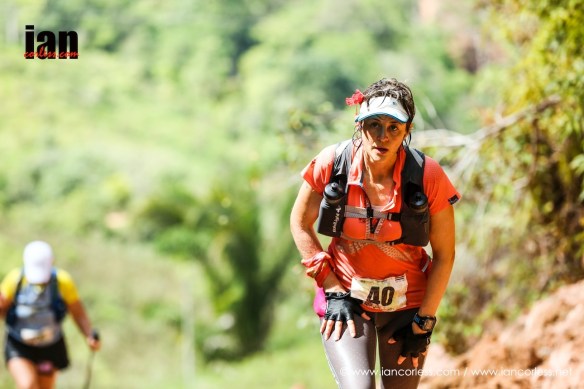
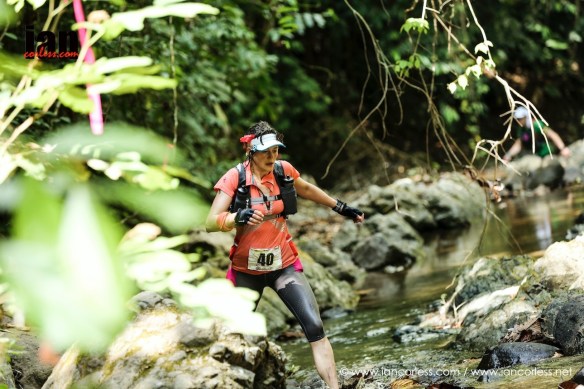
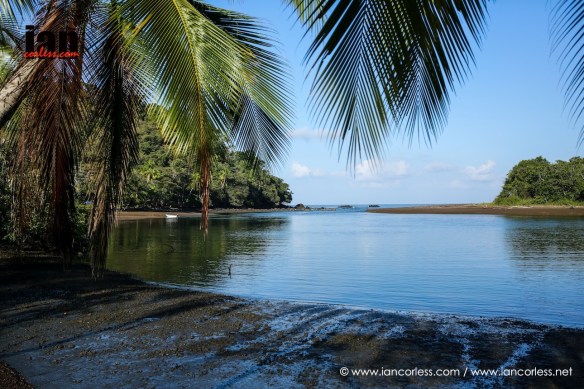
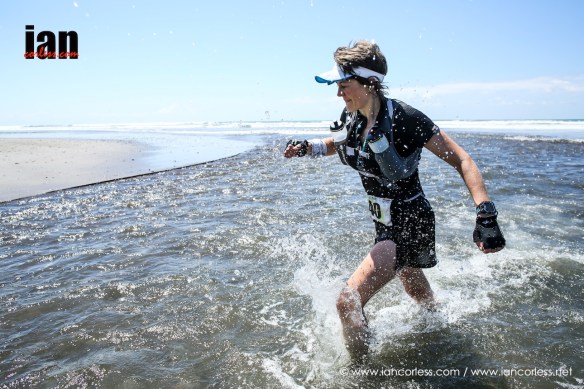
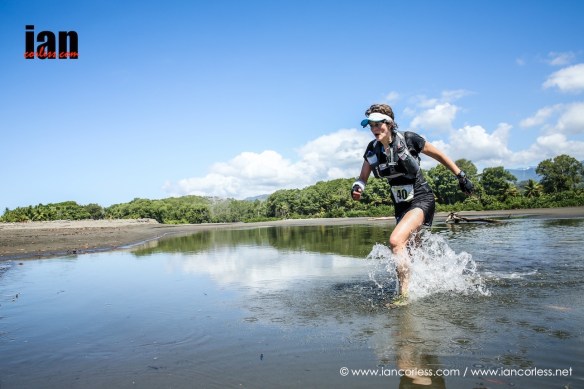
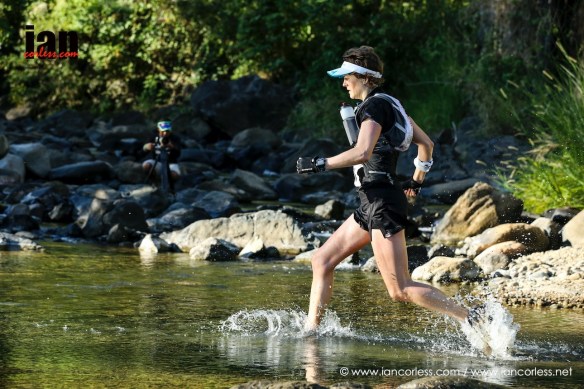
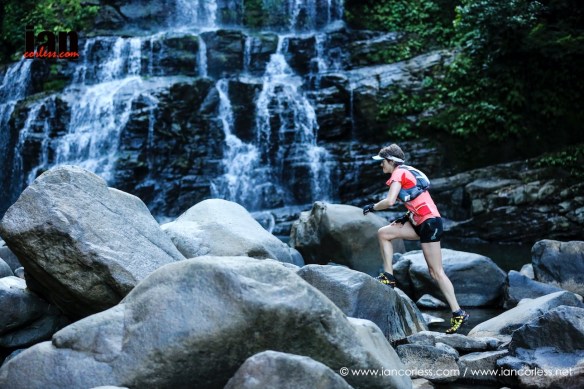
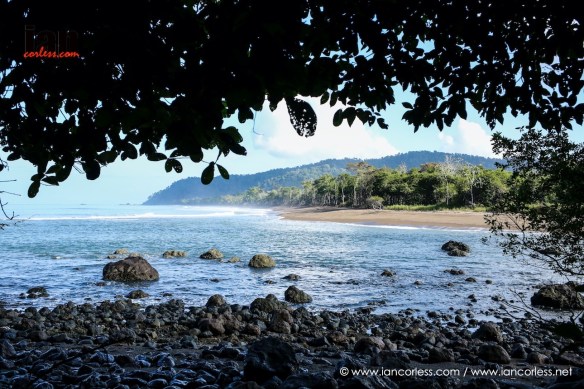
Hugging the coastline, the race travels in and out of the stunning Talamanca mountain range via dense forest trails, river crossings, waterfalls, long stretches of golden beaches backed by palm trees, dusty access roads, high ridges and open expansive plains. At times technical, the combination of so many challenging elements are only intensified by heat and high humidity that slowly but surely reduces even the strongest competitors to exhausted shells by the arrival of the finish line.
“You always have an advantage when you have done a race once. I know the course and the challenges better now. In terms of the heat and humidity I found it tough but not a major problem. Time was a limiting factor before the race but ideally I would have spent a bit more time acclimatizing to the conditions.”
2017 will signify the ‘lucky for some’ 13th edition and building on the success of the 2016 edition, Central America’s most important multi-day race looks set to elevate itself to new heights. The race has already announced that Anna Comet, winner of the 2014 and 2015 editions of the Everest Trail Race will participate in 2017. Anna Comet in recent years has shot to fame as a trail and mountain runner after a very successful career as an Alpine skier and ski mountaineer. Her 2014 victory at the Everest Trail Race (also a multi-day race) paved the way for a strong and consistent Skyrunning year in 2015.
But Elisabet Barnes is a multi-day expert and before 2017 comes around, a very busy calendar awaits:
“First I am going back to Marathon des Sables in April and it will be my third race. I am looking forward to it and I predict a very competitive women’s race this year with several top runners coming back from previous years and also some new, extremely competent runners participating. It should be interesting. After this I am going to Richtersveld Transfrontier Wildrun in South Africa in June, followed closely (1 week!) by the Big Red Run in Australia. Later in the year I am going to the US for Grand to Grand. I am very excited about all of these races and the year ahead.”
The 2016 edition of TCC tested Elisabet and unlike the MDS, the race is not self-sufficient. In many respects it was a learning curve but 2017 will be very different.
“The TCC is not self-sufficient so you can afford to take some more luxuries like a fresh set of running gear for every day, a few pairs of shoes etc. Also not having to cook reduces admin time in camp and means you can spend more time relaxing. From the perspective of the terrain it is completely different with a lot more ascent and descent and technical parts of trail. It requires a different skill set than running in sand and over flat hard packed desert terrain. Finally, the humidity makes it a different beast. Heat is always tough but when you add humidity you have another element to deal with and possibly have to monitor your body even more closely. The same is true with all the water you run through which means that your feet are wet pretty much 100% of the time.”
Anna Comet will no doubt push Elisabet every step of the way on the 2017 TCC journey and of course, at this stage, other female elite racers may decide to enter the race. The TCC has a long history of top female competition – Anna Frost, Jo Meek, Julia Better and Nikki Kimball to name just a few. Of course, Elisabet’s main concern may well be the possibility that 2016 champion Ester Alves from Portugal may return?
“It was great to race against Ester in 2016. She is a lovely girl and a genuinely nice person. I am very happy for her that she won the race. I now know more about her strengths relative mine and how I can improve to reduce the gaps that led her to victory. I know that Ester is very focused though, so should she decide to return I am sure she will work very hard to keep improving too. If our paths don’t cross in TCC next year, I am sure we will see each other in another race before long.”
In a very short space of time Elisabet has rose through the ranks to be one of the most respected multi-day races in the world. A very busy 2016 will only add to that reputation! The 2017 TCC is already looking like an incredibly exciting race.
Ultra, trail, mountain and Skyrunning is booming in Portugal. In recent years the sport has grown from strength-to-strength and now a plethora of races are available. Most certainly, Carlos Sa paved the way for this new breed of runner and recently, runners like Ester Alves have kept that momentum flowing. Ester in particular has just recently won The Coastal Challenge multi-day race in Costa Rica.
Go Outdoor are embracing the rise and demand in the sport and in March 2016 (18th to 20th) they will host a series of races, the AXtrail®series.
The Aldeias do Xisto Ultra Trail, offers a series of races that is all encompassing with six races on offer: Da Inclusivo, Kids, Mini-Trail Do Xisto, Trail Do Xisto, TSL and the main event, the UTAX (the largest event in the territories of the Shist Villages) which is 110km’s in length, has 5300m of vertical gain and a 26-hour cut-off time for the participants.
A breakdown of the events is as follows:
UTAX – 110 Km
TSL – 50 Km
TX – 22 Km
MTX – 10 Km
Axtrail Kids – For kids with 6 to 16 years old
Axtrail Inclusion – For people with reduced mobility.
It’s this foresight and ell encompassing attitude that has seen Portugal rise as key influencer in the sport of trail and mountain running. Of course, trail running brings tourism and this is an important element in any growing race series. The natural conditions of the region combined with the hospitality of the local population ensures that visitors to Portugal are extremely happy with their stay, whether participating in one of the six event, or in relation to the destination where an event takes place.
As the event race director says:
“The AXtrail®series is an event for everyone, with a comprehensive character. Children, youth, adults, experienced athletes, sports teams or families, everyone is welcome and will find a place!”
The UTAX is the main event of the weekend and first took place in 2013 with shortened course, Salomon Portugal athlete, Armando Teixeira won in a time of 7:44:29. The first lady was Ester Alves, her time of 10:03:48 reflecting the reduced distance. Alves won again in 2014 but this time it took 16:53:49 for victory and in the men’s race, Luis Duarte recorded a time of 13:06:46. Current course records were set in 2015 by Jérôme Rodrigues and Sofia Lopes Roquete, their respective times of 12:49:57 and 16:12:53 set the benchmark for the 2016 edition.
Alves was missing in 2015 but returns in 2016 and no doubt she will be looking not only for victory but maybe setting a new fas time for the UTAX course. Her recent growth in the sport with top results at UTMB, Transvulcania and recent victory in Costa Rica certainly bodes well. A big question mark will come in regard to Alves’s recovery, The Coastal Challenge was only four weeks ago! Sofia Lopes Roquette, 2015 champion will return to defend her crown.
In the men’s race, the battle for the front to f the race may well come down to Jêrome Rodrigues who ran 12:49 in 2015 and Luis Duarte who ran 13:06 in 2014. However, it may not be that simple? Anything can happen in 110km’s and Nuno Silva along with Ricardo Silva will look to mix things up at the front of the race.
Other names to watch and look out for are: Amândio Antunes, Rui Luz, Luis Mota (veteran), Guilherme Lourenço, Rui Seixo, Raquel Campos, André Rodrigues, Cláudio Quelhas, Juan Delgado (veteran), Nádia Pasteleiro, and Júlia Conceição. A full list of all participants in UTAX ( 230) – HERE
UTAX 110 km – 5300 D+
This year the UTAX race will start and finish in Miranda do Corvo, in the Plaza José Falcão, this will be the logistical center of the race. The first village to be visited will be Gondramaz, allowing athletes enjoy a beautiful single-track but the opening limiters are hard and technical. Lousã follows and here the most anticipated moment of the race will come as this local location is known as the “Amazon.” After Candal runners only travel about 3 km to the village of Cerdeira which offers panoramic views of the mountains and is a place of peace and tranquility. The Schist Villages are magical places where time passes more slowly and the villages are hidden between rock and lush vegetation – Góis, Aigra Nova, Comareira and Pena. From Pena a climb starts to the highest point of the race and then down to Castanheira de Pera. Following a northwest direction for Ameal, a fantastic single-track rises up and winds to a farm at the top of Lousã, the trail continues in the direction of the House of the Forest Guard. It is then that begins the descent to the villages of Catarredor and Vaqueirinho, and follows to the Schist Villages Talasnal and Casal Novo. Following the route for the “Terreiro Halloween”, runners go up to the Vila Nova which is in the Miranda Municipality of Corvo. The end is now getting close, Fluvial Beach Louçainha (Municipality of Penela), Vila Nova and then heading back to the Square José Falcão in Miranda do Corvo for the finish.
It is a weekend party where everyone without exception can practice and enjoy the wonderful sport to trail and mountain running.
You can follow the race in words and images on this website,iancorless.com and on my other media channels: Facebook HERE, Twitter HERE and Instagram HERE.
You can download a PDF race information document HERE
Aldeias do Xisto Ultra Trail race coveragewould not be possible without the support of AXtrail® Go Outdoor andmany thanks toCentro de Portugal Touristic Office www.centerofportugal.com.
Endurance athletes are familiar with the terms “aerobic” and “anaerobic,” but what do they really mean? Marc Laithwaite provides a very simple explanation to one of the most misunderstood subjects in endurance sports.
The Aerobic and Anaerobic Engines.
We need energy for every minute of our lives. When we are resting, we don’t need much and when we are exercising we need considerably more. The energy is created by ‘burning’ fuels such as carbohydrates and fats and we have 2 engines within our body which are responsible for making this happen; Aerobic and Anaerobic.
1. The Aerobic Engine
The aerobic engine can burn both fat and carbohydrates and needs oxygen to make this happen. When we are at rest, we don’t need much energy, so we take in a small amount of oxygen and our aerobic system breaks down carbohydrates and fats to provide the small amount of energy required.
As we become more active (light exercise), our energy demand goes up. Generally this isn’t an issue for most of us. We take in more oxygen and break down more carbohydrates and fats to generate the extra energy required.
If we start to exercise at harder intensities, then at this point the aerobic energy system may start to struggle a little. The aerobic system has the choice of burning fat or carbohydrate and as the intensity of your exercise increases, it will favour the carbohydrate. The reason for this is that fat requires a lot more oxygen to break down, so it’s not the most efficient fuel. It’s fine when you are exercising at an easy intensity as your energy demand is small, but when you’re asking for higher amounts of energy, your aerobic system just goes for the easier option and prefers to burn carbohydrates. This is why we see a shift in fuels used as exercise intensity gets harder, from higher fat to higher carbohydrate.
If you continue to increase the intensity of exercise, your aerobic system may get to the point where it is finding it hard to match the energy requirement. At this point it asks for help from your ‘second engine’.
2. The Anaerobic Engine
When you reach that point where your aerobic system is struggling to generate the amount of energy required, it will call upon the anaerobic system to help out. Engine number 2 will ‘fire up’ and give you the extra energy required. At this point you will have 2 engines working together to supply the energy required.
IMPORTANT: We often hear the term ‘going anaerobic’ and it implies that we switch from aerobic to anaerobic energy. That isn’t the case, when the anaerobic engine starts to ‘help out’, the aerobic engine continues to work alongside. In essence, both engines are now working together rather than switching from one to the other.
The anaerobic engine can only use carbohydrate as fuel, so at this point your carbohydrate use will be pretty high. CRITICALLY, the anaerobic system also can’t use oxygen to break down the carbohydrate, so as a result it produces LACTIC ACID and CARBON DIOXIDE as waste products. At this point you’ll notice a significant rise in your breathing rate, this is due to the build up of carbon dioxide and as a result, you breathe faster to try and exhale as much and as quickly as possible!
If you continue to increase towards maximal intensity exercise, both engines are working together and both are close to their maximal capacity. At this point you’ll reach VO2 maximum, which is the maximum capacity of your aerobic system. IMPORTANT: As we said earlier, your aerobic system is still working, we don’t switch from aerobic to anaerobic, hence your VO2 maximum, a measurement of aerobic capacity, is only reached at maximal intensity.
As you approach maximal intensity, the anaerobic system is producing so much waste product (carbon dioxide) that no matter how fast you breathe, you can’t get enough carbon dioxide out. At this point, it’s like bailing out a boat which is filling quicker than you can bail! The carbon dioxide levels continue to rise , despite you nearly hyperventiliating and at that point, your brain will say stop!
How does fitness change the above?
As your fitness improves, the aerobic engine becomes more capable. At some point as your exercise intensity increases, your aerobic engine will start to struggle and will ask your anaerobic engine to ‘fire up’ and help out. Improvements in aerobic fitness mean that you can run and cycle at higher speeds and your aerobic engine can manage on it’s own. You’ll be able to reach much faster speeds and higher power outputs before it calls on the anaerobic engine to help out.
*****
About Marc:
Sports Science lecturer for 10 years at St Helens HE College.
2004 established The Endurance Coach LTD sports science and coaching business. Worked with British Cycling as physiology support 2008-2008. Previous Triathlon England Regional Academy Head Coach, North West.
In 2006 established Epic Events Management LTD. Now one of the largest event companies in the NW, organising a range of triathlon, swimming and cycling events. EPIC EVENTS also encompasses Montane Trail 26 and Petzl Night Runner events.
In 2010 established Montane Lakeland 50 & 100 LTD. This has now become the UKs leading ultra distance trail running event.
In 2010 established The Endurance Store triathlon, trail running and open water swimming store. Based in Appley Bridge, Wigan, we are the North West’s community store, organising and supporting local athletes and local events.
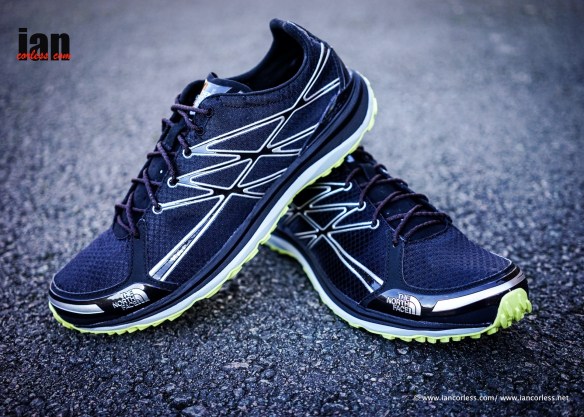
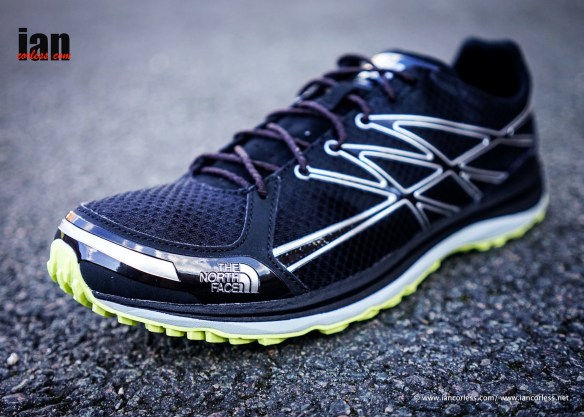
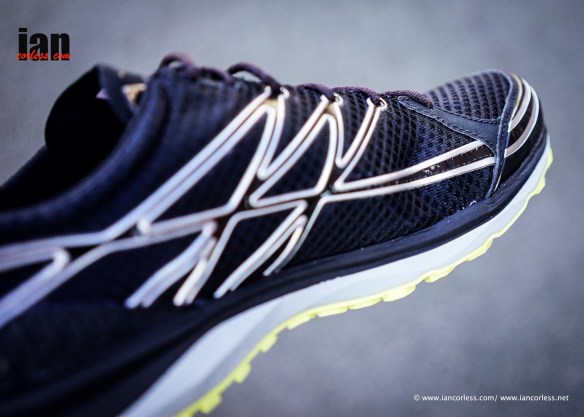
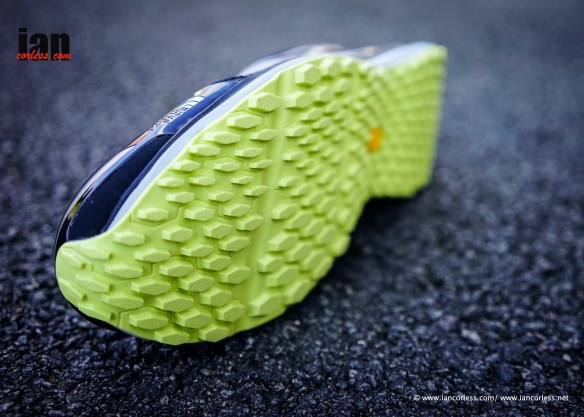
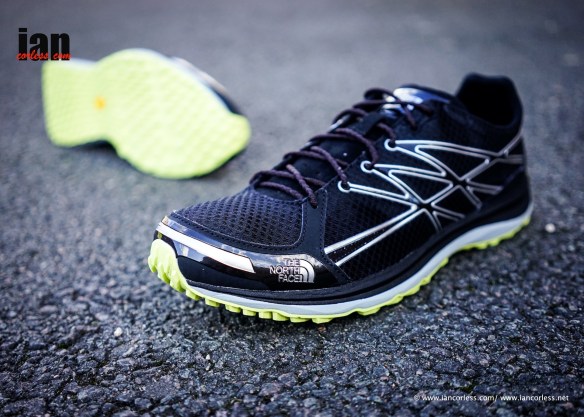
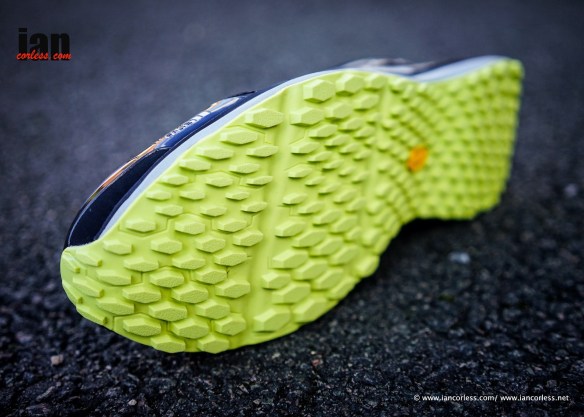
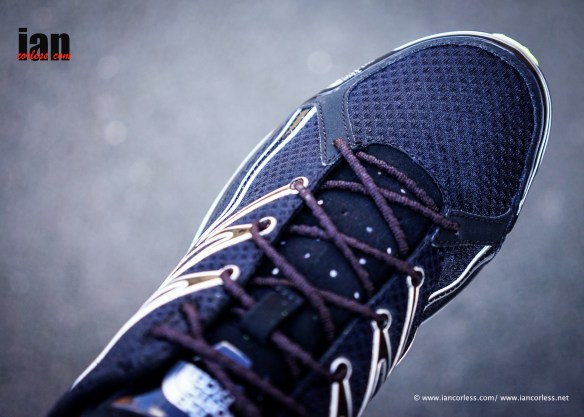
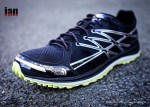
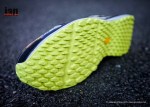
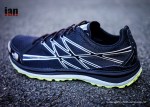
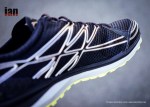
I keep saying it but TNF are really getting their act together with run shoes, no doubt the signings of Timmy Olson, Rob Krar and so on are having a huge influence in how the brand not only look at run shoes, but design them. The Ultra TRII is a shoe that has elite (or should I say fast) runners written all over it. It’s a light shoe designed to tackle long runs that can include road and dry trail trail. Ultralight, this durable running shoe has been designed with a glove-like fit and the non aggressive Vibram® soles provides excellent traction.
The TRII is an update to the award-winning Ultra TR and the shoe has the same exceptional traction and featherlight ripstop construction that has taken influences from track shoes or a racing flat.
The TRII has an 8mm drop which for me is just perfect, I keep saying it but 8mm (for me) is the perfect all round drop and particularly when running longer, the 8mm allows for a little more leeway when technique gets sloppy with fatigue.
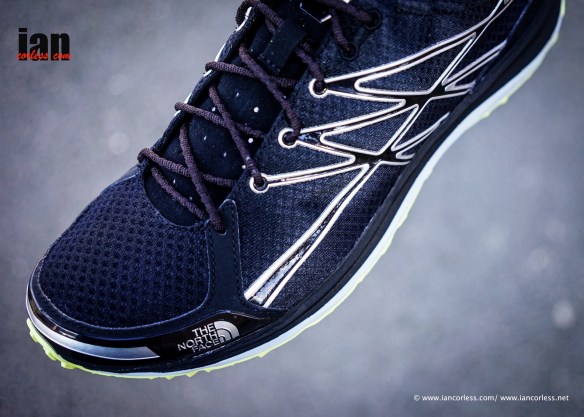
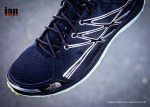
These shows feel fast before you even run in them. A neutral shoe, they are designed for runners with a good run style. When you slip them on, they feel like slippers and the tongue of the shoe is attached to the upper enhancing that glove like feel. Toe protection is minimal but the shoe has ‘Snake Plate’ and the TNF ‘Cradle’ to offer excellent protection for road or trail.
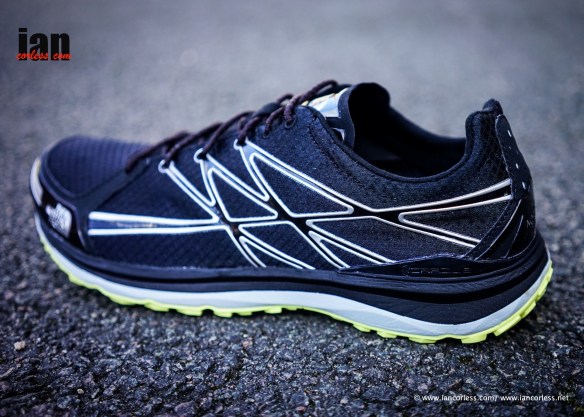
The heel ‘Cradle’ in particular is something that TNF have used for sometime and it most certainly helps with foot positioning, support and energy return.
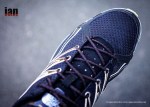
The shoe has ‘Airmesh’ and is designed to keep the foot cool and thus avoid hot spots, using FlashDry™ fibres in the lining adds to the plush feel. The upper is ripstop fabric from the tent industry and it therefore should be very durable. The shoe has a suede forefoot and the black/ silver upper contrasts nicely against the brightly coloured sole.
Cushioning is good with 8mm at the front and 16mm at the rear, drop as mentioned is 8mm. The weight is very good at 230g (UK8).
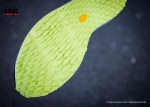
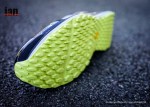
The sole is Vibram, say no more. It works exceptionally well for its intended use; dry trail, rocky terrain or road.
In Use
The shoe feels great the first time you slip it on and the upper is seamless and snug. The shoe feels light and fast but yet it still has plenty of cushioning for long runs.
8mm drop for me is perfect, it provides a drop that allows me to run longer and when I can’t keep my form, the extra height allows for some compensation, especially with the 16mm cushioning at the rear.
The shoe is not for muddy runs, not at all. It’s a shoe that excels of dry trail, rocky trail (wet or dry) and road. It has actually become my preferred road shoe and at least once or twice a week I have used this shoe for shorter/ faster road sessions. They feel great and actually encouraged me to run faster. Feel for the ground is great and the Vibram® full-length road-to-trail outsole engineered for optimal traction and balance really does a great job.
On trail, the shoes feel great and for example, I can see this shoe have a great influence from Rob Krar. I can almost certainly see him blazing a trail to another Western States victory in a shoe like the TRII. As mentioned, it’s a dry trail shoe and on the odd occasion when I have encountered mud, the shoe has had little grip. That is not a criticism as the shoe is definitely not designed for anything other than dry, slick or rocky trail.
The heel box holds the foot secure with no slipping. It’s snug and reassuring. The toe box is generous but not wide, so you would need to try the shoes on if you have a wider foot. Because this shoe is designed for faster running and due to the influences from track spikes, the TRII should have a snug feel as this adds to the security when running on technical trail. It’s all about personal preferences, for me, they are spot on!
The relatively seamless upper and sewn in tongue really holds the foot secure and has given me no hot spots, the very breathable upper obviously adds to this.
Sizing is true to size. I use a UK9.5 and this shoe fits perfectly.
Conclusion
Using the ripstop technology and minimising cushioning definitely has definitely paid off. The upper is very breathable, the laces are slightly textured and stay fastened; ideal! The Vibram sole has enough grip for the intended purpose.
It’s a great shoe for those who want something light, fast, 8mm drop and will run on road and dry trail. It’s not an all rounder and therefore if you are looking for a ‘one shoe does all’ this is not it. It’s a shoe to add to other shoes and one that you will use every now and gain for specific runs. It would make a great race shoe.
The 2016 Transgrancanaria concluded in Maspalomas this morning at 5am after many runners battled through two nights and a long hot day to achieve the goal of completing the 125km journey from the north to the south of the island. It’s a race of many challenges!
The first big European race on the calendar, Transgrancanaria always attracts a high quality elite field and this year was no different. Starting at 2300 hours on Friday under warm skies, runners left the coastal town of Agaete and then weaved a route through many climbs and descents on what is a very demanding island to run on.
Aurelien Collet and Caroline Chaverot started the race like two possessed animals, constantly pushing and dictating the pace at the front. Chaverot was not a surprise after her string of recent high quality results and her 2nd place in Transgrancanaria last year. Collet though was a surprise!
As the runners ran into the night, Artenara was one of the first key aid stations and it soon became clear that the evening temperatures were causing many problems. A wind had started to increase off the coast and with it temperatures dropped.
By contrast, day temperatures were very warm and in the men’s race Roque Nublo became a significant point in the race as 2015 winner, Gediminas Grinius closed on Collet who had dictated the pace from the start.
Hermansen was also closing on Grinius and we knew the race was on!
In the ladies race, Chaverot’s lead was so huge it would have taken an injury for her to lose her lead, particularly after the withdrawal of Nuria Picas in the night with an injury. Emelie Lecomte, Andrea Huser and Uxue Fraile were pursuing but they were in a different race.
Hermansen finally took hold of the race in the section between Garanon and Pico de las Nieves when he overtook Collet. Grinius pursued but Hermann was committed to victory, something that he had prepared meticulously for having placed 2nd in 2015. He stopped the clock in 13:41:48 which established a new course record*
Pau Capell, winner of Transgrancanaria’s Advanced race in 2015, moved up a notch to finish on the podium jointly with Diego Pazos for third.
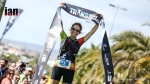
Caroline Chaverot was in a league of her own this year, committed, focused and dedicated, she was like a machine! Despite her huge lead, Chaverot continued to push the pace all the way to the finish and she also, like Hermansen, set a new course record and finished in the top-20 overall. Her closest rival was Andrea Huser who was almost 2 hours behind. Uxue Fraile finished 3rd.
*This years course has now been changed over the final 25km which is slightly less distance but more technical.
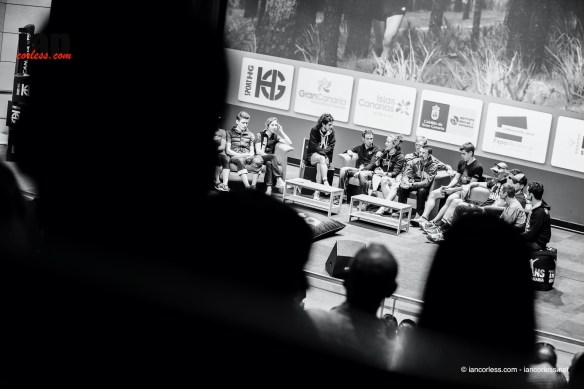
Many of the top elite runners assembled in Maslpalomas, Gran Canaria yesterday evening for the Transgrancanaria 2016 elite press conference.
In the past few years, Transgrancanaria has grown as the first big European race that in many ways sets the scene for what is to come later in the year.
The 2016 edition of the race is no different.
2015 champion Gediminas Grinius is back and looking to defend his crown but he is going to have a tough job. He said:
“I feels no pressure now but as I stand on the start, the tension will come and then will be soon released. I am here to perform to the best of my ability.”
Seth Swanson from the USA is considered to be a dark horse, his repeat 2nd places at the past editions of Western States and 4th at UTMB not only means that he has pace to run fast but that he can also climb and descend.
“I’m really happy to be back in Europe and the opportunity to run across an island, from the top to the bottom, is one of the unique attraction of the Transgrancanaria race.”
Julien Chorier, Yan Long Fei, Antoine Guillon, Didrik Hermansen, Jonas Buud, Tim Tollefson, Sondre Amdahl, Andy Symonds, Seb Chaigneau, Yeray Duran are just some of the other top elite men who will contest the finish line on Saturday outside the Palais de Congress in Maspalomas.
The ladies race has less depth but two time champion Nuria Picas is back and of course a hot favourite for victory. Last years 2nd placed lady, Caroline Chaverot is also one to watch:
“I want to have a good race, a pleasant journey and I hope I don’t get lost… last year I made a couple of mistakes.”
The USA’s Angela Shartel was also present and excited to be racing in Europe for the first time.
Dong Li, Uxue Fraile, Manuela Vilaseca, Lisa Borzani, Anrea Huser and Silvia Trigueros are also hot contenders for the top-3 podium places.
Racing starts at 2300 (local time) on Friday March 4th
This is Episode 106 of Talk Ultra. This show is all about The Coastal Challenge multi-day race in Costa Rica. We talk in-depth about Niandi’s experience and we bring you a selection of interviews to give you a feel for the race.
Book writing – RUNNING BEYOND will be released in November 2016 by Aurum Publishing.
00:01:04 Show Start
00:04:58 NEWS
ACONCAGUA – Fernanda Maciel established the first women’s FKT on , Aconcagua, earlier this month and I caught up with her immediately afterwards.
06:07:00 INTERVIEW
Fernanda said at the time should the weather be okay for a 2nd attempt that she would return. Return she did to established the first women’s FKT on the longer route. She traveled from the Horcones entrance gate to the summit and back – 60 kilometers and 4,100 meters of climb in 22:52. The mens record is almost have this time set by Karl Egloff who took the record from Kilian Jornet
ADDO ELEPHANT in South Africa
“As the only national Park in the world that offers visitors a chance to see the ‘Big Seven’ (elephant, lion, leopard, rhino, buffalo and the southern right whale and the great white shark in the marine area), we’re thrilled to be hosting the race again this year,” says Fayroush Ludick, SANParks Regional Communications Manager. “Because athletes will be running through areas of the park that they wouldn’t traditionally have access to, they will experience the park and its residents as never before.”
1 – Bennie Roux and Tom Adams finished together 21:45:08
2 – Chris Darke 22:24
3 – Ryno Griesel 24:55
1 – Linda Doke 29:25:34
2 – Kim Van Kets 33:34:12
ROCKY RACCOON 100
1 – Ian Sharman 13:45, Paul Terranova 2nd and Will Swenson 3rd.
1 – Sabrina Little ran the 2nd fastest lasted time of 14:55, Amy Clark and Olga Buber were 2nd
and 3rd.
Notably, WSER legend Gordy Ainsleigh ran 28:31 to gain his WSER entry slot which many feel should have been guaranteed anyway!
TARAWERA
Jonas Buud won the race in 8:00 followed by David Bryne in 8:22 and Ryan Sandes 3rd in 8:30
Fiona Hayvice won the ladies race in 10:34 despite Ruby Muir leading for much of the race and then dropping with injury. Melissa Robertson and Fiona Eagles placed 2nd and 3rd with 10:56 and 11:24.
This weekend as the show comes out Transgrancanaria will be staring and it is quite a stacked field, certainly the first big race of 2016. Read the preview HERE
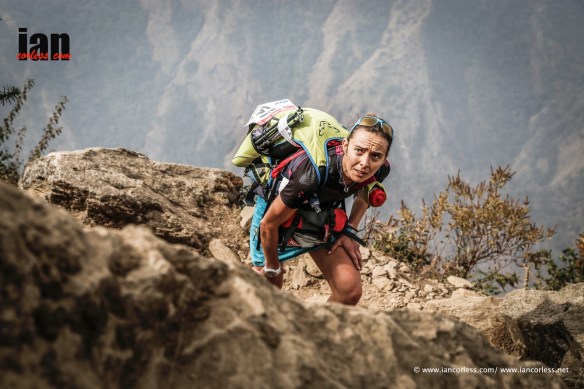
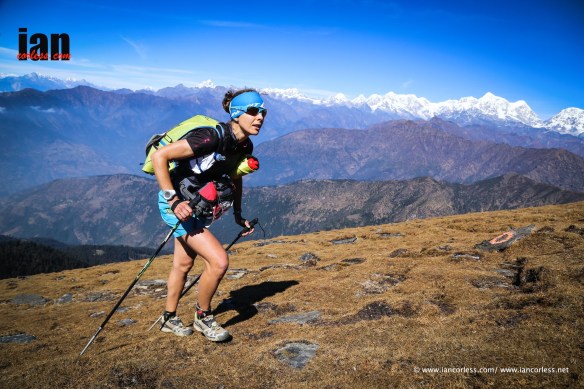
The Coastal Challenge are pleased to announce that Anna Comet (Spain), two times winner of the Everest Trail Race will participate in the 2017 edition of the race.
A multi-day race over 6-days starting in the southern coastal town of Quepos, Costa Rica and finishing at the stunning Drake Bay on the Osa Peninsula, The Coastal Challenge is an ultimate multi-day running experience.
Intense heat, high humidity, ever-changing terrain, stunning views, Costa Rican charm, exceptional organisation; the race encompasses Pura Vida! Unlike races such as the Marathon des Sables, ‘TCC’ is not self-sufficient, but don’t be fooled, MDS veterans confirm the race is considerably harder and more challenging than the Saharan adventure.
Hugging the coastline, the race travels in and out of the stunning Talamanca mountain range via dense forest trails, river crossings, waterfalls, long stretches of golden beaches backed by palm trees, dusty access roads, high ridges and open expansive plains. At times technical, the combination of so many challenging elements are only intensified by heat and high humidity that slowly but surely reduces even the strongest competitors to exhausted shells by the arrival of the finish line.
2017 will signify the ‘lucky for some’ 13th edition and building on the success of the 2016 edition, Central America’s most important multi-day race looks set to elevate itself to new heights with this first of six announcements about the elite field who will undertake the race next year.
Anna Comet in recent years has shot to fame as a trail and mountain runner after a very successful career as an Alpine skier and ski mountaineer. Her 2014 victory at the Everest Trail Race (also a multi-day race) paved the way for a strong and consistent Skyrunning year in 2015.
Born in Girona, the mountain has always been a passion for Anna. A 4-year stint living in the French Alps at 14-years old and 2-years in Andorra laid the foundations for selection for the Spanish National Team for Alpine Skiing. A 6-year career saw Anna race many European Cups and the FIS World Cup Races.
Injury unfortunately removed Anna from competitive sport for 4-years and when she returned, trail running and ski mountaineering were her chosen disciplines.
“Although my heart says to me that I have to keep pushing on ski mountaineering competition, common sense and my mind are pushing me to focus all my efforts to one goal;trail running. I feel that this is what I have to do!” – Anna Comet
Despite placing 6th on two occasions at Pierramenta, 2nd at Patrouille des glaciers and many top 10-places on the World Cup races, during the 2014 season Anna slowly moved purely to trail and mountain running. Victory at the 2014 Everest Trail Race confirmed she had made a wise decision.
*****
You have raced multi-day races twice before, the Everest Trail Race, on both occasions you won. What do you like about multi-day racing?
EN: I think there are two big special things: 1. there is more race strategy than in other races and 2. the contact and the experience with the rest of the racers is very special.
SP: Creo que hay dos cosas muy especiales: 1. hay más estrategia que en otro tipo de carreras y 2. el contacto y la convivencia con el resto de corredores es muy especial.
The Coastal Challenge in Costa Rica will be very different to Nepal, what is the attraction?
EN: The biggest attraction is that it will be very different to Nepal and to all the other races I have done before; the terrain, the heat, the sea, etc.
SP: La mayor atracción es esto, será muy distinto que Nepal y que el resto de carreras que he hecho antes, el terreno, el calor, el mar, etc.
Like ETR, TCC is not self-sufficient, you don’t need to carry all your equipment like MDS, is that more appealing? You are free to run!
EN: Of course yes! I like running free, you can run faster and one of the things that I like most of running is to run as fast as I can.
SP: Por supuesto! Me gusta correr libre, se puede correr más rápido y una de las cosas que más me gusta de correr es hacerlo tan rápido como pueda.
High heat and intense humidity makes the TCC an extreme challenge, will you prepare specifically for this?
EN: I would like to, but I think it will be impossible. In Catalonia where I live it is cold from November, so I will have to get used to the heat and humidity during my stay in Costa Rica.
SP: Me encantaría pero creo que será imposible. En Cataluña, donde vivo, hace frío a partir de noviembre… así que tendré que acostumbrarme cuando llegue a Costa Rica
You have excelled at Skyrunning in recent years, will the combination of technical trails, water crossings, climbing etc, of Costa Rica appeal to you?
EN: I’m sure of it! I am really looking forward to going and running there!
SP: Estoy segura que si! Tengo muchas ganas de ir y correr allí!
TCC is almost 1-year away and you have a busy year ahead, what does your race calendar look like for 2016?
EN: This year I’m going to participate in all the races of the Skyrunner World Series. I am going to start in may with Transvulcania, then USM (Ultra SkyMarathon Madeira) in Madeira in June, Ultra Trail Vanoise (formerly Ice Trail) in Val d’sere in July, The Rut, USA in September and Ultra Pirineu, Spain in September again.
SP: Este año volveré a participar en las carreras del Ultra World Tour de la ISF: Empezaré en mayo en Transvulcania, después Madeira en junio, Val d’isère en julio, USA en setiembre y UP también en setiembre.
What are your long term goals with running?
EN: My goals for this season is to be the best that I can be in the Skyrunner World Series and of course, enjoy what I do!
SP: Mis objetivos para esta temporada es probar de volver a quedar entre las mejores de las world series y, por supuesto, disfrutar de lo que hago.
Do you have a dream race other than The Coastal Challenge?
EN: There are a lot of races around the world and a lot of nice places to go. I like to go step-by-step, I’ve been twice to Nepal and now I really want to go to Cost Rica.
SP: Hay muchas carreras y muchos lugares bonitos en el mundo. Me gusta ir paso a paso, he estado dos años en Nepal y ahora me apetece mucho ir a Costa Rica.
Ester Alves won the TCC in 2016, you have raced against her in Skyrunning races, should she return to Costa Rica to defend her crown, would you embrace the challenge?
EN: Of course! I like to compete against strong competition. I think it’s a chance to grow as athlete and to become better. And of course I will be happy to meet Ester in competition and then relax later in the camp chatting.
SP: Por supuesto! Me gusta competir con buenas corredoras. Creo que es la forma de crecer como atleta y mejorar día a día. Y por supuesto me encantará conocerla en competición y después en el campamento tranquilamente.
Anna, any final thoughts…
EN: Since I decided to go to TCC next year I can’t stop watching videos and photos from there! I’m excited!
SP: Desde que he decidido ir a TCC el próximo año no puedo parar de mirar videos y fotos! Estoy emocionada!
In a very short space of time, Anna has elevated her status as one of the worlds best female Skyrunner’s as reflected in her 2015 results.
2nd Transvulcania Ultramarathon, La Palma, Spain
5th European Skyrunning Championships, Ice Trail Tarentaise, Val D’Isere, France.
2nd Mont-Blanc 80km, Chamonix, France.
4th Matterhorn Ultraks, Zermatt, Switzerland.
1st Everest Trail Race, Nepal – new course record
Ranked 3rd lady overall in the ISF Skyrunning World Series 2015.
A full 2016 calendar lies ahead but rest assured, Anna will be firing on all cylinders for the 2017 edition of The Coastal Challenge which will take place Feb 10th – 19th, 2017.
Salomon Running take things up a notch for the Salomon Running TV Season 5 Episode 1 with Paradise Lost.
It’s a departure for the running brand who in recent years have inspired and influenced us with a serious of beautiful and short films. The African Attachment (Dean Leslie and Greg Fell) have been instrumental in the visual look and feel of these images.
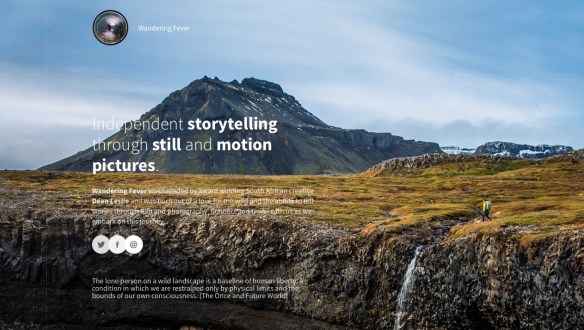
This is Salomons first project with #TAA co-founder Dean Leslie’s new production company Wandering Fever and marks the start of an exciting new journey.
Anna Frost has continued to inspire all of us with her no strings honesty; it is what makes her so approachable. It’s something that I personally have been able to witness at first hand. Paradise Lost gives a new insight into the inspiring lady we have all come to know as Frosty!
Enjoy this wonderful movie
[Full multimedia story http://runningtv.salomon.com/episodes…] Anna Frost takes some time out to journey to the highlands of Papua New Guinea to visit the place where she grew up. Anna’s adventure into her past is pause for reflection; the paths travelled, the races lost and won, a life on the road, as she searches for “home”.
A Film by Wandering Fever
A Production by The African Attachment
Music:
“Go Solo” by Tom Rosenthal – courtesy of Audio Network
“Sirens” by Ben Dey – courtesy of SM Publishing
“Stand in Line” by BANFF – courtesy of Create Control & We are Golden
“Portraits” & “Annika” – courtesy of Musicbox Licensing











































 IAN CORLESS