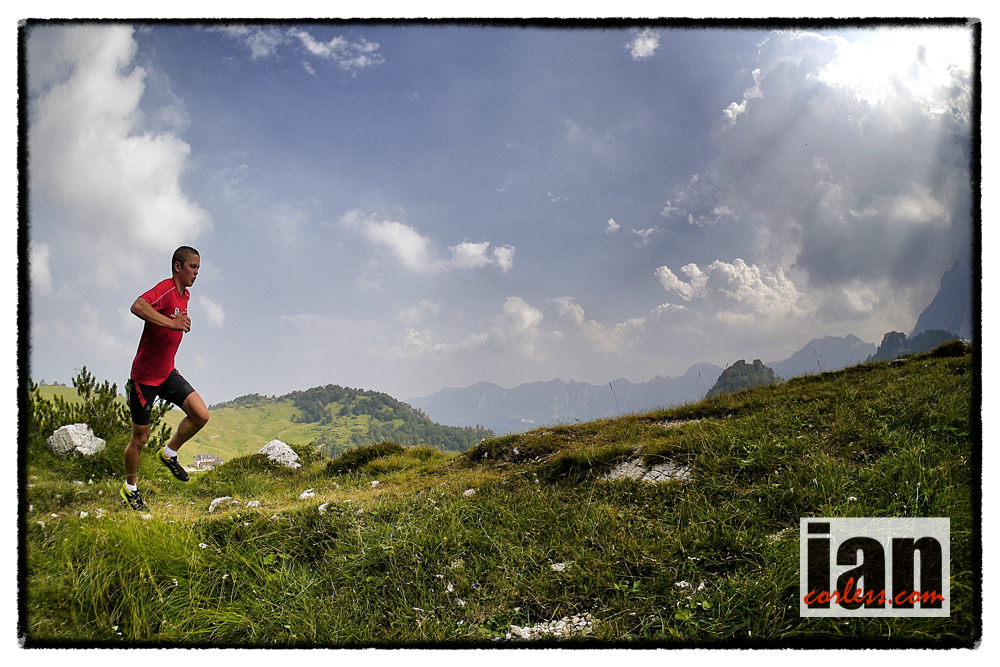
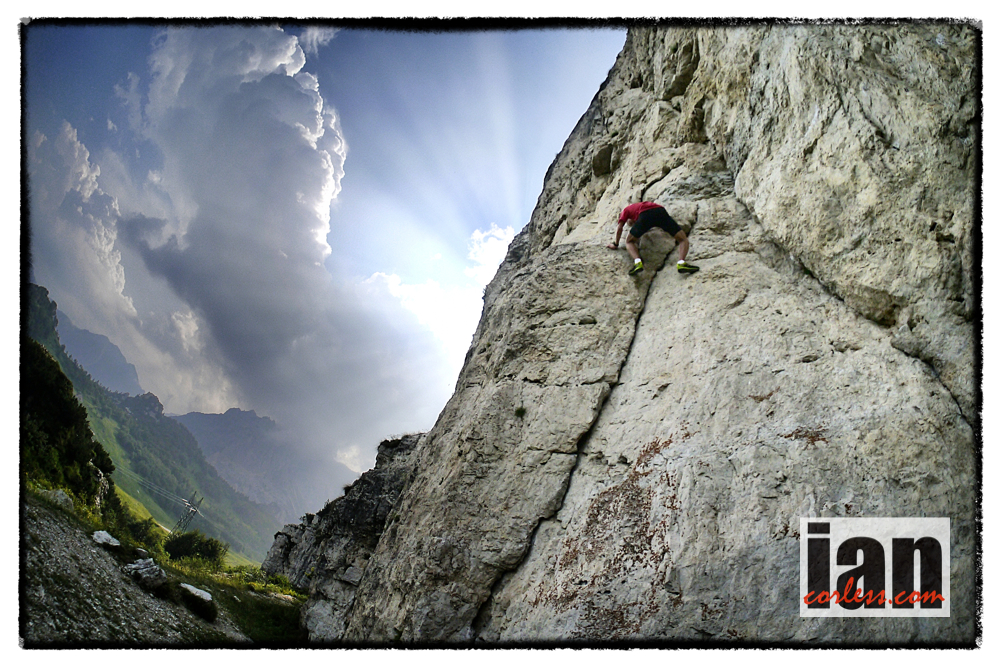
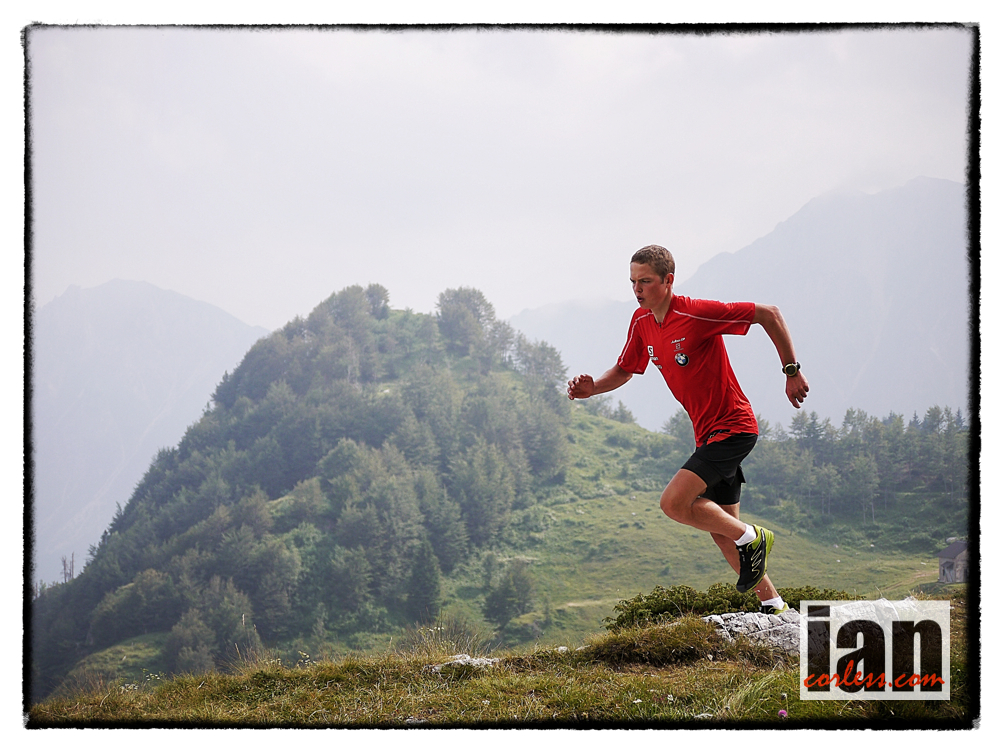
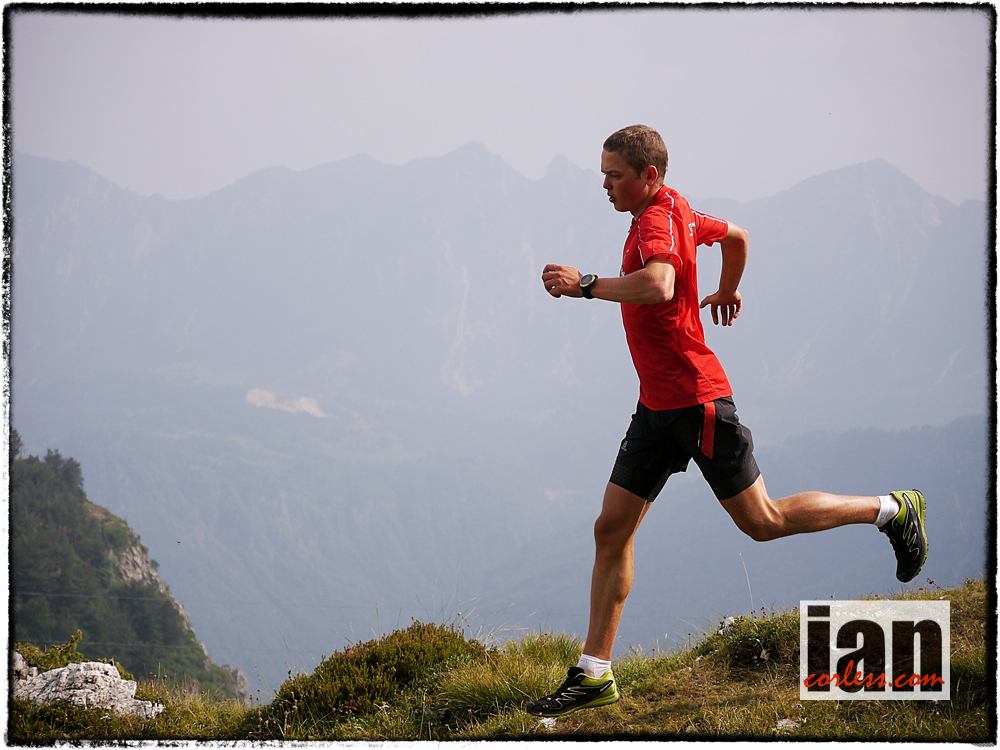
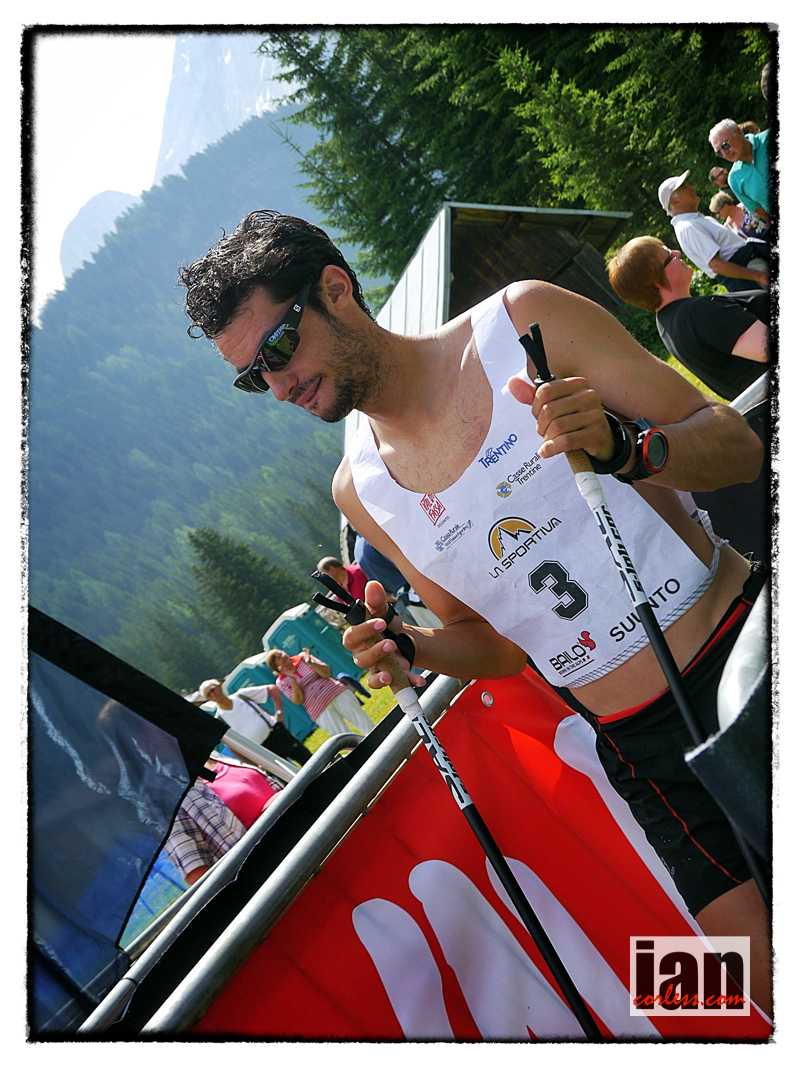
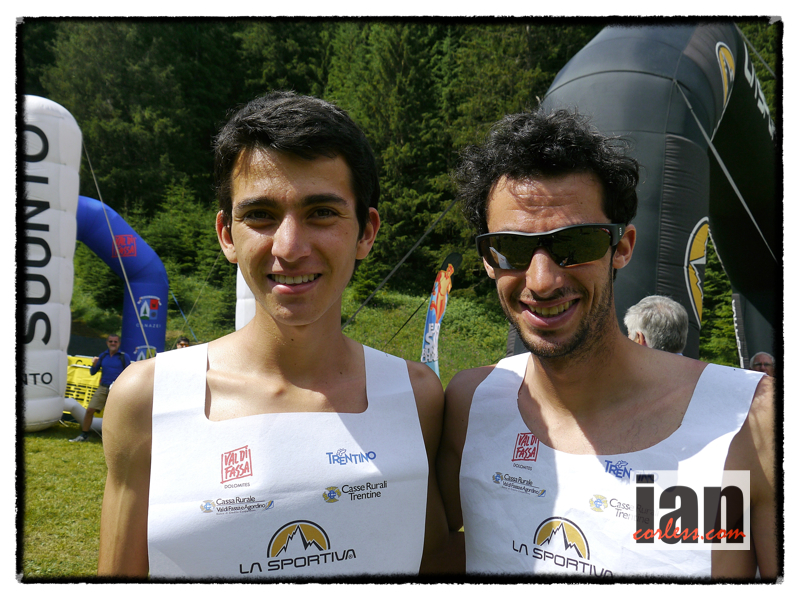
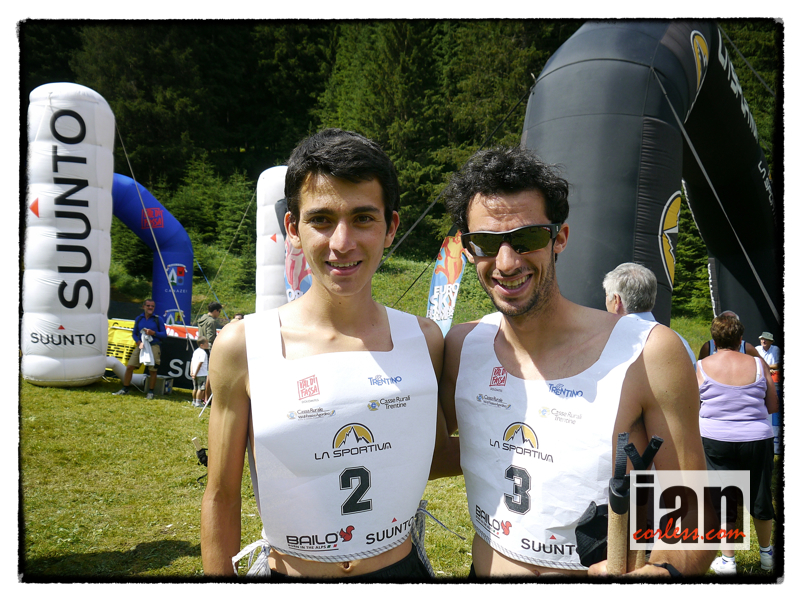
Kilian Jornet sets new record for Chamonix-Mont Blanc-Chamonix

IMGP0875At 04:46 on July 11th, Kilian Jornet and Mathéo Jacquemoud left the church in Chamonix to set a new record for CHAMONIX-MONT BLANC-CHAMONIX.

You will see from the images provided by Tiffany Sabil that Kilian arrived in Chamonix beating the old record of 5:10.

Update: Matheo did not break the record. Apparently he took a fall.

The time has been confirmed at 4:57.

screenshot_285

Congratulations to both Kilian and Mathéo. This record has lasted since 1990. Quite an incredible by Kilian Jornet and Mathéo for the support.

Many thanks to Tiffany Sabil for being in Chamonix and providing these images.   IMGP0876 IMGP0877 IMGP0879 DSC_0375 DSC_0378 DSC_0379 DSC_0380 DSC_0384

Kilian & Mathéo attempt Chamonix-Mont Blanc-Chamonix

Image James Stewart - Kilian and Mathéo depart Chamonix 04:46am Thurs 11th July

Image James Stewart – Kilian and Mathéo depart Chamonix 04:46am Thurs 11th July

Kilian Jornet and Matheo Jacquemoud will attempt to take the record for the fastest return ascent of the Mont Blanc on foot.

The current record is an incredible 5h11m, set by the Swiss Pierre-André Gobet, on 21 July 1990.

Departure is at 04:30 from the main Church in the centre of Chamonix 1042m.

The two athletes shall follow the road to the entrance of the Mont Blanc Tunnel, then take a right onto the track that leads to the Grands Mulet refuge.

From there, they will ascend through the Petit Plateau and the Grand Plateau, then onto the Bosses Ridge, past the Vallot refuge, followed by a final push to the summit of Mont Blanc 4810m.

On reaching the summit, Jornet and Jacquemoud are half way there. The dangerous, high speed descent, by the same route, should see them back in Chamonix, at the Church, for about 09:30am, to claim a new record time.

Be there, to witness something special.

Taken from: http://www.chamonix.net

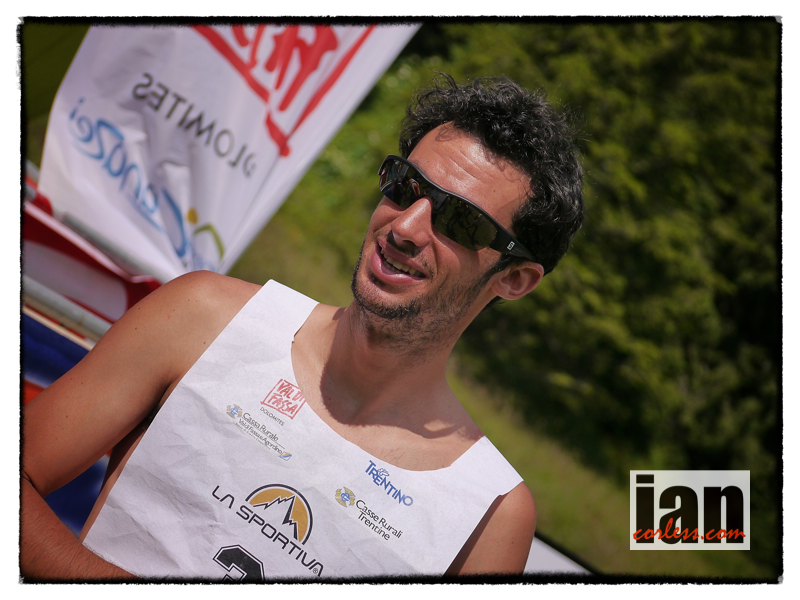
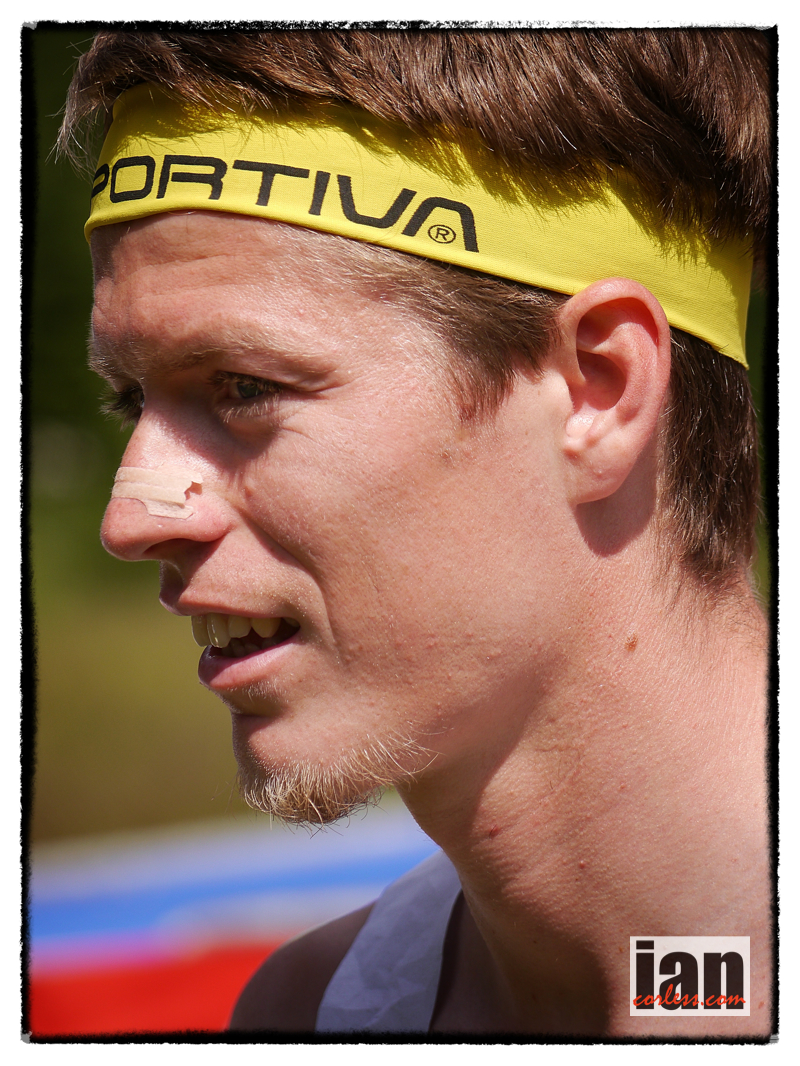
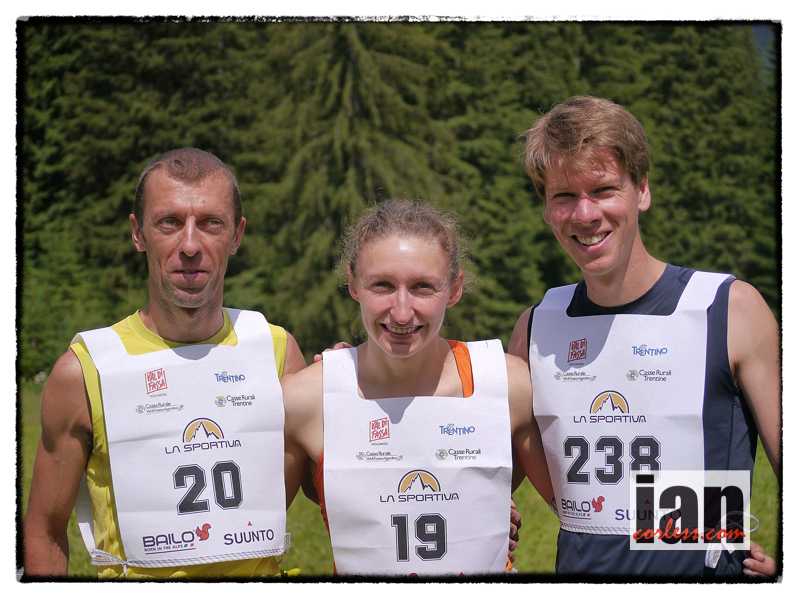
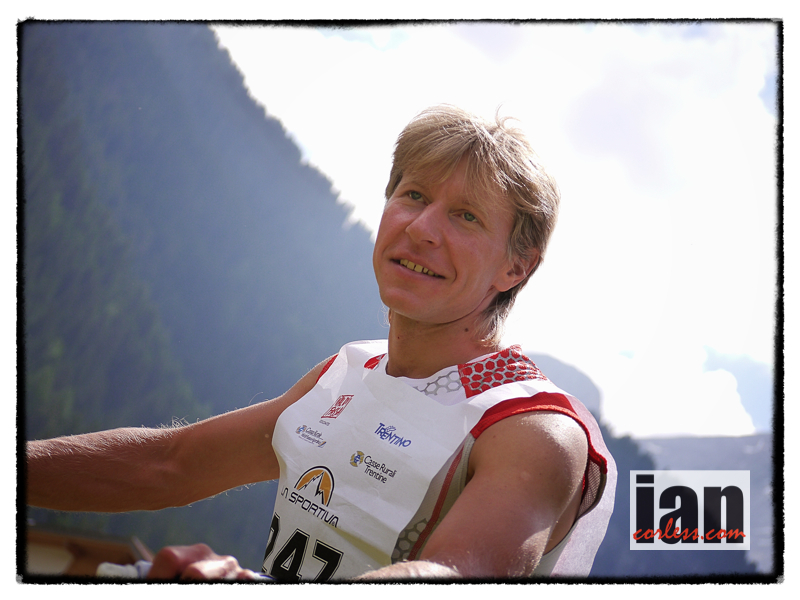
Trans D’Havet 2013

OLYMPUS DIGITAL CAMERA

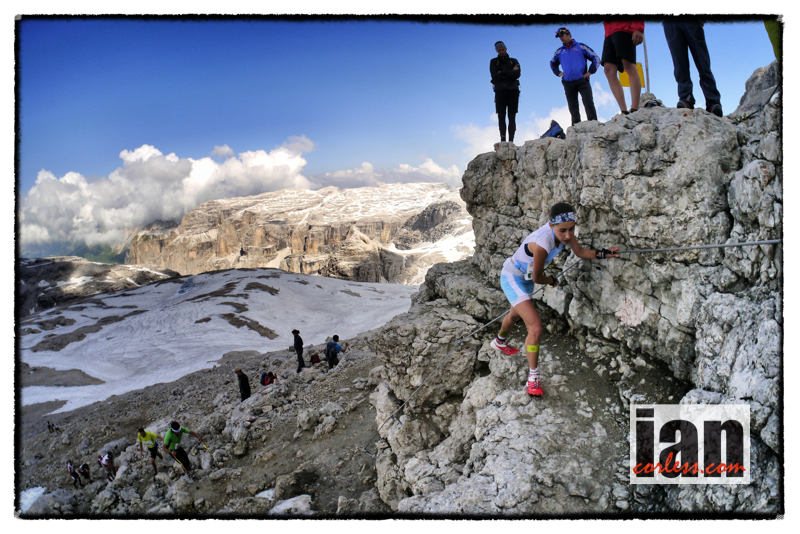
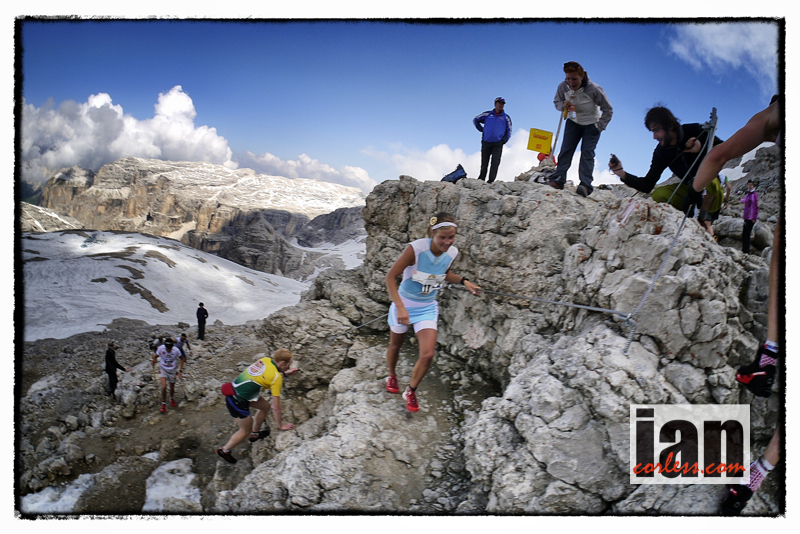
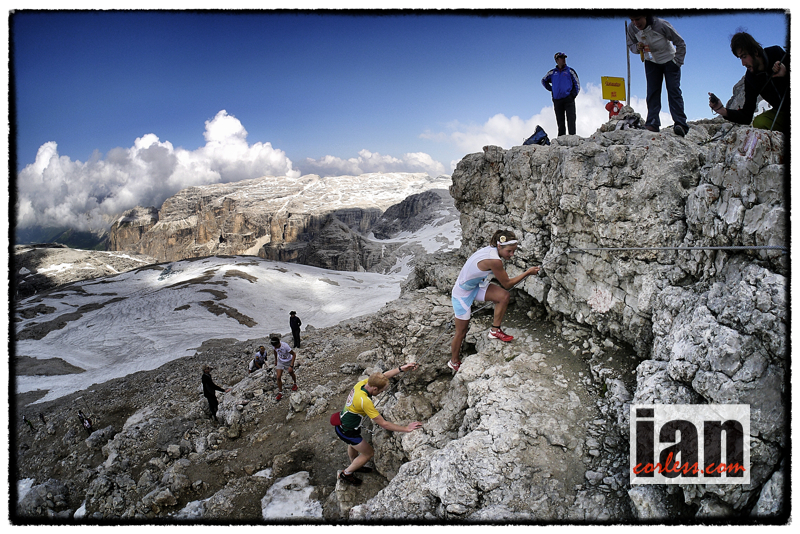
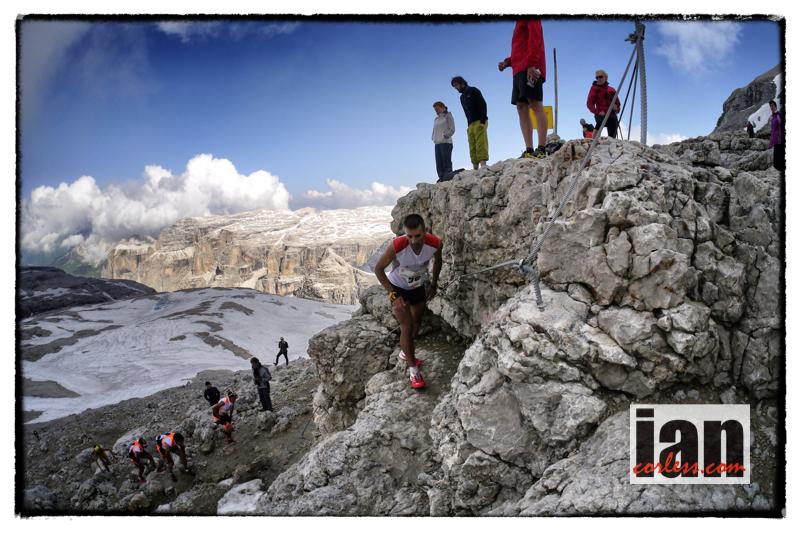
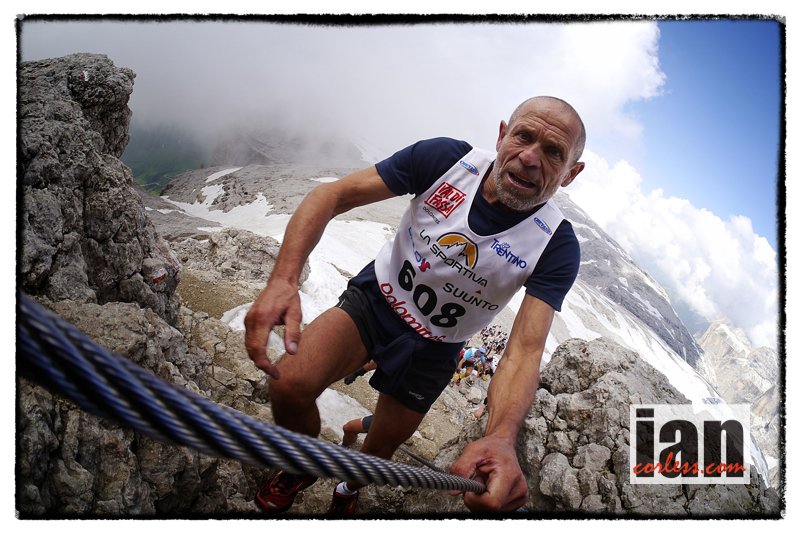
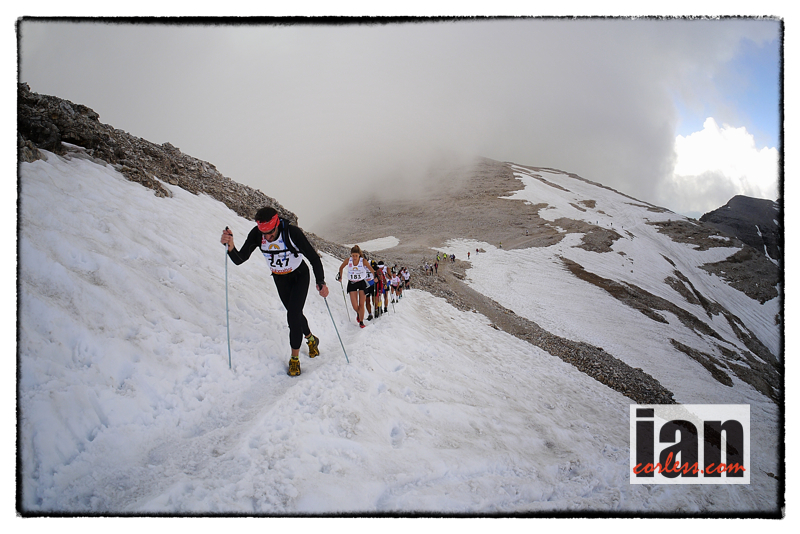
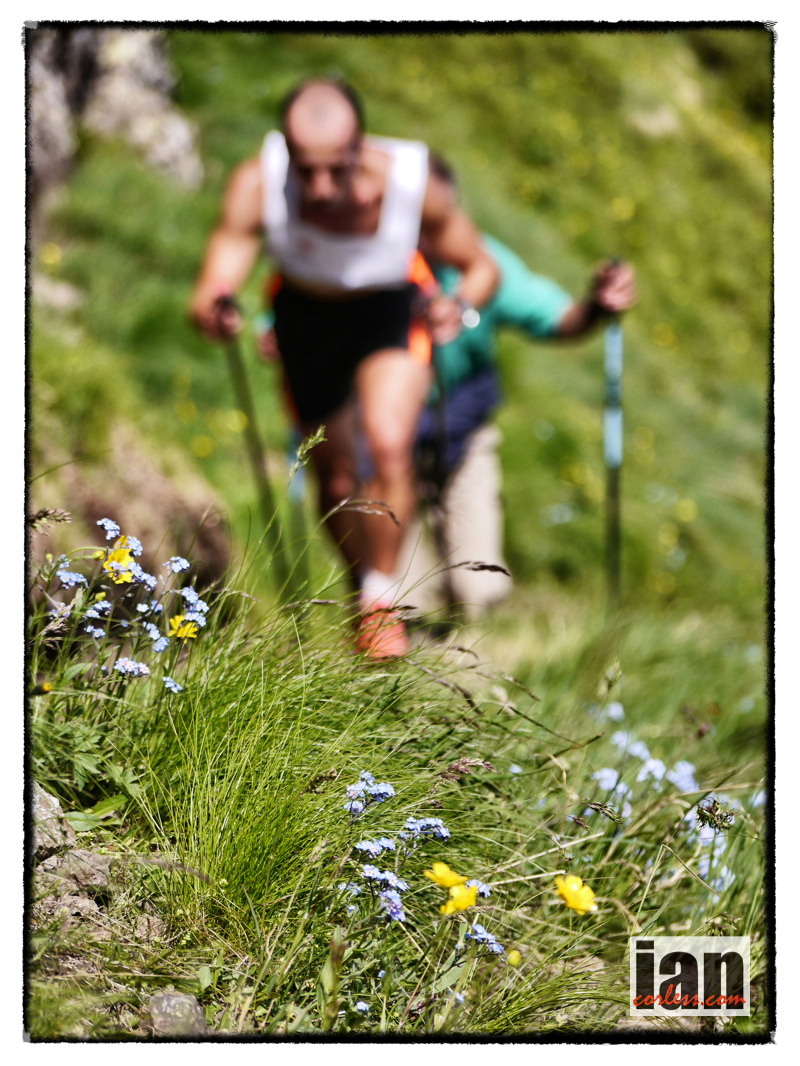
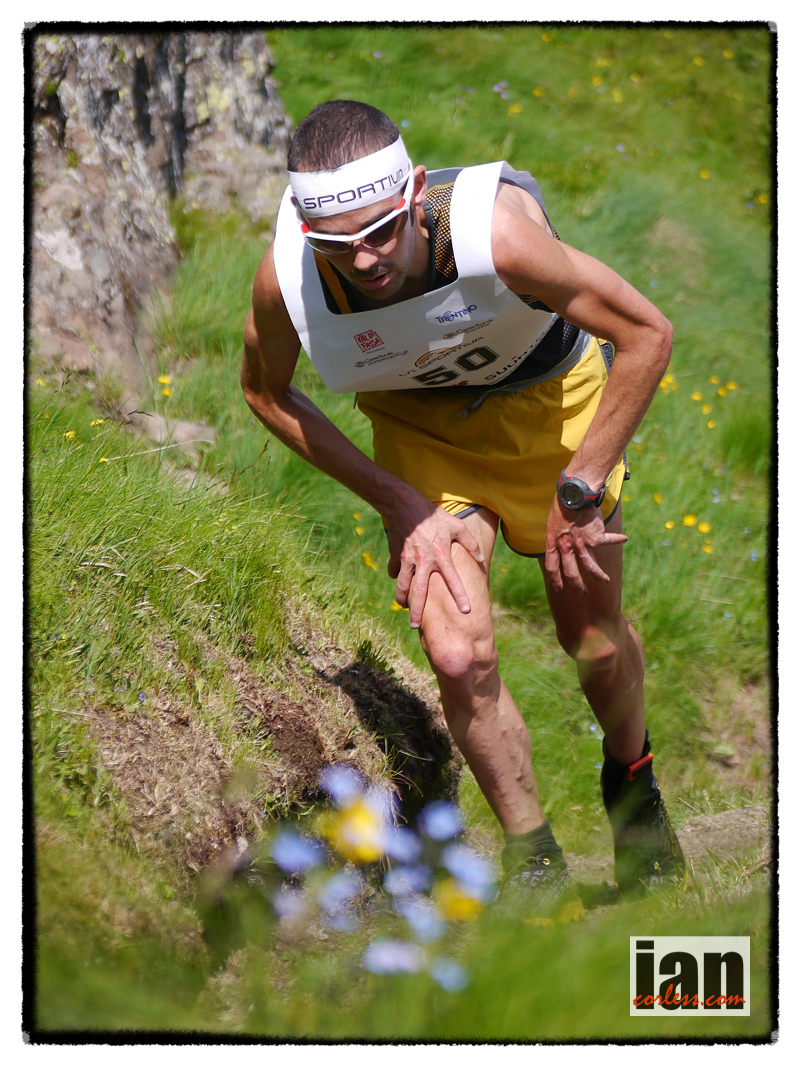
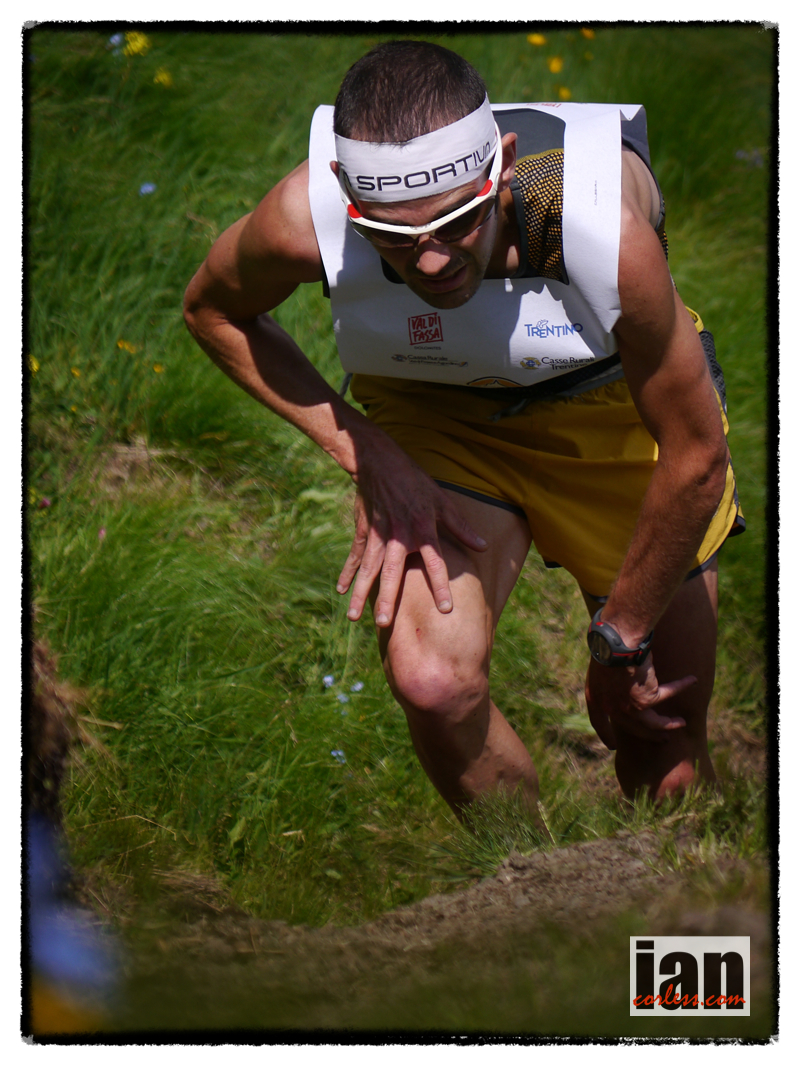
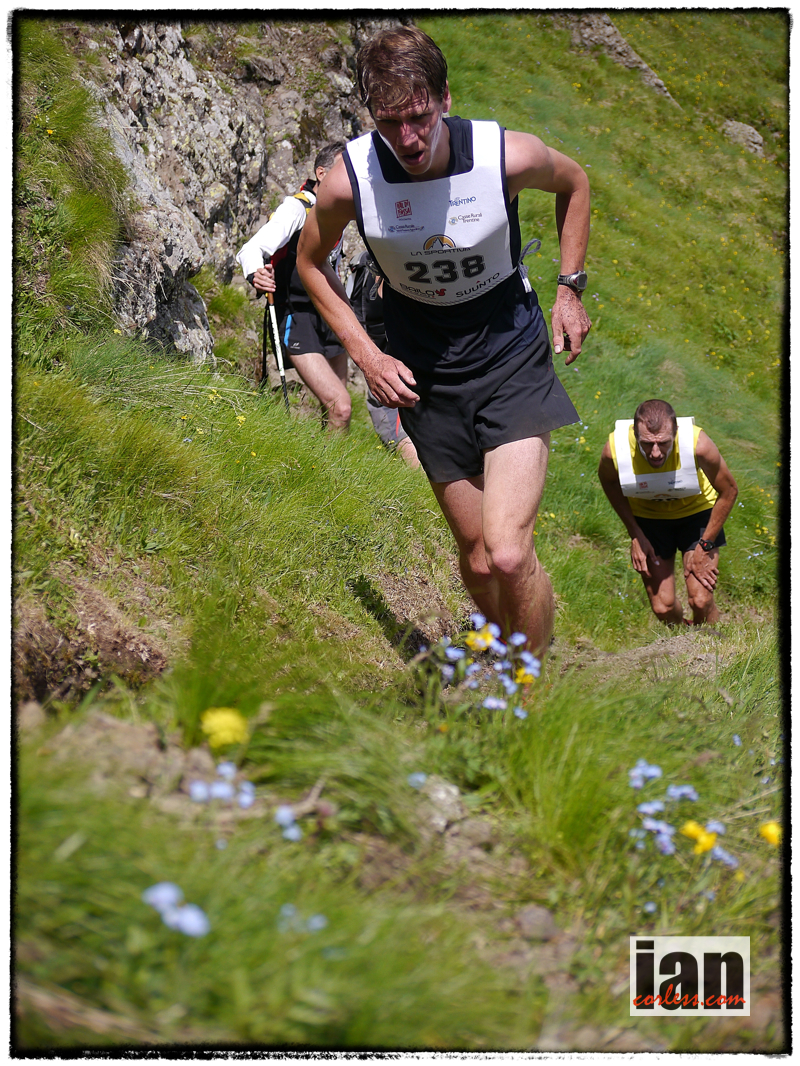
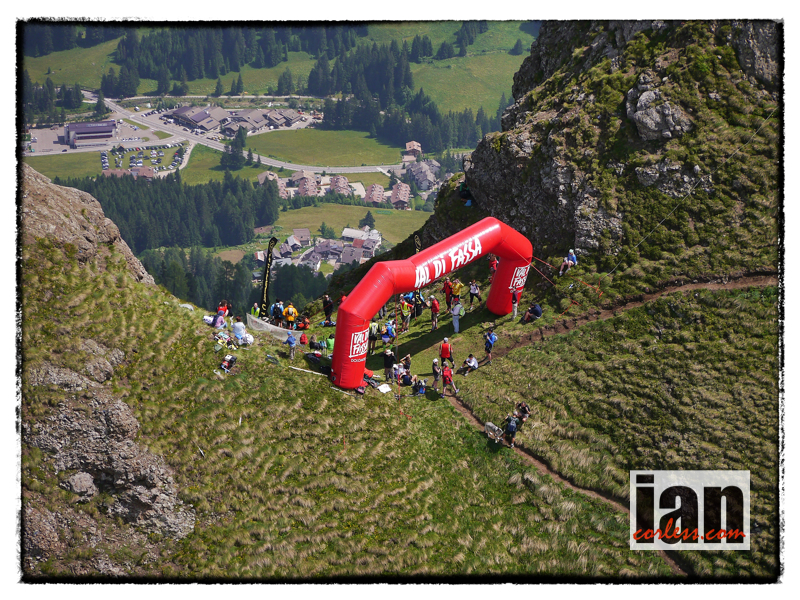
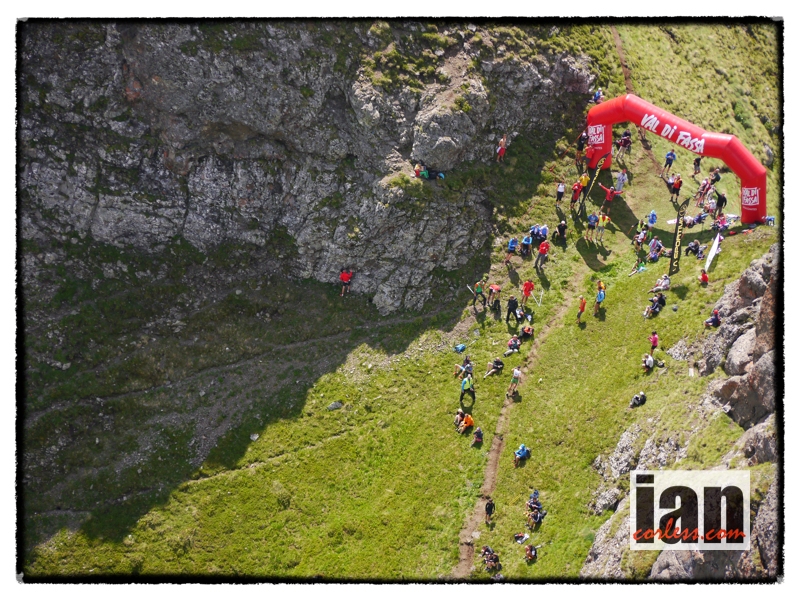
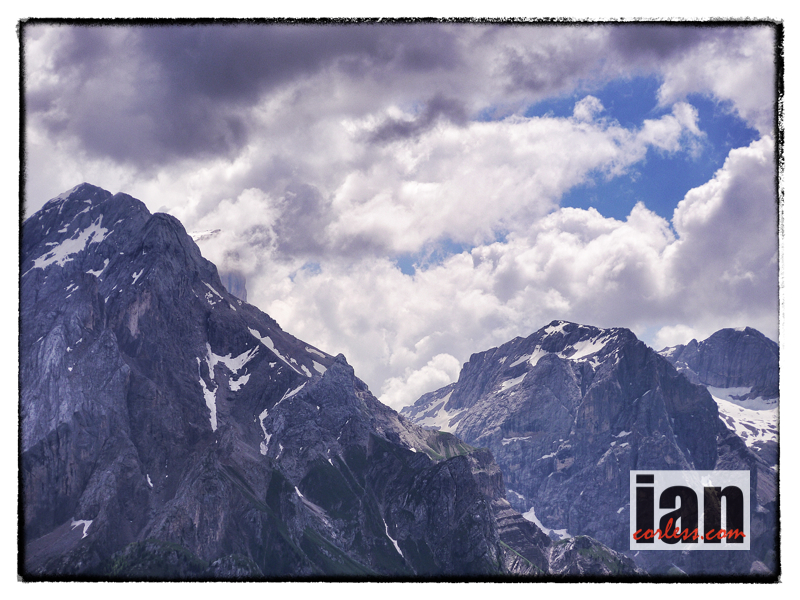
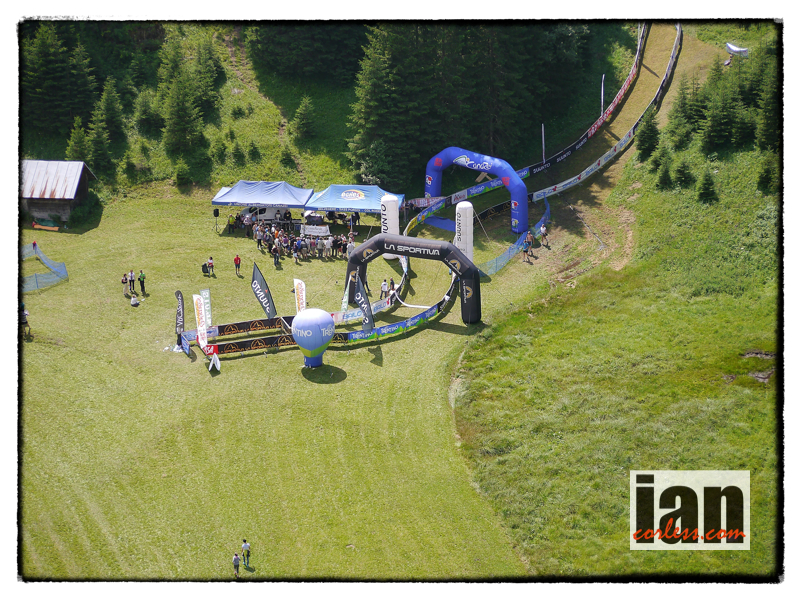
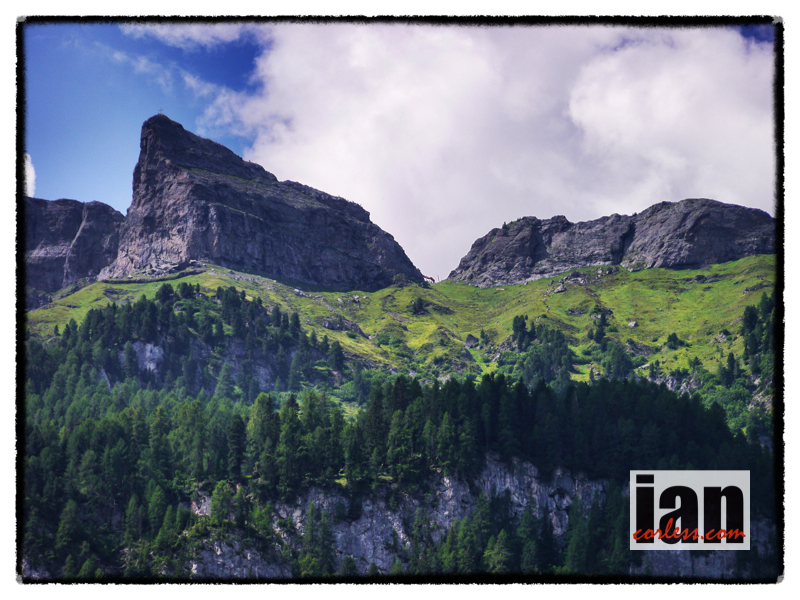
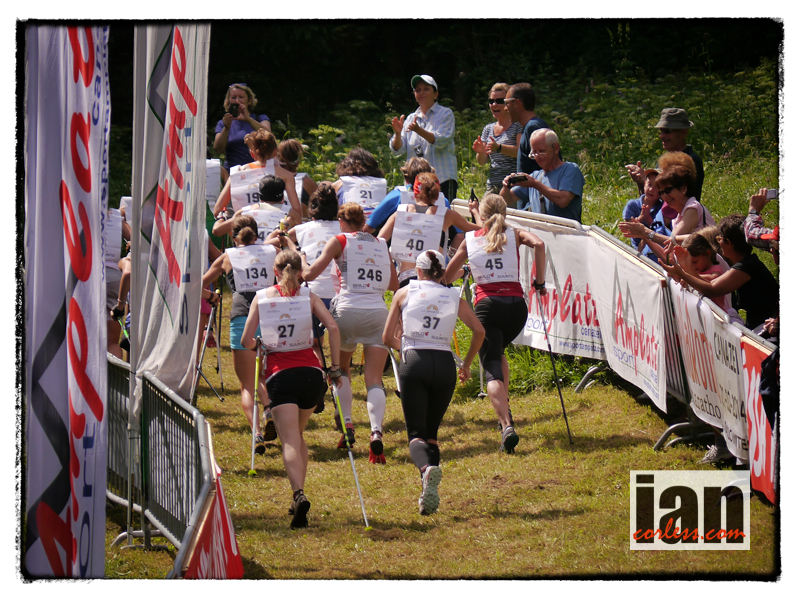
The 80 km race with 5,500 m+  will take place on the border between the Veneto and the Trentino and will see the best “runners of the sky” try to win the European Skyrunning® Championship 2013. 


“Entries are going very well both for the main 80 km race, and for the 40 km half race (2,500 D+),” began the president of the organizing committee Enrico Pollini. “We have well over 500 registrations. They are going so well that we have decided to make the deadline for accreditation Monday, 15 July at midnight.” After that date, the organizing committee’s attention will be entirely focused on logistical and organizational aspects. “Together with our main sponsor Montura, who shares our passion and mission to spread the word about this sport, we are organizing three evenings at the Alpstation shops in Isera and Schio in which athletes, organizers and journalists will take part. It will be a good opportunity to talk about trail, understand its spirit and have fun together while waiting for the big event scheduled for Friday 26 and Saturday 27 July.” In the meantime, going by the hits on the website and social networks and from the numerous requests that the secretariat is receiving, adrenaline is on the increase. The organization is going smoothly and everything is underway for what looks like being a great event.
A quick look through the list of participants reveals important names such as:

Kilian Jornet, Luis Alberto Hernando, Manuel Diez, Julien Chorier, Philipp Reiter, Emelie Forsberg, Nuria Picas, Nuria Dominguez…

There is also, of course, a large number of Italians, including:

Filippo Canetta, Stefano Ruzza, Matteo Pigoni, Ivan Geronazzo, Stefano Trisconi, Chiara Colonnello and the novice Laura Besseghini.

A FULL RACE PREVIEW WILL BE POSTED ON THIS WEBSITE W/C 15TH JULY.

Detailed Programme of the Event:

Thursday, 18 July 
Schio Alpstation
8:30 pm the “Montura & Trail” evening

Tuesday, 23 July 
Isera Alpstation
8:30 pm the “Montura & Trail” evening

From 23 to 25 July 
Training and reconnaissance of the route

Thursday, 25 July 
The Gino Soldà Room – Campogrosso
3:00 pm International Skyrunning Federation Technical Seminar
Schio Alpstation
8.30 pm Trans d’Havet presentation, followed by a party for the athletes and race staff

Friday, 26 July 
The Gino Soldà Room – Campogrosso
3:00 pm International Skyrunning Federation Technical Seminar
Piovene Rocchette – Piazzale Vittoria
5:00 pm zero edition Grand Raid start

Saturday, 27 July 
Piovene Rocchette – Piazzale Vittoria
0:00 am race check-in
1:00 am Ultra Trail start
Pian delle Fugazze – Ristoro Magna e Bevi
9:00 am Trail Marathon start
Valdagno historic centre – Piazza Garibaldi
10:00 am arrival of first Ultra Trail competitors foreseen
1:00 pm arrival of first Trail Marathon competitors foreseen
6:00 pm prize-giving

Sunday, 28 July 
Downhill Race
Montefalcone sella Campetto 11:00 am start
Recoaro Mille 11:10 am first competitors pass through
Recoaro Terme – Via Lelia, 11:30 am arrival of first competitors
Recoaro Terme – Piazza Amedeo di Savoia, 1:00 pm prize-giving

Programme, enrolments, side events, logistics and further information:www.transdhavet.it

SKYRUNNING HERE

Transgrancanaria 2014 – new changes

The North Face ® Transgrancanaria will be held on March 1st 2014, with radical format changes. The Transgrancanaria will be different in terms of routes and distances. The most significant change will be the arrival of the runners to the south of the island, a twist which aims to raise the profile of Gran Canaria and promote it’s strengths outside of the island.

The distances of some races also vary with respect to the last edition. In 2014 the route of the main event will consist of 125km and 7600 meters of positive elevation. The Advanced and Transmarathon races will keep the same distances of 83km and 42km respectively, while the Starter race will extend from 24km to 30km. A new race will be added as a new feature, the Promo race of 15km, aimed specifically at those people who wish to play a part in this epic adventure.

What does not vary from the Transgrancanaria and Advanced races will be the place of departure, which will be held for one more year at the Agaete port. The Transgrancanaria Marathon also will repeat the departure place at Garañón, but the end in the next edition will be at “Faro de Maspalomas”, after a tour that runs through “Pico de las Nieves” mountain, the road of “La Plata”, Tunte and Arteara villages. The Transgrancanaria Starter event is the race that will see the most changes, increasing in kilometers and showcasing the new departure from Tunte to Faro de Maspalomas.

In the press conference, the presentation of a new website with new content, better interface and more user friendly features was unveiled. With the launch of the new site, the registrations for next year was opened. For the third consecutive year, the price for race entires has been frozen. You can find more information about the new routes and registration on the following:

http://www.transgrancanaria.net/

Florian Reichert: From earth to sky – the interview

 ©copyright .iancorless.com._1130939

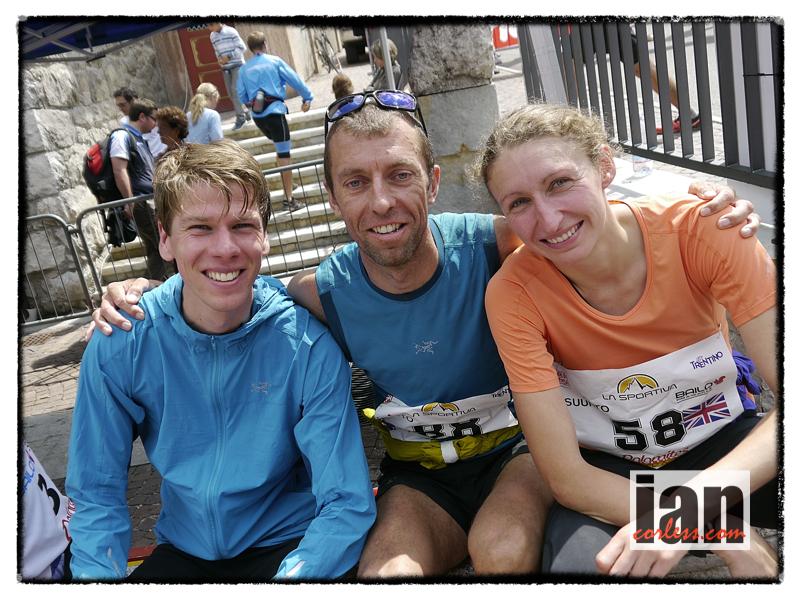
Florian Reichert is a fast roadrunner! With a track and field background and a specialty at middle distance, his first marathon was an impressive sub 2:30. However, he has only run one road marathon and that was just last year. In 2013 with sponsorship from Arc’teryx and inov-8, Florian has progressed to trail and mountain running. Always seeking a new challenge, he didn’t start the easy way and ease himself in, no; anything but… he threw himself in at the deep end with possibly one of the most iconic and competitive mountain marathons on the calendar, the ISF Skyrunning Zegama-Aizkorri. I catch up with Florian in a wonderful chalet in the shadow of Mont Blanc. We are on an inov-8 athlete retreat and just a couple of days previous; Florian placed top 10 in his second Skyrunning event, the Mont Blanc Marathon

IC: Welcome Florian it’s great to find some quiet time and have this chat.

FR: Thanks Ian, it’s great to be here and having this opportunity to talk. 

IC: Florian you come from a very quack road running background. You started in 1996/97. You have some very impressive and fast times. What is it that got you into running?

 ©copyright .iancorless.com.P1140170

FR: I have always enjoyed pushing myself to the limit. I used to play soccer as many Germans boys do, but I was looking for a sport that would allow me some independence. I wanted the success to come from myself and it was natural that I found running. From early on I enjoyed being alone and running long distances. It was actually my Physical Education teacher that spotted my potential and I was introduced to track and field.

IC: You specialized in middle distance running?

FR: Yes I was a middle distance guy running the 800m and 1500m. I barely broke the 4min barrier but I noticed that I didn’t have the ability to go faster, so I transitioned to 5k and then 10k. My PR is 14:50 for 5k and 30:50 for 10k. Gradually the distances I ran became longer, it seemed to suit my abilities better. I eventually ended up running my first marathon in 2012.

IC: You have made the transition from middle distances to half and marathon distance but as you say, you actually only ran your first marathon last year and you went sub 2:30. Impressive by any standards what was your actual time?

FR: I ran 2:26 and placed 8th at the German championships. It was lots of work, three to four months of solid preparation. I enjoyed training for the marathon but I felt at the end I was getting very stressed and almost bored. I was fed up of checking time, kilometers, laps etc. I was obsessed by time. This year I wanted a different challenge. I needed some freedom.

 ©copyright .iancorless.com.P1090840

IC: You mentioned that you were getting bored and that stress was building. Irrespective of the distance you race, if you are competitive that stress level can come with any distance. If you looked at your marathon, a 2:26 debut is impressive but did you think to yourself even if I train even harder my potential maybe 2:20, maybe a 2:15 and therefore, no disrespect, but in marathon terms that is quite pedestrian. We have seen with Sage Canaday and Max King, both who run around 2:15 that they have made the choice to move from marathon to trail and ultra. Therefore, did you think; I will move to a smaller pond and become a faster person?


FR: Yes, partly correct.  With a great deal of effort I may have run a 2:20 marathon but realistically it may have been a 2:22, so, even as you say, if I had run a 2:15 that would still get me nowhere. Particularly with the quality of African runners in marathon fields. I have always loved being in the mountains and nature so the bigger aspect of my transition is that I wanted to get away from the track, the road, the clock and hit the trails and mountains.

IC: So this year you have moved to trails and to mountain running. You have been fortunate to get sponsorship with Arc’teryx and inov-8. You have clothing and shoes covered. Of course both are involved in Skyrunning. However you are racing at all Skyrunning events for Arc’teryx. You have been thrown in at the deep end particularly with Zegama-Aizkorri. It’s all very well being quick but that doesn’t mean a good performance in a Skyrunning race. So many different aspects are required, yes you will need strong legs, yes you will need big lungs… but Skyrunning is about technique, skills, descending and ability to adapt to terrain. Zegama was a great outing for you. You had a great performance. You were at the front on the climbs early on but the big thing for you was the descents and the technical attributes that are needed to descend. What was it like?

FR: Zegama was such a special experience for me. I was very nervous before the race because I had no idea what was coming up. I knew that the distance was a marathon but the time would be long. As I said, I ran my first marathon last year in just under 2:30; this race took Kilian nearly four hours in 2012. I had never run for that long before, not even in training. I was anxious of what would lie ahead. In the end I was 33rd but in the early stages and particularly the halfway point I was in the top ten. I felt really good but the descending was my nemesis. You are right; I had a big learning curve when going downhill. I really need to work on that. Technical sections in races will require big improvements and commitment from myself. I have a long way to go. For example, the Mont Blanc Marathon was less technical and therefore I had a far more comfortable race. It suited my abilities better, but hey, Zegama was a great start.

 ©copyright .iancorless.com._1030354

IC: Coming from a middle distance road background what was your training like pre Zegama and from what you learnt at Zegama, what changes have you made between races?

FR: I come from a region in Germany that is flat. I have some mountains close by but it only has a peak of 1000m, so, my longest ascent maybe is 600-700m, no more. That makes it difficult to train for Skyrunning. But one of my favorite all time workouts are repetitions like hills, intervals and fartlek. I have beautiful woods all around me where I live. It’s great for speed work. I do repetitions of 1k with ascents of 250-300m and if I do that five or six times then it works well. I can get a 1000m of ascent. I have definitely changed my regime. I don’t go on the track much anymore, maybe once a week. Prior to 2013 I would have been on the track three or four times a week. I run long, I run up to thirty six to thirty eight kilometers now but before it was low twenties. So, yes, I have made some big changes.

IC: In terms of the terrain that you now train on, are you doing fewer roads?

FR: For sure, for the road marathon I always trained on the road. Now I hardly go on the road. I only go on trail. I go on forest paths, fire trail but I try to do single track whenever possible.

IC: Many will read this who are coming from a road background or maybe they are trail runners who have no experience of Skyrunning. They may think, I would really like to try a Skyrunning race but think it is beyond them. What advice would you give to make the transition?

 ©copyright .iancorless.com.P1140520

FR: Most importantly they need to find a rhythm. You must find it in training but you must also find it in racing. When preparing for a Skyrunning race of course you need to run hills, you need to work on technique, if possible you need to be in the mountains. Get as much vertical as possible but also work on descents. It is important not to be stressed. Don’t worry about time. It means nothing in these tough and technical races. Rhythm is so important, keep to a pace that you can maintain.


IC: Yes, you mentioned that your home has no mountains. We are currently in Chamonix surrounded by trails and wonderful peaks everywhere, however, for most of us; mountains like this are just possible in training. If your home does not have these options, as you say, it is important to be creative. You mentioned a climb and doing repeats. It is such an important element, you can go up for a few hundred meters ascent, come down and repeat.


FR: Yes, it is all about working with what you have. Be creative as possible. Running offers so many possibilities. We mentioned fartlek; it is a great training method. You don’t need to be high if you have a hilly or undulating course that you can do repeats on. Of course you have to take into account speed, I need to train at a higher speed at home than say here in Chamonix. This morning I climbed six or 700 meters but I was going pretty slowly because of the gradient. At home I can go so much quicker. It has worked out okay for me.


IC: Distance means nothing in the mountains, you can be on a trail for two hours but you may only cover five or six miles. The transition you have made post Zegama has been impressive. Admittedly I think the Mont Blanc course suited you much more than Zegama. However, it still had some serious climbs and descents and in the latter half it just went up, up and up with a summit finish. Mont Blanc Marathon was a proper Skyrunning race, you placed in the top ten and that is significant. Not only do you have ability but also you have learnt so much in a short space of time. What goes through your mind when you stand on a start line with Kilian Jornet, Marco De Gasperi and Luis Alberto Hernando? 

FR: Actually I was in the second row just behind Kilian and Marco on the start line. I admire these guys so much, fantastic runners but more importantly fantastic people. Friendly, generous and a pleasure to know, the opportunity I have been given is incredible, I must thank Arc’teryx. Without them I would not be racing. They took a risk, they had a fast roadrunner that had some reasonable times and they accepted my proposal to race on the Skyrunning calendar. Although I suffered in both races, I don’t think I have ever been so exhausted before but I enjoyed every step.

IC: You also had two teammates in the top ten at Mont Blanc, Nicola Golinelli who placed fourth and Didier Zago who placed sixth. You placed ninth which is an excellent result for Arc’teryx… three men in the top ten!

FR: Yes, correct. I only met Nicola and Didier here in Chamonix for the first time. They are great guys; they have already passed on so much knowledge to me. It was Nicola that instilled the ‘rhythm’ thought process in me. He told me not to be stressed and to run my own race. We have a great team and it’s great to be part of it. Of course I must mention inov-8 too as they provide my shoes. The inov-8 team had great results also at Mont Blanc Marathon.

©copyright .iancorless.com.P1140540

IC: The Mont Blanc weekend has been incredible; so many races too choose from. An 80km and a 10km but importantly you ran the VK (Vertical Kilometer). The VK is such an incredible event, 1000m vertical gain in 3.8km. VK’s are simple; you go up as quickly as you can. According to Skyrunning rules the gradient will always be around 30-35%. VK’s are a great way to start in mountain running. Anyone in theory can take part providing you show some basic experience. VK’s are about walking and running. It requires a technique, I am sure if I did a VK everyday I would get fit very quickly. You did your first VK here in Chamonix, once again thrown in at the deep end, what was it like?

FR: First of all the VK is a great addition to the Skyrunning format. I ran about 38 minutes, if I compare that to my 10k PR which is 30:50 then I ran 8min longer for less than half the distance… so you can appreciate the severity. However, if you look at that objectively, many people can run a 10k so I think a VK is a great starting point if you want to make the transition from road to mountain. I was actually surprised after the VK that I didn’t feel as tired or as battered as if I had run a road10k. Going up creates less impact, it’s tough on the lungs and heart but the muscles don’t get too beaten up. That would not happen if I had run road race.

©copyright .iancorless.com.P1130736

IC: Yes, great point. Relatively no impact in a VK, you start at the bottom and go up. Even when running you are going slow, it’s controlled, the moment you get that control wrong you blow up and you are forced to walk. If you are not adapted though it does work the achilles, hamstrings and lower back so that can cause some knock on effects. Funny you equated it to a 10k, to put it in perspective it took you 8 mins longer to run 6k less than your 10k PB. Doesn’t take much working out does it, tough race! What is next for you, I know you are concentrating on the ‘Sky’ distance, which is usually around a marathon; do you have any plans to move to the ultra distance?

FR: Yes, ultra distance will tempt me; Transvulcania seriously tempts me, I love the look of that race and the incredible field that it attracts. It seems like such an incredible race, I have to say that for at least the next twelve months I am going to stick with the Sky distance, it works to my abilities and it will suit my speed. But a natural progression will take place, I am sure ultra will make its way on my calendar.

IC: It has been great to catch up with you Florian. I am looking forward to following your progress over the rest of 2013, I wish you the very best of luck.

FR: Many thanks Ian and many thanks to the sponsors and Skyrunning.

Links:

Florian on Facebook – HERE

Skyrunning – HERE

Arc’teryx – HERE

inov-8 – HERE

What is Trail Running – ITRA conclusions

screenshot_281

Press release n° 2 July 9th 2013

First conclusions from the ITRA’s five working groups

After the first International Trail-running conference (September 3rd 2012 – Courmayeur – Italy) five working groups were set up to study the five key themes, with the aim of trying to determine, in the long or short term, the convergent lines of conduct between the players of trail-running. Fifty volunteers, manufacturers, race organisers, journalists, trainers, athletes, federations… from thirteen countries and five continents answered present and positioned themselves around the virtual internet table.

After working for two months, each group, uniting their cultures and their points of view to accompany this discipline in full evolution, drafted the first conclusions of their exchanges. The first fundamental points were based of an ethics of the practice of the trail-running with the objective of federating the players
The comprehensive texts are posted on the ITRA web-site: http://www.trail-running-association.org/focus-groups/

• A definition of trail-running: above all « an open country race »

At the end of long discussions where the diversity of points of view of the different countries were expressed, all the members of the working group formed a definition of trail-running and its categories. The Trail-running is defined as a running race, open to everybody, in a natural environment (mountains, desert, forest, on the plain…). Ideally but not necessarily, it takes place on a minimum of tarred roads (20% of the race) and in semi or total autonomy. It must be correctly way-marked and organised respecting the rules of sport: ethics, loyalty, solidarity and conservation of the environment.

A classification of trail-running races is given:
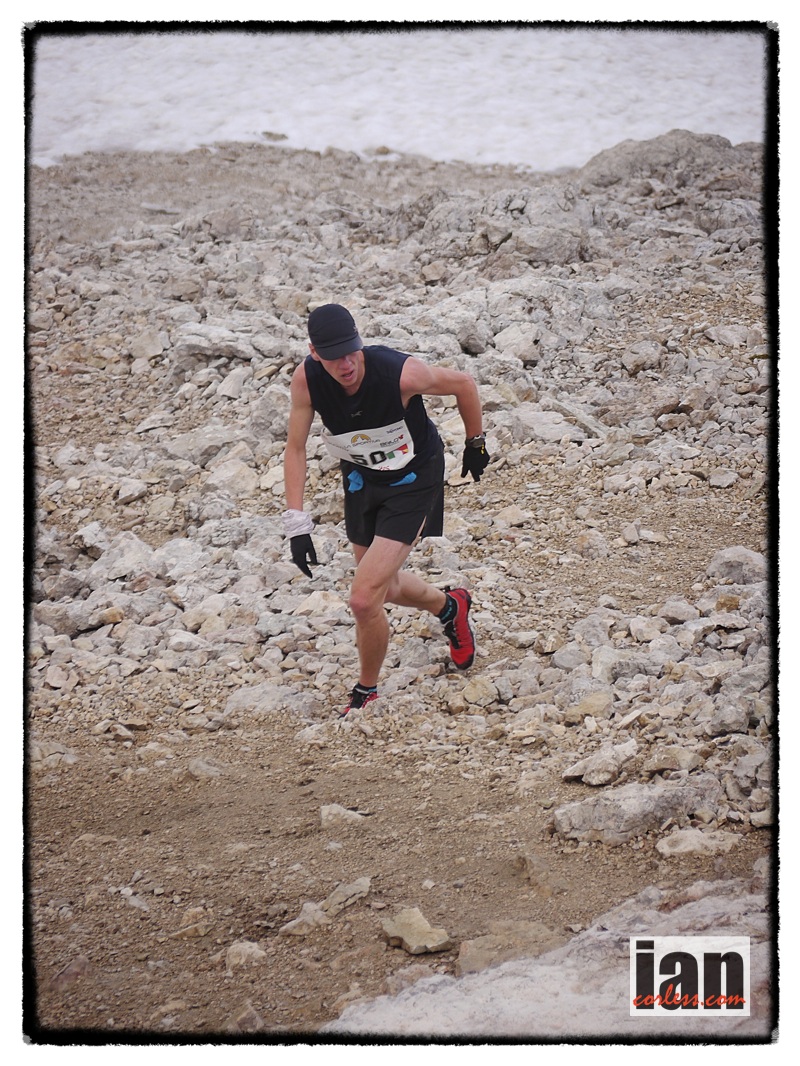
• Less than 42 kilometres: Trail
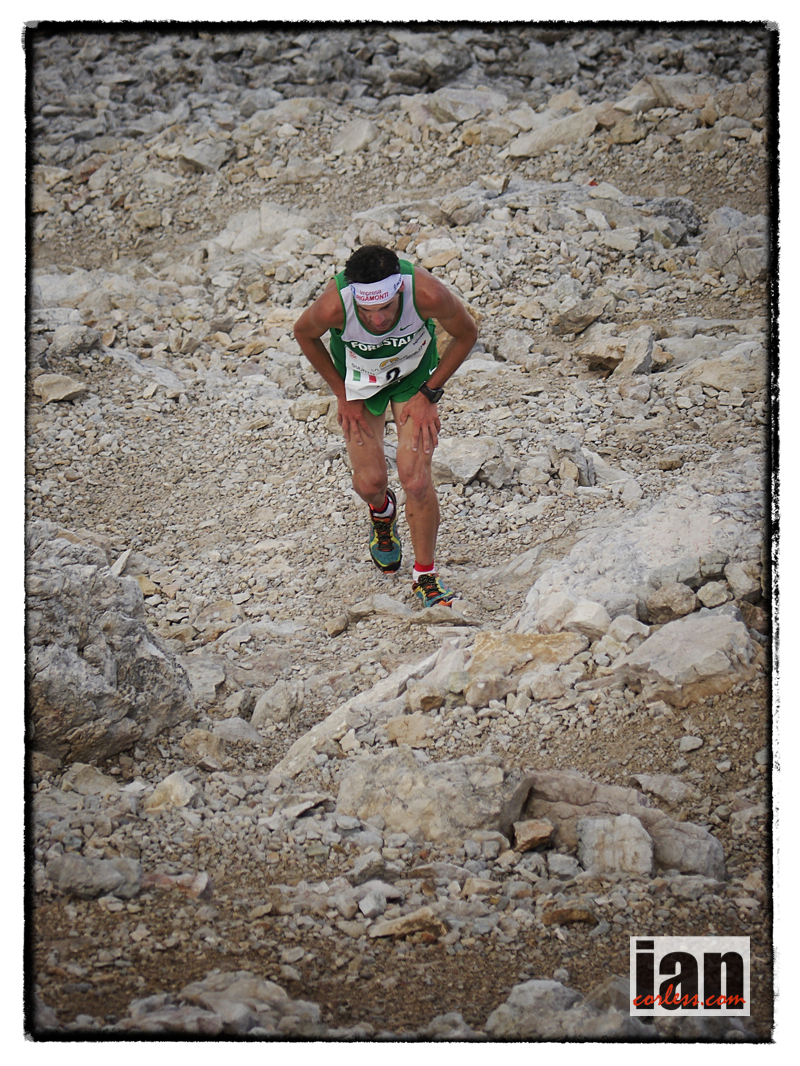
• Above 42 kilometres: Trail Ultra
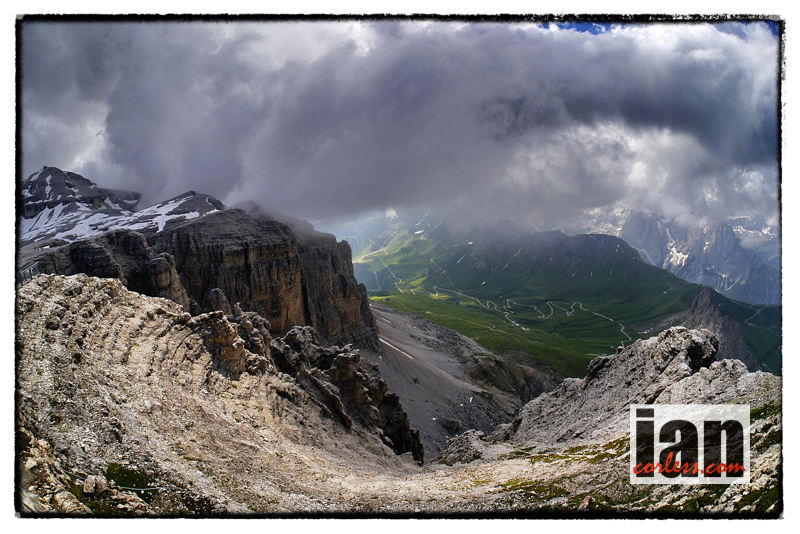
Trail Ultra Medium (M): 42 km to 69 km
Trail Ultra Long (L): 70 km to 99 km
Trail Ultra XLong (XL): superior or equal to 100 km

• An ethical charter based on simple and powerful rules

This group is committed to forming the values common to all the players of a same discipline. On no account is this a call to uniformity, this charter leaves everybody the freedom to express their attachment to the spirit of trail-running in agreement with their culture and their sensibilities and it proposes:
« Surpassing oneself and investigating one’s physical and mental abilities in contact with a beautiful and sometimes rough nature.

The pleasure of running, without necessarily focussing on the search for performance, even if this does not prevent one being proud of one’s final position.
To share one’s passion and emotions with runners and volunteers.
To experience the pride of being a finisher.

Mutual aid to finish, and to share the emotion of crossing the finish line together at the end of several hours of effort.
Sharing a great moment of conviviality with all the players of an event.
Feeling united…

To hear the great champions’ testimonies of respect for the performances of the anonymous runners… » This charter identifies five fundamental values which are authenticity, humility, fair-play, equity and respect: it specifies their sense in the context of trail-running and the rules which ensue from them for all the players.

• A balanced relationship to be protected for the Management of the top athletes

This group worked on the framework of the relationship between organisers, high level athletes and equipment manufacturers regarding commitment premiums, payment of expenses, podium premiums and their parity and the services offered to the runners. If trail-running attracts an increasingly important economy, it defends a spirit of humility, fraternity and equity, an ethic far from the excesses seen in certain sports, which must be maintained.

So, even if the debate is still open, a number of recommendations were developed and proposed:
– The race revenue must in priority be invested in the improvement of the race organisation from the point of view of security and first-aid/rescue, the routes and way-marking, refreshments…
Additional funds have to allow for the development of other services connected to communication and possibly to assigning a budget to the reception of and rewarding the best runners.
– Commitment premiums met with opposition from the members of this group.
– The wish, was aired, to limit the podium premiums and the bearing of travel and lodging costs to 10% of the registration budget without exceeding the sum of 15 000 €. It does not however seem possible to propose such a rule because, due to its character, it is difficult to control.
– On the other hand the group is in agreement on the strict respect of parity of the amount of the premiums men/women while admitting that a different number of men and women may be rewarded according to their relative representation in the race.
– It is proposed that the agreement of a premium is correlated to performance and is given to the athletes having a difference in time less than 10 % of that of the winner.
– In the assistance zones, the conditions must be the same for all, elite and non-elite.
– As for authorisation of « pacers* », it is left to the decision of the organisers depending on their culture and particular difficulties of the terrain, notably if this helps to improve security.
* Person who accompanies the runner on part of the race.

• Common interior rules for better health policy and anti-doping fight

With the objective of proposing a «Health Policy» for the main part to guarantee the good physical health of the participants in trail-running events, the members of this group suggest to event organisers who are members of the ITRA, an interior regulation of twelve points which, in the view of transparency in the transmission of information, has the ambition of reinforcing the existent medical supervision.

This text plans, on behalf of the organisers, the commitment to inform the participants about the current national and international regulations regarding health matters and regarding the anti-doping fight, to establish a medical Counsel and to make it compulsory for the competitors to declare, to the medical Counsel, all prescriptions which are subject to a TUE* and to agree to accept to give any urinary, blood or capillary samples and associated analyses requested by the medical counsel. The latter can summon an athlete to discuss with them their ability, or not, to participate in the competition, and may after the interview, propose that the race jury exclude them from the competition.
One point suggests the creation of a personal page for runners who are referenced by the ITRA where they invited to post their TUEs and analysis results
The ITRA makes a commitment to put at organisers’ disposal the technical assistance and the necessary know-how to apply this regulation, with financial coverage.
* Therapeutic usage exemption.

• An international ITRA ranking in trial phase

It will not be until the International Trail-Running Association and its board are formed, that a commission responsible for international ranking is created to define the precise rules. In the mean time, the working group has compiled an annual international ranking based, at present, on more than 2 500 races and around 300 000 runners world-wide. In the internal trial phase, this ranking has been established for each of the 4 categories

defined (Trail, Trail Ultra M, L, XL) and is available by gender and/or country.

The principal of the ranking

A calculation of points for each race is established according to time taken compared with the distance and to the height gain, with the possibility of a coefficient for difficulty.
This calculation Time-Distance-Height gain, called Maximum Theoretic Performance (MTP), has a maximal value of 1000 points.

According to their results the runner will be attributed a proportion of the 1000. So their best results of the year are retained and added, for each of the trail categories, and give a championship style ranking.
For each runner, a performance index is also calculated from the results of their best 5 races, by category or all distances together, with the results of the current year and the two previous years. In the case where there are not a sufficient number of races, a statistical calculation is then made from the known results to estimate their value.

This performance index reflects the value of a runner over the last 36 months and it has already been published.

• The next stage: creation of the International Trail-Running Association

The International Trail-Running Association is at present pursuing the study and the establishment of its statutes and will be officially created by the end of July.
Open to all players in the field of trail-running it aims:

  • –  to develop and promote trail-running as a complete sport, accessible to all;
  • –  to promote its sporting ethic;
  • –  to represent its members at an international level;
  • –  to maintain constructive relationships and to collaborate with national trail-running associations, and

    national and international federations;

  • –  to promote the organisation of continental or world trail-running championships;
  • –  to contribute to the improvement of security and the health of the participants.


page3image20760 page3image20920

Ice Trail Tarentaise Preview

image_1873

Ice Trail Tarentaise sends the chills down our spines as we prepare ourselves for the third event in the ISF Skyrunner Ultra World Series.

The stunning alpine village of  Val d’Isère is the official home of the Ice Trail Tarentaise. The race starts and concludes at this beautiful mountain retreat and as the name suggests, it is also the source of the Isère River. The Isère flows through some of the most iconic mountain landscape available. It is a haven for alpinists wanting to test themselves on the iconic slopes of Meribel, Val Thorens, Courchavel. ‘Les Trois Vallées (The Three Valleys) is a ski region in the Tarentaise Valley, Savoie département of France, to the south of the town of Moûtiers, partly in the Vanoise National Park. As implied by its name, the area originally consisted of three valleys: Saint-BonAllues, and Belleville. The skiing area has since been extended into a ‘fourth’ valley, the Maurienne valley. It is adjacent to Val Thorens, but can also be accessed using a long gondola lift from Orelle.

The Tarentaise valley and the Ice Trail Tarentaise in many respects personify what Kilian Jornet has been pursuing for years, the term ‘Alpinism’ is often perceived as climbing but it is so much more.

The race route has over 60 km’s above 2000m altitude and with a highest point of 3653m at ‘Grande Motte’ this is a race not to be taken lightly. Memories of the Tour de France flood into my mind when I discuss this region, however, other than the highest paved mountain pass at the ‘Col de L’Iseran’ at 2770m, no bicycles will be seen.

Traversing glaciers, ascending and descending summits such as ‘Aiguille Pers’ at 3386 m, participants in the 2013 Ice Trail Tarentaise will no doubt have a full appreciation of what Kilian and others like him strive for when they coin the term, Skyrunning. You see, Skyrunning is Alpinism but without the clutter, it’s about being light and moving fast.

Ropes, ladders, way markers, peaks at over 3000m and 5000m +/- ascent and descent guarantees that not all those who toe the line will see the finish. It is a tough tough race; no doubt!

The inaugural event was due to take place in 2011 however severe weather left the organization with no choice but to cancel, however, the 32km ‘Altispeed’ did take place (no easy option). Despite extreme conditions Damien Vouillamoz won the race in just over three and a half hours and Virginie (Virg) Govignon in 5:14. Virg just recently took part in one of the shorter events at Ronda dels Cims placing third, Andorra is now her home and the passion and love for the mountains are strong.

The arrival of the 2012 edition was eagerly anticipated, the shortened version in 2011 had wet many appetites, and success rates had been around approximately 50%, what would a full course offer? Despite initial weather concerns the race went ahead. Francois D’Haene from Salomon and Anne Valero from Mizuno were respective winners in times of 8:16:35 and 11:20:13 respectively.

Just three years old and only in its second edition, the 2013 Ice Trail Tarentaise will now offer a challenge to elites and non-elites that only many could have wished for. Now part of the Skyrunner World Series, the Ice Trail Tarentaise will see a return of the 2012 winner, Francois D’Haene compete against Kilian Jornet, Philipp Reiter, Rickey Gates, Nico Valsesia, Jordi Bes Ginesta, Nicolas Pianet and Vincent Delaberre. For the ladies, the reigning champion, Anne Valero will not defend her title but don’t worry; the ladies field is extremely competitive. Emelie Forsberg, Anna Frost, Julia Boettger, Silvia Serafini, Shona Stephenson and Emilie Lecomte will do battle on the glaciers and peaks of the ‘Tarentaise’; only one will be crowned the ice queen.

MEN

©copyright .iancorless.com.P1140290

Kilian Jornet – Considering the nature of this course, it’s location, severity, difficulty and true ‘Alpinist’ routes one would be foolish not to tip Kilian Jornet as a favorite for this race. As Lauri Van Houten points out, “Alpinism is traditional mountaineering with the big boots and all the gear – Skyrunning is doing the same stuff faster without all the gear…. Kilian will love it’. The race in many respects reads like one of his ‘Summits’ attempts and as such will suit him perfectly. With incredible results already achieved in 2013; Transvulcania, Zegama and Mont Blanc Marathon, one can’t help but think that Ice Trail Tarentaise is a race that will not only show him at his best but also it will be a race that he is eagerly waiting for.

Francois D'Haene 2012 TNFUTMB copyright iancorless.com

Francois D’Haene 2012 TNFUTMB copyright iancorless.com

Francois D’Haene – returns as the 2012 champion and for sure that will be a great advantage. Francois had an extremely successful 2012 with a top placing at Transvulcania but I am sure his TNFUTMB win will be the one he remembers most. He is currently in great form and for sure he will be pushing Kilian at the front.

Philipp Reiter Transgrancanaria copyright iancorless.com

Philipp Reiter Transgrancanaria copyright iancorless.com

Philipp Reiter – has incredible talent and recently won his first ever 100km race in Germany. He his experienced in the snow and without doubt this will play a big advantage in a race so demanding. He has shown in the past at races such as the extremely technical, Trofeo Kima, that he has all around ability. This will all come into play on this extremely tough and challenging race.

Rickey Gates – has been a little quiet of late. He always has a much smaller and tighter calendar in comparison to other runners but when he races, you know he will be in great shape. Top placing’s at the 2012 Transvulcania and a win at Speedgoat will carry over to this year and provide Rickey with a great base to compete against his Salomon teammates.

Nico Valsesia – is not shy of long distances. Arguably he is known for long cycling events like riding across America in the ‘RAAM’. His recent form is unknown as he should have toed the line at the 170km Ronda dels Cims.

Jordi Bes Ginesta – is a Catalan ski mountaineer and mountain runner and one has to say that ‘Ice Trail’ will play to all his abilities. His palamares are excellent in SkiMo with top ten placing’s in Spanish Championships, European Championships and World Championships. He was eighth in the 2009 world Skyrunning Championships and although I don’t think he will fight for a top three place you should definitely see him within the top ten.

Fulvio Dapit – is no stranger to Skyrunning and will come into the Ice Trail Tarentaise with a clear understanding of what needs to be done to compete at the front of the field. Fulvio was 2011 winner at the tenth edition of Monterosa Skyrace, he placed seventh at 2012 Zegama and recently had some success at Sardinia Trail, however, his form coming to Val D’Isère is not clear. Not a podium contender but a possible top ten.

Nicolas Pianet – has been racing since March and most notably raced the ‘Trail de Faverges Icebreaker 44km’ he placed third behind Patrick Bringer but one can almost certainly assume it was a preparation event for Ice Trail. His most recent race was Mont Blanc Marathon, he placed eleventh behind a strong and dominant Kilian Jornet. Nicolas has potential to mix things up at Tarentaise but he won’t contend the podium.

iancorless.comP1080369

Vincent Delabarre – previous winner of TNFUTMB and currently leading courses on the UTMB route will come into this race with plenty of mountain and snow experience. Invaluable! He raced earlier in the year at Marathon des Sables, a somewhat different experience to what lies ahead in Val D’Isère.

LADIES

©copyright .iancorless.com.P1090915

Emelie Forsberg – tops my table for the ladies race, just the other weekend she finished second to a flying Stevie Kremer at Mont Blanc Marathon, however, although she was fairly and squarely beaten, illness played an issue on the day. This was confirmed when just two days later she set a new female record for Chamonix-Mont Blanc-Chamonix in 8hrs 10min. Like Kilian, her SkiMo and mountain background will see her perform to her strengths on the Ice Trail course. A clear favorite.

©copyright .iancorless.com.P1120188

Francesca Canepa – fresh from a dominant performance at Ronda dels Cims will feel at home on the trails of the Tarentaise valley. She likes tough, technical and hard races. Francesca also has speed when required; her second place to Lizzy Hawker at the shortened 2012 TNFUTMB proves this. It will certainly be interesting to see how Francesca performs against Emelie Forsberg and Nuria Picas on this demanding course.

iancorless.comP1000709

Julia Boettger – loves long, hard and technical races. Tor des Geants and Raid de la Reunion are just two notches in her impressive resume. However, her recent form is unknown, she missed the start of Transgrancanaria due to illness and a main target for the year, the 170km Ronda dels Cims had to be missed for personal reasons. The recent Lavaredo Trail also saw Julia miss the start line, so, she will either come to Ice Trail fresh and ready to perform or a little under raced. withdrawn, confirmation 09th July 2013

©copyright .iancorless.com.P1130831

Anna Frost – had a troublesome winter and missed a race she loves, Transvulcania. However, she is back on her way to full fitness. Her recent performances at the Mont Blanc VK and Marathon show that she is not in full fitness but reassuringly this means that Frosty is easing her way back into 2013 instead of pushing too hard too soon. Without doubt she is a class act and I have never seen anyone with an ability to push so deep when the need arises. Her performance at Cavalls del Vent in 2012 was a personification of this. If she wants to win Ice Trail, Frosty could find something within herself to give it a go. Anna has podium potential without a doubt.

©copyright .iancorless.com._1010357

Nuria Picas – missed Mont Blanc Marathon and will arrive in Tarentaise fresher than some of her rivals. Rumor has it that Nuria is running the 2013 UTMB so a very different Nuria may well toe the line for the ultra races in the Skyrunning series than we saw in 2012. Without doubt she has speed and ability, her 2012 season was remarkable, however, twice in 2013 she has placed second to Emelie Forsberg; Transvulcania and Zegama. Maybe her training for TNFUTMB is taking the edge off the speed? If so, her endurance and her ability to survive over a longer event may well be the difference between first and second in the Tarentaise Valley. Nuria, providing she has no problems will be on the podium for sure and ultimately I see the race being between her and Emelie.

©copyright .iancorless.com._1050236

Shona Stephenson – has loved the whole European experience. The Australia based inov-8 athlete has had a great 2013 so far with some great 100-mile results, particularly in Japan at UTMF100. Without doubt this ability to endure and dig deep will be essential in Val D’Isère. However, her experience of snow, ice and extreme cold is limited and without doubt this will be a big disadvantage. She has the ability to be at the front of the race but the whole experience may well just be one big learning curve that she needs to take a step back from and accept that what will be, will be.

©copyright .iancorless.com.P1120177

Emilie Lecomte – placed top five at Transvulcania and then placed third at the super tough Ronda dels Cims. She loves races that are tough, long and technical. The winner of the 2012 Raid de la Reunion and course record holder for the GR20 long trail in Corsica, Emilie will without doubt push hard at the front of this race. Her experience in Andorra was mixed; she was dominating the race over the first third but then struggled with fatigue and a lack of energy over the latter half. For Emilie to finish showed incredible guts and determination,  you will see Emilie show that same spirit here, if all goes well she may very well make the podium.

The Ice Trail Tarentaise has all the makings to be an incredible and exciting race, which will be nothing like what we have experienced before. The combination of altitude, ice, climbing and descending will almost certainly provide some shocks and surprises. Who are your picks to win the third ISF Skyrunning Ultra event?

Stats:

The Ice-Trail Tarentaise (ITT), for the record, counts 65 km with 5,000m vertical ascent and descent, reaches a high point of 3,653m and touches five peaks skimming the 3,000m mark in Val d’Isère July 14.  Snow is not an option!

Notes:

It’s true that mountains at 3,000m offer a challenge to all who set foot here.  This year’s heavy snowfalls add an element of adventure (and technique) to test the most skilled skyrunners.  However, recent warm weather has taken its toll and much of the snow has melted although stretches on snow will remain.

The organisers will issue a statement regarding the course and safety measures after a meeting held this afternoon so check for updates which will be issued on this site, Facebook and the race website over the next few days.

Links:

Skyrunning HERE

Mont Blanc Marathon and inov-8

©copyright .iancorless.com._1130936

Team inov-8 placed five athletes in the top-10 men and women at the 2013 Mont Blanc Marathon – a brutal Alpine route which included 2,511m of gruelling ascent and 1,490m of daredevil descent. Watch their story of exhaustion, elation and commitment.

Video by Dave MacFarlane (website)

on YouTube HERE

Read the Mont Blanc Marathon race report HERE

Read all about the inov-8 athlete retreat and apparel testing HERE

Images from Mont Blanc Marathon HERE

World Trail Championships 2013

IAU4-210

Lightfoot and Mauclair triumph in Llanrwst sunshine

7 July 2013 – In sweltering conditions Great Britain and France dominated this weekend at the 4th IAU Trail World Championships in Llanrwst.

There was home delight as Britain’s Ricky Lightfoot won the men’s individual race by almost 10 minutes, and in doing so led the GB and NI team to a superb team gold. In the female event France’s Nathalie Mauclair was equally impressive, as she demolished a world-class field and also headed-up team success for the France women.

The day had started under cloudless, blue skies on the famous bridge in Llanrwst, North Wales, with over 120 athletes assembled, ready to take on the tough Gwydyr Forest terrain and temperatures that were to hit 27 degrees centigrade by the time the afternoon sun revealed all of its warmth. The ultra-trail running event entertained runners from 18 countries including Australia, USA, Great Britain, France and the Czech Republic all lining-up to tackle the challenging 77km route.

The pattern of the race was soon to become apparent as GB athlete Ricky Lightfoot, France’s Julien Rancon and German Florian Neuschwander led the runners out onto the first tree-lined climb and the first of five 15km loops, before finally heading back into Llanrwst.

As the runners passed through the first of the checkpoints and back to the start of loop 2 at the Saw Bench (16km), it was Lightfoot and Rancon who were clear, and the electric atmosphere of the team support arena made for a gripping and exciting viewing area, as the runners took on hydration and words of encouragement from team staff.

IAU3-315

In the women’s race a clear pattern was already emerging as Nathalie Mauclair led through the Saw Bench, over 3 minutes up on French team-mates Aurelia Truel and Stephanie Duc.

Rancon and Lightfoot meanwhile remained locked in battle, and so it remained up to the 50k point, as the Briton began to pull away from the French athlete, and it was at this point that a heavy fall put paid to Rancon’s gold medal chances.

This left the door open for Neuschwander to begin his charge and as he passed Rancon, the German runner had Lightfoot on his radar. However, the power of the Briton was undeniable and for the next 25 km Ricky remained focused and strong, hardly putting a foot wrong and maintaining a consistent 10-11 minute lead all the way back to the finish line in Llanrwst, to take the home-crowd plaudits and obvious delight, becoming the new world champion in 5 hours 36 minutes and 3 seconds.

Behind a highly-excited Neuschwander (5:45:16) raced in for the silver, with an emotional Rancon (5:54:21) eventually crossing the line in third, realising that his fall on the technical Gwydyr course had cost him his chance of golden glory.

Speaking immediately after the race Lightfoot told the ecstatic crowd:

“I am glad that is over! The heat and the route were really, really hard today, and I was always aware that there were some great athletes behind me, so I couldn’t really relax.

“There were some time checks on the course, but I was also never really sure of just how far behind the guys were, so I just ran my own race and concentrated on finishing strong”.

It was apparent how much this meant to the British athlete who has cut his teeth on the fells of the Lake District in England, as he added:

“I really can’t quite believe it to be honest, being world champion is something you only dream of, it will take a while to sink in!”

Backed-up by fellow Brit Iain Ridgway in a superb 4th, Great Britain also triumphed in the team event, ahead of France and Germany.

Meanwhile in the women’s race there was to be no looking back for the majestic Mauclair, who gradually and impressively increased her advantage over the course of the 77km to race to victory in 6 hours 38 minutes and 45 seconds, a full 17 minutes clear of compatriot Truel (6:55:51) who took the silver medal. Italy’s Maria Chiara Parigi ran a superb second half of the race to claim the bronze medal (7:00:30) just ahead of first female British athlete Jo Zakrzewski in fourth.

World Trail Championship 2013, Joanna Zakrzewski, 1st GB female (5th in womens)

The French ladies were dominant winners of the team prize too, as Mauclair and Truel were backed up bu Duc in 6th place. Italy won the team silver, with Zakrzewski leading Great Britain to yet more success and the bronze medal.

In the supporting 10km event – which also included an International match, seeing athletes from Wales, England, Scotland, Ireland and Brittany going head-to-head – there was an enthralling battle between Wales’ Andy Davies and Rob Samuel, as they swapped the lead throughout the technical and fast Gwydyr Forest tracks, with Davies (33:50) prevailing in the last 100m, just ahead of Samuel (33:53). Team-mate Alun Vaughan (34:59) made it a 1-2-3 for the Welsh boys, easily securing the team prize.

In the women’s race there was a great run from England’s Katie Walshaw (39:42), winning by over a minute ahead of Scotland’s Jenny Maclean (41:05) with Wales’ Kate Roberts (41:07) a mere 2 seconds behind in third. England won the women’s team prize.

Welsh Athletics and the Conwy Sport Development teams were also looking to the future too as they facilitated a roster of free-to-enter junior events and a family fun run, completing a festival of running and a day of which Wales and the UK could be proud.

1016533_484476138287281_433277761_n 

4th IAU Trail World Championships medal results


Men’s Individual

  • Gold – Ricky Lightfoot (Great Britain and NI) 5:36:03
  • Silver – Florian Neuschwander (Germany) 5:45:16
  • Bronze – Julien Rancon (France) 5:54:21


Women’s Individual

  • Gold – Nathalie Mauclair (France) 6:38:45
  • Silver – Aurelia Truel (France) 6:55:51
  • Bronze – Maria Chiara Parigi (Italy) 7:00:30


Men’s Team

  • Gold – Great Britain and Northern Ireland 17:47:59
  • Silver – France 17:58:14
  • Bronze – Germany 18:42:29


Women’s Team

  • Gold – France 20:46:16
  • Silver – Italy 21:28:22
  • Bronze – Great Britain and Northern Ireland 21:43:01

Full World Championship results are available online via this link http://www.tdl.ltd.uk/race-results.php?event=1386 and the International 10k results are here http://www.tdl.ltd.uk/race-results.php?event=1385

For further information on all of the events and links to the Championship’s social media offering, head to www.worldtrailwales2013.org