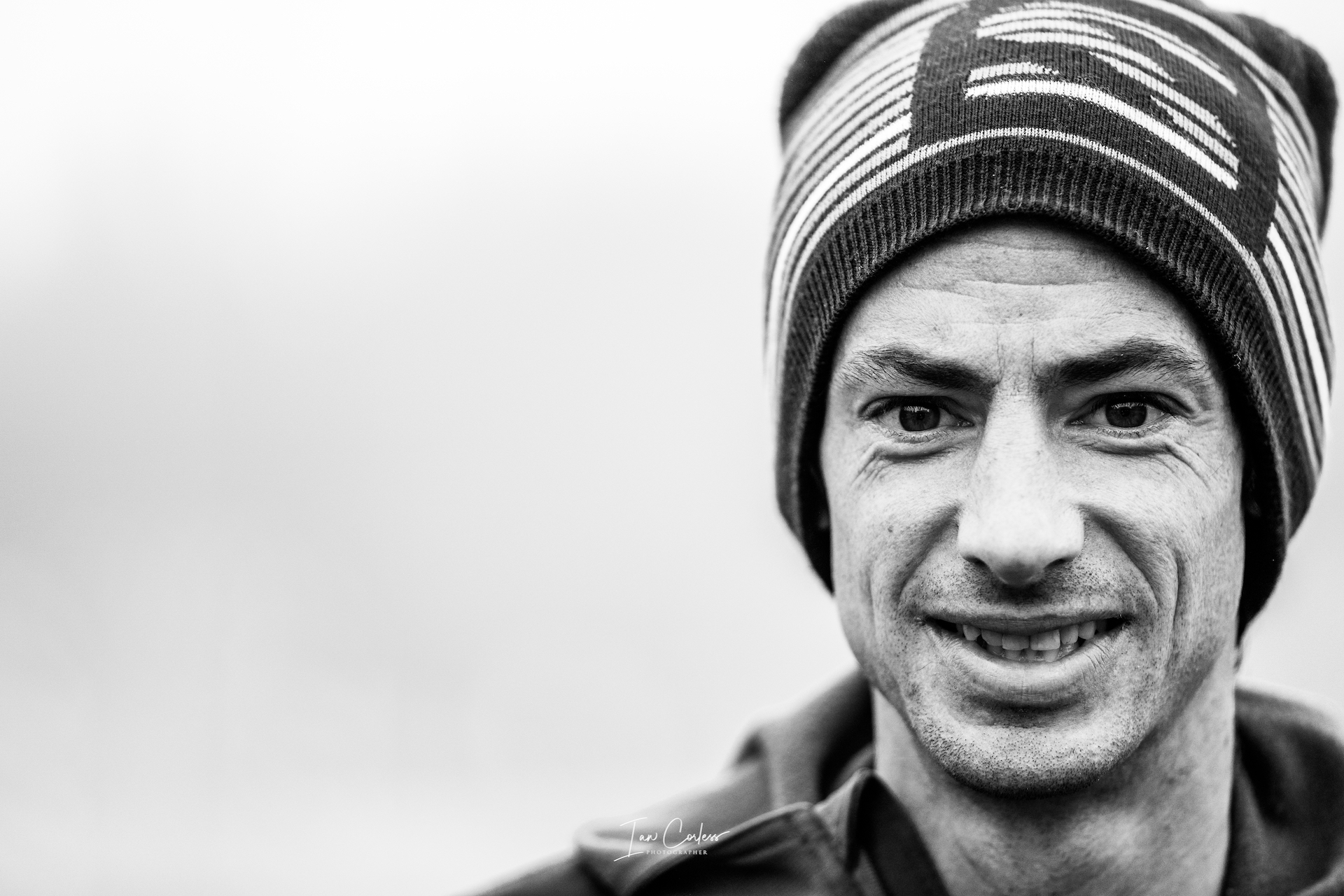
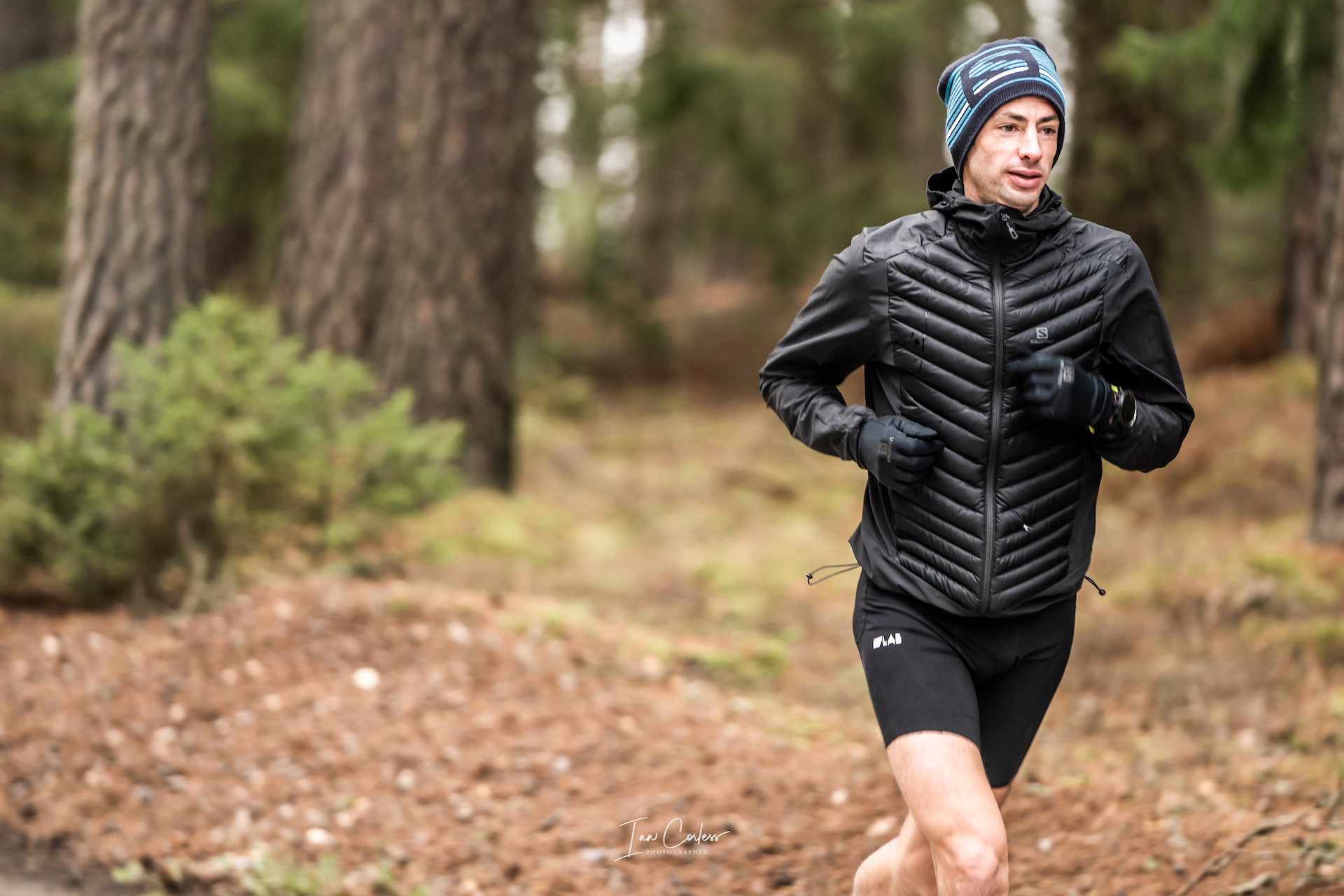
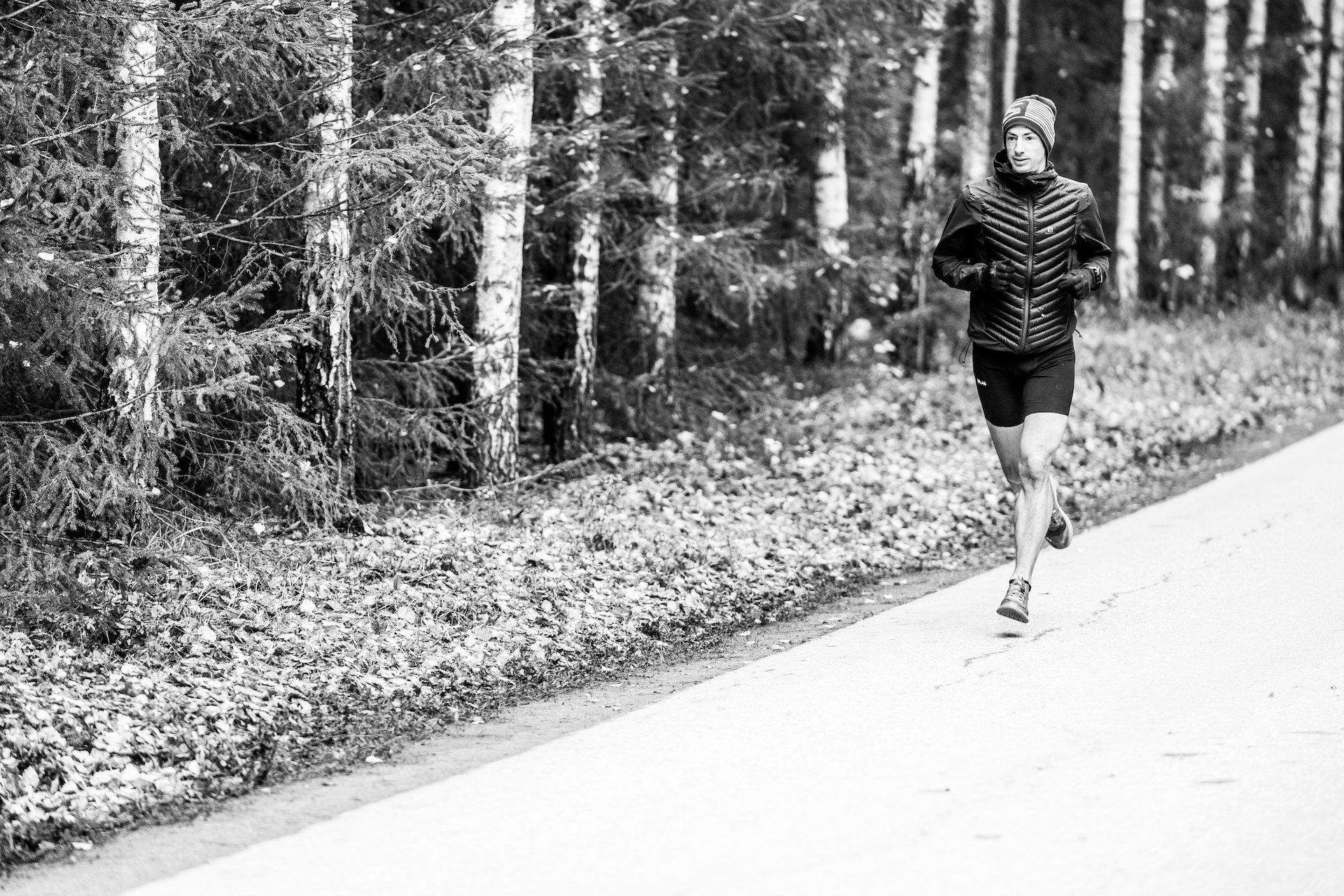
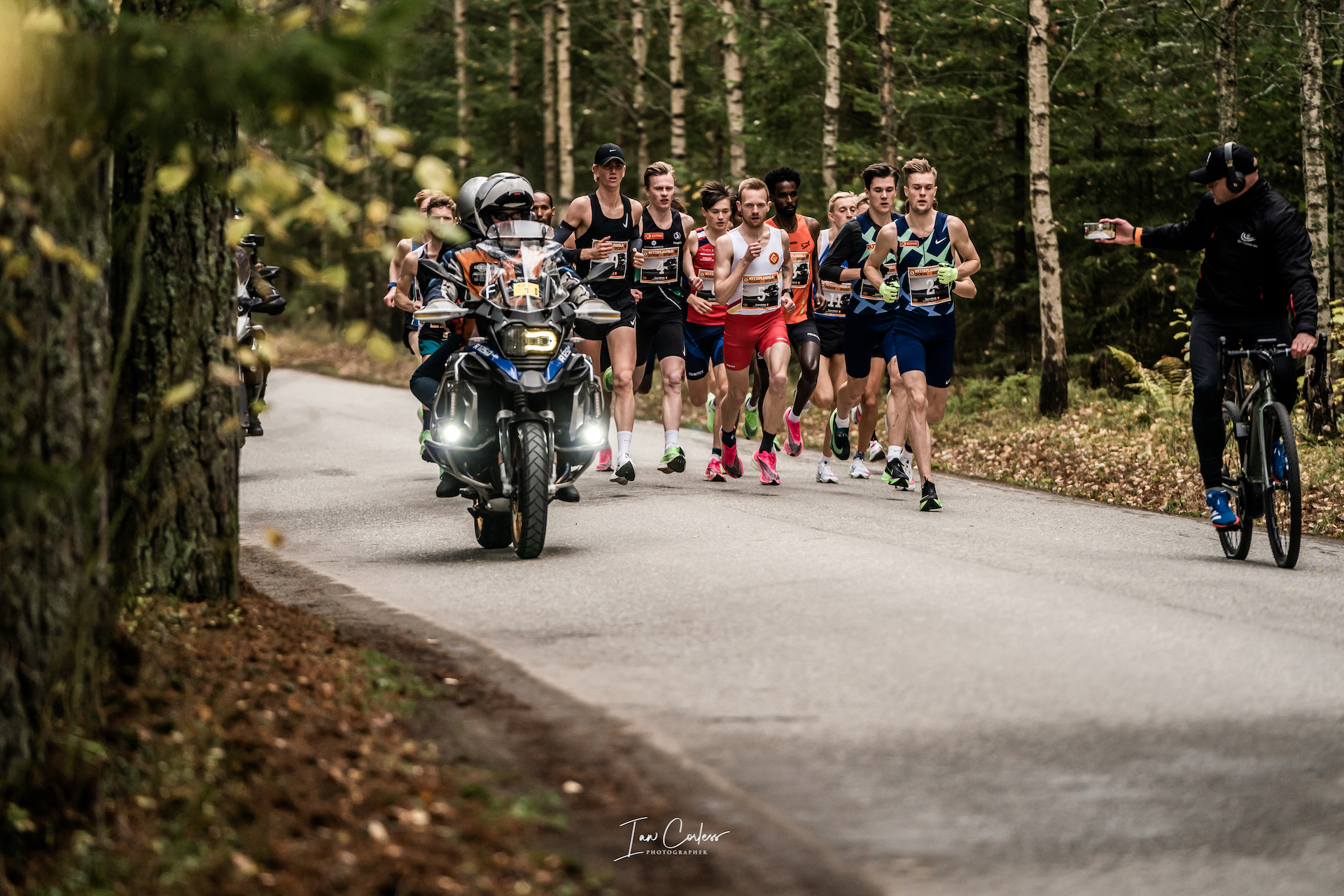
Kilian Jornet #kilianPhantasm24h Part Two!

Kilian Jornet, Trofeo Kima 2014

On October 26th 2020 I released via this website that Kilian Jornet would take on a 24-hour run at the Måndalen Stadium in Norway on November 8th.

This post was news to the ultra running world and it created a stir. It was BIG news. Just the thought that mountain man, climber, skier, alpinist, explorer and adventurer, Kilian Jornet, would contemplate running around a 400m loop was, well, crazy!
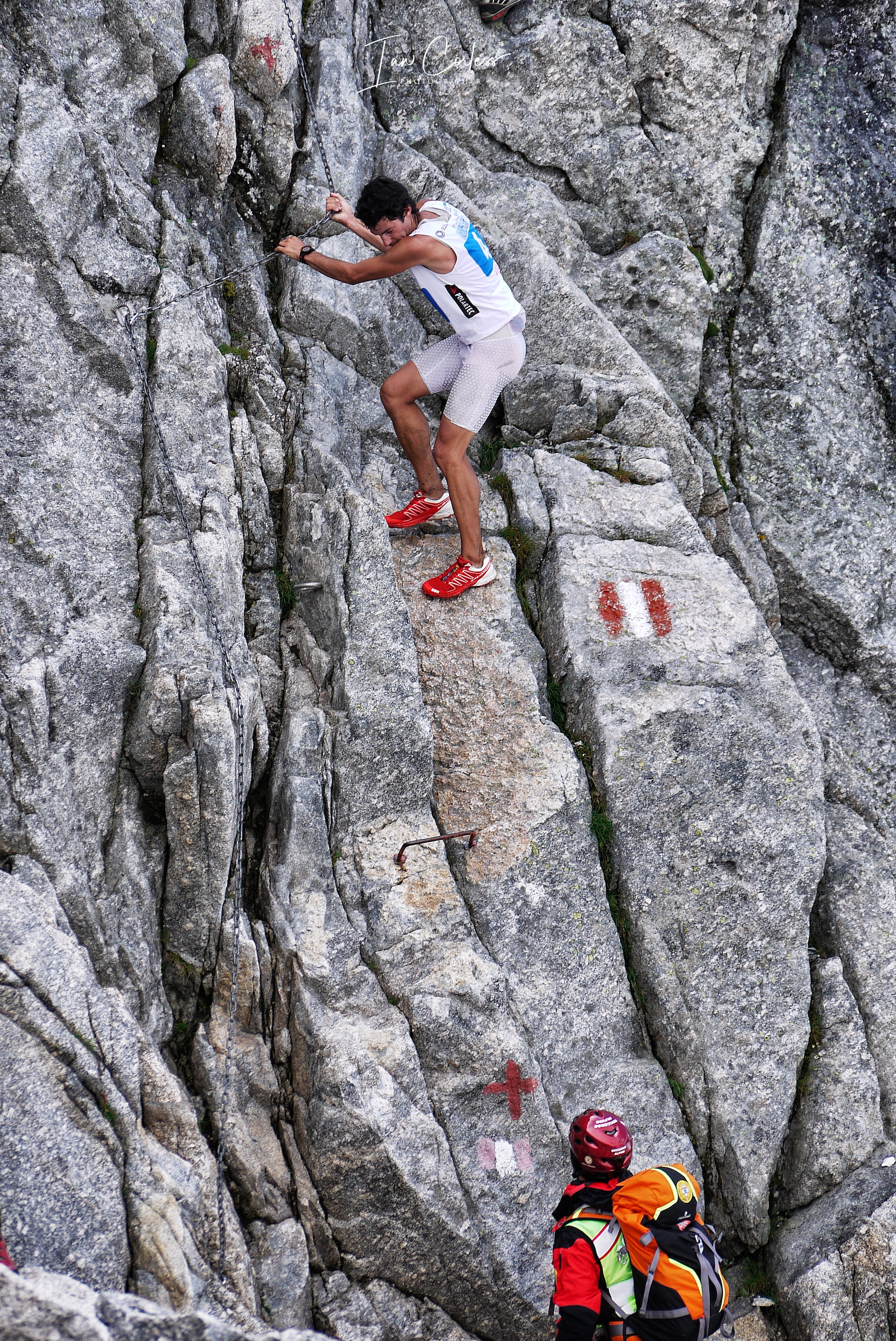
Kilian ‘Skyrunning’ at the iconic Trofeo Kima.

My news was copied, posted, re-quoted, shared and many media took my content, provided no credit and then shared the story.

Ironically, the news was short lived. Kilian direct messaged me to say he was too injured to contemplate this and then said via social media:

“Wow! I was all the day out and saw this just now 😅 Thanks for the idea guys!! At the moment I’m trying to get back from a injury (literally did my first run since last weekend) but why not to try to run something that long in the future..”

Suddenly, all the media who had posted were left perplexed and while many supported my news, I received countless negative comments, questions and basically nasty comments. I think the assumption was I had posted fake news, to coin a phrase.

I had been with Kilian at Hytteplanmila 10km Road Race (HERE) where he ran 29:59 in his first ‘official’ road race. He told me of a niggling injury and that he would take a week off. In the following days (w/c Oct 19th), I heard news of the 24-hour attempt. This came from multiple sources, primarily athletes who were being invited to join Kilian on November 8th at Måndalen Stadium.

“In fact, the assault on the 24-hour challenge was scheduled for the first week of November, but Kilian was forced to delay it due to the discomfort that appeared after running his first 10 km race on asphalt, the Hytteplanmila, in 29 ‘ 59 ” in mid-October.” – Albert Jorquera writing for Runedia

It was difficult to confirm the story. That is until Sunday October 25th when a post on Norsk Ultra was made public. It was only a matter of time before this news became available for all.

I wrote my article HERE and reached out for quotes. The post once live went viral. I guess the rest is history… The announcement today by Salomon and Kilian is vindication, albeit the date of the event was wrong (injury doesn’t work to dates), of my original post.

*****

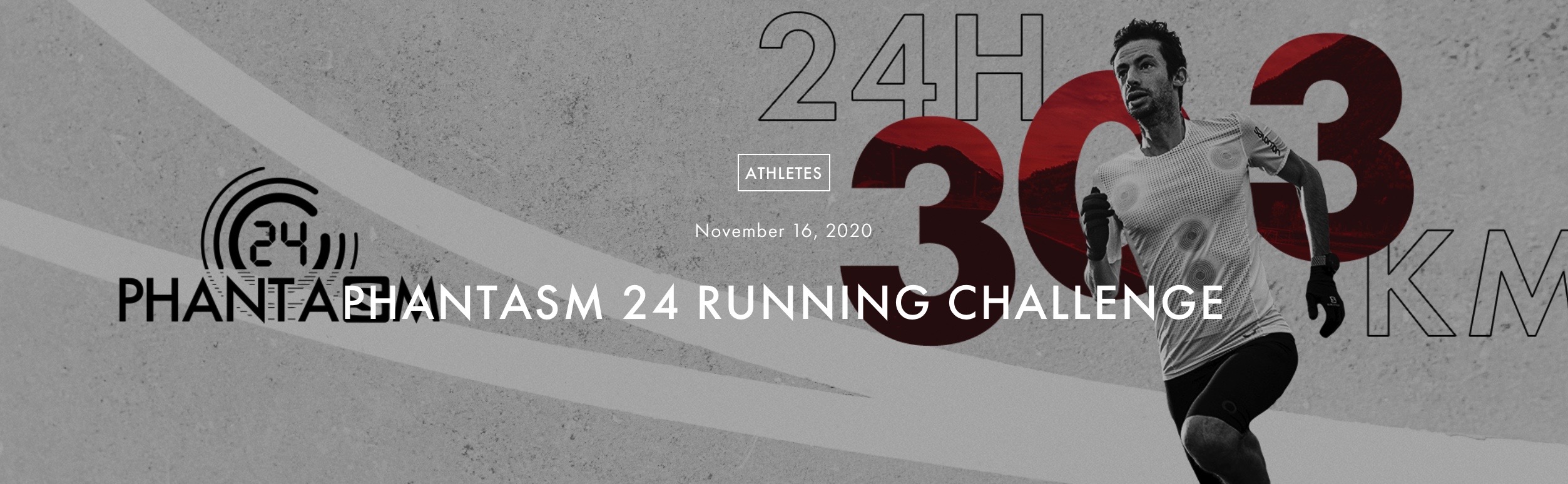
November 15th, Salomon and Kilian Jornet released simultaneously.

kilianphantasm24 announcement.

The date may have changed (due to injury) but the location and the concept remain the same. Kilian Jornet will run 24-hours on a track.
HERE

©Salomon

#kilianphantasm24

The release of the news by Salomon is extremely welcome and it so wonderful to hear the Kilian will push himself on a new stage. The original concept was an attempt to break the record of ultrarunnning legend Yiannis Kouros. The reality is 756 laps of a 400m track. Yiannis set the world record at 188.590-mile.

The event will take place at *Måndalen Stadium, and should have happened on the weekend of November 21/22 and as per my original post, the provision of +/- 2-days may need to be considered for weather. (*Lymbus who manage Kilian confirm the location to be Måndalen.)

Kilian writing on Facebook

The attempt has now been pencilled for Friday 27th November with a 1030 am start – to be confirmed! Weather looks cloudy with some sun but temperatures could drop to -7 if long term forecasts are to be relied on.

https://www.salomon.com/phantasm24.

Salomon say, “The start time of Kilian’s Phantasm24 challenge is slightly weather dependent…”

Currently, weather forecasts are very poor with 70/80% chance of snow and temperatures between -1 and -3 during the day, they would be much colder at night. The stadium Måndalen Stadium is outdoor and this in itself brings a whole new dynamic to any 24-hour should this be the confirmed location. Norway in November, minimal daylight and cold temperatures, this will be a tough 24-hour.

To follow all the health prevention measures against the Covid pandemic, the challenge will be closed to the public. But it will be possible to watch live HERE

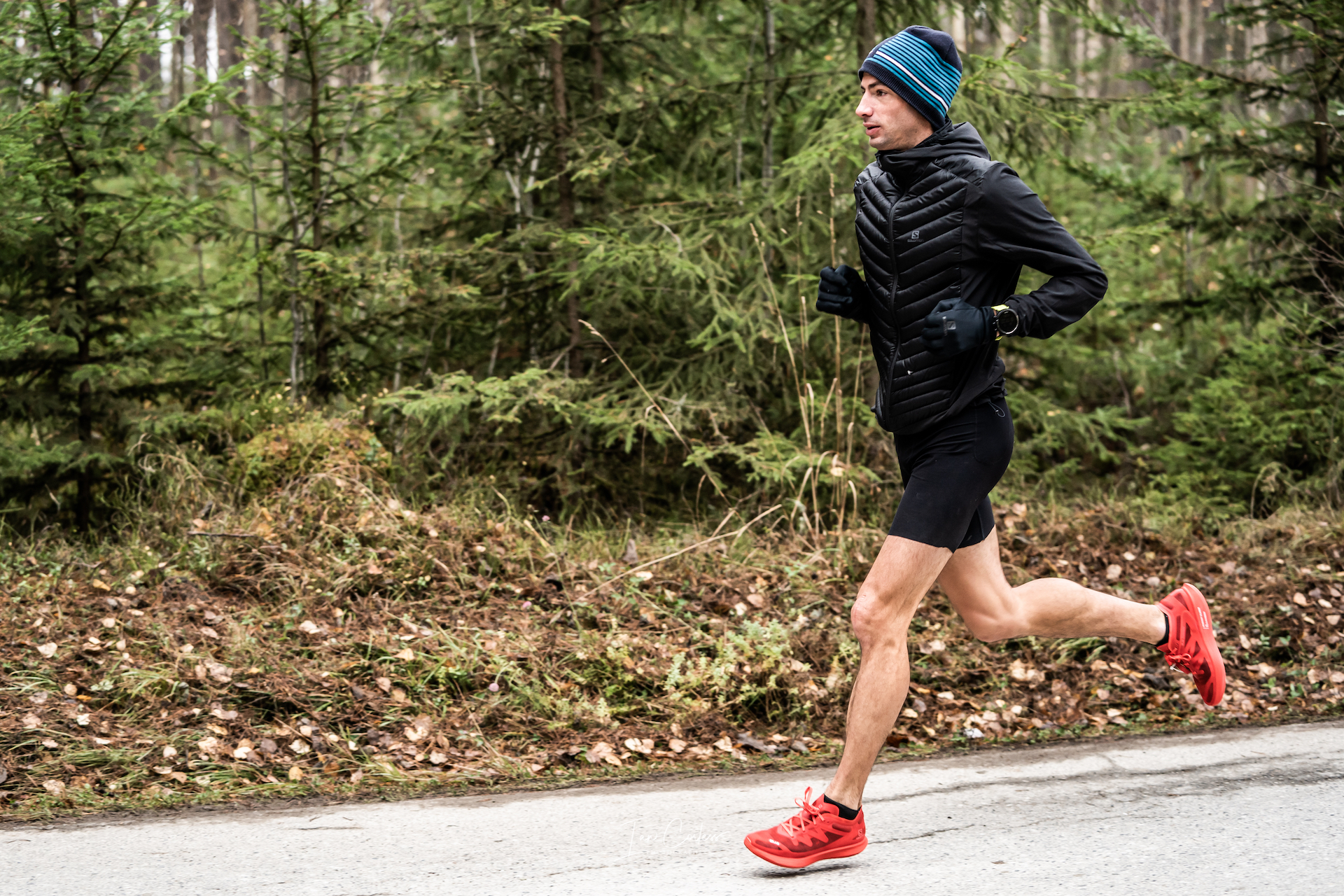
Phantasm shoe – Kilian used this for the 10km road race.

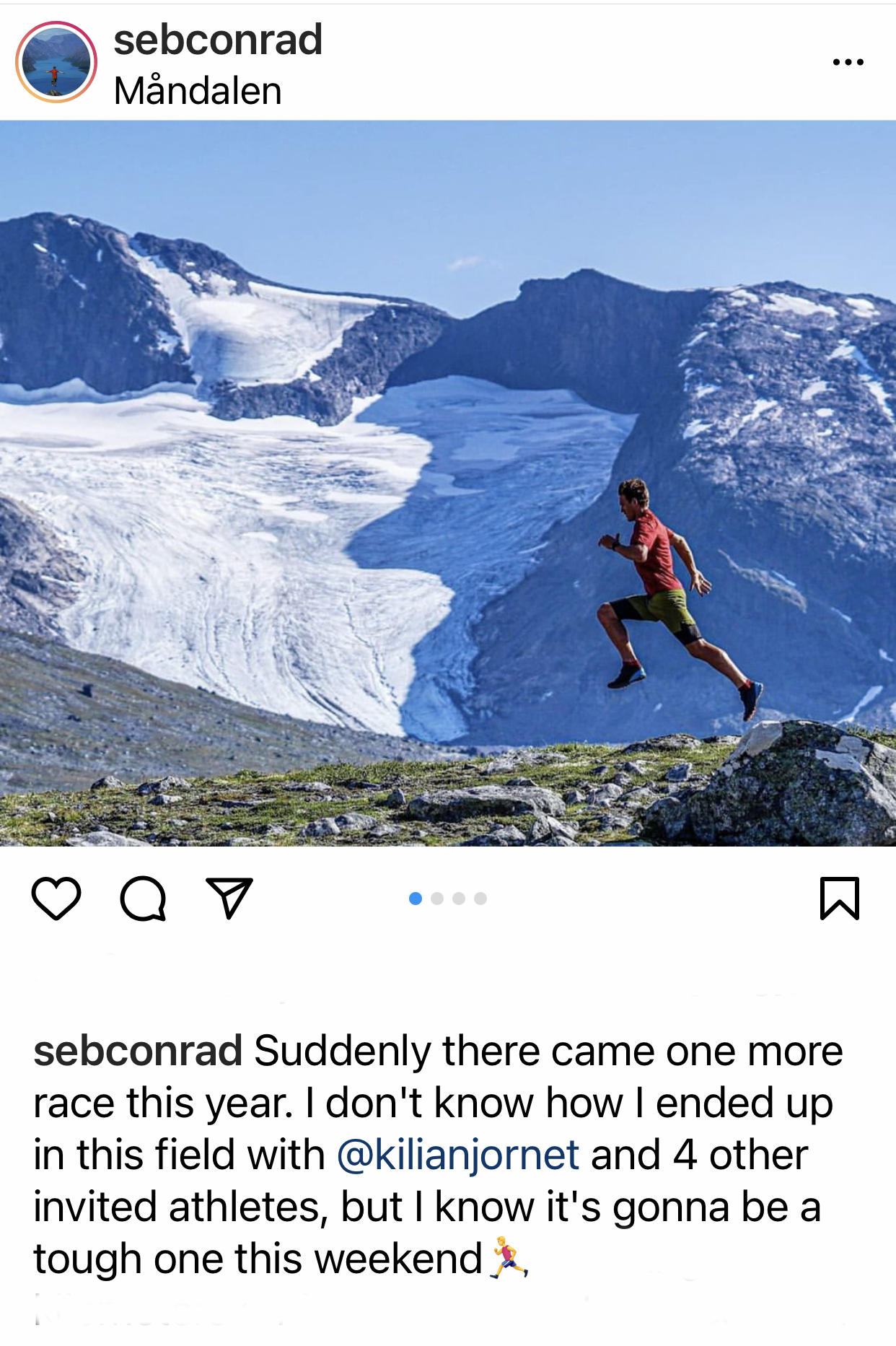
Titled #kilianphantasm24 – the project will see Kilian push new personal boundaries and at the same time, provide exposure for the Phantasm shoe. I am currently aware (tbc) of several other high-profile athletes who ‘may’ join Kilian on the track, Didrik Hermansen, Simen Holvik, Sebastian Conrad and two more, Harald Bjerke and Jo Inge Norum I believe.
“My hopes are to set a new national record and to have the honor to run 24 hours with these fantastic people.” – Simen Holvik
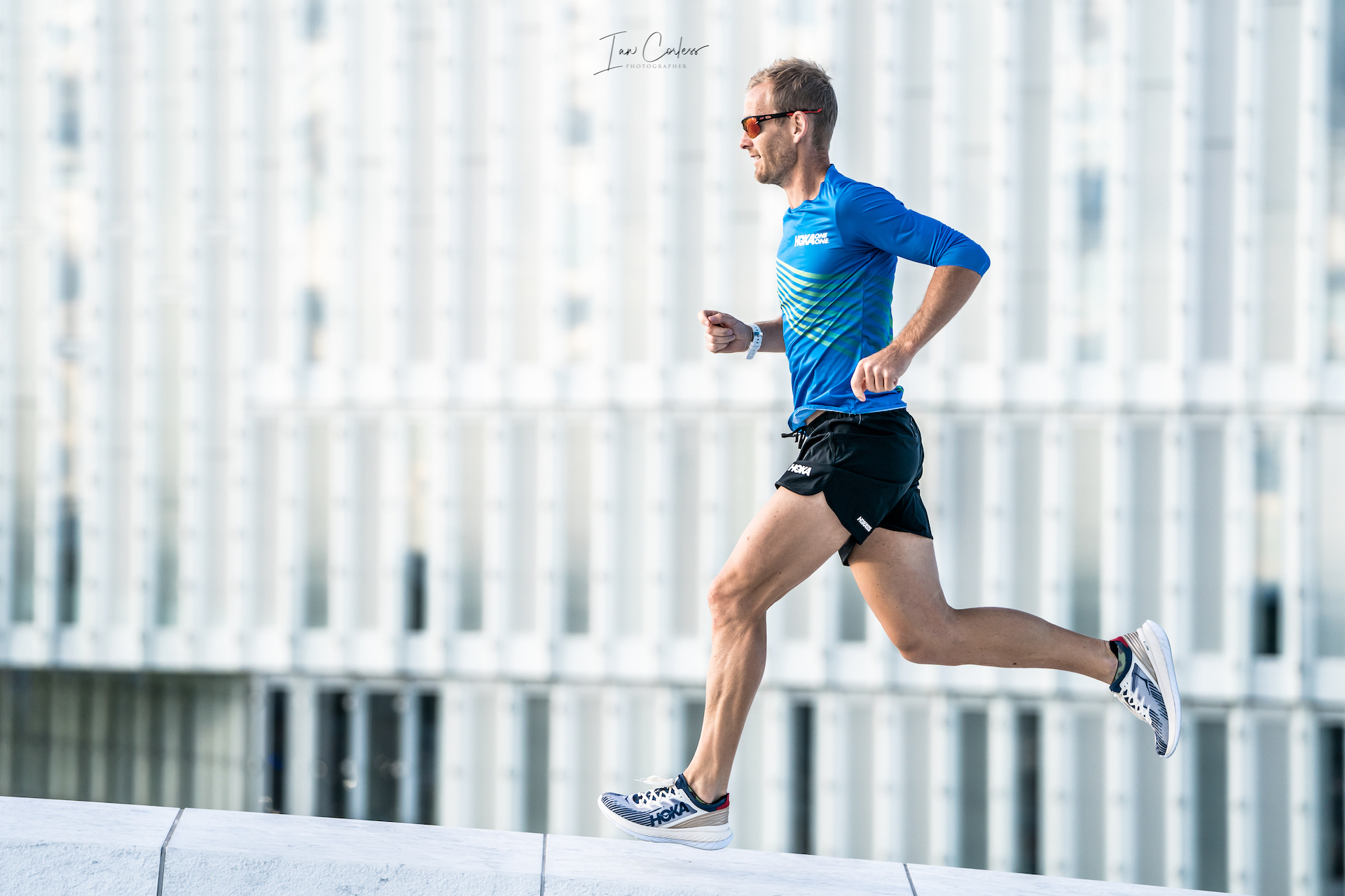
Didrik Hermansen Oslo 2020.

“So, now we all know! Going to be exiting. I will do the 24h, zero degrees.. hopefully no wind!” – Didrik Hermansen.

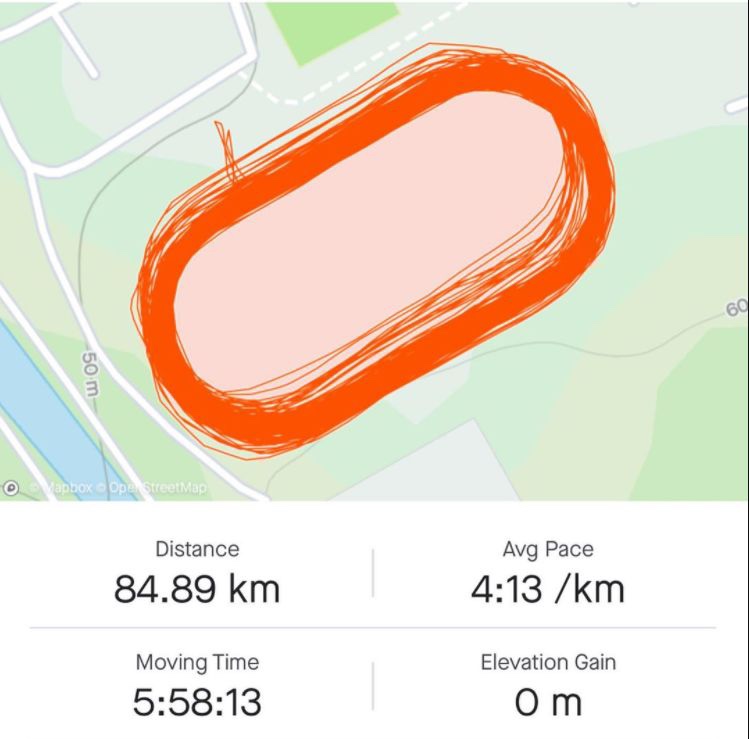
For perspective, to break the Yiannis Kouros world record, any runner would need to be able to cover an incredible 7.875-miles per hour. Statistics show that from the ‘test’ run by Kilian earlier in August 2020 that this objective may be possible? He ran 84.89km in 5:58:13 with an average 4:13/km pace. The numbers speak for themselves, it’s a huge undertaking, especially on an outdoor tack. However, it is going to be fascinating to see what happens with each journey of the 400m.
“…and now I am super excited to test myself doing something that long (and far from what I like) but where I will learn so much and grow as an athlete. (And probably doing this 24h in a track because I love that pain feeling.)”

Kilian Jornet, Twitter

Please support this website. I believe everyone deserves to read quality, independent and factual articles – that’s why this website is open to all. Free press has never been so vital. I hope I can keep providing independent articles with your help. Any contribution, however big or small, is so valuable to help finance regular content. Please support me on Patreon HERE.

Follow on:

Instagram – @iancorlessphotography

Twitter – @talkultra

facebook.com/iancorlessphotography

Web – www.iancorless.com

Web – www.iancorlessphotography.com

Image sales –www.iancorless.photoshelter.com

Episode 198 – Mike McLean, Molly Bazilchuk and Jack Scott

Episode 198 of Talk Ultra brings interviews with Michael McLean, winner of the 120km Thailand by UTMB, Molly Bazilchuk who won the  first edition of the Rondane 100 in Norway and Jack Scott from the UK about his recent FKT.


Talk Ultra needs your help! 
We have set up a Patreon page and we are offering some great benefits for Patrons… you can even join us on the show! This is the easiest way to support Talk Ultra and help us continue to create! 
Many thanks to our Patrons who have helped via PATREON
Donate HERE


NEWS

Check FKT website for latest updates https://fastestknowntime.com/

Tim Tollefson and Nicole Bitter win at Javelina.

Pau Capell continued his personal projects and followed up UTMB and Trail Menorca solo by running in Tenerife starting at the sea, summiting Mt Teide and then dropping back down to sea level setting a new FKT 6:13:20 for the 55km route.

REVIEWS:

La Sportiva VK Boa shoe review HERE
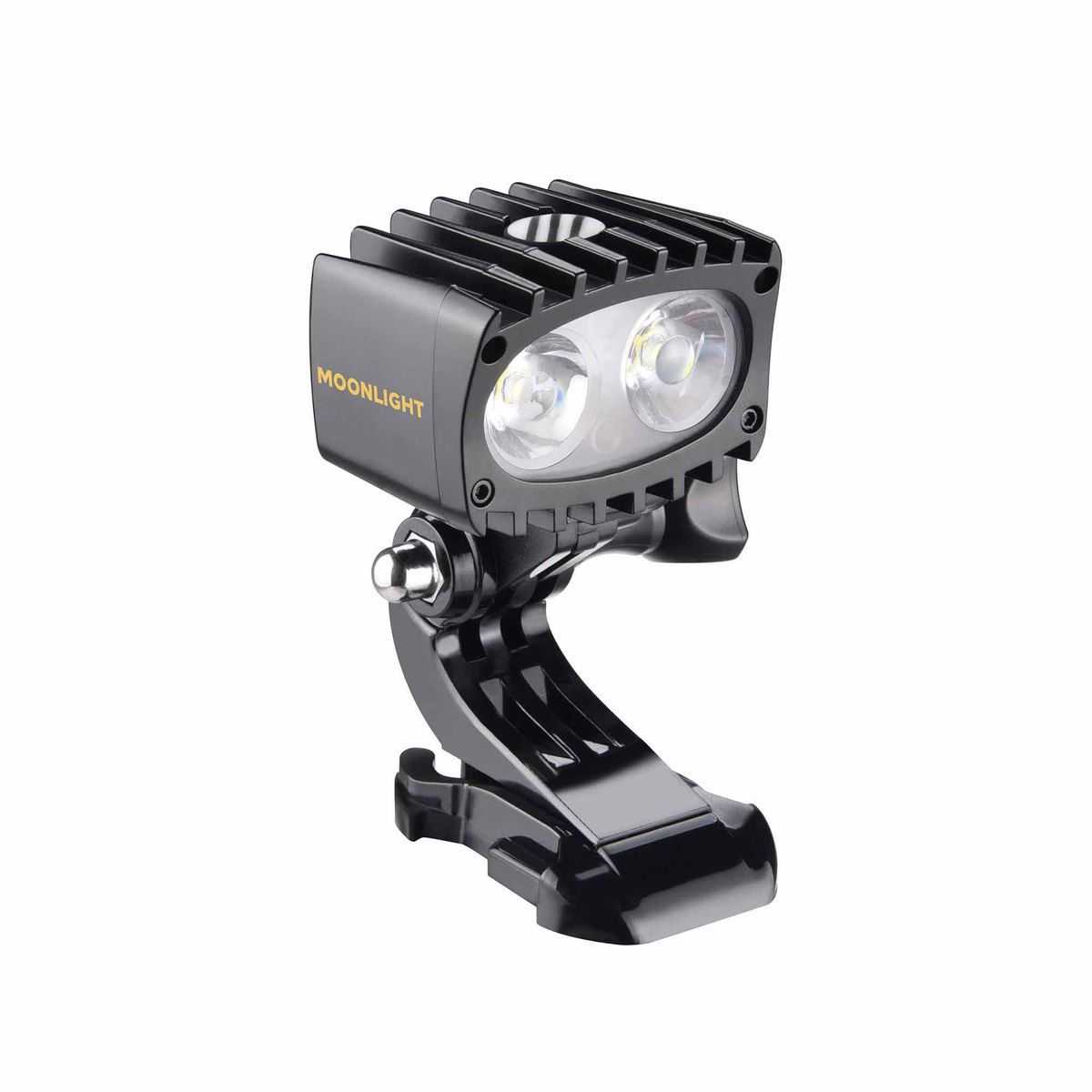
Moonlight head lamp review HERE
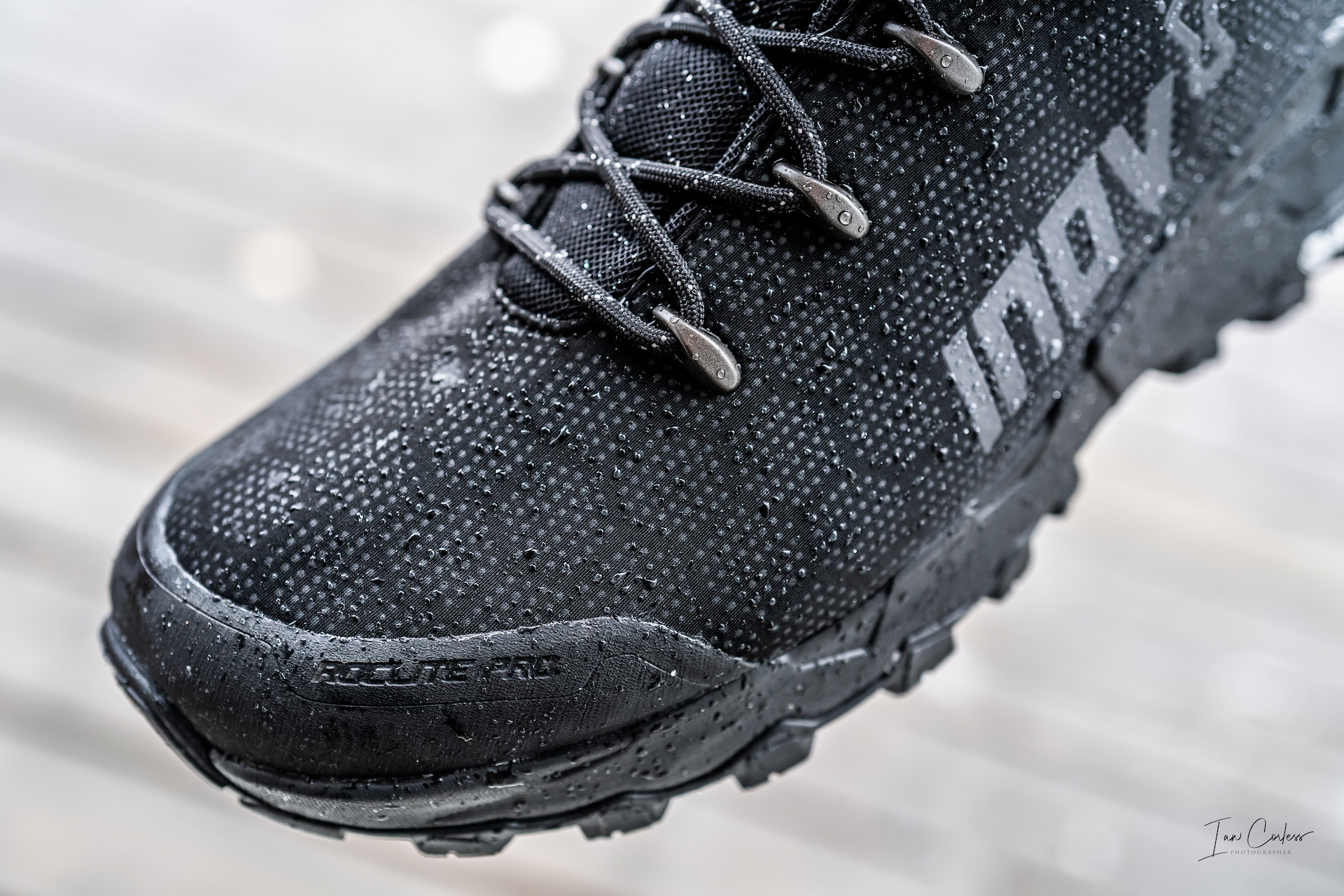
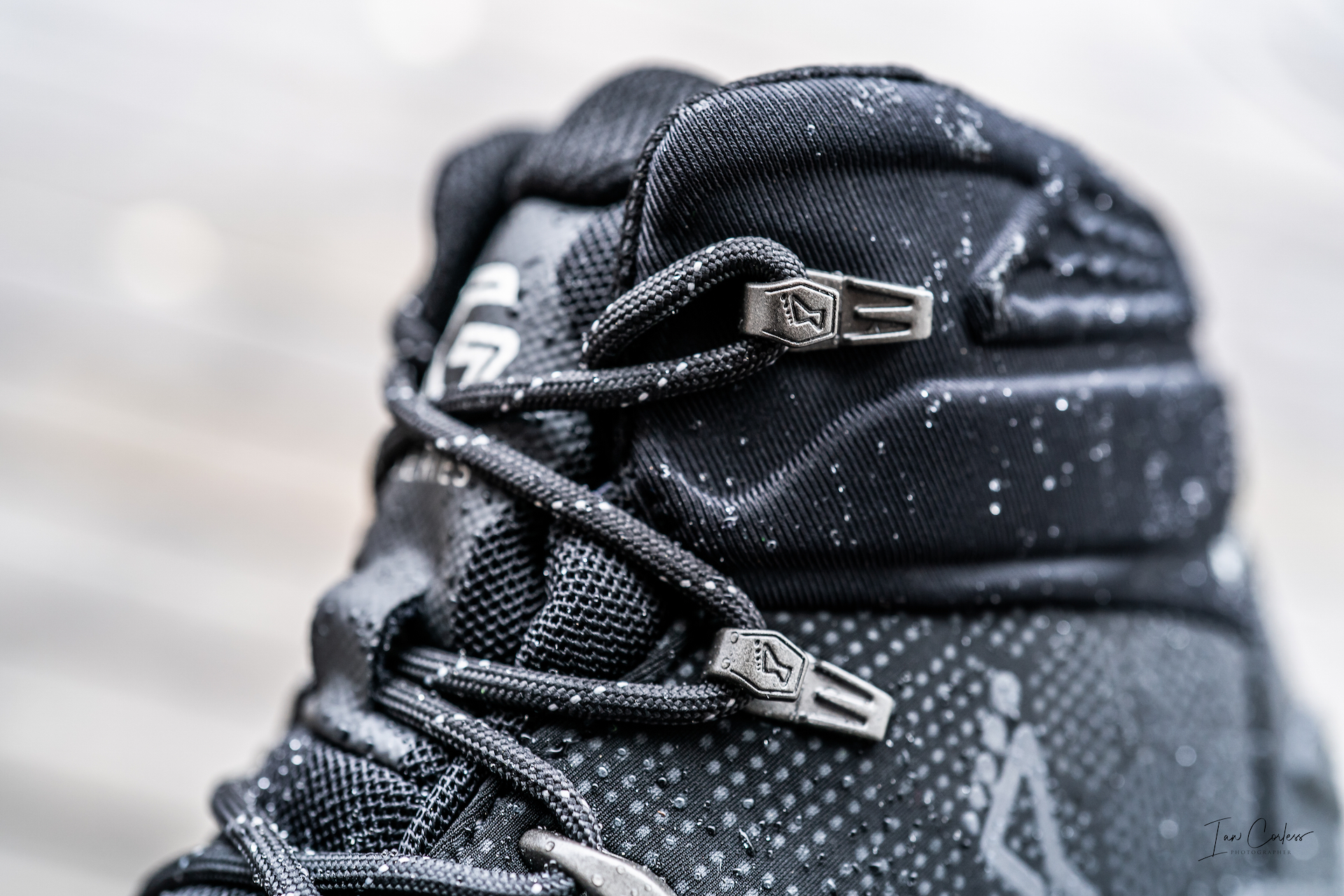
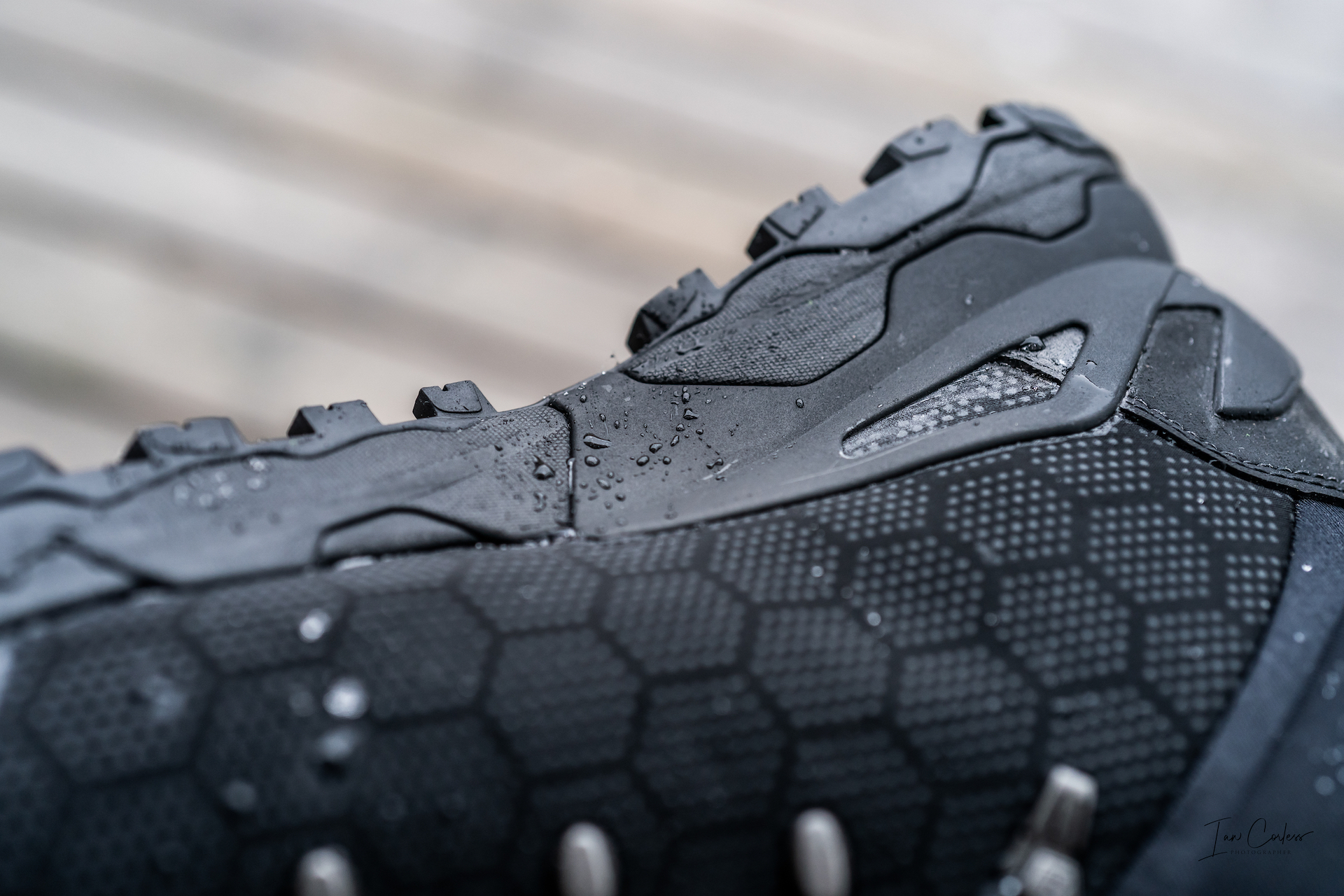
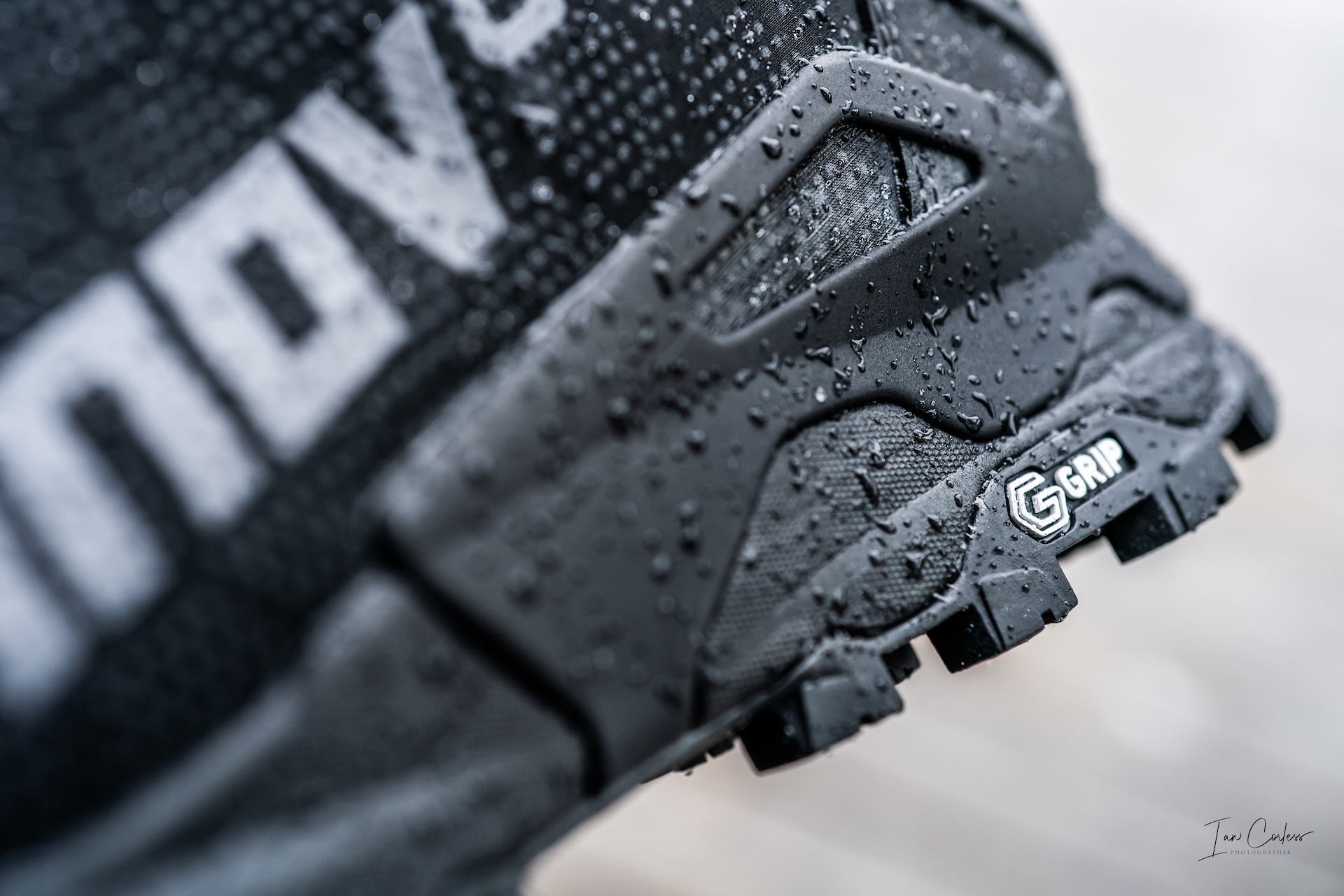
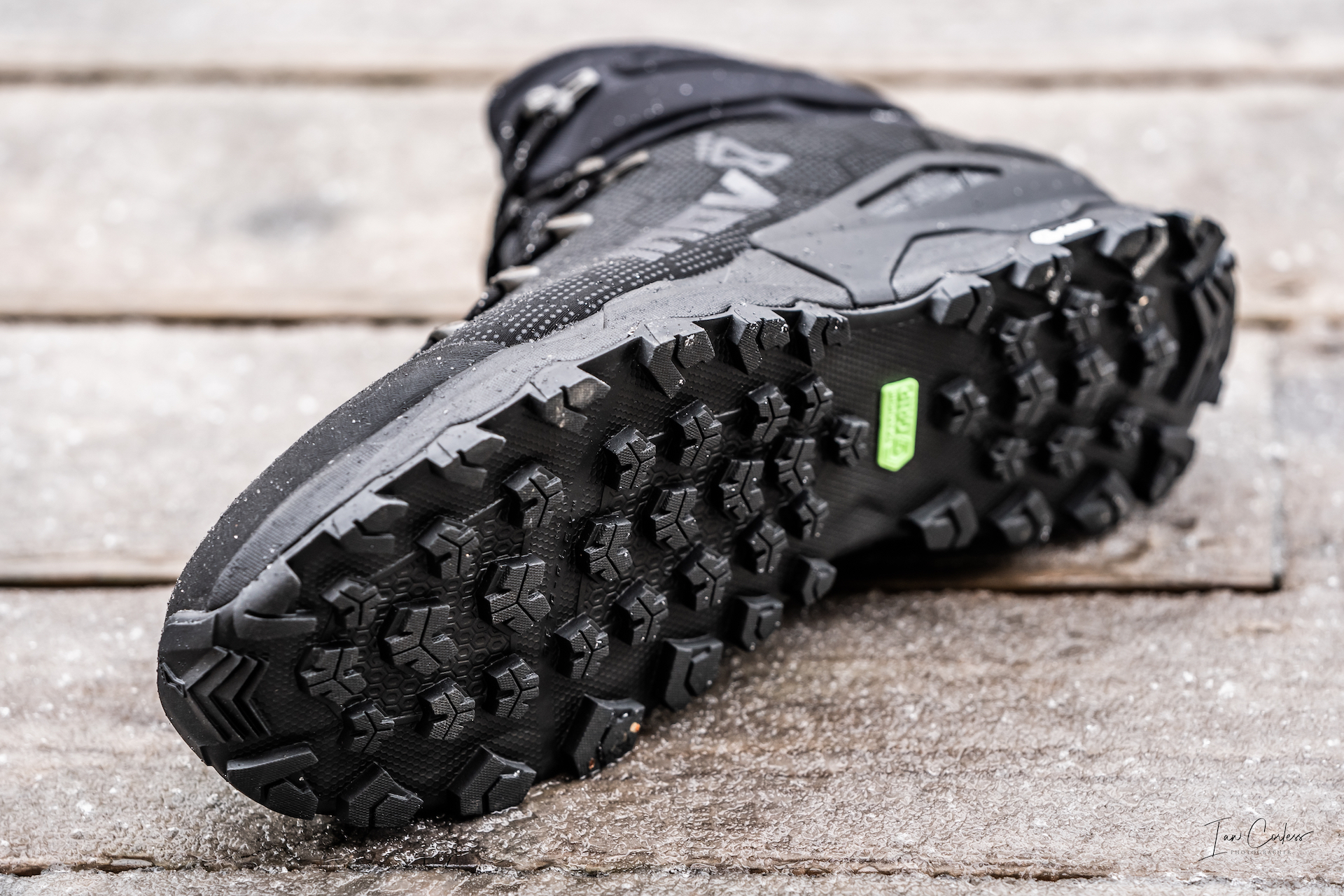
inov-8 Roclite Pro boot review HERE

In other news…


00:11:11 INTERVIEW : MIKE MCLEAN

01:09:00 INTERVIEW : MOLLY BAZILCHUK

1:52:15 INTERVIEW : JACK SCOTT

02:22:06

Episode 198

Spotify HERE  

ITunes HERE  

Stitcher 

You can listen on iOS HERE, Android HERE or via a web player HERE  

Website – talkultra.com

Follow on:

Instagram – @iancorlessphotography

Twitter – @talkultra

facebook.com/iancorlessphotography

Web – www.iancorless.com

Web – www.iancorlessphotography.com

Image sales –www.iancorless.photoshelter.com

La Sportiva VK Boa® Shoe Review

Italian brand, La Sportiva, take running shoe specialization to the next level with the VK Boa®, a shoe that is specifically designed to go mountain as quickly as possible in the lightest package available.

To understand the shoe, you need to understand its purpose.

Dolomites VK, Italy.

The VK in the name refers to Vertical Kilometer® a sport created on the slopes of Monte Rosa in 1994 by Marino Giacometti, the founder and creator of the sport, Skyrunning. Governed by the ISF, the International Skyrunning Federation, the sport is simple in concept – To cover 1000 vertical meters in a course that is less than *5km long with average incline of 20%. Double (2000m) and triple (3000m) VK’s also exist.

Initially created for scientific research the VK concept grew and it has become a staple in the calendar of skyrunning with its own specific calendar and relative world and European champions. Often, a VK would be added on to a race weekend that included another longer race, the Dolomites being a prime example where a VK would take place on Friday and a SkyRace on Sunday. Competitors often do both races. The world record stands at 28-minutes 53-seconds by Philip Goetsch set at one of the steepest VK’s in the world, Fully, which covers the 1000 vertical meters in a course that is only 1.92km long. The finish line is 1500m altitude.

The VK sport was created in Italy and the La Sportiva brand was born in Italy, the synergy between the two is obvious.

To create a specific shoe for VK not only shows the demand, especially in Italy, for such a shoe, but also the enthusiasm for the sport. The 2020 the Vertical Kilometer® World Circuit, managed by SkyMan, was cancelled however, the ISF have confirmed the sport will continue and recently they announced a new 2VK circuit – HERE

La Sportiva VK Boa®

Like track spikes, the VK Boa is a very specific shoe.

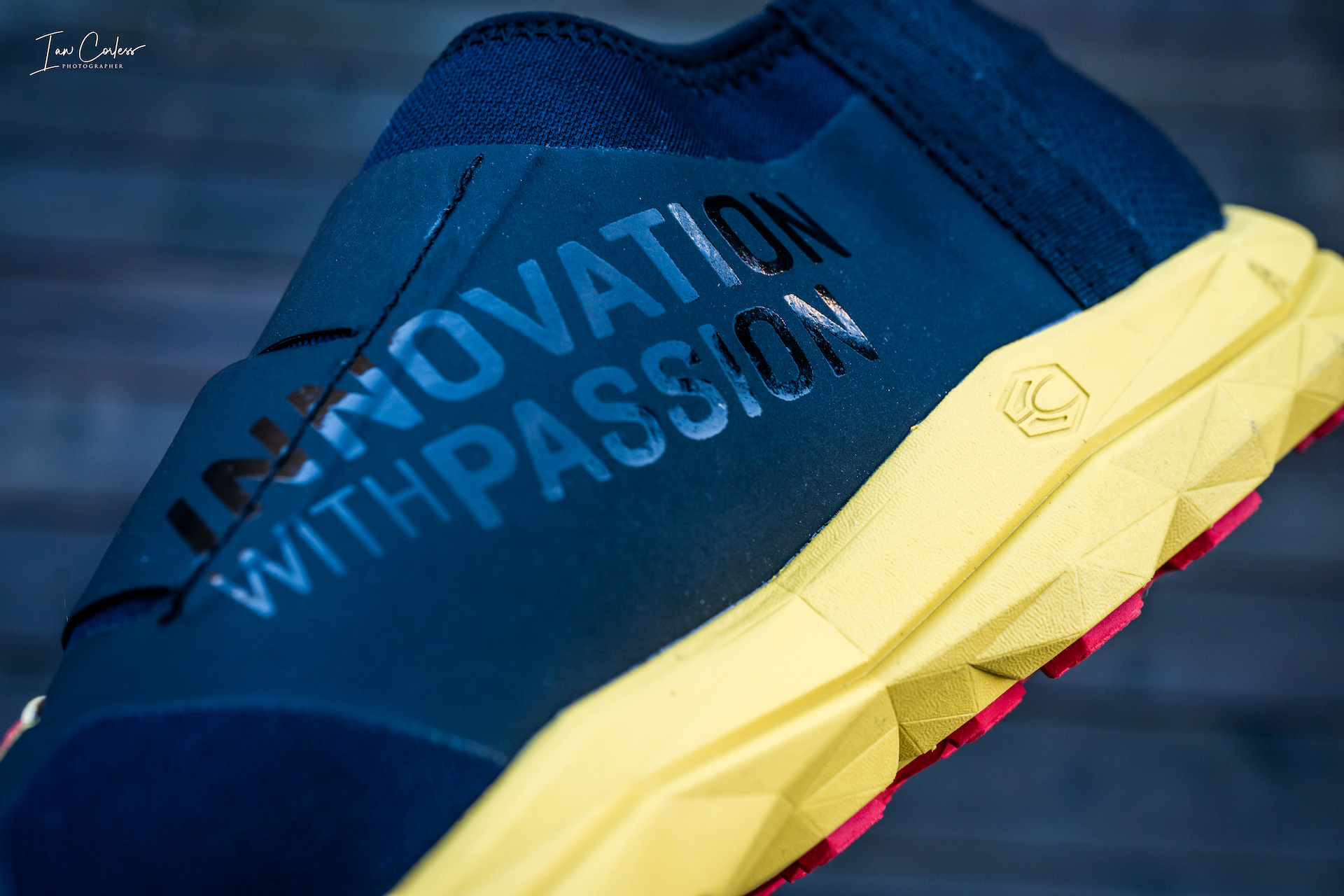
It’s all about minimal weight, secure foot hold, grip and a package that turns the eye. I have to say, the classic black/yellow/red of La Sportiva has always appealed and here in the VK Boa® that is taken up a notch to make what I think is a really ‘sexy’ shoe.

The striking look pulls you in and then you pick the shoe up, at sub 200g for a standard UK8 (230g for a UK9.5) this shoe is amazingly light.

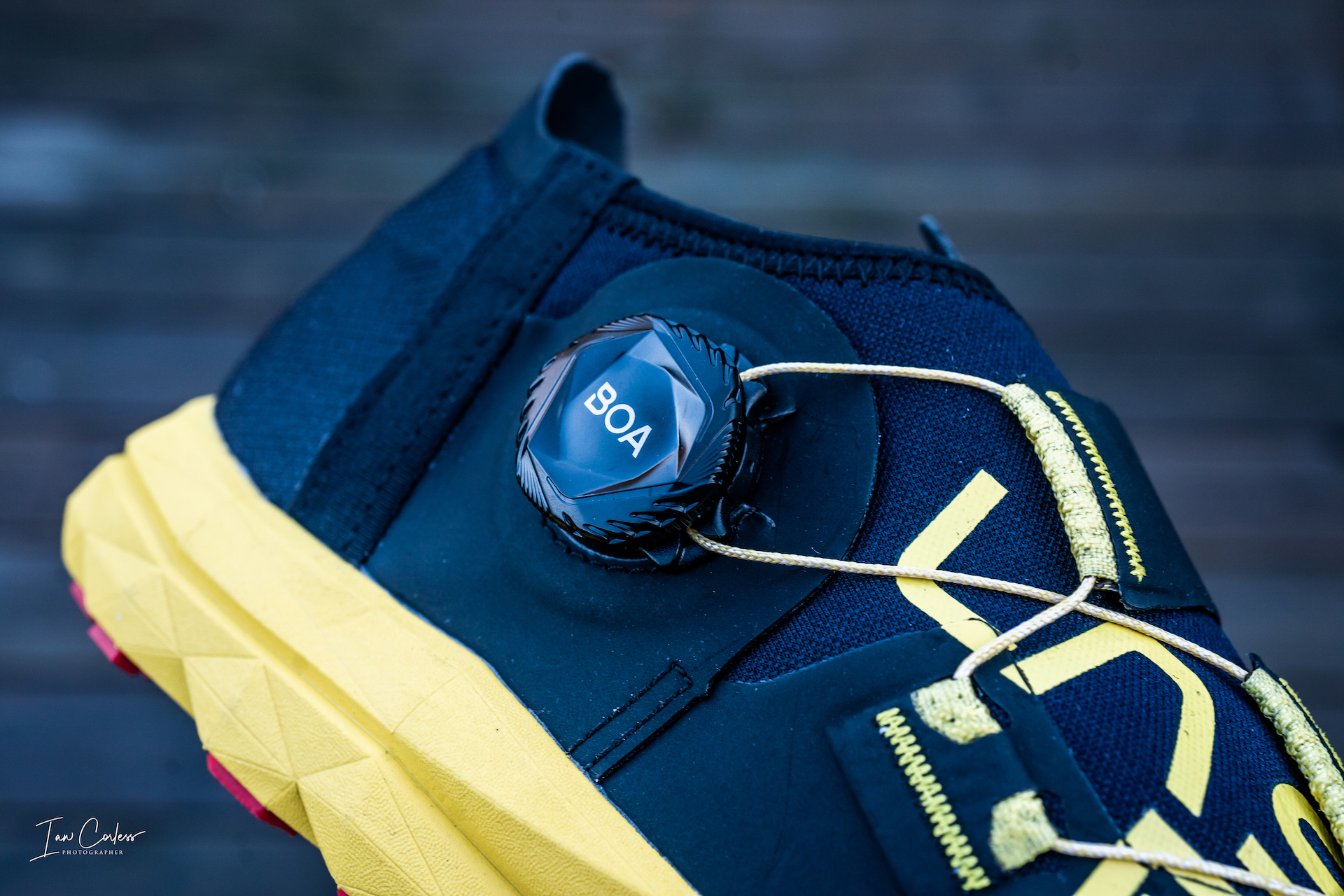
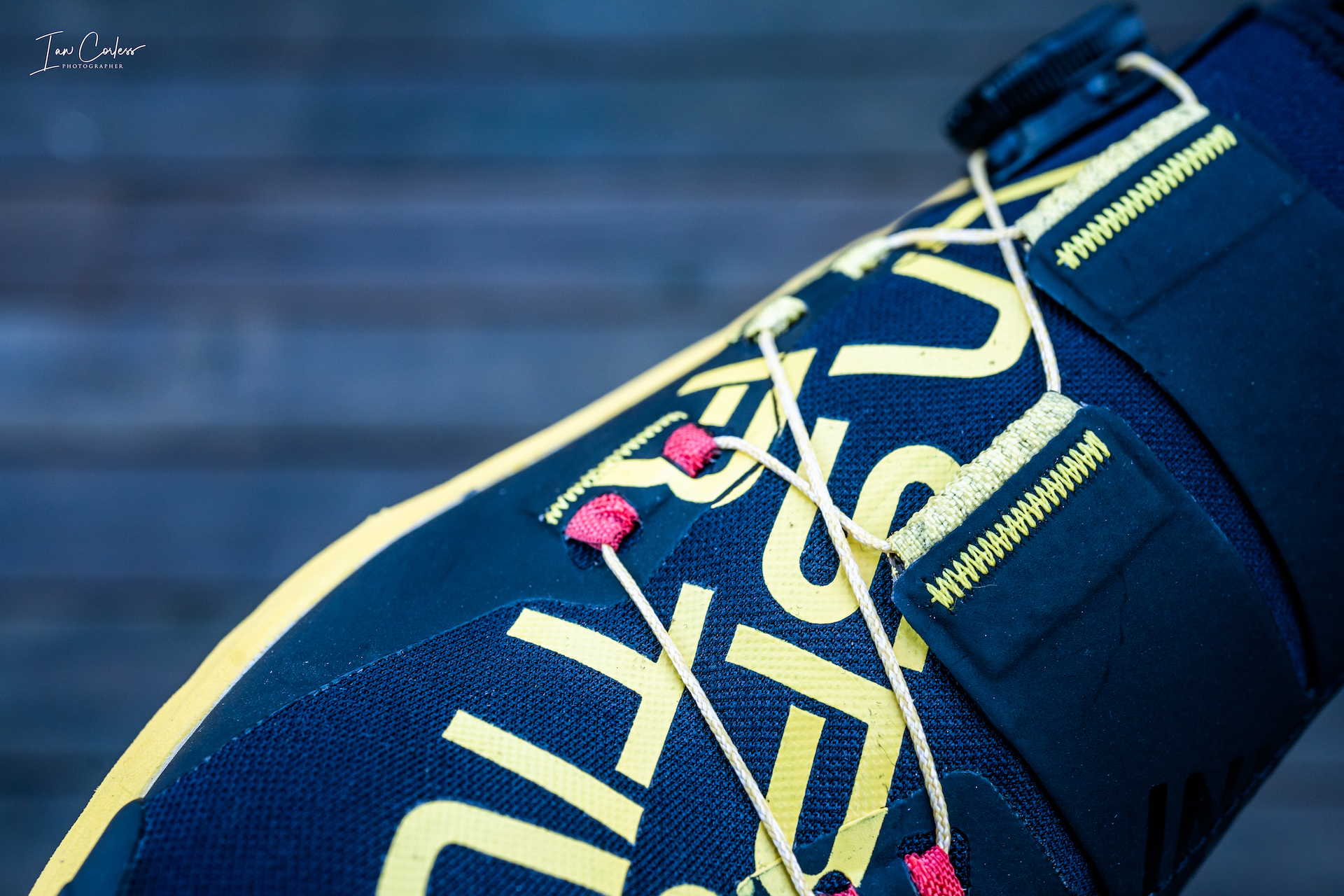
The upper is just one seamless sock with a narrow opening from which one inserts the foot. Three wide straps come across the shoe to create the foothold and structure and conventional laces have been removed to be replaced with the Boa® rapid closure system.

A minimal toe bumper offers toe protection.

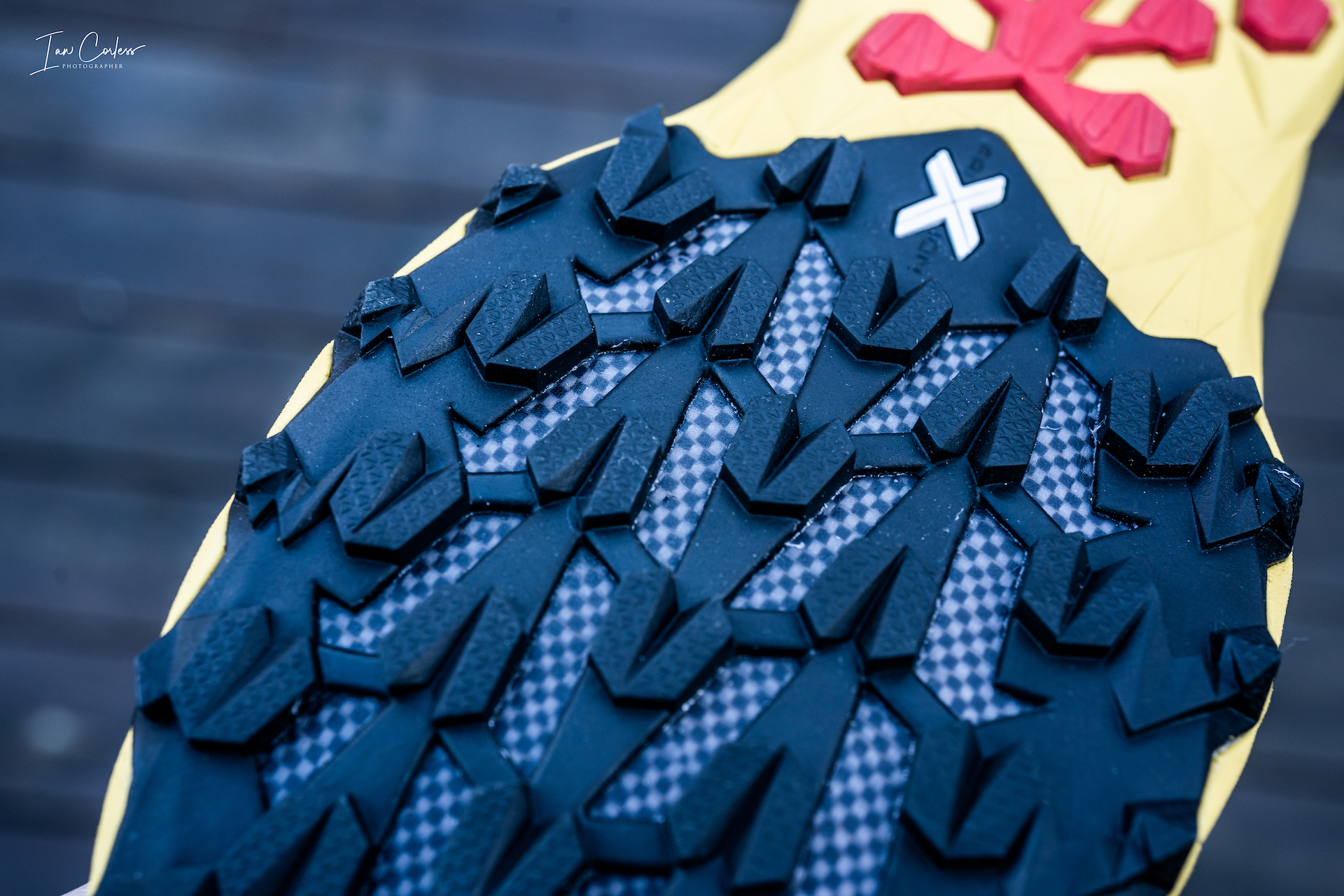
The outsole is a story of two halves: the front using a black semi-aggressive grip with relatively small lugs (25) the rear has a different configuration in red.

Cushioning, as one would expect is minimal but surprisingly more than I expected.

Drop is 4mm.

The shoe is described as being ‘universal’, but I do feel some support under the arch.

Sizing is true to size.

The Shoe

Firstly, getting one’s foot into the shoe is a little tricky. This shoe is designed like a Formula 1 car and as such, excess is taken away. One you have your foot inside, take time to wiggle your foot, make sure your heel is in the correct place and ensure that you pull the upper up, just like a sock.

There is no tongue. Tightening the shoe is done from the Boa® closure by turning the dial. Do this slowly making sure the laces sit where you want them. Taking time here will ensure a great foothold, particularly on the important Navicular bone.

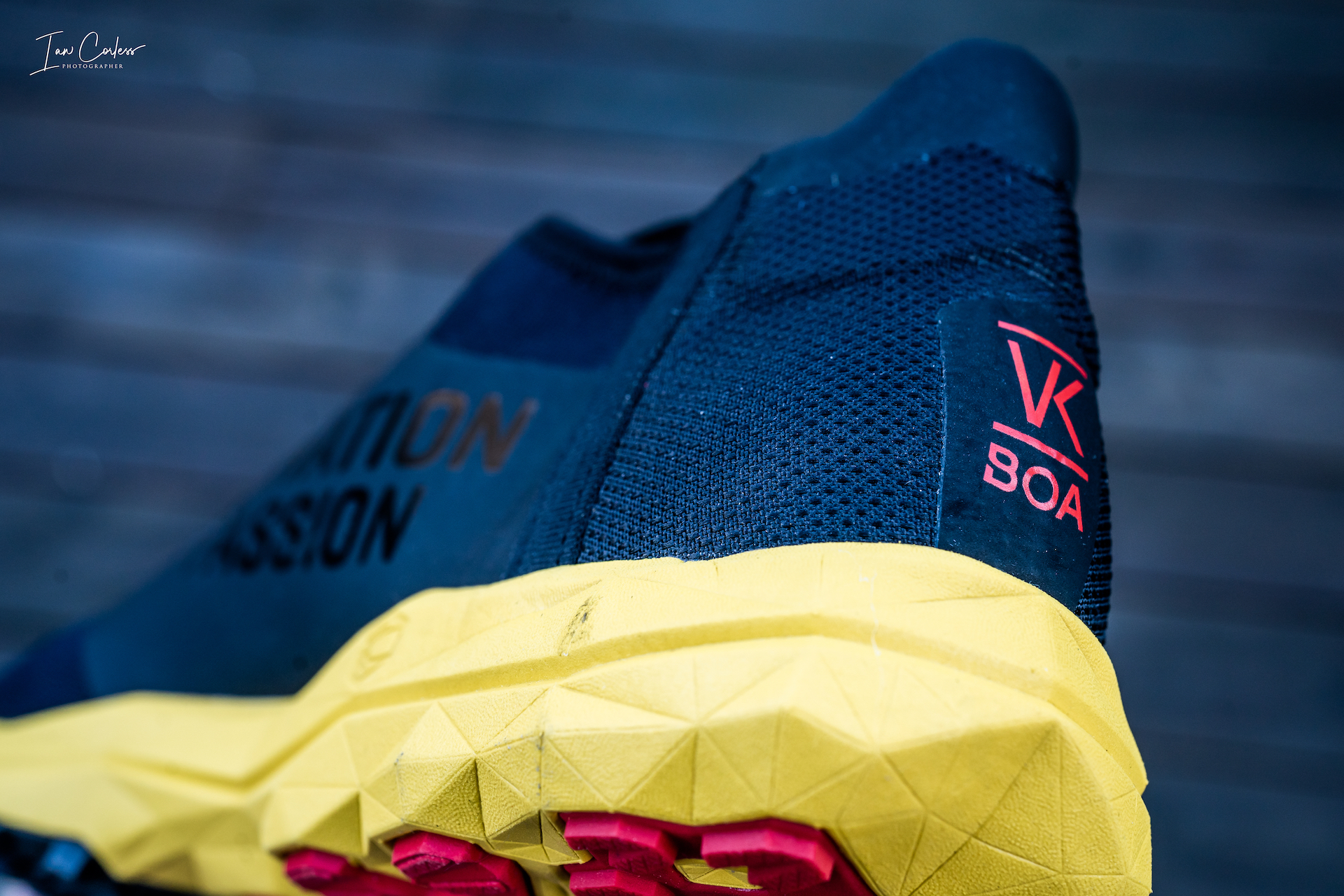
The heel box is really impressive and rightly so for a shoe that is designed for going uphill. A lack of secure hold at the rear and it would prove really problematic. I’d go as far to say that the VK Boa® has the most secure and tight-fitting heel box of any shoe I have tried.

The toe box area, just like socks, is free of any reinforcement and extremely slipper like. It is not narrow and not wide, but the freedom of movement offered by the bi-elastic mesh would make this shoe work for most people. La Sportiva call it Low Volume which is designed for a tight fit following foot shape.

The outsole is very clever, La Sportiva know that when doing a VK, the front of the shoe is used almost 100% with only occasional use of the shoe rear. The outsole reflects this with two different grips and notably there is ‘rock-guard’ only at the front of the shoe. The outsole is designed to have as many contact points as possible. Frixion Red is a combination of grip, long-lasting wear and shock absorption. VK’s take place on grass, rock, stone, scree, mud and even ice, the outsole does a great job of handling each of the conditions.

The cushioning is compressed EVA and I was surprised how much cushioning was in the shoe, but it is designed for softer ground where the requirement for shock absorption is reduced. Completely understandable for a shoe designed for VK’s.

In Use

This is a very specific shoe and as such will have a very reduced market. It’s not a shoe that can-do multiple tasks, having said that, they VK Boa® may work exceptionally well on a short mountain race but downhill support and comfort would be compromised.

This shoe is designed to go up.

Considering that most VK’s are completed in 30-minutes for the elite men, around 35/40 minutes for the elite women and then 60 to 90-minutes for mortals, you get a picture that this shoe needs to be light.

Light they are; super light! They really do fit like gloves and I am still surprised at how well they hold the foot. I have had mixed experiences with Boa® closure systems previously but on this shoe it all clicks together. The Boa® (L6 type) system is a logical closure step allowing the top of the shoe to be free of seams and additional stitching and the three straps, just like in cycling shoes, comes across the foot to create a really superior hold. It’s all about efficiency and it makes a really nice aesthetic.

The shoes are extremely flexible and notably they excel in three areas. 

  1. The hold in the heel area is superb, no, it is brilliant! The lack of slipping in the heel area for a shoe designed for going uphill is absolutely crucial and the VK Boa® may well be the best I have tried.
  2. The soft and flexible upper manages to provide enough structure and support but allows the foot to move and bend in the propulsive phase without restriction. Crucial for a VK when pretty much the entire race or run will be undertaken on the front of the shoe.
  3. The outsole is designed for purpose and I love the specific grip and rock-guard just for the front of the shoe where it is needed.

Precise, reactive, great foot hold, excellent proprioception and extremely flexible, the VK Boa® really is beautifully designed for the task it was created for.

Conclusion

This shoe is not for everyone and I applaud La Sportiva for creating such a specific shoe. Light and minimalist, they excel for the designed purpose and there is little to fault.

They look great, the Boa® system is a superb addition to the shoe that maybe is the best use of this product I have seen in a running shoe.

RRP is 170 euro, so, they are not cheap. However, such a specific shoe will have a long life as they will only be used for VK racing or training. More often than not, VK’s are located close or near cable cars, so, the need to run back down is not required. Having said that, if one does need to run down, the VK Boa® does lack some of the structure a conventional run shoe would have, so, that needs to be considered.

If VK’s and going uphill as fast as possible is your think, the La Sportiva VK Boa® are most definitely worth checking out.

Please support this website. I believe everyone deserves to read quality, independent and factual articles – that’s why this website is open to all. Free press has never been so vital. I hope I can keep providing independent articles with your help. Any contribution, however big or small, is so valuable to help finance regular content. Please support me on Patreon HERE

Follow on:

Instagram – @iancorlessphotography

Twitter – @talkultra

facebook.com/iancorlessphotography

Web – www.iancorless.com

Web – www.iancorlessphotography.com

Image sales –www.iancorless.photoshelter.com

Moonlight Mountain Gear ‘Bright as Day’ Headlamp Reviews

The tagline, ‘Darkness is not an excuse anymore’ most certainly rings true with the head torches from Norwegian brand, Moonlight Mountain Gear.

Based in Burtfjord, Northern Norway, Moonlight have a great opportunity to test and build head torches to survive the cold and relentless darkness of Norwegian winters. It’s with that in mind that the ‘Bright as Day’ (BAD) products were created.

Read a guide on headlamps HERE

Quite simply, the engineers wanted to ski at any time, regardless of conditions. They have products that provide 3200, 6000 and 12.000 lumen.

There is a head torch for everyone and the ability to interchange components for increased flexibility.

BAD 2000

I have recently been testing both the BAD 700 and BAD 2000 lumen products, for mountain, ultra and trail running, these two products work perfectly. The beefier and more powerful BAD 3200 is better suited to skiing, mountain biking and sports that are taken at a faster pace and when visibility and response time is crucial.

BAD 2000

The 2000 is a new product, updated from the previous 1800 lumen version. In addition to 200 extra lumens, electronics have been upgraded and the cooling system allows the torch to deliver a full 2000 for the battery life. Covering 15-30 degrees the torch will last 1.5 hours on full power, 3 hours on 50%, 6 hours on 25% and 20 hours at 5% all provided by a rechargeable Li-ion 2 cell 9600mAh 3.7v battery that has a life go 500 cycles. Charge time is 3.5 hours. 

Lamp on GoPro attachment

One of the unique design USP’s is that the lamp head attachment system is compatible with GoPro QuickClip, therefore, as way of an example, you may have a GoPro attachment on a helmet for action filming, this attachment also takes the head lamp. Equally, head straps and other similar products from the GoPro range are compatible.

With an IP 67 waterproof rating, the head torch will function in heavy rain and humidity.

An LED inside the light housing indicates battery level, blue 80-100%, flashing blue 50-80%, red 30-50% and flashing red is less than 30%. When the torch reaches 10% or lower, the lamp head will flash three times and then drop to the lowest power setting. This is a feature that acts as a warning allowing you to reduce pace (for safety) and make adequate decisions so that you can return home OR change the battery with a spare.

Charging is via USB cable and the battery is USB C.

Interchangeable battery

The Moonlight batteries are interchangeable between all the lamp heads and importantly can be used on or off the head strap. A 1-meter extension cable is provided. This is really important in subzero temperatures.

Extension cable for off-head battery storage

The facility to store the battery inside a jacket and keeping it warm will ensure a longer life. Also, when running, the ability to use a heavier battery without it adding weight to the head area is a key feature. A spare battery in 999 Krone which equates to £80.00

The head torch in not cheap, 2299 Krone if £185.00.

In Use

I am not a fan of the headbands that come over the top of the head and around the head. However, if using the battery on the headband for the 2000, the middle strap is important to help distribute the weight and stop any movement. It’s a problem if you want to use a peaked cap but no issue if wearing a beanie, Buff or headband.

The weight (298g) is at the manageable end of comfort for a torch that provides such brightness. But as a preference, for running, I have preferred to store the battery in my run pack. It is much more comfortable, and it also means that I can adapt the headband and not use the elastic that goes over my head, just the strap that goes around.

Brightness and spread of light are superb. In all honesty, the 2000 lumen setting is not really required for running, it’s almost too bright. The only time I used at this power was on technical sections when I really needed to see what lay ahead, even then, with reduced pace, 50% power or less was more than adequate. You need to ask do you really need 2000 lumen head torch, if not, the BAD 700 is the way to go…

The 2000 is a brilliant light for fast trail runners who really need to see everything and react in a split second, but for me, it’s better suited to mountain bikers and skiers.

BAD 700

BAD 700

Keeping in mind that the BAD 700 is 1199 Krone (£100), a considerable £85.00 cheaper than the BAD 2000, you really need to ask yourself as runner, do I need more lumen than 700?

Personally speaking, I think not.

700 lumens really are very powerful on the trail. When one considers night running pace, 700 lumen power really illuminates the trail to show you everything that you need to see, and it allows you enough light to react and change direction.

All the features of the 2000 or in the 700 including GoPro compatibility, 15-30 degree light scattering, guaranteed light consistency and so on. Weighing in at 180g with battery (head lamp 40g) is 118g lighter than the 2000, that is significant when running!

As with the 2000, an LED inside the light housing indicates battery level, blue 80-100%, flashing blue 50-80%, red 30-50% and flashing red is less than 30%. When the torch reaches 10% or lower, the lamp head will flash three times and then drop to the lowest power setting. This is a feature that acts as a warning allowing you to reduce pace (for safety) and make adequate decisions so that you can return home OR change the battery with a spare.

One of the plus sides of the 700 is that it is compatible with other batteries in the Moonlight range. By way of example, you could purchase the 1800/2000 Im 3.7v battery (which powers the 2000) and use it with the 700 head. This would extend the full power autonomy from 1.5 hours to 4.5 hours and at the lowest setting, you would get a whopping 60 hours!

Like the 2000, the battery can be stored on or off the headband and a 1m extension cable is provided.

The flexibility with GoPro fittings is superb and allows multiple options for attaching and fixing.

Charging is via USB cable and the battery is USB C.

In Use

For running, the 700 is perfect for me and if the battery is mounted on the headband, preferable to the 2000. The weight balance is ideal when running, whereas, the 2000 battery on the head feels a little too heavy.

The beam is perfect and consistent which is extremely important and for most, 50% or 25% would be enough for most runs, this provides 3 to 6 hours of life. If you occasionally go to full beam, then you can estimate 2 to 5 hours.

A spare battery is 799 Krone which equates to £65 and this would be a good purchase so that you can alternate batteries or carry a spare on the trail.

Easy to use, consistent power and great durability make this a ‘go-to’ product that really withstands harsh weather.

Conclusions

The head torch market has a plethora of options out there and it’s extremely competitive. It’s possible to purchase budget products that kind of ‘do the job’ but one always feels a little compromised. There also products out there can adjust power automatically – I have yet to have one work correctly! Some connect to your phone via an app, others state a really long life only for you to find that burn time is a fraction of what is stated.

Moonlight is lacking in frills. They have great design, awesome products that does what the manufacturer says. They burn for the length of time expected and without losing brightness as the battery loses its power. The removable battery, extension cable, interchangeability and the GoPro mount flexibility make them an excellent choice.

The BAD 700 is the way to go for runners, however, some of you out there may well need that 2000 blast, only you will know that!

Although not cheap, you get what you pay for and one thing is for sure, they will last.

Please support this website. I believe everyone deserves to read quality, independent and factual articles – that’s why this website is open to all. Free press has never been so vital. I hope I can keep providing independent articles with your help. Any contribution, however big or small, is so valuable to help finance regular content. Please support me on Patreon HERE

Follow on:

Instagram – @iancorlessphotography

Twitter – @talkultra

facebook.com/iancorlessphotography

Web – www.iancorless.com

Web – www.iancorlessphotography.com

inov-8 Roclite Pro G 400 Gore-Tex Review

Runner’s strive for the best of all worlds in one shoe – lightweight, feel for the ground, cushioning, support, lack of support, grip in mud, grip on rock, low drop, high drop, grip in the wet and the list goes on and on. The reality is, there are few run shoes that will be a ‘one stop’ package and this why so many variables exist. 

When possible, we choose specific shoes for a specific task.

Boots are not something that a runner would usually look at unless going on a specific hike. Even then, if moving fast and light, a good durable run shoe is usually preferable.

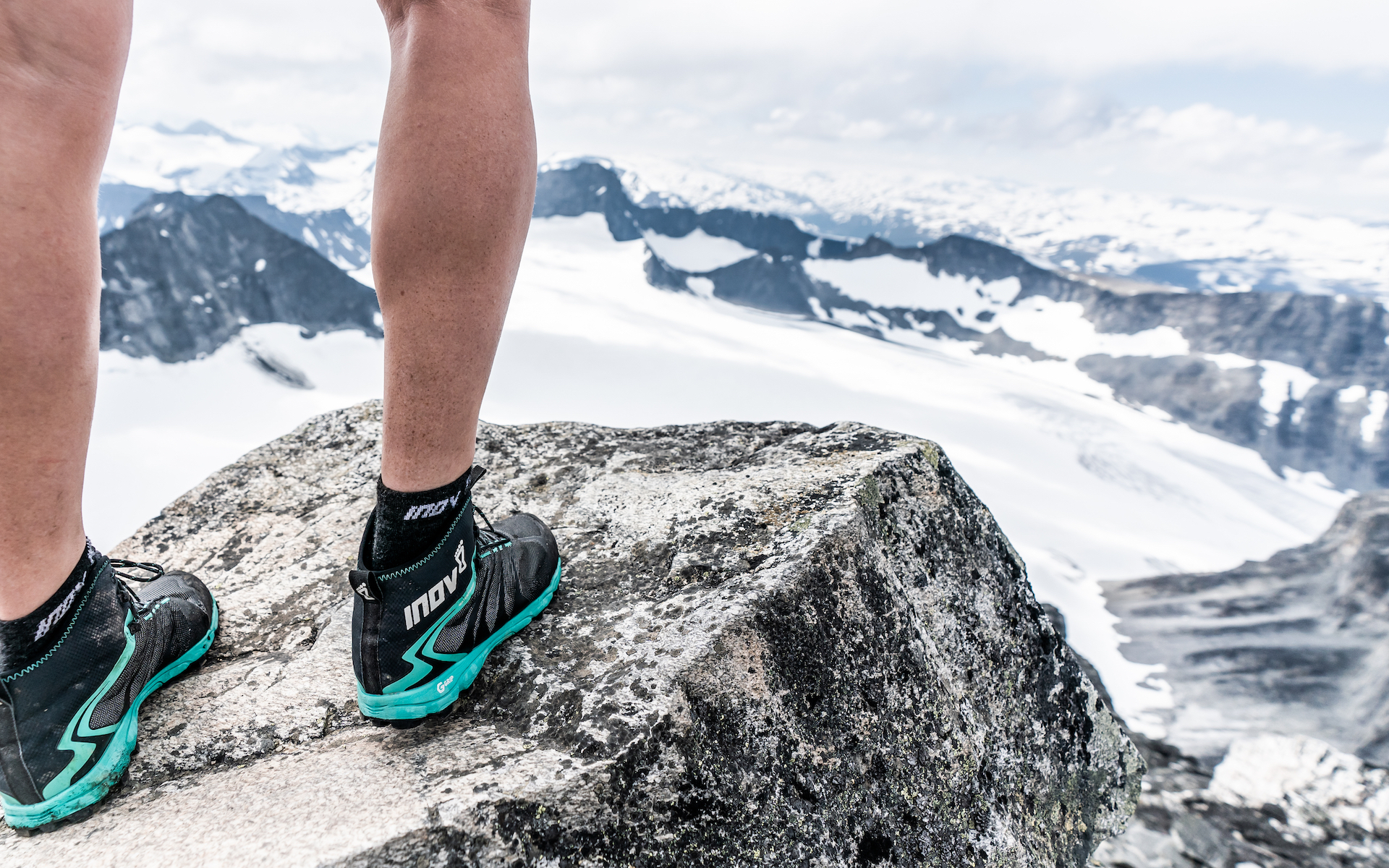
G370 boot at the summit of Galdhøpiggen, Norway.

In 2018, I was once again planning a fastpacking trek in the Himalayas but this time, my journey would take place in December. Previous trips had taken place in November and more often than not I had used the inov-8 Trail Talon which was perfect for long days. December in the Himalayas and I knew I would encounter snow and on occasion would need to use micro-crampons. I was reluctant, very reluctant, to use a boot, especially for long days… Too heavy, too cumbersome, too stiff and the list goes on.

I was introduced the Roclite 345 GTX with Graphene grip and the 325 GTX boot. These boots were a revelation providing all the feel, grip and upper of a conventional run shoe but with the addition of ankle support that was designed in a way that would facilitate running with very little compromise.

In 2019 and in 2020 I have been using the Roclite G370 for specific trips, by way of example, the Himalayas in November, Toubkal in Morocco (January) and the mountains of Norway for occasional trips when snow and tough conditions would challenge. A prime example being the highest summit of Norway, Galdhøppigen at 2469m with snow conditions. With 6mm studs, 9mm drop, 9/18mm cushioning front and rear and only weighing 388g for an EU44.5 (I went 0.5 size bigger than usual to allow for winter socks.) These have proven to be great boots when I needed more warmth, grip and comfort in extreme conditions without compromising a run shoe feel. They are highly recommended!

When I heard about the Roclite Pro G 400 I was immediately interested.

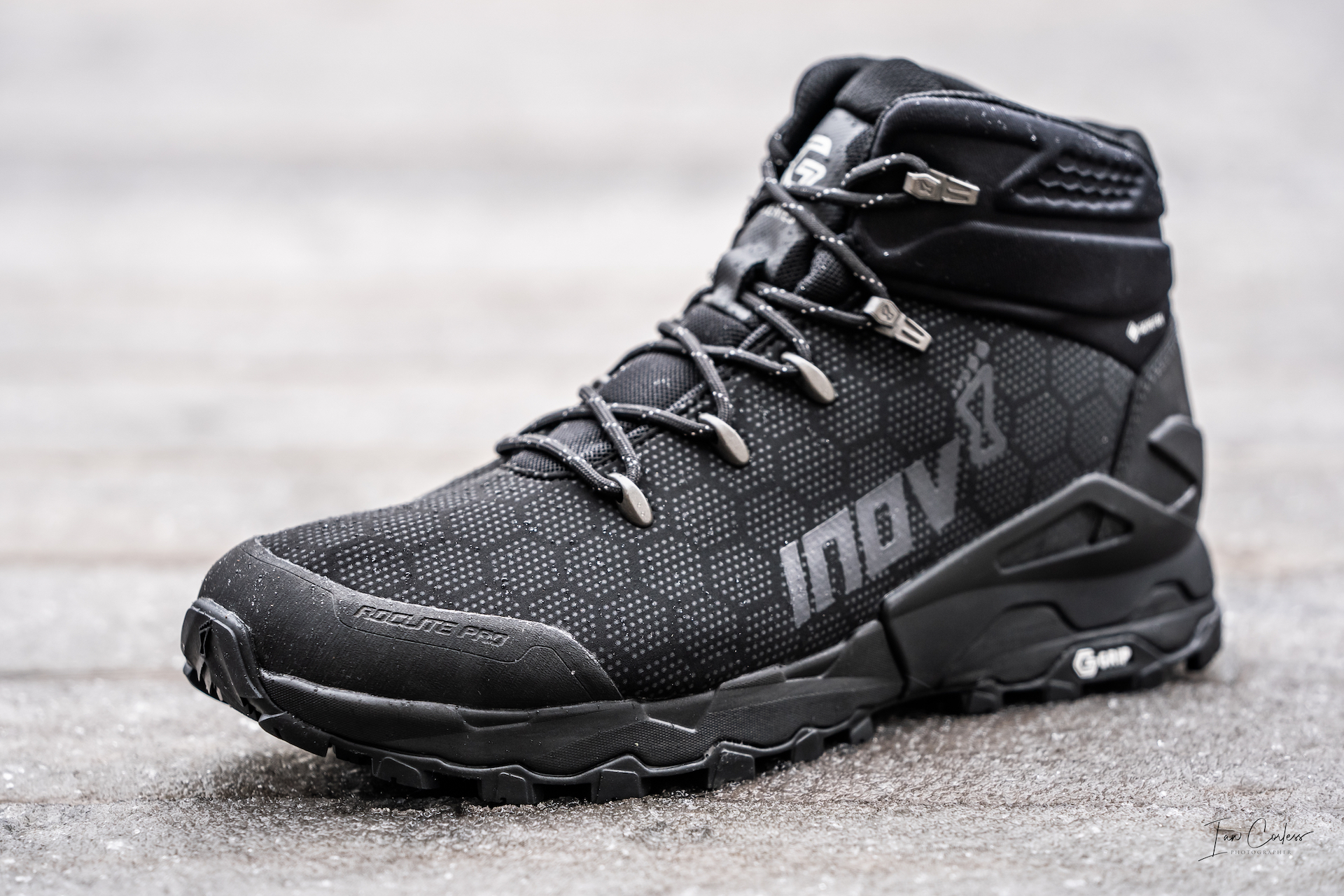
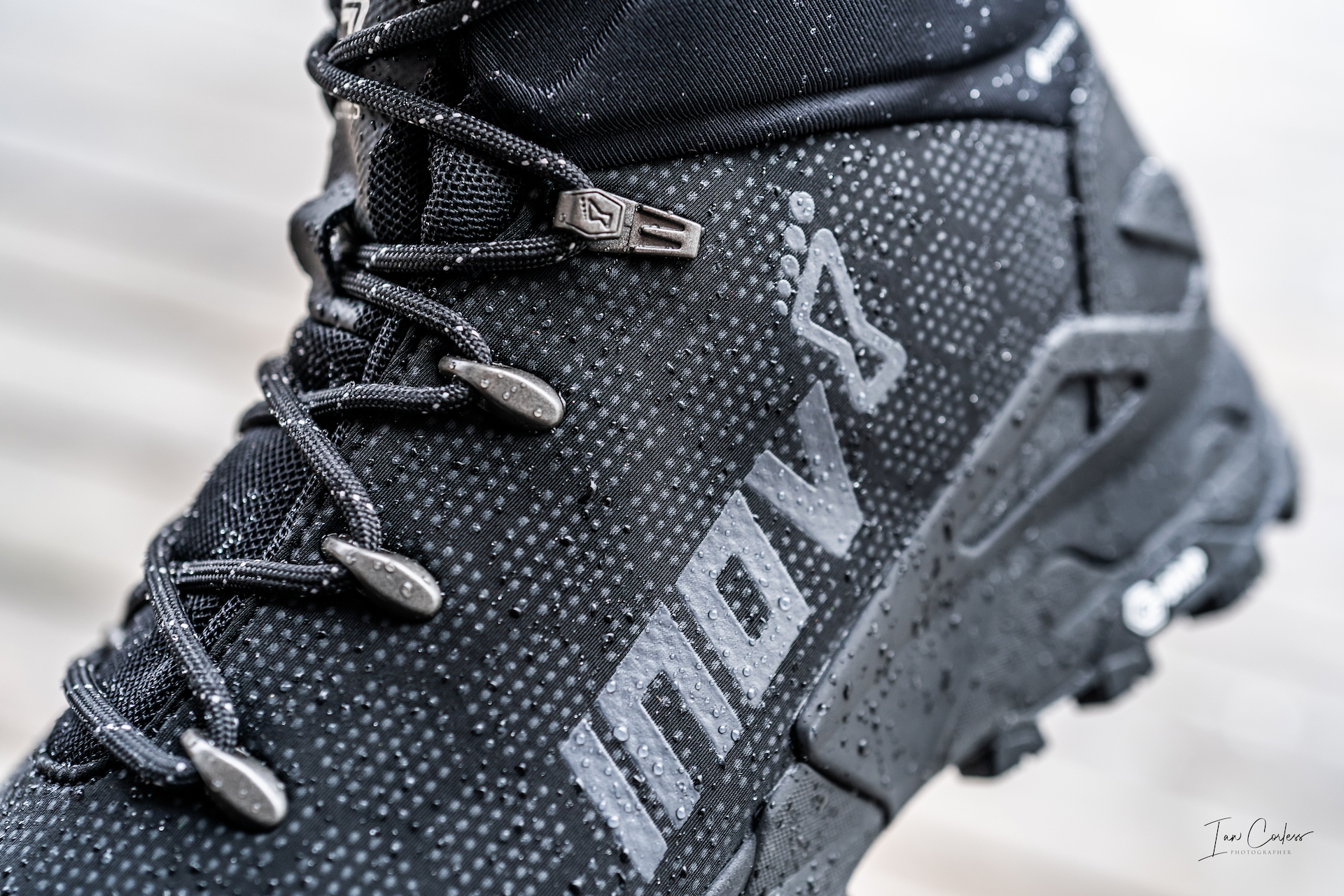
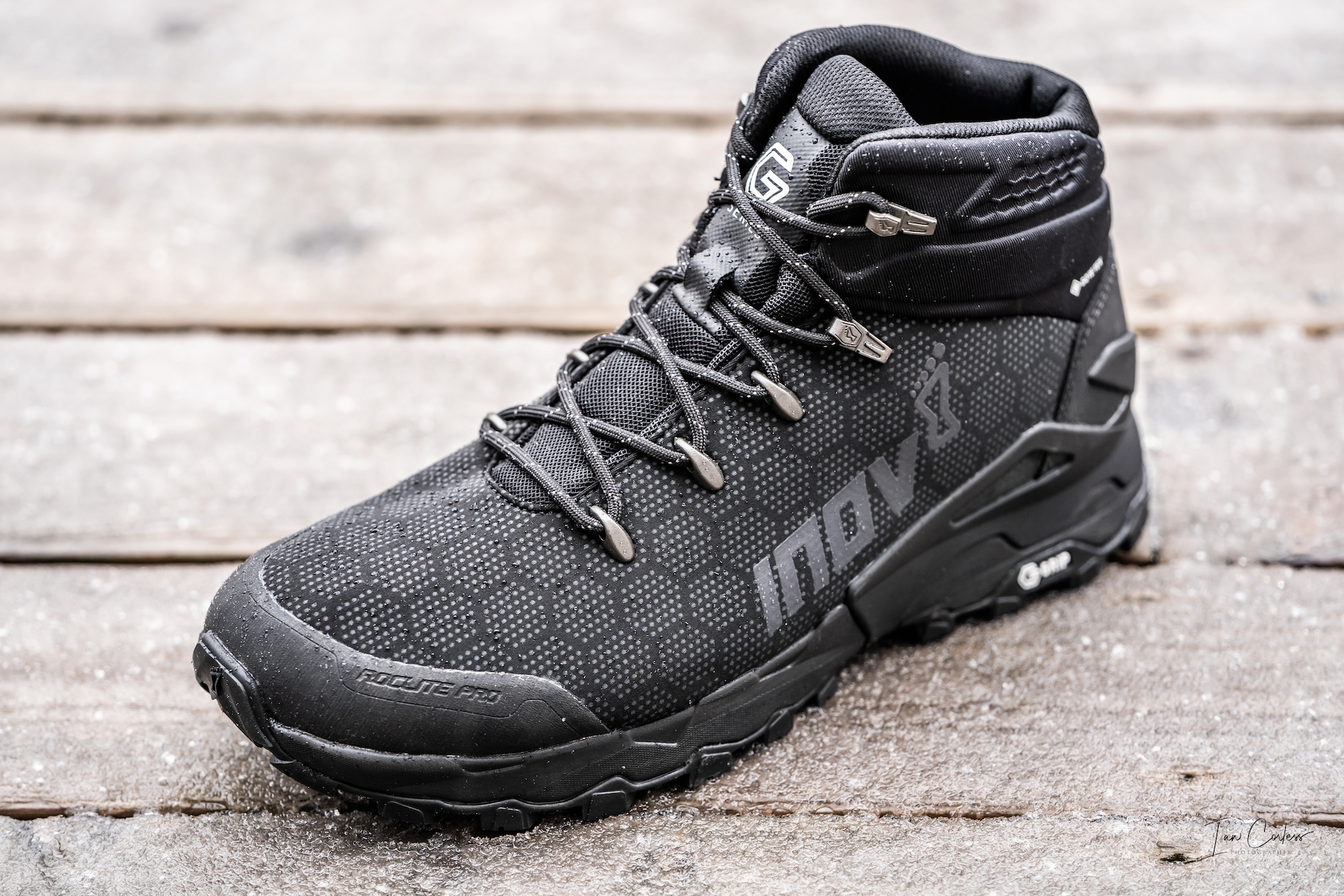
On first impressions this version of the Roclite does not look like any previous Roclite that has come before, the look and feel is completely different, especially in the stealth black look. Almost looks like a boot for the SAS or Special Forces. 

Weighing in at 421g for an EU44 the boot is also more substantial than previous incarnations. But I need to clarify here that the new Roclite Pro G 400 is designed for a different purpose in my opinion. It is much more akin to a normal hiking boot but at a fraction of the weight.

The fit scale is 4 just like the Roclite G 370 listed above, however, I would disagree here. The G370 is more of a 3 fit and the new G 400 a 4. There is a distinct difference in feel between the two boots, the G400 most definitely allowing for more toe splay.

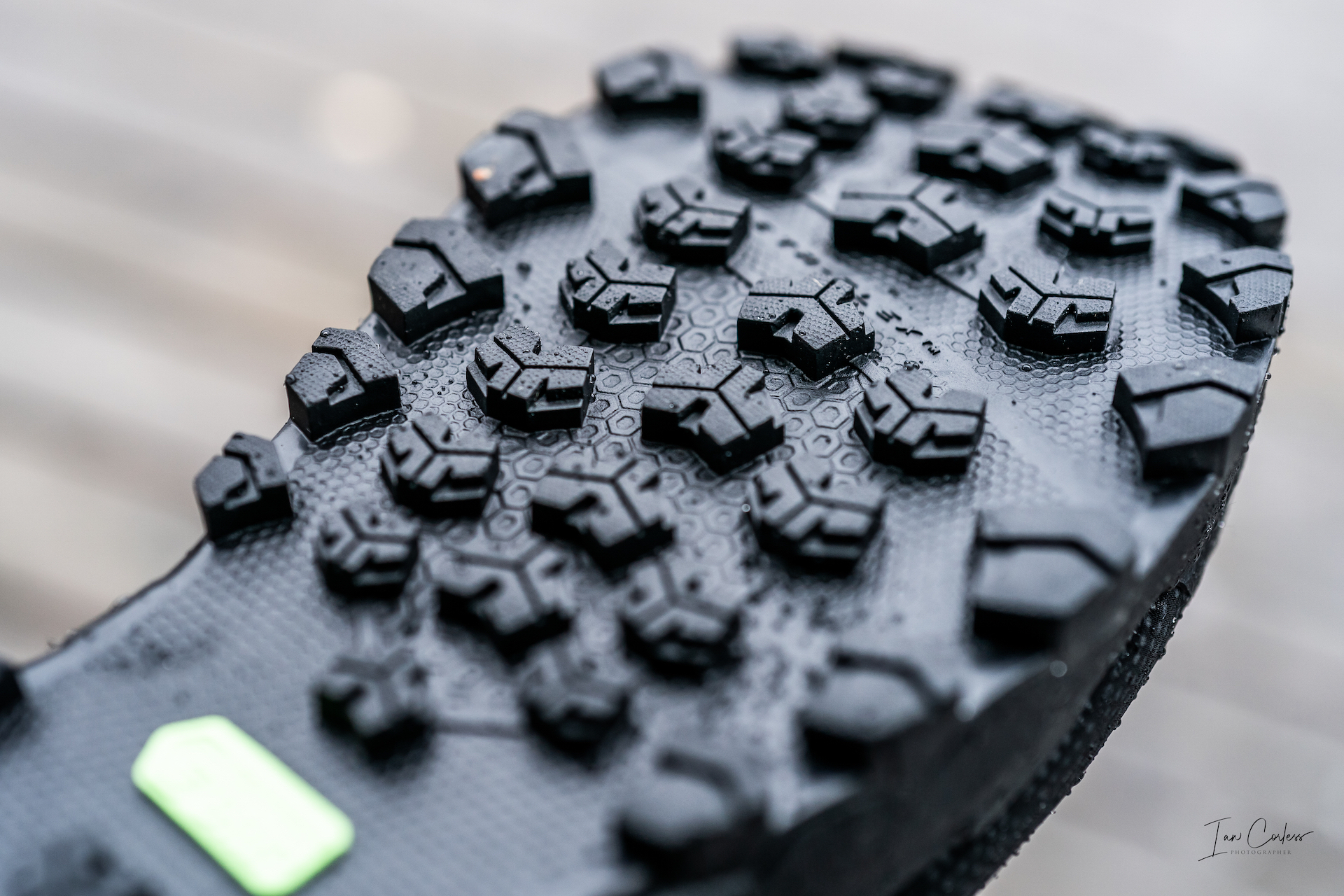
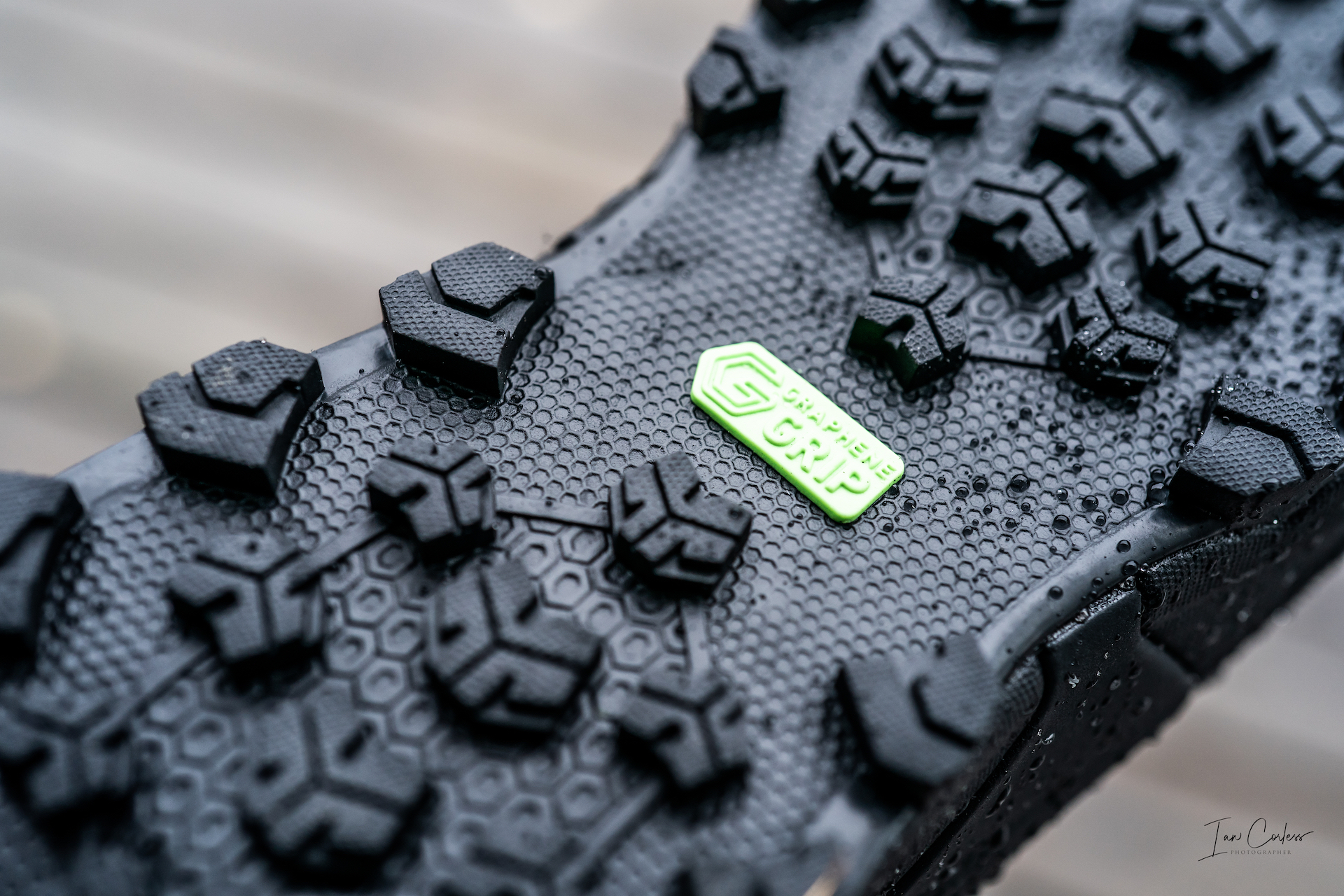
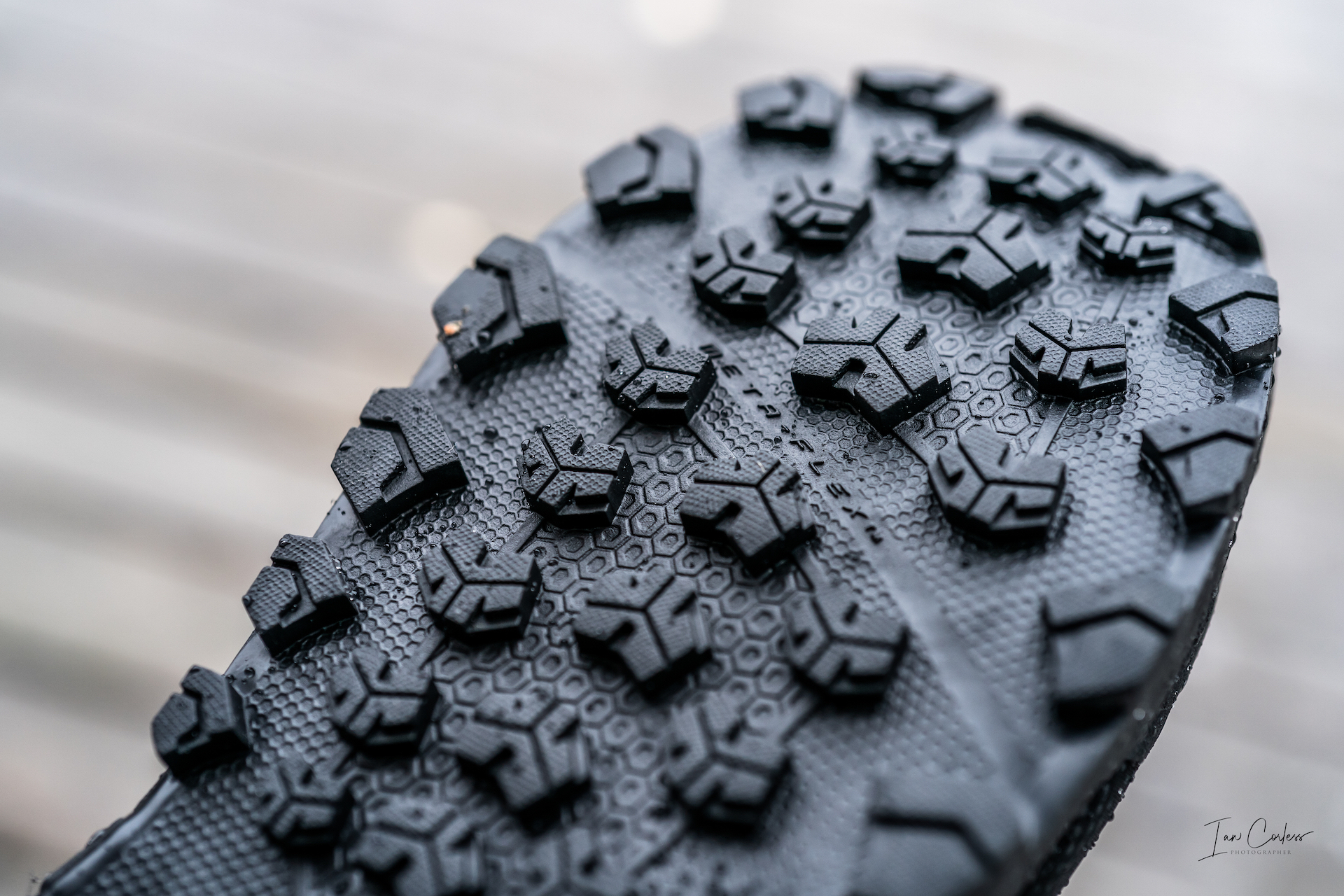
Drop is 8mm which is ideal for long days, the lugs are 6mm which provide great grip on a multitude of surfaces, especially with the addition of Graphene which extends outsole longevity. Cushioning is notably plush with 12mm at the from and 20mm at the rear.

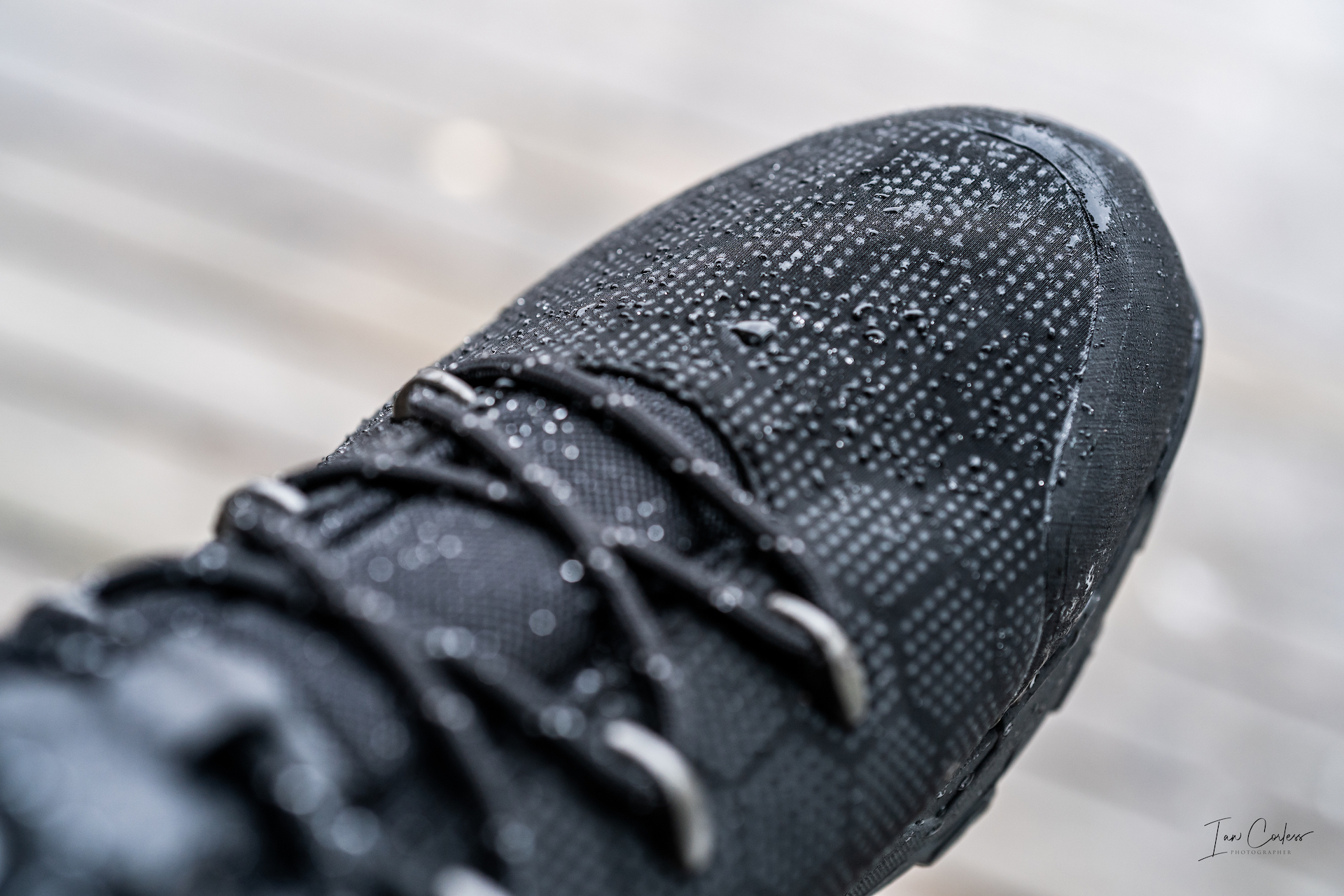
Like the G 370, the G 400 is Gore-Tex and this does a great job of protecting against the elements, especially wet, mud and snow. The weak point is always where the shoe stops and quite simply, if water or snow goes over the top of the shoe, you will get wet feet. This is where Gore-Tex can be a problem; there is no way for the water to escape! Therefore, a key recommendation, from experience, is to use Merino socks that manage to retain heat and warmth when wet. Use Nylon socks and you risk cold/ wet feet. Merino wicks sweat excellently too… Also, a risk with a Gore-Tex product as they are obviously warmer.

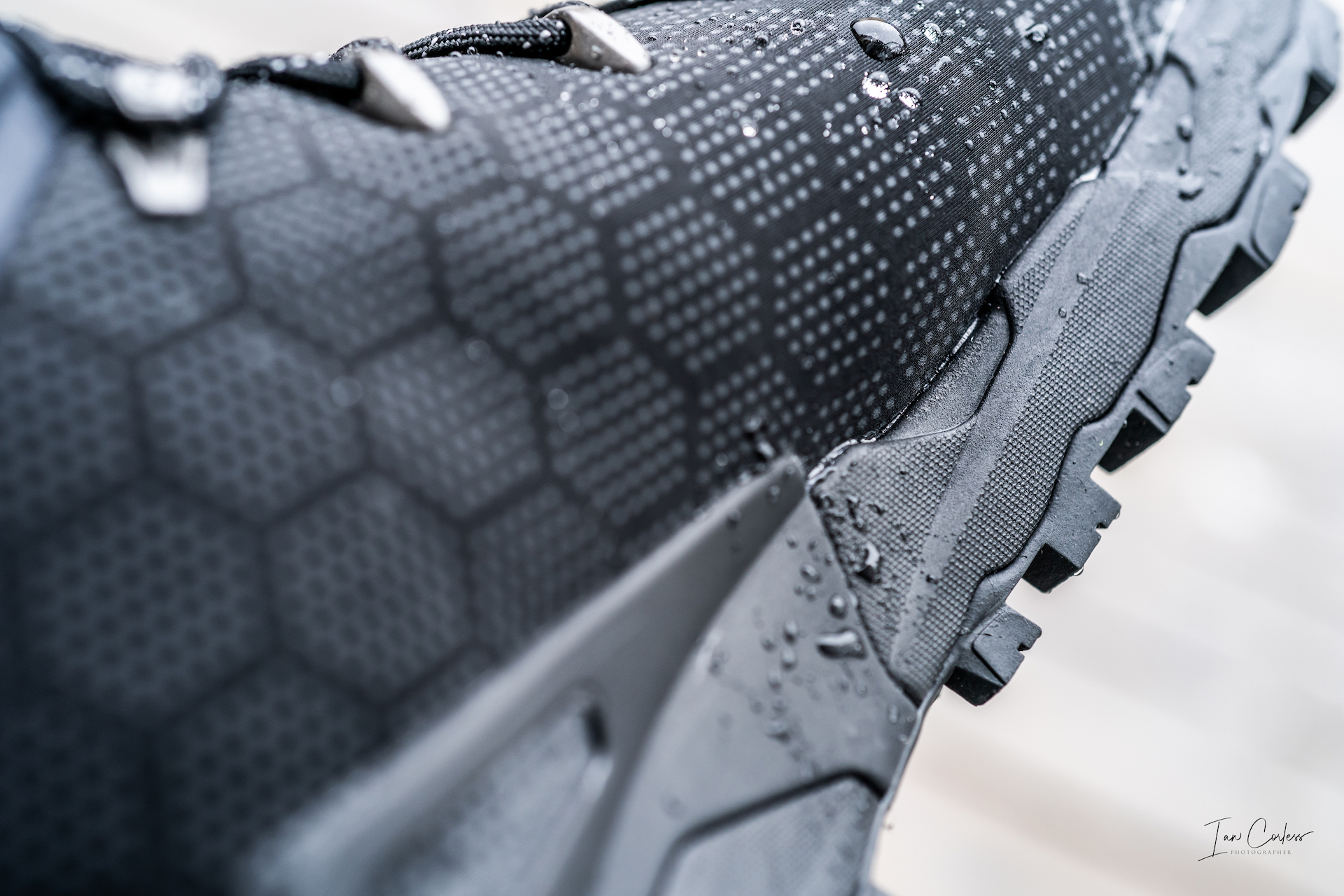
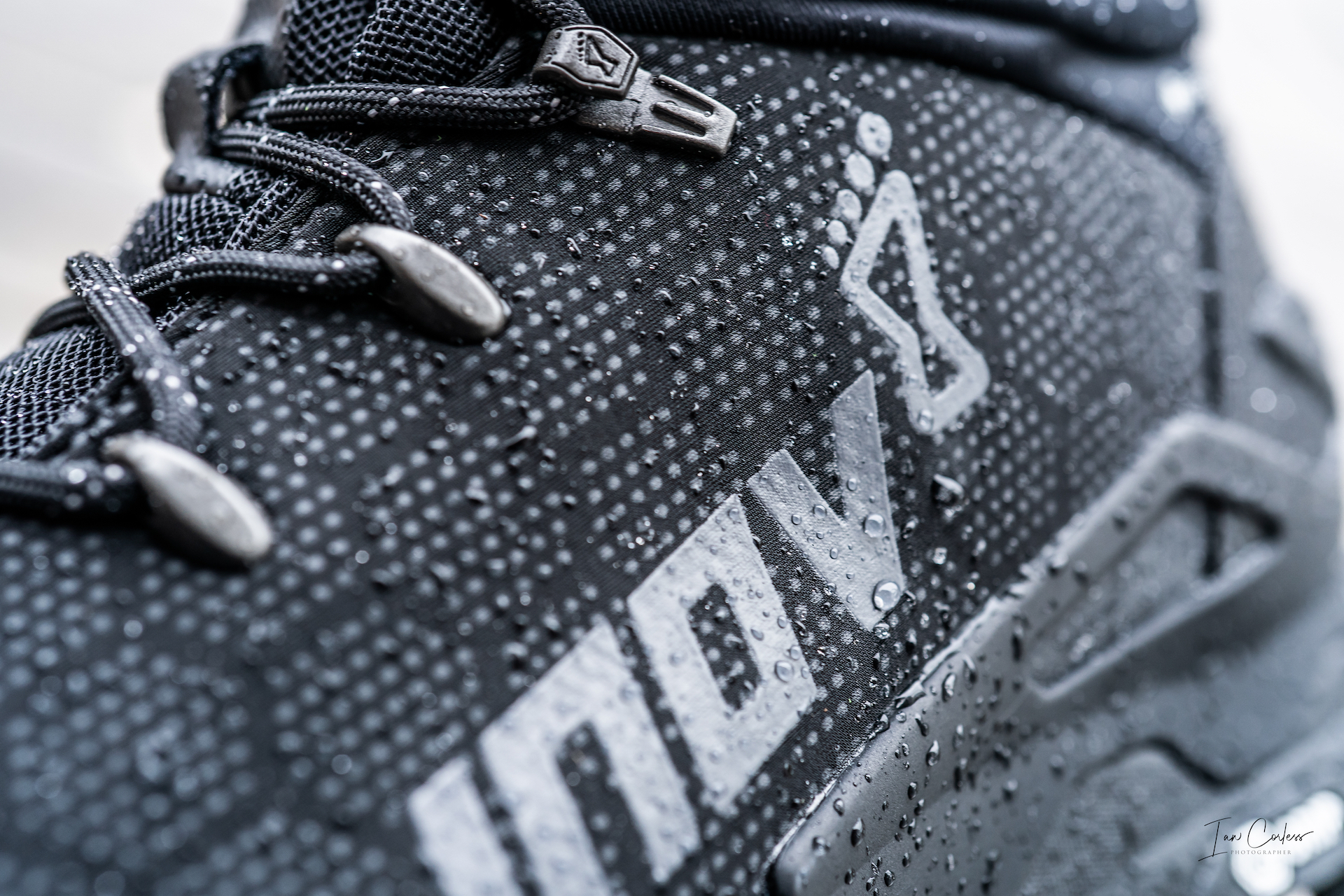
The upper uses Schoeller® ceramic-coated fabric which is an abrasion-proof, heat resistant fabric which sees ceramic particles – said to be as hard as diamonds – coated onto polymers for applications in the likes of protective, outdoor and military apparel. In simple terms, this fabric is incredibly durable to the wear and tear that one would encounter in extreme and harsh environments.

NOTABLE POINTS

There are many notable differences in comparison to the G370 and like I said previously, I see the two boots having different uses with some crossovers.

The G370 for me still feels like a run shoe. It laces up like a run shoe, feel for the ground is like a run shoe and the overall structure is more shoe like – there is less shoe if you know what I mean.

The G400 is considerably more robust in key areas:

The toe bumper is harder and more substantial.

The laces start higher up the shoe keeping the all-important flex area behind the metatarsals free.

The lace eyelets are solid/ robust metal with 5 on each side, the upper 2 have the inov-8 foot on, a nice touch!

The tongue is gusseted and maybe(?) a little more padded.

The heel protection is more substantial and padded.

Support for the heel area is considerably more reinforced and spreads down the left and right side of the shoe.

Cushioning is increased.

The outsole is completely different.

The G400 is a lightweight hiking boot that manages to combine all the great features of the previous models and then beef them up in a more robust package.

IN USE

The G400 works alongside one of the other Roclite boot models, be that the G 286, G 335, G 345 or the G 370 but does not replace them. Important to consider that the choice provided (G 286, G 335, G 345 or the G 370) all have different drops, fit, uppers and cushioning, so, that is also an important factor.

The G 400 is just a great all-round boot that is light enough for fast hiking, fastpacking, daily jaunts and day-to-day adventures. It manages to combine all the features and support of a boot double the weight. By way of example, I have a pair of lightweight Haglofs which are still over 100g heavier per shoe without the level of protection the G 400 offers.

I have been using the zero drop Terraultra G270 run shoe and although the outsole configuration is different, the grip is comparable with comprises coming in very sloppy mud – the lugs are just not aggressive enough for these conditions and I would not expect them to be. This outsole needs to perform on a multitude of surfaces, and it does that exceptionally well.

The cushioning is very notable and on a couple of long days this proved to be really welcome, especially with the 8mm drop.

The shoe has ‘Meta-Flex’ which is designed to allow the front of the shoe to bend behind the metatarsals for that all-important propulsive phase. In the G 370 this works really well with plenty of flex. The G 400 less so. The sole is much stiffer, and it is here that there is a notable difference between say the G370 and the G 400 and why the G 370 feels more like a run shoe and the G 400 like a boot.

Sliding one’s foot into the shoe, it feels plush and the room in the toe box is notable. The lacing is fixed for the first 3 eyelets and the top 2 are open allowing ease for tightening, loosening or different lacing configurations. With the laces pulled tight and adjusted around the ankle, the foothold is spot on and the padding is superb. The back of the shoe drops away slightly avoiding risk of irritation on the achilles.

The back end of the shoe is beefy with a great deal of support to help reduce ankle roll. This is really noticeable to the G370 which has minimal additional support. Again, this is the run shoe v boot comparison.

CONCLUSIONS

The G 400 is a really great boot that is absolutely ideal for long mountain days when you need all the support and features of a traditional boot but in a considerably lighter package. It has great grip, durable upper, great comfort and superb weight. It’s hard to find a fault, especially when one compares to the competition.

Despite all of the above, the G 400 would not replace my G 370’s which feel lighter, faster and more like a run shoe.

Quite simply, I am in the fortunate position to have both and I can gladly mix between the two.

So, if you can only buy one, which should you go for?

If you are primarily a runner looking for a durable winter solution for all elements that will allow you to still run and cover ground fast, then one of the G 286, G 335, G 345 or G 370 models will more than likely be preferable. Make sure you check cushioning, drop and other key features.

If you are a hiker or fastpacker who will do a little running, the G400 would be a better choice and serve you for a multitude of uses.

Ultimately, whichever way you go you will win. The inov-8 boots have worked well for me for the last 2-years and the new G 400 is working exceptionally well now alongside my G 370’s.

Please support this website. I believe everyone deserves to read quality, independent and factual articles – that’s why this website is open to all. Free press has never been so vital. I hope I can keep providing independent articles with your help. Any contribution, however big or small, is so valuable to help finance regular content. Please support me on Patreon HERE

Follow on:

Instagram – @iancorlessphotography

Twitter – @talkultra

facebook.com/iancorlessphotography

Web – www.iancorless.com

Web – www.iancorlessphotography.com

Image sales –www.iancorless.photoshelter.com

Kilian Jornet to attempt 24-Hour World Track Record

Kilian running his first official 10km on the road.

Kilian Jornet to attempt the 24-hour track record at the Moonvalley 24-Hour, Norway, on November, 8thMåndalen Stadium.

Important update: 26th October PM:

“Right now I’m pretty injured, trying to start running ok again in a week or so. I had plan to do different road distances during this year but for the moment I need to recover well 😦 Maybe in the future, if injures allow would be fun to try to run that far… :)” – Kilian Jornet via whatsapp

Kilian goes on to say… “No problem! This running roads thing is so hard to manage on staying injury free! Looking forward for next year climbing more again 😅”

2020 has been a stange year, races have been cancelled, the FKT scene is booming and mountain running star, Kilian Jornet ran his first official 10km on the road clocking a 29:59 – report HERE.

All images copyright iancorless.com – all rights reserved

Warming up.

For many, Kilian running on the road was a surprise, only a couple of year’s ago, the thought of this was but a dream. Even Kilian himself thought a road race to be highly unlikely.

Coronavirus, restricted travel, no races and embracing new challenges seem to be the new normal. And Kilian is no exception…

Yiannis Kouros, the legend of ultra running has always been treated as a god in long-distance running, his stats speak for themselves. In 1984 he won Spartathlon in a record time. What followed set the benchmark for road and track running. His ability to run remarkabkle distances and times over 100-miles. 1000km, 1000-miles, 12hr, 24hr, 48hr and 6-days are incredible.

“When other people get tired, they stop. I don’t. I take over my body with my mind. I tell it that it is not tired and it listens.”

Yiannis Kouros stats : Image wikipedia

In 24-hours, he has run 180.335 on the road and 188.590 (1997) on the track. He has a 100-mile personal best of 11:46:37.

Camille Herron holds the women’s record 167.842 miles from the 2019 worlds in Albi. For perspective, Camille believes the record is possible and she has great ambitions for over 170-miles personally.

Scott Jurek, the ultra-running legend mixed road and trail, he ran 165.7-miles in 2010 for 24-hours. But many have come along and mixed disciplines, Mike Morton and Zach Bitter to name just two. Anatoliy Kruglikov ran 171.48-miles in 1995, besides Yiannis Kourus, he is the only one to come close on a track.

“I think 24 is unique enough and Yannis’ mark stout enough that it will likely take anyone more than one try. If anyone can get it on round one though, it’s Kilian. Norway did seem a bit strange with weather, but I suppose he is staying true to limited travel. That would be a bit cooler than I would like even with warmer clothes. Rather have that than too warm, but still not ideal.” – Zach Bitter

The news that Kilian will run a 24-hour race on a track is a real surprise. The additional news that he will attempt the 188.590-mile distance set by Yiannis Kouros is mind-blowing. To be held at the Måndalen Stadium, the race will potentially happen on November 8th with the provision of +/- 2-days to allow for weather. The stadium is outdoor and this in itself brings a whole new dynamic to any 24-hour, especially in Norway during November. Daylight will be minimal, temperatures will fluctuate greatly and the evening has the potential to be very cold.

For a any performance to stand in regards to records, certain criteria must be met and Måndalen IL and Salomon will guarantee that the necessary protocols are in place. Of course, situations my arise that make the attempt not possible.

For perspective, to break the Yiannis Kouros world record, any runner would need to be abale to cover an incredible 7.875-miles per hour. Statistics show that from the ‘test’ run by Kilian earlier in August 2020 that this objective may be possible. He ran 84.89km in 5:58:13 with an average 4:13/km pace. Many looked on and wondered, why would Kilian run on a track….? It would appear we have an answer.

Image Kilian Jornet Strava

“Progression comes from adaptations, adaptations come from training and resting. Training comes from knowledge and knowledge comes from testing. Yesterday I did a nutrition test. On a stable environment (a track) and an easy but steady effort I was testing different fueling and hydration protocols that I hope can help me to improve the energy levels during different goals….”

“…From a race where we can have access to fluid and food (almost) when we want, or, to a high climb where we have very limited food and fuel since we need to carry all. I believe testing is important to have better knowledge of oneself and to apply knowledge in training, racing or projects.”

This challenge is something I thought I would never see. I would imagine it’s a challenge Kilian never imagined he would undertake. But, here we are discussing the possibility of what may happen come early November…

The numbers speak for themselves, it’s a huge undertaking, especially on an outdoor tack. However, it is going to be fascinating to see what happens with each journey of the 400m loop at Måndalen Stadium.

Before the 10km road race in Norway, Kilian had a slight injury and that did impact on his race. However, post-race he took time off to recover. I guess the big question mark will be how that recovery has gone and what impact that will have over a 24-hour period. Maybe the injury will require to delay or cancel the attempt?

“I don’t think the injury is a real problem but I need to rest a little and get rid of it. When I run a VK the effort is typically 30-minutes but this is different. In terms of cardio, for me it was kind of easy all the time. It’s the legs, you need to feel light and keep the speed. It’s very different. The first 4 to 5km with more people was a challenge as you are almost cm’s from the other runners. I need to get used to that. I learned a great deal. I will try again, at least in the short term, but next year I want to climb… I have some specific goals. I just need more experience.”

The reality is 756 laps of a 400m track – we wish Kilian well with his new undertaking!

Please support this website. I believe everyone deserves to read quality, independent and factual articles – that’s why this website is open to all. Free press has never been so vital. I hope I can keep providing independent articles with your help. Any contribution, however big or small, is so valuable to help finance regular content. Please support me on Patreon HERE.

Follow on:

Instagram – @iancorlessphotography

Twitter – @talkultra

facebook.com/iancorlessphotography

Web – www.iancorless.com

Web – www.iancorlessphotography.com

Image sales –www.iancorless.photoshelter.com

Episode 197 – Finlay Wild, Speedgoat, Kilian Jornet, Stephen Goldstein and the Covid Interviews

Episode 197 of Talk Ultra brings an interview with Finlay Wild. Speedgoat discusses his 19-years of 100-mile victories. We have a sound bite from Kilian Jornet after his road 10km. Stephen Goldstein talks Covid-19 and we bring you Clay Williams, Ian Radmore, Richard McChesney and Miriam Gilbert with their Covid stories.


Talk Ultra is now on Tunein – just another way to make the show available for those who prefer not to use iTunes – HERE  You can download the Tunein APP HERE


Talk Ultra needs your help! 
We have set up a Patreon page and we are offering some great benefits for Patrons… you can even join us on the show! This is the easiest way to support Talk Ultra and help us continue to create! 
Many thanks to our Patrons who have helped via PATREON
Donate HERE


NEWS

Speedgoat Karl wins his 43rd 100-mile race and completes 19-years, consecutive, of winning a 100!

Kilian Jornet runs 10km on the road in 29:59 read HERE

Listen to Kilian 00:26:50 post the 10km race.

Winter Running HERE

Winter Fastpacking HERE

VJ Sport XANTE winter running shoe HERE


THE COVID INTERVIEWS


00:38:50 CLAY WILLIAMS – In 2017 I was one of the runners in Canada’s first 200 mile trail race. Unfortunately I didn’t finish and was only able to run 150 miles in that event (long story). That DNF planted a seed, and I have had this need to finish a 200 miler ever since. So I registered to run Three Days at the Fair in New Jersey in May. Of course it was deferred from May until September due to Covid. And then I couldn’t cross the border to get there. I’m 60 years old so I can’t keep putting this off, so I made my own arrangements. With local crew support I ran “Three Days in the Park” starting at 9am October 1st. My raced director friend Tony Martin plotted out a one mile course for me, and I ran it at 200 times. It took me 75:46 to finish, and I’m happy with that  As always, I’ll be carrying The Flag (ask me about The Flag), and dedicated the run to the Mood Disorders Society of Canada’s Defeat Depression campaign.  


01:02:50 IAN RADMORE – Going into lockdown back in March had the idea that we should & would support each other, along with building a training program that involved running as well as various workout activities. We looked to do something different every other day so to keep our minds & bodies active. It’s about having the correct attitude & not allowing the four walls of our home to take over. Inspiration was also taken from Captain Sir Tom Moore who before his 100th birthday decided to raise money for the NHS by walking around his garden. If that’s not inspiring I don’t know what is!!Damian Hall who broke the long time standing Pennine Way set by John Kelly. With these in mind they motivated me & drove me on the complete my half marathon training. This I ran on Sunday 4th October 2020 finishing in a respectable time 2hours 44minutes & 58seconds. Then the very next day entered the Inverness/Lockness marathon next October 2021 fingers crossed. 


01:19:40 RICHARD MCCHESNEY – In September, inspired by the recent FTK’s for the Wainwrights, I decided to see how long it would take me to visit all 270 London tube stations on foot.  I’m a walker rather than a runner due to a long term impact related injury, but I managed to complete the 325 mile journey in 5 days and 20 hours.  This has now been recognised by FastestKnownTime.com as the fastest self-supported time for this adventure and sets the bar for someone to try and beat it. Like the people doing the Wainwrights and similar FKT’s, I spent plenty of time mapping out what I thought would be the most efficient/shortest route but I think there is probably still some improvement that can be made here.  I also did about 15-20 bonus miles due to some getting lost and also a tunnel closure.


01:47:20 MIRIAM GILBERT – My experience as a cancer caregiver to my husband Jon after he was diagnosed with stage 4 cancer in March 2018 inspired me to create Ultra Care for Cancer Caregivers, a GoFundMe campaign to benefit cancer caregivers and provide them some joy and respite during their difficult journey as a caregiver. I named my GoFundMe campaign Ultra Care for Cancer Caregivers because I am also an ultra runner. I combined my running ultra miles and fundraising to raise money for cancer caregivers. I kickstarted my fundraising by running the Dawn to Dusk to Dawn 24hr 50K+ Solo Challenge in my neighborhood in May. Then on June 1 I began running the Tip to Tip Great Florida Traverse 128 miler. And I have 161.5 miles to go at the All the Way 901 mile. I am happy to say my husband Jon was declared in remission in May. He joins me on my virtual miles on his ElliptiGo.

02:11:52 INTERVIEW : STEPHEN GOLDSTEIN

02:55:00 INTERVIEW : FINLAY WILD

03:58:43 End

Episode 197

Spotify HERE 

ITunes HERE  

You can listen on iOS HERE, Android HERE or via a web player HERE Libsyn – HERE 

Tunein – HERE 

Website – talkultra.com

Follow on:

Instagram – @iancorlessphotography

Twitter – @talkultra

facebook.com/iancorlessphotography

Web – www.iancorless.com

Web – www.iancorlessphotography.com

Image sales –www.iancorless.photoshelter.com

VJ Sport XANTE Winter Running Shoe

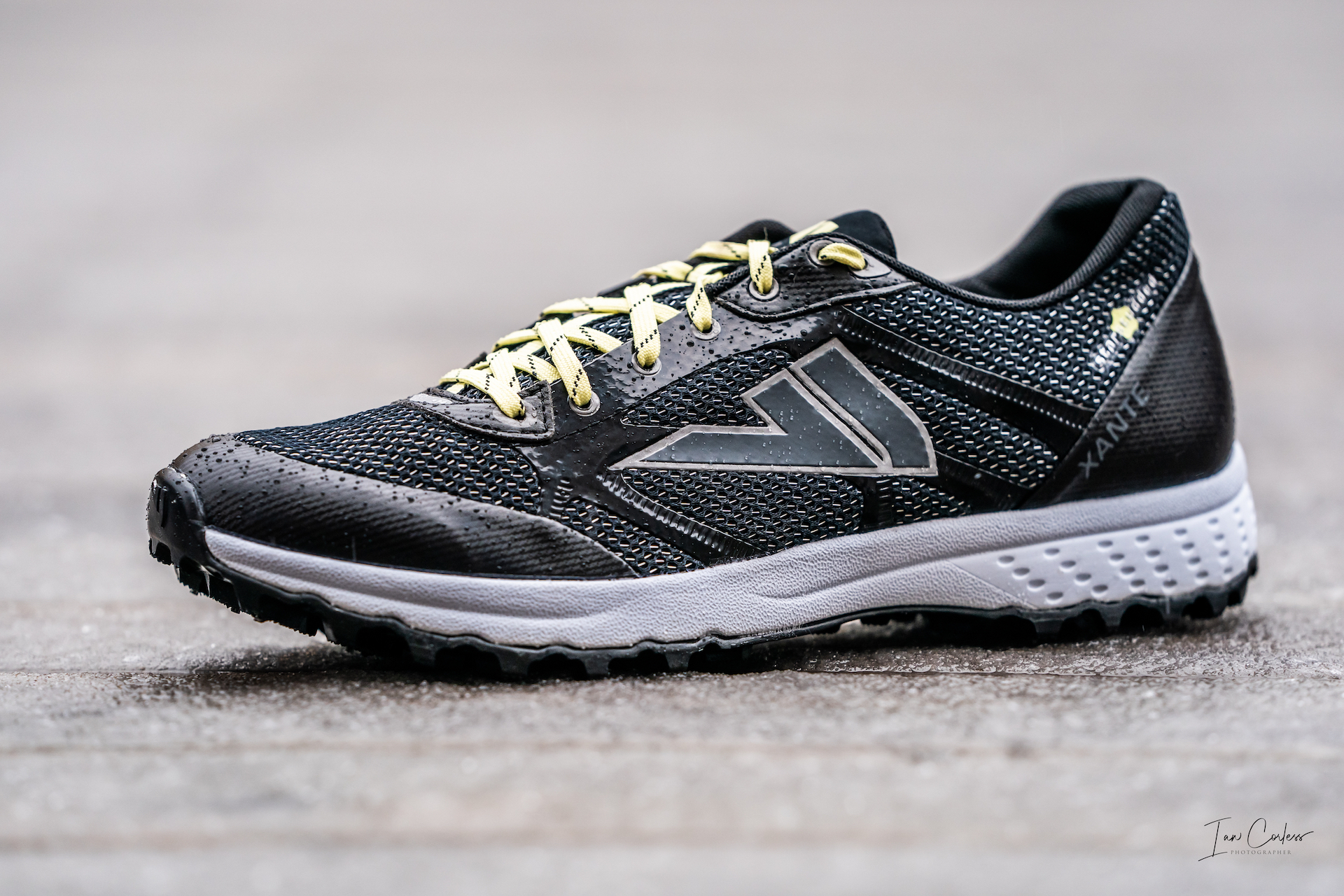
VJ Sport XANTE

Winter often creates apathy in many a runner. Especially when the white stuff starts to fall from the sky and when the temperatures drop, ice is not the friend of a runner. It actually forces many to turn indoors for cross training or treadmill running as the fear of cold and a potential fall is not something to be contemplated.

There is no such thing as cold. Just bad clothing. Winter is actually a great time to run, so, don’t be put off. Read an article HERE for inspiration.

Shoe choice however is a serious consideration for winter, and it may come as a surprise to find out that brands such as VJ Sport produce specific winter running shoes.

Combing the best elements of the XTRM and MAXx trail and mountain running shoes, VJ Sport have produced the XANTE, the ultimate winter off-road running shoe when snow and ice play a key factor on a run.

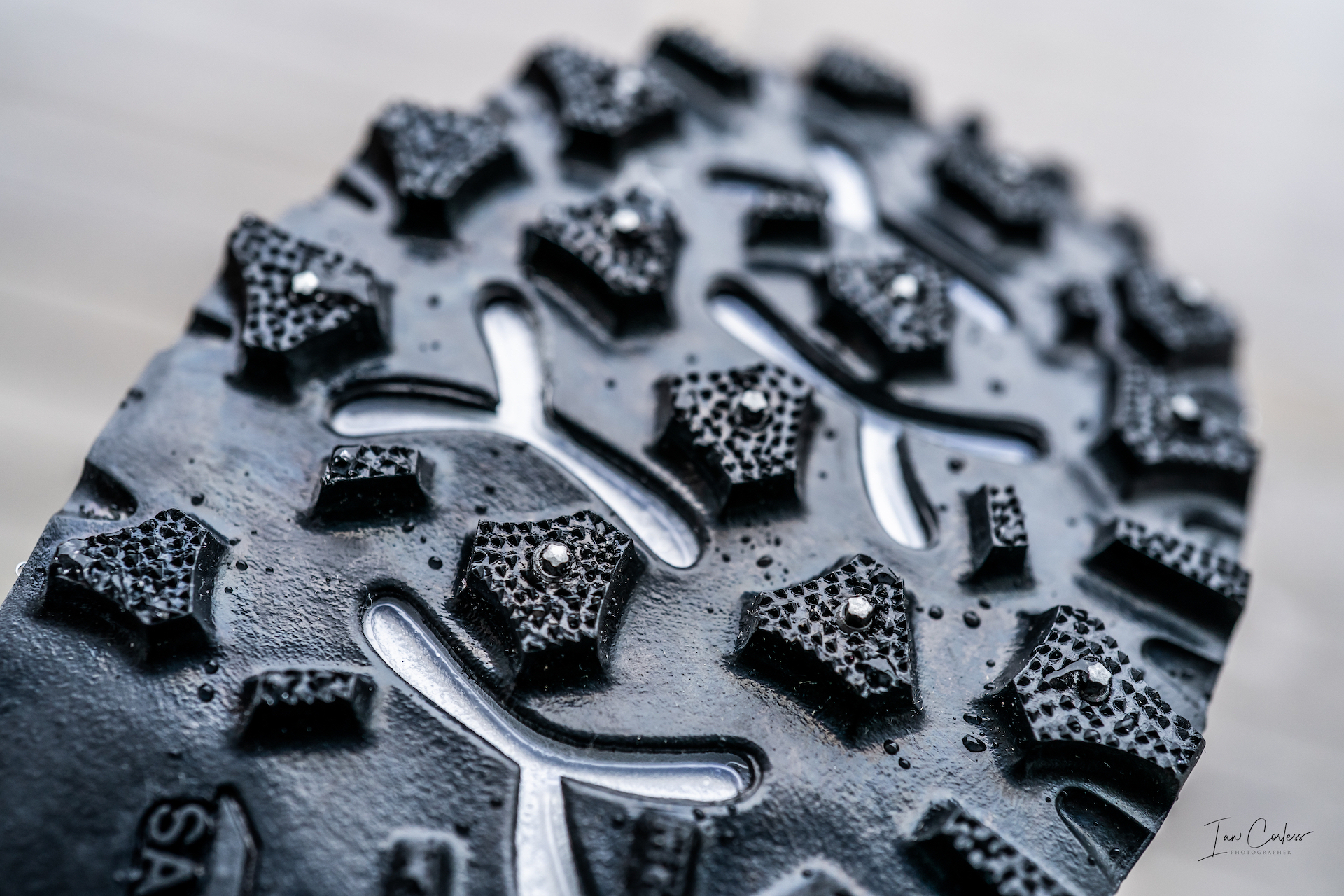
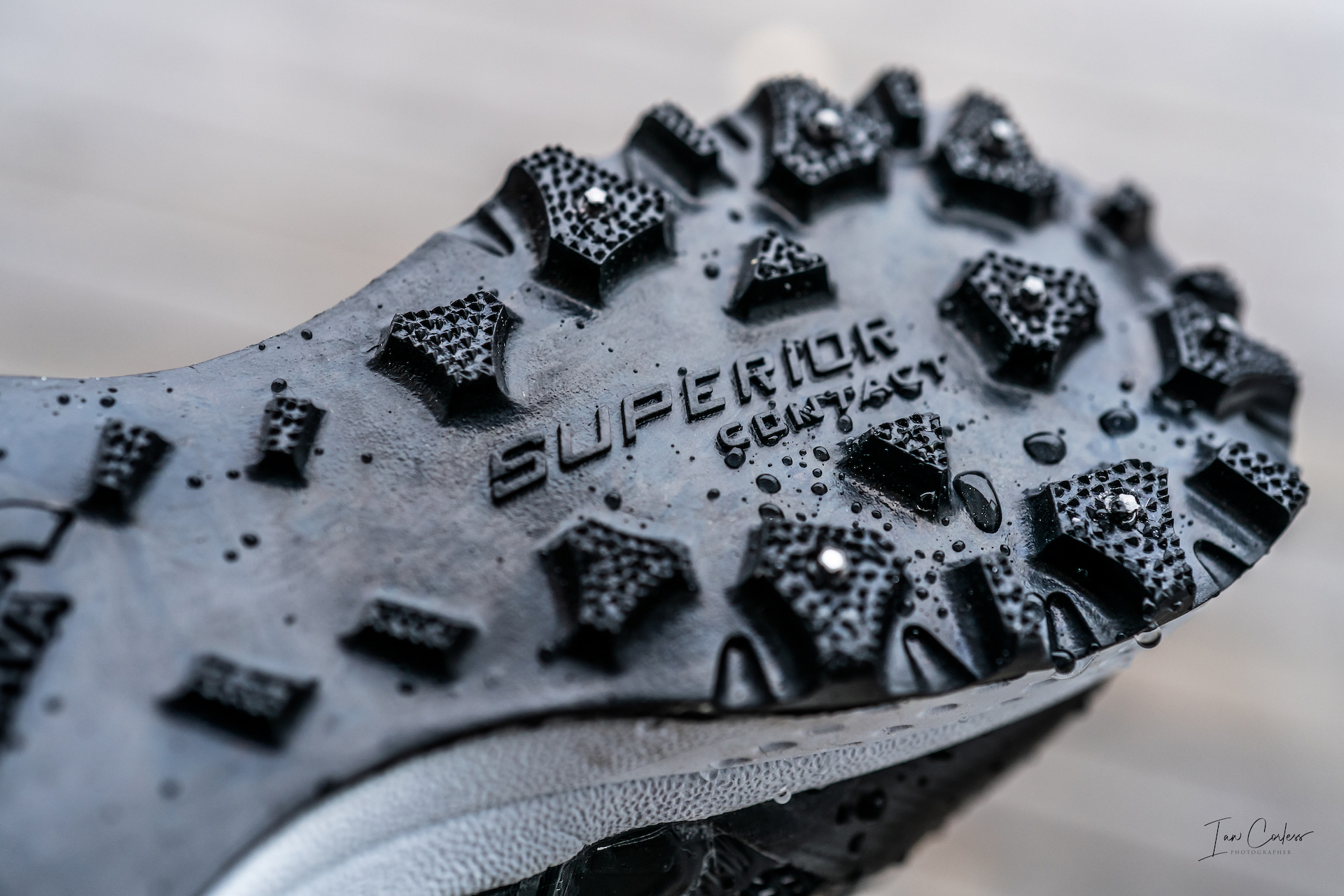
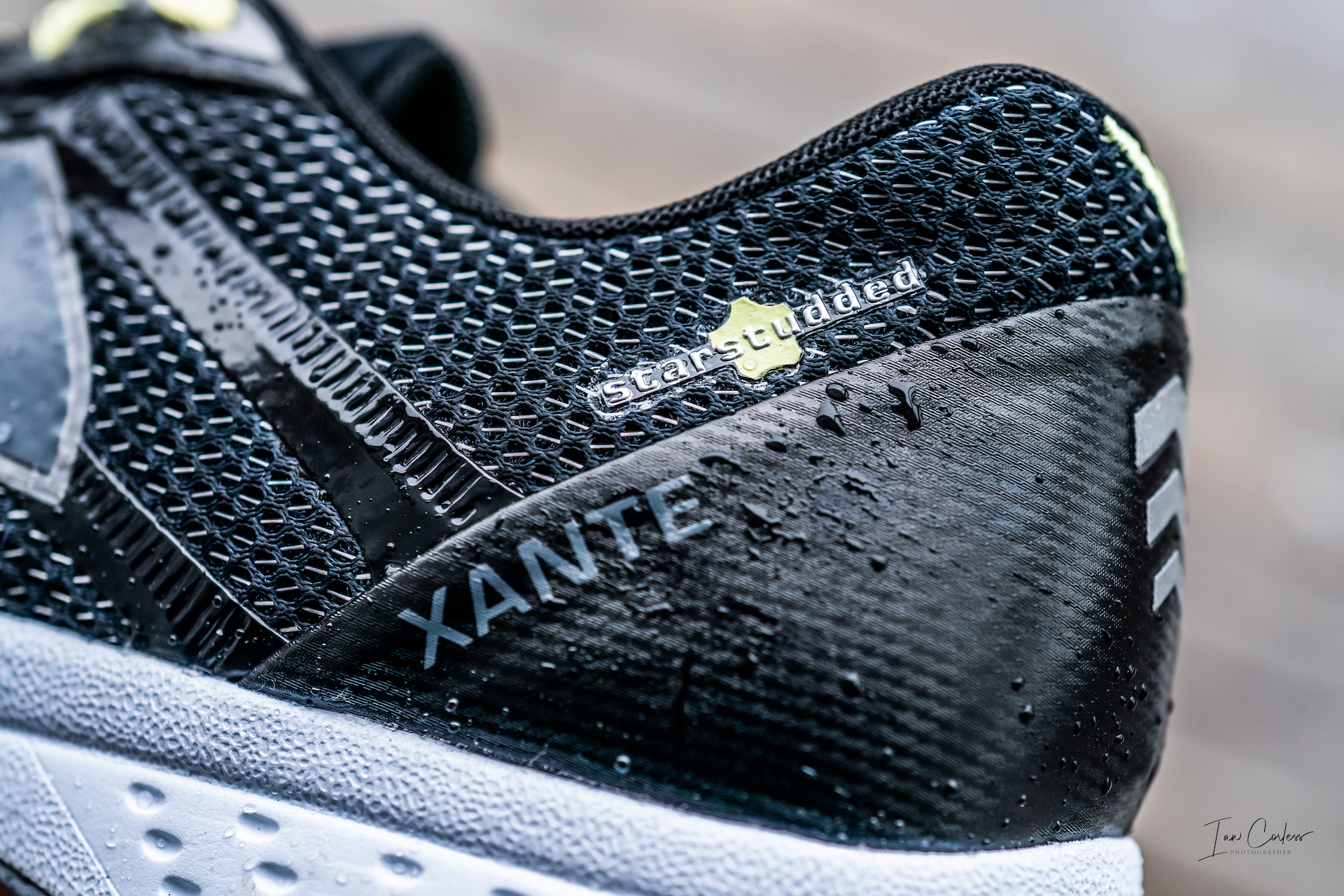
Xante has 20 metal studs and 5mm lugs.

Just like the MAXx which is designed for a more cushioned ride with a slightly roomier fit (fit scale 4) for long miles, the XANTE brings cushioning 10mm front and 20mm front (10mm/ 16mm on the MAXx,) 5mm lugs (4mm on the MAXx) and the addition of 20 carbon steel studs to guarantee grip in the trickiest conditions. While there is room in the toe box, it is not super-wide as this would compromise on what makes VJ great off-road shoes; precision! However, in comparison to say iRock or XTRM, there is a little more room for toe splay.

VJ Sport Xante with Nylon/ Polyamide upper.

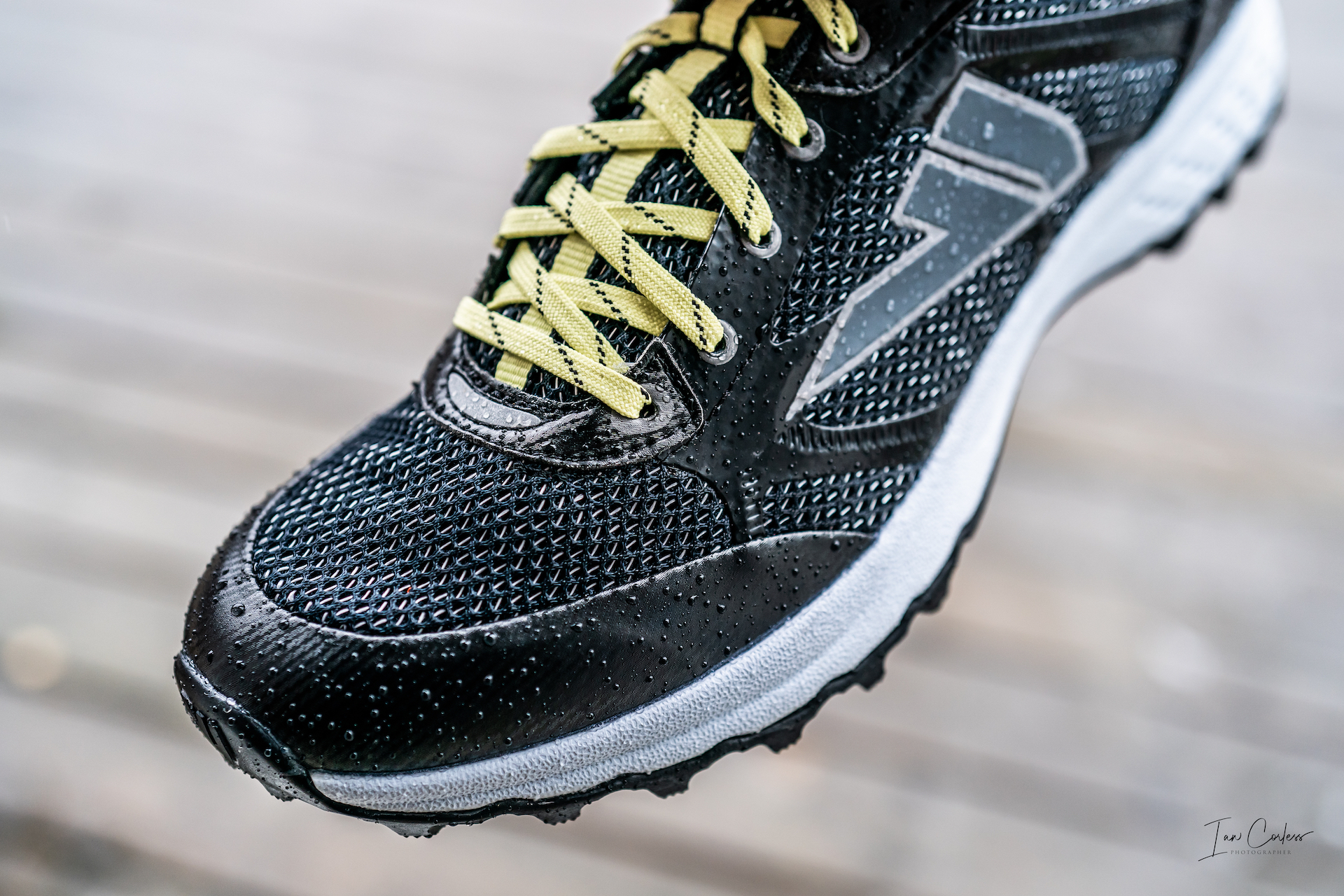
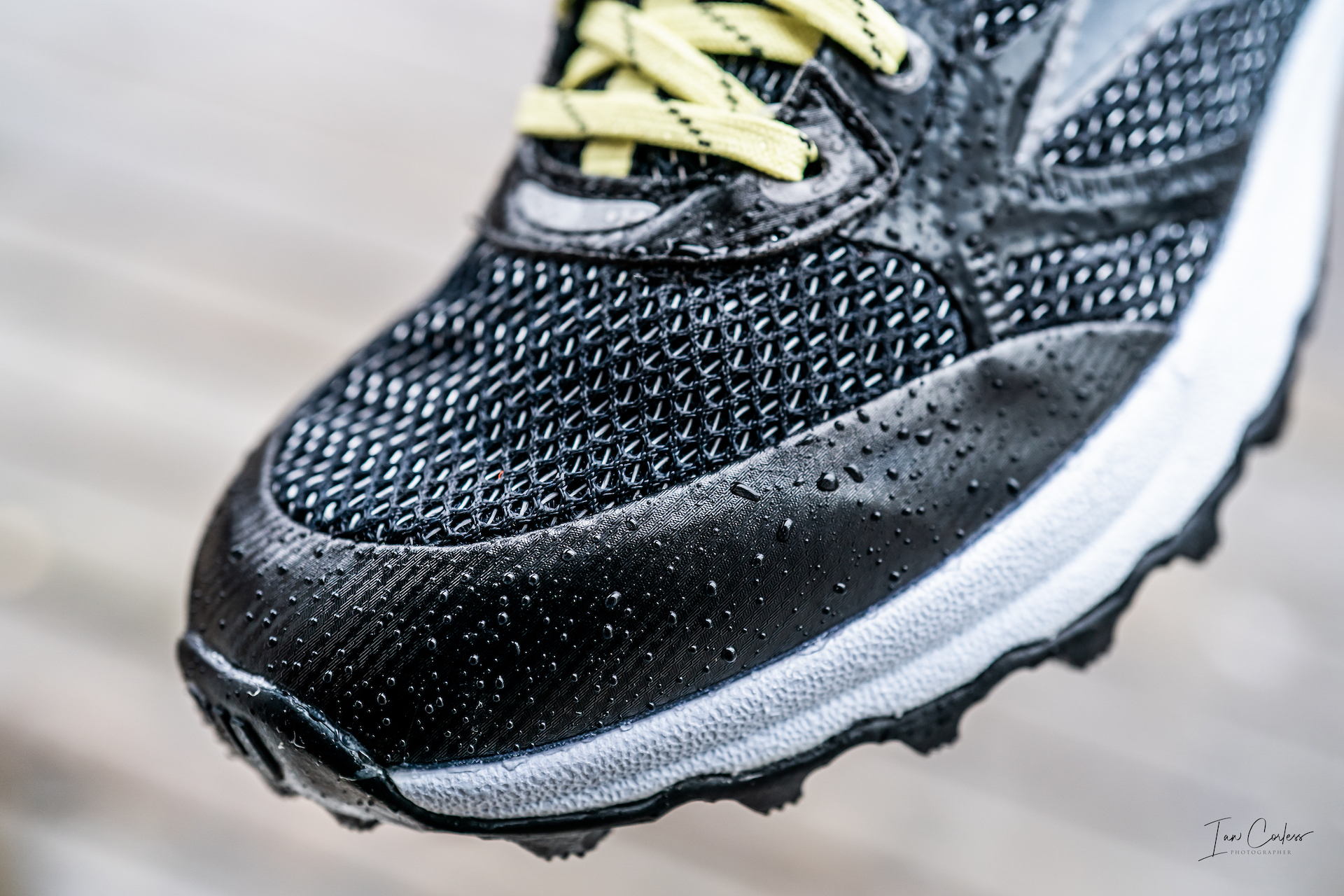
The upper is Nylon/ Polyamide and although not 100% waterproof, it is designed to protect against the wind, wet and extreme conditions one will encounter during winter months. It is extremely durable and resilient, as with all trail shoes, cleaning after use will ensure that they last longer.

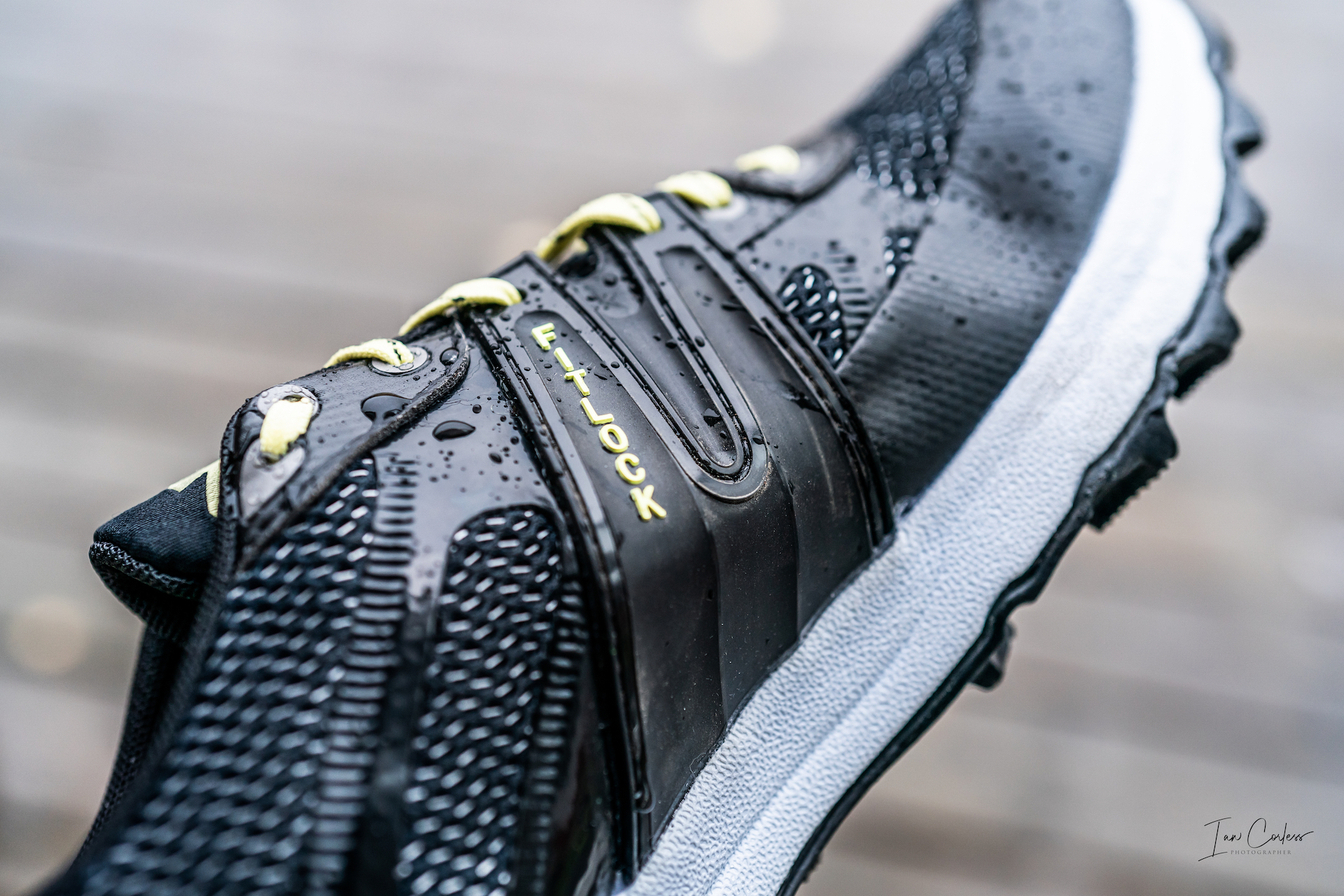
Fitlock offers the best foot hold of any shoe I have used.

As with the iRock, XTRM and MAXx, the XANTE uses FITLOCK which of all the run shoes I have used, provides the most secure and reassuring hold of one’s foot. It feels like a part of the foot and not something extra. This is especially important when running on any technical terrain. You do not want any question marks when it comes to foot hold and precision. Integrated with the shoes lacing system, the FITLOCK tightens the shoe on the inside of the arch and provides incredible hold. It’s the best there is!

5mm lugs and 20 studs.

VJ have the tag line, #bestgripontheplanet and anyone who has used a VJ shoe for mountain, ultra or trail running confirms, the Butyl outsole VJ produce really is the best out there. It grips pretty much anything, wet or dry and the addition of the 20 metal studs provides the ultimate reassurance for tricky winter conditions. The secret of winter running is to trust the shoe, the outsole and the studs.

Superior contact.

The XANTE requires you to run with confidence and it’s the reassured application of your body weight pressing through the shoe and making contact with the ground that provides the grip. The more confident you are, the better the shoe grips. Taking inspiration from the car industry, the carbon steel studs are not round, but star shaped thus guaranteeing better grip in trickier scenarios. Protection to sharp objects and rocks is superb.

At 300g for UK 8, the XANTE is a light shoe. My UK9.5 (EU44) is 330g.

The 10/20 mm cushioning is plush and welcomed. Winter running, particularly on hard packed snow or ice can be tiring, especially with a studded shoe. The XANTE manages to combine the best of both worlds and although a 10mm drop may seem high, especially these days, it does provide a more relaxed run without a compromise on grip or the ability to handle technical trail.

Sizing is true to size; I use an EU 44 for all VJ shoes and the XANTE sizes the same. I rarely size larger for shoes and the XANTE adequately takes a Merino sock which guarantees foot warmth even when wet.

A solid toe bumper.

The toe bumper is reinforced and offers great protection against obstacles and elements without adding bulk. The heel box on all VJ shoes is relatively minimal and unpadded, the XANTE is no difference. The hold is superb. I get no slipping or movement, even when going up the steepest of hills.

Summary:

If you have used VJ before, particularly iRock, XTRM or MAXx you will already be sold on the XANTE. In terms of comparison, the MAXx is the closest to feel but the grip and foothold is across the board superb. The cushioning is superb for longer winter runs, particularly on ice. The studs just grip – superb! The 10mm drop is relaxed and works well, out of choice, I would have preferred 8mm, but it is a minor quibble.

Should the XANTE offer too much, the XERO 5 is worth looking at. This has a slightly narrower fit (3) less cushioning, 10mm/18mm (8mm drop) and still has 20 studs and 5mm lugs.

If you have not used VJ before, do yourself a favour and try them out.

If you have not used winter shoes before, take the plunge. A specific winter shoe will suddenly open up running opportunities that did not exist before.

Please support this website. I believe everyone deserves to read quality, independent and factual articles – that’s why this website is open to all. Free press has never been so vital. I hope I can keep providing independent articles with your help. Any contribution, however big or small, is so valuable to help finance regular content. Please support me on Patreon HERE

Follow on:

Instagram – @iancorlessphotography

Twitter – @talkultra

facebook.com/iancorlessphotography

Web – www.iancorless.com

Web – www.iancorlessphotography.com

Image sales –www.iancorless.photoshelter.com

Kilian Jornet completes Hytteplanmila 10km Road Race in 29:59.

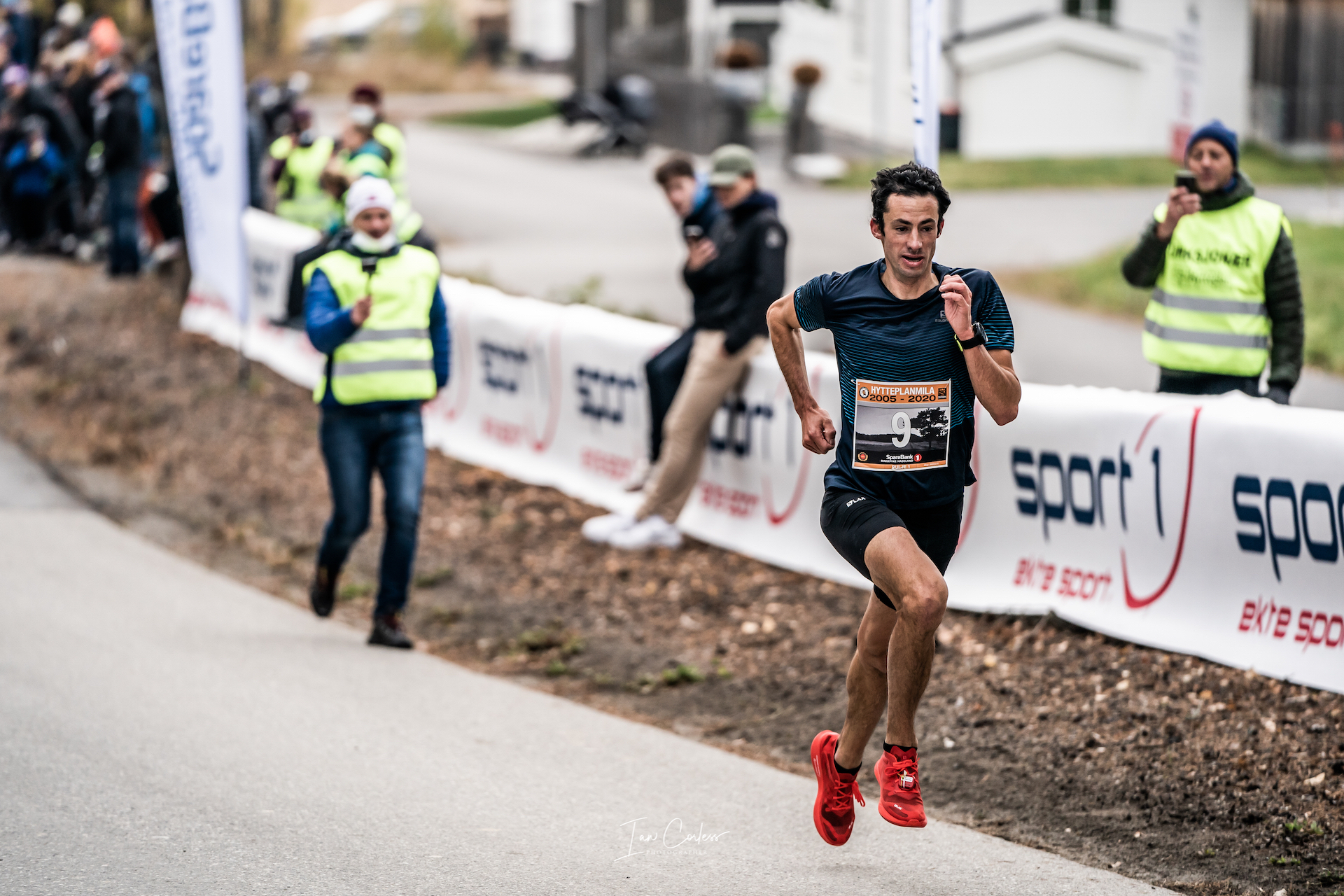
Kilian Jornet with a final push to the line, Hytteplanmila 10km Road Race.

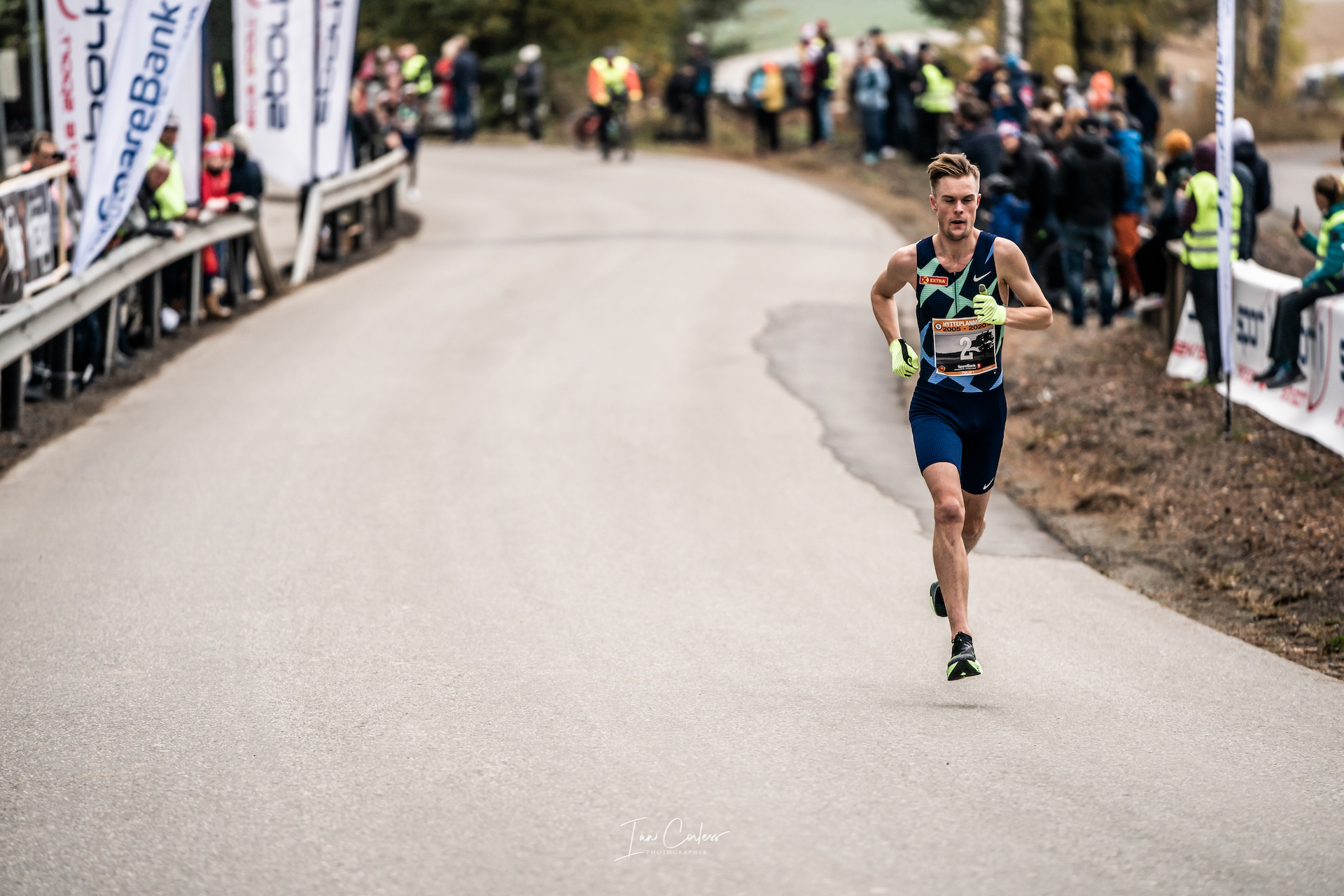
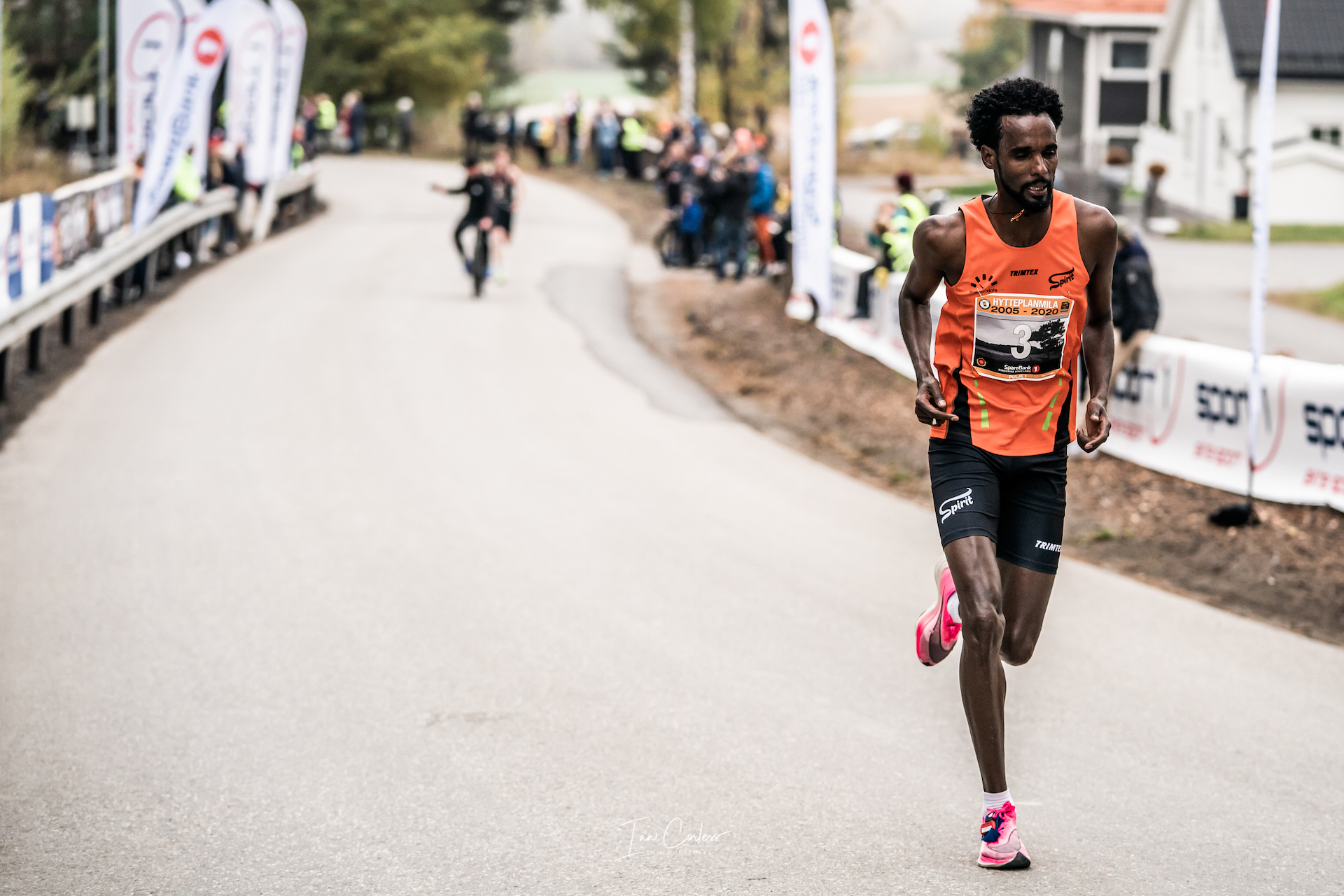
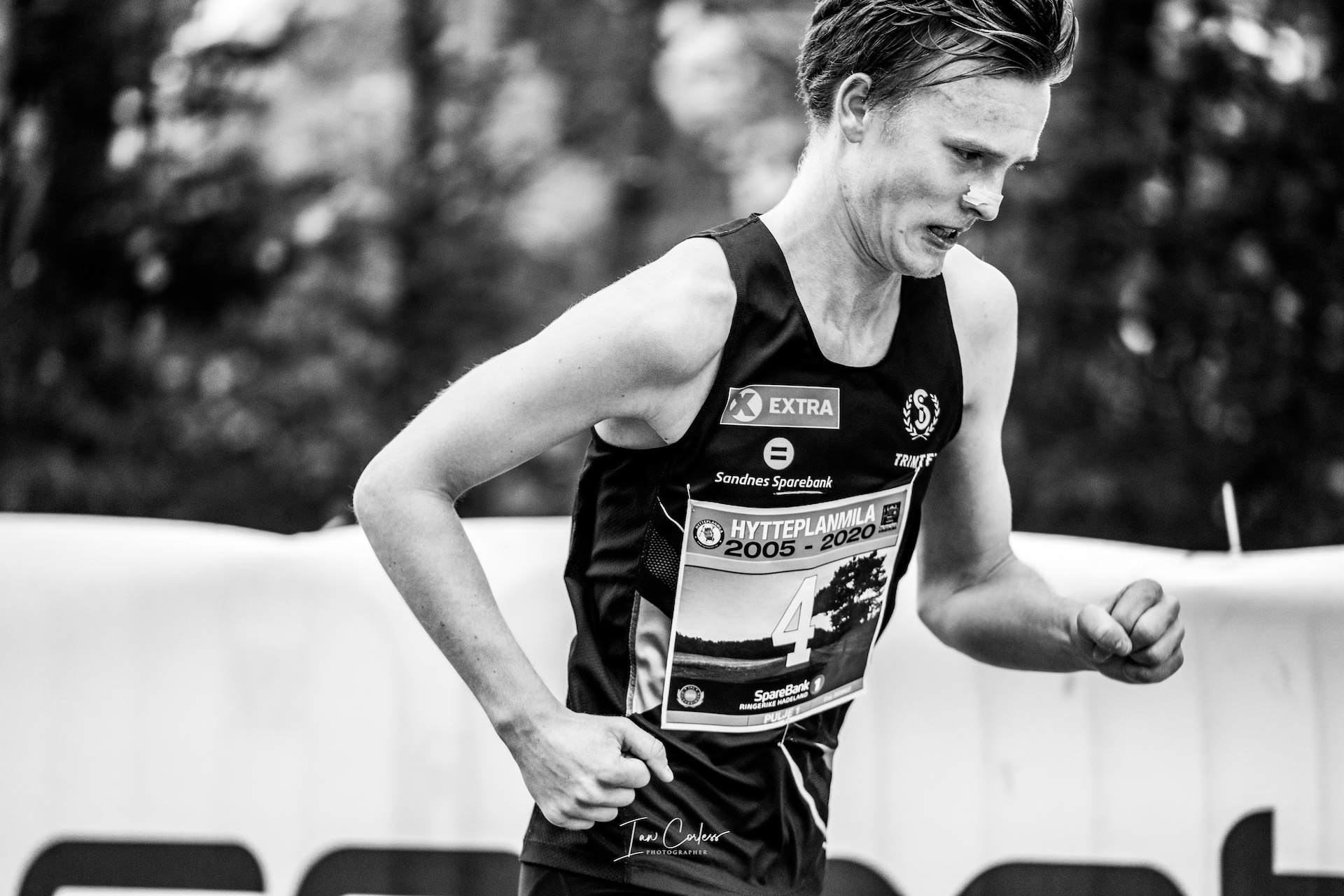
Zerei Kbrom Mezngi ran 28:20 at Hytteplanmila 10km Road Race on Saturday, taking the overall win ahead of Narve Gilje Nordâs and Bjønar Lillefosse, 28:28 and 28:45 respectively. For the women, it was a record day for Karoline Bjerkeli Grøvdal who ran 30:32 breaking her old course record of 32:25 set in 2017 and the long-standing national record held by the legend, Ingrid Kristiansen set in 1989. It was a huge day for Karoline!

Karoline amongst the men in the opening mile.

The Hytteplanmila 10km Road Race is a big deal in Norway attracting the best-of-the-best. Normally, 1000’s would toe the line but 2020 and Covid-19 changed all that and instead it was an invitation race only with specific criteria,  37.20 (38.20 *) for women and 31.20 (32.00 *) for men (10,000 meters / 10 kilometers in 2019/2020, or equivalent achievements) * If there are vacancies in the heats. The race took place in waves, 1 minute separating each with no more than 25-runners per heat.

The Ingebrigtsen brothers would toe the line, Jakob having won the race and set the course record in 2019 with a sub 28:00 performance. However, eyes were on mountain running legend, Kilian Jornet, who would toe the line in his first ever official road race.

Kilian pre-race

Despite the profile of the race, it’s a low-key affair taking place the community of Hole, close to Hønefoss and approximately 1-hour from Oslo. The morning was cold, grey and mist was low making for an almost ethereal feel ahead of the 1330 start.

Kilian arrived in his camping car and despite having specific media documenting the process, his presence was not acknowledged by the rest of the runner’s. This is a Scandanavian thing but also an acknowledgement that although Kilian maybe a star on the mountain, ultra and trail scene, in a road race, he is unknown…

Kilian used a face mask, a requirement at registration.

Donning a face mask, his number was collected and he returned to his vehicle to prepare. I asked him how he felt ahead of the challenge:

“I feel good but I have been carrying a tibial injury which has impacted on training for the last 2-weeks, but I hope for around 29:30. We shall see…”

Kilian used the new Salomon S/Lab Phantasm road shoe.

The chill in the air was noticeable for all and 30-minutes before the start, Kilian added a jacket and hat and moved to the opening mile of the race route and gently warmed up.

Kilian pre warm up.
Kilian warming up.

Around him, the road was full of runners. Looking on it was apparent, with the exception of one or two, that Kilian was one of the oldest competitors amongst this elite field. His 32-years by no means old, but the average age was late teens or early 20’s. They ran up and down the road striding out, sprinting and looking focussed, almost blinkered. Kilian by contrast looked calm, relaxed and happy to do his own thing.

Kilian doing his own thing in preparation for the start.

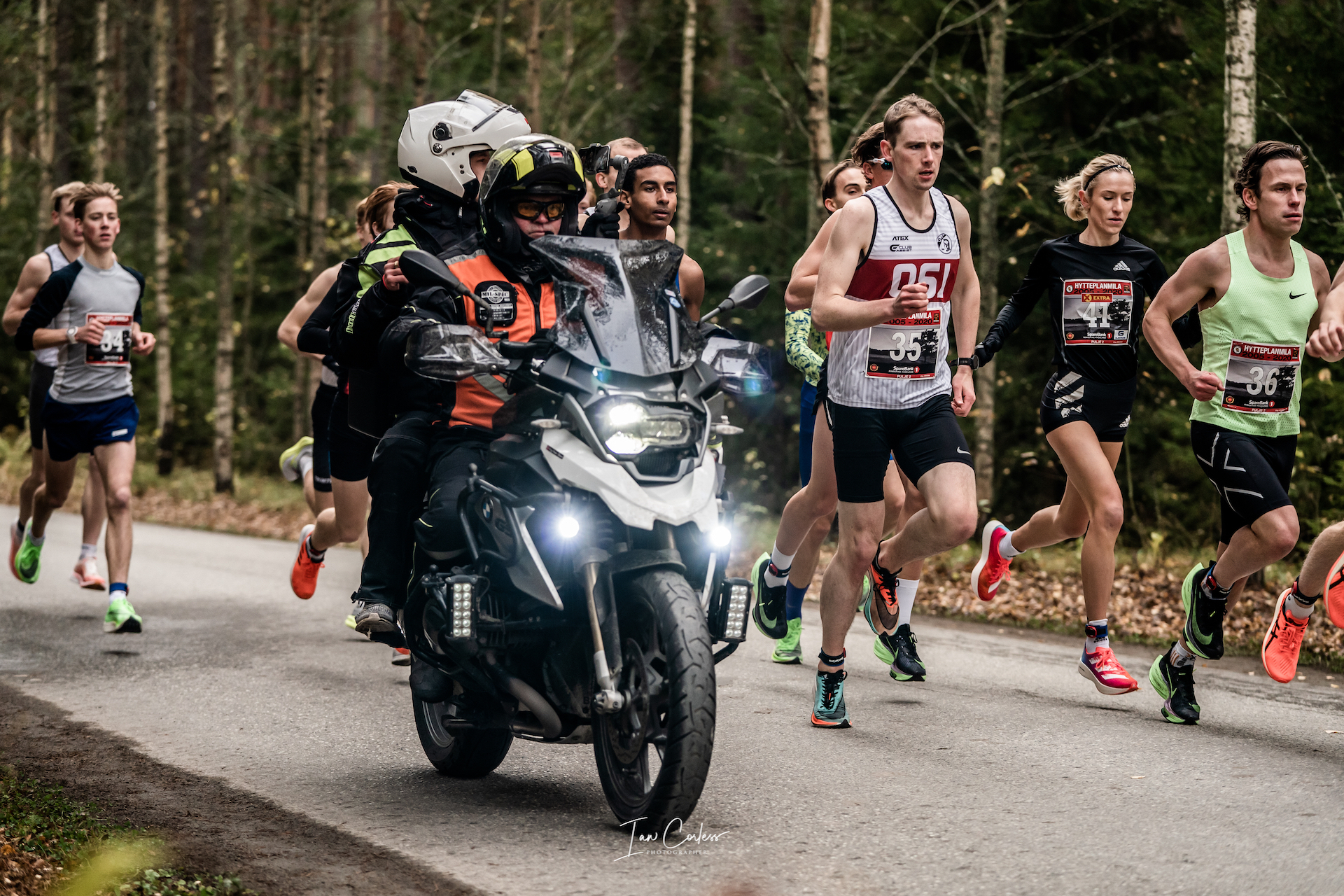
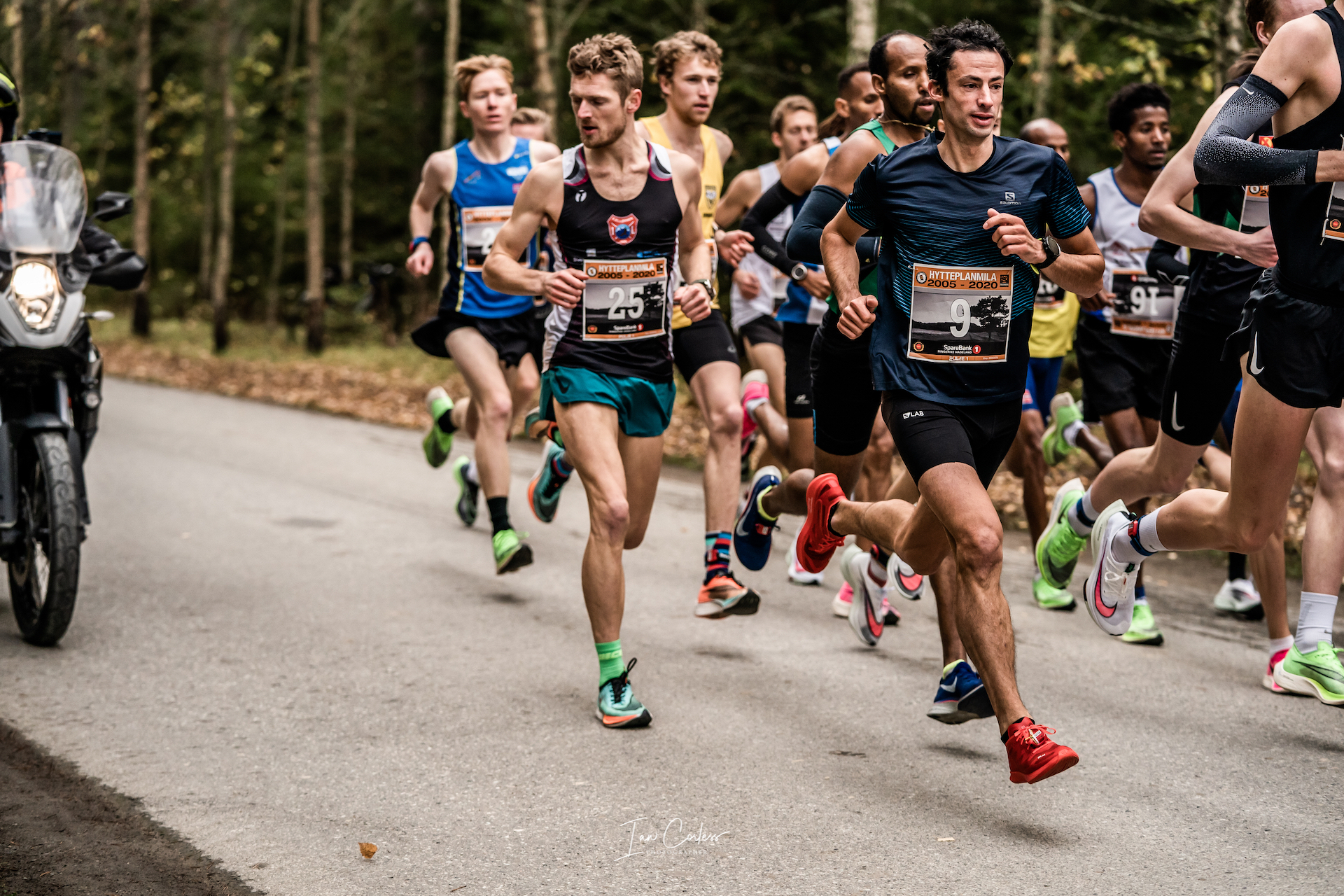
At 1345 the sound of a gun announced the start of the first group of 25 and amongst them was Kilian. A lead car showed the time. Several bikes had cameramen to live stream the race and Kilian had his own following bike and live feed.

The elite pack in the opening mile. The Ingebrigtsen brothers leading the way.

Kilian was mid-pack and striding out looking relaxed and focused. No doubt looking around and trying to find his place. He went on to say post-race, “It’s a fun experience to race with so many talented runners but I am not used to having other people so close and I found it hard to find a place and avoid other peoples feet, especially in the early stages.”

Kilian finding his place, speed and stride in the elite group.

Having run 29:42 in training straight after a VK, it was realistic that Kilian could achieve 29:30 or faster. As the race unfolded, the front of the race forged ahead. Kilian, jokingly said before the race, “I am no 9 but I will not finish in this position!”

The brothers did not have their day, Jakob had not looked good warming up and he dropped from the race. His brother, Filip would finish in 29:03.

Filip running 29:03 for 6th place.

Zerei Kbrom Mezngi was the winner opening up a significant gap and powering in the final stretch for the uphill finish crossing in 28:20, 8-seconds ahead of Narve Gilje Nordâs.

Zerei Kbrom Mezngi
Narve Gilje Nordâs

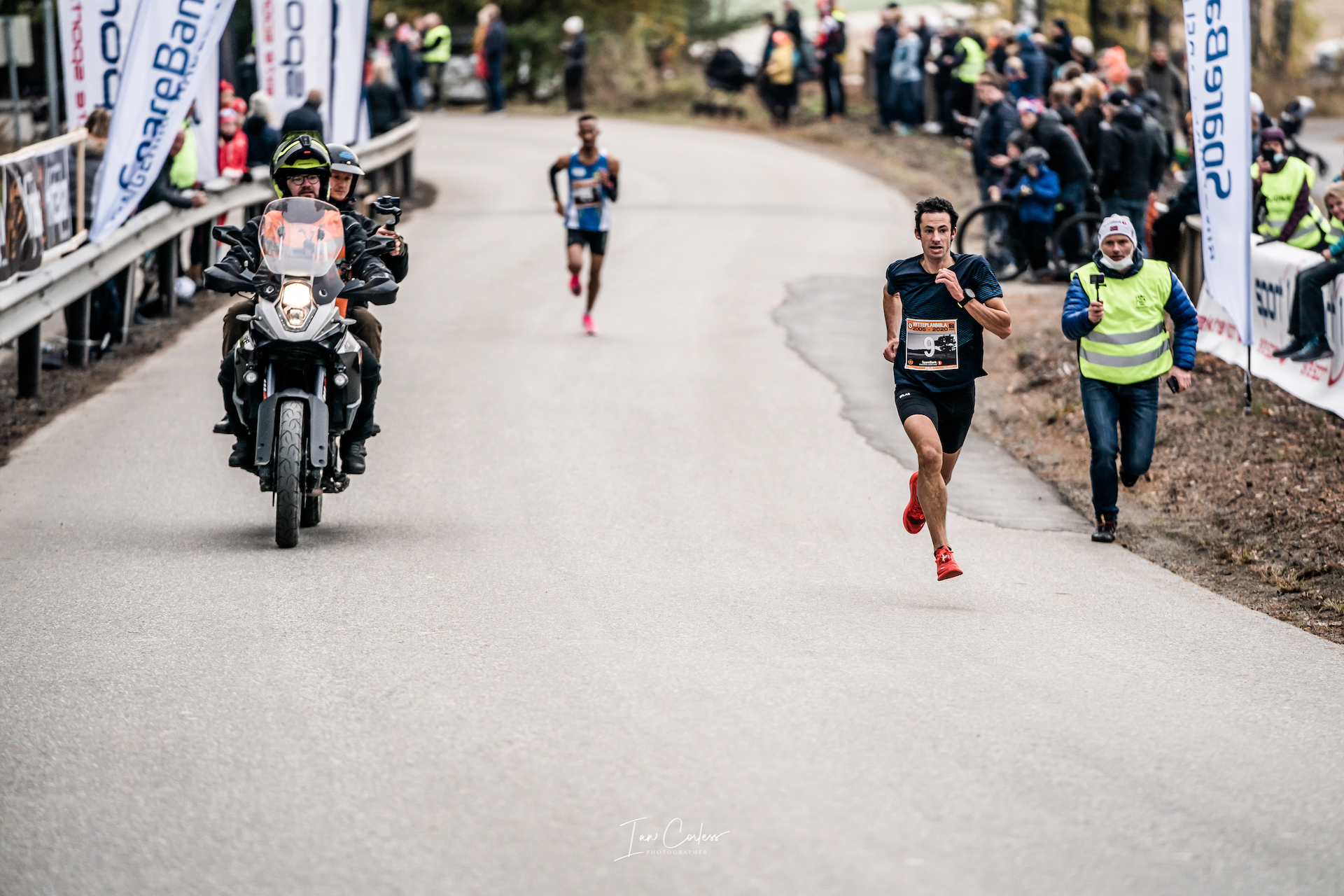
Attention then turned to looking down the road and the arrival of Kilian. Five runners went sub 29:00 and then 8-runners followed to go sub 29:30. The next runner 29:41, 29:44, 29:46 and then Kilian emerged at the bottom of the slope with the motorbike to his right hand side. One runner was ahead of him who crossed in 29:54.

Kilian was now in full flight, both feet off the ground and he was pushing for the line. No doubt desperate to go sub 30:00.

Kilian with 100m to go.

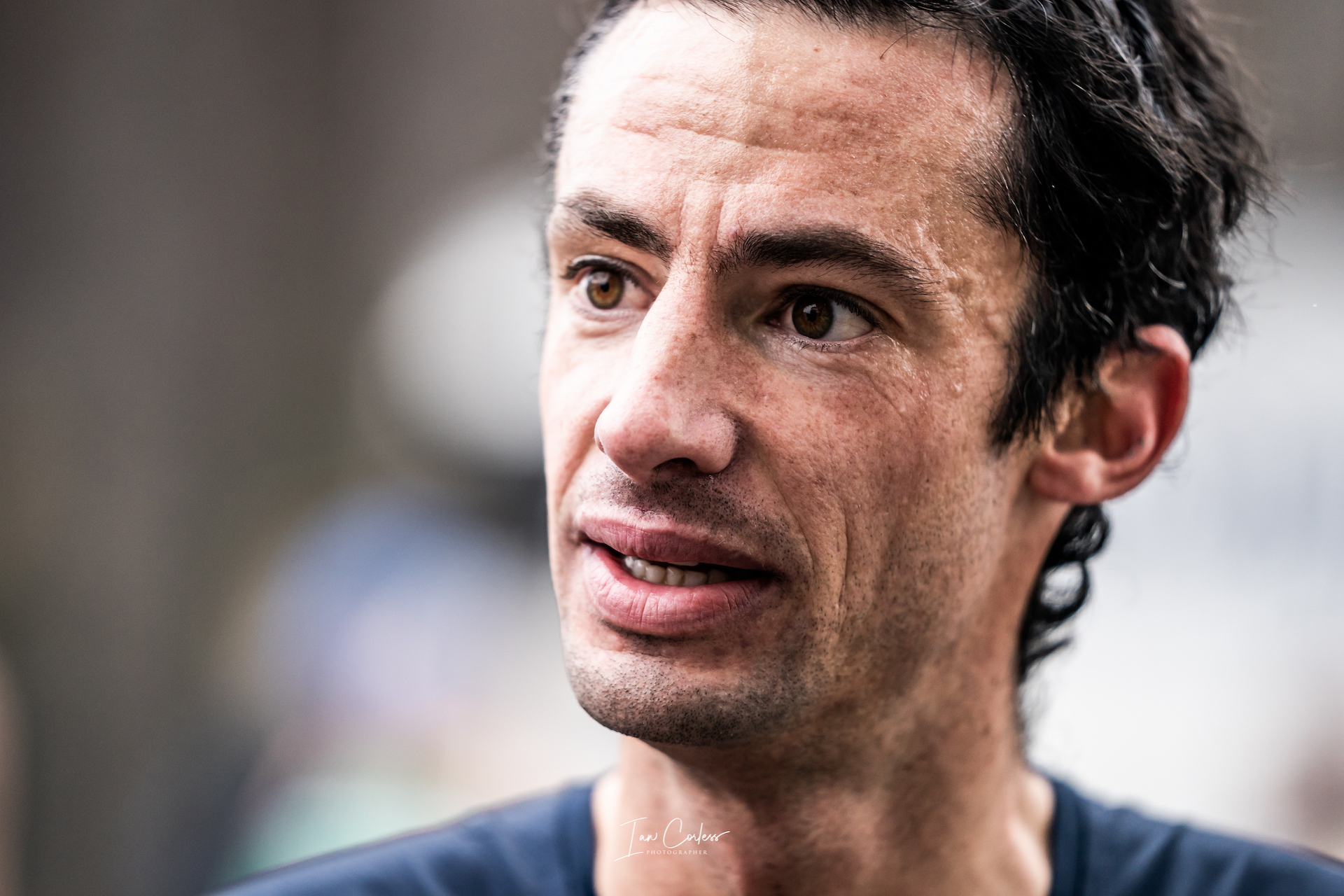
While those around him collapsed to the floor grasping for air, Kilian crossed the line, smiled, his 29:59 did not show… 18th place.

Kilian immediately after the finish.

He looked content, and was soon able to provide comments on his first experience racing on the road.

“I felt the injury, so I am a little disappointed for that. It was very interesting, very different to when you go training, you can keep a steady pace. Here it was fast at the beginning and I am not used to so many people and being so close. It’s difficult to understand my place. The first km was fine as it is downhill. It was a great experience and it motivates me to have another try…!”

Kilian talking about the race and his experience.

“I don’t think the injury is a real problem but I need to rest a little and get rid of it. When I run a VK the effort is typically 30-minutes but this is different. In terms of cardio, for me it was kind of easy all the time. It’s the legs, you need to feel light and keep the speed. It’s very different. The first 4 to 5km with more people was a challenge as you are almost cm’s from the other runners. I need to get used to that. I learned a great deal. I will try again, at least in the short term, but next year I want to climb… I have some specific goals. I just need more experience.”

“I will try again, at least in the short term, but next year I want to climb… I have some specific goals. I just need more experience.”

You can view the race video HERE

Kilian said only 18-months ago that running on a road had no interest for him. But now we see him testing himself over a 10km distance. From conversations, I know he has the desire to toe the line of a road marathon. On paper, that would suit him better allowing him to combine speed with endurance. For now though, we can marvel at 29:59 and speculate what is to come in the future.

Please support this website. I believe everyone deserves to read quality, independent and factual articles – that’s why this website is open to all. Free press has never been so vital. I hope I can keep providing independent articles with your help. Any contribution, however big or small, is so valuable to help finance regular content. Please support me on Patreon HERE.

Follow on:

Instagram – @iancorlessphotography

Twitter – @talkultra

facebook.com/iancorlessphotography

Web – www.iancorless.com

Web – www.iancorlessphotography.com

Image sales –www.iancorless.photoshelter.com

Hytteplanmila 10km Road Race Preview – Kilian Jornet Takes To The Road.

Kilian Jornet, Scotland.

All eyes will be on Hønefoss, a small region of Norway just 45-minutes from Oslo come Saturday 17th October.

Norwegian star Jakob Ingebrigtsen (born 19 September 2000) hopefully will toe the line of the Hytteplanmila, a race where he ran 27:54 in 2019. Jakob needs no introduction, particularly to the Scandinavian field (including his brothers tbc) that will assemble next to him come Saturday. In 2020 alone he set a Norwegian 5km record 13:28, He won National Championships at 1500m and 800m. Set a European 2000m record in Oslo and added a Norwegian 3000m record and a European 1500m record.

Jakob if he races, is without doubt the one to watch on Saturday.

However, the mountain, ultra and trail world will be looking at Kilian Jornet who will toe the line for his first foray on to the road running a flat out 10km with the best of the best that Scandinavia has to offer.

Kilian at home in the mountains on the iconic Trofeo Kima course.

Hytteplanmila is usually a large event with 1000’s of runners (over 3000 in 2019). It is arguably the most popular 10km race in Norway and the one that attracts the best elites. However, Covid-19 has impacted on the race and for 2020 there is a special race for invited athletes only along with a virtual race. The criteria being 37.20 (38.20 *) for women and 31.20 (32.00 *) for men (10,000 meters / 10 kilometers in 2019/2020, or equivalent achievements) * If there are vacancies in the heats.

Many of Norway’s and the Nordic countries’ best long-distance runners will come to participate in this year’s elite race with eight starting fields of up to 25 runners.

The women’s race was won in 2019 by Sigrid Jervell Våg in 32:52, the previous year Meraf Bahta ran 31:58. Remarkably, the previous 6-editions dating back to 2012 ere won by Karoline Bjerkeli Grøvdal, her fastest time being 31:25 in 2017 which is the course record.

DATE: October 17, 2020

PLACE: Svendsrudmoen (Trongmoen 41, 3530 Røyse)

TIME: 13.30

STARTING GROUPS (seeding):

  • A1 (25)
  • A2 (25)
  • A3 (25)
  • A4 (25)
  • A5 (25)
  • A6 (25)
  • A7 (25)
  • A8 (25)

On paper, the challenge ahead of Kilian is very real and while many in the trail running world will be rooting for Kilian, the reality is that he will not be in contention for the podium or maybe even the top-10?

“I will see how I feel… but anyway, I will be far from the front guys! Being close to 29’ I will be super happy!” – Kilian Jornet

Jakob Ingebrigtsen, Sondre Nordstad Moen, Samuel Tsagay, Filip Ingebrigtsen, Henrik Ingebrigtsen, Senay Fissehatsion (ERI), Urige Buta, Musael Temesghen, Richard Douma and Mesfun Tesfayohannes have all run 29:00 or less previously, so the task ahead is real.

Kilian’s ability to cross over disciplines and sports has always been an interest to sports fans all over the world and many have asked, repeatedly, “I wonder what Kilian would run in a road marathon?”

Well, Kilian had hoped to show us in 2020 having planned to run an official marathon. Maybe, if the opportunity arises, he may well still do, but Covid-19 has impacted on any road race of any significant size. However, Kilian has trained accordingly and openly admitted he did too much too soon earlier in the year.

“My plan this summer was to do mostly flat training but an injury came… After a few months injured, I start slowly to train properly in flat again. It’s curious how I was able to do anything I wanted in the mountains but couldn’t hit any meter of flat terrain without pain.”

In August, the mountain master showed us one of his favourite training sessions as his injury woes started to leave and his ability to train both flat and in the mountains returned.

“I do what I call VK10K… I run a vertical kilometer (1000m vertical ascent) run down easy and then run a flat 10km.”

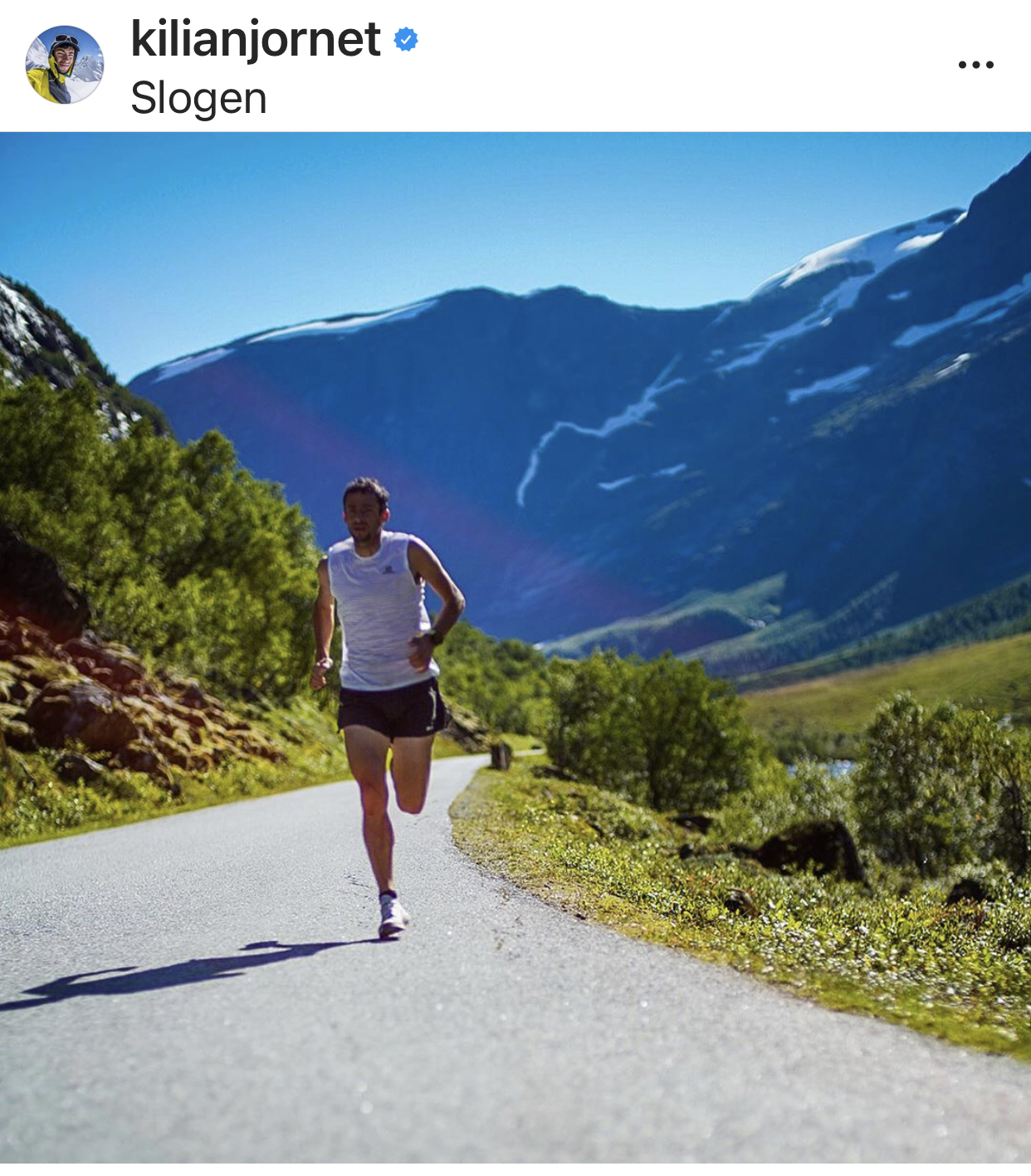
Kilian on the road underneath Slogen summit (which he had just run up) next to the fjord to Urke.

He ran an astounding 29:57 for the VK and then 29:42 for the 10km. Both times incredible and while the VK time comes as no surprise, the 10km time certainly made many take a second look, especially with this coming on tired legs.

29:00 may well be possible come Saturday, one thing is for sure, it is certainly going to be interesting to see what unfolds. Unlike in mountain, ultra and trail races where the top-10 can be separated by minutes and even hours, this 10km will come down to seconds. We can certainly expect 28-minutes to 29-minutes have somewhere in the region of 10-athletes, can Kilian be one of them?

What time do you think Kilian will run?

Stats:

Course Record WOMEN: Karoline Bjerkeli Grøvdal 31.25 (2017)

Course Record MEN: Jakob Ingebrigtsen 27.54 (2019)

National Record WOMEN: Ingrid Kristiansen 30.59 (1989)

National Record MEN: Jakob Ingebrigtsen 27.54 (2019)

European Record Women (Paula Radcliffe (GBR) 30.21 (2003)

European Record Men: Julien Wanders (SUI) 27.13 (2020)

*****

Please support this website. I believe everyone deserves to read quality, independent and factual articles – that’s why this website is open to all. Free press has never been so vital. I hope I can keep providing independent articles with your help. Any contribution, however big or small, is so valuable to help finance regular content. Please support me on Patreon HERE.

Follow on:

Instagram – @iancorlessphotography

Twitter – @talkultra

facebook.com/iancorlessphotography

Web – www.iancorless.com
Web – www.iancorlessphotography.com