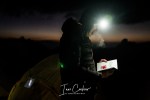
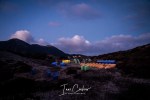
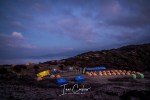
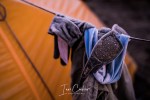
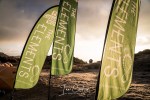
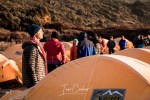
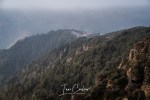
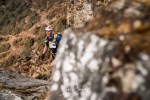
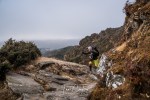
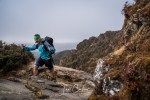
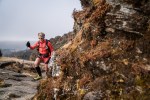
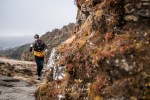
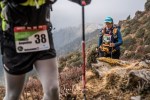
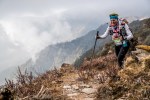
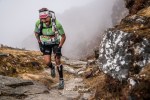
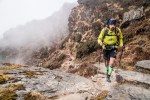
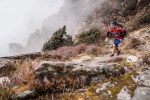
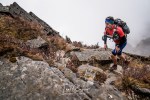
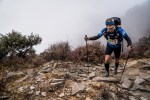
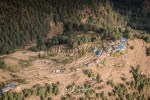
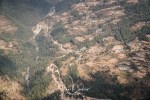
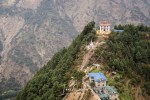
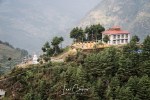
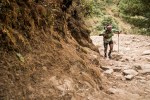
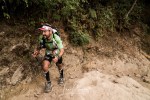
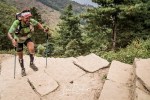
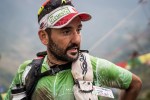
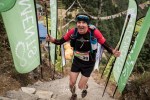
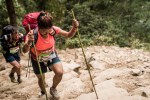
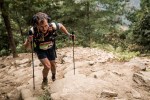
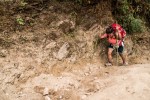
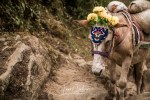
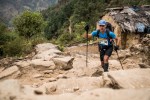
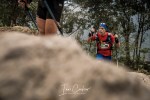
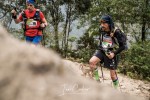
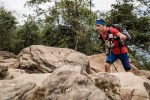
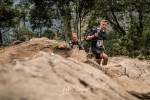
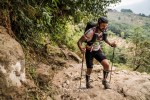
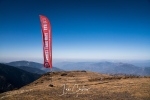
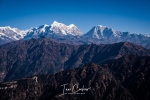
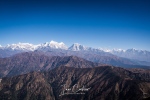
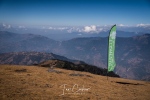
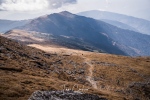
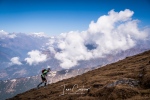
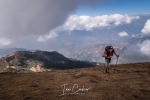
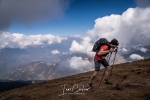
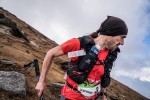
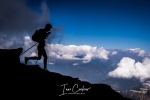
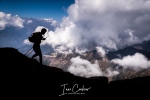
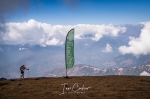
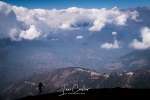
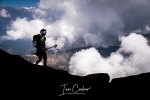
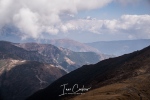
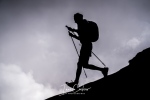
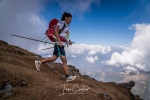
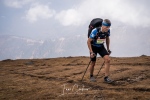
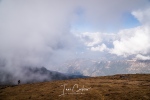
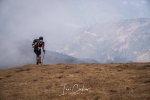
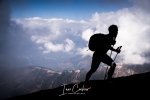
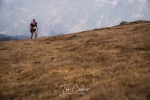
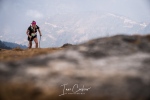
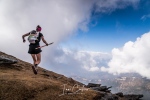
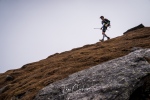
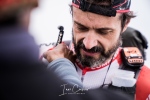
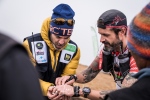
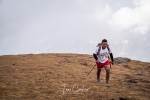
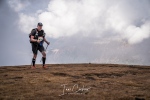
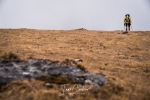
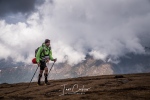
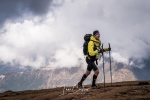
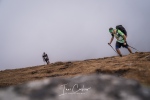
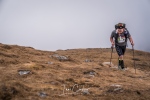
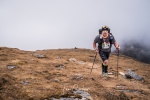
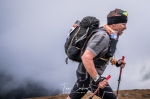
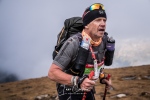
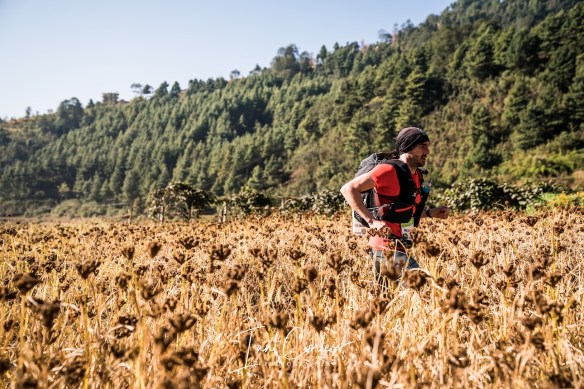
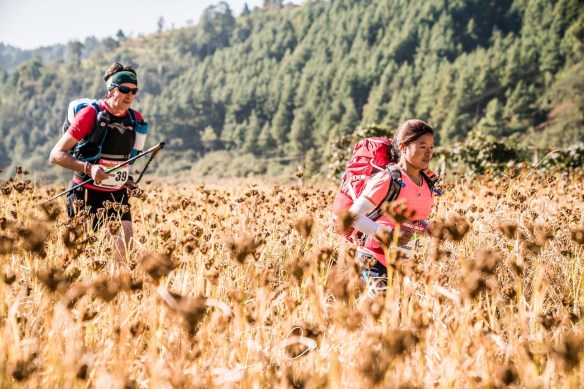
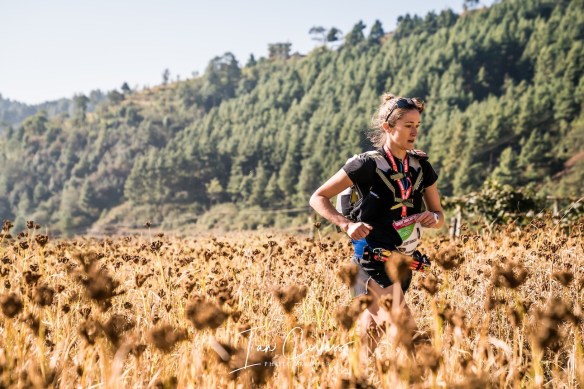
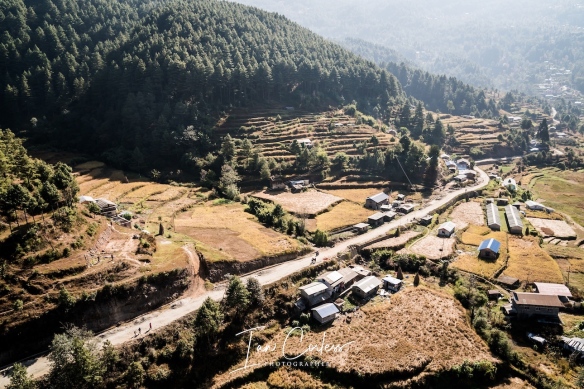
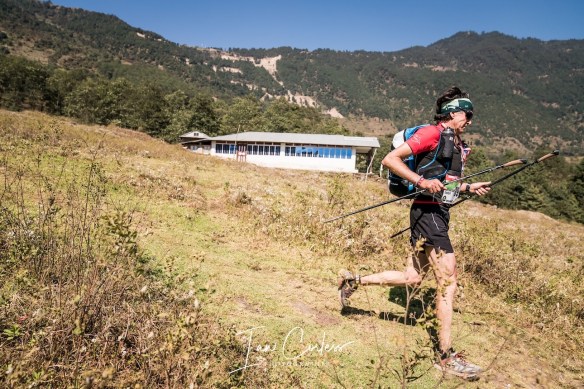
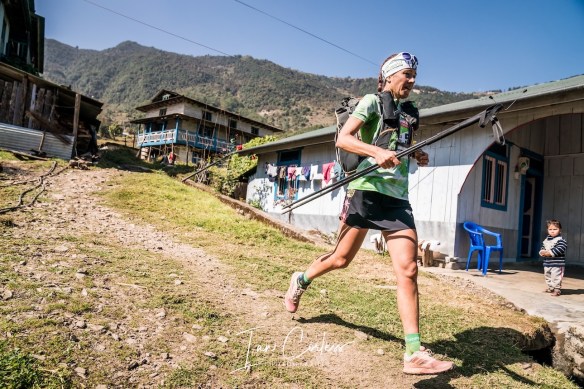
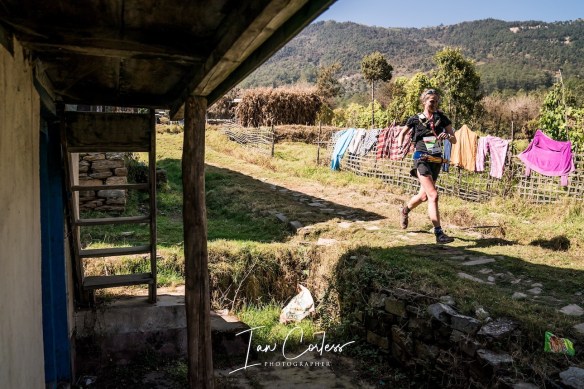
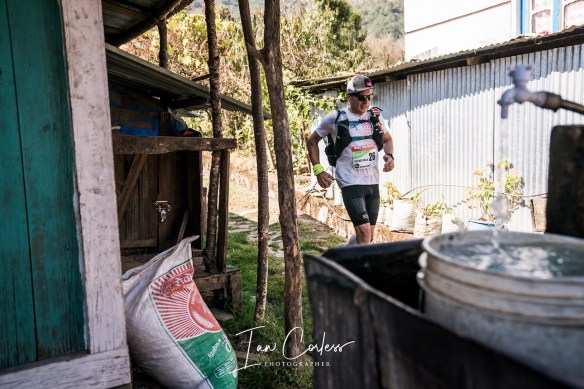
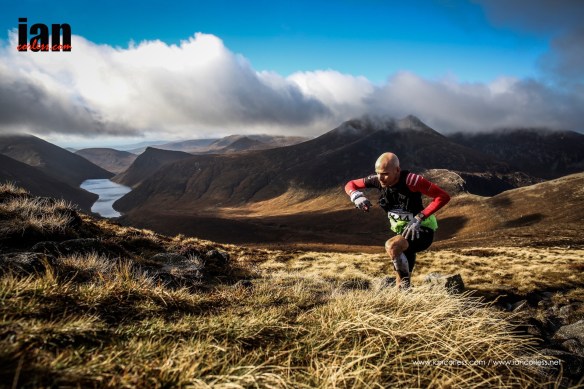
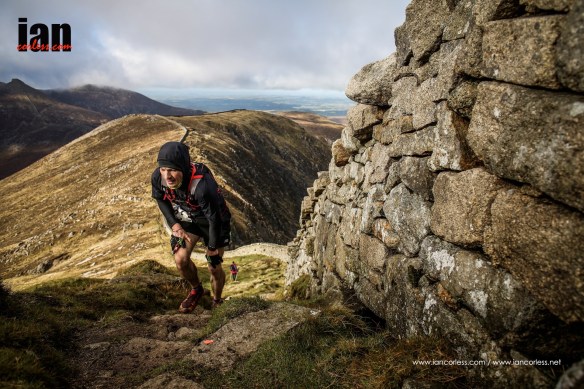
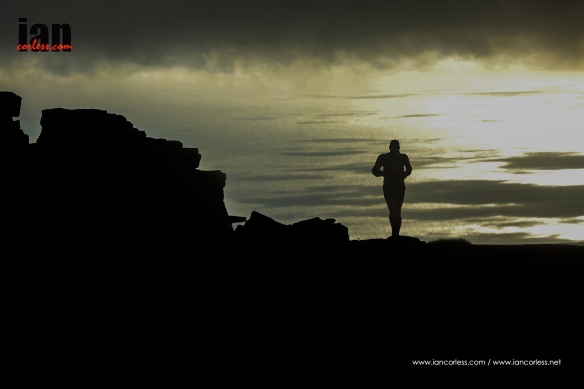
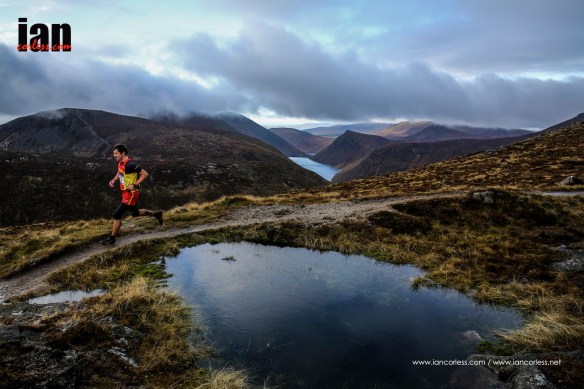
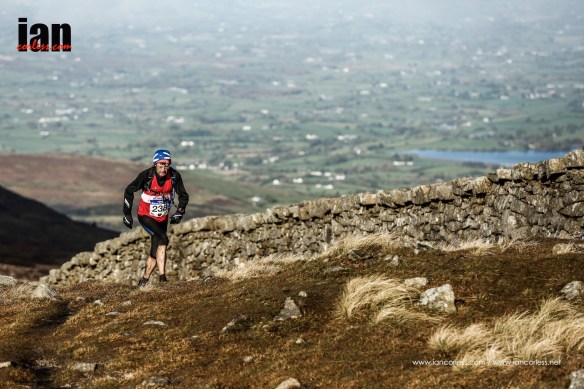
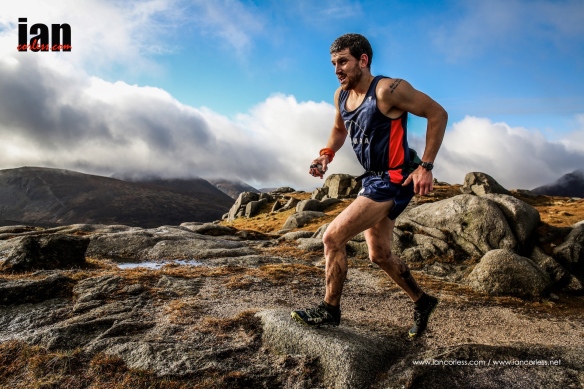
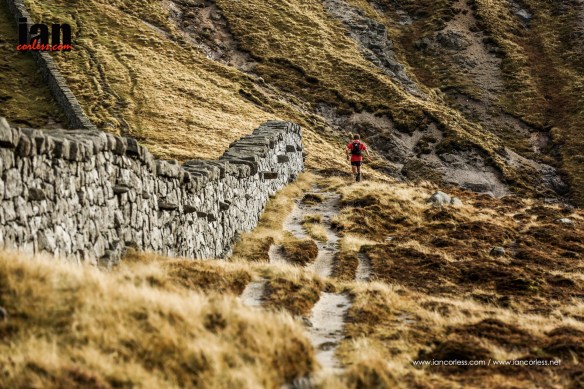
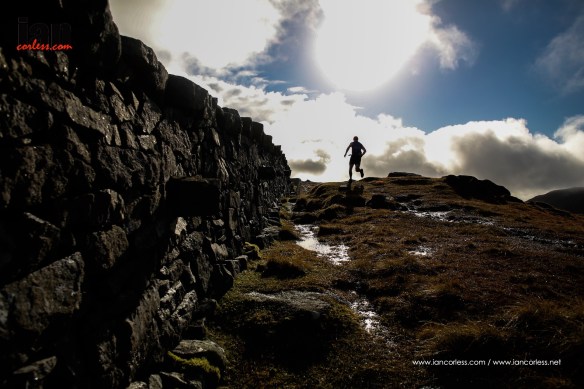
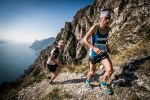
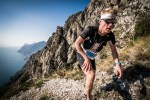
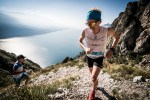
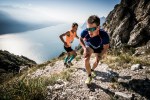
Trofeo Kima 2018 – Summary and Images
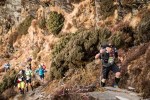
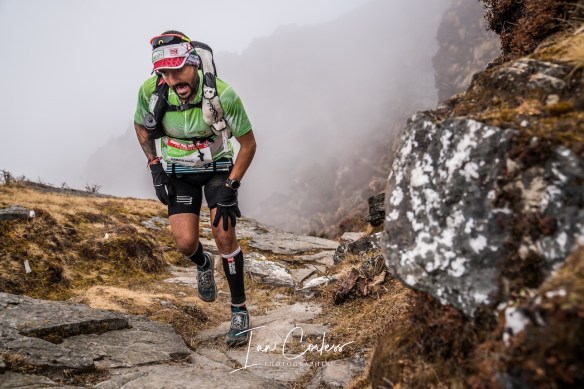
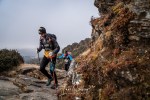
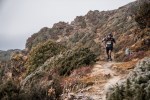
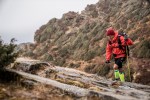
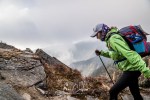
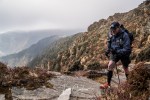
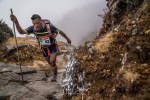
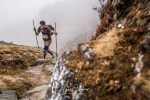
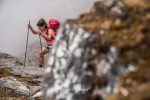
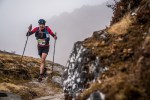
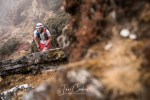
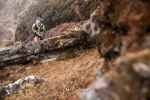
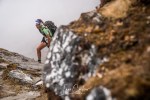
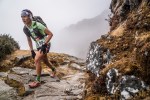
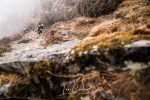
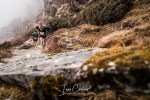
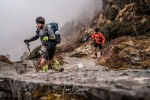
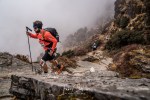
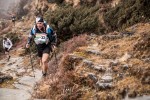
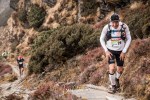
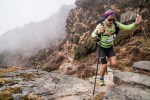
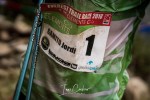
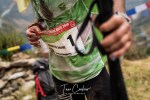
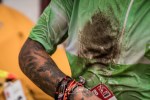
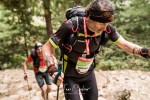
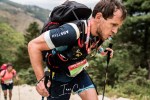
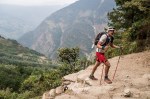
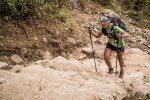
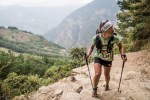
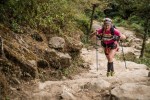
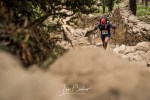
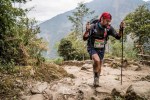
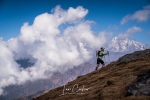
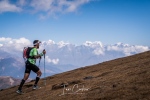
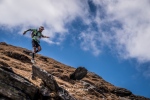
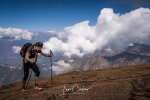
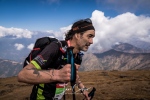
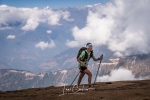
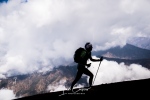
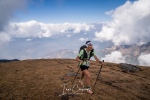
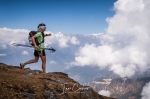
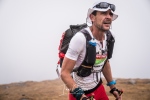
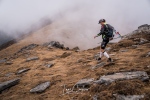
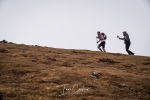
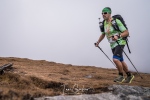
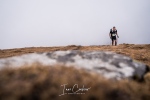
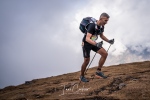
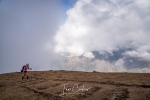
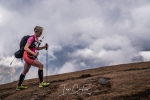
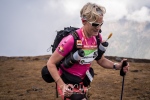
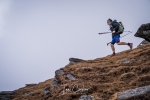
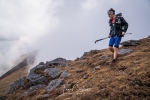
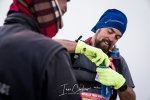
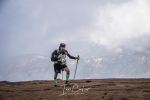
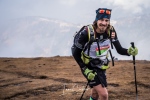
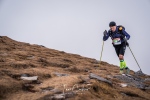
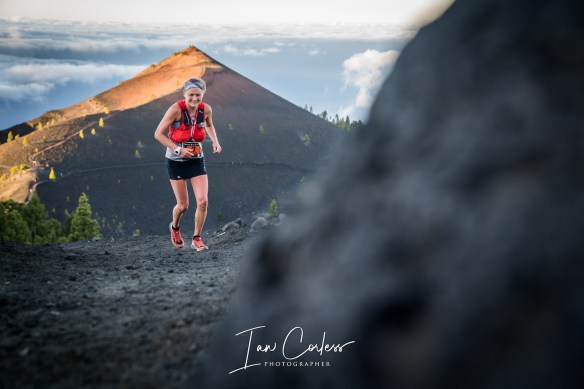
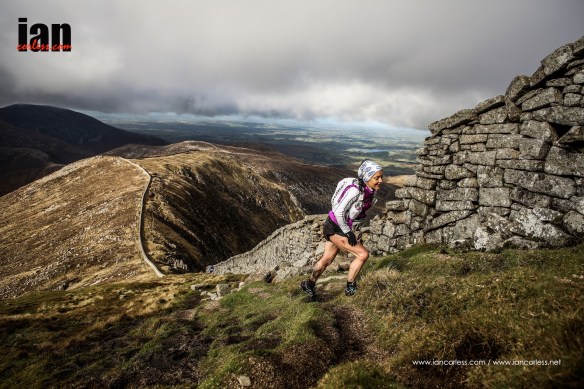
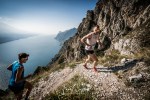
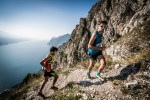
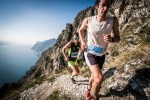
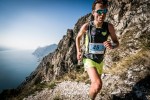
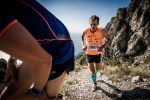
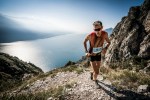
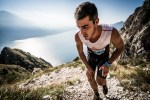
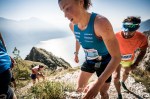
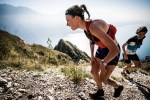
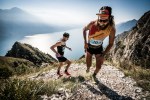
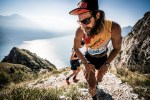
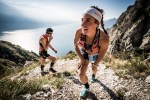
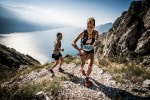
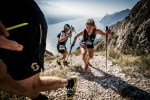
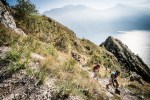
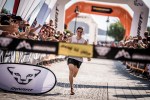
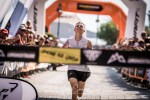
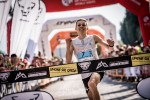
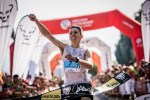
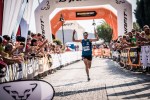
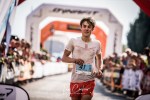
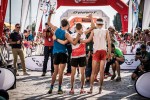
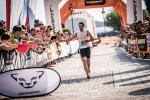
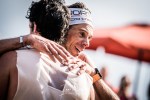
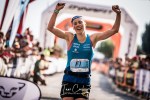
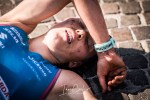
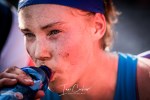
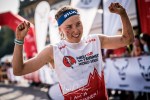
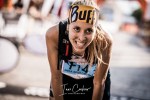
Kilian Jornet takes back the record at the Kima Trophy with a supreme effort. Equaling the record of Mario Poletti, Kilian took his fourth title after missing the race in 2016. Hillary Gerardi followed her victory in Tromso with another incredible win proving that she is the woman to beat on technical courses!
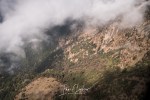
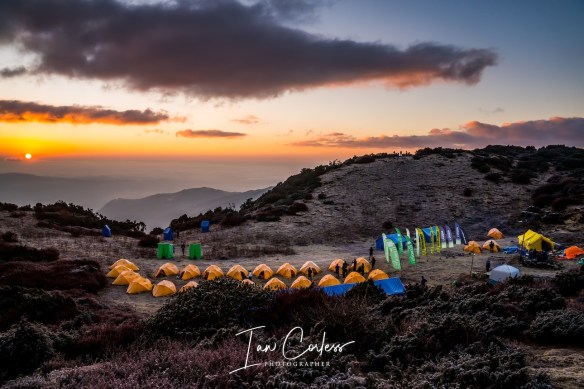
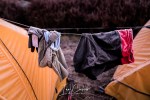
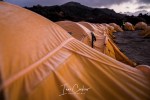
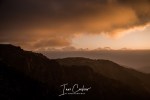
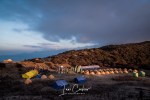
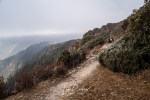
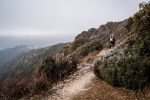
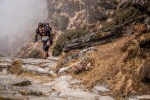
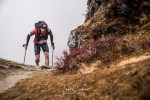
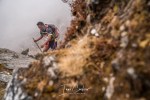
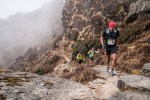
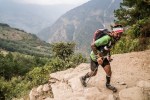
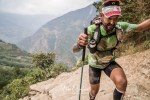
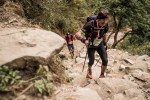
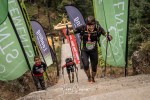
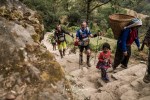
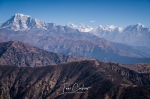
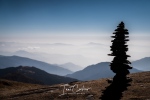
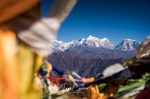
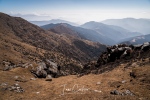
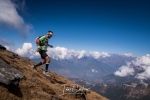
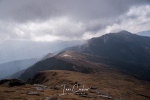
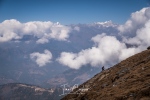
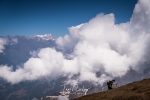
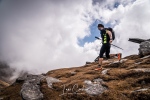
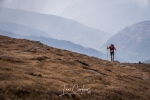
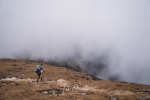
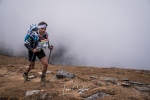
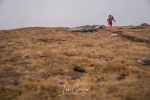
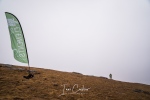
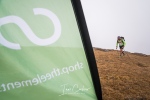
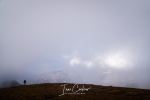
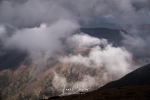
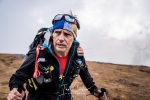
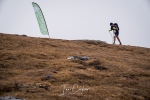
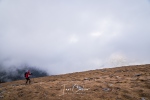
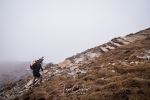
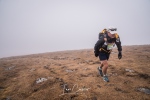
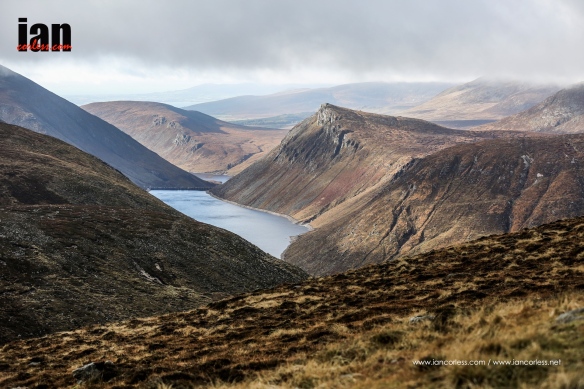
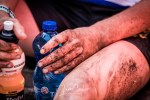
The 23rd edition of the Kima Trophy that will be remembered amongst one the most beautiful ever after overnight rain cleared to an amazingly beautiful cold day. However, temperatures were cold due to strong winds and ice was present on the course. The race director Matteo Colzada and his staff checked the various critical points on th ehigh passes and postponed the start but to the relief of all the runners, the full route was allowed.

Kima has 52 technical and very challenging kilometers with 8,400 m of total height gain and loss with 7 alpine passes all above 2500m (maximum altitude Cameraccio 2.950 m). 

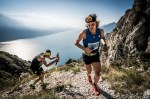
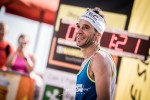
Already winner of this race and record holder before the Nepalese Bhim Gurung beat it (6h10’44 “), the star of Team Salomon ran with Alexis Sevennec for much of the race. The two raced shoulder to shoulder until the final descent, a real 2000 meters dive from Passo Barbacan to the village of San Martino. Here Kilian launched a winning attack, an attack that allowed him to cross the line in 6:09:19 beating the 06;10:44 mark set in 2016.

Alexis Sevennec 2nd in 6:11:59 was a popular favourite and rounding out the podium was Transvulcania winner, Pere Aurell in 6:20:50. 

The top ten of the day also Andre Jonsson, Leo Viret, Petter Engdahl, Andy Simonds, Cristian Minoggio, Cody Lind and Samuel Equy. With today’s success, Kilian enters right into the history of Kima joining Mario Poletti in the golden book of success.

Hillary Gerardi, did not beat the record of 7:36:21 set by Nuria Picas in 2016 but she produced an outstanding race, following up victory in Tromso. On the first descent towards Bocchetta Roma, Ragna Debats had tried to make a difference and close the gap, but Hillary was too strong. In the high altitude crossing, Hilary pulled away with a slender 5-minute lead, chased by Jasmine Paris, Brittany Peterson, Robyn Owen and Martina Valmassoi. Ragna was unfortunately suffering and dropped back.

 At the end, the South African, Robyn Owen tclosed on the leadership, but Hillary kicked and came back and won in 7:37:29. 

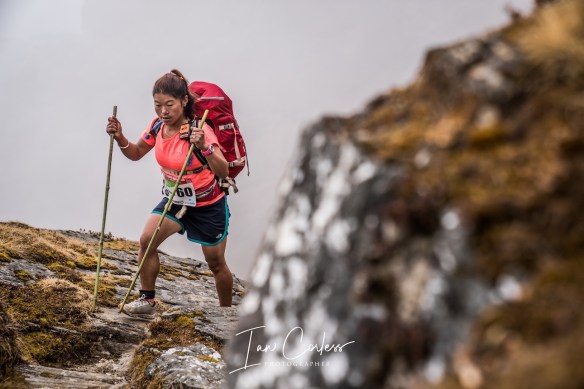
Second place for Robyn in 7:39:01 was a real surprise… watch out for this woman! Third was for the Nepalese Mira Rai in 7:41:46.

The American Brittany Petterson, who had been in 2nd at the midway point, and the Italian Martina Valmassoi followed to round out the top-5!

Follow on:

Instagram – @iancorlessphotography

Twitter – @talkultra

facebook.com/iancorlessphotography

Web – www.iancorless.com

Web – www.iancorlessphotography.com

Image sales –www.iancorless.photoshelter.com

*****

ALL IMAGES COPYRIGHT IANCORLESS.COM


Episode 160 – The El Kott Twins and Alex Nichols

Episode 160 of Talk Ultra brings you a chat with the El kott Sisters, Hillary Allen (?) and Kurt Decker chats with Alex Nichols. The show os co-hosted by Elisabet Barnes.
*****
Talk Ultra is now on Tunein- just another way to make the show available for those who prefer not to use iTunes – HERE  You can download the Tunein APP HERE
Talk Ultra needs your help!
We have set up a Patreon page and we are offering some great benefits for Patrons… you can even join us on the show! This is the easiest way to support Talk Ultra and help us continue to create! 
Many thanks to our Patrons who have helped via PATREON
Donate HERE
*****
NEWS
TROMSO SKYRACE
Jon Albon did it again, 2-years in a row and his 3rd victory. His time of 7:04 gave a huge margin over the 2nd and 3rd times of 7:36 and 7:37 for Pere Aurell and Andy Symonds.
Hillary Gerardi took a huge win in 8:14 and set a new CR. Ragna Debats and Brittany Peterson were 2nd and 3rd in 8:27 and 8:40.
*****
SIERRE ZINAL
Kilian Jornet did it again, his 6th victory at the race and it just shows what a ‘complete’ athlete he is! The course record set by Jono Wyatt has still eluded him though… This year ran 2:31:39. Robbie Simpson and Robert Panin were 2nd and 3rd in 2:33:11 and 2:33:18.
Lucy Wambui once again took the win in 2:57:54 ahead of Michelle Maier and Simone Troxler, 3:01:30 and 3:02:46 respectively.
*****
PIKES PEAK
Megan Kimmel broke Lynn Bjorklund’s 1981 record of 4:14:18 by just 14-seconds. She ran the up in 2:42 and the descent in 1:33. Laura Orgue was 2nd in 4:30 and Kristina Mascarenas 3rd in 4:37.
The men’s race saw the return of Dakota Jones. He actually cycled 250-miles to start the race. He won in 3:32, 2:18 for the up and 1:13 for the down. The down time is incredible and broke Matt Carpenter’s 1:15 which has stood since 1993. Oriol Cardon and Darren Thomas placed 2nd and 3rd, 15-seconds separated them.
*****
LEADVILLE 100
It was somewhat of a comeback weekend with Dakota winning at Pikes Peak and Rob Krar obliterating Leadville 100 with arguably one of the greatest runs of all-time. He ran 15:5, the second fastest time ever on the course. He was only 9-minutes off Matt Carpenter’s 2005 record. Ryan Kaiser and Seth Kelly were 2nd and 3rd, 17:37 and 18:15.
Katie Arnold won in 19:53 ahead of Addie Bracy in 21:17. Gina Slaby was 3rd in 23:13.
Big shout out to Dave Mackey !!!
*****
TRANSROCKIES – 6-stage race over 120-miles.
The El Kott twins, Lina and Sanna were at it again… these two have been unstoppable in 2018. They have taken Skyrunning by storm and with a relentless calendar, they have now won in the US ahead of Hillary Allen/ Lucy Bartholomew – 17:48 to 18:26.
Shawn Lywood and Mike Tucker won the men’s division in 19:25.
There are also solo categories for 3-days and 6-days.
Tessa Chesser won the women’s 6-day and Amanda Basham the 3-day, their time 21:04 and 8:59. Must give a shout out to Becks Ferry who placed 3rd in the 6-day race.
Cody Reed won the men’s 6-day and Owen Bradley the 3-day, 16:37 and 8:40 respectively.
*****
Interview with EL KOTT TWINS
*****
ULTRAVASEN 90KM (Sweden)
Last year’s champ, Ida Nilsson could only manage 2nd this year after battling with stomach issues. Alexandra Morzova won in 6:43. Nilsson ran 7:06 and Sarah Bard 7:27 for 3rd.
Fritjof Fagerlind won in 6:01 ahead of Pat Reagan and Didrik Hermansen, 6:10 and 6:15.
*****
APPALACHIAN TRAIL FKT
Karl Sabbe from Belgium is on the AT looking for a ‘supported’ FKT record and looks set to break the records of Scott Jurek and Karl Meltzer. This attempt seems to have little PR and buzz and is almost under the radar…
*****
Interview with ALEX NICHOLS
*****
CLOSE
02:17:05
*****
Share us on Facebook – Talk Ultra FB https://www.facebook.com/talkultra/
Tweet us on Twitter – Talk Ultra on Twitter https://twitter.com/Talkultra
And use good old word mouth.
Importantly, go to iTunes and subscribe so that you automatically get our show when it’s released we are also available on Stitcher for iOS, Android and Web Player and now Tunein.
Our web page at www.iancorless.com has all our links and back catalogue.
Please support Talk Ultra by becoming a Patron at www.patreon.com/talkultra and THANKS to all our Patrons who support us. Rand Haley and Simon Darmody get a mention on the show here for ‘Becoming 100k Runners’ with a high-tier Patronage.
*****
Stitcher You can listen on iOS HERE, Android HERE or via a web player HERE
Website- talkultra.com
UP & COMING RACES go to https://marathons.ahotu.com

VJ XTRM Shoe Review – VJ Sport

Last year I finally got my hands on a pair of VJ Sport IRock 2 (HERE). I was blown away by pretty much everything about the shoes. The upper, the way they held one’s foot, the durability of the materials used, and the outsole was just incredible – the most amazing grip. The only reservation that I had, was how long I could run in these shoes… They are pretty minimal and although cushioned, the cushioning for me would probably only take me to 3-4 hours of running.

OCR World Champion and Skyrunner World Series Champion, Jonathan Albon, agreed. In some of the longer races, Trofeo Kima for example where the terrain is hard, rocky, muddy, has snow, maybe the odd glacier thrown in and when the male winning time is over 6-hours, although the IRock 2 was perfect on grip, the cushioning made a really long run like this tiring for the feet.

With Jon’s feedback, VJ Sport went back to the drawing board, took all the best elements of the IRock 2 and created a new shoe:

VJ XTRM.

The king is dead, long live the king!

Let me just say in simple terms everything that was brilliant in the IRock 2 has been transferred to the new VJ XTRM and what VJ Sport have done, in my opinion, they have created the most perfect mountain running shoe for when the trails are demanding, rocky and throwing all sorts of variables at the runner.

So, what is new in the VJ XTRM.

  • Two new cushioning units have been added to the front and rear.
  • A full-length RockPlate.
  • A medium last.
  • A little extra room in the toe box.
  • New Fitlock.

As I mentioned, much of the IRock 2 crosses over. For example, the outsole is the amazing Butyl Rubber which for me offers the best grip I have encountered on any mountain shoe. The outsole studs are 6mm which offers a good compromise between grip on muddy/ wet trails and excellent grip on smooth and easy single-track.

At 250g for a standard UK8, the shoe is light and 4mm drop sits in a comfortable middle ground for the zero drop fanatics and those who like a more comfortable and relaxed 8mm drop.

Kevlar and Polyester make the upper and the IRock 2 has been the most durable shoe I have ever used, so, I don’t anticipate the VJ XTRM to be any different. There is also Fiberclass stability control.

THE SHOE

Slipping one’s foot into the VJ XTRM one immediately feels the snug and precision fit. However, the slightly wider toe box is noticeable. Don’t get me wrong here, this is not a wide and spacious toe box, so, if that is what you personally need, this may well be not the shoe for you. Please remember though that this is a specific mountain/ skyrunning shoe that will be used on technical mountainous terrain, so, a shoe for this type of running should be precision.

Pulling the laces tight, the FITLOCK takes hold and provides the most secure and comfortable hold of my foot. It is the best I have tried, no question. The laces are excellent, they pull tight and stay tight.

The upper is a mix of materials and is extremely durable. Although it is too early to comment on longevity of the VJ XTRM upper, the materials and comparisons with the IRock 2 are very close. My IRock 2 have been through everything and are still going strong. The heel box has minimal padding but holds the foot secure and is extremely comfortable. The toe box is well protected and ideal for mountain terrain.

The colours of the upper are a little bright. They wouldn’t be my choice, I certainly loved the red & black combo of the IRock 2, but colours are just colours and after a good muddy run, the colours soon become muted.

Like the IRock 2, the VJ XTRM looks heavy, pick them up and you realise they are not, they are super-light!

The bottom of the shoe is what helps VJ Sport stand out amongst the competition and why they have such a following. The Butyl Rubber they use is the best outsole I have ever tested and on rock terrain, dry or wet, they are the most reassuring footwear ever! The 6mm studs are the same as on the IRock 2 and this is significant, the IRock 2 provided the best grip ever, so, to see this transferred over to the XTRM is superb.

IN USE

The IRock 2 last-year was the best mountain shoe I have ever used. This has now been replaced by the VJ XTRM and for me, moving forward, I would always purchase the VJ XTRM and not the IRock 2. For me, VJ Sport may well have killed the IRock 2 because the VJ XTRM is so good.

 sport

WHY?

To all intents and purposes, the IRock 2 and VJ XTRM are very similar shoes. One difference is 6mm drop for the IRock 2 and 4mm drop for the VJ XTRM, this may be a decision maker for some? However, the new additions to the VJ XTRM just make it a much more versatile shoe without compromising what made the IRock 2 great, no, superb!

  1. The added cushioning doesn’t compromise feel for the ground, control, stability for faster shorter mountain running but what it does allow is more cushioning and comfort for longer runs.
  2. The RockPlate is a no brainier, it is added protection and added comfort for little to no additional weight.
  3. The new Fitlock holds the foot as well, if not better than the Fitlock on the IRock 2.
  4. The toe box has been widened to allow for a little more room and toe splay when running longer but not at the compromise of precision and feel.
  5. The upper is as the IRock 2 with Kevlar and outstanding durability.
  6. The outsole is the same, 6mm studs in the amazing Butyl Rubber.

The additions make the VJ XTRM the perfect all-round mountain shoe be that for short or long outings. Whereas, the IRock 2 was a shoe that I personally would not want to be out in for much longer than 4-hours.

SUMMARY

This is the best mountain running shoe I have ever used. For skyrunning, it is THE perfect shoe and for me, all other shoes that I test for that intended use will be compared to the VJ XTRM. Jonathan Albon’s influence can be felt in this shoe and I am sure his feedback with VJ Sport has been paramount in retaining all that was brilliant in the IRock 2 and then tweaking it to add what Jonathan and many other runners wanted; more cushioning, a RockPlate and a slightly wider toe box.

I personally am unable to find any negatives.

Obviously, the Butyl Rubber outsole works so well because it is soft and grippy, so, if you start running on roads and pavements, be aware, the outsole won’t last.

But the VJ XTRM is a formula 1 shoe and not a Ford Escort or similar. Maybe the VJ XTRM should make an appearance for those special runs or races?

However, if you are like me, I think the shoes are so awesome that if I am going to run anything technical, wet or dry, I want these shoes on my feet.

VJ SPORT website

Follow on:

Instagram – @iancorlessphotography

Twitter – @talkultra

facebook.com/iancorlessphotography

Web – www.iancorless.com

Web – www.iancorlessphotography.com

Image sales –www.iancorless.photoshelter.com

New website, new logo, new look – iancorlessphotography.com

Always good to shake things up, freshen up and have a new image. So after a long, almost month break in August I am back into the swing of things with a new logo.

I have also had a re-vamp of my photography website http://iancorlessphotography.com and uploaded many new images that were taken in 2017 and 2018. This website has always very much existed in the background to this (iancorless.com) website and I used it as a showcase for those interested.

Moving forward I want to push more relevant traffic to my photography website. However, don’t worry, all my race reports, writing and podcast will still be here at iancorless.com –  for many of you, you will not really experience any change other than a new logo.

Below are a few samples of what you can experience at the new photography website. If you go to the ‘Home’ page of the new site at http://iancorlessphotography.com you can actually just stay there and you will be presented with a slide show of some of my favourite shots.

Once again, thank you for the continued support. You can follow what I do on the following links:

Instagram – @iancorlessphotography

Twitter – @talkultra

facebook.com/iancorlessphotography

Web – www.iancorless.com

Web – www.iancorlessphotography.com

Image sales –www.iancorless.photoshelter.com

Morocco 2018 – Street Photography

For the first time in a long, long time. I had a holiday! Those who follow what I do would arguably say, that I am always on holiday as I am constantly travelling to photograph running races all over the world. However, I can honestly say that in the last six years, I have not been away without working. Admittedly, on one or two trips, work has maybe only been 20-30% of the actual trip. It’s still a holiday but the work element is there.

This August I booked a trip to Morocco, I put my email on auto-reply, I downloaded a couple of books on my Kindle app and I went way with the pure intention to do no work for a good 14-days. 

As a photographer, you may be thinking or asking, but did you take a camera?

The answer is quite simply, yes!

When you do what I do in, day-in and day-out, it’s almost impossible to travel without a camera. I often consider a camera just an ‘essential’ item for what I do every day, be that a holiday or not.

The key thing with taking a camera on holiday is that I can take images for the pleasure of it. No brief, no deadlines, no clients – I can shoot what I want and when I want.

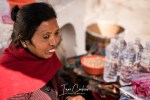
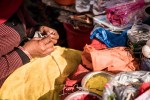
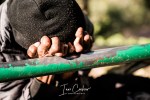
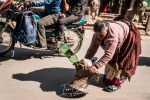
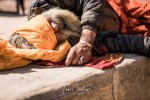
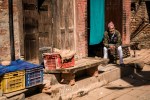
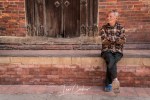
I started to post 10-12 B&W images a day whilst travelling, normally on my Instagram and on Facebook. What was interesting was the amount of feedback and direct messages I received. I guess most people know me as a sports/ running photographer, so, suddenly a series of gritty B&W street photographs appear, and it makes people curios.

So, I decided to write a brief post to answer the questions that was asked. 

Street and people photography are something that I love. It’s raw, visceral, gritty and when done well should transport the viewer to the place and immerse them.

Travelling, one accepts everything; indignation stays at home. One looks, one listens, one is roused by enthusiasm by the most dreadful things…– Elias Canetti

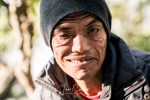
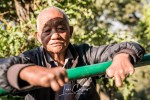
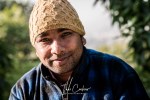
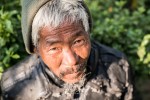
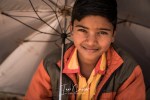
Now there are many forms of street photography. And just to draw a comparison, I photographed in Nepal for many years, the street shots I have done there are very different to what I did in Morocco.

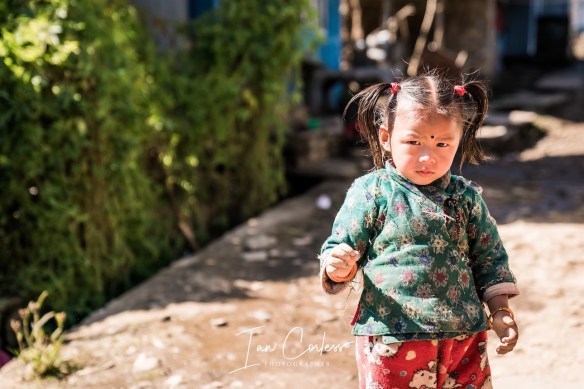
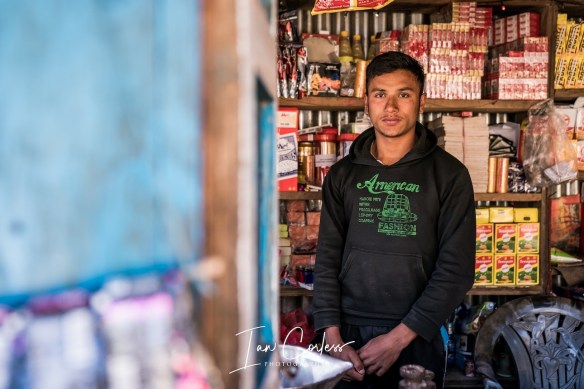
To clarify, I could photograph in Nepal the way I photographed in Morocco but not vice versa. The reason being, the people and the culture. The Nepali people love having their photographs taken, you can walk up to them, stick a camera in their face and take a shot. You can even ask them to move or look into a certain place. So, although it’s real, there can be an ‘element’ of set-up, however, I rarely go down that route.

In Morocco, the people are very different. They do not like having their photograph taken. Don’t agree with me? Take a camera in to the Souk in Marrakech and start pointing your camera at people – you will soon realise that it is not an option. Now of course, there are exceptions. Occasionally it is possible to do a ‘posed’ shot and I have found that my experience with 30-year’s in the business lets me know when that is an option.

Below, there are over 300-images captured in Marrakech and the coastal resort of Essaouira, I would say that approximately 10-12 images were taken with the subject knowing I was taking the photo and they didn’t mind.

The remainder of the images were taken with the subject not knowing that I was taking photographs.

THE EQUIPMEMT

Sony A7RIII with Sony/Zeiss T Sonnar* 35mm F2.8

If you look like a photographer, you will stick out and the people will already be wary of you. For street work and when travelling this way, I carry one camera and one lens.

I use a Sony A7RIII (approx £3200) which is a full-frame digital camera which produces a whopping image size of 42.4MP, when shooting in RAW, that file is over 80MP. I have found a large file allows me options to crop in to the image and still retain a high quality/ high resolution file. The camera is mirrorless and therefore considerably smaller than a DSLR, it also has Image Stabilization built into the body; super handy in low-light. The camera can also shoot at 10fps, at times, this can be super important for capturing that all-important moment.

I use a prime lens, the 35mm F2.8 – The Sonnar T* FE 35mm F2.8 which is a Sony/ Zeiss lens. The optics are incredible, focus is fast and superb and F2.8 it is pin-sharp. There are several reasons why this lens is perfect for street work:

At 35mm, it is wide, but no so wide that you can’t take portraits. I would say that for most Pro photographers, a 35mm prime has replaced the traditional 50mm prime.

The lens has a lens hood which is flush to the front element keeping the lens neat.

Its size is extremely small.

Quality is off the scale, but it is not cheap, approx £850.

That is, it. I don’t use anything else. I don’t carry a camera bag and I have no accessories. The only two additional items I carry is a spare battery and spare SD cards.

SHOOTING

This camera set up is also my favourite set up when running and photographing. The main reason being is that the camera and lens are light, the quality is the best you can get, and I can carry the camera in my hand while running. I broke up my time in Marrakech and Essaouira with a 2-day trip to climb Toubkal, the highest mountain in the Atlas range. Here are some of the shots from that trip:

Back to the streets…

I have learnt over time to view the scene with a 35mm eye. Basically, I can look at a scene/ scenario and view the scene with the viewpoint and angle of the camera. This is essential in Morocco.

Many of the shots I took, I would say 80% (with the exception of the Toubkal shots) were taken with me NOT looking into the camera. The moment you raise your camera to your eye, people stop, look, put their hands up and on many occasions will say, ‘no photo, no photo!’

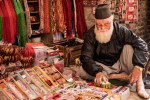
The below is a classic example of the subject posing for the shot.

This shot I was looking through the camera, but the subject didn’t know I was taking the photo.

This shot I was looking through the camera.

This shot was composed and planned but the subject didn’t know.

This is why Nepal and Morocco are so different.

To shoot, I would survey a scene, view the angles and decide on the shot and then walk past with my camera at mid-chest height. With experience, I understand the field of view the camera sees and I capture the scene.

Now of course, this sounds easy.

It’s not.

  1. One has to consider focus and how one gets the ‘key’ element in the frame in focus.
  2. One also has to consider exposure.
  3. One has to consider if it is possible to make one or two attempts at a shot.

The above is actually what brings adrenaline into shooting in this way. One also has to accept that you will have a high failure rate, certainly early on. Failure rate becomes less with more experience.

SUMMARY

There are no hard rules in capturing images when working a scene. The place, the people and the location will often decide what approach you need to take. The comparisons between Nepal and Morocco provide a perfect example.

The key is to enjoy the process, have fun and learn by taking many, many shots.

All images ©iancorless.com

Follow on:

Instagram – @iancorlessphotography

Twitter – @talkultra

facebook.com/iancorlessphotography

Web – www.iancorless.com

Web – www.iancorlessphotography.com

Image sales –www.iancorless.photoshelter.com

SkyRace® Comapedrosa – Skyrunner® World Series 2018

The tiny ski-resort of Arinsal, nestled in a valley surrounded by majestic peaks, was bustling with nervous anticipation as 100’s of runners lined up to take part in the next stage of the Skyrunner® World Series, the SkyRace® Comapedrosa. 

The 22km course with a vertical ascent of over 2,000m had a top-quality line-up of Skyrunners in both the male and female fields. The most challenging part of the course in addition to very technical terrain, was the 1000-metre vertical climb over 2km to the summit of the Comapedrosa, the highest point of the course at 2,942m and also the highest peak in the principality of Andorra.

The course is extremely hard – the climbs are like vertical kilometres. There is no flat running in Comapedrosa, this course suits the vertical specialist but at the same time what comes up must come down.

Kilian Jornet and Petter Enghdal lead the male field early on as they pushed the pace, climbing hard and descending super fast. Series leader Finlay Wild chased as did Pascal Egli who was having a stunning run… He reeled in the leading duo and fought hard with Kilian before the Catalan eventually pulled away. Pascal remained in 2nd place and Petter in 3rd as they arrived at the Comapedrosa summit. Finlay was 4th.

As they started the very long descent to Arinsal, Kilian used his speed and skills to maintain his lead eventually finishing first approximately 3-minutes ahead of Pascal and Petter was an additional 3-minutes back. Kilian’s time was a new CR, however, the descent from Comapedrossa summit was different to previous editions, so, in reality it is a new CR and not a breaking of a previous CR.

In the female field, Laura Orgué’s was a pre-race favourite, especially after last-weekends victory in the Dolomites. However, Lina El Kott Helander had a different plan. She dominated the race from the front giving a solid and strong performance ahead of Laura. It may come as no surprise that Lina’s twin sister, Sanna, was in 3rd place. The El Kott twins have been a revelation in the 2018 Skyrunner World Series.

Lina pushed all the way to the line and crossed in 3:03, Laura was 2nd 3-minutes later. However, the battle for the final podium place was not predictable as last-year’s winner, Sheila Aviles fought head-to-head with Sanna. At the line it was only 2-seconds that separated them with Sanna taking the coveted 3rd place.

Provisional Race Results

Male:

1.Kilian Jornet 2:33:18

2. Pascal Egli 2:36:29

3. Petter Engdahl 2:39:12

4. Finlay Wild 2:41:34

5. Alejandro Forcades Pujol 2:42:20

Female:

1. Lina El Kott Helander 3:03:07

2. Laura Orgue 3:06:54

3. Sanna El Kott Helander 3:11:53

4. Sheila Aviles 3:11:55

5. Holly Page 3:16:19

Follow on:

Instagram – @iancorlessphotography

Twitter – @talkultra

facebook.com/iancorlessphotography

Web – www.iancorless.com

Web – www.iancorlessphotography.com

Image sales –www.iancorless.photoshelter.com

Golden Ring Ultra Trail 2018 – Running Heroes Russia

The Golden Ring Ultra-Trail® 100 is a trail race for runners of all backgrounds and levels of experience.

It’s no coincidence that the race is held in the town of Suzdal

Founded in the 11th century, Suzdal is one of the oldest towns in Russia and home to more than 300 unique historical sites and monuments from ancient Rus, including several that have been named UNESCO World Heritage Sites. Awarded federally protected status in 1967 and surrounded by expansive forests and fields, Suzdal offers visitors a chance to travel back in time.

Set against this breathtaking landscape across which a millennium’s-worth of history has unfolded, the Golden Ring Ultra-Trail® 100 is designed for those who yearn for new adventures, discovering untapped strength within themselves, and finding total freedom in the outdoors.

A wide variety of distances is offered:

Participants can test themselves with a 5km, the City Run T10 and even kids can race!

Experienced amateurs can push themselves with the T30 and T50.

And finally, extreme ultramarathoners can set new challenges for themselves in the T100*

* All T100 finishers will receive ITRA/UTMB points (4 UTMB points)

A full summary of the 2018 event will follow on this website. For now, enjoy the images of the 2018 Golden Ring Ultra-Trail® 100.

Images available HERE

  Images ©iancorless.com can be used for personal use on social media

Follow on:

Instagram – @iancorlessphotography

Twitter – @talkultra

facebook.com/iancorlessphotography

Web – www.iancorless.com

Web – www.iancorlessphotography.com

Image sales – www.iancorless.photoshelter.com

Scafell Sky Race 2018 – Jon and Henriette Albon take the victories.

The second Scafell Sky Race (SSR) brought not only a large international field of runners to the Lake District, but the strongest line-up of any UK mountain race so far this year. The SSR had increased significance in 2018 as it was a qualifying race for the 2018 Skyrunning World Championships that will take place in Scotland later this year.

Australia, Belgium, Brazil, Canada, France, Greece, Ireland, Malaysia, New Zealand, Netherlands, Norway, Portugal, Romania, USA and Britain were the nations that made up 196 runners who started the 2018 edition.

The SSR line-up included two stars from the Great Britain (GB) team that earned a team silver medal at the 2018 IAU Trail World Championships, Tom Evans and Jonathan Albon, who placed third and fourth in Spain in May. GB 100K-runner and Dragon’s Back-winner Marcus Scotney, fell-running legend Steve Birkinshaw, and Lakeland 50 course record-holder Casper Kaars Sijpesteijn were just some of the other names in a strong field. The women’s field was equally stacked, with GB trail-runner Sally Fawcett facing competition from GB mountain-runner Georgia Tindley, experienced ultra-runner Sarah Sheridan, Jonathan Albon’s wife Henriette and his sister Beth, and last year’s Lakes Sky Ultra-winner Catherine Slater.

Like its big sister event, Lakes Sky Ultra, which took place on Saturday (read HERE) , 14 July, SSR is owned and organised by Glenridding-based Mountain Run Events. But unlike LSU, it’s designed as an introduction to technical skyrunning and entries are not vetted. The course, created by Charles Sproson, is designed to showcase the very best of the Lakes.

With a fast start on a short section of road then good trails, runners left Rosthwaite at 9am. After climbing past Sour Milk Gill waterfalls, up the Gillercomb Valley to the summit of Green Gable, technical singletrack led past the Napes Needle (where rock climbing originated, in the 1880s), to a classic, technical ascent of the highest mountain in England, Scafell Pike, via the Corridor Route.

After summiting Great End, crossing a boulder field, and almost summiting Bow Fell, a scree descent led to one the best singletracks in the Lakes. Next was the Climbers’ Traverse, then the Band, before runners descended into Great Langdale and a feed station outside the historical Stickle Barn pub.

After a hearty climb up Harrison Stickle, Stickle Tarn was passed, before some easier singletrack-running on the northern side of the Great Langdale Valley, with big views over Grasmere and classic Wordsworth country, leading to the finish in Ambleside.

As expected, in the men’s race Evans and Albon charged off the front, with Sebastian Batchelor initially keeping in touch. The GB trail-running stars arrived at Stickle Barn, about halfway into the race, together. Albon had a faster transition though and gradually pulled away, to arrive first at the University of Cumbria’s Ambleside Campus, in a course record time of 04.26:50.
“The Lakes is an amazing place to run,” said Norway-based Albon. “It was a lot of fun, especially the technical sections, when you get into your flow – if you ignore that there’s a drop off next to you. The second half was more runnable, but hotter – more bearable when we had some wind and cloud cover. The nice, open grassy fells were welcome. It’s interesting doing the techie stuff first – I loved the slabby section, I hadn’t run on stuff like that before – your legs get blasted by all the jarring around, and then you get the long flowy sections afterwards, so your legs need to be in good condition.”
“It was an amazing race,” said Evans, who placed second, in 04:39:57. “It’s different to what I normally do and a course of two halves: the first half was super-technical, and I was way out of my comfort zone, which is great. The second half is more runnable and more suited to me, but it got hot and I slightly misjudged my hydration strategy. I’m super happy though. It’s my first ever skyrace and it was great to race against Jon.”
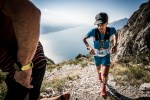
Sebastian Batchelor (GBR) was third in 04.59:50.

In the women’s race, Georgia Tindley set the early pace, but dropped out after Harrison Stickle. Catherine Slater, too, was suffering on the big climb out of Langdale. Henriette Albon started conservatively but gradually moved ahead and took the win in 05:59:27.

“That was definitely one of the tougher races I’ve done this year,” said Albon. “There was a lot of undulating, rocky terrain, you constantly had to be focused. I was surprised by how much time it took. I remember looking at my watch 15K in and thinking, ‘Phew, this is going to be a long one!’ I liked the grassy sections at the end because I could get some speed, but I liked the rocky bits too. I started slowly and tried to pace it.”

“I loved the race,” said Sally Fawcett, who placed second, in 06:26:16, “even if I was out of my comfort zone for much of the first half. But I was in my element for the more runnable second half. It was pretty much six hours and 26 minutes of fun!”

Catherine Slater dug deep to finish third woman in 06:47:48.

About the race:

The Scafell Sky Race (SSR) is a 42km skyrunning race with 3,000m of ascent on challenging, often technically extreme terrain in the Lake District National Park, going over England’s highest peak, Scafell Pike (978m). Skyrunning in the Lake District is a combination of mountain running and mountaineering, which includes low grade rock scrambling. SSR is an introductory to intermediate-level skyrace and part of the UK Skyrunning Series.

FULL RESULTS HERE

Follow on:

Instagram – @iancorlessphotography

Twitter – @talkultra

facebook.com/iancorlessphotography

Web – www.iancorless.com

Web – www.iancorlessphotography.com

Image sales –www.iancorless.photoshelter.com

IMAGES AVAILABLE HERE


Lakes Sky Ultra 2018 – Sinclair and Grant take Victory

The fourth Lakes Sky Ultra (LSU) again demonstrated both the allure of the Lake District and the international appeal of skyrunning, with runners representing Austria, France, Greece, Hungary, Ireland, Poland and Romania (as well as Britain) all arriving in Ambleside.

As the elite field of 74 runners began the ascent of Dove Crag (via Low Pike and High Pike), Great Britain-international trail-runner Rob Sinclair took an early lead. By notorious Striding Edge the Scot had a 10-minute advantage and as the day progressed it looked like he might break the course record of 7:30:27.

The first half of the course includes around two-thirds of the 4,500m of ascent and the majority of the technical ridge running, with the second half being faster, more runnable terrain.

Ultimately Sinclair arrived at the finish line in Ambleside just 10 minutes off the record. “The race was brilliant,” he said. “It was a really good run. It was super hot, but I felt good in the heat today.”

I loved the race,” said second-placed Tim Campion-Smith (GBR), who won last year’s sister race, the Scafell Sky Race (which takes place on Sunday 15 July). “It was super fun. The first five hours were great. Hours five to seven were pretty bleak. But then it was a nice little run in to the finish. The blueberries were out too, so I stocked up on a few calories.”
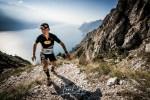
The other two lads were just a different level today,” said third-placed Andy Berry (GBR), who was 13 minutes faster than his winning time last year. “I don’t have that in the tank at the minute. Pinnacle Ridge [a particularly technical and exposed section where runners use safety ropes] was superb.”

In the women’s race, New Zealand-born GB international trail-runner Sophie Grant, who placed second at LSU in 2016, won by over two and a half hours, in a time of 10:14:41. “This is a race with service!” she said as she was sprayed with water at the finish line. “I’m feeling way better now. Thatwas fantastic. It’s just such a cool race.”

Kate Simpson (GBR) was second in 12:37:38, with Jenny Yate (GBR) third in 12:51:35. “I’m really chuffed with that,” said the Helm Hill runner. “I really enjoyed it up till Patterdale [30K into the race], then it got tough. The climb up High Street just went on forever. Coming off Red Scree [the final descent] seemed to go on forever, too. The marshals were amazing the whole way round. They were egging me on, telling me I was second lady, which did put some pressure on!”

About:

Lakes Sky Ultra (LSU) is a 56km skyrunning race with 4,500m of ascent on extreme terrain in the Lake District National Park. Skyrunning is a combination of mountain running and alpinism, where scrambling/rock climbing is likely. For LSU, runners are vetted to ensure they have appropriate levels of experience in the mountains. The race is part of the UK Skyrunning Series.

Follow on:

Instagram – @iancorlessphotography

Twitter – @talkultra

facebook.com/iancorlessphotography

Web – www.iancorless.com

Web – www.iancorlessphotography.com

Image sales –www.iancorless.photoshelter.com


Images will be uploaded to iancorless.photoshelter.com

Episode 159 – KILIAN JORNET Bob Graham Special

Episode 159 of Talk Ultra is a Bob Graham Round special with a full and in-depth interview with Kilian Jornet. In addition, we bring you two interviews with Paul Aitken and Steve Birkinshaw who helped pace Kilian, amongst others, on this record breaking FKT.
*****
Talk Ultra is now on Tunein- just another way to make the show available for those who prefer not to use iTunes – HERE  You can download the Tunein APP HERE
Talk Ultra needs your help! 
We have set up a Patreon page and we are offering some great benefits for Patrons… you can even join us on the show! This is the easiest way to support Talk Ultra and help us continue to create! 
Many thanks to our Patrons who have helped via PATREON
Donate HERE
*****
THE SHOW
On July 8th 2018, Kilian Jornet departed the Moot Hall, Keswick looking to break the 36-year old Billy Bland FKT for the Bob Graham Round.
You can read how the day unfolded HERE.
Kilian not only broke the ‘unbreakable’ but he set a time that was 1-hour 1-minute quicker than the previous best.
Kilian joins us to tell the story.
*****
00:01:44 Interview with KILIAN JORNET
*****
00:54:02 Interview with PAUL AITKEN
*****
01:10:56 Interview with STEVE BIRKINSHAW
*****
01:27:49 CLOSE
01:30:00
*****
Share us on Facebook – Talk Ultra FB https://www.facebook.com/talkultra/
Tweet us on Twitter – Talk Ultra on Twitter https://twitter.com/Talkultra
And use good old word mouth.
Importantly, go to iTunes and subscribe so that you automatically get our show when it’s released we are also available on Stitcher for iOS, Android and Web Player and now Tunein.
Our web page at www.iancorless.com has all our links and back catalogue.
If you would like to support Talk Ultra, become a Patron at www.patreon.com/talkultra and THANKS to all our Patrons who support us. Rand Haley and Simon Darmody get a mention on the show here for ‘Becoming 100k Runners’ with a high-tier Patronage.
*****
Stitcher You can listen on iOS HERE, Android HERE or via a web player HERE
Website- talkultra.com
UP & COMING RACESgo to https://marathons.ahotu.com