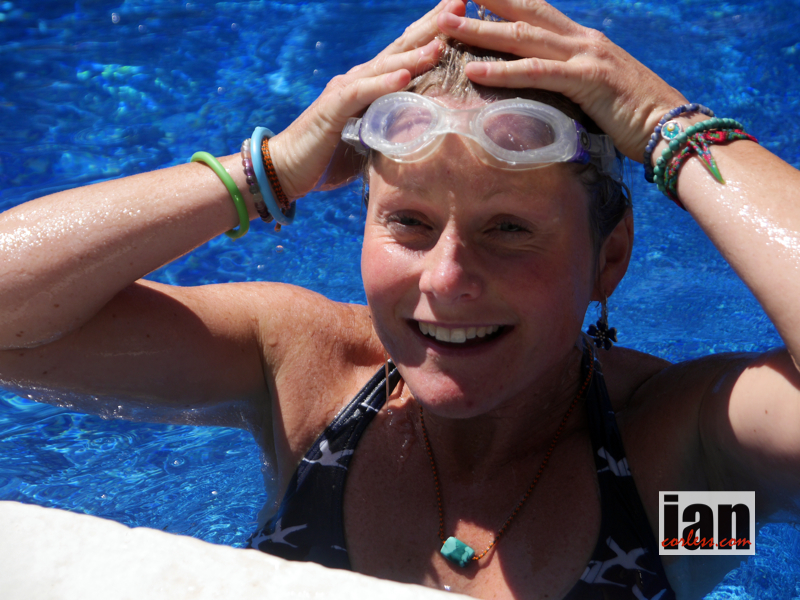
The Coastal Challenge welcomes Anna Frost for the 10th edition of the race. Frosty always smiling, always happy unfortunately though has some unfortunate news to share with us all before this years race.
We wish you all the very vest of luck Frosty!
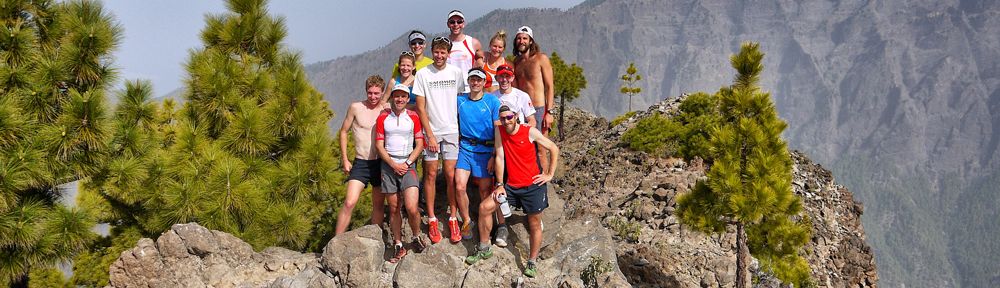
The Coastal Challenge welcomes Anna Frost for the 10th edition of the race. Frosty always smiling, always happy unfortunately though has some unfortunate news to share with us all before this years race.
We wish you all the very vest of luck Frosty!
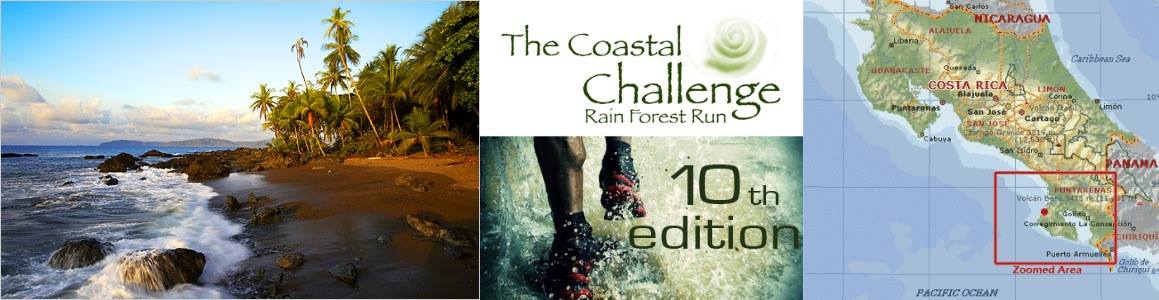
The 2014 edition of The Coastal Challenge, Costa Rica gets underway in less than 1-week. Runners from all over the world will arrive in San Jose in preparation for the journey down to the coast to Quepos and the 10th edition of the “TCC”.
“It’s a decade of exploring, adventuring and discovering Costa Rica and the beginning of a bright new decade to come!” Rodrigo Carazo
Rodrigo Carazo (Costa Rican architect and adventure racer) and Tim Holmstrom (race director and Lost Worlds Racing founder) have pulled together an incredible field for the race and without doubt it will arguably be one of the most competitive multi-day races of 2014.
“Reaching the 10th edition is a milestone that is both humbling and gratifying. It is a privilege and not to one to be taken lightly. It represents a massive amount of work over those 10-years by all those involved. As it transformed from concept to a fully realized dream, we had no idea it might weather all storms and remain 10-years later as a race that could attract runners from all over the world. We are happy and grateful to have made it this far, accomplishing much with little more than hard work, persistence and vision. We look forward to many more years to come and making many more new friends from around the globe.” Tim Holmstrom
Elite runners will toe the line in Quepos with everyday runners, they will all have one purpose in mind, to embrace the tough and technical challenge that lies ahead of them and enjoy every moment. For many, to be on the start is already a victory; the journey will provide the icing on the cake.
Steve Diederich (http://www.thecoastalchallenge.co.uk) the UK agent for the TCC had this to say, “The Coastal Challenge has come of age and has joined the exclusive club of iconic multi-day ultras – with the added twist of a backdrop of some of the most breathtaking rainforest and coast on the planet and accompanied with now legendary catering that outclasses any other event. The TCC in 2014 is a vintage race in the making.”
Known locally as the Rainforest Run, the TCC is a 236km stage race over 6-days that weaves in and out of a lush and tropical Pacific coastline. The Talamancas – a coastal mountain range spread across the southwest corner of the country – provides not only a stunning backdrop but also many of the tough and technical challenges that the runners will face on a day-to-day basis.
Beaches that last km after km are interspersed with dirt tracks, mountain paths, dense jungle, ridges, water crossings, open plains and highland; Costa Rica is bursting with variety. In addition, add 40deg temperatures and high humidity, the TCC is no easy challenge.
Unlike other multi day races, the TCC is supported. Each day camp is moved ahead and awaits the runner’s arrival at the finish. Running light and fast, runners are able to keep equipment to a minimum and as such, racing is extremely competitive. The 2014 edition of the race is proving to be extremely exciting, particularly when one looks at the line up of runners.
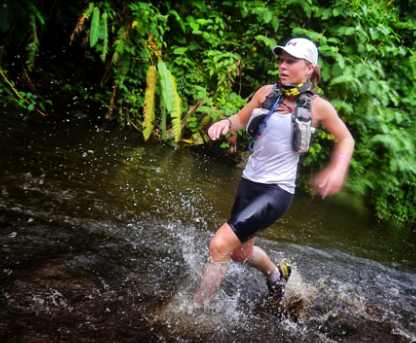
Gemma Slaughter ©iancorless.com
Gemma Slaughter from Canada is returning as defending champion of the race. By her own admission she is a newbie to ultra running. One year on, Gemma has embraced the challenge to return to coastline of Costa Rica for what she calls, “the opportunity of a lifetime”. However, Gemma will have her hands full. Julia Bottger (Germany), Anna Frost (New Zealand) and Jo Meek will create a stunning spectacle and highly competitive race. To put this in perspective, we only need to look at some of the career highlights of these incredible ladies:
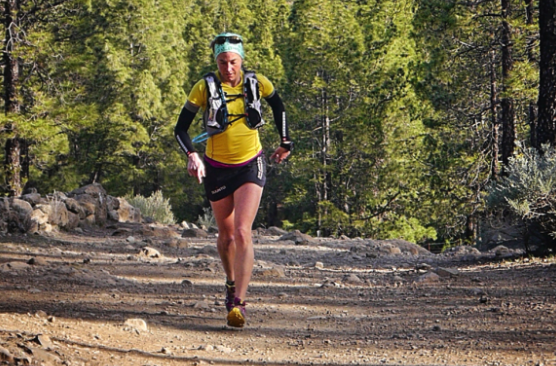
Julia Bottger ©iancorless.com
Julia Bottger
Julia is a strong and fierce runner. By her own admissions, she may not be the fastest runner on a course but she brings great strength, endurance and grit. Julia loves tough and challenging courses, without doubt she will embrace the TCC. Career highlights: TranMatinique winner 2013, Ultra Trail Atlas Tarabouki winner 2013, 2nd Sardona Ultra Trail 2013, 2nd Grand Raid des Pyrenees 2013 and in addition to these incredible results, Julia has placed 2nd at the super tough Tor des Geants in 2010 and placed 3rd at Diagonale des Fous in 2012.
“My training is going very well. As our winter is not really a winter this year I could run a lot in the mountains and do some cross training. But I noticed that my winter break was a bit too short. Last race in Martinique is not long ago. As well as I would like to focus on the Transgrancanaria race in march I have a bit of a problem on what kind of training to focus on.. But I feel great and healthy – that’s the best. I am really looking forward to the warm temperatures, beaches, new country and new people. And I am excited about doing a stage race again – has been a while. It is different from Ultratrails and very challenging. I love sleeping in a tent, having a very simple life out in the nature – so the Costa Rica Coast Challenge sounds like great fun.”
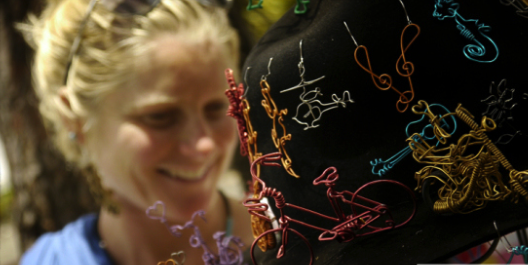
Anna Frost ©iancorless.com
Anna Frost
Anna has had a tough 2013 fighting recurring injuries but the end of 2013 and the beginning of 2014 has allowed Anna to find a great place, not only physically but mentally. It’s going to be a pleasure to have ‘Frosty’ on the trails of Costa Rica. Career highlights: Transvulcania La Palma winner and course record holder 2012, winner Speedgoat 50k 2012, winner La Maxi Race du Lac d’Annecy 2012 and 2nd Cavalls del Vent 2012.
“I am just super excited to be in a new and wonderfully exciting place – Costa Rica – with new and old friends. got my bikini and snorkel packed, oh and I guess some running gear would be good too!

Jo Meek ©iancorless.com
Jo Meek
Jo Meek comes to the TCC as a relatively unknown runner, however, a stunning and strong performance at MDS in 2013 confirms that Jo will be pushing hard at this race and for me, she is a hot favourite for victory! Career highlight: 2nd overall 2013 Marathon des Sables.
“I am busy packing my bag ready for this amazing experience that lies ahead of me. I am a little nervous because I want to race the best I can but more excited than anything else. As I reflect back on my training I am pleased. It has gone really well and because of it I qualified to represent my County (Devon) and then the South West Region which was a privilege with these ageing pins of mine.”
On a final note, we have just had news that Veronica Bravo (Chile) will attend the race. This adds a new and exciting element. Veronica is famous or should I say infamous for suffering frostbite in 2006 and then returning to running after fourteen operations. After 19-months of recuperation she returned to racing.
The men’s race is looking to be a classic in the making, defending champion and multiple TCC winner Dave James is not returning to Costa Rica, this therefore leads the door open for not only a new winner of the TCC but maybe a course record… who knows.
Philipp Reiter (Germany), Nick Clark (UK), Martin Gaffuri (France), Mike Wardian (USA), Carlos Sa (Portugal) and Vicente Juan Garcia Beneito (Spain)
It’s a top quality field!
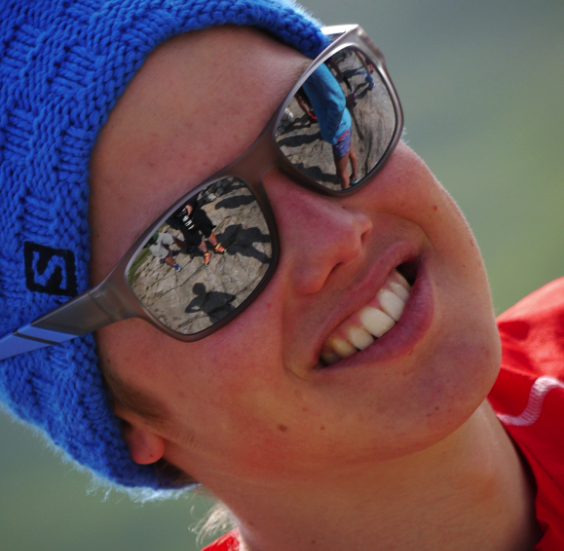
Philipp Reiter ©iancorless.com
Philipp Reiter
Philipp is an incredible talent. His growth in the professional ranks for such a young age has had many look twice and draw comparisons with his Salomon teammate, Kilian Journey. Philipp races hard but knows how to relax and enjoy the experience too. Costa Rica is going to be a dream come true for young German. Career highlights: Winner Salomon 4-trails, multiple winner of Zugspitz, winner of the TransAlpine and many more.
“I am very excited – in exactly ONE week I am sitting in the plane to central America! This year the winter here in Bavaria (south Germany) is unusual warm and almost no snow, which is very bad for skiing but good for trail running. As I usually barely run in winter time (1-2 times a month) I have done more km’s than the years before and it feels much better (if my feeling is right). I am worried about the climate change and the jet-lag of the long travel (27 hours from door to door) as I have only ONE day to make my body adapt to the 30°C and the high humidity. But I am so looking forward to explore jungle trails, see the beauty of the rainforest and to get to know new runners from all over the world! The tropical plants and wildlife is said to be unique, no need to mention the beaches of the Pacific ocean. Another thing I am afraid are snakes (brrrr) and I don’t hope to see any of them.”
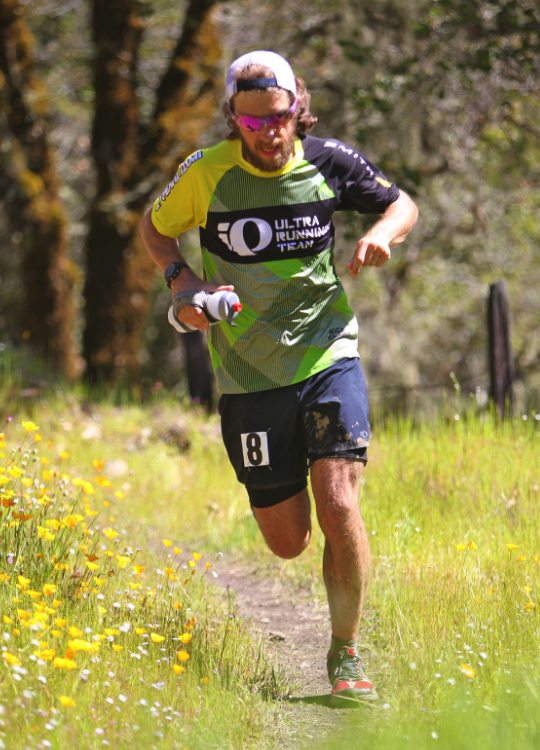
Nick Clark ©iancorless.com
Nick Clark
‘Clarky’ comes to Costa Rica and the TCC as one of the most respected 100-mile runners in the world. His 2013 performance in the Grand Slam of ultra running (4 100-mile races) was nothing short of spectacular. His consistent performance at Western States 100, Hardrock 100 and other tough and challenging events places him at the ‘to-watch’ list irrespective of the race or the distance. TCC will be no different. Career highlights: Wasatch 100 winner, 2nd Leadville 100, 3rd Vermont 100, 1st Fuego Y Agua and that is just 2013
“I am very much in base-building mode for the summer season right now, and really only starting get back after it in late December after a long break post Grand Slam. That said, I have been trying to put together a few longer back-to-back runs the past few weeks to try and replicate a bit the daily grind of a stage race. Other than that I’ve been logging lots of easy paced mileage with a focus on vertical gain. I feel like I’m in decent shape, if not particularly sharp, which should be just fine for a longer stage race like the Coastal Challenge.”
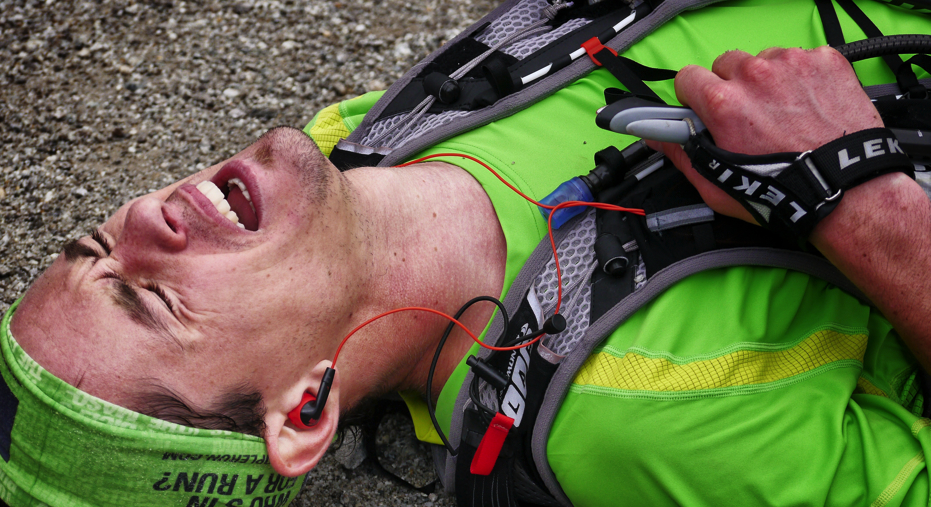
Martin Gaffuri ©iancorless.com
Martin Gaffuri
Martin had a breakthrough in 2013 participating on the ISF Skyrunner® World Series. Without doubt, Martin will add a surprise element to the racing and who knows, he may just turn a few heads. Career highlights: 7th Ice Trail Tarentaise, 8th UROC, 13th TNF50 and 21st Transvulcania La Palma
“So, one week to go… training only just started again after a 3 weeks break in December and all my long runs have been performed in the snow. I’m just coming home from a night out so at this very moment I’m feeling pretty… drunk. I’m most looking forward to catching up with good friends and make new ones and I’d say my only concern about this week will be to deal with mosquitos!”
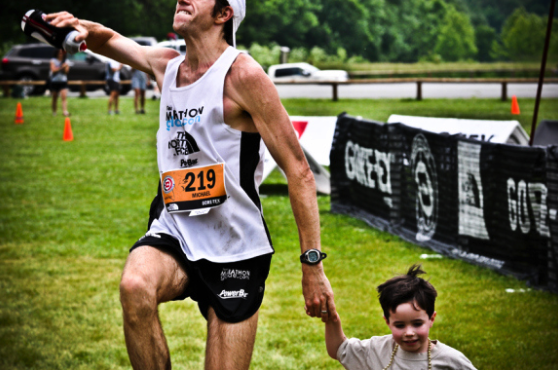
Mike Wardian ©iancorless.com
Mike Wardian
What can you say about ‘Wardian. He is a prolific runner from anything from a 5k to the 135m Badwater Marathon. He is unstoppable; racing week in and week out he will often race 2-3 times a week. He has speed and endurance and in addition knows how to race over multiple days as he showed by placing 2nd overall in a previous edition of the Marathon des Sables. Career highlights: 3rd JFK50 2013, 2nd UROC 2011, 2nd IAU 100km 2011, 3rd Badwater, 11th Comrades and 3rd Marathon Des Sables plus many, many, more.
“I am most looking forward to pushing my body for a week straight and to see how it does with the terrain, heat, climbs, descents, and for course the recovery…that is always interesting me. I am also looking forward to exploring the countryside, mountains and Rain forests of Costa Rica, I have been to Costa Rica a few times but never for very long and each time I go I know I am missing a lot so this time I hope to get an even fuller and more robust experience.”
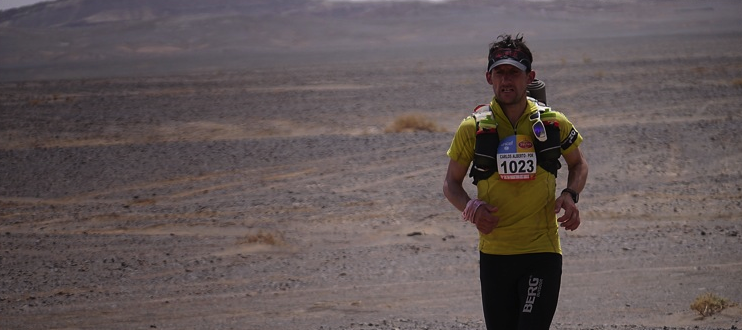
Carlos Sa ©iancorless.com
Carlos Sa
Started running ultras in 2008. In a relatively short period of time, Carlos has established himself not only as one of the top multi-day racers in the world but also as great runner in the mountains. Repeated top-10 performances at Marathon des Sables and TNFUTMB will without doubt mean that his presence will be felt a the front of the 2014 TCC. Career highlights: 4th UTMB 2012, 5th UTMB 2011, 8th Marathon des Sables 2011 and 1st Grand Raid des Pyrenees.
“I haven’t done any special preparation for the TCC. I am currently doing my normal day-to-day training for a mountain race. My objective is to enjoy this hard race, and have an adventure in a different environment. I have been told Costa Rica is unique. I would like to be in the first 5, but we shall see, I have not run any race since the last UTMB and I’m far away from my optimum capacity.”
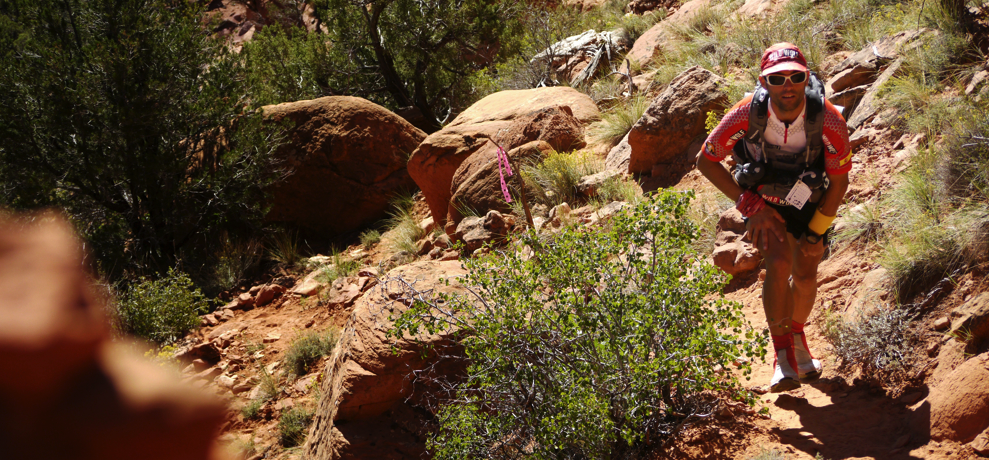
Vicente Juan Garcia Beneito ©iancorless.com
Vicente Juan Garcia Beneito
Vicente may well not be a runner you know… however, you should! Coming into the TCC he is arguably the most prolific and successful multi-day racer around. Just recently he was the winner of the Grand To Grand Ultra in Utah and winner of Ultra India Race 2014. He has raced in Chile before and I can’t help but think he will make his presence felt each day as the racing unfolds at the 10th edition of The Coastal Challenge. Career highlights: Winner of the 4 Desert Races in 2012 – Atacama (CETRhile), Gobi (China), Sahara (Egypt) and Antartica. NB* Ryan Sandes is the only other under to achieve this but Vicente is the only person to do this in one year!
The stage is set for the 2014 The Coastal Challenge. The action starts on Sunday February 2nd and culminates at the incredible Drakes Bay 6-days later.
Daily updates will be available on via iancorless.com website and on twitter @talkultra
In addition, the TCC Facebook page HERE will have updates.
Follow #TCC2014
READ THE ARTICLE IN SPANISH HERE
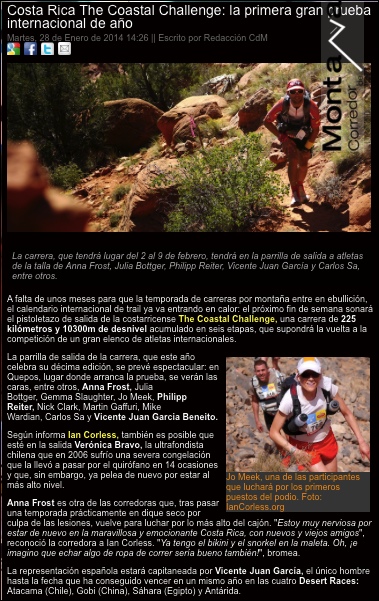
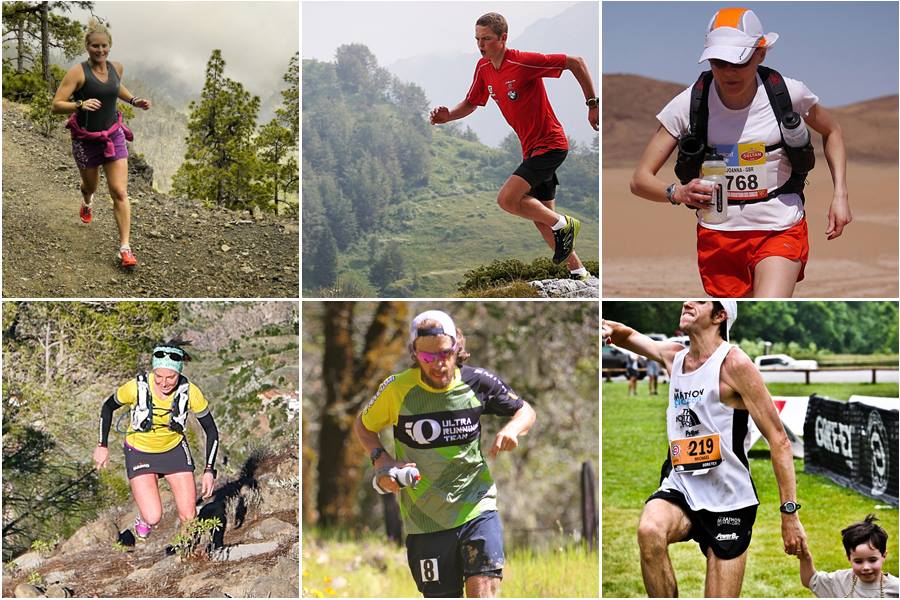
Four weeks today The Coastal Challenge, Costa Rica will start. Celebrating ten glorious years, the 2014 edition of the race will arguably be the most competitive in the races history.
Kicking off the 2014 racing season, runners from all over the world will assemble in Quepos for an exhilarating journey along the Costa Rican coast and within the rain forests of this exciting and idilic land.
Unprecedented in the races history, an elite line up of runners will toe the line featuring:
The words are still ringing true in my ears, ‘the tenth edition of The Coastal Challenge is going to be special, very special indeed’.
Rodrigo Carazo and Tim Holmstrom from the TCC organisation have quite a race lined up!
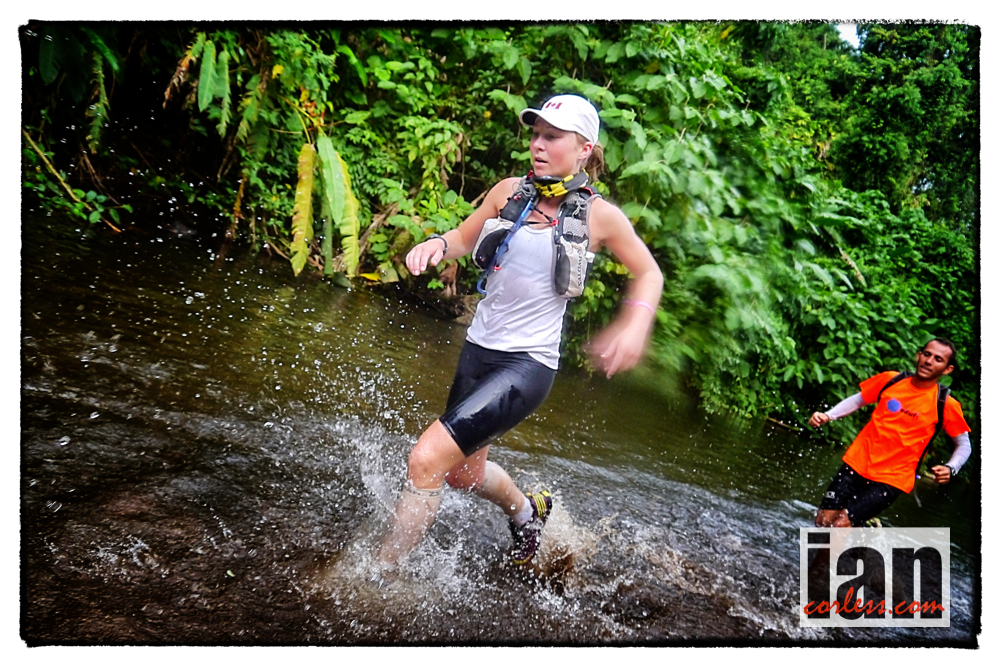
In addition, Gemma Slaughter, 2013 female winner of the TCC will return to defend her title. Without doubt, Gemma will find the 2014 race very different to 2013. However, she does have experience and knowledge of what this race can bring; from a physical and mental perspective. I will be catching up with Gemma in the coming week for an interview on how she feels, how training has gone and what are her expectations for the 10th edition.
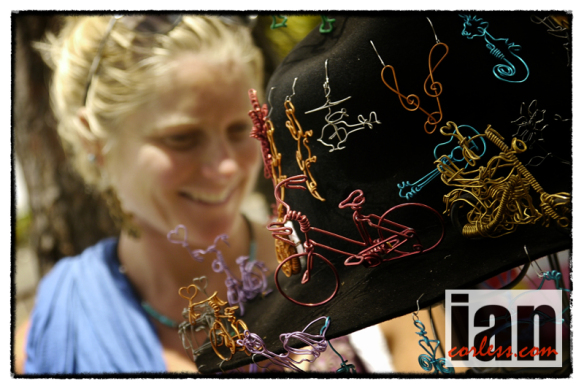
Frosty – ‘Costa Rica is exotic to me. A place I have never been but it intrigues me with images of its beautiful coast lines, native bush that seems a little bit like home (NZ) to me and the bright clear blue sea that is so luring. So when I heard there was a stage race that covers this coastline I wanted to know more.’
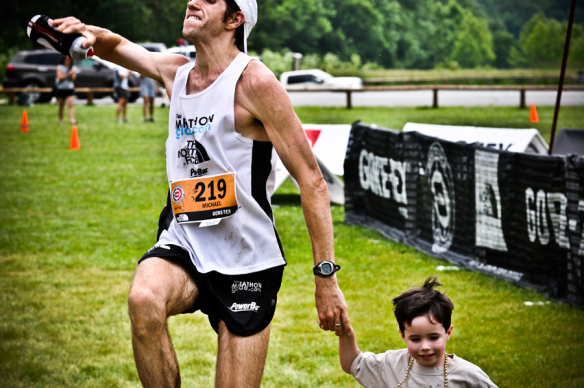
Wardian – ‘I definitely enjoy the challenges of multi-day races as there are a lot of factors to account for besides just running and that intrigues me and inspires me. I think of all the things I learned in my previous outings at multi day races; to be as light as possible and balance your energy expenditure throughout the race but also, and this is a little contrarian, but to push more than you think possible because it is possible to recover quicker than you think. I also, take care of the small things because over a week of racing they can make all the difference.’
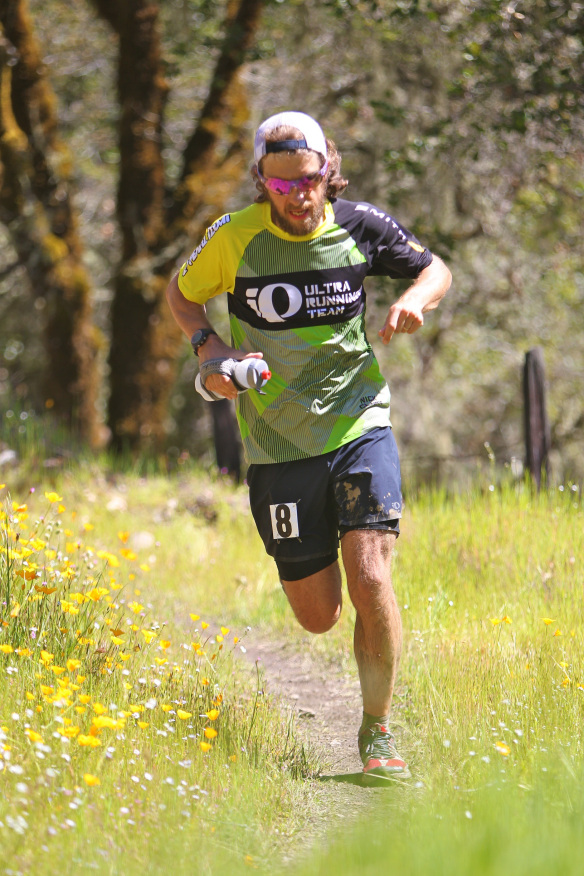
Clarky – ‘I actually haven’t been to Costa Rica before. Last year I raced in Nicaragua at the Fuego y Agua 100k. Nonetheless, I’m sure conditions will be much the same. Coming from mid-winter in Colorado, the transition to 95+ degree heat and high humidity in Central America is very tough, but I felt like I handled it decently last year. January and February have always been base-building months for me as I prepare for goal races in the summer, so I definitely won’t be sharp, but any time I toe a start line I have my race face on. That will be the case in Costa Rica for sure, especially as it looks like there will be good competition to race against.’
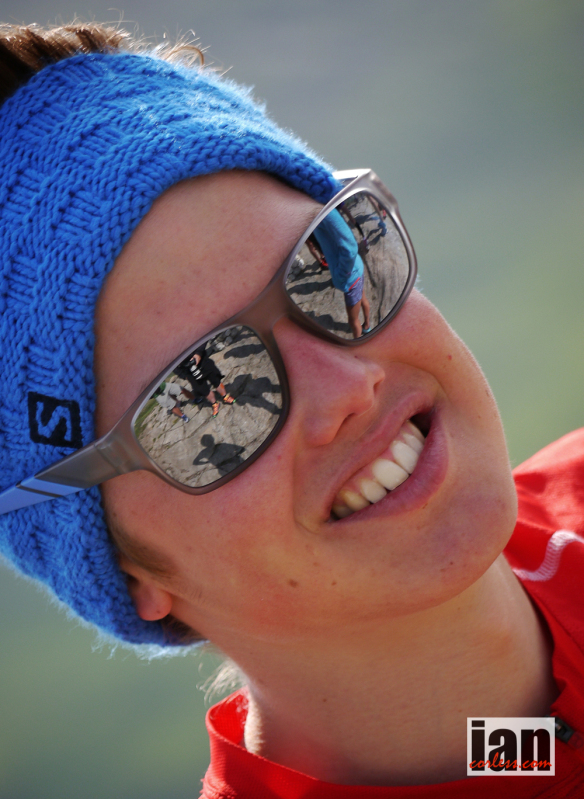
Reiter – ‘It sounds like a great adventure to me. Running eight days in the jungle, crossing rivers, hopefully seeing some wild and dangerous animals, sleeping in a tent-village and of course tasting some new food and local specialties. Running is such a great sport that we can all experience, I am really excited to share the trails with others who are equally passionate. It’s what I love and want to experience.’
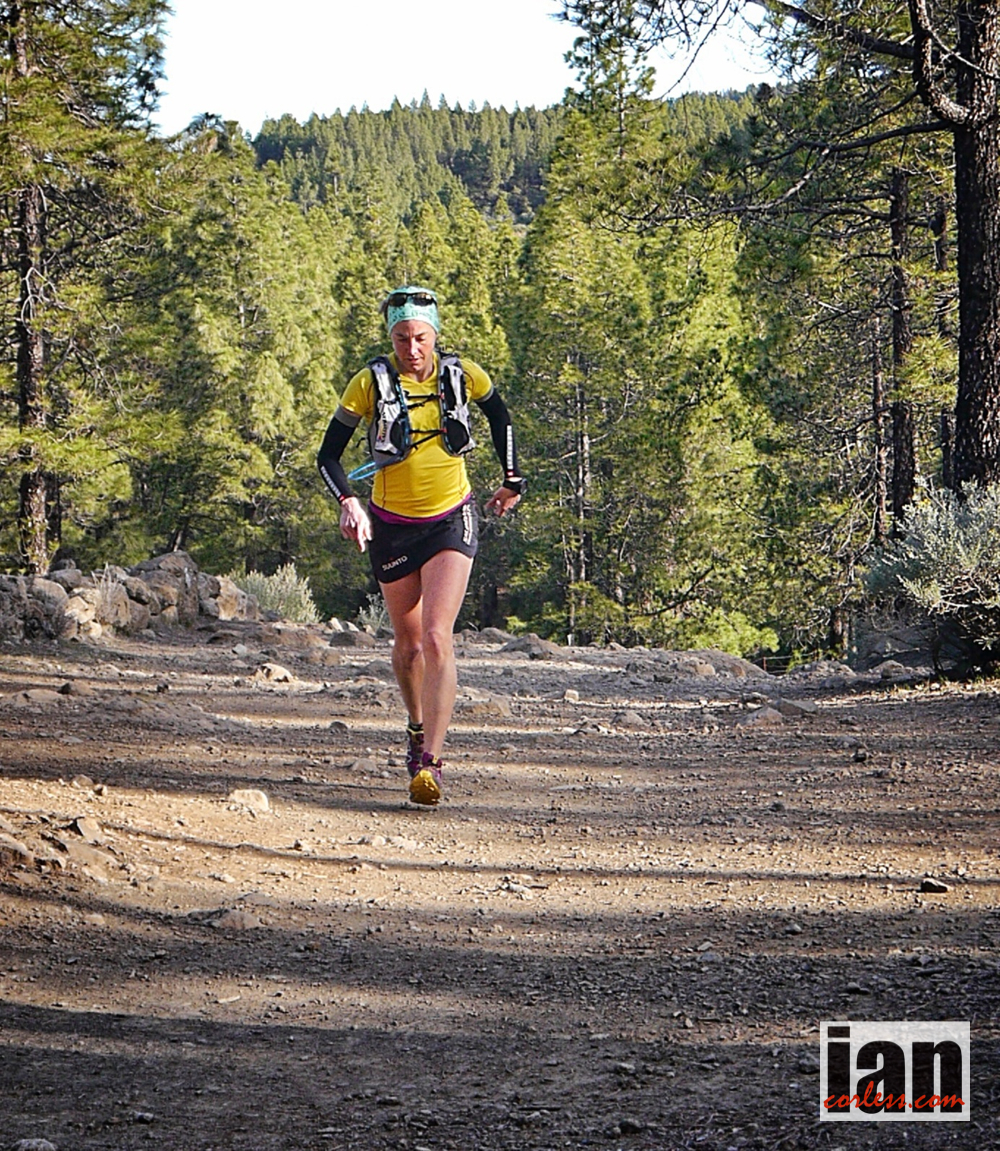
Bottger – ‘I have never been to Costa Rica before. I am really excited to see the trails and landscape over there. The climate will be very different, the terrain and of course the culture and people. It is just a very nice mix of a lot of new things and impressions. I have never done a multi day race like this before; sleeping in tents next to the beach in a foreign country, spending some days with great people and becoming a “family”. It’s going to be really exciting’
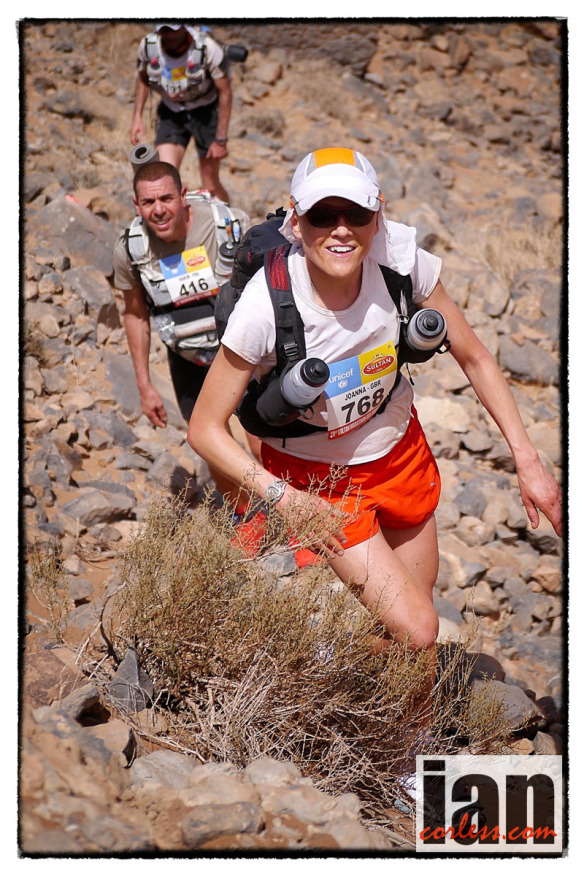
Meek – ‘I am always very attracted to a country that is hotter than the UK. That is a no brainer! It’s the challenge, the opportunity to compete in something so different. This race I don’t need to carry all my kit, so, unlike the MDS I will be able to just run, admittedly for repeated days. It will be interesting and it should mean I can go faster.’
The stage is set!
I will be reporting live ‘daily’ from the race and posting each evening a synopsis of the action with images (connections allowing).
Follow on Facebook: HERE Twitter: @talkultra and of course on this website.
If you’d like to read more about The Coastal Challenge, here are my links to the 2013 (9th edition).
SUMMARY of the 2013 edition of the race – HERE
Images from the TCC – HERE
The Coastal Challenge on RUN247 – HERE
The Coastal Challenge on TrailRunner – HERE
The Coastal Challenge in Spanish TrailChile – HERE
Daily Blog posts from the 2013 edition of the race:
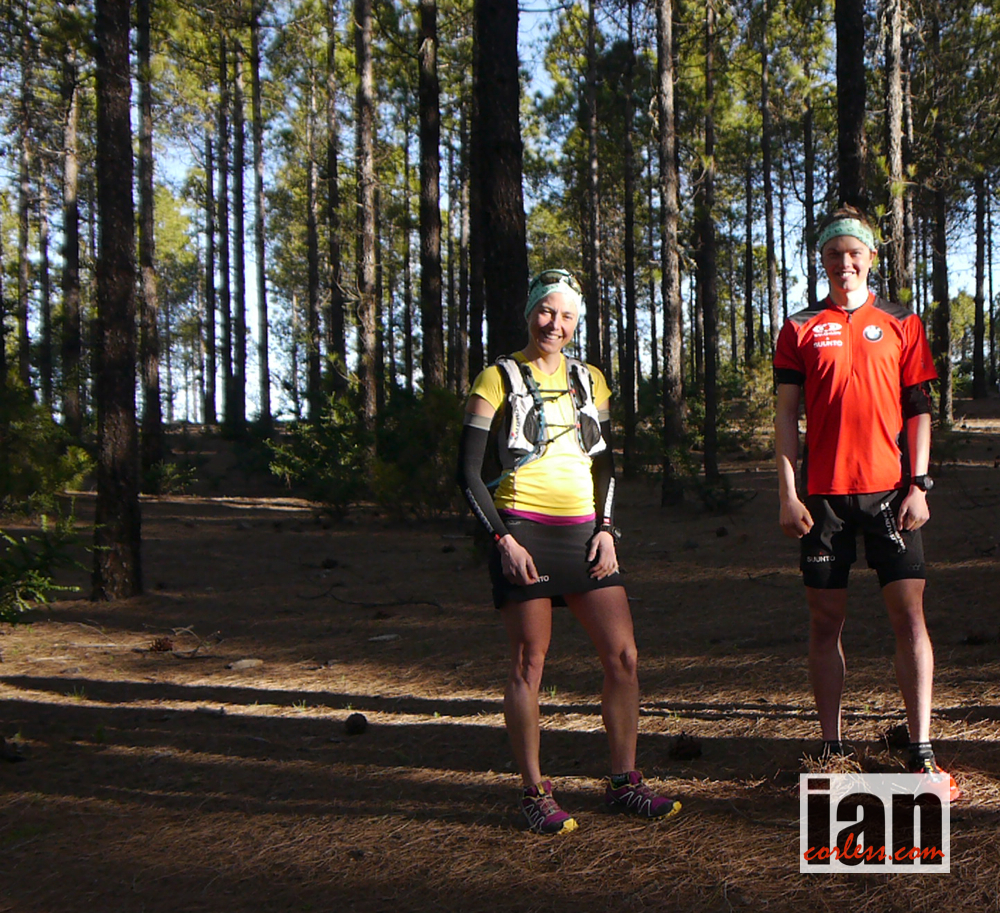
Philipp Reiter, Julia Boettger, Salomon ©iancorless.com
Nine incredible editions of The Coastal Challenge and in the words of race director, Rodrigo Carazo, ‘believe me, the 10th is going to be extra special’.
The Coastal Challenge has not been without some premier names from the ultra world in past editions, Scott Jurek raced in 2009 and Dave James has been a regular attendee for multiple years.
However, the 2014 edition of the race is going to see the race create a higher profile in the world of multi day racing. The announcement of Salomon sponsored duo, Philipp Reiter and Julia Boettger joining the race apparently is only the first of several big announcements that are due in coming weeks.
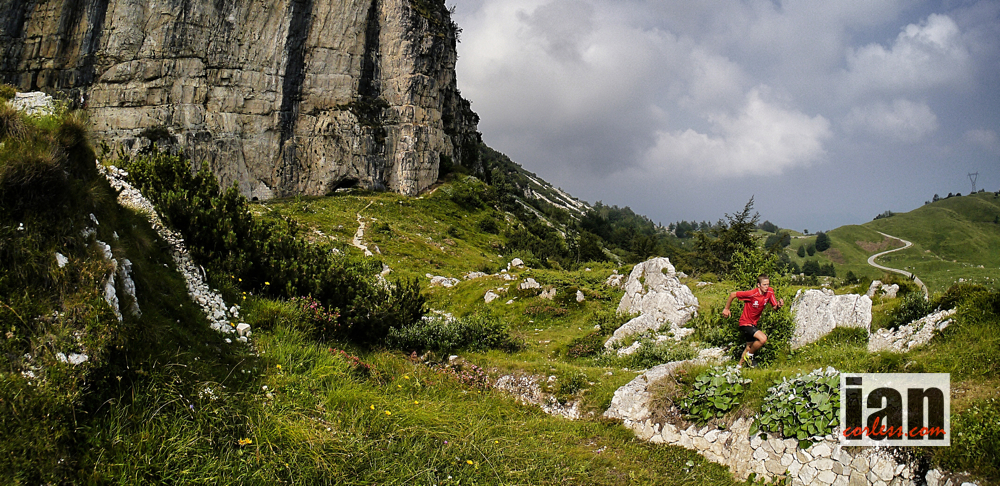
Philipp Reiter, Salomon ©iancorless.com
Rodrigo Carazo confirmed to me that the TCC is a passion for him and for the 10th edition of the race he wanted to ensure something special. When I asked him about the inclusion of Philipp and Julia he said, “It has always been a long term aim to have elite runners at The Coastal Challenge. We have had Scott Jurek in a past edition! It’s great to have Philipp and Julia join us and it will be great to see how they perform. However, TCC is all about enjoyment, participation and inclusion. Every participant will be treated the same. We will be one big happy family.”
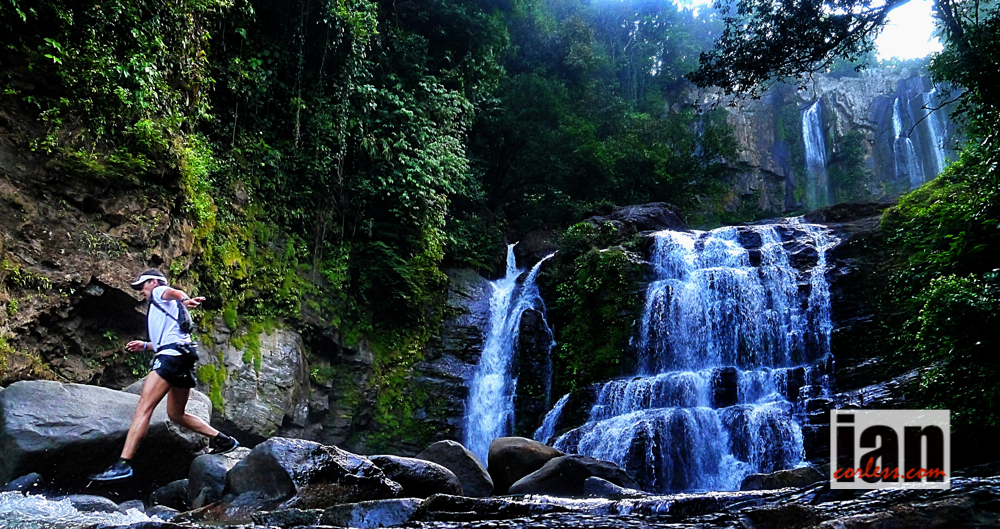
The Coastal Challenge, TCC, Costa Rica ©iancorless.com
It also appears that Philipp and Julia are only the first two names to be announced, I asked Rodrigo did he have any other surprises for us?
“Well, we have already made public that Brit, Jo Meek (interview HERE) will join us in Costa Rica. Jo was 2nd lady overall at the 2013 Marathon des Sables, so that will add some interest to the race. Also, we have some other ‘names’ from the ultra world to announce in the coming weeks. We are just making final preparations. It is all very exciting.”
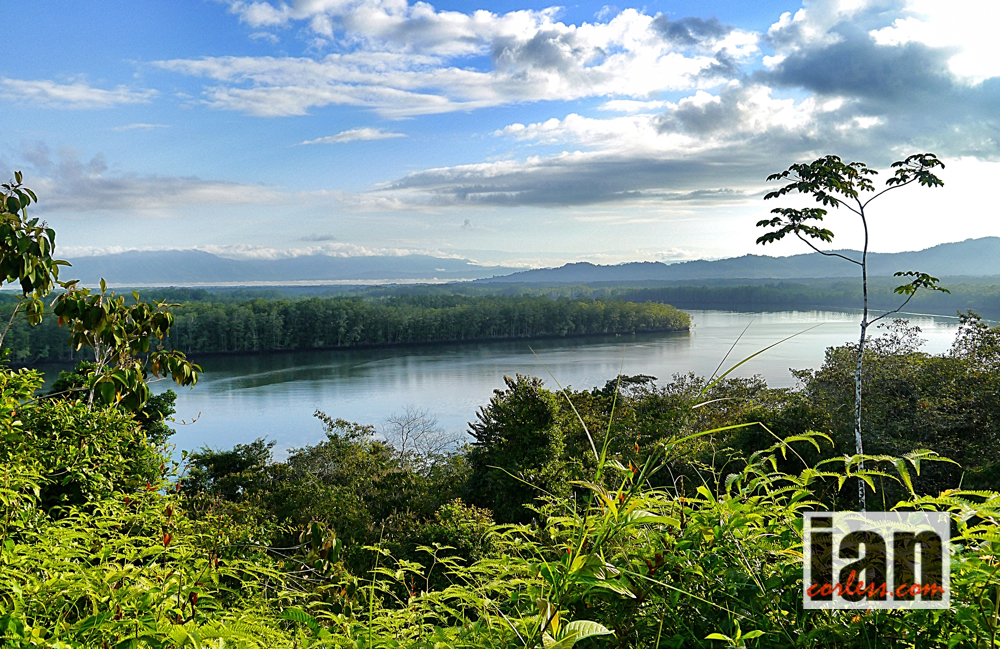
The Coastal Challenge, TCC, Costa Rica ©iancorless.com
Of course, Philipp and Julia need no introduction to the ultra running community. Philipp Reiter despite his youth has been competing on the ultra and Skyrunning calendar for several years with repeated impressive results. He has won the Zugspitze several times and just this year he won the 100km race. He is also a repeated winner at the multi day Transalpine race. However, Philipp is gaining a higher profile for consistently strong performances in the Skyrunner World Series.
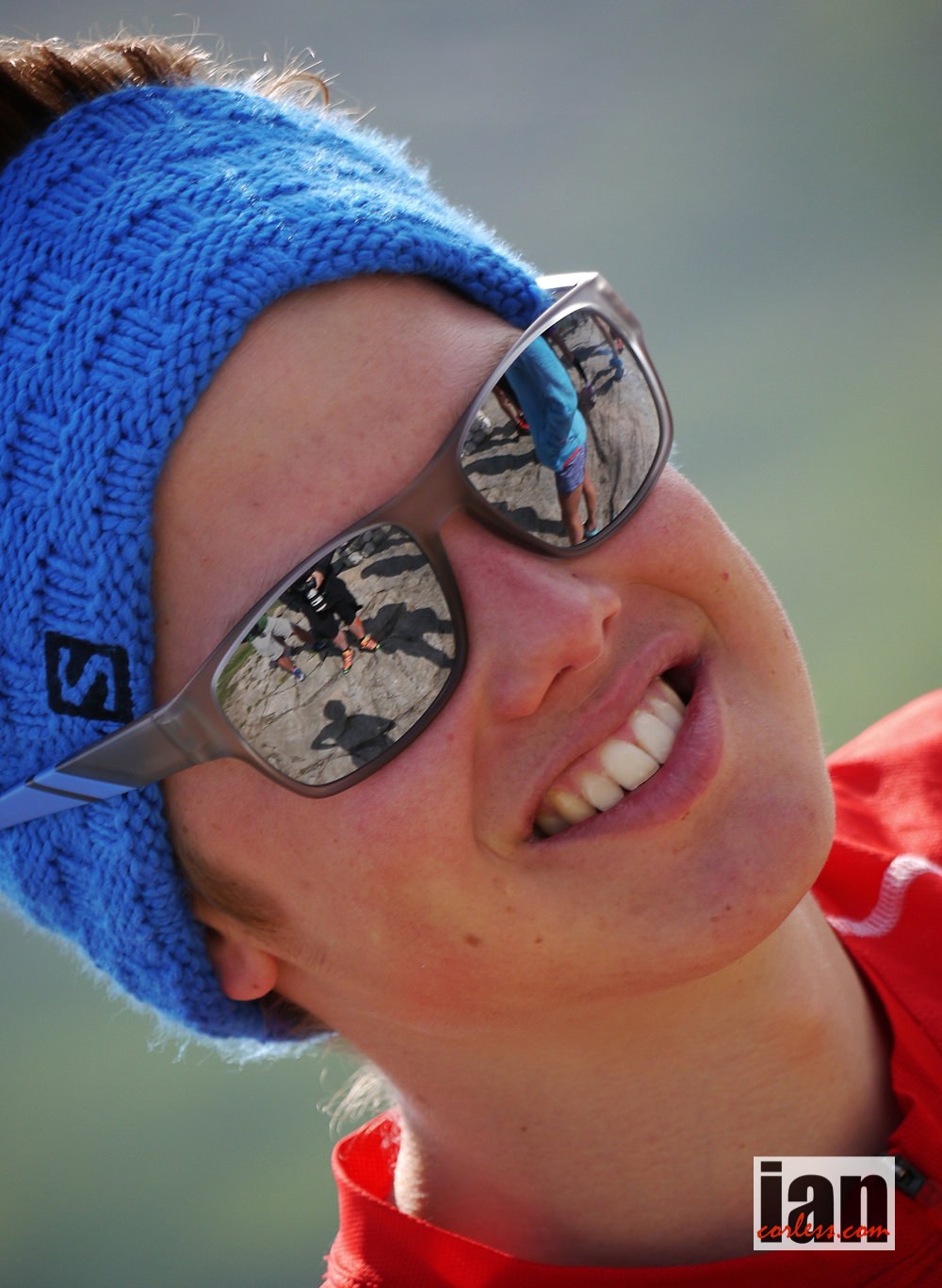
Philipp Reiter, Salomon ©iancorless.com
I asked Philipp what had enticed him to race in Costa Rica?
“It sounds like a great adventure to me. Running eight days in the jungle, crossing rivers, hopefully seeing some wild and dangerous animals, sleeping in a tent-village and of course tasting some new food and local specialties. Running is such a great sport that we can all experience, I am really excited to share the trails with others who are equally passionate. It’s what I love and want to experience.”
Philipp already has experience of multi day racing. For example, he has raced Transalpine several times and been incredibly successful. When I asked him about the challenge of Costa Rica and the rainforest environment he looked excited.
“Yes, so far I have done some stages races in summer (4-Trails, Transalpine Run) and also a few in winter (Pierra Menta, Tour du Rutor) so I know how it feels to have a race day by day in a row. But as I have never been to Costa Rica and the jungle there, it’s definitely going to be a new challenge for me. It’s a very different climate and the terrain will be a challenge. I am sure at times it will be tough!
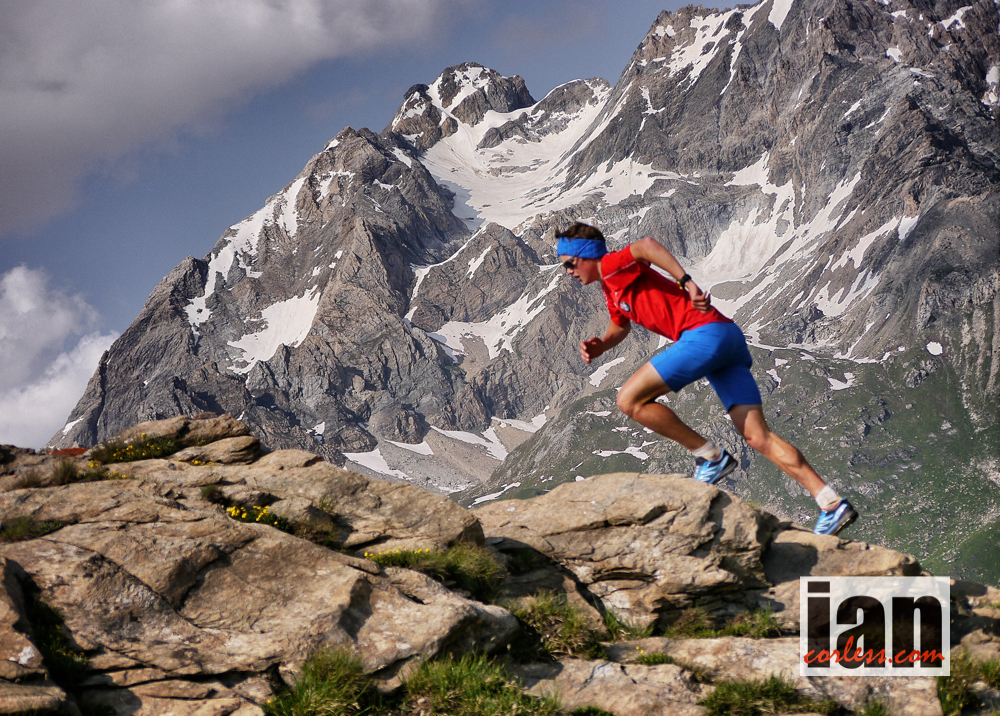
Philipp Reiter, Salomon ©iancorless.com
Of course one issue that may arise for those who live in Europe is the timing of the race, late January and early February, our weather is somewhat different to Costa Rica. I asked Philipp about cross training over the winter, as he is an experienced Ski Mountaineer. “Are you planning on doing any specific training for the TCC?”
“Yes, you are right, it’s the prime time of the SkiMo races and a lot of competitions take place. But for the Costal Challenge it’s not problem for me to skip these races. I usually have a lot of snow at this time of the year near my home and finding good trails can be difficult but I hope I can get some running in until January and maybe the ‘white gold’ will fall late this season? I recently saw some pictures of a guy from Norway cycling indoors with his down jacket on to prepare for the heat of Transvulcania (laughs) I am sure will also find a solution to prepare for the warm weather; running indoors in a Sauna?
On a final note, I asked Philipp what he was most looking forward to… the competition, a new place, travel or all those elements combined?
“It is more the experience in the jungle, a new area to explore, the wildlife and totally different nature.”
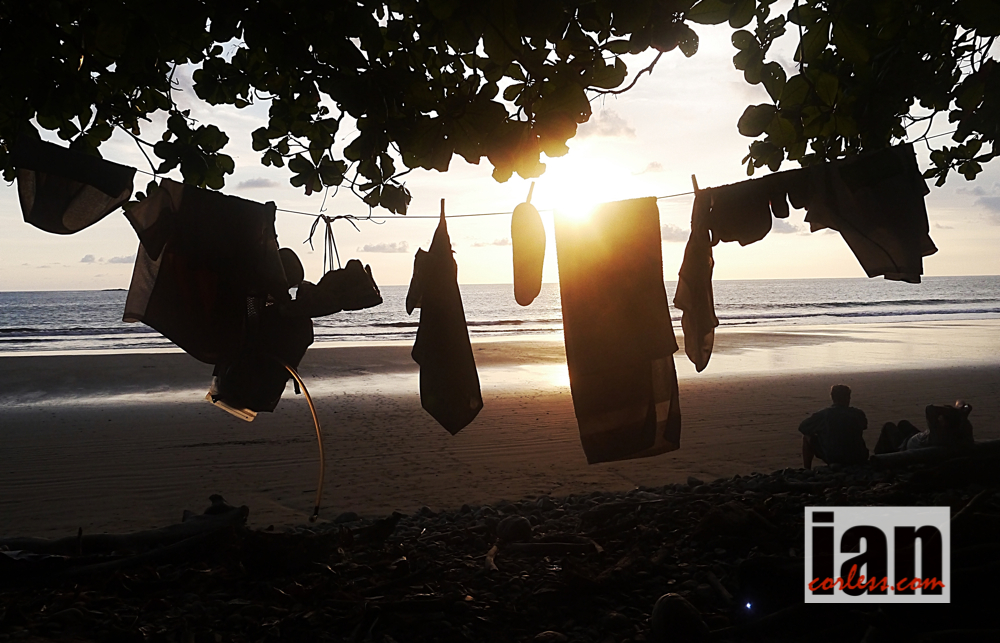
The Coastal Challenge, TCC, Costa Rica ©iancorless.com
Julia Boettger is without doubt a lover of longer distances and enjoys multi days in the mountains, she has placed 2nd at the extremely tough 160km Diagonale des Fous on Reunion Island and just recently placed 3rd at the 80km Grand Raid des Pyrenees.
“I have never been to Costa Rica before. I am really excited to see the trails and landscape over there. The climate will be very different, the terrain and of course the culture and people. It is just a very nice mix of a lot of new things and impressions. I have never done a multi day race like this before; sleeping in tents next to the beach in a foreign country, spending some days with great people and becoming a “family”. It’s going to be really exciting”
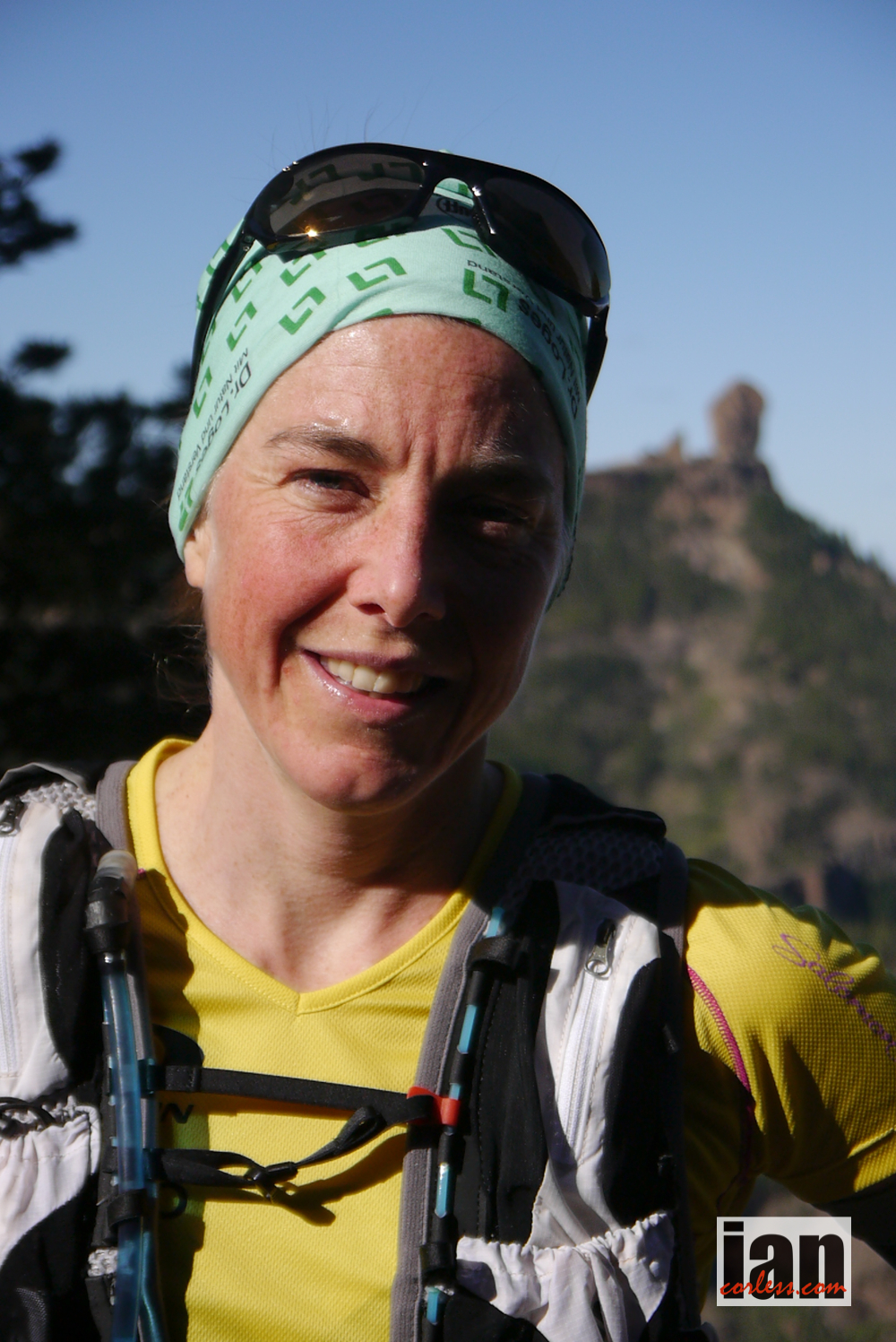
Julia Boettger, Salomon ©iancorless.com
And Julia is correct, it really is a great adventure that manages to combine many different elements. Runners have no need to be self sufficient, food is provided and all your belongings are transported to the next camp/ rendezvous point.
“It’s fantastic! It’s a great way to start a new year and a new season with some lovely running in beautiful locations. I am just fortunate to be able to do what I love. Running and then spending the rest of the day at a beautiful location, get some real food and not have to take care about anything else. Recovery will be so much easier for everyone each day.”
Like Philipp, Julia loves the mountains and technical terrain. The rainforests of Costa Rica do have some elevation but nothing like the Alps or Pyrenees. I asked Julia if she would do any specific training to prepare?
“Preparation will be different because the race is very early in the season. So for me it is hard to train in the mountains at this time of the year because we have a lot of snow. In winter I do a lot of cross country skiing and ski mountaineering. As the several stages of the race are not as long as the courses I normally do it will be easier to train for at this time of the year. I will do more running in the flat and get some speed work in.”
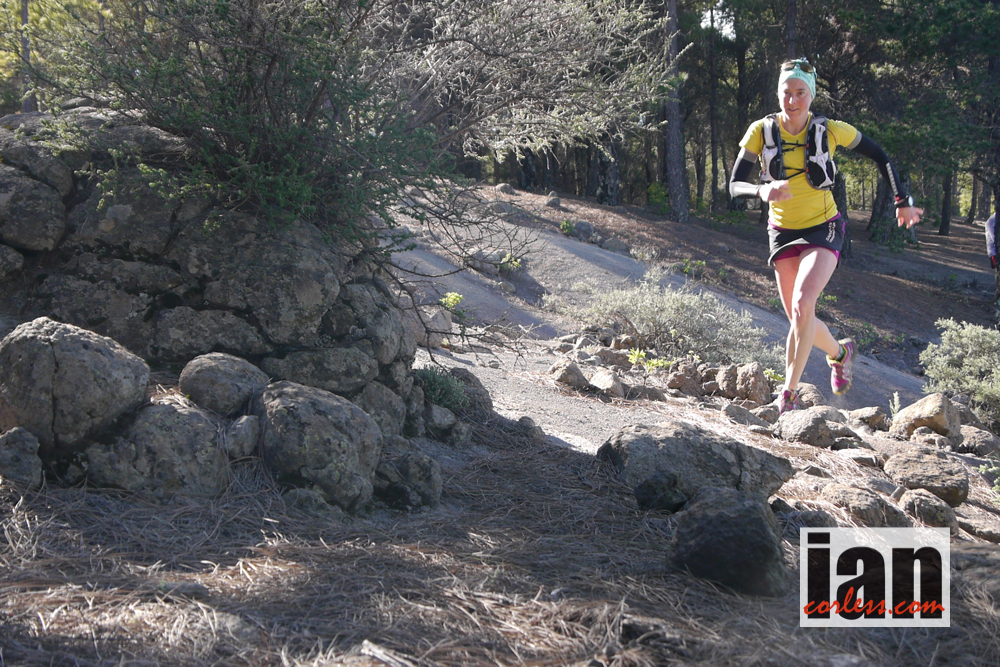
Julia Boettger, Salomon ©iancorless.com
For many, a trip to Costa Rica is a once in a lifetime possibility. The ability to combine this trip with a passion for running is something that all participants will relish. Julia is no different!
“The combination of traveling to a new place, running on different trails and meeting new lovely people who are sharing our passion will make this very special. I think Costa Rica is a very interesting country with a lot of different aspects and surprises. So I am looking forward to this adventure, the warm sunny weather will also be a great break from cold misty weather in Germany.”
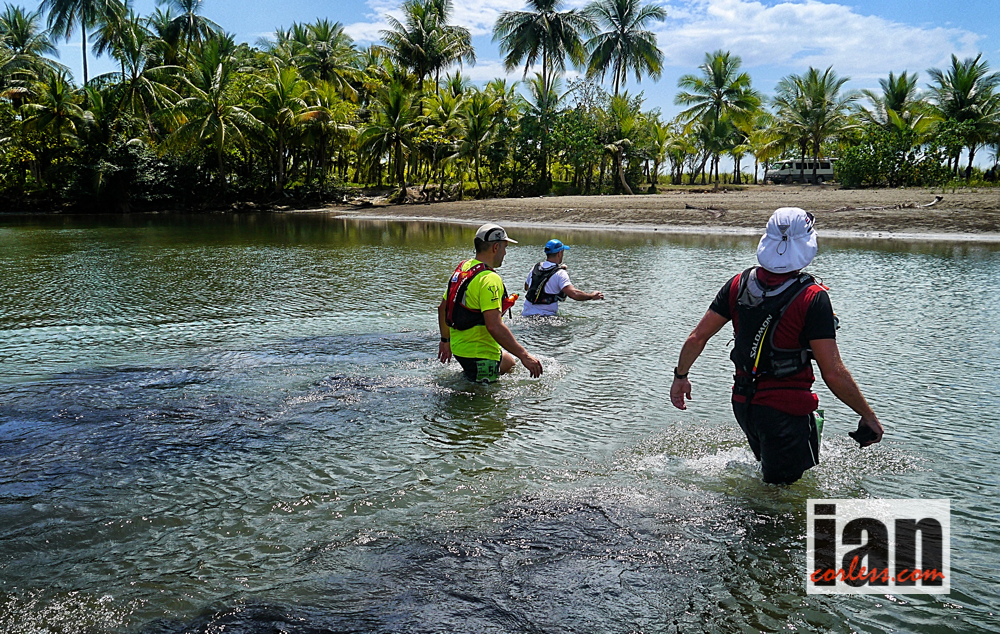
The Coastal Challenge, TCC, Costa Rica ©iancorless.com
Steve Diederich, the UK agent for The Coastal Challenge is excited about the inclusion of Philipp and Julia (and maybe more?) and although race entry is now closed, Steve has made several places available to coincide with this announcement. In addition, a 5% discount will be offered to the first five applicants. Steve had this to say, “The Coastal Challenge has come of age and has joined the exclusive club of iconic multi-day ultras – with the added twist of a backdrop of some of the most breathtaking rainforest and coast on the planet and accompanied with now legendary catering that outclasses any other event. The TCC in 2014 is a vintage race in the making.”
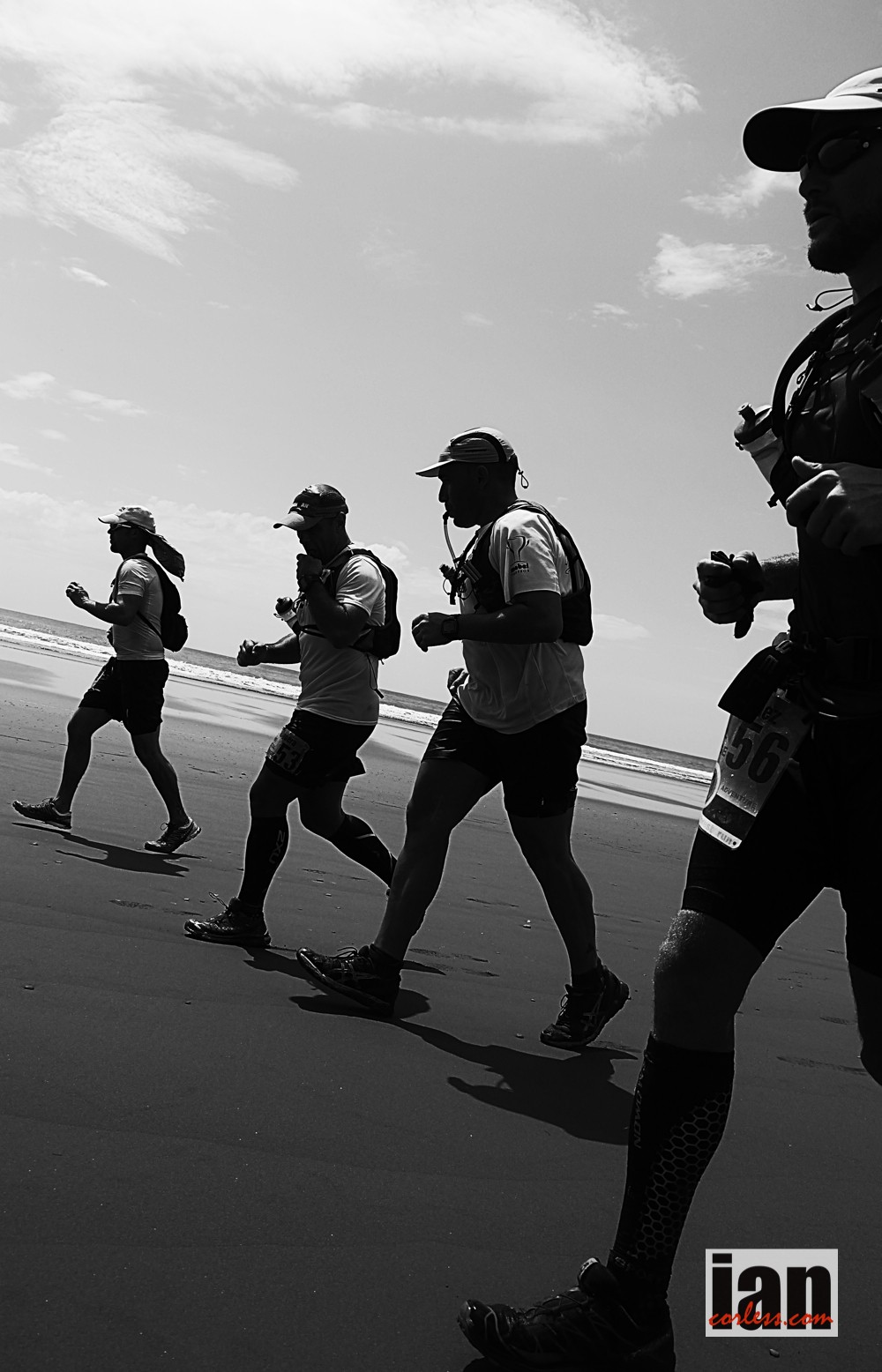
The Coastal Challenge, TCC, Costa Rica ©iancorless.com
Race dates: 2nd to 9th February 2014
If you would like to attend the 2014 event and take advantage of a 5% discount, please email sarah@thecoastalchallenge.co.uk
The Coastal Challenge website HERE
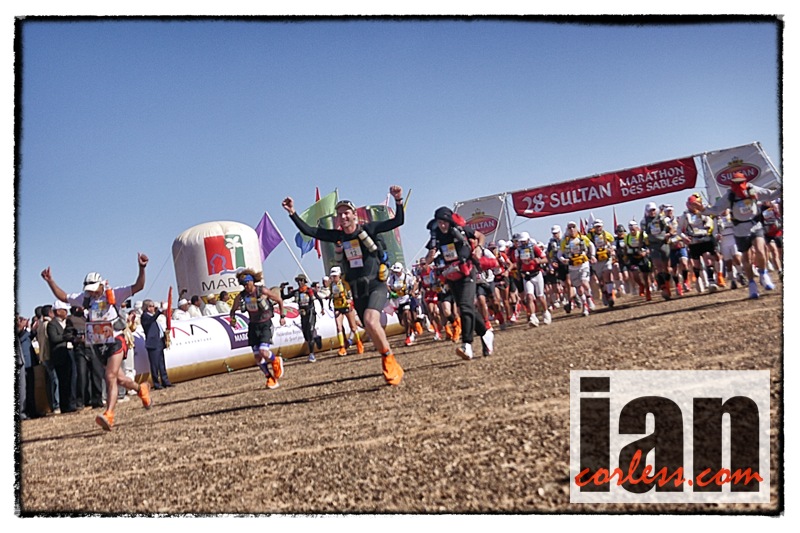
Who would have thought it, the 2013 Marathon des Sables turned out to be a great year for British performances. Danny Kendall placed the highest ever overall placing with 10th and Jo Meek placed 2nd lady overall. It was a stunning performance by a relatively unknown. Armed with a new belief in her ability, Jo will has now planned to switch from the heat of the Sahara and test herself in the heat and humidity of a Costa Rican rainforest at The Coastal Challenge. I caught up with Jo at the end of August and we had a chat about MDS and her expectations for TCC.
IC I bet April and the Marathon des Sable (MDS) seems such a long time ago?
JM Yes, it does seem ages ago. Considering I am walking now in late August in the pouring rain. It’s wet and miserable… it doesn’t seem that long ago in regard to memories. I just watched the video that was available for download and it brought it all back.
IC So sitting at home, watching everyone running in the sand with a tear in your eye?
JM Definitely no tear, I think I am happy not be running in the sand. I am still surprised how I adapted especially considering I am now at home running on the road again.

IC Amazing eh that you can be in that environment, the sand, the wind, the bivouac, no washing, you are eating dried food and you adapt and then post race when we got in a luxury hotel, you said, you wished you could go back, you loved it didn’t you! You loved being in that environment. It was preferable to the clean hotel.
JM I did. Yes, I actually think I could be quite a ‘skanky’ person really. I am far happier roughing it than in luxury. I guess it sounds romantic but I like being at one with nature, eating, running and sleeping. Perfect. But I guess the other memory is the one from those clean white cotton sheets; that was quite special.
IC I have to say, the first shower, all that fresh hot water and then all the sand starts to escape from all the nooks and crannies. As you say, no more sleeping bags and a lovely comfy bed, it is quite a pleasure.

JM My roll matt was about the size of A4 to keep it light and small, so my hip was pretty sore after a week in the bivouac. I have to say the cushioning of a bed was welcome.
IC The Bristh performed really well at MDS. No disrespect to you but we had no idea who Jo Meek was before MDS. We knew Laurence Klein was outright favorite and we knew Meghan Hicks was back, she had performed well previously but outside of that it was all unknown. On the first day you were up at the front and then continued to perform at the front of the race for the whole race. You had this great battle with Meghan. Laurence had a convincing lead but it all fell apart on the long day when she had to drop with dehydration. This opened it up for you and Meghan. Meghan had a great long day but I remember standing on the finish of the final day, it was the marathon distance, you nailed it. You said the marathon was your distance and you wanted to stamp your authority on it. You placed second overall, many look at MDS as one of those iconic mult- day races, how did you go from a relatively unknown to getting second. What was it in you that enabled you to focus and become so efficient in the sand?
JM A few things really. I am very good at setting a training plan and sticking to it. When I race, I always race. I don’t just enter to complete it. So, looking at the conditions I set myself up in a heat chamber and did training that was specific. I didn’t want heat to be an issue so I acclimatized. What was interesting over the six days was that I became less scared of what the heat could do. On the last day I thought, what have I got to loose. I do think back now and wonder could I have gone harder but it was an unknown. I didn’t know what would happen so I played cautious. Meghan taught me a lot without her realizing it. I followed her on a couple of stages and I watched how she tracked across the sand looking for the hard sand, even if it was out of the way. She would deviate and look for the harder and faster sand. Also her style, it’s a definite technique to sand running. You don’t want to be a toe runner.

IC For sure, you need a flat foot.
JM Yes, you also want to shuffle. You don’t want big strides. A little like being in the army again. I learnt lots. I learnt also from training. I had done some awful ultras that were definitely worse than MDS. One race, a 40-mile race across Exmoor and the weather was awful… they said 40 but it was 43-miles I am sure. The last 3-miles were awful.
IC That can be good, a bad training experience. If you have had some tough and hard training and the race works out easier then that has to be a good thing. It’s a real positive.
JM I had no doubt that I wouldn’t finish the race. I had said that I wanted the podium at MDS but I had no idea what I based that on.
IC To put things in perspective you are a 2:46 marathon runner. Ability and speed are there. Many would die for a 2:46 marathon but also you are in the army. Does the combination of those two things make a good MDS runner?
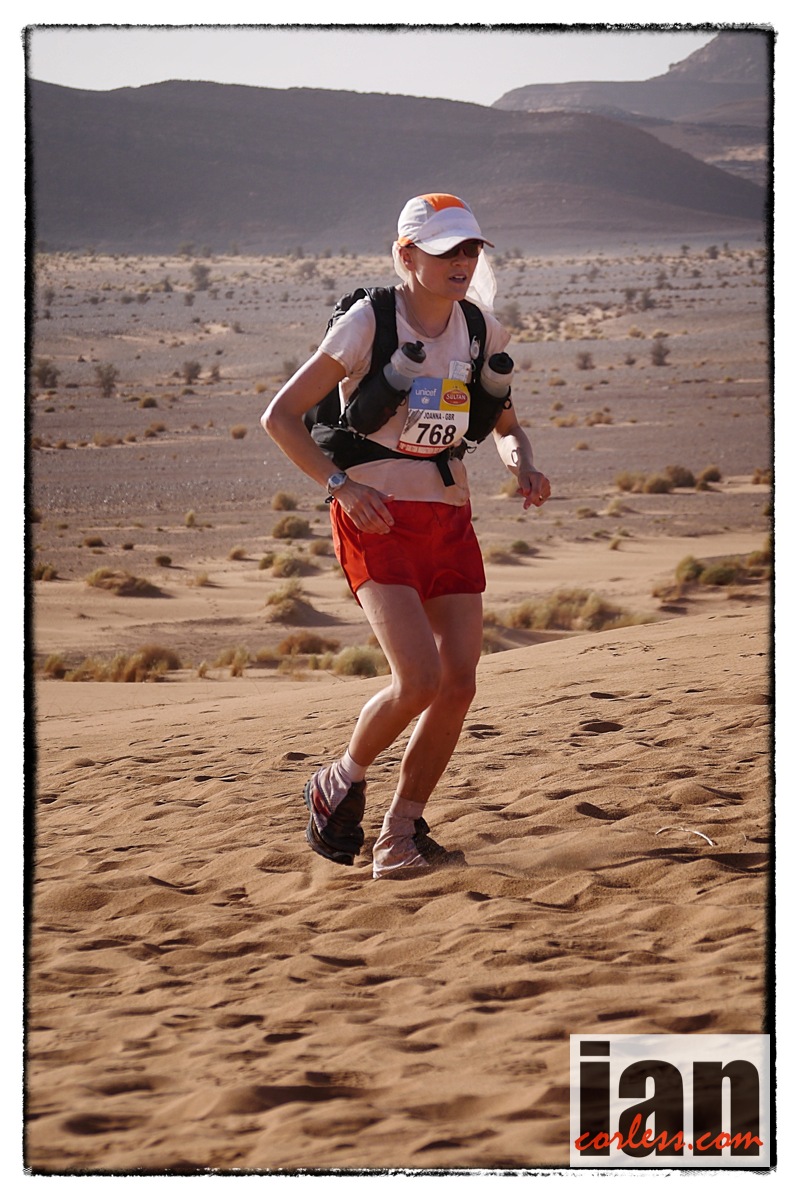
JM I think the marathon pace and training was key in terms of the speed. I didn’t have the same endurance as Meghan over the ultra distance. Many of the days were shorter in terms of ultra distance so I knew I had that potential. In terms of tent life and conditions, maybe the army helped but that is me… I like that. The army helped with discipline; eating, drinking and so on… it was feet first, food and then wash. You need to look after yourself.
IC Give us an insight into your background, you are a roadrunner really?
JM Yes, but I do like cross-country. I came second in the Nationals. Essentially I have done road running. I started in my teens to loose weight and then just kept going. I wouldn’t say I have natural talent in terms of speed but I have something that works, particularly over distance.
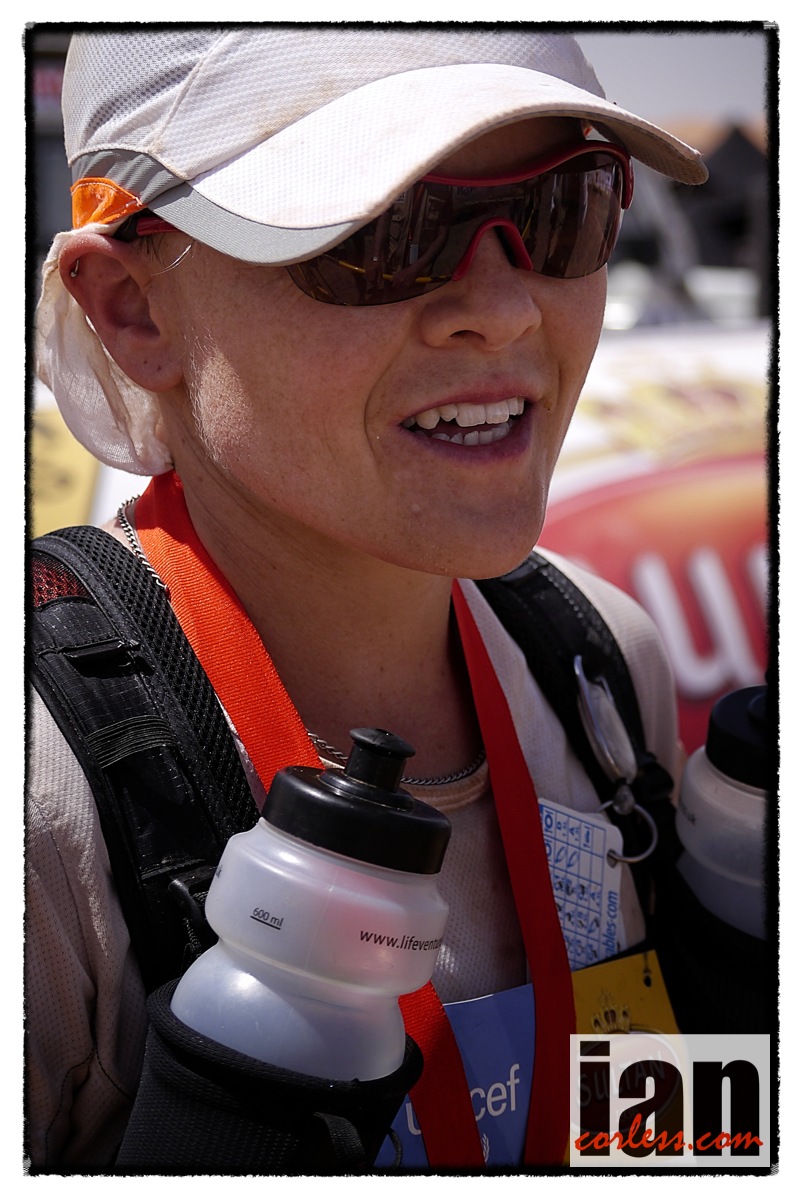
IC How long have you been running?
JM 18 years, maybe 20!
IC So you have a great base of running and plenty of experience?
JM Yes. I always thought that maybe I should do ultra earlier and I thought, no rush! Particularly with how you develop with age and aerobic capacity. It seemed like the correct time for MDS. As you know, you don’t just enter MDS you have to enter years in advance.
IC Post MDS you really wanted to improve your marathon time. You put yourself on that path and recently you run a half marathon but you were disappointed with the performance. Many factors can affect a race, a conclusion you have arrived at is that you are now going to pursue trail and ultra running. So, you are going to another multi stage in early 2014 but this time you are going to a Rainforest. It’s a race that I was at earlier in 2013, The Coastal Challenge in Costa Rica. Also known as the Rainforest Run. What’s the attraction?

Costa Rica
JM I am always very attracted to a country that is hotter than the UK. That is a no brainer! It’s the challenge, the opportunity to compete in something so different. This race I don’t need to carry all my kit, so, unlike the MDS I will be able to just run but admittedly for repeated days. It will be interesting and it should mean I can go faster.
IC The race is very different to MDS. Some things carry over such as the multi day. As you say, you don’t need to carry all your kit but you do need safety kit, food, water and just essentials. But you are correct, all your clothing, tent etc is moved for you and then food is provided. It’s a hot and very humid environment and even when it rains it is not a problem, it is so warm. All the daily campsites are in beautiful idyllic places. It’s such a wonderful environment. It’s a great combination of providing daily challenging runs but with just a touch of comfort. It’s perfect for those who may want an introduction to multi day racing.

JM In some ways it will feel easier but in an evening you will be able to eat as much as you like and so will the competition, in theory you are all the same come the following day. But at MDS it is about survival and balance. It is more about balancing and economy and how you ration your food and water.
IC The race has so much more elevation than MDS and in particular, the terrain is much more varied. You have single track, double track, rocky sections, forest, dense forest, beautiful beaches and then some tough climbs and descents. The next edition of the TCC celebrates its tenth year so it may have a little more climbing than normal, we shall see? The variety is amazing. If you are lucky, you’ll see wildlife. You hear it but don’t always get to see it.

JM I’m so excited. I can’t wait. I have some road races to do in the coming months and then I will start my TCC training three months out. I will use a heat chamber again. The heat chamber I used for MDS prep was stuck on 80% humidity so I have an idea of what conditions will feel like and I know what my sweat rate is like.
IC Costa Rica is very humid. It is almost 100% but it is not unpleasant. You really do sweat all the time, particularly when running. You need to be on the ball and balance your hydration.
JM I like it harsh and hard conditions. In some ways, the harder the better.

IC How do you prepare for a multi day race? In some ways you had to guess for MDS and that worked! So, what do you take away from that experience and what will you do in preparation for TCC. The longest stage is around 50k and not 80k so that will make a difference. As we have said humidity and terrain are the key differences and you won’t need to carry a heavy pack.
JM I will do far hillier off road training. For MDS I had to train with the weight too, however for TCC I will just use essential kit and I will do plenty of back-to-back training at a faster pace. I will try to replicate the race really. In some respects it won’t be too different from my marathon training. The key will be the back-to-back runs..
IC We have so many different ways to look at training. Some runner’s just head out of the door and run on feel. No time set, no distance set. It all goes on feel. Are you like this or do you have a plan that has everything planned out?
JM I work full time so I must have a plan. I don’t have the luxury to say go out and run for three hours when I feel like it. I have commitments. I get up at 05:30 and I do what I can and then I add to this at lunchtime or the evening if required. I make every session count so I fit in threshold running, speed work and so on. I need to be very specific. At weekends I have more time and if I need three days consecutive I take a day off work.
IC Do you do core stability, stretching, strength and core.
JM Oh yes, I am a proper geek when it comes to this. I am a physio too so I have no excuse. I stretch everyday, I do two strength sessions and I do two core sessions per week.
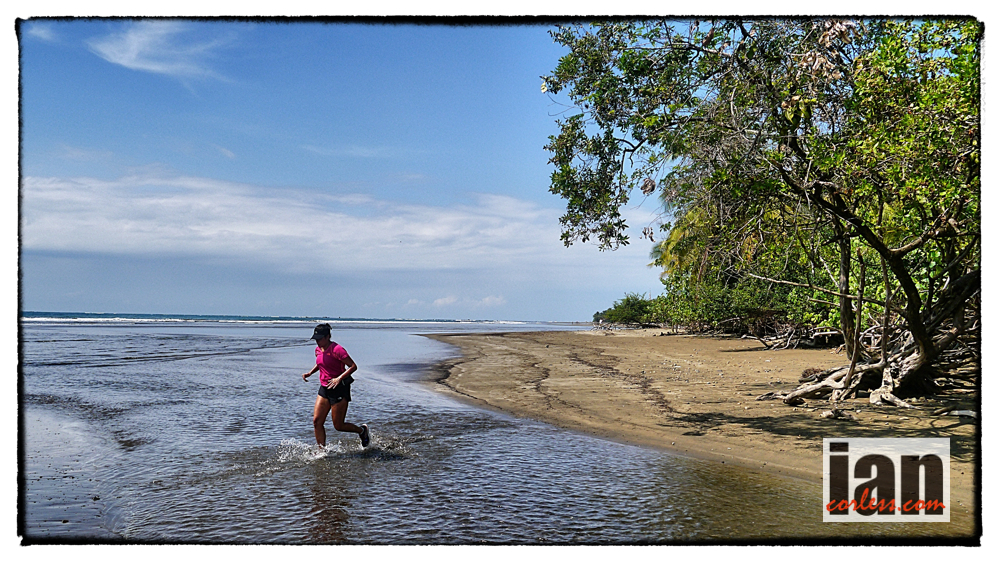
IC Wow, you are the perfect example for all of us. So often I ask this question and I get a blank answer. We all know we should do it but few of us apply it!
JM I am disciplined and I see the benefits. You have to be disciplined but it still doesn’t stop me getting injuries.
IC Ah well, injury can be caused with so many factors.
JM For me it is usually over doing it or being tired.
IC Yes, distance and speed increase injury risk. Slower and longer has more impact but you don’t overstretch muscles or tendons. Listen to your body and all will be good.
JM I never listen to my own advice… I am lucky, we have a gym at work so it makes strength work easy. If I didn’t have that available it would maybe be harder. I have been strict with this for four to five months and I can feel the difference.
IC TCC is still months away, are you planning on doing any trail races for late season in the build up?

JM Yes, I love to race. I will enter races, from experience, if I enter races too far in advance I get injured, so I have entered a couple of marathons on the road for training and speed. In December and January I will look for options. Of course, options are reduced and conditions will be a little different to Costa Rica.
IC Late and early season events do crop up specifically designed to help people get ready for MDS so you will have some choice. Final question, many may be reading this and they are going to MDS or they may be tempted by TCC. What advice would you give to these people?
JM It very much depends on what you want to get out of it? I shared a tent at MDS with people who wanted to just complete, they wanted to enjoy the race and that is what they did. Set an objective and train accordingly. Ultimately it is all about fun and enjoyment.
IC If you had to give three tips. Three lessons you learnt at MDS that you would take to any race.
JM Good question. I learnt specifics like running in the sand but I guess the need to watch and keep on top of nutrition. Start eating early and don’t wait. Also, keep any eye on hydration and drink to thirst and then finally enjoyment is key! You must enjoy it.
IC I am sure you’re going to really enjoy TCC and Costa Rica. Many thanks for the time and insight into your progression and have fun in the Rainforest.
JM Thanks, as you say, really looking forward to it. It will be a real adventure.
Links and information:
WANT TO RUN THE 2014 COASTAL CHALLENGE?
5% discount available using the form below for followers of iancorless.com
*Please note I will be at the 2014 TCC reporting on the race and capturing images at the invite of the race organisation.
One of my images from the 2013 ‘The Coastal Challenge’
“Some races have mountains; some have dense forest; some have beach running; and some, like Costa Rica’s Coastal Challenge, have it all!”
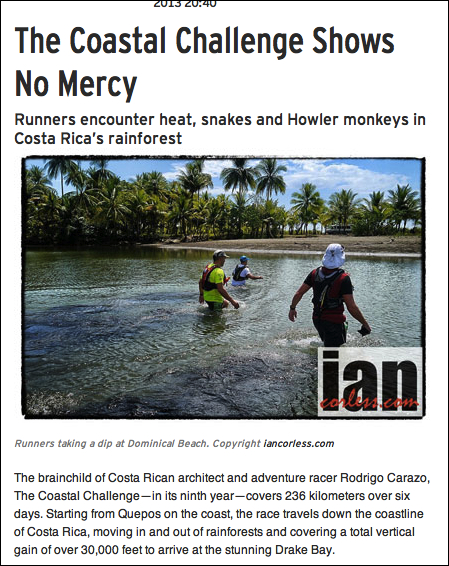
The brainchild of Costa Rican architect and adventure racer, Rodrigo Carazo, the ninth edition of this epic race covered 236k over six days. Starting in Quepos on the coast, and travelling down the coastline of Costa Rica, moving in and out of rain forests and covering a total vertical gain of over 30,000 ft to finally arrive at the stunning Drake Bay.
Entries for 2014 are now available at: www.thecoastalchallenge.co.uk
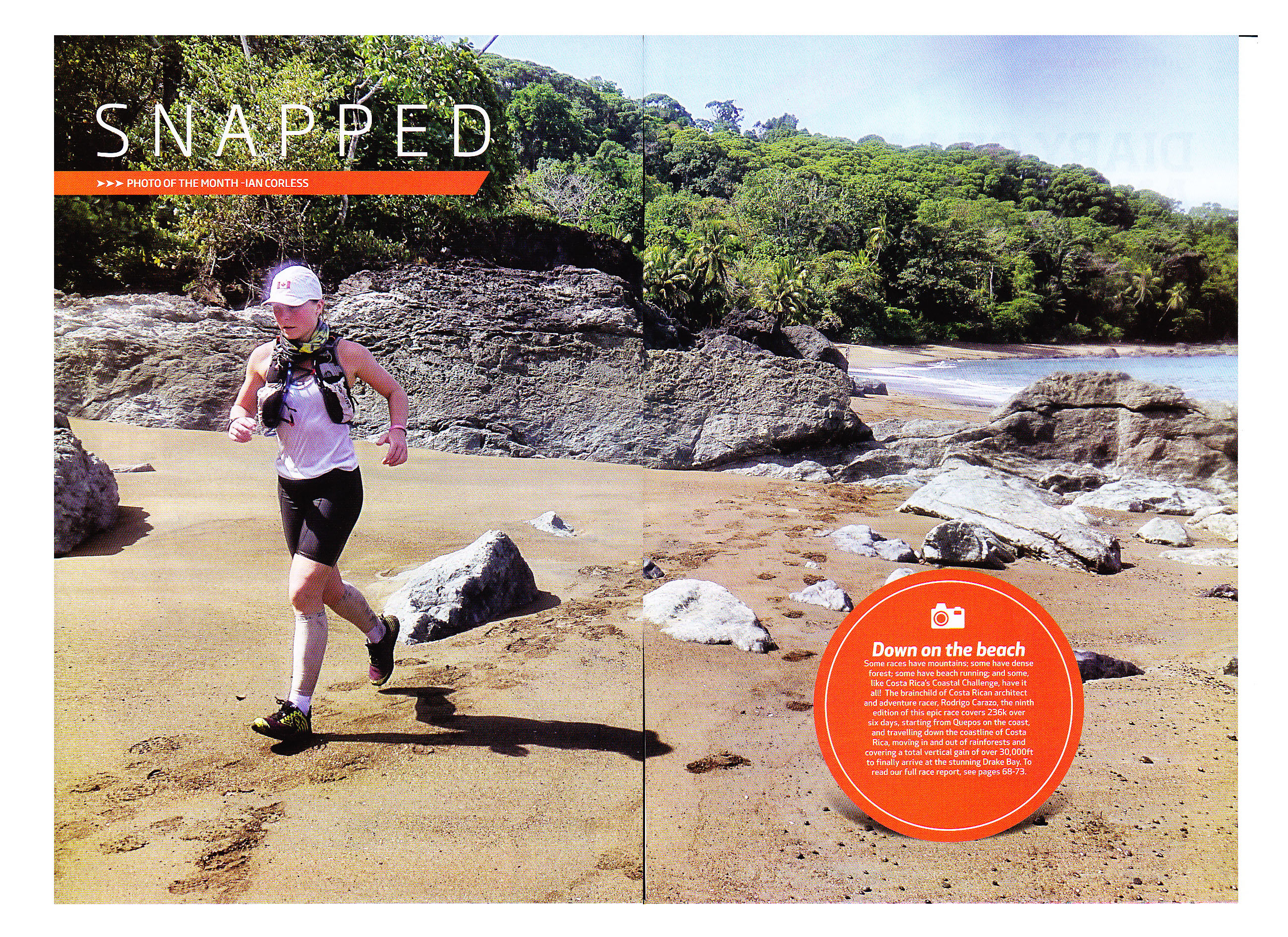
Running Fitness, June 2013
More coverage for the incredibly beautiful and challenging The Coastal Challenge in Costa Rica.
Entries now available for 2014 at:

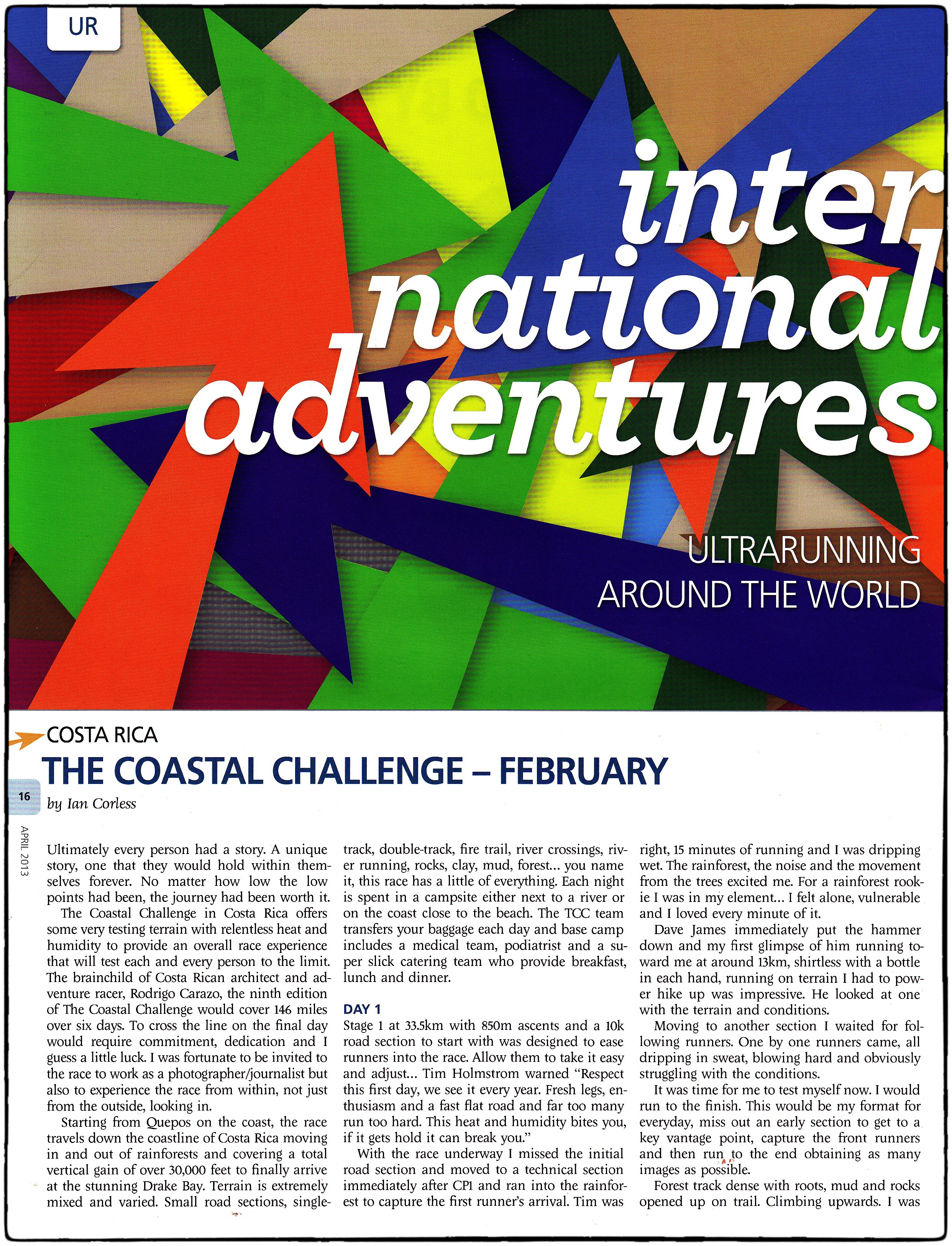
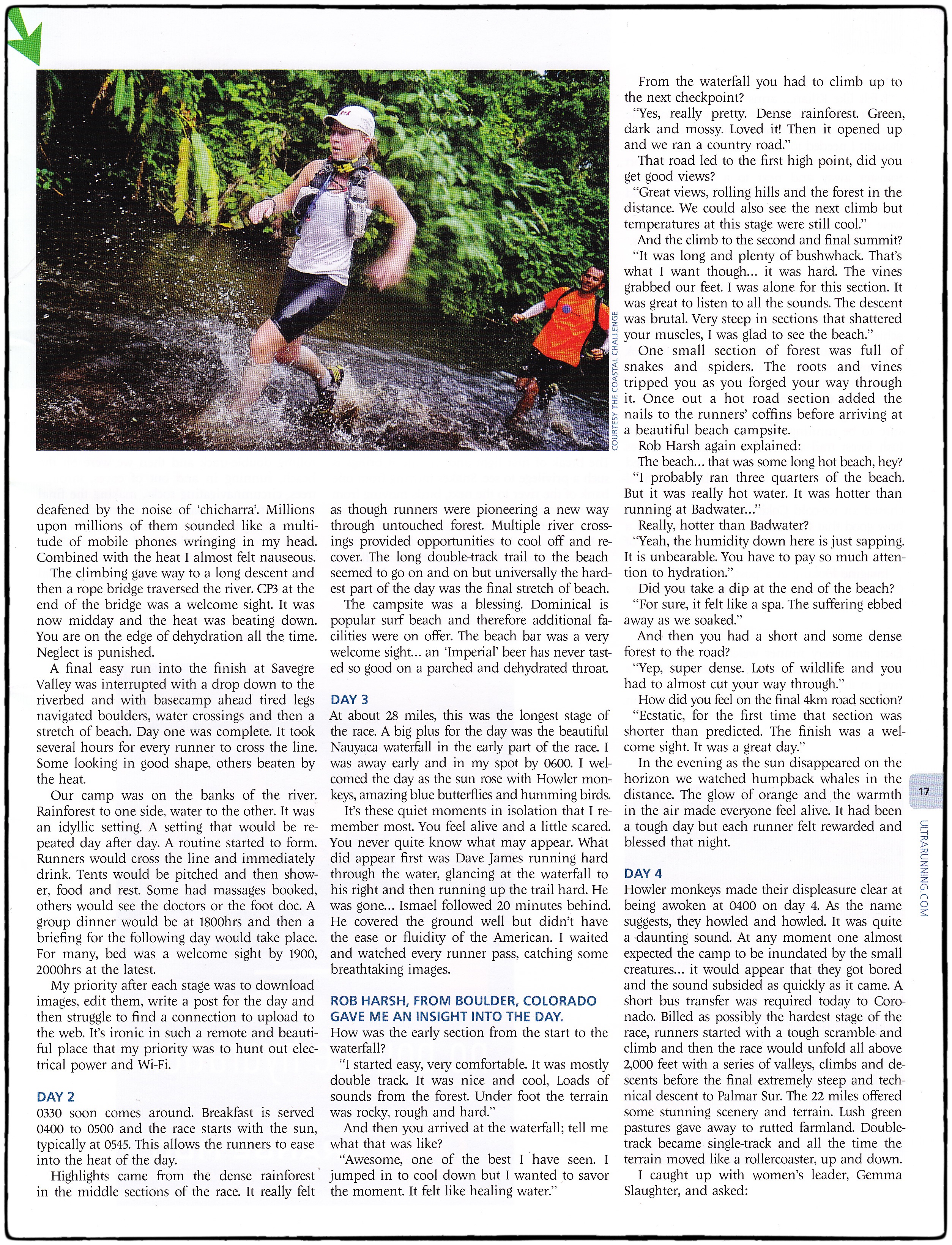
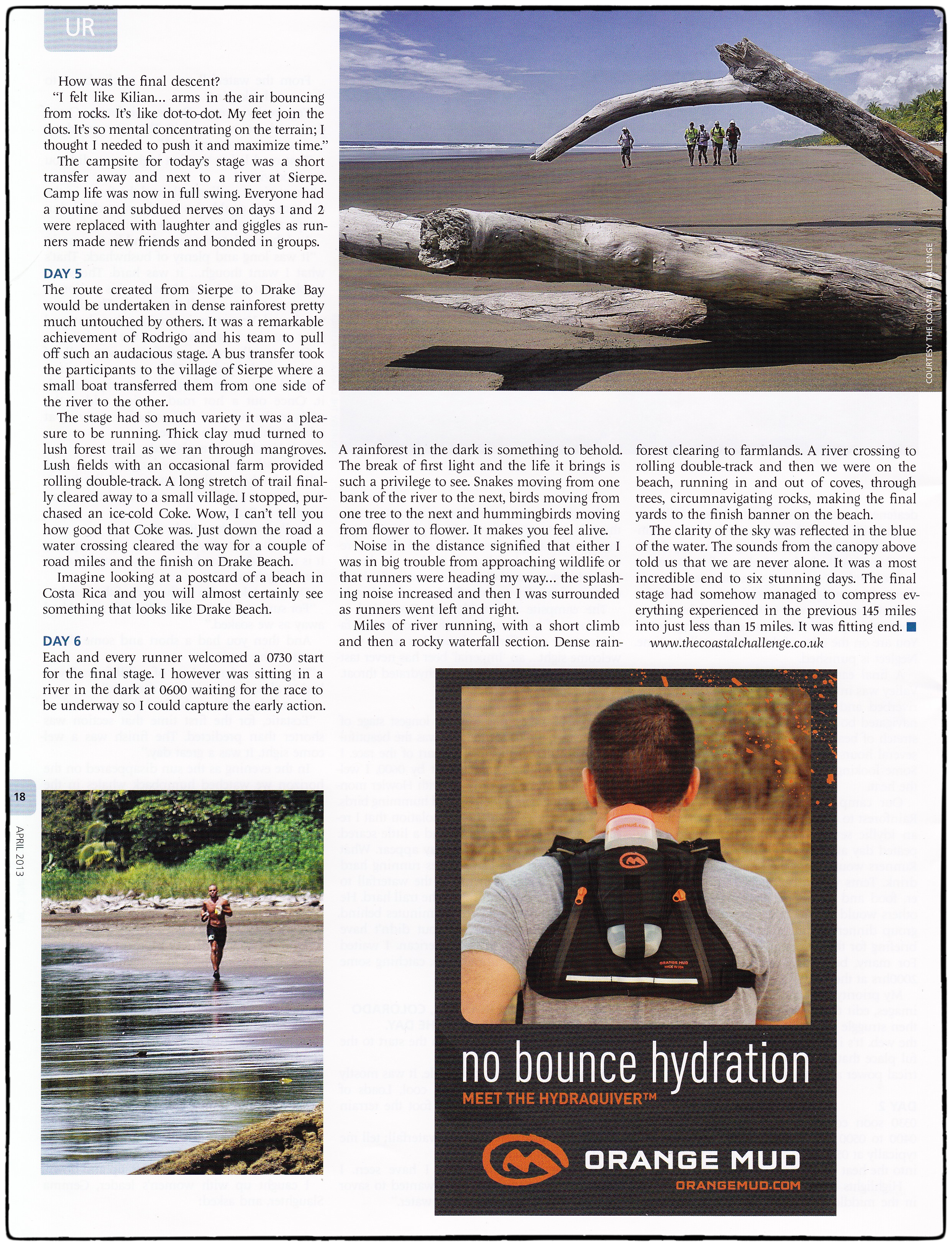
It is possible to purchase images from The Coastal Challenge for ‘personal use only’ from:
iancorless.photoshelter.com link HERE
copyright Marathon des Sables
MARATHON DES SABLES 2013
The 2013 edition of the Marathon des Sables is a self-sufficient race in the South of the Moroccan desert, the event will take place from 5th to 15th April 2013. For the 18th consecutive year, it will be run under the patronage of his Majesty King Mohammed VI.
Since its creation in 1986, the Marathon des Sables has attracted over 13,000 competitors over 27 editions. From humble beginnings, the race is now the most prestigious multi-stage race in the world.
The 2013 Marathon des Sables will see 1,091 entrants toe the line. With 45 different nationalities and a strong presence from France and the UK, the 28th edition will be a memorable one.
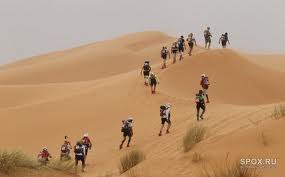
Taking place in South Morocco, in the provinces of Errachidia and Tinghrir the race will cover 223.8km over 5 stages. It will encompass some of the most beautiful terrain in the Moroccan desert. Eagerly awaited by one and all, the dunes, ergs and dried-up wadis will delight the thousand or so entrants from the fifty plus countries across the globe.
Race Programme:
5 April 2013: Leave country of residence for Morocco (UK entrants leave on the 4th) – Arrival in Ouarzazate, bus transfer to the 1st bivouac.
6 April 2013: Administrative, technical and medical checks – Day to acclimatise.
From 7-12 April 2013: Race in progress. (The self-sufficiency begins from breakfast on the 1st leg).
12 April 2013: Prizing ceremony in desert.
13 April 2013: Charity leg for UNICEF– Transfer to Ouarzazate.
14 April 2013: Day of relaxation, festivities.
15 April 2013: Return to country of residence.
Race Logistics
Patrick Bauer affectionately describes the Marathon des Sables as a big circus. It’s like moving a city everyday… just look at what is involved.
Race management : This team comprises more than 100 people including a race HQ, race marshals, controllers, timekeepers and ranking compilers. Since 2010, the official ranking has been achieved using a “transponder” for all the competitors.
Supervision : 400 people: technical, logistical and medical skills, 100 vehicles, 2 helicopters, 1 CESSNA plane, 4 dromedaries… and the active support of the Royal Armed Forces: 21 lorries (6×6) and 40 men to supervise logistics.
Medical Assistance : A team of 50 people under Dr Frédéric COMPAGNON, DOC TROTTER supervises the runners as much on a medical level (care of feet, resuscitation…) as a mental level, both of which fail sometimes in front of the toughness of the event and the hostility of the climate.
In the 27th SULTAN MARATHON DES SABLES, 3 tonnes of gear was transported and the medical team used : 5km of Elastoplast, 2,700 second-skin patches, 125 litres of disinfectant, 230 litres of drip solutions, 15,000 compresses, 2,800 pairs of surgical gloves,…
The Team
Patrick Bauer interview available HERE
1984 : At the age of 28, Patrick Bauer decided to make a journey into the Sahara. His objective was to traverse 350km’s of uninhabited desert, on foot, alone and without any possibility of encountering a single village, oasis or watering place. Totally self sufficient, Patrick entered the desert with a pack weight of 35kg containing all his water and food. The journey lasted 12 days and it was the starting point of what has now become the MARATHON DES SABLES.
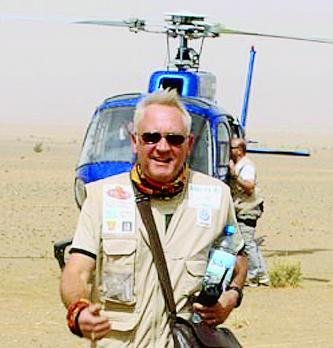
Patrick Bauer, Marathon des Sables copyright http://www.lest-eclair.fr
1986 : The creation of the first MARATHON DES SABLES in the Moroccan Sahara. The 23 pioneers who took the start never imagined that their footprints would mark the start of a legendary event, which today has become unmissable on the schedule for major adventure sport meets.
1989 : 170 competitors take the start of the race and the rest is history.
I caught up with Patrick Bauer at the MDS UK expo in late 2012. You can listen to that interview (lasts 13 minutes):

LISTEN HERE
The 2013 Race – who will be taking part?
1,090 competitors aged 20 to 76 are expected to take the start (definitive number on 6 April following administrative and medical checks) representing 45 different nationalities: Algeria, Argentina, Australia, Austria, Belgium, Bulgaria, Canada, China, Costa Rica, Czech Republic, Denmark, England, Finland, France, Germany, Holland, India, Ireland, Italy, Japan, Jordan, Kuwait, Latvia, Luxembourg, Morocco, New Zealand, Norway, Poland, Portugal, Republic of El Salvador, Romania, Russia, Saudi Arabia, Scotland, Singapore, Slovakia, Slovenia, South Africa, South Korea, Spain, Sweden, Switzerland, Turkey and the United States.
The participants are men and women with various and varied profiles (Doctors, farmers, coppersmiths, pilots, builders, chefs, servicemen and women, students, professional athletes and retired persons…).
The 2013 MDS Challengers for the overall win

The Female contenders for the overall win :
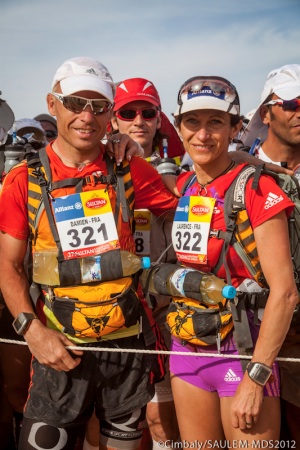
Laurence Klein 2012 MDS
The Male contenders for the overall win :
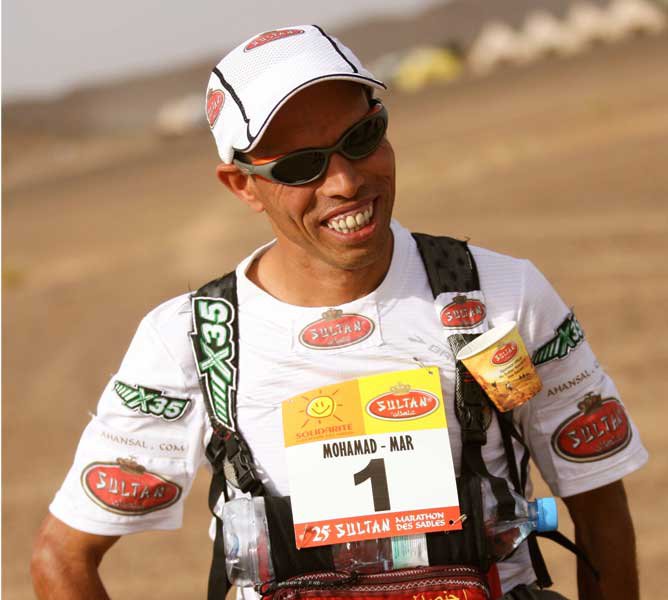
Mohamad Ahansal
In 2013 I followed two runners in the build up to the 2013 Marathon des Sables. Tobias Mews placed 21st overall in the 2010 race and Stuart Rae is toeing the line for the first time in 2013. Each interview alternated on episodes of Talk Ultra but they have been joined together in one episode (lasts just under 1 hour)
LISTEN HERE
2012 results (for reference)
1st : Salameh Al Aqra (JOR) in 19h59’21’’ 2nd : Mohamad Ahansal (MAR) 21’02’’ behind 3rd : Aziz El Akad (MAR) 1h38’56’’ behind
1st : Laurence Klein (FRA) in 26h15’40’’ 2nd : Meryem Khali (MAR) 1h19’38’’ behind 3rd : Karine Baillet (FRA) 1h31’07’’ behind
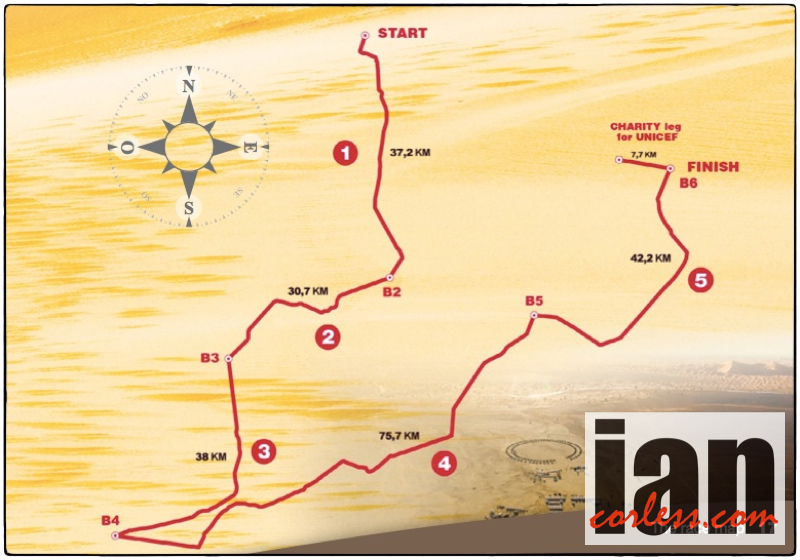
The 2013 race route
Mandatory Kit
One of the key aspects of the Marathon des Sables is what kit to take? Here is a list of ‘mandatory’ kit. Of course, you need to add to this food requirements, cooking equipment and any additional luxuries.
I will be reporting from the 2013 event as the race unfolds and providing I am able to gain adequate access to internet, I will update my website, Facebook and Twitter with reports and images as often as possible. So please keep checking!
Race report: Talk Ultra’s Ian Corless recently travelled to Costa Rica to cover the The Coastal Challenge 2013, a six day stage race
All things must come to an end…. the atmosphere around camp was a little subdued. Some participants looked relieved that they didn’t have to squeeze a pair of shoes onto blistered feet. Others seemed sad that another day on awesome Costa Rican trails didn’t await.
Some required quiet time away from the camp to walk Drake Beach as the sun welcomed a new day. Others huddled in groups telling stories of water crossings, quad busting descents and dehydration.
Ultimately every person had a story. Unique stories, personal to each participant, stories that they would hold within themselves forever. No matter how low the low points, the day after never seems so bad. If it was easy, everyone would do it. The Coastal Challenge offers some very testing terrain with relentless heat and humidity to provide an overall race experience that will test each and every person. To cross the line on the final day requires commitment, dedication and some luck.

Photos © Ian Corless
The logistics of mobilising a camp and moving it everyday in tough terrain is nothing short of remarkable. The course marking and dedication from the TCC crew was available for all to see. This is no easy race to run, but it is certainly no easy race to coordinate. The catering team showed a dedication not often seen, rising at 0200 to have breakfast ready for 0400, break down camp, move to the next location, set up and then cook lunch ready for the runners arrival. Clear lunch and then prepare dinner all for the process to be repeated again. Respect!
Marking the course was done before the race and then every stage had TCC crew heading out in front of the race to ensure that nobody would get lost. While the race was underway, the camp crew would mobilise moving luggage, tents and all other elements of base camp and then set up again. All this in searing heat – it was tough work.
Base camp had a full medical team and feet specialists to ensure that everyone would be in the best shape possible to start the next day. It’s a really important aspect of multi stage racing and without it, many would not see the finish.
Stage races are not meant to be easy! Was the The Coastal Challenge too hard? No, of course not. Was it hard? Yes, without doubt.

Photos © Ian Corless
Several runners at TCC had participated in Marathon des Sables several times, on questioning they all said that The Coastal Challenge was a much harder race. The combination of heat, humidity, climbing and tough technical terrain was a much greater test of mind and body.
A key aspect of this race is camp life. An opportunity to relax in beautiful locations, make new friends and sleep under the stars. Strangers by the end of day 1 became best friends by day 2. The comradeship, the willingness to sacrifice time to help another is a great thing to see. One persons’ suffering was taken on by others and the burden shared.
With the race over these friendships will continue and no doubt be renewed at other races in the future.
The excitement and beauty of 236km’s, with over 30,000ft of climbing in South American rainforest over six days was a joy to behold and conquer. The journey came to an end by boat. We left Drake Beach speeding through the ocean to our bus that would eventually return everyone to San Jose and a comfortable bed.
It was time to switch off, let the experience soak in and remember what had been achieved.
Congratulations to Dave James and Gemma Slaughter for the respective wins in the Expedition category.
Ultimately though, the credit goes to every participant who battled and endured the TCC Expedition or Adventure category. Tam Miller from Vancouver Canada summed it up for me when she said: “I feel whole and complete and I have no unfinished business”
Pura Vida!

Photos © Ian Corless
You can read day to day blog posts here: Day 1 | Day 2 | Day 3 | Day 4 | Day 5 | Day 6
And you can view images from each day here: Day 1 | Day 2 | Day 3 | Day 4 | Day 5 | Day 6
Click here to check out the event website
Men’s results
| 1 | David James | 26:54 |
| 2 | I. Dris | 29:17 |
| 3 | Jose Lopez | 32:59 |
Women’s results
| 1 | Gemma Slaughter | 39:42 |
| 2 | Angela Meyer | 41:32 |
| 3 | Irene Hale | 41:38 |



 IAN CORLESS