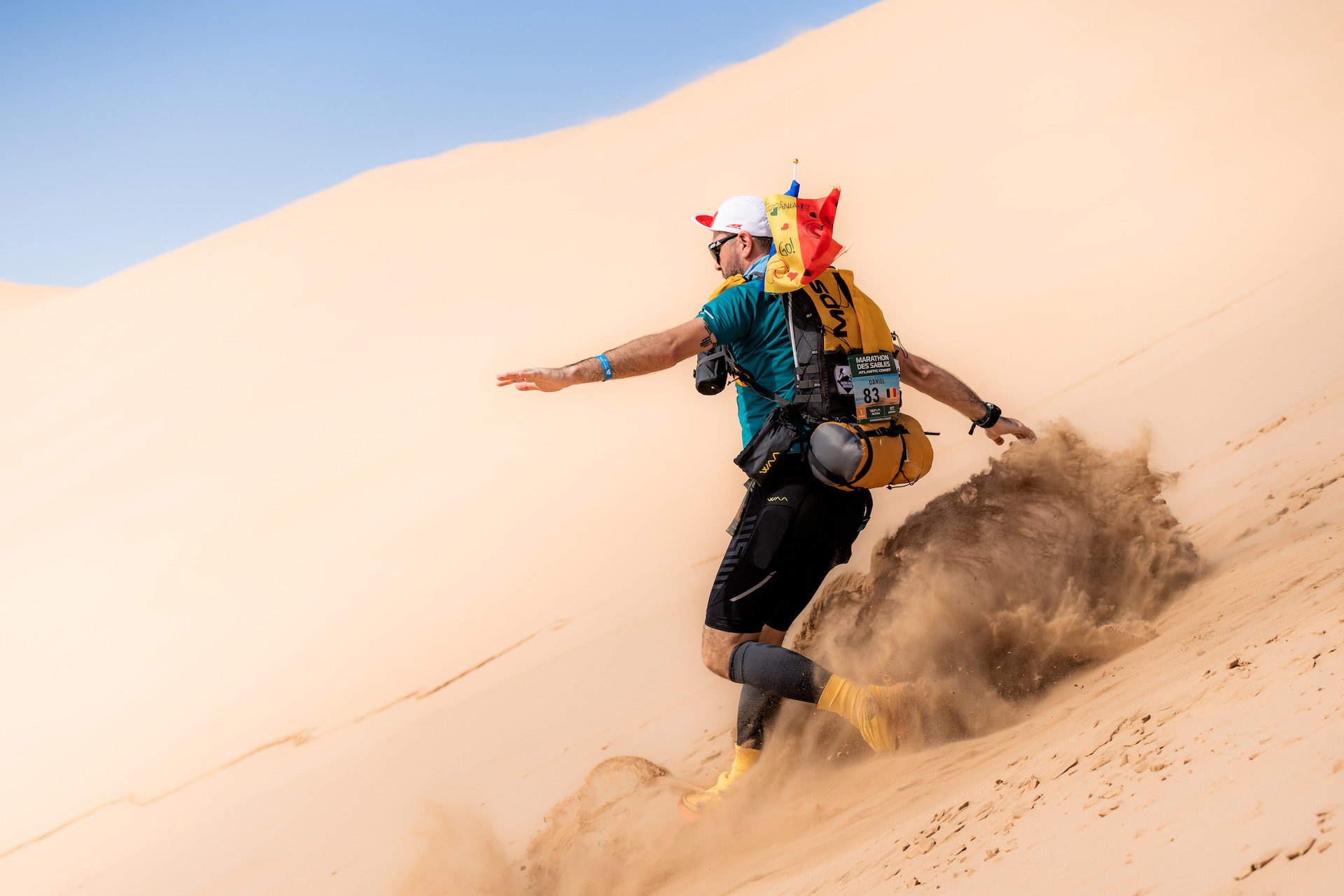
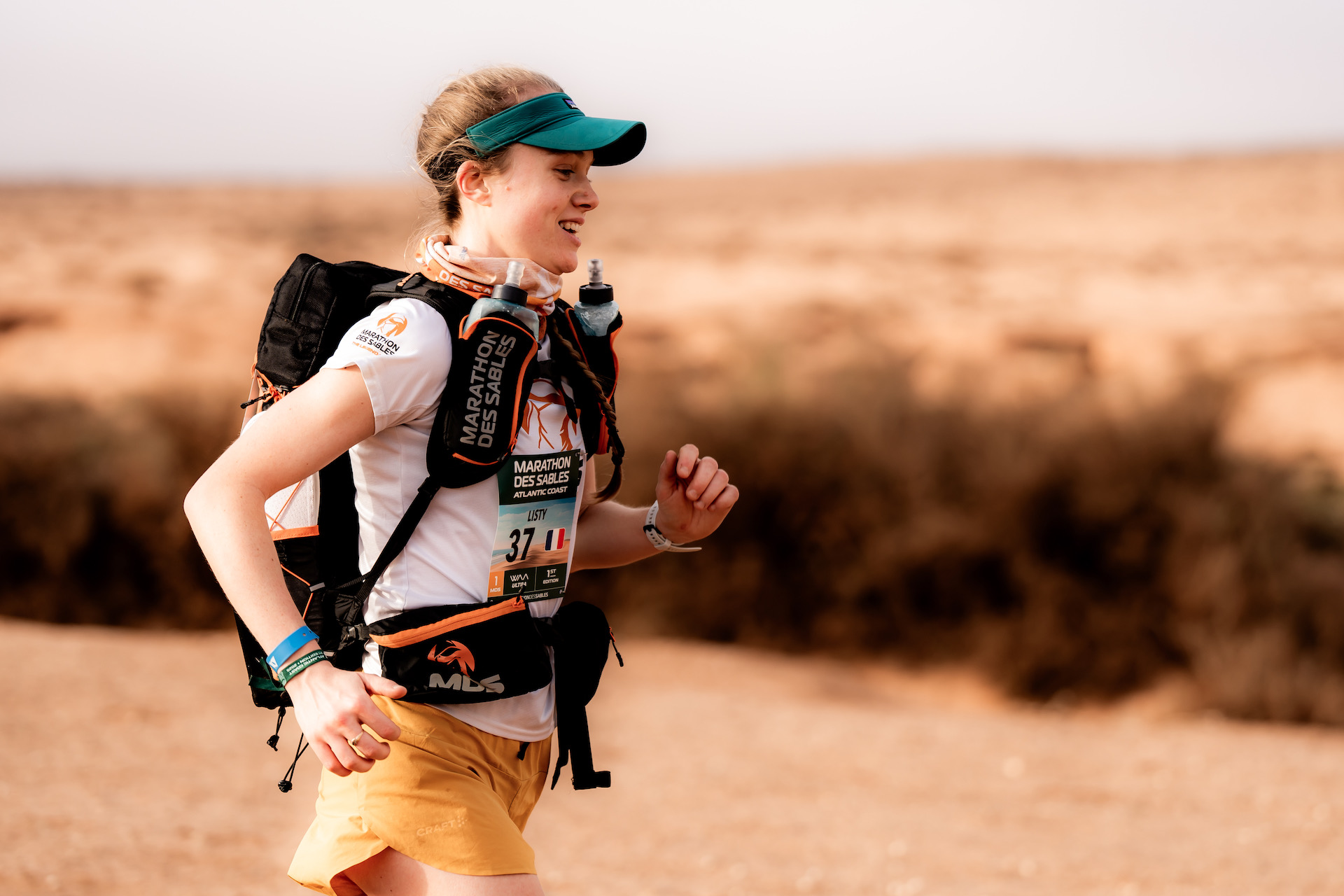
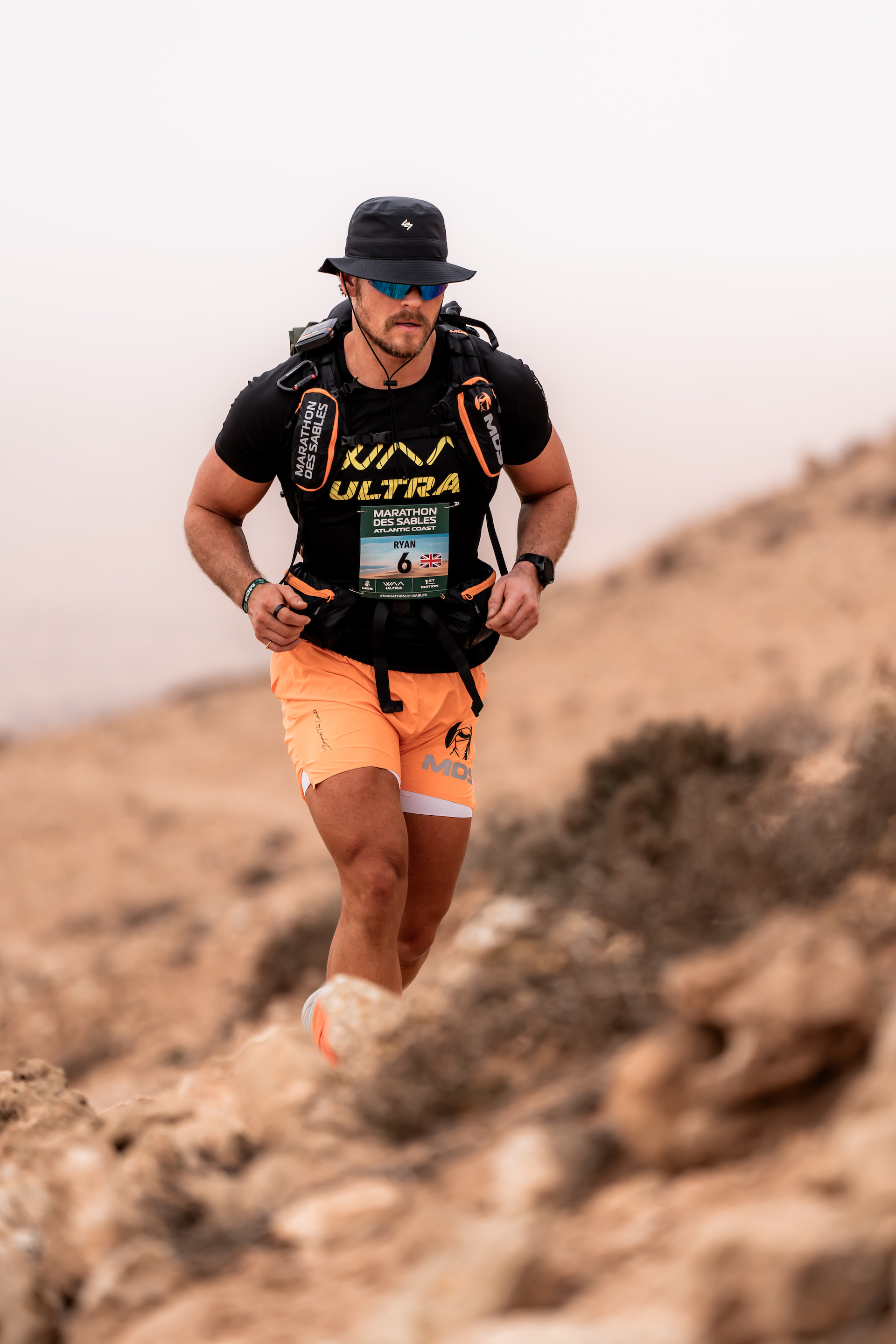
Stage 1 of the 2nd edition of the MDS 120 Atlantic Coast marked a powerful and inspiring beginning to the adventure in Morocco, where the desert meets the Atlantic Ocean. A field of 250 participants set out on this opening day, with an impressive 80 percent taking on their very first MDS experience. Just under half of the runners were women, and the age range spoke volumes about the inclusive spirit of the race, from the youngest at 19 years old to the oldest at 78. With 30 nationalities represented and the support of 147 dedicated staff, the event immediately felt global, vibrant, and alive.
This first stage covered 23km, with 343m of elevation gain, following a point-to-point route along the Atlantic coast. Checkpoints were placed at 9.1km and 17km, guiding runners through a constantly changing landscape.
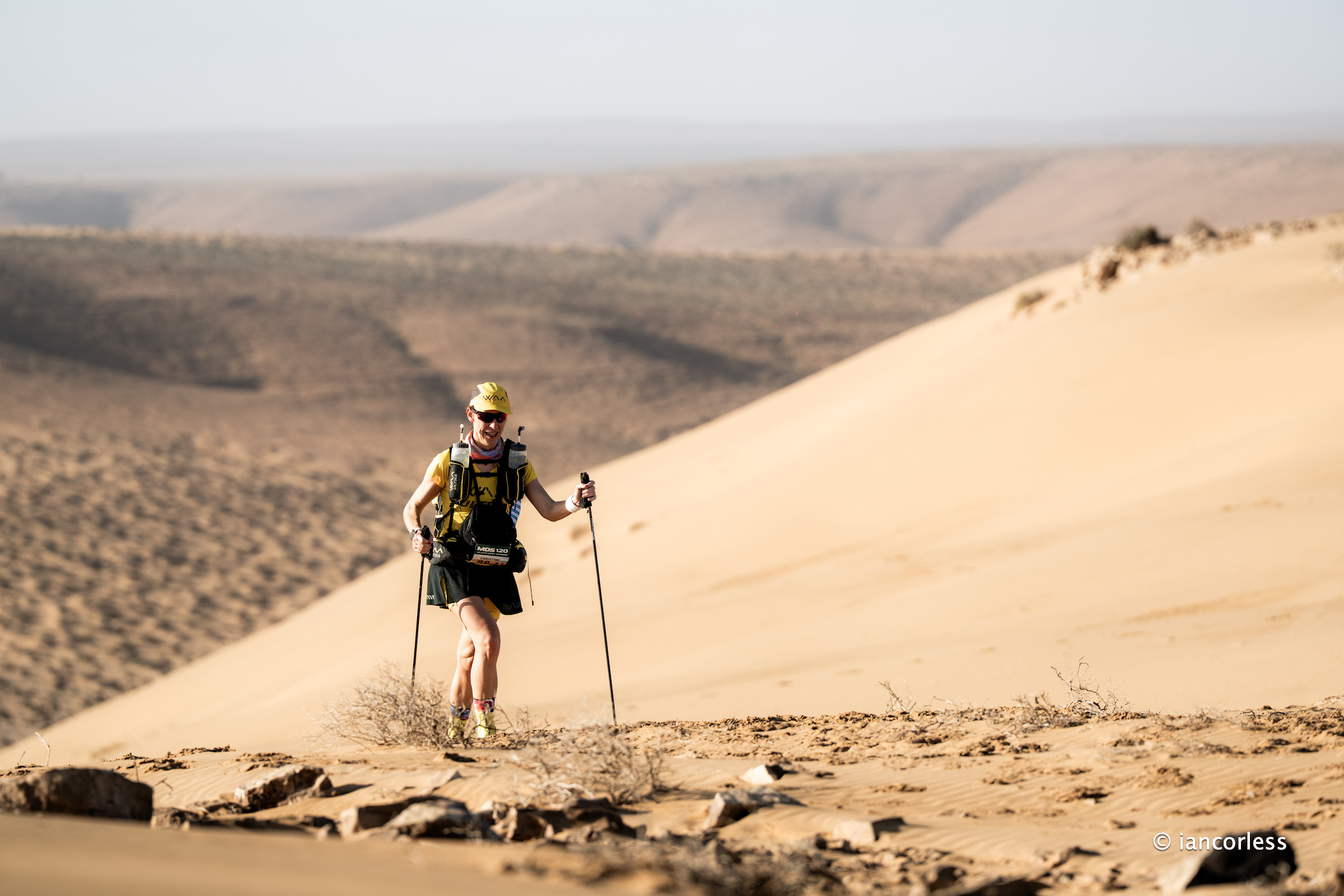
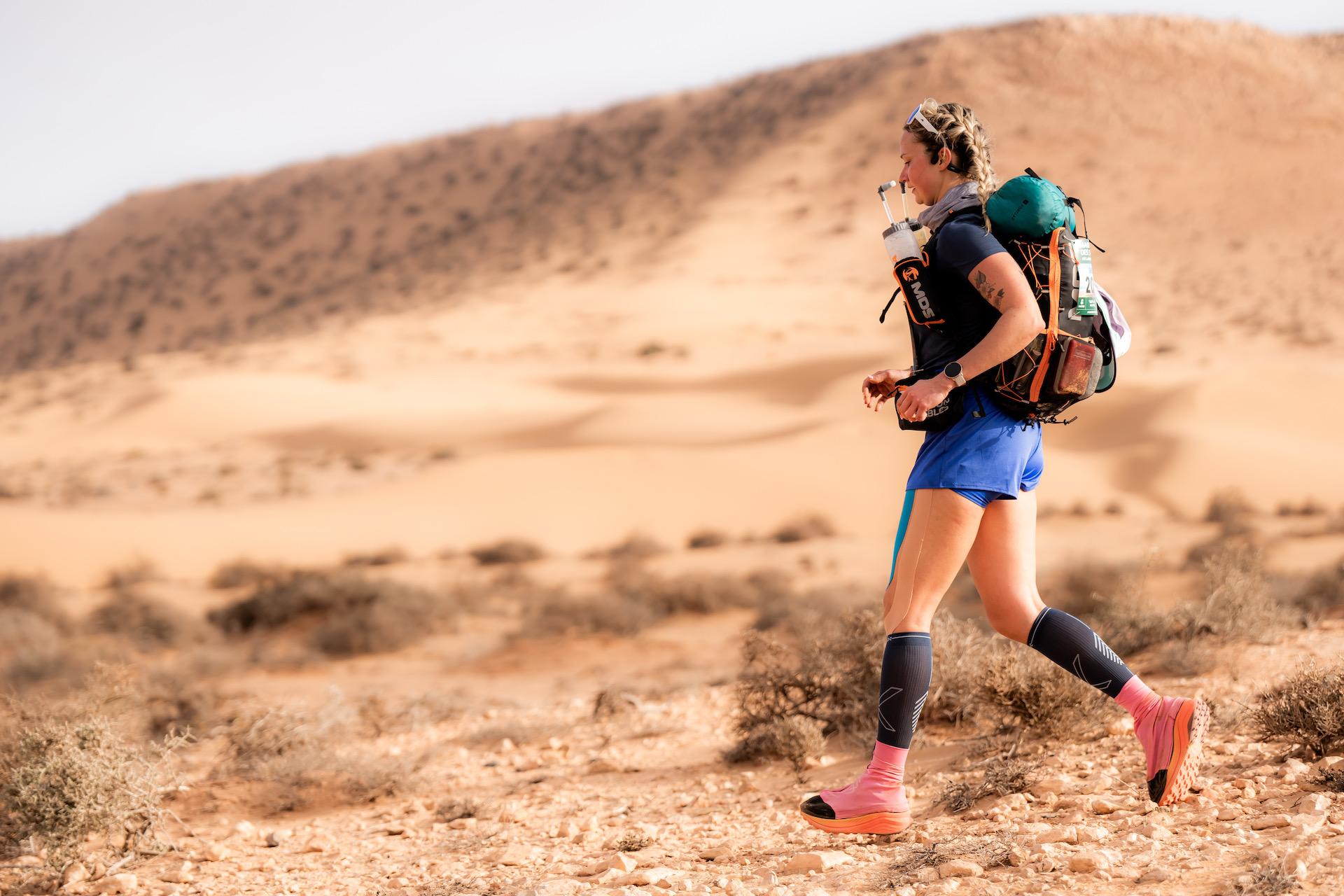
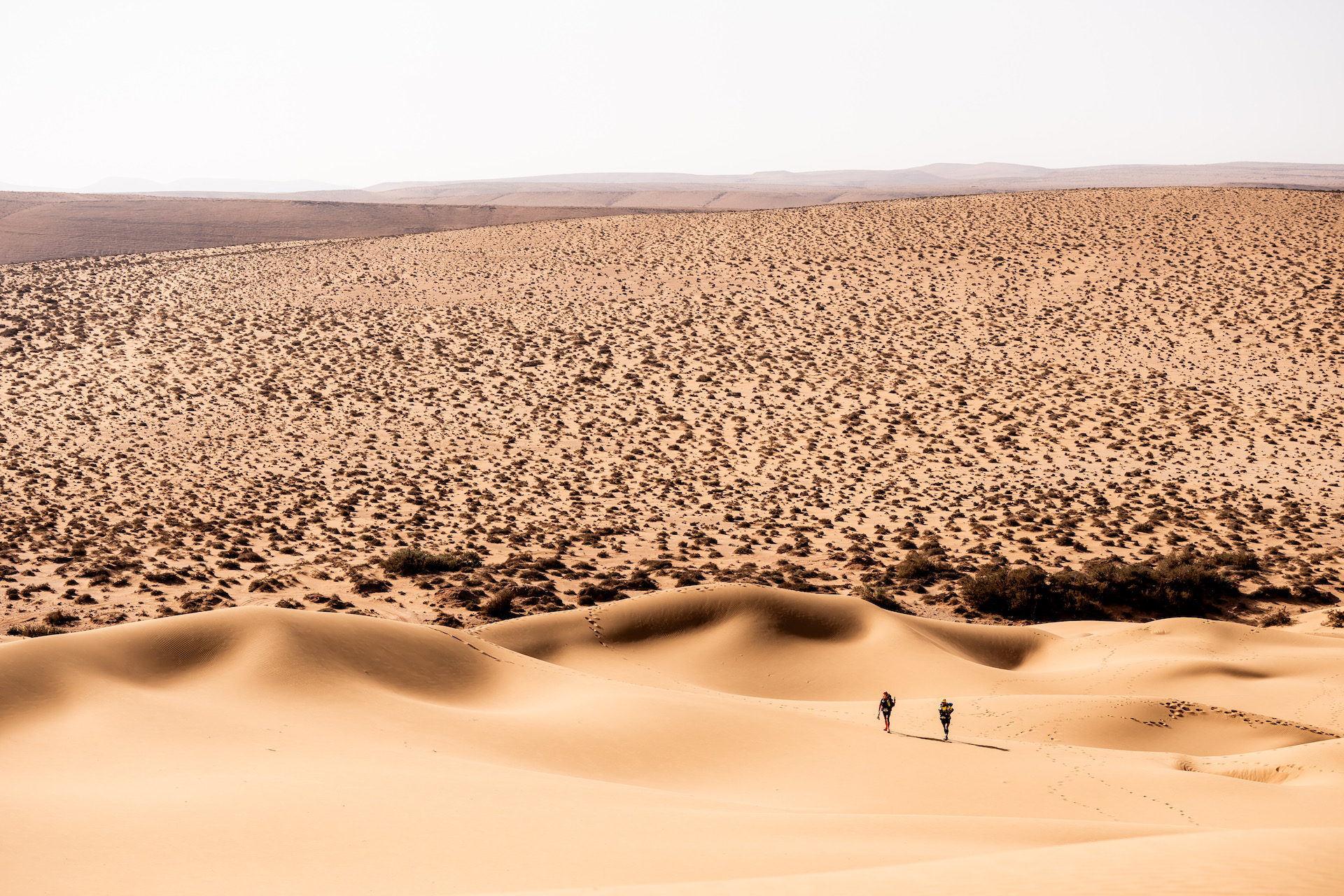
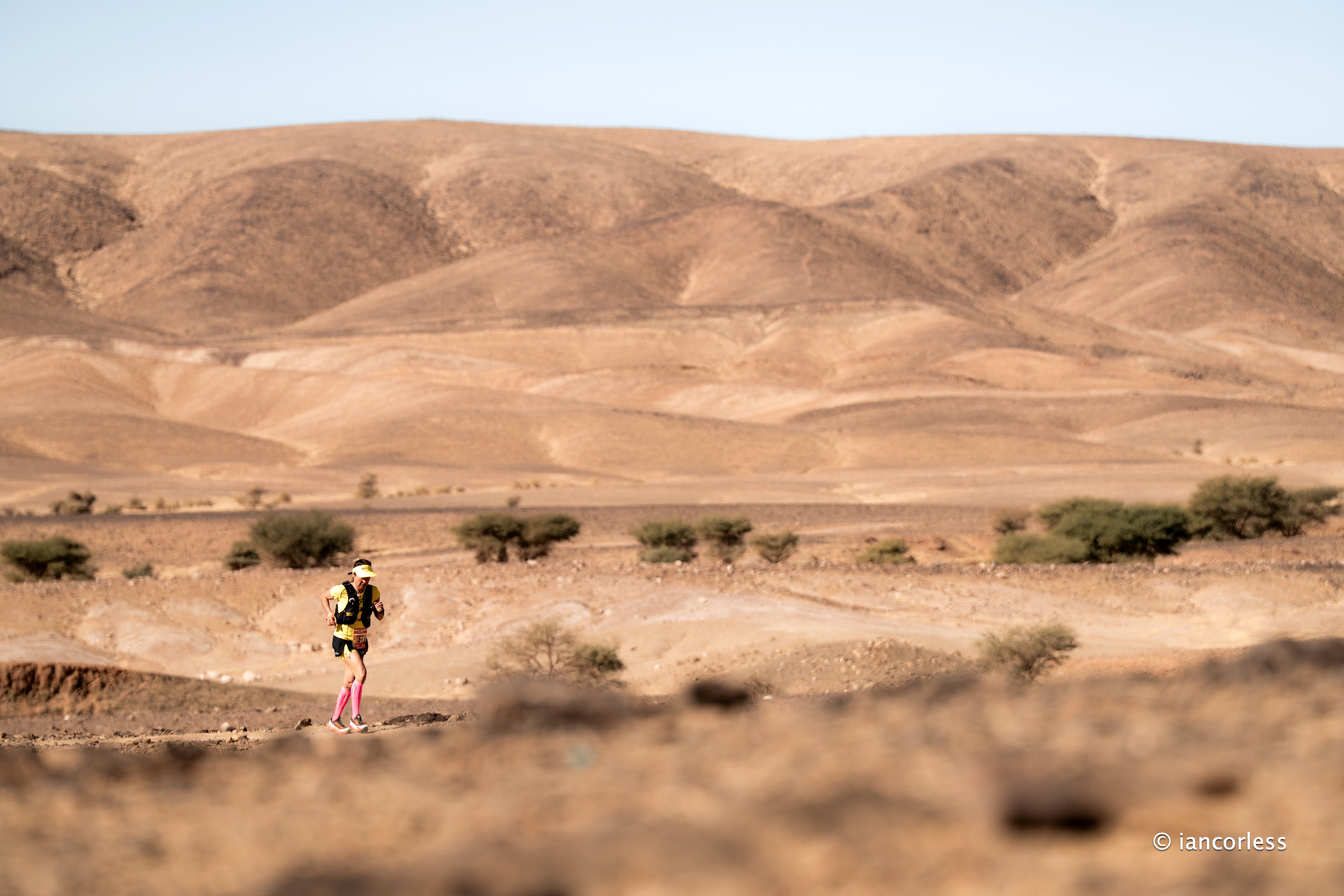
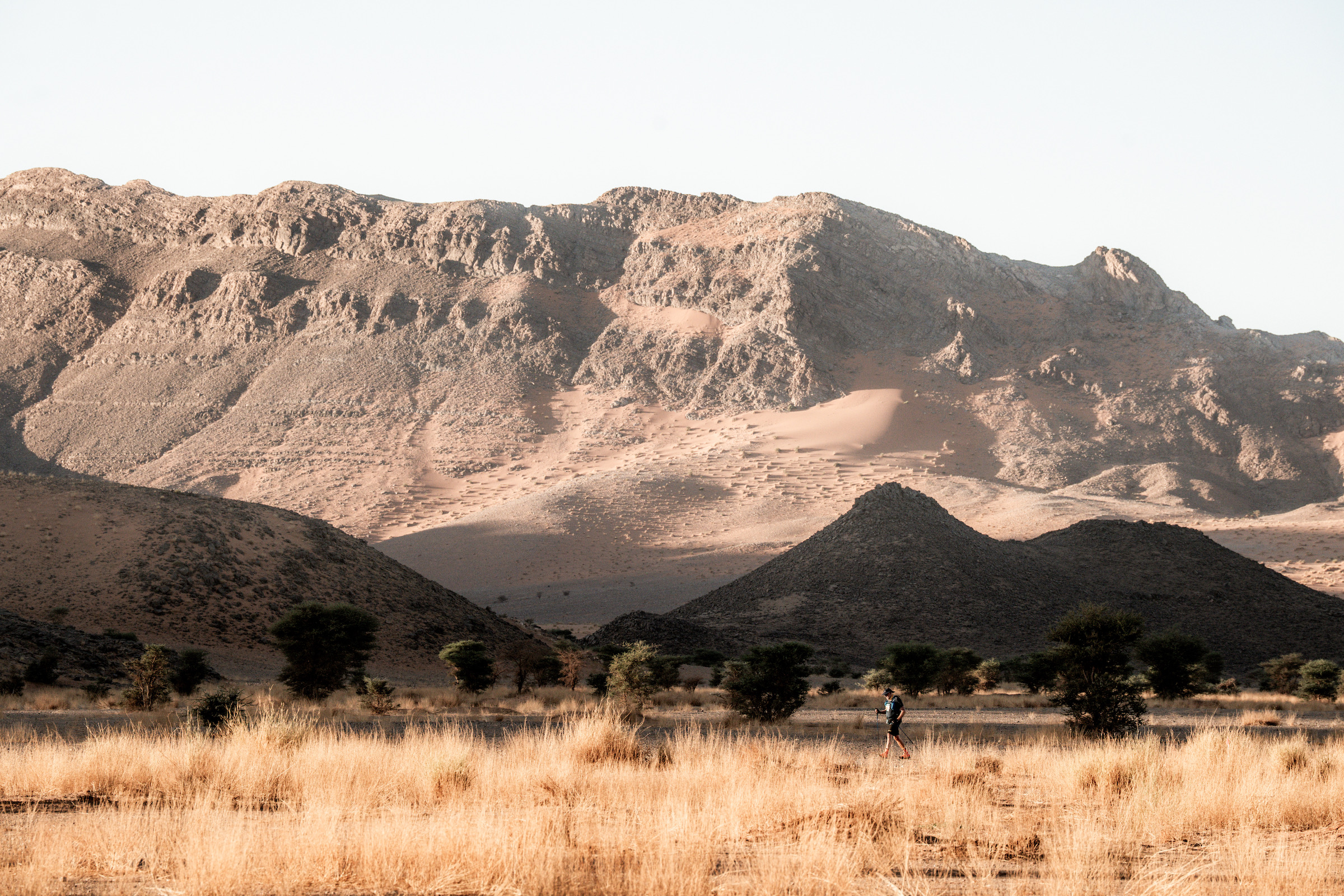
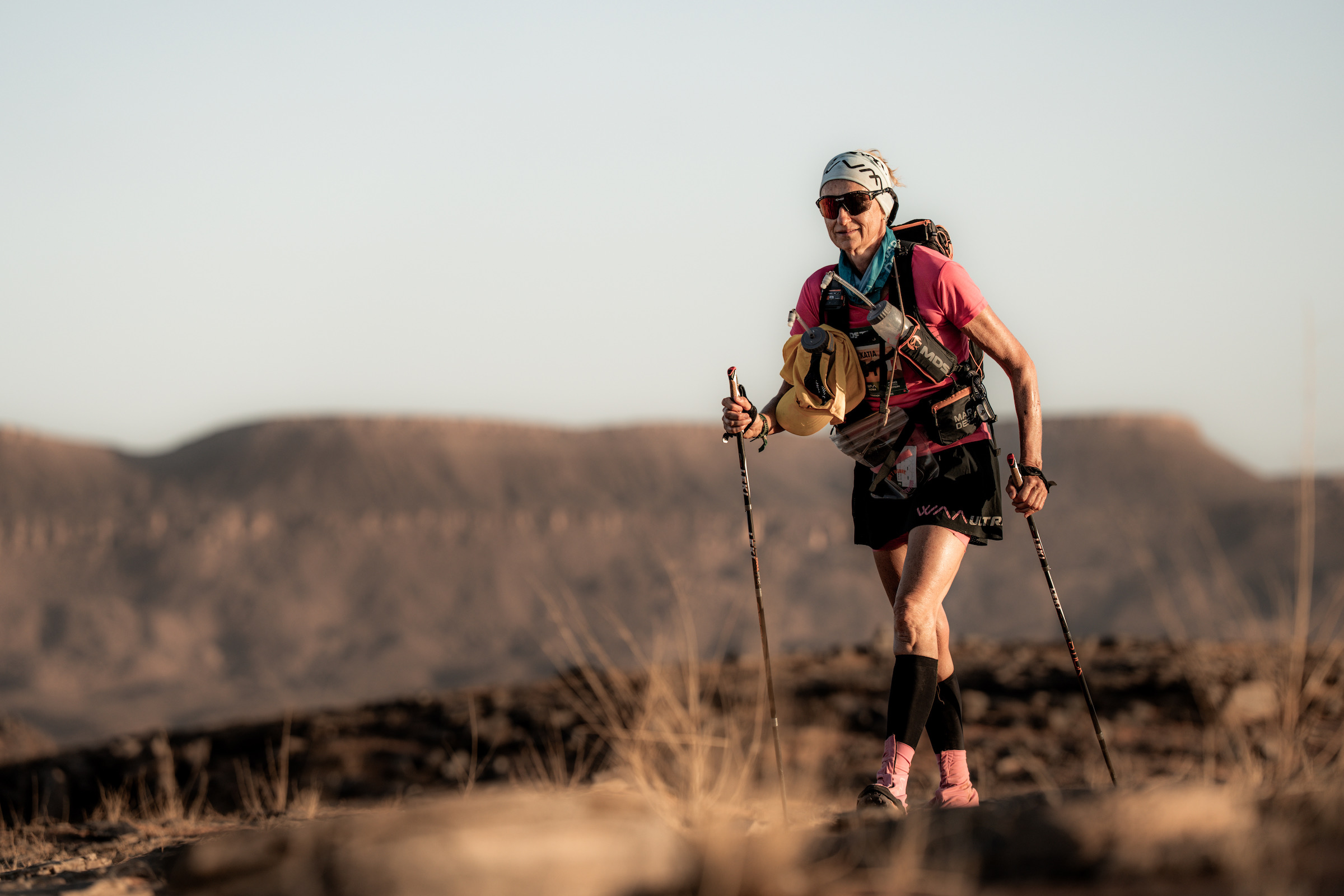
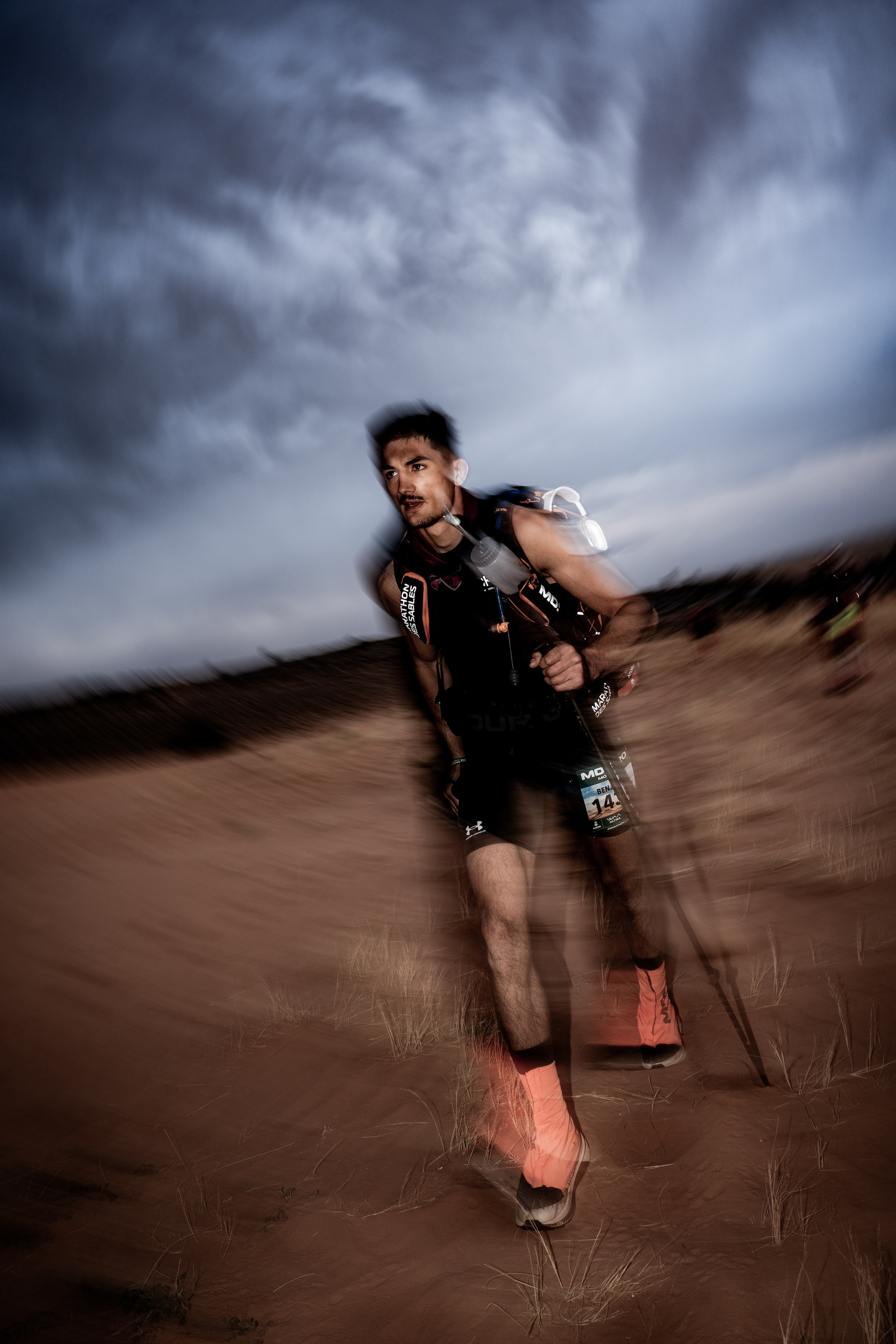
The terrain offered little rhythm. Soft sand drained energy, dry river beds broke momentum, and rocky plateaus demanded focus and careful footwork. While the elevation profile looked modest on paper, the reality underfoot made it a demanding day from start to finish. The sand, in particular, turned every step into a test of patience and strength.
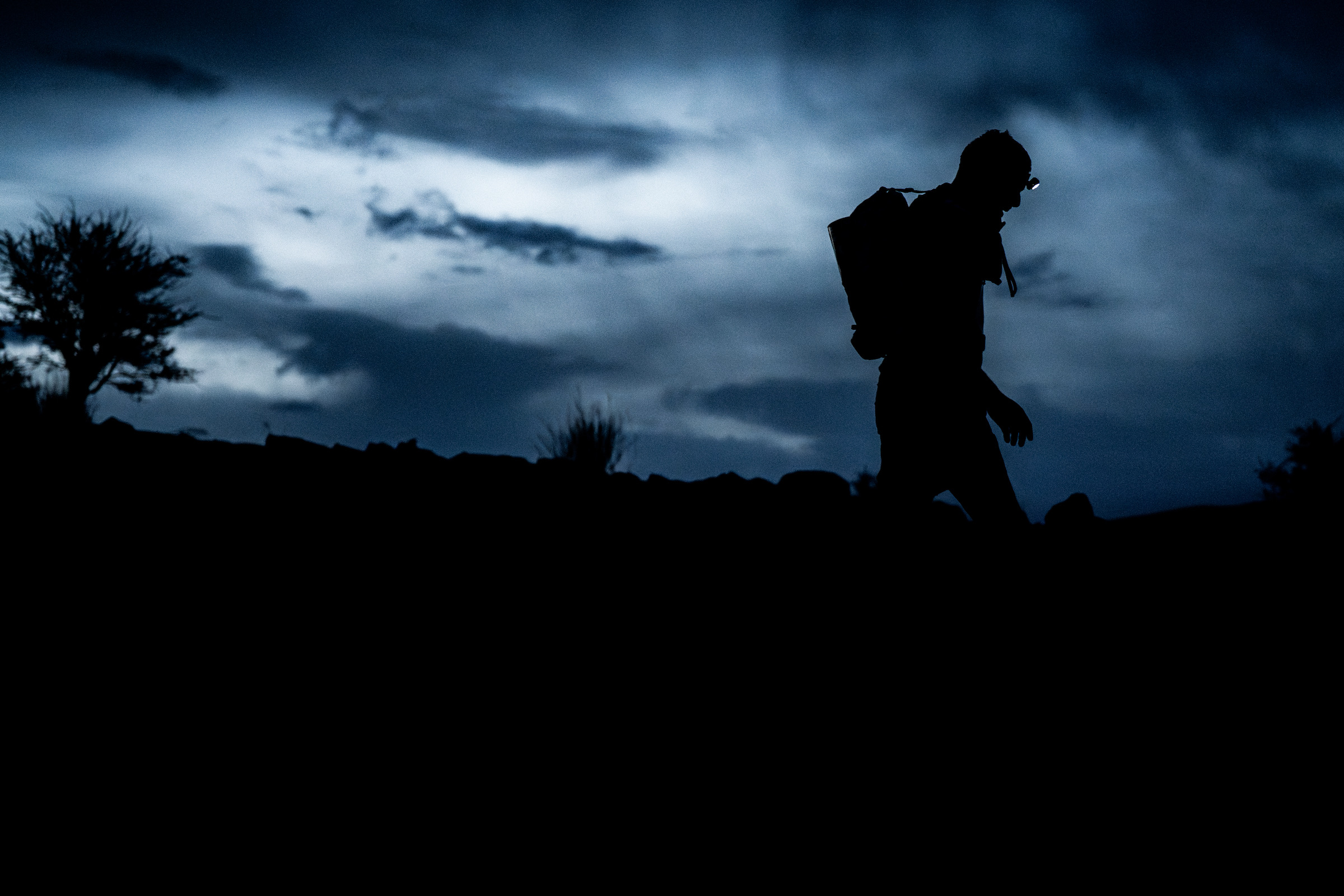
The challenge began long before the start line. A 2am wake-up, followed by a 3am departure and a lengthy transfer, asked a lot of the runners before dawn had even broken. Yet spirits remained high. These athletes were fully self-sufficient, carrying everything they needed on their backs, managing their nutrition, hydration, and equipment as they moved across the course. It was a true test of endurance, organisation, and resilience.
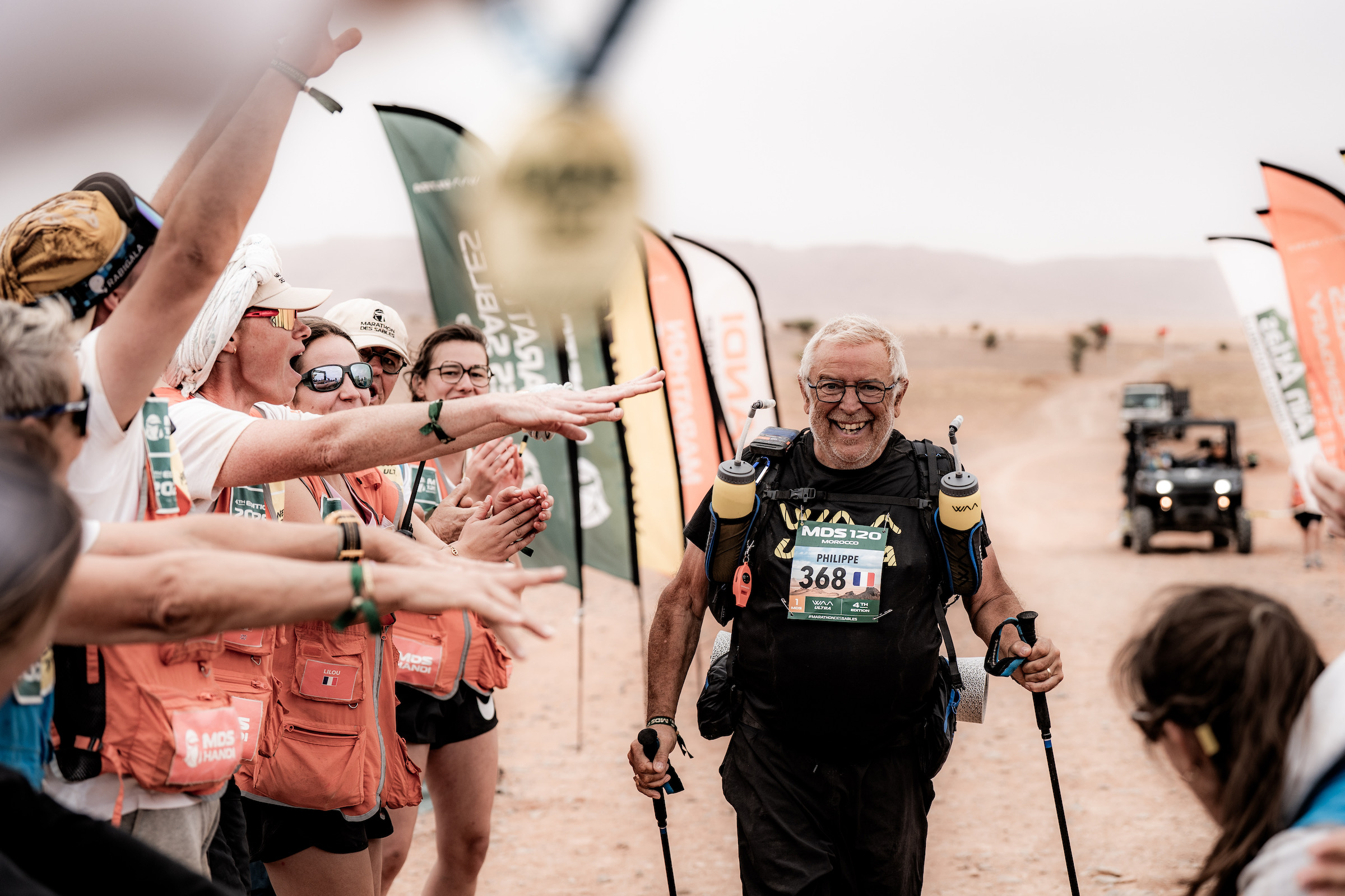
Despite the early start, the travel, and the relentless terrain, the performance across the field was outstanding. Every runner dug deep, and the final participant crossed the finish line well within the cut-off time, greeted with applause and encouragement.
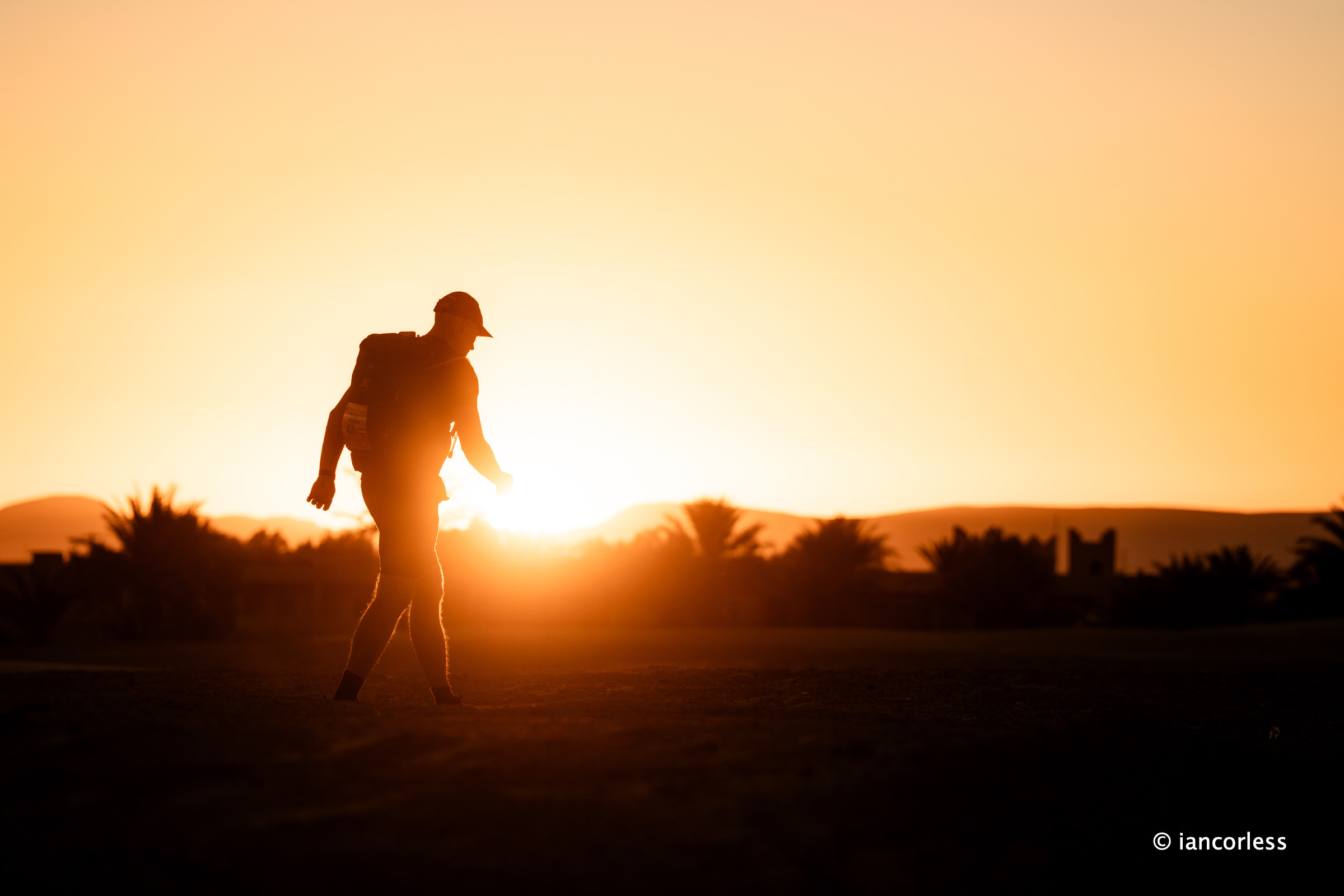
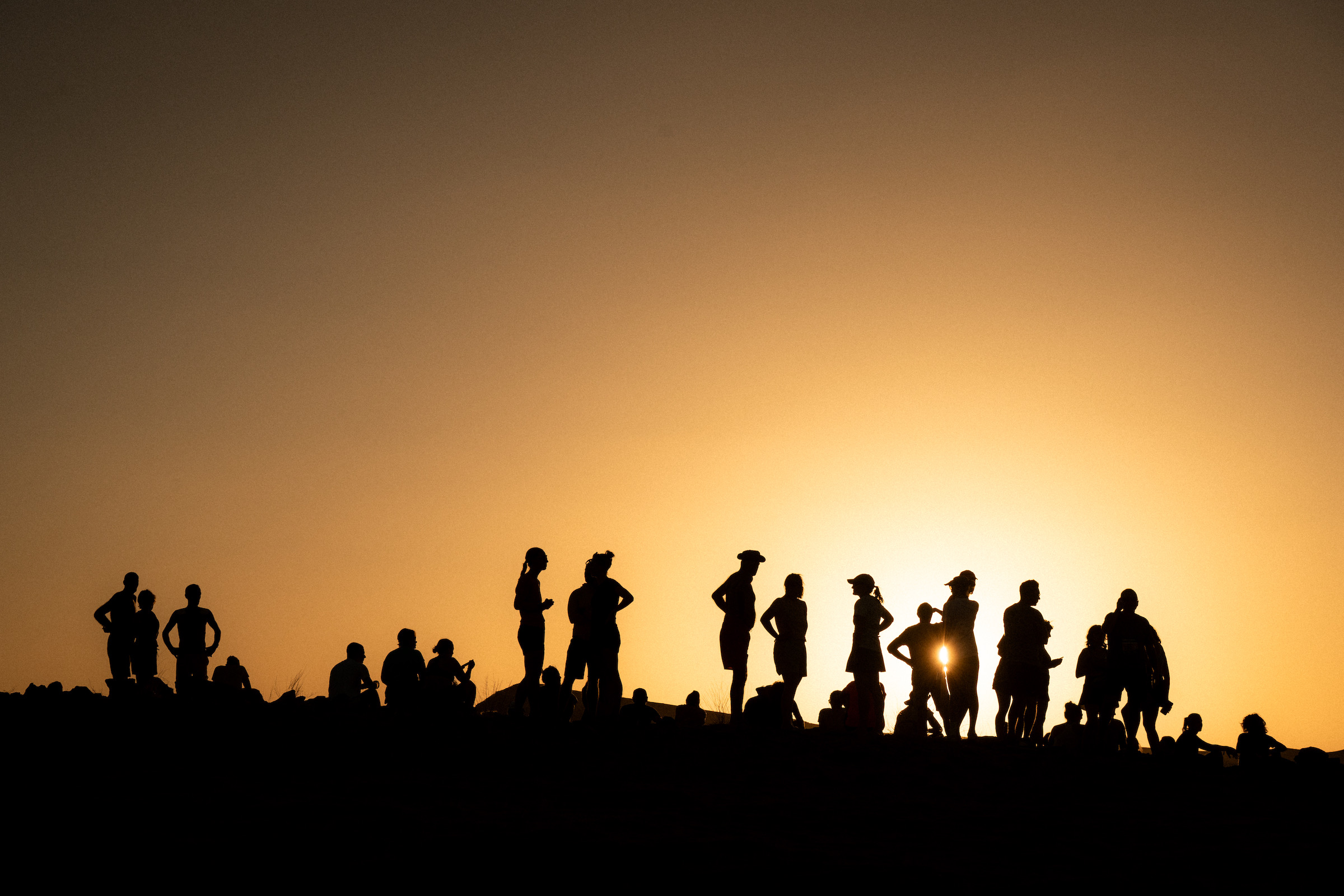
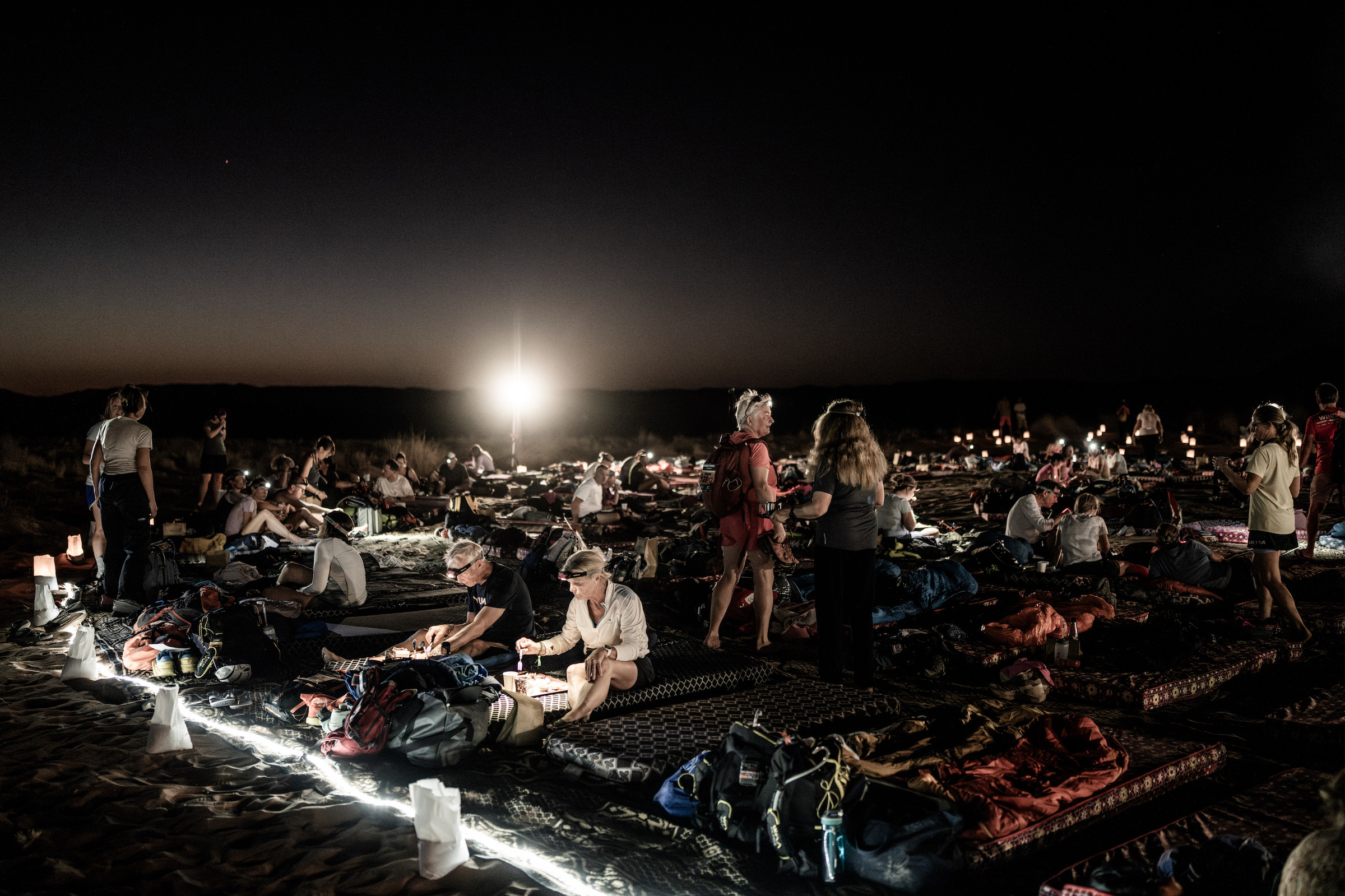
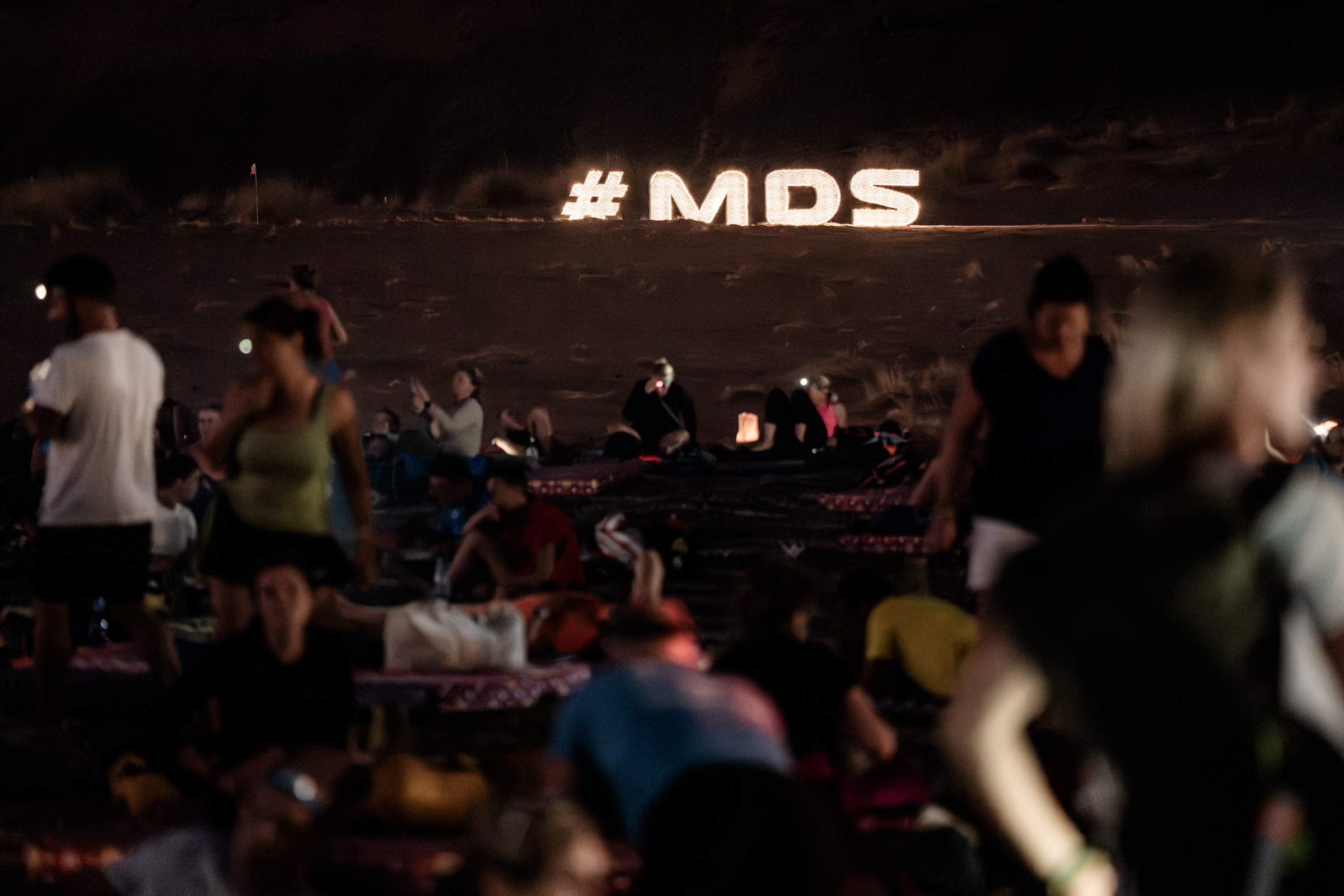
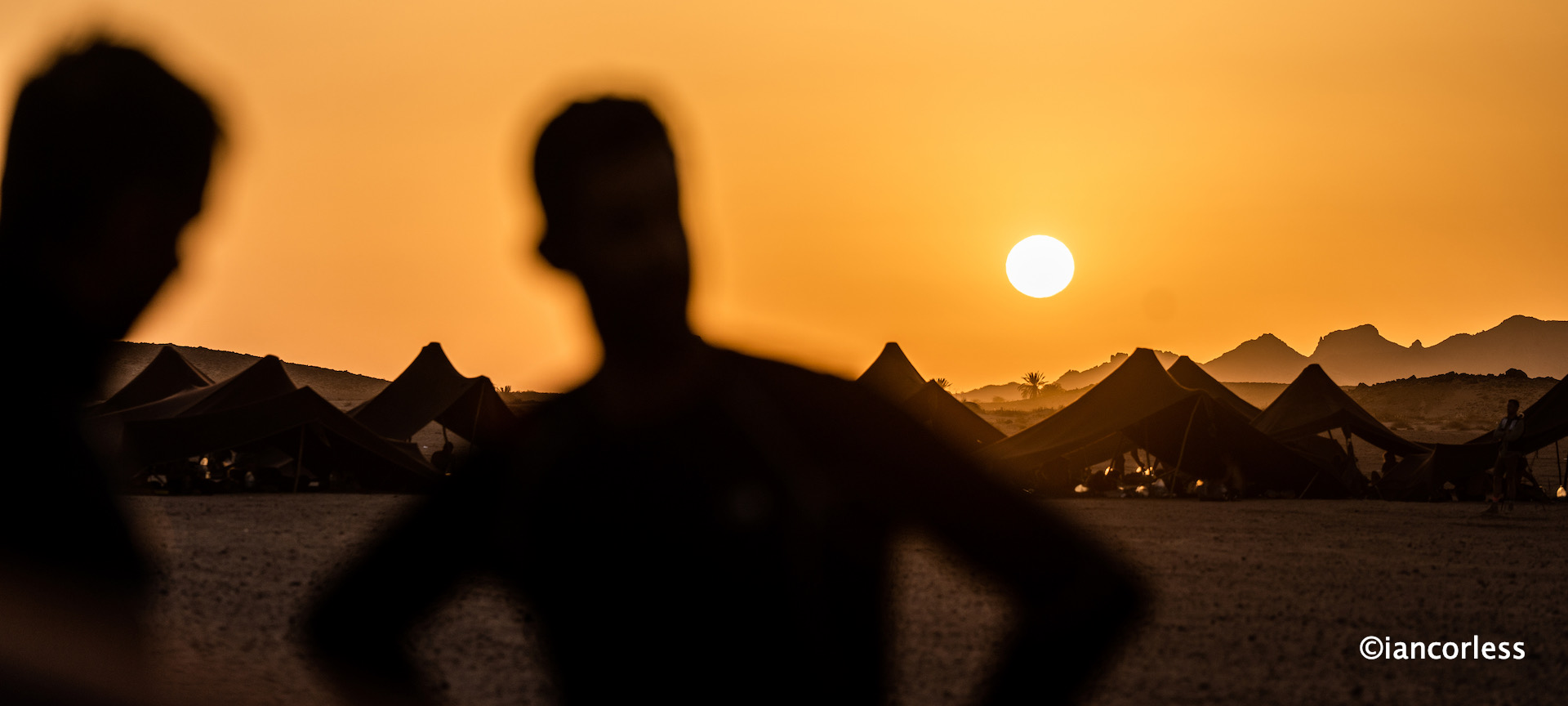
As the sun dipped and the day drew to a close, the runners settled in for their first night under the stars on the Atlantic coast. Tired legs, sandy shoes, and quiet smiles told the story of a hard-earned first stage completed. It was a demanding, memorable opening chapter, and a clear signal that the MDS 120 Atlantic Coast is as much about heart and determination as it is about distance.
MDS 120 Atlantic Coast returns for 2026 with a bold 2nd edition that invites walkers and runners alike to a three-stage, four-day self-sufficient challenge along Morocco’s Atlantic shores. Competitors will take on routes of 70, 100, or 120 kilometres in total, choosing their own distance while mastering the same demanding, coast-to-coast format that has become a hallmark of the MDS family. This year’s edition follows closely on the heels of the inaugural MDS Ultra, which wrapped up just a week earlier, making the Atlantic Coast event the season’s first MDS 120 race of 2026. Participants will gather in Agadir for a seamless pre-race briefing, then linger after the finish for a relaxed post-race stay in a comfortable hotel. The event is designed for all abilities, from dedicated walkers to seasoned runners, offering a true test of endurance without sacrificing accessibility.
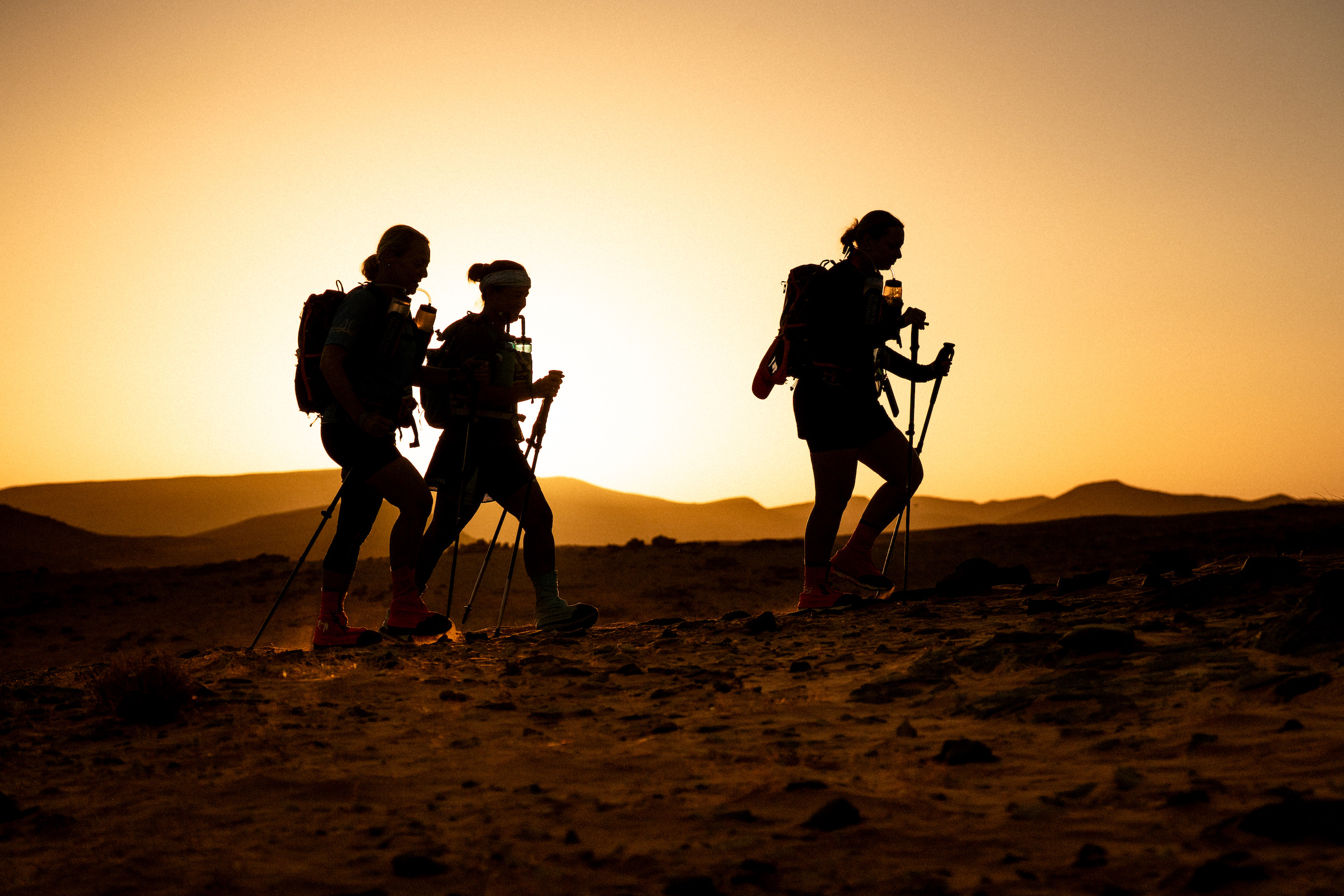
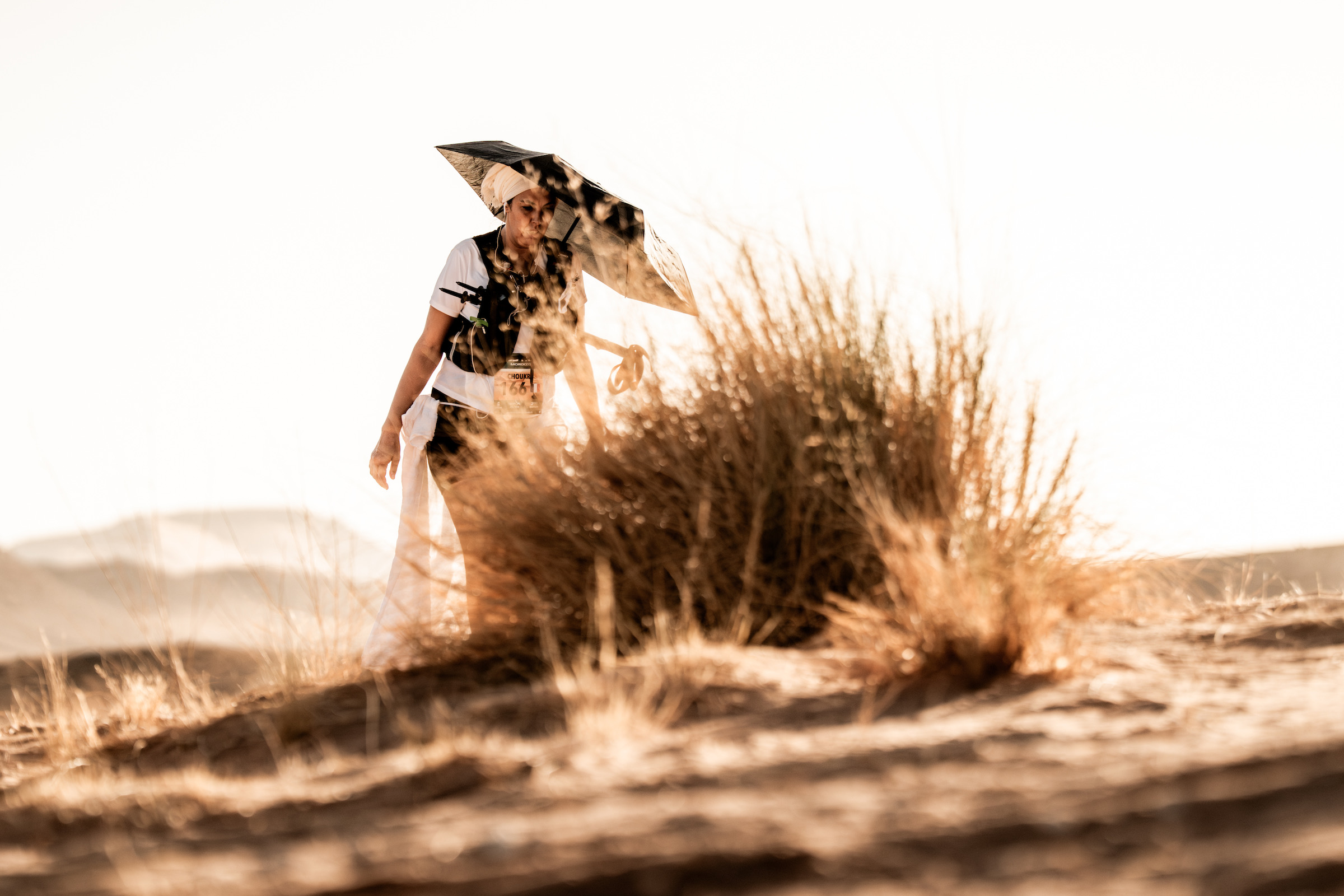
Photo by Ian Corless
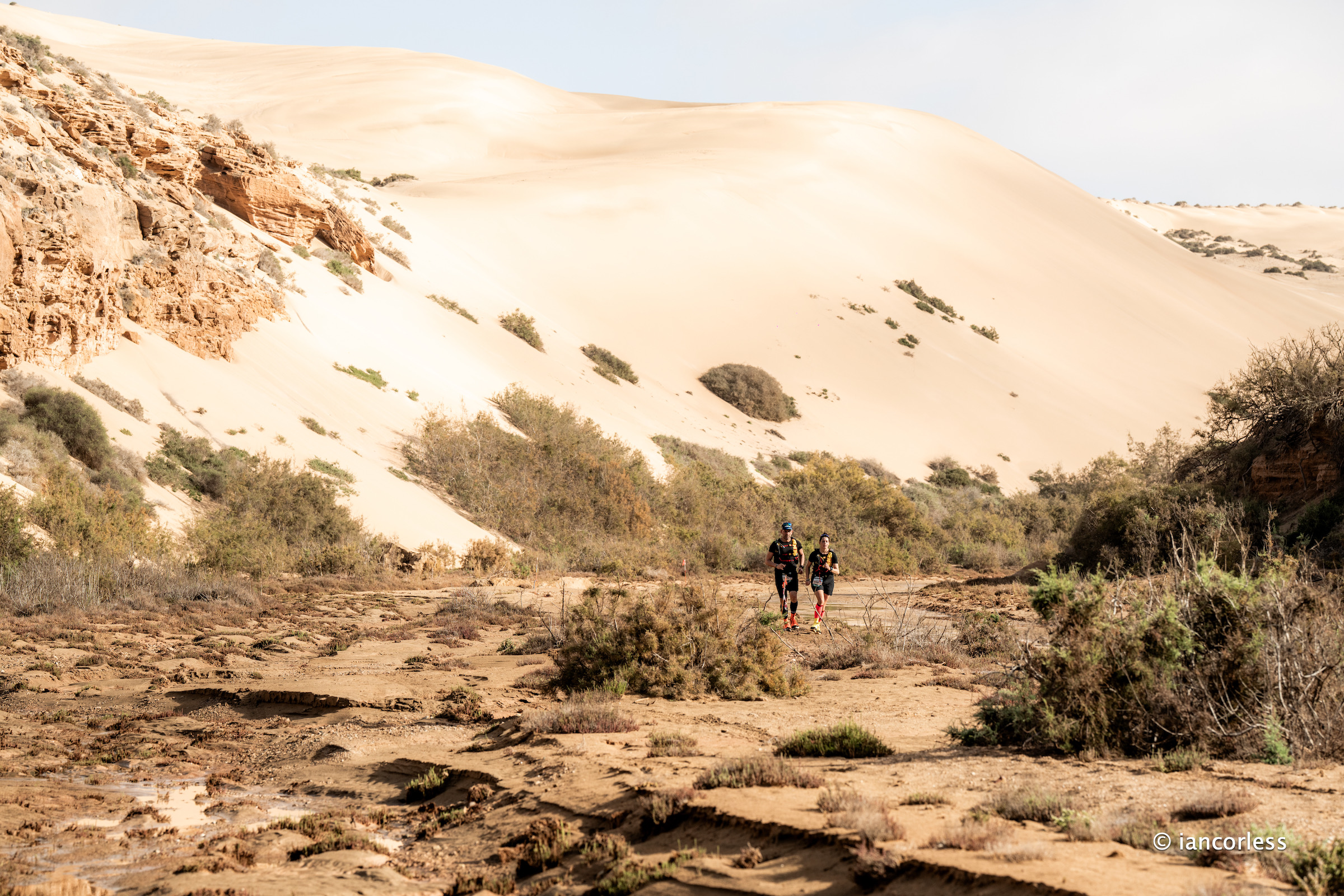
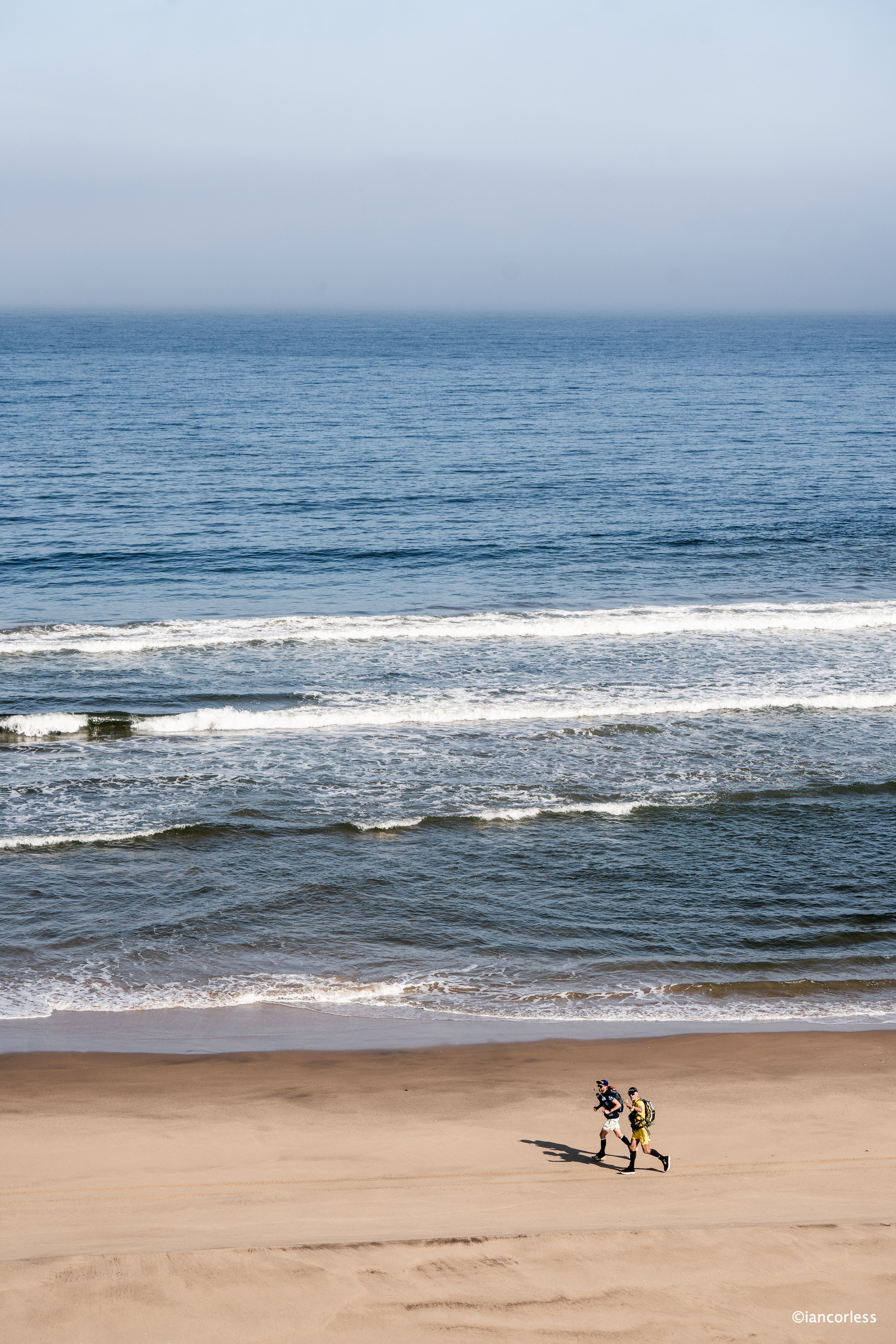
The coastline landscape promises a mix of open beaches, wind-sculpted dunes, and rugged hinterland, delivering diverse terrain without losing the sense of adventure that draws participants back year after year. By welcoming walkers right beside runners, the event reaffirms its commitment to inclusivity while preserving the challenge that marks the MDS family. For those who crave the feel of a grand adventure without crossing continents, the Atlantic Coast edition offers a perfect balance of scenery, camaraderie, and personal achievement.
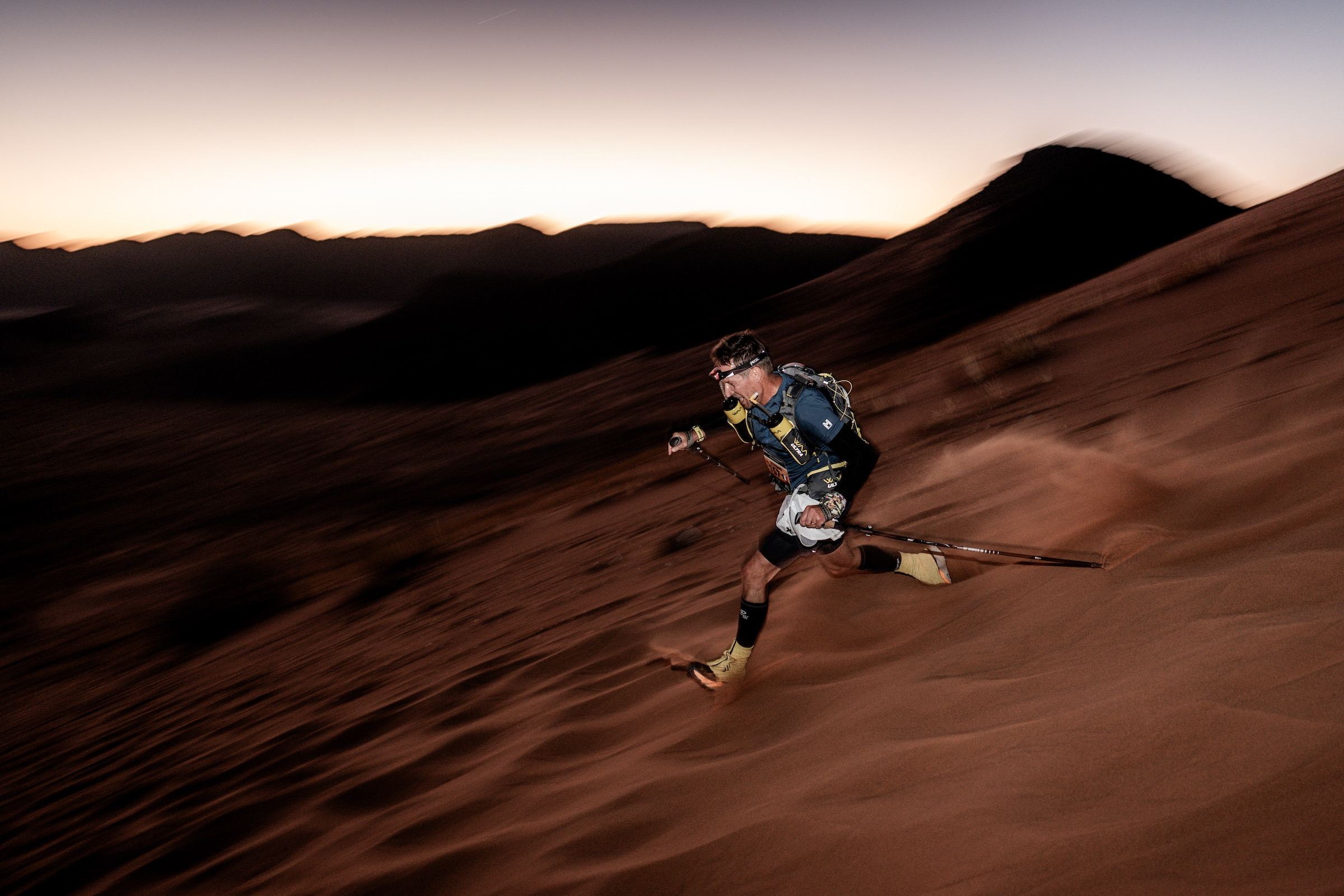
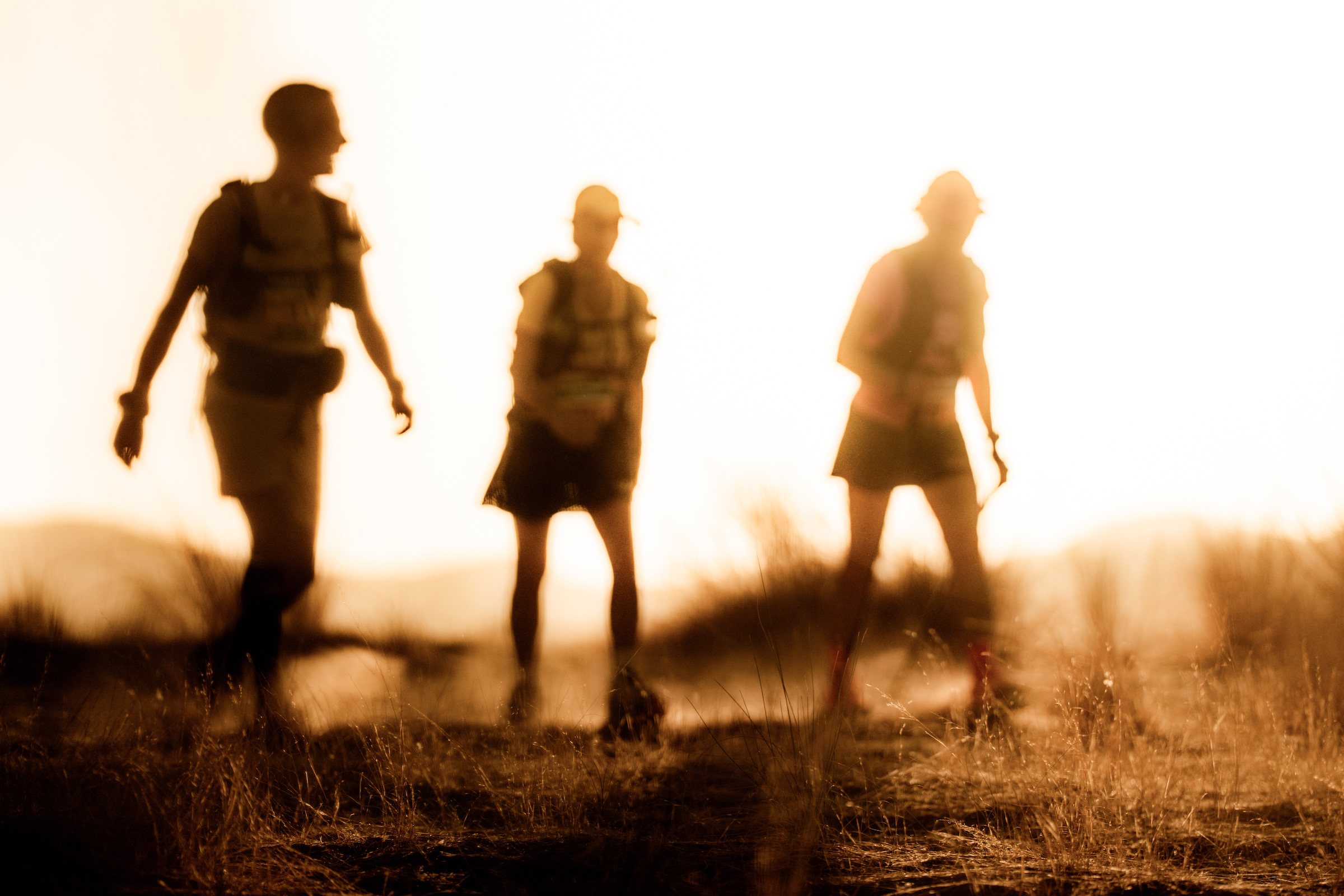
Photo by Ian Corless
What to expect on the three stages
The race unfolds over three days of stage racing, spread across four calendar days. Each participant selects their total distance – 70, 100, or 120 kilometres – and completes the corresponding combination of stage lengths. The route design emphasises a continuous, day-by-day test of endurance, and self-reliance, with the sense of discovery growing as the coastline unveils new horizons.
Expect a demanding yet spectacular mix of beach stretches, coastal dunes, rocky outcrops, and inland trails that thread along the Atlantic fringe. While the sea air and sun contribute to the challenge, the route rewards rhythm, efficient pacing, and smart planning.
As a self-sufficient event, participants rely on well-marked courses and a robust safety net. Course marshals, remote safety teams, and medical support are in place, with clear guidelines on mandatory equipment and daily checkpoints. Competitors manage their own nutrition and water, planning for the day ahead while staying mindful of weather and terrain. This combination of independence and structure is what defines the MDS 120 experience.
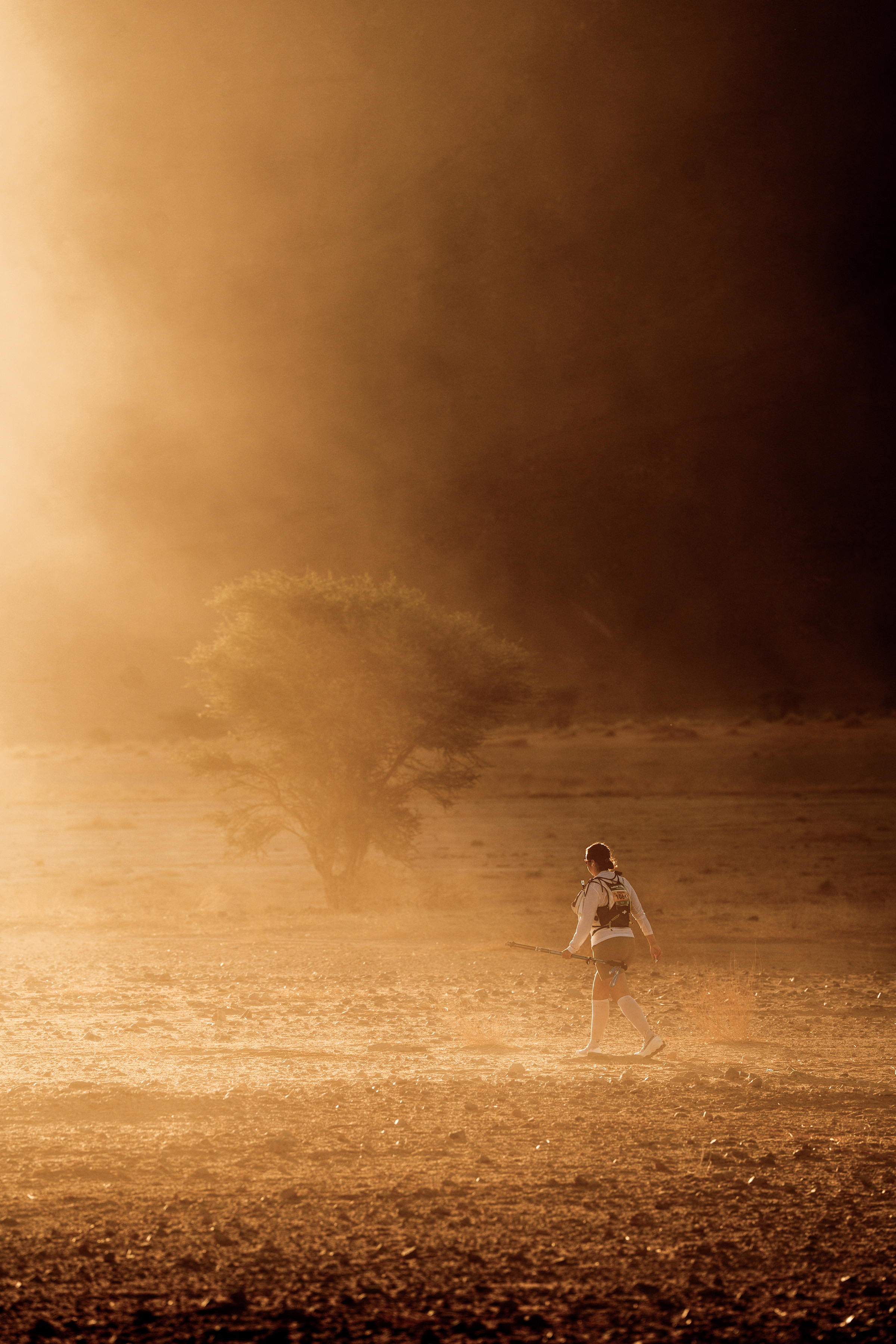
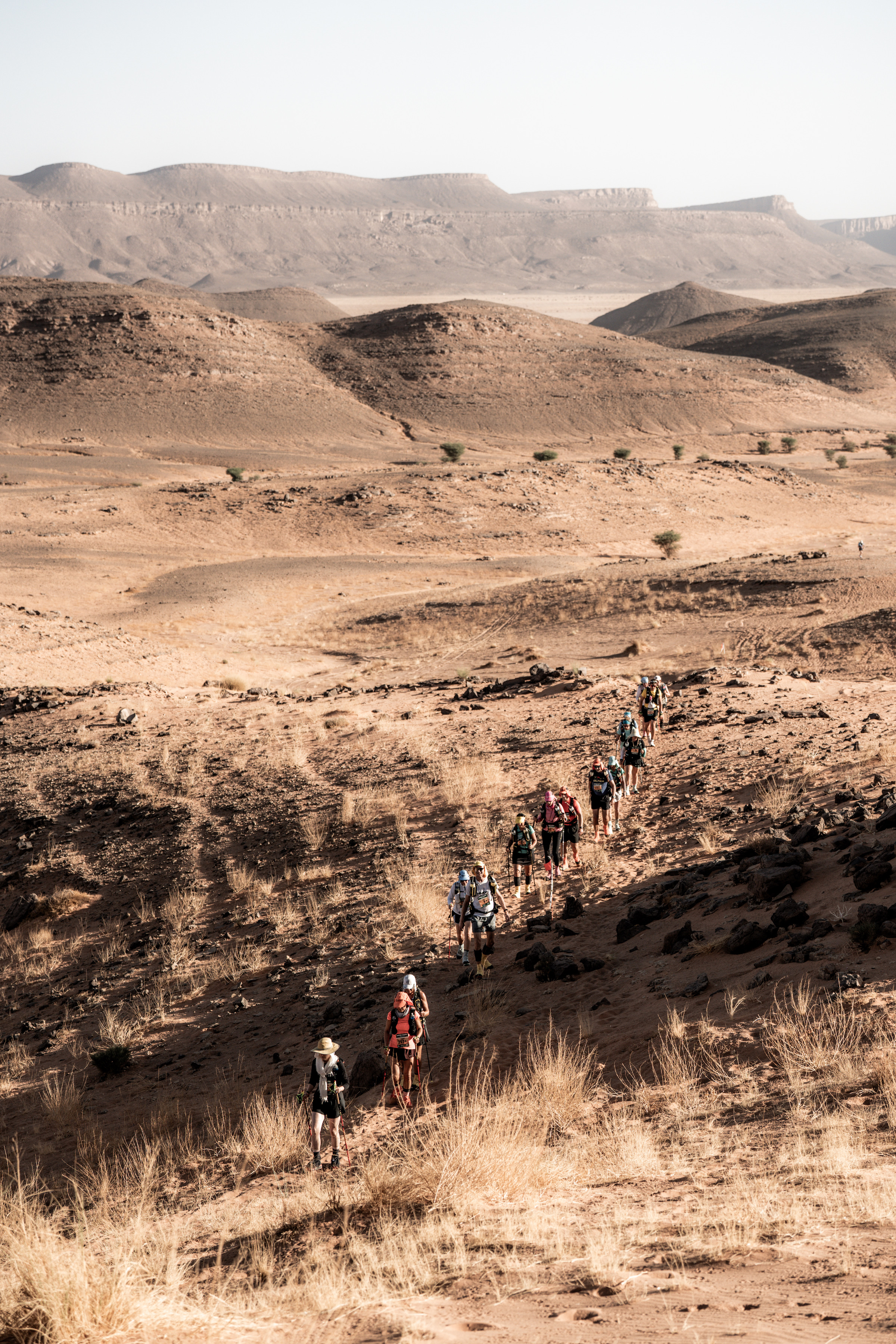
Photo by Ian Corless
The MDS 120 Atlantic Coast is explicitly designed to welcome a wide spectrum of abilities. If you’re a walker who can cover long distances with steady pace, or a runner seeking a new endurance benchmark, this event offers a supported, self-sufficient platform to push limits in a beautiful, accessible setting. It’s ideal for first-time MDS 120 participants seeking a well-structured introduction without compromising the sense of accomplishment, as well as returning athletes looking for a coastal contrast to Sahara routes.
Why MDS 120?
Expanded inclusivity with a broader distance range: The 70/100/120 km options enable more participants to tailor the challenge to their current level while still delivering the iconic MDS 120 experience.
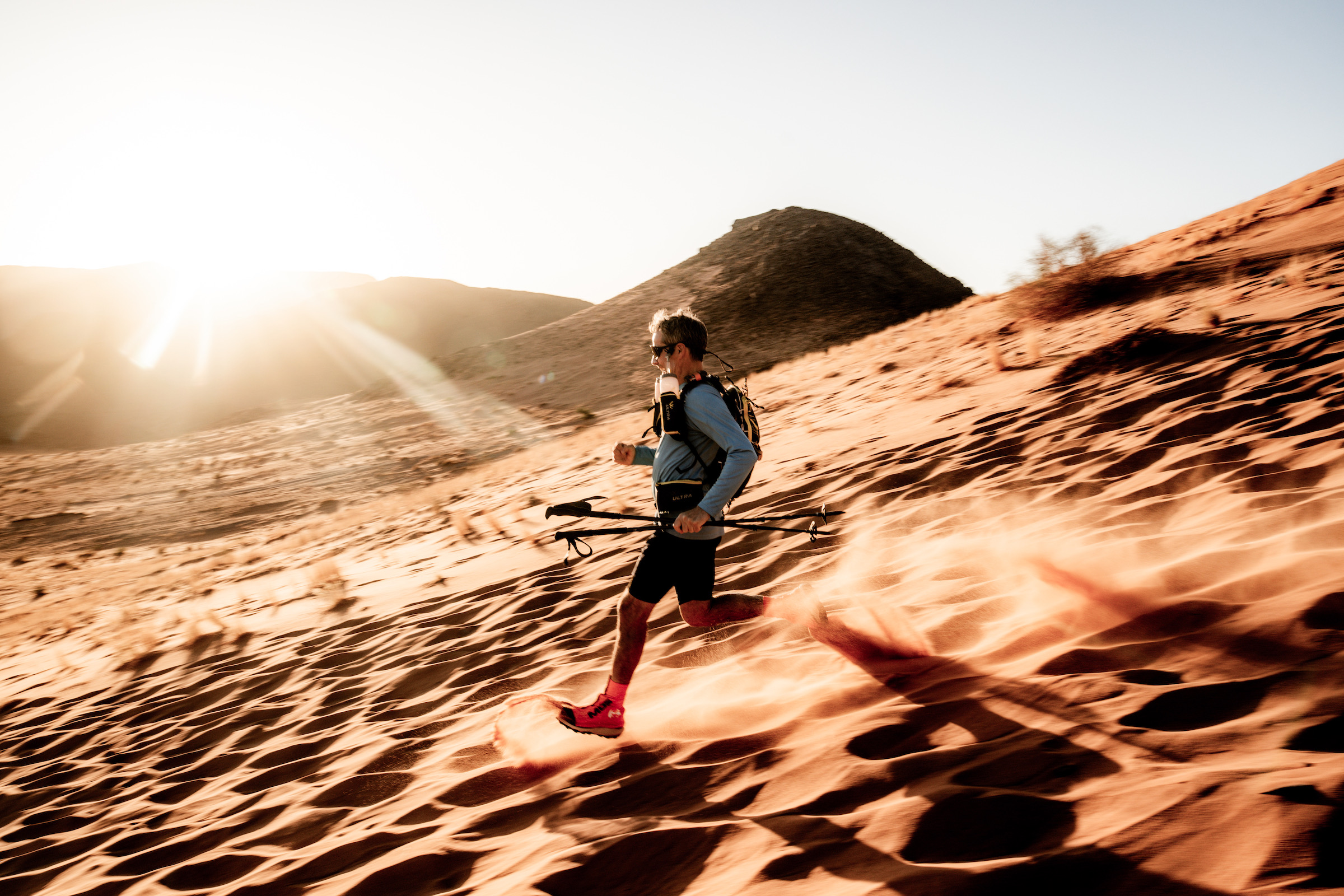
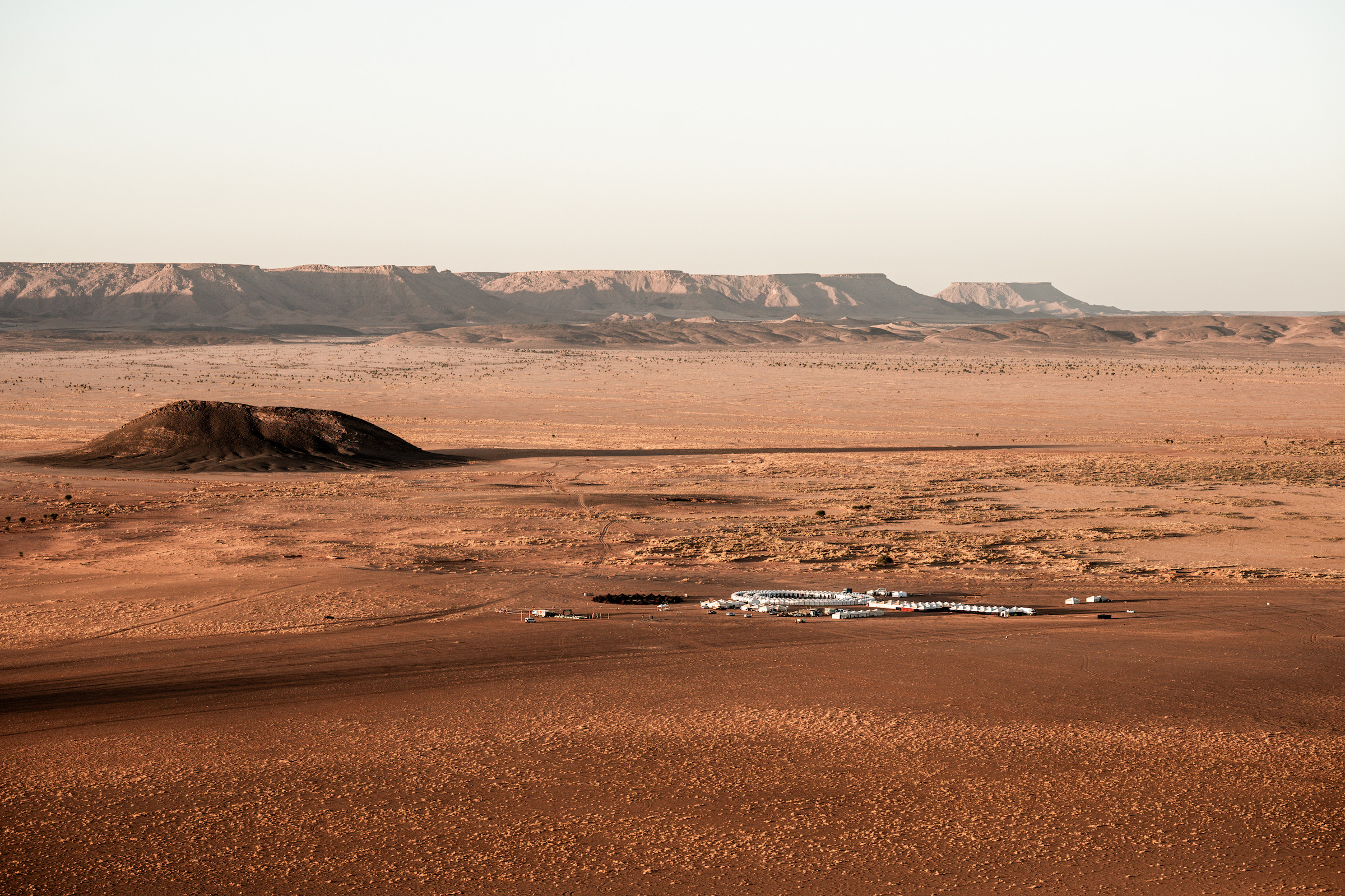
Photo by Ian Corless
A fresh Atlantic coastal route: The coastline around Agadir offers new routes that emphasise coastal beauty and wind-sculpted terrain, creating a distinctive mood and pacing compared with prior editions.
Photo by Ian Corless
Athletes travel to Agadir, where a hotel base serves as the staging ground for briefing and support, with a hotel stay also planned for post-race recovery and celebration. The overall package aims to balance challenge with comfort, giving participants a strong sense of community without sacrificing the rugged essence of self-sufficiency.
A celebration of pace, place, and persistence MDS 120 Atlantic Coast 2nd edition is more than a test of endurance. It’s a celebration of pace, place, and persistence, inviting a broad range of athletes to test their limits in a setting that blends the raw beauty of Morocco’s Atlantic edge with the camaraderie and strategy that define the MDS experience. The 70, 100, and 120 km distances let participants choose a level of challenge that matches their training, experience, and appetite for adventure, while the three-stage format over four days preserves the thrill of back-to-back days on the trail.
If you’re looking for a race that marries coastline drama with self-sufficient racing, where every kilometre earned is a personal milestone and every sunset over the Atlantic is a reward, the 2nd edition of MDS 120 Atlantic Coast in Morocco awaits.
Forty years after the first chapter of desert racing was written, a new one opened in the Merzouga region of Morocco with the inaugural edition of MDS ULTRA. This was not a return to the past, an acknowledgement of history but also a clear statement of intent – one race, two distances, no stages and no reset. Just a single, continuous effort across the desert, with runners committing to either 100 kilometres or 100 miles within a strict 40-hour time limit.
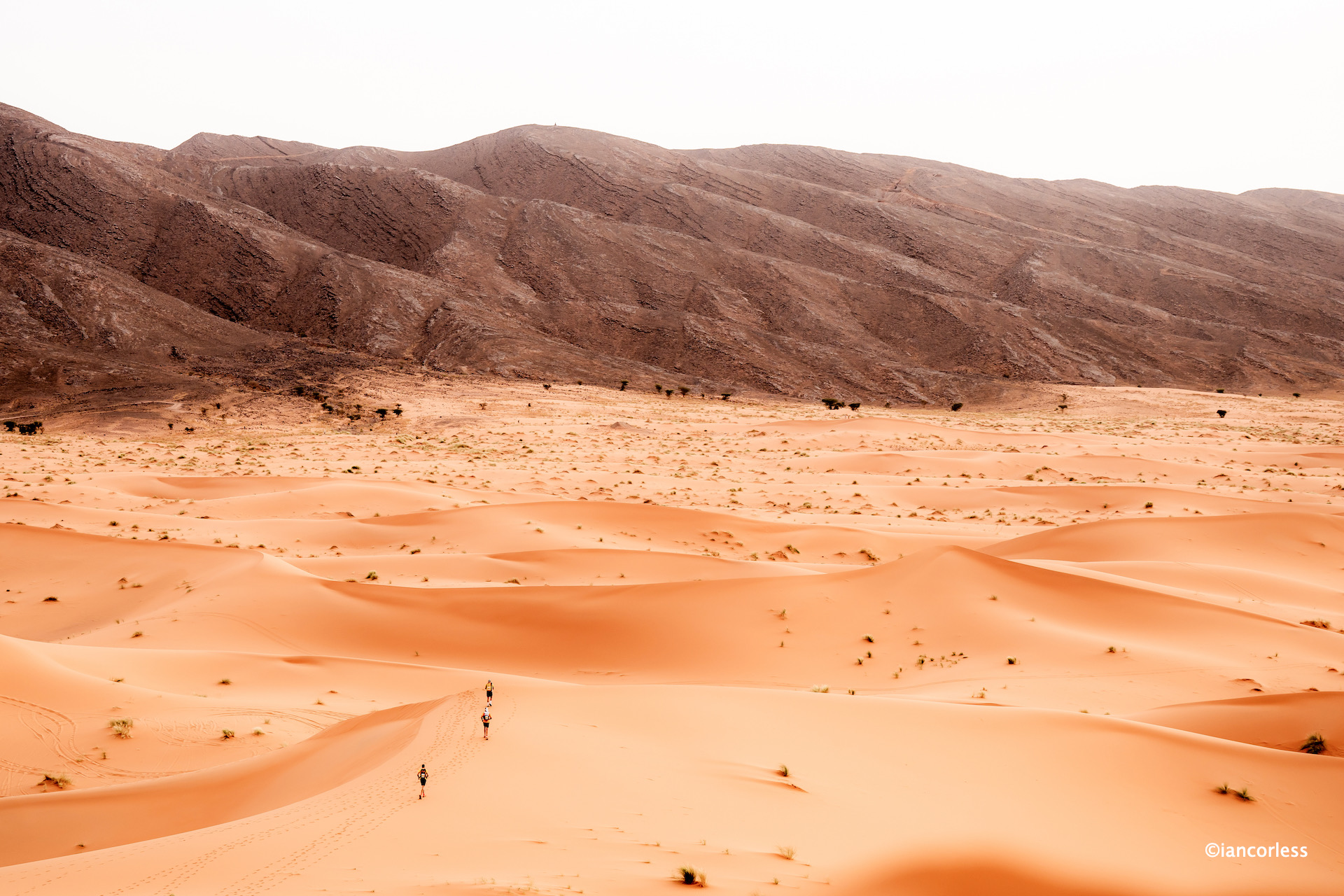
Set against the wide, open landscapes surrounding Merzouga, the race introduced a different way to experience the Sahara. Held in winter, the conditions reshaped the challenge. Days offered pleasant, manageable heat that allowed athletes to settle into rhythm and pace. Nights told a different story. Temperatures dropped fast, the cold biting through fatigue, turning the long hours of darkness into a test of preparation, focus, and resolve. Managing layers, energy, and morale became as important as managing speed.
The course reinforced a stripped-back philosophy. Predominantly flat and designed with less soft sand, for some, it encouraged sustained running, for others, the distance and challenge required survival marching. But flat did not mean easy. Over such distances, the lack of variety became its own challenge. Every mistake was amplified, every slowdown hard to recover from. The desert demanded patience and discipline, hour after hour, the cold nights bringing the greatest challenge.
On the ground, the scale of the operation matched the ambition of the format. Five life bases were positioned across the route offering a place to sleep, food, a warm fire and incredible support. Nine water stations filled the gaps in-between and a team of 147 staff working across logistics, medical care, safety, and race control made the whole thing tick. Organisation was tight, communication clear, and participant safety central throughout.
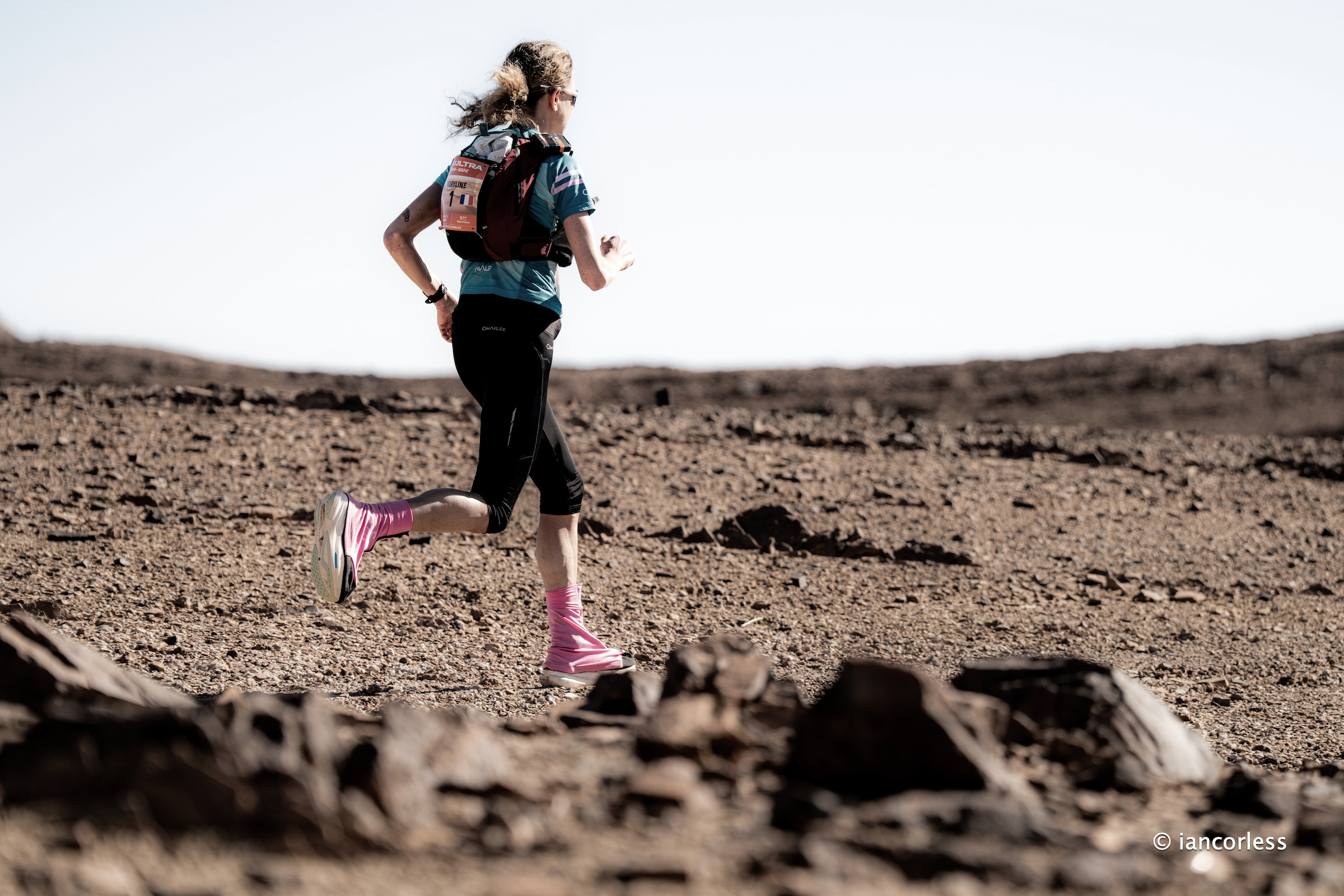
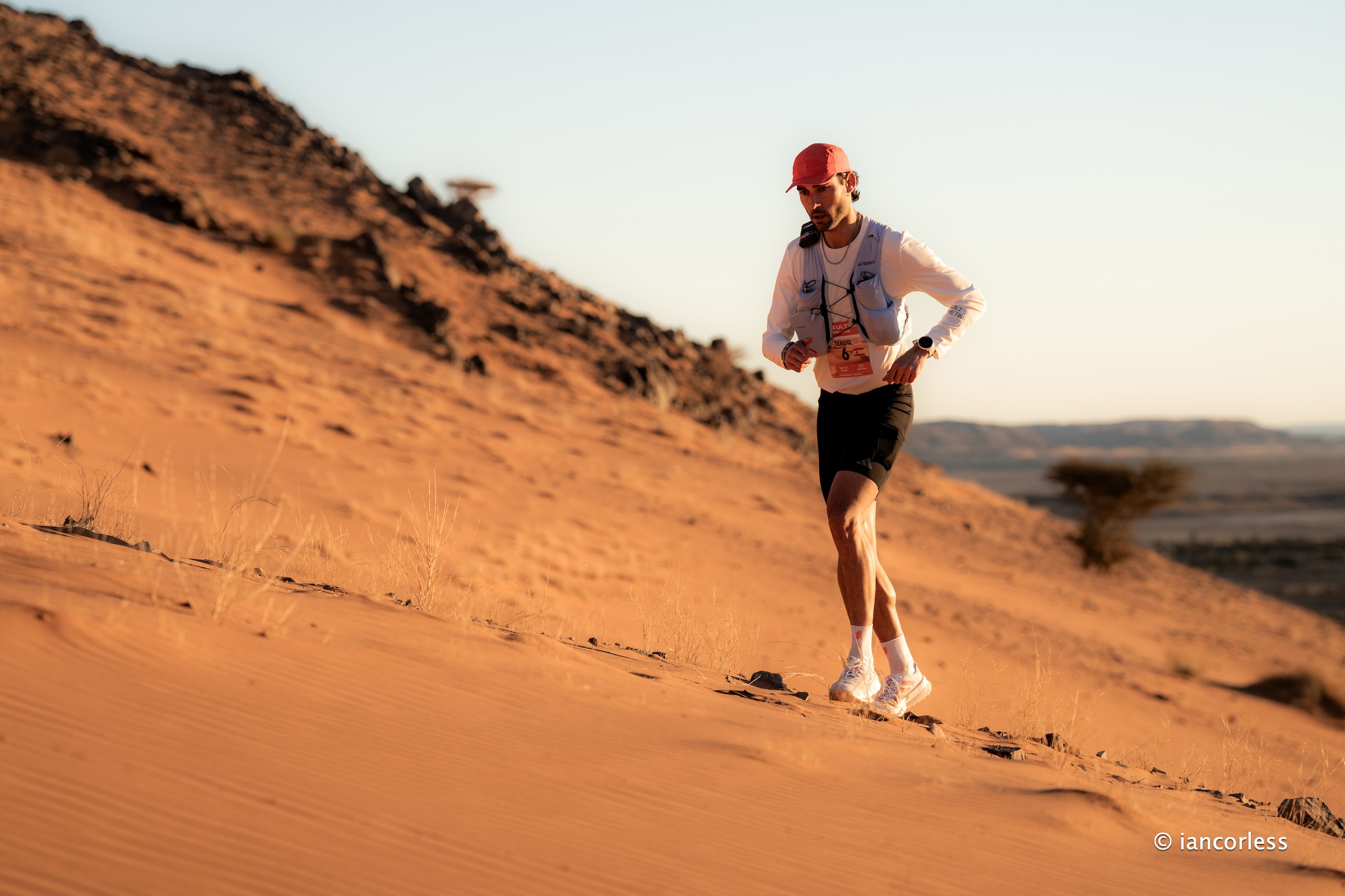
The racing itself gave the event its heartbeat. Athletes from 30 countries lined up, bringing an international energy to the desert, with women making up 30 percent of the field. What followed were two races and countless individual battles. In the 100-mile event, Martin Gallardo charged ahead in the early stages of the race, but after 40km’s, Maryline Nakache delivered a standout performance, coming from behind taking the outright win. In the 100-kilometre race, Adriana Moser claimed second place overall behind Sergio Turull, Francesca Canepa placing third – a podium underlining the depth and quality of competition across both distances and the dominance of women in the ultra distance.
But beyond the podiums, MDS ULTRA was 40-hours of stories. The glory of victory played out at the front, while deeper in the field some runners faced the agony of a DNF – forced to stop by injury, exhaustion, or the quiet accumulation of small failures.
For others, the reward was simpler and just as powerful: survival. Reaching the finish after a single, unbroken push through heat, cold, daylight, and darkness.
This first edition of MDS ULTRA established its own identity – it honoured Morocco’s and the MDS desert racing heritage without trying to recreate it. Fast but unforgiving, simple in concept and demanding in execution, it proved that even after four decades, the desert still has new ways to test those who dare to cross it.
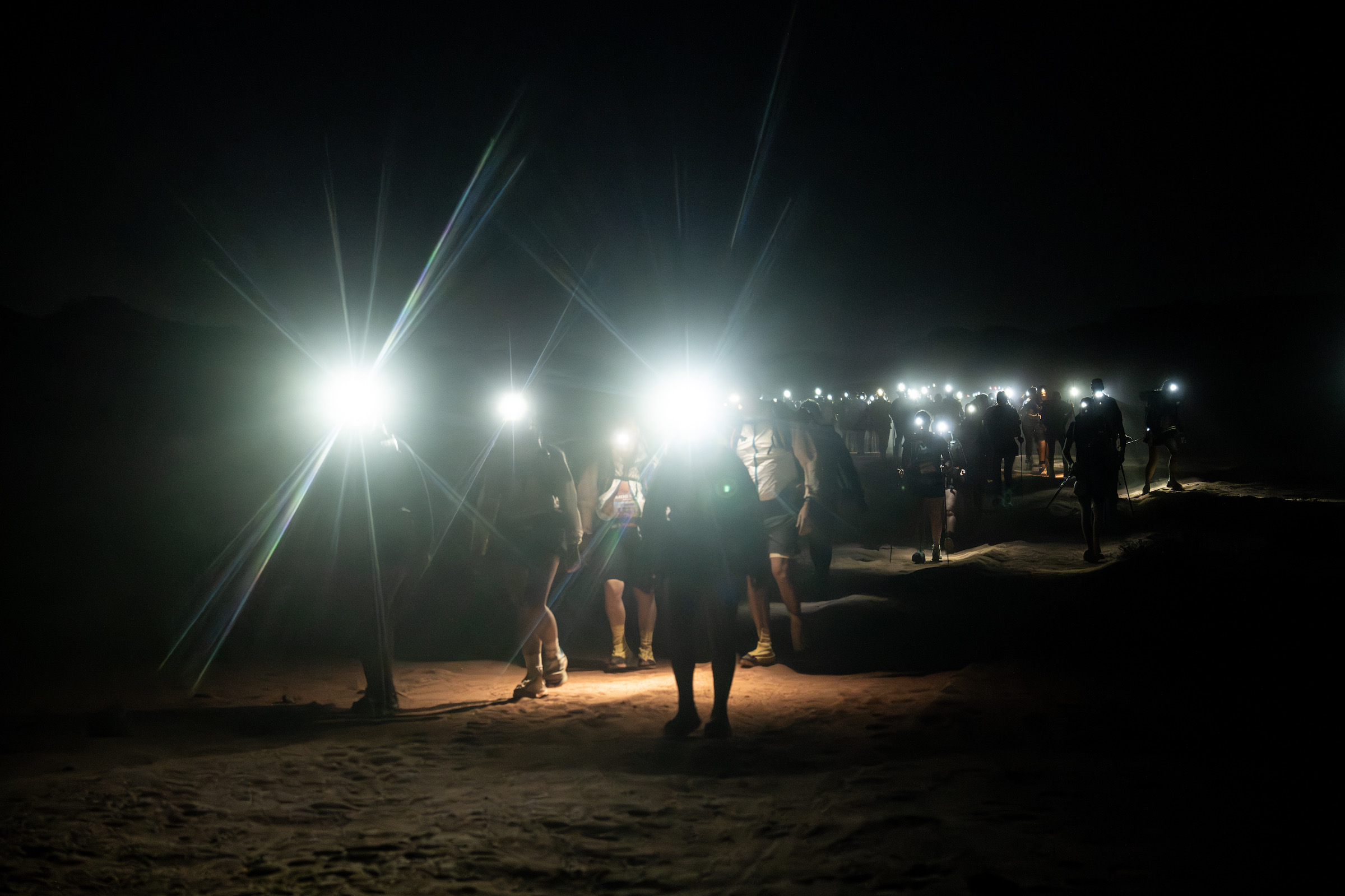
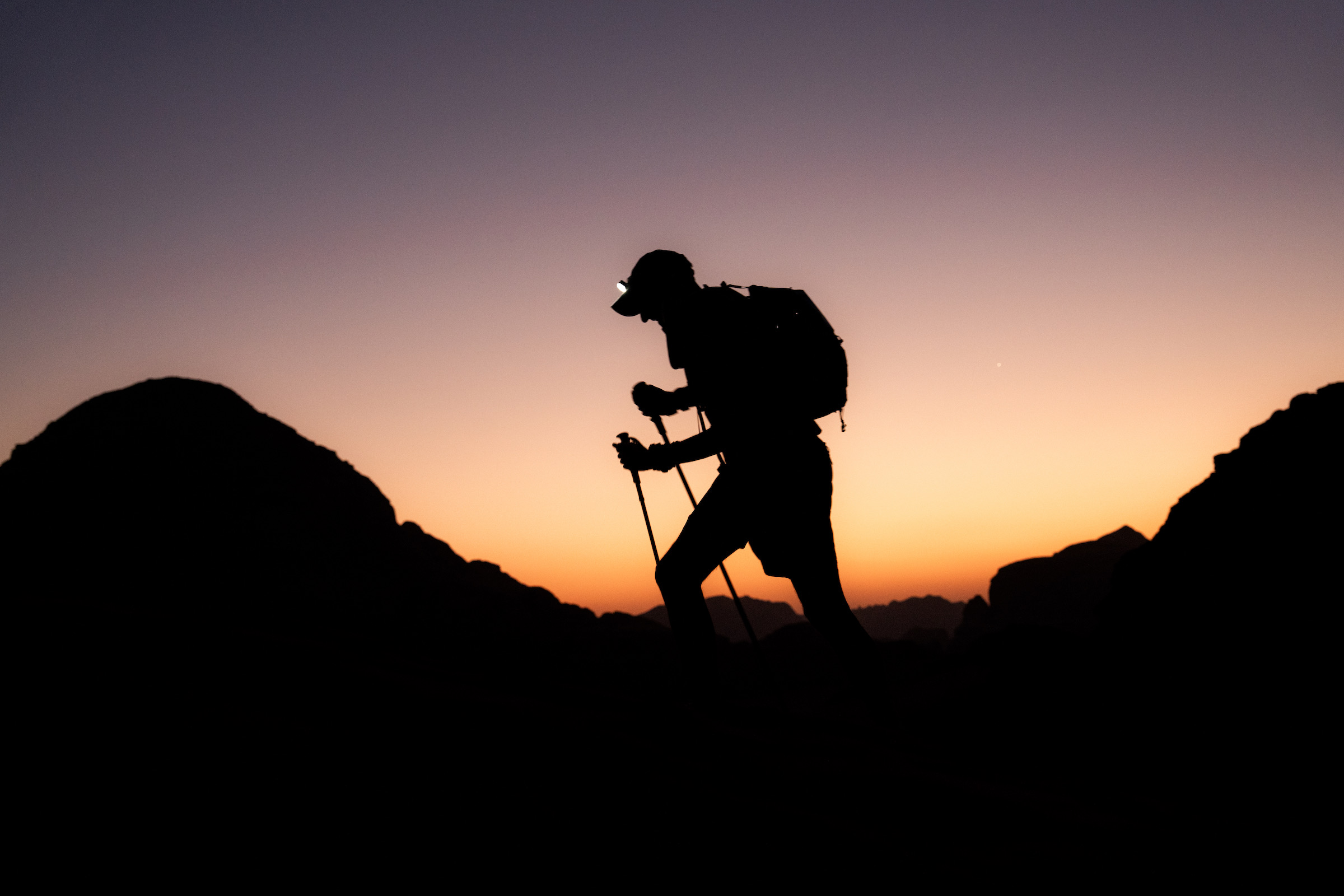
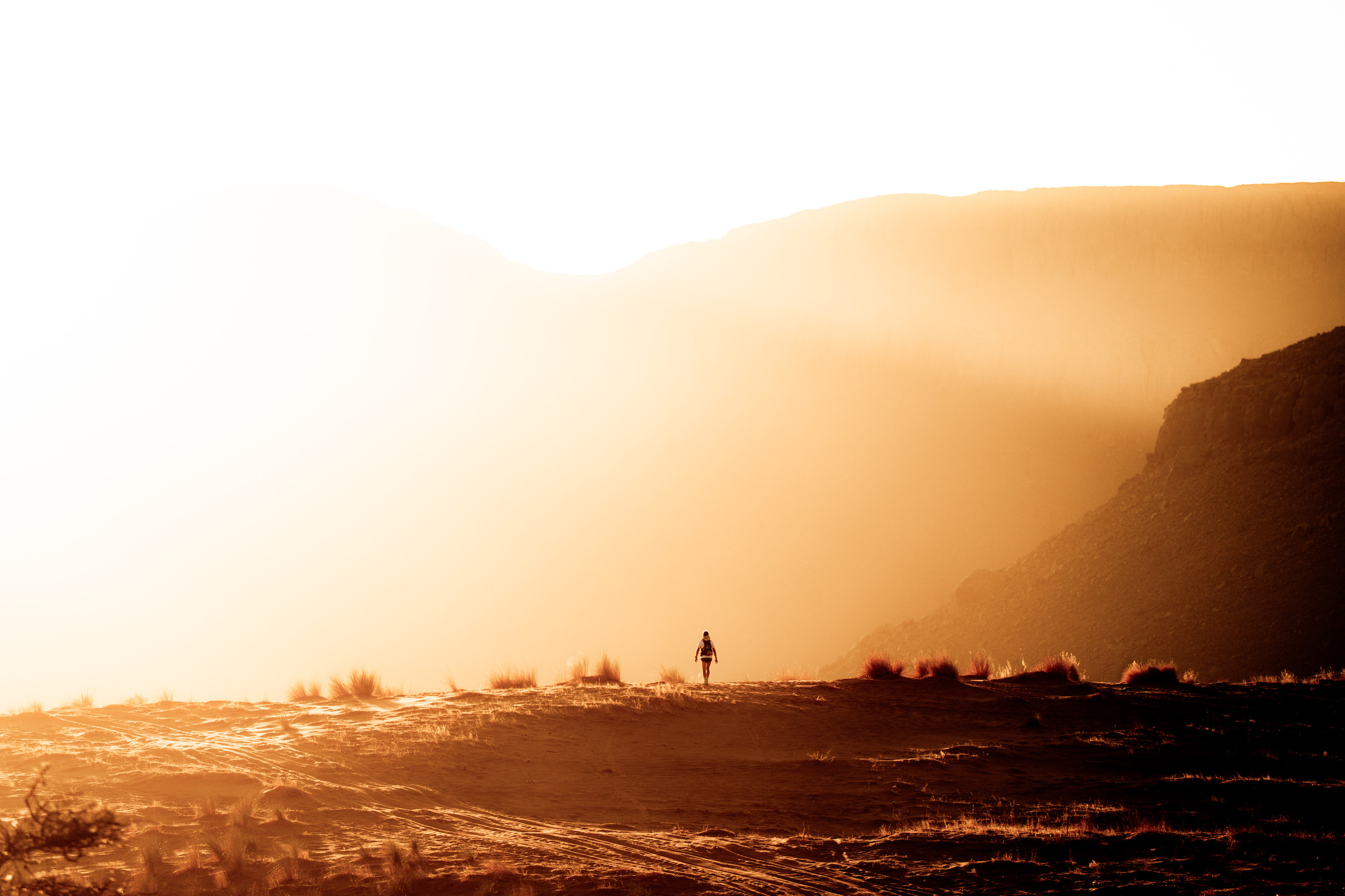
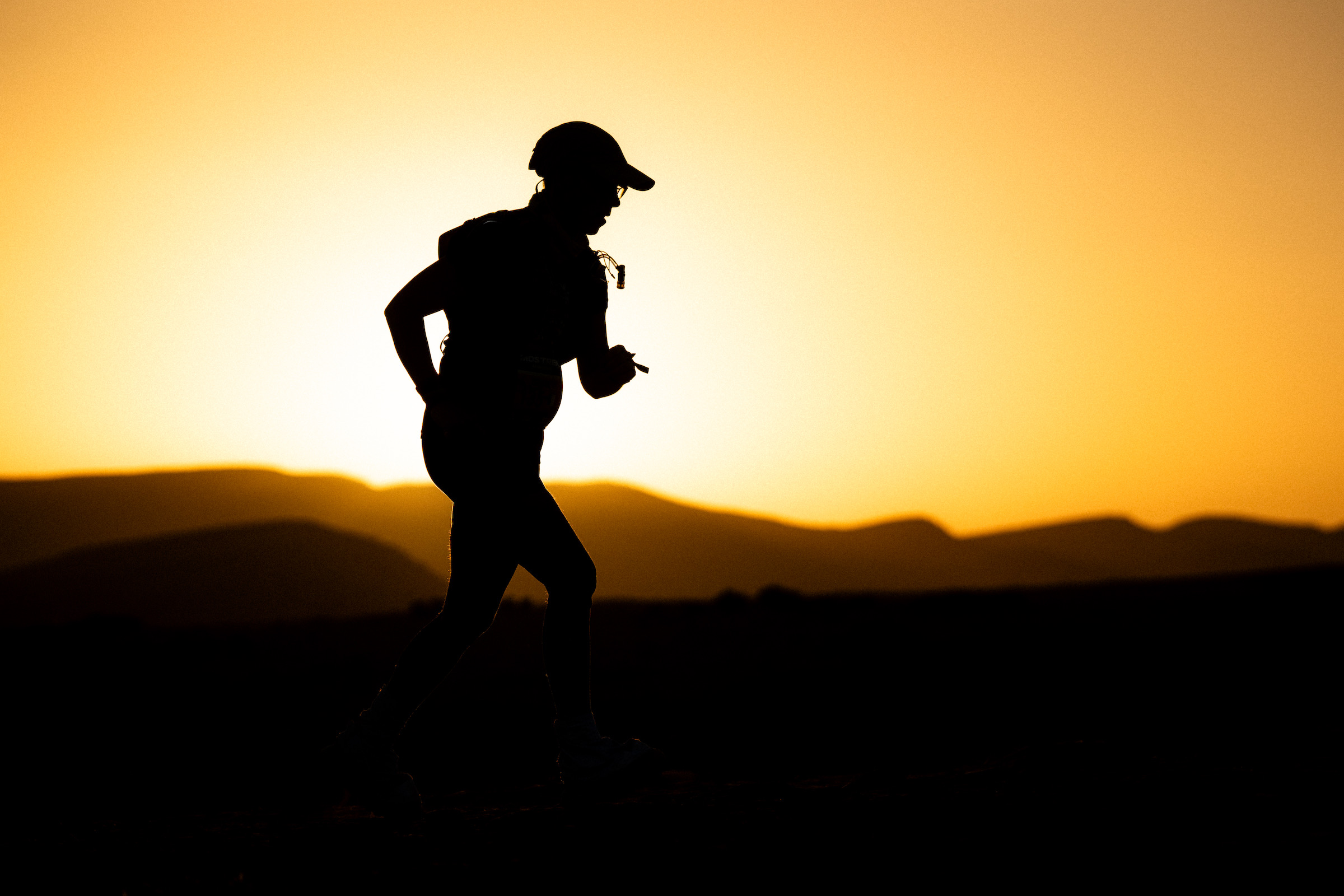
Stage 3 of MDS 120 Jordan, 26 unforgiving kilometres, darkness and the glow of head torches started a day full of promise and pressure. At sunrise, Wadi Rum ignited in gold.
This was the final stretch, the last push through soft sand, searing silence, and soul-stirring scenery. One last chance to earn the medal. One last trial through the desert’s raw beauty and brutal truth.
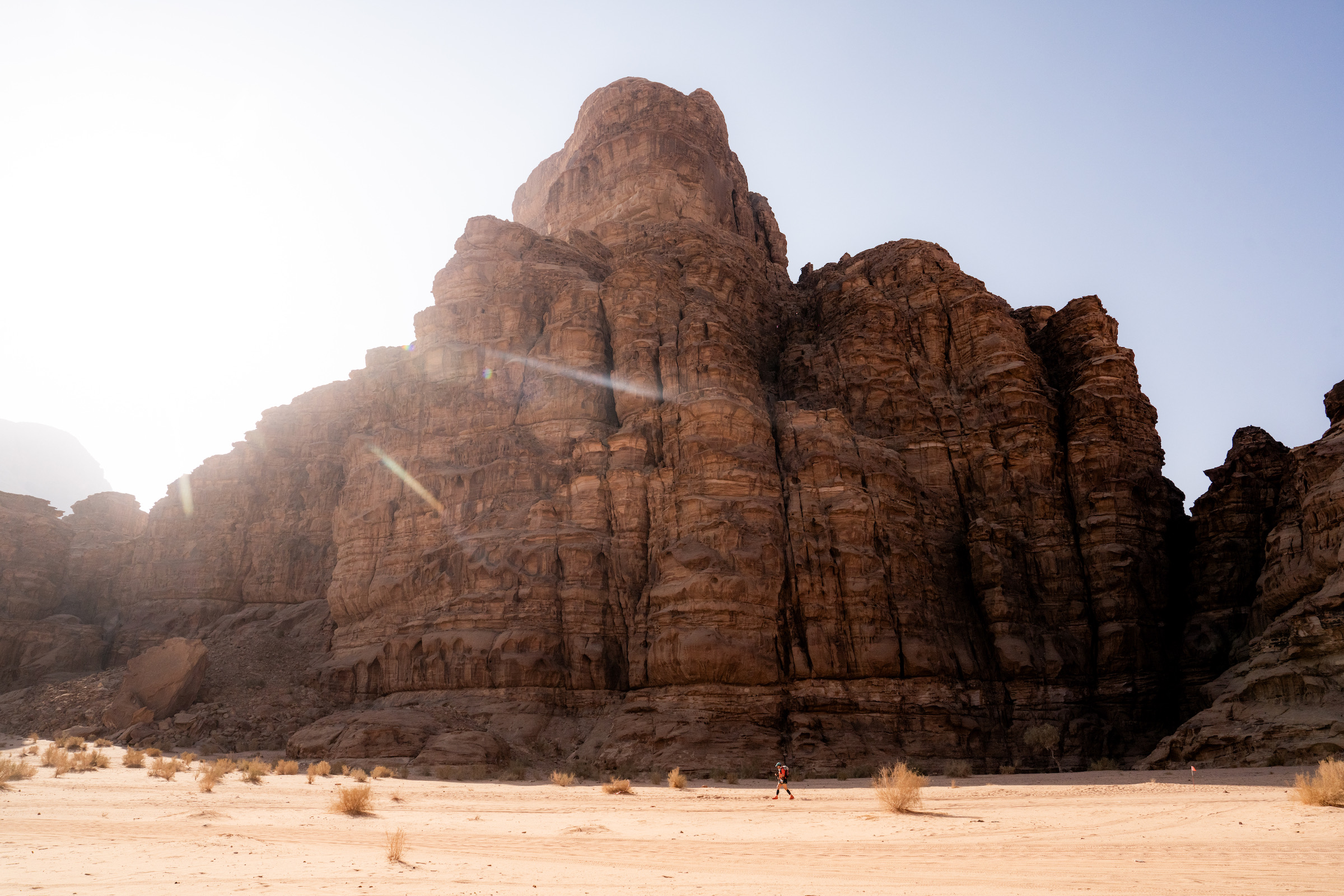
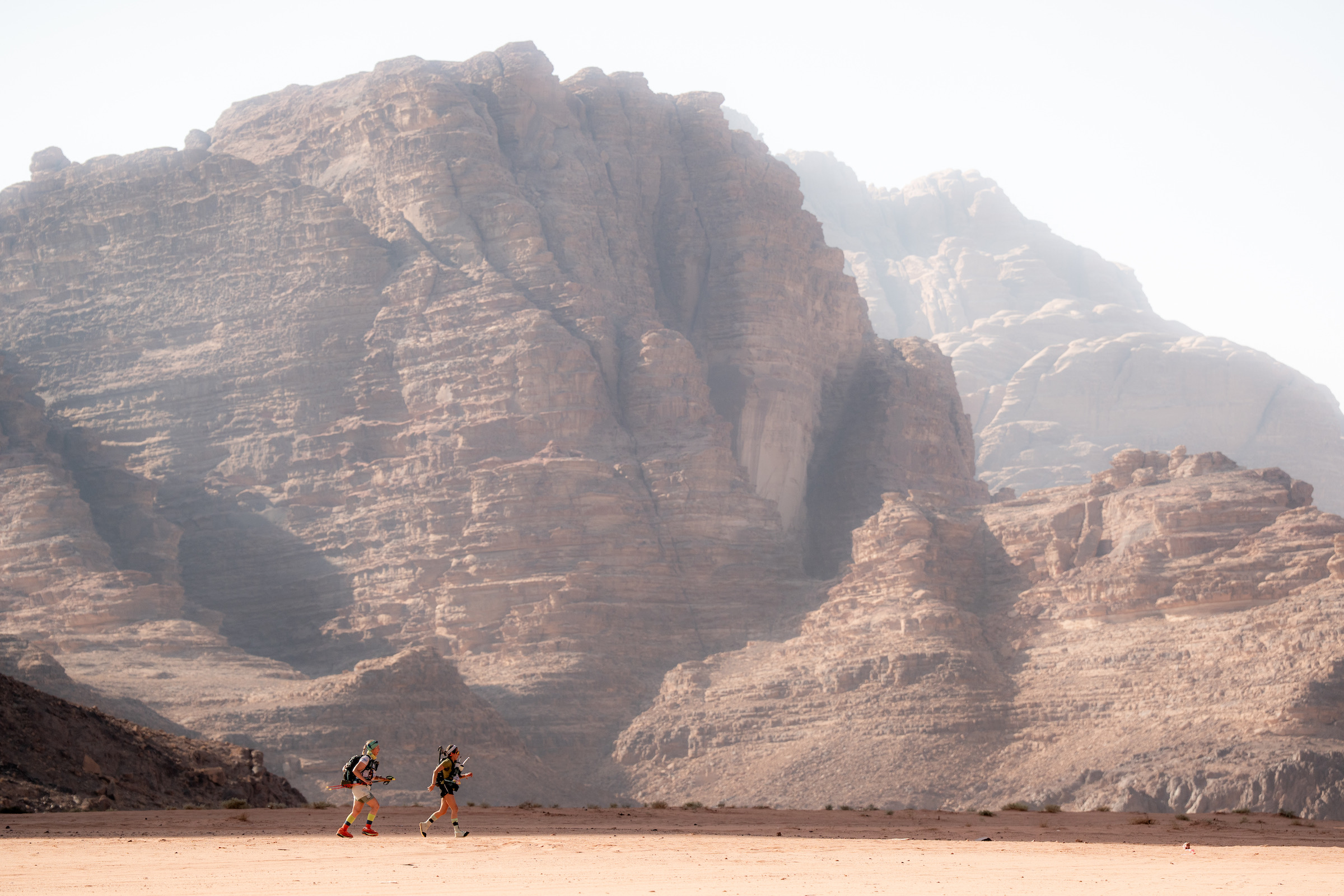
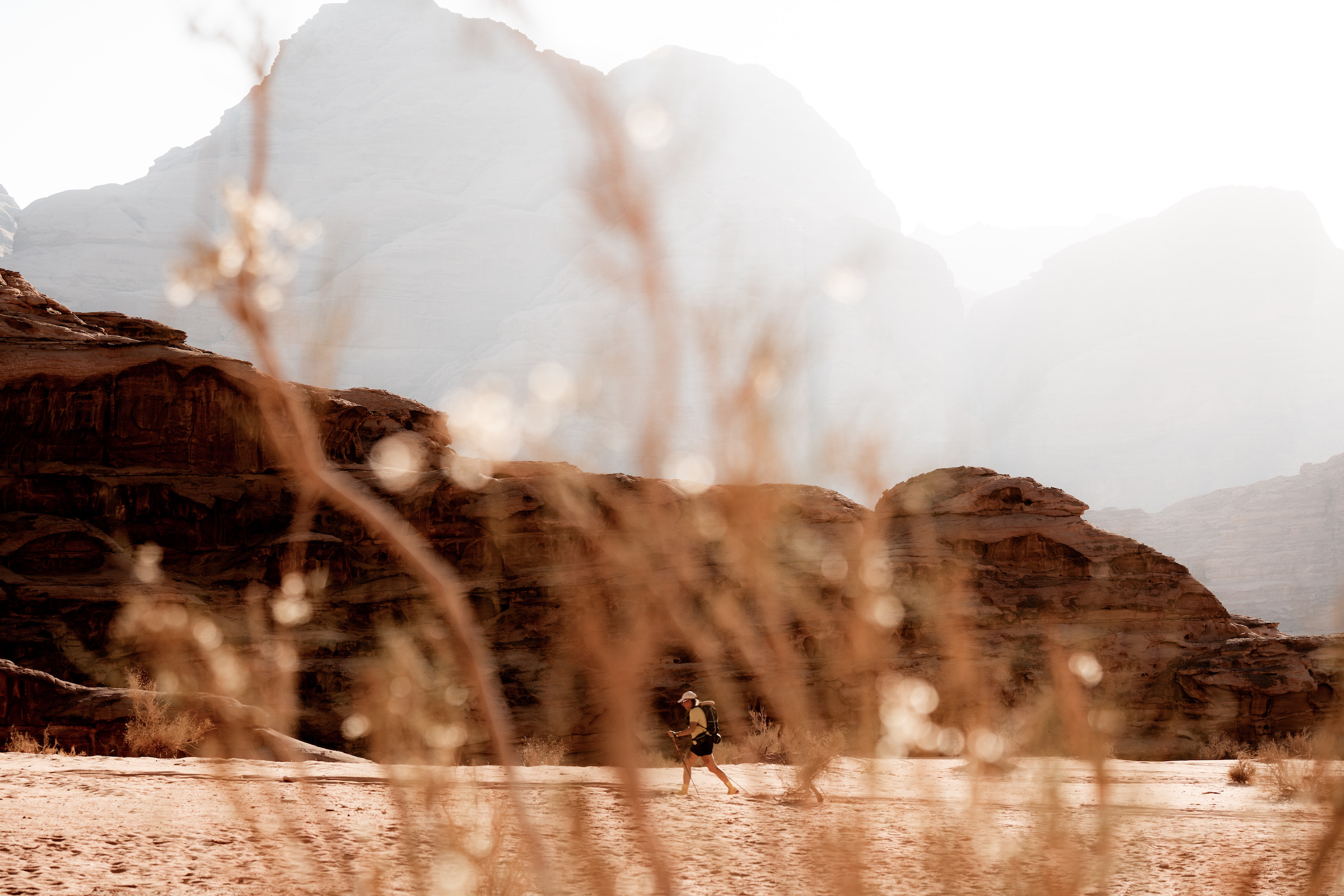
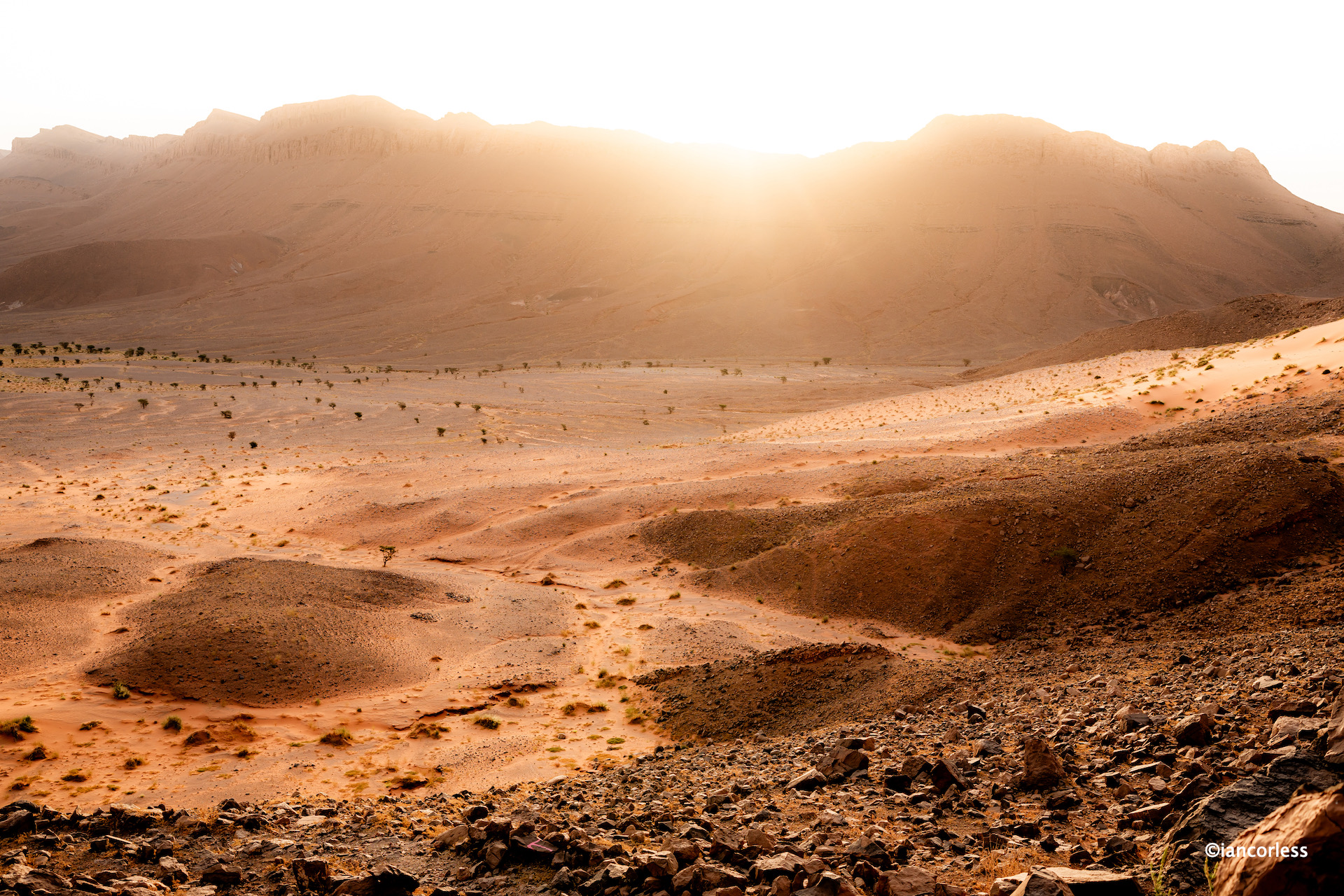
The route cut through a living painting, towering rock faces, vast plains, and dunes sculpted by centuries of wind.
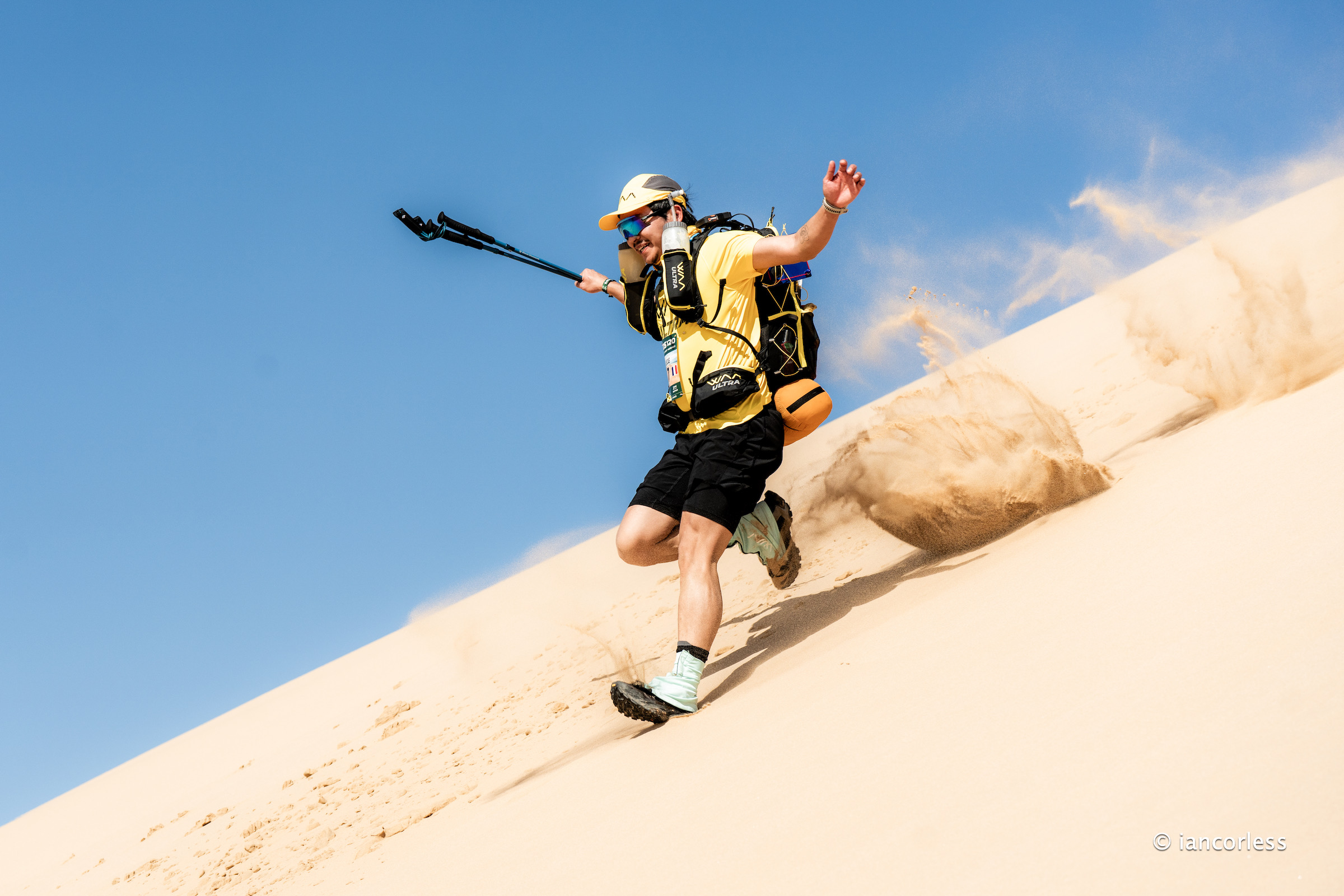
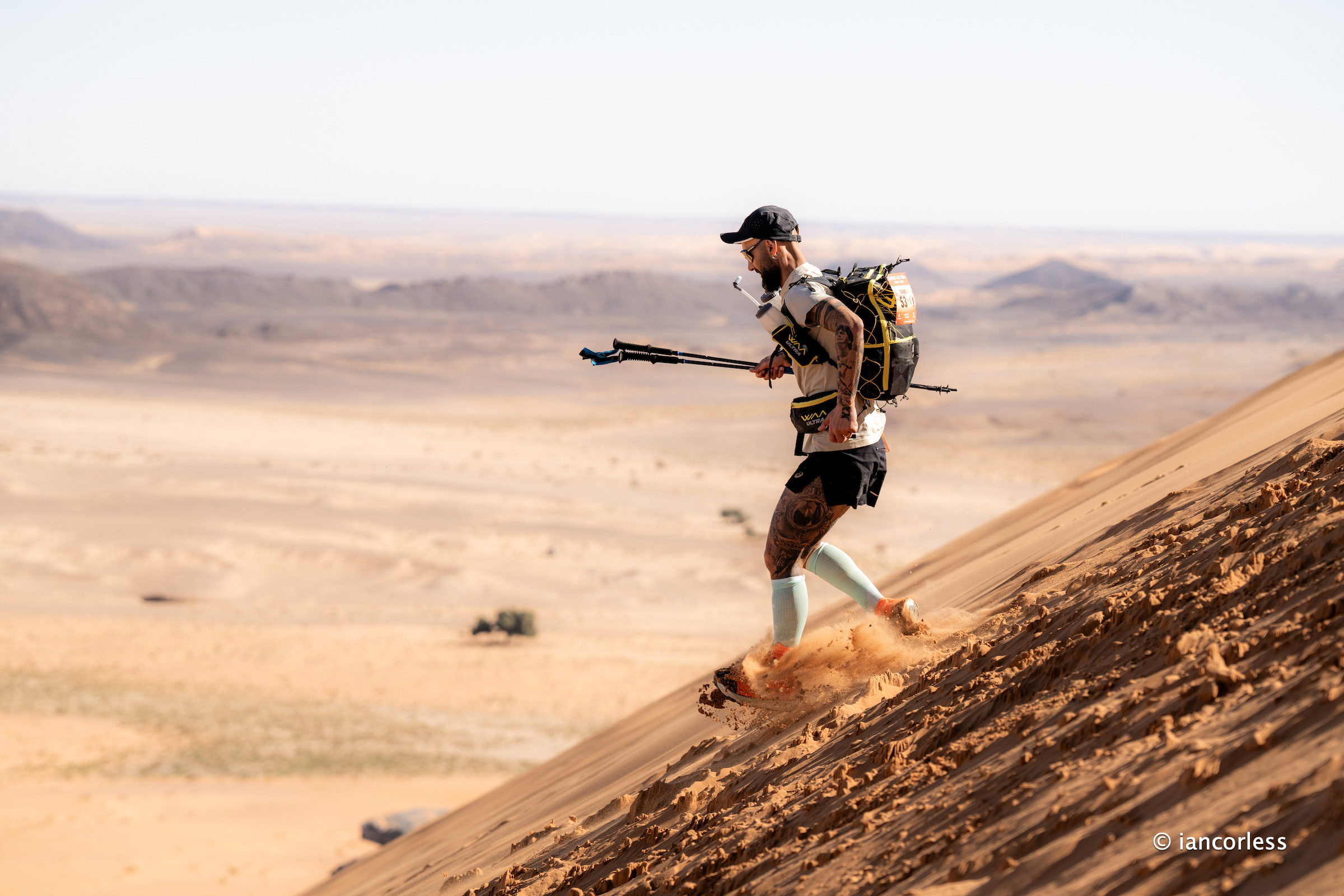
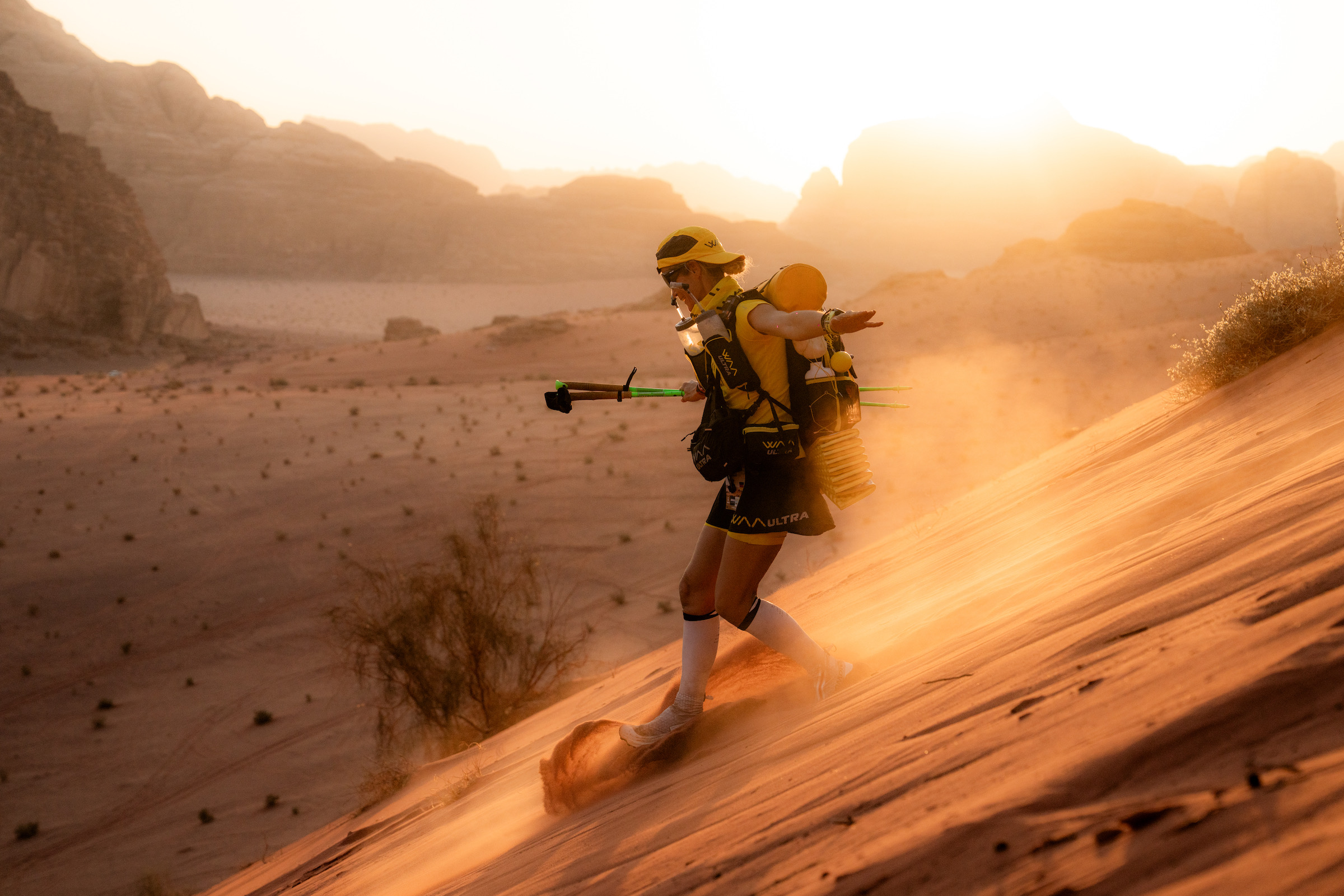
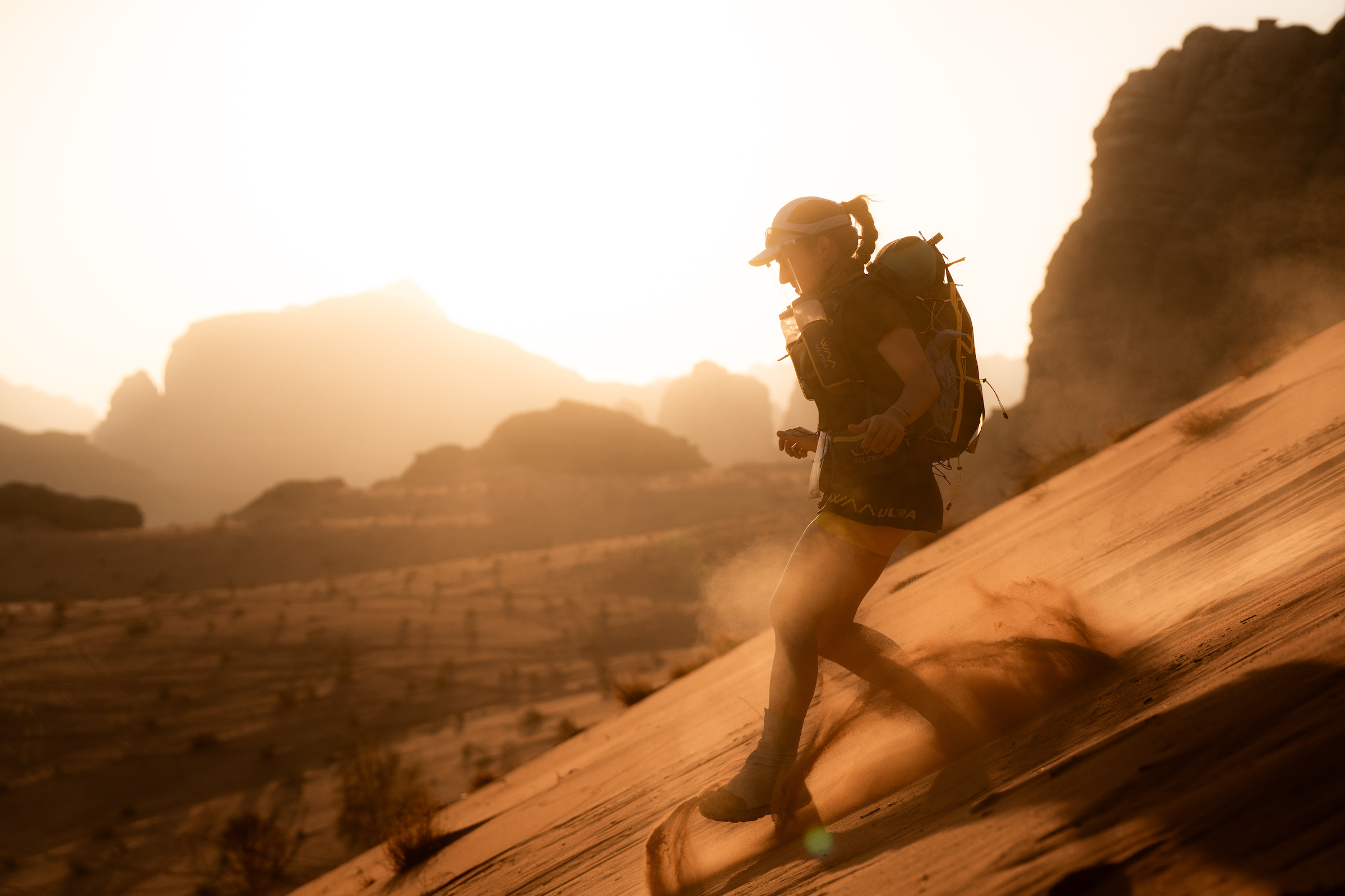
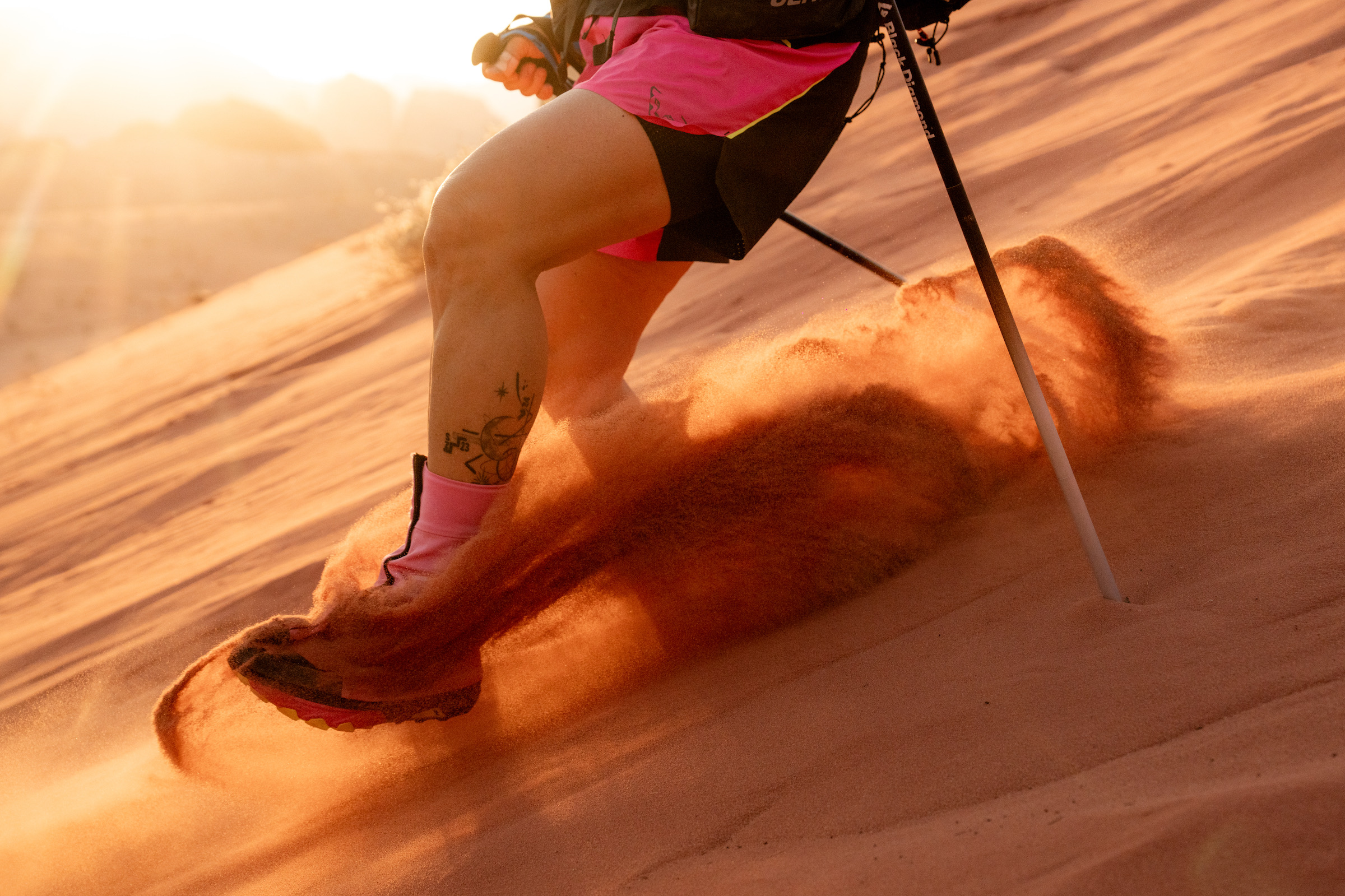
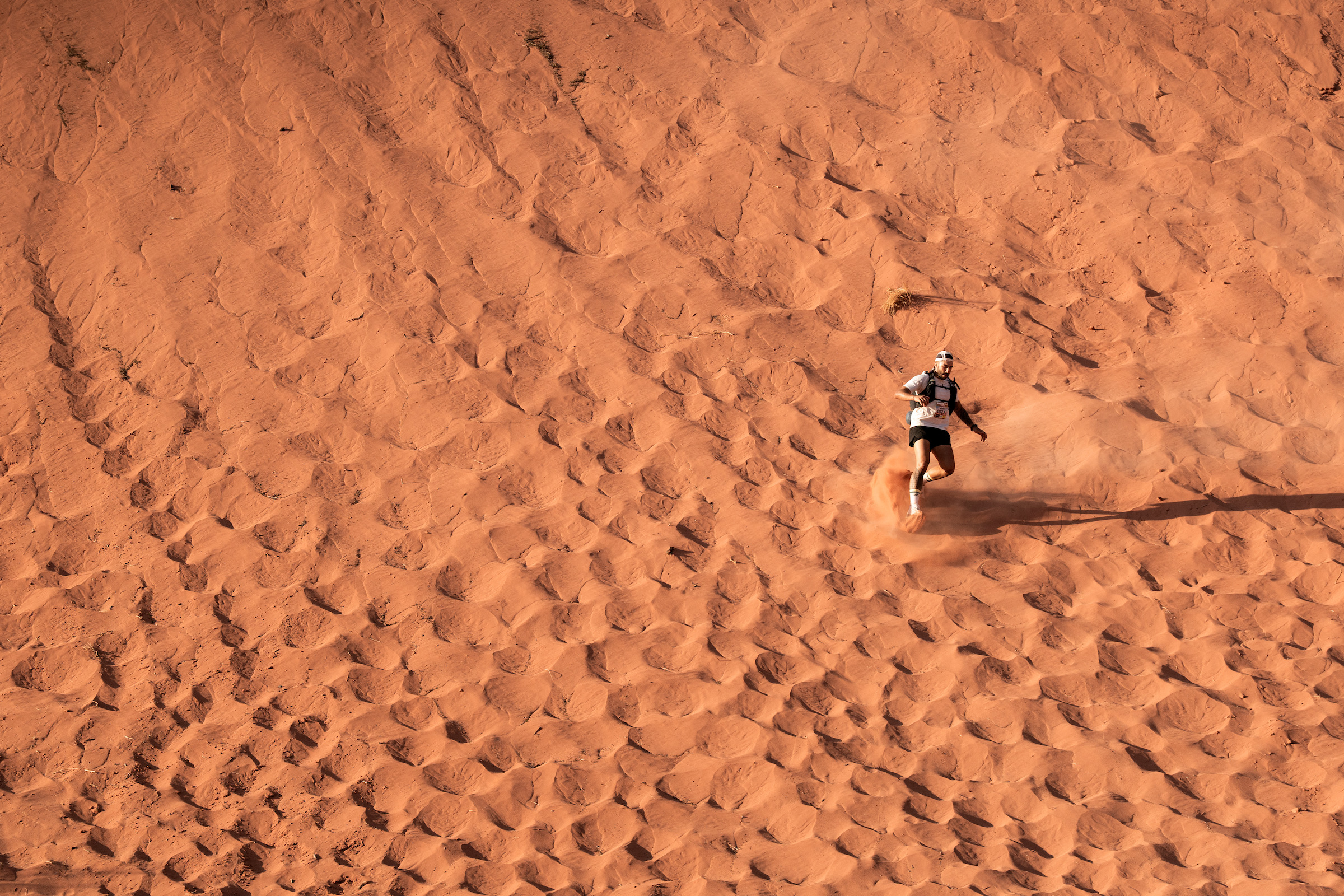
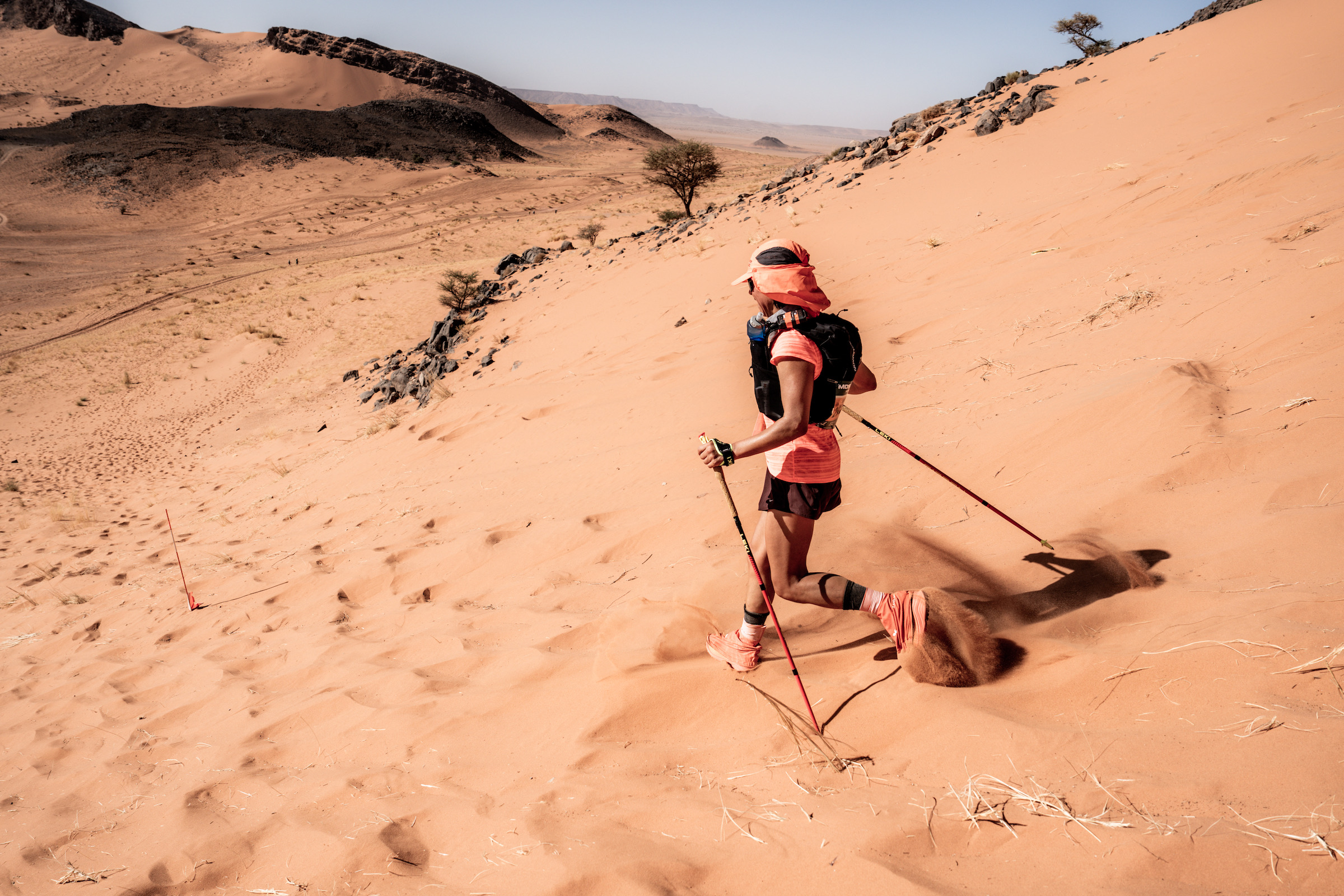
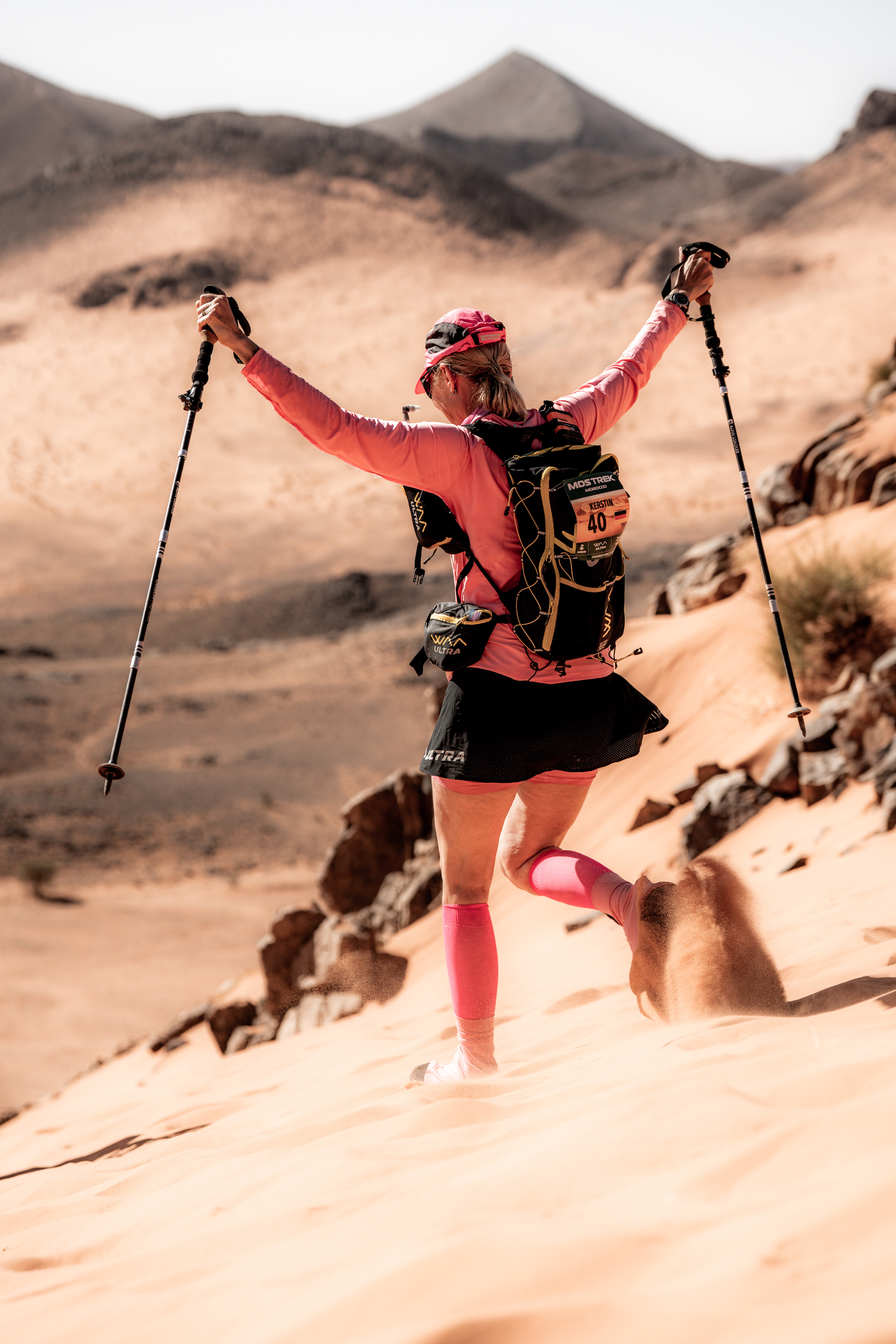
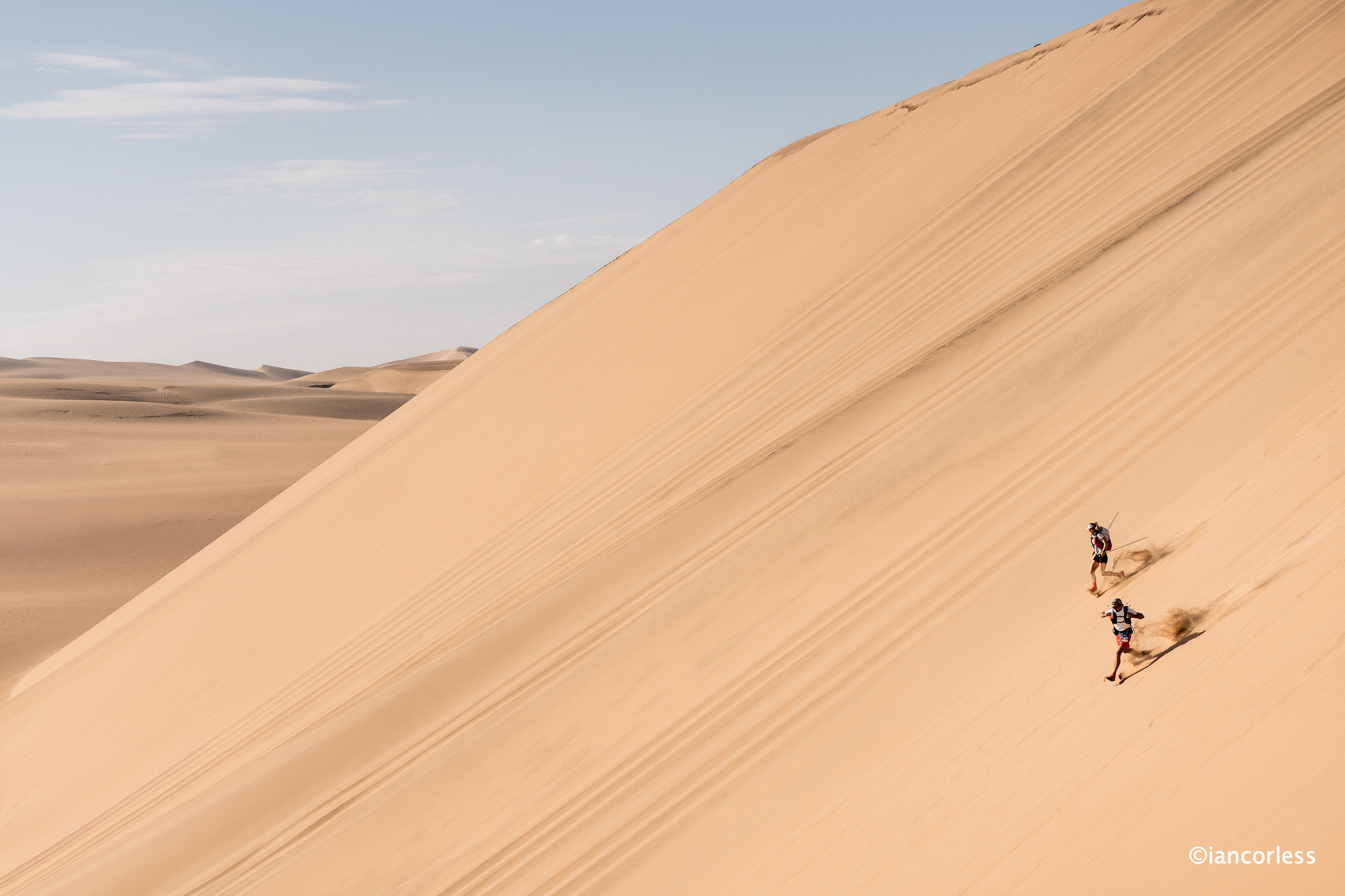
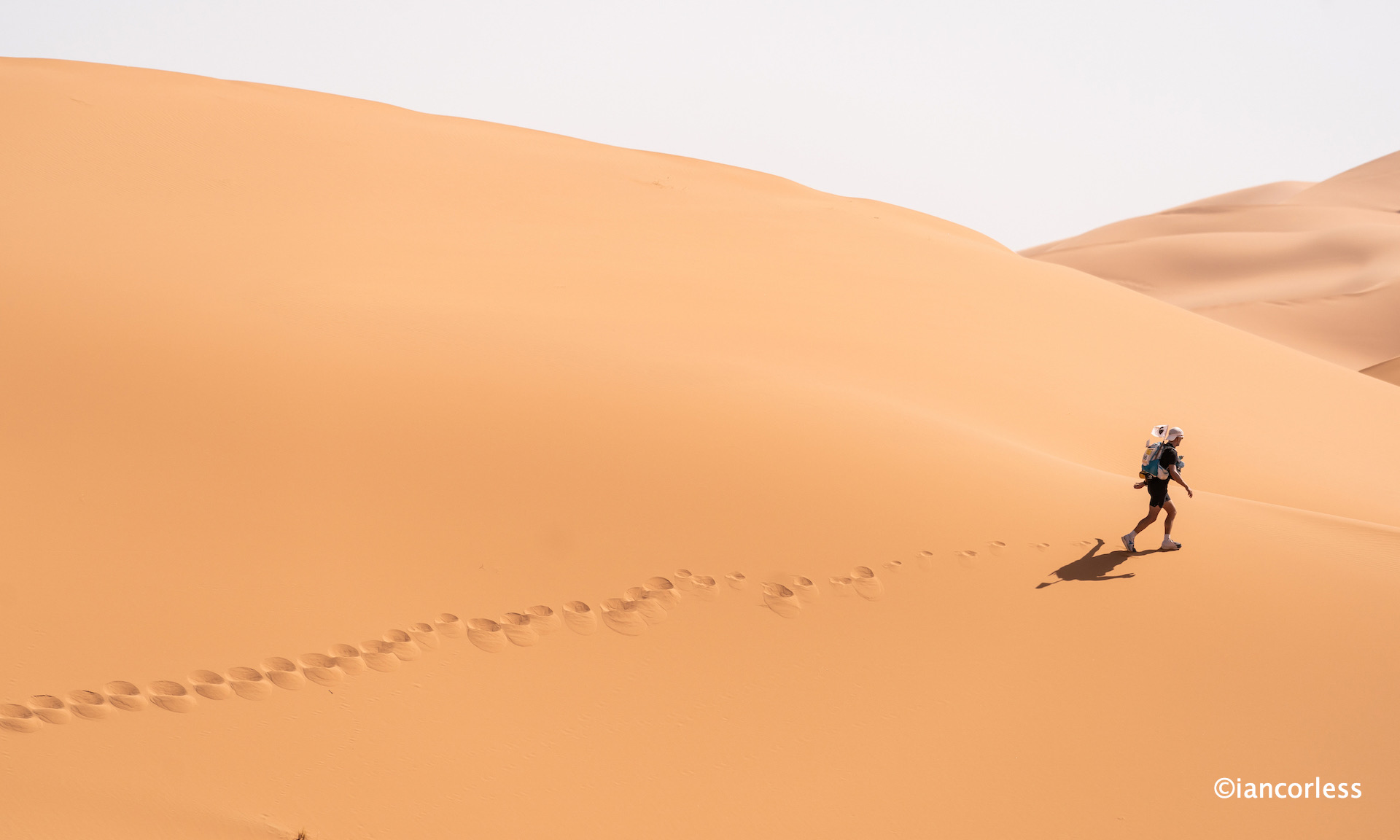
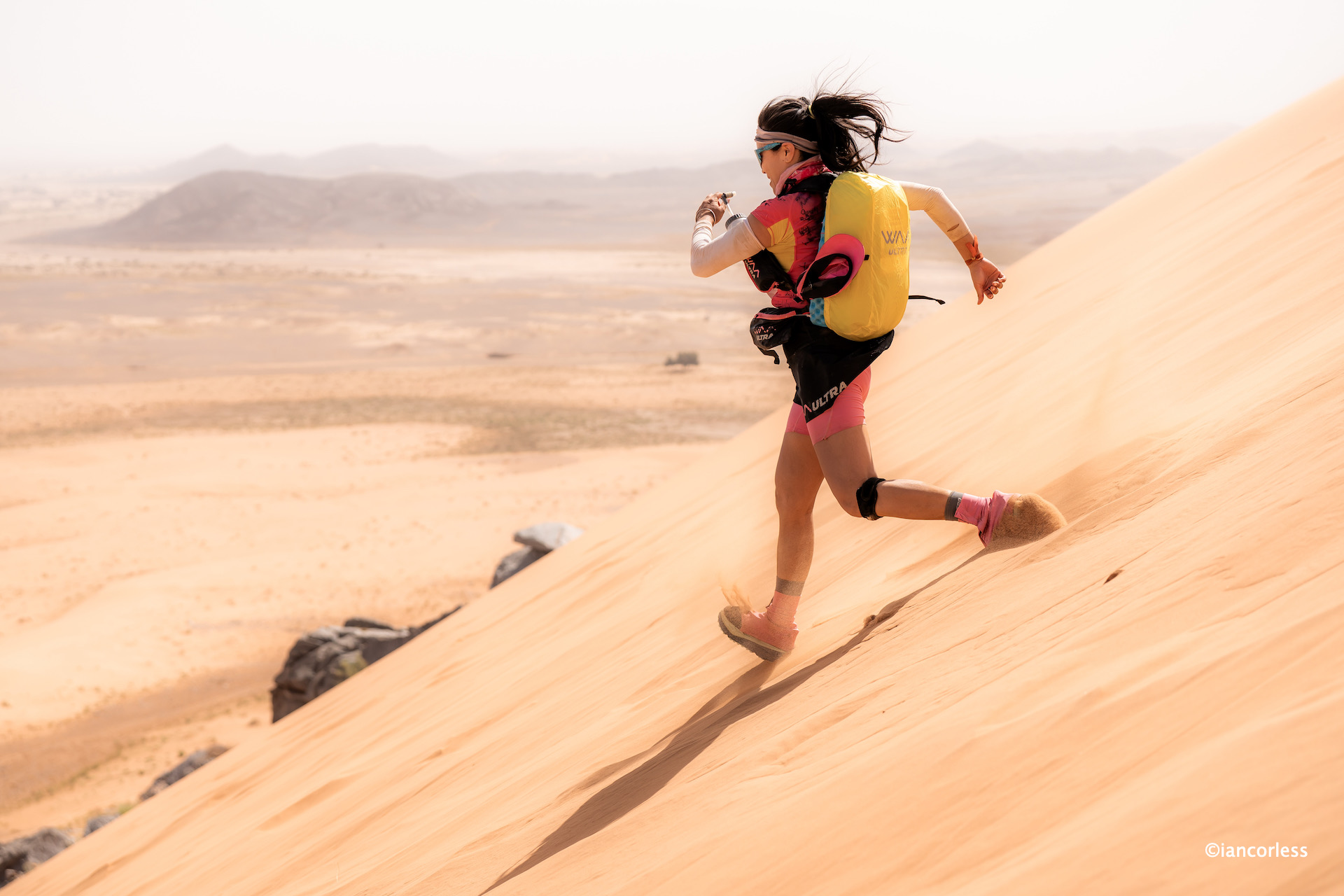
The first challenge: a steep descent down a glowing dune, soft sand cascading beneath every step. It was beautiful. It was punishing.
As the sun climbed, so did the heat. Every footfall dragged through thick sand. Every glance ahead revealed more of the same: no shortcuts, no reprieve, just the relentless call to keep going.
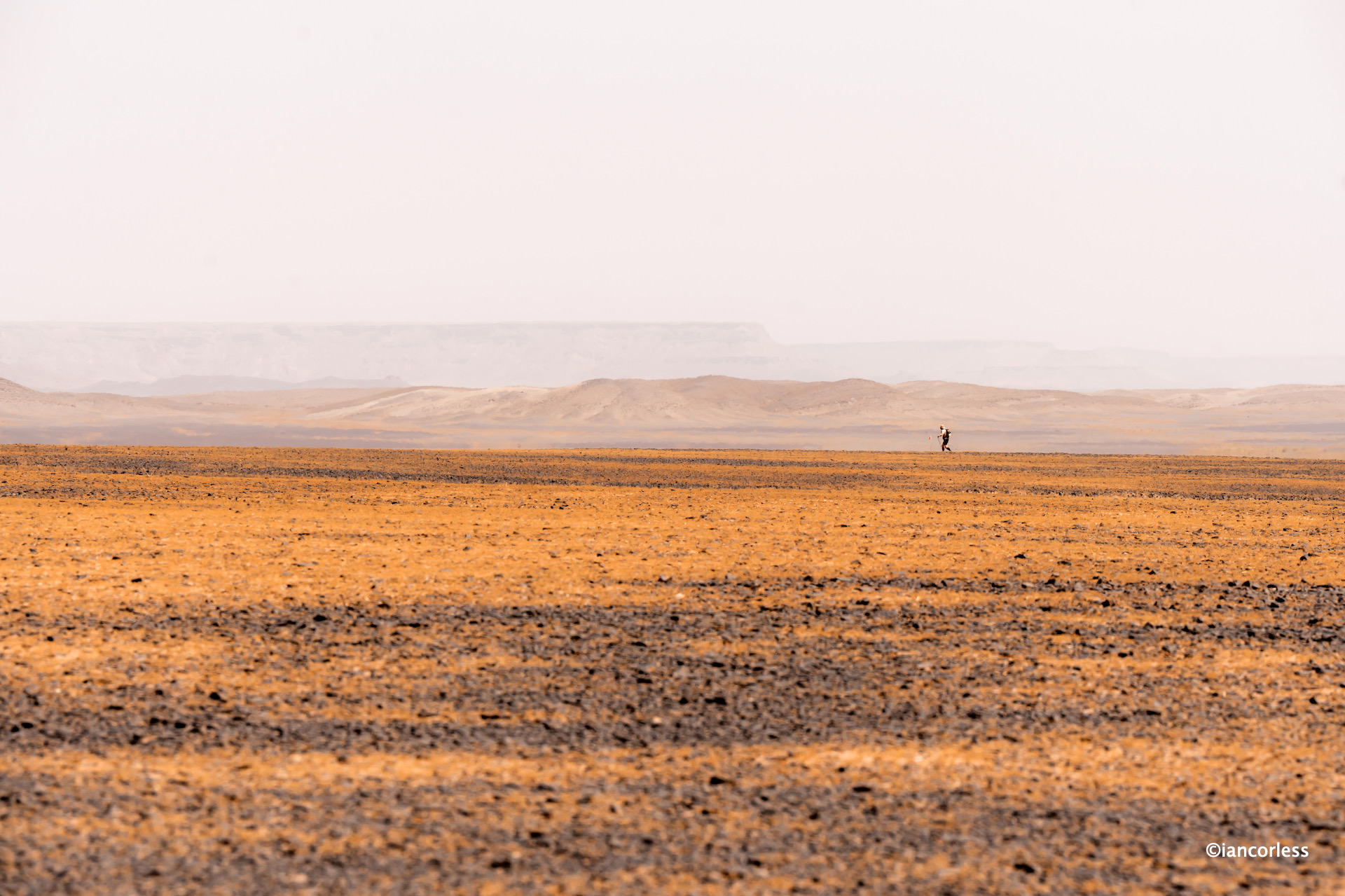
The terrain twisted between jagged mountains and flat expanses that played tricks on your sense of distance. Wadi Rum doesn’t offer false hope, only real demands. But in that, it gives something rare – clarity.
At the conclusion of stage 3, runners will have logged 70, 100, or even 120 kilometres across Jordan’s desert. Stage 3 wasn’t just the final day, it was the exclamation point.
Bodies were depleted, minds frayed, but the finish line pulled like gravity.
And what a finish. The final stretch opened into a wide, sun-drenched plain, the sound of cheers carried by desert wind.
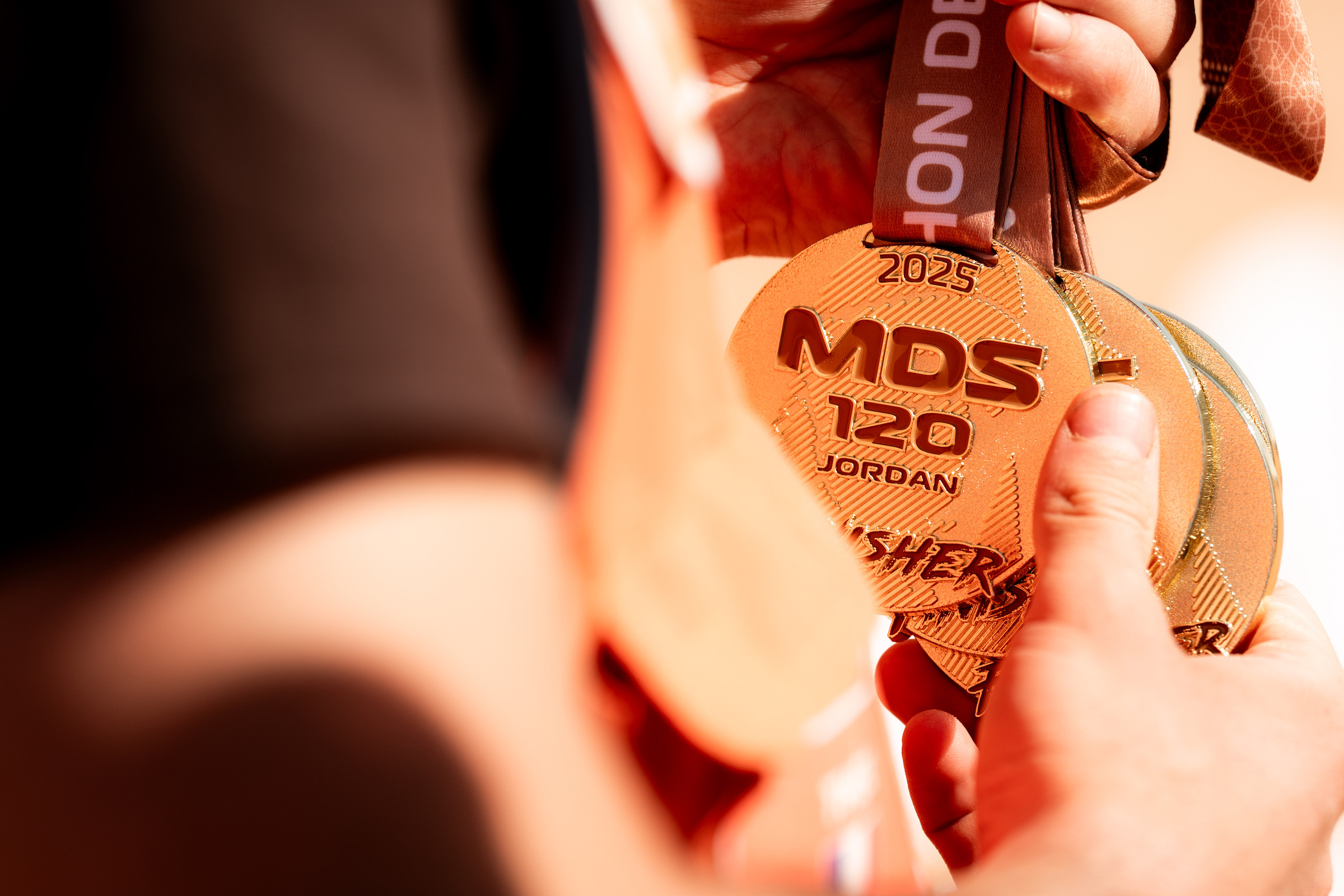
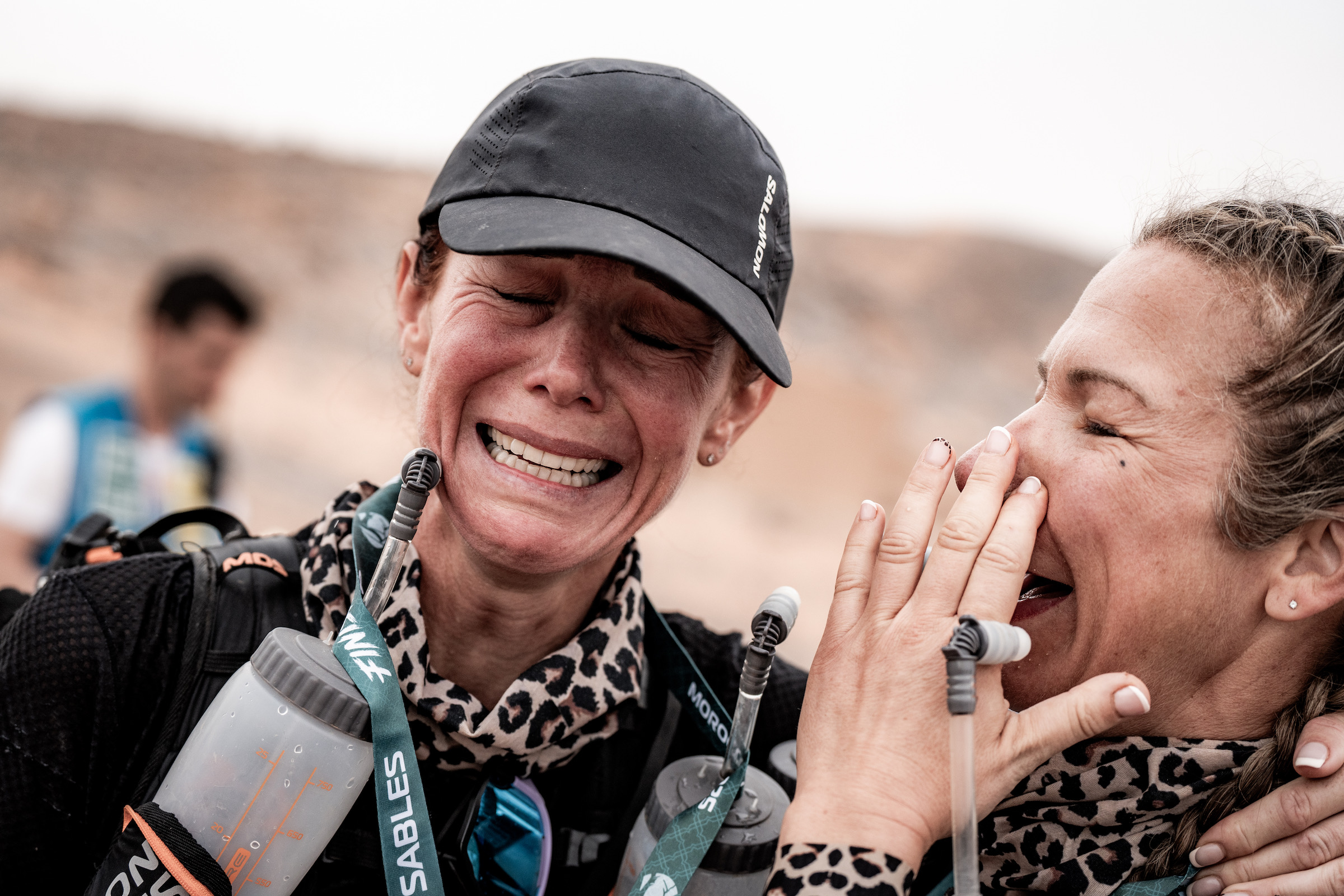
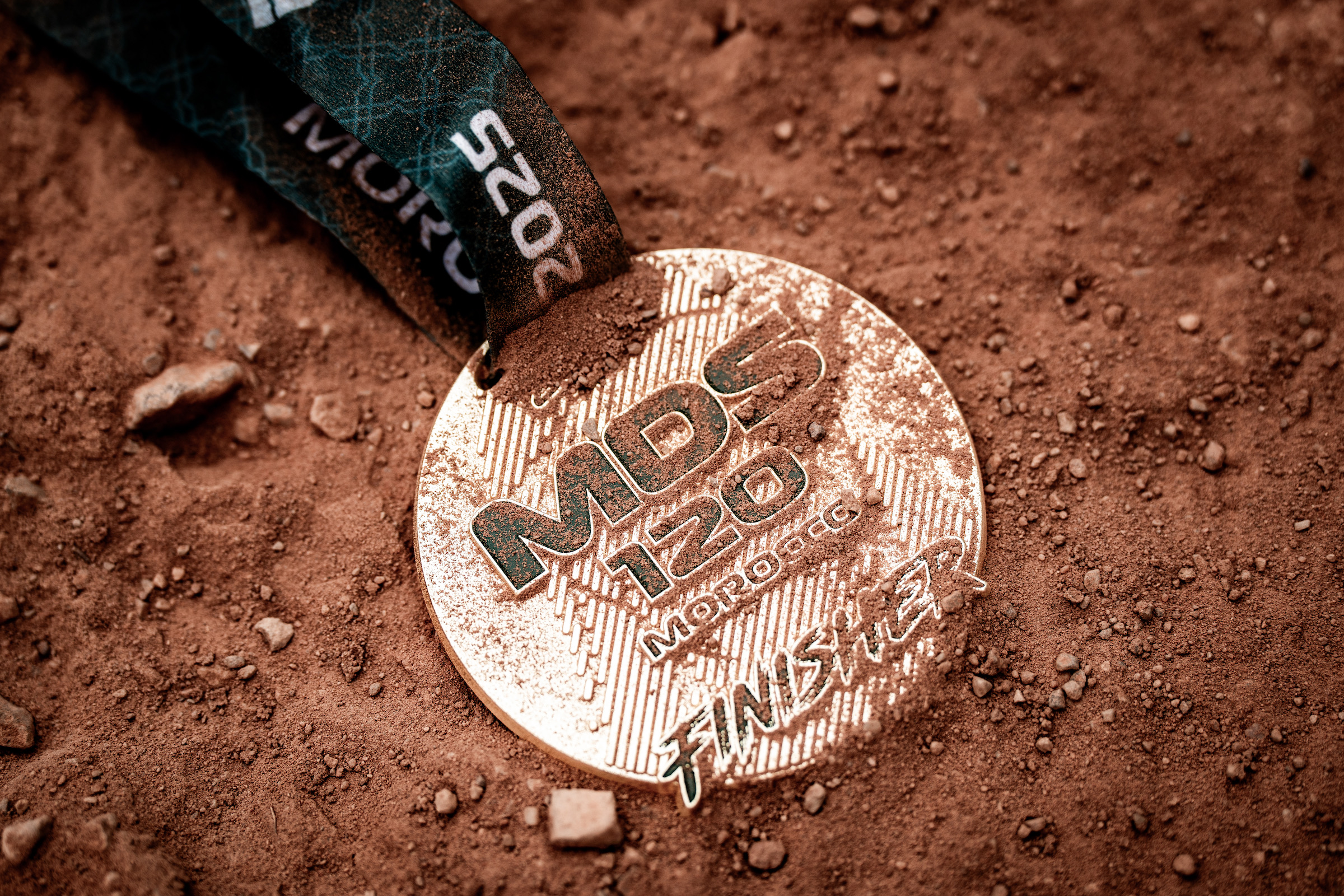
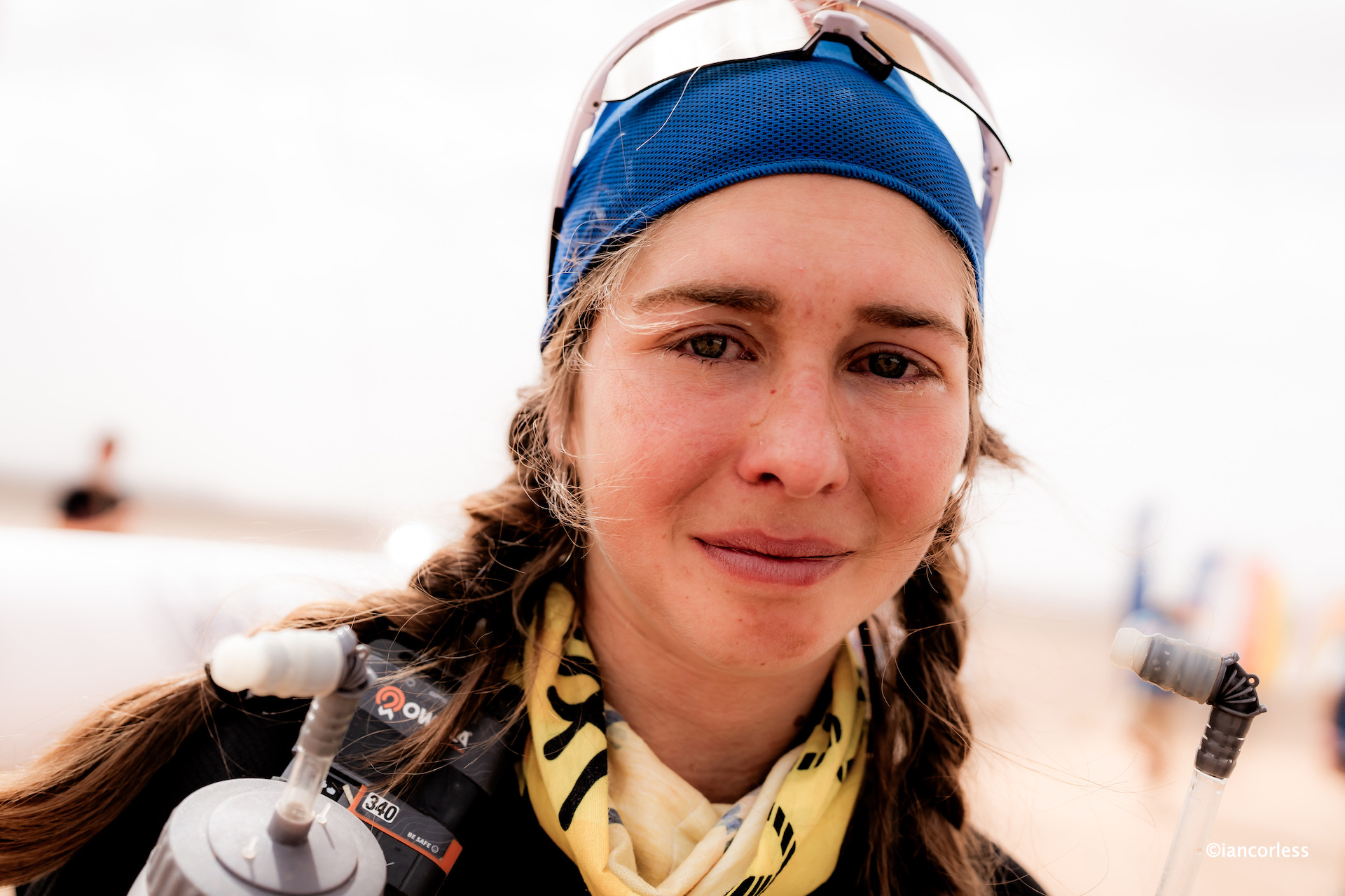
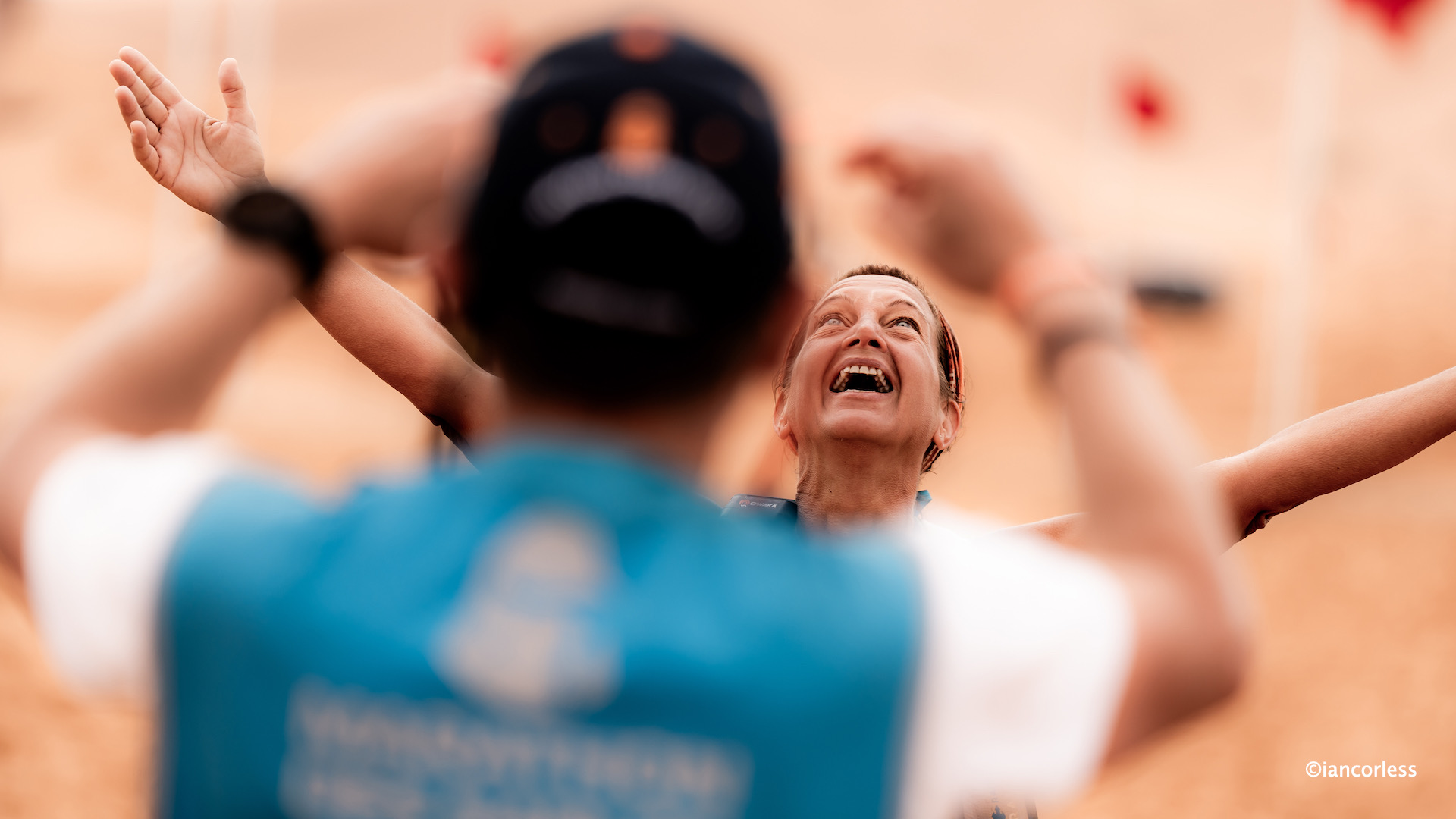
At the line, tears flowed freely of pain, pride, exhaustion, and elation. Medals were placed on tired and elated bodies, but the real reward was something deeper.
Every runner who crossed that line brought a story. Some came to test limits, others to heal, some to prove a point only they could understand. Each journey was personal, yet all were part of something greater, a living, breathing mosaic of endurance and emotion. This is what made MDS 120 Jordan more than a race.
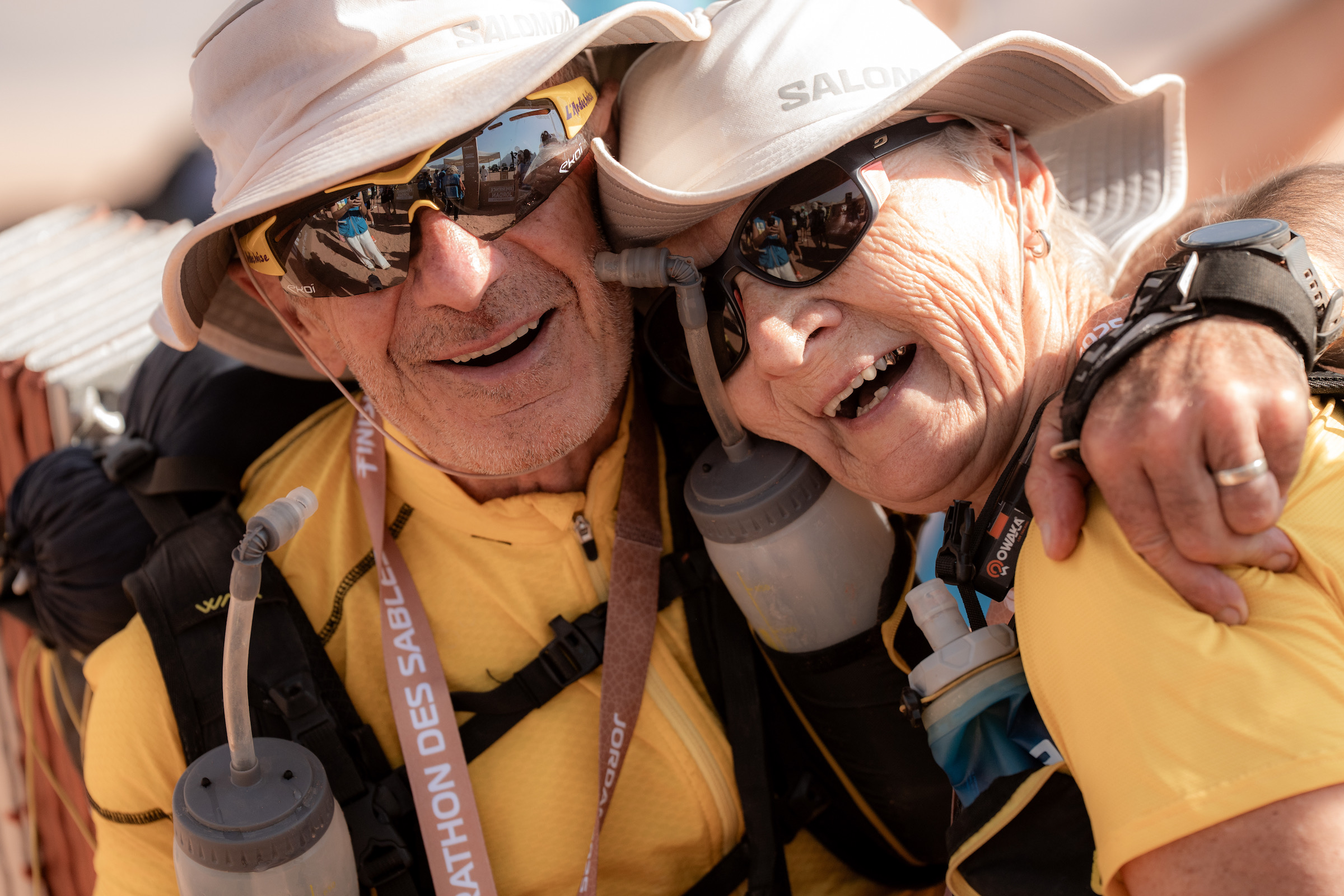
And within the mosaic, some pieces really stood out, especially the two pieces of Danielle and Bernard – Bernard had completed MDS Legendary and wanted to share the MDS experience with his wife of 50-years – they experienced MDS 120 Jordan, side-dy-side, an incredible and awe inspiring journey of love and solidarity that touched the sole of every participant and staff – this personifies MDS.
And then there’s Jordan itself, its people, its land, its soul. Their generosity turned this challenge into a celebration. Without them, the journey would have been just hard. With them, it was unforgettable.
Now it’s over. Sand still clings to shoes and skin.
Muscles ache. But the desert leaves more than blisters and fatigue, it leaves memories burned into the heart. It leaves friendships forged in dust and sweat.
Stage 3 wasn’t just an ending. It was a transformation. And the desert? It watched silently, as always, as each runner a piece, a small tiny piece and part of the vast, magnificent puzzle that is MDS 120 Jordan.
And each runner will carry it with them forever…. It leaves a new version of themself, one they didn’t know existed.
There are stages that challenge you, stages that move you, and then there are stages like Stage 3 of MDS TREK Morocco, the kind that embeds itself deep in your memory and never lets go.
This wasn’t just another section of the trek. It was the spiritual centre of the entire experience. A 48-hour symphony of sweat, sand, starlight and self-discovery, this was the Sahara in its rawest, most breathtaking form.
Part One – Into the Desert Before Dawn
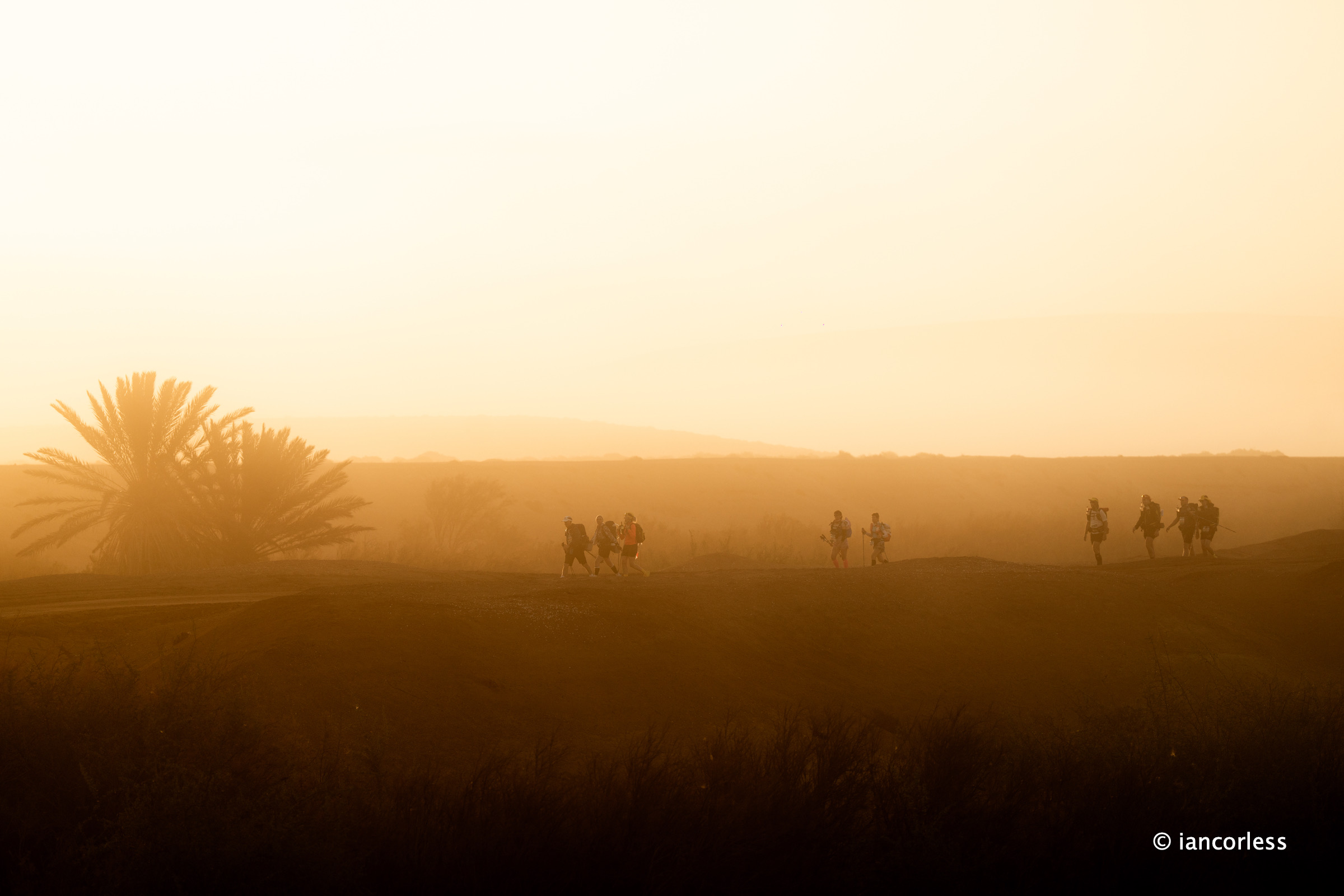
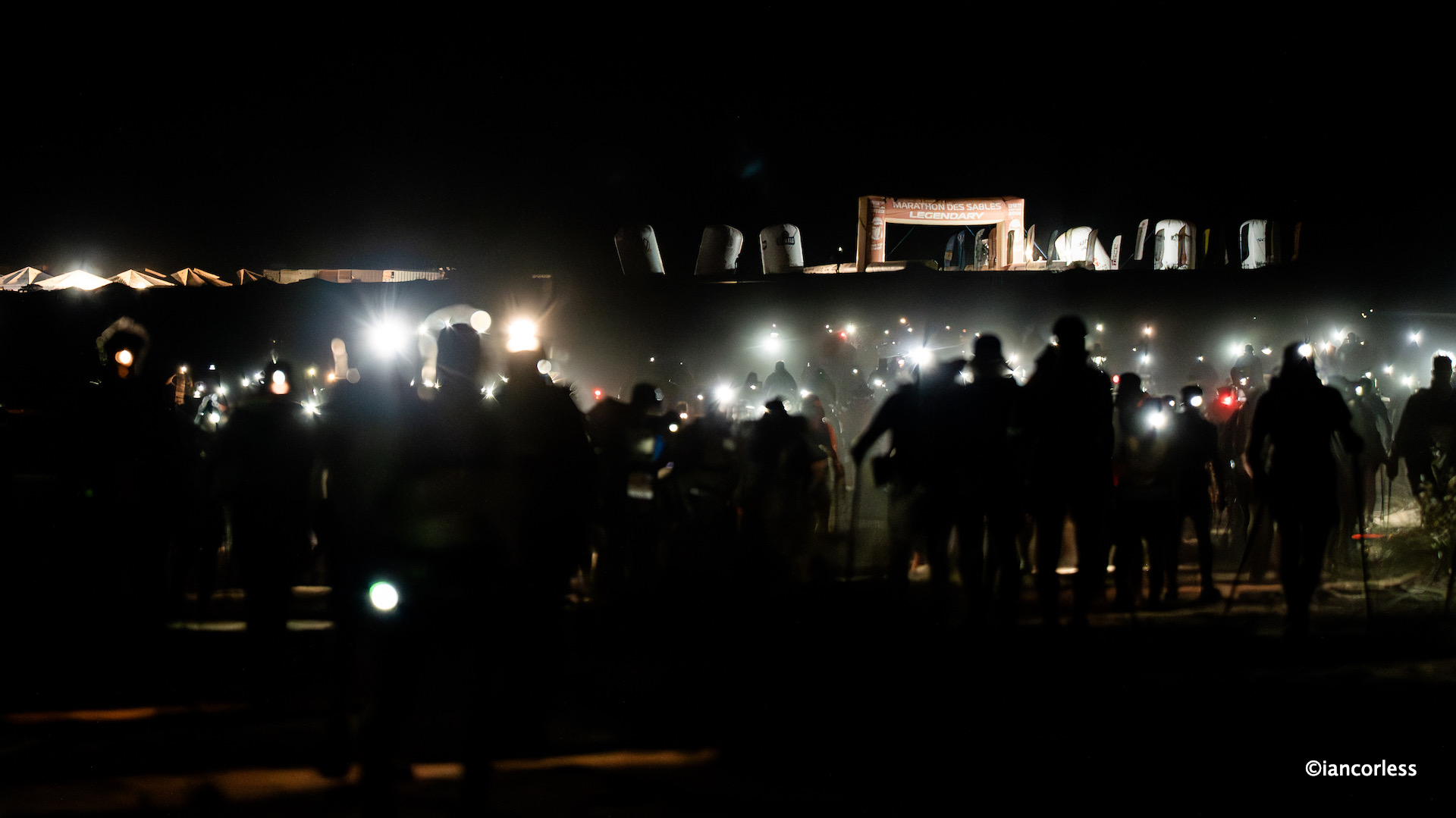
It began in the dark, well before sunrise. Head torches flickered to life across the bivouac like constellations on the move. The air was still, cool with the promise of what was to come. This was no ordinary start. There was a choice, two routes: the shorter 17.3km or the longer 30.6km. Two paths leading into the vast unknown, with each step breaking the silence of the Moroccan morning.
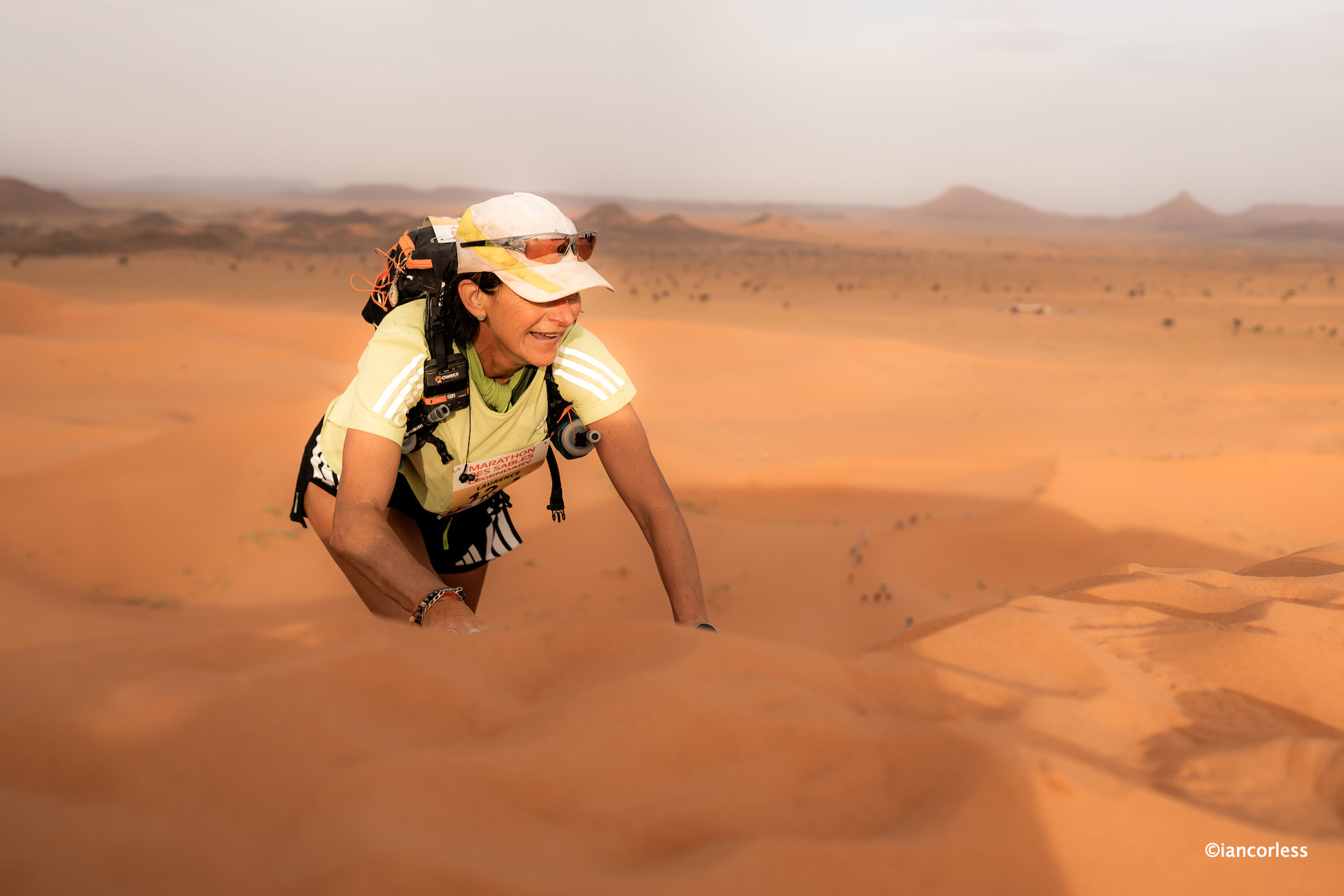
And then came the sand, golden even in the first light. There’s nothing quite like descending those soft sandy giants as the world slowly glows around you.
Laughter echoed, legs burned, hearts raced. The sand gave way to rocky outcrops, and then again to long stretches of sunlit solitude.
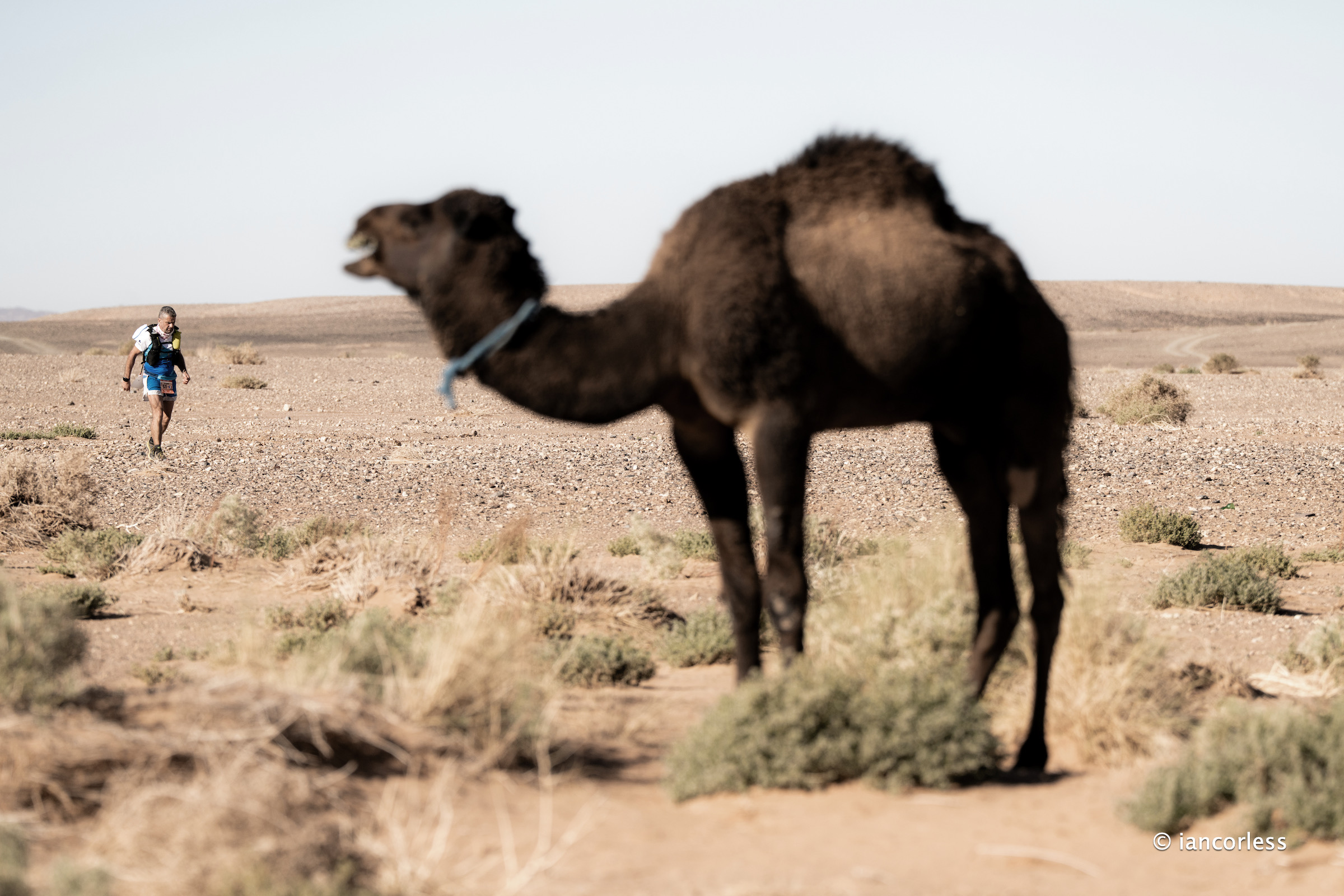
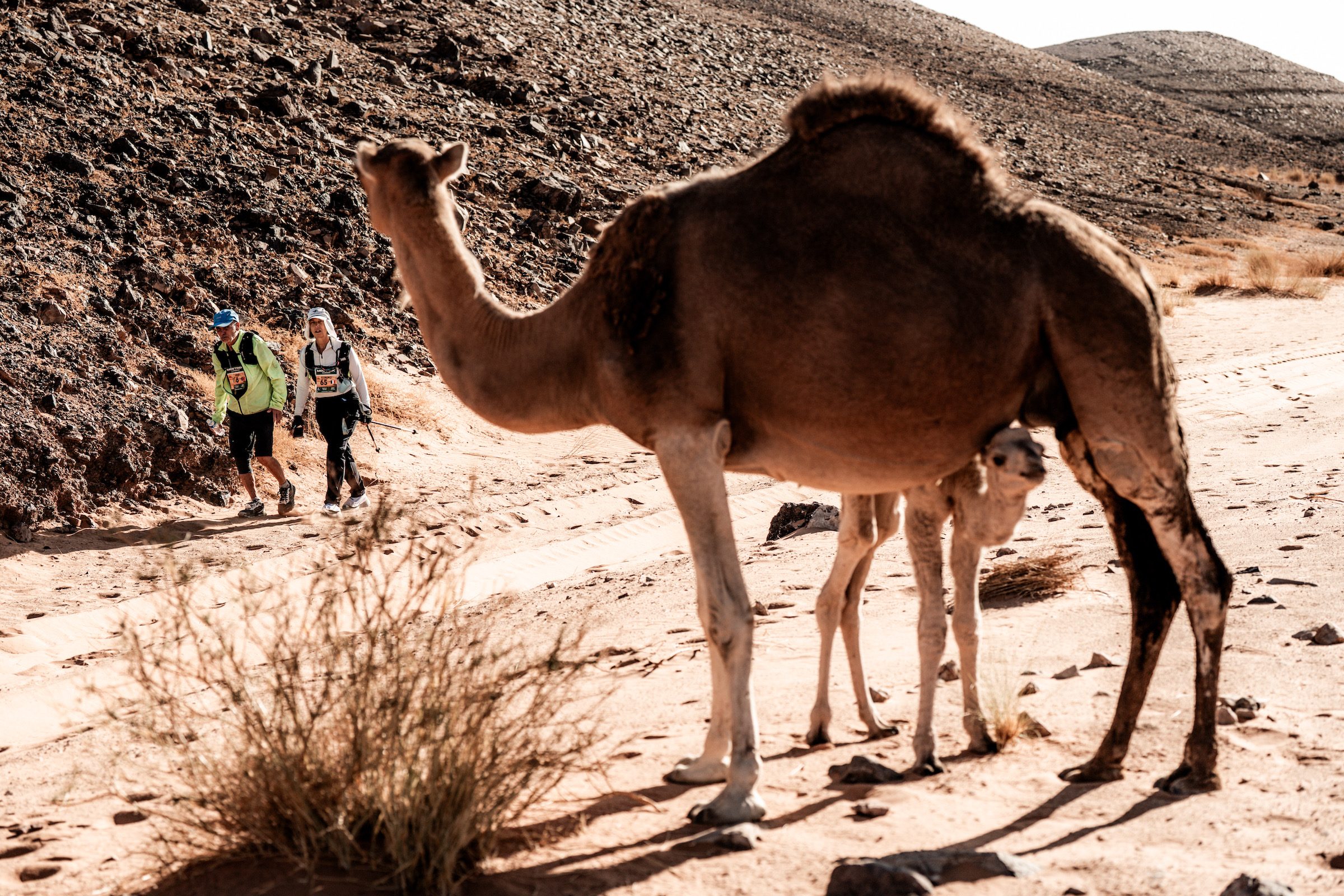
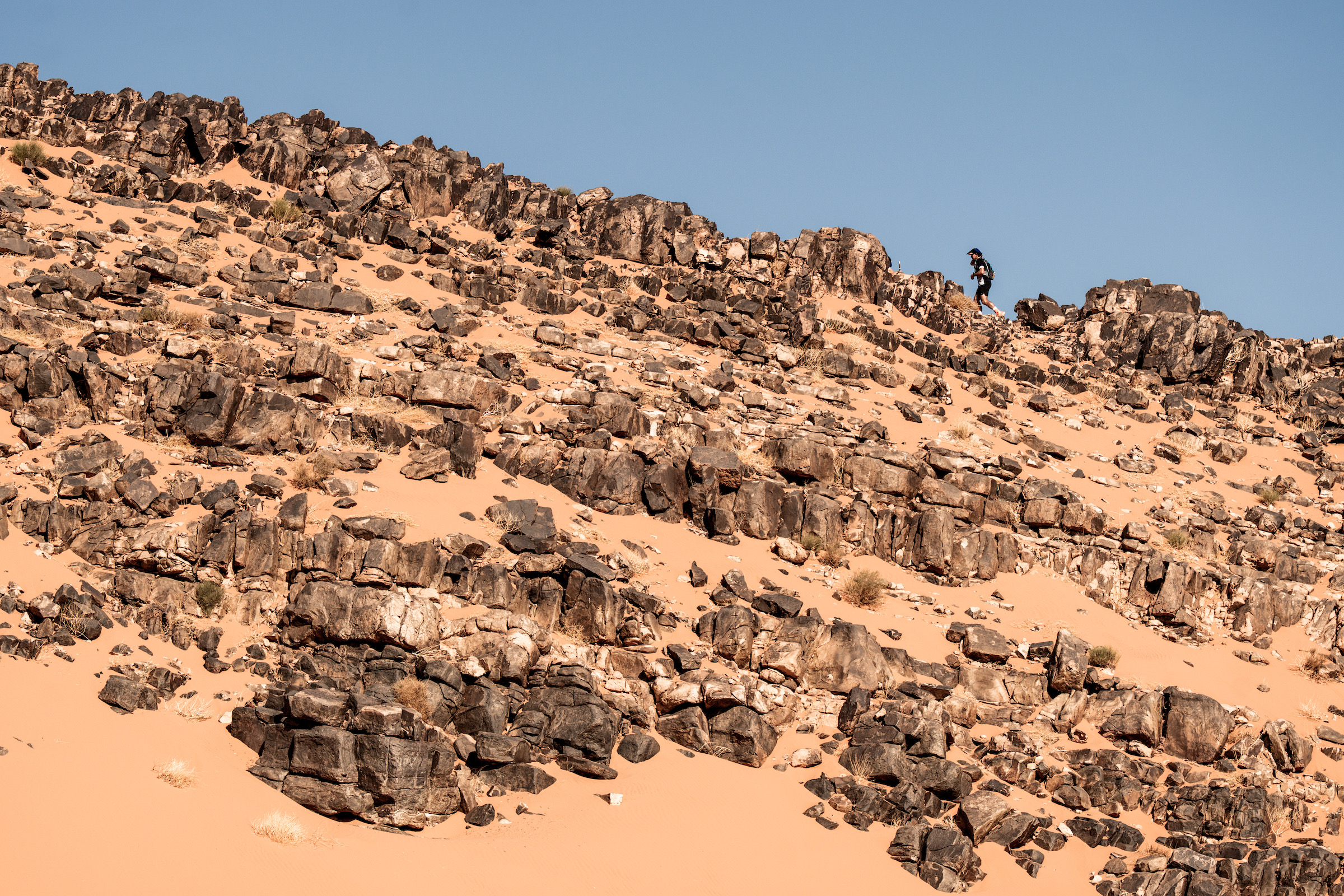
It was terrain that demanded focus: shifting sands, jagged stones, climbs that tested lungs, and descents that punished quads. And moments of pure magic, a Camel with a calf just days old.
As the sun climbed, so did the temperature, creeping past 40°C, pushing toward the high 40s by midday. Every kilometre was earned. The trek moved through narrow mountain passes, broad empty plains, and wind-rippled dunes that swallowed sound and offered only the rhythm of your own breath in return.
This wasn’t just physical endurance. It was mental stamina. This was the Sahara asking, “How much do you want this?” And the answer was in every footstep forward.
Star Night – A Sahara Festival Beneath the Milky Way
Then came the magic.
As the heat softened and the sky turned amber, the group reached the remote desert bivouac, a temporary outpost far from civilisation, wrapped in silence, surrounded by dunes like a protective embrace.
Tents were set up quickly, offering some shelter from the still-warm evening, but it was clear that tonight, few would sleep indoors.
Dinner was served under open skies, a catered desert banquet with the kind of flavour that only comes after a day like that.
Music played. Conversations sparked. Laughter carried on the breeze. And as the sun finally slipped away, the desert lit up in a way that defied belief.
This was no ordinary night.
This was Star Night.
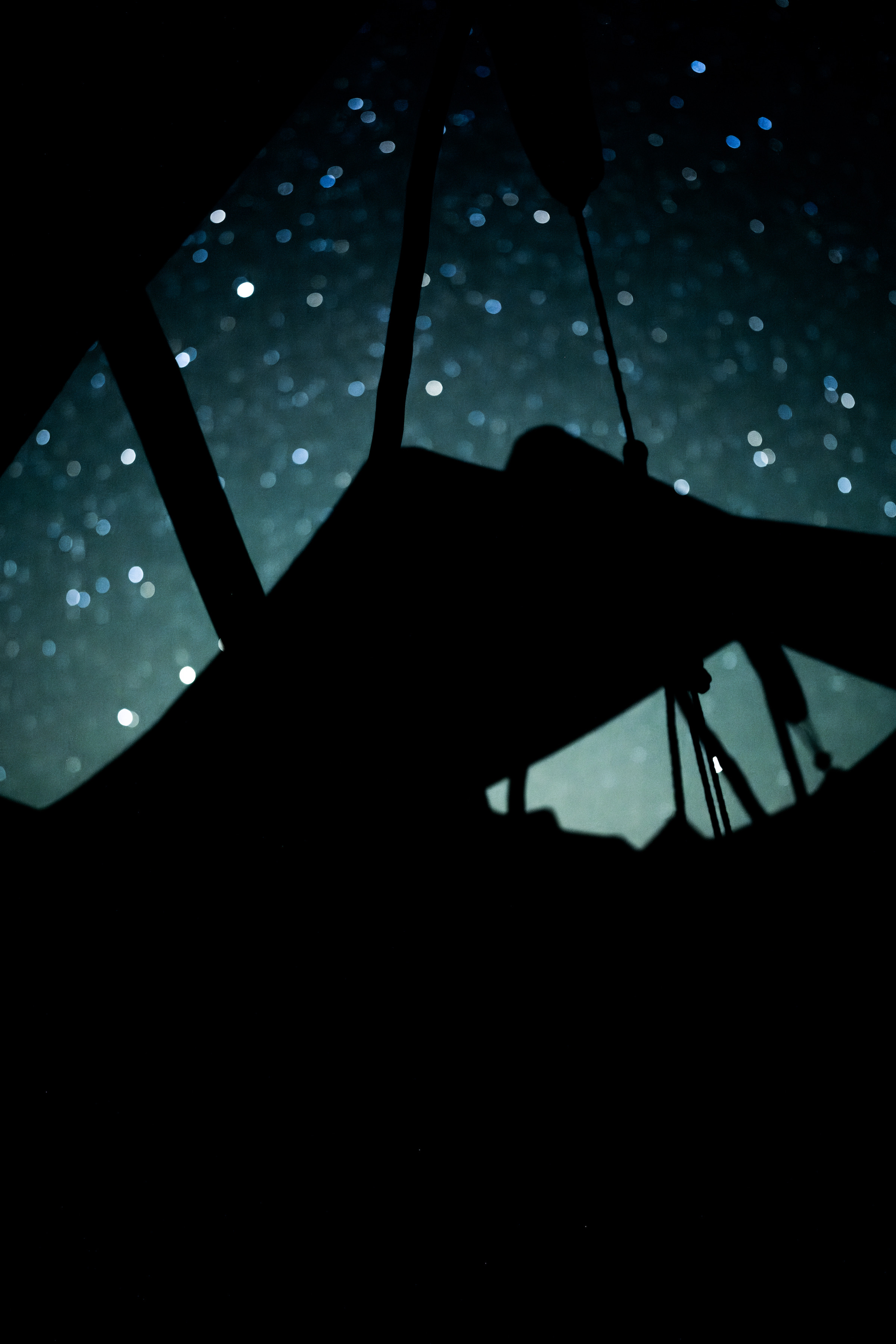
The sky ignited with stars, sharp, bright, infinite. The Milky Way stretched across the sky like a brushstroke of light. It was cinematic. Surreal. And yet, utterly real. Most didn’t even bother with sleeping bags; the night air was warm, comfortable, and inviting. Mats were laid out in the sand, and people lay back, letting the stillness of the Sahara soak in.
This wasn’t just a rest stop. It was a memory being etched in real time. A Saharan festival of connection, nature, and awe. And despite the fatigue, few slept early. Why would you? Nights like that are rare, even in dreams.
Day Two – Sunrise, Sand, and the Final Push
As dawn crept in, the desert glowed again. Another split route awaited, this time 17.5km or 22.5km. But legs were lighter. Spirits were high. The starlit night had done its work. The air still held a bit of cool, and the sun rose gently, casting long shadows over the rippling sands.
The trail wound through more epic Saharan landscapes, twisting through low valleys, across ancient dry riverbeds, and up onto ridges with views that stole the breath before the heat could.
By late morning the thermometer climbed past 48°C. Brutal, yes. But somehow also beautiful. Because every drop of sweat, every pause in the shade, every step forward became part of something larger.
There was camaraderie. People encouraging one another. Sharing sips of water. Pointing out landmarks. Moving as individuals, yes, but always part of a bigger whole.
And then, after hours of pushing through shimmering heat and relentless terrain, the finish line of Stage 3 appeared, home bivouac, familiar now, yet somehow different. Changed. Just like every person who crossed into it.
Why Stage 3 Can’t Be Missed
Stage 3 isn’t just a segment of MDS TREK Morocco. It’s a story within the story. It captures everything the trek stands for: resilience, beauty, challenge, community, and wonder.
This was the essence of the MDS spirit : raw, bold, unforgettable. It tested bodies, ignited minds, and opened hearts. Trekkers will not just remember Stage 3, it will forever be that stage.
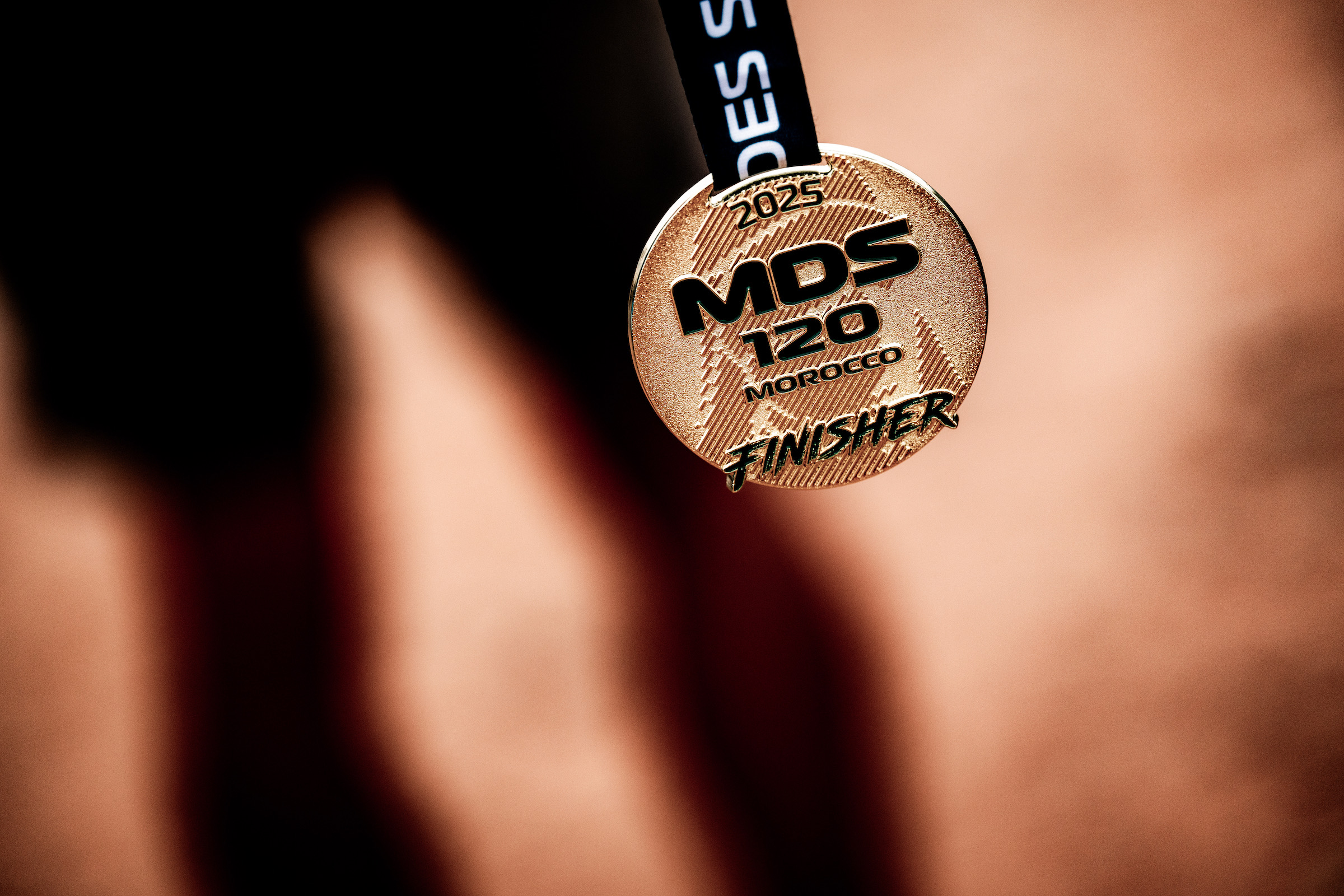
There are moments in life that will etch themselves into your memory with brutal clarity, the sting of the sun, the whip of the wind, the bite of fatigue. And then there are moments that transcend all that. Moments that shine because of what it took to get there. Today, that moment came. MDS 120 Morocco 2025 is complete. But this finish line didn’t come easy.
The Rest Day That Wasn’t
After the double blow of Stage 1 and 2 under an unforgiving sun, participants staggered into the bivouac with blistered feet and salt-crusted skin, ready for a day of rest.
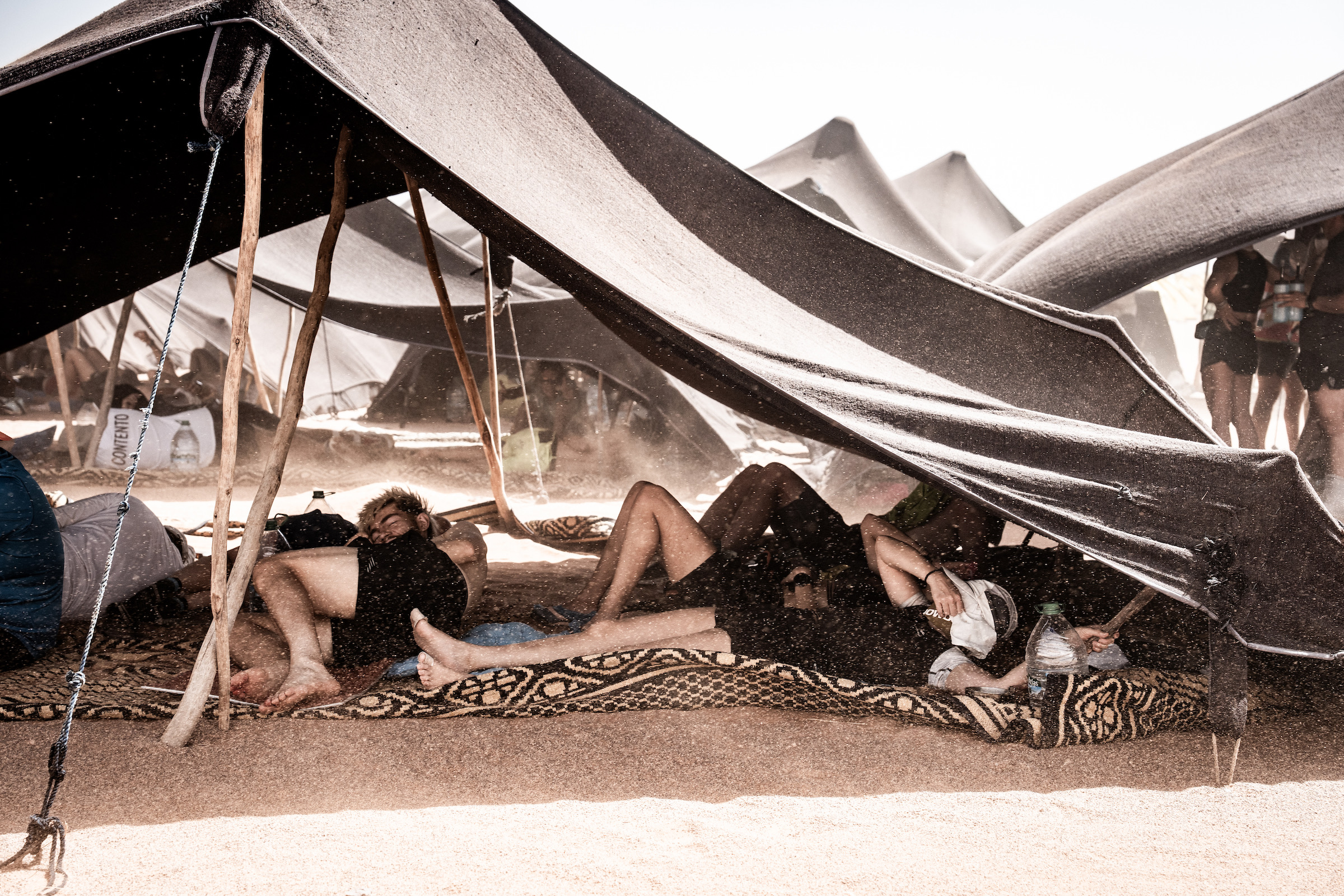
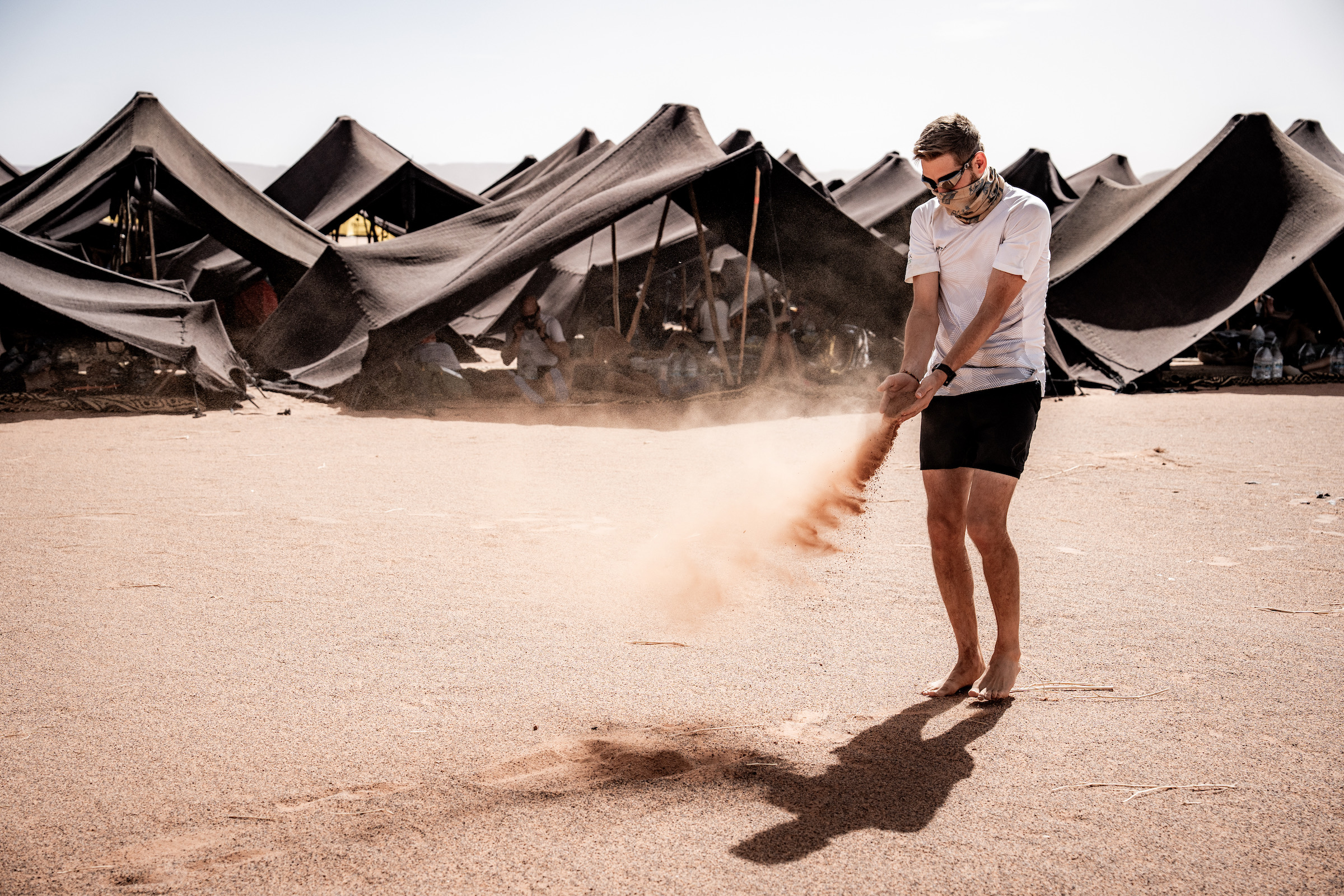
But the Sahara had other plans. Instead of recovery, they got afternoon chaos: a wild sandstorm that tore across camp like a runaway train. The sky turned thick and orange. Tents collapsed. Gear went flying. People huddled in whatever shelter they could find, eyes wrapped in buffs, trying to breathe through the dust. It lasted for hours. When it finally passed, silence hung in the air, but it wasn’t peace. It was exhaustion.
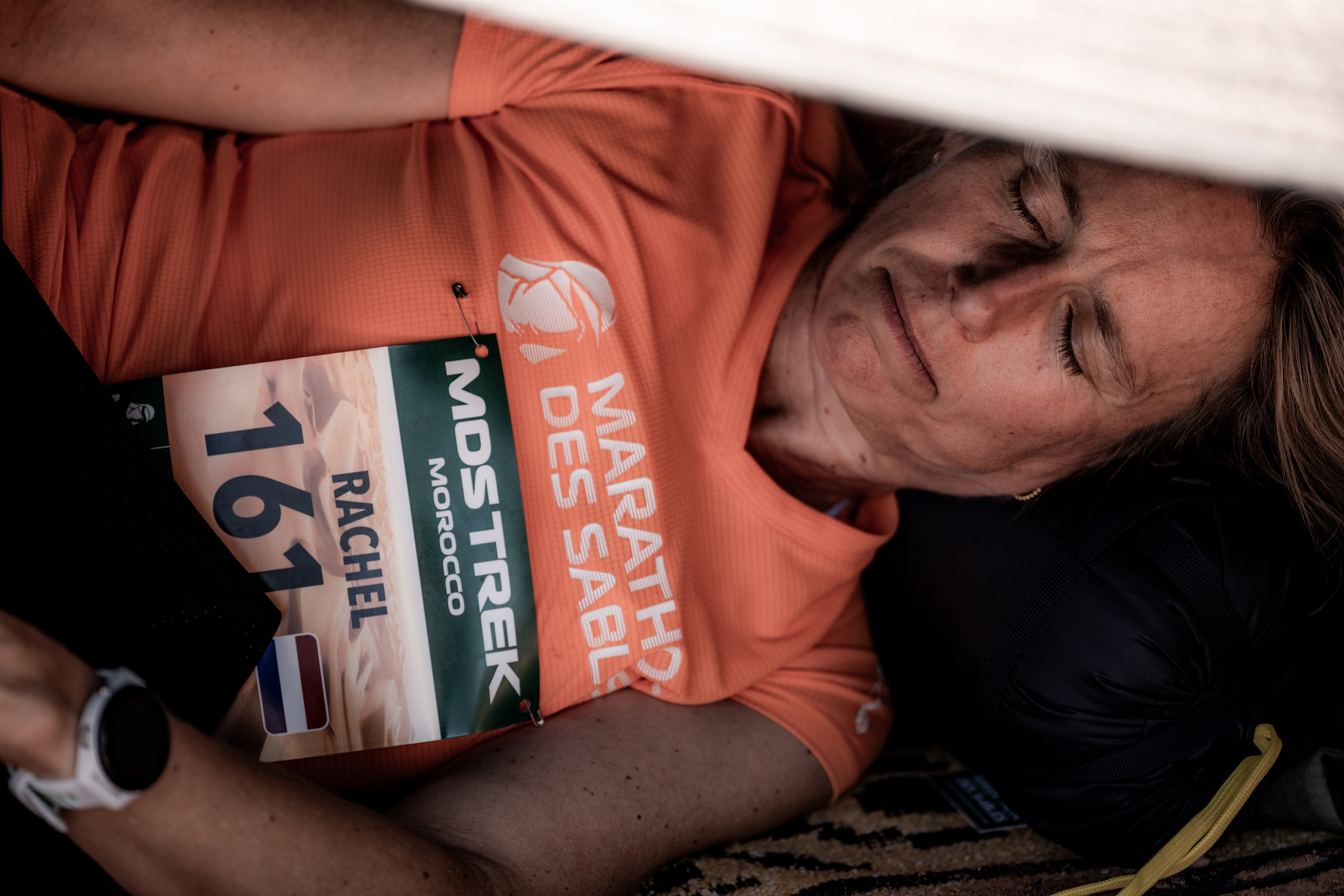
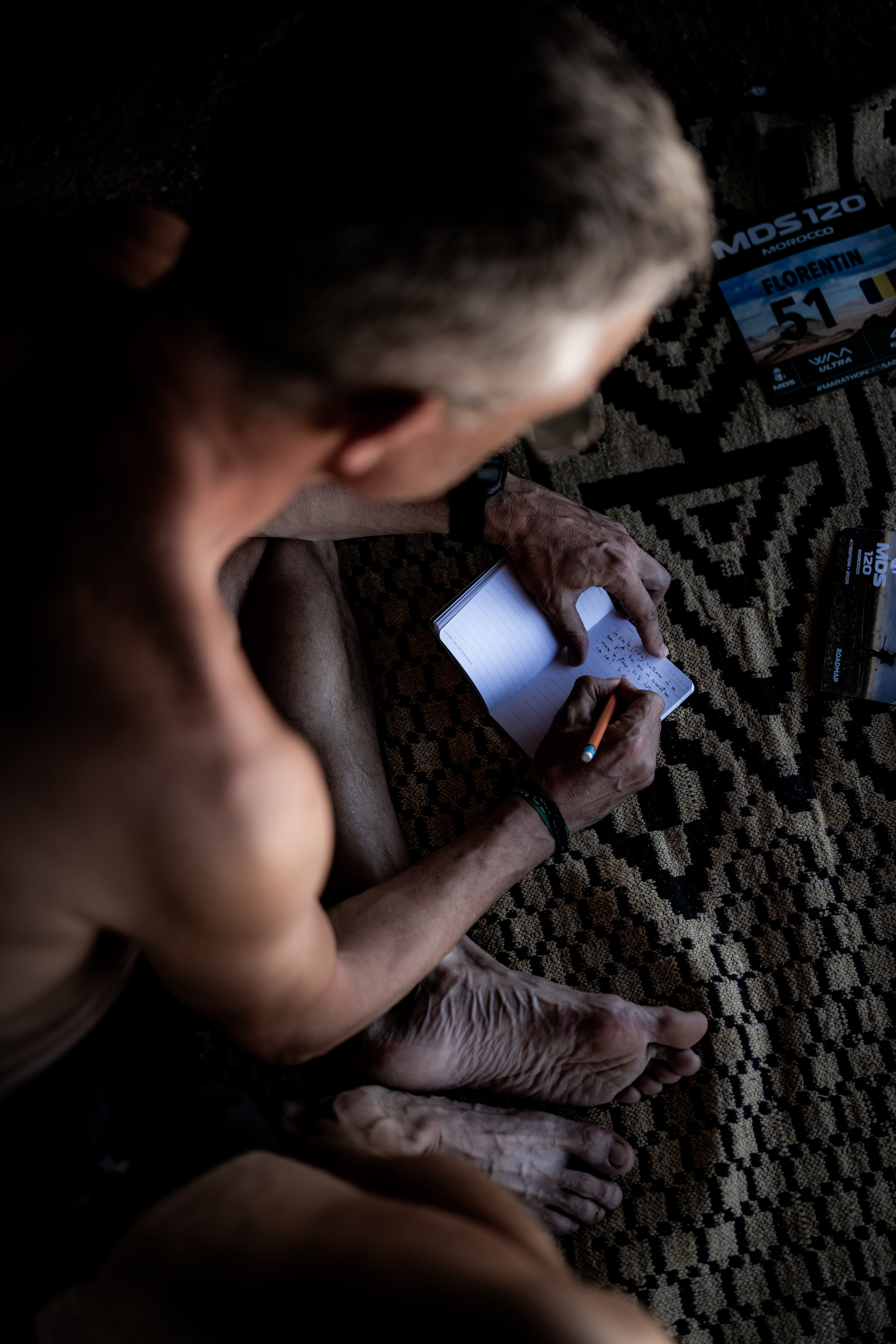
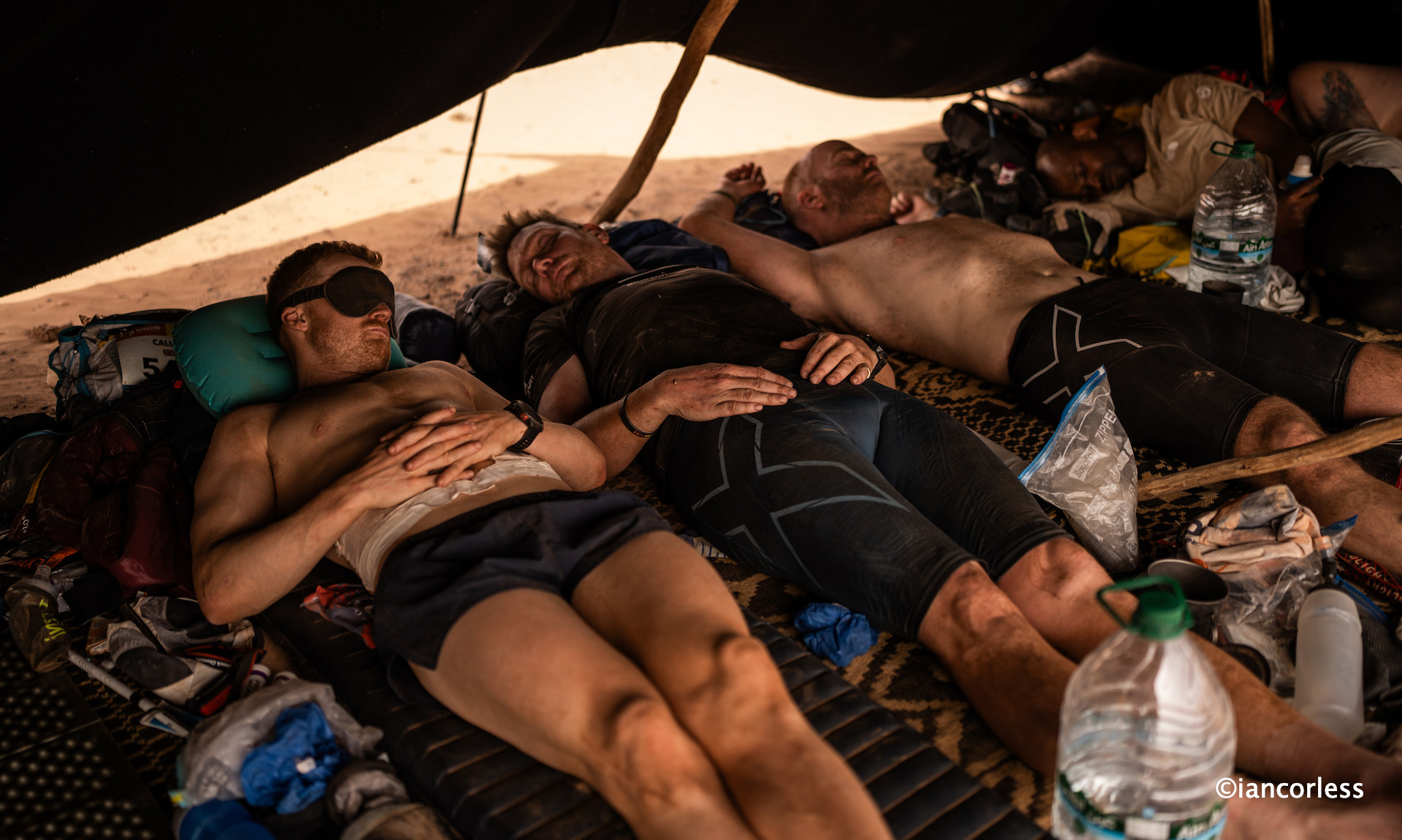
This was not the rest day anyone hoped for. But there were plenty of moment of relaxation before the chaos – lots of sleeping, adding entries in journals.
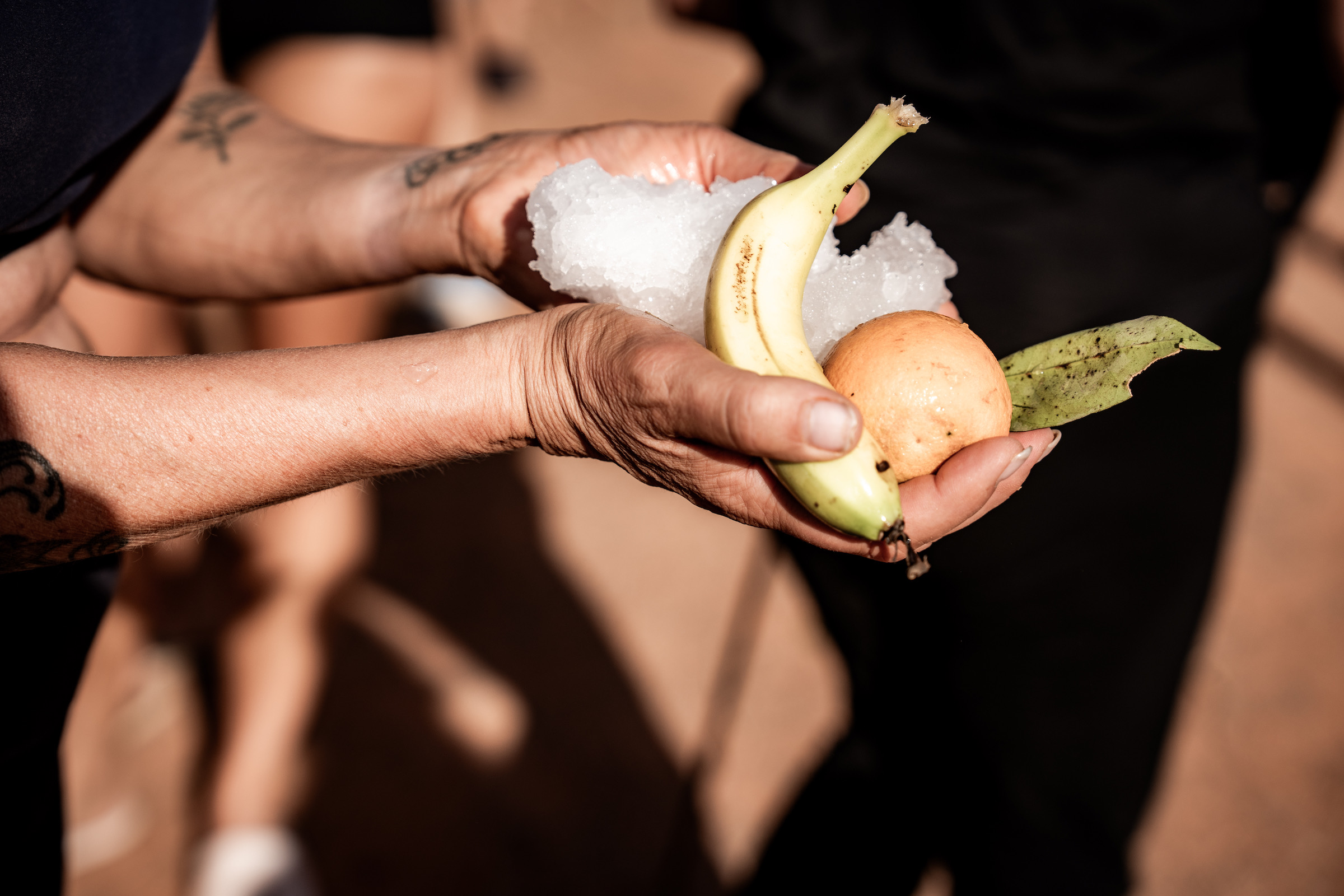
and towards the end of the day, as the wind calmed, MDS organisation offered a treat – no longer a cold can of Coke – today, fresh fruit and ice.
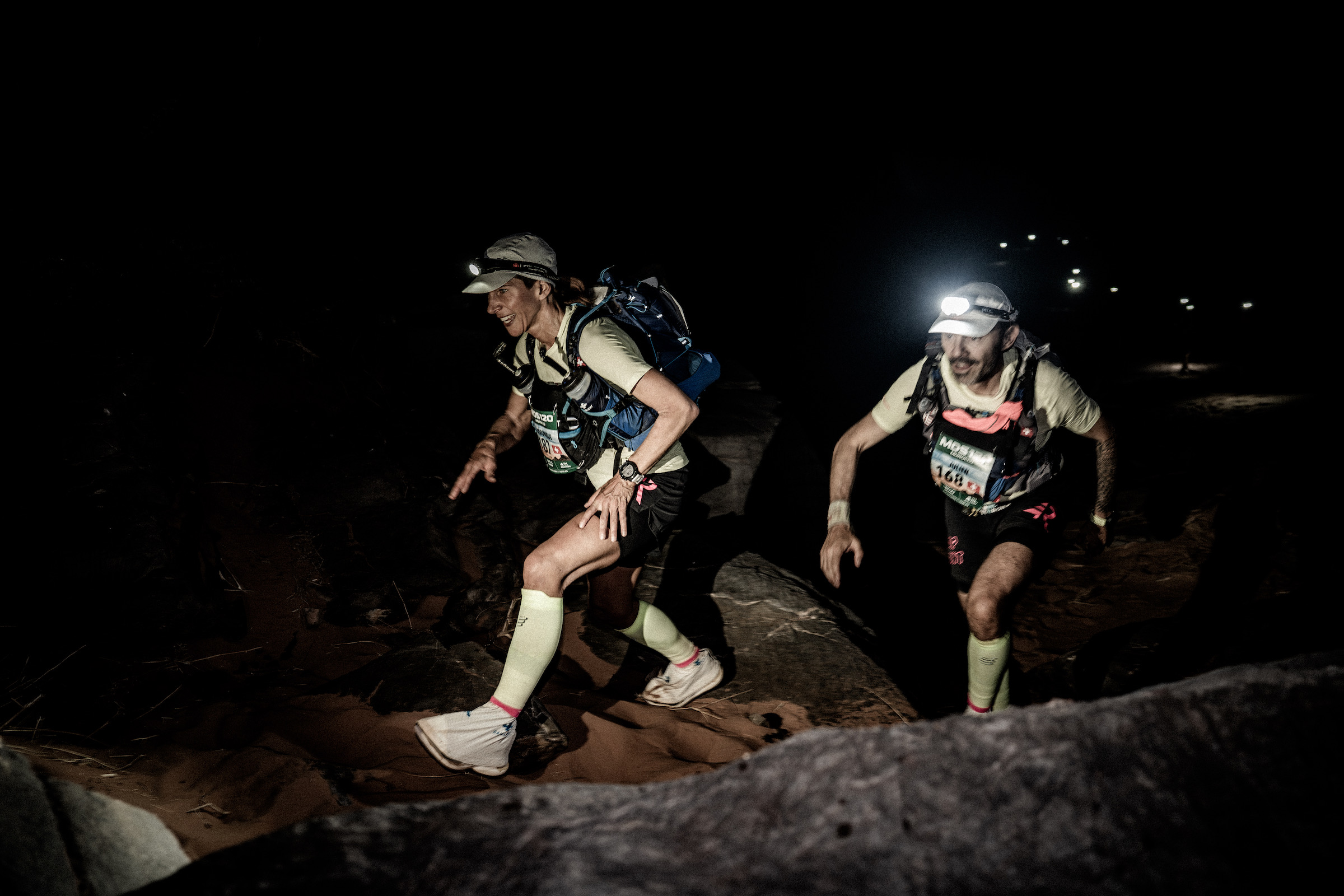
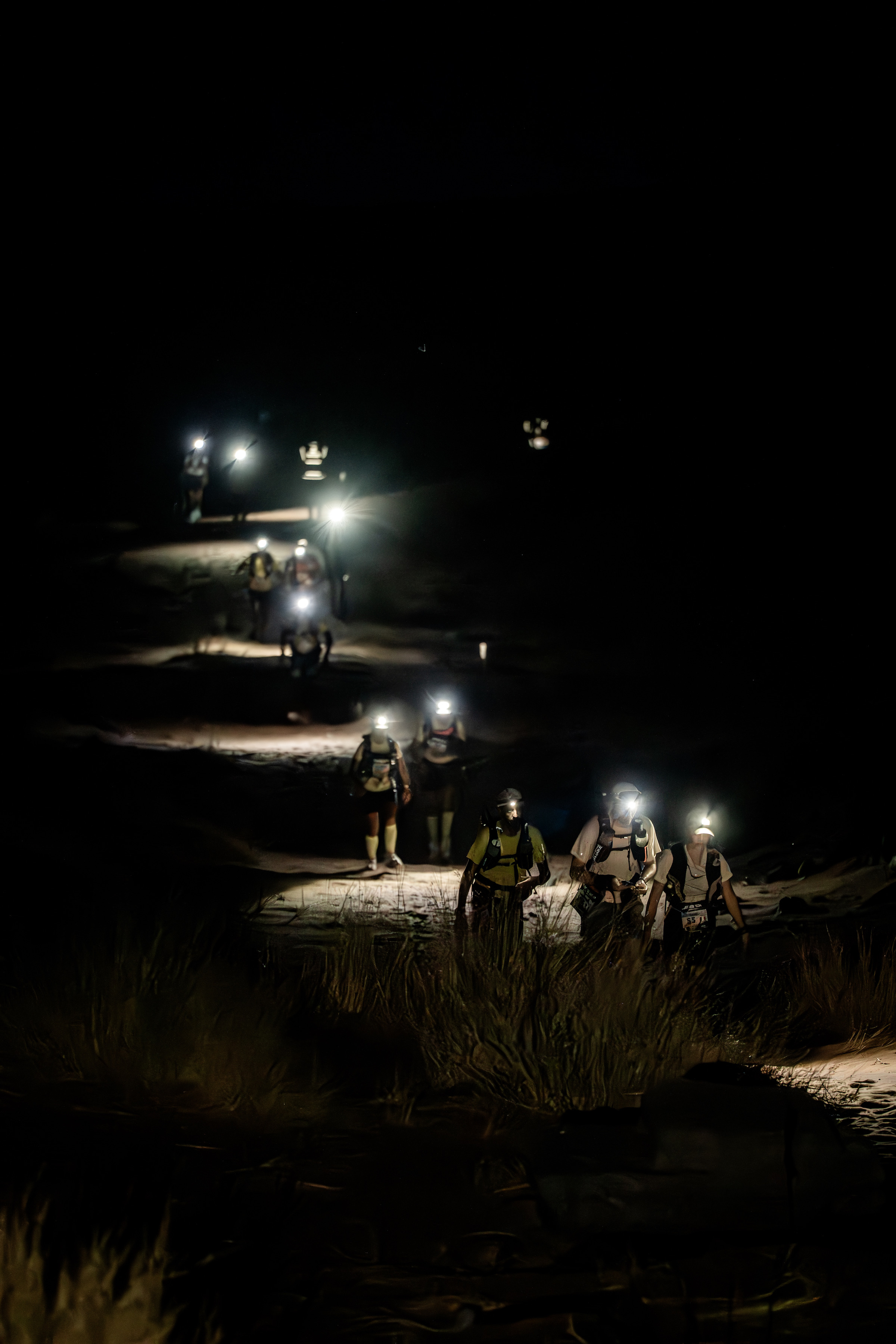
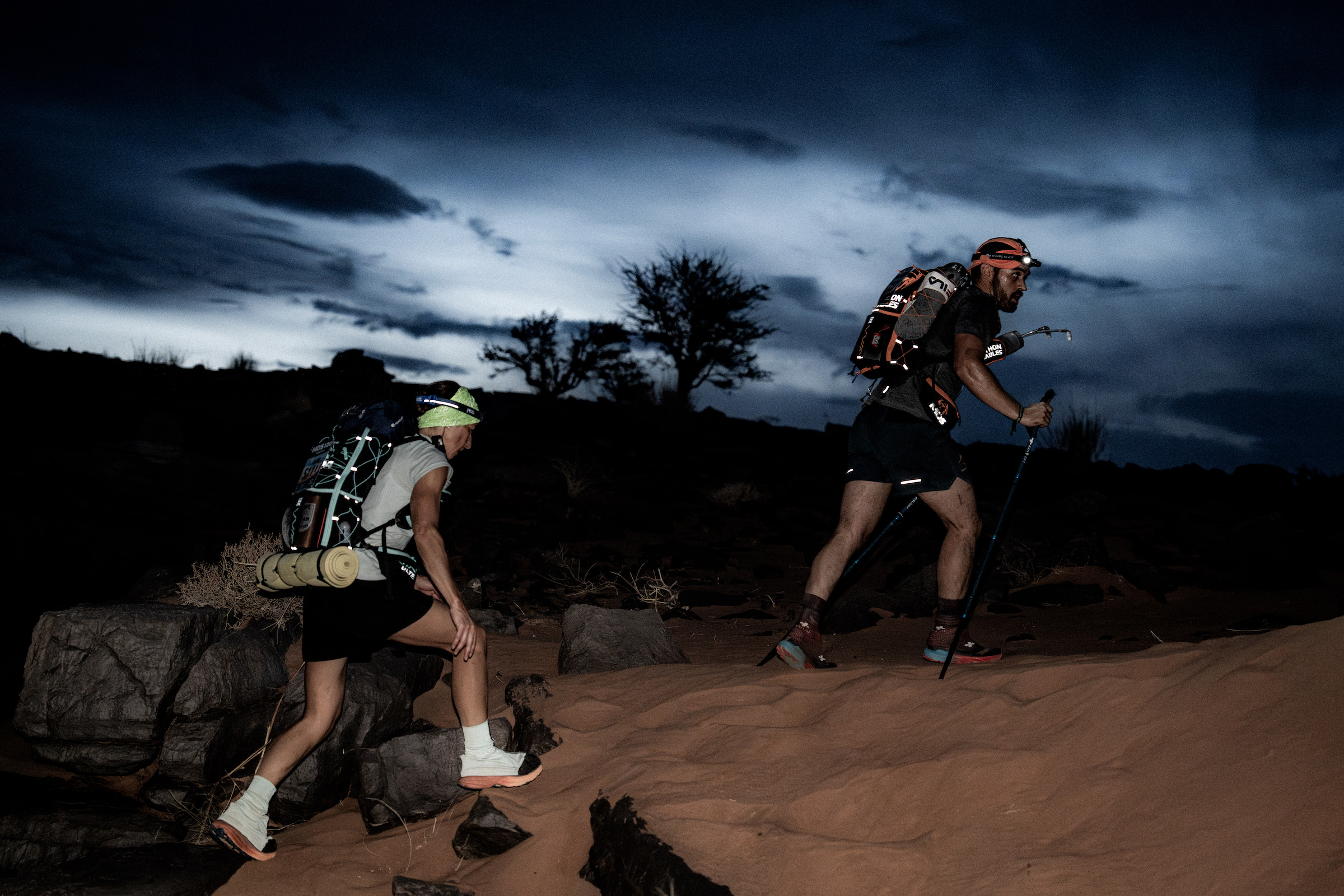
At 0400, camp began to stir. Bleary-eyed runners rose in darkness, fumbling with head torches and gear. The temperature hadn’t dropped. The air felt thick and warm, like the desert was still holding onto yesterday’s rage.
By 0530, the first runners were off. Headlamps cut through the pitch, bobbing along as the desert slowly took shape in the dim light. At 0630, the top-10 runners launched like arrows, chasing the dark down.
Then, something no one expected happened. It started softly. A few drops. Then more. Rain. Actual rain falling from a sky that hadn’t offered a single kindness in days. No one ducked. No one cursed. No one complained. Smiles broke out, quiet and stunned at first, then wide and wild. Some raised their faces to the sky. This was a blessing. A strange, surreal gift. The desert, finally, exhaled.
Stage 3 unfolded under gentler skies. The sun eventually returned, but not with the same vengeance. The course was still brutal – sand, rocks, one climbs that never seemed to end, but the worst of the heat was gone. Spirits rose with every kilometre. Runners, ragged but relentless, began to believe the finish was real.
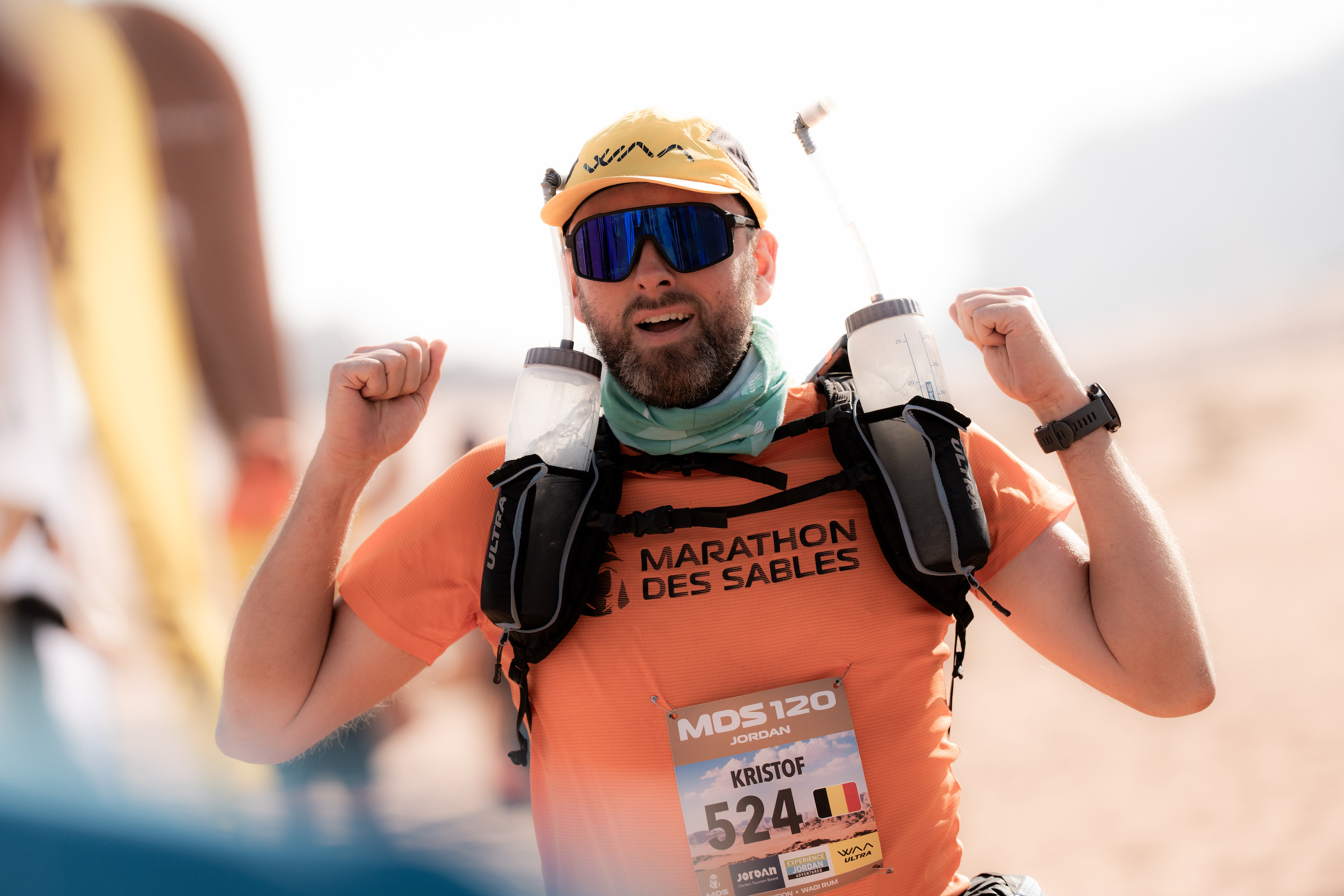
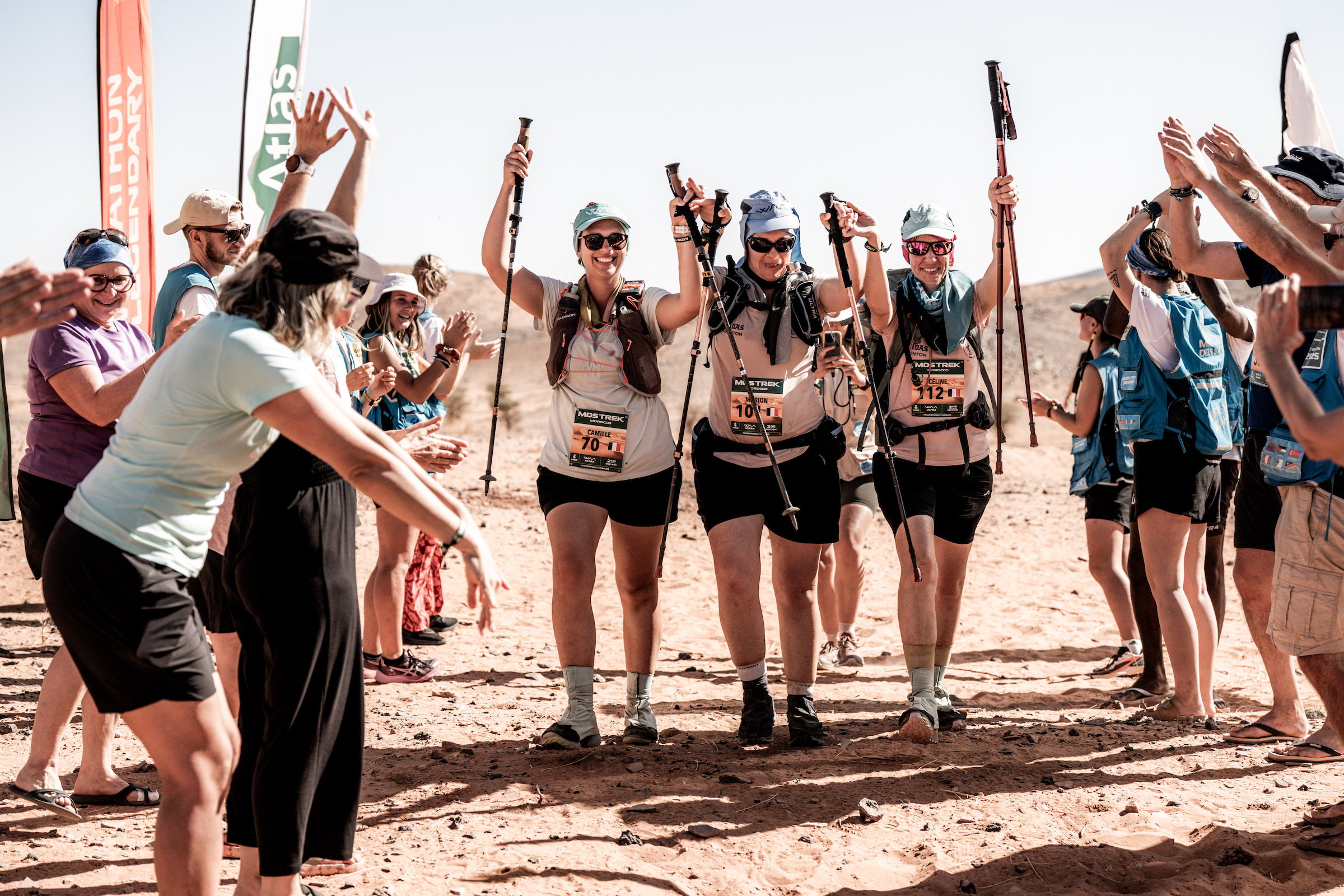
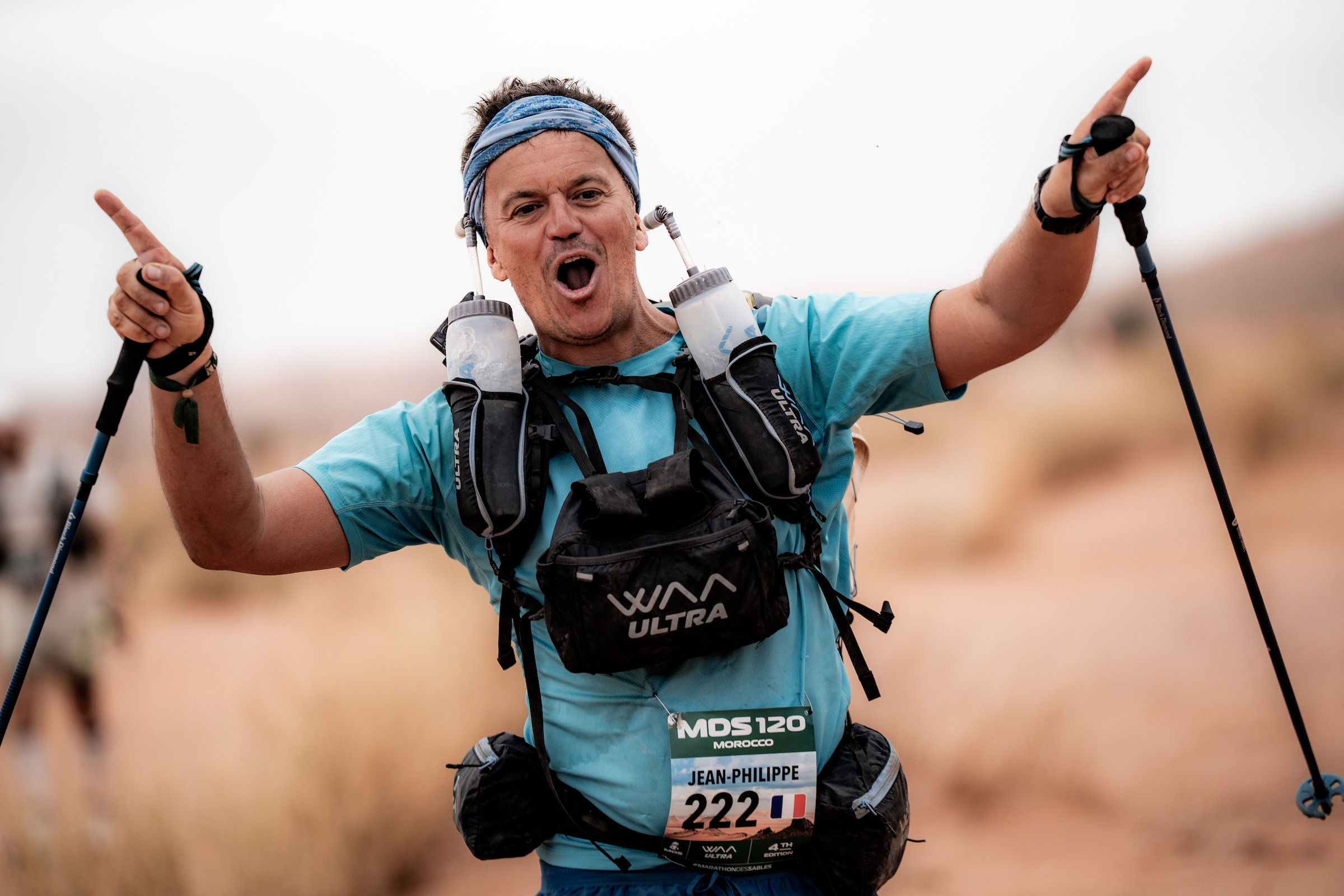
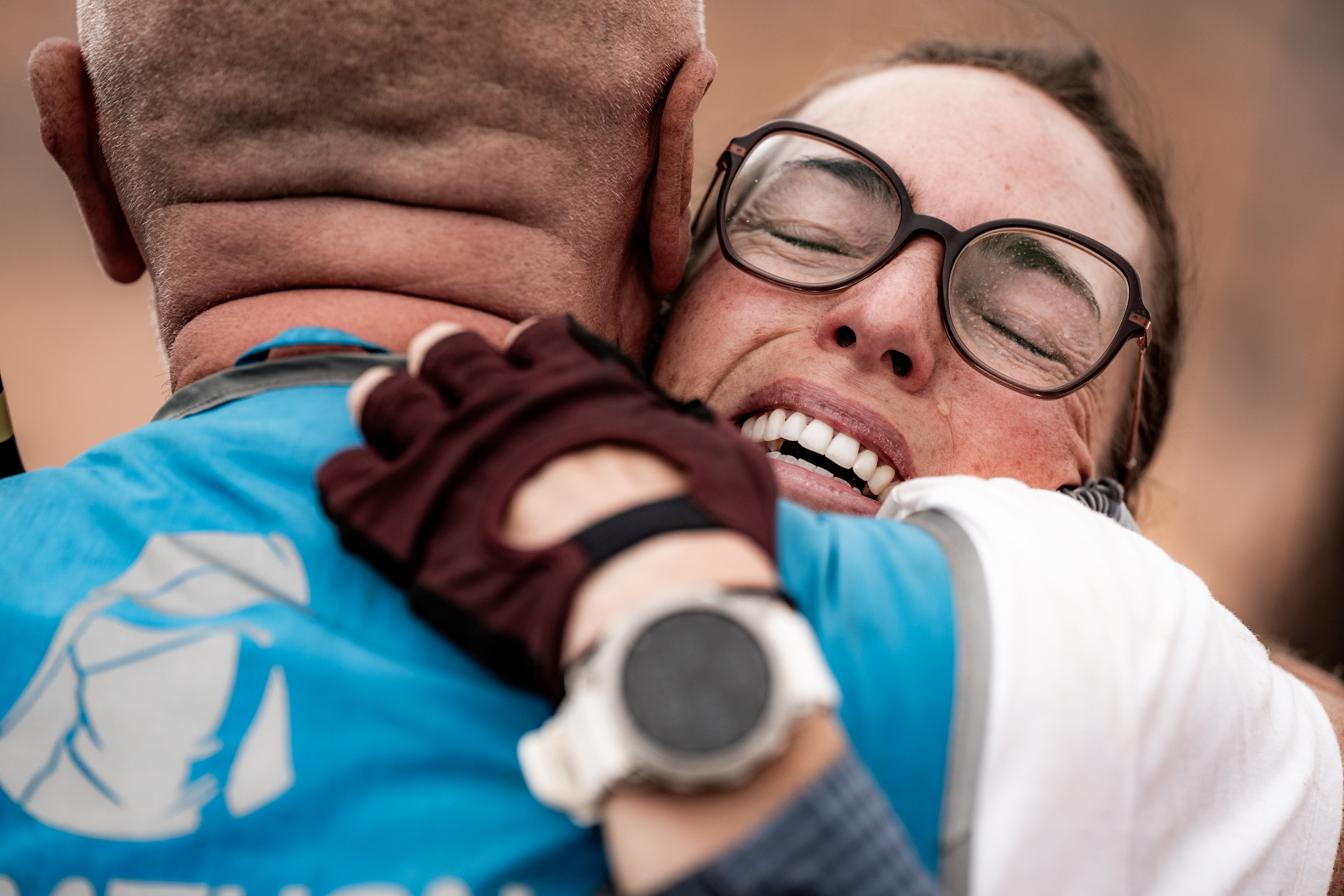
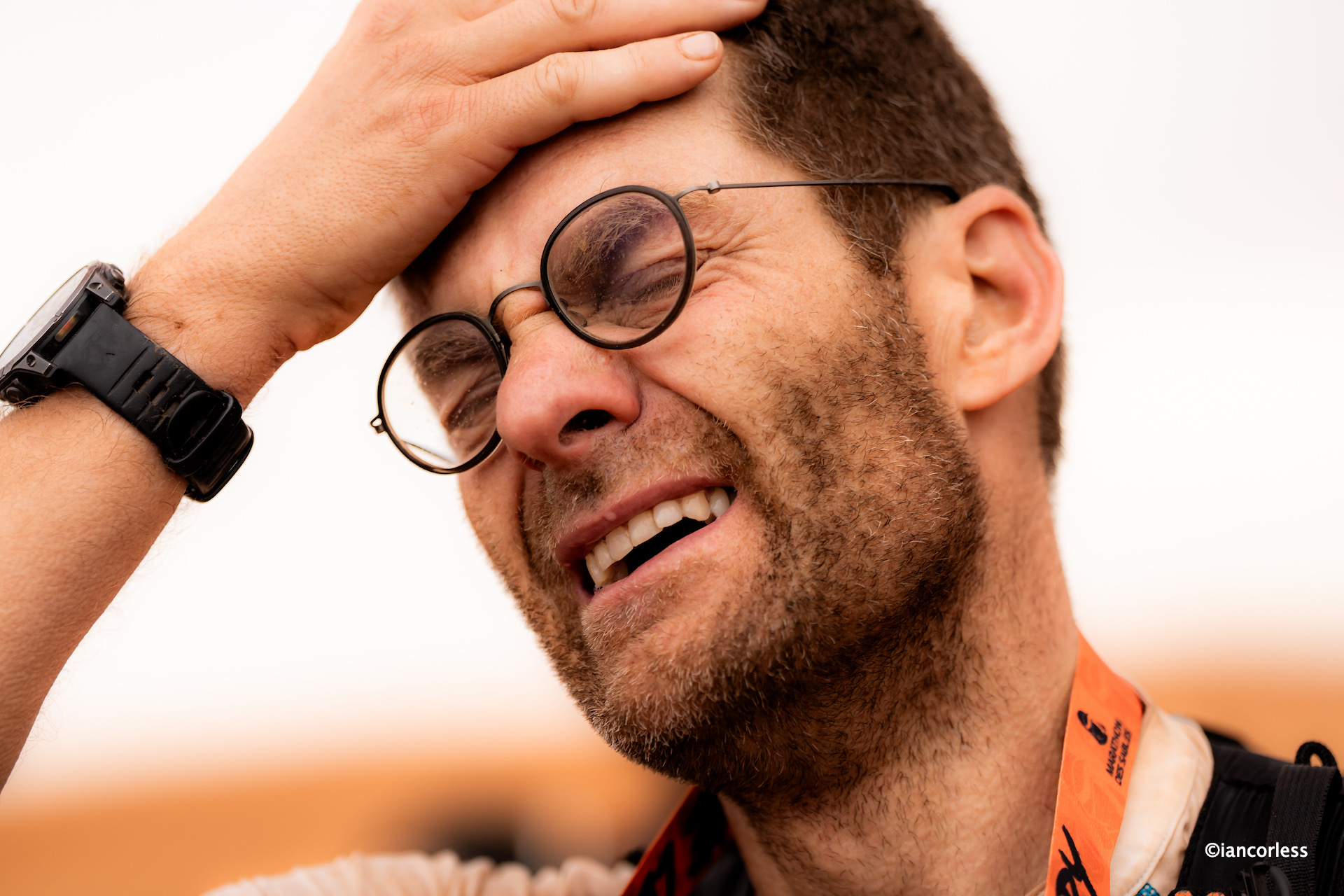
One by one, they crossed the line. Some ran with everything left in their legs. Some limped, leaning on poles. Some clutched hands with teammates or strangers who’d become family over theirshared suffering. And when that medal was placed around their necks, the tears came freely. No shame in them, only pride, release, and the overwhelming relief of completion.
There were cheers. Applause. Laughter. People hugging like they never wanted to let go. Cameras flashed. Medals clinked. Bodies that had been pushed to the limit stood a little taller.
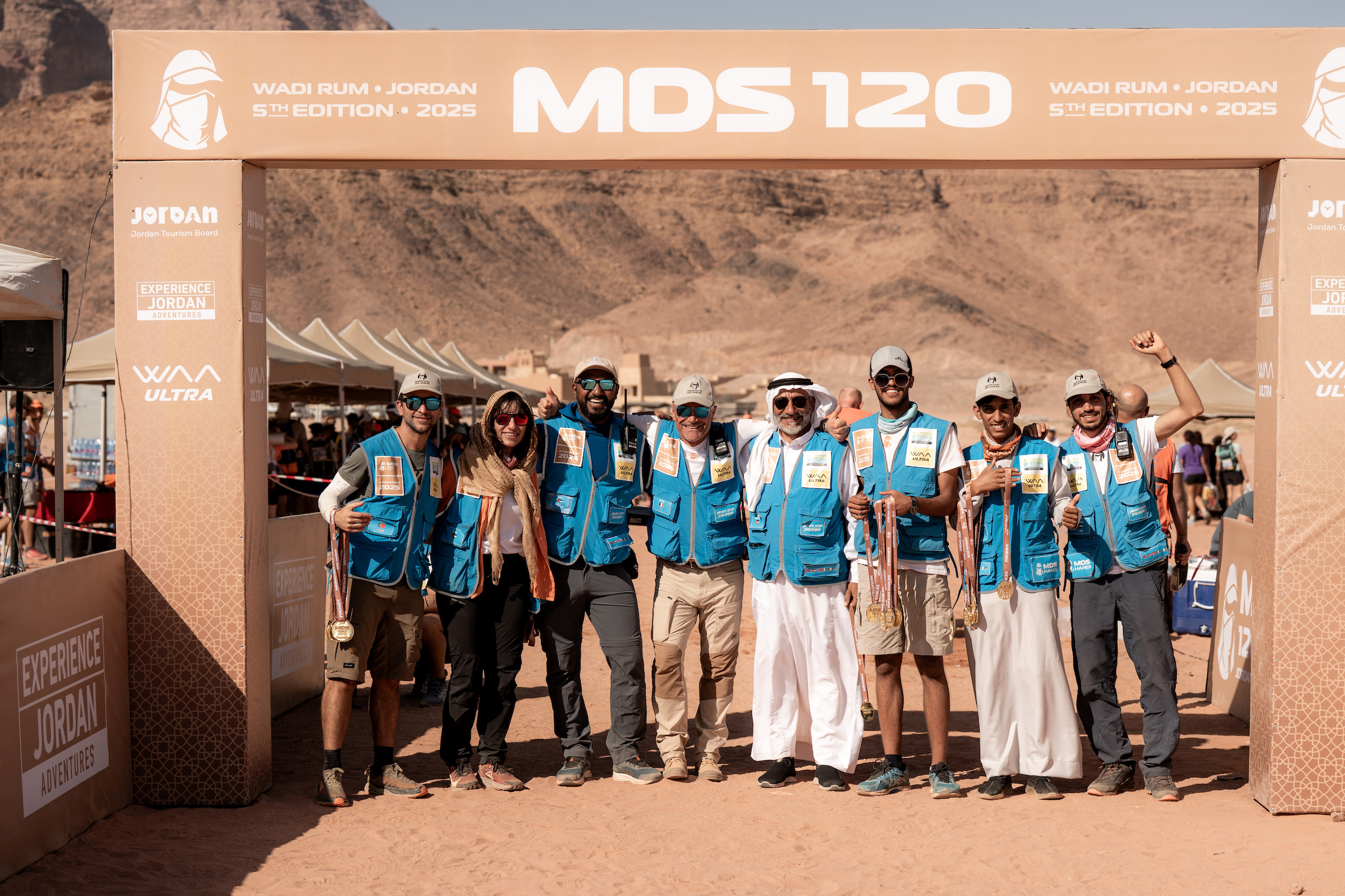
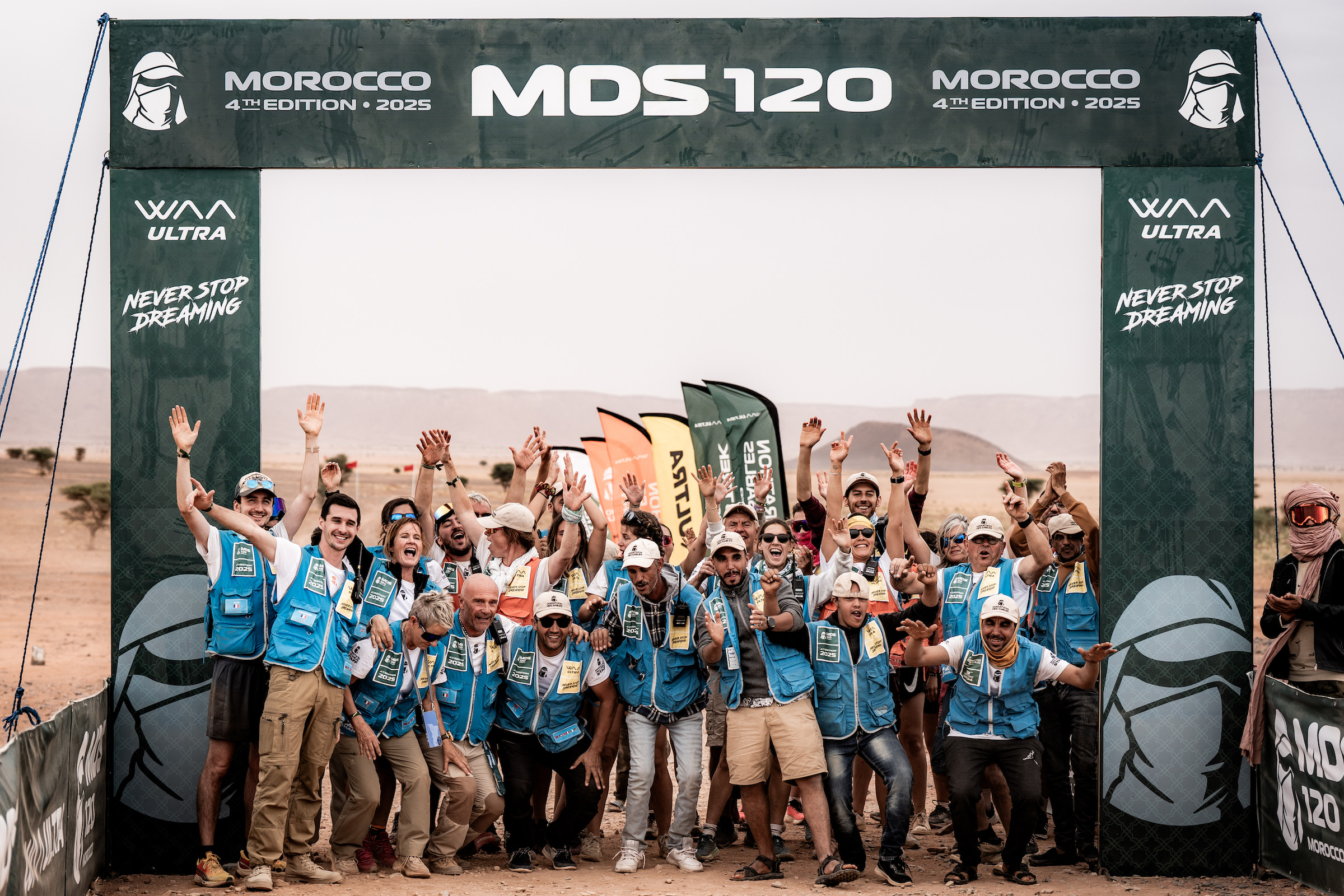
Behind every finish was an army in blue and orange.
The MDS team, the volunteers, medics, logistics crew, water distributors, checkpoint staff, tent builders, camp runners, sweepers, and everyone else in between—made this journey possible.
They were the quiet hands who carried everyone forward. The steady voices in the storm. The ones who handed out water in 47°C heat, packed and re-packed tents, tended to blisters, and kept this chaotic caravan moving across an unforgiving land. Their work wasn’t glamorous. It was relentless. And it matters more than words can say.
MDS 120 Morocco is more than numbers. More than distance. It’s more than the desert.
It’s about finding out what lives under your skin when the comfort is stripped away. It’s about running into the teeth of the wind and not turning back. It’s about community, people who arrive as strangers and leave as family. It’s about believing you can, even when everything hurts, and then proving it.
No one who stood on that start line is the same at the finish. And that’s the point.
So to every runner who dared to take this on: you are fierce, you are strong, and you’ve earned every second of this glory. This medal means more because you fought for it.
MDS 120 Morocco is complete. The desert tried to break us. But we endured. And that’s the story you’ll tell forever.
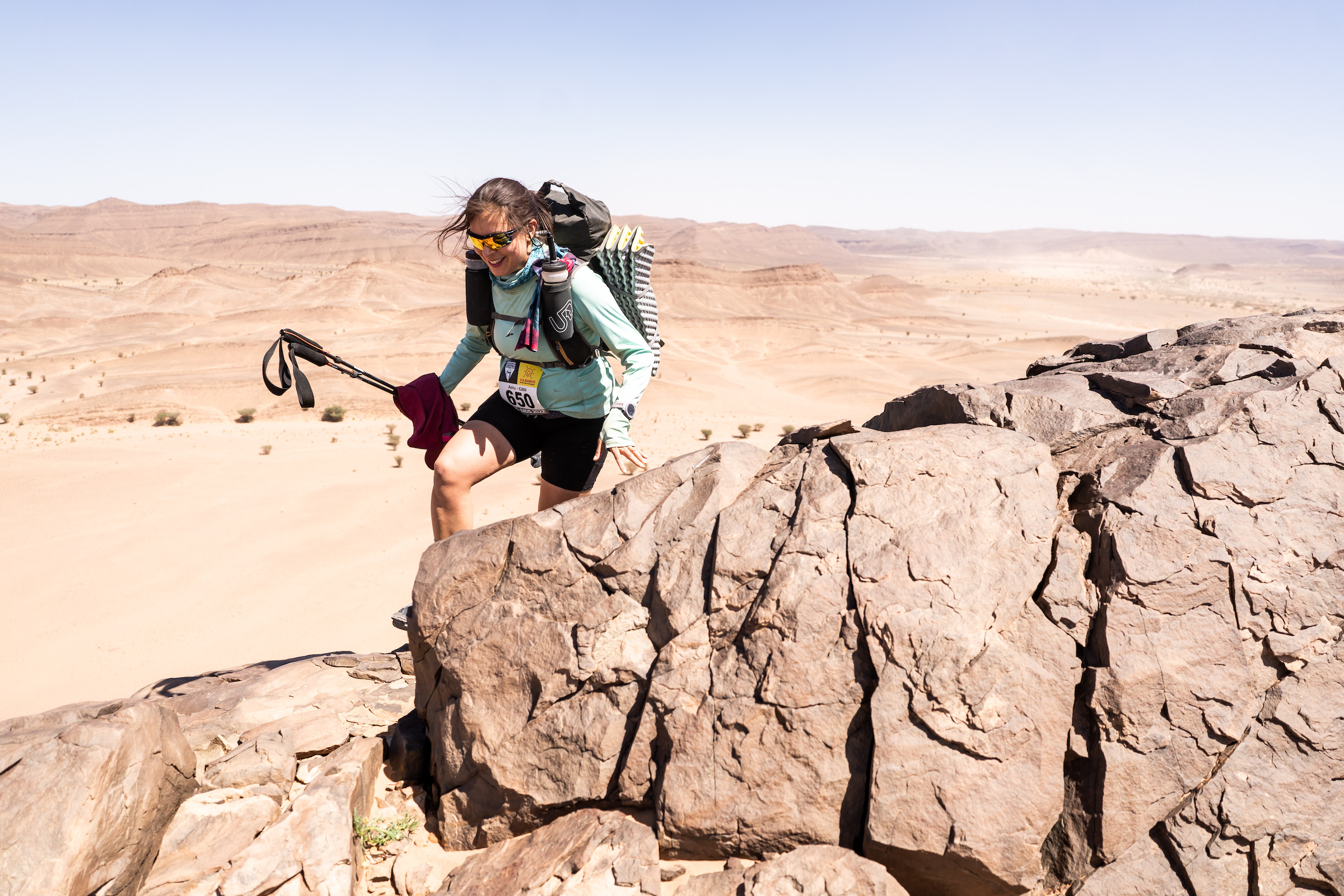
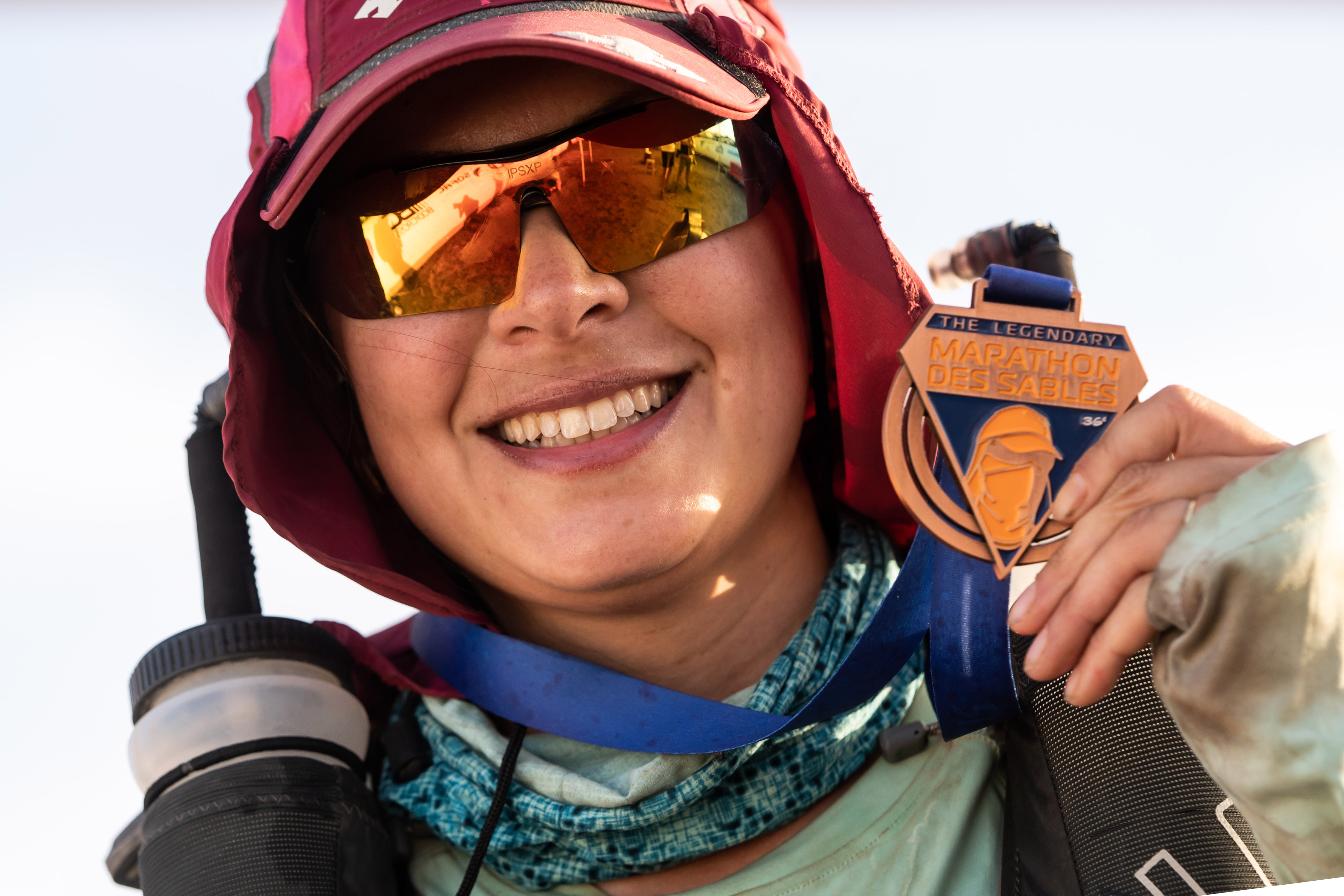
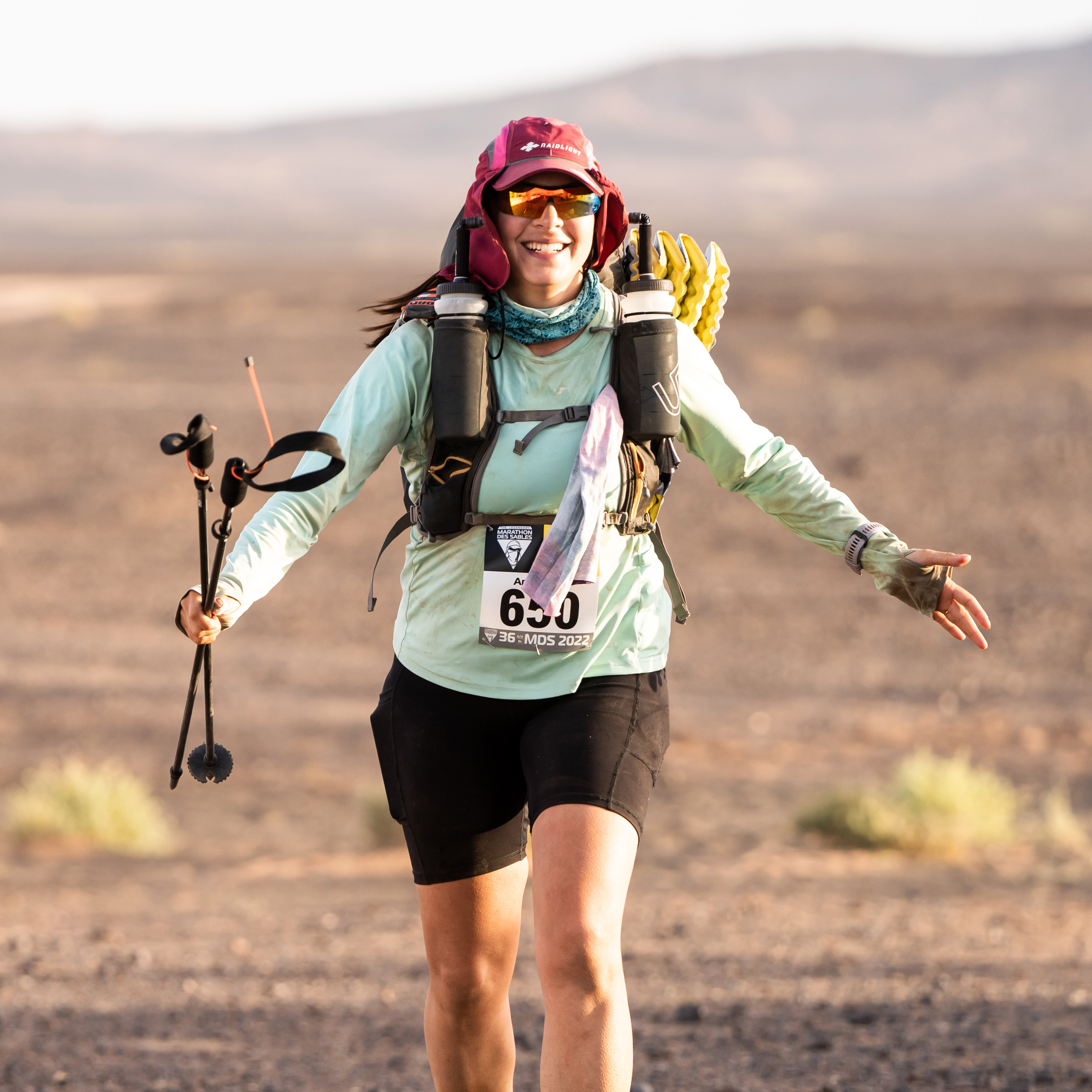
Amy McCulloch is a world-renowned author who in 2022 toed the line of the iconic Marathon des Sables. The race and the experience planted seeds for a story, one of ultra-running and mystery. In June 2025, ‘RUNNER 13‘ was released.
Amy McCulloch is the internationally bestselling author of BREATHLESS, MIDNIGHT (also known as THE GIRL ON THE ICE) and RUNNER 13 – coming out worldwide in Summer 2025. She has also written eight novels for children and young adults, including the #1 bestselling YA novel The Magpie Society: One for Sorrow. In September 2019, she became the youngest Canadian woman to climb Mt. Manaslu in Nepal — the world’s eighth highest mountain. She has also summited the highest mountain in the Americas, Aconcagua, in -45C and 90kmph winds, and has visited all seven continents. In 2022, she completed the 36th Marathon des Sables, a 250km stage marathon through the Sahara Desert. She is also an A-licensed skydiver. She is currently working on her next adult thriller, continuing to draw inspiration from her adventures.
Amy joins the podcast to discuss the book and her MDS story.
Runner 13 is a thriller that drops readers straight into a deadly stage race across the Sahara, echoing the notorious Marathon des Sables in Morocco. McCulloch’s own experience running that event shapes every detail – the brutal desert landscape, the psychological toll, and the obsession with endurance that defines the sport. The story follows Adrienne, a once-great ultrarunner forced back into competition, and Stella, daughter of the race’s manipulative director, Boones, whose events, modelled on real-world extreme events, aren’t designed to be won, but to break runners. Central to the mystery is Runner 13, a symbol of both glory and doom. Told in sharp, cliff-hanging chapters that jump between present and past, the novel feels like Agatha Christie transplanted to the Sahara: a brutal race where survival, not victory, is the prize, and where Morocco’s desert becomes both the setting and the trap.
If you have participated in Marathon des Sables, the narrative of the book will feel familiar, you will relive your desert experience and of course, the added bonus of a murder mystery only makes the book more interesting. For newbies to the desert, rest assured, the book will be a wonderful escape and it can only make your future event even more ‘hotly’ anticipated – hopefully, the murder mystery element will be missing.
Second Edition Confirmed for April 25 to May 2, 2026
The adventure is back. From April 25 to May 2, 2026, the second edition of MDS Raid Namibia will return to one of the most breathtaking landscapes on Earth, and this time, it’s bigger, bolder, and ready to test your limits.
A Race Like No Other
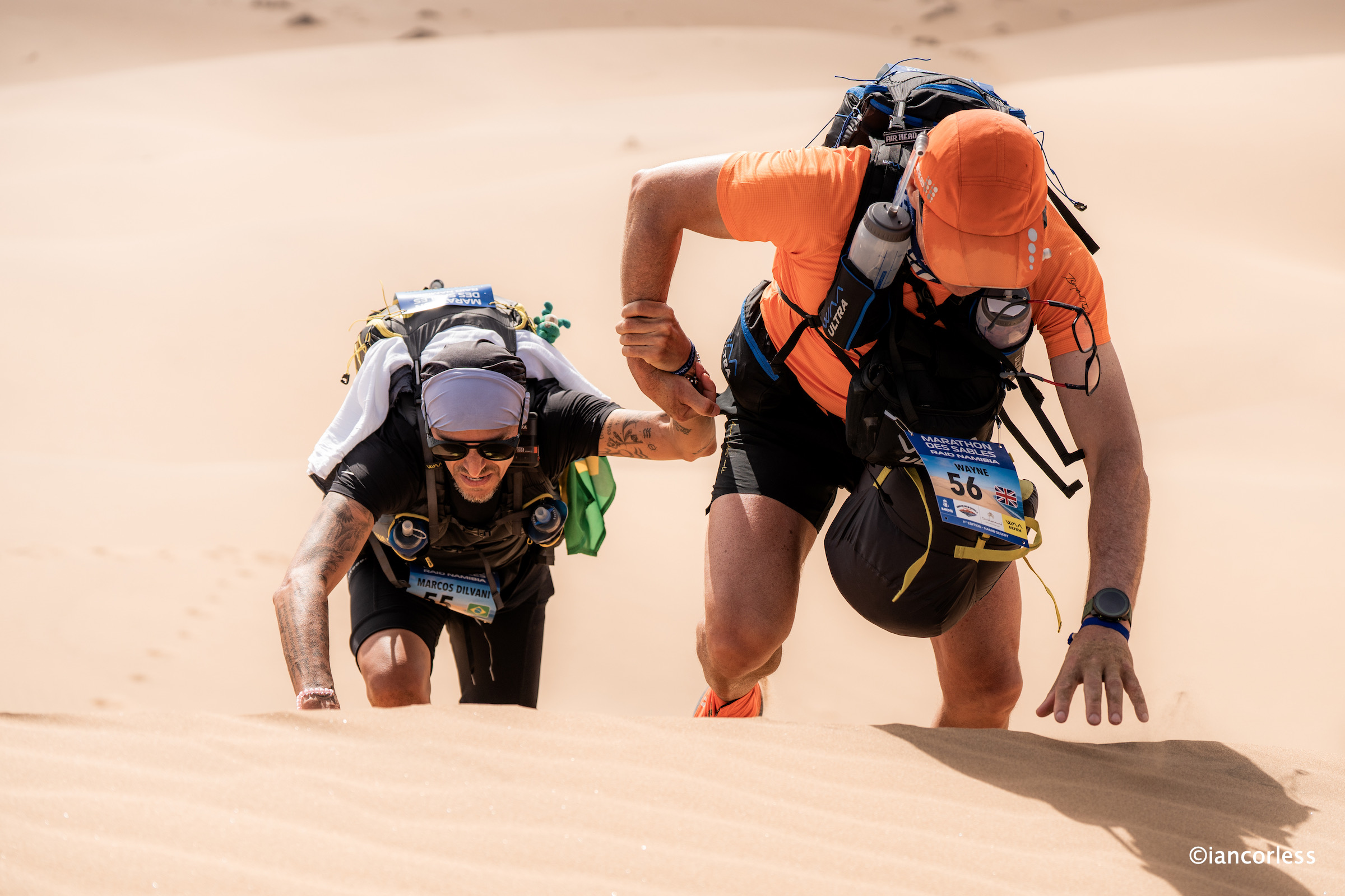
MDS Raid Namibia isn’t your typical ultra. It’s a Raid format: multi-day racing where each stage takes you deeper into wild, untouched terrain. You and your partner navigate the course together, carrying your essentials, relying on one another’s grit and skill. The rhythm is different from a single-stage event, it’s about strategy, recovery, and building momentum over days in the desert.
Namibia: More Than a Backdrop
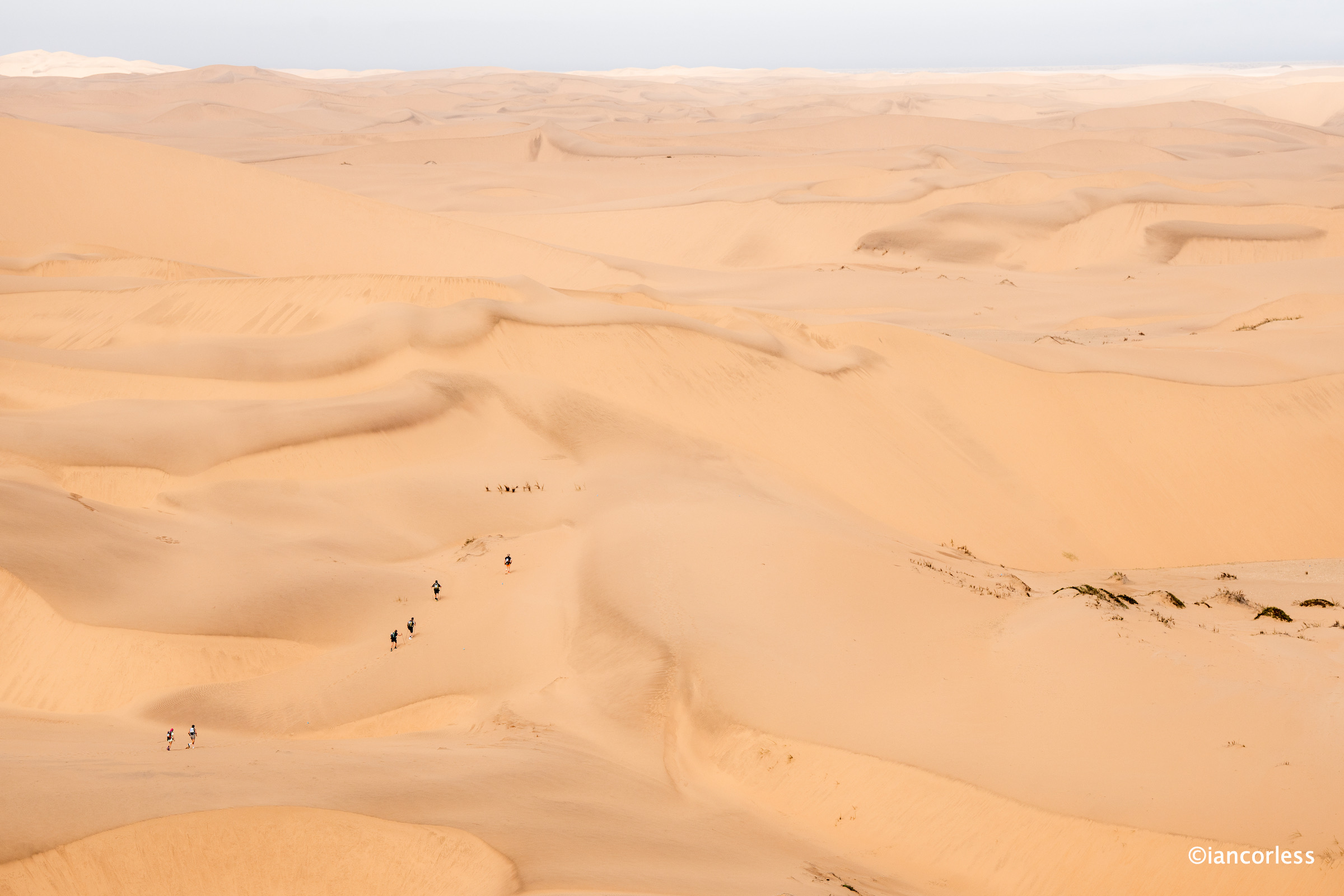
The desert here is alive with colour and contrast, towering red dunes, sun-bleached plains, and skies so vast they feel infinite. But the real magic? The people. From the warmth of local communities to the camaraderie among competitors, every smile, handshake, and shared moment turns the race into something unforgettable.
Two Distances, One Challenge
Whether you choose 90km or 107km, you’ll face a course that demands strength, patience, and partnership. The shorter option is still a serious test; the longer route adds extra sting to already challenging days.
Teams of Two
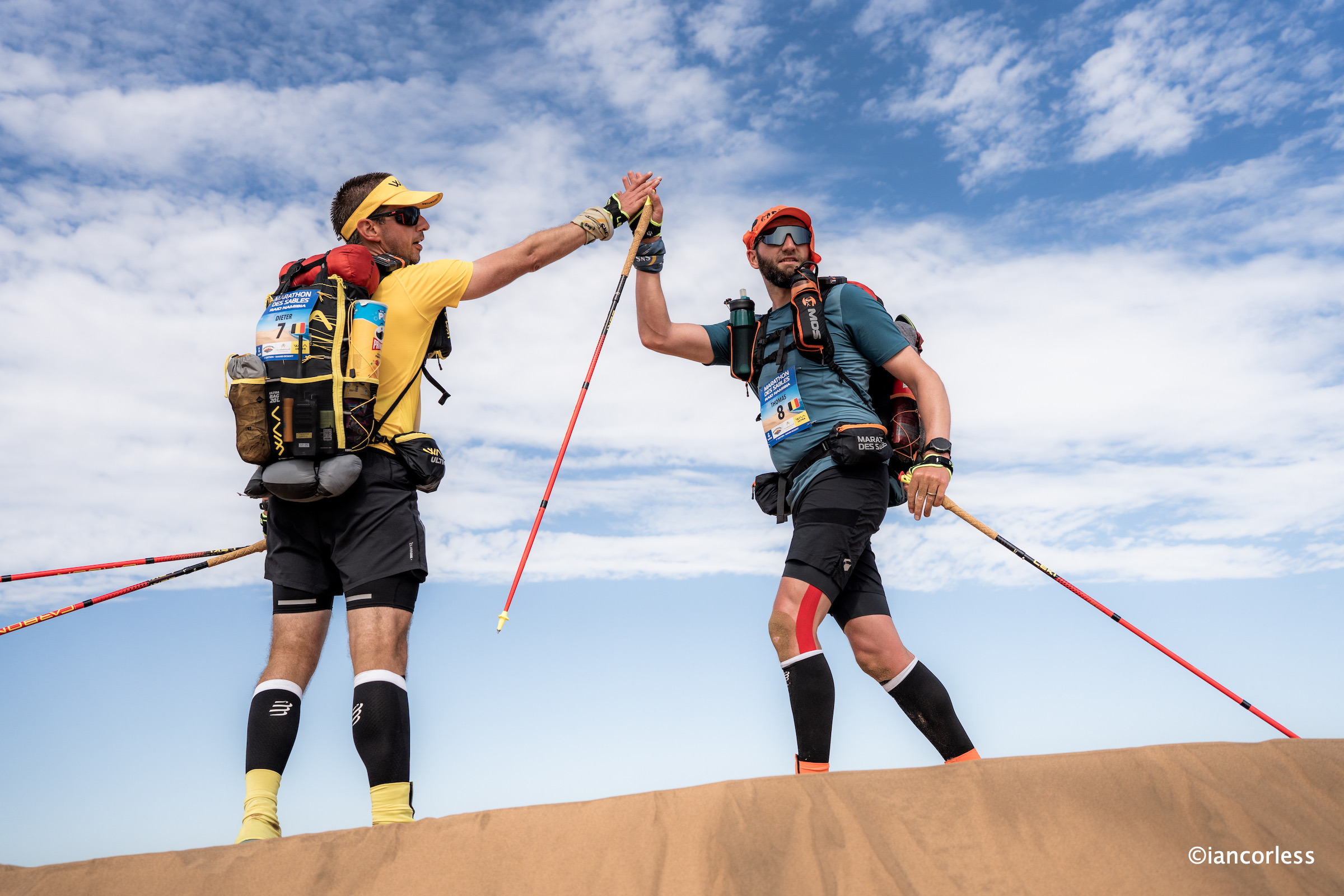
This is not a solo fight. Every team is two runners — sharing the highs, lows, decisions, and celebrations. It’s about knowing when to push, when to pace, and how to keep each other moving forward. You’ll finish this race with more than just a medal — you’ll leave with a bond forged in heat, dust, and determination.
Under the Star Night
And then there’s Star Night — a moment that transcends competition. Out in the desert, far from city lights, the sky becomes a canvas of constellations. It’s an evening to pause, breathe, and feel the scale of where you are. Stories are shared, laughter carries through the darkness, and the adventure takes on a whole new light.
⸻
MDS Raid Namibia 2026 is more than a race. It’s an odyssey. Whether you come for the challenge, the scenery, or the connection, you’ll leave with a story only this desert can write.
The desert is calling.
Read and in-depth summary of the first edition in 2025 HERE and be inspired to join this magical adventure, ‘Testing Limits on the Edge of the Atlantic.’
The MARATHON DES SABLES is a unique adventure of 250km’s spread over 6-stages of self-sufficiency, shared by thousands of enthusiasts, in 2026 it celebrates 40-years. In 2017, another format, HMDS was born with 70 to 120km distances, spread over 3-stages and 4-days.
Since 2024 there has been a significant changes for the MDS brand. The ‘HMDS’ format while still following the same protocols and format has now dropped the ‘half’ title and moving forward, events will be called MDS 120 Jordan, MDS 120 Morocco, MDS 120 Cappadocia and so on.
To differentiate the full distance race of 250km’s, Marathon des Sables will now be known at MDS Legendary, reflecting the legendary status of this iconic event and its long history as a pioneer of the stage racing and multi-day format.
All the races are now owned by the same team and while many may be familiar with the format and protocols for the shorter distance races, MDS Legendary since 2024 has had some significant changes.
Since 2024, MDS has expanded beyond its roots with MDS 120, the exploratory MDS TREK, the demanding MDS RAID, the mind-bending MDS Crazy Loops. and MDS ULTRA – Morocco. And the inspiring, MDS HANDI. Each one a new take on the same promise, to push the limits of what a runner can handle.
MDS EVENTS
MDS The Legendary
MDS 120 Atlantic Coast Morocco
MDS RAID Namibia
MDS 120 Cappadocia
MDS Crazy Loops – currently 2 locations in France.
MDS 120 Fuerteventura
MDS 120 Morocco
MDS Trek Morocco
MDS Handi Morocco
MDS 120 Jordan
MDS 120 Peru*
MDS ULTRA – Morocco
* Every 3-years.
WHAT IS MDS?
MDS is a self-sufficient race taking place over 3 to 6-stages.
Bivouac life.
MDS Legendary is the iconic 6-stage race (over 7-days) with a distance of 250km (+/-) based on the route, terrain and difficulty. There are no options available on distance and participants are self-sufficient for the entire race, the only exception is the provision of water and a shared tent (bivouac) with 7 other participants. An example of 2024 distances:
Stage 1 : 31.1 km
Stage 2 : 40.8 km
Stage 3 : 85.3 km (over 2 days)
Stage 4 : 43.1 km
Stage 5 : 31.4 km
Stage 6 : 21.1 km
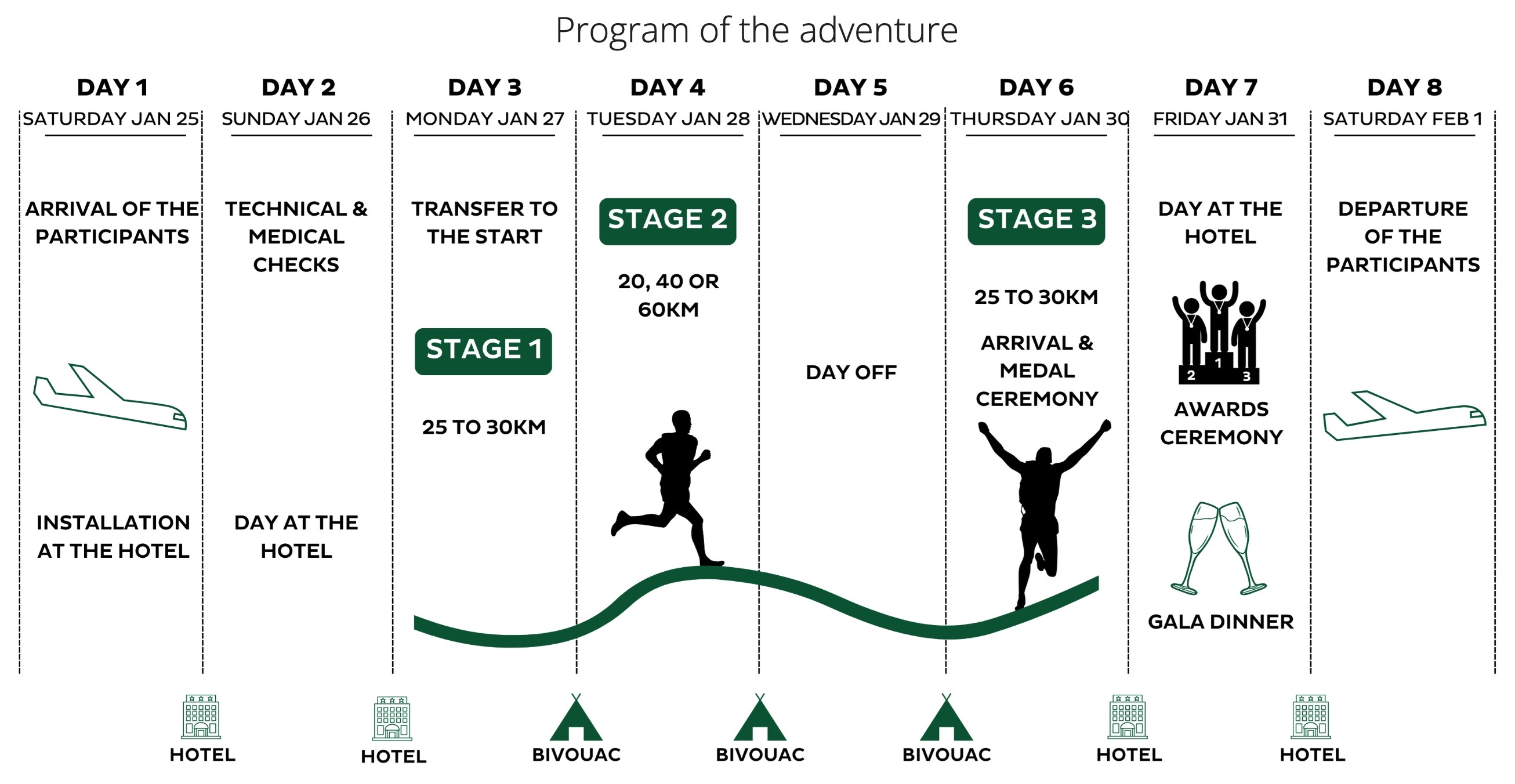
MDS120 events start at 70, 100 and 120km for the shorter race format, depending on the race destination, there are 2 or 3 distances available. To clarify, this is not 2 or 3 different races, but the same race with the option to choose what distance you run or walk. As an example, the route is divided into 3 stages (4-days), to be completed at your own pace: walking or running.
– 70 km
– 100 km
– 120 km
Here is a breakdown of each stage:
– Stage 1: 25km – 30km
– Stage 2: 20, 40 or 60km
– Stage 3: 25km – 30km
The choice of the format is made at the registration. However, you can adjust it until the time of MDS.
MDS RAID follows a similar format to MDS 120.
MDS TREK is not self-sufficient and while similar to other MDS events, the format is much more a holiday experience, ideal for first timers or those who are looking for an active travel/ relax experience. Read more HERE.
THE MDS FORMAT
MDS The Legendary and MDS 120 events follow a similar format, however, there are key differences:
MDS The Legendary is a 10-day experience
MDS 120 a 7-day experience
In both scenarios you arrange travel to the relevant destination, arriving with adequate time to meet the MDS team at a designated meeting point and time. This may mean you need to arrive one day in advance to ensure you are able to meet the schedule as stipulated. From here, the MDS team then transport you to the start of the race.
For MDS Legendary this will be a flight to Marrakech and free transport is offered to Ouarzazate.
For MDS120 / TREK / RAID and ULTRA events, the meeting point will be a specific airport for transfer to hotel.
MDS The Legendary use classic Nomad tents that hold 8-participants. By contrast, MDS120 events use individual tents organised in cells of 6. TREK has upgraded tents, RAID combines solo tents and a star night, MDS ULTRA will be hotels except when racing.
Post-race you will be transported to a hotel and an awards ceremony and gala dinner will take place.
EVENTS
MDSLEGENDARY the iconic 6-stage, 250km race celebrating 40-years in 2026.
MDS 120 (used to be HMDS) this is 3-stages over 4-days with distance options of 70/ 100 or 120km.
MDS TREK this is similar to the MDS 120 format, however, there is no self-sufficiency, more comfortable accommodation and additional facilities, an excellent introduction to the MDS.
MDS RAID an event for more experienced athletes that is undertaken in teams of two, over approximately 90-120km’s, typically, two distance options are provided. The format is similar to MDS 120 with 3-stages over 4-days. One night will be undertaken under the stars with no bivouac.
MDS ULTRA new for 2025, a 100-mile or 100km single stage race with a 40-hour cut off.
MDS CRAZY LOOPS three new events for 2025 undertaken in ski resorts, the format is to run as many loops as possible in 24-hours. The loops will be typically, 3-5km’s in length.
MDS HANDI an inspiring inclusive event to provide wheel chair athletes an opportunity to participate with team members.
Both race formats, MDS Legendary, MDS120, MDS RAID and MDS ULTRA require participants to be self-sufficient for the whole race.
What does this mean?
Quite simply, you must wear and carry all you need for your race experience with the exception of the tent / bivouac. MDS ULTRA will not require a bivouac or same kit requirements as MDS Legendary, Raid or 120.
It may sound daunting but it is not, it’s actually quite simple. You need to address the following points:
What you wear.
Equipment you need to participate.
Sleeping.
Food.
Cooking equipment. (You can purchase fuel blocks in bivouac)
Water.
WHAT TO WEAR
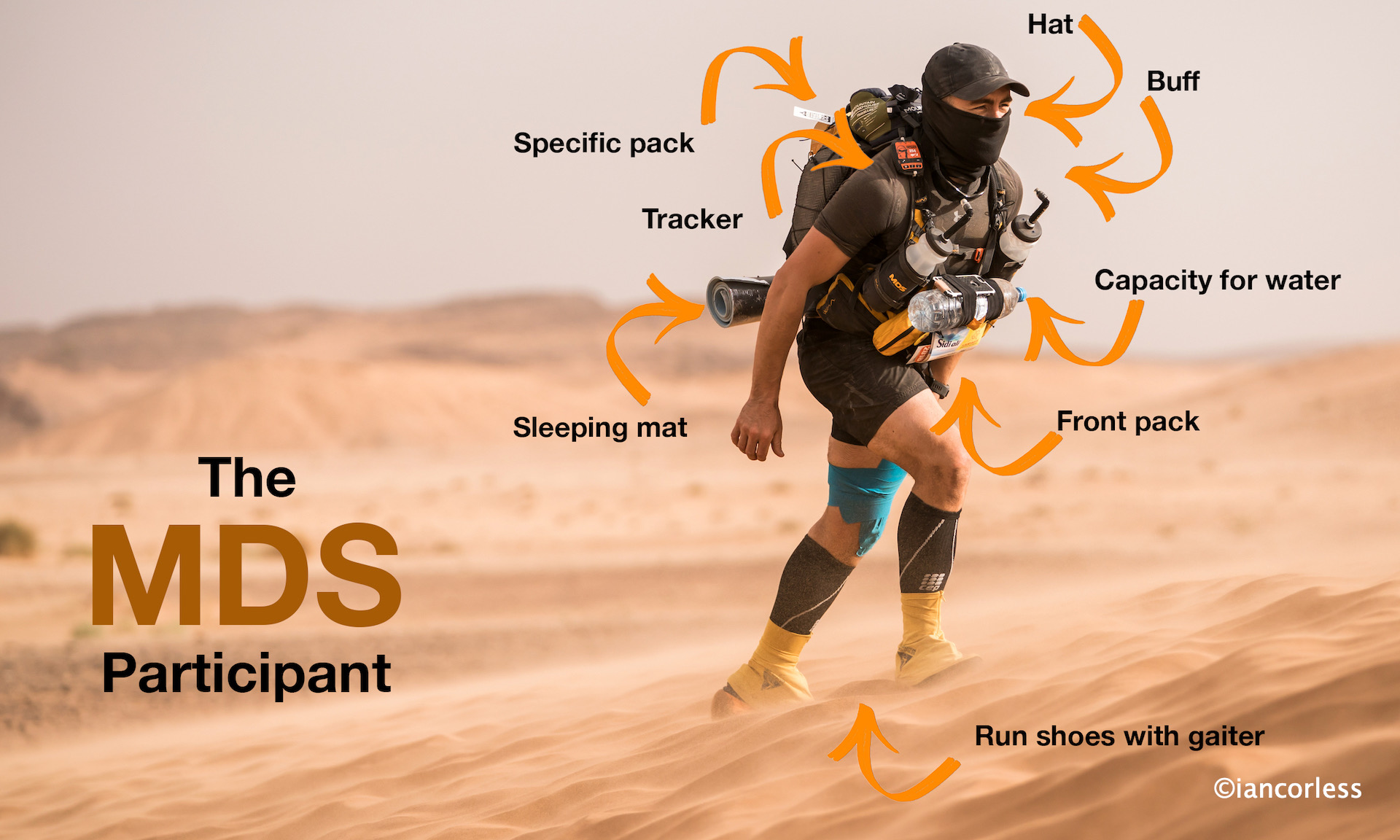
Hat to protect from the sun with optional neck protection.
Shirt (short or long sleeve) with adequate protection from the sun.
Shorts, skort or similar.
Socks.
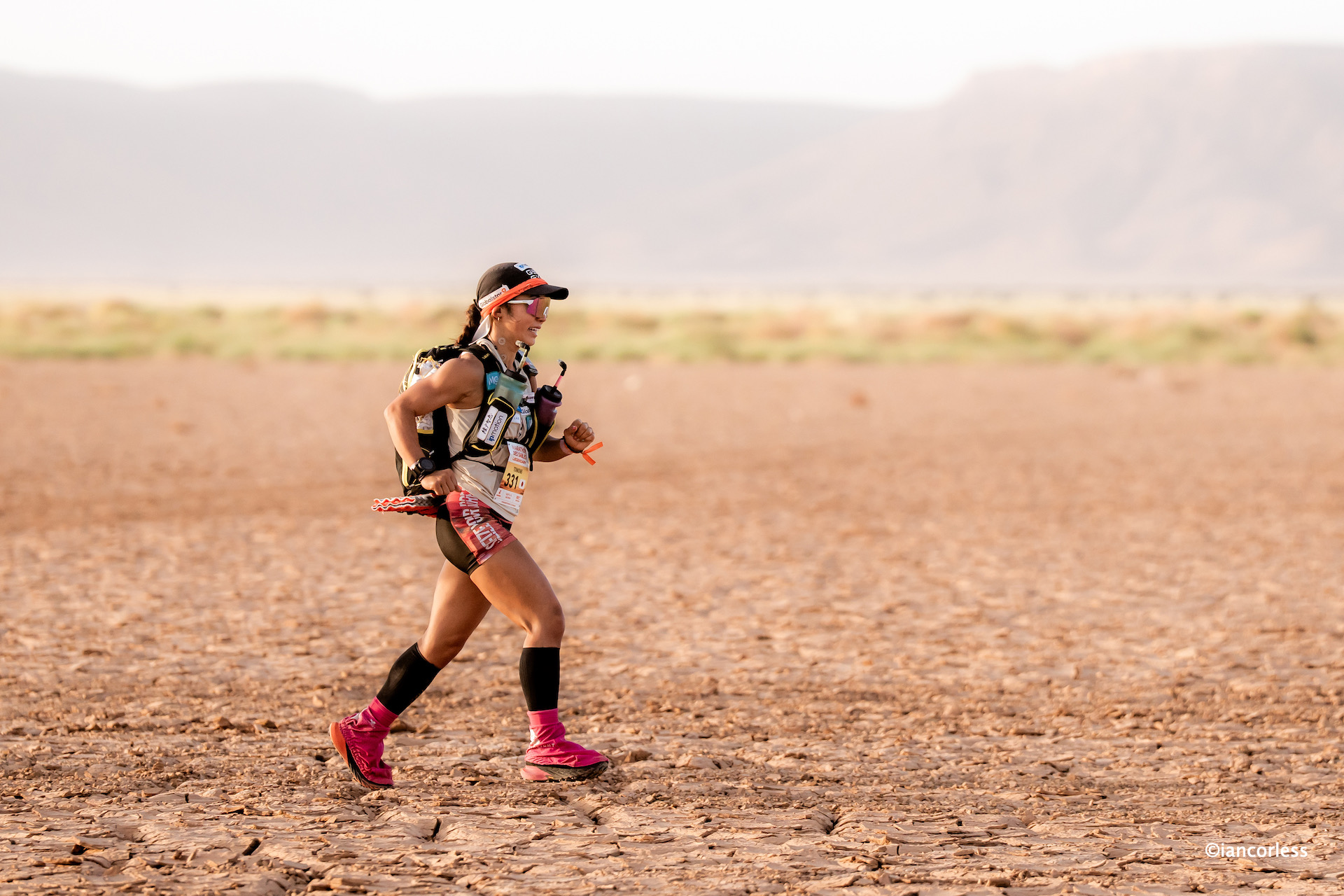
Shoes with appropriate protection and durability for a desert environment with a gaiter (typically sewn on) to keep sand out of the shoe.
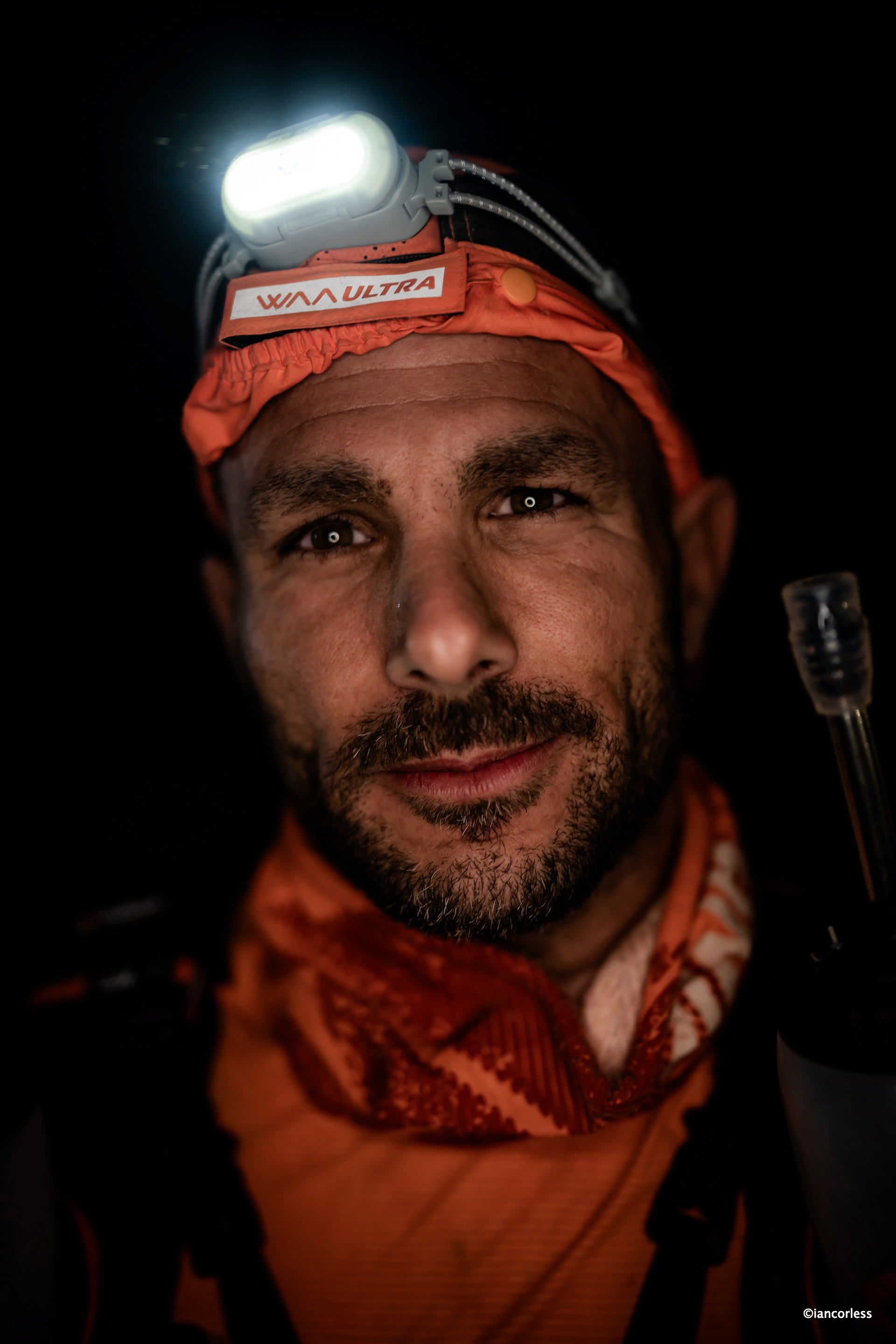
WAA is a partner for MDS have specific equipment for desert/ stage-racing.
Because you have entered a MDS event, there is no need to buy new apparel and shoes. Quite simply, if you have items that work, are comfortable, cause no problems or irritation, there is no need to change them. If it aint broke, don’t break it. Shoes always create a huge debate and please find what works for you. If you ask on any forum, you will get countless recommendations but none of those recommendations are specific to you and your needs. Read an article HERE and HERE.
Always remember that with MDS events you are either wearing or carrying everything you need for the race duration. Therefore, it is imperative that you purchase the lightest options available (based on budget) and you keep luxuries to a minimum.
Keep it simple!
MDS specify ‘mandatory’ equipment for participation as specified below:
A sleeping mat is highly recommended to protect from the ground, insulate and provide comfort.
A jacket is highly recommended (lightweight down) for cold morning and chilly nights. Many products exist. An excellent combination item is offered by PHD but it does come at a price – HERE.
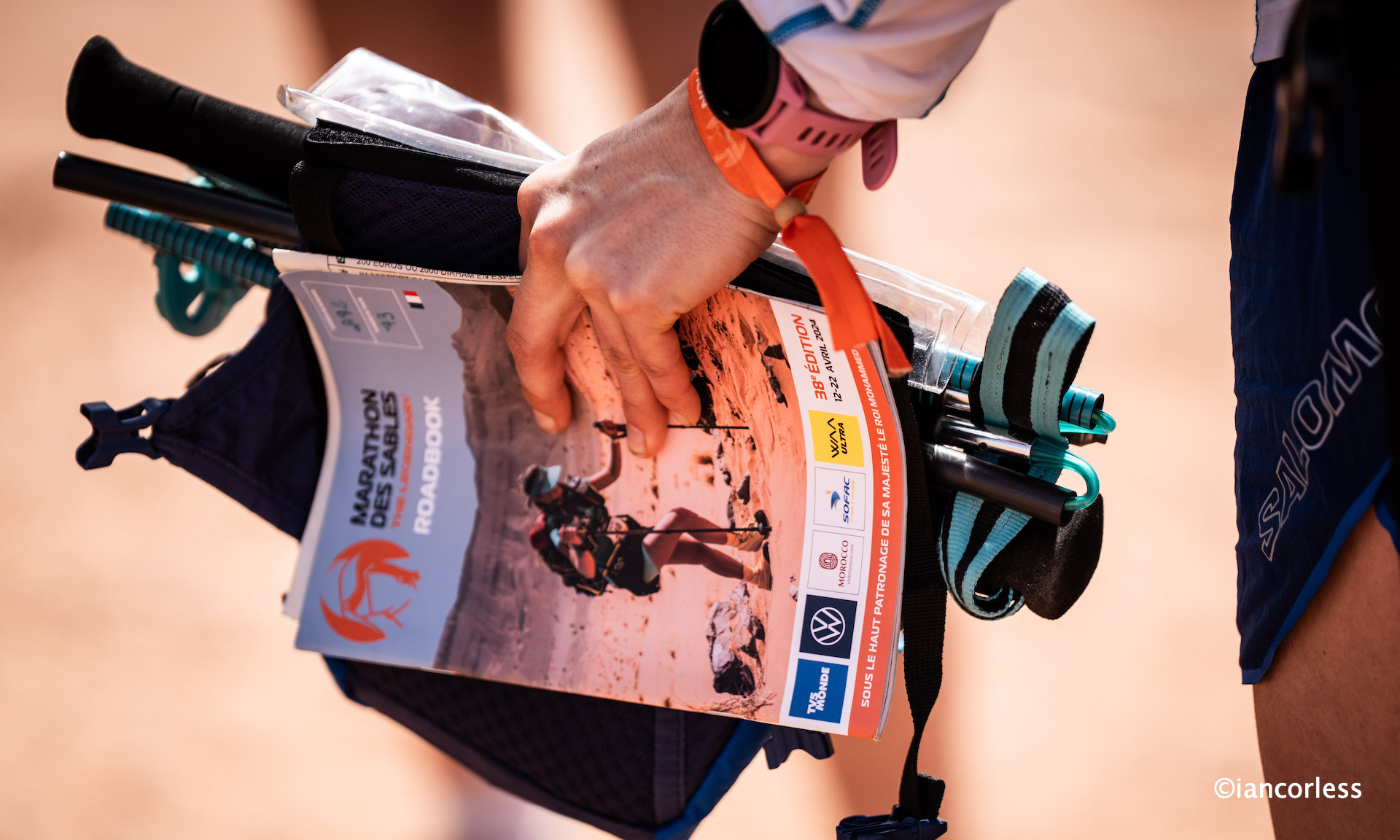
Poles are for many 4-wheel drive in stage races, Leki are highly recommended.
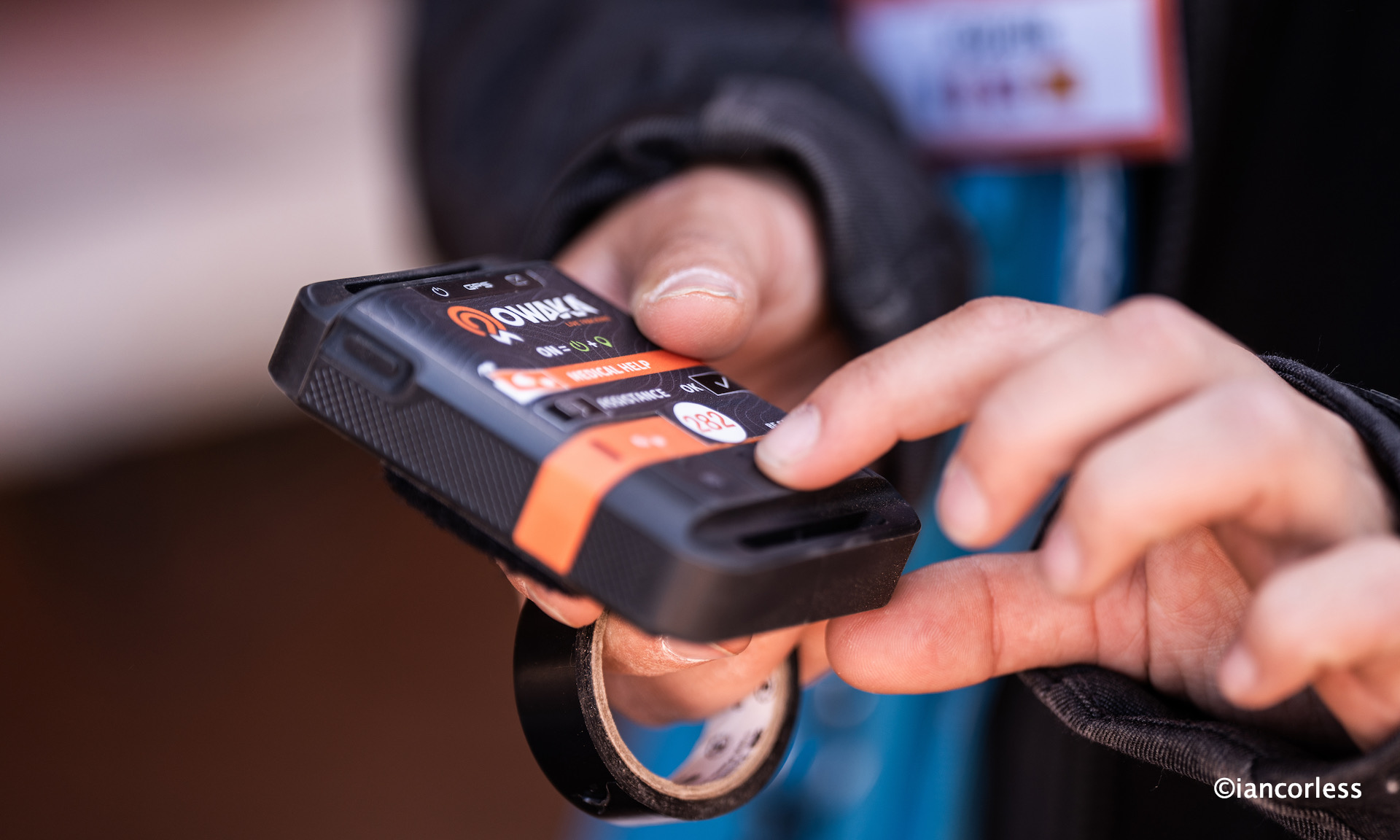
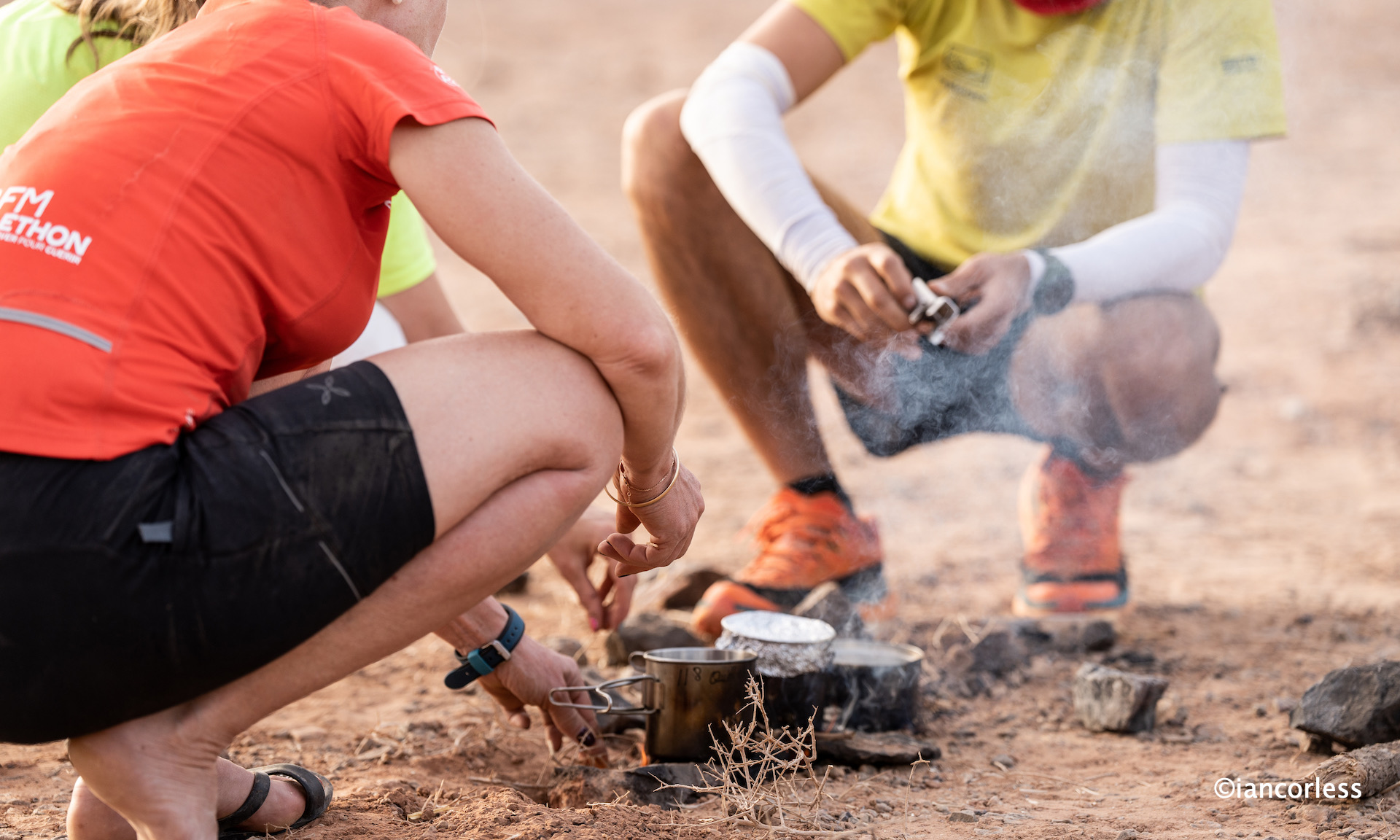
Stove – if you plan to have hot water, you will need a cooking system like those provided by Esbit. Please note, you cannot use any gas stoves in the desert, you must use fire bricks which you can purchase at bivouac.
Pot – if you are using a stove, you will need a pot/ mug.
Spoon with long handle for eating. Such as a Spork.
Buff or neck roll.
Sunglasses are essential and think about protection in sand storms, goggles may be required.
Flip flops or similar. Many use the weight free slippers from hotels, however, they rarely withstand the desert.
Watch / GPX
Personal items: Tooth brush, toothpaste, hand gel, wipes, toilet paper, ear plugs, blind fold etc.
Emergency – Things can happen during a race, so, be prepared with some essential items such as needle and thread, superglue, zip ties, monkey tape etc. If something rips or breaks, you need to repair it.
Luxuries
MDS is and should be simple in format. Remember, you must carry everything, so, keep luxuries to a minimum. Many consider a small MP3 player, look for something small, light and with great battery.
Phones are an essential part of our daily lives, do yourself a favour and leave it at home. The liberation is extremely rewarding. Please note, phones are allowed, however, it is prohibited to telephone on the bivouac or on the course. If you want to make a phone call, you will have to move away from these places so as not to disturb anyone.
SLEEPING
A sleeping bag is mandatory, so, there is no discussion here. The combined weight of your food is the heaviest and bulkiest item, however, a sleeping bag is next. These days there are many options available and quite simply you want the lightest possible, with the smallest packing size with required warmth at a price that you can afford. Not all sleeping bags are the same, so, consider this. Down is the best filling as it is the lightest, warmest and packs small. However, ‘fill power’ is a key element of down, fill power tells you how much volume a 30-gram, or one-ounce, sample of down will take up. So, the higher the fill power, the warmer the bag will be for less weight, because that one ounce of down has larger down clusters that provide more loft and have the ability to trap more heat. These bags will be more expensive.
Brands to look at: Nordisk, Seat to Summit, Rab, PHD, Western Mountaineering, Wilsa, Lightwave and so on.
Note here, that you will also probably be taking a down jacket for warmth. This can be used as extra warmth and insulation in a sleeping bag. So, it is possible to think about getting a lighter, less warm bag and supplementing warmth with a jacket.
UK brand PHD has come up with the perfect solution with an Ultra Jacket and Desert Race Half Bag but is does come at a price. However, it is comparable with the costs of jacket and bag by Nordisk.
Sleeping mat is highly recommended. When you are not running or walking, you are sitting or lying down, comfort is key. Two options exist, inflatable or not. Inflatable provides the greatest comfort but with poor admin does have the risk of puncture. Sea to Summit provide excellent inflatable options with low weight and pack size. Exped have excellent closed-cell foam.
The MDS 120 events (TREK not included) are self-sufficient adventures. You need to bring your own food and carry it in your bag for the duration of the race.There is a requirement that you must have 2000 calories minimum per day. Please remember that from 2024, catering is not provided at MDS The Legendary and therefore you must have enough food and calories before the race starts.
Food is the heaviest item you will carry and is essential. Don’t skimp on food. Lay food out per day addressing key items:
Breakfast (be careful they are not too sweet)
Snacks while running (bars, nuts, dried meat etc)
Post-run recovery (usually liquid form is ideal)
Lunch if applicable (this could be another meal such as cous cous)
Dinner (dehydrated meal)
Evening snack (a bar)
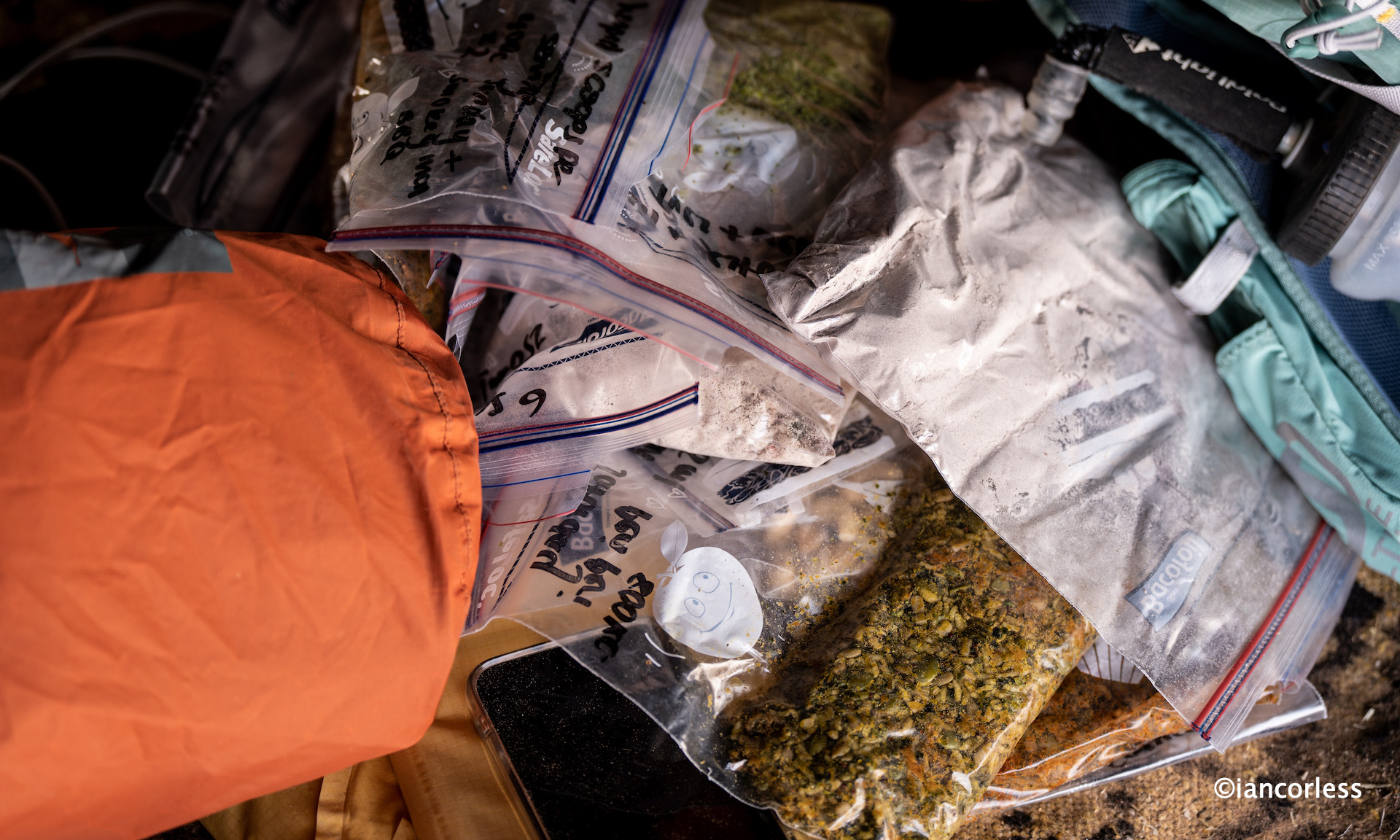
Where possible, repackage food to make them smaller and lighter. However, make sure you keep nutritional information for the admin day. Pack food in day bags, that way it is easy to know what you have and importantly, you don’t take food you need for the next days. Keep doing this and you will be short of food at the end of the week.
Food is personal and you must find out what works for you. Remember taste chances when fatigued and in hot environments, often, sweet becomes less palatable with a preference for savoury. Dehydrated meals will often be used for key meals such as breakfast and dinner, some hydrate well with just warm water, others need hot water. So, if you are not taking a stove, test this. Basecamp food is a good website that shows what options exist. After many tests, highly recommended products are Firepot, Lyo, Tentmeals and Adventure Menu. Personally speaking, Firepot produce the tastiest meals I have tried.
Make sure you add some treats to spice up your palette.
A food list for MDS The Legendary could look like this:
Water provision, particularly at MDS The Legendary and MDS 120 has changed. In past editions, water was rationed and provided at key checkpoints in bottles, typically, 10km’s apart.
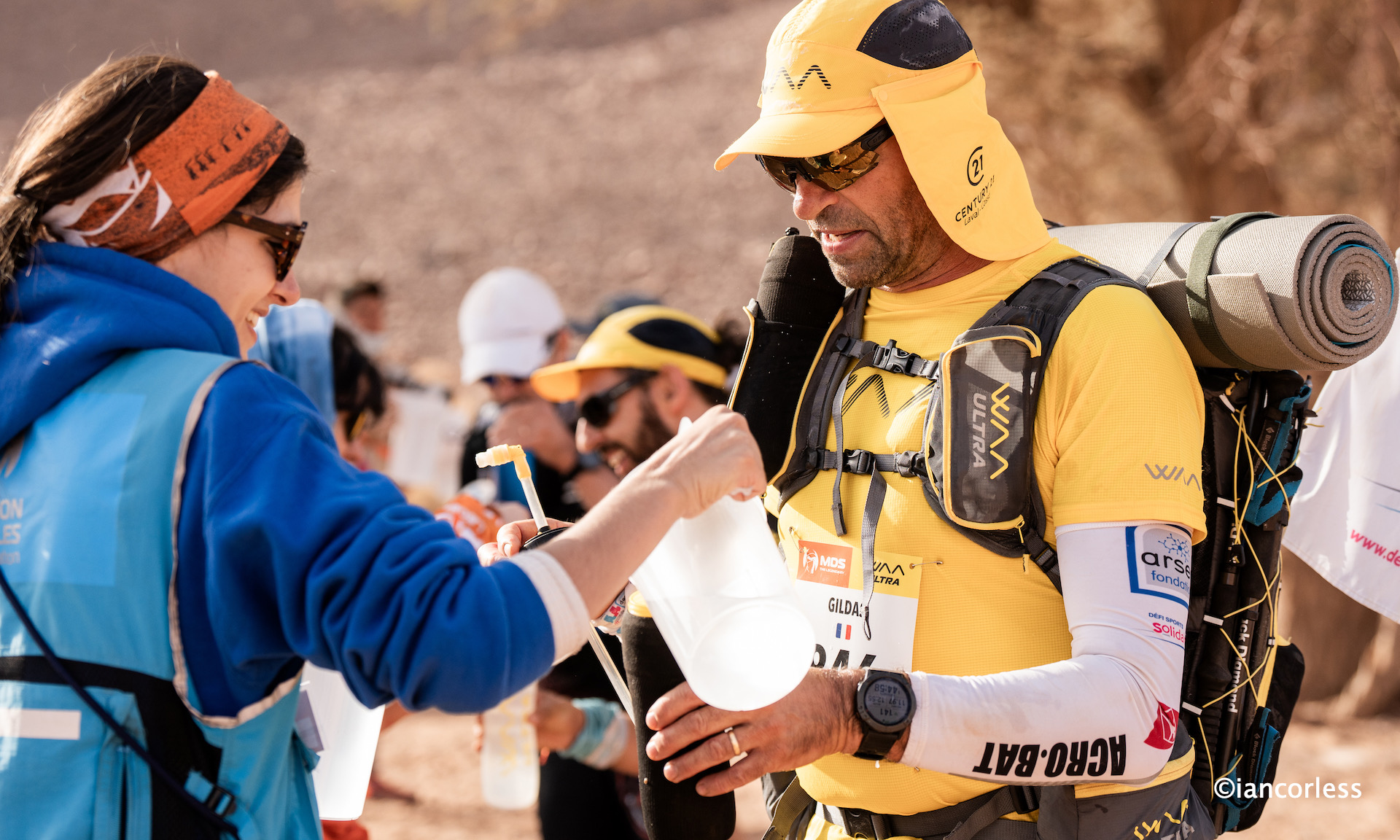
In 2024, the new organisation changed this and arguably, water is now available, as required whilst racing. It is poured from jugs by MDS staff.
In addition, intermediate water stations are added when deemed necessary to ensure competitor safety.
At key checkpoints, iced water is supplied and poured by MDS staff on the heads and neck to aid cooling.
Post-race, each runner is provided with a 5L bottle of water, this is used for evening cooking, breakfast and up to CP1 the next day. If you wish to wash or freshen up, this comes from the same water ration. So, prioritise food and drinking before washing.
THOUGHTS AND CONSIDERATION
MDS is available for all, be that racing snake or someone who is looking for the adventure of a lifetime. So, keep that in mind. A top runner will have his or her pack at the absolute minimum weight and will look to survive the week racing as fast as possible. They will spend the week hungry. You, for example, may wish to carry a little more weight and have some comfort during the week. Just don’t carry to much extra weight!
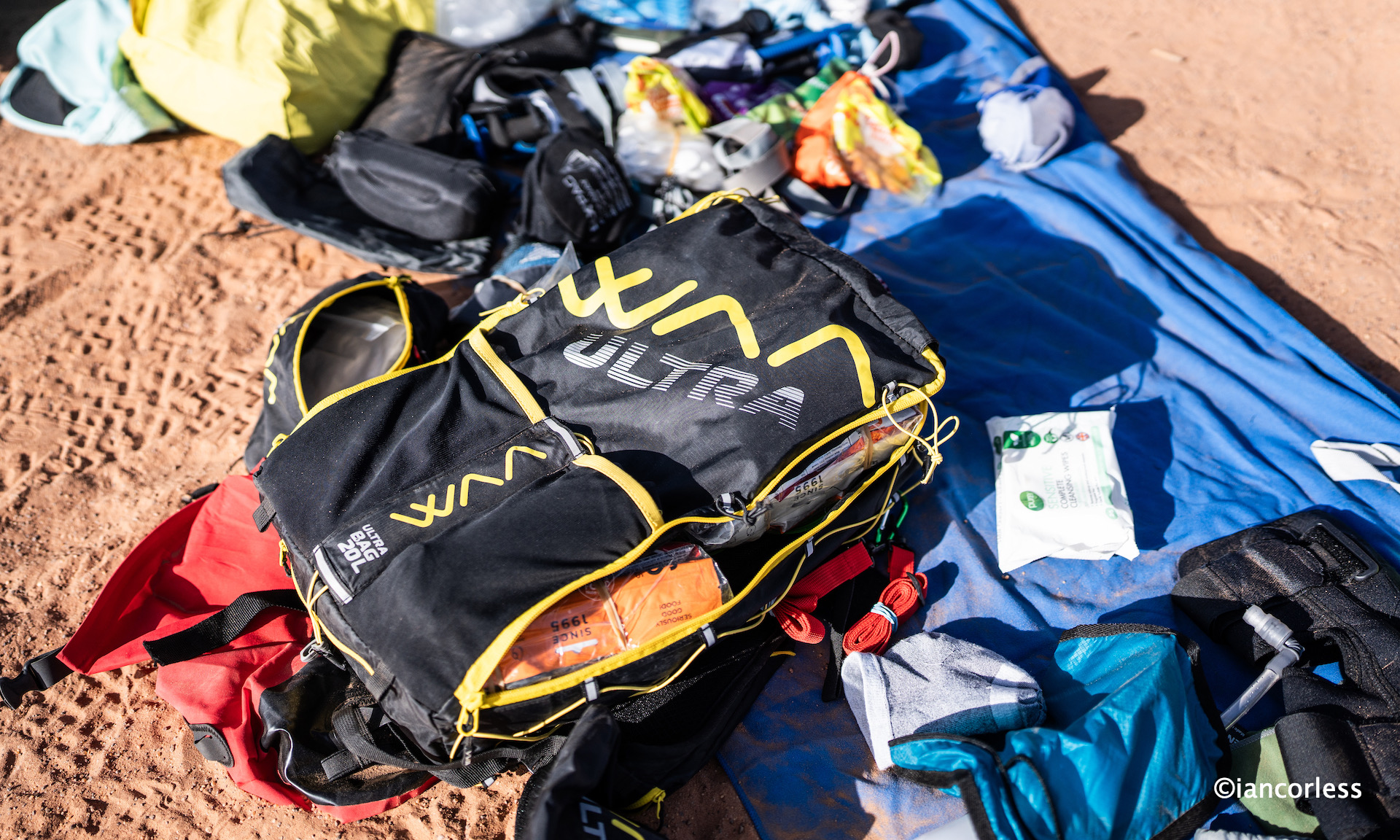
The pack you wear is a crucial item that not only must fit everything you need, but it must also be comfortable and allow easy access to drink. There is no one-stop solution here. We are all different sizes and have different body shapes, so, make sure you try options.Also remember, at the beginning of the race, your pack can be around 8kg, this adds extra pressure on the shoulders, so, make sure you have enough padding and comfort. Many packs now come with waist belts and this, for many, is a great solution not only for extra storage but weight distribution. WAA have the ultra bag which has been specifically designed for the job. Osprey have recently released the Talon Velocity 20 which in testing has been superb. Don’t be tempted to get a bag that is too large, remember, the more space you have, the more you may take.
Bottles are the obvious way to carry water, typically 2x 750ml on the chest straps. I personally really dislike this format, I find it uncomfortable and unpleasant. So, find your own solution. Bladders have always been considered a NO for MDS but I personally find the solution ideal for my multi-day adventures. If you are a ‘racer’ this is not the best solution, but for most, it is ideal. As always, bladders can puncture, so, think about this.
Shoes will always be a debate and point of discussion. Shoes are personal and must be suited to you, the individual. Consider your gait (neutral, supinate or pronate), consider time on feet, consider your weight, consider how much you will walk (and then double it) also consider shoe drop and how much cushioning you need. It’s impossible to recommend any one shoe because of these variables. You will see top runners using a lighter shoe, remember, these shoes only need to last 20-30 hours. However, you may well need a shoe for 40, 50 or 60-hours. Do you need a trail shoe? No, you don’t need a trail shoe but I would say that many trail shoes are more durable as they are designed for the rough and tumble of variable terrain. Do you need an aggressive outsole? No, you don’t, but I do think some grip is better than none and therefore I would use a trail shoe over road. Protection? Toe box protection is a good idea as deserts include lots or rocks, far more than you may think. Do I need a size bigger? Shoe sizing does depend on what is ‘normal’ for you. I always recommend a thumb nail of space above the big toe, you don’t need any more than this. Recommendations of going a size is bigger is bad advice in my opinion. A shoe that is too large allows your foot to move, a moving foot causes friction, friction causes blisters and the rest is the same old story that I see at desert races all over the world. However, I would recommend a shoe with a little more width in the toe box, this will allow for some comfort as the days progress. If you are prone to feet swelling, discomfort, blisters and so on, get a strategy sorted before you head out to your chosen race. You will need a gaiter and while not always the case, sewing velcro on a shoe can change its shape, so, consider this. There are specific desert racing shoes now available by Salomon and Raidlight.
Poles are a godsend, buy some and learn how to use them. They are 4-wheel drive.
Food is essential, make sure it works. Hot or cold water is a consideration and make sure if using meals that need rehydrating that they work with water at desert temperature. Never assume that water will always be warm because you are in the desert, just as we get hot years, we also get cool years.
Salt is needed to keep you in balance. Many foods contain salt so look to supplement that with the mandatory food cubes. Be careful here, for example, OXO works considerably better than Knorr. Do you need alt tablets? Do your research,, find out what you personally need and come up with a plan. Listen to a podcast HERE.
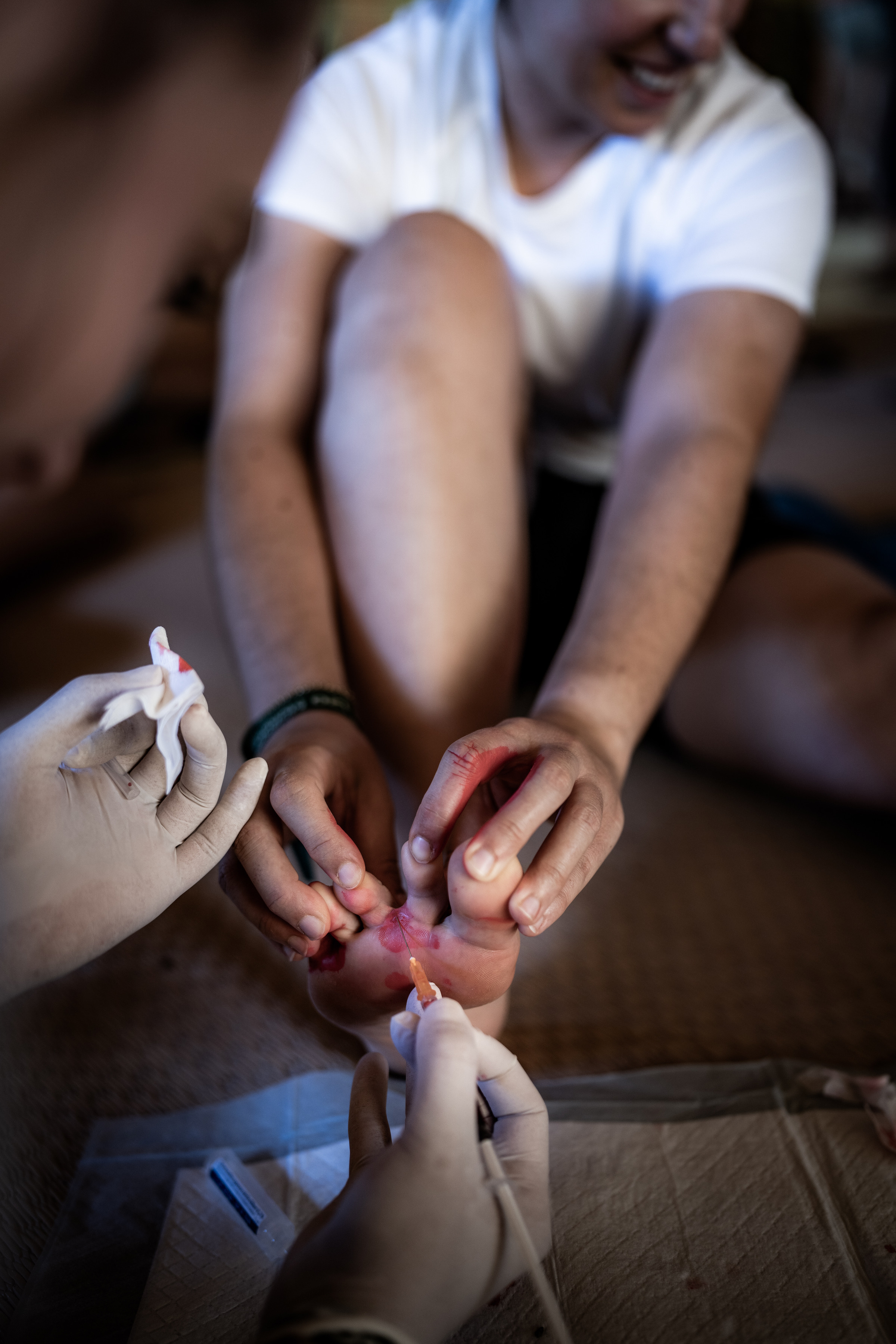
Feet – make sure you look after them. With the correct socks and correct shoes, there is no reason to get blisters and despite what some people say, the majority of people do not get blisters. Read Healthy for Running and Walking.
Heat is difficult and without doubt, it’s better to adapt to heat before the race. Read about Heat Acclimation by Dr Jodie Moss.
Hygiene is crucial and difficult when self-sufficient. But set up a protocol not only for your benefit but for those around you.
Luxuries keep them to a minimum.
Toilet paper is essential, make sure you have enough and compressed towels are brilliant to freshen up when you add a little water.
Take essentials on the plane and wear your run apparel and shoes. That way, should a baggage disaster happen your chances of racing improves.
Have additional items such as a base layer, sleeping bag liner and other items that may be on a ‘question’ list for the race. On night 1 and before you go to admin, you can make final decisions of what to and what not to take. Particularly important if you think you may be cold at night.
You signed up for the challenge, you wanted to be on the start line and therefore you are responsible for the outcome. Believe me, the ‘you’ that leaves the Sahara is not the same you that entered. Arguably, you change the moment you pay the deposit, the transformation process begins. Embrace the journey and apply yourself. Keep perspective, the MDS journey is an enhancement of you as a person. It’s easy to become obsessed, ultimately the majority of runners at MDS are enthusiasts, if you keep that in mind the journey will be a complete one.
Plan ahead, formulate a long term plan and don’t rush. The sooner you start this process, the greater your chance of success and the less chance of injury. Plan stepping stone races and don’t be fooled into thinking that you need to run marathons day-in and day-out. You don’t! Training is about ALL the training you do and not about anyone run.
If we exclude the top 50-100 runners (who will also walk sometimes) the majority of the MDS field spend a huge amount of time walking. Learn to walk! Believe me, it’s a huge tick in the MDS box and rest assured that if you are able to walk at a good consistent pace (barring injury or dehydration) you will finish MDS.
You are going to share bivouac with other people and you are going to have some serious highs and lows. These tent mates will pull you through and motivate you. They will become friends for life.
Legs, lungs, heart and feet will only get you so far. The mind is what will get you to the finish. Despite the hardships and pain, embrace the journey and mentally prepare for the challenge.
MDS is a magical and life changing journey, it really is a true challenge of mind and body to race over many days, irrespective if you complete or compete. It’s a hark back to a more primitive time, a time without clutter and modern technology. Embrace this. Embrace the silence of the surroundings and the simplicity of placing one foot in front of the other, eating, resting and sleeping and then doing it all again.
You can read a SUMMARY of the 2024 MDS The Legendary HERE
For 40 years, the Marathon des Sables has defined the edge of human endurance. It began as a wild idea, could someone run across the Sahara carrying everything they needed to survive?
That idea sparked a revolution. MDS became the godfather of the ultra-stage racing, a test of self-sufficiency, resilience, and pure grit. In recent years, MDS has expanded beyond its roots: the MDS 120, the exploratory TREK, the demanding RAID, and the mind-bending Crazy Loops.
Each one a new take on the same promise, to push the limits of what a runner can handle.
Photo by Ian Corless
January 2026, 9th to 14th
MDS returns to Morocco with something raw, stripped back, and different.
MDS Ultra – Morocco
One stage.
One journey.
A single unbroken push across the Sahara.
One race, two distances, the iconic 100-miles or 100km’s. You choose the distance, and, you don’t even have to decide until mid-race… At around 60 km’s (tbc), you’ll face a moment: choose100K or push through to the full 100-miles.
Photo by Ian Corless
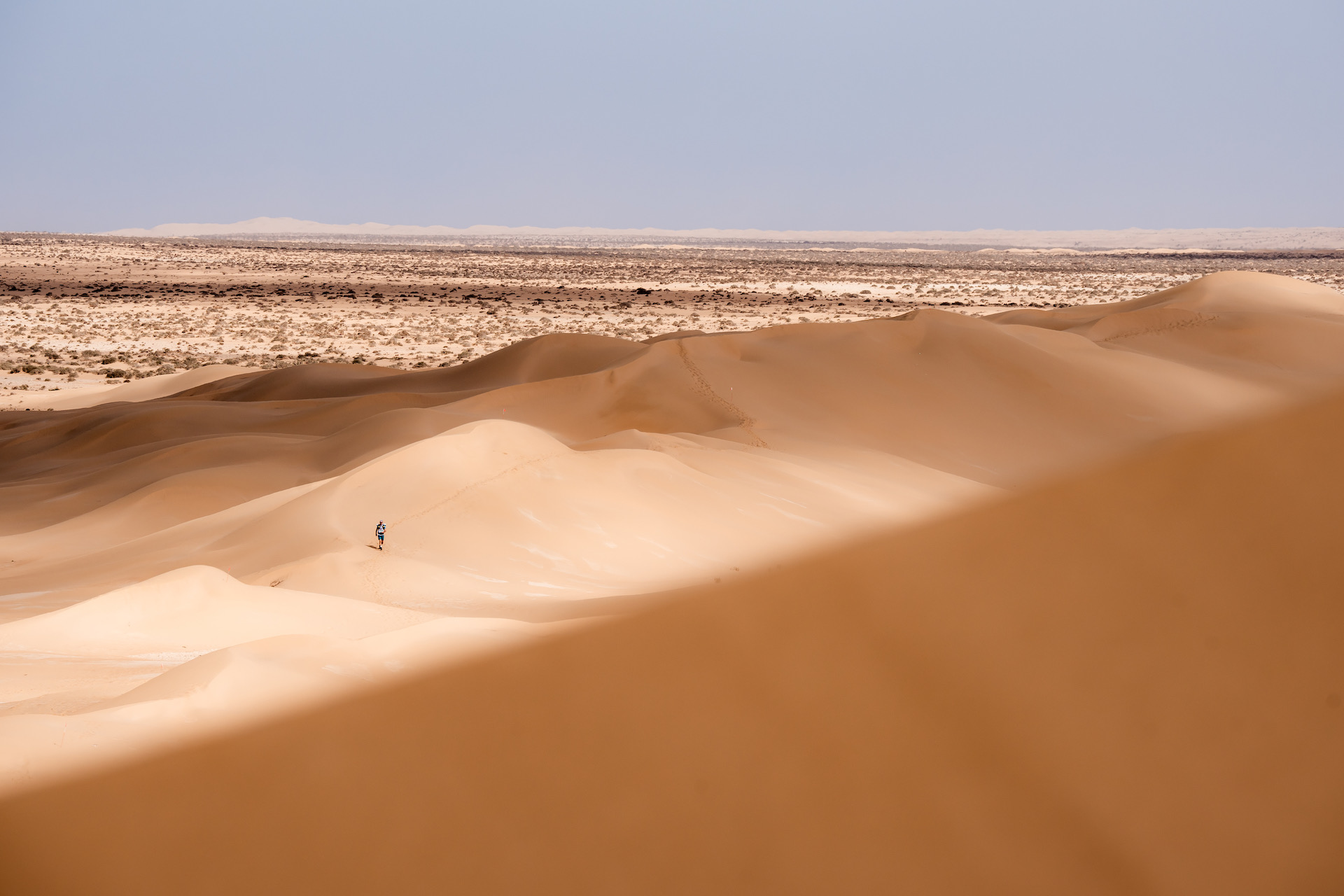
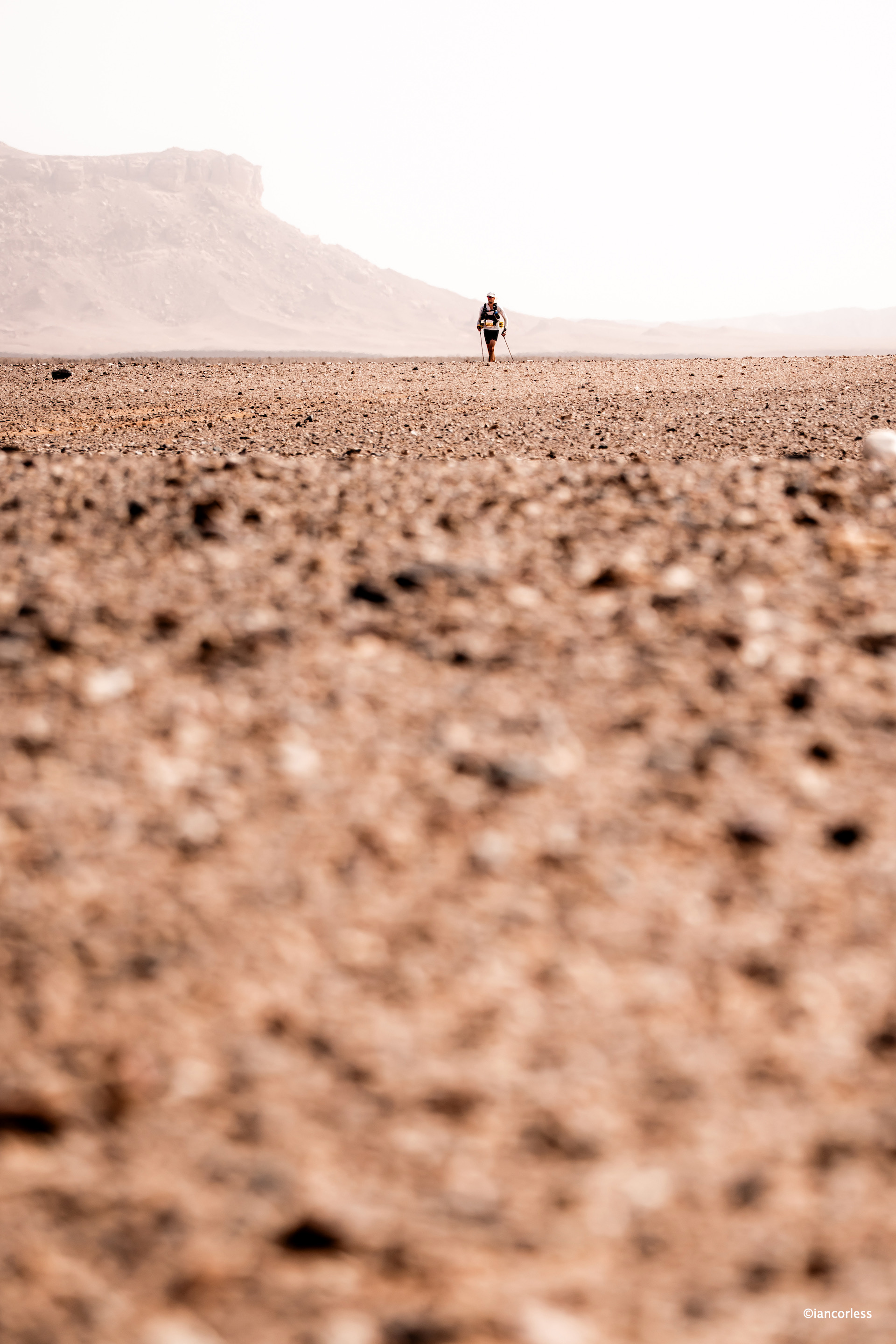
The course is fully marked. You won’t need to navigate. What you will need is focus, patience, and fight. You’ll be moving across the open desert, flatter than the classic MDS route, with firmer, more compact sand underfoot. The terrain will allow for speed, but don’t let that fool you. Weather in the Sahara is unpredictable, especially in January. You could get heat, wind, even rain. And when the sun drops, the temperature will follow. Nights will be cold, and you’ll feel it in your bones.
Photo by Ian Corless
This is self-sufficiency in its purest form. You carry your own food, survival kit, and race gear. Water is provided at aid stations every 10 km’s, and every 30 km’s, you’ll reach a life base: a checkpoint to rest, refuel, seek medical support, or just sit in silence for a moment. But no outside help is allowed. No pacers. No spectators. Just you and the desert, on your terms.
Photo by Ian Corless
The race begins with your arrival in Morocco on January 9 2026. You’ll be transferred to a hotel where the countdown begins. The next day, the technical briefing will cover everything: your gear, the course, the conditions, the risk, and the reward. Then, on January 11, you’ll be taken deep into the Sahara for the start. No frills. No countdown show. Just the wind, the sand, and the clock ticking. You have 40-hours to finish. Whether you run 100 km’s or 100-miles, that’s the window. What happens inside that window will stay with you for the rest of your life.
Photo by Ian Corless
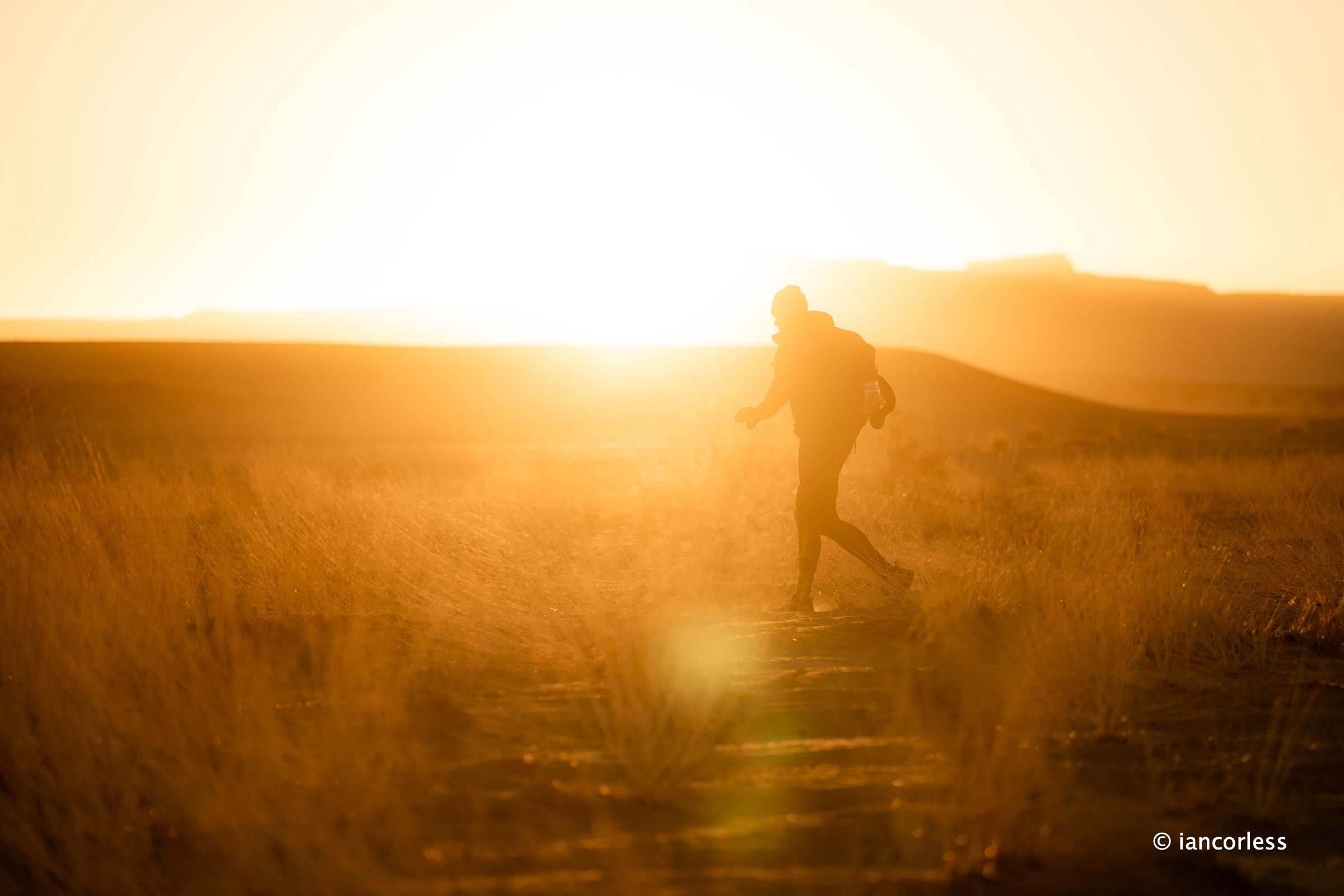
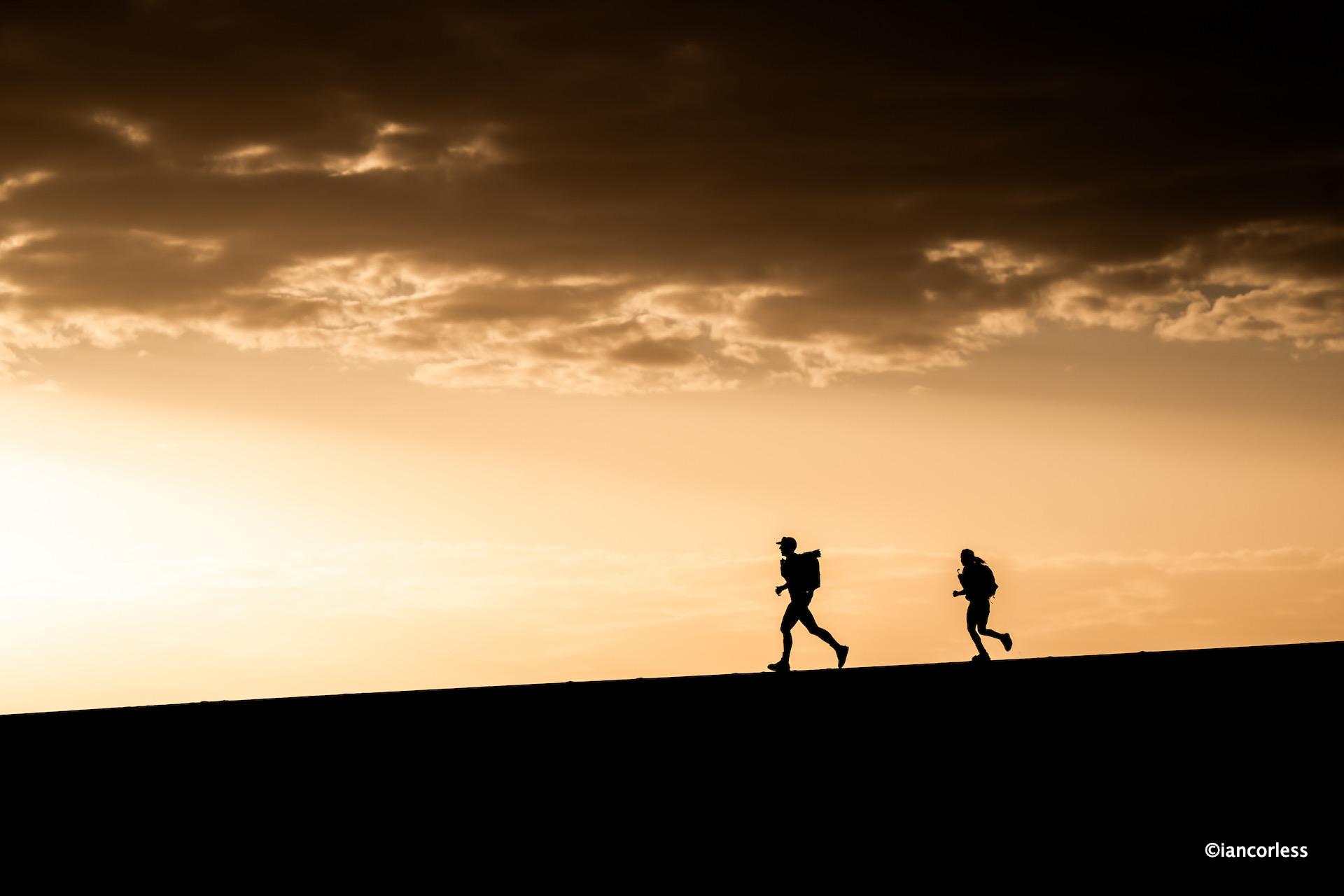
As the race unfolds, time stretches and bends. The sun scorches your back, the wind whistles across the flats, and at night, under the stars, the desert becomes silent and infinite.
Photo by Ian Corless
Somewhere out there, maybe after 70K, maybe after 90, your mind will try to pull you backwards. That’s when you’ll know you’re doing something real. When your legs ache and your thoughts get loud, you’ll understand what makes this event different. This isn’t just an ultra. It’s a rite of passage.
Photo by Ian Corless
Cross the finish line, and the pressure falls away. You’ll eat real food, sleep in a warm bed, and look around at the other 199 people who know exactly what you just went through. The next day is yours to rest, recover, and celebrate. An awards ceremony and gala dinner mark the end of the journey. You’ll laugh, maybe cry, and raise a glass with strangers who’ve become something more. Then, on January 14, you go back to the world – changed.
MDS Ultra – Morocco is for those who want more from an ultra than just a finish time. It’s for those who don’t need a crowd to run, who are curious about what happens deep into the night, when the course is quiet and the only thing guiding you forward is the sound of your own breath. This race is designed to be accessible and challenging at once. The course is fast and flat. The cut-off is generous. The experience is massive. You don’t have to be a world-class runner to finish. You just have to want it enough.
Photo by Ian Corless
Only 200 runners will be accepted. The entry fee is €1750, but the first 40 to register get a €150 discount. Any previous MDS finisher, regardless of which event, gets €200 off. You can defer your entry for free, and the cancellation policy is flexible to protect you from life’s curveballs. There’s no fine print. No hidden extras. What you see is what you get.
Photo by Ian Corless
This is a return to the roots.
A simple journey.
One course, one finish line, one desert.
No stages.
No shortcuts.
Just the raw, beautiful brutality of a long-distance run through one of the most iconic landscapes on Earth.
Photo by Ian Corless
This isn’t about medals or social media moments. It’s about becoming part of something that can’t be manufactured, a moment of stillness inside suffering, a glimpse of clarity inside chaos.
Photo by Ian Corless
Be a pioneer. Be part of the very first MDS Ultra. The stories from this race will be the ones others reference for years to come. In a world of overproduced, overhyped events, this is something real. The desert doesn’t care who you are. It doesn’t care what you’ve done before. But if you show up, if you commit, it will show you something few others will ever experience.
Photo by Ian Corless
Become a legend. Sign up now. The desert is waiting.



















 IAN CORLESS