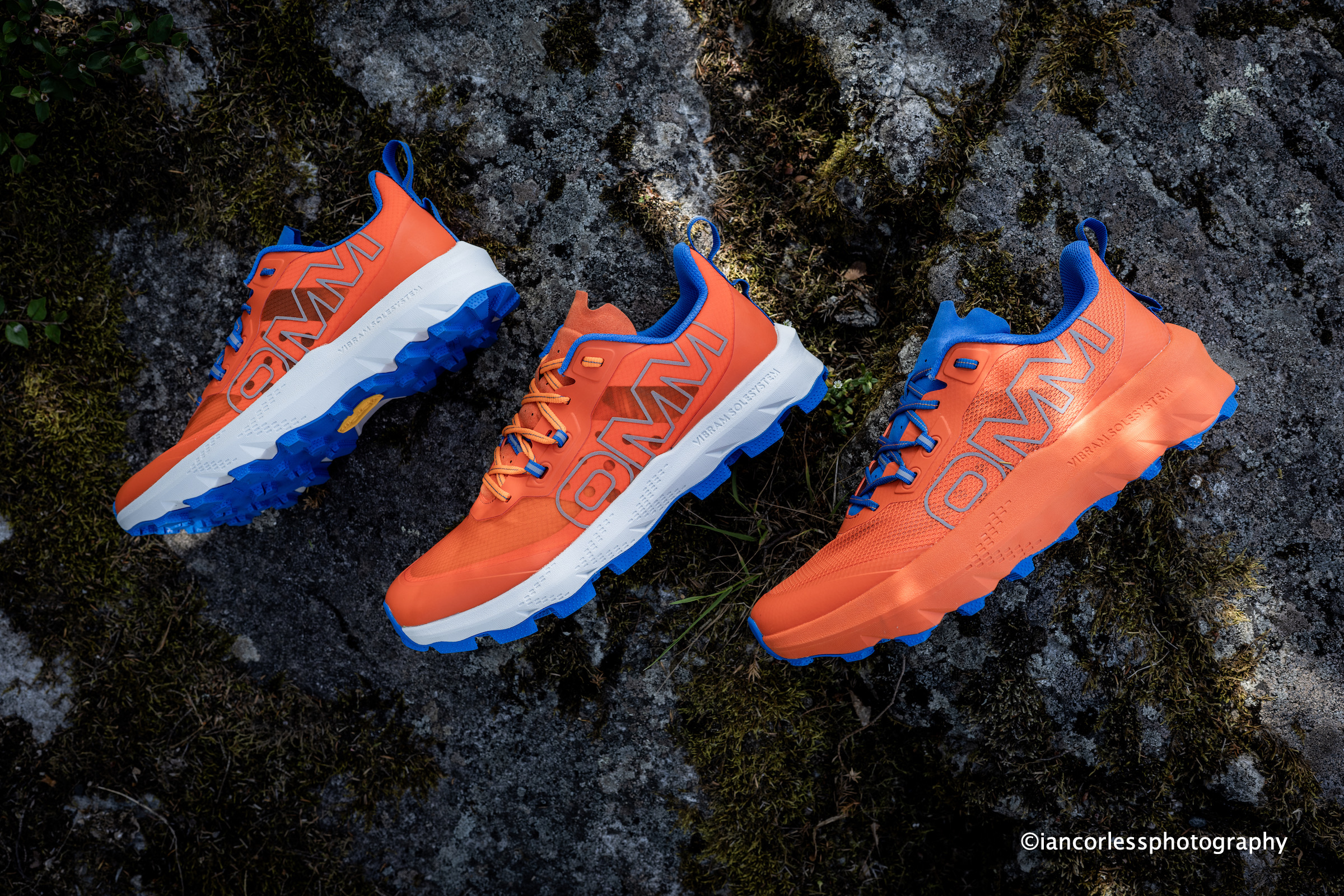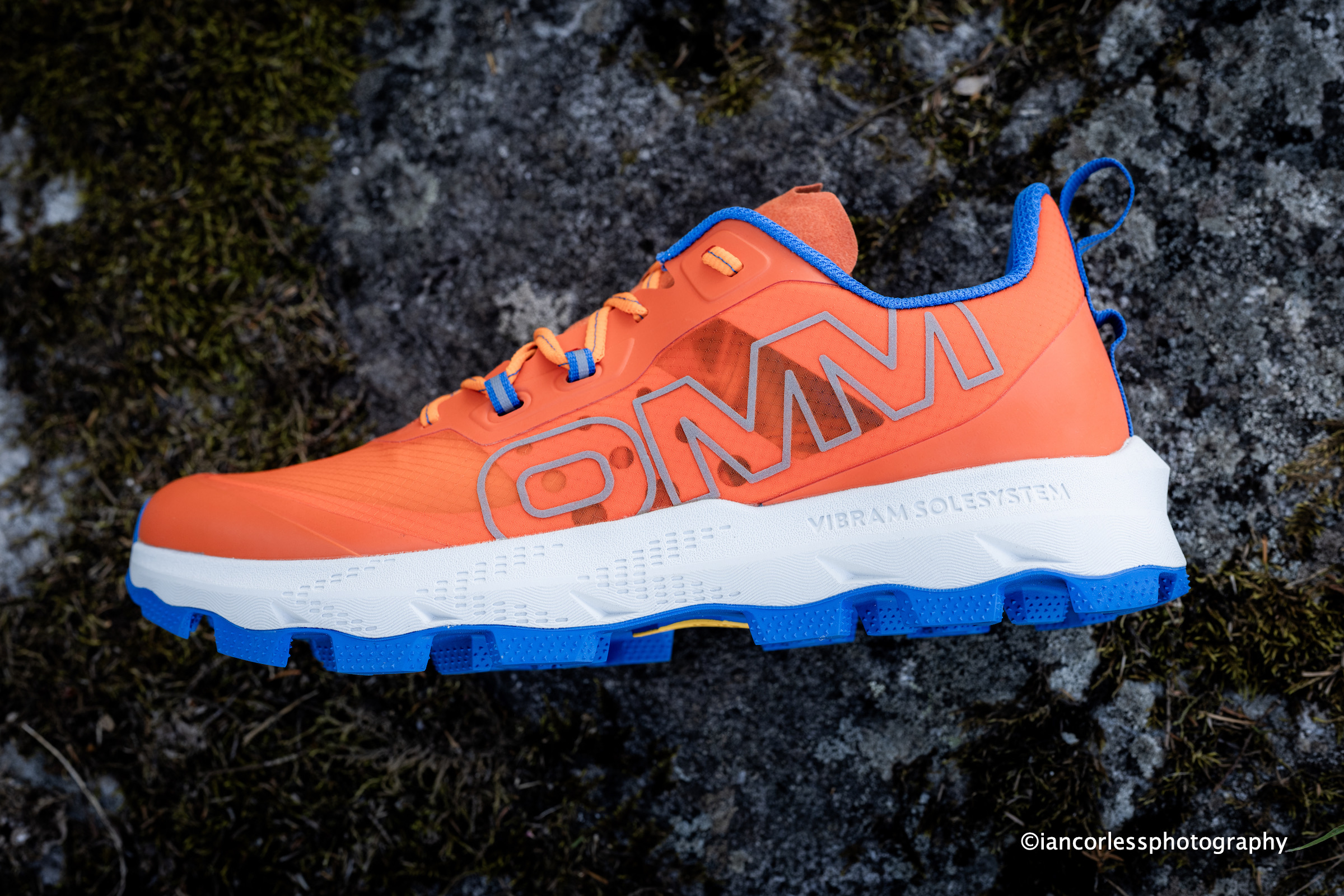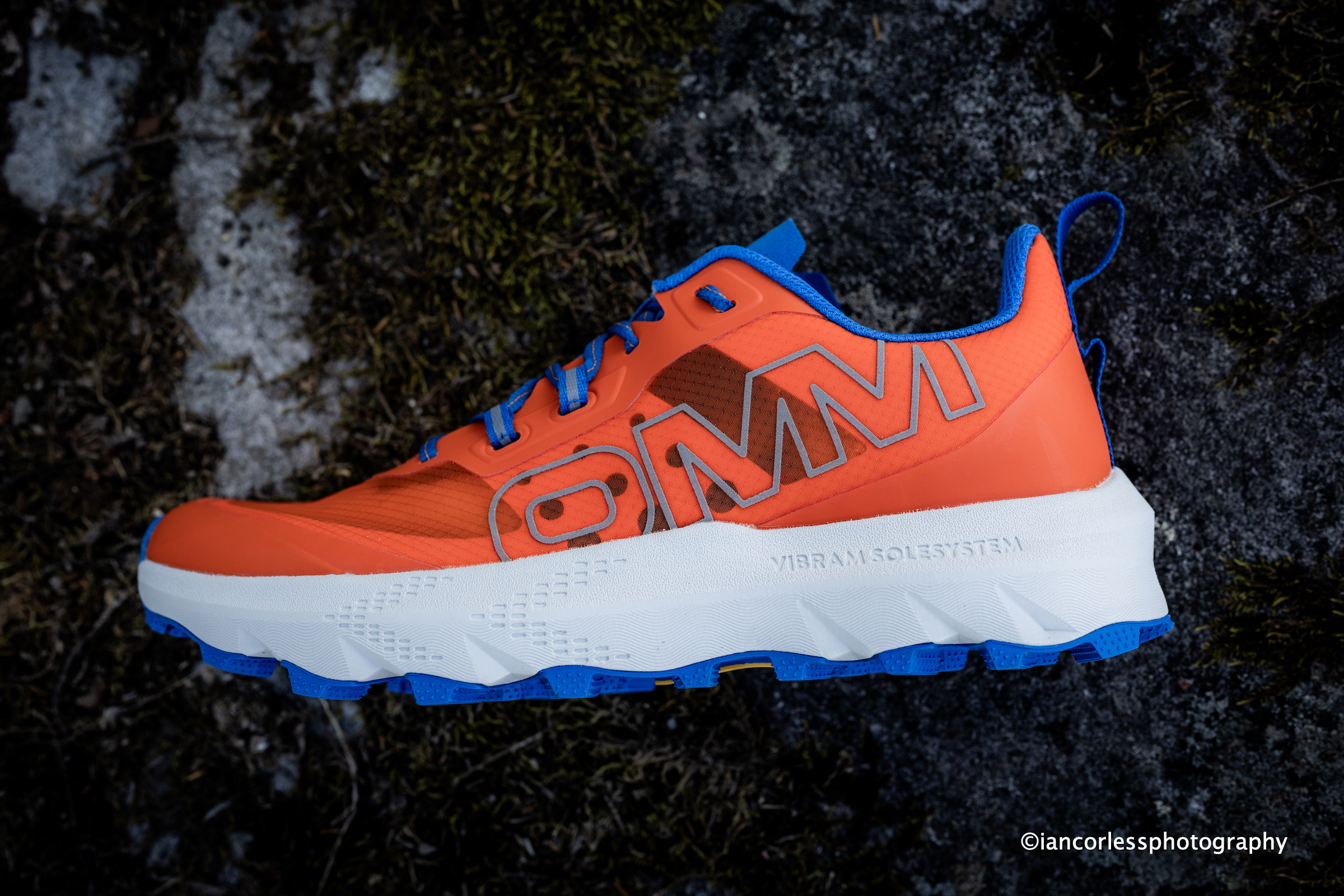
OMM Ultra Shoe Review: A Dependable Long-Distance Companion
The trail running shoe market is crowded. Every brand seems to be chasing super foams, carbon plates, outrageous rocker profiles, and increasingly bold claims about speed and performance. Against that backdrop, OMM enter the shoe market with three new shoes – Ultra, Trail and Fell.
Who are OMM? Read an introduction HERE.
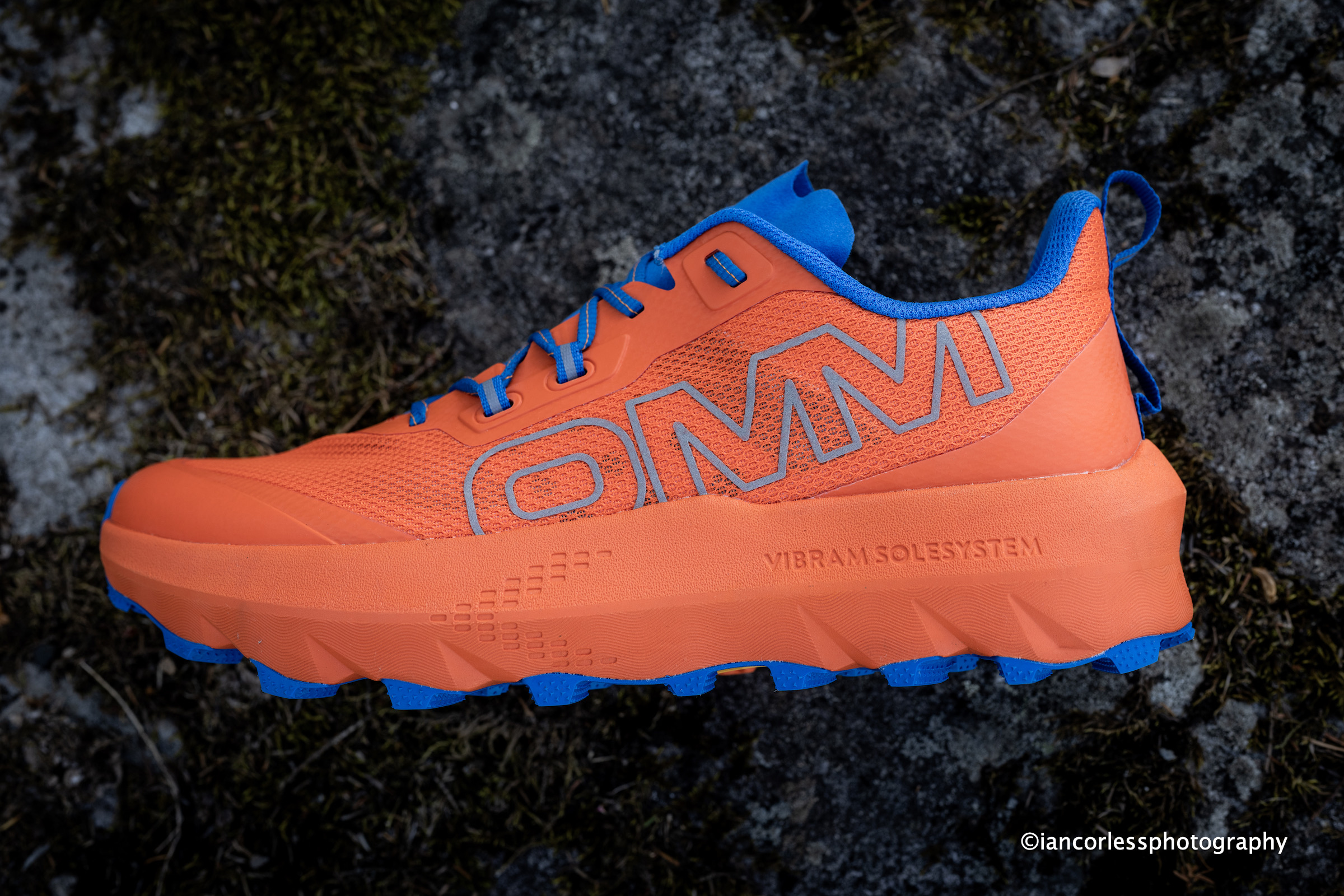
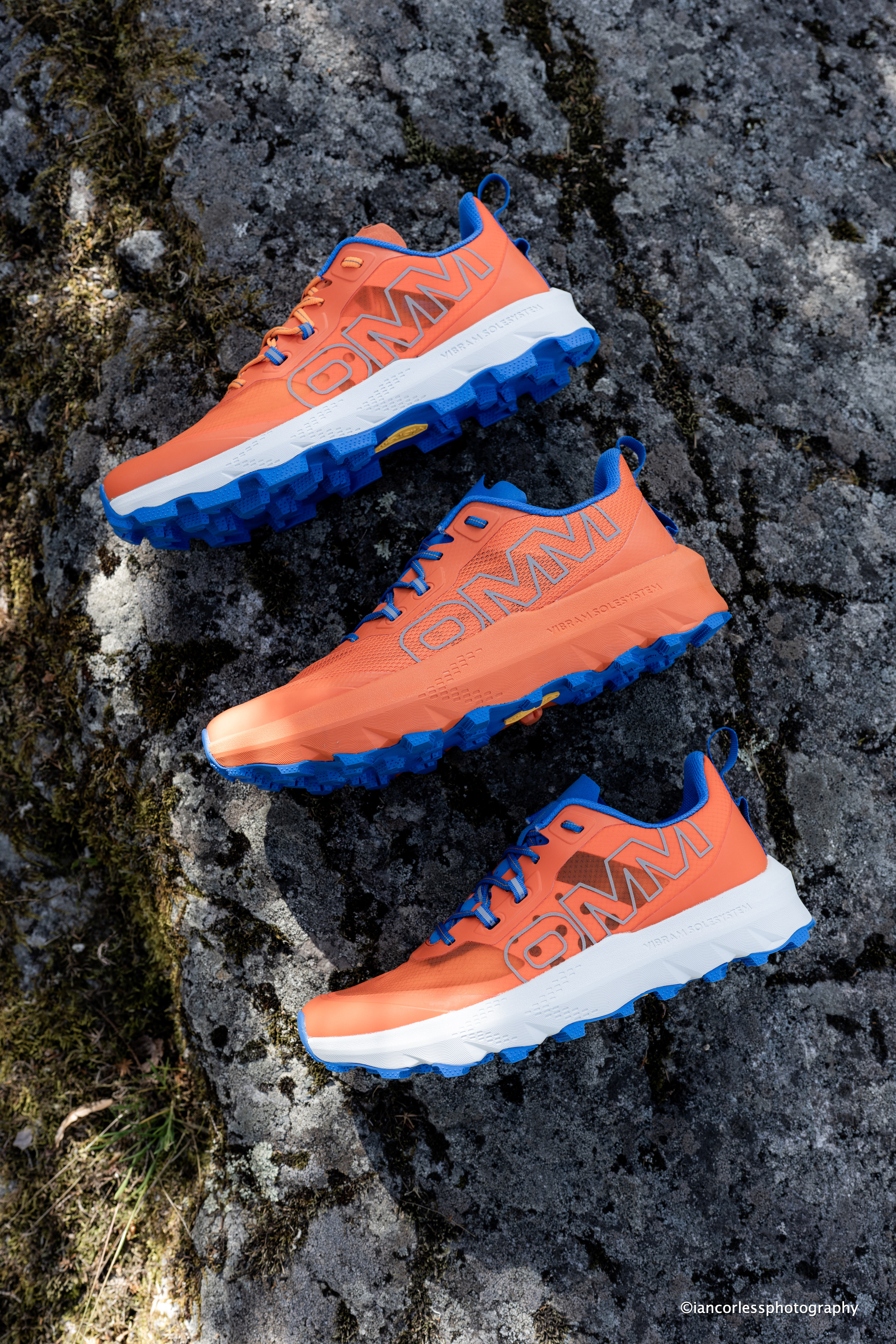
First up, the OMM Ultra. They don’t arrive shouting for attention. They aren’t flashy and they do not promise to transform you into a podium-finishing mountain goat. OMM Ultra gets on with the job it was designed to do: keeping you comfortable, protected, and moving efficiently when the miles start stacking up and fatigue begins to creep in.
A Shoe Designed for the Long Haul
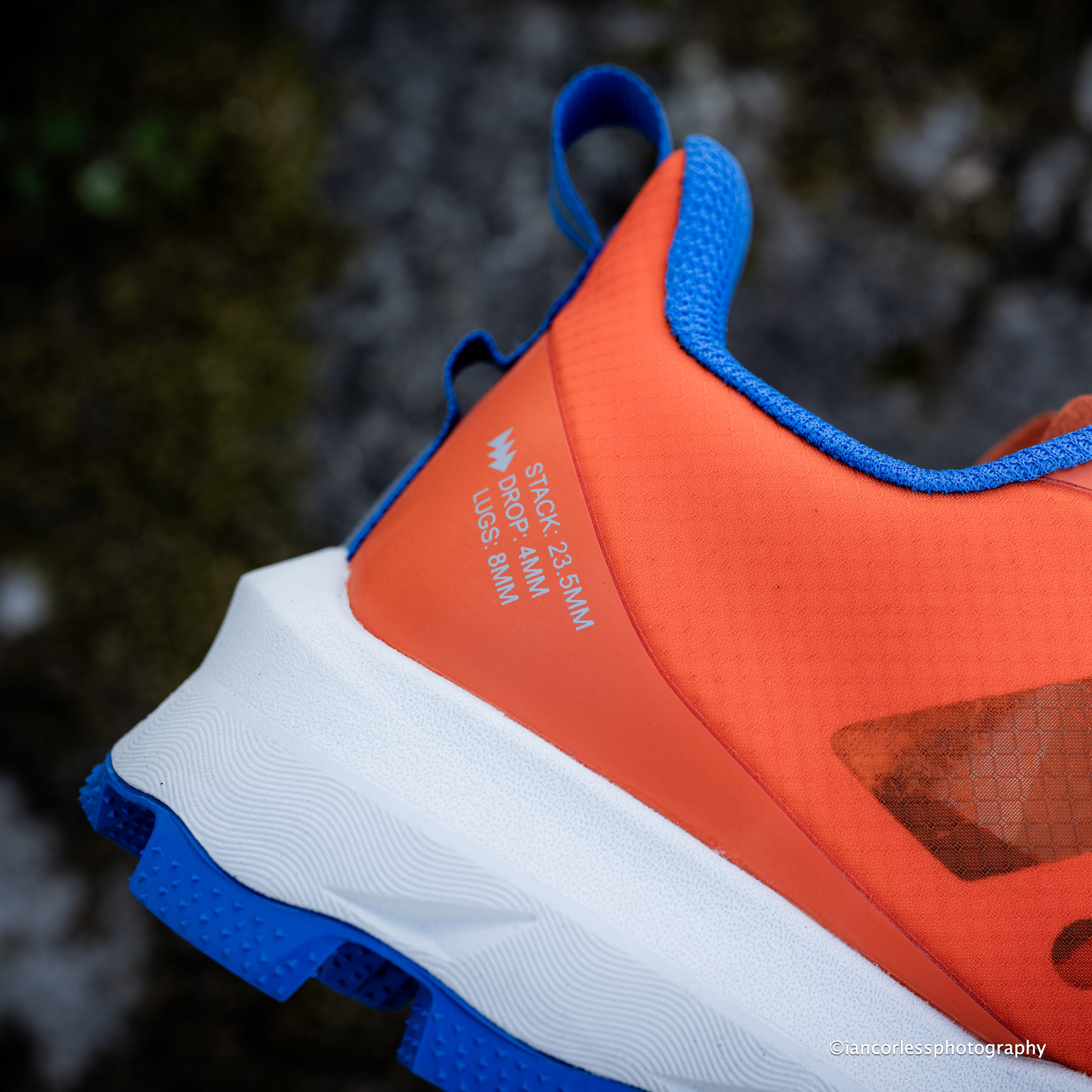
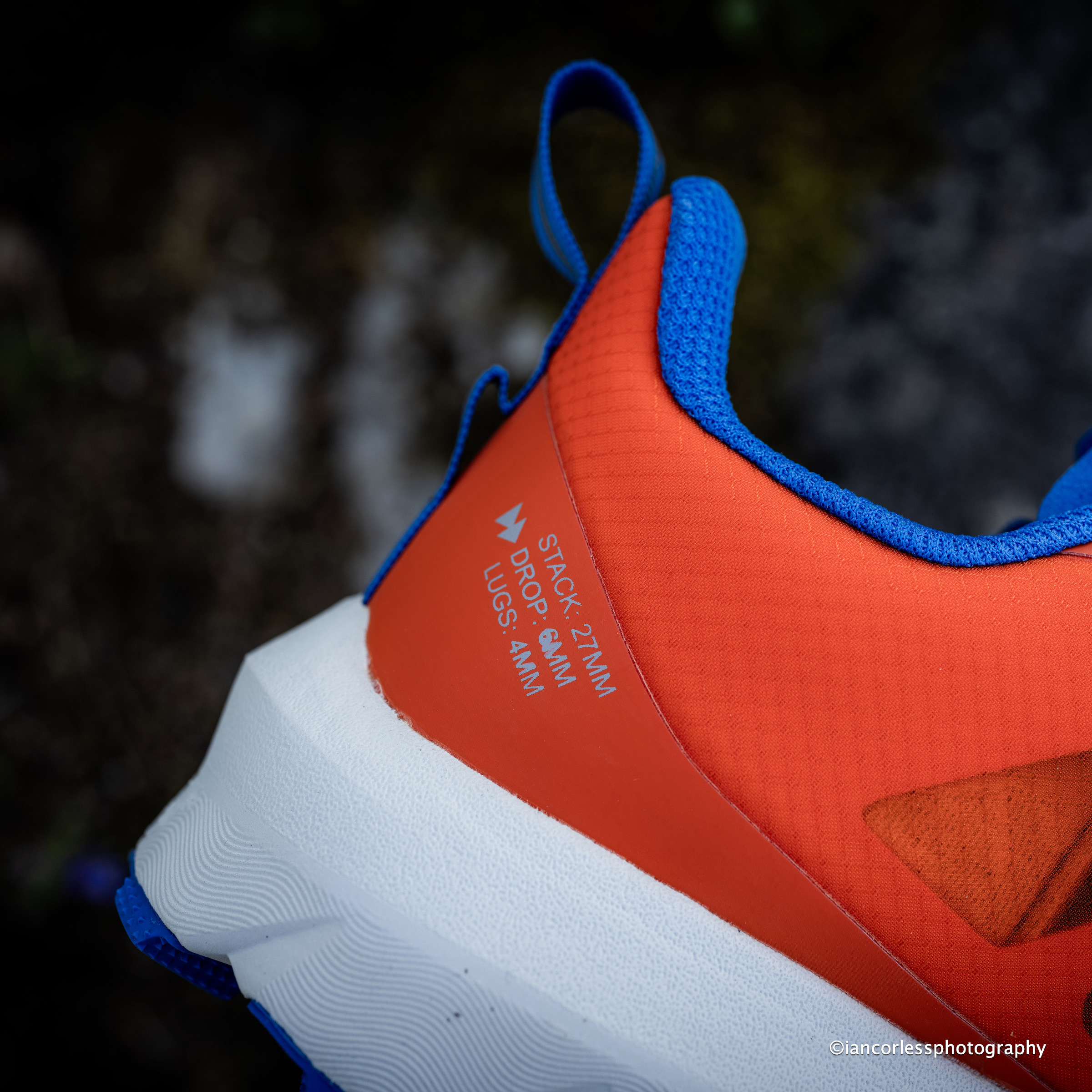
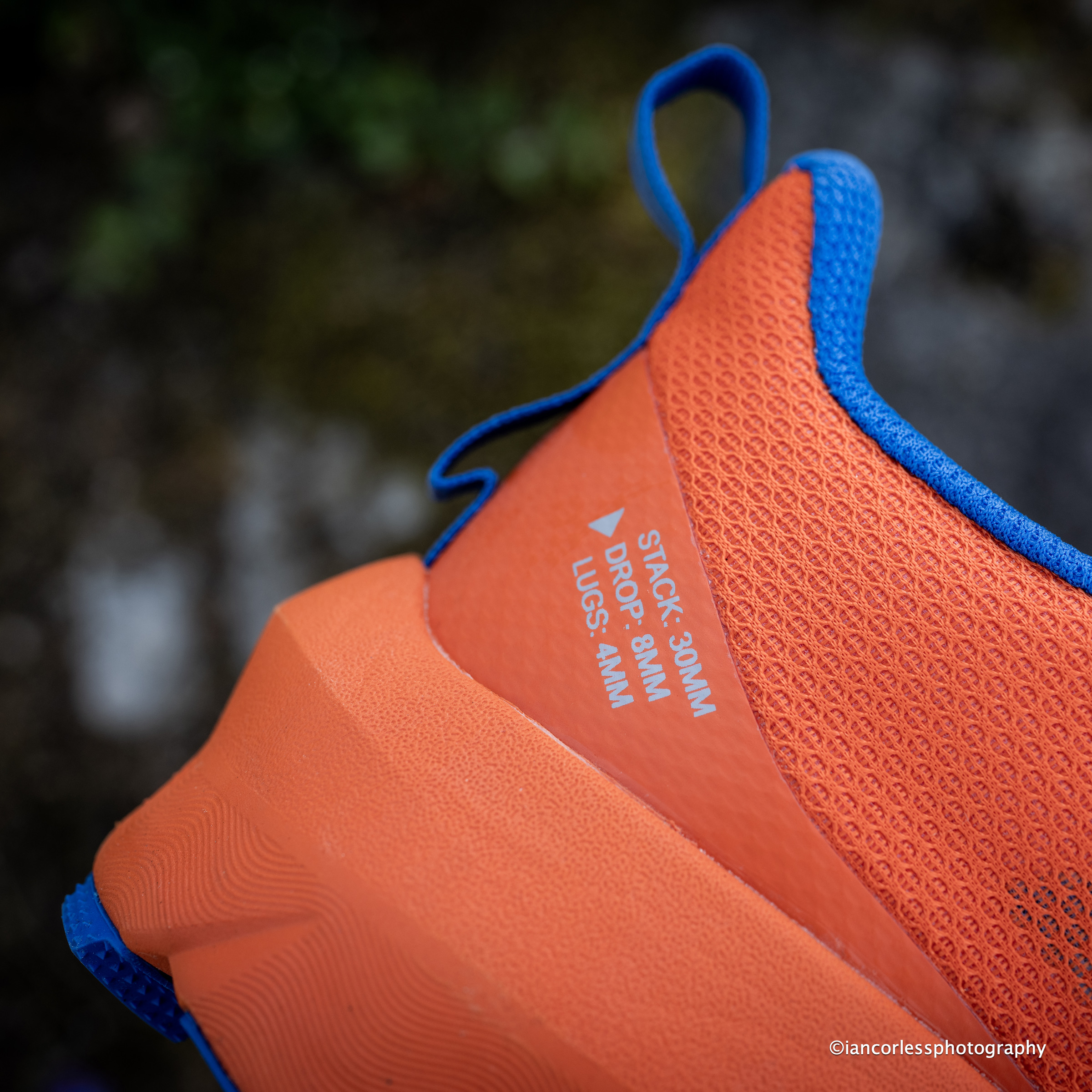
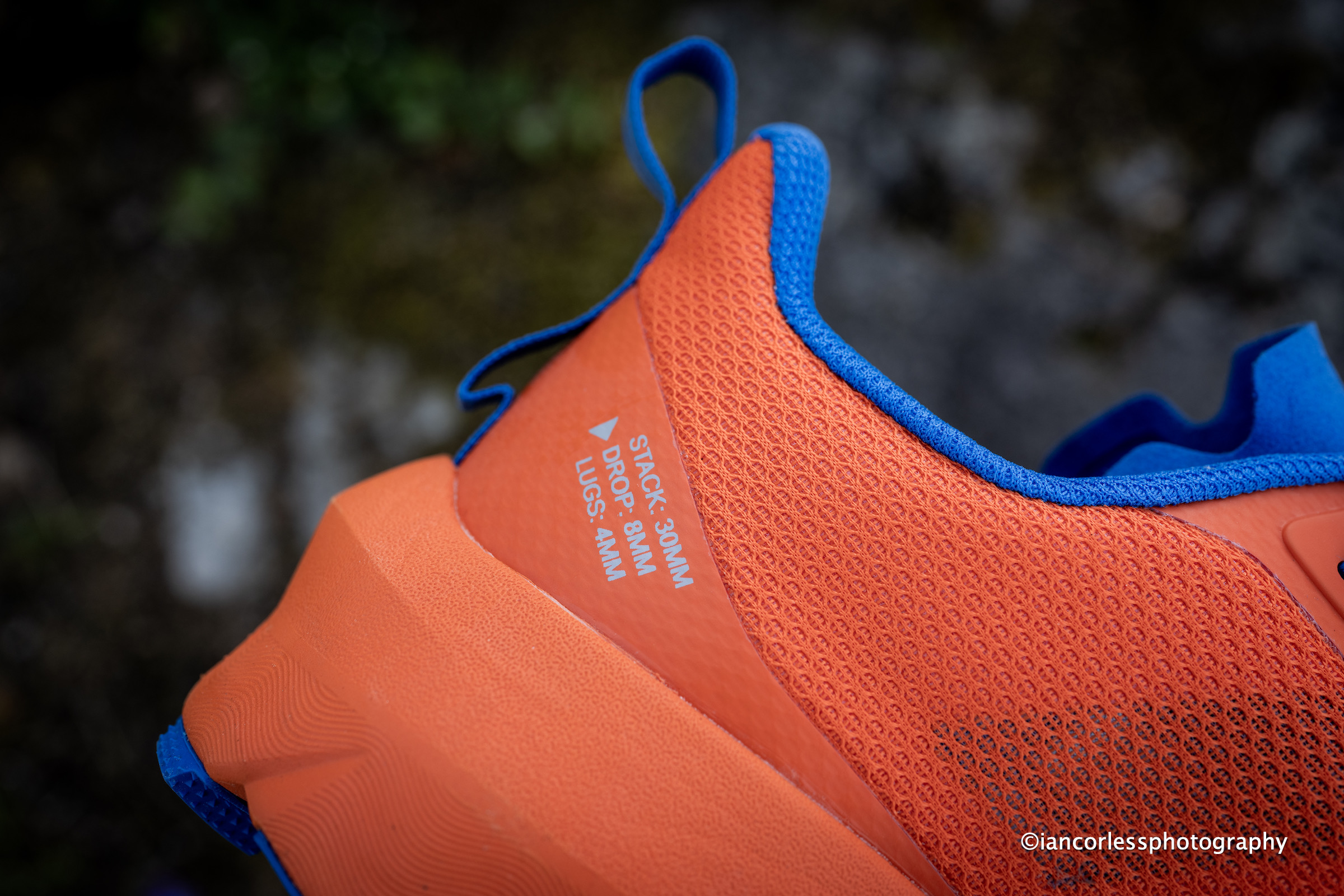
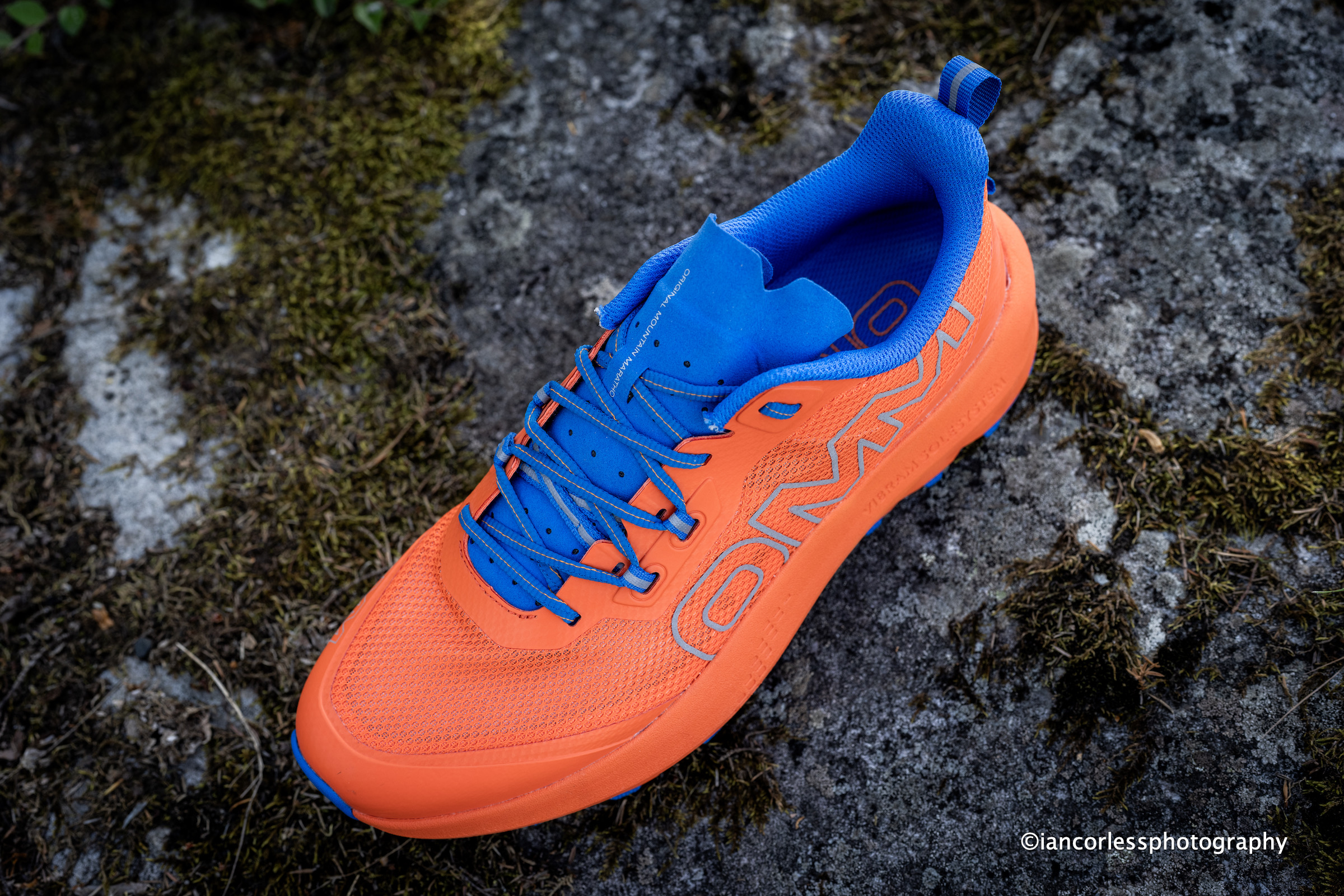
The Ultra is OMM’s most cushioned shoe in their new three shoe offering. Weighing in at 265g for UK8, my UK10 tipped the scales at 336g – with a substantial 30mm heel stack, 22mm forefoot stack, and an 8mm drop, they sit firmly in the category of long-distance comfort cruiser.
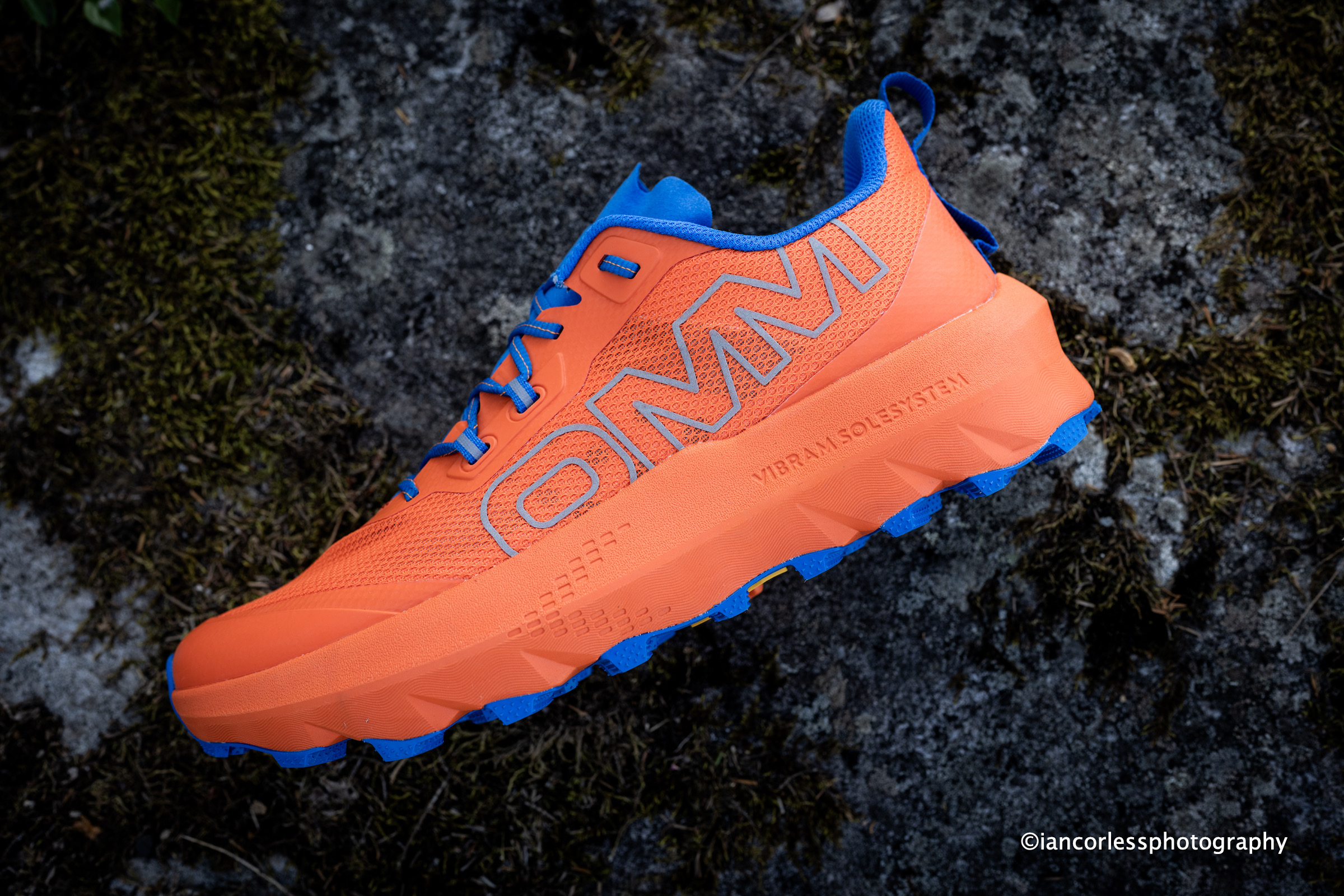
From the moment you pick it up, it’s clear what OMM was aiming for. This isn’t a race-day weapon. It’s a shoe built for long training runs, all-day adventures, ultra-distance running, and those occasions when your priority is simply staying comfortable for hour after hour.
As OMM themselves explain, the goal was to create a shoe that “keeps working deep into longer efforts, where comfort and durability become ever more important.”
Two Widths – A Brilliant Decision
One of the smartest decisions OMM made with the Ultra is offering the shoe in two widths – regular and regular+.
It’s a surprisingly simple feature that many brands still overlook, yet it can make the difference between a shoe becoming a favourite or gathering dust on a shelf.
I tested the regular width version and was pleasantly surprised by the amount of room available in the forefoot. There was enough space for natural toe splay without feeling sloppy or oversized.
For runners blessed, or cursed, with what could politely be described as Hobbit feet – the wider Regular+ option is likely to be a huge selling point.
This is one of those consumer-focused decisions that demonstrates genuine thoughtfulness in the design process. Not every foot is built the same, and OMM deserves credit for recognizing that.
First Impressions and Fit
Sizing feels true to size overall.
However, my first run revealed one small issue. About a kilometer into the outing I found myself stopping to adjust the lacing. I was experiencing heel lift when running on the flat.
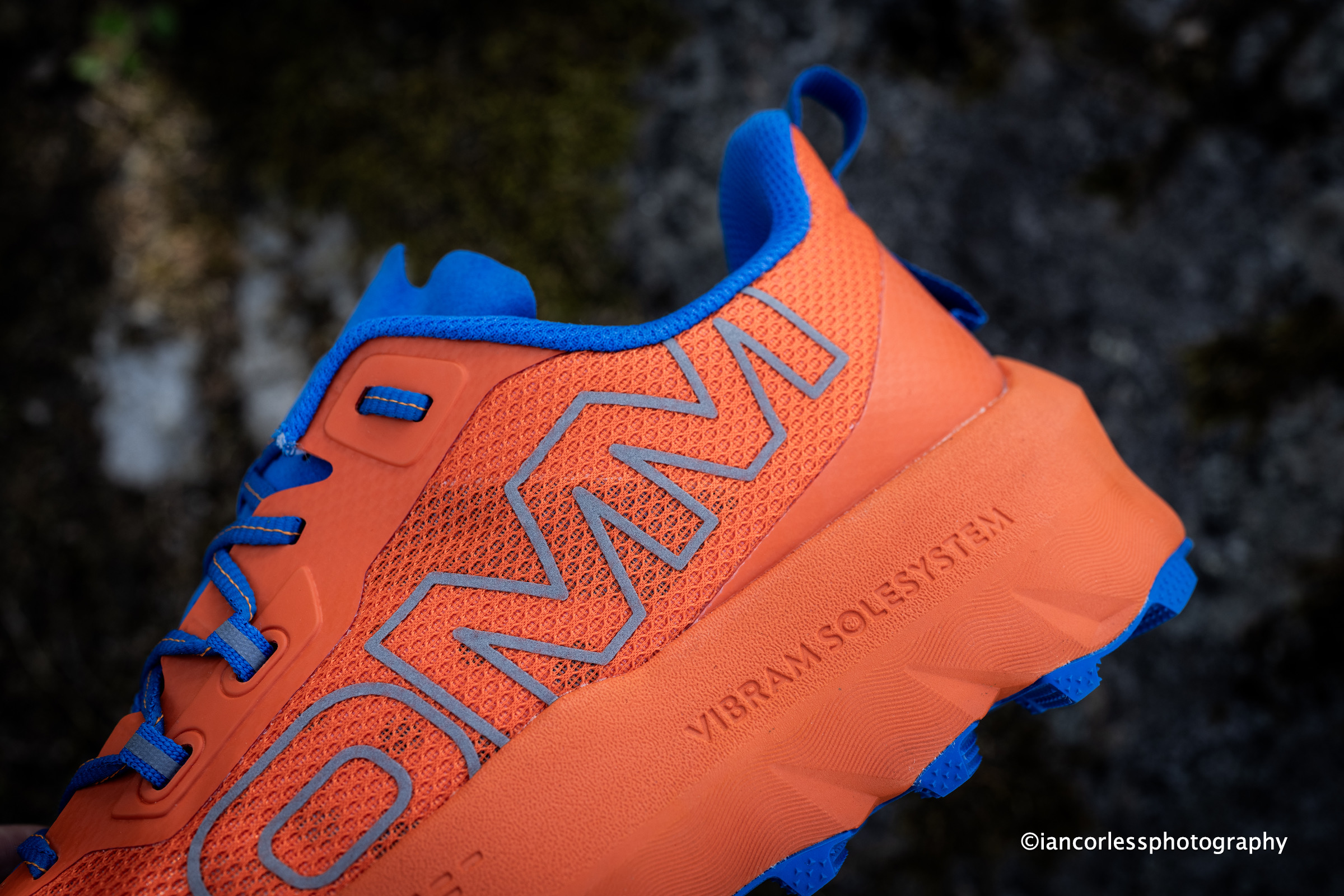
Now, I should admit that I am notoriously fussy about shoe fit. I like a locked-down, secure feeling. I want the shoe attached to my foot, not accompanying it.
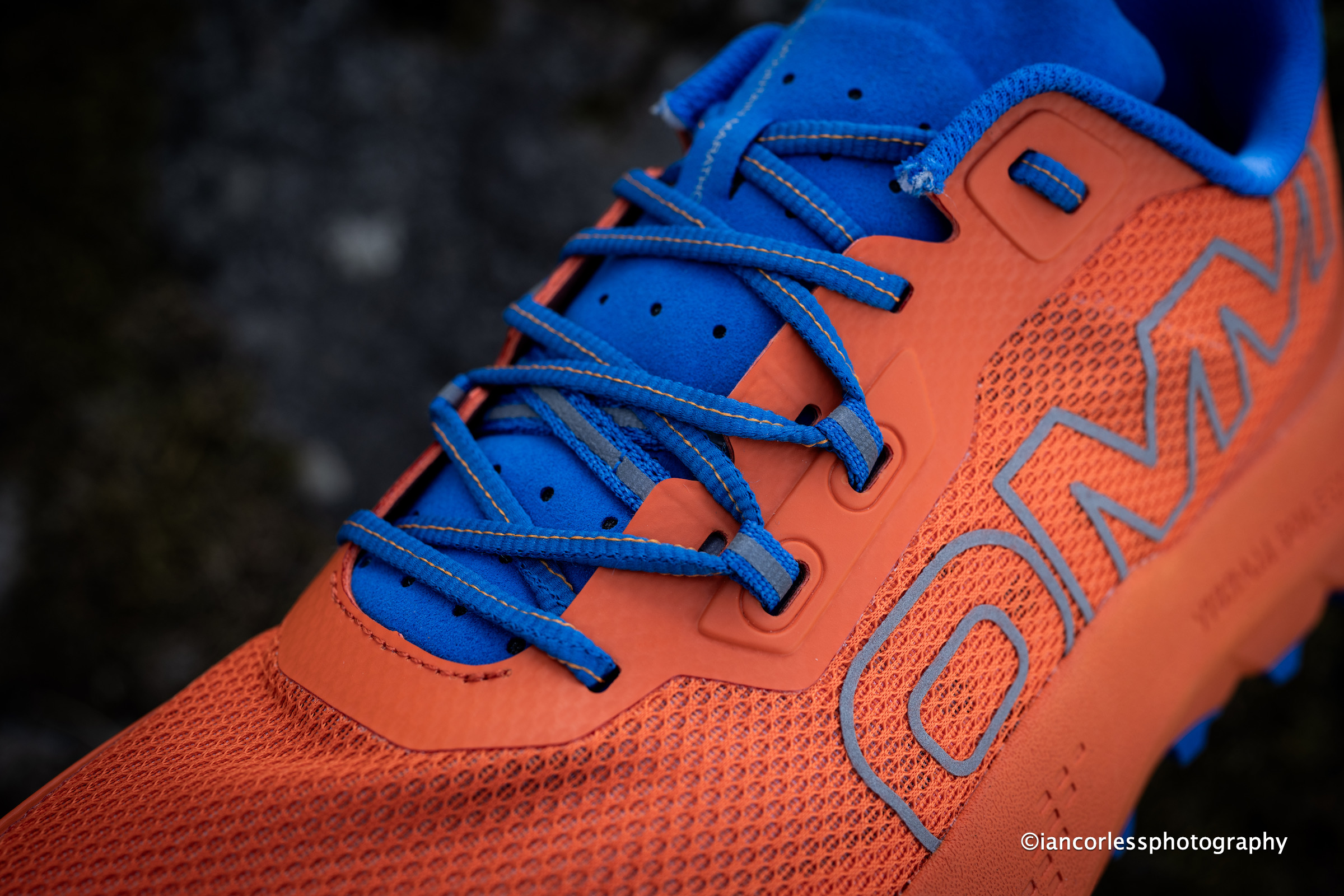
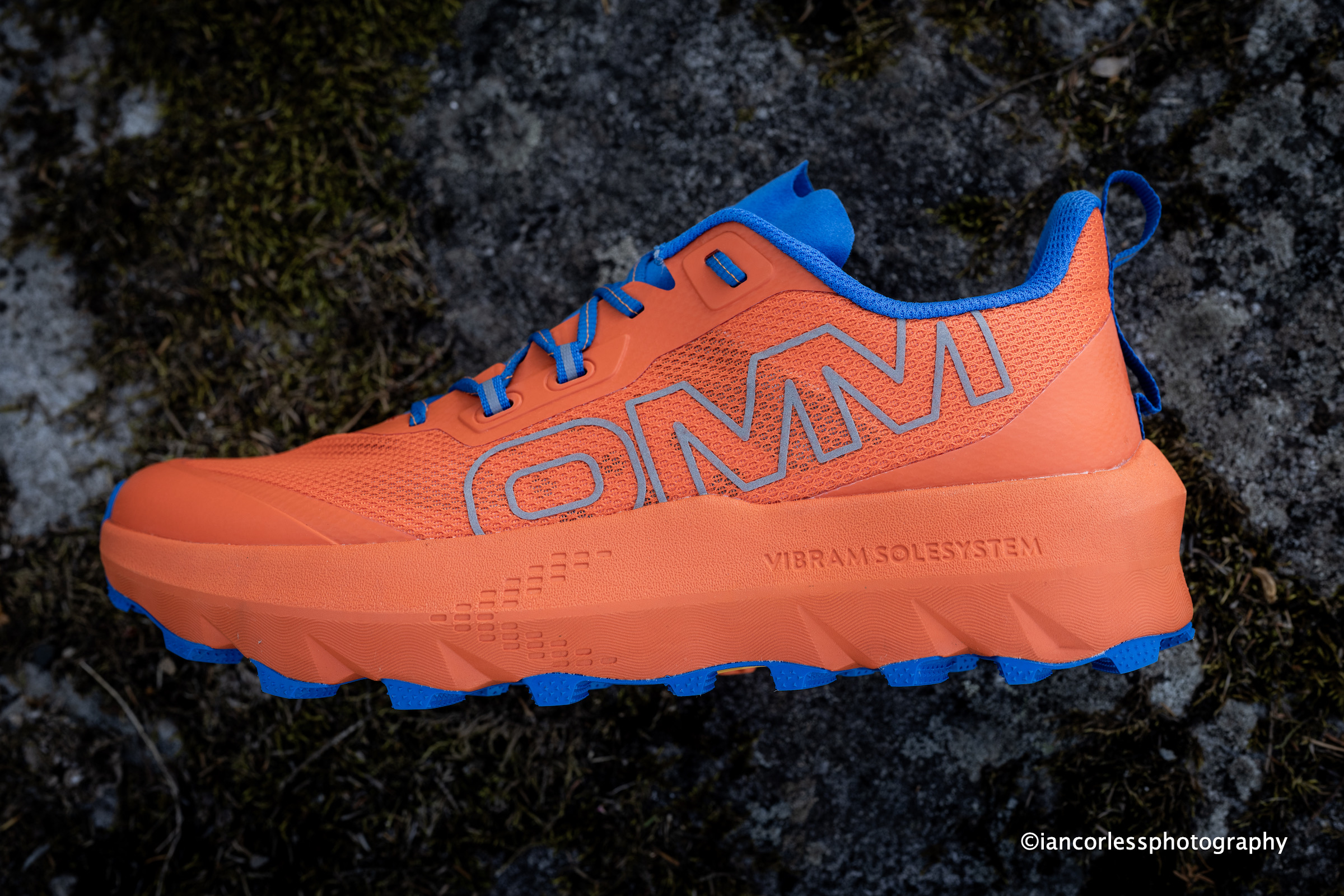
Fortunately, the solution was simple. A quick switch to lock lacing immediately solved the problem and transformed the fit. But the tongue is very thin, arguably too thin, and this can allow some pressure pain when lock laced. OMM’s X-Lacing system, holds the foot, designed to distribute tension across the foot more evenly and is supposed to reduce pressure points during longer runs. However, I found the longer I ran, this became an issue – pressure started to increase, so, you definitely need a few runs to find how tight to lace this area. I found initially, I overtightened my laces and began to feel pressure. Once I adjusted the tension, the fit settled nicely and remained comfortable. Interestingly, underneath the 4 blue eyelets of the X are conventional eyelet holes – so I assume you can lace this way as an option?
Comfort Without the Marshmallow Effect
Perhaps my favourite aspect of the Ultra is its cushioning.
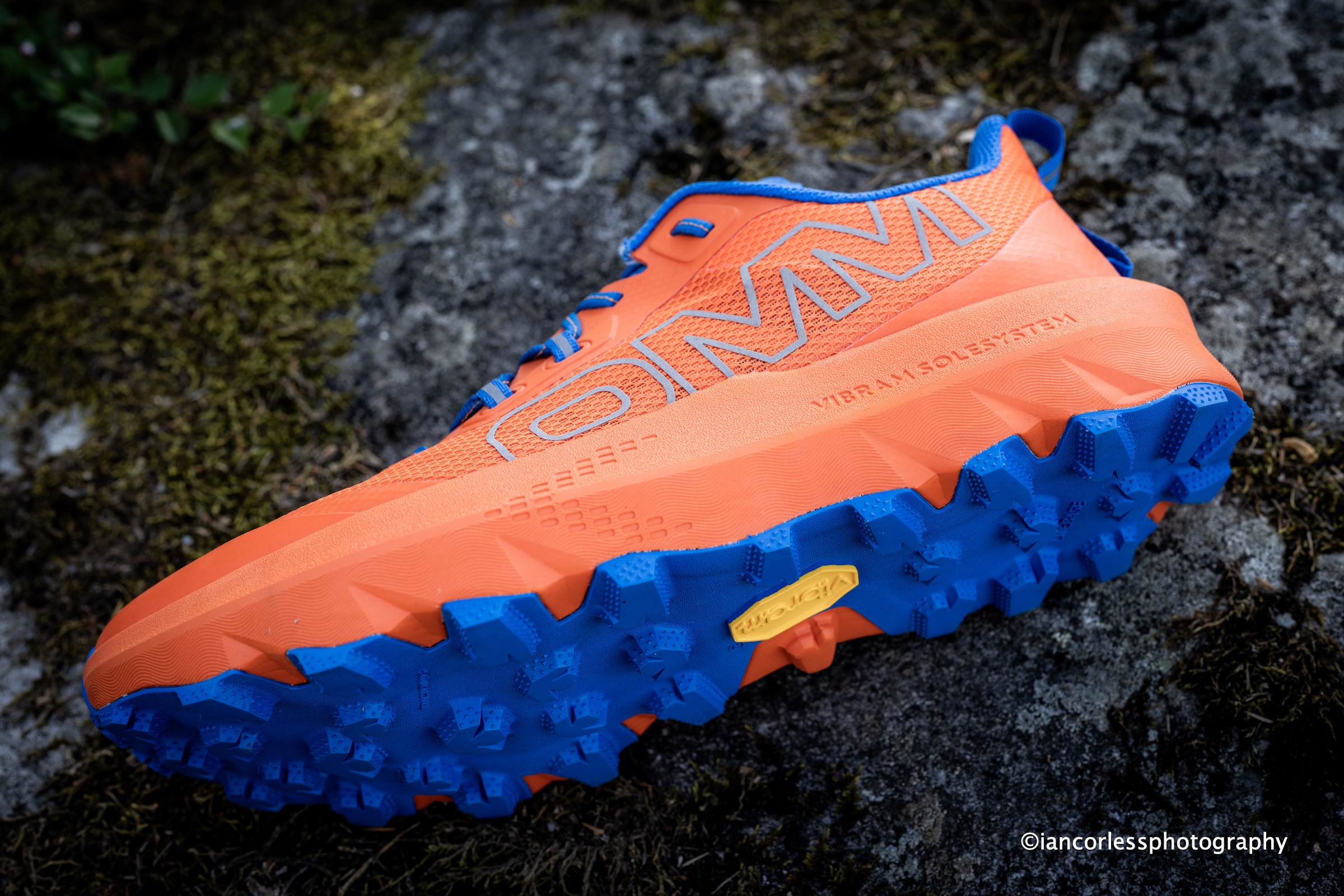
Modern trail shoes often seem to fall into one of two camps. They are either rock hard and unforgiving or so soft that every step feels like running through wet sponge cake.
Neither appeals to me.
The OMM Ultra lands beautifully in the middle.
The thick EVA midsole provides plenty of protection and comfort without becoming overly soft or unstable. Ground feel is surprisingly good for a cushioned shoe. They offer enough cushioning to absorb the cumulative impact of long hours on your feet while still retaining a responsive feel.
There is also a pleasant level of energy return in the propulsive phase. The shoe never feels particularly fast, or nimble, but there is a noticeable forward roll and a gentle kick that encourages momentum. There is no rock-plate and I think this is a mistake.
Built Like a Tank
Protection is another area where the Ultra shines.
The combination of a durable two-layer upper, reinforced TPU protection zones, substantial cushioning, and a secure platform creates what can only be described as a bulletproof feeling underfoot.
Your feet feel protected from uneven ground, trail debris, and the general punishment that comes with spending long days in the mountains.
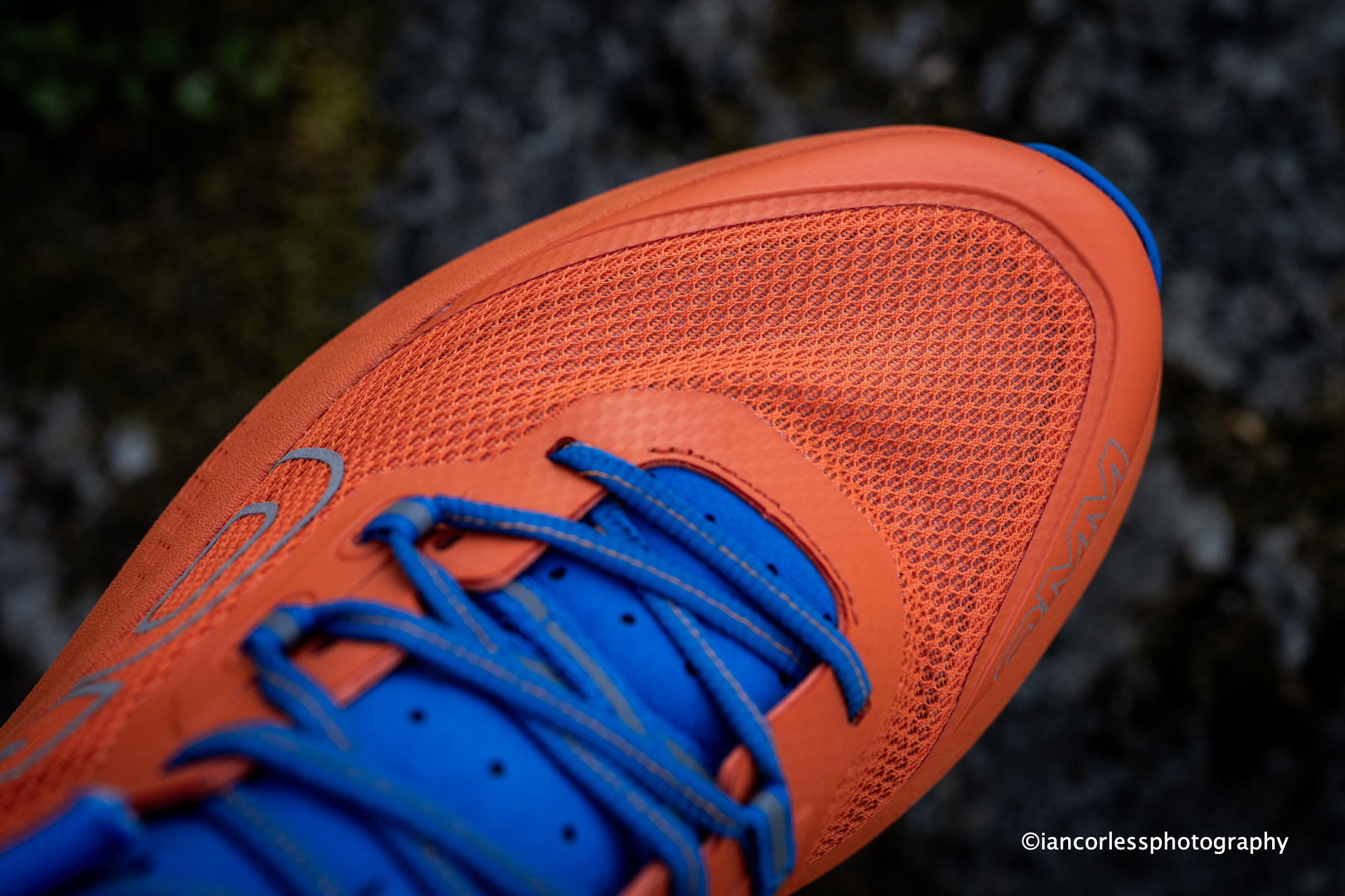
The toe protection is particularly reassuring without becoming bulky or intrusive.
During testing, I moved across gravel roads, flowing single-track, rocky paths, rutted trails, and mountain terrain. Throughout all of it, the Ultra maintained its composed and reassuring character.
This is not a delicate shoe, on the contrary, they feel like a shoe designed to survive abuse. Given OMM’s heritage in mountain running and adventure racing, that doesn’t come as a surprise.
The Vibram Package
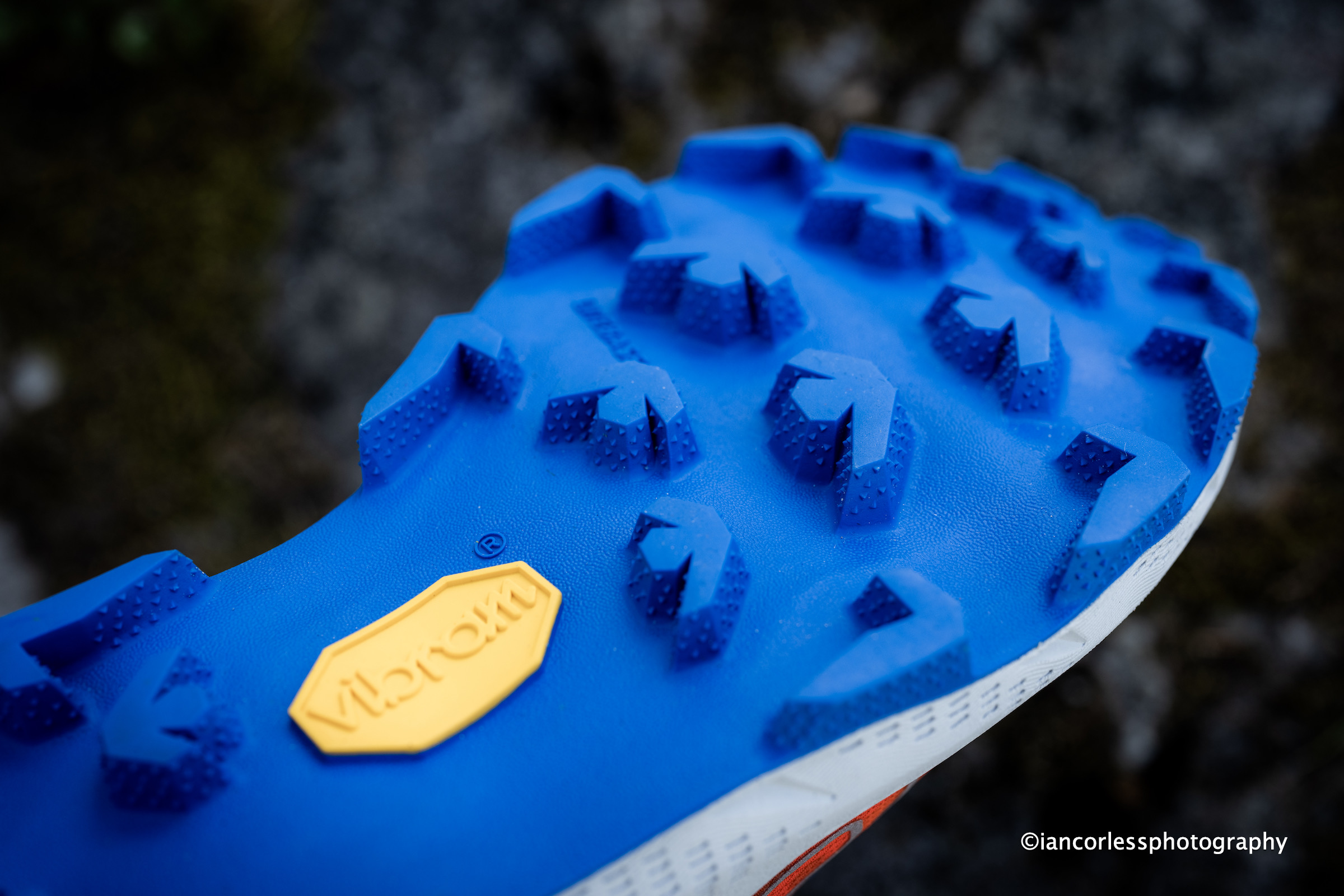
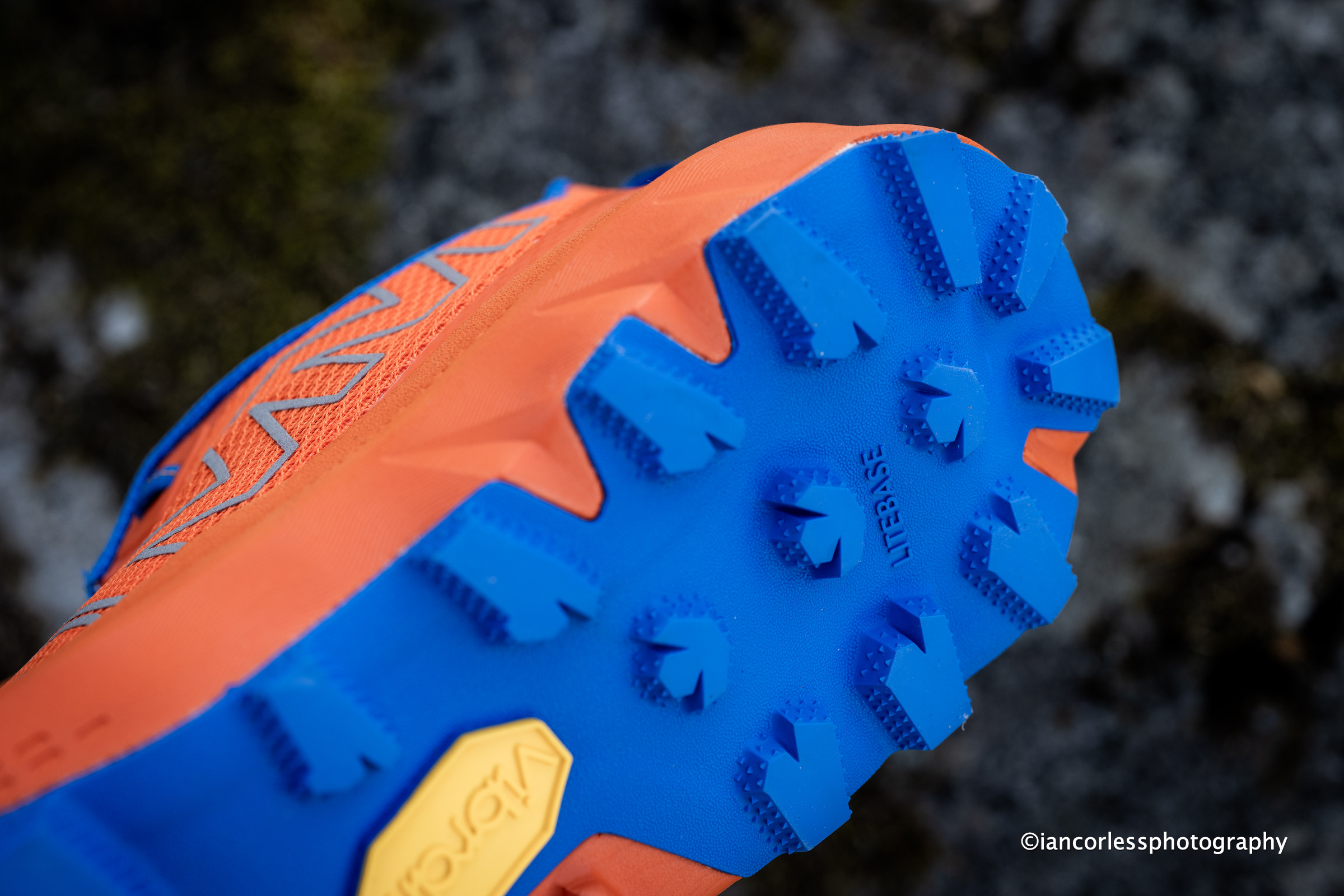
The outsole incorporates three Vibram technologies:
- Vibram MegaGrip for traction
- Vibram Traction Lugs for increased surface contact
- Vibram Litebase for reduced weight
READ ABOUT SHOE GRIP HERE
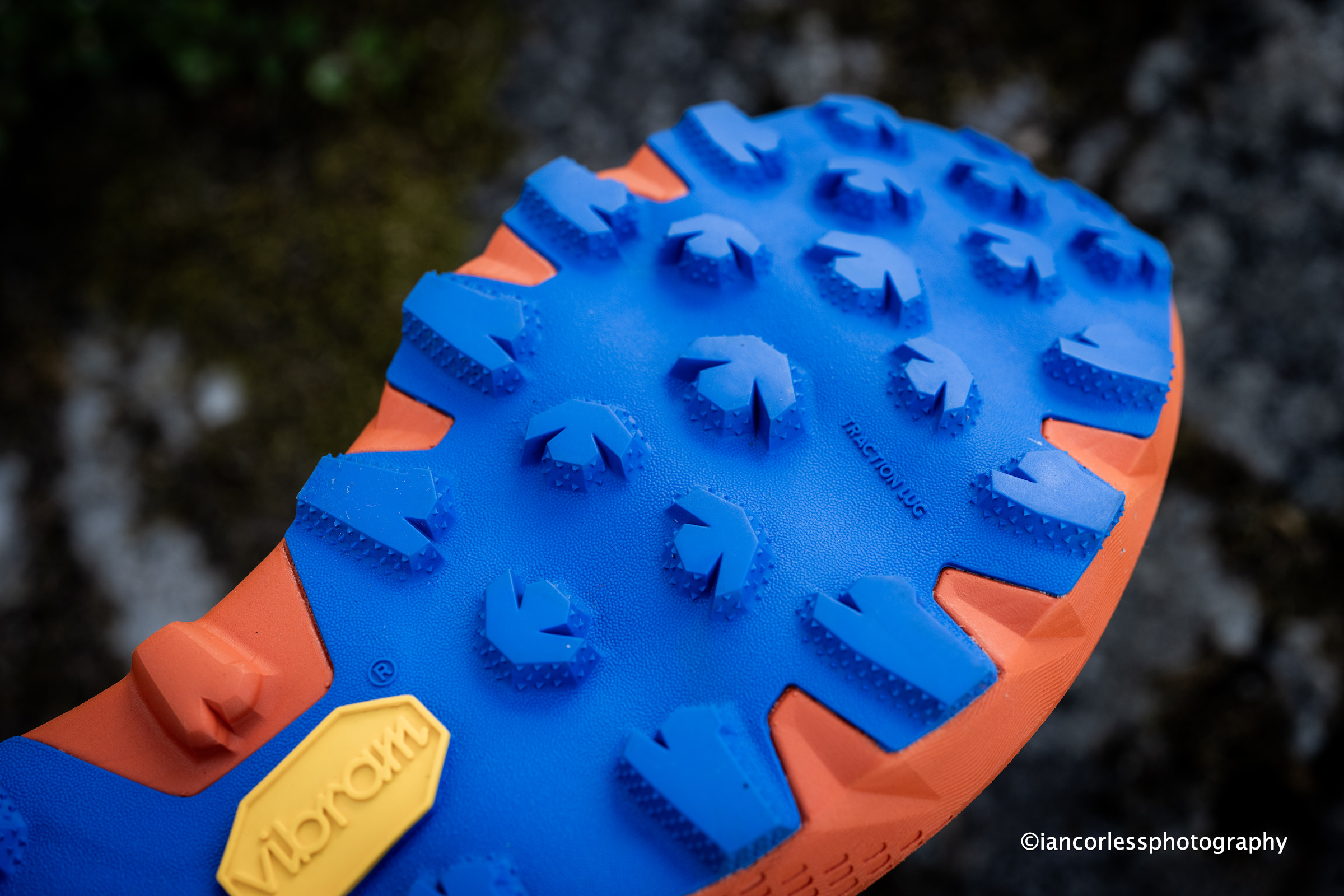
The outsole uses 4mm lugs, placing it firmly in the versatile all-rounder category. This is not a mud specialist. Nor is it intended to be.
The tread pattern works particularly well on gravel, dry trails, mixed terrain, and even road sections. Transitions between surfaces feel smooth and natural.
For runners who regularly combine road, gravel, trail, and mountain terrain in a single outing, this versatility is a genuine strength.
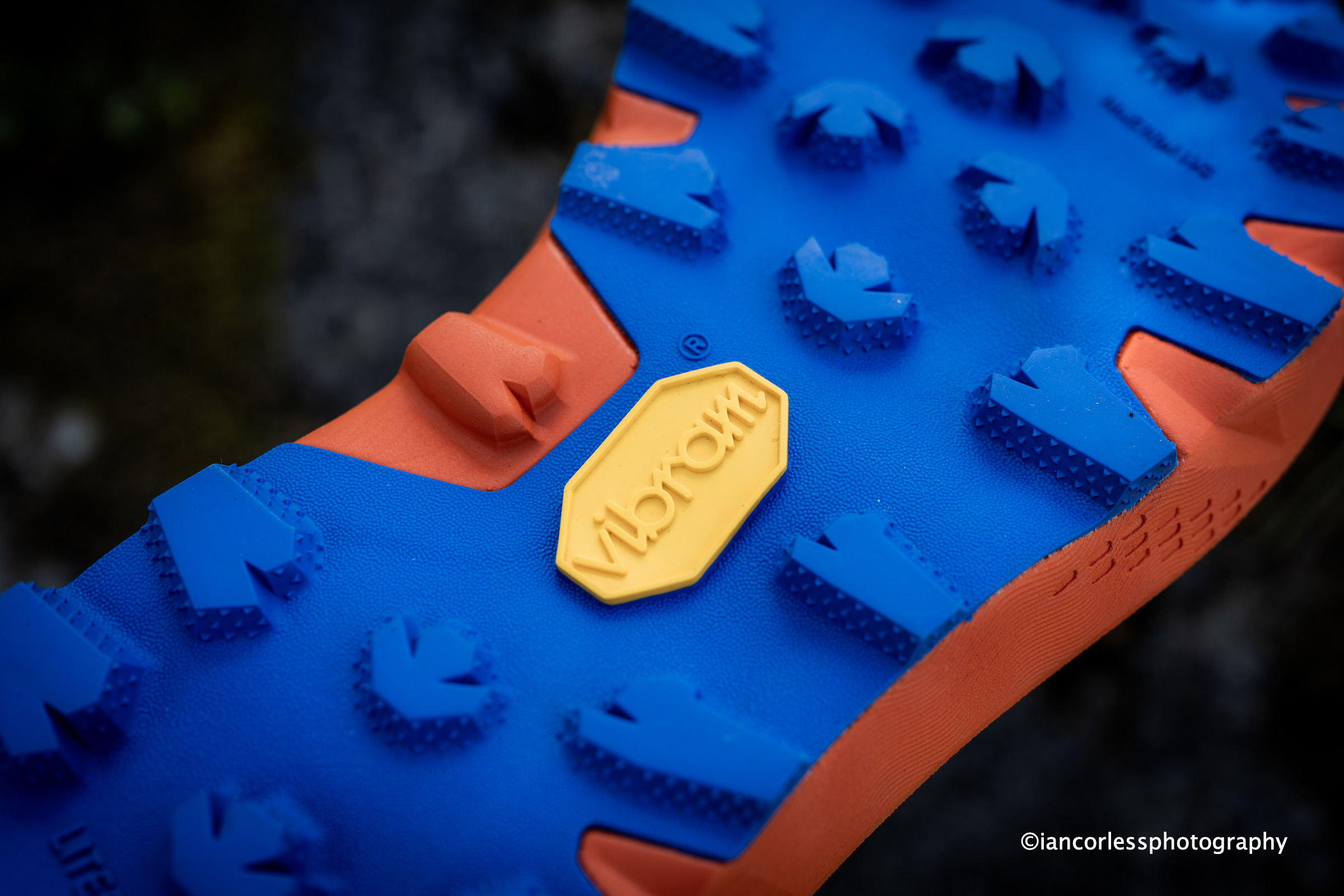
Predictably, however, the limitations of a 4mm lug become apparent once conditions become truly muddy. Deep mud demands deeper studs, and there is only so much any 4mm lug can do.
That isn’t a criticism; it’s simply physics.
After all, OMM offers the Fell Shoe with aggressive 8mm lugs for exactly those conditions.
Where Things Get Complicated
Sadly, for me, the Vibram outsole was always going to be a contentious point and I had wondered had OMM liaised with Vibram to come up with something different?
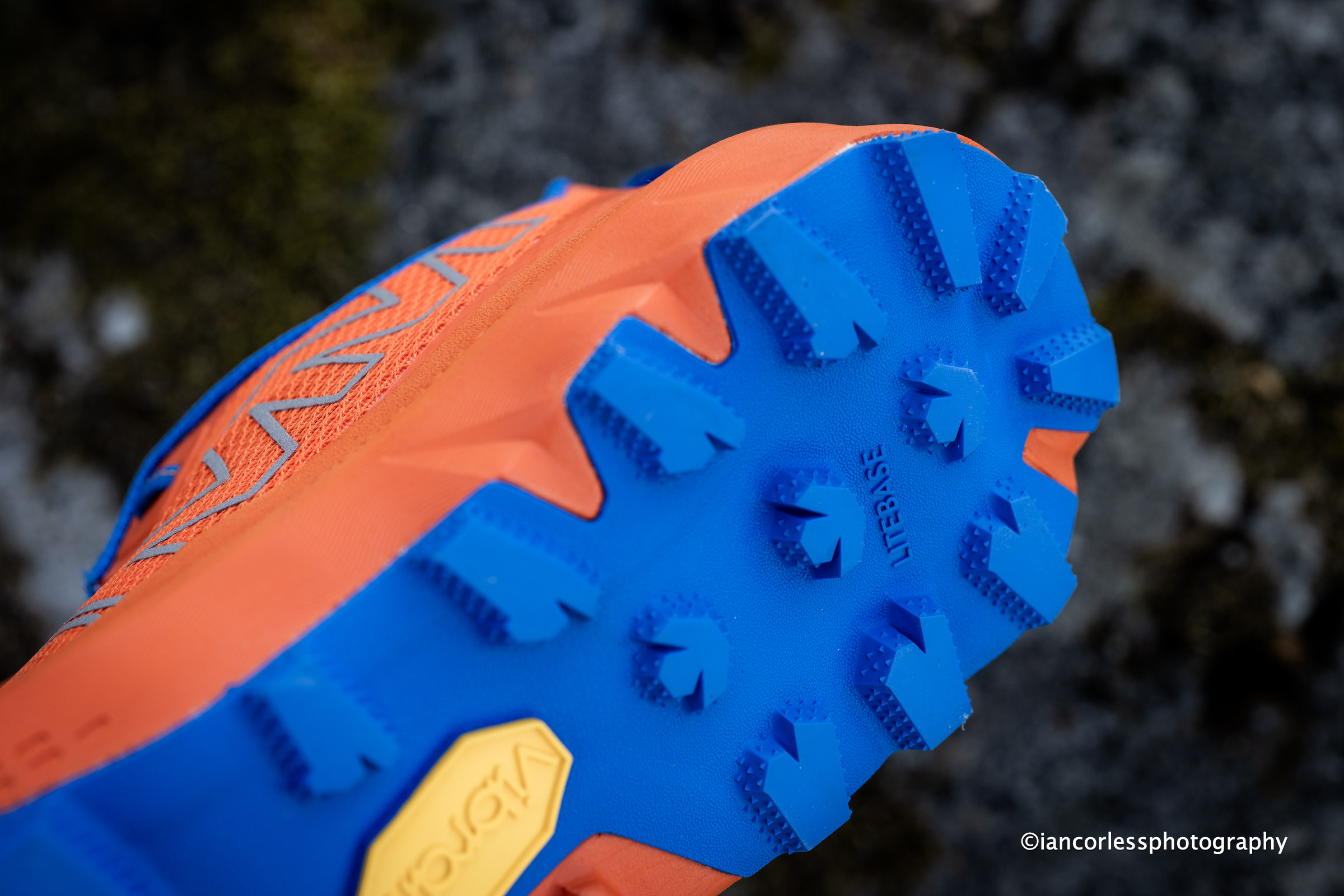
Sadly not.
I am a Brit living in Norway. Before moving, much of my running took place in Wales, the Lake District, Scotland, and countless other wonderfully wet corners of the UK. I now have those conditions in Norway.
In those environments, one question always dominated my shoe choice:
How does my shoe grip when everything is wet?
Dry grip is easy.
Wet grip is where great trail shoes separate themselves from merely good ones.
On dry terrain, the Ultra performs exactly as expected. Grip is dependable and confidence-inspiring. On dry mountain trails, gravel tracks, and hard-packed paths, the Vibram outsole performs admirably.
However, once wet rock, slick roots, polished stone, or greasy trail surfaces enter the equation, confidence fades very, very quickly.
The grip isn’t terrible, but it’s not good.
For a brand with such strong mountain credentials, this feels like a missed opportunity for OMM. I had hoped for something very special.
If, your playground involves rain-soaked British mountains or constantly damp Scandinavian forests – you will find yourself wishing for more reassurance and confidence underfoot.
But, If your adventures primarily involve the dry trails and single-track, you’ll likely be delighted. In those conditions, the Ultra makes perfect sense.
The Family Saloon of Trail Running
Throughout testing, I kept returning to one comparison. The OMM Ultra is the trail running equivalent of a dependable family saloon car.
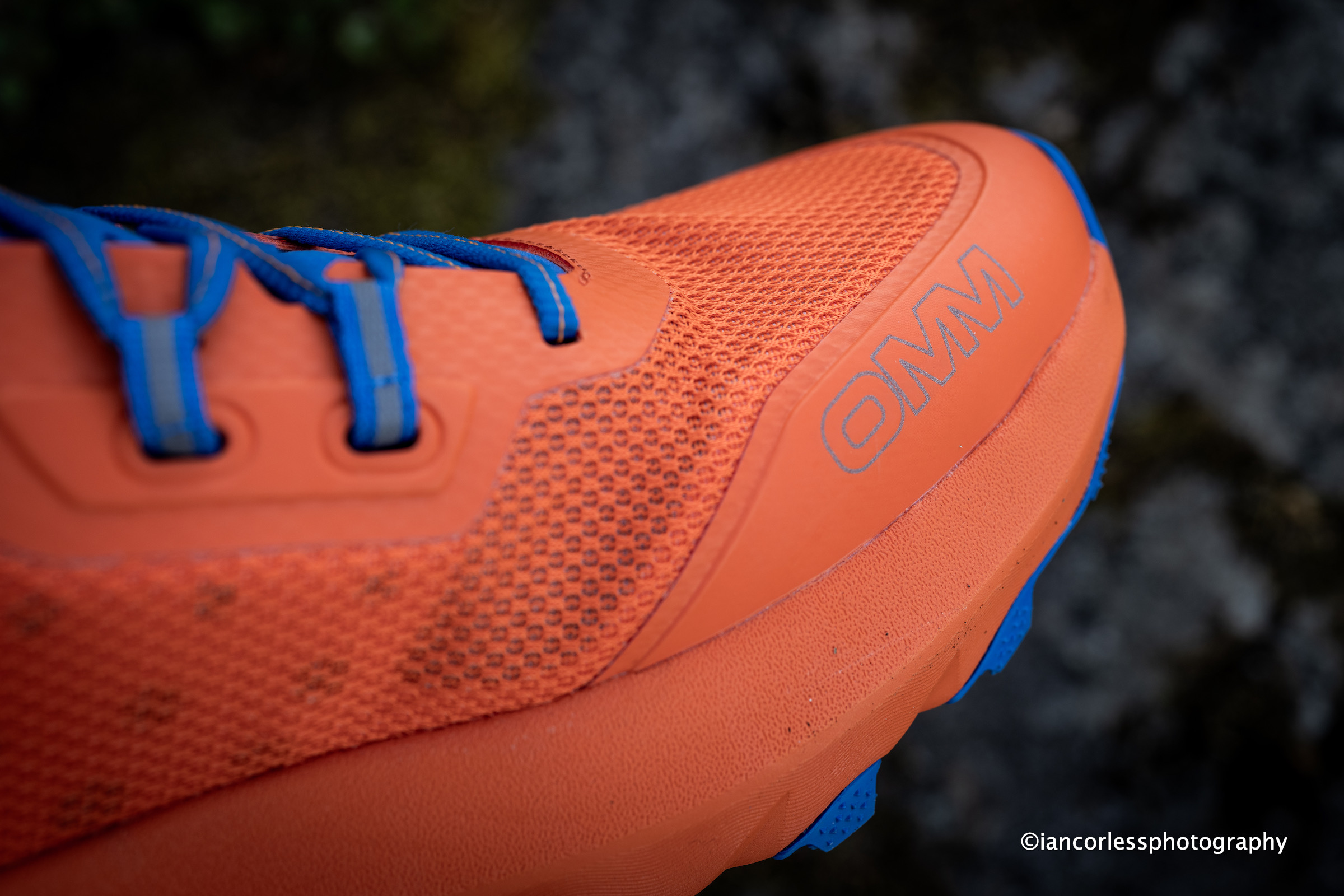
It isn’t flashy.
It won’t win fast races.
It isn’t designed to set lap records.
But it starts every morning, carries everything you need, remains comfortable all day, and quietly does its job exceptionally well.
That’s the Ultra – dependable, reliable, comfortable and maybe even a little mundane.
Final Thoughts
The OMM Ultra may not be the most exciting shoe of the year, but for many it will be an extremely sensible choice.
Thoughtful fit options, balanced cushioning, secure platform, excellent protection, and apparent durability combine to create a highly versatile package that will appeal to a broad range of runners over many varied surfaces.
Road, gravel, trail, mountains – this shoe handles all of them with confidence and comfort. Its biggest strength is consistency. They never feel spectacular, but they are trustworthy and reliable.
The caveat remains the wet-weather grip – especially on wet rock and tree roots. For some runners and locations, that may be a deal breaker. For others, it will simply be a compromise accepted in exchange for the shoe’s impressive versatility.
The heel area is an issue, lock-lacing helps but the tongue needs more padding to ensure 100% comfort. X-lacing requires tweaking and playing around with to find the right tension – but once you find it, it works well.
Overall, the OMM Ultra succeeds in what it set out to achieve – comfortable, durable, a long-distance trail shoe designed to keep performing as fatigue builds and the hours accumulate. For many, if you can only have one pair of shoes – the OMM Ultra would not be a bad choice.
Competition:
This area of the shoe market is one where choice is everywhere, especially with a Vibram Megagrip outsole. If Vibram is your thing, the Hoka Speedgoat and Mafate 5 are worth a look. Also the Nnormal Tomir which is very popular.
La Sportiva make the Prodigio Pro with it’s own outsole – a bouncy and comfy ride.
Icebug make Jarv with the RB9X outsole.
Asics make the Trabuco Max with their own outsole.
Ultimately, the VJ Ultra 3 would be my choice – great foot hold, great comfort with their new cushioning and the outsole is superb – the best there is.
Instagram – @iancorlessphotography
Twitter – @talkultra
facebook.com/iancorlessphotography
Web – www.iancorless.com