What Pack for Stage Racing, Multi-Day or Fastpacking

Stage racing, multi-day running and fastpacking all require a very specific pack. With the growth of multi-day running, many major brands now produce a pack or packs that are specifically designed for the task at hand. However, choosing a pack can be a daunting process due to many variables.

First and foremost, spend some time and sit down with a piece of paper and make notes of all the equipment that you need to carry. This may sound obvious, but there is a great difference in needs and demands.

For example:

  • Are you running in a hot or cold environment?
  • Do you need to carry food for the adventure or will you be able to get food on the route?
  • What spare clothing do you need?
  • What safety equipment do you need to carry?
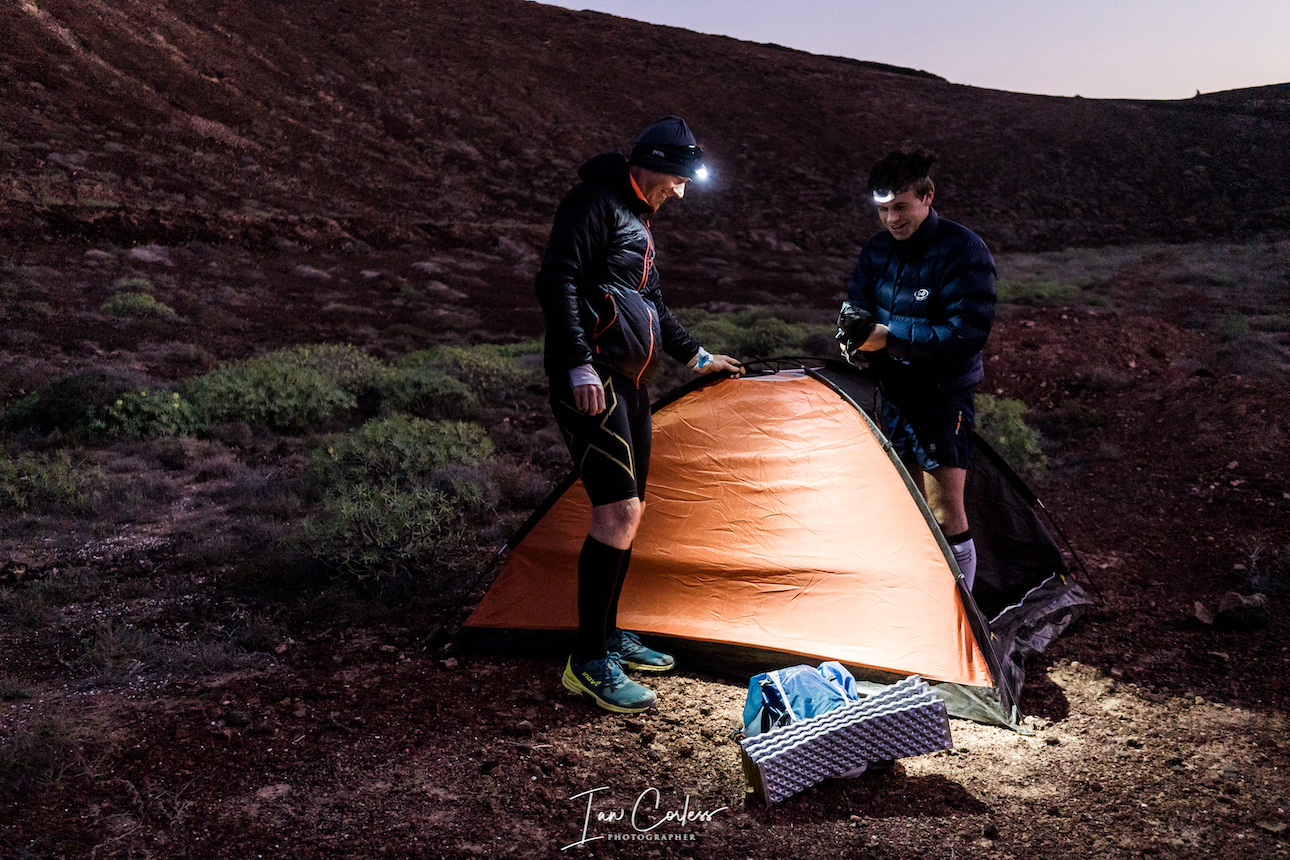
  • Do you need a tent?
  • Do you need a sleeping bag and sleeping mat?
  • How much liquid do you need to carry and do you need immediate access to that liquid?

And the list goes on, so, take time to sit down and plan. This also helps you look at weight.
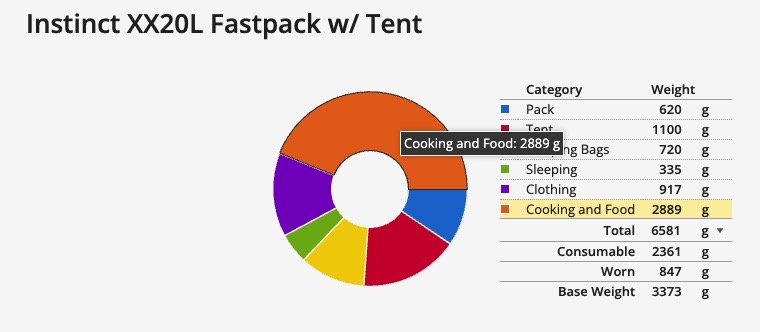
An excellent website to help facilitate this is Lighterpack – You can see an example HERE of all the contents I used when testing the Instinct XX20L when I went fastpacking with a tent.

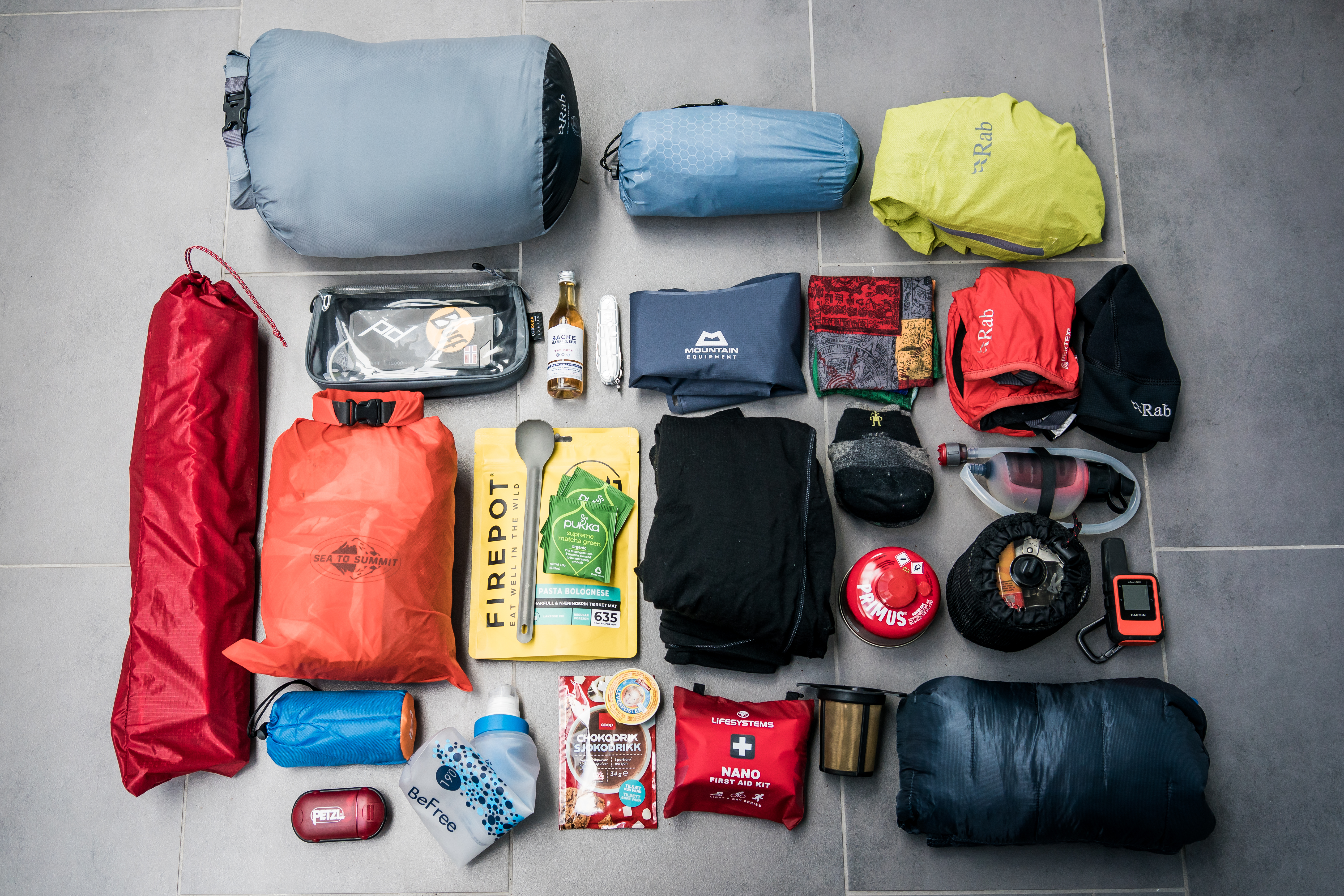
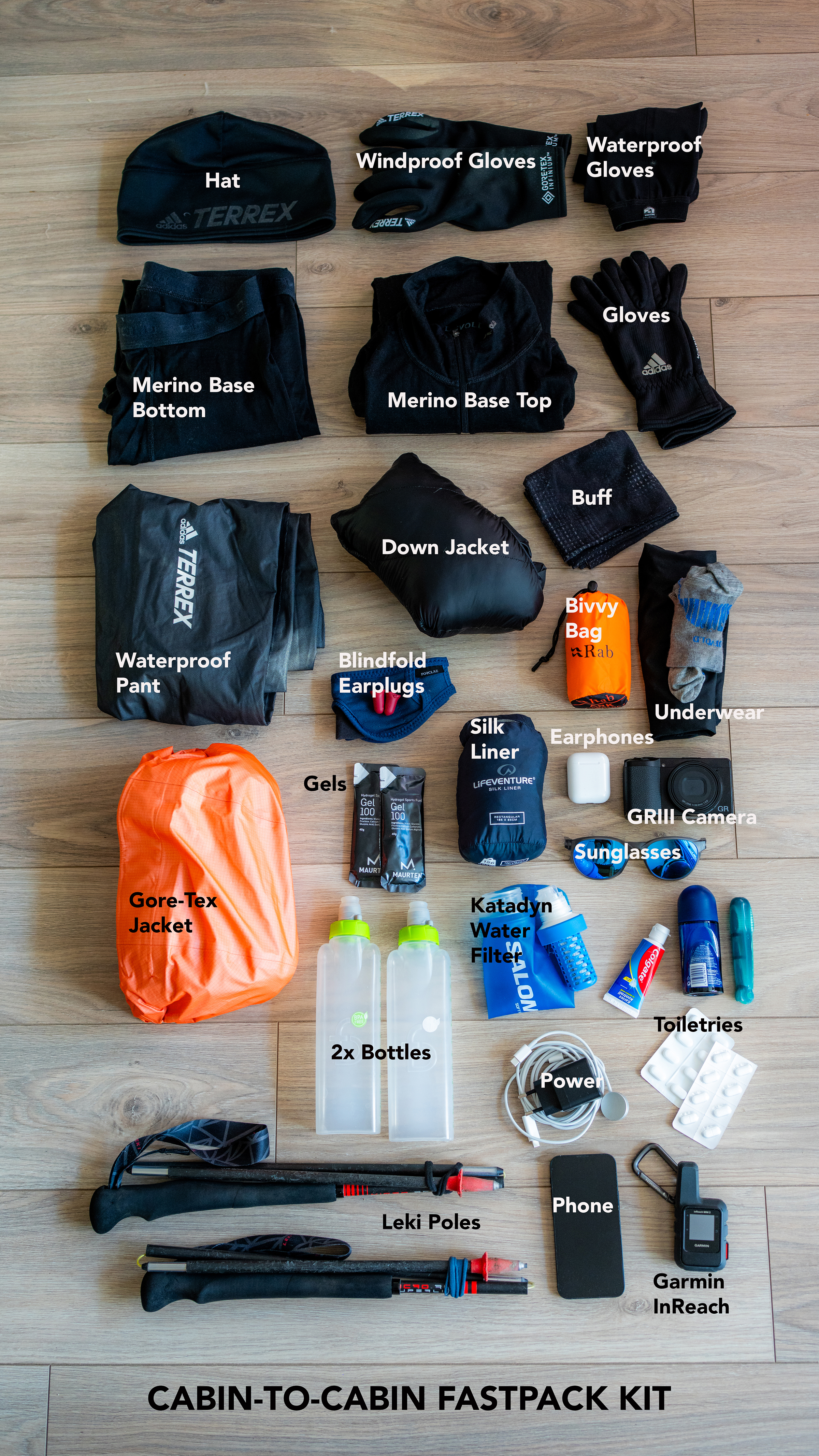
Recently I went fastpacking in Norway running from cabin-to-cabin. I did not need food (other than run snacks,) did not need a sleeping bag, just a sleeping bag liner and I could be minimal on clothing. I used the Camelbak Octane pack and the contents were as listed below:

You can see an example of my pack below and the details are as follows:

  • Camelbak Octane Pack 600g
  • adidas hat 32g
  • adidas gloves Infinitum 52g
  • Hestra waterproof gloves 53g
  • adidas gloves 41g
  • Devold merino base top 193g
  • Devold merino base bottom 166g
  • Buff 43g
  • Haglofs down jacket 163g
  • adidas waterproof pant 125g
  • adidas Gore-Tex jacket 272g
  • Rab bivvy bag 110g
  • Underwear 98g
  • Gels 81g (for emergency)
  • Silk liner 126g
  • Blindfold/ earplugs 22g
  • Earphones 44g
  • Ricoh GRIII camera 251g (a luxury)
  • Sunglasses 18g
  • Bottles x2 90g
  • Katadyn water filter 52g
  • Toiletries 196g
  • Power supply 138g
  • Phone 136g
  • Garmin InReach 108g
  • Leki poles 250g

3379g 

As you can see, my pack weight was low. This allowed me to move faster and lighter for less effort.

KEY CONSIDERATIONS FOR CHOOSING A PACK
Once you have worked out what you need to carry, you can then decide what size pack you need. The best recommendation here is that it is better to have a pack that is maybe just too small. That way you will be strict on what you take and what you do not take. Of course, this decision should never be at the compromise of safety. Simply, if you have more room, you tend to take more because you can.

When doing a stage race, multi-day or fastpack, weight is the enemy, so, you need to be as light as possible.

WAA has a waist belt and optional front pocket for food/snacks and water bottle.

Comfort is obviously hugely important and just like shoes, packs need to fit you, cause no rubbing or irritation and feel like a piece of clothing. What works for one person will not work for another. A great example being, the needs and requirements for 152cm tall woman weighing 55kg is very different than a 182cm tall male weighing 85kg. It’s great to ask and take advice BUT you need to try packs, see how they fit and importantly when trying, add weight so you can feel how it sits on your body. Many brands do different sizes now such as S/M or L/XL and one or two brands do male/ female versions: Ultimate Direction, Osprey and Oxitis being good examples.
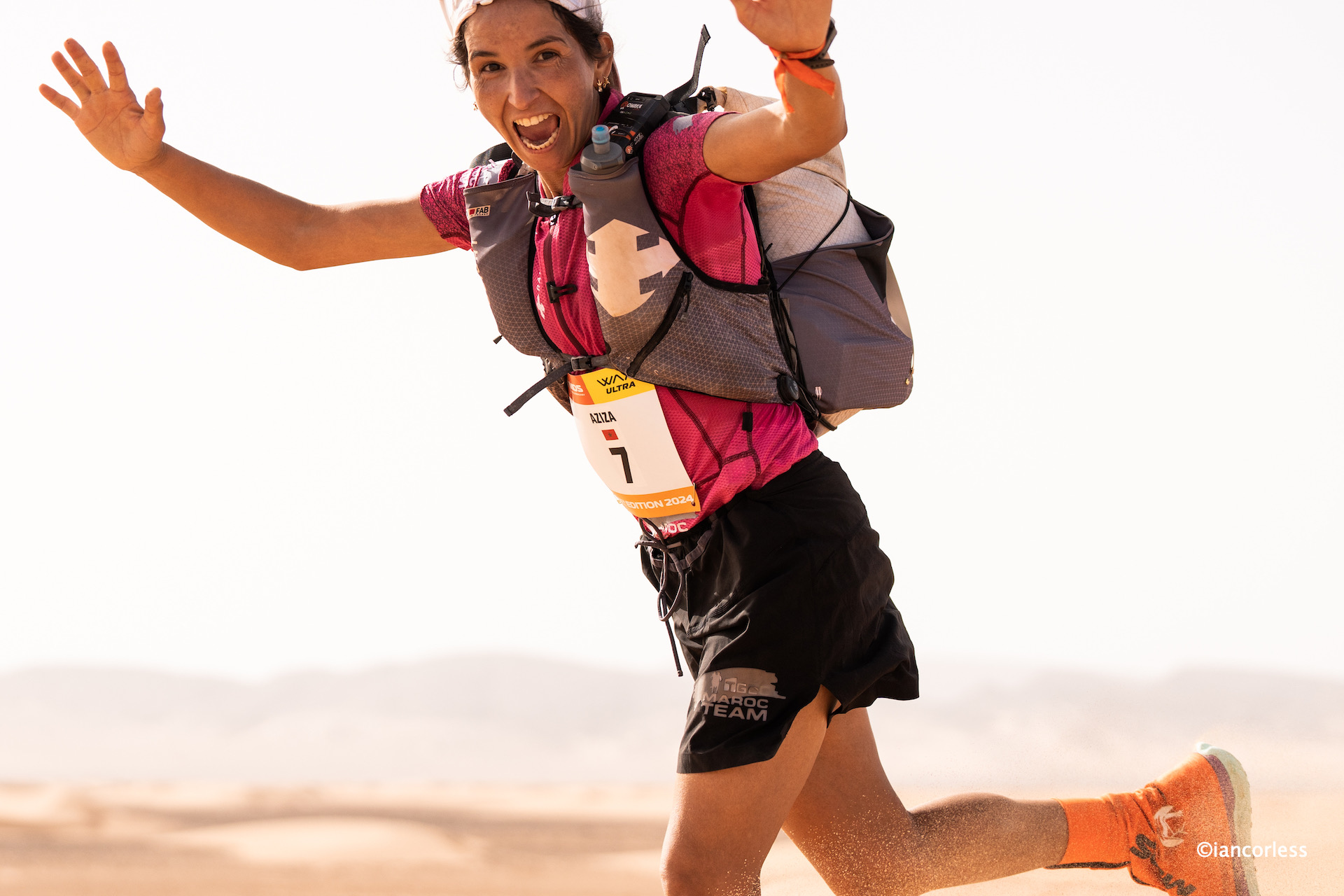
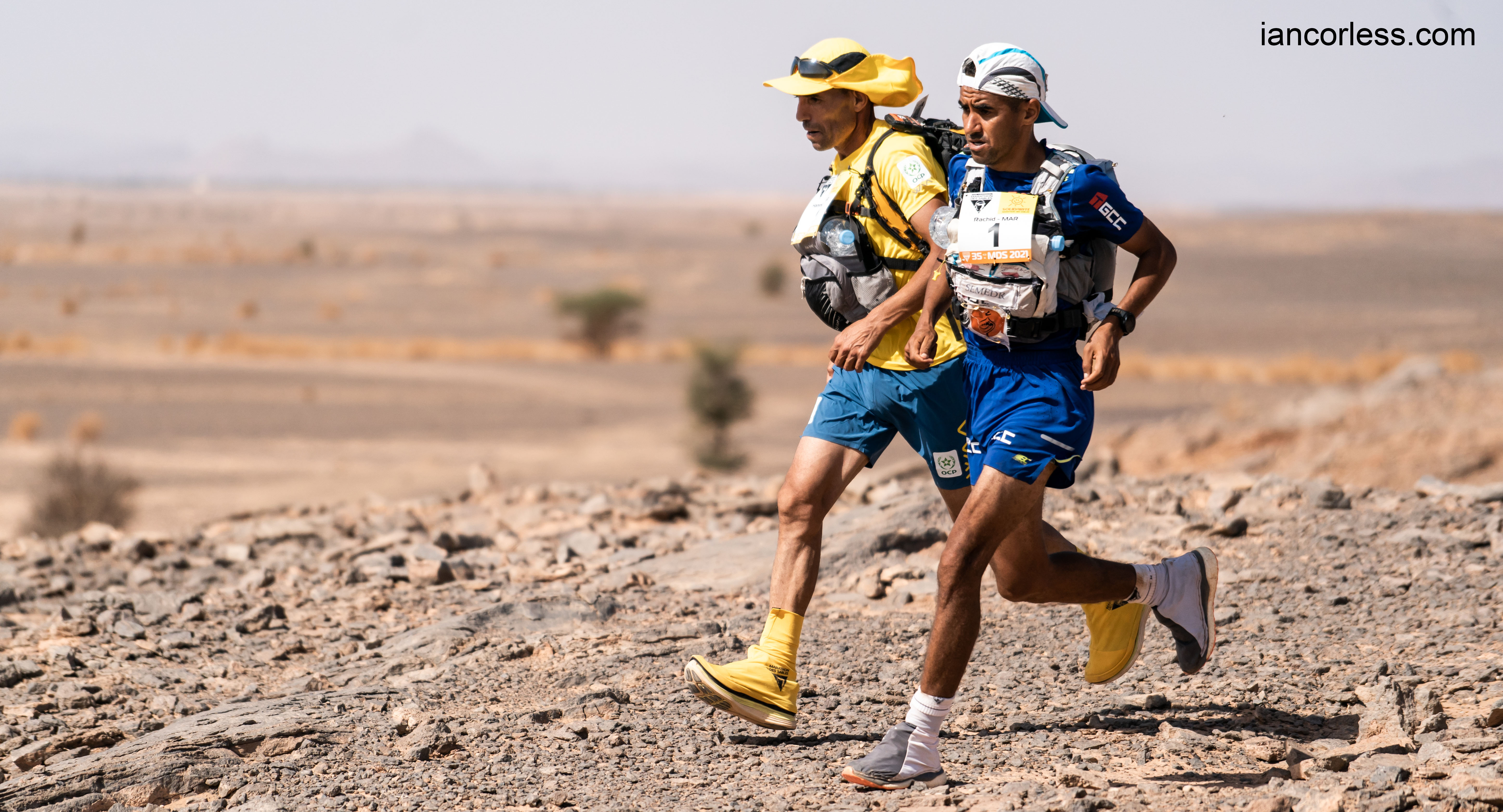
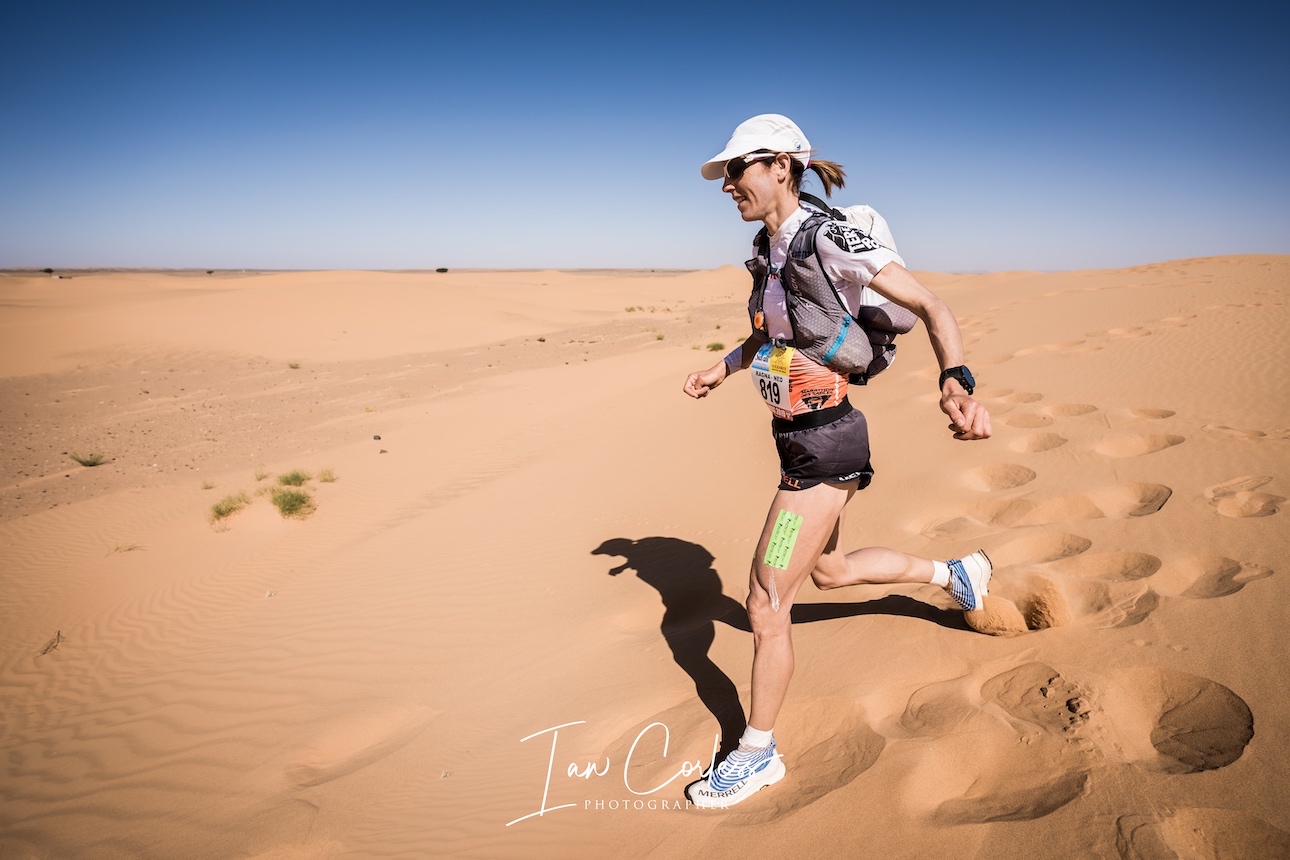
Aiziza El Amrany winner of the 2024 MDS with a Raidlight pack.

Many packs now use a ‘vest’ like system, however, when you have 8kg in the pack, does that fit and feel good? You need to know this. Look at pressure points, such as on top of the shoulders, this area can get very sore if you do not have enough padding. Also feel how it sits on your bag and check for bounce/ movement. A pack that moves too much causes friction, friction equals irritation and blisters.

A waist belt is often a great addition to help secure a pack to your body and distribute the weight load. Some love waist belts, others dislike them. I personally am a fan.

You must choose what is correct for you and don’t be afraid to go against the norm to use what is correct for you. A prime example being that a hiking pack may be the best solution for YOU. Trust this and ignore what others say. The only key things to consider: Be careful of the pack weight and make sure it is not too large in capacity.
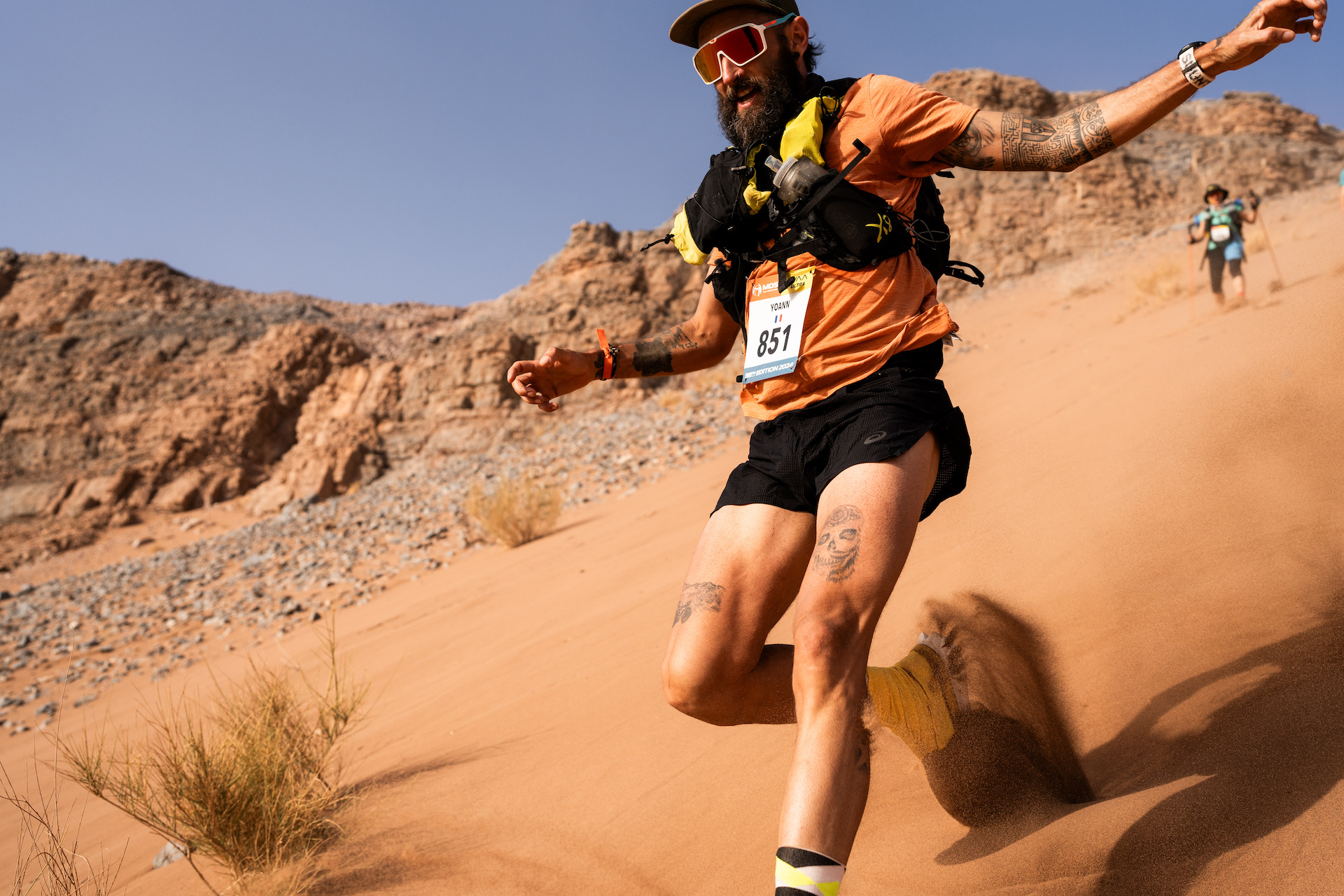
Instinct pack in action at MDS

Access to water is important, many packs now have the capacity and option to carry bottles up front. This makes drinking and refilling easy. However, this may not work for you. If that is the case, do what is right for you, if that means using a bladder, do so. The only consideration with soft flasks and bladders are the risk of puncture, but, I have used a bladder on countless adventures with no issue. Good admin is key.
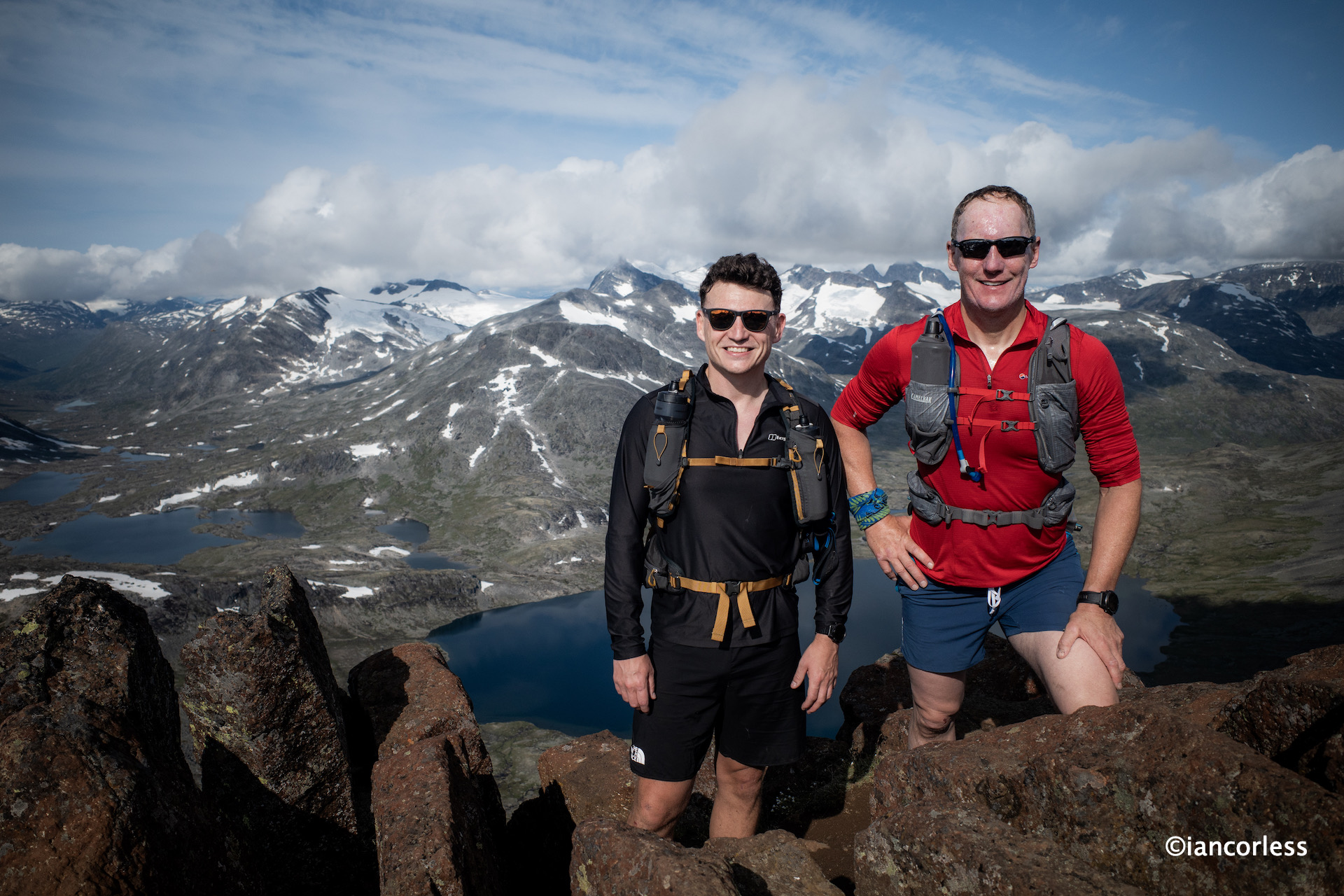
Osprey Talon Velocity and Camelbak Octane fastpacking in Norway.

If doing an adventure that is self-sufficient (such as MDS,) remember that as days pass, pack contents will become less due to eating food. So, the option to tighten, compress and make the pack smaller is a potential key consideration to stop or reduce bounce.

Finally, pack weight is important, BUT, do not go for the lightest pack if it has no durability. You need the pack to be strong, durable and reliable.

BRANDS TO CONSIDER

As mentioned, many brands now make packs or packs suitable for stage racing, multi-day or fastpacking.

If you have a brand missing from the list that you feel needs to be added, please make a comment below.

WHAT ARE THE BEST PACK OPTIONS TO CONSIDER

Remember, we are all individual. Every pack on the list below I have looked at, played with and tested in some capacity.

They are ALL applicable for stage racing, multi-day or fastpacking.

You may well be asking, but which do I prefer? Well, I could answer that, but if I do, am I then influencing your decision and thought process? So, for now, I will refrain from giving an opinion.

WAA Ultrabag 20L https://www.waa-ultra.com/en/mds-ultra-bag-20l.html

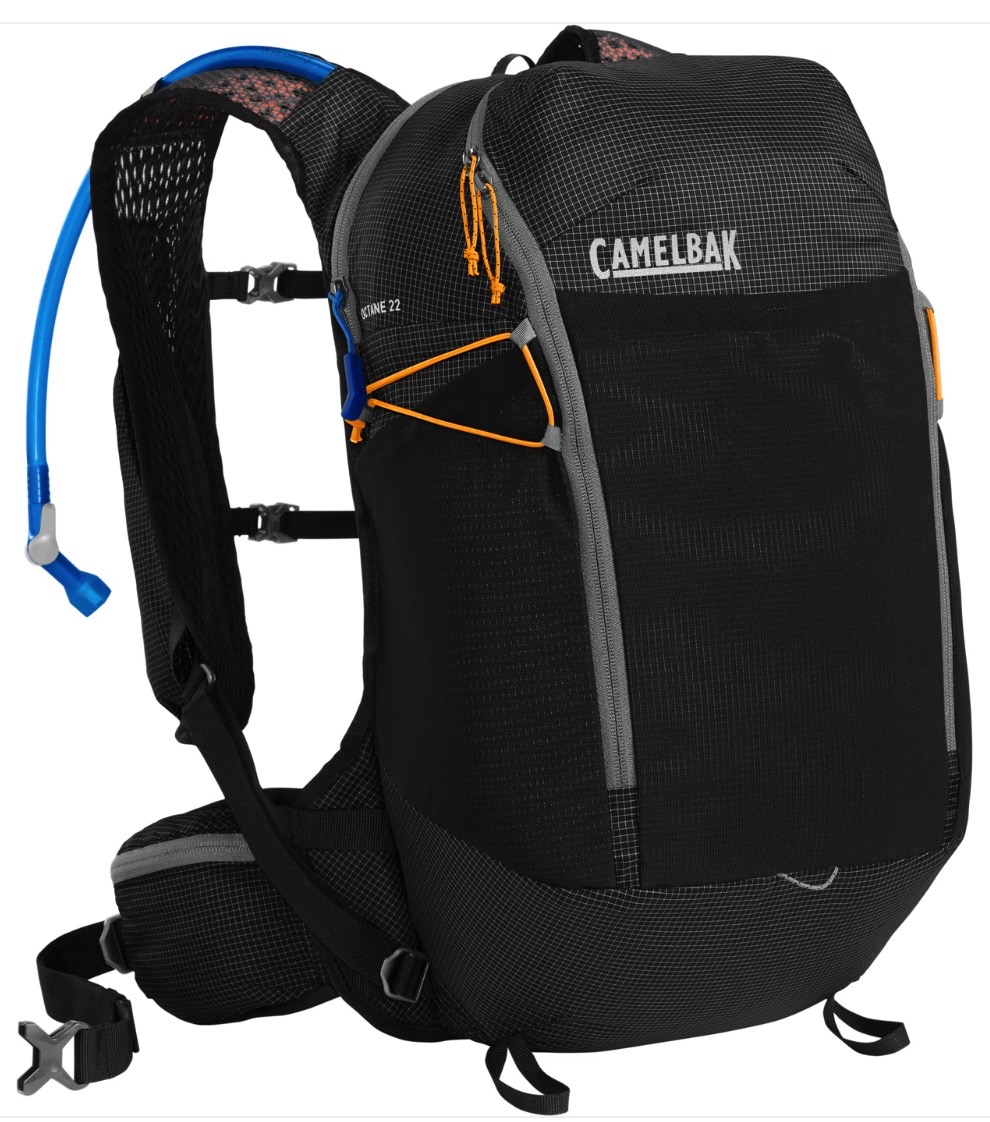
Camelbak Octane 22l https://www.camelbak.co.uk/products/octane-22-hydration-hiking-pack-22l-with-2l-reservoir?_pos=3&_psq=octane&_ss=e&_v=1.0
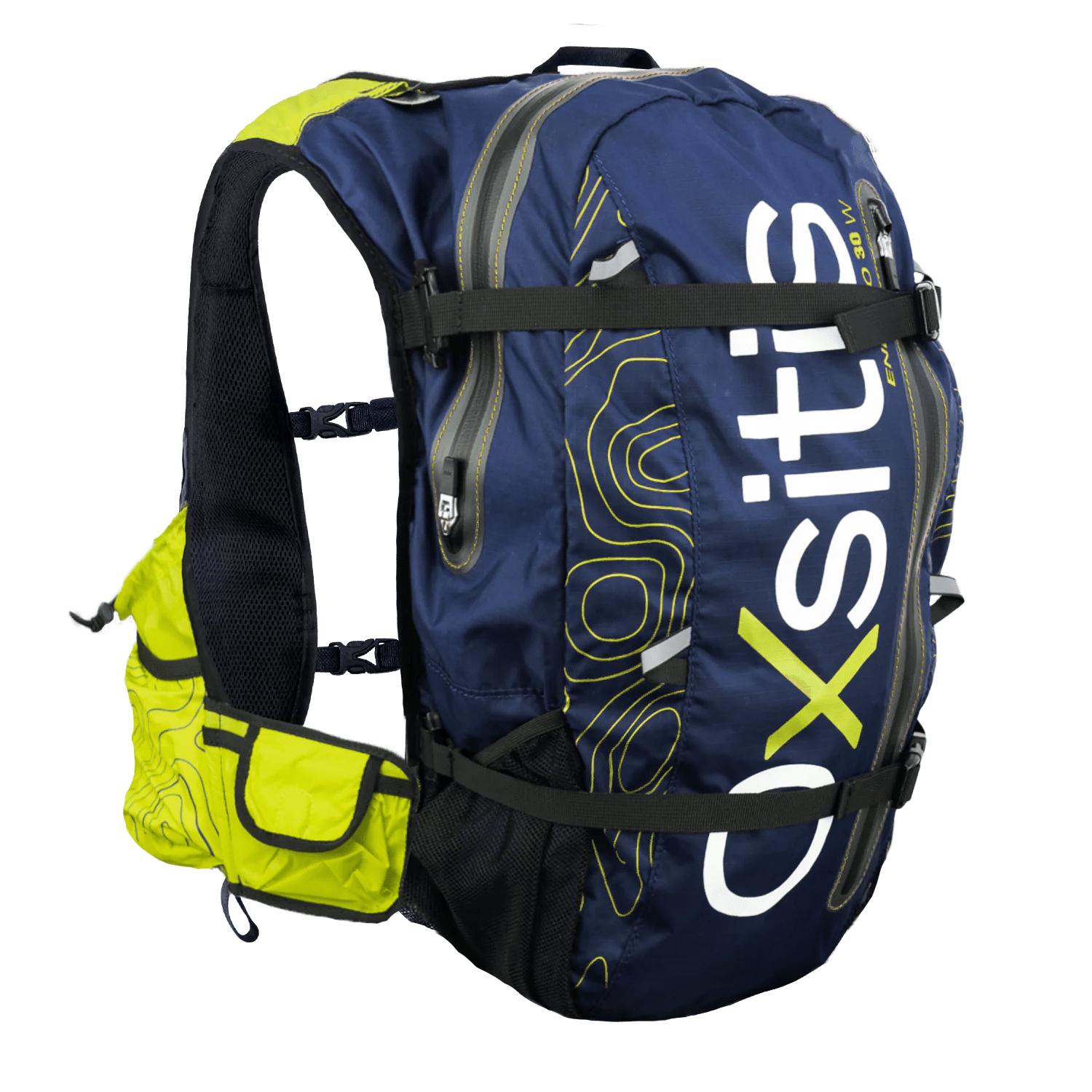
Oxitis Enduro 30 Ultra (male and female specific) https://www.oxsitis.com/en/product/sac-enduro-30-ultra/
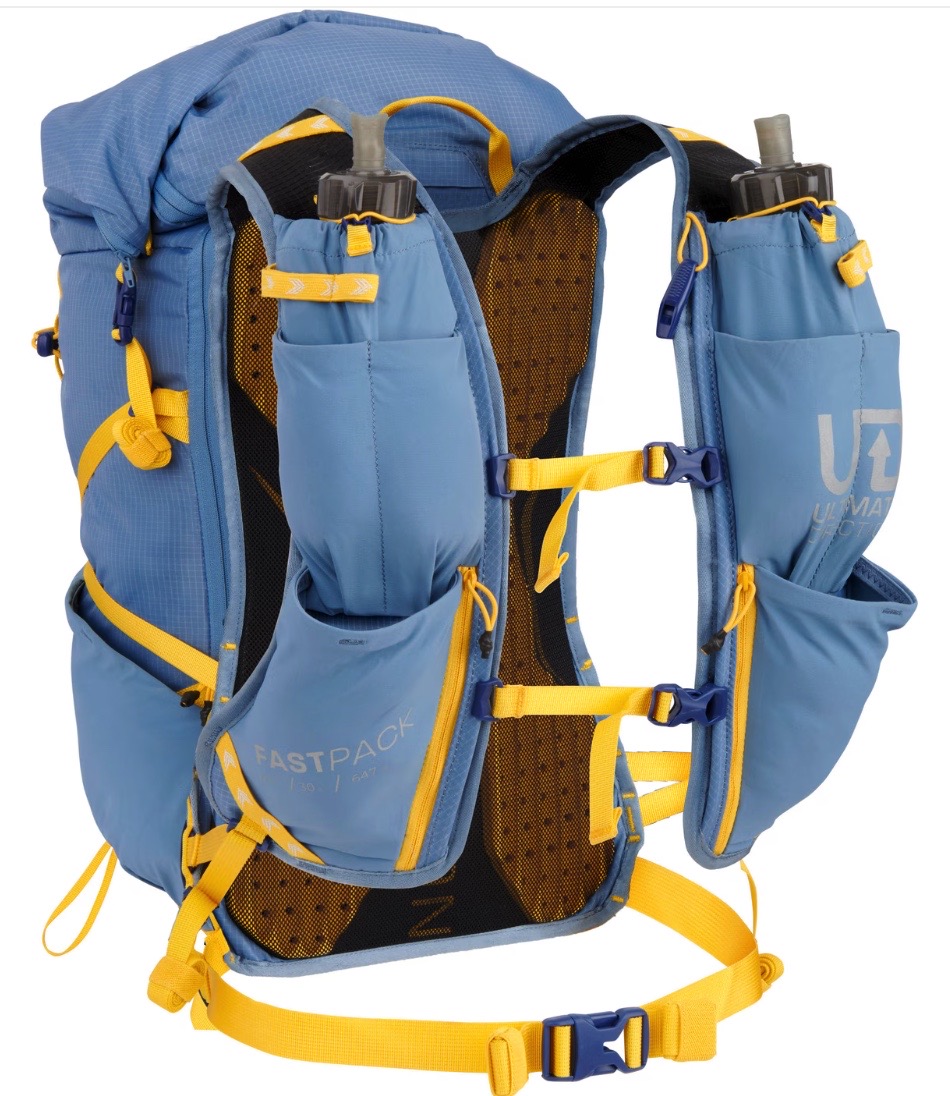
Ultimate Direction Fastpack available in 20L and 30L also male and female specific https://ultimatedirection.com/fastpack-20/
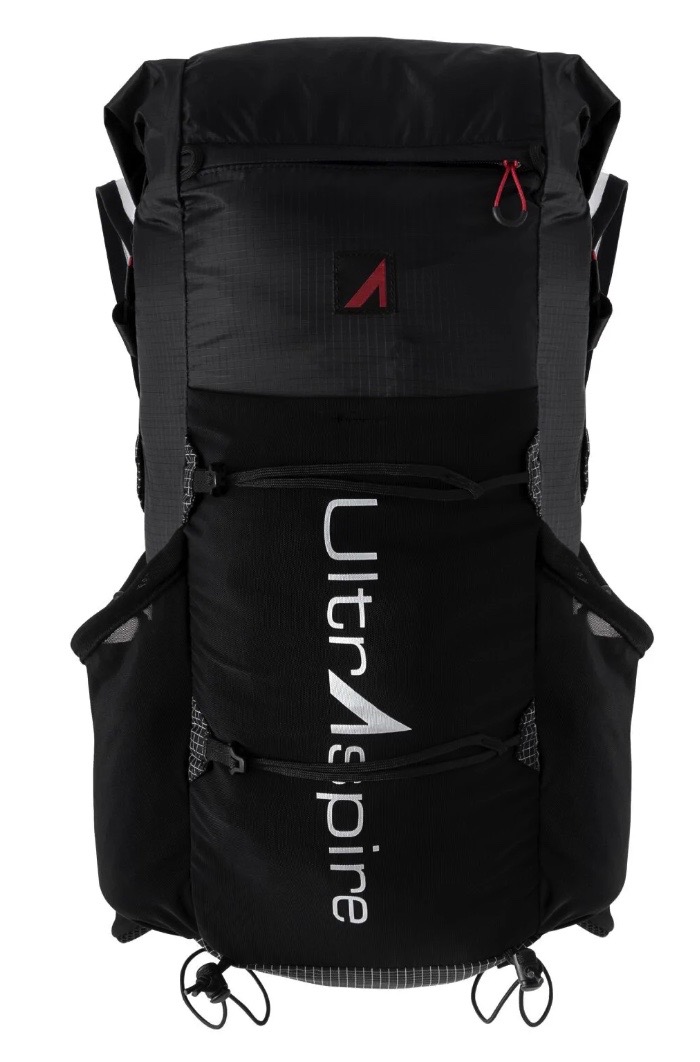
UltrAspire Epic  XT 20L https://ultraspire.com/products/epic-xt-20-hydration-pack/
Instinct XX 20-24L https://www.instincttrail.com/product/xx-20l/
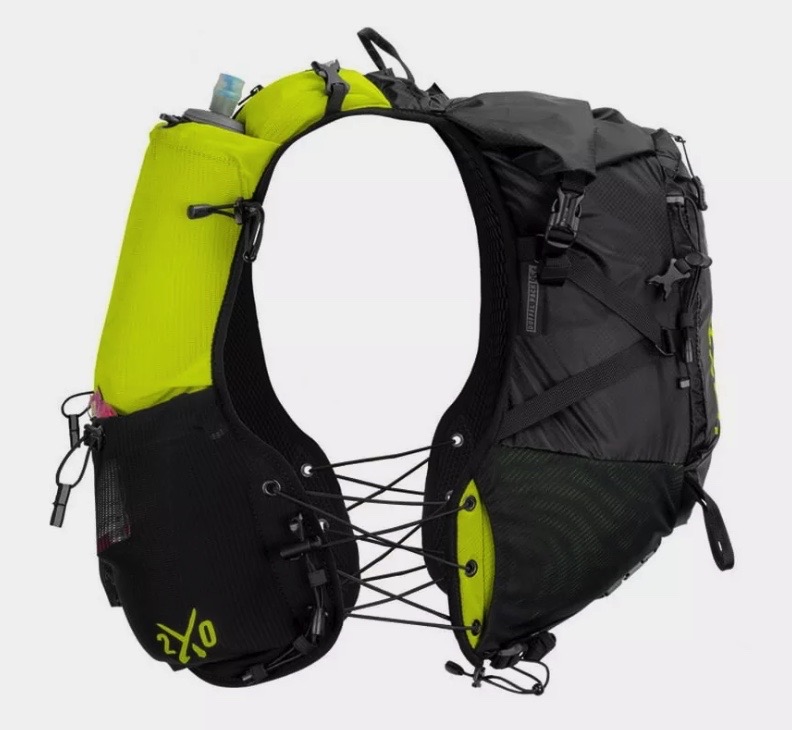
Inov-8 Venturelite 25 https://www.inov8.com/venturelite-25l-hiking-pack?colours=3120
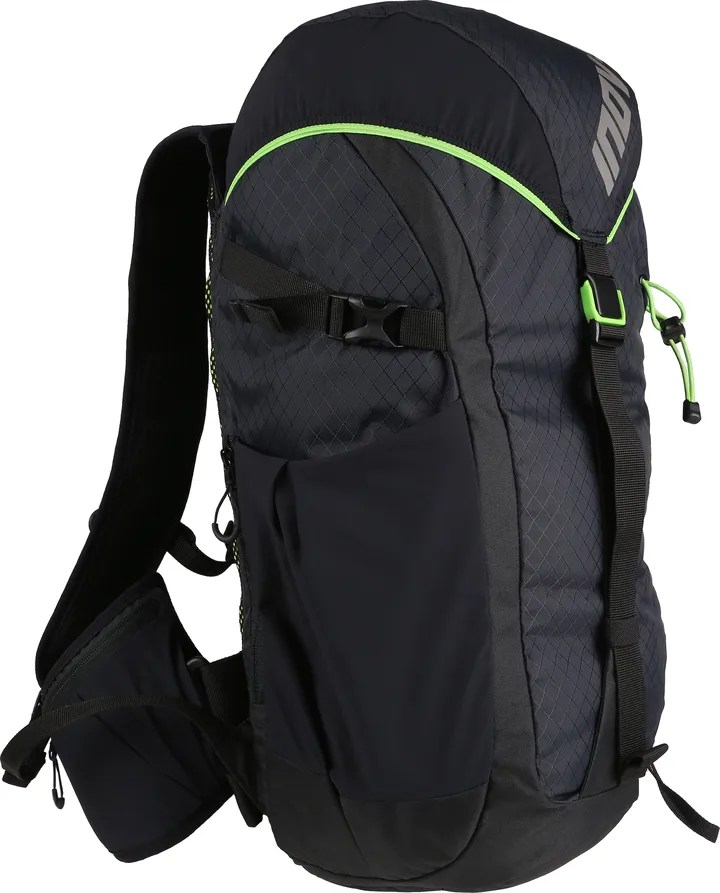
Osprey Talon Velocity in 20l and 30l (male and female fit) https://www.osprey.com/talontm-velocity-20?color=White
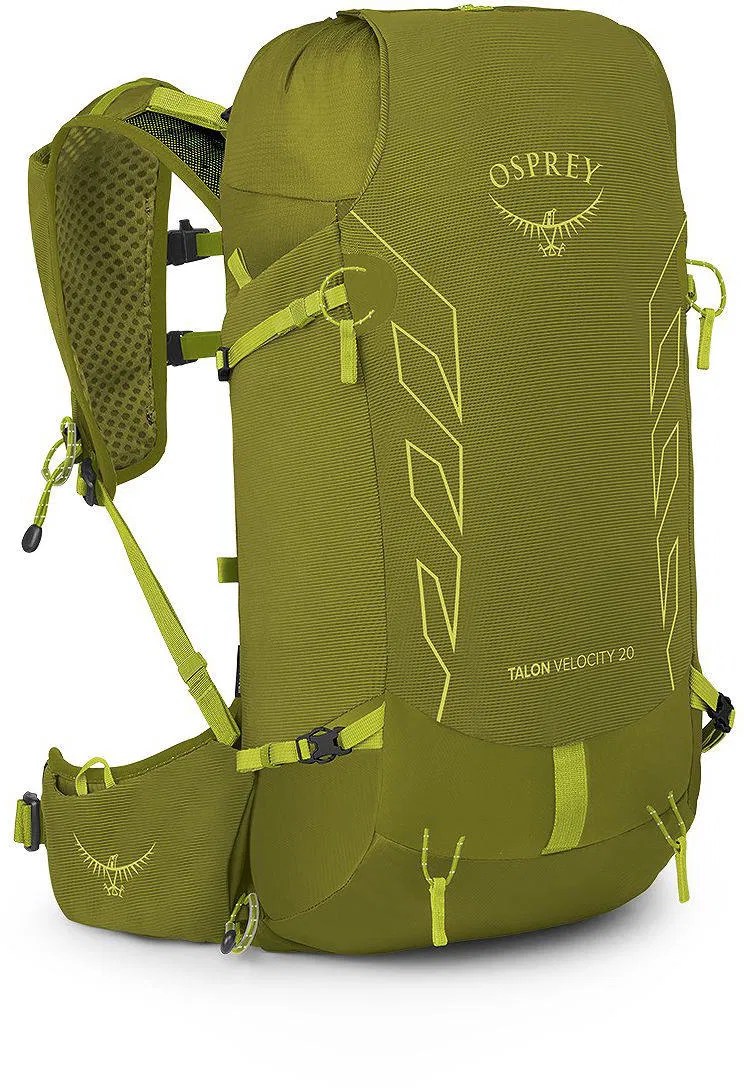
Raidlight Ultralight 24-30l (maybe the lightest pack available?) https://raidlight.com/en/products/sac-a-dos-trail-ultralight-24-30-made-in-france

Raidlight Raid Legend 25l https://raidlight.com/en/products/sac-a-dos-de-trail-activ-legend-24l
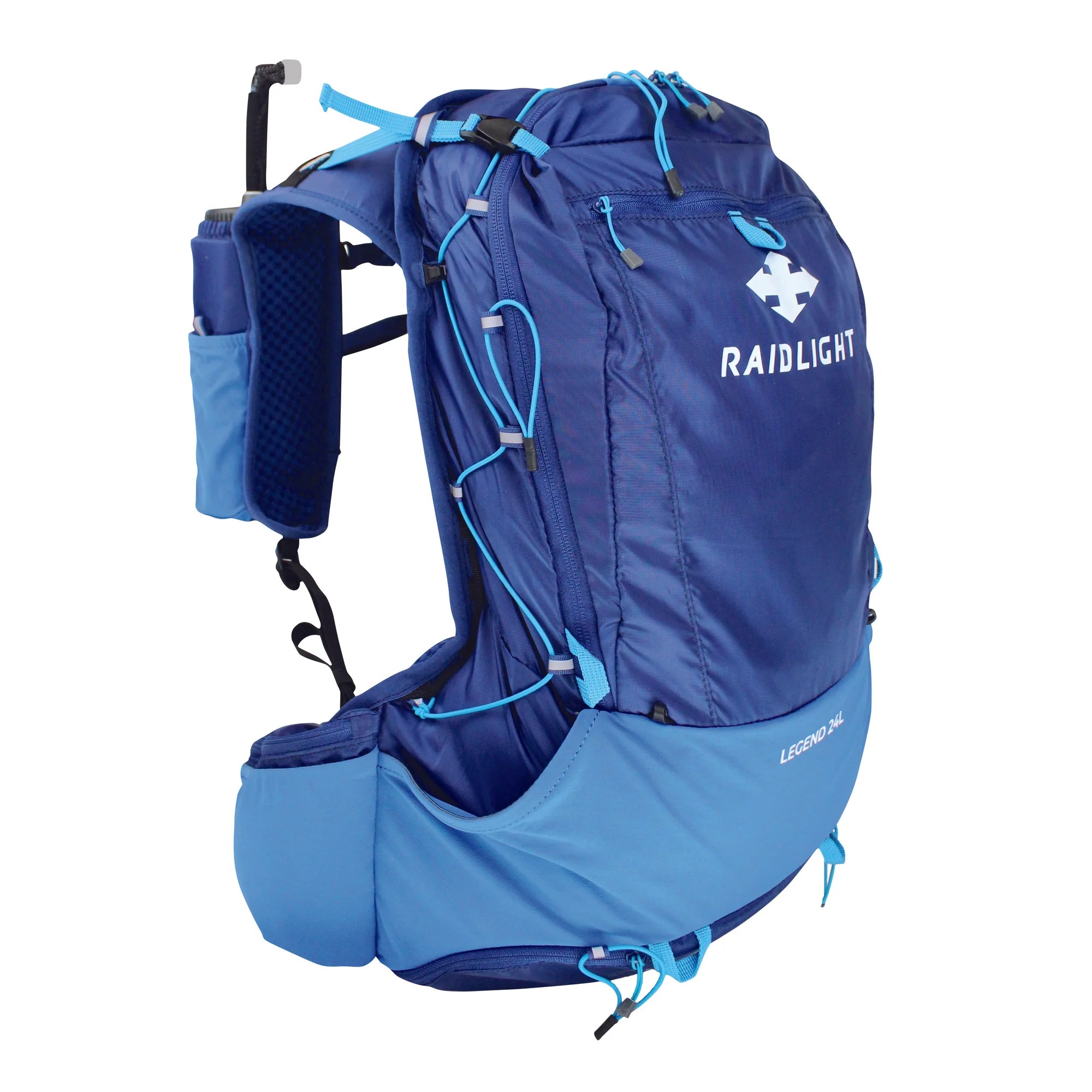
Montane Gecko VP 20l https://montane.com/products/montane-gecko-vp-20
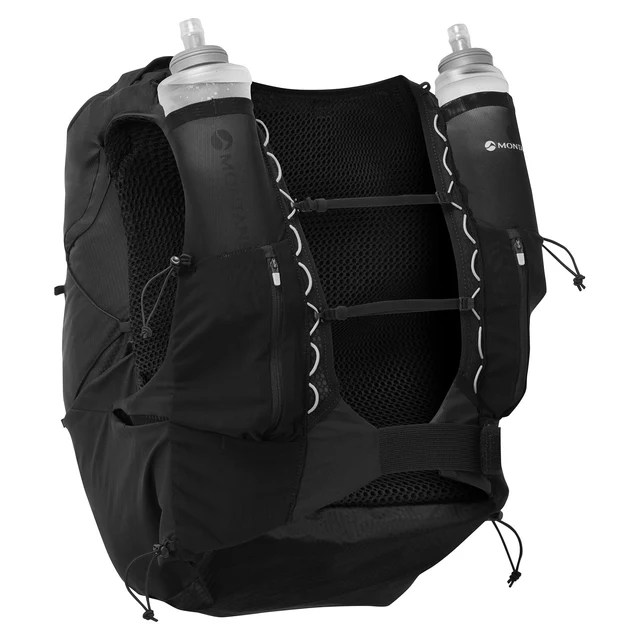
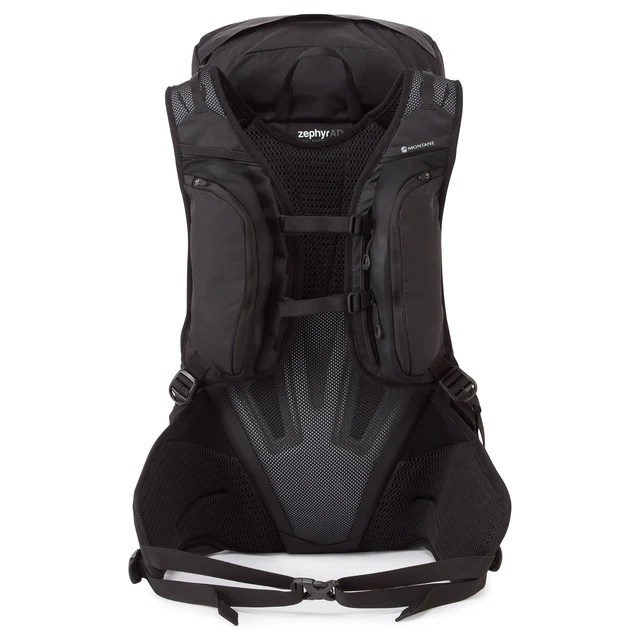
Montane Trailblazer 25l https://montane.com/products/montane-trailblazer-25l-backpack
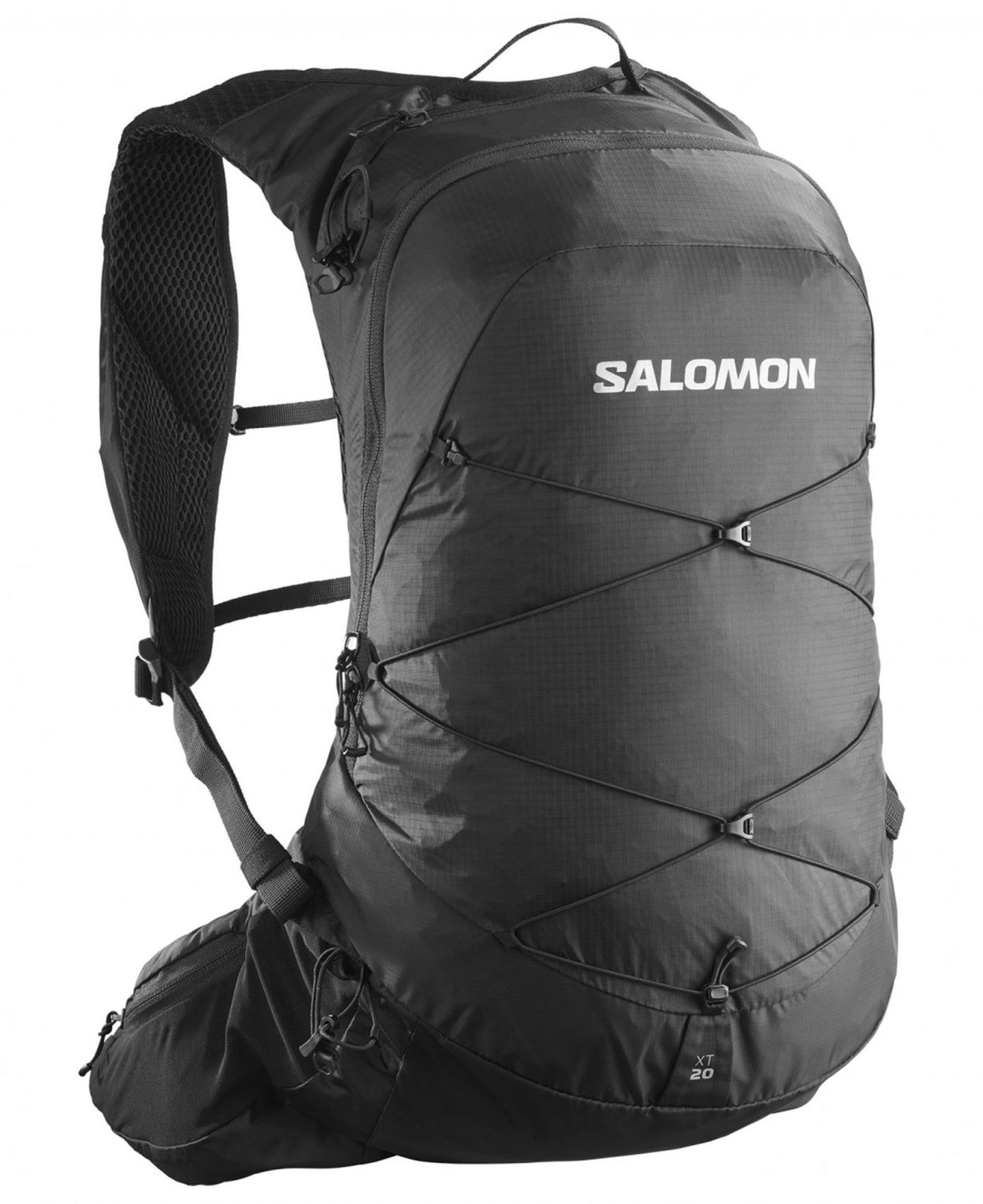
Salomon XT 20 https://www.salomon.com/en-us/shop/product/xt-20-lc12756.html#color=87687&size=27106
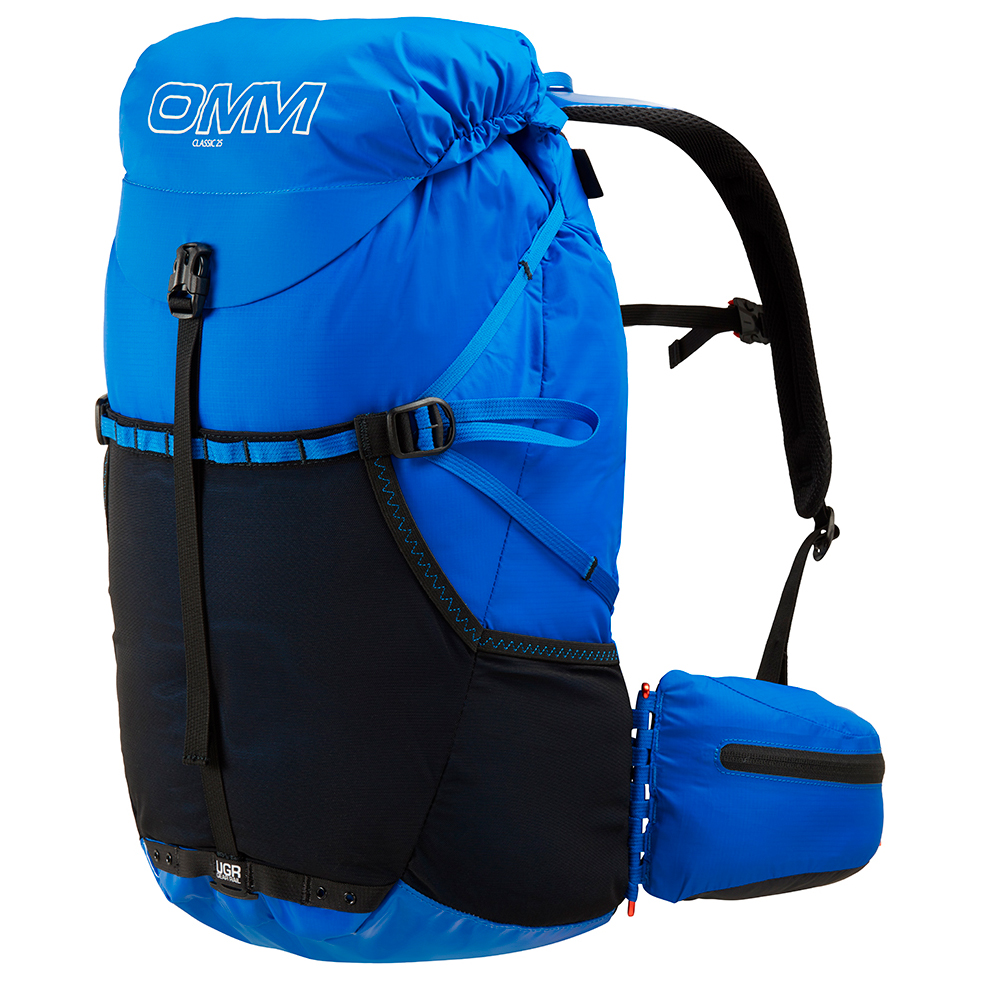
OMM Classic 25 https://theomm.com/product/classic-25/
OMM Phantom 25 https://theomm.com/product/phantom-25/
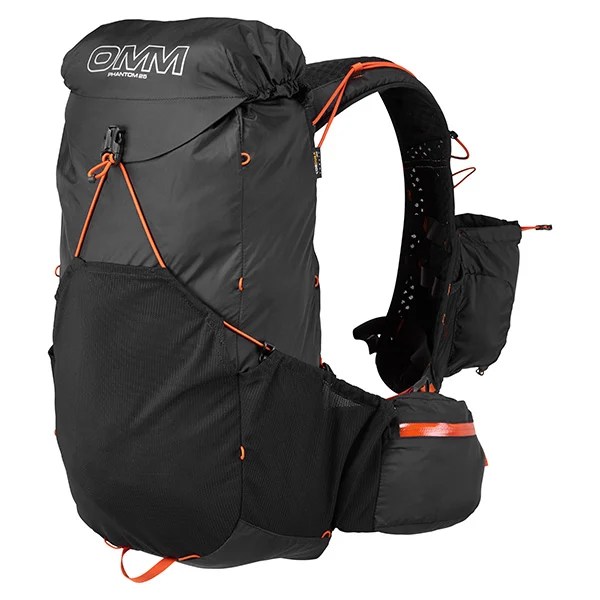
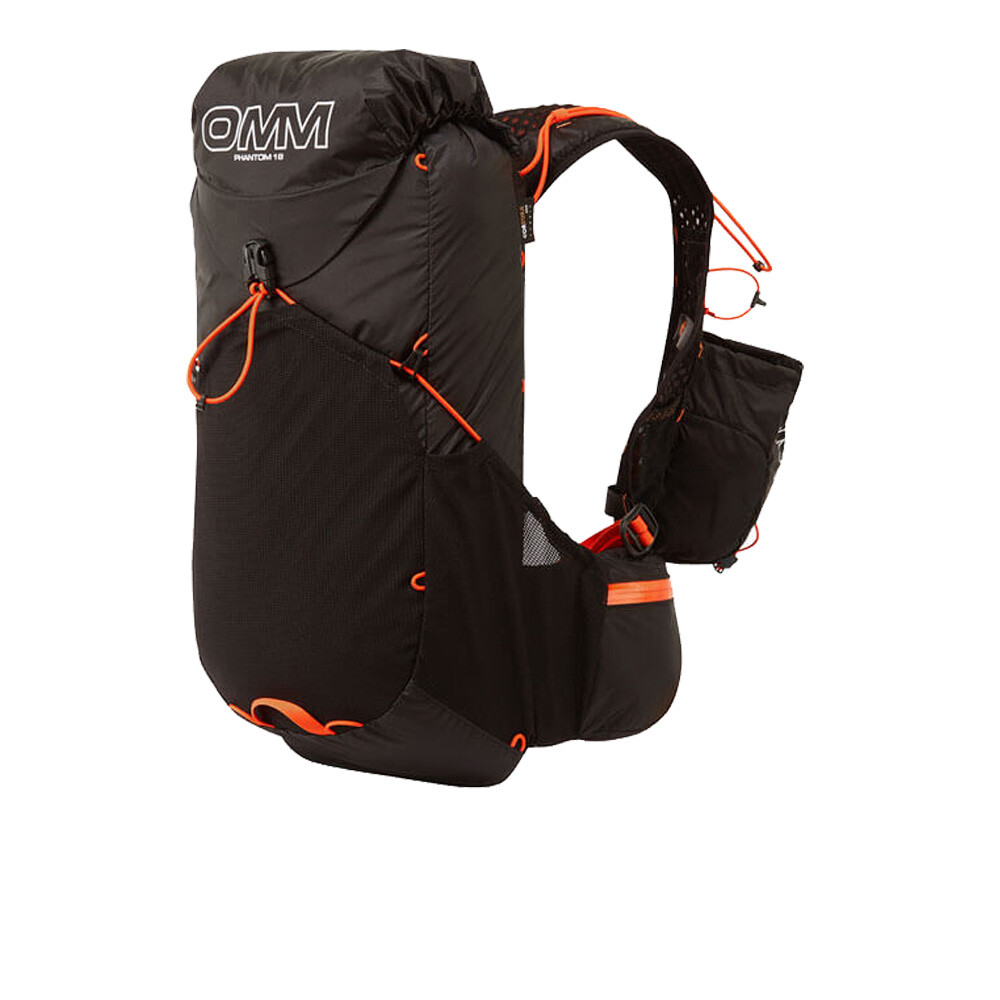
OMM Phantom 18 https://theomm.com/product/phantom-18/
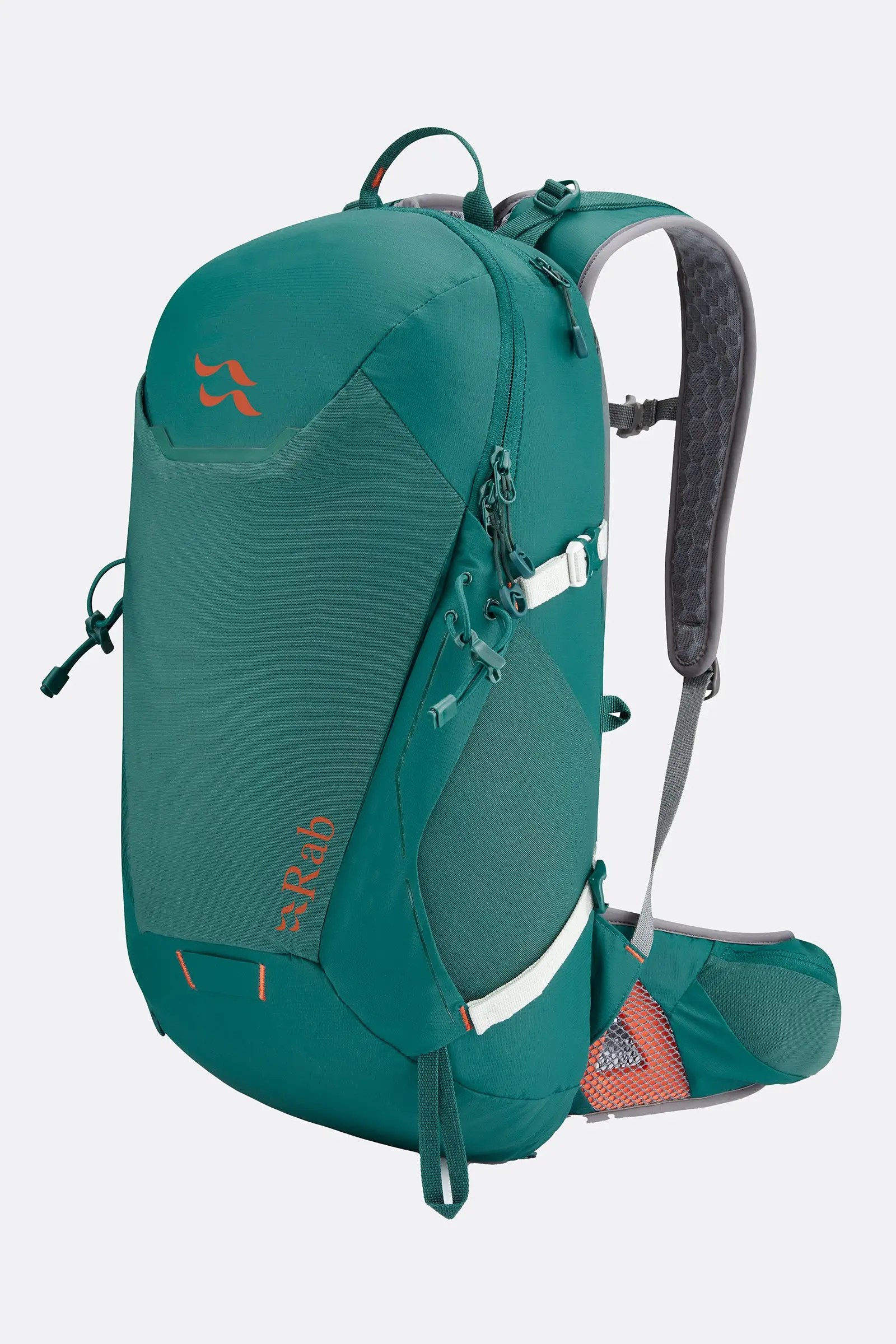
RAB Aeon (18 and 28l) https://rab.equipment/uk/rab-aeon-ultra-28-lightweight-pack
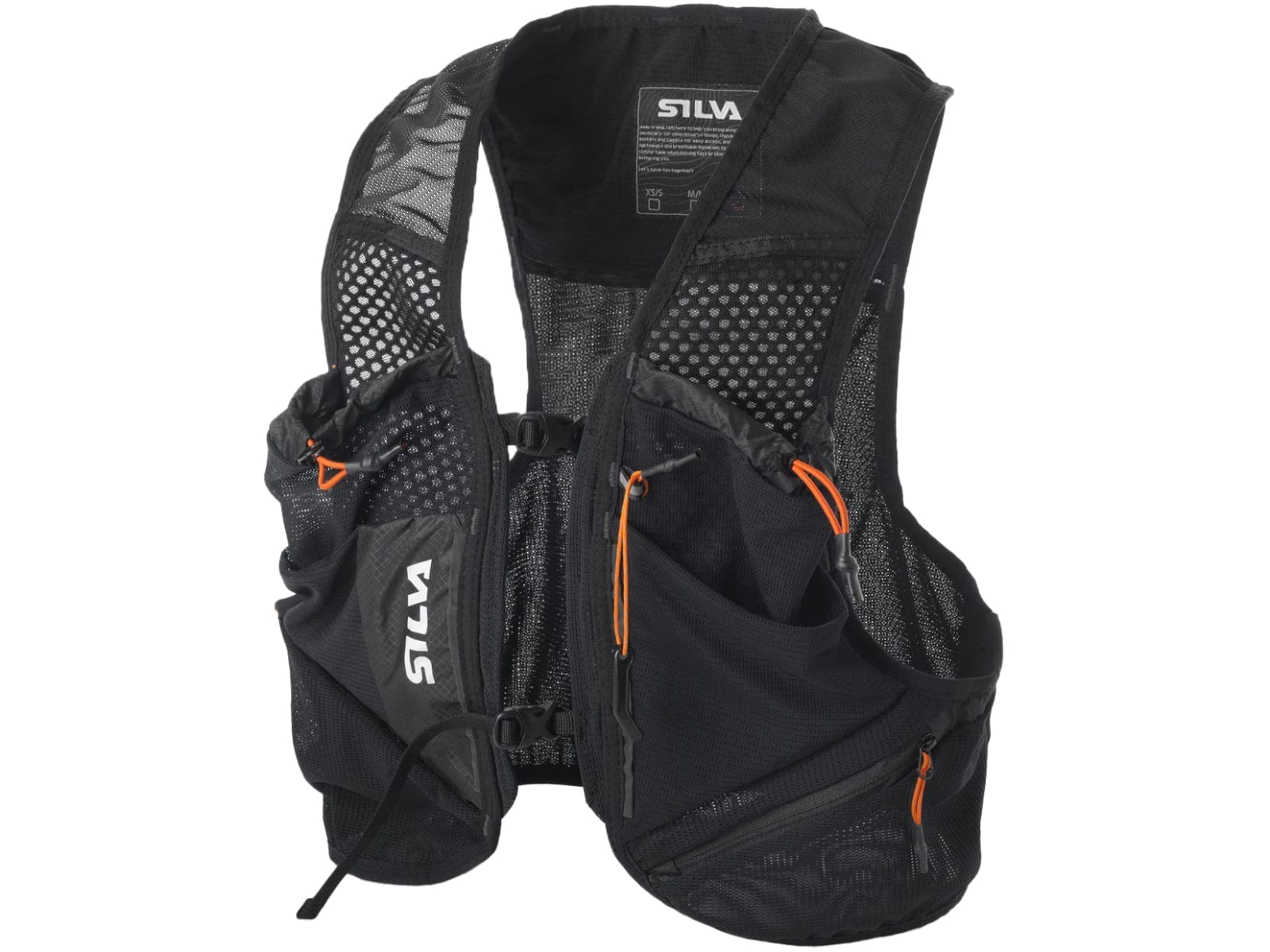
SILVA Strive available 17+3l or 23+3l https://silvasweden.uk/collections/backpacks/products/strive-mountain-pack-17-3
Large Capacity Packs:

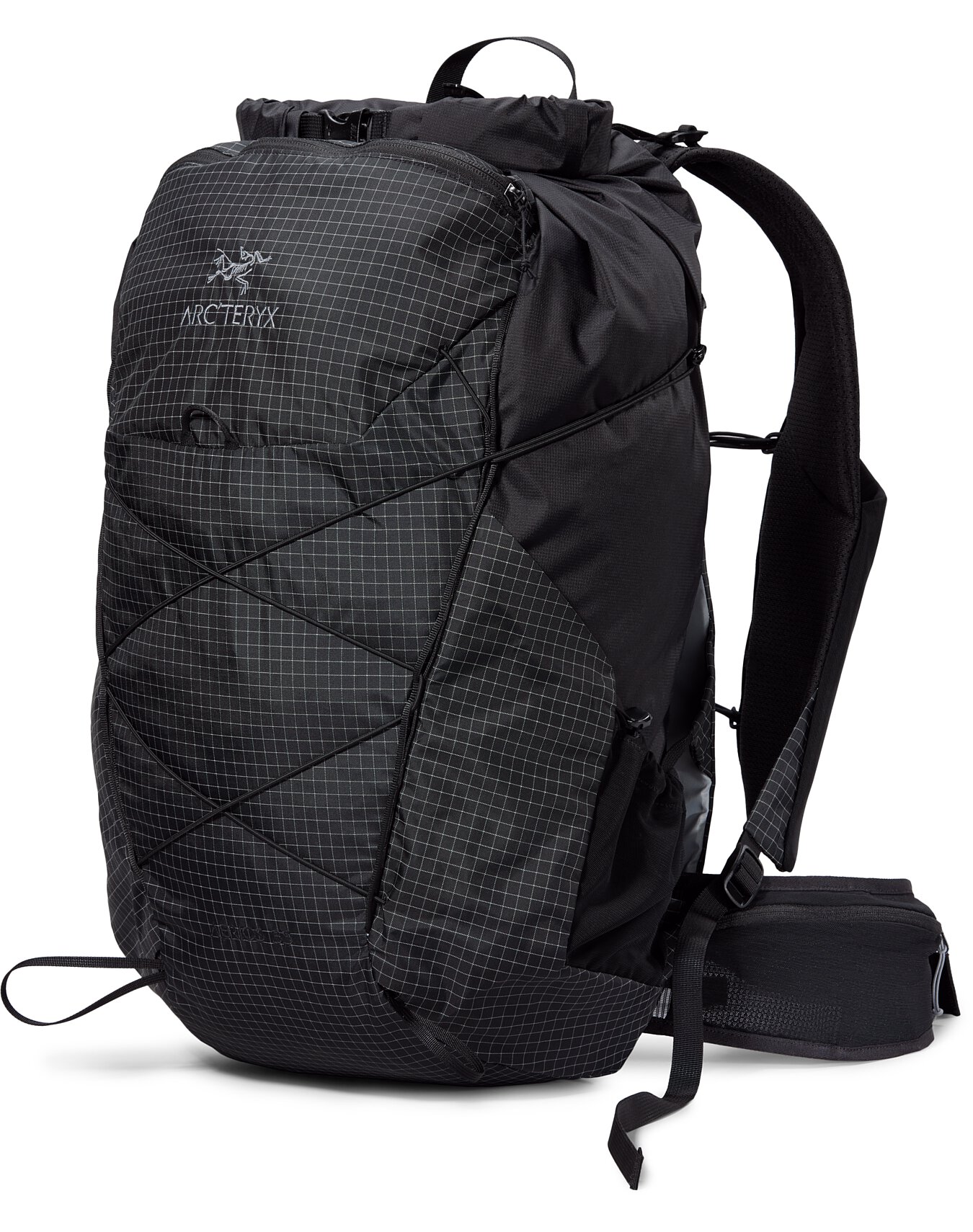
Arc’teryx Aerios 35 https://arcteryx.com/no/en/shop/aerios-35-backpack?sub-cat=multi-day&sub_categories=Multi-Day
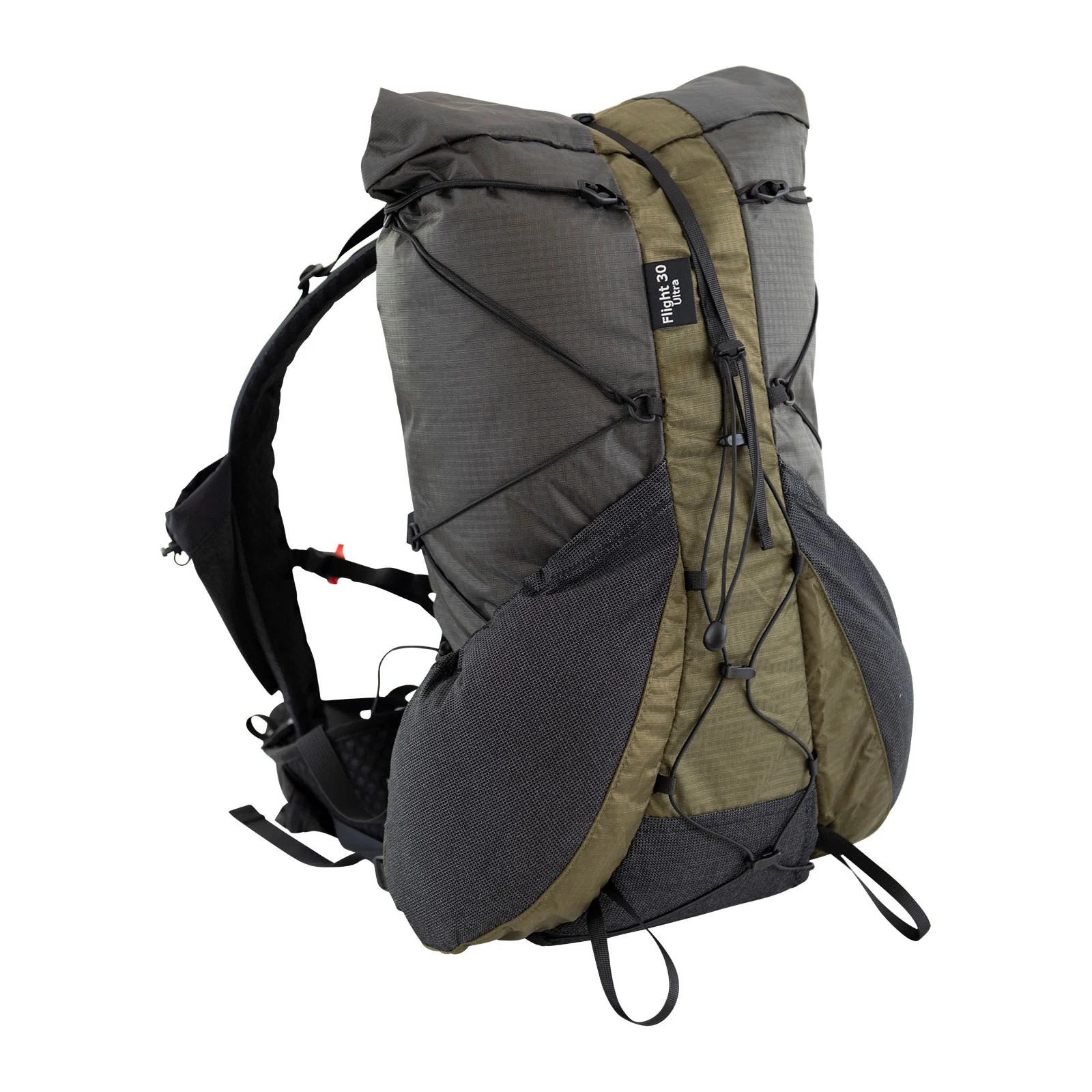
Six Moon Designs Flight 30 https://www.sixmoondesigns.com/
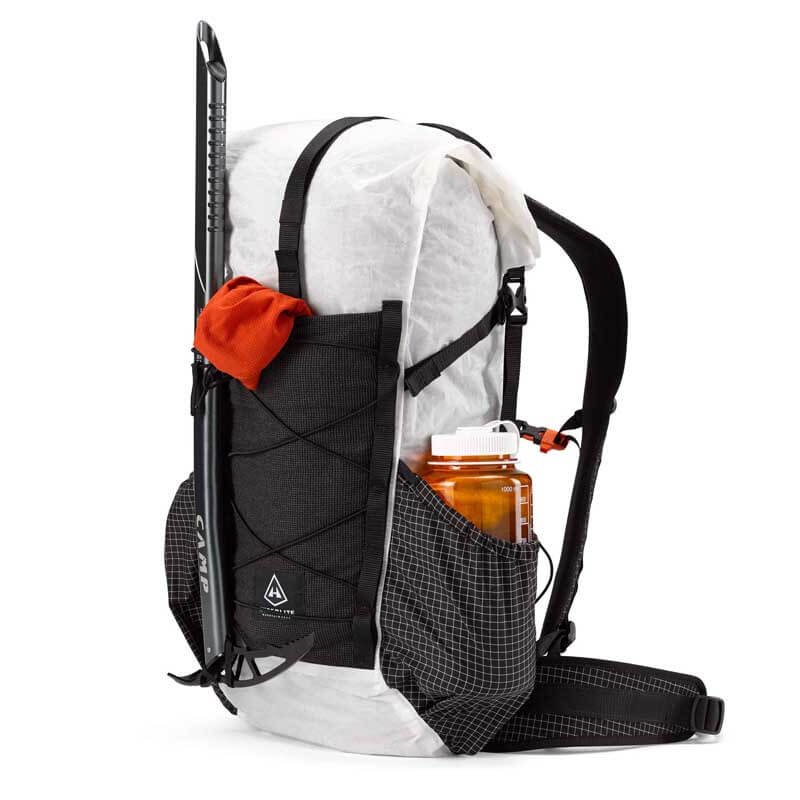
Hyperlite Mountain Gear Elevate 22 https://www.hyperlitemountaingear.com/products/elevate-22
CONCLUSION

Ultimate Direction pack at MDS

As you can see above, there is no shortage of options for packs. The main problem is testing and trying packs. Today, the internet and online purchasing provides us all great options and ease for shopping, but, I cannot emphasise enough, with a pack, go to a store, try them on, add weight and play around. Ideally, go to a store that sells many options so you can compare.
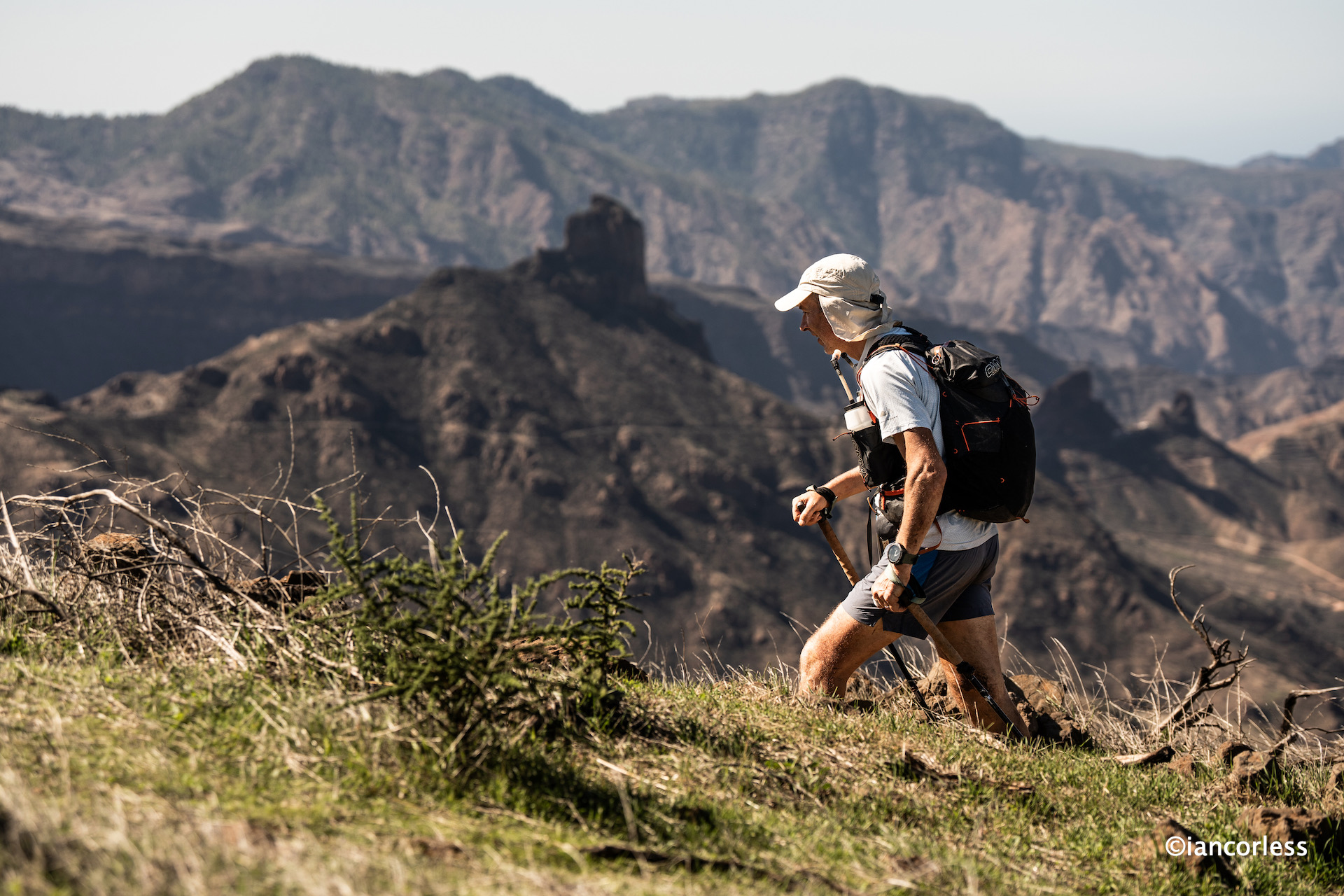
The right pack is the one that works for you

Follow on:

Instagram – @iancorlessphotography

Twitter – @talkultra

facebook.com/iancorlessphotography

Web – www.iancorless.com

Web – www.iancorlessphotography.com

Image sales –www.iancorless.photoshelter.com
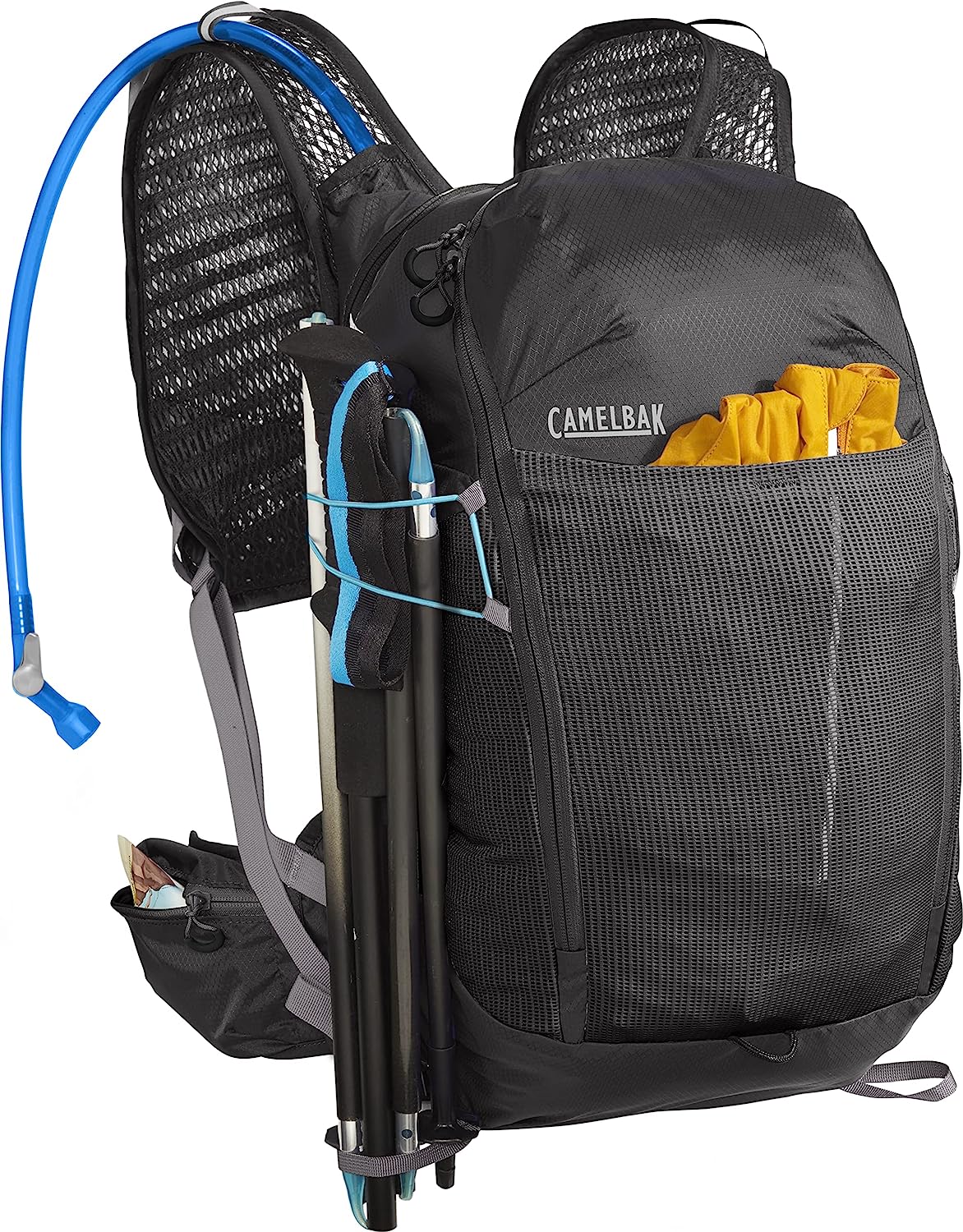
Camelbak Octane 25 litre Limited Edition Review

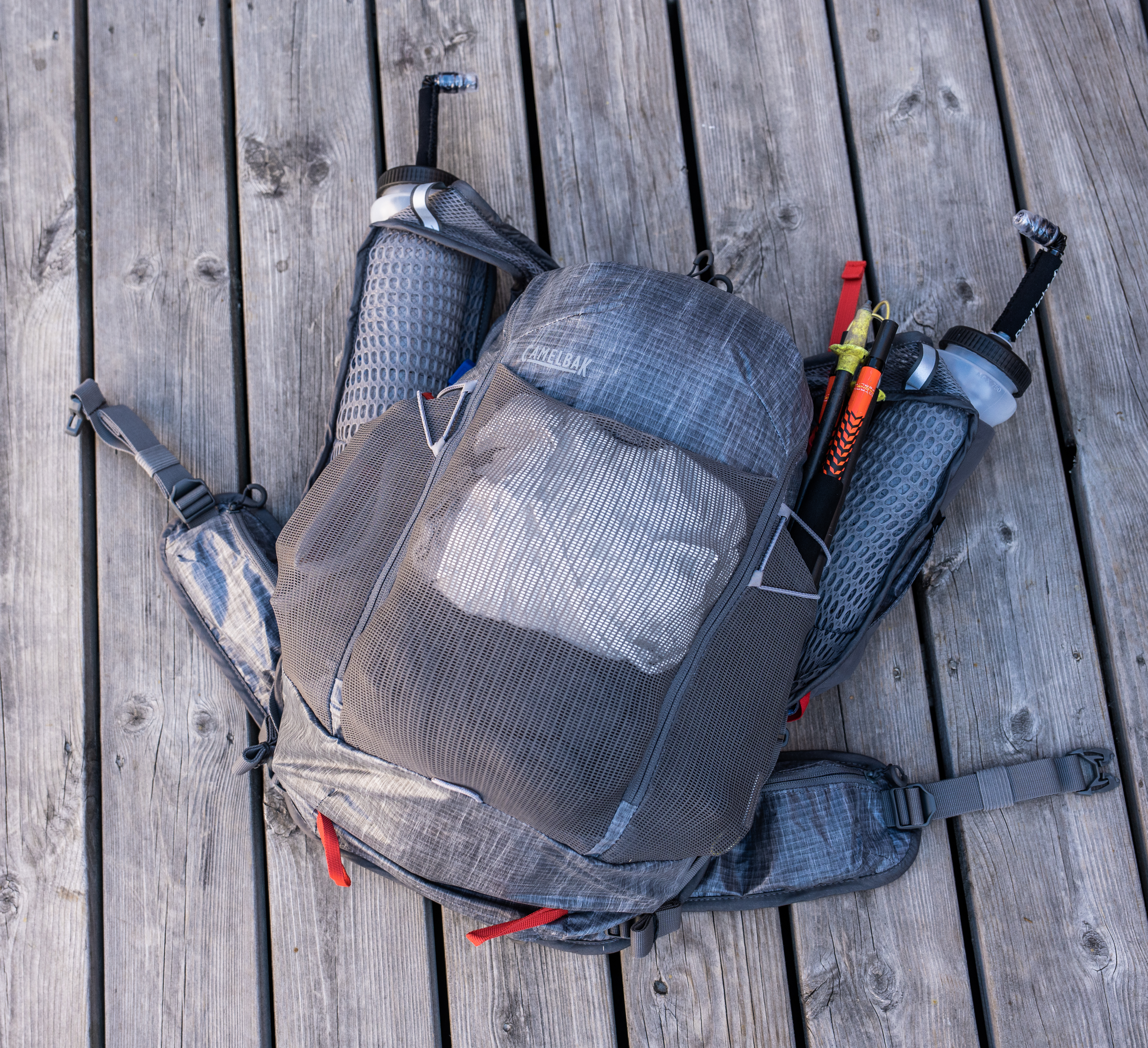
Octane 25 fully packed with tent,sleeping bag, apparel and food for a 1-night fastpack.

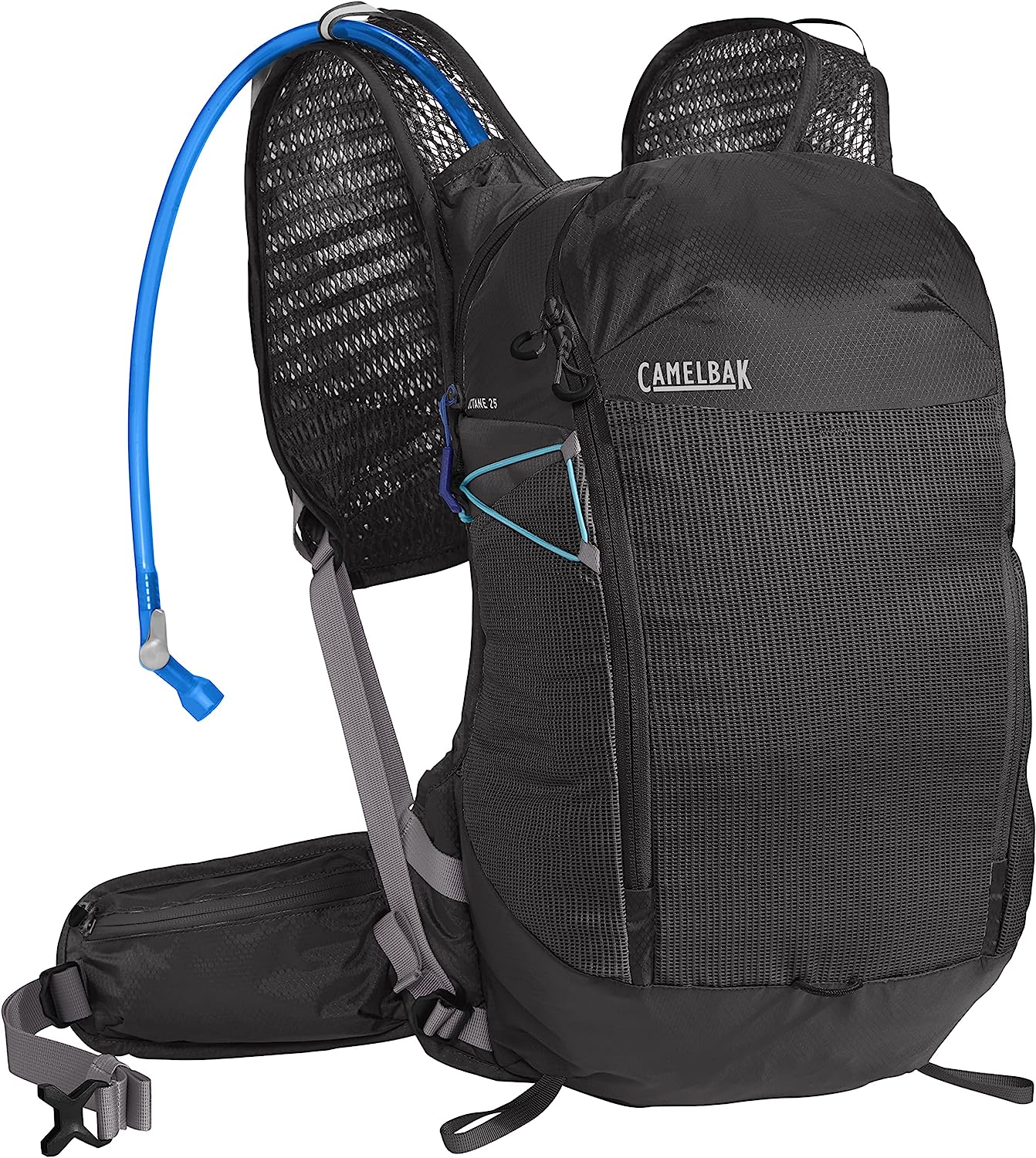
Streamlined, lightweight, full of features and storage, CamelBak have brought together the best of both the trail running and hiking worlds with Octane 25 LE.

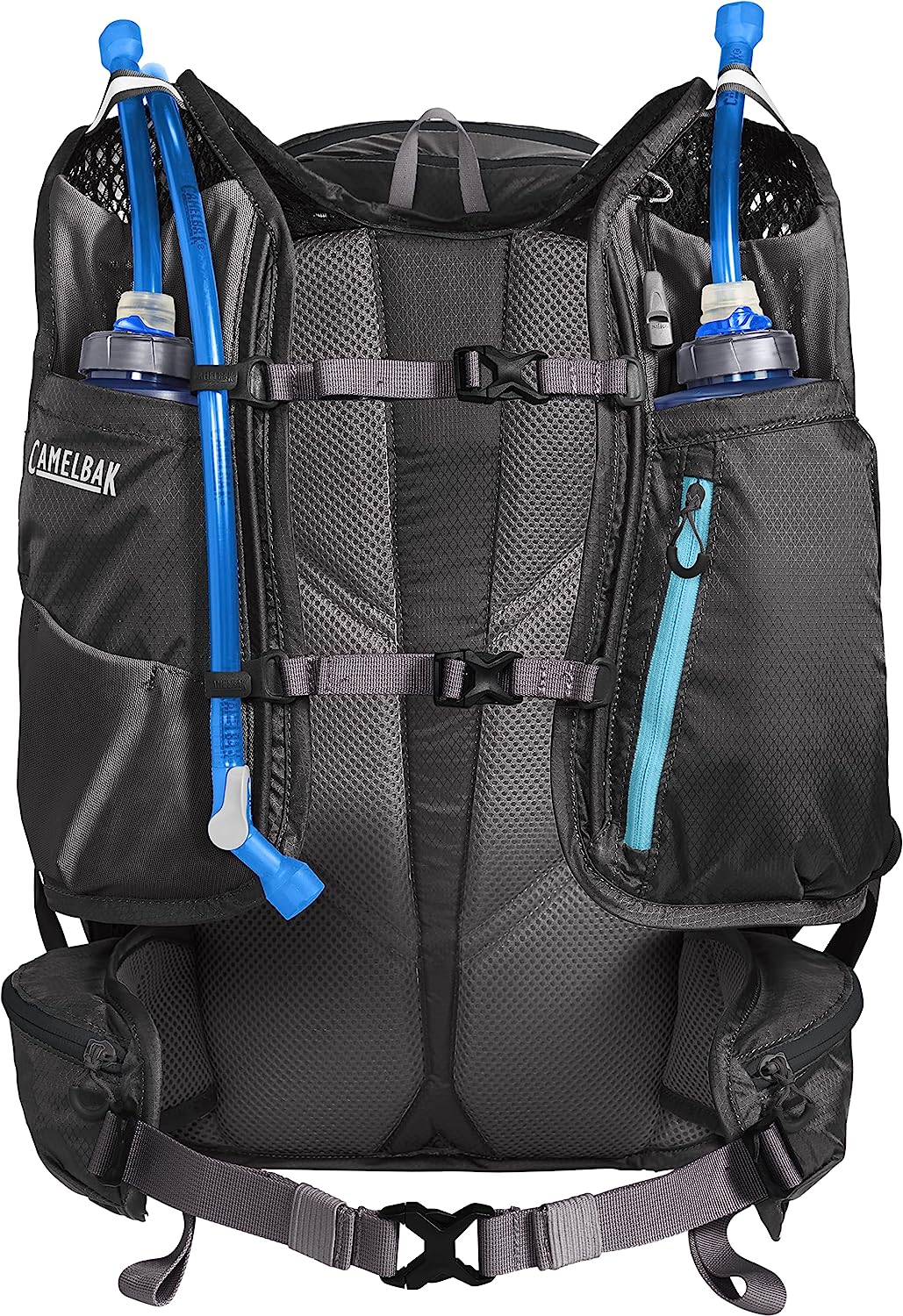
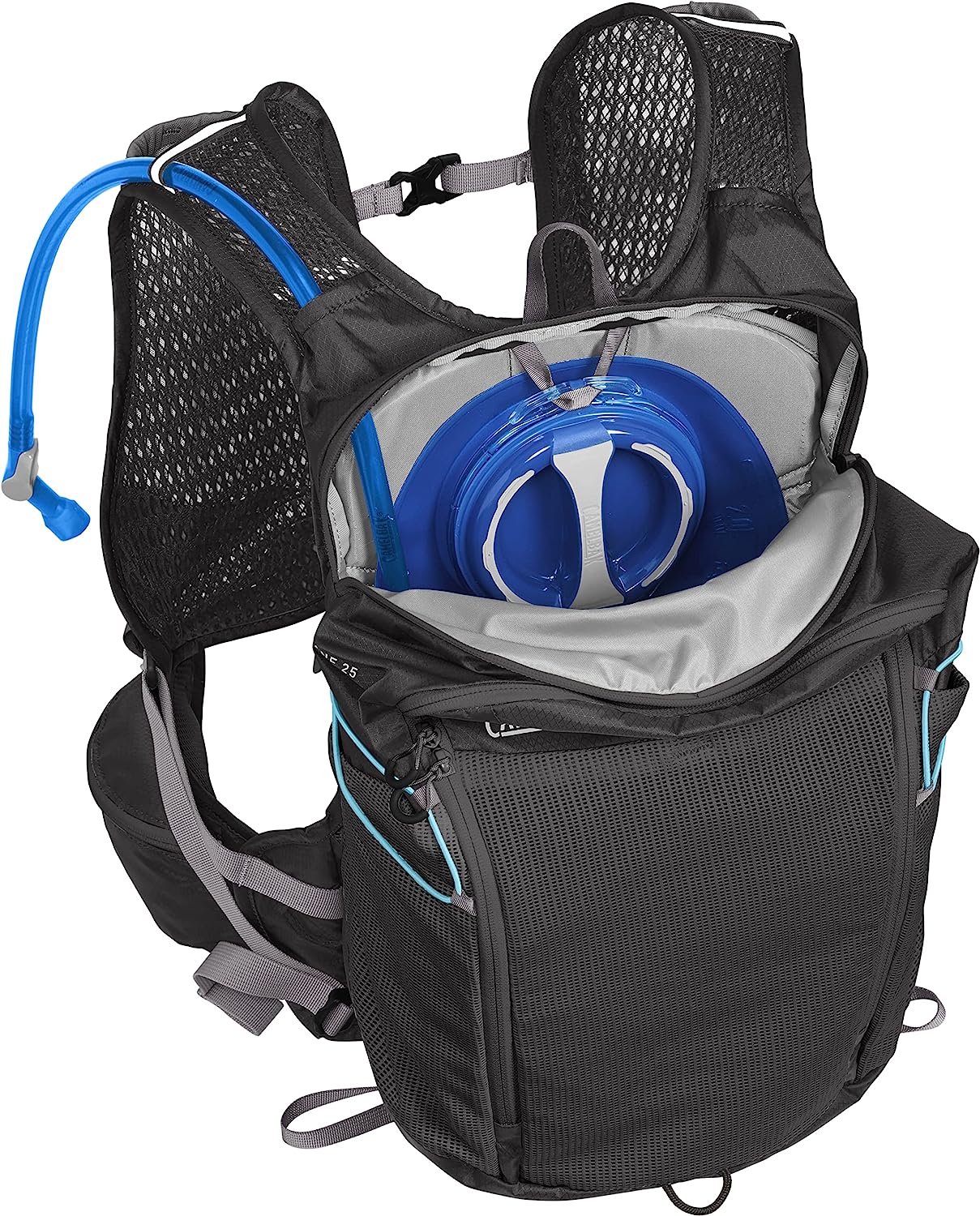
As you would expect, CamelBak has integrated a system to keep the bladder secure and easy to access, with the hydration hose tucked in and out of the way with secure fixings at the front. For many though, the use of the bladder can be a plus or a minus, so, removal is easy. At the front, there is storage for two large bottles or soft-flasks.

Ultimately, this pack with 25L of storage is perfect for fast packing and multi-day stage events. It is optimised for those who want to stay light and move fast. It is full of features and after packing and testing, this is a piece of equipment that is ideal for a race such as Marathon des Sables.

Key features are:

  • Belt with two zippered pockets for ‘on-the-go’ snacks.
  • Trekking pole storage via left or right side.
  • 11 exterior pockets one with zipper and two for bottles/ soft flasks.
  • 8 interior pockets one with zipper and key holder
  • 2 chest straps

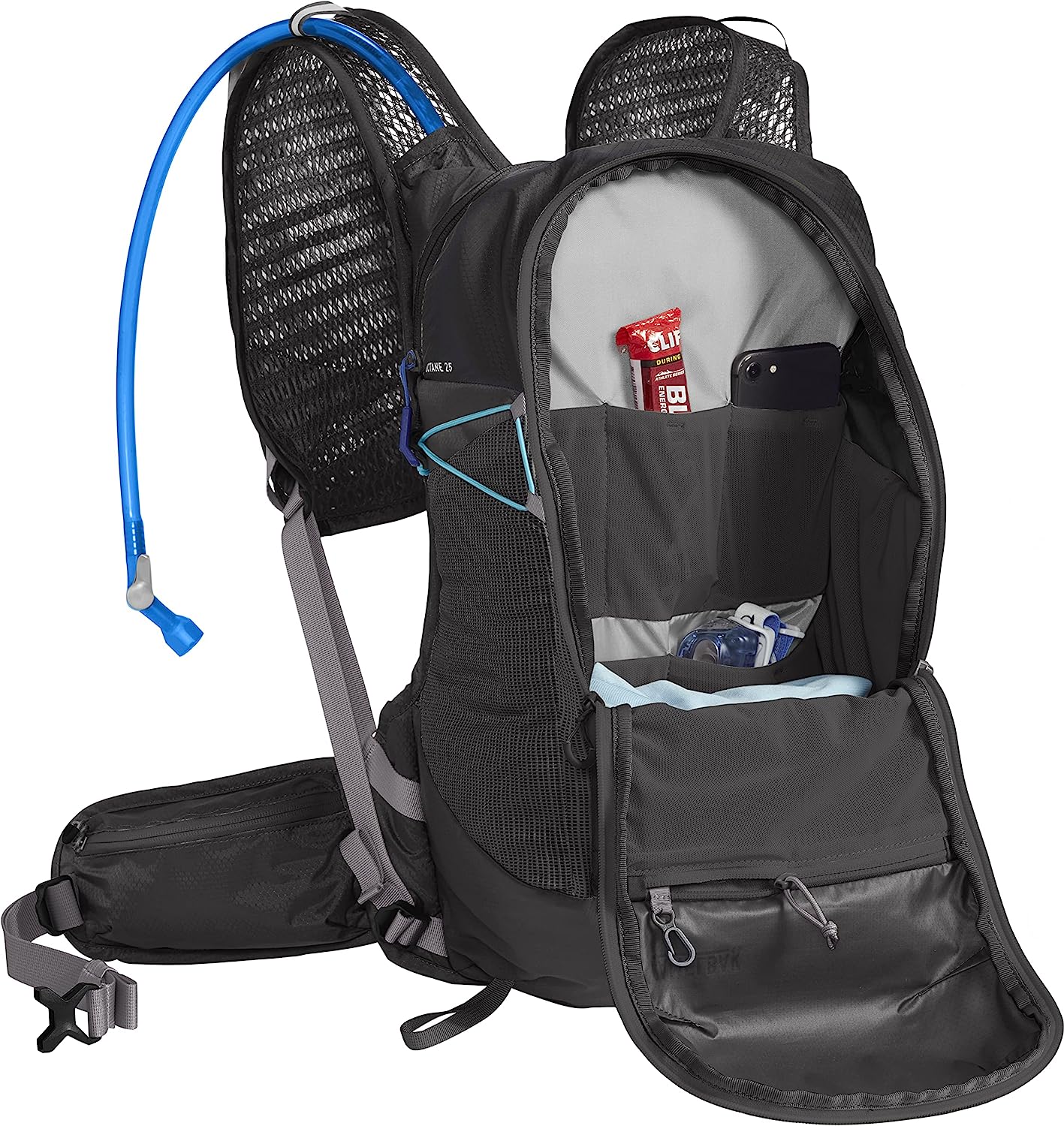
A large zipper opens up the pack like a suitcase, therefore adding and removing contents is easy. Inside the pack are multiple small stretchy storage pockets, 8 in total. On the rear insides 5, 2 longer pockets on the sides of the inside. In the lid of the pack is a zipper pocket ideal for wallet, passport with an integrated key holder.

Outside there are 11 exterior pockets and a giant compartment that is dedicated to hold the bladder, or, if doing multi-day, this is a great place to put a sleeping mat or even some clothing. Three large mesh pockets are ideal for external storage that may require quick access, for example, waterproof jacket, pants, hat, gloves, additional liquid and so on. Two elastic straps not only will hold poles in place but also help compress the pack smaller.

Pockets help keep things in place, and the dual chest straps keep it all closely attached to the body. The addition of the waist belt and two zippered pockets only adds to a secure feel and the increased pockets are welcome for ‘on-the-go’ snacks.

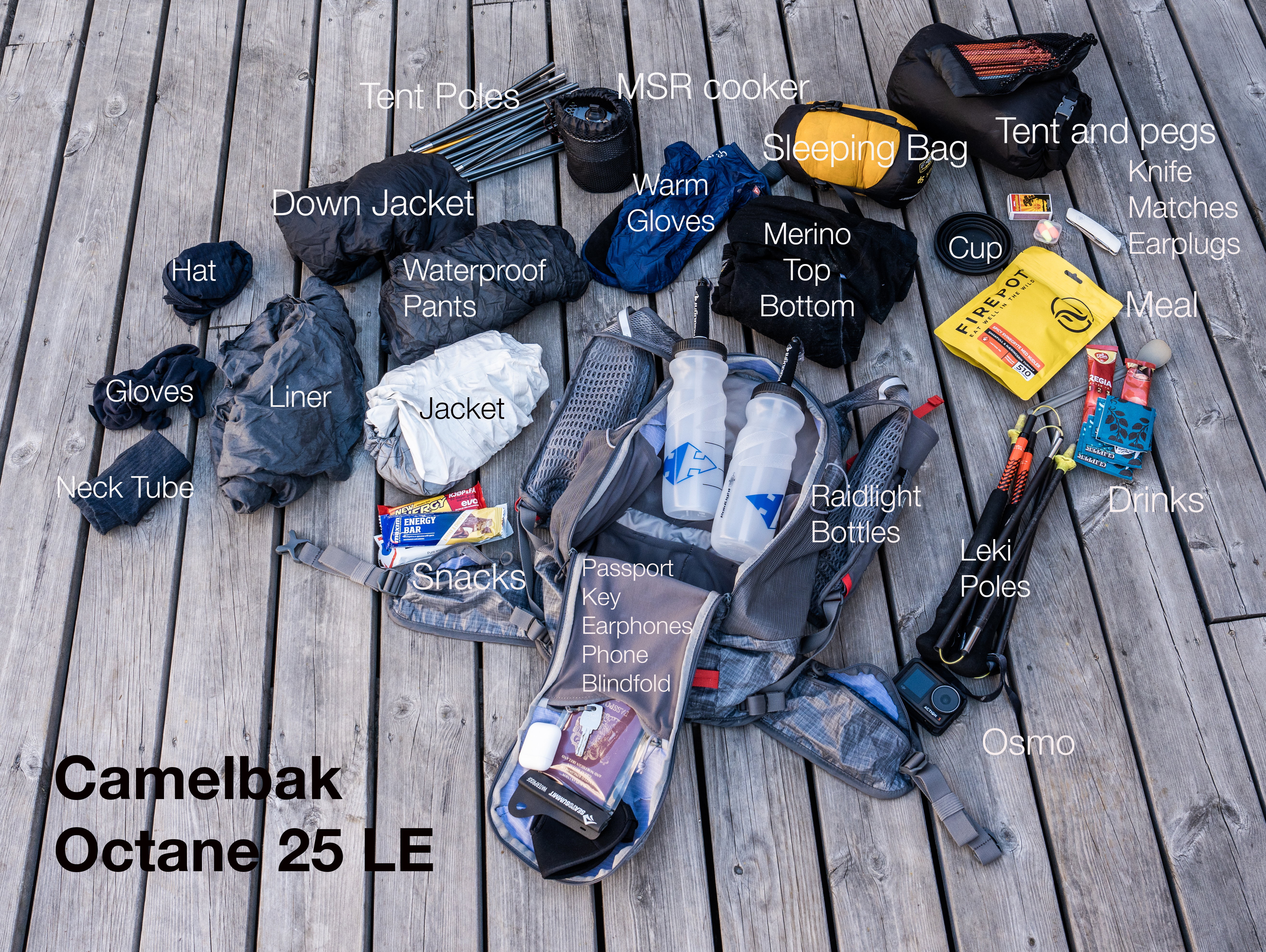
To provide perspective I removed the bladder and added a sleeping mat in to the bladder compartment (not shown in the video) and the items you see are as follows:

  • 2 large Raidlight bottles
  • Big Agnes solo backpacking tent with poles and pegs.
  • Sea to Summit Sp1 sleeping bag.
  • Sea to Summit sleeping bag liner.
  • Merino LS top and bottoms.
  • Waterproof jacket.
  • Waterproof pants.
  • Down jacket.
  • Warm gloves.
  • Leki poles.
  • Merino beanie, neck roll and gloves.
  • MSR solo cook kit.
  • Sea to Summit spoon
  • Knife, matches, hot chocolate sachets, tea, earplugs, blindfold, snacks, and cup.
  • Firepot food and bars.
  • Osmo Active.
  • Phone, passport, and credit card.

To wear, the pack hugs the body, is comfortable and if adjusted correctly provides a run with minimal bounce. Made from ultralight sail cloth, the Octane 25 feels very durable. 3D vent mesh helps comfort and breathability.

While not one of the obvious choices for a multi-day or stage race, this pack is proving hard to beat. The features, the storage capacity and the fit against the torso is superb. It really is one of the best, if not the best, we have tried. Coming in one size, smaller or larger individuals would need to try on and make sure fit and comfort works. The side adjustments do compensate for many sizes and the waist belt adds to a secure feel and it helps spread the carry load.

Is there a downside? The only possible problem could be the zip. Zips can break, particularly when under pressure from holding in contents or from harsh environmental conditions, such as sand. However, this is just a thought process that needs considering, there is nothing in testing that would suggest there to be a problem.

Ultimately, one of the best fast packing and multi-day packs I have tried and one that I am using on all adventures for the foreseeable future.

Images below copyright Camelbak.

Follow on:

Instagram – @iancorlessphotography

Twitter – @talkultra

facebook.com/iancorlessphotography

Web – www.iancorless.com

Web – www.iancorlessphotography.com

Image sales –www.iancorless.photoshelter.com
Fail to Prepare, Prepare to Fail

A Multi-Day race or a long-distance ultra is a huge undertaking. For many, it’s a 12-month project (or longer) that slowly but surely can consume every available day, hour, minute and second.

I get it, a long-distance race over multiple days in an unfamiliar terrain can leave more questions than answers. However, don’t panic, it’s not that complicated – read HERE.

As your key adventure looms, it’s time to focus the mind, body, and equipment so that you can plan for and anticipate all that may go wrong and right while undertaking this key target.

Quite simply, the old saying, ‘Fail to Prepare, Prepare to Fail’ does and can ring true.

So, what can be done?

Luck can have a place in any success; however, it should never be relied on. In multi-day events, particularly self-sufficient ones, the need to fine tune everything is a key element.

  • Training.
  • Kit.
  • Mind.

All of the above have very important roles to play in success.

  1. Get the training wrong, you may not have the fitness or an injury that will result in you not achieving the finish line.
  2. Get the kit wrong, be it too heavy, not durable or inappropriate may impact on your ability to achieve your goal.
  3. Many say the mind is a key and an integral part of any success. Often, the body can be willing, but the mind can be weak, get the mind focused and prepared.

You need to be prepared for whatever your multi-day adventure will throw at you.

In the final phase of training, 6-8 weeks before your adventure starts, is a great time to start working on the final phases and plans that will help ensure success.

THE PREPARE PHASE

If we assume that tapering will take 2 to 3-weeks, this key ‘Prepare Phase’ should be in weeks 4, 5, 6 and 7 before D-Day.

Train and prepare specifically.

First and foremost, understand the challenge that you are undertaking. You may feel that you already have a grasp on this, but there is no harm sitting down and going through all they key aspects. Terrain, weather, mandatory kit, distance, and conditions. Look at the October 2021 edition of Marathon des Sables, the race started with a series of protocols to manage Coronavirus. Ultimately, Coronavirus was not a consideration, it was extreme heat, sickness and stomach problems.

Understand the event and challenge.

Walk, WALK, WALK! – Walking will (for most) be an absolute essential skill to complete any multi-day adventure. You may think you will run most of the distance… But experience confirms that walking is a key to success. Walking, and walking with purpose is a skill. Practice. Consider poles, they may enhance your walking experience, if so, practice and use them.

Learn to walk.

Without doubt you will have long days, and some will go in to the night and through the night. Take time and plan and include a session like this in the ‘Prepare Phase!’ Understand here that this is an opportunity to test kit, not only yourself. Is your head torch bright enough, how do temperatures vary, how does my appetite and requirement for fluid change etc. By doing this in training, you do it in a safe environment. If it all goes badly, you can always make a call and get picked up or get a taxi. You can’t do that in your race or event. Darkness and nighttime can play tricks.

Back-to-back runs may well have featured in your training but running/ walking tired is a skill. However, be careful how you plan this in training. You want adapt body and mind, not break them.

Practice makes perfect.

Perform training with rationed water and race/ event food. You need to learn what works and what doesn’t work. It’s all very well going for a long run and then getting home and eating chocolate and drinking Coca Cola – can you do that in your event? Mentally this can be a real tough challenge – be prepared.

Get a pack that fits perfectly and does not bounce.

Your pack will be with you for the duration of your event. It must be as light as possible and also sturdy enough to last the challenge without breaking. Be minimalist on equipment and purchase the lightest equipment possible. Remember though, lightweight can often mean less durable, less warm, less functional and so on… Better to break or damage equipment in training so that you can make changes ready for the important challenge ahead. Modify and adapt.

Be specific!

Be specific. Snow, mountains, altitude, heat, or cold. Understand the demands that will be placed on you in your challenge and plan for a specific phase (typically in the 2-3 weeks before the event) to help acclimate. This could be a heat chamber, it could be arriving early before an event and adjusting to high altitude, it could be some specific cold, ice or snow training.

Try out food for an adventure in training.

Plan an ‘event simulation’ that will require you to run for a specific distance, be self-sufficient overnight, sleep in a similar scenario/ situation to your event and then get up and run the next day. This can be a key element in understanding what does and does not work. Is your sleeping mat comfortable? Is the sleeping bag warm? Did your food taste good? How easy was it to cook? How about snacks, did they work? How was the pack weight and distribution of contents?

Spend a night out in training to find out what does and does not work.

Train with your pack and add weight, however, be careful NOT to do too much training with too much weight. This can result in injury. In addition, learn how to pack your bag so that it sits comfortably with minimal bounce. Understand where to put snacks so that you can access them on the go.

Look after feet – many failures come via poor shoe choice and foot care.

Feet and shoes. Please do not ask. ‘What shoe shall I use for ‘X’ Event?’ Runners are individuals and what works for one does not work for others. Gait, foot shape, foot width, foot length, toe length, run conditions and so on all impact. Read THIS article on how to find the correct run shoe.

Water and hydration is key to success.

Food glorious food. Calories are essential for an event, so is what they weigh. Understand food and its nutritional values and make sound educated choices that balance fat, protein, and carbohydrate. Also understand that taste changes. Sweet may be ok early on but typically savory is better as time passes. Is beef jerky better than nuts? What food rehydrates quickly or with cold/ warm water? Should I take bars? What about protein drinks? So many questions… They need answering!

Shops are not always available.

You only have to do three things at most multi-day events:

  • Run.
  • Eat.
  • Sleep.

All three impact on each other, so, make sure you have all of them dialed.

Finally, remember, we are all individual. What works for one person, will not work for another. It is your responsibility to take ownership of yourself, the challenge you are undertaking and the challenges it will bring. Ultimately, that is why you signed up, no?

JOIN OUR MULTI-DAY TRAINING CAMP HERE

Follow on:

Instagram – @iancorlessphotography

Twitter – @talkultra

facebook.com/iancorlessphotography

Web – www.iancorless.com

Web – www.iancorlessphotography.com

Image sales –www.iancorless.photoshelter.com
WINTER RUNNING – Hints ‘n’ Tips

Winter running, day or night, is special that provides a very different experience to running in the hopefully warm, dry, sunny and balmy days of Spring, Summer and Autumn. In all honesty, winter running for me and many others is often preferable, just a shame we can’t have the same amount of daylight hours as Summer brings.

All running, particularly in the mountains, remote areas and particularly if going ‘solo’ brings an element of danger that must be managed. Winter and extreme conditions do increase risk from many aspects and this article is designed to help you make the correct decisions even before you start any running adventure.

EXPERIENCE

No two runners are the same and experience and knowledge are a key bonus when it comes to any running, especially in challenging conditions. So, firstly, understand yourself and your level of experience. This will make your enjoyment and comfort on any adventure enhanced. As tip, start with short days and as your experience, knowledge and understanding increases, you can then venture farther and longer. Even contemplating multi-day/ fast packing adventures. Read an article HERE.

Ask:

  • What am I doing?
  • Where am I doing it?
  • When I am doing it?
  • What are the options exist to cut short my adventure?
  • How remote will I be?
  • What are the risks involved?
  • What weather can I expect?
  • What is the worst-case scenario?

Preparation is key and assessing what ‘may’ happen on any adventure or run is crucially important to make sure that a day or multiple day’s activity remains safe.

Weather can change in minutes at any time of the year, especially in a mountain environment. In winter the changes can often be far more extreme, a cold dry day can suddenly become wet, windy with sub-zero temperatures. Hypothermia can hit in minutes. Understand this and prepare accordingly.

It’s possible to run across frozen lakes in certain parts of the world.

Solo adventures are invigorating; however, risks are increased significantly in this scenario. Sprain an ankle (or worse) and become immobilized in bad weather and this becomes a high-alert scenario. So, not only should you have equipment and apparel that will help you survive a situation like this, but you should also have technology to make you safe. A mobile phone (with enough battery) is compulsory and a tracking device, such as a Garmin InReach would be a perfect all-scenario safety device that with the press of a button can obtain SOS support. But remember, at all costs, emergency services are not a comfort blanket that allows you to cut corners. Prepare properly.

Running with a friend adds safety and a natural back-up scenario, so consider this. Women in particular may feel far more secure running in company.

When planning routes, think of short cuts, options to deviate to reduce distance/ time and never push on or let ego dictate. The trails and mountains will always be there. Turning back is a strength not a weakness.

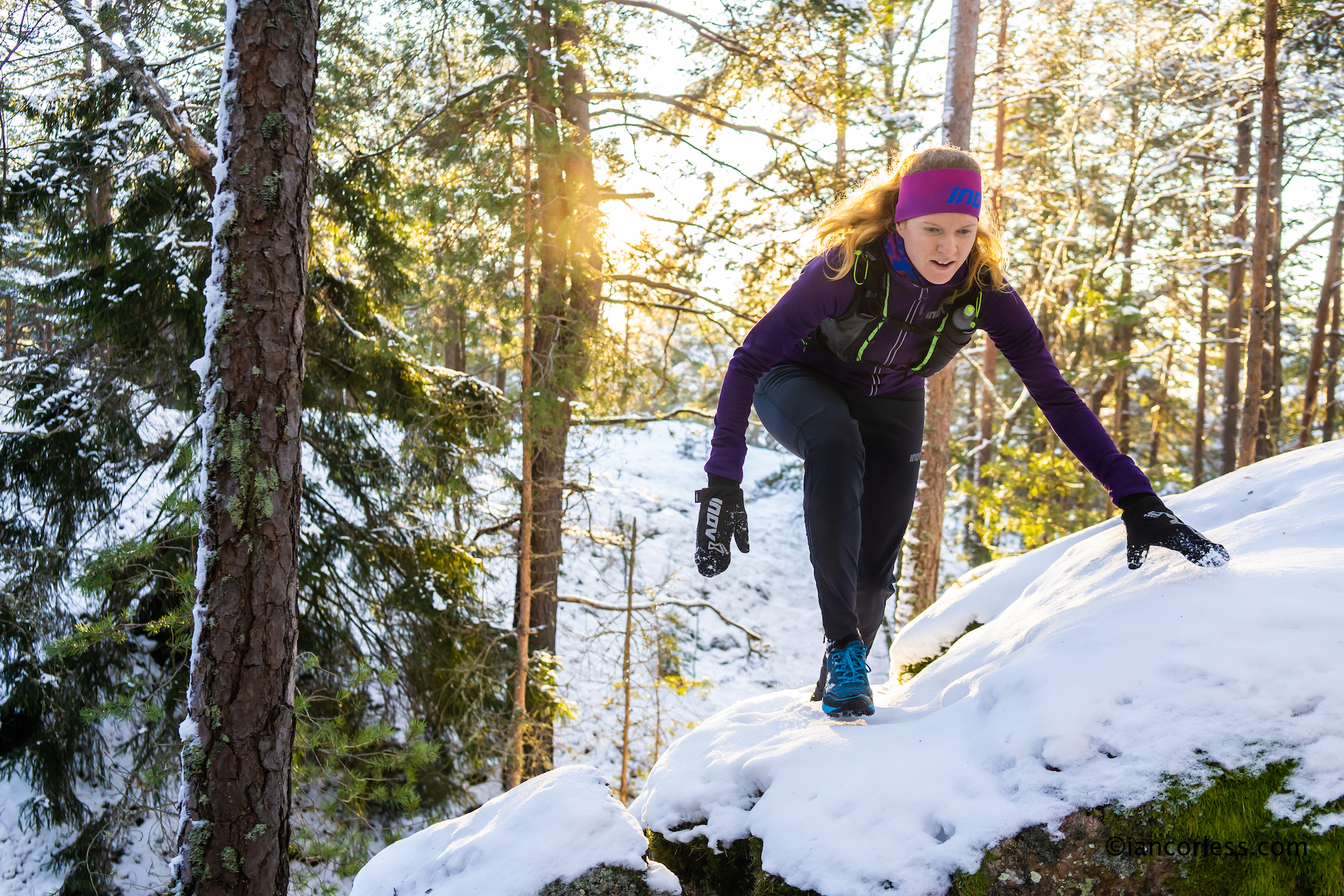
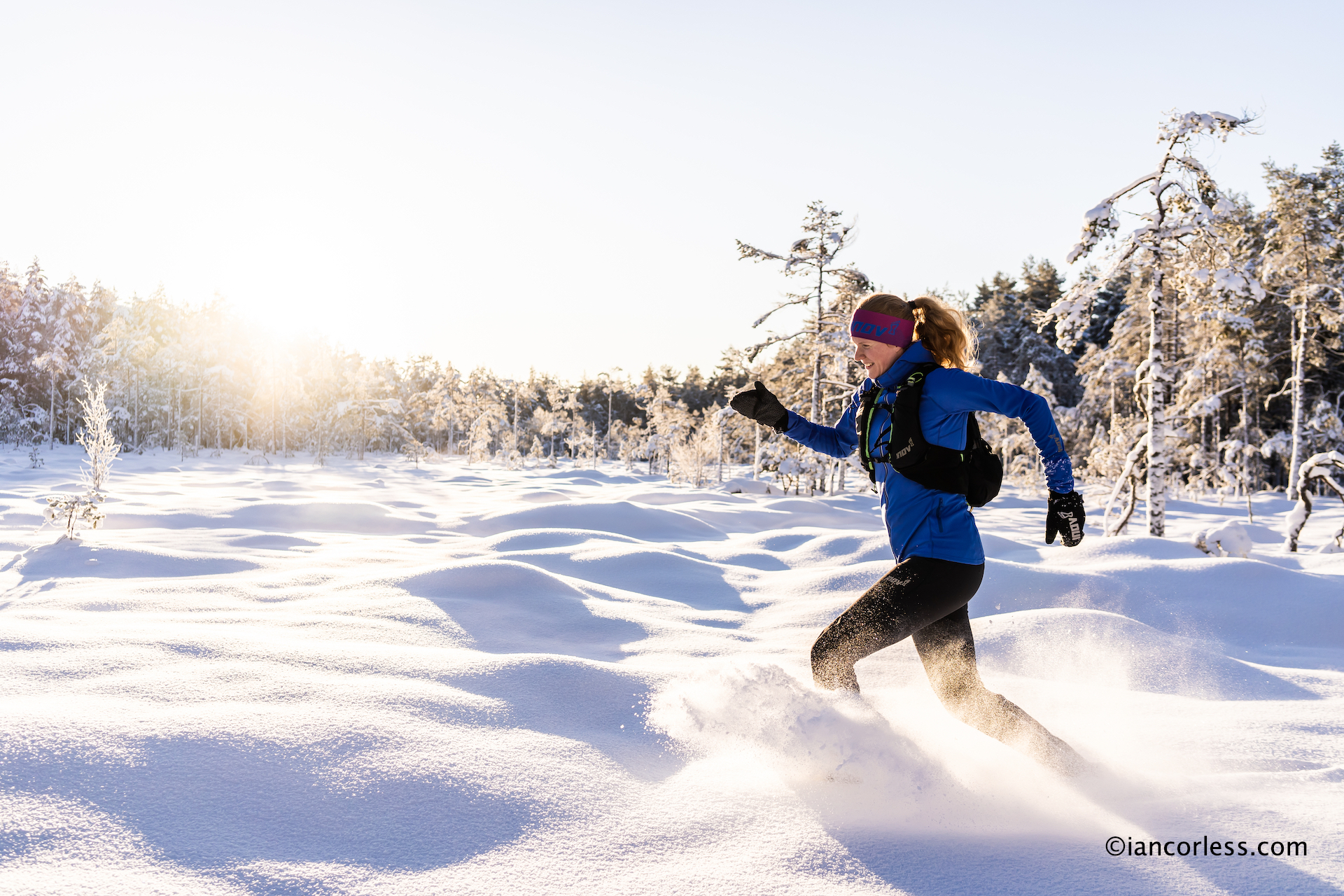
Winter playgrounds are fantastic.

Pace, particularly on longer adventures, will typically be slower in winter due to underfoot conditions and weather conditions. In cold, icy and sub-zero temperatures, sweating is not a friend, particularly should you be forced to move slower or stop, so, think about this and regulate pace to help minimize sweat rates.

Finally, it’s always wise telling family or friends when you are going on adventure, where you are going with proposed route and when you will return. This is a great back-up to have others looking out for you. Of course, this doesn’t need to happen for a daily 5 or 10km run.

EQUIPMENT

The equipment you will use and how much equipment you will take will depend on the type of adventure you are undertaking and how long that adventure will take. This harks back to the ‘experience’ as outlined above. Needless to say, winter will almost always require you to carry more. If running on the road and in public places, make sure you can be seen with reflective items.

Read an article on ‘Getting Layered’ HERE

CORE

Keeping your core warm is essential and without doubt using a merino wool base layer (or similar) with an optional small zip neck for your body is key. Merino wool in particular has an ability to retain warmth, even when wet or damp. Top tip: Take a spare base layer in your pack on runs.

PROTECTION and WARMTH

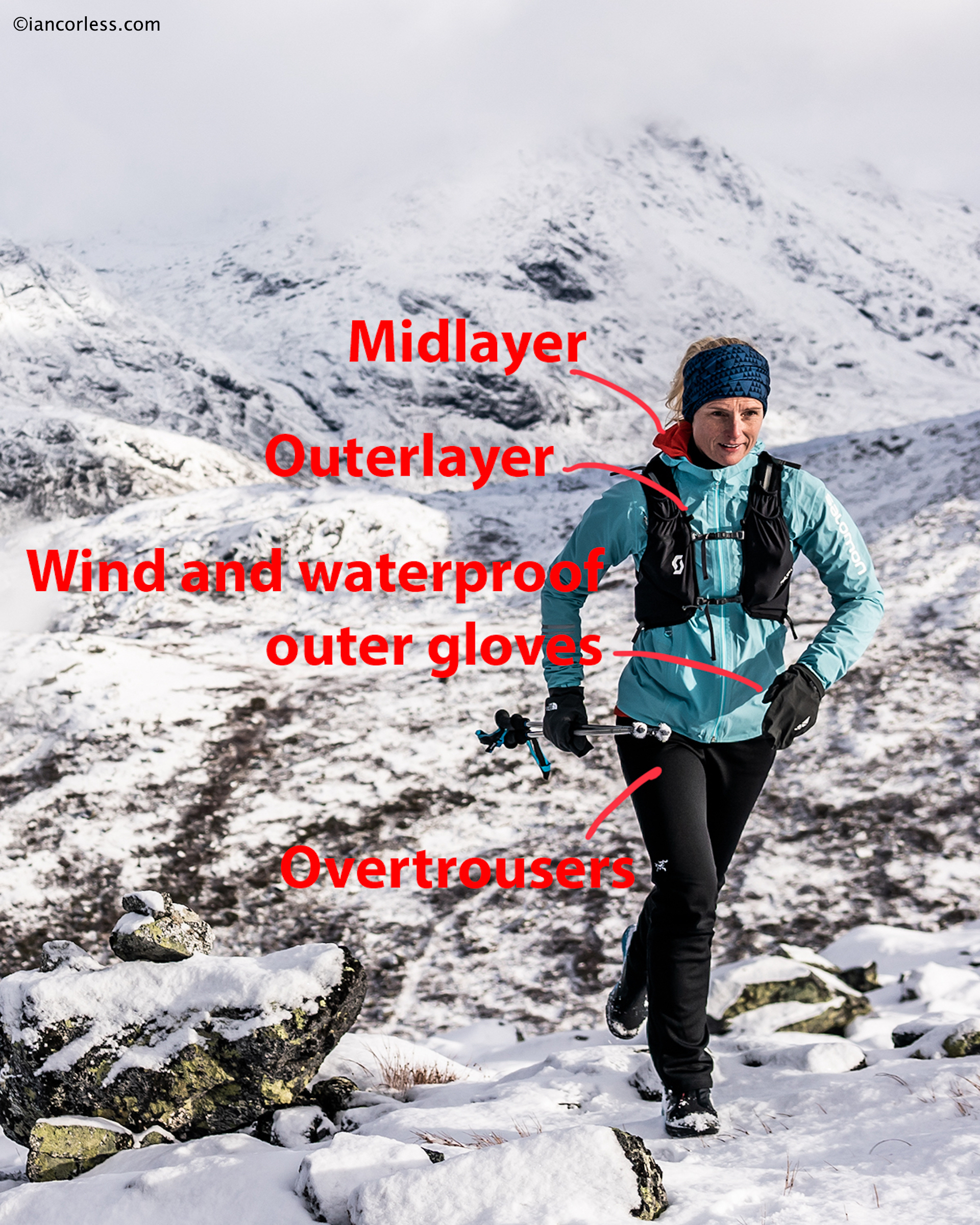
As mentioned in the ‘Getting Layered’ article, you will need to adapt the body layers for the weather you will run in and the weather that you ‘may’ encounter. A mid-layer will provide warm and this can be made of a product like Polartec, Primaloft or Down. Consider balancing warmth, size and weight. On a personal note, I use a Polartec layer as my standard warmth layer and then carry a ‘treated’ Down jacket (this can get wet and still be warm) in my pack as an essential warmth layer. The final layer will be a waterproof with taped seams, this layer will protect from extreme wind and rain. Zips on mid and outer layers add weight but they are essential for being able to regulate temperature.

HEAD

A hat is essential for retaining heat within the body, *“even if the rest of your body is nicely wrapped up, if your head is uncovered, you’ll lose lots of body heat — potentially up to 50% of it — in certain cold-weather conditions.” You can regulate temperature while running by simply adding and removing a hat. Wear a Buff or similar around your neck.

SUNGLASSES

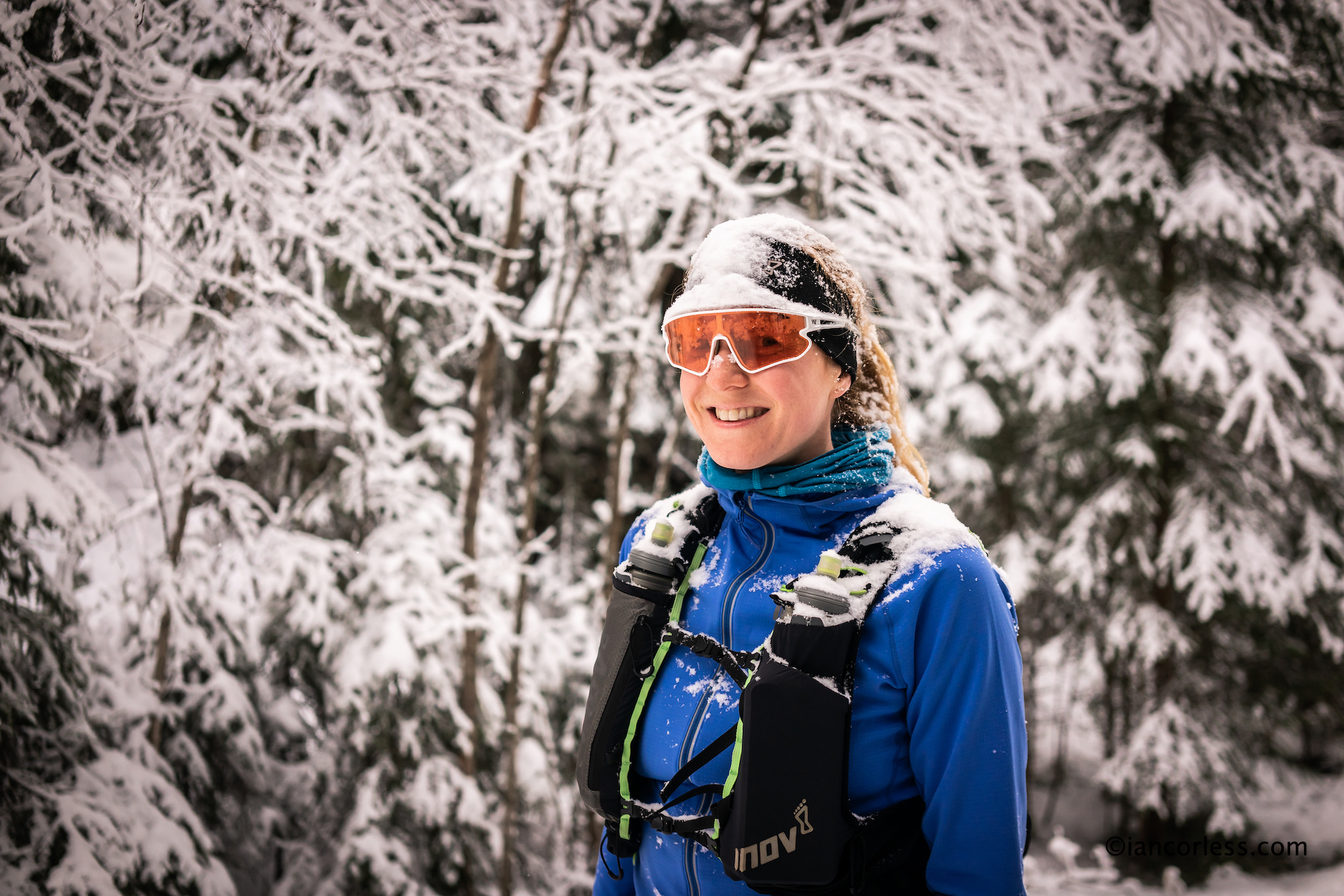
Protect your eyes, particularly in snow. You can get specific lenses designed to enhance vision in winter conditions.

EXTREMETIES

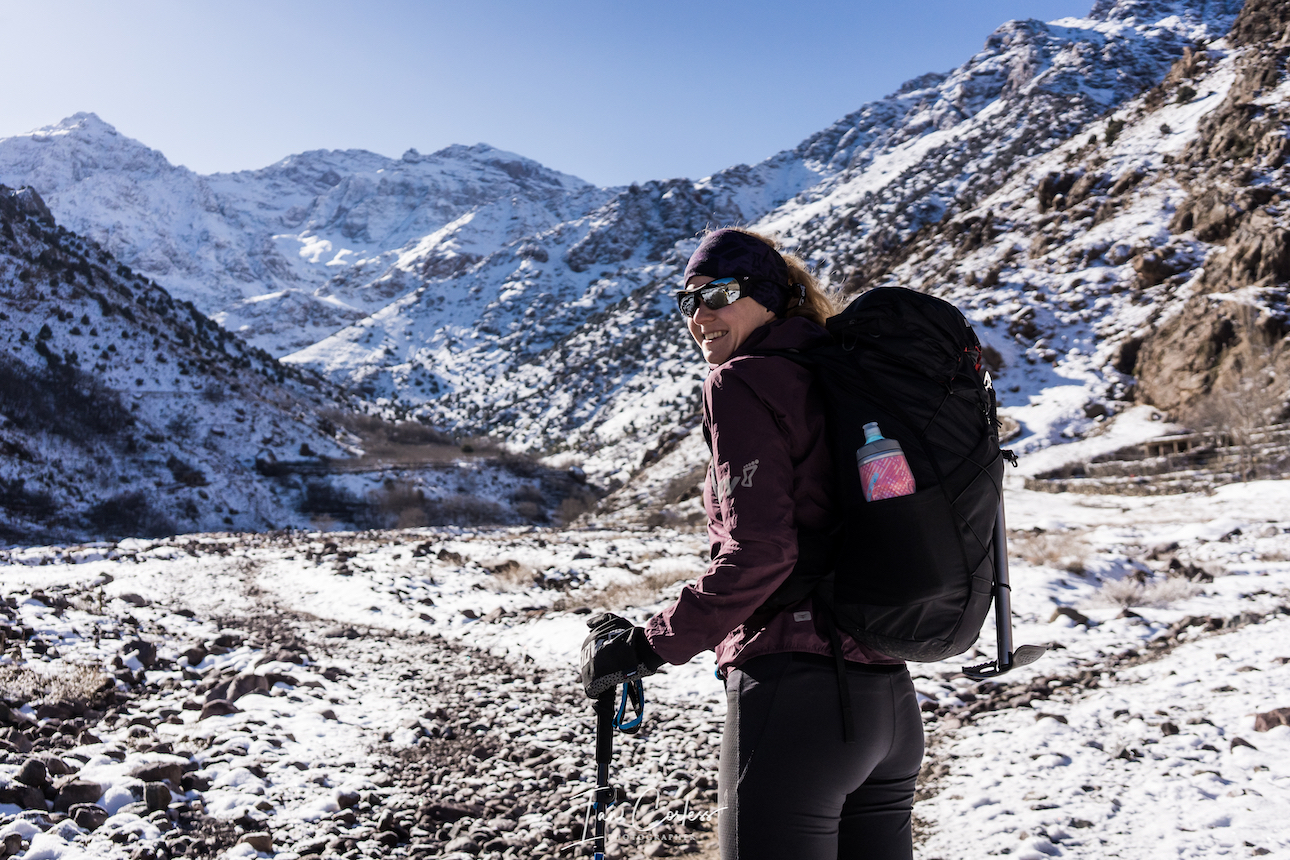
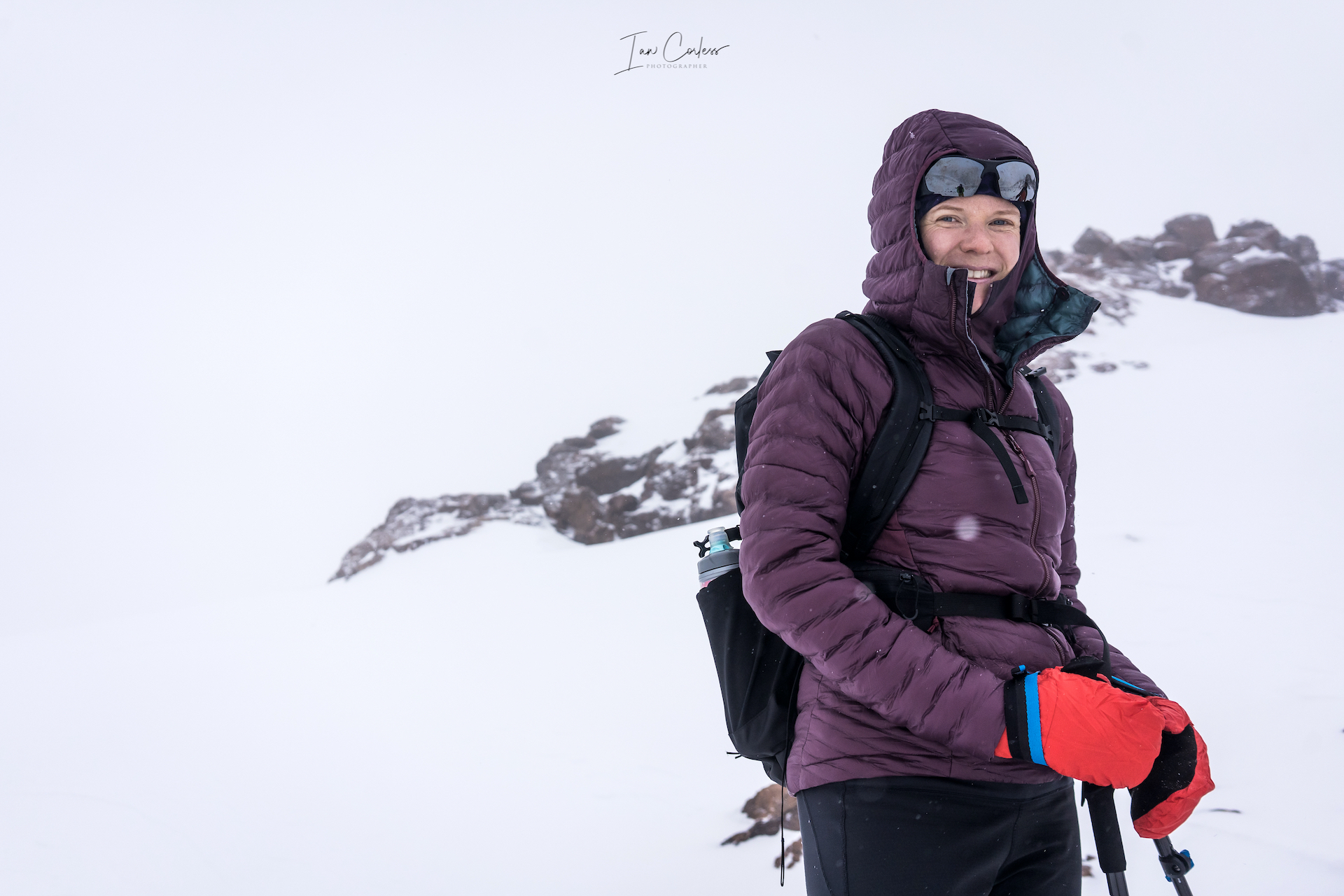
Hands and feet are a huge problem area in winter, particularly if you suffer with Raynaud’s. Keeping your core warm immediately helps keep extremities warmer as the body naturally abandons extremities (hands and feet) to protect vital organs. For feet, just like the core, merino socks are superb starting point for warmth, even if wet. However, if you anticipate feet to get wet repeatedly and in sub-zero temperatures, you will need to think about other options. A good example being neoprene socks that are warm when dry and should you get feet wet, they are designed to retain warmth when wet by insulating the water between foot and sock. You need to be careful of trench foot should feet remain wet for too long. For hands, a merino liner sock is ideal as a starting point and then a mitt over the top adds warmth and insulation. Mitts are always warmer than gloves and if you do not require finger dexterity, they are always preferable for warmth. Consider having multiple mitts of different warmth levels to that you can adapt to the weather. Also consider longer socks that come higher than the ankle, especially important if running in snow. Top tip: Take spare gloves and socks on any run.

LEGS

Shorts are not a good idea in winter, keeping leg muscles warm is essential for comfort and the ability to function properly, so, use tights. Ultimately, you may require multiple tight options starting with a simple Lycra product and moving up to insulated tights with wind blocker. Of course, carrying a waterproof pant with taped seams is also an essential for winter. Add them to your pack and do not compromise, you may not require them for over 90% of your runs, but when you need them you need them.

SHOES

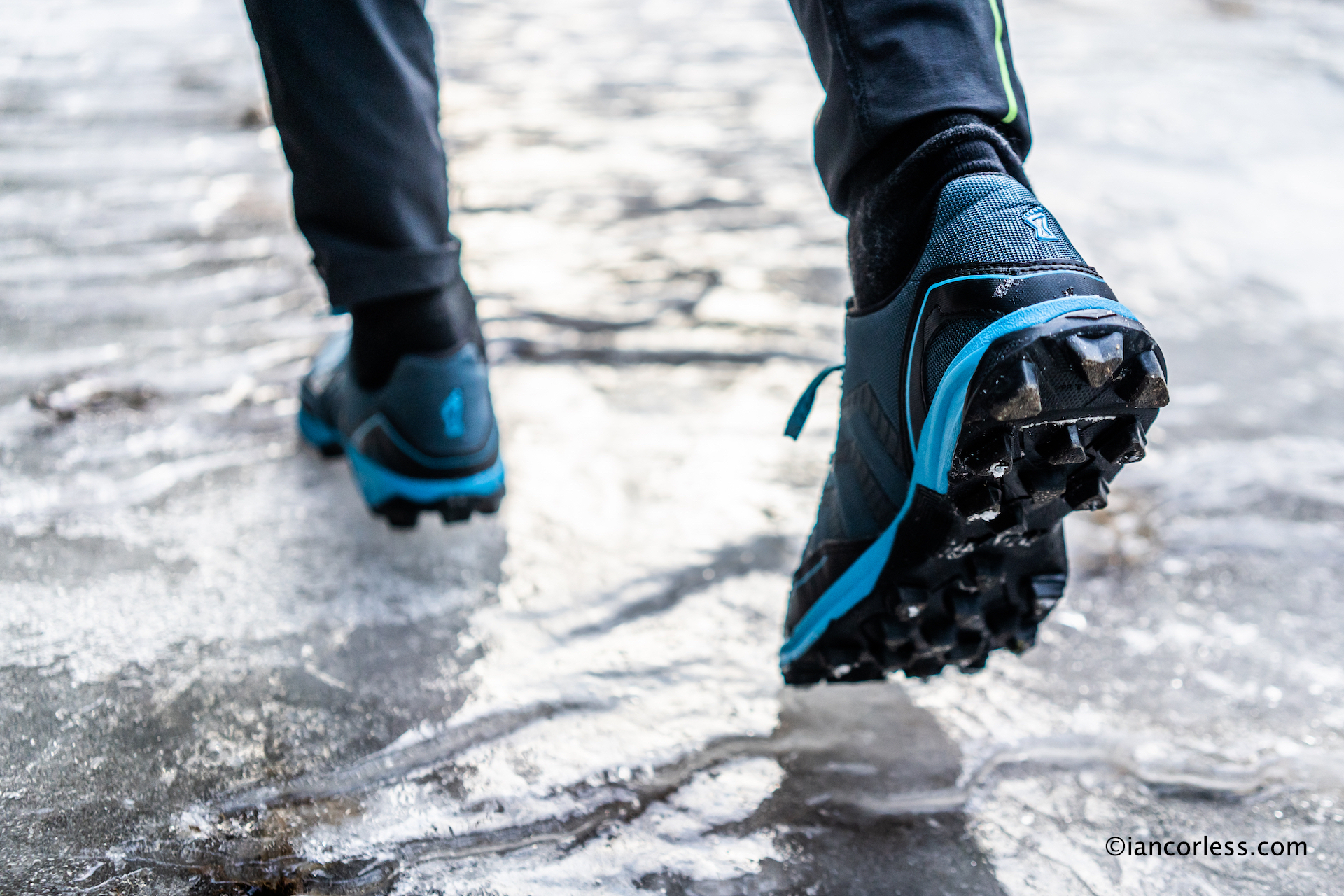
inov-8 Arctic Talon studded winter shoes.

There is no definitive winter shoe and, in many scenarios, the shoe you usually run in will work fine. However, if you have snow and ice, you will almost certainly need to consider other options. There is an in-depth article HERE but for me, a winter ‘stud’ shoe is my go-to for all my runs. In simple terms, it is often a conventional run shoe with metal studs added to provide grip in ice and challenging conditions. They are a game changer. Winter shoes are often insulated so as to keep feet warmer. Top tip: Consider socks and consider that you may wear multiple socks or thicker socks, this may require that you a larger shoe but be careful, particularly in the propulsive phase as this can make the shoe bend differently behind the metatarsals.

PACK

You will almost certainly require a larger pack for winter runs. A 12-15 ltr is probably ideal for long days and if fastpacking, 20-30 ltr would be normal. Top tip: Use dry bags inside to protect key layers and where possible use several that are different coloured, so you know which is an insulating layer and which is an outer layer.

FOOD and HYDRATION

Just like on any run, calories and hydration are essential. Winter and in particular the cold can easily make you forget to drink, make it a habit. Cold and extreme weather will also burn more calories, so, keep the fire stoked. Plan runs that take in a cafe, hut or lodge stop. If you do the latter, you need to balance losing hard earn warmth and then going back out in the cold. This is where carrying a spare base layer can be a great idea. If in remote locations, you need to consider re-supplying. Importantly, streams that provide water in summer may well be frozen in winter. Also, bottles may well freeze if exposed to sub-zero conditions, so, consider insulated bottles, using warm water and maybe keeping bottles in a pack, wrapped in clothing to retain warmth and reduce freezing possibilities.

OTHER ITEMS

The more experience you have, the greater your winter challenge may be. Always have the correct equipment, for example, ice axe, crampons, rope, harness, hand spikes, snowshoes and so on. A Bivvy bag is an essential when in remote locations for safety, in addition, always carry a head torch as a just in case scenario should a run take longer than anticipated.

Read about a winter expedition to the Atlas Mountains HERE

Equipment with tent and sleeping bag.

EXAMPLE EQUIPMENT LIST

  • As a start point, you will be wearing the following applicable to the conditions:
  • Base layer.
  • Mid layer.
  • Hat
  • Gloves.
  • Glasses.
  • Socks
  • Appropriate shoes.

In the pack:

  • Spare base layer.
  • Spare socks.
  • Spare gloves.
  • Insulating layer (down or primaloft)
  • Waterproof layers, top and bottom.
  • Headtorch and spare batteries.
  • Phone.
  • Tracking device.
  • First aid.
  • Bivvy bag/ space blanket.
  • Food.
  • Drink.
  • Battery back-up.
  • Heat pads for hands and feet.

FINALLY

Embrace winter. It’s a great time of year to explore. Respect the conditions and if you follow the above, you will almost certainly have safer and more enjoyable outings. Accidents do happen at any time of the year, in winter, risks do increase so respect the conditions. Accept that you will go slower in winter.

References:

health.harvard

Please support this website. I believe everyone deserves to read quality, independent and factual articles – that’s why this website is open to all. Free press has never been so vital. I hope I can keep providing independent articles with your help. Any contribution, however big or small, is so valuable to help finance regular content. Please support me on Patreon HERE.

Follow on:

Instagram – @iancorlessphotography

Twitter – @talkultra

facebook.com/iancorlessphotography

Web – www.iancorless.com

Web – www.iancorlessphotography.com

Image sales –www.iancorless.photoshelter.com
10 Top Tips for Multistage and Multi-Day Racing

Running is running yes? Anyone can do it! Well I guess the answer is yes. However, variables come in to play. Running is broken down into many different distances, from 100m to 100-miles and beyond. The longer we run, the more the challenges and requirements on a runner change. Running for multiple days or running a multistage race on mixed terrain throws up many different scenarios. Over the years I have spoken with many champions who have raced in the sands of the Sahara, the forests of Costa Rica and the mountainous paths of Nepal. They all provide me with similar hints ’n’ tips to a successful multistage race.
TOP 10 TIPS FOR A MULTISTAGE

1 – RUNNING IN THE SAND

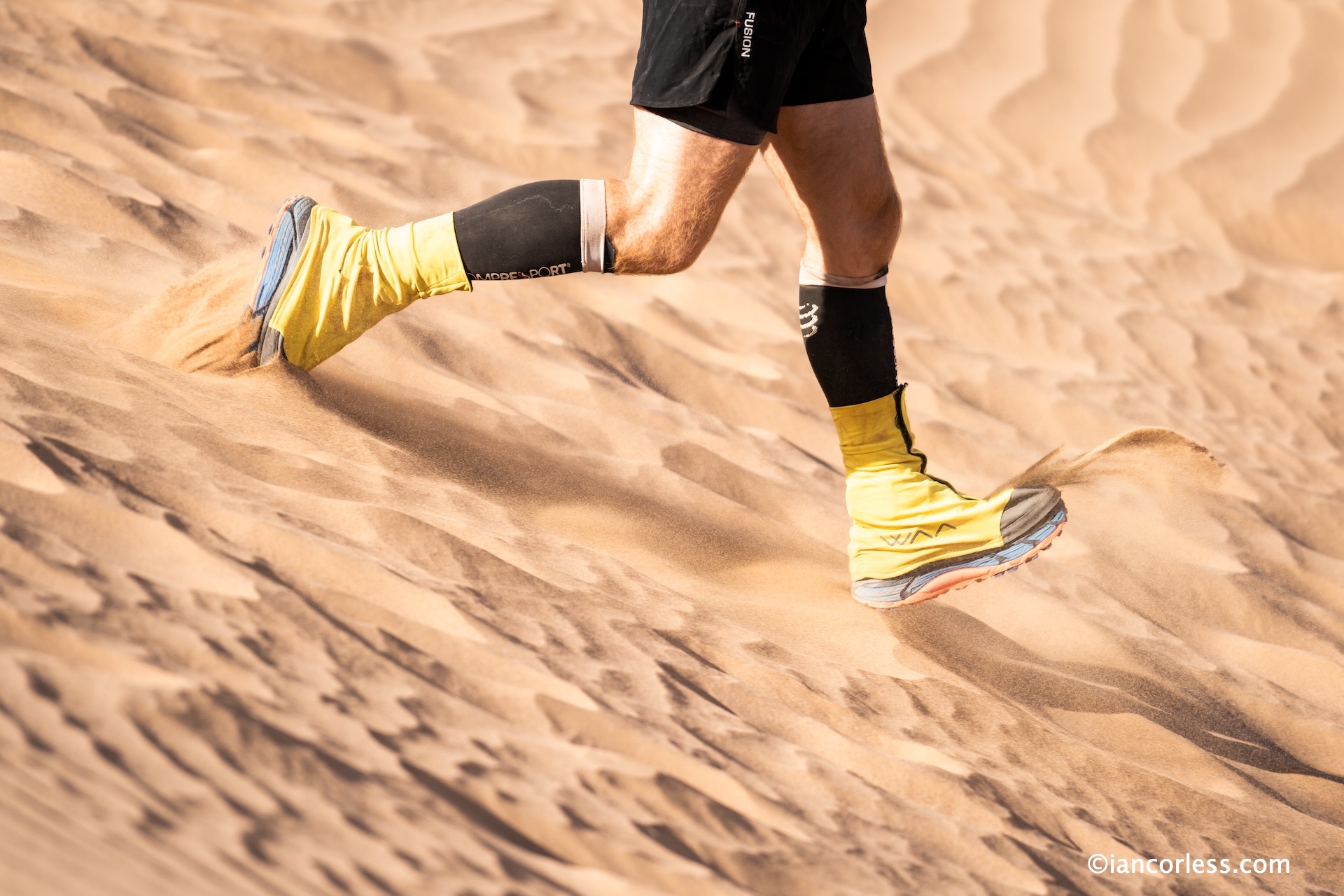
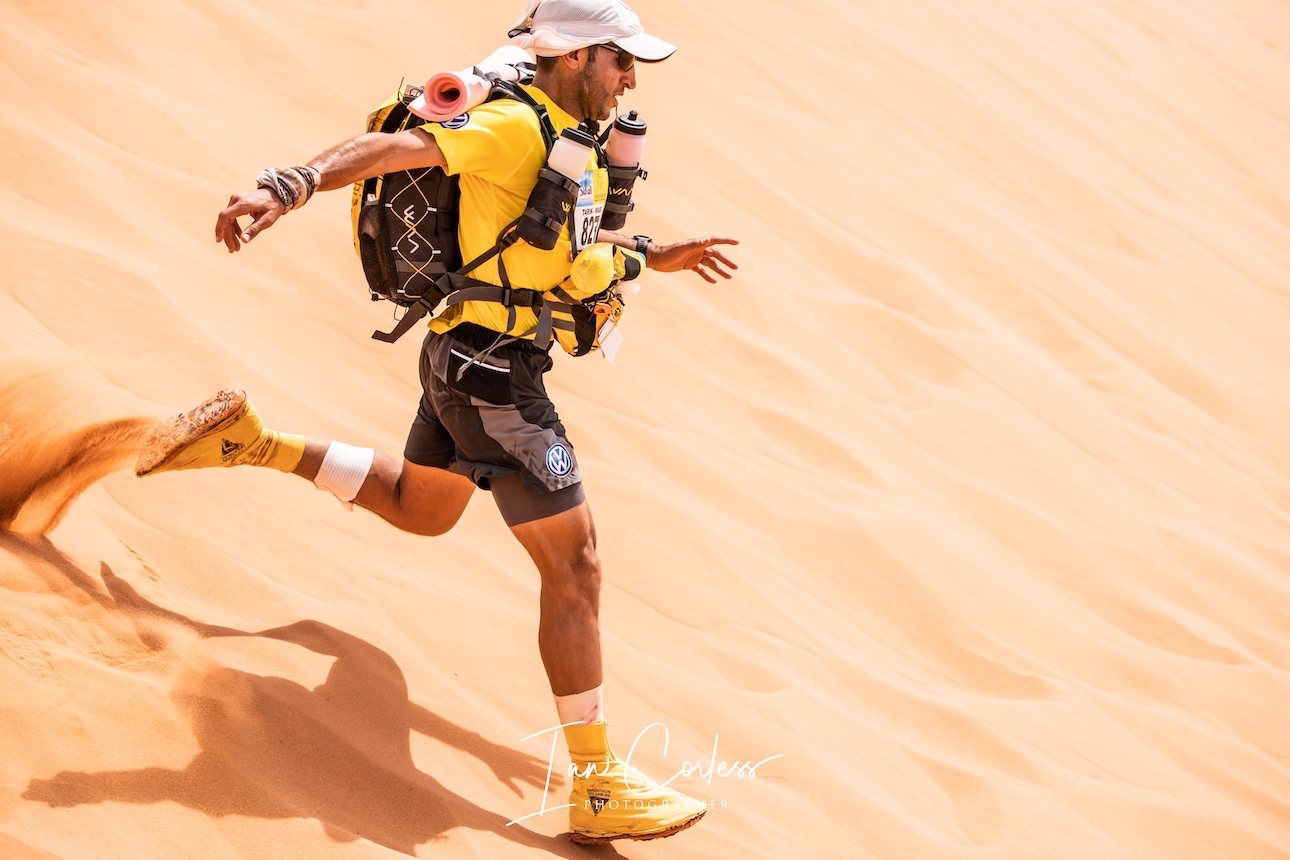
Desert races are very popular. Marathon des Sables for example is the father of multistage racing and over the years, many races have followed in the MDS format. A desert race is never all dunes but some races have more soft sand than others, so, be prepared. To avoid getting tired it’s important to read the terrain. Carve your own path running on fresh sand and when possible, run along the ridges. In smaller dunes (dunettes) it can be beneficial to run in tracks left by others, at all times, run light as though running on ice – you don’t want to sink in the sand!

2 – HYDRATION

Dehydration is a real risk in any race, particularly a self-sufficient race where water is rationed. The risks of dehydration increase when the mercury rises and a lack of cover comes. A desert for example will be open, have intense heat but humidity will be low. By contrast, a jungle such as those found in Costa Rica may well have plenty of tree cover and streams to cool off in but the humidity will be through the roof. In both scenarios it’s important to drink regularly. Take small and regular sips of water and supplement lost salt with salt tablets. Races like Marathon des Sables provide salt tablets at aid stations and they recommend dosage. Other races you will need to think of this and plan accordingly. Also think about food choices on the trail and when in camp – food rich in minerals and salts will also help you. Importantly, multistage racing is about management from day-to-day and this is what can trip people up. Think about the event as a whole and make sure you recover after each day – rehydrating is as important post a run as when running.

3 – BLISTERS

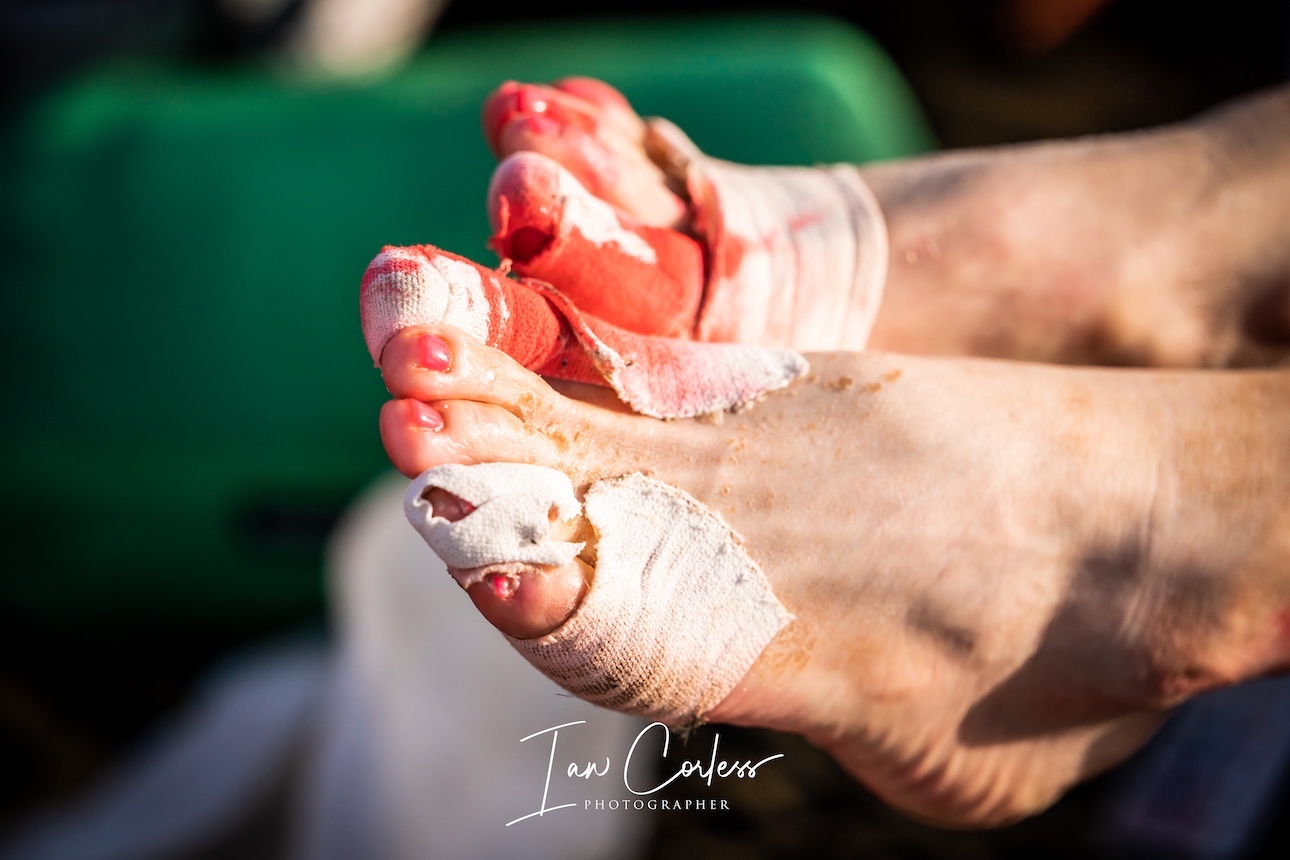
Many a multistage race is ruined by bad personal management of feet. Think about this well in advance of the race by choosing socks and shoes that work for you. Also choose shoes appropriate for the terrain you will be racing on. A shoe for MDS will be very different to a shoe for the Himalayas for example. By all means take advice on shoes from previous competitors BUT you are unique and your needs are unique. Do you pronate? Do you supinate? Do you need a low or high drop? Do you prefer a cushioned shoe or a more minimalist shoe? What about grip, do you need any? Do you need to fit gaiters? The questions can go on and on and only you can make a choice. If all this is new to you. Go to a running store that understand runners and can provide expert and impartial advice. They will assess you and your run style and provide advice. One consideration for multistage racing is that your foot ‘can’ possibly swell due to variables such as heat, running day-after-day and so on. Your foot will not go longer, but it may go wider. So, think about shoes that have some room in the toe box. Don’t purchase shoes that are 1 or 2 sizes larger – this is poor advice. Larger shoes will only allow your foot to move… a moving foot causes friction, friction increases the risk of soreness and soreness will lead to a blister. Also think about walking. Many people choose a shoe because they are good to run in… But how do they feel when you walk? Remember, a multistage race can involve a great deal of walking!

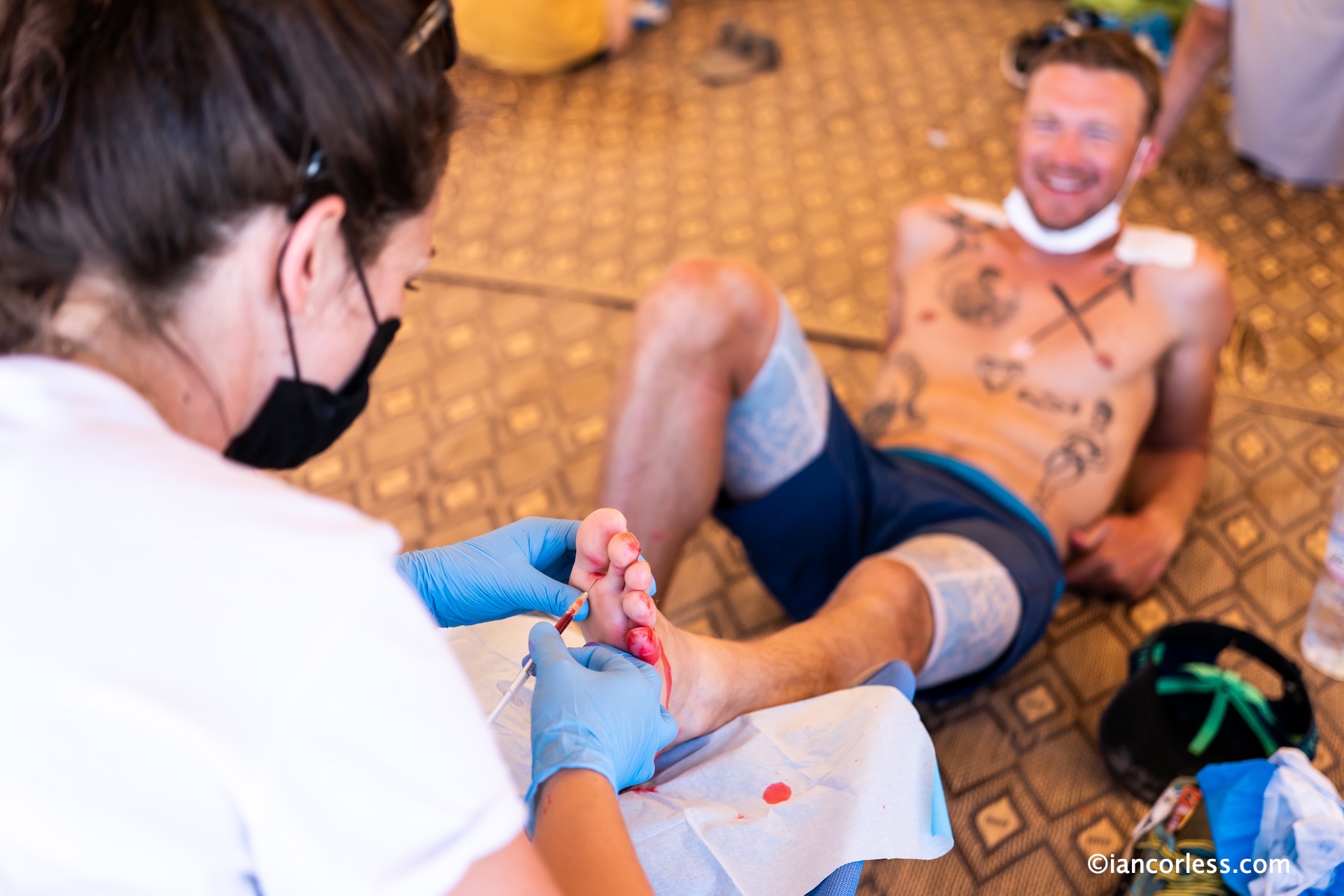
Do you have sensitive feet? If so, you can prepare your feet in the run-up to an event. Also make sure your nails are trimmed back. While racing, if you have blisters, stop and get them treated as soon as possible. Take responsibility and learn basic footsore before an event. You need to make sure you can make any necessary treatments. Finally, many races have a medical team that are provided to look after you and your feet. Don’t hesitate to use them, but remember, there may be a big line waiting. Self-care is an excellent way to make sure that you are ready to run in your own timeline.

4 – BALANCED PACK

Not all multistage races are the same. The Coastal Challenge in Costa Rica, for example, is not self-sufficient so a runner only needs to carry liquid, snack food and any ‘mandatory’ kit. By contrast, a self-sufficient multistage race requires you to carry everything. A simple rule is keep everything as light as possible and keep your pack balanced. Luxuries really are luxuries in a race over multiple days so really ask yourself, do I need to take that? You will need mandatory kit as specified by the race and in addition you will need (as a guide):

  • Sleeping bag
  • Sleeping matt
  • Warm layer
  • Spare socks
  • Food (minimum calories are specified per day)

Clothes, shoes, hat, sunglasses –  but you will be wearing these so they don’t go in the pack.

That’s it. Keep it simple and if at all possible, get your pack with its contents as close the minimum weight as specified by the race.

By general consensus, a luxury item is considered a music player (or 2) such as an iPod shuffle.

Also remember that minimum pack weight will be without water, so, if your pack weighs 6.5kg, you will have to add 1.5kg on the start line on day 1. This is where a front pack or a pack where bottles sit on the front works really well. Bottles on the front help balance the front and the back and provide a greater running experience. Also, think about items your need whilst running… it’s not a good idea having them in the back, they need to be at the front so you can access them ‘on-the-go!’

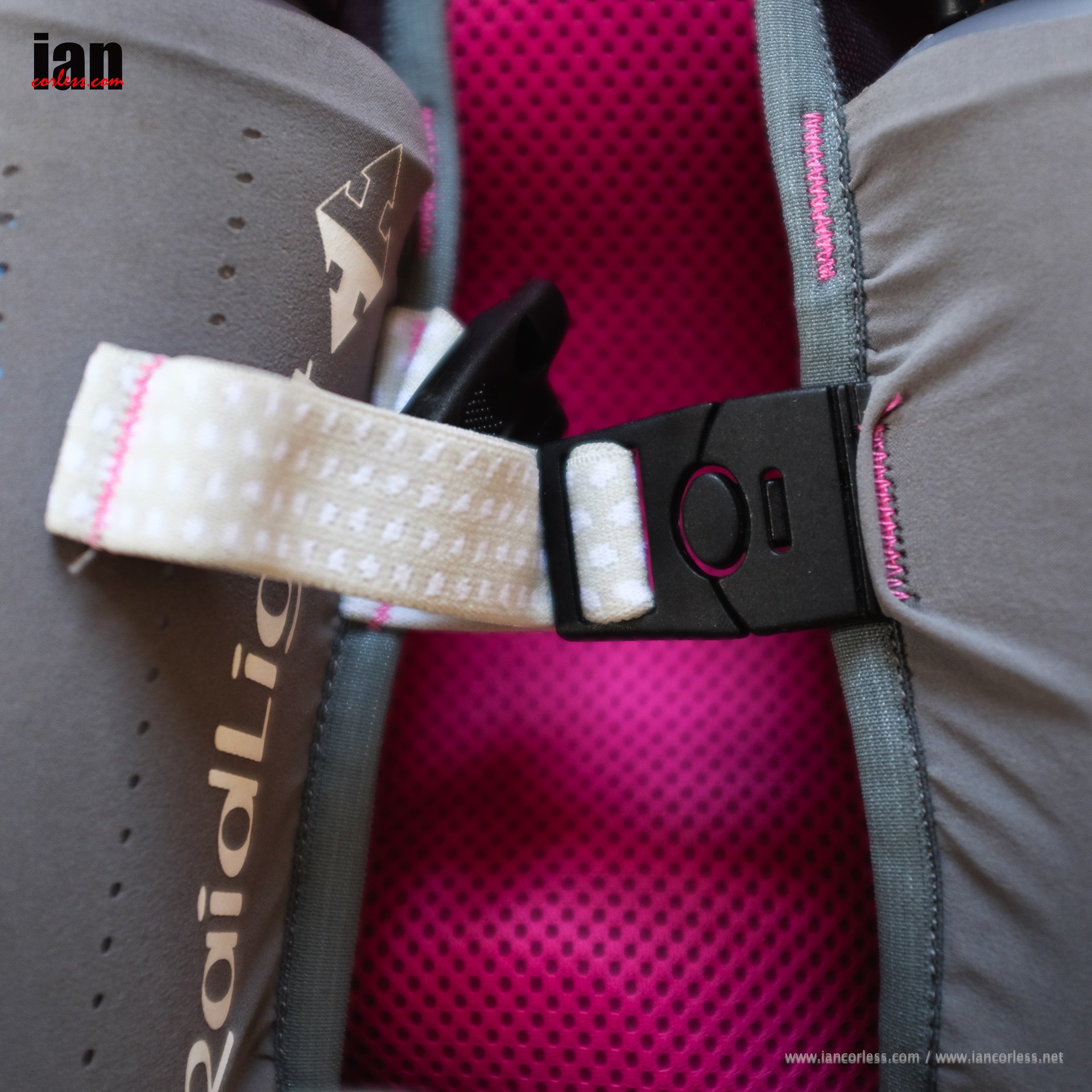
Many packs are available to choose from and you will see two or three are very popular – WAA, Ultimate Direction and Raidlight. Choosing a pack is light choosing shoes; we are all personal. However, keep a pack simple, make sure it’s comfortable and make sure it has little or no bounce when running/ walking.

Consider joining a multistage/ multi-day training camp HERE

5 – PROTECT FROM THE SUN

The sun can be a killer in any race, single stage or multistage – use sun protection and apply it daily. Also use products like arm coolers, a hat and a buff. At aid stations or whilst racing, you can keep these wet which will help cool you. Particularly the buff. If you overheat, slow down and apply cold/ water to the back of the neck. Use UV protective clothing and the jury is out on if clothing should be tight or loose. This often comes down to personal preference.

6 – EAT WELL

Any multistage race is quickly broken down into three phases – running, eating and sleeping. Food is a really important part of any race as it has to perform many functions. Most importantly, it has to sustain you so you will need carbohydrate, protein and fat. Individual requirements will vary but carbs will restore energy, protein will repair and fat is essential as this is one of the primary fuel sources for a multistage race. Remember though, our bodies have an unlimited reserve of fat. It’s important to understand that your diet whilst training may well be very different to when racing. In training you may well have eaten less carbs to teach your body to use fat, but when racing, you need to recover and be ready to run/race again the next day. Have variety in your food as your palette will change with fatigue, dehydration and heat. Real foods are good but dehydrated food also has a place. You also need to decide if you will require a stove for heating water? Don’t think twice about stepping up a little on the organization’s requisite minimum daily dose of 2,000 calories a day, remember though, it’s all weight!
7 – REST

Rest is crucial and how much you get will depend on how fast you run. Front runners have no shortage of rest time, however, those at the back of the race get minimal rest. Make sure you have a good sleeping bag that is warm enough for you and is as light and packs small as possible. You can save weight by not carrying a sleeping matt – general consensus says that carrying one is worthwhile as sitting and sleeping is much more comfortable. Matts come in two types: inflatable or sold foam. Inflatable matts work really well, pack small but you run the risk of a puncture without diligence. Foam matts won’t puncture but they can be bulky.

Make sure you have a warm layer for comfort, temperatures drop with darkness. A jacket (usually down) will also allow you to add warmth while sleeping if required. A lightweight sleeping bag and down jacket is preferable (by general consensus) over a combination sleeping bag that turns into a jacket. A jacket and bag offers flexibility, weighs less and packs smaller but will be considerably more expensive.

8 – PACE

Remember that you have entered a race that lasts multiple days. Spread your effort and have the big picture in mind – pace yourself. Don’t set off too quickly and consider race profiles, distances and cut-off times. YOU take responsibility of when you need to be at checkpoints. A day with a great deal of climbing, soft sand or technical train will take longer, allow for this and be prepared. Most multistage races have a long day and it’s fair to say it is the most feared day – keep some energy back for that day. Remember, the long day often has a generous time allowance so don’t be worried by taking a sleep break midway through.

9 – KEEP ON TRACK

Most races will have markers for you to follow but be sensible and self-aware of the challenge. If a race requires you to carry a map and compass, then please understand how to use them. Carry a Spot Tracker for safety and if you use a GPS such as Suunto or Garmin, remember that these watches plot a route that you can use to backtrack. In a race like MDS it is difficult to go off course due to the volume of people, remember though that dunes are not way-marked and you will be given a bearing to run off. If you are alone or in the dark, an understanding of how this works is a positive.

10 – ENJOY IT

A multistage journey often offers so much more than any single-day race. It’s an experience like no other and friends made in the desert, jungle or mountains will stay with you forever. Also remember that this journey is a hark back to a more primitive and simple time – embrace that. Leave gadgets at home and live a simple life for a week – I guarantee it will change you!
Please support this website. I believe everyone deserves to read quality, independent and factual articles – that’s why this website is open to all. Free press has never been so vital. I hope I can keep providing independent articles with your help. Any contribution, however big or small, is so valuable to help finance regular content. Please support me on Patreon HERE.

Multi-Day Racing – It’s not complicated

It’s Not Complicated…

Let’s get one thing clear, multi-day racing is simple, it is often over complicated and this creates too many questions and too much confusion.

Let’s hark back to Patrick Bauer’s pioneering days and simplify the process, just like he did. Over the years I have interviewed and chatted with many runners in bivouac and after racing who have done just that, they had applied simple logic and worked out what would work for them. 

Yes, they had taken advice, looked at websites, processed information but importantly they had found out what worked for them. They realized early on that they were an individual and as such, they needed a personal approach to multi-day racing and not a generic one. Not all multi-day races are the same, some are completely self-sufficient, some are semi self-sufficient and others are supported where all you need is transported for you.

When you break a race down, particularly a self-sufficient race, key things are really important:

Pack

Must fit and be comfortable when loaded. Have enough room (but not too much) for all your equipment and provide easy access to fluid. You must also make sure that your race number is visible as per race rules. Think about additional pockets, such as a waist belt for snacks.

Sleeping Bag

Lightweight, packs small and warm enough. I would always recommend a sleeping bag and jacket as it offers more flexibility, reduced weight and reduced pack size. Popular sleeping bags year-on-year are PHD, Yeti and OMM. Read HERE on how to choose a sleeping bag.

Clothes

You just need what you will run in. However, a spare pair of socks is often commonplace and many runners have one or all of the following: a warm base layer, a lightweight down jacket or waist coat, buff and maybe long lightweight pants. Remember, you have to carry everything, so, it’s all about getting the pack as close to minimum weight. At MDS that is 6.5kg plus water.

Sleeping Mat

It’s optional but a good nights sleep is important and usually those who do not take one wish they had. It provides comfort and importantly an insulating layer between you and the ground. Two options exist – inflatable and roll out solid foam. The choice is yours. The inflatable ones offer more comfort, more flexibility in packing but with poor admin, you do run the risk of a puncture. I’ve used inflatable for many years with no issue. A solid foam Matt will last the week with no risks of problems but they roll large and need to sit outside the pack.

Shoes and Gaiters

Shoes (more below) are personal, just make sure they have a good fit, appropriate drop for your needs and suit your run/walk style with enough durability for you. I say ‘you’ because someone like Rachid El Morabity can complete the whole of MDS race in say 21-hours whereas most people won’t even do just the long day in that time – his shoe shoe choice will and can be very different to what most of us need!

Continue reading

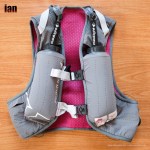
RAIDLIGHT’S GILET RESPONSIV 8L PACK REVIEW

©iancorless.com_Raidlight-0432

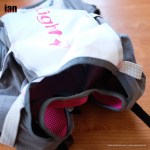
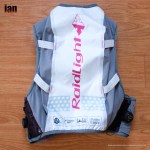
Niandi Carmont recently ran the Compressport Trail Menorca, an 85km race on the island of Menorca, Spain. Knowing the race would be semi self-sufficient, the need for a comfortable hydration system would be required. RaidLight stepped in and provided the new RAIDLIGHT GILET RESPONSIV 8L vest so that it could be tested in a ‘real’ situation. On first looks it would be easy to think that this pack is female specific, apparently no. It also comes with a hint of blue for those gentlemen who are not in touch with their feminine side.

RaidLight say:

The Responsiv 8L is a combination of bag/vest. Lightweight and ergonomic.

The Responsiv 8L race vest allows you to carry essentials and hydrate with ease, with the bonus of being ultra light at only 160 grams!

The bag has recently been awarded the prestigious Janus Design Award (2015), awarded by the Institute of French Design


Hydration is always an issue when you compete in a self-sufficient or semi self-sufficient trail race or even when training. There are multiple ways of carrying energy drinks and water but what most of us look for is a system that is:

  • Hassle-free – no fumbling around, fidgeting or groping
  • Provides easy access – you can hydrate easily on tricky technical sections of a course or when fatigued in the latter stages of a long trail race
  • Is quick and efficient – you can refill quickly when passing through the feed stations, wasting as little time and energy as possible
  • Is comfortable – no chafing, no bouncing, no sloshing, no leaking
  • Allows you to manage your water supply efficiently and gauge how much water/energy drink remains until the next feed station

Raidlight’s new Gilet Responsiv 8L ticks all the above boxes for me. It’s a great little pack.

©iancorless.com_Raidlight-0448

What I like:

  • It comes in 2 sizes: Small/Medium & Large/Extra Large. I used the smaller version as it’s probably more suited to the female body type and lighter runners. It also comes in grey/ pink! For the men, grey/ blue.

gilet-responsiv-8l

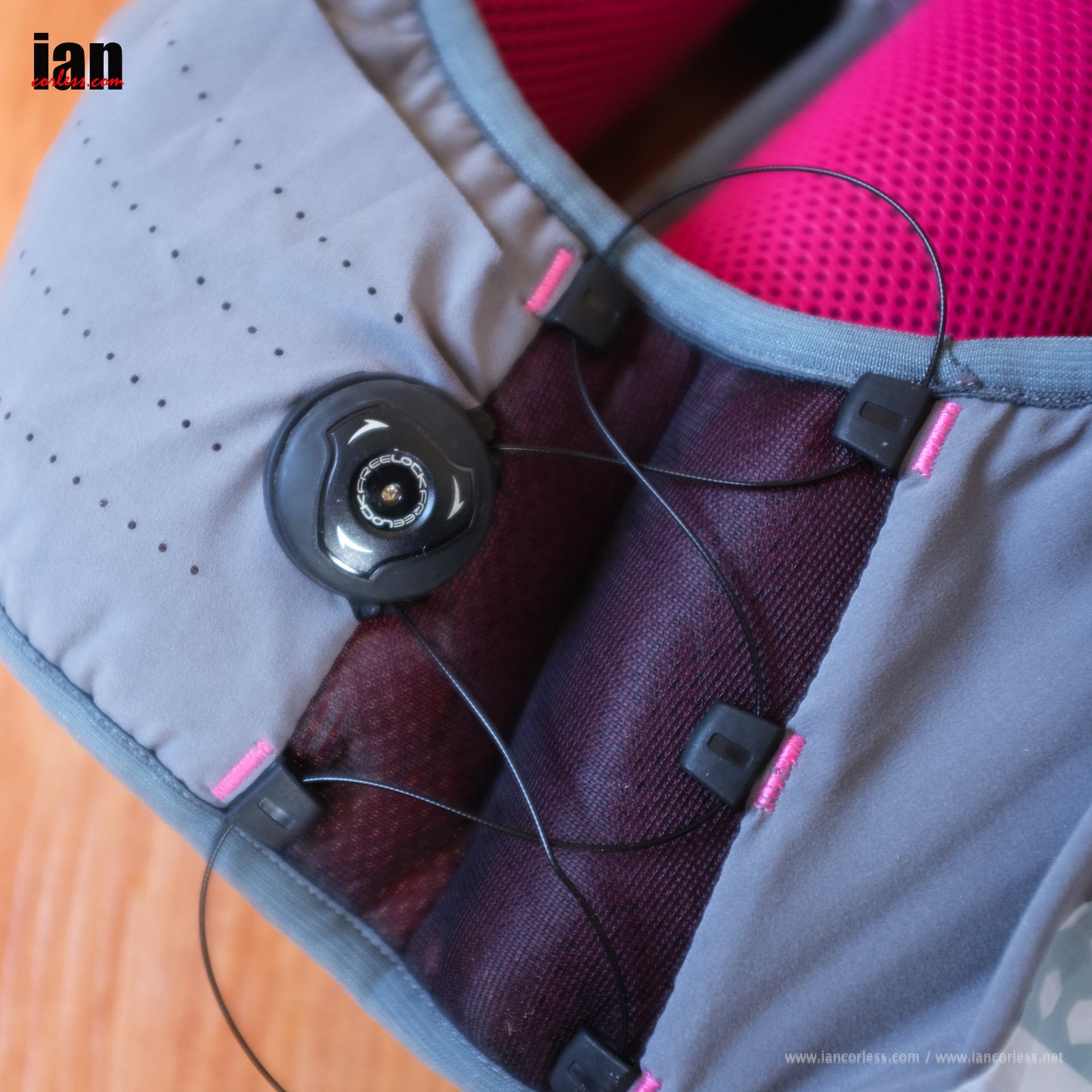
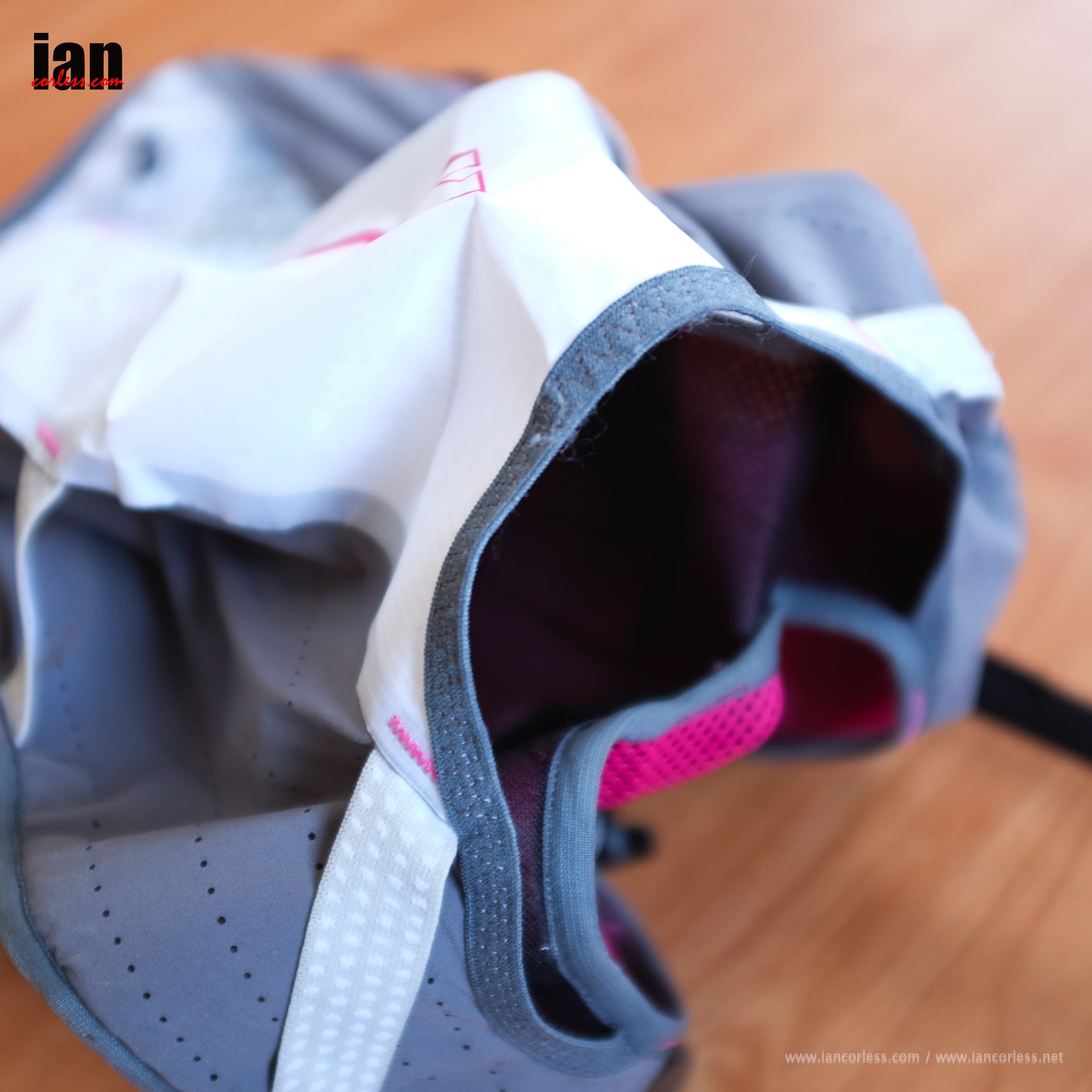
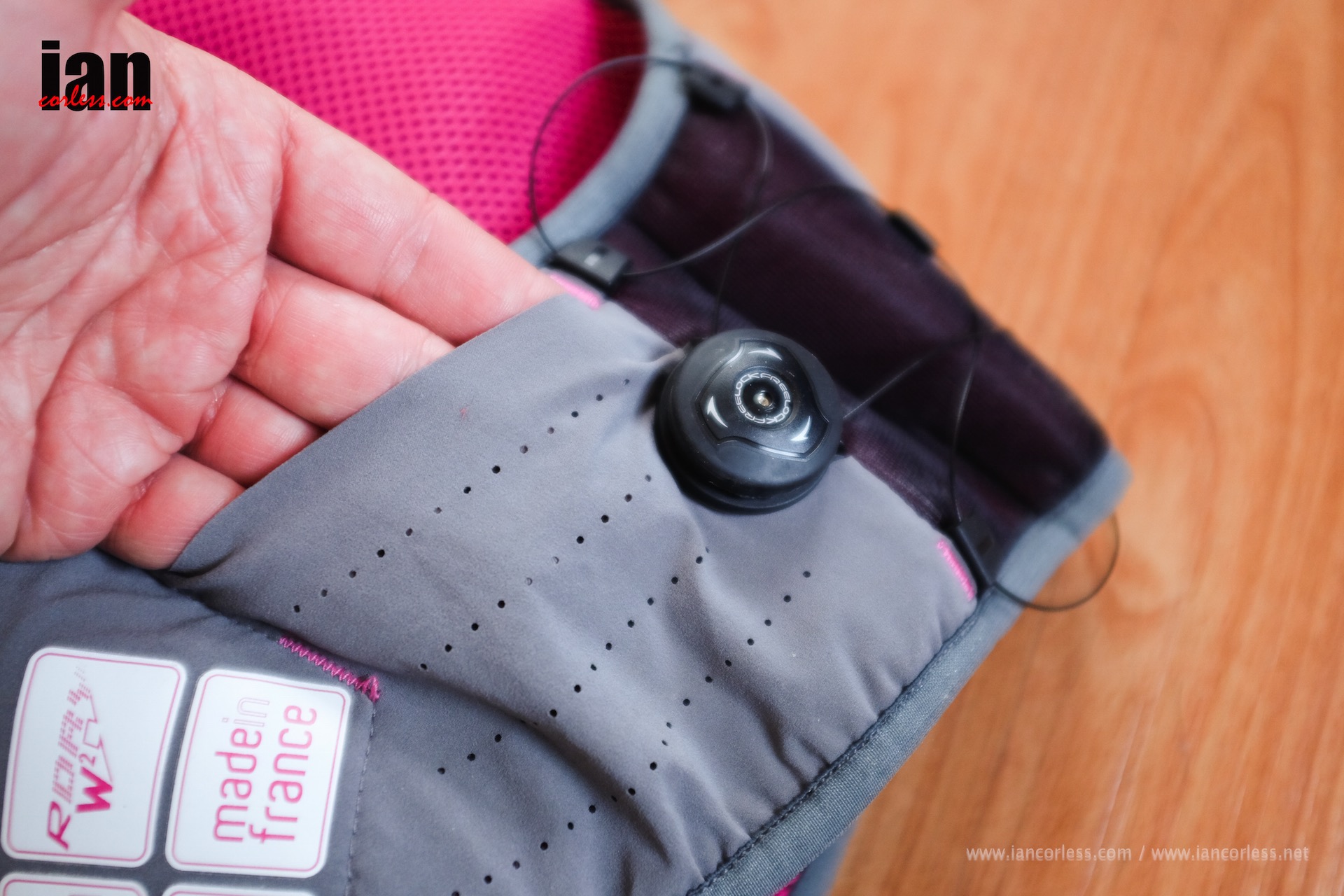
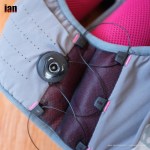
  • The vest is equipped with 2 micrometric adjustment systems; I have seen this before on a pair of TNF Shoes called the Boa and a TNF pack. This system provides for an even more “customized” fit. These are located on either side just under the arm openings. So there is no messing around with dangling straps and buckles to tighten. Basically, as you remove items from the pack (food, water and so on) you can adjust the pack in minute detail so that it remains close to the body.

©iancorless.com_Raidlight-0443


  • It weighs just 160g and that is ultra-light!
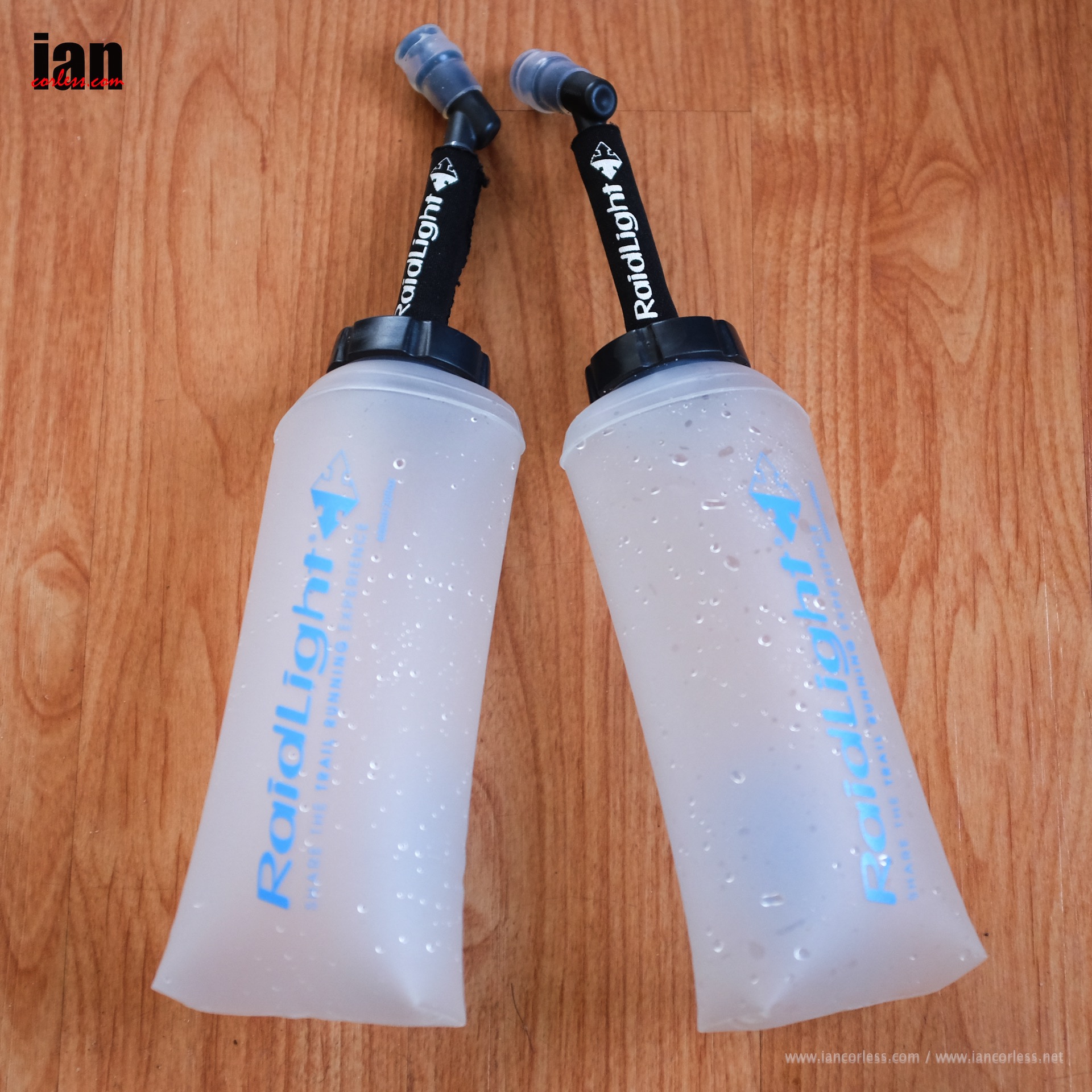
  • Designed to be used with RaidLight’s new soft flasks (optional extra) which come in 2 sizes either 350ml or 600ml. So depending on how far apart the feed stations are on a course and what your own personal hydration needs are, you can use either one or the other or a combination of both. The RaidLight soft flasks are also equipped with straws which make drinking on the go extremely practical. The flasks fit comfortably into the 2 front pockets and are extremely easy to remove and slip back in. I found the straws a little distracting as they came close to my face, however, on the shoulder straps, two access holes are available should you use a bladder (the pipe would feed through these on the left or right). I found that I could push the soft flask straws in here. Perfect!

©iancorless.com_Raidlight-0438

©iancorless.com_Raidlight-0460

  • The pack is made of a breathable flat-seamed mesh (thermal adhesive), which doesn’t chafe and please note ladies it is very pleasant to wear over a t-shirt, a sleeveless tank or even a crop top.
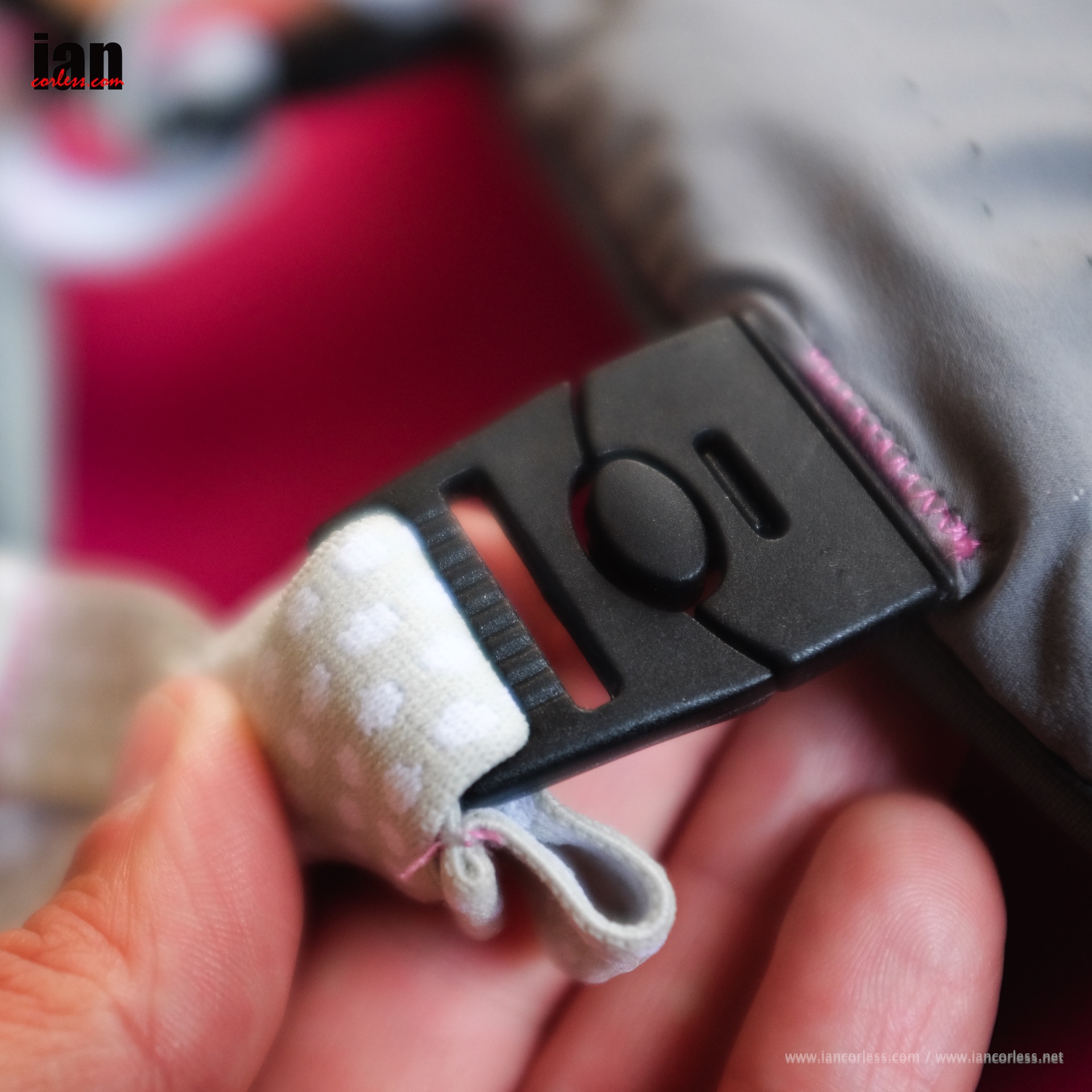
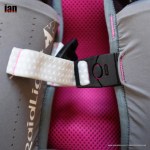
  • The stability is reinforced with two pectoral buckles on the front of the pack

©iancorless.com_Raidlight-0479 ©iancorless.com_Raidlight-0440

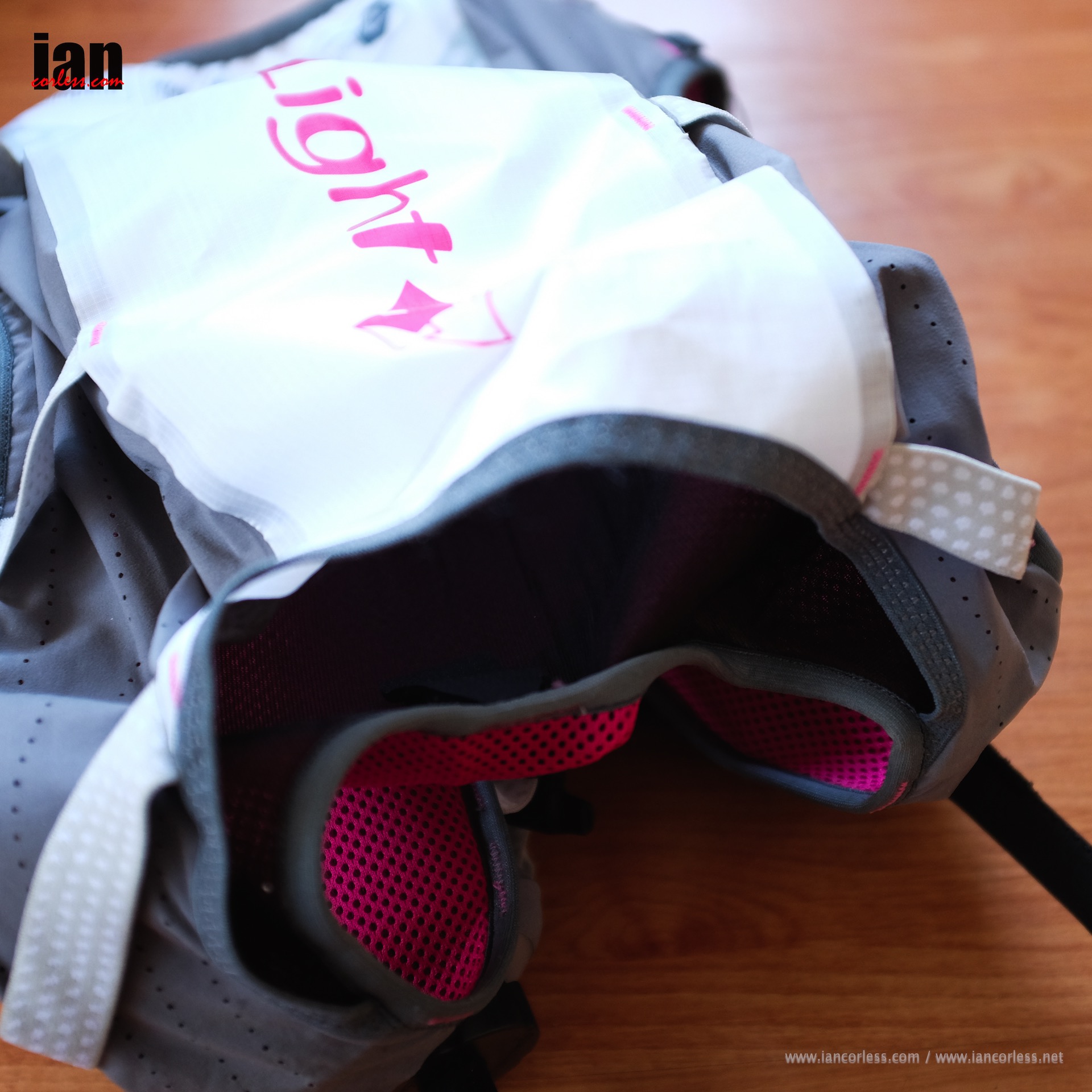
  • The stash pocket on the back can be used to carry a bladder (Velcro strap supplied) or mandatory race kit. I used it to carry a survival blanket, a mobile phone, a lightweight wind stopper and some extra food

©iancorless.com_Raidlight-0452 ©iancorless.com_Raidlight-0456

  • There are two tiny pockets underneath the main soft flask pockets; they can be used for lip balm, sunscreen, gels, tissue paper and gels/ food. For me, this is where the pack fails and needs greater improvement. I personally found I had too little room for ‘on the go’ nutrition and I used a lightweight fuel belt to store additional energy.

©iancorless.com_Raidlight-0461

I would recommend using the Gilet Responsiv 8L for any self-sufficient race or training run. It’s ideal for short outing and longer runs but I do think the lack of food storage impacts on its use for very long self-sufficient runs. If you are racing with adequate feed stations and the opportunity to replenish liquid and food, then it’s a great pack. For me it was ideal on the Trail Menorca Costa Sud, an 85km trail race with 7 feed stations, relatively hot weather (36°C) and a course which is technical in parts but without any major difficulties. Importantly ladies, this pack is one of the most comfortable I have tried. I don’t have big boobs but as you will know, anything that doesn’t sit comfortable is a real problem. The Raidlight was great in this area and gents; you have nothing to worry about. If it works for us ladies, it will work for you too!

CONCLUSION

This is a neat little product by RaidLight that works for men and ladies. Importantly, this pack is really comfortable for ladies and the option of two different sizes (S/M, L/XL) means that you can get a pack that fits you! This can also be fine tuned with the micrometric adjustment systems. The downside is on the go access to food/ gels as storage is minimal.

The vest will be available in June 2015.

Go to RaidLIght HERE to find out more

inov-8 RACE ELITE 24 pack review

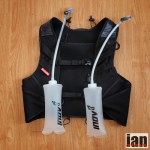
1-Race_Elite_24-845x1024inov-8 continue to push the boundaries and after the successful launch of the original Race Ultra Vest (3L) and the recent launch of two larger capacity and re-designed RACE ULTRA VESTS vets; 5L and 10L, the UK innovators have introduced the RACE ELITE 24.

Grounded in the fells of the UK, inov-8 has long provided mountain marathon runners with the perfect footwear to tackle mud, rock, bog and scree. The addition of very specific race apparel and packs have afforded the discerning runner with a one-stop shop for all that is required to race (not sleeping bags or tents). inov-8 packs have been popular in mountain marathon, fast packing and overnight adventures for some time. However, the introduction of the new RACE ELITE 24 is almost certainly going to turn a few heads.

FIRST LOOKS

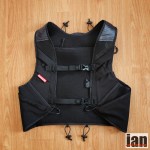
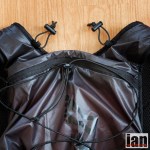
If you look at the pack from the rear, it is at first glance a very simple design. Almost duffle bag like in shape, the pack is a long black tube with a two-way zip that splits the pack in two. Adorned with adjustable bungee that moves from the outer edge to the middle in a zigzag shape. The bungee passes at the bottom of the pack and mirrors the opposite side. The two elastics then meet in the middle of the pack at the top (above the zip) and here you pull the elastic tight to compress the pack and remove any excess space and/ or fabric. As you look at the pack from the rear, attachments are available on the left for running poles but most importantly, this pack is ice axe friendly! I can’t tell you how many times I have been asked when doing a pack review, ‘can it hold an ice axe?’ Ice axe compatibility may well make the RACE ELITE 24 the new ‘go to’ pack for those who like to travel fast and light in the mountains without compromising on carrying capacity.

2-Race_Elite_24_Rev-915x1024

The front of the pack is the revelation!

inov-8 have taken the ‘vest’ from the Race Ultra Vest and added it to the RACE ELITE 24 potentially making it one of the most form fitting and comfortable 20+L packs on the market. Pretty much all brands now incorporate a vest or vest like system when designing new packs. Why? Well, it works, pure and simple. The design is more comfortable, it distributes the weight of the packs contents and it adds additional storage.

IN USE

Joe Grant running with RACE ELITE 24 ©inov8

Joe Grant running with RACE ELITE 24 ©inov8

The main compartment of the pack is split down the middle with a zip that has two zipper pulls. When open, you have a wide-open space to add contents. The pack has no dividers, pockets or clutter. So, add your kit, zip it up and off you go. This design is particularly good as it provides immediate access to all contents. It’s possible to divide contents in waterproof dry bags or plastic bags and therefore ease of use is a real plus. If you are using the pack with less contents, then all the weight will go to the bottom of the pack. Excess fabric and space can be removed by tightening the adjustable bungee. The pack is long and for me, this may well be a stumbling block for some users. This has nothing to do with a person’s height but torso length. If you have a short torso, the RACE ELITE 24 may well be too long for you? I understand why inov-8 has made the pack the length it is. If you are doing a mountain marathon, you will be carrying a tent and therefore the tent poles will need to fit inside. I guess it may be possible to attach poles to the outer but in my opinion it wouldn’t be ideal.

The front of the pack as mentioned has the vest fitting system with an upper and lower chest strap to retain the pack in place. There are also upper and lower side straps that provide fine tune adjustment so that you can have the pack as tight or as loose as you require against your torso. This system is particularly useful, as it will allow you to wear additional layers and still have the pack fitting. A whistle is provided and the left side mirrors the right with an upper larger stretch pocket, a smaller stretch pocket and then a large zipped pocket. The large zipped pocket will take inov-8 500ml soft flasks with extended straws so that you can drink without having to remove the bottles. The straws fit through an upper and lower elastic loop on either side of the pack.
The multiple front packets provide immediate access to anything I needed whilst running. I had a phone, camera, bars, gels, keys, compass and money all at hand. Perfect. The front zipper pockets add extra security if not used for the soft flasks.

The soft flasks with extended straws are a revelation and make ‘on the go’ drinking a breeze. It also makes refilling very easy.

Fabrics are light and breathable as the original. Of course with any vest, you are going to get a hot spot on your back. You can’t avoid that with this style of product.

The front fastening system has also changed from the original. This pack no longer uses the small quick release system that some found fiddly on the previous vest. Now it has 2-fixed straps, upper and lower and both use the classic male/ female quick release fastening system that is much easier to open and close should you be wearing gloves.

You can attach poles to the rear. I tried but didn’t find this to be a good option for me. More often than not, the new folding poles such as Black Diamond or Leki are shorter in length. This makes fastening more awkward and problematic. To resolve this, I attached two adjustable bungees to the shoulder straps and I store my poles folded across my chest; works for me and makes storing and access to the poles easier. It’s a personal thing. However, you can hold an ice axe on the rear of the pack and as mentioned previously, this will be a huge plus for many!

I personally would like inov-8 to design a front pack that could be added as an optional extra. Front packs are a little like Marmite; some love them, some hate them! For me a front pack can often balance the weight of the rear and provide some equilibrium. It also means that you have additional on hand storage for essential items. Looking at the bigger picture, with some tweaks in the design, the RACE ELITE 24 may well be a great pack for multi-day self-sufficient races such as Marathon des Sables.

inov-8 athlete Joe Grant has been using the RACE ELITE 24 during the winter and recently said,

‘I started testing the Race Elite 24 pack last winter, mainly for running and some winter climbing. For these activities, I needed a pack that would be runnable, stable and light, but still able to hold a decent amount of gear.’


‘Again, the vest system worked really well at keeping the load stable and allowing me to run on sections of trail that I’d typically have to hike with a conventional style pack. I’d carry a camera, water and food up front for quick access.’

Conclusion

If you are racing long distances, heading to the mountains, fast packing or racing a mountain marathon, the RACE ELITE 24 is without doubt worth checking out. The pack really embraces fast and light with minimal clutter. If you are looking for bells, whistles and multiple pockets in the main compartment, then this pack is not for you. If you like a pack that can hold plenty of kit: clothes, jacket, waterproof trousers, sleeping bag, tent, cooking equipment and food in a space that is easy accessed. Then the RACE ELITE 24 is for you.

The vest fitting system is a revelation for a pack of this size. The multiple pockets provide storage and access for on the go items such as food, gels, camera, phone and the two 500ml soft flasks provide easy on the go hydration.

Recommended!

Pros:

  • Simple design.
  • Very light.
  • Vest fitting.
  • Adjustable bungee.
  • Easy access to main compartment.
  • Soft flasks with straws.
  • Ice axe compatible.

Cons:

  • May be too long for some?
  • Only capacity for 1L of water unless you add a bladder to main compartment.
  • Main compartment has no structure, which may be an issue for some?

Product weight 330g

Price TBC

Availability TBC

Check out inov-8 HERE

inov-8 logo

inov-8 Race Ultra Vest 2015 *New Product Review

©iancorless.com_S0132106RaceUltraVest2015

The 2013 incarnation of the inov-8 Race Vest was a revelation. It was arguably the most simple and minimalist pack on the market that fit and functioned perfectly for the task at hand. It had a unique design, the ability to carry 2-bottles and/ or bladder and in addition it had a series of really useful and importantly, ‘usable’ pockets. No pack is perfect, however, I did say the Race Vest was close.

Many agreed. The pack sold incredibly well and it won awards.

However, it did have some restrictions. In reality, the pack was perfect for 1-day races when minimal mandatory kit was required. But if you where doing a longer event such as UTMB then the original pack had limited space. I actually was able to put all my mandatory kit in the pack but I had to be creative and yes, I had to have the smallest and lightest kit available.
©iancorless.com_S0152108RaceUltraVest2015I personally don’t think this is a fault of the pack! The original Race Vest had a use and if used in the scenario for which it was intended, then it was arguably one of the best packs available.
When the product became available to purchase (early 2014), a few tweaks had been made from the original prototype, which I was using. The key change was in the upper. My pack would allow the 2-bottles to fit low (near the rib cage) or high on the shoulder straps. After testing, many people commented that the shoulder straps rubbed around the neck, so, Matt Brown, the designer, reworked the design, narrowed the straps (which did provide a better fit) but unfortunately this meant you couldn’t fit the bottles in the upper position. A real shame in my opinion! More importantly, original retail samples had a couple of question marks on durability. Many runners complained of some less than perfect construction. This was soon nipped in the bud but as we all know, this is never a good thing.

Below, the original Race Ultra Vest with bottles: 

For_web_Race_Ultra_vest

Jump to the inov-8 athlete retreat in the English Lakes, spring 2014. A weekend of running: looking at new shoes, apparel and accessories for the coming year (2015). Needless to say, as a running aficionado, I love this. I love to see how a brand takes past and current ideas, develops them and comes up with something new. The new apparel looked incredible, new shoes were promising; particularly the new Ultra 290 shoe and then we saw the packs… the new Race Vest.

Similarities could be drawn to the original 2013/2014 model but boy oh boy. This was a complete overhaul taking all the features from the original, adding tweaks and then coming up with something new. inov-8, Matt Brown and the rest of the team had pimped their packs!

No longer was one pack available but three: 5ltr, 10ltr in this style and a larger 24ltr for mountain marathon or multi-day events. Using the ‘vest’ fitting system, these new packs in one word are awesome.

I said in my original Race Vest review back in 2013 that ‘This new product from UK company; inov-8 may very well be the next key moment in pack design stripping away complication and providing a pack that would almost make a perfect accessory for Batman.’

It was a bold statement and one that I still hold. However, that unique innovation has moved up a step and lessons have been learnt.

©iancorless.com_S0182111RaceUltraVest2015

So, what is new?

  • Larger capacity (3 different sizes)
  • Pole fitting attachments
  • Redesigned vest
  • New soft flasks with extended drinking straws
  • Dump pockets
  • Zipper pockets

I have 2-packs for testing, the 5ltr and 10ltr. They are exactly the same, obviously the only difference being capacity. For the purpose of this review, I have tested and photographed the 10ltr as I feel this will be the most popular option. However, I will say that the 5ltr does have far more capacity than the original Race Vest despite them being arguably, on paper, the same size!

My test product is a prototype and I am aware of some tweaks that will be made based on my review and the feedback I provide. So please refer to this review and I will update with any key changes and revisions that may happen over the coming weeks/ months.

The vest fits like a glove. I never expected anything else. You put it on and immediately it is like adding another piece of well fitting clothing. Unlike the original Race Vest, this pack will not have adjustment straps on the side. Therefore, the pack will come in a variety of sizes so that you can get the product that fits you! I believe this will be S/M and M/L and fit has been tweaked under the arm to a better fit under the arm from my prototype.

Why no side straps?

Well, two large ‘dump pockets’ have been added to the pack. It made sense. This was an area not utilised in the original design and now you have 2-easy access pockets for food, clothing or any other item you may need.

For me though, these dump pockets make the ideal location for storing the new soft flasks. This wasn’t the original idea of designer, Matt Brown. However, after 1-week of testing, I contacted Matt and told him of the way I was using the pack. It made perfect sense to me. It had the bottles in an easy access and comfortable place, the new ‘extended straws’ meant that I could feed as and when I wanted without removing them and if I needed to refill, I could just pull them out, take off the top, fill and replace. In addition, you could still use the dump pockets for additional storage either under or over the soft flasks. I typically put my gloves, Buff or other essential items in this area. Being a photographer, I have often replaced one soft flask with a camera. Yes, they are that adaptable.

©iancorless.com_S0112103RaceUltraVest2015

On the front of the pack, you have zip pocket on either side. These pockets are for the soft flasks, however on my prototype they were a little too small and tight. For me, they are perfect for valuable items such as phone/ money/ credit card or similar. Matt Brown has confirmed for me that the zipper pockets have been re-designed and made larger accommodating the flasks with ease and comfort, ‘I used the updated sample at CCC and kept the bottles in the zipper pockets, a lot easier to remove and get back in again,’ said Matt. So, the choice will be yours? I do recommend you try options and see what works for you.

Several other stretch pockets are available that work well for keys, food and or gels.


©iancorless.com_S0082100RaceUltraVest2015


©iancorless.com_S0072099RaceUltraVest2015

The front fastening system has also changed from the original. This pack no longer uses the quick release system that some found fiddly on the previous vest (I didn’t). Now it has 2-fixed straps, upper and lower and both use the classic male/ female quick release fastening system.

The rear of the pack has 2-zippers: one on the outside of the pack that allows access to an uncluttered open pocket.

©iancorless.com_S0142107RaceUltraVest2015

On the reverse, the part of the pack that would sit against your back, has a zipper that would allow direct access to a bladder should you wish to use one.

©iancorless.com_S0122105RaceUltraVest2015

Of course, this is perfect, especially in long events when you are carrying mandatory kit. You don’t want to be pulling kit out to get to a bladder. In addition, elastic cords have been added to the top and bottom to attach poles.

©iancorless.com_S0102102RaceUltraVest2015

The large open pocket (10ltr version) held with ease:

  • Waterproof jacket
  • Waterproof pants
  • Buff
  • Gloves
  • Base layer
  • Compass
  • Gps
  • Phone
  • Arm warmers
  • Beanie
  • Gels/ bars

And I still had space to squeeze other items in. No question, it’s perfect for a UTMB style event or similar. Should you carry fewer items, the adjustable bungee drawstring on the pack will allow you to compress unwanted space.

The pack has an optional (purchase extra) 2ltr bladder that sits within a temperature control sleeve and this easily slides into the rear zipper pocket. The feed pipe is insulated and can be used on the left or right hand side of the vest. Ideal should you require the option to carry 3ltrs of liquid: 2ltrs in the rear and 1ltr at the front two soft flasks.

IN USE 

It may come as no surprise that I find the pack perfect. I have yet to find an issue with any aspect of the design.

10423640_10152436309158891_3441956871401018922_n

The soft flasks with extended straws are a revelation and make ‘on the go’ drinking a breeze. It also makes refilling very easy.

©iancorless.com_S0182111RaceUltraVest2015

The vest fits like a glove, does not bounce and is extremely comfortable even when filled to capacity.

Fabrics are light and breathable as the original. Of course with any vest, you are going to get a hot spot on your back. You can’t avoid that with this style of product. Having said that, I have yet to find a pack that doesn’t do this…

10464062_10152436307373891_1576851184164900850_nThe rear large zippered pocket requires some thinking when packing, as it is just an open space. You push things in and keep pushing. I recommend if using a bladder, add this first and then pack. Place the items you are likely to need less at the bottom and then work your way up leaving the most essential items at the top. It’s not rocket science but good to think ahead. Once the bladder is in place, you don’t need to remove it as it has a separate zipper access thus allowing refilling as and when required. It works really well. As mentioned previously, you can fit all mandatory kit (UTMB requirement) in the spacious pocket.

You can attach poles to the rear. I tried but didn’t find this to be a good option for me. More often than not, the new folding poles such as Black Diamond or Leki are shorter in length. This makes fastening more awkward and problematic. To resolve this, I attached two adjustable bungees to the shoulder straps and I store my poles folded across my chest; works for me and makes storing and access to the poles easier. It’s a personal thing.

10462583_10152436315363891_6369717190422017424_n

The multiple front packets provide immediate access to anything I needed whilst running. I had a phone, camera, bars, gels, keys and money all at hand. Perfect. The front zipper pockets add extra security if not used for the soft flasks.

10409601_10152436318398891_1351287040658863138_n

I used the two large dump pockets for my soft flasks and then placed gloves, buff and some snack items on top. This works great but you need to think when coming into an aid station… if you just pull out the soft flask, what is on top will hit the deck!

 action photos ©marcuswarner

Conclusion

I raved about the original Race Vest (2013/14 model) and hailed it as arguably the ‘perfect’ pack. In refection, I was wrong. It was perfect to a point. The new range of packs (in 3-sizes) have addressed the issue of storage (or lack of) and with the addition of soft flasks with straws, these packs offer everyone the opportunity not only to get the right size to fit them but also the correct capacity for your needs. For me, if you were only going to purchase one pack, the 10ltr would be the most logical option.

Although we haven’t done a full test from a female perspective, initial feedback has been good. As I am sure you can imagine, this very much depends on the lady and the chest size.

We will update this review with a female viewpoint ASAP.

Finally, inov-8 has come up with another winner. I’d recommend this pack to anyone and everyone. The 10ltr does have some strong competition from many other key brands so ultimately it will all come down to personal taste. But if you are ordering online without seeing the product have confidence, you won’t be disappointed.

Check out inov-8 HERE

Availability? This pack is a 2015 model and as such will retail in early 2015. Pre orders and enquiries should be sent to inov-8

Price? 5L £110 / 10L £120 inc bottles

Note: I was asked on Facebook about a lack of negative comments. It’s simple really, I don’t have any. My comments re the zipper pockets being too small and tight was my big gripe which ironically made me look at storing the soft flasks in the dump pockets. Matt Brown, the designer has reworked these pockets and as he says, he personally used the pack for CCC with no issues. I do hope to get a couple of images from Matt to show this tweak to the design.

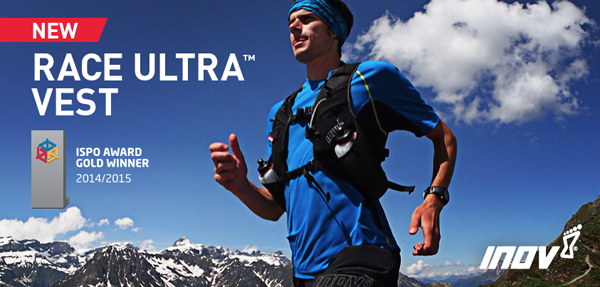
Three ISPO awards – GOLD for inov-8 Ultra Vest

Race_Ultra_Vest_smallimage

It seems a long time ago that I was talking about, photographing and reviewing this new Race Vest from inov-8 (HERE).

I said in November, ‘the next key moment in pack design’ and it certainly looks to have turned a few heads and gained similar feedback from ISPO.

For_web_Race_Ultra_vest

It comes into stores in February and I am aware from some retailers that stocks are already pre sold demand has been so high. So, if one of the new Race Vests is on your ‘yes’ list, don’t leave it too long.

You can read the update and news on the inov-8 website HERE