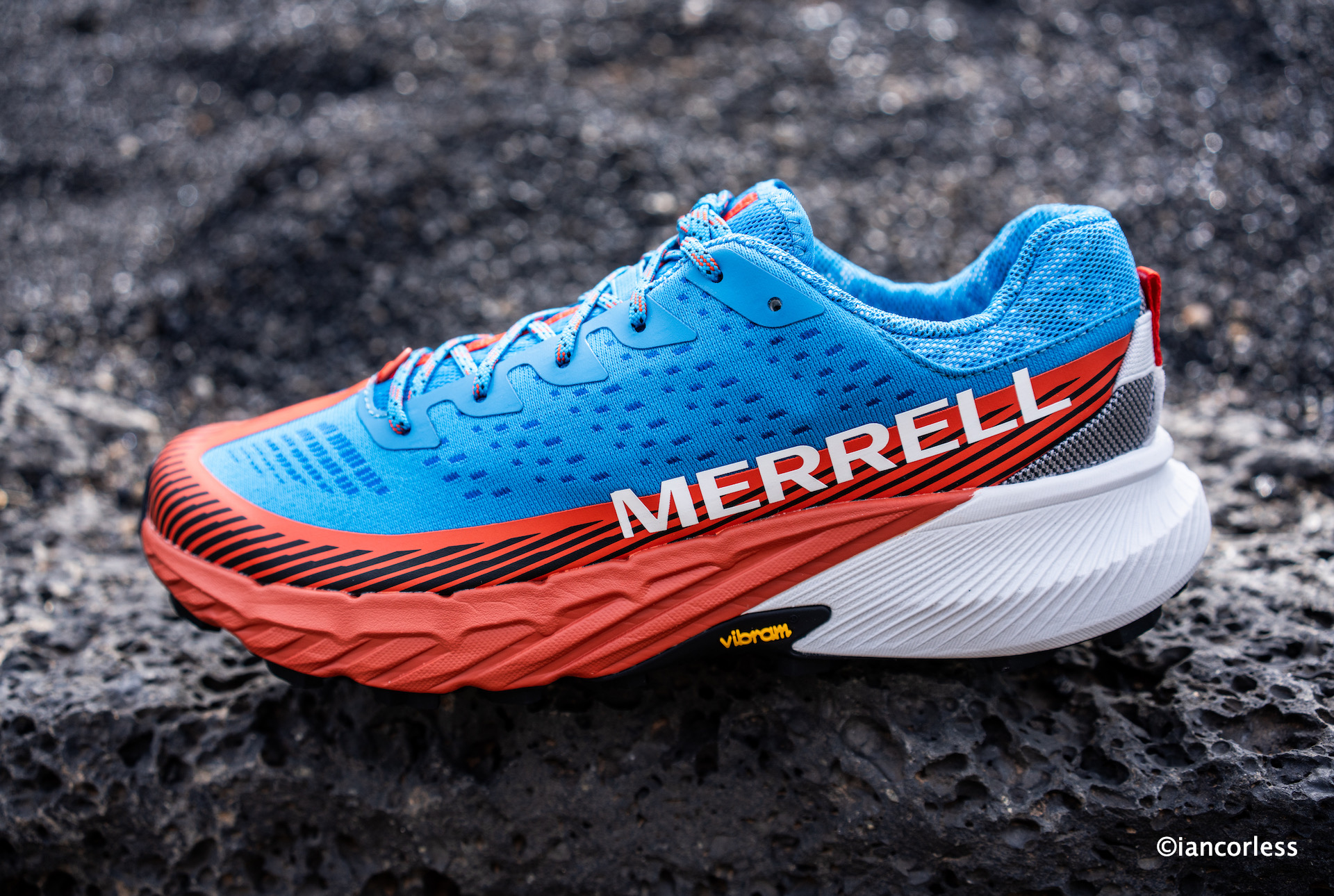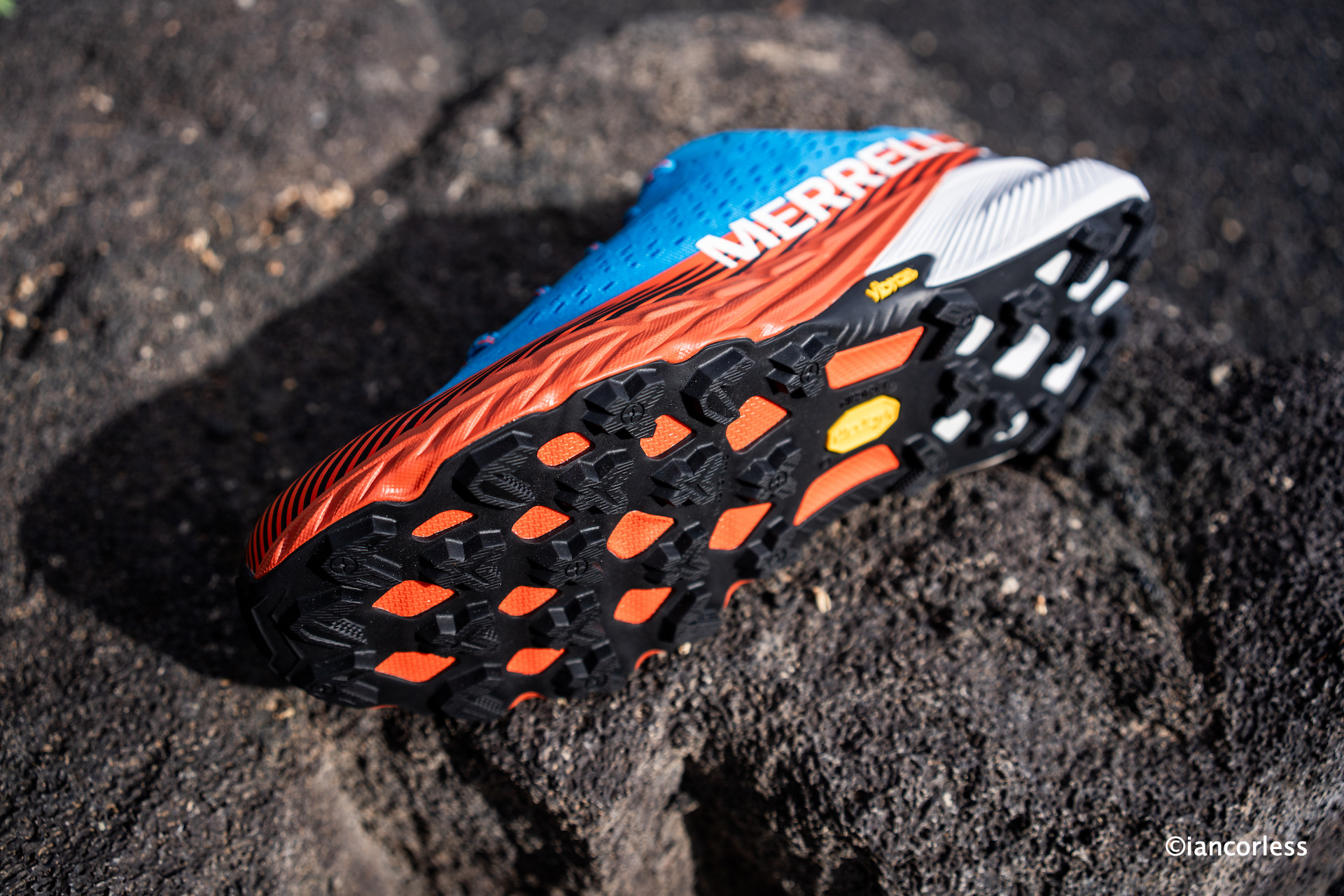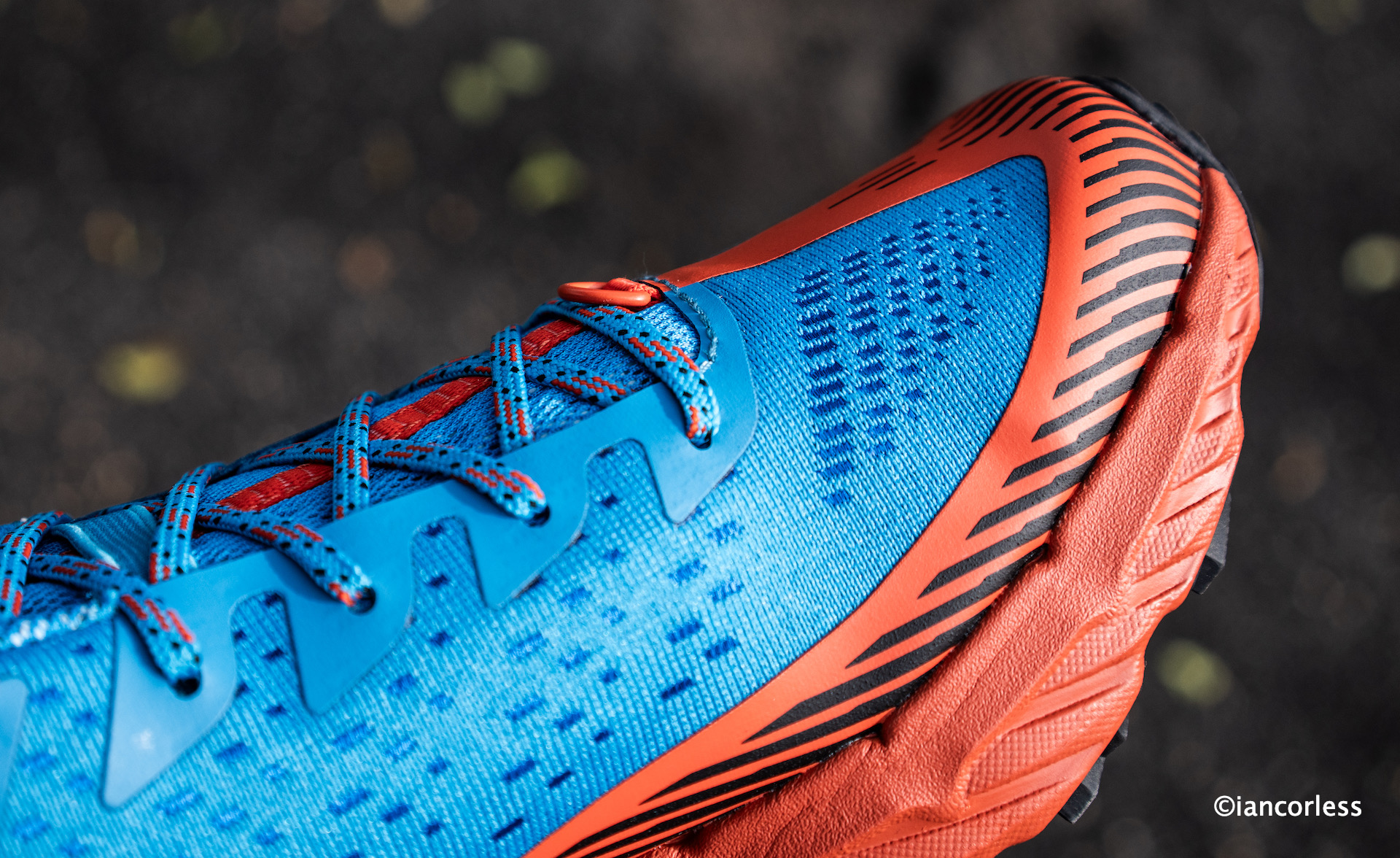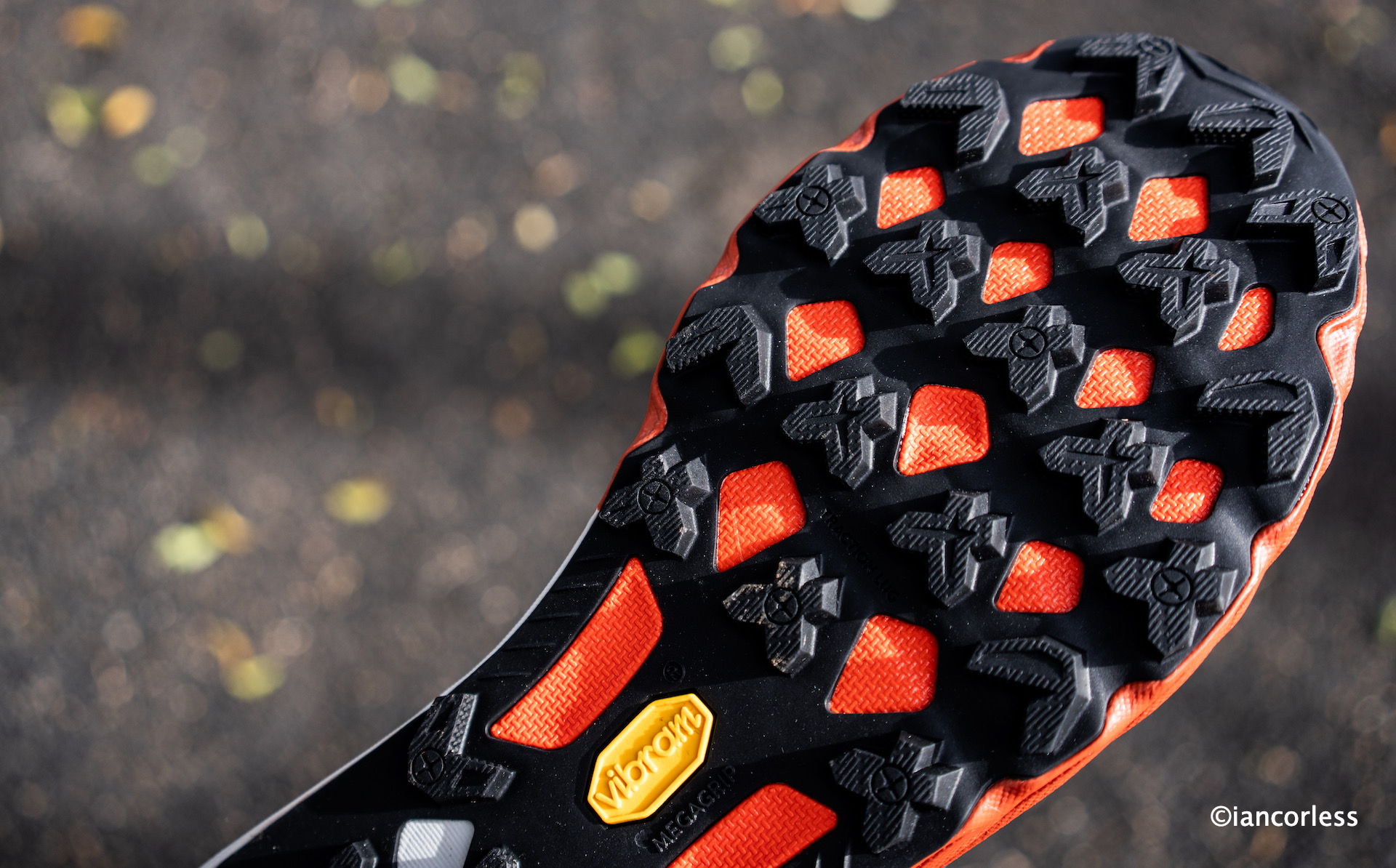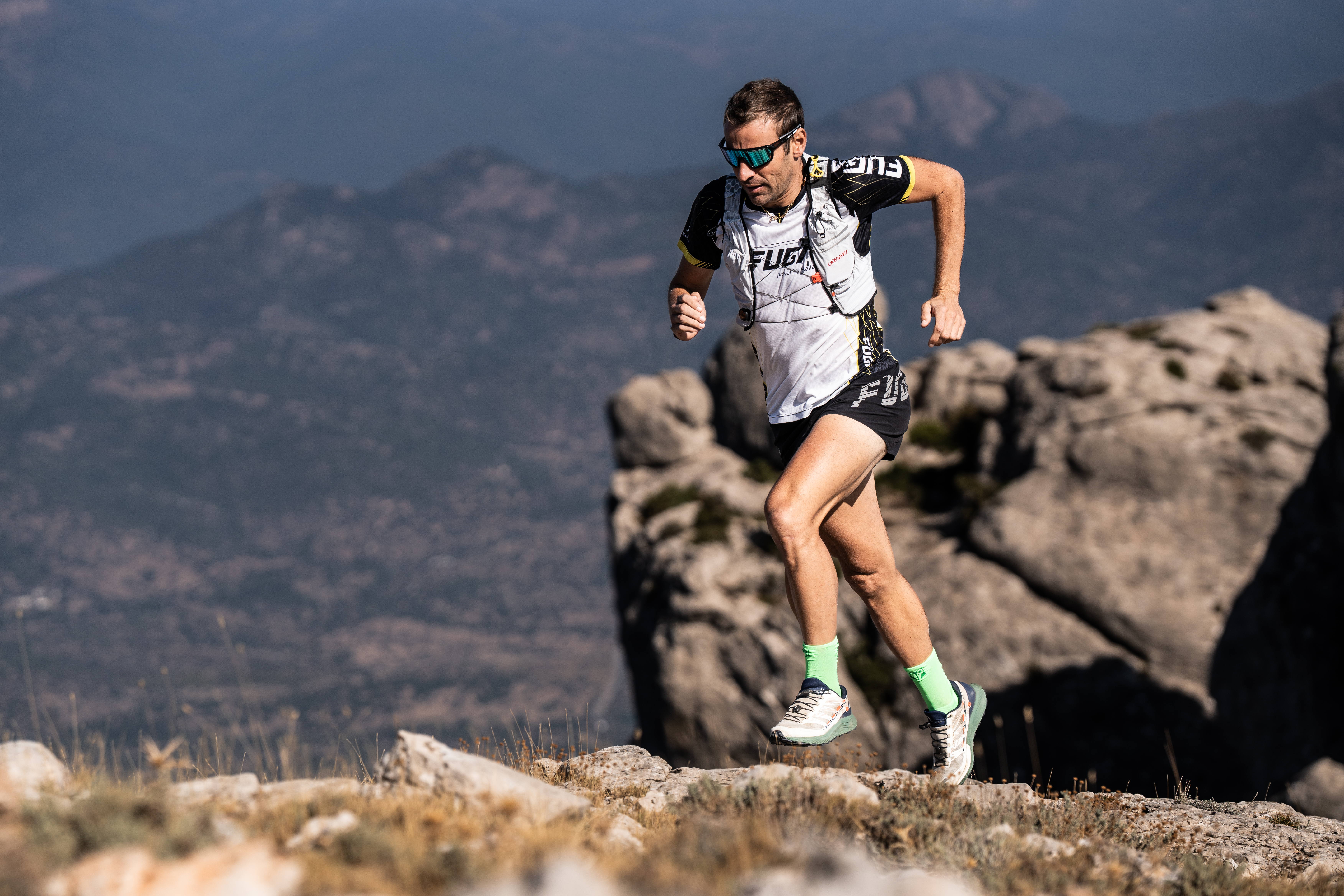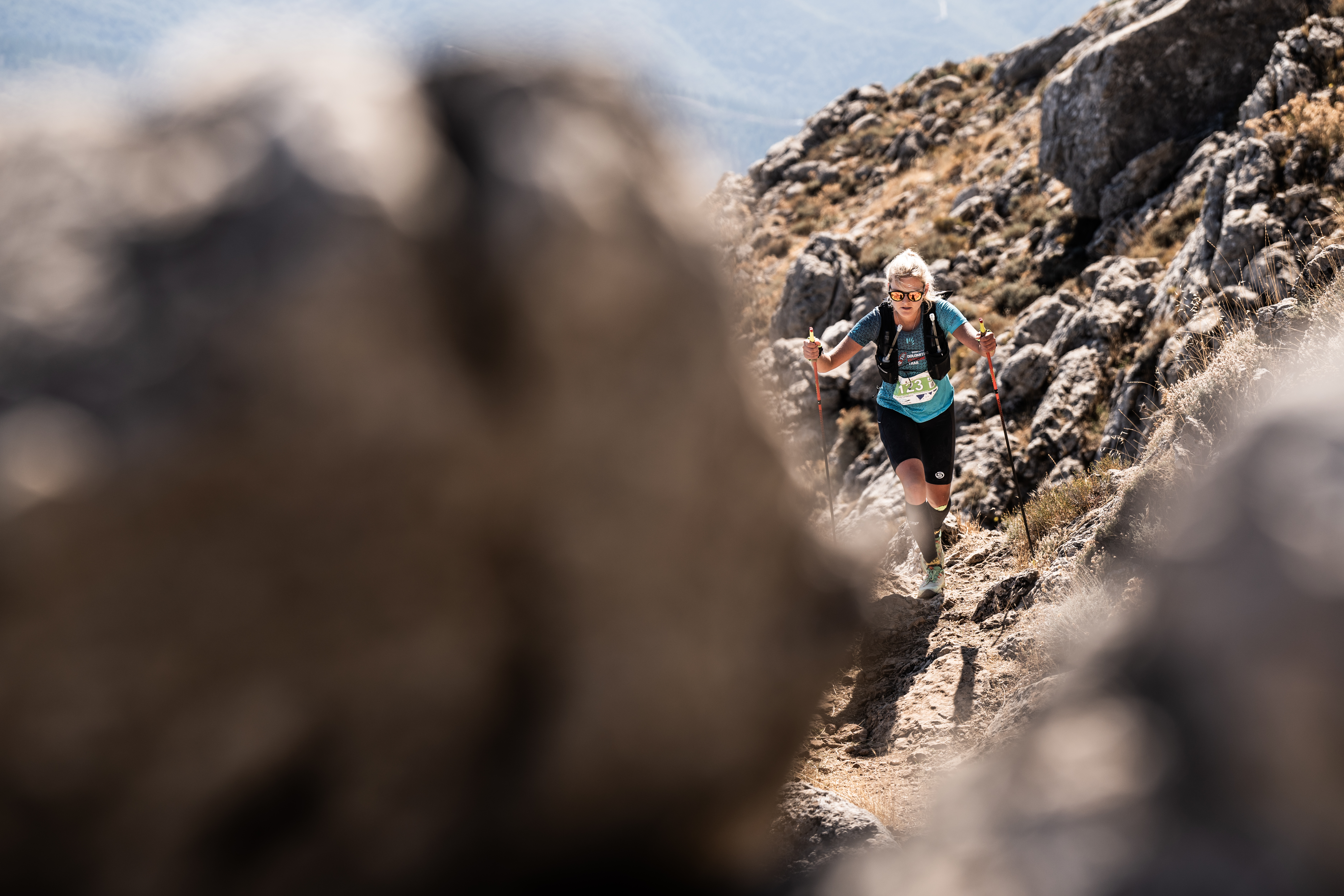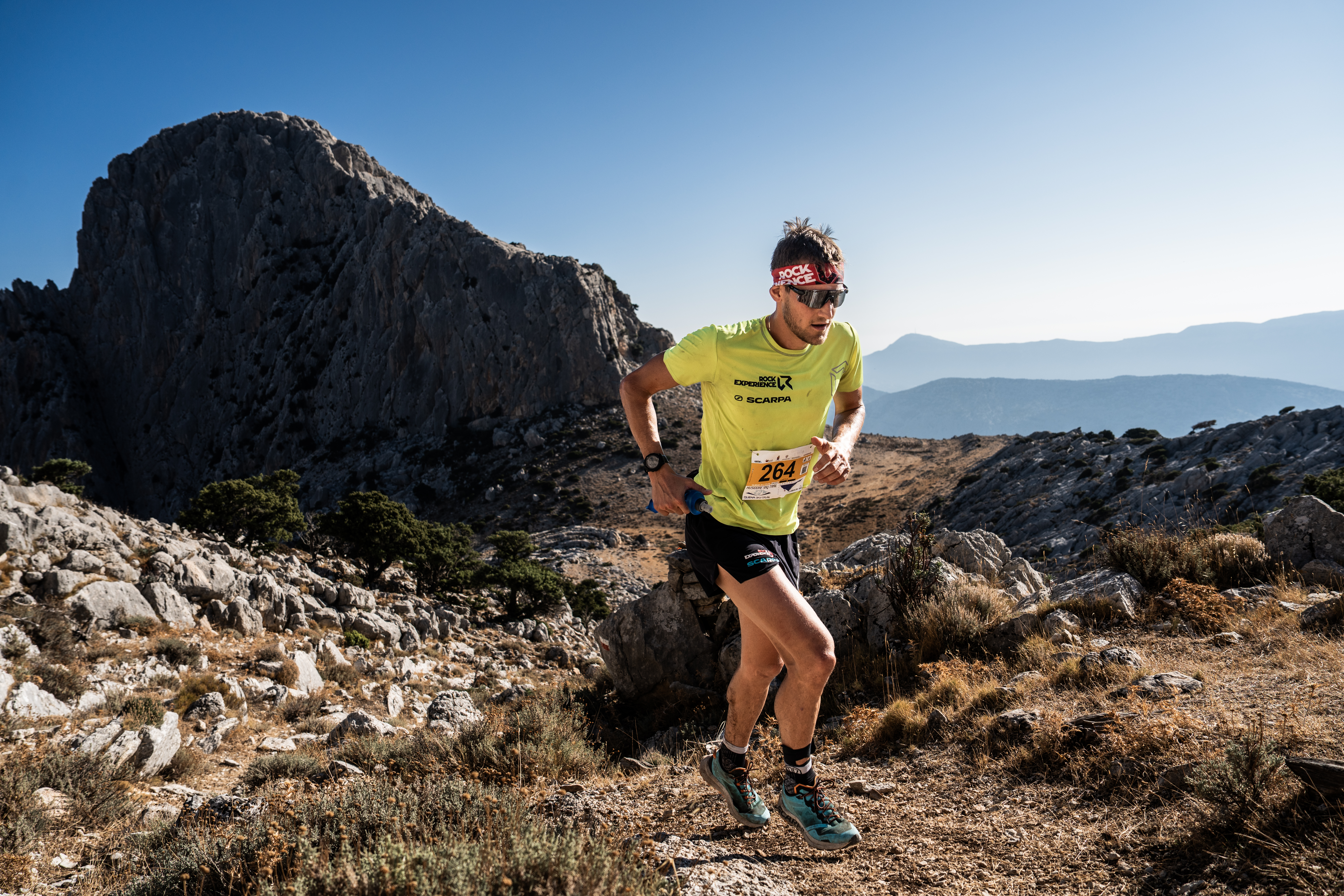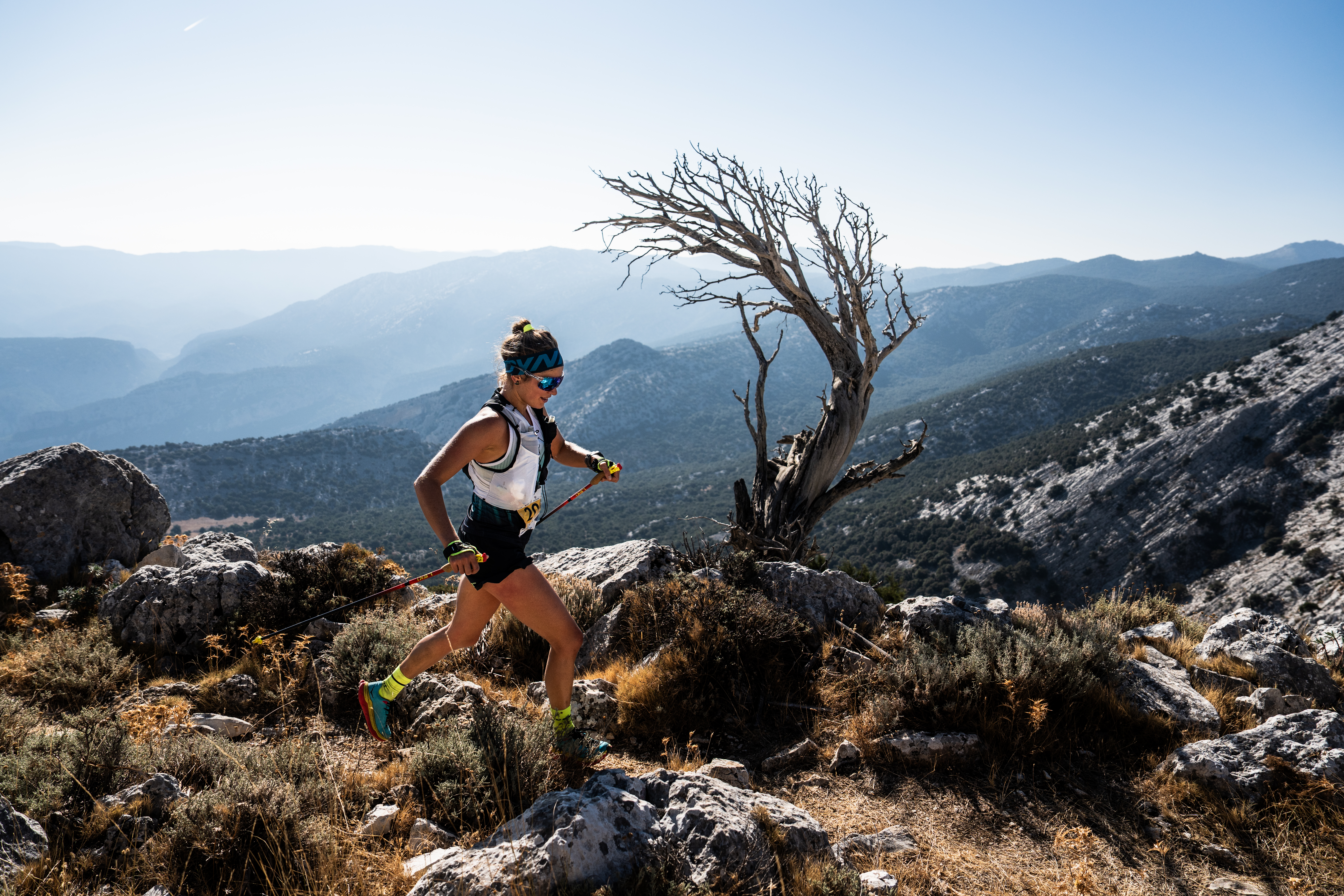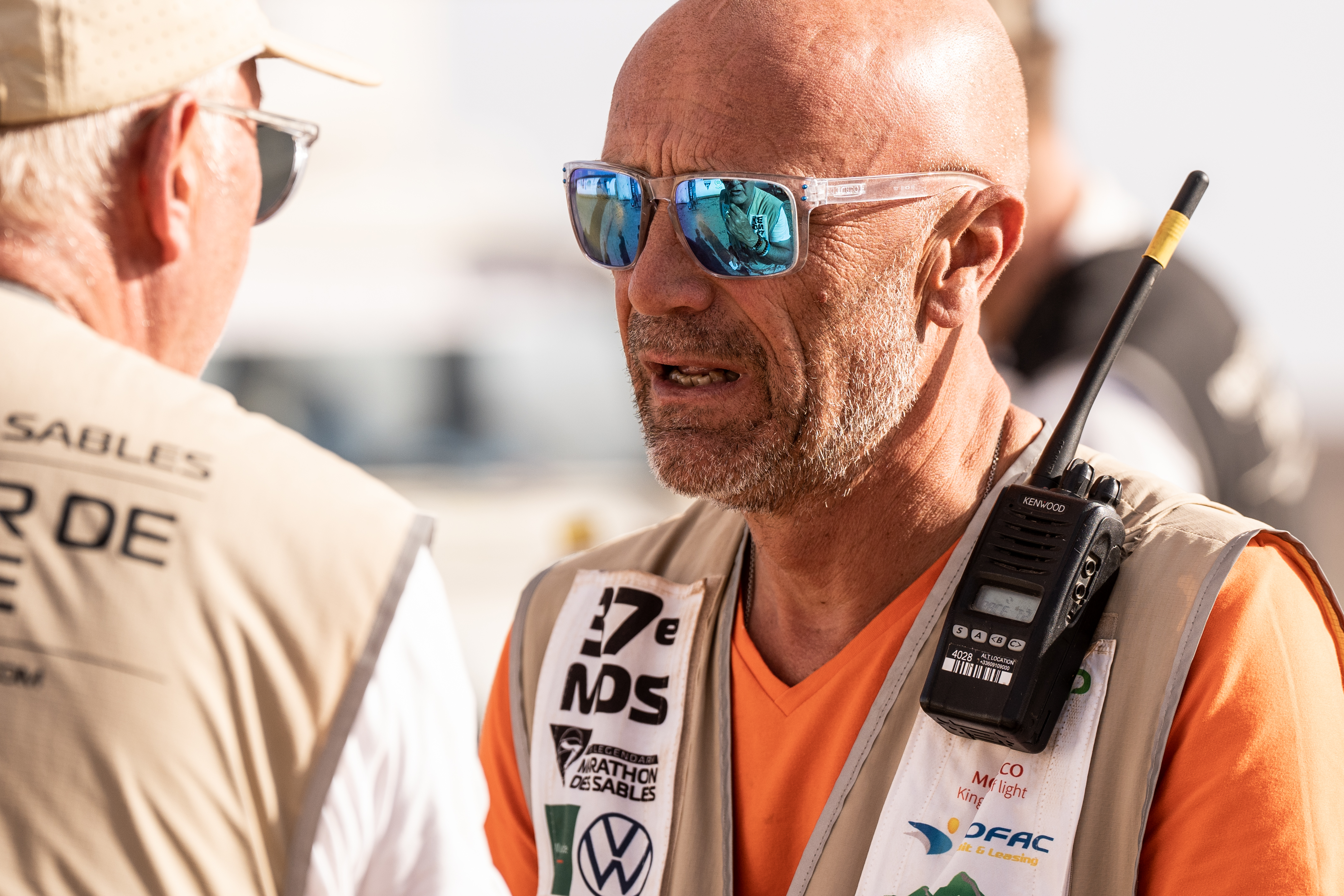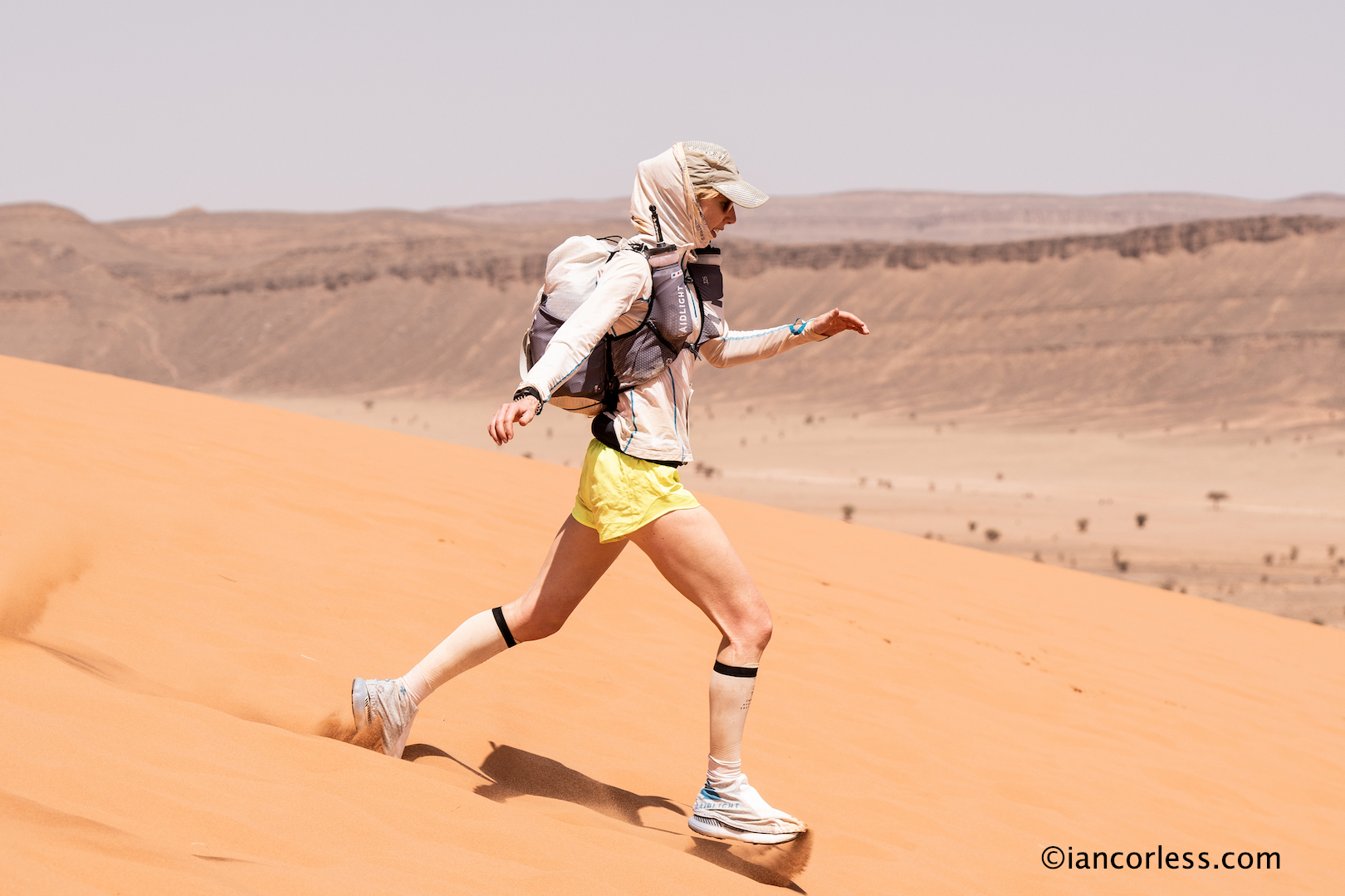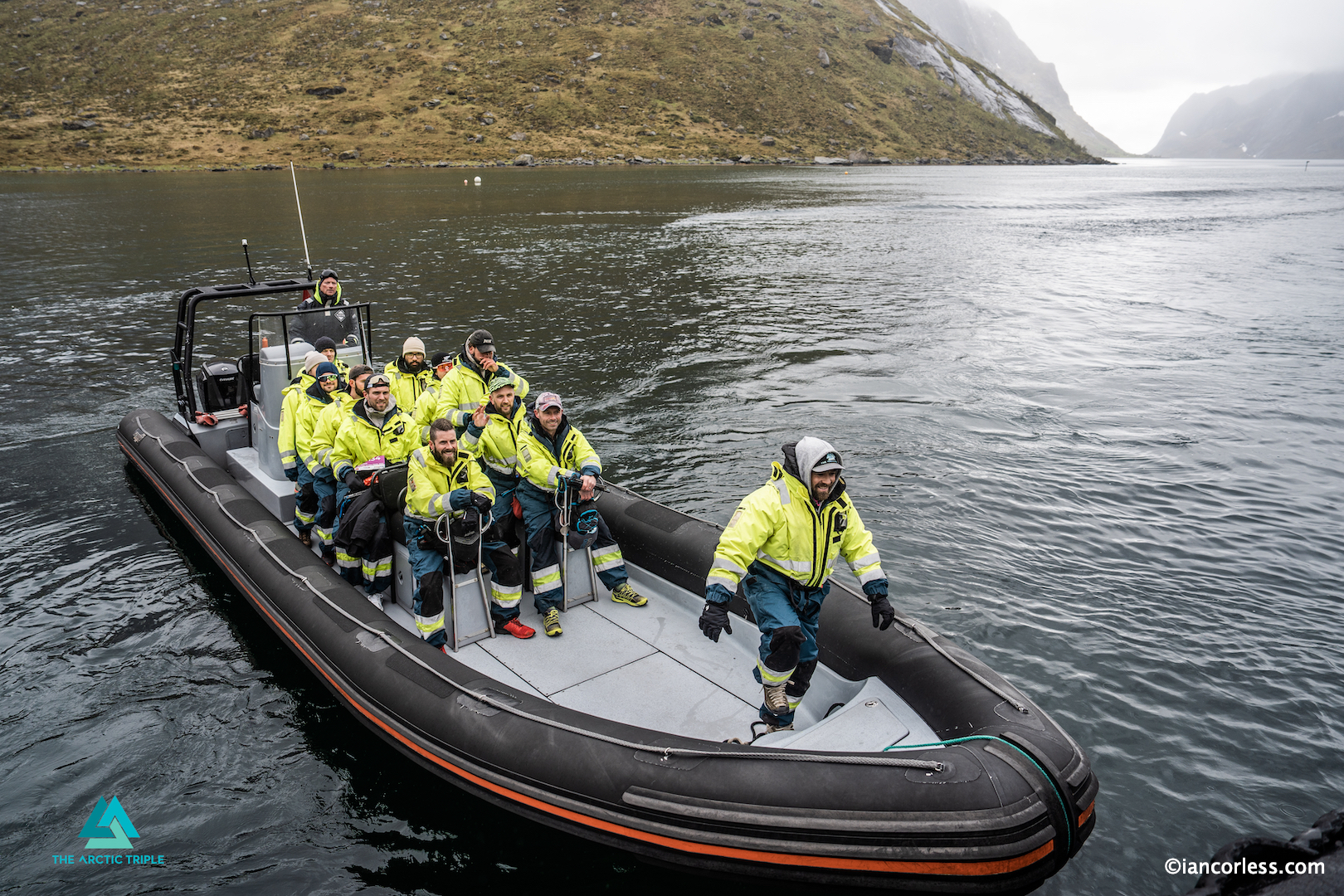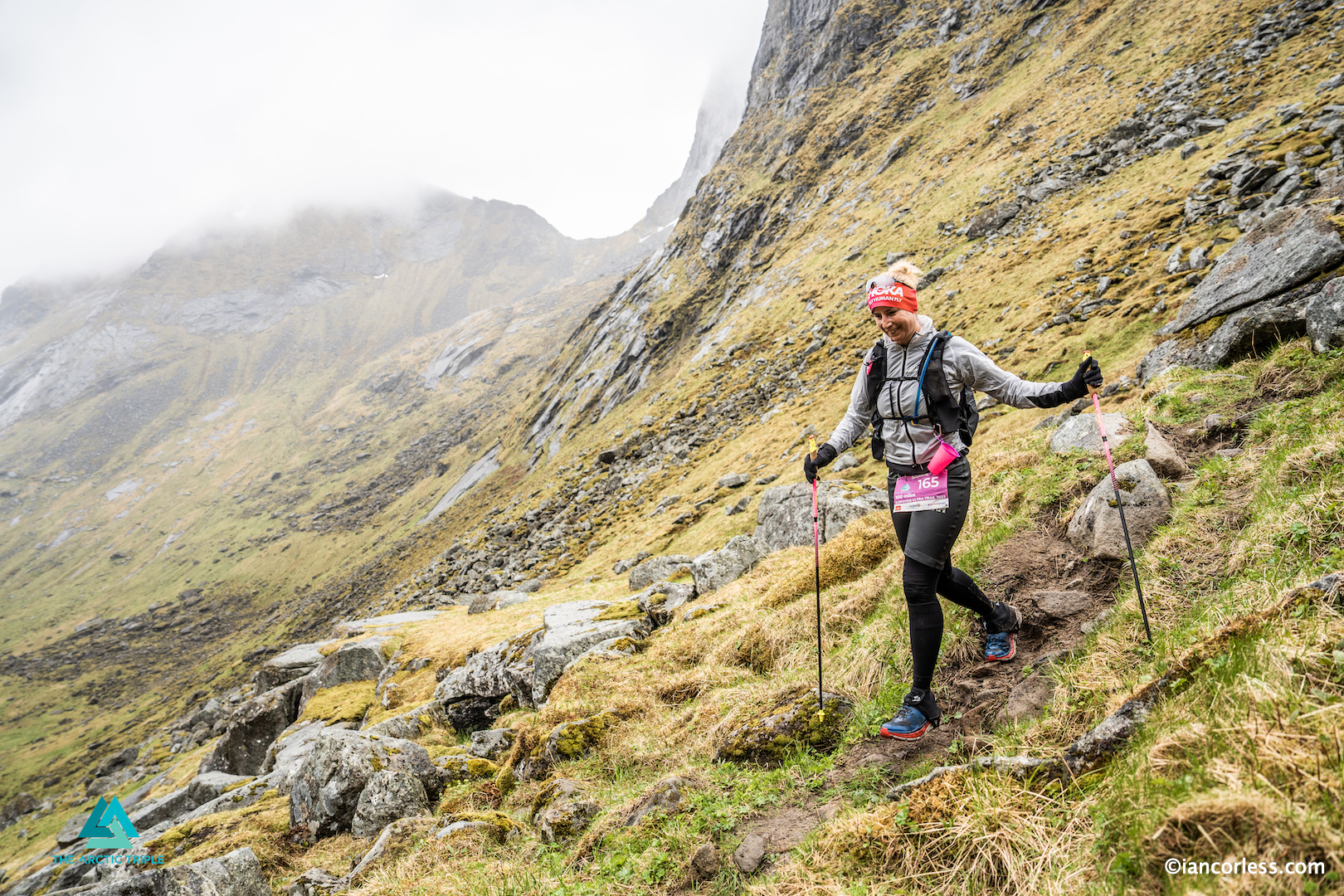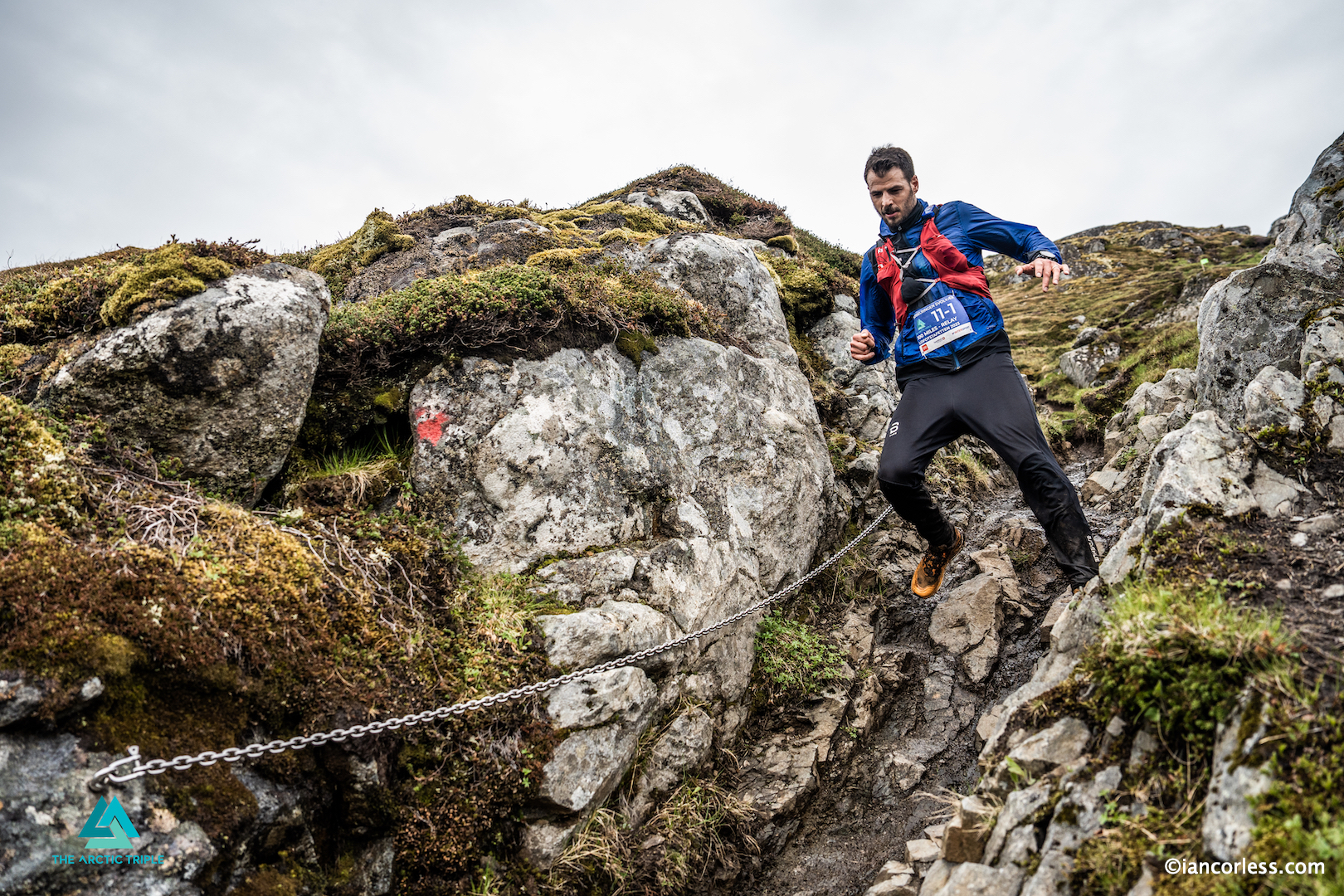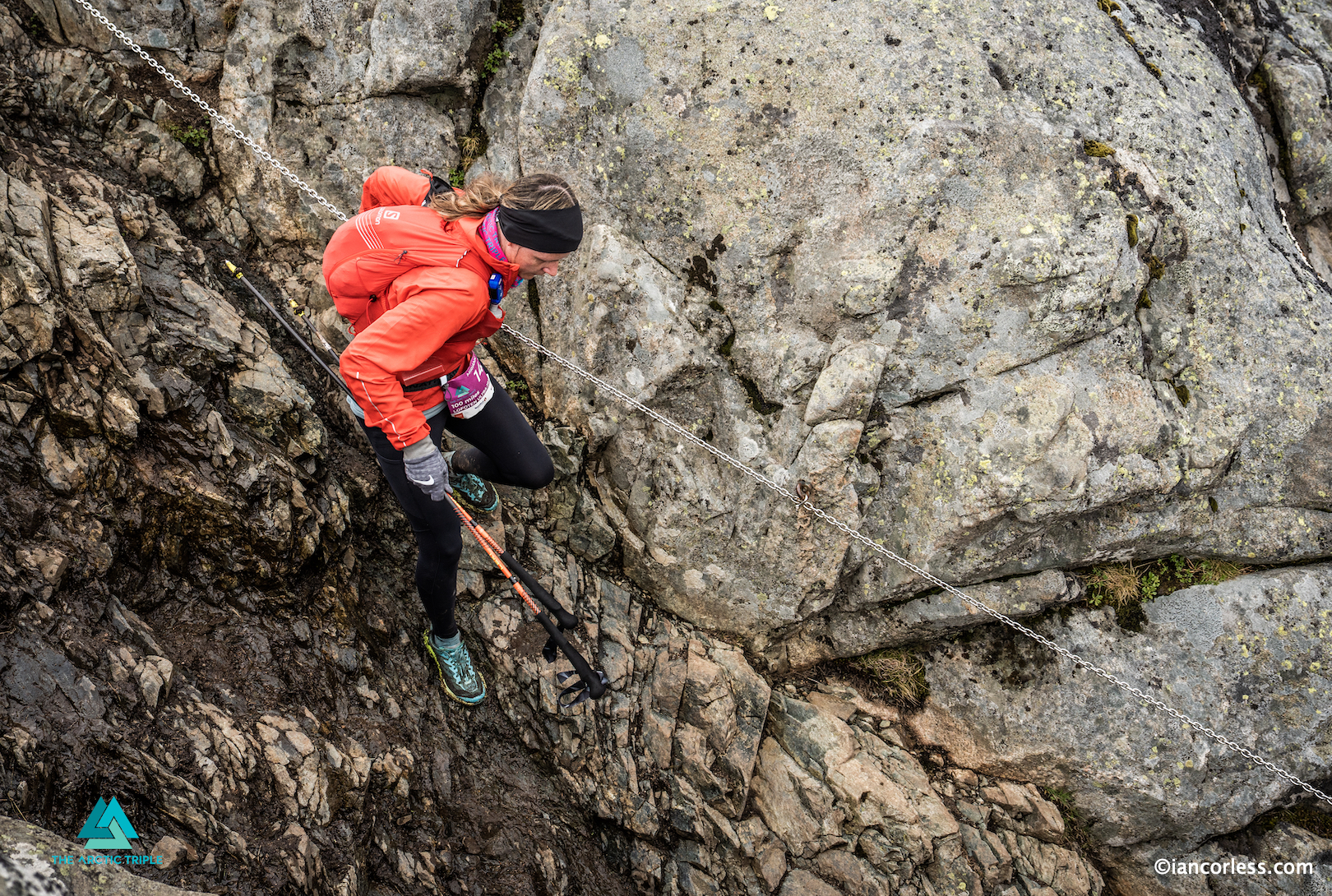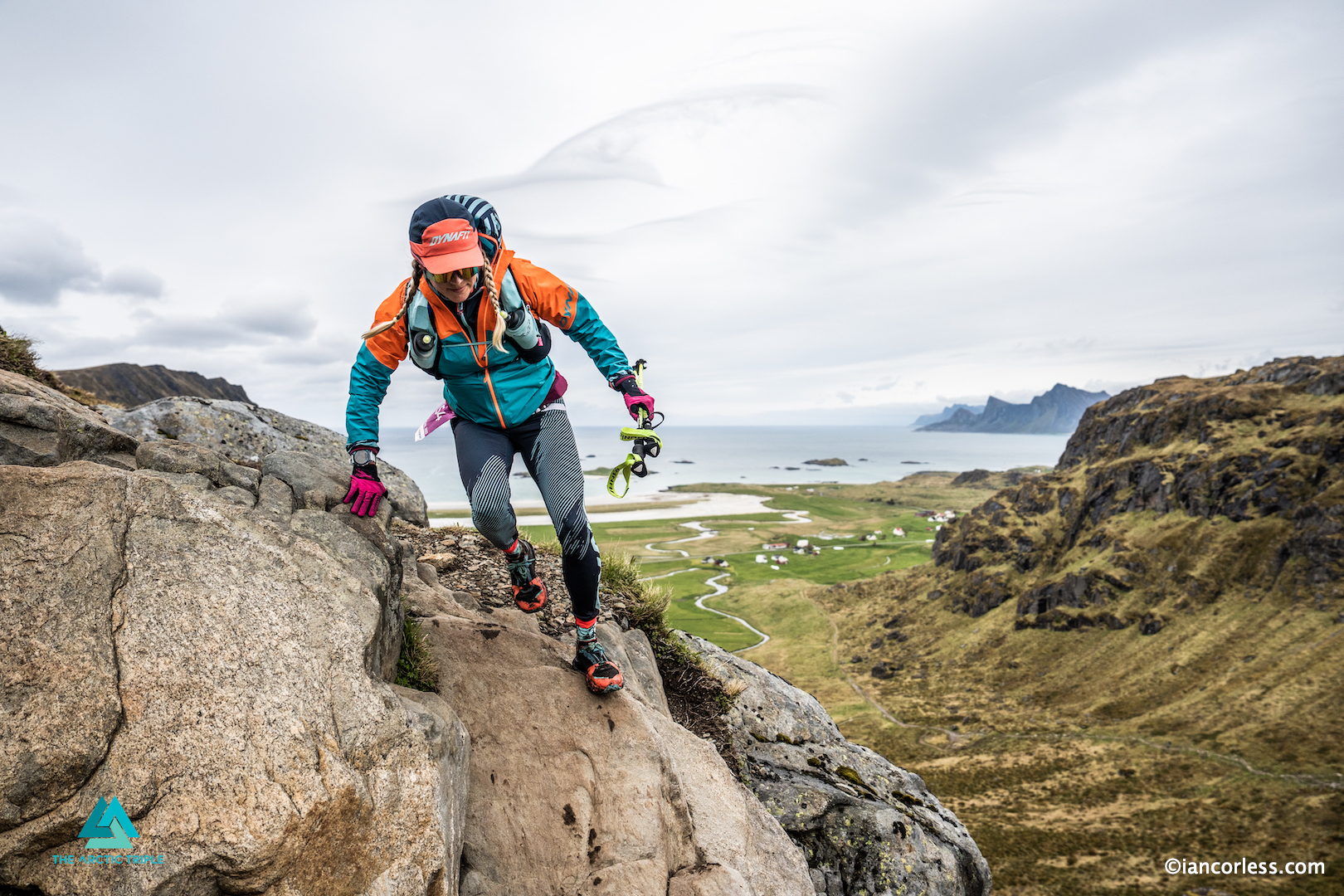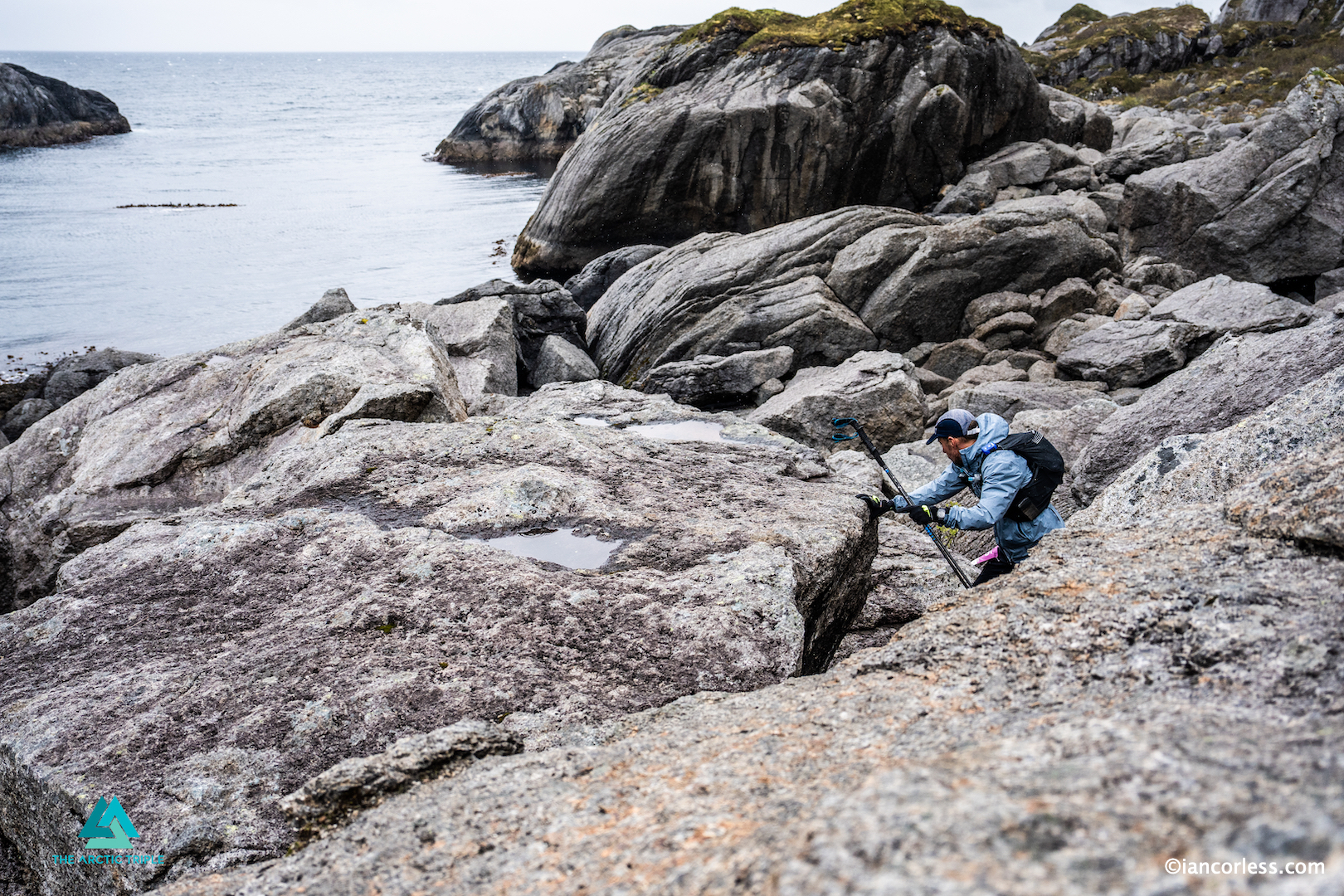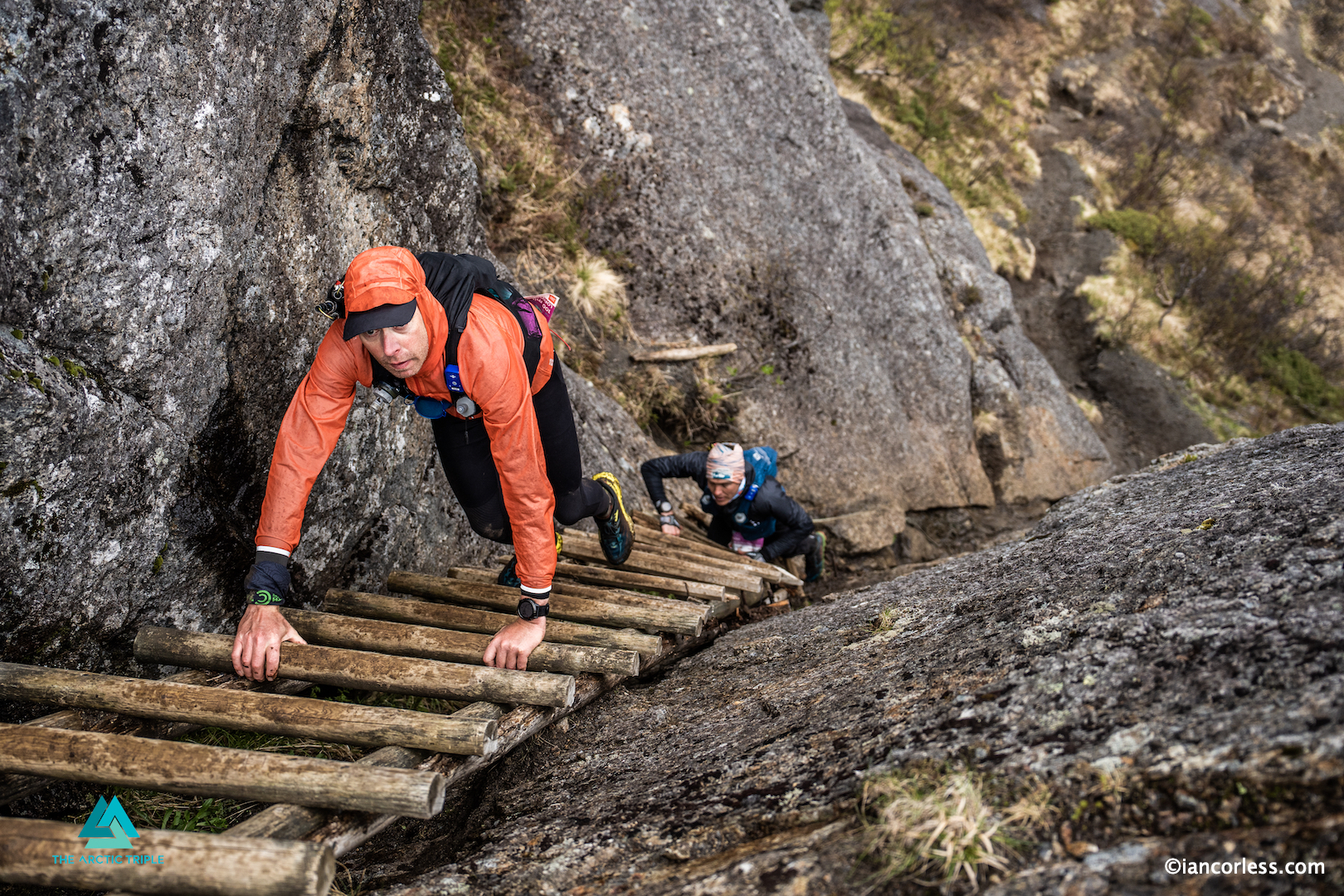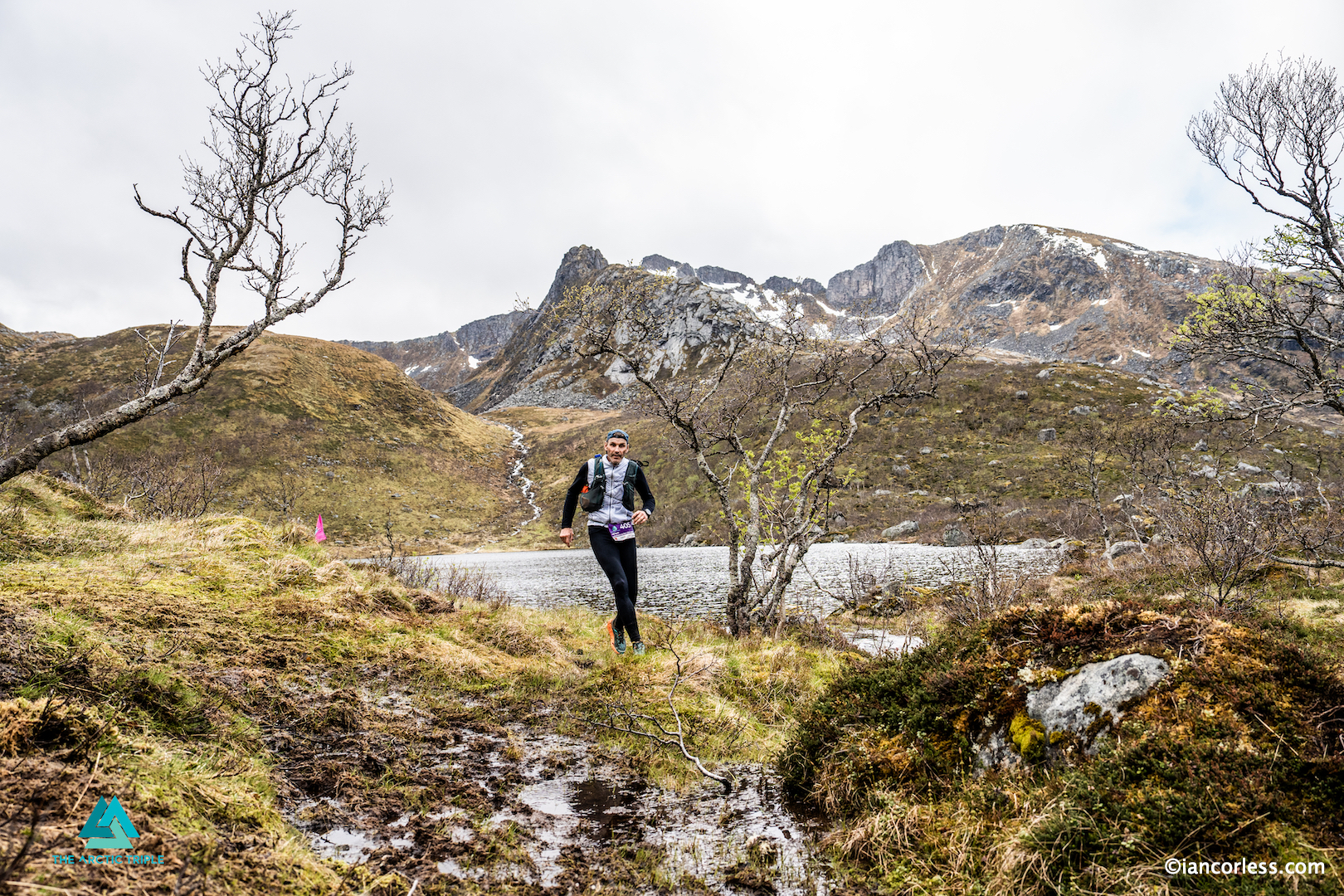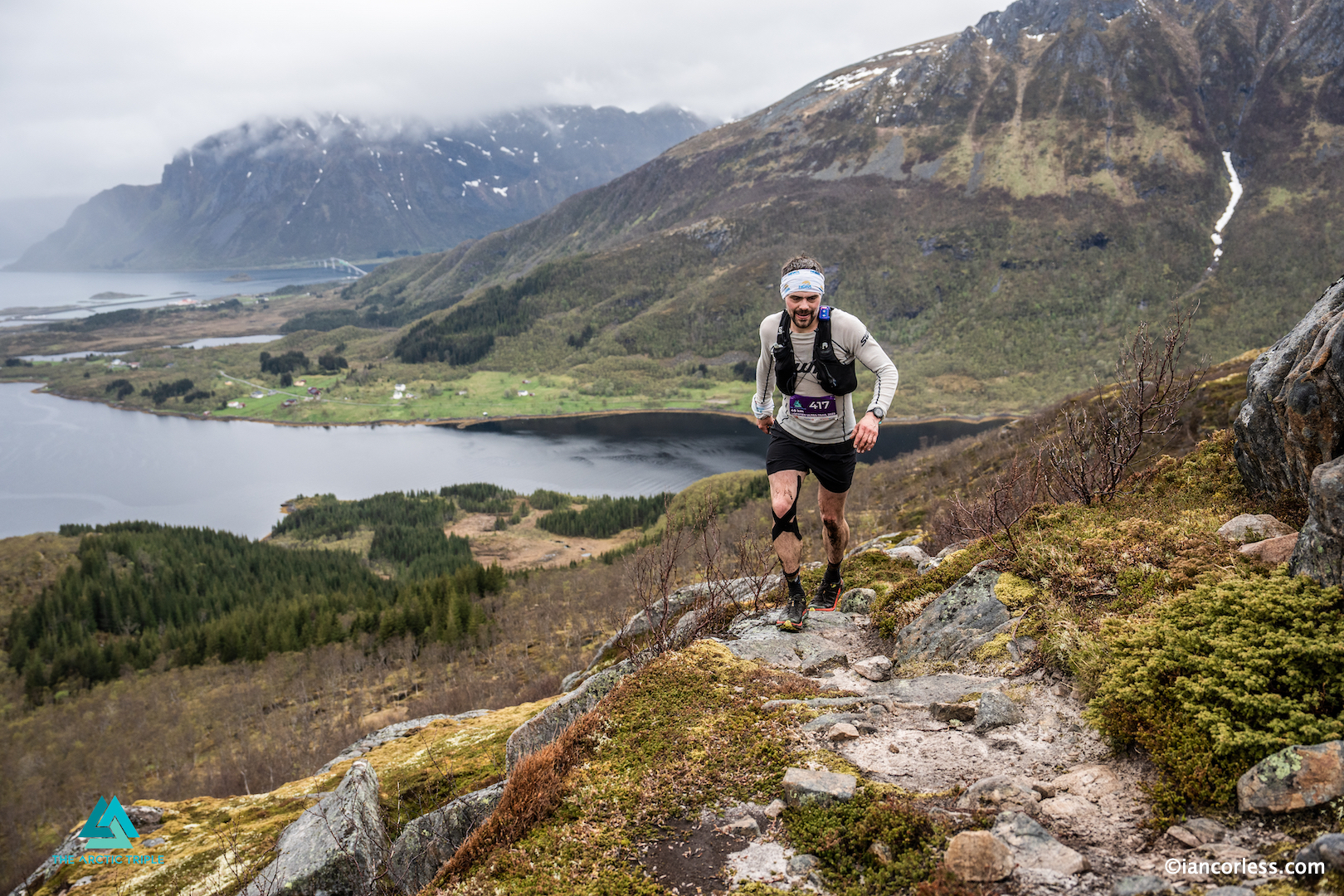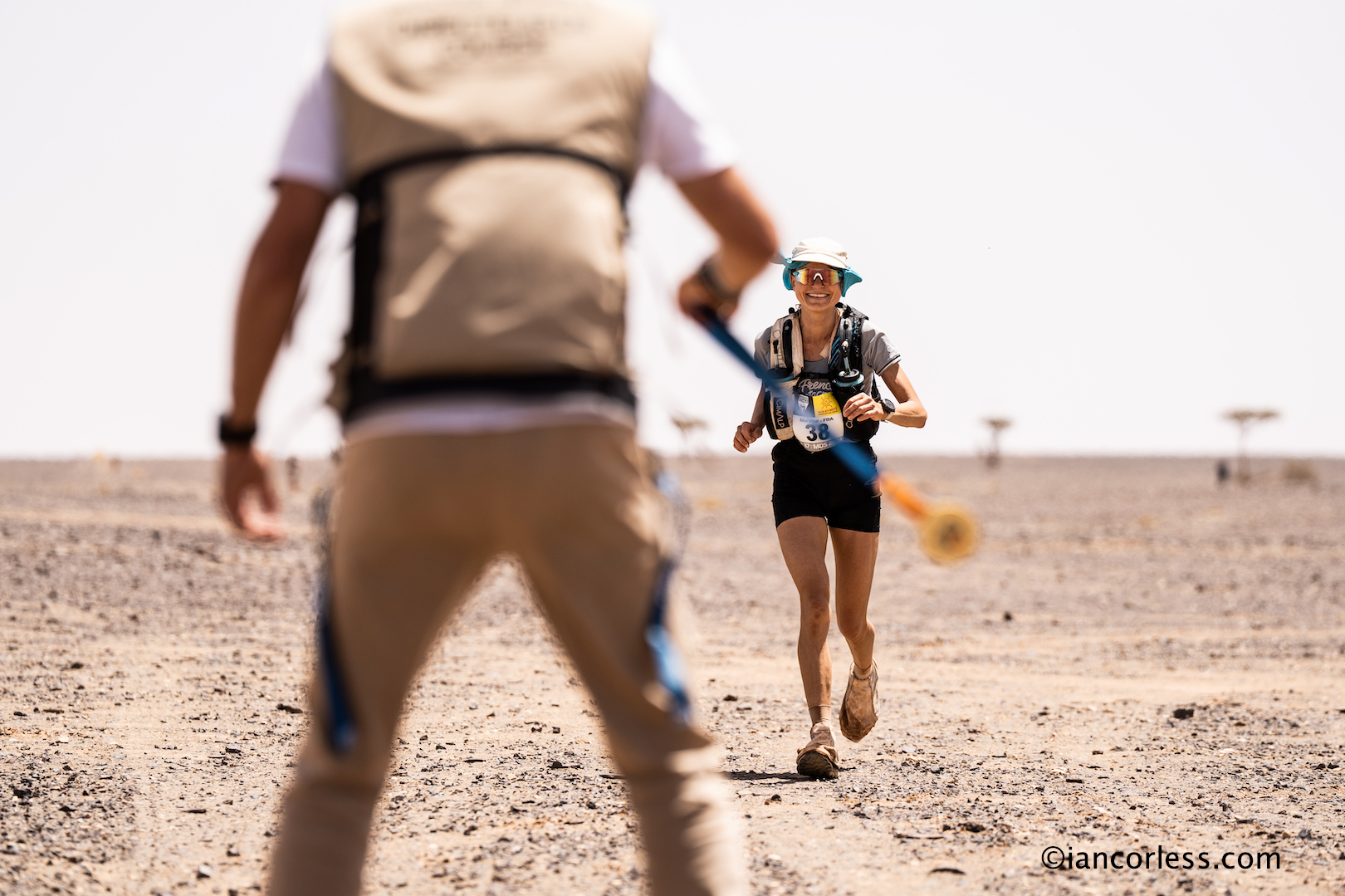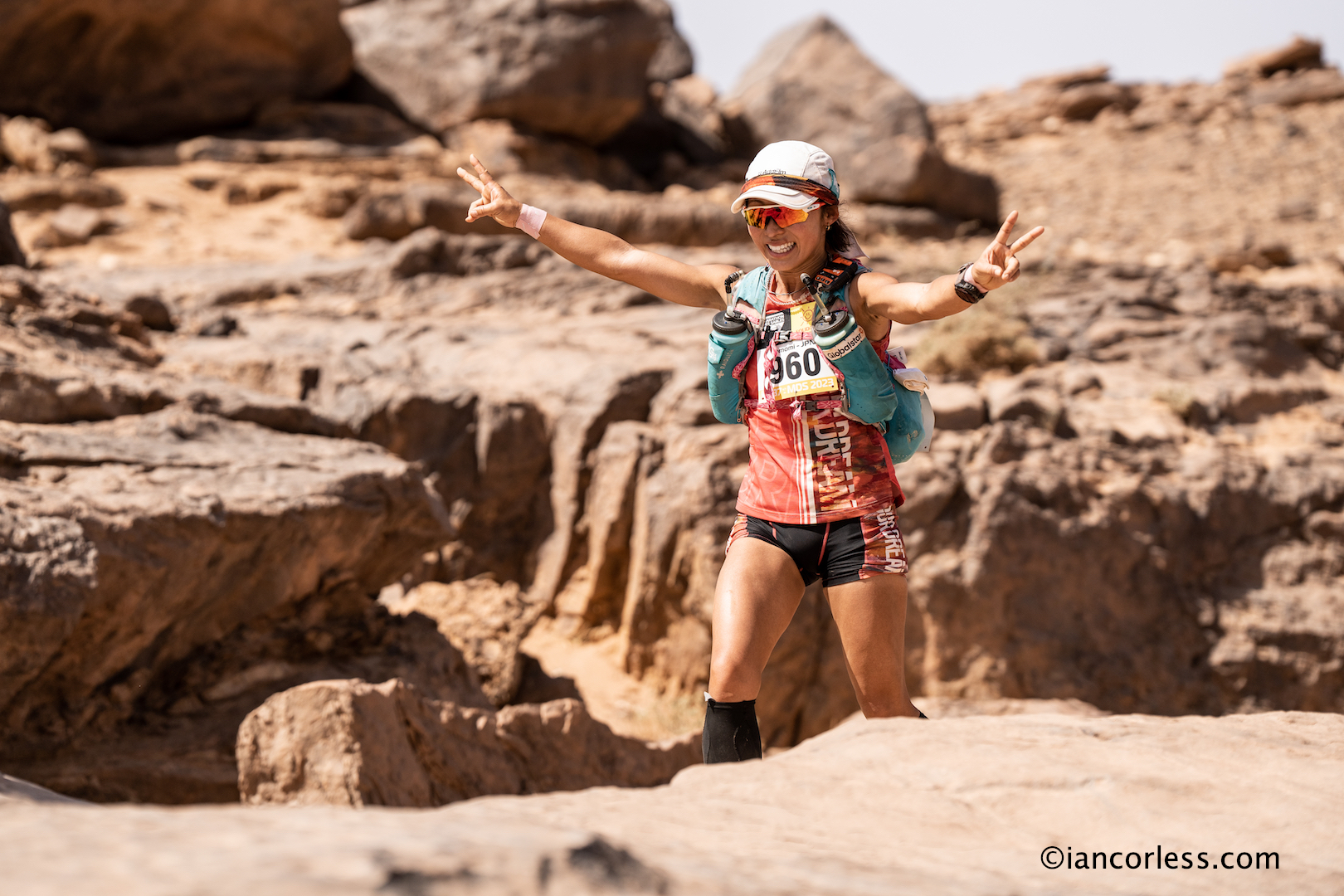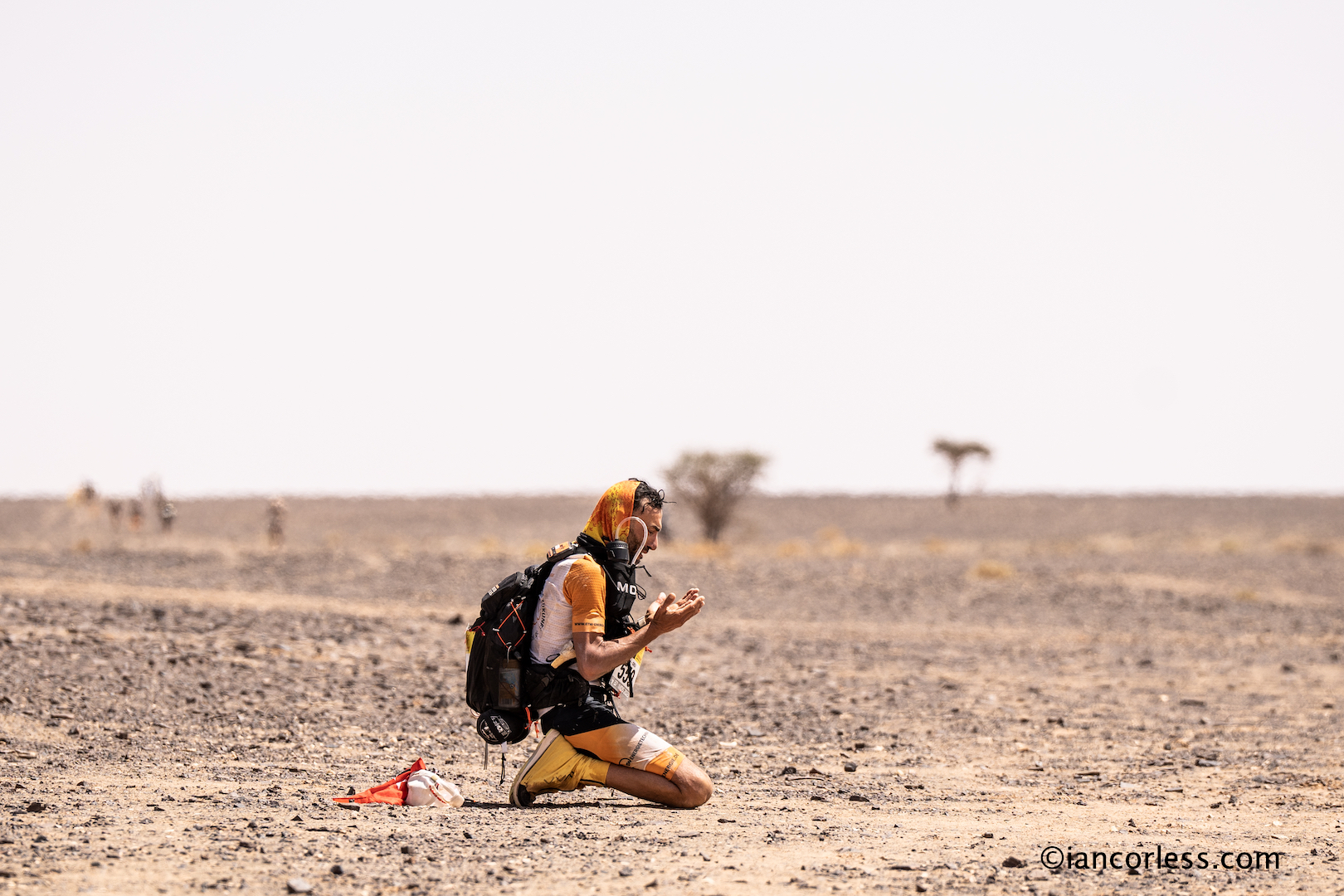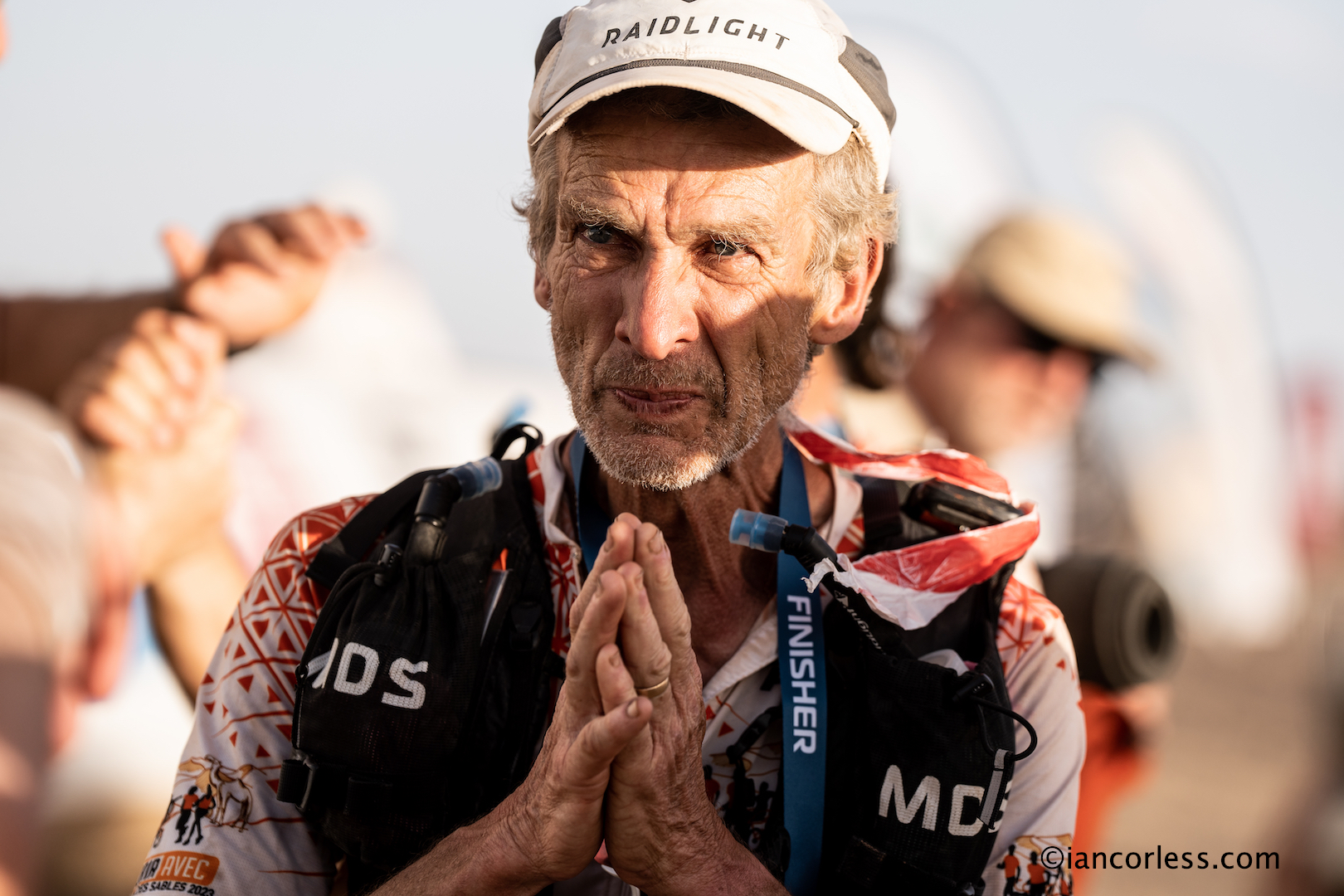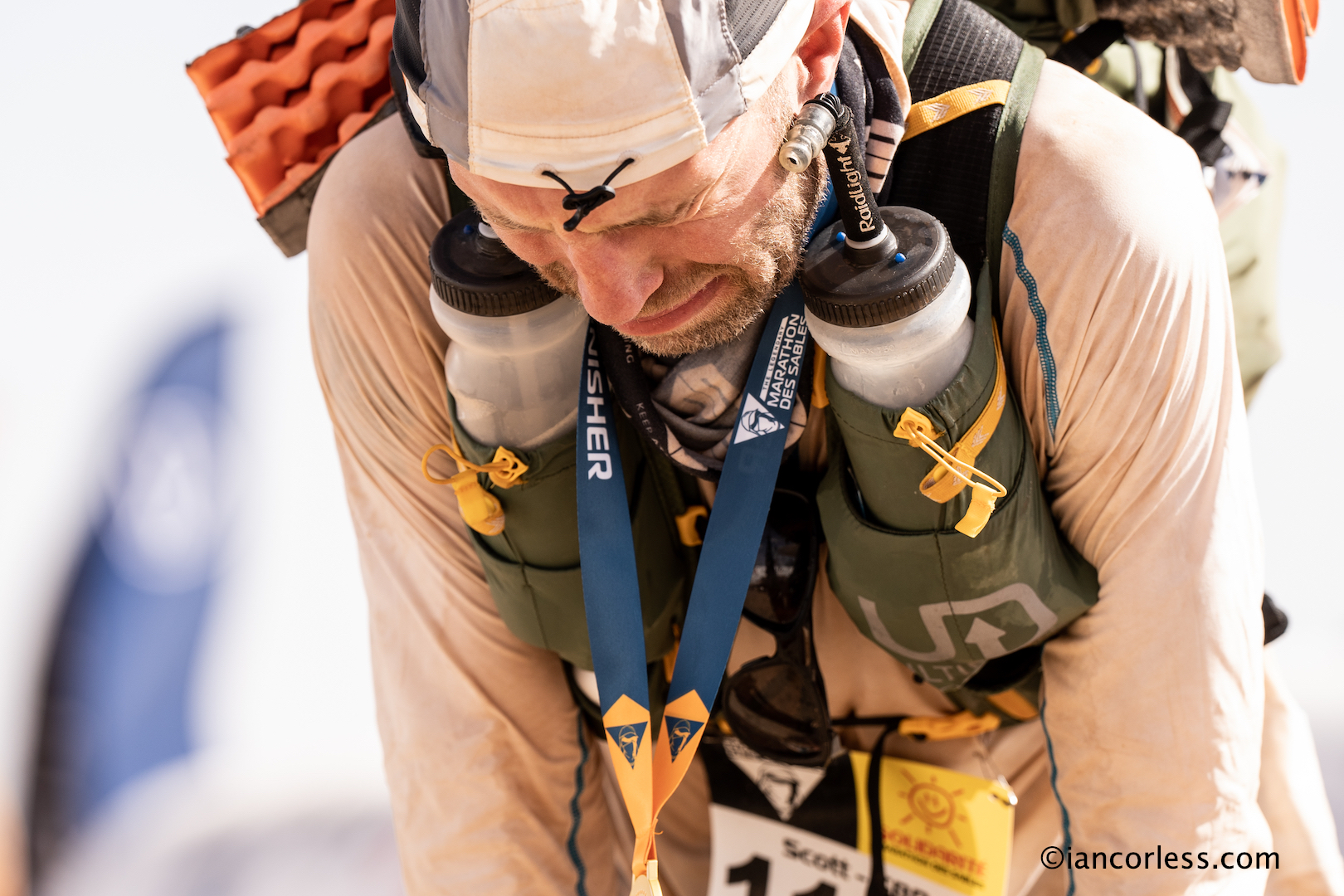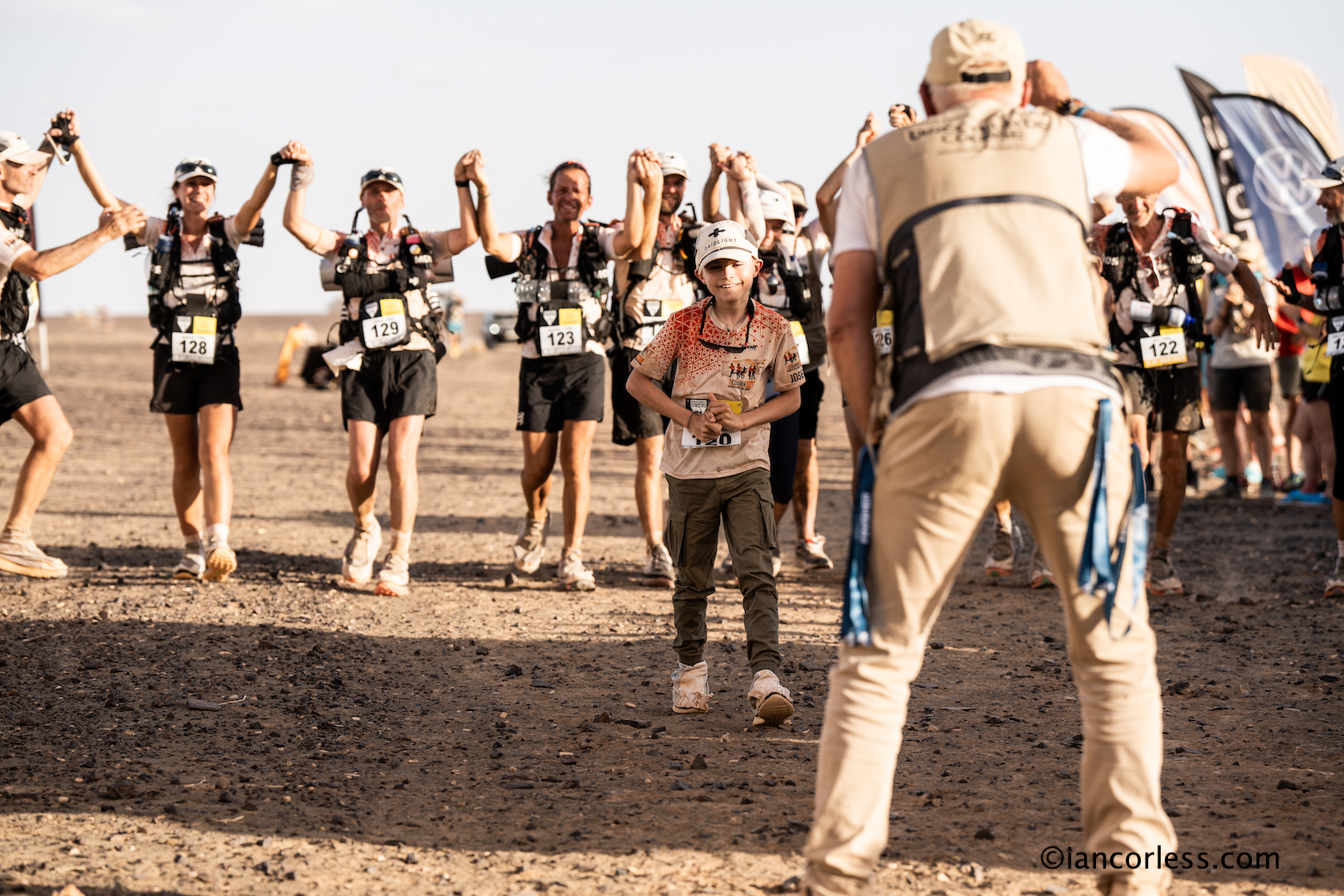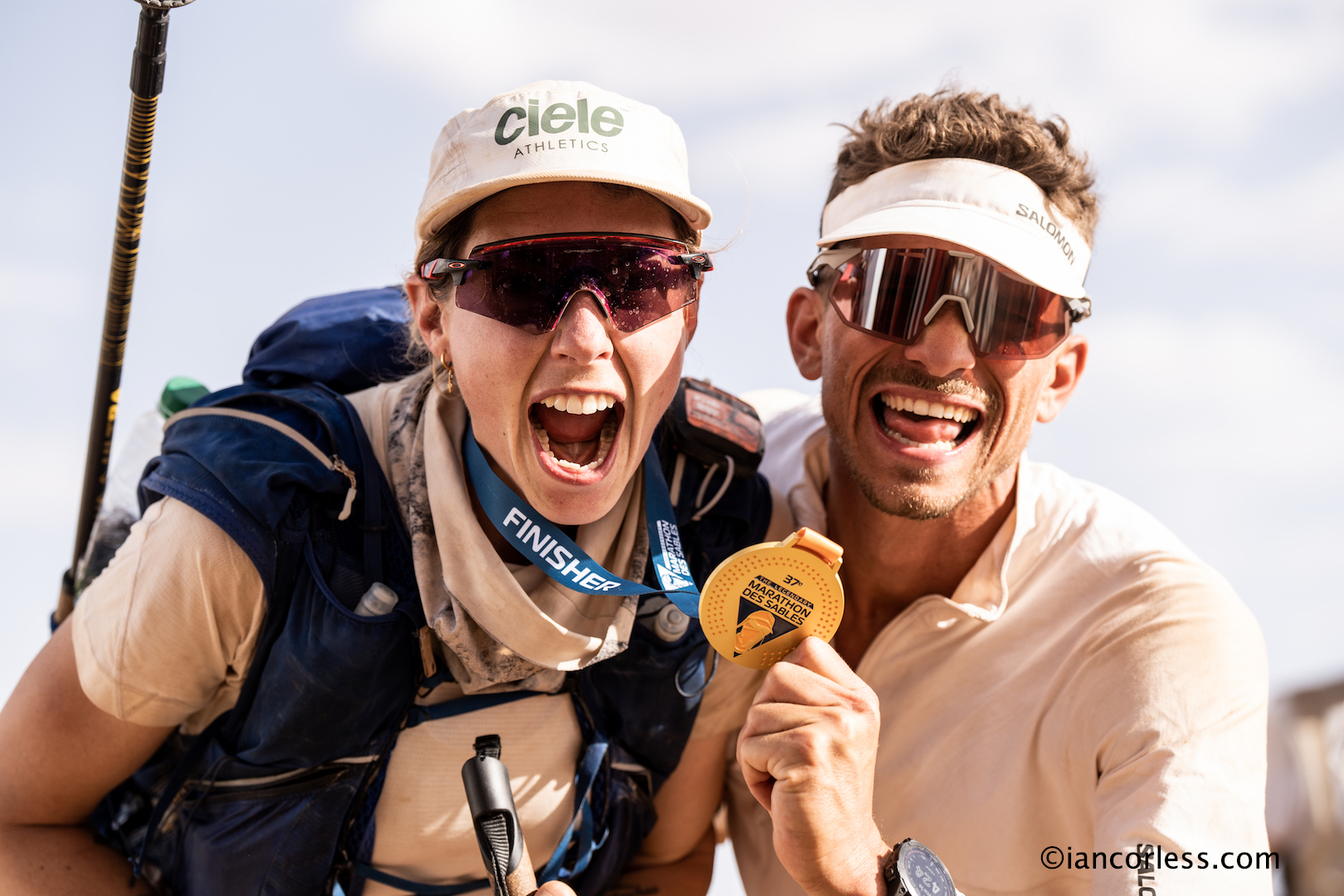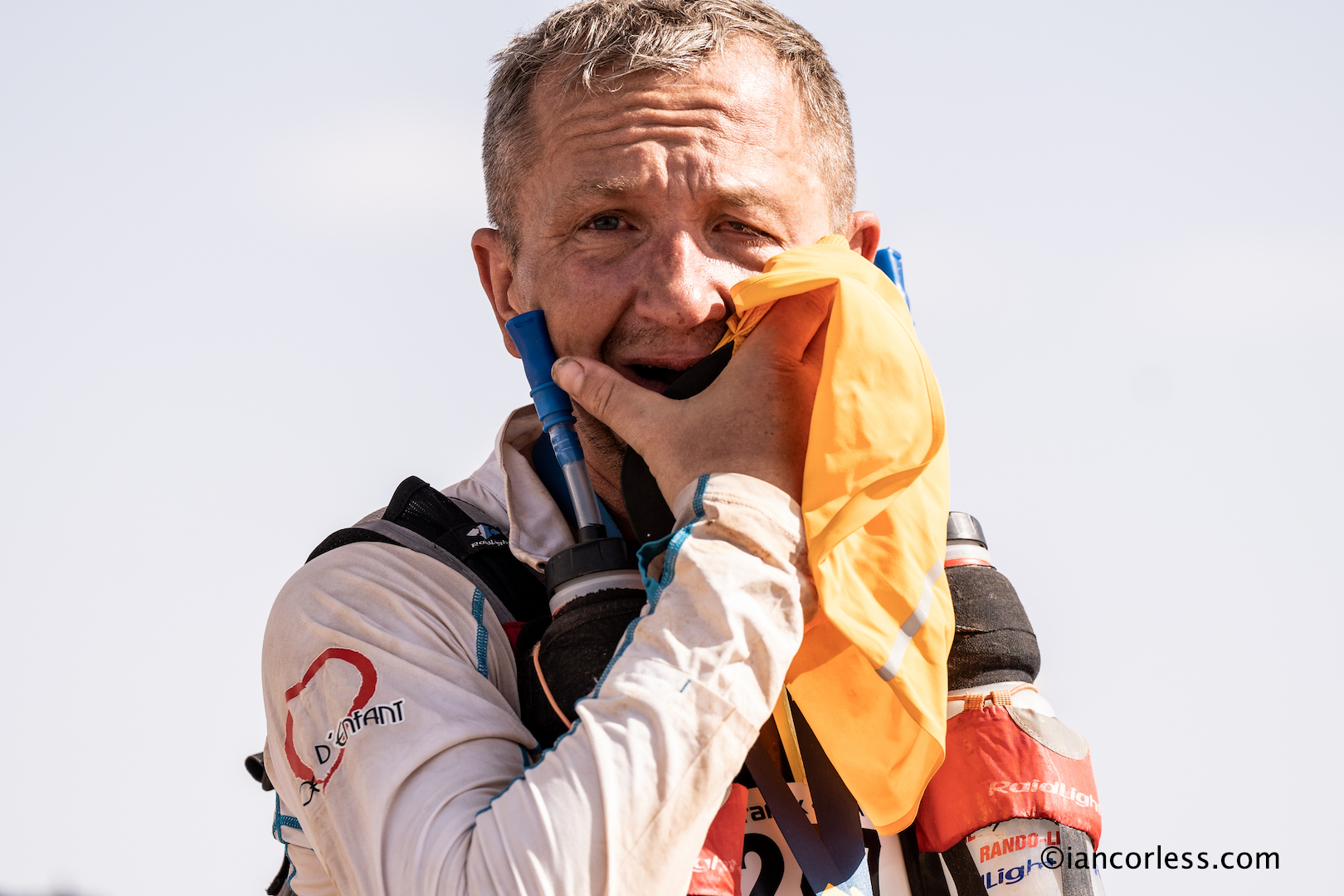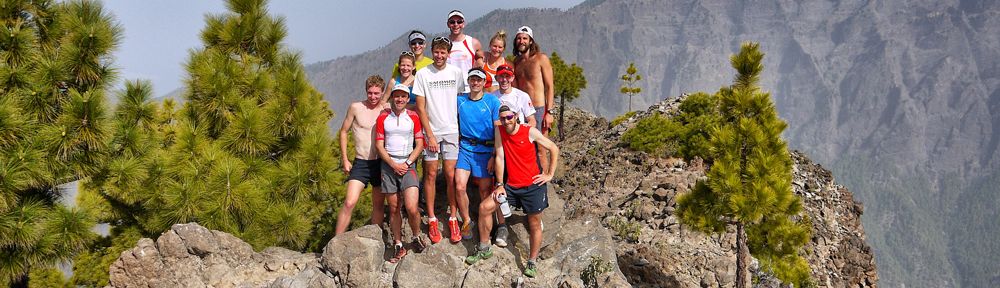
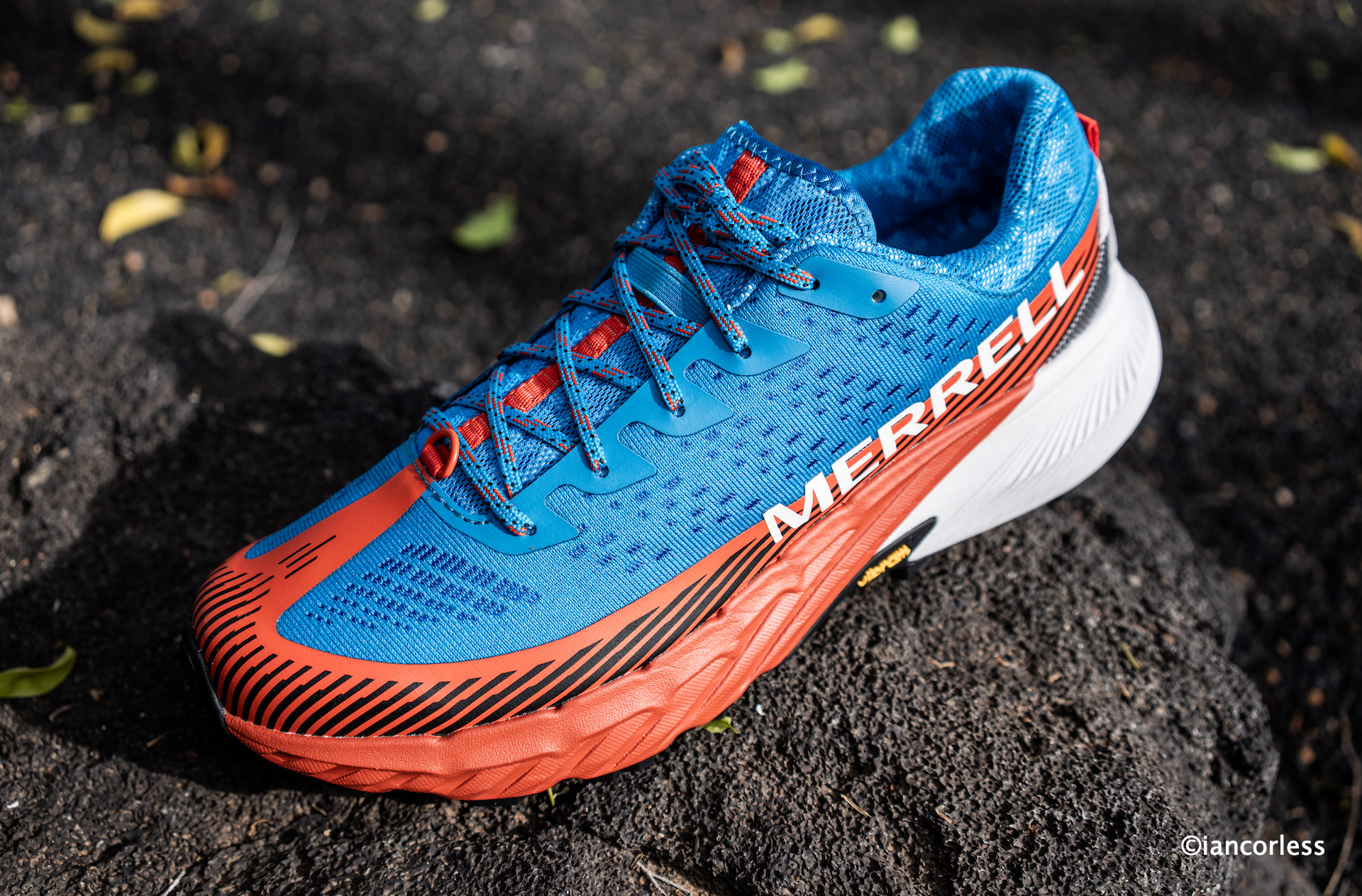
Crossing the Sierpe river at dawn with a new sun welcoming the day, stage 5 of TCC is always a key day due to large amounts of gravel road, a technical and steep descent, the iconic estuary crossing and the heat and humidity that punishes the runner’s when they leave the shade.
Of course, all the talk was about Mathieu Blanchard and Didrik Hermansen, we and they knew it was going to be a key day. The writing was on the wall when Didrik offered Mathieu his hand before the start, it was a clear statement of let the best man win.
In the early stages the duo were matched but it didn’t take long before Mathieu dropped back on one of the early climbs. As the race progressed, this gap opened and at first it was difficult to ascertain if this was a tactic by Mathieu?
It was over 20-minutes later when Mathieu arrived. It’s fair to say, the 2023 TCC was decided today. Didrik’s effort, pace and consistency has been text book stage racing.
“After yesterday, I would not have been happy with 2nd. So the plan was to push the pace. Mathieu was having a bad day and he let me go early. I pushed and kept it steady. I opened a gap and more, and more minutes. It was motivating. I had considered taking it easy and saving something for stage 6, but, if Mathieu was having a bad day, I decided to push and get more time. It’s not over, we still have a day to go.” – Didrik Hermansen
“Yes a tough day. But last night I had already decided to go easier. Yesterday I witnessed Didrik push the downhill at an incredible pace. I little bit mad maybe? But for me, it’s February, I have a long season and I can’t risk it all here in Costa Rica. Today we had another downhill like yesterday, he took many minutes again and it’s just not possible for me to get that time back when he runs so well. I came here for an adventure and fun, I didn’t expect these first 4-days and such a pace. I am very happy.” – Mathieu Blanchard
For the women, Katie Schide had a controlled and relaxed day. Her lead is far in advance of 2nd and 3rd and still she was able to take another stage win.
Behind, Tomomi Bitoh started strong leading Paolo Herrera. But as the day passed they switched places and although close together at the end, it was another solid 2nd for Paolo.
Tomorrow, the final stage at 35.7km and with 875m+ is to all intents and purposes a victory loop, if you can call running 35.7km a victory loop. With GC places decided, I don’t anticipate a charge from Mathieu, so, let’s expect a Pura Vida loop of enjoyment.
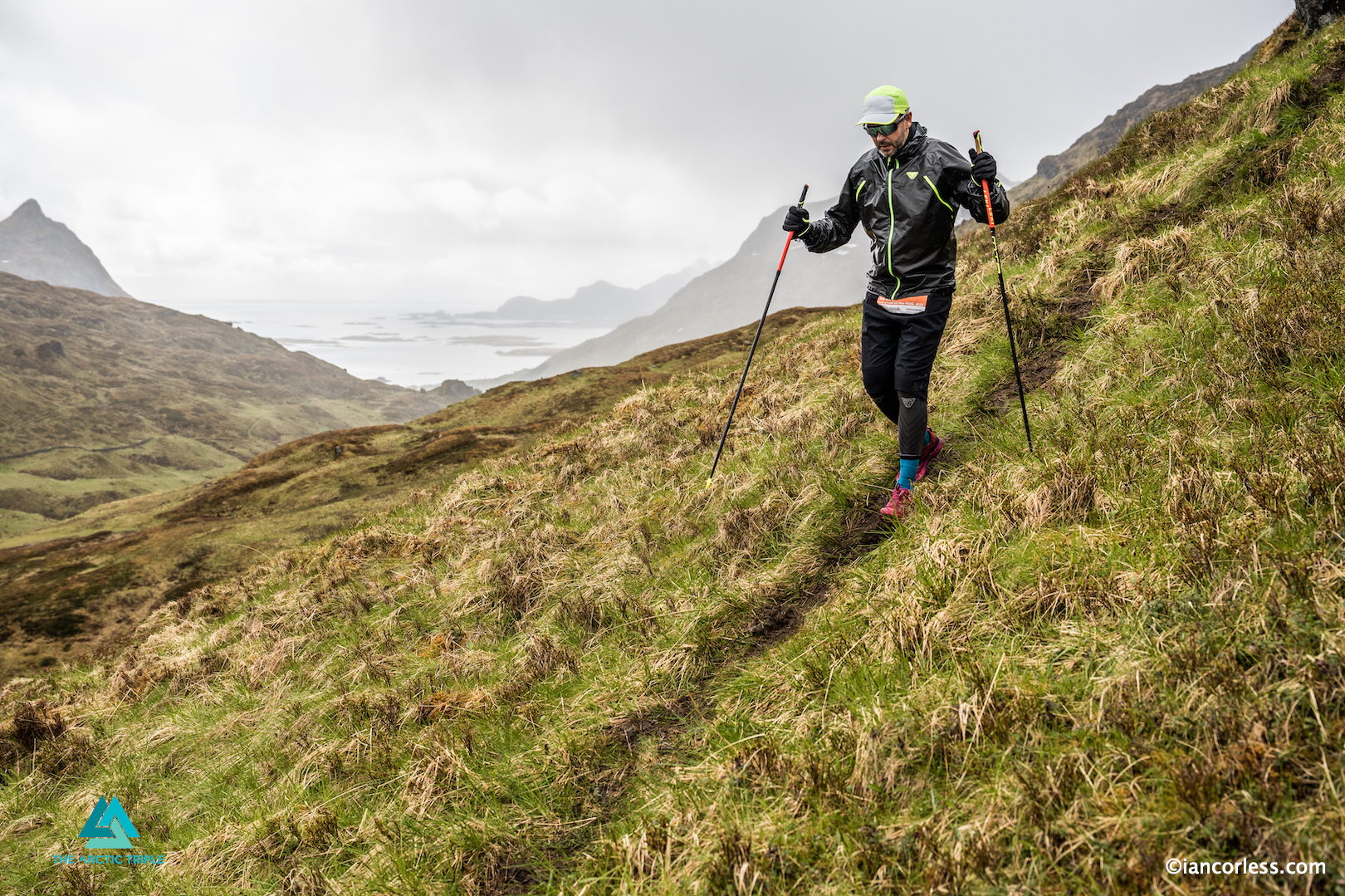
Stage 4 of The Coastal Challenge and today, the runner’s move away from the coast and climb high on the relentlessly rolling terrain that is backed by the Talamanca range.
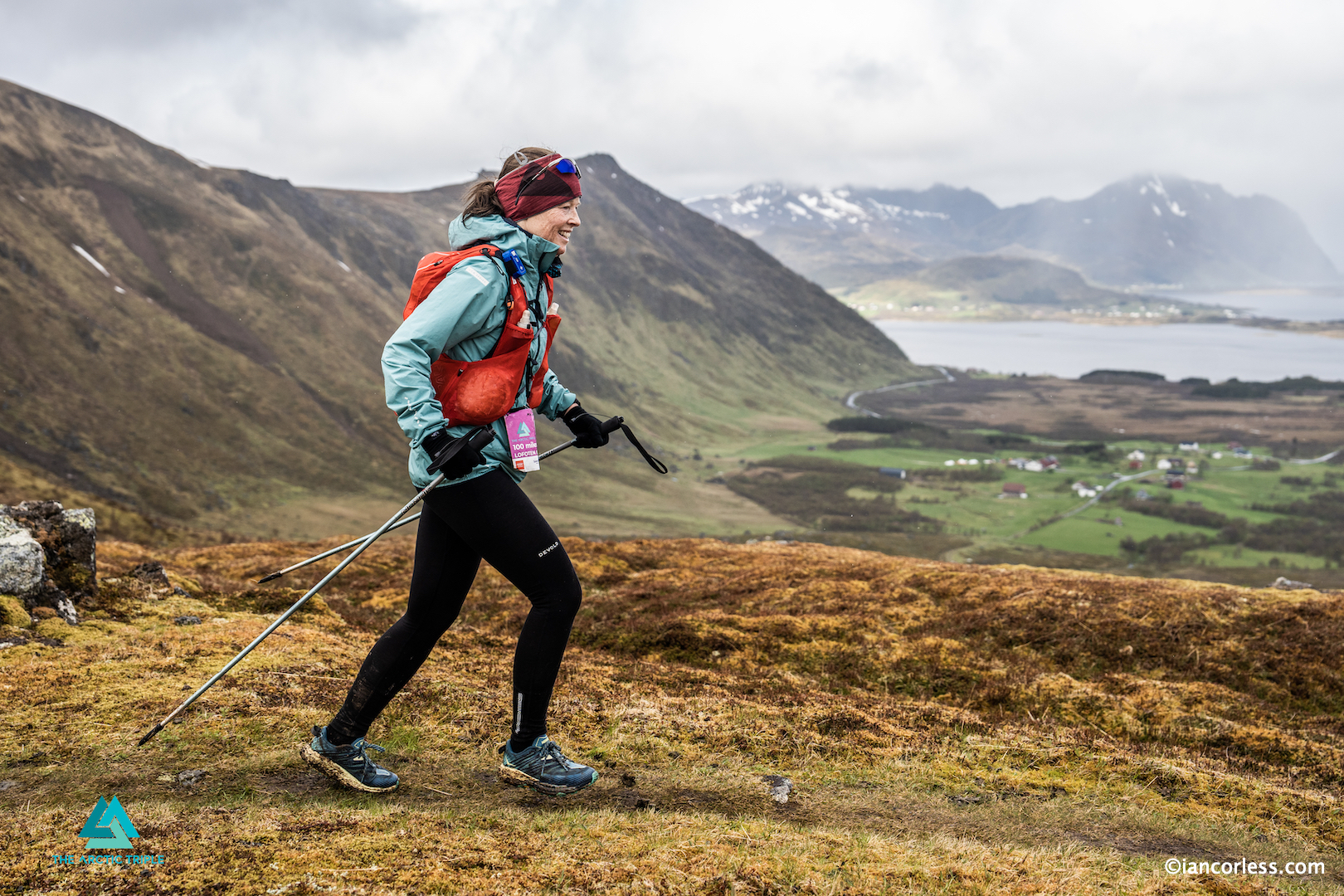
Today, was an anticipated key stage for Mathieu Blanchard and Didrik Hermansen, the duo have been closely matched each day and despite Didrik’s best efforts, Mathieu has come 1st each day.
The duo today once again went head-to-head, it’s stunning to watch and also exhausting. The pace is unbelievable and between them it’s impossible to tell who is the most tired.
At each point along the route they were never more than meters apart but for those watching, and knowing the course, the crux would come at the end of the day with a very steep and technical descent to the line.
Didrik threw caution to the wind and attacked. The gap opened and opened and he crossed the line in 4:39:23.
The clock ticked, 1-minute, 2-minutes and Mathieu crossed in 4:42:23, exactly a 3-minute gap. Wow! Seriously exciting racing and then the calculations, had Mathieu held the overall on GC?
Yes, 16:48:32 for Mathieu and 16:49:16 for Didrik. Before stage 4, the 19th edition of the TCC was witnessing an epic race, now stages 5 and 6 are going to be epic. Who’s your money on?
Dani Jung once again placed 3rd looking relaxed despite a sleepless night. He had questioned wether to start, gladly he did.
“I had to do something, I felt during the days I was better than him on the downhill and I was willing to take the risk, I couldn’t believe I would take 3-minutes… It’s a real fun battle, we are neck-and-neck, we are so similar in strength. It’s fun, it’s cool. Nice to finally take a stage. I feel as though I could have pushed harder. I wanted to win and obviously reduce the gap. I am prepared to fight and compete, if I come 2nd so be it, but I will fight!” – Didrik Hermansen
By contrast, Mathieu looked relaxed post-race and he was candid with his thoughts.
“Didrik went down the last decent like a mad man. It was steep, technical with many potential problems. I have a long season ahead and I wasn’t prepared to risk everything here. I feel good, so, let’s see what happens.”
For the women, Katie Schide was a long way clear of any other competition and looked relaxed on the trail. Victory in the 2023 The Coastal Challenge is hers to lose, so, she just needs to run smart over the next two days.
Fire roads, steep climbs, brutal descents and eventually a beach section arrives before several water crossings and then a very demanding road section leading to camp 3.
It may come as no surprise that Mathieu Blanchard and Didrik Hermansen dominated the day. The duo battled it out foot-for-foot in an impressive display of tenacity, grit and endurance.
For the women, Katie Schide set the pace early on and by the waterfall she already had a huge lead. When Marianne Hogan finally arrived, all was not well, she was suffering… Marianne would eventually drop at CP2 with a sprained ankle.
Katie once again clinched victory with a huge margin, she just needs to now run smart for the remaining three days. Paolo is on a strong 2nd and Tomomi a secure 3rd. However, we are only halfway through TCC and the first three stages have only confirmed one thing, anything can happen!
It was a 0330am wake-up in camp this morning with race start at 0530am. It may sound early, but trust me, the earlier hours pay dividends for everyone. Body clocks are now reset, bed between 1900-1800, wake-up 0330.
Sebastian Krogvig unfortunately succumbed to his sickness and did not finish day 1. He will rest and recovery and hopefully rejoin the race in the later stages for fun.
Mood in camp was buoyant, however, nobody was under any illusion of the severity of the TCC. The heat and humidity are one thing, but the fire roads, climbs, technical trails and long stretches of no shade a punishing.
“They say Marathon des Sables is hot, it’s nothing in comparison to this. I was in the ‘notorious’ October MDS that had intense heat, trust me, it’s hotter here!” – Mathieu Blanchard
Climbing out of camp, mountain man Dani Jung was in his element and he lead Mathieu Blanchard and Didrik Hermansen. Peter van der Zon was a way back, it was obvious he was struggling… As he passed he mentioned tight hip flexors.
For the women, Marianne Hogan had a very small lead over Katie Schide. Katie looking strong, the previous night she had questioned if she should withdraw from the race as illness from previous days had returned on stage 1 making for a tough day.
Didrik and Mathieu set a relentless pace, they are very well matched. Running at this pace and in this heat and humidity, victory may well come down to the one who manages effort the best, it’s a fine line.
In the final 10km Mathieu opened a slender lead and Didrik chased. The gap remained and it was another victory for Mathieu.
In the women’s race, Katie opened a gap on Marianne and in the final 7km that gap opened, post-race on the finish line Katie discussed her race:
“I was so happy to recover from yesterday, that was helped by cooler temperatures and a climb to start the day today… I had planned to run with Marianne but on one of the more technical sections I opened up a gap. When I eventually looked around Marianne was not there, I hope she is okay?”
Marianne was okay and finished strong with a smile looking relaxed and at ease. With 4-days to go and a long day tomorrow, there are no guarantees, the men’s and women’s races are still wide-open.
The biggest change of the day was with the 3rd place woman, Paolo Herrera. She ran an incredibly strong and consistent race to finish with a good margin over Tomomi Bitoh, this making the local Costa Rican contingent very happy.
It was an early start (0300) leaving San Jose and heading to the Pacific Coast for the stage 1 of the 2023 The Coastal Challenge starting at Del Rey beach, Quepos.
This year, the shorter Adventure category and the longer Expedition category would run different distances for stage 1. In the past, they have run the same course.
Expedition would run 41km with 1071m vertical gain and the Adventure, 32km.
Getting underway before 0800, the rewards were blessed with cooler’ temperatures for the first hour, however, cooler is all relative when on the coast, it was still hot!
Overnight, Sebastian Krogvig unfortunately had picked up some sickness, although feeling generally okay, it was clear as the stage started he was not 100%. He struggled with any pace, it was a tough day…
For the women, Katie Schide and Marianne Hogan ran together and behind, Tomomi Bitoh followed.
Checkpoint 1 and there was no change, the pace by Didrik and Mathieu was fast.
As the race progressed, Didrik and Mathieu took a wrong turn and lost in the region of 1.5km allowing Peter and Dani to take the lead. They chased, caught them and then once again pushed ahead in 1st and 2nd.
Peter started to struggle in the heat and Dani started to hold on to the duo. However, Mathieu found the energy to break away and take victory on stage one, closely followed by Didrik and Dani.
“Very happy, a hot day. In Canada it was -40, today 40-degrees here, that is a big change…. My body handled the waether today. It’s a big Tropical environment, wonderful trees, amazing bridge and waterfalls.”– Mathieu Blanchard
Tomomi came in securing 3rd place, all smiles. Last year, Tomomi caught Covid one day before the race and had to miss four stages, this year, she is so happy to be back.
Faces told the story at the finish, the heat and the humidity had taken its toll, it always does on stage 1, it’s such a shock to the system without pre-acclimation, something that Marianne and Mathieu had done.
“I heard the sound of animals in the jungle, I turned to Peter and said this is incredible, ‘This is much more atmosphere than UTMB!” – Dani Jung
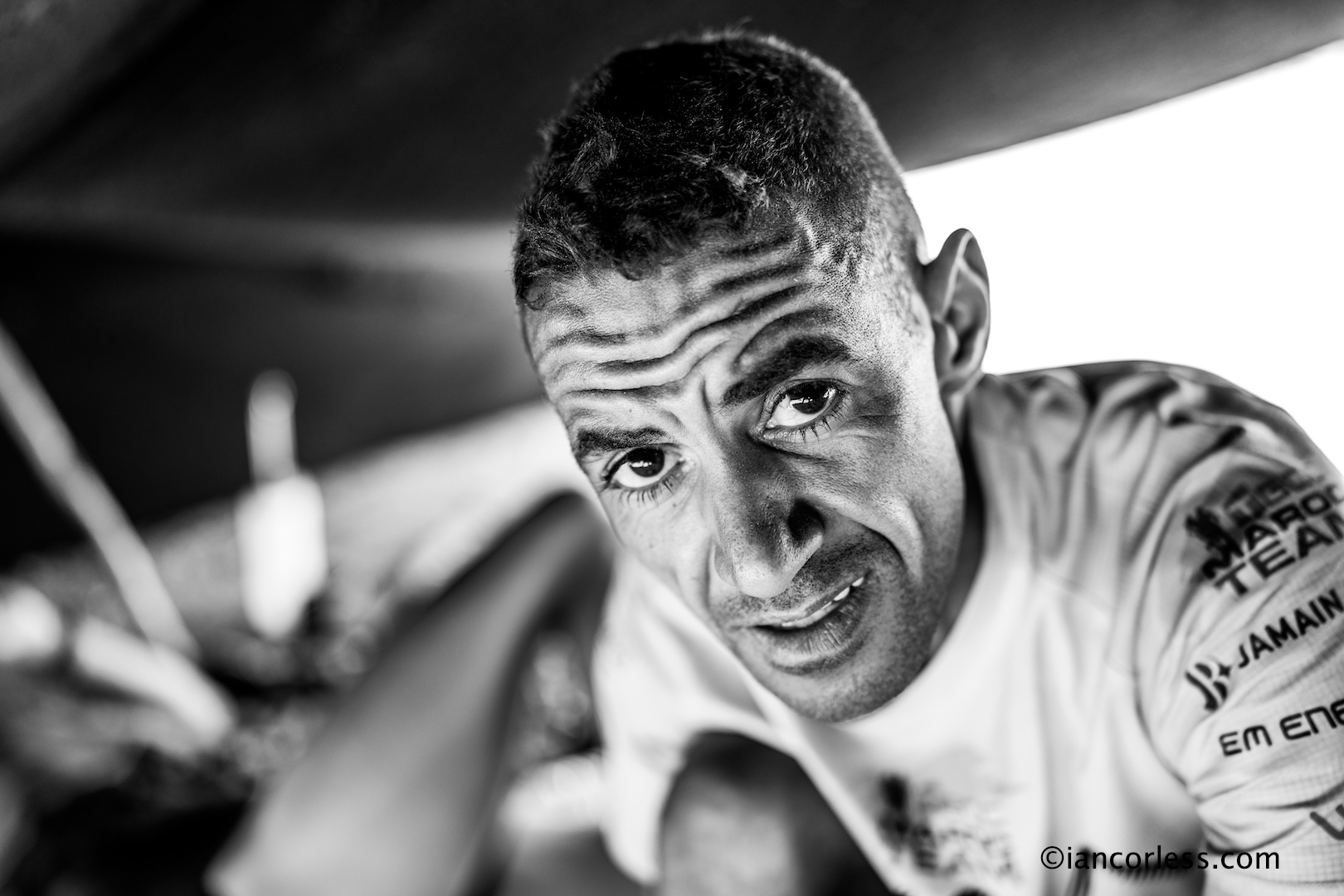
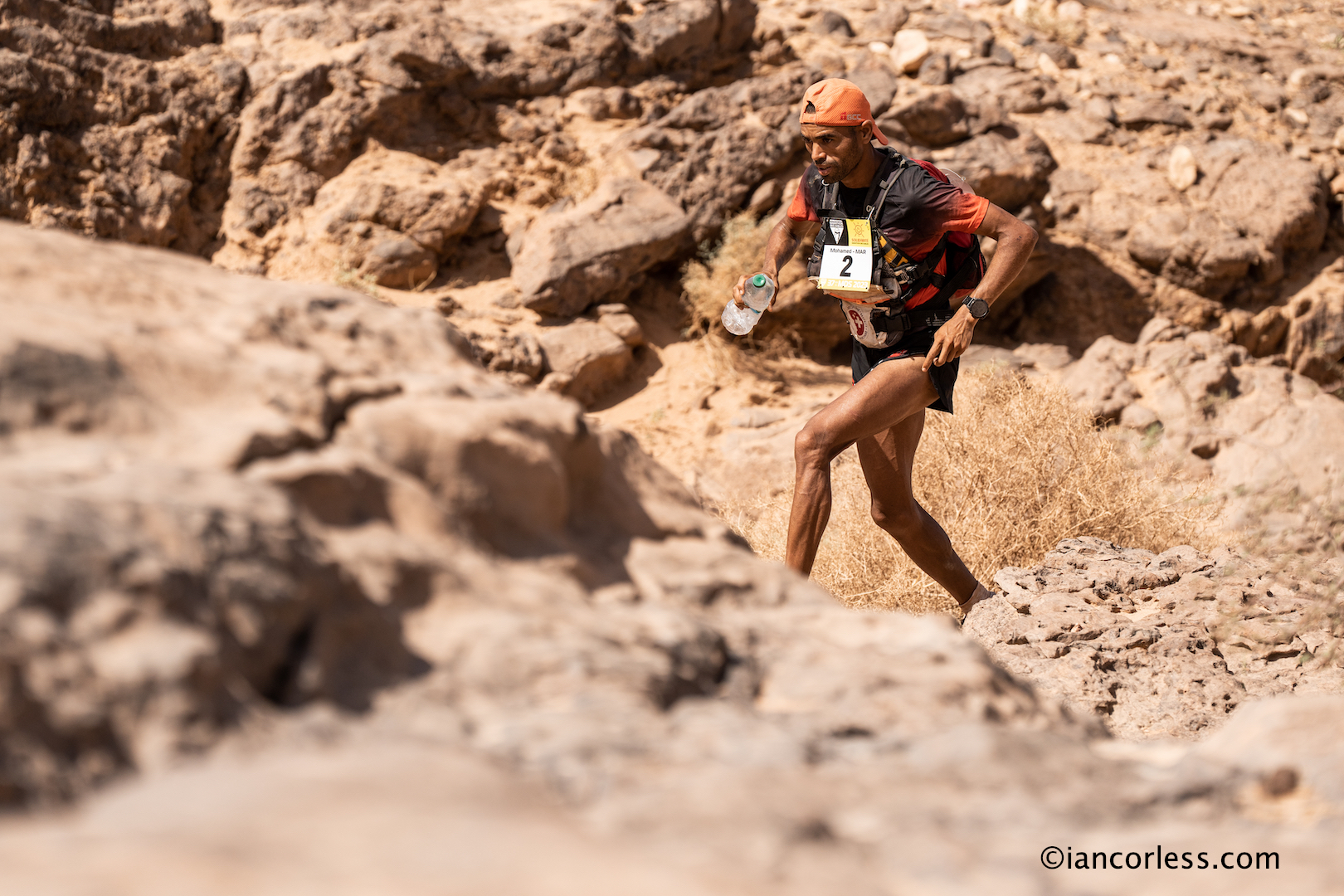
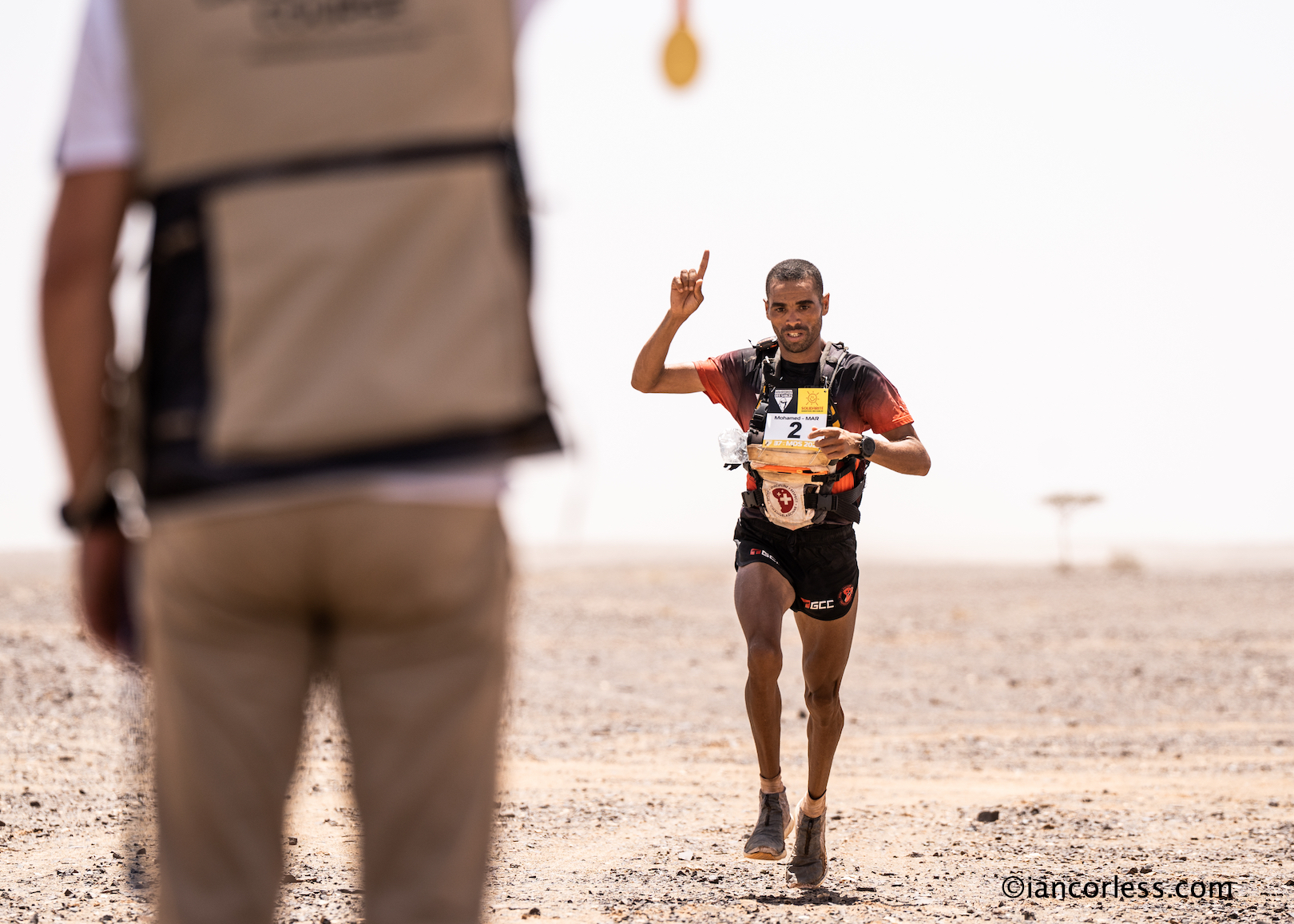
Stage 3 of the Oman Desert Marathon followed a long stage 2 of 55-km. For perspective, Mohamed won the stage in 5-hours 11-minutes, while the last runner came in close to the midnight cut-off. When you consider the 06:30am start, that is a long day on the feet.
Morning of stage 3 was rest in camp and the scheduled 3 start times would commence at midday, followed by 2pm and the final wave of top-12 runner’s departing at 4pm. Ahead 42km with all runner’s spending time in some darkness before arriving at the finish.
With a flat section to start the day, a small and beautiful dune section, and then a relatively flat run in to the line, on paper, stage 3 was by ODM standards an easy one.
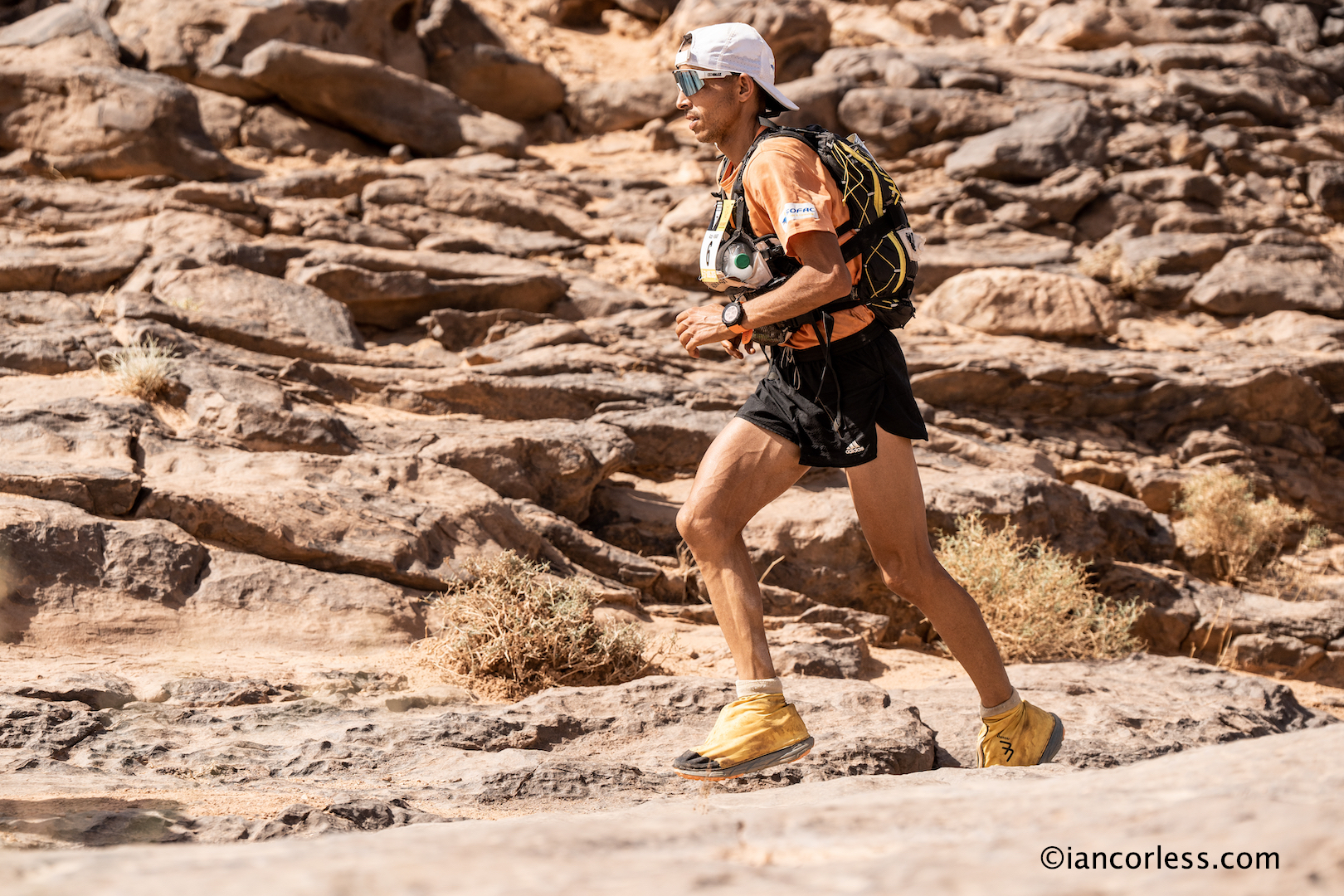
If Rachid had agreed with his brother that victory was Mohamed’s to take, Rachid did not run the last stage without a fight. Actually, the contrary, he seemed to be pushing hard and looking for the advantage.
The duo exchanged the lead at multiple times and it was during darkness that Mohamed took the lead and finished strongly ahead of his brother 3:23 to 3:40 elapsed respectively, the 2023 Oman Desert Marathon is now almost certainly his!
Behind Saleh Alsaidi once again ran a very strong stage, he never came close to the Moroccan’s but his podium place is secure.
If Aziza El Amrany thought stage 3 would be an easy one, she would need to think again… Corina Sommer had the bit between her teeth and the duo pushed a hard pace. Just before CP1 Aziza got a gap, was the writing on the wall?
No! Corina fought back, caught and passed her and then opened up her own lead. As darkness came, the lead extended and it was a nail-biter to the line, Corina crossing in 4:21:09.
The clock ticked, Aziza was losing her huge lead, eventually she came and crossed in 4:36:06. Now Corina is just 10-minutes behind with one stage to go… Is it possible to get back that time in ‘just’ 22km?
Aziza Raji was off-the-pace today and finished 3rd.
It was day-1 of the 2023 Lanzarote Multi-Day Training Camp and what a perfect day! The rain from ‘arrival’ day disappeared leaving a perfect sunny and windy day.
The morning was a 24km ‘Coastal Run’ that had over 50-participants moving along some wonderful, technical single-track on the outward route and easier gravel trails for the run home.
Spilt in to three main groups, Tom Evans and Pierre Meslet guided the faster runners, Ian Corless and Abelone Lyng the middle group and Inge Nijkamp, Kevin Webber and Steve Diederich guided the run/ walker and walkers.
The trails here a stunning and the backdrop superb. Technical trails are compensated with easier non-technical trails but the group bonding, chats and views help the km’s fly past…
After a lunch break, the afternoon was taken up with two talks: the inspirational Kevin Webber told his story of his Prostrate Cancer diagnosis and Steve Diederich (UK agent for MDS) gave an informative talk around MDS logistics.
A 5km recovery run conclude the activities of the day and then relaxation was the order of the day, with some good food, as plans were made ready for day-2.
Interested in joining us? 2024 is open for booking HERE
Before you start a multi-day, be that a race or a personal challenge, one thing is for sure, NOW is the time to set a goal and focus, fine-tune everything, including training, so that you can be at the start in the best shape possible.
First and foremost, have a complete understanding of the task ahead and set a goal or target. This is key not only in the physical adaptations that are required, but also the mental adaptations. There is a huge difference in doing something supported and in doing something self-sufficient. Marathon des Sables a prime example, understand the nature of the event and set a realistic but challenging goal.
MDS is an extreme event that takes place in the Sahara. The nature of the event is self-management both physically and mentally to endure the challenge, survive and reach the finish line. The weather (heat) is one of those challenges and surviving the weather is integral to the nature of the event. As is the ‘self-sufficient’ nature. Other than rationed water and a bivouac, be prepared to endure and complete this event with no outside assistance. Of course, help is at hand, but that help is and should be a safety element that is required in emergency. Equally, if undertaking a solo multi-day experience, do the research, plan routes, look at back-up options, can you re-supply with food, is water available?
Plan and prepare.
TRAINING
We are all unique and individual. Some of us are faster, some are mentally tough, some have a capacity to go for hours and hours and even days and yes, some runners combine all those elements.
Therefore, a multi-day training plan must be used as a template and framework to provide a structure for you, the individual, to achieve your goal.
Be sensible and adjust training plans so that they fit your ability, aspirations, training history and time available.
Think about when you place rest days, when you do long runs and when you work on hills and faster running. A training plan is like a jigsaw puzzle and managing the pieces and adding them together sensibly is how you make a successful and complete picture.
Any training plan is designed to progressively build strength, endurance, and confidence with gradual load increases. Rest is an important element of any training plan, so, rest with the same intensity that you train. Ultimately, you have decided to undertake this adventure, so, enjoy the process and make it fun.
Be specific. Make sure the training terrain, as much as possible, simulates your target event.
Always focus on the goal. Training plans for me start with the goal date and I then count back in time to a start point. That start point for you may well be before the 12-weeks but once you start the plan, focus on the target, and always make every session is as specific to the goal as possible.
For example, if participating in Marathon des Sables, you already know some key and important information:
It will be hot.
You will need to deal with hard and rocky plateaus, but you will also need to deal with soft sand and dunes.
You will be on rationed food/ calories.
You will only be supplied water to drink, and this is *rationed. In extreme weather such as the October 2021 edition, water rations were increased.
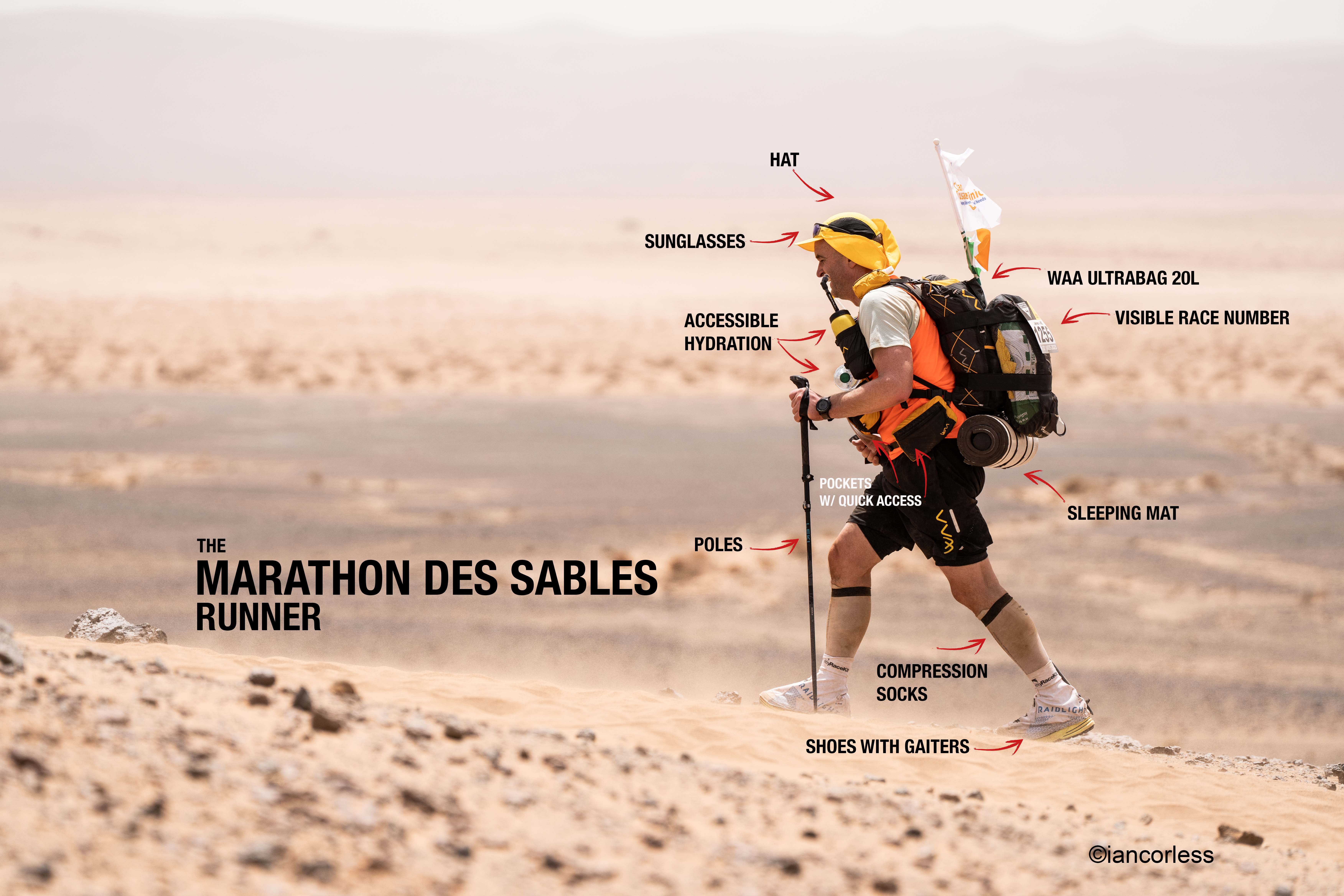
Everything (not the tent) will be carried in a pack, on day 1 this will be at a minimum weight of *8kg. (*Minimum pack weight is 6.5kg but you must carry 1.5 liters of water which equates to 1.5kg.)
You will sleep in an open tent, on the floor using a mat and sleeping bag.
The long day comes on day 4 after approximately 90-100km of running, so, you need to be able to run for consecutive days and manage your pace and effort.
The long day is (typically) between 70 and 90km and you have one full day, one night and most of the next day to complete it.
After the ‘rest day’ is a marathon.
You can complete the race by covering just 3km’s per hour.
In 2019, the MDS was won by Rachid El Morabity and Ragna Debats in 18:31:24 and 22:33:36 respectively. The last runner was Ka Chun Chan from China in 69:29:16. For perspective, Rachid could have run the race nearly four times in 69:29! We are all individual.
Key elements each runner needs for a multi-day like MDS.
You need to be mentally tough.
Physically strong to endure multiple days of back-to-back exercise.
Strong enough to carry a loaded pack and still move at a good pace.
Adapted to function on restricted calories and food choices.
Able to drink only water.
Adapted to perform and function in heat.
You need to be able to walk.
You need to be able to handle un-planned situations.
Have A, B and C goals.
Be self-sufficient.
Multi-day racing and multi-day adventures are unique and particularly self-sufficient ones when you must carry all you need for the duration of the event. In a race, you will carry clothing, sleeping bag, sleeping mat, essential items and food for the duration of the event. At MDS minimum weight is 6.5kg plus water. Just as you prepare physically and mentally, also be meticulous with equipment and food preparation. You ideally need your pack to be 6.5kg and no more… Additional weight is additional stress.
If fastpacking, you may possibly be as above, but you will need to carry your own tent and you will need to re-supply with water en-route either using natural water supplies or utilizing retail outlets.
Be specific and understand the demands of the event you are undertaking and plan accordingly.
WHAT SHOULD A TRAINING PLAN LOOK LIKE?
All plans need to be progressive and geared towards the end goal of a multi-day like Marathon des Sables or a fast-packing adventure.
Remember, we are all individual, so while a generic plan may provide a guide and structure from which to work from, it’s important to adapt and tweak to individual needs. For example, the training plan for someone who is trying to be top 100 at a race will vary greatly to someone who hopes to complete and not compete.
Each week will typically have one or two rest days.
A simple strength training structure that can be done at home or in a gym.
Hill sessions and speed sessions (tempo/ intervals/ fartlek) have a place in any training plan, but the quantity and duration will depend on what type of runner you are and what your aspirations are.
Long sessions are essential and most certainly, an element of back-to-back sessions will help adapt the mind and body for the challenge ahead. However, injury risk goes up with any block like this, so, it needs to be placed carefully with adequate rest and recovery.
Learn to walk. There is a huge difference walking with purpose and pace to ‘just’ walking. Except for the top runners, walking is an integral element to a successful completion of a multi-day race or adventure. Many only realise during the event. Get walking dialed in training.
Do some specific work with a pack and weight BUT be careful as it is easy to get injured.
Think of training as blocks of 4-weeks, build for 3-weeks and then rest/ take it easier on the 4th. An example could be as below.
The final phase of a training plan should taper to allow you to be strong and fresh when the start comes, typically this 2 or 3-weeks long. This a perfect time to add specific race adaptations such as heat training, preparing for humidity, preparing for a cold environment and of course fine-tuning equipment and packing.
CONCLUSION
Multi-day running or racing is exciting and adds many more elements to think about than ‘just’ running. Taking time to plan training and working to a goal is a worthwhile and constructive – it gives you something to aim for!
Further reading:
MDS 2021 Summary HERE The Ultimate Guide to Desert Multi-Day HERE
Choosing a sleeping bag for an adventure can be tedious, especially when the costs are so high. Never fear, this article will answer all the questions you may have re a sleeping bag for a multi-day desert/summer adventure or similar.
First and foremost I recommend you read THIS in-depth article on ‘How to Choose a Sleeping Bag for an Adventure.’
In this article, I will look at three down filled sleeping bags:
Down as a higher warmth-to-weight ratio than synthetic fill. In simple terms, a down bag can achieve the same warmth (or be warmer) than a synthetic bag for less weight. A key consideration when weight is crucial.
Is down warmer? If synthetic insulation was the same weight as the down, down nearly always will be warmer. Down traps warm air, while synthetic fibers pack densely to reduce heat loss. Both offer great warmth, especially when you use high quality products.
Is down always best? No, not always. Down cannot get wet. If it does, the feathers clump together, and all insulating power is lost. Synthetic retains heat, even when wet. So, if you are using a sleeping bag in a wet and humid environment, synthetic will probably be the best choice… BUT, many brands now do hydrophobic down which is treated to be efficient in wet conditions.
Size is extremely important in any adventure and quite simply down compresses considerably more than synthetic.
Cost is always a key consideration and typically, down will be more expensive than synthetic.
SLEEPING BAG KEY QUESTIONS
First and foremost, consider several key things before choosing a bag.
Where are you going?
Will it be dry and what are the risks of rain?
Do I sleep cold or warm?
Am I tall or small (sleeping bag length is crucial for comfort)?
Do I have wide shoulders?
Do I need a zip, if so, half zip or full zip?
How light does it need to be?
What temperatures can I expect at night?
Quite simply, a sleeping bag needs to be as light as possible without compromising the above if you are carrying it.
Also consider that it is often a wise choice to choose a sleeping bag that has less warmth and lower weight if you are also carrying top/ bottom base layers and a down jacket. These clothing items can be used to layer and add warmth.
Layering adds warmth
WEIGHTS AND PRICE
Rab Mythic Ultra 180 retails at £550.00 and weighs 400g (900 fill down)
Sea to Summit SP1 Retails at £260.00 and weighs 350g (850 fill down)
PHD Minimus K Retails at £484.00 and weighs 330g (this bag has no zip but has 1000 fill down)
The Mythic Ultra utilizes breakthrough technology with TILT (Thermo Ionic Lining) which in simple terms works a little like a space blanket offering exceptional warmth. The down is hydrophobic treated and therefore can be used in wet/ damp conditions. It is offered in regular and long. It has a ⅛ zip by YKK on the left, an excellent hood with baffles and is provided with a dry bag and a drawstring storage bag.
The SP1 is tiny and provided in a zipper storage bag and a small compression sack is provided. Using ‘ultra-dry’ 850 fill down, the bag has excellent water repellent property and warmth. It has a YKK zipper, available in regular and long with excellent hood and baffles.
PHD are unique in that they make all the products in their factory in the UK. Therefore, it is possible to purchase any bag ‘off-the-shelf’ as a standard product OR you can order and have a product custom made. For example, you can specify, no zip, half zip or full zip. You can ask for wider shoulders, longer length, warmer toe box and so on. All of this comes at a price, so if bespoke is for you, PHD is the place to go. You can see options HERE.
The Minimus bag has a Drishell outer, no zip, standard length, standard width and 900 fill. Should you require the bag a different length, the price varies, short is no extra charge, long adds 8% and extra-long adds 14%. Equally, if you require extra width, slim is no extra charge, wide is plus 11% and extra-wide adds 20%. Need a zip? Short is £25 extra and full is £41.00 extra.
Quite simply, PHD are the Tesla of the sleeping bag world. Great comfort, weight and warmth. It has a mesh bag for storage and comes with a nylon stuff sack*
First and foremost, weight is a key consideration, and these three bags are so close in weight, it is hard to say one is better than the other. The Sea to Summit wins though, a full 100g lighter than the PHD.
On my scales:
Rab 397g Rab has a tiny eighth zip.
Sea to Summit 344g *Sea to Summit a half zip.
PHD 445g **The PHD has a full-length zip.
When one considers the PHD has a full zip, the weight is impressive. A full zip offers more flexibility and on a hot night, the bag can be used more like a blanket. Not an option with the other two.
Size can be as crucial as weight and the Sea to Summit is a standout packing to an incredibly small size with the compression sack provided – 38g.
The Rab is supplied with a dry bag and I should point out it would be possible to use a smaller bag and compress the Mythic Ultra 180 smaller – 34g
For the PHD I used a generic 4L dry bag – 31g
It’s worth noting though, often when fast packing, it’s better not to store the sleeping bag in a storage bag as it makes for an odd, sausage like shape that does not utilise the space available.
WARMTH
Remember, a sleeping mat is an essential accessory not only for comfort but warmth. I recommend a Sea to Summit ultra light.
The three bags are very similar in weight, fill and design. However, each brand describes their bags warmth differently. The Comfort Rating indicates the minimum temperature where an individual can sleep in a relaxed position and get a good night’s sleep.
Rab – Sleep limit 0 deg
Sea to Summit – 9 deg comfort
PHD – 5 deg typical.
Based on the above if we take Rab 0 deg minimum rating, Sea to Summits 9 deg comfort and PHD’s 5 deg typical rating, it’s fair to assume that all are good for around 5 deg as a good sleeping temperature. In theory, the Sea to Summit should be the one that ‘may’ struggle at 5 deg but that is not the reality after testing. It is a warm bag and certainly trades blows the Rab and PHD. All three perform exceptionally well at 5 degrees or above.
The Limit of Comfort Rating is the temperature range where an individual sleeping in a curled position and fighting against the cold can still sleep through the night – 0 degrees would apply here. I had several summer nights with temperatures dropping and all three bags performed exceptionally well with the addition of Merino top and bottom layers, a pair of socks and the use of a Buff or hat.
COMFORT and FEEL
All three bags win out on feel and comfort. Each have their own attributes. The PHD wins on full comfort as it has a full zip. The Rab though has the best hood of all three bags and a superb baffle to keep out drafts. The SP1 has a half zip, good hood and no baffle.
All are silky smooth to the touch and comfortable.
The Rab with black outer, silver logos and silver TILT lining feels and looks premium. Equally, the SP1 has a superb look of grey/ yellow and excellent logos/ branding. The PHD is a no fuss bag. If the other too are Tesla and Porsche, the PHD is a Land Rover but you know it will get the job done.
VALUE FOR MONEY
These are three excellent sleeping bags offering the best option in their class. Quite simply, you cannot go wrong with any of them. They have all been used and tested in similar environments, conditions and temperatures whilst camping. However, when looking at weight, pack size, warmth and price, we have a clear winner.
The standout is the Sea to Summit SP1 which offers an unbeatable package of low-weight, small packing size, incredible warmth, and a low price. It is half the price of the competition and does not compromise on any features. It’s a winner. More info HERE.
The Rab is a great bag, which offers a little more warmth, larger pack size and just a fraction more weight. The black colour is a plus for me and the hood/ baffles are the best of the three. The zip is of no real use and for me I would prefer either no zip to save on weight or prefer the additional weight and half a zip that offers more practical use. The treated down offers incredible flexibility and certainly if I planned on using one bag for different conditions and environments, the Mythic Ultra 180 would be a great choice. More info HERE.
PHD are always a winner, and they make incredible products. But ‘off-the-shelf’ it’s difficult to justify the cost in comparison to the excellent Sea to Summit SP1. However, long, tall, short, wide, large, small, zip or no zip, PHD will make a bag just for you and it will be perfect. That comes at a price though and it will be arguably, the best sleeping bag you have ever had. More info HERE
Welcome to ‘The Chamonix Tapes’ an inside look at the adidas Terrex Team during the 2022 UTMB.
Starting on Sunday August 21st and running through to UTMB 2022, there will be a series of podcast releases for your audio pleasure in ‘The Chamonix Tapes.’
In episode 3, we speak with Yngvild Kaspersen who has just become a doctor after lengthy study and trying to balance a running career.
“It took me longer than normal to finish Med school… I took longer years so that I could focus in study and running. I wanted to do my education properly but also not miss out on opportunities.”