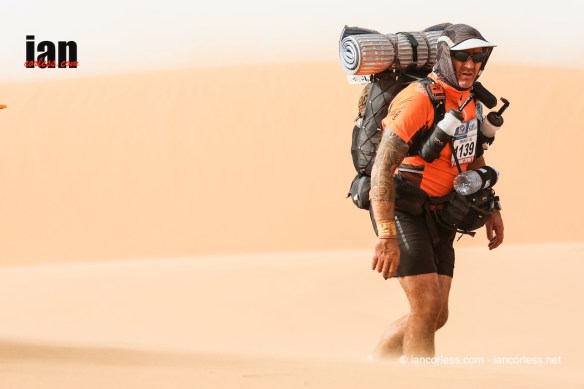
Is the last edition of the Marathon des Sables always the toughest? It would appear so? You always hear as the race concludes, ‘Wow, that was the toughest race ever!’
Of course many variables come into play when one says it’s the toughest. First and foremost, you most certainly need to have done at least one other edition to be able to compare, but in truth, multiple editions or experiences must count to be able to claim any edition of a race as a toughest. Also, age, fitness, condition, state of mind and so many other variables impact on a decision. It’s not always easy to be  objective. I have often considered myself to be fit going into a race, only to find that my fitness is not where I thought it was and therefore a race has appeared harder! Truth is, the race was the same, it’s just that I wasn’t up for it. Let’s be clear, I’m not providing excuses, on the contrary, I am trying to provide perspective.
I’ve been at the MDS for the past 4-years, not as a runner (although I have 30-years of experience) but as a photographer and journalist. I like being on this side of the camera, for sure, there are days when I look at the race (or any race) and I wish that were me, once again fighting the terrain and fatigue to achieve a goal. My goals have now changed and as my good friend and photographer (who sadly has passed away) Mark Gillet used to say, ‘I sometimes think it’s harder working on the race than running it! Perspective once again…
I actually don’t agree with Mark, working on the MDS or any multi-day race is hard, stressful and the long 18-20 hour days do have an impact. Yes, I get out on the course and cover the terrain on foot but I get to change my clothes, I get to eat two times a day and although I sleep in a bivouac, it does usually have sides to it which blocks out the wind.
So with the 31st MDS in the bag, I wanted to reflect on the race and provide an objective overview from the outside looking in of what I consider worked and what didn’t work at MDS and provide some key pointers that anyone can take away and apply for a future MDS or other multi-day race. I must stress, these are my thoughts and on some points you will agree and on other points you won’t. That’s ok! It’s called opinion and we are all entitled to one.
First of all though, lets answer that burning question, ‘Was the 2016 Marathon des Sables ever?’
No!
It was a tough one for sure, it ranks with the toughest but I don’t really think anyone can hand on heart say that any one edition is the toughest.
Each year, Patrick Bauer and his team work a little Sahara magic and as many MDS runners who have participated in previous editions will tell you, the race always covers some familiar terrain. It’s the nature of the Sahara and the complex route of access trails dictate where the race can go and where it can’t due to the huge convoy of vehicles that daily move the ‘circus’ from one place to the next. For example, the 2016 route had much of the 2014 route but in a nod to the tough course, the 2014 route was also considered a tough one with a very big drop out rate on day one.
Having said all of the above, the 31st edition was a serious toughie and here is why:
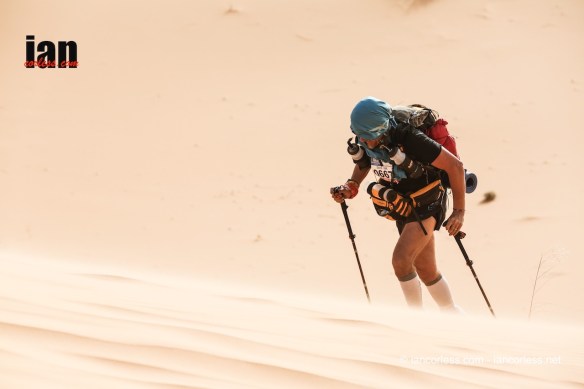
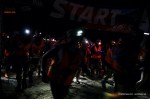
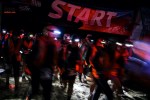
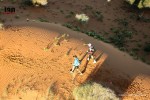
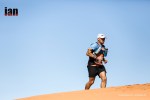
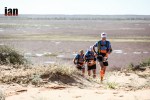
Day 1 kicked of with the huge Mezouga dunes that are tough for any runner, even experienced ones. The day also concluded with a tough section of dunes but to add to the difficulty and complexity, midway during the stage winds increased and increased causing severe sandstorms that hampered navigation, onward progress and resulted with a chunk of DNF’s and those who finished were left exhausted.
At 257km, the race was the longest edition ever making all stages close to marathon distance. This impacts greatly on every runner as recovery time is reduced. The long day was not as long as many anticipated at 84km, especially after the 30th edition 90+km day. However, the long day was a tough one with plenty of climbing and loads of soft sand. The final charity day is usually a jog to the line and a way to exit the Sahara and get back to the buses, this year, the charity stage was 17km – too long!
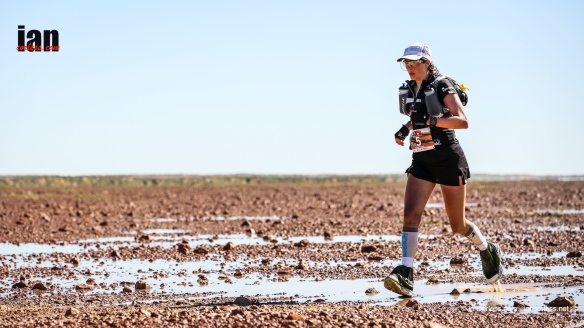
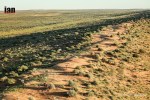
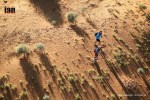
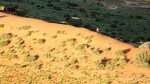
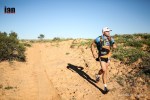
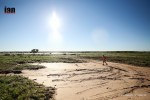
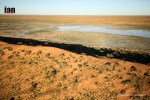
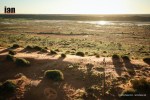
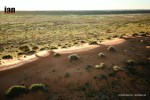
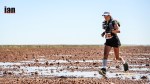
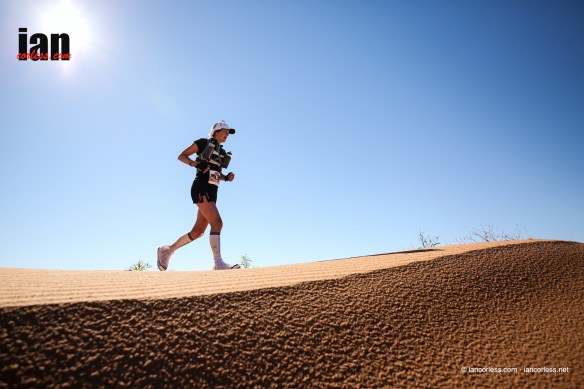
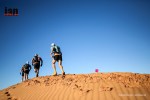
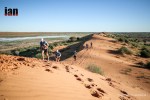
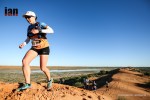
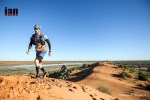
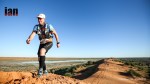
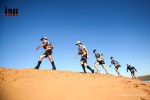
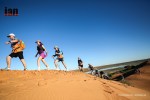
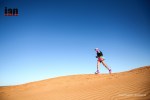
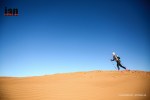
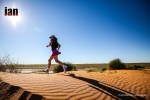
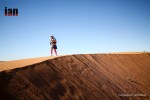
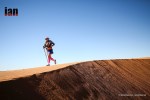
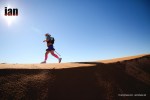
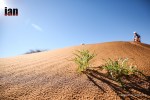
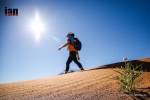
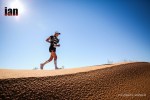
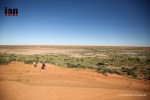
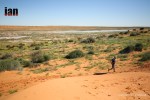
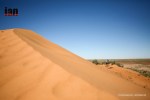
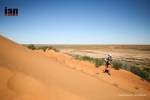
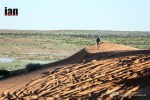
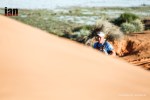
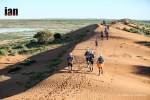
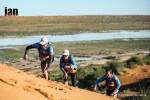
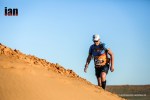
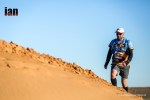
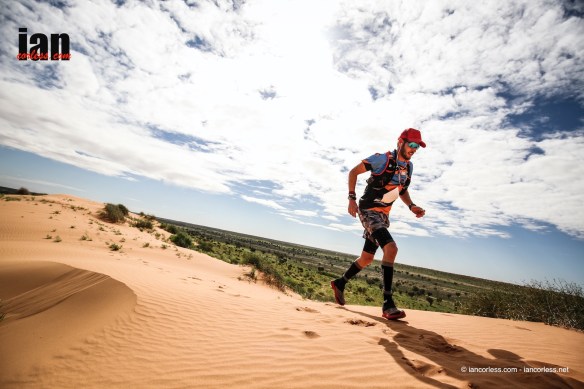
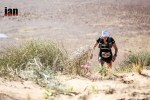
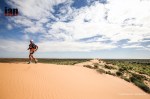
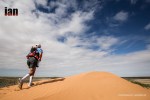
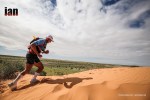
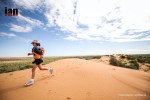
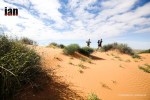
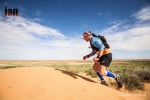
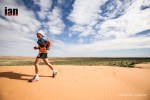
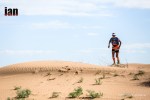
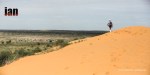
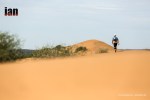
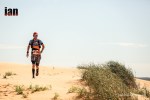
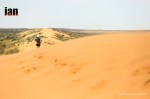
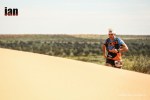
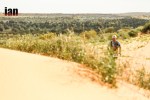
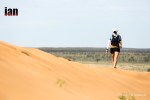
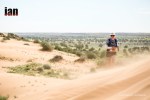
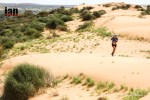
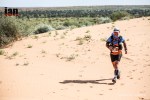
Sand, sand and more sand. I know it’s the Sahara and therefore one would expect sand to be everywhere but in reality, MDS usually only has around about 30% soft sand. This year it was considerably more and that impacted on everyone.
Wind came and went but it’s impact on the racing and bivouac life was notable.
Temperatures rose just in time for the long day and then stayed very high for the remainder of the race.
Day 2 dropout rate was very high which reflected a tough stage but also the knock-on effects from a very tough day 1.
The overall drop out race once the race concluded was over 10%, a sure sign of a tough edition of the MDS.
There you have it, some solid points on why the 31st edition was a tough one and of the many runners who completed the race, I am sure they could add so many more points to my brief synopsis above.
OVERVIEW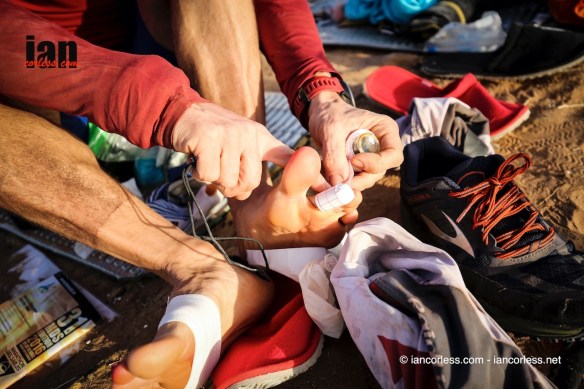
It’s funny how everyone is now looking to 2017 and the 32nd edition of the race. Questions are being asked – what, how, why, should I, can I, will I and so on…
MDS is not complicated:
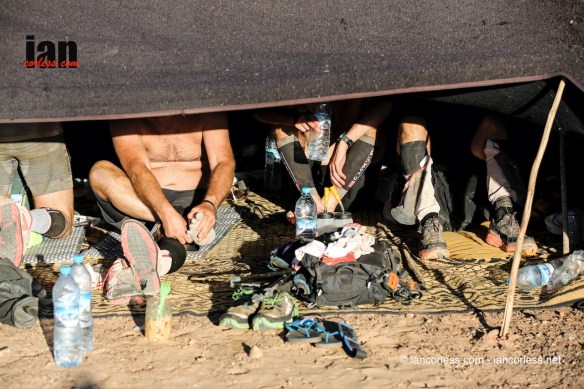
Let’s get one thing clear, Marathon des Sables is a simple race that is over complicated by too much information and too many people saying WHAT SHOULD be done. Let’s hark back to Patrick Bauer’s pioneering days and simplify the process of running the MDS. I interviewed and chatted with many runners in bivouac who had done just that, they had applied simple logic and worked out what would work for them. Yes, they had taken advice, looked at websites, processed information but importantly they had found out what worked for them. They realised early on that they were an individual and as such, they needed a personal approach to MDS and not a generic one. When you break the race down, key things are really important:
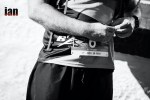
Pack – must fit, have enough room (but not too much) for all your equipment and provide easy access to fluid and you must make sure that your numbers are visible as per race rules.
Sleeping bag – lightweight, packs small and warm enough. I would always recommend a sleeping bag and jacket as opposed to a ‘combi’ as it offers more flexibility, reduced weight and reduced pack size. Popular sleeping bags this year were PHD, Yeti and OMM. There is a review on my website that compares all three. The Raidlight Combi was also popular, certainly with a small selection of the British contingent; it worked well and those who used it were happy – all about what works for you!
Clothes – you just need what you will run in. However, a spare pair of socks was commonplace and many runners had one or all of the following: a warm base layer, a lightweight down jacket or waist coat, buff and many had lightweight pants.
Sleeping Matt – It’s an optional one but a good nights sleep is important and those who hadn’t taken one were wishing they had in most scenarios. Two options exist – inflatable and roll out solid foam. The choice is yours. The inflatable ones offer more comfort, more flexibility in packing but with poor admin, you do run the risk of a puncture. I’ve used inflatable for the past 4-years with no issue. A solid foam Matt will last the week with no risks of problems but they roll large and need to sit outside the pack.

Shoes and Gaiters – Shoes (more below) are personal, just make sure they have a good fit, appropriate drop for your needs and and suit your run style with enough durability for you. I say ‘you’ because Rachid El Morabity will complete the whole race in 21-hours whereas most people won’t even do just the long day in that time – his shoe shoe choice will and can be very different to what most of us need! Get your Velcro sewn on your shoes and make sure that when you get the shoes back the fit has not been altered. Plan in advance, don’t leave this to the last few weeks.
 Food – You need a minimum amount of calories per day specified in the race rules and how those calories are made up are up to you. This for many is a difficult one. It raises many questions and yes, it’s good to find out what other people do and use but ultimately, YOU have to eat it. The decision to use a stove is another question mark but it would appear that most runners like that hot water option. Remember though, you can make a fire from twigs, shrub and branches that surround bivouac. Also note here that food choices and what you eat during running varies greatly depending on how fast you run. For example, the top runners are done and dusted on the marathon stage in 3-4 hours and they are using carbohydrate as a fuel, they therefore can get away with 1-2 gels. If however, a typical day for you will be 6, 7, 8, 9 or even longer, gels are not going to be a good choice. Fat and real food are going to be essential. Understand this now and you can start making the necessary adaptations in training so that food choices will work for you. Training on limited calories and getting fat adapted is a key element for a successful MDS for many runners. Food is also the heaviest and most bulky thing you will carry, think about repacking in smaller packs and making everything as small as possible.
 Water and Salt Tablets – These are provided by the race and it’s easy really, take the tablets as recommended and drink the water. Dehydration in 2016 once again was a huge issue.

Feet – Look after them, along with dehydration, blistered and damaged feet are a key reason for failure in any multi-day race.
Extras – Mandatory kit is as one would expect, mandatory! So purchase what is on the list. You can save weight by shopping around. Simple rule; the lighter and smaller, the more expensive it will be! Optional extras are very personal and my advice would be take nothing extra other than a MP3 player and earphones. The Apple iPod Shuffle is super small, super lightweight and holds plenty of music for MDS (you can even take two). They cost about £40 and music may well just pull you through when the going gets tough. Anything else is a waste in my opinion. Embrace the isolation, embrace a simple life and you will find you have a new perspective at the end of the race.
Hints and Tips to make your race better
You:
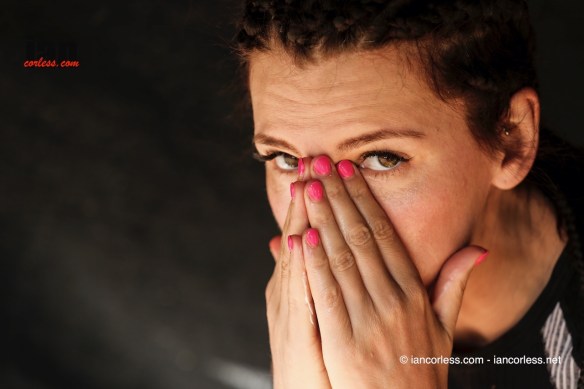
You signed up for the challenge, you wanted to be on the start line and therefore you are responsible for the outcome. Believe me, the you that leaves the Sahara is not the same you that entered. Arguably, you change the moment you pay the deposit, the transformation process begins. Embrace the journey and apply yourself. Most of us can loose a little weight and believe me, pounds shed in training make the race easier. Pointless striving for a 6.5kg pack and then to be carrying an extra 2, 3, 4 or more kg on your body. But keep perspective, the MDS journey is an enhancement of you as a person. It’s easy to become obsessed, ultimately the majority of runners at MDS are enthusiasts, if you keep that in mind the journey will be a complete one.
Training:
Plan ahead, formulate a long term plan and don’t rush. The sooner you start this process, the greater your chance of success and the less chance of injury. Plan stepping stone races and don’t be fooled into thinking that you need to run marathons day-in and day-out. You don’t! Training is about ALL the training you do and not about anyone run.
Walking:
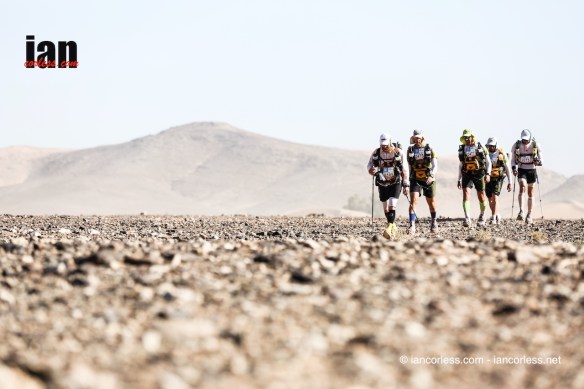
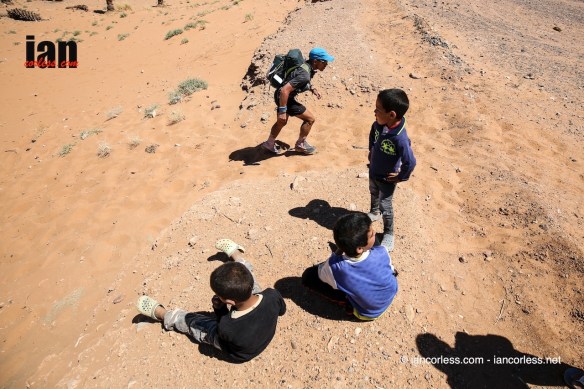
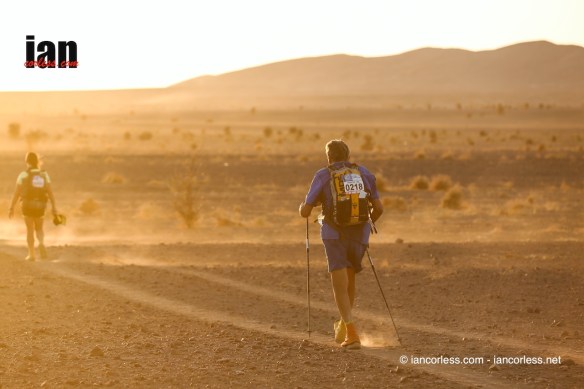
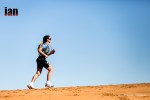
If we exclude the top 50-100 runners (who also walked) the majority of the 1000 strong field spend a huge amount of time walking. Learn to walk! Believe me, it’s a huge tick in the MDS box and rest assured that if you are able to walk at a good consistent pace (barring injury or dehydration) you will finish MDS. The 31st edition at times (from my perspective) seemed almost like a walking race and this can directly be attributed to more soft sand and longer days. Countless runners I spoke to said, ‘If only I had walked more. I trained to run and now I am here, I am finding that running is a luxury.’
Poles:
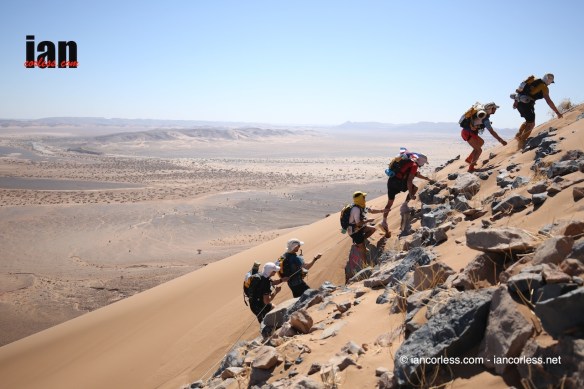
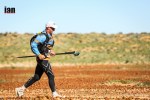
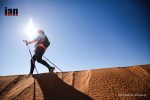
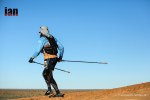
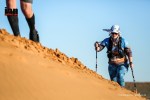
If you are looking to race MDS, figure in the top 100 and are able to run in ‘most’ scenarios, poles will not help your MDS experience. However, once we get out of the top-100 and in particular, once you start to look at the mid to back of the pack, poles may well provide a huge advantage. They provide stability, momentum, drive and in soft sand, they are a little like 4-wheel drive. My recommendation would be try training sessions with and without poles and see what works for you. Don’t get poles 3-4 weeks before a race and think it will be okay… Poles require technique and yes, they will impact on your shoulder, arms and neck. In 31st edition with so much soft sand, poles were a god send for many. They are like Marmite though, some love them, others hate them. For me, they are something I would take. Just make sure you get good ones that are light and that will fold small so that you can pack them when not needed. A good example of this is the big Jebel climb with ropes at the top, some participants struggled up with poles when in reality they needed both hands free for the terrain.
Shoes:
Dare I open this can of worms? Shoes are personal and first and foremost you must consider your own run style – gait, pronation, width, drop and so on. NEVER take advice from anyone online that tells you that ‘X’ is the shoe to wear for MDS unless they know you and your run style. Having said that, certain considerations come into play which help narrow the selection process down. In previous editions of MDS I have seen Hoka One One shoes almost melt with the soft sand, this year, Hoka were one of the most popular shoes and during the race I photographed multiple pairs and saw none of the horror stories from previous year. Brooks have been a popular MDS shoe in recent years and I saw three pairs with horrendous soles that had started to fall apart, however, many runners have commented how well the Cascadia version of Brooks shoes performed. Altra with very low drop and a super wide toe box worked excellently for those who required a minimalist shoe and the re-vamped inov-8 270 (4mm) and 290’s (8mm) had rave reviews from those who used them. Mizuno, adidas and Scott also featured in MDS bivouac amongst others and what was reassuring is how well they all performed. The key here is that runners had found the shoe that worked for them. Make sure you do the same. It’s good to ask for thoughts but ultimately, ask 10-people, you will get 10 view points. Despite all this, there were plenty of foot horror stories. There always will be horror stories and certainly considerable more soft sand added to people’s issues this year. Notably, going back to the walking point, MDS participants often come to MDS prepared to run with shoes that work for running, in some scenarios, these shoes don’t work as well for walking. Think about this and walk in your run shoes! Also shoe size, forget the advice about going up a size or two sizes. It’s a recipe for disaster unless you know that your feet swell? A shoe that is too big will allow your foot to move, a moving for causes friction, friction causes blisters and the rest of the story speaks for itself. General advice is that if you have a ‘thumb nail’ of room at the front of the shoe above the big toe, this generally works. Notice I say ‘generally’ – there are exceptions. One thing that may happen, is your foot may get wider (rarely or never longer) with the heat and additional time on feet, therefore a shoe with a wider toe box often works well for many runners.

Equipment:
Minimum pack weight is 6.5kg plus water, get as close to this as you can. Additional weight is additional stress and just makes the journey harder. Luxuries are ok if they improve the journey and make it easier, music is a good example of an additional extra. I can’t really think of anything else…
Friends:
You are going to share bivouac with 7 other people and you are going to have some serious highs and lows. These tent mates will pull you through and motivate you. They will become friends for life. Ideally find tent mates before you head out to the Sahara.

The Mind:
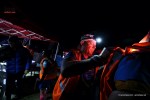
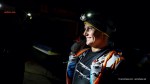
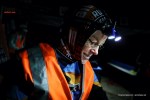
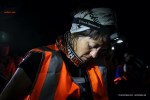
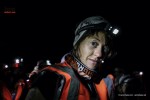
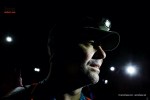
The legs, lungs, heart and feet will only get you so far. The mind is what will get you to the finish. On the long day I was at CP5 with 54km covered and 30km to go. I stayed there all night from 9pm till the early hours of the morning when the last person left with the camels. I saw broken individuals with bodies in tatters but mentally strong. It was amazing to watch people leave with a smile, hobbling at a snails pace and then to see them cross the line later in the day. Despite the hardships and pain, they embraced the journey and mentally where superior in strength. It was the mind that got them to the line.
Laugh:
If you laugh, you are having fun. Laugh when you hit rock bottom, why not. Laugh when you are going the toilet in a brown plastic bag and most of all laugh with and at your tent mates and fellow runners. The comradeship of MDS is quite unique, embrace it.
Admin and preparation that you may not think of:
- Take essentials on the plane and wear your run apparel and shoes. That way, should a baggage disaster happen your chances of racing improve.
- Take food with you for the travel and on the plane. If I were running, I wouldn’t eat plane food!
- The journey from the airport to bivouac 1 is always lengthy, MDS will provide a picnic and water but I would still have my own supplies.
- Night 1 and night 2 in bivouac are NOT self-sufficient so take extras such as an inflatable bed, food and luxuries that you are happy to give away to the berbers. May as well have 2 comfortable nights and a comfortable day before the racing starts.
- Food before the race starts in recent editions has been provided by a French catering team. It has always been excellent. For the 31st edition, Moroccan caterers were used for the first 2 nights to provide an ‘authentic’ Moroccan feel and experience. It was potentially food that could increase the chances of going to the toilet. Personally, I’d take food with me that would at least allow me a ‘safe’ option. This is food in addition to your ‘mandatory’ requirement so it can be as much as you require and it can weigh as much as you like.
- Admin day was a lengthy multi-hour experience in previous editions, in the 31st it was slick and streamlined and seemed to take most people 30-45mins which was great. Just make sure you take some water and a little snack food.
- Keep sun screen on and keep hydrated. No need to drink vast volumes – drink to thirst before the racing starts.
- Have additional items such as a base layer, sleeping bag liner and other items that may be on a ‘question’ list for the race. On night 1 and before you go to admin, you can make final decisions of what to and what not to take. Particularly important if you think you may be cold at night.
- Remember that after bag drop and check-in you have no access to any additional items, however, you only become completely self-sufficient when you start the race. With that in mind, you can have additional food and luxuries with you until day 1 kick-off, it’s a useful tip and does mean that you can have additional comfort for a good 12-hours.
Conclusions:
Marathon des Sables is a magical and life changing journey as are most if not all multi-day races. It really is a true challenge of mind and body to race over many days, irrespective if you complete the race in just over 20-hours or 60+ hours. It’s a hark back to a more primitive time, a time without clutter and modern technology. Embrace this. Embrace the silence of the surroundings and the simplicity of placing one foot in front of the other, eating, resting and sleeping and then doing it all again.
As I said previously, MDS and other multi-day races are all relatively simple in process, you need a minimum of kit, some food, regular water and a level of fitness to complete the challenge. Yes, it is THAT simple.
Plan ahead, do some research on kit but it’s not rocket science. Just find out what works for you and then pray the the multi-day gods are on your side. Drop out rates are relatively low considering the challenge, however, shit happens that you just can’t plan for.
Ultimately get the mind in the right place and the body will follow. A plan ‘A’ is great but have a plan ‘B’ and ‘C.’
Finally, set yourself a realistic goal (that may just be to finish) so that you manage not only your expectations but pace. Way too many start off too quick and most dropouts come on days 1 and 2.
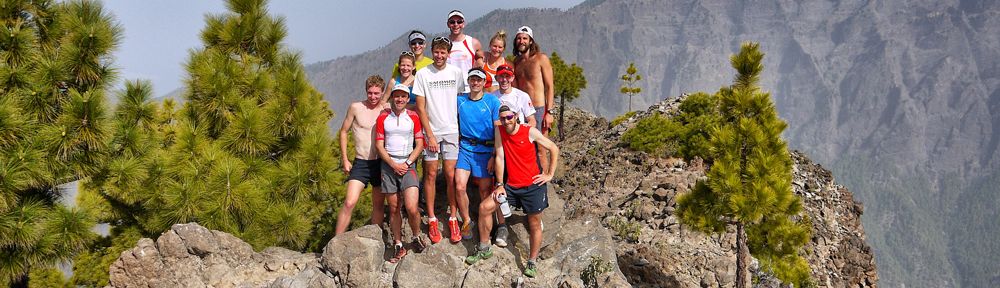
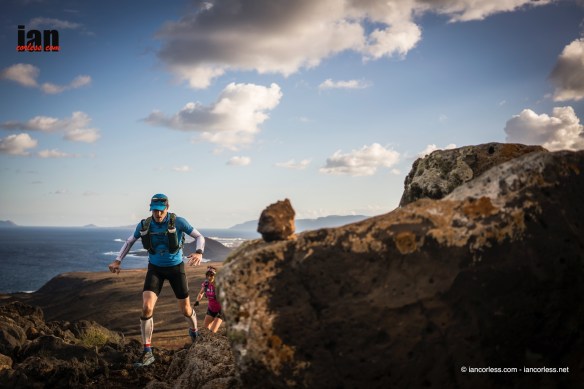
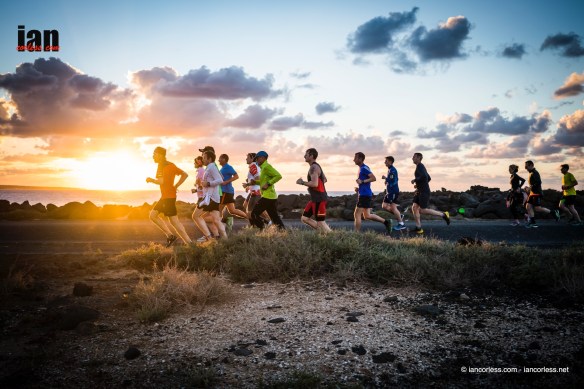
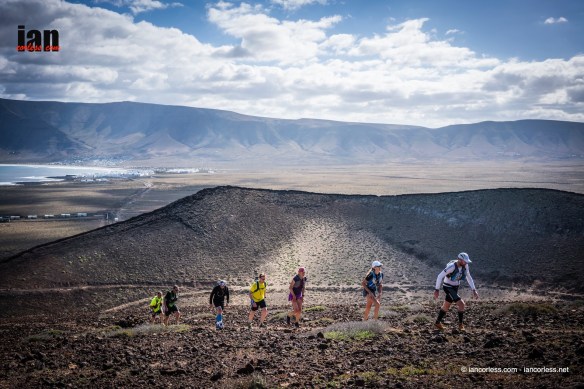
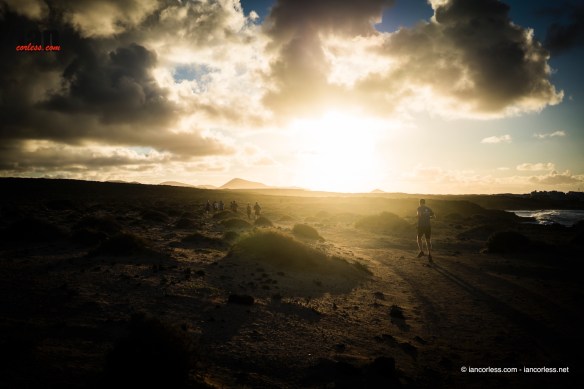
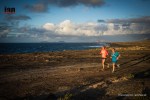
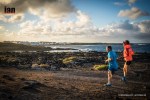
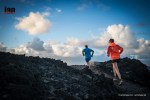
Join our MULTI-DAY TRAINING CAMP IN LANZAROTE with 2015 Marathon des Sables champion, ELISABET BARNES info HERE
If you need any specialist equipment, Iancorless.com partners and recommends MyRaceKit for expert advice on an multi-day racing equipment requirements.
















 IAN CORLESS