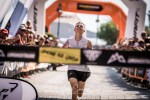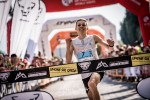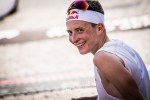
Joyline Chepngeno’s Ban: The Complex Web of Doping, Management, and Responsibility

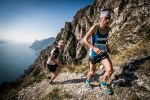
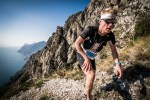
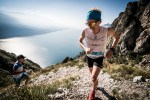
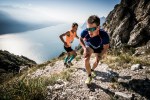
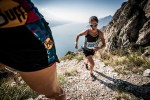
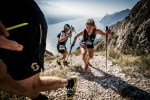
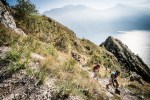
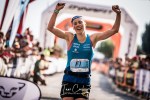
Copyright Salomonrunning via Instagram

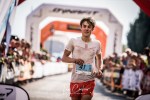
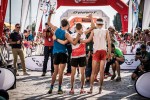
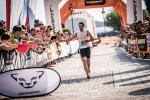
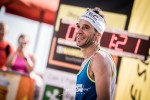
When news broke that Kenyan trail running champion Joyline Chepngeno had been banned for two years after testing positive for triamcinolone acetonide, the reactions were swift and polarised. On one side: condemnation and disbelief. On the other: questions about fairness, context, and whether the system designed to protect clean sport actually confuses athletes into mistakes.

Let me be clear, there is no place for doping in any sport, however, the Chepngeno and Angermund cases should and must make us think deeper.

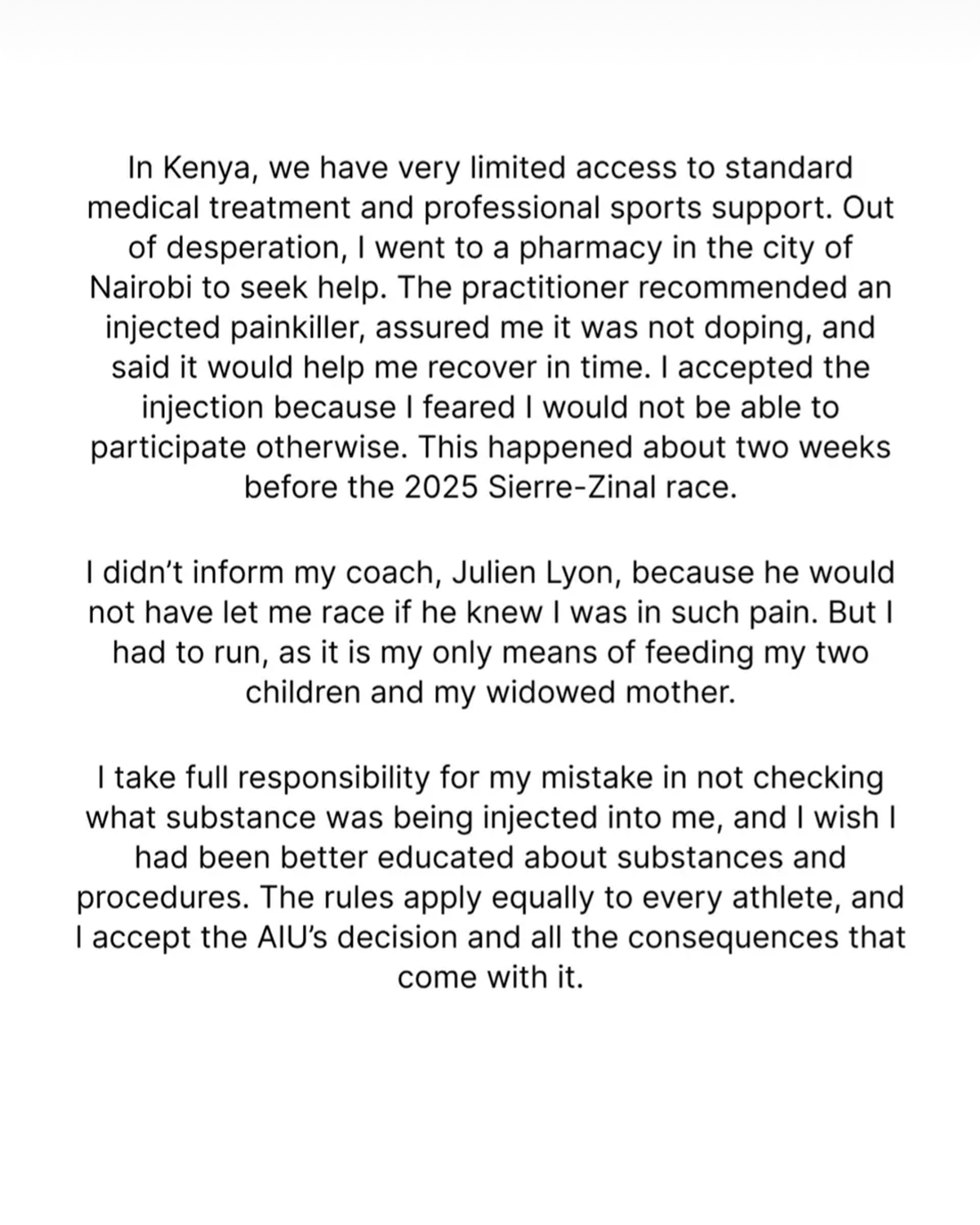
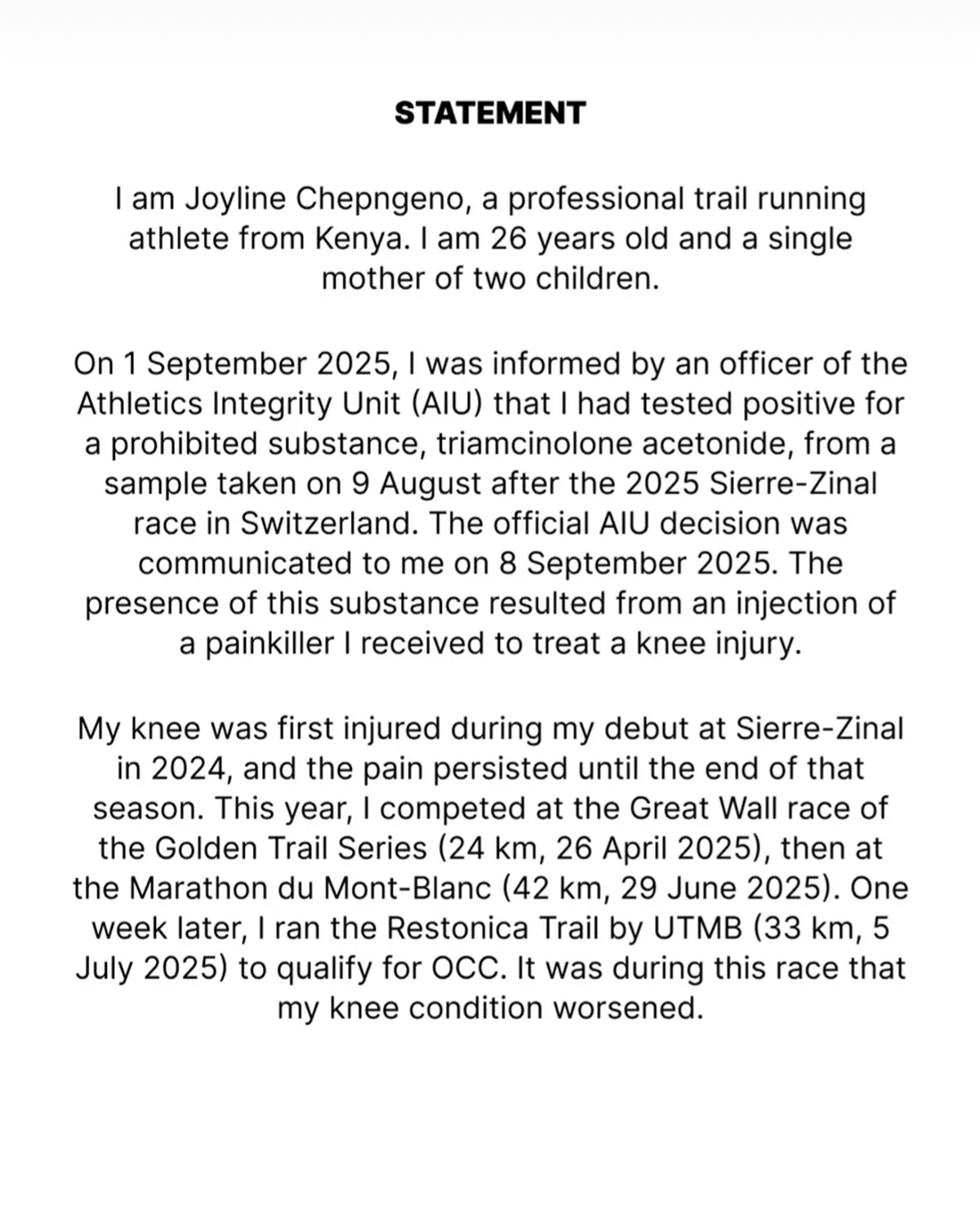
Chepngeno admitted she received an injection in July, and the drug in question – a corticosteroid widely used for inflammation – sits in one of the sport’s murkiest regulatory zones. Under the World Anti-Doping Agency (WADA) code, triamcinolone is banned in-competition, unless the athlete secures a Therapeutic Use Exemption (TUE). Sounds simple enough, but in practice the rules are anything but. The case raises bigger questions: Was she naive? Did her team fail her? Was Salomon right to sever ties so quickly? And is WADA’s own ambiguity part of the problem?

“Chepngeno may have taken the injection for a genuine medical issue – inflammation, pain, or recovery – but without the right paperwork, timing, and guidance, it became a career-altering violation.”

Kenya’s Reputation and the Weight of History

Kenya has long been under the microscope for doping violations. In recent years, its athletes have faced increasing scrutiny, with dozens of cases making international headlines. This history frames Chepngeno’s case: even a whiff of doping from a Kenyan runner is quickly interpreted through the lens of systemic abuse, rather than individual misjudgment.

But this framing risks oversimplifying. Many Kenyan athletes operate in environments with limited medical oversight, inconsistent education about anti-doping rules, and managerial structures that prioritize racing and prize money over compliance. Chepngeno may have taken the injection for a genuine medical issue – inflammation, pain, or recovery – but without the right paperwork, timing, and guidance, it became a career-altering violation.

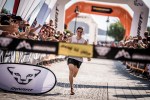
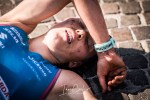
Takon from Instagram Sierre-Zinal offical feed ✍️ Ludovic Medwed 📸 Keystone

The Role of the Manager/ Coach: Protection or Neglect?

A professional runner’s manager/ coach, in this case, Julien Lyon, is more than just a race scheduler. They are, or should be, a gatekeeper for the athlete’s career:

Pros of strong management:

  • Ensures the athlete understands what substances are permitted.
  • Helps navigate the dense bureaucracy of WADA codes, TUE applications, and medical clearances.
  • Provides financial and legal protection when mistakes happen.
  • Balances competitive demands with athlete health and long-term career viability.

Cons or failures of management:

  • When managers are absentee or focused solely on performance, athletes are left vulnerable.
  • In many Kenyan cases, managers are foreign-based agents whose primary incentive is to get athletes on the start line, not to invest in their education.
  • A lack of day-to-day oversight means athletes may trust local doctors, clinics, or informal advice without realizing the implications.

Chepngeno’s admission that she did take the injection suggests honesty, not deception. But it also signals that no one around her flagged the risk. A competent manager should have either prevented it or ensured the correct exemptions were in place. If the manager’s job is athlete protection, this could look like a potential failure? **

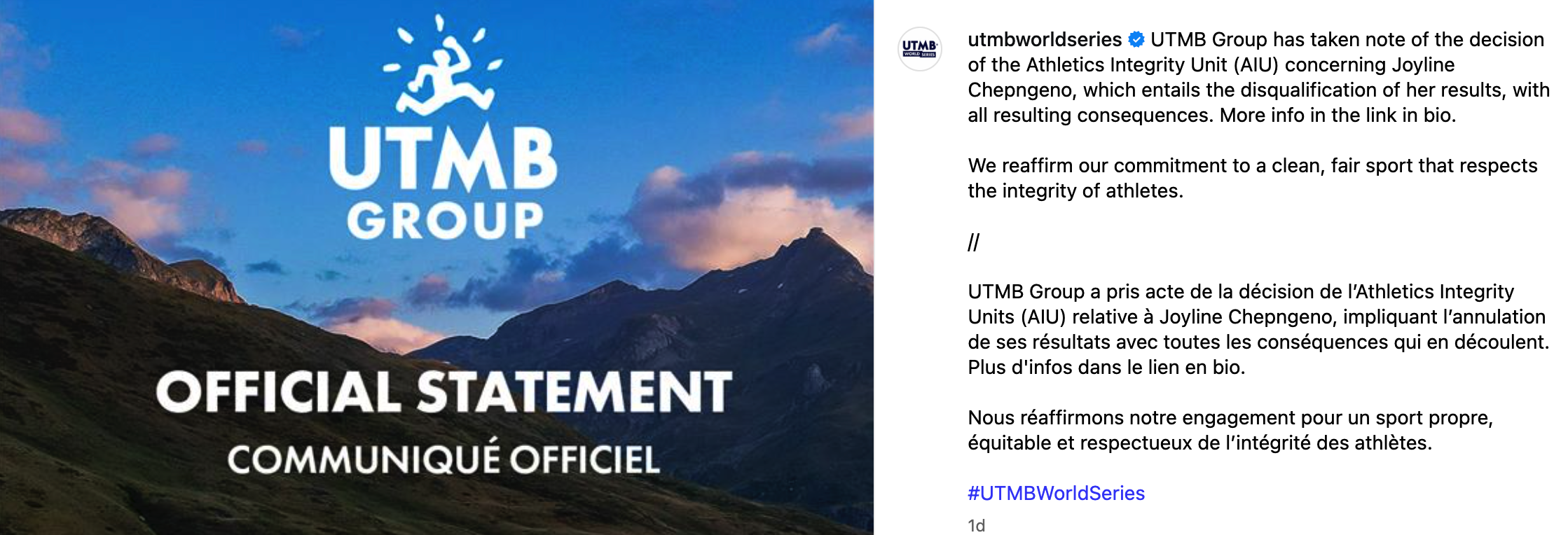
“The Sierre-Zinal race organisation has announced that it has banned Chepngeno’s coach Julien Lyon and his Milimani Runners team from future competitions. It has also, according to the statement, ordered Lyon to ‘fully reimburse prize money, accommodation costs and administrative fees arising from the case – including reputational harm – owed to the Sierre-Zinal Association’.” – (c) Runner’s World

Lyon also coached the 2022 Sierre-Zinal men’s and women’s champions, Kangogo and Chesang, both of whom were later suspended and stripped of their titles for doping.

In response to Sierre-Zinal, Julien Lyon via Instagram stated: “Finally, I must respond to the serious and defamatory accusations published by the Sierre-Zinal organization. These statements are completely unacceptable. I am already devoting significant energy to restoring the facts and I have no intention of giving up.” **

Update September 13th: **

Julien Lyon has responded with a clear statement on Instagram, read HERE.

Let me be absolutely clear:
• I had no knowledge whatsoever of the use of this substance.
• I have never, in any way, encouraged or tolerated such an act.
• I have always fought against doping and I will continue to do so.
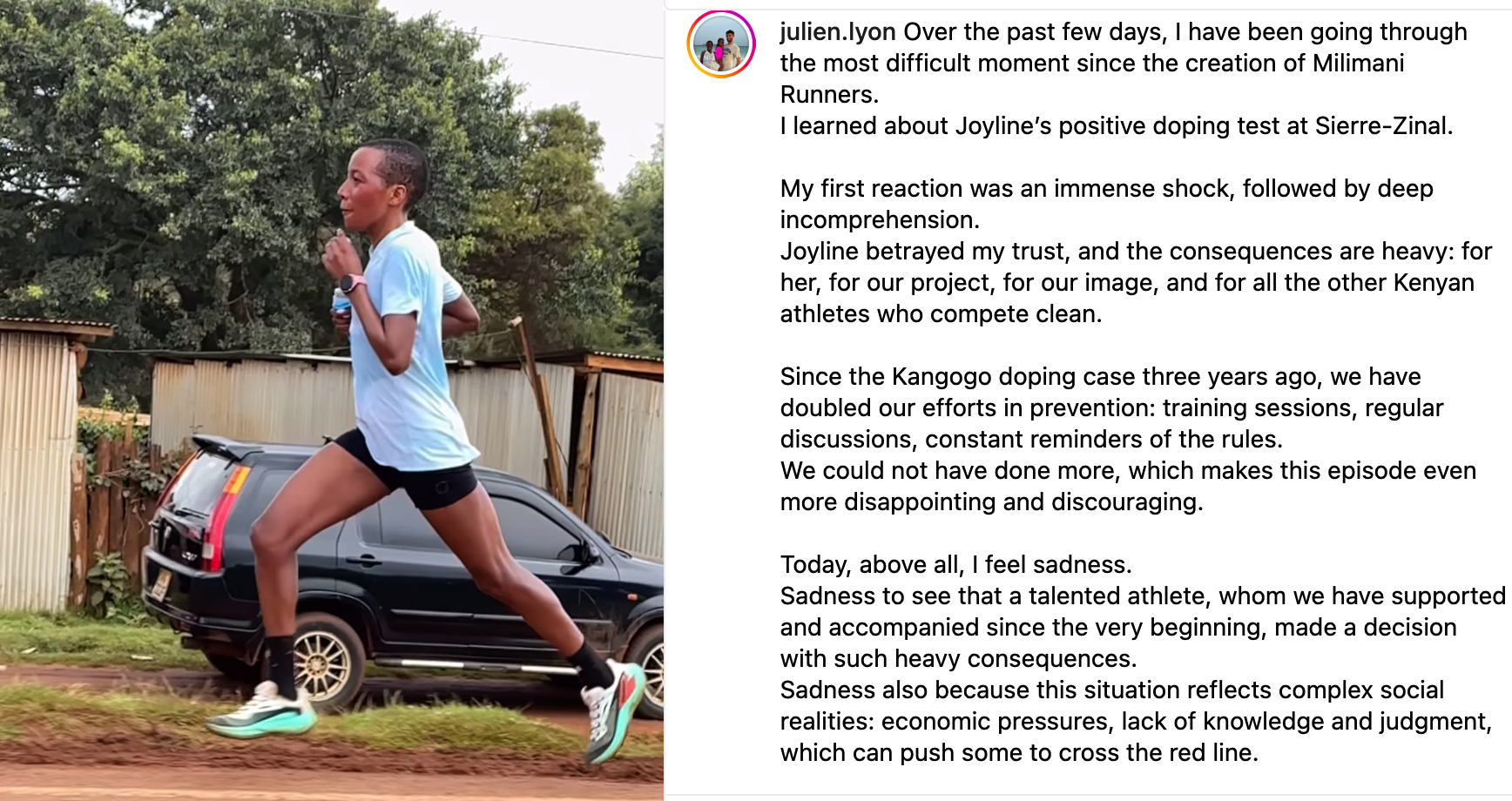
From now on, I am already reflecting on concrete solutions: implementing more regular out-of-competition testing, even if it represents a significant cost that must be discussed with our partners, and developing closer, culturally adapted medical support in Kenya. I deeply regret that Joyline may have felt left alone with her pain and doubts. She had my full support, and I regret not being even more present for her during this difficult time. I want to ensure that Milimani Runners athletes feel supported not only in their sporting careers, but also in their health, their choices, and their education. – Julien Lyon via Instagram

The Sponsor’s Role: Salomon’s Swift Rejection

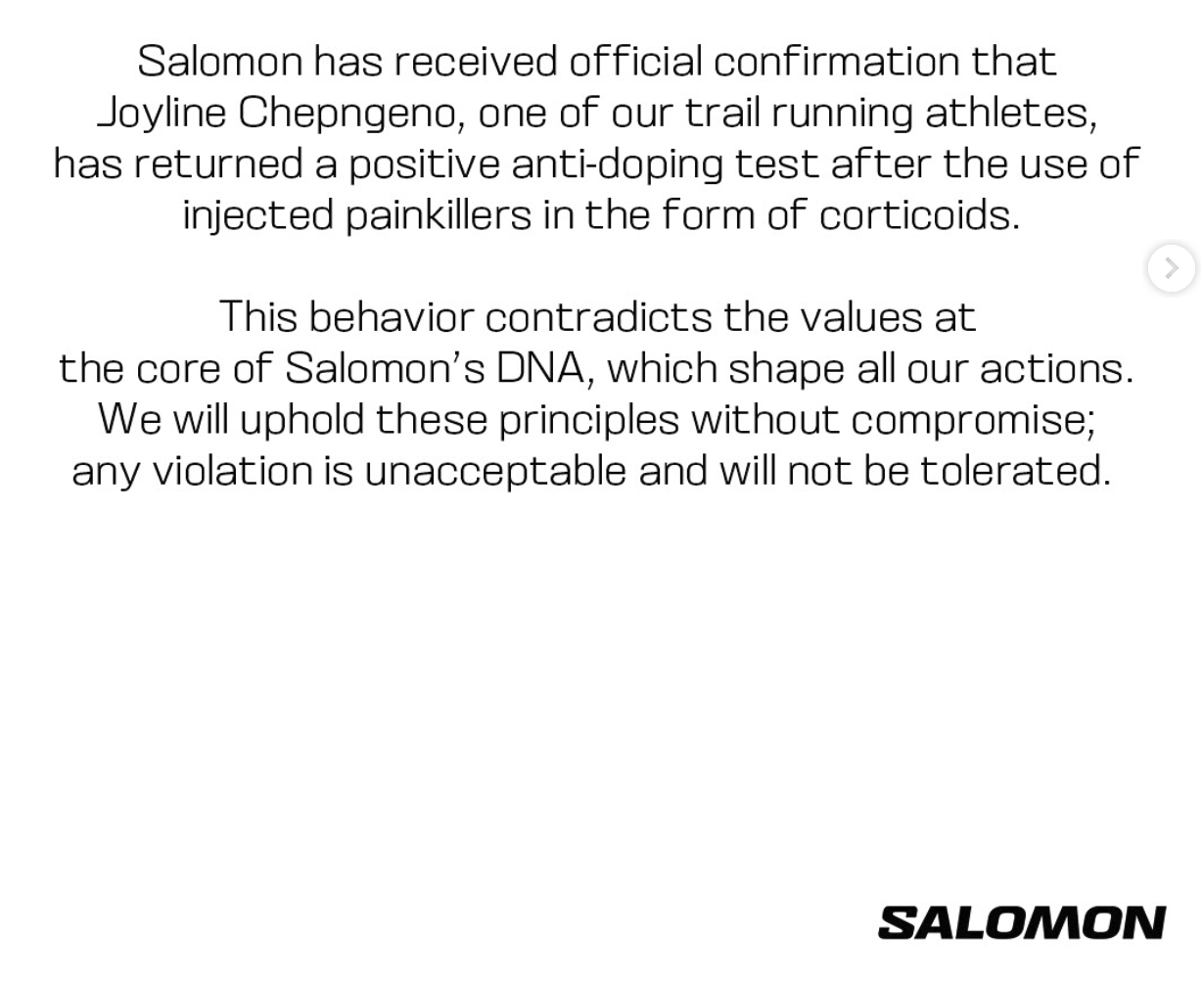
Salomon, Chepngeno’s sponsor, moved quickly to cut ties. On one level, this is understandable: brands cannot afford reputational damage in a sport that already battles questions of integrity. Corporate zero-tolerance policies are often blunt but clear: fail a doping test, and the contract ends.

View the Instagram post HERE

But here lies the ethical dilemma. Was Salomon protecting the sport, or protecting its image? By severing ties without nuance, the brand effectively punished Chepngeno twice: once through lost income and again through public rejection. A more responsible approach might have been suspension pending investigation, or supporting her with legal and educational resources.

Sponsorship is not just about exposure and winning; it’s also about athlete welfare. When brands abandon athletes at the first sign of trouble, it signals that their investment was never truly in the human being, only in the results.

A Contrast: The Case of Stian Angermund
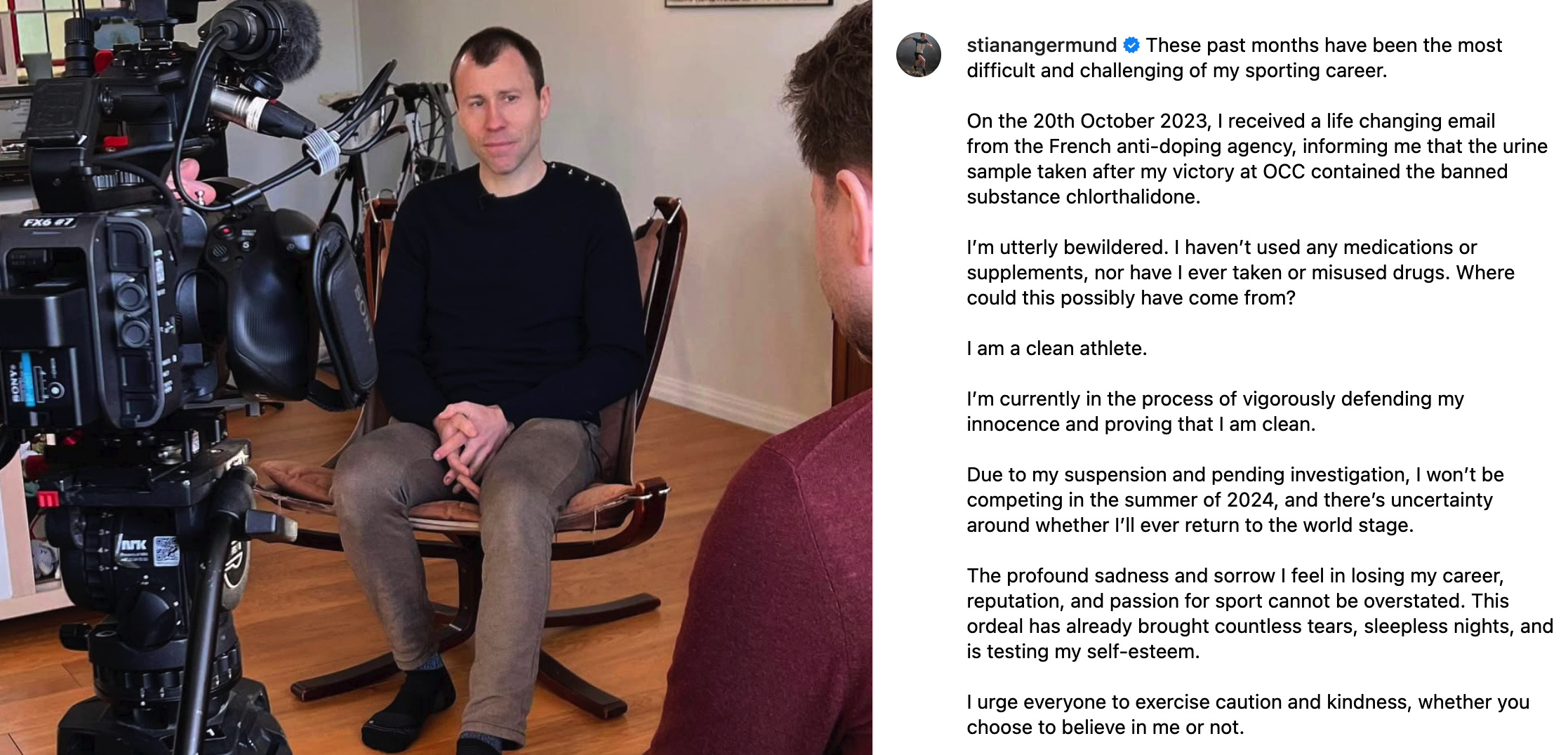
The difference in how Chepngeno’s case was received becomes starker when compared with that of Stian Angermund, one of Norway’s most successful trail runners. Angermund also tested positive in 2023 for the diuretic chlorthalidone.*

  • *corrected for original post

Read on Instagram HERE

Yet the public response to Angermund was notably softer. Many in the trail running community rallied around him, framing him as a victim of circumstance, a clean athlete caught in an unfortunate situation. His protestations of innocence gained traction, with commentators and peers stressing his reputation, personality, and history as evidence of credibility.

On February 10th, 2024, the trail running world was rocked by news out of Norway – the two-time World Champion, Stian Angermund, had tested positive for the diuretic chlorthalidone. via Freetrail here.

Chepngeno, by contrast, has not been afforded the same sympathy. Instead, her case was quickly folded into the broader narrative of Kenya’s doping crisis, with far fewer voices offering the benefit of the doubt. This disparity speaks volumes about how nationality, reputation, and public image shape perception. Where Angermund’s case was seen as an anomaly in a clean career, Chepngeno’s was framed as part of a pattern – even though the substance she took is far more medically common, and her admission suggested transparency, not deception.

Sponsors and Double Standards

The sponsorship response reveals this double standard even more starkly. Salomon cut ties with Chepngeno almost immediately, distancing itself without nuance. In contrast, sponsors and partners in Angermund’s case were slower to act, with ‘some’ showing signs of support while the investigation unfolded. The messaging was different too: in Angermund’s case, words like uncertain, unfortunate, and out of character dominated coverage; in Chepngeno’s, the language leaned toward guilty, systemic, and Kenyan problem.

This isn’t just about corporate crisis management – it reflects deeper biases. Western athletes with strong reputations are given space to argue their case, while Kenyan athletes are too often treated as disposable. If sponsors only invest in results but not in athlete welfare, the sport risks reinforcing inequities that mirror global power imbalances.

WADA’s Ambiguity: Is Triamcinolone Doping or Not?

Here lies the central confusion. Triamcinolone is not an anabolic steroid. It is a corticosteroid — widely prescribed to treat inflammation and injury. In many medical contexts, it is routine and even necessary.
WADA bans it only in-competition, unless a TUE is granted. Out-of-competition, it is allowed. The catch? Athletes often receive injections or treatments without realizing where the “competition window” starts or ends. Did Chepngeno’s injection fall within the banned period? Did she even know the timing mattered?

And yes, I understand that the athlete has a responsibility to know and understand WADA rules.

The World Anti-Doping Code states the roles and responsibilities that athletes have in relation to anti-doping. So, athletes must: know and abide by the Anti-Doping Rules, policies and practices. be available for testing at all times.

The ambiguity sends mixed messages: if a substance is dangerous or performance-enhancing, why is it allowed out-of-competition at all? And if it is medically justifiable, why is the TUE process so opaque and burdensome, especially for athletes in countries with limited infrastructure?

Instead of clarity, WADA’s rules create traps. Athletes are told they are responsible for every substance in their body, but the system seems designed to catch technical errors as much as intentional cheats.

Was Chepngeno Naive?

The answer is complicated. On the surface, yes: admitting to an injection without checking WADA guidelines suggests a lack of awareness. But deeper down, her admission looks less like naivety and more like honesty. She did not hide the treatment, nor attempt to deny it. She took what may have been a routine medical step, unaware that it carried career-ending consequences.

The real naivety may not be hers but the system’s – assuming athletes across all geographies, languages, and economic realities can navigate a code written for those with legal teams and medical advisors.

Does Julien Lyon and Salomon have a responsibility? **

Financial and Moral Implications

For Chepngeno, the fallout is severe and many of you will say, good, that is how it should be.

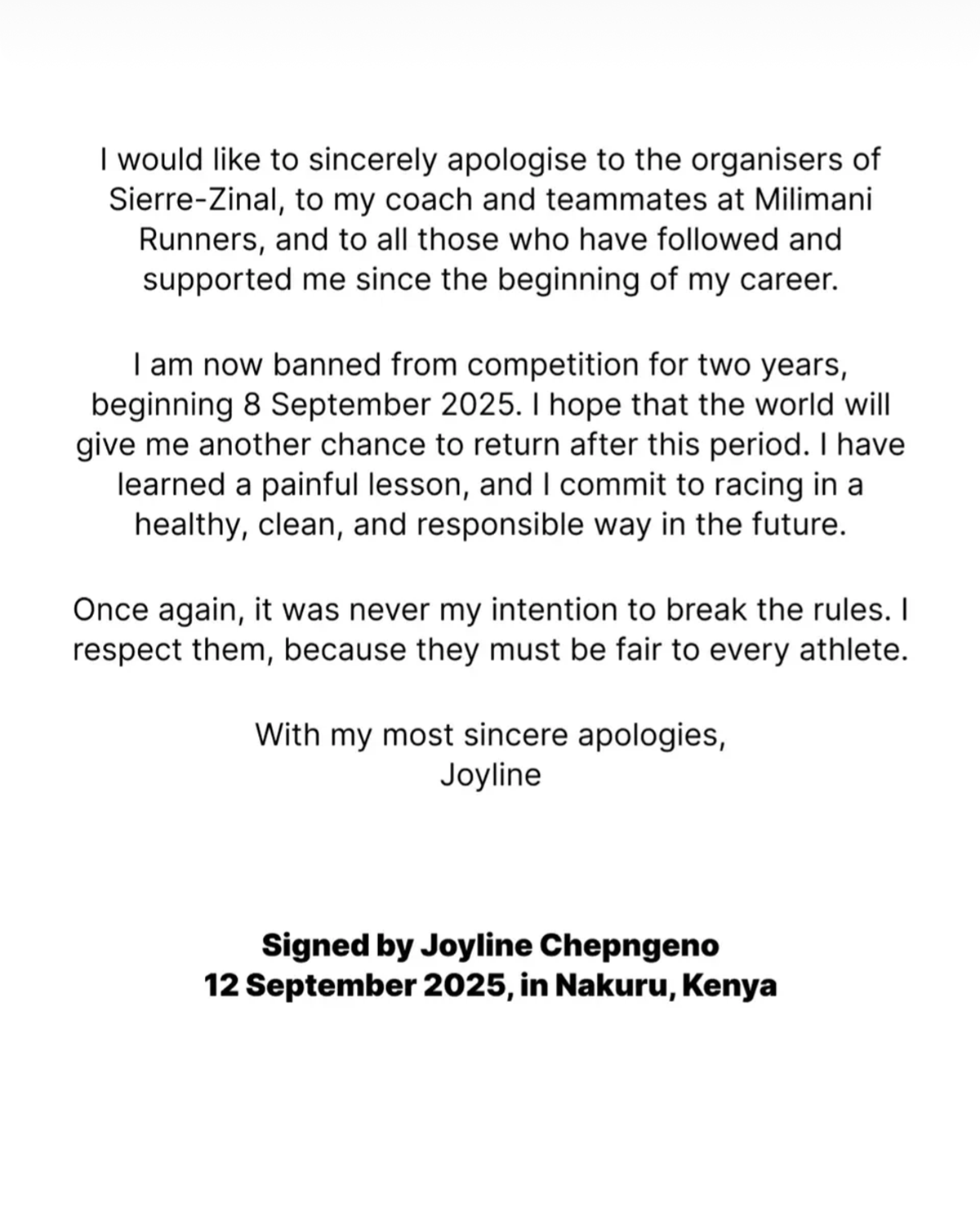
  • Financial: Two years off the circuit means lost race earnings, lost sponsorship income, and a gap in her career at what should be her peak. For athletes from Kenya, whose entire family and community may rely on those earnings, the consequences are devastating.
  • Moral: Her reputation is damaged, regardless of intent. Once branded a “doper,” the stigma rarely fades, even if the violation was technical rather than malicious.
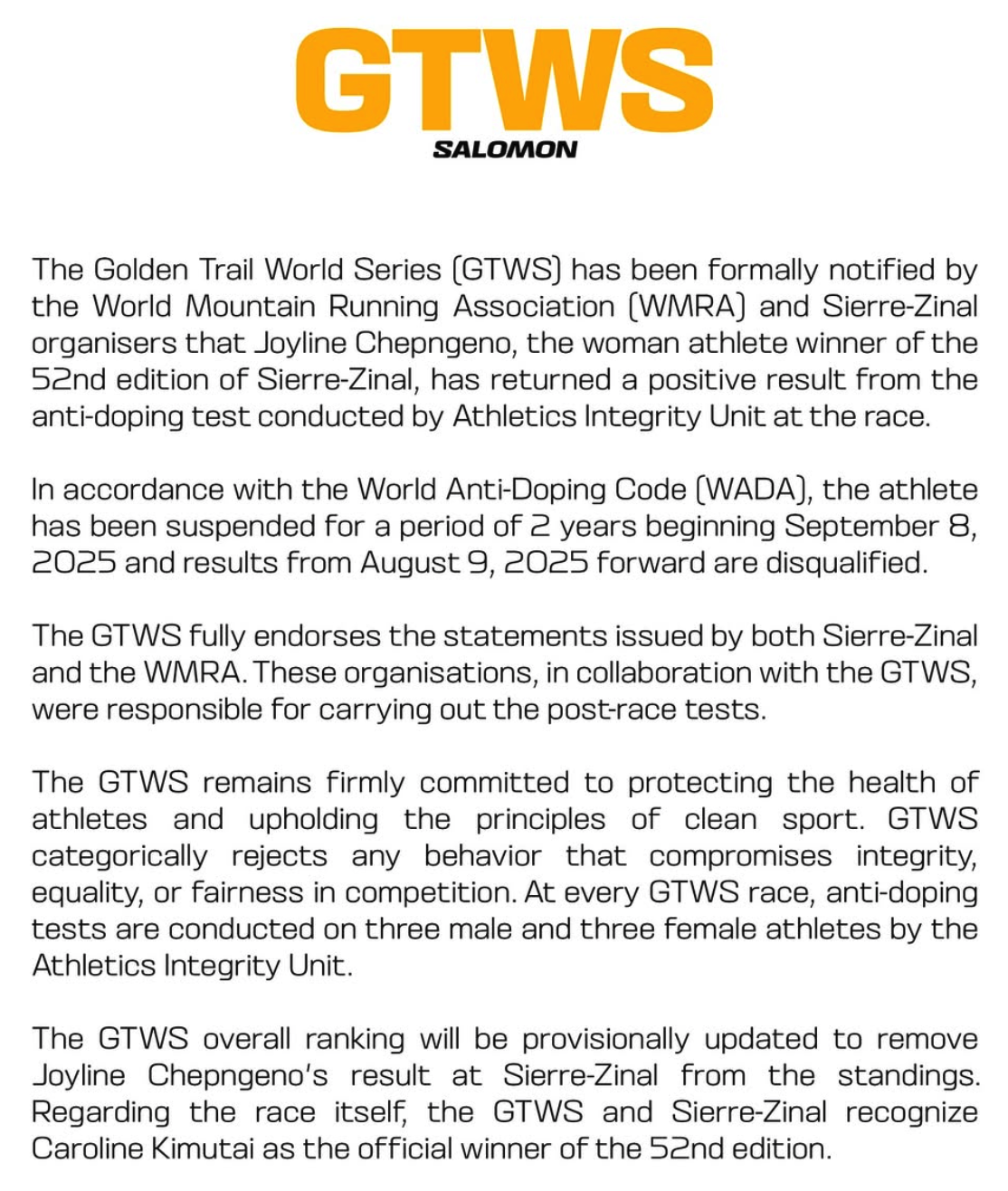
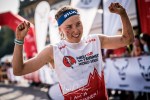
Copyright GTWS via Instagram – https://www.instagram.com/goldentrailseries/

For the sport, cases like this erode public trust. Fans are left asking: was she cheating or simply careless? For sponsors, the financial risk increases – which in turn makes them more likely to cut ties at the first sign of trouble. And for Kenya, each case deepens the perception of systemic doping, even if the reality is far more complex.

What can be learned from this?

Contextual Justice: Not all violations are equal. Intent should matter as much as presence. Athletes like Chepngeno, who admit to treatment rather than hide it, deserve proportionate, not punitive, responses.

Clearer Rules from WADA: The line between therapeutic and prohibited must be made clearer. If triamcinolone is truly performance-enhancing, ban it outright. If it is a legitimate medical treatment, streamline TUEs and ensure athletes understand the timelines.

Better Athlete Education: Federations, sponsors, and managers need to invest in training athletes on what substances mean, how to apply for exemptions, and what to do before accepting treatment.

Stronger Manager Accountability: Managers should be held to professional standards. If their athlete tests positive due to negligence in guidance, they too should face consequences.

More Responsible Sponsors: Brands like Salomon should balance integrity with support. Cutting ties instantly might protect the logo, but it abandons the athlete. Support through due process would show real leadership.

Conclusion

Joyline Chepngeno’s ban is not just the story of one Kenyan athlete caught out. It is a case study in the tangled web of responsibility in modern sport: the athlete trying to heal, the manager who should have protected her, the sponsor that walked away, and the global regulator that still speaks in gray areas.

Was she naive? Perhaps. But more importantly, she was failed by a system that claims to protect athletes but too often punishes them for being human. Until WADA, managers, and sponsors share the burden of responsibility, athletes – especially those from vulnerable contexts like Kenya – will keep paying the highest price.

Update 12th September, Joyline Chepgneno posted on Instagram the following:
Final Note:

This article and post is designed to give a perspective to make the reader ask questions. To be clear, I am completely against doping, there is no place for doping in sport. I am well aware, for some, this article and words may make you angry – that is okay. Feel free to respond and counter with good debate and argument and be polite and professional.

** edits September 13th.

**Julien Lyon has taken exception to certain points raised in this article. Quoted below.) I stress that as a journalist, I am entitled to the right to freedom of opinion and expression, including the freedom to hold opinions without interference and to seek, receive, and impart information and ideas through any media, regardless of borders. As stipulated in article 19 in the Universal Declaration of Human Rights. However, it is important to be fair and allow all viewpoints to be considered.

“Several passages mention my name and attribute facts and responsibilities to me that are inaccurate and damaging to my professional reputation. For example: – You state that “the Sierre-Zinal organisation has announced that it has banned Julien Lyon and his team” – however, I have not received any official notification of such a decision, and no sanction has legal standing at this time. – You write “this looks like a clear failure,” implying that I failed in my duty to protect the athlete – this value judgment is not based on any objective evidence and constitutes a serious attack on my professional integrity. – The phrase “Lyon has history” suggests I have a track record of misconduct, which is defamatory. I therefore request that you either: – immediately remove these passages, or – publish a right of reply that sets the record straight.”

Of course, Julien Lyon, like anyone who reads this article, has a right to reply and the comment section is open for this.

Follow Ian Corless

Instagram – @iancorlessphotography

Twitter – @talkultra

facebook.com/iancorlessphotography

Web – www.iancorless.com

Web – www.iancorlessphotography.com

Episode 222 – Tom Evans, Ryan Sandes and Ryno Griesel

WE ARE BACK!

Episode 222 brings you and in-depth chat with adidas Terrex athlete Tom Evans about his comeback to racing and victory after surgery and rehabilitation. We also talk to to Ryan Sandes and Ryno Griesel about an epic journey around Lesotho.

It almost feels like a new beginning for Talk Ultra and in a way, I suppose it is. We have just had the longest period ever without producing a show, but we are now back with some new fire.

Importantly, Karl and myself THANK YOU all for the support, messages and encouragement. It really does make producing the show worthwhile.

I personally had questioned if Talk Ultra should stop in this downtime period. It’s been a great run, 12-years, hours, hours and hours of audio and it was actually only when I looked back and realised that we have created and documented the history of the sport since 2010 that I can’t let that stop… Your support and encouragement and very kind words also was significant.

So, here we are, Episode 222 – Enjoy!

Share us on Facebook – Talk Ultra FB HERE

Tweet us on Twitter – Talk Ultra on Twitter HERE

Instagram – HERE

And use good old word mouth. 

Importantly, go to iTunes and subscribe so that you automatically get our show when it’s released we are also available on Stitcher for iOS, Android and Web Player and now Tunein. We are also on Spotify too. 

Our web page at www.iancorless.com has all our links and back catalogue. 

Please support Talk Ultra by becoming a Patreon at www.patreon.com/talkultra and THANKS to all our Patrons who support us. Rand Haley and Simon Darmody get a mention on the show here for ‘Becoming 100k Runners’ with a high-tier Patronage. 

I’m Ian Corless and he is Speedgoat Karl

Keep running

Spotify HERE

ITunes HERE

Stitcher You can listen on iOS HERE, Android HERE or via a web player HERE

Libsyn – HERE 

Tunein – HERE 

Website – talkultra.com

Transgrancanaria 2022 – A Dream! A Goal!

Pablo Villa

Imagine starting in the far north on a volcanic island and travelling to the southern tip by foot. During a night, a day and maybe even another night, it is possible to cross mountain peaks, run through deep valleys, past incredible rock formations, through pine forest and along dry riverbeds taking in the flagship race that makes the Transgrancanaria ‘Classic’ race – now 20-years old.

“I love Transgrancanaria because it’s the ultimate race. It has everything. Technical paths, flow paths, heat, running through the night and both terrain and time of day change. The atmosphere is top notch, both among the runners and those who cheer.” – Margrethe Fjetland Løvold

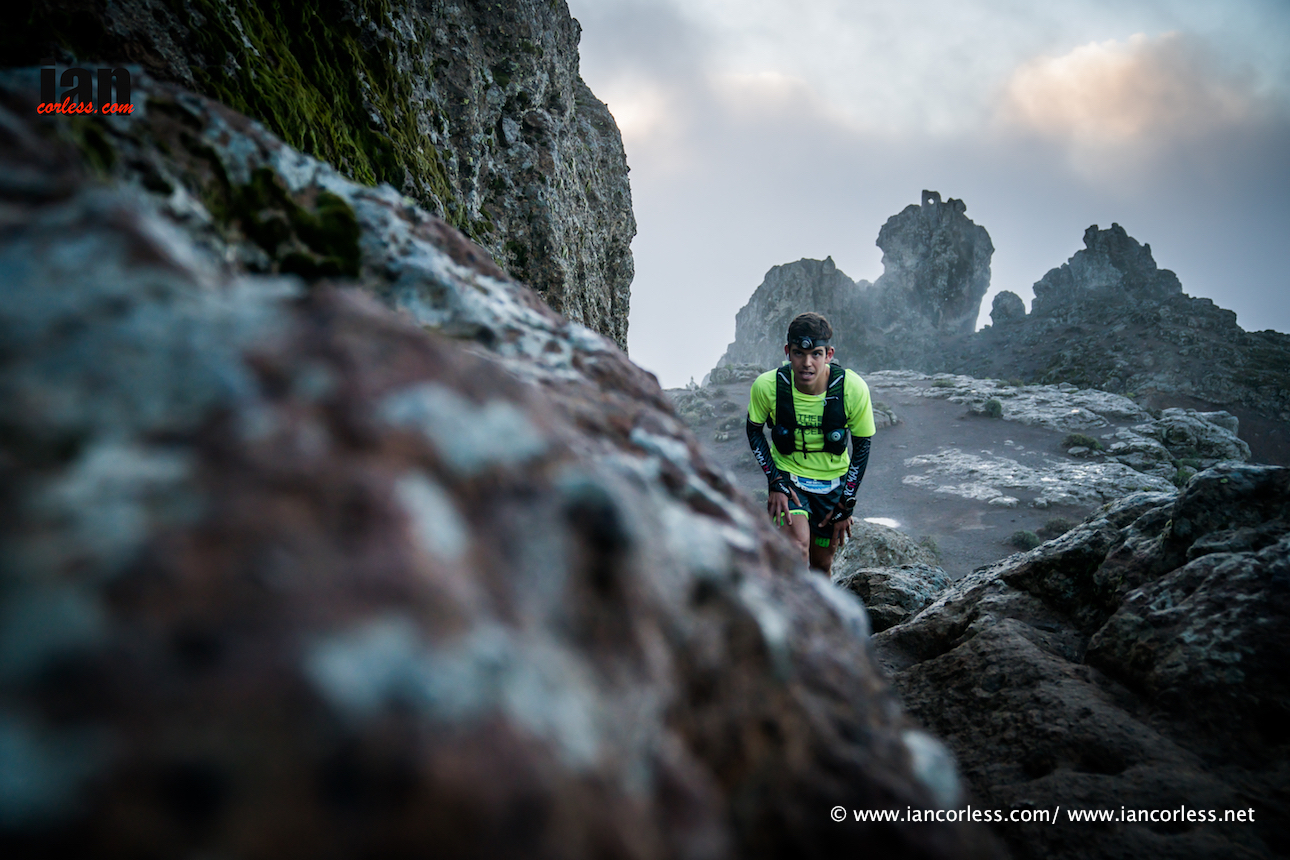
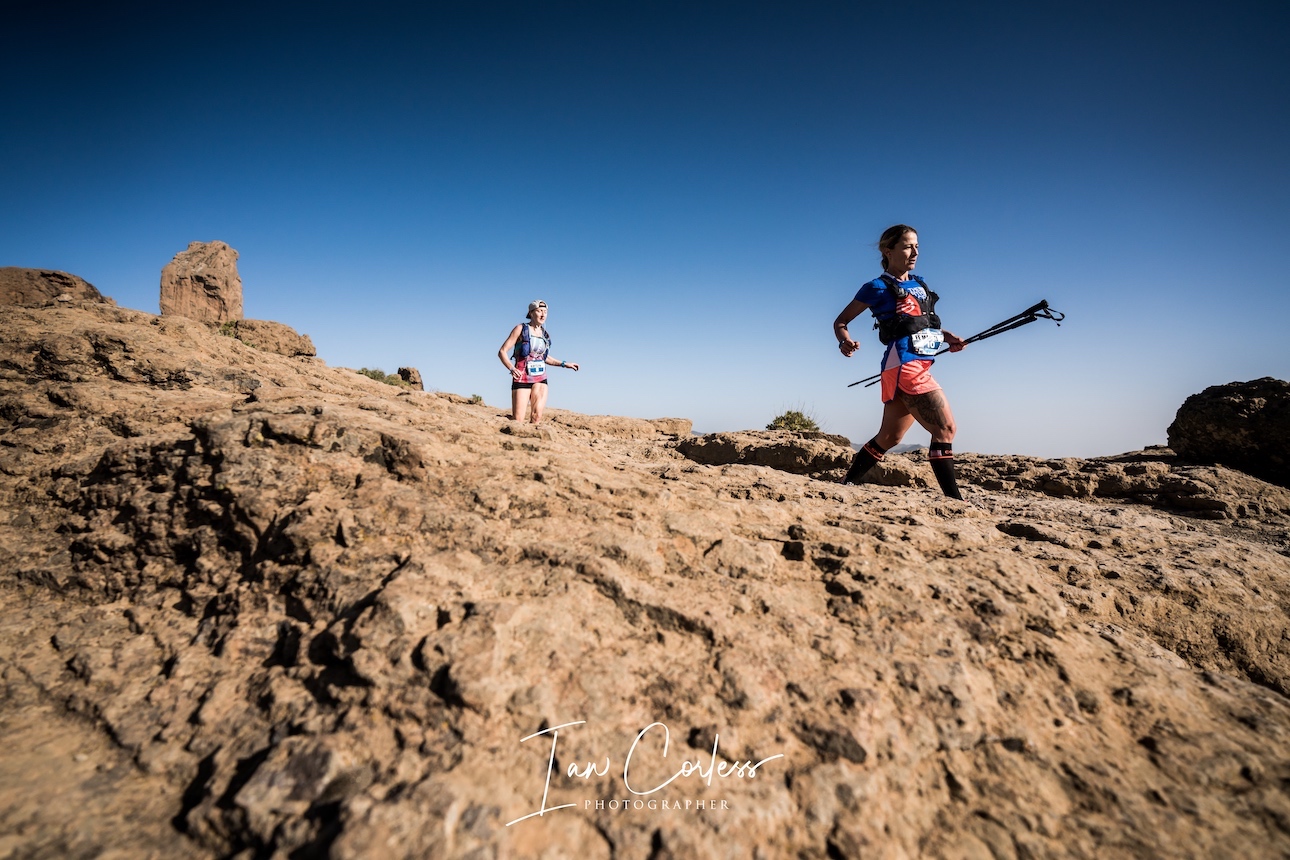
A rollercoaster, both mentally and physically, the trip will require you to dig deep, but in the process create unforgettable memories. Night trails to Teror and Artenara. The village of Tajeda. Sunrise at Roque Nublo. The steep climbing and descent to San Bartolomé de Tirajana and then the dusty, rocky and sandy trails that lead to the finish in Maspalomas.

“Transgrancanaria is a race I have dreamed of for several years. Standing on the starting line with 700 other like-minded ultra-runners in an insane mood is difficult to describe. There are people everywhere on the trail, at all hours of the day, cheering you on. One of my highlights as an ultra-runner!” – Frode Wiggen

This is Transgrancanaria! A point-to-point race that allows one to experience some of the best trails that Gran Canaria has to offer. The race is world famous and attracts thousands of runners from around the world. Here the elite gather to compete for the honor and glory in Europe’s first big race of the season.

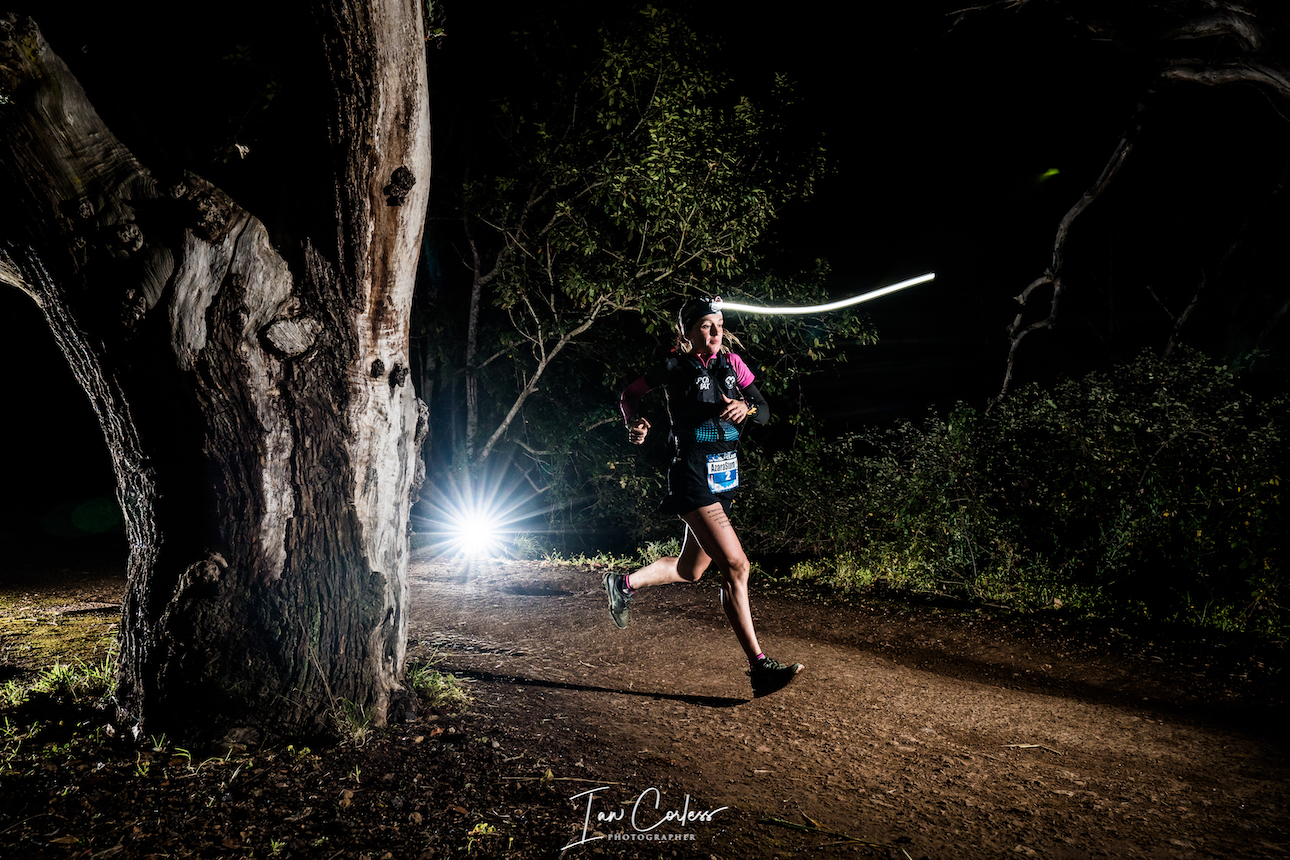
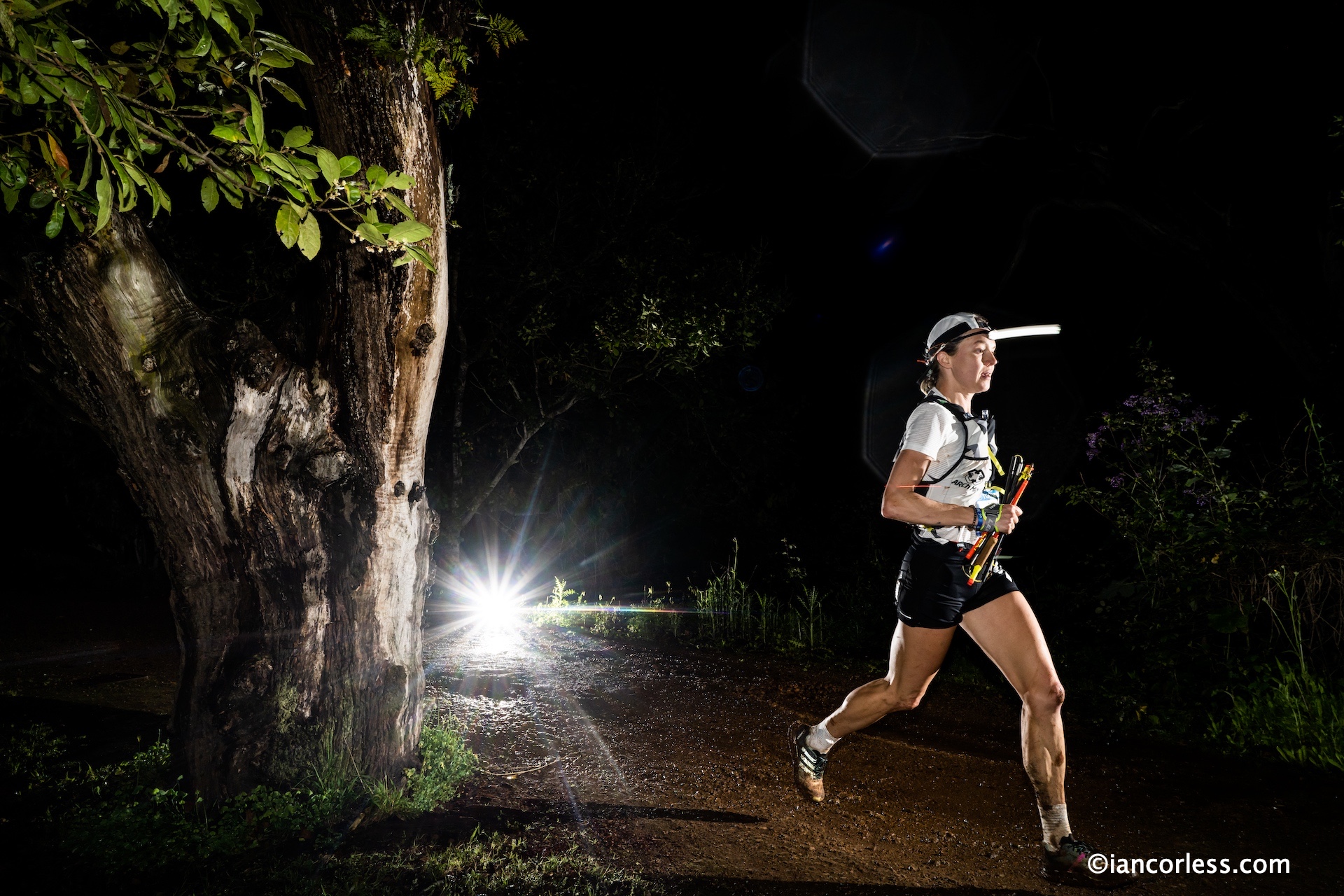
Abby Hall in the night to Teror.

It’s a race for all, not just the elite. The 2022 edition was won by Pablo Villa and Ragna Debats, but most who start just dream of a finish. Winning in 13-hours for the 128km race is far removed from those who will battle one day and two nights to finish in under 30-hours. No matter what time, the welcome is incredible.

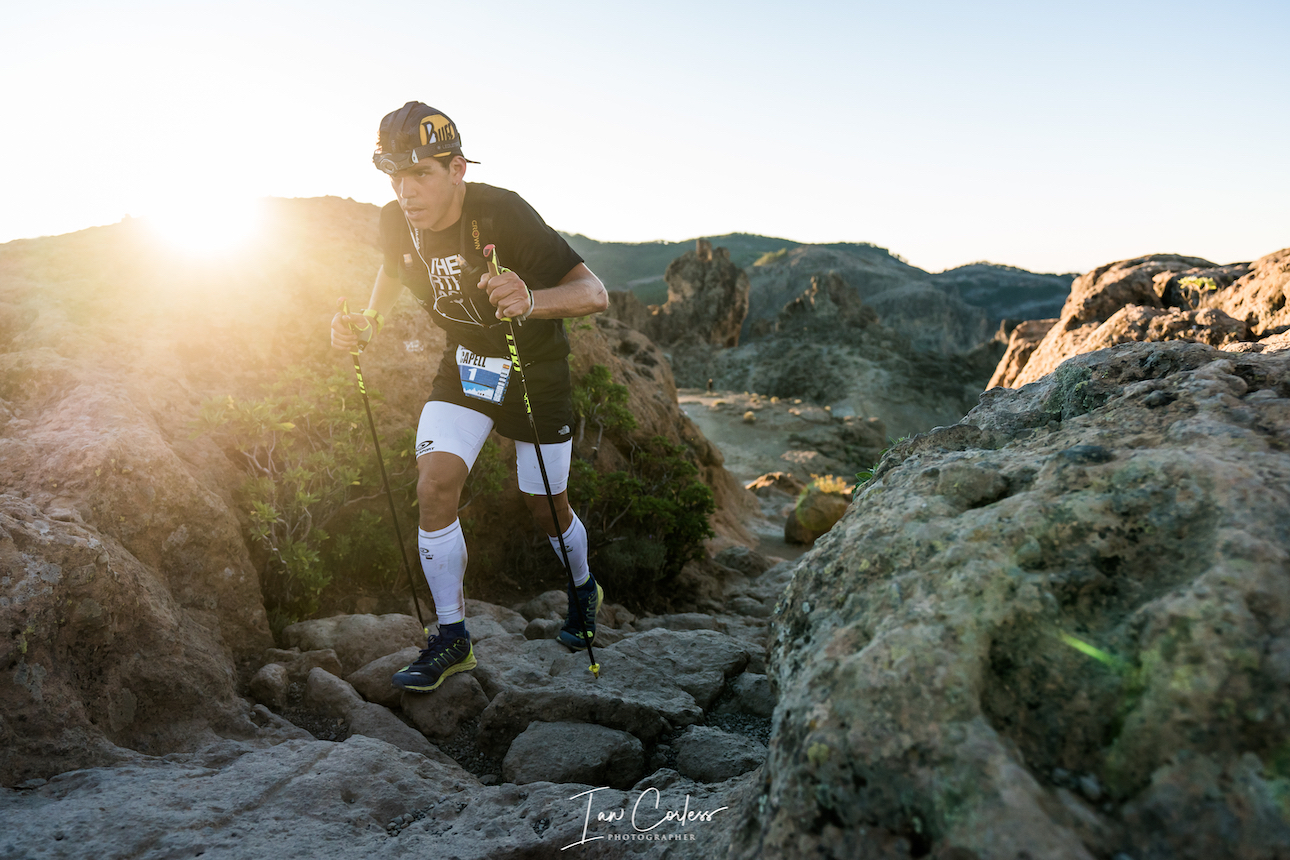
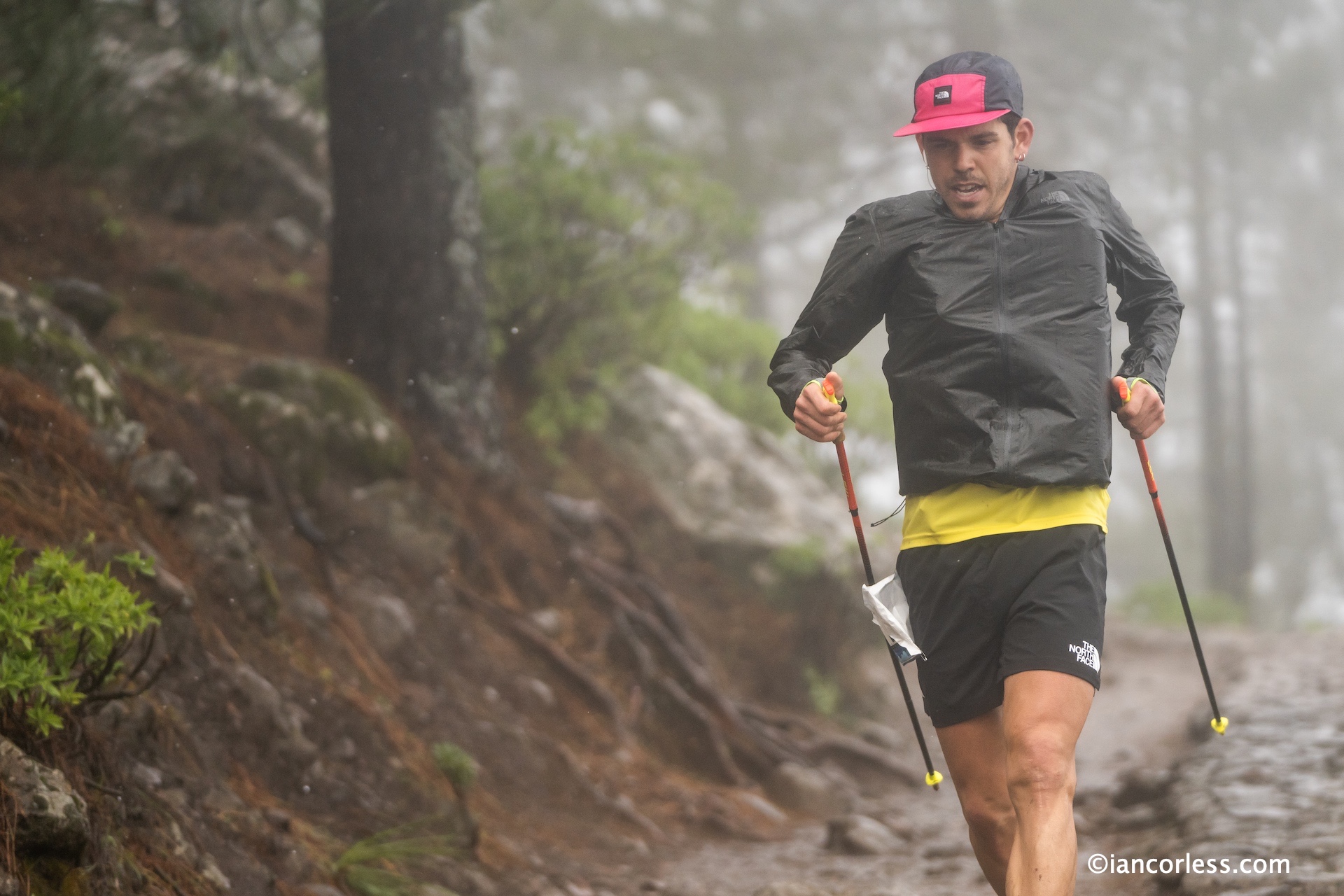
Pau Capell fights the cold.

The 2022 edition will be remembered for a wild and challenging night – cold temperatures, strong winds, rain and even snow. It was a challenge for all! But soon after Roque Nublo, dropping below the cloud, the weather changed and warm sun and blue skies welcomed participants. It was unbelievable to witness and no doubt challenged each runner as they tried to adapt.

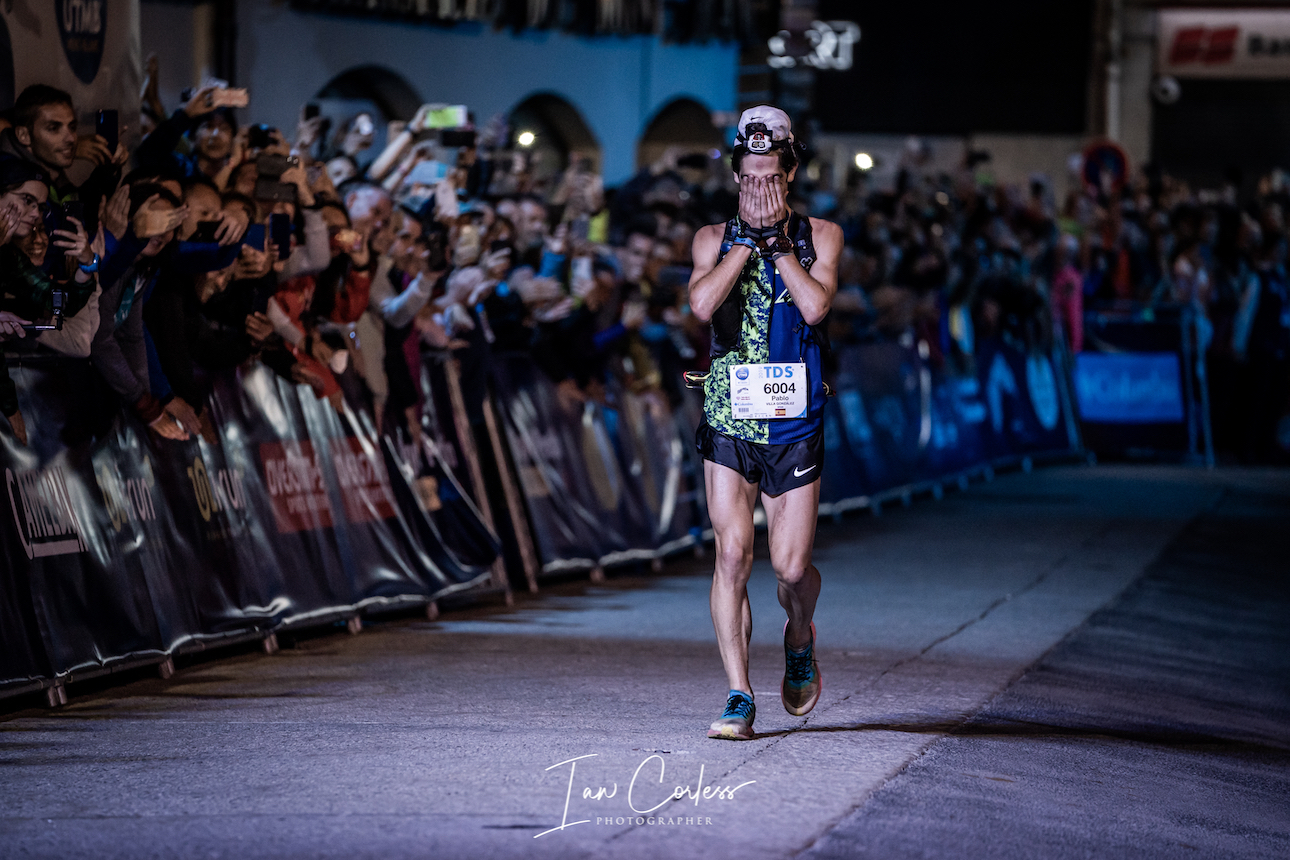
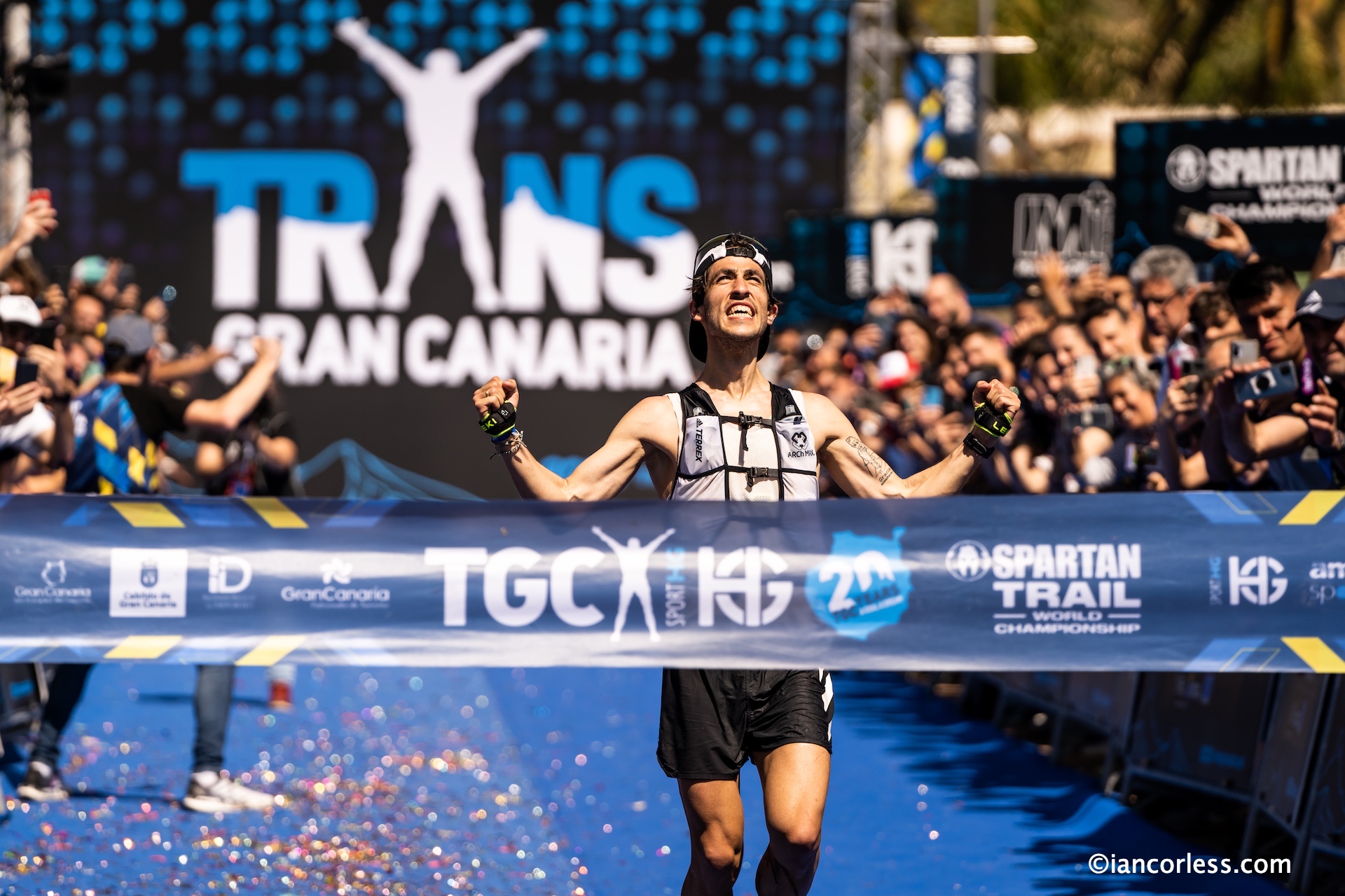
Pablo Villa – happy!

Pabo Villa paced himself through the night and took a convincing lead as daylight arrived. He was pursued by Pau Capell – the duo finished side-by-side in 2020. However, Pablo was too strong and he took an incredible win ahead of Pau and Pere Aurell.

Ragna Debats

For the women, Abby Hall lead the way through the night feeling very strong. However, Ragna Debats eventually caught the adidas athlete and passed her to forge ahead for victory in 16:21:29, a lead of 21-minutes over Abby. Claudia Tremps completed the podium.

Tom Evans – what a victory!

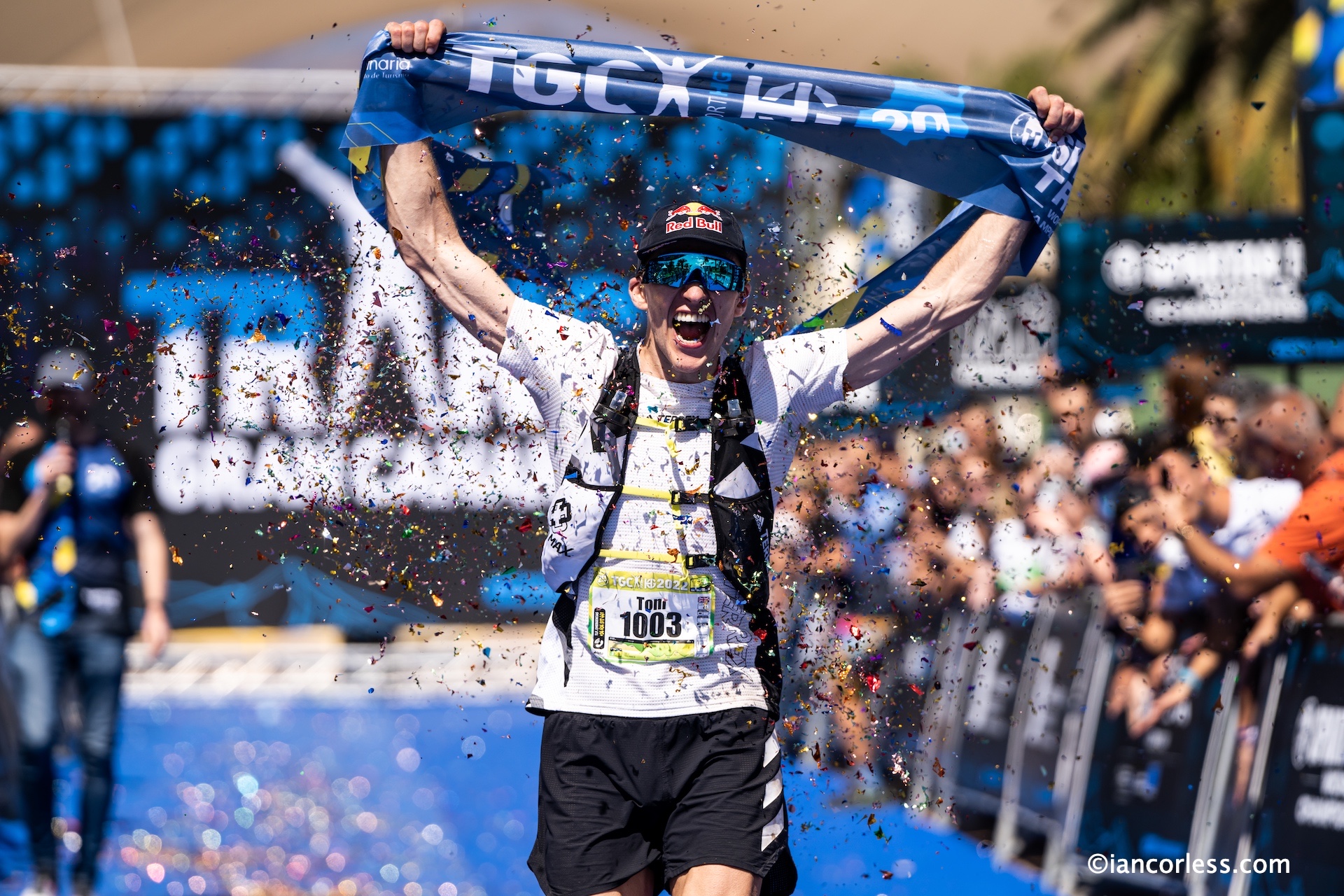
In the Advanced race, Tom Evans had one of those classic stories that you read in many magazines… Plagued by injury, he had some serious operations in 2021, started a long rehabilitation process and then returned to a big race and won! What a story. Aritz Egea pushed the adidas athlete but in the end, Tom was too strong, Aritz finished 10-minutes later. Matthieu Delpeuch finished 3rd.

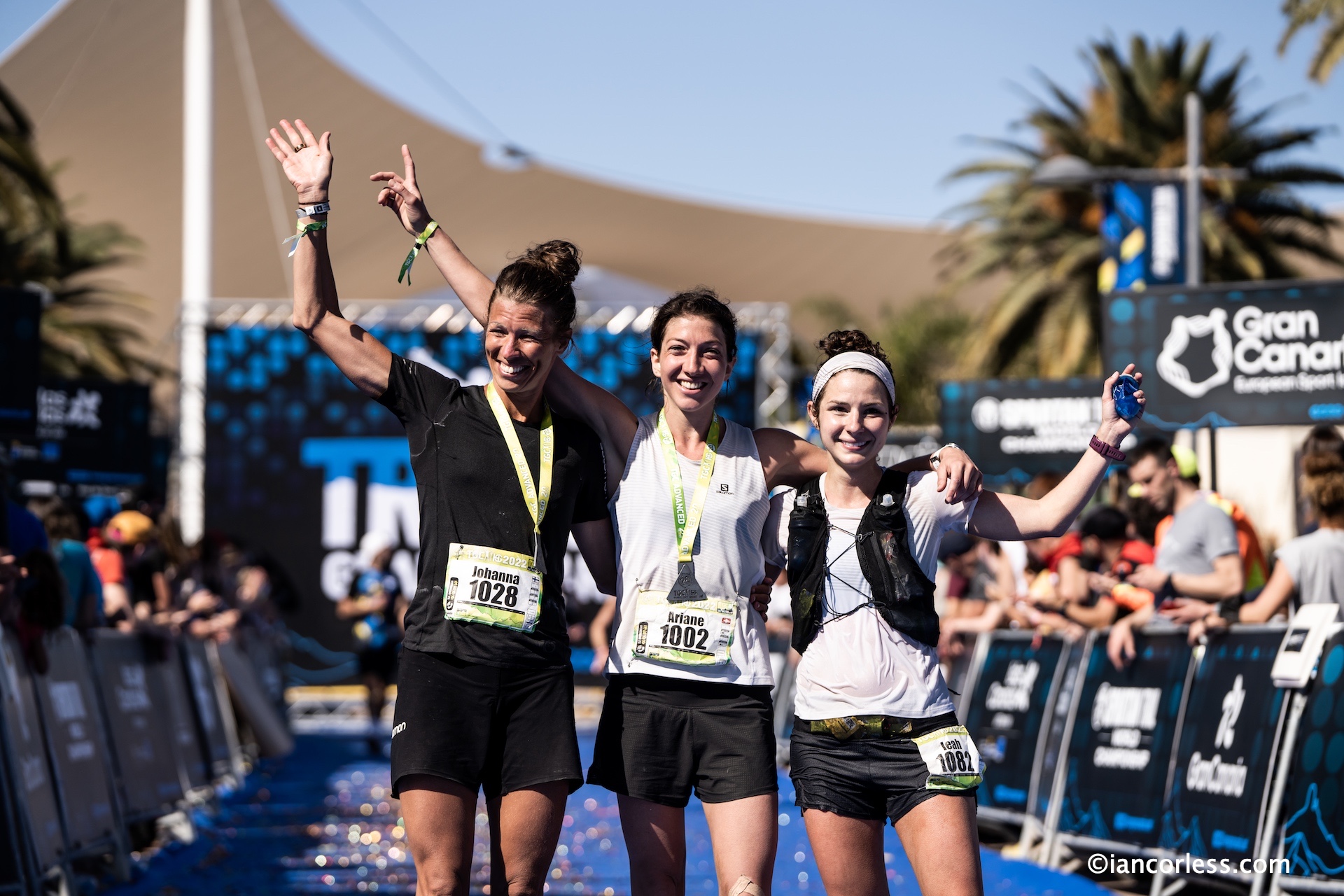
Advanced women’s podium.

Ariana Wilhem finished ahead of Johanna Antila and Leah Yingling for a closely fought female Advanced podium.

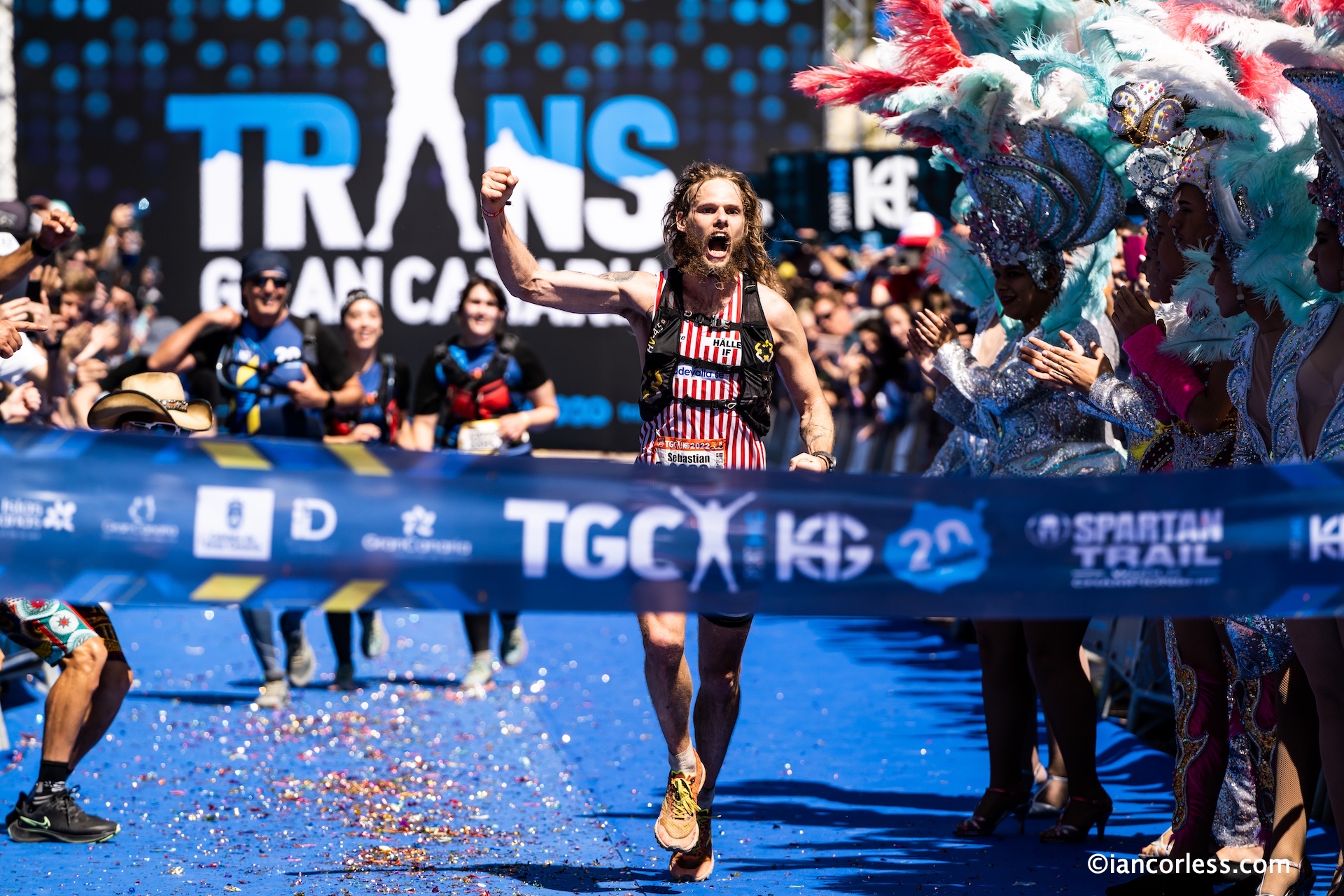
Sebastien Ljungdahl – A surprise win!

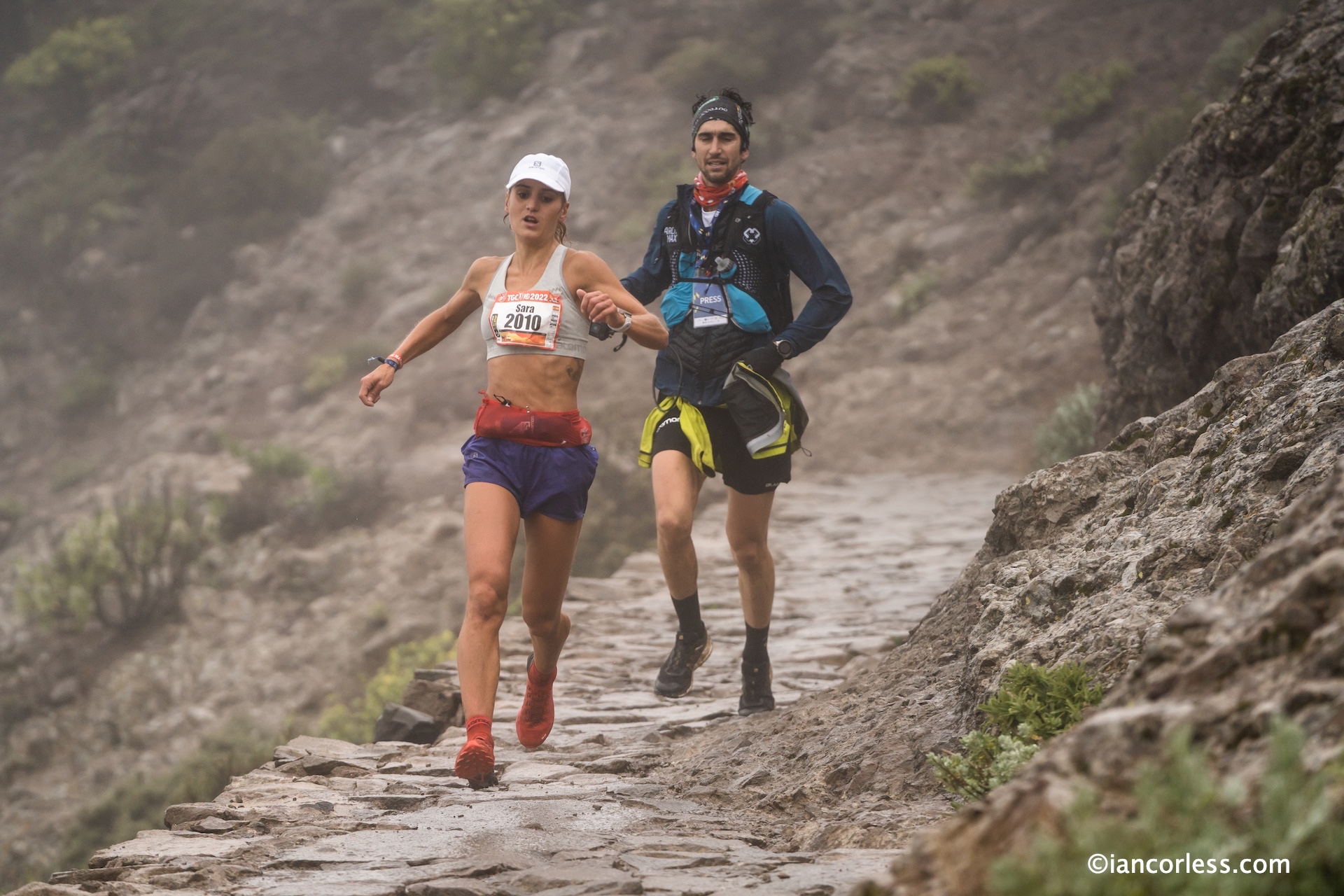
In the marathon, Sebastian Ljungdahl and Sara Alonso ran too incredible and fast performances to take victory. Sara’s performance a course record. Despite the speed, they were close races with Marten Boström and Antonio Martínez completing the men’s podium. For the women, Toni McCann had a great first race in Europe placing 2nd and Anna Comet placed 3rd.

Sara Alonso

Full results listed below.

The Classic and the Marathon races feature in the Spartan Trail World Championships.

IMAGE GALLERIES HERE

Transgrancanaria has distances for every runner, the organization realise that a north-to-south journey is too much for many. Therefore, they offer multiple options: Advanced (62km), Marathon (43km), Starter (26km) or Promo (15km) – all taking place on sections of the full route.VK El Gigante, new for 2022, is a great 1000m climb starting from San Pedro in the Ageate area of the island.

Abelone Lyng

Experienced ultra and mountain runner, Abelone Lyng toed the line of the Advanced race after a full-on week pre-race, exploring the island.

“The weather was wild in the first 30 km with gusts of wind that almost blew me over a couple of times. We had mud and believe it or not, snow! But the last half of the race was cloudless skies and scorching sun. I liked the trail after Roque Nublo, it was steep and technical.”

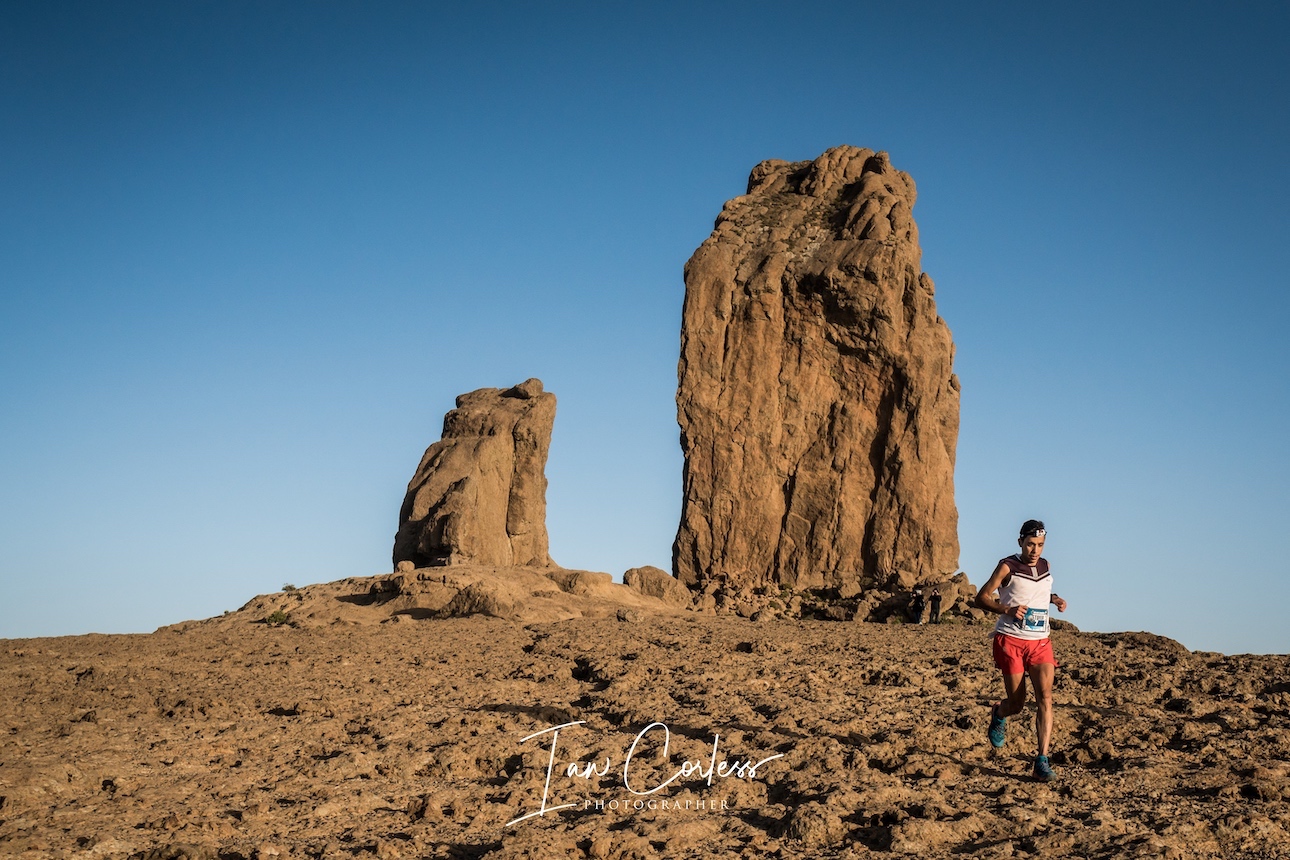
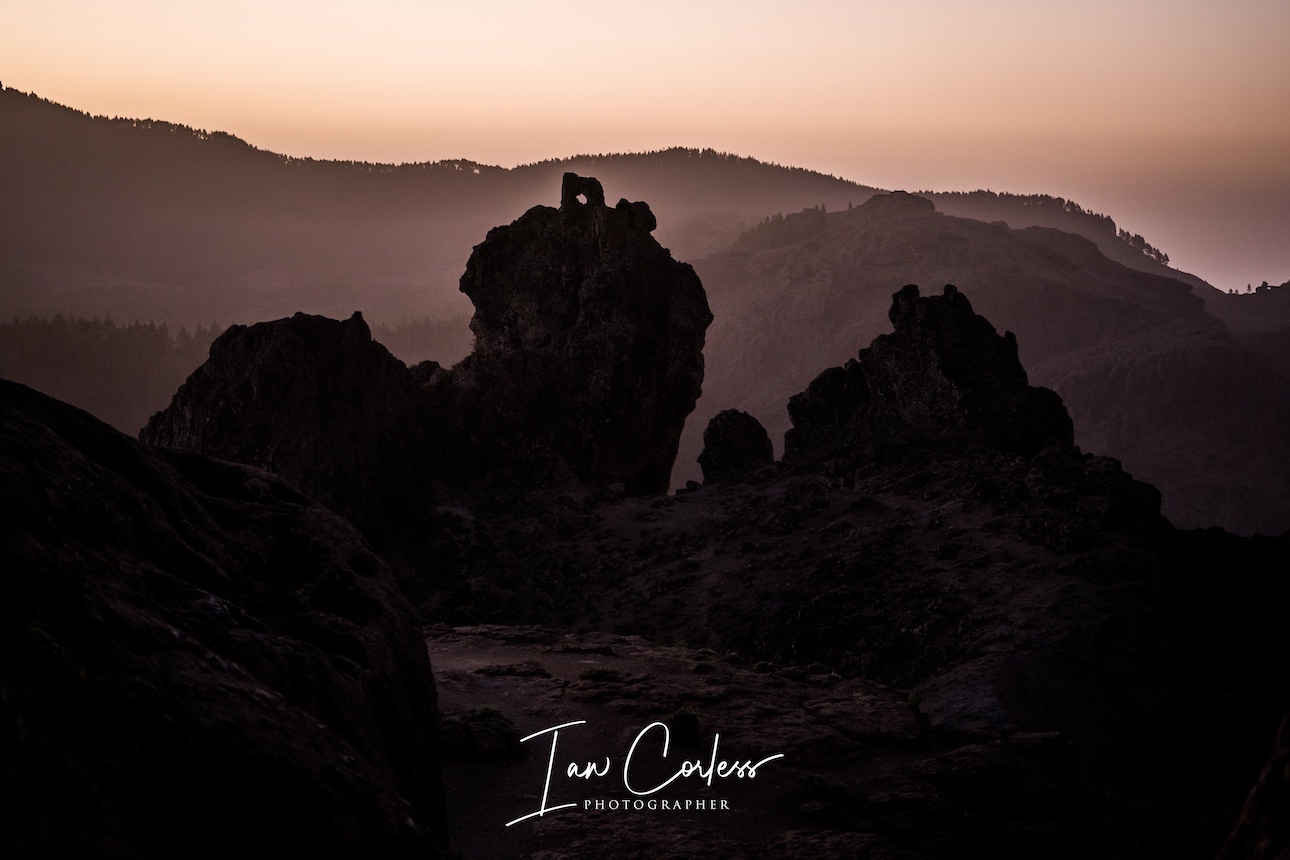
The iconic Roque Nublo – a stunning backdrop.

With stunning beaches, sea, stunning weather, trails and mountains, this island in the Canaries is one of ‘the’ go-to places for racing or training. It’s no coincidence that Transgrancanaria is now in its 21st year – a clear example of why this island is a Mecca for trail and mountain runners. So, what are you going?

Words and Text by Abelone Lyng

CLASIFICACIÓN CLASSIC

Men’s

1. Pablo Villa (SPA). 13:37:30

2. Pau Capell (SPA). 13:58:47

3. Pere Aurell (SPA). 14:12:02

Women’s

1. Ragna Debats (NED). 16:00:14

2. Abby Hall (USA). 16:21:29

3. Claudia Tremps (SPA). 16:45:35

CLASIFICACIÓN ADVANCED

Men’s

1. Tom Evans (GRB). 05:10:39

2. Aritz Egea (SPA). 05:20:25

3. Matthieu Delpeuch (FRA). 05:31:44

Women’s

1. Ariana Wilhem (SUI). 06:06:16

2. Johanna Antila (FIN). 06:10:29

3. Leah Yingling (USA). 06:35:49

CLASIFICACIÓN MARATÓN

Men’s

1. Sebastian Ljungdahl (SUE). 03:02:00

2. Marten Boström (FIN). 03:05:07

3. Antonio Martínez (SPA). 03:08:02

Women’s

1. Sara Alonso (SPA). 03:30:10

2. Toni McCann (ZAF). 03:34:03

3. Anna Comet (SPA). 03:37:26

CLASIFICACIÓN STARTER

Men’s

1. Alberto Vender (ITA). 01:35:51

2. Eduard Hernández (SPA). 01:38:34

3. Damián Ramis (SPA). 01:40:50

Women’s

1. Mélina Grosjean (FRA). 01:57:45

2. Ainara Uribarri (SPA). 02:00:20

3. Georgia Tindley (GRB). 02:04:11

CLASIFICACIÓN PROMO

Men’s

1. Daniel Pattis (ITA). 00:44:31

2. Jürgen Lui (GER). 00:53:38

3. Jorge Álvarez (SPA). 00:54:14

Women’s

1. Sasa Torkar (SLO). 01:07:47

2. Lara Cordero (SPA). 01:08:28

3. Mar González (SPA). 01:08:36

CLASIFICACIÓN YOUTH 

Men’s

1. Mael Allaire (FRA). 00:46:40

2. Saúl Rodríguez (SPA). 00:51:47

3. Aarón Felipe (SPA). 00:53:23

Women’s

1. Noelia Santana (SPA). 01:28:35

CLASIFICACIÓN KV EL GIGANTE

Men’s

1. Chris Richards (GBR). 00:39:05

2. Ricardo Cherta (SPA). 00:41:33

3. Yoann Stuck (FRA). 00:42:48

Women’s

1. Gisela Carrión (SPA). 00:48:50

2. Georgia Tindley (GBR). 00:49:40

3. Mélina Clerc-Grosjean (FRA). 00:53:23 

Follow on:

Instagram – @iancorlessphotography

Twitter – @talkultra

facebook.com/iancorlessphotography

Web – www.iancorless.com
Web – www.iancorlessphotography.com

Image sales –www.iancorless.photoshelter.com

RED-S Syndrome – What Athletes Need to Know

Mimmi Kotka (far left) at the start of the 2020 Transgrancanaria – (c)iancorless.com

Mimmi Kotka broke silence just last week after a string of below par performances and has acknowledged it is time to take a break from sport. In an open and honest post on social media, she clarifies:

“I have been suffering with my body since the end of 2018. I have finally connected the dots between my low immune system, anaemia, fatigue, stomach problems, lack of menstrual period, inability to run fast and my body always running in reserve: it is RED- S, Relative Energy Deficiency in Sport.”

Now for many, RED-S may well be a new term, however, the list of symptoms and problems Mimmi lists are not. In recent years we have witnessed the rise of many a runner, particularly in the ultra-world for them only to slowly disappear.

Caroline Chaverot at Limone Extreme, Italy – (c)iancorless.com

Recently, Caroline Chaverot, a dominant force and some would have said unbeatable in trail running, slowly removed herself from the sport with a string of below expectation performances. In an interview with Damian Hall for IRunFar, Caroline said, “…I want to be better. Everyone else is training a lot, so I will train like them.’ Maybe I did too much? Or maybe too soon? If training becomes like a competition, then you get tired. I probably trained too hard and fast.”

The story of Geoff Roes and his dominance, for a period over the 100-mile distance, who now runs for fun, forever fighting a battle with fatigue. “It seems like I take two steps forward and one step back. I can’t really do what I want physically, I still get pretty fatigued.” said Roes talking with Justin Mock in an article on IRunFar dating back to just April 2020.

To be clear, I am not saying that Caroline or Geoff had RED-S, I am merely pointing out that our sport, the challenges it brings, without close attention can be far more negative than positive. No runner or athlete intends to get RED-S or OTS, quite the contrary. As Mimmi says:

 “I never had the intention to lose weight, nor do I have an eating disorder. I ended up with RED-S by mistake.”

The great thing about trail and ultrarunning is that it is a sport for all. All body types are welcomed and RED-S can happen to anyone at anytime. It can creep up without your realising.

“But a mysterious training condition is suddenly plaguing its ranks, robbing a generation of top athletes of their talents and forcing victims to wonder: Is it possible to love this sport too much?”

Mike Wolfe at The Rut, he is co race director with Mike Foote – (c)iancorless.com

The above is from an article, “Running on Empty” by Meaghen Brown that starts with the story of Mike Wolfe at the 2012 Transvulcania. I was there, I witnessed the day unfold. The article goes on to say:

“The past seven years have seen the rise and decline of at least a dozen elite competitors, including Anna Frost, who won the women’s division of the North Face Endurance Championship in 2011; Anton Krupicka, two-time winner of the Leadville 100; Geoff Roes, who set a new record at the 2010 Western States 100; and Kyle Skaggs, who demolished the Hardrock 100 record in 2008. Each of them reached the pinnacle of the sport only to mysteriously struggle to repeat their best results. Transvulcania was the start of Wolfe’s own precipitous fall.”

Now the context of the above article was OTS, (Overtraining Syndrome,) but the similarities with RED-S are noticeable.

What is RED-S?

Relative energy deficiency in sport, known as `RED-S `is the result of insufficient caloric intake and/or excessive energy expenditure. For Mimmi, it was the latter, excessive energy expenditure. The condition can alter physiological systems such as metabolism, menstrual function, bone health, immunity, protein synthesis, and cardiovascular and psychological health.

For many, RED-S was known as the Female Athlete Triad and is often directly related to not eating appropriately for the amount of energy one extends. This can be a particular problem for the ultra-distance runner. “Furthermore, the RED-S model includes both male and female athletes – so if you are a male athlete, please do not stop reading! Low energy availability can impact male and female exercisers of all levels and of all ages.”

Food restriction is a worrying scenario, both for male and female athletes. A simple analogy is taking a car and restricting the fuel you add to the car. Do not add enough fuel and the car will eventually grind to a halt, the body is no different. While the condition was often thought to be one for female athletes, medical professionals are now seeing similarity in male athletes and the usage of the RED-S term now applies to male and female.

Mimmi continues to write, “I have plunged myself into this condition over the last few years. I have simply put in more and more hours of training without adjusting my calories accordingly, dragging me towards incredible fatigue.”

Mimmi was eating healthy and good quantities, however, the balance was off. Her training volume was too high and calorie intake insufficient. It was not an eating disorder of any sorts, more a miscalculation of energy burnt/ calories in.

Mimmi, was the winner of CCC and TDS and for a period of time, was considered unstoppable. A force to be reckoned with. But as she says, since 2018 she has continually suffered to find the same performance levels. This in turn brings a negative cycle that only perpetuates the problem.

I will train more.

I will lose weight.

Two common scenarios that gradually add more issues and one cannot ignore pressure from peers, fans and sponsors. In the case of Mimmi, she trained more to get better. She had no intention to lose weight.

While eating habits are an indicator of RED-S, the overall picture is much more complex and of course, the differences between male and female are marked.

The BMJ (British Medical Journal) list several key notable factors as an indicator, the first is missed periods or no menstrual cycle. Now of course, this is specific to women, but what other factors should be considered?

Stress Fractures.

Low BMI.

Strange eating habits.

Increase training.

Inability to recover.

The long-term impact if unchecked can be devastating with affects on the health system staying with the body for the rest of the athletes life.

When hormone levels are altered, the impact is potentially far reaching and why it may be common to know and understand that immunity is impacted, recovery, growth, concentration and an impact on endurance, the cardio vascular system can also be impacted which could lead to heart disease.

This is not a condition just for the “elite” of the sport, quite the opposite. We look up to our idols and we copy them. We hear stories of mega training sessions, we hear about fasted runs and we hear stories of specific diets to maintain race weight… A picture builds and is one that many try to copy and emulate. For some and in the case of Mimmi, it was about being fitter, therefore adding more training. But for others, the pressure to be thin is very real and fad diets contribute leaving a myriad of question marks that few find the answer to.

Going back to the car analogy, sports people need energy and that energy comes from food full of nutrients and variety. One should not have a troublesome relationship with food but unfortunately, sport is littered with athletes who do. How often have you heard someone say, “I need to run to earn my calories!” 

This mindset is the start of a potential problem and it needs checking.

As Mimmi says in her honest post:

“…I’ve dragged myself deeper and deeper into this condition during the last years. Just loaded on more training hours, not adjusting my calories accordingly and slugged through incredible fatigue. Being able to ignore the physical body is what makes a good ultra runner but it’s also what brought me down.”

Nutrition specialist, Dr Nicky Keay confirms in an article, “Fundamentally there is a mismatch between food intake (in terms of both energy and micronutrients) and the demand for nutrition required to cover expenditure, both of exercise training and for basic “housekeeping” tasks in the body to maintain health. If there is insufficient energy availability, then the body switches into an energy saving mode. This “go slow” mode has implications for hormone production and metabolic processes, which impacts all systems throughout the body.”

We train to get fitter, faster and stronger. But a complete athlete should look at all aspects to make a perfect picture. Food and nutrition is a key building block and without it there will be an inability to improve as expected in response to training and the risk of injury will increase. It´s a downward spiral we have seen all too often in the sport of ultra-running.

Counting calories rarely has a benefit in the long-term, however, in the short term, keeping a training diary that records food intake v expenditure can be useful. If an athlete consumes fewer than 2500/2000 calories (male/female) after taking energy expenditure in to account, your intake is likely to be inadequate

There are many fad diets out there but find a balance with nutritious food that has plenty of variety. Periodise food intake to coincide with training. For example, there is a time and a place for carbohydrate. Equally protein and fats. Eat fresh, minimally processed foods that include plenty of servings of vegetables and fresh fruit. Try not to avoid certain food groups unless advised otherwise by a medical professional and if vegan or vegetarian make sure you understand how to maximise calories paying attention to Protein, Fat, B12, Iron, Zinc, Calcium, Iodine and D Vitamin. “The No Meat Athlete Cookbook” by Matt Frazier is a great resource for all sports people

Post exercise, make sure you replenish your body with protein and carbohydrate. Protein will help repair lean muscle and carbohydrate will help restore glycogen for the next training session. How much carbohydrate you eat depends on what training you have coming up… This is where the help of a coach and nutritionist will help keep you honest.

Be sensible with training volume, less is sometime more!

To conclude, who is at risk of RED-S?

The reality is, RED-S can occur in any age or level of athlete but the greatest risk comes for those who are involved in sports that require high power. Power to weight ratio is a fickle beast and those most at risk are cyclists, climbers, triathletes, runners – yes, runners!

Ultimately, find a healthy balance between training, nutrition and rest. Go through the warning signs below and be honest with yourself. If in doubt, ease back, eat healthy and seek the advice of professionals who can help get you back on the correct path.

Warning signs:

  1. Fatigue
  2. Illness
  3. Repeated injury
  4. Mood changes
  5. Broken sleep
  6. Below par performances
  7. and of course, an unhealthy relationship with food.


Follow on:

Instagram – @iancorlessphotography

Twitter – @talkultra

facebook.com/iancorlessphotography

Web – www.iancorless.com
Web – www.iancorlessphotography.com

Image sales –www.iancorless.photoshelter.com

References:

Please support this website. I believe everyone deserves to read quality, independent and factual articles – that’s why this website is open to all. Free press has never been so vital. I hope I can keep providing independent articles with your help. Any contribution, however big or small, is so valuable to help finance regular content. Please support me on Patreon HERE.

Follow on:

Instagram – @iancorlessphotography

Twitter – @talkultra

facebook.com/iancorlessphotography

Web – www.iancorless.com
Web – www.iancorlessphotography.com

Image sales –www.iancorless.photoshelter.com

Transgrancanaria 2020 Race Summary

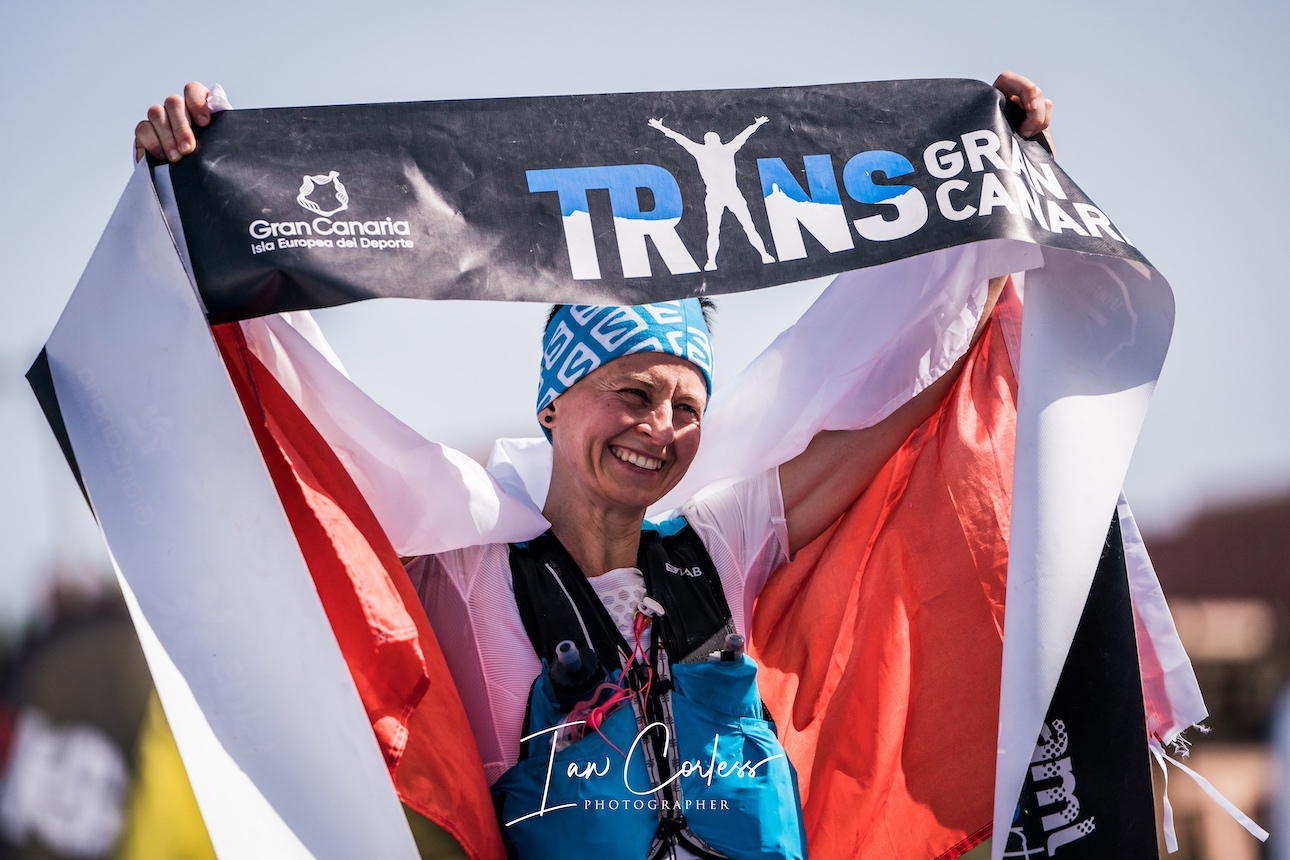
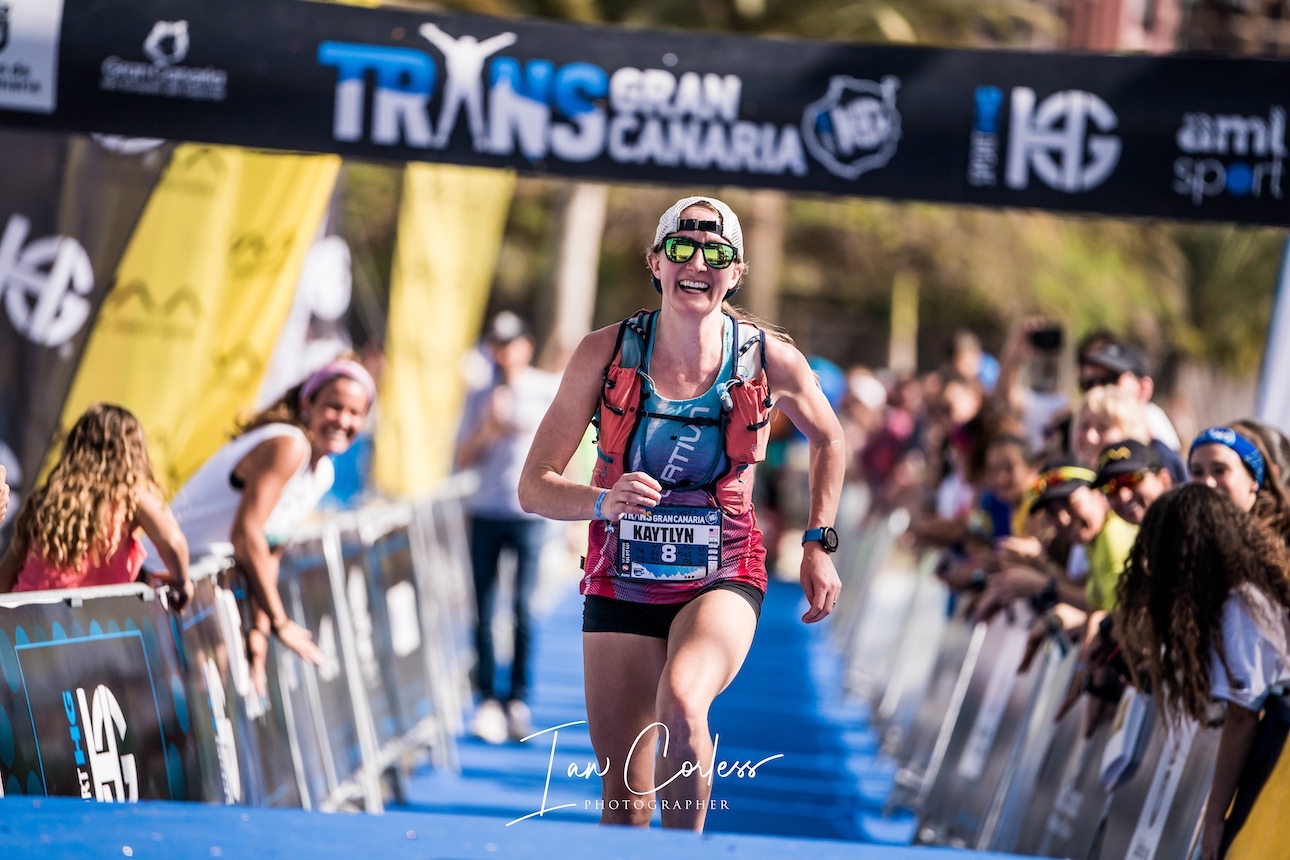
Pau Capell and Pablo Villa won the Transgracanaria HG Classic 2020 after reaching the finish-line in Faro de Maspalomas in the same time of 13:04:10 after an exciting battle of 128km.

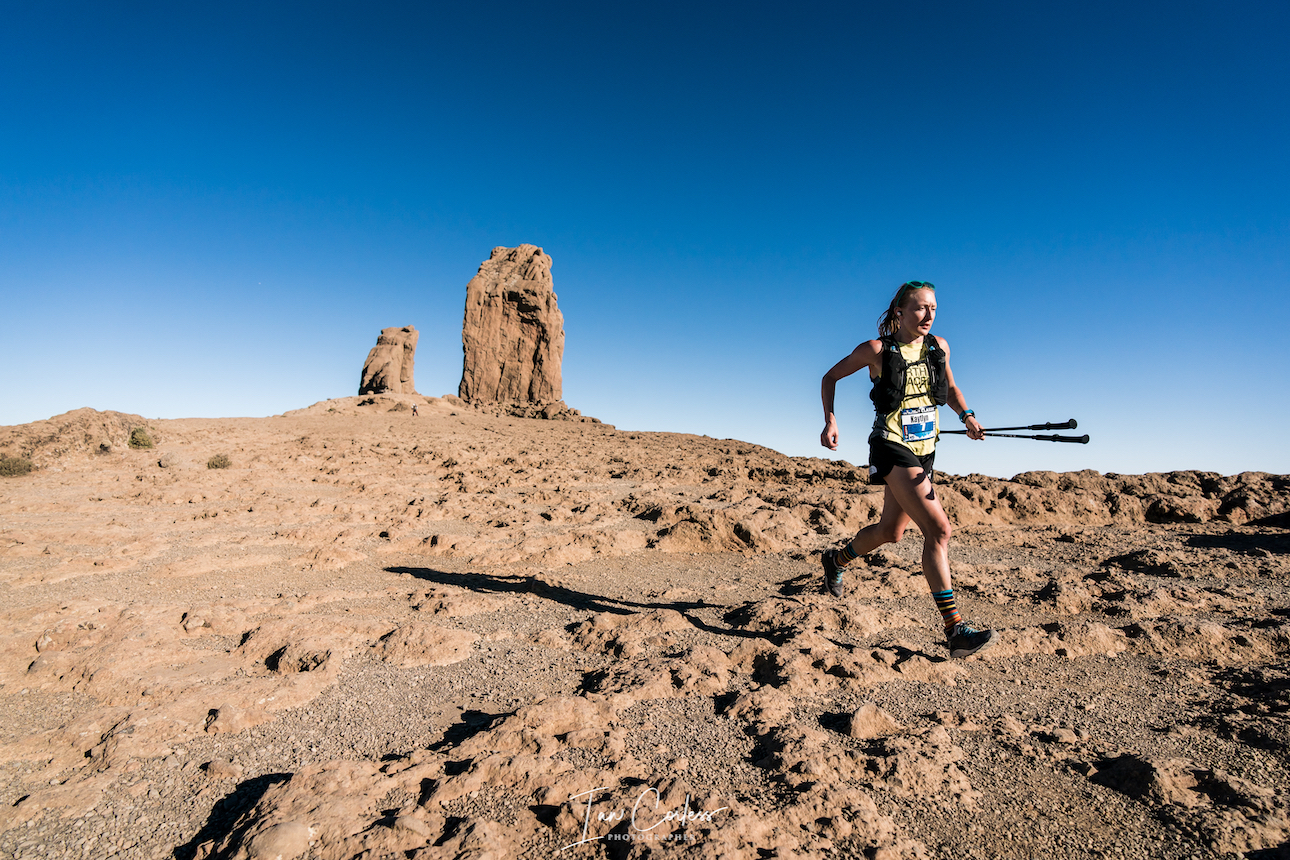
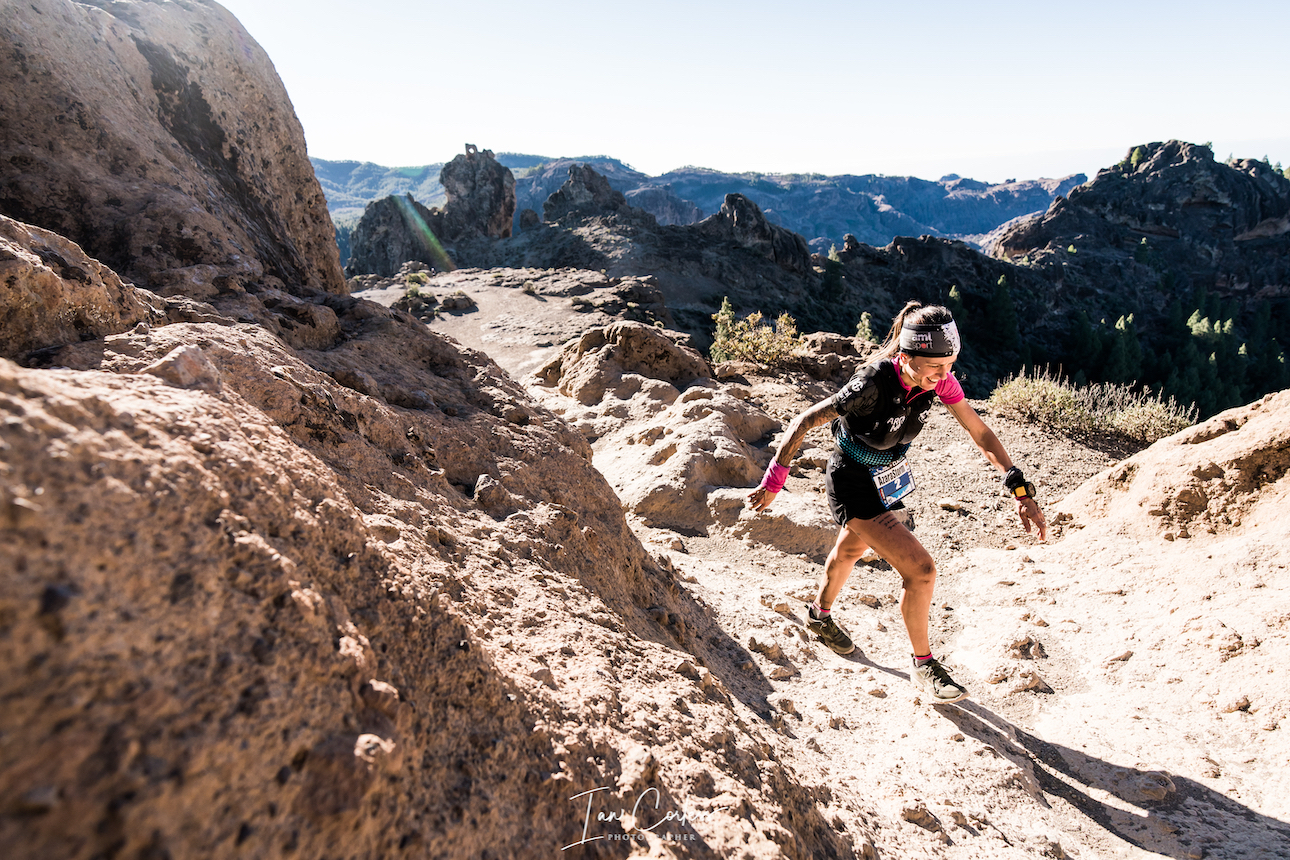
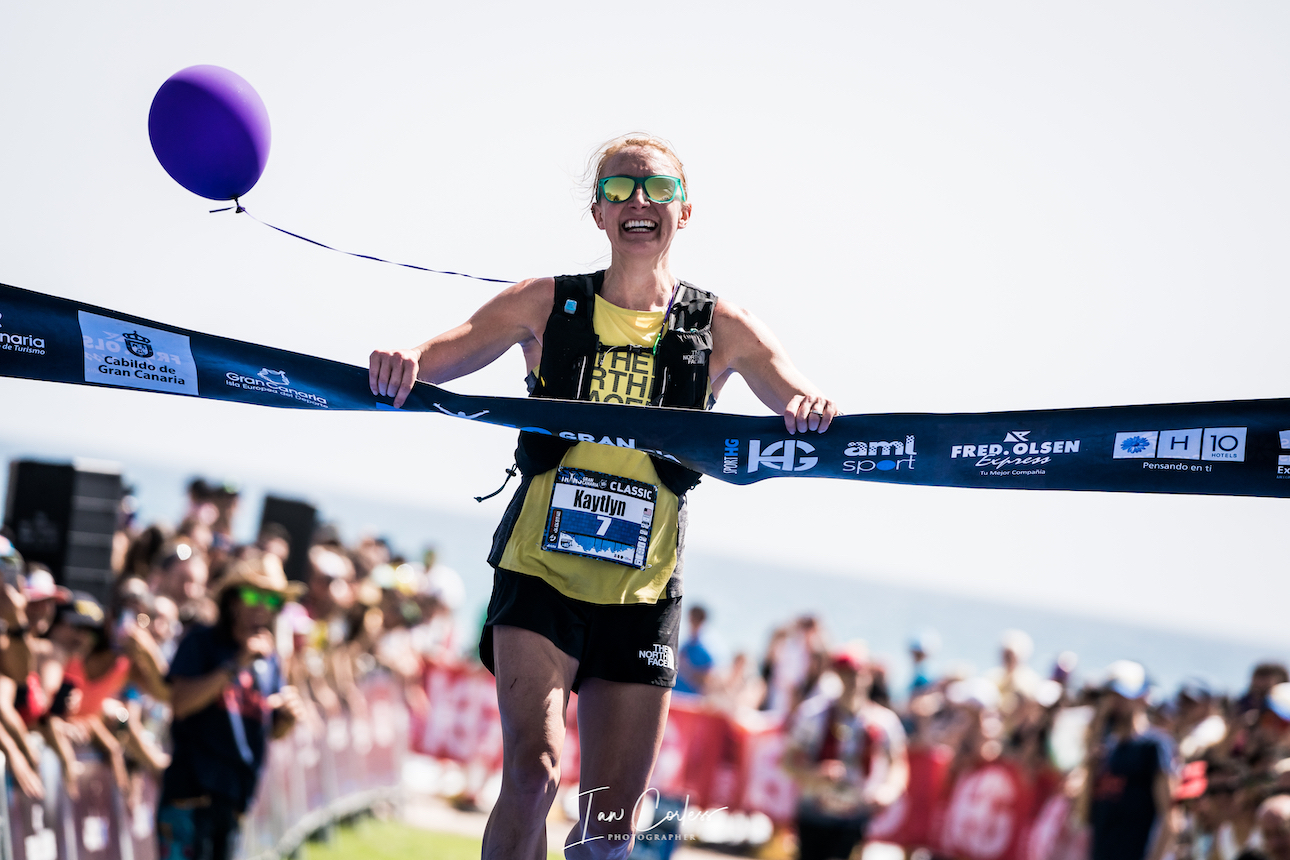
Kaytlyn Gerbin, after placing 2nd in 2019, become the champion in women’s category breaking the course record for travelling from the north to south after starting Las Palmas de Gran Canaria.

Starting at 2300 hrs on Friday March 6th, it soon became clear that an epic night and day of racing lay ahead with Chinese runners, Fuzhao Xiang and Peiquan You leading the way.

However, behind the duo, 2nd in 2019, Kaytlyn Gerbin was running a measured race following past Transgrancanaria winner, Azara Garcia who had taken the race by the horns.

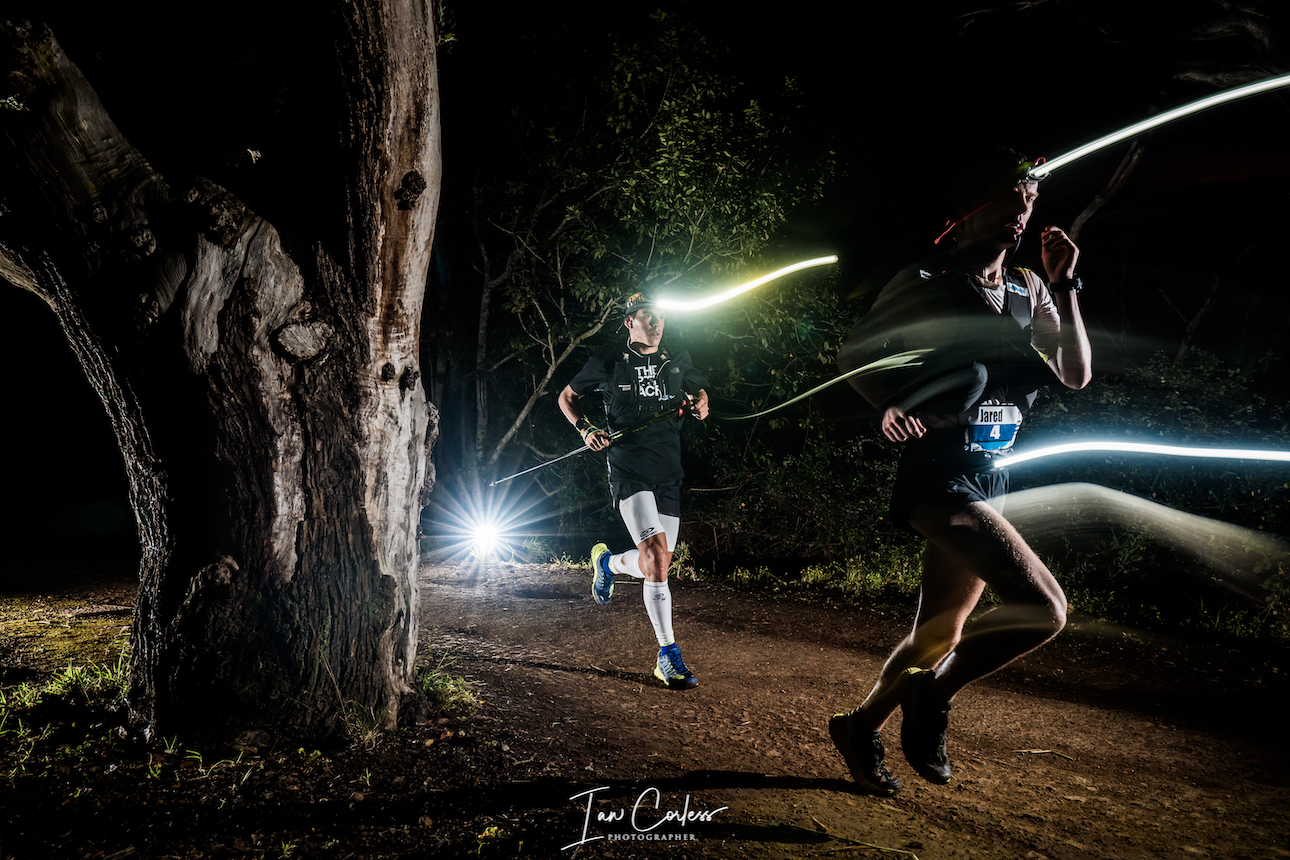
For the men, 2nd at Western States in 2019, Jared Hazen and Pau Capell followed with Pablo Villa not far behind.

Teror was the first marker and it was soon clear that an epic night of racing lay ahead.

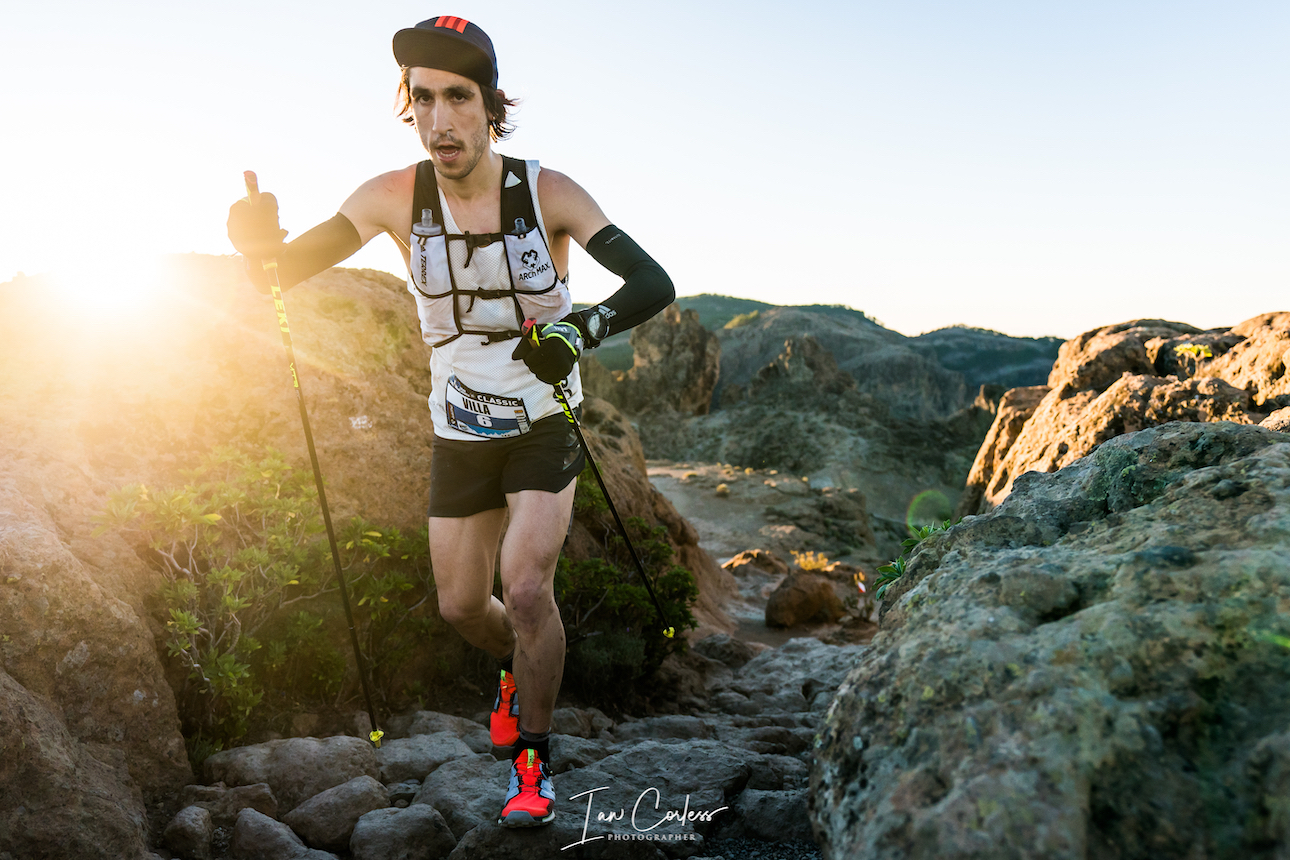
The arrival of dawn at the iconic Roque Nublo was a key indicator of how the 2020 race would play out with Villa arriving ahead of Capell leading by a slender margin. 

For the women, Garcia lead Gerbin but it was clear to see that the writing was on the wall and Gerbin would soon make a more and take the lead. Xiang followed in 3rd.

With a marathon distance to go, anything could happen and while Gerbin took control of the women’s race, Villa and Capell ran side-by-side, each testing the other with attempts to break the other. At 15km to go, the deadlock remained.

“In the race we gave everything and we tried to win…But we could not raise more battle and in the final km’s we agreed to enter together!” – Pablo Villa

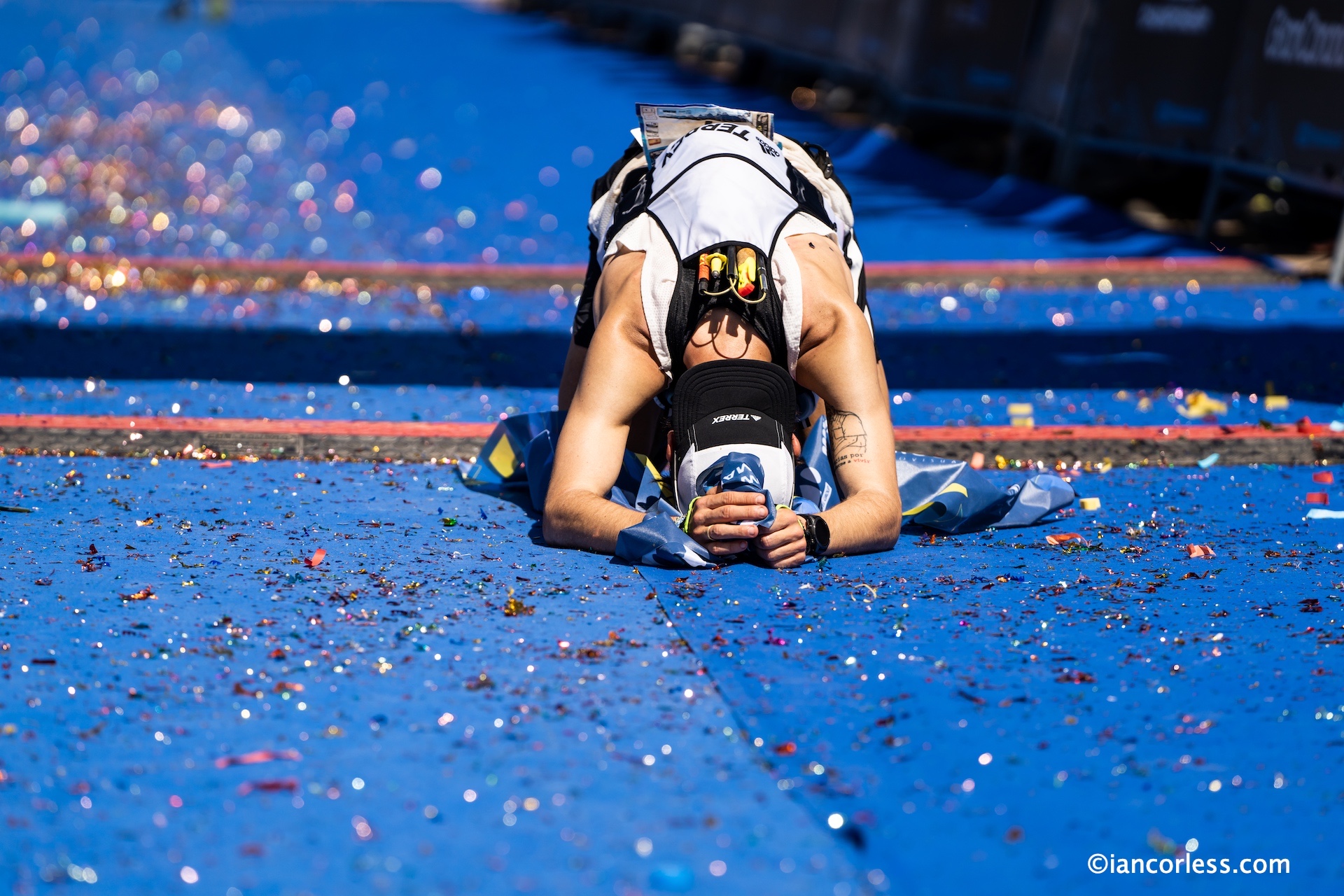
They crossed the line in 13:04, some 20-minutes slower than the 2019 time recored by Capell. Dylan Bowman had a great edition of the race moving up the field to take the final podium place, a great result after a difficult time away from the sport with injury. The UK’s Harry Jones placed 4th.

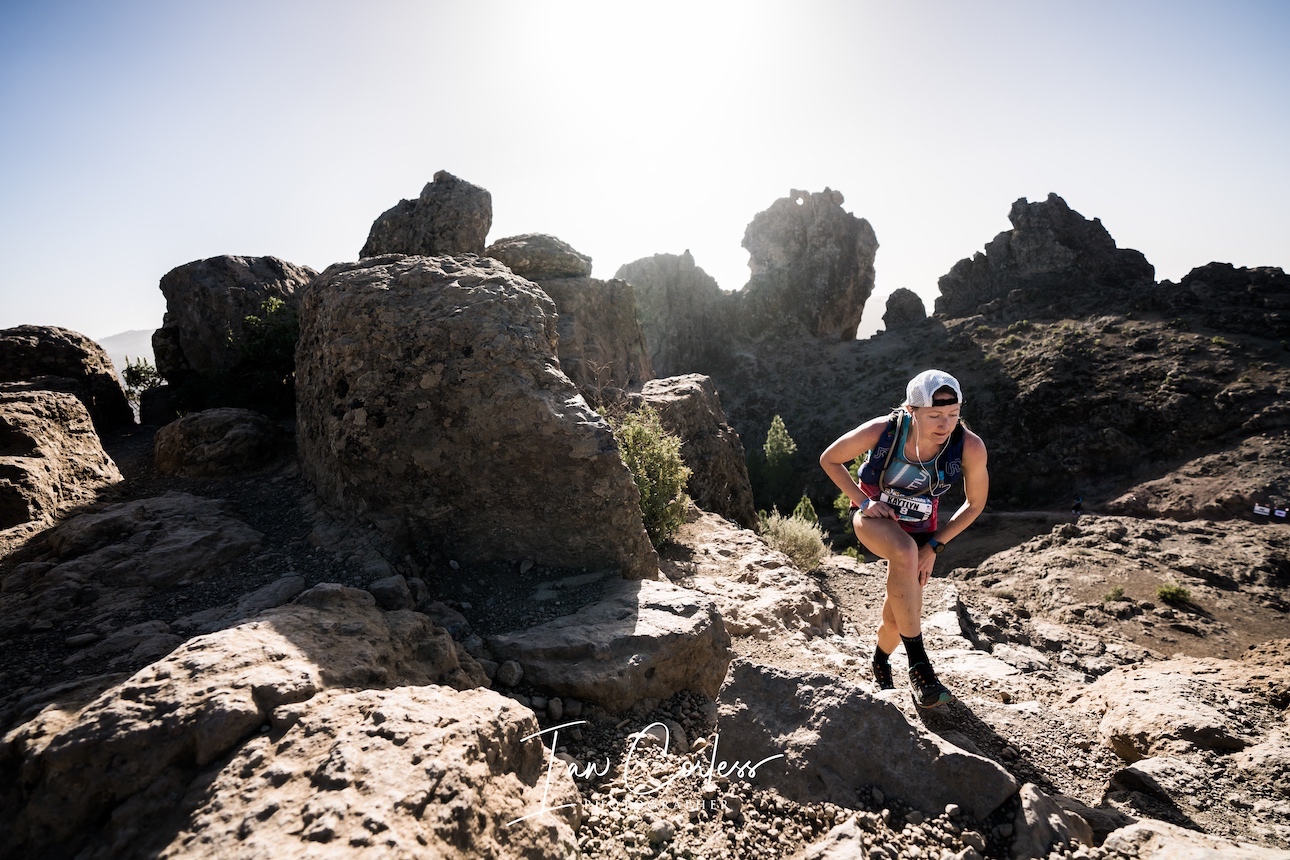
Gerbin moved up one place from 2019 and secured a supreme victory with a course record, a fantastic result especially when one considers she won the 6-day, 230km multi-stage The Coastal Challenge just 3-weeks ago.

Garcia having fought from the front faded in the latter stages of the race and although at one point her 2nd place looked safe, a determined Xiang closed the gap and then passed her creating an epic battle. The Chinese runner was too strong, she finished 2nd ahead of the Spaniard. 

Women

1. Kaytlyn Gerbin. 15:14:39

2. Fuzhao Xiang. 15:25:40

3. Azara García. 15:31:36

Men

1. Pablo Villa. 13:04:10

1. Pau Capell. 13:04:10

3. Dylan Bowman. 13:40:28

Please support this website. I believe everyone deserves to read quality, independent and factual articles – that’s why this website is open to all. Free press has never been so vital. I hope I can keep providing independent articles with your help. Any contribution, however big or small, is so valuable to help finance regular content. Please support me on Patreon HERE.

Follow on:

Instagram – @iancorlessphotography

Twitter – @talkultra

facebook.com/iancorlessphotography

Web – www.iancorless.com
Web – www.iancorlessphotography.com

Image sales –www.iancorless.photoshelter.com

Transgrancanaria 2020 Preview

The 2020 Transgrancanaria gets underway at 2300 hrs this coming Friday. Runners from all over the world will race the length of the island taking in many of the sights and iconic places that make Gran Canaria such a desirable place for a trail running holiday.

The men’s race is headed up by the defending champion (and 2017/2018 champ) and 2019 UTMB champion, Pau Capell. Without doubt, he is the hot favourite for 2020 victory.

The line-up this year is a hot list of talent and Jared Hazen and Pablo Villa are two hot contenders to shake the Pau Capell show. Villa rocketed up the elite rankings in recent years and notably won TDS with a consummate and dominant performance, if he shows this form in Gran Canaria, we will see an epic battle. A recent signing to the adidas Terrex team, we can expect to see Villa a great deal in 2020.

Hazen is a speed merchant and if one looks at the 2019 Western States, we see him squeezed between Jim Walmsley and Tom Evans for 2nd place and a super-fast time that would have normally won the race. He recently placed 5th at Hong Kong 100 which shows good form, the question will be how quickly he can climb and descend?

Dylan Bowman has been a tough time of late, but when on form, he is unstoppable. He excels in the mountains too, he has been 7th at UTMB and 2nd at TDS, if on form, Bowman can rock the Transgrancanaria podium.

Diego Pazos has placed 3rd at Transgrancanaria and a top-5 is a distinct possibility and if all goes well, the podium could beckon him. It would take a remarkable performance for him to win.

Gediminas Grinius has a great history with Transgrancanaria and has placed 2nd. Having run the ‘Grand Slam’ of ultras in 2019 his ability to last the distance is not in question, will he have the speed to push the podium?

Ones to watch:

PEIQUAN YOU, MATHIEU BLANCHARD, HARRY JONES, ROBERT HAJNAL, LUÍS FERNANDES, SANGE SHERPA and I will put my head on the block as a dark horse being, PETER VAN DER ZON.

Elite list here

Kaytlyn Gerbin placed 2nd here last year, placed 6th at Western States and recently (three weeks ago) won The Coastal Challenge in Costa Rica. Without doubt, Gerbin is a favourite here in Gran Canaria. The question mark will come on her recovery post TCC.

Azara Garcia has experience of Gran Canaria, she won in 2017! On her day, is one of the best in the world. As the tattoo on her leg says, she is the storm and she will bring it to the race.

Mimmi Kotka has excelled at 100km or less with victories at CCC and Mont Blanc 90km to name just two. However, above 100km she has struggled to get things right? On paper, she is a favourite for victory in Gran Canaria.

Audrey Tanguy won the 2019 TDS (and the 2018 edition) and that relates to Gran Canaria very well. She is a class act who manages to mix distances, terrain and speed. She is a hot favourite for the 2020 Transgrancanaria title.

Fuzhao Xiang, Kaci Lickteig, Andrea Huser, Nathalie Mauclair and Fernanda Maciel are an incredible force of five who all will impact on the top-10 and if they have good day’s, they will impact on the top-5 and podium.

Ones to watch:

LISA BORZANI, ILDIKO WERMESCHER, LEIRE MARTINEZ HERRERA and CLAIRE BANNWARTH.

Elite list here

Follow on:

Instagram – @iancorlessphotography

Twitter – @talkultra

facebook.com/iancorlessphotography

Web – www.iancorless.com
Web – www.iancorlessphotography.com

Image sales –www.iancorless.photoshelter.com


Episode 178 – Brutal Claire

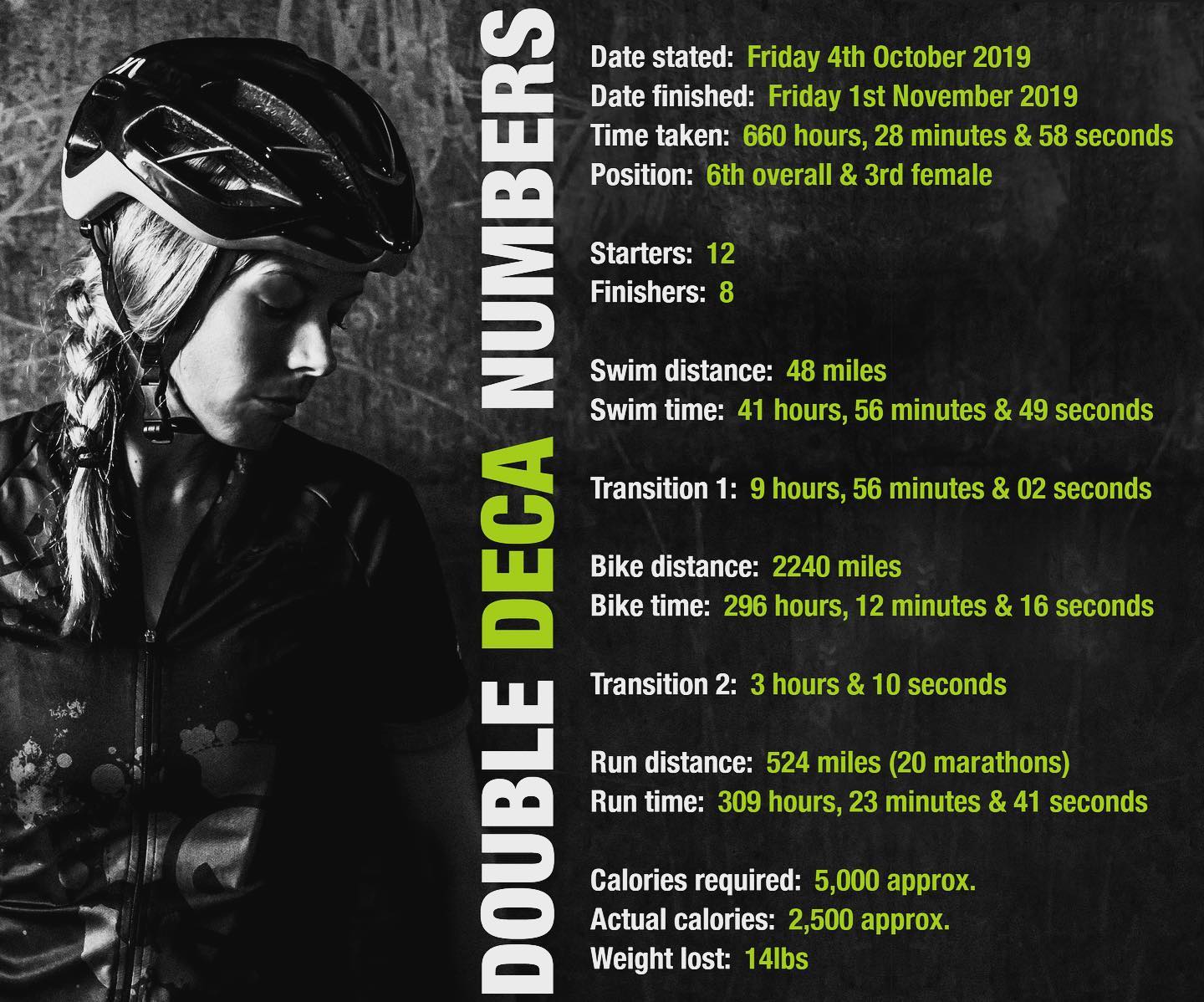
Episode 178 of Talk Ultra brings you an interview with Brutal Claire who recently completed a ‘Double Deca Ironman’ which equates to a 48 mile swim, 2240 mile bike and a 524 mile run.
*****
Talk Ultra is now on Tunein – just another way to make the show available for those who prefer not to use iTunes – HERE  You can download the Tunein APP HERE
Talk Ultra needs your help!
We have set up a Patreon page and we are offering some great benefits for Patrons… you can even join us on the show! This is the easiest way to support Talk Ultra and help us continue to create!
Many thanks to our Patrons who have helped via PATREON
Donate HERE
*****

Brutal Claire – The statistics speak for themselves.

*****
Share us on Facebook – Talk Ultra FB https://www.facebook.com/talkultra/
Tweet us on Twitter – Talk Ultra on Twitter https://twitter.com/Talkultra
And use good old word mouth.
Importantly, go to iTunes and subscribe so that you automatically get our show when it’s released we are also available on Stitcher for iOS, Android and Web Player and now Tunein.
Our web page at www.iancorless.com has all our links and back catalogue.
Please support Talk Ultra by becoming a Patron at www.patreon.com/talkultra and THANKS to all our Patrons who support us. Rand Haley and Simon Darmody get a mention on the show here for ‘Becoming 100k Runners’ with a high-tier Patronage.
Keep running
*****
Stitcher You can listen on iOS HERE, Android HERE or via a web player HERE
Website – talkultra.com
UP & COMING RACES go to https://marathons.ahotu.com

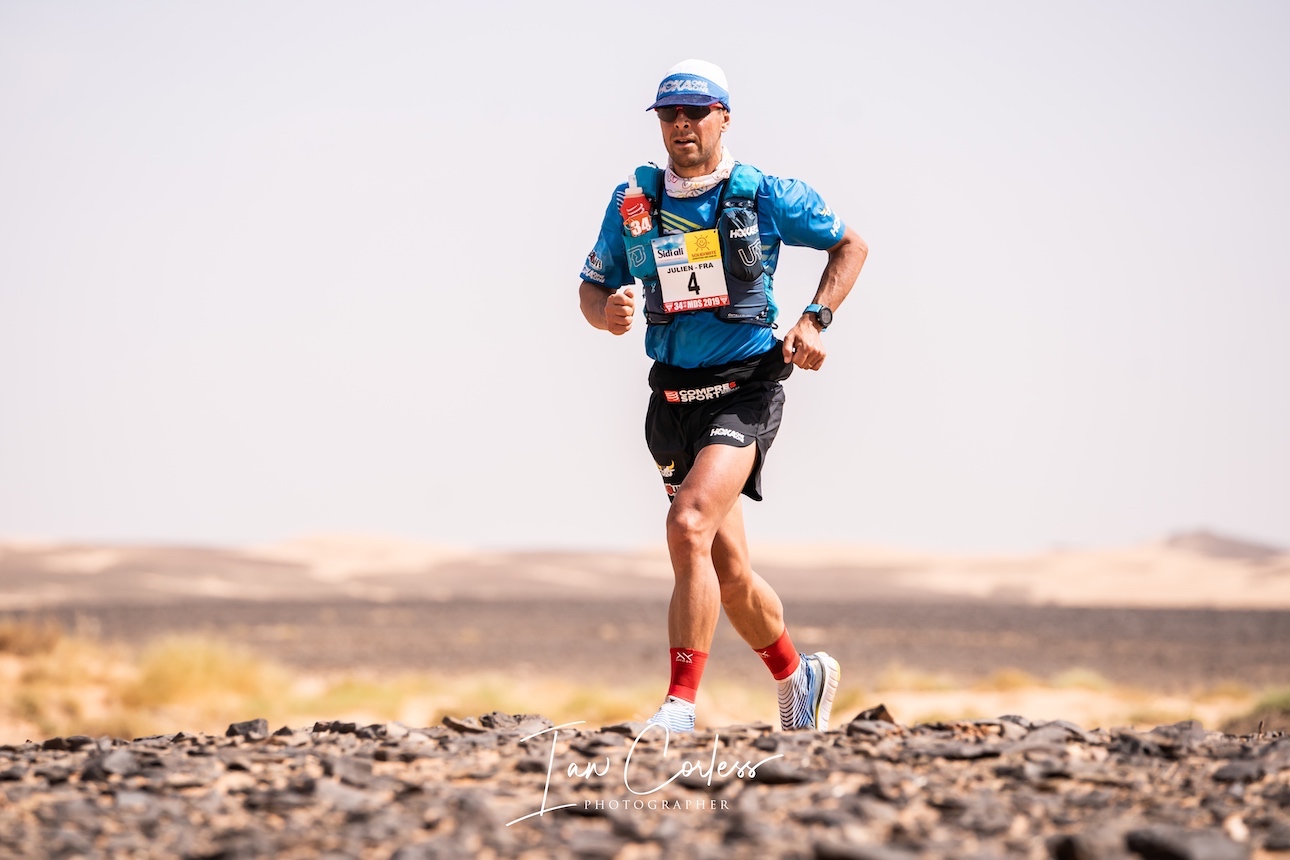
Marathon des Sables 2019 #MDS #MDS2019 – Stage 3 37.1km

It was a warmer night in camp and the winds that had increased during the afternoon made for a comfortable night in bivouac. The tough stage 2 had left a real positive mood in camp, ‘If we can complete day-2, we stand a good chance of completing this MDS!’ seemed to be the general consensus. Many had loved the tough day, embracing the dunes. Others had found it a struggle. It is the MDS, so, it is to be expected. Of course, the day took its toll and for some, the 34th edition of the MDS ended.

Day 3 at 37.1km in comparison to day-2 would be an ‘easy’ day. Little tough terrain with lots of hard packed ground, stones and some soft sand and dunes. It turned out to be a hot day though, maybe the hottest day so far.

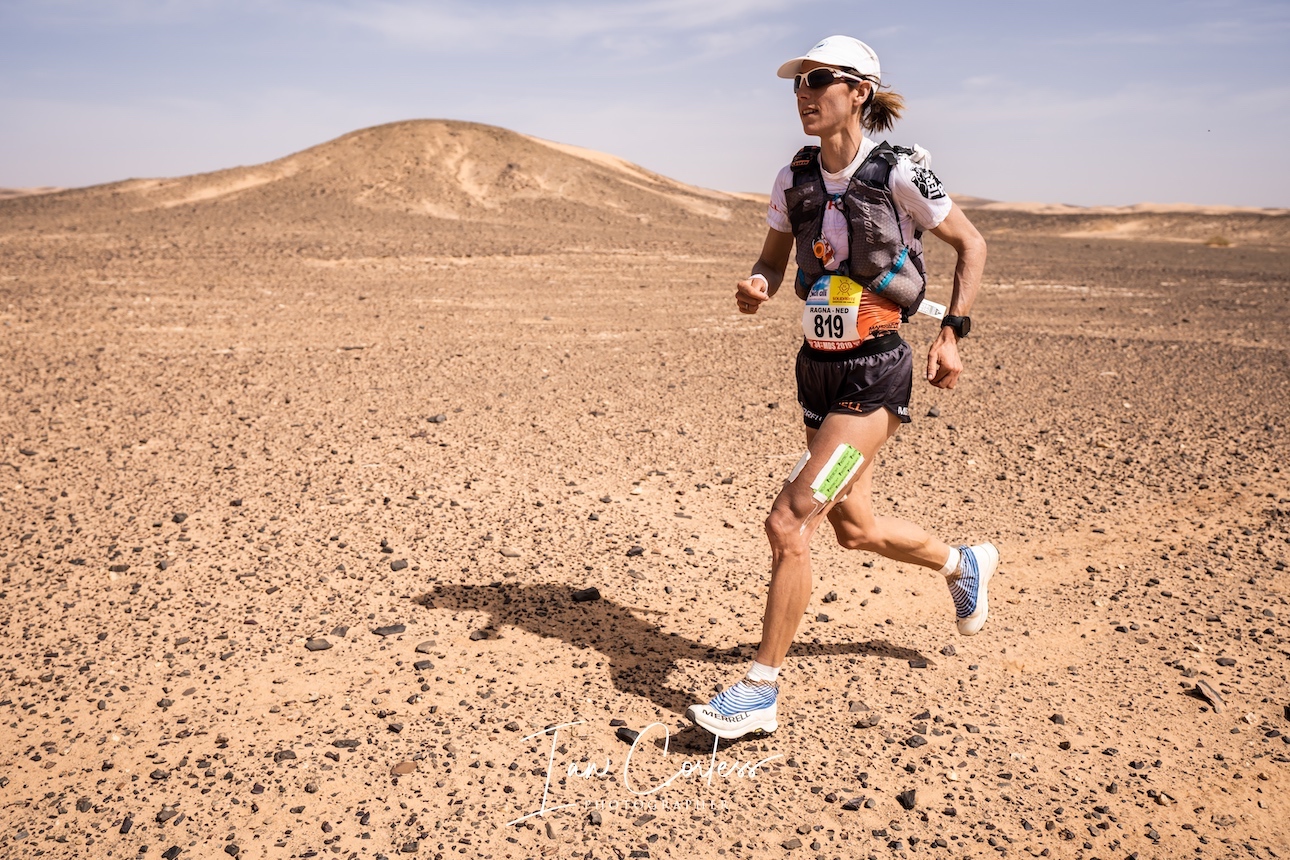
For the first 10km it was hard packed ground and the pace at the front was hard and fast with Rachid El Morabity dictating the the tempo with Julien Chorier – an unusual tactic the MDS champ. Behind a group of 10 followed including lead lady, Ragna Debats.

At 8km. a section of dunes lasted 3km to cp1 and then dunes followed  to 16km. Rachid continued to push the pace and now his brother, Mohamed was closing the gap to join them. For the women, Ragna was in a race on her own, to be honest, she is pushing the men and overall top-10 classification.

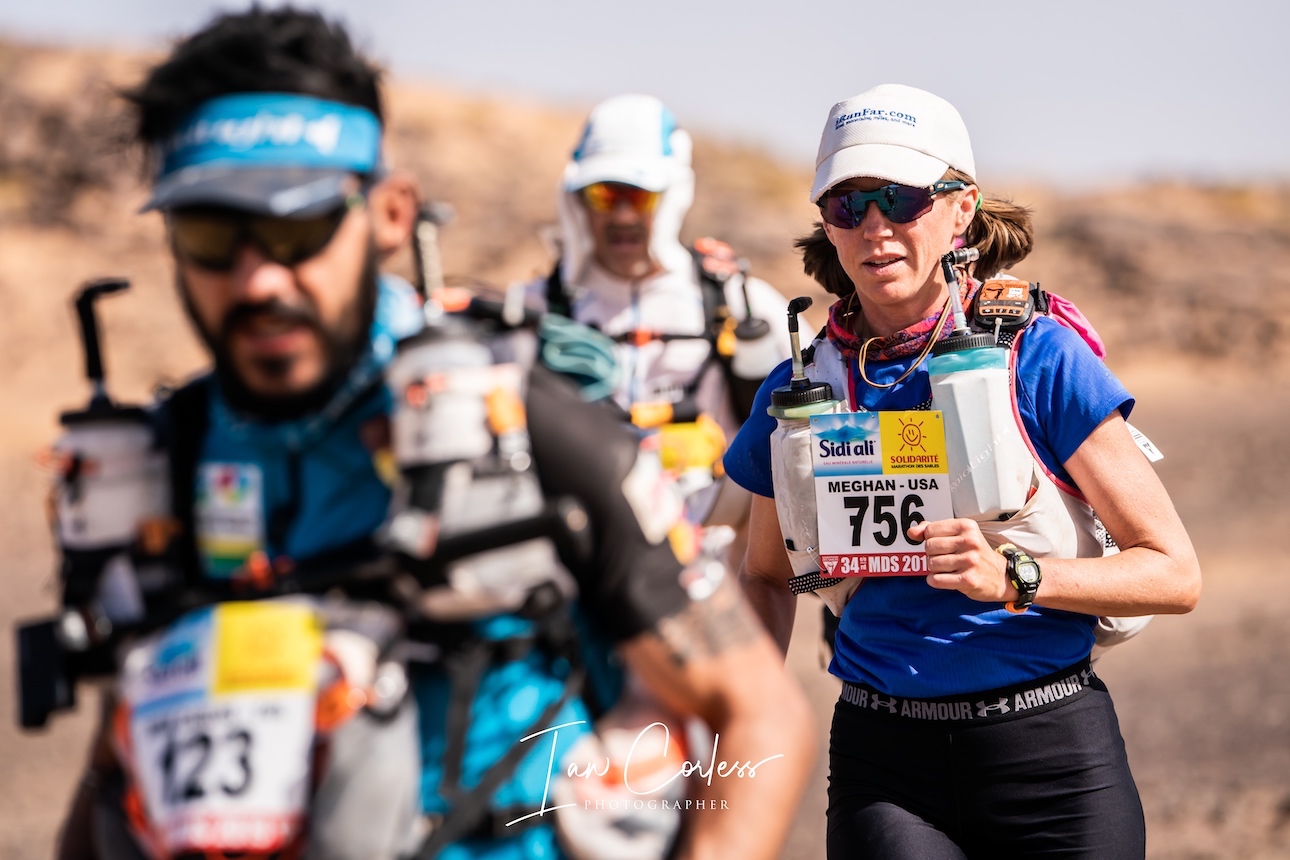
Aziza Raji continued to chase Ragna as in all the previous day’s, but she just does not have the pace. Today, Gemma Game finally found her stride and started to look at home in the desert running ahead of the chasing women that included Meghan Hicks.

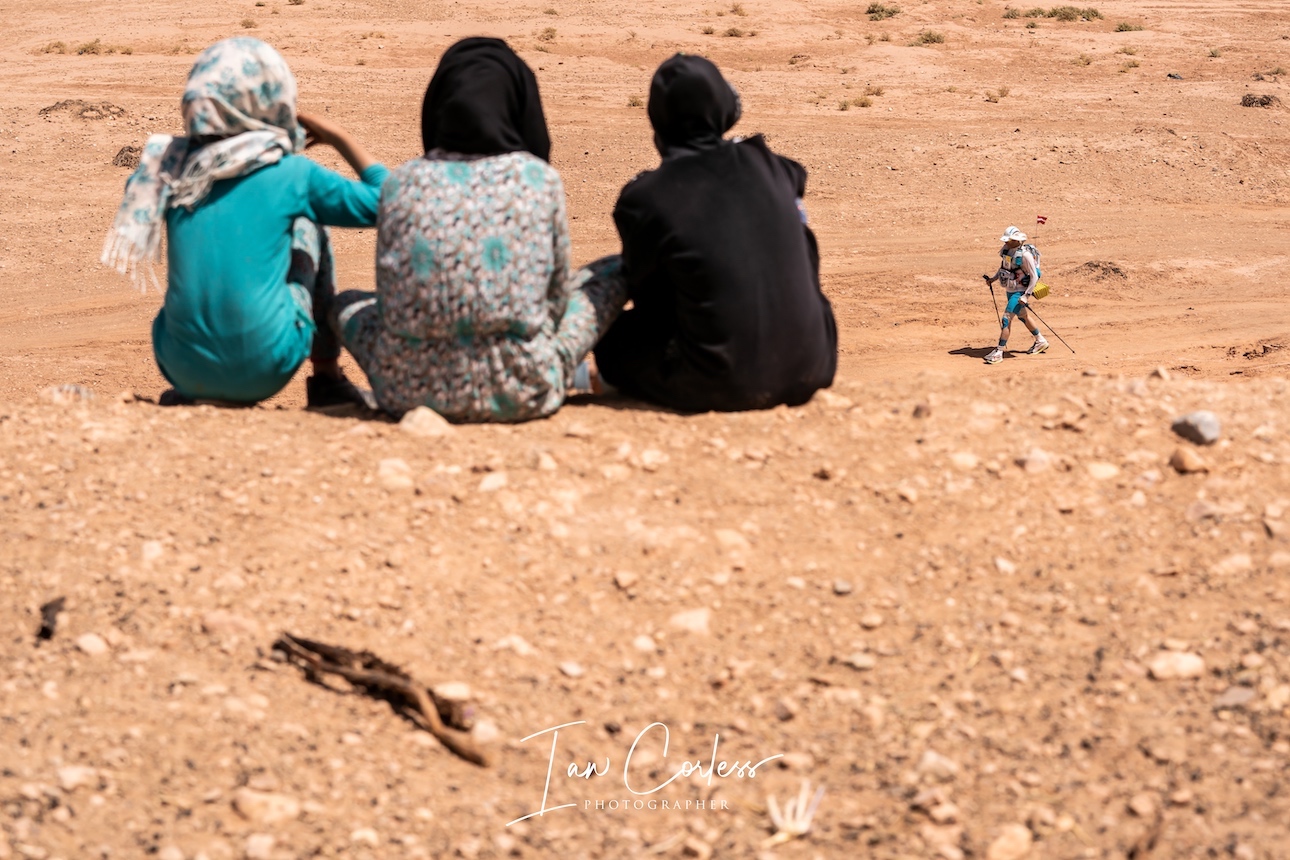
The push from cp2 the finish offered a little of everything in regards to terrain, the heat probably the most troublesome issue. The old village of Taouz provided a stunning and varied backdrop along with the Kfiroun.

As on day-1, Rachid finally put the foot down to gain a slender lead over Mohamed and Abdelaziz Baghazza who finished just seconds apart in 2nd and 3rd.

Ragna once again finished almost 30-minutes ahead of the 2nd women, Aziza, but notably Gemma closed to within a handful of minutes for 3rd.

Tomorrow is the feared long-day! The battle will be very interesting for the 2nd and 3rd women’s podium – can Gemma push ahead of the Moroccan? It would now take a disaster for Ragna to lose this race.

Rachid normally secures his victory on the long-day and one has to assume this will be his plan tomorrow. He will run steady early on and then push making the others follow his relentless pace. The top-3 are close though, anything can happen!

Results

1. Ragna DEBATS 3:35:54
2. Aziza RAJI 4:03:37
3. Gemma GAME 4:11:56

Male:
1. Rachid EL MORABITY 2:58:45
2. Mohamed EL MORABITY 3:00:01
3. Abdelaziz BAGHAZZA 3:00:06

Dog:
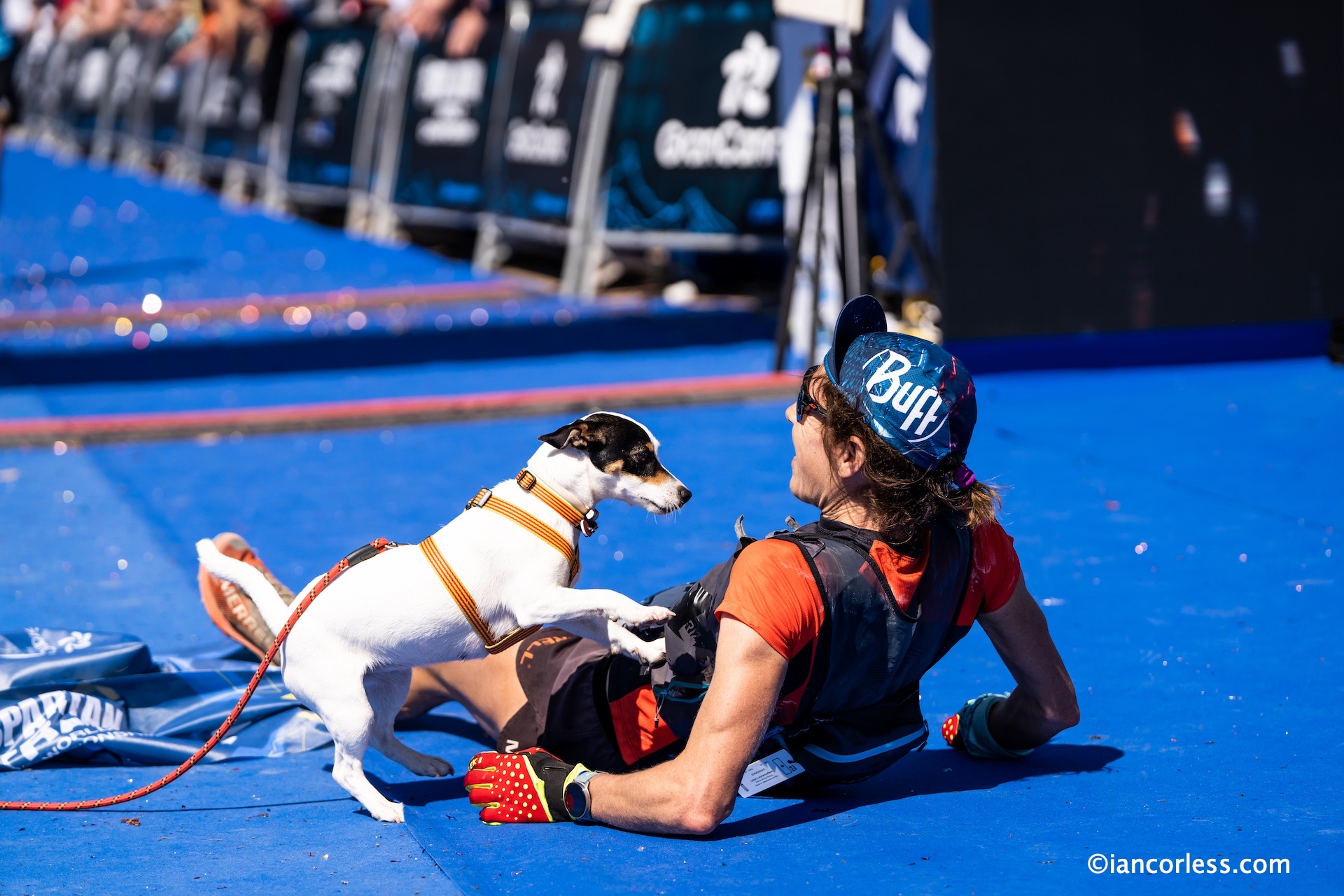
1. Cactus the MDS dog 🐕

Follow on:

Instagram – @iancorlessphotography

Twitter – @talkultra

facebook.com/iancorlessphotography

Web – www.iancorless.com
Web – www.iancorlessphotography.com

Image sales –www.iancorless.photoshelter.com

Pau Capell and Magda Laczak win the 2019 Transgrancanaria 128 km.

Pau Capell and Magda Laczak once again, win the Transgrancanaria 128 km providing the same result as 2018. For Pau it was his third time topping the podium in Gran Canaria.

Only American Hayden Hawks provided Pau with any competition, the duo ran the first stretch of the course matching each other, stride-for- stride all the way to Teror and beyond.

But Hayden could not match the relentless force of the Catalan. Pau extended his lead and just pulled away, not only from Hayden but the rest of the men. Twenty minutes became thirty and thirty minutes became forty. It was a masterclass of long-distance running and at the line, the 12:42:40 did not show on his face – an incredible victory.

Pablo Villa, Spanish champion of the RFEA 2018 and former champion of the Advanced in 2018, was the next to cross the finish line at Expomeloneras in 13:31:37. Canarian runner, Cristofer Clemente, 13:42:54, came in third position making a truly Spanish podium.

Magda Laczak won, once again after topping the podium as in 2018. In the early stages you ran comfortably as Chinese runner, Miao Yao dictated the pace. Miao dropped and Katlyn Gerbin took over the head of the race.

By Roque Nublo though, Magda took over the head of the race. It was no easy run… she was pursued by Kaytlyn Gerbin and Fernanda Maciel and it remained that way all the way to the line.

Magda did it though, she was the first to arrive in 16:22:56 and she stated, “It was such a hard race, at no point could I relax, I was pursued all the time, I had to push and keep pushing!”

Katlyn, 2nd at Western States in 2018, placed 2nd here in Gran Canaria holding off experienced ultra-runner and UTWT ever-present, Fernanda Maciel, their times 16:35:08 and 17:03:33.

As usual, the race ran on into the night as runners tried to achieve their own personal glory before the 0400 cut-off on Sunday 24th February.

High Resolution Image Gallery HERE

Web Resolution Image Gallery HERE

Follow on:

Instagram – @iancorlessphotography

Twitter – @talkultra

facebook.com/iancorlessphotography

Web – www.iancorless.com
Web – www.iancorlessphotography.com

Image sales –www.iancorless.photoshelter.com

Limone Extreme 2018 Race Summary and Images

Race report by Lauri van Houten, ISF

A star-studded final closed the intense 2018 Migu Run Skyrunner® World Series season in Italy, Saturday, October 13 at the Limone Extreme SkyRace®.

The event attracted 979 runners from 37 countries who gathered in the popular tourist resort on Lake Garda for the tenth and final race of the Sky Classic category. Here, the title was awarded along with the prestigious Overall ranking title.

LIMONE EXTREME SKYRACE® WINNERS
In a deeply stacked international field, youngster Davide Magnini not only took the win but crushed the record by almost eight minutes delivering a memorable performance. He covered the challenging and technically demanding 29 km long course with 2,500m vertical climb in 2h59’24”.

I’m really surprised by this result. Before the start, I thought I couldn’t finish the first climb, but I found my pace and my legs worked really well. I stayed focused all the time and beating the record held by a legend like Marco De Gasperi is simply humbling,” said the 21-year old Italian. Second man was Switzerland’s Rémi Bonnet, fresh from yesterday’s Vertical Kilometer® World Champion title at the same venue. Spaniard Oriol Cardana closed the podium.

The women’s race was won again by orienteering world champion Tove Alexandersson from Sweden who raced her first skyrunning race here last year. Known to give it her all, today’s win was no different.

“It was so tough for me today. I’ve had a long season with many orienteering competitions so I finished the season last weekend with seven races in four days. I wasn’t sure to come here because I was so destroyed,” said the winner. “When I started I felt terrible but I was just fighting, fighting all the way. I come from Sweden where there was snow and I’m not used to this heat so it was a fight from the start to the finish but now I’m so satisfied that I did it. I really enjoy these challenges and that’s what I love!”  She didn’t beat her own record but finished in 3h31’36”, just 25” short. Ragna Debats closed second, triumphant with her new Overall title. Third was Spaniard Sheila Avilés.

SKY CLASSIC CHAMPIONS
The Sky Classic category champions were Pascal Egli from Switzerland and Briton Holly Page. Egli commented, “It’s indescribable. I’m super-happy because I thought I might lose it if some people run really strong today, so I really tried to be smart and stay top ten and not to burn out in the end.

Because it is one year ago that my mother died, I thought I would be very weak emotionally, but I managed to hold on, so I dedicate this win to her. I love skyrunning because it’s an amazing community, so international and the most beautiful races!”

For Page, it was a climb to stardom after racing her first skyrunning race here last year.  “It was actually the best start of a race I’ve had of the season. I felt really good on the first climb which is unusual for me and I pushed really hard. After half way I was sick and had to keep stopping so it was more like survival,” said Page. “I came here last year, it was my first sky race and I never thought I’d be here one year later having won the Sky Classic. When I won the first race in China I thought it was amazing but that it would never happen again – and then I won again and again and just tried to stay consistent all season but it’s been very long. I’m looking forward to next year!”

The Sky Classic title was based on the five best results out of ten with an extra 50% bonus pointsawarded here.

OVERALL CHAMPIONS
After winning three races outright, the Catalan king of skyrunning, Kilian Jornet took the Overall champion title, unaffected by his sixth place in today’s race. He said, “This season I was coming back from an injury, so I didn’t have real goals, but I saw I could do the Skyrunning Overall because it was four races, possible with some long and some short races.  Today here in Limone I wanted to give it everything and actually with Petter had a nice 14 km of fighting. It’s good to see these guys coming from all over the world and very young. It was like looking at the next generation.

“After Glen Coe I had some problems, so I wasn’t able to run, just skiing and cycling. Today I came here and thought if I do top six I’ll win the Series even if Petter was first. That was my goal today. I knew he was super strong – he’s an amazing runner and very talented I’m so happy for him. Next season? I haven’t thought about that yet but I’m always in the game!”

Ragna Debats was overjoyed by her title, which she had to fight hard for. “I’m really, really pleased and even more pleased to get the Overall which is what I aimed for as I was second last year. I was a bit worried because this year I didn’t do any really good Sky races as I was training for the longer races. I started the year with a very long race so it was hard to get fast for the shorter races. I’m very pleased that I finally did and said to myself (mainly) that I can hard go hard if I want to!” The words of a true champion.

The Overall ranking took into account a maximum of the best two results in each category, Sky Classic and Sky Extra.

The 2018 Migu Run Skyrunner® World Series awarded an end of season bonus pool amounting to € 66,000 across the Sky Classic, Sky Extra and Overall rankings.

Eighteen races across three continents saw a selection of the best skyrunning events with the best runners, great champions and rising young stars. The 2018 Migu Run Skyrunner® World Series has come to a close and it’s time to look forward to the 2019 calendar.

A big thanks go to all the runners that took part, the teams, the race organisers and to our partners for their support with whom there will always be: Less cloud. More Sky!

Limone Extreme results
Men

  1. Davide Magnini (ITA) – 2h59’24”
  2. Rémi Bonnet (SUI) – 3h0414”
  3. Oriol Cardona Coll (ESP) – 3h06’07”
  4. Petter Engdahl (SWE) – 3h06’49”
  5. Stian Angermund-Vik (NOR) – 3h09’56”

Women

  1. Tove Alexandersson (SWE) – 3h31’36”
  2. Ragna Debats (NED) – 3h40’07”
  3. Sheila Avilés (ESP) – 3h45’28”
  4. Michelle Maier (GER) – 3h48’36
  5. Elisa Desco (ITA) – 3h53’30”

Results

Follow on:

Instagram – @iancorlessphotography

Twitter – @talkultra

facebook.com/iancorlessphotography

Web – www.iancorless.com
Web – www.iancorlessphotography.com
Image sales –www.iancorless.photoshelter.com