Unknown's avatar

About talkultra

Ian is a photographer, writer, reviewer and blogger at iancorless.com. Ian is currently travelling the world capturing stories from some of the most iconic ultras on the planet. Ian is also creative director and host of an ultra running podcast called Talk Ultra. The show is available every 2 weeks 'for free' on iTunes and talkultra.com.

Of Fells and Hills – Salomon Running TV S4 E02

screenshot_492

Check out the new film from The African Attachment and Salomon Running TV – this one is a classic and so great to see the English Lakes, Scotland and some of our legends given the credit and the exposure they deserve.

All content ©salomonrunning and ©theafricanattachment

The term “fell” is an often used Northern England expression for hill or mountain. It is presumed that Shepherds were probably the first ever fell runners with the earliest documented accounts of running in the fells dating back to the 11th Century. By the 19th century organised fell runs began taking place in Cumbria in the United Kingdom. Locals raced each other up and down hills and a sport was born.

In “Of Fells and Hills” we travel with American Writer, Photographer and Trail Runner, Rickey Gates, to the UK to explore and discover the history, culture and legends of the ancient practise of Fell Running.

Listen to an interview with Rickey Gates about his Bob Graham experience with Scott Jurek HERE

Credits:

A PRODUCTION BY THE AFRICAN ATTACHMENT

MUSIC “FINISHES” BY BATALEUR & “I CROSS THIS LAND” BY FINAL MIX ONLINE

VINTAGE VW CAMPER SUPPLIED BY:
http://www.cartyscampers.com
LAKE DISTRICT ACCOMODATION SUPPLIED BY:
Castlerigg Hall Caravan and Camping Park

ARTICLES REPRODUCED WITH THE PERMISSION OF:

MUD SWEAT AND TEARS
http://www.mudsweatandtears.co.uk

THE HERALD AND TIMES GROUP
http://www.heraldscotland.com
THE KESWICK REMINDER:
North Lakeland’s Local Newspaper

THE DAYTONA BEACH NEWS-JOURNAL

THE CUMBERLAND NEWS

RUNNER – A Short Story about a Long Run : Lizzy Hawker

Lizzy Hawker

RUNNER tells a story, it uncovers a journey of the physical, mental and emotional challenges that runners go through at the edge of human endurance. From a school girl running on the streets of London to breaking records on the worlds mountains and toughest races, Lizzy Hawker is an inspiration to anyone who would like to see how far they can go, running or not.
“Lizzy never ceases to enthuse, inspire and amaze! She knows what it truly means to live life to the absolute fullest, step out of your comfort zone and truly test your limits. So much more than a book about running, this memoir is about an enthralling life journey replete with peaks and troughs, highs and lows and many twists and turns. Most importantly, Lizzy reminds all of us to never stop exploring, discovering and challenging ourselves to do more than we think possible.” – Chrissie Wellington MBE

Runner - Lizzy HawkerLizzy Hawker needs no introduction. Often called the Queen of UTMB, her running has inspired many… me included. Her ability to run tough, relentless mountain trail races has also been matched with road running.

100km Women’s World Champion,  five times winner of the UTMB, record holder for the 24-hour and the first woman to stand on the overall winners’ podium at the iconic Spartathlon; Lizzy is a formidable force irrespective of the distance or terrain.

Lizzy’s remarkable spirit was recognised in 2013 when she was awarded National Geographic Adventurer of the Year award for running 320km in the Himalayas from Everest Base Camp to Kathmandu.

RUNNER provides an insight into the mind of one of the most inspiring ladies in the ultra world, Lizzy Hawker.

Order the book HERE

*****

We will have an exclusive interview with Lizzy in the coming weeks so please watch this space.

RUNNER will be published on April 2nd 2015 £12.99 Paperback by Aurum Press

We have two editions to give away as prizes.

Please answer the following question on post your answer on this website:

“How many times has Lizzy won UTMB and what was the fastest time?”

Two winners will be announced after April 18th

Lizzy Hawker website HERE

Aurum Publishing HERE


Pacing Strategy – Marc Laithwaite

Pace

Over the last 4 weeks, we’ve discussed how you can manipulate your diet to enhance fat burning and your endurance performances. This week, we look at the missing piece of the jigsaw, which is training intensity and more importantly, pacing strategy.

The basics of fat metabolism for endurance athletes are simple and based on 2 key factors. First, you can change your diet in some way to enhance fat usage (e.g. riding / running fasted). Next, you can adopt a ride / run strategy (intensity and pacing), which encourages fat usage during training and racing. You can opt to do only one or the other of these things. But in reality, if you couple them both together you’ll have the biggest impact.

We’ve discussed diet, so today we are going to talk about ride and run strategy in terms of pacing and intensity, for running and cycling. So let’s outline some of the basic things, which you may already know and if not, you need to know:

  1. I stressed last week that every session should have a key objective and therefore a key intensity to obtain that objective. The biggest error is people doing ‘hard stuff too easy’ and ‘easy stuff too hard’. Generally they are linked by the fact that if you do the ‘easy stuff too hard’ you’re too knackered the following day to do the ‘hard stuff hard’. As a result, everything tends to fall into a grey, middle area.
  2. The 2 key objectives of the long easy session for ironman competitors or marathon and ultra runners are generally to utilise fat for better fuel economy and to ‘complete the distance’ (time in the saddle or time on feet). If you don’t ride at the correct intensity, you will hit neither of those objectives, due to the following problems:
  3. At lower intensities, total energy expenditure (kcal per hour) is lower and fat usage is higher. This means that only a small amount of energy comes from carbohydrates and your body has the opportunity to practice using fat, which is necessary for the process to become more efficient. OBJECTIVE 1: If you do not run / ride at the correct intensity, you will not develop effective fat burning.
  4. Because riding and running at a higher intensity uses more energy and generates more muscular fatigue, it’s not rocket science that you will have to stop earlier. This is NOT just based on fat / fuel usage, there are other factors at play related to muscle damage and fatigue. As a result, many ironman triathletes or marathon and ultra runners are not reaching target distances and stopping short on long rides or runs. OBJECTIVE 2: If you do not run / ride at the correct intensity, you will not be able to reach your target distances for your training rides and runs.

As outlined above, the 2 key objectives are enhancing fuel use and maximising distance and to achieve both, the intensity must be correct. If you’re using Maffetone as discussed 4 weeks ago, then you’re all set. If you’re not then for most people, the intensity we are discussing is zone 1, which is comfortable conversation pace.

You can use heart rate to monitor your training intensity and cyclists can also use power devices to do the same job. Let’s take heart rate as an example and consider the following scenario as an example:

Tom has a zone 1 cycling heart rate of 118-128 and uses his heart rate monitor when completing all his ironman cycle training. We know that Tom will maximise both his fat usage and can maximise his training distance by holding his heart rate steady within Zone 1.

Avoiding the spikes

One key thing to take into account when riding in Zone 1 is avoiding spikes. If Tom completed his long Sunday ride and reported an average heart rate of 124, it first appears that he has ridden to plan. Unfortunately upon closer inspection, he spent half his time at a heart rate of 148 climbing hills and the other half of his time at 100 rolling down the other side, thereby generating an average of 124. Whilst the AVERAGE looks correct, the TIME IN ZONE was very poor.

Every time you push hard on hills and allow your heart rate to rise out of Zone 1, your metabolism switches from high fat usage to high carbohydrate usage. Not only is there a switch to carbohydrate, you guzzle the fuel as if there’s no marathon to come. I would liken this to driving your car and every time you reach a hill, changing into first gear and flooring the accelerator, for those old enough to remember you can also pull the choke out for good measure.

OBJECTIVE 1: Tom is not practicing fat burning during his ride. Every time he pushes on the hills, fat usage ‘drops out’ and only returns when the body has stabilised a few miles later.

OBJECTIVE 2: Tom is guzzling fuel at such a high rate, he completes 60 miles of his planned 100 mile ride and is pretty knackered so calls it a day. Tom feels that despite the event being 112 miles (plus the marathon to follow), 60 will suffice. Good luck with that one Tom.

Q: Surely if I’m riding harder that’s more beneficial as my fitness will improve?

A: Not really, you’ve failed on both key objectives. If your training is planned correctly, you should be doing other sessions which will include ‘harder riding or running’ to cover that aspect of fitness.

Where does this all this go wrong?

  1. Riding very hilly courses makes it difficult to keep heart rate in zone 1 and it also makes it difficult to ‘flat line’ heart rate, keeping it constant and avoiding spikes. You need to really focus on ‘backing off’ on the climbs and using a heart rate or power meter as a guide.
  2. Riding in a group makes this problem 10 times worse as most cyclists will naturally want to show their counterparts (tends to be relevant for blokes, not women) that they are stronger than anyone else in the group. As a result, Sunday rides can tend to be a short hard interval up each hill, followed by long periods of recovering and spinning at low intensity.

Key points to take away:

  1. Ride to zone and most important, you need to take out the spikes on the hills, to maximise metabolic benefits.
  2. Start easy on your ride. There is a real tendency amongst amateur athletes to ride way too hard in the first hour or two, which results in a huge drop off later in the ride (again, this is more likely in groups). Hold back and soft pedal for the first couple of hours to allow a long aerobic warm up and better energy levels later in the ride.
  3. If you ride with others, your options are to explain the benefits to them and change their mentality, let them go on the hills, change your group or ride alone.
  4. If you are riding more consistently in zone 1, you should make every effort to maximise distance. If you are currently riding 60 miles or running 13 miles in training, by dropping and controlling the heart rate, you should be capable of increasing the distance and progressing closer to 100 for cycling or 20 for running.

– Marc Laithwaite

About Marc:

Sports Science lecturer for 10 years at St Helens HE College.

2004 established The Endurance Coach LTD sports science and coaching business. Worked with British Cycling as physiology support 2008-2008. Previous Triathlon England Regional Academy Head Coach, North West.

In 2006 established Epic Events Management LTD. Now one of the largest event companies in the NW, organising a range of triathlon, swimming and cycling events. EPIC EVENTS also encompasses Montane Trail 26 and Petzl Night Runner events.

In 2010 established Montane Lakeland 50 & 100 LTD. This has now become the UKs leading ultra distance trail running event.

In 2010 established The Endurance Store triathlon, trail running and open water swimming store. Based in Appley Bridge, Wigan, we are the North West’s community store, organising and supporting local athletes and local events.

Check out the endurance store HERE

Endurance Store Logo

Marathon des Sables 2015 (30th Edition) – RACE PREVIEW

©iancorless.com.IMG_4307MDS2014

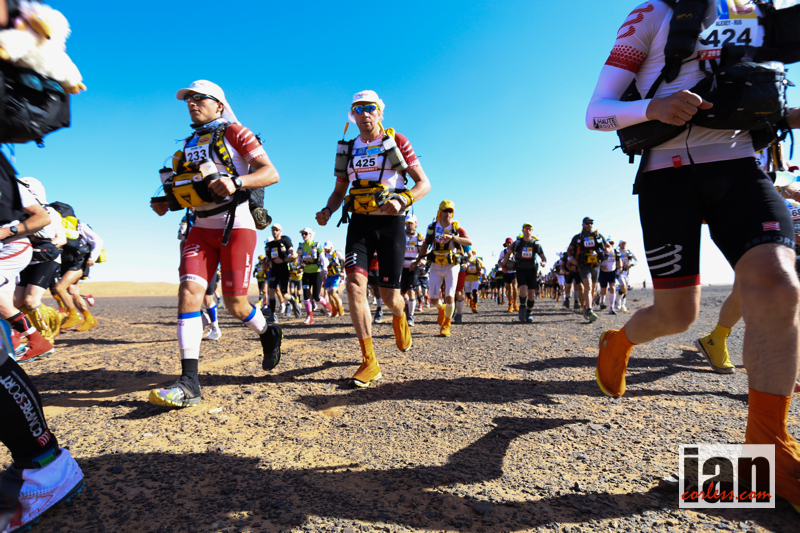
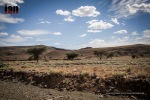
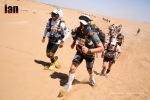
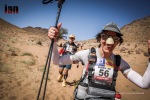
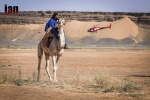
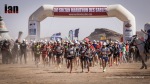
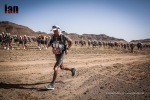
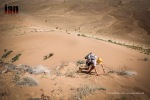
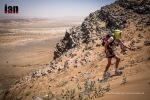
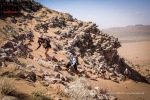
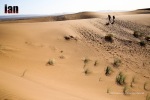
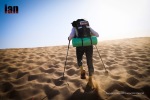
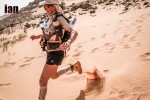
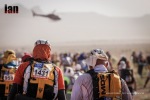
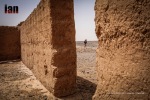
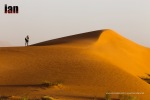
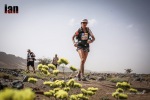
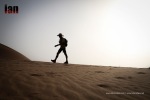
MDS, Marathon des Sables, The Toughest Race in the World… whatever you want to call it, the 30th edition is just around the corner. Think about it, 30-years. It’s quite incredible how this race has grown and has become ‘the’ multiday race to do irrespective of experience. It was the first and arguably is still the best offering an ultimate adventure for novice and experienced runner.

Many a runner has started a passion for running at MDS and as such; the race will always be an important landmark for many. But it’s more than a race. It’s an experience, it’s escape and it’s a challenge.

©iancorless.com.IMG_9980MDS2014

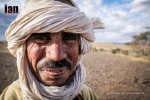
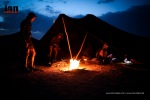
The combination of self-sufficiency, life in bivouac and running 250-km’s through the heat of the Sahara is something that those that have experienced it will never forget. It is the story of life, a story of men and women who have come to the heart of the desert to rid themselves of the superficial to keep only the essentials and get in touch with their true selves.

For the past three decades, some 18,000 runners have signed up for this experience, so, with the imminent running of the 2015 edition, it’s fair to say that race will see a great number of participants returning to ‘celebrate’ a very important birthday.

©iancorless.com.IMG_9544MDS2014

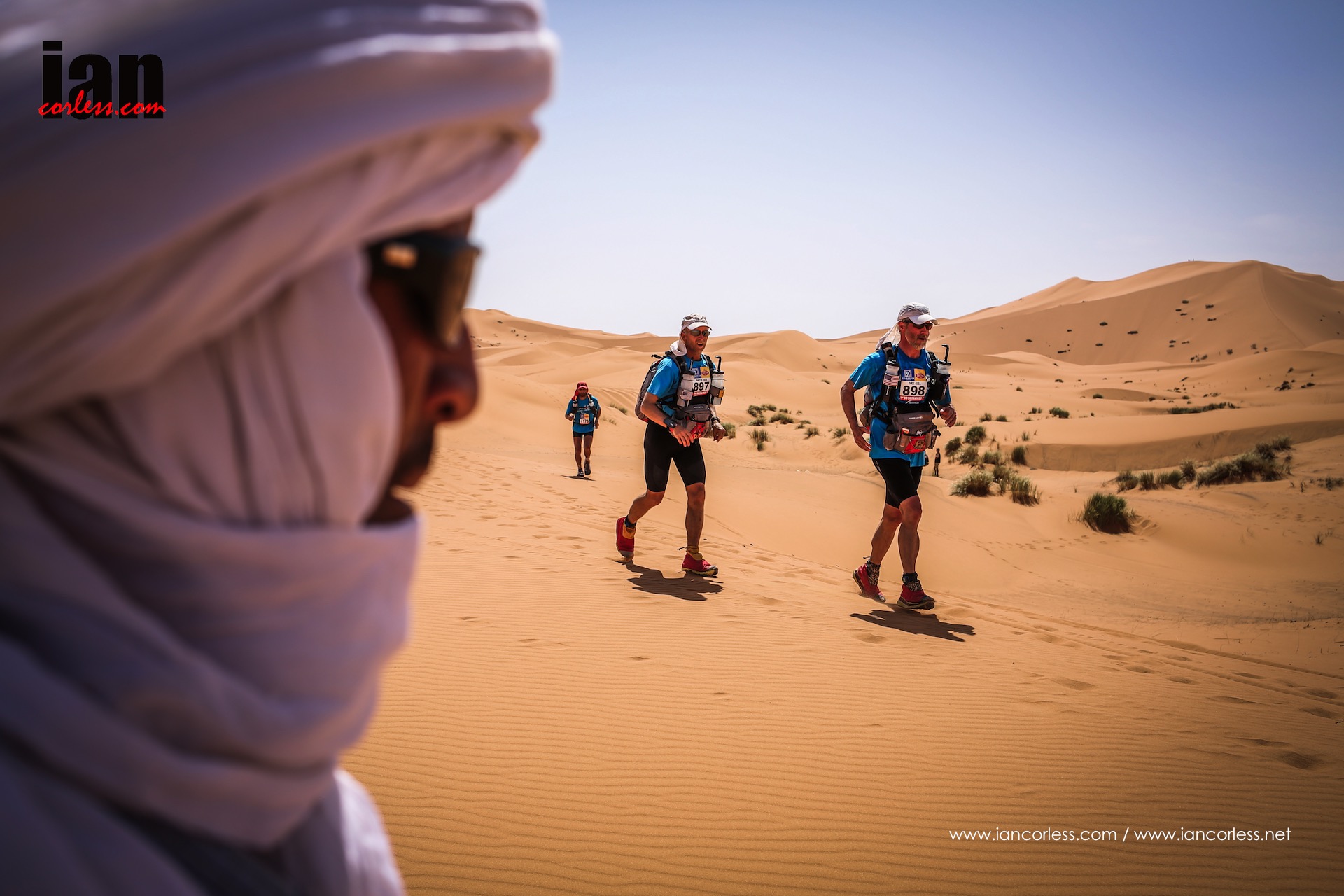
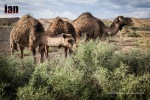
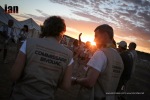
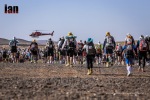
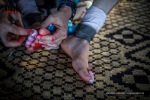
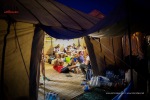
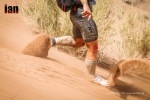
Lasting six days participants must be self-sufficient carrying everything they need in a pack. Water is provided but rationed and a tent (bivouac) is provided each evening that must be shared with seven other participants.

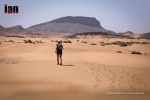
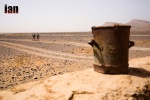
The 2015 edition of the race will be 250-km’s offering a series of challenges that will test the mind and body in equal measure. Dunes, djebels, ergs and dried-up lakes offer a stunning backdrop that must be traversed. Battling against sand, heat and above all the mind completing the 30th edition of the Marathon des Sables will be a dream come true for those who toe the line.

©iancorless.com.IMG_3173MDS2014

THE ROUTE for 2015

Stage 1 – Sunday 5th April

Here we have a very uneven playing field and a sufficient number of kilometers to make their presence felt. Competitors will have to run, avoid the obstacles and climb the surrounding uphill sections. The first dunes are between CP1 and CP2. It is fair to say that day-1 of the 30th MARATHON DES SABLES will be a long one.

Stage 2 – Monday 6th April

Those who imagine the desert to be flat are in for a surprise. Three steep little climbs form this second leg, with gradients reaching 30%… A new kind of roller-coaster ride which will open up landscapes that will be a sight to behold.

Stage 3 – Tuesday 7th April

Sand will be omnipresent today with some stony sections and some dried-up lakes. There will be a little something for everyone with some uphill sections here and there.

Stage 4 – Wednesday 8 / Thursday 9 April

A tough initial climb will hurt the legs, especially as it’s going to be a long day. Indeed this particular day will be the longest leg in the history of the MDS. And if that wasn’t enough, a climb of nearly a kilometer up a djebel awaits. At the summit runners will have 360° panoramic views. As for the descent, well it’s steep! After that, runners then traverse dunes, dried-up lakes and more dunes!

Stage 5 – Friday 10 April

Today’s route has a mixture of terrain that are hallmarks of the MDS, it’s a classic day!

Stage 6 -Saturday 11 April – SOLIDARITY UNICEF legs

For the majority of the participants, this leg is
a time for reflecting on the experience of this fine human adventure and is a united show of awareness before returning to civilization.

RUNNERS TO WATCH

©iancorless.com_Transgrancanaria15-6213

Antoine Guillon was second three times, third once and fourth three times in the Diagonale des Fous in addition, he is always well placed in the UTMB. Offered a place by the UTWT, Antoine will try his luck in the 30th MDS for the first time. Antoine just placed 3rd at Transgrancanaria, so his form is good. Can he recover in time?

©iancorless.com.IMG_2599MDS2014

Christophe Le Saux never seazes to amaze me with his relentless racing calendar, he was 10th in 2014, 9th in 2013, 6th in 2012.

©iancorless.com.IMG_8126MDS2014

Carlos Sà is a regular at MDS and has a wealth of talent and experience to excel. He was 4th last year’s, 7th in 2013. 4th in 2012 and 8th in 2011.

Dave Mackey has been one of the top American ultra runners for many years and he has excelled at the 100-km distance. His participation at MDS marks a new departure for him and it will be interesting to see how he handles racing over multiple days.

Javier Teixido Marti-Ventosa is the 2014 winner of the Andorra Ultra-Trail Ultra-Mitic (112km).

©iancorless.com.IMG_7135MDS2014

Danny Kendall gets a nod from a UK perspective. He placed 5th last year and we can only hope that he moves up the rankings with a podium place. He knows the race, he knows the conditions and he understands survival in the Sahara; he just needs to bring it all together once again.

All six will be attempting to topple the Moroccan and Jordanian supremacy by keeping a close eye on the following:

©iancorless.com.IMG_8102MDS2014

Mohamad Ahansal like his brother, Lahcen needs no introduction. He has 15 participations in the MDS, which includes 5 victories. He has been 2nd no less than 9 times and 3rd in 2014.

Abdelkader El Mouaziz placed 7th in 2014 on his first participation, he will be looking to improve in 2015.

Samir Akhdar has had several participations at MDS placing 6th in 2011 and 7th in 2009. 
©iancorless.com.IMG_8009MDS2014

Salameh Al Aqra is always smiling and a great presence in the race, he was 1st in 2012, 2nd in 2008, 2010, 2013 and 2014 and placed 3rd in 2009 and 2011.

In the female contingent:

©iancorless.com.IMG_0482MDS2014

Laurence Klein targets her 4th victory after making the podium in 2014 and 2013.

©copyright .iancorless.com.P1020570

Meghan Hicks champion in 2013, missed 2014 through injury and will be setting her sights on a 2nd win.

Liza Howard is the holder of a number of 100-mile race records and American champion over 100km and 50 miles in 2011, should have what it takes to treat the United States to a third crown in a row after Nikki Kimball and Meghan Hicks.

Jolanda Linschooten gets a heads up from my friend Jeroen Krosse and he says, ‘one to watch’ for sure. So I agree, she is one to watch. Jolanda has been 2nd and 4th before!

Claire Morrisey is the British hope who returns after placing 7th in 2014.

INSPIRING STORIES:

Moroccan Lahcen Ahansal, ten-time winner of the
MDS between 1997 and 2007 is
making a comeback this year after six years
absence. “I wanted to hook back up with this race through
a goal that isn’t purely competitive, but also human”, admits
the athlete who has agreed to act as a guide to the partially
sighted German runner, Harald Lange. “After pulling off the
challenge of securing 10 victories, I now want to rack up 20
participations. And why not be around for the 40th and 50th
editions too?” It should be said that Lahcen has not forgotten
his encounter with this legendary race, which has transformed his life. “I looked on with curiosity and amazement as the 23 athletes took the start of the first edition in 1986. From then on, I constantly dreamt that I, a nomadic child, would participate in this race. It has spurred on my life and created in me such a strong desire for sporting and human emancipation that I moved mountains to make my dream a reality some seven years later. It’s thanks to this race that I’ve become the man I am today.” Also of note, is the fact that another blind runner will participate in this edition as Didier Benguigui is returning with his guide, Gilles Clain, to celebrate his 11th edition.

The “4 Dinosaurs MDS” team comprises two French runners, Christian Ginter and François Cresci, one Moroccan, Karim Mosta and one Italian, Paolo Zubani, none of whom wanted to miss the 30th anniversary of the SULTAN MARATHON DES SABLES. Between them, these four passionate runners already boast a total of 105 participations, which amounts to 27 out of 29 editions for the restaurant owner-chef Christian Ginter and 26 for the other three. “The idea of creating a team of veterans came about in the tent last year”, beams Karim Mosta, the cheerful leader of this group of friends, who wouldn’t miss this key stage

The famous British explorer, Sir Ranulph Fiennes, is embarking on a new adventure at 71 years of age. After earning the title of first man to reach the North and South Poles via land, the first person to traverse the Antarctic entirely on foot and the oldest Briton to climb Everest at 65 years of age, he now wants to become the oldest Briton to etch his name on the list of SULTAN MARATHON DES SABLES 2015’ medalists.

At 83 years of age, Joseph Le Louarn will be the most senior participant in this 30th edition. “I said that I’d stop in 2012, at 80, but with the energy drummed up by this anniversary, I couldn’t resist,” smiles the runner who has always loved ‘ambitious projects’. Indeed some three years ago he was quoted as saying “Card games and meals for retired people aren’t for me. I need to move; I need goals. I want to stay fit for as long as possible.”

A native of Luxembourg, Simone Kayser Diederich, 3-time champion of the MARATHON DES SABLES (2002, 2004 and 2005), will take the start of this 30th edition to celebrate her 60th birthday and her 14th participation. It’s a similar scenario for Moroccan Nadia Dadoun, 56, who will celebrate her 16th participation in this SULTAN MARATHON DES SABLES 2015, which is a record number of entries among the event’s female contingent.

 ©iancorless.com.IMG_4448MDS2014

CRAZY STATS:

  • 150 volunteers to supervise the race,
  • 450 general support staff,
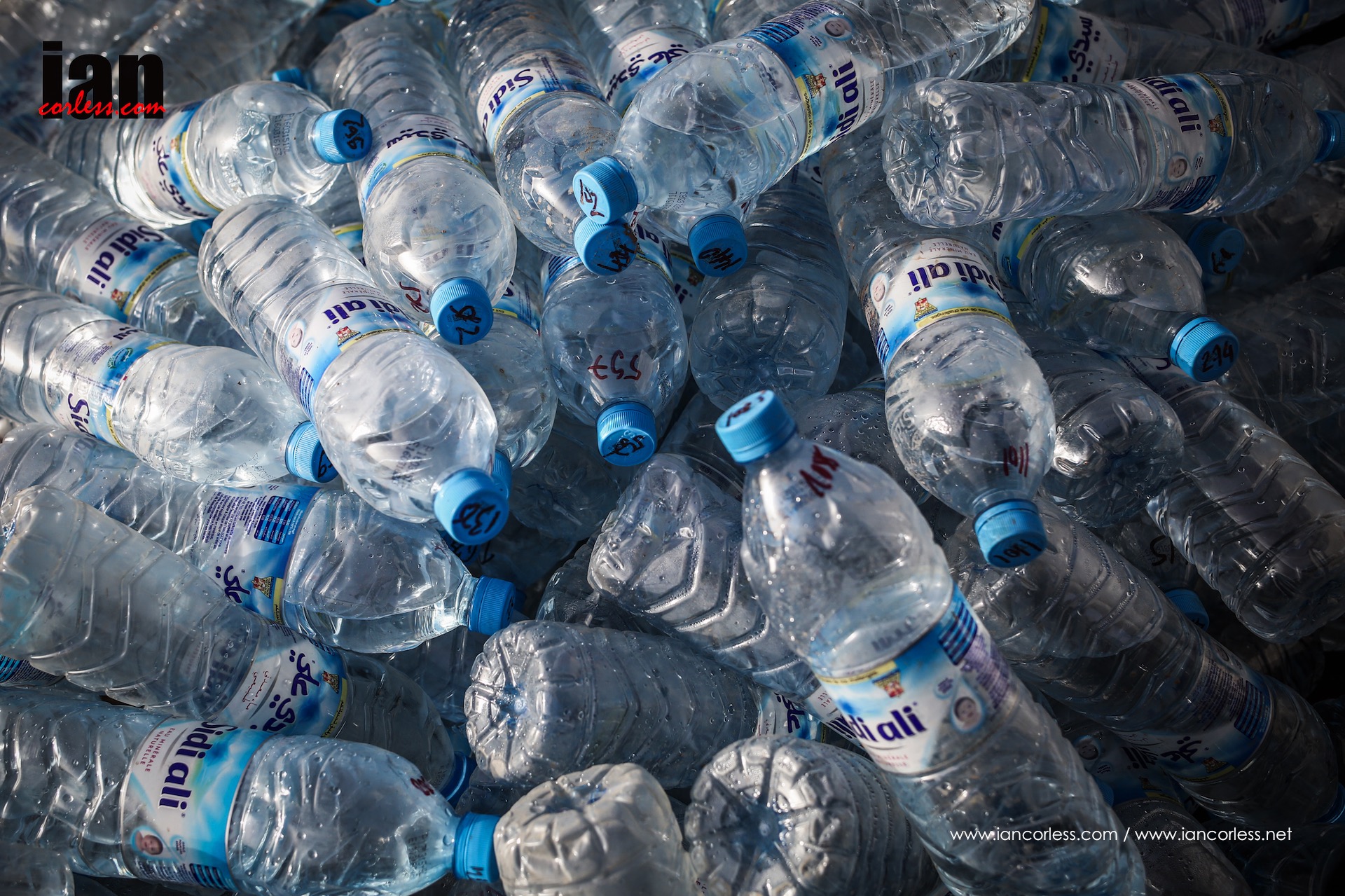
  • 120,000 liters of bottled mineral water,
  • 300 Berber and Saharan tents,
  • 120 all-terrain vehicles and trucks,
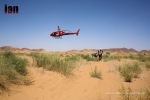
  • 2 Squirrel helicopters and 1 Cessna plane,
  • 8 Transavia ‘MDS special’ commercial planes,
  • 30 buses,
  • 4 dromedaries,
  • 1 incinerator lorry for burning waste,
  • 5 quad bikes to monitor race environment and safety,
  • 72 medical staff,
  • 2.3kms of Elastoplast,
  • 12,200 compresses,
  • 6,000 painkillers,
  • 150 liters of disinfectant,
  • 1 editing bus,
  • 5 cameras,
  • 1 satellite image station,
  • 10 satellite telephones,
  • 30 computers, fax and internet,
  • 18,000 competitors since 1986
  • 30% returning competitors, 70% international, 30% French, 
17% women, 45% veterans, 
30% in teams, 
10% walkers, 
90% alternate walking and running,
  • 14 km/hr.: average maximum speed, 3 km/hr.: average minimum speed,
  • 15 years of age for the youngest competitor and the oldest, 83!

©iancorless.com.IMG_9865MDS2014

QUOTES

  • “The MARATHON DES SABLES is the United Nations. The runners come from all over the world, share the same emotions and help one another. All the boundaries are erased. We should take inspiration from it.” – Kirk McCall (United States)
  • “This event isn’t just a sporting activity. It’s a mental and philosophical process. In the desert, nature puts us back in our place at the heart of this environment. The MARATHON DES SABLES opens up new perspectives to us. People often think we’re crazy, but maybe they’re the crazy ones!” – Fernando Jose Castro Cabral (Brazil)
  • “The MARATHON DES SABLES represents Mecca. I come here for an annual pilgrimage. It purifies me.” – Amine Kabbaj (Morocco)
  • “Running in the desert purges me and enables me to empty my mind. I want to discover the desert by experiencing it from the inside. Each day, I recite a poem along the course. To think about poetry whilst running is a fantastic mental luxury. To run and be elsewhere through your thoughts… The sobriety of the desert is a source of inspiration.” – Duc Le Quang (Vietnam)
  • “In the MARATHON DES SABLES, you learn to rediscover and appreciate the simple pleasures. On top of that there is this solidarity between the runners. You run and you come across someone from Colombia, Portugal or China. You don’t know them but you share a moment with them. These encounters are worth all the money in the world.” – Nicolas Esterhazy (Belgium)

©iancorless.com.IMG_4110MDS2014

Twenty-Nine years of victories.

Here is a who’s who of those 29-years.

1986 – Michel GALLIEZ (FRANCE) – Christiane PLUMERE (FRANCE)

1987 – Bernard GAUDIN (FRANCE) – Marie-Ange MALCUIT (FRANCE)

1988 – Bernard GAUDIN (FRANCE) – Marie-Ange MALCUIT (FRANCE)

1989 – Hassan SEBTAOUI (FRANCE) – Marie-Claude BATTISTELLI (FRANCE)

1990 – Hassan SEBTAOUI (FRANCE) – Claire GARNIER (FRANCE)

1991 – Hassan SEBTAOUI (FRANCE) – Monique FRUSSOTE (FRANCE)

1992 – Mohamed BENSALAH (MOROCCO) – Monique FRUSSOTE (FRANCE)

1993 – Mohamed BENSALAH (MOROCCO) – Irina PETROVNA (RUSSIA)

1994 – André DERKSEN (RUSSIA) – Valentina LIAKHOVA (RUSSIA)

1995 – André DERKSEN (RUSSIA) – Béatrice REYMANN (FRANCE)

1996 – André DERKSEN (RUSSIA) – Anke MOLKENTHIN (GERMANY)

1997 – Lahcen AHANSAL (MOROCCO) – Rosanna PELLIZZARI (ITALY)

1998 – Mohamad AHANSAL (MOROCCO) – Rosanna PELLIZZARI (ITALY)

1999 – Lahcen AHANSAL (MOROCCO) – Lisa SMITH (USA)

2000 – Lahcen AHANSAL (MOROCCO) – Pascale MARTIN (FRANCE)

2001 – Lahcen AHANSAL (MOROCCO) – Franca FIACCONI (ITALY)

2002 – Lahcen AHANSAL (MOROCCO) – Simone KAYSER (LUXEMBOURG)

2003 – Lahcen AHANSAL (MOROCCO) – Magali JUVENAL (FRANCE)

2004 – Lahcen AHANSAL (MOROCCO) – Simone KAYSER (LUXEMBOURG)

2005 – Lahcen AHANSAL (MOROCCO) – Simone KAYSER (LUX)

2006 – Lahcen AHANSAL (MOROCCO) – Géraldine COURDESSE (FRANCE)

2007 – Lahcen AHANSAL (MOROCCO) – Laurence KLEIN (FRANCE)

2008 – Mohamad AHANSAL (MOROCCO) – Touda DIDI (MOROCCO)

2009 – Mohamad AHANSAL (MOROCCO) – Touda DIDI (MOROCCO)

2010 – Mohamad AHANSAL (MOROCCO) – Monica AGUILERA (SPAIN)

2011 – Rachid EL MORABITY (MOROCCO) – Laurence KLEIN (FRANCE)

2012 – Salameh AL AQRA (JORDAN) – Laurence KLEIN (FRANCE)

2013 – Mohamad AHANSAL (MOROCCO) – Meghan HICKS (USA)

2014 – Rachid ELMORABITY (MOROCCO) – Nikki KIMBALL (USA)


RACE SCHEDULE 2015


  • 3 April 2015 – Leave country of residence/Morocco – Arrival in Ouarzazate, bus transfer to 1st bivouac
  • 4 April 2015 – Administrative, technical and medical checks – Day to acclimatize 
  • From 5 to 10 April 2015 – Race in progress (The self-sufficiency begins from breakfast on the 1st leg)
  • 11 April 2015 – Solidarity UNICEF leg – (end of dietary self-sufficiency) – Transfer to Ouarzazate
  • 12 April 2015  – Day of relaxation
  • 13 April 2015 – Return to country of residence

©iancorless.com.IMG_3309MDS2014

Marathon des Sables – A history in brief

 ©iancorless.com.IMG_0882MDS2014

1984: At 28 years of age, Patrick Bauer decided to make for the Sahara to try to traverse a 350km expanse of uninhabited desert, on foot, alone, where he wouldn’t come into contact with a single village, oasis or watering place. Totally self-sufficient, with a rucksack weighing 35kg and containing water and food, he set off on a journey that was to last 12 days. It was the starting point of what was to become the MARATHON DES SABLES.

1986: The creation of the first MDS in the Moroccan Sahara. The 23 pioneers who took the start never imagined that their footprints would mark the start of a legendary event, which has today become a must among the major adventure sport meets. The creation of a non-mechanical competition in the Moroccan sands offers adventure runners a wealth of new prospects.

©iancorless.com.IMG_6123MDS2014

1987: Creation of the MDS logo: the face of a runner covered by a keffiyeh, the eyes protected by a pair of sunglasses and the pipette from the runner’s water container clenched between the teeth.

1989: 170 competitors take the start of the race.

1991: The gulf drama puts the MDS at a disadvantage and the financial partners withdraw. Fortunately some runners answer the call. For these competitors, the true victory lies in meeting athletes from different backgrounds and their communion in the desert around the same goal. Sport proves once again that it can bring people together and create bonds.

©iancorless.com.IMG_6041MDS2014

1992: One and the same regulation for everyone. This year sees the establishing of unexpected draconian tests, to ensure that each participant properly transports all his or her gear from one end of the course to the other. A 30-point charter is drawn up.

First participation by the Moroccan Lahcen Ahansal

1994: Arrival of the Doc Trotters at the event.

©iancorless.com.IMG_1738MDS2014

1995: 10th anniversary. Since the start, over 1,500 men and women have left their footprint and their passion in the desert. Installation of water-pump for the inhabitants of the village of Ighef n’rifi (South of Er-Rachidia) – an idea by competitor Gilles Flamant and backed by Rolland Barthes and Patrick Bauer. Its success is to be repeated again and again

1996: First participation by Mohamed, a younger sibling of Ahansal. The two Moroccan brothers set off together and rank 4th and 5th respectively.

1997: This year heralds the start of the Ahansal saga. Morocco is honored with Lahcen’s first victory. He beats his two pursuers by nearly 30 minutes, despite them being international long-distance running champions.

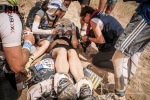
1999: A mobile hospital on the MDS comes into being. There are around thirty practitioners on the ground, with doctors and nurses joining the caravan. A dedicated helicopter and ten all-terrain vehicles track the competitors each day. On- board these vehicles there are doctors of course, as well as high-tech equipment. The village boasts a genuine field hospital.

©iancorless.com.IMG_0977MDS2014

2000: Internet puts in an appearance in the large MDS village. The organization decides to broadcast the texts and photos of the race live, day after day. The competitors can communicate with their nearest and dearest and receive messages of encouragement.

2001: For the first time the long leg, traditionally called “The 70”, exceeds the 80km barrier to reach 82km. The threshold of 240km is also surpassed since the 16th MARATHON DES SABLES spans 243km. Another first relates to the fact that there are no Moroccans on the podium this year.

2002: This edition is punctuated by a sandstorm, involving headwinds, which lasts the entire week. The doctors invent a machine for ‘low pressure cleansing’ to rinse out the runners’ eyes. Despite the difficult conditions, there are few retirements to report as the wind considerably reduces the temperature.

2005: The Luxembourg runner Simone Kayser is the first woman to win 3 MARATHON DES SABLES. For this 20th edition, the total number of runners exceeds 700 for the first time, with no fewer than 777 runners taking the start.

©iancorless.com.IMG_1007MDS2014

2006: A drying wind and very high humidity levels cause damage to the runners’ bodies. Despite additional allocations of water, a whole series of retirements ensues. There are a total of 146 retirements ultimately, which equates to double that of the previous record… Race management decides to shorten the long leg by over 10km given how tired the runners seem.

2008: The Solidarité MDS association is created. The aim: to develop projects to assist children and disadvantaged populations in the domains of health, education and sustainable development in Morocco. 

2009: MDS is disrupted by flooding and the 1st and 6th stages are not able to take place. To avoid the flood zones, the organization is obliged to improvise new legs on a day-to-day basis. In this way, the edition goes down in legend for its 3rd leg, which is the longest ever contested: 92km of sand, loose stones and rocks… The leg even sees the retirement of Lahcen Ahansal… At the prize giving the 2 winners admit to having competed in their hardest MDS. However, it was also the shortest: 202km.

©iancorless.com.IMG_0884MDS2014

2010: For its 25th edition, the number of participations reaches a record high of 1,013 participants. It is to be the longest MARATHON DES SABLES. It spans 250 kilometers with a course considered by former entrants to be the most difficult ever organized.

2012: A dramatic turn of events on the longest leg as the then leader in the overall standing, Rachid El Morabity (MAR) injures himself one kilometer from the finish. Medical examinations reveal a serious muscular lesion in the quadriceps. After over five years on the 2nd or 3rd step of the podium, Jordanian Salameh Al Aqra secures the title.

2013: 1,027 competitors on the start line make this a new participation record. New feature: a final “Charity” stage sponsored by UNICEF and traversing the Merzouga dunes round off the race. Sportswise, Mohamad Ahansal and Megan Hicks are the champions of the 231.5km event. On a human level, all of the finishers pull off their crazy bet.

©iancorless.com.IMG_6561MDS2014

2014: 2011 winner, Moroccan Rachid El Morabity (MAR) wins the overall ranking and takes Mohamad Ahansal’s crown. In the women’s category, another American stamps her mark, Nikki Kimball. The French revelation is one Michaël Gras, 22 years of age, 8th overall and top Frenchman. A major athletics star, Moroccan Hicham El Guerrouj lines up to take the start of Saturday’s Unicef Charity leg.

Content and information provided by ©marathondessables

FOLLOW THE 2015, 30th EDITION on this WEBSITE in words and images.

©iancorless.com.IMG_4947MDS2014

The North Face Transgrancanaria 2015 – Race Summary

©iancorless.com_Transgrancanaria15-4233

Some times you just need to throw the script out of the window… Forget who may and who may not be race favourite and just let things play out like a piece of impromptu art. The 2015 Transgrancanaria certainly threw some curve balls! 

View race images HERE

©iancorless.com_Transgrancanaria15-7277

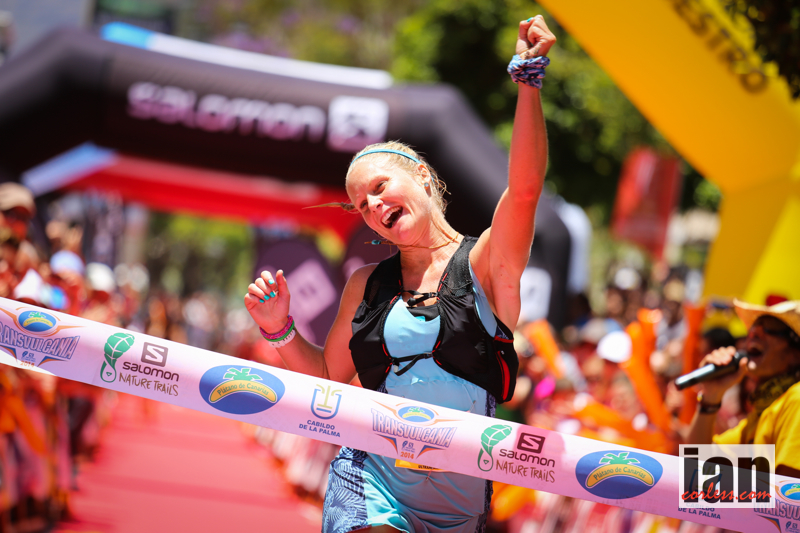
In the ladies race, it was business as usual for the 2014 champion, Nuria Picas. Biding her time in the early stages, Nuria took over the front of the race with approximately 90km to go and never really looked back. Running through the night the Catalan felt good but commented on how hard the trail was. As she ran to Roqué Nublio and to El Garañón she looked tired and weak. Post race Nuria went on to say, ‘I felt weak because of a lack of meal but luckily I could overcome it.’ And overcome it she did but it was no easy victory. With dawn came the heat of the day and a ‘calima’ that dried the throats of each and every runner. Crossing the line, Nuria saluted the crowd with another high quality victory and following on from a podium place at HK100, the stage looks set for another great year in the UTWT series.

©iancorless.com_Transgrancanaria15-6523

Nikki Kimball and Fernanda Maciel were expected to take up the remaining podium places but delayed travel and fatigue ruined Nikki’s race and Fernanda had no power and strength after her extended time (45-days) at Aconcagua. This opened the doorway for Caroline Chaverot who ran a strong race, maybe a little too strong at times as she certainly went through some bad patches, ultimately though she crossed the line in 17:16:48 for a quality second place.

©iancorless.com_Transgrancanaria15-6611

Andrea Huser was all set for the third place on the podium but a revitalized Dong Li closed the gap, passed the Swiss runner and swept up third place; ’I enjoyed the altitude and I enjoyed the technical trails but this race was tough. It is the longest I have run both in time and distance.’

The men’s race had all the makings of a classic and boy-oh-boy it did not disappoint. The race had everything… broken femurs, dehydration, heat exhaustion, stomach issues and basic good old fatigue. At the line it was all about the ‘new’ guard and how, the best in the world had been beaten by supposedly unknown (unknown to those who don’t follow the sport) runners!

©iancorless.com_Transgrancanaria15-6082Sondre Amdahl after a great 2014 and second place at HK100 had relocated to Transgrancanaria so that he could train specifically for the 2015 edition. Looking strong before the race, it was no surprise that he took the front early and pushed hard… maybe too hard? Leading over the first 30km’s, Sondre was executing the perfect race and behind it was wide open.

©iancorless.com_Transgrancanaria15-5967

Yan Long Fei was certainly the surprise (for me anyway) runner in the early stages. I obviously don’t doubt the ability of the 2:14 marathon runner but from past experiences I felt that the technical terrain wouldn’t suit him. Not so! He has obviously been working hard and it showed. Running in second place over the most technical part of the course he finally cruised past Sondre to take the lead and it was looking like that Yan may follow up victory at HK100 with a back-to-back win with Transgrancanaria. It was not to be. Unfortunately as he pulled out at Garanon whilst still in first place. He was complaining of headaches: a sure sign of severe dehydration.

©iancorless.com_Transgrancanaria15-6040The door was open and pre race favourites Iker Karrera and Anton Krupicka were closing the gaps despite having their own issues. Anton had gone of course a couple of times and Iker was complaining of stomach issues… Iker’s problems persisted and eventually resulted with his withdrawal from the race when a podium place looked likely.

©iancorless.com_Transgrancanaria15-6165 Gediminas Grinius produced the race of his life. After biding his time in the early stages, he slowly moved up the field and then as Yan Long Fei withdrew, the front of the race was his. He covered the last 25km with great from and running into the finish he looked incredibly fresh. It was a breakthrough run that several of us had anticipated… me included! His time of 14:23:37 a new course record beating Ryan Sandes time from 2014. Post race, Gediminas said, ‘at the beginning I only wanted to improve on my 11th place of 2014 but step-by-step I gained positions and I felt really encouraged when I was second after Yan Long Fei. It was after the aid station El Garañón when I realized I could be among the winners because my legs felt great and I had no stomach issues.’

©iancorless.com_Transgrancanaria15-6747 Johan Lantz and Didrik Hermansen had prepared on Gran Canaria pre race with Amdahl. Amdahl had gone on the record to say that both could cause a stir within the race and he was right! Didrik and Johan had run the early stages together easing themselves into the race and ignoring the faster running at the front. Johan however had been struggling with back pain from early on, it didn’t stop him though and he eventually closed to third place behind Yan Long Fei and Sondre Amdahl. What followed is quite remarkable… without warning while running a section of road his femur broke! Yes, he broke his leg!

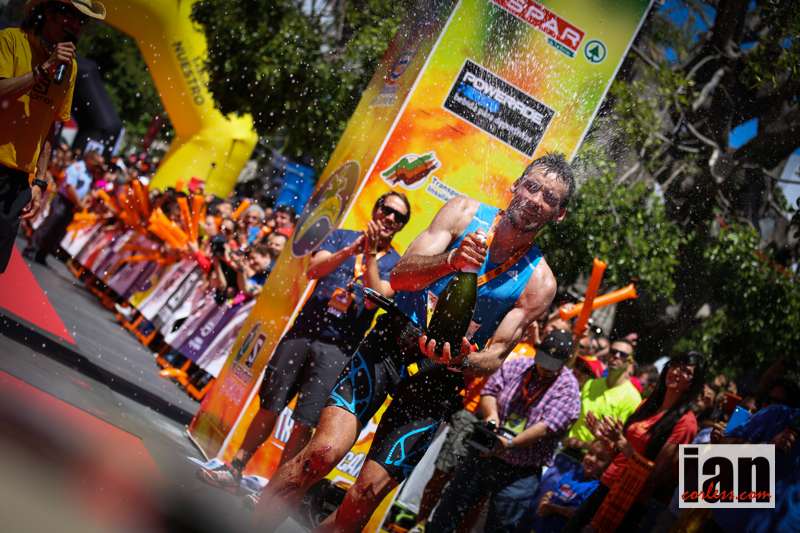
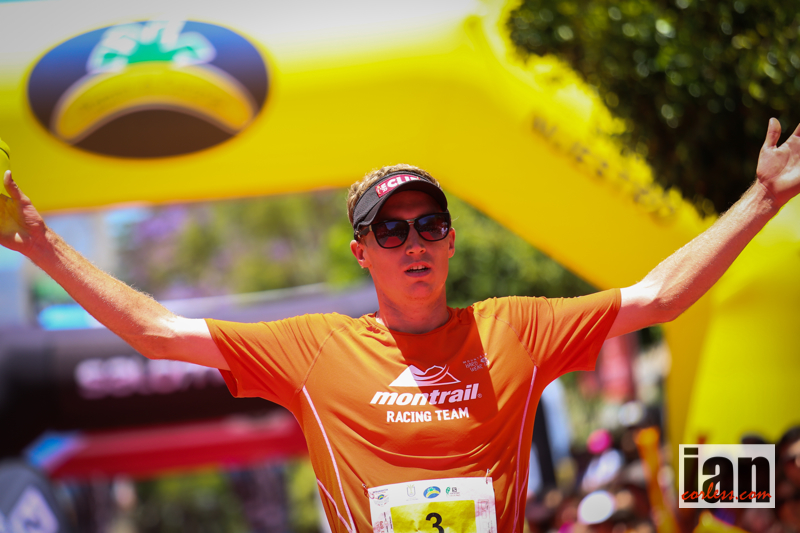
©iancorless.com_Transgrancanaria15-6137Didrik Hermansen like Johan was executing a perfectly paced race and after Cruz de Tejeda he moved into second place and he held on to this place to arguably create the biggest surprise of the race crossing the line in 14:30:07. Antoine Guillon from the ever-present WAA Team completed the podium ahead of the early race leader, Sondre Amdahl who had done extremely well to recover from his early efforts.

Anton Krupicka finally crossed the line in sixth place looking a little broken from his efforts. Certainly the heat of the day and the final 25km’s had pushed him to breaking point. On the line the effort showed, ‘It’s been a tough day but the heat really got to me. I was good for 100km but the final 25km was tough!’

The 2015 race has been called the toughest edition of the race because of the wind, cold temperatures during the night, the heat of the following day and the calima. However, I can’t help but think that the 2013 edition with torrential rain was harder? Certainly conditions and the combination of a tough 125km’s of trails took it’s toll; Nikki Kimball, Fernanda Maciel, Iker Karrera, Joe Grant, Pau Bortolo, Yeray Duran and so many more were forced to withdraw.

The 2015 edition will be remembered though for the rise of Gediminas Grinius, Didrik Hermansen and Sondre Amdahl. Lets not forget Dong Li and Yan Long Fei too. It’s a great time for lovers of trail, mountain and ultra running.

View race images HERE

The next race in the UTWT series is Marathon des Sables and I will be working on that race each day providing daily images and reports to keep you all up to date.


RESULTS:

  1. Nuria Picas 16:53:27
  2. Carole Chaverot 17:16:48
  3. Dong Li 18:15:55
  4. Andrea Huser 18:37:53
  5. Manu Vilaseca 18:42:59
  6. Ester Alves 19:11:45
  7. Lucinda Souza 19:25:46
  8. Aliza Lapierre 19:58:48
  9. Raquel Delgado 20:24:16
  10. Silvia Trigueros 20:38:18
  1. Gedminas Grinius 14:23:27
  2. Didrik Hermansen 14:30:07
  3. Antoine Guillon 14:39:35
  4. Sondre Amdahl 15:06:37
  5. Cyril Cointr 15:28:22
  6. Anton Krupicka 15:29:49
  7. Remi Queral 15:59:11
  8. Freddy Thevenin 16:07:06
  9. Marco Zanchi 16:25:13
  10. Piotr Hercog 16:30:45

The North Face Transgrancanaria 2015 – Race Day Images

©iancorless.com_Transgrancanaria15-6747


The 2015, The North Face Transgrancanaria was always going to be an exciting race… you only had to look at the line-up of elite athletes who had travelled from around the world to participate.

However, the script was thrown out of the window and series of surprises continued to unfold for the duration of the race, leaving us all to wonder, who would be crowned 2015 champions?

Nuria Picas (Buff) regained her 2014 title with a time of 16:53:27. Although Nuria didn’t lead the race from start to finish, once the Catalan took the reigns there was no holding her back.

Lithuanian Gediminas Grinius (inov-8) won in the male race in a time of 14:23:37. However,  was a race of many surprises and changing scenarios.

The race started in mild weather but as time passed, an ever increasing wind started to blow making conditions extremely difficult during the night. The breaking of a new day added sun and heat to the equation and this combination of elements caused a continual problem for nearly all the runners.

Ladies:

1 – Núria Picas 16:53:27
2 – Caroline Chaverot 17:16:48
3 – Dong Li 18:15:55

Men:

1 – Gediminas Grinius 14:23:27 new CR
2 – Didrik Hermansen 14:30:07
3 -Antoine Guillon 14:39:05

Notable withdrawals during tha race came from: Nikki Kimball, Yan Longfei, Iker Karrera, Pau Bartoló, Fernanda MacielJoe Grant and local hero, Yeray Durán.

A full results article will be posted on Sunday 8th March.

Race Day Images are below. Please respect the copyright of ©iancorless.com

Episode 82 – CRACKNELL EGLOFF MUIR

Ep82


Episode 82 of Talk Ultra has James Cracknell talking about the mind of an Olympian, how to succeed at endurance sports and we announce two new projects for 2015. Karl Egloff just set a FKT for Aconcagua, we have a full and in-depth interview. Ruby Muir had a troubled 2014 but turned it around topping the podium at Tararwera. The News, a Blog, Up & Coming Races and in Talk Training we discuss final prep for MDS.

00:10:11 NEWS
 
Ultra Caballo Blanco cancelled! – HERE
 
Aconcagua FKT
Karl Egloff does it. 11:52 – 57-minutes quicker! News here: HERE
00:26:40 INTERVIEW
 
KARL EGLOFF provides us with an in-depth interview about his background and how he became the new record holder for Aconcagua.
Transgrancanaria as the show comes out – Race Preview HERE
01:51:00 BLOG
 
MIKE MURPHY provided a great interview in our last show, he writes here about his hints-n-tips for multi day racing –  HERE
01:56:36 INTERVIEW
 
RUBY MUIR had a tough 2014 with injury but she managed to bounce back with a victory at Tarawera
 
02:29:22 TALK TRAINING
 
RORY COLEMAN talks final prep for MDS
03:03:37 INTERVIEW
 
JAMES CRACKNELL is a double Olympian and an inspiring endurance athlete who has continually pushed to be the best that he can be. He made the top 20 of MDS and then an horrific head injury almost stopped everything… but he is back. We announce James’s next projects…
 
04:16:20 UP & COMING RACES
 

Australia

New South Wales

Wild Women on Top Sydney Coastrek 100 km Team Challenge | 100 kilometers | March 06, 2015 | website

Wild Women on Top Sydney Coastrek 50 km Team Challenge Day: Party All Night | 50 kilometers | March 06, 2015 | website

Wild Women on Top Sydney Coastrek 50 km Team Challenge Day: Sun, Sand, Surf | 50 kilometers | March 06, 2015 | website

Victoria

Maroondah Dam 50K Trail Run | 50 kilometers | March 15, 2015 | website

Razorback 58K Run | 58 kilometers | March 14, 2015 | website

Razorback 64K Run | 64 kilometers | March 14, 2015 | website

Cambodia

The Wild Elephant Trail | 210 kilometers | March 14, 2015 | website

Canada

British Columbia

Dirty Duo 50 km Ultra | 50 kilometers | March 07, 2015 | website

Yukon

6633 Extreme Winter Ultra Marathon – 120 mile | 120 miles | March 20, 2015 | website

6633 Extreme Winter Ultra Marathon – 350 mile | 350 miles | March 20, 2015 | website

Likeys Ultra 6633 – 120 Mile | 120 miles | March 20, 2015 | website

Likeys Ultra 6633 – 350 Mile | 350 miles | March 20, 2015 | website

France

Gard

Trail aux Etoiles | 58 kilometers | March 07, 2015 | website

Ultra du Bout du Cirque | 100 kilometers | March 07, 2015 | website

Haut-Rhin

Trail du Petit Ballon | 52 kilometers | March 15, 2015 | website

Pas-de-Calais

Trail Bullygeois des Tranchées – 63 km | 63 kilometers | March 15, 2015 | website

Trail Bullygeois des Tranchées – 85 km | 85 kilometers | March 15, 2015 | website

Tarn

Black Mountain Trail – 50 km | 50 kilometers | March 07, 2015 | website

Germany

Bavaria

Chiemsee-Ultramarathon März | 108 kilometers | March 07, 2015 | website

Hong-Kong

Translantau 100 km | 100 kilometers | March 14, 2015 | website

Translantau 50 km | 50 kilometers | March 14, 2015 | website

Hungary

BSI Lake Balaton Marathon+ Fonyód – Szigliget | 52 kilometers | March 20, 2015 | website

BSI Lake Balaton Supermarathon | 195 kilometers | March 19, 2015 | website

Italy

Umbria

Trasimeno Lake Ultramarathon | 58 kilometers | March 08, 2015 | website

Veneto

Ultrabericus | 65 kilometers | March 14, 2015 | website

Jordan

Sahara Race | 250 kilometers | March 08, 2015 | website

Malaysia

TITI 100KM | 100 kilometers | March 07, 2015 | website

TITI 200KM | 200 kilometers | March 06, 2015 | website

TITI 50KM | 50 kilometers | March 08, 2015 | website

New Zealand

Te Houtaewa Challenge 60 km Open Ultra Marathon | 60 kilometers | March 07, 2015 | website

The Hillary 80 km Trail Race | 80 kilometers | March 14, 2015 | website

Philippines

All Women Ultra-Marathon | 50 kilometers | March 08, 2015 | website

TRD80 Ultramarathon | 80 kilometers | March 14, 2015 | website

Spain

Andalusia

Ultra Trail Sierras del Bandolero | 150 kilometers | March 06, 2015 | website

Canary Islands

Transgrancanaria | 125 kilometers | March 06, 2015 | website

Transgrancanaria – Advanced | 84 kilometers | March 07, 2015 | website

Catalonia

Marxa dels Castells PLUS | 81 kilometers | March 08, 2015 | website

UT les Fonts | 120 kilometers | March 06, 2015 | website

UT les Fonts – Trail de les Fonts | 70 kilometers | March 07, 2015 | website

Thailand

Zulu W 80 km Run | 80 kilometers | March 08, 2015 | website

United Kingdom
Aberdeen City

D33 Ultra | 33 miles | March 14, 2015 | website

Bradford

Haworth Hobble | 32 miles | March 14, 2015 | website

Dorset

Jurassic Coast Challenge | 78 miles | March 20, 2015 | website

North Somerset

Green Man Ultra | 44 miles | March 07, 2015 | website

Wiltshire

Imber Ultra Marathon | 33 miles | March 08, 2015 | website

USA

Alabama

Delano Park 50 Mile Solo | 50 miles | March 07, 2015 | website

Alaska

Tanana River Challenge 45 Mile | 45 miles | March 14, 2015 | website

Arizona

Mesquite Canyon 50K | 50 kilometers | March 14, 2015 | website

Mesquite Canyon 50M | 50 miles | March 14, 2015 | website

Old Man 52K | 52 kilometers | March 07, 2015 | website

Old Pueblo 50 Miler | 50 miles | March 07, 2015 | website

Ultra Adventures Monument Valley 100 Mile | 100 miles | March 13, 2015 | website

Ultra Adventures Monument Valley 50K | 50 kilometers | March 13, 2015 | website

Ultra Adventures Monument Valley 50 Mile | 50 miles | March 14, 2015 | website

Arkansas

3 days of Syllamo | 150 kilometers | March 20, 2015 | website

California

Deo 50K | 50 kilometers | March 07, 2015 | website

Marin Ultra Challenge 50K | 50 kilometers | March 14, 2015 | website

Marin Ultra Challenge 50 Mile | 50 miles | March 14, 2015 | website

Old West Trails 50K Ultra | 50 kilometers | March 14, 2015 | website

Way Too Cool 50k | 50 kilometers | March 07, 2015 | website

Colorado

High Line Canal 100K | 100 kilometers | March 14, 2015 | website

Florida

Cross Florida Route 40 Romp | 116 miles | March 07, 2015 | website

Cross Florida Route 40 Romp – 2 Person Relay | 116 miles | March 07, 2015 | website

DWD Green Swamp 50K | 50 kilometers | March 07, 2015 | website

DWD Green Swamp 50M | 50 miles | March 07, 2015 | website

Palm 100K | 100 kilometers | March 15, 2015 | website
Palm 50K | 50 kilometers | March 15, 2015 | website

Georgia

Georgia Death Race | 60 miles | March 14, 2015 | website

Kentucky

Land Between The Lakes 50 mile run | 50 miles | March 14, 2015 | website

Land Between The Lakes 60k | 60 kilometers | March 14, 2015 | website

Maryland

Seneca Creek Greenway Trail 50K | 50 kilometers | March 07, 2015 | website

Mississippi

Carl Touchstone Mississippi Trail 50 K | 50 kilometers | March 07, 2015 | website

Carl Touchstone Mississippi Trail 50 Mile | 50 miles | March 07, 2015 | website

Nevada

Vegas Moonlight Ultra 100 Mile Run | 100 miles | March 07, 2015 | website

New Jersey

Lenape Trail Run | 34 miles | March 07, 2015 | website

North Carolina

Graveyard 100K Ultramarathon | 100 kilometers | March 07, 2015 | website

Graveyard 100 Mile Ultramarathon | 100 miles | March 07, 2015 | website

Reservoir Park 50K | 50 kilometers | March 07, 2015 | website

Ohio

Buzzard Day 50k | 50 kilometers | March 14, 2015 | website

Green Jewel 50K Fun Run | 50 kilometers | March 07, 2015 | website

Pennsylvania

Naked Bavarian 40M | 40 miles | March 08, 2015 | website

Tennessee

Fall Creek Falls 50K Trail Run | 50 kilometers | March 15, 2015 | website

Music City Trail Ultra 50K | 50 kilometers | March 14, 2015 | website

Texas

50K | 50 kilometers | March 14, 2015 | website

Lone Star Trail Point-to-Point FatAss 35 M | 35 miles | March 14, 2015 | website

Lone Star Trail Point-to-Point FatAss 75M | 75 miles | March 14, 2015 | website

Lone Star Trail Point-to-Point FatAss 96.5 M | 96 miles | March 14, 2015 | website

Nueces 50K Endurance Trail | 50 kilometers | March 07, 2015 | website

Nueces 50 Miler | 50 miles | March 07, 2015 | website

Prickly Pear 50K Trail Run | 50 kilometers | March 14, 2015 | website

Race Across Texas – D-Town (4 Marathons) | 106 miles | March 20, 2015 | website

Race Across Texas – The Wild West (4 Marathons) | 106 miles | March 06, 2015 | website

Utah

Antelope Island 100 Mile | 100 miles | March 20, 2015 | website

Red Mountain 50K | 50 kilometers | March 07, 2015 | website

Vermont

PEAK Snowshoe 100 Mile Race | 100 miles | March 07, 2015 | website

Virginia

Elizabeth’s Furnace Fat Ass 50K | 50 kilometers | March 14, 2015 | website

Thomas Jefferson 100k | 100 kilometers | March 14, 2015 | website

Washington

Centennial Trail Run | 37 miles | March 14, 2015 | website

Dizzy Daze 100K | 100 kilometers | March 14, 2015 | website

Dizzy Daze 50K | 50 kilometers | March 14, 2015 | website

 
04:20:03 CLOSE
04:23:12 END


SHOW LINKS:

ITunes http://itunes.apple.com/gb/podcast/talk-ultra/id497318073

Libsyn – feed://talkultra.libsyn.com/rss

Website – talkultra.com

The North Face Transgrancanaria Pre Race Images

©iancorless.com_Transgrancanaria15-5687

Athletes from all over the world have arrived in Gran Canaria for the TNF Transgrancanaria. Today, registrations took place and a presentation of the key athletes for the 125km event. With less than 1-day to go, excitement is high for the 2015 running of this event.

You can read my race preview HERE

The races starts Friday March 6th at 2300 hours (local time)

Who are your picks for the respective podiums?

Who is Karl Egloff? – Part one

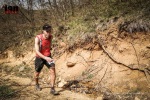
CAF_3060Many of you will be familiar with the mountain Aconcagua, primarily because of Kilian Jornet and his recent record set in December. Well recently Karl Egloff, 33 from Ecuador has broke Kilian Jornet’s record with a time of 11:52 (57-minutes quicker than Kilian) I like many others wondered, who is Karl Egloff?

READ HERE

I caught up with Karl just days after his impressive record on Aconcagua. I discussed in-depth his background, home life, sporting background and how he may now be considered a speed-climbing phenomenon.

This week we bring you part one of this two-part interview

*****

KE: I’m so happy I just came back a couple of days ago from Argentina, I feel good and I’m happy, there are a lot of things going around right now and I’m happy to talk to you guys.

IC: It’s great to have you here and I really do appreciate you finding the time to talk to us. Before we talk to you about Aconcagua, a lot of people all around the world are saying who is Karl? Who is he? What his background? I said that you are 33 and you were born in Ecuador. Your father was a mounting guide if I’m correct?

KE: Yes he is and yes, I’m 33. I was born here in Quito, its very high here actually 2000+ metres. My mother was half Ecuadorian half Swiss, she met my father during studies and they made the decision to move to Ecuador and make their lives here, we three kids where all born here. My father is a mountain guide and he took me to the mountains at a very early age. He even took me as a baby in a large backpack.

I went up to the huts of our big mountains here in Ecuador and if he was climbing with a client up to around 1000 metres, I would go too… I got a in the mountains pretty young and as soon as I could talk I would just discuss mountains about mountaineering. My mother was not very happy about that, she was always telling me not to choose the mountain guide career; she was a little bit worried about it. She said it’s very difficult to be at home and to have a family, its difficult because it has the seasons. She was always telling me about other professions, but it’s kind of impossible being a son of a mountain guide. I had homework about beautiful mountains all over the world and I was always asking so much he used to say please Karl stop asking me.

DCIM999GOPRO

When I was 15 I got the chance for the first time to climb with him the first glacier here in Ecuador. My father told me, “when you are 15 I will take you because you are at an age where you can realise what you’re doing.” Finally when I did it I was standing up on the summit and he said,

“Son, you have really a lot of energy so I think you should help me with guiding from now on.”

I guess that when things really started for me, I was guiding with him almost every weekend up to 6000 ft.

Unfortunately my mother died when I was 17, so us three kids decided to go study, I went to Switzerland. I was living in Zurich for around 8-years and during my studies I went up to the mountains every time I could; to snowboard, to go jogging and to go trekking.

I finally returned to Ecuador at 26-years old, I actually tried to be a professional football player because here in Ecuador you grow up with football, it’s much more of ‘the’ sport it’s like in the UK. Football is a religion. .

IC: Before you tell me about your football, let’s go back a little bit and talk about your father being a mountain guide and the way that you were brought up, your story is so similar to Kilian Jornet. His father worked in the mountains, his father and his family lived at a refuge, and really from babies they were just born and bred on the mountains, and of course it’s that lifestyle, that permanent lifestyle that adapts you to be maybe an athlete that not only performs exceptionally well in many sports but particular high altitude sports.

KE: I read Kilian’s book and when I was reading it, it seemed like I was reading my story and especially regarding the altitude he was at, I was living at the 2400 metres and we used to go up with my father into the mountains and down into the valley, While reading I found a similarity when Kilian said he used to go out at night without the lights and sit with the nature. I did those things with my father too. I was with nature a great deal. I was always following the paths of different animals and I constantly asked many questions to my father.

When I got bored and the clients were tired I would go to my father at night and ask, “Why isn’t the sun up already/” I was impatient but he told me,

“It’s dangerous on the mountains and you can die up there.”

I would say no, no everything is ok…

When I got older my father used to give me some slack. I could go up to the summit or climb the path for the next days trek. I had already climbed the mountains. My father would just followed me with binoculars and show me whether to go, to the left or right with his hands. So yes pretty similar as Kilian.

IC: Yeah very similar. And of course Kilian a little bit like yourself didn’t start out as a trail runner or an alpinist, he started out in ski mountaineering and skiing and you were just telling us that football was a passion for you.

KE: Yes, definitely. Football is like a religion in Ecuador, you do nothing else but soccer at school, everyone is asking for the teams. No other sport exists. So actually for me the way I feel free is to do sports; it’s like a drug That is why I used to do my homework quickly so in the afternoon I had enough time to organise another soccer game or another competition at home and so yes definitely football for me became everything. When my mother asked me what I want to do when I leave school I said, ‘I want to be a professional football player,’ and she said forget it, sports won’t get you anywhere.

My coaches said have the energy and the talent, but my mother being from South America was very conservative. Before she died she said I don’t care what you do just don’t become a mountain guide or a sportsman, now here I am, 10-years later and I am both. I tried really hard to please my mother, so I started academics. I started in Switzerland, I tried to work in other places too but I was never happy, this is the most important thing; you must follow your happiness! When I returned back to Ecuador I really had to have a year off before starting a new business and starting my new tourism agency and in those days I started to go biking.

I used my bike to go to and from the gym. There is a very funny story where a guy said to me, ‘I heard you have a lot of energy Karl, would you like to join me as a bike partner in the most important mountain bike race in Ecuador?’ I said, yes but I didn’t have any experience in competing on the bike, I lacked the technique. He just said, ‘Don’t worry come with us.’

So eventually I went with him to the mountain bike race and when I waited on the start I asked him about all the cyclists who looked so professional? His reply was so funny, ‘Professionals? Yes, this is the most important race here in Ecuador and all the international professional mountain bike racers are here.’

I was too eager but I had a great race. After a sponsor came and said, ‘Karl we want to sponsor you.’ It was great news, it was my first race and I felt under qualified but they told me not to worry and come to the office on Monday!

IC: Wow perfect, that’s nice!

KE: Yeah it was, I was 26 and I said ok, So I started to train and train and train and after 2 years I started to travel with the national team to different competitions and to championships and then finally I qualified for the world cup in 2011 in Italy as the first Columbian mountain biker. A year later I qualified for the next world cup in France and then I got invited to the professional team. I started actually to be a good biker…

IC: So it was a really exciting time to just test yourself in sport but while this was going on while you were involved in mountain biking were you still mountain guiding?

DCIM999GOPRO

KE: I was yes, exactly. I started in 2007 at my first agency and then 5-years later I started my own company. Biking was also a big part of my life, I was really happy with biking but there is a point where it costs a lot of money, you have to go for International championships and you need to live somewhere else. So we had a family decision, we sat down and discussed my options. I was 31-years old, which is relatively old in mountain biking, so I decided to quit!

IC: It’s interesting that you say at the age of 31 there’s no future for you in biking, you were obviously very good at it and carried over fitness and strength from trekking and as a tour leader. 31 is quite young to think that there’s no possible future. Do you think back now with your running success and think you made the wrong decision?

KE: Yes of course, I think the main point here is that we live in a very conservative country were sports is not a future, you don’t grow up here with your parents saying yeah go play tennis… become professional and so on. I was criticised by my family, they said sports would not get me anywhere. I had an opportunity to work for a Swiss mountain guide company and they gave me the chance to work as a mountain guide in Kilimanjaro and a few other places. It was a great opportunity, I was getting a salary but they wanted me to focus on the job so I could manage all business here in Ecuador.

IC: So it was a career decision, a business decision and family ties to the mountain. I guess it didn’t really feel like you were giving up sport but just changing disciplines.

KE: Exactly, I was always jogging I was always training but I never competed as I never saw it as a competition. Nobody thought about running here before but now it’s the second biggest sport after football. In 2012 I quit the biking and focused on the job and in 2013 really focused on guiding and a lot of doors opened for me. I was in Nepal and other countries and I was earning for the first time in my life. For me it was like, oh finally I have money I can get a car and grow up with the company; this is why I slowed down but I never stopped completely.

IC: Cool so let me come to Kilimanjaro. That is when I first became aware of your name and funnily even though you broke kilian’s record on Kilimanjaro it still didn’t really get much recognition. It was reported in several places but it didn’t get worldwide exposure, it was a bit under the radar. But I can see now knowing your history why you would make an attempt on Kilimanjaro. With your background is the seven summits now on your mind?

KE: Exactly it all started in 2012. My friend Nicolas who is now part of my team asked me to’ rabbit’ him up to a summit; actually one of the highest mountains we have here in Ecuador. It is almost the same altitude as Kilimanjaro. We were stood in the car park and he said to me, let’s go for the record! It’s funny, I had never run on the mountain and he said that’s why I have brought you here to help me on the mountain and make you faster. I wondered if I was fast enough or if I was any good? When I reached the summit I realised I had broke the record by 25-minutes. On the way down I met Nicola and I said I was sorry for leaving him behind but he just laughed and said, ‘Don’t worry, this was the only way I could get you to realise how good you are at this.’

I continued down and broke the world record and it became big news here in Ecuador. A lot of people criticised as they said the mountain was dangerous and that people can die on the mountain. But I am a mountain guide so I know how dangerous it is.

DCIM999GOPRO

*****

Tune in next week for part two.

How does Karl prove and verify his records?

Read about Karl’s Kilimanjaro record and read how he managed to knock 57-minutes off Kilian Jornet’s Aconcagua record.

all images provided by Karl Egloff ©

You can ‘HEAR’ the full interview on episode 82 of TALK ULTRA published on iTunes March 6th. The show is available for free – please subscribe!

Training is like baking – Marc Laithwaite

©iancorless.com_IMG_3117Marino2014_

In recent posts, we’ve been talking about enhancing fat burning to boost endurance. This week’s post was due to focus upon pacing strategy for training and competing and specifically how pacing interacts with the types of fuel you use when exercising. However, as we’ve been discussing Maffetone in recent weeks, I’ve had a few messages stating that I’ve contradicted myself. The reason for this is that I am a believer in the importance of short and high intensity workouts for endurance performance. In the past I have outlined the danger of too much low intensity riding and running, specifically how it makes you slower. I understand why this may be seen as contradictory, so let me explain…

If you are competing in Ironman, one of the things you need to consider is your estimated time and pacing strategy on the bike section. To calculate your ‘race pace’ a simple and popular test is the cp20. During this test, the rider is required to sustain the highest power output for a 20 minute period and from the results, you can calculate your ‘functional threshold’. Some of you may have heard these strange terms before but in simple terms your ‘functional threshold’ is the output you should feasibly be able to manage for an hour. The calculation is simple, look at the average power for the 20 minute test and 95% of that figure is your functional threshold

Using functional threshold you can guess the amount of power that in theory you can sustain for all distances up to the Ironman 112. For example, 70% of your functional threshold is a reasonable target for Ironman. The critical thing here is that the power you can hold for only 20 minutes (a very short period of time) predicts Ironman pace. So, if you cannot ride quickly for 20 minutes, you will undoubtedly be riding slowly in Ironman over a distance of 112 miles, as 70% of ‘slowly’ is ‘even slower’. A common mistake people make when training for long distances is that they focus on endurance only and ride lots of slow miles. They ‘get it in their heads’ that Ironman is all about ‘the distance’ so ride long and slow. As a result of doing so much slow riding, their 20 minute power output is reduced to a score potentially even lower than when they started! Subsequently, their Ironman pace (70% FTP) is therefore also reduced.

So the solution is simple, just train to produce the highest power output for 20 minutes by doing short and high intensity riding and you’ll PB in Ironman? Unfortunately not… The test dictates your Ironman pace from the amount of power you can produce within the 20 minutes. However, the critical part is that the test also presumes that you have done the mileage, so therefore have the endurance to support your performance.

The same applies to running and training for a marathon. Let’s say as a ‘guess’ that if you double your 10k time and add 4-5 minutes, you’ll be close to your half marathon time. Now double your half marathon time and add 10 and you’ll get your predicted marathon time. You’ve probably heard that formula before, it’s been around for many years. The key thing to point out is that when using that formula, your 10k time is therefore dictating your marathon time. As with our cycling example, if you can’t run quickly for 10k, you can’t run a fast marathon.

However, the formula of double 10k and add 4-5 minutes or double half marathon and add 10 presumes that you have ‘done the mileage’. You can’t just train for 10k racing and expect to run a great marathon. Your 10k time will ‘predict’ your running speed in the marathon, but without the mileage in your legs, you won’t be able to hold that pace for the entirety of the race.

So let’s look at it this way:

  1. The 20 minute test in cycling or the 10k time in running tells you how quickly you are capable of riding or running Ironman or marathon.
  2. Whether you have done the long distances in training will determine whether you are actually capable of maintaining that speed and reaching the finish line in your target time.
  3. As a quick summary, ‘how fast can you go and can you keep it going?’

The simple lesson to learn here is that both long-term endurance and maximal output over shorter distances are equally important for performance. If you choose one but not the other, you’ll either manage the distance ‘comfortably but slowly’ or you’ll go quickly at the start and die a painful death at the end. Don’t dismiss either of these key factors if you want to hit your target time.

To finish, I’ll go back to something, which I mentioned 3 weeks ago, when writing about the Maffetone formula. Each training intensity, level or zone has it’s own benefits and purpose. Too frequently athletes do their easy stuff too hard and their hard stuff too easy, as a consequence the sessions merge into one grey area of moderate intensity. When riding or running in zone 1, there are specific benefits, which are lost when you push too hard. When attempting a high intensity interval workout you will not gain the specific benefits of that session if you do not push hard enough.

Training is like baking, you need to put lots of different, but high quality ingredients together or you’ll find that on race day the whole thing will just taste a bit bland.

Go forwards endurance students, train well and practice burning the fat

– Marc Laithwaite

About Marc:

Sports Science lecturer for 10 years at St Helens HE College.

2004 established The Endurance Coach LTD sports science and coaching business. Worked with British Cycling as physiology support 2008-2008. Previous Triathlon England Regional Academy Head Coach, North West.

In 2006 established Epic Events Management LTD. Now one of the largest event companies in the NW, organising a range of triathlon, swimming and cycling events. EPIC EVENTS also encompasses Montane Trail 26 and Petzl Night Runner events.

In 2010 established Montane Lakeland 50 & 100 LTD. This has now become the UKs leading ultra distance trail running event.

In 2010 established The Endurance Store triathlon, trail running and open water swimming store. Based in Appley Bridge, Wigan, we are the North West’s community store, organising and supporting local athletes and local events.

Check out the endurance store HERE

Endurance Store Logo