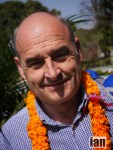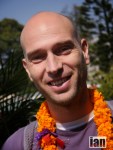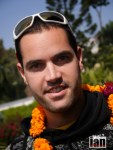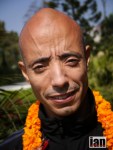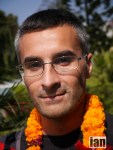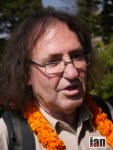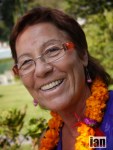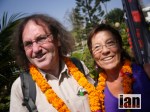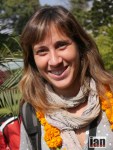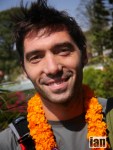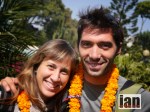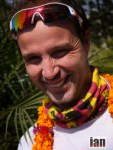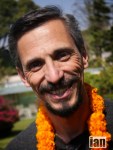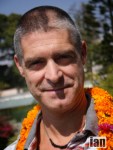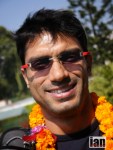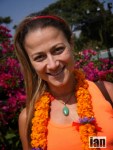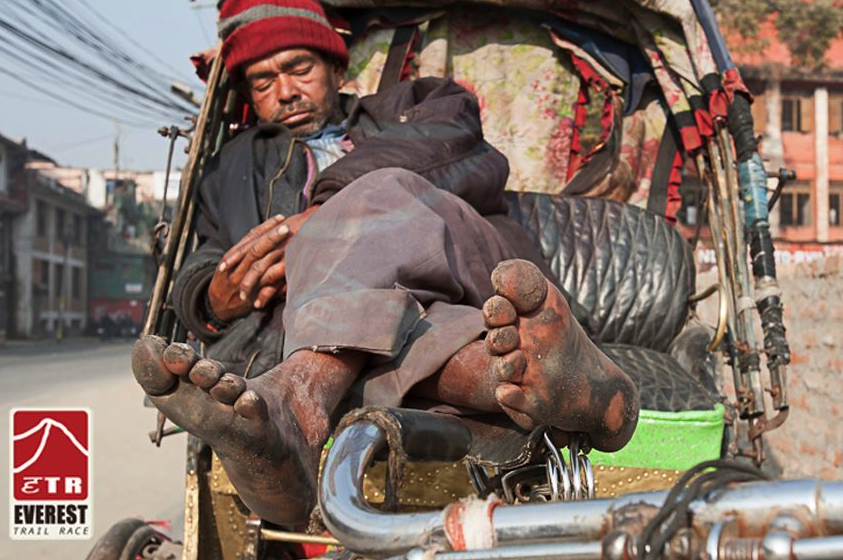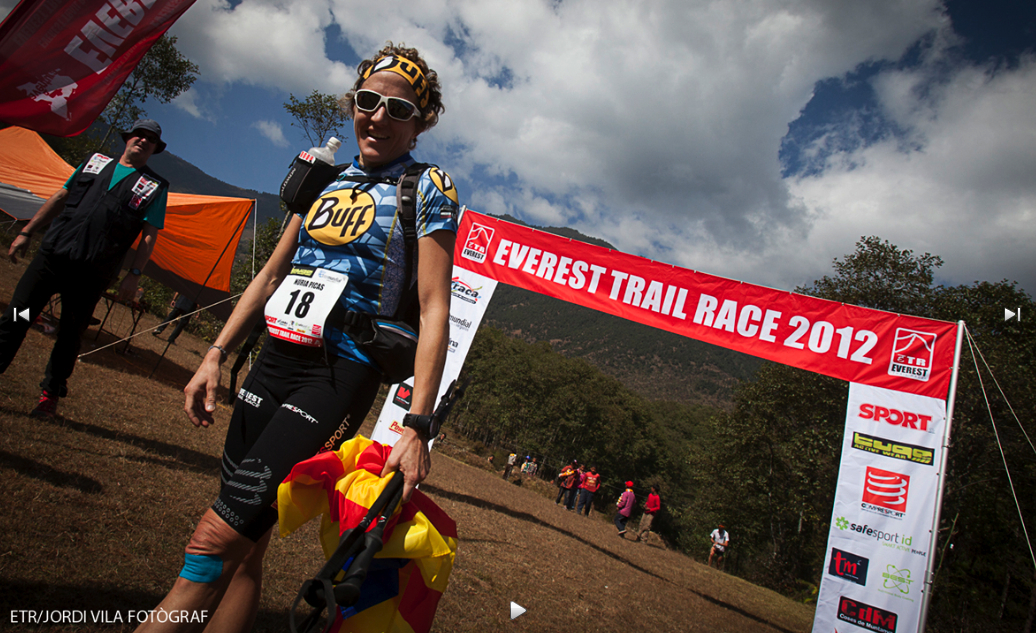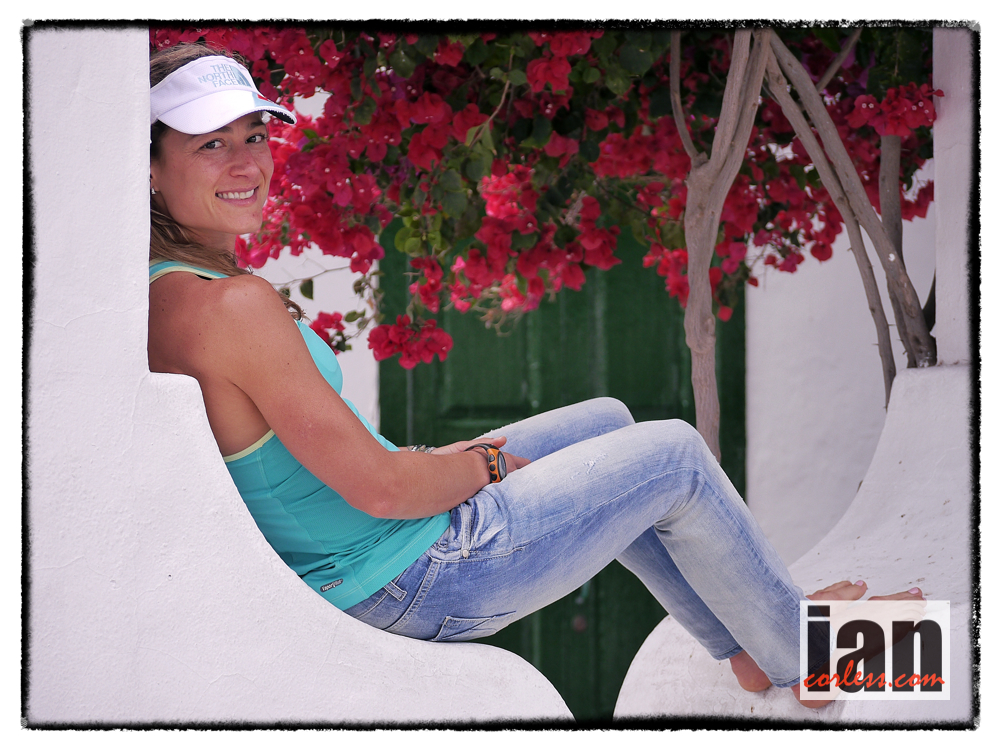
Everest Trail Race – The Participants

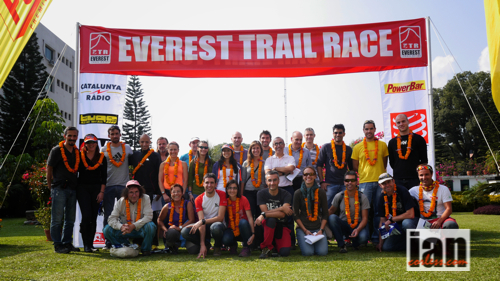
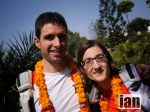
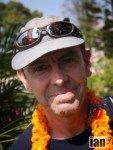
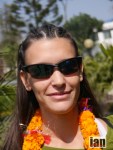
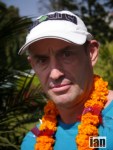
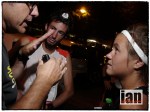
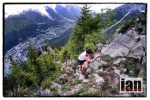
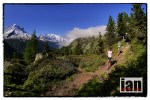
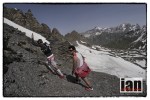
Everest Trail Race ©iancorless.comParticipants and staff have arrived in Kathmandu ready for the 2013 Everest Trail Race. A couple of days exploring before we leave for the race start, some 7-8 hours away by vehicle.

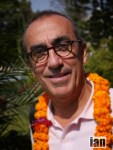
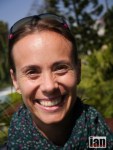
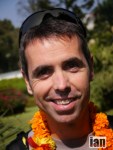
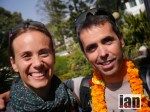
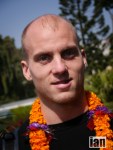
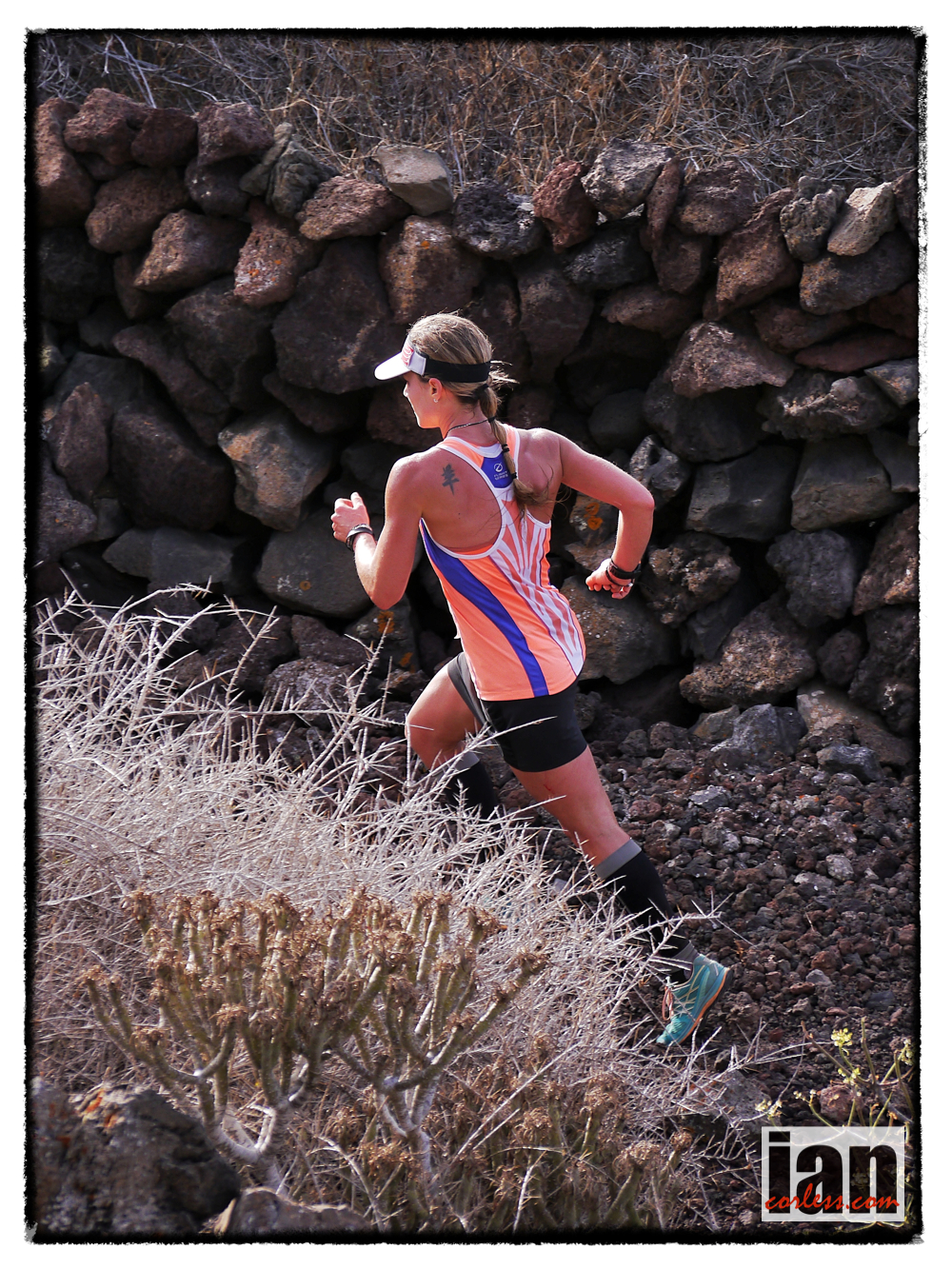
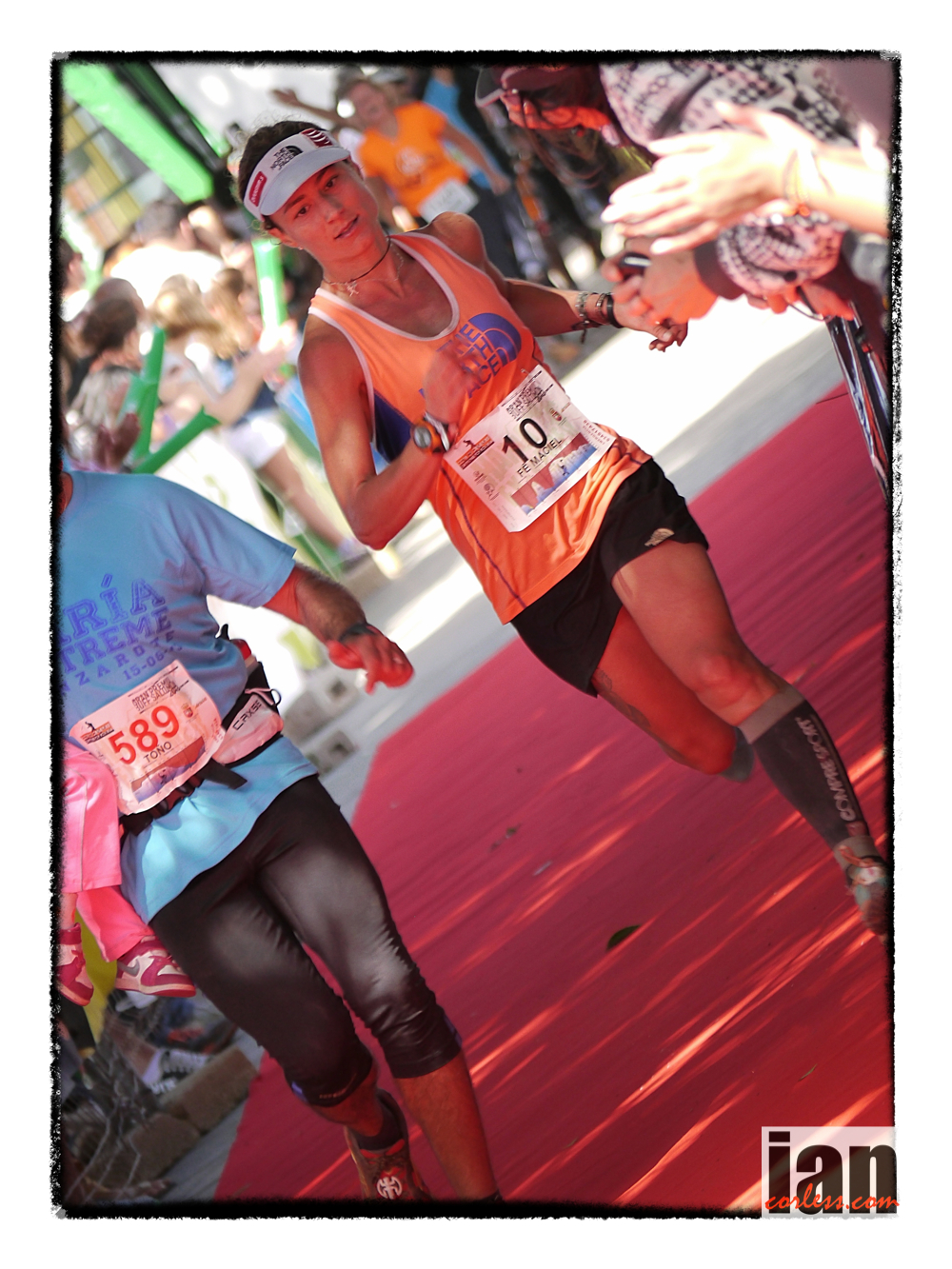
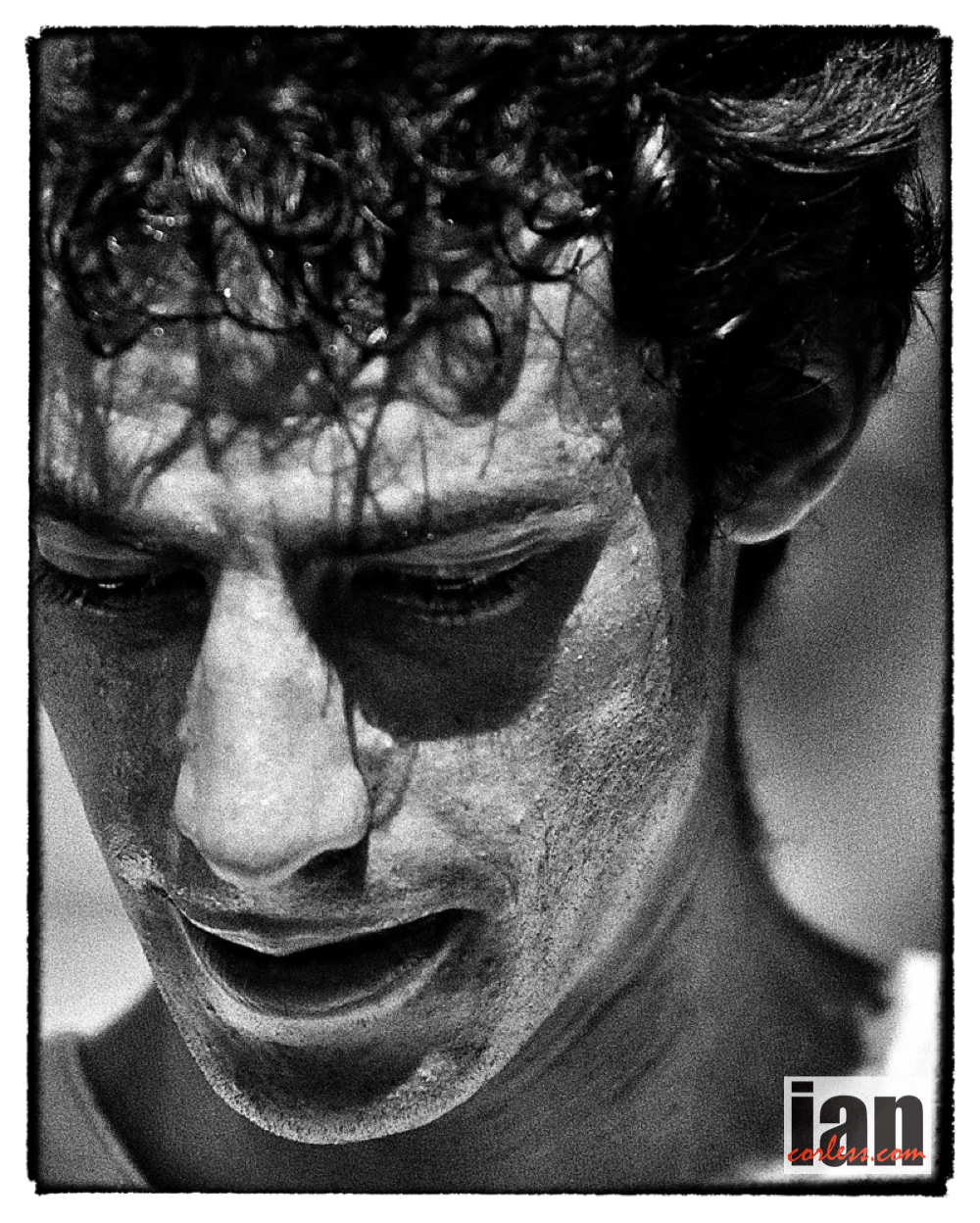
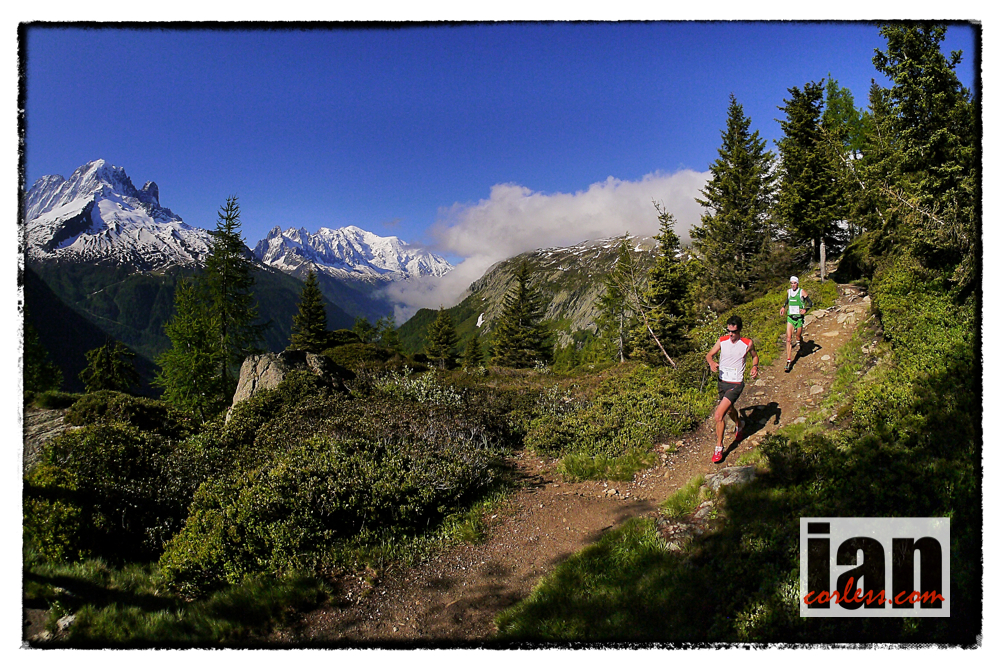
Here is a face of every runner.

ETR website and 2014 booking available HERE


Everest Trail Race – A journey begins

screenshot_404

I had a dream, like any boy, I had a dream of what might be. Majestic mountains and blue skies; coloured flags draped on string and spread across the trail. Nepal and the Himalayas, it’s sometimes quite difficult to convey an emotion… Nepal stirs an emotion.

screenshot_406

You see, I have had a vision; a vision of what this region will hold for me. Visual delights that can fulfill the photographic passion of even a novice cameraman, to be in this region of the world, yes, near the ‘rooftop’ of the world is something that I never thought would happen.

I have experienced many wonderful things, particularly in the last two years. I have been extremely fortunate, extremely blessed and extremely thankful of the opportunities.

I have witnessed the rainforests of Costa Rica at The Coastal Challenge, the dunes of the Sahara at Marathon des Sables and the vermillion cliffs of the Grand Canyon at the Grand To Grand, but today, I depart on a journey, a journey 46-years in the making to the rooftop of the world. I am finally going to experience the majesty and the awe-inspiring wonder of the Himalayas at the Everest Trail Race.

To synthesize my emotions and thoughts are almost impossible. My expectations are high and I am sure that as soon as I experience my first sights and sounds of Kathmandu, all will fall into place. My camera will convey the images, emotions and beauty of what I see.

The Everest Trail Race is a multi-day journey that will test each and every participant in a way that they have not been tested before. A total elevation gain of over 25,000m with a minimal altitude of 3,000m will mean that breathing alone will be difficult.

screenshot_407

Set against one of the most awe inspiring backdrops, the race will last for six days covering a total distance of 160km. Daily distances are on the face of it relatively easy at; 22, 28, 30, 31, 20 and 22km, however, daily altitude difference goes from 3000m to almost 6000m. It is a demanding race and although each participant is required to be self-sufficient during each day, food, water and an evening camp are provided by the race organization. Daily temperatures can vary from -10c to +18c and the terrain will offer incredible variety; frozen earth, snow and rocks of varying color. Without doubt, the ETR is a challenge, why else would you do it?

My purpose and aim will be to document the journey in words and images providing a daily story that will portray the journey of all involved. Wild beauty, people, cultural encounters all encompassed in a harsh environment. The ETR will bring sharing and ultimately friendship for all. This race will be so much more than ‘just’ a physical effort; it will be a life affirming journey and one that will almost certainly change each person who has the opportunity to experience it.

This will be a race of human values, collective experiences and I for one can’t wait to experience the journey not only from the outside looking in but from within the race looking out.

Nepal and the altitude will be a new experience for me. It excites me but also intimidates me. Will I be able to handle the altitude? In addition to making the 160km journey, I need to work. I am going to need to travel light but also function on a professional level. Sometime ago I changed my heavy Nikon DSLR cameras to the compact micro four/third Panasonic G cameras and without doubt they will be worth every penny of investment on this race. I am able to carry three cameras and lenses for the comparable weight of one Nikon body and lens. My computer is the small and light MacBook Air, I will have an iPad mini, solar charger and I will be using mobile recording equipment such as the Zoom H2N.

Camera kit iancorless.com

Camera kit iancorless.com

I am equipped and well prepared for every race I attend, however, the ETR and it’s part self-sufficient nature not only means that I need lightweight and effective clothing but it needs to pack small. I have to give a big thank you here to UK based company, MONTANE. They have provided me with all the equipment I need (inc luggage) and in addition, I have some new products to test, such as a Montane Sleeping Bags that will be available on the market in 2014.

Everest Trail Race - Montane kit - ©iancorless.com

Everest Trail Race – Montane kit – ©iancorless.com

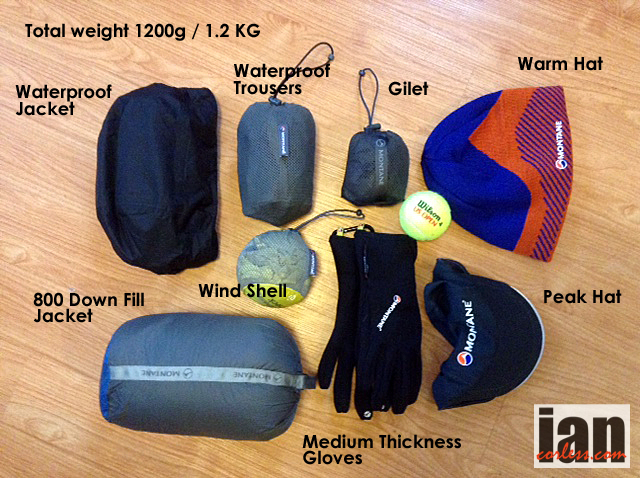
The above has my daily kit that I will need for safety. Waterproof layers, down jacket, sleeping bag (in case of emergency), windproof shell and gilet, medium gloves/ warm gloves, warm hat and peaked hat. All weighing in and including the pack at 2.93kg.

Everest Trail Race - Montane kit - ©iancorless.com

Everest Trail Race – Montane kit – ©iancorless.com

The above is a stripped down version of equipment with no sleeping bag and just medium gloves weighing in at 1.2kg.

Apparel as supplied by MONTANE:

Montane day clothing ©iancorless.com

Montane day clothing ©iancorless.com

Montane warm layers clothing ©iancorless.com

Montane warm layers clothing ©iancorless.com

Montane outer clothing ©iancorless.com

Montane outer clothing ©iancorless.com

Montane run clothing ©iancorless.com

Montane run clothing ©iancorless.com

Montane pack and luggage ©iancorless.com

Montane pack and luggage ©iancorless.com

So that’s it for now. I leave Heathrow and join the team in Istanbul, we then depart for Kathmandu.

Reports and images will be posted on my website here, I hope on a daily basis, however, communications above 3,000m may well be limited.

Watch this space!

NAMASTE.

Finally, a word from Jordi Abad, ETR director.

” If this was only a pure and hard competition, it would be a nonsense; environment gives its hardness but not the competitiveness itself. We are here to share and to help each other. It is possible to make the effort running any city marathon in the world, but the sensations, the environment and the feelings are to share them with friends, to know new people with whom laughing and weeping. This is what remains in the end and what makes it an unique experience for all”.

ETR website in the UK HERE

Information on Nepal:

It is located in the Himalayas and bordered to the north by the People’s Republic of China, and to the south, east, and west by the Republic of India. Specifically, the Indian states of Uttarakhand, Uttar Pradesh, Bihar, West Bengal, and Sikkim border Nepal, while across the Himalayas lies the Tibetan Autonomous Region. Nepal is separated from Bangladesh by the narrow Indian Siliguri corridor. Kathmandu is the nation’s capital and largest metropolis.

The mountainous north of Nepal has eight of the world’s ten tallest mountains, including the highest point on Earth, Mount Everest, called Sagarmatha in Nepali. It contains more than 240 peaks over 20,000 ft (6,096 m) above sea level.[11] The southern Terai region is fertile and humid. Lumbini, the birthplace of Lord Gautam Buddha, is located in this region. Lumbini is one of the holiest places of one of the world’s great religions, and its remains contain important evidence about the nature of Buddhist pilgrimage centres from as early as the 3rd century BC.  

Content taken from Wikipedia©

Equipment list supplied by Montane 

  • Montane Beanie 50g
  • Montane Aero Cap 55g
  • Montane Bionic Long Sleeve Crew Neck base layer 160g
  • Montane Bionic Long John 175g
  • Montane Featherlite Gilet 105g
  • Montane Featherlite Smock 105g
  • Montane Featherlite Down Jacket w/ Hood 405g
  • Montane Minimus Mountain Jacket (waterproof) 232g
  • Montane Minimus Tousers (waterproof)  125g
  • Montane Terra Pants 320g
  • Montane Tee Shirt 195g
  • Montane Powerstretch Gloves 55g
  • Montane Sabretooth Gloves 112g

Run Kit

  • Montane Sonic Ultra T 150g
  • Montane Trail Tights 207g
  • Montane Trail Shorts 140g

Sleeping Bag

  • Montane Direct Ascent (sample product) 1055g

Pack

  • Montane Ultra Tour 22 ltr 545g

Holdall

  • Montane Transition 100 

Total weight 4186g minus holdall

Great Himalayan Trail – Philippe & Anna Gatta

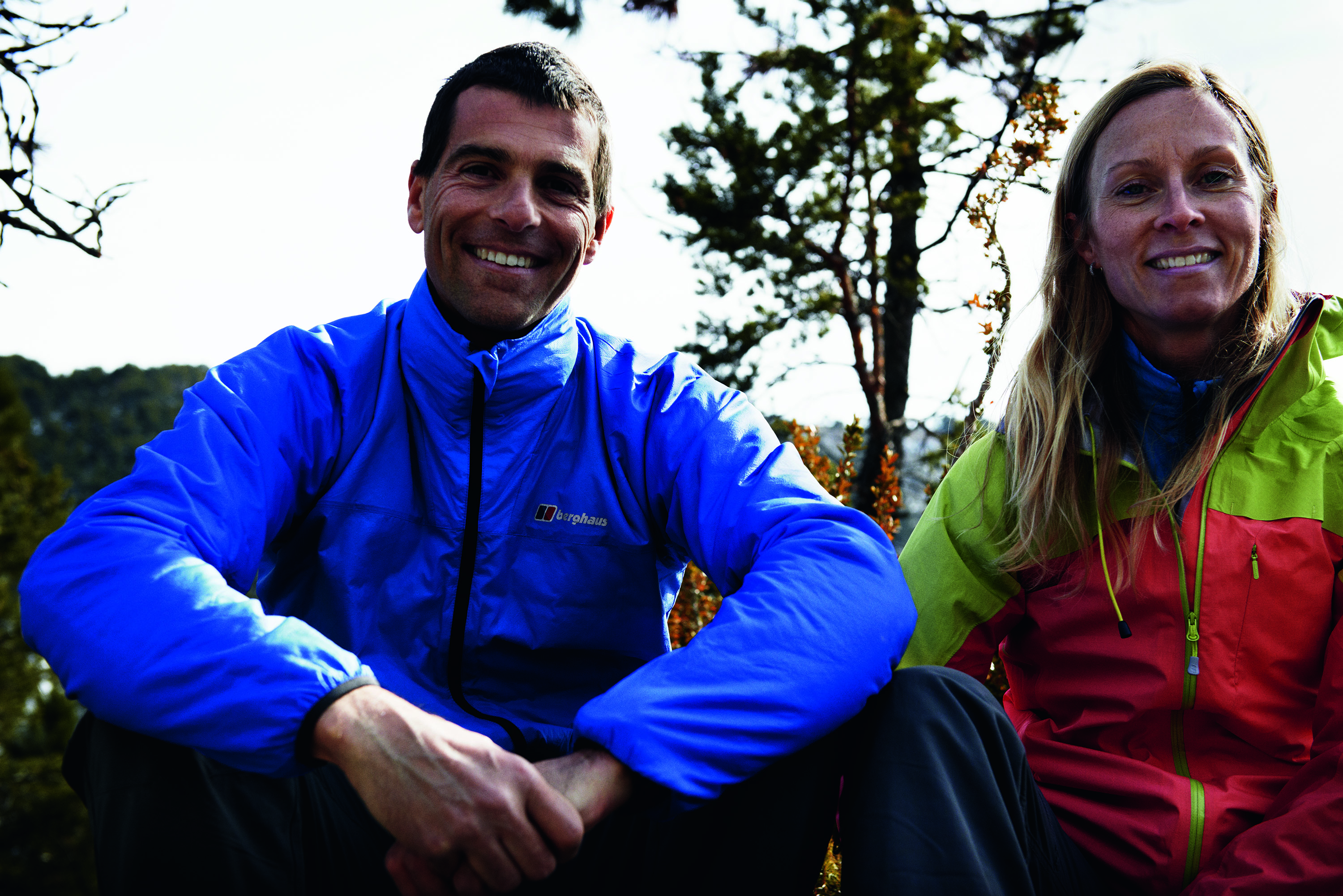
Philippe & Anna Gatta iancorless.com

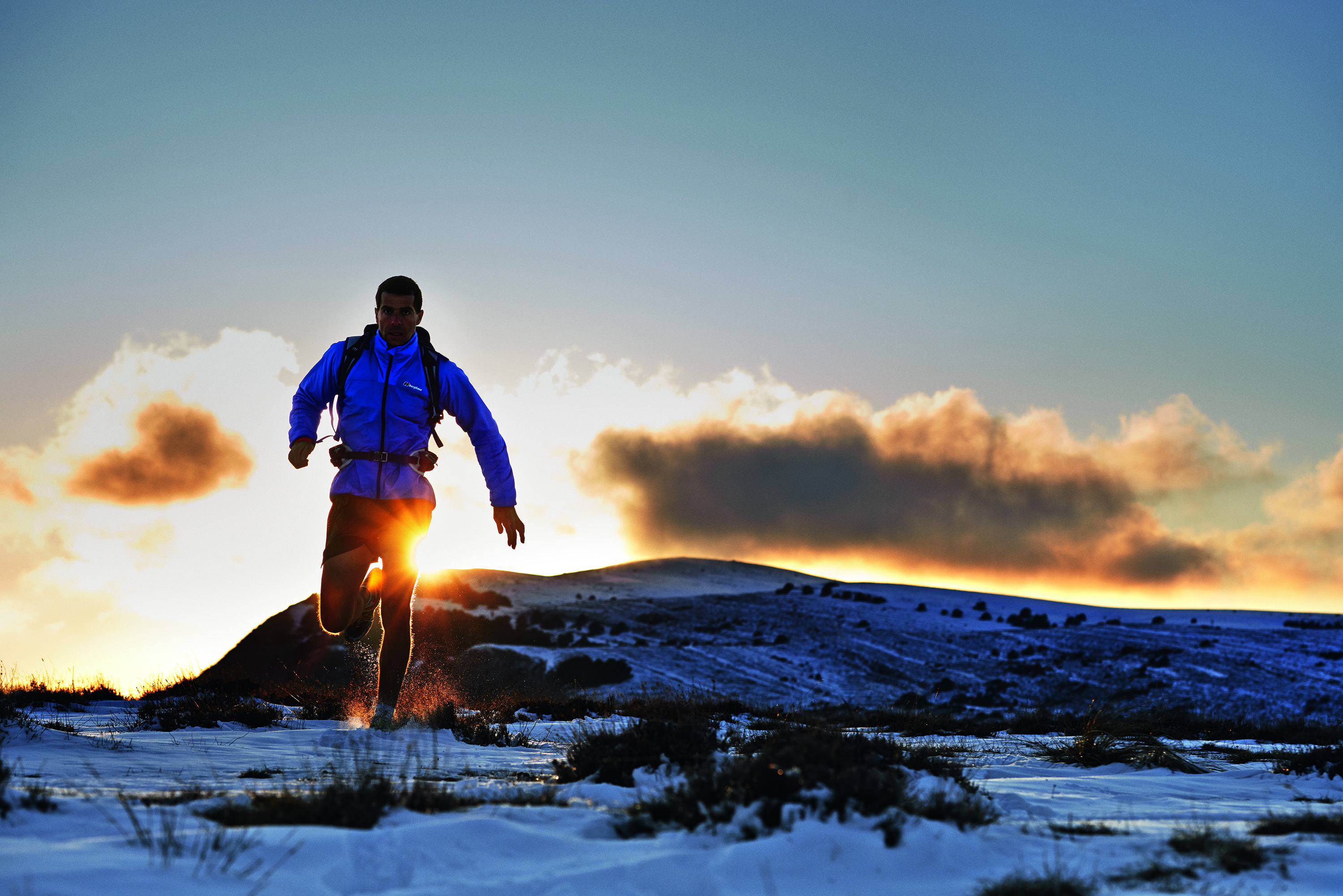
Ultra runners and climbers Philippe and Anna Gatta started a major expedition on the 20th September that will travel the length of the Great Himalayan Trail in Nepal. Philippe and Anna are well into the journey that will change both of them, not only from a physical perspective but from within. You can read the daily blog here

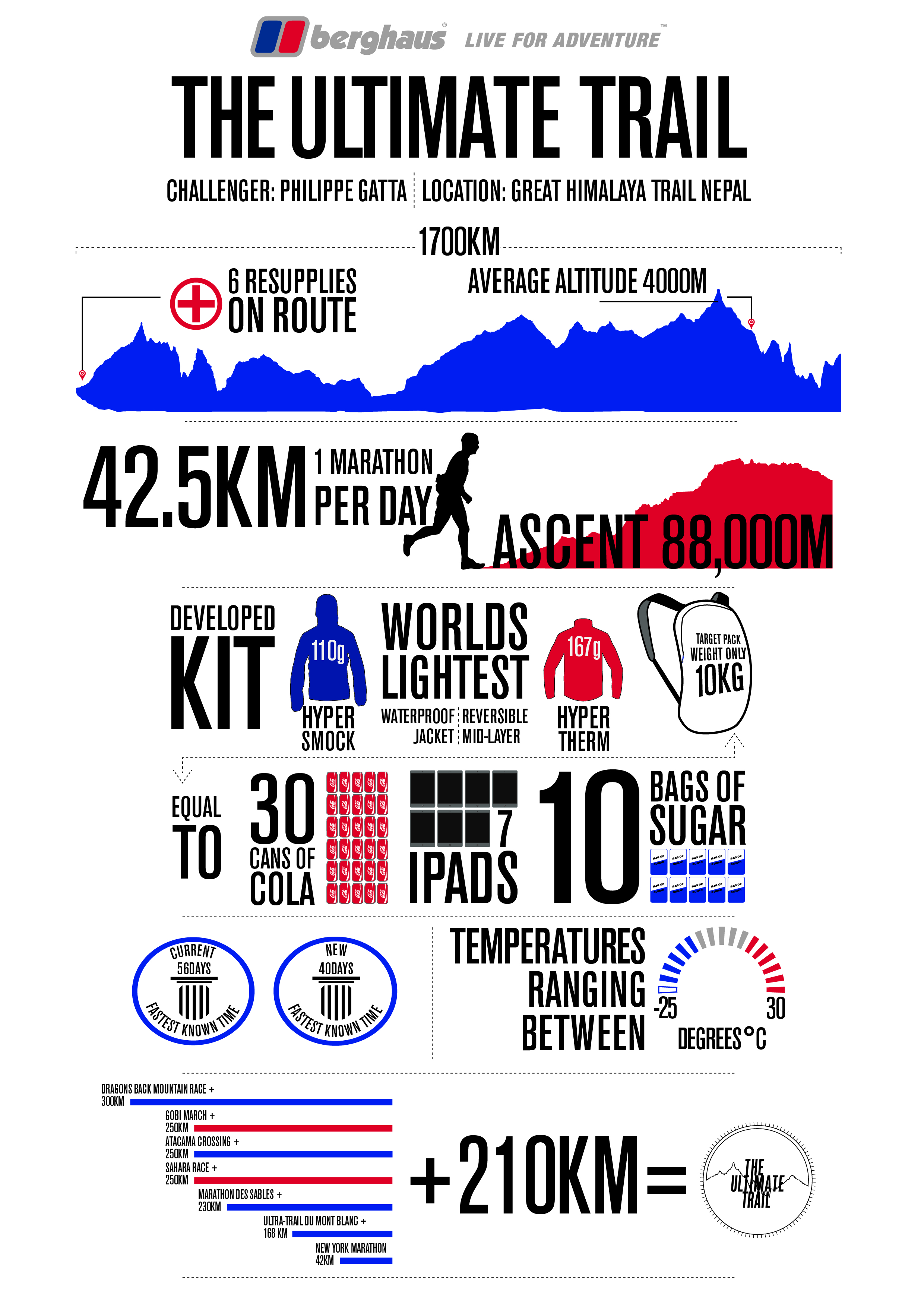
Philippe Gatta aims to run the 1,700km route in under six weeks, completing the equivalent of 40 marathons in 40 days.

Anna Gatta will also be running long sections of the route with Philippe, covering 670km, with 39km of ascent and completing the equivalent of 16 marathons. In addition, she will provide essential logistical support to her husband on the sections when he is running solo.

Philippe Gatta iancorless.com

The Great Himalayan Trail (GHT) extends for 1,700km and includes over 88km of vertical gain. The route includes many passes at an altitude higher than 5,000m and two that are at 6,200m, and it navigates through some of the highest mountains in the world, including Everest, Makalu and Kangchenjunga.

The Gattas are facing temperatures ranging from -25 degrees Celsius to +35, will run at altitudes from 880m to over 7,000m, and in jungle terrain, forests, deserts and on glaciers.  To add even more to the challenge, on the 30th day Philippe is planning to complete a speed ascent and descent of Baruntse (7,129m).

Philippe Gatta, Anna Gatta iancorless.com

“It is amazing to look back at the last 18 months, since we decided to run the Great Himalayan Trail.  After all of the expeditions and races I have done in the past 15 years, I never thought that this would be so complex to organize.  When we climb a big mountain, we establish a base camp with all the gear we need for the following weeks.  Of course, there are limits to the amount of things we can take but that’s nothing compared to the challenge of running 40km every day, carrying all we need in small packs and across the Himalaya. There are still areas of uncertainty – about the trail in several sections and about the conditions on the trail and mountains after the monsoon – but that’s all part of the adventure.  We have both set new personal records in term of training intensity and volume and are very confident and happy about our preparation, the kit and the logistics.”

Great Himalayan Trail Map - GHT - iancorless.com

Philippe and Anna are sponsored and supported by Berghaus for this journey and will be sending updates which will be posted on the Berghaus community, Facebook and Twitter.

The journey has been troubled due to heavy snowfall and difficult conditions; here is an outtake from the 18th October, day 24.

“Yesterday Philippe called from the sat phone. He was devastated since he realized that after 10 hours of opening up a path in extreme conditions to Tilman Pass they had advanced only 2 km due to snow up to waist and hidden crevasses. Despite very hard efforts they simply couldn’t continue. Philippe said it had been harder than the summit day of Everest. He and the Sherpa return back to the Kyangin camp and have decided to not take more risks and turn back to Katmandu to analyze what parts of ght that are still possible to realize. Another pass he was supposed to do, Tashi Labsta 5800m, is not doable now neither and the 3 cols had avalanches…”

The Ultimate Trail – facts and figures

– Distance – 1,700km across Nepal

– Vertical height gained – 100km

– Temperatures ranging from -25 degrees Celsius to +35

– Altitude from 880m to 7,220m

– Jungle, glacier, forests and desert

Key sections

– Dolpo – 300km with eight passes at over 5,000m

– Philippe will be self-sufficient for seven to eight days in a remote area where he is unlikely to meet anyone.

– Philippe will use a pack with a maximum weight of 10kg, which will hold all of his equipment and food for the section.

– The Three Cols – from Everest to Makalu

– Four days above 5,000m with two technical passes at 6,200m

– Challenges will include glaciers, crevasses and abseils.

– Kangchenjunga

– 230km in a very wild region

– From rain forests to a 5,160m pass

– Lacking in good trails but littered with landslides

Follow the blog here

GHT, Great Himalayan Trail info iancorless.com

Everest Trail Race – Fernanda Maciel Interview

LOGO ETR

Everest! Do you really need any other description? Later this year, the third edition of the Everest Trail Race (ETR) will take place. Starting on the 3rd November and finishing on the 15th November, runners from around the world will join together for one of the toughest high altitude ultra marathons.

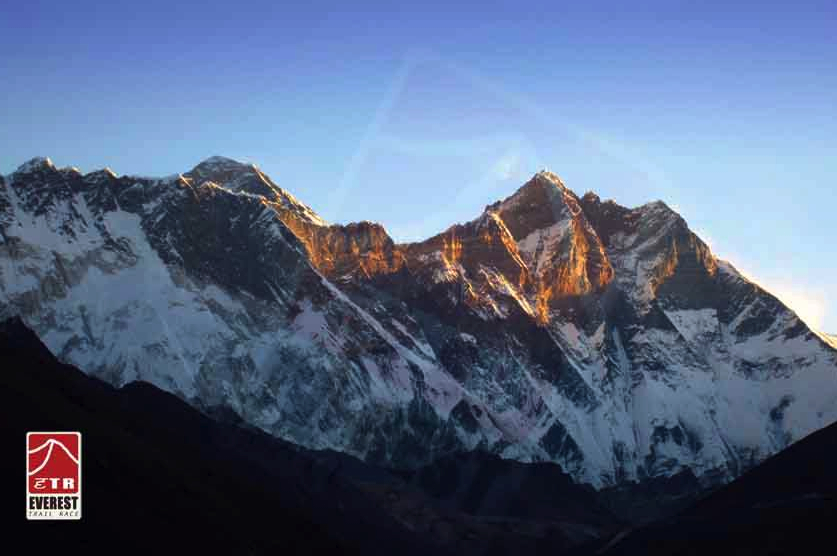
Image taken from - everesttrailrace.com ©

Image taken from – everesttrailrace.com ©

Set against one of the most awe inspiring backdrops, the race will last for six days covering a total distance of 160km. Daily distances are on the face of it relatively easy at; 22, 28, 30, 31, 20 and 22km, however, daily altitude difference goes from 3000m to almost 6000m.

It is a demanding race and although each participant is required to be self-sufficient during each day, food, water and an evening camp are provided by the race organization.

Image taken from - everesttrailrace.com ©

Image taken from – everesttrailrace.com ©

Daily temperatures can vary from -10c to +18c and the terrain will offer incredible variety; frozen earth, snow and rocks of varying color. Without doubt, the ETR is a challenge, why else would you do it? But it is a challenge all can undertake with some specific training. It is ideal for runners or hikers who want to push the limit.

Image taken from - everesttrailrace.com ©jordivila

Image taken from – everesttrailrace.com ©jordivila

Created in 2011 by Jordi Abad, a Spanish extreme ultra runner, the ETR is staged at the beginning of the dry season. Why? Well, the air is clean after the monsoons, visibility is impeccable and the surroundings are resplendent.

In order to get a greater understanding of what the ETR may offer, I caught up with Brazilian, Fernanda Maciel. Fernanda is currently preparing for the ‘CCC’ in Chamonix at the end of August and will make the journey to Nepal in November to take part in the 3rd edition of the ETR.

©copyright .iancorless.com.P1100588

IC – Fernanda, welcome, how are you, I believe you are currently at your home in Spain?

FM – I am great thanks Ian. Yes, I am in Spain.

IC – I presume you are training in the mountains?

FM – Yes sure, one month ago I damaged my foot so I have been recovering and training. I live in the Pyrenees. It’s a great place to be. It is a great background for training and to prepare for the CCC and other races.

IC – Let’s hope they get good weather at the CCC this year…

FM – I Hope so!

IC – I guess coming from Brazil you would prefer hot weather.

FM – Yes, but I live in the Pyrenees so I am used to the cold and snow but hot weather would be nice for the race.

IC – I often think of you as an ultra runner but you are a much more diverse person than that. Can you take me back to what got you into sport and what made you realize that you had a passion for all things connected to running, cycling and swimming. You have done so many sports with such variety.

FM – From the age of 8 I was training as an Olympic gymnast. At 10yrs old I was in the US doing competitions and training every day for four hours. So, my background in sport was established when I was a child. This helped a great deal. For me the sports I have done in my life I have really enjoyed. I couldn’t separate sport from my life; it is my life. I also did martial arts. My father was a master and my grandfather was also a master in jujitsu. So I was always fighting too…

©copyright .iancorless.com.P1100600

IC – So a gymnast and fighter, the message is, don’t mess around with Fernanda!

FM – Yes, it was so funny. My grandfather’s house had a fighting ring.

IC – Like a dojo?

FM – Yes a fighting ring. So my cousin and I would fight all the time. It was so funny. I loved this time. When I was 15/16 years old I started to run, 5k on the road and then 10k. When I was 20 years old I started doing half-marathons. The changing point came at 23 years old. I was invited to do some adventure racing. I purchased a bike and started to do mountain biking. I was running before but not MTB. So I progressed to adventure racing at 23. I became an endurance runner through adventure racing. The races are always long, you don’t stop, you don’t sleep so it was perfect preparation for ultra running and ultra trail. It was easy for me to progress to long distance.

IC – Do you think with ultra and trail you have found ‘your’ sport?

FM – I feel complete when I do trail and ultra. I am not sure if I can try another sport and be better but I love running. I cannot be without one day of running. I love it. Of all the sports I have done, running gives me movement, style and great experiences during and after. To be on the trails, mountains, sand or whatever; it is what I really enjoy. Currently I love the mountains. It provides great views, fresh air; I love it. It completes me. I also love flowers and animals so it’s great. Very interesting. When you go above the clouds the sensations are so amazing. It’s a great feeling.

IC – I’d like to talk about your professional life. I think of you as a professional sports person, which of course you are. But you practiced as an environmental lawyer and a sports nutritionist. Do you still practice law?

FM – I have a company in Brazil. I am a businesswoman. I also work in sport nutrition. I can do all my work remotely, so, I just need a computer. I have people in Brazil who help me. In the past I was a lawyer but when I came to Spain I needed five more years study because the law was different. Lawyers need to be in a city, I chose sport instead. Sport nutrition allows me more flexibility. It fits in with my life. I breathe sport. It’s better. I love law, I love to study and read but I didn’t want to be in an office all day. I didn’t have much contact with nature. I also became an outdoor bound instructor in addition to everything else.

©copyright .iancorless.com.P1100803

IC – If we look back over your run career, it starts in 2006 and you have had some great results. You won at Transgrancanaria, you won Andorra Ultra Trail, you were fourth at UTMB, recently you had success at Lavaredo, TNF Mt Fuji but the one thing that sticks out is Camino of Santiago de Compostela, 860km and you did this as a personal challenge in ten days. What was that like?

FM – It was the hardest run of my life. I knew the Camino. I thought maybe if I run the Camino I could help children with Cancer. When I was in Brazil as Lawyer, I also helped children with cancer. So, I made this project with charity in mind and it was really tough. I was running 90-100km per day without a support team. I carried everything and slept in huts along the route. It was super tough. It think it’s a great way to do the Camino… I am writing a book now about the experience to encourage others to maybe run the Camino instead of hiking.

IC – I remember when we spoke at Haria Extreme race you told me of the difficulty on getting approval. They wouldn’t stamp your card because you moved along the trail too quickly.

FM – Yes, the church think that the runners move too fast so they don’t have time to think and reflect… I told them I had plenty of time! I was running ten or eleven hours a day. I had plenty of time to think. I hope that running will be an option for others in the future.

IC – Other races in your career, what would you pinpoint?

FM – I love the UTMB, CCC and TDS. I did the TDS in 2009 and for me it is an amazing race. It is so technical and beautiful. It is so different to the UTMB. The views are amazing. It is a really great race and one I would recommend. I have run in many races around the world, but I prefer races in Europe because they have more elevation. I prefer high mountains. I would like to try Hardrock 100. Hopefully I can get a place next year? I am going to Patagonia soon, this will give me high mountains and altitude.

IC – You have mentioned the high mountains and both of us will be in the high mountains in November. We are going to Everest Trail Race. I will be along as a journalist and photographer, very exciting for me. You will be participating. An exciting place to race…

(Laughter)

FM – Yeeesssss!

(Laughter)

IC – I can hear the excitement.

FM – Yes, I am so excited. We have support but we also need be self-sufficient too. I prefer this. It is wilder. I like this aspect of racing; it makes things more interesting. The race will provide the best views ever. It will be hard and it will be technical. It is my first stage race. It will be interesting; I can share my feelings and thoughts with other runners. We will all learn so much. The mountains will also teach us. We will be one week in this environment.

©copyright .iancorless.com.P1110316

IC – It takes place in the Solukhumbu region of the Himalayas in Nepal. It has an altitude gain of more than 25,000m (ouch). It has long hard trails of frozen earth, snow, rocks it is 160km in total over 6-days broken down into 22, 28, 30, 31, 20 and 22km‘s per day. The distances don’t sound too much but when you look at elevation per day of 3000 to 6000m per day that will be extremely tough. It will be a different experience. Have you been doing anything specific in preparation?

FM – I am already preparing as I climb and spend time at elevation. It will be like a climb/run because of the elevation. The race has short distances but high elevation and that will make it tough. I go into the mountains to adapt, in the last two weeks for example I did a 60km race and I did 4500m in elevation. This is good preparation. I need altitude and high elevation. Sometimes I prefer to climb, it is good cross training and it is also good for my mind. It’s good to be in open areas.

IC – In terms of the race, snacks, meals and water are provided both along the route and at camp at the end of each day. During the race you need to be self sufficient in terms of safety kit. You need technical kit, sleeping bag, warm clothes, and mandatory kit. You have already said that this is something that excites you. Do you have any specific things that you will take?

FM – No. I will have what I need and what is specified in the rules. I will want my kit to be light, so, I will use the lightest products possible. I won’t have special drinks or food. I don’t eat cheese or meat but I have made sure that vegetarian food will be available. Apparently we need to be careful with water but apparently we will be supplied good water.

IC – You are sponsored by TNF (The North Face), are they producing any products for you specifically or will you use what is available in the consumer range

FM – I will use normal product. I may have some prototypes to test in the coming weeks, so, I may take some of this with me but I will need to test. But I think for Everest, the pack, sleeping bag, jacket and so on will be normal product in the TNF range.

IC – One thing that has always impressed me is that you like to raise money for charity. You get involved. Are you doing anything in particular for the Everest trip.

FM – Yes, at the Everest trip I have one day free after the race. I have a friend who asked if I could help children for Fundació Muntanyencs per l’Himàlaia. So, the Everest trip was perfect. Last week I had a meeting with the foundation in Spain. They need children’s clothes. In the race, we will pass through the villages of the children, where they were born. So I will hopefully bring clothes and resources to Nepal and provide them for the foundation. In the coming weeks I will start to collect everything and then I can take it with me.

IC – Great, something really incredible to help the local communities.

FM – We will need to run to the Village to help them, so if you can help me that would be great. Also, I hope Lizzy Hawker will help us too.

IC – Absolutely, I would love to get involved. It’s a great thing! Finally, many people will read this and look at your achievements and the experience you have. If you had to give advice to someone who was maybe thinking about going to Nepal, what advice would you give to help him or her?

FM – Have an open mind and open heart. The mountains will talk with you. This is the best experience for everyone. It will be incredible to be in this place. Yes, for sure, you need to train but this is only one aspect. Train the mind and the heart, the rest will follow.

IC – Perfect. Of course, the Everest Trail Race is about experience. Due to the nature of the terrain and altitude it will not be a full on running race, you will also need to be a good hiker…

FM – Yeeesss. For sure! I think if you have confidence and a good mind then it won’t be a problem. Yes we will walk, we will also run but we will also take photographs. It’s about being in the mountains. After all, it is Everest! It is another world.

IC – Fernanda, than you so much for your time. I am looking forward to catching up at CCC and of course later in the year in Nepal.

FM – Great. Here are the details of the foundation:

The children (5 to 18 years old) that we can help…

Mountaineers for Himalayas Foundation

Fundació Muntanyencs per l’Himàlaia

info@mount4him.org

www.mount4him.org

Finally, a word from Jordi Abad, ETR director.

” If this was only a pure and hard competition, it would be a nonsense; environment gives its hardness but not the competitiveness itself. We are here to share and to help each other. It is possible to make the effort running any city marathon in the world, but the sensations, the environment and the feelings are to share them with friends, to know new people with whom laughing and weeping. This is what remains in the end and what makes it an unique experience for all”.

LINKS:

  • Website for ETR – HERE
  • Fernanda Maciel – HERE
  • The North Face – HERE 

INTERESTED? in participating in the 2013 Everest Trail Race? It is not too late… some places are still available. Please use the contact form below and obtain a discount, only available through this contact form:

Go back

Your message has been sent

Warning
Warning
Warning
Warning

Warning.

*Note, I will attend the 2013 ETR at the invite of the race organisation.

Kilian Jornet – An Interview

©copyright .iancorless.com.iancorless_DSC7992facesofkima

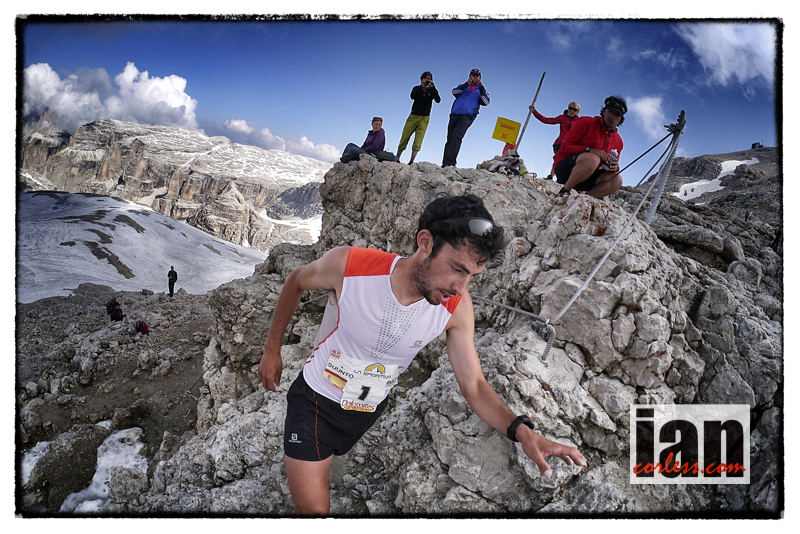
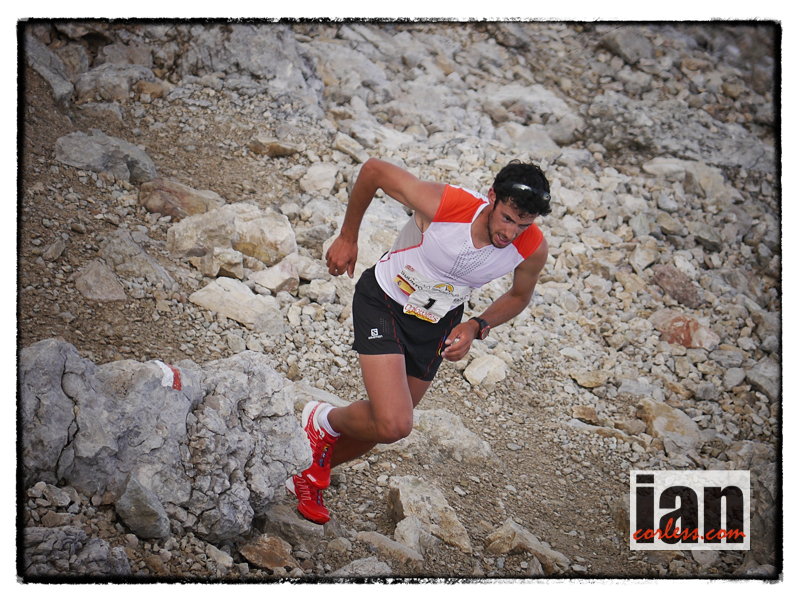
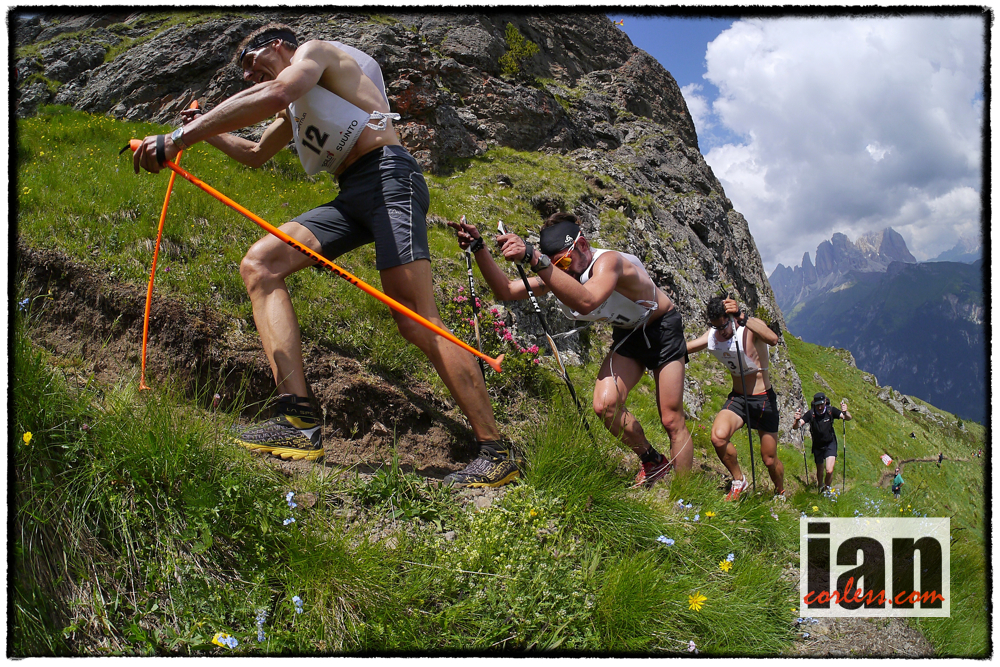
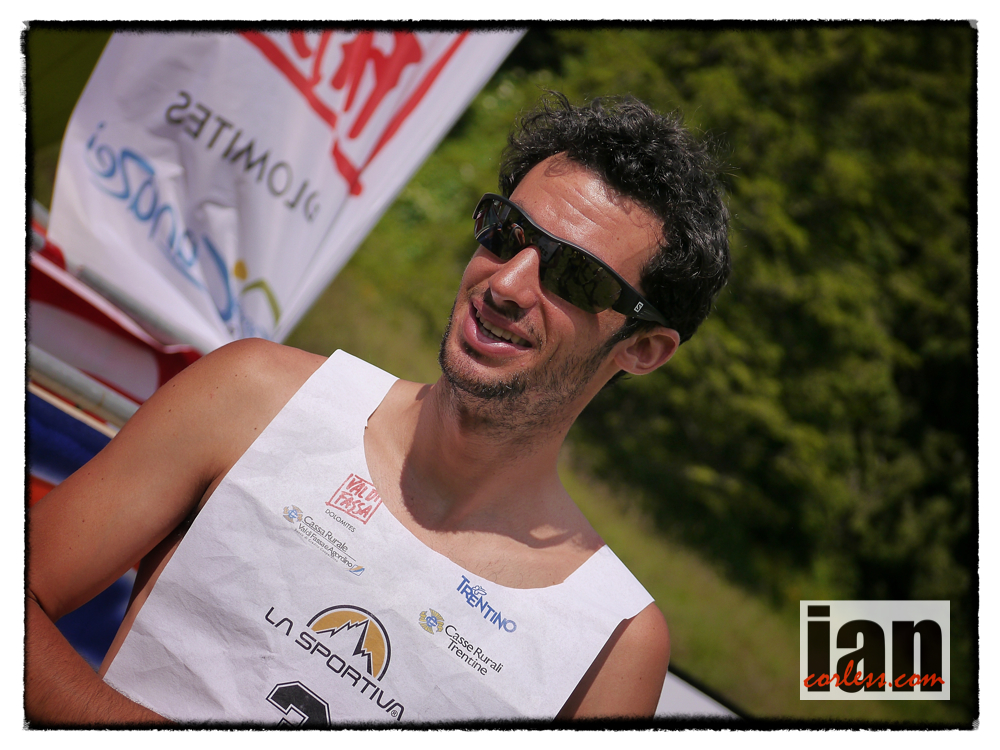
As another day draws to an end and the sun creeps behind the mountains, I catch up with Kilian Jornet outside his hotel on the outskirts of Canazei in the Dolomites. Looking fresh and relaxed he is on his iPhone, no doubt tweeting and replying to many of the messages he will have received congratulating him on another stunning win in the ISF Skyrunning Dolomites Skyrace. Just forty-eight hours earlier he had also won the Dolomites Vertical Kilometer.

©copyright .iancorless.com._1130911

Kilian needs no introduction. He is without doubt the leading example of everything that is great about our sport, not only on the trails, but also off them. He is the superstar of the sport. Always in the limelight, always in demand, I have been fortunate to see both sides in close quarters for some time now. It’s not just racing! Kilian has so many demands placed upon him, that it is miraculous that he can perform at the consistently high level that he does.

©copyright .iancorless.com.P1170383_Snapseed

After our chat he must prepare for a long drive to Switzerland the following day for a four-hour meeting. Returning the same day to Canazei he will then leave for Verona, attend a meeting and then depart for the ISF Skyrunning Trans D’Havet ultra, he will attend three stores to do signings, photos and maybe go for a run. It is a hectic, full on, non-stop life. Despite all this, despite all the pressures placed upon him, I have never witnessed him say no to a photograph or an autograph. His dedication to the sport, his fans and al those around him is remarkable, so, when I ask to take up some of his valuable time for a chat it is always with a sense of guilt… I, just like you, want to hear what he has to say; I want his thoughts and his input. But at the same time, I also want to leave him, let him relax and just find some downtime away from the buzz that his ability as a runner attracts.

©copyright .iancorless.com.iancorless.comiancorless.comP1070105facesofcavallsfacesofcavalls

So, when I chat, although I would love that full hour with him so that I can go deep, ask about his life, talk through his progression I don’t. I set myself a fifteen-minute deadline, conscious of the fact that when I ask in the future, I hope, Kilian will always say yes!

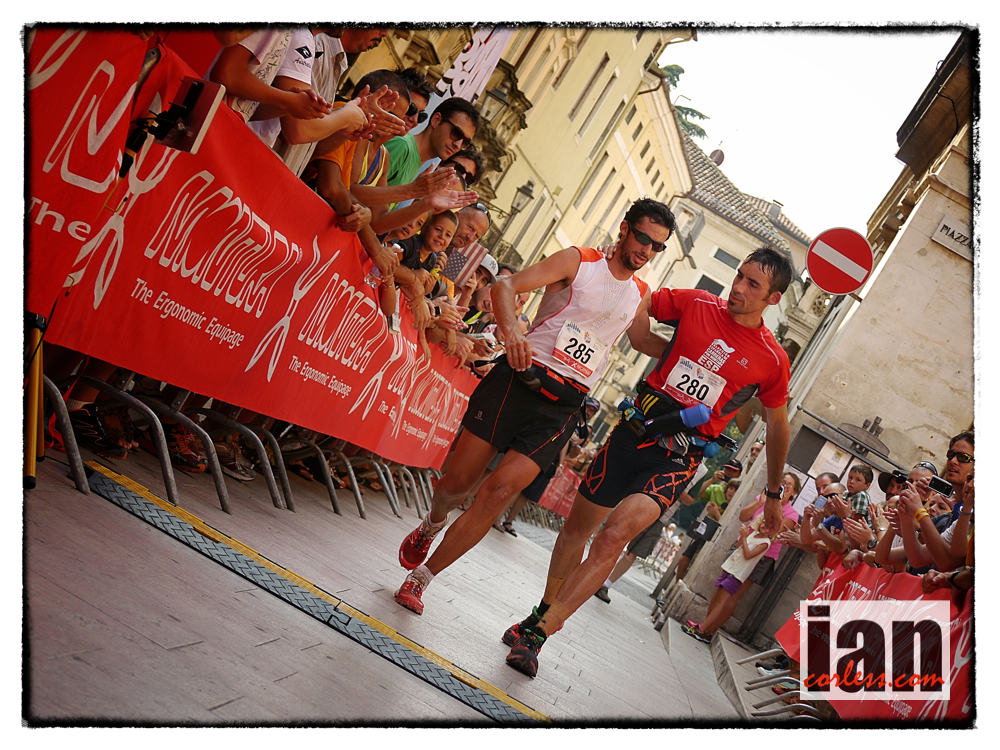
Racing at the Dolomites Skyrace just hours before he had a close race; just three seconds…. Not many people can push Kilian to the line like that!

©copyright .iancorless.com._1150372

IC – Another great win Kilian and this time you had a real battle on your hands with your old adversary, Marco De Gasperi. You won by just three seconds, an incredible race!

KJ – Yes, a hard and incredible race. It’s always great to race Marco and today was very hard. During the race it’s hard and then it is beautiful afterwards. This is how we like it.

IC- Many people think that when they see a start list with your name on it, that you are automatically going to win. However, when we see Marco’s name, it’s great because we know he will push you along… Luis Alberto Hernando can do this too. Do you relish the opportunity to race these people so that you are pushed?

KJ – I think people think I am going to win but in my mind it is not like that. When I see Marco or Luis is in a race I think, this is going to be super hard. For sure, it is motivating. I relish competition. For the last three weeks I have done many races, for example the VK I have just done and the Skyrace when competition is tough that is what I like. I knew here at the Skyrace it would be tough against Marco. He likes short distances and I knew that he would go hard from the start. I needed to push myself. It may be easy from the outside to look in and think I am going to win but it is much harder than this.

IC – I agree, we all know your ability. Your skill in the mountains and your skill as a runner are without question. It is unfair to assume that you can race Ice Trail, the VK, The Skyrace and then go to Trans D’Havet and for us all to assume that you will win… when you approach a race like the Dolomites Skyrace and particularly this year with lots of snow, you must think that plays to your advantages, is that correct?

©copyright .iancorless.com.P1160962

KJ – I know this race. I know the route quite well. I have raced here twice before. The snow wasn’t great for racing this year. It was soft, so not ideal to race fast. The snow wasn’t an advantage this year, however, it was more of an advantage to know the route. When I started with Marco I pushed on the uphill, at the top I had 20 seconds so I thought, we will do the downhill together. The downhill you need the correct line, so it was important to get the best line and if you are in front or if you have someone in front it is easy to follow, so, it would have been impossible to drop Marco. I was sure we would finish together. For me, I thought Marco would be stronger uphill. I thought he would start fast. But when I was with him uphill, I knew it would be a race to the line.

IC – Now Emelie Forsberg keeps tweeting about sprint sessions and interval work. The last time I spoke to her, she told me that she was going to make you do some speed work! After that VK finish when you sprinted from third place to take the win and then in the Skyrace finish you won by three seconds, does that mean you are not telling us something?

(Laughs)

KJ – I am improving in my sprint for sure. I am not a sprinter, in SkiMo I am a bad sprinter, but yes, I always have a little speed for the last meters. It is something I never train so I need to work on this, it’s good for me to train and work on this. Sometimes when you follow someone it’s better… last week we tried to catch Chamois, it was impossible but good for sprint training.

©copyright .iancorless.com._1150158

IC – Well it has worked! I mentioned the VK. The VK here is a tough course, very steep. I actually went up myself, boy it was tough and steep. Watching you three race up, I am guessing you placed yourself in third so that you could surprise the others. Did you have a race plan to use this tactic?

KJ – It’s a very particular VK, I have raced here three times before and I never felt good. So I was a little afraid, not afraid, I mean not confident. For all three races, (VK, Sky and Ultra) the VK is the race I was less confident about. It is a specialist race and it suited runners like Urban Zemmer. I was thinking before the start that I needed to relax and then when I saw that I was in good shape I tried to follow Urban, he is the best at this discipline. I was following and in the steep parts he was super strong, it was really difficult to be in touch with him. When it was less steep I could run and I felt better. It was okay. I needed to make sure I didn’t loose time or contact. When I saw the finish, I thought it was perfect for the sprint.

IC – It was an impressive sprint. I watched a clip on YouTube, you put your poles together, you went down the outside and then that final 50m is a wall. You have to grit your teeth and get up as quick as possible. Now one thing that many were interested in, is the fact that you used poles. Not something that you use a lot, the VK here is so steep that it would be foolish not to use them. What advantages do they bring?

KJ- I don’t use poles often for running but in SkiMo I use them everyday! I am extremely used to them. For years I used them everyday for 6-7 months. It is a particular exercise that you need to work on. On a VK like this it is like having four legs because you have the arms and upper body and you can really push. So when it is really steep it makes a big difference.

©copyright .iancorless.com.P1170764

IC – Canazei is over and in 5-6 days you will race at Trans D’Havet*, it is the third event in the European Skyrunning Championships, you will be up against Luis Alberto Hernando, he will be arriving at that race fresh. You have lots of racing in your body, how do you think this race will be go?

KJ – It will be a great fight, I haven’t seen the list of other racers but I am sure it will be quality. I am in good shape. I am strong. Mont Blanc Marathon a few weeks ago was a fast race, Ice Trail Tarentaise was like a long training session and then the two races here makes it hard but I am good. I hope I can keep this shape for one week and then I will rest. Yes, it will be hard, Luis is strong this season and of course he hasn’t raced recently, he is focused on Trans D’Havet it is going to be hard but the hardest part of the race is the 0100am start… that is horrible.

(Laughter)

*Kilian and Luis Alberto raced head-to-head at Trans D’Havet and both crossed the line together in what will be seen as a defining moment of the sport, read my race report HERE

IC – You flippantly talk about races such as Mont Blanc and Ice Trail. Particularly Ice Trail, you said it was easy but everybody else thought it was super tough… you are here now for the VK and Sky but you have missed your Chamonix-Mont Blanc-Chamonix record… super impressive! A fantastic achievement, many look and find it difficult to comprehend how someone under human power can do something like this. What is it in the Summits project that has illuminated the fire within you to push to new depths?

©copyright .iancorless.com.iancorless.orgP1050990trofeokima

KJ – Summits it is about pushing in the mountains. It is about being light. It is more than records, a record is nice but it is about being light and moving fast. How light can I be in the mountains? If you are light you need to be fast to be safe. Mont Blanc took a lot of time. We had too much snow early season, I attempted  ‘CMBC’ after Mont Blanc Marathon but it wasn’t the correct time. The snow wasn’t correct. The week before my attempt I was in the mountains everyday to form an opinion on when was the best time and when the best day would be. It was all about timing. It is not like a race. Here you need to be in the mountains, to understand. Every mountain is different; you need to understand how it works how it breathes. I had perfect conditions for my attempt and the perfect day. I was with Mateo Jacquemoud for all the uphill and most of the downhill so it was just pushing, pushing each other. (Note – Mateo fell on the downhill and insisted that Kilian carry on)

©copyright .iancorless.com.iancorless.orgP1060017trofeokima

IC – You mentioned a couple of great points. The one I concentrate on most is the need of understanding the mountain. It is very easy for people to follow Talk Ultra, websites or blogs and look at what you do and think, Chamonix-Mont Blanc-Chamonix, I can do that! But it is a real risk, a real understanding of the mountain is required, you make it look easy, I know that it is not. Do you feel you have a responsibility to those who follow you?

KJ – I saw Alex Honnold do soloing in Yosemite, I saw Ueli Steck doing the north face of the Eiger, and it is not because of this that I would do an attempt. It is inspiring but it is important not to follow. We can all have our goals, our own summits, but of course when we do these things, we have a responsibility. Chamonix is accessible, many people climb every year, and I am not dangerous but every year people die. That is because of rock falls, avalanches etc… you need to know the mountain, you need to know yourself and you need to know your limits. We take risks when we go, of course, but we accept those risks based on our ability.

©copyright .iancorless.com.P1160456

IC – It is about your personal summits and about you understanding what risks you can take, about how light, how fast you can go?

KJ – Yes, it is about knowing each persons capacity and knowing the conditions, the mountain conditions change daily. Maybe one day you have the capacity and conditions but the next day it changes. I know people who climb a mountain and then they say it was easy… It is not like that! Today they climbed but another day maybe more wet, cold, snowing and everything changes; it is no longer the same mountain. Nobody is stronger than the mountain. You need to understand that, you need to take time, spend time in the mountains and understand them.

©copyright .iancorless.com.P1170822

IC – The Matterhorn will be your next summit?

KJ – After Trans D’Havet I will take a break. I plan to stay more than one month without a race to recover and then prepare for the Matterhorn. It is a technical mountain. Bruno Brunod has a record of 3:14. It is a technical route that is not difficult BUT if I fall, I will die! I need to know the route very well, I need to spend time on the mountain, and I need to learn every step.

IC – And the process? Will it be going on the mountain everyday, working routes and understanding how the mountain adapts to the weather?

KJ – Yes I will be in Cervinia (Italian side of the Matterhorn) with my van and I will stay for at least a month. I know many guides in the area and I also know that it has too much snow at the moment but during this time I will go up and down, up and down etc… I need to know everything. I think Bruno climbed thirty times before the record attempt; so, I need to go up 10-15 times at least.

IC – And your attempt, will that come before or after the ISF Skyrunning Matterhorn Ultraks?

KJ – It depends on the weather? I planned Mont Blanc for May but snow made it impossible… I actually did it in June! I have planned the Matterhorn for late August or early September, however, the mountain will decide.

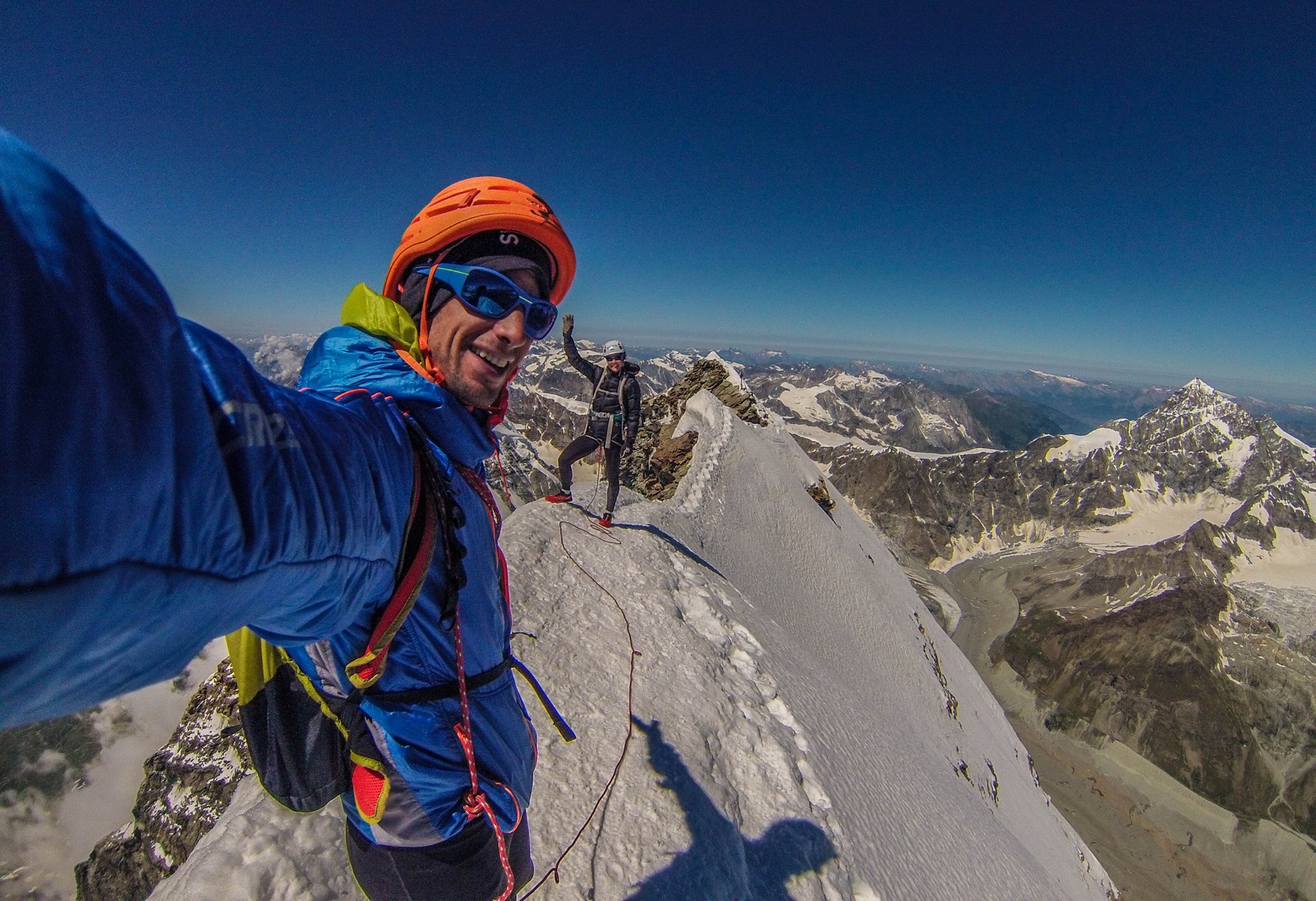
Image taken by Kilian Jornet, Friday Aug 2nd w/ Emelie Forsberg at the summit of the Matterhorn copyright: Kilian Jornet

Image taken by Kilian Jornet, Friday Aug 2nd w/ Emelie Forsberg at the summit of the Matterhorn copyright: Kilian Jornet

IC – Kilian, thank you so much for your time. I wish you all the very best for the coming months.

KJ – Thank you so much Ian, see you at the Matterhorn!

©copyright .iancorless.com.P1080586You can listen to this interview on Episode 40 of TALK ULTRA – HERE 

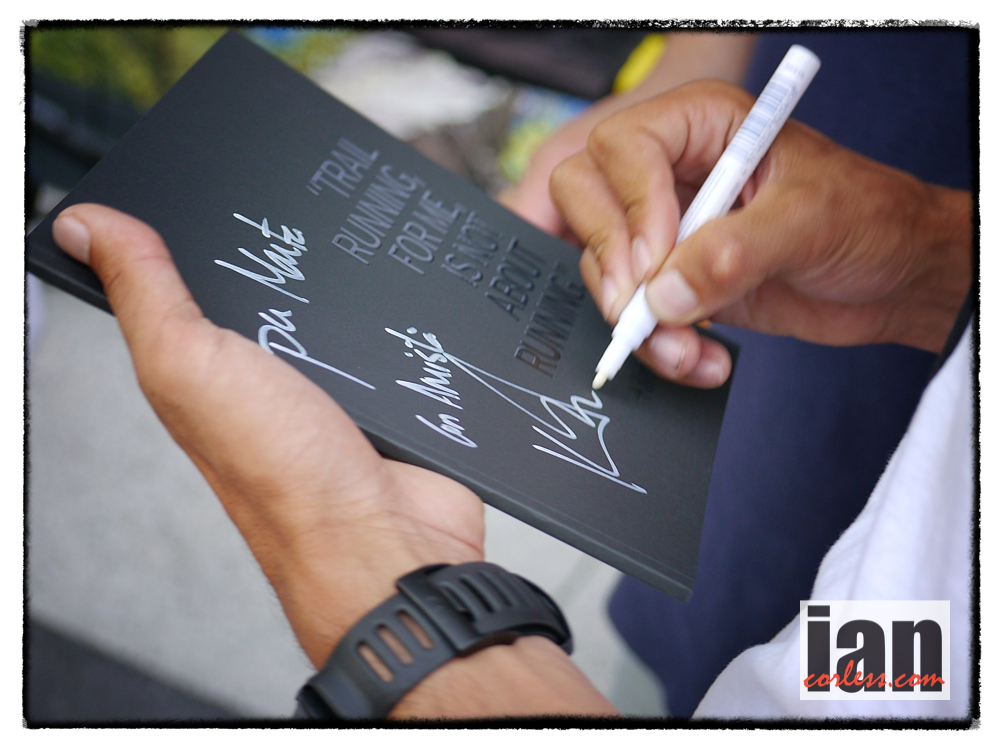
WANT TO WIN A SIGNED BOOK BY KILIAN JORNET?

PLEASE GO HERE AND ADD YOUR ANSWER TO THE QUESTION.

LINKS:

  • Dolomites Vertical Kilometer HERE
  • Dolomites Vertical Kilometer IMAGES HERE
  • Dolomites Skyrace HERE
  • Dolomites Skyrace IMAGES HERE
  • Trans D’Havet HERE
  • Trans D’Havet IMAGES HERE
  • Kilian Jornet HERE
  • Summits of my Life HERE
  • Salomon Running HERE

Lizzy Hawker – Interview

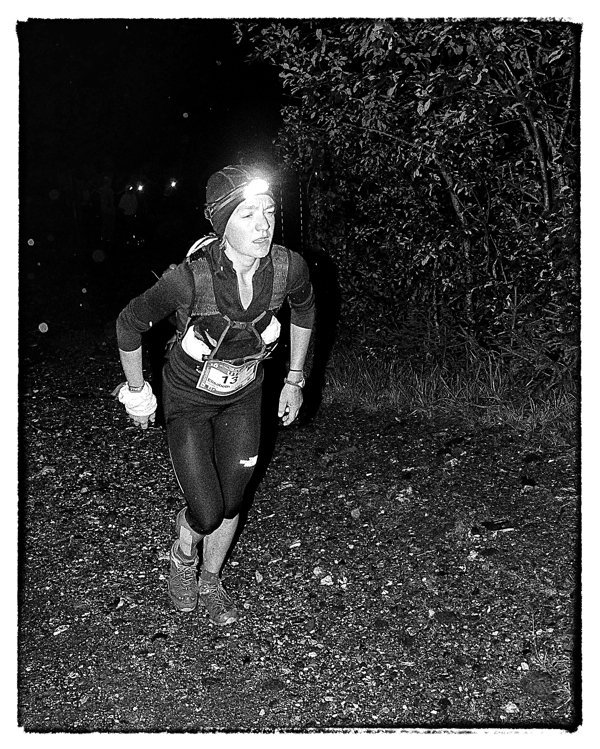
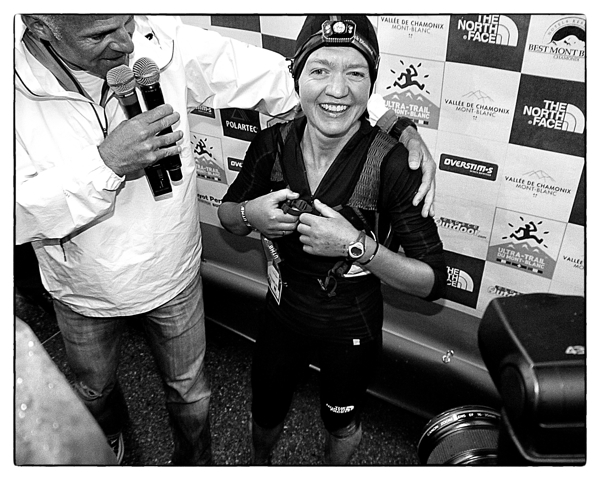
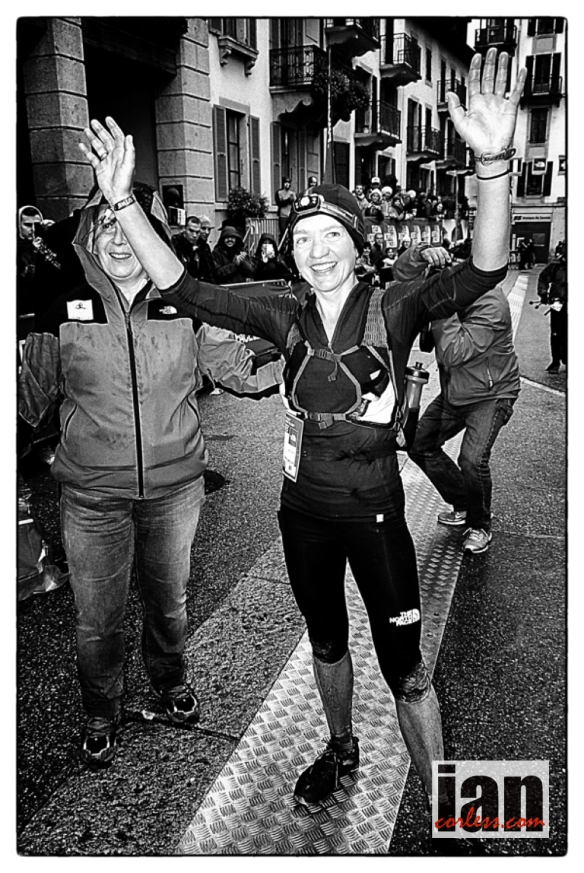
Lizzy Hawker, 2012 UTMB copyright Ian Corless

Lizzy Hawker, 2012 UTMB copyright Ian Corless

Lizzy Hawker is arguably one of the greatest female runners of all time. She has transcended what we all think is possible in running. Her versatility over multiple distances and terrain has without doubt made her one of the most respected ultra athletes of all time. She has dominated the UTMB, she is a 24-hour champion and she has set numerous course records. I was fortunate to catch up with Lizzy in early 2013. She had just had a very successful latter half to 2012 but was recovering from an injury before embarking on another full year of racing and personal challenges.

IC: Lizzy, it’s a real pleasure to finally chat, we have been trying to coordinate this for sometime.  Firstly, can we go back to how you got into running, you say you always remember running but at what point did you realize you had ability?

LH: Well going back, I can’t remember NOT running. I guess we all run as children, you know, just running around. I always remember at school that I preferred running in contrast to netball or similar sports. I don’t know how really but it just became normal to run everyday. It was only for fun though. It never crossed my mind to race or join or club. It was just my way to be outside and in nature. It was a balance to school, university and all other distractions. It’s just something that has always been there for me and I don’t think it was really until 2005 when I entered a couple of long races that I realized that I had something that I should really pursue.

IC: Pre 2005 is that when you where travelling doing expeditions. You were in Antarctica. An Oceanographer, yes?

LZ: I was actually finishing off my PHD and then I had a job with the British Antarctic survey.

IC: Running was very recreational then, a way to keep fit?

LZ: Absolutely, it was my way to be outside and an escape.

IC: Did you do any competitions, half marathons, marathons etc.?

LZ: I did London Marathon just because I felt I should… you know, it just seemed logical. I remember it was several years before I actually got a place due to the ballot. This was prior to my PHD but I was working at the Antarctic Survey when I got a place. I was actually at sea for six weeks. It was only a month before London that I got back on land. Not ideal preparation! It was my first race…

IC: How was that, how did it go?

LZ: I enjoyed it but my time wasn’t special.

IC: Time?

LZ: 3:40 ish

IC: Wow, considering how fast you now run that was a humble beginning. Nice for us all to hear… 3:40 for many is a good time but it was a very modest start for you. How did you progress?

LZ: From London a friend suggested that if I love hills then I should do a marathon in a hilly place, you know, somewhere nice. So, I did Snowdonia marathon in Wales for a few years and then the same friend suggested going ‘off-road’. You know, going across hills instead of around them. So, I entered the Welsh 1000’s. Because I didn’t have fell-running experience at all, I couldn’t enter the fell class, so, I was in the mountain class. It meant a heavy pack, long trousers and walking boots. I enjoyed it and did it a couple if times… that was the only experience I had prior to 2005.

IC: In 2005 what changed, what was it that you then did that paved the way to were you are now?

LZ: Two things really. I was visiting friends in South Wales to escape my PHD for a weekend. They were running a 40-mile track race in Barry. So I just entered it. Primarily because they had. I think that was March and then I was selected for the England team for the UK 100k champs. That was based on my time at the 40-mile race. The 100k was a month later and in-between that I went to Turkey to SkiMo (Ski Mountaineer). Not conventional prep! Also, I had read an article about the Ultra Tour de Mont Blanc (UTMB). UTMB did not have the prestige it has now and it had no wait list, so I entered. I was due to finish my PHD and it was a great excuse to go to the Alps. I would goo climbing and then race at the end. That was my first mountain race.

IC: So in 2005 with little or no experience, you go to UTMB. That is quite a step up eh?

LH: I had no idea what I was letting myself in for. I had nothing to gauge it against. I had no idea even if I would get back to Chamonix after starting. I certainly expected not to make one of the cut offs… I was on the start and I thought about a quote from Alice in Wonderland, you know, the one about starting in the beginning and stopping when you get to the end. That was my goal. To start and keep going until I stopped or was stopped.

IC: What was that first experience like?

LH: I loved it. I started in the masses. I was way back at the start. I was on the Church steps way back from the front. It was a long long time before I even started to run. Just the sheer number and volume of people slowed everything down. I can remember, after about 15 to 20k I was somewhere between about 500/600th place. I actually finished 25th or 26th overall by the time the end came. I just worked my way past everyone… I just loved it. It was my first experience of running at night and I can remember after one of the feed stations, I was running up  a climb and I could feel the beauty of the mountains. I knew then that I would have to go back. Yes, it was magic.

IC: You have won that race (UTMB) five times…

LH: Well, kind of five times…

IC: Ok, yes, five variations of the race! We spoke after the 2012 finish and you said you still had unfinished business. You want that ‘time’* on the course. Will that mean you will be back?

*Lizzy is very keen to set the fastest ladies time in the UTMB course.

LH: Yes, I am mulling over my plans. I can’t confirm for 2013 but I almost certainly will be back to UTMB, if not this year then maybe next. I do have unfinished business.

IC: Do you think the plans that the UTMB organization have made for 2013 and moving forward to correct issues* in the past will work?  *by issues, we refer to the race being shortened due to unpredictable weather.

LH: I don’t know. What I would like to see is a sliding start time. So that they have the possibility to bring the race forward or delay by 24 hours, this will allow for good weather windows. I am not sure how that would work with the other races (CCC and TDS) going on but it seems to me that the weather systems work through quite quickly and this window may very well be ideal to allow the full race to go ahead. We want the race to be as it should be, a full tour of Mont Blanc. That is 160km. If I were taking time of work, paying money to get there, I would much prefer to add one extra day either side and have that possibility to race for what may very well be moderate additional expense. I don’t think they (UTMB organization) have taken this as an option but it is what I would like to see.

IC: I think many would agree with you. The race is a ‘tour ‘of Mont Blanc. Not a 60k, 100k or 140k. You want to go back and do the race and get the time* but your variety of races are extreme, you know, you run on the track, you run on the road, you run mountains, you run trail, you do multi stage, how do you apply yourself in your training, do you literally just go out and run and enjoy it?

LH: Pretty much I guess. I think over the years I have kind of built up a high level of base endurance so depending on the race I am targeting next I kind of focus training to that specific event. But because of the way I came into running, running was part of my daily routine. I wanted to be outside, I wanted to be moving and I just love running, So, that is really the backbone of my training even now I guess. I just like to run.

IC: For someone who loves the mountains so much, You are passionate about Nepal for example, what is it in your mind that allows you to run on a 400m track, time and time again for 24 hours?

LH: I haven’t done that yet!

IC: Yes I know that, but I am curious what it is within you that will allow you to do this?

LH: I can remember back to my first track race in 2005. I hadn’t been on a track since school. It was funny, I couldn’t get lost, I couldn’t fall down a crevice, I had no avalanches to think about and it basically just simplified the process. I could think about the running movement. I could just focus. Almost like meditation.

IC: Do you use meditation when running?

LH: I use mediation for it’s own sake. But that is just during the last 12 months or so. But I have realized that most of my running is kind of a meditation. Or at least  it is my quiet time. Time alone with myself. Not every case obviously but when I am alone it is a relaxing and spiritual time.

IC: I followed you at UTMB in 2012. I had the benefit of being in the feed stations with Keith (Lizzies crew from The North Face). You would arrive; Keith would have everything laid out. It looked planned with a definite strategy. Get you in and out ASAP. But I remember you said to me that it isn’t that planned.

LH: No not at all. I never know what I want but if I have the options I can choose what I want. I need to move through as quickly as possible.

IC: Do you find that you turn yourself off? Do you almost become metronomic?

LH: Not really. It’s a body and mind connection. It has to be very strong. You need to know what is going on; particularly with your body but at the same time you need to be able to cut pain off. You need to hang on in and sort it out. It’s two sides of the coin if that makes sense.
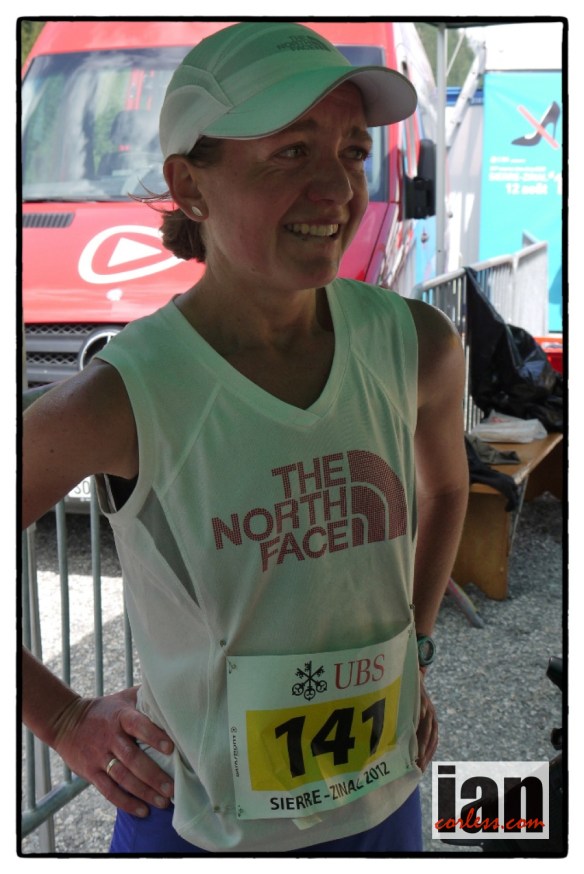
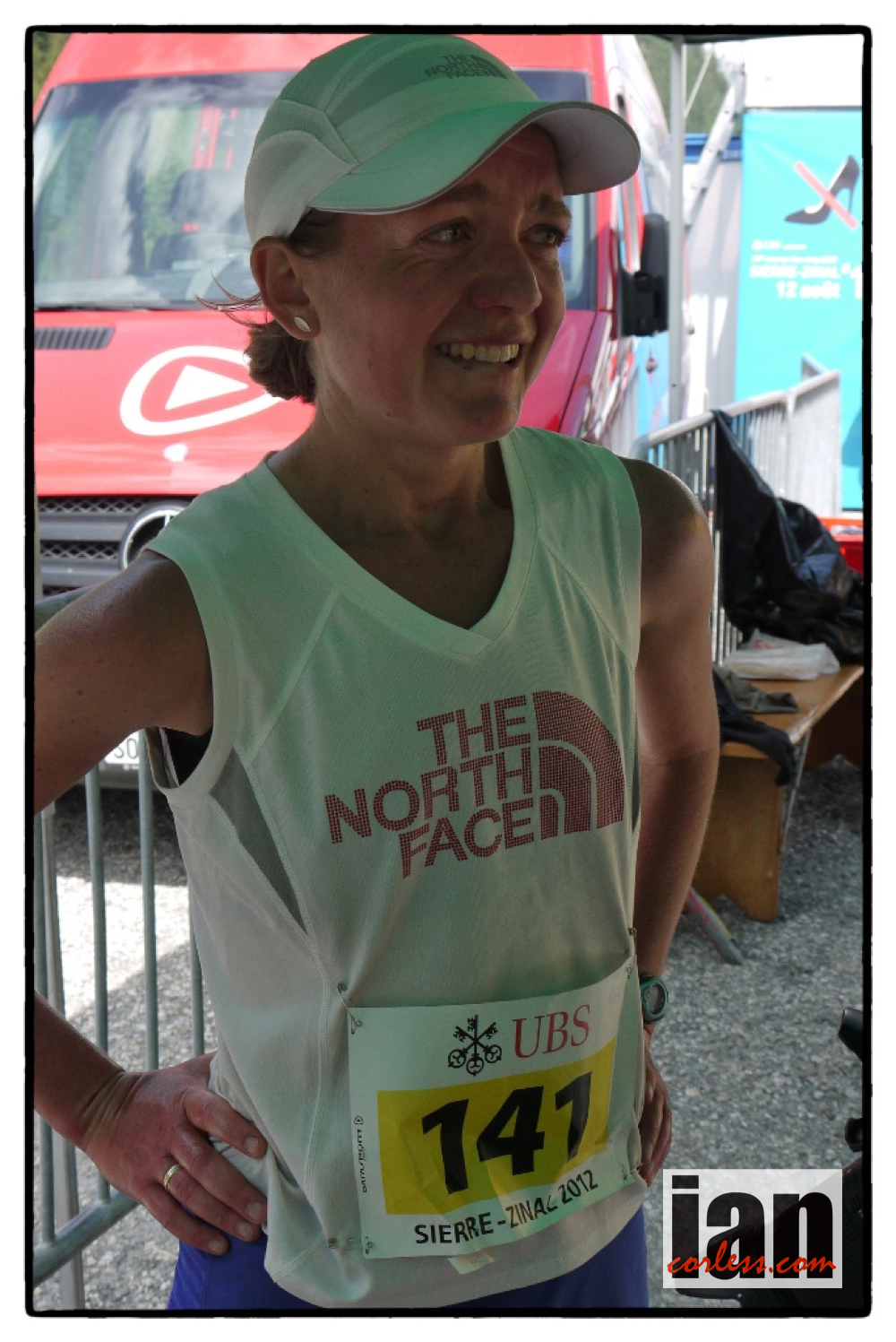
Lizzy Hawker at Sierre-Zinal 2012 copyright Ian Corless

Lizzy Hawker at Sierre-Zinal 2012 copyright Ian Corless

IC: If we look at your achievements, UTMB, 100k champs, 24-hour world record and in 2012 you had a golden period… UTMB, Run Rabbit Run and then Spartathlon. If we look at all these things, what are your highlights?

LH: Ultimately it is the running. It is an essential part of my life. The races are stepping stones within that. I think it is funny though, I look at what you call the ‘golden period’ and I don’t feel I raced at my best! I could have done so much more… It is kind of funny; I am always trying to improve. Go faster, go longer. I want to be so much better. I was happy with those three races but I felt I could have given more.

IC: Lets take Spartathlon. It is an iconic race in the ultra calendar. It is a race that has a different variety of people who take part, we often look at that race as giving some significant performances, and for example we talk about Yiannis Kouros and Scott Jurek. You raced for the first time in 2012. Did the race live up to its billing?

LH: It is an iconic race. The atmosphere is amazing. The route is not that wonderful, not so much the route but the fact that you are on busy roads and they don’t close them. I had times during the night with lorries passing me that were less than comfortable. It is an incredible race to be a part of though.

IC: Of course you had a pretty darn good race. You set a women’s course record, you were on the podium overall but yet you say it wasn’t good enough! Did you want to win outright?

LH: yes!

(Joint laughter)

IC: Funny. I love the standards that you set yourself. Will you go back?

LH: Yes, I am not sure in 2013 but I will go back and try again one year.

IC: After Spartathlon I guess you had a cleansing period in Nepal. You did Manasulu Trail. Is that type of race more for you, a personal race?

LH: Half and half. Of course, I love to be in Nepal. Nepal gives me so much back, to be in that place is rewarding but those Nepalese guys can really run, it is not easy.

IC: I love you say that you mention the men and the fact that you are not racing the women.

LH: It’s a small race!

IC: Yes, but women usually race women. You always race for the overall instead of racing for first lady. Are you very competitive?

LH: I guess I am competitive but the competition is within. I want to be the best I can be. I can win a race and not be happy or I could come way down the field but be happy because I did my best on that day. That is the way I feel about racing. It is a personal thing.

IC: You love Nepal. You attempted a full crossing, which unfortunately didn’t go to plan… you lost your sat phone amongst other things!

LH: Or the permits! Just a few things… (laughs)

IC: Will you try again; I know the rules have changed on how you can now do these crossings?

LH I definitely want to go back. It is my dream journey. To cross the Himalayas keeping as high as possible and moving fast is what really motivates me. I would love to go back.

IC: How long is that journey?

LH: About 1,000 miles.

IC: A long way!

LH: Yes, a pretty long way.

IC: A race has been announced that will take this whole route for 2014.

LH: Yes, Spring 2014 and 2016 I think.

IC:  Is that of interest to you or would you prefer solo?

LH: I can do both! (Laughs) I still want to do my solo journey because it will be so different. The race will miss the high passes. You can’t really compare the two. They both have validity and I would like to do both.

IC: 2013 is here, what does it have in store for you?

LH: Good question. I am mulling that over. Nothing is definite, not that it ever is. I am formulating race plans at the moment.

IC: Western States, Skyrunning, and UTMB?

** Please see UPDATE below

LH: Ronda del Cims 100m Skyrunning race is looking very likely in June. I hope to do Hardrock 100. I am on the wait list so I hope to race.

IC: You are high up on the wait list for Hardrock 100 if I remember correctly?

LH: Not sure it is high enough though? I will try to do those two and then we shall see what the rest of the year holds for me.
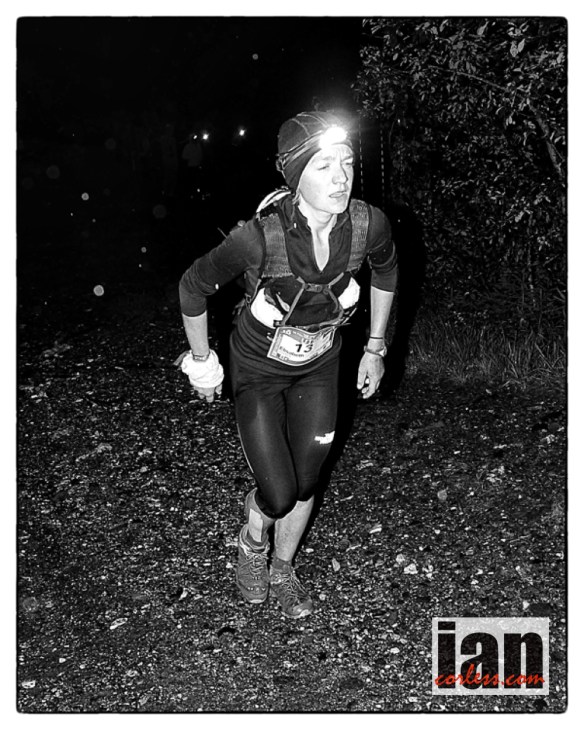
Lizzy Hawker copyright Ian Corless

Lizzy Hawker copyright Ian Corless

IC: Ronda del Cims is a tough course. It has plenty of climbing and altitude.

LH:  Yes. I am looking forward to it. It will be a real challenge and a great race.

IC: Well Lizzy as per usual, it has been an absolute pleasure to talk to you. Without doubt you are an inspiration to all. I really appreciate your time and I look forward to seeing you and following you around the Ronda del Cims course in late June.

LH: Thanks so much Ian.

*To get 2013 rolling, Lizzy raced at Annapurna 100k and won the ladies race. She then decided to break her own personal record running from Everest base camp to Kathmandu (319km/ 198m) in 63 hours and 08 minutes (here) smashing her previous record. Not content with running for 63 hours, Lizzy then raced the 277km Mustang Trail Race and was 2nd overall. However, just recently she entered the 24-hour championships and pulled out. Apparently all is well with Lizzy and her focus is now on Ronda dels Cims. I have to say, that Lizzy has not only the potential to win the ladies race but the race outright. Race preview HERE

UPDATE June 6th, An email from Lizzy “As it turns out I’ve just had an MRI confirming a stress fracture in my foot. So, Hardrock would have been off the cards, and now I also have to pull out of Ronda del Cims.”

Links:
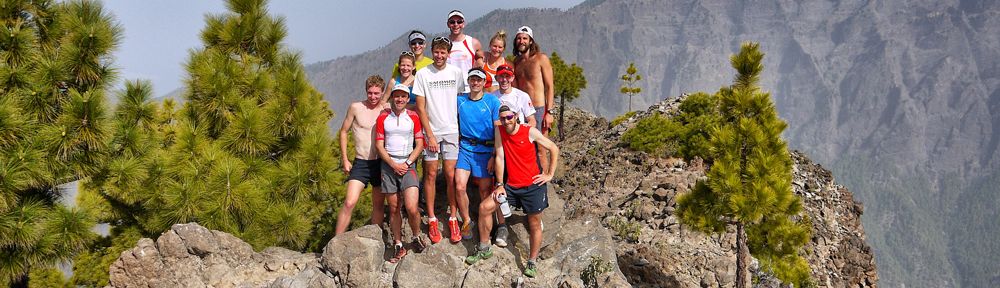
Lizzy Hawker does it!

Kathmandu, Sunday 21st April 2013

Runner breaks own 3-day record for 319km Everest Base Camp to Kathmandu mail run.

British female endurance athlete completes journey in 63 hours 8 minutes.

On Saturday evening at 10 minutes past ten, the British endurance athlete Lizzy Hawker, 37, arrived at the locked gates of Rangashala, Nepal’s National Stadium in Kathmandu to complete the 319km journey by foot from Everest Base Camp in Solukhumbu.

In steadily falling rain she was greeted by a handful of press photographers and was awarded a token of congratulations by Nilendra Shrestha, president of the Nepal Amateur Athletics Association who named it a “stunning effortâ€.

At 7:02 on Thursday 18th April the internationally renowned endurance athlete began the solo part of her run in the direction of Kathmandu. She reached Jiri on Friday at 6pm where two support runners joined her.

During the journey she rested frequently but slept, in her estimation, for just 4 minutes.

Searching for the trail at 2am on the second night with support runner Upendra Sunuwar.

Searching for the trail at 2am on the second night with support runner Upendra Sunuwar.

She was the current world record holder for the ‘Everest Mailrun’ the journey taken by those carrying letters to and from expeditions at Everest Base Camp before the opening of the Lukla airstrip in 1964. It is a record few have tried to claim.

Her previous record stood at 71 hours 25 minutes, completed in November 2011. She made her first attempt of the run in 2007 with her friend, Steven Pike, which took 74 hours 36 minutes.

The last Nepali runner to hold the record was Kumar Limbu in 79 hours and 10 minutes set in May 2000.

The route is brutally hilly with more than 10,000m of ascent and nearly 14,000m of descent on a mixture of rocky trails and tarred road.

“The biggest challenge, wondering if would I get to start due to the Lukla flight cancellations,†says Hawker. The hardest part on the run was the two hours at the end of the third day without sleep. “When darkness falls, that’s when you feel the tiredness,†she said.

Her striking impression of the run was “the contrast, from beauty of the mountains and purity of the landscape up there [at Base Camp] to evening rain, traffic and pollution in urban Kathmandu at the end of the journey.â€

2013.04.20 - Lizzy Hawker EBC-KTM-RPB-0927s

Hard times – just two hours from Kathmandu on the busy highway near Bhaktapur.

2013.04.20 - Lizzy Hawker EBC-KTM-RPB-2047s

Being congratulated with a malla by NAAF President Nilendra Shrestha

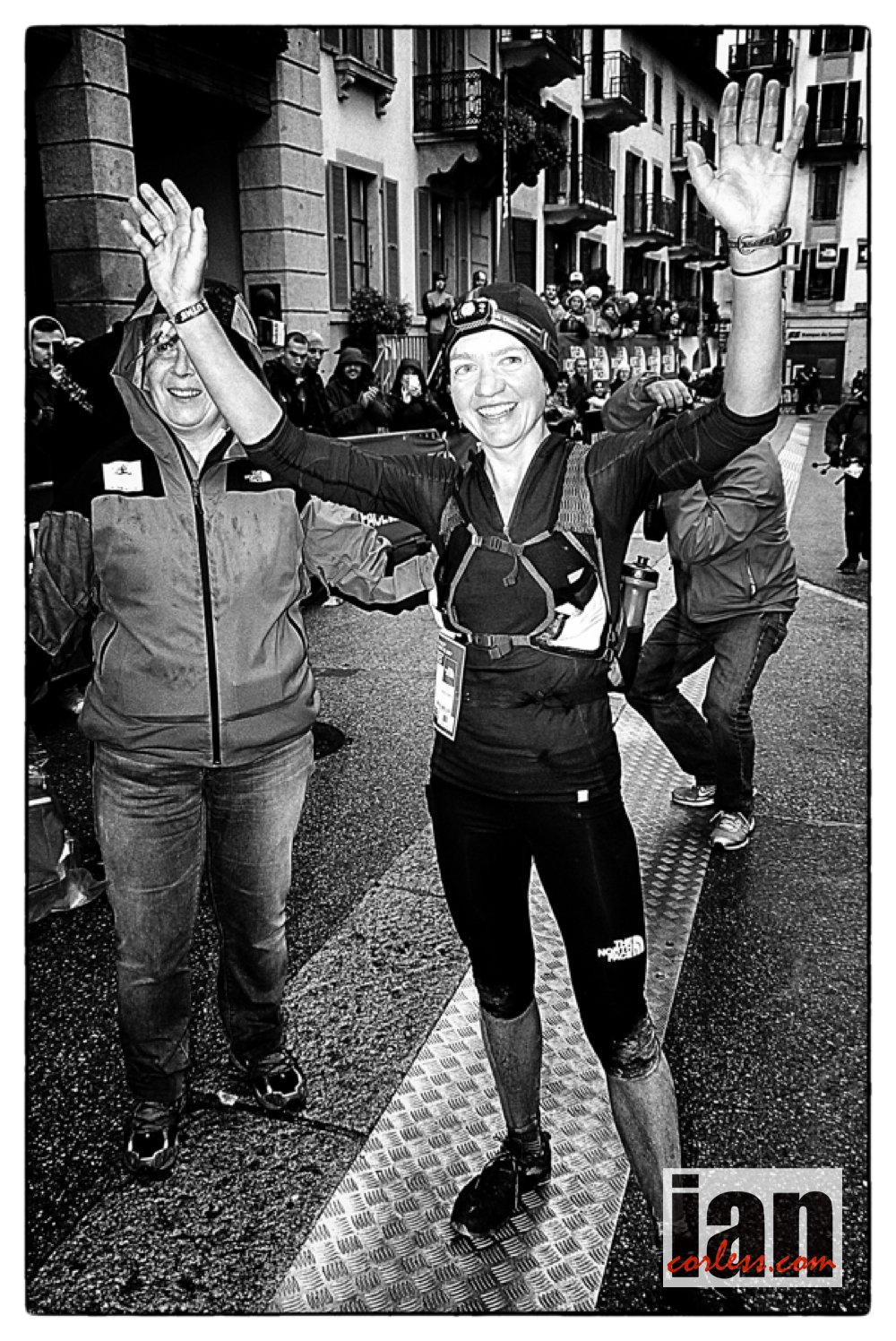
Hawker, who was named a National Geographic Adventurer of the Year 2013 is well known in the ultra running and trail running worlds. She won the 100K world championship in 2006, set a 24-hour world record by running 247km at the Commonwealth Championships in September 2011, and set a course record for women in the 250km Spartathlon Ultra Race in Greece last year. She is also five times winner of the 168km North Face Ultra Trail de Mont Blanc, one of the world’s iconic ultra-marathon races.

Earlier this year The North Face sponsored athlete won the Nepal’s 100km Annapurna 100 race and will race the multiday Mustang Trail Race later this month before then going to compete in the 24 hour World Championships in The Netherlands in mid-May.

Lizzy Hawker to attempt new record!

Lizzy Hawker is going to attempt to break her own 3-day record for running 319km from Everest Basecamp to Kathmandu run.

At 7am on Thursday 18th April internationally renowned endurance athlete Lizzy Hawker began a solo run in the direction of Kathmandu some 319km (198 miles) away.

She is the world record holder for the ‘Everest Mailrun’ the route taken by those carrying letters to and from expeditions at Everest Base Camp before the opening of Lukla airstrip in 1964.

Lizzy Hawker at TNFUTMB copyright Ian Corless

Lizzy Hawker at TNFUTMB copyright Ian Corless

record stands at 71 hours 25 minutes, completed in November 2011. She made her first attempt of the run in 2007 with two friends which took 74 hours 36 minutes with just 4 hours sleep in Jiri.

The last Nepali runner to hold the record was Kumar Limbu in 3 days 7hrs and 10mins set in May 2000.

The route is brutally hilly with more than 10,000m ascent and nearly 15,000m descent.

Hawker, who was named a National Geographic Adventurer of the Year 2013, won the 100K world championship in 2006, set a 24-hour world record by running 247km at the Commonwealth Championships in September 2011, and set a course record for women in the 250km Spartathlon Ultra Race in Greece last year.

Lizzy Hawker TNFUTMB copyright Ian Corless

Lizzy Hawker TNFUTMB copyright Ian Corless

“I try to focus on running the very best that I can, literally moment by moment,” Hawker recently told the New York Times,  “If I’m in pain or tired, I don’t have to fight it. I can be in myself, in the environment. It’s amazing what you can do running moment to moment.”

Hawker fuels herself on simply banana cake and cheese sandwiches and likes dal but prefers roti to rice.

She is expected to reach Jiri at 4pm Friday and reach the Rangashalla stadium late Saturday night 65 hours after starting at Base Camp.

Earlier this year The North Face sponsored athlete won the 100km Annapurna 100 race and will race the multiday Mustang Trail Race later this month.
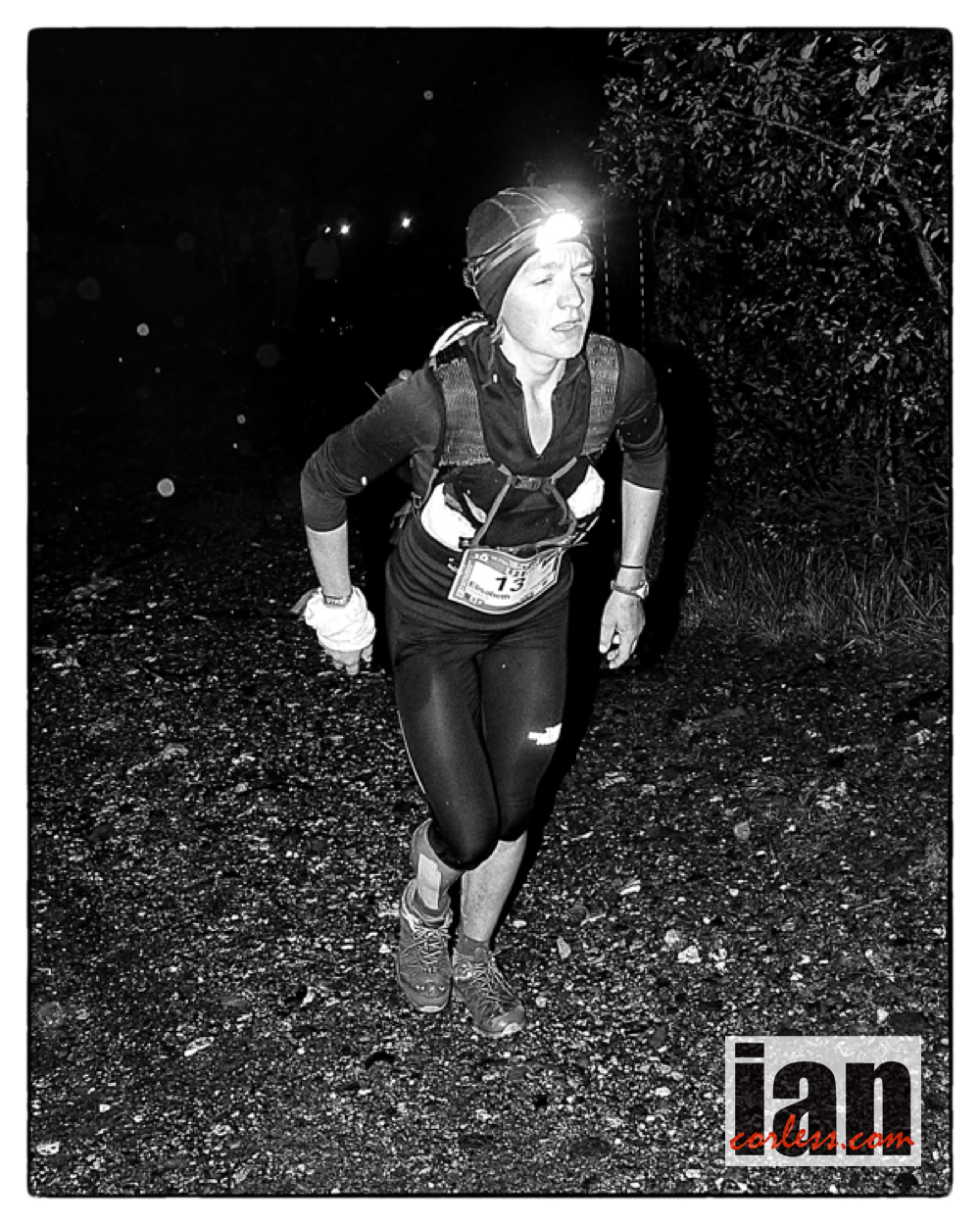
Lizzy Hawker blog : HERE

Press Release from : http://trailrunningnepal.org