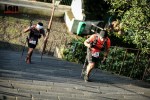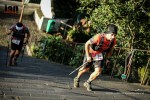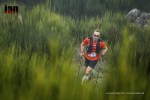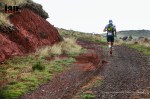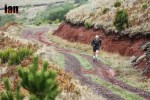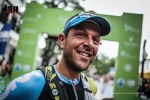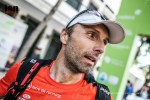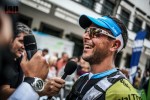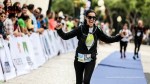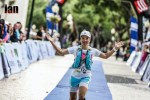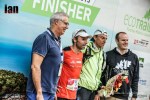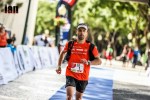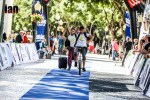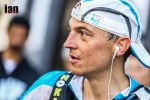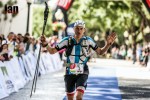
Pete Kostelnick – Run Across USA full and In-Depth Interview

Pete Kostelnick broke the longstanding record for running across the U.S. on October 24th 2016.

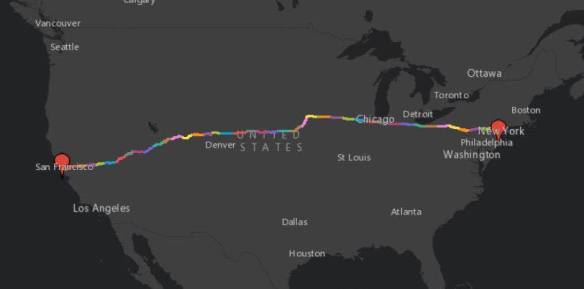
Pete linked the City Halls ofSan Francisco and New York in a stunning time of 42-days, 6-hours. The previous record of 46-days, 8-hours was set by Frank Giannino, Jr. in 1980. Kostelnick knocked out 70+ miles day-after-day and only took one complete rest day.

I caught up with Pete to hear all about this incredible journey.

The Interview:

Ian: Okay, you’ve got to be living under a stone not to realize that Peter Kostelnick just smashed the 3100 mile journey of running across America and he’s joining me now, Peter, many congratulations.
Pete Kostelnick: Thank you Ian, it’s great to be here.
Ian: It’s great to have you here, and I’m almost intimidated about talking about somebody who’s just run 3100 miles, it’s such an epic, epic journey. I have got a little bit of history, your Hoka One One team mate called Karl Metzer is a co-host of mine, so I interviewed him recently about his Appalachian Trail. Way back- many years ago, I interviewed Marshall Ulrich about his book, and of course, running across America was involved in that. Before I get down to this incredible journey, I want to just find out a little bit about you and who you are and what brought you on this crazy journey? When did you start to run long distances?
Pete: I really didn’t get into marathons until well I guess I got into marathon’s about exactly eight years ago when I was 21. I did the Marine Corps marathon, really it’s just a test to myself, to get in shape, and drop a few pounds, there was really no competitive aspect to it for me, but that was where it all began. I tell people if I was naturally skinny I probably wouldn’t even be in this sport.
[laughter]

Ian: There’s so many people who’ve got a very very similar story, and I’m one of them. Can you still hear me?
Pete: Yes, yes, and and it’s been quite a journey. The reasons why I run have changed so much over the years, but I just love it, it’s really just been building, I still run so I can eat and drink whatever I want.

Ian: [laughs]

Pete: Then, there’s also a social aspect to it, I’ve met so many of my friends and closest friends now really, through running and it’s taking me to some really cool places along the way and that’s another thing I really enjoy about it. Also the competitive nature of it as well, you know, competing against yesterday competing against myself and then, competing against others. It just seems like every year I find another reason why I love Ultra Running.
Ian: Okay, I had a look on Ultra Signp and that goes back to sort of 2011, and you know there’s plenty of good top 10 results in those early days, but when was it for you it switched maybe from being something that burned calories and helped you lose weight, to something far more, something more competitive?
Pete: I think going into 2015 it really just less than two years ago is when I kind of flipped the switch and though that I felt like I had the framework to be a good ultra runner, but that was really when I kind of shifted into, “I want to be as competitive as possible” and I really made some changes. Like dropping 15 to 20 pounds, over the winter.

Ian: Yes.

Pete: Going into 2015, and also increasing my weekly mileage from; I was an 80 to 100 miles a week runner, during my peak training. I wasn’t really that extremely high for an ultra runner, so one thing I did during the 2015 is that I really ramped up my weekly mileage to many 150 plus mile weeks, and even a few 200 mile weeks.
Ian: Wow, wow, and how did your body handle that?
Pete: I think it’s been a progression over the years and luckily five years ago I would have never guessed that I would be running as many miles as I am today, but each year I kind of try to up the bar a little bit up the ante and I don’t know if I’ll be able to do that for much longer. [laughs] My body handled it well, and I think that’s because, over these last five years since I got into Ultra Running, I’ve really very, very slowly progressed my mileage from 50 to 80 miles a week, then maybe 80 to 100 and then 100 to 150 and so on to this year where I just kind of went bananas with the training!
Ian: [laughs]

Pete: …and put in a lot of 200 plus mile weeks.

Ian: Wow.

Pete: My body has handled it very well but I would definitely caution anyone thinking about running 200 miles a week.

Ian: For sure.

Pete: It takes a very long time to build up to it.

Ian: Yes, I mean that sort of mileage is huge, and I’d like to put that mileage in perspective of your daily life. What is daily life like and what is weekly life like, that allows you to accumulate that level of mileage?

Pete: Yes, so I work a normal day job from eight to five, but what I would do this year in particular with the 200 mile training weeks was I’d really wake up at 5am, and be running out the door by usually 5:15. I’d put in about two hours of running before work, so I’d get usually about 14 to 16 miles in, nothing crazy paced. I don’t really do really much of any tempo training. Then after work I would go straight to the gym usually, and do two hours of treadmill running, usually about another 14 to 16 miles…

Ian: Okay.

Pete: ….basically every day of the week I would be getting around 30 miles a day, If I could get my two day’s in, and then on the weekend is where I do the longer continuous training where I’ll do a lot of times 30 to 50 miles training runs straight through.

Ian: Right, okay. It’s interesting that you do a treadmill run, is there a reason for that other than variety, or weather, or consistency? What is the reason behind the treadmill run?

Pete: I think there’s a few things that have led me in that direction, one I think it actually does save my legs a little bit. You have a little bit of more give on the treadmill, so I think that’s been one thing that’s helped me recover. Another is just from the pure schedule standpoint, so my wife, she actually– we had to live apart for a few months this year which was probably part of the reason why I got away with training so much. Actually what I- I would usually just use the evening run to really watch TV, and the news and…

Ian: [laughs]

Pete: …to keep up because literally, you know what I was doing was I was waking up at 5am and basically straight to run, and straight to work, and straight to run, and then I get home at 8 o’clock at night. There’s, maybe one or two hours that I have before I go to bed and do it all over again.
Ian: [laughs] Yes, yes okay, so I’m sort of imagining you running on the treadmill with a beer, a pizza [laughs], TV on…

[laughter]

Ian: …sort of doing everything at once and thinking, “Yes, this is a great way to save time” [laughs].
Pete: Yes, exactly [laughs].

Ian: In some ways, now that you’re saying this, your run across America is starting to fall into place, there’s a sort of logic that’s clicking, and I can see how it’s forming. The other thing that interests me is this schedule that you have of, 5am start, run, work, run, and particularly you know, two hours on a treadmill, most people call it the dreadmill. I guess it’s helping you focus your mind and work on mind skills, which are obviously integral to what you’ve achieved.
Pete: Yes, without a doubt. I’ve done some training runs on a treadmill, I think the longest I’ve ever done was oh gosh I think it was 80 miles.

Ian: Wow.

Pete: It’s been a while since I’ve gotten that extreme on a treadmill, but yes it definitely helps train the mind. I don’t know if I could do a treadmill run without a TV. Even watching TV for that long, you have to have a very solid mental state that allows you to… I don’t want to call it meditate, but really just kind of zone out and really push through miles and let your mind wander elsewhere from what you’re currently doing.
Ian: Yes. Is that something that you’ve worked on? That ability to zone out, and although the TV may be on, you’re actually maybe not really watching it, it’s just a distraction.

Pete: Yes, definitely, and once you know one thing I tell people a lot of times is I’m very much a rhythm runner. That might be part of my challenge on trail races is it’s hard to get into like a very consistent rhythm with stride and pace on a trail. On the roads, I think that’s one of my biggest strengths is I get into a rhythm and I can just zone out as long as the terrain is very even. Not to get ahead of myself but actually, that’s why Pennsylvania, the last state was probably the most frustrating for me, because it didn’t really lend itself to be much of a good rhythm-running state but we can get into that more later.

Ian: Yes, absolutely. What I want to do before we get into the Run Across America is firstly go back to 2014. From 2011, there was a consistency with your results and some real variables in there. No significance, but I’m just going to pick on Silver Rush 50 where you placed 70th but then you would go to Hawk Hundred 50-miler and place 4th. I guess in these days, was this all a little bit about learning the ropes and figuring out what you were doing?

Pete: Oh, yes, without a doubt. There is a variation too in some of the competitiveness but I think… that’s what I tell a lot of people that are getting into ultra running is a lot of it is really the experience of putting your body through it. Even if you’re not even ready for a race, heck, sign up and put your body through it as long as you’re not injured. I think stomach wise, that’s always been my battle. Nutrition has always plagued me until I started to figure it out and my body started getting used to the high mileage. I would say almost more than anything is my stomach just being able to adapt to turning itself over so many times.

Ian: Okay, so when you entered Badwater 135 in 2014, was that very much a case of throwing yourself in at the deep end and basically just seeing what happens?
Pete: Yes, yes, definitely and there were a lot of nutrition mistakes that I made in that race. I was still testing out a lot of different nutrition methods. I think I was at the point too where my stomach was just — I don’t know. I couldn’t really keep any food down the entire last 40 miles and I kept refusing it, which is definitely a major no, no, in a ultra that long.

Ian: Yes and so how and what made you change within one year to finish 10th or 14th overall at Badwater in 30:38 to then go and win it in 23:27? It’s a phenomenal change and the thing is, is if we look at your results and the buildup to Badwater, there’s a whole string of consistency. You won a 24-hour, you did Cape Fear 50-miler and you were 3rd, you did the Brew to Brew 40-miler, which you won, you did the Flint Hills 40-mile, which you won and then win and 23:27 at Badwater.

Pete: Yes, I think a lot of it is my  dropping 20 pounds I think was huge the winter after 2014 and 2015. Then I think also, the weekly mileage was a big shift, really adding about 50% onto what I was doing in previous years, getting up to 150 plus mile training weeks. Then also, as part of that, I had never worn Hokas before that and I switched to Hoka at the beginning of 2015. I think that was a big help not just from a race standpoint but mostly from a training standpoint because I was really not taking any off days and really pushing the mileage up overall.

Ian: Okay and you find that the additional cushioning that Hoka gives you is something that is reducing the impact on your legs and allowing you to run more?

Pete: Yes, yes and definitely, the recovery is huge as well. I feel like that’s been one of the main reasons. I don’t really take any days off each week.

Ian: When 2015 came to an end, you did Desert Solstice 24 and Desert solstice 100-miler, they’re the same race, aren’t they? Was it you got 100-mile time and then the 24 time?

Pete: Yes, yes, exactly.

Ian: Okay, so you won the 24 and you were 2nd in the 100-miler. You started new year really, really well. At that point, did you know what was coming up in 2016? I know that may sound like a silly question but did you know that you planning to Run Across America?

Pete: Yes, after I finished that all in 2015, that was when I started to get serious about doing a transcontinental run in 2016 but I didn’t really have the logistics sorted out until spring of this year.
Ian: Okay and what was the reason for jumping to such an extreme? Obviously, you are in your late 20s so age is on your side. You had the Badwater result, which I suppose is a good set up for something like Running Across America even though it’s only a fraction of the distance and you were racking up big weekly mileage but what was it that lured you to make such a huge decision?

Pete: I think it was just mainly one of those things where I felt like if I didn’t go for it in 2016, I may never get another chance to do it. Because I’d love to keep racing competitively for a number of years but as far as my wife and I’s situation, it seemed like 2016 was maybe the only year I’d have to go taking off that much time from work.
I would have loved to have more multiday experience, but from timing perspective, this was about the only year that might have seemed a fit.

Ian: Okay and I always say with these types of things, you can’t really train for them. It’s about just accumulated time of running. Relatively speaking, you still are quite a young runner. If we think back seven or eight years, to then run across America, which is 3,100 miles, you are still almost in primary school in terms of your running history. What gave you the confidence in thinking that you would have the ability both physically and mentally to take on such a huge challenge?

Pete: Yes, yes, a lot of people ask me that. Even though running 30 miles a day is not even half of where I’m 70 miles a day. I think just the way I was able to efficiently squeeze in 30-mile a day training days really just about every day for an extended period of time gave me confidence that I could jump to this 70-miles a day if nine to ten more hours of time available.

Ian: [laughs] Now the whole Talk Ultra audience are now listening and there’s a lot of people out there who’ve run a 50-miler or a 100K or a 100-miler and that experience was brutal for them and here you are saying doing that every day. They’re all shaking their heads and their earphones are falling off and they’re going, “This guy is nuts.
How can you possibly think that, yes, 30 miles a day, oh, yes, it’s not too bad to jump up to 70. Yes, that will be all right.” I mean it’s making my eyes water even thinking about it.
Now obviously, I understand your thinking, I understand your reasoning and you’ve proved it, you’ve proved that it can be done. I’d love to get into the mindset of what made you think it could be done? What gave you the confidence to think, “Yes, I can do this?”

Pete: I think a lot of it balances on my ability… when I was out there running with people, a lot of them would say, “My goodness, you never, ever, ever stop even when you’re having breakfast. The only time you ever stop is when you’re at lunch,” so I have a very… I call it stubbornness, some people call it something a little more glamorous but…

Ian: [laughs]

Pete: …I know that’s one of my best traits is when I’m focused on something, I’m going to try and find the most efficient route possible. I knew that even if I had to walk literally the other 40 miles a day on top of the 30 miles I was running and recovering well from a training perspective, I’m actually a pretty good speed walker so that was one thing. I thought, “well, of course I’m not going to walk 40 miles a day.” If there was a day where I had to do that, I think I could. I think that was one thing. It’s just, the stubbornness I have. Having a good crew that understands my needs and knows that I’m really not going to ever stop during the day, when I’m in motion. I always think through logically the most efficient way to get from point A to point B.

Ian: Okay. Let’s talk about how the build up came about. You ran Western States and you were returning to Badwater. Badwater, obviously, as a defending champion, Badwater directly relates to your run across America. It makes complete logical sense. Western States thrown in there, you’ve already said that you like consistency and although Western States trail is pretty groomed it’s still a trail and it has a lot more variables in it. What was that experience like?

Pete: Yes, it was very encouraging to me. Actually it’s been a lot of the spring overcoming some anemia. It didn’t really impact my training at all but I was very, very low energy especially going up any hills and especially on trail, going up a hill on a trail. That was the point where I felt I had to overcome my anemia. I was feeling pretty good for that reason.
Actually the only thing that bit me on that race was all the down hills. My quads were pretty shot and destroyed by halfway point. Other than that, it was a good experience and it was very encouraging. I’d actually announced that I was doing this tanscontinental run right before that race. I was still nervous, because it was the first race I’d done in all years of really any distance.

Ian: Okay. Now it’s interesting that you say that you announced the tanscontinental run. Obviously, over in Europe, we were interested in Rob Young. We’ll get your viewpoints on Rob Young in a minute about his tanscontinental run. It very much seemed as though your run was a little bit under the radar even Karl Meltzer who’s a Hoka One One teammate said, “It’s relatively under the radar, I didn’t really know too much about it.” Was that partially intentional or do you think that maybe the running media didn’t quite get hold of your intentions?

Pete: I think more of the latter, because I tried broadcasting it out as much as possible. Mostly in an effort to get runners to come out and run with me because that was what I found to be one of the most mentally relieving aspects of the run. I guess, maybe I wasn’t one the top Ultra runners on the list out there. I think maybe in some respects that it got looked over for various reasons.

Ian: You went to Badwater almost a month after Western States. I always say the sign of a true champion is when they go back to race and win it again. You did it in 21:56, which is just an incredible time. At that point, you must have felt really boosted and bolstered for your run across America. You must have felt that everything was starting to click into place.

Pete: Yes. Definitely. I was very excited about it because actually my recovery from Western States was not the best. I even told one of my crew member. We’ve talked about me going to try to repeat or even go for a cross record before Badwater. Then I remember texting him. Maybe two weeks before Badwater, telling him, “Okay, let’s not even talk about anything cross record or winning. Let’s just go finish this race and then get on the tanscontinental run in a couple of months.” It was actually Chuck who joined me for the tanscontinental run as well.

Ian: How did… I was going to say how did Badwater unfold. I mean it unfolded really, really well because you won it. You got an absolutely fantastic time. It would be interesting to maybe just get a little snippet of what that experience was like for you. I mean Badwater has a reputation of being just brutal. Do you find it brutal?

Pete: It really captures a lot of my strengths very well. I could see how it’s the toughest race for just about anyone that does it. It’s really up my alley as far as being on road, being very consistent with both in climbs and on the flat section. It really awards people who are efficient as possible. Going in this year, I knew that there are some times when I actually sat down for short breaks. The prior year I had to walk some… it definitely favors those that are patient, but are also thinking ahead and never wanting to take unnecessary breaks which is the way that I improved my time this year.

Ian: Badwater’s done and dusted it was the perfect scenario for you the perfect boost. Then almost, eight weeks later, September 12th, was the start date for your across America run. What goes on in that period in terms of planning, preparation, getting everything sorted out? You’ve got to run 100 miles a week in training. You’re also working. You don’t really have a great amount of spare time. Were you delegating the organization and the planning to other people?

Pete: Yes. It was great because I had the team of four that joined me in the entire run. They were very helpful in all the planning and logistics behind the run, and then as well as my sister who is really our route planning guru. She is a teacher so she actually had a little bit more time in the summer. She graciously helps with that. Because that was probably one of the biggest obstacles to overcome was the route. To making sure that all the roads that I was going to run on were okay to run on. Then also if there is any construction, be in contact with the local DRT.

Ian: Right. Okay. What did planning break down– I mean how complicated was the planning process? How much of it did you get involved? Or were you able to stand back and just trust people getting everything sorted out for you?

Pete: I like to say involved in it, but for the most part I was able to sit back and let the team take care of a lot it. One of my big things about any race I do, I’m very simple person. I don’t like to make things overly complicated but there were definitely things that were making it more complicated than I first realized, because it is a pretty serious undertaking. You never know how much stuff you need to get done until you actually do it. Yes, I would say for the most part, I was very lucky to have a team that took care of a lot of it for me.

Ian: When you’re planning and your training was going on for your attempt, were you, or were of Rob Young’s planning and attempt?

Pete: Yes. I was following it very closely [laughter]

Ian: Okay. I mean obviously that has turned out to be a real mess and a real fiasco. I don’t want to turn this conversation into the rights and wrongs of what Rob did. I’m assuming that you had enough advance warning to make sure that you didn’t make the mistakes that would prove that you were going to do your attempt and it could be ratified. How helpful was it seeing Rob’s attempt just crumble?

Pete: It was extremely helpful. That was the big thing. I was trying to turn a negative around, a situation like that into a positive for myself. Going in I didn’t really realize… I guess I realized it but I didn’t really think about the scrutiny involved with a run like this. That was definitely very helpful and planning out how are we going to make everything as transparent as possible. Then how we’re going to record and document this as best we can. There was definitely a lot of elements that I learned from by watching that. As well as other runners. I feel I’ve done it the right way over the course of the last few years.

Ian: When you stand in San Francisco on September the 12th, and you know that you have 46 days 8 hours and 36 minutes, or should I say 35 minutes and 59 seconds to break the record. Did you have an idea in your mind what would be your target goal?

Pete: Yes, I had broadcasted to really anyone that wanted to know before the run, that 44 days was the goal, which would be roughly 70 miles per day. Going out my goal was to always hit 70 miles a day, if possible, although I was kind of shooting in the dark the first week.

Ian: The first week was just flying along wasn’t it? I mean, I remember looking and thinking, “Wow, this guy is killing it.” And I thought, “He’s either going to kill it or it’s all going to crumble horrendously.” Then of course very, very early on you took that complete day off. People like myself and, I guess, people all around the world started to look in and go, “He started too fast, it’s all going to fall apart.” What was that like for you physically and mentally because I’ve read lots of things where basically, you said that your body was pretty tired and broken, after that first week?

Pete: I’ll admit I went out way over my head in terms of mileage and it was good because looking back on I’m glad I did that. Because it really taught me a lesson early and I really latched on to that lesson. That is, there’s a monumental exponential difference between 50 miles a day, 60 miles a day, 60 miles a day to 70 miles a day, 70 to 80 in particular for me. I did a couple of 80 miles a day and then I did a very very big elevation net elevation gain day on Thursday, where I still managed to do almost 74 miles. That’s really what started to break me and over the next three days after that, it just kept escalating worse and worse with tendinitis and general fatigue and my body was very weak. It was good to learn that early on, and I had a really good medical advice as well and actually on I think I remember on the fourth day when I started feeling some of that tendinitis. The team doctor, Chris Roman, actually recommended that I cut the day short and actually walk the entire next day and, of course, I didn’t listen to him at the time. By the time I got to day seven, just remembering his advice from a couple days earlier, made the decision pretty easy. To take the day off completely on day seven and regroup. I had a good sense that if, I did just be smart and really aim for 70 rather than 80 miles a day, that I could come back and make it work.

Ian: Now, I’m amazed and Karl sort of confirmed what you are saying, but I’m amazed that just taking one day after racking up 70 plus miles and then continuing to rack up 70 plus miles is enough. It just goes to show and it proves that the body is a remarkable thing, but one of the things Karl said and there’s a lot of precedent with other runners that have done these big multi days. Whether it was Scott Jurek or Jennifer Davis or even Karl, is it seems as though that the body will pay a price at some point. Whether it’s shin splints, or whether it’s sore knees or sore ankle but it happens. The remarkable thing is that there’s this ability to go through it, and although you took a day off you came back. You had just ease yourself back in, but it’s almost as though you’re training the body to absorb the pain, accept the pain, maybe even ignore the pain. What was that process like for you and can you relate to it?

Pete: Oh, yes, without a doubt. I think that was the big thing early on, was training the body to really get used to it and, yes, there was that point where I knew that I had to take a bow, mostly because two-fold. One was that the tendinitis needed a little time to subside because I wasn’t going to be doing any more big climbing for several days. That was one of the benefits of getting out of California, really, but then a lot of it is mental too. The body, a lot of the pain definitely, I was getting used to on a daily basis, and so my mind was much better place to deal with that for an extended amount of time, every day. It was like getting in, jumping in the ocean and you feel the shock of the cold water initially, but after that initial shock you kind of just used to it. From there you can really adapt and that was… it was almost more mental adaptation than anything else.

Ian: Now, what I find interesting is very, very early on in this interview, you explained what a day was like for you. Getting up at five o’clock in the morning, running at 5:15, doing a full day of work and then running for two hours. Your days effectively were 5.00 AM to 7 PM and that was running and working. What you effectively did in running across America was replicate that but you didn’t go to work, you went to work running. Was that part of the mental process that made you believe that 75 or 70 miles a day, was possible?
Pete: Oh, yes, without a doubt. That definitely really helped. Having those days where you… especially just having to be very efficient and always thinking about the clock and always thinking about, how can I get out of bed earlier? “How can I get out of bed quicker?” and started running two minutes quicker each day. That was one thing along the transcontinental run that we really got good at was. A lot of times it would take 30 to 40 minutes to get ready and then out of the door. Eventually we got that down to about 20 to 25 minutes, even with adding some stretching techniques in there. Just things like that are things that are just so monumental and run like this.

Ian: Now, you’ve said it in many interviews that a day would typically start around 4 AM. You’d run around about 40 miles. You’d then take a break for lunch and then you’d get back on the road and aim to finish around about 5.00 PM. Was that a typical day?

Pete: Yes, yes, definitely. Once I got into the the second week, that started to become the routine, and that was another thing that was very appealing to me. Because it was like my pre-run schedules, 5.00 AM run, go to work, then another run after work. That was what it became, on the run was I knew exactly what to expect. Okay, I’m going to run from 4:00 AM, so basically, 10:30 to 11:30 in the morning. I stopped for lunch and I’m then I’m going to run again. Then that took a lot of pressure off because it made me realize that if I can hold about a 10 minute pace all day, through the first 50 or 60 miles, I can start to do some walking later on. That was my personal reward for having a good day of running and really sticking to an efficient schedule was the fact that, I could do some walking later in the day, rather than running all 70 miles.

Ian: Now, you said earlier about it took you a while to learn how to get your nutrition sorted and certainly running for this amount of days and racking up this amounts of mileage, you really need to have your nutrition sorted. So what were you eating out and how did you manage to keep it down?

Pete: It’s funny because, honestly, I felt like I can eat just about anything, on the run. There was never a day or anything I ate, where I had any stomach issues, where I felt like I couldn’t keep it down. For the most part while I was out on the run, we were doing a ton of different protein bars. I was doing a lot of trail mix, lots of banana chips. I really liked those sugar coated pineapple slices, as well. I drink a lot of soda and I think that’s one thing that helps settle my stomach and really just about any type of food you can really think of, or any snack item and I was eating it while I was running.

Ian: Just doing a quick summary of what you’ve said there, you were actually putting in a lot of simple sugars a lot of carbohydrates?

Pete: Yes, yes.

Ian: There wasn’t… I mean obviously you mentioned the protein that tends to become a little bit more important after the run, but it seemed to work so well. How much real food were you throwing in there? I mean I know that it’s difficult to eat real food while you’re running but your lunch break I mean did you go for a more balanced meal? How did that look in comparison to what you were eating while you were on the go?

Pete: Yes, I would usually do about three and a half real meals a day. To start the morning before I start running I’d usually do oat meal with some bread and also a banana. Lunch I would usually do something higher in protein like with eggs and then also maybe some potatoes and maybe some meat as well. Then for dinner. I would usually do something very high in protein like eggs and steak, and also I like to eat a lot of ice cream [laughs] has a little bit of protein in it. Then the other sort of the half meal a lot of times would to be around the marathon point. That’s the only time really during the day where I’d eat something really of any real like meal substance. I’d usually have like a breakfast sandwich with egg and meat. Somewhere between 20 and 30 miles to help me stretch out to the 40 miles in the morning before I stopped get ready for lunch.

Ian: Right. Okay. Then obviously a key element of being able to get up and do what you’re doing every single day is the rest. I think this is what’s so good about your attempts. Is that you weren’t going into the night trying to squeeze miles into the detriments of rest and recovery. For the most time it seems as though you were finishing a good time, you were having a good meal, you were maybe having a massage and some relaxation before probably getting I’m guessing somewhere in the region of seven to eight hours sleep a night?

Pete: Yes, I think that was the key. Was getting to bed by 7 PM just about every night, and then I have until usually 3.30 A.M. to wake up. Like on the last day in particular was a day where I got to bed by seven but I woke up at 11.30 to try to get out the door by midnight to do the last really long stretch which was an abnormal day. Starting that day was the most fatigued I’d felt really the entire run because I didn’t get my rest. I just can’t imagine other runners that have done this whether that’s basically the norm or they’re only getting four or five hours to sleep. Because it was the nights where I had to get less sleep than the seven or eight hours those were the most difficult days.

Ian: Now, it’s obviously Groundhog Day. Repeat, repeat, repeat. How gruesome was it to have to get up each day and get on the road initially knowing that you had 3100 miles to go, and of course it gets less and less as you’re going on. Anything, if you’re doing it day in and day out, it becomes a chore it becomes just not pleasant. How bad was it for you at times?

Pete: It’s funny that you mention Groundhog day so that’s exactly what I was thinking every morning I woke up.
[Laughter]

Pete: Especially going out into the dark. It’s like, “Okay, here I am running into the dark. It’s same thing is that yesterday morning just 70 miles further east.” That was very gruesome and there was always the worst part of the day was when I woke up and just thinking about getting started. I did find a way to flip it the other way in and look at it as, “Okay, if I can get through that first mile, the quicker I get up out of bed have breakfast and get to that first mile of the run the happier I’m going to be because that’s going to be the worst part of the day. The quicker I can squeeze that first mile in from when I get up, the better the day is going to be because I’m going just to be thinking about the rest of the miles.” It was very gruesome but gruesome in a good way I guess. It always got me out of bed pretty quickly in the morning to get my first foot out the door.

Ian: How did your body feel every morning? Stiffening up overnight, crawling out of bed feeling probably 56 not 28 [laughs] and easing your body into the first mile and then the second mile and then there comes a point where I guess things start to loosen up, and everything starts to feel a bit better, and then it’s about also pilot. What was it like and how hard was it on some days to get your body to do what you wanted it to do?

Pete: Yes, early on I would describe it as more of a stiff feeling in the morning. At the end of the day it was probably the worst. I could always sit down for about a half hour an hour to eat dinner and talk to the crew before I went to bed. When I got up from eating dinner it was like, “Okay, it’s going to take me about 20 seconds to hobble back to the bed in the back or the R.V.” There’s a lot of… and that’s kind of what made me nervous was the fact that, “Okay, I am going to wake up in eight hours and go run, is tomorrow going to be the day when my legs just finally don’t work?” Then I think as the run went on I was waking up too much less of a stiff feeling too more of just a tight feeling. That was very encouraging because earlier on the run, especially the higher altitudes and maybe the altitude had more to do with it than my body’s adaptation window. To start the first couple miles I was literally just boiling my legs into a shuffle early on in the run, but as the run went on it was less of a shuffle and more of just a warm-up I would call it. The first few miles.

Ian: Okay. The one thing that impressed me is that whenever I looked at photos of you, saw the odd video clip, read reports, got updates from your website, It looked as though you were just killing it. It looked as though the record was going to go. You looked incredible you were always smiling. I’m sure that you weren’t, but it looks as though you were always smiling, and I’m going to really insult you by saying you made it look easy. Was it was as complete as it appears from the outside?

Pete: Once I got to Nebraska especially a lot of it became more of a mental battle than anything. I would think about okay, each individual mile is not that hard to run but just thinking about the entire day and thinking about how many miles I still have left was really the battle each day. I’d also say that when I did have people to run with which is probably the case of a lot of photos and videos, that’s when I really was… actually it really was pretty easy, because when I would run with people that would come out and I get into a conversation with them, the whole mental part goes out the window. I really kind of forget that I’m even running because I’m just so used to it. I would say the biggest battle is just when I was running alone which was quite often, but just thinking, “Oh my gosh I have 52 more miles in the day.” I think that was really the biggest challenge because I really got into I think a good rhythm in my cadence, in my stride once I figured out over the course of the first couple weeks.

Ian: Okay. Now the other thing that impressed me was the route that you took. Because you actually… I think almost did exactly the same route of the original in 1980. Was that intentional?

Pete: Yes, yes. Definitely. I wanted to replicate as much… I didn’t really study his route from a town a town perspective, but I think if you’re going out to break a record you want to make it as comparable as possible to the person that owns the record. I thought that was the respectful thing to do, but also I mean it really worked out to my favor personally too because it allowed me to go through Nebraska and Iowa right when I needed it most, and see a lot of familiar sights and I lived in both of those two states most of my life.

Ian: Now I don’t need to tell you that the record is one of the oldest records in The Guinness Book of Records and there’s a reason for that, is that because it’s so bloody tough. Now that you’ve achieved it, and you’re probably a little bit blown away, now that with the amount of attention that you’ve got, with time to think about it and to look back, what does it feel like now we reflecting on a record breaking run?

Pete: I think it’s going to take a lot time to really sink in, but it’s funny because I’m not necessarily surprised or anything like that about what I did, because I thought that coming in, it was something that I could manage and do in about the time I did. I think the big thing is I just–and I think that’s what I want people to know the most is I did something that may seem superhuman to a lot of people, but at the end of day you look back on my running history and where I’ve come over the last few years. I’m not coached by anyone, a lot of people would probably look at my training and think, what’s the what’s the theme or what’s the what’s the point with some of the running that I do. I think that’s the beauty of all Ultra running is, really anyone can be very competitive ultra runner and there’s so much more of a mental aspect, than a physical one, because I think that’s where I’m much stronger is. I think it’s made me realize that I’m much more stronger mentally than I am physically and I think that’s one of the things that’s really, that I really am proud of.

Ian: Now when a record gets broken, we very often will say by minutes maybe an hour if somebody is very, very lucky. You basically broke this record to all intents and purposes by four days, which is absolutely huge, because we all know the significance that that makes on the daily mileage. Even somebody like Marshall Ulrich who needs no introduction to the Talk Ultra audience is completely blown away as is the whole Ultra running community by what you’ve achieved. What does that mean for you in terms of where you go from here and what you do in the future because as you’ve said taking this amount of time to take on such challenge is a big thing in anybody’s life. Maybe physically and emotionally and mentally, it’s not something that should be done time and time again, maybe it is a one off, where do you go from here?

Pete: That’s a good question. Honestly I’m still trying to search for the answer. I haven’t really done much running since I finished the run. Yes, I’ve been I’ve been thinking a lot lately and my legs have been feeling a lot better. I’ve started to look at races that I might want to do, but I’m really looking forward to what I decide to do next, but if I have an open book at this point.

Ian: Do you think this run will make you slower?

Pete: Yes, I tried to run a three mile as fast as I could literally a few days ago, I think I got I was mostly in eights. I have a lot of work to do and trying to get my speed back that’s for sure.

Ian: Well eights is not bad if you were doing tens running across America.
[laughter]
Many people have said I’ll refer back to Karl Meltzer Scott Jurek, Marshall Ulrich that it takes the body a long time to recover from such an effort. Are you aware of how your body really feels from the efforts that you’ve put in? I know that physically and it’s still relatively early you’re feeling pretty good but I guess it’s only when you try to run a little bit longer or you try to run a little bit faster that you will really know how much impact that this has had. Are you aware of this and if you are or if you aren’t, would you make sure that you have a big chunk of recovery time just to make sure that your’re safe?

Pete: Yes, I think that’s the beauty of the time of year that I did this run is that it gets me to — it really gets me to a point where I can do some downtime. I’ll do some training and I’ll run through the winter eventually, but I think if I need 2/3 months early to get back to my regular running again I’ll be okay. I don’t really have any big races at least planned until hopefully in the spring and summer of 2017. I think that was definitely something I thought about. If I had done this in the spring or even in the summer, I’d probably be just itching to get back out and race again in the fall, but it’s been good to have to really be going into the small months with the finish of this run.

Ian: Before you attempted this Run Across America your day consisted of a five am start, a couple of hours of running a full day at work, couple of hours of running, an hour’s chill time. Now you’ve got a lot of time on your hands is that a tougher battle than actually running across America?

Pete: It is interesting. Yes, it’s something I’m not used to at all, I’ve been I’ve been taking advantage of it and usually sleeping a bit longer. I’ve been doing a lot of 9/10 hour. And I sleep and an hour. I think really helped at the recovery as well but it is it is odd because it’s almost I feel like I actually have time to kill now which was unheard of in these last five or six months.

Ian: Well I’m sure your wife and family are happy to have you around, maybe seeing you chill and relax a little bit more?

Pete: Yes, we’ll find out.

Ian: I’m going to ask you one last question because I’ve taken up enough of your time, but in 42 days and a couple of hours and a few minutes, there must have been one or two really bad moments, what were they?

Pete: I think the biggest shocker, the hardest thing to take was definitely when one of our crew vehicles got demolished, literally just hit from behind and totalled. One of our crew members, Dean, being he was actually in the car at the time and that was something that was just all of the sudden very scary. He was but that was probably one of the hardest times because at that point we were approaching the three forest mark across the country.
It looked like as long as nothing bad happened like that, we would be on pace for the record and thankfully nothing bad did come about. I think that, taking the day off early on and just thinking, am I really, am I even going to make it to Utah? All the work I put into this run and is it only going to be a one week run. I was still confident, but I think that was one of the other big scares and then I think just the whole state of Pennsylvania…
[laughter]
…no offence on the people of Pennsylvania but that state was the most brutal by far, because you feel so close to…. you’re 90% of the way there but you still have three hundred miles to go and you’re just like, “Well, I’m not really that close. I still have a long way to go.” Just the weather was really bad and then also the terrain was just very frustrating for a rhythm runner like me, and so I think was the third really difficult part of the route.

Ian: You just give me another point there, because I guess once you’ve got “just” three hundred miles to go, I guess that’s when it can be the most fearful. That’s when you are really frightened of an injury coming along that you can’t plan for, or something that really stops you in your tracks because that’s when you could really lose it. Whereas, if it happens midway or in the early stages then it’s a different mindset, but in grasp, in touching distance, mentally that must have been very, very difficult.

Pete: Oh yes, I do a lot of calculations upon running, just about everyday I was saying okay I have this many miles left and this is how many miles I have to do. Yes, still if something were to happen or I twist an ankle really wasn’t until I got down to the last day or two that I decide, okay I could walk even I have to, but yes, that was just so mentally tough. Many people are already congratulating me.

Ian: Yes.

Pete: “Don’t congratulate me yet, I still have so much work to do.”

Ian: Was that the reason why you ran 87 miles in the last leg?

Pete: Yes, I wanted to just get it over and get it done. I thought if it was a hundred miles or less I was just going to knock it out in one day and make it happen.

Ian: Yes, well Karl Metzer says a hundred miles is not that far. I think he and you are now saying 3,100 miles is not that far. Needless to say, Peter, this record is absolutely stunning. I think it’s blown the whole ultra-running community apart. The old record stood for a long, long time way back to 1980. I’ve got a feeling that this one could stand for a lot longer. What are your thoughts on that? Do you think there’s anybody coming along in the future that could maybe take this record away?

Pete: I would definitely welcome it. Because one thing I learned from Frank was that he was so gracious to me when he literally handed the baton over to me in New York City. If someone goes, I would love to see people continue to go for it. I think there are people that are definitely qualified, I think the interesting thing about this type of run and the reason I did it now rather than a few years from now is that, it’s a huge undertaking personally and even professionally to get the time off to do it from work. Then if you have a family it can be very difficult. I think that’s one of the difficulties of and maybe part of the reason why a lot of really good ultra runners have not been able to do a run like this. I would definitely love to see someone try to break the record, and I’m sure there will be over the few years to come.

Ian: Awesome. Well thank you so much for your time. It’s been an absolute pleasure to hear a snippet of running for 42 days across America, and I wish you all the best to your recovery and I’m really looking forward to seeing what you got up to in 2017.
Pete: Great. Well thank you. Thank you so much for having me, it was a pleasure.

Episode 122 – Kostelnick – Sandes – Morgan

A_GRAVATAR

Episode 122 of Talk Ultra and we have a 1 hour interview with Pete Kostelnick all about his amazing, record breaking run across the USA. Ryan Sandes talks Raid de la Reunion and Casey Morgan talks about Madeira’s EcoTrail Funchal and the Everest Trail Race. The show is co-hosted by my good buddy from the Twin Cities, Kurt Decker.


RUNNING BEYOND BOOK is now published and available worldwide HERE

00:16:43 NEWS

CLEANSPORT COLLECTIVE http://cleansport.org

Professional pledge

  1. I pledge to honor myself, competitors, sponsors, sport and society by choosing to stay clean of performance enhancing drugs. Choosing to not play by the rules steals from hard working athletes who choose to do the right thing and challenges the health and integrity of sport. I will be a positive example in the community as an advocate and ambassador for clean sport. I pledge that I have and will always train clean, compete clean and live clean. 
  2. I agree to be an outspoken advocate of clean sport
  3. I agree to donate $25,000 to CSC charity partner if I ever test positive

*plus other pledges for brands, amateurs etc

Lanes of Change

Awareness

We are in this together. The more voices that speak in unity, the stronger we are.

Testing

It is time to intervene. Through our partners, we will support, aid and equip current drug testing regimes with the best and most updated tools and research.

Advocacy

We are a community with purpose. It is about the ecosystem of sport working together. We want it to be known that we support people over performances, and we celebrate honesty, integrity and transparency above all.

Restoration

We are human, and we all make mistakes. Together with our partners, we provide a safe place for those who have doped or spoke out against those that have.

IAU TRAIL WORLD CHAMPIONSHIPS

  1. Luis Alberto Hernando 8:20
  2. Nicolas Martin 8:30
  3. Benoit Cori 8:30
  1. Caroline Chaverot 9:39 – for me, THE ultra runner of the year!
  2. Azara Garcia 9:44
  3. Ragna Debats 9:47

VK FULLY

  1. Nadir Maguet 30:17
  2. Urban Zemmer 30:28
  3. Marco Moletto 30:28 and Kilian Jornet 30:33
  1. Christel Dewalle 35:57
  2. Beatrice Delflorian 38:42
  3. Serena Vittori 39:04

TEMPLIERS 76K

Miguel Heras (Spain). Now 41 years old, Heras turned back the clock with his second-straight win, adding to September victory at Ultra Pirineu. Here, Heras overtook Jared Hazen (U.S.) with some 6k to go to win in 6:45. Hazen used a mid-race surge to break things open and then held on for second in 6:49. Cedric Fleureton (France) was third in 6:56.

Jasmin Nunige (Switzerland) won Ultravasan for the second time, and went on to run 8:00 here for the win, improving on last year’s finish by four minutes. Yngvild Kaspersen (Norway) stepped up in distance and ran strong for a second-place 8:13. I Núria Picas (Spain), who had seesawed with Kaspersen throughout, was third in 8:22.

IAU 24 HOUR

Dan Lawson from the UK took out the win (Dan has placed 3rd at Badwater and 2nd at Spartathlon) with 162 miles – ouch! Ondrej Velicka 2nd with 160 miles.

Maria Jansson set a new European record 155.74 miles – ouch! Patricia Bereznowska was 2nd with 150 miles.

RAID DE LA REUNION

  1. Francois dHaene 23:44 that is 3 victories in 4 years
  2. Antoine Guillon 24:15
  3. Javi Dominguez 24:36 – who has had an incredible and consistent year
  1. Andrea Huser 28:00
  2. Juliette Blanchet 29:26
  3. Emma Roca 30:10

00:50:00 INTERVIEW with RYAN SANDES

JAVELINA JUNDRED

Zach Bitter 13:30 beating Hal Koerner’s benchmark 13:47

Brett Sanborn 15:15

Ryan Kaiser 16:40

Dana Anderson 21:03

Adela Salt 21:32

Amy Rasor 22:17

Heather Anish Anderson sets new FKT for the 800 mile Arizona Trail – 19 days, 17 hours and 9 minutes

ECOTRAIL FUNCHAL MADEIRA

In the 80km race, Julien Chorier lead from the front and had a stunning day on the trails of Madeira. He arrived in Funchal looking strong. Casey Morgan placed 2nd just 6-minutes behind the Frenchman and Javi Bodas was 3rd, 19-minutes later. For the ladies, Wasmes Wasmes took a conniving victory 14-minutes ahed of Nadia Meroni and Sylvie Benech was 3rd, 1-hour after 2nd place.

01:28:07 INTERVIEW with CASEY MORGAN

DAVE MACKEY – an amazing and inspiring story unfolds

On Monday, October 24, Pete Kostelnick broke the longstanding record for running across the U.S. Kostelnick linked the San Francisco and New York City Halls in 42 days, 6 hours, bettering a 1980 46-day, 8-hour record set by Frank Giannino, Jr. Other than a lone zero-mile day early in the run, Kostelnick knocked out 70-plus miles day after day.

02:05:54 INTERVIEW PETE KOSTELNICK

UP & COMING RACES

Antartica

The Last Desert (Antarctica) | 250 kilometers | November 18, 2016 | website

Argentina

Noroeste Argentina Trail – 100 km | 100 kilometers | November 08, 2016 | website

Noroeste Argentina Trail 50 km | 50 kilometers | November 08, 2016 | website

Australia

New South Wales

Carcoar Cup Ultra Marathon | 60 kilometers | November 06, 2016 | website

SURVIVAL RUN AUSTRALIA | 50 kilometers | November 18, 2016 | website

Survival Run Australia 75km | 75 kilometers | November 18, 2016 | website

Queensland

Run to Paradise Ultra Marathon | 74 kilometers | November 06, 2016 | website

Victoria

Upstream 50km Challenge | 50 kilometers | November 05, 2016 | website

Upstream 50km Challenge | 50 kilometers | November 05, 2016 | website

Colombia

North Face Endurance Challenge Columbia – 50 km | 50 kilometers | November 06, 2016 | website

North Face Endurance Challenge Columbia – 80 km | 80 kilometers | November 06, 2016 | website

Egypt

100 Km Pharonic Race | 100 kilometers | November 18, 2016 | website

France

Haute-Loire

Trail 70 km | 70 kilometers | November 12, 2016 | website

Marne

SPARNATRAIL classique | 55 kilometers | November 13, 2016 | website

Nord

Trail Extrème Lillois – 75 km | 75 kilometers | November 13, 2016 | website

Territoire de Belfort

Belfortrail 55 km | 55 kilometers | November 11, 2016 | website

Germany

Bavaria

Chiemsee-Ultramarathon November | 108 kilometers | November 12, 2016 | website

Lower Saxony

KILL 50 | 50 miles | November 05, 2016 | website

North Rhine-Westphalia

Bottroper Herbstwaldlauf – 50 km | 50 kilometers | November 06, 2016 | website

Hong-Kong

Oxfam Trailwalker Hong Kong | 100 kilometers | November 18, 2016 | website

India

Karnataka

100 km | 100 kilometers | November 12, 2016 | website

50 km | 50 kilometers | November 12, 2016 | website

75 km | 75 kilometers | November 12, 2016 | website

Maharashtra

100 km | 100 kilometers | November 13, 2016 | website

160 km | 160 kilometers | November 13, 2016 | website

50 km | 50 kilometers | November 13, 2016 | website

75 km | 75 kilometers | November 13, 2016 | website

Tamil Nadu

Nilgiris 100 km Men-Only Ultra | 100 kilometers | November 12, 2016 | website

Nilgiris 100 km Women-Only Ultra | 100 kilometers | November 13, 2016 | website

Nilgiris 50 km Men-Only Ultra | 50 kilometers | November 12, 2016 | website

Nilgiris 50 km Women-Only Ultra | 50 kilometers | November 13, 2016 | website

Indonesia

100K | 100 kilometers | November 12, 2016 | website

50K Relay | 50 kilometers | November 12, 2016 | website

Bromo Tengger Semeru 102K | 102 kilometers | November 04, 2016 | website

Bromo Tengger Semeru 170K | 170 kilometers | November 04, 2016 | website

Bromo Tengger Semeru 70K | 70 kilometers | November 04, 2016 | website

Italy

Sicily

Etna Tour Trail | 67 kilometers | November 09, 2016 | website

Nepal

Everest Trail Race | 160 kilometers | November 06, 2016 | website

Manaslu Trail Race | 212 kilometers | November 08, 2016 | website

New Zealand

60 km | 60 kilometers | November 05, 2016 | website

Taranaki Steelformers 100 mile Around the mountain Solo | 100 miles | November 04, 2016 | website

Taranaki Steelformers 150 km Around the mountain Running and Walking Relay | 150 kilometers | November 05, 2016 | website

Oman

Oman Desert Marathon | 165 kilometers | November 04, 2016 | website

Peru

Amazon Race Forest 65k | 65 kilometers | November 13, 2016 | website

Portugal

Trail Europe Croisière | 90 kilometers | November 05, 2016 | website

Taiwan

50 km | 50 kilometers | November 12, 2016 | website

Thailand

TU50 | 50 kilometers | November 12, 2016 | website

United Kingdom

Kirklees

100 Mile | 100 miles | November 05, 2016 | website

60 Mile | 60 miles | November 06, 2016 | website

Northamptonshire

Druids Challenge Ridgeway Multistage Ultra | 84 miles | November 11, 2016 | website

Powys

Beacons Ultra | 45 miles | November 12, 2016 | website

Stirling

Glen Ogle 33 Ultra | 33 miles | November 05, 2016 | website

Swansea

Coastal Trail Series – Gower – Ultra | 34 miles | November 12, 2016 | website

Worcestershire

Halloween 7in7 | 295 kilometers | November 06, 2016 | website

USA

Alabama

Pinhoti 100 | 100 miles | November 05, 2016 | website

Arizona

50K | 50 kilometers | November 04, 2016 | website

50 mile | 50 miles | November 04, 2016 | website

Colossal-Vail 50K | 50 kilometers | November 12, 2016 | website

Colossal-Vail 50 Mile | 50 miles | November 12, 2016 | website

Pass Mountain 50K Trail Run | 50 kilometers | November 12, 2016 | website

California

Chimera 100 Miles | 100 miles | November 12, 2016 | website

CTR Lake Chabot Train Run 50 km (Nov) | 50 kilometers | November 05, 2016 | website

Mt. Tam Trail Run 50 km | 50 kilometers | November 12, 2016 | website

Regular Team (12-Person) | 200 miles | November 11, 2016 | website

Rio Del Lago 100M | 100 miles | November 05, 2016 | website

Two Cities Ultra Marathon | 50 kilometers | November 06, 2016 | website

Ultra Team (6-Person) | 200 miles | November 11, 2016 | website

Florida

Cottonmouth 100 | 100 miles | November 12, 2016 | website

Regular Team (3-6 runners) | 50 miles | November 12, 2016 | website

Ultra Team (2 runners) | 50 miles | November 12, 2016 | website

Georgia

Georgia Sky to Summit 50k | 50 kilometers | November 05, 2016 | website

Illinois

Tunnel Hill 100 Miler | 100 miles | November 12, 2016 | website

Tunnel Hill 50 Miler | 50 miles | November 12, 2016 | website

Indiana

50K 2-Peson Relay | 50 kilometers | November 13, 2016 | website

50K 4-Person Relay | 50 kilometers | November 13, 2016 | website

50K Solo | 50 kilometers | November 13, 2016 | website

Owen Putnam State Forest 50K | 50 kilometers | November 05, 2016 | website

Owen Putnam State Forest 50 Miles | 50 miles | November 05, 2016 | website

Kentucky

50K | 50 kilometers | November 12, 2016 | website

Maryland

Fire on the Mountain 50K | 50 kilometers | November 06, 2016 | website

Rosaryville Veteran’s Day 50k | 50 kilometers | November 12, 2016 | website

Stone Mill 50 Mile Run | 50 miles | November 12, 2016 | website

Massachusetts

Nougat Trail 100K | 100 kilometers | November 12, 2016 | website

Nougat Trail 50K | 50 kilometers | November 12, 2016 | website

Stone Cat 50 Mile | 50 miles | November 05, 2016 | website

Missouri

Ozark Trail 100 Mile Endurance Run | 100 miles | November 05, 2016 | website

Nevada

Ragnar Relay Las Vegas | 195 miles | November 04, 2016 | website

New Jersey

NJ Trail Series One Day – 50K | 50 kilometers | November 12, 2016 | website

The Batona 50K | 50 kilometers | November 05, 2016 | website

The Batona 50 Mile | 50 miles | November 05, 2016 | website

New York

Mendon 50K Trail Run | 50 kilometers | November 05, 2016 | website

Ohio

Fuzzy Fandango 50 K | 50 kilometers | November 12, 2016 | website

Oregon

50K Ultra | 50 kilometers | November 05, 2016 | website

Tennessee

50K | 50 kilometers | November 12, 2016 | website

Nashville Ultra Marathon 50 K Race | 50 kilometers | November 05, 2016 | website

Nashville Ultra Marathon 50 Mile Race | 50 miles | November 05, 2016 | website

Nashville Ultra Marathon 60 K Race | 60 kilometers | November 05, 2016 | website

Nashville Ultra Marathon 70 K Race | 70 kilometers | November 05, 2016 | website

Texas

Big Cedar Endurance Run 100 Miler | 100 miles | November 04, 2016 | website

Big Cedar Endurance Run 50K | 50 kilometers | November 04, 2016 | website

Big Cedar Endurance Run 50 Miler | 50 miles | November 04, 2016 | website

Muleshoe 50K | 50 kilometers | November 05, 2016 | website

Utah

Antelope Island 50K Trail Run | 100 kilometers | November 05, 2016 | website

Virginia

Mountain Masochist Trail Run | 50 miles | November 05, 2016 | website

03:09:24 CLOSE

HEADS UP – I will be in Nepal for the next two weeks so, I won’t be putting out a ‘normal’ show. However, I have something special lined up. As many of you will know, Adam Campbell had a near fatal climbing accident just 9 weeks ago. I am pleased to say the recovery and healing process is going well. I caught up with Adam and I discussed the whole process and what lessons we can all learn from this in a 1-hour special. Episode 123 of Talk Ultra will be published automatically on Friday October 18th with a simple introduction and close.


03:18:01

ITunes http://itunes.apple.com/gb/podcast/talk-ultra/id497318073

Stitcher You can listen on iOS HEREAndroid HERE or via a web player HERE

Libsyn – feed://talkultra.libsyn.com/rss

Website – talkultra.com

EcoTrail Funchal Madeira 2016

The second  edition of the ECOTRAIL Funchal took place this past weekend on the stunning island of Madeira.

Portugal and Madeira has in recent years seen a real boom in trail and mountain running and the ECOTRAIL is quite unique in it’s approach of combining trail and city in one. The Funchal edition of the race is now one of six Ecotrail events, the other five – Brussels, Madrid, Paris, Oslo and Stockholm.

Four events, hundreds of runners and the community of Funchal united make the ECOTRAIL Funchal a real highlight in what is a very busy year for this island paradise that attracts tourists year round due to it’s excellent climate.

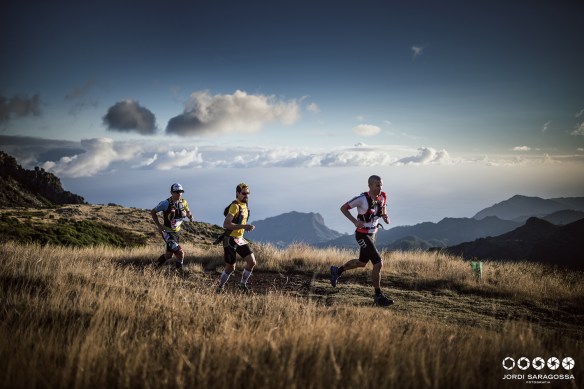
Jordi Saragossa traveled to Madeira to cover the race for iancorless.com


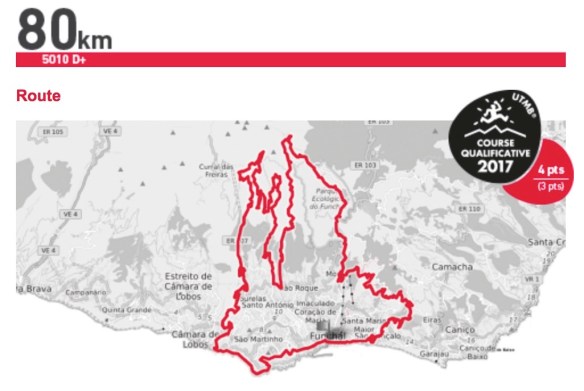
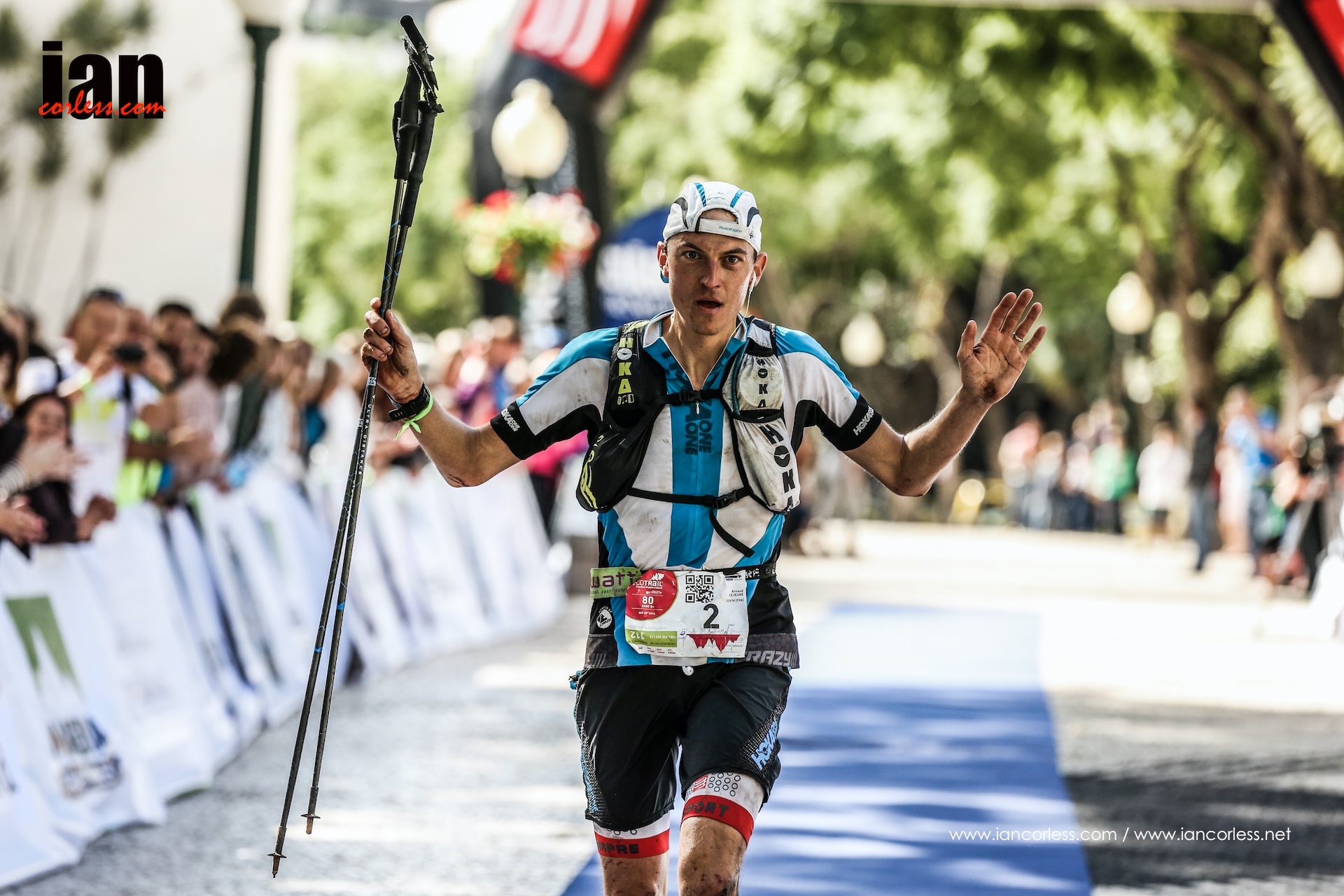
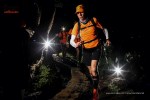
Starting in the early hours of the day, the 80km main event has a whopping 5400m of elevation gain that climbs up and down the technical trails within the Funchal region. Last year, the race was won by Arnaud Lejeune. Under the illumination of head lamps 100’s of runners set out for a tough day on the trails – Julien Chorier and Casey Morgan headed up a very strong field. Chorier moving up from the 40km distance which he won in 2015.

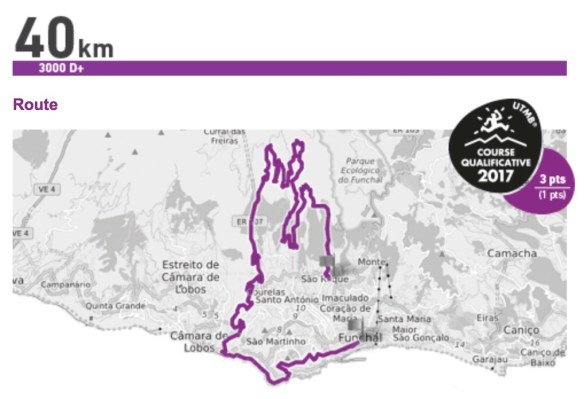
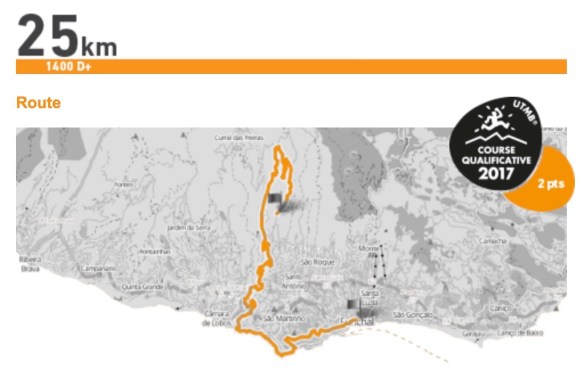
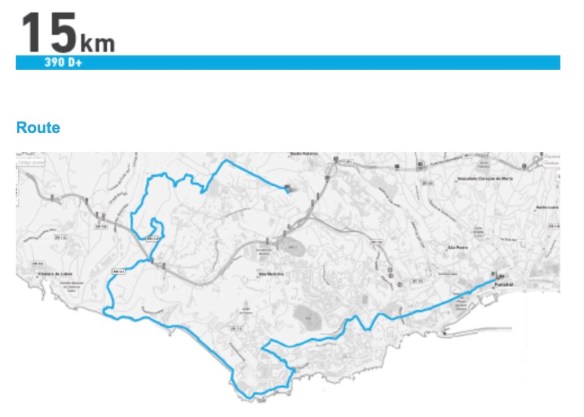
A weekend of racing, the 80km event is followed  by the 40km event (171 runners) with 2500m of elevation gain, the 25km event (263 runners) and the 15km event (301 runners).

Madeira is known for it’s great all year climate but race day proved to be a mix of glorious sunshine, cloud and light rain. However, the conditions for runners were perfect enabling the majority to run in conditions that were neither to hot or cold.

Although Chorier and Morgan dominated the 80km event,  the ECOTRAIL Funchal is much more than elite names racing and setting records. The race is all about motivation and inspiration. This was reflected in the 15km event which was by far the most popular event of the weekend, where local people arrived in their hundreds to take part and support.

80km Results

In the 80km race, Julien Chorier lead from the front and had a stunning day on the trails of Madeira. He arrived in Funchal looking strong. Casey Morgan placed 2nd just 6-minutes behind the Frenchman and Javi Bodas was 3rd, 19-minutes later. For the ladies, Wasmes Wasmed took a conniving victory 14-minutes ahed of Nadia Meroni and Sylvie Benech was 3rd, 1-hour after 2nd place.

“The race itself was great, I felt really strong all day. Julien put in a big attack on the second major climb and I had to let him go otherwise I was going to explode but I was pulling him back close to the summit but unfortunately missed a turn and added an extra km or so and never saw him again all day! A beautiful course with a lot of variety. Some really steep technical terrain but also some pretty smooth and fast sections. The weather was just as varied, wet and windy up high but sunny and very hot back in Funchal.  A great weekend all round.” – Casey Morgan


RESULTADOS (HOMENS)
1 Chorier Julien 08:38:31
2 Casey Morgan 08:44:03
3 Javi Bodas 09:04:31
RESULTADOS (MULHERES)
1 Wasmes Wasmes 14:22:21
2 Nadia Meroni 14:34:24
3 Sylvie Benech 15:34:32

40km Results

In the 40km race, Gence Bertrand was 6-minutes clear of Olivier Morin with Francois Laurent placing 3rd –  ‘very tough challenging and technical!’ Fanny Borgstrom was in her own race for the ladies’ finishing over 1-hour clear of Alice Sousa and Leau Sophie placing 3rd.

RESULTADOS (HOMENS)
1 Gence Bertrand 04:53:18
2 Olivier Morin 04:59:46
3 François Laurent 05:14:40
RESULTADOS (MULHERES)
1 Fanny Borgström 05:26:25
2 Alice Sousa 06:35:41
3 Leau Sophie 06:47:51

25km Results

It was a close 1,2,3 for the men as they all finished within 7-minutes. Manuel Jesus took the tape first ahead of Nuno Pereira and Carlos Pereira finishing just 2-minutes later.  Carla Leite was a conniving winner for the ladies’ with a 20-minute margin over Lulia Fuiorea and Susana Azevedo 3rd.

RESULTADOS (HOMENS)
1 Manuel Jesus 02:40:43
2 Nuno Pereira 02:45:13
3 Carlos Pereira 02:47:08
RESULTADOS (MULHERES)
1 Carla Leite 03:01:22
2 Iulia Fuiorea 03:21:22
3 Susana Azevedo 03:24:59

15km Results

The 15km race was all about fun and in many scenarios it provided a first race opportunity for many locals. No doubt, they will be inspired to look ahead to 2017 and maybe move up to the 25 or 40km distances?

RESULTADOS (HOMENS)
1 Emanuel Freitas 01:07:58
2 José Fernandes 01:08:43
3 Juvenal Faria 01:10:29
RESULTADOS (MULHERES)
1 Michele Faria 01:26:09
2 Carla Caires 01:32:13
3 Fátima Gregório 01:33:47

The 80km and 40km races

80km

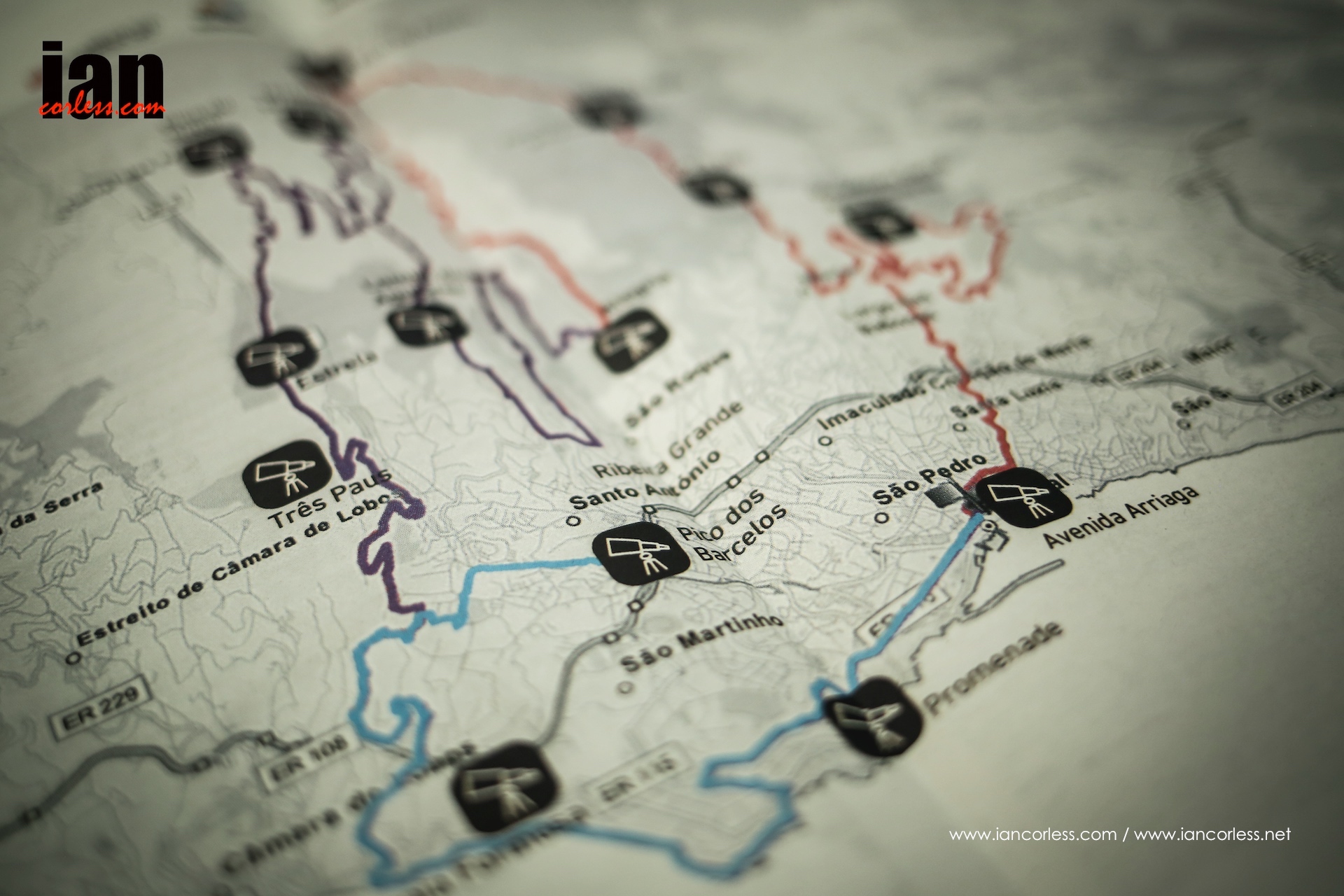
The race started by following the main streets of the town heading east and then up to Curral dos Rameiros and Monte. Following trails, technical at times they head to the 1800m summit at Pico do Arieiro and then drop like stones to Allegria (this is the 40km start).

40km

Navigating through suburban streets a brutal uphill follows and then a descent to Ribeira Grande, Santo Antonio. At Levada Negra another steep climb awaits, unfortunately this is the nature of Madeira trails; they go up and down! From Pico de Buxo they drop downhill towards the sea and stunning views of Funchal. Following trails and paths they navigate to the finish in Funchal with a final stretch running along the coast and the finish in  Avenida do Infante.

25km

25km

Starts in the highlands of Santo Antonio and takes in the final sections of the 80km and 40km events to finish on the Avenida do Infante in Funchal. The race has 900m+.

15km

15km

The shortest race of the Ecotrail Funchal – Madeira 2016, will start at Pico dos Barcelos, at 355 meters, the athletes will take a route mostly downhill, going past Levada do Curral, Levada do Castelejo and Levada dos Piornais.

ecotrail

RACE WEBSITE AND INFORMATION HERE

RACE RESULTS HERE

Pete Kostelnick looks set to break the Run Across the USA #FKT

raam

As records go, the 36-year old record of 46 days, 8 hours and 36 minutes of Running Across America by Frank Giannini Jr is a classic.

Many a runner has challenged the distance but few have close to the time.

As I write this, two times Badwater 135 winner, Pete Kostelnick, looks set to elevate the record to new level. His possible new record will not come down to minutes… it won’t even come down to hours! In reality, Pete is looking to smash the record by days. Yes, days!

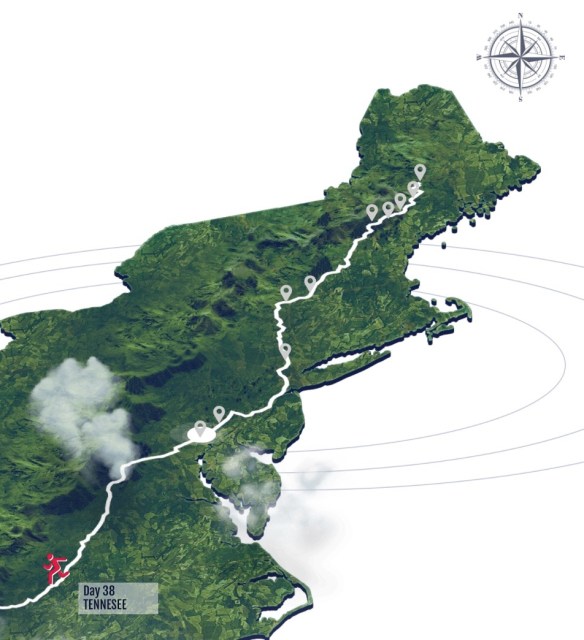
Today as I write this, Pete is 38-days in and current projections are 41 or 42 days. That’s a whole new level!

Imagine it, Pete has been running over 70 miles a day for 36 days. In a recent chat for the next edition of Talk Ultra podcast, co-host Speedgoat Karl Meltzer, who just recently set a new FKT on the Appalachian Trail confirmed that Pete is on a whole new level. “He’s doing it the right way,” said Karl. “He started under the radar and momentum has picked up as the days have passed. He will smell the barn and although he may well be in pain, he will know the end is in sight. For sure he is going to break the record, it will just depend by how much. These next few days will fly by!”

With approximately 5 or 6 days to go the mental boost o knowing the finish line isn’t too far away is really keeping him motivated to keep pushing along!

“The performance by Peter is almost super human,” said Speedgoat. “I am pleased that he is a Hoka One One teammate and I am certainly looking to catch up with him after the challenge is over and found out how it went. What’s interesting is that day off he took after 7 days. The same thing happened to Scott Jurek, Jen Phar Davis and me, albeit a little later. It’s a s though the body says, hold on a minute, what are you doing? One day off or one easy day and then everything comes back. It has certainly gone that way for Pete!”

Running 70+ miles a day is a phenomenal physical and mental challenge, it’s difficult to comprehend that it is possible… but here is Pete proving how remarkable the human body is. At 29-years old maybe Pete is in that prime age target where fitness and the bodies ability to recovery is optimum? It certainly poses man questions.

However, it’s important to note that this has been know easy ride. Pete went out at a relentless pace covering 450 miles in the first week and as Speedgoat has already said, he was forced to take a day off. That day’s rest may well prove to be one of the most crucial days on this long road. Tendonitis, aches, pains, tight muscles, sore hamstrings, swollen knee, tight hips and so many more niggles… “It happens,” says Speedgoat. “But the body is a remarkable thing, one day you feel lousy and then the next day you feel great. The pain travels and moves around and let’s be clear, when you run this type of mileage day-after-day you just become numb.”

Tracie Phan (Team Manager) told competitor.com in an interview that Pete seems to be getting stronger with each day. Something that Speedgoat can relate too, “It’s all about getting into a rhythm and routine. One advantage that Pete has is that the terrain is constant and smooth. His crew can support all the time and within reason he can stop, rest, eat and drink when he wants.”

During the last month, Pete has started each day around 0400 and covered in the region of 40-miles and then taken a break before heading back out on the road aiming to finish around 5pm. “This is crucial for a successful attempt,” Speedgoat confirms. “Finishing early evening allows for quality rest, recovery, massage and it also means that eating and drinking is not compromised.”

Watch this space, we are about to witness history being made. Pete Kostelnick will set a new record for Running Across America.

Limone Extreme 2016 #SKY – Skyrunner® World Series

iancorless-com_limonesky2016-8940-copy

The 2016 Skyrunner® World Series was up for grabs but news on the start line was one of drama… Tadei Pivk was unable to start after waking with a fever, Marco De Gasperi had been delayed in Milan on a flight from the USA and last year’s winner, Remi Bonnet decided not to start after taking a fall in training just days earlier. For the ladies’ race, a likely series win would come from Laura Orgue who needed to win the race or Megan Kimmel who needed to finisher in 2nd place should Orgue win.

At the finish line on the shores of Lake Garda, Alexis Sevennec once again proved his supremacy with another stunning victory! For the ladies, Megan Kimmel confirmed her incredible mountain running and descending ability to take not only the victory in Limone but also the Skyrunner® World Series title.

We have witnessed some spectacular performances in the 2016 Skyrunner® World Series and the final race in Limone Extreme provided a special close to the 2016 season.

Laura Orgue had not started the Friday VK in a hope to give an all-out effort for victory. Using her impressive abilities at climbing she led the way on the long steep and technical first climb. Celine Lafaye followed closely in second but where was Megan? Megan was way back and was either struggling or running a tactical race… it was the latter. As Laura pushed at the front, Megan slowly closed the gap and on the final decent that drops to the lake she opened up and finally pulled away to take victory in a time of 3:17:35 and with it the Skyrunner® World Series crown. “Last year I lost the series title at Limone and this year I ran cautiously in the early stages, I was just hoping not too cautiously. When I eventually closed on Celine I was feeling good and then Laura and myself were running side-by-side. I decided to go knowing that I mustn’t let Laura win and me placed 3rd otherwise the title would go to Laura – I pulled it off!”

Laura had run much of the race out front but looked relieved to finish just over a minute slower than Megan, her time 3:18:42. Celine Lafaye placed 3rd in 3:19:22 and Skyrunner® World Champion for the ULTRA distance and the 2016 UTMB champion, Caroline Chaverot, placed 4th. An incredible result for the lady who loves and excels at longer races. Quite a year for her and she has already said that Skyrunning will be an objective in 2017.

For the men, the non-start of Tadei Pivk did provide an opportunity for Hassan Ait Chaou to ‘take’ the title, however, he would have needed to run a great race and place on the podium. Unfortunately, this didn’t happen and therefore Tadei Pivk once again (also in 2015) is the Skyrunner® World Series champion from his impressive results and consistency earlier in the year.

A race was left to run and Stian Angermund lead the charge early on ahead of Marco Moletto, no doubt reeling from missing victory the previous night in the VK by just 1-second. Although looking good early on, the efforts from the previous night and minimal recovery before the 11am start took its toll and both Stian and Marco faded opening the doorway for an in-form Alexis Sevennec who forged a final lone path to a stunning victory in 2:46:49. Brit, Hector Haines and started high up on the first climb and held on to arguably one of his best podium places stirring local heads with 2:51:41 2nd place. Bulgarian Kiril Nikolov took the final podium place in 2:52:04. Early protagonist, Marco Moletto who had looked a potential podium finisher placed 5th looking tired and Stian placed 7th.

The final ranking for the 2016 Skyrunner® World Series SKY distance has Tadei Pivk 1st, Hassan Ait Chaou 2nd and Kiril Nikolov 3rd. For the ladies’ Megan Kimmel is champion, Laura Orgue 2nd and Yngvild Kaspersen 3rd.

Roll on 2017!


Thanks to the support of our Partner Migu Xempower, Sponsor Alpina Watches and Official Pool Suppliers, Scott RunningCompressport and Salomon.

About Skyrunner® World Series
Skyrunning was founded in 1992 by Italian Marino Giacometti, President of the International Skyrunning Federation which sanctions the discipline worldwide and sports the tagline:
Less cloud. More sky.

The Skyrunner® World Series was launched in 2004 and has grown to represent the peak of outdoor running defined by altitude and technicality. In 2016, the Series, composed of four disciplines, features 23 races in 15 venues on three continents.

IANCORLESS.COM IS THE OFFICIAL PHOTOGRAPHER AND MEDIA PARTNER FOR THE

SKYRUNNER® WORLD SERIES

Social Media Logos

Facebook/iancorlessphotography
Twitter (@talkultra)
Instagram (@iancorlessphotography

Follow the Skyrunner® World Series on social media platforms

Facebook.com/skyrunning
Twitter @skyrunning_com
Instagram @skyrunning


Speedgoat Karl Meltzer #AT Appalachian Trail FKT – Day 36-39 Update

day39

Can you smell the barn? Karl can! Yes folks, it’s on… no guarantees as anything can happen but Karl is in the final phase and all is looking good.


Day 36 Virginia

Today was a great day as Karl consistently jogged through the day. Billy, one of Karl’s many friends, joined the crew today. Terrain is mostly hills and farmland, today, Karl could be heard ‘mooing’ at cows as he ran past… the trail is affecting his mind! Currently they are in Southern Virginia near the Tennessee and North Carolina borders. Picking up speed is really helping Karl’s morale as he enters this crux phase. It’s all about head down and push on now. After 1800-miles it would be easy to be negative but Karl is keeping super positive and yes, he is still joking. Today he knocked off 57.5 miles. Let’s be serious here, most of us would be happy with that for just 1-day, never mind after 36-days after relentless fatigue.

Day 37 Virginia

The day started with great spirits, maybe the best mood of this whole trip. It’s easy to understand why, he is ahead on the trail and on record pace. He passed through Grayson Highlands State Park today, a place in southwest Virginia. This area is known for its free-roaming wild ponies. Cheryl is back with the team and she and Billy hiked in to crew Karl. Temperatures are cooler and running conditions are good. Karl, as required to complete the FKT is now maintaining 50-miles per day. His attitude is really positive and like I said in the last few days, he can smell the barn! All the positivity is also boosting the crew; the next 4-days are crucial.

Day 38 Virginia / Tennessee

Cheryl and Billy left Karl today, it was a potential down moment but Karl got on with the job, the end is in sight and he knows he is in the home straight. The trail is becoming more difficult as Karl heads south. Hills have become mountains and the 50-mile a day target becomes harder but Karl is prepared. Blinkers are on and despite a tough day, Speedgoat covered 55.6 miles. He’s getting it done!

Many thanks to Red Bull, Speedgoat, Eric and the crew for the support and help.

Red Bull Logo

Day 39 Tennessee 

Speedgoat arrived in Tennessee last night. No need to tell you, he is on a mission and as I have said on many occasions, Karl has known, right from day 1 what he needed (needs) to do to break this record. Aid stops are now just an inconvenience; he wants to get back on the trail. David Horton joined him on the trail today, a real plus and a great boost. David very much pioneered what was possible on the AT. Scott and Jenny Jurek are here now too. Scott will be instrumental in helping Karl achieve his lifelong goal. Karl stopped short of his daily target but there is no concern that this will impact on his record attempt. The record is looking good and if I were a betting man, I’d say Karl has got this… he has some flexibility on time and if required, he can push on with very little break in the last days. We discussed this before the attempt and he said, ‘if it’s required, I can do it!’

karl

Image ©karlmeltzer/ redbull

All content http://atrun.redbull.com/karl-meltzer-mobile/p/1

As I write this, Karl has approximately 237-miles to go to arrive at Springer Mountain. To break the record for the Appalachian Trail he must arrive there before 1:07 PM (local time) on Sunday. Eric is still crewing with Senior and Scott and Jenny Jurek are helping him along….

Speedgoat Karl Meltzer #AT Appalachian Trail FKT – Day 29-35 Update

day-38

Eric and  ‘Senior’ are keeping Karl on track. It’s a rollercoaster ride of highs and lows and at times it has looked a little stressful but as I have said all along, Speedgoat has gone into this AT attempt with a complete understanding of what needs to be done… He learned this in 2015 when crewing Scott and he witnessed it in the latter stages when Scott pushed on and on relentlessly. As I write this, Karl is through day 38 with 1761-miles covered and 428-miles to go. Karl would say to me, “I can smell the barn!” And yes, a very feint smell of the barn may well fill Speedgoat’s nostrils but he has got some seriously long and hard days ahead. In the true sprit of the sport, Scott Jurek and Jenny Jurek have now joined Karl on the trail and they will help push through and hopefully all Speedgoat to achieve his dream. We have an epic couple of weeks ahead!

Many thanks to Karl, Eric and Red Bull for the continued support and help.

Red Bull Logo

karl-sleeping

Day 29 Virginia

This morning Karl and crew woke up amongst white-tailed deer. This 107-mile stretch of trail through Shenandoah truly is beautiful. Karl’s progress is going well and the shin that was bothering him is now taped and feeling much better. Pain free, Karl can pick up the pace and today he logged 50.4 miles. The routine is run/jog/ hike, stop, ice, eat, sleep and repeat. The AT is not easy but today was a good day!

Day 30 Virginia 

Karl exited the Shenandoah National Park today after a little more than two days. Karl’s foot blisters are flaring up a little but he is still pushing. Some new lunch options are helping keep spirits up with Karl trading in his PB&J for pork sliders. tonight the crew planned to stop at 1800 but Karl felt strong and insisted that he kept going… He covered another 11 miles and racked up 60 miles. Yes, 60 miles. Karl is killing it and whether he sets the record or not I personally and blown away by his tenacity. Rest is key but Karl didn’t hit the sack till midnight.

Day 31 Virginia

A busy day on the Blue Ridge Parkway section and Karl was extremely fatigued. Sometimes you need to know when not to push on and those extra 11 miles the previous day may well have been 11 miles too far! He was sluggish but still smiling though. At midday, Karl came off the trail limping. The blister under his foot had filled with fluid and he couldn’t apply any pressure. The crew jumped into action, drained the blister, bandaged Karl up and he continued on at jogging pace. Karl crossed the James River Footbridge which is an iconic and beautiful spot on the Appalachian Trail. Karl ate two steaks for dinner and then went to bed.
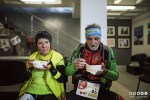
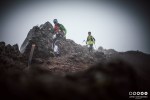
Day 32 Virginia

Karl is holding up well considering the fatigue, he also hopes that the bottom of his foot stays dry so the blister can heal. Health is as important as fitness and success on the AT can really come down to the small things. Karl slept on the trail tonight at Scorched Earth Gap. Today Karl did an astonishing 57 miles…

Day 33 Virginia

Bedding down on the trail last night was almost a fatal decision for Karl’s AT attempt. Karl and crew could have pushed on for 4 miles and had the comfort of the van, instead Karl just crashed on the trail… he had a bad night’s sleep. Desperate and drained, Karl stopped mid trail in the morning and sept. His crew found him, face down, sleeping in the dirt. They pushed him on to McAfee Knob where the van had stopped. For three hours Karl slept, it was needed! But Karl woke up and disappeared without saying a word. The crew met him at the next stop and a pint of ice cream worked wonders. Two minutes later, the pint was gone and Karl was off. Karl’s friend Dave, met him on the trail later in the day with some fried chicken and the reassuring words of, ‘you can do this, the question is, do you have the grit?’ – I think we all know the answer. Karl is digging deeper than he ever has with a real understanding of what needs to be done. After two more sections. Karl stopped. He insisted he couldn’t go any further without getting more sleep – everyone agreed! It was a 23-mile day and just goes to show how tough and challenging the AT is. It was a real low day on the AT for Karl.

Day 34 Virginia

Karl woke up rested today from a long night’s sleep/ He started off charging hard. Have no doubts, Karl knows exactly what needs to be done on a daily basis to beat this AT record and he has the blinkers on… In all honesty, he had the blinkers on right from day one. The AT has thrown its ups and downs – what else would one expect from the AT. Karl bounced back today with a 50+ day. Karl was jogging a great deal more today because the terrain is pretty slick. There are hills here but nothing drastic. Karl has a tight gap to beat the AT record and he attributes his motivation to his wife, Cheryl. Karl is optimistic though and he has 12-days to push. Karl pushed on for an additional 16-miles today with Cheryl by his side. When they finished, Eric had pasta waiting. From here on in it’s 50 miles a day for Speedgoat to beat the record… Pretty sure the arrival of Scott and Jenny Jurek will help!

Day 35 Virginia

Karl woke up tired, it was tough to get going but the routine clicked as the morning wore on. Terrain has some rocks and is mountainous but not as severe as Pennsylvania. The miles are beginning to even out and Karl is in good spirits, that is really important as what lies ahead is tough. A variety of food keeps rolling along and peanut butter and jelly sandwiches are a hit. It was a 49.2-mile day and Speedgoat is on track for the record.
horton-jurek-meltzer

Image ©karlmeltzer

The arrival of Scott Jurek and David Horton no doubt is a super motivation for Karl. Scott (and Jenny) now plan to return the favour Karl gave in 2015 to Scott’s successful record. David has had to return back to work but with this crew and Scott pushing, the chances of getting the record is increasing despite the tough and challenging target of 50 miles a day. Like I said, Karl knows what he has to do!

All content http://atrun.redbull.com/karl-meltzer-mobile/p/1

Speedgoat Karl Meltzer #AT Appalachian Trail FKT – Day 8-14 Update

day16karl

Last week we provided an update of Speedgoat Karl’s first 7-days on the ‘AT’ as he tries to set an ‘FKT.’ You can read that HERE

Karl is now 16-days into his journey and in Connecticut. Below we provide an update of days 8 to 14.

Day 8 New Hampshire

Today on all levels was challenging. After a long and challenging day yesterday, Karl continued his hike but slowed his pace down. A highlight of today was that Karl reached the summit of Mt Washington as conditions were harsh. Dense fog, cold air and gusty wind made the hike anything but easy. Karl continued after a late summit to Crawford Notch where he had a very late arrival. Though he is pushing himself, it’s important to note that getting in late also means less rest, which is critical in any situation and especially when you are trying to set a record.

Day 9 Mt Lafayette, NH

Karl left on time today, however, when reaching the Knife’s Edge, our crew could tell from his demeanour that he is becoming even more exhausted with every step. Thankfully Karl made a trail companion through the Knife’s Edge that accompanied him for a while. It’s important to remember that as much as this is a physical feat, it’s mental too! Karl said that this hiker was important because at some points he helped keep the pace steady. Karl eventually lost the hiker on the downhill but nonetheless, every person Karl runs into on this journey is important to his success. While hikers’ journeys and motivations are diverse as the trail itself, the challenges of the trail reveal the common bonds between them. Karl decided to stop one stop early at Flume Gorge to catch up on rest and recharge his body for another long day on the Green Tunnel.

Day 10 Flume Gorge, NH

Karl finished the trek through the White Mountains at the end of Day 10. Not surprisingly, the White Mountains took a toll on both Karl’s feet and mentality. Karl is starting to form blisters around the bottom of his feet, as expected Karl got to his final destination before sunset which provided him plenty of opportunity to eat a good meal and relax before getting sleep. The crew brought Karl one of his favourite foods on the train, ice cream! It lifted his spirits. Karl’s attitude is amazing. The night ended well with jokes and laughter.

Day 11 Hanover, NH

Karl picked up the pace as he headed towards the city of Hanover. Karl arrived in Hanover before expected and instead of sitting to eat and replenish, he insisted on walking while eating to keep the pace. He is an absolute machine! Karl experienced a dramatic shift in landscape as he ran through the city of Hanover – buildings and cars surrounded him as the AT guided him onwards and out of the city. While the change in scenery was welcomed, the surroundings were blurred by very severe storms in the area. A system rolled in during the morning hours and another one later in the night. Torrential rain and lightening caused Karl to arrive later than usual at 9:45pm. Though he won’t be getting normal hours of sleep to lead him into the day 12, he will have a running companion which hopefully will allow him mentally and physically to keep record speed pace.

Day 12 Wallingford, VT

Hello Vermont! Karl had a friend come and run part of the trail with him today which was instrumental in keeping good and efficient pace. Day 12 was a quick day, relatively speaking. However, there was a swarm of bees on part of the trail. Eric, (Karl’s are chief) went ahead as Karl is no fan of bees – Eric got stung! Thankfully for Karl, Eric must have given the bees all they needed and it was a clear passage. As the terrains flattens out from the White Mountains, Karl will hopefully pick up pace a little allowing him to gain more time.

Day 13 Stratton-Arlington Rd, VT

Karl continued to trek south and is crushing the pace once again with an amazing attitude. The terrain is still mountainous but nothing like the harsh terrain of the White Mountains, the Green Mountain National Forest is kinder. Karl shaved off his beard today, it prevent flies, fleas ticks and other bugs getting a free ride and it’s a little cooler! The temperatures on the trail vary a great deal but is seasonally hot. Karl finished the day early catching the crew off guard. Even Karl Sr was taken by surprise, he had intended to join Karl on the final stretch in. Cheryl (Karl’s wife) prepared dinner and the route was planned for tomorrow. Bed by 9pm and hopefully the energy batteries will be restored for tomorrow.

Day 14 Mt Greylock, MA

Karl’s morale is high as he continues south. Eric (Karl’s crew) says this is down to a new iPod with new music. It keeps Karl occupied and at pace while running. Peanut butter and jelly sandwiches are another key element! Some rain today and bad weather today but Karl pushed on and is till, at times, arriving earlier than anticipated at certain points. The highest point in Massachusetts, Mt Greylock was the finish for Karl’s run today. A big meal and a nice bed waited. Though the terrain is less mountainous, roots still remain throughout the trail. In moments of fatigue, this can be extremely tough. The view from Mt Greylock was that of another planet, fog was so thick they could only see 2-5 feet. Green trees that surround the trail gave it a very eerie feeling.

Current stats show Karl has covered 757.4 miles with 1432.6 remaining. Please keep in mind that these figures are current at the time of writing.

©iancorless.com_TCC2015_Day5-2469

Red Bull Logo

Many thanks to Red Bull for the information and support. Content ©redbull

Episode 115 – Jason Schlarb, Speedgoat Karl, Elisabet Barnes

A_GRAVATAR

This is Episode 115 of Talk Ultra and we have an interview with Hardrock 100 winner, Jason Schlarb. We also speak with Elisabet Barnes about her Richtersveld Transfrontier Wildrun and Big Red Run double. Speedgoat Karl is with us on the countdown to the AT and of course we have the news from around the world.

00:16:46 Karl on the AT – http://atrecord.redbull.com/karl-meltzer-mobile/p/1

00:32:00 NEWS

HARDROCK

Kilian Jornet and Jason Schlarb 22:58 – 2nd fastest time

Xavier Thevenard 23:57

Jeff Browning 4th and what a double with WSER and now the fastest accumulated time

Anna Frost 29:02 5th fastest

Emma Roca 29:36

Bethany Lewis 31:57

00:48:30 INTERVIEW JASON SCHLARB

EIGER ULTRA TRAIL

Results:

Diego Pazos 11:39 – appears to be on fire with a podium in Transgrancanaria, win at MB80k and now this!

Mathis Dippacher 12:04

Jordi Gamito Baus 12:08

Notable – Ueli Steck was 26th in 14:35

Andrea Huser 13:09

Kathrin Götz 13:39

Juliette Blanchet 13:43

ANDORRA ULTRA TRAIL – Ronda dels Cimes

Nahuel Passerat 31:33

Kenichi Yamamoto

Nicola Bassi

Lisa Borzoi 37:25

Missy Gosney

Marta Poretti

DOLOMITES SKYRACE and VK

Tadei Pivk 2:03

Stian Overgaard 2:04

Martin Anthamatten 2:05

Laura Orgue 2:28

Elisa Desco 2:30

Celia Chiron 2:32

VK

Philip Goetsch set a new CR once again in 31:34 and Laura Orgue won the ladies race in 38:31, just 17 seconds shy of her own CR.

SPEEDGOAT 50K

Hayden Hawkes 5:25:04

Alex Nichols 5:27:42

Taste Pollmann 5:51:52

Abby Rideout 6:50:41

Kelly Wolf 7:13:46

Magdalena Boulet 7:30:10

Robert Young of the U.K. the controversy goes on…

Gonzalo Calisto, 5th at 2015 UTMB tests positive for EPO see the posts HERE

http://d.pr/i/12FWJ

Timmy Olson – American Tarzan. Discovery Channel HERE When Tim gets low on energy, he goes into his trademark “Animal Mode,” and enters the “Pain Cave” to get through it – training which will serve him well in the jungle!”

Coming up – Skyrunning World Champs this weekend HERE

02:07:00 INTERVIEW ELISABET BARNES

03:10:16 AUDIO – the meaning of life see the post HERE

UP & COMING RACES

Australia

Queensland

Flinders Tour – 50 km | 50 kilometers | July 24, 2016 | website

River Run 100 | 100 kilometers | July 31, 2016 | website

River Run 50 km | 50 kilometers | July 31, 2016 | website

Canada

Quebec

Pandora 24 Ultra X Trail 100M | 100 miles | July 23, 2016 | website

China

Les Foulées de la Soie en Chine | 56 kilometers | July 31, 2016 | website

France

Drôme

86km | 86 kilometers | July 23, 2016 | website

Haute-Corse

Via Romana – 62 km | 62 kilometers | July 31, 2016 | website

Haute-Garonne

52 km | 52 kilometers | July 24, 2016 | website

52 km Relais | 52 kilometers | July 24, 2016 | website

Haute-Savoie

Trail du Tour des Fiz | 61 kilometers | July 31, 2016 | website

Isère

Défi de l’Oisans | 200 kilometers | July 23, 2016 | website

Trail de L’Etendard | 65 kilometers | July 24, 2016 | website

Jura

Tour du Lac de Vouglans | 71 kilometers | July 30, 2016 | website

Savoie

La 6000D | 63 kilometers | July 30, 2016 | website

Ultra Trail du Beaufortain | 105 kilometers | July 23, 2016 | website

Germany

Bavaria

Chiemgauer 100 k Mountain Ultra Run | 100 kilometers | July 30, 2016 | website

Chiemgauer 100 mi Mountain Ultra Run | 100 miles | July 30, 2016 | website

Brandenburg

Berliner MauerwegNachtlauf | 62 kilometers | July 23, 2016 | website

Guadeloupe

Rèd Mammel | 50 kilometers | July 22, 2016 | website

Ultra Transkarukera | 120 kilometers | July 22, 2016 | website

Iceland

Hengill Ultra 50km | 50 kilometers | July 30, 2016 | website

Hengill Ultra 81km | 81 kilometers | July 30, 2016 | website

India

Himachal Pradesh

The Himalayan Crossing | 353 kilometers | July 26, 2016 | website

The SPITI | 126 kilometers | July 29, 2016 | website

Indonesia

Mount Rinjani Ultra | 52 kilometers | July 29, 2016 | website

Italy

Aosta Valley

Monte Rosa Walser Ultra Trail | 50 kilometers | July 30, 2016 | website

Sicily

Etna Trail | 64 kilometers | July 23, 2016 | website

Trentino-Alto Adige/Südtirol

Südtirol Ultra Skyrace – 121 km | 121 kilometers | July 29, 2016 | website

Südtirol Ultra Skyrace – 66 km | 66 kilometers | July 29, 2016 | website

Veneto

Trans d’Havet Ultra | 80 kilometers | July 23, 2016 | website

Kenya

Amazing Maasai Ultra | 75 kilometers | July 30, 2016 | website

Madagascar

Boby Trail | 80 kilometers | August 05, 2016 | website

Isalo Raid – Grand Raid | 80 kilometers | July 30, 2016 | website

Namoly Trail | 50 kilometers | August 05, 2016 | website

Mongolia

Mongolia Sunrise to Sunset 100K | 100 kilometers | August 03, 2016 | website

Philippines

TransCebu Ultramarathon 105 Km | 105 kilometers | July 23, 2016 | website

TransCebu Ultramarathon 55 Km | 55 kilometers | July 24, 2016 | website

Russia

Elbrus Mountain Race by adidas outdoor | 105 kilometers | August 04, 2016 | website

Golden Ring Ultra Trail T100 | 100 kilometers | July 24, 2016 | website

Golden Ring Ultra Trail T50 | 50 kilometers | July 24, 2016 | website

South Africa

Griffin 50 Mile | 50 miles | July 23, 2016 | website

Washie 100 | 100 miles | July 22, 2016 | website

Spain

Aragon

Calcenada Vuelta al Moncayo – 104 km | 104 kilometers | August 05, 2016 | website

Gran Trail Aneto-Posets | 109 kilometers | July 23, 2016 | website

Vuelta al Aneto | 58 kilometers | July 23, 2016 | website

Catalonia

105 km | 105 kilometers | July 23, 2016 | website

55 km | 55 kilometers | July 30, 2016 | website

Ultra | 104 kilometers | August 05, 2016 | website

Principality of Asturias

Ultra Trail DesafíOSOmiedo | 86 kilometers | July 30, 2016 | website

Sweden

Tierra Arctic Ultra | 120 kilometers | August 05, 2016 | website

Switzerland

Grisons

Swiss Alpine Marathon K78 | 78 kilometers | July 30, 2016 | website

Valais

La Spéci-Men | 72 kilometers | July 23, 2016 | website

Turkey

Gökhan Türe Ultra | 90 kilometers | July 22, 2016 | website

Long Course | 75 kilometers | July 22, 2016 | website

Medium Course | 60 kilometers | July 22, 2016 | website

RunFire Cappadocia Ultra Marathon | 220 kilometers | July 23, 2016 | website

United Kingdom

Cumbria

Lakes Sky Ultra | 50 kilometers | July 23, 2016 | website

East Riding of Yorkshire

The Montane Lakeland 100 | 100 miles | July 29, 2016 | website

The Montane Lakeland 50 | 50 miles | July 30, 2016 | website

Hampshire

Oxfam Trailwalker GB (South) | 100 kilometers | July 23, 2016 | website

Scotland

Run the Blades | 50 kilometers | July 23, 2016 | website

USA

Arkansas

Full mOOn 50K | 50 kilometers | July 23, 2016 | website

California

Harding Hustle 50K | 50 kilometers | July 30, 2016 | website

Ragnar Trail Tahoe | 136 miles | July 22, 2016 | website

Salt Point 50 km | 50 kilometers | July 23, 2016 | website

San Francisco Ultramarathon | 52 miles | July 31, 2016 | website

Colorado

50 Mile | 50 miles | July 30, 2016 | website

Grand Mesa 100M | 100 miles | July 30, 2016 | website

Grand Mesa 37.5M | 60 kilometers | July 30, 2016 | website

Grand Mesa 50M | 50 miles | July 30, 2016 | website

Never Summer 100km | 100 kilometers | July 23, 2016 | website

Ouray 100 Mile Endurance Run | 100 miles | August 05, 2016 | website

Wild West Relay | 200 miles | August 05, 2016 | website

Maine

Down East Sunrise Trail Team Relay | 102 miles | July 22, 2016 | website

Maryland

Rosaryville 50k Trail Runs | 50 kilometers | July 24, 2016 | website

Minnesota

Minnesota Voyageur Trail 50 Mile Run | 50 miles | July 30, 2016 | website

New York

50K | 50 kilometers | July 29, 2016 | website

North Carolina

The March | 50 kilometers | July 23, 2016 | website

Oregon

Cascade Lakes Relay | 132 miles | July 29, 2016 | website

Relay | 132 miles | July 29, 2016 | website

Siskiyou Out Back Trail Run 50K | 50 kilometers | July 23, 2016 | website

Siskiyou Out Back Trail Run 50M | 50 miles | July 23, 2016 | website

Texas

50K | 50 kilometers | July 30, 2016 | website

Washington

White River 50 Mile Trail Run | 50 miles | July 30, 2016 | website

West Virginia

Kanawha Trace 50K | 50 kilometers | July 30, 2016 | website

Wisconsin

50K | 50 kilometers | July 30, 2016 | website

Hilloopy 100+ Relay | 100 miles | July 30, 2016 | website

03:14:00 CLOSE

03:17:15

ITunes http://itunes.apple.com/gb/podcast/talk-ultra/id497318073

Stitcher You can listen on iOS HEREAndroid HERE or via a web player HERE

Libsyn – feed://talkultra.libsyn.com/rss

Website – talkultra.com

EcoTrail Funchal 2015 – Madeira

©iancorless.com_EcoTrailMadeira2015-5747

Arnaud Lejeune winning the 80km

The first edition of the ECOTRAIL Funchal took place today on the stunning island of Madeira.

For those who know, they will say, Madeira? wow, that is a hilly island for a race. I agree! It’s a very hilly island for a race.

Three events, 600+ people and community united are the key statistics from this inaugural edition.

Starting at 0600m the main event of the day, the 80km race (5400m of elevation gain) departed the centre of the town and under the illumination of head lamps the runners set out for what was without doubt a tough day and for many, night, on the trails of Funchal.

At 0900 the 40km event with 2500m of elevation gain departed from Algeria (Alegria) and finally at 1100, the 17km event with just 250m of vertical gain departed from Bico (PICO) de Barcelos.

Madeira is known for it’s great all year climate but race day proved to be a mix of glorious sunshine, cloud and light rain. However, the conditions for runners were perfect enabling the majority to run in conditions that were neither to hot or cold.

First edition races seldom have high quality fields but here in Madeira three world-class French runners toed the line:

Arnaud Lejeune – recent 2nd place at the Ultra Trail Mt Fuji

Julien Chorier – Champion of the Madeira Island Ultra Trail in 2014 and 6th at Western States in 2015.

Fabien Antolinos – 6th at UTMB 2015

Although Lejeune and Antolinus dominated the 80km event and Chorier won the 40km race, the ECOTRAIL Funchal is much more than elite names racing and setting records. The race is all about motivation and inspiration. This was reflected in the 17km event where local people arrived in their hundreds to take part and support

The race, the people and the island rely on tourism and without doubt, the ECOTRAIL race adds a great boost.

©iancorless.com_EcoTrailMadeira2015-8591

The 80km and 40km races

The race started by following the main streets of the town heading east and then up to Curral dos Rameiros and Monte. Following trails, technical at times they head to the 1800m summit at Pico do Arieiro and then drop like stones to Allegria (this is the 40km start). Navigating through suburban streets a brutal uphill follows and then a descent to Ribeira Grande, Santo Antonio. At Levada Negra another steep climb awaits, unfortunately this is the nature of Madeira trails; they go up and down! From Pico de Buxo they drop downhill towards the sea and stunning views of Funchal. Following trails and paths they navigate to the finish in Funchal with a final stretch running along the coast and the finish in  Avenida do Infante.

17km

Starts from Pico de Barelo and takes in the final sections of the 80km and 40km events to finish on the Avenida do Infante in Funchal.

Race Results

In the 80km race, Arnaud Lejeune lead from the front and had a stunning day on the trails of Madeira. Despite a fall, he arrived in Funchal looking strong. Fabien Antoninus played the bridesmaid and as the latter stages of the race unfolded he obviously decided to take his foot of the gas and save some energy.

  1. Arnaud Lejeune 8:30:09
  2. Fabien Antoninus 8:49:46
  3. Leonardo Diogo 9:51:17

Ana Conclaves was the ladies winner in 12:43:24

All 80km results are HERE

In the 40km race, Julien Chorier raced in 2nd place for most of the day behind Marco Silva but at around 34km, he pulled away and took a strong victory on a course that he said was, ‘very tough challenging and technical!’

  1. Julien Chorier 4:29:55
  2. Marco Silva 4:33:57
  3. Virgilio Ornelas 4:46:07


All 40km results are HERE

The 17km race was all about fun and in many scenarios it provided a first race opportunity for many locals. No doubt, they will be inspired to look ahead to 2016 and maybe move up to the 40km distance.

  1. Marten Bostrom 59:36
  2. Francisco Freitas 1:03:39
  3. Jorge Pimenta 1:06:01

All 17km results HERE

At the time of writing results are slowly but surely coming in as all races have not finished. We will update this post with information as and when available.

You can check the ECOTRAIL Funchal website HERE

Logo EcoTrail Funchal Madeira

All images ©iancorless.com – all rights reserved

Registration and pre-race click on an image and view the gallery

The early hours click on an image and view the gallery

Race images 1 click on an image and view the gallery

Race images 2 click on an image and view the gallery

Finish 1 click on an image and view the gallery

Finish 2 click on an image and view the gallery