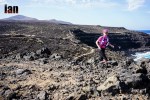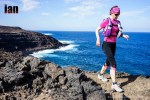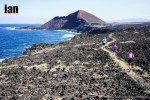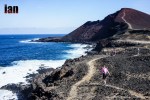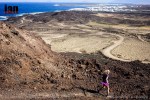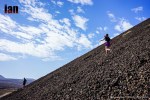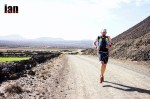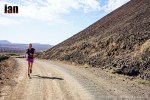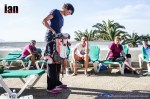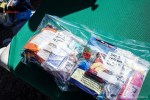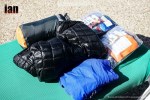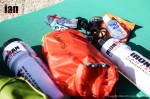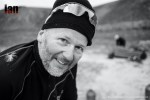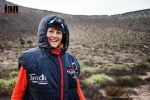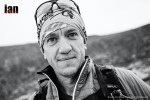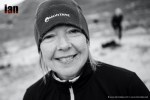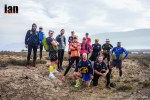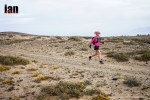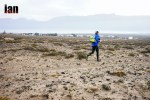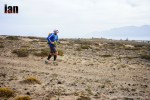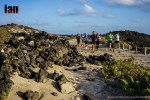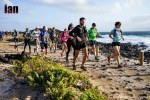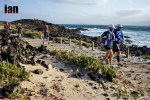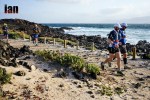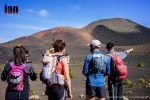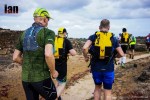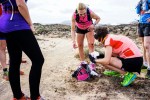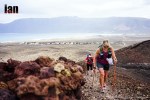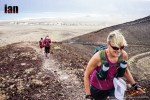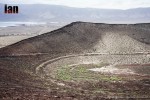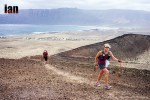
Episode 110 – MDS Special and Jasmin Paris

A_GRAVATAR

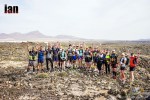
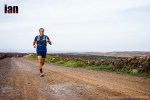
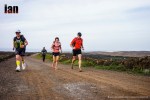
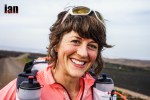
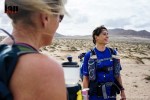
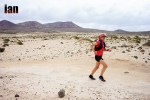
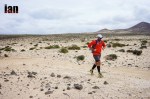
This is Episode 110 of Talk Ultra. This weeks show is a Marathon des Sables special with a load of great content from the Bivouac by Niandi Carmont and then a series of post race interviews with Sondre Amdahl, Elisabet Barnes and Elinor Evans. If that wasn’t enough, we have an interview with Jasmin Paris who has just blasted the Bob Graham Round ladies record to a new level.

It’s a different show this week as we concentrate on Marathon des Sables

Marathon Des Sables

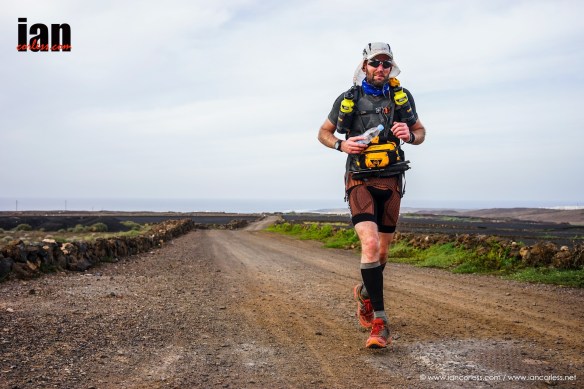
It was a win again for Rachid El Morabity and Russian, Natalia Sedykh dominated the ladies race, times were 21:01:21 and 24:25:46 for the 257km. Full results are HERE

Niandi talk from the Bivouac 

00:25:32 INTERVIEW from the Bivouac

A selection of interviews of everyday runners doing extra ordinary things

00:58:54 INTERVIEW from the Bivouac

Fernanda Maciel ladies 3rd overall and Natalia Sedykh ladies race winner

01:19:09 NEWS

Madeira Island Ultra Trail

Zach Miller 13:52

Tofol Castanyer 14:12

Sebastien Camus 14:18


Caroline Chaverot 15:00

Andrea Huser 16:22

Emelie Lecomte 17:56

Penyagolosa Trails – The MIM and CSP

MIM

Miguel Angel Sanchez and Gemma Arenas won in 5:36 and 6:33

CSP

Sea Sanchez 12:54 and Mercedes Pila 15:02

Full results HERE

Ultra Fijord – bad news

We discussed this race extensively in a couple of podcasts last year, we spoke with Nikki Kimball and Jeff Browning. Jeff won the race and Nikki decided to withdraw from the race as she felt is was too dangerous. Alarm bells were rung. Unfortunately we have had news of a death at the 2016 edition. We have to be clear here that information is still a little sparse but Ellie Greenwood and Kerrie Bruxvoort have both commented on social media at the races apparent disregard for safety. We will have more information on this as and when possible.

A statement on Facebook from Ultra Fijord said:

The second edition of Ultra Fiord has been a very hard experience, marked by an exceptionally hostile climate and dramatic landscape that formed the backdrop of the race route, that was changed and shortened two days leading to the race to accommodate the impending bad weather. While some runners experienced and embraced the forces of nature, others were beyond their comfort zone. What impacted all of us the most was the loss of 100-mile runner, Arturo Héctor Martínez Rueda. Mr Martínez, 57-year-old from Mexico, had unfortunately passed on at an approximate 65km mark that is about 750m above sea level. Although the likely cause of his death was hypothermia, a confirmation can only be made in the following few days. The unfavourable weather has persisted in this mountain area since Friday, so the rescue team, awaits a favourable weather window to execute the evacuation. The race organiser takes responsibility and apologise for the poor communications to the outside world with regards to this tragic incident, simply because it is a step we could not execute without the confirmation of the status and private communications with Arturo’s family. In this difficult time, the organising team sincerely expresses its condolences to the family and friends of Arturo and ask followers for your cooperation to send peace and respect to them too.

01:25:40 INTERVIEW

Elisabet Barnes post MDS 

01:57:45 INTERVIEW 

Sondre Amdahl post MDS 

02:26:49 INTERVIEW 

Elinor Evans post MDS 

03:11:00 INTERVIEW

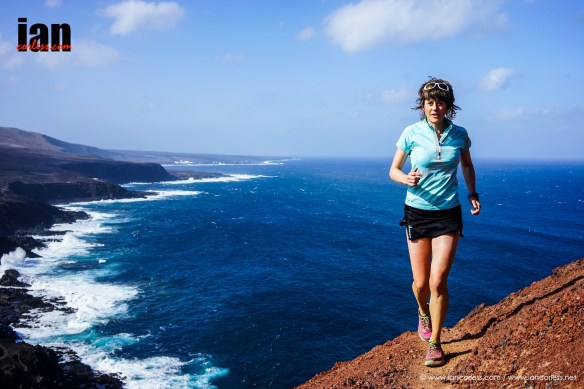
Jasmin Parishas just elevated the ladies Bob Graham Round record to a new level coming very close to Billy Bland’s benchmark 1982 record

UP & COMING RACES

Australia

Queensland

The Great Wheelbarrow Race – Mareeba to Dimbulah | 104 kilometers | May 13, 2016 | website

Austria

Tiroler Abenteuerlauf 60 KM | 60 kilometers | April 30, 2016 | website

Über Drüber UltraMarathon | 63 kilometers | May 05, 2016 | website

Belgium

Wallonia

Trail de Lesse 50 km | 50 kilometers | May 08, 2016 | website

Canada

Alberta

Run for the Braggin’ Rights | 50 miles | May 07, 2016 | website

Run for the Braggin’ Rights – Relay | 50 miles | May 07, 2016 | website

British Columbia

The North Face Dirty Feet Kal Park 50 | 50 kilometers | May 01, 2016 | website

Ontario

Pick Your Poison 50K Trail Run | 50 kilometers | April 30, 2016 | website

China

Trail de la Grande Muraille de Chine | 73 kilometers | May 13, 2016 | website

Denmark

Hovedstaden

Salomon Hammer Trail Bornholm -100 Miles | 100 miles | May 06, 2016 | website

Salomon Hammer Trail Bornholm – 50 km | 50 kilometers | May 07, 2016 | website

Salomon Hammer Trail Bornholm – 50 miles | 50 miles | May 06, 2016 | website

France

Ardèche

57 km | 57 kilometers | April 30, 2016 | website

Ultra Trail l’Ardéchois | 98 kilometers | April 30, 2016 | website

Dordogne

Le relais du perigord sur 105 km (45+60) | 105 kilometers | May 07, 2016 | website

Ultra trail du perigord 105 km | 105 kilometers | May 07, 2016 | website

Drôme

Challenge du Val de Drôme | 153 kilometers | May 07, 2016 | website

Les Aventuriers de la Drôme | 66 kilometers | May 07, 2016 | website

Les Aventuriers du Bout de Drôme | 111 kilometers | May 07, 2016 | website

Finistère

50 km | 50 kilometers | May 01, 2016 | website

Haute-Loire

50 km | 50 kilometers | April 30, 2016 | website

80 km | 80 kilometers | April 30, 2016 | website

Le Puy-en-Velay – Conques (Juin) | 208 kilometers | May 12, 2016 | website

Nord

100 km de Steenwerck | 100 kilometers | May 04, 2016 | website

Puy-de-Dôme

143 km | 143 kilometers | May 07, 2016 | website

86 km | 86 kilometers | May 07, 2016 | website

Pyrénées-Atlantiques

Euskal Trails – Ultra Trail | 130 kilometers | May 06, 2016 | website

Trail des Villages | 80 kilometers | May 06, 2016 | website

Trail Gourmand | 50 kilometers | May 06, 2016 | website

Rhône

Ultra Beaujolais Villages Trail | 110 kilometers | April 30, 2016 | website

Ultra des Coursières | 102 kilometers | May 07, 2016 | website

Savoie

Nivolet – Revard | 51 kilometers | May 01, 2016 | website

Seine-et-Marne

Grand Trail du Sonneur | 66 kilometers | April 30, 2016 | website

Ultra Trail de la Brie des Morin | 87 kilometers | April 30, 2016 | website

Seine-Maritime

Tour du Pays de Caux | 88 kilometers | May 05, 2016 | website

Tarn-et-Garonne

52 km | 52 kilometers | May 05, 2016 | website

Vendée

100 km de Vendée | 100 kilometers | May 07, 2016 | website

Yonne

The Trail 110 | 110 kilometers | May 07, 2016 | website

The Trail 63 | 65 kilometers | May 07, 2016 | website

The Trail 85 | 85 kilometers | May 07, 2016 | website

Germany

Baden-Württemberg

Stromberg Extrem 54 KM | 54 kilometers | May 08, 2016 | website

Rhineland-Palatinate

Bärenfels 50 km Trail | 50 kilometers | May 01, 2016 | website

Westerwaldlauf 50 km | 50 kilometers | May 05, 2016 | website

Saxony-Anhalt

Harzquerung – 51 km | 51 kilometers | April 30, 2016 | website

Greece

Euchidios Athlos 107.5 Km | 107 kilometers | May 08, 2016 | website

Euchidios Hyper-Athlos 215 km | 215 kilometers | May 07, 2016 | website

Olympian Race – 180 km | 180 kilometers | May 08, 2016 | website

Olympian Race – 62 km | 62 kilometers | May 08, 2016 | website

Indonesia

100K | 100 kilometers | May 08, 2016 | website

50K | 50 kilometers | May 08, 2016 | website

Volcans de l’Extrême | 164 kilometers | April 29, 2016 | website

Ireland

Munster

The Irish Trail 60 km | 60 kilometers | May 07, 2016 | website

The Irish Trail 85 km | 85 kilometers | May 07, 2016 | website

Italy

Lombardy

Laggo Maggiore Trail | 52 kilometers | May 01, 2016 | website

Sardinia

Sardinia Trail | 90 kilometers | May 06, 2016 | website

Tuscany

Elba Trail “Eleonoraxvincere” | 54 kilometers | May 01, 2016 | website

Kazakhstan

70 km | 70 kilometers | May 07, 2016 | website

Madagascar

Semi Trail des Ô Plateaux | 65 kilometers | May 06, 2016 | website

Ultra Trail des Ô Plateaux | 130 kilometers | May 06, 2016 | website

Malta

Eco Gozo Ultra 55k | 55 kilometers | April 30, 2016 | website

Martinique

Tchimbé Raid | 91 kilometers | May 04, 2016 | website

Mauritius

Royal Raid 80 km | 80 kilometers | May 07, 2016 | website

Namibia

Sahara Race | 250 kilometers | May 01, 2016 | website

New Zealand

Kauri Ultra | 70 kilometers | May 07, 2016 | website

Philippines

100 km | 100 kilometers | April 30, 2016 | website

50 km | 50 kilometers | April 30, 2016 | website

Poland

Ultramarathon “GWiNT Ultra Cross” – 100 miles | 100 miles | May 07, 2016 | website

Ultramarathon “GWiNT Ultra Cross” – 110 km | 110 kilometers | May 07, 2016 | website

Ultramaraton “GWiNT Ultra Cross” – 55 km | 55 kilometers | May 07, 2016 | website

Portugal

Gerês Trail Aventure® | 130 kilometers | April 29, 2016 | website

Gerês Trail Aventure® Starter | 70 kilometers | April 29, 2016 | website

South Africa

The Hobbit Journey 90 km | 100 kilometers | April 29, 2016 | website

Spain

Canary Islands

Transvulcania Ultramaratón | 73 kilometers | May 07, 2016 | website

Catalonia

Long Trail Barcelona | 69 kilometers | April 30, 2016 | website

Ultra Trail Barcelona | 100 kilometers | April 30, 2016 | website

Switzerland

Berne

Bielersee XXL 100 Meilen | 100 miles | May 13, 2016 | website

United Kingdom

Aberdeen City

Great Lakeland 3Day | 90 miles | April 30, 2016 | website

Argyll and Bute

Kintyre Way Ultra Run | 66 miles | May 07, 2016 | website

Kintyre Way Ultra Run – Tayinloan – Campbeltown | 35 miles | May 07, 2016 | website

County of Pembrokeshire

Coastal Trail Series – Pembrokeshire – Ultra | 34 miles | April 30, 2016 | website

East Dunbartonshire

Highland ‘Fling’ | 53 miles | April 30, 2016 | website

Greater London

Thames Path 100 | 100 miles | April 30, 2016 | website

Hampshire

XNRG Pony Express Ultra | 60 miles | April 30, 2016 | website

Isle of Wight

Full Island Challenge | 106 kilometers | April 30, 2016 | website

Half Island Challenge | 56 kilometers | April 30, 2016 | website

North Yorkshire

Hardmoors 160 ‘The Ring Of Steele’ | 160 miles | April 29, 2016 | website

Hardmoors Ultra 110 | 110 miles | April 30, 2016 | website

Perth and Kinross

110 Mile Ultra | 110 miles | May 13, 2016 | website

Wales

Brecon to Cardiff Ultra | 42 miles | May 01, 2016 | website

Worcestershire

Malvern Hills 105 Mile Ultra | 105 miles | May 07, 2016 | website

Malvern Hills 34 Mile Ultra | 34 miles | May 07, 2016 | website

Malvern Hills 44 Mile Ultra | 44 miles | May 07, 2016 | website

Malvern Hills 52 Mile Ultra | 53 miles | May 07, 2016 | website

The Evesham Ultra | 52 miles | May 08, 2016 | website

USA

Alabama

Grand Viduta Stage Race | 43 miles | April 29, 2016 | website

Run for Kids Challenge 50K Trail Race | 50 kilometers | May 07, 2016 | website

Arizona

All Day 5k | 50 kilometers | May 07, 2016 | website

Sinister Night 54K Trail Run | 54 kilometers | April 30, 2016 | website

California

100K | 100 kilometers | May 07, 2016 | website

100K | 100 kilometers | May 07, 2016 | website

100 Miler | 100 miles | May 13, 2016 | website

100 Miler | 100 miles | May 07, 2016 | website

200 Miler | 200 miles | May 12, 2016 | website

50K | 50 kilometers | May 07, 2016 | website

50K | 50 kilometers | May 07, 2016 | website

50 Miler | 50 miles | May 07, 2016 | website

Armstrong Redwoods 50K | 50 kilometers | May 07, 2016 | website

Golden Gate Relay | 191 miles | April 30, 2016 | website

Horseshoe Lake 50K | 50 kilometers | May 07, 2016 | website

Leoni Meadows 50k | 50 kilometers | May 01, 2016 | website

Lost Boys 50 Mile Trail Run | 50 miles | April 30, 2016 | website

Miwok 100K Trail Race | 100 kilometers | May 07, 2016 | website

Whoos in El Moro Race Spring Edition 50K | 50 kilometers | May 07, 2016 | website

Wild Wild West 50K Ultra | 50 kilometers | May 07, 2016 | website

Colorado

135 km | 135 kilometers | May 13, 2016 | website

Collegiate Peaks 50M Trail Run | 50 miles | May 07, 2016 | website

Falcon 50 | 50 miles | May 07, 2016 | website

Greenland Trail 50k | 50 kilometers | April 30, 2016 | website

The Divide 135 Ultra | 135 miles | May 13, 2016 | website

Florida

Palm Bluff Trail Race and Ultra “Margaritas & Manure” 50K | 50 kilometers | May 01, 2016 | website

Palm Bluff Trail Race and Ultra “Margaritas & Manure” 50M | 50 miles | May 01, 2016 | website

Georgia

Cruel Jewel 100 | 100 miles | May 13, 2016 | website

Cruel Jewel 50 Mile Race | 50 miles | May 13, 2016 | website

Indiana

Indiana Trail 100 | 100 miles | April 30, 2016 | website

Indiana Trail 50 | 50 miles | April 30, 2016 | website

Kansas

FlatRock 101K Ultra Trail Race | 101 kilometers | April 30, 2016 | website

Heartland 50 Mile Spring Race | 50 miles | April 30, 2016 | website

Kentucky

Vol State 500K 2 Person Relay | 500 kilometers | April 29, 2016 | website

Vol State 500K 3 Person Relay | 500 kilometers | April 29, 2016 | website

Vol State 500K 4 Person Relay | 500 kilometers | April 29, 2016 | website

Maine

Big A 50K Trail Run | 50 kilometers | April 30, 2016 | website

Maryland

BRRC Gunpowder Keg Ultra 50K Trail Race | 50 kilometers | April 30, 2016 | website

C&O Canal 100 | 100 miles | April 30, 2016 | website

Massachusetts

Ragnar Relay Cape Cod | 186 miles | May 13, 2016 | website

Wapack and Back Trail Races 50 Miles | 50 miles | May 07, 2016 | website

Missouri

Frisco Railroad Run 50k Ultramarathon | 50 kilometers | April 30, 2016 | website

Frisco Railroad Run 50 Mile Ultramarathon | 50 miles | April 30, 2016 | website

Nevada

100M | 100 miles | April 30, 2016 | website

50M | 50 miles | April 30, 2016 | website

New Jersey

3 Days at the Fair – 50K | 50 kilometers | May 12, 2016 | website

New Mexico

Cactus to Cloud Trail 50K Run | 50 kilometers | May 07, 2016 | website

New York

50k | 50 kilometers | April 30, 2016 | website

50 Mile | 50 miles | April 30, 2016 | website

Kids Fun Run | 1000 kilometers | May 07, 2016 | website

Long Island Greenbelt Trail 50k | 50 kilometers | May 07, 2016 | website

Rock The Ridge 50-Mile Endurance Challenge | 50 miles | April 30, 2016 | website

Oregon

50K | 50 kilometers | May 07, 2016 | website

Rhode Island

Rhode Island Red 50K | 50 kilometers | May 08, 2016 | website

Rhode Island Red 50M | 50 miles | May 08, 2016 | website

South Carolina

Wambaw Swamp Stomp 50 Miler Trail Run and Relay | 50 miles | May 07, 2016 | website

Xterra Myrtle Beach 50 km Trail Run | 50 kilometers | April 30, 2016 | website

Tennessee

Ragnar Relay Tennessee | 196 miles | May 13, 2016 | website

Strolling Jim 40 Mile Run | 40 miles | May 07, 2016 | website

Utah

Salt Flats 100 | 100 miles | April 29, 2016 | website

Salt Flats 50K | 50 kilometers | April 29, 2016 | website

Salt Flats 50 Miles | 50 miles | April 29, 2016 | website

Virginia

Biffledinked 10 x 5k | 50 kilometers | April 30, 2016 | website

Biffledinked 10 x 5k 2 Person Relay | 50 kilometers | April 30, 2016 | website

Promise Land 50K | 50 kilometers | April 30, 2016 | website

Singletrack Maniac 50k Trail Run | 50 kilometers | May 07, 2016 | website

Washington

Lost Lake 50K | 50 kilometers | May 07, 2016 | website

Snake River Island Hop 100K | 100 kilometers | April 30, 2016 | website

Snake River Island Hop 50K | 50 kilometers | April 30, 2016 | website

XTERRA Spring Eagle 50K | 50 kilometers | April 30, 2016 | website

Washington D.C.

Relay | 150 miles | April 30, 2016 | website

West Virginia

Capon Valley 50K Run | 50 kilometers | May 07, 2016 | website

03:50:55 CLOSE

Ian will be at GL3D and Transvulcania over the coming 2-weeks

03:57:33

ITunes http://itunes.apple.com/gb/podcast/talk-ultra/id497318073

Libsyn – feed://talkultra.libsyn.com/rss

Website – talkultra.com
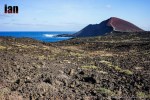
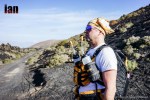
Lanzarote Multi-Day Training Camp 2016 – Day 8

©iancorless.com_Lanza2016-05261

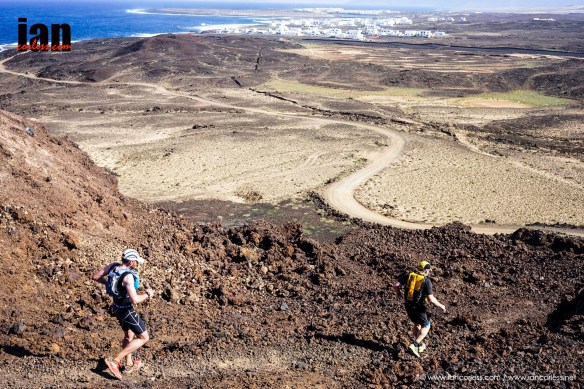
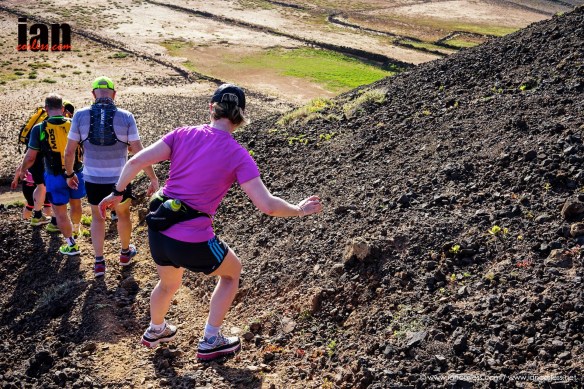
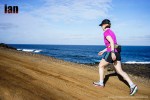
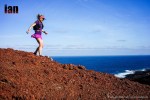
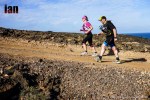
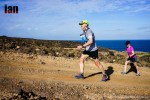
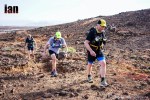
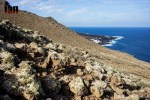
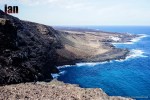
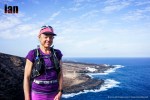
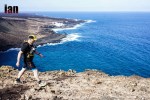
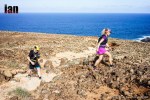
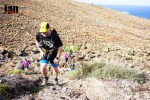
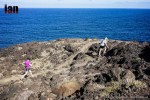
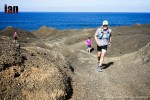
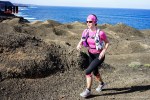
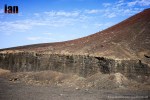
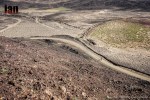
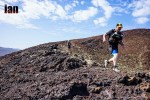
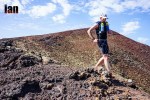
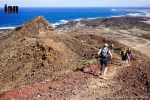
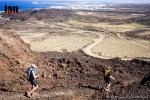
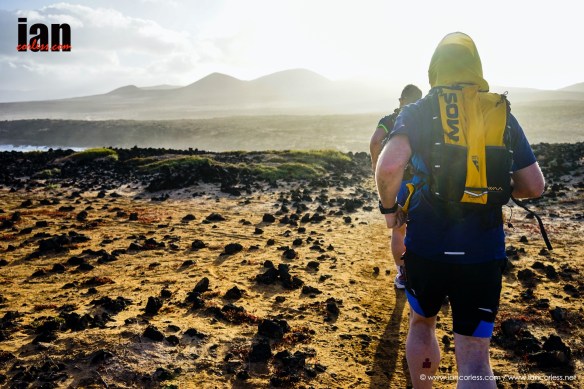
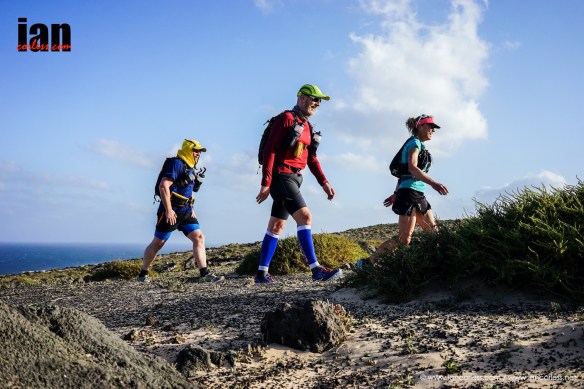
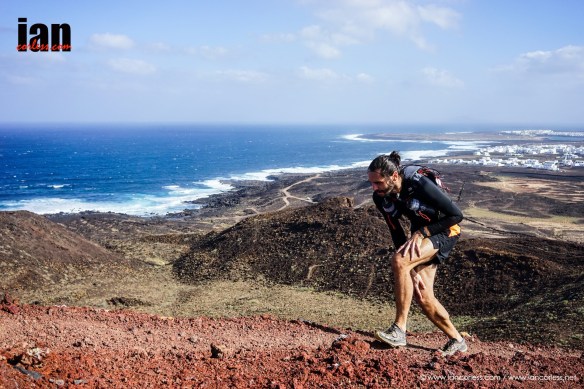
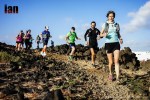
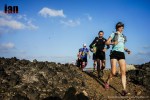
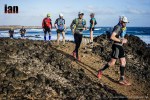
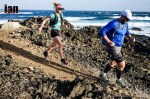
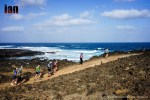
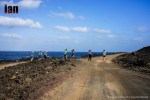
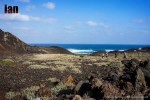
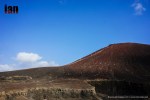
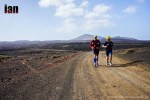
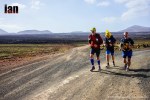
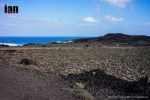
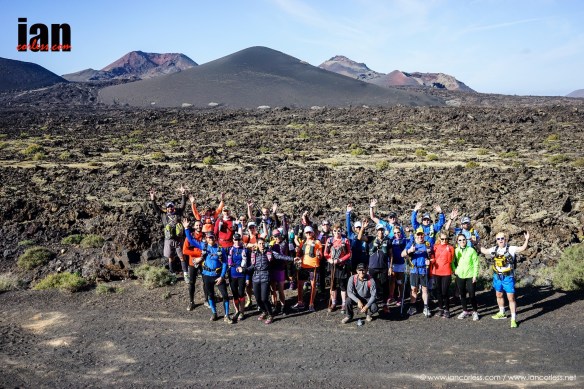
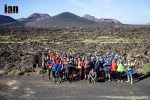
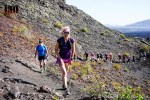
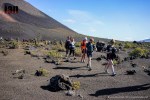
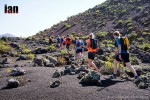
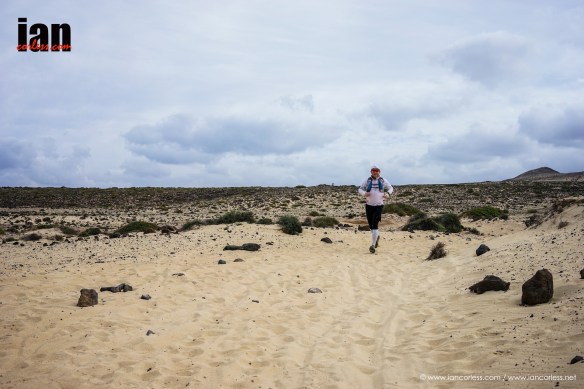
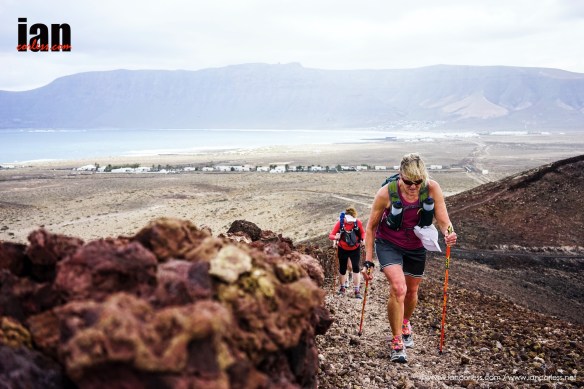
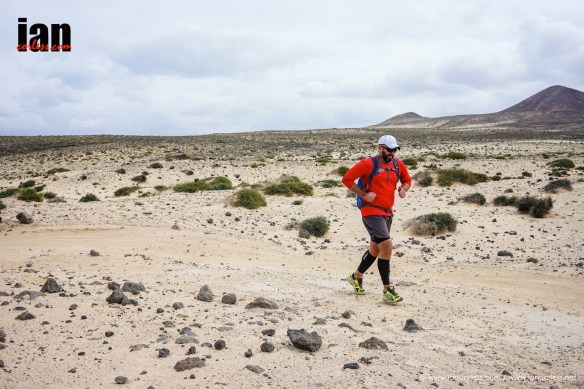
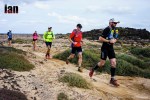
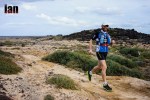
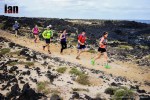
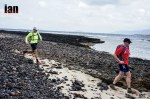
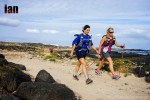
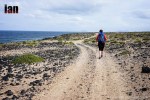
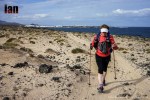
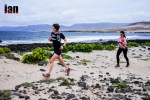
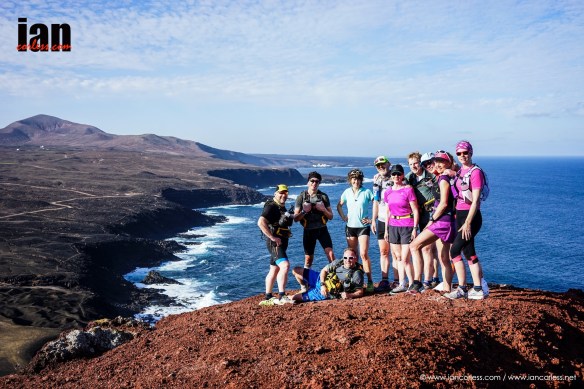
Day 8 of the 2016 Lanzarote multi-day camp was a cracker. The hottest day of the week with little or no wind, a stunning coastal route with mixed terrain, volcano climbing and descending and of course, stunning views and amazing people.

©iancorless.com_Lanza2016-05948

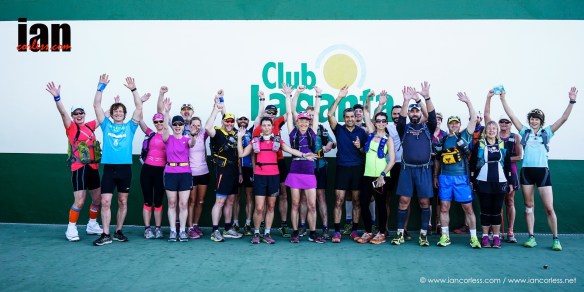
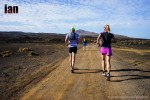
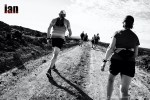
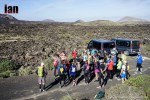
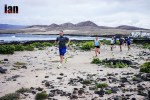
As on all previous days, we had three run/ walk groups. Everyone managed to cover somewhere between 20 and 35km and it was interesting to see how during the week, people progressed, not only in fitness but in regard to equipment, planning and preparation.

©iancorless.com_Lanza2016-05451

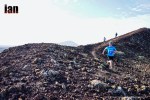
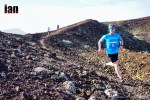
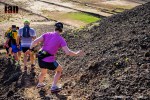
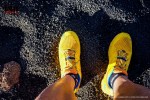
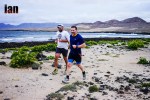
We also pushed everyone out of their own comfort zones with some tough climbing, very technical terrain and challenging descents. It’s all about taking things up a notch so that when race day comes around, the runners are prepared.

©iancorless.com_Lanza2016-05261

“Brilliant MdS training camp in Lanzarote with organiser, coach and photographer Ian Corless and MdS 2015 champion Elisabet Barnes. 100-miles run in the week with some excellent advice and support plus great people!” – Paul Allum

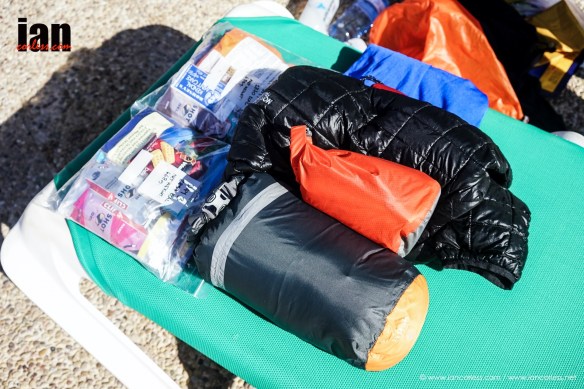
Paul’s thoughts were echoed by so many of the camp attendees. Elinor Evans in particular found the whole experience enlightening and invaluable. During the weekly runs, the overnight bivouac, the volcano walk and the daily talks, Elinor realised that she had the wrong pack for her, the wrong sleeping bag, a need to address her nutrition and look at her MdS admin. Invaluable!

“The Training Camp in my opinion was exceptional and far exceeded my expectations. The whole program start to finish pushed everyone to achieve their potential while taking into account the wide variety of abilities. All of the coaches were supportive and challenging and while clearly experts in their field never made novices like me feel stupid. The information we got was priceless and the blend of commercialism and a genuine desire to want to help people achieve their goal of competing or completing MDS was incredibly well done. I wouldn’t just recommend this to future MDS competitors I’d suggest you add it to your Compulsory Kit list! Simply brilliant!” – Simon Dunn

Listen to camp attendee feedback HERE

“Fantastic week in magical terrain with lovely people – thank you Ian, Elisabet, Niandi and Marie-Paule – Sahara countdown is ON.” – Elinor Evans

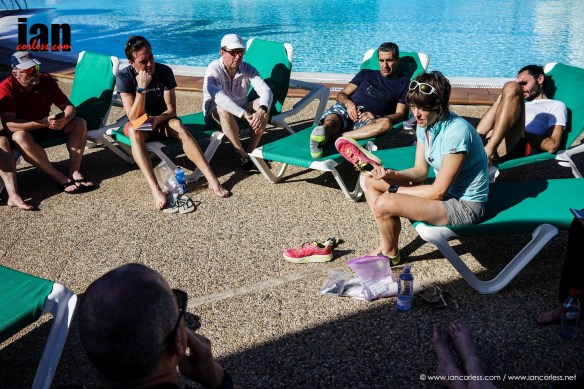
The morning run of 3-5 hours was followed with a relaxing lunch and then an afternoon Q&A which addressed many of the issues raised during the week and allowed everyone to clarify and appease their minds ahead of their next multi-day race.

The day finished with 20-30min cool down run and then an evening group meal and drinks. It has been an incredible week and one that has provided inspiration for all concerned. Roll on 2017.

‘How was your holiday?’ ask the lads at work. 

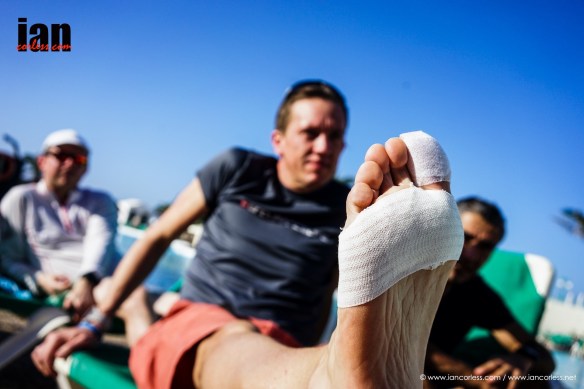
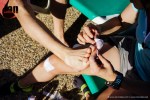
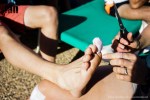
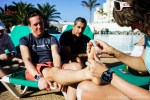
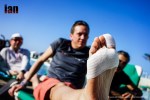
‘Amazing’ I say. ‘Look at these pictures’. ‘That’s how to round tape to ensure you minimize the risk of blisters’. Blank looks. 

‘See her? She’s the 2015 MdS champion putting the needle into my foot’. 

More indifference. 

‘Lads, this is the same you fat bastards going to Weston Karting centre at the weekend and Jensen Button turning up to do the safety briefing’. 

They still don’t get it. 
‘Did you learn much in Lanzarote darling?’. 

‘I certainly did. The WAA bag is a goner. It would be like taking a knife to gun fight. Ok, it would be like taking a clutch bag to an all day shopping trip. You know, when only a tote will do’. 

A nod of understanding, but really boredom turning to neutrality at best. 
‘Was it fun running Daddy?’ ‘It was. Midpack daddy is certainly going to need more fat than carbs to keep him going in the dunes girls’. 
‘Did you bring us back any sweets?’. 

‘No’. 

‘Can we watch TV?’ 
‘How was the volcano mate?’. ‘Wonderful. It was cold, but the stars were out and we all had an amazing time’. 

‘Get much sleep?’ 

‘Yes. In fact I’ve found it hard to sleep since without the sound of Elaine gently rustling inside her tent next to me’.  

These people don’t understand me anymore…. I miss #Lanzarote 
– Rich Carps

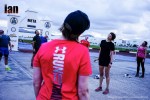
©iancorless.com_Lanza2016-05055

If you would like to take part in the 2017 Multi-Day Training Camp, please go HERE

Many thanks for the support of MyRacekit, OMM, Raidlight, PHD. Scott Running, inov-8 and Berghaus.

“Really great few days, some invaluable experience and some valuable miles in the legs. Kit choice, food, packing the bag now all things I’m ready for. Thank you to the organisers and thank you to the fellow participants for making it such a nurturing environment in which to prepare for the MdS.” – Leon Clarance

Lanzarote Multi-Day Training Camp 2016 – Day 6 and 7

©iancorless.com_Lanza2016-04780

For the participants of the 2016 Lanzarote multi-day training camp, it all got ‘real’ on day 6 and 7 of the camp.

It all started of with blue skies, sun and a 2 hour run without packs so that everyone had an opportunity to work on a little faster running. In most cases it was a great tempo 10-12 miles in the bag.

©iancorless.com_Lanza2016-04163

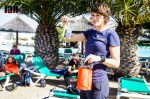
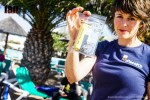
Following this we had a 2-hour talk, demo and an opportunity to test packs from WAA, OMM, Raidlight and Aarn with a very informative and enlightening discussion on bag packing from Elisabet Barnes. It really raised the question; what is and is not an essential item?
©iancorless.com_Lanza2016-04204

Ultimately the day (and night) was all about a medium length run of 2-3 hours and an overnight bivouac.

©iancorless.com_Lanza2016-04296

Heading out along the course, the runners departed in three groups: walking, run/ walking and ‘mostly’ running to a pre-arranged rendezvous on the coast.

Ian Corless moved ahead and set up camp inside an incredible and dormant volcano. Rendezvous time was 1900 and right on cue, the three groups all arrived from different directions within 15-minutes of each other.

Running with packs, the runners carried all essentials less the additional days food. Food requirements were snack for the run on both days, evening meal and snacks plus breakfast.

At the overnight bivouac we operated self-sufficiency, water was provided but rationed. The only treat came from 24 beers (alcoholic and non-alcoholic) transported in as a special treat.

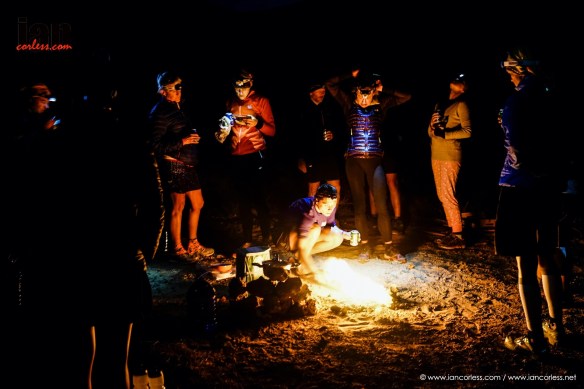
A clear starry sky, camp fire and the illumination of head torches within the stunning setting of an amphitheatre of rock made everyone suddenly realise that it was one of the special moments.

It wasn’t all plain sailing though. One or two runners realised on the run that their chosen pack just wasn’t the one for them. This is the whole reason behind providing a real scenario such as this on a training camp. It’s invaluable to find out these issues before your chosen must-day race.

©iancorless.com_Lanza2016-04483

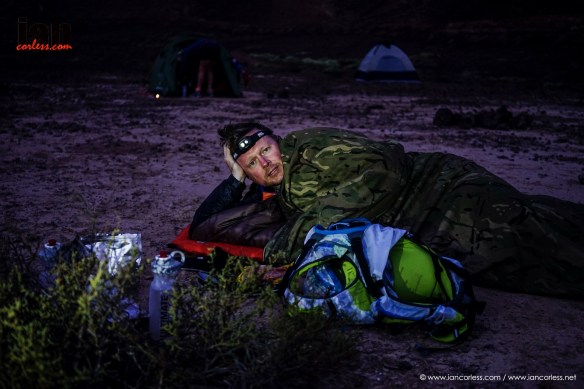
It was lights out, well, head torches out around 9pm and as the warm night drifted past midnight, the temperatures dropped. Unlike races such as Marathon des Sables, the night was damp lowering temperatures even more. One common thread with 0700 wake up call, a cockerel crow by Niandi, was, ‘My sleeping bag is not warm enough!’

Yes, it had been a rough night for some.

Elinor Evans said, “This experience has been incredibly invaluable. I have learnt my packs not right for, my sleeping bag is not warm enough and I need a warmer jacket. Last night was beautiful but also a little harrowing as I got so cold. Better here though than at my race!”

©iancorless.com_Lanza2016-04617

It was a sentiment echoed by Leon Clarance, “I was just cold last night. Despite additional layers, my sleeping bag was not warm enough. I also made the mistake of removing my socks. I woke up with feet of ice.”

In general though, freeze dried food and peoples selections seemed to hit the spot, apple pieces with custard proving to be a hit with those lucky enough to be carrying it.

©iancorless.com_Lanza2016-04606

©iancorless.com_Lanza2016-04629

The bivouac provided everyone with a very real and practical scenario and valuable lessons were learnt. A bivouac debrief back at Club La Santa will allow everyone to discuss this.

Leaving camp, the sun was getting higher in the sky, a new day and more valuable experiences to follow. But before that debrief, there was another 2-3 hours of running.

It’s been a great two days and night.

If you would like to join our 2017 camp, please go HERE

Many thanks to Raidlight, OMM, PHD, inov-8, Berghaus, Scott Running and MyRaceKit for the support


Lanzarote Multi-Day Training Camp 2016 – Day 5

©iancorless.com_Lanza2016-03269

It was day 5 of the Lanzarote 2016 multi-day training camp and what a day…

Leaving the resort at 0830, three groups covered 4-hours to 5hours 30-minutes on the challenging trails of Lanzarote in three groups: walking, walk/ running and running.

It was a tough day, the clouds cleared, the sky came a deep blue and the heat started to slowly rise but all the time it was masked by the ever present winds coming from Morocco.

©iancorless.com_Lanza2016-03389

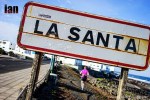
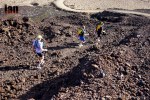
Starting at Club La Santa, the groups moved along the coastline, moved inland to Soo and then re-navigated back to the coast and the village of La Santa before heading out on new coastline. Lanzarote’s mixed terrain provides the perfect environment for a multi-day camp and today, camp attendees enjoyed a real mix os sandy access roads, volcano trails, climbing, coasteering, volcano climbing and then out-and-out technical dried lava.

©iancorless.com_Lanza2016-03566

Elisabet Barnes from MyRaceKit and sponsored Raidlight athlete guided the ‘fast’ group over 5-hours and 15-minutes and although it’s her first time on the Canarian island, she is taken back by its unique beauty and its specific trails.

©iancorless.com_Lanza2016-03779

“Lanzarote is just amazing. The climate and the trails are just perfect for Marathon des Sables training. La Santa and the surrounding area manages to throw everything at you that you will experience in a typical edition of the iconic Moroccan race, even down to the strong winds, variable heat and especially the mixed terrain. Soft sand, stoney ground, hard trails, tough climbs and beautiful views; what more could you ask for?”

Like any training camp, mixed abilities are catered for and Niandi Carmont has guided a run/ walk group and Marie-Paule Pierson (who recently competed Atacama) has guided and paced the walkers.

©iancorless.com_Lanza2016-03960

After a midday break, the afternoon had a foot care seminar hosted by Elisabet Barnes where she clearly explained the pros and cons of specific foot treatments and she also provided some very clear and highly informative ‘taping’ workshops.

©iancorless.com_Lanza2016-04120

Tomorrow is another long day with a 2-hour run at 0700, a seminar late morning and then in the afternoon a 2 to 3-hour run will be followed with an overnight bivouac.

If you would like to join our 2017 training camp, please go HERE.

Many thanks to Raidlight, OMM, inov-8, Scott Running, Berghaus, PHD and MyRaceKit of the support of this camp.

Lanzarote Multi-Day Training Camp 2016 – Day 4

©iancorless.com_Lanza2016-02363

It was an active recovery day at the 2016 Lanzarote multi-day training camp. It was kicked off with a guided 3-hour walk through some of the islands most stunning volcano sections close to the Timanfaya National Park.

©iancorless.com_Lanza2016-02639

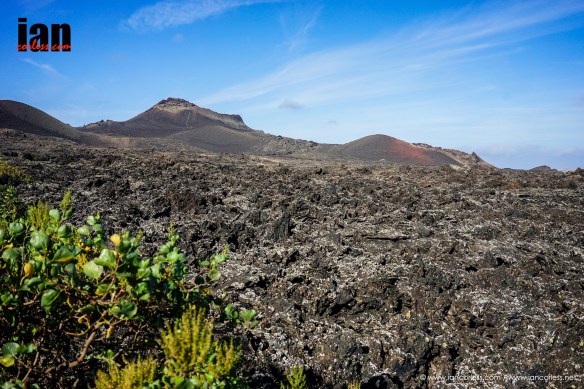
Famous for it’s volcanic landscape, today everyone was able to appreciate up close how dramatic and tough these trails can be. Black lava sand, interspersed with jagged rocks but ultimately everyone was blown away with the dramatic and somewhat eerie vistas. In the early 1700’s, this area had six continuous years of volcanic eruptions that created this stunning landscape.

©iancorless.com_Lanza2016-02533

Elinor Evans, a yoga expert undertaking Marathon des Sables for the first time in 2016 commented after the walk:

“It’s been a really special day in this environment. We have walked with our packs, covered some miles and in the process had a wonderful learning experience. It has been magical.”

It was a sentiment echoed by everyone in the camp and with 5-hours of running waiting for everyone tomorrow, the opportunity to walk today was welcome.

The evening discussion was all about food and hydration for multi-day racing and we discussed the different nutritional needs for someone who may be looking to compete, the mid-packer and the walker. Of course, it’s all very personal, but many similarities from all three scenarios crossed over providing all the participants with plenty of key and essential information that they can now take away and formulate their own strategies for their chosen race.

Tomorrow, Sunday, kicks off with a 5-hour run along a new coastal section that will involve some climbing, scrambling and of course a plethora of mixed terrain.

If you are interested in a multi-day training camp, our 2017 dates are set and you can view HERE

Many thanks to:

Raidlight, OMM, inov-8, Berghaus, PHD, MyRaceKit and Scott Running for the support with this camp.

Lanzarote Multi-Day Training Camp 2016 – Day 3

©iancorless.com_Lanza2016-01737

The 2016 Lanzarote multi-day training camp really got underway today with a full day of activity. This morning was a 4-hour run or hike over some very specific terrain that provided every participant a full-on appreciation of what terrain they may encounter at a race such as Marathon des Sables.

Mitch Keene, on the training camp with his wife, said post run:

“It was great to experience the sort of terrain that we are likely to come across when we get to the real event. To understand what it is like to run in some deep sand. It was also great camaraderie on the run. It’s good to know that there is going to be people around you who are in the same sort of position as you are and learning from them. And then there is just some basic stuff like understanding that wearing very short socks is a bad idea when running in the sand. So really simple stuff that you think you know when you set off but don’t. The whole learning experience is phenomenal out here and I really enjoyed it.”

The morning session took a relatively flat run out over very mixed terrain (sand, rock, lava, dunes) in three groups. Elisabet Barnes leading the runners who are able to hold a faster and more consistent pace. Niandi Carmont leading the runners who will run and occasionally walk and then Marie-Paule Pierson leading a small group who intend to walk the whole event. Ian Corless moved from one group to the next.

©iancorless.com_Lanza2016-02166

“It’s nice meeting people who actually want to talk to you while you are running. I have found it quite difficult taking up running again on my own and going to events on my own,” said Leon Clarance. “People are usually polite but today people were actually chatting about their own experiences and it was nice to meet some likeminded people.”

©iancorless.com_Lanza2016-01959

At the coastal resort of Famara, everyone turned 180-deg and the re-traced along the coastline but this time taking in the small mountains and hills that back on to the sea in this area. At times rocky and technical, everyone had a real insight into the complex terrain that one may encounter in a multi-day event. At the summit, one or two runners experimented with foot care and treatment; a key element of successful multi-day competition.

©iancorless.com_Lanza2016-02188

“It’s ben a real eye opener,” said Alan Guthrie. “I have been behind with my training and today I managed my longest session for some time in some very specific terrain that directly relates to my chosen event; Marathon des Sables. It’s been a tough session but I have loved every minute of it.”

©iancorless.com_Lanza2016-02226

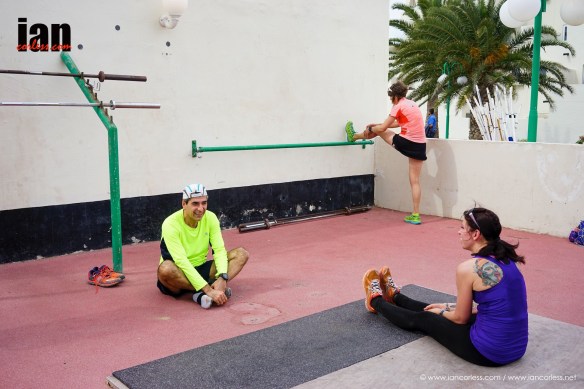
Post run stretching relaxed tired muscles and 2-hour break was followed with a talk and discussion called, ‘What goes in the Multi-Day Pack?’

And just when the runners thought it was time to relax and chill-out an ‘optional’ 20-30min shake out run fired everyone up for one last effort, making the day a very successful and tiring one. Evening drinks, relaxing chat and good food was extremely welcome. Tomorrow we have a structured group walk in the Timanfaya National Park in a series of volcanoes followed with a talk on nutrition and hydration.

Many thanks to MyRaceKit, Raidlight, OMM, PHD, inov-8, Scott Running and Berghaus for the support.

If you would like to take part in a multi-day training camp like this, dates have been set for 2017 and it’s possible to book HERE

Click on an image to view today’s gallery

Lanzarote Multi-Day Training Camp 2016 – Day 2

©iancorless.com_ScottVest-01427

The Lanzarote 2016 multi-day training camp got underway today with an easy 1-hour run along the coastal trails of La Santa to Famara.

In total, we have a group of 27 runners with a broad range of 2016 objectives such as Marathon des Sables (Morocco), The Coastal Challenge (Costa Rica), Big Red Run (Australia), Cape Wraith Ultra (UK) and the Everest Trail Race (Nepal).

It’s always great to see so many runners of mixed ability come together with one goal in mind; completion of a challenging multi-day race!

Tomorrow, 4-hours of classic desert terrain awaits the runners as they depart in three groups lead by Elisabet Barnes, Niandi Carmont and Marie-Paule Pierson. Ian Corless, camp co-ordinator and planner, will move through the groups, running out-and-back to ensure that everyone is on track and comfortable.

In the afternoon, a group talk and discussion followed with an easy 30-60 min run.

Lanzarote, situated off the coast of Morocco provides the perfect environment to simulate many of the conditions that runners will experience in a classic multi-day race; wind, sand, rocks, tough terrain, climbs and maybe even a little scrambling.

If you are interested in a multi-day training, dates for 2017 have been set and you can view HERE

Many thanks to the following brands for helping with this camp:

MyRaceKit, OMM, inov-8, Berghaus, PHD, Raidlight, Scott Running


15 Ways to become a better Skyrunner

©iancorless.com_GlenCoeMay2015-6295

“Skyrunning, to me, is racing over the sort of terrain that tests your technique and mental toughness just as much as it tests your physical fitness. The sort of routes that you look at on a map, or gaze up at from the valley and wonder what if… In the UK most of these sorts of routes have until now been limited to FKT attempts by keen individuals. At its best Skyrunning brings real racing to real mountains.”

– Es Tressider

Skyrunning has boomed in recent years and with one season coming to a conclusion and the announcement of the 2016 season imminent. I asked three runners to provide their top-5 tips on becoming a better Skyrunner.

Sarah Ridgway

Is a former Welsh international runner specialising in mountainous terrain. Her love of gnarly conditions helped her secure the woman’s record for the classic Snowdon Horseshoe in a time of 1hr 43min. Sarah works as a guide in her business Run Snowdonia (www.runsnowdonia.co.uk), which involves anything from taking people for scenic guided runs, a hard training session or instructing people on how to run safely in the mountains.

Eirik Haugsness

Is a personal trainer, inov-8 athlete and has raced the Skyrunner World Series for the past 3-years. A specialist over the VK and SKY distance, Eirik has achieved world-class results in Mont-Blanc Marathon, Dolomites SkyRace, Matterhorn Ultraks and was the winner of the inaugural Tromso SkyRace.

Jayson Cavill

Is a UK based runner who has embraced the challenge that Skyrunning brings and has been an ever-present participant in the Skyrunner UK series. He has raced at Glen Coe Skyline and Mourne Skyline MTR amongst others and in 2015 won the Lakeland 50.

©iancorless.com_LSU2015-2-20

SARAH RIDGWAY

As a runner I am mostly drawn to the mountains, in particular exposed rocky ridges and classic routes that showcase the beauty and uniqueness of an area. Races that fall under the SkyRunning banner provide that experience for me: I know I’m going to have a challenging and rewarding day out.

Be specific

Study the course and train to mimic what you will encounter on race day. If the race involves a fast 9km flat prior to a Grade 3 scramble ascent, then do a 10km road race and get out in the hills as soon as possible after and do some scrambling. Get out and recce the course, but if you can’t, design a route that replicates it in your nearest wild place.

Prepare for the roller-coaster

Get used to big climbs, big descents, followed by another big climb, big descent… repeat. Get time on legs in the bank and develop strength to be able to adjust and adapt to a wide variety of terrain.

Don’t fight it

The more efficient you are in managing rough terrain the less energy you expend, which leaves more energy for simply getting the hard-enough job of the distance itself done. If you tend to “fight” a certain terrain or gradient and avoid running on it, commit to improving your technique and getting better at it.

Don’t be a fair-weather runner

Race-day date doesn’t change and the weather will do whatever it likes. If you don’t feel at ease running in driving horizontal rain encased in thick clag then you’ll feel anxious and have less energy to deal with the task at hand.

Refine your kit and fuel

Respect the kit requirements and learn how to use your gear before race day. Don’t just think about meeting the base requirement, pack things that will actually help you if things go pear-shaped: For example, if the forecast is dire, don’t scrimp on weight and go for your flimsy lightweight waterproof. Don’t neglect nutrition: practice eating and know what works for you and when to get it in.

©iancorless.com_Tromso2015-4643

EIRIK HAUGSNESS

Skyrunning for me it is about going to the mountains with no more equipment than you really need, then go up and down again as fast as you can, but in the same time enjoy the nature and the surroundings as much as possible while you are running.

The top 5 absolute must-have Skyrunning skill tips and how to obtain them.

1 . Be able to handle variation in terrain and weather conditions.

Outreach and run in different kind of terrain, everything from soft ground, hard packed surface, easy terrain and technical terrain. And make sure to train in all kinds of weather conditions. Weather will change quickly in the mountains and the surface that your run on will change with the weather.

2. Build up your engine to cope with the uphill’s.

If you really want to enjoy Skyrunning it is an advantage to have a strong heart and a set of well working lungs -most of the time spent in a race is in the climbs. Your heart and lungs can you easily sculpt trough structured cardio training with intervals and speed sessions with a higher heart rate. A couple of regular 4×4 intervals during the week are a great way to start.

3. Make sure to have strong legs for the downhill’s . 

Getting to the top of a mountain is challenging, but to get back down quick and in one piece can be just as hard. Strong legs and ankles will help you to get the job done. Step inside a gym ones or twice a week during the winter and build up your leg strength with weights or just use simple body weight exercises. 20- 30 min effort is more than enough – If you throw 15 min, or so, of balance and stability training too, you will be on the safe side. It is boring but worth every minute!

4. Learn how to pace your self during a race!!

Even it is a short uphill only race or a long sky/ ultra race, picking the right pace from the beginning to the end is essential for the running experience. It is always a lot more fun to have power left in the end of a race then to suffer from the first hour and out. Pacing is something you learn a lot from experience, but if you know your own fitness level it should be possible to pic a running pace that suits you without years of experience. Be patient and listen to your body is the only way to get this right.

5. Find a good nutrition and hydration strategy and stick to it.

Skyrunning races can be short, 35 min or even less, or they can last more than a day. When you enter a long Sky Race or a Sky Ultra race a good nutrition and hydration strategy becomes important. You normally need about 60 grams of carbohydrate and a half –one liter of water every hour to work at your best. This might seam like an easy task, but to get this done during a race when your heart is beating like a drum and the adrenalin is rushing trough your body is far from easy, whit the result that you run on empty long before the finish line. Practise eating and drinking in training! And find out witch solid and liquid nutrition that works for you long before race day! Testing and failing is the way to get this right. On race day: Discipline is the key! – Eat and drink at least every 20minute if your race is expected to last two hours or more.

©iancorless.com_Mourne2015-7685

JAYSON CAVILL

As a relative newbie to the world of Ultra and trail running, well running of any kind that didn’t involve carrying any webbing or rifle and stomping along in boots from past Army years, the announcement of UK Skyrunning races provided an opportunity for me to reach out of my comfort zone. My skill set lies more with mid-distance ultra races and more “runnable” terrain, though I have always enjoyed being in and around mountains given the opportunity. I felt that this was an great chance to get me into some of the UK`s more extreme areas not just to race in but spend time training and exploring.

As the courses are all marked I felt that this offered a level playing field for those who didn’t know the routes inside out. The Garmin Mourne Skyline race was a great example of this. Unfortunately I had never even heard of the Mourne mountains before, but turned up for the race and had one of the best times; the course marking was superb and the dramatic scenery of steep granite clad mountains dropping to the sea blew me away.

Now, I absolutely love the thrill of being able to travel swiftly through these stunningly rugged and often intimidating areas – all in the UK. I think due to the nature and remoteness of these races the feeling between runners becomes more about camaraderie than competitiveness. The mountains become your competition: they will exploit your weaknesses whether mental or physical. If you haven’t had much experience with this before, then here are a few things I have done which would compliment and extend any normal trail race preparation.

  1. Get used to extremely long and very steep climbs – both up and down. It sounds obvious but really is key because with the best will in the world that short stepped run will be reduced to a walk, so don’t be afraid to practice hard, steep walking – The best place to practice is in the mountains but can still be done on any short climbs, long flights of stairs – anything you can find that is steep. Carrying extra weight, i.e. a large rucksack will help with building strength.
  1. Feel confident on technical terrain, not necessarily fast, but comfortable. The more relaxed you stay the less energy you waste. Again time in the terrain helps, though you can build up some foundation first with ankle strengthening and co-ordination exercises. Take things a step further than just balancing on one foot: stand on a wobble cushion and do various movements such as one legged squats to introduce instability. Single leg jumps on and off a box are great too. My favourite is using the slackline as this works so many different elements and can help reduce that disco leg you may get traversing Crib Goch!
  1. Have at least a basic level of mountain skills. I feel that it is important I take responsibility for my own safety, not just for during the race but when out training. The mountains are inherently dangerous and we all get (slightly) lost or disorientated from time to time. There are some great courses run by the FRA (Fell Running Association) for navigation, independent training days/camps or you could join other more experienced people for recce days and learn from them. Some race organisations offer these so look out for details on their own websites or pages.
  1. Prepare yourself for the mountains mentally. Being in this environment can throw up some additional challenges; you can suddenly be alone in the fog thousands of feet up, or climbing non-stop hands on knees for over a hour, down a quick descent then back on another hour long climb, so progress can feel slow and painful. Be ready for these situations, be honest with yourself and what your fears are, imagine how you will feel and think through how you will overcome any negative thoughts – visualise and keep that end goal and sense of achievement at the front of your mind.
  1. Don’t just run but climb. Some of the races require climbing or scrambling, and, in a race situation the adrenaline is pumping and you are suddenly changing mind-set from runner to climber. Spend some time practicing the specific climbs or more challenging ones – obviously there is another layer of safety and planning required here so take a guide or someone experienced enough if you need it. There are also lots of indoor climbing walls in the UK so why not have some fun indoors over the winter.

The 2016 Skyrunner World Series will be announced the first week of December HERE and the Skyrunning UK Series will be announced on Monday 23rd November HERE.

The UK series has a new structure for 2016 with prize money, points per race and an overall championship with great prizes on offer, more information available HERE.


What is the best shoe for Road, Trail, Off-Road or Mountain?

©iancorless.com-3679

What is the best shoe for road, off-road, trail and mountain?

You won’t believe how many times I get asked this question. Of course I can’t answer it. Far too many variables come into play.

  • Drop
  • Cushioning
  • Grip
  • Upper type
  • Lacing
  • Outsole

Taking into consideration all of the above, certain elements are comparable and with 2015 drawing to a close I thought I would take a look back at some of the shoes I have tested and worn in the last 10-months and then put my neck on the line and say, which shoe (for me) is the best.

Shoes to look at:

  • Salomon S-Lab Sense – 4mm drop
  • Salomon S-Lab Sense SG (soft ground) – 4mm drop
  • Salomon Sense Mantra 3 – 6mm drop
  • The North Face Ultra MT – 8mm drop
  • The North Face Ultra Cardiac – 8mm drop
  • inov-8 Race Ultra (2-models) – 4mm and 8mm drop
  • inov-8 Terraclaw (2-models) – 4mm and 8mm drop
  • inov-8 Mudclaw 300 – 6mm drop
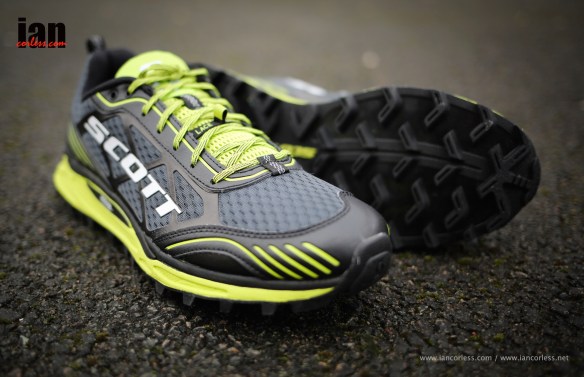
  • Scott Kinabalu 3 – 11mm drop
  • Scott Kinabalu Supertrac – 8mm drop
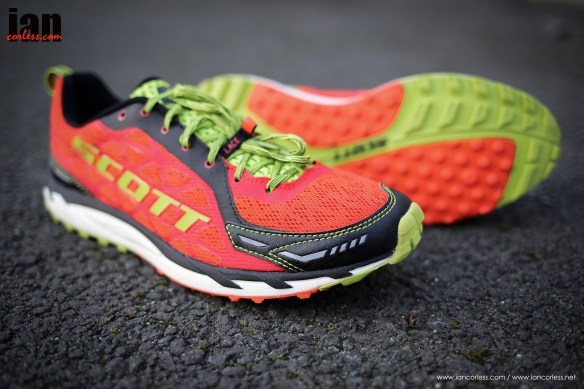
  • Scott Trail Rocket – 5mm drop

Notice that I have added the drop next to all the the shoes above. Drop has become a very important element when choosing a shoe. What drop you require as a runner is open to debate and to a certain extent; genetics. The book, ‘Born to Run’ inspired many runners to get low and minimal and what followed was carnage and very happy physiotherapists. Please read this post HERE to provide some perspective of my thoughts.

Drop and minimal are two separate issues.

1. Drop is the angle from the heel to the toes that the foot will sit at when parallel to the ground.

2. Cushioning is the amount of ‘soft stuff’ between you and the ground.

To clarify:

  • You can have low drop (typically 4mm) and LOADS of cushioning = Hoka One One
  • You can have low drop (zero) and no cushioning = Vibram
  • You can have a combination of varying drop and varying cushioning = Many of the above shoes.

So, if you want zero drop and no cushioning OR you want lower drop and maximal cushioning; stop reading, this is not the review for you!

If however, you are looking for a shoe that can handle some road, off road or mountain paths then read on; which shoe is a jack of all trades?

Where do I start?

It’s quite daunting taking so many shoes and then saying which pair, in my opinion is the best. So, here is my criteria:

  • Ability to run on road
  • Ability to run on hard trails
  • Ability on dry and wet rocks
  • Grip in mud
  • Climbing
  • Descending
  • Time on feet
  • Fit
  • Lacing
  • Cushioning
  • Outsole
  • Wear and tear
  • Drop
  • Conclusion

©iancorless.com_Sense4SG-9068

Salomon S-Lab Sense SG – Read full review HERE

Ability to run on road – For a shoe with an aggressive outsole, on road experience is good but as the name suggests, the SG is for Soft Ground.

Ability to run on hard trails – Good. Handles the trail well with comfort.

Ability on dry and wet rocks – On dry rocks, grip is very good. On wet rocks the grip is very compromised and at times sketchy/ scary.

Grip in mud – For such an aggressive outsole, the grip is moderate. The SG sits somewhere in the middle.

Climbing – Shoes feel great. They are flexible, hold your foot snug and you have a feeling of precision. They also handle wet ground well providing it does not get very muddy. Wet rock is hit and miss.

Descending – As above but in mud, or on wet it can be a challenge.

Time on feet – 6mm drop, adequate cushioning and great fit make this shoe very popular. Excellent for 50k and after that it depends on the runner and the runners adaptation.

Fit – Excellent. Endofit and the speed lacing system is the best out there!

Lacing – The best but lacks an ability to tweak or adjust.

Cushioning – Cushioning is good and finds a nice mix that still allows feel and contact with the ground.

Outsole – It’s a soft ground outsole but for me it’s a great outsole for dry terrain with a variety of surfaces and not too much mud.

Toe box – Narrow, precision fit.

Wear and tear – Moderate – 500k – 600k

Drop – 4mm

Conclusion – Great fit, 4mm drop and soft ground outsole. For many this is the ultimate off road, trail and mountain shoe for longer days training or racing. It’s limited in the wet and mud though.

©iancorless.com_Sense4-8534

Salomon S-Lab Sense 

Ability to run on road – Excellent. The outsole has a low profile.

Ability to run on hard trails – Excellent. The outsole has a low profile and therefore if the trail is dry, these shoes will fly along.

Ability on dry and wet rocks – On dry rocks, grip is very good. On wet rocks the grip is compromised and at times sketchy. You lack 100% confidence and that makes you go slower.

Grip in mud – Hopeless.

Climbing – Shoes feel great. They are flexible, hold your foot snug and you have a feeling of precision. Not good in the wet or mud.

Descending – As above but in mud, or on wet rock forget it!

Time on feet – This depends on ones adaptation to a more minimal shoe. If you like being close to the ground with a low drop this shoe will be perfect. However, for me I prefer this shoe for shorter runs on dry trails.

Fit – Excellent. Endofit and the speed lacing system is the best out there!

Lacing – The best but lacks an ability to tweak or adjust.

Cushioning – This is a more minimal shoe but it does have cushioning.

Outsole – For dry trails

Toe box – Narrow, precision fit.

Wear and tear – Moderate – 500k.

Drop – 4mm

Conclusion – It’s a racing shoe for dry trails for mid to fore-foot runners. Fit is excellent if you like a precision feel.

©iancorless.com_Mantra3-7562

Salomon Sense Mantra 3 – Read full review HERE

Ability to run on road – Excellent. The outsole has a low profile.

Ability to run on hard trails – Excellent. The outsole has a low profile and therefore if the trail is dry, these shoes will fly along.

Ability on dry and wet rocks – On dry rocks, grip is very good. On wet rocks the grip is compromised and at times sketchy. You lack 100% confidence and that makes you go slower.

Grip in mud – Hopeless.

Climbing – Shoes feel great. They are flexible, hold your foot snug and you have a feeling of precision. Not good in the wet or mud.

Descending – As above but in mud, or on wet rock forget it!

Time on feet – This depends on ones adaptation to a more minimal shoe. If you like being close to the ground with a low drop this shoe will be perfect. However, for me I prefer this shoe for shorter runs on dry trails.

Fit – Excellent. Endofit and the speed lacing system is the best out there!

Lacing – The best but lacks an ability to tweak or adjust.

Cushioning – This is a more minimal shoe but it does have cushioning.

Outsole – For dry trails

Toe box – Toe box is generous and for those looking for a Salomon with more room, this is the shoe for you!

Wear and tear – Good 700K

Drop – 6mm

Conclusion – I think the Mantra is a shoe that more people should look at. They often go for the S-Lab Sense because of the S-Lab tag but for me, this is a better all around shoe and far more suited for most runners. It has 6mm drop, wider toe box and more cushioning. If you run long on dry trails this is a great shoe.

©iancorless.com_TNFUltraMT-3637

The North Face Ultra MT – Read full review HERE

Ability to run on road – Good considering the outsole but keep it to a minimum.

Ability to run on hard trails – It handles hard and dry trails well but the shoe lacks flexibility and is a little firm.

Ability on dry and wet rocks – On dry rocks, grip is very good. On wet rocks the grip is better than the Salomon due the Vibram sole. Felt far more confident in this shoe.

Climbing – Good but they are not as supple and flexible as others in the test. Grip is goo.

Descending – As above.

Time on feet – The Ultra MT is a relatively firm shoe that excels on softer, muddier and forgiving ground. If you stick to that terrain they are excellent.

Fit – Pretty good, you may need to replace the laces (not great) and tweak how they are laced to get the best fit.

Lacing – Provided laces are average.

Cushioning – It’s a firm shoe and although cushioning is present, it’s not a cushioned shoe.

Outsole – Is Vibram and aggressive. It’s good!

Toe box – Has loads of protection and although not over wide it will work for most people.

Wear and tear – Good 600k but less if you go on the road a great deal.

Drop – 8mm

Conclusion – I was disappointed with the Ultra MT at first. I wanted it to be something else I think! But after several runs I found that they excelled off road when the terrain was forgiving (cushioned) and muddy, wet or slick. It’s a good mountain shoe that protects the foot.

©iancorless.com_TNFUltraCardiac-7006

The North Face Ultra Cardiac – Read full review HERE

Ability to run on road – Excellent. The outsole has a relatively low profile.

Ability to run on hard trails – Excellent. The outsole has a low profile and therefore if the trail is dry, these shoes will fly along.

Ability on dry and wet rocks – Good. Confidence in both scenarios.

Grip in mud – Moderate. It’s a great middle ground shoe so does not handle the real muddy terrain well.

Climbing – Shoes feel great. They are flexible, hold your foot snug and you have a feeling of precision. Not good in the wet or mud.

Descending – As above but in mud it’s compromised.

Time on feet – Great. The combination of 8mm drop and good cushioning make this a great long distance trail. mountain or off road shoe for primarily dry conditions. I’d recommend these for 100-miles and multi-day racing.

Fit – Good with a well padded tongue.

Lacing – Standard lacing that you may wish to tweak for the best fit.

Cushioning – Great cushioning but not maximal. Ideal for longer days.

Outsole – Great compromise outsole that can handle road and trail. Okay for mud but not too much!

Toe box – Is average width so if you need a wide toe box you may want to try them.

Wear and tear – The upper lacks durability which is the only downside of the shoe – 500k?

Drop – 8mm

Conclusion – One of the best ‘all-rounders’ in this test that can handle multiple terrains with an 8mm drop that will allow you to run long.

©iancorless.com_RaceUltra270-7533

©iancorless.com_P6100002RaceUltra290

inov-8 Race Ultra 270 (4mm drop) and 290 (8mm drop) – Read full reviews HERE (270) and HERE (290)

Ability to run on road – Good, the outsole has minimal tread and they work well on road.

Ability to run on hard trails – As above, good outsole for hard and dry trails.

Ability on dry and wet rocks – Average grip and terrible when wet.

Grip in mud – Hopeless.

Climbing – If you have really wide feet they will feel ok, if not they feel sloppy, over stiff and lack any true feeling with the ground beneath.

Descending – Toe box is too wide and therefore foot moves around inside the shoe causing friction, toe impact and a lack of control.

Time on feet – A real plus of inov-8 shoes is that they provide you with 2 drops, 4mm and 8mm so that you can get the correct shoe for you. I personally prefer the 8mm drop shoe and the cushioning that goes with it for longer runs.

Fit – If you have wide feet one of these shoes may well be for you. They are roomy! Too roomy for me.

Lacing – Standard lacing and I used a ‘lock-lacing’ method to make both shoes feel more secure on my feet.

Cushioning – In both models is good but lacks feel for me and suppleness.

Outsole – For dry trails only.

Toe box – Wide, very wide.

Wear and tear – Very good 7/800k

Drop – 4mm and 8mm

Conclusion – The Race Ultra shoes look great and have been extremely popular. I personally don’t get along with either model. I can run in them for sure but I wouldn’t if I can choose any other shoe in this list. For me they lack feel for the ground, they are sloppy and stiff.

©iancorless.com_Inov8Terraclaw-7051

©iancorless.com_Inov8Terraclaw-7086

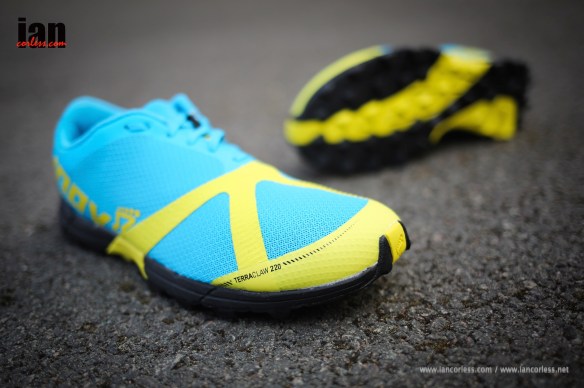
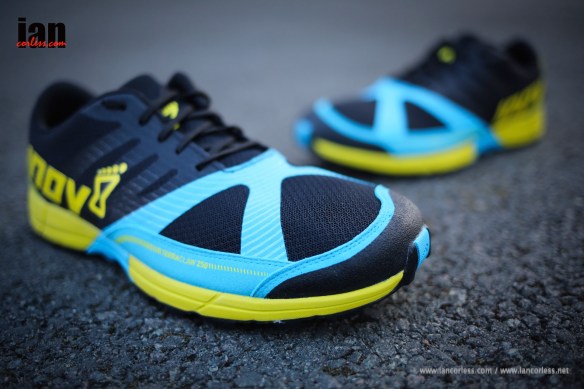
inov-8 Terraclaw 220 (4mm drop) and 250 (8mm drop) – Read full reviews HERE (220) and HERE (250)

Ability to run on road – Both shoes run well on the road with good feedback but be warned, the outsole will wear dowm.

Ability to run on hard trails – Excellent. Plenty of feeling in both shoes and the grip works well.

Ability on dry and wet rocks – On dry rocks, grip is very good. On wet rocks the grip is compromised and at times sketchy. You lack 100% confidence and that makes you go slower.

Grip in mud – If it’s not too muddy they work well. This shoe is trying to be the perfect trail shoe doing all things well. Of course, compromises are made at the extremes: all road or all mud.

Climbing – Shoes feel great. They are flexible, hold your foot snug if laced correctly but the wide toe box lacks precision and makes them feel too sloppy for me.

Descending – As above but in mud grip is compromised and on wet rock you slow down.

Time on feet – This depends on ones adaptation and preference. Two shoes and two options, for me the 250 with 8mm drop is the shoe for longer days but if you are efficient and like low drop, the 220 works great,

Fit – Slipper like feel as the shoe has very little seams. You get a great barefoot feel from the wide toe box and if you lace the shoe as per your needs, they are very comfortable.

Lacing – The 250 laces conventionally and the 220 laces at an angle. I used lock lacing in both models to get a more firm hold of my foot which added security.

Cushioning – Cushioning is good in both but the 250 is for longer runs with more cushioning.

Outsole – Has good grip made from 2 compounds. The sole is aggressive but not too aggressive. You can run on the road in comfort and on the trails. Comprises would be made when the trail gets muddy, you start to loose grip. I also wouldn’t recommend for just road runs.

Toe box – Very wide.

Wear and tear – Good but not great, 6-700k

Drop – 4mm and 8 mm

Conclusion – The Terraclaw is everything the Race Ultra should be. They are comfortable, have great feel for the ground and the grip is great for all around use.

©iancorless.com_Mudclaw300-7440

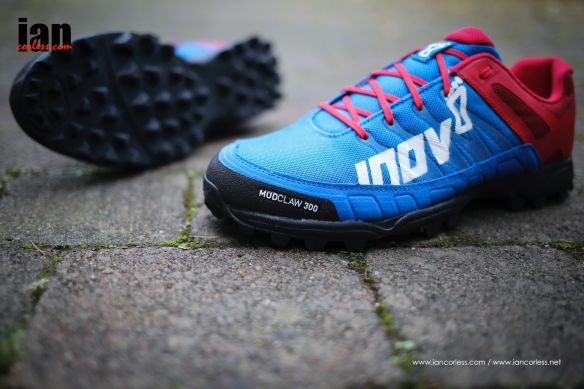
inov-8 Mudclaw 300 – Read full review HERE

Ability to run on road – Surprisingly good considering the outsole but keep it to a minimum.

Ability to run on hard trails – Okay but this shoe is for the soft and muddy stuff as the name implies.

Ability on dry and wet rocks – On dry rocks, grip is very good. On wet rocks the grip is excellent for such an aggressive outsole. I would say the best in this group.

Grip in mud – Excellent. They will take loads of mud, soft grass and give you more security than any other shoe here.

Climbing – Shoes feel great. They are flexible, hold your foot snug and you have a feeling of precision. Although precision fit the toe box has room.

Descending – Excellent. Shoes give you great confidence.

Time on feet – If you are running in mud all day, the 300 has cushioning to go with the grip and I’d say they are one of the better long distance off road/ fell shoes. If you are on hard or dry trails you’ll start to feel it.

Fit – Precision fit shoe designed to hold your foot so that you can run with confidence. Toe box was roomier than expected and I had to lace with a locking method as they have a low heel to reduce problems with the achilles tendon.

Lacing – Standard lacing and I used a lock lacing method to add a more secure feel.

Cushioning – This is a more cushioned fell shoe and therefore it’s great for longer soft ground running.

Outsole – Aggressive for the soft and muddy stuff.

Toe box – Narrow, precision fit.

Wear and tear – On soft ground they will last but add hard trail, gravel and road and they will wear because of the soft rubber outsole.

Drop – 6mm

Conclusion – Brilliant off road shoe with great cushioning and 6mm drop for long days on soft, mountain and boggy terrain. A comprise comes with shoe longevity if you run on road and gravel but then again, the shoes name tells you where you should be using it! Grip is excellent even on rocks when dry and wet.

Scott T2 Kinabalu 2015

Scott T2 Kinabalu 2015

Scott T2 Kinabalu 3 – Read full review HERE

Ability to run on road – Excellent. It’s not a road shoe but it runs great on the hard stuff.

Ability to run on hard trails – Excellent. The outsole has a low profile and therefore if the trail is dry, these shoes will fly along.

Ability on dry and wet rocks – On dry rocks, grip is very good. On wet rocks the grip is compromised.

Grip in mud – Moderate, they can handle a little soft stuff but not too much.

Climbing – Pretty good. The shoes are a little more substantial than others in the test and therefore they are a little heavier and a little more rigid.

Descending – Good feel and cushioning but grip is compromised on wet and muddy trail/ rocks.

Time on feet – Great shoe for longer running and a very durable upper with great protection. The shoe has an 11mm drop which is almost unheard of these days. 8mm has become the norm. But Scott use a ‘rocker’ and this does keep you mid to fore-foot and they don’t feel like 11mm drop when running.

Fit – Great fitting shoe that feels comfortable and holds the foot.

Lacing – Standard lacing with ‘lace-locker’ to hold excess lacing after they are tied.

Cushioning – Very good.

Outsole – It’s a road to trail shoe that offers grip similar to the TNF Ultra Cardiac but they have more grip than the Race Ultra, S-Lab Sense and Sense Mantra 3.

Toe box – Standard with good protection

Wear and tear – Very good 800k.

Drop – 11mm

Conclusion – The Kinabalu in it’s 3rd incarnation is a really good shoe, if it was 8mm drop it would be excellent. It’s a great shoe for those who want one shoe to do all things.

©iancorless.com_ScottSupertrac-5043

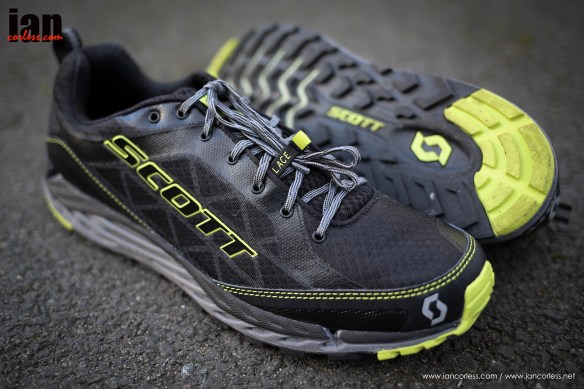
Scott Kinabalu Supertrac – Read full review HERE

Ability to run on road – Surprisingly good for an aggressive sole and you can run comfortable for longer periods of time.

Ability to run on hard trails – Excellent. As above.

Ability on dry and wet rocks – On dry rocks, grip is very good. On wet rocks the grip is compromised at times but you have confidence in the shoes.

Climbing – They are heavier shoes with less flex but the combination of grip and firm foothold make them very pleasing to wear.

Descending – Good cushioning and a robust (bomb proof) upper make you feel confident to tackle most terrain.

Time on feet – 8mm drop, good cushioning and a bomb proof upper make these great for long days. The only downside comes with the weight of the shoe. They are a fair bit heavier (340g) than other shoes in this test.

Fit – Great fitting shoes, maybe a little stiff when new but they soften. Toe box has room but not too much room and protection is excellent.

Lacing – Standard with ‘Lace-Locker.’

Cushioning – Excellent

Outsole – Aggressive that works on a multitude of surfaces.

Toe box – Standard with good protection.

Wear and tear – Excellent 800k

Drop – 8mm

Conclusion – This shoe is a real winner that mixes up different surfaces really well in a shoe that gives great cushioning all with an 8mm drop. The downside is the weight.

©iancorless.com_Scott-8036

Scott Trail Rocket – Read full review HERE

Ability to run on road – Excellent.

Ability to run on hard trails – Excellent.

Ability on dry and wet rocks – On dry rocks, grip is very good. On wet rocks the grip is compromised.

Climbing – Shoes feel great. They are flexible, hold your foot snug and you have a feeling of precision. Not good in the wet or mud.

Descending – Okay if it is dry.

Time on feet – This depends on ones adaptation to a more minimal shoe. This is a shoe for faster running on dry/ mixed trail.

Fit – Good snug fit with precision feel.

Lacing – Standard.

Cushioning – This is a more minimal shoe for faster running but they are well cushioned.

Outsole – For dry trails

Toe box – Narrow, precision fit.

Wear and tear – Moderate – 5/600k.

Drop – 5mm

Conclusion – Great fitting shoe and the race rocker works well for keeping you mid to forefoot. This shoe compares to the Salomon S-Lab Sene, Mantra 3 or the Race Ultras. It has a specific use.

And the winner is?

Before I say my winner, lets look at my thought process. By ‘best’ shoe I am taking into consideration many things such as: comfort, drop, cushioning, longevity, fit and so on. I am not looking at the colour or the price of the shoe. It may sound flippant but all shoes are around the same price these days and to be honest, if the shoe is what I want and I know it works then I will pay the bucks.

You may well say, ‘But you can’t compare 4mm drop shoes to 8mm drop shoes and shoes with hardly any grip to shoes with loads of grip!’

Yes, I know.

But in some respects, this review or this comparison is all about purchasing one pair of shoes that can do all things well. If I wanted to just run in the mud I would get the Mudclaw 300. If I was just going to run fast hard trail I may well go for the Salomon Sense Mantra 3.

So, here you go:

Scott Kinabalu Supertrac

Surprised?

I am! When I started this process I didn’t think the Scott would come out on top but you know what, it has been a relatively easy decision.

I know it’s a heavy shoe and that is a big down side, especially when you compare it to say the Salomon which are almost 100g lighter; that is huge! But if I could only have one pair of shoes that had to take me along roads, along dry trails, up mud, down mud and along rocks in the wet and dry then the Supertrac would be the ones for me! The combination of 8mm drop, excellent cushioning, bullet proof upper, ‘rocker’ design and the aggressive outsole make them a winner; for me!

On a final note, shoes often have very specific uses and all the shoes above (in most cases) do one thing well! So, if you have the funds and the desire to own multiple pairs of shoes this almost certainly is the best way to go.

Three key shoe choices:

  • Road/ dry trails
  • Trail shoes for mixed conditions
  • Mud/ off-road shoes

The other key choice is drop and cushioning – you know your needs!

What are your thoughts and what shoes have I not tried here that would provide some competition?

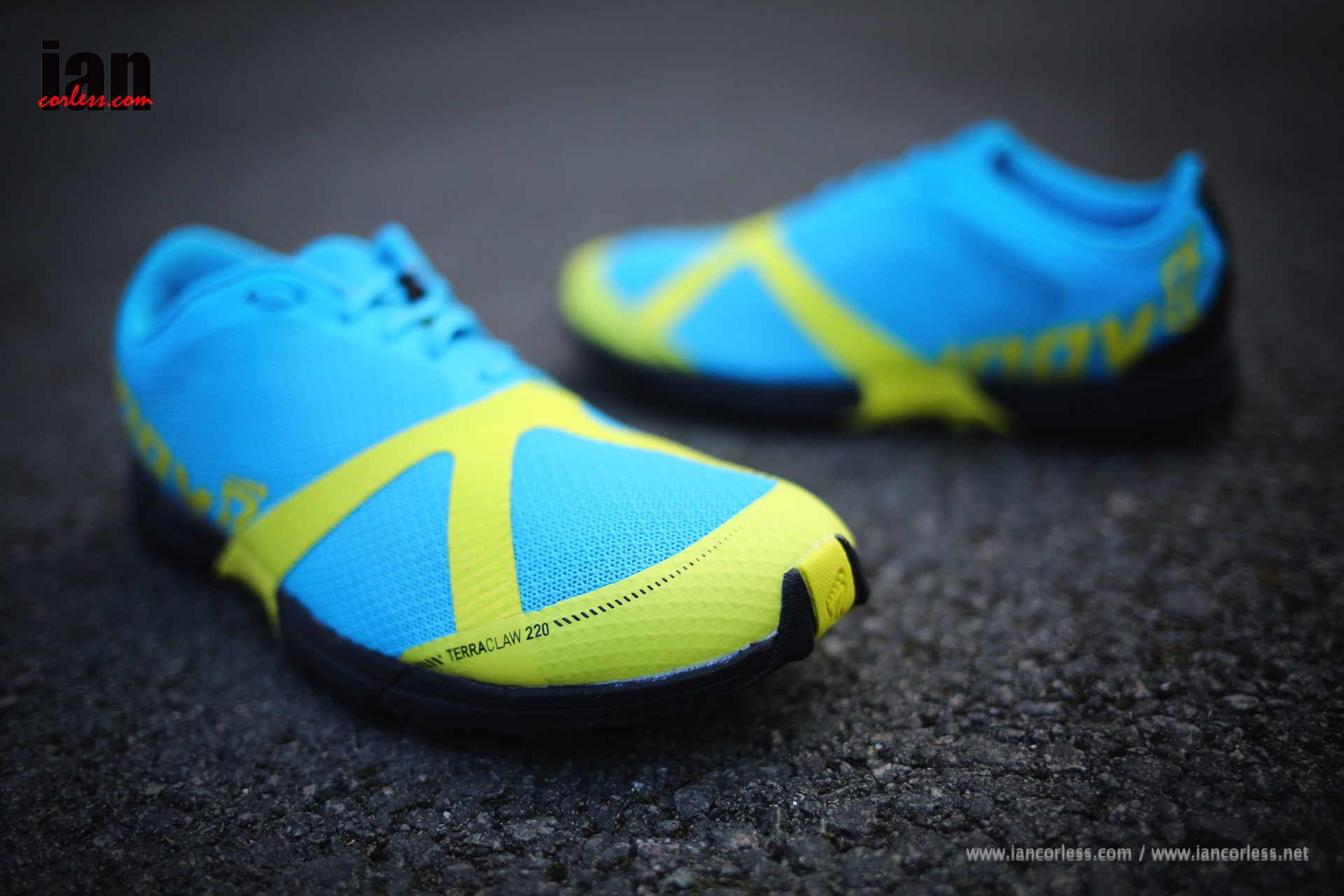
inov-8 TERRACLAW 220 – Shoe Review

©iancorless.com_Inov8Terraclaw-7047

The Terraclaw 220 is the stripped down version of the recently reviewed Terraclaw 250 by Niandi Carmont on this website (HERE).

I have been using both the 220 and the 250 for the last 4-months and in all honesty, much of what I have to say applies to both shoes. The biggest and most obvious differences are:

4mm drop in comparison to 8mm drop

220g weight in comparison to 250g weight

Less cushioning in the 220

Different lacing system

If you are new to inov-8 shoes, they always add the weight of the shoe (based on a UK8.5) to the name. In this scenario 220 relates to 220g. I like this, from first glance you get an understanding of where a shoe fits in the big picture. It’s safe to say, the less weight = more minimalist.

©iancorless.com_Inov8Terraclaw-7070

For me, the 220 and the 250 Terraclaw shoes are an extension from the Race Ultra models, the 270 (4mm drop) and 290 (8mm drop). The Race Ultra, as the name implies was designed for longer days running and the shoe had a sole that was good for dry trail and road. A key feature was the wide toe box that would allow the toes to spread out and also allow for swelling. It’s a shoe that had many new features and I must add it proved (and still proves to be) very popular. My initial impressions were good but that is where it stopped for me. I found the Race Ultra in both models lacked feel for the ground, comfort and responsiveness. They just didn’t light my candle.

©iancorless.com_Inov8Terraclaw-7123

So when I received the Terraclaw models I was not over excited to take them out for a run. My preferred shoe drop is usually 8mm so I went out in the Terraclaw 250 (black and blue shoe) first and I was amazed how different this shoe felt. The sloppy feel of the Race Ultra was gone and I found this new shoe more flexible, supple, cushioned, responsive and the feedback with the ground was good. I have gone on to run many miles in the Terraclaw 250 and love them. You can read Niandi’s review HERE and for the most I agree with her thoughts.

However, I do have some other thoughts and they relate to both the 220 and 250 models.

Review

©iancorless.com_Inov8Terraclaw-7076

As mentioned above, the Terraclaw 220 and 250 are almost identical.

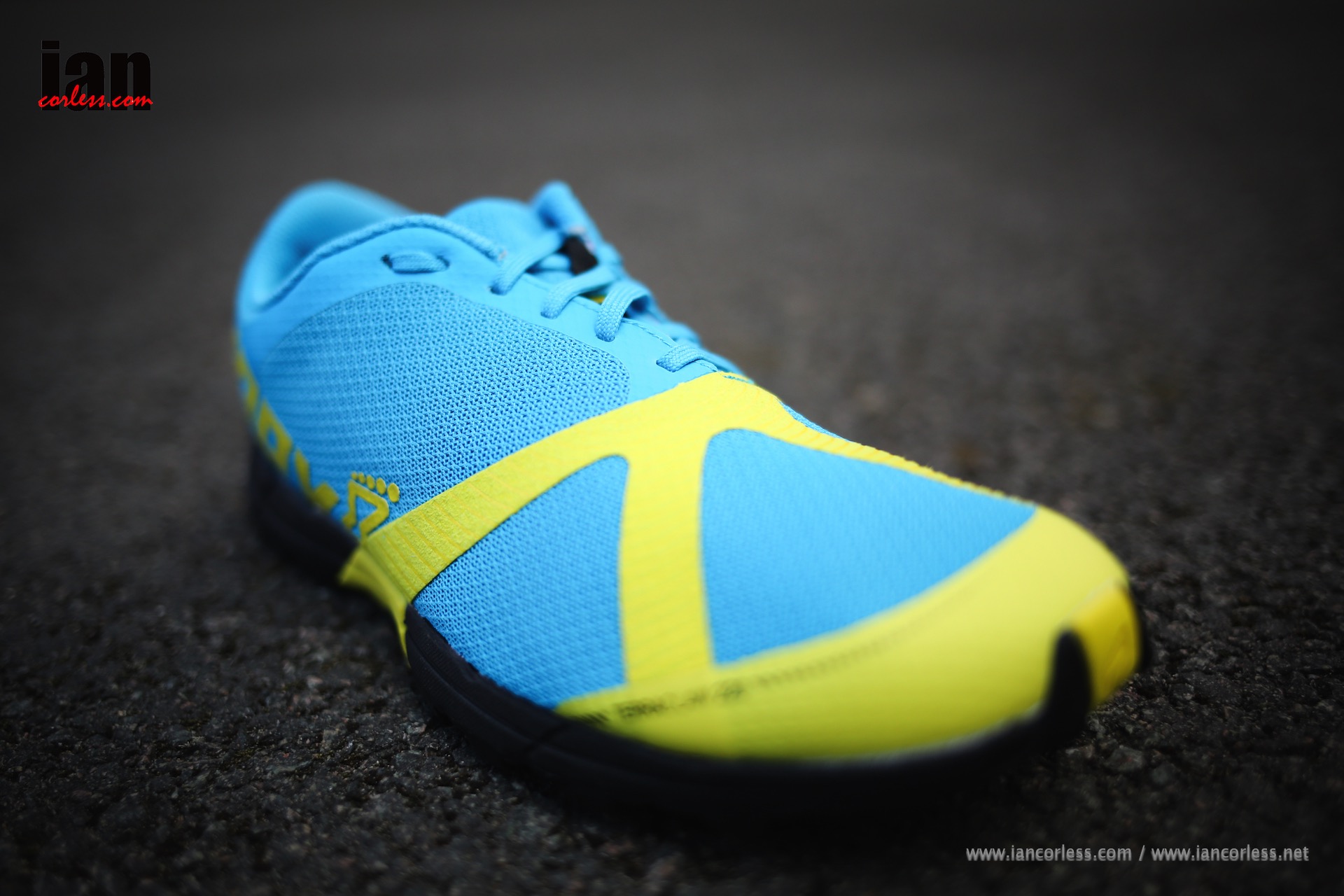
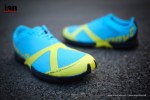
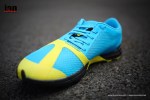
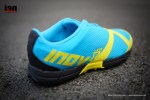
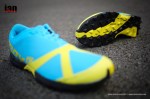
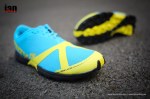
The 250 has a cool colour way of black, yellow and blue and the 220 does not! Oh boy do I hate this pale blue and yellow. I have visions of the first Hoka’s and people saying, ‘why are you wearing clown shoes!’ Of course looks mean nothing in regard to performance but I do like my shoes to look good and I have to say, inov-8 usually do a great job of making shoes look ‘sexy!’ Not in this case, not for me anyway.

©iancorless.com_Inov8Terraclaw-7065

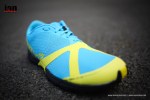
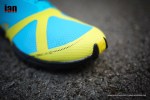
That big ‘X’ that goes over the front of the shoe is ‘X-Lock’ – inov-8 say that is a welded overlay to hold the foot in place. I will admit that the ‘X’ adds some structure to the shoe but it does not hold the foot in place!

Why?

Well this shoe and the 250 is all about foot splay. The toe box has been designed to let the toes splay out, move around and yes, even swell if they need to. It works. Both the 220 and 250 versions give me a ‘barefoot’ feel of movement. However, the ‘X’ adds little structure or hold.

This for me is a real plus and a real negative.

1. If you are running on mixed terrain that involved some road, hard trail, a little mud, soft grass and the profile is relatively flat with a few undulations and descents – the 220 and 250 are great shoes.

2. But if you are running anything technical, running up or running down, the movement within the toe box is way too much (for me). You have no control and your foot slides inside offering no reassurance.

The two comments above are comments that relate to the shoes ‘best practice’ running scenarios. So, if you are intending to run in the number 2 scenario, the 220 or 250 is probably NOT the shoe for you unless you have a foot as wide as a Hobbit. Look at a 212 (HERE) or 300 (HERE) instead.

Niandi needs a wider toe box and this where the needs of one varies to the needs of another. To take a step back and understand the needs of the individual, for me, the wide toe box is too much when I need control but for Niandi it works. We both agree though that the outsole is NOT for muddy or slippery terrain.

©iancorless.com_Inov8Terraclaw-7077

The outsole is an extension of the Race Ultra and I would imagine has come about from all those Race Ultra lovers who wanted more grip. Well they have it now but it has limitations. We must remember here that (for me) inov-8 are trying to create an ‘all-purpose’ shoe that transitions from different surfaces; road to trail? Like I always say, no shoe that compromises will ever do the extremes well. That applies to the 220 and the 250 – they are not as good as a road shoe and they do not offer the grip of an out-and-out fell or soft-ground shoe. BUT if you want a shoe that you can put on everyday and use for mixed terrain, the 220 and 250 are great for that.

©iancorless.com_Inov8Terraclaw-7082

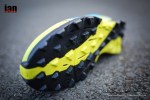
The outsole uses different compounds to provide grip on a multitude of surfaces and the grip is made up of little triangles that provide adequate grip on soft ground but not muddy ground. The spacing of the cleats is supposed to allow debris to release quicker. It made no difference for me; mud is mud and it sucks on to your shoes.

A ‘Dynamic Fascia Band’ has been embedded in the midsole and this provides some propulsion on the ‘lift-off’ phase when running. I would say that I noticed this more on the 220 (4mm drop) shoe but in all honesty, I believe that this comes from me wanting to run better in the 4mm drop shoes. You (or I) need to think more about my run style in a lower drop shoe as the mid to forefoot strike is so much more important. Hence the ‘awareness’ of the DFB working.

©iancorless.com_Inov8Terraclaw-7068

The noticeable difference between the 220 and the 250 is the lacing. The 250 is conventional and the 220 sweeps off to the side. inov-8 call this Ray-Wrap and it’s designed to line with the foot’s first metatarsal. They are not the first shoe company to do this, I seem to remember using a pair of Brooks with a similar system. Ultimately it works. I am not convinced it is any better than normal lacing methods though. I personally like my shoes to hold my foot so in both the 220 and 250 models I use a lacing method like THIS and in the 220 it is a little harder to use because of the offset. The 220 also has less additional support added to the upper around the lacing. The heel box is snug and plush and the shoe fits true to size.

©iancorless.com_Inov8Terraclaw-7064

Both shoes feel like slippers when you slide your foot into them and this is due to the lack of stitching. The shoes have little or no seams to cause any issues. The toe box of the 220 has less protection than the 250 and this only an issue if you are planning running on more rocky terrain or terrain with obstacles when the risk of stubbing a toe increases.

©iancorless.com_Inov8Terraclaw-7055

In Use

Although the 220 and 250 are very similar, are they for different runners? The 250 is a great ‘all rounder’ that will appeal to many runners because of the following features:

8mm drop

Good cushioning

Mixed terrain outsole

Wide toe box

Great for longer runs

The 220 though is a much more streamlined shoe and the 4mm drop and less cushioning will appeal to more efficient runners who cover ground quicker with a forefoot/ mid-foot run style. For example, I can see a runner using the 220 for short training sessions, faster training sessions or racing. They then may well use the 250 for longer training runs or longer races. I don’t think that 250 users would necessarily drop down to the 220.

I have enjoyed the 220 for ‘keeping me on my toes’ on runs of up to 60-75 minutes on road, grass, forest trail and canal path. When I have wanted to run longer I have used the 250.

When running on technical trails with more mud, rocks and longer descents and climbs I have always preferred to use a different shoe. Currently the Mudclaw 300 (HERE) as this seems a natural extension of the 250 with a more aggressive outsole, precision fit but good cushioning.

Ultimately, if you need a shoe that will allow you to run on mixed terrain and you need a wider toe box, the 220 or 250 should be on your list of shoes to look at.

Despite misgivings on the lack of support in the upper, I have found the freedom that both shoes provide very liberating and they do give a ‘natural’ feel similar to running barefoot. The outsole has worn well even with road use and they compare well to other shoes on the market.

©iancorless.com_Inov8Terraclaw-7051

Conclusions

I have always admired inov-8 for thinking of runners when they make shoes. Silly thing to say you may think, but how many other brands provide shoe models with varying drop: 3,6, 9 and 12mm or 4 and 8mm and at the same time have offered standard or precision width fittings in certain models. The arrow system on the rear of the shoe in many ways inspired a whole new generation of runners who wanted to get ‘lower’ with drop and inov-8 facilitated that. So, I’m an inov-8 fan. Over time, they have tweaked models and expanded the range. The Race Ultra and now the Terraclaw are shoes that hove come about with the growth of ultra running and the need (or desire) for a wider toe box. They have answered that demand and in doing so, once again they have provided two options in drop to ensure that nearly everyone is happy. If you are in need of a shoe that can handle a mix of terrain (not all road and not all mud) then a 220 or 250 may well answer your needs.

Pros

Wide toe box

4mm drop for the more efficient runner

Fast shoe

Lightweight

Responsive

Cushioned (but not too cushioned)

Great feel

Outsole for mixed terrain

Cons

I’m not convinced on the lacing but then again it caused no issues

Outsole lacks grip on mud, when climbing or descending

Toe box (for me) feels sloppy on technical terrain, when climbing and when descending

Less cushioning than the 250

Upper lacks support when required

Technical Specs

Weight: 220g/ 8oz

Fit: Standard

Footbed: 6mm

Midsole: Compressed EVA

ShankL DFB

Drop: 4mm

Sole: Terraclaw

Outsole: Dual C

What inov-8 say:

inov-8 say:

From single track to steep descents, the TERRACLAW™ performs on the widest range of trails imaginable. Our unique lug design releases debris and grit like no other, delivering optimum grip with every foot strike. At just 220g, the lightest version of the TERRACLAW™ is stripped-back for racing super-fast with a finely tuned balance of performance and protection.