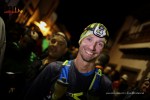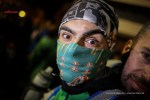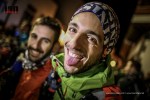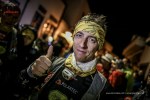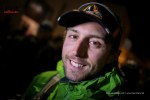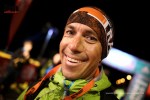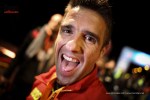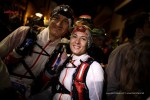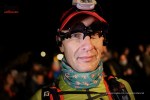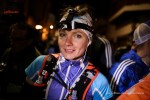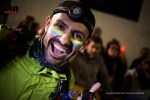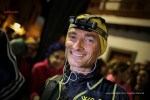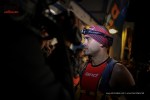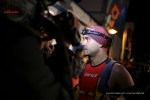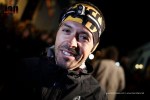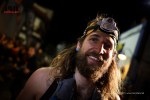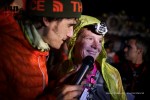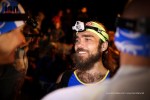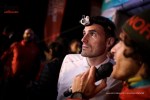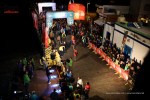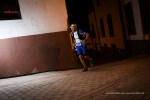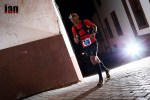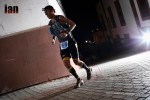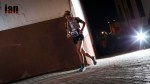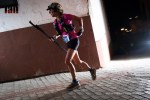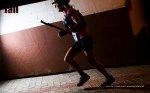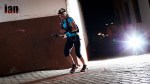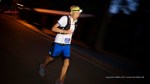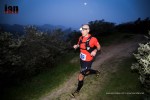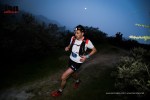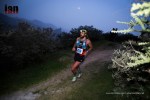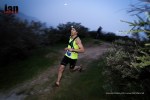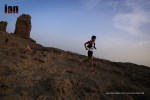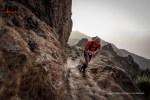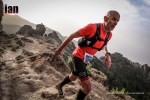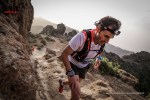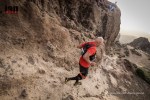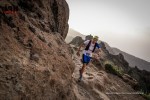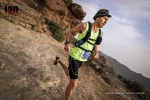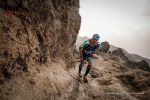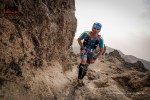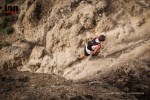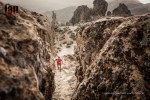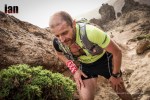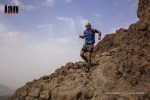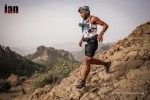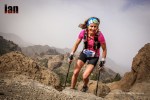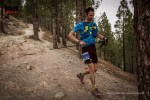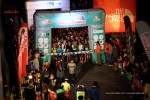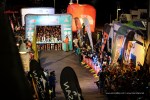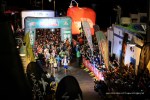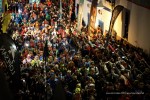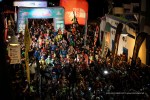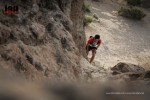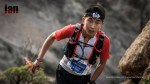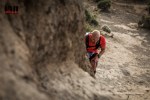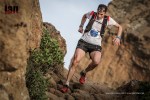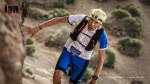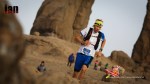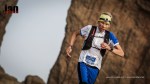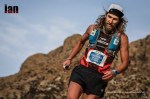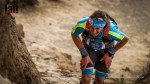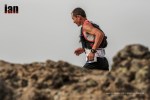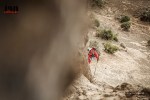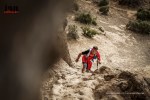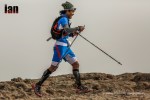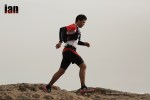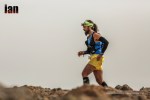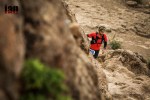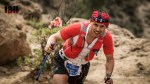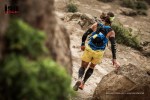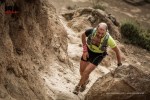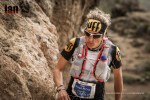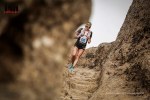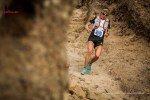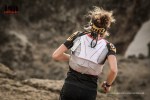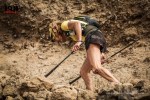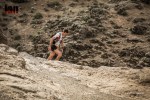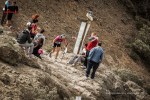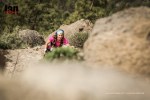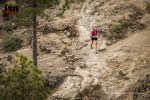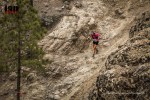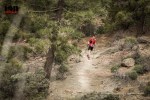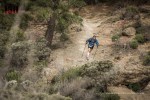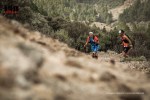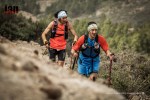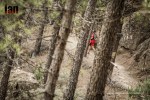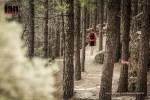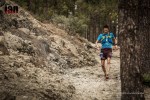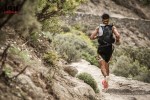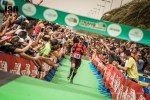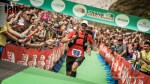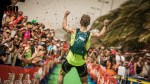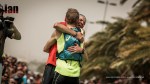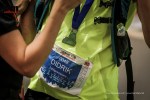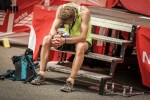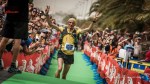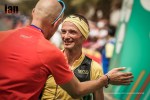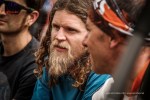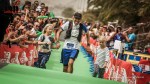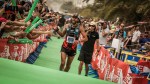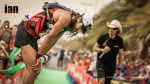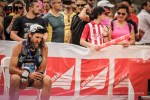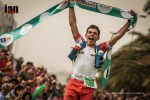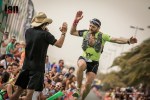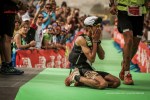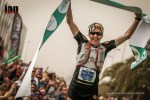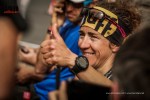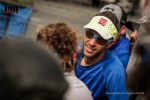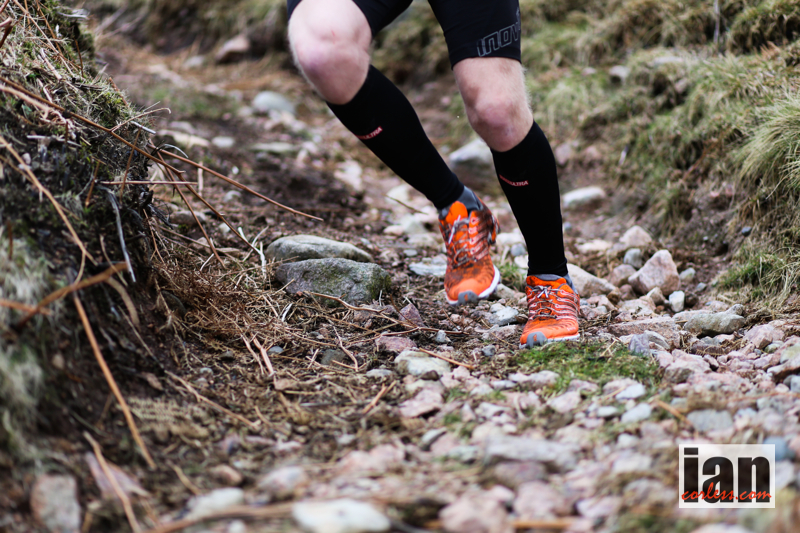
The North Face Transgrancanaria 2015 – Race Day Images

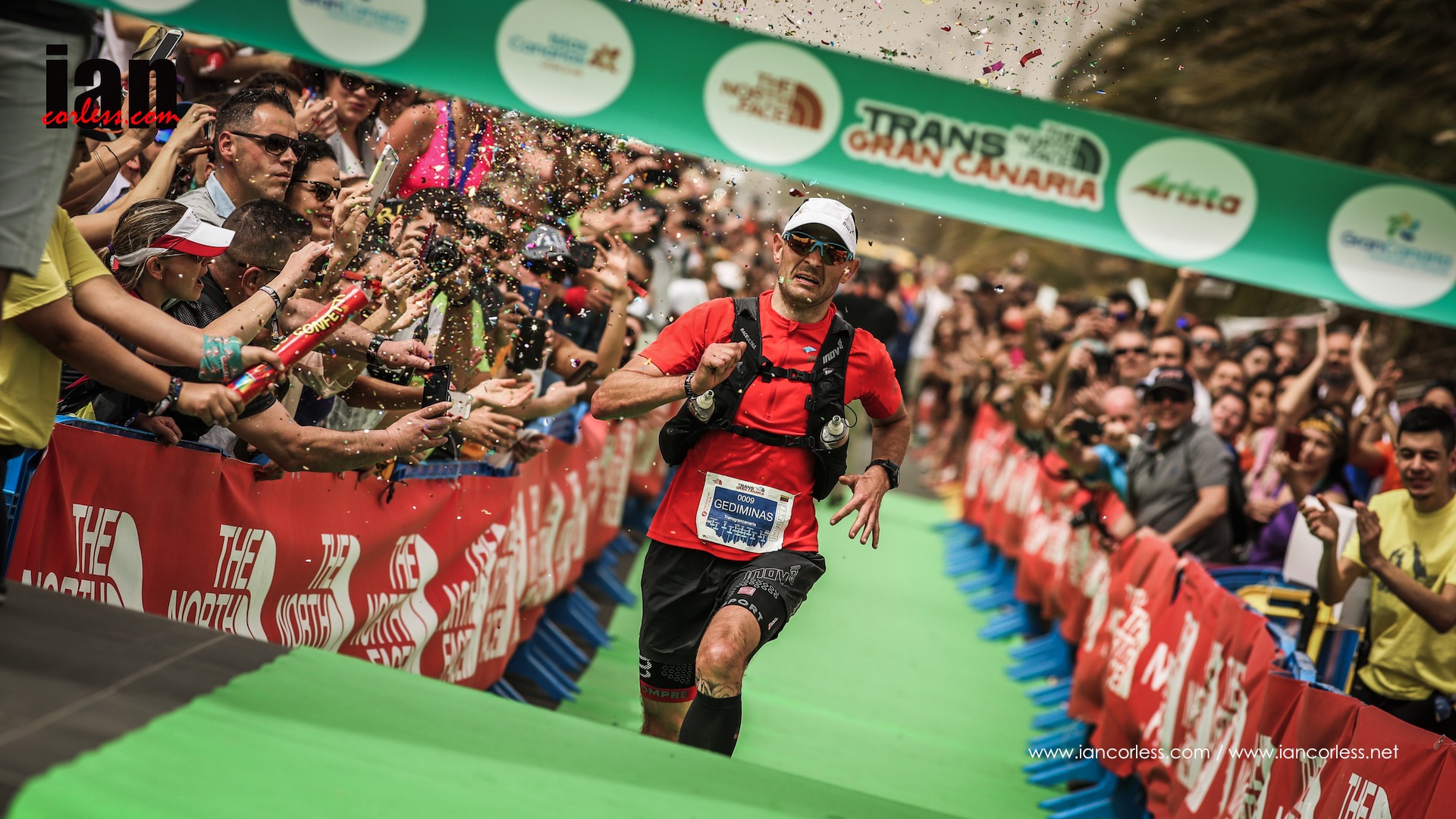
©iancorless.com_Transgrancanaria15-6747


The 2015, The North Face Transgrancanaria was always going to be an exciting race… you only had to look at the line-up of elite athletes who had travelled from around the world to participate.

However, the script was thrown out of the window and series of surprises continued to unfold for the duration of the race, leaving us all to wonder, who would be crowned 2015 champions?

Nuria Picas (Buff) regained her 2014 title with a time of 16:53:27. Although Nuria didn’t lead the race from start to finish, once the Catalan took the reigns there was no holding her back.

Lithuanian Gediminas Grinius (inov-8) won in the male race in a time of 14:23:37. However,  was a race of many surprises and changing scenarios.

The race started in mild weather but as time passed, an ever increasing wind started to blow making conditions extremely difficult during the night. The breaking of a new day added sun and heat to the equation and this combination of elements caused a continual problem for nearly all the runners.

Ladies:

1 – Núria Picas 16:53:27
2 – Caroline Chaverot 17:16:48
3 – Dong Li 18:15:55

Men:

1 – Gediminas Grinius 14:23:27 new CR
2 – Didrik Hermansen 14:30:07
3 -Antoine Guillon 14:39:05

Notable withdrawals during tha race came from: Nikki Kimball, Yan Longfei, Iker Karrera, Pau Bartoló, Fernanda MacielJoe Grant and local hero, Yeray Durán.

A full results article will be posted on Sunday 8th March.

Race Day Images are below. Please respect the copyright of ©iancorless.com

inov-8 RACE ELITE 24 pack review

1-Race_Elite_24-845x1024inov-8 continue to push the boundaries and after the successful launch of the original Race Ultra Vest (3L) and the recent launch of two larger capacity and re-designed RACE ULTRA VESTS vets; 5L and 10L, the UK innovators have introduced the RACE ELITE 24.

Grounded in the fells of the UK, inov-8 has long provided mountain marathon runners with the perfect footwear to tackle mud, rock, bog and scree. The addition of very specific race apparel and packs have afforded the discerning runner with a one-stop shop for all that is required to race (not sleeping bags or tents). inov-8 packs have been popular in mountain marathon, fast packing and overnight adventures for some time. However, the introduction of the new RACE ELITE 24 is almost certainly going to turn a few heads.

FIRST LOOKS

If you look at the pack from the rear, it is at first glance a very simple design. Almost duffle bag like in shape, the pack is a long black tube with a two-way zip that splits the pack in two. Adorned with adjustable bungee that moves from the outer edge to the middle in a zigzag shape. The bungee passes at the bottom of the pack and mirrors the opposite side. The two elastics then meet in the middle of the pack at the top (above the zip) and here you pull the elastic tight to compress the pack and remove any excess space and/ or fabric. As you look at the pack from the rear, attachments are available on the left for running poles but most importantly, this pack is ice axe friendly! I can’t tell you how many times I have been asked when doing a pack review, ‘can it hold an ice axe?’ Ice axe compatibility may well make the RACE ELITE 24 the new ‘go to’ pack for those who like to travel fast and light in the mountains without compromising on carrying capacity.

2-Race_Elite_24_Rev-915x1024

The front of the pack is the revelation!

inov-8 have taken the ‘vest’ from the Race Ultra Vest and added it to the RACE ELITE 24 potentially making it one of the most form fitting and comfortable 20+L packs on the market. Pretty much all brands now incorporate a vest or vest like system when designing new packs. Why? Well, it works, pure and simple. The design is more comfortable, it distributes the weight of the packs contents and it adds additional storage.

IN USE

Joe Grant running with RACE ELITE 24 ©inov8

Joe Grant running with RACE ELITE 24 ©inov8

The main compartment of the pack is split down the middle with a zip that has two zipper pulls. When open, you have a wide-open space to add contents. The pack has no dividers, pockets or clutter. So, add your kit, zip it up and off you go. This design is particularly good as it provides immediate access to all contents. It’s possible to divide contents in waterproof dry bags or plastic bags and therefore ease of use is a real plus. If you are using the pack with less contents, then all the weight will go to the bottom of the pack. Excess fabric and space can be removed by tightening the adjustable bungee. The pack is long and for me, this may well be a stumbling block for some users. This has nothing to do with a person’s height but torso length. If you have a short torso, the RACE ELITE 24 may well be too long for you? I understand why inov-8 has made the pack the length it is. If you are doing a mountain marathon, you will be carrying a tent and therefore the tent poles will need to fit inside. I guess it may be possible to attach poles to the outer but in my opinion it wouldn’t be ideal.

The front of the pack as mentioned has the vest fitting system with an upper and lower chest strap to retain the pack in place. There are also upper and lower side straps that provide fine tune adjustment so that you can have the pack as tight or as loose as you require against your torso. This system is particularly useful, as it will allow you to wear additional layers and still have the pack fitting. A whistle is provided and the left side mirrors the right with an upper larger stretch pocket, a smaller stretch pocket and then a large zipped pocket. The large zipped pocket will take inov-8 500ml soft flasks with extended straws so that you can drink without having to remove the bottles. The straws fit through an upper and lower elastic loop on either side of the pack.

The multiple front packets provide immediate access to anything I needed whilst running. I had a phone, camera, bars, gels, keys, compass and money all at hand. Perfect. The front zipper pockets add extra security if not used for the soft flasks.

The soft flasks with extended straws are a revelation and make ‘on the go’ drinking a breeze. It also makes refilling very easy.

Fabrics are light and breathable as the original. Of course with any vest, you are going to get a hot spot on your back. You can’t avoid that with this style of product.

The front fastening system has also changed from the original. This pack no longer uses the small quick release system that some found fiddly on the previous vest. Now it has 2-fixed straps, upper and lower and both use the classic male/ female quick release fastening system that is much easier to open and close should you be wearing gloves.

You can attach poles to the rear. I tried but didn’t find this to be a good option for me. More often than not, the new folding poles such as Black Diamond or Leki are shorter in length. This makes fastening more awkward and problematic. To resolve this, I attached two adjustable bungees to the shoulder straps and I store my poles folded across my chest; works for me and makes storing and access to the poles easier. It’s a personal thing. However, you can hold an ice axe on the rear of the pack and as mentioned previously, this will be a huge plus for many!

I personally would like inov-8 to design a front pack that could be added as an optional extra. Front packs are a little like Marmite; some love them, some hate them! For me a front pack can often balance the weight of the rear and provide some equilibrium. It also means that you have additional on hand storage for essential items. Looking at the bigger picture, with some tweaks in the design, the RACE ELITE 24 may well be a great pack for multi-day self-sufficient races such as Marathon des Sables.

inov-8 athlete Joe Grant has been using the RACE ELITE 24 during the winter and recently said,

‘I started testing the Race Elite 24 pack last winter, mainly for running and some winter climbing. For these activities, I needed a pack that would be runnable, stable and light, but still able to hold a decent amount of gear.’


‘Again, the vest system worked really well at keeping the load stable and allowing me to run on sections of trail that I’d typically have to hike with a conventional style pack. I’d carry a camera, water and food up front for quick access.’

Conclusion

If you are racing long distances, heading to the mountains, fast packing or racing a mountain marathon, the RACE ELITE 24 is without doubt worth checking out. The pack really embraces fast and light with minimal clutter. If you are looking for bells, whistles and multiple pockets in the main compartment, then this pack is not for you. If you like a pack that can hold plenty of kit: clothes, jacket, waterproof trousers, sleeping bag, tent, cooking equipment and food in a space that is easy accessed. Then the RACE ELITE 24 is for you.

The vest fitting system is a revelation for a pack of this size. The multiple pockets provide storage and access for on the go items such as food, gels, camera, phone and the two 500ml soft flasks provide easy on the go hydration.

Recommended!

Pros:

  • Simple design.
  • Very light.
  • Vest fitting.
  • Adjustable bungee.
  • Easy access to main compartment.
  • Soft flasks with straws.
  • Ice axe compatible.

Cons:

  • May be too long for some?
  • Only capacity for 1L of water unless you add a bladder to main compartment.
  • Main compartment has no structure, which may be an issue for some?

Product weight 330g

Price TBC

Availability TBC

Check out inov-8 HERE

inov-8 logo

FASTER DOWNHILL RUNNING? Tom Addison gives his top 10 Hints ‘n’ Tips

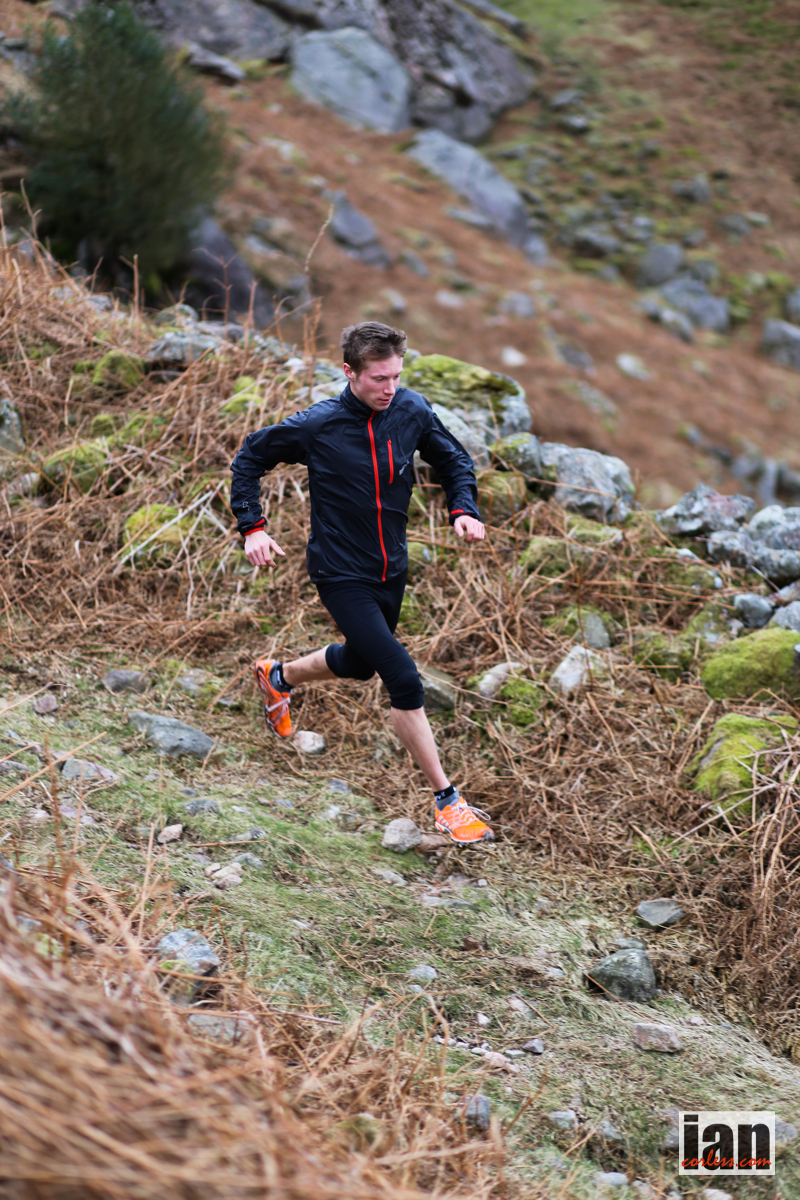
©iancorless.com.IMG_4943

inov-8 athlete and 2014 English Fell Running Champion Tom Addison is one of the best downhill runners in the business.

To help others improve their downhill running speed he is giving away his secrets with these top-10 go-faster tips.

Tom, a Great Britain and England international in mountain, trail and fell running, says:

There is no greater adrenalin buzz in running than nailing a downhill. It’s a battle of you against the terrain, and to win that battle feels amazing.

Being able to descend with confidence is crucial, especially when racing. You can be the best in the world at running uphill, but if you can’t descend then it will seriously hamper your chances of winning races, be that on the fells, mountains or trails. I have had to work hard to improve my downhill skills but that dedication to doing so paid off when I won last year’s English Fell Running Championships for the first time.”

©iancorless.com.IMG_4926

Here are Tom’s top-10 tips to improve downhill running speed.

Switch off your brain

Runners worry about falling, slipping and hurting themselves, which is understandable. However, to think like this will only slow you down. It’s not easy, but what you have to do is, at the top of the hill, switch off your brain and let your legs take control. The less your brain is working, the better. Empty it of fear and you will run downhill faster. Because it has less time to think about things, my brain switches to no-fear mode much easier when I’m racing. So, when training downhill I often pretend that I’m racing, tricking the mind!

Keep strides long

The most common mistake runners make – and I’m guilty of doing so myself when tired – is shortening their stride. Longer strides equal faster downhill running. I practice downhill running a lot and the focus is always on maintaining a longer stride. It takes time and a degree of bravery to improve your downhill running but the end benefits are huge.

Lean forwards

Whenever you can, especially on gradual downhill, lean forwards. This will lengthen your stride and ensure your brakes remain switched off. On steeper descents, I try to lean forward but tiredness can mean I lean back slightly. This does in turn give you a little more control in your downhill running but you won’t go as fast.

Look ahead and pick the best lines

Rather than looking directly at the terrain under your feet, look slightly ahead at what’s coming in two strides’ time. When racing, think more about your route choices and the lines you are going to take. I am always looking for the best, fastest lines, though these may not always be the most direct. Avoiding wet rocks in favour of a grassier, albeit slightly longer, alternative route can be quicker. I try and recce race routes in advance so I know the fastest lines and various alternatives.

Do repetitions in training

Find a gradual off-road downhill gradient and do sprint repetitions down it, ensuring you use a long stride length. Each repetition should be about a minute to a minute and a half in effort. Jog back up the hill after each repetition to recover. I try and do 10. Ensure you stretch well, especially your hamstrings, both before and afterwards.

Tom Addison - image#25A318F

Bend your legs

Try not to run downhill with straight legs, as this could potentially result in knee complaints. Your legs should be slightly bent, which will in turn give you more spring in your step.

Squat for strength

Leg strength is crucial for fast downhill running. One exercise I use a lot is the squat. Put your back against a wall, with your knees at a 90-degree angle. Push off your toes and force your back hard against the wall. Keep your knees at 90-degrees and hold for as long as possible. Yes, it hurts!

Pretend you’re a windmill!

It’s important not to forget that your arms also have a key role to play if you want to run downhill faster. Push them out, as high and wide as you feel comfortable, and use them to aid your balance. You might think you look a bit silly doing so but it definitely works. Imagine you are on a tight rope, what would your arms do? Now replicate that when running downhill.

Trust your feet and footwear

If you don’t have trust in your own feet and your footwear then you are in trouble. I like shoes with a really aggressive tread and wear inov-8’s X-TALON, MUDCLAW and OROC shoes when wanting the best grip.

Adapt your technique to the terrain

Be ready to adapt your technique to the different terrains you encounter on a downhill. Loose rock and scree can often work with you as it moves forward under your feet – just ride it! Wet rock is the most difficult to negotiate – the less time your feet are in contact wet rock, the better, so stay light-footed and springy. When running downhill through mud, dig your heels in a bit more.


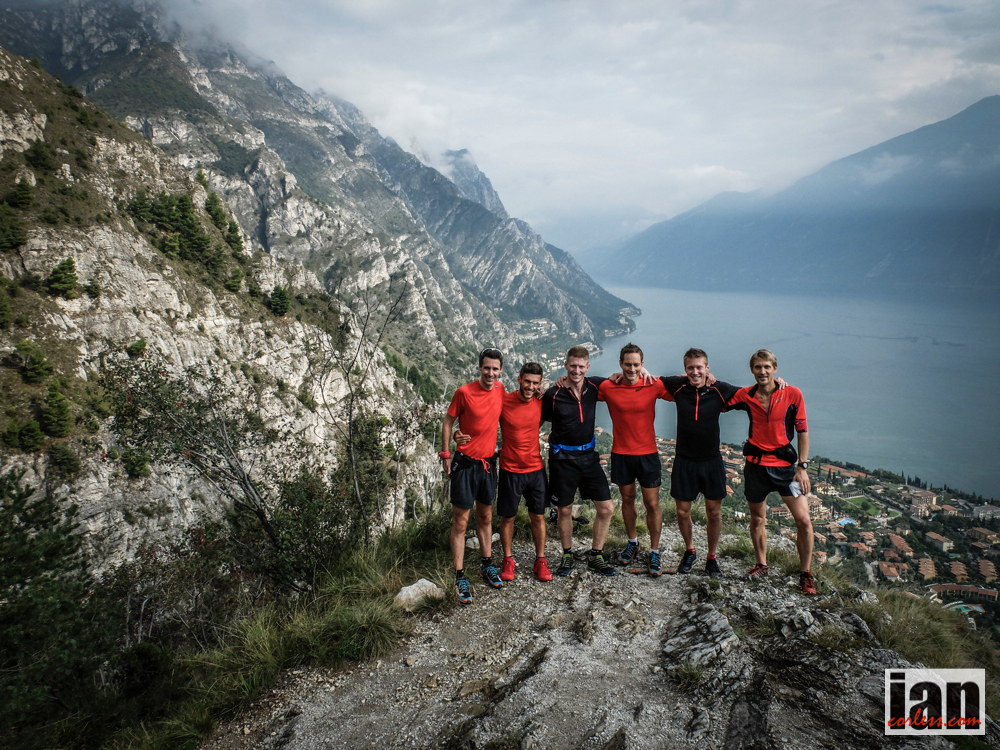
Tom with his inov-8 team members at the Skyrunning Limone Extreme 2014.

Tom with his inov-8 team members at the Skyrunning Limone Extreme 2014.

 article by ©inov8

inov-8 logo

Read a review of the NEW Ultra 270 shoes HERE

Read a review of the NEW Race Ultra Vest (2015) HERE

X-Talon 212 Shoe review HERE

Read more tips and stories from inov-8 athletes at HERE

Joe Grant and Speedgoat Karl prepare for The Coastal Challenge 2015

Karl MeltzerThe 11th edition of The Coastal Challenge 2015 (#TCC2015) is just weeks away. For those in the know, the TCC is a gruelling multi-stage race that takes place along the tropical Pacific coastline of Costa Rica. The 230km route weaves in and out of the Talamancas (a coastal mountain range in the south west corner of the country) providing a true multi terrain experience.

A point-to-point race, the course starts in Quepos and finishes in the stunning Drakes Bay close to the border of Panama. Simple in concept, the TCC provides an extreme challenge that tests each individual runner. Participants will need to balance the distance, severity of the terrain and tropical climate to reach the finish line.

If you enjoy long distance running and adventure then The Coastal Challenge is for you and will prove to be a tremendously rewarding achievement. Jungle and rainforest trails, mountain trail and single track across ridge lines, highlands and coastal ranges; pristine beaches, rocky outcroppings and reefs, river valleys, river and estuary crossings. It’s an amazing course.

Following on from the incredible 10th edition line up (2014) that included Philipp Reiter, Nick Clark, Julia Boettger, Veronica Bravo and men and ladies victors; Michael Wardian and Jo Meek, race director, Rodrigo Carazo has once again provided a stunning line up for 2015.

Two of the male contenders for overall victory in the 2015 edition are Joe Grant and Speedgoat Karl Meltzer. I caught up with them to find out how training has gone in the final build up to the race.

*****

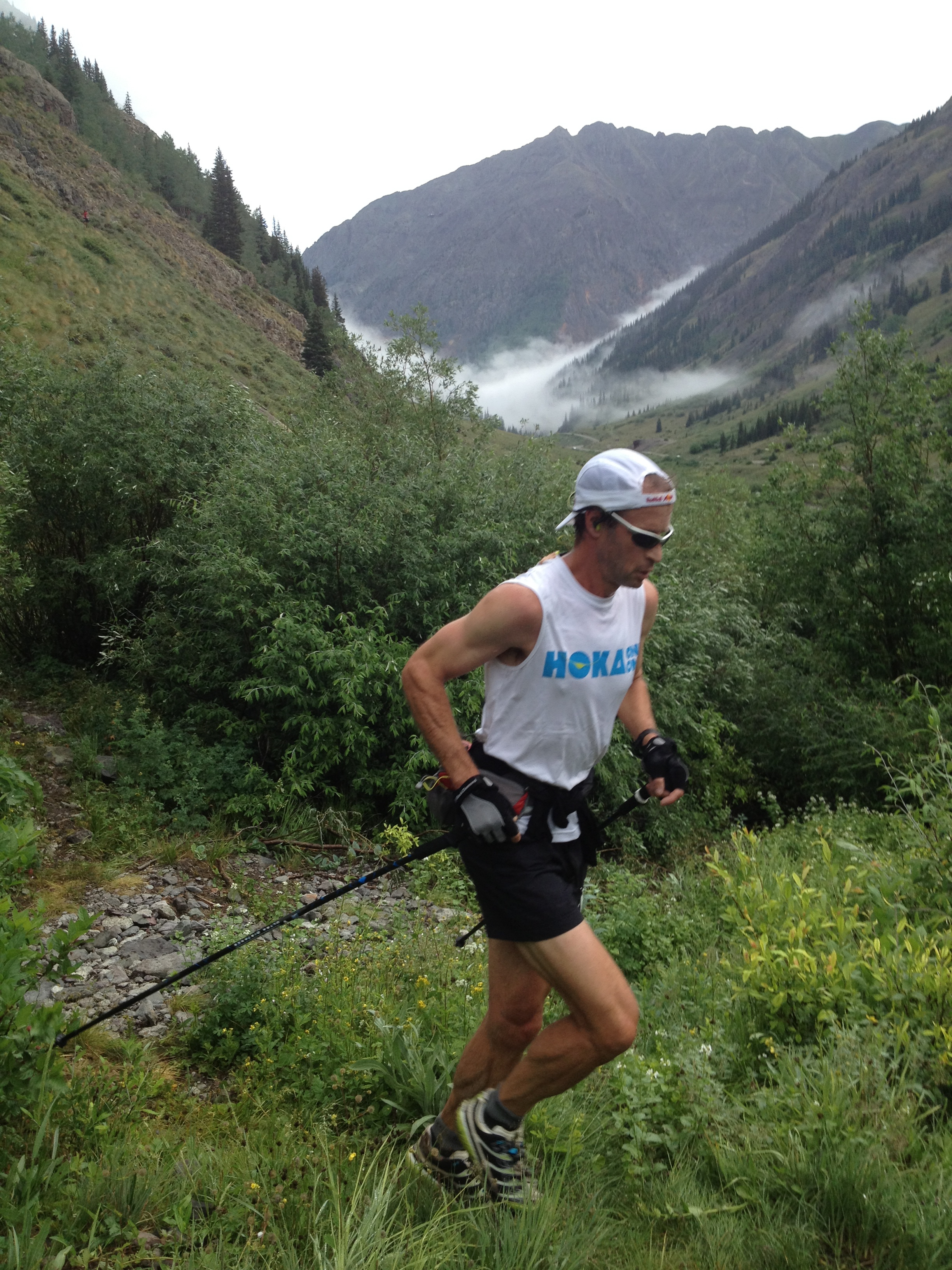
Speedgoat Karl Melter – Hoka One One, Red Bull

Karl, you have your mojo back! Is the TCC directly attributable for that? 

I definitely have my mojo back.  I am looking at the TCC as a great week of running, with some harder runs, some good runners to run against, and to hopefully not get ‘chicked!’ Which I suspect I will.  The race has motivated me to come to Zion Canyon and run some multi-long days in January which is great.  I also look at it as an interesting test of my fitness.  I’ve had 3 decent months so far, with the exception of a mildly aggravating neuroma, which will never go away, so I will just continue to run and manage it.

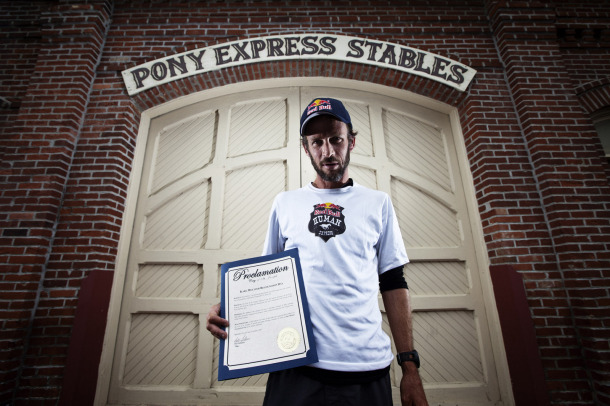
©redbull

©redbull

You are no stranger to running day after day having done the AT (Applachian Trail) and Red Bull Pony Express, have you done anything specific in training for TCC? 

The AT and the Pony Express trail, being much longer days than the TCC really aren’t that comparable.  The Pony was a cakewalk because it was not a race. The AT was just about surviving the distance daily.  The TCC is much shorter and faster each day,   The real key is recovery, so I suspect, I’ll be sleeping plenty and resting a great amount after each day to see how that pans out.

***

I’ve been toying with recovery the past month after long runs. I will likely take in some Ultragen and remain motionless for about 30 min. Eat more. Take a nap with legs elevated for about 2 hours. Then go for a walk about 1-2 miles to loosen the legs again… then eat again!  At least that’s the plan for now. I”m sure it depends on what’s going on too, but the nap is important as well as the walk later in the day.

Any other tips for all those taking part?

Don’t drink as much beer as I will.  🙂  Enjoy more than anything and try and plan to be the “chaser”, not the “chasee” after day 3.  I’m hoping to be the guy who gains momentum after day 3, rather then going out with the fast guys on day 1 and frying myself.  It’s far more entertaining for me to run that way.

IMG_2033

Joe Grant – Buff, Arc’teryx, inov-8

JoeGrant2

You have been back home training in the snow on skis and the ‘phat’ (fat) bike. Will that all work well for your run legs at TCC?

I find that both the ski and biking help develop a lot of power while minimizing the impact on the body you get from running. I can get a lot of vertical in, have a good long day of training where I feel tired, but not banged up. At this point in the year, I think it’s a very sustainable practice and will set me up nicely for spring/summer racing. TCC will definitely be a bit of a shock to the system, particularly the heat, but that’s partly why I’m interested in the race as it will be a great early season training boost.

Are you doing any specific preparation for the heat of TCC?

I did go down to Arizona to visit my uncle over the New Year. I was hoping to get a bit of heat training in down there in the desert, more of a mental thing really to break out of the winter cycle back home. The weather was surprisingly cold though and I only got one warm day of running in shorts. Heat is certainly my biggest concern for the race.

Joe Grant

Multi day racing will place different demands on you in comparison to one long push (like in a 100-mile) do you have any thoughts or strategy for TCC?

I’m approaching the race like a demanding week of training with slightly longer mileage and more intensity. What I’ve found in multi-day races (in a single push) is that even a small amount of sleep and rest can do wonders for recovery. I’ll just need to remind myself during the race, that even if I’m feeling particularly bad on one day, good food and solid rest can really turn things around on the next. It’s a patience game and being able to spread your effort out evenly over the course of the 6 days.

Any tips for anyone taking part in a similar event?

I’d recommend really paying attention to all the little details that can improve your comfort and recovery during the week. It’s easy to be too tired to clean your shoes or tend blistered feet or chaffing after a strenuous stage, but taking care of those little things will pay off. It’s worth having clean, dry clothes to change into particularly at night to get good rest and feel ready to tackle the next day.


The 2015 #TCC2015 starts on January 31st and finishes on February 7th. Daily reports and images will be available on this website and you can follow Facebook and Twitter #TCC2015

The Coastal Challenge Facebook page is HERE and the race website is HERE

Route book and profiles available on PDF Here


inov-8 launch Race Ultra 270 for 2015

©iancorless.com_RaceUltra270-7533The release of the Race Ultra 290 in 2014 (review here) showed inov-8’s intentions to appeal to the ever-expanding ultra market that run on mixed terrain for a very long time. The shoe ticked many boxes and soon became a favourite for many a runner. In particular, the ‘290’ fulfilled the one shoe does all scenario quite well. It was happy on the road, happy on hard trail and rock and adequate when the trail got muddy… admittedly, not when very muddy! It was cushioned, had that ‘sweet’ drop of 8mm and a wide toe box.

The perfect shoe?

It was certainly a shoe that many touted as perfect but what about that new breed of runner that loves a lighter and lower drop shoe?

Your prayers are answered.

©iancorless.com_RaceUltra270-7561

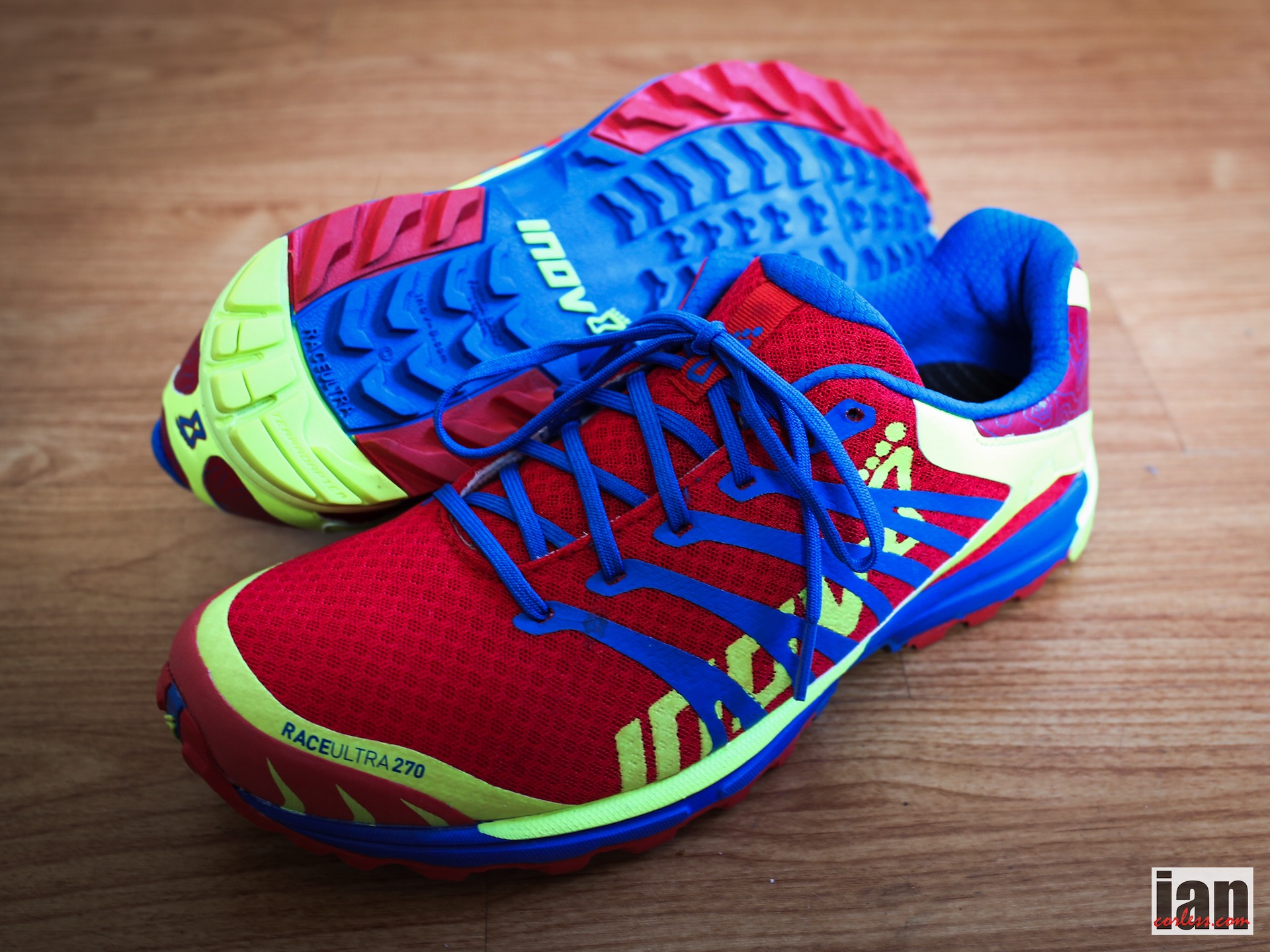
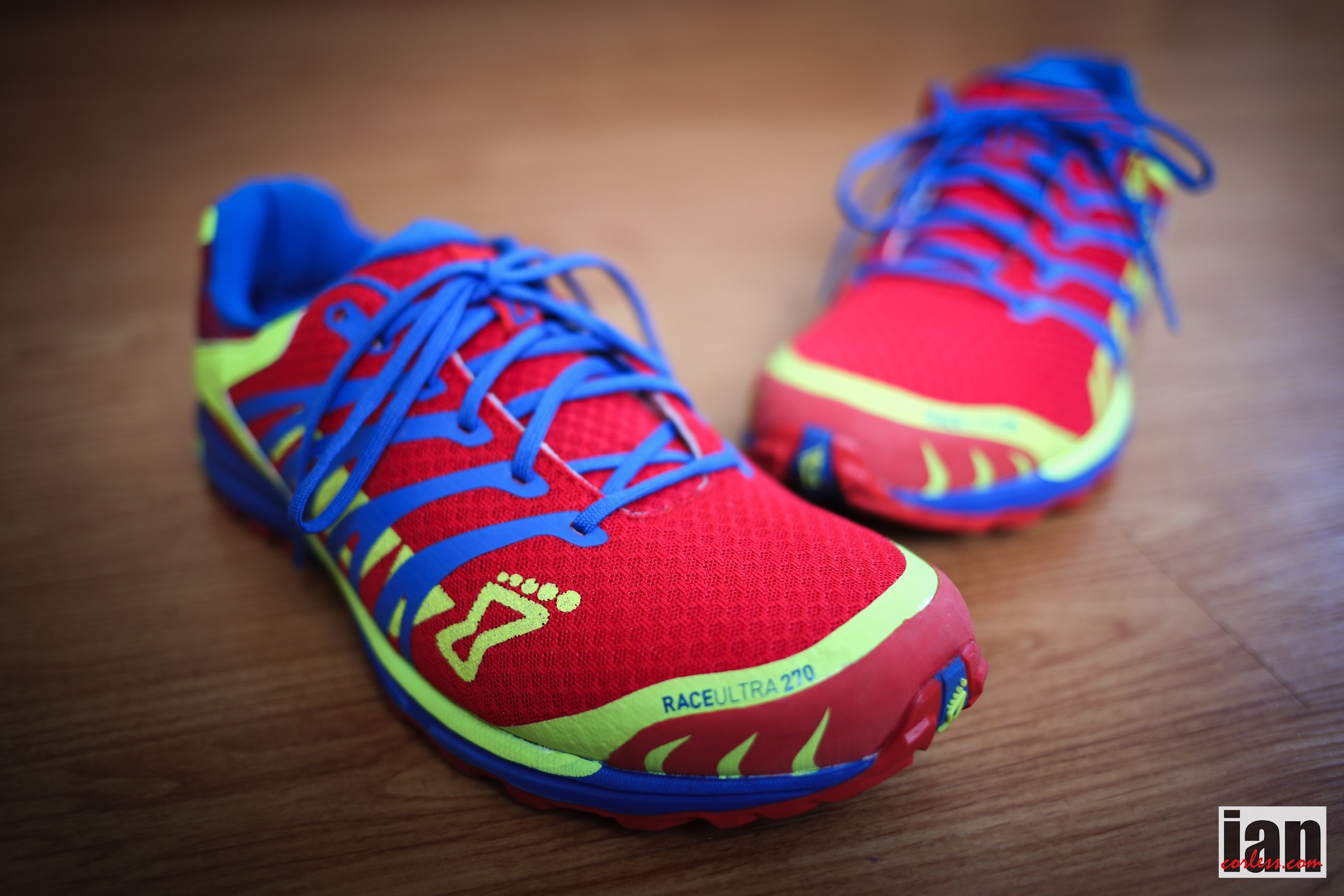
Building on the success of its ISPO award-winning RACE ULTRA 290, inov-8 will launch in Spring 2015 a lighter version of the ‘290’ to give long-distance athletes an even faster weapon in their shoe armory; the Race Ultra 270.

Weighing in at just 270g (hence the name), the Race Ultra 270 is 20g lighter than the 8mm drop Race Ultra 290 and has a drop of 4mm (1-arrow.)

Designed to bring the runner closer to the terrain the 270 will provide increased levels of proprioception while not losing cushioning.

©iancorless.com_RaceUltra270-7537

Grip will remain the same as the ‘290’ and is very much designed to accommodate road, hard trail, rocks and light mud with a mixture of soft and hard rubber. It has a flatter outsole ensuring a stable ride even when hours in the shoe increase and fatigue sets in.

Like the ‘290,’ the ‘270’ will also incorporate the unique on-the-shoe gaiter attachment so that should you require a RACE ULTRA GAITER you can purchase the item separately and attach/ de-attach with ease.

©iancorless.com_RaceUltra270-7550

On first looks, inov-8 are taking a successful shoe (the 290), replicating it and making it appealing for those who require a lighter shoe, a little less cushioning and importantly, a lower drop. The two prototype colour ways look really impressive and in particular we really like the look of the men’s colour. Four colours will be available, two for men and two for ladies.

©iancorless.com_RaceUltra270-7595

The shoe is flexible (you can fold it in half) and has a ‘Meta-Shank’ that aligns with ones individual metatarsals. This Meta-Shank helps provide energy without loosing impact protection. Lightweight, the combination of good lacing, a gusseted tongue and a wide toe box (standard fit) all combine together to make the ‘270’ a real ‘one to look at’ for those looking for a door-to-trail shoe.

©iancorless.com_RaceUltra270-7591

Door-to-trail is a buzzword at the moment and brands such as Salomon, The North Face and others are looking to capture this market. inov-8 with two offerings at 8mm and 4mm drop will certainly cover the bases and provide two important options. Importantly, it will also allow a nice stepping-stone for those looking to drop from 8mm to 4mm.

Initial feedback from a couple of runs confirms that if you liked the ‘290’ then you are going to like the ‘270.’ In use they certainly feel lighter, a little more responsive and most importantly comfortable. Due to the standard fit (wide at the front) you may want to try your normal shoe size and a half size smaller to make sure you have the correct fitting shoe.

A full review of the Race Ultra 270 (men’s and ladies) will follow in February 2015. We now need to go and rack up some miles in them… Niandi says, ‘Les nouveaux bébés de Inov8.’ I think that means she is excited to try them out!

Suggested retail price: £110 (110 UK pounds)

Contact inov-8 HERE

Contact HERE

inov-8 X-TALON 212 Review

©iancorless.com_inov8_212-7294

If Wolverine™ were going to go running on the trails, he would pair up his incredible hands (and blades) with a pair of X-Talon 212’s.

Irrespective of what type of running you do; road, trail, mountain, fell or even treadmill, the X-Talon 212 has that distinctive look that not only sets it apart from the competition but also makes one take a second look and ask the question, “is that a run shoe or a football boot?”

It’s a winning shoe that combines minimal weight, low drop, stability and awesome grip for when conditions are muddy, boggy, slippery or basically just downright awful.

I doubt that inov-8 needs an introduction but let’s have a recap just in case.
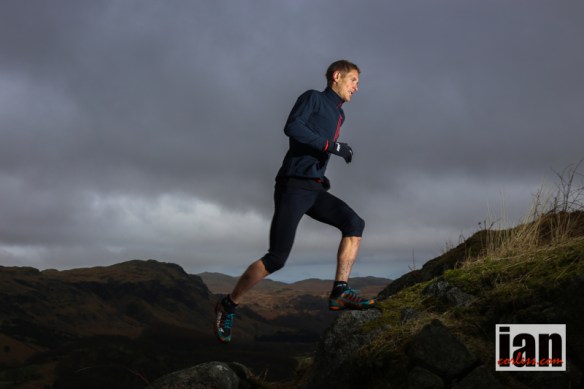
©iancorless.com.IMG_5365

The company is just 11-years old and the creation of South African, Wayne Edy. You can sum up inov-8’s growth in just one quote from Wayne, “I’m not a follower, I never will be. I like to carve a new way. I thrive to innovate.”

inov-8 shoes are all about being at one with the terrain and in the UK they have become the ‘go to’ shoe when you need grip.

inov-8 say, “We believe in natural running. Natural running involves taking running back to its most innate form, letting nothing alter the natural biomechanics of the foot and body. Natural running relies on the strength of the runner’s feet and legs rather than the cushioning or support of a shoe. The foot controls the shoe, not the other way around.”

inov-8 were very much at the forefront of minimalist running and right from the off the offered a very structured and methodical approach to getting ‘lower’ to the ground.

This system was a series of arrows (on the rear of the shoe) that signified the shoes drop in 3mm increments: 3 arrows = 9mm, 2 arrows = 6mm and so on. This arrow system informed runners immediately of what drop a shoe was and importantly allowed runners to make an informed and structured progression to get lower (if required). The shoe naming was also quite innovative. You had the model of shoe, for example: Trailroc, Roclite or X-Talon and then a number afterwards, so, in this scenario X-Talon 212. The ‘212’ refers to the weight of the shoe in grams.

Lightweight, minimal and functional, inov-8 have pioneered running shoes for trail, rock, fell or mountain and in simple terms have endeavoured to keep runners low to the ground (with grip) via a plethora of shoe models providing a selection of drops, cushioning and grip. The recent addition of the Race Ultra 290 (Review HERE) is a prime example of how the company are looking at the growing ultra market and the need for a more cushioned shoe but still with a low drop (6mm) and a flatter outsole for extended hours running.

2015 will see many new additions to the already expansive range. (*see below)

X-TALON 212
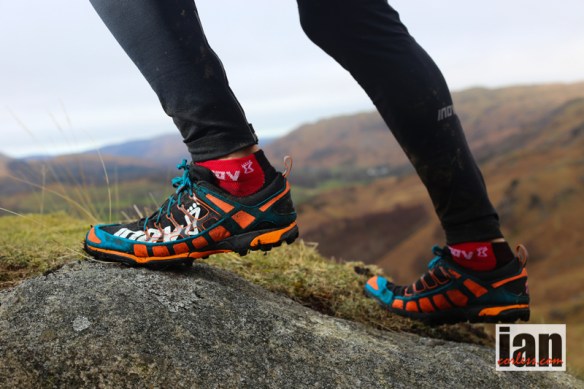
©iancorless.com.IMG_5434

Firstly, big news! The X-Talon is now available in a standard fit in addition to the normal precision fit. This is important news for many a runner who would have loved to use the 212 but found the tight and narrow fit of the precision just too tight for their Hobbit like feet.

As mentioned previously, the 212 may well be one of the flagship shoes in the inov-8 range and you can expect to see the shoe in Trail, Mountain, Fell, Orienteering, Cross Country, Obstacle and Skyrunning races all over the world.

The 212 is an out and out off road shoe and as the name suggests, the grip is Talon like.

The Shoe 
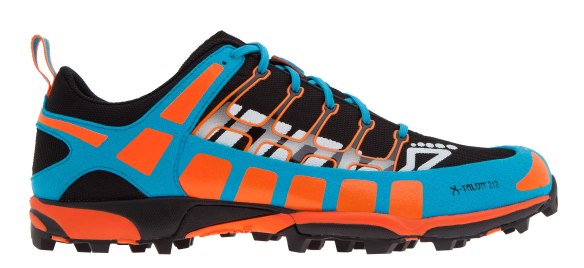
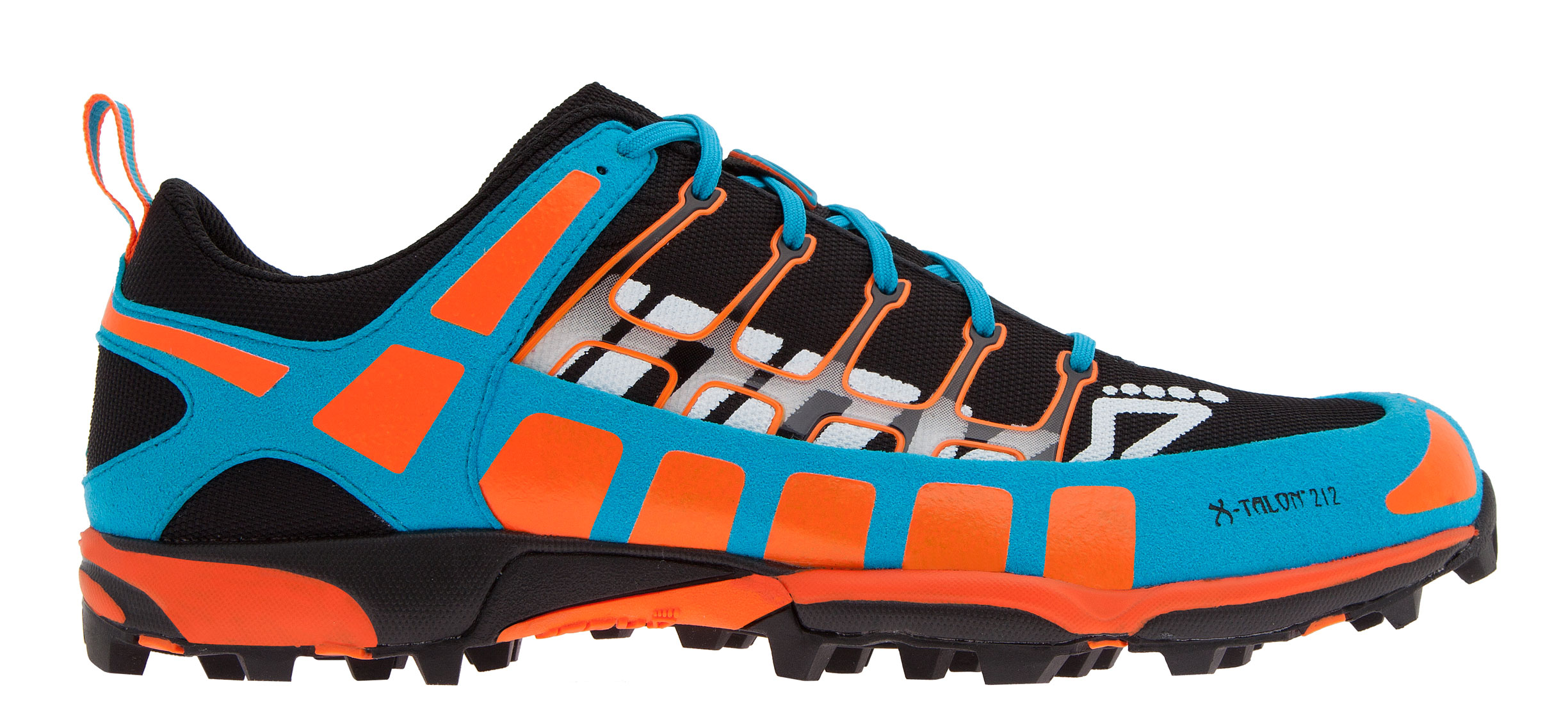
x-talon-212-side

I used the standard fit in my normal shoe size UK9.5 so it would be fair to say that the 212 is true to size. However, even though this shoe is standard fit it still fits super close in the toe box, you almost certainly would want to try this shoe on before purchasing. Please remember that the 212 are an out-and-out off road and soft ground shoe, so it is important that your foot has minimal movement within the shoe. This is why the shoe was originally designed in precision fit only. A close fitting shoe is ideal when climbing, descending or contouring when on soft or uneven ground. The lacing system allows you to pull the shoe tight to your foot and cradle it offering more support. Spend a little time tweaking the lacing and you will be rewarded with a wonderful close and natural contact to the ground.

©iancorless.com_inov8_212-7305

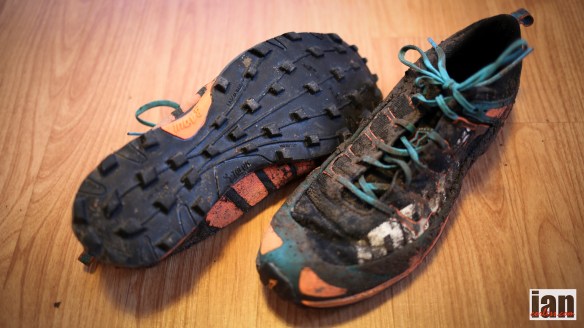
First off, the shoe is super flexible. You can bend it anyway, fold it in half and the shoe does not resist. The shoe upper is tough and quite thick and I have heard criticism saying the upper is too thick! Of course this all comes down to personal preference but if you are bombing up and down wet and muddy terrain everyday, you need an upper that can withstand that sort of abuse… I have had my 212’s for 6-months (probably 3-runs a week) and I have well and truly abused them without failure. That’s a plus in my book.
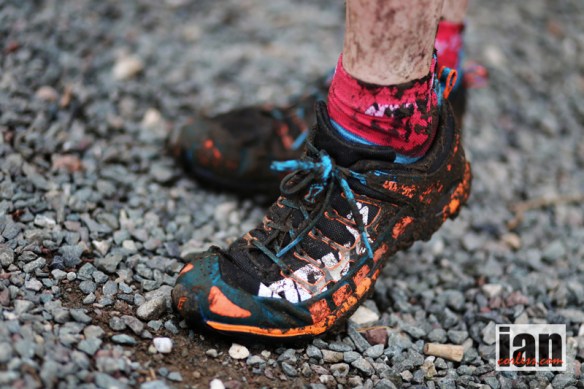
©iancorless.com.IMG_4481

The shoe has Meta-Flex™ and Meta-Cradle ™, which provide a flex groove and upper webbing support at the metatarsal heads. In all honesty I am not fully sure what that means but if that means good flex and support then I agree.
INO540_400_2

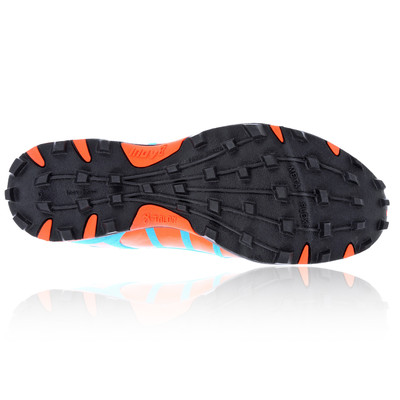
The sole of the 212 looks like a football boot with a series of spaced out rubber nodules that are made of soft ‘sticky’ compound rubber as one would see on some climbing shoes. What makes this shoe work so well off road is the fact that the grip is spaced out and this therefore stops soft ground filling and clogging up the grip of the shoe. The soft rubber works really well on rocks, gravel and other dry surfaces and should the rocks become wet, grip is still highly impressive allowing you to run with confidence. One downside of the soft rubber is that if you go on the road it will wear down. This is not a criticism of the shoe. It’s basically just a heads up to warn against excessive road use. I should point out that my everyday run requires at least a couple of miles on road or pavement to get to the trail and yes, my sole has started to show wear and tear but that is after 6-months of regular use.
©iancorless.com_inov8_212-7314

Cushioning is minimal and the drop (2 arrows) is 6mm; this provides a great contact for the trail beneath your feet. Ironically, the shoe feels very comfortable on hard trail and even road. I would say it feels surprisingly cushioned despite its minimal looks. inov-8 do not use a rock plate to protect your foot against small and/ or sharp objects and therefore you can sometimes feel these objects when running.

Th front of the shoe has a rubber bumper but toe protection is minimal. The rear of the shoe holds the foot well and if you have the right size shoe and the laces adjusted correctly, you have have little or no movement when running.

IN USE

Pros

The 212 are all about gaining grip on soft and boggy ground. If you use the shoe in these conditions you will be over the moon by the grip, feel and security offered. The upper is durable and the lacing perfect. The addition of a standard fit in addition to the long established precision fit now ensures that you can have comfort despite your shoe size or width. The combination of these elements makes the 212 my ‘go to’ shoe for anything that resembles fell running or soft ground running (including snow.) I have used the shoe for 6-months, accumulated 100’s of hilly miles and the shoes have performed perfectly. They have also been my preferred shoes when running Vertical Kilometres™ particularly when the terrain has been grassy and steep. The low drop allows great feel for the terrain below and although relatively minimalist from a cushioning perspective, they do offer great comfort for runs of 2 to 3-hours. This comfort is extended if the ground remains soft and boggy.

Cons

It’s a very specific shoe for a very specific use and therefore this would be an ‘addition’ to your shoe collection. It’s almost unfair to say this is a con but for some, they want a wonder shoe that does ‘all things,’ the 212 is NOT that shoe.

The lack of a rock plate does mean that you can feel small and sharp objects occasionally.

The shoe is very flexible with minimal cushioning and therefore one would need to be attentive to how long one runs in them. Of course this is very personal to the user… one person may find 60-mins enough, another 3-hours. Certainly, the more you use them, the more time you will be able to spend in them.

Specs

  • Weight 212g
  • Upper Synthetic, TPU
  • Lining Mesh
  • Drop 6mm (2 arrows)
  • Sole X-Talon (Sticky)
  • Midsole Injected eva
  • Fit Precision and now Standard

Conclusion

The X-Talon 212 really is a top quality shoe with a very specific use. If you are looking for a shoe to do several types of running (road and trail), the 212 is not for you. However, if you are looking for grip on off road terrain then you would be hard pressed to find a shoe that does the job better than the 212. The addition of a standard fit to the long established precision fit should mean that if you have tried the 212 in the past and found them too narrow, they may very well fit you now! Both models are unisex.

Note
X-Talon-190-side-1_13

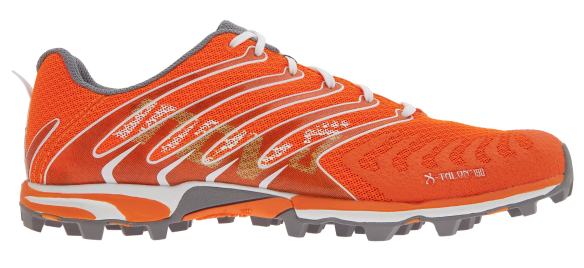
If you prefer a more minimalist shoe with lower drop, inov-8 make the X-Talon 190, which has 3mm drop, a stripped back upper and the same talon like grip.

*New for 2015
X-talon-200-Blk-Red-Yel-1-15-1024x490

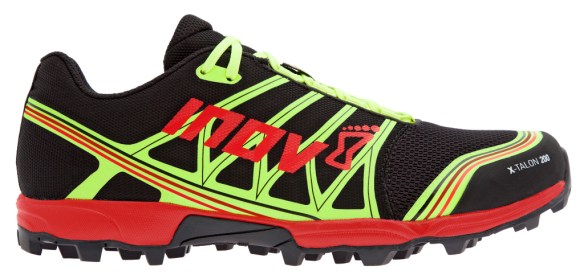
inov-8 are strengthening the  X_TALON off-road running shoe range (212 & 190) with the addition of the new X-TALON 200. Available in early 2015, the shoe looks set to be a huge hit with off-trail runners and obstacle racers.

Episode 77 – Greenwood, King, Grant, Maughan

A Gravatar


Episode 77 of Talk Ultra – It’s our Christmas Special. Ian and Speedgoat Karl Meltzer discuss 2014 and some of our highlights.

We have in depth interviews with Ellie Greenwood, Max King, Joe Grant and .Grant Maughan.

We wish you all a Merry Christmas and Happy New Year. We thank you for your continued support and look forward to joining you on your ultra journeys in 2015. – Ian & Karl

YOU CAN READ A REVIEW OF 2014 HERE

In the show we mentioned Kilian Jornet’s attempt at a FKT on Aconcagua. Kilian did it! You can read all about his Summit of My Life HERE

Here is a preview of the 2015 The Coastal Challenge – Men HERE, Ladies HERE


Links:

ITunes http://itunes.apple.com/gb/podcast/talk-ultra/id497318073

Libsyn – feed://talkultra.libsyn.com/rss

Website – talkultra.com

TALK ULTRA is now os STITCHER check it out HERE

Stitcher

SPEEDGOAT, GRANT, DON-WAUCHOPE : The Coastal Challenge 2015

TCC Men 2015

In just 30-days, the 2015 multi-day The Coastal Challenge will get underway. It’s an exciting prospect! We recently announced the female top runners – ANNA FROST, NIKKI KIMBALL, SAMANTHA GASH and VERONICA BRAVO. Today we announce the men’s field:

 SPEEDGOAT KARL MELTZER

JOE GRANT

IAIN DON WAUCHOPE

Race director, Rodrigo Carazo and the TCC team have once again excelled in providing a top quality elite line up making The Coastal Challenge the ‘must-do’ multi-day stage race in the world.

The ‘TCC’ is a supported race. Each day base camp is moved ahead and awaits the runner’s arrival at the finish. Equipment is kept to a minimum allowing runners to travel light and fast.

Karl Meltzer

Karl Meltzer (Hoka One One/ Red Bull) affectionately known as Speedgoat needs to introduction to the ultra world. He is Mr Ultra Running. A professional runner since 1999, Speedgoat has won more 100-mile races than any other runner on the planet. Ironically, he says he has never run a multi-stage race but he has completed the Appalachian Trail and the Pony Express Trail.

In 2006, Speedgoat won 6 100-mile races and the award Ultra Runner of the Year! A strong and fierce competitor, Speedgoat is one of the most respected ultra athletes in the world and his presence at the 2015 The Coastal Challenge is a great honour.

©copyright .iancorless.com.iancorless.comP1060905cavallsdelvent

Joe Grant (Arc’teryx, inov-8, Buff) is a Brit who grew up in France who now lives in the USA. A passionate writer and photographer, he has gained a reputation as an adventurer. He has a passion for moving fast and light over long distances and although he has never run a multiple day race, he has experienced epic races such as the Iditarod and Tor des Geants.

Placing 2nd at the 2012 Hardrock 100 is almost certainly a highlight in his career, however, he is a man who is all about experiencing a race in it’s entirety. I see my life as a continuum of experience, perpetually in motion, changing and becoming, a confluence of ideas, people and places. The happenings of the past feed into each other, shaping who I am today, not as static, separate events to check off a list or rungs on a ladder of accomplishments and failures, but rather as small parts of a whole that make for the totality of my experience.”

Joe is excited about travelling to Costa Rica and experiencing a new place and environment. He also relishes the opportunity to toe the line against some great competition.

©iancorless.com_SkyRun14-0445#ETRkathmandu

Iain Don Wauchope (The North Face SA) recently won the Salomon SkyRun in South Africa. He covered the 100km course in a blistering time of 12-hours and 8-minutes; a new course record. (Ryan Sandes set the old course record.)

Residing in South Africa, Iain has a history in adventure racing and therefore the TCC will be an exciting opportunity for him to test his multi-day skills over a new format and in a new location.

A multiple victor of the iconic OTTER race, Iain is considered to be one of the best ultra, trail and mountain runners in South Africa. “I am not getting any younger and the opportunity to race in Costa Rica against such a quality field is a dream come true.”

*****

 Interviews with all three men to follow – watch this space.

Read about the ladies field HERE

Enter the race in the UK HERE

Enter the race outside the UK HERE

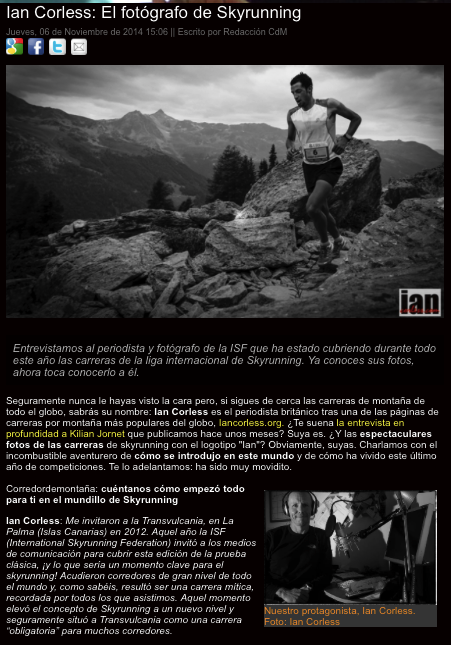
Ian Corless: El fotógrafo de Skyrunning

corredordemontana.com

I am very honoured and flattered to be interviewed by corredordemontana.com in an article titled  – Ian Corless: El fotógrafo de Skyrunning.

You can read the full interview in Spanish HERE

For my English speaking friends and followers. Here is a transcript in English.

*****

Tells us about how you got involved with Skyrunning reporting

I was invited to Transvulcania La Palma in 2012. The ISF (International Skyrunning Federation) invited media specialists from all over the world to witness what turned out to be a turning point for Skyrunning. It was a key moment. World-class athletes travelled from all over the world and in doing so created what turned out to be a classic race. It elevated Skyrunning to a new level and certainly placed Transvulcania on the ‘to do’ list of many runners.
 

How long have you been at it now?

I started to work with the ISF as a media partner after Transvulcania in 2012. I went to Zegama-Aizkorri and then followed this by attending many (but not all) Skyrunner® World Series events in 2012. In 2013 I attended most races on the calendar. As you know, the Skyrunner® World Series is made up of five races in each of the categories – VK, SKY and ULTRA. In 2014 I continued this format working on pretty much the whole calendar with the exception of the two races in the USA.


What exactly do you do? Does it take up all your time or do you combine your Skyrunning photography with other jobs? 

I work freelance in the world of ultra, mountain and trail running. I work on many other projects and not just Skyrunning. For example in 2014 I worked on The Coastal Challenge in Costa Rica, Marathon des Sables in Morocco and this month I go to Nepal for Everest Trail Race and then South Africa for the Salomon SkyRun. I have a very busy calendar and at my last count, I will have worked on thirty-one races in 2014. Depending on what my clients require will very much depend on what services I provide, however, it usually consists of writing and photography to help promote a race and provide feedback for the ultra, trail and mountain running community worldwide. In addition to all this, I have my podcast, Talk Ultra which is available every two weeks for free on iTunes and via my website.


Your opinion of the state of Skyrunning in 2014 and how things might develop next season

Skyrunning has grown incredibly over the past few years. We have all witnessed the boom! The vision of Lauri van Houten and Marino Giacometti is certainly coming to fruition. They had a vision of what Skyrunning may be… risks taken in 2012 at Transvulcania have paid off. However, many forget that Skyrunning dates back to 1989 when Giacometti first ascended the Monte Rosa. I most definitely believe they were ahead of the time. We are all just catching up… I also believe that Kilian Jornet has been an incredible vehicle for the sport, His rise and dominance has coincided with the growth in Skyrunning.
You will notice that the 2015 Skyrunning calendar has recently been announced and we see some changes. In addition the Skyrunner® World Series we now have the Continental Series. This shows how the sport is growing and how the ISF needs to appeal to a worldwide audience. It’s very exciting.


Any amazing anecdotes to tell from last season?

I am very fortunate to spend a great deal of time working with, photographing and talking to some of the best athletes in the world. I truly feel blessed. I have so many great memories and moments. If I had to pick one surreal moment, I think back to Matterhorn Ultraks. Kilian Jornet didn’t run the race but decided to take photographs and support his Salomon teammates. I had climbed just over 1000m vertical to get to a location that would allow me to photograph runners as they came to me with the Matterhorn in the background. I waited for hours, photographed all the front-runners and I was about to make my way down the long descent to make my way to the finish when I received a text from Kilian asking:

‘Are you making your way down?’

I replied, ‘yes!’

‘I will wait for you,’ Kilian said.

I added my cameras to my large pack (it weighs about 10-12kg) and then I made my way to the long and technical descent. After 10-minutes or so, I saw Kilian waiting. We then ran all the way down to the finish… it was ridiculous. I was following the best mountain runner and definitely the best downhill runner in the world with a huge pack and trying to keep up. However, Kilian was extremely kind and ran well within himself. I however was at my limit! But to follow and see his ability first hand was a highlight of the year.


Do you plan to be present at all ISF race events next season?

The calendar for 2015 is larger as we now have the World Series and the Continental Series, so, it will not be possible to attend all events. However, I will hopefully attending as many as possible and following the series as it unfolds.


How do the logistics work out when you travel to new race locations & have to discover where you need to be for your photos?

It is all about preparation. I usually arrive at a race venue two days before the race. I do my research. I look at maps, talk to staff and race officials and then I plan where I want to be to capture the best images. Longer races are easier as they allow me more flexibility. By contrast, a race like Limone Extreme is just over 2-hours from start to the first finisher, so you need to be 100% prepared. A real plus is that I am able to fulfill my passions for the sport in photography, words and podcasting but also get some exercise. I usually have to climb or hike to many of the locations I work from. Occasionally we are spoilt with a helicopter but that does not happen very often! Trofeo Kima is a perfect example where myself and other photographers/ cameramen are transported all over the course by helicopter. Kima or me is still a favourite race, it is so extreme and visually stunning.


Do you always find the right place to get decent pictures at races? Does it ever not quite work out?

Yes, I always ensure that I am in the correct place. That is my job. However, I may not always get ‘the’ image I want. It is what is so great about our sport and what I do. Nothing is guaranteed and I work on adrenaline to help me maximize my potential.


Tell us about your unfortunate “incident” at the Transvulcania 2014.

2014 has been an interesting year with a couple of incidents that I hope don’t happen again…

In May at Transvulcania La Palma I had photographed the race start and then I was making my way to the mountains to a location I had found to photograph the front-runners. On the coastal road I felt my car twitch and then I lost control. I veered to the right and lost control. A huge concrete block stopped me going over the edge. I was not going too fast but the car was completely written off. I jumped out of the car with no personal damage. I was so lucky! My first priority was that I needed to get to the mountains…
Later in the year I had a second incident. I was in Barcelona transferring to go to a race in Catalonia. I was at a restaurant and I had ALL my camera equipment and computer stolen. It was horrendous as you can imagine. My whole life in my bag: gone! It was a pretty tough two weeks that followed and my insurance only covered two thirds of the cost of all the stolen items. However, I managed to replace everything.

******

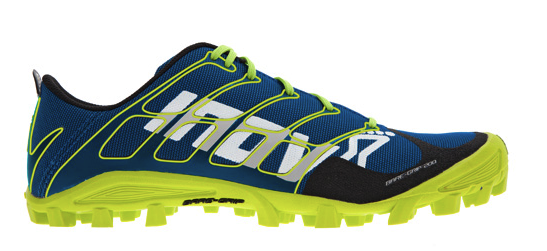
inov-8 BareGrip 200 Review by Ty Draney


Baregrip

There are minimal shoes, and there are barefoot shoes. Runningwarehouse.com describes the Inov-8 Bare-Grip 200 as; “a near-barefoot shoe for trail runners seeking unrelenting traction, with no cushioning and a firm ride.”

 Shoe review by respected ultra athlete TY DRANEY (Patagonia)

©iancorless.com.IMG_7689Transvulcania14

I have been wearing minimal shoes for years, eschewing trail shoes for flats because I enjoyed the lighter weight and most of the time here in the west I run on dry trails. I wasn’t completely unfamiliar with inov-8 having spent some time in their X-talon models when they first came out. The BareGrip 200 as it turns out is a completely different animal. They look a lot like a football boot. When I wore them they usually elicited two different responses-“What are you wearing?” and “Wow. Cool shoes.”

Baregrip2

The first thing I noticed was how light and flexible they are. There is absolutely no support or structure, none of the traditional EVA for cushion. The thin rubber twists and stretches as far (or farther) than your foot can. Luckily the lugs supply a big of lift and some give to extend the range of this shoe. I found that I could run as far as 10k before my feet felt too fatigued or beat up. The added flexibility was great running uphill, but running rocky downhill caused me to slow down considerably to keep from hurting my feet.

screenshot_114

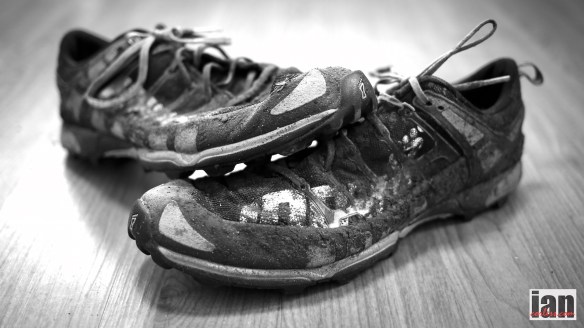
The upper is also study and flexible. After nearly a hundred miles in the shoe, there is absolutely no wear or snags. The tight weave has a downside. I found that the shoe didn’t drain particularly well after being fully submerged. There are light overlays extending from the outsole to the laces that supply structure to the shoe. They are medium, to narrow in width and have a solid toe bumper for its weight. I found the heel cup particularly comfortable on my bony heels. It has “just enough” structure to keep the heel firmly planted in the shoe, even on steep uphill slopes.

screenshot_115

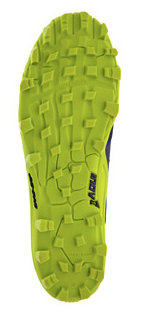
The Bare-grip has outstanding traction. A wet fall has provided ample opportunity to take these shoes on a variety of muddy trails. I was pleasantly surprised how well they shed the mud and helped me keep my footing, and again, the lugs provided a little cushion to help extend their range. I am looking forward to using these as a winter shoe when the rocks are covered with snow and I need the extra traction.

This is not a shoe for everyone. The barefoot feel and zero mm drop automatically excludes many runners. It does however do what it was designed for very well, “give natural feel, maximum grip, and proprioception.” (inov-8.com) I see this shoe as a great vertical-k-type shoe in adverse conditions or for racing muddy fells where there are few rocks.
Specs:

screenshot_116

Check out inov-8 HERE

Check out Ty Draney HERE