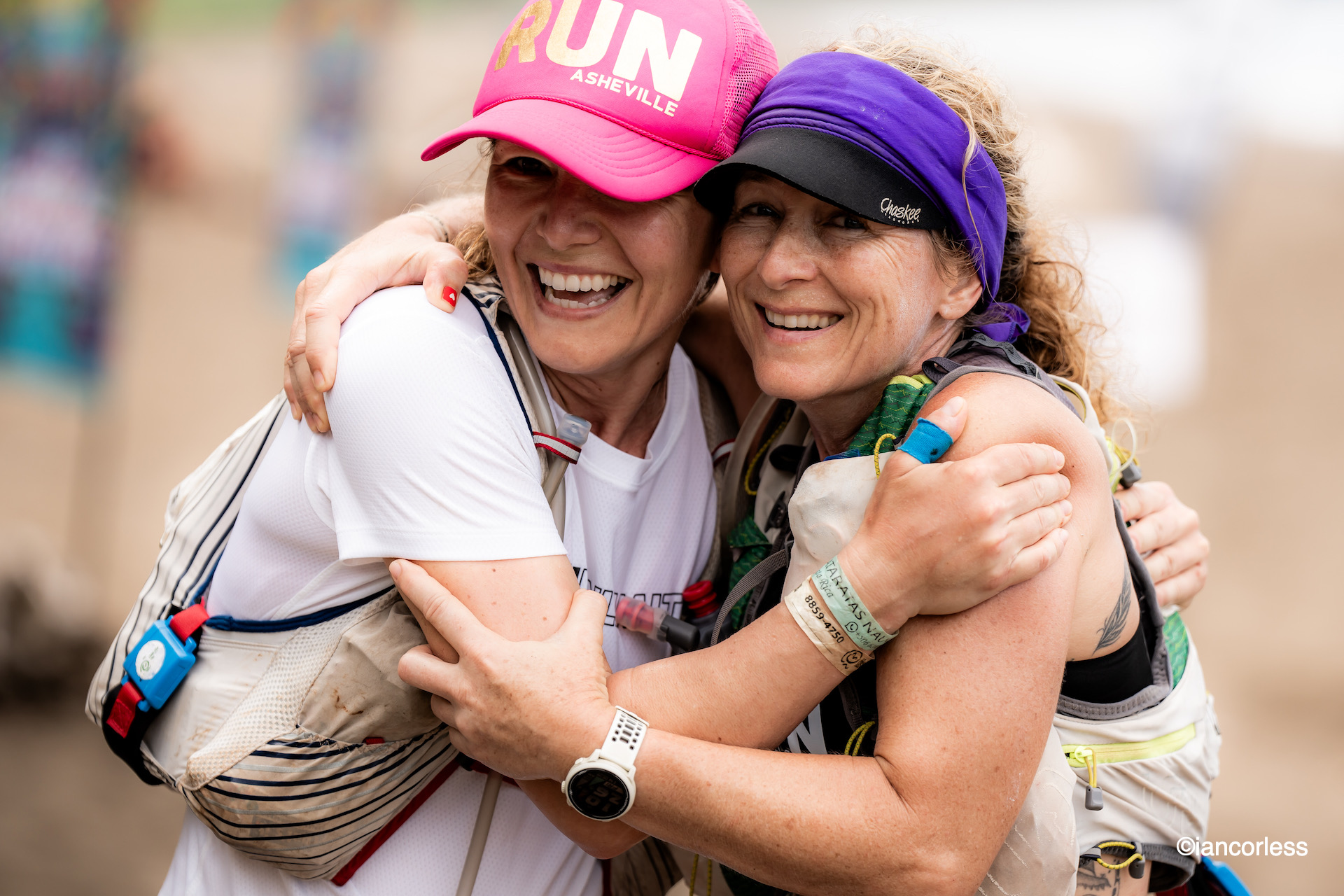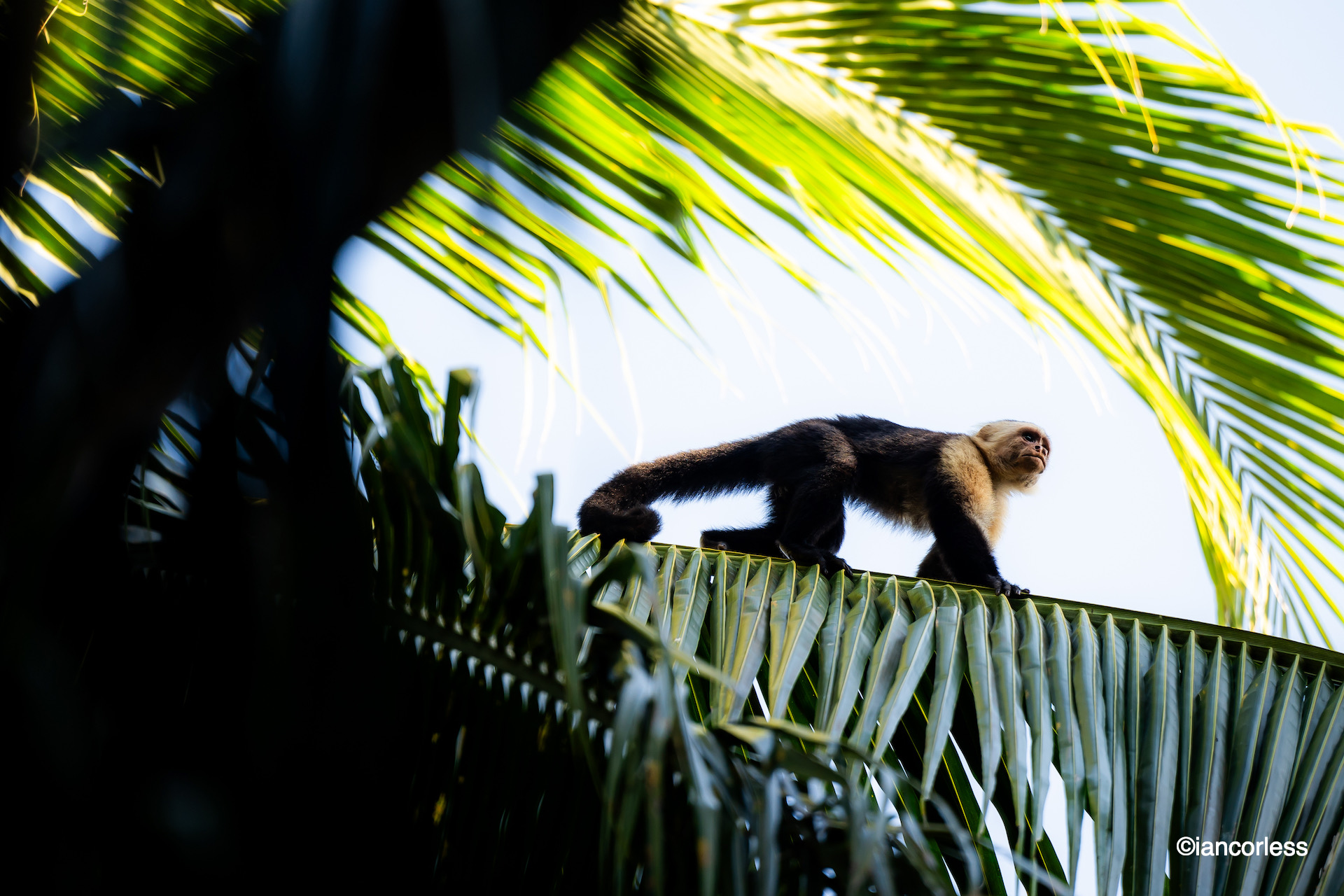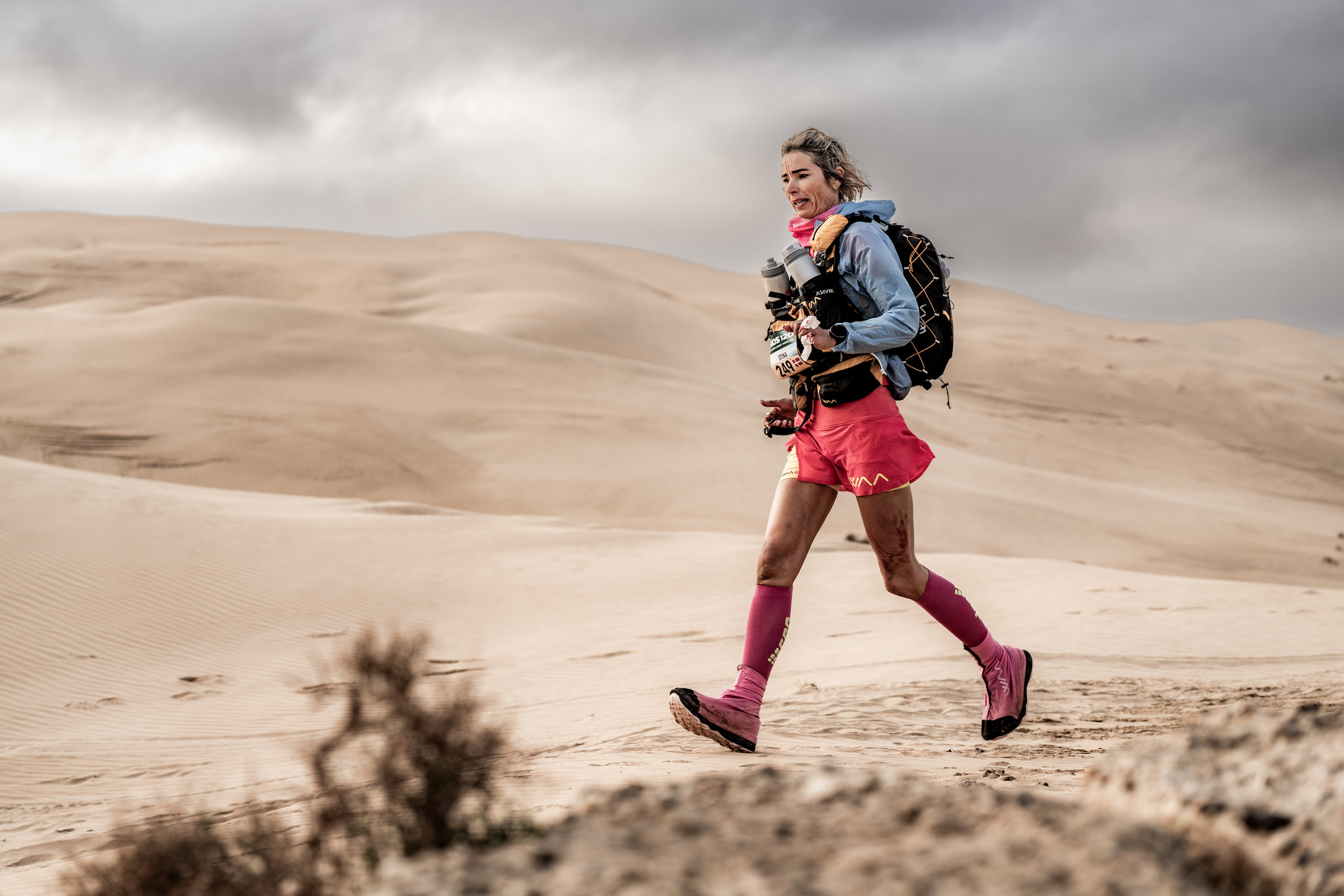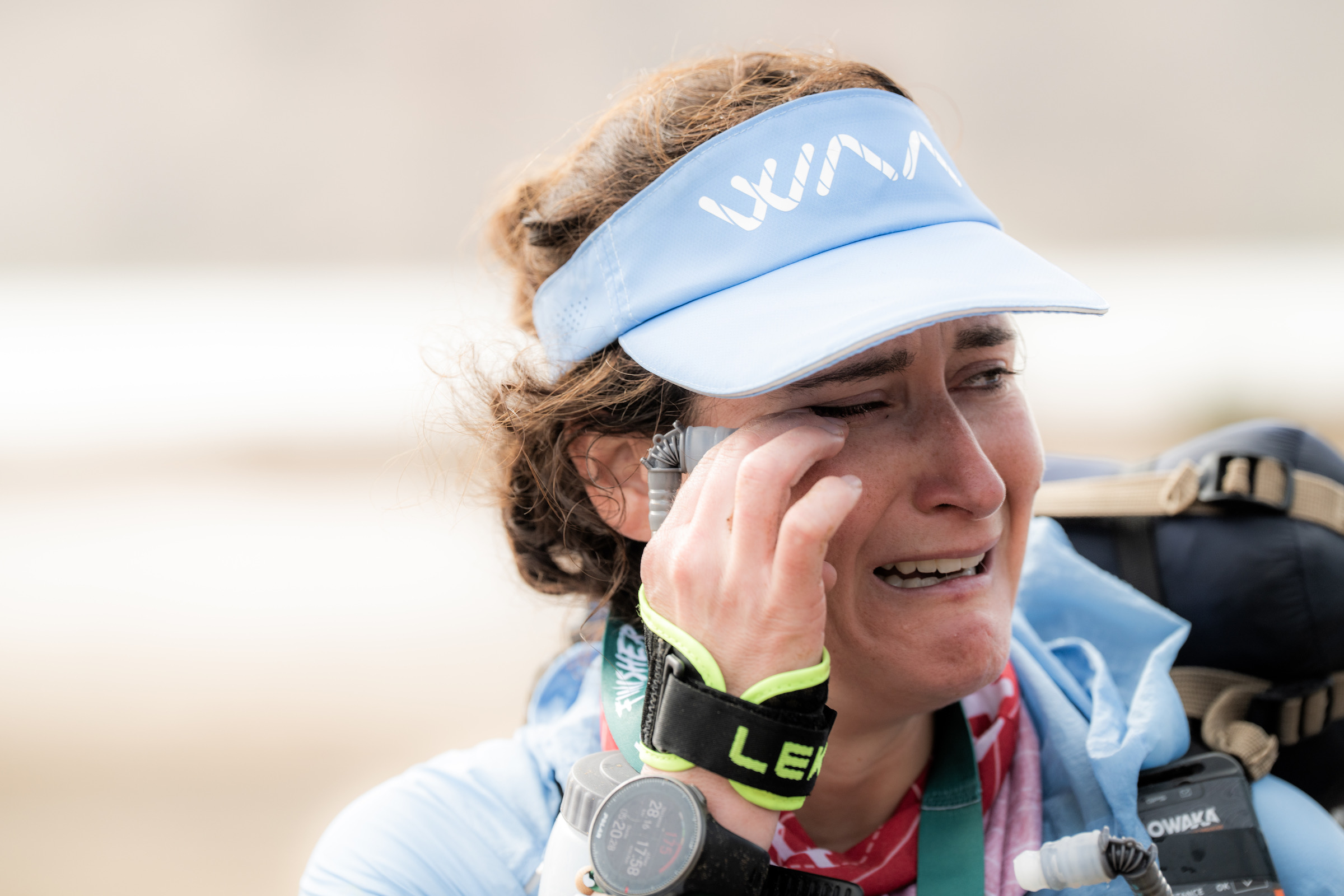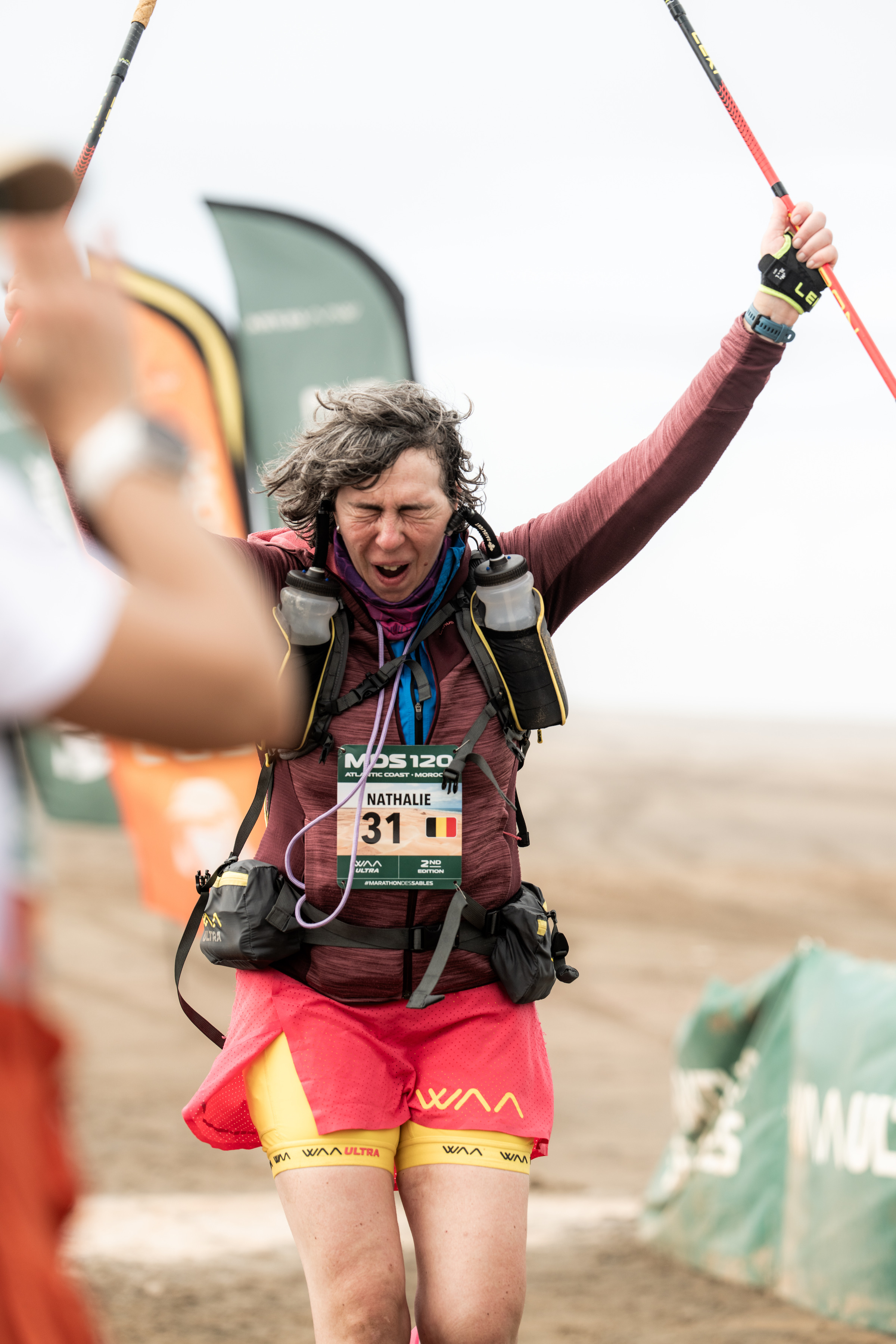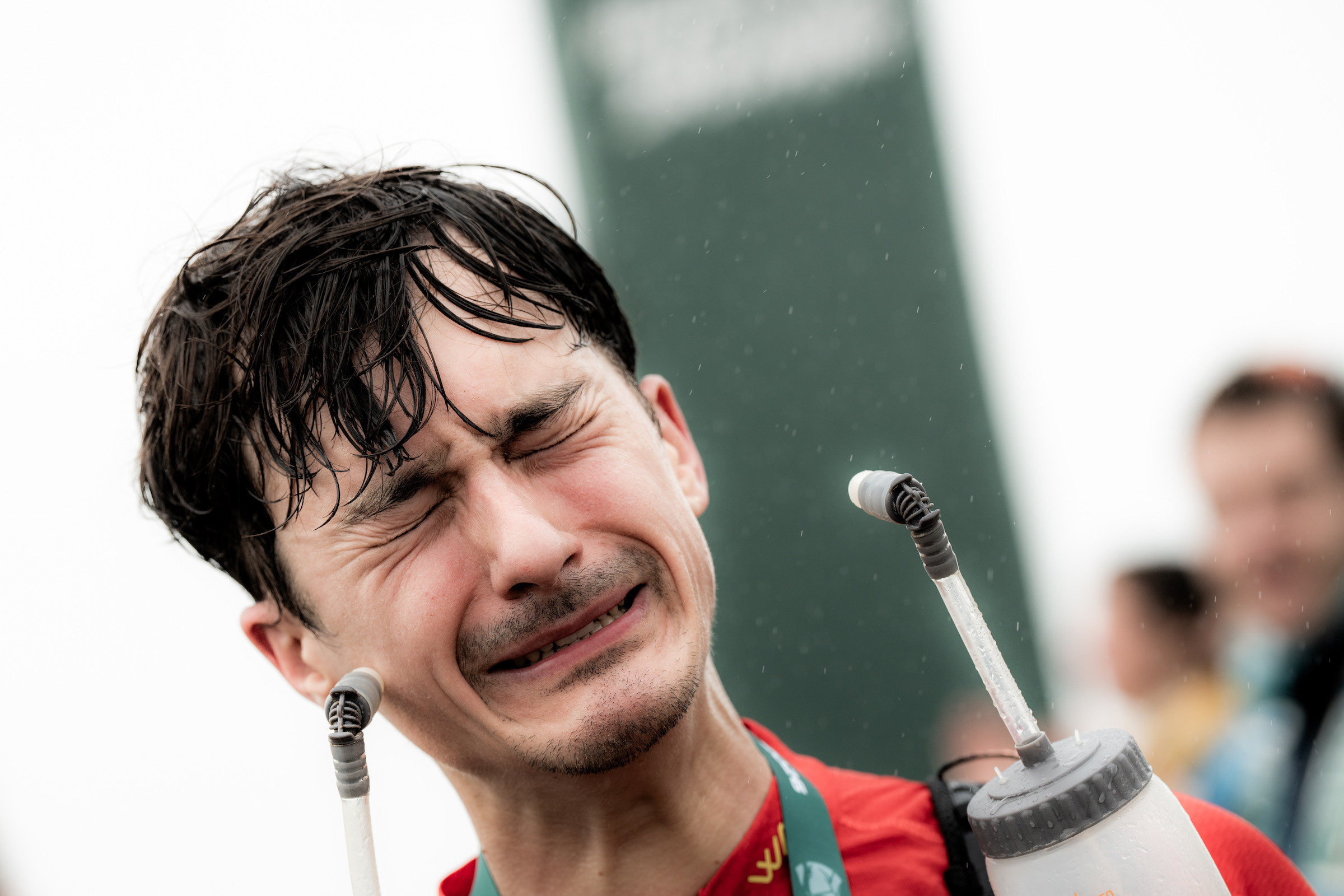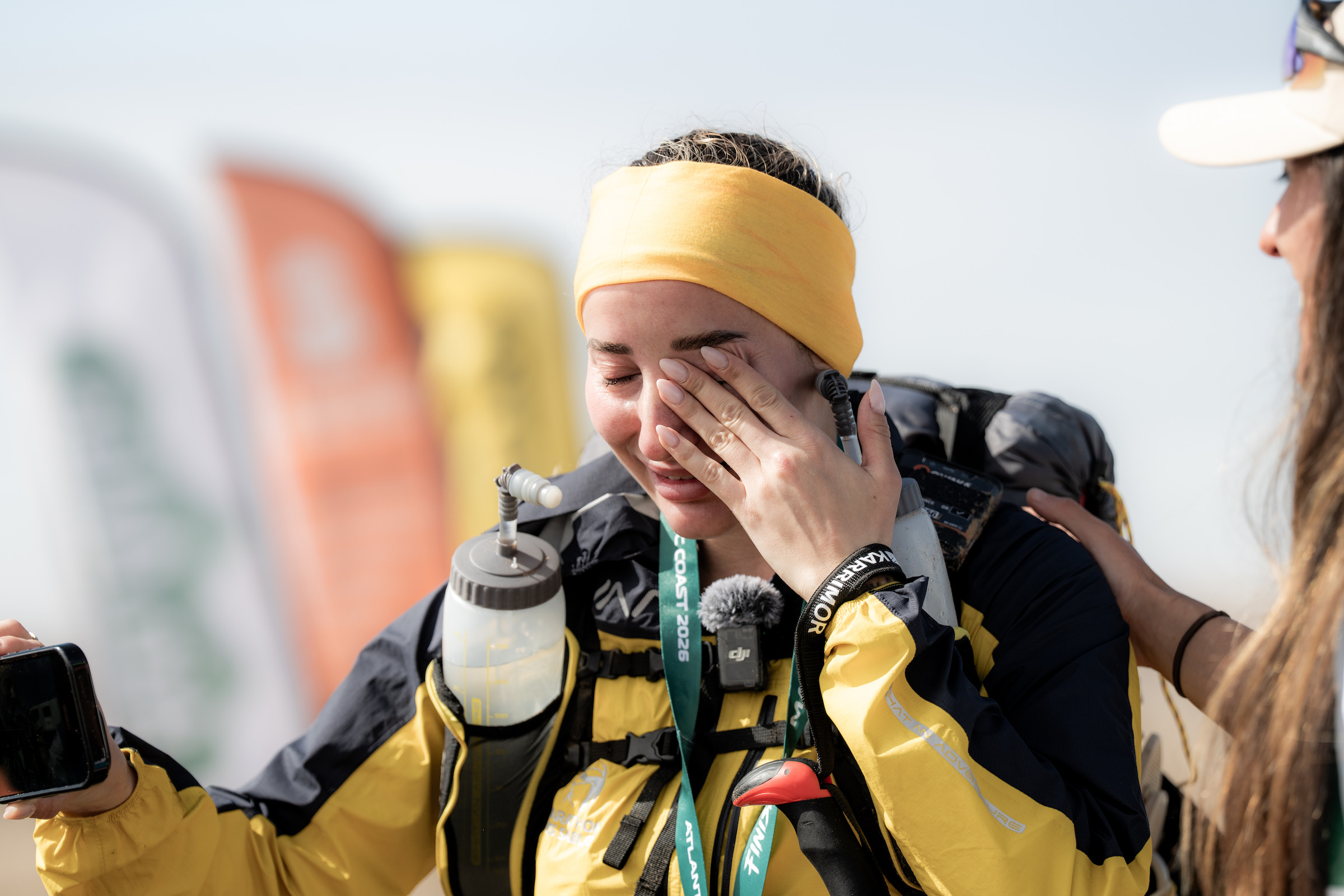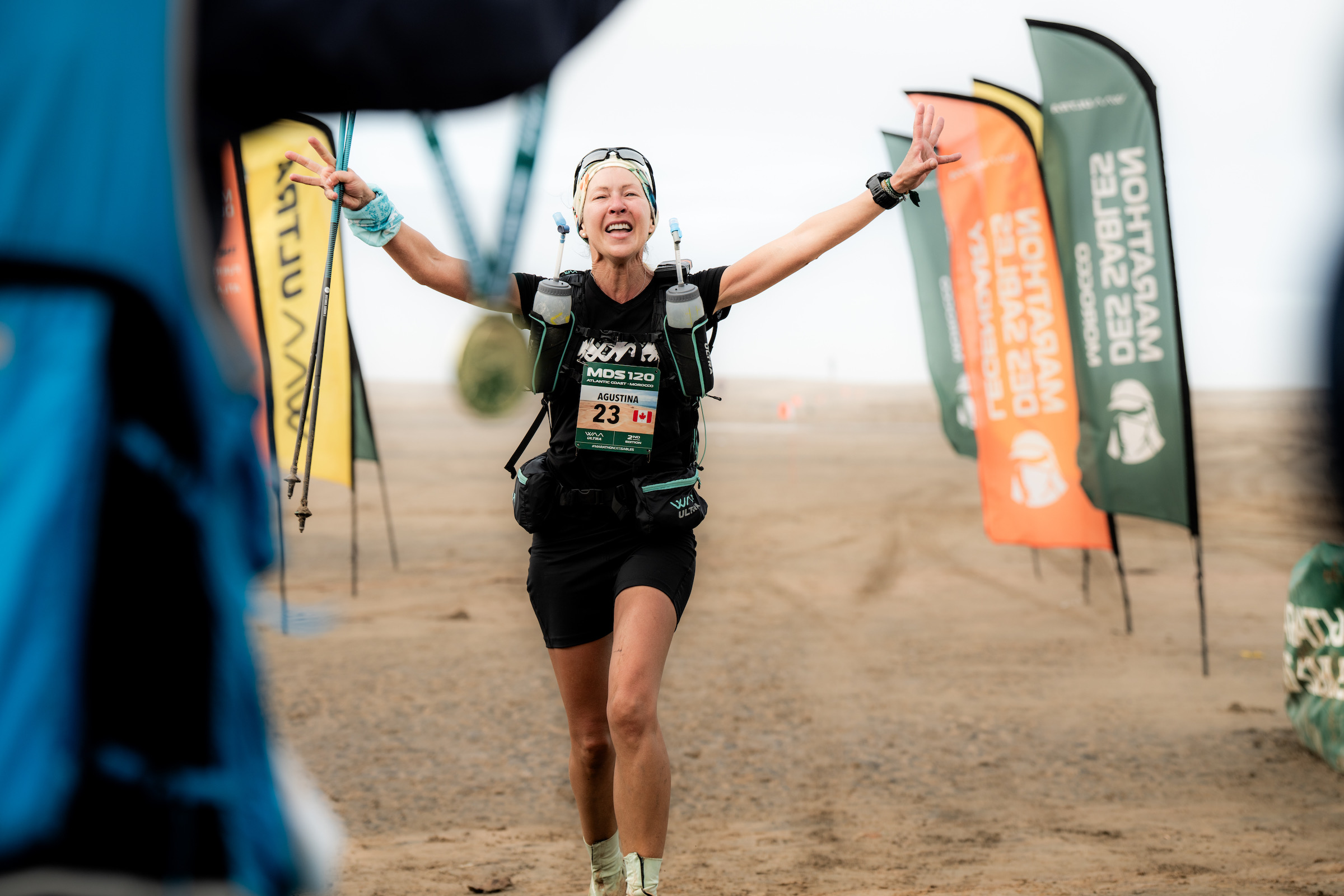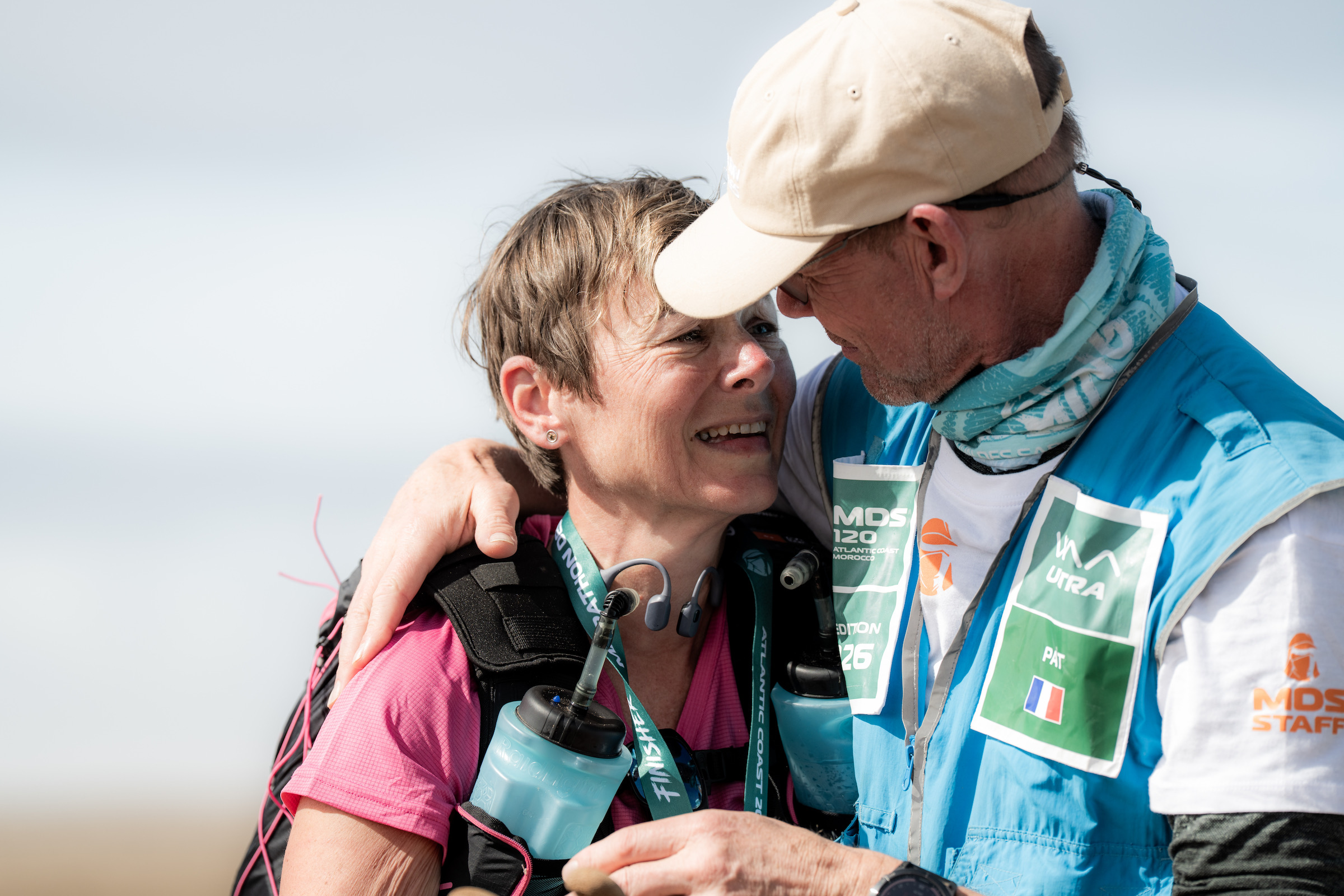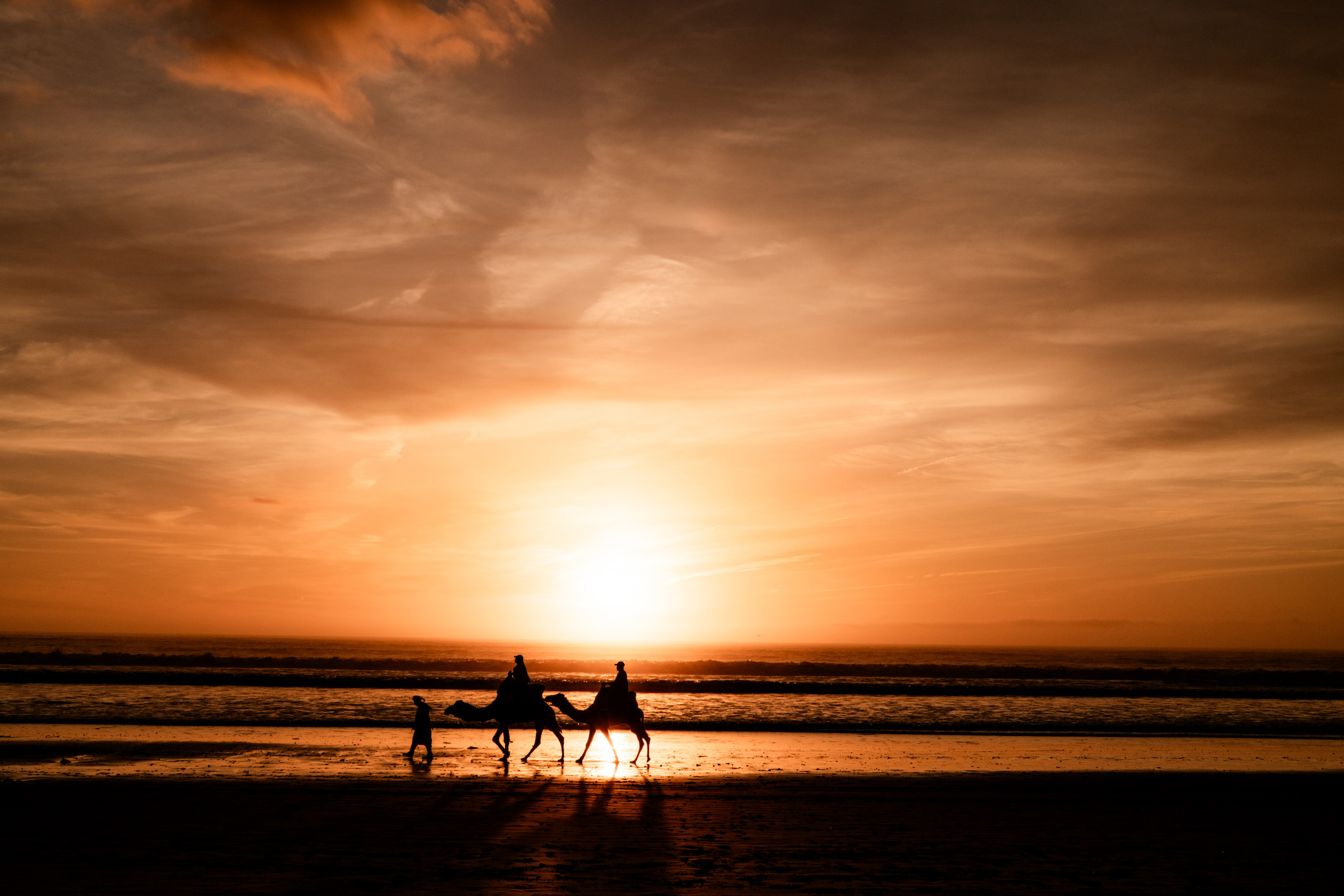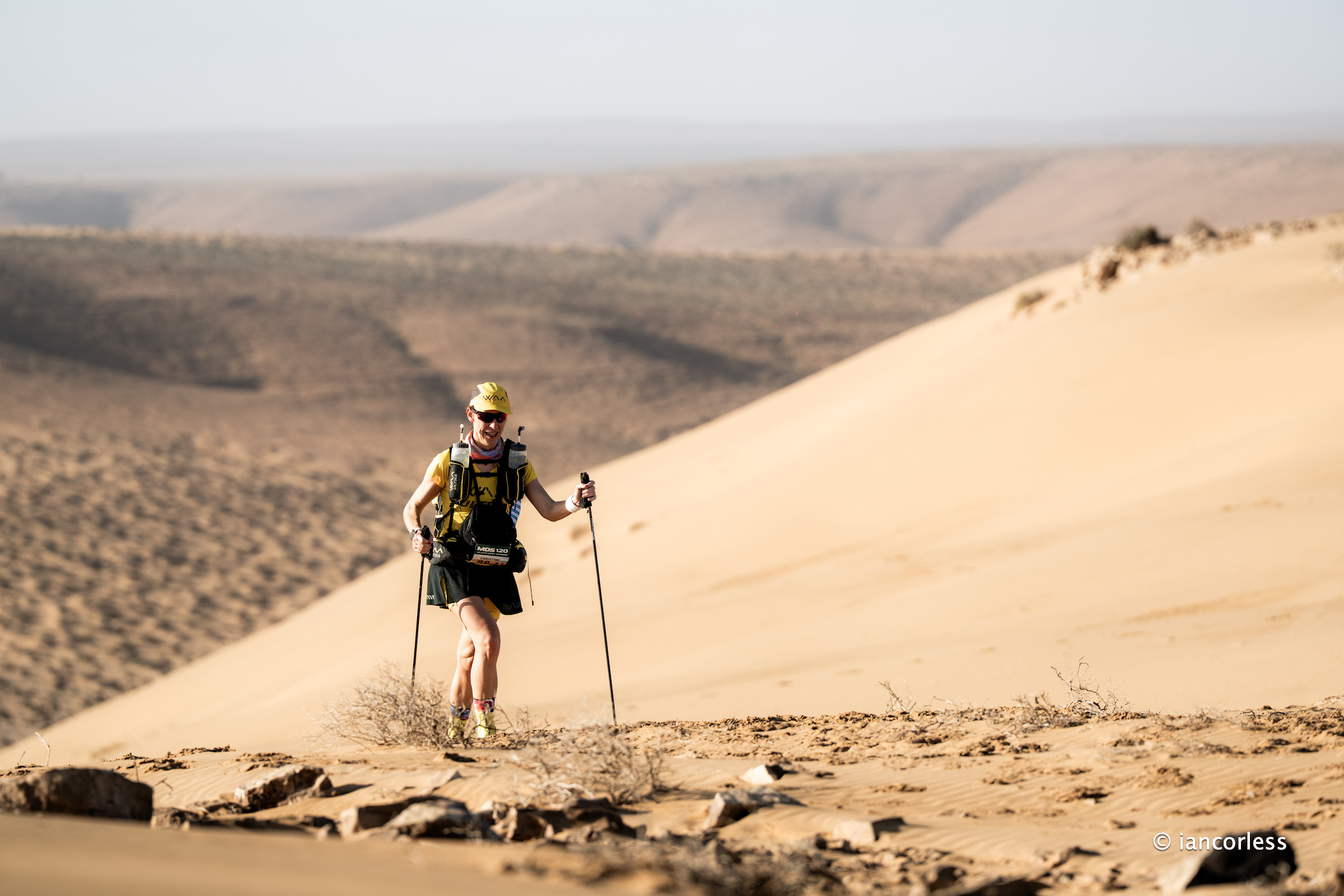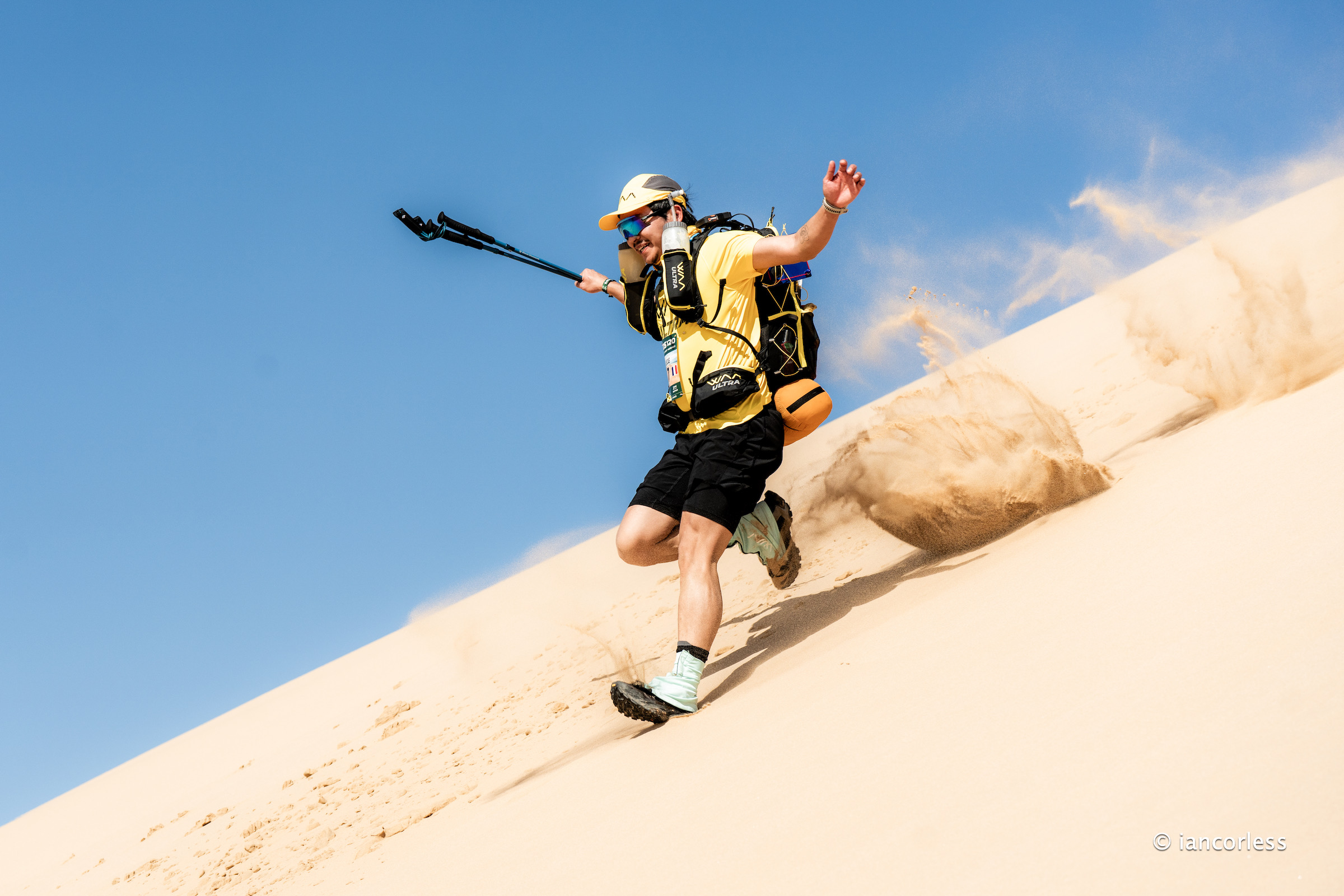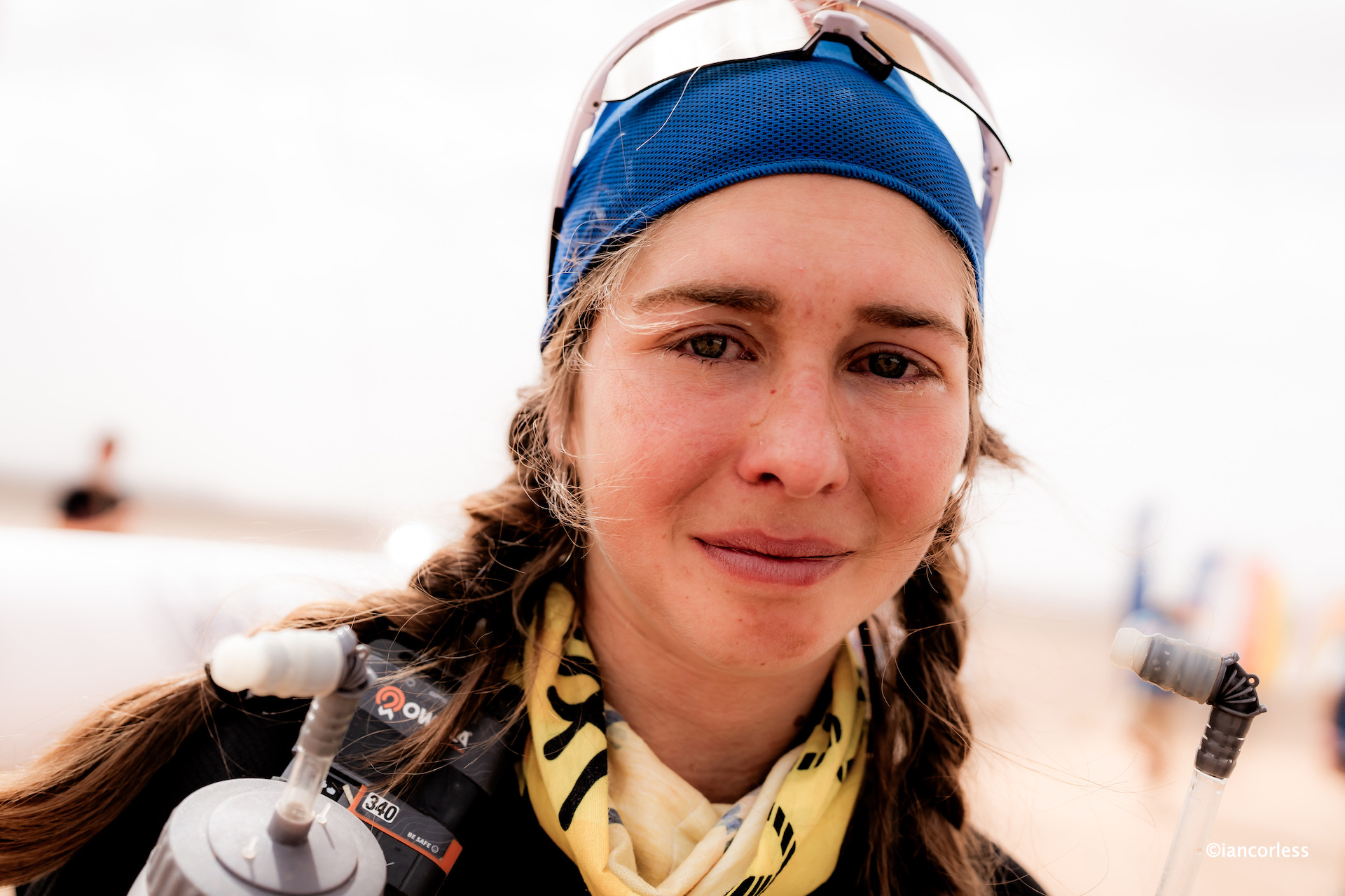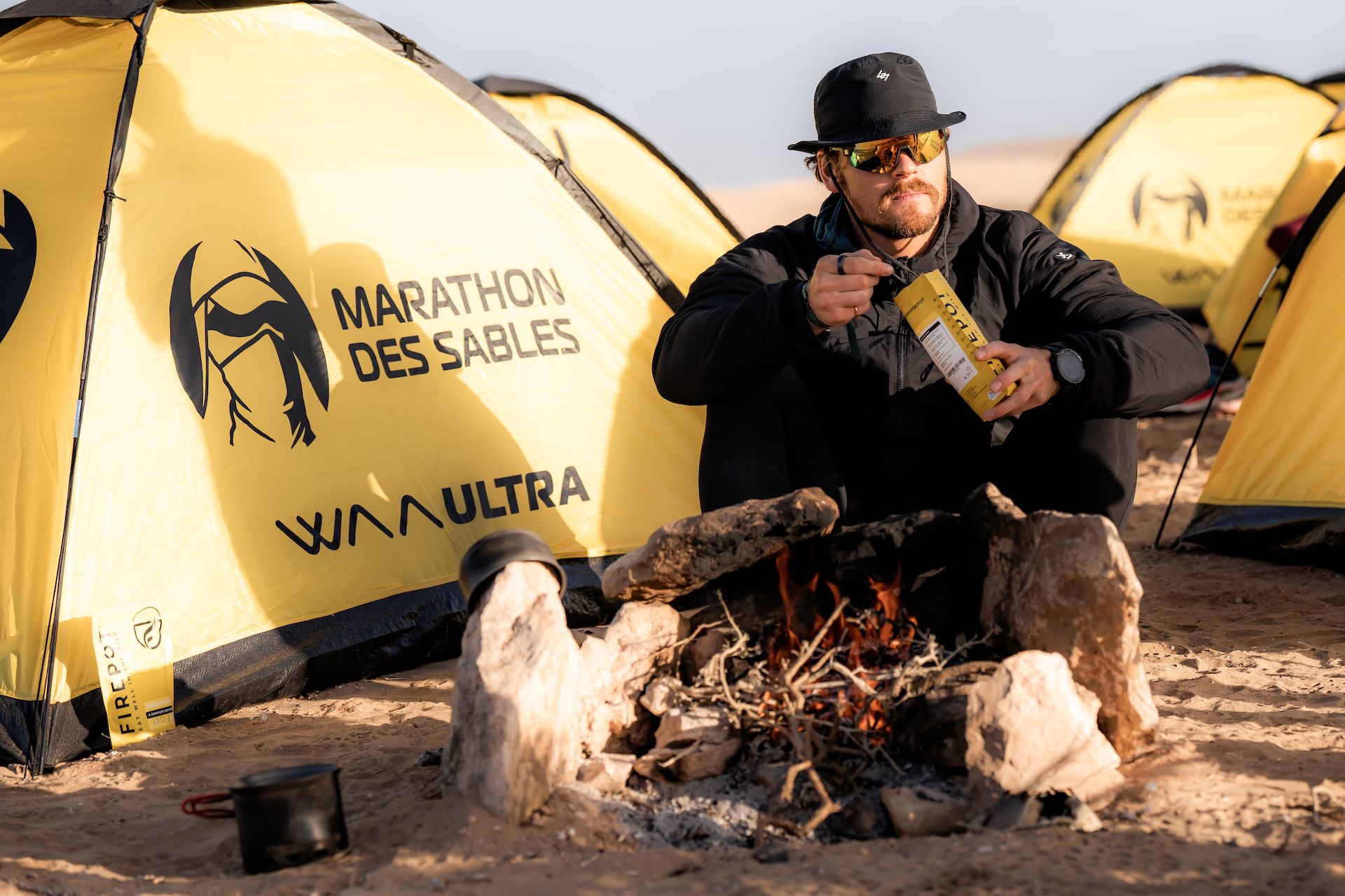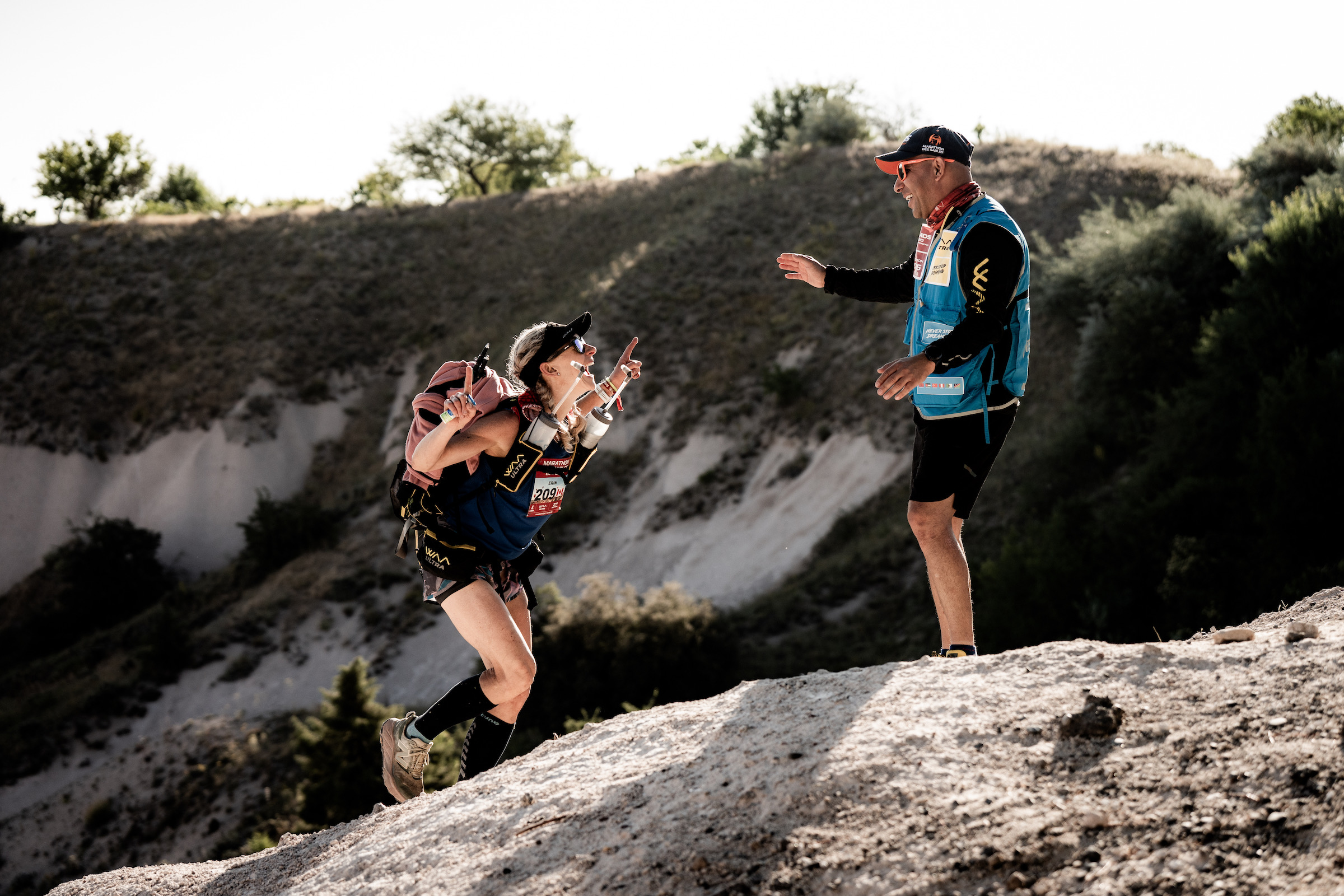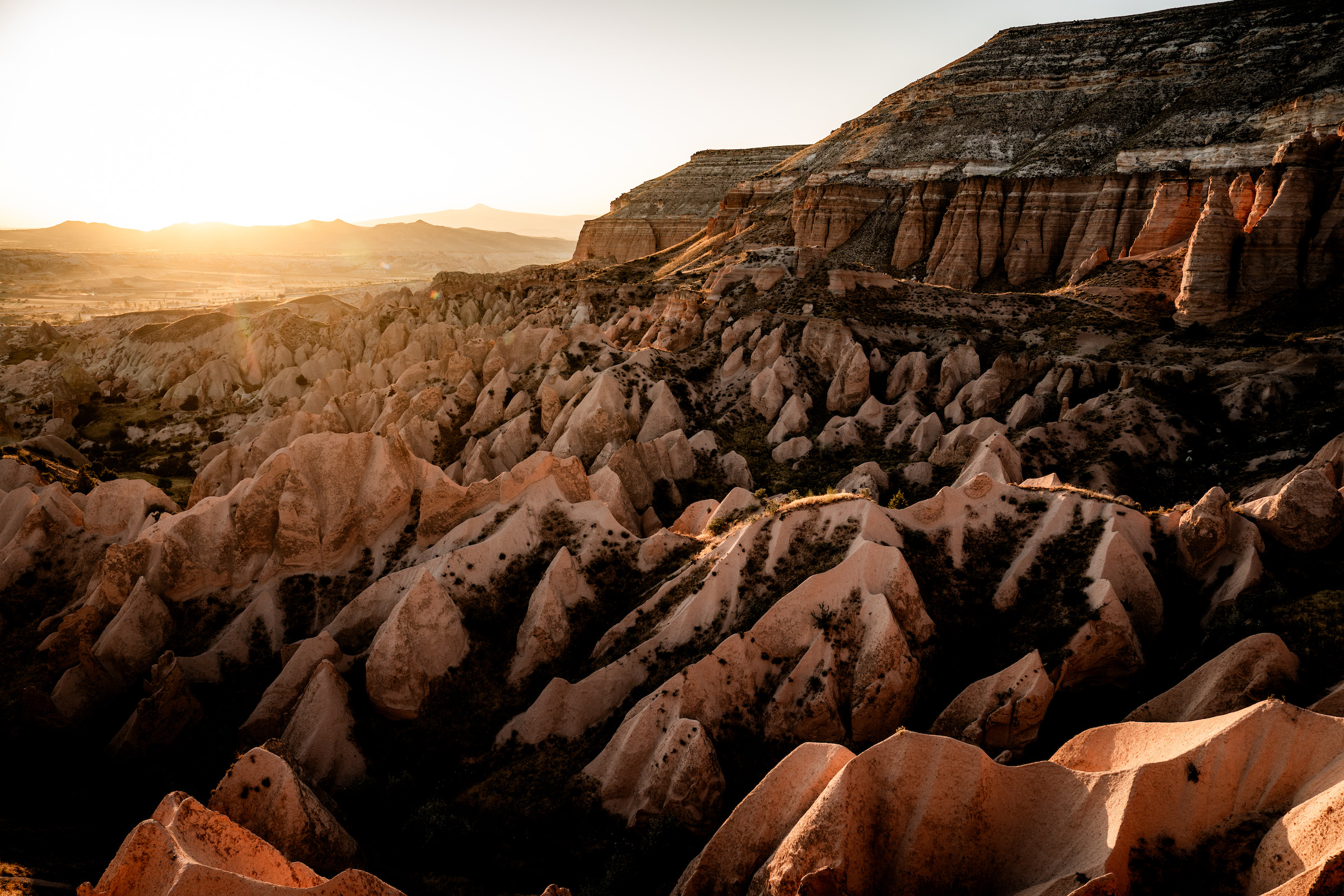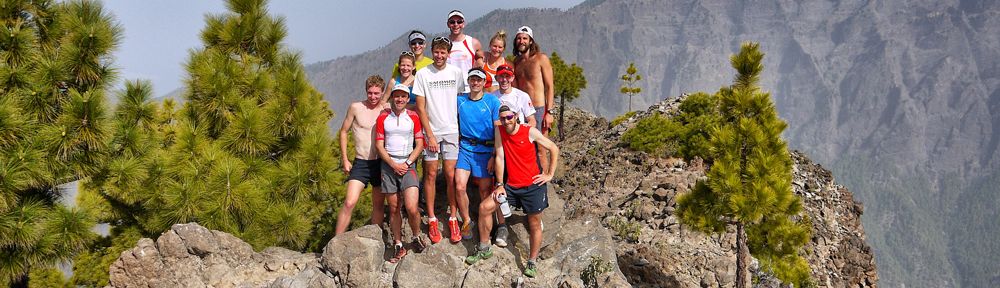
Ultra Gobi 400km 2025 : Countdown to the Desert

Ultra Gobi 2025

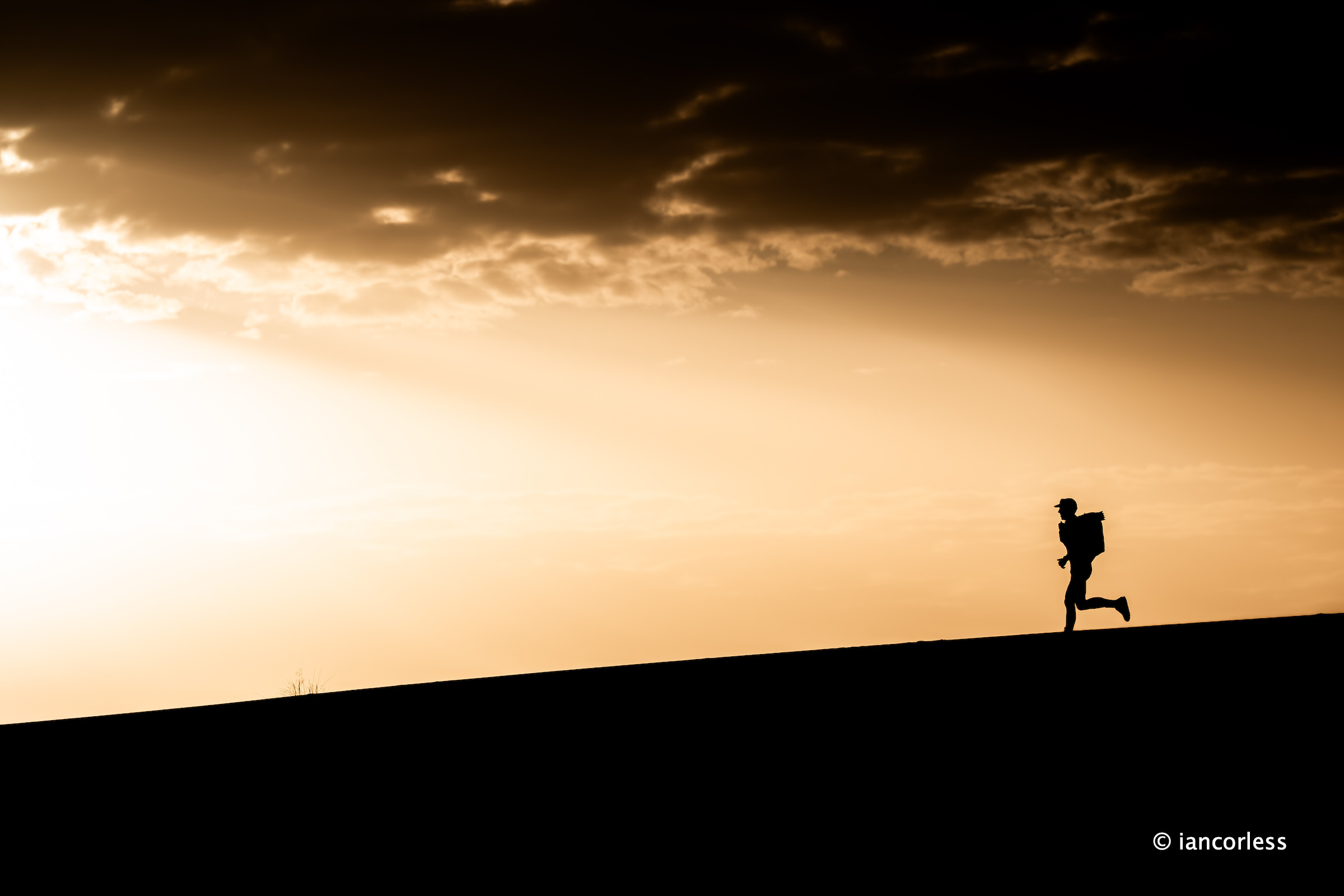
The stage is set. At 21:30 local time (15:30 Paris, 14:30 Lonon and 09:30 New York) tonight, Friday October 3rd, the Ultra Gobi 400km begins. Fifty-seven runners from around the world are gathered at the edge of the desert, ready to take on one of the toughest ultramarathons on earth.

All week, the athletes have been arriving in Dunhuang, the ancient Silk Road outpost. They’ve had time to rest, recover, and shake off the fatigue of long-haul travel.

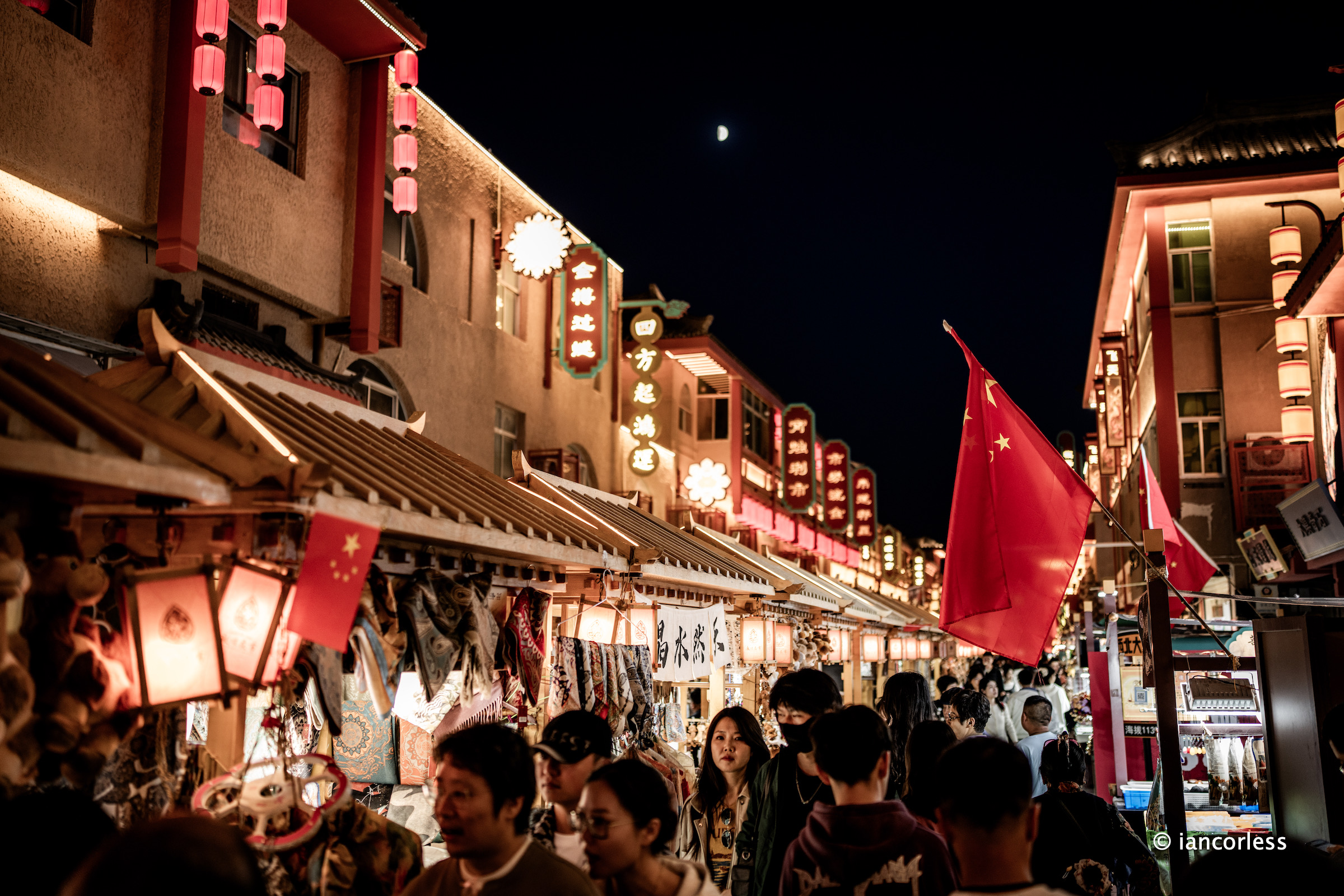
The night market, an awesome experience
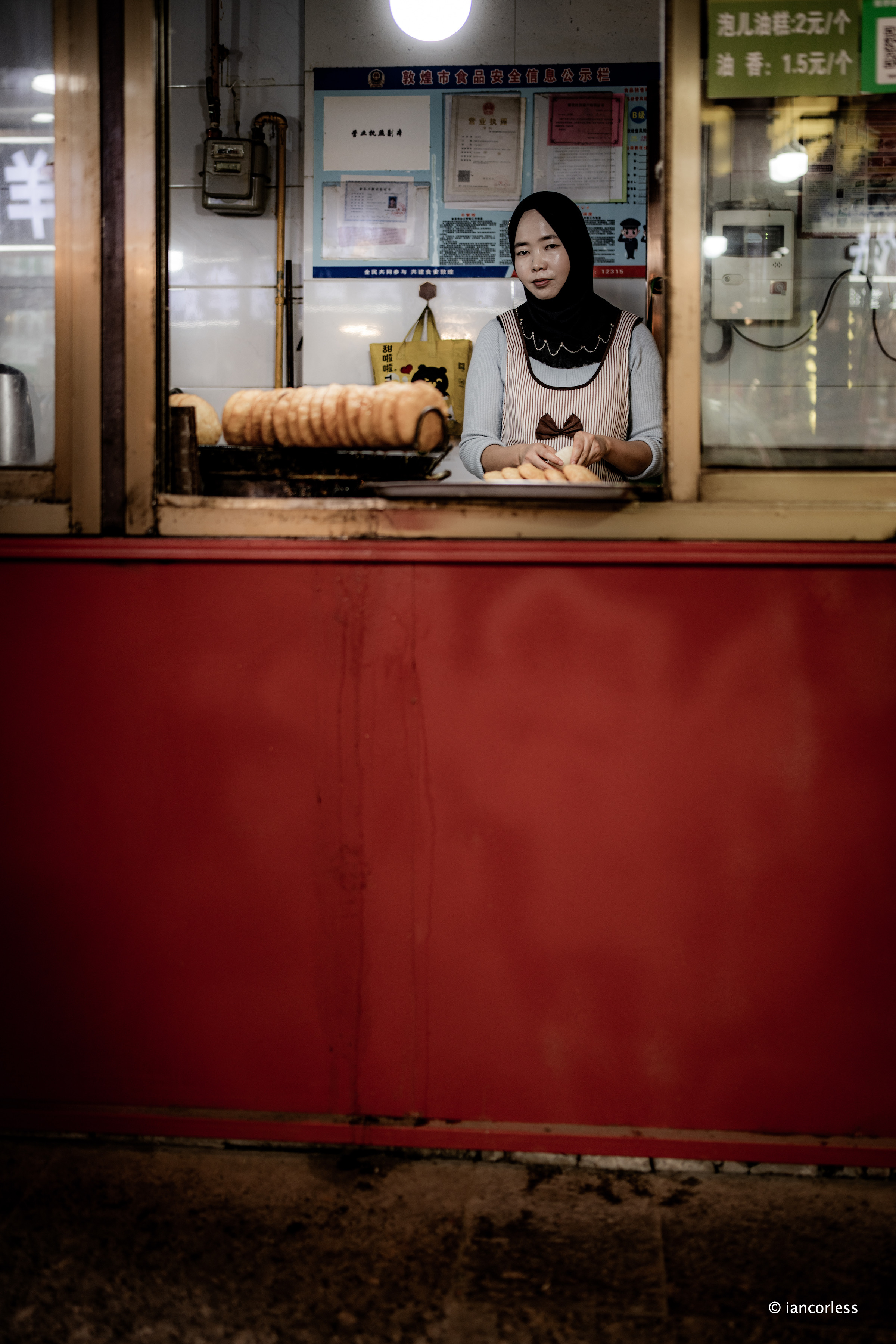
The night market famous for food.

Dunhuang offering traditional cuisine, the famous night market and an opportunity to stock up any last-min equipment, food and yes, maybe even souvenirs.

UTMBKat_25

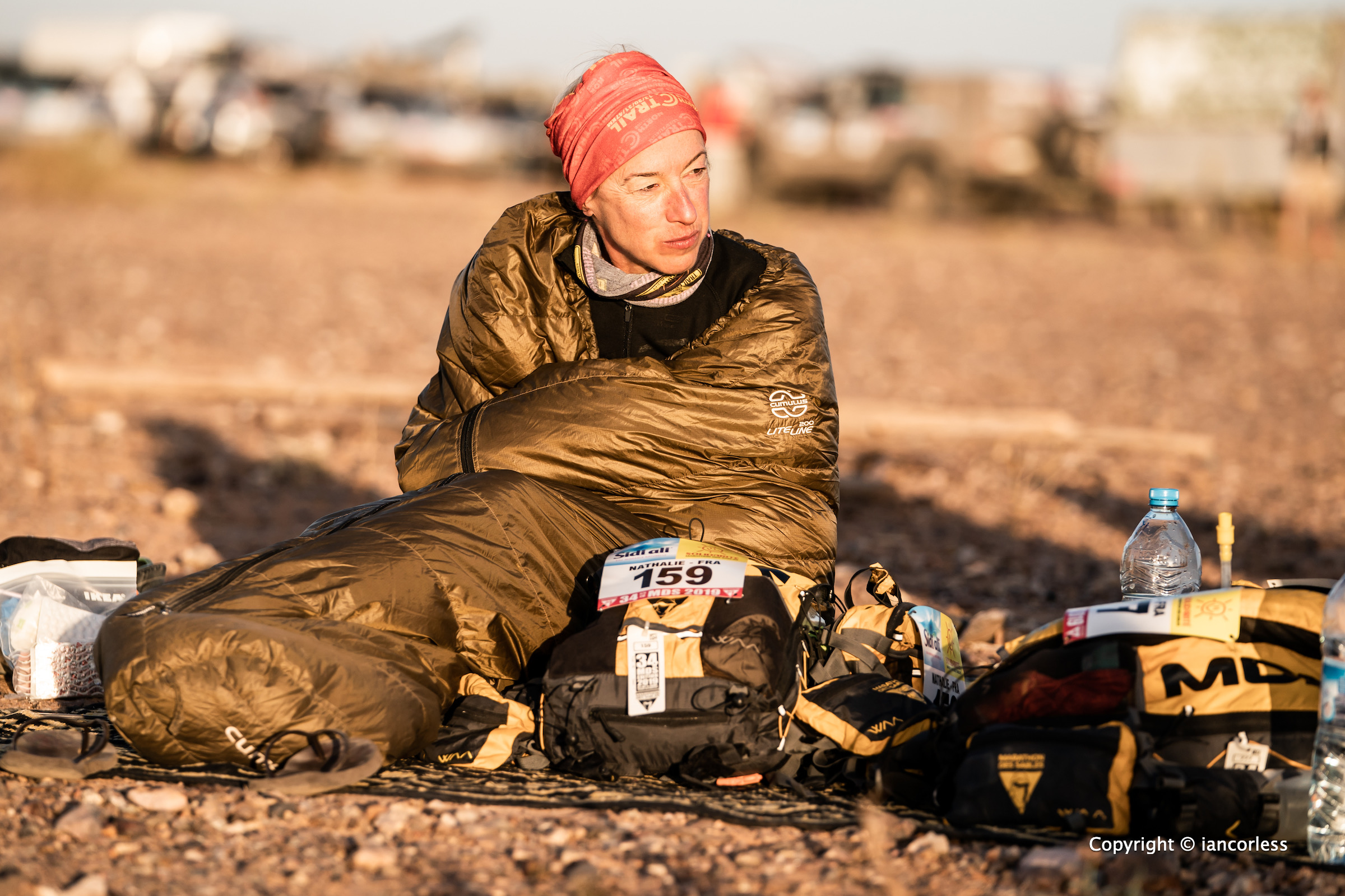
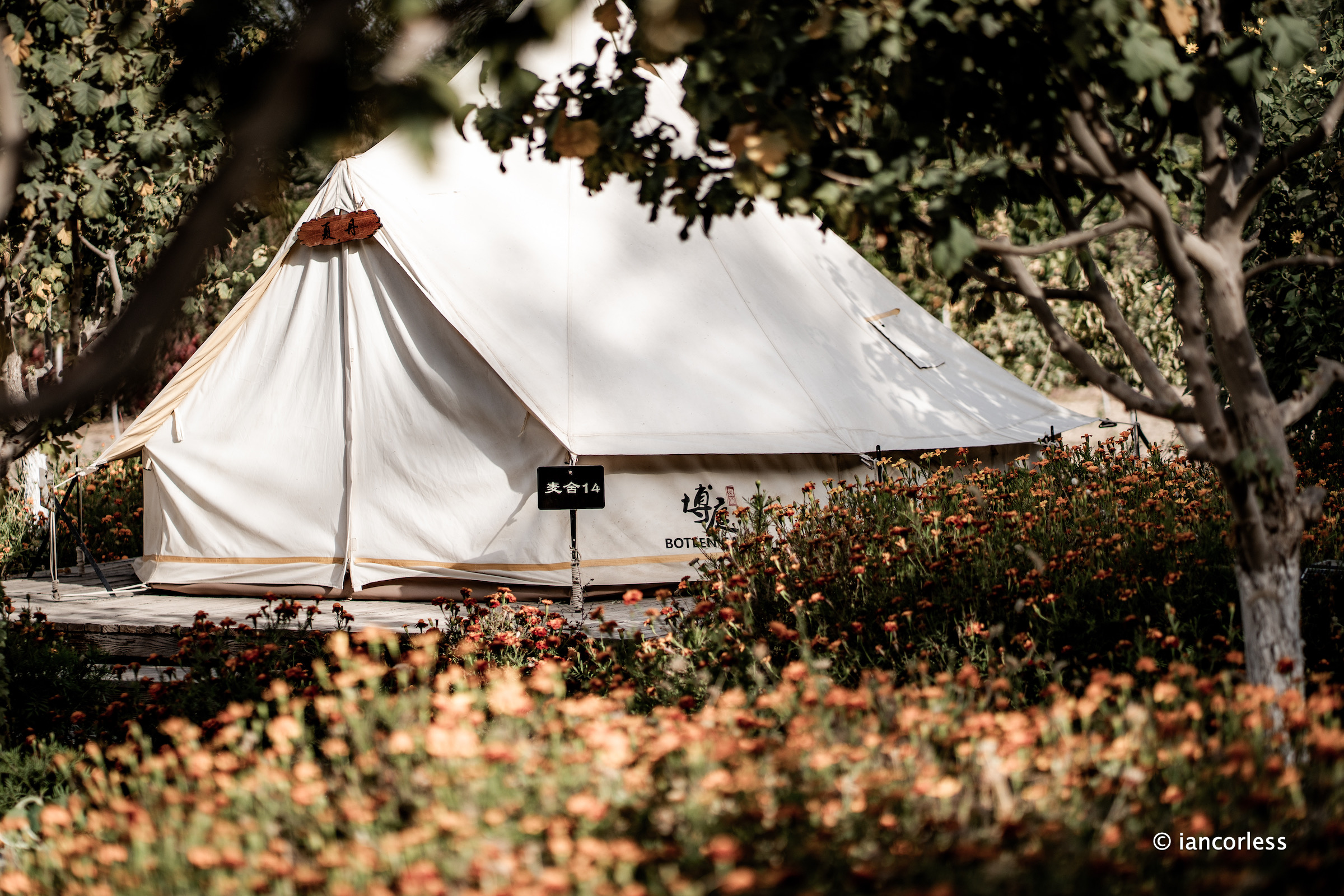
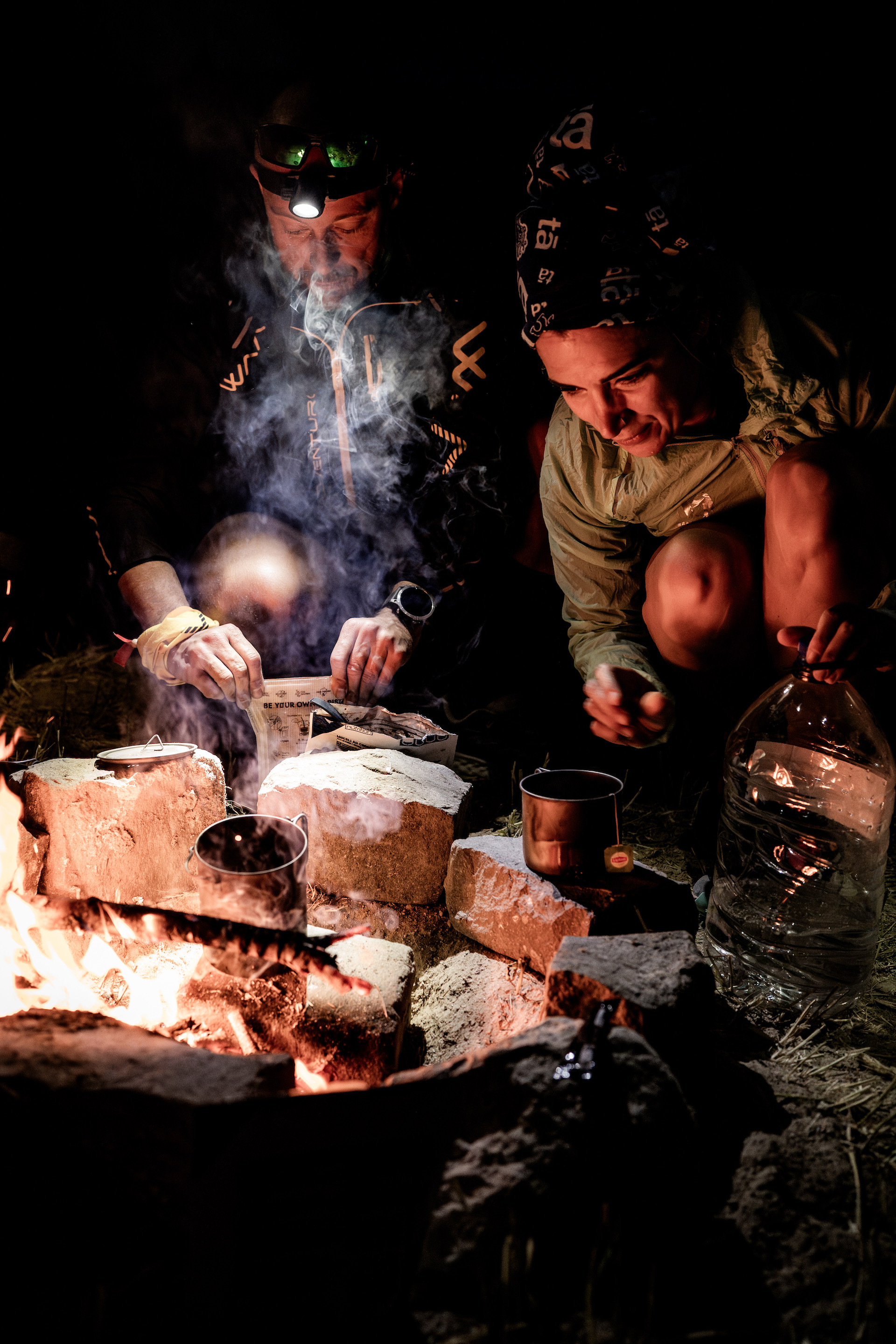
Then came the transfer to Gobi Spring, where final briefings and pre-race checks brought the reality of the challenge into sharp focus. For the participants, a night of ‘glamping’ before days and nights of deprived sleep and comfort.

Glamping in the Gobi

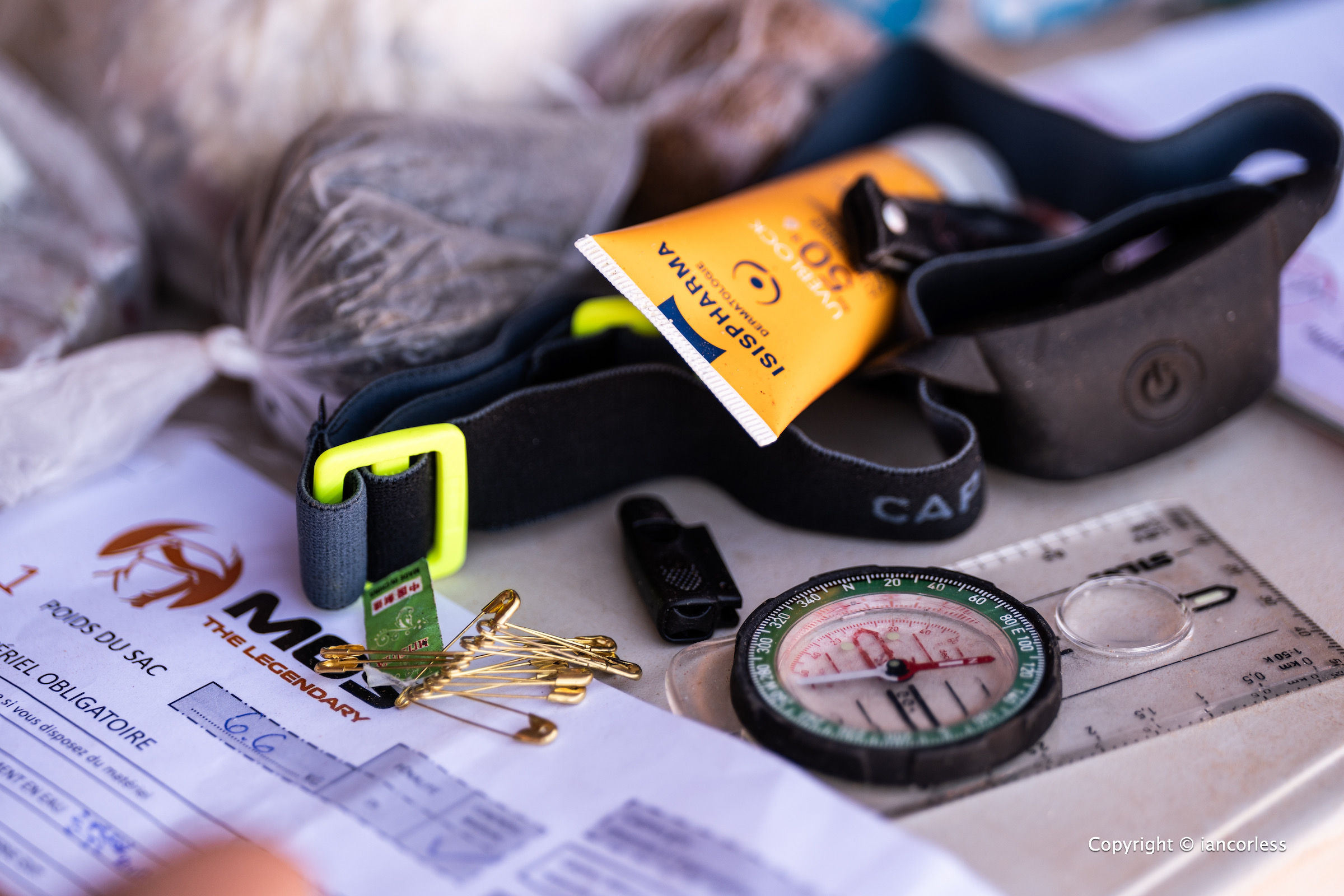
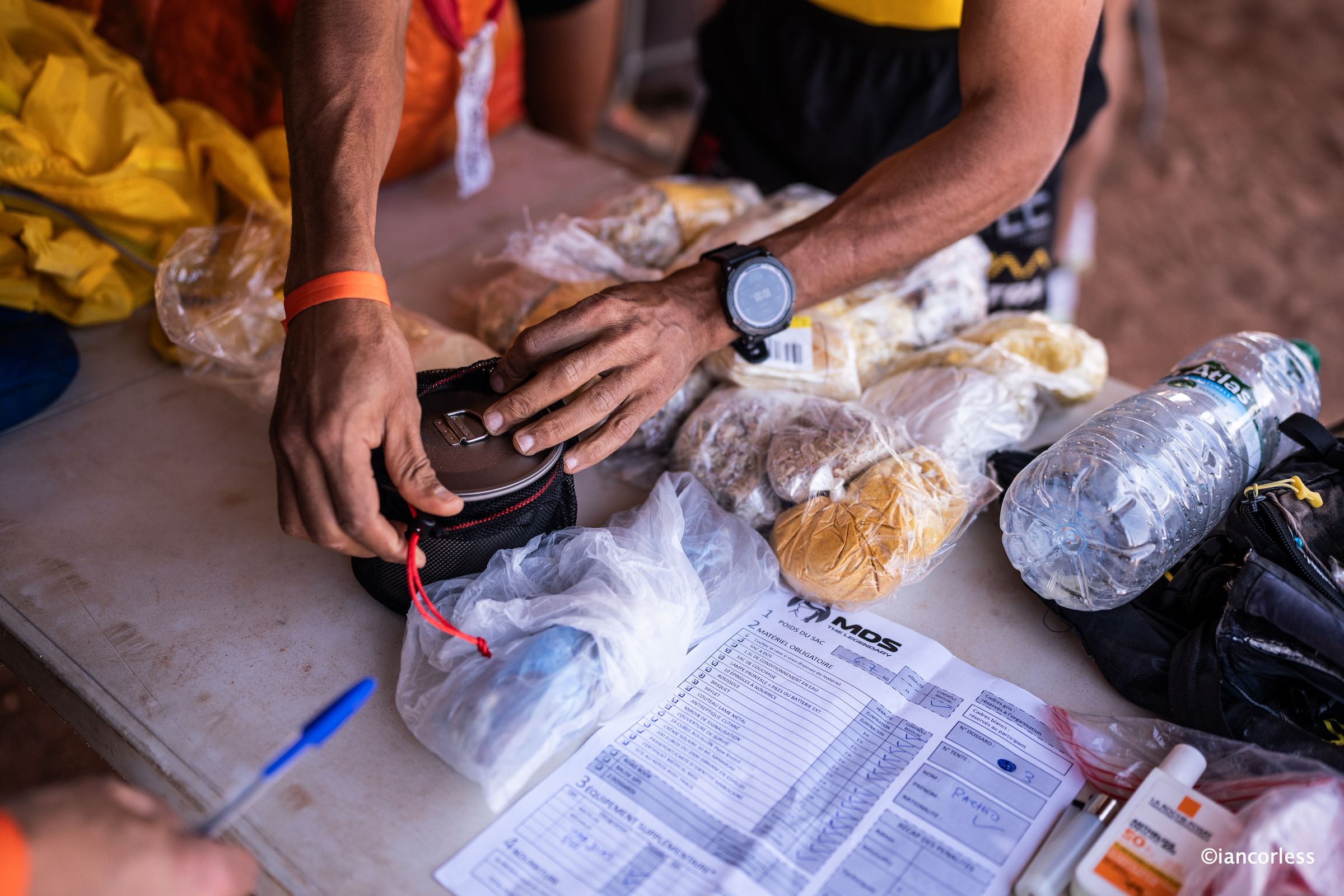
Mandatory gear signed off, maps studied, last meals eaten. From here, there’s no more preparation – only the race itself.

Race briefing

And this is no ordinary race.

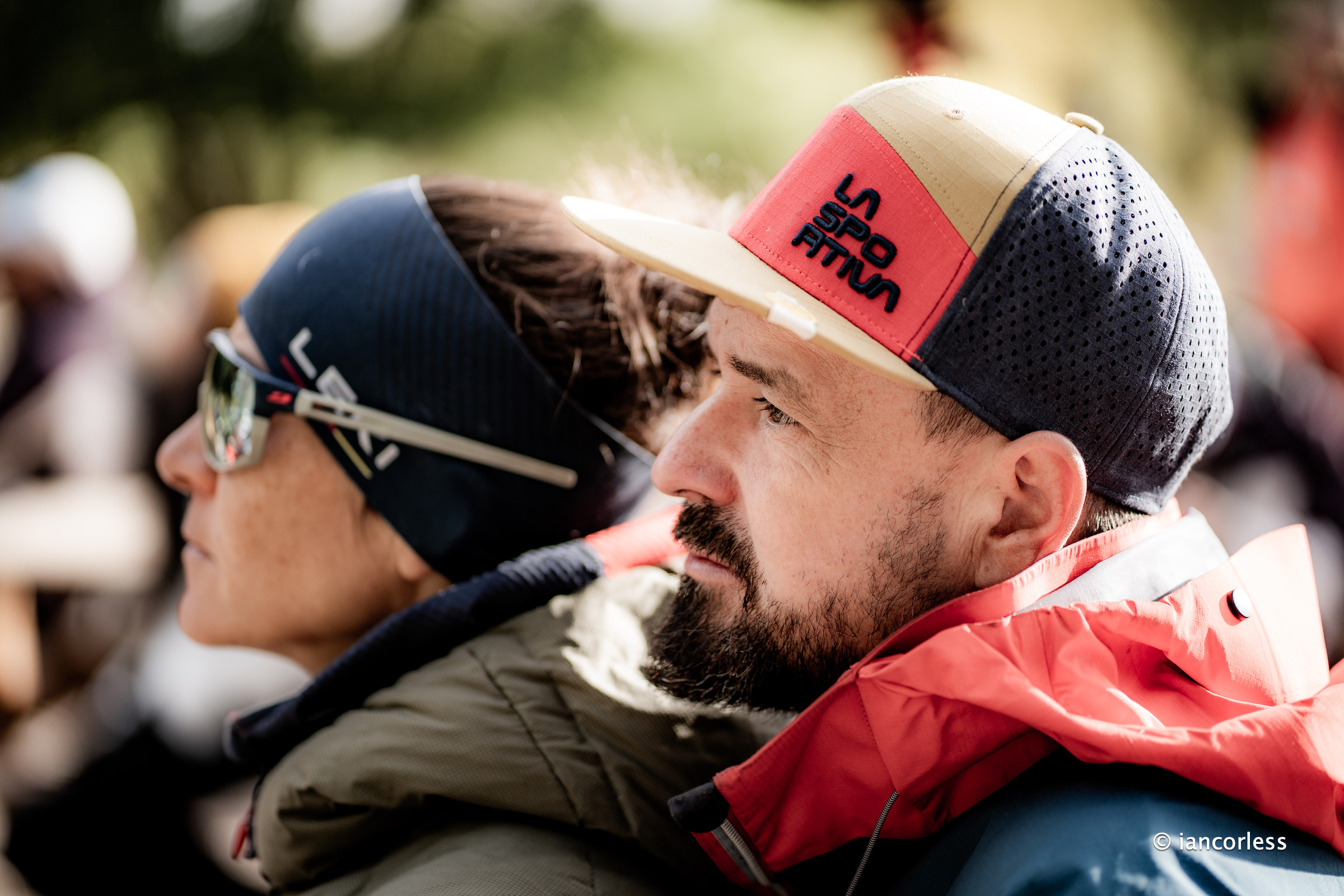
Tradition is very important at Ultra Gobi

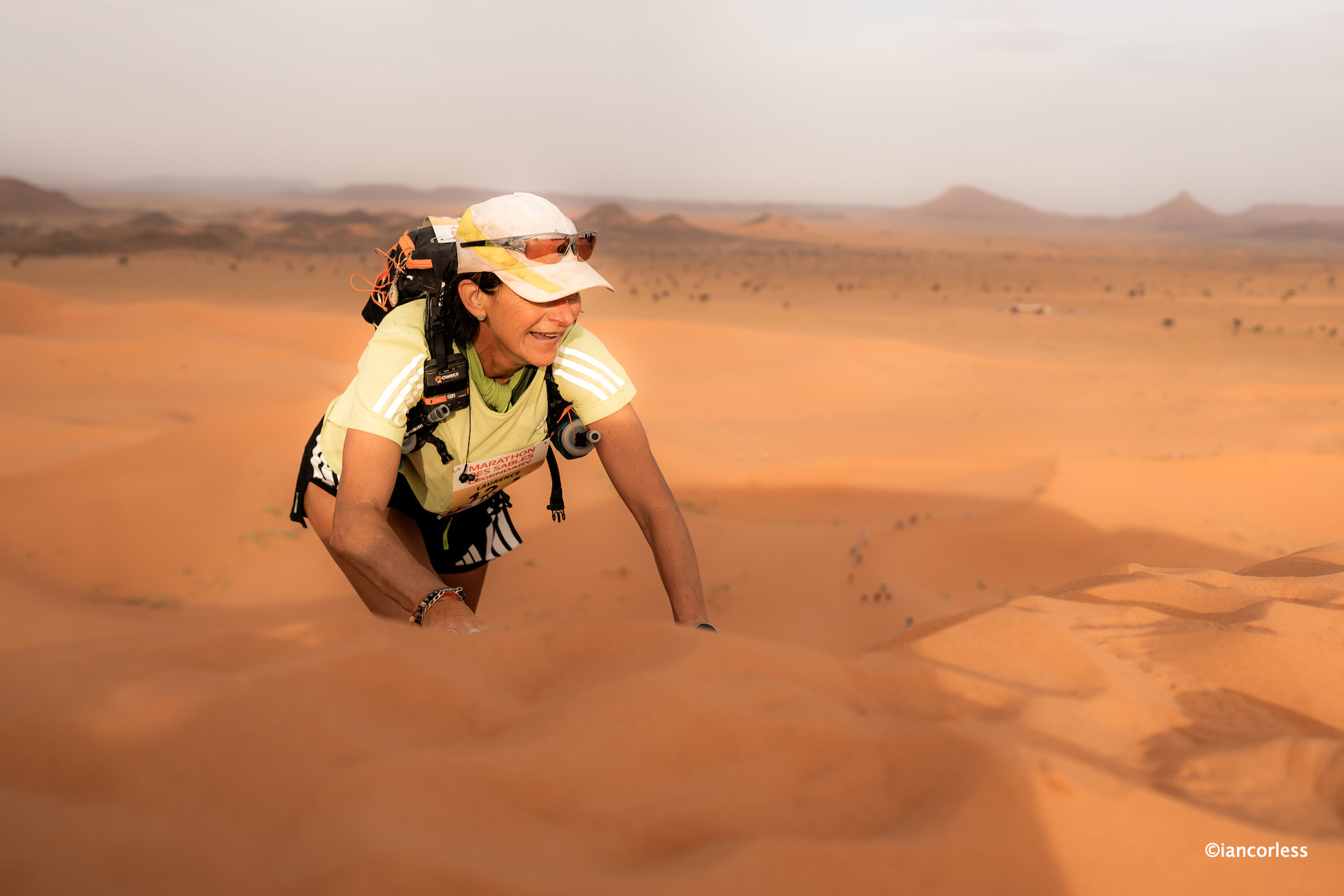
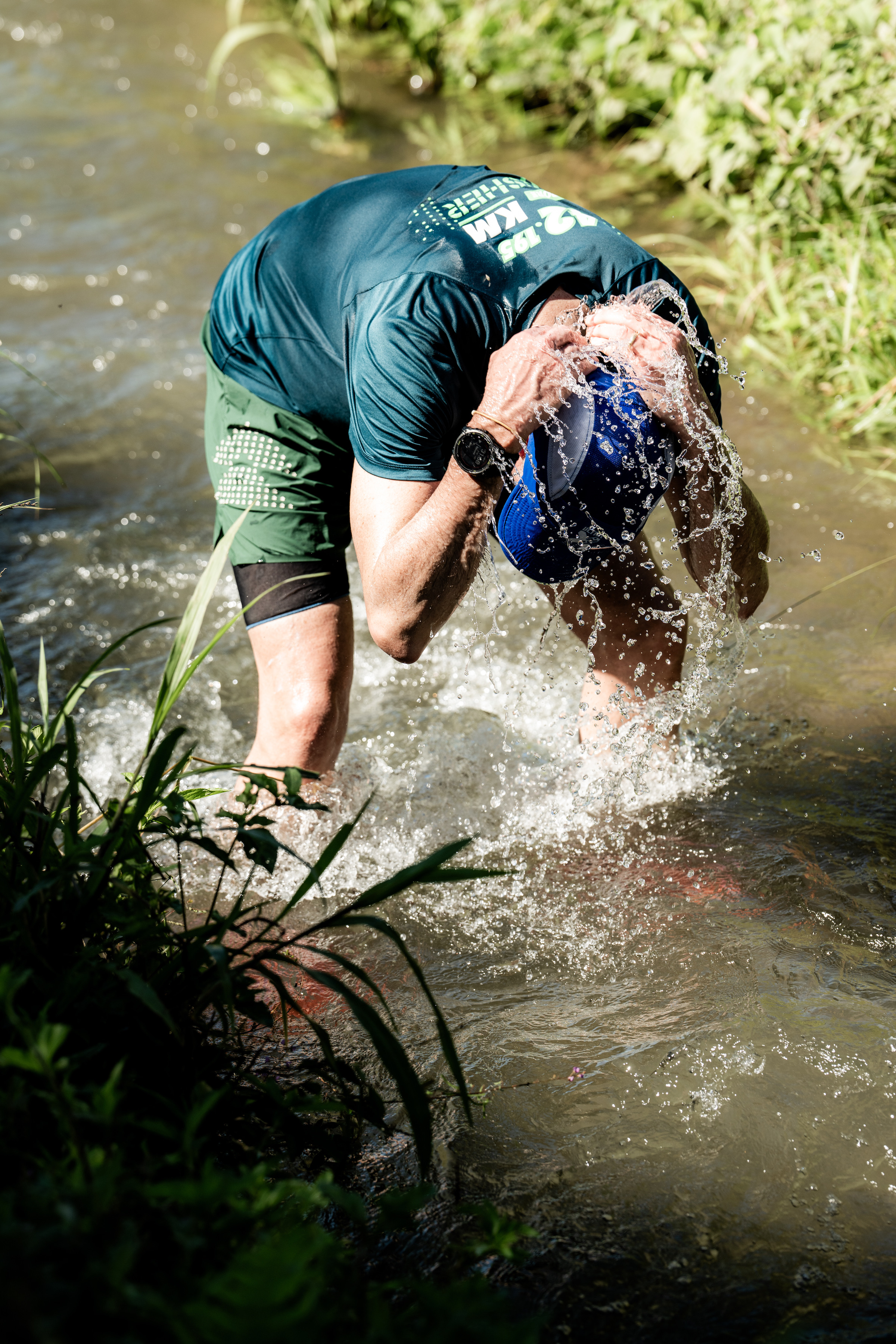
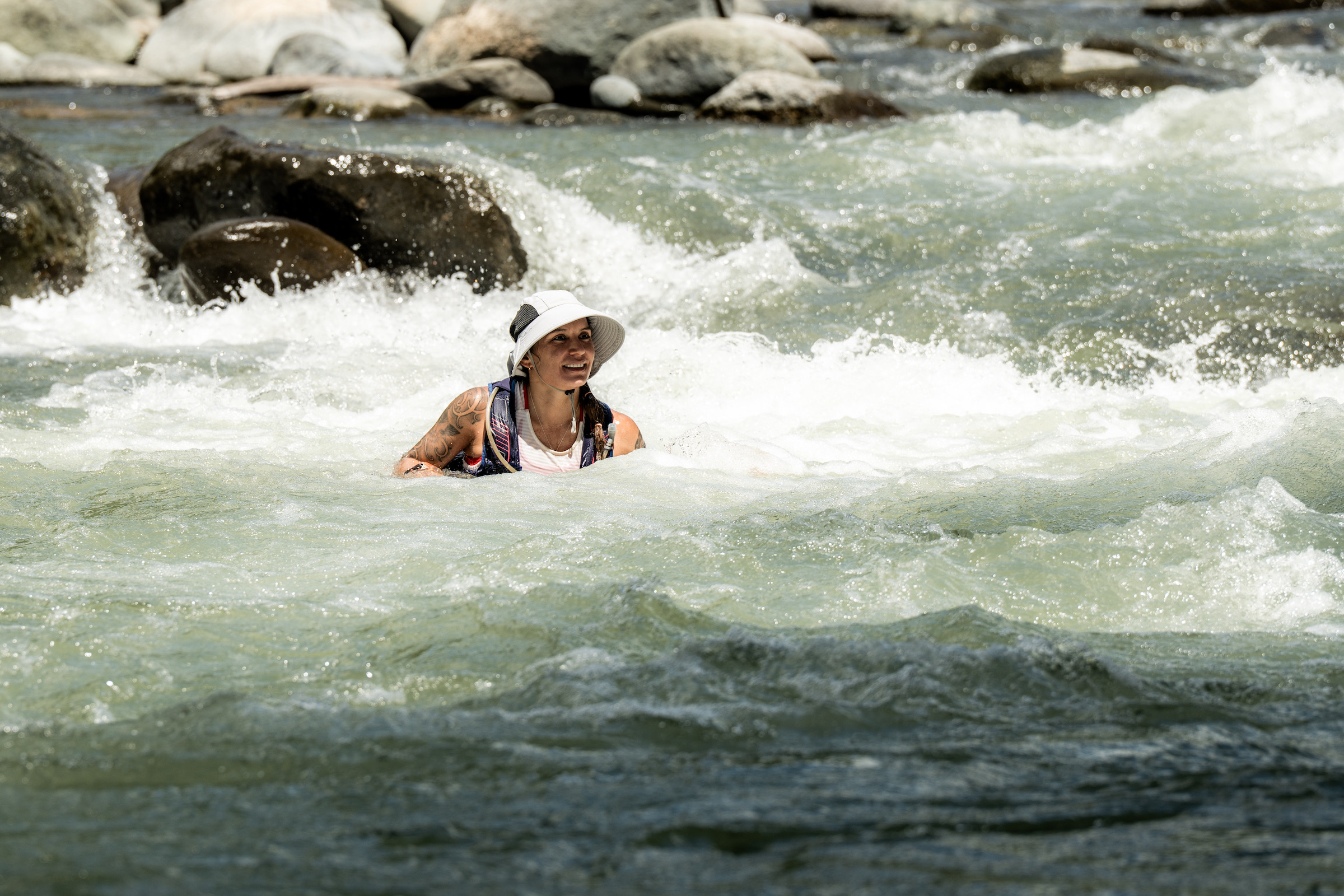
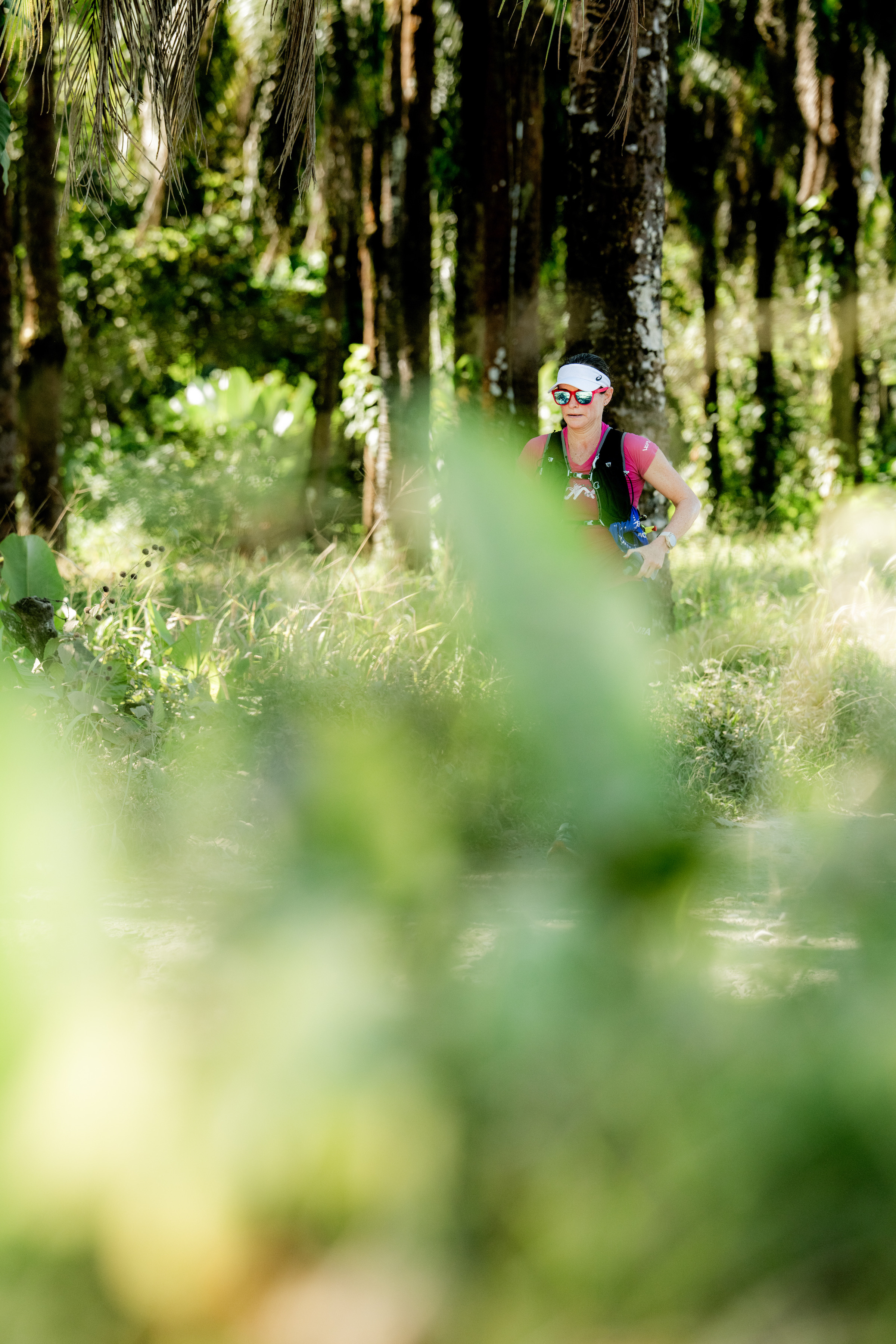
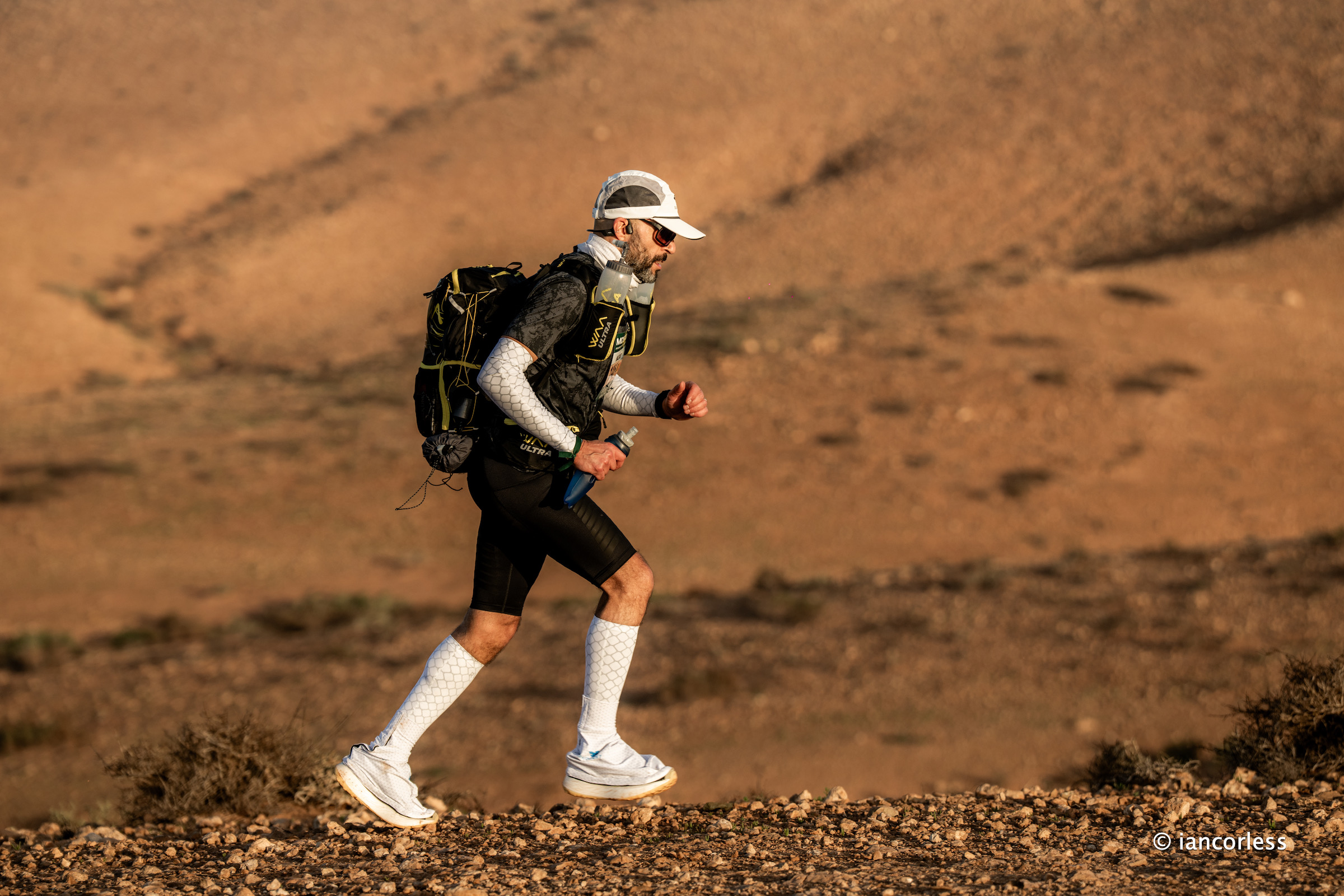
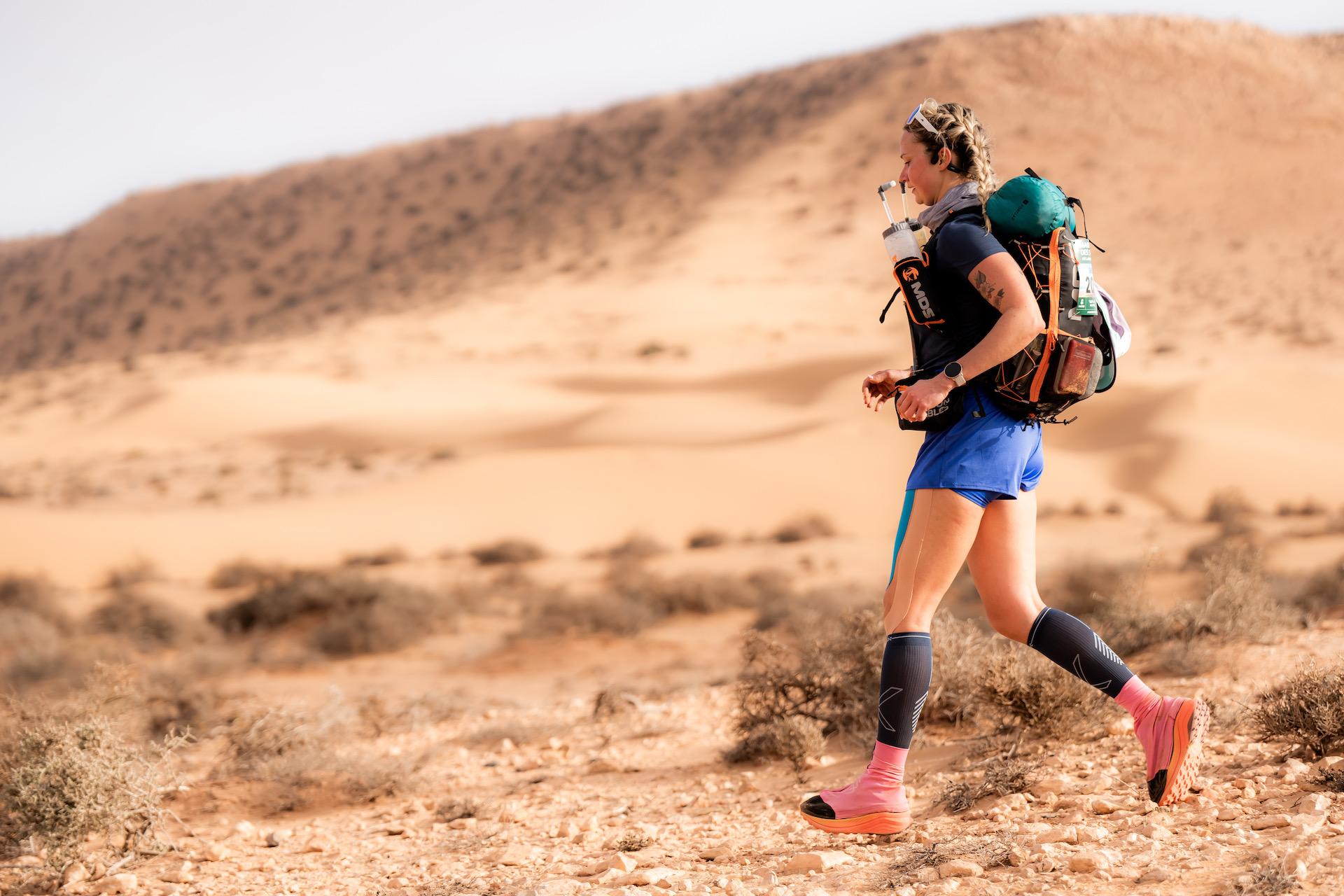
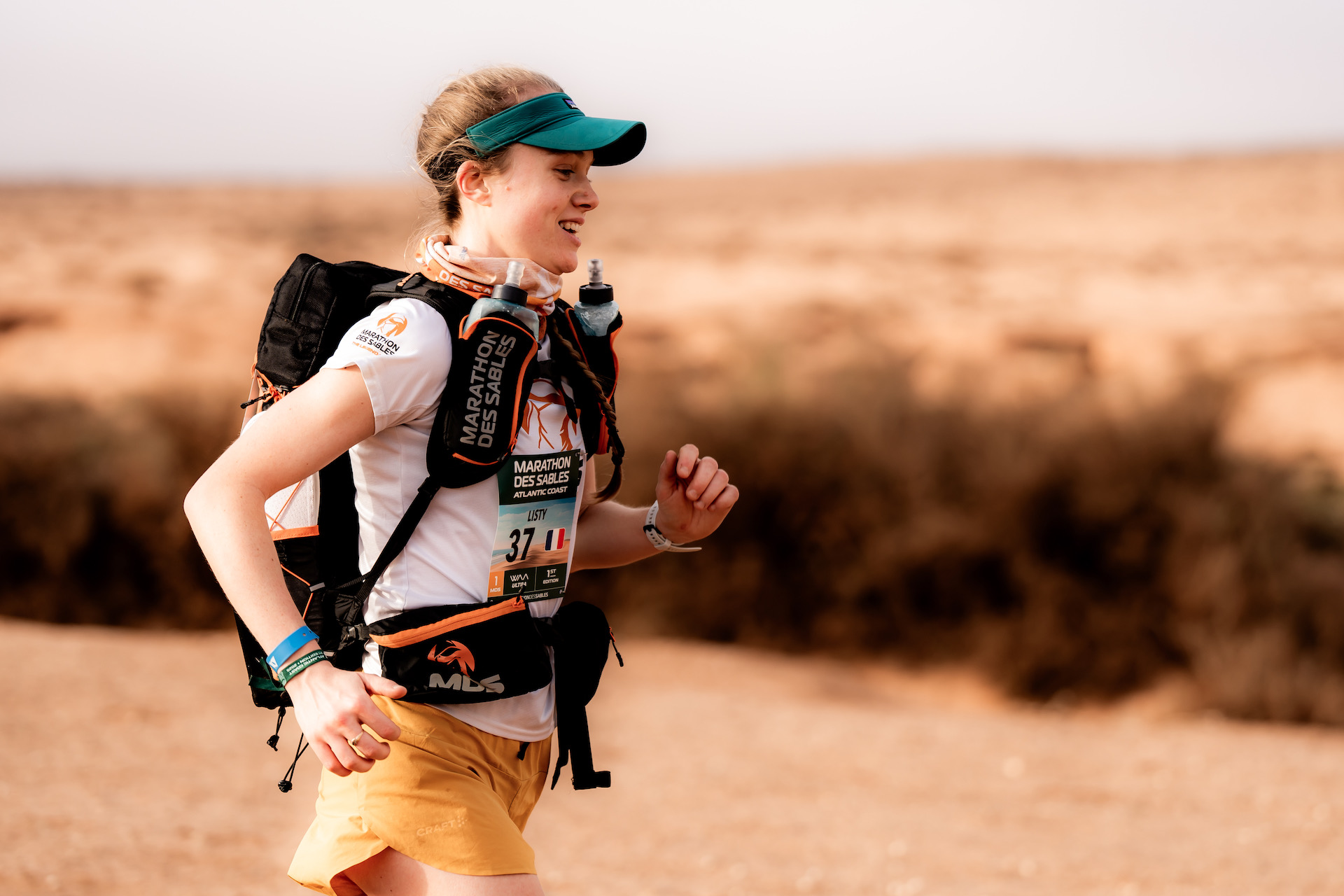
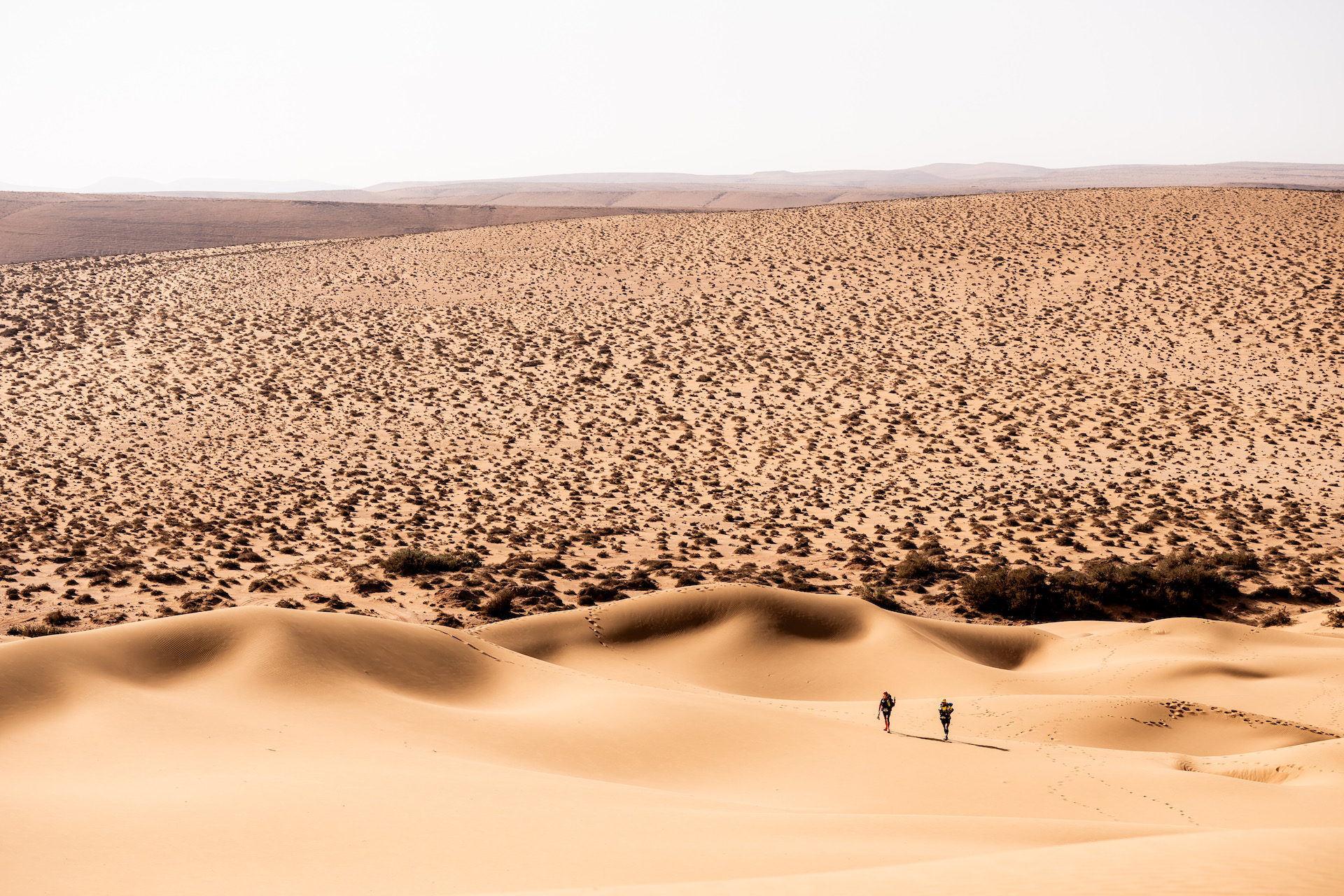
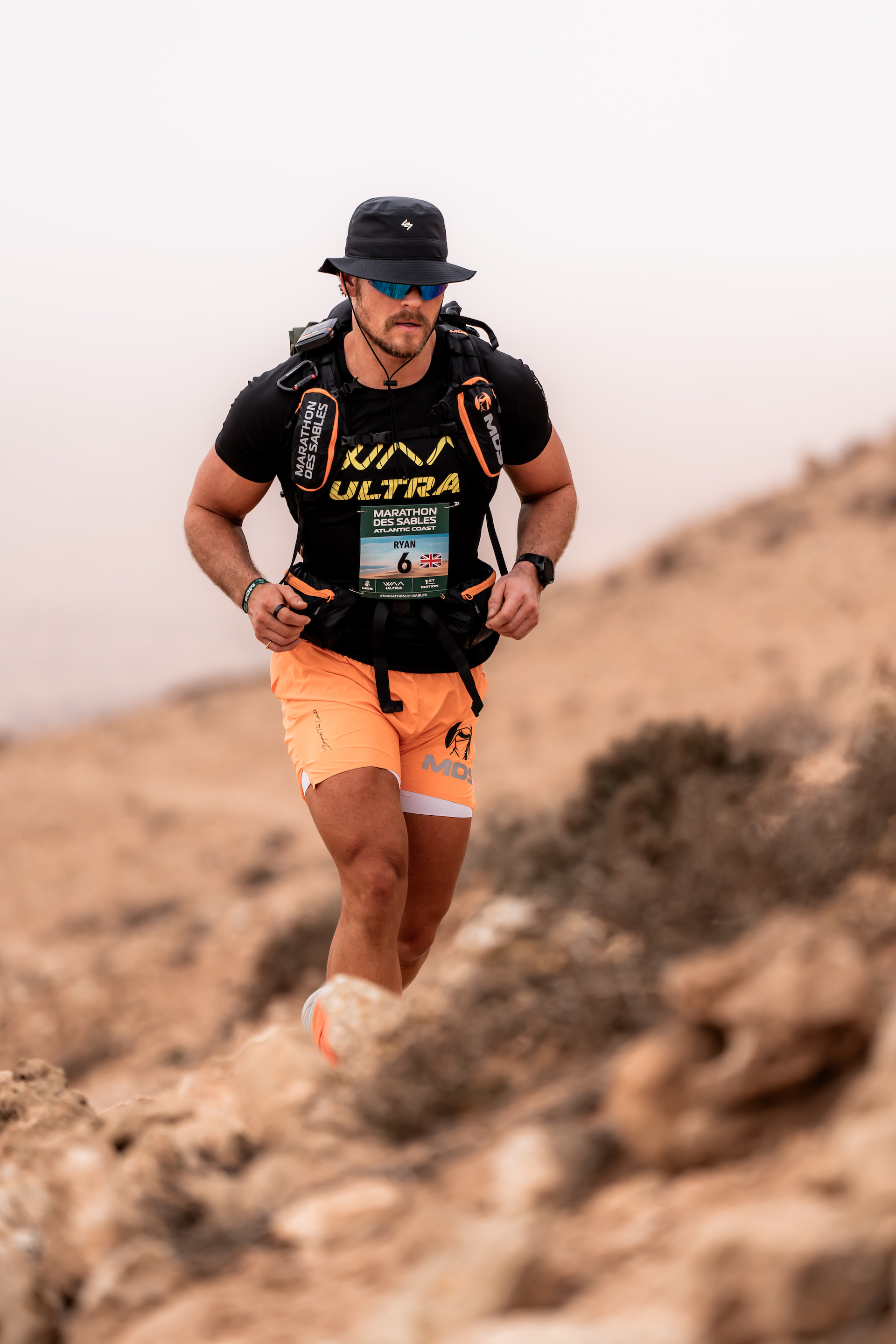
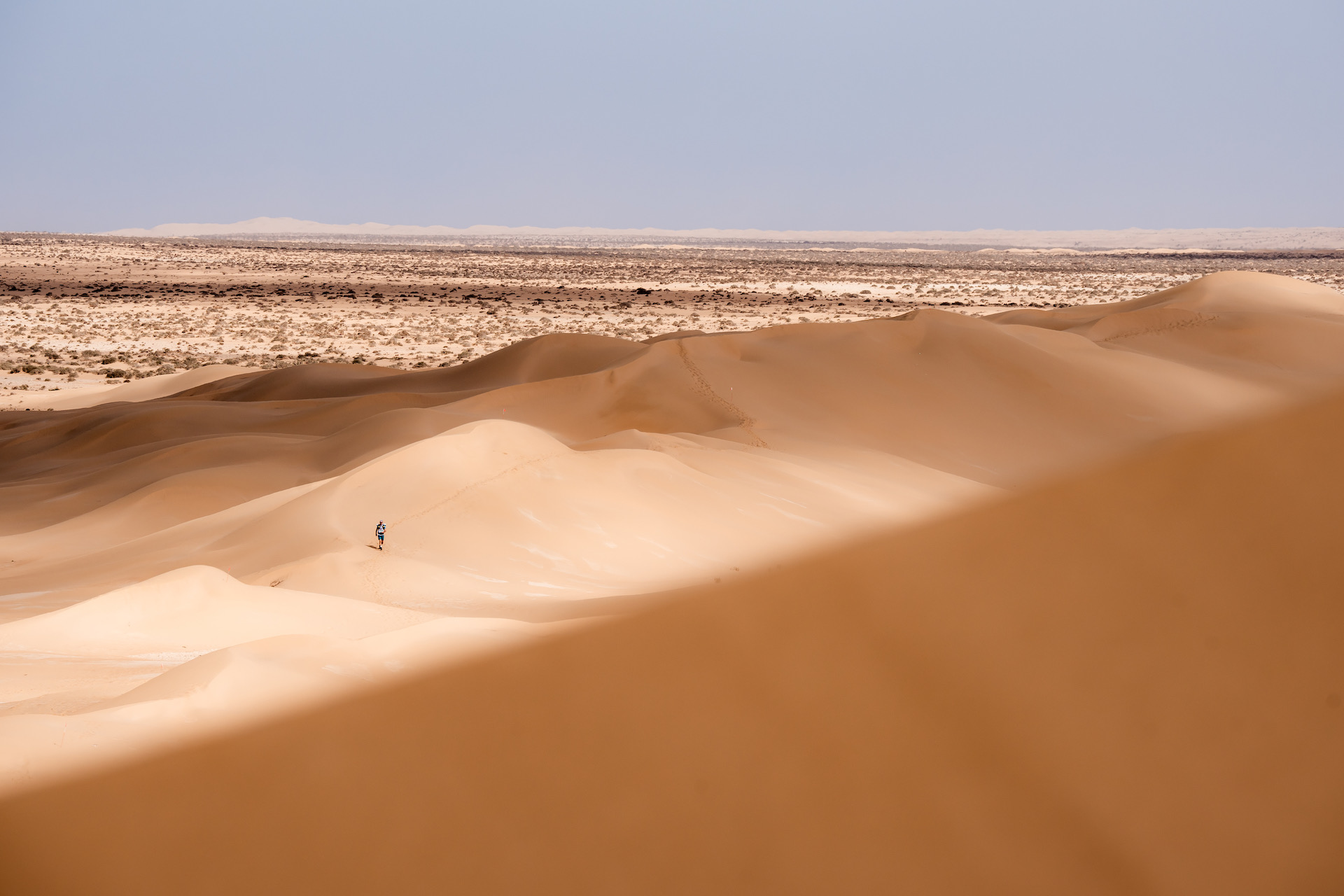
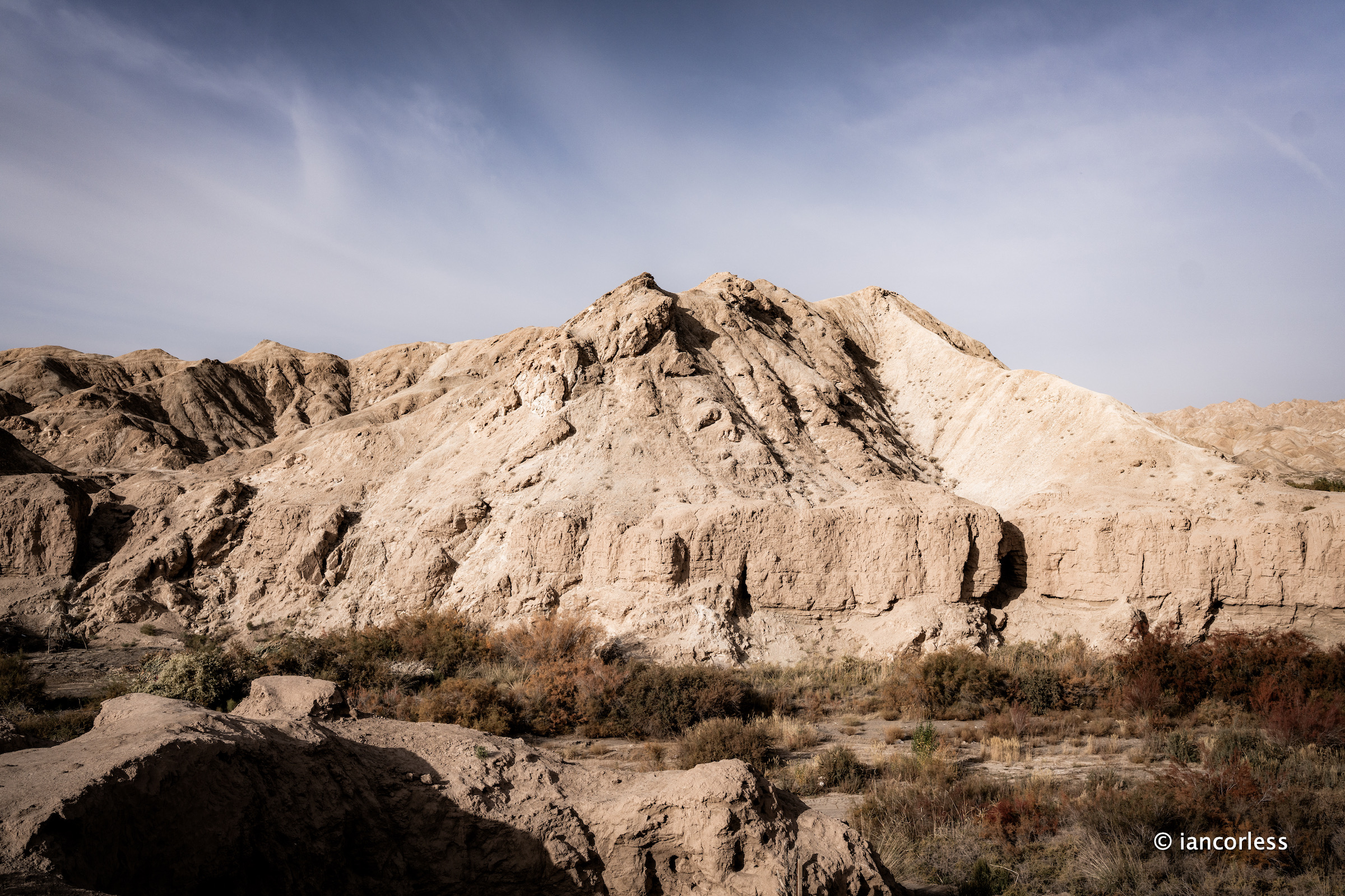
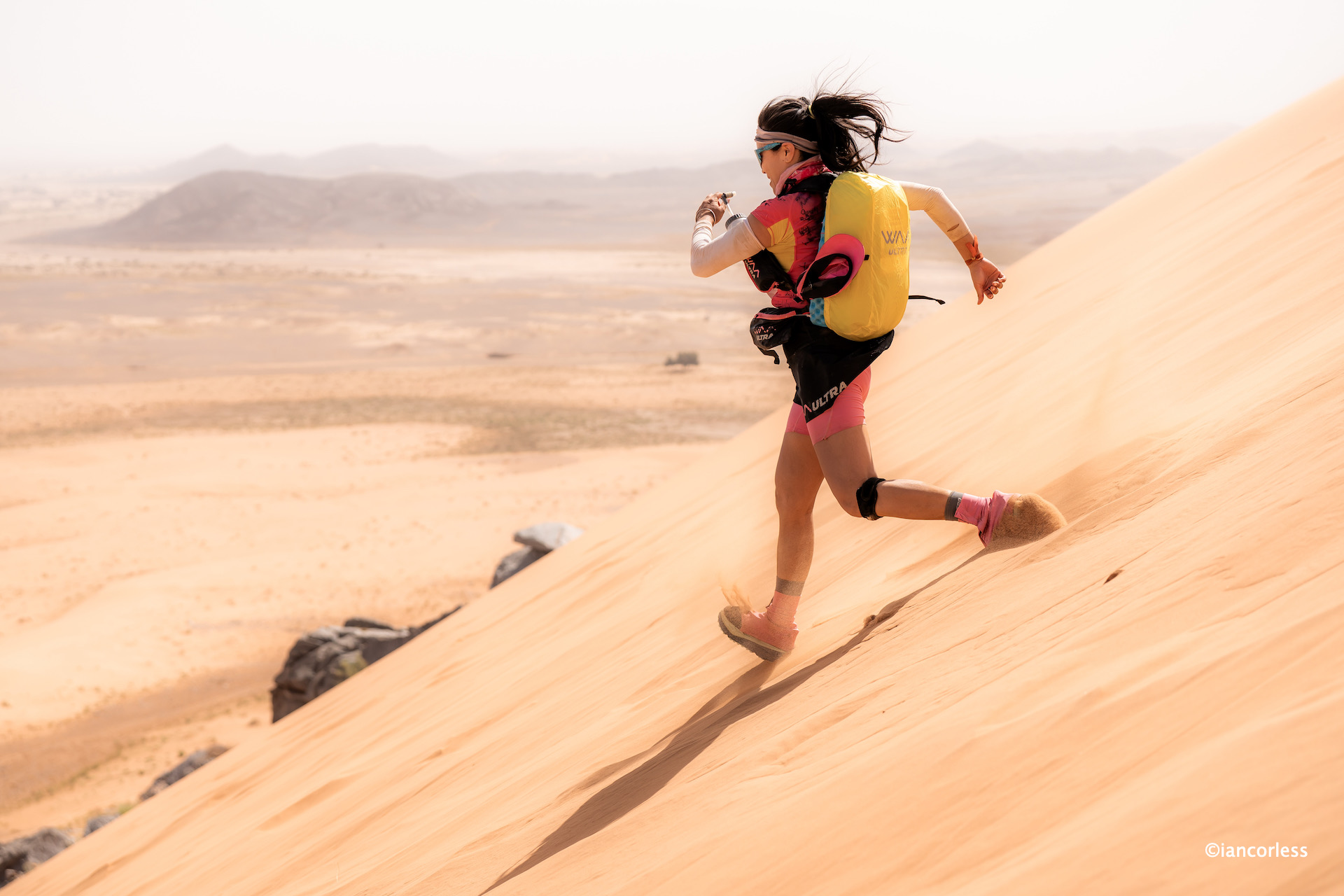
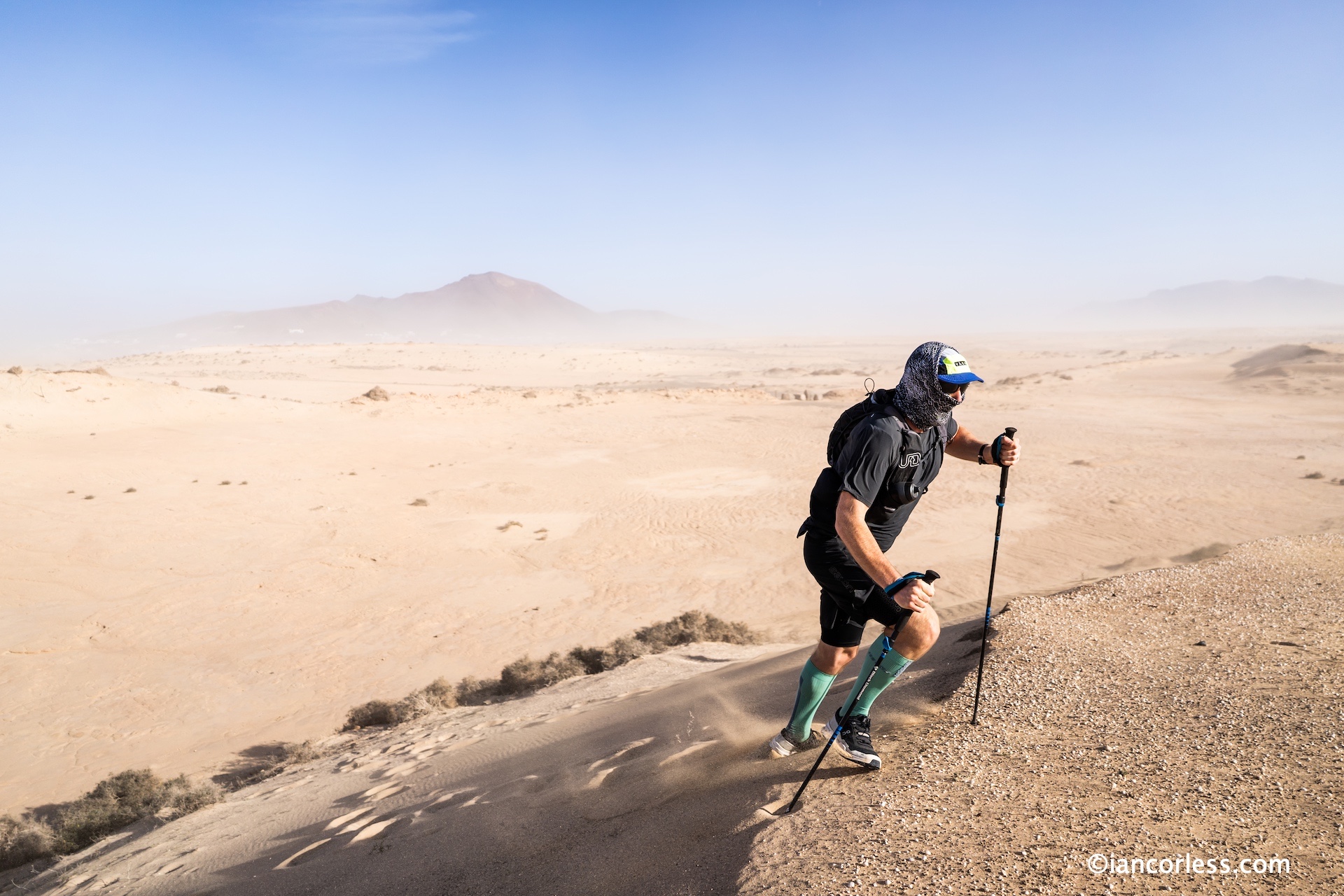
The Ultra Gobi 400km is a test of survival as much as speed. Runners must cover 400 kilometers of brutal, shifting terrain – endless sand, rocky basins, dry riverbeds, and wind-swept plains.

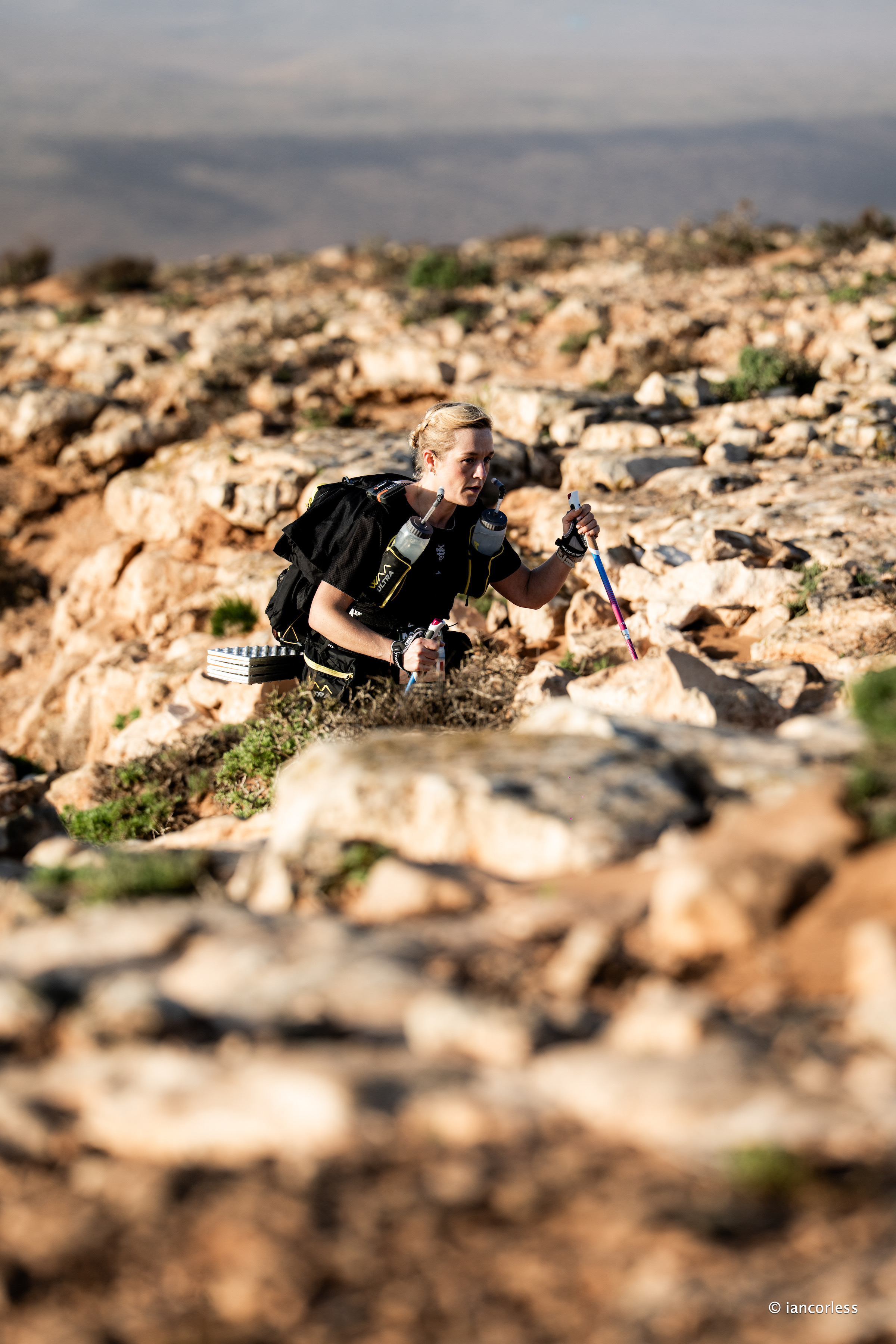
Mountains and altitude will be waiting

Days can scorch under an unrelenting sun; nights can plunge into freezing cold. Navigation, strategy, and mental resilience will be as important as strong legs and lungs.

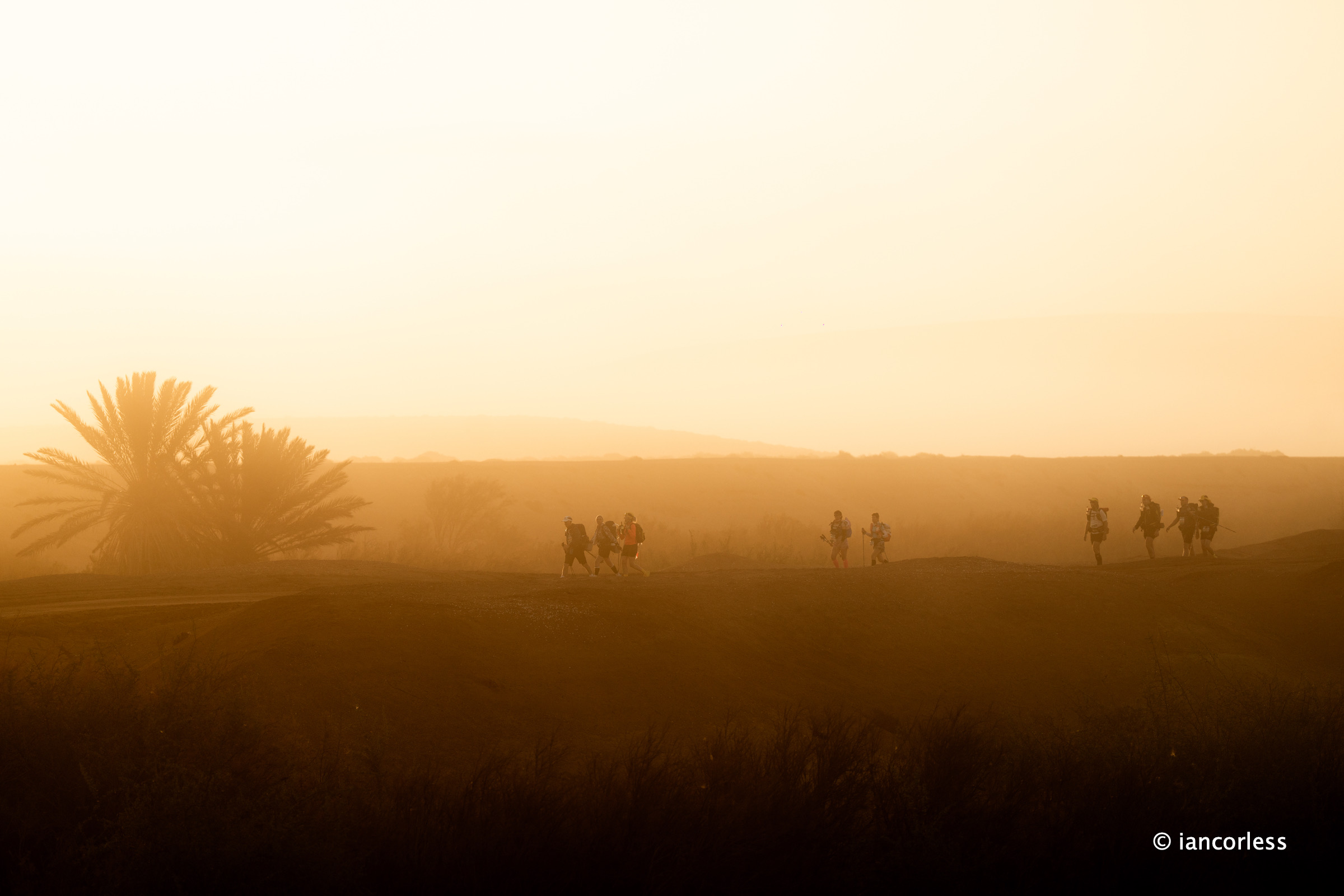
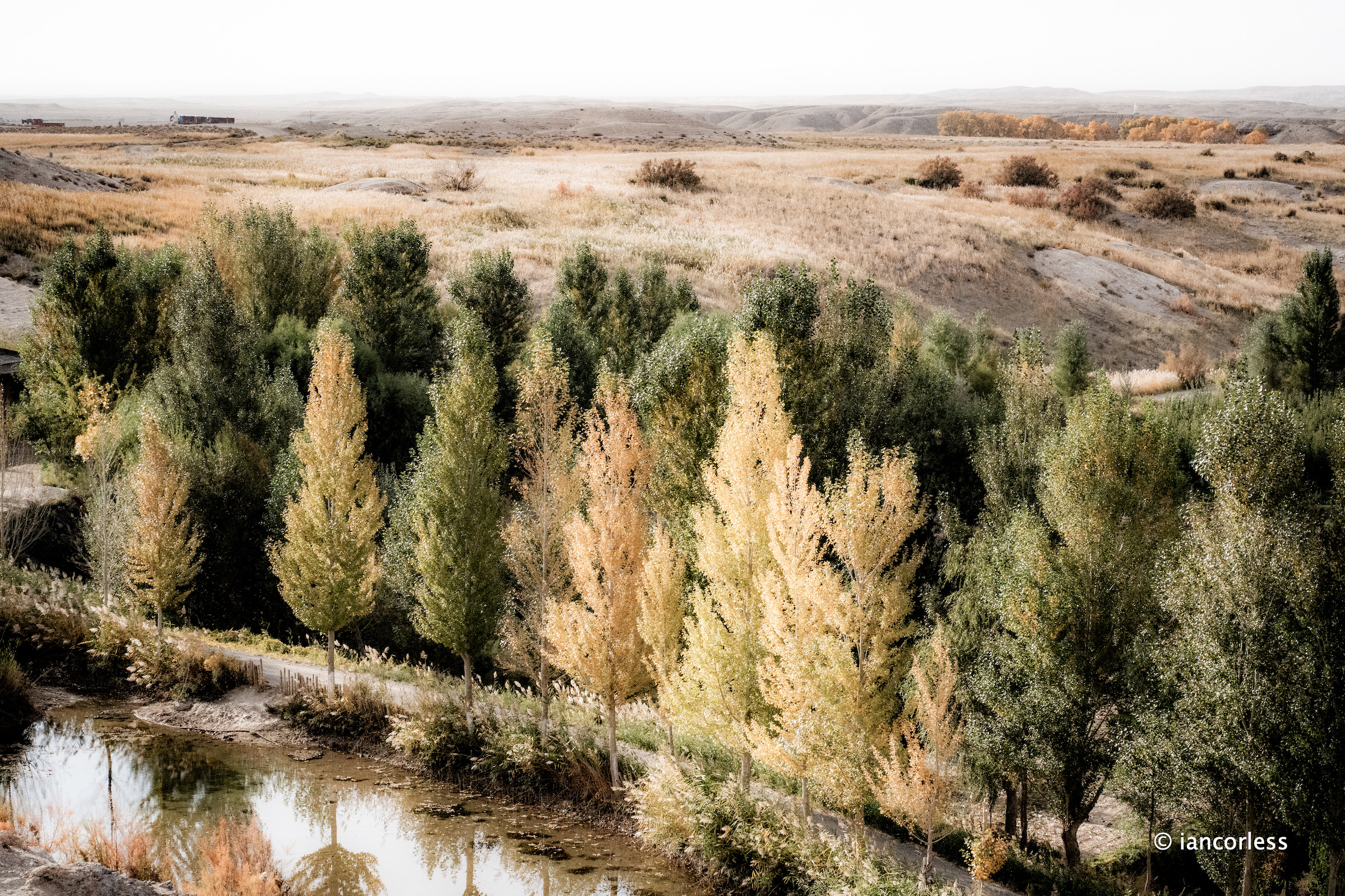
Golden light

For the competitors, the anticipation has built to a fever pitch. Months of training and sacrifice come down to this moment. There will be tension at the start line, but also a sense of awe: they’ll leave the comfort of light and noise behind and step into the vast silence of the desert.

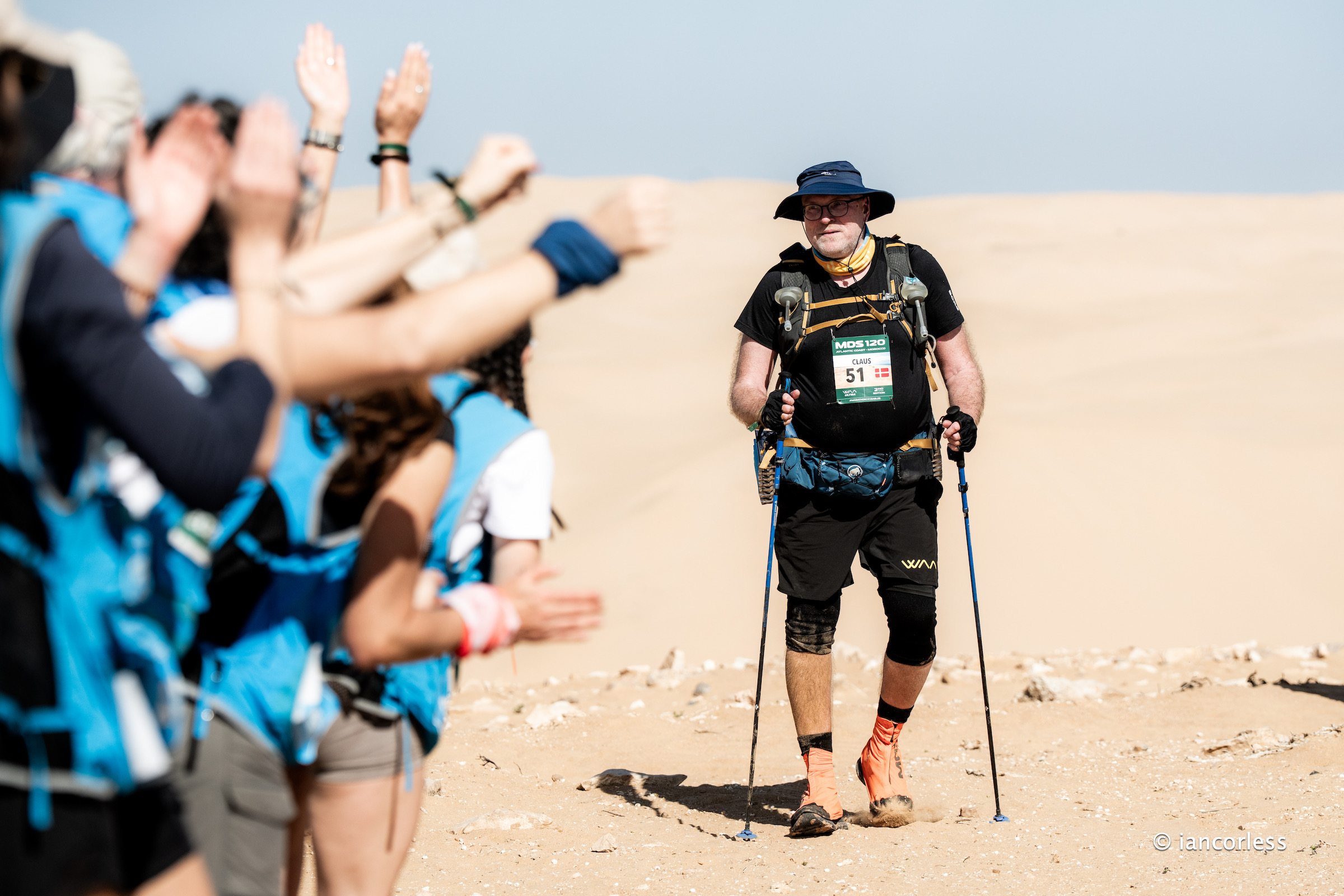
One strategy, teamwork!

Four hundred kilometers through landscapes that constantly shift and change. A true test of endurance, grit and self-reliance. There is one truth of the Ultra Gobi, each runner will discover where the limits truly lie.

Varied landscape

This race doesn’t hand out easy victories. It carves stories into those who dare to take it on. Some will break; some will endure; a few will cross the finish line forever changed.

Tonight, the desert opens its gates. The Ultra Gobi 400km 2025 begins.

Follow Ian Corless

Instagram – @iancorlessphotography

Twitter – @talkultra

facebook.com/iancorlessphotography

Web – www.iancorless.com
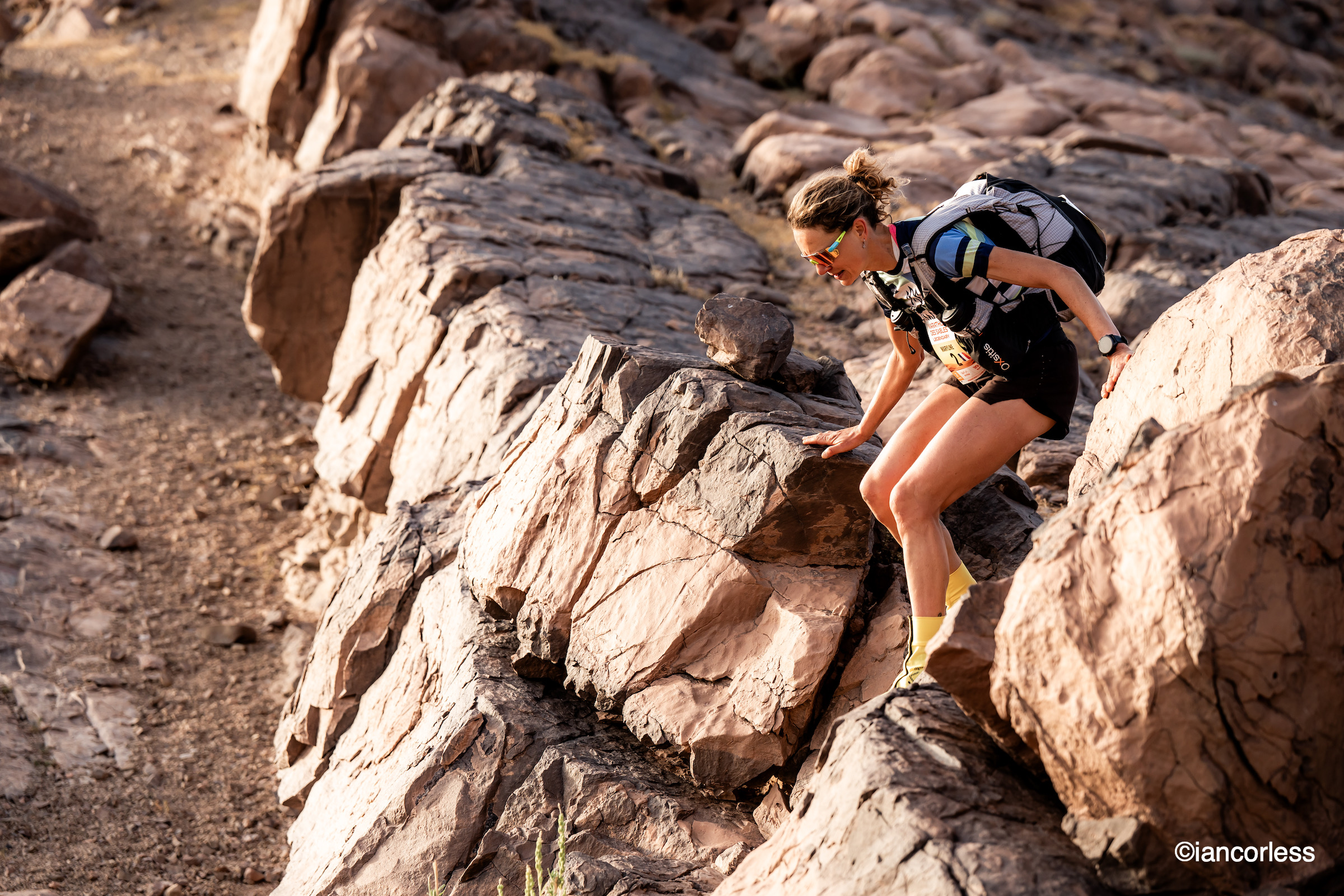
Web – www.iancorlessphotography.com

HOW TO TRAIN FOR AN MDS EVENT

Photo by Ian Corless

The Marathon des Sables (MDS) isn’t just a race, it’s a test of grit, strategy, and survival.

Whether you’re taking on the MDS 120 (70km, 100km, or 120km across three stages in four days) MDS RAID, MDS TREK or the infamous MDS LEGENDARY (250km across six stages in seven days), the physical and mental demands are unlike any other event.

Photo by Ian Corless

Training for the MDS means more than just running a lot. You’re preparing your body to carry gear (Trek excluded) across uneven terrain WITH varied temperatures all while potentially sleep-deprived, sunburned, and blistered. It requires smart progression, precise planning, and brutal honesty about your strengths and weaknesses. 

Here’s a guide how to build a training system that prepares you to compete if you’re aiming for the top, or complete if you’re focused on finishing strong and unbroken.

Understanding the Events

MDS LEGENDARY:

• Distance: 250 km

• Duration: 6 stages over 7 days

• Focus: Endurance monster; includes one long stage (often 80-90 km,) a marathon stage and on the final day a half-marathon.

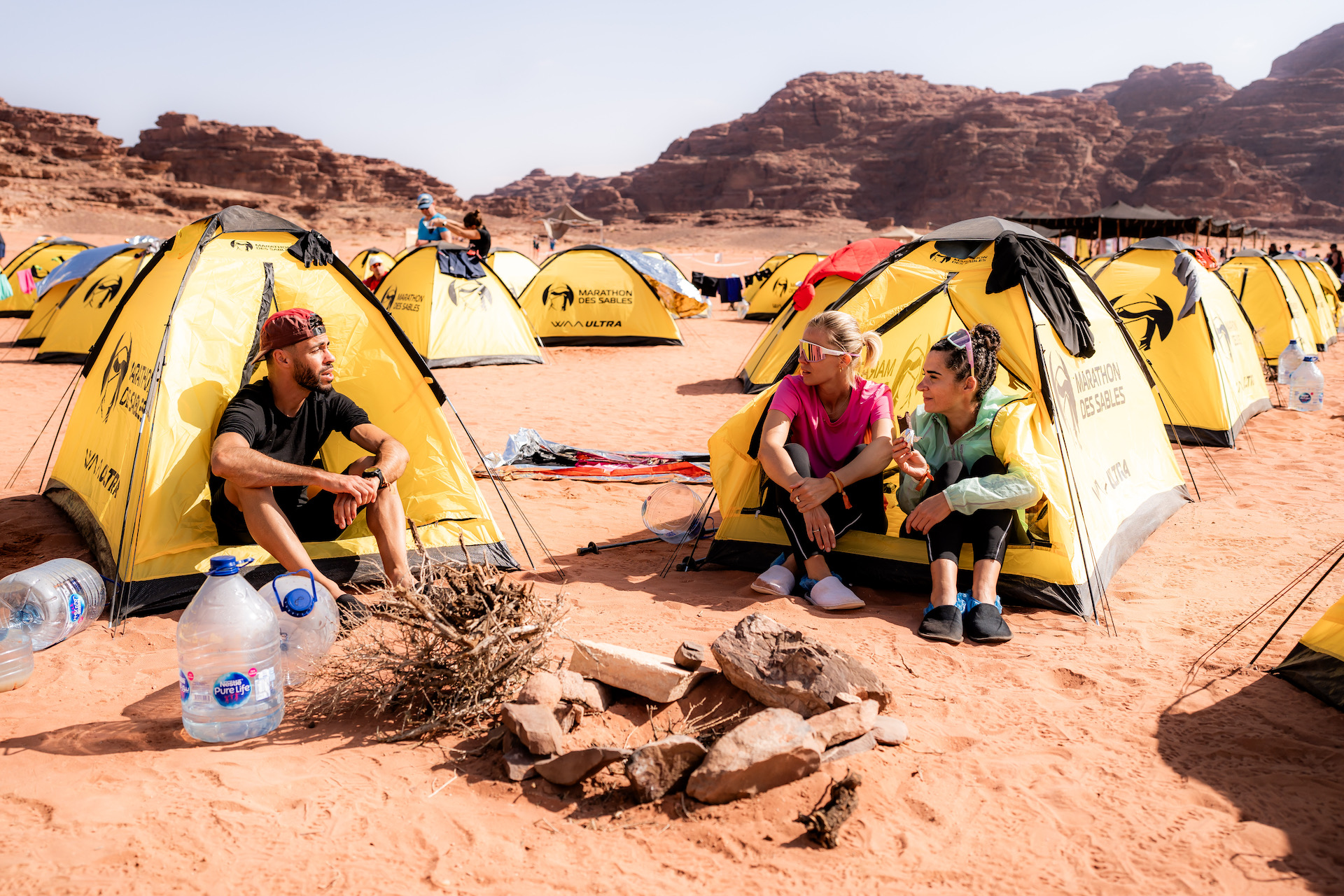
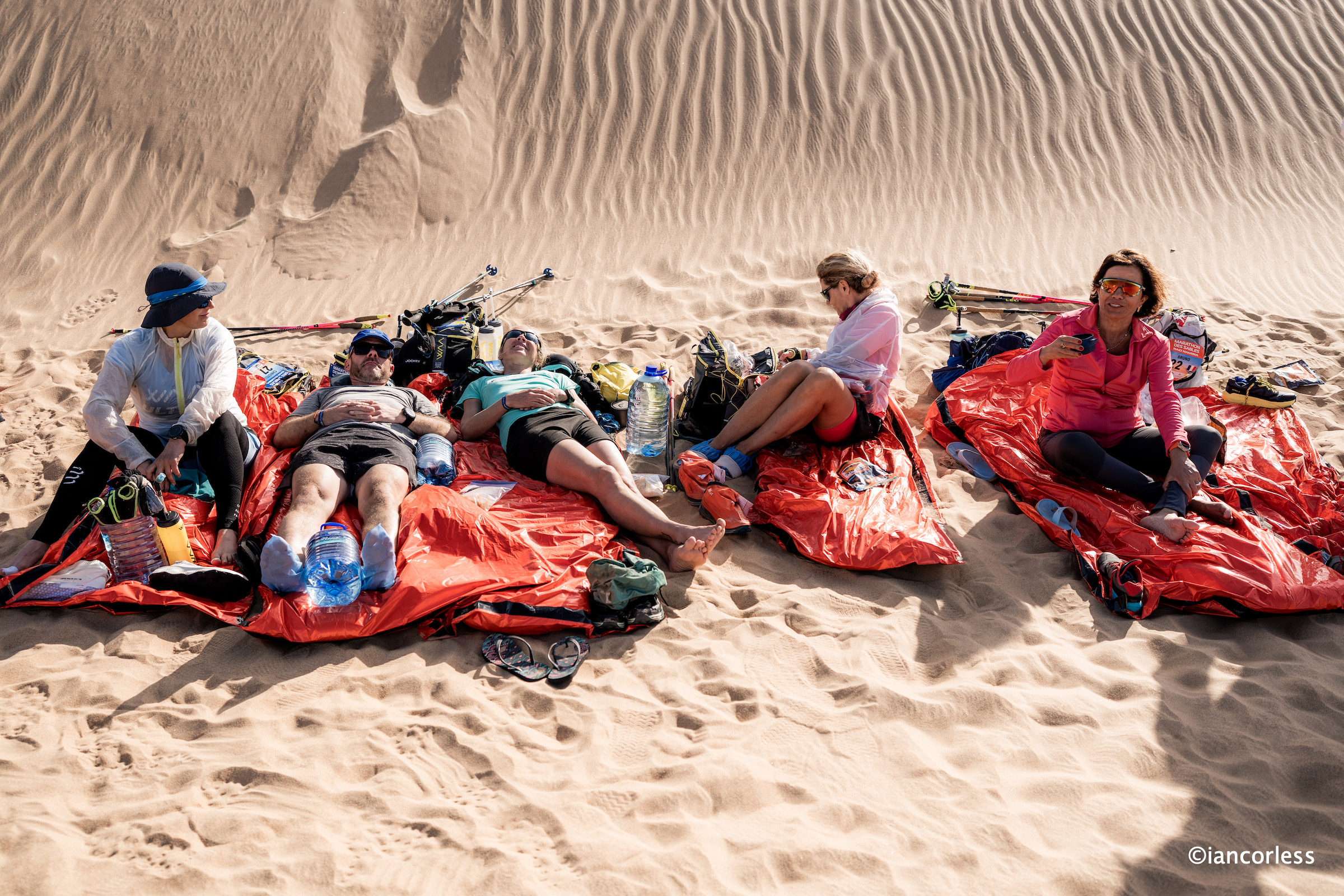
• Logistics: Self-sufficient, sleep on the ground, rationed  water, blister clinics, potentially extreme heat and sharing a bivouac (tent) with 7-0ther people.

MDS 120:

• Distance: 70, 100, or 120 km.

• Duration: 3 stages over 4 days

• Focus: Shorter but intense; good as a first step into stage racing

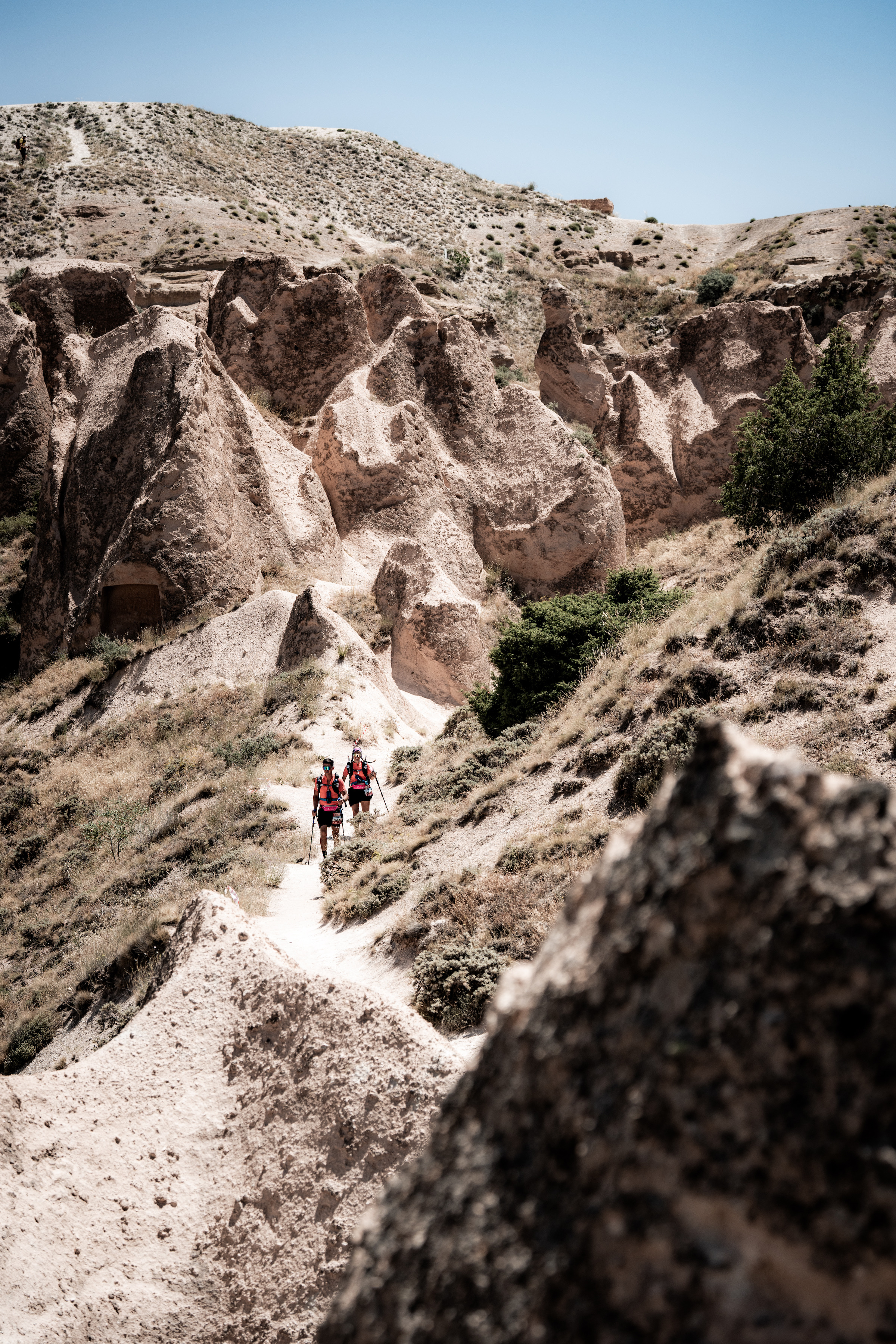
• Logistics: Self-sufficient, similar rules to the full MDS but over a condensed period and participants sleep in individual tents. Remember, MDS 120 events have varied terrain, MDS 120 Cappadocia as an example is much more a ‘trail’ race than a desert race.

Photo by Ian Corless

MDS RAID:

• Distance: 100, or 120 km.

• Duration: 3 stages over 4 days as MDS 120 but with a ‘star night.’

• Focus: Shorter but intense; good as a first step into stage racing

• Logistics: Self-sufficient, similar rules to the MDS 120 but in teams of two and ideally the participant has more experience.

MDS TREK:

• Distance: 70 to 120 km.

• Duration: 4 stages over 6 days.

• Focus: An introduction to MDS with no self-sufficiency, extra comfort and daily distances to be undertaken ‘trekking.’

MDS ULTRA and MDS CRAZY LOOPS:

• Two unique events that do not follow the ’typical’ MDS format. The ULTRA is a single-stage race of 100km’s or 100-miles. CRAZY LOOPS is a trail event, in the mountains, participants complete as many loops as possible in a 24-hour time period.

Competing vs. Completing

Photo by Ian Corless

These are two entirely different approaches:

Competing means aiming for the front of the pack. You’re trying to place well, maybe top-100 or higher. This demands high mileage, precise gear choices, low pack weight, and serious pacing strategy. Your training must be performance-focused, often replicating race conditions with deliberate intensity. 

Completing means finishing within cutoff times, avoiding injury, and keeping yourself intact. You still need to train hard, but the mindset is survival over speed. You train to handle discomfort and manage variables like foot care, heat, and nutrition. A slower pace still means a high physical load due to long time-on-feet days.

Photo by Ian Corless

The Influence of Previous Experience

If you’re coming from a road marathon or ultra background, your endurance engine is a huge asset. But you’ll still need to adapt:

• Road runner? Learn to move efficiently on sand, rocks, and uneven terrain. Focus on gait adaptation and ankle stability.

• Trail ultra veteran? You’ve got terrain dialled in so develop strategies based on your goals to maximise your experience. This may be to ‘perform’ aiming for a top-100 position. Asses strengths and weaknesses, add gym work, core, stability and so on.

• New to ultras? Start with time-on-feet progression and hike-run strategies. You’ll need to build both endurance and mental resilience slowly and methodically.

Prior experience informs your pace, nutrition, and how aggressively you can train. Beginners must respect the build-up. Veterans must respect the different environment. Walk, and walk a great deal.

The Foundation: Gradual Progression and Rest

Ultra training is about progressive and controlled block of stress and recovery. You don’t jump into 30 km runs with a pack. You build tolerance over months.

Golden Rule: Progress weekly volume by no more than 10%. Rest every 3-4 weeks. Use time-on-feet as much as distance early on.

Your weekly progression may look like:

• Week 1: 45 km (with one 15 km light pack run)

• Week 2: 50 km

• Week 3: 55 km

• Week 4: 30 km (recovery)

• Week 5: 60 km (add second pack run)

And so on, depending on fitness level, adaptation, targets and goals.

Training Cycles: Macrocycles, Mesocycles, and Microcycles

Long-term success in MDS starts with understanding training periodisation and structuring your year into manageable and purposeful blocks.

Depending on experience and the time to your event, the Macrocycle, Mesocycle and Microcycle blocks will vary.

Example 1:

As an example, if it is currently August and you have entered MDS LEGENDARY, you can plan a Macrocycle as you have 8-months to April and the race date. You can then plan the Mesocycle and blocks and then fine-tune the Microcycle as you progress.

Example 2:

By contrast, if it is August and you have entered MDS 120 Jordan (in November) it’s fair to assume you have already been training and therefore you’d start by planning  four Mesocycle blocks – August, September, October and November.

Macrocycle (6–12 months)

This is the full plan from now until race day. It includes base building, load development, peak volume, and taper.

Base (12–16 weeks): Build aerobic engine, mobility, strength. Focus on consistent running and body conditioning.

Build (8–12 weeks): Increase distance, add pack weight, terrain specificity.

Peak (4–6 weeks): Simulate race demands. Back-to-back long runs, pack runs, heat training.

Taper (2–3 weeks): Reduce volume, maintain intensity, allow full recovery.

Mesocycles (3–6 weeks) I like to break these into 1-month blocks.

These are themed blocks within the macrocycle.

• Mesocycle 1: Aerobic base, easy runs, light strength

• Mesocycle 2: Terrain work, hills, stability, light pack

• Mesocycle 3: Long runs, sand training, heat exposure

• Mesocycle 4: Race simulations, high pack weight, nutrition testing

Microcycles (1 week)

These are your weekly training schedules. Balance hard/easy days, recovery, and cross-training.

Sample microcycle for intermediate runner in build phase:

• Mon: Rest or yoga

• Tue: 12 km trail run + core

• Wed: Hill repeats + strength

• Thu: 10 km easy run (pack)

• Fri: Rest or swim

• Sat: 25 km long run (pack)

• Sun: 15 km hike-run combo (pack, terrain)

The Desert Load: Equipment and Pack Weight

Photo by Ian Corless

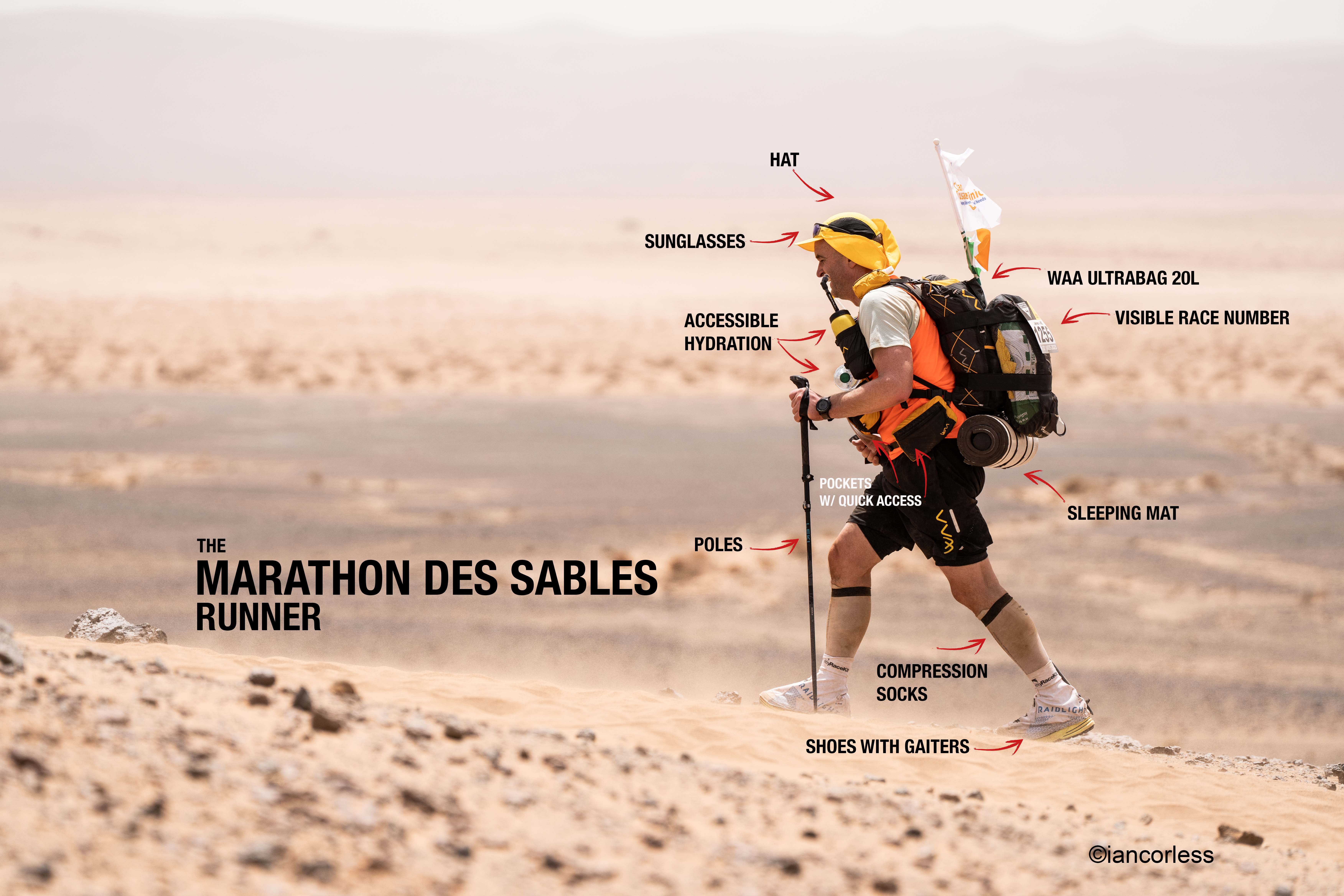
In MDS, you carry everything, TREK excluded. Your pack should include food, sleeping bag, medical kit, cooking gear, clothing, and mandatory gear. That’s 6.5kg minimal weight for MDS LEGENDARY plus water. MDS 120 / MDS RAID will have a lighter packs due to less days.

Light is fast and safe. Every gram adds significant energy demand over the race distance, the less weight you have will mean less fatigue, less stress and a faster pace..

Key strategies:

• Weigh everything. Cut ruthlessly.

• Test gear in training. Run with your pack at full race weight, but, do not do this all the time, you risk injury.

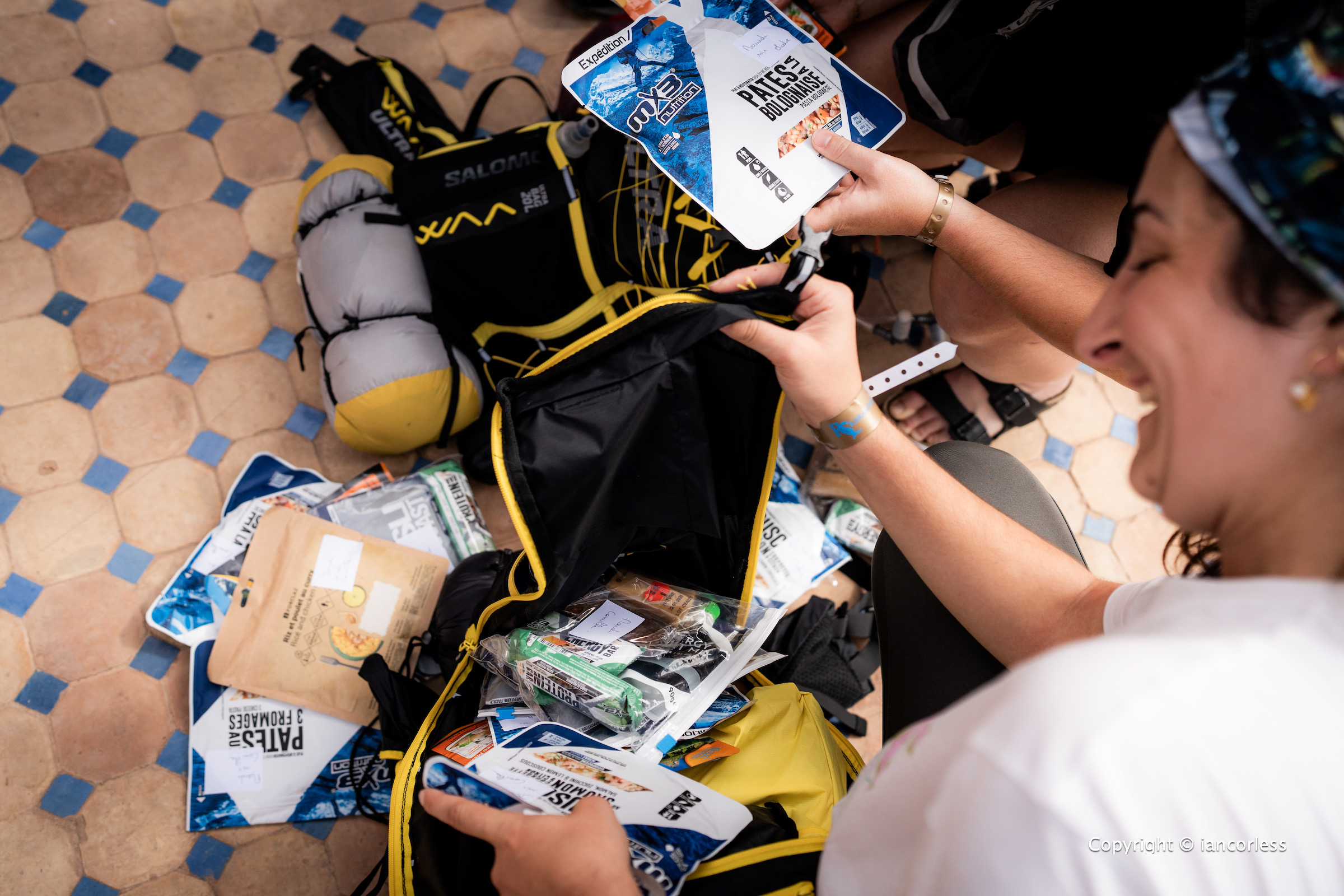
• Practice eating on the go. Your daily calorie requirement will be 2500–4000 kcal depending on pace and build.

You’ll also need:

• Desert gaiters

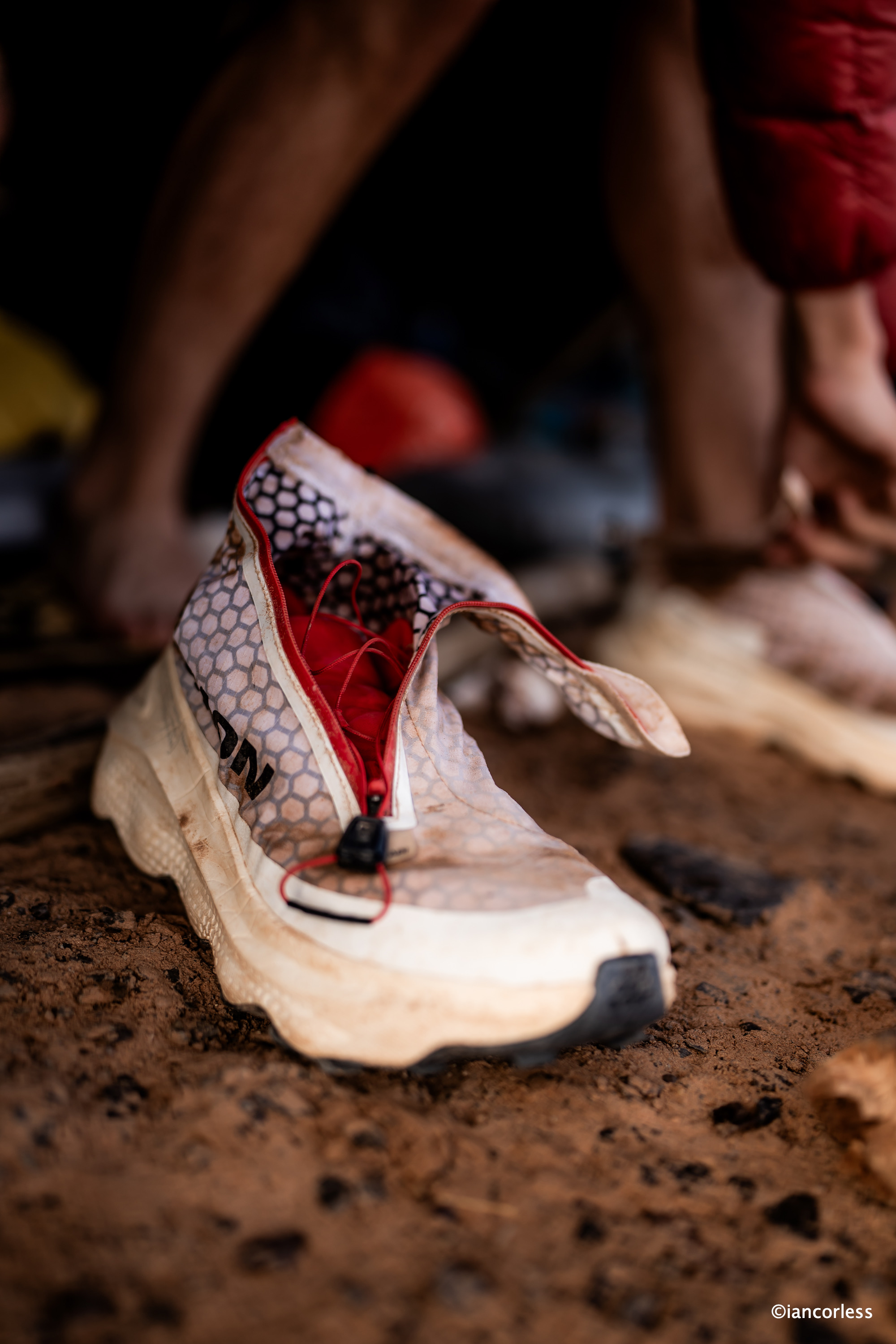
• Trail shoes with cushioning

• Anti-chafing strategies (tape, powders, creams)

• Ultralight sleeping setup

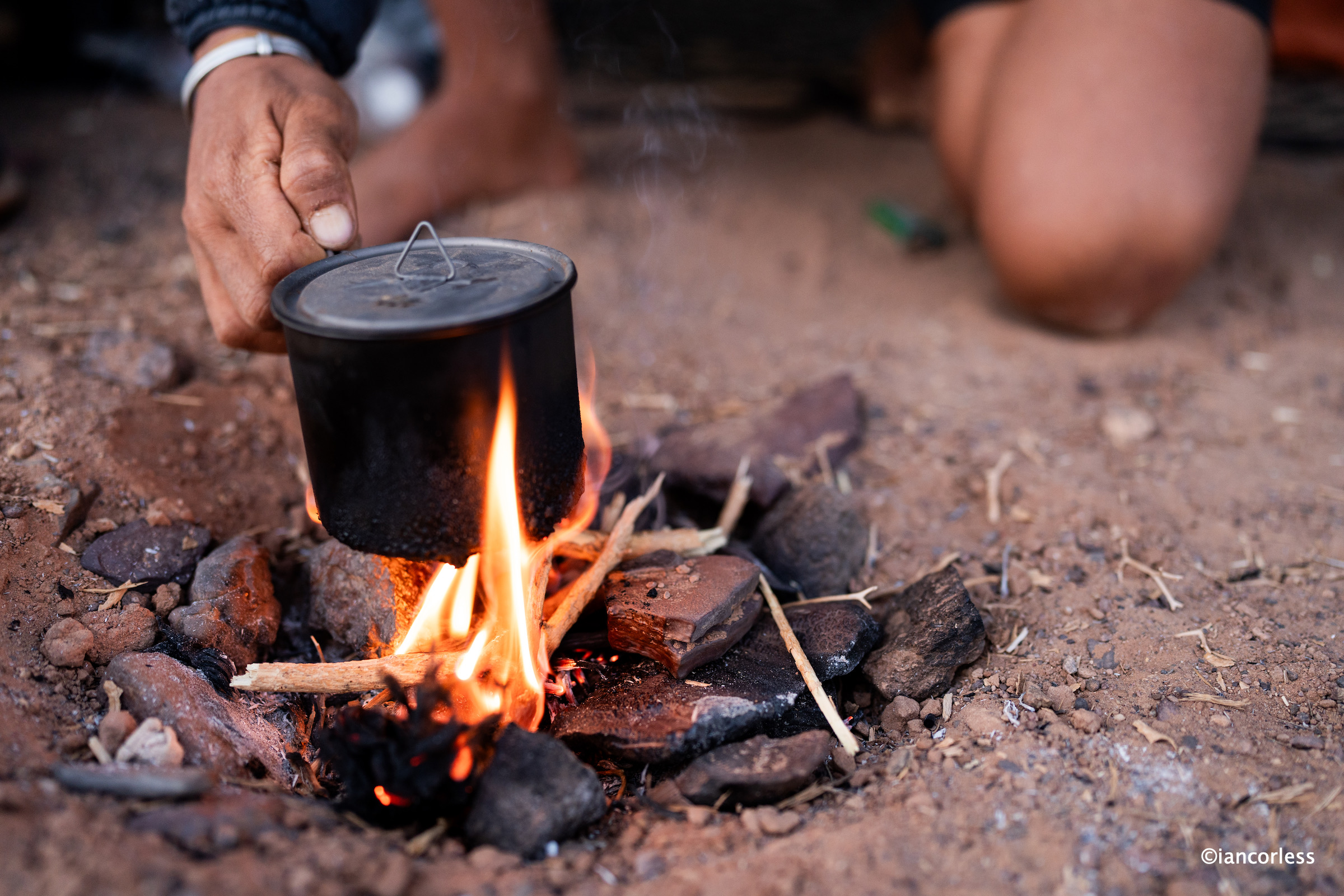
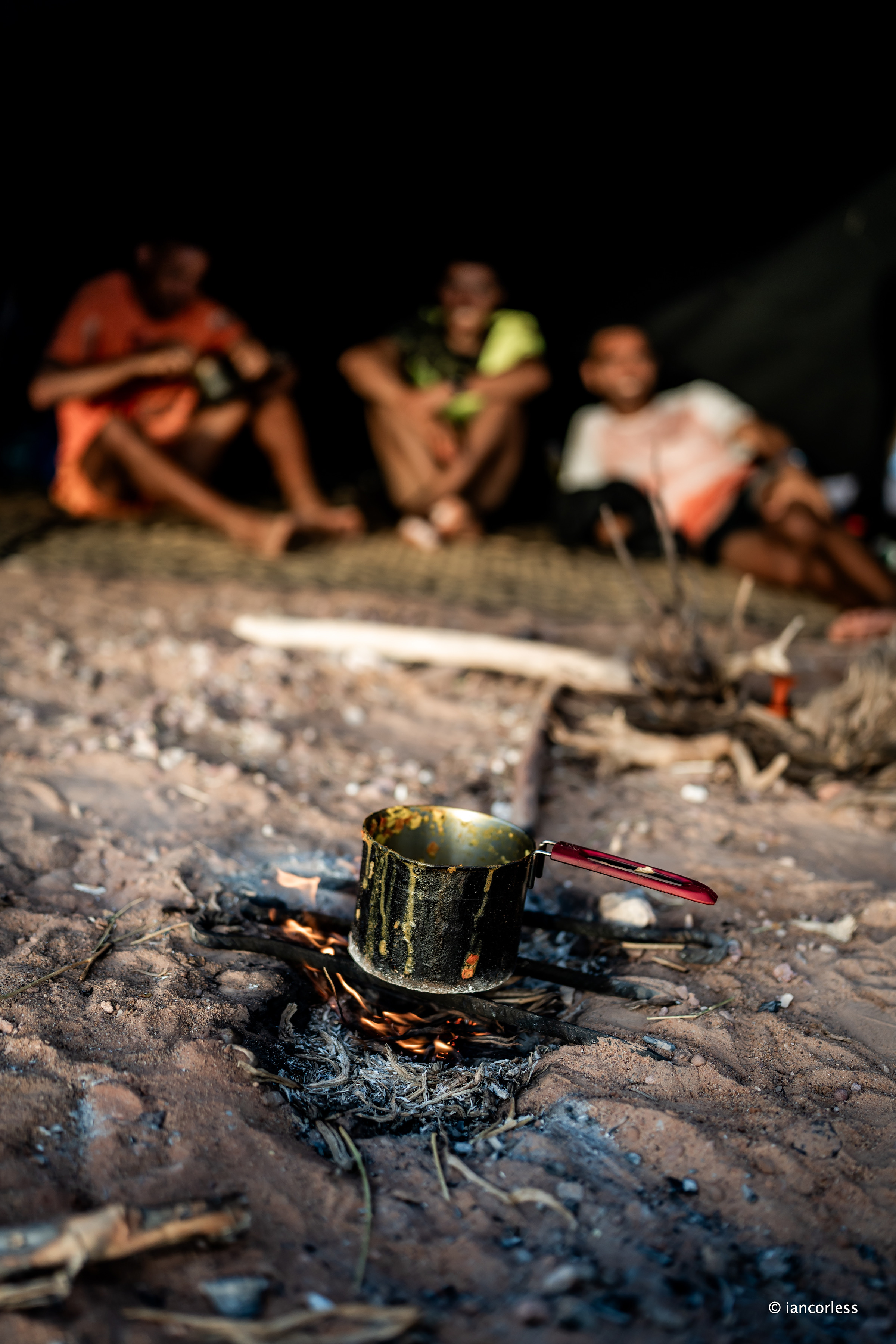
• Efficient stove or cold-soak food plan

Specific Training Focuses

The more you plan, the more specific you are, the better prepared you will be.

1. Back-to-back Long Runs

Simulate cumulative fatigue. Do a 30 km Saturday, 20 km Sunday combo. Later in the cycle, increase both and wear your pack.

2. Heat Acclimation

• Train in heat or use sauna/hot baths post-run.

• Wear layers during training to simulate heat stress.

• Aim for 10–14 days of adaptation close to race.

3. Running with Weight

Start with 2–3 kg, progress to full 7–9 kg by peak phase. Train your posture, core strength, and blister care during these sessions.

4. Footcare Mastery

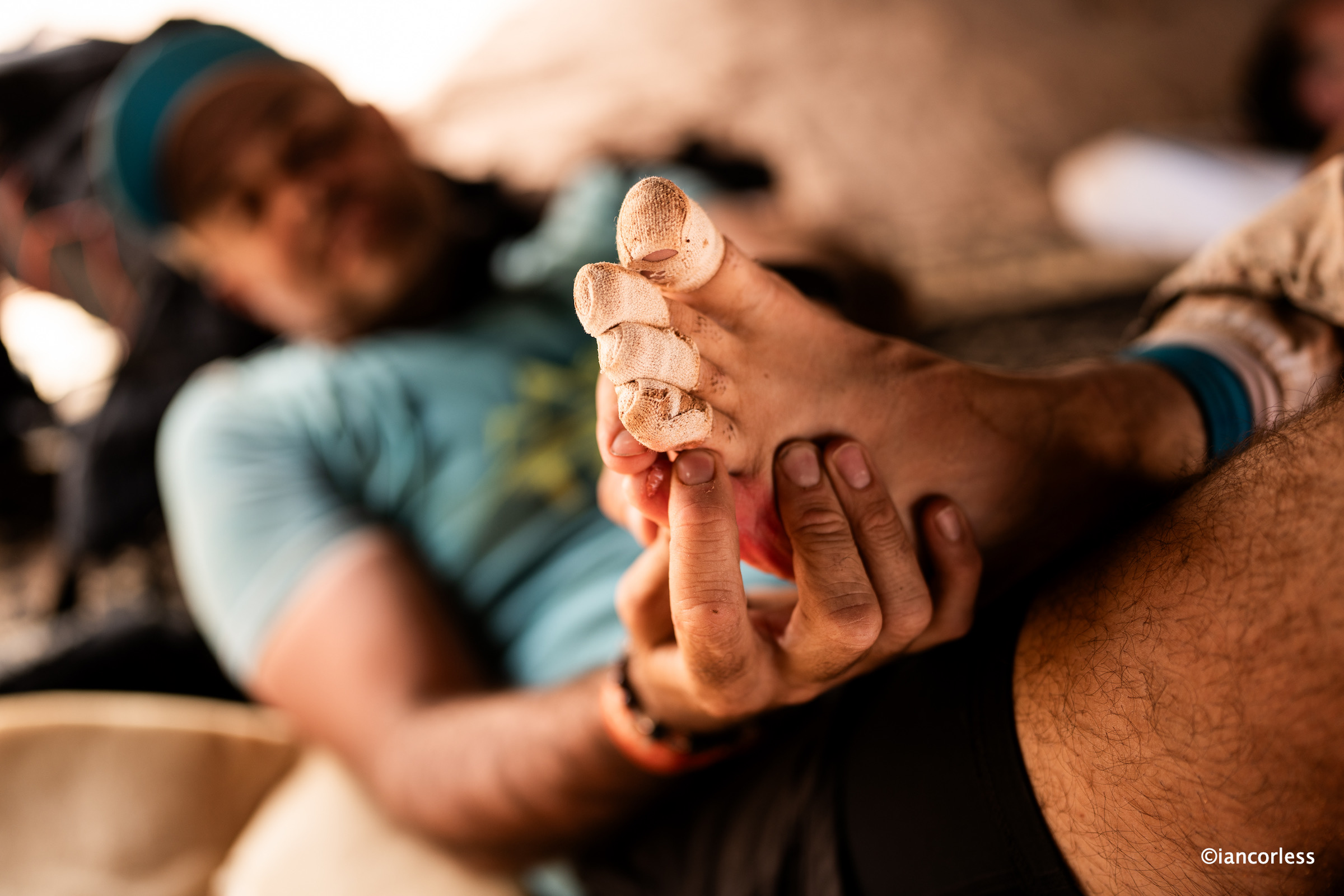
Practice taping, changing socks, lancing blisters, and prevention strategies. Your feet will suffer unless you prepare.

5. Nutrition Practice

Test every food item you plan to bring. Can you stomach 3000 calories of freeze-dried meals and energy bars daily? What about in 45°C heat?

Simulate Race Weeks

Training in Lanzarote

The most effective training tool is a mini stage race. For example, you may enter MDS TREK as preparation for an MDS 120 event, or, you may enter an MDS 120 event in preparation for MDS LEGENDARY. Alternatively, you can plan specific race simulation in your training, think about three to four days of 20–30 km runs with a pack. As an example, you could try the following 5-weeks before an event:

• Day 1: 30 km trail run (morning), sleep on mat

• Day 2: 25 km (pack), minimal food, no shower

• Day 3: 20 km (pack), hot day if possible

You’ll discover gear weaknesses, hydration issues, and psychological fatigue, these are critical insights before the real event.

Mental Training

Photo by Ian Corless

This race is more mental than physical. You must train:

• Positive self-talk

• Pain compartmentalisation

• Visualisation: Imagine suffering at km 60 with 40 to go—how will you manage?

• Sleep deprivation and discomfort: Train your tolerance.

Consider journaling after hard sessions. Track what worked mentally, and build a playbook.

Rest and Recovery

Photo by Ian Corless

Rest is training. Without it, you break.

• At least one full rest day weekly

• Active recovery (walk, yoga, swim) after long runs

• Taper at least two weeks before MDS: reduce volume, stay mobile, eat well, sleep lots

Final Thoughts

The MDS is brutal, beautiful, and deeply personal. Whether you’re aiming to finish with a smile or place in the top tier, your success depends on how well you plan, adapt, and respect the journey. Importantly, remember, we are all individual and this guide is designed to provide you with information so that you can go away and plan and prepare accordingly.

• Choose your event based on readiness and goals.

• Build your training around realistic volume and smart progression.

• Don’t skip rest, it’s when you grow.

• Test your gear and nutrition repeatedly.

• Simulate the real thing when you can.

• Remember: your brain is the strongest muscle you’ll use in the desert.

Essential reading

MDS THE ULTIMATE GUIDE HERE

THE ULTIMATE EQUIPMENT GUIDE TO MDS HERE

Further reading:

How to choose a Sleeping Bag HERE

Fastpacking Guide HERE

Winter Fastpacking HERE

Walking with poles HERE

Walking efficiency when climbing HERE

Long Term Goal Setting HERE

Follow on:

Instagram – @iancorlessphotography

Twitter – @talkultra

facebook.com/iancorlessphotography

Web – www.iancorless.com
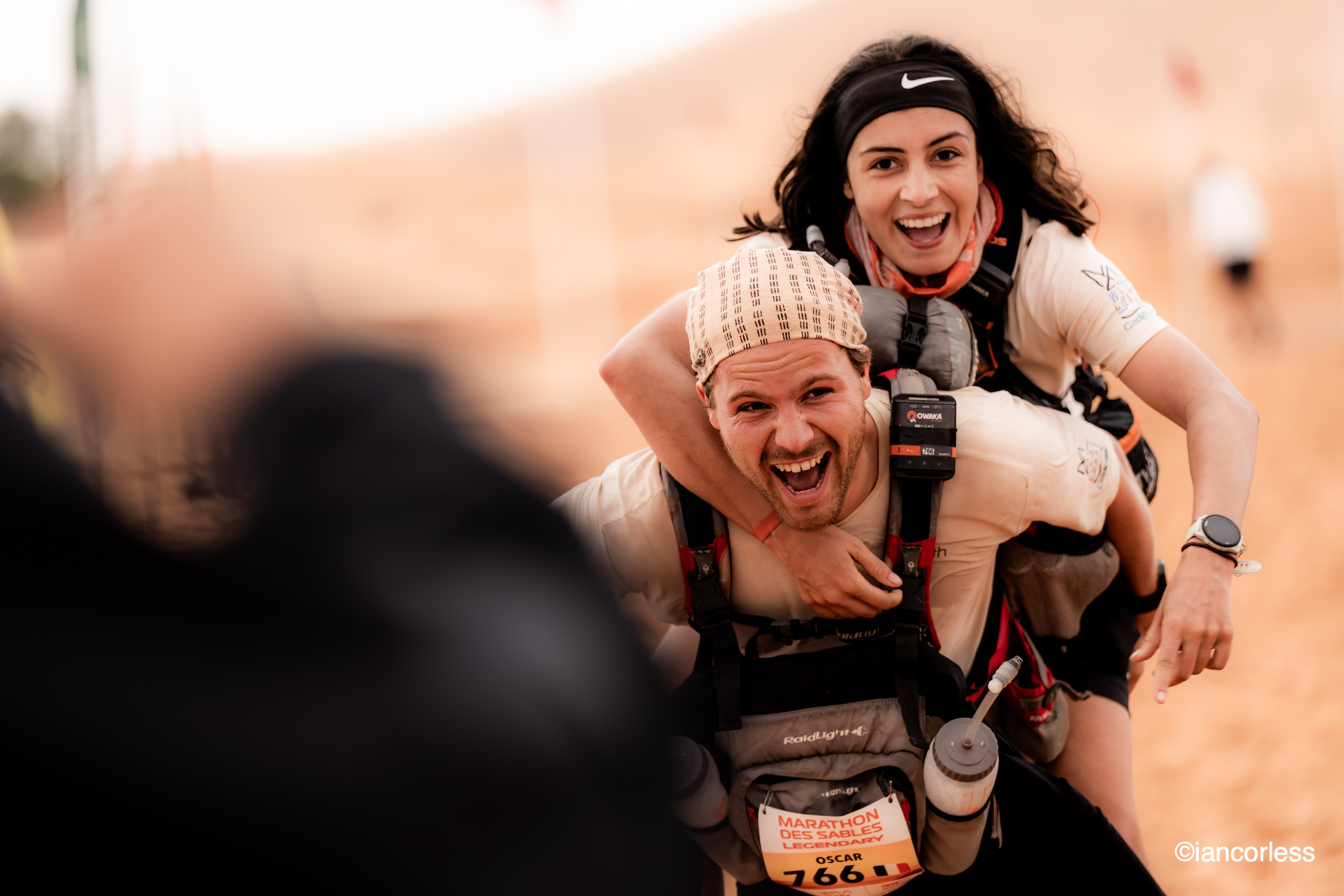
Web – www.iancorlessphotography.com

Image sales –www.iancorless.photoshelter.com

MDS 120 Cappadocia 2025 – Race Summary

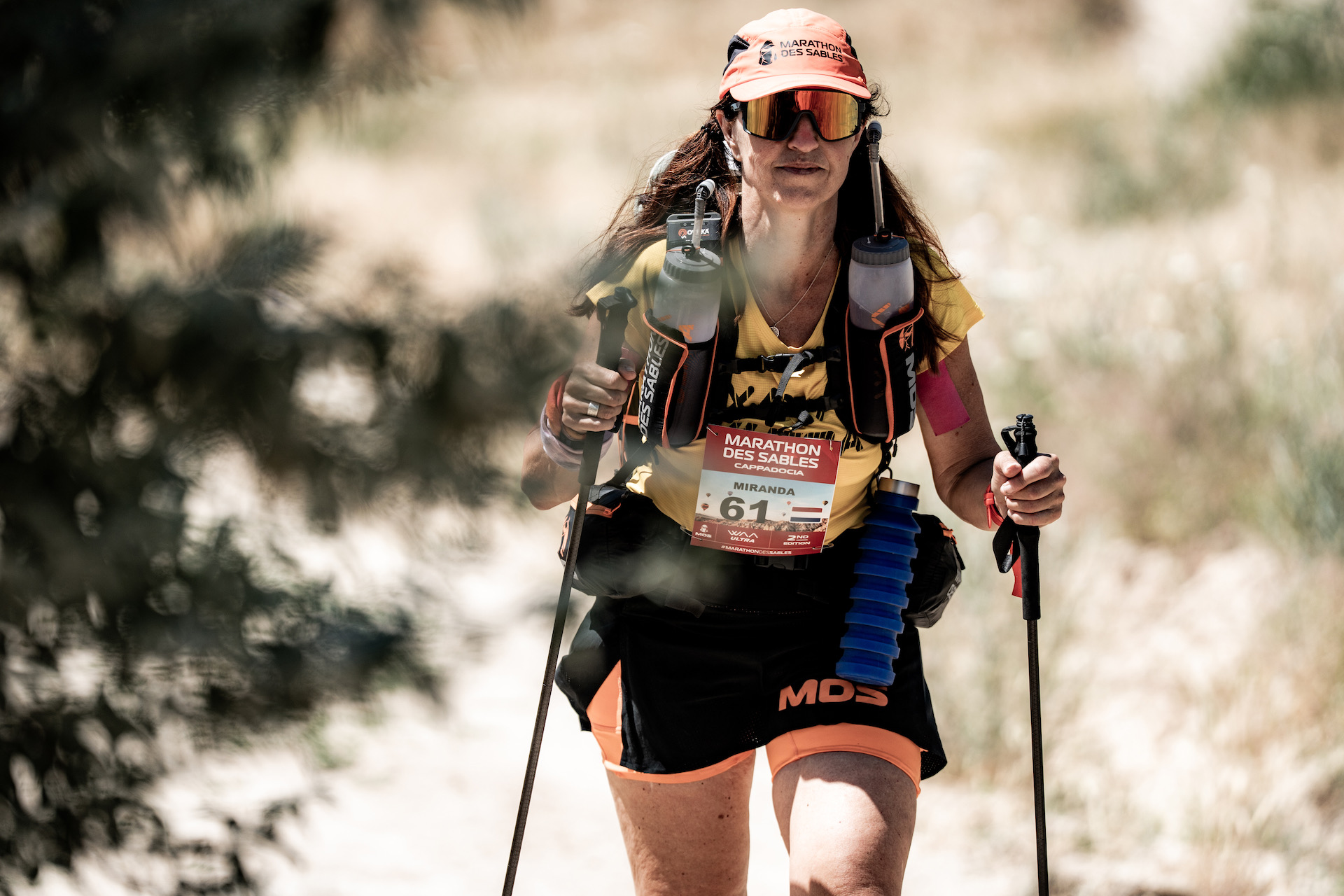
There are races that test your legs. There are others that test your mind. Then there’s the MDS 120 Cappadocia, a four-day,3-stage footrace that breaks down and rebuilds runner’s in one of the most staggering landscapes on Earth.

The second edition of this extraordinary event was nothing short of epic. It fused the spirit of ultra-running with the magic of deep time, where each participant pushed through heat, fatigue, and self-doubt and yet felt part of something much larger, something ancient, something eternal.

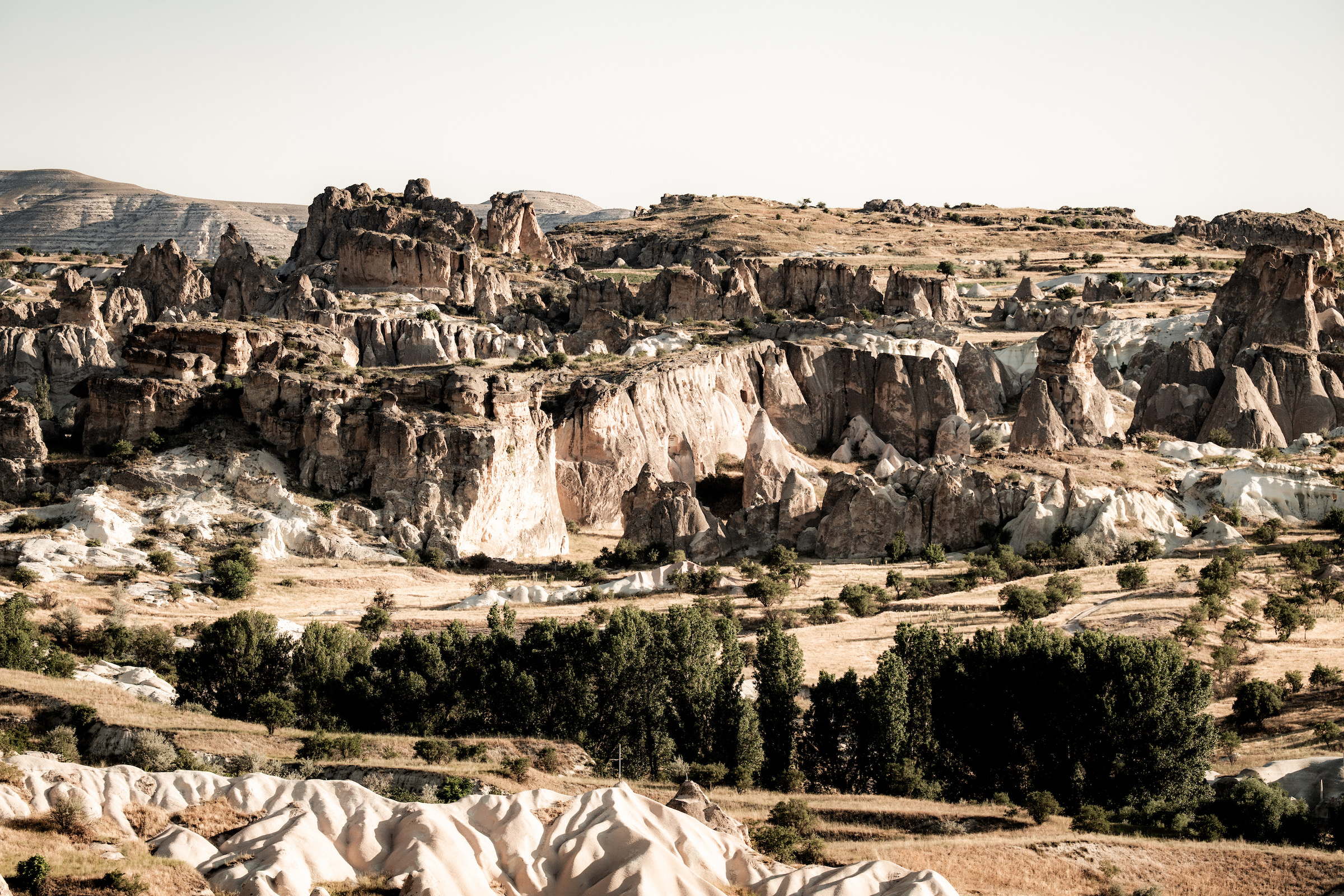
Cappadocia is not a place that’s easily explained. Words fall short, pictures get close, but to run through it, that’s where the real story begins. From the first light of dawn to the finish line and the glow of the medal, the 2025 MDS 120 Cappadocia offered an experience that was brutal, beautiful, and of course, unforgettable.

Runners arrived from across the globe with 25 countries represented to stand on the start line beneath towering rock formations that look like they belong on another planet. With female participation at a record 62%!

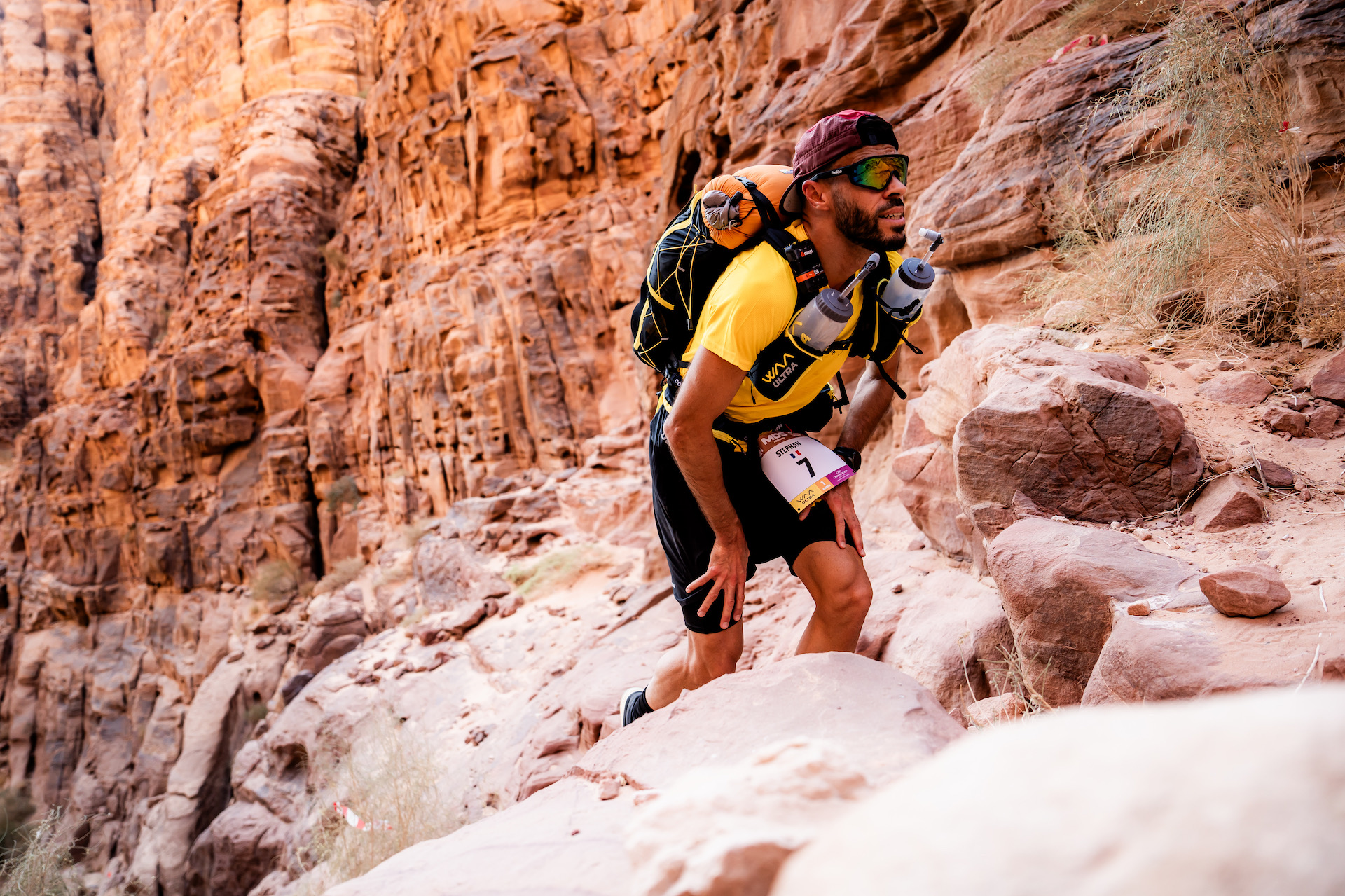
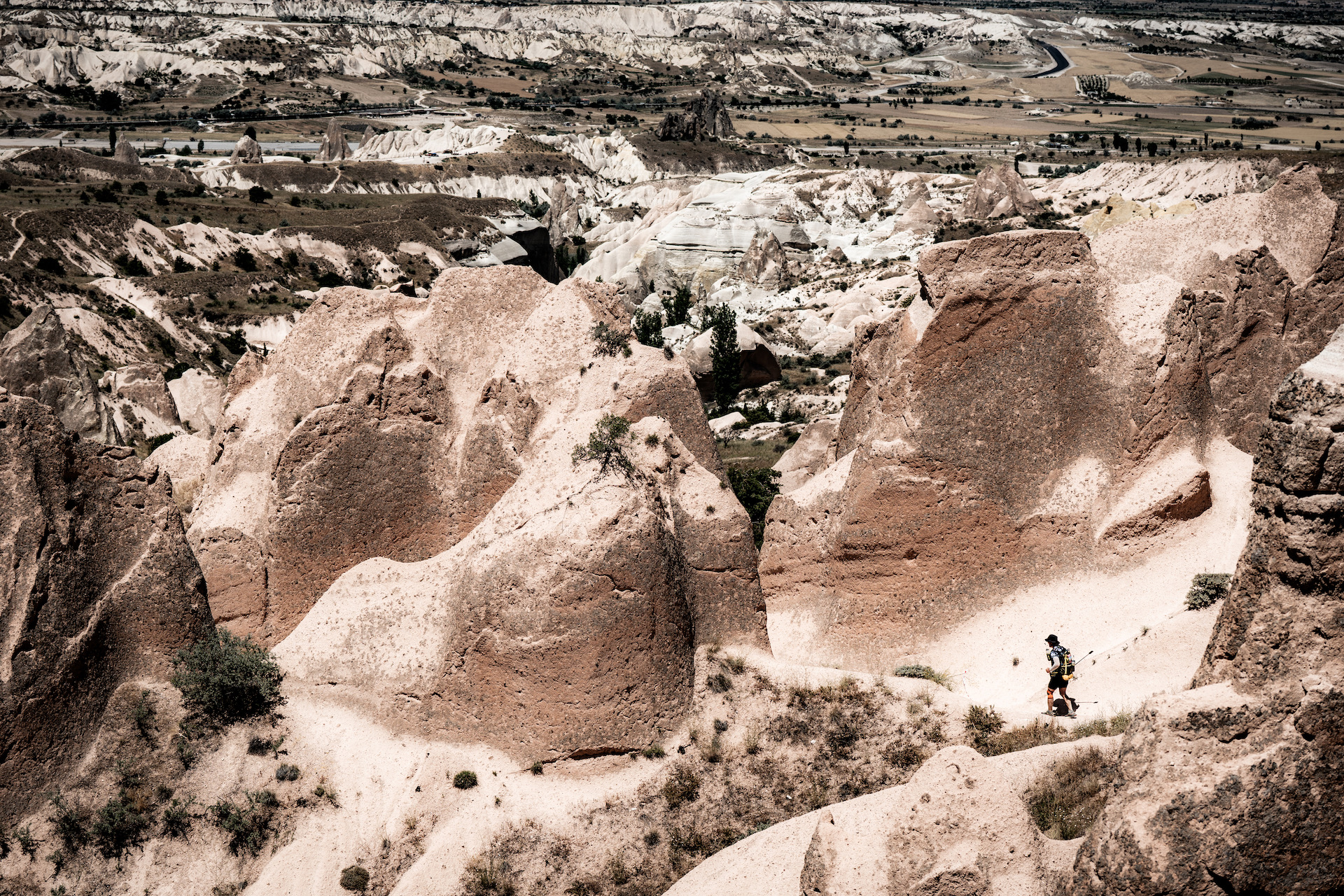
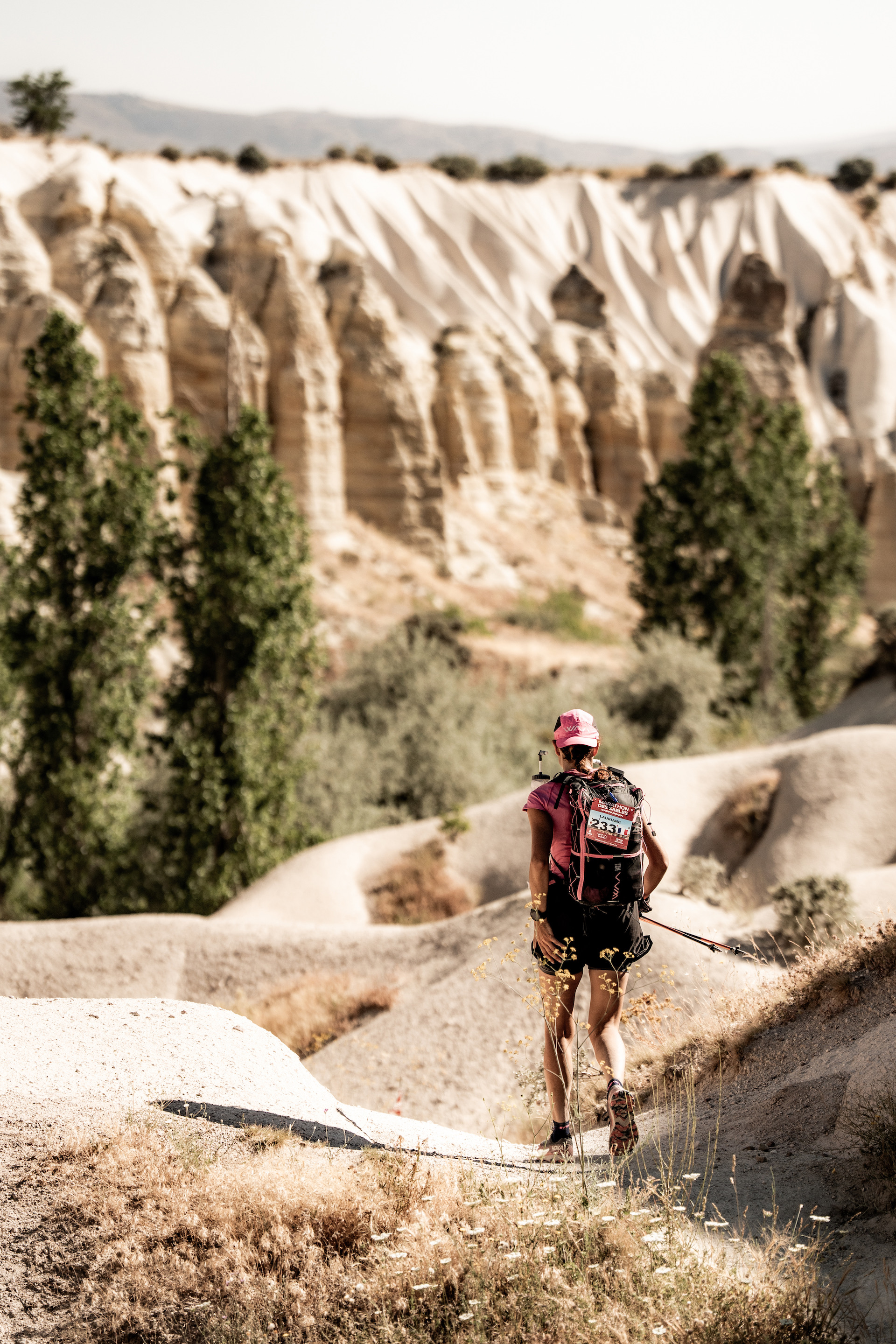
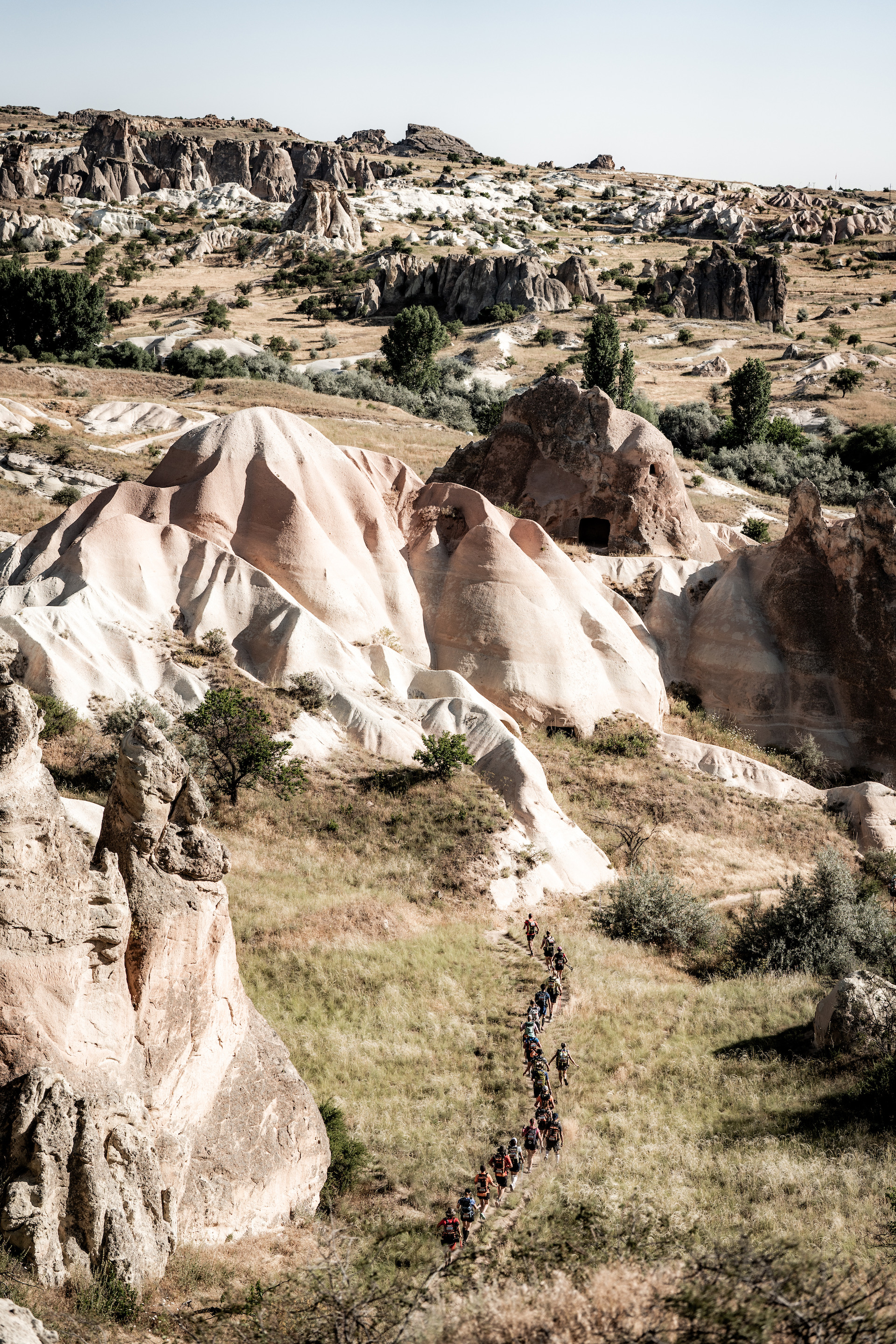
Trails cut through a high-altitude dreamscape where volcanoes once erupted, empires rose and fell, and entire civilisations carved homes into the rock. To run here is to move through living history, a living museum of geology, culture, and time itself. Cappadocia is the kind of place that feels mythic. Its valleys have names like Love, Rose, and Red.

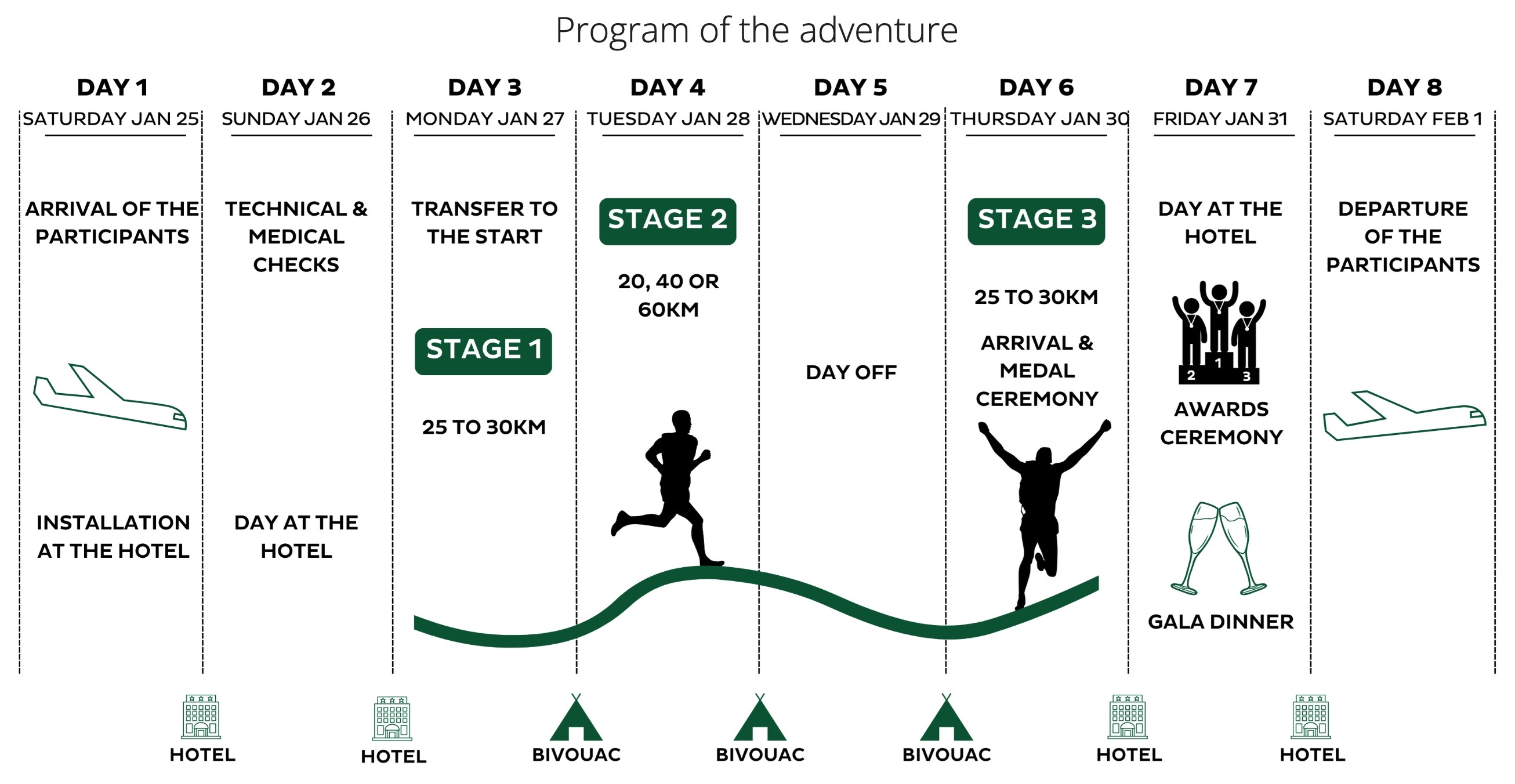
The format of the race was designed to challenge runners of all levels while still demanding serious endurance. The full race spanned up to 120 kms over three stages, spread across four days with one rest day in the middle. Stage 1 and Stage 3 were the same for all runners, but Stage 2 offered a unique choice: 20, 40, or 60 kms, allowing each participant to tailor their challenge to their ability and ambition. This approach gave the event a powerful sense of inclusivity while preserving the core of what MDS stands for: pushing yourself farther than you thought you could go.

“The terrain, however, had no intention of making anything easy.”

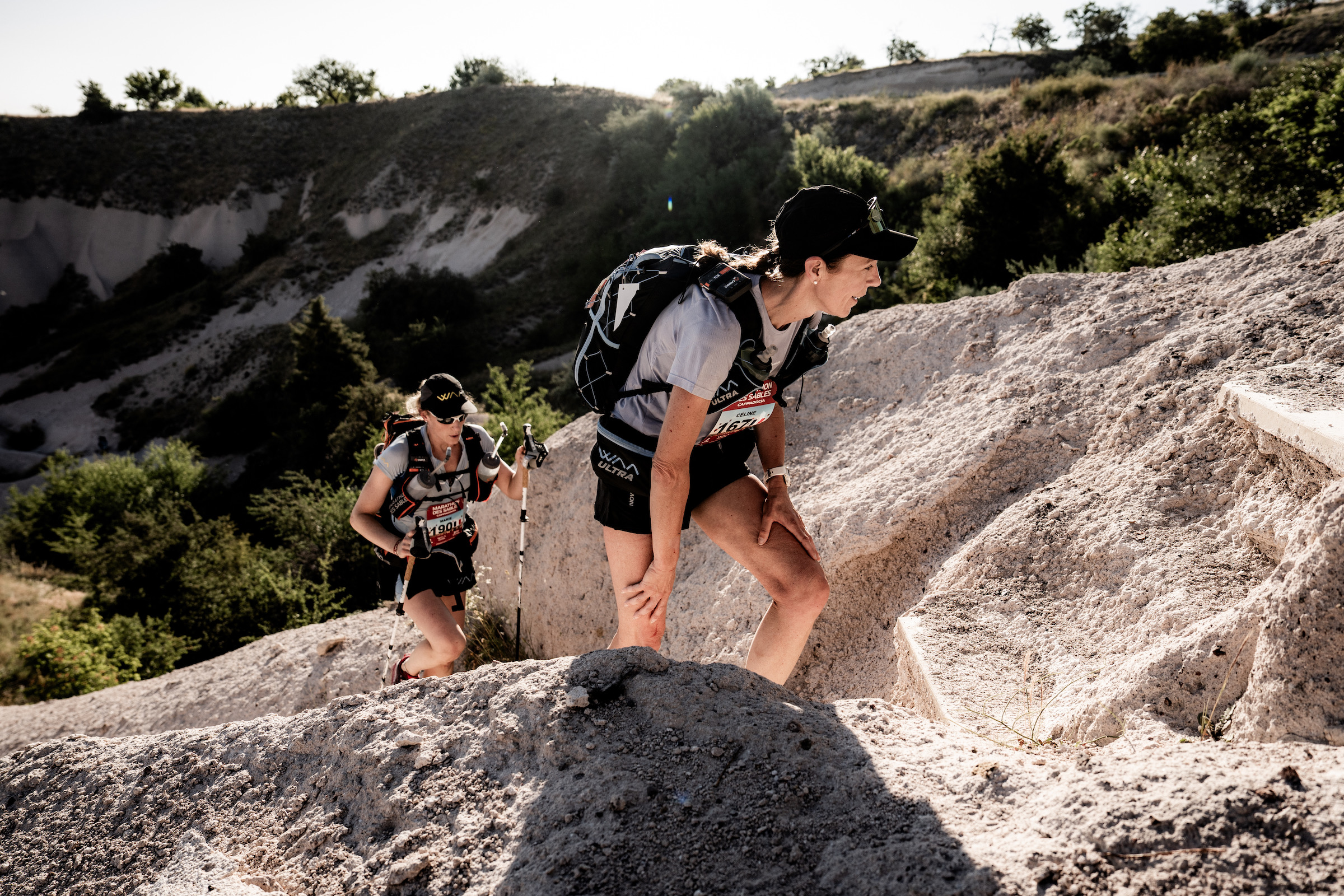
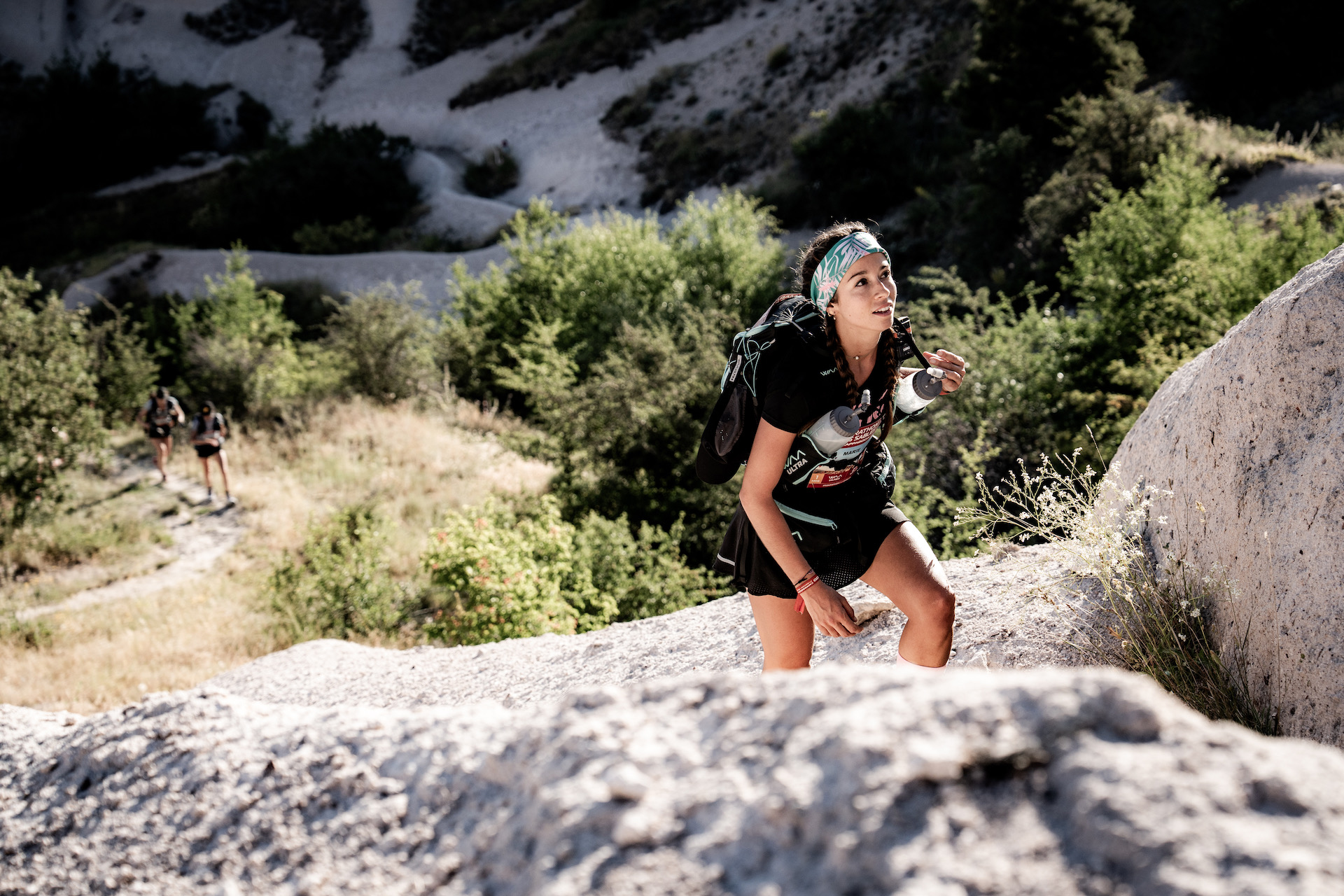
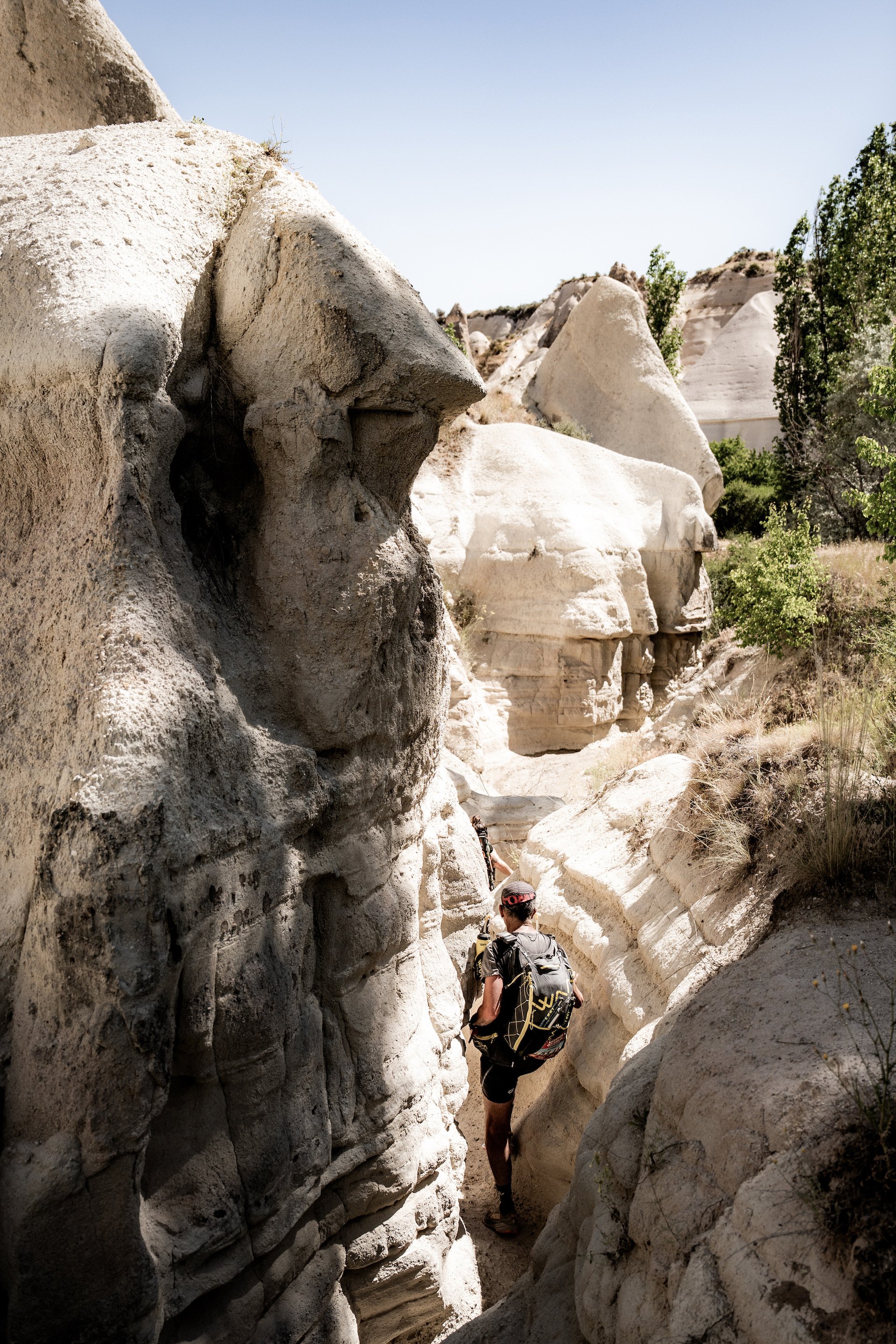
Each day brought something different, a test of legs, lungs, and willpower. Stage 1 began with a baptism of dust and stone, leading runners through twisting canyons and across ancient paths etched into the volcanic rock. The climbs were relentless. The descents were technical and punishing.

Stage 2, whether 20, 40, or the full 60 kms, was a crucible in the heat, sending runners through sun-scorched valleys and across ridges with no shade and no mercy.

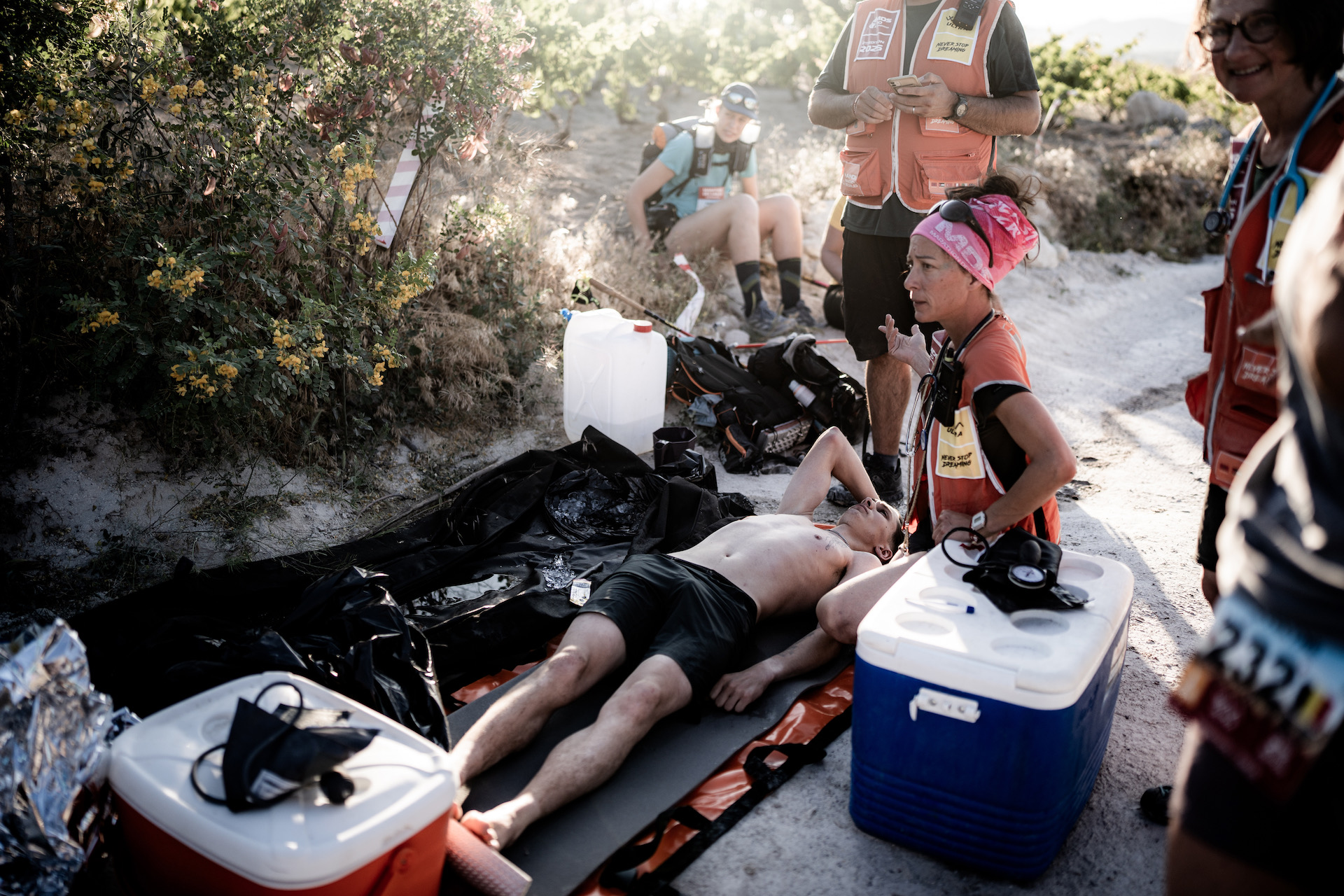
It was here that the Cappadocian sun made itself known. Temperatures soared into the mid-30s Celsius, radiating off the rocks and baking every exposed inch of trail. What began as a scenic adventure quickly became a battle against dehydration, overheating, and sheer exhaustion. The ‘orange’ jackets ensuring that medical protocols and safety for each runner was paramount.

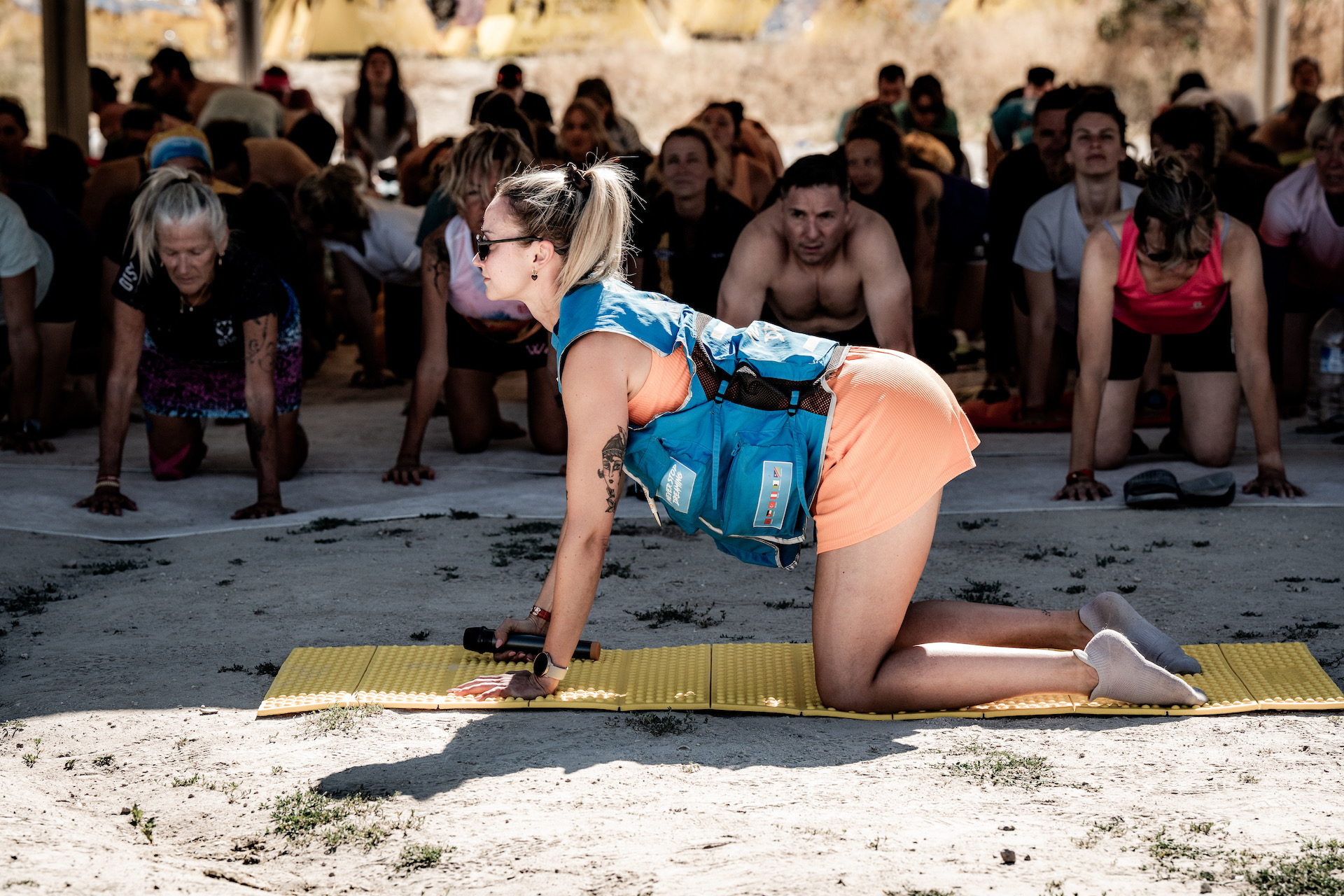
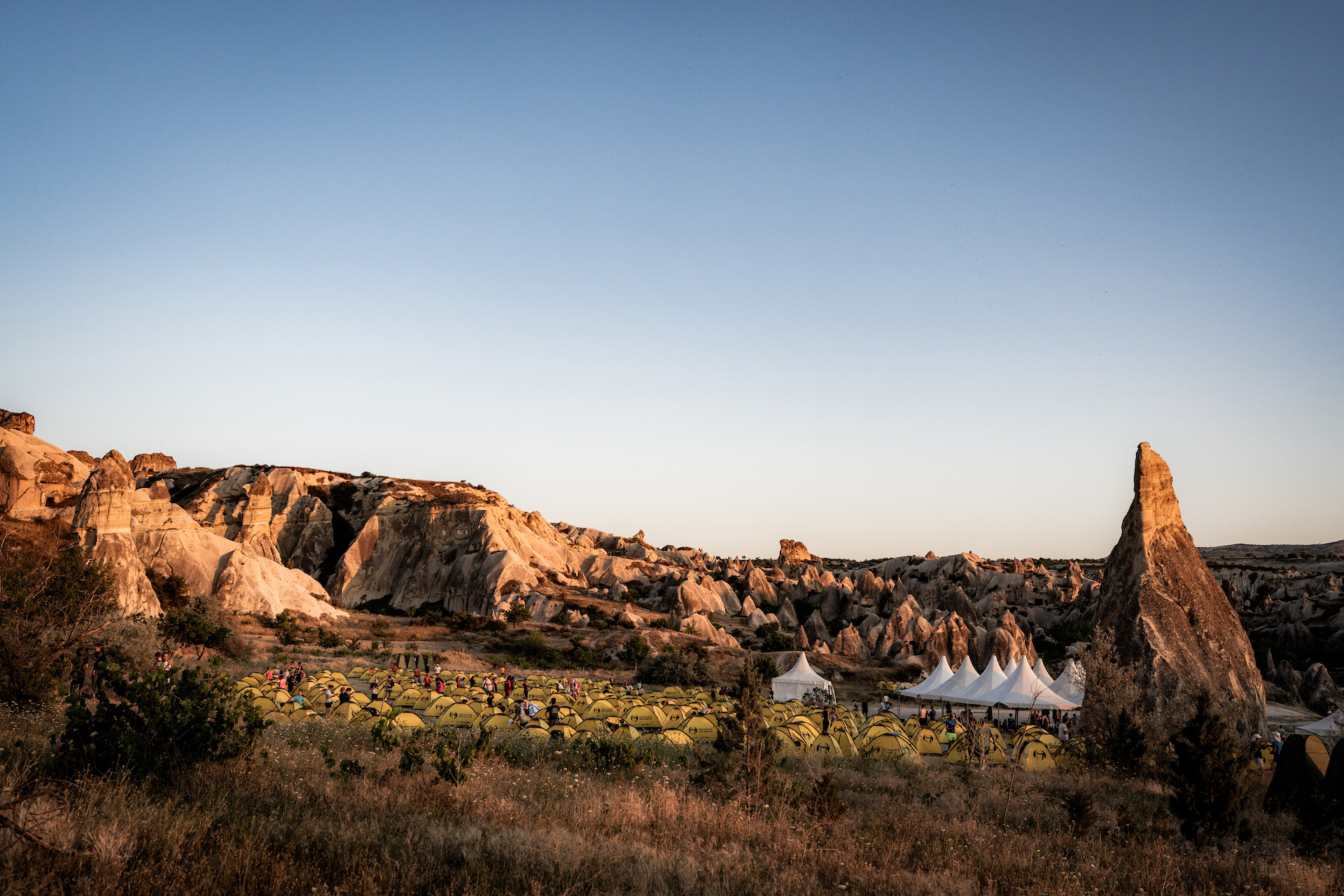
The rest day was welcome, a day to re-charge, relax, eat, sleep and yes, even some yoga was an opportunity to find some zen amongst the chimneys that surrounded bivouac.

Stage 3, the finale, was no victory lap. It was a final reckoning. After the rest day, legs were stiff, feet swollen and raw, but spirits were high.

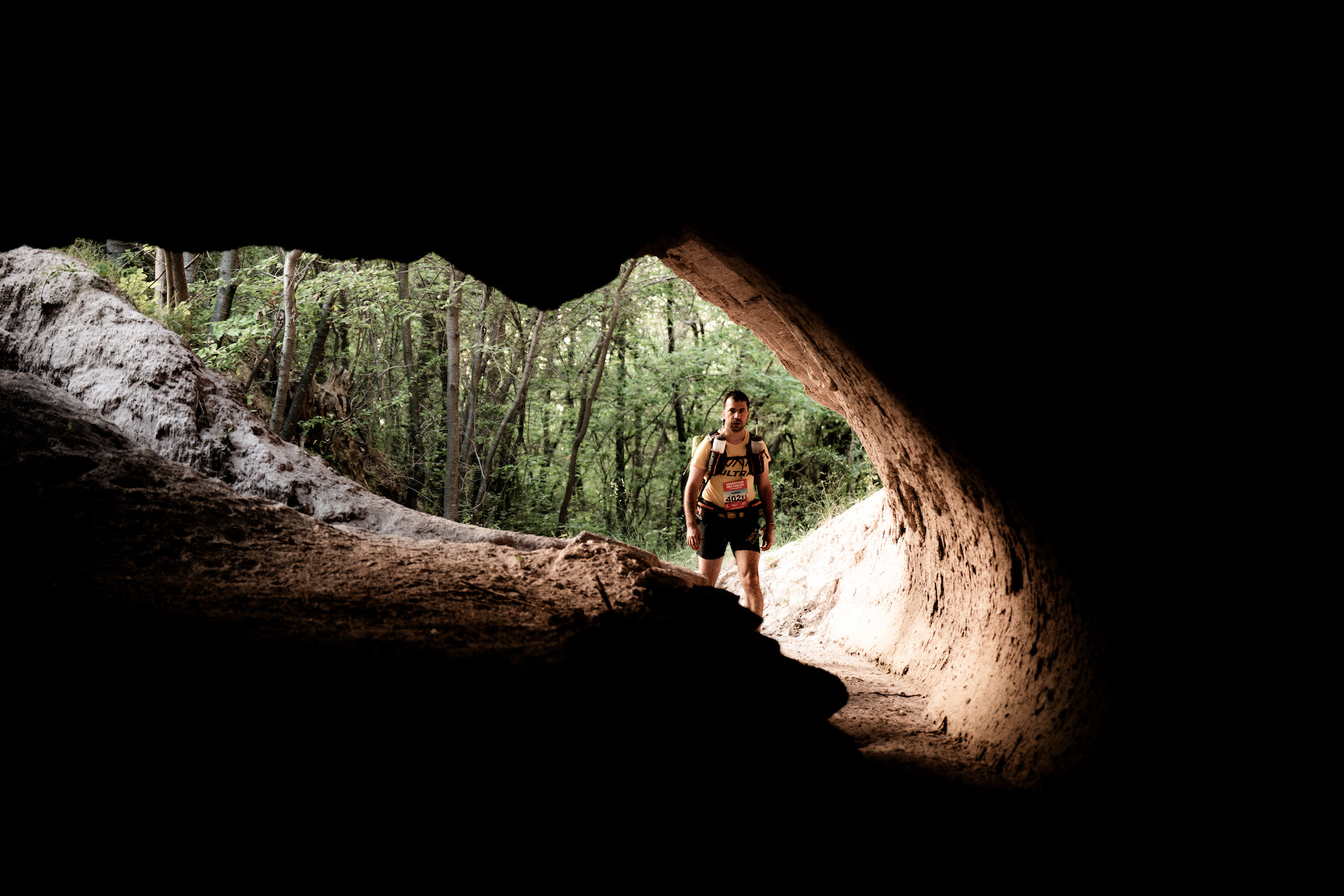
The route wound past ancient cave dwellings and hidden churches, finishing in a dramatic final stretch that felt more like a pilgrimage than a race. The Love Valley an amazing conclusion to a stunning journey.

Four runners, despite grit and effort, didn’t make it to the end. But in the spirit of MDS, the organization extended them free entry into the 2026 edition, a gesture that underscores the ethos of the race: resilience over results, and community over competition.

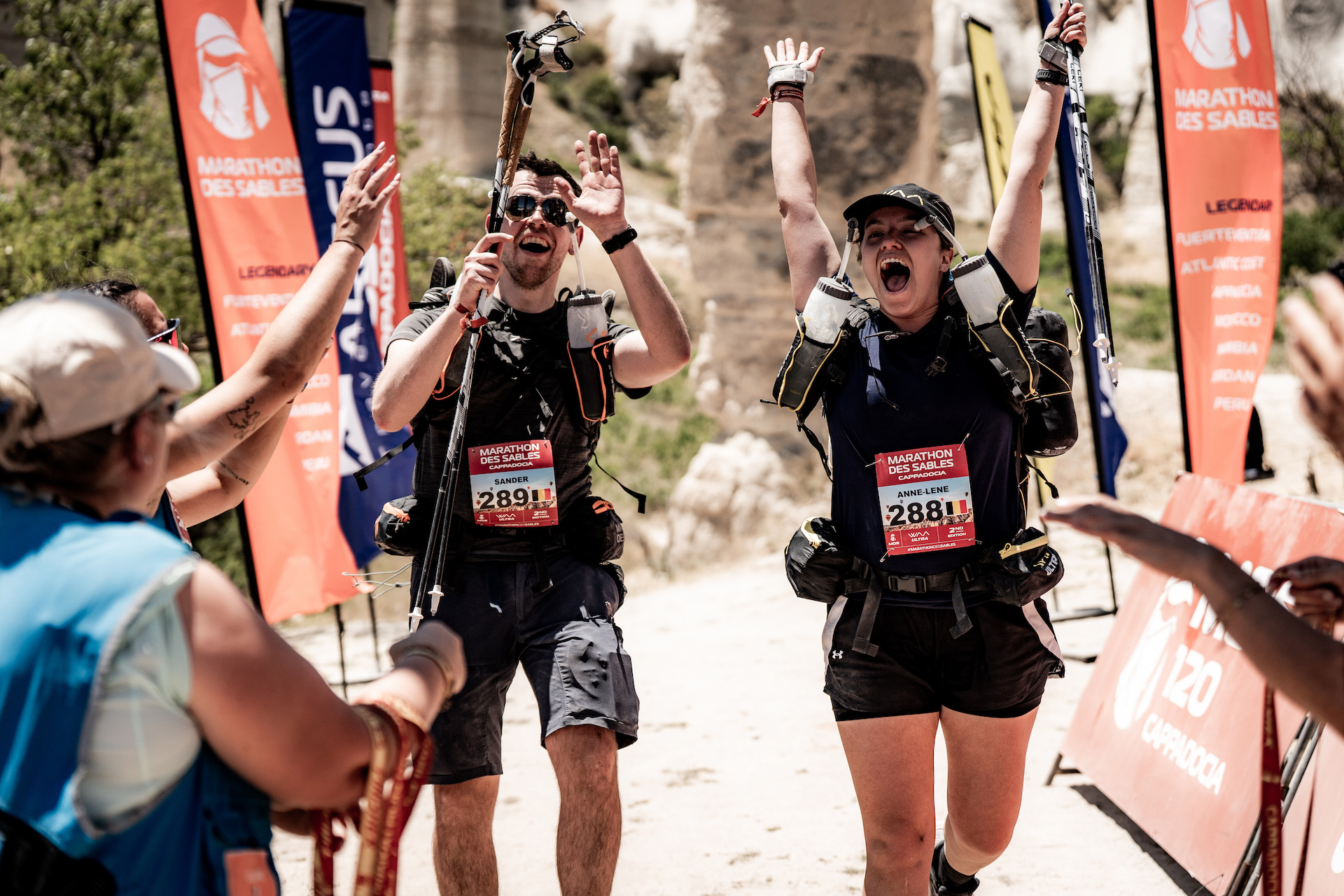
What makes MDS 120 Cappadocia unique isn’t just the landscape or the difficulty. It’s the way it all comes together. The suffering is real, but so is the reward. Every runner finished with a story that could never be captured in a finisher’s medal alone. There were tears, high fives, sunburns, hallucinations, and moments of silence that felt like communion with the land.

And just when it seemed the adventure was over, the organisers gave one final gift: a sunrise hot air balloon flight on the last morning. It wasn’t a tourist gimmick, it was a floating tribute to everything the runners had just done. Watching the sun rise over the Göreme Valley, suspended in silence above the trails they’d conquered, was a moment that stitched the entire experience together. From above, the rock valleys, the winding trails, the start and finish lines, it all made sense. It was breathtaking.

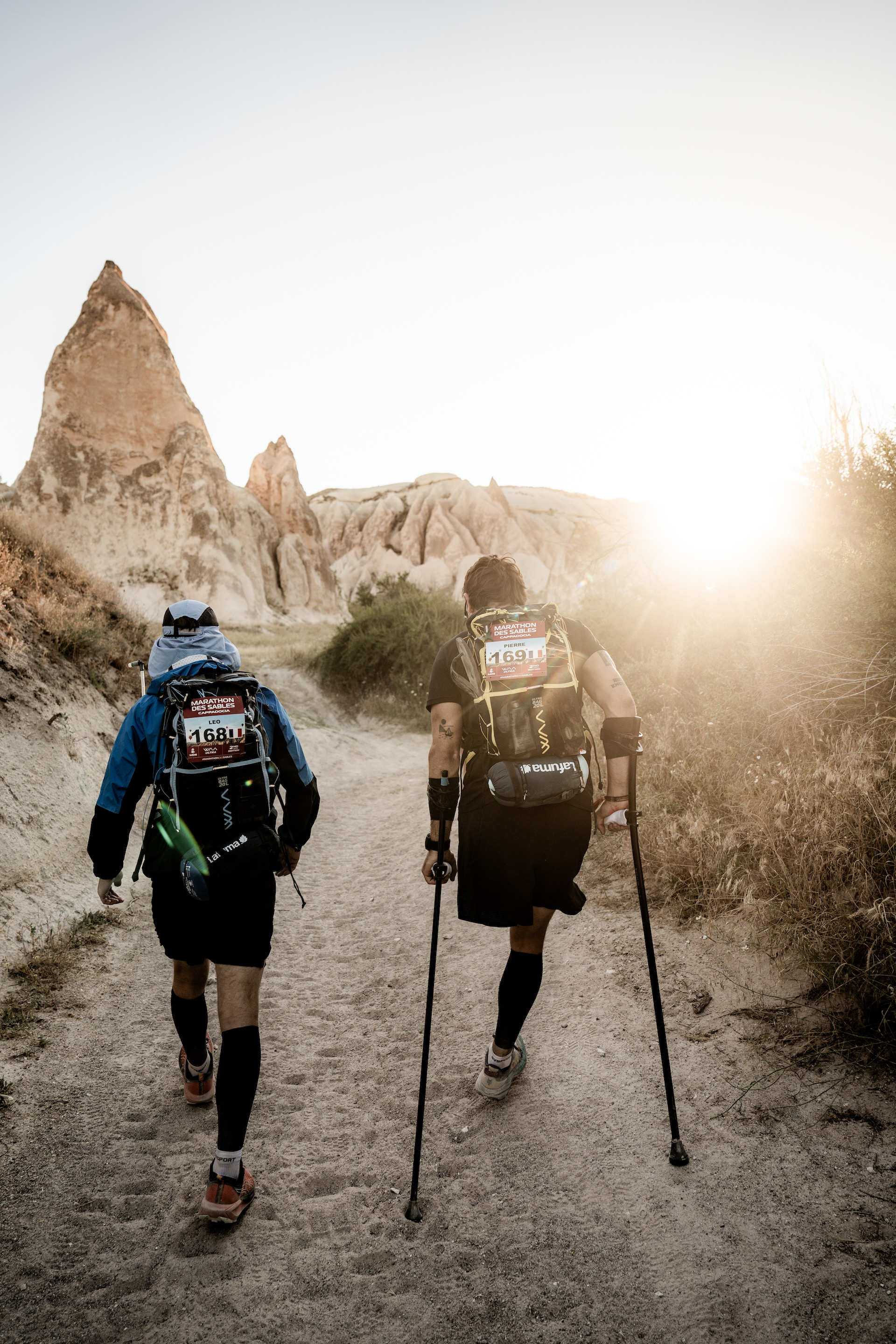
After the balloon flight, runners were finally allowed to stop. A full day of rest and recovery followed, giving battered bodies a chance to relax and reconnect. The evening brought everyone back together for a gala dinner, an award ceremony that celebrated not just the fastest, but the toughest and most spirited. Pierre (a single leg amputee) and Leon getting special recognition for personifying the meaning of MDS solidarity.

A film screening that captured the emotion and scale of what had unfolded over the past four days. Laughter mixed with tears. Strangers had become teammates. Solo runners had become family.

The verdict from every corner was the same: this race had delivered something extraordinary. It had pushed people to their edges and rewarded them with a kind of beauty, depth, and meaning that’s rare in the ultra-running world.

MDS 120 Cappadocia wasn’t just a race across Turkey. It was a race through deep time, a personal reckoning, and a reminder of what the human body and spirit can endure when the landscape is fierce, and the story is this good.

The bar is set. The expectations are high. But if the 2025 edition proved anything, it’s that this race is only getting better, stronger, and more awe-inspiring.

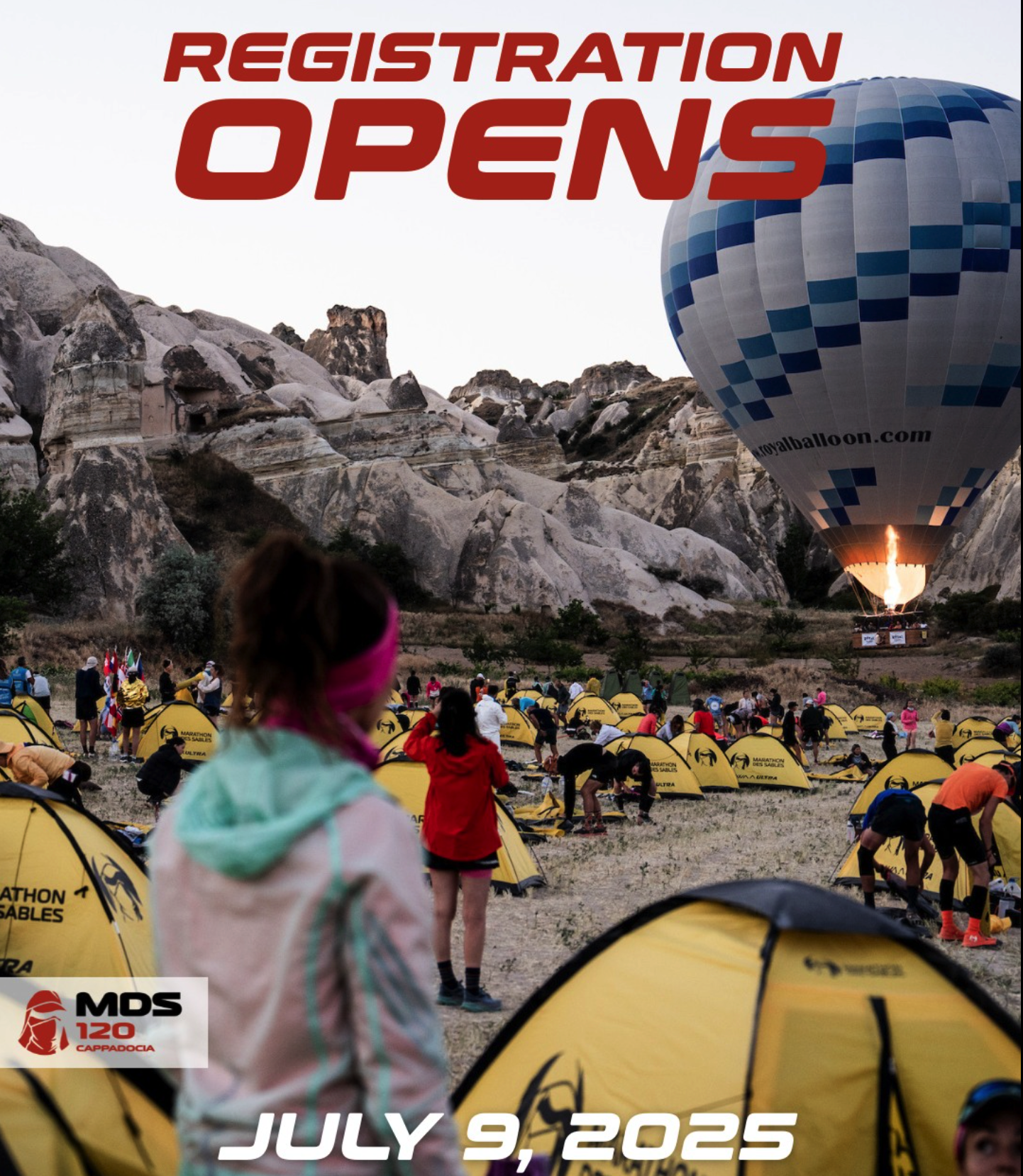
If you’re looking for an ultra that leaves a mark, not just on your legs, but on your soul: get ready for the 2026 dates, registration opens July 9th 2025.

Pack your shoes. Respect the heat. And come run through fire and stone in Cappadocia.

Marathon des Sables website HERE


Follow Ian Corless

Instagram – @iancorlessphotography

Twitter – @talkultra

facebook.com/iancorlessphotography

Web – www.iancorless.com
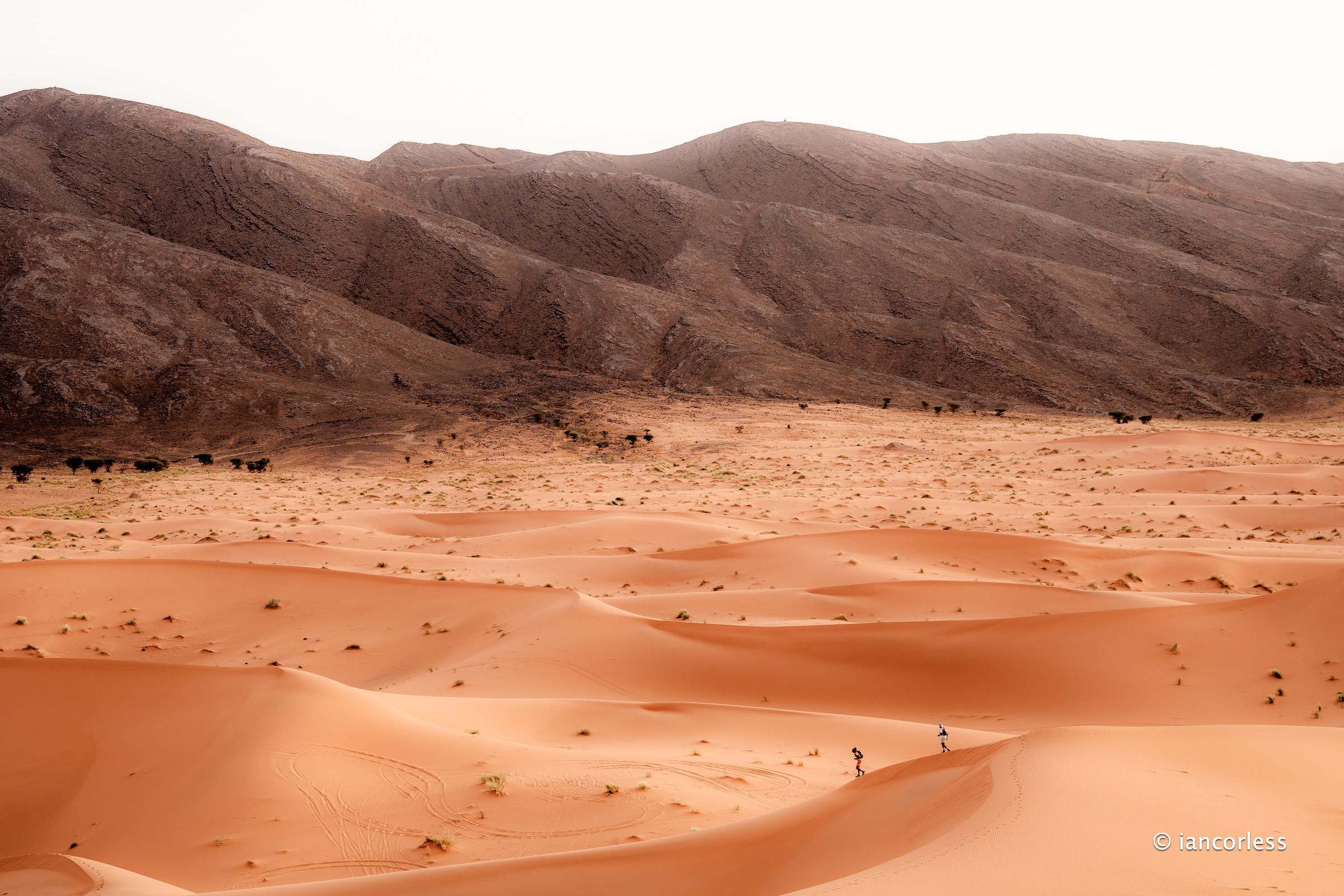
Web – www.iancorlessphotography.com

MDS 120 Cappadocia 2025 – Stage 3

Stage 3 of the MDS 120 Cappadocia delivered a brutal, beautiful reckoning. Spanning 26 kms under a punishing sun, the course cut through some of Turkey’s most iconic landscapes, from the pastel walls of Red Valley to the towering spires of Love Valley. But make no mistake: this stage wasn’t just about scenery. It was a furnace.

Love Valley – amazing

With temperatures soaring past 36°C and a heat index that felt closer to 48°C the early start with hot air balloons was welcome.

Not all bivouacs are the same

Even so, runners were fighting the heat within minutes. Shade was rare, and the terrain offered no favours: narrow single tracks, slot canyons, technical descents, and long exposed stretches tested every step.

By mid-morning, the route through Love Valley felt less like a romantic postcard and more like a slow-motion survival drill.

Despite the conditions, runners dug deep. The lead pack charged forward with astonishing control, weaving through the heat haze with purpose, but it was the back of the pack that showed the rawest version of the struggle. Blistered feet, overheated cores, and sheer exhaustion painted a stark picture of just how hard-earned every kilometer was.

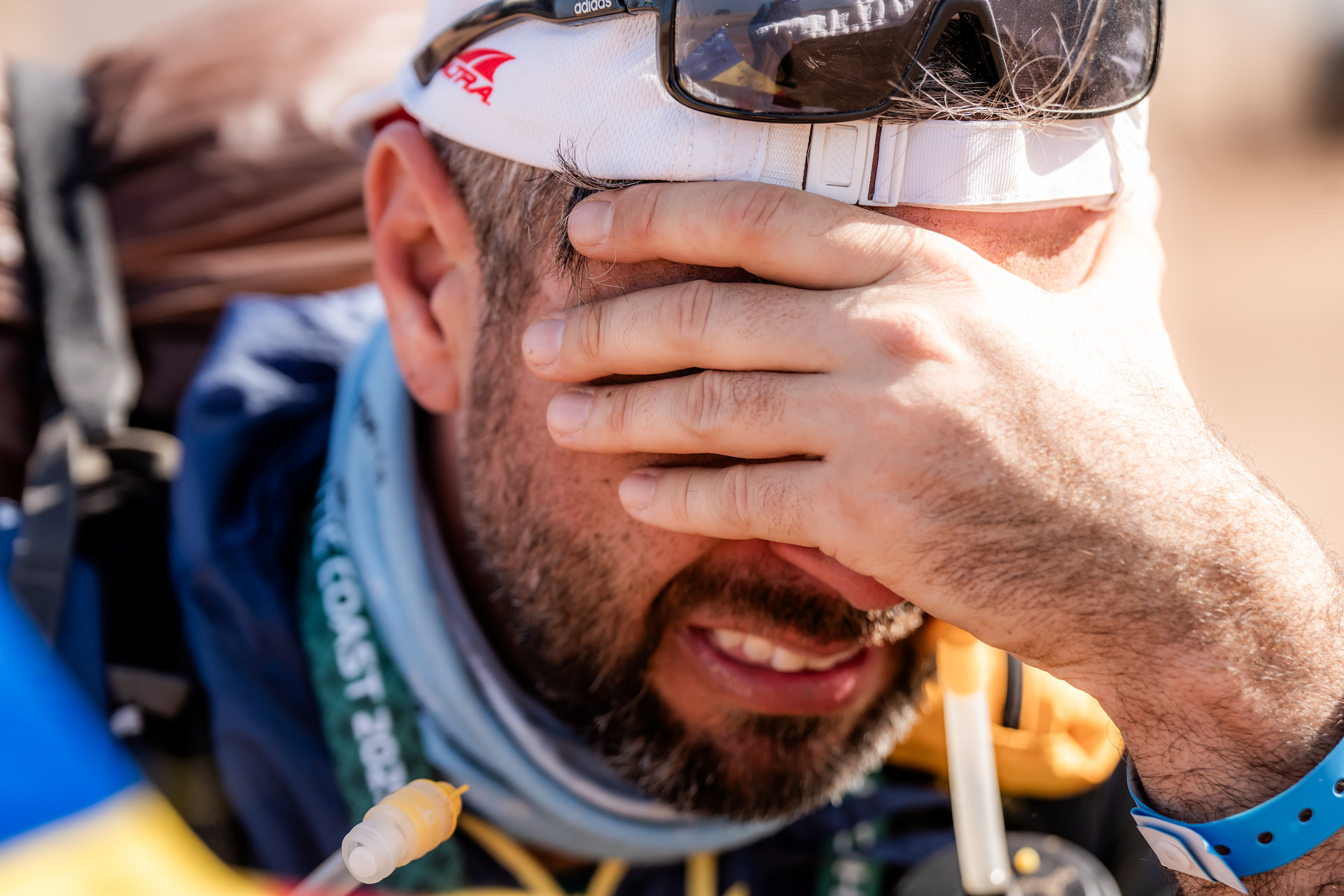
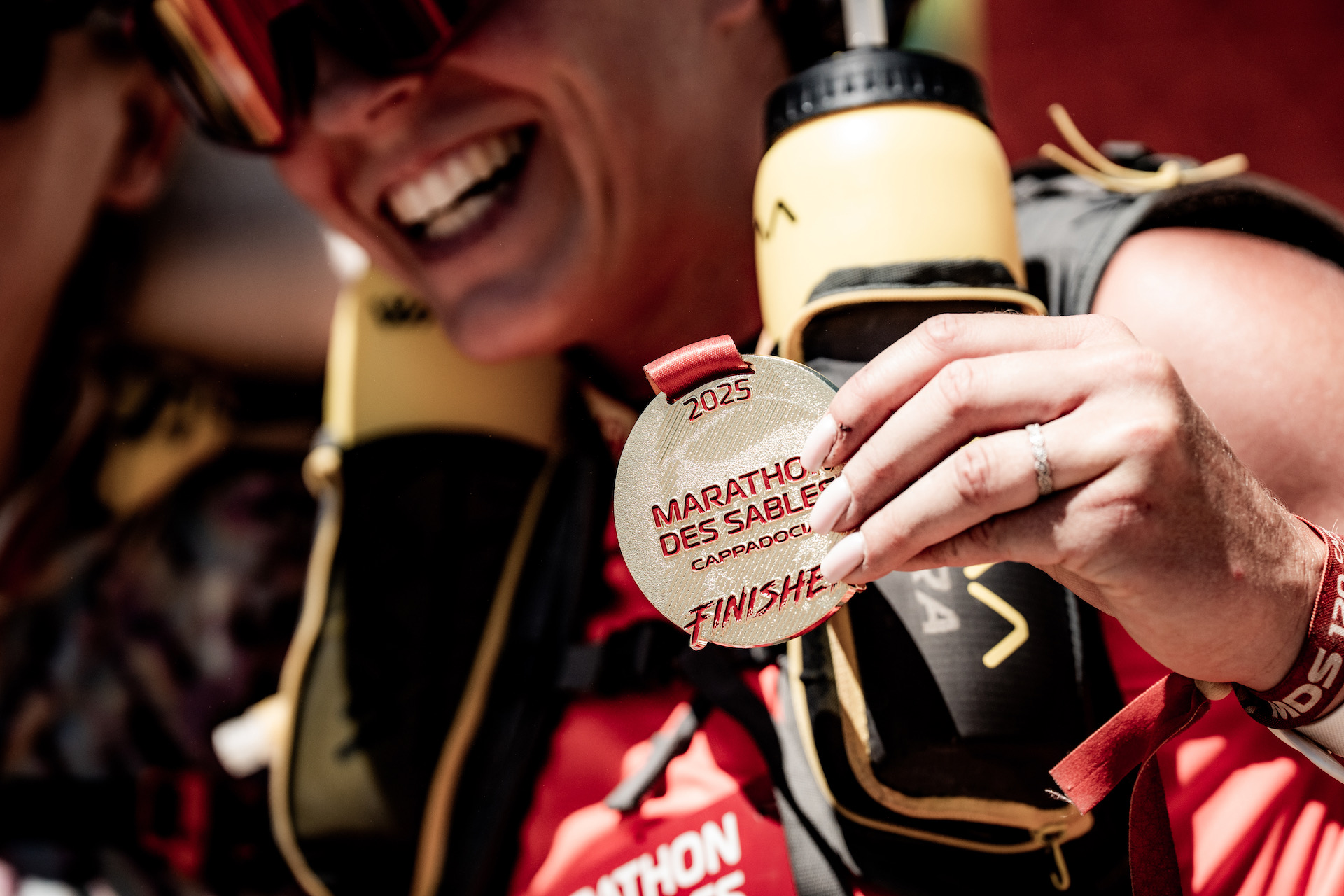
Crossing the finish line at the edge of Love Valley brought a wave of emotion. Some wept, others collapsed. The medal placed around each finisher’s neck wasn’t just symbolic, it was earned in full, mile by scorching mile. For many, it marked the toughest test they’d ever faced in a race.

From first to last, the results were staggering. All athletes held their nerve in the heat, but it was the collective will of the entire field that defined the day. This was more than a stage, it was a battle. And everyone who crossed that line came out the other side changed.

Blue and Orange jackets make it all happen

Stage 3 didn’t give anyone an easy finis. It demanded everything. The landscape may have been romantic, but the race was ruthless. The medal, deserved!


Follow Ian Corless

Instagram – @iancorlessphotography

Twitter – @talkultra

facebook.com/iancorlessphotography

Web – www.iancorless.com
Web – www.iancorlessphotography.com

MDS 120 Cappadocia 2025 – Stage 2

Stage 2 of the 2025 MDS 120 Cappadocia tested every ounce of determination runners had left in the tank.

Breakfast bivouac style

The day began with a 4:00 AM wake-up call under a pitch-black sky.

Just WOW!

By the time the starting line buzzed to life, the first glow of sunrise was filled with dozens of hot air balloons over the otherworldly landscape, a surreal and unforgettable sendoff into a brutal, beautiful day. This is what makes MDS 120 Cappadocia so special.

Blue coats, a key and important element of MDS 120.

Participants had a choice: 20km, 40.9km, or 58.6km. Three distances, one shared battle. No matter which course they committed to, the terrain made sure no one got an easy ride.

Stunning varied landscape

From the start, runners faced a punishing mix of steep canyons, tight tunnels, dusty switchbacks, and rocky plateaus.

Dense vegetation

The famed Cappadocia chimneys, towering rock formations sculpted by time and wind rose like sentinels along the route, offering brief moments of awe in between relentless stretches of heat and effort.

Unique landscape

At times, dense vegetation clawed at legs and arms. Elsewhere, there was nothing but the sun, dry air, and the crunch of feet against rock and dust.

The longer the distance, the deeper the challenge. The sun bore down with intent, turning even the breezes into blasts from a hair dryer. Hydration and mindset became as critical as foot placement. There were stumbles, cramps, and moments of silence where only the sound of breath and grit kept runners going. This is where the MDS 120 orange (medical) and blue (logistics) help keep the runner’s going, importantly, they bring a key safety element to the race.

Maëva, our last finisher receiving treatment just 4km’s from the finish.

But they did go. Every last one of them.

The final competitors crossed the line after an incredible 16 hours and 25 minutes on the move. A huge shoutout to Maëva and Clémment, who showed unreal resilience and heart, pushing through to the very end.

To all who took on Stage 2, no matter the distance, no matter the time, today you didn’t just run through Cappadocia. You conquered it.

Tomorrow brings the third and final stage, concluding in the Love Valley.

Marathon des Sables website HERE

Follow Ian Corless

Instagram – @iancorlessphotography

Twitter – @talkultra

facebook.com/iancorlessphotography

Web – www.iancorless.com
Web – www.iancorlessphotography.com

Lofoten Stage Run 2025: A Wild Dance with Nature

There are races, and then there’s the Lofoten Stage Run by The Arctic Triple team. What unfolded in May 2025 wasn’t just a footrace; it was a deep, soul-grinding, awe-inspiring journey through one of the world’s most arresting landscapes. Four stages. Two distances, 170 km and 100 km. 

Across wild coasts, knife-edge ridges, fishing villages, and snow-streaked mountains, runners pushed their limits, and often redefined them, surrounded by the raw power and beauty of Norway’s Lofoten archipelago. Sleep came in hytte and seaside rorbuer; rest was fleeting, but memories were burned in.

Stage 1: Into the Wild – Kjerkfjorden to Nusfjord (39 km / 20 km)

The race began like a dream: a boat ride through cold, steel-blue fjords, cliffs rising on all sides like the jaws of some ancient creature. As runners disembarked at Kjerkfjorden, the silence was broken only by soft footsteps and shallow breaths, nerves on edge, anticipation sharp.

The terrain wasted no time. A steep climb out of the fjord led straight into deep snow patches and slick rock. Then came the surreal beauty of Kvalvika Beach, where sand met snow and the ocean roared its approval. For the 170 km runners, the day stretched long into the day, ending with a technical coastal section into the storybook village of Nusfjord. Legs screamed, but hearts were full.

Stage 2: Edge of the Earth – Nusfjord to Leknes (34 km / 17 km)

Day two was tougher. Tighter trails, more scrambling. The wind picked up, mist rolling in from the Norwegian Sea like smoke, rain fell, at times, hard and relentless. Between breaths, runners caught glimpses of jagged peaks piercing the sky and turquoise bays far below. This was Lofoten in full cinematic glory, wild, moody, and impossibly vast.

A tunnel under the sea added a surreal twist, legs burning as they climbed out of the darkness and back into the light. Offersøykammen offered panoramic views, but it demanded everything. As runners arrived in Leknes, drenched, scraped, and shivering, you could see it in their faces: wonder, pain, pride.

Stage 3: The Long Haul – Leknes to Rolvsfjorden (52 km / 35 km)

This was the crucible. The longest stage. Bodies were already breaking down, but the terrain opened up, longer runnable sections, smoother single track. The landscape changed too. From rugged coastline to sweeping highlands and serene lakes, this was Lofoten in its gentler form.

As the finish line at Brustranda Fjordcamping came into view, many had run out of words. “This is insane,” one runner muttered, grinning. “But it’s beautiful.”

Stage 4: The Final Push – Rolvsfjorden to Svolvær (45 km / 21 km)

The last day was emotional. Legs were dead weight. Ankles rolled. Minds fogged. But everyone knew what waited: the end, the reward, the moment of elation.

Jordtinden loomed: steep, snowy, relentless. At its summit, clouds lifted like curtains, revealing a 360-degree panorama that stopped runners in their tracks, the ridgeline ahead bringing a sense of awe and fear in equal measure.

This is the queen stage, the terrain bringing together all that makes Norway and Lofoten unique, marvellous and special.

You could see all the way back, mountains, inlets, the journey behind. Some cried. Some screamed. Some just stood there, stunned.

The descent into Svolvær was pure adrenaline, fuelled by joy and relief. The last stretch along the harbour felt like flying. Locals clapped. Teammates waited. People hugged. Some collapsed. Others danced.

More Than KM’s

But the Lofoten Stage Run wasn’t just about distance or finish times. It was about the strange intimacy of shared suffering, of strangers becoming friends over bowls of traditional Norwegian food and stories told in cabins. It was the moment you stepped outside at midnight, sun still hanging low over the sea, and realised how small we are.

It was the rawness of the terrain mirrored in every aching limb. It was the magic of Lofoten, weather that shifted like a mood, peaks that stabbed the sky, and a landscape that didn’t just surround you, it swallowed you whole.

In the end, it wasn’t a race, it never was, the Lofoten Stage Run is an experience, a 360 immersive journey that shocked the mind and the senses and revealed to each and every participant that this route, arguably, is one of the BEST in the world. It was a rite of passage. A storm-chased, mud-caked, heart-thumping reminder that the wild is still out there, and if you’re lucky, it might just let you in.

VIEW THE FULL IMAGE GALLERIES HERE

Follow Ian Corless

Instagram – @iancorlessphotography

Twitter – @talkultra

facebook.com/iancorlessphotography

Web – www.iancorless.com
Web – www.iancorlessphotography.com

Marathon des Sables The Legendary Turns 40: A Legacy of Endurance in the World’s Toughest Footrace

Photo by Ian Corless

Since 1986, the Marathon des Sables – The Legendary (MDS) has carved its name into endurance racing history as one of the most gruelling, soul-stripping tests of human resilience. For 39 editions, it has pushed thousands to their physical and psychological limits under the crushing sun of the Moroccan Sahara.

In 2026, this legendary race will celebrate its 40th edition and it promises to be the most unforgettable one yet.

MDS The Legendary is six stages over roughly 250 km (155 miles), on blistering sand, across jagged jebels, and through soul-sapping salt plains. Runners carry everything they need for the week: food, sleeping equipment and clothes. The only luxury provided? A rationed daily water supply and a communal bivouac tent to crawl into at night which is shared with 7 other competitors.

Photo by Ian Corless

Every ounce carried matters. Bring too little and you starve. Bring too much and the weight drags you down. Success depends on ruthless efficiency and mental grit.

For four decades, the The Legendary has become a rite of passage for ultra runners, adventurers, and those seeking to rewrite their limits. It has seen amputees cross the line, cancer survivors, soldiers, CEOs and importantly, ordinary people doing extraordinary things. The terrain has remained the same: raw, relentless, and unforgiving.

Photo by Ian Corless

Despite the challenges, runner’s keep coming back, some for redemption, some for addiction, and all for the transformation.

The 40th Edition: What’s Coming in 2026

Photo by Ian Corless

The 40th MdS won’t just be another race, it will be a celebration of the madness. A tribute to every blistered foot, every tear shed under Saharan stars, every finisher’s medal earned in blood, sand, and sweat.

Photo by Ian Corless

The 40th will honour the legacy with style and fury. 

Think You’ve Got What It Takes?

Entries for the 2026 edition open on June 11, 2025. Veteran or rookie, this is the year to go. Not just to run, but to become part of history. Become a Legend!

More information HERE

Register HERE

If you’re going to suffer, suffer for something legendary. 

Follow Ian Corless

Instagram – @iancorlessphotography

Twitter – @talkultra

facebook.com/iancorlessphotography

Web – www.iancorless.com
Web – www.iancorlessphotography.com

MDS THE LEGENDARY 2025 : RACE SUMMARY

Photo by Ian Corless

The sand is settling, the 2025 and 39th edition of Marathon des Sables The Legendary is over.

Quite simply, a hugely successful edition with 95% completion rate and good time vibes felt throughout the Sahara and beyond.

OVERVIEW

Cyril and Olivier with Michael from the USA – Photo by Ian Corless

The transition from 2023 to 2024 was not an easy one. The take over of MDS from Patrick Bauer and into the hands of Cyril and Olivier had created some concern and anxiety. Most certainly, the build up to the 2024 (38th) MDS had many concerns for participants that were vocalised on social media. However, after the 2024 event, all these worries and concerns were extinguished with an incredibly successful event and high finish rate. You Can read Marathon des Sables – The Legendary : 2024 Summary HERE should you wish.

Nothing like a MDS start – Photo by Ian Corless

From May 2024 to April 2025 the build up to the 39th Legendary edition was seamless. The successful running and completion of MDS (3-stages over 4-days at 70/100 or 120km) events in Cappadocia, Fuerteventura, Jordan, Morocco, Atlantic Coast and the introduction of Trek and Handi only confirmed the growth, development, upward learning curve and the MDS team bonding and progression.

All of the concerns and worries for the 38th edition of Legendary played out on social media were not present for the 39th edition. There is a couple of reasons for this I believe:

  • The 38th edition had been a huge success and therefore worries and concerns were answered.
  • The pro-active communication from the MDS team improved considerably.
  • Runner testimonies from the 2024 event confirmed that the ‘new’ MDS team and the changes made were all positive.
  • Evolution, not revolution was the quote that Cyril Gauthier had used in 2023 this was played out in 2024 and then consolidated upon in 2025.
Arrival in the desert – Photo by Ian Corless

THE 2025 EVENT

Welcome to the Sahra – Photo by Ian Corless

Post-race questionnaires are extremely important for the MDS team. Cyril and Olivier very much take all the comments, absorb them, digest them and then move forward with new plans. If a new plan does not work and the participants confirm this, then it is changed. If a new plan works, it is retained. There are no one-stop easy solutions, MDS is an ever-growing and ever-changing event that must constantly be a chameleon to the ever-changing demands and needs of participants.

TRAVEL

Photo by Ian Corless

A key change for 2025 was in transportation. Two key points:

  • The core MDS team, based mostly in Paris, travelled to Morocco via train, boat and coach, taking 3-days and not using airplane travel. For 2025, this was a one way journey, a test, to see how feasible and practical this form of travel is. The general consensus from those who did it is/ was extremely positive. General comments were around this being an adventure in its own right, a brilliant opportunity to share more time with colleagues, a great opportunity to work while travelling and so on… I think we may well see this grow into something bigger for 2026!
  • In 2024, plane travel arranged by the MDS organisation was reduced to a minimum. For 2025 it was eradicated all together. Therefore, participants could no longer take the option of a MDS charter plane but had to arrange flights themselves. This is no big deal with so many flight options available, especially with MDS offering a free transfer coach service from Marrakech to Ouarzazate and post-race, a free transfer service back to Marrakech.

SELF-SUFFICIENCY

Photo by Ian Corless

Catering by the MDS organisation once in the Sahara was removed in 2024, this was reasoned for 2025. To clarify, when the buses leave Ouarzazate for the desert, self-sufficiency begins for the travel day, the fist night in bivouac, the following day (admin day), the evening and then, the following day, the race starts and ‘race’ self-sufficiency begins. There is a difference between the two forms of self-sufficiency as the travel day and admin day you can bring as much or as little as you like. Quite simply, it’s not part of the mandatory race minimum requirement of 2000 cal minimum per day. You can bring tinned food, drinks, wine, beer, caviar…. Whatever you wish! It’s a no brainer to be able to look after your own food requirements and quite simply it greatly reduces the possibility of food related health issues that could potentially ruin a race.

ADMIN DAY

Photo by Ian Corless

The procedures for admin day were changed for the 2024 edition and they were a huge success. This system was retained for 2025 making the process seamless, fast and considerably less painful than the procedures that had gone before.

Photo by Ian Corless

BIVOUAC

Photo by Ian Corless

In principle, it may well look the same, however, there are changes for the very observant. Firstly, the circles that make bivouac are smaller and tighter making the camp much more of a community. In 2025 there were new ‘women only’ tents for those who would prefer this option. On some days, in the middle of bivouac, yoga/ stretching was possible, circle of legend talks and yes, even a big fire.

WATER

Photo by Ian Corless

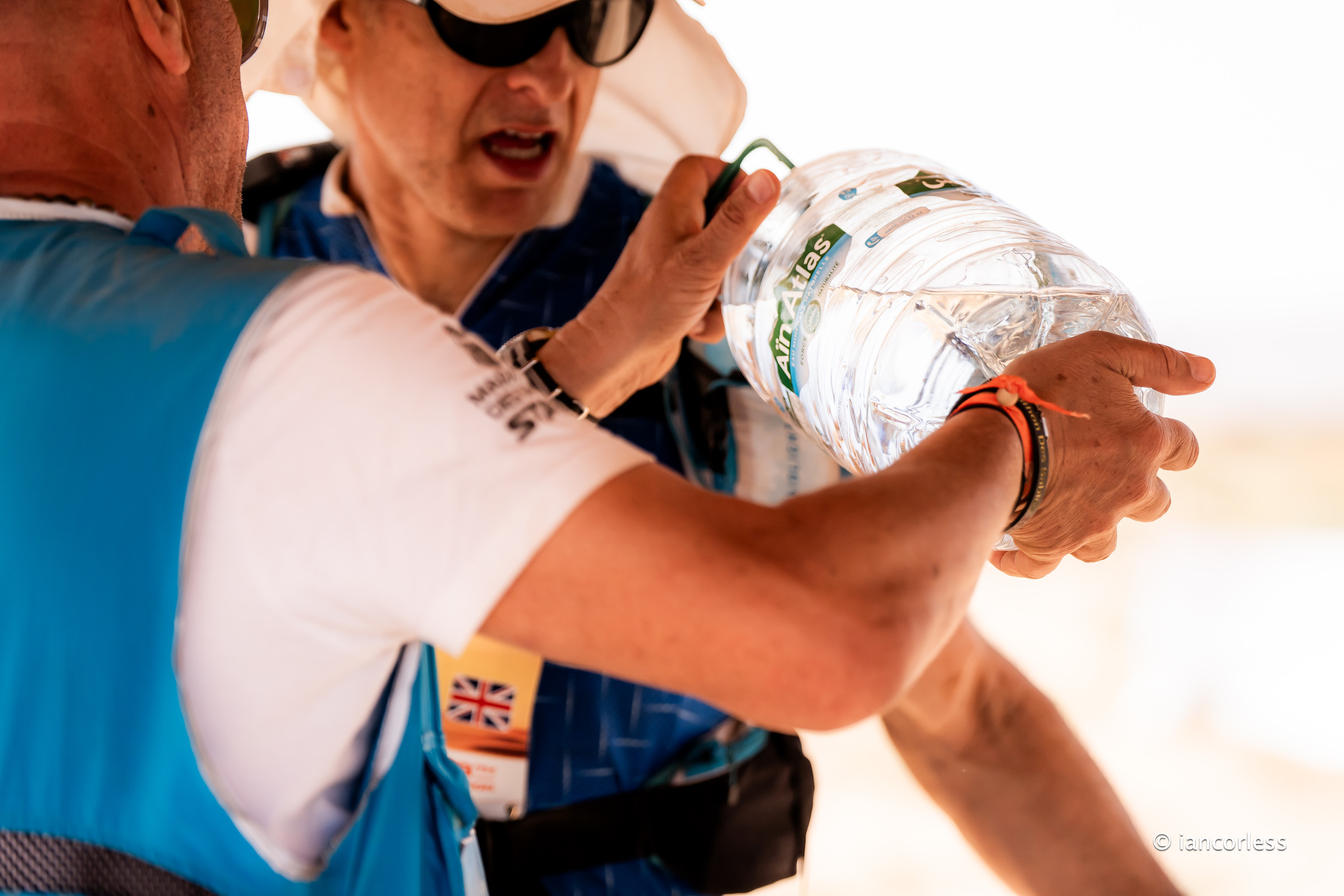
The provision of water was drastically changed in 2024 and this was retained for 2025. During the race there is no rationing of water. As you arrive at a CP, water is decanted into your bottles via MDS blue jackets who pour the water from jugs. This water comes from large 5ltr bottles. Quite simply, you can have 2x 750ml bottles filled, you can then drink one and it will be refilled if required – a game changer.

Photo by Ian Corless

Post-race you are provided with 1 large 5ltr bottle, the is rationed. So, this water must provide hydration post-race, be used for dinner/ breakfast and it must be used to fill your bottles to take you to CP1 the following day.

ICED WATER

Photo by Ian Corless

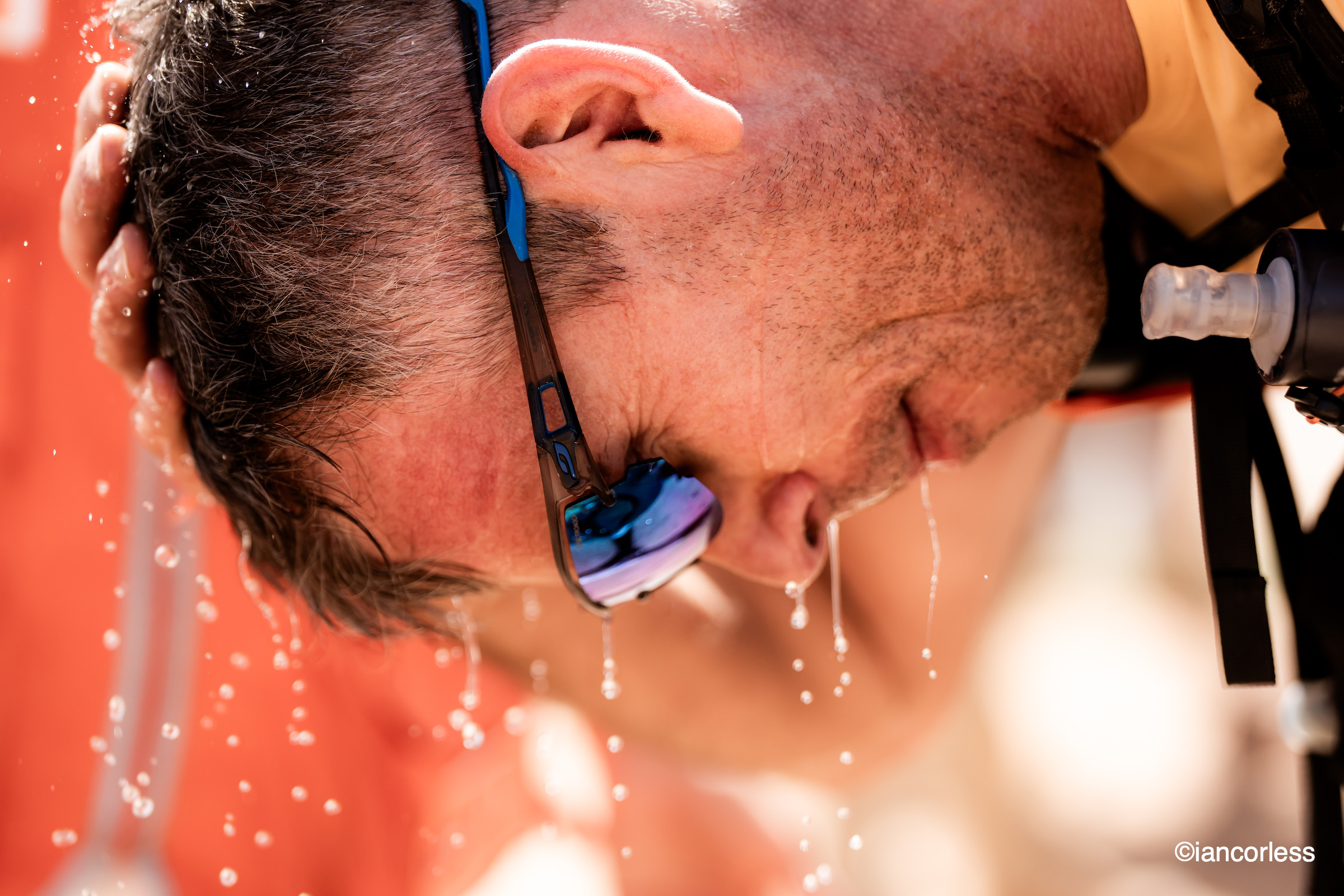
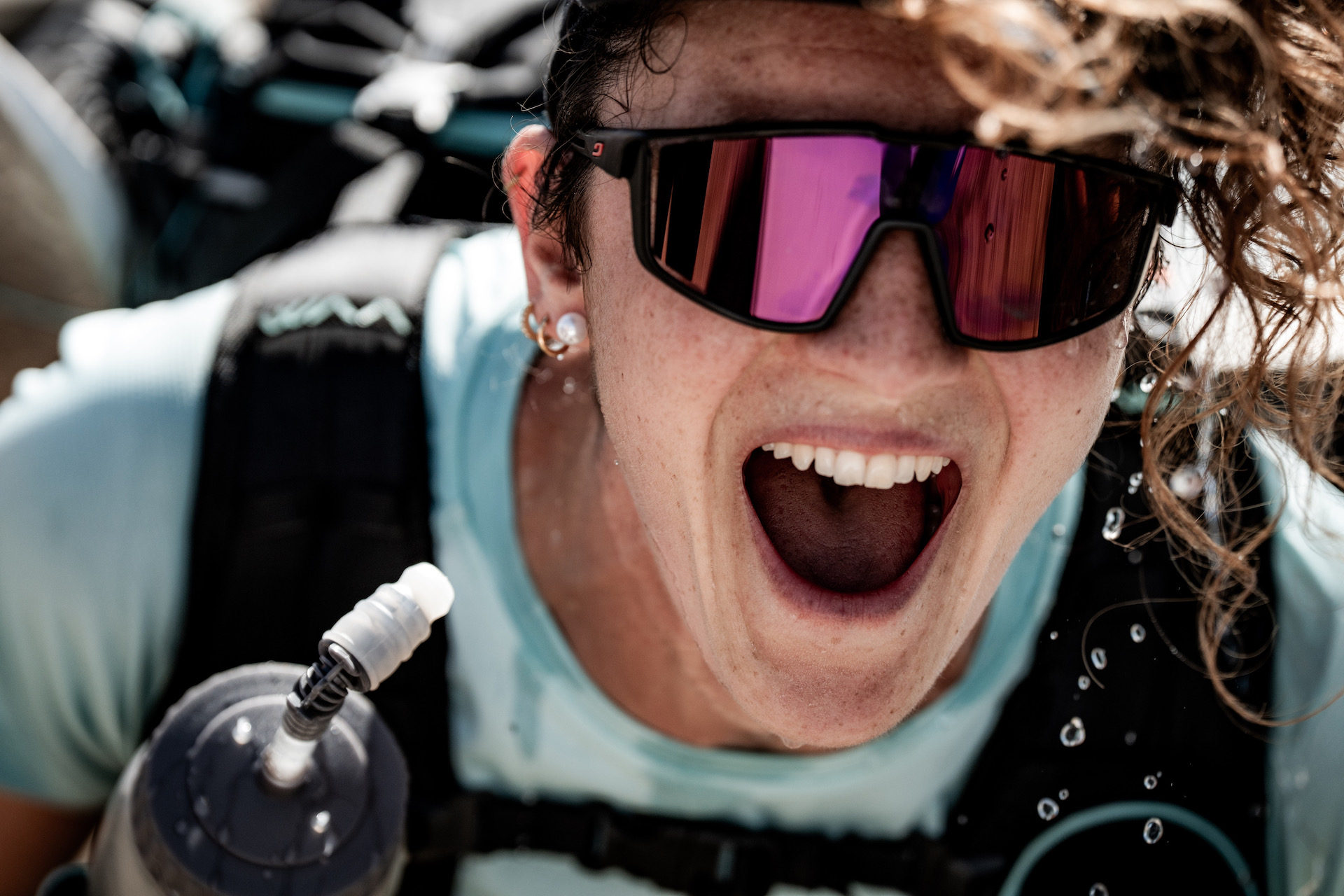
CP’s have MDS orange or blue jackets who will pour iced water over your head to enable cooling. It’s a small simple step that makes a huge change that ultimately helps facilitate completion of the Legendary.

ORANGE AND BLUE JACKETS

Photo by Ian Corless

The MDS would not happen without this amazing team of people. The energy, the enthusiasm, the constant good vibes make the runner the number one priority and YES, these people make the difference between finishing and not finishing. They are 100% switched on with the sole purpose to get every runner across the line. You can get a feeling of how important the blue and oranges are by taking a look HERE on Facebook.

Photo by Ian Corless

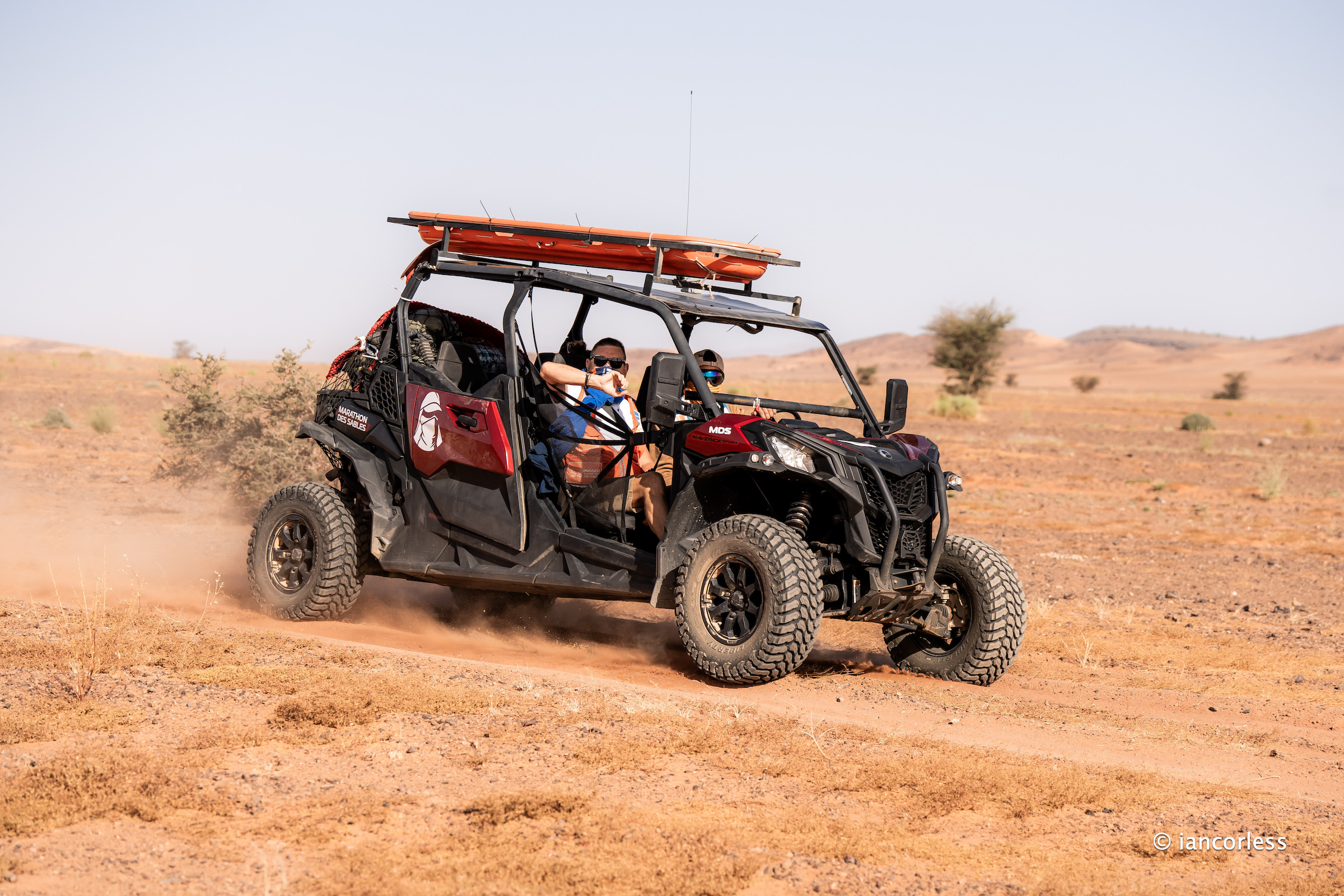
Orange jackets are the medical team who make sure that participants are looked after 100%. They are there for you, no matter what the issue. You will see them on the course at CP’s, in fast response vehicles, in 4×4’s and of course in the medical tents in bivouac.

SAFETY

Photo by Ian Corless

Any MDS event has risks associated with it. We are often in harsh environments, in challenging conditions, we have varying climate conditions and of course, we have runner’s and staff pushing the limit of what is humanly possible. Safety is taken very seriously and how safety is managed is an ever-changing and developing process.

Countless 4×4’s – Photo by Ian Corless

Legendary had more fast response vehicles, more medical professionals on course, there were 10 medical professional runner’s who did the course and there was a new mobile medical unit for 2025 which is state of the art. There was also the inclusion of the ‘Orange Squad’ – a medical team who do the course the opposite way so that they are able to see runner’s coming toward them and should there be a problem, they can help immediately.

Fast response – Photo by Ian Corless

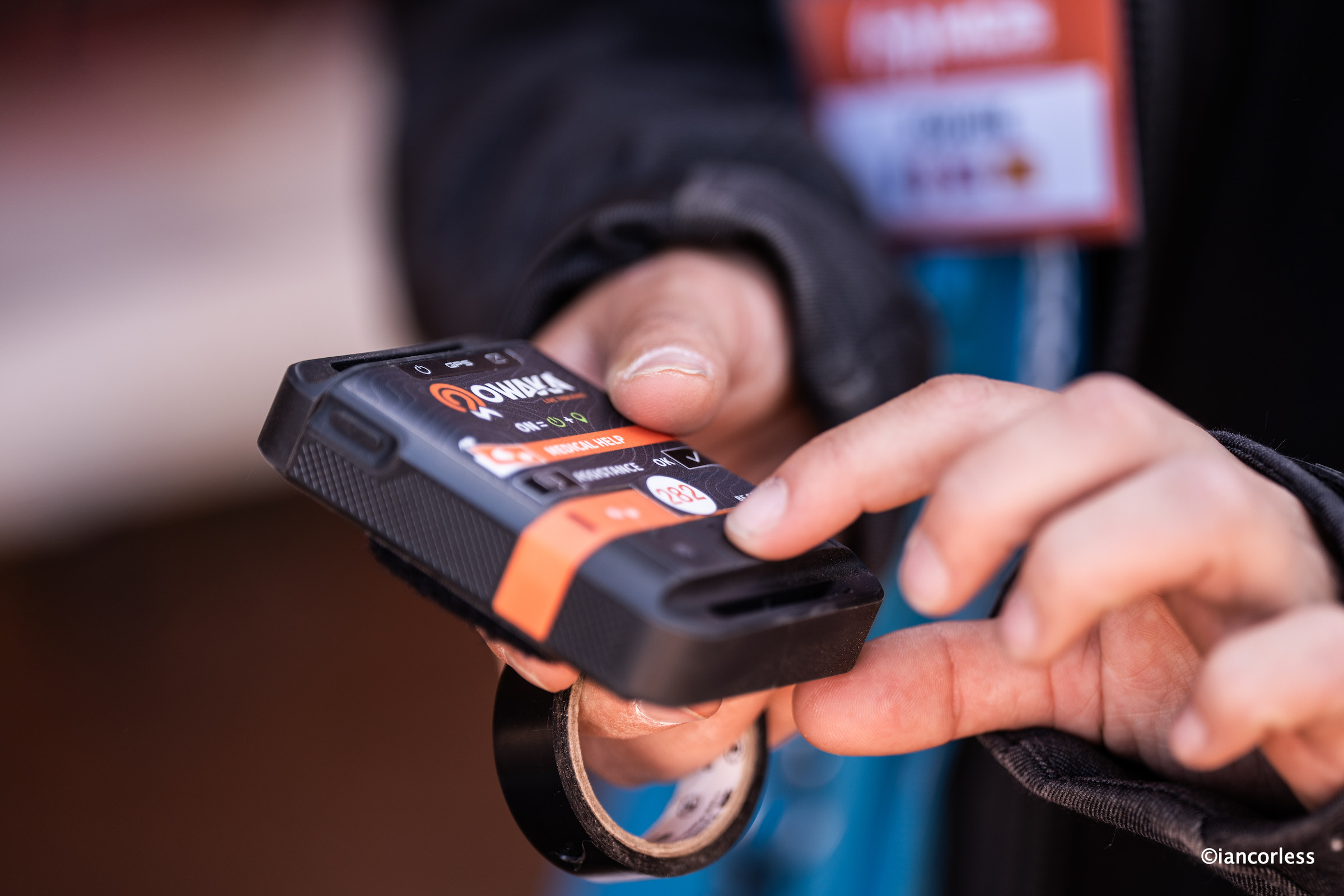
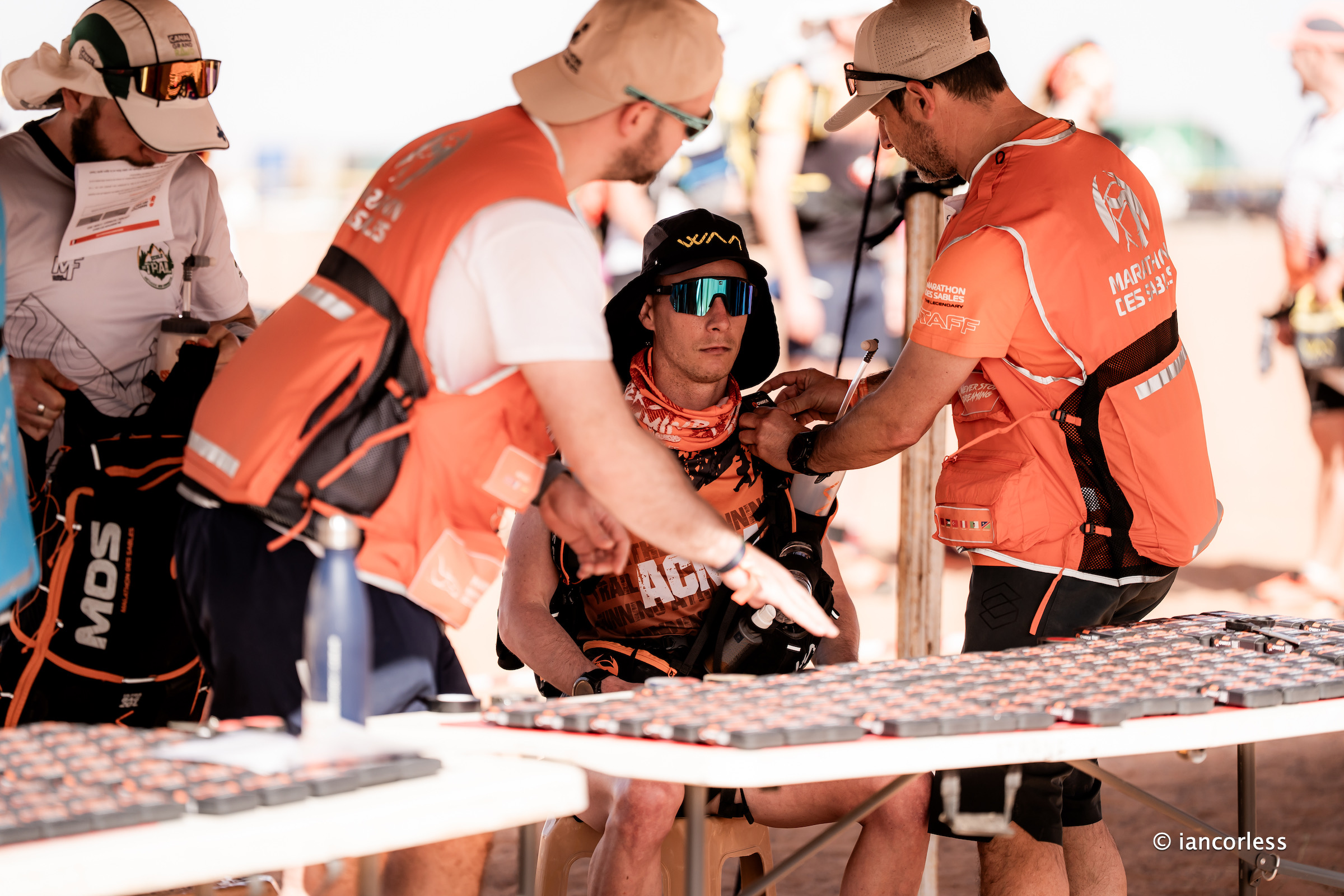
Each runner is issued with a Spot Tracker and this allows the MDS team to monitor each runner on the course and importantly, they have an SOS button which if pressed, will receive a medical response vehicle in minutes.

Fitting SPOT – Photo by Ian Corless

Feet are always an issue and of course, the medical tent is there to facilitate foot repair in bivouac. It’s important to be self-sufficient and look after your feet yourself, however, as and when necessary, a medical professional is always there to help.

RACE BRIEFINGS

Race start times are very important and pre 2024, the race start time was somewhat unpredictable. This changed in 2024 and was upped to another level in 2025 with every stage starting exactly on time! It may sound like a small thing, but knowing you will be underway as scheduled makes planning so much easier. If it says 0600 start, you know it starts at 0600.

Another change was the addition of an English speaking announcer – yes, it was me! This was the idea of Cyril and we instigated and tested this at Atlantic Coast in January, it worked. So, for Legendary and moving forward, an English briefing will take place and then be translated into French and not the other way around. Stage 6 race briefing may well go down in history as the best. Mood was already high with the final stage ahead, nut hen we had participant, Reujen Lista join us on stage for a ‘live’ version of Highway to Hell – it was epic!

Highway to Hell ‘live’ – Photo by Florian

WEATHER

The weather took its toll – Photo by Ian Corless

As always, weather plays a key part in any MDS event. However, we are most definitely feeling the impacts of ever changing climatic conditions. It was always assumed that MDS will be hot and unbearable, history is showing that is not the case. Recently, particularly in Morocco, we have experienced difficult weather: MDS Morocco in October had torrential rain and flooding, the recent MDS Atlantic Coast in January had cooler temperatures, some rain and the last day had full-on sand storms. The 2025 Legendary started calmly and tranquil, it was looking to be a classic race, it was sunny, hot, but not too hot and the winds were relatively calm. That all changed come stage 4 (the long day) with cloudy skies and cooler temperatures in the day. During  the night the winds increased, rain came and without doubt, from 2100 hrs the conditions were difficult and challenging. Especially for those who were moving through the night looking to get the long day done. CP’s had cold participants taking shelter looking to get warm and continue the journey. This weather continued through the rest day. Stage 5 had a mix of everything but the heat never came and stage 6 was cloudy, cool and with intermittent rain. There is a very big lesson that needs to be learned, I did say this before Legendary, but now, post-race, I can only say it more, you need to be prepared for bad weather! A good jacket is now essential, so much so, I do think that it should be added to mandatory kit. I also think it wise to make sure that you are able to keep key items, such as sleeping bag, dry during bad weather. Many had wet sleeping bags during the long day which can effectively make them useless, depending on what filling is inside.

THE ROUTE

Photo by Ian Corless

Legendary is now 6-stages over 7-days and this is a huge difference. Pre 2024, the race was 5-stages and stage 6 was a non-times ‘solidarity’ stage for charity. It’s hard to argue against the charity side of this, however, a non-timed 6th stage was pointless.

Photo by Ian Corless

The race is now 6-stages timed and raced.

Photo by Ian Corless

For 2024, the ‘long day’ was moved to stage 3. For 2025, it was moved back to stage 4. The main reason for this was due to the course and the start/ finish point.

Photo by Ian Corless

2024 participants, as always, tried to stress that the 2024 edition was/ would be harder than 2025. Of course it’s nonsense. Comments like, ‘Argh, but here was more vertical gain in 2024!’ were unfounded as the people who made these comments had obviously not done due diligence, the reality is the 2024 Legendary was 252.9km’s and the 2025 event was 250km. Vertical gain was almost identical, 2024 was 2788m+ and 2025 was 2710m+

Photo by Ian Corless

In many respects, the 2025 edition was more ‘classic MDS’ with a marathon after the rest day.

Photo by Ian Corless

The route was notably different for some key reasons. The Sahara is vast and of course, needs to be explored more. Due to runner demand and logistical reasons, certain features have become almost ‘essential’ when running Legendary. However, Cyril and the team wanted to change that and therefore, there was no Jebel El Otfal in 2025, there was a return to Merzouga Dunes and while the route travelled in similar areas of the Sahara, the track was approximately 80% new. There were some great ‘new’ additions such as the huge dune on stage 4 and the stage 5 route was very special.

Photo by Ian Corless

THE RACE

Rachid – Photo by Ian Corless

Rachid El Morabity once again took victory securing his 11th and in the process he set a record for the most victories. It’s an incredible achievement to have this level of consistency over so many years. It’s fair to say, the level of competition at the front end of the race was less in 2025. The only real person who could upset Rachid was Hamid Yachou, he unfortunately withdrew mid-race with injury. We could argue all day if Mohamed El Morabity could beat Rachid, the simple fact is, it would not happen. However, as we look ahead to 2026, will Mohamed take over the Rl Morabity reigns? Mohamed is 10-years younger than Rachid and therefore, he has great potential ahead. Also, the inclusion of the 3rd and younger El Morabity, Mbark, should not be looked over.

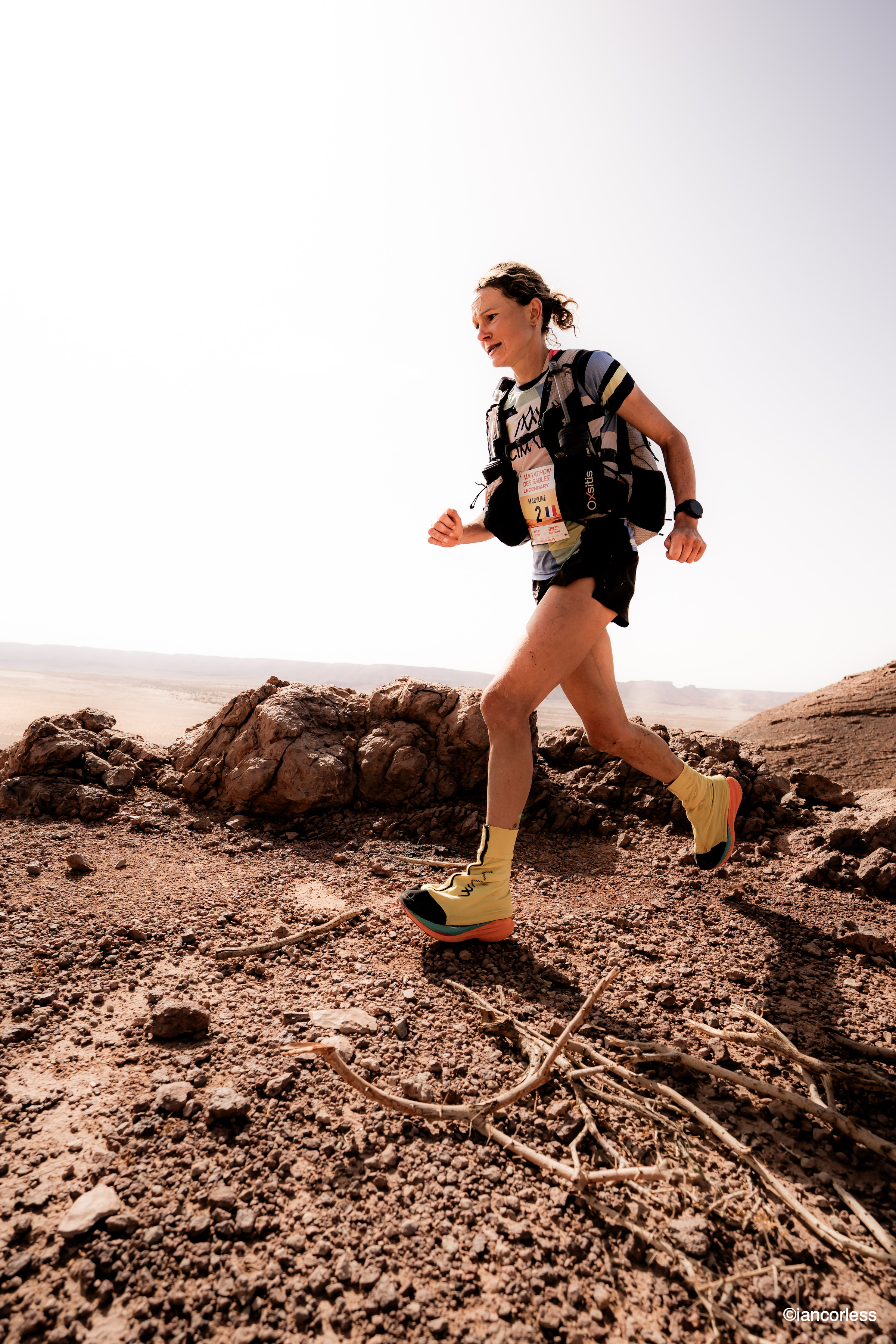
Maryline – Photo by Ian Corless

For the women, 2023 Legendary champion, Maryline Nakache returned and she was on fire. No, she was untouchable. For perspective, Maryline finished 3rd on GC for the long day and at the end of the race, was 4th on GC with the closest time to Rachid, by a woman, in the history of the race. Quite incredible. Aziza El Amrany won the race in 2024 and for 2025 she was 2nd, she looked great throughout, despite an arm injury, however, she was no match for Maryline. Tomomi Bitoh placed 3rd, she has placed 3rd before. However, Annelies Brak would have placed 3rd had she not received a 2-hour time penalty for non-compliance of mandatory kit.

Rachid completed the race in 20:55:47 and Maryline in 23:57:20. A total of 847 participants crossed the finish line, the last male Tomohito Hirai in 75:49:27 and the last woman, Nemoto Yuzuki in 74:31:01.

Results HERE

POST RACE

Reujen Lista rocking the awards – Photo by Ian Corless

Transfer back to Ouarzazate was easy and seamless with coaches filling with participants and leaving asap. Of course, a hotel, many showers, buffet food and a nice clean bed always feels amazing after the Sahara. The awards dinner turned into an impromptu rock concert with a participant, Reujen Lista, singing 3 songs on stage, the last, of course, was Highway to Hell. It was a fantastic way to end what was a legendary LEGENDARY.

Photo by Ian Corless

DAILY 2025 SUMMARIES

MDS The Legendary Stage 1 HERE

MDS The Legendary Stage 2 HERE

MDS The Legendary Stage 3 HERE

MDS The Legendary Stage 4 HERE

MDS The Legendary Stage 5 HERE

MDS The Legendary Stage 6 HERE

Photo by Ian Corless

Image Gallery HERE

Photo by Ian Corless

Marathon des Sables Website HERE

Follow Ian Corless

Instagram – @iancorlessphotography

Twitter – @talkultra

facebook.com/iancorlessphotography

Web – www.iancorless.com
Web – www.iancorlessphotography.com

MDS The Legendary 2025 – Stage 3

Photo by Ian Corless

After a tough and challenging stage 2, participants were happy for a shorter day of 32.5km’s for stage 3 ahead of the feared long day of 82.2km’s on stage 4.

With less soft-sand, the running would be easier, however, there was still 468m+ to test the mind and body.

On the stroke 0f 0730 the runner’s were released under cloudy skies and cooler temperatures. However, the sun and heat soon appeared making for another challenging day.

For the men, the El Morabity brothers today once again played with tactics.

Hamid Yachou started fast and opened a gap, he was pursued by Mohamed and behind, Rachid ran easy.

Mohamed – Photo by Ian Corless

By CP1 Hamid had a strong lead, Mohamed was closing on him but Rachid was some 6-minutes back. Would Rachid close the difference?

Photo by Ian Corless

After CP3, Hamid and Mohamed were side-by-side, the younger El Morabity policing the breakaway and ensuring that all times he would control the race.

Rachid – Photo by Ian Corless

By the time Rachid arrived, the gap had not closed and it became obvious that today Rachid would relinquish the overall lead playing a tactical game with stage 4 tomorrow.

At the close of the day, the male top-3 ranking is as follows:

  • Mohamed El Morabity 08:33:54
  • Hamid Yachou 08:38:46
  • Rachid El Morabity 08:40:16
Maryline – Photo by Ian Corless

For the women, Maryline Nakache ran a more relaxed stage keeping Aziza El Amrany close throughout the day. A sensible move with the long day tomorrow, any energy saved can be called upon for the 82.2km’s.

Annelies – Photo by Ian Corless

Ragna Debats once again ran in 3rd place and Annelies Brak and Tomomi Bitoh were 4th and 5th.

Tomomi – Photo by Ian Corless

Gemma Game took it easier, again, looking to save energy for stage 4.

With 3 stages complete, the women’s top-3 is as follows:

  • Maryline Nakache 10:23:03
  • Aziza El Amrany 11:06:15
  • Ragna Debats 11:43:47
An epic morning start- Photo by Ian Corless

Full results are HERE

Men ranking HERE

Women ranking HERE

Aziza – Photo by Ian Corless

Tomorrow, stage 4 is 82.2km’s and will have 2 starts, 0600 for the masses and 0730 for the top-50 and top-5 women. With a cut-off time of 34-hours, the conclusion of the stage will come the following day, Thursday Apr 9th.

Photo by Ian Corless

Marathon des Sables Website HERE

Follow Ian Corless

Instagram – @iancorlessphotography

Twitter – @talkultra

facebook.com/iancorlessphotography

Web – www.iancorless.com
Web – www.iancorlessphotography.com

Countdown to MDS The Legendary 2025 – Six

©iancorless

It is race week, the 39th MDS The Legendary is just days away. Today, Tuesday April1st, for many, will be the last full day of preparation before travel starts. Use the time wisely and use this post Countdown to MDS The Legendary 2025 – Three as a place to start to make sure you have everything.

You may have final LOGISTICAL questions and they should all be answered here Countdown to MDS The Legendary 2025 – Five

Fast and light 😉 arrival at bivouac

You may be wondering what the race will look like in regards to distance in 2025? If you know where to look, distances are online and as below:

  • Stage 1 32km with 312m+ and 0730am start
  • Stage 2 40km 614m+ and 0700am start
  • Stage 3 32.5km 468m+ and 0730am start
  • Stage 4 82.2km 690m+ and 0600am start
  • Rest Day
  • Stage 5 42.2km 424m+ and 0630am start
  • Stage 6 21.1km 202m+ and 0630am start

Total 250km and 2710m+

You may be wondering how the 2025 distance and vertical compares to 2024, well, it’s almost identical – 2024 was 252.8km and 2788m+ – The long day was on day 3, so, the order was different, however, daily distances are +/- the same.

The only thing you need to do now is go through the following:

Get your checklist and go through everything and make sure you have all you need.

  • If possible get some heat exposure – Bikram yoga, heat chamber, sauna, hot bath or similar.
  • Move – your training is done but your body will appreciate some movement, this can be just walking or some easy running with some short strides to loosen up.
  • Travel with MDS pack and all equipment (ex poles and knife) and wear race shoes.
  • Take extra clothing and items in check-in luggage so you can fine tune equipment when in the Sahara.
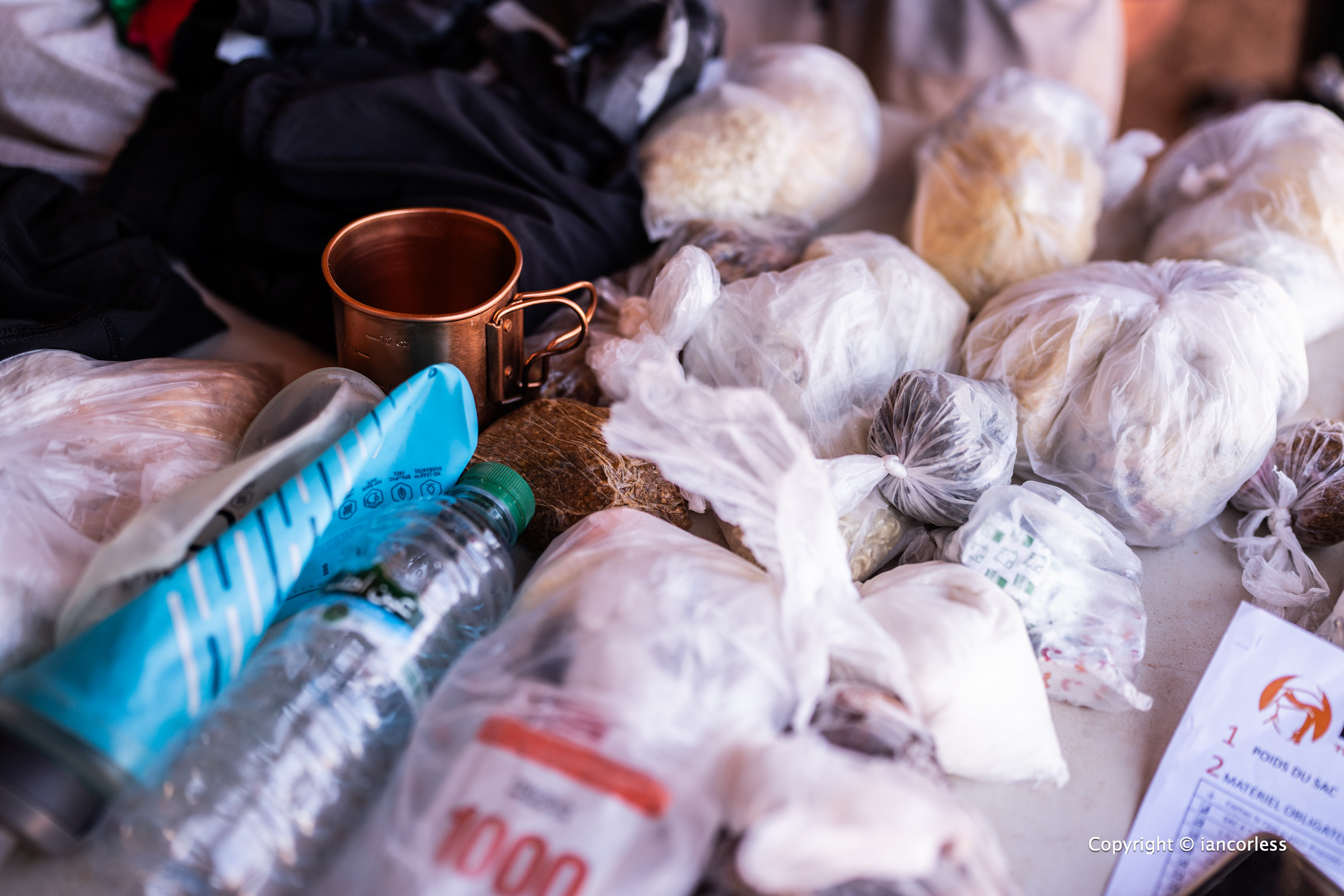
  • Remember you are self-sufficient in the desert for the days before the race, have enough food and any drinks you require. Water is provided.
  • Get ready!!!!!

LET THE ADVENTURE BEGIN!

Follow Ian Corless

Instagram – @iancorlessphotography

Twitter – @talkultra

facebook.com/iancorlessphotography

Web – www.iancorless.com
Web – www.iancorlessphotography.com