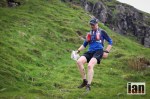
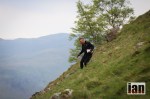
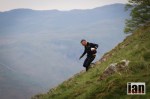
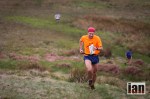
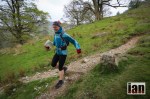
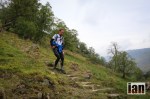
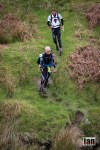
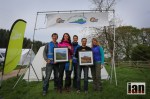
Marmot Dark Mountains™ Howgills 2015 – Race Preview

Marmot Dark Mountain - FINAL (BLACK)

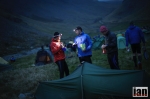
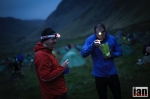
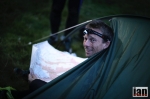
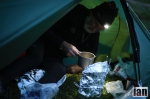
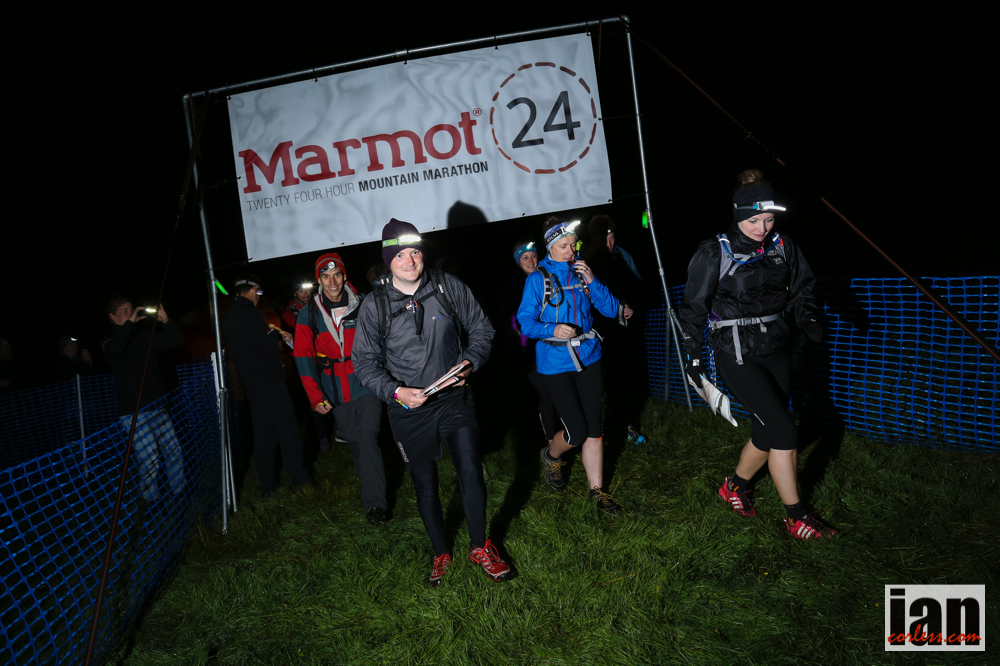
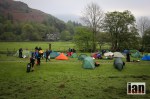
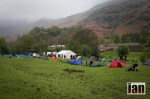
Marmot Dark Mountains™ is the only overnight winter mountain marathon and the 3rd edition of the race will take place on Saturday 24th January in the Howgills.

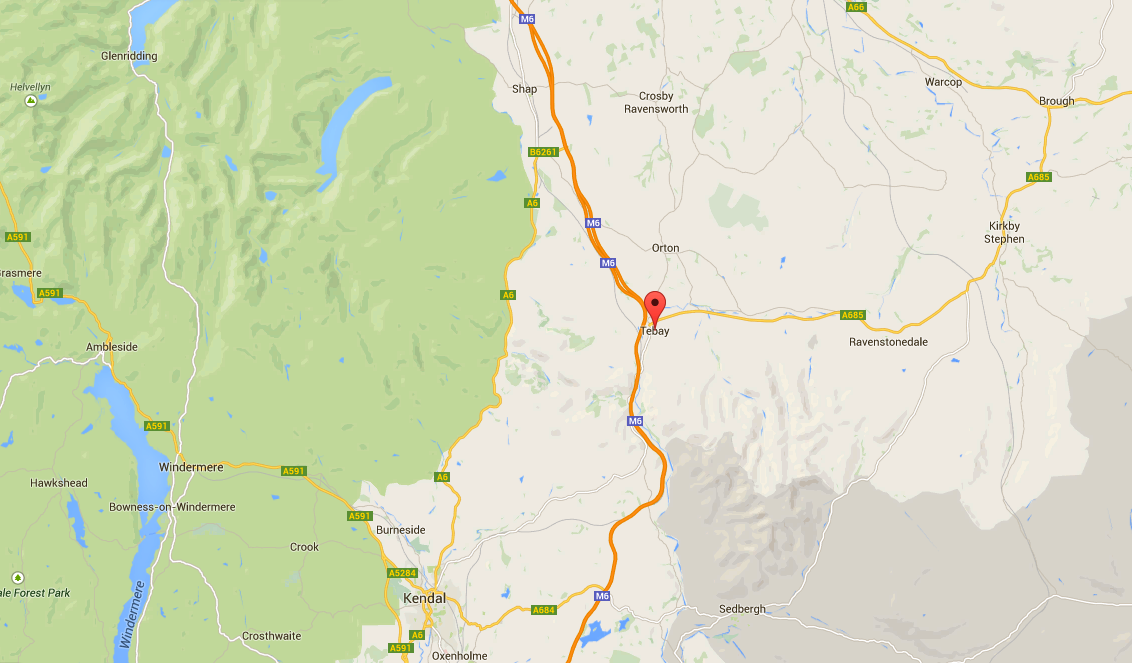
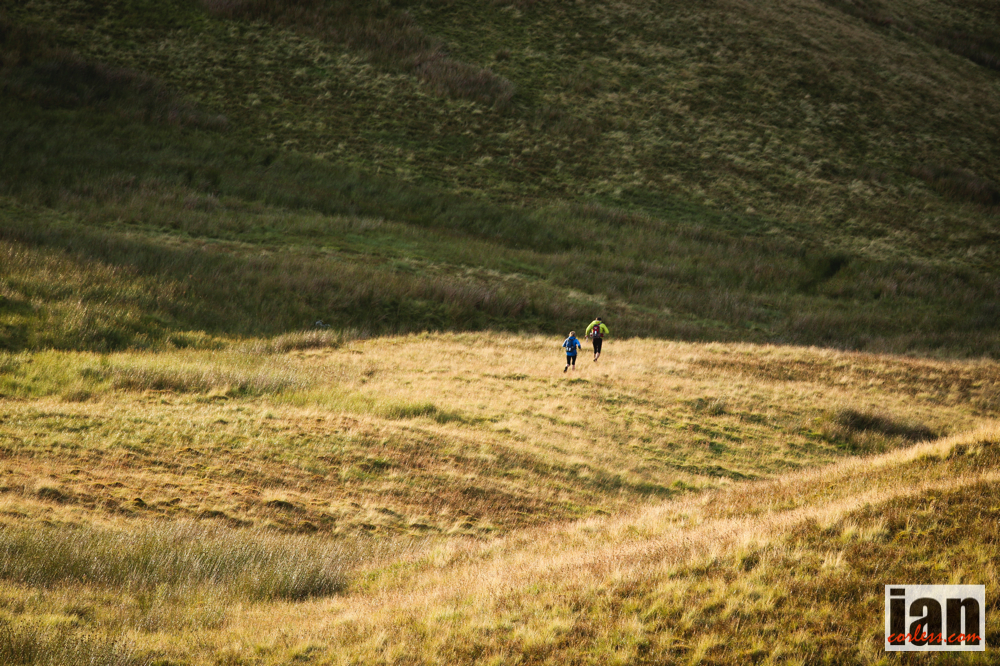
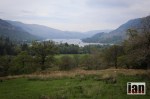
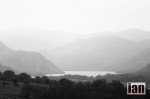
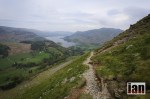
The Howgill Fells are hills in Northern England between the Lake District and the Yorkshire Dales. The fells are bounded by the River Lune to the north by upper reaches of the River Lune and to the east by the River Rawthey. The Howgill Fells include two Marilyns: The Calf – 2,218 ft (676 m) and Yarlside – 2,096 ft (639 m) and a number of smaller peaks, including five Hewitts. Parts of the southern Howgill Fells lie within the Yorkshire Dales National Park, though they have been within the modern county of Cumbria since the county boundary changes in 1974. They were originally shared by the West Riding of Yorkshire and WestmorlandThe name Howgill derives from the Old Norse word haugr meaning a hill or barrow, plus gil meaning a narrow valley. – wikepedia

screenshot_468

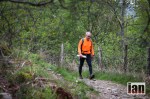
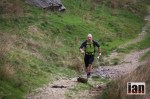
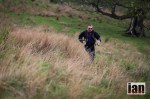
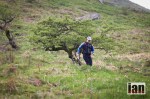
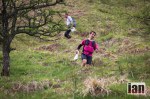
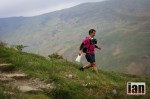
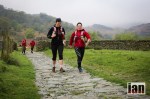
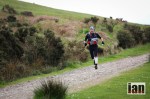
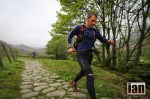
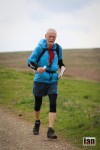
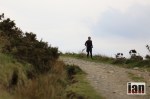
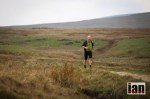
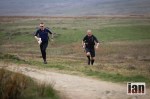
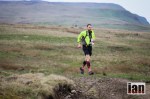
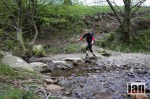
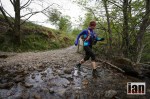
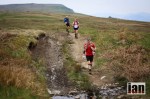
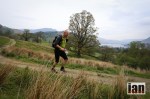
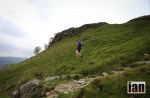
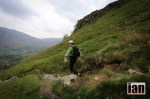
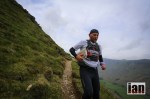
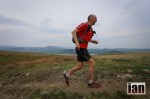
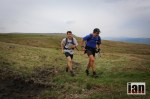
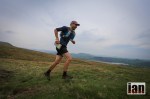
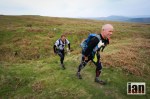
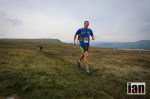
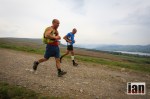
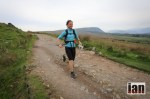
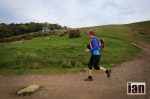
This year’s elite course is a tough one, with a potential 3000m of elevation gain and an optimum distance of 53km. Famous for their steep rounded hills, the Howgills will be a tough challenge. Having viewed weather forecasts the organisers have issued a stern warning to all the competitors about the challenging nature of the terrain and event.

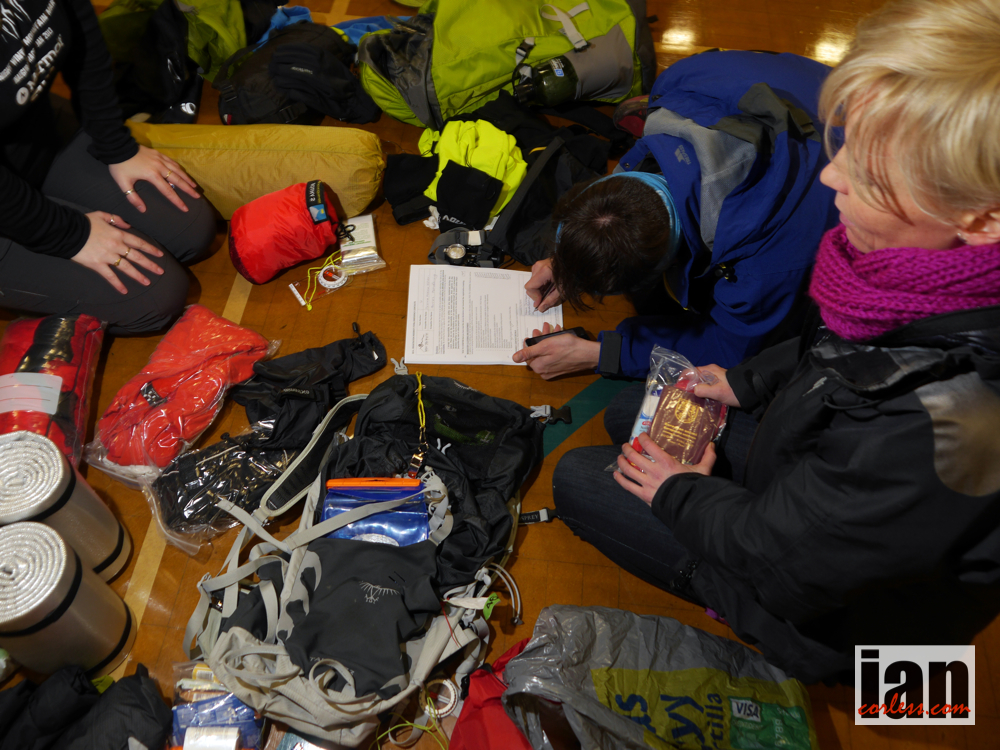
Needless to say, mandatory kit will be checked prior to the event.

©iancorless.com.©iancorless.com.P1100141

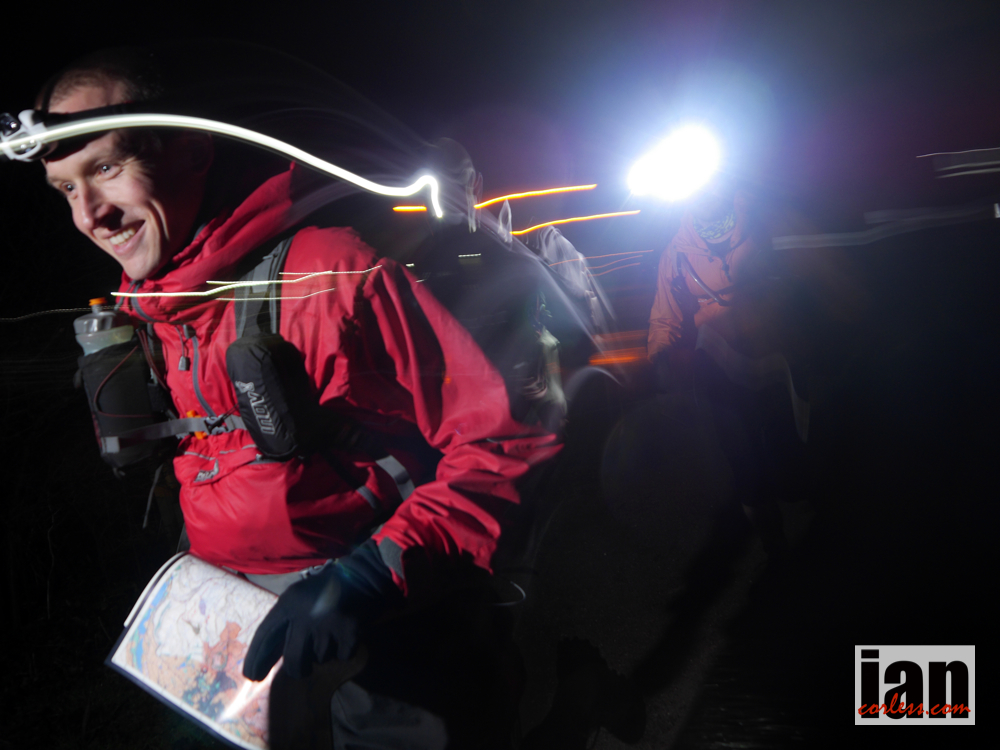
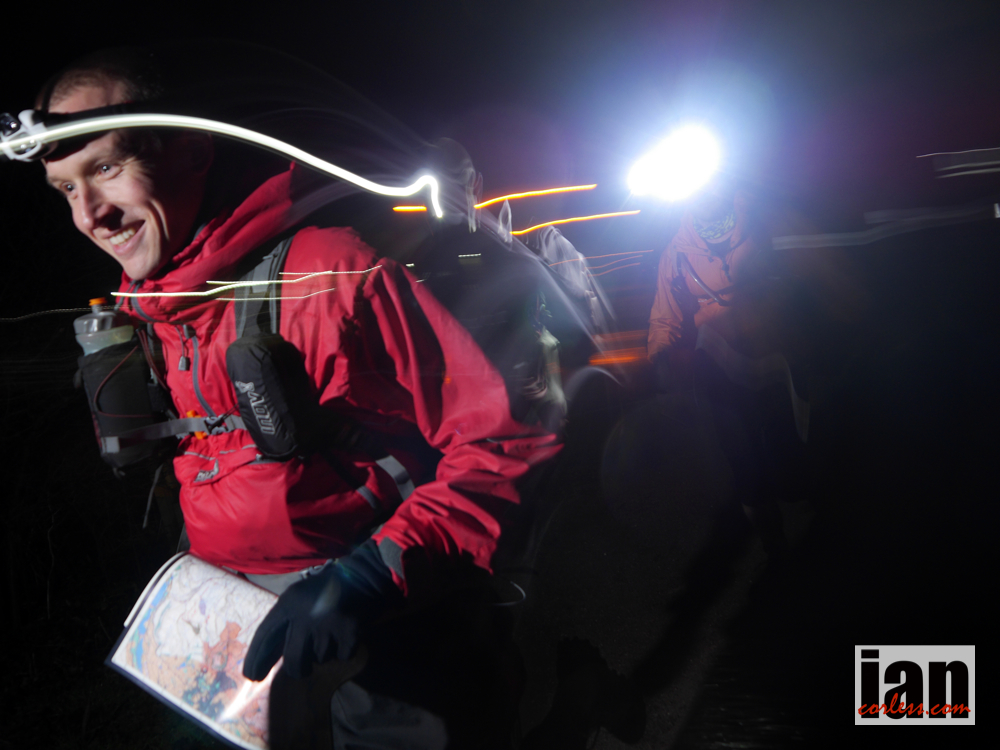
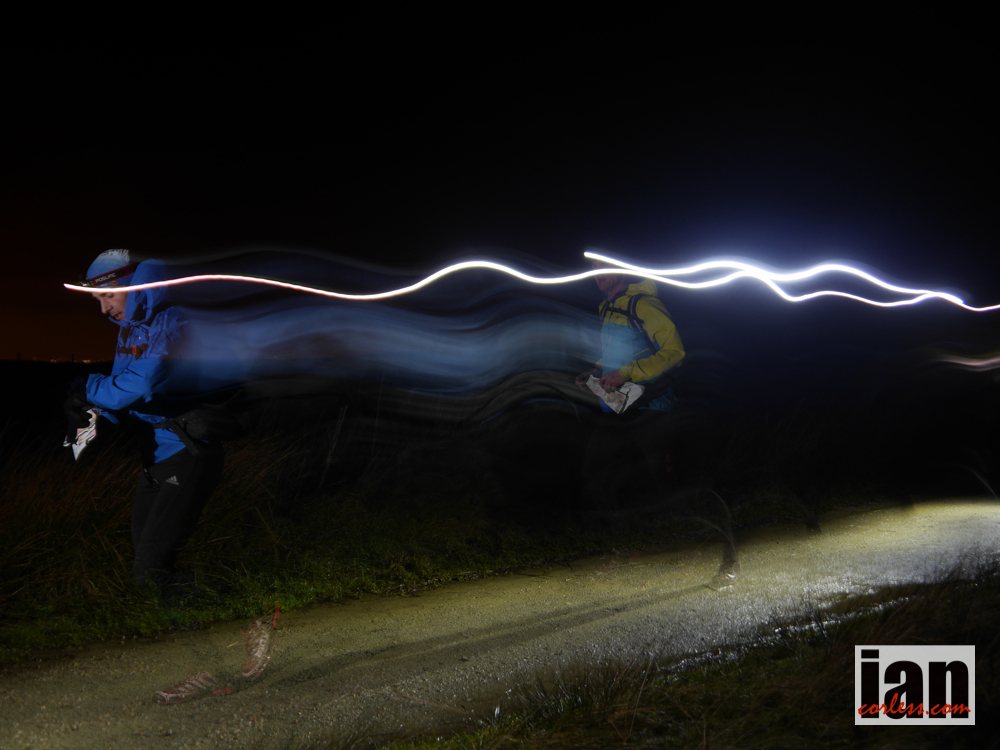
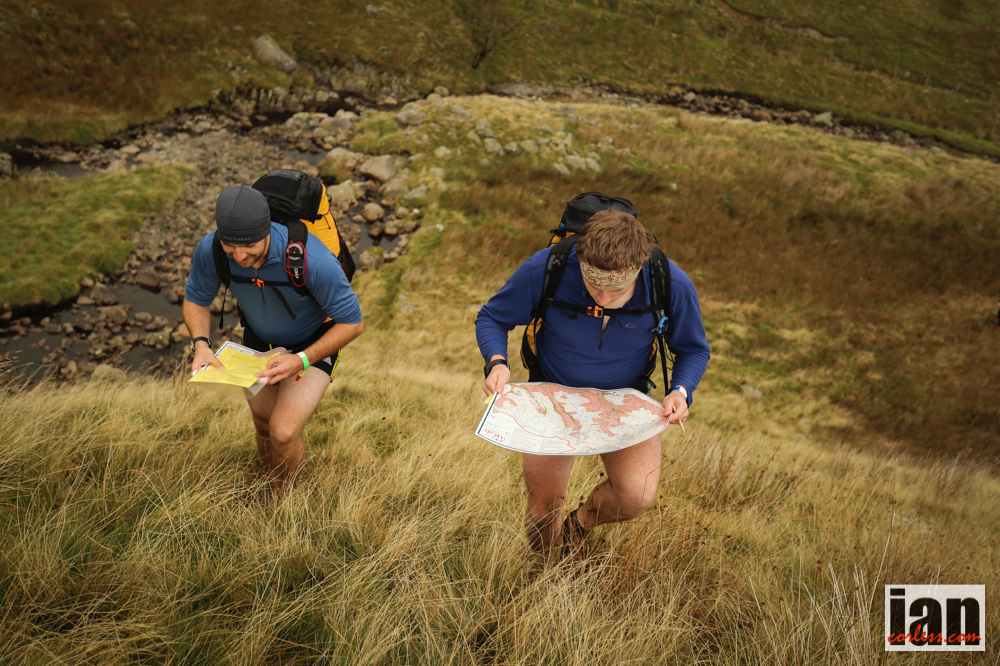
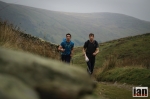
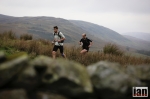
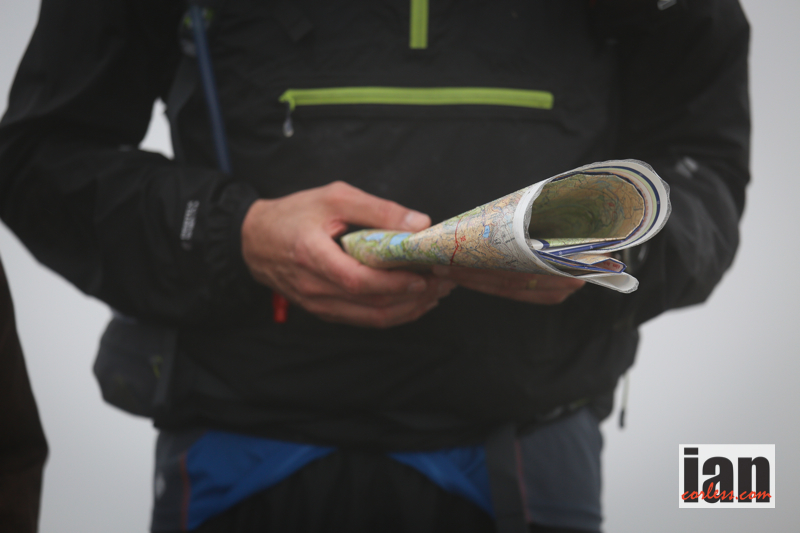
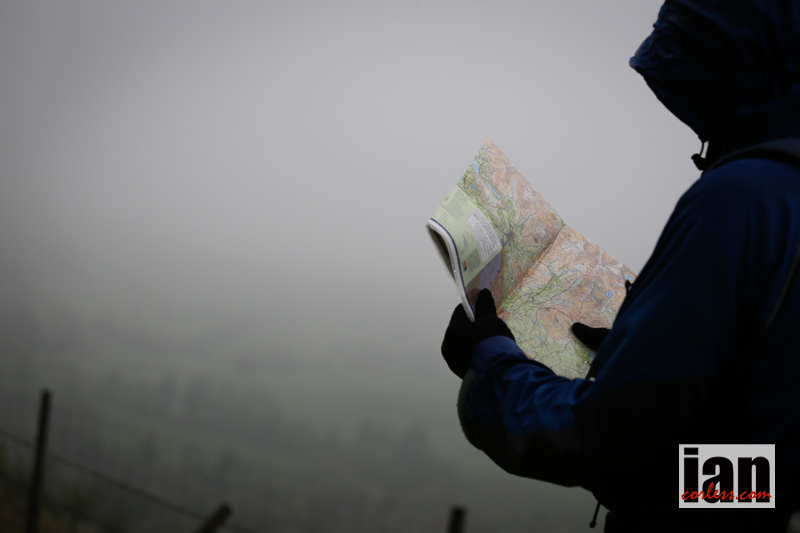
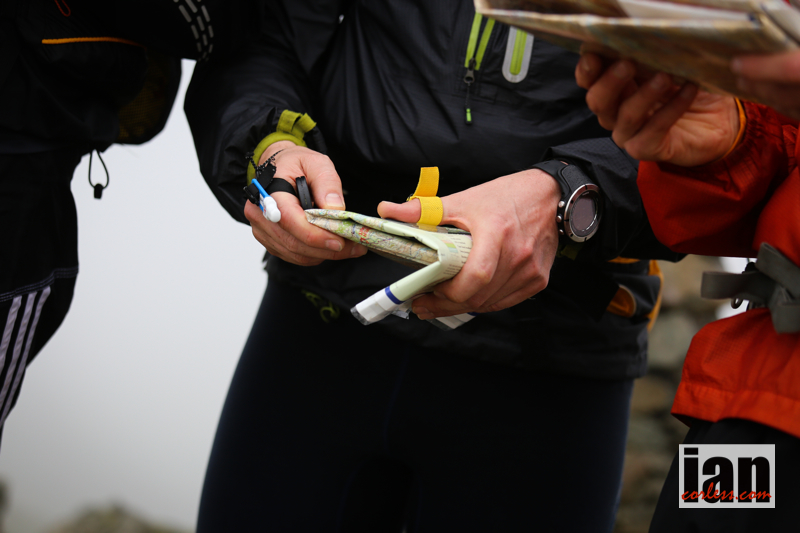
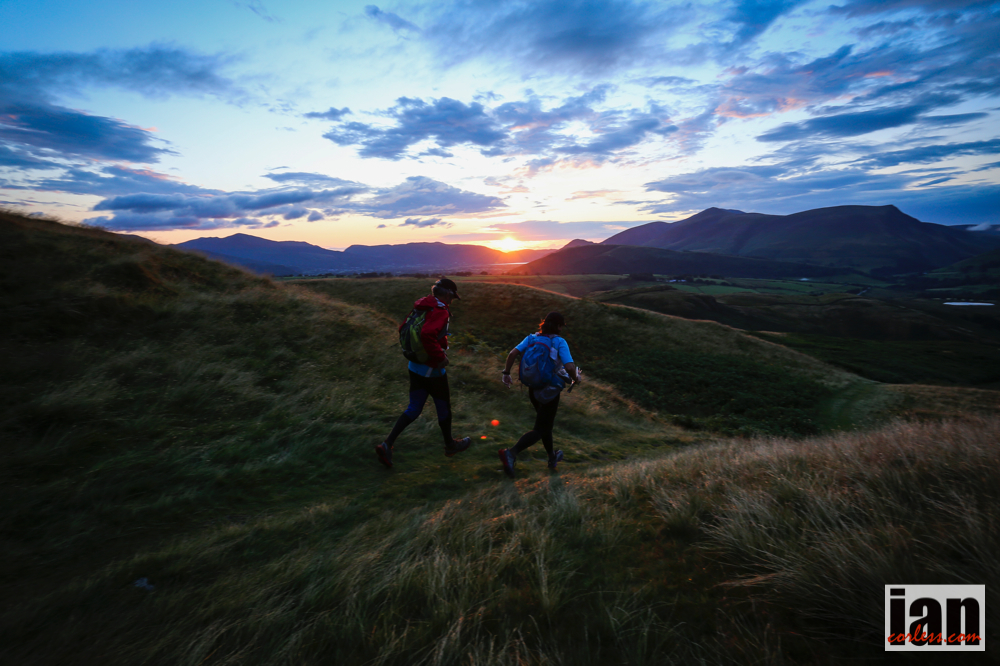
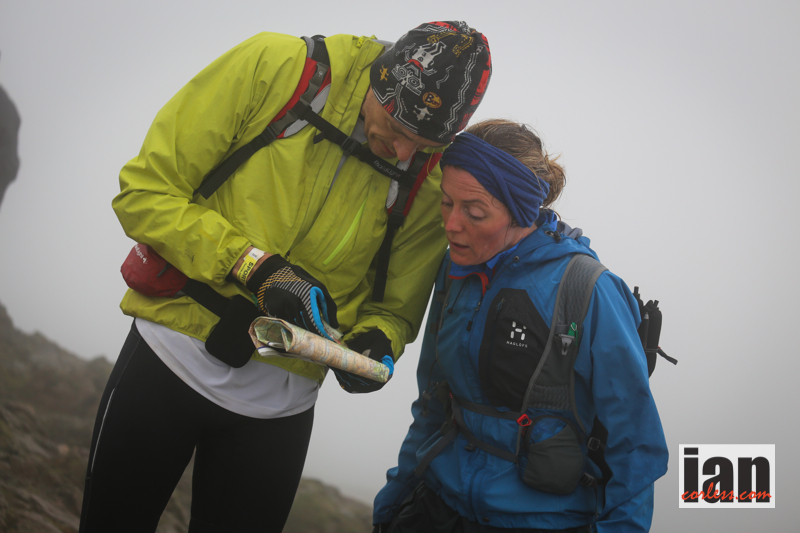
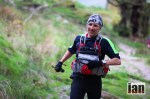
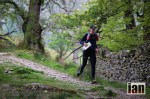
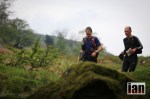
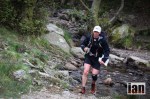
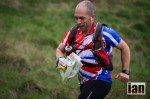
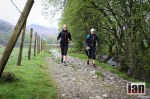
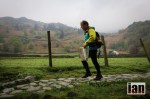
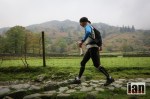
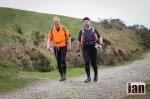
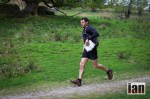
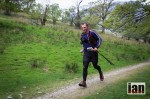
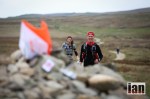
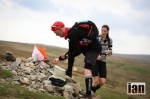
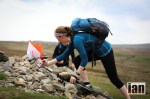
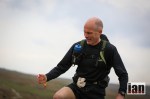
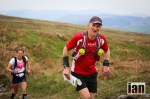
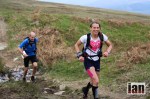
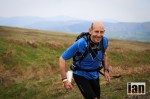
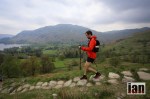
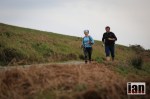
Marmot Dark Mountains™ is a true test of mountain craft for experienced mountain runners. Challenging terrain, night navigation and a wintery environment will test each runner over the variety of courses available: Elite, A, B, C, Short Score and Long Score.

©iancorless.com_IMG_5450Marmot24_2014_

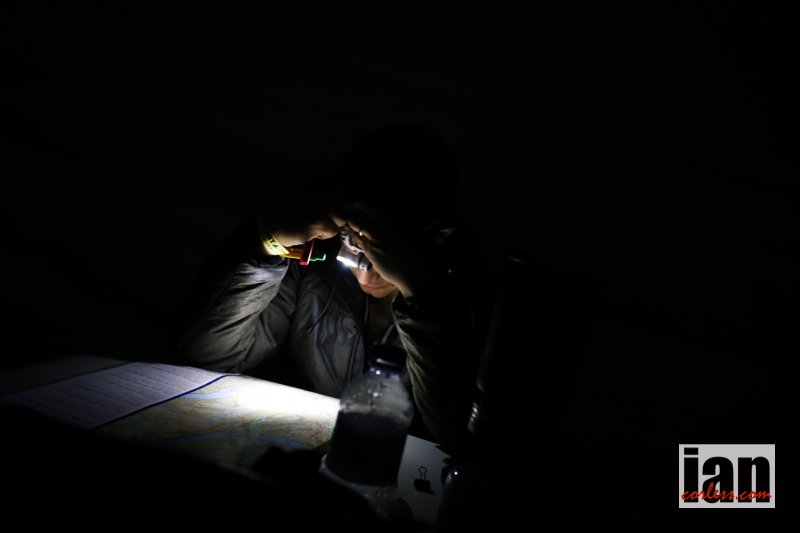
“Marmot Dark Mountains™ takes the classic two-day mountain marathon format and gives it a new… darker twist.” said Race Director, Shane Ohly. “Rather than two days of running with an overnight camp in between, Marmot Dark Mountains™ packs everything into one winter’s night!”

Steve Birkinshaw

Three of the UK’s leading teams are of particular interest in the 2015 event: Steve Birkinshaw and Jim Mann, Chris Near and Tim Higginbottom and Kim Collison and Adam Perry.

Kim Collison at Mourne Skyline MTR

Kim Collison at Mourne Skyline MTR

Runners will start to race at 1900-hours and  Chris Near and Tim Higginbottom will be first off! The dynamic duo have won practically every elite mountain marathon and they have held various long distance mountain running records. In 2014, Near and Higginbottom missed the race due to last minute illness, they will be looking for victory in 2015.

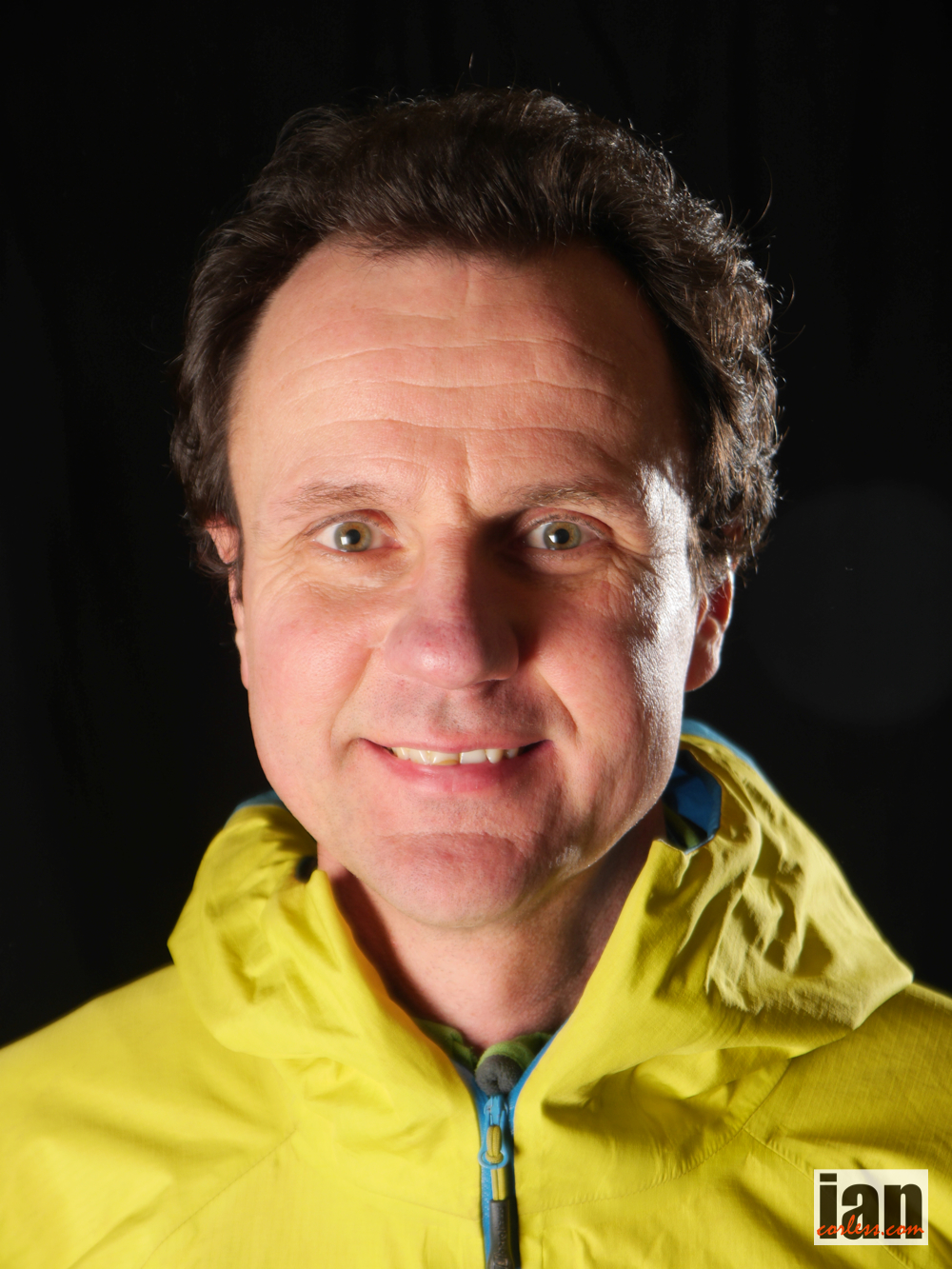
Steve Birkinshaw needs no introduction. His incredible Wainwrights record in 2014 was a highlight of the year for many a trail, mountain, fell and ultra runner. Steve’s partnership with Jim Mann is fitting as Mann holds the record for the winter Bob Graham Round. Birkinshaw won the 2014 event when partnered with Tom Gibbs, so the pressure will be on! Birkinshaw and Mann start at 2000-hours chasing the other runners down.

Kim Collison and Adam Perry will be a tough pair to beat and setting off at 1940-hours. Collison won the first Marmot Dark Mountains in 2013 (running with Alex Pilkington) and finished the 98km Fellsman with Perry in first place last year. The duo are evenly matched and are considered favourites by many!

©iancorless.com.©iancorless.com.P1100347

Offering a range courses to suit a range of abilities, every year there has been a small but steady increase in the number of participants.

“The event kicks-off on the Saturday evening with the longest classes setting off first for dusk-to-dawn racing. The shorter classes will set off later in the evening with the aim of most competitors finishing within an hour or so of each other the following Sunday morning. This makes for an exciting finale as all the courses and most of the competitors converge on the finish as dawn breaks.”

There are four linear courses that follow the standard Elite, A, B and C format of ordinary mountain marathons and two score format courses.

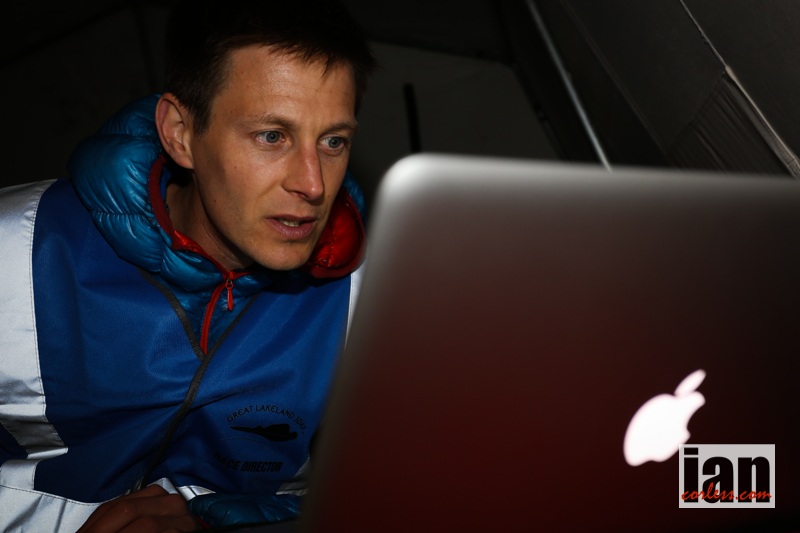
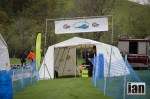
This year there will be two manned checkpoints in the Howgills that competitors on the various courses may visit and the organisers intend to post updates to the event website as the night of racing unfolds.

©iancorless.com.©iancorless.com.P1100383

Follow the race at Ourea Events HERE

Marmot Dark Mountains HERE

OureaEventsLogo(500x500-cropped) copy

Marmot Dark Mountains 2015

©iancorless.com_IMG_5450Marmot24_2014_

The organisers of the formidable Marmot Dark Mountains™ have just announced that the 2015 event will take place in the Howgills on the night of 24th & 25th January 2015.
Marmot Dark Mountains™ takes the classic two-day mountain marathon format and gives it a new… darker twist. Rather than two days of running with an overnight camp in between, Marmot Dark Mountains™ packs everything into one winter’s night!
©iancorless.com.©iancorless.com.P1100372
The event kicks-off on the Saturday evening with the longest classes setting off first for dusk-to-dawn racing. The shorter classes set off later in the evening with the aim of most competitors finishing within an hour or so of each other the following Sunday morning. This makes for an exciting finale as all the courses and most of the competitors converge on the finish as dawn breaks.
©iancorless.com.©iancorless.com.P1100383
Race Director, Shane Ohly from Ourea Events describes the 2015 event area, “The Howgills provide a superb setting for Marmot Dark Mountains™. The terrain is definitely more runable than previous editions of the race but with the steep sided valleys that are typical, there is significant height gain, and the course are sure to provide a suitable test of endurance.” He continued, “The Howgills also seem to catch more than their fair share of winter weather and we are anticipating a tough challenge for those competitors brave enough to enter.”
©iancorless.com.©iancorless.com.P1100464Marmot Dark Mountains™ has a growing reputation as the test of competence for experienced mountain runners. Ordinarily a standard mountain marathon with its combination of mountain running and navigation at its heart is a sufficient challenge but Marmot Dark Mountains™ takes it a step further by packing two days of running into one long winters night with dusk-to-dawn racing.
Marmot Dark Mountains™ 2013 was held in the southwest fells of the Lake District National Park. That year the event experience extremely poor weather and the completion rate for the linear courses averaged just 21%. In 2014 the event moved to the Peak District National Park and with better weather the completion rate rose to 53%. Still, these are low completion rates considering that competitors are vetted for experience before their entry is accepted.
With the announcement of the venue, the organisers have also released details of the routes, which have been planned by Charlie Sproson who is a regular Race Planner for Ourea Events. These are:
  • Elite Course: 53.1km / 2,966m
  • A Course: 42.3km / 2,415m
  • B Course: 35.8km / 2,311m
  • C Course: 33.9km / 1,770m
  • Long Score: 10 Hours
  • Short Score: 8 hours
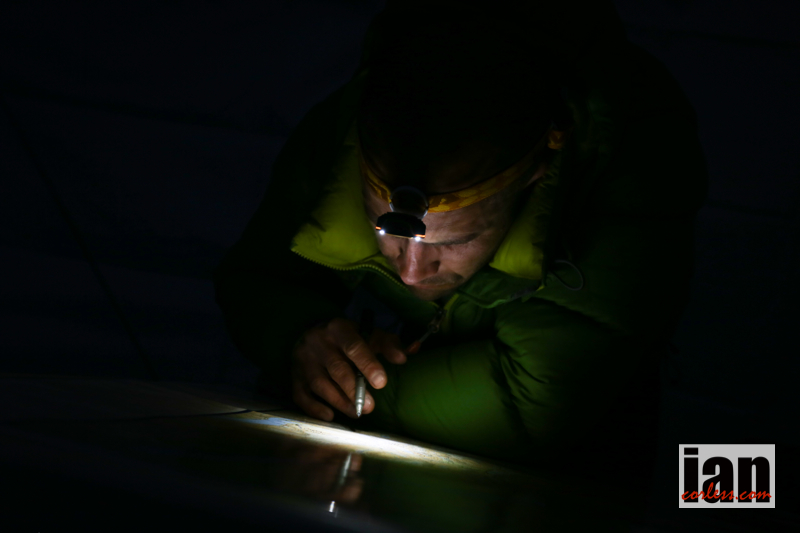
Working in collaboration with Harvey Maps at the 2014 Marmot Dark Mountains™ bespoke ‘high contrast’ maps were produced for the first time. These were designed to show contours more clearly in the dark and when the map is illuminated by high-powered headtorches. These were a great success and the 2015 event will also feature these special night maps.
Ourea_Events_Logo(600)
Race Director, Shane Ohly elaborated, “For an event that is focused on mountain navigation and running, we understand completely that the quality of the map is directly linked to the quality of the overall experience and as such, we invest significant time and energy into the map. As in previous years we will be using waterproof and tearproof paper and our special night-nav high contrast printing developed with Harvey Maps. Whilst checking control sites both Charlie Sproson and I have been recording new paths, fences etc with GPS and combined with Harvey’s updating their base data from a new photogrammetry survey data, we are confident that we will provide a high quality and accurate map for the competitors.”
With the support of sponsorship from Marmot® and Petzl® there is a £500 cash prize for the winning elite team. In 2014 Steve Birkinshaw and Tom Gibbs won and Alex Pilkington and Kim Collison won in 2013.
Key Event Information
Website: www.Marmot-Dark-Mountains.com
Date: 24th & 25th January 2015
Venue: Howgills, Northern England
Entry: from £50 per person
Courses: Elite, A, B, C, Short and Long Score

Marmot Dark Mountain - FINAL (BLACK)

marmot_logo

ortlieb-logo(290x290)

Julia Boettger prepares for the Salomon SkyRun

Julia Bottger ©iancorless.com

Julia Bottger ©iancorless.com

Julia Boettger loves and excels at long and hard races. Raid de la Reunion, Tor des Geants and epic solo journeys ‘just for fun’ show all of us what a multi-talented ultra runner she is.

In 2014, Julia started the season placing 2nd at The Coastal Challenge in Costa Rica and what followed was a series of top quality results that reached a peak with an outright victory at Andorra Ultra Trail – Ronda dels Cims.

In just one week, Julia will toe the line at the Salomon SkyRun in South Africa. I caught up with Julia to find out how she feels and how the preparation has gone.

 *****

How have the last couple of months been from a racing perspective?

I had a great season with mixture of racing and running my own projects. The last successful race I did was the Transalpine Run which was unusual for me but we I had fun. It made a change to all the long distance runs I did during the summer.


How’s training going – have you done anything specific for SA?

Well for the moment I am doing a lot of long runs in the mountains. It has been hard to keep up motivation for training, as this season has been very long. However, I always really enjoy being out in the mountains all day. I have had to keep in mind to speed up or to do more elevation so that it is specific for the SkyRun.

Maybe you have been brushing up on your navigation and looking at some maps?

I already run most of the time with maps and on new trails etc. So I’m not too bad with navigation or orientation. But I think in a race it will be different.

Are you intimidated by the navigation element of the SkyRun?

Yes. South Africa is a completely different country, which I do not know at all. Weather, landmarks etc. will be completely different from my local terrain: the Alps.

The course sounds extreme, particularly if the weather turns. Have you researched the course?

Not yet. I will speak to my friend Stephan Repke who did the race two times and I will ask him about race specifics and the course. 

Michael De Haast has put up a great price purse should somebody post a great time, is that an incentive for you?

I just learned about this incentive … but no – this run will be a big adventure for me and the goal is to get to the finish line and to survive. If I can do it in a course record (which I don’t think so) it will be fantastic.

Have you been to SA before?

No. It will be my first time. I am looking forward to new experiences. People, landscape, and animals – everything will be different, new!

South Africa is one of the places I have always wanted to explore and to learn about. To run in nature, to experience the original freestyle trail running of the Salomon SkyRun will be inspiring. I like to challenge myself on long distance courses and the SkyRun will be definitely be a different kind of ultra distance challenge. But beside the race I am glad to have the opportunity to meet local people and to spend some time with them.

Navigation 101: Intermediate Navigation – Beyond the Basics by Mountain Run

Mountain Run

This is a second article in a trio of interviews with Ian Corless, about Navigation for Ultra Runners & more. Read article one HERE

all content ©mountainrun

In the first interview we covered the Basics of Navigation, this encompassed maps, compasses, setting your map & how to set a bearing.

The second interview was moving into intermediate navigation & it consisted of the following information & techniques:

  1. Declination/Magnetic Variation
  2. Grid Numbers/Plotting a Grid Reference
  3. Back Bearings
  4. Re-Orienting/Re-locating
  5. Thumbing the Map
  6. Hand-railing
  7. Catching Features
  8. Aiming Off

So lets start with:

1) Magnetic Declination or Magnetic Variation: 

There are 3 points at which north is seen. 1) True North, 2) Grid North & 3) Magnetic North. We are concerned with Grid North & Magnetic North.

Grid North is what is detailed on a map, its where the North/South grid lines show us the direction of north, according to the grid lines printed on the map. This is almost the same as True North, so we will group True North & Grid North the same. These are fixed points & do not move.

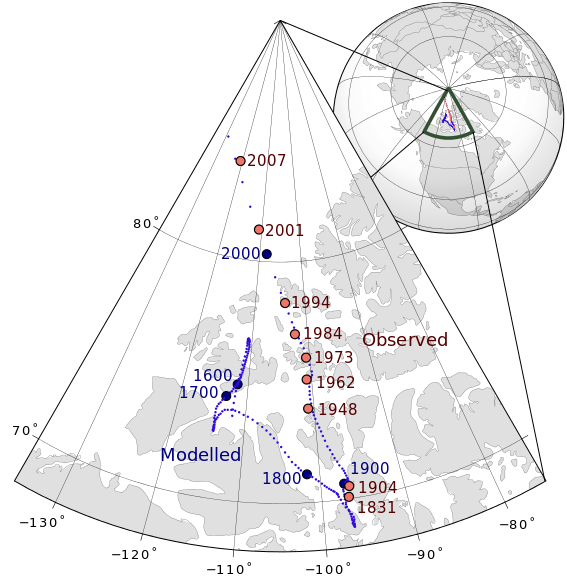
Magnetic North is what your compass needle points towards, being magnetised & this is not a fixed point, it moves over time. Magnetic North is explained as so:

“The North Magnetic Pole is the point on the surface of Earth‘s Northern Hemisphere at which the planet’s magnetic field points vertically downwards (in other words, if a magnetic compass needle is allowed to rotate about a horizontal axis, it will point straight down). There is only one location where this occurs, near (but distinct from) the Geographic North Pole and the Geomagnetic North Pole.

The North Magnetic Pole moves over time due to magnetic changes in the Earth’s core.[1] In 2001, it was determined by the Geological Survey of Canada to lie near Ellesmere Island in northern Canada at 81.3°N 110.8°W. It was situated at 83.1°N 117.8°W in 2005. In 2009, while still situated within the Canadian Arctic territorial claim at 84.9°N 131.0°W,[2] it was moving toward Russia at between 34 and 37 miles (55 and 60 km) per year.[3] As of 2012, the pole is projected to have moved beyond the Canadian Arctic territorial claim to 85.9°N 147.0°W.[2]

Because we have a variance between True North & Magnetic North, we therefore need to use something called the Magnetic Variation. This is described as follows: 

“Magnetic declination or variation is the angle on the horizontal plane between magnetic north (the direction the north end of a compass needle points, corresponding to the direction of the Earth’s magnetic field lines) and true north (the direction along a meridian towards the geographic North Pole). This angle varies depending on position on the Earth’s surface, and changes over time.”

It is also explained more formally, Bowditch defines variation as “the angle between the magnetic and geographic meridians at any place, expressed in degrees and minutes east or west to indicate the direction of magnetic north from true north. The angle between magnetic and grid meridians is called grid magnetic angle, grid variation.
Magnetic_North_Pole_Positions

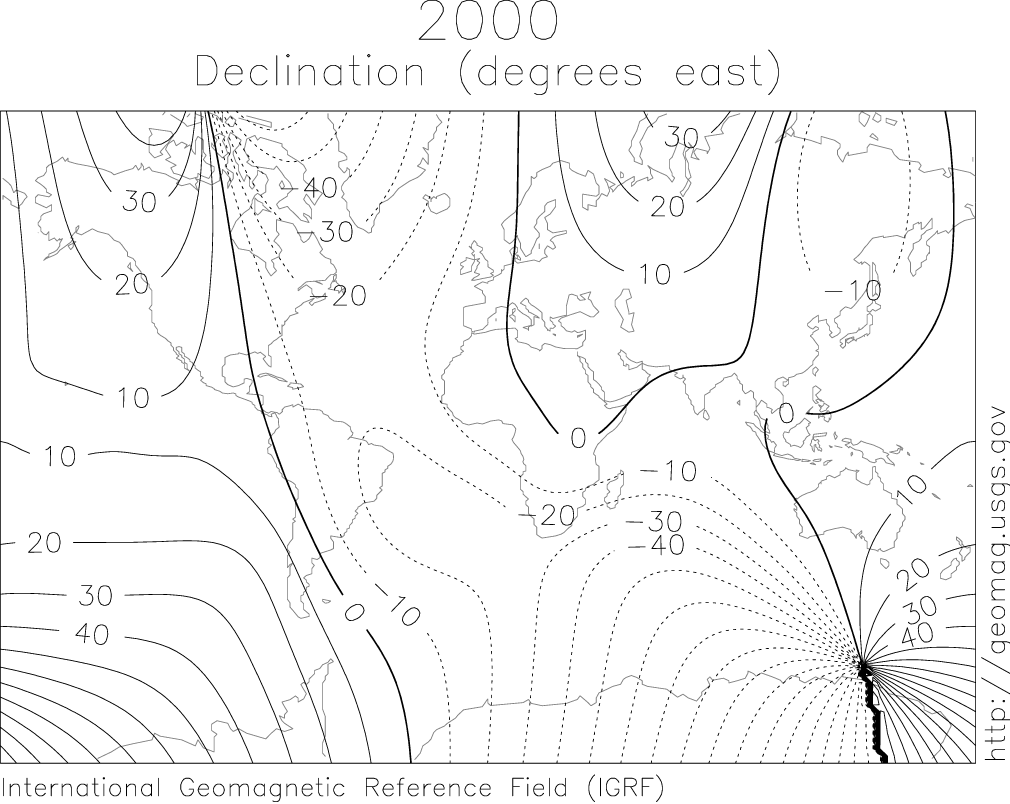
Depending on which country you reside in will then depend on what the Magnetic Variation actually is. For example, if you live in the UK then the Magnetic North is 1.5 degree’s at the start of 2014 west of True North. The reason it is west is that we sit to the east of the Agonic Line or line of Zero Declination where Mag North & True North are the same. There are several points where this occurs around the world. Its a bit technical, but all you need to remember is that the Mag Variation is printed on all maps in the UK to advise what the Mag Variation is at what ever year the map was printed.

IGRF_2000_magnetic_declination

In order to correct your bearing to take into account the Mag Variation, you must adjust the compass 1.5 degrees east of the bearing you have taken, or more easily remembered, add 1.5 degrees on to your compass bearing you have just taken from the map. To make life even more confusing, the Mag Variation in 2015 is 0, therefore Mag Variation need not be corrected for that year, so it is almost not worth making this correction for the next year & certainly if your navigation is broken down into small legs. It really only comes into play right now, if you are travelling over large expanses of land, without any catching features, hand rails etc.

Transversely, if you are using the Mag Variation, remember when making a sighted bearing, whilst relocations, you might want to subtract 1.5 degree’s off your bearing in order to get an accurate bearing when you place the compass on the map. It all depends how accurate you need the bearing to be? Are you looking at a mountain summit? If so, is your bearing really that accurate anyway.

So Mag Variation in the UK is not really necessary right now.

If you are in Europe or other parts of the world like the US, then your Mag Declination/Variation will be different. It should be on the map you are using, if not consult a website like Wiki for more information.

North & South of the Equator. 

If you buy your compass in the northern hemisphere, then it is not set to work in the southern hemisphere & visa versa. Silva produce 3 types of compasses to work in 3 different magnetic zones. The best piece of advise is if you are traveling, then buy a compass for use in the zone which you are traveling. Best to contact a company like Silva to get the right compass.

Can I set the declination on a compass, so I can forget about the Mag Variation? 

Yes is the answer, but they don’t come at a small price. Most compasses, of reasonable value, like Silva 2NL-360 Explorer will have a Declination Scale on the bevel base plate, this can be used for quick adjustment. If you want to set the mag declination, then you need to purchase a compass capable of doing this, like the Silva 15T-360/6400 Green military compass. Its not really necessary for general use, especially in the UK right now.

Ok, so the confusing Mag Declination/Variation is done. Use at will, just remember to check on the country you are in as to what the variation is & apply it if necessary. Its list on the map you have in your hand, or at least the one you will be using.

2) Grid Numbers & Plotting a Grid Reference

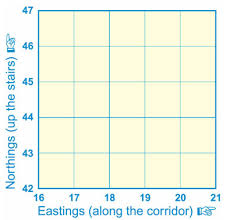
Grid numbers are applied to the grid lines. These are a squared matrix applied to the whole country to divide it into different sections. They are laid out to make squares 100k by 100k, these squares are then broken down to have a further matrix applied giving squares of 1km by 1km. These are the lines/squares printed on your map. The lines running from east to west are numbered from south to north, these are the ‘northings’, the lines running from north to south are numbers west to east, these are called the ‘eastings’. A grid reference is made up of these printed numbers.
northings-eastings

So on the image pictured to the left, we have Eastings along the bottom & Northings running up the side. In order to find a certain grid we need 4 of these numbers. This a 4 figure GR.

We are always given the Eastings first & the Northings second.  A 4 figure GR would read as 17 45

Once we understand this we can move to a 6 figure GR. This is done by breaking down each of the squares into a further 10 divisions on either scale, making 100 squares inside the existing square and will allow us to pin point a location to within a 100m square on the ground. A 6 figure GR would be something like 175 454.

This can be taken into a further pin point of 10m squares by using the same logic & so on.

A roamer on your compass can be of great help here to pin point 6 figure GR’s.

Not following? Book on a course….

3) Back Bearings. 

Very useful in either re-locating yourself or using a feature to make sure you are looking at what you think your looking at. A back bearing is taken by using a sighting of an identifiable feature, be it a path, summit, building or  large reentrant & applying it to the map. This can help you do one of 2 things. 1 – re-locate yourself on a line feature (its hard to relocate with this technique exactly, but it can help your judgement or give you a rough location) or 2 – help you to make sure the feature you are looking at is the same one you are looking at on the map.

Remember that when taking a back bearing, you might need to subtract the Mag Variation to make sure its correct. 
compassatpeak

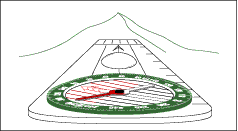
To take a back bearing, line the direction of travel arrow at the front of your compass with the feature, make it as exact as possible. Then swivel the rotating bevel so that you line the red end of the needle in the red house/shed, remember the Red in Shed. This is now your bearing set. Next put the compass on the map & line the front side up with the feature you think you are looking at, and move the compass until your orienting lines on the base plate match with the N/S Grid Lines on the map. You should now be able to locate yourself somewhere along the side of the compass.

A back bearing works best if you are already located on a line feature, as this bearing will then cross the line feature at some point, giving you a rough location of where you are on that line feature.

4) Re-Orienting/Re-Locating.

A very necessary skill, used to either make sure you are where you think you are, or as it sounds, to actually re-locate. Once you are adept at this skill, it should be used throughout the day, as you progress through your race or just through the mountains to keep a check on your position, but of course if you are thumbing the map, then it will be a whole lot quicker & easier. When you’re really good at it you will re-locate whilst on the move.

Clients on a recent OMM Mountain Skills Day relocating on Place Fell, Eastern Lakes

©iancorless.com.IMG_5128GL3D_Day1

How to do it: 

Use everything at your disposal. This means look for all the identifiable features you can see, summits, paths, streams, woods, walls, buildings, ruins, sheepfolds etc. Orientate your map, if it is not already! Now match the features on your map to the ground, or visa versa. If your still not sure, then use a back bearing by locating a summit or other feature & take a bearing from it by following what was discussed above.

If you are not on a line feature you will then need to start really assessing the contours & because you have studied your contours well at home, you have a good handle on how to interpret what you are looking at to the features/contours on the ground. Are you in a reentrant, or is there one close by. Is the valley in the right place in front of you in relation to the map.

Re-Location requires lots of practice, the more you do, the better you will get until you can re-orientate whilst on the move.

5) Thumbing the map. 

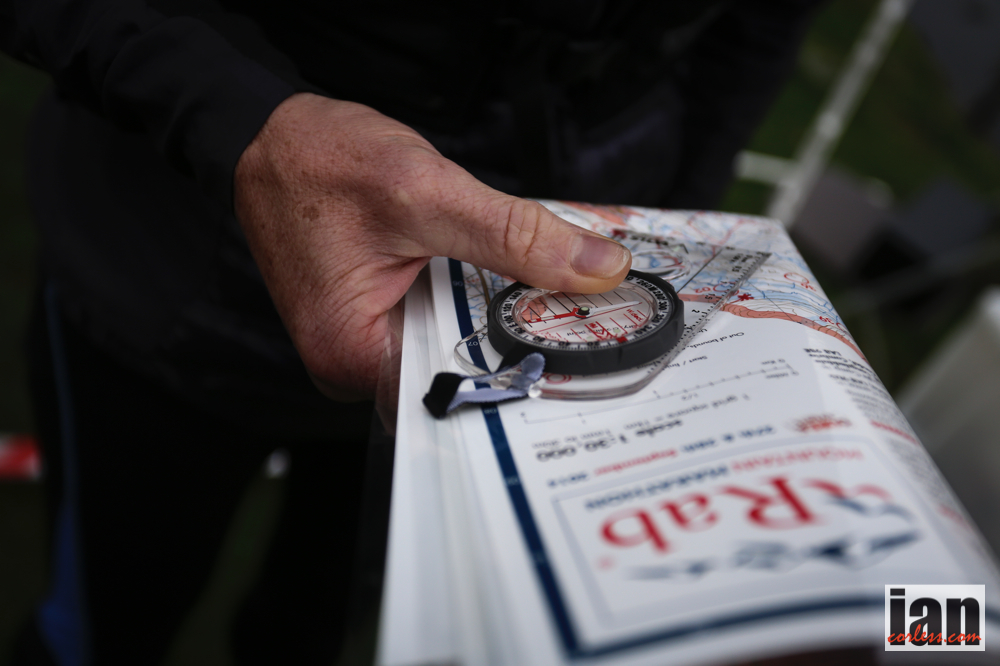
Thumbing the map with compass in hand.

©iancorless.com_IMG_5329Marmot24_2014_

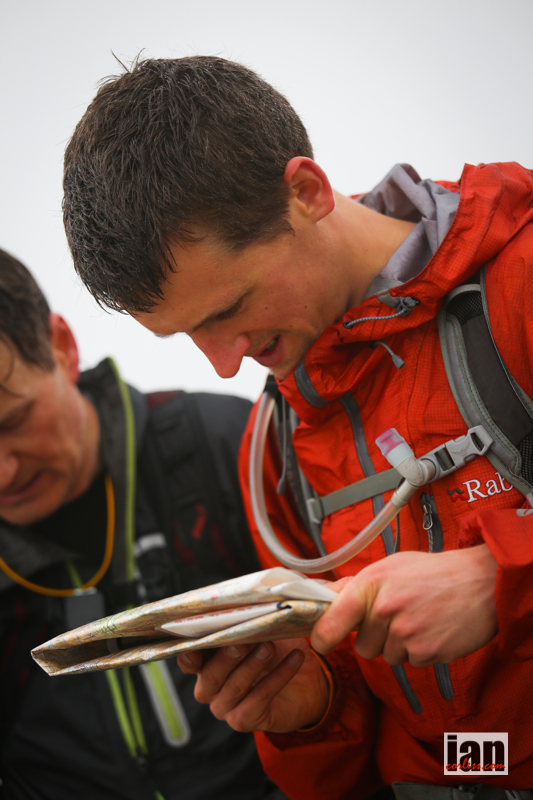
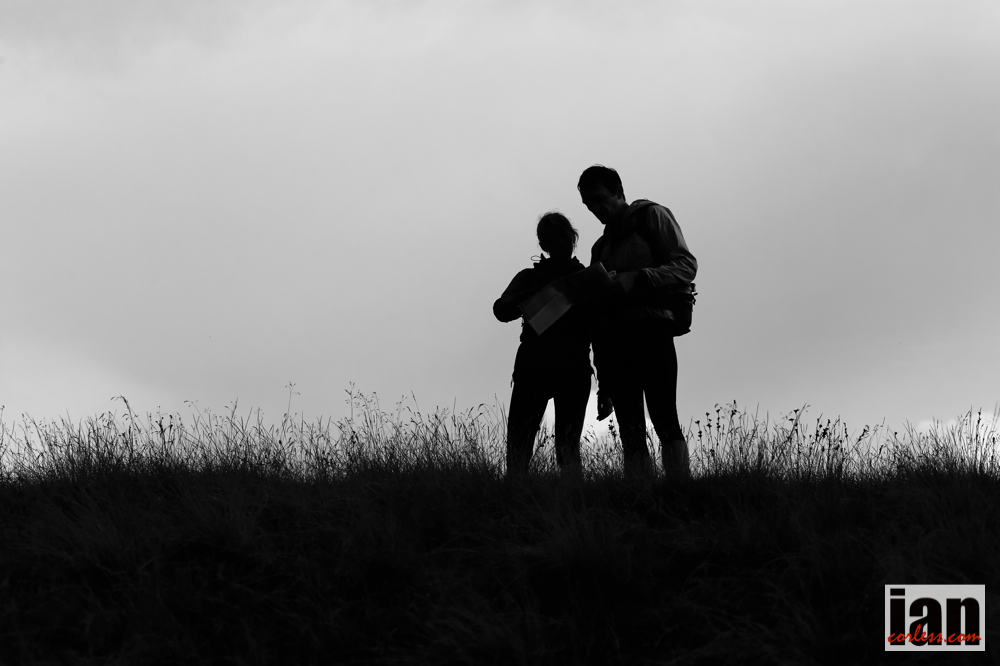
A very simple, but very useful technique. Once you start to get a handle on navigation, map reading & compass work you will be able to fold your map smaller, so not needing so much of it in view. The smaller you can have your map folded, the easier it is to thumb the map. By doing this we mean, fold your map in half, half again and so on until you have a manageable size to hold in your hand. Obviously make sure you can see the area you are in. Now, knowing where you are on the map, put your thumb over this location. Having the map oriented correctly in your hand is very important. As you walk/run along your chosen courses/bearing, you simply move you thumb small increments to keep up to date with your progress.

Why is this useful? 

Because you need to be able to locate your rough position on the map at a split second or whilst on the move. When you want to check your surroundings against the map, just pull it up to have a look & your thumb will be placed near to where you are, you can then re-locate very quickly & keep a track of your progress from map to land or the other way round. This is how you will learn to re-locate whilst on the move!

6) Hand-railing. 

It is as it sounds, using a handrail to help you on your way as you travel across the land. So what is a handrail? It a feature on the map that allows you to use it as a hand-rail. It is always a line feature & can be as simple as a path, or as obscure as a blind ridge line (by blind I mean rounded & not obvious). Once you have established the handrail is going in the direction of travel you want you can walk/run along it until you need to make your next decision.

Examples of Hand Rails

Handrails

How do you know when to stop? Use the next technique, a catching feature….

7) Catching Features. 

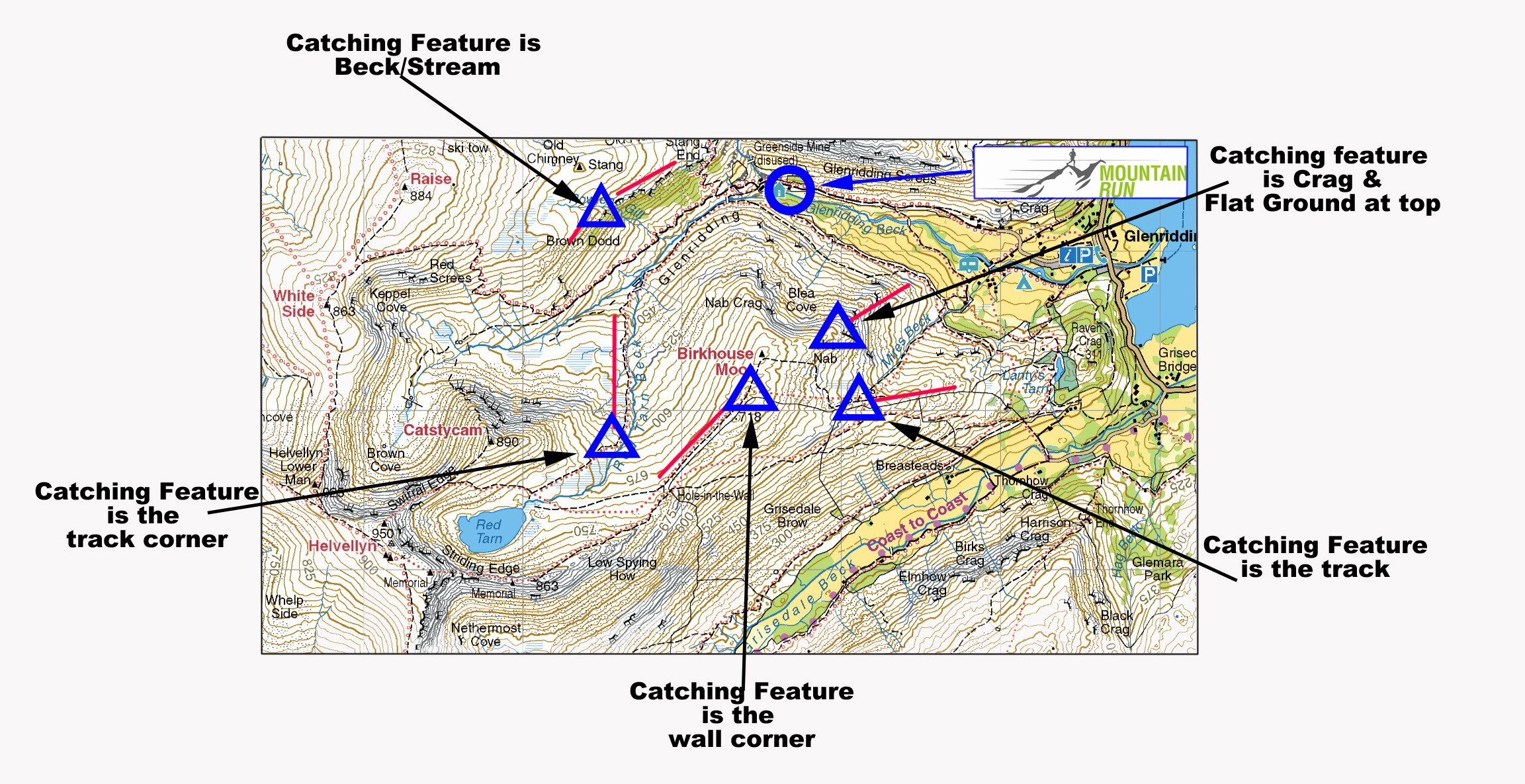
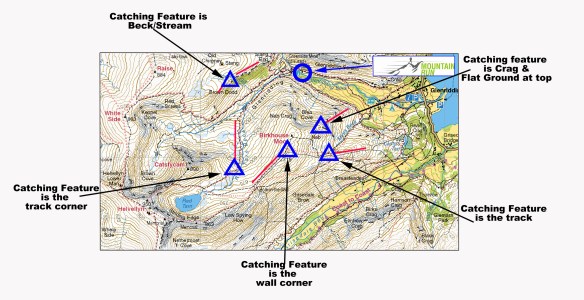
A catching feature again is as it sounds, its a feature that catches you. It can be designed to wake the brain up to say your nearly at your destination, next direction change or just as a marker to what is coming next. You can have as many catching features as you like along your chosen course. Don’t pick too many though, as it will be hard to remember. Try to limit them as wake up calls, or direction changes, but you can still use them as markers to track your progress.

Plenty of Catching Features in the image below: 
Catching-Features_edited-2

A catching feature might be a wall corner, building, junction in a path or river or a crag that you are moving past. Used in conjunction with thumbing the map & hard rails, you can see that you can really track your progress as you move forwards.

8) Aiming Off. 

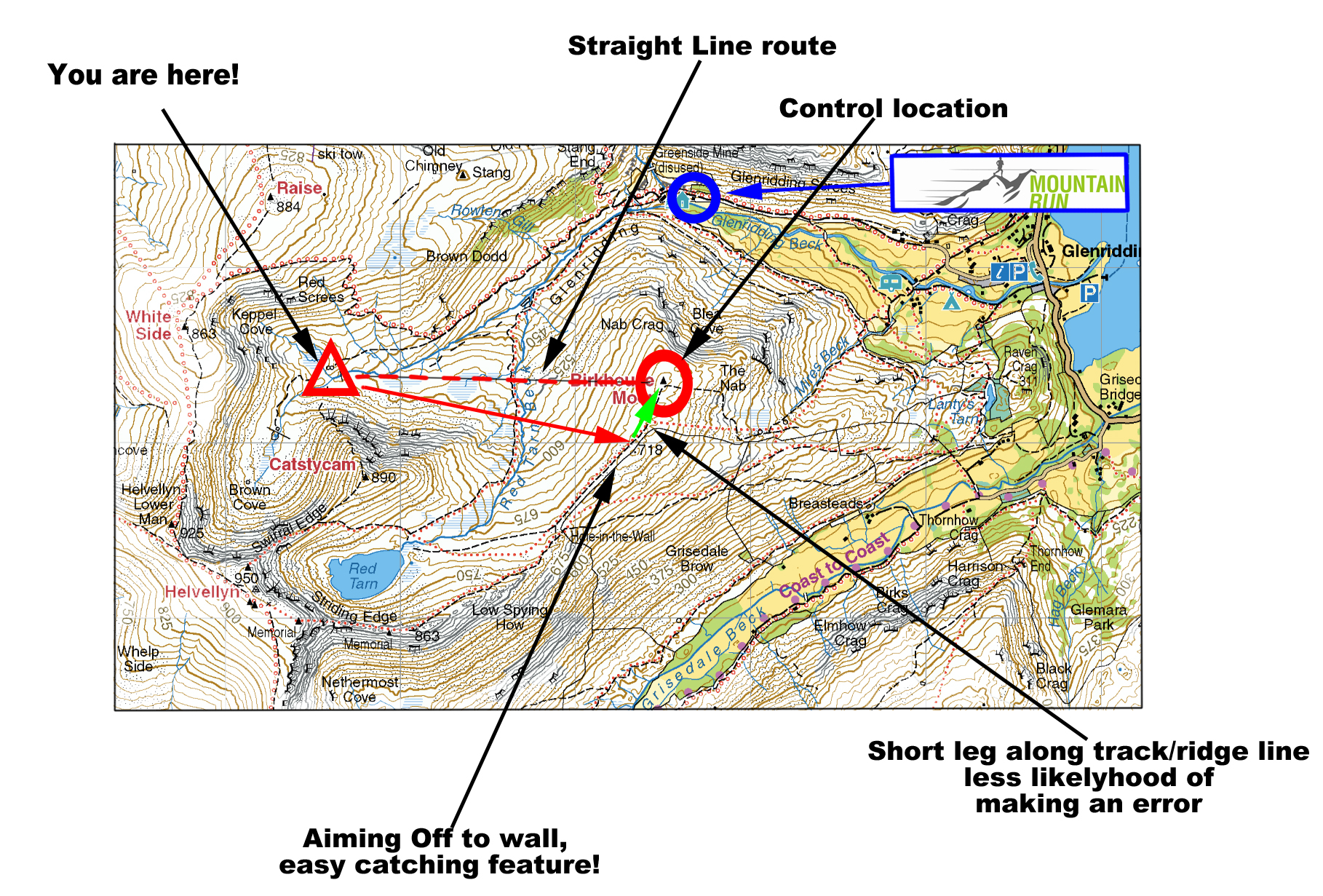
The last technique in our intermediate navigational skill set. We use aiming off to catch a line feature, that we may then use as our next bearing setter or as a handrail until we reach the next catching feature.

To aim off we use a bearing slightly off to the side of the line feature we are heading for. This can be either left or right, but it need to be obvious, otherwise you might miss it.

Aiming Of below so you don’t miss the control, best practice in foul weather!

Aiming-Off_edited_edited-1

Lets say your travelling across open ground south to north, there is a tarn in front of you running from west to east & you want to catch this feature, but keep moving past it. The weather is in and visibility isn’t what you want it to be. You want to pass the tarn to the east, so you need it to be on the western side of you. How will you know you have passed it, if you can’t see so well due to mist? The tarn might be 500 m long, west to east. By aiming off, rather than passing the tarn on a bearing and checking it off as you go, you are better aiming off your bearing slightly to the west & hitting the tarn, this then gives you an identifiable feature to break up your leg & confirm you are where you think you are. You can then take your next bearing to the location you want to reach, using the techniques of handrails, catching features & possibly aiming off again.

Get these skills dialled in good weather & you can now be ready to head out in to the open fell in inclement weather. Get them dialled in bad weather & your getting ready to head out at night.

Still not got it? 

Are you interested in an UltraTrail Nav Day or a Mountain Marathon Skills Day?

Send us your details here:
Go back

Your message has been sent

Warning
Warning
Warning
Warning

Warning.


Rab Mountain Marathon 2014

rab_logo_horizontal

Over 500 runners assembled in the English Lakes for 2-days of Mountain Marathon action in what turned out to be two great days.

Although the sun only penetrated the thick cloud a couple of times, the weather was dry and as per usual, the Lakes provided a perfect backdrop to two tough days.

RACE IMAGES available HERE

©iancorless.com_RabMM14_-0079


A score event (long and short), participants competed in solo or teams of two and as one would expect, the mix of ability was wide. One of the appeals of the RMM.

A rolling start on both days, 8:30 to 10:30 on Saturday and 07:00 to 09:00 on Sunday avoided snakes of runners and thus ensured everyone had to hone their ‘nav’ skills in finding the appropriate controls.

One thing that was great to see on both days, was huge smiles and a real enjoyment of the event irrespective of ability or speed.

©iancorless.com_RabMM14_-0122

Day 1 provided a couple of very obvious controls relatively close to camp 1 to start and then there field of 500 spread over a wide area. The faster runners covering quite some ground to gain maximum points and by contrast, the walkers took a more direct line and less controls to camp 2.

Starting just west of the A6, day 1 went as far north as Mardale Head and Blea Water and west of Stony Cove Pike. In the south, the faster runners could venture below the River Kent.

Stewart Bellamy (300 points) was the stand out solo competitor and Andrew Stirk/ Adam Higgins (290 points) were the leading team of two after day 1 in the long course. Jackie Scarf and Phil Scarf had a 20 point lead in the short score (235 points) and Luke Gordon (210 points) was the leading solo.

©iancorless.com_RabMM14_-2915A strong wind blowing from the south potentially was going to make overnight camp interesting. However, with all runners back the wind suddenly dropped making the evening a calm, still and very warm night.

An early start had participants departing in two start windows, 0700-0800 and 0800-0900. With the exception of just a few, nearly all participants headed south before then heading east and making the way back to day 1 start camp.

A corridor of controls made this section of the course busy with runners coming from all directions as they tried to take accumulate as many points as possible.

Tough terrain and warm temperatures made day 2 all about covering ground fast as controls were much closer together and therefore points were really up for grabs. Steve Bellamy once again lead the way with 240 points with Daniel Gooch and Jon Moulding both raised their individual games with 245 and 240 points respectively. Two man team Andrew Stirk/ Andrew Higgins looked to be moving fast all day but finished 4th with 235 points. However, Stirk/Higgins still held on to 2nd overall behind Steve Bellamy and Daniel Gooch placed 3rd.

Short score competitors had a shake around on day 2 with day 1 leaders, Jackie & Phil Scarf placing 2nd behind Steve Wilson and Peter Stobbs. Patrick Butlin finished 3rd ahead of day 1 2nd place, Luke Gordon. However, the overall results remained unchanged with Team Scarf 1st (425 points), Luke Gordon 2nd (390) and Tim Martland (360) 3rd.

©iancorless.com_RabMM14_D2_-3103


Shane Ohly as race director and the Ourea Events Team bring slick organisation to difficult terrain and along with the course planning skills of Charlie Sproson, these events are a must do on the calendar. It’s been a busy year for the team, it all started in January with Marmot Dark Mountains. The Rab Mountain Marathon concludes 2014 but already plans are in motion for 2015 and remember, it’s a Dragons Back year! Arguably one of the toughest challenges in the UK

Results are HERE

Ourea events HERE

RACE IMAGES available HERE

Ourea_Events_Logo(600)

Rab Mountain Marathon 2014 Preview

rab_logo_horizontal

The 8th Rab Mountain Marathon™ will be held on the 27th and 28th September 2014. The Rab Mountain Marathon™ is a two-day fell running and navigation challenge for solos and pairs with an overnight camp.

©iancorless.com.IMG_5949GL3D_Day1


The Rab Mountain Marathon kicks off this weekend at 0830. Two days of navigation and running will unfold in the English Lakes using the popular score format.

Now in it’s 8th year, the Rab Mountain Marathon has become an iconic race that has visited many stunning locations, the Cheviot Hills, Derwent Fells, Snowdonia, Howgills and this year it once again returns to the English Lakes.

©iancorless.com.IMG_5641GL3D_Day1

Taking on challenging mountain terrain, participants need to be competent and confident at moving fast over tough terrain. As usual, the is the UK and runners will need to be prepared for the worst despite a recent spell of really good weather in the UK.

As one would expect, the Rab Mountain Marathon will take place over rough, steep and technical mountain terrain. Many sections of the course will be isolated and if bad weather comes in, everyone needs to be prepared.

©iancorless.com.IMG_5731GL3D_Day1The race format is ‘score’ as this tests navigation skills and avoids snakes of runners going from point-to-point. A rolling start window of 2-hours will spread the runners out and electronic timing is used to track the runners. As normal, different class options are available (including walking) and it’s possible to participate as a solo or team of two.

It’s hard to highlight some standout competitors for 2014. If I were to place a bet on the top Long Score competitors it would be between Adam Stirk and Andrew Higgins (who are a pair) and Stewart Bellamy (solo). Adam and Andrew finished 3rd last year behind Steve Birkinshaw (1st in 2013) and Alex Pilkington (2nd in 2013) both of whom are not taking part this year. They were also 2nd at the Highlander in 2013.

Stewart Bellamy is a strong runner and whilst he may not have featured in the results of recent mountain marathons, he did win the GL3D in 2013.

©iancorless.com.IMG_5177GL3D_Day1

The Rab Mountain Marathon’s approach is designed to be relaxed and less formal and structured than that of the OMM, which will take place next month.

Shane Ohly, race director for Ourea Events says, ‘But hey the Rab isn’t really about the elite runners and there is some super generous support from Rab who are providing vouchers to the value of about £10,000 for 1st, 2nd and 3rd across a huge range of categories. Check them out here: HERE
At registration on the Friday evening or Saturday morning, competitors can view a Master Map of the competition area which will give a full overview of the event area being used plus provide details of any out of bounds areas, map corrections etcetera. The event Master Map will not be over-printed with any control points.

So there you have it… two days of navigational fun in the English Lakes. It’s possible to follow a live stream HERE and a free APP has been created. Details HERE

Apps can be downloaded here:
iOShttp://bit.ly/1wwcbDKAndroidhttp://bit.ly/1AUZNhj

Ourea_Events_Logo(600)

Race Website HERE

Rab Apparel HERE

Rab Twitter HERE

Navigation 101 – A basic introduction

©iancorless.com.IMG_4906GL3D_Day1

Navigation with a compass is not something that is difficult to grasp. In reality, it is as simple as 1,2,3.

In a new series of Navigation 101 tutorials, we are teaming up with Charlie Sproson from Mountain Run to provide a simple series of articles in conjunction with audio interviews to help guide you to safe navigation.

©iancorless.com.IMG_6014GL3D_Day1

If you are heading to any trails, mountains or if you are in a new area looking to explore, a detailed map of the area (1:25.000) and a compass should be part of your all important mandatory kit. More importantly, the knowledge of how to use a map with a compass is essential.

©iancorless.com.IMG_5125GL3D_Day1

A compass is a magnetic needle floating in liquid that responds to the Earth’s magnetic field. It’s amazingly simple but equally amazing. Several options are available when purchasing a compass, for running (or hiking), an orienteering compass is ideal.

 Expedition54_35861-9011

I personally recommend a compass with a magnifying glass; it’s not essential but can certainly help when fine detail is required.

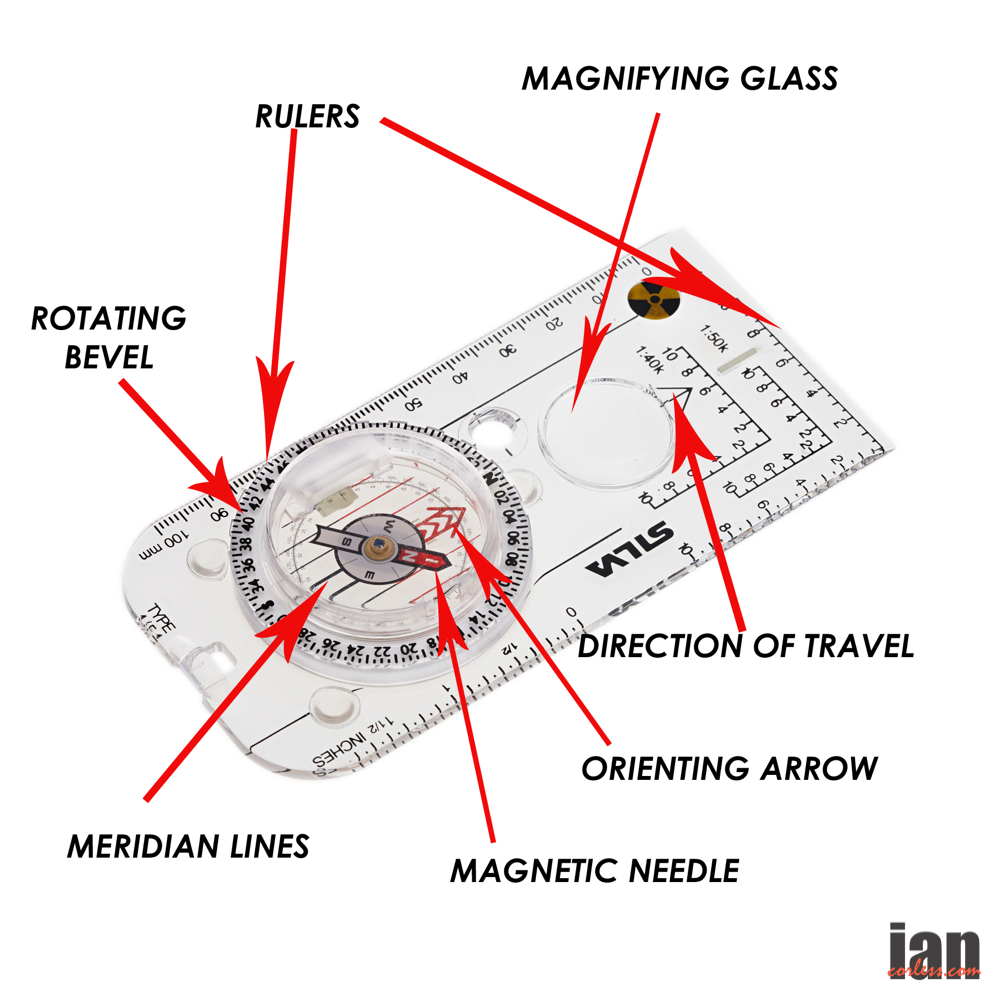
Your compass will have:
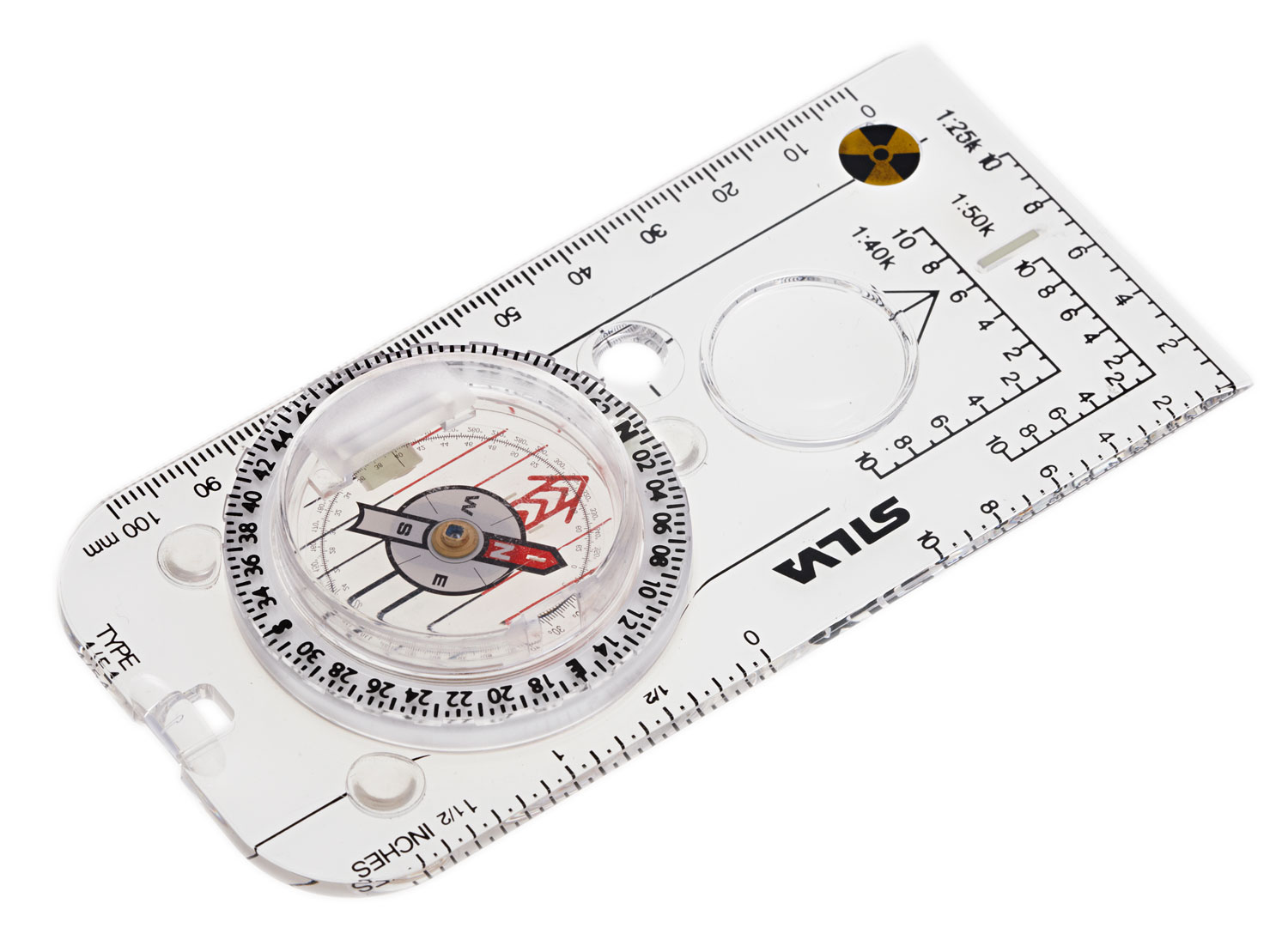
  • A base plate, depending on your make and model, it may have one ruler or several.
  • A rotating bevel marked with N, W, S, E and 360 degrees around the circle.
  • A magnetic needle. This will usually be red.
  • Cardinal lines.
  • A direction of travel arrow.

©iancorless.com_Compass

North (N), West (W), South (S) and East (E) are your key elements of a compass making up 360 degrees and as one would expect, they are 90 degrees apart (4×90 = 360).

Taking these four key navigation points one step farther, these degrees are also split into finer tuning such:
North East (NE) – 45 degrees

South East (SE) – 135 degrees

South West (SW) – 225 degrees

And North West (NW) – 315 degrees

These principal points add to the 4-main directional points and thus provide 8-pricipal points that we are able to use in basic navigation.

Making oneself familiar with the compass and these 8-key directions points is a great way to start.

Compass Face

We can take the compass one step on and break it down into 16-points such as North North East (NNE) or East South East (ESE), however, that will come in a later post when we progress from basic navigation to intermediate navigation.

Taking a Bearing

©iancorless.com_IMG_5329Marmot24_2014_

First and foremost, ensure you have the appropriate map for your area in a suitable scale: usually 1:25.000 is ideal.
Remember, North is the top of the map. It’s imperative you orientate the map correctly.

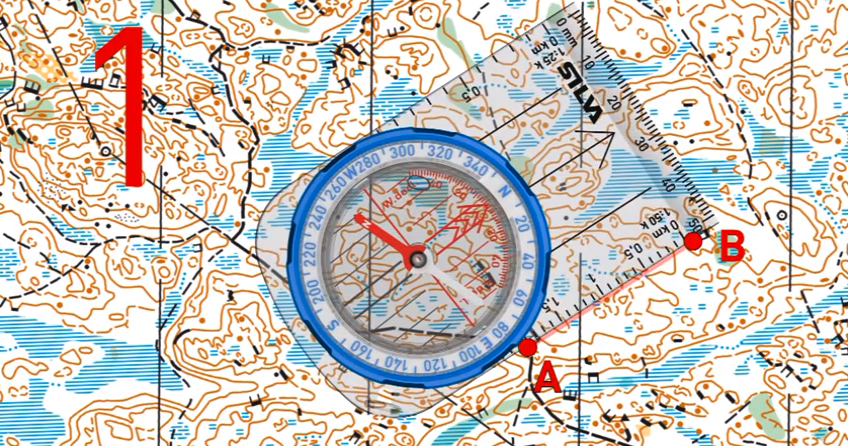
To take a bearing you need to know where you currently are, point A and where you would like to go, point B.

It’s as easy as 1, 2, 3.

screenshot_396


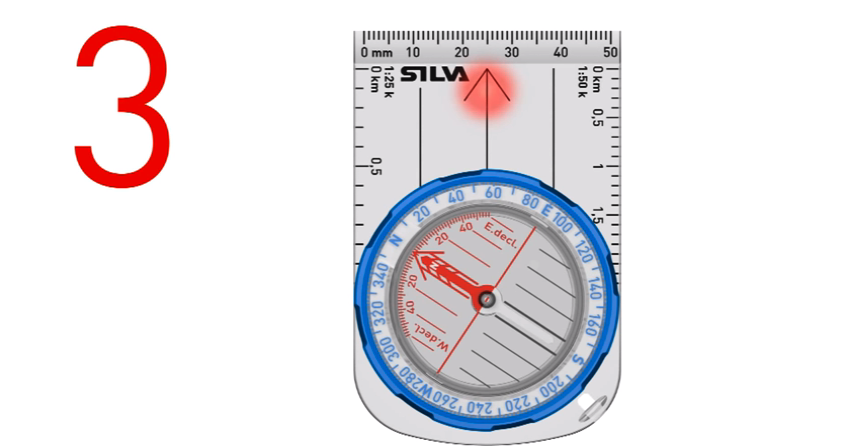
1: On the map align the left or the right edge of the compass base through landmarks. In this scenario we will use A and B. Make sure the direction of travel arrow is pointing toward B.
screenshot_397


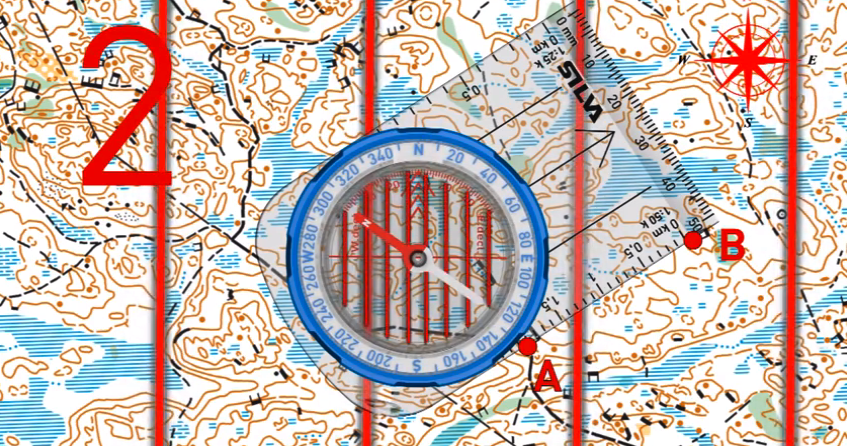
2: Turn the compass dial until NORTH on the compass lines up with NORTH on the map. As a tip and help, the meridian lines on your compass should line up with the maps North/ South grid lines (if available).

screenshot_399

3: Now rotate your body, compass in hand and align the direction arrow with the red compass needle. Read the bearing* and follow the direction of travel arrow to your destination, in this scenario, point-B.

Now…?

GO


Easy isn’t it?

*Map bearings and field bearings can differ. For example, in the USA this can be 30 degrees and in the west 20 degrees. This is called ‘DECLINATION’ and will be discussed in our next post when we look at intermediate navigation.

Hints n Tips

  1. Understand maps and spend time in the comfort of your home looking at and analysing maps of areas that you know well. It will make things easier to understand.
  2. Know and understand scale. For example, 1:25.000 means 1 unit in the map is the equivalent to 25.000 units.
  3. Maps have LATITUDE (East to West) and LONGITUDE (North to South).
  4. An Altimeter (many modern GPS sports watched contain this but you must calibrate it) is extremely useful in conjunction with your map and compass, particularly in any orienteering event. However, this is beyond basic navigation.
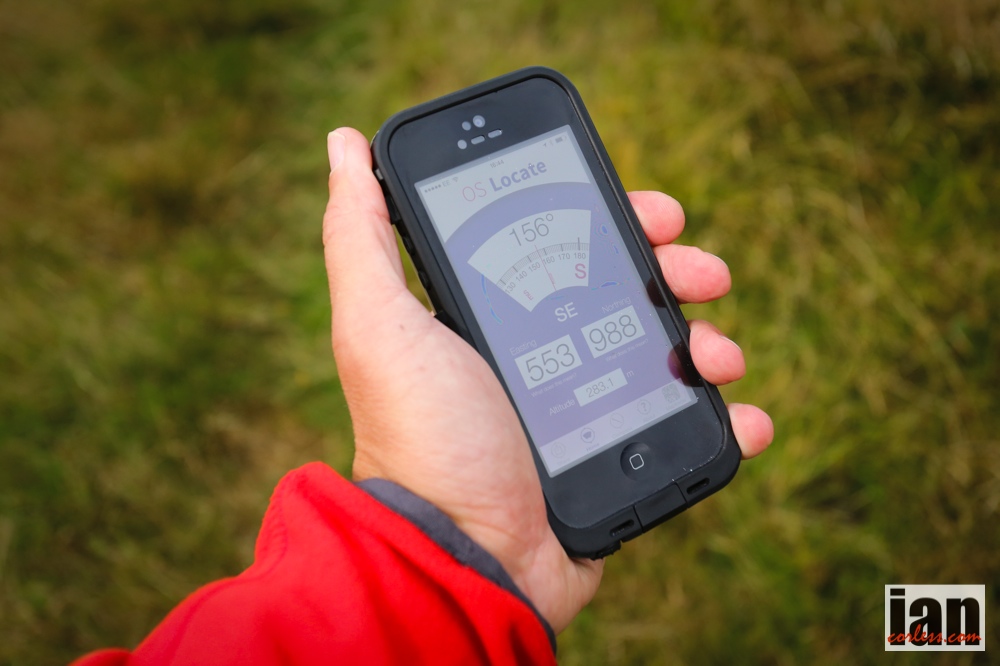
  5. A GPS (Garmin or similar) and/ or an IPhone with ‘apps’ such as OS Locate are great back ups that can offer security to a basic navigator. However, never rely on such tools as batteries can die, gps signals fade and of course, you may just possibly break or loose such a device. In the early days of navigation, these tools may just help provide you with a much-needed security blanket.

©iancorless.com_IMG_6434BerghausTrailChase_2014_

Common Sense

  1. Check weather forecasts and only adventure out when you are sure of clear weather. Once you have progressed and feel comfortable with your navigation, you can experiment in less favourable conditions.
  2. Don’t venture out alone. Safety comes with numbers.
  3. Inform family, friends or neighbours your intended plans and provide a timescale.
  4. Make sure you have clothing, food and liquid for the worst case scenario and be prepared.
  5. It’s good to test yourself but understand your limits and don’t overreach.


READ THE FOLLOW ON ARTICLE HERE

More information:

Charlie Sproson has provided the advice and experience in creating this post. You can hear a full interview in episode 68 of Talk Ultra podcast ‘free’ on iTunes HERE (published Friday 22nd Aug 2014).

Charlie is the creator of Mountain Run based in the UK

Mountain Run


In conjunction with our series of podcasts and informative documents, Charlie and iancorless.com plan to arrange a basic navigation day (weekend) in the English Lakes. Dates tbc. If you are interested, please use the form below to express your interest.

Go back

Your message has been sent

Warning
Warning
Warning
Warning

Warning.

Credits – Map images 1,2,3 go are copyright ©SILVA

Disclaimer – this post is geared at a novice runner or hiker looking to venture into navigation. It is purposely written to offer a simple and basic introduction to a compass and how to use it. Please be sensible and understand the dangers that can arise from a lack of preparation.


Marmot24 2014 – Race Images and Summary

©iancorless.com_IMG_5142Marmot24_2014_

Full image gallery available HERE

The inaugural Marmot24 took place over the weekend of August 2nd and 3rd. The UK’s first 24-hour mountain marathon. What an epic race it turned out to be!

The tough and challenging Lakeland terrain tested each and every participant to the limit. Using a score format (all controls had the same points) participants had the potential to visit and accumulate points from 54-controls spread over an area of 300 square km’s. Needless to say, the potential for any 2-man (or woman or mixed) team to gain a 100% score was almost impossible. However, several teams excelled in the tough conditions.

©iancorless.com_IMG_0173Marmot24_2014_50-teams took on the challenge of the 24, 12 or 6-hour format with respective start times of midday Saturday the 2nd August, midnight 2nd August or 0600 3rd August. It was ironic that after weeks, no months, of the most perfect UK weather, the change came on the morning of the race and conditions for all events were ‘challenging.’

24-hour competitors registered at 0900 and therefore had several hours of prep time before the midday start.

©iancorless.com_IMG_0079Marmot24_2014_

It was needed! With 54-controls and such a potentially large area to cover, this race was always not only going to be about fitness but also about navigation.

Race HQ was just off the A66 between Penrith and Kendal and this therefore offered race director, Shane Ohly (Ourea Events) and Charlie Sproson (Course Planner) the opportunity to go north and south of the A66 and use the HQ as a hub for both directions.

Route planning was so varied; some teams would start south, others in the north. Clockwise or anti-clockwise. The route options were endless and thus tracking and following of the event was very much a lottery.

©iancorless.com_IMG_0408Marmot24_2014_

One consensus for many appeared to be the potential to spend 10-12 hours on the fells, call in the HQ for food, maybe some sleep and a change of clothes and then head back out. Most teams took this option and at the finish, the only teams not to use this strategy ended up taking the 1st and 2nd places.

At the stroke of midday, runners departed to the fells and dispersed like ants being chased.

©iancorless.com_IMG_5213Marmot24_2014_

Rain had been falling for hours and continued at varying strengths for the duration of the event. In the evening a wonderful dry patch of weather arrived and showed the Lakes in all it’s glory… many runners said post race that it was worth being wet for so long for the display that the heavens provided that evening.

©iancorless.com_IMG_0427Marmot24_2014_

Teams had travelled from all over the UK, France and Spain to participate in this new and ground breaking event. Post race, they all concurred that the terrain and the difficult conditions had provided them all with an ultimate test. Bogs, marshes, bracken and ferns were a new experience to the ‘Europeans’ and it was clear to see the impact. Top Spanish competitor, Mònica Aguilera post race discussed her frustration about the terrain and how difficult it was at times. ‘It was so hard, so difficult and so slow,’ she said, ‘local knowledge would certainly have been a help; on the map we thought this section (south west corner of the course) would be fast and runnable. However, it was very tough and very slow… it took us hours.’

Mònica Aguilera heading north with her teammate, Marc Raflos.

Mònica Aguilera heading north with her teammate, Marc Raflos.

Ultimately, local knowledge did prove a great help for Kenny Leitch and Keith Masson, they accumulated an impressive 380-controls but did not take top honours! Proving that local knowledge and great navigation (along with excellent fitness) is the key to a successful race, the Spanish team of Aurelio Antonio Oilvar and Angel Garcia topped the podium with 39-controls. This score was considered by all competitors and staff as quite remarkable under the tough and extreme conditions.

©iancorless.com_IMG_0375Marmot24_2014_

In addition to the main event of 24-hours, a 12-hour and 6-hour option was provided. Certainly, starting at midnight (for the 12-hour) and heading off into the cold, dark and very wet night would not be a challenge that many would embrace. However, each and every runner looked excited at the prospect.

©iancorless.com_IMG_5439Marmot24_2014_

From midnight the weather slowly became worse and all runners had to endure prolonged downpours and on the tops, strong winds. Adding navigation to the mix did make the whole experience a tough challenge.

©iancorless.com_IMG_5450Marmot24_2014_

Sam Jenner and James Langstraat topped the 12-hour podium with 10-controls beating Tarni Duhre and Andrew Campbell into 2nd by just 1-control.

©iancorless.com_IMG_5329Marmot24_2014_

As participants recovered with a bowl of hot chilli post race, one thing became apparent; he combination of tough Lakeland terrain, variable weather and 54-contols set the Marmot24 apart from other events and it’s a format that was welcomed. Roll on 2015!

Results:

24-Hour

  • Aurellio Antonio Olivar/ Angel Garcia – 390 points
  • Kenny Leitch/ Keith Masson – 380 points
  • Anthony Emmet/ Catriona Sutherland – 280 points

12-Hour

  • Sam Jenner/ James Langstraat – 100 points
  • Tarni Duhre/ Andrew Campbell – 90 points
  • Alice Lamont/ Andrew Jones  – 60 points

6-Hour

  • Katir Francis/ Duncan Hedges

Links:

MARMOT24 WEBSITE HERE

RACE PHOTOGRAPHY HERE


Marmot 24 (2014) by Ourea Events – This weekend, 2nd/3rd August

©iancorless.com.IMG_5582GL3D_Day1Marmot24 is the UK’s first 24-hour mountain marathon. The event combines the very best of British mountain running and navigation into an exciting and challenging non-stop format.

Join us for a weekend of unforgettable adventure on the 2nd & 3rd August 2014.

Three options are available: 6, 12 or 24-hours. All the competitors finish at 12 noon Sunday in an exciting and dramatic finale to a memorable weekend of racing.

©iancorless.com.IMG_5161GL3D_Day1

‘Completing a mountain marathon and conquering the navigational challenge should not be underestimated… but it should not be feared either, as successfully navigating and running in the mountains is a hugely satisfying experience and gives a real sense of confidence. A steady and careful approach will usually see even novice navigators around their course safely.’

The Event Centre location for Marmot24™ is close to Guardhouse in the Lake District National Park.  Guardhouse is close to Threlkeld and just minutes off the A66.

©iancorless.com.IMG_5410GL3D_Day1

The competition area stretches 360 degrees from the Event Centre and includes approximately 300 square kilometers. To the north are the remote Northern Fells guarded by the imposing flanks of Blencathra. To the south Clough Head marks the start of the Dodd’s ridge running towards Helvellyn and ultimately Ambleside. The terrain is perfect for a mountain marathon with laser fast ridges and valleys linking areas of complex contour features. There is also a great network of footpaths and tracks but competitors will need to balance easy running on these, with more direct routes between checkpoints. This area of mountains can be very challenging with steep mountains, cliffs, marshland, fast flowing rivers and energy sapping tussocks. Bad weather can happen year round and the nature of the mountains can change very quickly from benign to dangerous.

©iancorless.com.IMG_4918GL3D_Day1

Ourea Events want competitors to travel as light as possible, to maximize their enjoyment of running in the mountains, without compromising their safety. Therefore, as Marmot24™ is a summer mountain marathon, the organization team does not require competitors to carry a tent, sleeping bag or stove. However, each pair is required to carry a 2-person bothy bag (emergency shelter) and an additional warm layer such as insulated jacket. All team members must also carry a personal survival bag.

©iancorless.com.IMG_6027GL3D_Day1

With the 24-hour race starting at high noon Saturday, the 12-hour race starting at midnight Saturday and the 6-hour race starting at 0600 on the Sunday morning, everyone will finish at 12 noon on the Sunday in an exciting and dramatic finale to a memorable weekend of racing.

©iancorless.com.IMG_5998GL3D_Day1

Race director, Shane Ohly, an experienced and fierce competitor himself is extremely excited at the prospect of the racing. To the best of my knowledge, the strongest looking teams are from France and Spain. There are a few other foreign teams but I don’t know too much about them yet. No obviously strong British teams, which is a shame… but there is still time for them to enter as entry closes July 31st.’

 Ones to watch:

Spain

Aurelio Antonio Olivar and Angel Garcia

Aurelio was the 2013 European Rogaine Champion.

Angel won the Spanish national adventure racing championships in 2013

Aguilera and Marc Raflos

Mònica has won the World Adventure Race Champs, the Marathon de Sables, Trangrancanaria, Transvulcania and many more. Marc has been the Spanish national orienteering champion three times.

France

Christophe Bosseaux, Vincent Becam

A strong team with both runners having represented France at the European Rogaining Champs.


Scoring

All checkpoints will have the same score value, which is 10.

Competitors arriving back late will be penalized as follows:

  • Up to 5 minutes late = lose 1 point per minute / part minute.
  • Between 6 and 15 minutes late = lose 5 points per minute / part minute.
  • Between 16 and 29 minutes late = lose 10 points per minute / part minute.
  • Over 30 minutes late = loose all points!

More information and last minute entries HERE

Great Lakeland 3 Day ™ Day 3

©iancorless.com.IMG_6370GL3D_Day3

The final day of the Great Lakeland 3 Day ™ was very much a victory lap as runners finished of the final leg of a 3-day triangular route, navigating via a selection of trigs to arrive back at Pooley Bridge where they had all started 3-days earlier.

The damp, misty and wet conditions of the previous day faded away with the arrival of dawn. Although the day would remain overcast for the majority, the occasional glimpse of sun would appear when the clouds decided to break.

Although a shorter day, a great deal of challenges would confront the Elite, A, B and C categories. The great success of the GL3D is the appeal and flexibility for each participant to race at a different level on different days if required. Shane Ohly said, ‘We are a small but adventurous three-day mountain marathon with a relaxed and friendly atmosphere that attracts both runners and long-distance walkers.’

The race has been an incredible success and the addition of the C course has made the 2014 edition even more appealing providing a tough and challenging adventure for walkers. Rather than complex navigation, the emphasis is on long mountain journeys, spectacular scenery and enjoying an amazing mountain experience.

Brilliantly organized, great fun, tough, a real challenge… are all words and comments that could be heard as participants departed from the race base at Pooley Bridge.

I am sure many will be back in 2015.


Overall Results: 

Elite:

Jim Mann 16:30:28

Chris Warner 18:29:57

Robert Hicks 19:08:56

1st lady: Kerstin Rosenqvist 21:39:15

A

Simon Harper 17:38:38

Jim Trueman 18:24:30

Matt Puxon 18:54:21

1st lady: Sally Ann Spencer 19:59:13

B

Alexander Beaven 12:37:40

David Nevill 13:10:03

Nick Gallivan 13:45:42

1st lady: Christine Waller 16:34:26

C

Stephen Burt 11:49:56

Jacqueline Cooper 12:59:25

Martin & Nicola Kirkman 13:00:20

Ourea Events HERE

OureaEventsLogo(500x500-cropped) copy

Great Lakeland 3 Day™ HERE

all images ©iancorless.com – all rights reserved