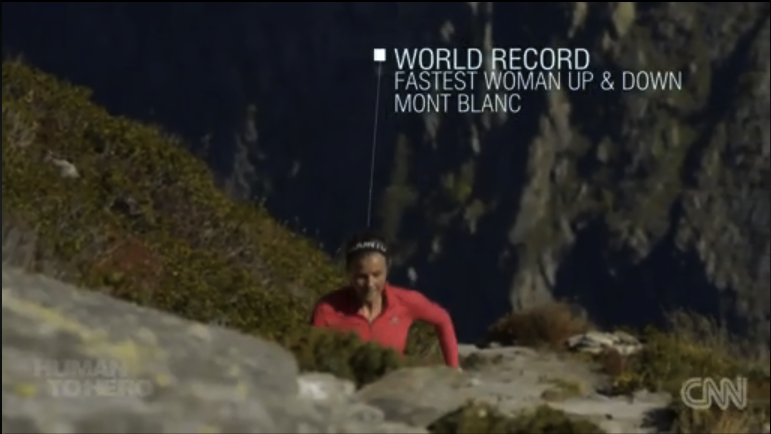
©CNN
Emelie Forsberg talks with CNN and explains what Skyrunning is to her….
VIDEO LINK HERE
also CNN an article, “SKYRUNNING’s QUEEN WITH A SWEET TOOTH”
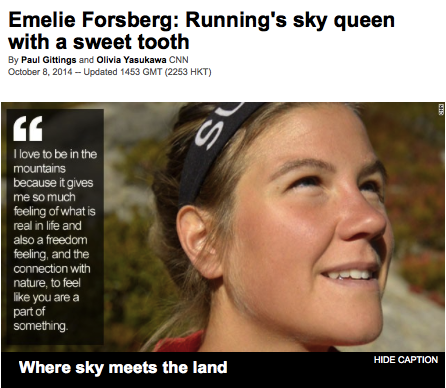
©CNN
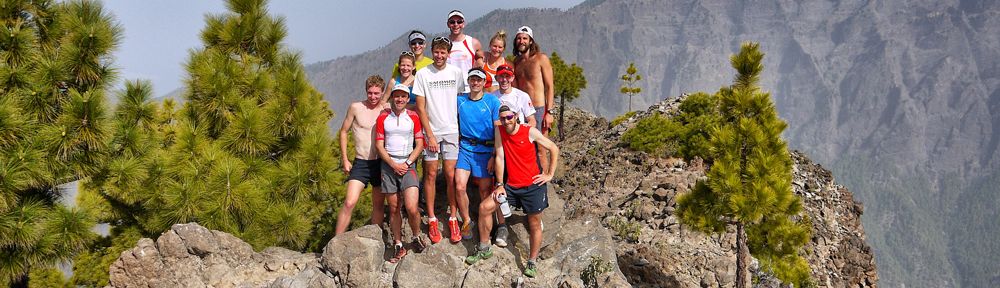
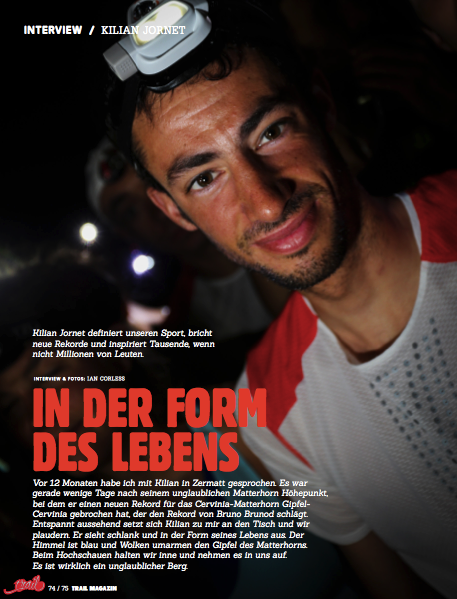
German magazine, TRAIL has a 6-page feature on my interview and images of Kilian Jornet in edition 6/2014.
In addition, it has a photo of Emelie Forsberg and text on Trofeo Kima.
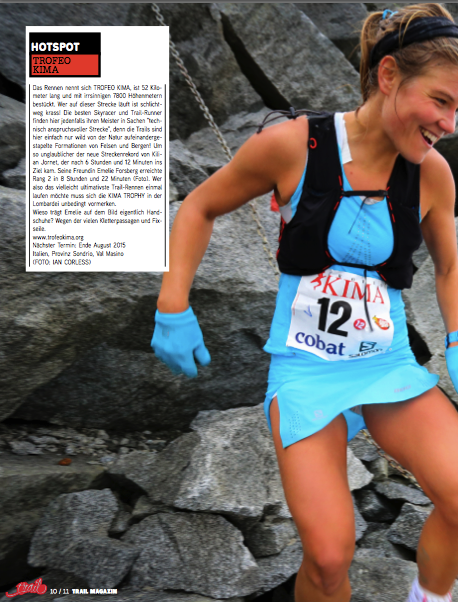
You can purchase and download the magazine in PDF HERE
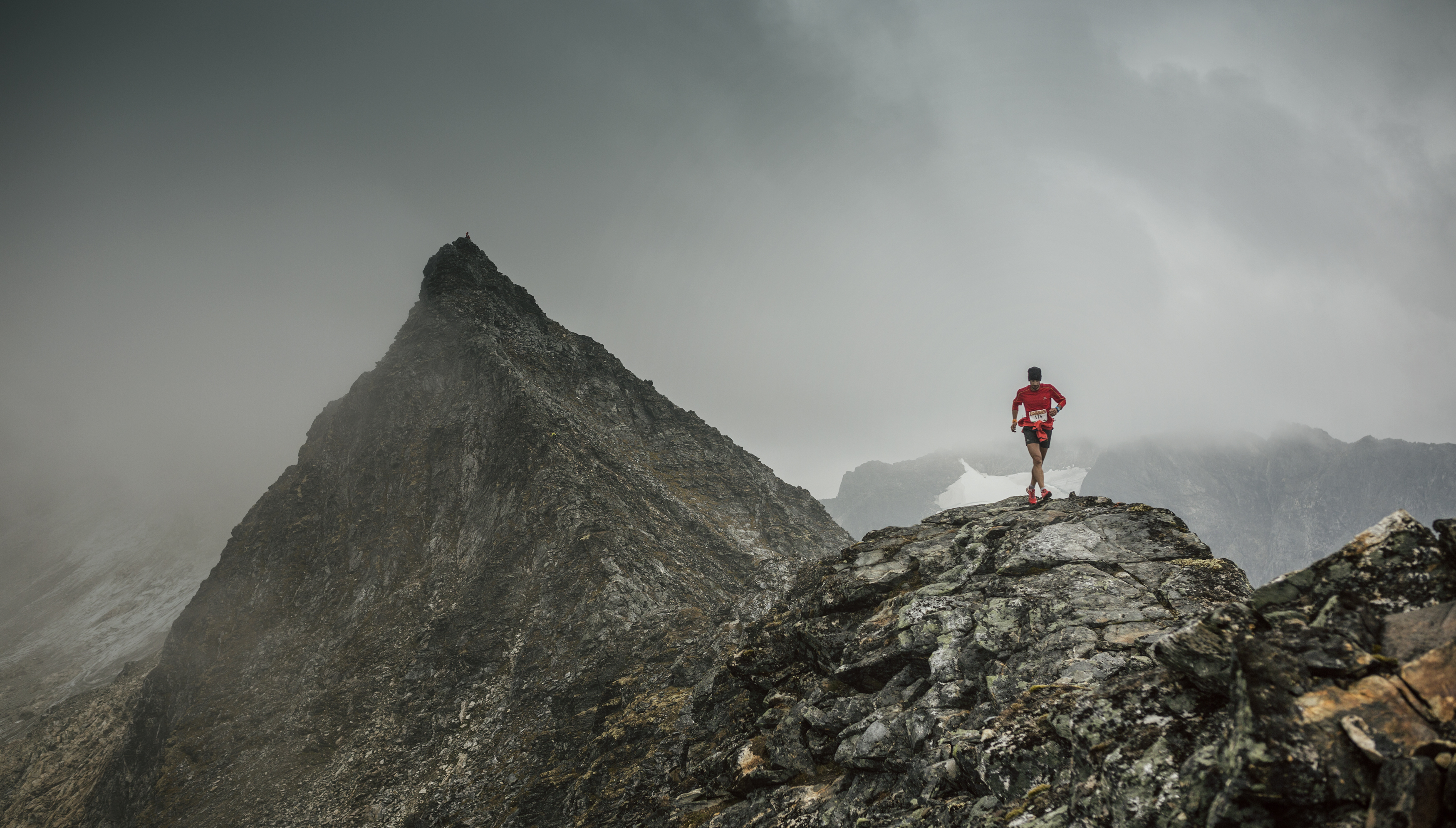
130 athletes from 25 countries took part in the first edition of the race held in the Norwegian town of Tromsö. The 42-km race with a total climb of 4,300m was received in a very festive atmosphere by its participants.
all images ©jordisaragossa
The race, which the athletes Kilian Jornet and Emelie Forsberg had been dreaming of, finally came true this morning, with the first edition of Tromsö Skyrace. Held in the Arctic town of Tromsö, the race figured 130 athletes from 25 countries who faced a tough and highly technical route, especially chosen for lovers of pure sky running.
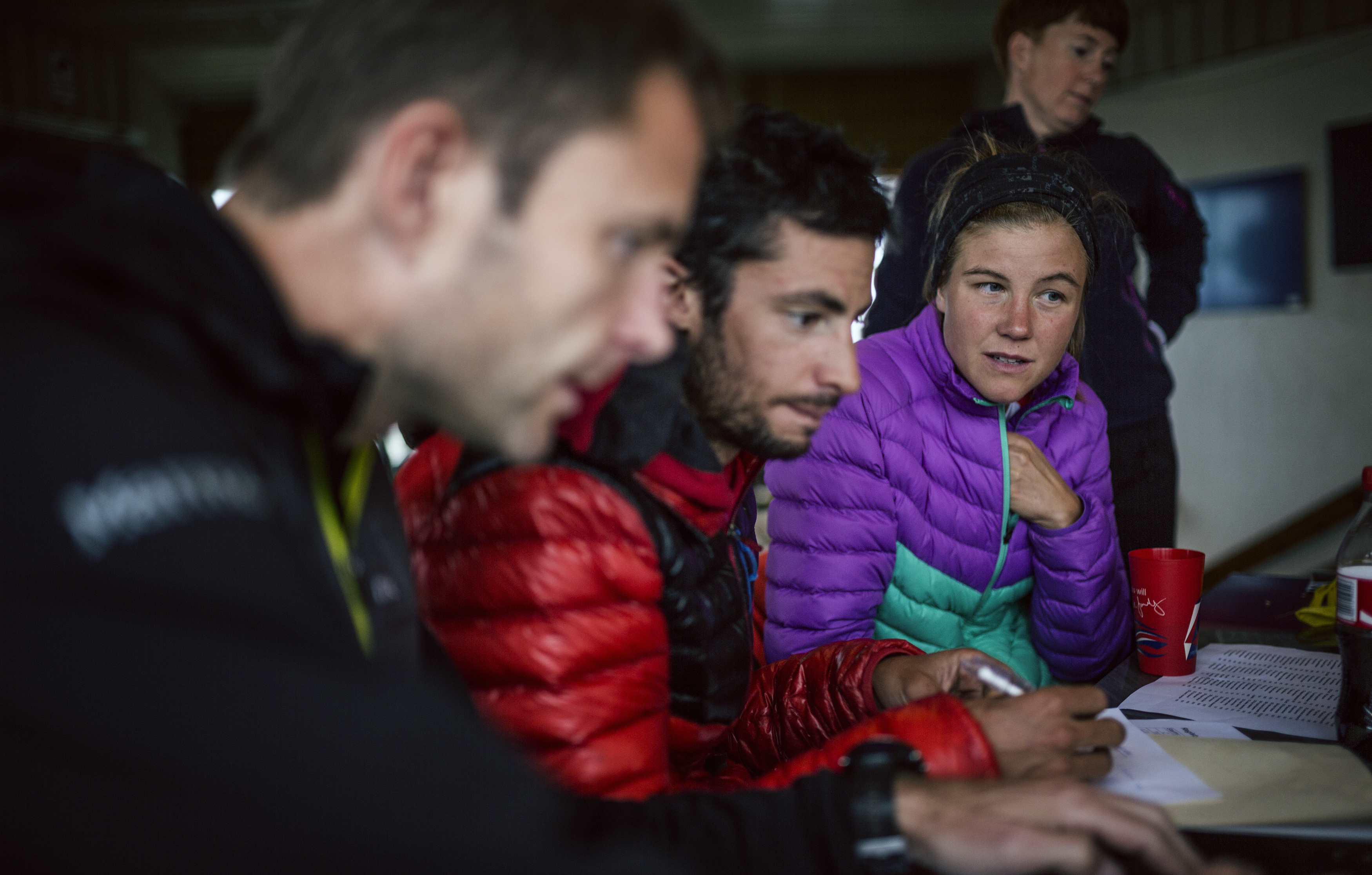
Jornet and Forsberg spent the last four days hands on, helping out with marking the route, preparing supplies and various other technical aspects, so that everything was ready for the race. “Running is not tiring at all compared to this!”, laughed Jornet the day before the race, as he and Forsberg finished preparing the 130 cinnamon rolls that were later distributed among the participants.

The greatest fear of the organizers was the weather, which in the end did not spoil the race, and so, it was held on a cloudy day with no rain. Participants set off at 8 am from Fløya, facing the 42-kilometre route with 4,300m climb, along the summits of Tromsdaltinden (1,238m) and Hamperokken (1,404m). In addition to the long race, there was also a mini skyrace of 21km and a climb of 1,600m.
From the beginning of the race, a group led by three Scandinavians Eirik Haugsnes, Stian H- Angermund and Ola Hovdenakk, made the most of their knowledge of the terrain and adaptation to cold weather, to place themselves in top positions. Jornet followed them, while checking that the marking was correct and everything at the supply stations was in order. They all reached the top of Tromsdaltinden in the lead before facing the first steep descent. The terrain was demanding on the athletes as one of the participants stated:
“The timings to be scored in the race will be much longer than those in a normal marathon, because there are some very technical stretches and the slope is very steep in places, but it is a race in a very wild area, a unique experience.”
Lead positions in the men’s race did not change throughout the route, and although athletes have been alternating places, it was Eirik Dagssøn Haugsnes who eventually won the race after descending back to Fløya first. In the women’s, the Scandinavians also asserted their status and victory went to Hana Krajnikova. Jornet finished in third place and so did Forsberg, who ran the short race.
Nevertheless, the intention of the organizers of this first edition of the race was to design a race in which runners could challenge themselves in a festive atmosphere accompanied by a feeling of companionship. Upon arrival at the finishing line, many runners, tired but smiling, claimed they were already looking forward to repeating the experience. There, holding a cup of tea and some famous cinnamon rolls, athletes who had travelled to Tromsö from different parts of the world, shared beautiful moments by exchanging experiences and emotions among themselves.
After the race, Jornet and Forsberg explained:
“It has been a fantastic experience. Living a race from inside helps you to understand many things. We were very lucky with the weather, which was kind to us and allowed us to enjoy a race without any problems for runners. We hope that the participants are as pleased as we are.”
After a day of intense emotions, Jornet and Forsberg are already beginning to dream about the next edition, which is sure to be a success.
Tromsö Skyrace Classification
Male category
Female category
Website: HERE
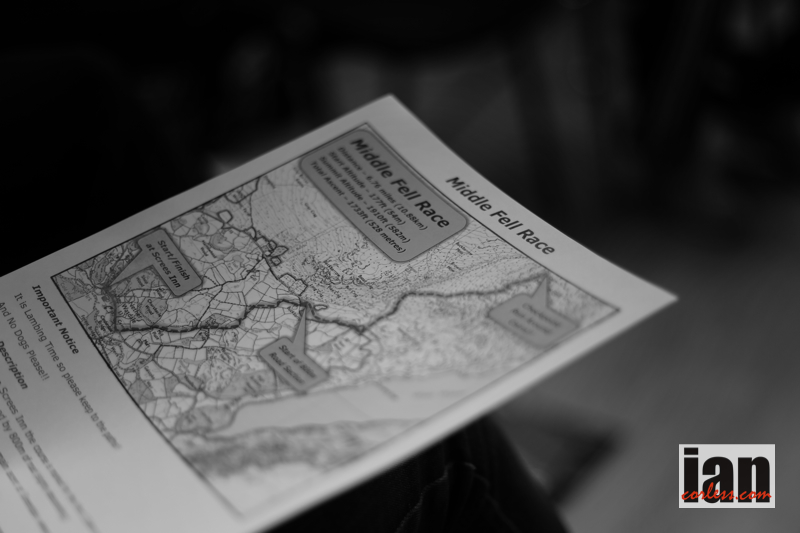
Day 2 of the inov-8 athlete retreat and after a morning of discussing new products (apparel, shoes and packs) for 2015, the inov-8 team and support staff travelled to Nether Wasdale for Middlefell Fell Race.
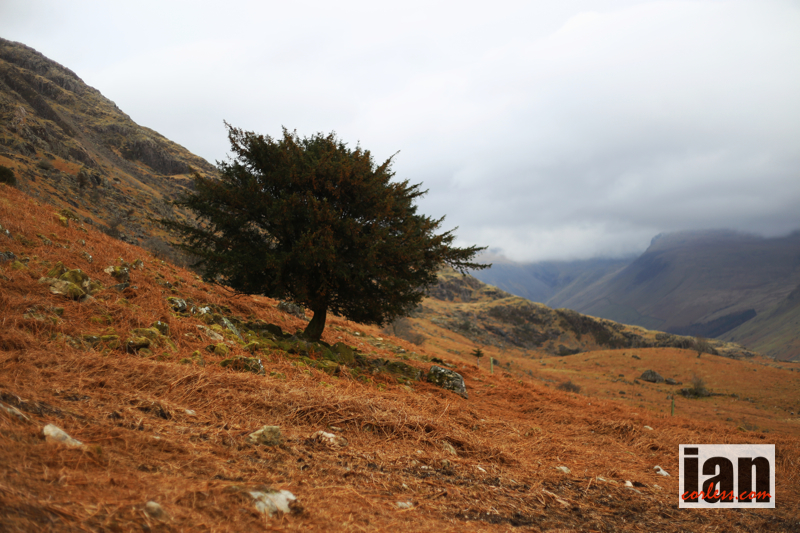
Covering 6.6-miles, runners climb to 1,700-feet on an out and back course in the heart of the English Lakes.
Dashing along roads, tracks and fields for approximately 2-miles, after Greendale, runners branched left and and started the ascent following the Wasdale route but after a short sharp and steep climb, the route then branches right at a natural fork and then ascends to the summit of Middlefell. It’s an out and back route so after turning at the cairn at the summit, runners re trace back to the start.
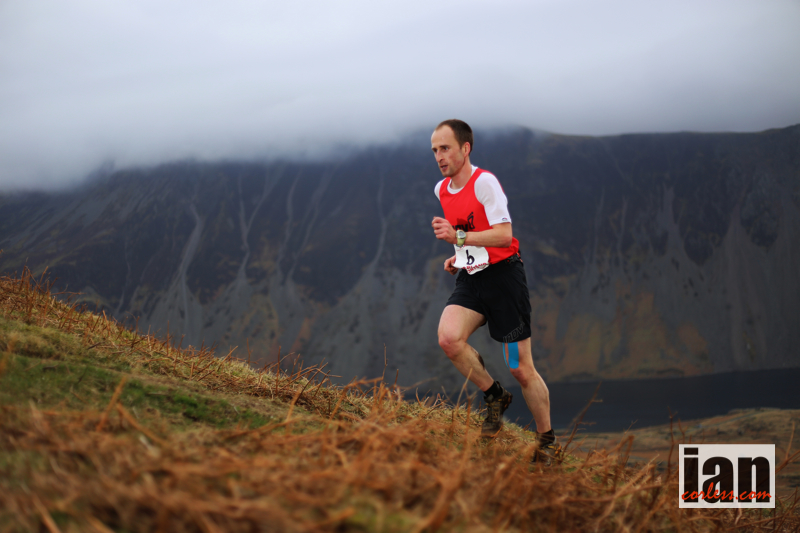
David Schneider ©iancorless.com
Wasdalefell is normally a small fell race, but today, an influx of inov-8 athletes almost doubled the numbers and the pace! With a strong representation from the UK, Norway, Switzerland, Catalonia, France and the Basque country, this small fell race became a truly International affair.
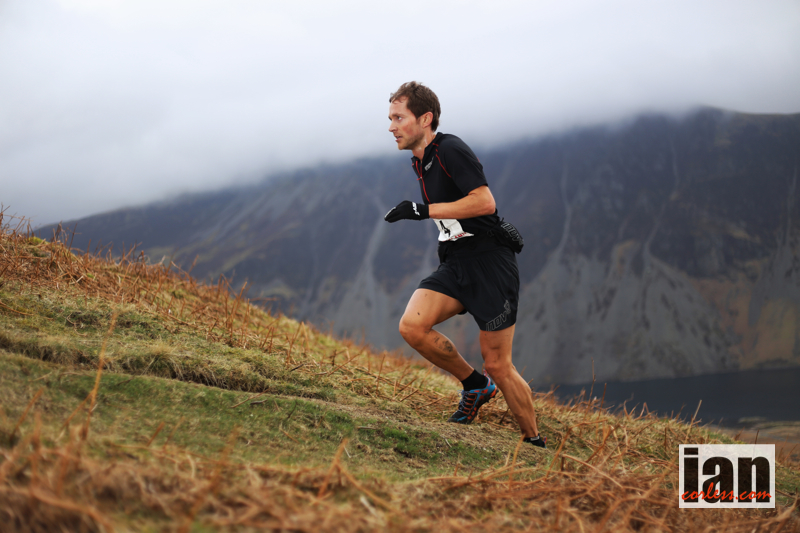
Erik Haugsnes ©iancorless.com
Pre-race discussions had been all about who would take the win and how would ‘Skyrunners‘ from Switzerland, Norway and Catalonia fair against out-and-out fell runner’s?
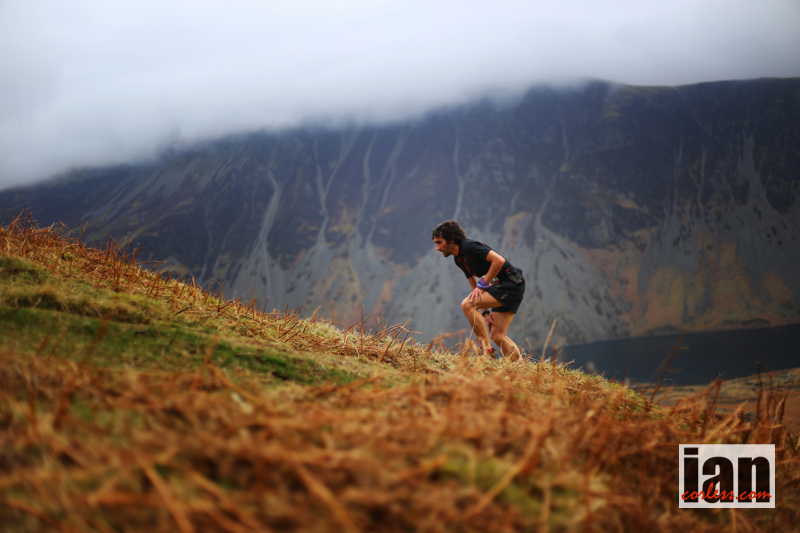
Aritz Egea ©iancorless.com
With the flat early 2-miles over, it was great to see, Swiss runner, David Schneider leading Baque, Artiz Eregea in the early stages, This strong European representation was also backed up with Erik Haugsnes from Norway. Tom Addison and Orlando Edwards was leading the ‘local’ attack and were closely followed by Gary Priestley and Morgan Connelly.
Early morning low lying mist had lifted leaving a relatively clear day, with light winds and a bite in the air. The push to the summit was followed with a turn and quad busting descent.
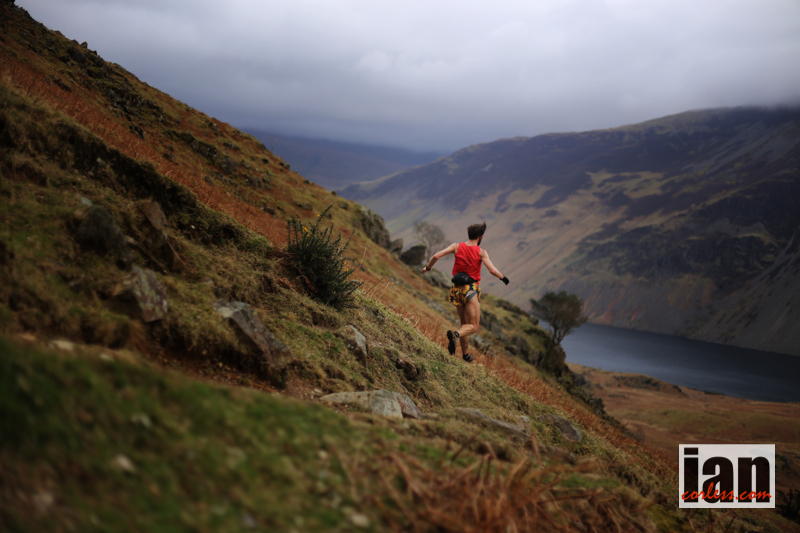
Orlando Edwards ©iancorless.com
Orlando was first to appear setting a relentless pace. Looking cool, calm and relaxed; he was giving a masterclass of fell running descending. Erik Haugsnes from Norway followed, closely pursued by Artiz Egea, Tom Addison and David Schneider.
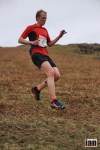
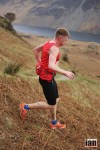
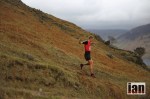
Unfortunately, a wrong turn by Orlando on his way back to the finish messed up his race! Erik followed Orlando but soon realised his error and re-joined the course. With Aritz now in the lead, Erik and Tom followed and with 1km to go, Tom made his move and took out the win ahead of Aritz and Erik.
The ladies race had less runners participating in contrast to the men’s race. Sharon Taylor was a convincing leader from the start and finessed a clear leader ahead of Hazel Robinson and Lyn Thompson.
In true fell running fashion, the race finished at a pub and was followed with a beer and quality plate of local food.
It was a great day! A small quality race unfolded on the fells of Wasdale, and just as we all had appeared from nowhere, within just a few hours, we all disappeared again.
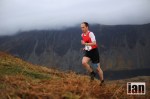

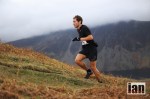
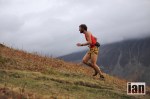

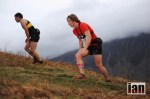
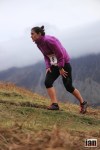
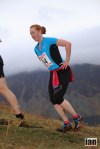

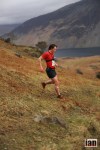
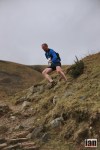
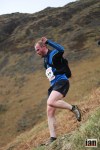
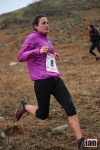


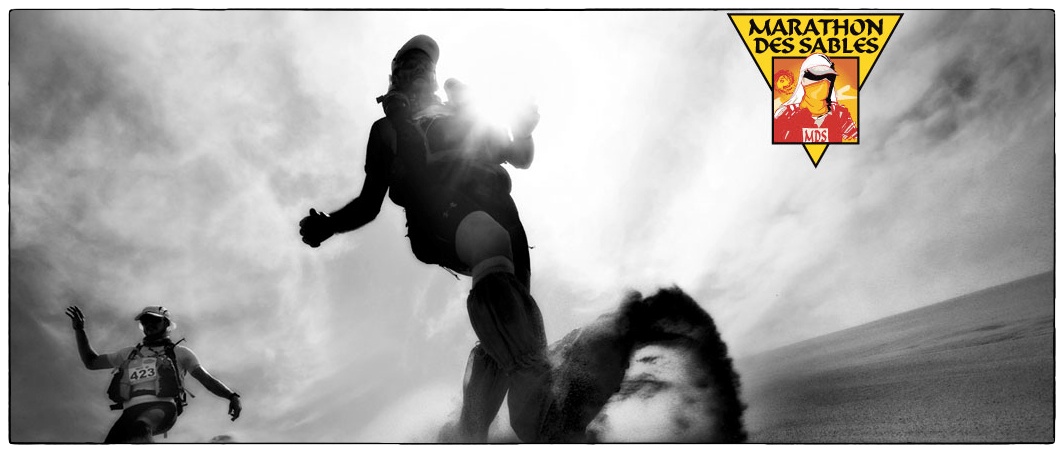
copyright Marathon des Sables
MARATHON DES SABLES 2013
The 2013 edition of the Marathon des Sables is a self-sufficient race in the South of the Moroccan desert, the event will take place from 5th to 15th April 2013. For the 18th consecutive year, it will be run under the patronage of his Majesty King Mohammed VI.
Since its creation in 1986, the Marathon des Sables has attracted over 13,000 competitors over 27 editions. From humble beginnings, the race is now the most prestigious multi-stage race in the world.
The 2013 Marathon des Sables will see 1,091 entrants toe the line. With 45 different nationalities and a strong presence from France and the UK, the 28th edition will be a memorable one.
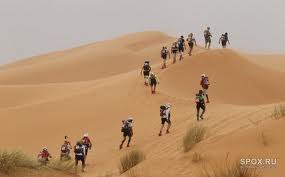
Taking place in South Morocco, in the provinces of Errachidia and Tinghrir the race will cover 223.8km over 5 stages. It will encompass some of the most beautiful terrain in the Moroccan desert. Eagerly awaited by one and all, the dunes, ergs and dried-up wadis will delight the thousand or so entrants from the fifty plus countries across the globe.
Race Programme:
5 April 2013: Leave country of residence for Morocco (UK entrants leave on the 4th) – Arrival in Ouarzazate, bus transfer to the 1st bivouac.
6 April 2013: Administrative, technical and medical checks – Day to acclimatise.
From 7-12 April 2013: Race in progress. (The self-sufficiency begins from breakfast on the 1st leg).
12 April 2013: Prizing ceremony in desert.
13 April 2013: Charity leg for UNICEF– Transfer to Ouarzazate.
14 April 2013: Day of relaxation, festivities.
15 April 2013: Return to country of residence.
Race Logistics
Patrick Bauer affectionately describes the Marathon des Sables as a big circus. It’s like moving a city everyday… just look at what is involved.
Race management : This team comprises more than 100 people including a race HQ, race marshals, controllers, timekeepers and ranking compilers. Since 2010, the official ranking has been achieved using a “transponder” for all the competitors.
Supervision : 400 people: technical, logistical and medical skills, 100 vehicles, 2 helicopters, 1 CESSNA plane, 4 dromedaries… and the active support of the Royal Armed Forces: 21 lorries (6×6) and 40 men to supervise logistics.
Medical Assistance : A team of 50 people under Dr Frédéric COMPAGNON, DOC TROTTER supervises the runners as much on a medical level (care of feet, resuscitation…) as a mental level, both of which fail sometimes in front of the toughness of the event and the hostility of the climate.
In the 27th SULTAN MARATHON DES SABLES, 3 tonnes of gear was transported and the medical team used : 5km of Elastoplast, 2,700 second-skin patches, 125 litres of disinfectant, 230 litres of drip solutions, 15,000 compresses, 2,800 pairs of surgical gloves,…
The Team
Patrick Bauer interview available HERE
1984 : At the age of 28, Patrick Bauer decided to make a journey into the Sahara. His objective was to traverse 350km’s of uninhabited desert, on foot, alone and without any possibility of encountering a single village, oasis or watering place. Totally self sufficient, Patrick entered the desert with a pack weight of 35kg containing all his water and food. The journey lasted 12 days and it was the starting point of what has now become the MARATHON DES SABLES.
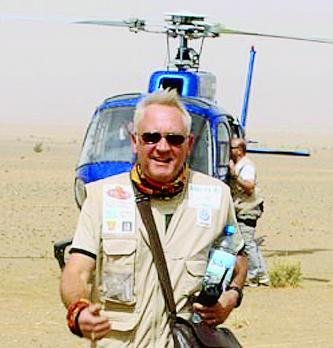
Patrick Bauer, Marathon des Sables copyright http://www.lest-eclair.fr
1986 : The creation of the first MARATHON DES SABLES in the Moroccan Sahara. The 23 pioneers who took the start never imagined that their footprints would mark the start of a legendary event, which today has become unmissable on the schedule for major adventure sport meets.
1989 : 170 competitors take the start of the race and the rest is history.
I caught up with Patrick Bauer at the MDS UK expo in late 2012. You can listen to that interview (lasts 13 minutes):

LISTEN HERE
The 2013 Race – who will be taking part?
1,090 competitors aged 20 to 76 are expected to take the start (definitive number on 6 April following administrative and medical checks) representing 45 different nationalities: Algeria, Argentina, Australia, Austria, Belgium, Bulgaria, Canada, China, Costa Rica, Czech Republic, Denmark, England, Finland, France, Germany, Holland, India, Ireland, Italy, Japan, Jordan, Kuwait, Latvia, Luxembourg, Morocco, New Zealand, Norway, Poland, Portugal, Republic of El Salvador, Romania, Russia, Saudi Arabia, Scotland, Singapore, Slovakia, Slovenia, South Africa, South Korea, Spain, Sweden, Switzerland, Turkey and the United States.
The participants are men and women with various and varied profiles (Doctors, farmers, coppersmiths, pilots, builders, chefs, servicemen and women, students, professional athletes and retired persons…).
The 2013 MDS Challengers for the overall win

The Female contenders for the overall win :
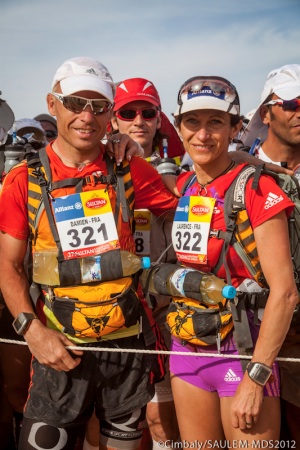
Laurence Klein 2012 MDS
The Male contenders for the overall win :
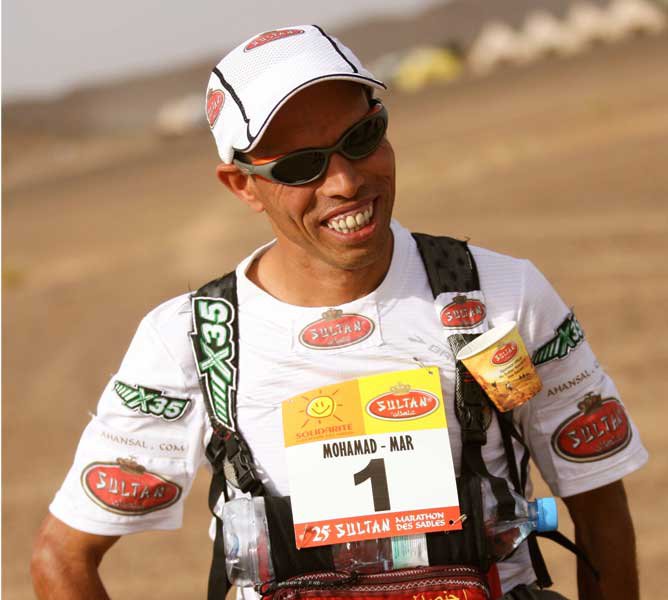
Mohamad Ahansal
In 2013 I followed two runners in the build up to the 2013 Marathon des Sables. Tobias Mews placed 21st overall in the 2010 race and Stuart Rae is toeing the line for the first time in 2013. Each interview alternated on episodes of Talk Ultra but they have been joined together in one episode (lasts just under 1 hour)
LISTEN HERE
2012 results (for reference)
1st : Salameh Al Aqra (JOR) in 19h59’21’’ 2nd : Mohamad Ahansal (MAR) 21’02’’ behind 3rd : Aziz El Akad (MAR) 1h38’56’’ behind
1st : Laurence Klein (FRA) in 26h15’40’’ 2nd : Meryem Khali (MAR) 1h19’38’’ behind 3rd : Karine Baillet (FRA) 1h31’07’’ behind
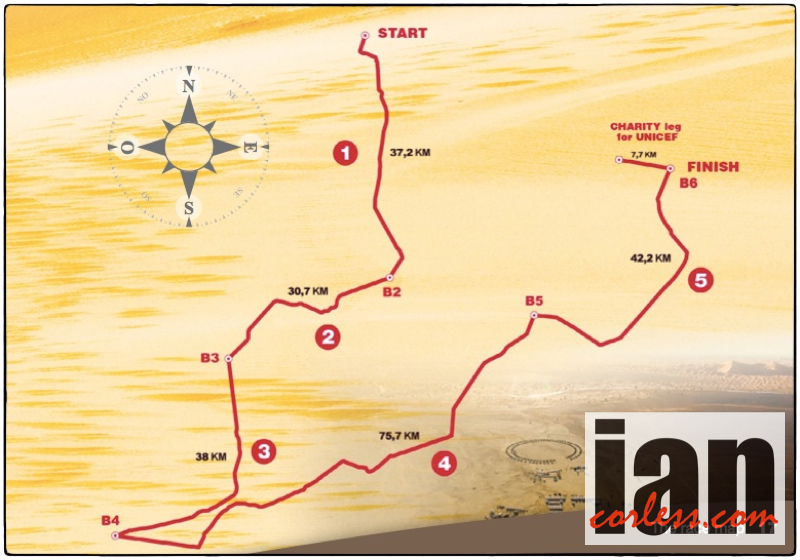
The 2013 race route
Mandatory Kit
One of the key aspects of the Marathon des Sables is what kit to take? Here is a list of ‘mandatory’ kit. Of course, you need to add to this food requirements, cooking equipment and any additional luxuries.
I will be reporting from the 2013 event as the race unfolds and providing I am able to gain adequate access to internet, I will update my website, Facebook and Twitter with reports and images as often as possible. So please keep checking!
 IAN CORLESS