Skyrunner® Spain & Andorra Series announced

SNS SPAIN ANDORRA Logo-Light

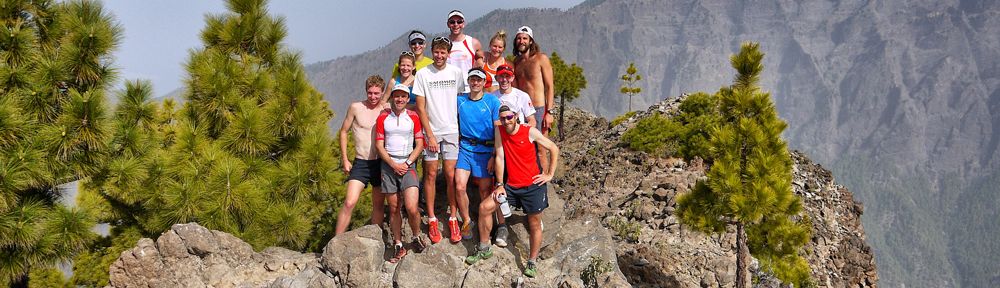
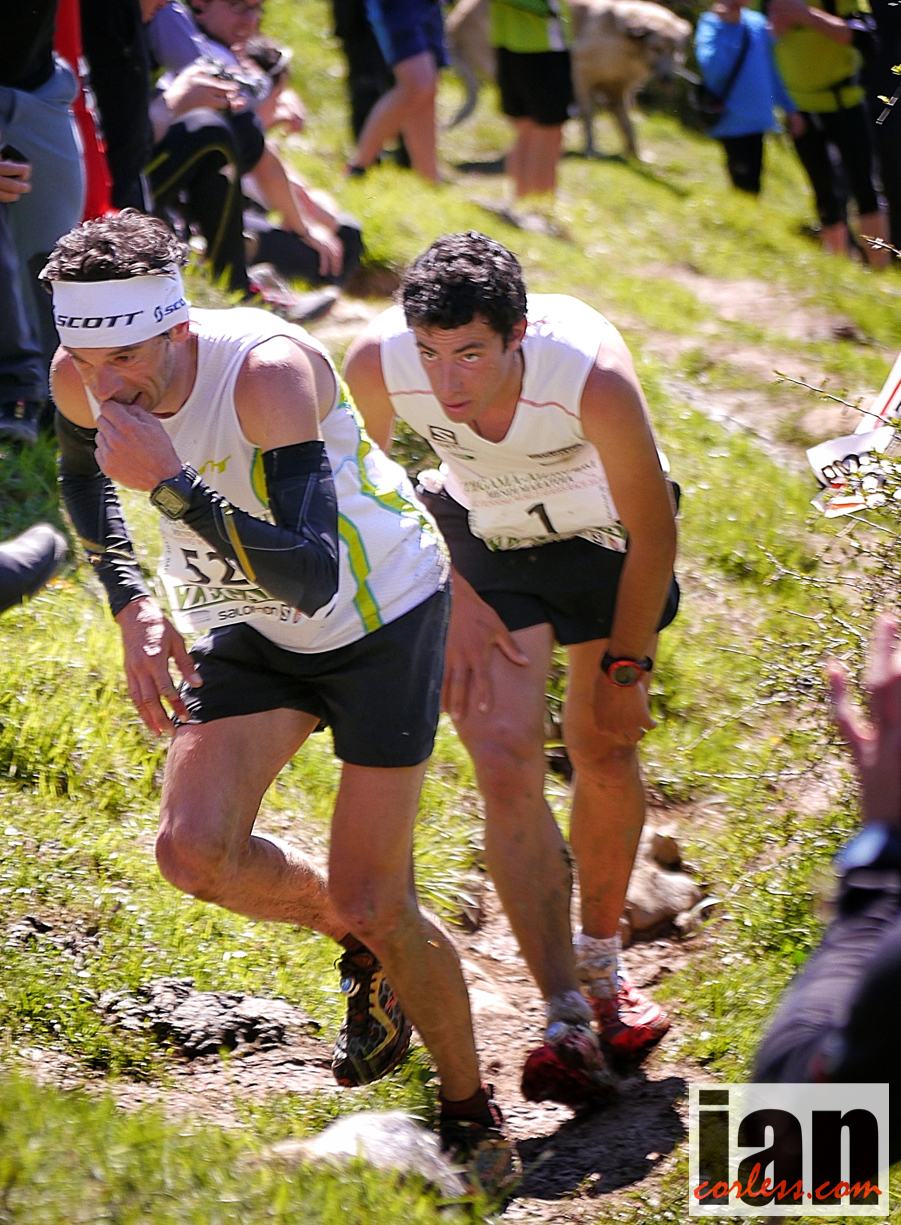
After France, USA, South Africa, UK and Italy, Spain and Andorra join forces to present an imposing calendar for the Skyrunner® National Series launched today which count some of the best and most popular races on the international stage. Ultras include the Transvulcania Ultramarathon, the 112 km Mitic in Andorra and the new Ultra Pirineu (formerly Cavalls del Vent). Zegama-Aizkorri in the Sky Series and the Cara Amón Vertical KM feature in an important and exciting fifteen-race calendar.

 All the races echo the Skyrunning credo where altitude reigns, the courses are steep and demanding and excitement runs high. The Sky Series takes place entirely in “Mountain Parks” a seal of quality for the protection of the environment.

The races in the Spain & Andorra National Series are:

Vertical:

  • Cara Amón
  • Transvulcania Vertical Kilometer
  • Nit Pirineu
  • and Sitja del Llop

Sky:

  • Marató Montserrat
  • Zegama-Aizkorri Marathon
  • SkyRace Vallibierna
  • SkyRace Comapedrosa
  • Marató Pirineu
  • and Montseny Marathon; and in the

Ultra: 

  • Transvulcania Ultramarathon
  • Ultra del Montseny
  • Ultra Mitic Andorra
  • and Ultra Pirineu (formerly Cavalls del Vent)

The winners of each National Skyrunner Series in the three disciplines will be awarded travel, free entry and accommodation to the first races on the 2015 Skyrunner® World Series calendar.

©copyright .iancorless.com.iancorless.comP1010311cavallsdelvent

The much anticipated Series offers the best of Skyrunning in two countries that have a long tradition of high-profile international races and have provided many of the world’s best athletes and champions:

Kilian Jornet, Luis Alberto Hernando, Tofol Castanyer, Agusti Roc, Miguel Heras, Iker Karrera from Spain, the Texeido and Casal Mir brothers from Andorra and, among the ladies, Nuria Picas, Oihana Kortazar, Nuria Dominguez, Nerea Martinez, Emma Roca, Uzue Fraile, Laura Orgue… to name but a few.

©copyright .iancorless.com.P1080588_Snapseed

The National Series is managed by Ocisport, long-time partner of the ISF responsible for the 2006 and 2012 SkyGames® in Andorra and central to the foundation of the Skyrunner® World Series in 2003. The Series is supported by FEDME (Spanish Federation for Mountain and Climbing Sports) and FAM (Andorran Mountaineering Federation), ISF Member nations.

Check out the Skyrunner® Spain & Andorra Series at www.skyrunnerseries.es

Skyrunner® National Series

ISF Ranking 

V3K joins the Skyrunner® Series UK – Skyrunning UK

Approaching Elidir Fawr Llewelyn in the background_Alogo

It’s no easy task… 15-peaks all over 900m (3000ft) in 55-km’s. This is the challenge that awaits those who are brave enough to join the journey of the Welsh 3000’s in the V3K Ultra; the new addition to the Skyrunning UK calendar and the Skyrunner® Series UK.

Skyrunning UK embraces tough and technical challenges; the V3K with over 4000m’s of vertical gain is exactly what a Skyrunning race in the UK should be. Where earth meets sky is our ethos and the Welsh 3000’s will provide this in abundance.

Across to Carnedd Dafydd_A

Kirsch Bowker, RD for the V3K explains, “It’s an incredible and exciting opportunity. I have followed Skyrunning for the last couple of years. The launch of the Skyrunner® Series UK is a significant moment and to be involved right from the start is quite incredible for us.”

This range of mountains provides an absolute classic point-to-point race, starting with Snowdon and finishing with Foel Fras, arguably the toughest section will be Crib Goch. The route will involve scrambling, hand-on-knees climbing and it certainly isn’t a route for those who may be scared of heights.

Ascent of PYOW_A

“The route has been my life, I have covered this route time and time again. I adore it,” said Bowker “The idea for the race has been a long-term project. I undertook this with two friends; unfortunately one of those friends has now passed away so this race is a tribute. I know the mountains personally.”

v3k 15

Iain Ridgway, an experienced International mountain fell and ultra runner had this to say, “Superb, it’s about time the Welsh 3000’s received some serious attention, this will generate more interest in a challenge to Colin Donnelly’s record (set in 1988), which is up there with the Bob Graham as one of the all time great UK mountain records. The route has it all from fast running to really technical rough terrain. It must rank as some of the most technical terrain covered by a UK mountain race.”

“The hardest section is down Crib y Ddysgl and then the ascent of Crib Goch and traverse of its pinnacles. That’s followed by almost 2500ft descent to Nant Peris and soon after a 3000ft ascent of Elidir which is a long drag,” Iain says with an obvious excitement about the route “later on you have a steep unrelenting 2000ft descent of Tryfan followed by an immediate re-ascent of 2000ft Pen Yr Ole Wen and then fast running over the Carneddau, so those who cope with those and have good legs from then on will do well.”

pyow

The 3VK is unique as a UK route because of its successive 2-3000ft ascents and descents (plus many smaller ones). It is going to test each and every participant.

Are you up to the challenge?

Join us on the start line of the V3K Ultra, June 28th, 2014. Enter HERE

Details:

Get involved with Skyrunning UK

COMPRESSPORT® new partner for ISF 2014 Skyrunner® World Series

The ISF is pleased to announce a new partner in the 2014 Skyrunner® World Series and Skyrunning World Championships.  COMPRESSPORT®, leader in compression products designed for athletes, is a welcome addition to the other leading sports brands partnering the Series: Salomon,Arc’teryx, inov-8 and La Sportiva.

With nine World Championship titles in other sports, COMPRESSPORT® joins forces with skyrunning and a range of quality trail-specific products worn with pride by brand ambassadors of the calibre of Italian Marco De Gasperi; Spaniards Nuria PicasToti BesZigor IturrietaEmma Roca; German Florian Neuschwander, Brazilian Fernanda Maciel and Frenchmen Sébastien ChaigneauErik Clavery among 500 professional athletes who wear the products daily.

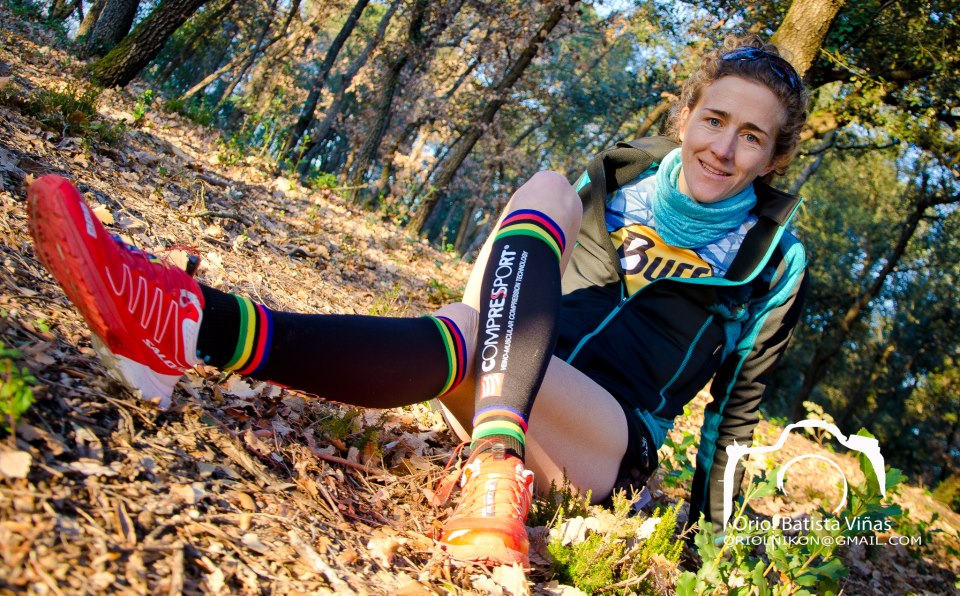
Nuria Picas, Skyrunning Ultra Champion.Photo- Nuria Picas, COMPRESSPORT® brand ambassador. © Orio Battista Viňas

In fact COMPRESSPORT® comes from a medical research background specialising in compression products for sport.  Since the company’s launch in 2008, the brand is sold in more than 70 countries.

The TRAIL Running Line aims to address athletes’ needs in extreme conditions and to improve their performance and enhance recovery.  The line includes shorts, T-shirt, quad sleeves, R2 calf sleeves and a unique sock designed specifically for trail running. Every aspect of the product is carefully studied, different morphologies are taken into account, hundreds of different yarns and fabrics are tested. Seamless construction maximises the efficiency and lifetime of the product which is rigorously tested in every production phase.

“We respond to the problems that athletes face daily. Whether to improve performance, enhance recovery or to help them in their everyday life”, says Jordi Solé, managing director of COMPRESSPORT® International.

“COMPRESSPORT® co-operates closely with athletes, scientists and physicians to meet athletes’ requirements in compression, endurance and recovery”.

“We are extremely happy to be able to co-operate with the International Skyrunning Federation. Both the ISF and COMPRESSPORT® concentrate on their athletes and their performance, so it was quite logical to enter into this partnership.”

COMPRESSPORT® will be present at all the major events in the Skyrunner® World Series and in Chamonix at the Skyrunning World Championships where the products will be on show and worn by some of the world’s top trail runners competing in these prestigious events.

 ISF-World-Champs-Logo-11.13-RGB

Look out for these COMPRESSPORT® ambassadors on the start line of the 2014 events:

  • Marco De Gasperi – 6-time WMRA World Champion, 3rd ISF Sky Ranking
  • Nuria Picas – 2012 SWS Ultra Champion, 2nd 2013 ISF Ultra Ranking
  • Emma Roca – 15th ISF Ultra Ranking, 25th ISF Sky Ranking
  • Zigor Iturrieta – 38th ISF Ultra Ranking
  • Florian Neuschwander – 16th ISF Ultra Ranking, UTWC 2nd 2013
  • Fernanda Maciel – 1st TransGranCanaria & Mount Fuji 2012
  • Seb Chaigneau – 1st Hardrock 100 and TransGranCanaria, 8th ISF Ultra Ranking
  • Erik Clavery – 4th Diagonale des Fous 2012, 9th Les Templiers 2013

Marco De Gasperi – Vertical Kilometer® Hints ‘n’ Tips

Marco De Gasperi ©iancorless.com

Marco De Gasperi is a legend of mountain and Skyrunning. At the age of 16 he gained special permission to climb Monte Rosa with ISF president, Marino Giacometti and a small group of like-minded adrenaline filled mountaineers. It was the birth of Skyrunning.

The rest his history, Marco has six-world titles and a list of victories from races all over the world. Today at 36-years old, Marco is still one of the few runners who can push Kilian Jornet all the way to the line. In 2013 he did just that with an incredible race at Mont-Blanc Marathon and once again at the Dolomites SkyRace.

©copyright .iancorless.com.P1140350

Born in Bormio (in the Alps) a hub for skiing and short-track skating. Living at 1200m provided Marco with advantages, however, he only found his true vocation at the age of 10-years. Marco had tried to adapt to Skiing and Nordic Skiing but the reality was soon apparent; he just didn’t have the required size and bulk required to be competitive. The mountains beckoned; daily he would leave the town, climb a peak and return in the same day.

At 12-years old an encounter with Adriano Greco introduced him to the winter past time of ski mountaineering and running in the summer months. Adriano was very much a coach and guide for Marco. He was introduced to a new aspect of sport, a new discipline that was at its birth. In 1994, Marco ran his first Vertical Kilometer® on the slopes of the Matterhorn.

Marco’s knowledge is invaluable in regard to mountains and how to run them! I chatted to the ‘legend’ while he was helping to coach future stars of the sport on a training camp in Portugal

©copyright .iancorless.com.P1140155

Do you do any specific training for a Vertical Kilometer®?

My season always includes mountain races and races with plenty of climbing, so, I like to devote myself with specific training in the gym to build strength. For example, I use leg extension, leg press and other exercises such as squats. I also do up and down reps on a large box (60cm high), this is great for strength and endurance. It is also important to apply yourself outside and of course finding a steep incline of 30% and running at a smooth and consistent pace is ideal; it’s difficult to run all the way but I always try.

The Vertical Kilometer® is very demanding and runners incorporate different techniques to reach the summit in the fastest and most efficient way. Hands-on-knees and ‘poles’ are two methods; do you have a preference?

Application very much depends on the individual needs and demands of each runner and the course. For example, you will find many VK specialists come from a Ski Mountaineering background and therefore they are very well adapted and practiced with the use of poles. Certainly, when slopes become much steeper, poles offer an advantage as they help balance the center of gravity and thus provide a more advantageous position. In principal though, I prefer to try and run!

Marco De Gasperi ©iancorless.com

Aerobically it is very easy to just ‘tip over the edge’ with a VK, do you have any special techniques in training to help to pace yourself?

You need to train and understand the muscular and mental aspects that are required to race a VK well. The correct pace is easy to find if your mind is prepared for the challenge ahead. Take long hills in training at an easy pace, try to keep running and enjoy the process have fun! If I don’t have the possibility to train on long steep hills I like to find a short hill that is steep and I do reps at a faster pace than racing… I walk back down to allow recovery and then repeat

Walking for many will be a key element of a successful VK. I am well aware that you will try to run as much as possible. However, do you practice walking?

Long and steep mountains are very difficult, it’s all about efficiency and yes, sometimes it is far more efficient to walk. It’s about balance; I run for as long as possible but a good climber knows when to switch to maintain rhythm and speed. You want to avoid building up too much lactic acid. I consider myself to be a good ‘walker’ and I am happy to switch as and when required. As for practice, no not really, just go out in the mountains and hike. It’s a perfect way to combine fun and training.

Marco De Gasperi ©iancorless.com

You have already mentioned indoor training and strength work. Have you ever trained on a treadmill and what about core and stability training?

Core and stability is very important, without doubt it provides benefits. Every week I do 3-4 sessions of five key exercises to work on this. In regard to a treadmill; it’s not the best way to train for a VK but maybe you have limited options? It can obviously be better than nothing. Just make sure you have it at an incline and work hard.

In regard to particular VK training, is it better to train on shorter or longer mountains; do you have a preference?

I have many years in the sport, in my opinion; I think that too many long mountains are not good for the specific demands of a VK. In particular, as a race approaches keep sessions in the 30-50 minute bracket.

Tricky question for you Marco, other than yourself (obviously) who do you regard to be the best runners at the VK distance?

You are very kind! I am going to split this. Urban Zemmer with poles, Berny Dermatteis without using poles and Valentina Belotti. I guess it comes as no surprise that these runners are all Italian but the records show that they have the fastest times.

Finally Marco, if you had to provide three invaluable tips for running a Vertical Kilometer® what would they be?

  1. Do 6-7 reps 3 times on a trail that is not too steep, rest by walking down.
  2. Make sure you have easier days between hard sessions
  3. To race and perform well on race day, your legs must be very relaxed and recovered.

©copyright .iancorless.com._1040723

Marco De Gasperi is a true champion, not only on the trails and slopes of the mountains but also off them. A gentleman, professional and perfect ambassador for our sport, he gives of his time and experience freely.

As always, it’s a pleasure to speak and learn more about such a wonderful athlete. Thanks Marco!

SWS Vertical Kilometer® Calendar 2014

SPAIN: Transvulcania Vertical Kilometer® – May 8
FRANCE: VK Face de Bellevarde, Val d’Isère – July 11
ITALY: Dolomites Vertical Kilometer®, Canazei – July 18
USA: Lone Peak Vertical Kilometer® – September 12
ITALY:  Vertical Grèste de la Mughéra, Limone sul Garda – October 10

Links:

Skyrunner® goes nationwide

©highterrainevents_DSC02842


Ten years on and the Skyrunner® World Series goes nationwide. The successful 15-race model with three distances, Vertical, Sky and Ultra, will be reproduced, where possible, in many ISF member countries, which currently count 27.

Earlier last year, France was the first country to launch the Skyrunner® National Series which includes some of the best races in the country in the 42 km to 80 km range.  USA followed in December with a full calendar featuring five Sky, five Ultra and four Verticals.

National Series Logo

South Africa launched with three SkyMarathons and the new, much acclaimed Lesotho Ultra Trail in November.  Two more races are to be announced.

The UK as we know, lacks the higher altitude common to skyrunning, but it lacks nothing of the tough, challenging courses that have produced skyrunning stars of the highest level.  The first race announced earlier this month has 4,000m of vertical gain over 80 km – enough to satisfy even the most demanding Skyrunner.

Today, Italy, birthplace of skyrunning, announces their calendar, which perfectly reproduces the World Series format with five races in each discipline – Vertical, Sky and Ultra. In a country that boasts over 120 affiliated races and 90 associations, the calendar is spoilt for choice.  The National Series was created to mirror the SWS format and includes some of the country’s top races, such as the Giir di Mont, the Trans D’Havet (last year’s European Ultra Championships) and the Cervino Vertical K, where the first Vertical Kilometer took place 20 years ago at the foot of the Matterhorn.  The Italian Championships (one race per discipline), will be announced at the end of the month.

The concept of launching National Series lies in promoting the skyrunning philosophy at grass roots level and to offer runners in many different countries an opportunity to experience the skyrunning concept on home ground – to participate in well-organised, quality events with the passionate support of organisers and supporters; to enjoy spectacular courses that embody the skyrunning spirit; to push themselves further and higher on challenging terrain; to enjoy strong competition and, to reap the rewards of race and Series’ prize money.  The winners of each Series will win a place in the 2014 World Series finals (or the first 2015 races) together with travel contributions and other benefits.

Particularly welcome has been the response from National Series organisers to create races and circuits that reflect the spirit and the values of skyrunning and where, no doubt, future stars will emerge.

 Other National Series are in the pipeline, starting with one of skyrunning’s most important countries for both races and runners, Spain and Andorra.

Following on will be announcements from Australia & New Zealand, China, Czech Republic, Greece, Poland, Russia…

Skyrunner® France Series

Skyrunner® USA Series

iRunFar – an in-depth article on the US Series launch

Skyrunner® South Africa Series

Skyrunner® UK Series

Spain’s Carreraspormontana – report

Skyrunner® Italy Series

The Mother – Salomon Running TV S03 E04

screenshot_493“Running to me is a way to keep happy…” Kasie Enman

Kasie Enman hails from the small town of Huntington, Vermont where she lives with her husband and family. She was World Mountain Running Champion in 2011 and had a string of podiums in the 2012 SkyRunning Series before falling pregnant with her second child.

In this episode we discover Kasie’s home and family life as she shares her thoughts and feelings on running during pregnancy.

**********

Another great film from Salomon Running and The African Attachment that shows us the importance of balance and passion.

Kasie Enman is not your normal runner!  2011 World Mountain Running Champion, Olympic Trials Team Member, 2012 winner of the Skyrunning Giir di Mont and 2:39 marathon runner (Marathon PB 2:37:14 set in 2008) just 9-months after her first child was born.

Kasie has said many times before that her priorities changed after the birth of her first child;

“I’m not the same person any more in terms of priorities. Running is no longer as important as it used to be and I have to work a lot harder at hanging on to my goals and not letting opportunities pass me by.” credit http://www.baa.org

©TheAfricanAttachment ©salomonrunning

Credits:

Music:
“That’s When I Knew” & “Birth”
By SignPost
Written for The African Attachment & SRTV
http://www.signpostsound.co.za

Trail Running Magazine – Feb/Mar 2014

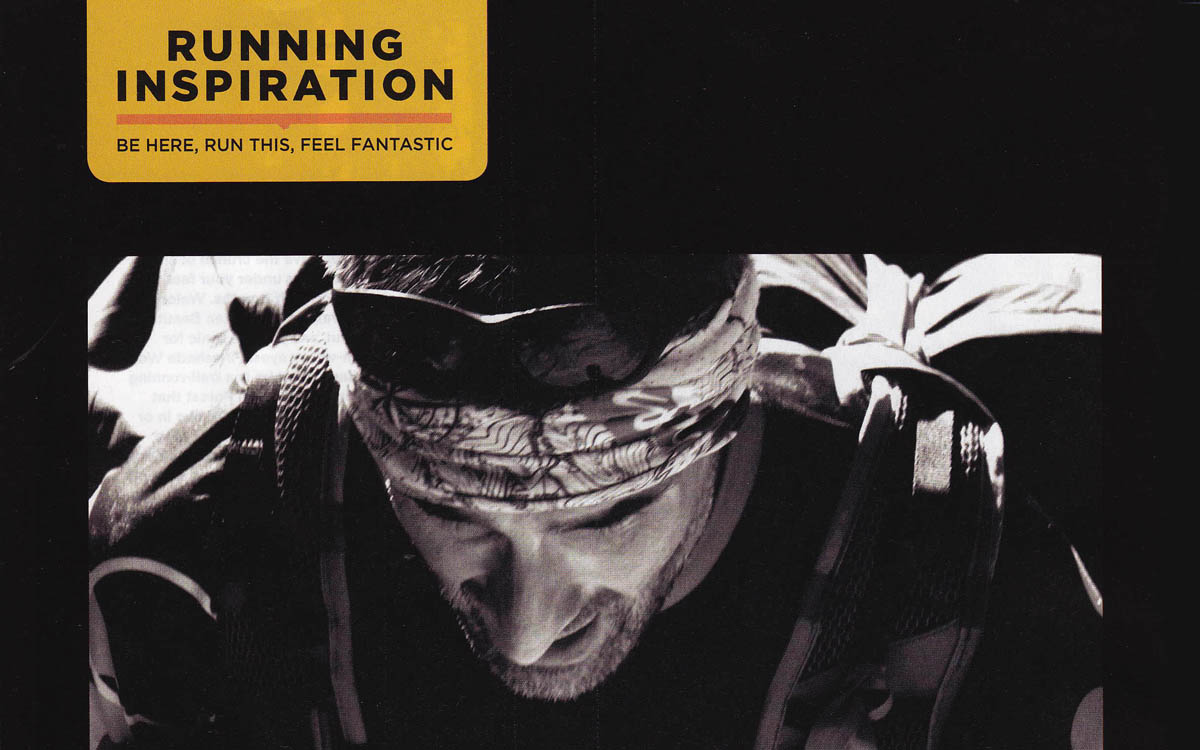
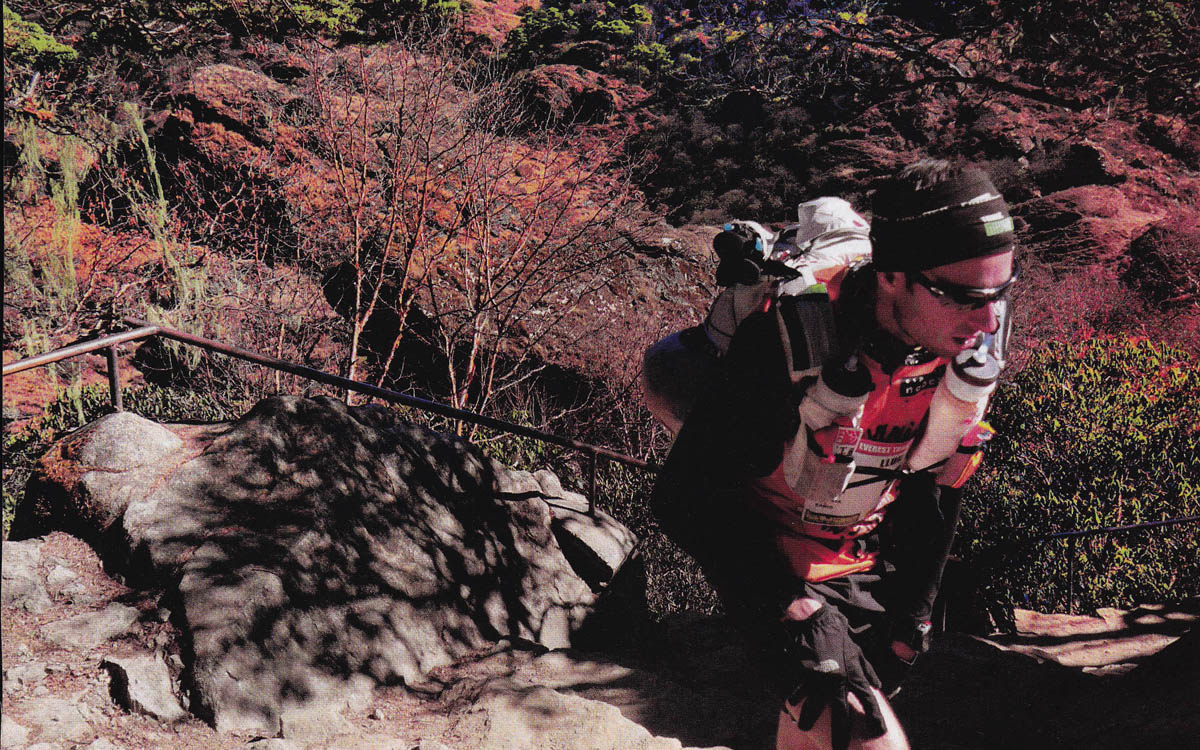
ETRpg1_Trailrunningmag_Feb14The current edition of Trail Running Magazine has several pages of my work. Pages 8 and 9 have a double photo feature on the Everest Trail Race featuring Francisco Salas and Llius Puig.

ETRpg2_Trailtrunningmage_Feb14


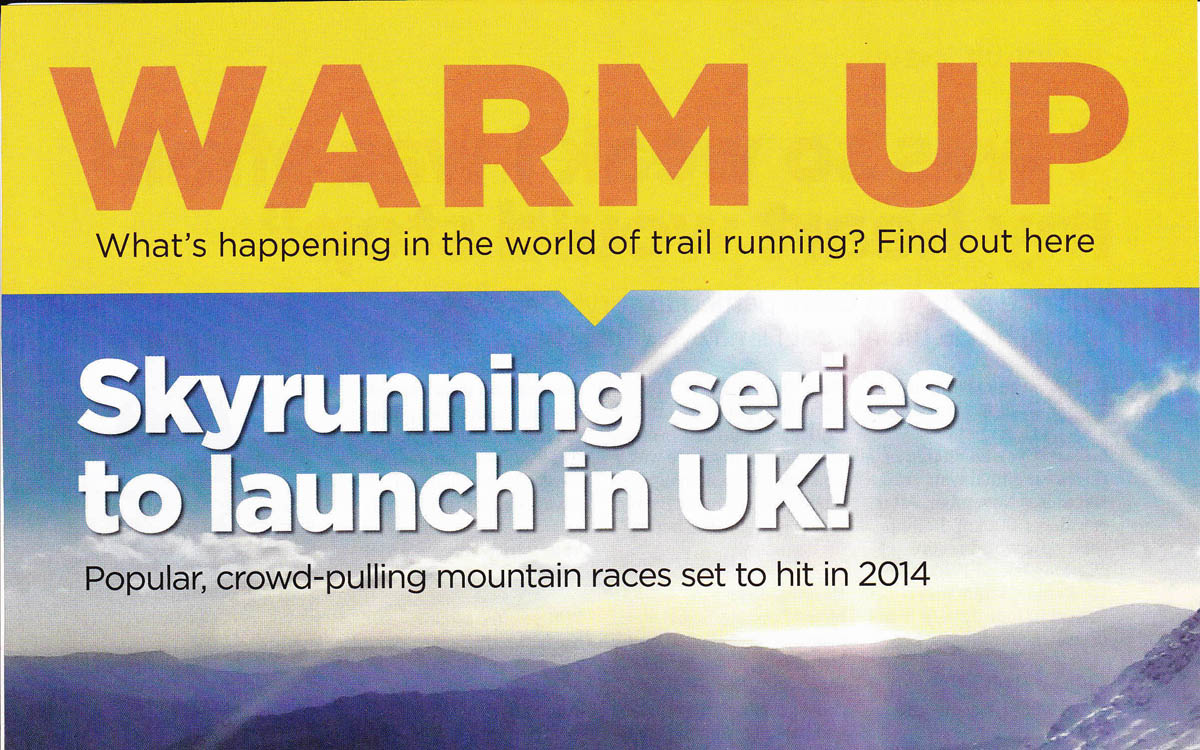
Page 13 also features the launch of Skyrunning UK and the announcement of the 3x3Ultra.

Skyrunninguk_Trailrunningmag_Feb14

Check out Issue 18 of Trail Running Magazine (Feb/Mar 2014) which also has a great feature on Kilian Jornet and Emelie Forsberg. Guest editor is Lizzy Hawker.

Trailrunningmag_issue18_iancorless.com


Skyrunning UK announce the 3x3ULTRA

High-Terrain-Banner-Skyrunning

A new year and what better way to start than with the announcement of the first race in the new Skyrunning UK ‘Skyrunner® National Series’ – the ‘3x3ULTRA’ by High Terrain Events.

Skyrunninguk logo

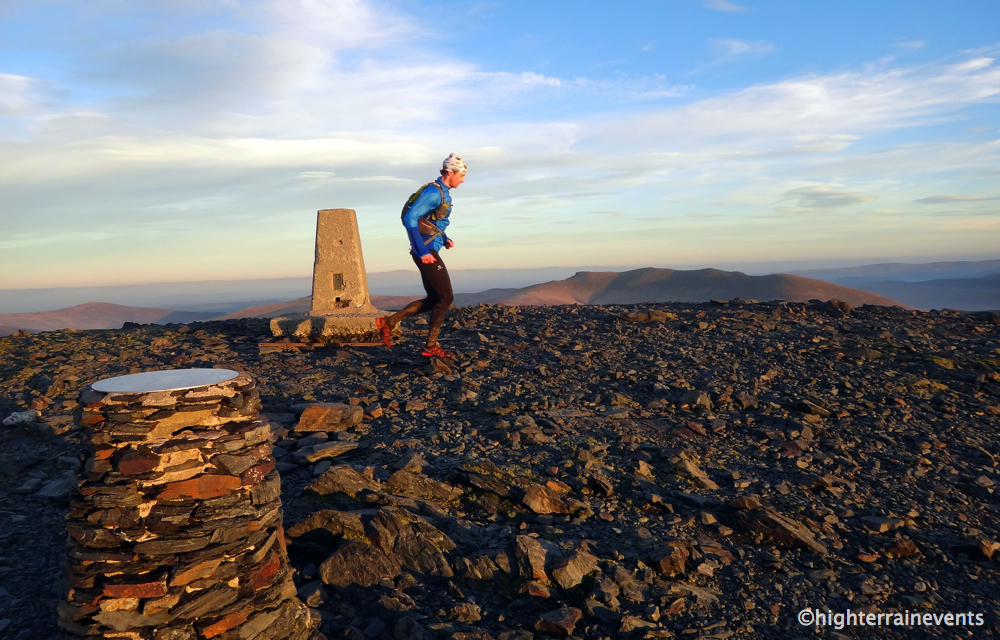
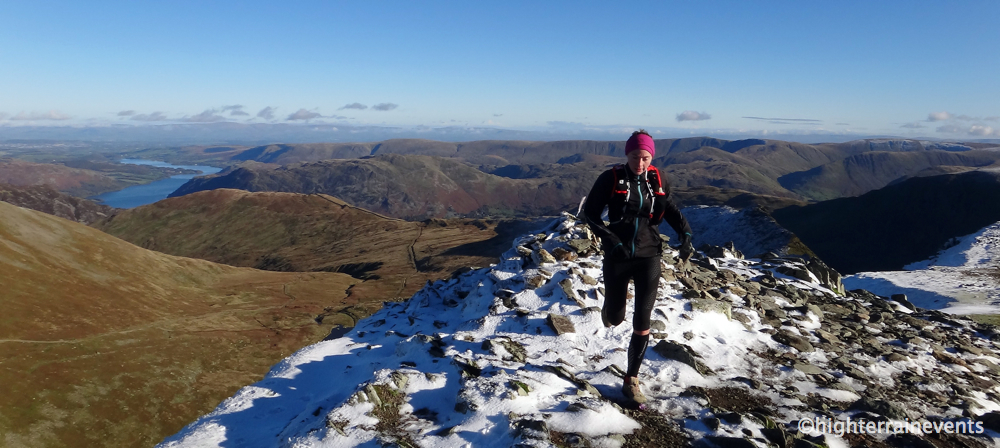
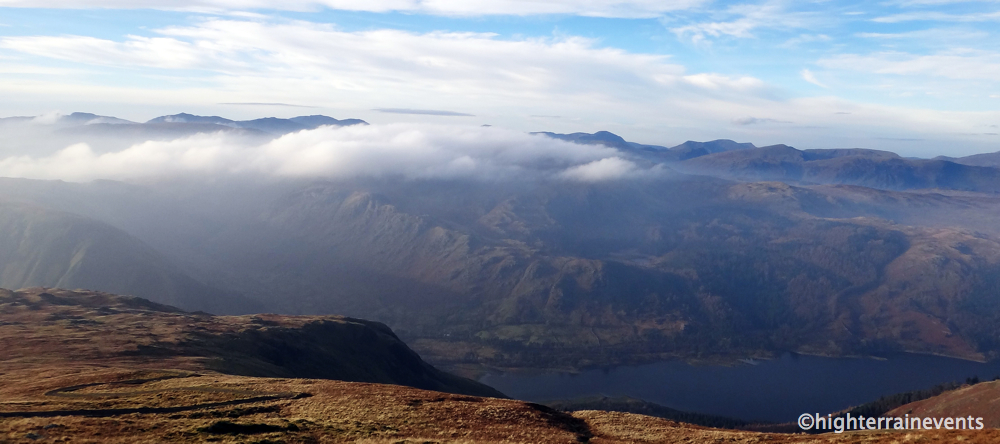
Over 4000m (13,000ft) of ascent await participants of the 3x3Ultra. “It’s an opportunity to cover three classic Lakeland peaks in an accumulative distance of 80km’s”, says High Terrain Events race director, Ian Mulvey.

3x3ultra_highterrainevents_iancorless.com

Salomon athlete, Ricky Lightfoot (IAU World Trail Champion 2013 and Otter course record holder) has been instrumental in combining his skills and knowledge in designing a course that will bring Skyrunning UK an event that ultimately will create the perfect flagship for the Skyrunner® National Series (SNS) within the UK.

Based on the classic ‘Lakes 3000’s’ the 80km route will include Scafell Pike, Helvellyn and Skiddaw. An amazing circular route over the best mountains available within the UK, it promises to be a tough challenge.

Lauri van Houten, executive director for the International Skyrunning Federation (ISF) has been instrumental in providing the backing and support to enable Skyrunning UK to become a reality. When asked about Skyrunning in the UK, Lauri had this to say:

“Some of the world’s top athletes come from the UK! Andy Symonds, Tom Owens, Ricky Lightfoot, Robbie Simpson, Tessa Hill, Anna Lupton and past SWS (Skyrunner® World Series) Champions Angela Mudge and Rob Jebb… British races are known for being tough and challenging. Skyrunning captures the spirit and tough technical challenges runners are looking for today. That’s the ‘feel’ we’d like to bring to the UK.”

3x3ultra_highterrainevents_iancorless.com

3x3ultra_highterrainevents_iancorless.com

The race route combines all the elements of a classic Lakeland run with aspects of European racing. “Skyrunning UK offers a great opportunity, we already have the main ingredients; technical terrain, beautiful mountains and hillssaid Tom Owens (UK based Salomon athlete) “The UK has brilliant and committed athletes who love racing. We may not have the required altitude that a Skyrunning race would require in Europe but this is compensated for with the amount and steepness of climb that we can accumulate over distance, the 3x3Ultra is a great example of this.”

3x3ultra_highterrainevents_iancorless.com

No stranger to Skyrunning, Salomon International athlete, Andy Symonds has performed with the best-of-the-best all over Europe, his podium finish at Transvulcania La Palma in 2012 a particular highlight also offered his approval of the 3x3Ultra:

“Skyrunning is about running high up on rough ground. Getting up, over and along big mountains with big views. The 3x3Ultra does just that and it’s great to see it finalized on the all new Skyrunning UK calendar, it’s an exciting time”.

3x3ultra_highterrainevents_iancorless.com

National Series Logo

The Skyrunner® National Series will bring a new race series to the UK. Made up of five races in each category (Sky and Ultra), runners will accumulate ranking points by competing in at least three out of five races over the SkyRace® and Ultra SkyMarathon® distances. Respective male and female winners of the ‘SNS’ in 2015 will be rewarded with the ultimate prize; not only they will they be crowned champions of the ‘SNS’ but they will also receive the opportunity to race in the final of the Skyrunner® World Series.

3x3ultra_highterrainevents_iancorless.com

Ian Corless, director for Skyrunning UK has been working for months in conjunction with the ISF Athlete Commission to bring this moment to fruition, “It’s about progression and development. Having witnessed Skyrunning from every level for the past 2-years and seen the growth, the excitement, the opportunities; to not be part of this in the UK would be a shame. The sport is growing at all levels. In time I hope we will have a series of UK based Skyrunning teams similar to the model that inov-8 have created. A Skyrunner®  National Series will provide not only a great structure for the sport but it will also provide a springboard for UK athletes to race in other countries but equally, we hope to attract foreign athletes to race on home soil. The announcement of the 3x3Ultra clearly states our intentions for what a Skyrunning event should be in the UK.”

3x3ultra_highterrainevents_iancorless.comLauri van Houten continues, “The only setback has been the difficulty in finding the right person to represent Skyrunning in the UK and bring it in line with other countries. It’s been hard to find a replacement but Ian Corless has embodied that and with his contacts and know-how we’re confident he’ll pull a great movement together.

The stage is set for the 3x3Ultra.

Ian Mulvey, race director for the 3x3Ultra explained his thoughts and vision:

“It will showcase what we have to offer in the UK and hopefully attract international runners enabling the top UK athletes to race against the world’s best on their home terrain.”

When asked about the benefits Skyrunning will bring to the UK race circuit, Ian replied:

“Having raced in Europe I can see the potential of bringing Skyrunning to the UK. In terms of raising the profile of UK ultra running, I think this will take ultra running to the next level and give us recognition on an international scale. Now is the perfect time for this type of event, runners are looking for tougher challenges to strive for. Being part of the Skyrunning UK series I hope will raise the profile of the event & attract international athletes.”

3x3ultra_highterrainevents_iancorless.com

Seize the opportunity now and sign up for what will become an iconic Skyrunning UK event.

Enter online here: https://www.sientries.co.uk/event.php?elid=Y&event_id=1222

Details:

Get involved with Skyrunning UK

← Back

Thank you for your response. ✨

Trail running in America & mountain races in Europe

Are there really any differences when it comes to racing in Europe & America? Runners from both sides of the Atlantic have their say about trail running on both continents.

When Michel Poletti, president of ITRA, spoke recently at the presentation of the Spain Ultra Cup about what type of international race organizations would de targeted for future membership, he affirmed that the ITRA would be particularly hoping to attract “organisations with long-distance races taking place in natural scenery“. Although this definition may sound a little vague, it is in fact quite difficult to find a common denominator that might aptly describre races taking place on both sides of the Atlantic.

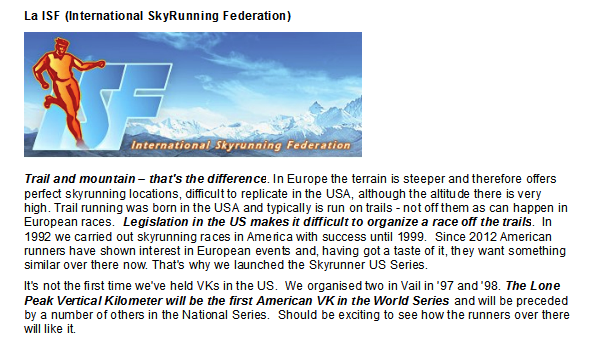
Are we talking about the same kind of race on both continents? It doesn’t seem that way from what some of our top runners have to say. In any case, surely the “variations on a theme” are what make this sport so appealing, right?  What are the differences anyway, between trail running & mountain running? According to the ISF, “The difference lies in the terminology itself: trail & montain“. 
ISF

We’ve asked some of the top runners about what it is that makes racing different on both sides of the Atlantic. Here are their answers, together with our conclusions:

American races, much faster

The main difference, which everyone seems to agree on, is the greater technical difficulty of races in Europe and the faster speed of races run in the US.

Tofol

As Tòfol Castanyer points out, this means that“American races are more runnable” suggesting that faster ultra-distance racers have the advantage, as opposed to mountain running specialists.

This difference has already been discussed in our article in Spanish, la diferencia entre trail running, fell running y carrera de montaña. In the US the sport is called “trail running“, whereas in Europe, terms such asmountain runningskyrunning or fell running (UK) are used. The term “trail running” obviously refers to the kind of track or path followed, whereas in Europe it’s all about “mountains“. Whereas “trail running” doesn’t necessarily imply elevation gains.
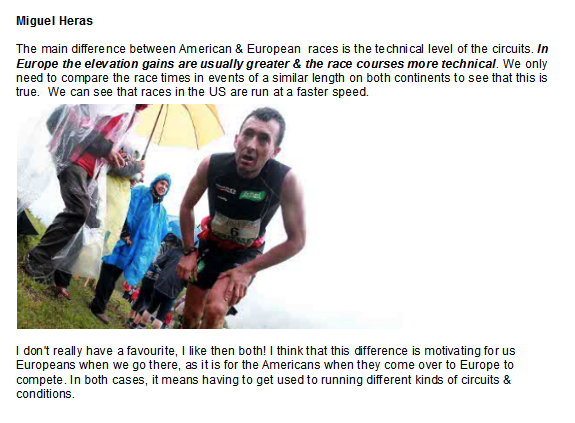
Heras

In Europe the elevation gains are usually greatersays Miguel Heras,I think that this difference is motivating for us Europeans when we go there, as it is for the Americans when they come over to Europe to compete.

Stricter rules in the US

Many of the races held in the US run through national parks, which follow a stricter legislation than we’re used to in Europe, regarding how hikers & runners should use the footpaths or trails. All these measures are imposed with the greater benefit of protecting the lanscape & natural habitat of the species found in the parks. This means that anyone wondering off the trail will be sanctioned (usually with disqualification), something that Europeans are simply not used to.

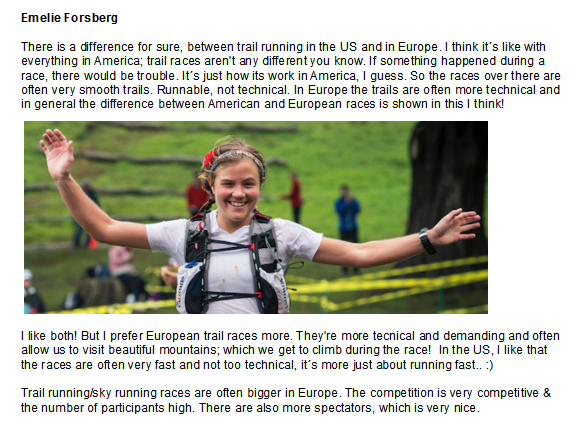
Emelie

As Emelie Forsberg jokes, “I think it´s like with everything in America; trail races aren’t any different you know“. Rules are rules!

In Europe, things are very different, where, in most cases,the race course simply follows the most direct route across the mountain.
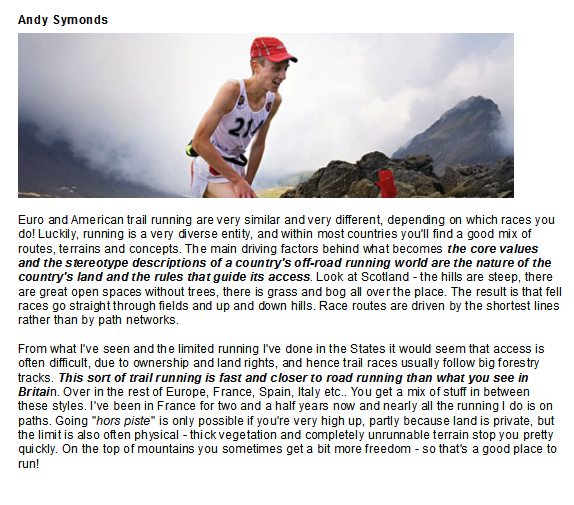
Andy

In Scotland“, for example, says Andy Symonds,” the hills are steep, there are great open spaces without trees, there is grass and bog all over the place. The result is that fell races go straight through fields and up and down hills. Race routes are driven by the shortest lines rather than by path networks”.

Consecuently, European trail runners find that they have to change their whole approach to racing, as Silvia Serafini states, “I know that in the US there are very strict rules about ‘shortcuts‘. You are out of the race if you don’t follow exactly the signed trail“. Kilian Jornet can testify to this, as he was stripped of his prize money and course record, in last year’s Speedgoat 50k for cutting switchbacks.

In Europa, it’s more competitive

So what’s Dakota Jones take on the subject? He interestingly points out that “ In America, trail running came out of a culture of hiking and mountain climbing that has its roots in solitude and escape“. Whereas, “Europeans accept mountain running more and are allowed to have more people in their races, so the scene is much more professional than anywhere else”. ” When Americans race, they are almost afraid to say they are racing, because they don’t want to betray traditional values about the purity of the sport“.

Dakota

Sportswear

In an episode of Kilian´s Quest we can see how the young Catalonian runner meets up with running legend, Pablo Vigil. It’s interesting to compare how the two are dressed; Kilian with his specialized gear  –Suunto GPS heart rate monitor, Salomon technical shorts & training shoes, while Pablo Vigilcan be found wearing the traditional runners sorts and a pair of Nike road trainers. Although this is a simple anecdote, it does undeline the point that, in general, European runners seem to get moredressed up for the occasion!

Anna Frost comments that “Clothing differs…with fashion and trends. Euro wearing more technical lycra and USA wearing looser fitting comforts.
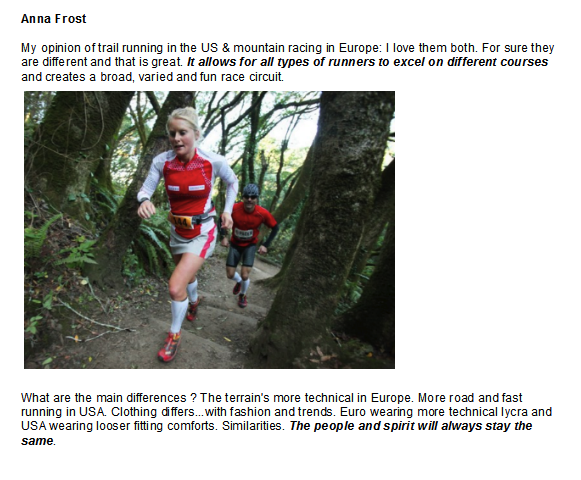
Frosty

What’s in common? People, volunteers, the spirit of racing

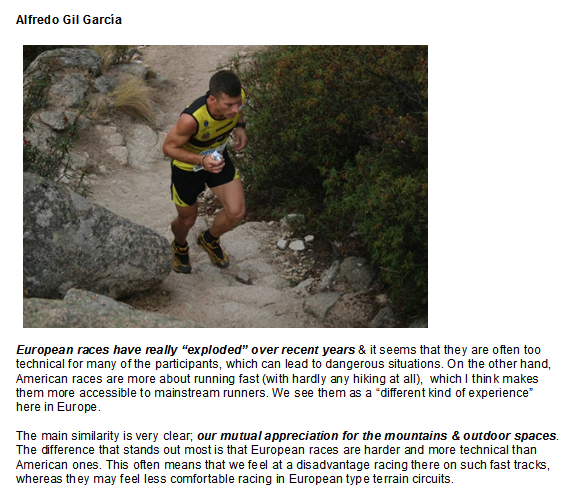
There seems to be a common agreement among runners that there is one characteristic to be found on both sides of the Atlantic: the spirit of running, be it trail running in the US or fell running (UK), mountain running or skyrunning in Europe, “our mutual appreciation for the mountains & outdoor spaces”, says Alfredo Gil, Spain’s national champion. “I think we all have that in common“.

Alfredo

American, Stevie Kremer, also emphasises this point & recognizes the efforts of all the people, behind the scenes, who support the races: “both have incredible supporters and volunteers, without which these races would never be successful!”
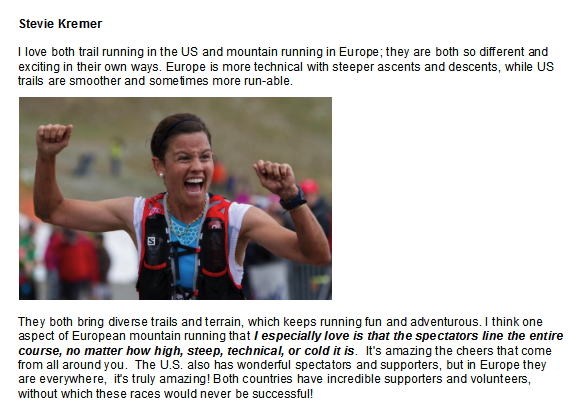
Stevie
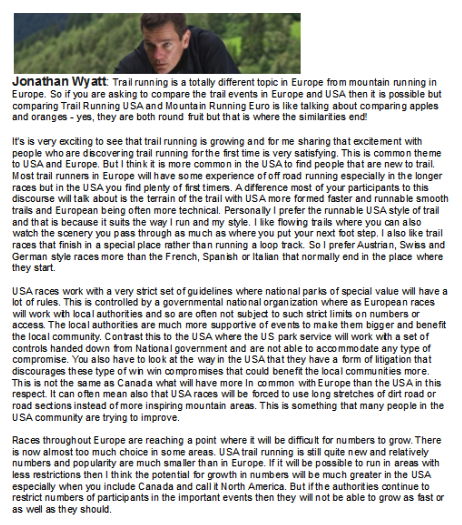
It seems that, as more and more runners make the jump, from one continent to another, things are changing. As Jonathan Wyatt observes, ” We see a lot of North American runners who have learnt a lot from the European style of trail running and they are excited to bring some of these elements to North America including the more technical running trails“.

Jono

Finally, let’s just remember the words of Silvia Serafini, who defines the atmosphere of our sport perfectly, “I can’t really choose which I like most, racing in America or in Europe. I love the atmosphere, the welcome of the people, which I have found on both continents“.

Silvia


LINKS & CREDIT:

© Escrito por Nigel John Wilson / David Clavera / Pablo Cantó

This article is a re post from : corredordemontana.com
It is reproduced with the full approval of corredordemontana.com and Nigel John Wilson and has not been altered or adjusted in anyway. The original article is available HERE should you wish to view it.
It is also available in Spanish HERE

All content (inc images) ©corredordemontana.com