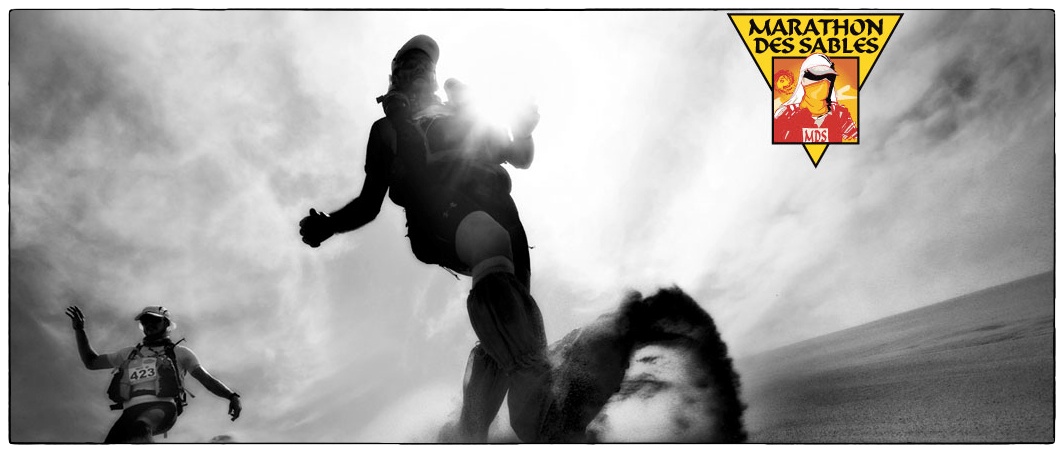
MARATHON DES SABLES 2013 Preview

copyright Marathon des Sables

copyright Marathon des Sables

MARATHON DES SABLES 2013

The 2013 edition of the Marathon des Sables is a self-sufficient race in the South of the Moroccan desert, the event will take place from 5th to 15th April 2013. For the 18th consecutive year, it will be run under the patronage of his Majesty King Mohammed VI.

Since its creation in 1986, the Marathon des Sables has attracted over 13,000 competitors over 27 editions. From humble beginnings, the race is now the most prestigious multi-stage race in the world.

The 2013 Marathon des Sables will see 1,091 entrants toe the line. With 45 different nationalities and a strong presence from France and the UK, the 28th edition will be a memorable one.

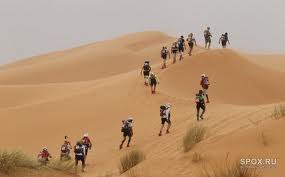
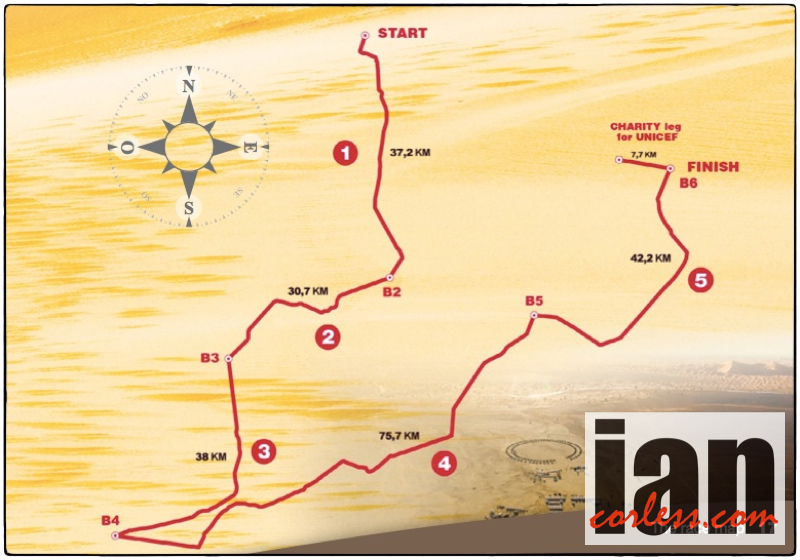
Taking place in South Morocco, in the provinces of Errachidia and Tinghrir the race will cover 223.8km over 5 stages. It will encompass some of the most beautiful terrain in the Moroccan desert. Eagerly awaited by one and all, the dunes, ergs and dried-up wadis will delight the thousand or so entrants from the fifty plus countries across the globe.
MDS LOGO

Race Programme:

5 April 2013: Leave country of residence for Morocco (UK entrants leave on the 4th) – Arrival in Ouarzazate, bus transfer to the 1st bivouac.

6 April 2013: Administrative, technical and medical checks – Day to acclimatise.

From 7-12 April 2013: Race in progress. (The self-sufficiency begins from breakfast on the 1st leg).

12 April 2013: Prizing ceremony in desert.

13 April 2013: Charity leg for UNICEF– Transfer to Ouarzazate.

14 April 2013: Day of relaxation, festivities.

15 April 2013: Return to country of residence.

Race Logistics

Patrick Bauer affectionately describes the Marathon des Sables as a big circus. It’s like moving a city everyday… just look at what is involved.

Race management : This team comprises more than 100 people including a race HQ, race marshals, controllers, timekeepers and ranking compilers. Since 2010, the official ranking has been achieved using a “transponder” for all the competitors.

Supervision : 400 people: technical, logistical and medical skills, 100 vehicles, 2 helicopters, 1 CESSNA plane, 4 dromedaries… and the active support of the Royal Armed Forces: 21 lorries (6×6) and 40 men to supervise logistics.

Medical Assistance : A team of 50 people under Dr Frédéric COMPAGNON, DOC TROTTER supervises the runners as much on a medical level (care of feet, resuscitation…) as a mental level, both of which fail sometimes in front of the toughness of the event and the hostility of the climate.

In the 27th SULTAN MARATHON DES SABLES, 3 tonnes of gear was transported and the medical team used : 5km of Elastoplast, 2,700 second-skin patches, 125 litres of disinfectant, 230 litres of drip solutions, 15,000 compresses, 2,800 pairs of surgical gloves,…

The Team

  • 115 volunteers on the course itself
  • 400 support staff overall
  • 120 000 litres of mineral water
  • 270 berber and saharan tents
  • 100 all-terrain vehicles
  • 
2 “Squirrel” helicopter and 1 “Cessna” plane
  • 6 “MDS special” commercial planes
  • 23 buses
  • 4 dromedaries
  • 
1 incinerator lorry for burning waste
  • 4 quad bikes to ensure environment and safety on race
  • 
52 medical staff
  • 6.5 kms of Elastoplast, 2 700 Compeed, 19 000 compresses 6 000 painkillers, 150 litres of disinfectant
  • 4 editing stations, 5 cameras, 1 satellite image station
10 satellite telephones, 30 computers, fax and internet
Marathon des Sables

Marathon des Sables – how did it start?

Patrick Bauer interview available HERE

1984 : At the age of 28, Patrick Bauer decided to make a journey into the Sahara. His objective was to traverse 350km’s of uninhabited desert, on foot, alone and without any possibility of encountering a single village, oasis or watering place. Totally self sufficient, Patrick entered the desert with a pack weight of 35kg containing all his water and food. The journey lasted 12 days and it was the starting point of what has now become the MARATHON DES SABLES.
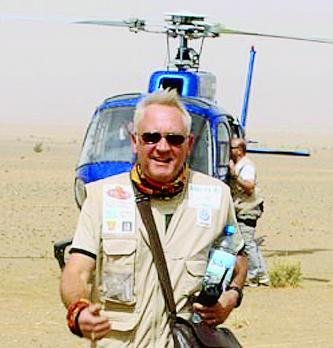
Patrick Bauer, Marathon des Sables copyright www.lest-eclair.fr

Patrick Bauer, Marathon des Sables copyright http://www.lest-eclair.fr

1986 : The creation of the first MARATHON DES SABLES in the Moroccan Sahara. The 23 pioneers who took the start never imagined that their footprints would mark the start of a legendary event, which today has become unmissable on the schedule for major adventure sport meets.

1989 : 170 competitors take the start of the race and the rest is history.

I caught up with Patrick Bauer at the MDS UK expo in late 2012. You can listen to that interview (lasts 13 minutes):

talkultra.com

LISTEN HERE

The 2013 Race – who will be taking part?

1,090 competitors aged 20 to 76 are expected to take the start (definitive number on 6 April following administrative and medical checks) representing 45 different nationalities: Algeria, Argentina, Australia, Austria, Belgium, Bulgaria, Canada, China, Costa Rica, Czech Republic, Denmark, England, Finland, France, Germany, Holland, India, Ireland, Italy, Japan, Jordan, Kuwait, Latvia, Luxembourg, Morocco, New Zealand, Norway, Poland, Portugal, Republic of El Salvador, Romania, Russia, Saudi Arabia, Scotland, Singapore, Slovakia, Slovenia, South Africa, South Korea, Spain, Sweden, Switzerland, Turkey and the United States.

The participants are men and women with various and varied profiles (Doctors, farmers, coppersmiths, pilots, builders, chefs, servicemen and women, students, professional athletes and retired persons…).

The 2013 MDS Challengers for the overall win

DRAYMDS2012-04-08-7945-1

The Female contenders for the overall win :
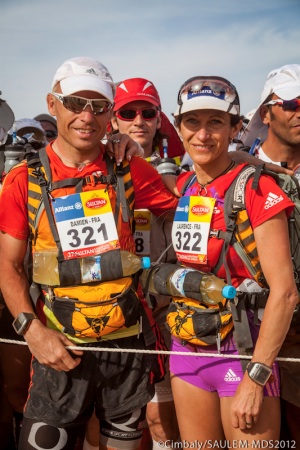
Laurence Klein 2012 MDS

Laurence Klein 2012 MDS

  • Laurence KLEIN (FRA) – 1st woman in 2007, 2011 and 2012, European 100km Champion.
  • Meryem KHALI (MAR) – 2nd woman in 2012. N°1082:
  • Megan HICKS (USA) – 2nd woman in 2009.
  • Simone KAYSER (LUX )– 3 victories in the MDS.


The Male contenders for the overall win : 
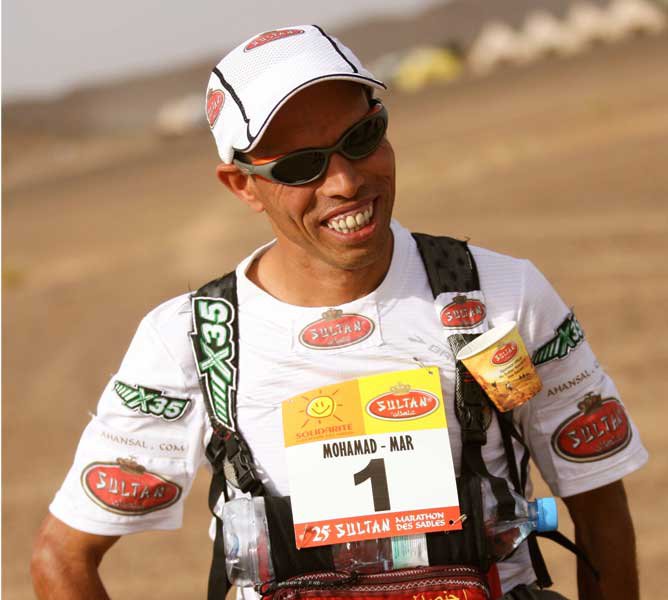
Mohamad Ahansal

Mohamad Ahansal

  • Salameh AL AQRA (JOR) – 1st in 2012, 2nd in 2008, 2010, 3rd in 2009, 2011.
  • Mohamad AHANSAL (MAR) – 4 victories and 2nd place 9 times.
  • Samir AKHDAR (MAR) – 6th in 2011, 7th in 2009.
  • Rachid EL MORABITY (MAR) – 1st in 2011.
  • Aziz EL AKAD (MAR) – 2nd in 2009 and 3rd in 2008 and 2012.
  • Christophe LE SAUX (FR) – 6th in 2012, 1st Guyan’trail 2011 and 2012.
  • Anton VENCELJ (SLO) – 4th in 2010, 8th in 2012.
  • Abdelaaziz TAYSS (FR) – French Cross-Country champion 2008 and 2011
  • Vincent DELEBARRE (FR) – 9th in 2005, 1st UTMB, Réunion, Templiers, etc
  • Martin FIZ (SP) – World Marathon Champion in 1995.
  • Carlos GOMEZ DE SA (POR) – 4th 2012 and 8th in 2008, 4th UTMB 2012.
  • Marco OLMO (ITA) – Top 10 in the MDS, 2 UTMB victories.
  • Antonio Filippo SALARIS (ITA) – 7th in 2012.

In 2013 I followed two runners in the build up to the 2013 Marathon des Sables. Tobias Mews placed 21st overall in the 2010 race and Stuart Rae is toeing the line for the first time in 2013. Each interview alternated on episodes of Talk Ultra but they have been joined together in one episode (lasts just under 1 hour)

talkultra.com

LISTEN HERE

2012 results (for reference)

1st : Salameh Al Aqra (JOR) in 19h59’21’’
 2nd : Mohamad Ahansal (MAR) 21’02’’ behind 3rd : Aziz El Akad (MAR) 1h38’56’’ behind

1st : Laurence Klein (FRA) in 26h15’40’’ 2nd : Meryem Khali (MAR) 1h19’38’’ behind 3rd : Karine Baillet (FRA) 1h31’07’’ behind
iancorless.comscreenshot_217

The 2013 race route

  • 1st leg – 37.2k Undulating terrain, interspersed with small ergs representing 5km of small dunes (dunettes).
  • 2nd leg – 30.7km 3 djebels with 10 to 25% gradients – exceptional panoramic views.
  • 3rd leg – 38km 2 djebel sections, 2 dried-up lakes and lots of sand.
  • 4th leg – 75.7km a total of 13km of dunes and around 30km of sandy terrain.
  • 5th leg – 42.2km the final leg is a marathon with ergs, regs, a dried-up lake and wadi beds…
  • Total Distance – 223.8km

Mandatory Kit

One of the key aspects of the Marathon des Sables is what kit to take? Here is a list of ‘mandatory’ kit. Of course, you need to add to this food requirements, cooking equipment and any additional luxuries.

  1. Distress flare: For use in the event of an extreme emergency. A range in excess of several dozen metres once activated.
  2. Knife: Equipped with a metal blade, it’s obviously useful in the bivouac and it can be of service when useful in the bivouac and it can be of service when running too.
  3. Compass: Surpassing both intuition and signposting, the compass is the marathon runner’s signposting.
  4. Whistle: Slowed by problems with your health or astray of the initial route, it enables other competitors or the organisation to be alerted to your whereabouts.
  5. Lighter: An important ally after a day’s running, whenit’s time to make a fire to heat up your meal.
  6.  Anti-venom pump: Even though it’s rare to have an unpleasant encounter with a snake, the anti-venom pump is compulsory and can enable action to be pump is compulsory and can enable action to be taken quickly.
  7. Antiseptic: As the days go by, all kinds of injuries can crop up, even during the race sometimes. So whilst awaiting assistance from a Doc Trotter, antiseptic can be important prior to linking up with the medical team.
  8. Sleeping bag: To be carried for seven days, ideally it shouldn’t exceed 400g and should be suitable for temperatures of between 5°C and 10°C. Indeed, the nights are cold in the desert.
  9. Survival blanket: In the event of serious problems, the survival blanket enables you to protect yourself from both the cold and sun. It weighs in at no more than 60g.
  10. Signalling mirror: If lost, someone competing in the Marathon des Sables will want to signal his or her presence. Playing with the sun and a mirror may be an alternative prior to using a distress flare.
  11. Salt tablets: Not exactly pleasant tasting, they are nonetheless essential for avoiding dehydration.
  12. Glow sticks: The perfect marker during the long leg.
  13. Headtorch: once night falls or when wandering around the bivouac, the headtorch is essential.

I will be reporting from the 2013 event as the race unfolds and providing I am able to gain adequate access to internet, I will update my website, Facebook and Twitter with reports and images as often as possible. So please keep checking!

Skyrunning makes it to South Africa

SASA logo - web vector

Skyrunning hits Southern Africa with the Lesotho Ultra Trail

A new ultra-distance race has hit southern Africa’s trail running calendar with the announcement of the Lesotho Ultra Trail, to take place in northern Lesotho on 30 November.

Created by well-known KZN race organiser Andrew Booth, the 68km race will traverse mountainous, rocky trails combining steep ascents, descents, some contour running and loads of single track, will be hosted by Maliba Mountain Lodge, just one hour south from the Free State town of Clarens.

Sanctioned by the South African Skyrunning Association (SASA), the event will be is recognised by the International Skyrunning Federation (ISF) as Africa’s first Ultra Skymarathon®, earning it the potential of being placed in the global circuit of ultras on the international trail calendar.

Defined as mountain running up to or exceeding 2 000m, where the incline exceeds 30% and where the climbing difficulty is not more than 11˚ gradient, the sport of skyrunning has taken the trail running world by storm in Europe, America and Asia over the past 20 years.

Skyrunning, a term coined by the ISF, is a discipline conceived by Italian mountaineer Marino Giacometti who, with a handful of fellow climbers during the early1990s, pioneered records and races on Mont Blanc and Monte Rosa in the Italian Alps. In 1993, sponsored by Fila, skyrunning took off across the world’s mountain ranges with a circuit of challenging races spread from the Himalayas to the Rockies, from Mount Kenya to the Mexican volcanoes.

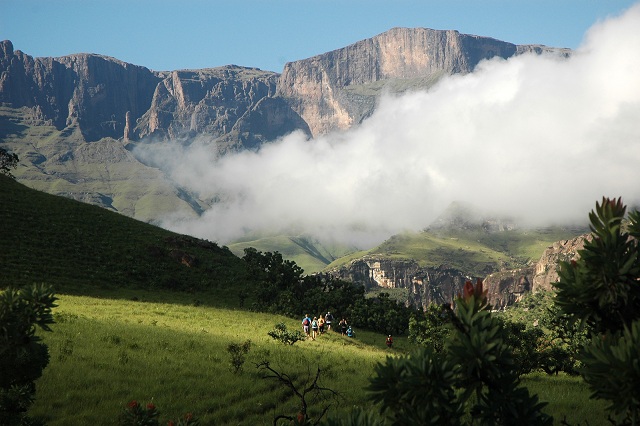
copyright Andrew Booth

copyright Andrew Booth

Giacometti’s term skyrunning is, as the name suggests, where earth and sky meet.

Today, skyrunning has grown to span some 200 races worldwide, with about 30 000 participants from 54 countries.

Formed in 2011, SASA is an associate member of the ISF, and aims to promote and facilitate the growth of skyrunning in South Africa.

“The Lesotho Ultra Trail is the ideal event to pioneer the way forward for skyrunning in southern Africa,” said SASA chairman James Hallett.

“Not only does the location and route of the race represent the philosophy of skyrunning, but we have no doubt that it will the race be of a world class calibre. Offering spectacular terrain, incredible high altitude vistas and a 5-star host venue, we are extremely excited about the prospects of the Lesotho Ultra Trail.”

copyright Andrew Booth

copyright Andrew Booth

Hallett is confident that the Lesotho Ultra Trail will be incorporated into the ISF World Ultra Series, a new addition to the Federation’s global series offering.

“Following the inaugural running of the race in November, we will submit our recommendation and application to the ISF for possible consideration into the 2014 series. If successful, this will put South Africa into the world skyrunning arena, further exposing our country to top international athletes.

Booth said he believed there to be a great synergy between the race, its location and the development of skyrunning in South Africa.

“The Maluti Mountains offer some of the best terrain for high altitude running in the world. To be able to stage what is sure to become a world class event in this region is very special, and we look forward to playing a role in the pioneering of skyrunning in southern Africa.”

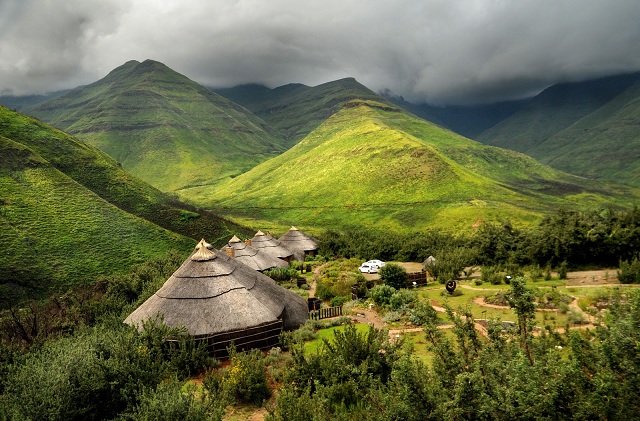
courtesy of Maliba Lodge

courtesy of Maliba Lodge

He added that the event’s partnership with Maliba Mountain Lodge as host for the race added an extra angle of quality to the event.

Hallett added that as the first official skyrunning event in southern Africa, the Lesotho Ultra Trail will also help facilitate the creation of a national circuit of skyrunning events.

“The Lesotho highlands and the regions of South Africa surrounding Lesotho are prime skyrunning regions, and we will be working with other race organisers in this area and around South Africa to develop the opportunities that present themselves there,” concluded Hallett.

Image credits:

LUT1: courtesy of Maliba Lodge

LUT2-4: Andrew Booth

TNF Trans Gran Canaria – Results

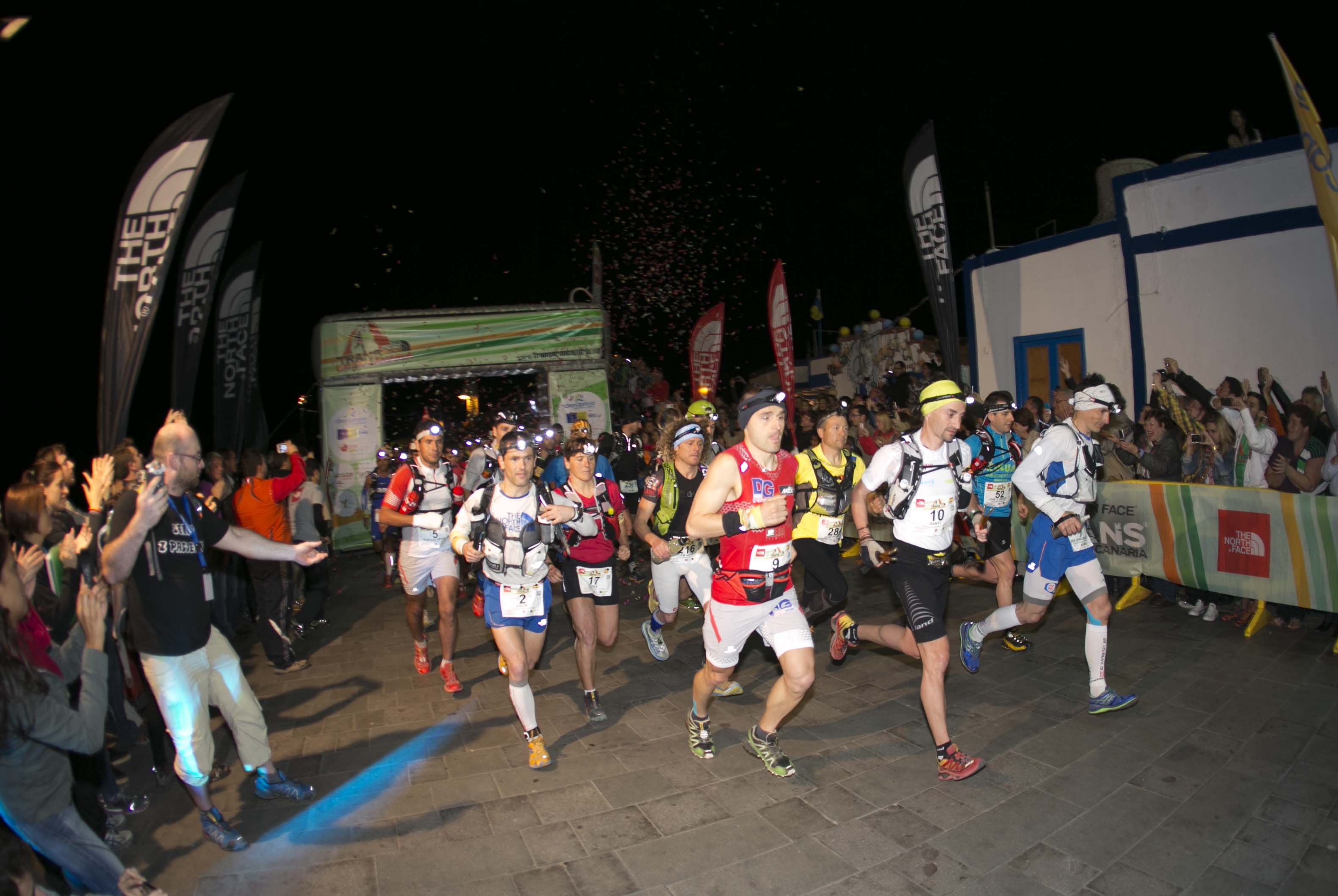
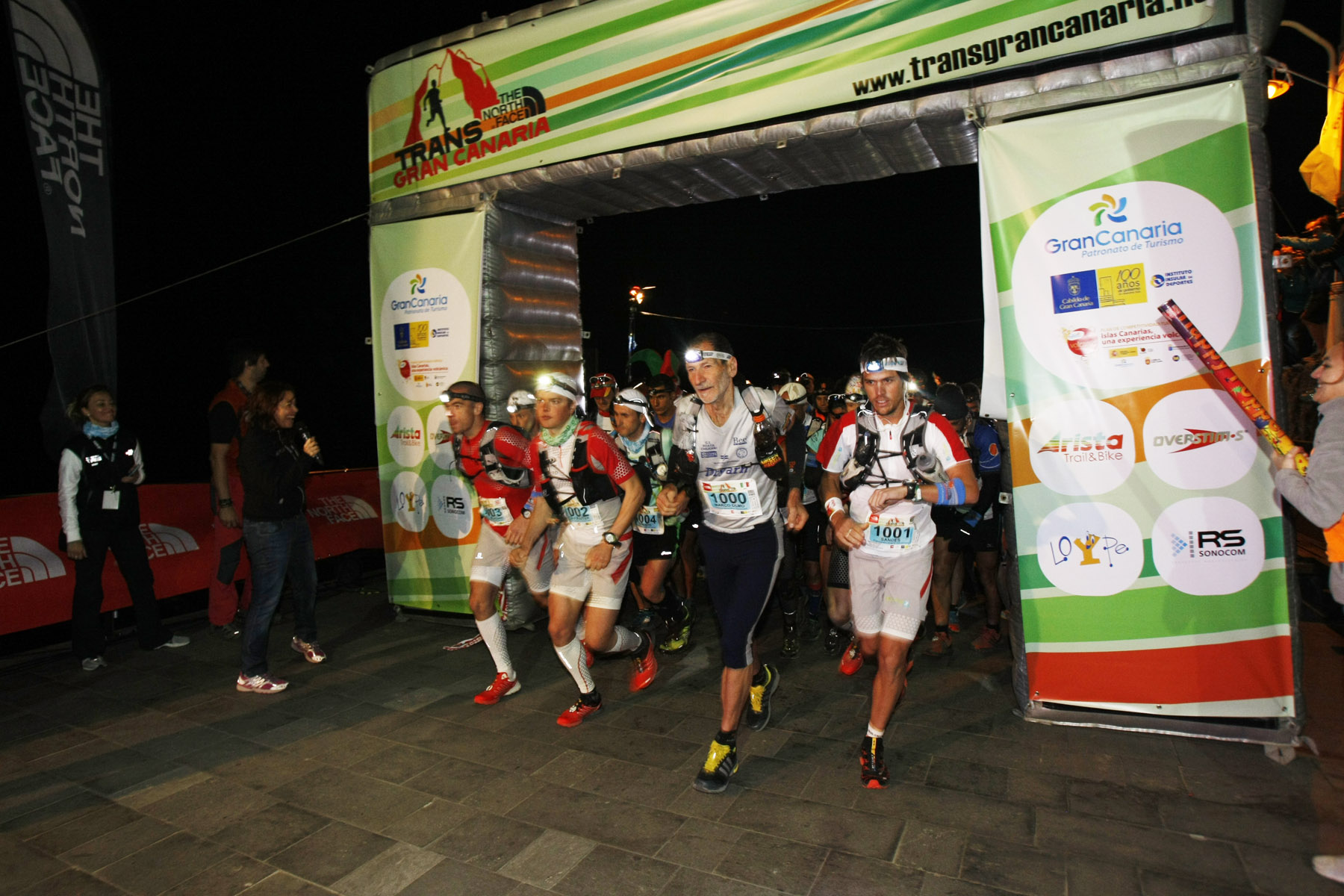
Tough weather conditions took it’s toll on the 2013 The North Face Trans Gran Canaria with some key favourites in the 119km race dropping – Miguel Heras, Carlos Sa and Gustav Reyes amongst others did not make the finish.

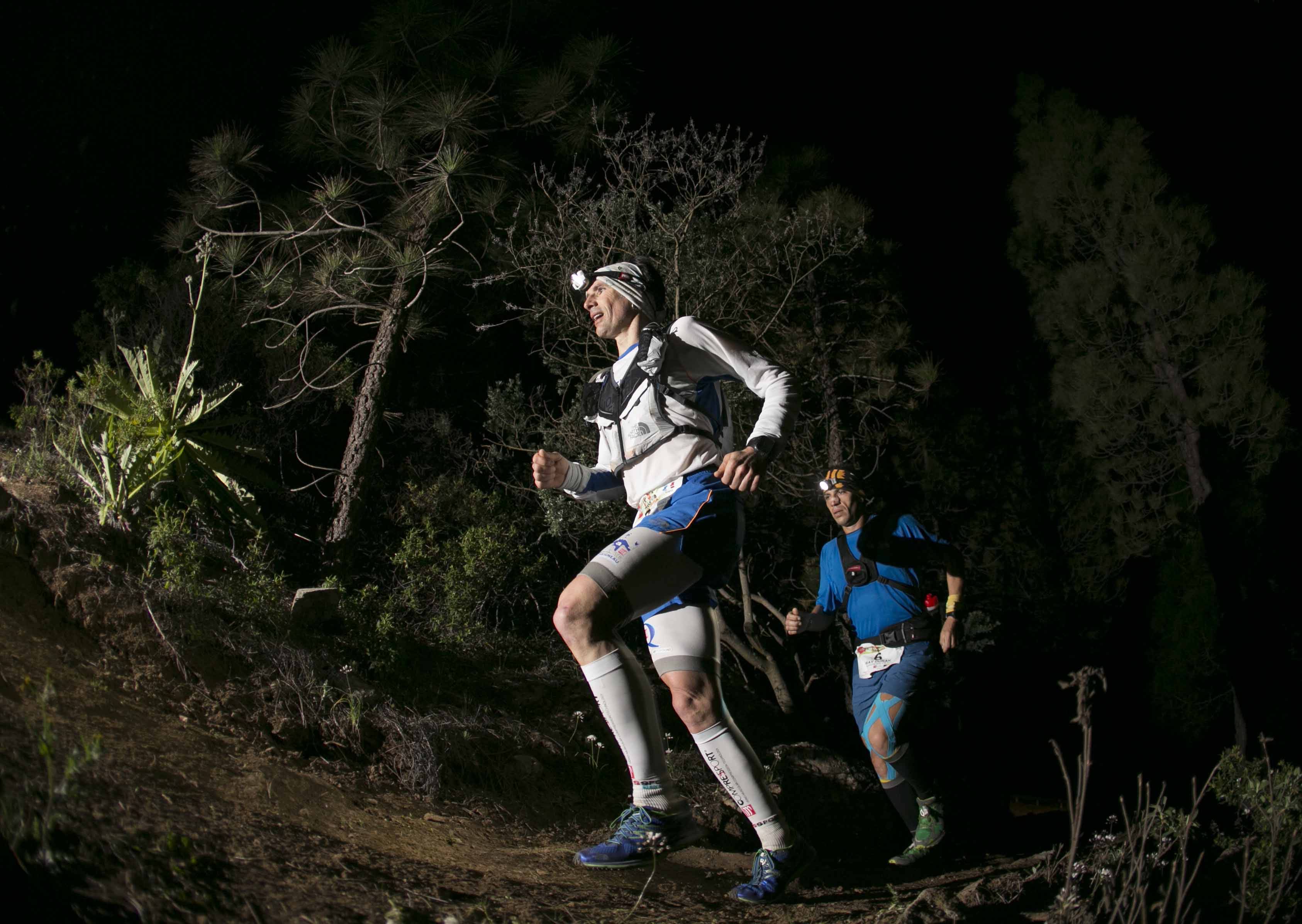
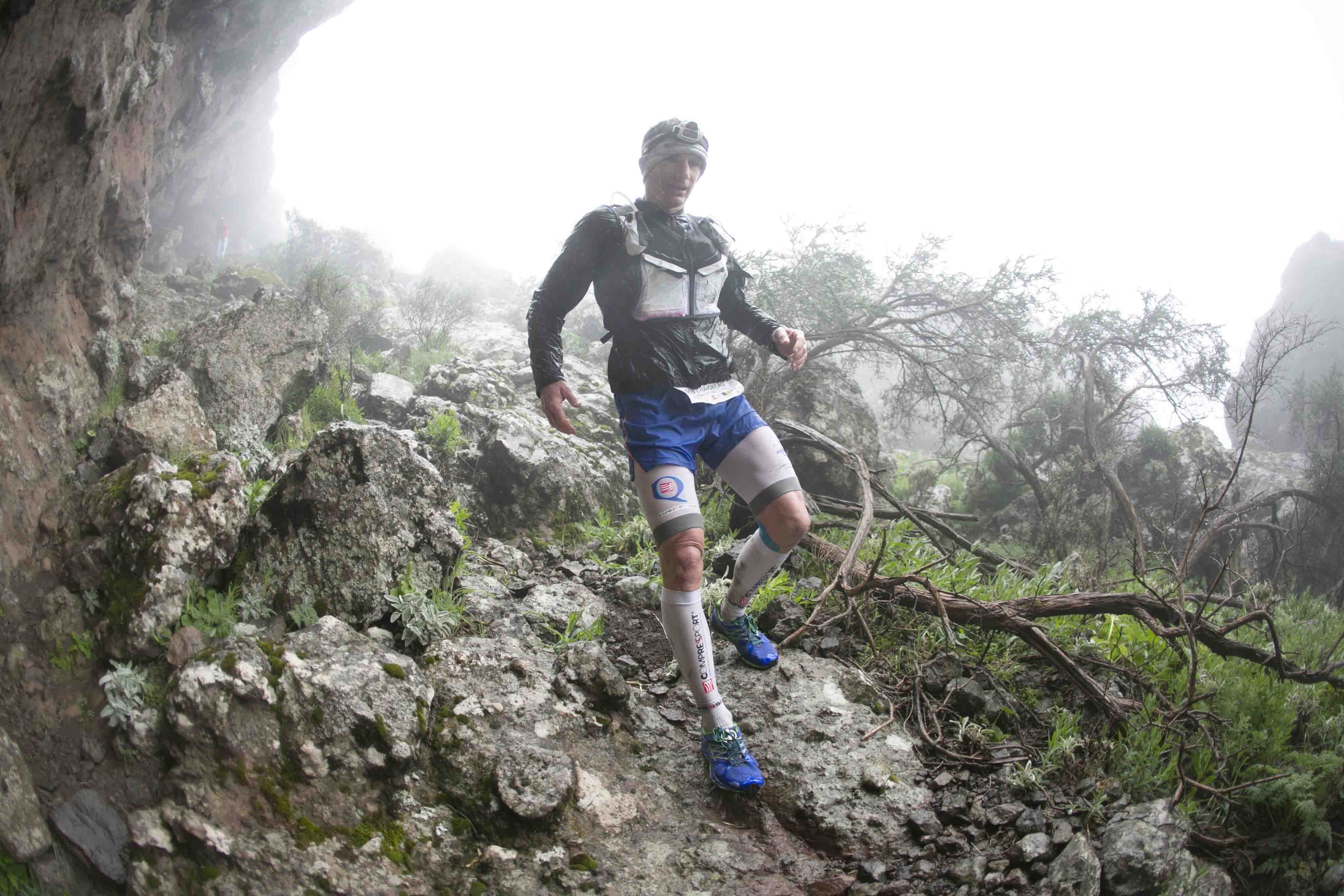
A super motivated and inform Sebastien Chaigneau dominated the race for The North Face team and secured a dominant victory. After a mixed year in 2012 he will be really motivated and confident with this performance. Oier Ibarbia was 2nd some 25 minutes behind and Yeray Duran was 3rd another 30 minutes behind.

Nerea Martínez completed the 119km race in 17 hours and 16 minutes to take the win, the Canarian, Esther Fernández placed 2nd once again (same as 2012) and the Swiss Denise Zimmerman placed third.

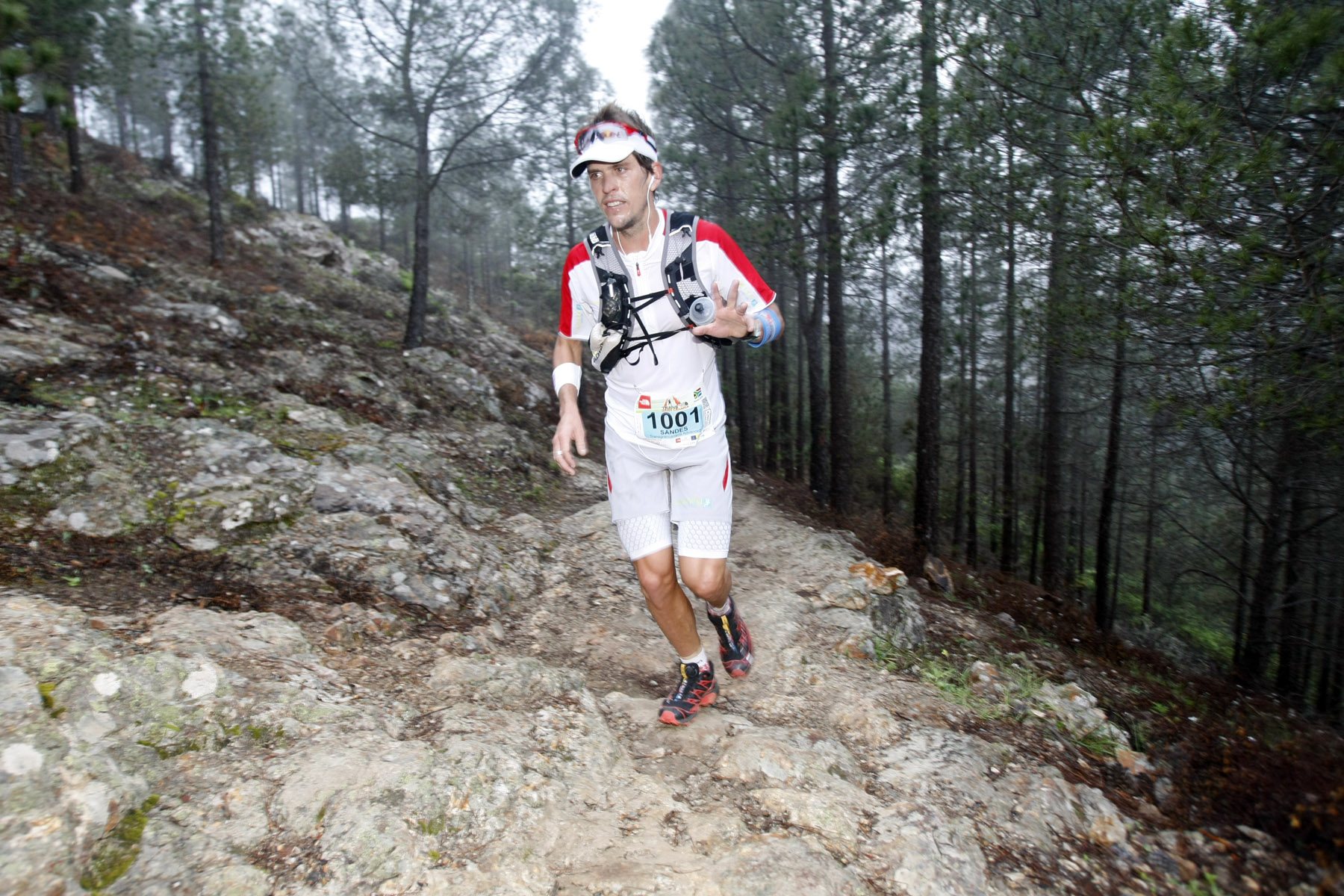
In the 83km race as predicted, Ryan Sandes dominated the race to take the win and in doing so has now won races on four continents. It’s a great start to his 2013 campaign. Behind Ryan was his Salomon team mate, Philipp Reiter. Philipp has only just come of skis so he has found form very early. It will now be interesting to see how he performs on anothe Canary Island in May for the Transvulcania La Palma. Taking the final spot on the podium was David Lutzardo.

In the female category of the 83k race, Yurena Castrillo got first. Lidia Gómez arrived in the second position: she was one of the favourites due to the fact that in the past she had won three times this race. Sophie Grant, the New Zealand runner, placed third.

The marathon race was won by Marcin Świerc in  02:58:53 dominating the distance ahead of Lexis Almedia Benitez who was over 15 mins behind. Rafael Bethencourt Guimera completed the podium 30 minutes behind the winner.

Emelie Forsberg from Salomon running once again confirmed that she is ‘one to watch’ in 2013 by winning her first race of the season. Nuria Dominguez arrived at the finish just 3 mins behind Emelie and Janelle Tarum arrived 10mins later.

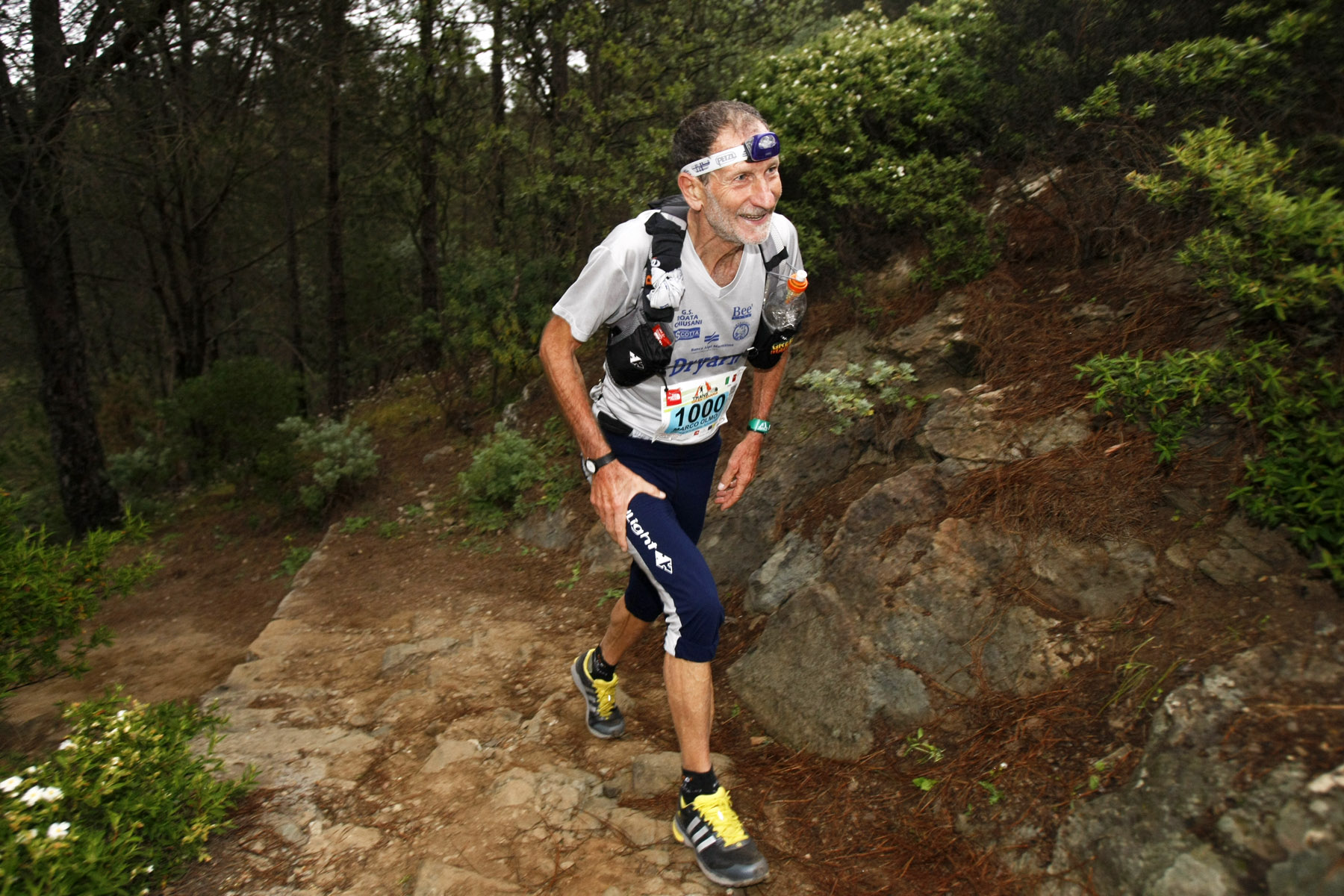
TRANS 1 (1) TransGranCanaria 2013 - AdvancedMarco Olmo racing the 83km

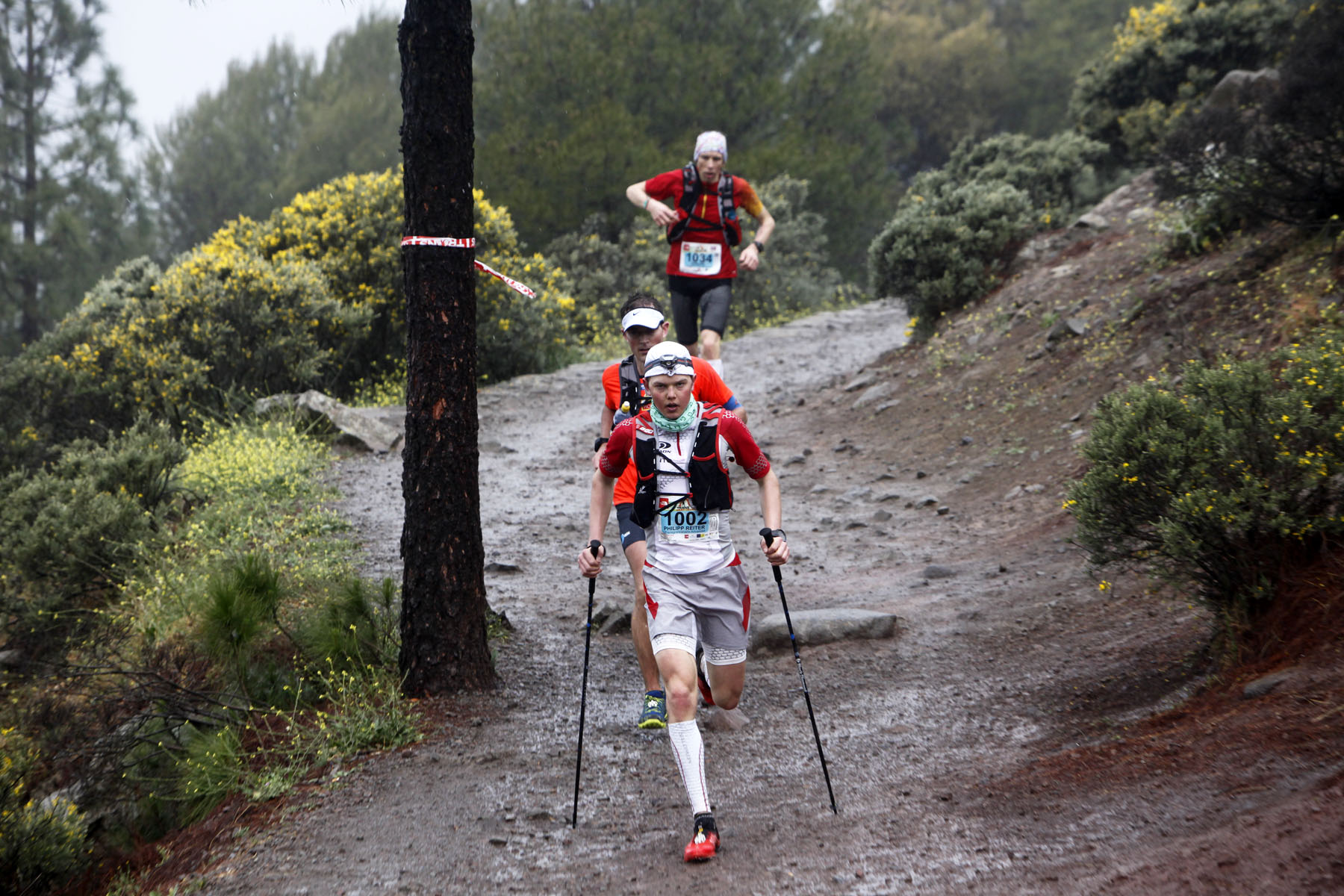
TransGranCanaria 2013 - AdvancedPhilipp Reiter in the early stages

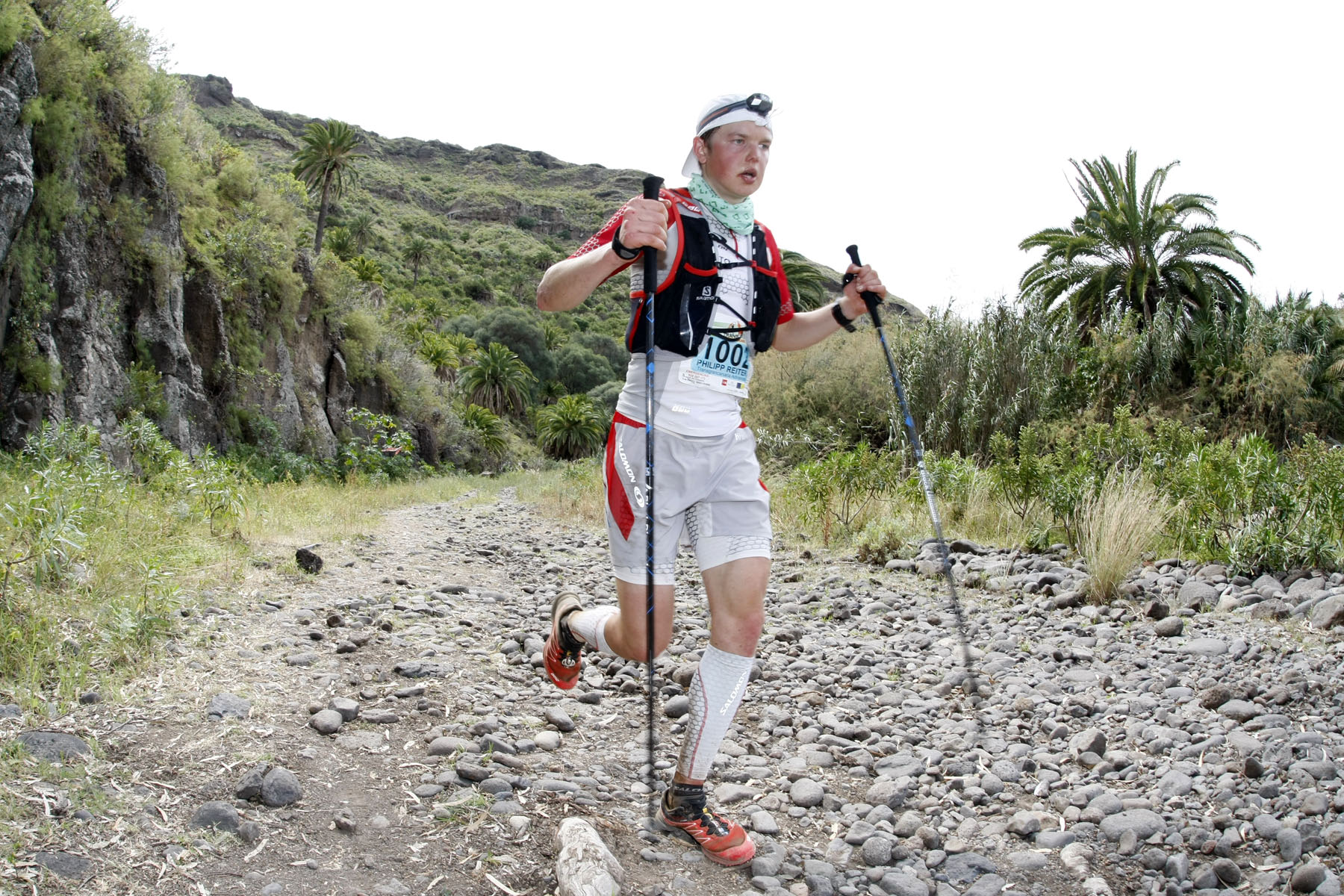
TransGranCanaria 2013 - AdvancedPhilipp Reiter putting his poles to great use for 2nd place in the 83K

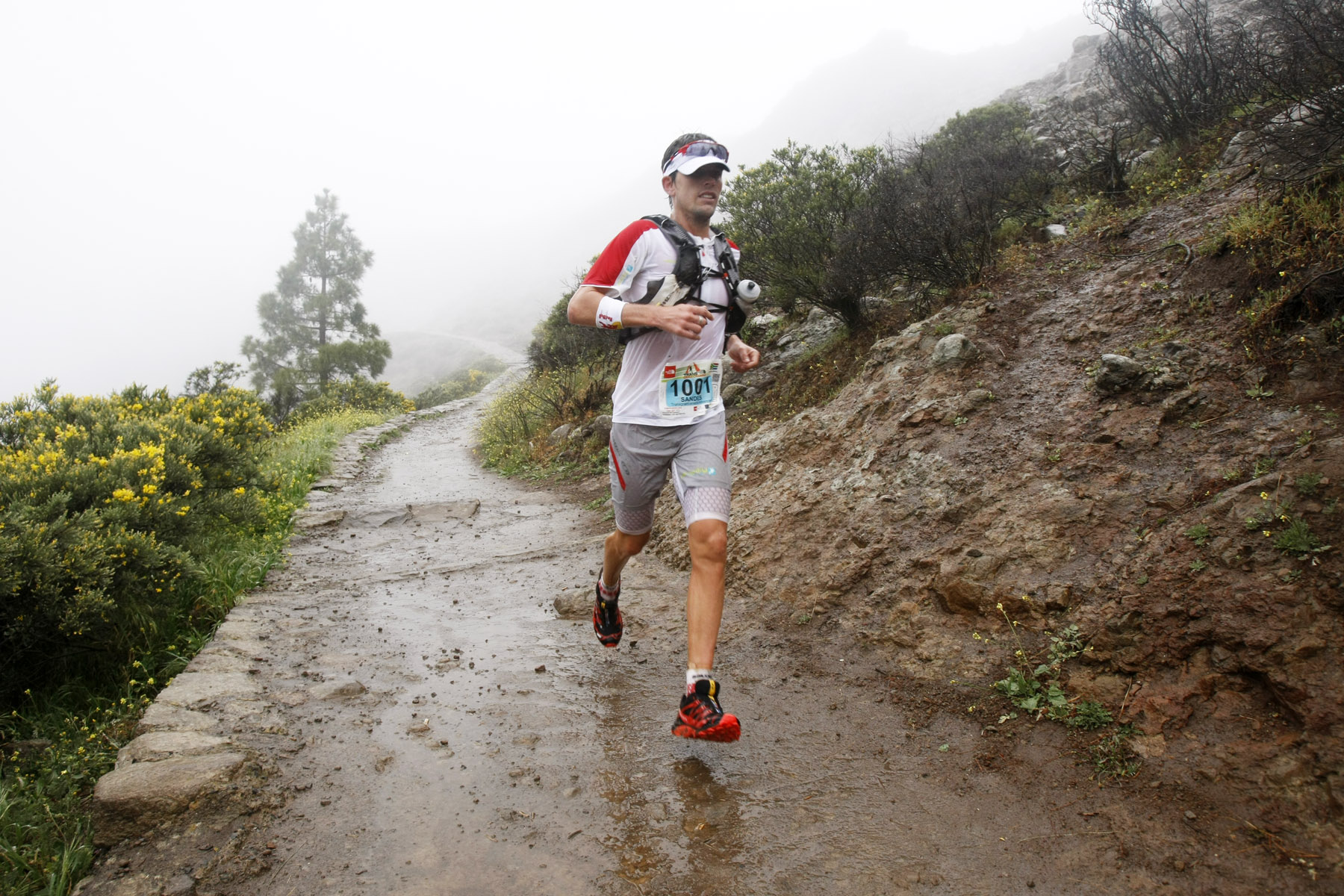
TransGranCanaria 2013 - AdvancedRyan Sandes on his way to victory in the 83k race

TransGranCanaria 2013 - AdvancedRyan Sandes

TransGranCanaria 2013 - AdvancedSeb Chaigneau in the early hours of the morning after a midnight start

TRANS 1 (2)Seb taking a really tough section of trail in his stride on his way to victory in the 119km race

TRANS 1 (3)Ryan talking about another victory. He has now won races on four continents

TransGranCanaria 2013 - AdvancedRESULTS

CLASIFICACIÓN GENERAL MASCULINA 42 KM

  1. MARCIN ŚWIERC 02:58:53
  2. ALEXIS ALMEIDA BENITEZ 03:15:19
  3. RAFAEL BETHENCOURT GUIMERA 3:28:17

CLASIFICACIÓN FEMENINA GENERAL MARATON 42 km 

  1. EMELIE FORSBERG 03:42:55
  2. NURIA DOMINGUEZ 03:45:46
  3. JANELLE TARUM 03:54:52

CLASIFICACIÓN GENERAL MASCULINA 83 KM – Ladies results to follow

  1. RYAN SANDES 08:11:26
  2. PHILIPP REITER 08:27:30
  3. DAVID LUTZARDO 08:46:02

CLASIFICACIÓN GENERAL MASCULINA 119 km – Ladies results to follow

  1. SEBASTIEN CHAIGNEAU 14:05:53
  2. OIER IBARBIA 14:30:52
  3. YERAY DURÁN 15:03:23

Ryan Sandes – Trans Gran Canaria

iancorless.comP1000828

“Howzit”

“I’m good Ryan, it’s great to finally meet up”

Ryan Sandes in Europe is quite a treat and for sure, the runners on Gran Canaria appreciate it.

Our first meeting is in a secluded mountain campsite. Ryan has arrived from South African heat so the chill in the air is noticeable by the several layers he is wearing. Our initial chat is purely a catch up about mutual friends and who is doing what. But then over dinner we discuss the season ahead and what it holds.

iancorless.comP1000777

We discuss the pitfalls of too much racing and too much training and Ryan explains that the end of February, beginning of March is still VERY EARLY in the season. His decision therefore to move from the 119km race and enter the 83km seems logical.

Ryan very much carves his own niche in the ultra world. Maybe the ‘isolation’ of South Africa allows him to do this? But what is for sure is that this guy nows exactly his strengths and weaknesses and knows how to maximise what he has.

“My first marathon was like teenage sex… it wasn’t pretty”

Ryan explains at a talk/ video presentation at the H10 hotel in Meloneras on the southern coast of the island. He has a great story, an ex rugby player who stopped growing and decided to move sports… He ran a marathon, it wasn’t pretty but somehow picked up the bug. He wanted a challenge and thought big! So big he chose a multi stage race in the Gobi desert.

Why did he choose it?

“Well the Gobi desert sounded like a cool place to go but to be honest, I didn’t even know where it was let alone a multi day race. But I gave myself six months, trained hard and amazed myself by winning the race”

iancorless.comP1000908

Quite amazing. That natural ability came through and he then went on to win all the ‘four’ desserts.

2010 4 DESERT CHAMPION AND ONLY COMPETITOR TO WIN EVERY STAGE OF EACH OF THE 4 DESERT RACES (www.4deserts.com)

Always looking for a challenge he needed to test himself against the best in the world, at the time this ‘stage’ for ultra running was America. Paced by team mate, Anna Frost, Ryan ran Leadville 100 in 2011 and won it! Suddenly the North American runners started to take notice.

Results 2011

2011 The North Face 100 Australia – 3rd

2011 The Salomon Zugspitz Ultra – 4th

2011 Leadville 100 Mile Trail Run – 1st in 3rd fastest time in history

iancorless.comP1000658

In 2012 all attention was focused on Ryan as he moved to the ‘Big Dance’ Western States 100. After a win at Vibram Hong Kong 100km Ultra (new record) and The North Face 100 in Australia what would Ryan do… many thought that ok, yes, he won Leadvillie and yes, no doubt he is a good runner. But this is Western Sates!

iancorless.comP1000788

An usually cold year at the Big Dance produced the fastest year on record with Timothy Olson setting a new bar for the 100 mile race. But pushing him all the way was Ryan. Ryan crossed the line in 2nd place also breaking the old course record set by Geoff Roes.

Results 2012

2012 Vibram Hong Kong 100km Ultra – 1st in new record

2012 The North Face 100 Australia – 1st

2012 Western States 100 Miler USA – 2nd in 2nd fastest time in history

2012 Fish River Canyon Trail – 6h 57min ( record time )

The Fish River Canyon was a personal project… a fastest known time attempt. He had tried the ‘fish’ before and as he explained at his talk;

“I looked at the distance and thought, no problem. I just wasn’t prepared for the severity of the course. It chewed me up and spat me out”

Returning to the Canyon in 2012 he put the demons to rest and as his video shows, he tamed the beast that had chewed him up.

The Beauty of the Irrational

So how will Ryan perform at Trans Gran Canaria in 2013? Well for sure, he is going to be competitive. However, he does have ‘Wonder Kid’ Philipp Reiter to race against plus plenty of other talent. Very often in these events the focus is on the ‘main’ event. At Trans Gran Canaria that is the 119km race. With Sebastien Chaigneau and Miguel Heras on the start line of the 119km, a classic race is in the making, but don’t forget the little brother, I think this year spectators and followers of ultra racing are going to get a 2 for 1 deal.

iancorless.comP1000871

You can see images from my photo shoot with Ryan HERE

Ryan Sandes website HERE

You can check out the race website HERE

Follow the race on Facebook HERE

TNF Trans Gran Canaria – Pre Race

iancorless.comP1000078

It was a cold night in the mountains… the hot temperatures on the coast at lunch had disappeared. Wrapped under four blankets and still fully dressed during the night we emerged to a glorious new day.

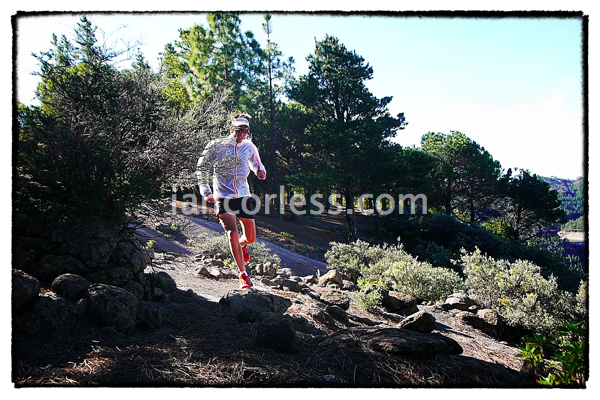
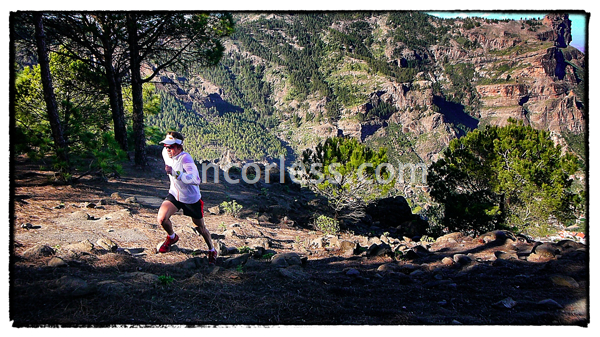
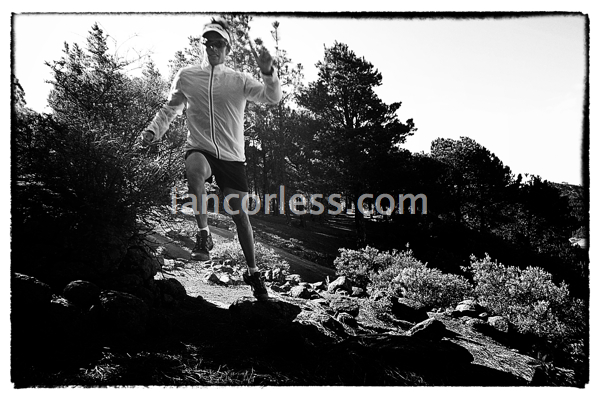
As the sun rose so did the temperature. It wasn’t really hot but hey, it was warm enough. A couple of hours on the trails to allow me to capture images, that is all I needed. I love the light in the mountains. It’s warm and at this time of the year the sun is low in the sky providing some strong directional light.

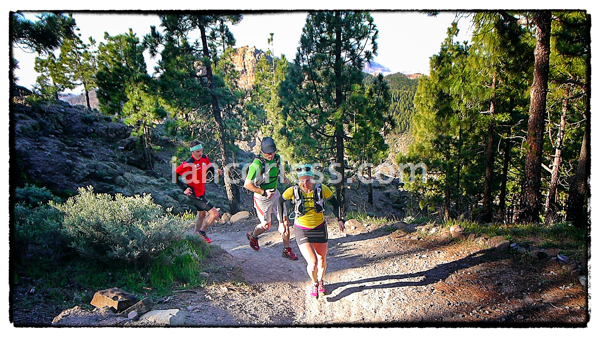
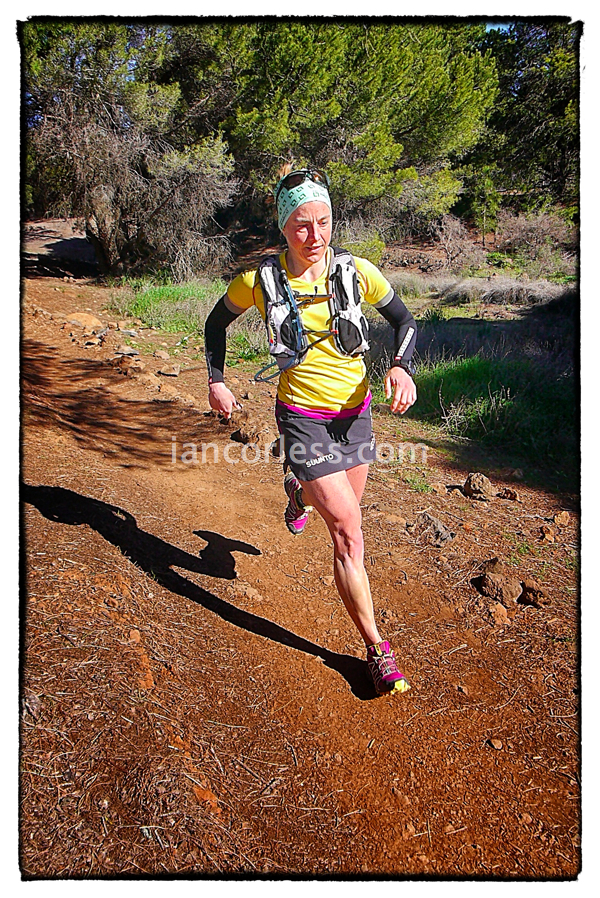
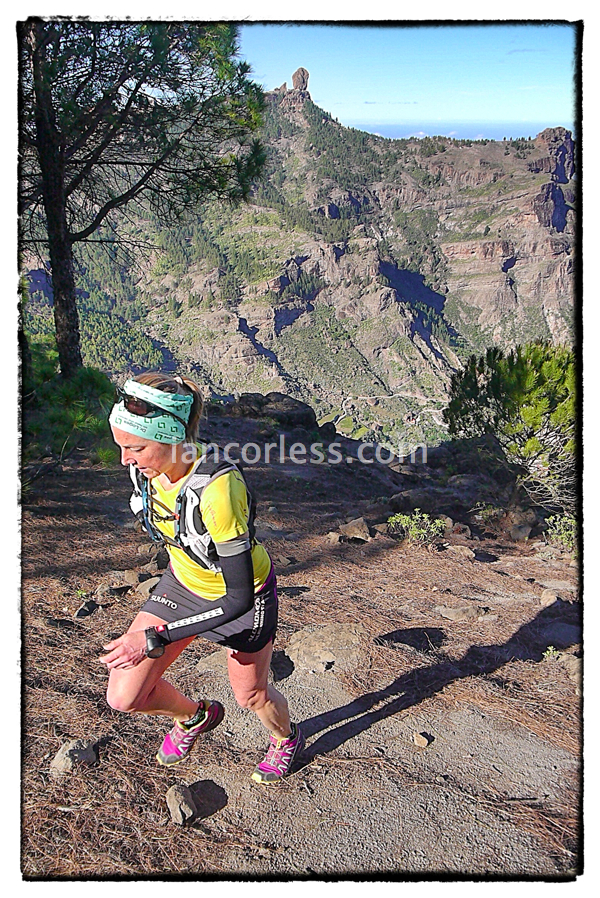
Gran Canaria has some incredible trails and when you put Ryan Sandes, Philipp Reiter and Trailschnittchen Julia Böttger on them and only good things can come of it.

Philipp was like a wound up cork, he literally hasn’t run for 3 months. He has been skiing. It didn’t affect him, he shot up the trail immediately and we chased. What followed was a series of memorable moments on some incredible trail. Here is a highlight but you can see all the images HERE.

iancorless.comP1000276

iancorless.comP1000367

iancorless.comP1000468

iancorless.comP1000658

iancorless.comP1000875

iancorless.comP1000871

iancorless.comP1000777

iancorless.comP1000709

Our morning fun over we left for the coast at midday. A leisurely lunch of fresh seafood and salad with views of the beach. The break over and another short journey, we arrived at what can only be referred to as a palace. Our hotel for 2 nights, the H10. In incredible hotel.

Ryan Sandes did a talk and presented a video of his Fish River Canyon run. It was a really enlightening and informal chat… I have to say, Ryan came out with some great quotes:

“My first marathon was like a teenager having sex… It wasn’t pretty!”

“I enjoy the mental aspect of ultra trail races. Immense highs and lows. I’ve learnt lots about myself. But it’s about enjoyment. I really respect those runners that take twice as long to complete the race than I do…. But, they get better value for money!”

“Lots of foot prints on the trail, do you follow them or do you make your own?”

So as our first day draws to a close it’s time to make the most of the H10 hotel and take advantage of a wonderful dinner laid on for us by the management.

Ryan Sandes website HERE

Philipp Reiter website HERE

Julia Bottger website HERE

The TNF Tran Gran Canaria website HERE

Marco Olmo – The Runner

trailsinmotion

TRAILS IN MOTION Film Festival

Big shout out here to my buddy, James at GoTrail for getting this incredible project off the ground and showcasing some of the best in trail movies.

I am eager to see the Marco Olmo film, ‘The Runner‘ but I am equally stoked to see that friends, Dean & Greg from The African Attachment will be showing ‘Collective Dreams‘. Collective Dreams is a film that delves into the professional world of trail running – a sport rapidly growing and changing around the world. At its core, trail running is a solitary pursuit born out of a love of the mountains. The film follows a group of individuals finding their way in this new professional world and, as they learn and gain experience, they are brought together by this common bond as a team and as friends.

The Trails in Motion Film Festival is a project aimed at creating an artistic and engaging platform to showcase the imaginative and awe-inspiring trail running film productions of both local and international film makers.

The objective is to not only capture the true spirit of trail running through the screening of high quality films and documentaries, but ultimately develop an exciting social and visual experience for everyone who shares a connection with the trail and a deep appreciation for the creative expression of others.

An initiative by GoTrailmedia

Ryan Sandes


Guest Host – Ryan Sandes

It has only taken four short years for ultra-marathon ace Ryan Sandes to rise to the very top of his game, earning the prestigious honor of winning all four of the 4Deserts events. He received this record-breaking accolade after a first place result in the Last Desert event in Antarctica at the end of 2010. The human running machine from South Africa led the 250km event from start to finish, battling challenging sub-zero temperatures and treacherous conditions with ice underfoot on the hilly course.

With his focus now shifted to some of the world’s premier single staged 100 kilometer and 100 mile endurance races, Ryan continues to work hard at achieving his goals, all the while maintaining the balance of life. More recently, Ryan’s achievements have included a win at the 2011 Leadville Trail 100, the 2012 TNF100 in Australia, a second place finish at the 2012 Western States 100 as well as a record breaking run through the Fish River Canyon in Namibia towards the end of 2012.

FILM LINE UP

Emilie Lecomte | portrait of a trail runner

Runtime: 6 minutes

Directed by: scenario-s.com

Produced by:  Quechua & Montagne TV


Il Corridore | The Runner

headline_2013

Runtime: 52 minutes

Directed by: Paolo Casilas and Stefana Scarafia

Produced by:  BODA’


Mountain Of Greatness

Runtime: 24 minutes

Directed by: Andrew King

Produced by:  D4 Productions


Collective Dreams | The Documentary

Runtime: 26 minutes

Directed by: Dean Leslie

Produced by:  Greg Fell


HEADLINE FILM

Marco Olmo – The Runner

Runtime: 52 minutes

Directed by: Paolo Casilas and Stefana Scarafia

Produced by:  BODA’

Marco Olmo is a living legend of extreme ultra-running. In his “previous lives”, as he says, he has been a farmer, a truck driver and a workman. Running has became his reason for living, the way to take revenge on his hard destiny. At the age of 58 he has became Ultra-trail World Champion, winning the Ultra Trail du Mont Blanc in France, the hardest and most important endurance race in the world. make no mistake about it, this is no easy feat: over twenty hours of uninterrupted running, 167 km (over 100 miles) and a circumnavigation of the tallest mountain in Europe. An almost unimaginable specialty, where mental and physical training and personal motivations are fundamental.
Despite age, physical problems and always younger and more prepared opponents, he doesn’t want to stop. For one year he prepares for the new edition of the Ultra Trail du Mont Blanc. This competition, which for two consecutive times has consecrated him as the champion, could become the last of his career. Marco must win, to show himself that he can still do it.
This is his story.

Meet the Film Makers HERE


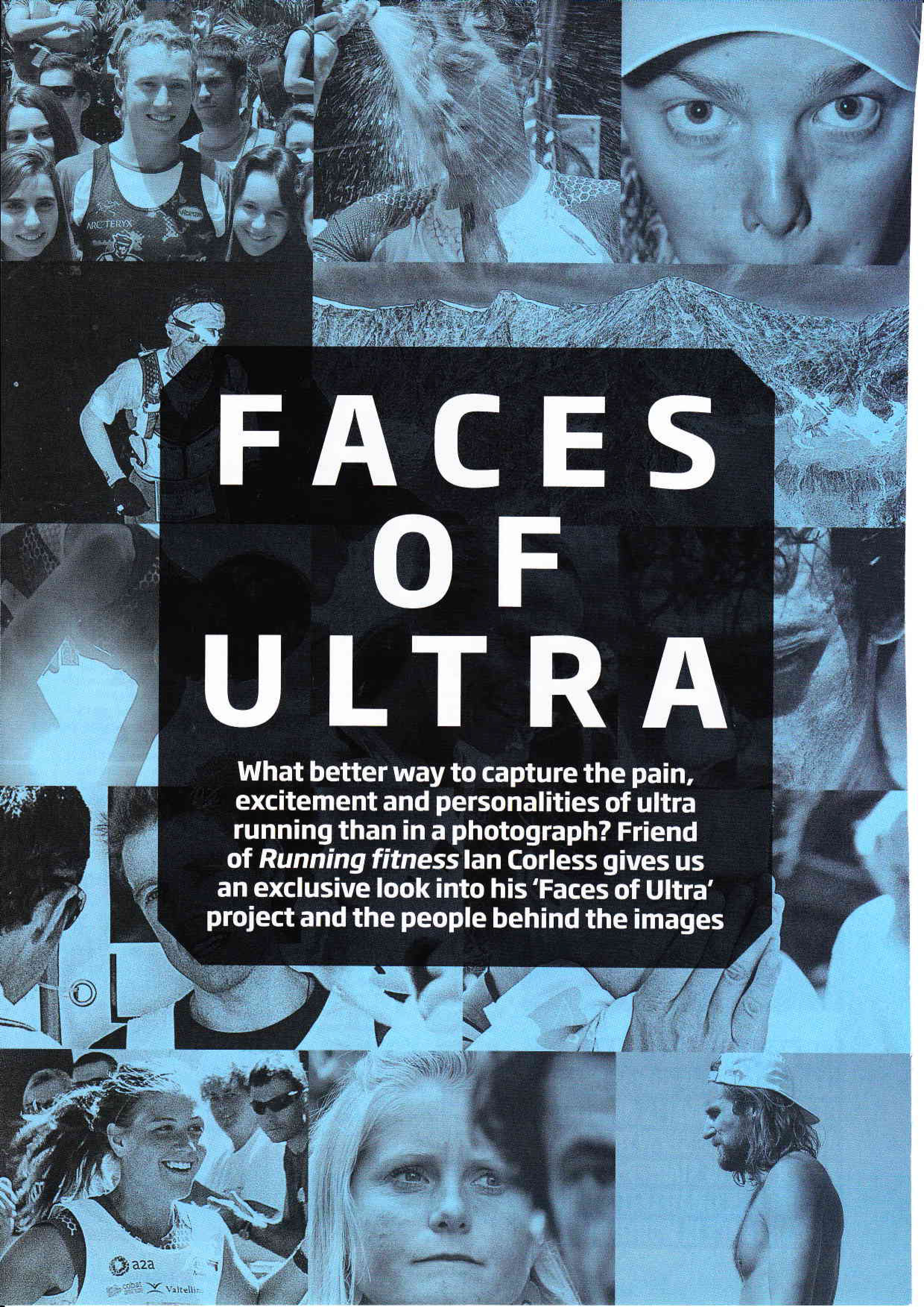
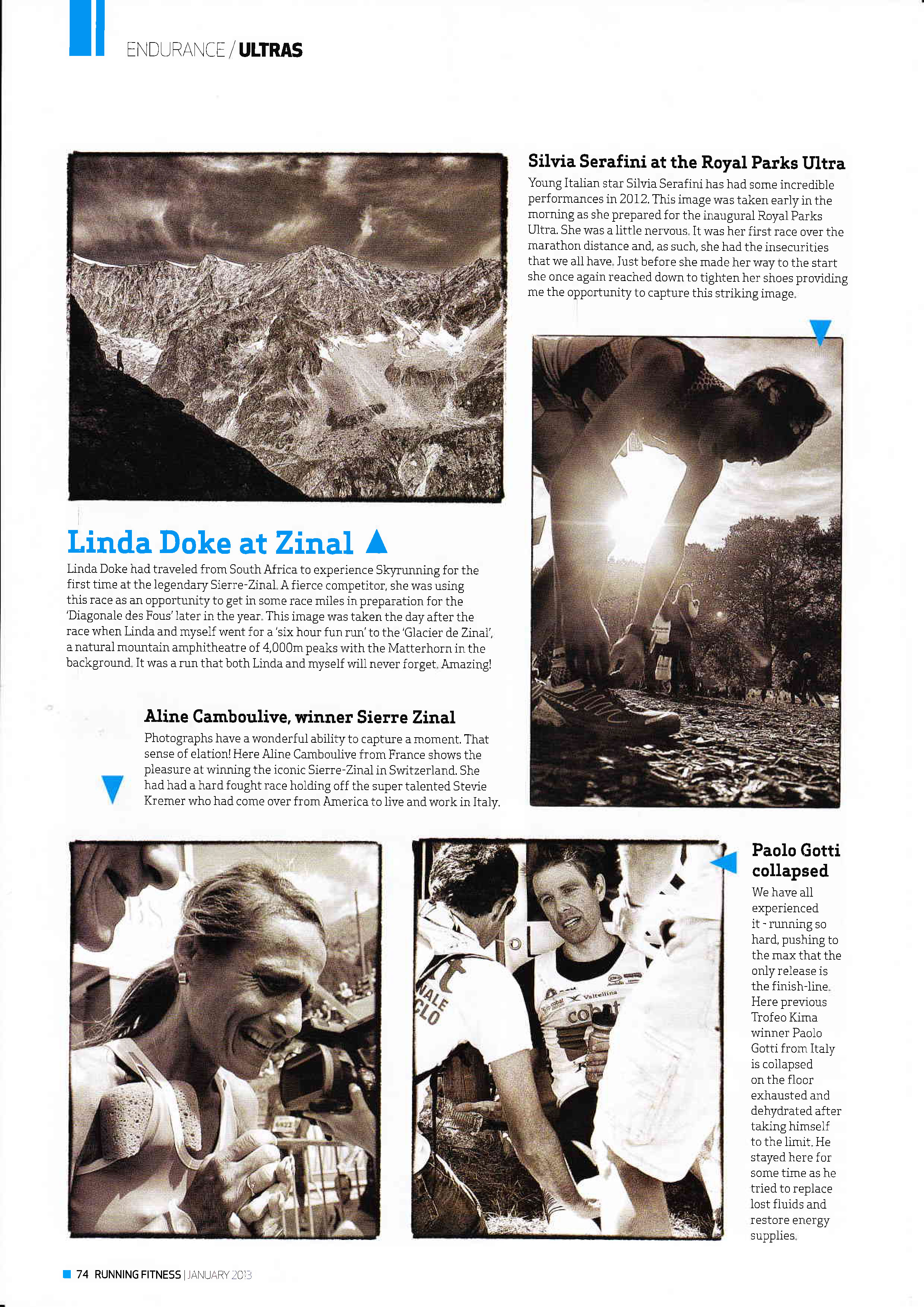
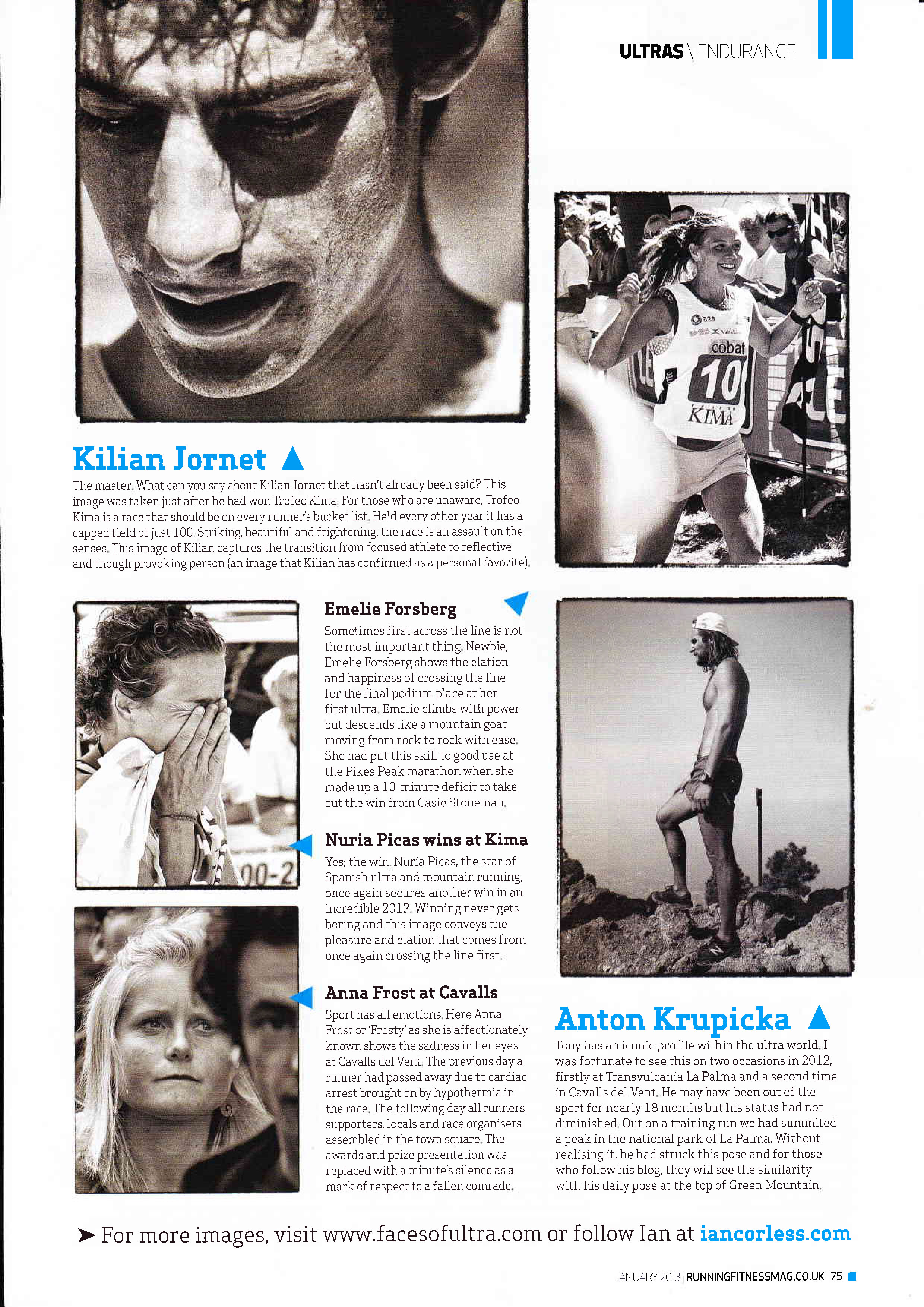
Faces of Ultra

A selection of images from my personal project, ‘Faces of Ultra‘ have been published in the January edition of Running Fitness.

You can view more images at the website www.facesofultrs.com

Pg1


Pg2


Pg3


Pg4

Runners World South Africa

Linda Doke and myself had the opportunity to go for an incredible 5/6 hour play in the mountains after the iconic Skyrunning Sierre-Zinal earlier this year.

For me it was everything one could wish for… awesome trail, fantastic views, beautiful weather and the opportunity to take some great images.

One image has been used in Runners World South Africa. The article features Linda writing about 5 International trail races.

Salomon Skyrun South Africa

Ryan Sandes talks about his prep via this link HERE

watch?v=AsFBJj8b6H0

RACE DATE November 3rd

Official website HERE

Who to watch for the 2012 race

This 2012 Salomon Skyrun is going to be a great race! Defending Champion, Bruce Arnett will be back but he is going to have to beat Iain Don- Wauchope who recently won the Otter (Retto) with a sub 4:30 course record and Salomon sensation Ryan Sandes who placed 2nd at the Western States. Others to watch out for are Dreyer van Huysteen, Paul Mokehetsi and Salomon Athletes Jock Green and Lance Chapman. It is 100km of self-supported, self-navigation running so experience really counts!

Several potential winners in the Ladies race with Sue Chapman, Landie Visser Greyling and Yancey Truluck taking on the experience of local Donna Green.

RACE INFO (taken from race website)

The First Official SKYRUN : The first official Skyrun took place in 1997 with 15 maverick ‘Skyrunners’, however Skyrun had to be cancelled at Snowdon Peak due to extreme weather conditions, gale force winds, snow and sleet. At the time we had a TV film crew in attendance with ‘Old Mutual World of Endurance’, motivated by Two Oceans organiser Chet Sainsburry. John Fobian and Brent Robart assisted with a SAPS Helicopter and medical support back up. The following two Skyruns 1998 with 27 finishing and 1999 with 44 Skyrunners, both ended in Rhodes with consistent winner, Bruce Arnett who started his winning streak in 1998, in his first attempt at trail/wilderness running. Helen Collins then editor of Runners World SA labelled Skyrun as “SA’s Ultimate Ultra”, in the April 1998 Runners World, unfortunately in participating in 1998, Helen baled out at Olympus Peak after suffering from altitude sickness, however her companion and good friend, Talia Raphaely completed the Skyrunning adventure in really ‘heavy’ weather getting caught up in lightning strikes and thunderstorms. Articles in the Comrades Magazine Beyond 42 confirmed these initial claims. In the year 2000, 60 Skyrunners started with 41 completing the distance now ending at Tiffindel Ski. 2001 had 82 entries and 2002, 77 entries. 2003 was almost washed out with extreme floods, where many streams could not be crossed due to flooding. We had SANDF, military support from the men in Umtata under the command of Lt/Col Louis Buys.

Running Wild – Flying High : The Tiffindel finnish is too keep Skyrun essentially what I see as a ‘pure’ Mountain Wilderness Run, on an unmarked trail, in as much it follows the main ridge line of the Witteberge and Southern Drakensberg along the Herschel Border fence line, serving as a very basic route indicator. This was the initial route until the ‘short cut’ pioneered by Bruce Arnett for ‘speed’ and ease, became the accepted route, cutting out the Snowdon Annex and the main ridge line through to Avoca Peak, from Snowdon Peak.

The Destination:

The Witteberg is a South African mountain range just off the south-west corner of Lesotho. The range, which rises to 2408 metres, stretches for about 60km from Lundin’s Nek in the east to Lady Grey in the west. The range lends its name to the Witteberg Series, the uppermost fossiliferous sequence of the Cape System of sedimentary rocks in South Africa. The race starts in the town of Lady Grey which is famous for its annual Nativity Play and its quaint houses and incredible scenery. Discover the wonder of Balloch cave along the route with it bushman art and idyllic setting nestled between some of the highest peaks in the Witteberg.

The Witteberg range is one of the most picturesque places in South Africa with some distinctive peaks like Avoca and Halston Peaks dominating the skyline.

The Terrain:

The Salomon SkyRun is true mountain running with a variety of terrain from hiking paths that lead you up to the tower, some jeep track is a welcome relief from the majority of the terrain which is on the mountain side as this is a self-supported and self-navigation the route choice is very much in the hands of the individual competitors. Once you have left the town of Lady Grey behind the beauty and remoteness of these mountains soon engulfs you and it is not uncommon to run for the entire race without seeing much civilization around you except those involved in the race.

The fauna and flora is incredible and there are over 650 plant and 80 animal species know to habitat the mountains of the Witteberg.

The Trail:

The Salomon SkyRun and SkyRun Lite are unique in that they are truly self-supported and self-navigational races, where athletes tackle the remote terrain of the Witteberg Mountain range with a Map a Compass or GPS unit and a back pack containing all there food, water and compulsory equipment that will enable them to survive in this harsh environment, while operating at an average height of between 2200-2500 meters above sea level.

The trail starts in Lady Grey and the first 65km of the route is the same for both races, after the compulsory stop and medical check at Balloch are the Skyrunners allowed to continue while the Lite runners have completed their journey. The route climbs sharply out of Lady Grey to the first check point at the Tower; this is about a 12km run and is a combination of hiking trails and mountain running. As you climb the trail to the tower the majestic landscape unfolds in front of you and it now feels as if you are on top of Africa. Following the fence line you make your way along the ridge line to the second check point which is at Olympus, this is another 10km and the terrain is now devoid of paths and trails and athletes must decide which is the best route to the check point. After Olympus the athletes can pick up a small trail that will lead them to Snowden

which is check point 3 another 11km or so, there is a natural spring just past Snowden where you can fill up your water bladders (does depend on how much rain has fallen so not always guaranteed a lot of water) before making your way to Avoca Peak the highest point (2756m) on the race. The climb up Avoca peak is challenging as the gradient is steep and the terrain is rough especially after good summer rain. From Avoca the route takes you over the “Dragonback” a ridge line that is about 3 meters wide with steep descends on either side, a fantastic formation of rock that is a feature of the race and a spectacular viewing point on a clear day. The route flattens out for a while as you move towards CP6 at Skidor which is again a leg of about 10km. At Skidor you descend into the valley down a technical descend before picking up the river that will lead you to the compulsory stop at Balloch Cave having now covered about 65km of the race.

Once Athletes have done their medical and been give the all clear by the doctor, it upwards and onwards as they take on the challenge of Balloch Wall a climb with a vertical ascent of over 500m in just 3km and back down the other side on the way to CP 8 at Edgehill Farm. Most athletes will now be operating in the dark as night fall will have replaced the harsh African sun. Navigating through the Bridal Pass from EdgeHill to the turn is tricky with a lot of athletes losing a lot of time trying to find the correct entrance into the pass that will lead them onto the ridgeline again. The Bridal pass has now been included as a waypoint on the route to assist athletes in negotiating the pass. A steady climb up the Pass will take you onto the ridgeline and to the check point at the Turn. From here you will double back toward the Wartrail Country Club via Halston Peak which is the last check point on the route. The climb down from Halston’s is technical and is made more difficult by the fact that you are very fatigued at this stage but buoyed by the fact that you are now heading to the finish at Wartrail Country Club.

The Event:

The Salomon SkyRun is an Epic Mountain run of 100km considered by many athletes to be the toughest Trail Run in South Africa. The event is made up of two options the SkyRun Lite a 65km one day run or the big daddy of trail the 100km SkyRun. The event takes place in early Nov each year and is unique in that the event is self-supported and athletes must navigate themselves between the check points on the route. This is one of the few runs that is unmarked and un-supported and this is one of the reasons that it is considered to be such a challenge and a must for most serious trail runners. Entries are limited to 250 athletes for both events.

The 100km run is not recommended if you are a novice/beginner trail runner, and proof of previous trail event finishes may be required.  Rather opt for the 65km run presented on the same weekend.

LIVE race tracking HERE

Get Ready For – The Otter

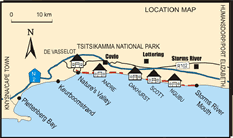
For this last episode of 3rd season of Get Ready For. Seb bring us to the heart of the Tsitsikamma National Park, South Africa. The Otter African Trail Run is one of the most popular trail in South Africa, because of its difficulty, originality and location.

It is most certainly a race for the bucket list.

Magnetic South has been given permission to run the Otter in alternate directions on a yearly basis.

2012:  from WEST to EAST, the “Up-Run” – the RETTO

2013:  from EAST to WEST, the “Down-Run” – the OTTER

The OTTER – African Trail Run – the iconic and South Africa’s most popular 5 day hike, the Otter, has been walked from Storms River to Nature’s Valley right from its inception. Following this route the Otter – African Trail Run took place 3 years in a row from East to West.

The RETTO (Otter spelt backwards) –  Two scouting runs have been done in the last month to ensure our Safety Management Plan has considered all the variables associated with running the trail in reverse. The 2012 ”Retto” as it has been nicknamed, will still include over 2600m of elevation in its 42km traversed, however the experience of running the route with the sea constantly on your right is going to give you a completely different thrill and perspective to this spectacular challenge.

The OTTER course record is held by Ryan Sandes 4:40:15 and Jeannie Bomford 5:17:12

The RETTO course record is held by Iain Don Wauchope 4:23:24 and Krissy Moehl 5:24:59