Ultra Gobi 400km 2025 : Countdown to the Desert

Ultra Gobi 2025

The stage is set. At 21:30 local time (15:30 Paris, 14:30 Lonon and 09:30 New York) tonight, Friday October 3rd, the Ultra Gobi 400km begins. Fifty-seven runners from around the world are gathered at the edge of the desert, ready to take on one of the toughest ultramarathons on earth.

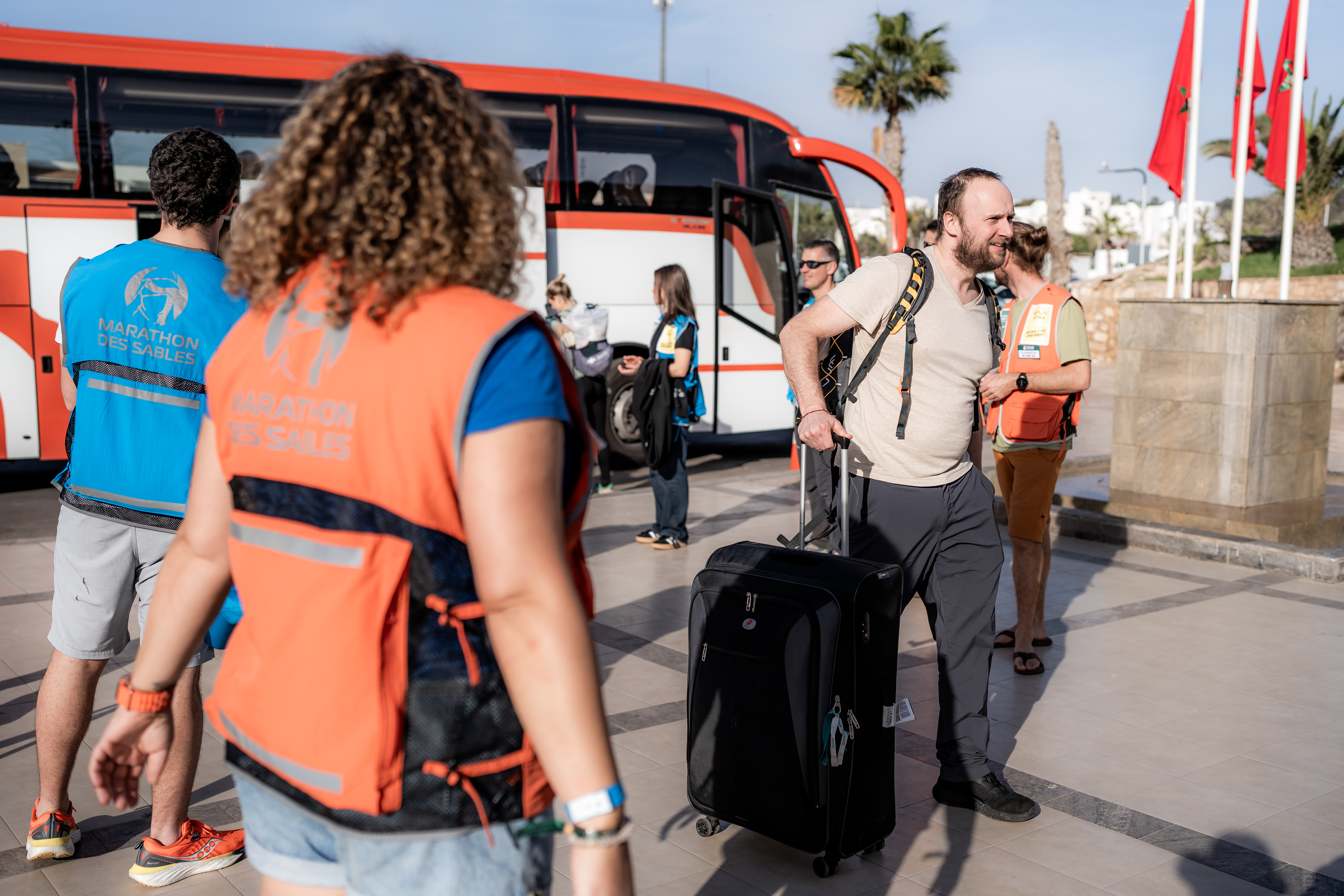
All week, the athletes have been arriving in Dunhuang, the ancient Silk Road outpost. They’ve had time to rest, recover, and shake off the fatigue of long-haul travel.

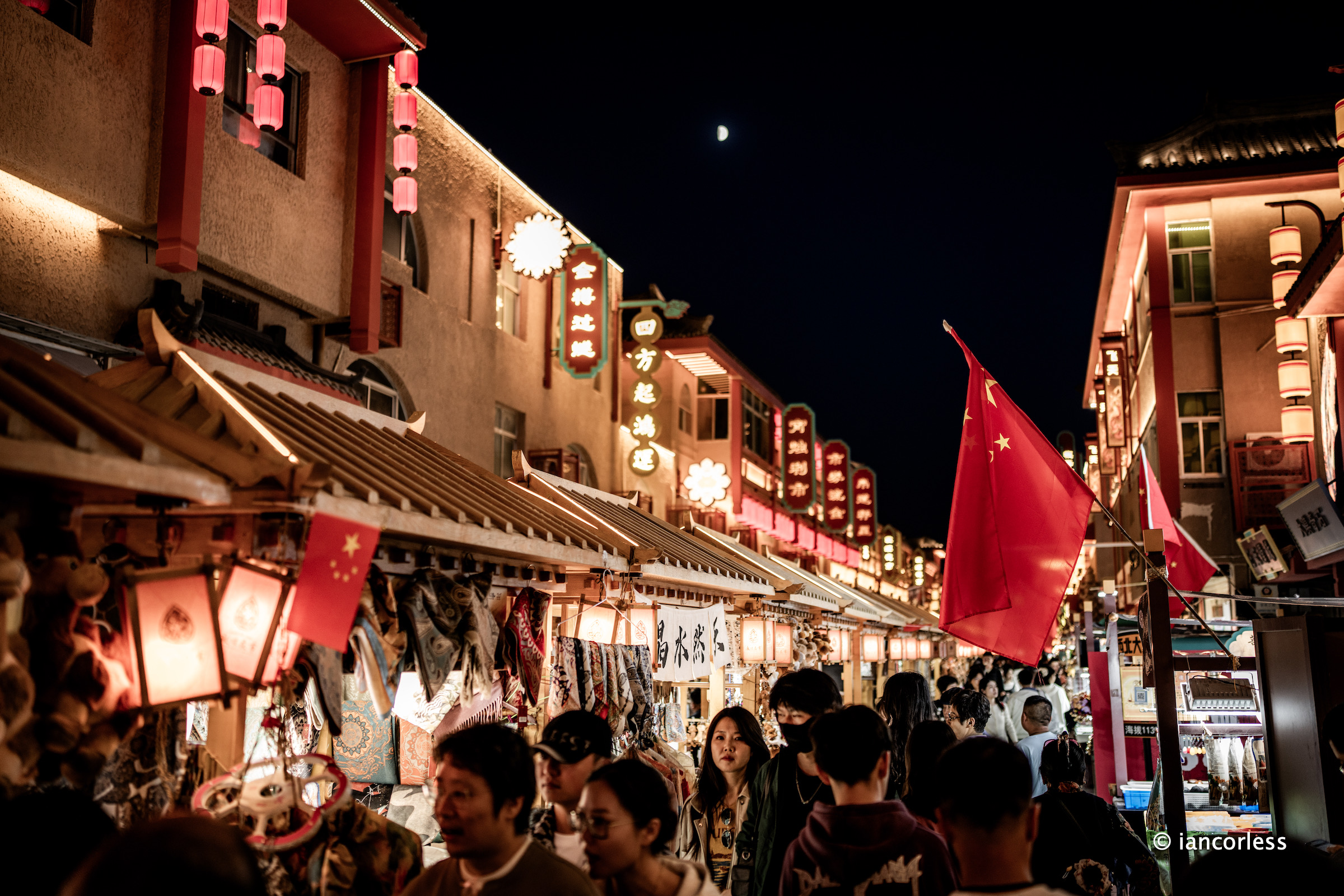
The night market, an awesome experience
The night market famous for food.

Dunhuang offering traditional cuisine, the famous night market and an opportunity to stock up any last-min equipment, food and yes, maybe even souvenirs.

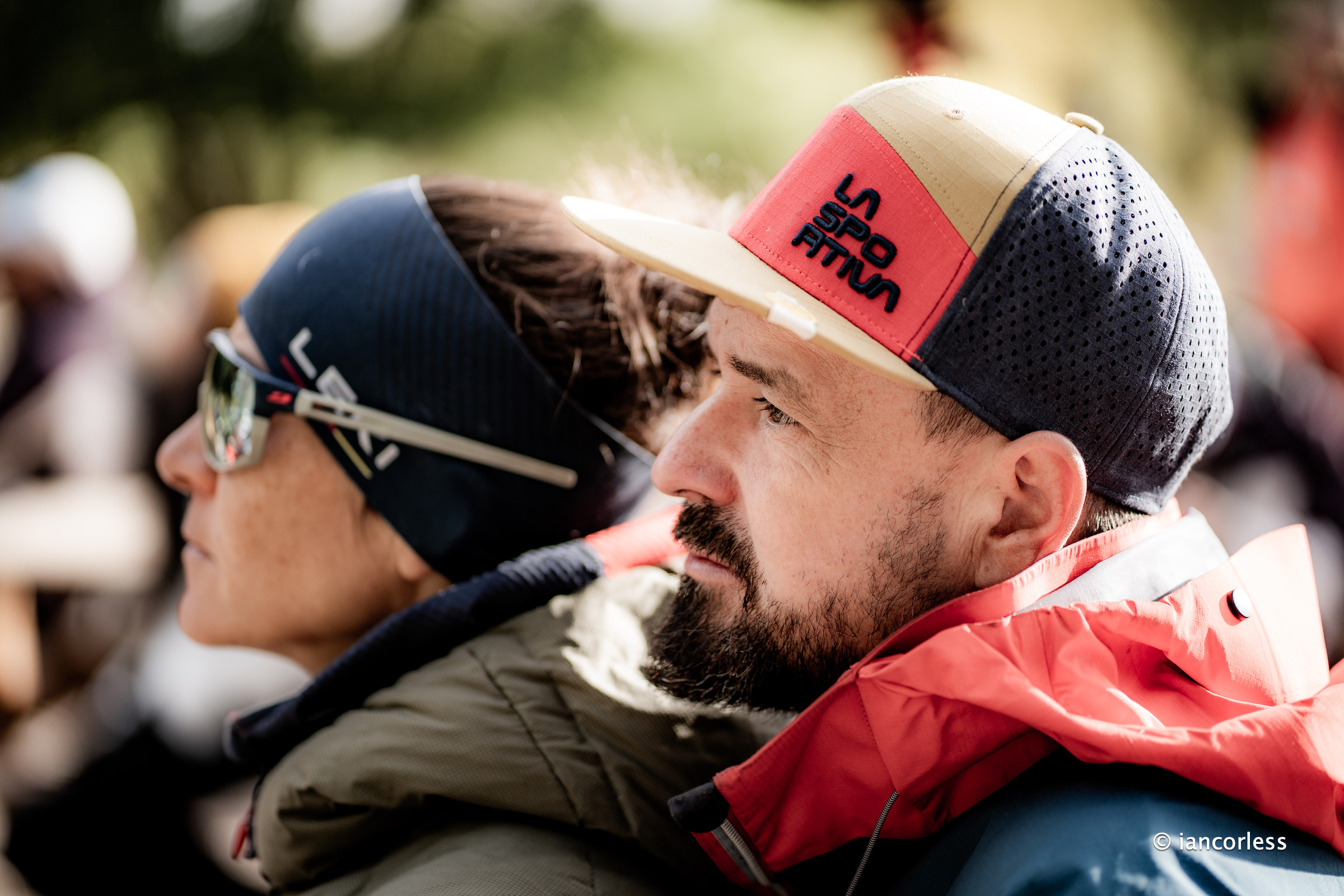
UTMBKat_25

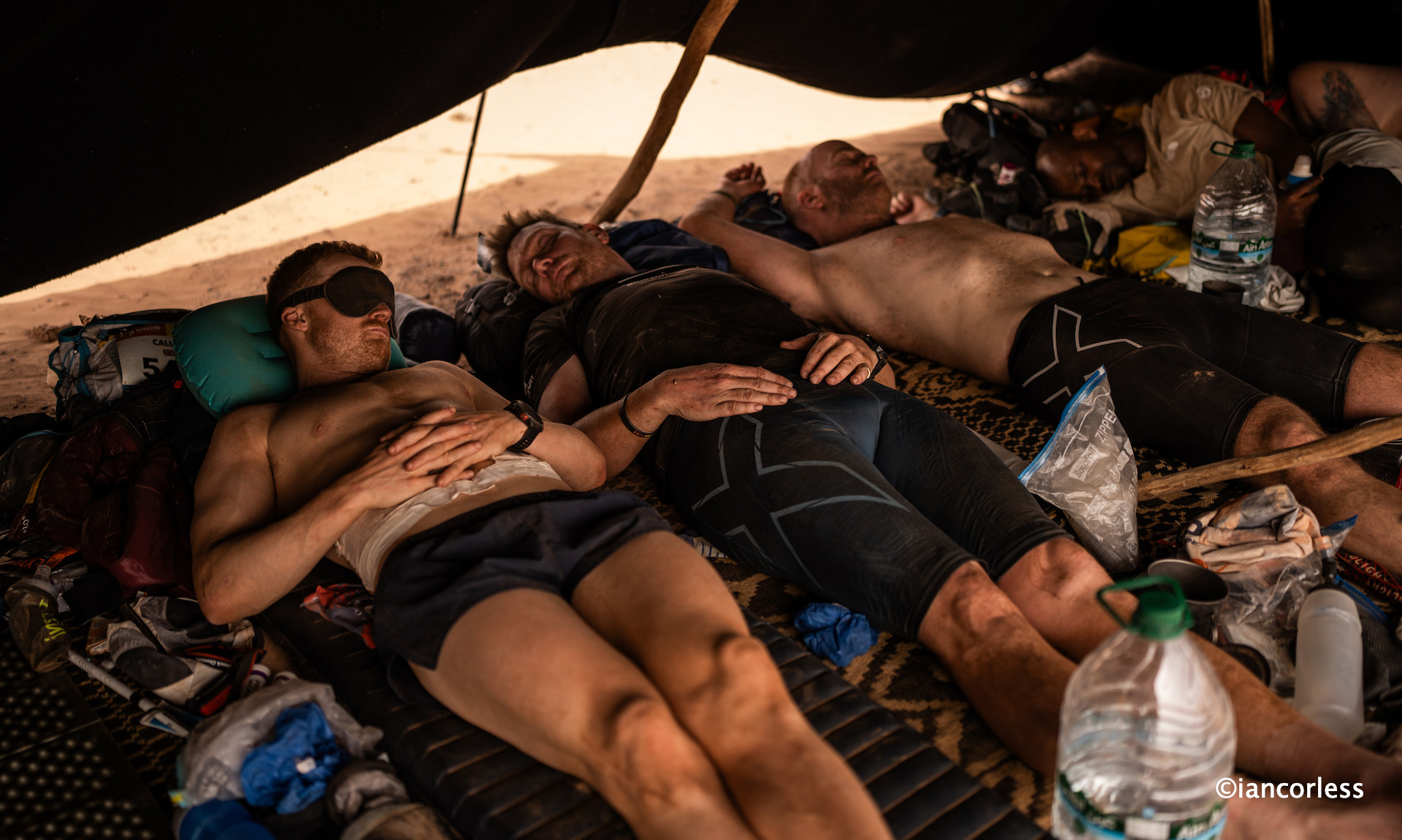
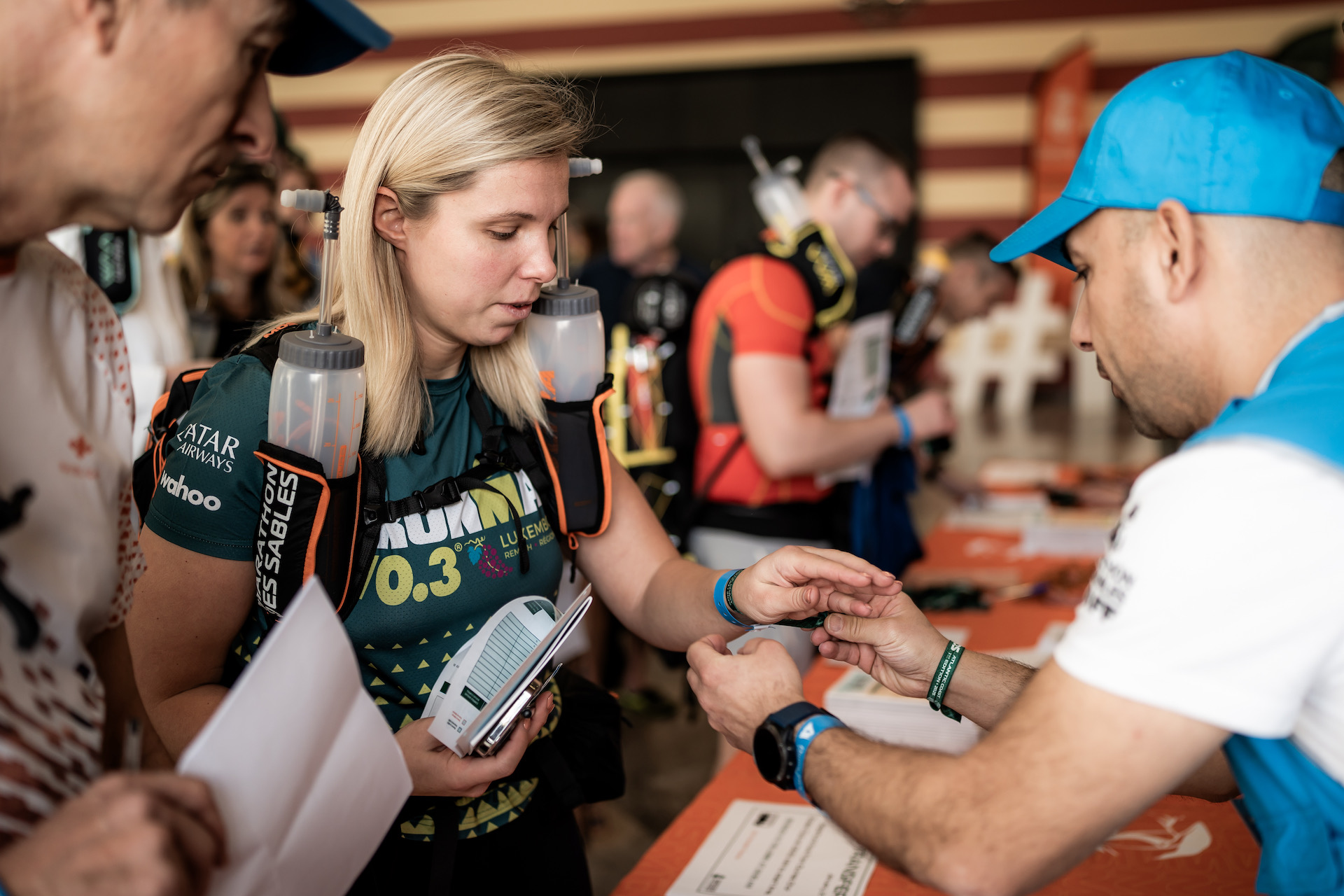
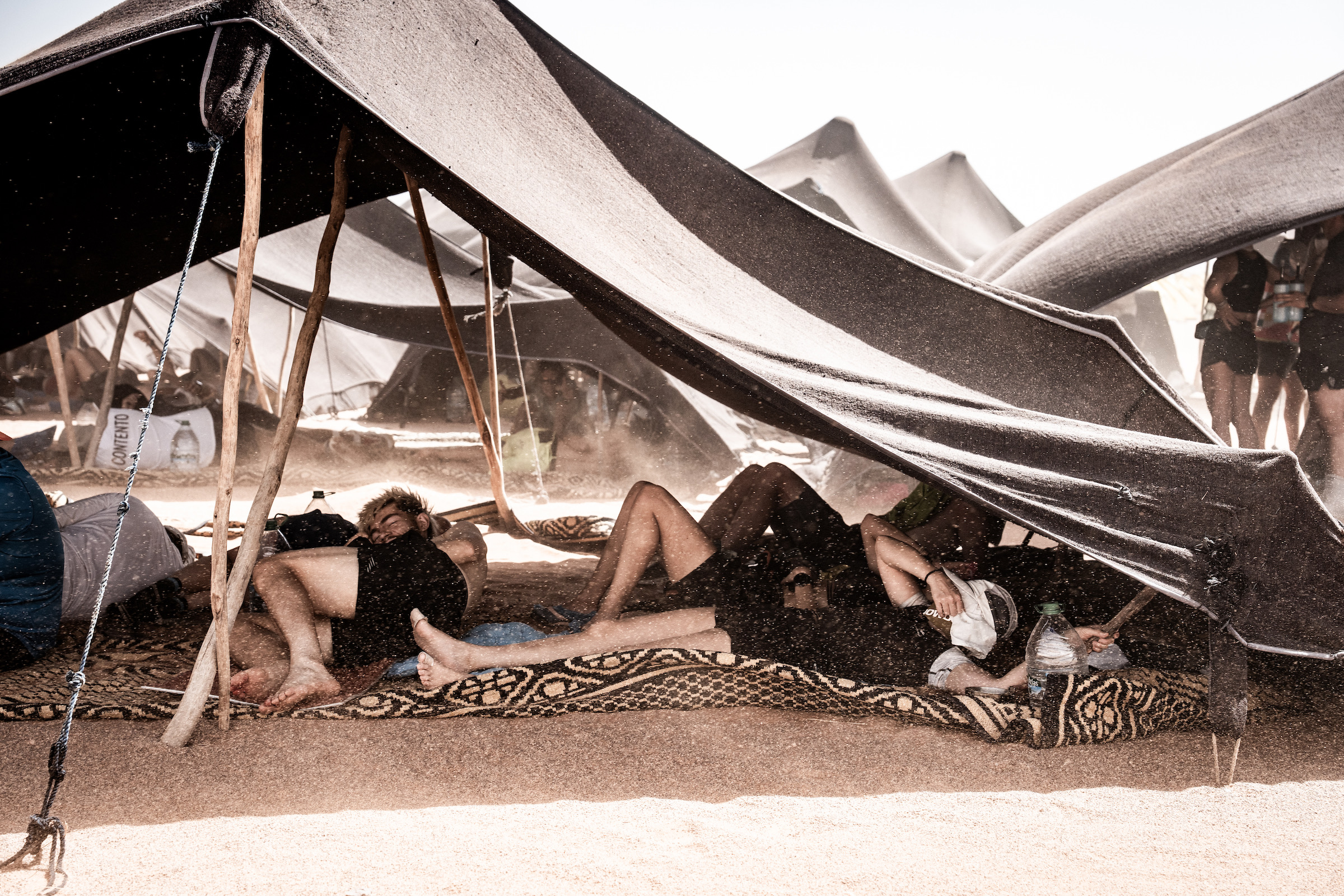
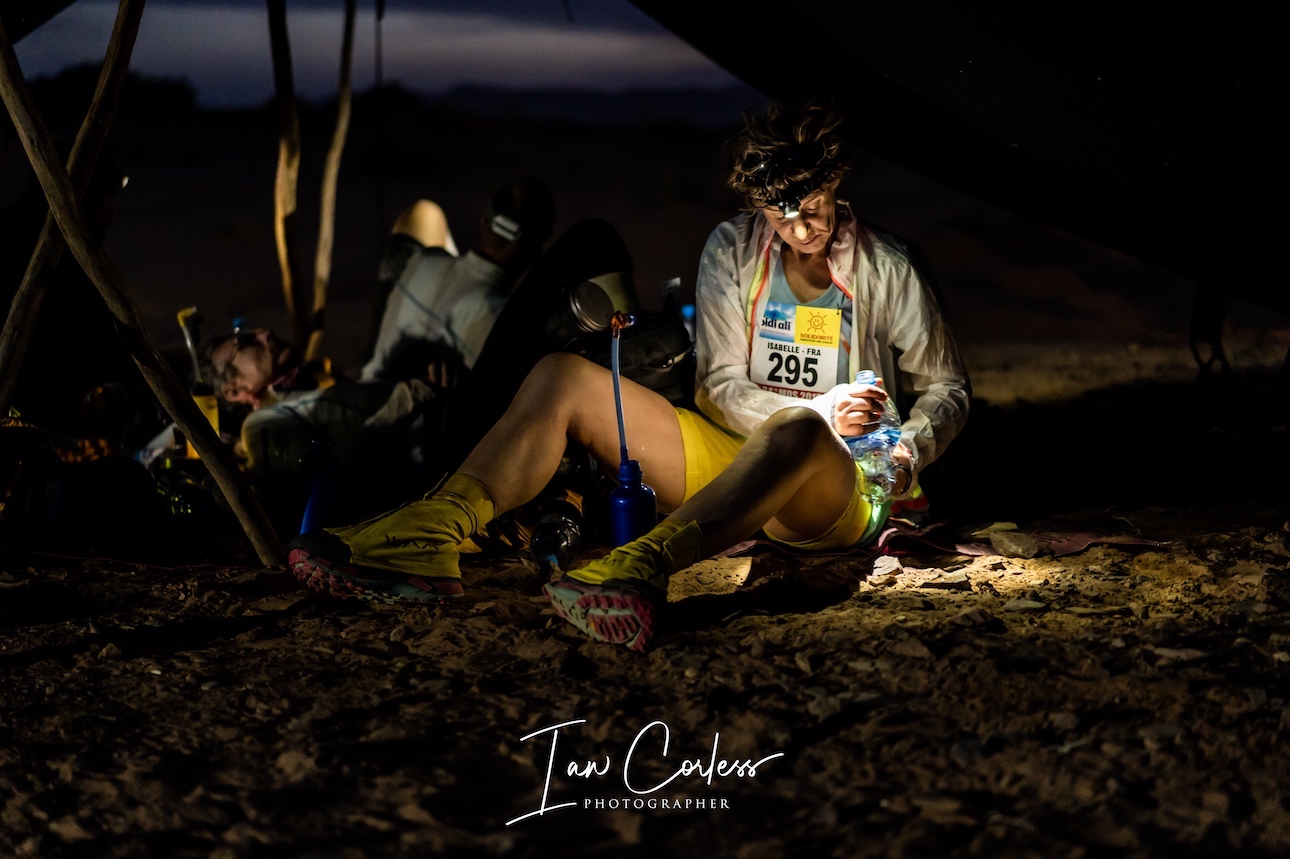
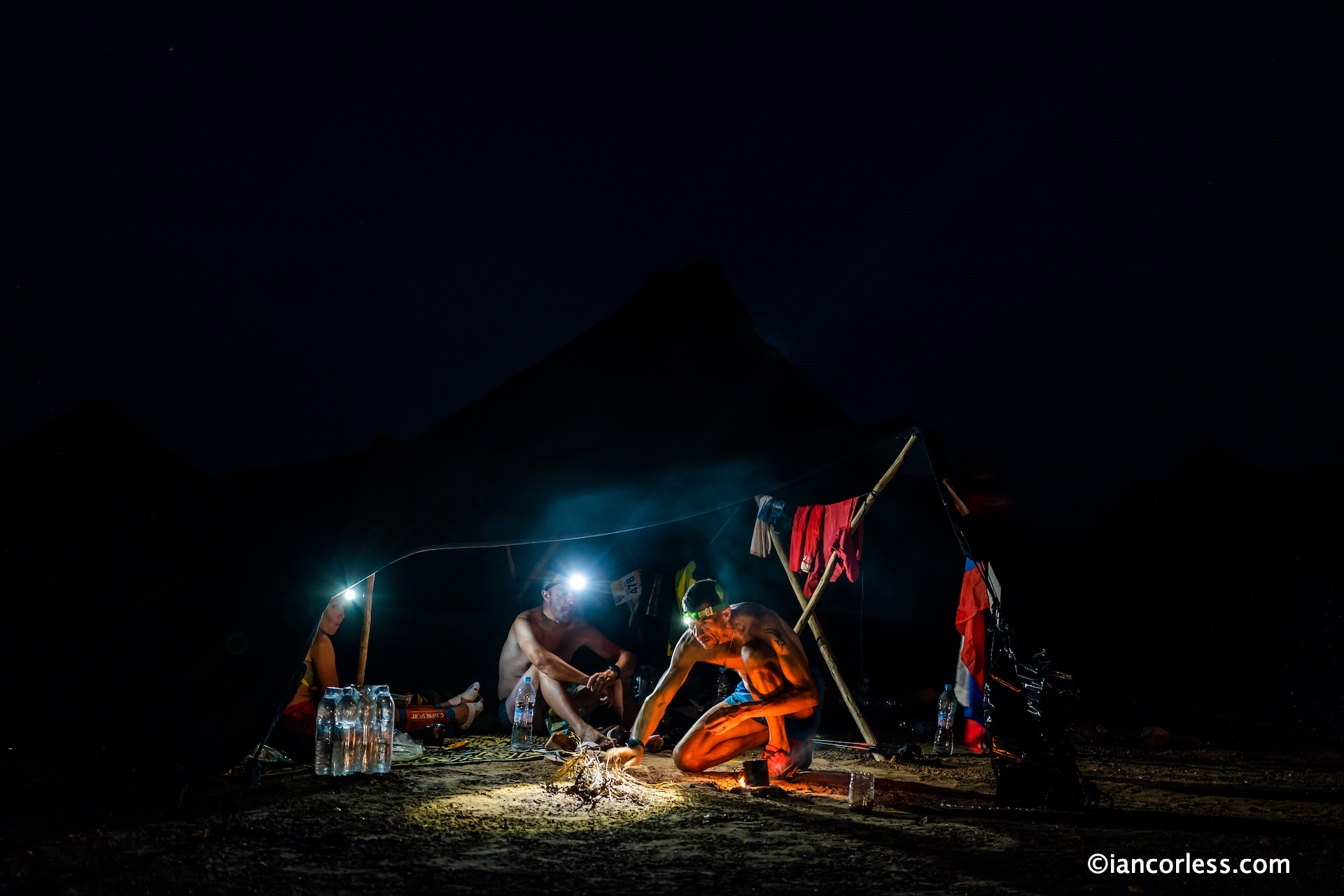
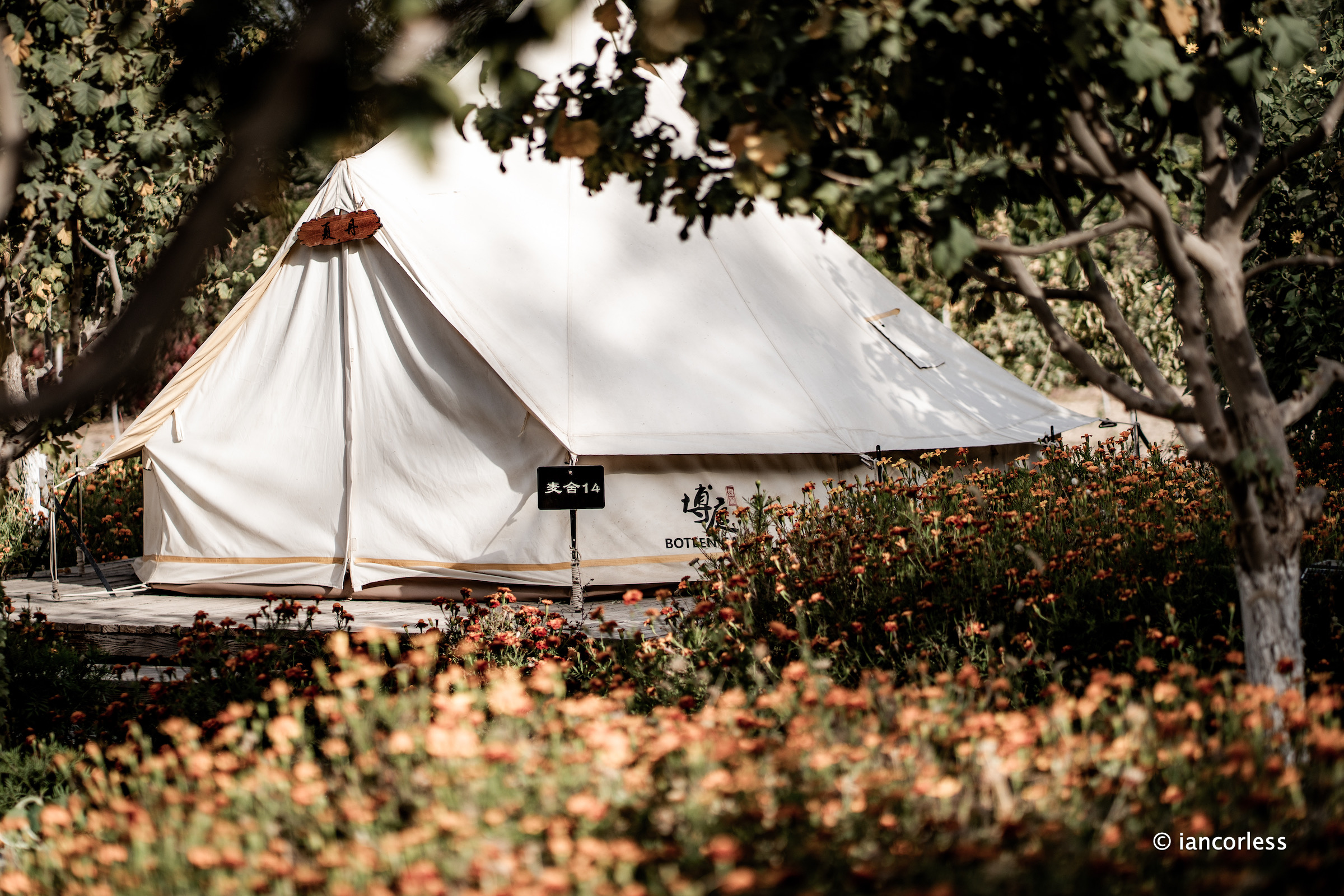
Then came the transfer to Gobi Spring, where final briefings and pre-race checks brought the reality of the challenge into sharp focus. For the participants, a night of ‘glamping’ before days and nights of deprived sleep and comfort.

Glamping in the Gobi

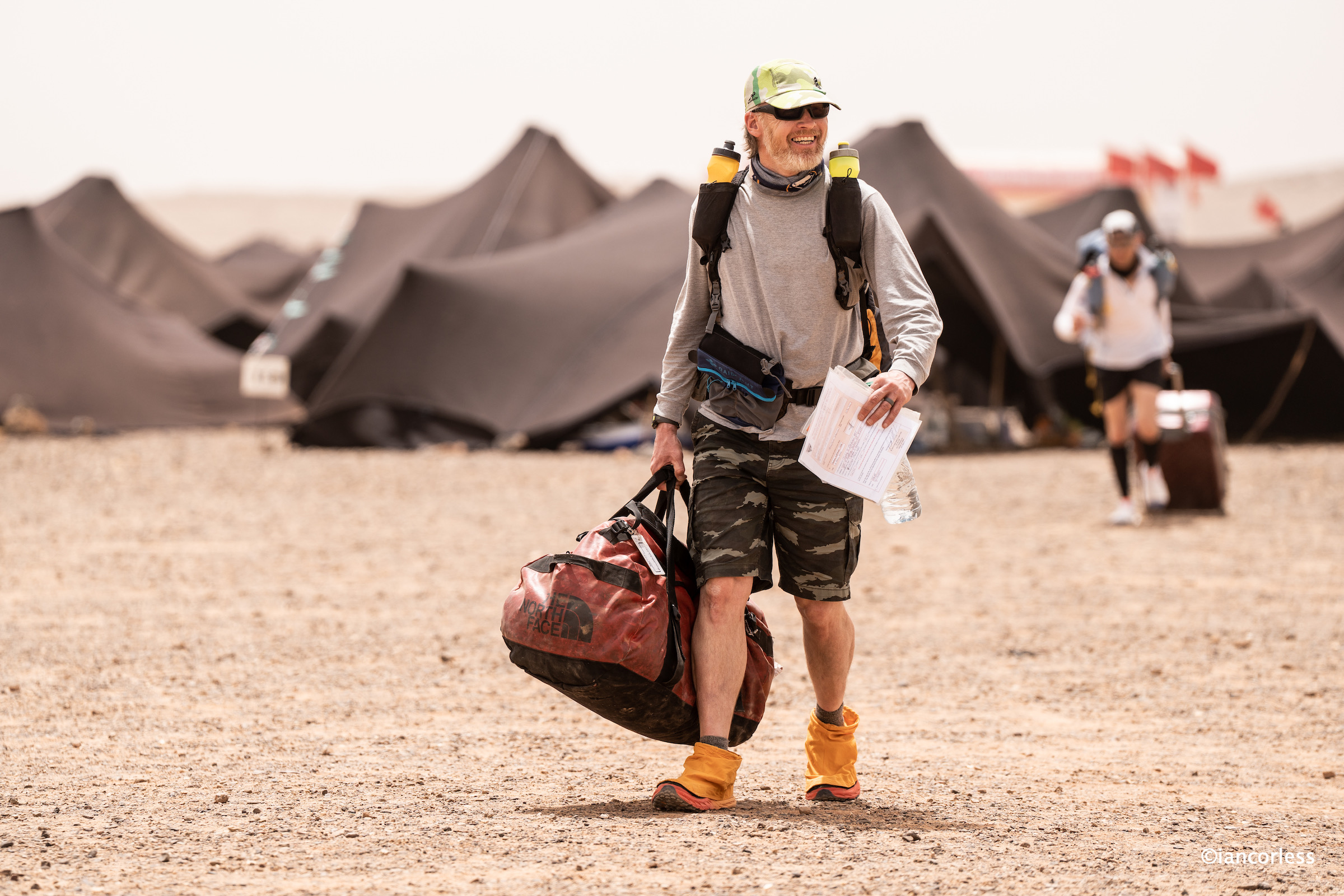
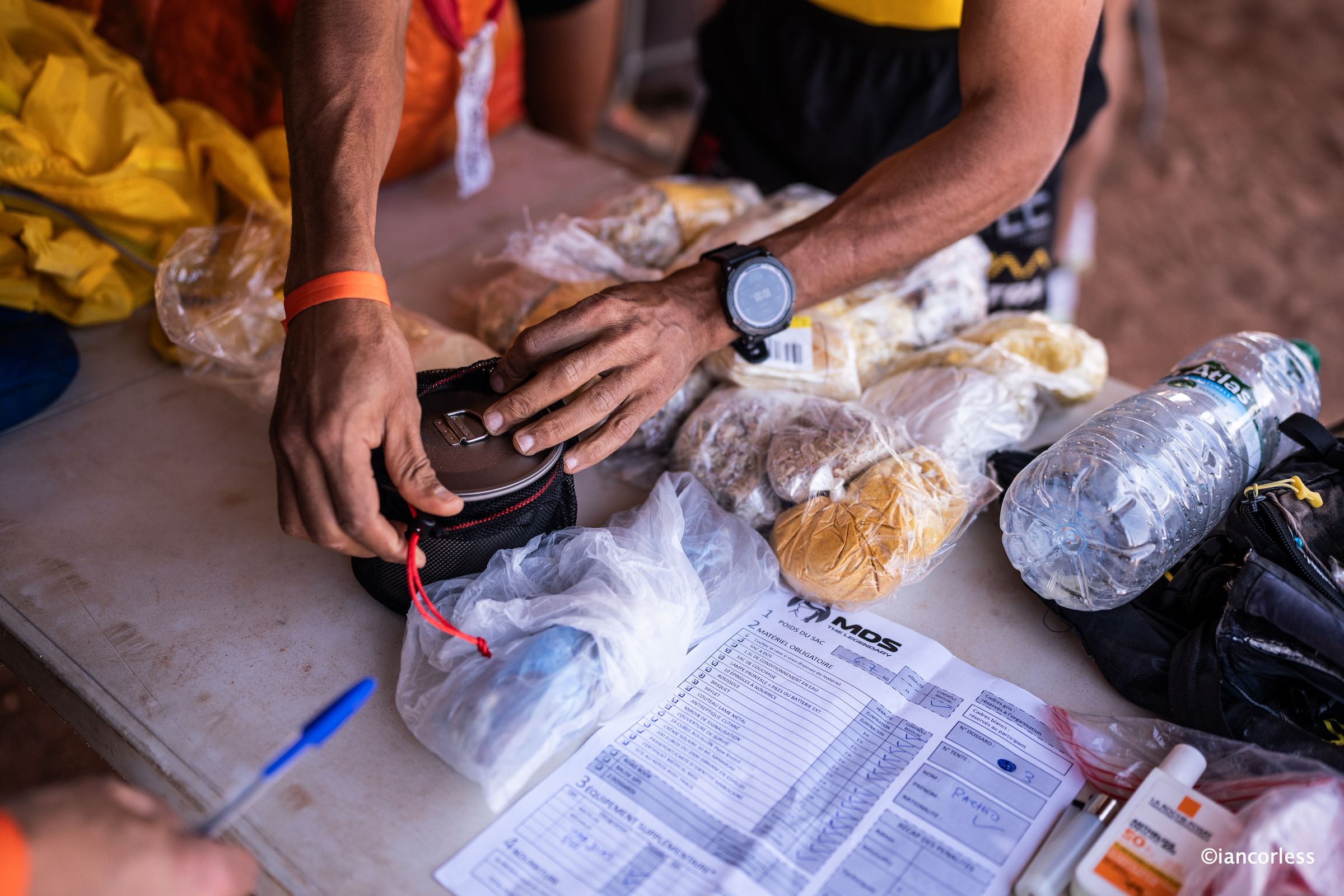
Mandatory gear signed off, maps studied, last meals eaten. From here, there’s no more preparation – only the race itself.

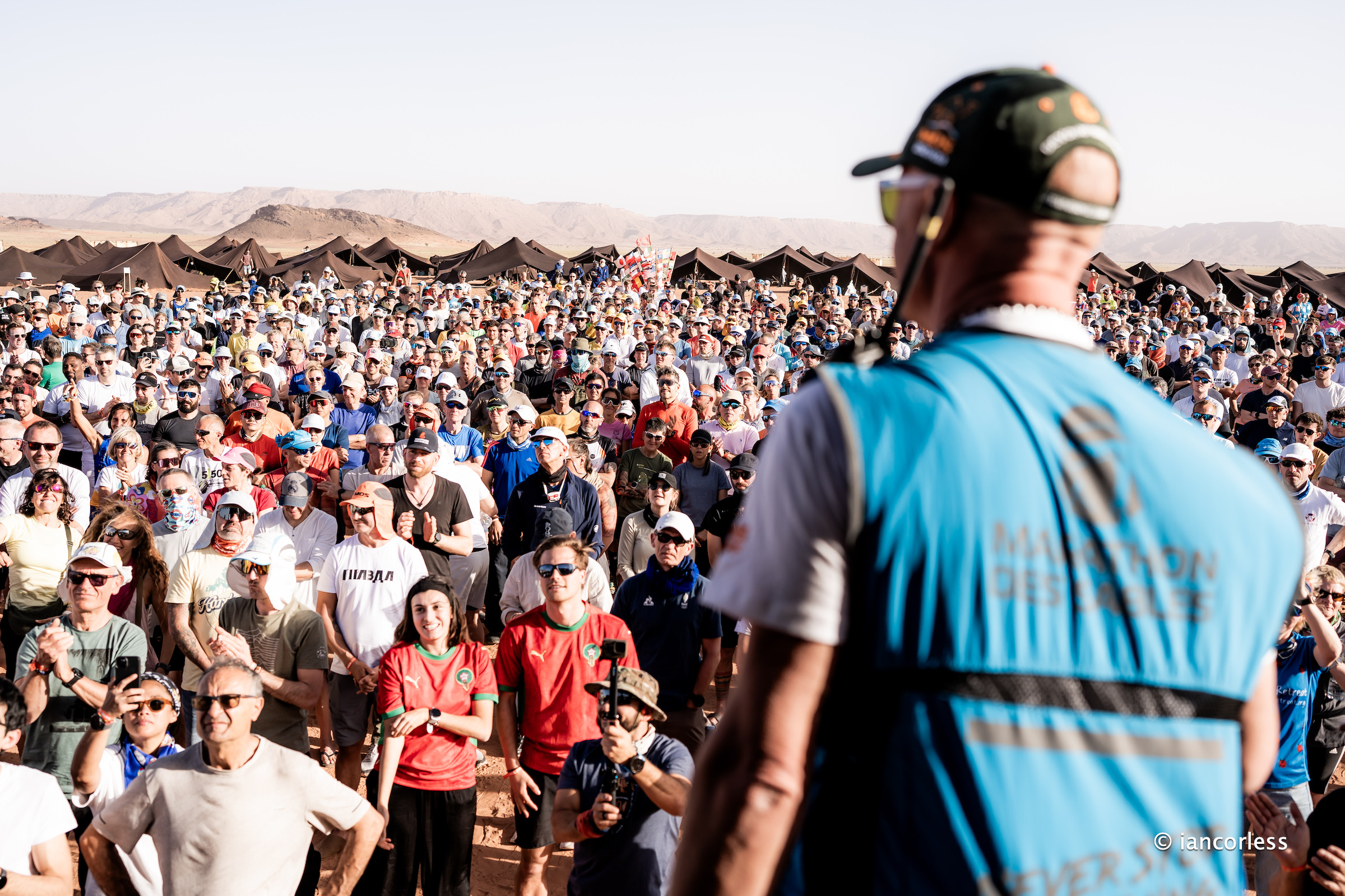
Race briefing

And this is no ordinary race.

Tradition is very important at Ultra Gobi

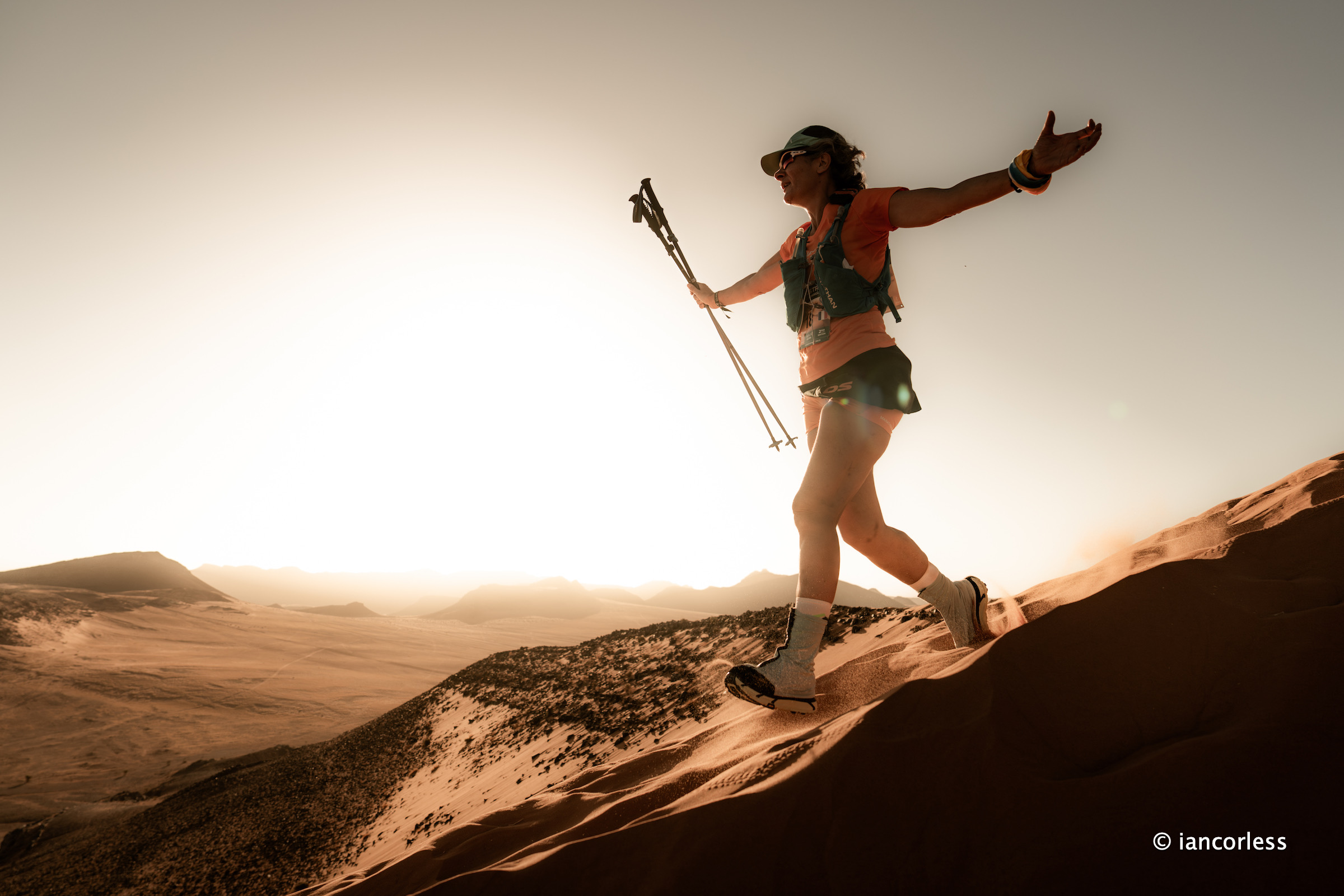
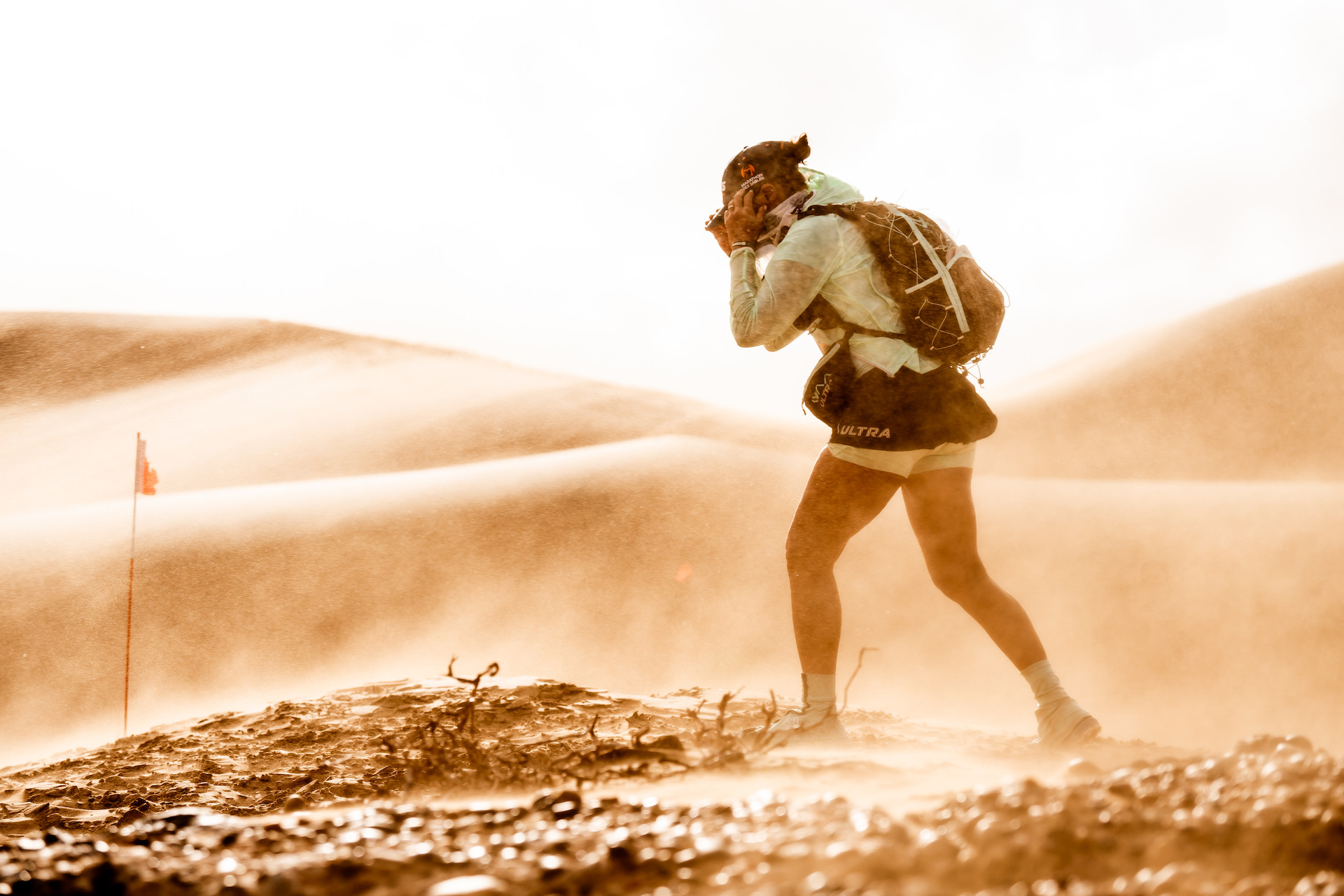
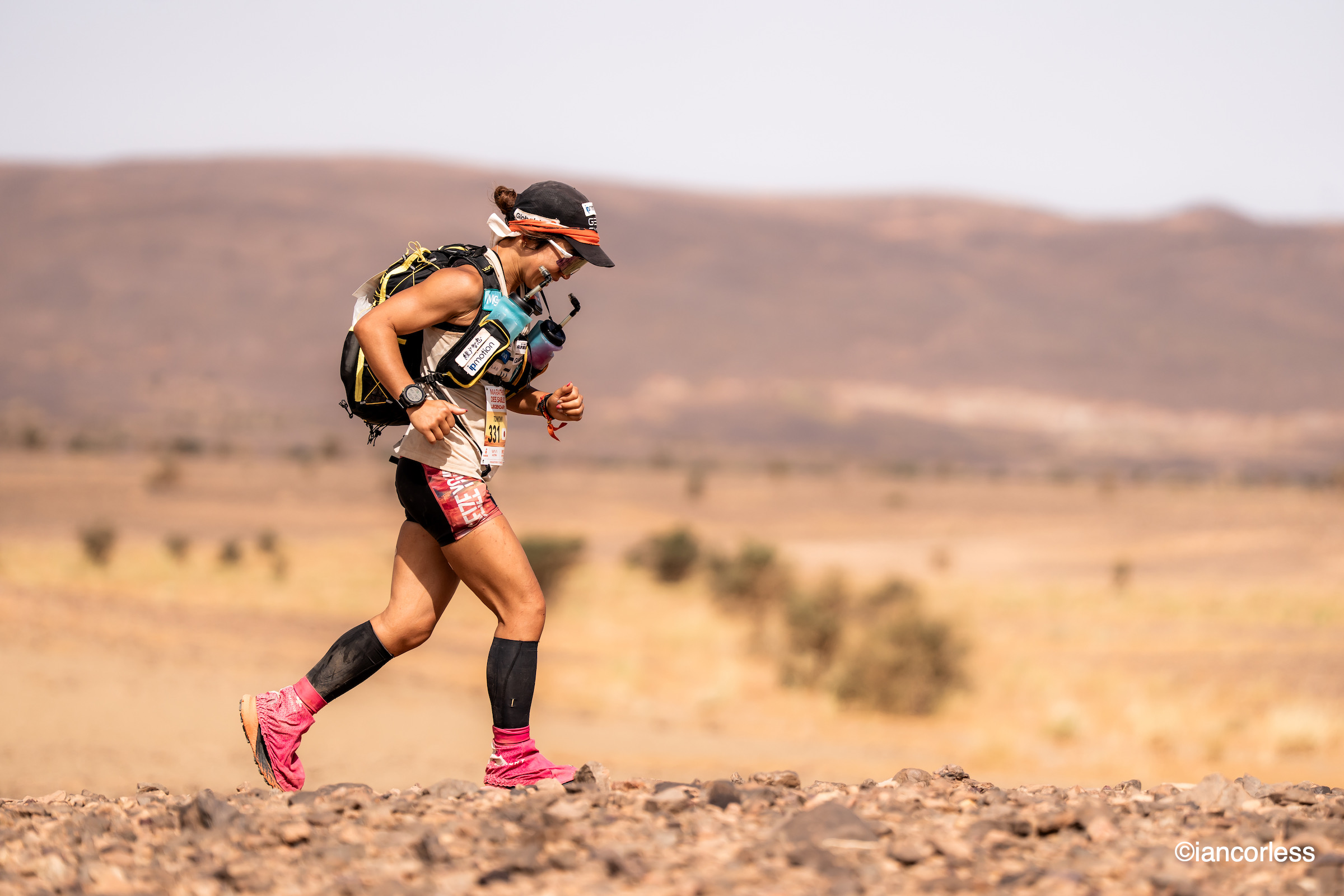
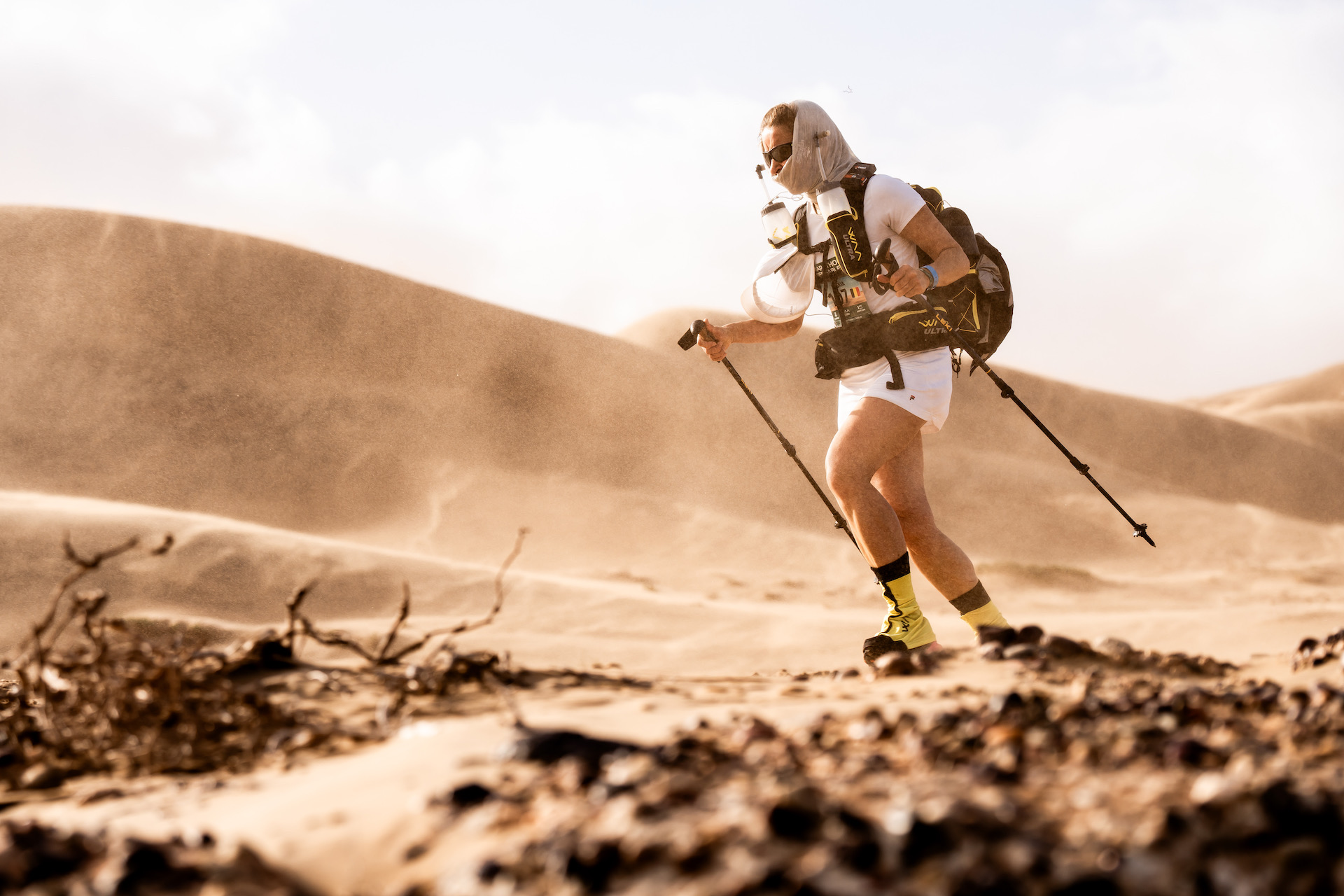
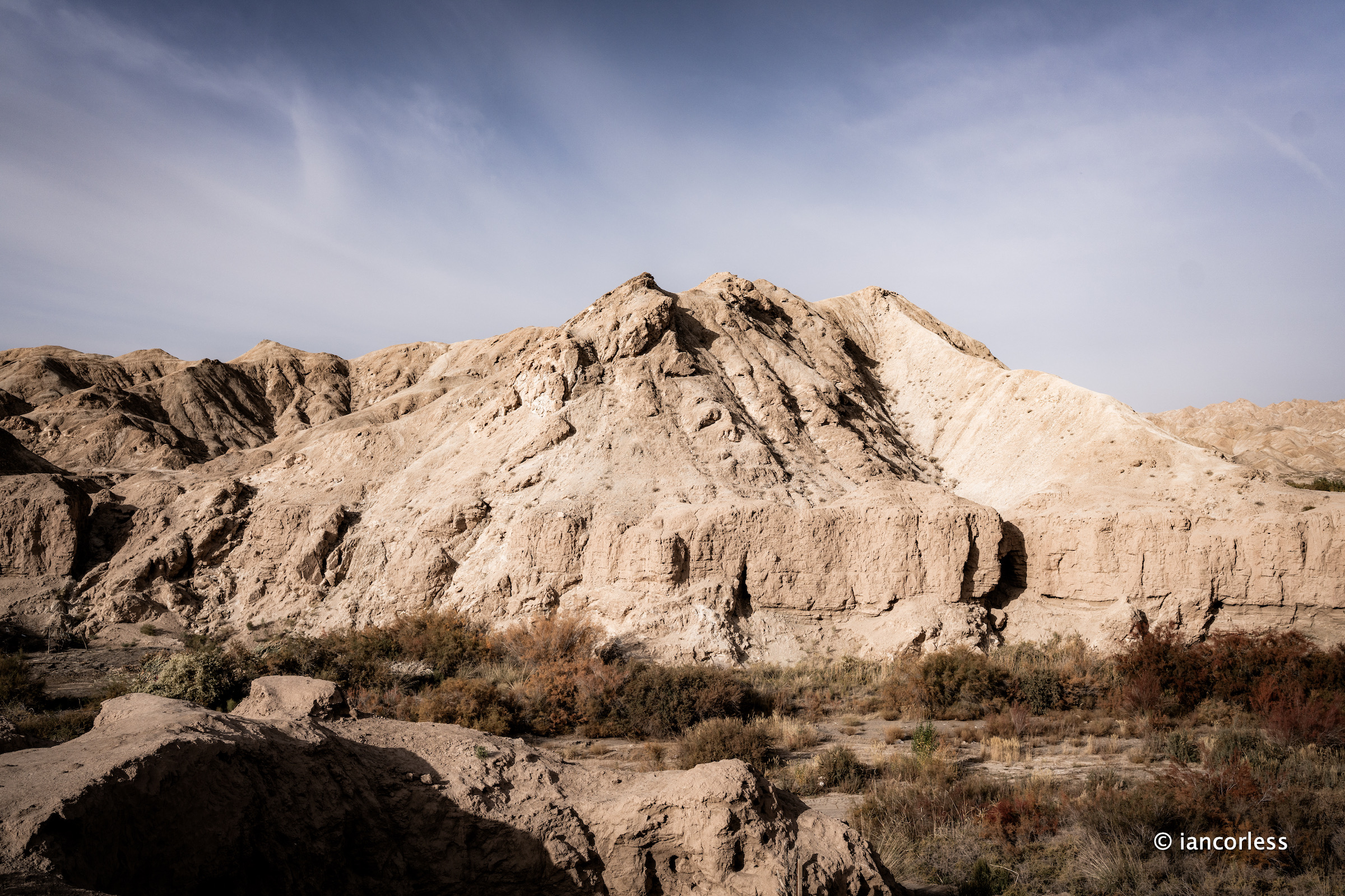
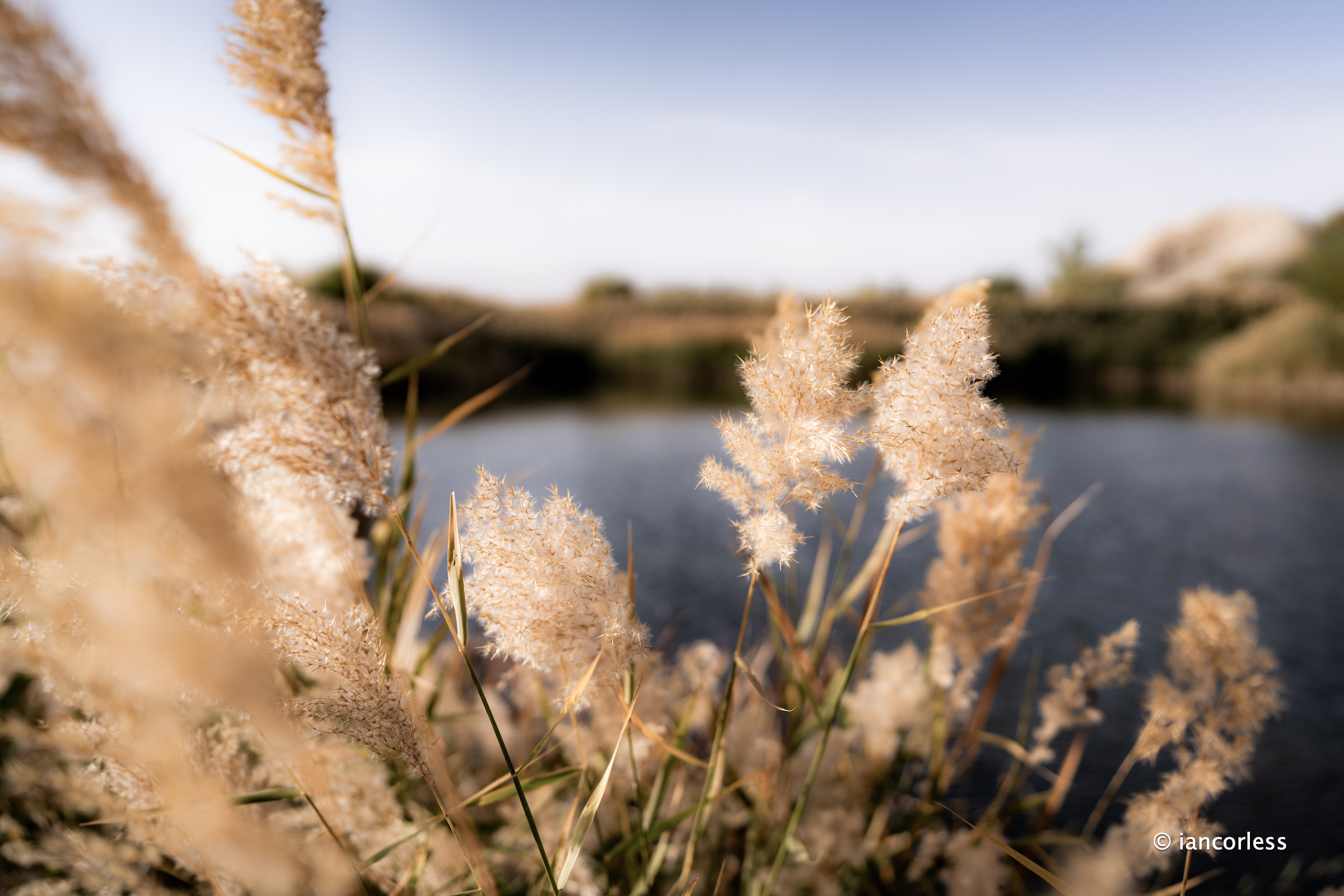
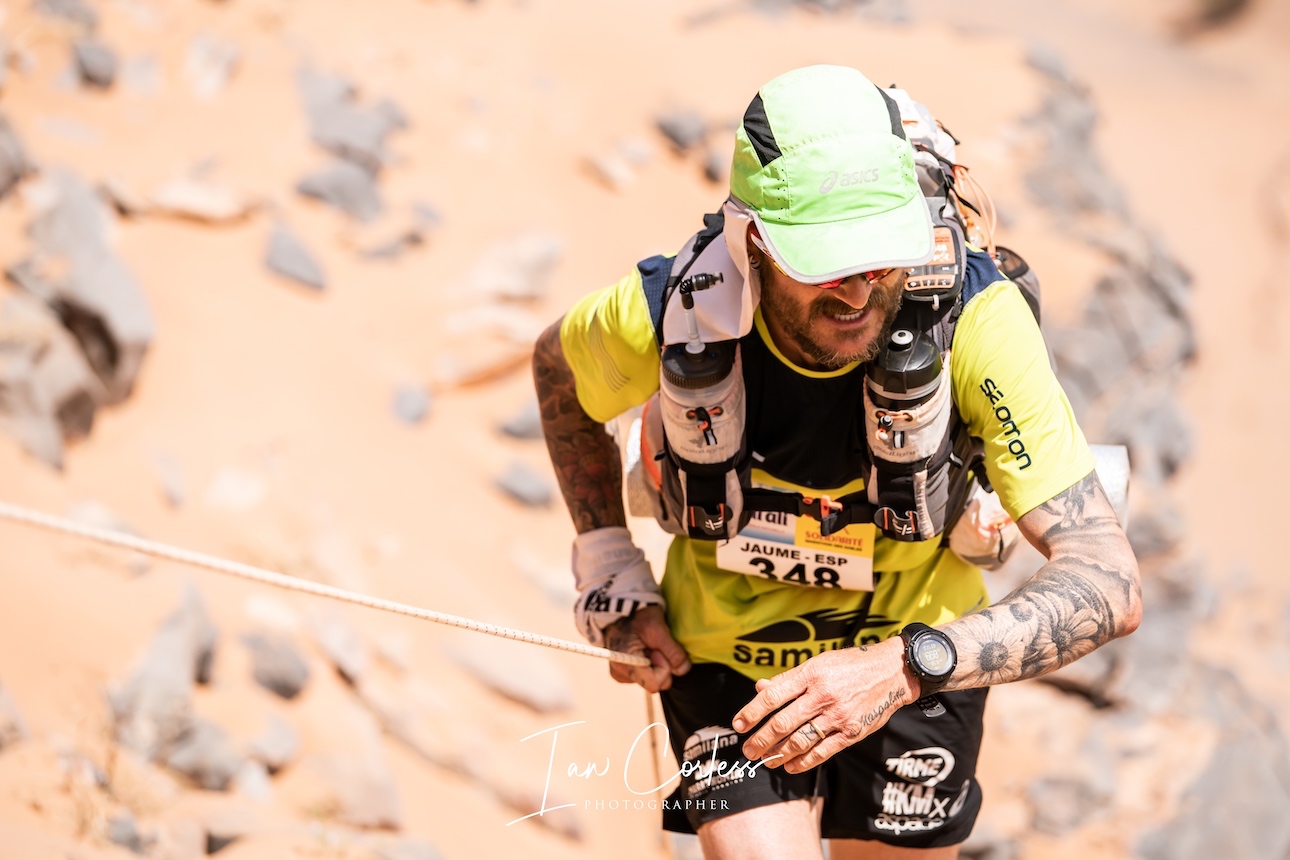
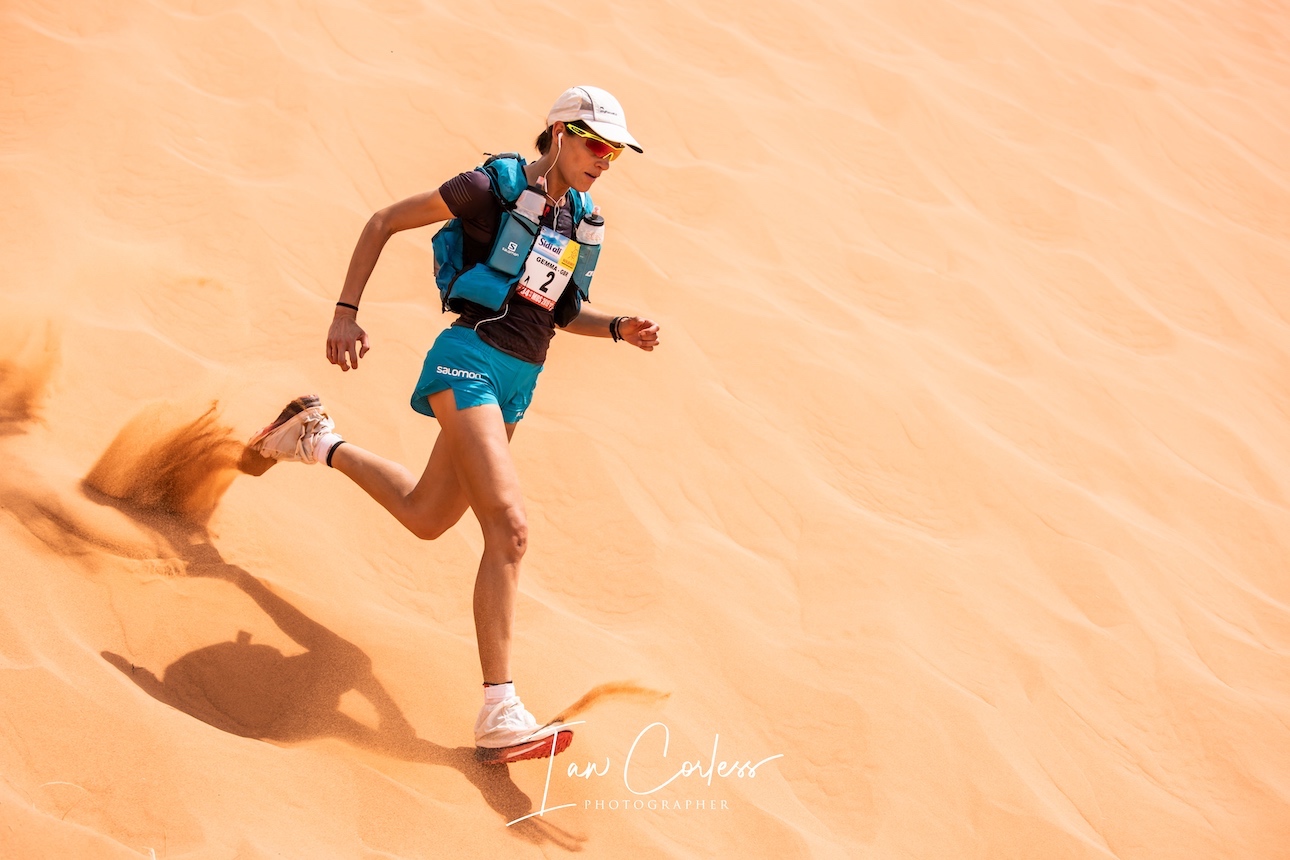
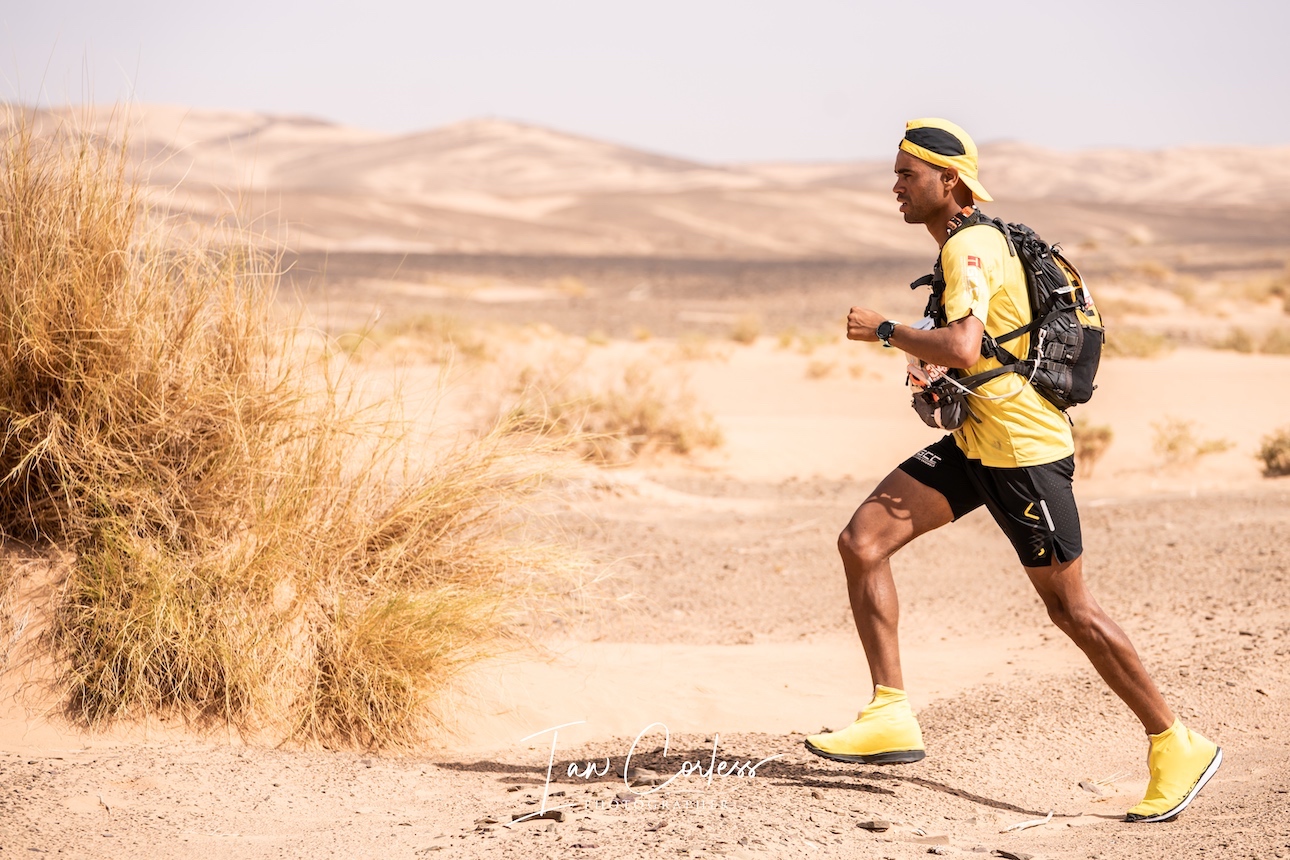
The Ultra Gobi 400km is a test of survival as much as speed. Runners must cover 400 kilometers of brutal, shifting terrain – endless sand, rocky basins, dry riverbeds, and wind-swept plains.

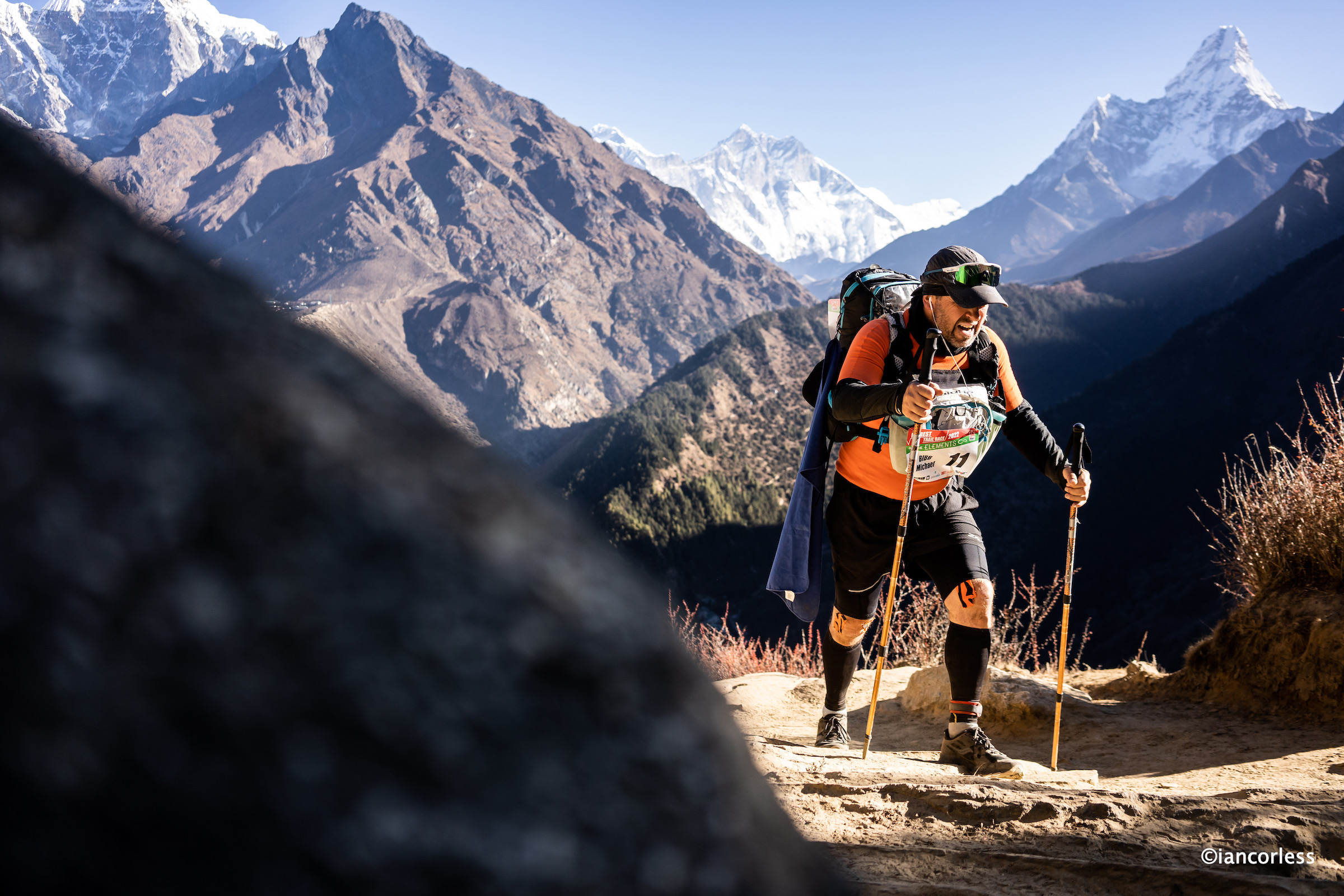
Mountains and altitude will be waiting

Days can scorch under an unrelenting sun; nights can plunge into freezing cold. Navigation, strategy, and mental resilience will be as important as strong legs and lungs.

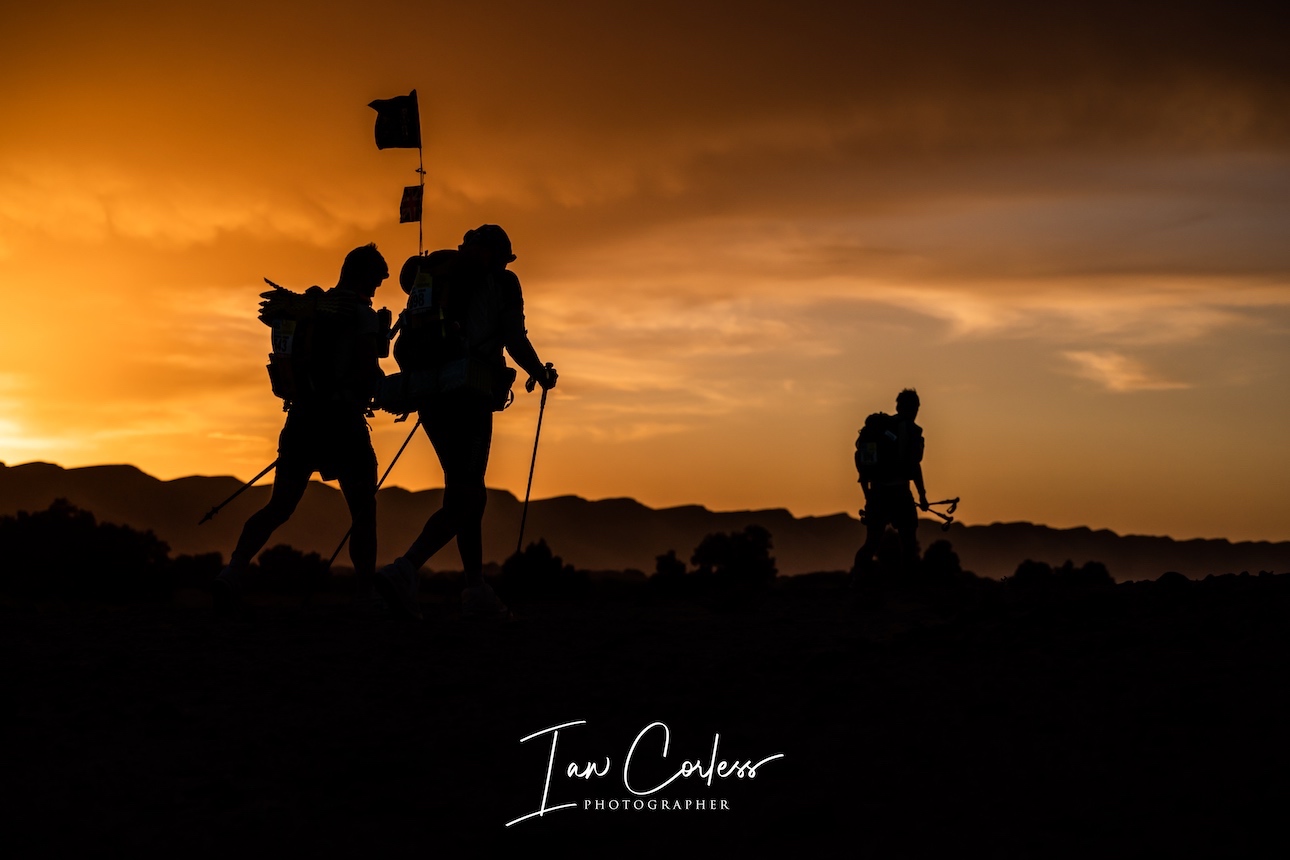
Golden light

For the competitors, the anticipation has built to a fever pitch. Months of training and sacrifice come down to this moment. There will be tension at the start line, but also a sense of awe: they’ll leave the comfort of light and noise behind and step into the vast silence of the desert.

One strategy, teamwork!

Four hundred kilometers through landscapes that constantly shift and change. A true test of endurance, grit and self-reliance. There is one truth of the Ultra Gobi, each runner will discover where the limits truly lie.

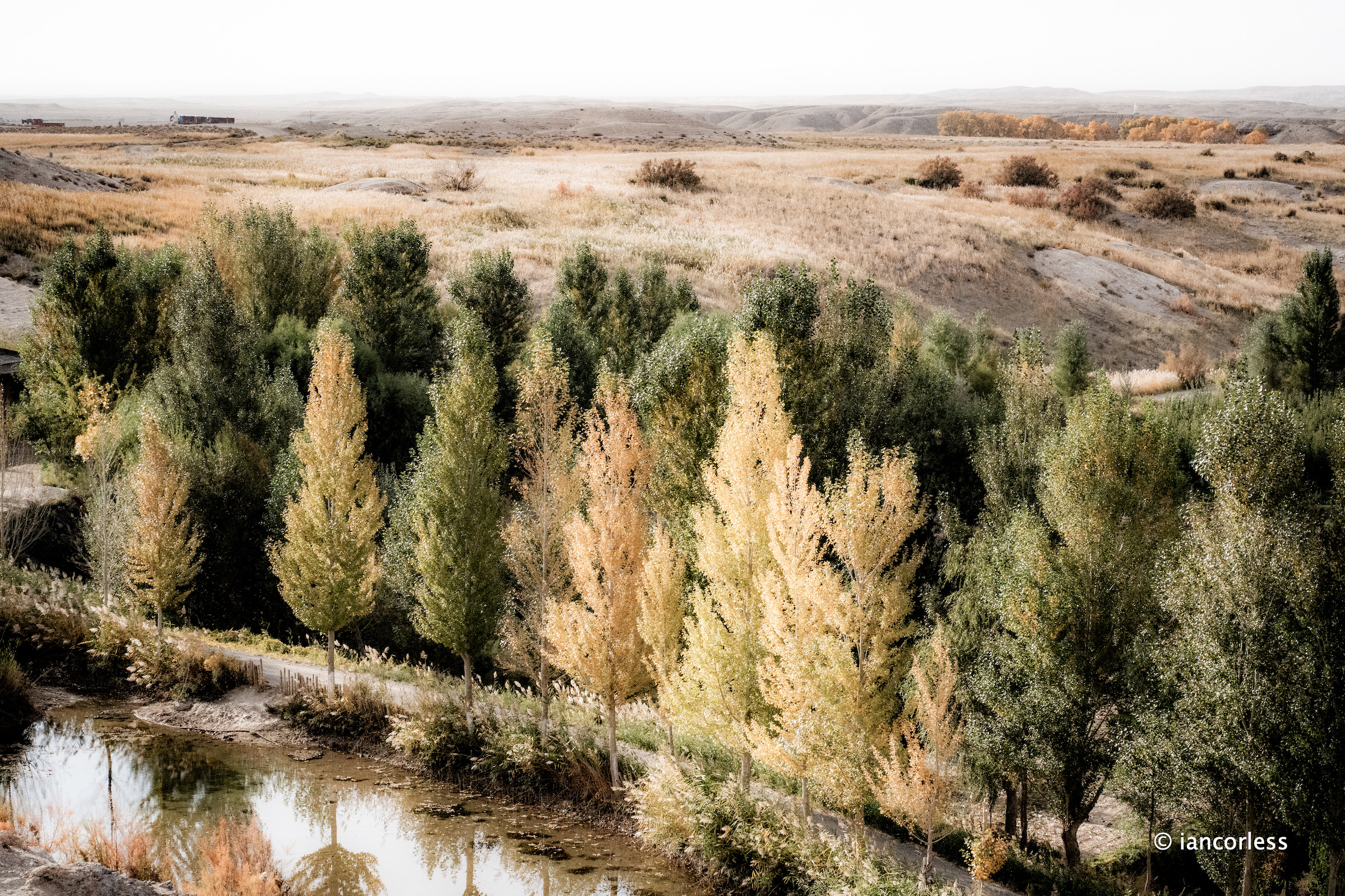
Varied landscape

This race doesn’t hand out easy victories. It carves stories into those who dare to take it on. Some will break; some will endure; a few will cross the finish line forever changed.

Tonight, the desert opens its gates. The Ultra Gobi 400km 2025 begins.

Follow Ian Corless

Instagram – @iancorlessphotography

Twitter – @talkultra

facebook.com/iancorlessphotography

Web – www.iancorless.com

Web – www.iancorlessphotography.com

Everest Trail Race 2025 – Sign up for the adventure of a lifetime

©iancorless

Everest Trail Race 2025, 10th to 22nd November

Nepal, the magic of Nepal. If you haven’t experienced it, you need to experience it! If you have experienced it before, you already know that you need to experience it again.

The ETREverest Trail Race, provides an opportunity to immerse yourself, to experience on foot, a journey through the heart of this magical place. The race takes place over 6-stages, a total of 170km’s with a combined elevation gain/ loss of 26,000m. A self-propelled adventure through the Himalayas reaching a maximum altitude of 4104m.

SIGN UP FOR ETR 2025 HERE

Official Everest Trail Race website here

©iancorless

Now in its 11th year, ETR, taking place November 10th to 22nd, has become a bucket list adventure for those looking to combine travel, tourism and adventure in a package designed to provide the maximum return on the shortest amount of time.

#ETR2025

©iancorless

While the 170km, 6-stage adventure is at the heart of the ETR, the journey begins with days before and after in Kathmandu.

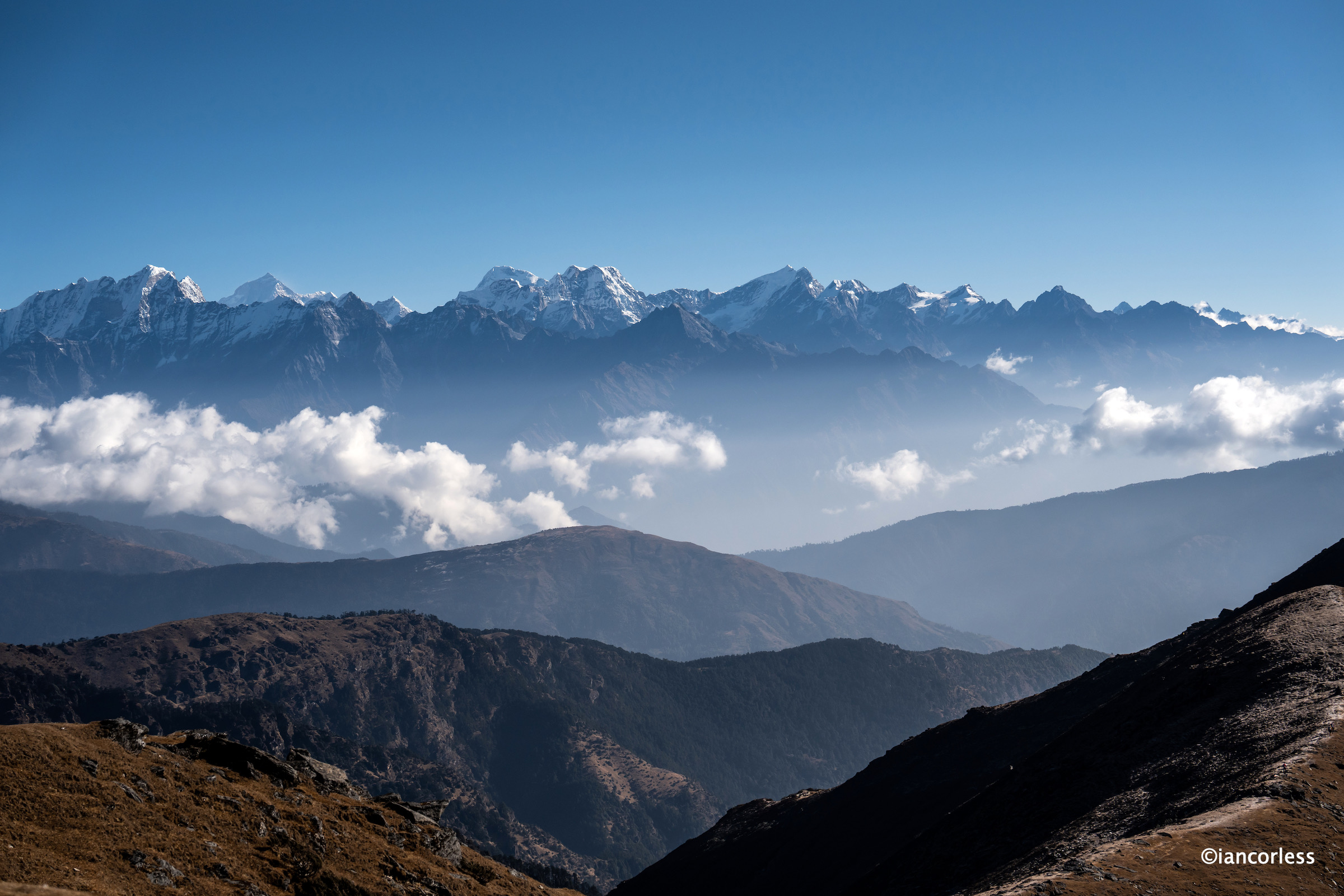
Views like this, mind-blowing ©iancorless

The noise, the bustle, the chaos of Kathmandu, it needs to be experienced. It’s a cacophony of explosive elements. The transfer from the airport to the hotel gives an indication of what is to come.

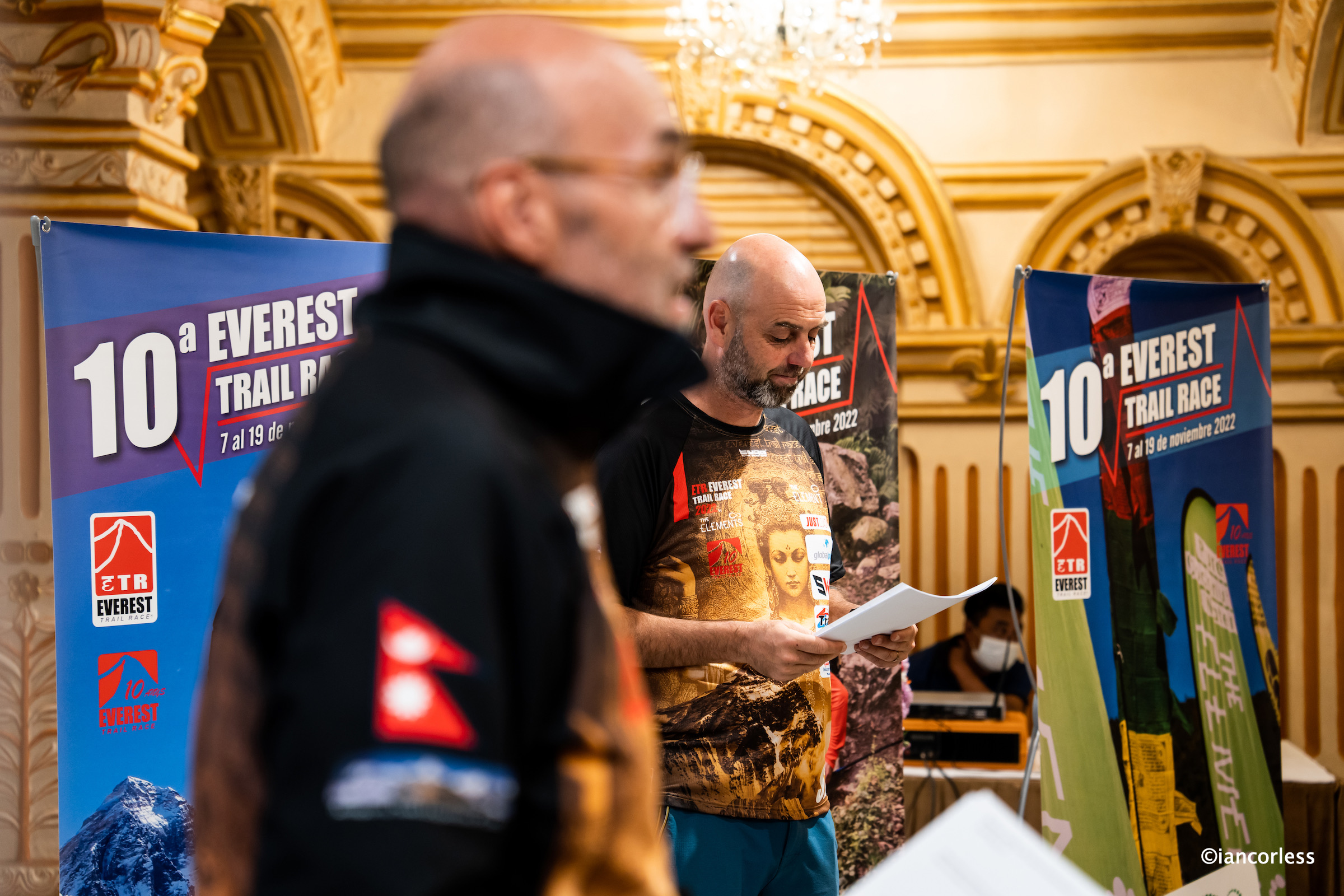
Briefing and race protocols ©iancorless

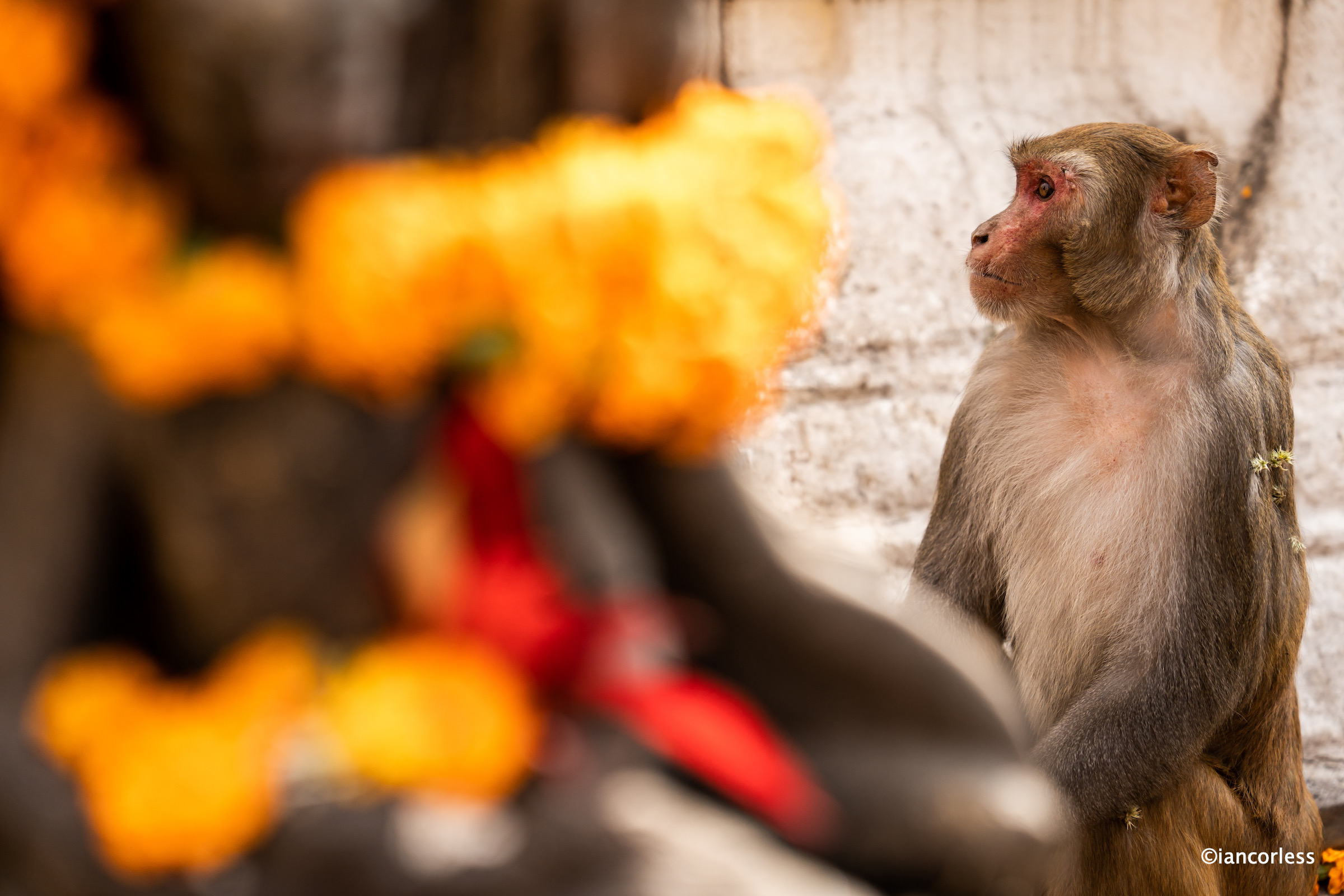
Before the admin protocols begin, a day of leisure in and around Kathmandu allows for key visits to the Monkey Temple and Patan. It’s always a shock to the senses, an assault of noise and colour and yes, poverty and hardship.

Monkey temple ©iancorless
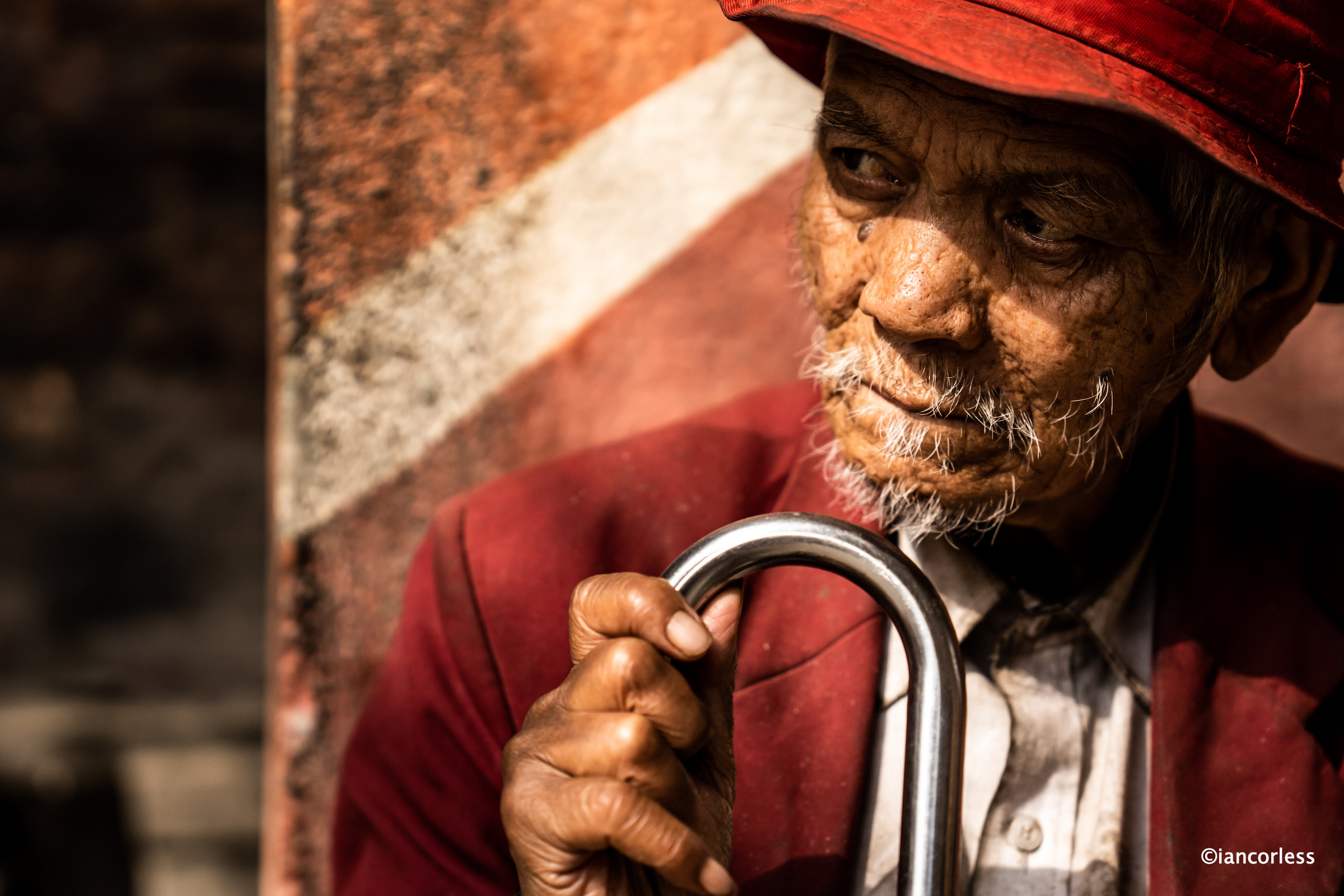
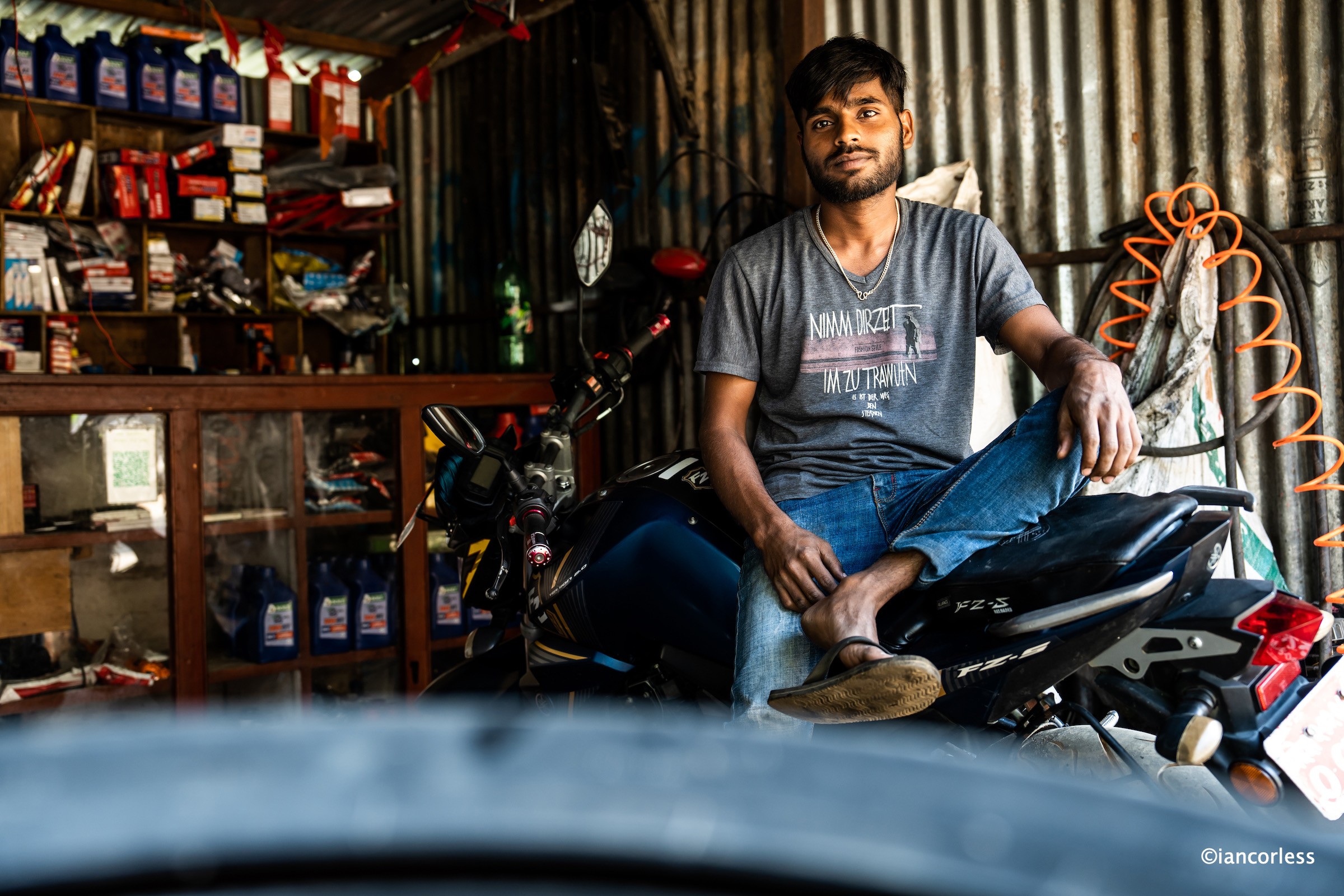
Local colour in Kathmandu ©iancorless

The Nepali people have hard and tough lives, and in Kathmandu you get to fully appreciate the highs and lows of this. One thing is for sure though, you will soon fall in love with the Nepali people, they are the salt of the earth.

©iancorless

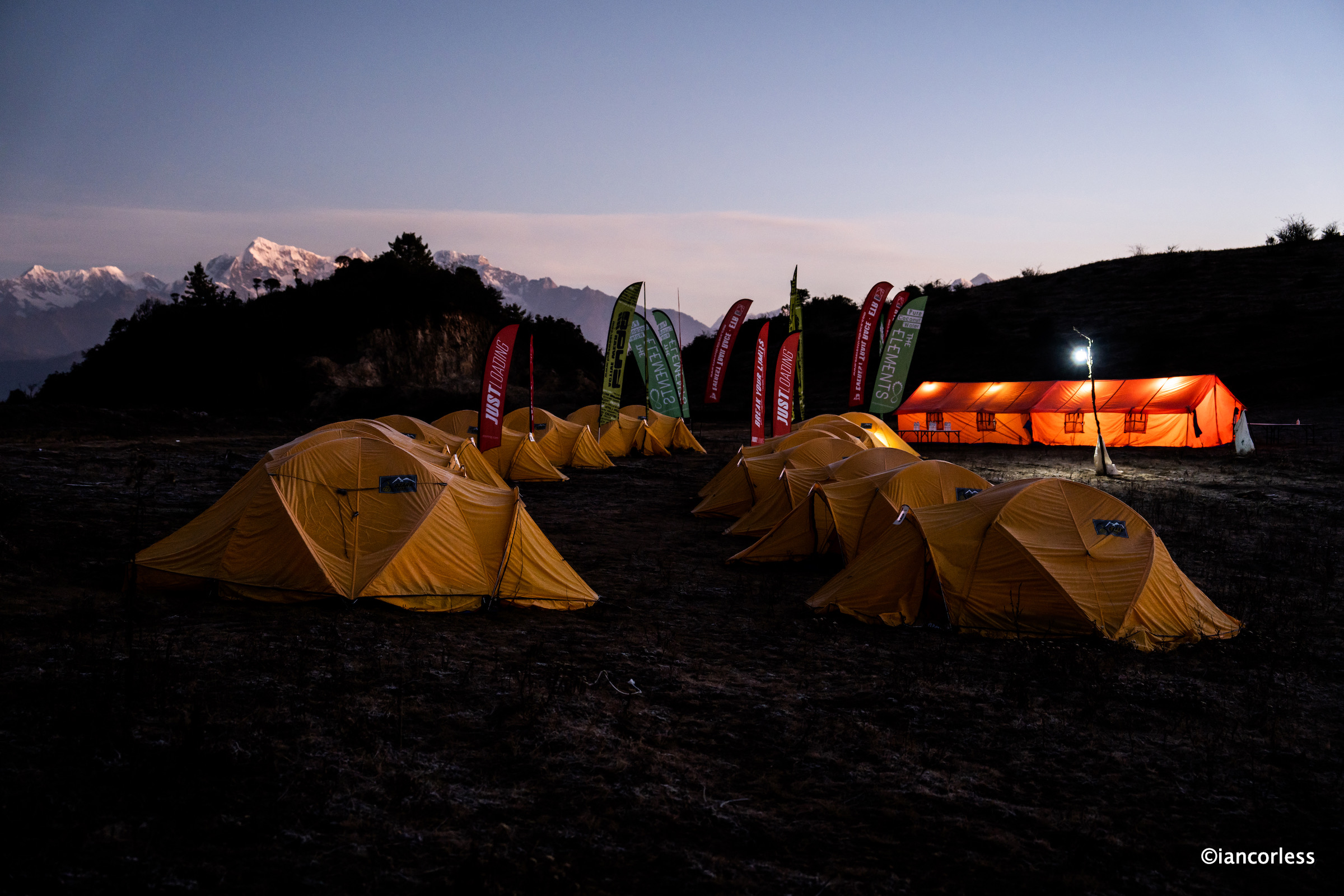
The following day, the journey to camp 1 begins, a bus drive from the noise and bustle of the city to the wild remote landscape of the Himalayas. The views for ever changing, you get to see the variety that this region brings before arriving at camp, tent allocation and a first night under canvas. The next day, the adventure begins with stage 1.

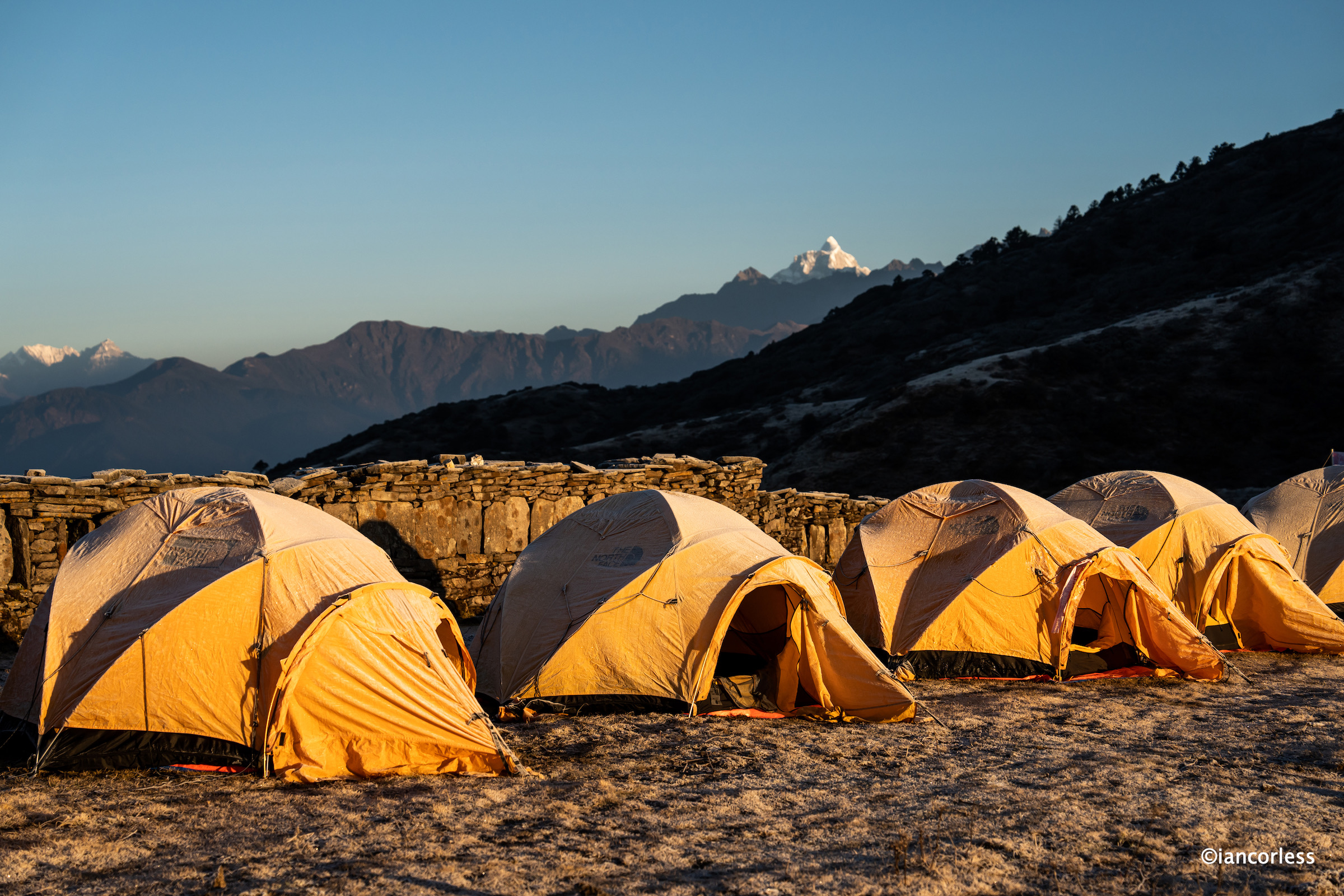
Runner’s sleep in two person tents ©iancorless
The view at the start of stage 1 ©iancorless

The following 6 days takes you on a journey of both physical and mental as you leave the remote and wild farmlands heading toward the majestic beasts of Lhotse, Ama Dablam, Nuptse and of course, Everest.

©iancorless

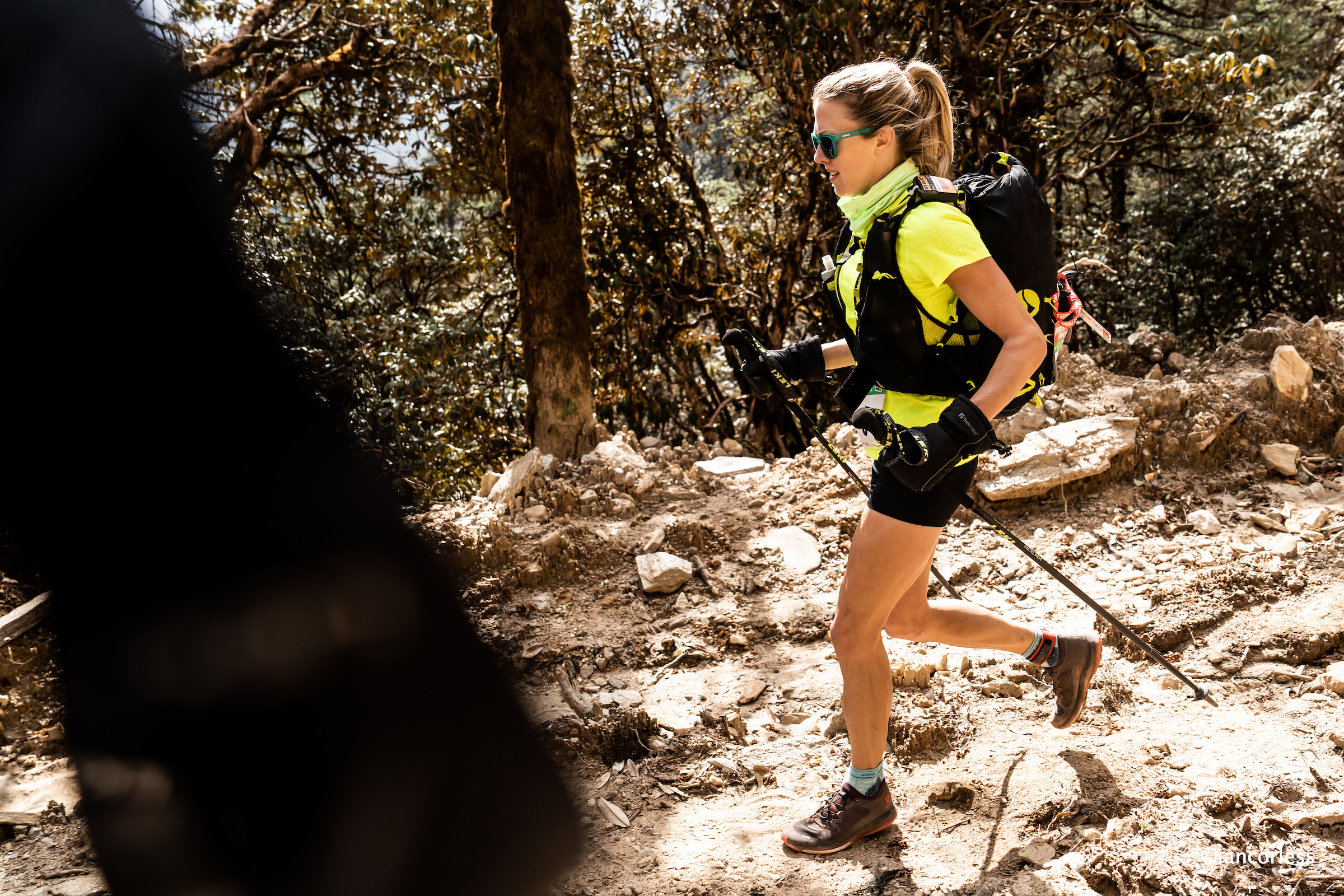
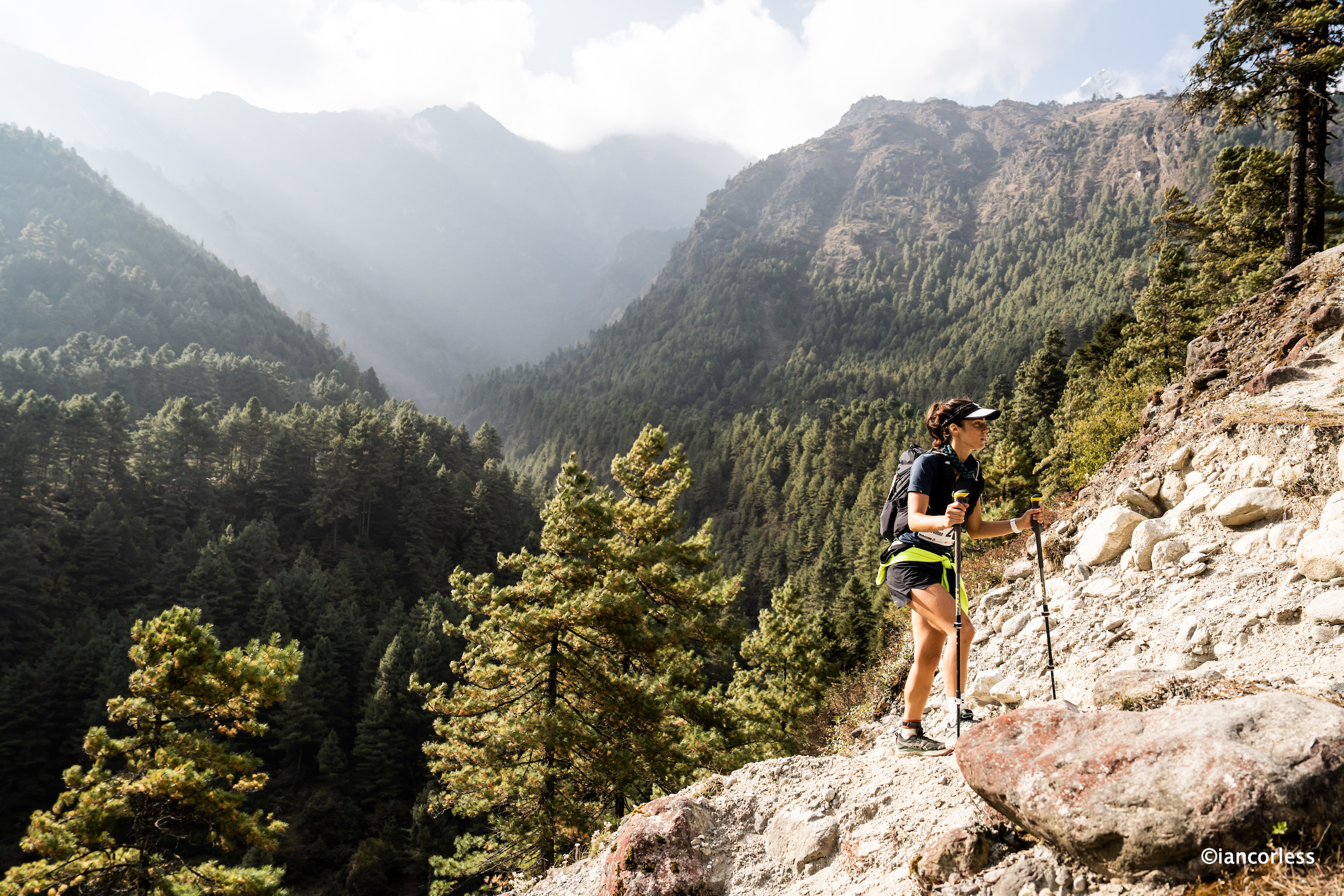
The early stages avoid the classic trekking routes as the participants make their way towards Lukla. Remote, isolated and free from tourism, stages 1-4 show the ‘real’ Nepal, the difficulty of life here and the harshness of weather and land. Days are warm, nights are cold.

The summit of stage 2 and epic views ©iancorless

Traveling in a semi self-sufficient manner, participants carry all they need for the journey – sleeping bag and clothes. The race organization provides a place to sleep, breakfast and dinner and en-route, there are sporadic aid stations to provide essential calories and replenish water.

The tough climb to start stage 2 ©iancorless

The final section of stage 4 passes underneath Lukla and now, the ETR enters one of the key trekking areas of the Khumbu region.

View from the sky ©iancorless

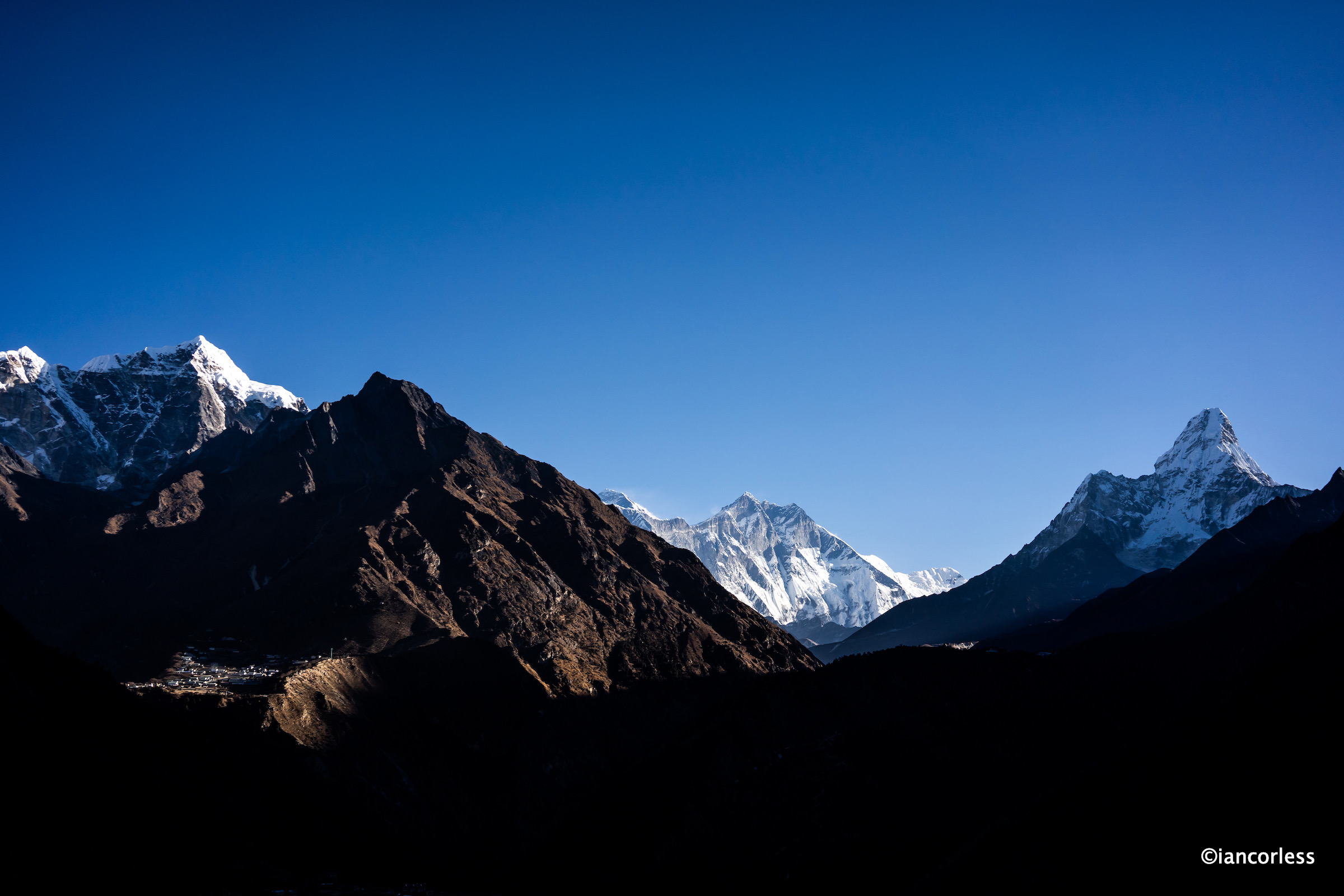
Stage 5 provides a magical journey passing through Namche Bazaar, up and onwards to the eventual finish line at Tengboche Monastery, the backdrop of the key Himalayan peaks making this, arguably, the greatest finish line on the world. Ama Dablam to the right, Everest in the middle, finish lines get no better than this.

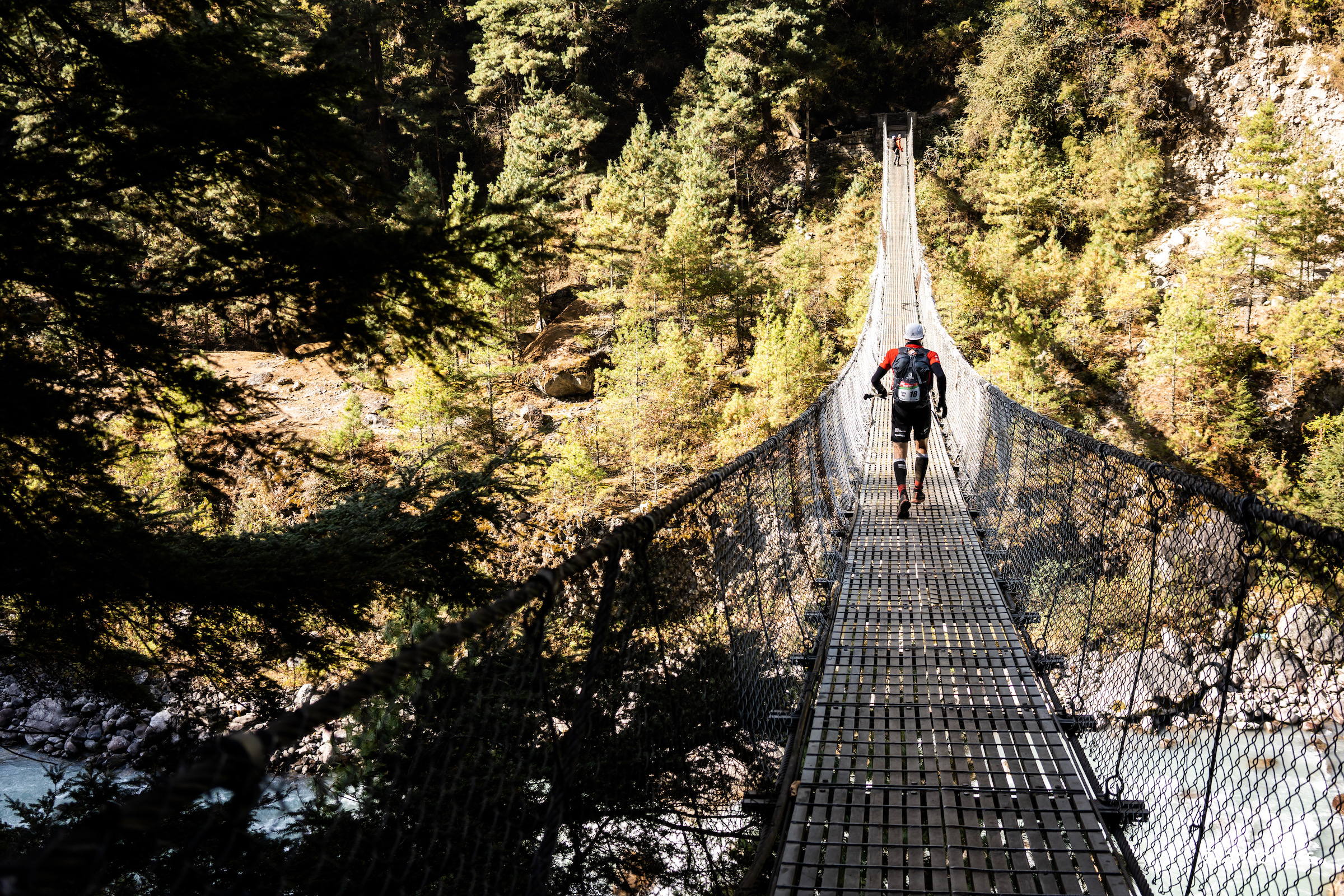
Many bridges link the route ©iancorless

Stage 6 returns to Lukla, the ETR finish line and a night in a lodge. The following day, a return flight to Manthali and then bus back to Kathmandu and hot showers, hotel luxury and a night in a real bed with crisp white sheets.

The following day is free, allowing for relaxation, recovery and of course, a compulsory trip in to Tamil to by souvenirs before the final night awards and gala dinner.

The Everest Trail Race is a special race, one that introduces participants to a very magical place with the safety, back up and organization to make sure the journey is a special one.

The end of stage 4 ©iancorless

Due to the nature of the challenge, an understanding and comfort with mountain terrain is required, in addition, this is a race that takes place at altitude and reaches a high point of over 4000m. Do not underestimate the difficulty this terrain and altitude brings. Daily distances, on paper, may seem very short and achievable, but they are a challenge. But hey, that is why we sign up for these things, no? If it was easy, anyone would do it.

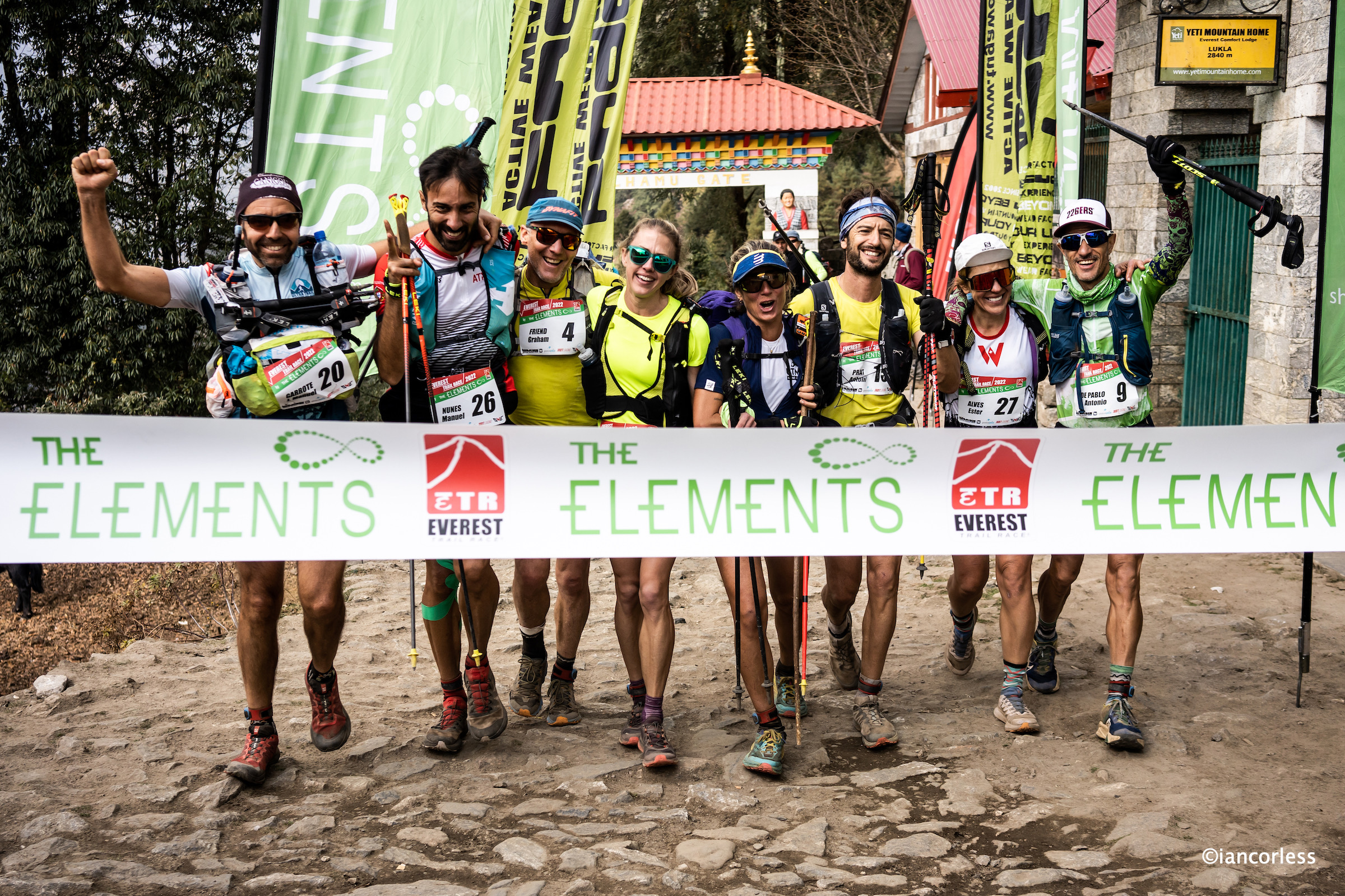
More than running, a journey and adventure shared ©iancorless

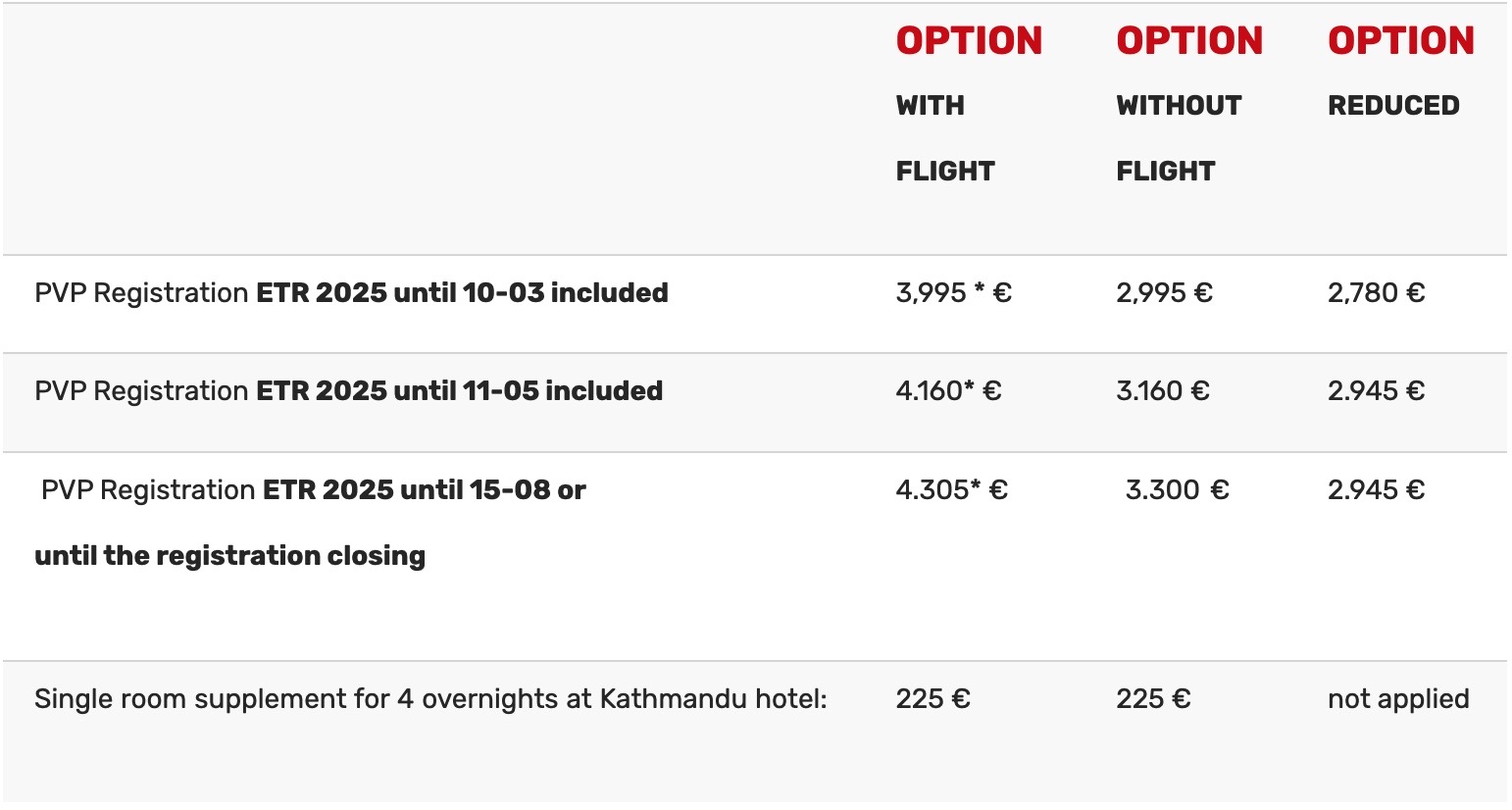
Price:

  • Transcontinental flights Barcelona/ Kathmandu / Barcelona and transfer to the Hotel.
  • Domestic Flights. Manthali/Lukla/Manthali and transfer to the hotel.
  • 4 nights hotel in Kathmandu 4 * (according to local tourist category) with breakfast, double occupancy.
  • Overnight in lodge (hostel) during the trek in full board. Not beverages included.
  • Dinner the second night in a hotel in Kathmandu. Not beverages included.
  • Dinner and awards party. Not beverages included.
  • Allowances and staff insurance.
  • Trekking permit.
  • Entry into the National Park

SIGN UP FOR ETR 2025 HERE

Official Everest Trail Race website here

©iancorless

Follow Ian Corless

Instagram – @iancorlessphotography

Twitter – @talkultra

facebook.com/iancorlessphotography

Web – www.iancorless.com
Web – www.iancorlessphotography.com

TRAINING for Marathon des Sables

Pyramid

Runners from all over the world are looking ahead to April and the next edition of Marathon des Sables. It’s daunting and it can be intimidating. Planning is key. All runner’s need to periodise training so that you get the most from it.

This ‘planning’ often comes in the form of a PYRAMID. The ‘classic’ pyramid training method is well established. In this article I want us to look at this pyramid in two ways by looking at two different runners.

Runner 1– Runs regularly but MDS is a new target and pushes the boundaries of what they thought possible.

Runner 2– Has completed MDS or similar stage race and wants to go back and improve.

First of all, both runners need to count back. From the race date, for some, that may well be a 12-month plan, but more often than not, depending on experience and history, a 6-month block is ideal and for the well trained, a 4 to 3-month very specific block is not unrealistic.

  1. April – MDS race.
  2. March
  3. February
  4. January
  5. December
  6. November

Counting back, it’s easy to look at the objective in real terms and understand what one needs to achieve.

Read THE ULTIMATE GUIDE TO MARATHON DES SABLES HERE

iancorless_101

Depending on experience, how this plan is put together is very much dependent on the individual. However, certain key elements should be present in any training plan and this article is intended to provide the basics from which you can develop a strategy that works for you. I must stress, for you!

RUNNER 1

As stated, runner 1 “Runs regularly but MDS is a new target and pushes the boundaries of what they thought possible.”Therefore, a classic pyramid will be ideal.

See below:

Pyramid

Decide on objectives for the year, decide on Cand targets, obviously, the ultimate is MDS. Put them in a diary and ideally have a wall planner so that you have an overview of the training block, be that 12, 6 or 4-months. It’s easy to see how training looks on a planner. C should be something that one trains through, can be more challenging and have a small taper for, A is very specific such as a training camp.

For example:

  1. April – MDS race – A RACE
  2. March
  3. February
  4. January – a training camp or a mini stage race in training or official
  5. December – a marathon on trail
  6. November – could be a half marathon

MDS is a long way, typically 250km, so, base training and getting the miles in is key. I would hope that before starting any specific training plan, a base has already been established with some consistent running; say, 3 times a week. I have allocated 8 weeks for this in the plan below. Hours of easy miles progressively building to C and B targets.

The objective can be a training camp, maybe a race such as a 3-day race or a specific training long weekend to simulate race conditions.

You can’t perform well at every event and this is why C,and targets are important. Ultimately, MDS is the one in which you must perform.

As in any plan, flexibility is needed. Nothing is fixed and one must be flexible and listen to one’s body. I recommend building for 3 weeks, recovering on week 4, take things easy with reduced mileage and more rest and recovery.

Rest is really important as is consistency. Training is never about ‘one’ run but all the runs added together.

  • November and December 8 weeks – Base
  • January 3 weeks – Specific phase
  • February 3 weeks – Preparation phase
  • March 3 weeks – Peak
  • April  Taper and RACE

BE SPECIFIC

Marathon des Sables will need you to be specific.

For example:

  • You will be carrying a pack that on day-1 of the race will weight at minimum, 8kg.
  • You will be racing in hot conditions.
  • You will be self-sufficient.
  • You will be compromised on calories.
  • You will almost certainly walk more than you anticipate.

The above list goes on and on and as training progresses, you should refer to the list and asses importance. For now, I would place the above list in the following priority.

LEARN TO WALK for most participants and good walking strategy and being familiar with how to use poles are a key to MDS success.

MAKE SURE YOU LOOK AFTER YOUR FEET! HERE

As training progresses asses, one’s strengths and weaknesses and then adjust the plan.

  • Do you need to work on strength and core?
  • If you have poles, do you know how to use them?
  • Are you recovering?
  • How is your diet?
  • What is my resting heart rate, is it fluctuating?
  • Am I being specific and thinking of the race terrain and simulating it?

And so, on and so on. The above questions are a starting point. Read through the list and add your own questions to appraise what type of runner you are.

As the time progresses, not only will you feel more confident, you will be able to understand what needs to be done to achieve your goal.

RUNNER 2

As stated, runner 2 “Has completed MDS or a similar stage race and wants to improve.”

I want to throw a curve ball in here and suggest reversing the pyramid.

ReversePyramid

For runner 1, the emphasis is building a base and then slowly but surely progressing up the pyramid to the pinnacle, MDS. Speed work and faster sessions are less important as building the endurance for the event is a priority, speed will form a very small element of training.

But assuming that runner 2 already has a good base of fitness. An emphasis can be placed on

  • How to improve,
  • How to be more efficient and
  • How to be faster.

So, before planning training, the following should be asked:

  • Do I lack endurance?
  • Do I lack speed?
  • Do I lack strength and core weak?
  • Was I mentally strong?

With answers to the following, one can look at the pyramid in a new way, turn it upside down and instead of putting a priority on long steady sessions early on, they can place a priority on:

  • Strength and core
  • Speedwork
  • The mental approach

Speed training is usually used to add the finishing touches to a solid block of training. But as stated, as an MDS finisher, they already have endurance, so, working on speed now is a great use of time.

  • November and Decembert can be used to get faster and stronger.
  • January can see more endurance added with a reduction in speed work.
  • February now combines endurance and speed with additional focus on strength with hill sessions.
  • March would be the peak phase, fine tuning speed in combination with endurance.
  • April would be a final peak and then taper to the RACE.

If you are someone looking to perform and improve, you need to be more self-critical. Plan your training and periodise your training so that you are able to (hopefully) predict good form for when you want it.

As an example, your A race which could take place in January or February may be something more specific where you are also looking for a result in addition to being in prime shape for MDS.

Remember you can only hold form for a limited length of time and if you want to peak, you need to make sure that this planning stage is done early so that you understand what you are trying to achieve. It’s all about stepping stones. And make sure you consider the terrain that the race will take place on.

Finally…

This article is not a hard and fast plan, it’s a guide for you to go away, look at your targets having assessed past targets and hopefully it makes you think about future objectives so that you can plan for a successful, injury free period of running and racing.

Consistency is key and just running and walking 3 to 6 times per week already drastically increases your chance of success at MDS. Remember, other than the ‘long-day,’ most days are the 28km to 42km bracket, so, no need to go crazy on distance.

The race is 5-stages over 6-days with a maximum distance of 250km’s and the longest day being 75 to 85km. Remember though, the ‘long-day’ has almost two days to complete, so, if required, you can take a substantial break or sleep to make the distance doable.

There are many more questions to ask and points to consider when planning but these should come after getting the training plan and schedule prepared.

  • Prepare for the heat in the taper phase.
  • Planning equipment looking for the best options for you based on weight and budget.
  • Work on food for the race and fine out what you need.

Fancy an early season multi-day TRAINING CAMP? Join us in Lanzarote January HERE

Follow on:

Instagram – @iancorlessphotography

Twitter – @talkultra

facebook.com/iancorlessphotography

Web – www.iancorless.com

Web – www.iancorlessphotography.com

Image sales –www.iancorless.photoshelter.com

Episode 233 – COURTNEY DAUWALTER

Episode 233 of Talk Ultra – YES we are back! With Speedgoat Karl co-hosting and an in-depth interview with Courtney Dauwalter.

It has been a long time, and we can only apologise. Life, family and extensive travel had an impact on available time and while it’s always possible to ‘find some time’ somewhere, the podcast had to be sidelined for the beginning of 2023.

Lanzarote Training Camp, Oman Desert Marathon, The Coastal Challenge, Black Canyon Ultra, a photoshoot for adidas and lastly Transgrancanaria, it was a hectic start to ’23!’

  • Lanzarote Training Camp HERE
  • Oman Desert Marathon HERE
  • The Coastal Challenge HERE
  • Transgrancanaria HERE

But hey, no better way to return than with an in-depth interview with the Queen of Trail, Courtney Dauwalter.

©iancorless

Courtney just recently won Transgrancanaria with a course record and sub 15-hour performance, once again placing in the top-10 overall.

The interview with Courtney starts at 00:21:00

You can listen to the show on ANCHOR by Spotify HERE

Share us on Facebook – Talk Ultra FB HERE

Tweet us on Twitter – Talk Ultra on Twitter HERE

Instagram – HERE

And use good old word mouth.

Importantly, go to iTunes and subscribe so that you automatically get our show when it’s released we are also available on Stitcher for iOS, Android and Web Player and now Tunein. We are also on Spotify too.

Our web page at www.iancorless.com has all our links and back catalogue.

Please support Talk Ultra by becoming a Patreon at www.patreon.com/talkultra and THANKS to all our Patrons who support us.

THE SHOW

Spotify HERE

ITunes HERE

Stitcher You can listen on iOS HERE, Android HERE or via a web player HERE

Website – talkultra.com

Goal Setting for a MULTI-DAY Adventure or RACE

Before you start a multi-day, be that a race or a personal challenge, one thing is for sure, NOW is the time to set a goal and focus, fine-tune everything, including training, so that you can be at the start in the best shape possible.

First and foremost, have a complete understanding of the task ahead and set a goal or target. This is key not only in the physical adaptations that are required, but also the mental adaptations. There is a huge difference in doing something supported and in doing something self-sufficient. Marathon des Sables a prime example, understand the nature of the event and set a realistic but challenging goal.

MDS is an extreme event that takes place in the Sahara. The nature of the event is self-management both physically and mentally to endure the challenge, survive and reach the finish line. The weather (heat) is one of those challenges and surviving the weather is integral to the nature of the event. As is the ‘self-sufficient’ nature. Other than rationed water and a bivouac, be prepared to endure and complete this event with no outside assistance. Of course, help is at hand, but that help is and should be a safety element that is required in emergency. Equally, if undertaking a solo multi-day experience, do the research, plan routes, look at back-up options, can you re-supply with food, is water available?

Plan and prepare.

TRAINING

We are all unique and individual. Some of us are faster, some are mentally tough, some have a capacity to go for hours and hours and even days and yes, some runners combine all those elements.

Therefore, a multi-day training plan must be used as a template and framework to provide a structure for you, the individual, to achieve your goal.

Be sensible and adjust training plans so that they fit your ability, aspirations, training history and time available.

Think about when you place rest days, when you do long runs and when you work on hills and faster running. A training plan is like a jigsaw puzzle and managing the pieces and adding them together sensibly is how you make a successful and complete picture.

Any training plan is designed to progressively build strength, endurance, and confidence with gradual load increases. Rest is an important element of any training plan, so, rest with the same intensity that you train. Ultimately, you have decided to undertake this adventure, so, enjoy the process and make it fun.

Be specific. Make sure the training terrain, as much as possible, simulates your target event.

Always focus on the goal. Training plans for me start with the goal date and I then count back in time to a start point. That start point for you may well be before the 12-weeks but once you start the plan, focus on the target, and always make every session is as specific to the goal as possible.

For example, if participating in Marathon des Sables, you already know some key and important information:

  1. It will be hot.
  2. You will need to deal with hard and rocky plateaus, but you will also need to deal
    with soft sand and dunes.
  3. You will be on rationed food/ calories.
  4. You will only be supplied water to drink, and this is *rationed. In extreme weather such as the October 2021 edition, water rations were increased.
  5. Everything (not the tent) will be carried in a pack, on day 1 this will be at a minimum weight of *8kg. (*Minimum pack weight is 6.5kg but you must carry 1.5 liters of water which equates to 1.5kg.)
  6. You will sleep in an open tent, on the floor using a mat and sleeping bag.
  7. The long day comes on day 4 after approximately 90-100km of running, so, you
    need to be able to run for consecutive days and manage your pace and effort.
  8. The long day is (typically) between 70 and 90km and you have one full day, one night and most of the next day to complete it.
  9. After the ‘rest day’ is a marathon.
  10. You can complete the race by covering just 3km’s per hour.
  11. In 2019, the MDS was won by Rachid El Morabity and Ragna Debats in 18:31:24 and 22:33:36 respectively. The last runner was Ka Chun Chan from China in 69:29:16. For perspective, Rachid could have run the race nearly four times in 69:29! We are all individual.
     

Key elements each runner needs for a multi-day like MDS.

  1. You need to be mentally tough.
  2. Physically strong to endure multiple days of back-to-back exercise.
  3. Strong enough to carry a loaded pack and still move at a good pace.
  4. Adapted to function on restricted calories and food choices.
  5. Able to drink only water.
  6. Adapted to perform and function in heat.
  7. You need to be able to walk.
  8. You need to be able to handle un-planned situations.
  9. Have A, B and C goals.
  10. Be self-sufficient.

Multi-day racing and multi-day adventures are unique and particularly self-sufficient ones when you must carry all you need for the duration of the event. In a race, you will carry clothing, sleeping bag, sleeping mat, essential items and food for the duration of the event. At MDS minimum weight is 6.5kg plus water. Just as you prepare physically and mentally, also be meticulous with equipment and food preparation. You ideally need your pack to be 6.5kg and no more… Additional weight is additional stress.

If fastpacking, you may possibly be as above, but you will need to carry your own tent and you will need to re-supply with water en-route either using natural water supplies or utilizing retail outlets.

Be specific and understand the demands of the event you are undertaking and plan accordingly.
 

WHAT SHOULD A TRAINING PLAN LOOK LIKE?

All plans need to be progressive and geared towards the end goal of a multi-day like Marathon des Sables or a fast-packing adventure.

Remember, we are all individual, so while a generic plan may provide a guide and structure from which to work from, it’s important to adapt and tweak to individual needs. For example, the training plan for someone who is trying to be top 100 at a race will vary greatly to someone who hopes to complete and not compete.

Each week will typically have one or two rest days.

A simple strength training structure that can be done at home or in a gym.

Hill sessions and speed sessions (tempo/ intervals/ fartlek) have a place in any training plan, but the quantity and duration will depend on what type of runner you are and what your aspirations are.

Long sessions are essential and most certainly, an element of back-to-back sessions will help adapt the mind and body for the challenge ahead. However, injury risk goes up with any block like this, so, it needs to be placed carefully with adequate rest and recovery.

Learn to walk. There is a huge difference walking with purpose and pace to ‘just’ walking. Except for the top runners, walking is an integral element to a successful completion of a multi-day race or adventure. Many only realise during the event. Get walking dialed in training.

Do some specific work with a pack and weight BUT be careful as it is easy to get injured.

Think of training as blocks of 4-weeks, build for 3-weeks and then rest/ take it easier on the 4th. An example could be as below.

The final phase of a training plan should taper to allow you to be strong and fresh when the start comes, typically this 2 or 3-weeks long. This a perfect time to add specific race adaptations such as heat training, preparing for humidity, preparing for a cold environment and of course fine-tuning equipment and packing.

CONCLUSION

Multi-day running or racing is exciting and adds many more elements to think about than ‘just’ running. Taking time to plan training and working to a goal is a worthwhile and constructive – it gives you something to aim for!

Further reading:

  • MDS 2021 Summary HERE
    The Ultimate Guide to Desert Multi-Day HERE
  • Fuelling for a Multi-Day HERE
  • How to find your Running Shoe size and fit HERE
  • Sleeping Bag for an Adventure HERE
    Ten Top Tips for Multi-Day HERE
  • Top Tips to better Multi-Day Running HERE
  • Multi-Day Running in a Rainforest HERE
  • Fastpacking – A Guide HERE
  • Fastpacking Light – HERE
  • Fastpacking and Camping in Winter HERE
  • Fastpacking in Nepal HERE
  • Poles for Running and Walking HERE
  • Sleeping bags – PHD, Sea to Summit and Rab HERE


Recommended Races:

  • Marathon des Sables, Morocco (self-sufficient)
  • The Coastal Challenge, Costa Rica (supported)
  • Everest Trail Race, Nepal (semi self-sufficient)

JOIN OUR MULTI-DAY TRAINING CAMP IN JANUARY – INFO HERE

Follow on:

Instagram – @iancorlessphotography

Twitter – @talkultra

facebook.com/iancorlessphotography

Web – www.iancorless.com

Web – www.iancorlessphotography.com

Image sales –www.iancorless.photoshelter.com

Episode 220 – Pyrenees Stage Run and Therese Falk

Episode 220 of Talk Ultra is co-hosted by Karl Meltzer and we talk with Tomas and Jordi from Pyrenees Stage Run and woman of the moment, Therese Falk from Norway.

00:21:30 Pyrenees Stage run

01:35:19 Therese Falk

NEWS

Check FKT website for latest updates HERE

Hypothermia – Be Prepared HERE

Mandatory Kit HERE

Latest Reviews

inov-8 Trailfly Ultra G300 Max Review HERE

VJ Sport ULTRA shoe review HERE

La Sportiva CYKLON shoe review HERE listen to Episode 208 of Talk Ultra is a special show with DANIEL FEENEY and Jonathan Wyatt discussing the collaboration between BOA and La Sportiva for the new, Cyklon shoe.

INSTINCT XX20L Pack review HERE

NEED A TRAINING PLAN?

12 – 24 Week Multi-Day Training Plans now available HERE

100-Mile Training Plan now available HERE

Read about the Pyrenees Stage Run HERE Entries are now open for the 2022 edition, go to HERE

adidas Terrex Agravic Tech Pro Review HERE

See who is joining The Coastal Challenge 2022 HERE

Listen to Episode 220 below:


Share us on Facebook – Talk Ultra FB HERE  

Tweet us on Twitter – Talk Ultra on Twitter HERE  

Instagram – HERE  

And use good old word mouth.  

Importantly, go to iTunes and subscribe so that you automatically get our show when it’s released we are also available on Stitcher for iOS, Android and Web Player and now Tunein. We are also on Spotify too.   Our web page at www.iancorless.com has all our links and back catalogue.   Please support Talk Ultra by becoming a Patreon at www.patreon.com/talkultra 

Spotify HERE  

ITunes HERE  

Stitcher You can listen on iOS HERE

Android HERE 

or via a web player HERE  

Website – talkultra.com

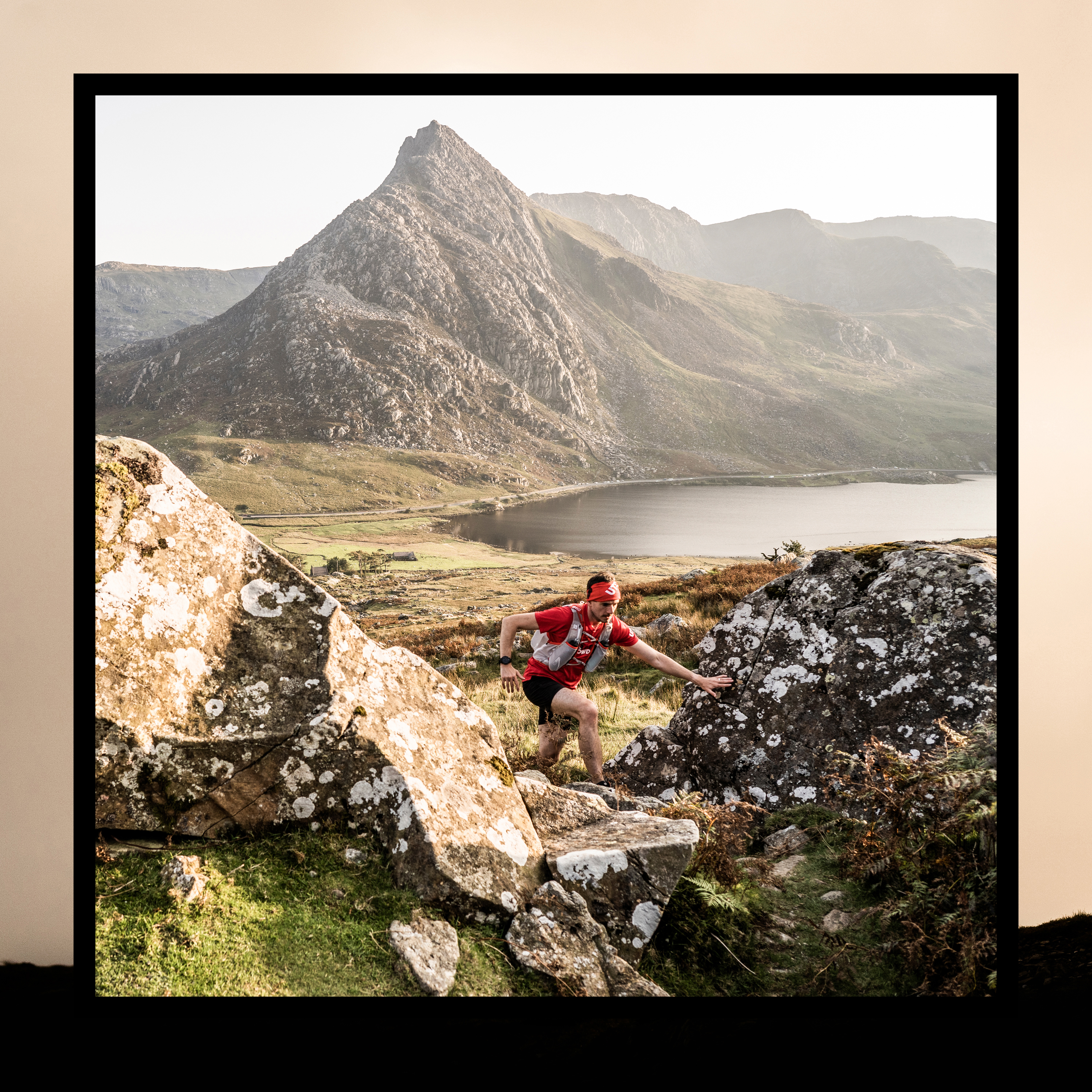
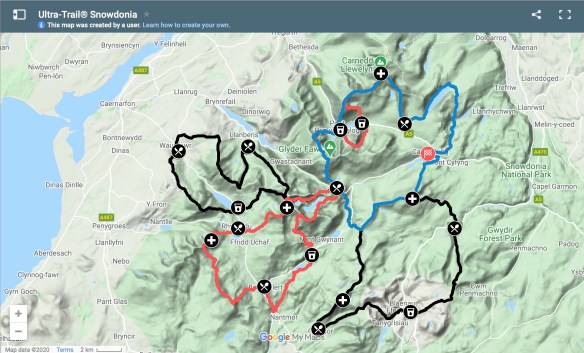
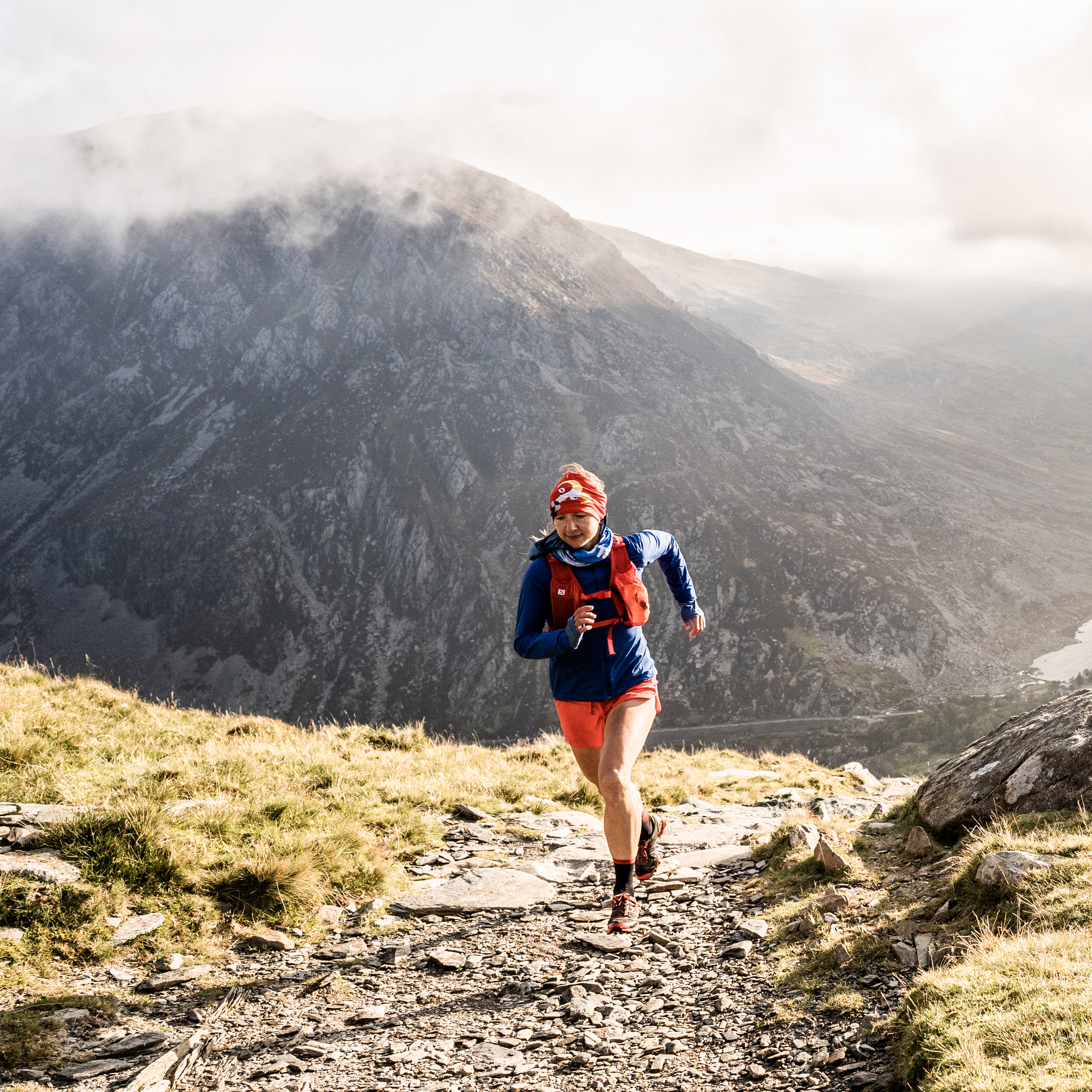
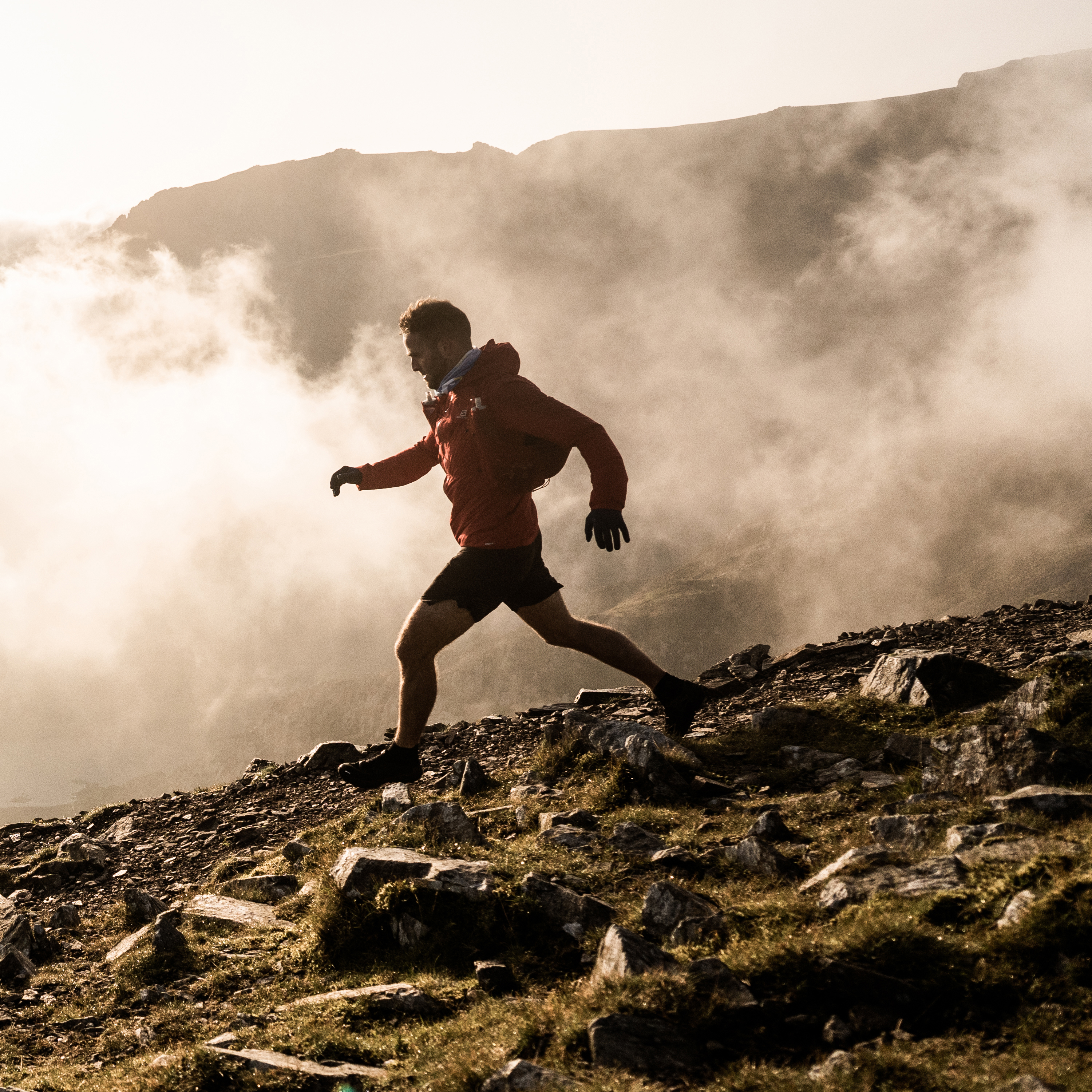
Ultra Trail Snowdonia 2021 Preview

Coronavirus pretty much wiped out the 2020 racing calendar and unfortunately, UTS was a casualty at the 11th hour. Gladly, UTS returns for 2021 bigger and better than ever… Supported by Hoka One One® and now part of the Ultra-Trail® World Tour, UTS is the UK’s answer to other big European ultras! Learn more about the Ultra-Trail® World Tour HERE.

Michael Jones of Apex Running Co is a runner himself, so, he has understood the need and desire to race, but also abide by government guidelines and provide a safe race – a thankless task for anyone. Michael has been positive though, always looking ahead, planning and working within government guidelines to bring a safe and stunning weekend of racing to Wales.

Three events that show Snowdonia at its best. The 50km has a 14-hour cut-off, the 100km 33-hours and the 165km a whopping 50-hour limit. Needless to say, 3 very tough events in a tough and challenging part of the world. Covering an area of 827 square miles and established in 1951, Snowdonia is the second largest National Park in the UK and home to the highest peaks in the UK outside of Scotland. From its 37 miles of beautiful beaches where you can surf, to rugged, ridge-laden mountain peaks and an array of pristine lakes inbetween: there is something to please every outdoor enthusiast here! Keen to learn a bit more about beautiful Snowdonia? A great place to start is the Snowdonia National Park Authority website HERE.

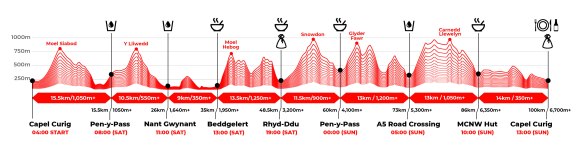
The 165km event is the main event of the weekend starting at 11am on Friday 10th September. A route that starts and finishes in Capel Curig, it’s a monster of a challenge.

The schedule for the weekend is HERE

UTS Facebook HERE

UTS Instagram HERE

UTS Twitter HERE

Each distance features 3300/6700/10,000m+ elevation gain, on predominantly technical mountain trails. This makes UTS one of, if not THE toughest Ultra-Trail® events in the world. UTS isn’t just challenging for the sake of it though. With routes that explore Snowdonia’s most scenic valleys, rugged peaks and epic landscapes, these race routes are truly the most beautiful in the UK!

Entry lists are available to view via the UTS website. While most entrants are from the UK, there is a multinational feel with Poland, Sweden, Norway, South Africa, Ireland, Italy, Lithuania, New Zealand, Portugal, Czech Republic, Australia, Spain, USA, Germany, Netherlands and more… listed on the start sheets.

The UTS 165 is the stand-out and flagship event offering a stunningly brutal and beautiful tour of the Snowdonia National Park. Starting in Capel Curig, the route takes in the most notable peaks of north Wales.

UTS 100 has technical trails, epic views and is a highlight tour of north Wales.

Arguably, the UTS 50 is an entry level race but still requires respect for the challenges that Wales and its mountains can bring.

Follow on:

Instagram – @iancorlessphotography

Twitter – @talkultra

facebook.com/iancorlessphotography

Web – www.iancorless.com
Web – www.iancorlessphotography.com

Image sales –www.iancorless.photoshelter.com

Pyrenees Stage Run 2021 – Stage 6

It was the penultimate day of the 2021 Pyrenees Stage Run, 26.6km with 1820m+ starting in Tavascan and concluding in Esterri d’Àneu.

Crossing the last part of the Pallars Sobirà region to face Vall d’Aran, past participants had enthusiastically proclaimed that this was a spectacular day, and they were correct.

The early 6km of climbing to La Pleta del Prat (1720m) were mostly on forest trails, however, from the ski station, the landscape opened up offering stunning views of the surrounding mountains. The highlights of the day were the lakes of Estany de Mascarida and Collada dels Tres Estanys.

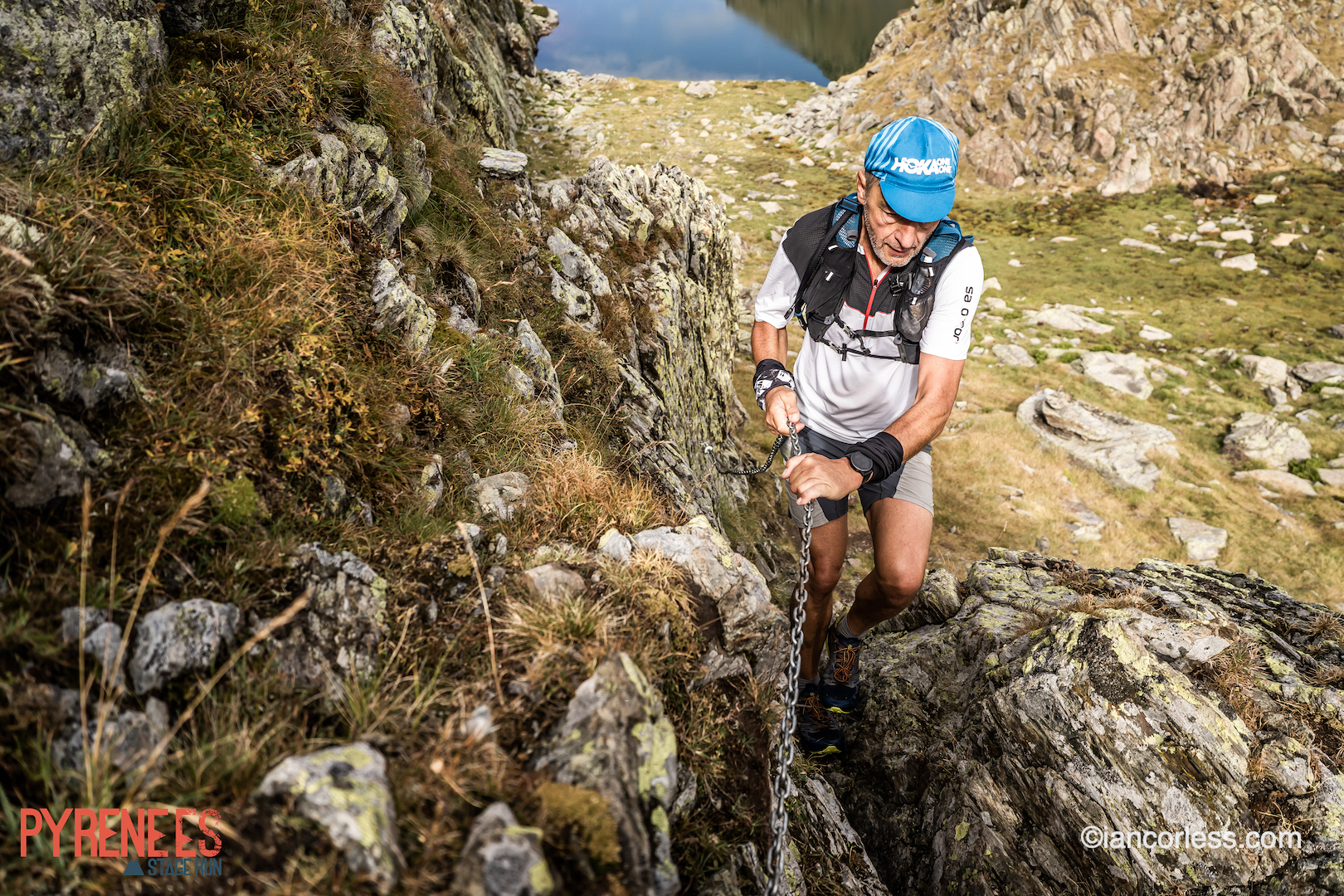
The highpoint of the day coming at 2646m and with it scree slopes, rope sections and after Collada dels Tres Estanys some small chained sections.

It was a wow day, the landscape truly spectacular.

VIEW THE IMAGE GALLERIES

Pont de Graus and Unarre broke up the long 16km downhill to the finish that would sap tired legs.

Parc Naturel de L’Ailt Pirineu gave way to Parc Nacional d”Aigüestortes I Estany de Sant Maurici and the finish in Esterri d’Àneu was a welcome conclusion to a beautiful day.

Tomorrow, stage 7 will conclude the PSR and while the runners bodies will welcome the conclusion of a tough 240km journey, there is already a hint of sadness that this experience is coming to close.

The PSR is most definitely a run experience that gives an all encompassing run journey through a remarkable part of the world. Of course, there are those who will finish first, but this 7-day journey feels much more like a run than a race.

The PSR can be followed live through the website of the race, https://psr.run, and every day a video and photographs of the stages will be published on their social networks.

The Pyrenees Stage Run would not be possible without the main sponsorship of Turga Active Wear, Garmin, Puigcerdà, Encamp (And) Vall del Madriu-Perafita-Claror and bifree sports.

Please support this website. I believe everyone deserves to read quality, independent and factual articles – that’s why this website is open to all. Free press has never been so vital. I hope I can keep providing independent articles with your help. Any contribution, however big or small, is so valuable to help finance regular content. Please support me on Patreon HERE.

Follow on:

Instagram – @iancorlessphotography

Twitter – @talkultra

facebook.com/iancorlessphotography

Web – www.iancorless.com

Web – www.iancorlessphotography.com

Image sales –www.iancorless.photoshelter.com

Episode 214 – The Chamonix Tapes 2 – Macy and Ekaterina Mityaeva

Welcome to ‘The Chamonix Tapes’ an inside look at the adidas Terrex Team during the 2021 UTMB.

Starting on Tuesday August 24th and running through to Sunday August 29th, there will be a daily podcast release for your audio pleasure.
In The Chamonix Tapes 2, we speak with Macy (Marcel Hoeche) and Ekaterina Mityaeva about shoe design and the new, Agravic Ultra shoe.

“Sustainability, materials and who is the consumer? Everyone deserves a perfect shoe… From the very beginning we knew we were on to something super great. I can’t begin to tell you how many different shapes of the plate we used in so many different materials. If you pair five shapes and five materials this is 25 pairs of shoes we need to test… It was a complex process which was definitely worth it.”

Show links:


Website HERE

Spotify HERE  

ITunes HERE  

iOS HERE

Android HERE  

Web player HERE  

Libsyn – HERE   

Tunein – HERE

Episode 212 – Beth Pascall

Episode 212 has an interview with Beth Pascall who won the iconic Western States 100-mile. The show is co-hosted by Abelone Lyng.


Talk Ultra needs your help! 
We have set up a Patreon page and we are offering some great benefits for Patrons… you can even join us on the show! This is the easiest way to support Talk Ultra and help us continue to create! 
Many thanks to our Patrons who have helped via PATREON
Donate HERE

NEWS

Firstly, apologies for the lack of a show recently. It’s been one of those periods when life and travel have taken over and after the rollercoaster of the last 18-months, I personally decided to go with the flow and not force anything. Abelone, who is co-hosting with me, has joined me on many and adventure recently and we have enjoyed the disconnect and trail time. We have run many miles, climbed many mountains, fastpacked, camped wild and soaked in the best of what Norway has to offer… July has been a good month to re-connect. I also started to travel again with races, a stunning trip to Lofoten for The Arctic Triple, a race in Hardanger, a four day (the UT4M) in France and just recently, the Stranda Fjord Trail race and this weekend, as the show is released, the Rondane 100.


Next week I head to Chamonix for build up to UTMB and some news on that to follow later in the show.


Scott Jurek is back on the Appalachian Trail and Speedgoat Karl is with him. Scott is once again taking on the 2190-mile journey  travelling south looking to set an FKT for the second time, he departed August 4th at 0730. Scott set the record in 2015 travelling north. Karel Sabbe holds the fastest time of 41-days, 7-hours and 39-minutes. *Update, news came in after recording that Scott had to stop after injury.


Talking of FKT’s, Timmy Olson set a new record on the Pacific Crest Trail, 51-days, 16-hours and 15-minutes for the 2653-mile journey. Supported by his family, Krista his wife heavily preganant, this journey was far more than just running. From the outside looking in, it was a truly inspirational journey. We hoe to chat with Tim soon!


Simen Holvik set a new record for the Norg Pa Langs (road) in Norway, 25-days 15-hours and 20-minutes. 


Kilian Jornet once again the legendary Sierre-Zinal for the 9th time. 31km, 200m of vert in 2:31, the dude is a GOAT. Huge shout to the UK1s Robbie Simpson in 2nd and Cesare Maestri in 3rd. Maud Mathys won the women’s race (already a 2x champ) in 2:46 ahead of Nienke Brinkman and Anais Sabre.


Tromso Skyrace was won by Therese Arvik and Lars Olaf Haaheim, the race usually has excellent competitors from outside Norway, however, the ongoing Covid restrictions impacted on an international field.


Abelone and myself were in Stranda, Norway, for the Stranda Fjord Trail Race – I focussed on the 100km but there was a 48km and 25km. This course needs to be experienced – it is stunning! Please read the race report and view the images.


TransRockies in Colorado was won by Cody Reed and Grace Staberg, the duo running the 6-day solo in 15:59 and 18:35.


Next week the build up to UTMB starts and Talk Ultra is going to be providing in-depth content, behind the scenes of the adidas Terrex Team. We are going to be discussing many subjects and although the full line up of interviews are not confirmed, you can expect chat with the team manager, in-depth chat with one of the shoe designers, emphasis on women in trail running, chats with legends of the sport and of course, chat with up and coming stars.

FKT’s? check the FKT website HERE


NEW REVIEWS


RAB Mythic Ultra Sleeping bags HERE


Hoka One One ZINAL shoe review HERE


Big Agnes Fly Creek solo tent HERE


adidas Terrex Speed Ultra long-term review HERE

OLDER ARTICLES:

Hypothermia – Be Prepared HERE

Mandatory Kit HERE

inov-8 Trailfly Ultra G300 Max Review HERE

VJ Sport ULTRA shoe review HERE

VJ Sport ULTRA

La Sportiva CYKLON shoe review HERE listen to Episode 208 of Talk Ultra is a special show with DANIEL FEENEY and Jonathan Wyatt discussing the collaboration between BOA and La Sportiva for the new, Cyklon shoe.

La Sportiva Cyklon

INSTINCT XX20L Pack review HERE

Instinct XX 20L

HOKA ONE ONE Torrent 2 Review

La Sportiva Lavaredo Ultra Trail Review and Images.

NEED A TRAINING PLAN?

12 – 24 Week Multi-Day Training Plans now available HERE

100-Mile Training Plan now available HERE

We also have several places that have become available for bespoke coaching and training plans. Like more information? 

Listen to the show here or via links:

LINKS:

Spotify HERE  

ITunes HERE 

iOS HERE

Android HERE 

Web player HERE 

Please support this website. I believe everyone deserves to read quality, independent and factual articles – that’s why this website is open to all. Free press has never been so vital. I hope I can keep providing independent articles with your help. Any contribution, however big or small, is so valuable to help finance regular content. Please support me on Patreon HERE.

Follow on:

Instagram – @iancorlessphotography

Twitter – @talkultra

facebook.com/iancorlessphotography

Web – www.iancorless.com

Web – www.iancorlessphotography.com
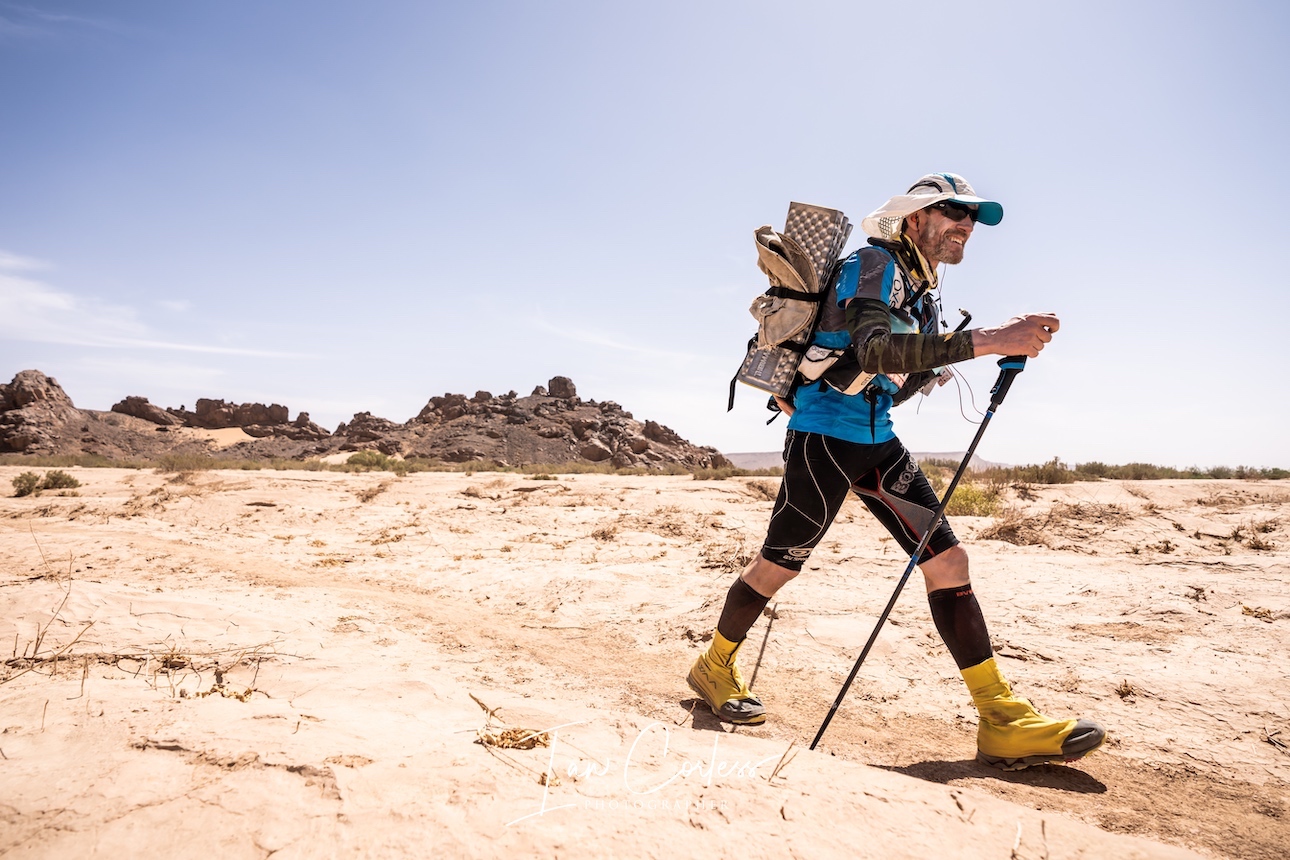
Image sales –www.iancorless.photoshelter.com