Paleo, Maffetone & the Method

Have you ever asked yourself?

  • Why can’t I lose weight?
  • What can I do to reach my potential as an ultra runner?
  • Why do I sometimes have pain and discomfort?

Dr Phil Maffetone says he can’t tell you the answers to such questions but what he does say is that he can help you find out.

He has a mantra that ‘everyone can succeed’. I agree, we are all capable of so much more than we think. But often, we need to think outside the box or we need to think in a very different way. We all become programed; we conform to the general consensus when actually finding our own path may very well be the best decision we could make.

Forget easy fixes. They don’t really exist. If you want something, you are going to need to work at it. That doesn’t necessarily mean you will need to make sacrifices but it may mean that you will need to adjust your thought process and look at things from a completely different angle.

Dr Maffetone has evolved and developed his ‘method’. We are all individual but certain patterns exist within all of us when we are not balanced in a perfect way.

As Dr Maffetone says, “These were physical, biochemical and mental-emotional imbalances, complete with various signs and symptoms. These patterns provided vital information, which helped lead to quicker and more accurate evaluations, and faster therapeutic outcomes.”

The ‘method’ leads to specific questions such as “Do you get pain?”

  • How do you get the pain?
  • When does the pain start?
  • What makes it better or worse?
  • How long does the pain last?

“These questions are a vital part of my style, and important tools anyone can use to find and fix physical ailments, metabolic imbalances and other problems.” Says Dr Maffetone.

Ultimately we all need our own personal program that will allow us to progress and function to the best of our ability. We need to self-test.

“By testing the body by adding or avoiding certain foods or specific workouts, for example, one can obtain valuable information to begin piecing together the details of an individualized program.”

There are many different facets of health and fitness that also must work together to create optimum human potential for an ultra runner, we are primarily looking at the bodies efficiency at using fat as a fuel and the physical activity that we undertake in training to make us stronger and fitter for the challenges ahead.

Burning body fat helps any athlete to perform at high levels, particularly ultra runners. The benefits are incredible, lets face it, and we all have plenty to call on. If we are using the fat within our bodies effectively not only can we perform better but we also prevent the accumulation of excess stored fat and weight.

Most of the body’s energy for daily living comes from the conversion of both sugar (glucose) and fat to energy (in the form of ATP).” Says Dr Maffetone “Some people rely on larger amounts of fat, with the result of high physical and mental vigor, improved health, and better all-around performance.“

If you are not able to burn fat and rely mostly on sugar for energy, then you will burn less fat in day-to-day life but more importantly you are neglecting one of the primary fuel sources that will enhance your training and race experiences. In addition, you will have the highs and lows that are associated with the ‘spikes’ from a high sugar diet, you will gain body fat and weight and you may very well feel sluggish with less consistent energy to perform daily tasks.

Is a Paleo lifestyle something that you now feel will enhance your life?

But Paleo is only one aspect of the Maffetone Method. If you want to switch on the fat burning mechanism within your body and enhance it, then we need to look at how we undertake our physical activity. Dr Maffetone pioneered this process way back in the 80’s with Mark Allen (now a highly respected champion Ironman Triathlete).

We need to train our Aerobic system.

“By stimulating the full spectrum of slow-twitch muscle fibers, which rely on fat for fuel, improvements in the heart and lungs with increased circulation and better brain function also occur.”

If we don’t train our fat burning system we are missing a really key component that will enable us to function at the best of our ability, we actually run the risk of becoming aerobically deficient.

Dr Maffetone explains, “Being aerobically deficient is a common syndrome associated with fatigue, increased weight and body fat, reduced immune function, physical disability, and hormonal imbalance.”

The Maffetone Method also covers so many other aspects such controlling chronic inflammation and stress management, which you may like to follow up on in one of his many publications.

  • “In Health & Fitness” by Dr Phil Maffetone HERE
  • “The Maffetone Method” by Dr Phil Maffetone HERE

I caught up with Dr Maffetone for episode 32 of Talk Ultra and we discussed the Aerobic system and Paleo diet. You can listen to the full interview HERE

Aerobic Training

How do you calculate your own maximum aerobic training heart rate?

To find your maximum aerobic training heart rate, there are two important steps to the Maffetone Method:

1. Subtract your age from 180.

2. Modify this number by selecting among the following categories the one that best matches your fitness and health profile:

a. If you have or are recovering from a major illness (heart disease, any operation or hospital stay, etc.) or are on any regular medication, subtract an additional 10.

b. If you are injured, have regressed in training or competition, get more than two colds or bouts of flu per year, have allergies or asthma, or if you have been inconsistent or are just getting back into training, subtract an additional 5.

c. If you have been training consistently (at least four times weekly) for up to two years without any of the problems just mentioned, keep the number (180–age) the same.

d. If you have been training for more than two years without any of the problems listed above, and have made progress in competition without injury, add 5.

For example, if you are thirty years old and fit into category (b), you get the following:
180–30=150. Then 150–5=145 beats per minute (bpm). 

In this example, 145 will be the highest heart rate for all training. This is highly aerobic, allowing you to most efficiently build an aerobic base. Training above this heart rate rapidly incorporates anaerobic function, exemplified by a shift to burning more sugar and less fat for fuel.

If it is difficult to decide which of two groups best fits you, choose the group or outcome that results in the lower heart rate. In athletes who are taking medication that may affect their heart rate, those who wear a pacemaker, or those who have special circumstances not discussed here, further individualization with the help of a healthcare practitioner or other specialist familiar with your circumstance and knowledgeable in endurance sports may be necessary.

Two situations may be exceptions to the above calculations:

• The 180 Formula may need to be further individualized for people over the age of sixty-five. For some of these athletes, up to 10 beats may have to be added for those in category (d) in the 180 Formula, and depending on individual levels of fitness and health. This does not mean 10 should automatically be added, but that an honest self-assessment is important.

• For athletes sixteen years of age and under, the formula is not applicable; rather, a heart rate of 165 may be best.

Once a maximum aerobic heart rate is found, a training range from this heart rate to 10 beats below could be used as a training range.

For example, if an athlete’s maximum aerobic heart rate is determined to be 155, that person’s aerobic training zone would be 145 to 155 bpm. However, the more training at 155, the quicker an optimal aerobic base will be developed.

Initially, training at this relatively low rate may be stressful for many athletes. “I just can’t train that slowly!” is a common comment. But after a short time, you will feel better and your pace will quicken at that same heart rate. You will not be stuck training at that relatively slow pace for too long. Still, for many athletes it is difficult to change bad habits.

CASE STUDY taken and edited from markallenonline.com

Mark Allen says:

During my 15 years of racing in the sport of triathlons I searched for those few golden tools that would allow me to maximize my training time and come up with the race results I envisioned. At the top of that list was heart rate training. It was and still is the single most potent tool an endurance athlete can use to set the intensity levels of workouts in a way that will allow for long-term athletic performance. Yes, there are other options like lactate testing, power output and pace, but all of these have certain shortcomings that make them less universally applicable than heart rate.

In our sport there are three key areas of fitness that you will be developing. These are speed, strength and endurance. Strength is fairly straightforward to do. Two days per week in the gym focusing on an overall body-strengthening program is what will do the trick.

Next are the focused workouts that will give you raw speed. This is perhaps the most well known part to anyone’s training. These are your interval or speed sessions where you focus on a approaching a maximal output or your top speed at some point in each of these key sessions. But again, developing speed in and of itself is a fairly simple process. It just requires putting the pain sensors in neutral and going for it for short periods of time.

Now for the tougher part…the endurance. This is where heart rate training becomes king. Endurance is THE most important piece of a triathlete’s fitness (or ultra runner). Why is it tough to develop? Simply put, it is challenging because it usually means an athlete will have to slow things down from their normal group training pace to effectively develop their aerobic engine and being guided by what is going on with your heart rate rather than your will to the champion of the daily training sessions with your training partners!

For those patient enough to do just that, once the aerobic engine is built the speed work will have a profound positive effect their fitness and allow for a longer-lasting improvement in performance than for those who blast away from the first day of training each year.

What is the solution to maximizing your endurance engine? It’s called a heart rate monitor. And using one in the way I am going to describe will not only help you shed those last few pounds, but will enable you to do it without either killing yourself in training or starving yourself at the dinner table.

I lived by the motto “No Pain, No Gain” motto. And it worked…sort of. I had some good races the first year or two, but I also suffered from minor injuries and was always feeling one run away from being too burned out to want to continue with my training.

Then came the heart rate monitor. A man named Phil Maffetone, who had done a lot of research with the monitors, contacted me. He had me try one out according to a very specific protocol. Phil said that I was doing too much anaerobic training, too much speed work, too many high end/high heart rate sessions. I was forcing my body into a chemistry that only burns carbohydrates for fuel by elevating my heart rate so high each time I went out and ran.

So he told me to go to the track, strap on the heart rate monitor, and keep my heart rate below 155 beats per minute.

Maffetone told me that below this number that my body would be able to take in enough oxygen to burn fat as the main source of fuel for my muscle to move. I was going to develop my aerobic/fat burning system. What I discovered was a shock.

To keep my heart rate below 155 beats/minute, I had to slow my pace down to an 8:15 mile. That’s three minutes/mile SLOWER than I had been trying to hit in every single workout I did!

My body just couldn’t utilize fat for fuel.

So, for the next four months, I did exclusively aerobic training keeping my heart rate at or below my maximum aerobic heart rate, using the monitor every single workout. And at the end of that period, my pace at the same heart rate of 155 beats/minute had improved by over a minute. And after nearly a year of doing mostly aerobic training, which by the way was much more comfortable and less taxing than the anaerobic style that I was used to, my pace at 155 beats/minute had improved to a blistering 5:20 mile.

That means that I was now able to burn fat for fuel efficiently enough to hold a pace that a year before was redlining my effort at a maximum heart rate of about 190. I had become an aerobic machine!

On top of the speed benefit at lower heart rates, I was no longer feeling like I was ready for an injury the next run I went on, and I was feeling fresh after my workouts instead of being totally wasted from them.

Now use the 180 Formula as outlined above and….

Go out and do ALL of your cardiovascular training at or below this heart rate and see how your pace improves. After just a few weeks you should start to see a dramatic improvement in the speed you can go at these lower heart rates.

Over time, however, you will get the maximum benefit possible from doing just aerobic training. At that point, after several months of seeing your pace get faster at your maximum aerobic heart rate, you will begin to slow down. This is the sign that if you want to continue to improve on your speed, it is time to go back to the high end interval anaerobic training one or two days/week. So, you will have to go back to the “NO Pain, NO Gain” credo once again. But this time your body will be able to handle it. Keep at the intervals and you will see your pace improve once again for a period.

But just like the aerobic training, there is a limit to the benefit you will receive from anaerobic/carbohydrate training. At that point, you will see your speed start to slow down again. And that is the signal that it is time to switch back to a strict diet of aerobic/fat burning training.

Who is Mark Allen?

Mark Allen was born January 12, 1958 and is the six-time Ironman Triathlon World Champion. He graduated from Diego, where he was an All-American swimmer, with a degree in biology. After competing and losing in the Ironman Triathlon Championships six times, Mark Allen emerged victorious in 1989, winning one of the most difficult one-day sporting events in the world. It would be the first of six Ironman victories for Allen, the last coming in 1995 at age 37.

Web Site markallenonline.com

What is Paleo?

We have had some excellent discussions on Talk Ultra in the ‘Talk Training’ element of the show and I recommend that you go back and listen to them. In particular, my discussion with Barry Murray in episode 19 available HERE

The Paleolithic (‘Paleo’) lifestyle has been gaining a lot of interest lately. It has gained increased momentum recently with such notable figures as Prof Tim Noakes and Comrades legend, Bruce Fordyce changing to this way of eating and reaping the benefits. So much so, that Prof Tim Noakes is re writing the nutrition section of his iconic book “The Lore of Running’.

Followers of a Paleo lifestyle are finding that they loose weight quickly as well as generally feel better once their bodies adjust to it.

Paleo is a call to old food values for millions of years ago before a relatively recent event, ‘The Agricultural Revolution’, completely changed the way humans eat.

But what does Paleo mean for you and your running lifestyle?

Well, it will mean a complete change for many… A daily diet of rice, pasta or potatoes will go. No grains, no bread, and especially no sugar or processed carbs, nothing that comes out of a box or a carton and no vegetable oils.

Nothing labeled “low fat” or “light”. Low or light usually means fat is removed and replaced with processed sugar.

I can hear you now, but that is what I eat. I live on rice, pasta and bread.

Paleo is high fat, medium protein, and low carb. It is about eating plenty of meat, eggs, fish, vegetables, fruits and nuts. The emphasis of this diet is based around eating fats of all kinds such as the ones found in Canola oil. Ideally when cooking, you will use coconut oil or butter.

Paleo and exercise work well together and as we have explored with Dr Phil Maffetone and the case study of Mark Allen, if you are patient the rewards can be reaped. Many ultra runners (amongst other athletes) are switching to a Paleo approach, 2012 Western States winner; Timothy Olson is a classic example.

You may find this article taken from ‘Me & My Diabetes’ of interest.

Earlier this summer, Steve Phinney and Jeff Volek, authors of The Art and Science of Low Carbohydrate Performance, headed to the Western States 100-mile Endurance Run, to study how runners in this grueling race fared, literally, for they were checking how the athletes performed, AND how they ate.

Link HERE

Ultimately, and I love this quote, this article is ‘Food for Thought’. Paleo has been around for years and recently its prominence has grown. Just like barefoot running became the next best thing after the book ‘Born to Run’, Paleo may very well be the next best diet. I however feel that having investigated it for months that a Paleo approach, or should I say, a reduction in carbohydrate is certainly a direction that can reap rewards and benefits.

But it’s all about the individual and finding out what works for you!

I’d love to get your feedback and stories both for and against all that has been mentioned above.
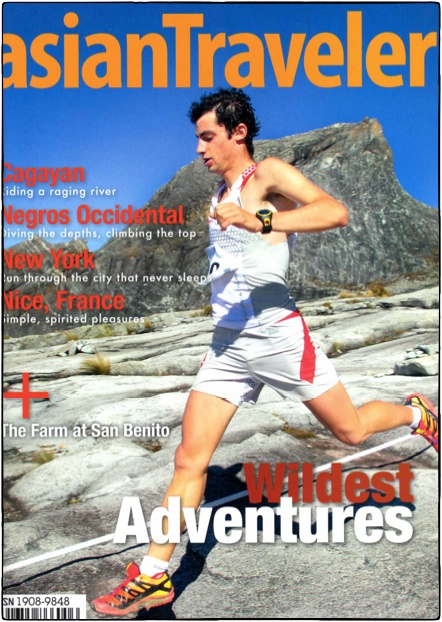
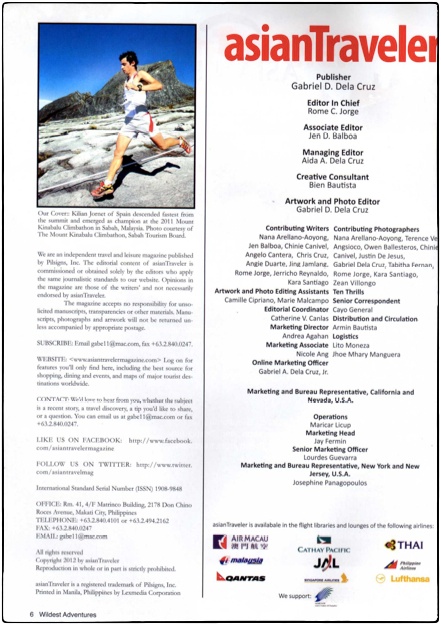
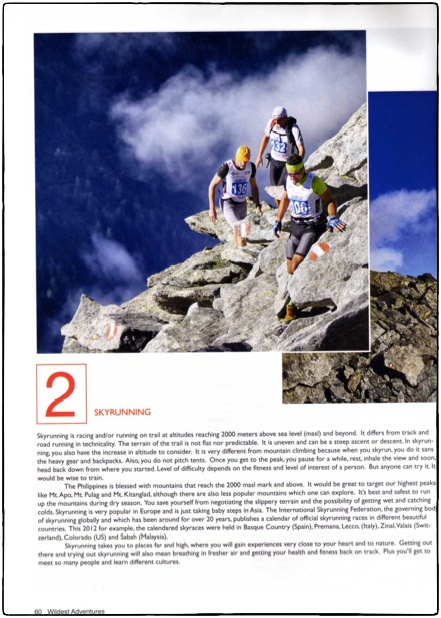
Asian Traveler – Skyrunning

1 2 3 4

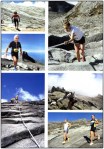
You can see a full set of IMAGES from TROFEO KIMAHERE

You can download the full PDF article HERE and it includes an additional article on Kinabalu – “Climax at Kinabalu”

Memories of La Palma – Transvulcania

It’s not always the racing that leaves memories but often what happens around the racing. In 2012, arguably, one of the best fields ever assembled on the island of La Palma to take part in the Transvulcania La Palma.

This film was actually a trailer for Kilian’s Quest Season 4 ‘Living Legends’.

But it shows some great times and experiences and ultimately it shows what running is about… having fun!

Who nicked my Mojo?

Mojo


I have been plagued with knee issues since early in 2012. They finally came to a head in August and i had no choice to take time off. A few weeks off and away from running wasn’t too much of a problem, the big reason I think is that in my mind I needed that break. I was tired of running and just not feeling ‘right’. You know what I mean?

We become addicted to running and therefore, like a job, we get up and do it because we feel we have to. But should that be the case? Eventually, the reason ‘why’ we run can get lost and with that, we can loose our Mojo.

I have to say since August last year my Mojo has been and gone several times. For me, the issue has been somedays feeling great and then other days not feeling great. So, to remove any pressure of ‘having’ to be fit, I decided I would not race in 2013.

Now you may read that and think whoa! that is a little drastic! But no, not for me. My diary is crazy with race coverage and to be honest, when I attend races I seriously get my Mojo back when I get the opportunity to play on the trails and run with some of the best runners in the world. I get to play without pressure to perform, it gives me back my Mojo. I love this sport and the people in it.
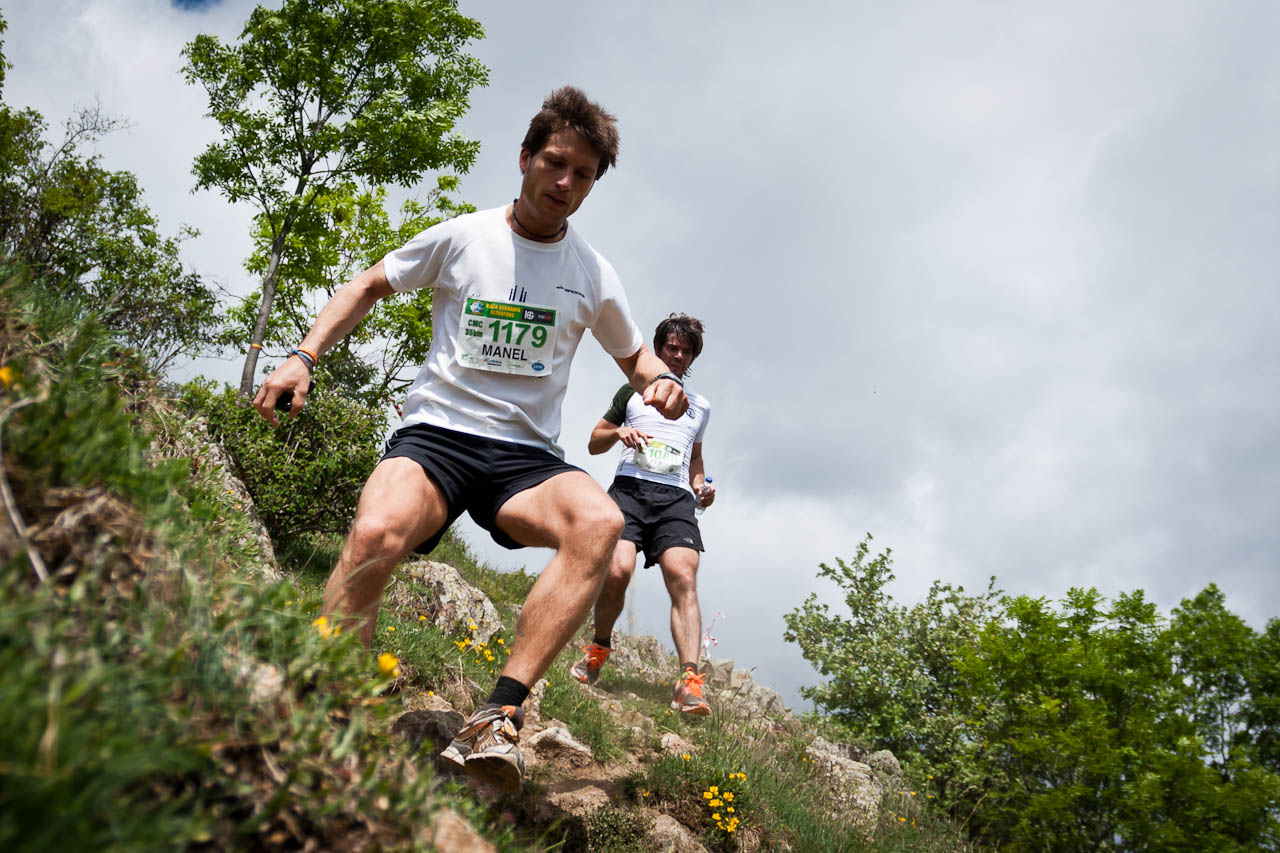
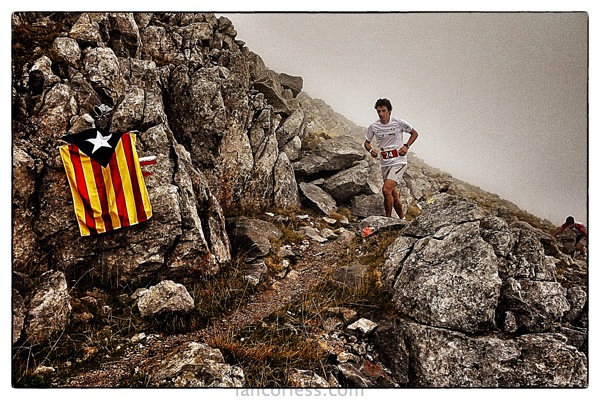
But what can you do if you have lost yours? This is by no means ‘a guide’ but you may find the tips below useful.

_DSC8141

Find your MOJO

Training and racing can be a 12 month process. The addition of more and more races does mean that the beginning and end of a season has become somewhat clouded, so, first of all look at your year and break it down into blocks. Each block can have several targets but ultimately, each block will finish with a rest/ recovery period before starting the next training and racing block.

It can be tough to go out of the door sometimes. Particularly when it’s cold and wet. So I ask the question, the goal that you have set yourself, is it challenging? If your goal is a challenge then you are far more likely to head out of the door because the consequences of not going out, may very well mean that your goal will not be achieved. Nobody likes a DNF. So, set a goal that is challenging BUT achievable.

If you have lost your Mojo. You may need to look for a new objective? Try these bullet points to help you.

  • Choose a new distance to race. You can either challenge yourself by going longer, say, moving from a 50k to a 50 mile or a 50 mile to 100k. That is usually the way most ultra runners do things, but how about throwing a curve ball in the mix? Step down a distance but aim to go faster…. that will mean a change in training and in the long run the speed will enhance and progress your ‘longer’ races.
  • Include some B or C races in training that remove the pressure from the A race. This will allow you to turn up, race but without a pressure to perform. Just run and enjoy the process of being with other people. You can always be a ‘pacer’ looking after slower or new runners. This will give you an objective and make the journey more rewarding.
  • If you are a road runner, try some trail. If you are a trail runner, try the mountains. If you are a mountain runner, try something more challenging like navigation. We can all test ourselves in different ways but we get comfortable with our daily running and don’t test ourselves. Mix things up.
  • Pick a weekend, pick a location and just go and spend 2 or 3 days exploring. You can fast pack or stay in small hotels. I like to pick a point-to-point when doing this as it gives a real motivation to get to the end. Time is not important so you can enjoy it for what it is; just time out running.
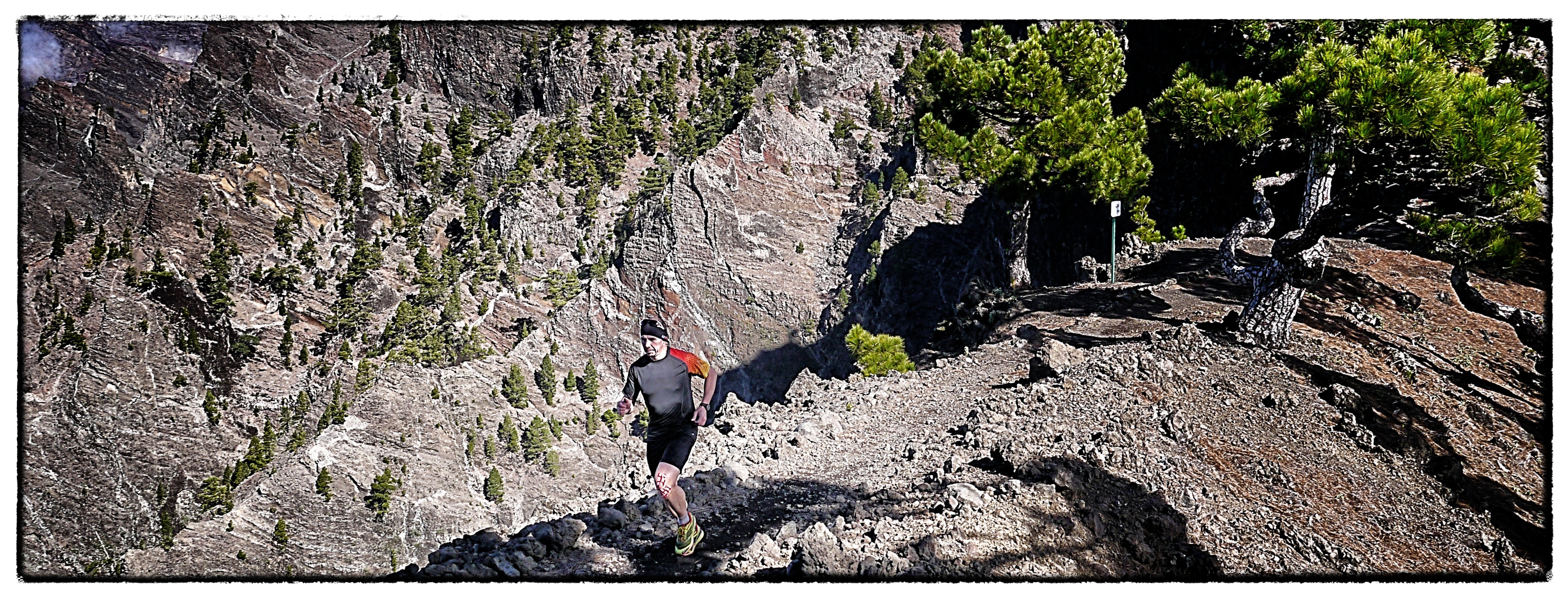
Running in La Palm - no pressure, just fun!

Running in La Palm – no pressure, just fun!

One thing that usually gets a Mojo lost is doing the same things day in and day out. Not only that, but always doing the same pace or the same routes. Mixing things up is really key in keeping the motivation going and don’t be worried to take time off.

  • We are very fortunate that a year is broken down into 12 months, so, take one weekend a month and do something different. This can be a different training session, it may very well be a completely different race experience or it may very well be a weekend away with no running… don’t worry, you will survive and I guarantee your run on Monday morning will be great!
  • Do you always do a speed session on a Tuesday and then some tempo running or hills on a Thursday with your long run on Sunday? Why? Mix it up. I fully appreciate that work or family commitments means that we all can’t be completely flexible but I am sure we can all mix things up. Move your rest day, add a session, remove a session, do back-to-back long runs or just do a long walk.
  • Incorporate some new stimulus in your training such as cross training, weight training, core work, pilates, yoga and/or stretching. We all love running and more often than not, that is all we do. But, some cross training really will mix things up for you, it will also work areas of the body that get neglected when running. You will become a better and stronger runner.
  • This is a no brainer, but get your credit card out and go shopping. Nothing makes me want to run more than some new kit to run in. It may very well be a short term fix but it does work. That stimulus to get you out of the door may very well be all that was needed to get you back on a roll with your Mojo fired up.
  • Running at night, particularly for trail and ultra runners is something that can really get you fired up. Don’t train at your normal time and decide one day that instead of going to bed, you will turn a head torch on and head out on the trails to play in the dark. This really provides a great stimulus and speed doesn’t become important as the main priority is all about finding your way and not falling over. Of course, depending on what racing you are doing, this may very well be a ‘specific’ training session if your doing longer races that will go into the night. (Please think about safety and if running alone let somebody know what you are doing, alternatively, buddy up, these runs are more fun with company).
  • Social media is a great way to get a buzz from your running. You can join forums, chat on Facebook, follow on Twitter or of course you could listen to a really good podcast like Talk Ultra to get you fired up and motivated.
  • Music or listening to a podcast while running may not be something that you do. So why not try it? Finding music with a great beat can be really instrumental in providing a stimulus to run longer or faster. If you listen to a podcast, you can get engrossed in the chat and time just passes. Of course, if you already do this, why not try a run ‘without’ your iPod? Listen to the ‘quiet’.

A lost Mojo doesn’t normally stay lost for too long but getting it back can be a tricky process. It doesn’t always come back when you want it too. Just as you don’t plan to loose it, you can’t plan to get it back. But maybe some of the tips above will help provide that stimulus you need….

“Let’s hop on the good foot and do the bad thing.” Austin Powers, The Spy who Shagged me.

Skyrunning makes it to South Africa

SASA logo - web vector

Skyrunning hits Southern Africa with the Lesotho Ultra Trail

A new ultra-distance race has hit southern Africa’s trail running calendar with the announcement of the Lesotho Ultra Trail, to take place in northern Lesotho on 30 November.

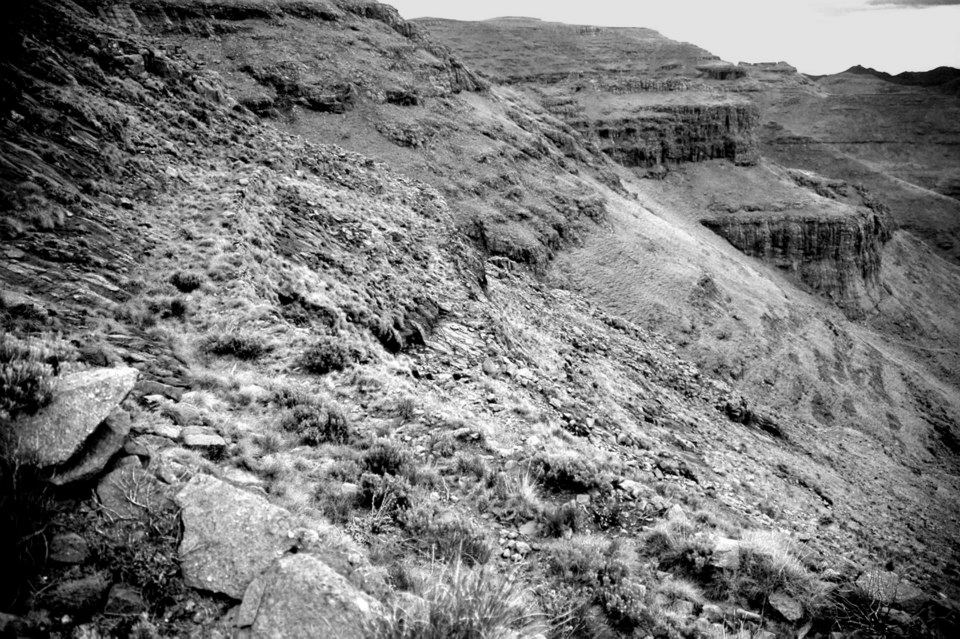
Created by well-known KZN race organiser Andrew Booth, the 68km race will traverse mountainous, rocky trails combining steep ascents, descents, some contour running and loads of single track, will be hosted by Maliba Mountain Lodge, just one hour south from the Free State town of Clarens.

Sanctioned by the South African Skyrunning Association (SASA), the event will be is recognised by the International Skyrunning Federation (ISF) as Africa’s first Ultra Skymarathon®, earning it the potential of being placed in the global circuit of ultras on the international trail calendar.

Defined as mountain running up to or exceeding 2 000m, where the incline exceeds 30% and where the climbing difficulty is not more than 11˚ gradient, the sport of skyrunning has taken the trail running world by storm in Europe, America and Asia over the past 20 years.

Skyrunning, a term coined by the ISF, is a discipline conceived by Italian mountaineer Marino Giacometti who, with a handful of fellow climbers during the early1990s, pioneered records and races on Mont Blanc and Monte Rosa in the Italian Alps. In 1993, sponsored by Fila, skyrunning took off across the world’s mountain ranges with a circuit of challenging races spread from the Himalayas to the Rockies, from Mount Kenya to the Mexican volcanoes.

copyright Andrew Booth

copyright Andrew Booth

Giacometti’s term skyrunning is, as the name suggests, where earth and sky meet.

Today, skyrunning has grown to span some 200 races worldwide, with about 30 000 participants from 54 countries.

Formed in 2011, SASA is an associate member of the ISF, and aims to promote and facilitate the growth of skyrunning in South Africa.

“The Lesotho Ultra Trail is the ideal event to pioneer the way forward for skyrunning in southern Africa,” said SASA chairman James Hallett.

“Not only does the location and route of the race represent the philosophy of skyrunning, but we have no doubt that it will the race be of a world class calibre. Offering spectacular terrain, incredible high altitude vistas and a 5-star host venue, we are extremely excited about the prospects of the Lesotho Ultra Trail.”

copyright Andrew Booth

copyright Andrew Booth

Hallett is confident that the Lesotho Ultra Trail will be incorporated into the ISF World Ultra Series, a new addition to the Federation’s global series offering.

“Following the inaugural running of the race in November, we will submit our recommendation and application to the ISF for possible consideration into the 2014 series. If successful, this will put South Africa into the world skyrunning arena, further exposing our country to top international athletes.

Booth said he believed there to be a great synergy between the race, its location and the development of skyrunning in South Africa.

“The Maluti Mountains offer some of the best terrain for high altitude running in the world. To be able to stage what is sure to become a world class event in this region is very special, and we look forward to playing a role in the pioneering of skyrunning in southern Africa.”

courtesy of Maliba Lodge

courtesy of Maliba Lodge

He added that the event’s partnership with Maliba Mountain Lodge as host for the race added an extra angle of quality to the event.

Hallett added that as the first official skyrunning event in southern Africa, the Lesotho Ultra Trail will also help facilitate the creation of a national circuit of skyrunning events.

“The Lesotho highlands and the regions of South Africa surrounding Lesotho are prime skyrunning regions, and we will be working with other race organisers in this area and around South Africa to develop the opportunities that present themselves there,” concluded Hallett.

Image credits:

LUT1: courtesy of Maliba Lodge

LUT2-4: Andrew Booth

The Twelve Labours of Hercules

Another publicity poster

Ultra running is growing and growing. As a race director do you follow a tried and tested formula and offer a race at one of the classic distances such as 50k, 50m, 100k or 100m or do you go off piste, have a random distance and shake things up a little.

Richard Weremiuk has done just this and then some with his new race ‘The 12 Labours of Hercules’.

Hercules Transparent

You are already interested aren’t you… what could this enticing name offer?

In Greek mythology, the twelve Labours of Hercules (Greek: δωδέκαθλον, dodekathlon) were a series of episodes carried out as a penance… oh dear, penance, what did Hercules do?

Hera, the wife and one of three sisters of Zeus, apparently drove Hercules mad. So mad, poor old Hercules killed his own six sons! She really must have driven him mad! Somewhat drastic eh. With a lack of a decent judicial system, Hercules pulled himself together and sought purification from King Thespius. To atone his actions he was asked to reside with King Eurystheus for 12 years and to complete 12 Labours. In return he would be rewarded with immortality.

So there you have it. But what on earth could the race entail…. 12 years running with 12 tasks? Of course not!

The Race

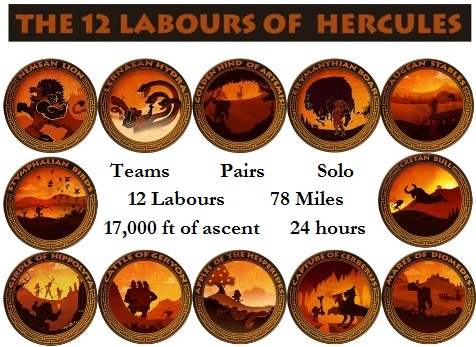
On July 20th / 21st 2013, participants in ‘The Twelve Labours of Hercules’ will have just 24 hours to cover between 1 and 78 miles, tackling as many ‘Labours’ as you can. The race offers 3 UTMB points for solo finishers of the full distance.

CourseQualificative2014_EN-150x150

It’s a great concept and the format makes the race inclusive for all abilities.

A ’labour’ will be completed by visiting one of twelve chosen control locations in the Peak District and then returning to HQ at the Victorian Gothic Mansion Losehill Hall, Derbyshire.

All Labours will be different. For example, some Labours may require the collection of a small item, which will then need to be returned to Losehill Hall.

Other Labours will only be revealed upon visiting the control point where participation in a task may be required!

Race director, Richard Weremiuk says “If you know us, then you know you should be prepared for anything when you arrive at a location. Be prepared for a few surprises.  All 12 locations within the Peak District have been carefully chosen. The name, or location is specifically or critically tied to one of the mythical Labours.”

The Route

To add spice, the route for the race is under wraps and being kept secret.

Richard says;

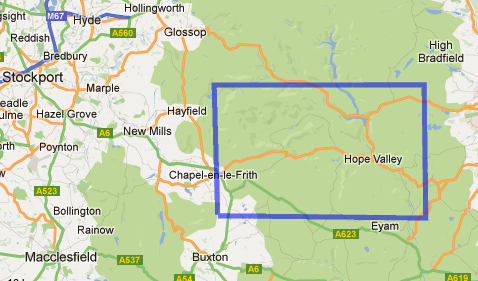
“Giving out the route would give away some of the surprises. All we will say is that the route will be held within the borders of Hope Valley in Derbyshire and cover 96 square miles”

Hercules Location

HQ for the 24 hours event is the Victorian gothic mansion, Losehill Hall in Castleton, Derbyshire. This location does offer overnight accommodation too.

Image YHA.org.uk - Andrew Bingham

Image YHA.org.uk – Andrew Bingham

Participants will be issued with a map of the area at ‘check-in’, which will show the 12 suggested routes to the ‘Labour’ locations.

It’s possible to take part as a solo, pair or team (up to 6) and you will be issued with one electronic timing chip supplied by Sportident to track your individual or team progress.

It’s an interesting format and as an alternative to ‘just’ running an element of tactics will come into play. Participants decide which control to visit and in which order. When at a CP they either dib in, perform a task (Labour) or retrieve an object. Each time your return to ‘Olympus’ (or as is most commonly known, HQ). Zeus will be waiting!

In contrast to solo competitors, pairs or teams can pass on the ‘timing chip’ when they have returned to Olympus and then a teammate can complete the next labour and so on.

Sounds simple eh! Well not quite as simple as you think, you see, certain ‘Labours’ must be completed within certain hours, so, this will need to be factored into your planning.

Ultimately, you decide how many Labours you go for BUT you must finish within 24 hours.

Outside the time limit? Every minute incurs a stiff penalty!

The Challenge

Unlike any other race, the twelve Labours of Hercules offers a new exciting perspective to the ultra running format.

As Richard says:

“It is as tough as you want to make it. Complete just one labour or you can choose to complete all twelve which will ultimately mean approximately 80 miles”

The format of solo, pair or team does mean that if you are new to ultra running or basically if you are just after something different, this race may very well tick all the boxes.

Taking place over 24 hours it does mean that night running will be involved. So be prepared.

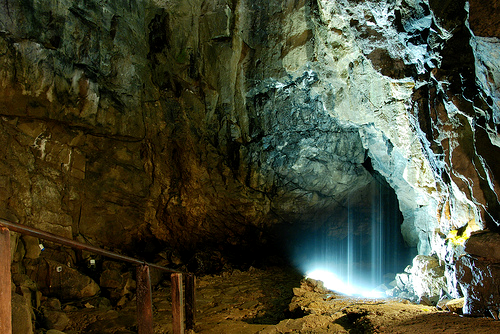
The race route is by no means easy. It does have plenty of ascent and one control point is underground.

The Hades Cave Control

One area that may worry many is navigation. I asked Richard what skills are required to participate:

“Runners are supplied with an OS map on which will be suggested routes to each CP. CP’s can be reached by road, footpath but others by just footpath. The course is not marked because part of the challenge is choosing how to get to the CP’s in the quickest way possible.”

Richard continued:

“Although expert map reading may not be required it certainly would be prudent to be confident with some elements of map reading in particular identifying your location on a map and being able to take a bearing from a compass. Remember, some of this event will be in the dark”

Participants are allowed to GPS but as Richard says, “this should not be because you don’t know how to map read. A GPS is really a back-up device”.

So, all in all, a tough challenge and not one for the feint hearted. But Hercules wouldn’t want it any other way, so why would you?

Grab your sword and shield…. Sorry, I mean your shoes and backpack and test your self against ‘The Twelve Labours of Hercules.’

Special Offers:

  • A 10% discount is offered on race entry if you contact Richard directly by emailing: info@beyondmarathon.com
  • In addition, the first 10 entries to mention ‘Talk Ultra’ will get a ‘Beyond Marathon’ technical T shirt

Info & Links

  • Official race website is HERE
  • Facebook page is HERE
  • If you are interested in the history of the Twelve Labours, the images below contain a link to inform you of what Hercules endured.

Volta Cerdanya Ultrafons 2013

VCUF 2013 OK


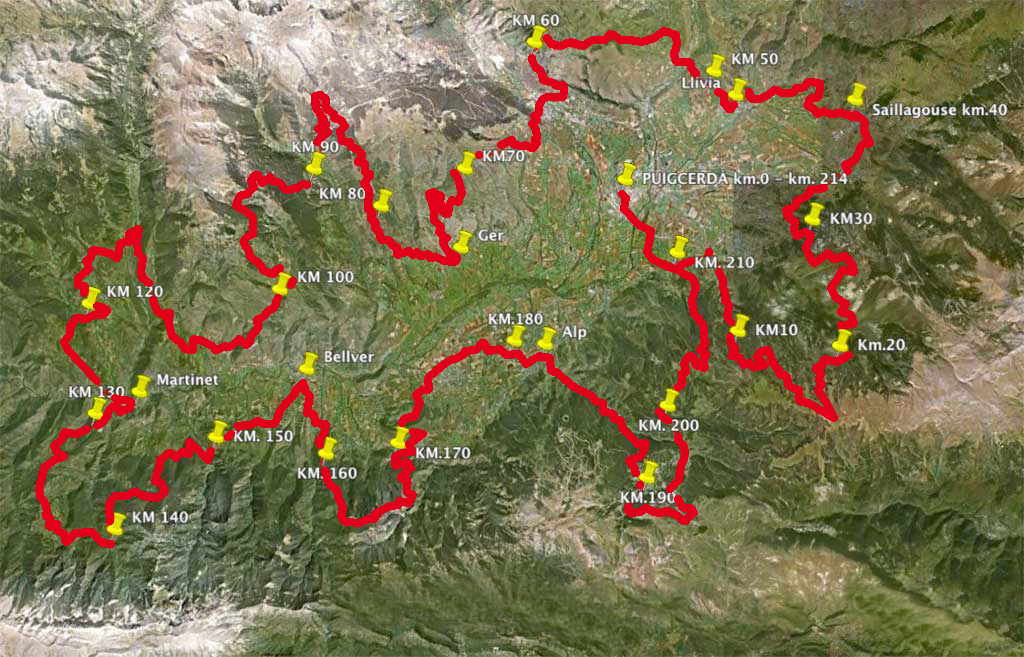
In the second edition of the Volta Cerdanya Ultrafons due to take place on the 7th, 8th & 9th of June the 85km Volta Cerdanya Trail has been added to the ultraendurance Catalan Cup. The VCUF consists of four races in different places of Catalaonia.

VCUF-2013

The main event is the 215km Volta Cerdanya Ultrafons is on the calendar of the SUMMUM *(six mountain ultramarathons, one aim) Ultracup, the first Spanish circuit of mountain races. *In Spanish (Seis Ultra Maratones de Montaña, Una Meta)

Gael Piguillem/Volta Cerdanya Ultrafons

Gael Piguillem/Volta Cerdanya Ultrafons

The races are supported by Kilian Jornet and the race organisers respectfully credit Kilian as the main inspiration for making the ‘sport’ so popular with athletes who are interested in this level of difficulty.

The VCUF will be the fourth race in the SUMMUM calendar and the other races are:

  • Ultra Sierras del Bandolero
  • Lanzarote Lava Trail
  • Penyagolosa Trails
  • Xtreme Lagos de Covadonga
  • Guadarrama Trail Race

The VCUF covering 215km’s with over 9000m of vertical gain will be a real test for all participants.

Who will be taking part?

This race may very well have slipped many peoples radar but I don’t know why? I only need to mention one name and interest will soon spark, Kilian Jornet.

Kilian Jornet at Cavalls del Vent copyright Ian Corless

Kilian Jornet at Cavalls del Vent copyright Ian Corless

Yes, Kilian has added the VCUF to his calendar and he will be joined by his Salomon teammate, Tòfol Castanyer. Other notable names are Toti Bes and Marc Pinsach.

Tofol Castanyer at Cavalls del Vent copyright Ian Corless

Tofol Castanyer at Cavalls del Vent copyright Ian Corless

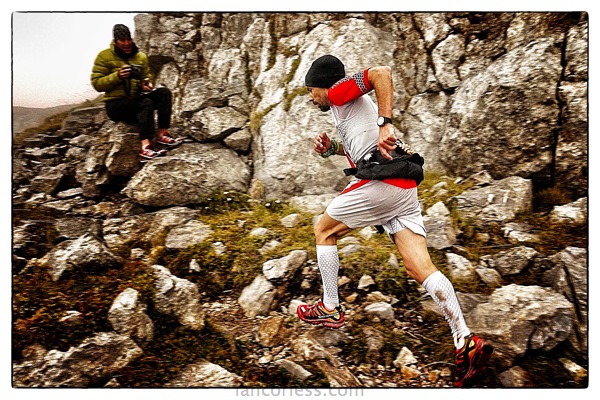
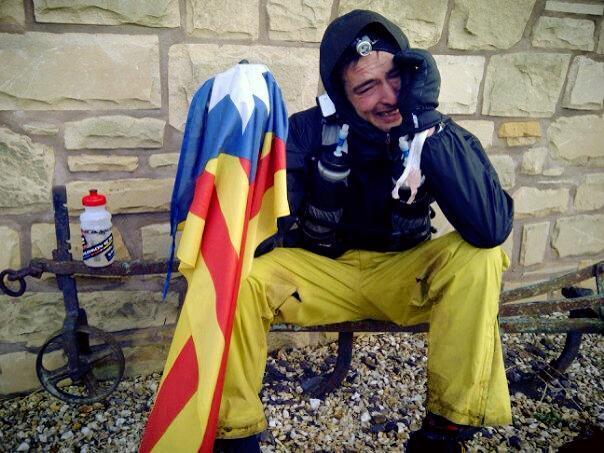
Notable interest from a UK perspective is the inclusion of the 2013 The Spine Race winner, Eugeni Roselló. The Spine Race has gained a reputation as Britain’s most brutal race. Eugeni from Catalan covered the 460km (268 mile) race in 5 days 4 hours and 52 minutes. Taking place in the winter, Eugeni had to combat some extremely harsh UK conditions to reach the finish line.

The Spine Race at the finish

The Spine Race at the finish

After abondoning the race in 2012 due to some pain issues, Eugeni Roselló hopes he will be able to complete the VCUF in 2013.

More updates and information will be provided as and when we have it. However, if you are looking for a race that will test you, the VCUF may very well be a race that you want to add to your schedule for June 2013.

Information here:


Tararwera is going to be HOT!

Tarawera Logo

Fire risk makes ultramarathon even tougher

Extreme fire danger means that New Zealand’s Vibram Tarawera Ultramarathon100 kilometre-long run will be even tougher to complete for the 430-strong field.

The event is on this Saturday, March 16 and was scheduled to run from Rotorua to Kawerau in New Zealand’s Bay of Plenty. However, because of a prolonged drought the fire risk is so high the last 40 kilometres of the course is now closed to the event organisers.

Instead of finishing on relatively easy forestry roads in Kawerau, the runners will turn-around at the 60km mark of the race – right next to the Tarawera Falls – and run another marathon over rugged, hilly trails.

“Mind you, ‘easy’ really is a relative term,” says event organiser, Paul Charteris. “Once you’ve been running for 60km, the thought of running another marathon of any sort is mind-boggling, even for the most experienced runners.”

The Tarawera Ultramarathon has a reputation as being relentlessly tough – but achievable – even for a first-time ultra runner.

“I’m afraid this new course is going to break some of those runners,” continues Charteris. “It’ll mercilessly eat them up and spit them out.”

For those who may get chewed-up on race day, the Tarawera Ultra has shorter options with an 85km and an 60km distance. Both will be run on many of the same trails as the 100 kilometre distance.

“The choice to re-route the course was an straightforward one,” says Charteris. “The safety of runners, spectators and volunteers is always the number one priority.”

For the runners, the last minute curve ball throws in some new challenges.

With more of the route being covered by rocks, roots and hills, runners will need to conserve more energy for later in the race. The winner of the 100km event is expected to finish in a little over eight and a half hours. The final finisher is expected home just before midnight.

Many of the world’s best off road distance runners will be racing Tarawera. For the European and North American favourites, this is their first clash of 2013. The world’s ultra running media are keen to see how they fare against the best from down under, including top runners from Australia.

“Christchurch’s Vajin Armstrong will be defending Kiwi honour in the men’s race and 21-year-old ultra phenom Ruby Muir in the women’s 100k race,” adds Charteris. “Both runners are sponsored by American brand, UltrAspire.”

Armstrong has been running an astonishing 250km per week to prepare for the race, while Muir has continued her habit of winning every race she’s entered.

Many of the Northern hemisphere athletes have already arrived to get acclimatised to the heat and to course conditions.

Francois d'Haene TNFUTMB 2012 copyright Ian Corless

Francois d’Haene TNFUTMB 2012 copyright Ian Corless

France’s Francois D’Haene, a professional athlete from the European-based Salomon Racing Team, has been training in the South Island, getting acclimated to the roots and rocks of New Zealand trails. In 2012, D’Haene won the coveted Ultra Trail Mont Blanc title in his home country, with over 2000 runners in the field.

For Race Director, Charteris, it’s been a hectic few days re-arranging the course.  There’s an army of dedicated volunteers putting on long hours to make sure the race come off smoothly. An added complication is that large sections of the race are now only accessible by boat.

“I’m trying to figure out a way to transport about 20 volunteers and about quarter of a million calories worth of food across Lake Tarawera,” he says.

Rotorua is renowned for hosting a number of international sporting events. In 2006 the UCI Mountain Bike & Trials World Championship were in Rotorua and the Single Speed World Champs were held in the Whakarewarewa Forest in 2010.

On race day, running shoes will replace wheels on many of the same trails.

“With this sort of fierce competition, there will be a large national and international media following for this race,” adds Charteris. It will be a big week for the region.”

Chasing The Dragon

JonBrooke_DSC_9916(1000)
It’s official, “Chasing the Dragon” – the story of the 2012 Dragon’s Back Race™ – has won three awards at the Sheffield Adventure Film Festival. The awards are Gold for Best Running Film, Silver for Best Feature Film and Bronze for the Festival Grand Prize.
2013-ShAFF-All-Awards-Graphic(600)
The World premiere of Chasing the Dragon was held at the Sheffield Adventure Film Festival on Saturday 2nd March at 8.45pm. Chasing the Dragon was ShAFF’s fastest selling film and demand for tickets had been so great that the premiere was upgraded twice and was eventually shown on the Showroom Cinema’s largest screen.
Festival judge and Trail Running Magazine Editor Claire Maxted said about Chasing the Dragon:  “Having been at the Dragon’s Back Race™ 2012 myself reporting for Trail Running magazine, I can see why the film has scooped three awards at ShAFF. It deftly conveys both the beauty of Welsh mountain scenery and the tough-as-nails attitude of the runners taking part in this extreme 220 mile, five day race last September.  Watching, you feel like you are part of this race, and interviews with both elite and regular racers gives you a unique insight into the hardships they are willing, or not willing, to endure.
JonBrooke_DSC_0254-1(1000)Race Director, Shane Ohly added, “The legend of the Dragon’s Back Race™ has proved to be alluring yet again. First, the 2012 Berghaus sponsored race was massively over subscribed and now it looks as though we will fill a cinema to bursting point!”
After the premiere finished, the audience was able to join Steve Birkinshaw, Helene Whitaker, Rob Baker and Shane Ohly for a Q&A session. Steve Birkinshaw won the Dragon’s Back Race™ in 2012 and is one of Britain’s most accomplished endurance mountain runners. Helene Whitaker (alongside Martin Stone) won the original 1992 Dragon’s Back Race™ and astounded many by finishing 4th overall – and first woman – twenty years later in the 2012 race. Rob Baker came second at the 2012 Dragons Back Race™ and is a top road and mountain runner.
Shane Ohly continued, “The premiere of Chasing the Dragon and launch of the DVD is proving to be a major catalyst for enquires about the next Dragon’s Back Race™ in 2015”.  With over 1,300 runners already having registered their interest in competing in 2015 the organisers are expecting a surge of applications when the entires open on the 1st April.

Joe Grant and the Iditarod Trail Invitational

75513_10152573141335316_1254715854_n

6 Days 8 hours and 47 minutes – he did it!

TO tackle an epic 350-mile race across the lonely frozen wilderness of Alaska requires an athlete to be extreme and committed.

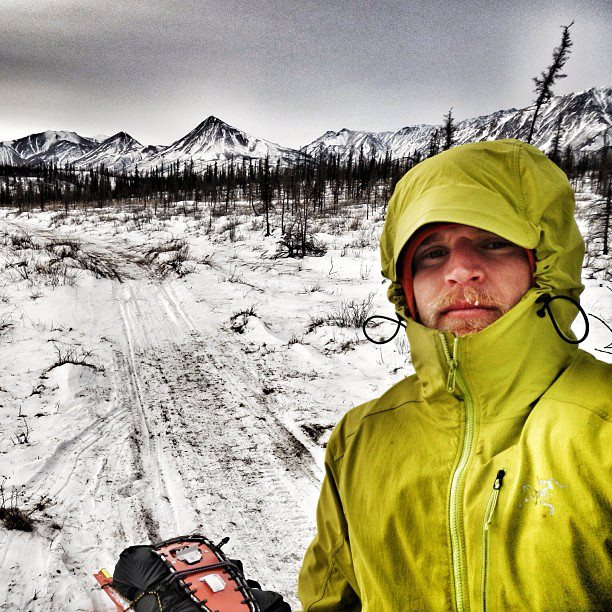
Inov-8 / Arc’teryx athlete Joe Grant proved he has both qualities in hardcore measures, overcoming exhaustion and pain to finish the Iditarod Trail Invitational in joint-second place.

Joe has been interviewed twice on Talk Ultra in the build up to the ITI and you can listen to those episodes:

We will have a post ITI interview with Joe Grant on Episode 31 or 32 of Talk Ultra

Described by organisers as the world’s longest human powered winter ultra-marathon, Joe raced on foot across frozen rivers and swamplands, through forests and over mountains to complete the course in 6 days, 8 hours and 47 minutes.

He did so pulling a sled weighing 35lb/15kg and taking in just 13 hours of sleep throughout.

The 29-year-old, who is part of a new global inov-8 team of athletes set to push boundaries and stretch limits in 2013, said:

“It was definitely the hardest thing I’ve ever done.

“It was relentless, every day it felt like I’d done 100 miles.

“I slept for just 13 hours in six days and none of that was what you would call really good sleep.”

Born in Oxford in the UK, raised in France and Spain, and now based in Colorado, US. Joe took part in the 2013 Iditarod Trail Invitational (ITI) race that saw 19 competitors on foot and 29 others on bikes complete the 350-mile route between Knik and McGrath.

There were just seven checkpoints on the course where food and lodging was available. Between checkpoints racers had only each other.

Joe said:

“Form the start it was hard.

“We left Knik at 2pm on the opening 57 miles to the first checkpoint at Yentna Station. I hoped to arrive there in the middle of the night at the latest. I eventually got there at 6.35am. I was wrecked, it felt like I’d done double the distance.

“The soft snow had made it tough going, and it was a relief to get inside and eat. I slept for about an hour and a half and left feeling surprisingly great.

“The next 30 miles to Skwenta Roadhouse took another nine hours. I’d planned to sleep for four hours at this point. I ended up sleeping for six hours. It didn’t, however, have the required effect and I left, at midnight, feeling banged up.

“That night on the course was a rough one for me. It was actually quite warm by Alaskan standards, above freezing level, and the snow was like mashed potato.

“Then, between the checkpoints at 130 mile (Winterlake) and 165 miles (Puntilla), and with the surroundings becoming more remote, I hit the wall. I had no choice but to bivvy down in the snow. I couldn’t sleep though, I felt like I was losing my mind. After getting into my bag fully I lay there and shivered for two hours.

“I eventually got into Puntilla at 7.30am. I was so miserable. Then the best thing all race happened – fellow competitor John Logar walked in. We hit the trail again, this time together, and to have that companionship was great.

“We charged up the big climb that followed then dropped down to the next checkpoint at Rohn (at 210 miles).

“Despite having John there with me, I arrived at Rohn destroyed, probably the most destroyed I’ve ever felt. Knowing there was still 140 miles to do to the finish, it seemed impossible. I thought about giving up, but after some soup and rest we set off on the next 90-mile section.

“Arriving at the last checkpoint at Nikolai knowing there was only 50 miles to go, I thought I’d feel improved, but instead my body rebelled in the heat of the hut and I started to feel feverish, so we didn’t stay long.

“Between Nikolai and the finish in McGrath, the temperature fell to -25C. Myself and John crashed and burned several times, lying down on our packs and falling asleep. We’d then get back up and go again.

“With 345 miles done and just five left to go, unbelievably we took a wrong turn that cost us a couple of miles. I think out of sheer frustration more than anything else, we turned around and ran the final seven miles to McGrath!

“With the sweat freezing to our bodies, we rolled across the finish line. I had given every last ounce of anything that was in my body to the race.”

With the 350-mile epic now in his locker, Joe will turn his attention to drier trails and plans to go head-on with the world’s best mountain runners at the opening race in the 2013 Skyrunner ultra series.

May’s 83km Transvulcania La Palma ultra-marathon monster on the island of La Palma in the Atlantic Ocean, which features 4,415m of elevation gain, was last year won by Dakota Jones, with Joe in joint 11th.

Joe went on to record an outstanding second place finish at the 2012 Hardrock 100-mile race in the US – an achievement he wants to better this year.

Note:

Joe wore inov-8’s roclite™ 286 GTX boot for the ITI

Clothing supplied by Arc’teryx

Iditarod Trail Invitational website and 2013 results: http://www.alaskaultrasport.com/alaska_ultra_home_page.html