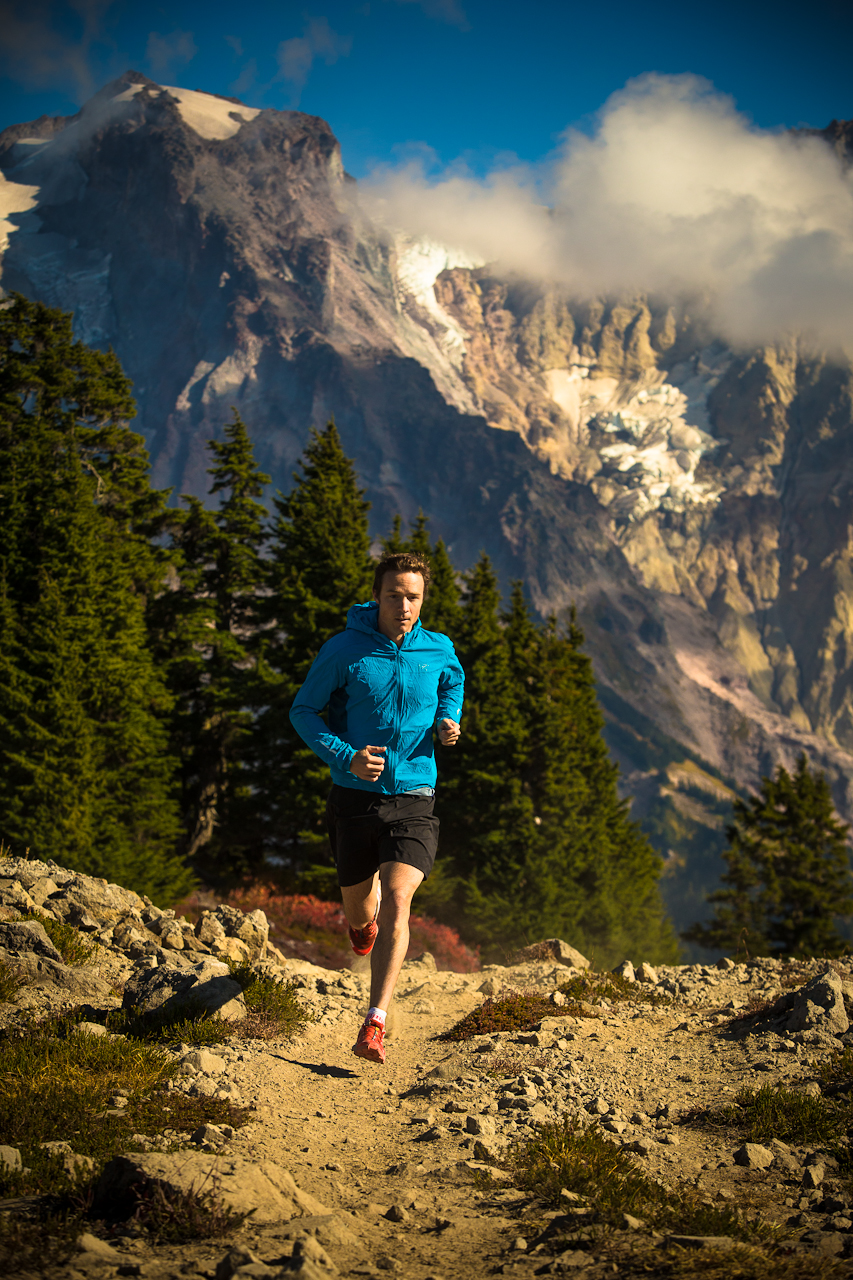
Arc’teryx Squamish 50

image001

ARC’TERYX SQUAMISH 50 ULTRA RACE GETS SET FOR SECOND YEAR OF SUCCESS

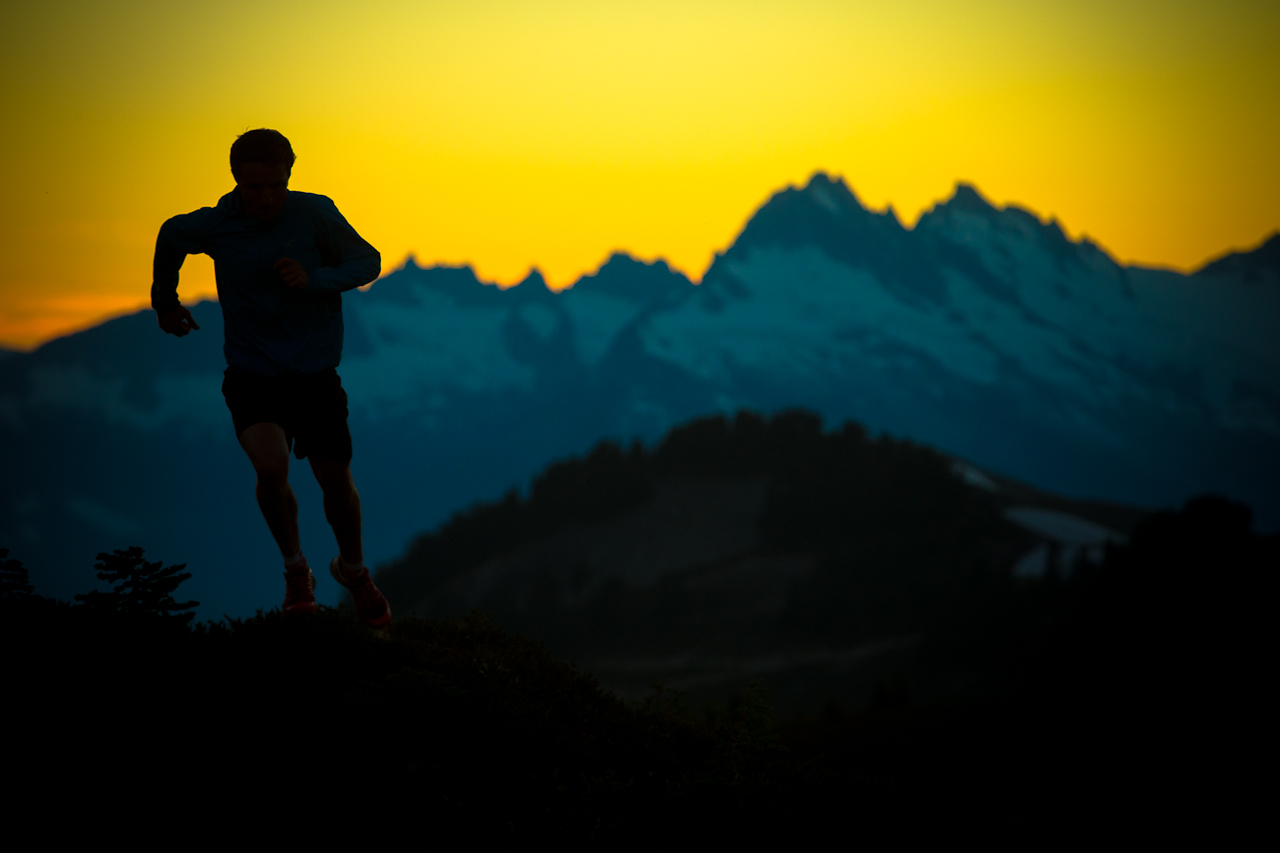
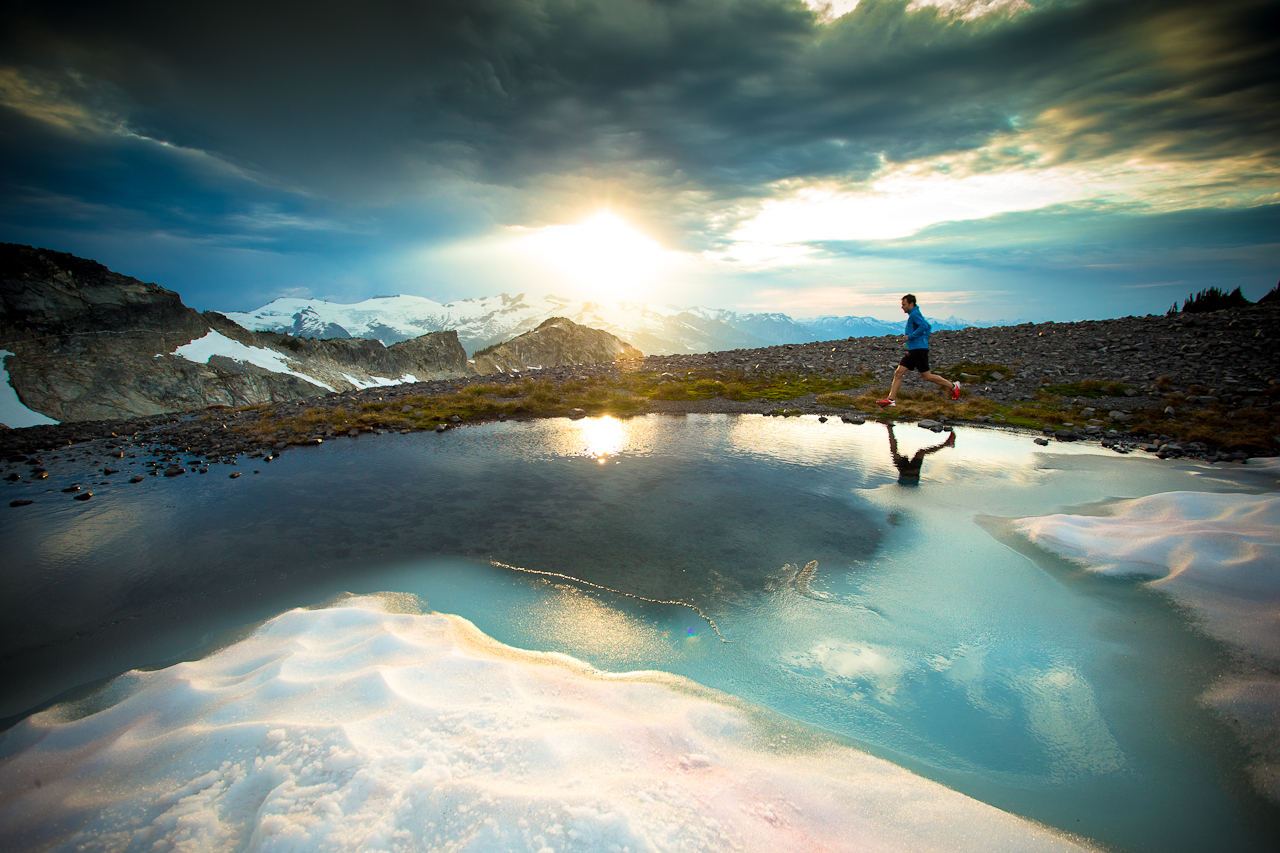
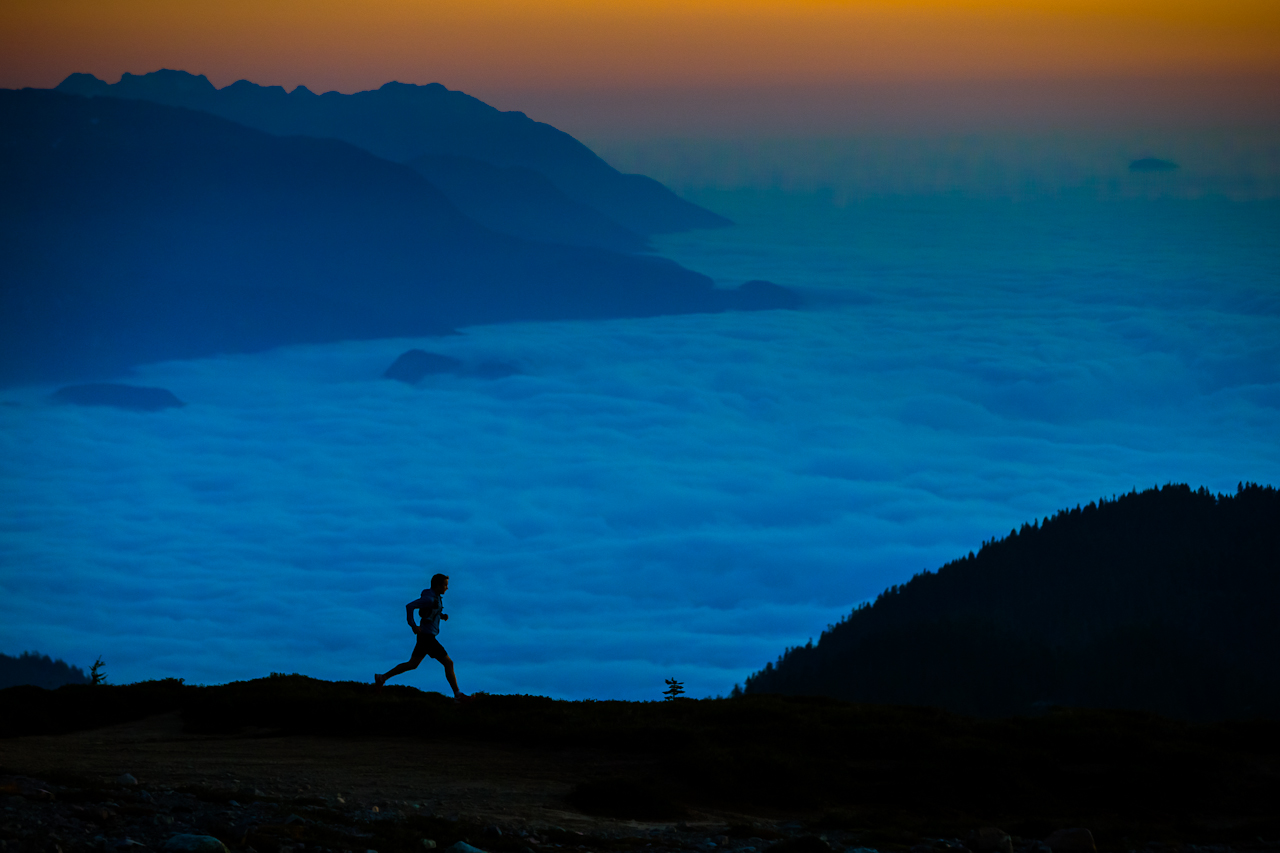
(VANCOUVER, BC) Aug 10 2013 – No longer a fringe sport, ultra running attracts not only top athletes but marathoners who want to push to the next level and challenge themselves on uneven terrain. This weekend, 600 such runners are arriving in Squamish BC, for what is slated as one of the toughest ultra races on the trail circuit.

ARC_SQ50_Image 2-small

It feels like survival. The Arc’teryx Squamish 50 ultra run is a really TOUGH race.  There’s even disclaimer on the sign up page to discourage first time racers!

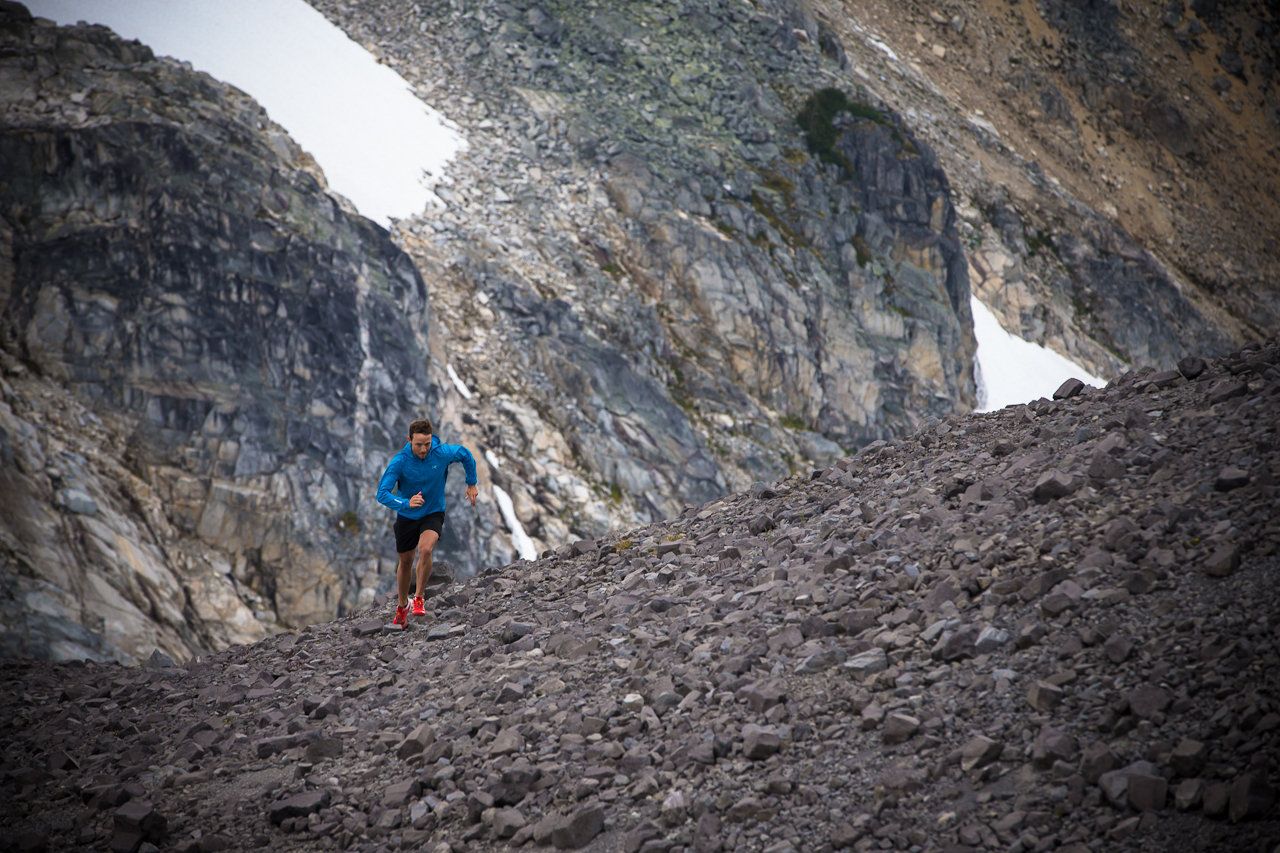
The 50 mile course, 85% of it single track, has 3800m/12,000ft of climb and descent. Technical and wild, it’s also grueling, remote and punishing terrain, albeit with stunning views. Welcome to ultra running, Canadian style.

But in only its second year of existence, the Arc’teryx Squamish 50  sold out in its first two weeks.  And this weekend, August 10, 2013 an international roster of 600 runners from 9 countries will put themselves through the paces, running courses of 50 miles, 50km and 23km.

The event is sponsored by Arc’teryx, based out of North Vancouver, BC, a brand that is no stranger to extremes.

Relatively new as a sport, ultra running covers distances longer than a marathon. The runs are uniquely about pushing personal limits, pushing those limits hard and pushing them far.  At Squamish, the back half of the 50 is more difficult than the first. To reach the finish line is victory.

ARC_SQ50_Image 3-small


Gary Robbins, one of the two main organizers of the Squamish 50 and no stranger to Ultra Running himself, credits the striking surge in popularity of these races to an

“Experienced road running/marathon community that’s looking for a new challenge and a younger generation that’s going straight onto the trails. In addition there is a growing mainstream culture with an intense focus on personal journeys and fitness. Ultra running is no longer looked upon as a fringe sport pursued by extremists, as much as it’s an extreme challenge that is doable by the vast majority of the population.”

Having a local high performance outdoor brand sponsor the event underlines the intensity of both the course and the event. Robbins is quick to note that.

ARC_SQ50_Image 1-small

“Arc’teryx was the very first brand Geoff (Langford) and I approached about coming on board as our title sponsor. Arc’teryx has a heritage of quality, innovation, style, and mountain culture that instantly helped our event gain international exposure and credibility.”

Lawyer and local Arc’teryx athlete Adam Campbell describes ultra runs this way; “There are certain races that you do to see how you stack up against the rest of the world and then there are certain races where you’re looking at this incredible scenery under insane fatigue. Your senses become quite heightened.” Campbell, one of the world’s top flight runners, will be competing in this year’s event. Also in the exclusive field are Americans Karl Meltzer, current World Record holder of the most 100 mile victories of all time (34); and Krissy Moehl, ultra running superstar and recent winner of the Mt Fuji 100 miler in Japan. Canadians David le Porho, Lisa Polizzi, Nicola Gildersleeeve, Catrin Jones and Jason Loutitt are strong contenders, as are dark horses Nathan Barrett of Vancouver and Stacey Cleveland from Penticton.

“This is our home turf and it’s this tough terrain that we design our products for, ”says Laura Fergusson, North American Events and Athletes Manager for Arc’teryx. “We have athletes participating who are true competitors and working with Geoff Langford and Gary Robbins on this event is a positive partnership for our brand. It’s a huge win.”

The 50 mile course begins at 5:30 am, Saturday August 10, with a final cut-off of 9:30pm. That is 16 hours of suffering. Not quite true. Suffering implies there is no benefit, no reward and with these views, challenges and the camaraderie of going to the brink and surviving, that is simply not the truth.

Race start times:

5.30 am = Start for the 50 mile race – start line is Ocean front.

8.00 am = Start for the 23km race – start line is Quest University

9.00 am = Start for the 50km race – start line is Alice Lake Provincial Park

Expected first race finishers:

23km – about 9:45am

50m – about 1:15pm

50k – about 1:30pm

*All races finish down town Squamish from about 9.30 am* onwards

PRESS RELEASE provided by Arc’teryx

Florian Reichert: From earth to sky – the interview

 ©copyright .iancorless.com._1130939

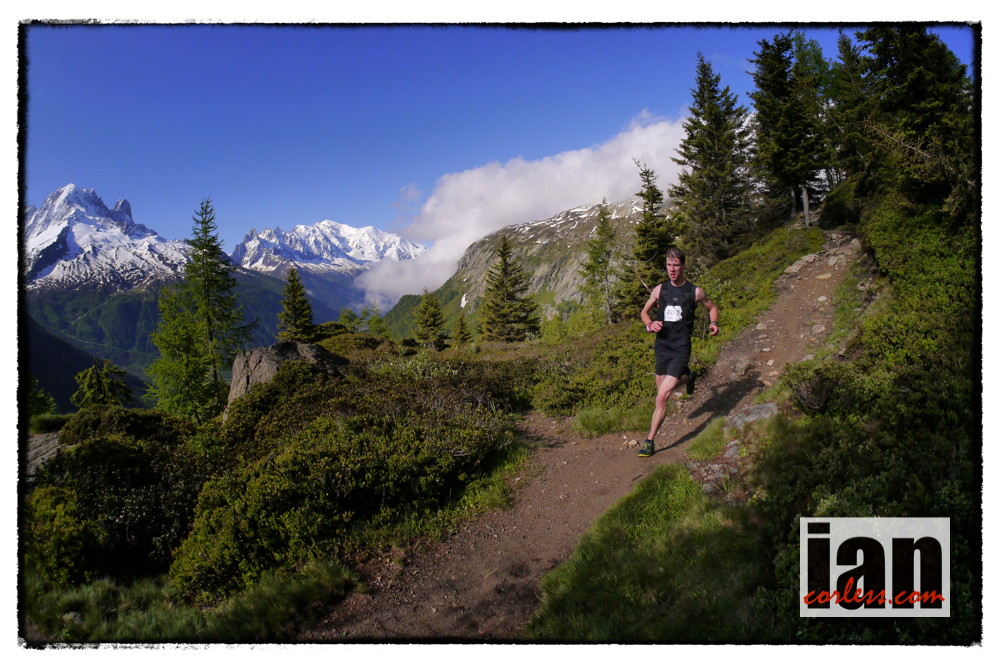
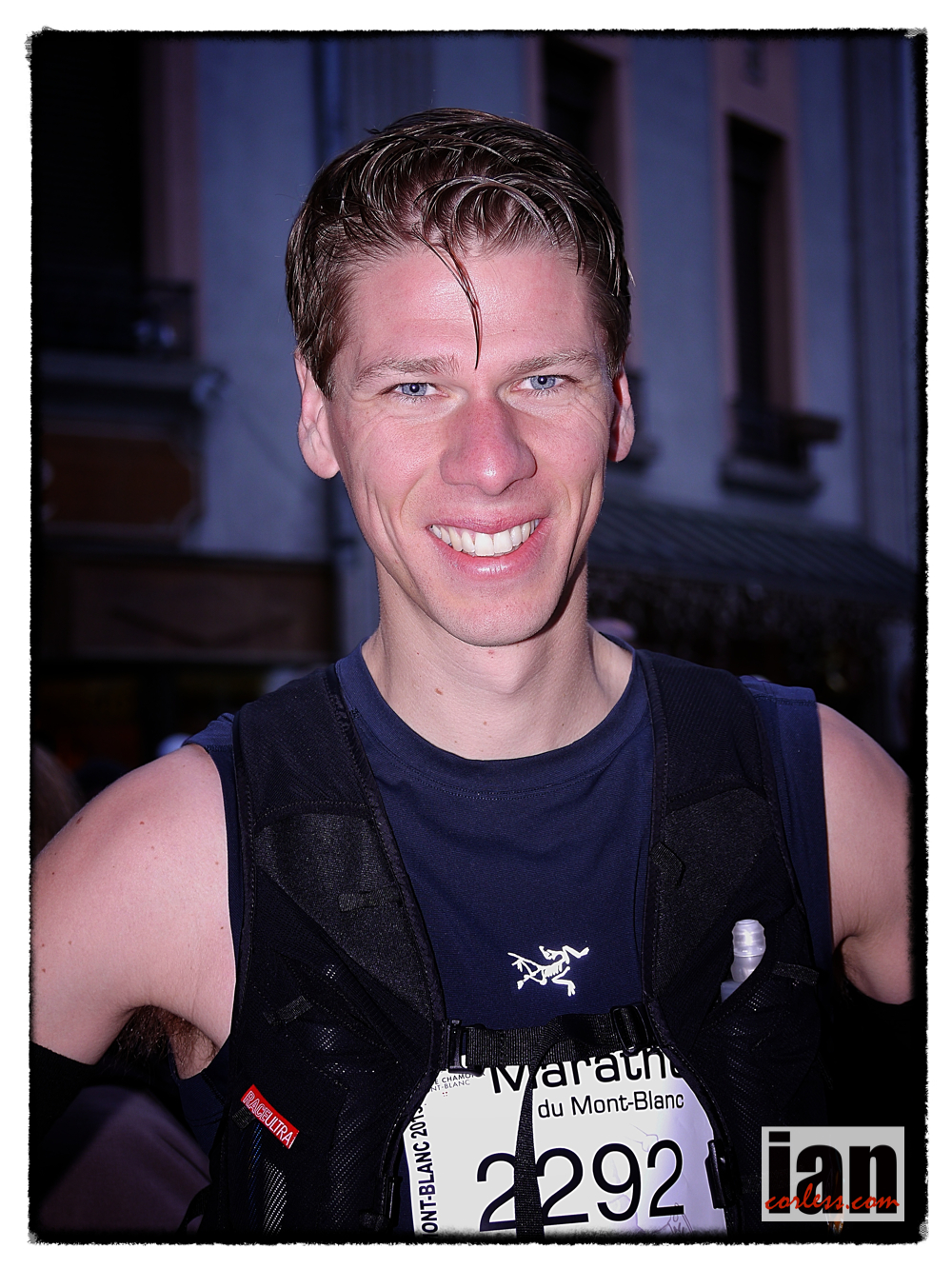
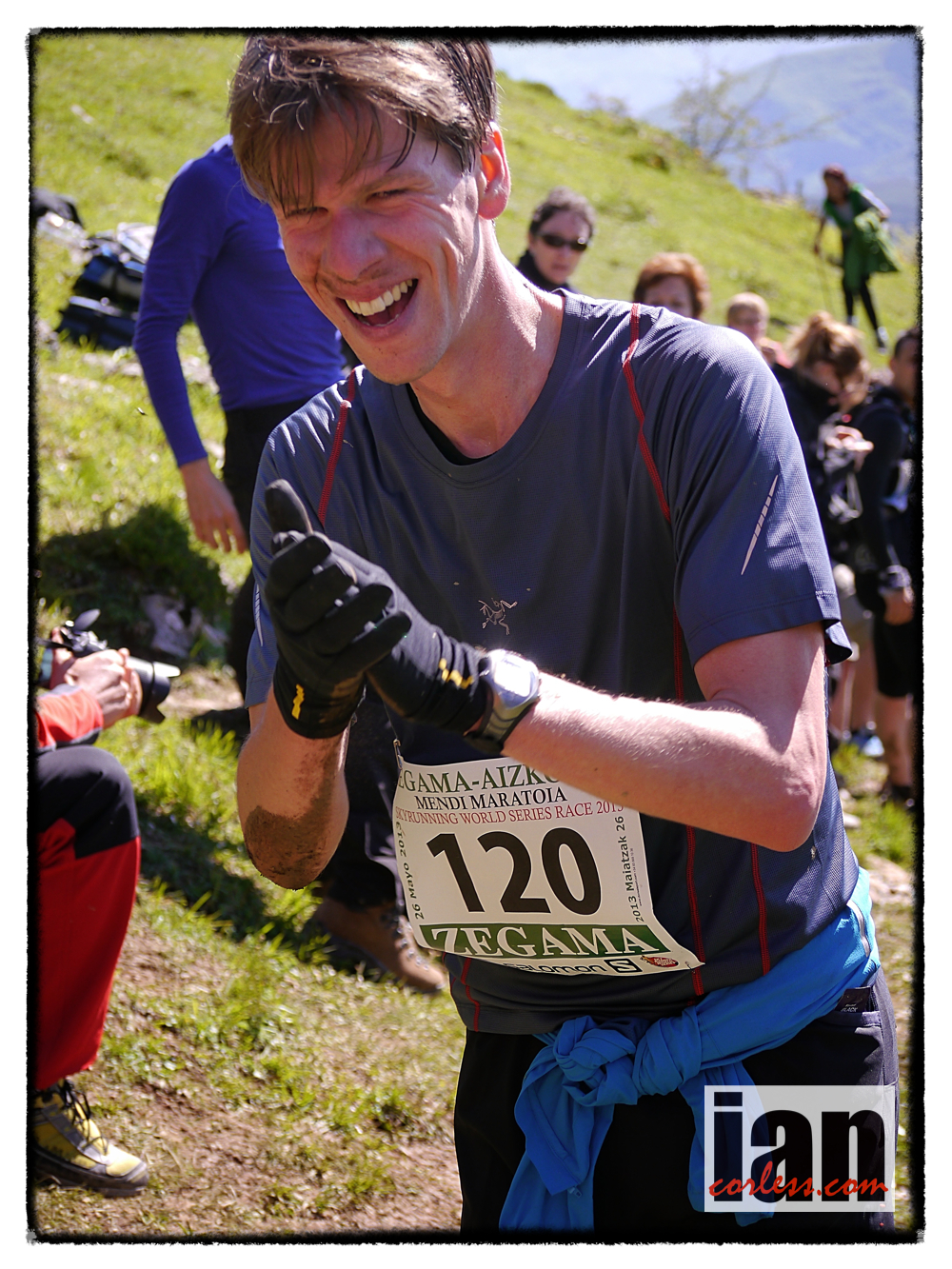
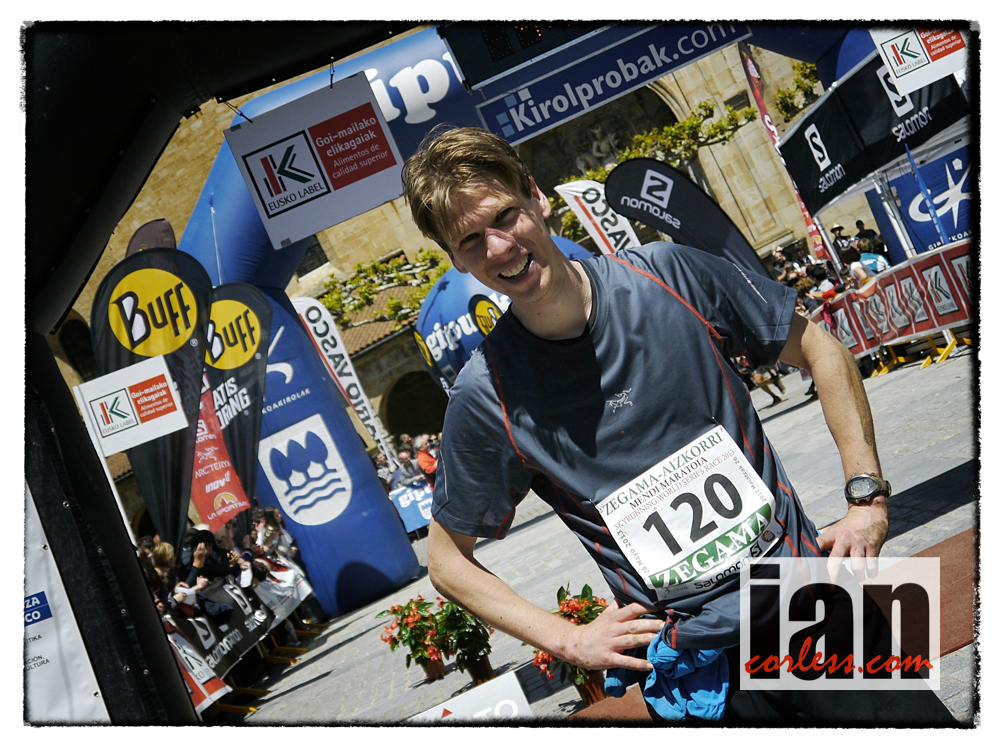
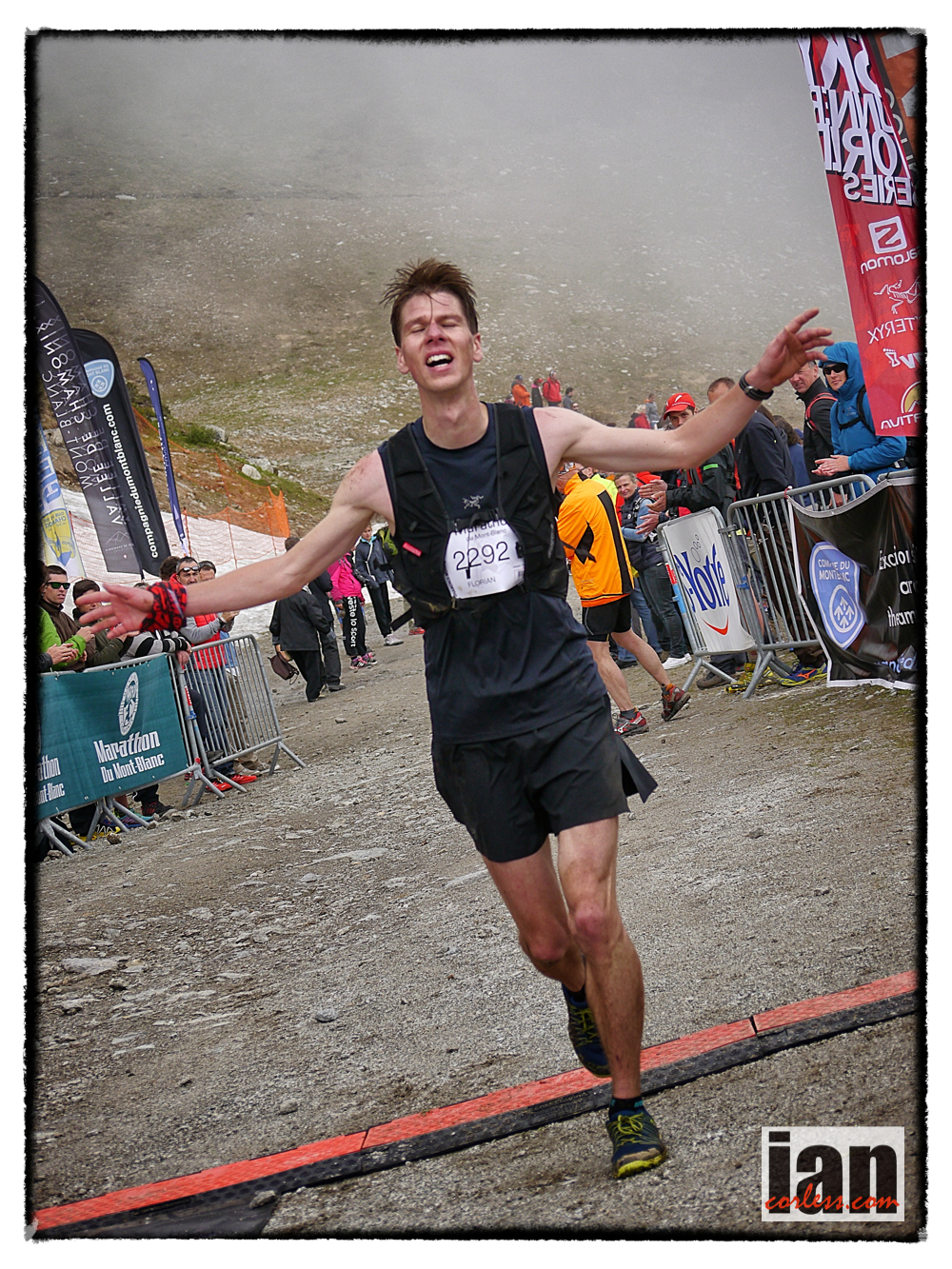
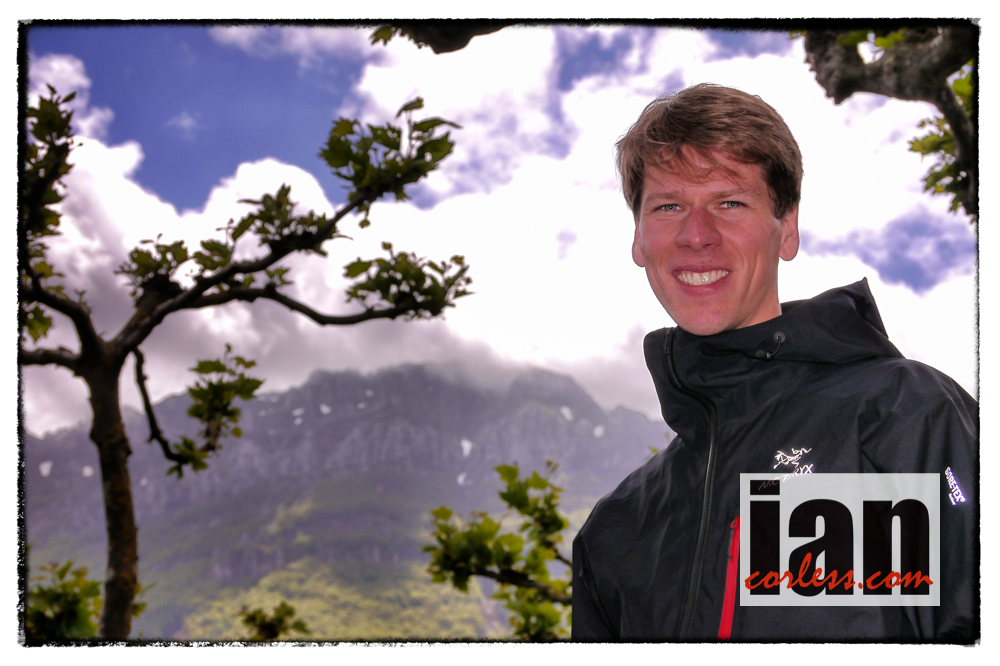
Florian Reichert is a fast roadrunner! With a track and field background and a specialty at middle distance, his first marathon was an impressive sub 2:30. However, he has only run one road marathon and that was just last year. In 2013 with sponsorship from Arc’teryx and inov-8, Florian has progressed to trail and mountain running. Always seeking a new challenge, he didn’t start the easy way and ease himself in, no; anything but… he threw himself in at the deep end with possibly one of the most iconic and competitive mountain marathons on the calendar, the ISF Skyrunning Zegama-Aizkorri. I catch up with Florian in a wonderful chalet in the shadow of Mont Blanc. We are on an inov-8 athlete retreat and just a couple of days previous; Florian placed top 10 in his second Skyrunning event, the Mont Blanc Marathon

IC: Welcome Florian it’s great to find some quiet time and have this chat.

FR: Thanks Ian, it’s great to be here and having this opportunity to talk. 

IC: Florian you come from a very quack road running background. You started in 1996/97. You have some very impressive and fast times. What is it that got you into running?

 ©copyright .iancorless.com.P1140170

FR: I have always enjoyed pushing myself to the limit. I used to play soccer as many Germans boys do, but I was looking for a sport that would allow me some independence. I wanted the success to come from myself and it was natural that I found running. From early on I enjoyed being alone and running long distances. It was actually my Physical Education teacher that spotted my potential and I was introduced to track and field.

IC: You specialized in middle distance running?

FR: Yes I was a middle distance guy running the 800m and 1500m. I barely broke the 4min barrier but I noticed that I didn’t have the ability to go faster, so I transitioned to 5k and then 10k. My PR is 14:50 for 5k and 30:50 for 10k. Gradually the distances I ran became longer, it seemed to suit my abilities better. I eventually ended up running my first marathon in 2012.

IC: You have made the transition from middle distances to half and marathon distance but as you say, you actually only ran your first marathon last year and you went sub 2:30. Impressive by any standards what was your actual time?

FR: I ran 2:26 and placed 8th at the German championships. It was lots of work, three to four months of solid preparation. I enjoyed training for the marathon but I felt at the end I was getting very stressed and almost bored. I was fed up of checking time, kilometers, laps etc. I was obsessed by time. This year I wanted a different challenge. I needed some freedom.

 ©copyright .iancorless.com.P1090840

IC: You mentioned that you were getting bored and that stress was building. Irrespective of the distance you race, if you are competitive that stress level can come with any distance. If you looked at your marathon, a 2:26 debut is impressive but did you think to yourself even if I train even harder my potential maybe 2:20, maybe a 2:15 and therefore, no disrespect, but in marathon terms that is quite pedestrian. We have seen with Sage Canaday and Max King, both who run around 2:15 that they have made the choice to move from marathon to trail and ultra. Therefore, did you think; I will move to a smaller pond and become a faster person?


FR: Yes, partly correct.  With a great deal of effort I may have run a 2:20 marathon but realistically it may have been a 2:22, so, even as you say, if I had run a 2:15 that would still get me nowhere. Particularly with the quality of African runners in marathon fields. I have always loved being in the mountains and nature so the bigger aspect of my transition is that I wanted to get away from the track, the road, the clock and hit the trails and mountains.

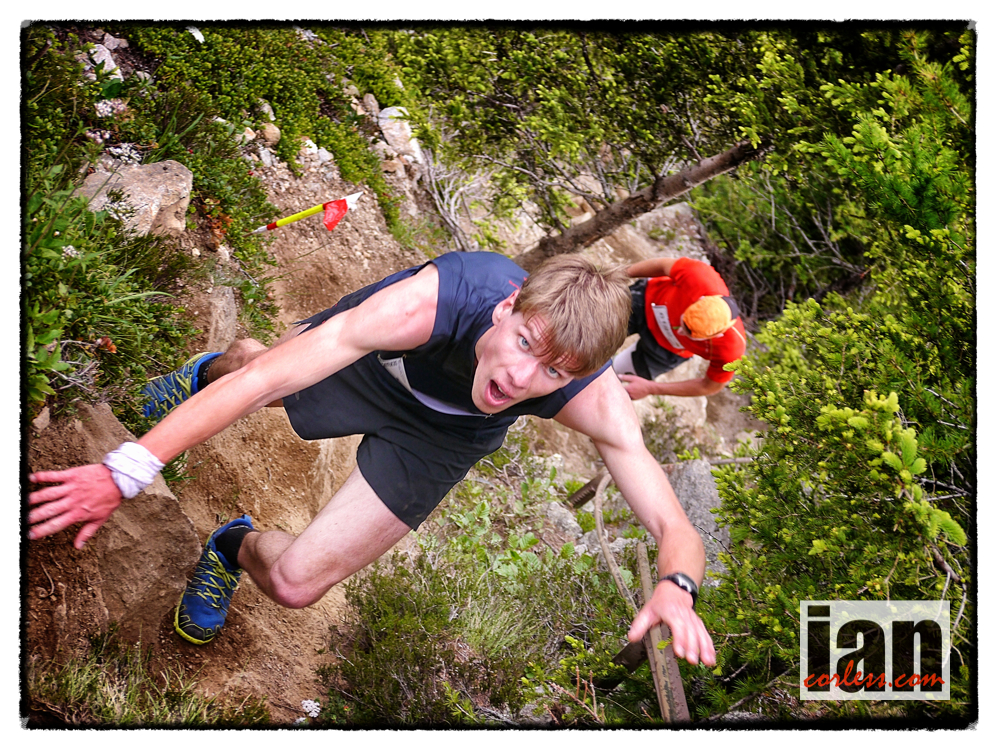
IC: So this year you have moved to trails and to mountain running. You have been fortunate to get sponsorship with Arc’teryx and inov-8. You have clothing and shoes covered. Of course both are involved in Skyrunning. However you are racing at all Skyrunning events for Arc’teryx. You have been thrown in at the deep end particularly with Zegama-Aizkorri. It’s all very well being quick but that doesn’t mean a good performance in a Skyrunning race. So many different aspects are required, yes you will need strong legs, yes you will need big lungs… but Skyrunning is about technique, skills, descending and ability to adapt to terrain. Zegama was a great outing for you. You had a great performance. You were at the front on the climbs early on but the big thing for you was the descents and the technical attributes that are needed to descend. What was it like?

FR: Zegama was such a special experience for me. I was very nervous before the race because I had no idea what was coming up. I knew that the distance was a marathon but the time would be long. As I said, I ran my first marathon last year in just under 2:30; this race took Kilian nearly four hours in 2012. I had never run for that long before, not even in training. I was anxious of what would lie ahead. In the end I was 33rd but in the early stages and particularly the halfway point I was in the top ten. I felt really good but the descending was my nemesis. You are right; I had a big learning curve when going downhill. I really need to work on that. Technical sections in races will require big improvements and commitment from myself. I have a long way to go. For example, the Mont Blanc Marathon was less technical and therefore I had a far more comfortable race. It suited my abilities better, but hey, Zegama was a great start.

 ©copyright .iancorless.com._1030354

IC: Coming from a middle distance road background what was your training like pre Zegama and from what you learnt at Zegama, what changes have you made between races?

FR: I come from a region in Germany that is flat. I have some mountains close by but it only has a peak of 1000m, so, my longest ascent maybe is 600-700m, no more. That makes it difficult to train for Skyrunning. But one of my favorite all time workouts are repetitions like hills, intervals and fartlek. I have beautiful woods all around me where I live. It’s great for speed work. I do repetitions of 1k with ascents of 250-300m and if I do that five or six times then it works well. I can get a 1000m of ascent. I have definitely changed my regime. I don’t go on the track much anymore, maybe once a week. Prior to 2013 I would have been on the track three or four times a week. I run long, I run up to thirty six to thirty eight kilometers now but before it was low twenties. So, yes, I have made some big changes.

IC: In terms of the terrain that you now train on, are you doing fewer roads?

FR: For sure, for the road marathon I always trained on the road. Now I hardly go on the road. I only go on trail. I go on forest paths, fire trail but I try to do single track whenever possible.

IC: Many will read this who are coming from a road background or maybe they are trail runners who have no experience of Skyrunning. They may think, I would really like to try a Skyrunning race but think it is beyond them. What advice would you give to make the transition?

 ©copyright .iancorless.com.P1140520

FR: Most importantly they need to find a rhythm. You must find it in training but you must also find it in racing. When preparing for a Skyrunning race of course you need to run hills, you need to work on technique, if possible you need to be in the mountains. Get as much vertical as possible but also work on descents. It is important not to be stressed. Don’t worry about time. It means nothing in these tough and technical races. Rhythm is so important, keep to a pace that you can maintain.


IC: Yes, you mentioned that your home has no mountains. We are currently in Chamonix surrounded by trails and wonderful peaks everywhere, however, for most of us; mountains like this are just possible in training. If your home does not have these options, as you say, it is important to be creative. You mentioned a climb and doing repeats. It is such an important element, you can go up for a few hundred meters ascent, come down and repeat.


FR: Yes, it is all about working with what you have. Be creative as possible. Running offers so many possibilities. We mentioned fartlek; it is a great training method. You don’t need to be high if you have a hilly or undulating course that you can do repeats on. Of course you have to take into account speed, I need to train at a higher speed at home than say here in Chamonix. This morning I climbed six or 700 meters but I was going pretty slowly because of the gradient. At home I can go so much quicker. It has worked out okay for me.


IC: Distance means nothing in the mountains, you can be on a trail for two hours but you may only cover five or six miles. The transition you have made post Zegama has been impressive. Admittedly I think the Mont Blanc course suited you much more than Zegama. However, it still had some serious climbs and descents and in the latter half it just went up, up and up with a summit finish. Mont Blanc Marathon was a proper Skyrunning race, you placed in the top ten and that is significant. Not only do you have ability but also you have learnt so much in a short space of time. What goes through your mind when you stand on a start line with Kilian Jornet, Marco De Gasperi and Luis Alberto Hernando? 

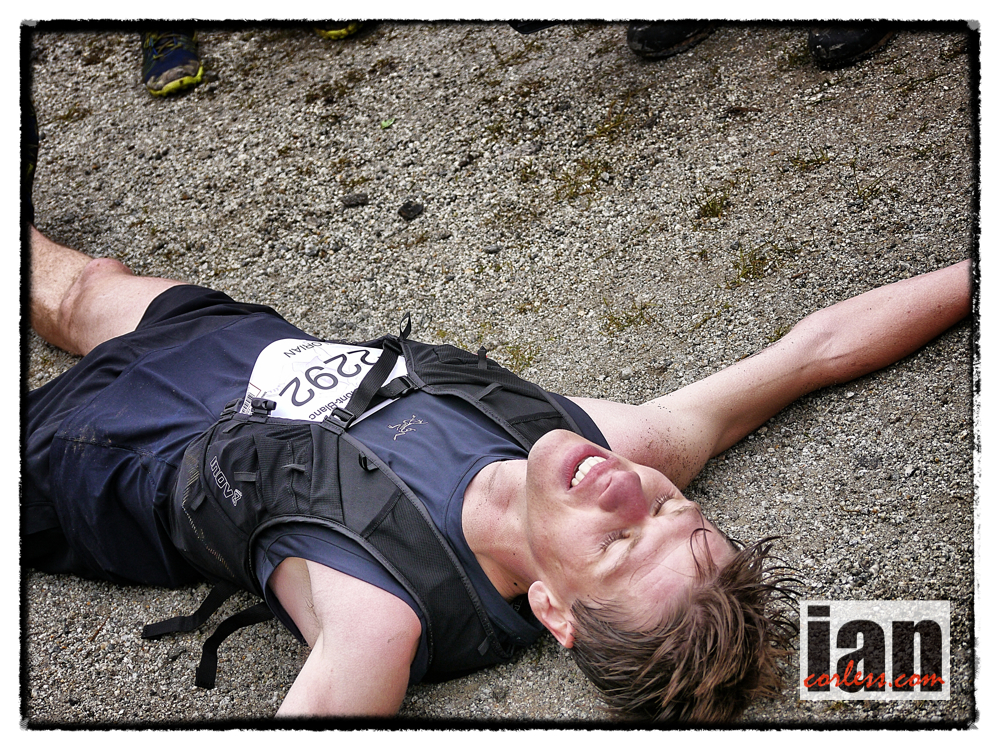
FR: Actually I was in the second row just behind Kilian and Marco on the start line. I admire these guys so much, fantastic runners but more importantly fantastic people. Friendly, generous and a pleasure to know, the opportunity I have been given is incredible, I must thank Arc’teryx. Without them I would not be racing. They took a risk, they had a fast roadrunner that had some reasonable times and they accepted my proposal to race on the Skyrunning calendar. Although I suffered in both races, I don’t think I have ever been so exhausted before but I enjoyed every step.

IC: You also had two teammates in the top ten at Mont Blanc, Nicola Golinelli who placed fourth and Didier Zago who placed sixth. You placed ninth which is an excellent result for Arc’teryx… three men in the top ten!

FR: Yes, correct. I only met Nicola and Didier here in Chamonix for the first time. They are great guys; they have already passed on so much knowledge to me. It was Nicola that instilled the ‘rhythm’ thought process in me. He told me not to be stressed and to run my own race. We have a great team and it’s great to be part of it. Of course I must mention inov-8 too as they provide my shoes. The inov-8 team had great results also at Mont Blanc Marathon.

©copyright .iancorless.com.P1140540

IC: The Mont Blanc weekend has been incredible; so many races too choose from. An 80km and a 10km but importantly you ran the VK (Vertical Kilometer). The VK is such an incredible event, 1000m vertical gain in 3.8km. VK’s are simple; you go up as quickly as you can. According to Skyrunning rules the gradient will always be around 30-35%. VK’s are a great way to start in mountain running. Anyone in theory can take part providing you show some basic experience. VK’s are about walking and running. It requires a technique, I am sure if I did a VK everyday I would get fit very quickly. You did your first VK here in Chamonix, once again thrown in at the deep end, what was it like?

FR: First of all the VK is a great addition to the Skyrunning format. I ran about 38 minutes, if I compare that to my 10k PR which is 30:50 then I ran 8min longer for less than half the distance… so you can appreciate the severity. However, if you look at that objectively, many people can run a 10k so I think a VK is a great starting point if you want to make the transition from road to mountain. I was actually surprised after the VK that I didn’t feel as tired or as battered as if I had run a road10k. Going up creates less impact, it’s tough on the lungs and heart but the muscles don’t get too beaten up. That would not happen if I had run road race.

©copyright .iancorless.com.P1130736

IC: Yes, great point. Relatively no impact in a VK, you start at the bottom and go up. Even when running you are going slow, it’s controlled, the moment you get that control wrong you blow up and you are forced to walk. If you are not adapted though it does work the achilles, hamstrings and lower back so that can cause some knock on effects. Funny you equated it to a 10k, to put it in perspective it took you 8 mins longer to run 6k less than your 10k PB. Doesn’t take much working out does it, tough race! What is next for you, I know you are concentrating on the ‘Sky’ distance, which is usually around a marathon; do you have any plans to move to the ultra distance?

FR: Yes, ultra distance will tempt me; Transvulcania seriously tempts me, I love the look of that race and the incredible field that it attracts. It seems like such an incredible race, I have to say that for at least the next twelve months I am going to stick with the Sky distance, it works to my abilities and it will suit my speed. But a natural progression will take place, I am sure ultra will make its way on my calendar.

IC: It has been great to catch up with you Florian. I am looking forward to following your progress over the rest of 2013, I wish you the very best of luck.

FR: Many thanks Ian and many thanks to the sponsors and Skyrunning.

Links:

Florian on Facebook – HERE

Skyrunning – HERE

Arc’teryx – HERE

inov-8 – HERE

Florian Reichert Zegama pre race interview

Florian Reichert Arc'teryx copyright Ian Corless

Florian Reichert Arc’teryx copyright Ian Corless

Arc’teryx athlete Florian Reichert is new to Skyrunning. Zegama will be his first experience of mountains, mud and potential mayhem at this classic event in Spain. Coming from a track and road background he has some impressive times; 1:09:30 for a half marathon and 2:26:14 for the marathon distance.

If Florian can bring that speed to a Skyrunning race he will without doubt be a force to be reckoned with. However, Zegama for sure will be a learning curve with its unpredictable terrain, high mountains and inclement weather.

YouTube HERE

Links:

Adam Campbell – Interview

ARC'TERYX/Brian Goldstone

ARC’TERYX/Brian Goldstone

Arct’eryx  athlete Adam Campbell, gained much notoriety early in 2012 after securing a solid second place behind Julien Chorier in his first 100 mile race at Ultra Trail Mt Fuji in Japan. With high hopes, he moved into the 2012 season looking to race well at TNFUTMB and the Skyrunning calendar. However, injury issues and personal issues got in the way… I caught up with Adam in April ahead of the 2013 season and his first big race, Transvulcania on the island of La Palma.

IC Adam, the last time we spoke you mentioned that your background as a sportsperson came from triathlon.

AC: Yes, what was I thinking! All those accessories to clutter my life. Actually, triathlon was a big part of my life. I started in 97/98 and I made the junior Canadian National Team. It was a great honor to wear the Maple Leaf. It had a huge effect on me. At the same time, Simon Whitfield was world champion, so I had lots to tempt me into the sport. I decided to take the leap. I had an invite to live in Victoria, British Columbia and train. So, I packed in college and lived with Simon Whitfield, he took me under his wing. I trained with him for a few years and raced the world cup circuit. I had the goal of trying to make the Olympics in 2008.

IC: You couldn’t have had a better teacher! Simon Whitfield was the man to beat!

AC: Oh yeah. Amazing. Victoria had a wealth of talent… Lauri Boden, Greg Bennet, Peter Reid and Laura Bennet. I was spoilt with influences and inspiration from a whole host of the best triathletes. Canada was a mecca for the sport.

IC: You decided that your ability as triathlete was limited and you turned to run and run long!

AC: Sport is fair like that. I realized in 2006 I wouldn’t make the Olympics as a triathlete. I gave it a really good shot but I just wasn’t good enough. I lacked certain physical traits. I wasn’t explosive enough and my swimming was poor in comparison to the competition. I worked my butt off to make it happen but the whole time I enjoyed running the most. I loved it. It gave me the most satisfaction. Especially the long runs in woods and trails. The farther I went the better I became, so, it seemed a logical choice. We are all drawn to the things that we are good at. At the same time I was amazed about this guy I would read about in magazines, Scott Jurek. He looked incredible and he ran in incredible places. I have always been drawn to the mountains. I guess it is the challenge of pushing your self, would I have what it would take?
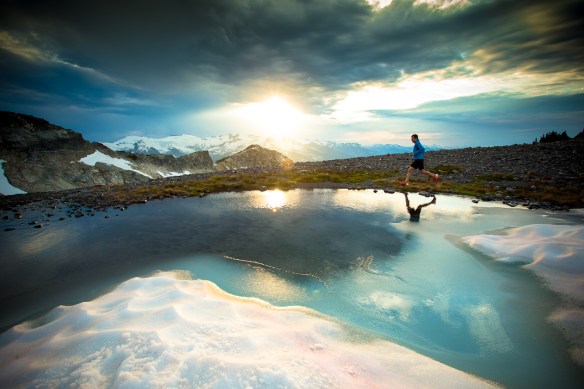
ARC'TERYX/Brian Goldstone

ARC’TERYX/Brian Goldstone

IC: 2007/2008 you qualified for the Canadian Mountain Running Team, was that a plan that you had put in place or did it happen by default?

AC: I actually qualified in my first ever trail race. I guess I was lucky. If I want to do something well, I always love to speak the best. So I sent Jonathan Wyatt an email and I asked him to coach me. He said yes! Unbelievable. He wrote me a plan for the Jungfrau marathon and I followed it to the ‘T’.

IC: It worked.

AC It sure did. Thanks to Jonathan. But it wasn’t planned. Initially I just enjoyed the process. I had speed and the rest clicked in place. As for ultra running, beyond 3 hours seemed nuts to me.

IC: It still does…

AC: Oh yeah!
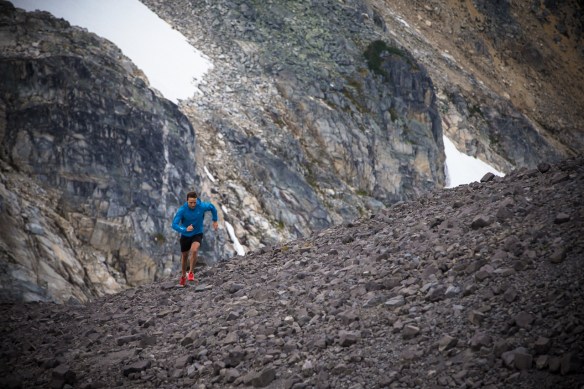
ARC'TERYX/Brian Goldstone

ARC’TERYX/Brian Goldstone

IC: Mountain running races do tend to be a shorter distance. Of course the terrain is up and down but it is more like the ‘Sky’ distance of races. You need speed and agility. What was it that interested you to go longer? For many a marathon on a mountainous course  is far enough.

AC: I don’t know to be honest. Curiosity I guess. The longer I went the more I enjoyed it so I decided to race the longer races too. It had a strong appeal. The longer a run gets the more I get the opportunity to really know my body and my mind. I don’t have the ability to run a sub 4 min mile so this type of racing tests the participant in a different way. I was drawn to it.

IC: You have been noted and still have a reputation as a fast runner, even in the ultra circles you are noted as being fast. What combination of speed do you bring to ultra training?

AC: Well, that is all relative. No sub 2:04 marathons coming out of these legs!

IC: Well you say that but speed is becoming very important, particularly if we look at Sage Canaday and Max King. 

AC: For sure, speed is important. The terrain brings many changes and it is important to adapt. I do a couple of hard runs a week but it is more organic. Certainly less structured than when I was a triathlete. I have been in sport a long time and I have become more intuitive. I listen to my body. If I want to go hard I will and when I do I tend to go really hard. By contrast my easy days are easy. I have a long background in sport and that has benefits. I can apply that knowledge to what I do. I also talk with John Brown from the UK, he helps me with my planning and calendar. It’s critical now with the way races are going. You can’t be fast all year and race all year.

IC: One thing that crops up with ultra runners is the desire and need to get in lots of vertical. Do you bring that into your training?
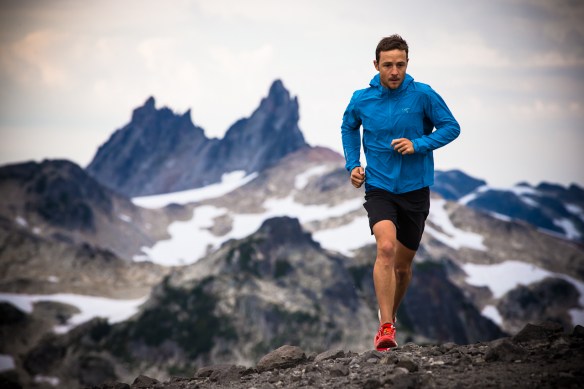
ARC'TERYX/Brian Goldstone

ARC’TERYX/Brian Goldstone

AC: Absolutely. I never look at weekly mileage. I just log vertical. That is what is the most important for me, how much vertical and it’s huge how much strength comes from this. It creates a great foundation.

IC: Anton Krupicka and Kilian Jornet have the same approach. It’s all about going up. Kilian in particular just logs vertical ascent.

AC: Geoff Roes and Mike Wolfe amongst others do the same. I guess the Europeans do the same? No magic formula is required. It is all about being specific to the terrain and distances that I race.

IC: If we look back at your ultra career what would you consider a highlight?

AC: That is tough. I like to pick races that are in beautiful places or races with competitive fields. So, every race has been special. I guess UTMF in Japan last year… my first 100-mile race was special. I was 2nd behind Julien Chorier. I had a respectable race and it really challenged me. It took a huge physical and emotional toll on me as I raced very hard. Also my first ultra back in 2010, Chuckanut 50, that to me was awesome. Just being on the line to start was incredible. I was definitely scared going beyond a marathon distance!

IC: Most of us are Adam. The first time can be a worrying experience. You mentioned UTMF and we actually spoke last year not long after that race. I was interested in your training but also your equipment. You had specific needs which Arc’teryx helped with. I guess one of the benefits you have had is your location and the proximity to Arc’teryx HQ. They can manufacture and provide equipment for you usually within a couple of days?

AC: Incredible. I have been with Arc’teryx since 2007. I cold called them and my timing was perfect. I actually was suggesting making running apparel and luckily somebody in the design team had the same thought. I was lucky. I work closely with them and we are constantly developing more run specific apparel. They have the best materials and the highest quality. They have a no compromise approach, which is amazing. It can take ages to bring something to market. This is the price of quality. I test lots of products on the trail so I am lucky. 

IC: Your physique is unique. You are a small guy so I guess you have lots of custom clothing made?

AC: Oh yeah, I take take XS in Japan. Now that is small.

IC: That IS small

AC: Yep. I am lucky. I get custom clothes from Arc’teryx because I am very particular. I don’t like baggy clothes for running. It must fit and it must have no excess fabric. For UTMF I had some specific kit made. I wanted the most minimal gear possible. If I am not going to use it, I don’t want to carry it. I don’t want to carry an extra gram. It must be functional and suit the purpose it is intended for.

IC: In 2012 you spent time in Europe. You had planned to do TNFUTMB but you had some niggles which ultimately meant that TNFUTMB had to be taken out of your calendar. Do you have plans to go back to Chamonix and race the iconic 100 mile race?

AC: For sure. I love Chamonix. It’s an incredible town. I will be racing the Skyrunning Mont Blanc Marathon in summer and Arc’teryx are putting the Arc’teryx Alpine Academy together; a week of mountaineering so that will be incredible. I do a little climbing but I am really looking forward to working on my mountain skills.

IC: Mountain skills? So is this going to be climbing and everything related?

AC: Glazier travel, mountaineering and learning specific skills.

IC: Sounds awesome.

AC: It will be an amazing week.

IC: You mentioned Skyrunning, Arc’teryx are heavily involved in the series. It is going to be a great year for you, the team and the brand.
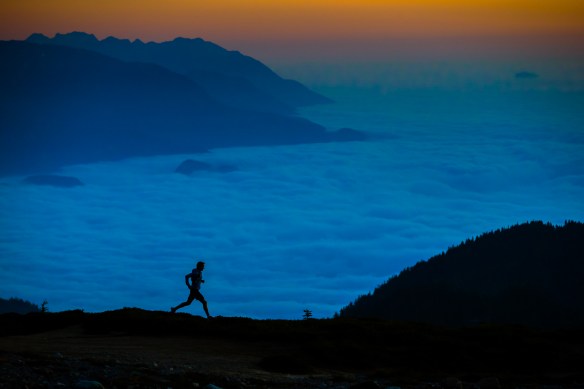
ARC'TERYX/Brian Goldstone

ARC’TERYX/Brian Goldstone

AC: I was gutted last year not to race in the Skyrunning series due to unjury. I like to race the best people on the best and most beautiful terrain. Skyrunning personify that!. They have done a brilliant job. Nothing like being recognized for personal achievement and Skyrunning offer this. It’s the vibe, the experience and yes, Arc’teryx are involved as a sponsor.

IC: Transvulcania kicks it off with a stacked field. I said in 2012 it was the race of the decade, but 2013 is equally impressive.

AC: It’s going to be great fun. Racing the best brings out the best in me and the field doesn’t get any better than at this race. I will be interested to see how I perform. I believe I have put the work in and I am in good shape.

IC: I presume you are doing the ultra series? You need three events to qualify but five in total are available, are you planning on the five?

AC: Jeez have you seen this 100 miler, Andorra, Ronda del Cims! It has massive appeal BUT boy I don’t know…. It took Miguel Heras 30 hours! That is a long time to be out on such a tough course. That race may end my summer. I would need plenty of recovery so I will have to see? I can’t recover like Kilian.

IC: It is all about balance and finding what works for you. You have to cherry pick and keep the balance.

AC: An incredible race but a little much for me at the moment.

IC: Tell me about your world record in 2012… some inspired idea to run a marathon in a business suit. What was that all about…?

AC: I had read an article on letsrun.com and I saw some guy had set a record in a suit in 3:25. I was sure I could run quicker. I was going through a divorce and I needed a distraction. I needed some fun and an escape. I wasn’t in a great place personally so that seemed a quirky thing to do. It was a good excuse to raise money for a charity also. I had a lot of fun. It was a great challenge… it was also really hot!

IC: Yes, running a marathon fast is a test but to run it in a shirt, tie, jacket and trousers… c’mon, what was the time?

AC 2:35! I started slow looking for 3 hours but after the first mile I rolled and I felt great. I hadn’t run in the suit before so it was all new to me. I actually negative split the race heavily 1:19 and 1:16 for the second half.

IC: Wow  – ridiculous.

AC: Yes, I guess, I surprised myself.

IC: What is your marathon PB?

AC: I haven’t really run marathons before. My first marathon was 2:29 in 2006. I don’t run too much road.

IC: You finished 2012 with San Francisco 50. You had a great race. Sage Canaday and your self at the front…  erm, who was to blame for going of course (laughs)?

AC: (laughs) Well I was leading but we were all together as a group. Nobody questioned the decision. It was foggy, dark, windy, raining and it was just hard. The route seemed correct and we all took responsibility.

IC: I am only joking. Sage does have a small reputation for going off course.

AC: The dude just runs way too quick!

IC: Yep, so fast he doesn’t see the markers. A great race for you though and a great boost for 2013.

AC: For sure, it’s good to be competitive and it is nice to have it in the bag. It had been a rough year so it was a good way to finish. I get confidence from racing and performing.

IC: 2013 comes around and you think about a new season and then I see you post a photo on facebook of your leg in plaster!

AC: It was dumb. These things happen. The day before I had seen my physio. He said, “Have you ever sprained your ankle?” I said no…. oh dear, fatal last words. I was 2.5 hours into a run and I slipped on a wet log. I went down hard and I had no option but to hike out. Really painful but I got great treatment and support. All is good, it flares up a little but I will be okay.

IC: And your recovery?

AC: I didn’t respect the recovery. I should have been a little more patient but we all learn.

IC: These things need time.
ARC'TERYX/Brian Goldstone

ARC’TERYX/Brian Goldstone

AC: Yes I tried to make up time. It never works; patience is key. I am good now, I have plenty of volume and I did cross country skiing and climbing to break things up, I have tried to save my legs a little, it is a long season. I want to be good in September and still have motivation.

IC: To finish off I would like to discuss the video ‘Silence’. I remember seeing it early on and it really switched for many people. It was a change, a breath of fresh air. It not only fulfills a running purpose but it was also a piece of art. Was it your idea?

AC: It came together by the people at the production company. I fitted the narrative perfectly and I was really keen to do it. Everything about it was perfect. When they pitched the story I said yes immediately. I could relate to it.

IC: It was a great movie. We all get stuck in our day-to-day lives. I am fortunate I think, I spend lots of time on a computer but my life evolves around running, mountains and races. I get my fix. I guess living where you do you can get on trails quickly… the film manages to get that perspective across

AC: Yes it was a fabulous. The entire production was top notch. I am really happy. The story struck a chord with so many. Canada is a great place for running. One moment in the office, the next on a beautiful local trail.

IC: You have a great local running group too.

AC: Oh yeah, Ellie Greenwood, Garry Robbins, Jason Loutitt and so on…

IC: Gary hasn’t tempted you to run Hurt 100?

AC: That race looks brutal. The time he ran in 2012 is seriously impressive.

IC: Particularly with Gary’s story; two years out of the sport with injury.

AC: Gary is a great guy. Great to see him back!

IC: Adam, it has been great to catch up. We will meet up at Transvulcania. As the season unfolds I guess we will see each other on a regular basis. It’s going to be great to see you on the circuit.

AC Looking forward to it. It is a privilege to compete. I don’t take that lightly. I consider myself extremely lucky. I will be prepared and I hope to race well. We shall see how I go.

IC Brilliant have a great 2013 season.

 Links

Ultra Trail Mount Fuji preview

Asia’s answer to the TNFUTMB is the UTMF 100, a mountain 100 miler that circumnavigates the ancient volcano of the title name. It has over 9000 metres of elevation gain so it is not for the feint hearted.

utmf_map

The ULTRA-TRAIL Mt. FUJI is an unparalleled event that challenges the human spirit through the outdoor sport of trail running. By connecting mountain trails, local footpaths and forest roads around the foothills of Mt. Fuji, this 161km course allows participants to enjoy majestic 360 degree views of Mt. Fuji while experiencing the stunning natural beauty and culture of this region.

Tsuyoshi Kaburaki has been instrumental in this race and after his experiences at the TNFUTMB, he was sure that Mt Fuji was the only place in Asia possible to offer a race on a par with the iconic 100 miler that has its home in Chamonix. In actual fact, TNFUTMB race director, Michel Poletti is toeing the line at UTMF just two weeks after finishing the 28th edition of the Marathon des Sables.
2012 review

The 2012 and inaugural edition of the UTMF had initially had an incredible start list that had included Scott Jurek, Mike Wolfe, Sebastien Chaigneau and Tracy Garneau. However, all mentioned did not turn up and race. This opened up the race and Salomon athlete, Julien Chorier topped the podium in a time of 18:53:12. Running his first 100 miler, Arc’teryx athlete, Adam Campbell placed 2nd (listen to Adam on the latest Talk Ultra episode HERE) and Kenichi Yamamoto placed third.

The 2012 ladies race was dominated by Salomon athlete Nerea Martinez Urruzola in 24:05:04 with Hiroko Suzuki second almost three hours later and Nora Senn third.

What does 2013 have in store?

MEN

Well, from a European and Australian perspective we will see a quality race at the head of the race. The success of the 2012 UTMF has encouraged Julien Chorier, no1 to return and defend his title.

Sebastien Chaignea TNFUTMB copyright Ian Corless

Sebastien Chaignea TNFUTMB copyright Ian Corless

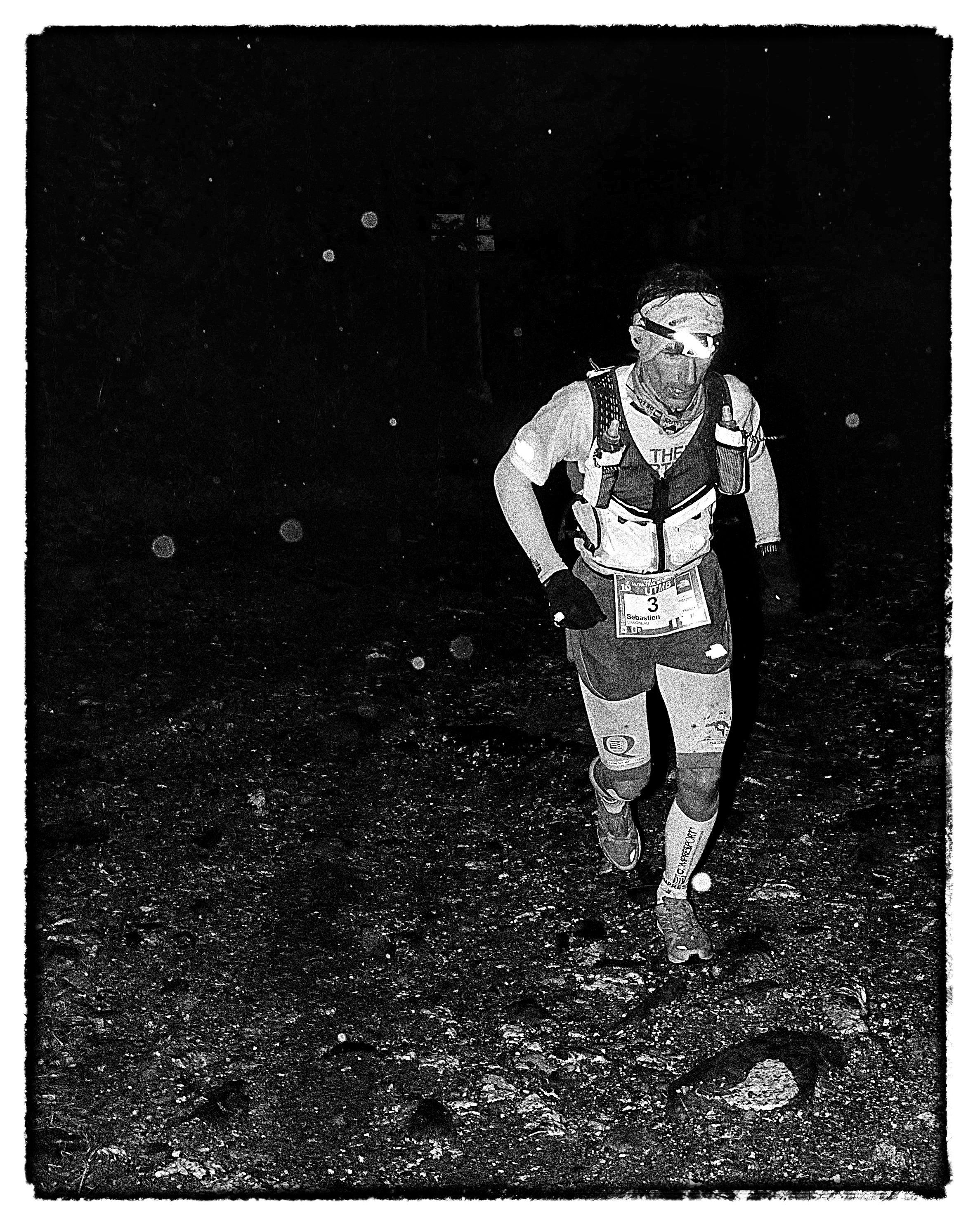
Certainly Julien is the pre race favourite, he has knowledge of the course, understands the demands required and of course he is the title holder. However, TNF athlete, Sebastien Chaigneau will almost certainly have a different outlook on how the race unfolds… he had a mixed 2012 and ultimately it was a year to forget by his standards. He came into 2013 motivated and his stunning performance at Transgrancanaria will mean Julien will need to be looking over his shoulder or maybe even ahead of him for this race.

Gary Robbins, no 102 (Salomon) from Canada is also going to be flying and ready for this race. Gary has an incredible story (listen to his interview on Talk Ultra HERE) and after being sidelined for almost two years, he returned in the latter half of 2012 and not only dominated but set a new CR at Hurt 100. He has a new outlook on his racing… he is going to race less, but when he races, he will make it count. Definitely my hot tip for the win.

Brendan courtesy of Inov-8

Brendan courtesy of Inov-8

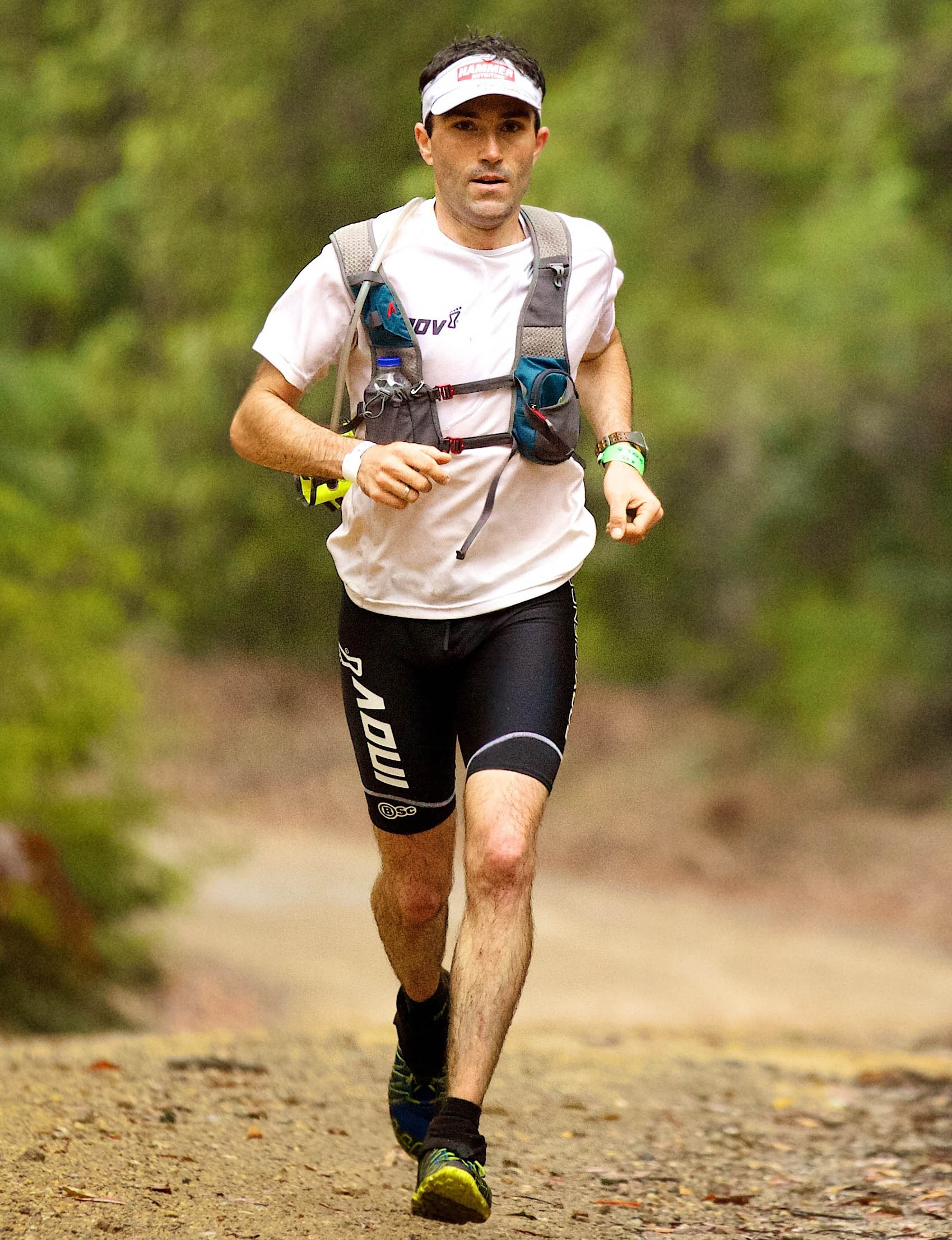
Inov-8 athlete Brendan Davies, 1061 fresh from Tarawera ultra will be confronting the 3,776 m Mount Fuji and he will revel in the task ahead of him. Brendan has plenty of speed but will he have the climbing legs to be up at the front. He has said on his blog that he his in the form of his life. (listen to Brendan Davies interview HERE).

Christophe Le Saux - MDS 2013 copyright Ian Corless

Christophe Le Saux – MDS 2013 copyright Ian Corless

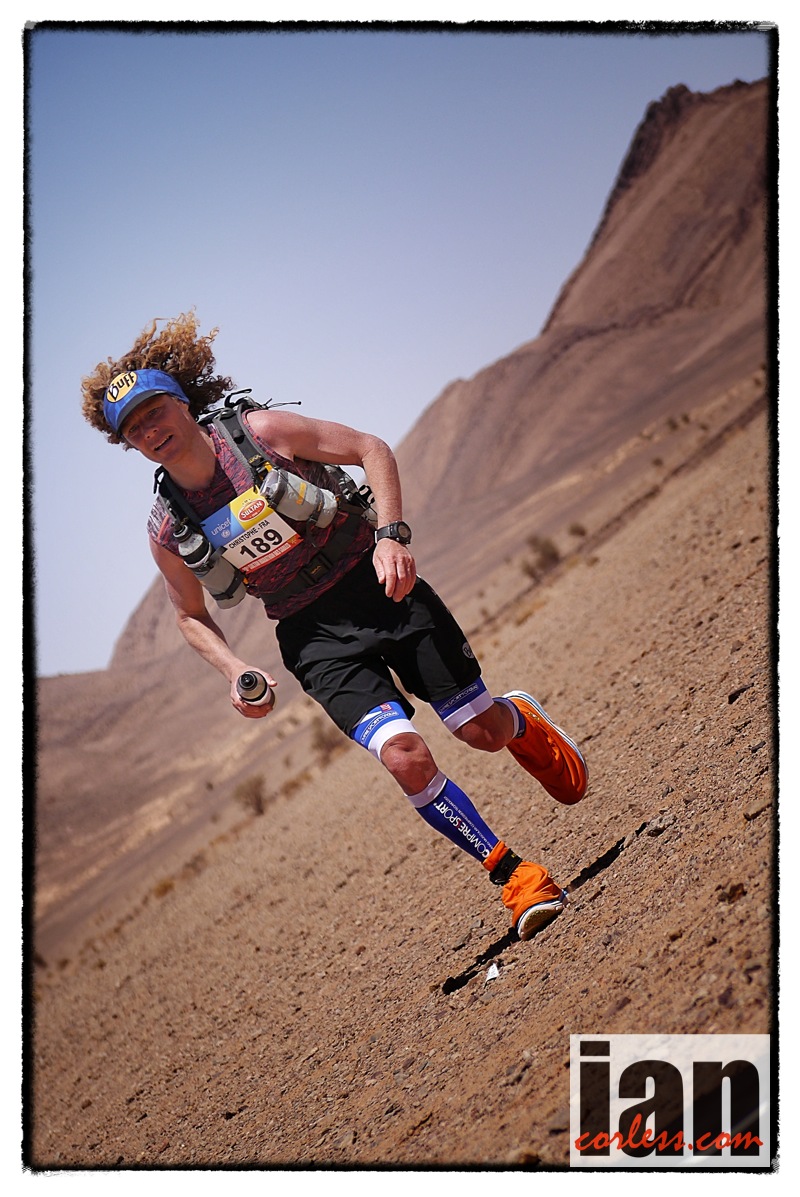
Christophe Le Saux, 1099 (Hoka One One) only last week finished in the top ten of the Marathon des Sables. He will be lining up to test himself. Logic says that fourteen days between ‘MDS’ and UTMF is not enough, but, Christophe loves the hard, technical and gnarly courses as he has proved at Tor des Geants in the past.

In addition to the above, Grant Guise, 108 from Australia, Jeremy Ritcey, 111 a Canadian who lives in Hong Kong and of course many of the local Japenese runners will figure.

LADIES

Nerea Martinez Urruzola is not returning to defend her title, so, this does mean the ladies race is wide open… arguably though, the competition has greater depth for the second edition of the race.

Krissy Moehl, 1106 (Patagonia) from the USA needs no introdction to the ultra world. Her reputation is well established and as such, her twelve years in the sport and her TNFUTMB win will all come into play in helping her make the top of the podium here. She was fourth at the renowned Hardrock 100 in 2012 and of course this will set her up perfectly for the 9000m of vertical at UTMF.

Hong Kong based Brit, Claire Price, 173 (Salomon)will have a great perspective of what is required on this demanding course. She recently won Hong Kong 100 and although this is the first time racing in Japan, the distance may be her stumbling block. She will need to respect the distance and the terrain. She finished Western States in 2012 but didn’t have a great race.

Shona - image courtesy of Inov-8

Shona – image courtesy of Inov-8

Finally, Inov-8 athlete Shona Stephenson, 1062 will be racing in her first international 100 miler ahead of what is a daunting year of races. She has already raced at Tarawera and Northburn 100 and will be racing at TNFUTMB and also participating in the Skyrunning ultra series in 2013. Shona has trained in the Blue Mountains and although she has great speed, will this lack of high mountains allow her to perform to her best in and around Mount Fuji?

Of course, local competition will have an advantage on this course. So expect some surprises!

STATISTICS

DATE Friday, April 26, 2013. Starting at 3:00 pm.
DISTANCE 161km
CUMULATIVE ALTITUDE GAIN 9,000m
TIME LIMIT 46hours
# OF RACERS 800
START / FINISH Yagisaki Kouen, Kawaguchiko, Fujikawaguchiko-cho, YamanashiPrefecture

Race website: HERE

MARATHON DES SABLES 2013 Preview

copyright Marathon des Sables

copyright Marathon des Sables

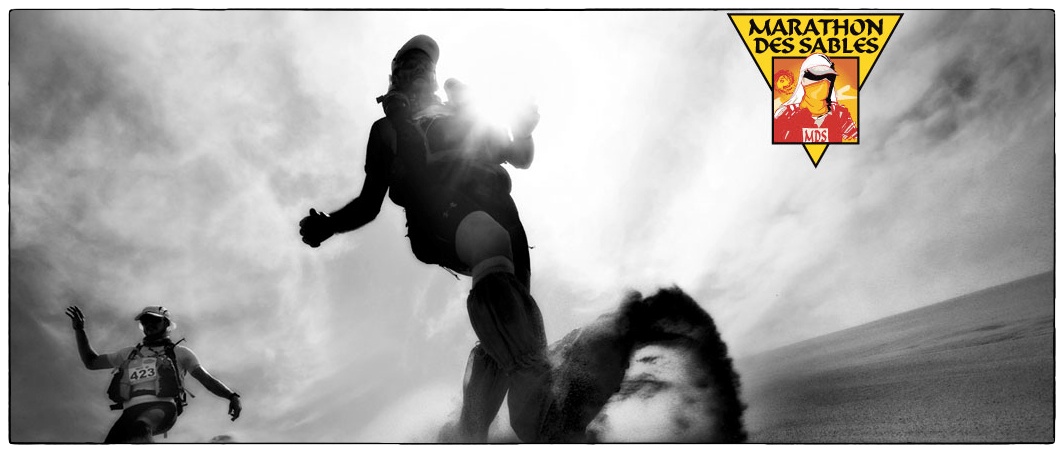
MARATHON DES SABLES 2013

The 2013 edition of the Marathon des Sables is a self-sufficient race in the South of the Moroccan desert, the event will take place from 5th to 15th April 2013. For the 18th consecutive year, it will be run under the patronage of his Majesty King Mohammed VI.

Since its creation in 1986, the Marathon des Sables has attracted over 13,000 competitors over 27 editions. From humble beginnings, the race is now the most prestigious multi-stage race in the world.

The 2013 Marathon des Sables will see 1,091 entrants toe the line. With 45 different nationalities and a strong presence from France and the UK, the 28th edition will be a memorable one.

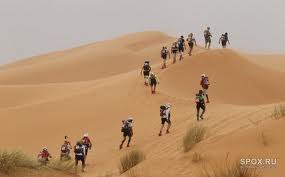
Taking place in South Morocco, in the provinces of Errachidia and Tinghrir the race will cover 223.8km over 5 stages. It will encompass some of the most beautiful terrain in the Moroccan desert. Eagerly awaited by one and all, the dunes, ergs and dried-up wadis will delight the thousand or so entrants from the fifty plus countries across the globe.

MDS LOGO

Race Programme:

5 April 2013: Leave country of residence for Morocco (UK entrants leave on the 4th) – Arrival in Ouarzazate, bus transfer to the 1st bivouac.

6 April 2013: Administrative, technical and medical checks – Day to acclimatise.

From 7-12 April 2013: Race in progress. (The self-sufficiency begins from breakfast on the 1st leg).

12 April 2013: Prizing ceremony in desert.

13 April 2013: Charity leg for UNICEF– Transfer to Ouarzazate.

14 April 2013: Day of relaxation, festivities.

15 April 2013: Return to country of residence.

Race Logistics

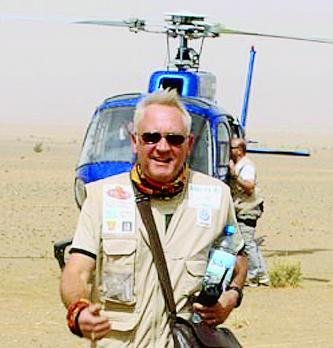
Patrick Bauer affectionately describes the Marathon des Sables as a big circus. It’s like moving a city everyday… just look at what is involved.

Race management : This team comprises more than 100 people including a race HQ, race marshals, controllers, timekeepers and ranking compilers. Since 2010, the official ranking has been achieved using a “transponder” for all the competitors.

Supervision : 400 people: technical, logistical and medical skills, 100 vehicles, 2 helicopters, 1 CESSNA plane, 4 dromedaries… and the active support of the Royal Armed Forces: 21 lorries (6×6) and 40 men to supervise logistics.

Medical Assistance : A team of 50 people under Dr Frédéric COMPAGNON, DOC TROTTER supervises the runners as much on a medical level (care of feet, resuscitation…) as a mental level, both of which fail sometimes in front of the toughness of the event and the hostility of the climate.

In the 27th SULTAN MARATHON DES SABLES, 3 tonnes of gear was transported and the medical team used : 5km of Elastoplast, 2,700 second-skin patches, 125 litres of disinfectant, 230 litres of drip solutions, 15,000 compresses, 2,800 pairs of surgical gloves,…

The Team

  • 115 volunteers on the course itself
  • 400 support staff overall
  • 120 000 litres of mineral water
  • 270 berber and saharan tents
  • 100 all-terrain vehicles
  • 
2 “Squirrel” helicopter and 1 “Cessna” plane
  • 6 “MDS special” commercial planes
  • 23 buses
  • 4 dromedaries
  • 
1 incinerator lorry for burning waste
  • 4 quad bikes to ensure environment and safety on race
  • 
52 medical staff
  • 6.5 kms of Elastoplast, 2 700 Compeed, 19 000 compresses 6 000 painkillers, 150 litres of disinfectant
  • 4 editing stations, 5 cameras, 1 satellite image station
10 satellite telephones, 30 computers, fax and internet

Marathon des Sables

Marathon des Sables – how did it start?

Patrick Bauer interview available HERE

1984 : At the age of 28, Patrick Bauer decided to make a journey into the Sahara. His objective was to traverse 350km’s of uninhabited desert, on foot, alone and without any possibility of encountering a single village, oasis or watering place. Totally self sufficient, Patrick entered the desert with a pack weight of 35kg containing all his water and food. The journey lasted 12 days and it was the starting point of what has now become the MARATHON DES SABLES.

Patrick Bauer, Marathon des Sables copyright www.lest-eclair.fr

Patrick Bauer, Marathon des Sables copyright http://www.lest-eclair.fr

1986 : The creation of the first MARATHON DES SABLES in the Moroccan Sahara. The 23 pioneers who took the start never imagined that their footprints would mark the start of a legendary event, which today has become unmissable on the schedule for major adventure sport meets.

1989 : 170 competitors take the start of the race and the rest is history.

I caught up with Patrick Bauer at the MDS UK expo in late 2012. You can listen to that interview (lasts 13 minutes):

talkultra.com

LISTEN HERE

The 2013 Race – who will be taking part?

1,090 competitors aged 20 to 76 are expected to take the start (definitive number on 6 April following administrative and medical checks) representing 45 different nationalities: Algeria, Argentina, Australia, Austria, Belgium, Bulgaria, Canada, China, Costa Rica, Czech Republic, Denmark, England, Finland, France, Germany, Holland, India, Ireland, Italy, Japan, Jordan, Kuwait, Latvia, Luxembourg, Morocco, New Zealand, Norway, Poland, Portugal, Republic of El Salvador, Romania, Russia, Saudi Arabia, Scotland, Singapore, Slovakia, Slovenia, South Africa, South Korea, Spain, Sweden, Switzerland, Turkey and the United States.

The participants are men and women with various and varied profiles (Doctors, farmers, coppersmiths, pilots, builders, chefs, servicemen and women, students, professional athletes and retired persons…).

The 2013 MDS Challengers for the overall win

DRAYMDS2012-04-08-7945-1

The Female contenders for the overall win :

Laurence Klein 2012 MDS

Laurence Klein 2012 MDS

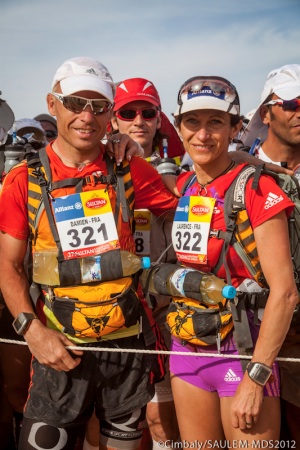
  • Laurence KLEIN (FRA) – 1st woman in 2007, 2011 and 2012, European 100km Champion.
  • Meryem KHALI (MAR) – 2nd woman in 2012. N°1082:
  • Megan HICKS (USA) – 2nd woman in 2009.
  • Simone KAYSER (LUX )– 3 victories in the MDS.


The Male contenders for the overall win : 

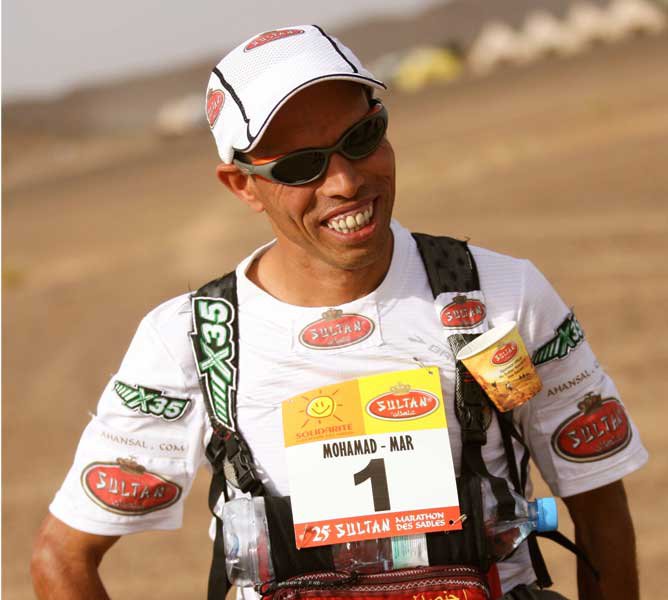
Mohamad Ahansal

Mohamad Ahansal

  • Salameh AL AQRA (JOR) – 1st in 2012, 2nd in 2008, 2010, 3rd in 2009, 2011.
  • Mohamad AHANSAL (MAR) – 4 victories and 2nd place 9 times.
  • Samir AKHDAR (MAR) – 6th in 2011, 7th in 2009.
  • Rachid EL MORABITY (MAR) – 1st in 2011.
  • Aziz EL AKAD (MAR) – 2nd in 2009 and 3rd in 2008 and 2012.
  • Christophe LE SAUX (FR) – 6th in 2012, 1st Guyan’trail 2011 and 2012.
  • Anton VENCELJ (SLO) – 4th in 2010, 8th in 2012.
  • Abdelaaziz TAYSS (FR) – French Cross-Country champion 2008 and 2011
  • Vincent DELEBARRE (FR) – 9th in 2005, 1st UTMB, Réunion, Templiers, etc
  • Martin FIZ (SP) – World Marathon Champion in 1995.
  • Carlos GOMEZ DE SA (POR) – 4th 2012 and 8th in 2008, 4th UTMB 2012.
  • Marco OLMO (ITA) – Top 10 in the MDS, 2 UTMB victories.
  • Antonio Filippo SALARIS (ITA) – 7th in 2012.

In 2013 I followed two runners in the build up to the 2013 Marathon des Sables. Tobias Mews placed 21st overall in the 2010 race and Stuart Rae is toeing the line for the first time in 2013. Each interview alternated on episodes of Talk Ultra but they have been joined together in one episode (lasts just under 1 hour)

talkultra.com

LISTEN HERE

2012 results (for reference)

1st : Salameh Al Aqra (JOR) in 19h59’21’’
 2nd : Mohamad Ahansal (MAR) 21’02’’ behind 3rd : Aziz El Akad (MAR) 1h38’56’’ behind

1st : Laurence Klein (FRA) in 26h15’40’’ 2nd : Meryem Khali (MAR) 1h19’38’’ behind 3rd : Karine Baillet (FRA) 1h31’07’’ behind

iancorless.comscreenshot_217

The 2013 race route

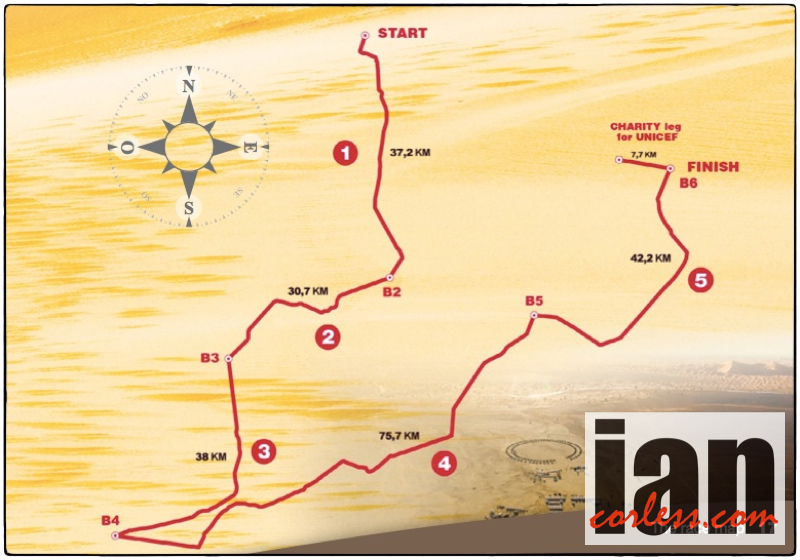
  • 1st leg – 37.2k Undulating terrain, interspersed with small ergs representing 5km of small dunes (dunettes).
  • 2nd leg – 30.7km 3 djebels with 10 to 25% gradients – exceptional panoramic views.
  • 3rd leg – 38km 2 djebel sections, 2 dried-up lakes and lots of sand.
  • 4th leg – 75.7km a total of 13km of dunes and around 30km of sandy terrain.
  • 5th leg – 42.2km the final leg is a marathon with ergs, regs, a dried-up lake and wadi beds…
  • Total Distance – 223.8km

Mandatory Kit

One of the key aspects of the Marathon des Sables is what kit to take? Here is a list of ‘mandatory’ kit. Of course, you need to add to this food requirements, cooking equipment and any additional luxuries.

  1. Distress flare: For use in the event of an extreme emergency. A range in excess of several dozen metres once activated.
  2. Knife: Equipped with a metal blade, it’s obviously useful in the bivouac and it can be of service when useful in the bivouac and it can be of service when running too.
  3. Compass: Surpassing both intuition and signposting, the compass is the marathon runner’s signposting.
  4. Whistle: Slowed by problems with your health or astray of the initial route, it enables other competitors or the organisation to be alerted to your whereabouts.
  5. Lighter: An important ally after a day’s running, whenit’s time to make a fire to heat up your meal.
  6.  Anti-venom pump: Even though it’s rare to have an unpleasant encounter with a snake, the anti-venom pump is compulsory and can enable action to be pump is compulsory and can enable action to be taken quickly.
  7. Antiseptic: As the days go by, all kinds of injuries can crop up, even during the race sometimes. So whilst awaiting assistance from a Doc Trotter, antiseptic can be important prior to linking up with the medical team.
  8. Sleeping bag: To be carried for seven days, ideally it shouldn’t exceed 400g and should be suitable for temperatures of between 5°C and 10°C. Indeed, the nights are cold in the desert.
  9. Survival blanket: In the event of serious problems, the survival blanket enables you to protect yourself from both the cold and sun. It weighs in at no more than 60g.
  10. Signalling mirror: If lost, someone competing in the Marathon des Sables will want to signal his or her presence. Playing with the sun and a mirror may be an alternative prior to using a distress flare.
  11. Salt tablets: Not exactly pleasant tasting, they are nonetheless essential for avoiding dehydration.
  12. Glow sticks: The perfect marker during the long leg.
  13. Headtorch: once night falls or when wandering around the bivouac, the headtorch is essential.

I will be reporting from the 2013 event as the race unfolds and providing I am able to gain adequate access to internet, I will update my website, Facebook and Twitter with reports and images as often as possible. So please keep checking!

Kilian Jornet’s calendar 2013

Kilian Jornet copyright Ian Corless

Kilian Jornet copyright Ian Corless

Kilian Jornet has just announced his 2013 calendar. In just one glance you can see the dominance of Skyrunning. I am sure Kilian is laying his stall out and wants to be World Champion in VK, Sky and Ultra in the series.

Apart from one or two races, I will be at all of the events listed below bringing you interviews, images and audio as the action unfolds.

His 2012 placing of 3rd at Transvulcania must be a high priority on his list. I am sure he will be gunning for the win in 2013. Notably he has already stopped his skiing season allowing for more adequate preparation for the start of the 2013 season.

A surprise is a return to Raid de la Reunion. Maybe he wants a course record…?

2013 is going to be a very exciting season. I can’t wait to see it unfold.

CALENDAR

07/05/2013 – VERTICAL KILOMETER ELBRUS – RUSSIA – http://www.elbrus.redfox.ru/english/news/

11/05/2013 – TRANSVULCANIA – SPAIN – http://transvulcania13.com/index.php/en/

Kilian at Transvulcania 2012 copyright Ian Corless

Kilian at Transvulcania 2012 copyright Ian Corless

26/05/2013 – ZEGAMA AIZKORRI – SPAIN – http://www.zegama-aizkorri.com/

09/06/2013 – CERDANYA ULTRAFONS – SPAIN – http://www.ultrafons.com/

28/06/2013 – VERTICAL KILOMETER CHAMONIX – FRANCE – http://www.montblancmarathon.net/fr/

30/06/2013 – MARATON CHAMONIX – FRANCE – http://www.montblancmarathon.net/fr/

06/07/2013-07/07/2013 – KILIAN’S CLASSIK – FRANCE – http://www.traildefontromeu.com

14/07/2013 – ICE TRAIL TARANTAISE – FRANCE – http://www.icetrailtarentaise.fr/

19/07/2013-21/07/2013 – EUROPEAN SKYRUNNING CHAMPIONSHIP – ITALY – http://www.dolomiteskyrace.com/portali.asp

Kilian at Cavalls del Vent 2012 copyright Ian Corless

Kilian at Cavalls del Vent 2012 copyright Ian Corles

27/07/2013 – ULTRA SKYRUNNING DOLOMITI – ITALY – http://www.dolomiteskyrace.com/portali.asp

24/08/2013 – MATTERHORN ULTAKS – SWITZERLAND – http://www.ultraks.com/

01/09/2013 – MEET YOU MAKER – CANADA – http://www.meetyourmaker50.com/

28/09/2013 – UROC – USA – http://www.ultraroc.com

11/10/2013-13/10/2013 – LIMONE – ITALY – http://www.skybikextreme.com/

25/10/2013-27/10/2013 – GRAND RAID REUNION – REUNION ISLAND –
http://www.grandraid-reunion.com

The Runner

I was posting on Facebook about two incredible films that are currently available for ‘download’ to your laptop or home computer. The first is a new film called ‘A Fine Line‘ and is the first film that will document Kilian Jornet‘s ‘Summits of my Life‘ project (available here).

DOWNLOADTHEFILM

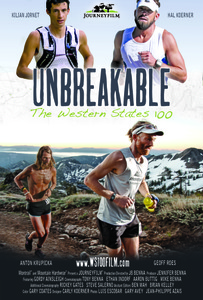
The other is ‘Unbreakable‘, JB Benna’s inspirational film about Western States (available here). I guess it’s a movie that many of you will have seen but it’s ‘download’ release is a great opportunity to have it with you for viewing when travelling.

Unbreakable_The_Western_States_100_Poster_v1_13.5x20

The release of the two above films prompted me to look back and think on one of my favourite run movies of all time. ‘The Runner‘.

the runner

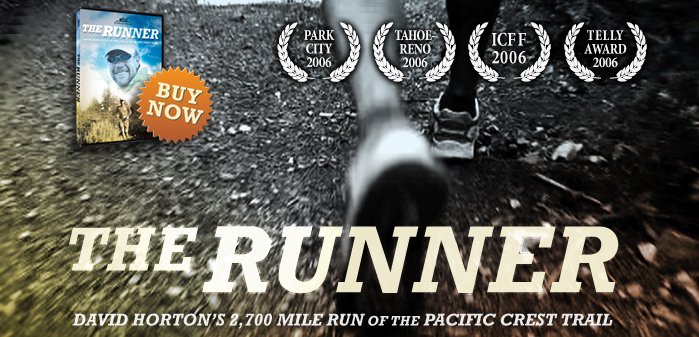
Journeyfilm’s THE RUNNER follows Extreme UltraRunner David Horton through the desert sun, the high snowbound mountain passes, the pain, the emotion, and his revelation. Join him as he runs more than 40 miles per day for 66 consecutive days in an attempt to set the speed record on the 2,700 mile Pacific Crest Trail from Mexico to Canada.

I interviewed David Horton on Episode 4 of Talk Ultra so if you haven’t listened, check it out. He is an inspirational character in the ultra world. Available in iTunes HERE

Director and former PCT thru-hiker JB Benna follows Horton’s journey and discovers who he really is. Learn about UltraRunning, the PCT, and the history of this amazing person through interviews with today’s best endurance athletes, his family, and David himself.

A great adventure, a movie that makes you laugh, and a movie that makes you cry.

What drives David to such extreme challenges?

What does it take to become THE RUNNER?

Endorphin by Arc’teryx

The new Arc’teryx Endorphin range

Published in RUN247
Wednesday 8th August 2012
Tags Arcteryxs   |   Incendo Jacket   |   Incendo Vest   |  Motus SS   |   Incendo Short   |   Accelero Cap   |  Aerios 7L Backpackstrong   |   TalkUltra   |   Ian Corless

Product review: Arc’teryx Incendo Jacket, Incendo Vest, Motus SS, Incendo Short, Accelero Cap and Aerios 7L Backpackstrong


Accelero CapAccelero Cap

I always wear a hat or visor when running. Without wishing to add to much detail… I sweat and I tend to sweat quite considerably. A good head product stops all that salty liquid running into the eyes and causing irritation. I typically have a preference for a Visor and I have to say that the Arv’teryx ‘Neutro‘ Visor is the best on the market for me. For testing purposes though I was using the Accelero Cap.

The  cap is short brimmed and highly breathable with mesh side panels. It has the all important comfortable sweat band that caused no irritation and at the rear it has an adjustable stretch closure with a quick release buckle. Considering I was using this hat in the mountains with 30 deg temperature and I was running up a 30% incline I found the hat incredibly comfortable and cool, even with the heat absorbing black colour.


Motus SS T ShirtMotus SS T Shirt

The Motus SScrew neck shirt was probably the greatest revelation of all the test kit provided. We all think a shirt is a shirt and the differences between products are minimal but believe me, the Motus is a world apart. Using Phasic SL fabric this performance orientated lightweight (97g for M) running top has bi-component construction and all important flat locked seems to remove any potential irritation.

Light to wear it has a trim fit and is designed to quickly remove moisture from the skin. Running up steep gradients with a Backpack certainly helps generate some heat. I was impressed 100% at the ability of the Phasic SL fabric to not only remain comfortable when my sweat rate increased but also how quickly it dried. All in all this is a very impressive shirt and the addition of reflective strips to aid visibility this is one shirt that I will be using again and again for future runs.A streamlined, trim fitting zipper vest is a popular addition to any runners wardrobe. It provides that all important protection for the chest in cooler temperatures but also allows for the arms to be free and therefore controls temperature regulation.


Incendo VestIncendo Vest

This Incendo Vest is made of ultra-lightweight (95g) Luminara fabric which is 100% nylon. To the rear of the product is a 100% polyester mesh back that allows internal heat to escape from the body. It has a side (reverse) stow pocket (the vest will stow inside this) and reflective blades to increase visibly. The most important aspects of a product like this are lightweight, small pack size and ease of use. The Incendo Vest does all these things perfectly and is a great addition to any runners ‘essential’ kit list.


Incendo Jacket

The Incendo Jacket uses the same fabric as the Incendo Vest but has some obvious significant differences. It has no mesh rear panel but mesh panels under the arms to provide temperature control. Obviously designed for cooler temperatures and/ or early morning/ late evening runs. It has reflective strips to increase visibility and at 119g is super light. At the top of the summit in testing it provided perfect protection from the wind and importantly it will reflect light rain. It has a trim fit and therefore when running it did not flap or move around in the wind.

Incendo JacketIt is a product that is designed to ‘fit’ the body and in doing so I suggest that you make sure that you get the correct fit. I personally found the jacket and the vest sized a little large, so, if you are around a 38″ to 40″ chest I would recommend a ‘small’. Like the Incendo Vest it has a small pocket and the jacket will stow into it. Inside the zippered pocket is a media pocket with MP3 cord passage. In use it is a pleasure to wear. Once on you don’t even know you are wearing it. Perfect. When running or racing this jacket offers the perfect combination of wight, size and practicality.

Obviously should you anticipate ‘harsh’ conditions then this jacket may very well be too ‘light’ and I would recommend the Visio FL Jacket. For 2013 the Incendo will also have the option of a ‘hood’. This product will be called Incendo Hoody.


Aerios 7L BackpackAerios 7L Backpack

A Backpack is an all important essential item to any trail, mountain or ultra runner. Because of the variables we encounter when out running the need to carry ‘essential’ items, food and water mean that a practical and comfortable pack is essential. Now if you are like me, I am sure you will have spent a fortune on constantly trying to find that ‘perfect pack’. We have so many variables to consider and I personally find that no ‘one’ pack does all jobs well.

The Aerios 7L (also 10L available) weighs in at 400g and comes in either black or blue. It has two internal pockets, one for a bladder and the other pocket is a small zippered type with a key holder that could hold a wallet, phone or both. It is a simple pack that can hold a surprisingly large amount of kit. In the test case I had a buff, gloves, head torch, Incendo Jacket, Incendo Vest and 2 collapsable poles inside and I still had plenty of room for additional kit. On the outside is a drawstring elastic cord with a ‘garage’ to stow excess cord. This elastic is ideal for adding a jacket such as the ‘Gore Tex’ Visio FL. It has an elastic waist belt with a ‘quick release’ adjustable buckle and if required the waist belt can be removed from the pack completely with two fasteners. On the chest it has an adjustable chest strap that can be placed in one of four positions depending on your body shape and desired fit. In use it is really comfortable to wear and has minimal bounce.

The rear of the pack has ‘Aeroform’ mesh that provides a stable support and minimal heat retention. At the bottom of the pack on either side are two small expandable mesh pockets that are easy to reach without removing the pack and can easily hold several gels or food. At 7L it has a particular use and for me I personally would like the addition of pockets on either the shoulder straps or waist belt. This would provide more options for food and or other essentials such as mobile phone or GPS.


Incendo ShortsIncendo Shorts

Incendo Shorts are one of the best that I have worn. Made from two fabrics called ‘Invigor’ and Viente both of which are Polyester. They fit and hold shape perfectly. They weigh 132g for a medium and have a relaxed fit. An internal liner provides excellent comfort and no irritation. A drawstring waist allows for precise adjustment and at the rear a small mesh vent panel allows for heat to escape. It has two pockets, a hip stash pocket and hip zippered security pocket. In use they are extremely comfortable and allow for plenty of movement with no discomfort. Running or walking up steep gradients in the Pyrenees allowed my legs to move through a whole series of positions with no restraint applied by the fabric or the cut of the short. The waist band was just the right size and like all Arc’teryx products the attention to detail was second to no other make them ideal for a short or long run on road or trail. The addition of reflective strips to increase visibility make them a perfect choice.


I would like to thank Arc’teryx for the opportunity to travel to the Pyrenees and test the products. My reviews are independent, open and transparent.