The 2016 Everest Trail Race has begun… as with all races, it starts with a journey and as I am sure you all know, some are more bearable than others. This was a good one! We departed Heathrow on Nov 6th in the early evening, a 4-hour flight to Istanbul was followed with a short wait time before a red-eye flight through the night to arrive in Kathmandu for midday the following day.
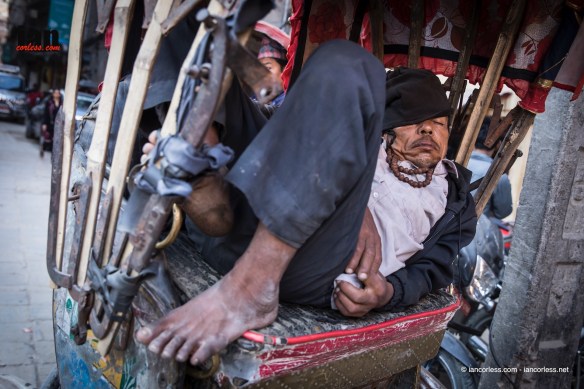
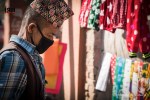
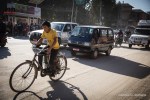
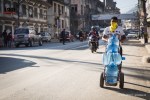
The Nepal/ Kathmandu impact hits immediately – noise, colour, cars, motorbikes, buses, dust and people are everywhere!
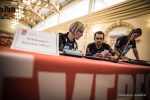
A short journey to our hotel is followed by a simple pre-registration of athletes; the official race briefing will take place tomorrow. Everyones tired but a new day has kicked in leaving everyone unsure if they should be eating lunch or breakfast? Eyes are watery and red, hair is a little dishevelled and wild, but the anticipation of the 2016 ETR has everyone wired and excited.
It’s time to unpack, prepare and organise equipment for the race that starts in three days time but first a little exploring – the bustling streets of Tamil await and provide a quick and rapid immersion into the wonders of Nepal and it’s people.
Tomorrow, Monday, is a day of organised exploring to the Monkey Temple and Durba Square; a hub of history for this region of Nepal.
Sleep deprived, it’s a short day for everyone, bed calls and tomorrow the 2016 Everest Trail Race experience really begins for all concerned.
Racing starts on Thursday10th November
Day 1 – Departing Jiri at 0900 runners will cover two major peaks, Mali at just over 2400m and Deurali Pass (2700m).
Day 2 – Leaving Bhandar, non-stop climbing follows a short 4km descent; firstly, to Gompa (Golla) at 3010m, a small downhill section follows of 2km and then a climb to Pikey Peak at 4068m. It’s a tough-tough day and the sting in the tail comes at the very end with a very short and steep ascent to Jase Bhajyang.
Day 3 – Jase Bhanjyang to Kharikhola
Stage 3 is all about running downhill, however, the finish is brutal ascent to Kharikhola at 2100m. Leaving Jase Bhanjyang runners have a short ascent of 2km to 3800m and then an 8km descent to Jumbesi, CP1. A 6km climb to just over 3000m is then followed with a 4km descent to Lharpa and CP2. Another 3km climb to 3000m and then a brutal leg-sapping drop from 3000m to 1500m in 10km before the final sting in the tail, a 3km climb to the finish.
Day 4 – Kharikhola to Llegada
Departing the monastery, a small descent awaits the runners of just 4km before a long tough climb to Kari La (CP1) at 2900m. From here the course goes up and down all around 2700/2800m for approximately 10km before a very steep descent to CP2 at Surke (2200m). A continual climb to CP3 at Cheplung continues to the arrival at Phakding/ Llegaga.
Day 5 – Phakding to Llegada
Leaving Phakding at 2600m runners will only gain 200m in the first 8km. CP1 Namche Bazar is at 10km (3400m). Phunki Tenga at 17.5km (3300m) now will offer the runners the most spectacular views of Everest and the other 8000m peaks. This sight will spur them on for the kick in the tail; the 2km climb from 3300m to 3700m and the finish at Tengboche.
Day 6 – Thyangboche to Lukla
The final stage of the ETR re-traces much of the same ground of Day-5 but (obviously) in the opposite direction. The main difference comes after Phakding when the trail splits and participants go left climbing to the finish in Lukla.
The 2016 Skyrunner® World Series was up for grabs but news on the start line was one of drama… Tadei Pivk was unable to start after waking with a fever, Marco De Gasperi had been delayed in Milan on a flight from the USA and last year’s winner, Remi Bonnet decided not to start after taking a fall in training just days earlier. For the ladies’ race, a likely series win would come from Laura Orgue who needed to win the race or Megan Kimmel who needed to finisher in 2nd place should Orgue win.
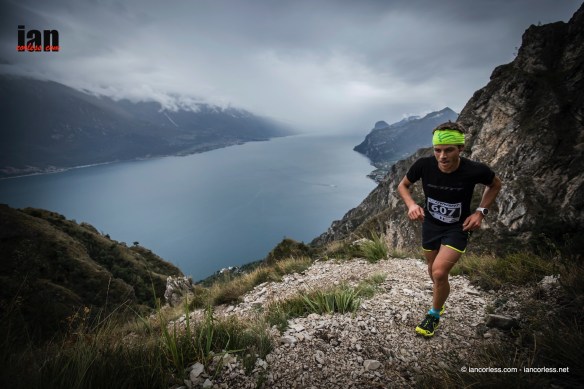
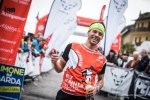
At the finish line on the shores of Lake Garda, Alexis Sevennec once again proved his supremacy with another stunning victory! For the ladies, Megan Kimmel confirmed her incredible mountain running and descending ability to take not only the victory in Limone but also the Skyrunner® World Series title.
We have witnessed some spectacular performances in the 2016 Skyrunner® World Series and the final race in Limone Extreme provided a special close to the 2016 season.
Laura Orgue had not started the Friday VK in a hope to give an all-out effort for victory. Using her impressive abilities at climbing she led the way on the long steep and technical first climb. Celine Lafaye followed closely in second but where was Megan? Megan was way back and was either struggling or running a tactical race… it was the latter. As Laura pushed at the front, Megan slowly closed the gap and on the final decent that drops to the lake she opened up and finally pulled away to take victory in a time of 3:17:35 and with it the Skyrunner® World Series crown. “Last year I lost the series title at Limone and this year I ran cautiously in the early stages, I was just hoping not too cautiously. When I eventually closed on Celine I was feeling good and then Laura and myself were running side-by-side. I decided to go knowing that I mustn’t let Laura win and me placed 3rd otherwise the title would go to Laura – I pulled it off!”
Laura had run much of the race out front but looked relieved to finish just over a minute slower than Megan, her time 3:18:42. Celine Lafaye placed 3rd in 3:19:22 and Skyrunner® World Champion for the ULTRA distance and the 2016 UTMB champion, Caroline Chaverot, placed 4th. An incredible result for the lady who loves and excels at longer races. Quite a year for her and she has already said that Skyrunning will be an objective in 2017.
For the men, the non-start of Tadei Pivk did provide an opportunity for Hassan Ait Chaou to ‘take’ the title, however, he would have needed to run a great race and place on the podium. Unfortunately, this didn’t happen and therefore Tadei Pivk once again (also in 2015) is the Skyrunner® World Series champion from his impressive results and consistency earlier in the year.
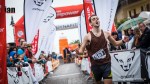
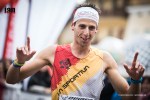
A race was left to run and Stian Angermund lead the charge early on ahead of Marco Moletto, no doubt reeling from missing victory the previous night in the VK by just 1-second. Although looking good early on, the efforts from the previous night and minimal recovery before the 11am start took its toll and both Stian and Marco faded opening the doorway for an in-form Alexis Sevennec who forged a final lone path to a stunning victory in 2:46:49. Brit, Hector Haines and started high up on the first climb and held on to arguably one of his best podium places stirring local heads with 2:51:41 2nd place. Bulgarian Kiril Nikolov took the final podium place in 2:52:04. Early protagonist, Marco Moletto who had looked a potential podium finisher placed 5th looking tired and Stian placed 7th.
The final ranking for the 2016 Skyrunner® World Series SKY distance has Tadei Pivk 1st, Hassan Ait Chaou 2nd and Kiril Nikolov 3rd. For the ladies’ Megan Kimmel is champion, Laura Orgue 2nd and Yngvild Kaspersen 3rd.
Roll on 2017!
Thanks to the support of our Partner Migu Xempower, Sponsor Alpina Watches and Official Pool Suppliers, Scott Running, Compressport and Salomon.
About Skyrunner® World Series
Skyrunning was founded in 1992 by Italian Marino Giacometti, President of the International Skyrunning Federation which sanctions the discipline worldwide and sports the tagline: Less cloud. More sky.
The Skyrunner® World Series was launched in 2004 and has grown to represent the peak of outdoor running defined by altitude and technicality. In 2016, the Series, composed of four disciplines, features 23 races in 15 venues on three continents.
IANCORLESS.COM IS THE OFFICIAL PHOTOGRAPHER AND MEDIA PARTNER FOR THE
Ultra running to Spain is like football to the UK, the fans are a passionate motivated bunch of individuals who come together as a whole to create a cohesive army of fanatical supporters. Baga, the home of Ultra Pirineu is located in Catalonia; it may come as no surprise that the Catalans take support to the next level. The final race in the 2016 Skyrunner® World Series, the race was always going to be a competitive one!
110km in length, with 6800m of positive gain, the race takes place in the Cadi-Moixero Natural Park. On paper, the route looks almost like a badly drawn figure of eight laid on its side. The profile, a little like the dental record for a great white shark as it includes several key peaks, the highest coming very early in the race with just 14km covered at Niu, 2500m high. Comprised of primarily trail (75%), the route also includes a small percentage of asphalt and track. It’s a tough and challenging race that has often been made considerably more challenging due to inclement weather.
The Cadi-Moixero Natural Park is the hub for the racing, established in 1983, it stretches more than 30km over the mountain ranges of Serra de Moixero and Serra del Cadi; both part of the Pre-Pyrenees.
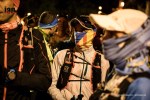
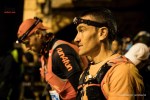
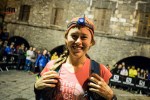
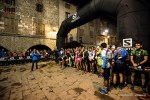
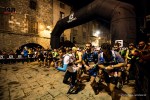
From the off, the racing is hard. The narrow streets of Baga, an enclosed medieval square start and the charge of 1000 runners at the toll of 0700 make the opening minutes a heart pounding, adrenaline rushed sprint. Ironic for a race that will take the winner 12+ hours.
Immediately it’s hand-on-knees and straight into the first and highest climb of the day. It’s a dangerous mountain to start a race with. The effort and commitment just to get to the top requires a 100% effort, and this is all coming in the opening hours of a very long day on an exceptionally tough course. Finally breaking the tree line, the rugged terrain reveals itself and the first peak, with refuge, finally will come into sight. On a clear day, the views are incredible. The crowd support phenomenal. It’s a frenzy of noise, cowbells and screaming. In the men’s race, Remigio Huaman dictated the early pace followed by Miguel Heras. Gemma Arenas started the day as she would continue, from the front followed by Hillary Allen. The race was on between the two of them for the SWS 2016 title – if either won the race, they would be the champion for 2016.
What goes up must come down and the first descent is single track, off-camber trails with technical sections in and amongst trees. Sections of via ferratta are present on rock; a clear sign of the severity of the terrain. Rolling terrain provides some respite but it is early days.
Dropping down, a short climb at 28km, ‘Serrat’ leads to another long descent and an aid at ‘Bellver.’ A third of the race completed, a long and relentless series of climbing takes place over the following 25km’s through ‘Cortals’ and ‘Aguilo’ to the 2nd highest point of the race at 2300m, Pass de Gassolans. Miguel Heras had now built up a lead of over 20-minutes. It was a lead he would not relinquish… behind, Remigio, after strong opening km’s had dropped from the race opening the doorway for Jessed Hernandes and Cristofer Clemente was pacing his race well slowly moving up. Gemma Arenas was still leading the ladies race with a gap of approximately 12-minutes, Hillary was 2nd and Anna Comet had moved into third.
Alternating hiking and running, the race is all about economy of effort for those at the front of the race, it’s about effort management to sustain the energy to the line and hopefully victory. For everyone else, it is survival. At 70km covered, the race may well be considered to be downhill to the finish in Baga, but no, the race has a series of false flats with a couple of brutal cardiac moments that arrive at 86km and 96km; the latter a technical ascent of 1000m to Sant Jordi at 1500m altitude. It’s a stunningly scenic canyon and if it was maybe not for uncontrollable fatigue, it would be a highlight of the race.
The final 10km drop to the line is broken up with another 200m climb with 6km or so to go, the rapturous high-five welcome from thousands in Baga providing some compensation for the efforts left on the mountains and trails of the Cadi-Moixero Natural Park.
Miguel Heras arrived first in just over 12-hours (12:05). Finally, some luck for the Spaniard who has had some intense highs and lows over the years. Jesse Hernandes and Cristofer Clemente placed 2nd and 3rd, 12:40 and 12:47 respectively.. Cristofer successful in his bid to be the Skyrunner World Series Champion in 2016.
As darkness came, so did the rain. Torrential rain! Hillary Allen pursued Gemma hard over the final km’s, she could potentially smell the Skrunner crown… However, Gemma held on to win in 15:20. Hillary completed in 15:37 and Anna Comet placed 3rd in 15:49. Gemma was crowned 2016 Skyrunner World Series champion.
Final Skyrunner World Series Ranking 2016 for the Ultra distance
Gemma Arenas 290 points
Anne-Lise Rousset 276 points
Hillary Allen 272 points
Cristofer Clemente 294 points
Nicolas Martin 188 points
Roger Vinas 180 points
Thanks to the support of our Partner Migu Xempower, Sponsor Alpina Watches and Official Pool Suppliers, Scott Running, Compressport and Salomon.
About Skyrunner® World Series
Skyrunning was founded in 1992 by Italian Marino Giacometti, President of the International Skyrunning Federation which sanctions the discipline worldwide and sports the tagline: Less cloud. More sky.
The Skyrunner® World Series was launched in 2004 and has grown to represent the peak of outdoor running defined by altitude and technicality. In 2016, the Series, composed of four disciplines, features 23 races in 15 venues on three continents.
iancorless.com is the official photographer and media partner for the Skyrunner® World Series Follow on:
The 2016 Skyrunner® World Series championship for the ULTRA distance will be decided in Spain this coming weekend at the Ultra Pirineu located 2-hours north of Barcelona in the Parc Natural del Cadí Moixeró.
A 110km race with 6800m of ascent, Ultra Pirineu is a seriously tough way to end a season. As the last race in the calendar, a 20% points bonus is available and therefore a good placing is required to guarantee a podium place for the 2016 series.
Cristofer Clemente, recent winner of the RUT placed 5th at Ultra Pirineu in 2015 and this year is leading the Skyrunner® World Series ranking. He will be looking for a strong showing in the race but more importantly, he will be working out calculations to make sure that he retains his position at the top of the series.
Roger Viñas has been a revelation in 2016 consistently racing and performing to accumulate points and place within the top-3 of the Skyrunner® World Series. His presence at Ultra Pirineu is two-fold just like Cristofer, have a good race but more importantly retain his position within the ranking.
Legendary runner Miguel Heras, will toe the line and he is no stranger to the Ultra Pirineu. He placed 1st in the race in 2010 and 2011 and in 3rd in 2015. Miguel is one of the most talented runners in the world but is often prone to injury. When he is in-form, he is often unstoppable and he may well be looking for the good old days of 2010 and 2011 in 2016.
Pau Capell has consistently grown as a runner over the past few years and this was confirmed with victory at the TDS and a strong performance at Transgrancanaria earlier this year – along with Cristofer, I see Pau being a potential winner of the race.
Yeray Duran, although not contesting the Skyrunner® World Series is a potential winner of the race and like Pau has slowly but surely impressed over the last couple of years with strong and dominant performances.
Dimitry Mityaev had a stunning race at High Trail Vanoise which unfortunately left him injured. However, if he is fit and has the form shown in France, he may well be a podium contender.
Marcin Swierc currently is placed 4th in the Skyrunner® World Series and his placing and the placing of Roger Vinas and Cristofer Clemente may well be instrumental in his opportunity to move up and on to the podium – remember a 20% bonus is available.
Nuno Silva (5th) Remigio Huaman (6th) and Fulvio Dapit (8th) are all top-10 contenders on the Skyrunner® World Series and with this race coming so late in the season, many possibilities are available for a jump upon the rankings.
Francesc Soler, Cristobal Adell and Toti Bes make up the other main contenders for the top-10 places.
In the ladies’ race, Ida Nilsson is without doubt the hot favourite for victory after showing fine form at the season’s opener in La Palma, Transvulcania! Recently, Ida backed this up with victory at the RUT. Ida does like to run and the relentless 6800m of vertical in Spain will test her.
The USA’s Hillary Allen (2nd on ranking) is making the long journey to Spain to participate in the final race of the series in the hope to gain more points after placing 2nd at Ultra SkyMarathon Madeira and 3rd at the RUT.
Gemma Arenas, like Hillary, has been consistently gaining points in the Skyrunner® World Series in 2015. She won in Madeira and last year placed 4th at Ultra Pirineu. A recent ‘dnf’ at UTMB may well leave Gemma feeling a little tired? It’s all to fight for in Spain.
Anna Comet (6th) and Kristina Pattison (5th) have been ever-presents on the 2016 series and they have both placed consistently. Here in Spain, they may well find that little extra to move up the rankings and gain additional important points. Tina Bes will also be a contender for the podium.
A huge ball may well come from Maite Maiora who usually prefers the SKY distance. In recent years she has raced longer distances and we have seen her on the podium at races such as Transvulcania. Recently she was crowned Skyrunning World Champion at the Buff Epic. The terrain here in Spain suits this fierce competitor.
As with any race, we can expect surprises. Action starts on Saturday and you can follow as the race unfolds via the usual social media feeds and live via tracking on the race website.
Thanks to the support of our Partner Migu Xempower, Sponsor Alpina Watches and Official Pool Suppliers, Scott Running, Compressport and Salomon.
About Skyrunner® World Series
Skyrunning was founded in 1992 by Italian Marino Giacometti, President of the International Skyrunning Federation which sanctions the discipline worldwide and sports the tagline: Less cloud. More sky.
The Skyrunner® World Series was launched in 2004 and has grown to represent the peak of outdoor running defined by altitude and technicality. In 2016, the Series, composed of four disciplines, features 23 races in 15 venues on three continents.
iancorless.com is the official photographer and media partner for the Skyrunner® World Series Follow on:
You cannot look at Trofeo Kima with the eyes of a pure runner; It’s beyond running! For over twenty years, ‘Kima’ as it is affectionately known, has blown the minds and the legs of all those lucky enough to toe the line.
The race is arguably the pinnacle of the Skyrunning calendar and as such it has gained a reputation as one of the most demanding and challenging races in the world. At 52km in length the distance is not intimidating, however, 8,400m of ascent and descent put the race in perspective.
Passing over seven passes of the Sentiero Roma, a well-known GR route, the race in its current form is the brainchild of the International Skyrunning Federation president, Marino Giacometti. So tough is Kima that it has a capped field of just 250 participants and the race is held every other year to add to its allure. This is a race that one aspires too; you need to earn a place on the entry line. The challenge comes no greater. This is confirmed in the words of the previous course record holder, Kilian Jornet:
‘Picture a mountain terrain that has no paths, amidst glaciers; it is all crests, rocks, stretches of via Ferrata and all over a course that stretches 52-km. Kima is not athletics, it is mountaineering; pure Skyrunning!’
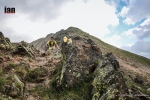
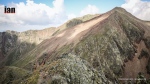
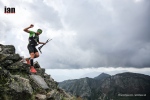
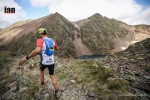
Kima takes place on mountain paths that are unmarked. Simple flickers of colour show the way through rock, granite, snow and ice. Sections of the course are so severe that fixed ropes and chains provide the only secure way to traverse vertical walls of rock or exposed ledges. Needless to say, a head for heights, an ability to look after oneself and excellent fitness make each runner’s journey on the Sentiero Roma one that they will never forget. Scaling incredible terrain on foot and at times by hand, participants will reach a high point of 2,950m at Cameraccio Pass. It is the challenging terrain that truly sets the race apart, as Giacometti describes: ‘Kima crosses the group of technical mountains in the area and passes through all of the seven refuges situated on the route. It’s a very technical race and ultimately it has become a beacon of Skyrunning’
‘Kima’ was the nickname of Pierangelo Marchetti, who with friends founded the first helicopter equipe in Italy. The mountains were Perangelo’s life; he loved them and he embraced them. Unfortunately, on July 8th 1994, while attending a rescue mission via helicopter, Pierangelo’s life was taken. Trofeo Kima was created in his memory to ensure his love and dreams of the mountains would live on.
During the 20-year history, Kima has seen the best in the world perform over this challenging course. Now part of the Skyrunner® Extreme Series, Kima is one of three ‘extreme’ races that provides points for an overall Sky Extreme Series title where two out of three races must be completed. The first race in the series was Tromso SkyRace, the second Trofeo Kima and the third being the Salomon Glen Coe Skyline in Scotland.
For many, this iconic Skyrunning and mountain running race is still unknown. It’s like a precious jewel, hidden away for fear of someone stealing it. With each edition, one link in the securing chain is removed and the extreme beauty of Kima is being revealed to an audience of adrenaline junkies. Kima is not for everyone, but if you have the experience and the courage, the Sentiero Roma rewards each who ventures on to its tough and technical terrain.
This year, Tom Owens was riding high after a string of successful results and many had tipped him as the pre-race favourite. However, a day of intense heat and clear skies most definitely played with the rule book throwing several curve balls.
In the ladies’ race, the 2016 Kima will no doubt be remembered as the return to top level racing for Emelie Forsberg. Recent surgery on her knee after an ‘acl’ injury had deprived Emelie (and us) of her presence in a race. A couple of forays into shorter races had tested her fitness and recovery but could Emelie stand 7+ hours on ‘this’ course.
Early action came from Alexis Sevennec and Leo Viret who dictated the pace up the very long first climb pursued by Marco De Gasperi and Nepalese runner, Bhim Gurung.
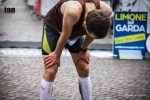
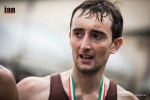
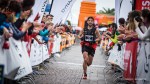
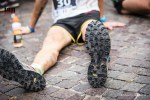
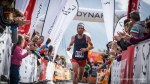
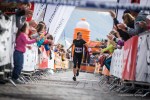
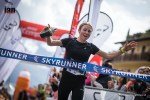
Constantly fighting the terrain and each other, Sevennec and Viret lead the race for much of the way with Gurung moving up into 3rd place after Qualido. In the latter stages of the race though, De Gasperi made a move as Sevennec and Viret faded. Gurung joined the Italian Skyrunning legend and in the closing stages the two dueled to the line… in the closing stages it was Gurung who made the break crossing the line to a stunning victory and new course record time of 6:10:44. De Gasperi crossed the line also under the old course record of Kilian Jornet a spent force. He dropped to the ground exhausted from the effort and heat. Vireo closed 3rd and Sevennec smiled his way across the line in 4th. Tom Owens finished 5th after a tough and hard day in the office – his first at Tromso and 5th here still securing his place at the top of the Sky Extreme Series.
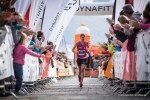
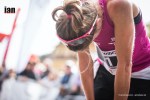
The ladies race was all about come back girl Emelie Forsberg and she didn’t disappoint. Leading the race from beginning to end, Emelie smiled her way to the line, pretty in pink! Yes, this was one of those great comebacks that even Emelie questioned, “I planned to take it easy early on and not push too hard. My operation removed some of my hamstring and this has made my leg weaker so I need to be careful. But everything felt good today and I am so happy, this was not about winning a race, although that is great! It was about coming back with no problems and feeling good.”
Emelie finished in 7:49:06 outside Nuria Picas’s course record time of 7:36:21. Ruth Croft from New Zealand pursued Emelie all day and had a great run often hovering around 10-minutes behind.
At the line the gap was 17+ minutes and Ruth confirmed that her skills on such technical terrain are not good enough in comparison to Emelie. Kima legend and previous winner of the race, Emanuela Brizio upheld her incredible history with this race crossing the line in 3rd, 8:21:42.
Thanks to the support of our Partner Migu Xempower, Sponsor Alpina Watches and Official Pool Suppliers, Scott Running, Compressport and Salomon.
About Skyrunner® World Series
Skyrunning was founded in 1992 by Italian Marino Giacometti, President of the International Skyrunning Federation which sanctions the discipline worldwide and sports the tagline: Less cloud. More sky.
The Skyrunner® World Series was launched in 2004 and has grown to represent the peak of outdoor running defined by altitude and technicality. In 2016, the Series, composed of four disciplines, features 23 races in 15 venues on three continents.
iancorless.com is the official photographer and media partner for the Skyrunner® World Series Follow on:
Another week passes and it’s important not to let the momentum drop around the positive test of Gonzalo Calisto at UTMB in 2015. This is possibly even more important with the proximity of the 2016 event which is just weeks away.
If you are coming to this story new, you can read my post below:
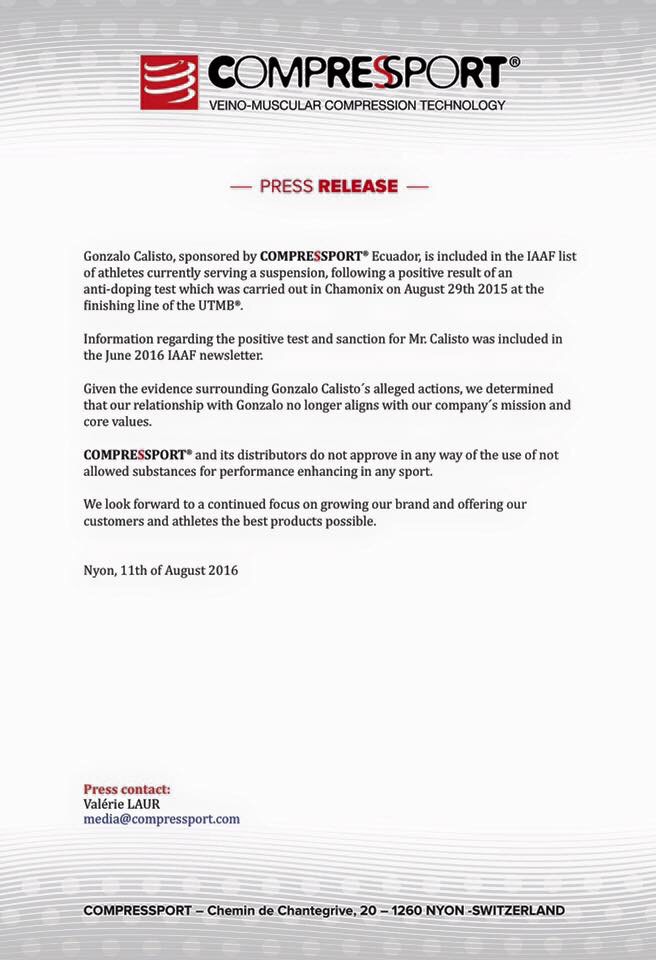
I am pleased to say, today, Compressport have replied to my emails and forwarded me a press release that I assume will be distributed through the appropriate channels in due course.
I have been vocal that brands and sponsors MUST act accordingly when an athlete is found positive and I therefore applaud Compressport for stepping up to the plate and sending out a clear message. And I quote:
“Given the evidence surrounding Gonzalo Callisto’s alleged actions, we determined that our relationship with Gonzalo no longer aligns with out companies mission and core values.”
This is a big step for Mountain, Ultra, Trail and Skyrunning and as a fellow colleague said, “Nicely worded, clear and unequivocal and shows compressport in a really good light!”
Lets be clear here, Callisto’s positive test has never really been about the individual for me. At first it was about the system, how a positive test was almost hidden, how UTMB were not notified of the positive test and ultimately what the repercussions are/ were for the sport. This is not a witch hunt!
Our sport is potentially at the early stages of doping and I can’t stress enough how important it is that we all – runners, races, sponsors, brands and so on set and send a very clear message.
We now need MOVISTAR AVENTURA TEAM (web here) who sponsor Calisto to clarify their stance in regard to this positive test and the implications for their brand and race team.
The press release from UTMB, ITRA and now COMPRESSPORT set the example.
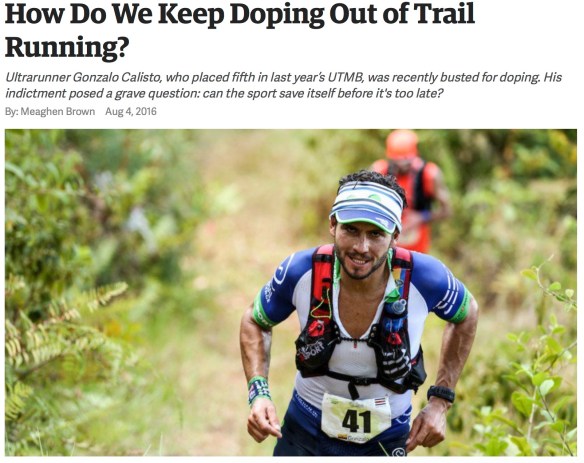
I have been very vocal lately about the doping scandal around Gonzalo Calisto and his positive test for EPO at the 2015 UTMB. Outside Magazine contacted me and and asked for my input based on my articles and research as listed below.
You can now read an article by Meaghen Brown published on Outside Online
Over the past few years, rumors have swirled in ultrarunning circles about how some frequent podium finishers seem so resilient to the endless, hard, mountain miles. But when news broke in mid July that Ecuadorian ultrarunner Gonzalo Calisto had been busted in a positive EPO test and subsequently disqualified from the prestigious Ultra Trail du Mont Blanc, it marked an important turning point for a sport that has thus far maintained a pretty wholesome image.
“To be honest, it breaks my heart,” says professional ultrarunner Mike Foote, who’s twice placed in the top five at UTMB. “The ultrarunning community prides itself on a deep we-are-in-this-together mentality, and Calisto being busted for EPO undermines this culture and this mutual respect and celebration of one another.”
This is Episode 116 of Talk Ultra and We speak with Beth Pascall who obliterated the female record at the UK’s Lakeland 100 and placed 4th overall in the process. We also speak with Donnie Campbell who won the Lakes Sky Ultra. We have the news, results and Niandi Carmont co-hosts while Speedgoat Karl goes for a jog on the AT!
Luis Alberto Hernando and Caroline Chaverot were crowned champions for the ULTRA in 12:53 and 14:41 ofthe 105km course with 8000m of vert. Andy Symonds and Javier Dominguez were 2nd and 3rd and Eva Moreda and Jasmin Paris were 2nd and 3rd in the ladies. HERE
Stian Angermund did a double winning the VK and SKY. He ran 3:56 for the SKY to beat Tom Owens and Ismail Razga. Maite Maiora won the ladies race in 4:42, Azara Garcia placed 2nd and Elisa Desco 3rd. HERE
In the VK it was Stian Angermund and Christel Dewalle who took top honours. HERE
KENDAL MOUNTAIN RUN
Dakota Jones and Emelie Forsberg both had two great runs and returns to form to win in 1:37 and 1:59. In the men’s race Daniel Hadis placed 2nd and Timmy Parr 3rd. Sarah Pizzo and Taylor Nowlin were 2nd and 3rd respectively in the ladies’ race.
BADWATER 135
Pete Kostelnick set a new CR** of 21:56 beating Valerie Nunes 2007 record. Harvey Lewis placed 2nd and Dan Lawson from the UK 3rd.
Alyson Venti won the ladies race with a new CR**too in 25:53 – 23 minutes better than the old CR. Brenda Guajardo was 2nd and Nikki Wynd 3rd.
** The race now starts at night as opposed to the morning start and may very well influence the new CR’s?
Donnie Campbell and Sarah Ridgeway, champions at the 2nd edition of the LAKES SKY ULTRA their respective times 07:30:40 and 8:38:46 and new CR’s.
Second place went to Neil Talbott and Sophie Grant with Alexander Beaven and Katie Boden placing 3rd.
00:26:22 INTERVIEW DONNIE CAMPBELL
FKT RECORD
Yassine Diboun and Scott Loughney set the new Supported FKT on the Oregon Section of the PCT running the length of the state in 8 days 12 hours & 5 minutes (Finishing the 453 mile journey yesterday). Brian Donnelly still holds the overall FKT of 7 days 22 Hours & 37 minutes (Respectively unsupported).
Gonzalo Calisto, 5th at 2015 UTMB tests positive for EPO
Lizzy Hawker has just completed a solo foot circumnavigation of monte Rosa on the Tour de Monte Rosa. Approximately 170km and 11,700m of elevation change in just over 37 hours. She returned to grachen after leaving the church square at 4am on Friday.
Controvery over UTMB, the Polettis and the term, ‘ULTRA TRAIL’
Last week and the week before, EPO, DOPING and the UTMB was the hot topic after Gonzalo Callisto’s positive test. Everyone was talking about it… this week it’s all gone quiet. That can’t happen! You can catch up on my posts below.
There are far too many questions unanswered, there are far too many people being quiet and if we want to eradicate doping from Mountain, Ultra and Trail running – we need to keep talking and discussing.
I was approached by Outside Magazine and they asked me a few questions. I am pretty sure that what gets used or published will be an edited version and with that in mind here are my thoughts, un-edited.
In light of the latest news from UTMB, what you think this positive test means for the sport?
One has to embrace the positive test as a good thing as it confirms that preventative measures against doping are working. This positive was an ‘in competition’ test which only confirms the need for out of competition testing and blood passports. Of course, the answer is always that testing is too expensive. We have to act now and be proactive. I don’t have the answers but I do feel that we could start to address certain issues that would help. Maybe it’s time that we ask (for example) the top 100 male and top 50 female runners as listed on ITRA to pay for a regular medical? Sage Canaday recently released a full report on his medical status to ‘prove’ he is clean; that’s a good thing! (See below). Athletes of course may well say that they can’t afford it but this is where sponsors come in maybe? We cannot keep making excuses as to why we can’t but find ways to make sure we can! We are at the very early stages of doping in our sport and if we don’t act now it will only become worse and God forbid, we could end up like cycling or athletics.
Do you think doping is really becoming something to worry about, or is this a case of an outlier?
We need to worry, yes! This is not the first positive test, it maybe a high profile conviction, but it would be foolish to think that this is an isolated incident.
Are people starting to talk about doping more in ultarunning than before? Or maybe a better way of asking this is how are the athletes you know, talking about this subject and what it means for the sport?
I certainly have witnessed more discussion about doping and of course this was highlighted at the end of 2015 at San Francisco 50. This was a moment when the sport really looked at itself and many questions were asked. It actually became quite nasty at times and I think a sense of perspective was lost. For example, WMRA (World Mountain Running Association) and Skyrunning have been testing athletes for many years. They have very much paved the way but they acknowledge they can only do so much. In competition testing costs 1000’s of euros or dollars for one event and of course, only urine can be tested. Many say it takes an idiot to to be caught ‘in competition’ but it happens. I go back to blood passports – we really need them for elite, professional and sponsored runners. Some races do not have a ‘PED’ policy and San Francisco highlighted the need for races and RD’s to address this in the rules of the race. Western States for example has re-written its race rules to say that any runner who has had a positive conviction cannot race. Many runners have asked for a lifetime ban for any positive test and they have been vocal about this. I personally am reluctant to go down this route… I do believe that mistakes can happen in drug testing but I am not an expert. This creates a whole new debate and raises questions about the lasting effects of a doping program. For example, we used to have two positive tests and out, I liked that but apparently that has been deemed unfair?
Are people starting to test more for doping than in previous years? What has this looked like?
As mentioned previously, WMRA and Skyrunning have been testing for many years but not at all events. Skyrunning for example had its World Championships in Spain in July, they had three events, VK, SKY and ULTRA and WADA performed tests at all three race distances. The problem comes, once again with cost. At the Skyrunning World Championships, 12 athletes were tested. The make and female winner in each category (making 6) and then 6random tests. Let’s assume testing at an event is $10,000 – who pays? Do we add a surcharge on every runners entry fee? Does that race find a sponsor to cover the cost? Do we rely on a wealthy donor or do we approach all the major brands in the sport and say, you must pay! It’s a complex matter and this is why doping control is a rarity in contrast to the norm. Let’s look at races such as Speedgoat 50k, Run Rabbit Run and San Francisco 50 – these races have some substantial prize money, in some scenarios it could mean a pay check of $10,000+ for a win. Yet nobody has any idea if the winner is clean? Moving away from trail running and looking at ultra road running, Comrades in South Africa has huge prize money and it has a very chequered past with doping: Max King, Ellie Greenwood, Sage Canaday and Michael Wardian (amongst others) have all witnessed the impact of it first hand.
What is your own experience with testing?
I attend races as a photographer and a journalist so in reality, I have little experience of the drug testing process. However, I am a media partner for Skyrunning and I have been present and seen the processes undertaken at several major events where doping control has been in place by WADA. For example, I was at the Skyrunning World Champions on July, 22, 23rd and 24th. I also experienced doping control at Limone Extreme in 2015 and Mont-Blanc 80k in 2014 amongst others.
Do you think the tests, or the conversation about doping in general in ultras is lacking? What could be done better?
Certainly the positive test of Gonzalo Calisto has raised some major flaws in the communication process. I have done extensive research over the last weeks and my conclusions have been quite worrying. I will elaborate:
Gonzalo Calisto was tested after placing 5th at UTMB by French drug control – AFLD In August 2015.
AFLD have a written policy that a positive test is given to (in this case) the runner within three weeks.
The runner is then entitled to appeal and ask for a B sample test.
This process can then go backwards and forwards for several weeks and in this scenario (as I understand it) months. Don’t get me wrong, the runner has rights and it’s only fair that he or she has every opportunity to clear his or her name.
In June 2016 the IAAF released its current banned list.
On July 18/19th British Ultrarunner Robbie Britton noticed that Gonzalo Calisto was convicted of EPO and banned till March 2017.
I picked up the case and contacted UTWT and UTMB directly and asked were they aware of this conviction? I later found out, no!
Within 12 hours, UTMB released a press release disqualifying Gonzalo Calisto of doping.
The above raised so many questions for me:
1. How was it possible that Gonzalo Calisto had tested positive but UTMB did not know?
2. Why was his period of exclusion dated till March 2017 when he had been tested in August 2015?
3. Why had the IAAF only published this in June 2016?
I asked questions of the UTMB and the IAAF. In both scenarios they were both helpful.
1. To cut a long story short it would appear that when an athlete is tested positive, the testing control, in this scenario AFLD, are not required to inform the race. REALLY? A race has a runner place 5th, the runner is tested, the runner is found guilty, due process is run and then a positive is confirmed and a sanction is put in place without the race being told…. C’mon that HAS to change! Had it not been for the eagle eyes of Robbie Britton and me grabbing the bull by the horns, nobody ‘may’ have known?
2. IAAF explained the ‘due process’ to me and although they were not able to supply specifics, they did say that these things can often take much longer than we would all like and that 6 months is not unusual. Considering Calisto was tested on the last day of August, that potentially could take us to February or March the following year.
3. The IAAF then confirmed that an error had been made! As I pointed out to them, why was Calisto banned till March 2017? The answer: Calisto’s ban and records were amended from a memo dated March 2016 and it was therefore human error. Calisto’s ban dates actually run from March 2016 to March 2018. This coincided with point 2 above and a lengthy due process where one assumes Calisto tried to clear his name.
4. From the March conviction, Calisto’s records then entered the IAAF system and his conviction was uploaded to the ‘sanctioned athletes’ list in June 2016.
5. The IAAF confirmed to me that AFLD did not have to notify UTMB of a conviction but they would look into it?
So, for UTMB to be aware that an athlete had cheated at a previous edition of their race it would appear that the only option open to them is to check daily on the IAAF website for any additions to the sanctioned athlete list.
I could go on…
Why do you think the sport has stayed clean for so long, and what might be changing that would compel people to cheat?
The sport hasn’t been clean for so long. That is a naive viewpoint. Doping has existed in trail running for ages but if you don’t have testing or a blood passport, how would you know that…? I like to use an example and I must be clear here, I don’t doubt the integrity of the runner I use as an example. Karl Meltzer, my co-host for Talk Ultra podcast has won more 100 mile races than anyone. He has even won Run Rabbit Run and he took home $10,000+ He has been running ULTRA’s for 20+ years. You know how many times he has been tested for PED use? NEVER. Need I say more… This is why our sport has bean ‘clean’ for so long, no testing!
For the most part it seems like the conversation around doping in ultras is relatively new, and also that cheating might be a new thing too. Do you think there’s a chance for race directors, athletes, etc. to get out in front of this and keep the sport clean before it becomes the kind of large-scale issue it is in some other sports?
The Calisto case has raised eyebrows, we need to latch on to that momentum and we need to consider many of my points above but let’s be clear, Calisto is not the first!
On a final note we need to keep this discussion open, we need to keep asking questions and we need to find answers and solutions. It’s too easy to say it’s too expensive, too difficult and so on. We could start by:
Blood passports for runners
Regular in and out of competition testing
Positive results MUST be sent to a race or RD as soon as possible if a positive test came from a race.
IAAF need to find a way to communicate ‘new’ sanctioned athletes to the relevant sport discipline. This is where ITRA or maybe an athlete commission could be set up.
We, as runners, journalists, sponsors and so on must be loud and clear that doping is not welcome and we must do all we can to work together. In the Calisto case I have still not seen or heard any public statement from his sponsors, Movistar and Compressport. Compressport did contact me to say that they were ‘looking into it!’ What does that mean…? They also said that Callisto’s sponsorship with Compressport was with a local distributor and not the International division. As far as I am concerned, local or International, Calisto is still representing a brand and that brand gains attention. And also what about the races that Calisto has run and placed in in post August 2015? The IAAF now confirms the suspension dates back to that time and until March 2018. Not one word, not one public statement from any race that I have seen… do these races condone doping? What about the runners who placed top 5 or top 10 only to loose a place… come on, speak up!
Update August 12th and Compressport respond
A great place to start is here, Sage Canaday has just recently posted his results online for all to see. Let’s lead by example!
SkyRace® Comapedrosa – Skyrunner® World Series 2016
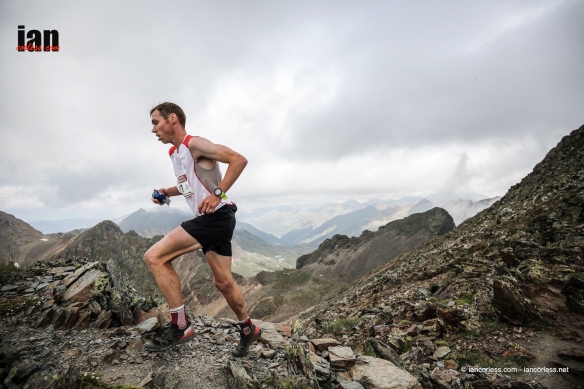
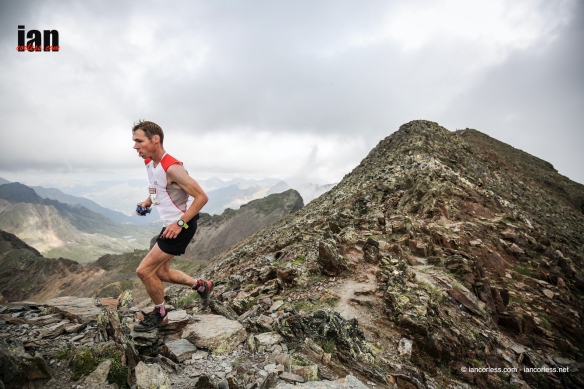
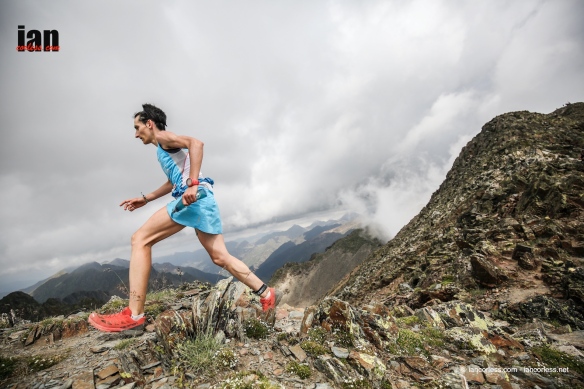
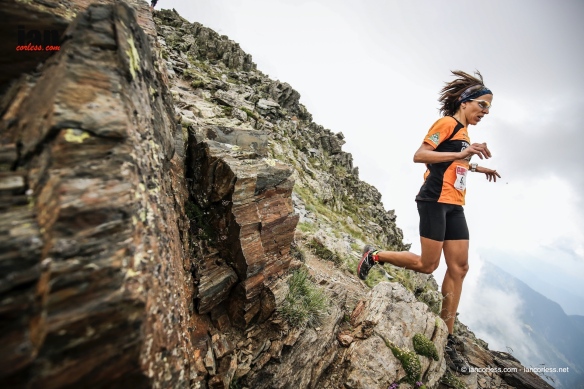
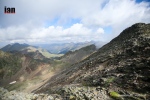
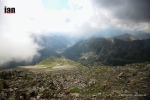
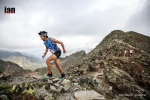
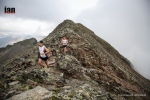
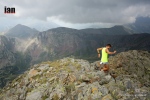
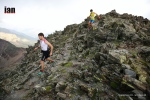
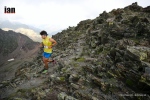
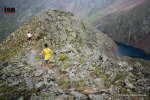
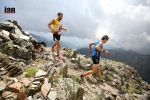
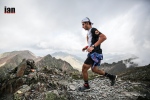
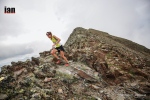
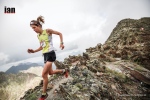
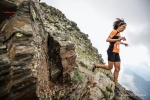
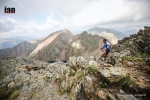
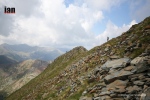
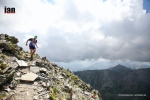
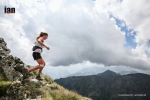
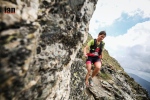
The SkyRace® Comapedrosa really did personify everything that a Skyrunning race should be today as the Skyrunner® World Series 2016 moved at a fast pace. The race route was tough, technical, had loads of climbing and plenty of time up in the sky at altitude. In many respects, it’s a course of two halves – the early stages weave up steep forest paths and then in the latter half, after summiting the highest point of the course, the iconic peak of Comapedrosa, the terrain becomes almost permanently rocky and technical.
Laura Orgue and Tom Owens were champions of the day and with two new course records! What makes the result of the dynamic duo more impressive is that they both achieved ‘silver,’ just last weekend at the Skyrunning World Championships organized by the ISF.
The tiny ski-resort of Arinsal in Andorra hosted 370 runners as they toed the line to cover the 21.2km course with a vertical ascent of over 2,000m+. Much of the pre-race talk had been about ‘the wall,’ a technical 1000-metre vertical climb over the short distance of just 2km to the summit of the Comapedrosa at 2,942m, the highest peak in the principality of Andorra.
Aritz Egea lead the race on the climbs and reached the summit of Comapedrosa with Tom Owens, Oscar Casal Mir and trailing Alexis Sevennec. Egea who has not been inform of late struggled to keep the second place after Owens passed him on the last long technical descent but the revelation came from Hassan Ait Chaou who closed from outside the top-5 to take 2nd on the podium.
Egea held on for 3rd and post-race said, “I’m very happy with third. This year has been a little complicated for me, I’ve not been very motivated, so this a good surprise. The course is really, really tough but I love this kind of race, especially the steep climbs.”
Tom Owens had contemplated not racing but sometimes last minute decisions work, “I was un-decided if I should run?” said Owens. “Today I felt great, sometimes it’s nice to race with no expectation. I was 6th or 7th on the first climb but running on those ridges was just brilliant. The descents were great for me…and move quite quickly and pull back places.”
Pull back places Owens did and on that final descent he gave it everything and moved up from the 3rd to take victory in a new CR, knocking 6-minutes of the old record of 2:46:42.
Owens continued, “My weakness is on the steep climbs. The other guys would just pull away… then I eased back on the second climb. We all pretty much reached the summit of the second climb at the same time and from there I knew I had to concentrate.”
Surprisingly, the top three in the male podium all crossed the finish line today under the previous CR, a true sign of a fast, furious and highly competitive race.
Laura Orgue ran an impressive time of 3:12:27 in the ladies’ race beating the previous CR of 3:21:15 held by Oihana Kortazar who would place 2nd. Like Owens, Orgue had achieved a silver medal just last weekend in the Skyrunning World Championships and although victory and CR were hers, she complained of not being her normal self. A VK specialist, Orgue loves to climb but today it was the worst part of her race… the other female runners must be terrified if she has a good day!
Oihana Kortazar, placed 2nd and was also very happy to beat her own course record, no doubt due to the blistering pace of Orgue, “In this race I prefer the ascents to the descents, which are very, very technical. Andorra has some really tough terrain and I welcome the challenge. My next race is Matterhorn Ultraks in Zermatt.”
Third was Àngela Castelló in 3:20:13. As with the male podium, the top three in the female podium all came in under the previous CR.
Attention now turns to next weekend and the first race in the EXTREME series, the Tromso SkyRace.
Provisional Race Results
Male:
1.Tom Owens 2:40
Hassan Ait Chaou 2:41
Aritz Egea 2:44
Female:
Laura Orgué 3h14′
Oihana Kortazar 3h17′
Angela Castello 3h20′
Thanks to the support of our Partner Migu Xempower, Sponsor Alpina Watches and Official Pool Suppliers, Scott Running, Compressport and Salomon.
About Skyrunner® World Series
Skyrunning was founded in 1992 by Italian Marino Giacometti, President of the International Skyrunning Federation which sanctions the discipline worldwide and sports the tagline: Less cloud. More sky.
The Skyrunner® World Series was launched in 2004 and has grown to represent the peak of outdoor running defined by altitude and technicality. In 2016, the Series, composed of four disciplines, features 23 races in 15 venues on three continents.
iancorless.com is the official photographer and media partner for the Skyrunner® World Series Follow on:










































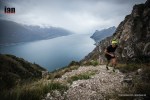

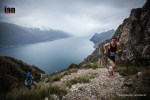
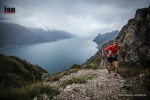
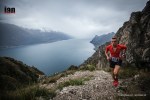
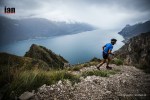

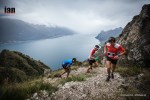

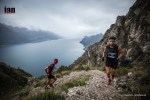


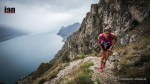
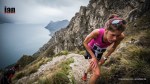
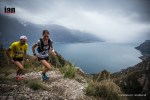
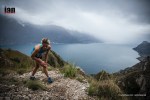

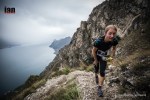
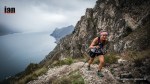
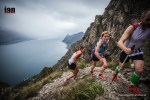

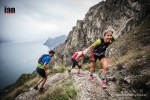
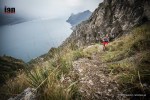











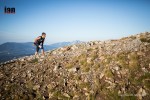
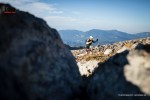
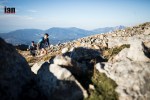
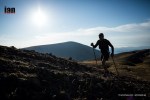
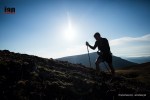
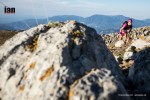
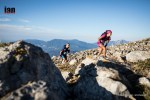
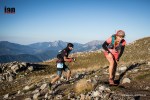
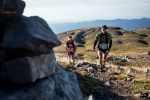
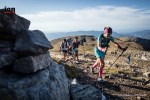
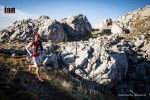

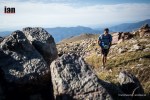
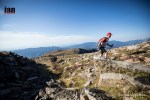
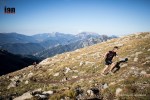
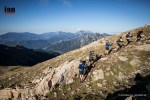

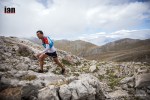
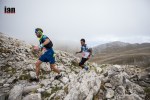
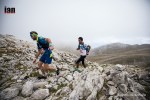
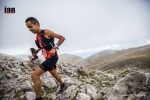
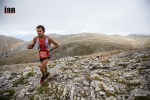
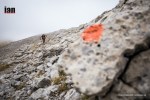
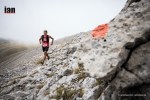
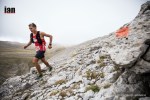
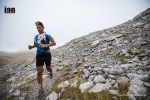
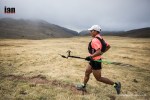
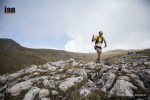
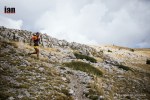
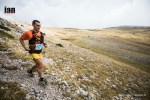
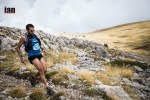
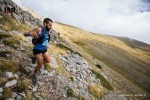
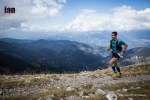
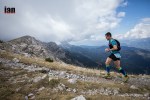
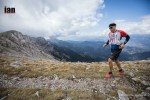
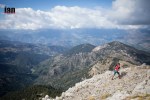
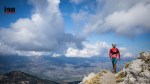
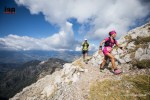
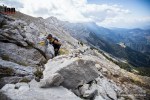
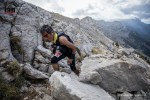

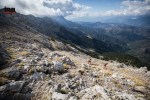
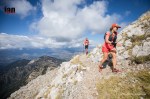
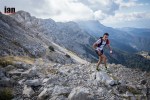
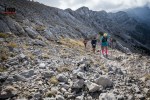
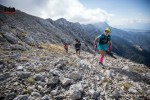
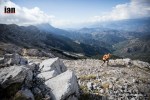
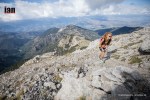
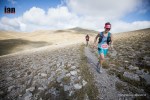
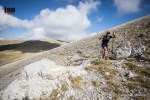
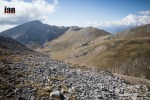
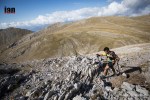
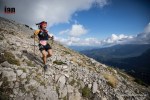
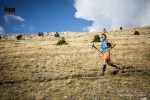
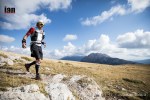
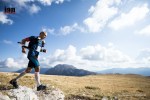
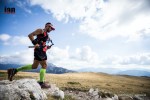
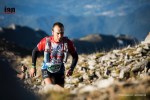
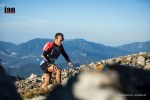
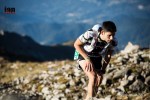
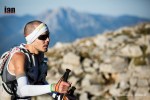
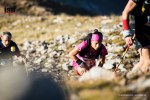

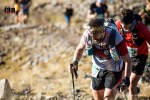
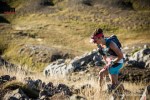
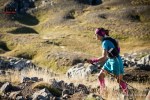
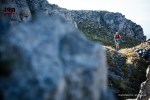
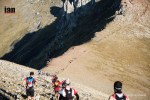
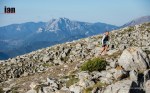
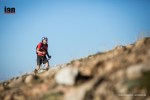
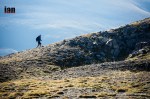


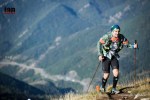
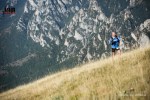
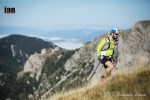
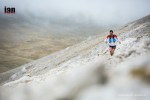
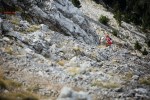
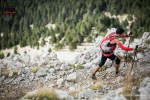
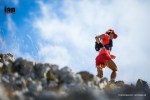
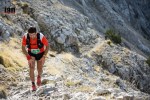
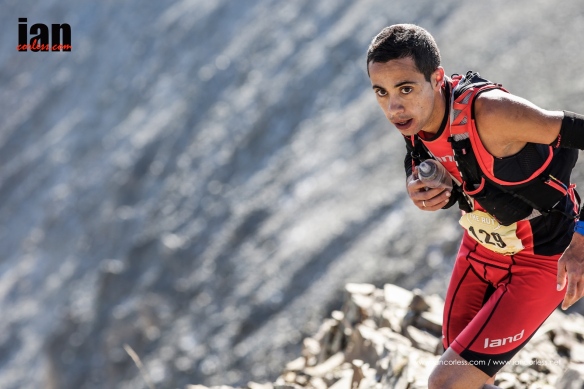
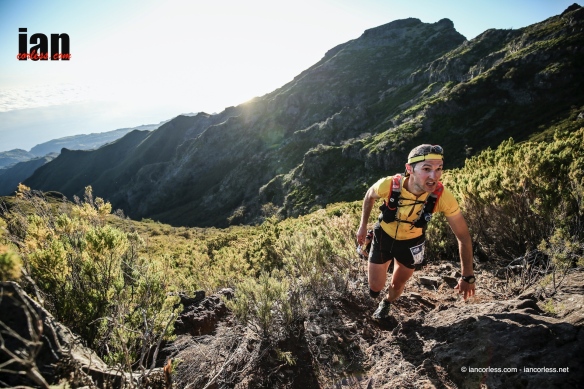
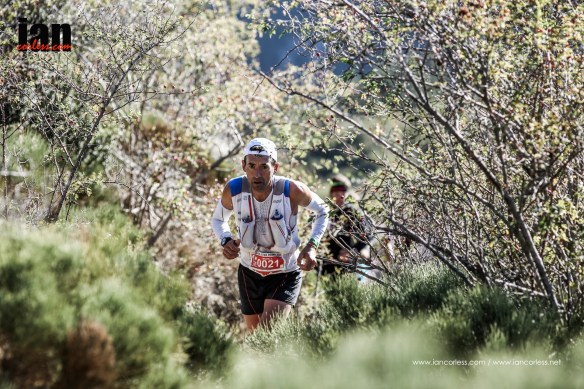
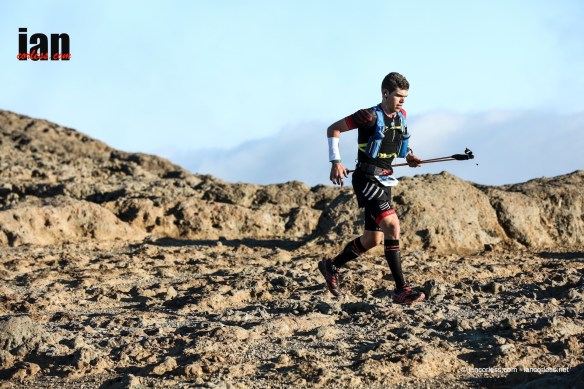

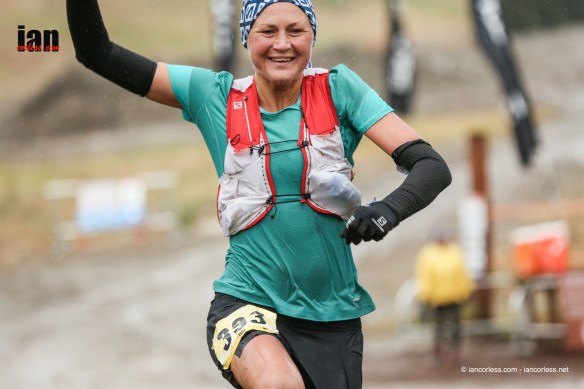
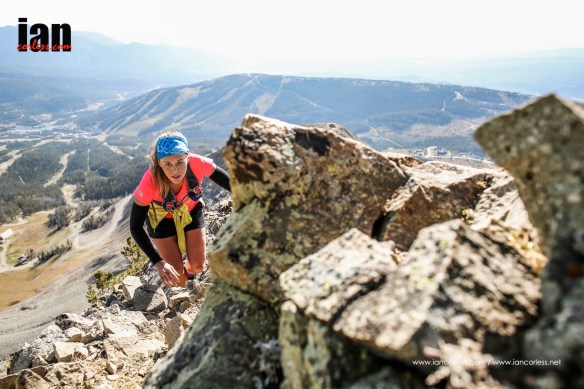

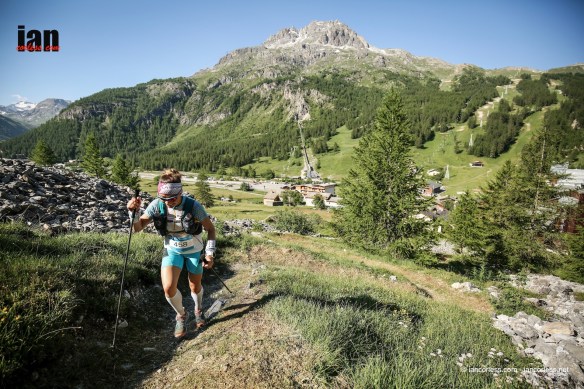
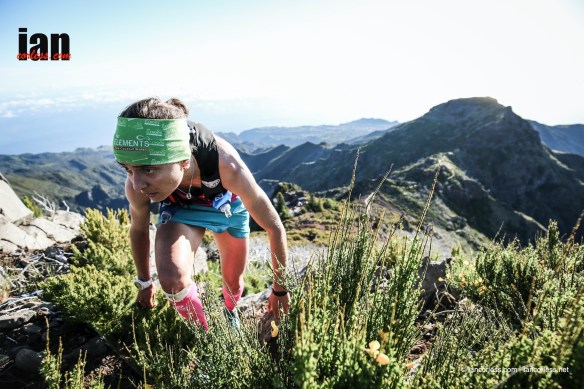
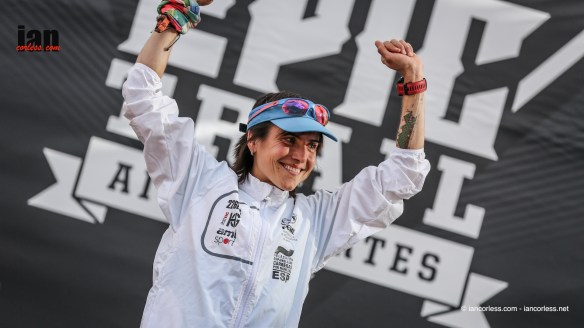 A huge ball may well come from Maite Maiora who usually prefers the SKY distance. In recent years she has raced longer distances and we have seen her on the podium at races such as Transvulcania. Recently she was crowned Skyrunning World Champion at the Buff Epic. The terrain here in Spain suits this fierce competitor.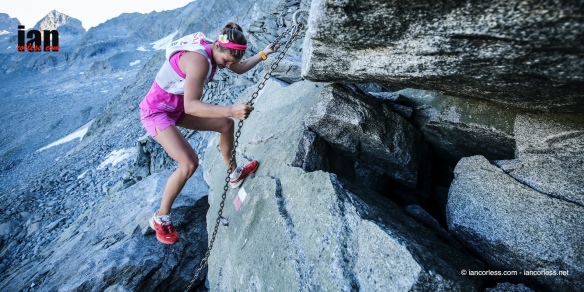

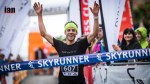
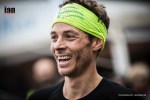
 Constantly fighting the terrain and each other, Sevennec and Viret lead the race for much of the way with Gurung moving up into 3rd place after Qualido. In the latter stages of the race though, De Gasperi made a move as Sevennec and Viret faded. Gurung joined the Italian Skyrunning legend and in the closing stages the two dueled to the line… in the closing stages it was Gurung who made the break crossing the line to a stunning victory and new course record time of 6:10:44. De Gasperi crossed the line also under the old course record of Kilian Jornet a spent force. He dropped to the ground exhausted from the effort and heat. Vireo closed 3rd and Sevennec smiled his way across the line in 4th. Tom Owens finished 5th after a tough and hard day in the office – his first at Tromso and 5th here still securing his place at the top of the Sky Extreme Series.
 Emelie finished in 7:49:06 outside Nuria Picas’s course record time of 7:36:21. Ruth Croft from New Zealand pursued Emelie all day and had a great run often hovering around 10-minutes behind.
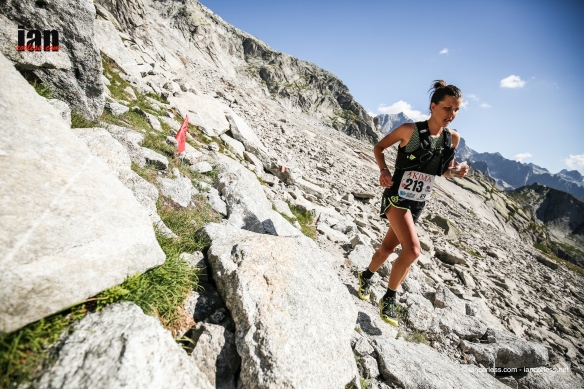 At the line the gap was 17+ minutes and Ruth confirmed that her skills on such technical terrain are not good enough in comparison to Emelie. Kima legend and previous winner of the race, Emanuela Brizio upheld her incredible history with this race crossing the line in 3rd, 8:21:42.

















 IAN CORLESS