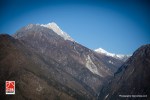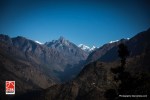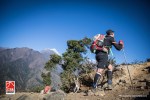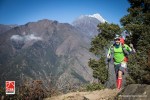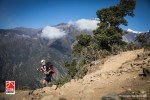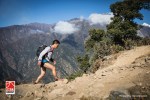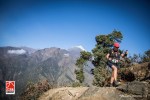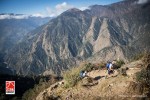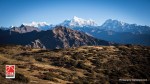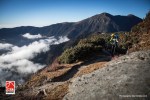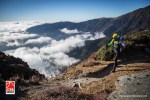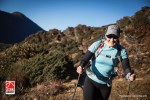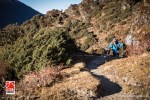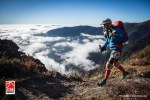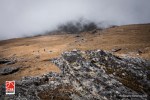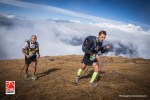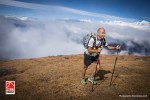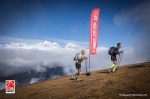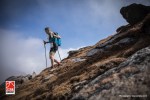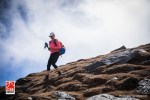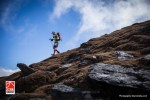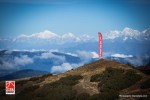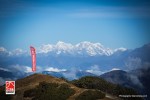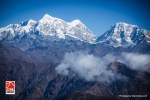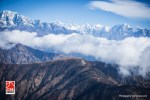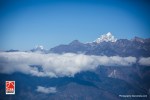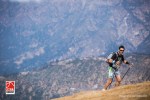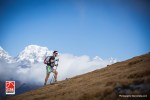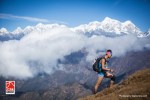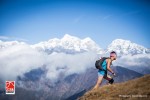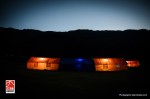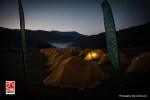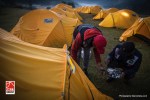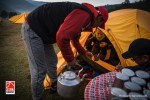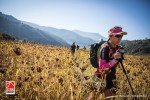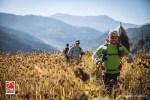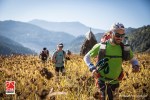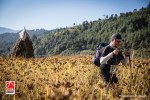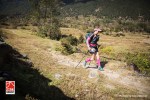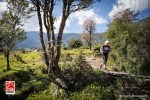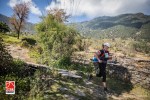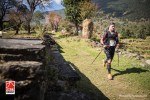
Everest Trail Race 2016 #ETR2016 – Stage 4 Results and Summary

iancorless-com_etr2016-4293

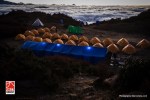
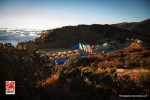
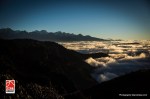
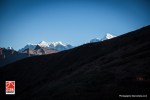
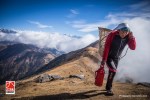
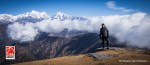
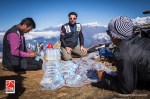
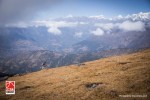
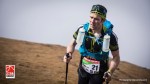
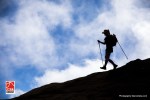
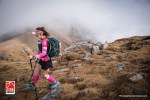
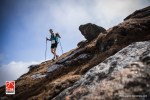
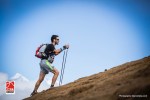
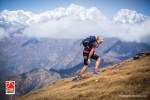
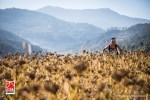
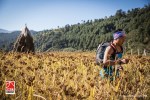
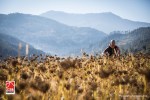
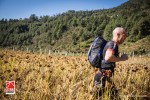
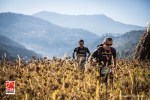
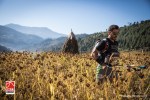
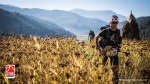
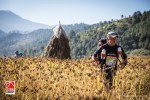
Everest Trail Race – Race Day 4 Kharikhola – Phakding

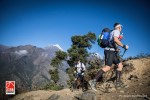
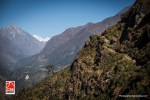
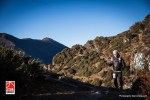
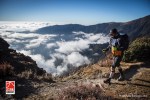
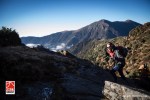
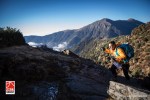
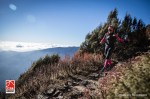
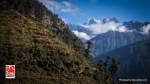
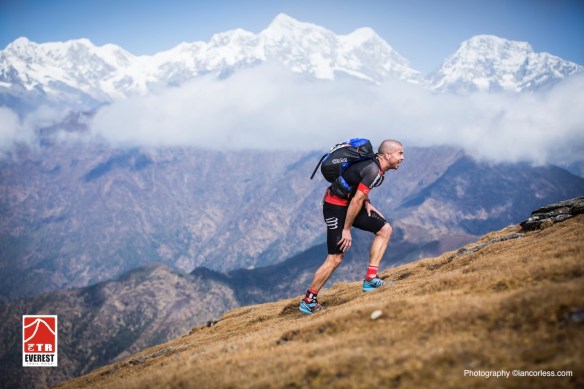
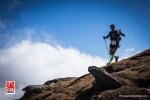
It was a wonderful calm night and relatively warm, certainly in contrast to the previous night. I was up and on the trail by 0600 to hike my way in to CP1 at Kari La (2893m). It was a tough 8km, basically climbing 1000m in 5km.

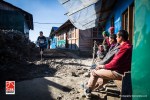
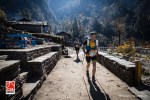
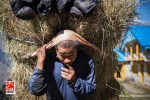
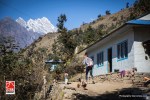
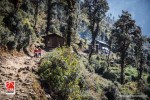
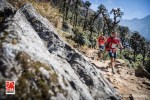
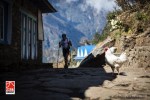
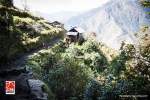
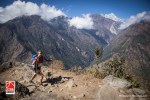
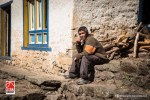
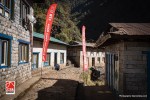
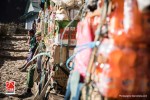
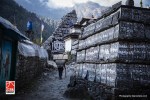
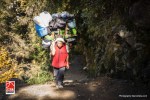
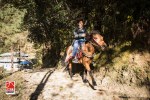
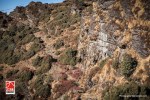
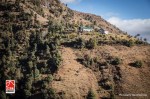
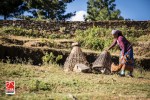
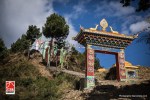
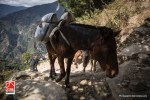
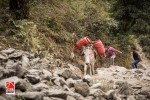
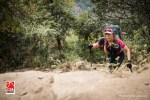
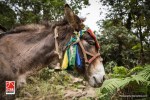
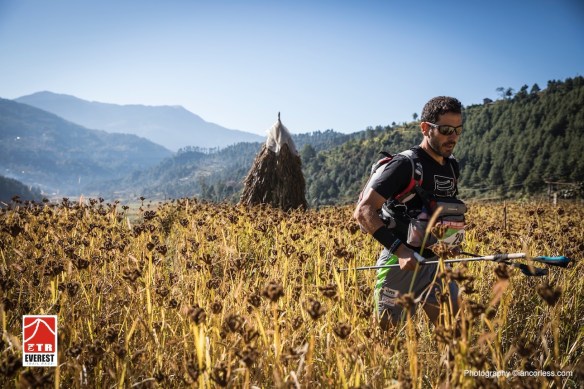
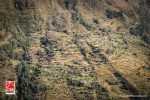
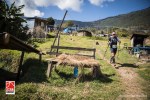
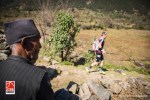
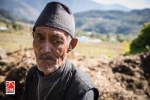
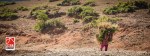
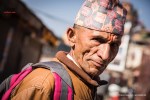
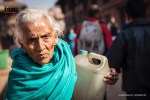
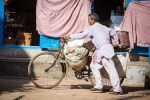
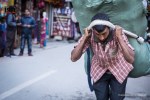
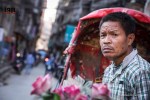
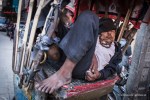
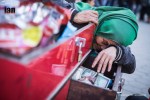
Kharikhola to Phakding is a very busy trail with Sherpa’s and Porters making journeys up and down the trail, there are continual mule trains ferrying all sorts of supplies to shops, lodges and other facilities. This is the only way to move things around. This the motorway of this region!

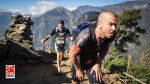
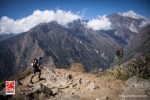
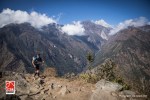
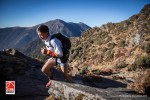
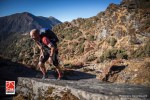
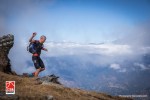
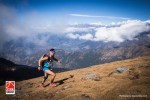
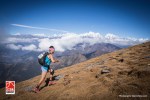
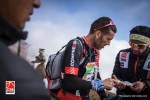
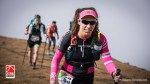
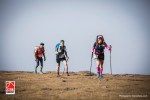
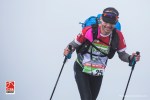
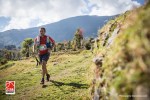
I arrived at CP1 approximately 30 minutes before Pasang Lama arrived, once again he was leading the way. He covered the initial 8km in a ridiculous 60-minutes. Today, Casey Morgan was feeling jaded with a head cold, he pursued the Nepalese runner with Miguel Capo Soler but the writing was already on the wall. Andrej Sterle Podobnik controlled the ladies field from the front once again putting race leader Jennifer Hill under pressure. Jennifer looked relaxed as she followed but Andreja was pulling away.

It seems highly unlikely that Pasang Lama will not be the 2016 Everest Trail Race winner but the ladies’ race has an exciting battle between Andreja and Jennifer.

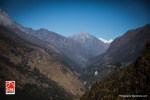
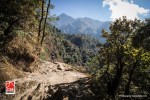
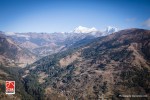
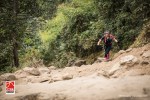
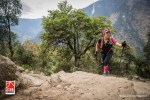
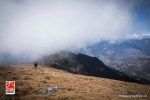
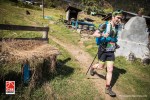
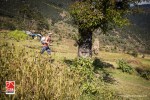
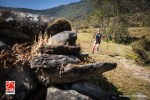
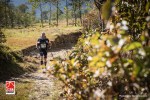
From Kari La, the trail drops down through twisting and winding trail; sometimes technical and occasionally muddy. However, if you are confident on your feet and feeling good, you can certainly keep a great pace going.

Pasang arrived at CP2, Surke in 2-hours with 17km covered. His nearest rivals were 17-minutes later.

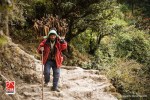
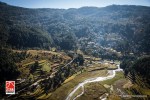
The further down the trail we went, the busier it became. We started to see more and more groups of trekkers with Sherpa’s and porters and of course the continual ferrying of all sorts of items escalated as the demand for supplies increased.

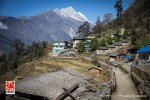
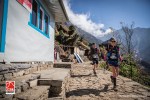
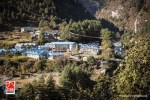
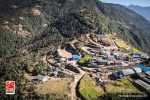
From CP3 at Cheplung, passing Nurning the towns became a little more organized, formal and touristy. I don’t mean that in a negative way, but our early days on the trail had been remote, almost isolated. We were now entering in to the hub of Nepal’s trekking arena and our proximity to Lukla was obvious. Lukla is a main hub for the doorway to Everest.

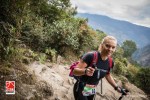
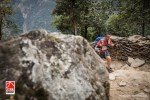
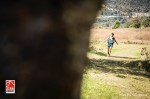
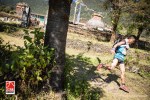
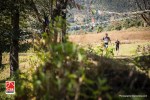
Weaving in and out of the trails, passing on the right of mules, squeezing past trekkers on the left and jumping around porters, the finish of stage 4 was soon in sight.

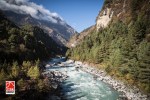
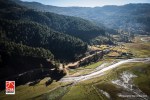
Dropping down the trail and crossing the Kamsyawa Khola (river) the day was done. An exhilarating and eye opening day on the trails of Nepal.

Pasang Lama once again took victory with Casey Morgan and Miguel Capo Soler placing 2nd and 3rd. For the ladies, it was Andreja Sterle Podobonik ahead of Jennifer Hill and Sarah Davies. Importantly, Andreja now has the lead in the ladie’s race.

Stage results:

  1. Pasang Lama 3:45:43
  2. Miguel Capo Soler 4:03:33
  3. Casey Morgan 4:03:34
  1. Andreja Sterle Podobnik 5:10:50
  2. Jennifer Hill 5:55:29
  3. Sarah Davies 6:54:02


General Classification: 

  1. Pasang Lama 15:29:55
  2. Miguel Capo Soler 16:07:16
  3. Casey Morgan 16:15:50 
  1. Andrej Sterle Podobonik 21:48:00
  2. Jennifer Hill 22:32:54
  3. Sarah Davies 28:22:35

Stage 5 Preview: Phakding to Llegada 20km

Leaving Phkakding at 2600m runners will only gain 200m in the first 8km. The climbing of the day begins but the terrain and severity is much more relaxed than the previous days. CP1 Namche Bazar is at 10km  (3400m).  Phunki Tenga at 17.5km (3300m) now will offer the runners the most spectacular views of Everest and the other 8000m peaks. This sight will spur them on for the kick in the tail, the 2km climb from 3300m to 3700m and the finish at Tyangboche.


Everest Trail Race 2016 #ETR2016 – Stage 3 Results and Summary

iancorless-com_etr2016-3065

Everest Trail Race – Stage 3 Jase Bhanjyang to Kharikola

The mist and wind persisted into the night and it was seriously cold! Jase Bhanjyang sitting just below 4000m is renowned for being a cold place and last night it lived up to expectations. Needless to say, kit was tested and those who compromised on weight were left with a really cold and uncomfortable night. Pretty much everyone slept in base layers and down jackets with hoods up and gloves on.

Once again, it would be a split start, 0700 and 0800. Today’s stage had considerably less climbing than stage two, however, it had lots of descending, it may not hurt the lungs as much but it would certainly hurt the legs. Many thought it would be an easier day…

A short climb out of camp the runners would then descend to Jumbesi (CP1) at 2696m. This initial trail would see them running through a dense forest section.

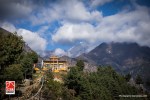
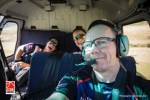
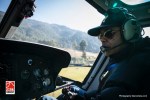
No hiking on the trail for me today, I was helicoptered out to Kharikhola – a beautiful Monastery on top of a mountain (Pema Namding).

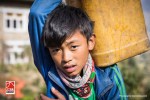
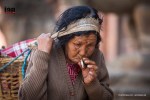
Kharikhola is a main trekking route and in addition, it is a main route for supplies. It amazes me to watch children carry baskets literally as big as they are and for sure, probably twice the weight. Donkeys go up and down the trail all day carrying all sorts of supplies, from bottles of gas, water, corn, maize, beer, Coke, cigarettes and so on. You suddenly realize how life moves around in these mountains.

Sherpa’s arrive carrying packs that look as though it will be break their packs, behind them, a string of tourists with small packs and poles.

Back on the trail, not surprisingly, Pasang Sherpa was once again blazing a trail along this tough ETR route, he was looking to make amends for a poor day yesterday. He was pursued by the top-4 runners, Joan Soler, Casey Morgan and Miguel Capo Soler. In the ladies, Andreja Sterle Podobnik took the race to Jennifer Hill today leading by a minute at the top of the first climb.

After CP1 at Jumbesi, the runners crossed the Junbesi Khola river and climbed up to Phurteng at just over 3000m. Descending to CP2 at Lharpa another climb awaited.

The race now had a familiar format; Pasang would lead the men by a considerable margin, followed by Casey and Miguel, Joan was off the pace, today he didn’t feel quite as good!

For the ladies, Andreja like Pasang would lead the lead the way but Jennifer marked the gap.

Today’s finish line at Kharikhola is a special one, it’s one of the best I have witnessed, however, the runners have to work for that finish. Leaving Taksindu La, the final long descent of the day, 3100m to 1500m in 10km. However, at the bottom the sting in the tail, a 4km climb from Jubhing to the Monastery finish.

Pasang and Andreja took out the respective stage wins. Importantly, Pasang dictated a very fast pace today regaining all the time lost yesterday and now providing himself a convincing lead over Miguel and Casey. Although Andreja tried today, Jennifer ran a consistent pace and the time she lost was relatively insignificant to the overall classification.

Stage results:

  1. Pasang Lama
  2. Casey Morgan
  3. Miguel Capo Soler
  1. Andrej Sterle Podobnik
  2. Jennifer Hill
  3. Sarah Davies


General Classification:

  1. Pasang Lama
  2. Miguel Capo Soler
  3. Casey Morgan
  1. Jennifer Hill
  2. Andrej Sterle Podobonik
  3. Sarah Davies

Stage 4 preview: Kharikhola to Llegada 27.5km

Departing the monastery, a small descent awaits the runners of just 4km before a long tough climb to Kari La (CP1) at 2900m. From here the course goes up and down all around 2700/2800m for appx 10km before a very steep descent to CP2 at Surke (2200m). A continual climb to CP3 at Cheplung continues to the arrival at Phakding/ Llegaga.


Everest Trail Race 2016 #ETR2016 – Stage 2 Results and Summary

iancorless-com_etr2016-9203

Everest Trail Race – Stage 2 Bhandar to Jase Bhanjyang

Stage-1 finished yesterday in Bhandar and due to logistics it was necessary for myself to leave camp and make my way to Golla, the midway point of stage 2. It was a 3.5 hour hike with 2000m of vertical, I arrived in the dark and was saddened to see the lodge that I had stayed in on two previous occasions was now a pile of rumble – real evidence of the earthquake od last year. A two story house gone and now the family living in make shift huts. It was devastating to see and no doubt it has devastated them but they are a resilient people, life goes on and as such they offered me a bed and food.

I departed 0530 to climb to Pikey Peak at 4068m. In principal, you look at the stage and think, it’s only 23.9km, and it won’t be too bad! Wrong. The stage has 3468m of vertical ascent and 1796m of negative descent. It’s a brute!

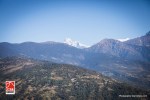
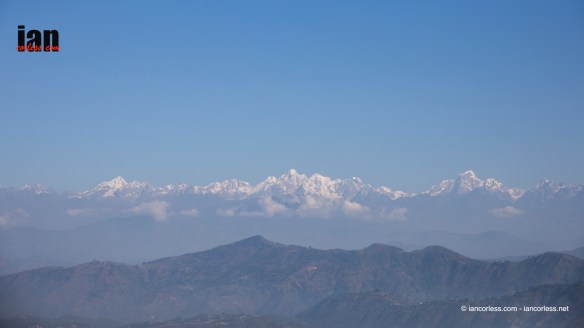
On the trail the freezing early morning temperatures started to rise and with it the sun. Suddenly, the first glimpse of the snow capped Himalayas and Everest in the distance. It was another tough hike to Pikey Peak and in particular, once I got passed 3600m I could feel the altitude hit! Ever watched a program on Everest and seen everybody walking really slow up the gradients? Now I know why… this stage of the ETR was a brute and without doubt it would cause some damage. Finally, we arrived at the Peak and waited for the runners. 

It was a split start today, slow runners leaving at 0700 and faster runners at 0800.

Starting with a short and technical descent for a couple of km’s, runners crossed a river via a suspended bridge and then it was pretty much all ‘up’ for 16/17km. The gradients were not brutal (however, poles were essential) and terrain underfoot on the whole was very good, but the combination of these elements and altitude made the whole experience extremely harsh.

Pasang Lama and Jennifer Hill were overall ETR leaders going into stage 2 and they lived up to their billing leading their respective groups to Golla

I had expected Pasang to be in a league of his own today, after all, he is Nepalese. However, the early gaps he had opened up were given away to Miguel Capo Soler and Casey Morgan. In the final climb to Pikey Peak – it certainly looked like he pushed too hard! Miguel was the first to reach the summit and then several minutes later, Casey arrived saying, “Now that is tough, I am nearly passing out with the effort.”

Pasang was expected next but first day 4th place finisher, Joan Soler, arrived next looking strong. Pasang finally arrived but he looked broken, constantly needing to stop.

Jennifer Hill proved in great form and dominated once again for the ladies with Andreja Sterle Podobnik once again following in 2nd to the summit.

One-by-one runners made the Pikey Peak summit, some in better shape than others. Unfortunately, the stunning early morning views of the Himalayas disappeared as the day passed and in the latter stages the race was blocked out with cold wind and dense mist requiring the ETR admin team to make some changes for the latter runners to ensure their safety.

In the distance, just 4km away from Pikey Peak, base camp could be seen early in the day at Jase Bhanjyang (3549m). A technical descent was followed by one last tough climb to the finish and an opportunity to rest.

Miguel took a strong stage victory ahead of Joan Soler who passed on the descent. Casey, post-race said that the climb to Pikey Peak had taken a great deal out of him allowing his Compressport teammate to pull away.

Jennifer once again won the ladies race with Andreja placing 2nd and Sarah Davies 3rd and moving up to 3rd lady overall.

The day took its toll on many runners, with altitude sickness causing issues and of course fatigue.

Going into Stage 3, Miguel Capo Soler and Jennifer Hill have a strong lead.

Stage results:

  1. Miguel Capo Soler
  2. Joan Soler
  3. Casey Morgan
  1. Jennifer Hill
  2. Andrej Sterle Podobnik
  3. Sarah Davies

General Classification:

  1. Miguel Capo Soler 7:19:17
  2. Casey Morgan 7:27:53
  3. Joan Soler 7:29:22
  1. Jennifer Hill 10:05:35
  2. Andrej Sterle Podobonik 10:18:20
  3. Sarah Davies 12:45:26

Stage 3 preview: Jase Bhanjyang to Kharikhola 37.4km

Stage 3 is all about running downhill, however, the finish is brutal ascent to Kharikola at 2100m.

Leaving Jase Bhanjyang runners have a short ascent of 2km to 3800m and then an 8km descent to Jumbesi, CP1. A 6km climb to just over 3000m is then followed with a 4km descent to Lharpa and CP2. Another 3km climb to 3000m and then a brutal leg sapping drop from 3000m to 1500m in 10km before the final sting in the tail, a 3km climb to the finish.

Currently connection will not allow us to upload images

Everest Trail Race 2016 #ETR2016 – Stage 1 Results and Summary

iancorless-com_etr2016-2032

Everest Trail Race – Day 1 Jiri Bazaar to Bhandar 

As the sun disappeared last night, so did the temperature but by Nepal standards it was a warm night! Just a base layer upper and bottom required inside the sleeping bag.

Morning came with a welcoming hot tea delivered to every tent by the Sherpa’s who are helping us. Organization is excellent. ETR have one advance team everyday, so as we are looked after in Jiri and new base camp, tents, eating tents, media tent and so on are being assembled in duplication. As Jordi Abad explains, “it’s the only way it can work here. The terrain is too difficult and too arduous to try and transport the same facilities day after day.”

At around 0700, villagers from Jiri came to observe the ETR roadshow and they played music to announce the start as they have done for the past several years.

On the stoke of 0900 the runners departed and the cold chilly of the early morning had disappeared with the rising of the sun. The contrast between just a few hours extremely noticeable.

Starting at 1890m the runners had a short descent and then immediately the first climb of the day to Mali at 2200m. Pasang Lama dictated the early stages followed by Casey Morgan and Miguel Capo Soler.

Jennifer Hill bided her time in the early stage but took a convincing lead and looked relaxed throughout the stage. Andreja Sterle Podobnik and Janine Canham pursued.

Deurali Pass via Khasrubas (2173m) was the toughest climb of the day and the highest point 2715m. Pasang, only had a slender lead over Casey and Miguel. A long descent to the finish and anything could happen – Pasang prevailed and took the stage win in Bhandar. 

Andreja couldn’t pull back time and Jennifer and the British athlete secured a stage one victory with Janine taking 3rd.

Runners now have the opportunity to relax, eat and prepare for tomorrows stage. It’s a tough day!

Stage 2 preview:

Leaving Bhandar, non-stop climbing follows a short 4km descent; firstly, to Gompa (Golla) at 3010m, a small downhill section follows of 2km and then a climb to Pikey Peak at 4068m. It’s a tough-tough day and the sting in the tail comes at the very end with a very short and steep ascent to Jase Bhajyang. Total stage distance 23.92km

Please note: I am leaving stage 1 camp today and hiking through the afternoon and early evening to hopefully arrive at a suitable vantage point to record images from stage 2. Updates will follow as soon as possible.


Everest Trail Race 2016 #ETR2016 – Kathmandu to Jiri

iancorless-com_etr2016-1758

Departing in five 16-seater mini buses, participants of the Everest Trail Race made the long, twisty and at times stressful journey from Kathmandu to Jiri for the start of the 2016 edition of the ETR.

It’s a rollercoaster journey up single-track roads, a frenetic and constant beeping of horns and a multitude of bends that would leave the most hardened rollercoaster freak with a turning tummy. The roads are wide enough for ‘just’ two vehicles – a loud blast on the horn means we are overtaking. The lack of road rules works, all the drivers are prepared for anything and as such, nothing happens.

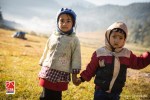
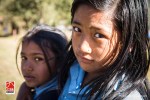
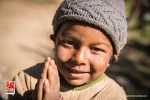
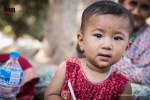
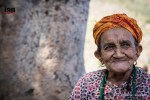
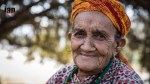
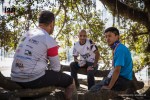
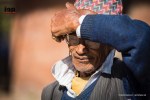
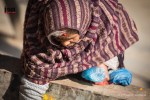
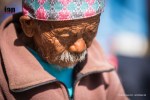
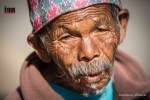
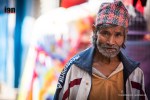
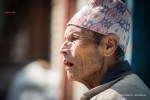
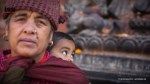
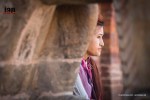
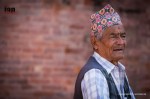
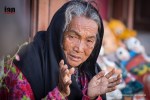
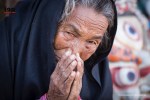
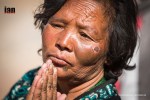
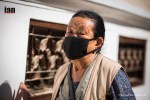
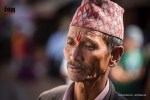
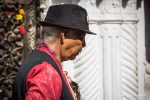
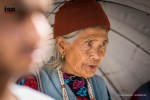
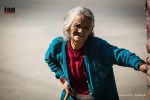
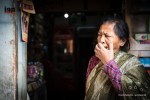
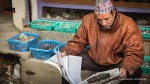
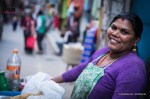
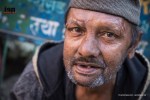
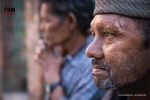
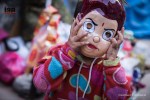
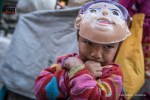
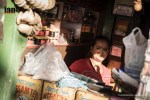
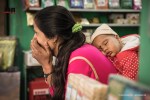
Our lunch stop was a welcome break from the journey. While runners found a space and relaxed, I walked looking for some local colour. I found a family relaxing under a tree, the midday sun was warm and they needed a break from the hard work in the fields.

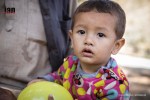
They locals embrace tourists and actually seem to enjoy the process of having a photo taken. I lifted out balloons for the children and comically all the adults wanted one too. They were sitting, laughing aloud, as each and every one of them tried to inflate them. I am convinced they had not witnessed a balloon before. I inflated one and let go…. It whirled through then air and landed as if dead.

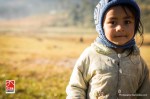
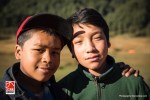
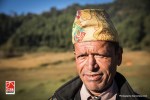
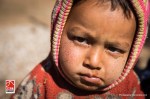
Relaxed with the balloon distraction, one-by-one they looked into my lens.

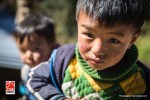
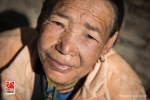
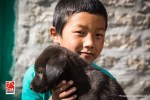
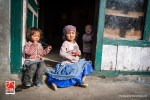
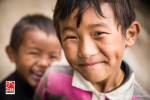
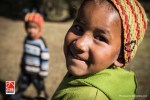
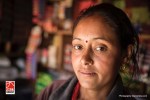
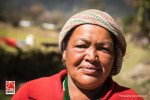
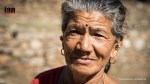
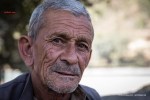
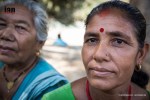
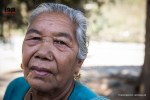
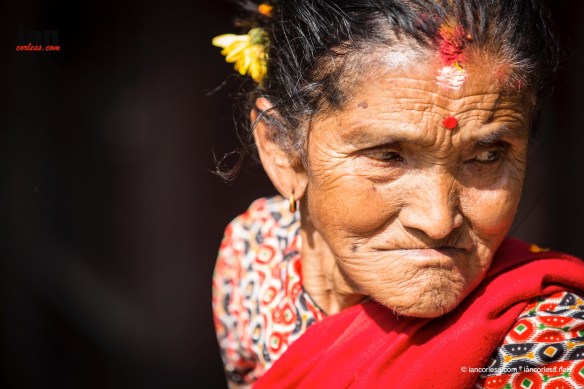
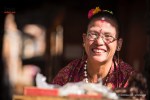
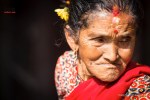
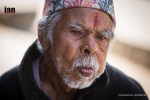
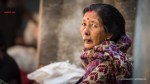
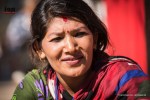
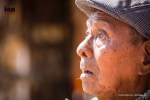
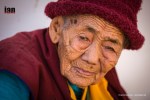
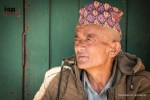
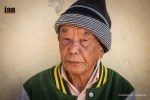
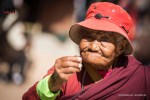
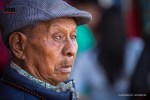
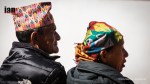
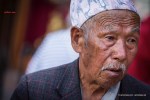
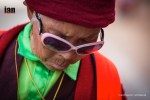
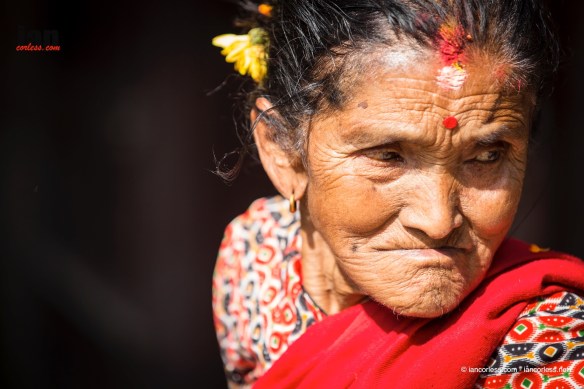
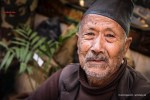
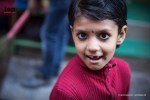
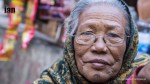
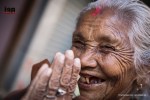
Weathered faces show the lines from years of toil in the fields. Children have wonderful circular faces that glow and piercing eyes with a cheeky smile.

I could photograph these people all day!

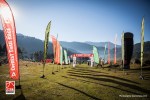
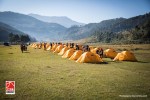
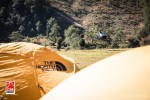
Back on the bus the ride continues and finally our arrival at Jiri came. We had been on the road 8-hours and the glow of yellow tents was a warm welcome as the day began to lose its light.

Water collection, tent allocation and final preparations were underway for tomorrows race day as the runners became acquainted with their new homes for the next 6-days . A mug of hot tea warms as the departing of the sun takes the heat of the day away and the temperature slowly drops…

Day 1 commences at 0900 Thursday 10th November.

Jiri (1850m) to Bhandar  (2050m) – 21.5km 3795m+

The stage has two summits, one at 2400m and the high point of the day at Deurali Pass 2700m before descending to the finish at Bhandar.

Everest Trail Race 2016 #ETR2016 – Kathmandu

iancorless-com_etr2016-8651

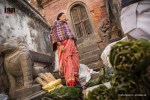
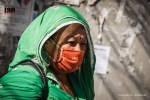
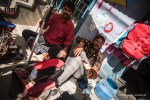
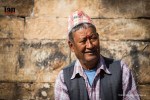
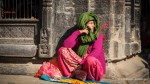
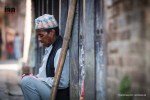
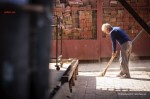
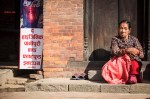
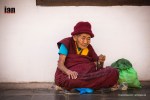
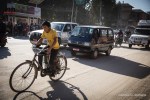
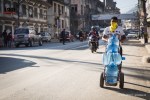
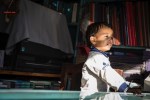
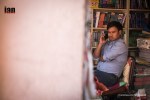
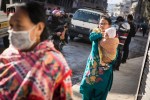
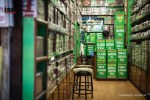
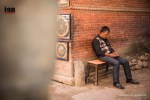
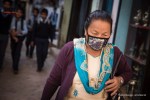
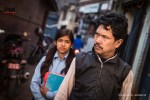
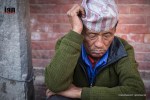
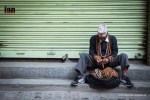
Today was a relaxing day in Kathmandu soaking up the sights, sounds, colour but most importantly, for me, the people!

Nepal and the Nepalese people fascinate me.

The day started with a morning in Patan – Patan, an ancient fortified town, was founded in 745 AD by Vanraj Chavda, the most prominent king of the Chavda Kingdom. He named the city Anhilpur Patan or “Anhilwad Patan” after his close friend and Prime Minister Anhil shepherd. (wikipedia).

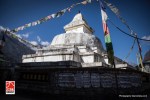
And the midday around the Boudhanath Stupa (or Bodnath Stupa) which is the largest stupa in Nepal and the holiest Tibetan Buddhist temple outside Tibet. It is the center of Tibetan culture in Kathmandu and rich in Buddhist symbolism. The stupa is located in the town of Boudha, on the eastern outskirts of Kathmandu. (sacred-destinations).

The close of the day allowed runners to obtain race numbers, have equipment checked and as I write this, the race briefing is about to start.

Tomorrow we leave Kathmandu for Jiri, a journey of 7-8 hours and our first overnight camp. Racing will start on Thursday at 0900.

iancorless-com_etr2016-8651


Everest Trail Race 2016 #ETR2016 – Arrival Kathmandu

iancorless-com_etr2016-1469

The 2016 Everest Trail Race has begun… as with all races, it starts with a journey and as I am sure you all know, some are more bearable than others. This was a good one! We departed Heathrow on Nov 6th in the early evening, a 4-hour flight to Istanbul was followed with a short wait time before a red-eye flight through the night to arrive in Kathmandu for midday the following day.

The Nepal/ Kathmandu impact hits immediately – noise, colour, cars, motorbikes, buses, dust and people are everywhere!

A short journey to our hotel is followed by a simple pre-registration of athletes; the official race briefing will take place tomorrow. Everyones tired but a new day has kicked in leaving everyone unsure if they should be eating lunch or breakfast? Eyes are watery and red, hair is a little dishevelled and wild, but the anticipation of the 2016 ETR has everyone wired and excited.

It’s time to unpack, prepare and organise equipment for the race that starts in three days time but first a little exploring – the bustling streets of Tamil await and provide a quick and rapid immersion into the wonders of Nepal and it’s people.

Tomorrow, Monday, is a day of organised exploring to the Monkey Temple and Durba Square; a hub of history for this region of Nepal.

Sleep deprived, it’s a short day for everyone, bed calls and tomorrow the 2016 Everest Trail Race experience really begins for all concerned.

Racing starts on Thursday10th November

Day 1 – Departing Jiri at 0900 runners will cover two major peaks, Mali at just over 2400m and Deurali Pass (2700m).

Day 2 – Leaving Bhandar, non-stop climbing follows a short 4km descent; firstly, to Gompa (Golla) at 3010m, a small downhill section follows of 2km and then a climb to Pikey Peak at 4068m. It’s a tough-tough day and the sting in the tail comes at the very end with a very short and steep ascent to Jase Bhajyang.

Day 3 – Jase Bhanjyang to Kharikhola

Stage 3 is all about running downhill, however, the finish is brutal ascent to Kharikhola at 2100m. Leaving Jase Bhanjyang runners have a short ascent of 2km to 3800m and then an 8km descent to Jumbesi, CP1. A 6km climb to just over 3000m is then followed with a 4km descent to Lharpa and CP2. Another 3km climb to 3000m and then a brutal leg-sapping drop from 3000m to 1500m in 10km before the final sting in the tail, a 3km climb to the finish.

Day 4 – Kharikhola to Llegada

Departing the monastery, a small descent awaits the runners of just 4km before a long tough climb to Kari La (CP1) at 2900m. From here the course goes up and down all around 2700/2800m for approximately 10km before a very steep descent to CP2 at Surke (2200m). A continual climb to CP3 at Cheplung continues to the arrival at Phakding/ Llegaga. 

Day 5 – Phakding to Llegada

Leaving Phakding at 2600m runners will only gain 200m in the first 8km. CP1 Namche Bazar is at 10km  (3400m).  Phunki Tenga at 17.5km (3300m) now will offer the runners the most spectacular views of Everest and the other 8000m peaks. This sight will spur them on for the kick in the tail; the 2km climb from 3300m to 3700m and the finish at Tengboche.

Day 6 – Thyangboche to Lukla

The final stage of the ETR re-traces much of the same ground of Day-5 but (obviously) in the opposite direction. The main difference comes after Phakding when the trail splits and participants go left climbing to the finish in Lukla.

Foot Care for the Mult-Day Runner or Ultra Runner by Ourea

©iancorless.com_MDS2015Day7-2395

Introduction

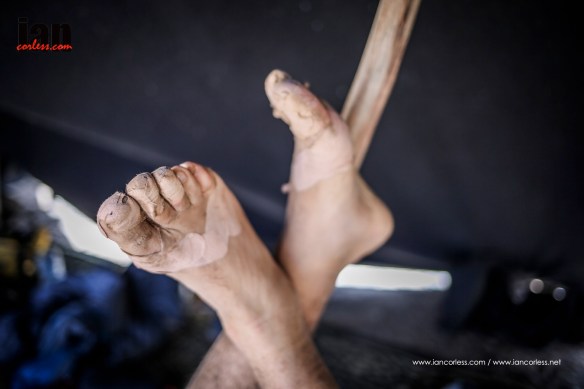
If you intend to treat foot problems as they arise at any multi-day race you may well have already chosen the wrong strategy!  If you haven’t started, then start your foot-care preparation now. After all, feet are the most important part of your kit.

This article was first published via the Cape Wrath Ultra

Experience from the 2015 Berghaus Dragon’s Back Race™ has shown us that 38% of the competitors had medical treatment for blisters, and that blisters were the reason many participants failed to complete the full course or had to retire from the event altogether. This statistic is also reflected in many other multi-day races such as Marathon des Sables, The Coastal Challenge or the Everest Trail Race for example. If you haven’t already read the 2015 Berghaus Dragon’s Back Race™ Medical Report (HERE), then we strongly suggest you do, and pay particular attention to the Race Director’s comments at the end.

These are:

After some consideration and discussion with the medical team we are going to introduce a triage system…, much like you would see at an Accident and Emergency hospital and insist that competitors take primary responsibility for their own foot care. This will mean:

  1. Patients will be assessed in a triage system prior to treatment with the most needy being treated first, regardless of the how long others may have already queued.
  2. We will not assess anyone’s feet unless they have been washed and are presented in a clean, mud free condition.
  3. We will expect minor blisters to be treated by competitors themselves.
  4. At triage assessment advice will be given as to whether a blister is ‘minor’ and how to treat it if required.
  5. Competitors must have their own blister treatment kit and this is part of the mandatory kit list for the event.

Of course, many races offer varied systems of foot care while racing. Marathon des Sables has very much lead the way with the innovative ‘Doc Trotters’ foot team. However, listen to any experienced racer and they always say:

‘I like to look after my own feet. Autonomy is best. I can treat my feet as I require and I don’t need to wait in a long line for my turn when I cn be resting, eating, drinking or sleeping!’
©iancorless.com_MDS2015Day5-9828

 The Cape Wrath Ultra™ have been very clear ahead of the 2016 race in providing a FAQ which can be read HERE

Scroll down to the ‘Support and Services’ section:

9) What medical facilities will be available?
There will be a medical support team for participants at the Overnight Camp and a medic can be summoned to Checkpoints. However, the Cape Wrath Ultra™ has a strong self-reliance theme and participants will be expected to look after themselves and must bring a personal first aid kit for self-treating blisters, minor injuries and ailments, for cleaning wounds and for addressing most kinesiology issues. The Medical Team will prioritise and work on more serious incidents and ailments, but advise on minor issues. Our experience from the Berghaus Dragon’s Back Race™ (HERE) is that the Medical team can get swamped with minor issues if not managed. Having said this, participants are encouraged to talk to the Staff & Medical Team if they have a concern about their personal well-being. The event will generally be a long way from any Hospital. 

It’s sound advice – be autonomous!

©iancorless.com_MDS2015Day3-5003

The Cape Wrath Ultra are expecting you to help them during the event by looking after yourself first and foremost but you are not on your own. There will be approximately 150 participants and you’ll be sharing tents with a number of others and the races encourages a buddy system to look after each other, not only on the hill, but in the camp too. So don’t be afraid to get down and dirty, and help each other look after your feet!

This theme is reflected at other events that I have worked on, Marathon des Sables for example creates networks of people as 8 runners share a bivouac. It can often be all for one and one for all.

Ourea Events have unashamedly based this summary advice on three sources. These people are experts at foot care for multi-day events:

There are references (with links) at the end of this section, and we thoroughly recommend that you read John Vonhof’s book. Then practice – a lot.

Everyone is unique and the advice here is for information purposes

Blister Prevention

Foot care is easily divided into several phases. We are sure you all know the 6Ps: ‘Proper Preparation Prevents Piss-Poor Performance’. Well, you should be thinking of this too!

  • Proper Preparation = foot care in the months before the race
  • Prevents = prevention of blisters before and during the race
  • Piss Poor Performance = treatment during and afterwards

Blister Prevention – Before the Race

Proper Preparation (months before the event)

  • Get rid of calluses, keep nails short*. Get rid of rough patches. Visit a chiropodist for proper advice and pedicure.
  • Keep the skin soft and supple with massages and skin-care creams. Some people recommend creams with shea butter.
  • Practice prevention.  Learn preventative taping: you know your own problem areas. Try alternative socks, shoes, strategies such as foot lubricants, powder and blister plasters. Consider friction reduction of the shoe.
  • We do not recommend vaseline, gels or similar products on your feet. Vaseline in particular is sticky, attracts grit and hardens in your socks.
  • We do not recommend waterproof shoes: They will fill with water and keep your feet wet. You will be running for eight days in wet terrain! Shoes should drain rapidly to help dry your feet.

* At all the Ourea Events expedition races a participant has had to withdraw because poorly maintained toe nails have caused blistering to adjacent toes. Don’t be a statistic… nails should be neatly trimmed about 5 days before the event.

Blister Prevention – During the Race

Prevents (pre-race and during race)

  • Use your practiced taping method. Use a skin adherent.
  • Use lubricants with caution on your feet. Do only what you know has worked in your training. If lubricants are used, Ourea reccommend Body Glide – Here.
  • Use good moisture-wicking socks and shoes that you are familiar with.
  • During the race change socks, clean and dry feet, reapply tapes, powder or gels as necessary. You should always do this immediately after finishing to give your feet the longest possible time to recover overnight.
  • Stop and treat hot-spots immediately.
  • At the end of each day pamper your feet: wash and dry them, massage them, keep them warm, keep your feet up whenever you can.
  • Remember there is no single method to be recommended. What works for you is the correct method.

Blister Assessment

Piss-Poor Performance
This is what happens if you don’t follow the other Ps! We insist that participants take primary responsibility for thier own footcare but Ourea medics are available to offer advice or treatment as required. A similar scenario exists at Marathon des Sables with Doc Trotters, The Coastal Challenge with Duggie Duggan and many other multi-day races will adopt a similar strategy of foot care. If you do develop a blister, the first questions to consider are:

  1. How bad is it?
  2. Can I treat it myself?
  3. Do I need medical advice or treatment?

BlisterFeet

A and B © Berghaus Dragon’s Back Race™ Competitor. C © Jim Mann (not his feet though!)

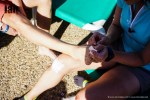
  • A: This foot has a blood blister and two small (intact) blisters. Whilst these will make running uncomfortable, these are not ‘bad’ blisters and particpants would be expected to treat these themselves at Ourea events.
  • B: This is certainly a painful blister but good quality self care (cleaning, padding, taping) allowed this participant to continue. Don’t worry about asking for treatment advice from the medics.
  • C: These blisters show signs of infection and required hospital treatment (they were sufficiently painful that the participant needed crutches to walk). Infected blisters are dangerous, look out for signs of infection – these include:
    • worsening pain
    • feels hot in the area
    • swelling and redness around the blister,
    • pus coming from the wound (yellow/green discharge not the normal clear yellow fluid)
  • D: Macerated feet (see picture below) are extremely sore and prone to infection. Macerated feet occur when the skin is saturated for long periods of time and this leads to the overhydrated skin becoming soft and easily damaged. Unlikely at Marathon des Sables, possible at The Coastal Challenge and a distinct possibility at any UK race… This condition in particular is a signifigant hazard at the Cape Wrath Ultra™ due to the wet nature of the Scottish Highland terrain.

MascratedFeet

© Berghaus Dragon’s Back Race™ Competitor

Blistered and macerated feet are treatable but only by withdrawal from the event. REMEMBER: Prevention is better than cure.

Blister Treatment

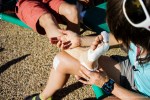
DIY blister care is simple with a general aim of reducing pressure friction at the blister site.

Blister Treament when the skin remains intact AND the blister does NOT require lancing:
This treatment protocol would be the same for a ‘hot spot’.

  1. Ensure your hands and feet are clean.
  2. Apply an non adhesive island dressing. Ensure that the blister is covered by the non adhesive part of the dressing.
  3. Tape to secure the dressing in place.
  4. Monitor for signs of infection and reapply dressing if it becomes soaked with fuild from the blister.

Blister Treament when the skin remains intact AND the blister requires lancing:
A blister only requires lancing once it has become swollen with fluid.

  1. Ensure your hands and feet are clean.
  2. Lance the blister using a sterile scapel blade. Lance in multiple sites to aid fluid removal.
  3. Gently massage the excess fluid under the blister out through the holes.
  4. Apply antiseptic such as Betadine.
  5. Apply an non adhesive island dressing. Ensure that the blister is covered by the non adhesive part of the dressing.
  6. Tape to secure the dressing in place.
  7. Monitor for signs of infection and reapply dressing once it has become soaked with fluid from the blister.

Blister Treament when the skin is broken:
When the ‘roof’ of skin over the blister site has partially torn.

  1. Ensure your hands and feet are clean.
  2. Apply antiseptic such as Betadine
  3. Apply an non adhesive island dressing. Ensure that the blister is covered by the non adhesive part of the dressing.
  4. Tape to secure the dressing in place.
  5. Monitor for signs of infection and reapply dressing once it has become soaked with fluid from the blister.

We do not recommend using Compeed or other ‘sticky blister plasters’ on blisters when the skin remains intact or whilst some skin remains on the blister site, this is because of the multi-day nature of the event. These types of plasters tend to stick to the blistering skin surface (the ‘roof’ of the blister) and tear it away when the blisters are assessed and/or re-dressed causing further damage.

Blister Treament when the skin has been removed :
This type of blister is known as ‘de-roofed’.

  1. Ensure your hands and feet are clean.
  2. Apply antiseptic such as Betadine
  3. Apply a hydrocolloid dressing (such as Compeed)
  4. Tape to secure the dressing in place.
  5. Monitor for signs of infection and reapply only once the dressing has naturally become soaked and peeled away (usually a few days).

Blister Treatment Kit

A Blister Treatment Kit is mandatory equipment for the Cape Wrath Ultra™. This MUST contain the following items that can be used by the participant or the medical team when treating a participant’s blister. The Blister Treatment Kit must include the following:

  • Sterile Medical Scalpel Blade (size #11) x5
  • Antiseptic Ointment (such as Betadine) 30ml
  • Sterile Non Adhesive Island Dressings (7cm x 6cm) x5
  • Sterile Cotton Swabs x10
  • Hydrocolloid Dressings (such as Compeed) x5
  • Profoot Moleskin Roll (7cm x 45cm) x1

Participants are welcome to source these supplies themselves or alternatively they can purchase a premade kit direct from us for £20 + p&p HERE

Mandatory kit at Ourea events also includes:

  • Kinesiology Tape (5cm x 5m) x1
  • Small Scissors x1

We strongly recommend that kinesiology tape is cut to length before the event as this is time-consuming and frustrating when tired.

Please note that a foot care medical kit is personal, find out what you need and what works for you!

All the above content is ©capewraithultra/ ©oureaevents

It is reproduced with permission.

Why not take part in our 2017 Multi-Day Training Camp which takes place in January each year? Details are available HERE
©iancorless.com_Lanza2016-04043


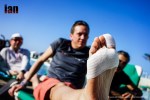
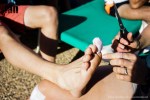
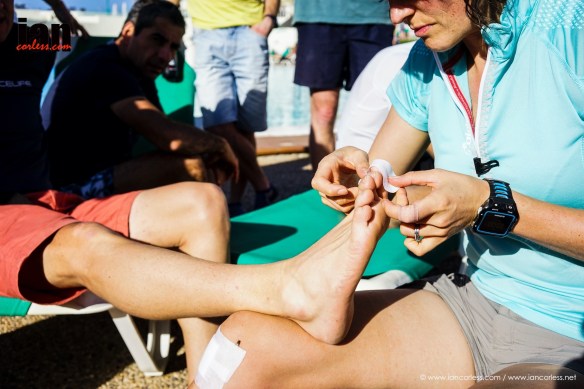
Foot care treatment is very personal and Elisabet Barnes, 2015 Marathon des Sables champion has some excellent ‘on-hand’ experience of how to look after feet from experience.

Many essential foot care items can be sourced HERE

Ourea_Events_Logo(600)

Ourea Events HERE

Cape Wrath Ultra HERE

Disclaimer: We are all individuals and the information provided in this article is designed to provide information so that you can go away and ascertain what is the best foot care method for you and your own individual needs.
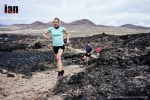
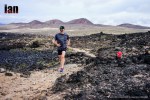
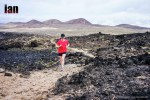
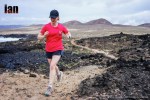
Lanzarote Multi-Day Training Camp 2016 – Day 2

©iancorless.com_ScottVest-01427

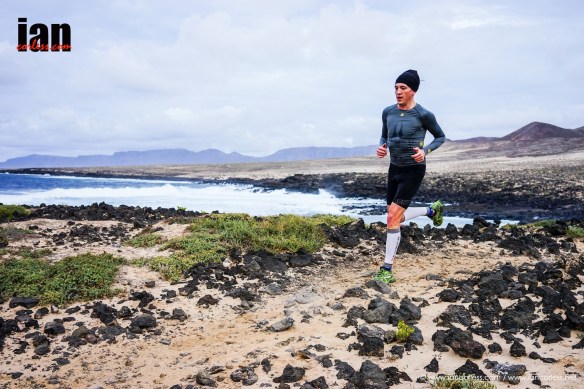
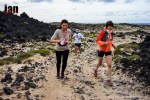
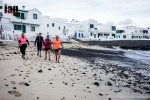
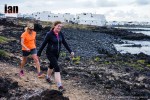
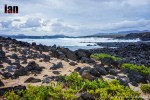
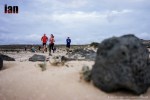
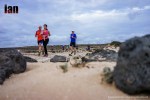
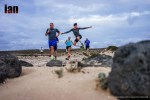
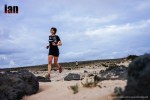
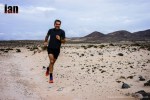
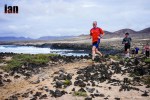
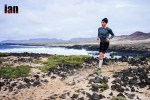
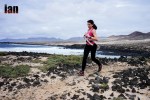
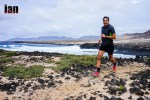
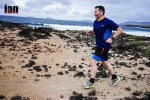
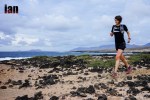
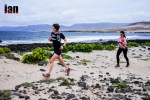
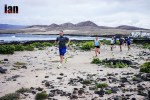
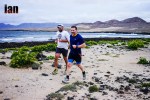
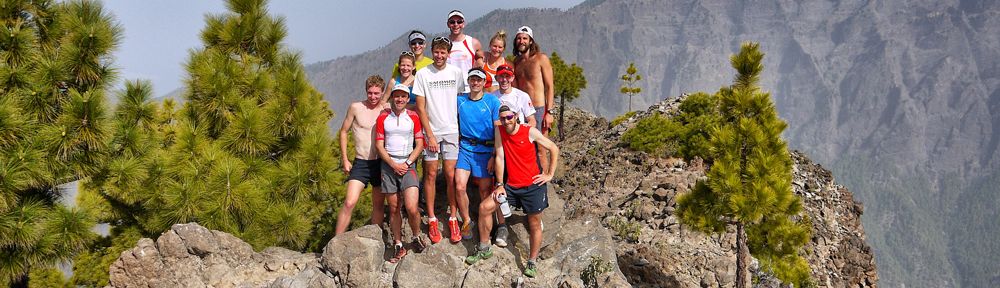
The Lanzarote 2016 multi-day training camp got underway today with an easy 1-hour run along the coastal trails of La Santa to Famara.

In total, we have a group of 27 runners with a broad range of 2016 objectives such as Marathon des Sables (Morocco), The Coastal Challenge (Costa Rica), Big Red Run (Australia), Cape Wraith Ultra (UK) and the Everest Trail Race (Nepal).

It’s always great to see so many runners of mixed ability come together with one goal in mind; completion of a challenging multi-day race!

Tomorrow, 4-hours of classic desert terrain awaits the runners as they depart in three groups lead by Elisabet Barnes, Niandi Carmont and Marie-Paule Pierson. Ian Corless, camp co-ordinator and planner, will move through the groups, running out-and-back to ensure that everyone is on track and comfortable.

In the afternoon, a group talk and discussion followed with an easy 30-60 min run.

Lanzarote, situated off the coast of Morocco provides the perfect environment to simulate many of the conditions that runners will experience in a classic multi-day race; wind, sand, rocks, tough terrain, climbs and maybe even a little scrambling.

If you are interested in a multi-day training, dates for 2017 have been set and you can view HERE

Many thanks to the following brands for helping with this camp:

MyRaceKit, OMM, inov-8, Berghaus, PHD, Raidlight, Scott Running


Lakes Sky Ultra 2015 Race Preview

images

Skyrunning UK is booming. Already this year we have had the V3K, Peaks Skyrace and the recent ground breaking Salomon Glen Coe Skyline.

Attention now turns to the True Mountain Lakes Sky Ultra.

A Lakeland course that offers elevated ridgelines, breathtaking exposure, fast travel on technical mountain terrain and some classic Lakeland scrambling. Race directors Charlie Sproson and Andrew Burton say, ‘Fell running on additives. This is Skyrunning™.’

Race date is September 12th and race entries close on September 6th, so you have time to gain a last minute entry in what will be a very special race.
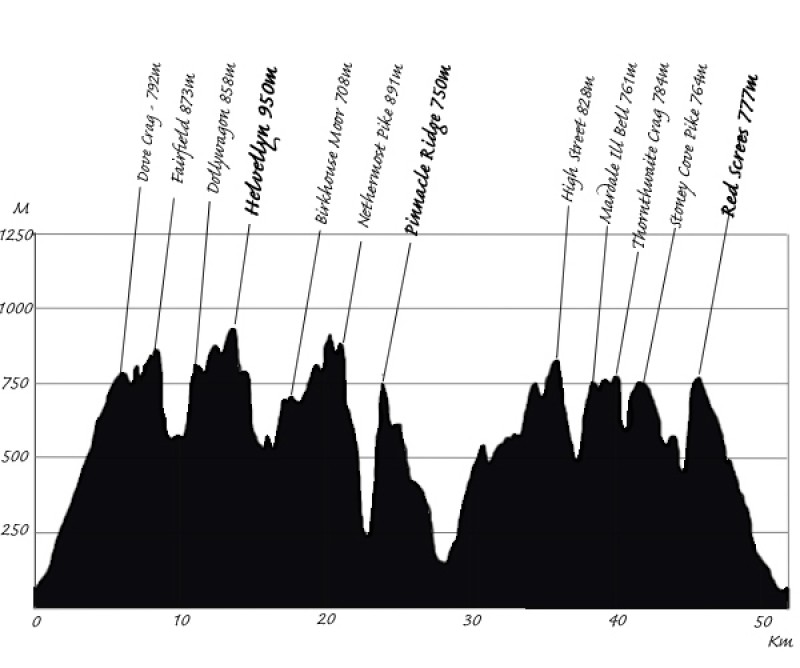
It’s a race route that follows on quite nicely from the Salomon Glen Coe Skyline in that the True Mountain Lakes Sky Ultra has plenty of vertical grind (4300m+), grade 3 scrambling, knife edge arêtes and all over 50km’s of challenging terrain.

LSU_Route_Profile_V2

It’s not a race for the feint hearted and this is reflected by the start list.

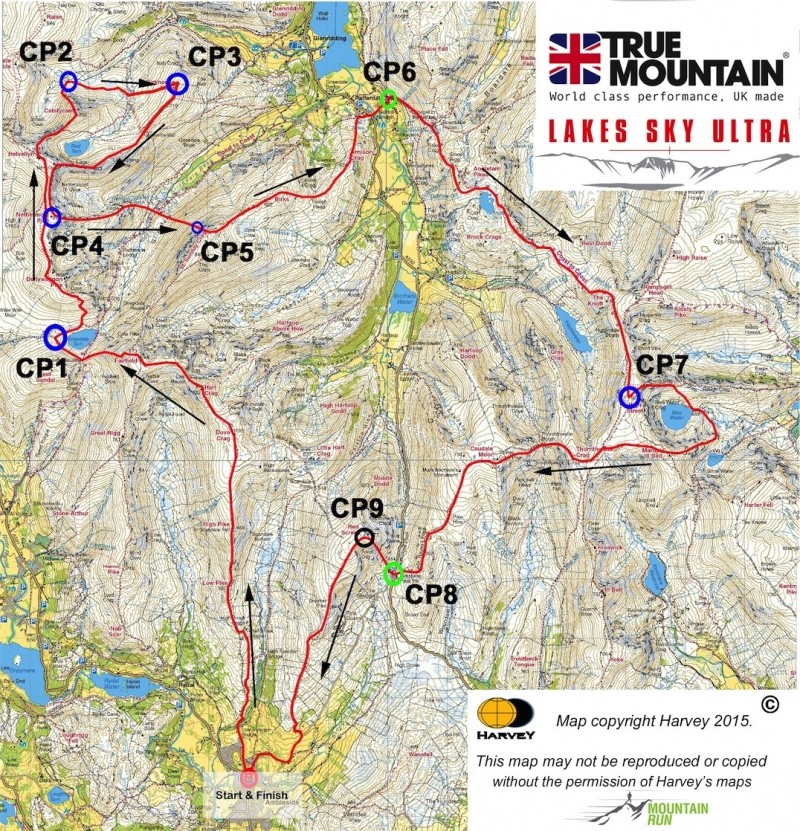
Harveys_Race_Map_Aug_Update-2

Starting on the streets of Ambleside, arguably one of the most important town in the English Lakes, runners will run this challenging course via a fully way marked route.

Who is running?

©iancorless.com_Tromso2015-4645

Eirik Haugsness has been racing the Skyrunner® World Series for several years and he is the 2014 champion of the Tromso Skyrace. His presence in the English lakes is an exciting prospect as he will attempt to do battle against local talent.

©iancorless.com_USM2015-3343

Ricky Lightfoot needs no introduction to Skyrunning and fell running aficionados and without doubt he is a favourite for overall victory on what for him is home soil. Ricky has already had a string of top performances in 2015, can he add the LSU to the list?

©iancorless.com_GlenCoe2015-3526

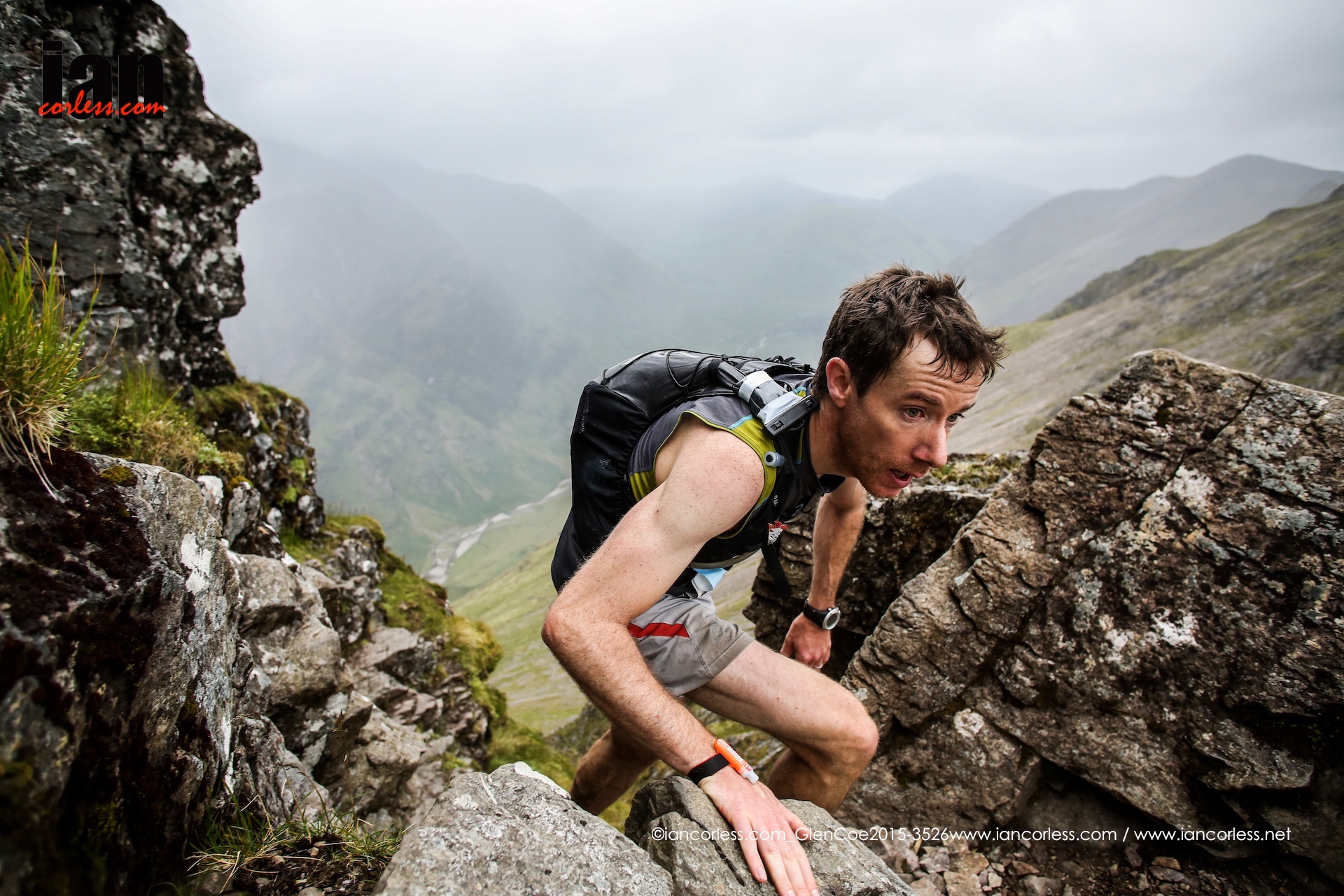
Es Tressider recently raced the Glen Coe Skyline and ran much of the day in 2nd place. Unfortunately, Es faded in the latter stages of the race and missed the podium. Es’s experience in the mountains is quite incredible and if recovered, we can certainly expect him to mix it up at the front of the race.

©iancorless.com_DragonsBack2015Day1-4396

Damian Hall in 2015 has raced The Spine, The Dragons Back Race and just finished 32nd at UTMB (2nd Brit). LSU only comes 2 weeks after the Mont-Blanc monster so Damian may well be a little tired; we can’t rule him out though!

Ben Bardsley is an experienced fell runner and ski mountaineer. In the past he has raced at classic Skyrunning races such as Zegama-Aizkorri. Ben’s current form is a little unknown but he’s one to watch for sure.

Chris Stirling has had excellent performances at the Langdale Horseshoe, Three Shires, Great Lakes Race and has preparing for LSU for several months. His presence almost certainly will be felt at the front of the race.
 

In the ladies’ race, V3K winner and 3rd placed lady at Glen Coe Skyline, Sarah Ridgway makes an appearance and if recovered we can expect her to contest the podium once again.

©iancorless.com_DragonsBack2015Day1-4861

But Beth Pascall comes to the race with a set of solid results. She has placed 2nd at Lakeland 100, won The Spine, placed 2nd The Dragons Back Race and for me is the most likely lady to top the podium on the 12th September.

Shiri Leventhal has placed on the podium of multi-day races in the 4 Desert Series and in 2013 was 2nd lady at the Everest Trail Race. This course will provide a test to Shiri but it’s one that she can rise too!

©iancorless.com_GlenCoe2015-2855

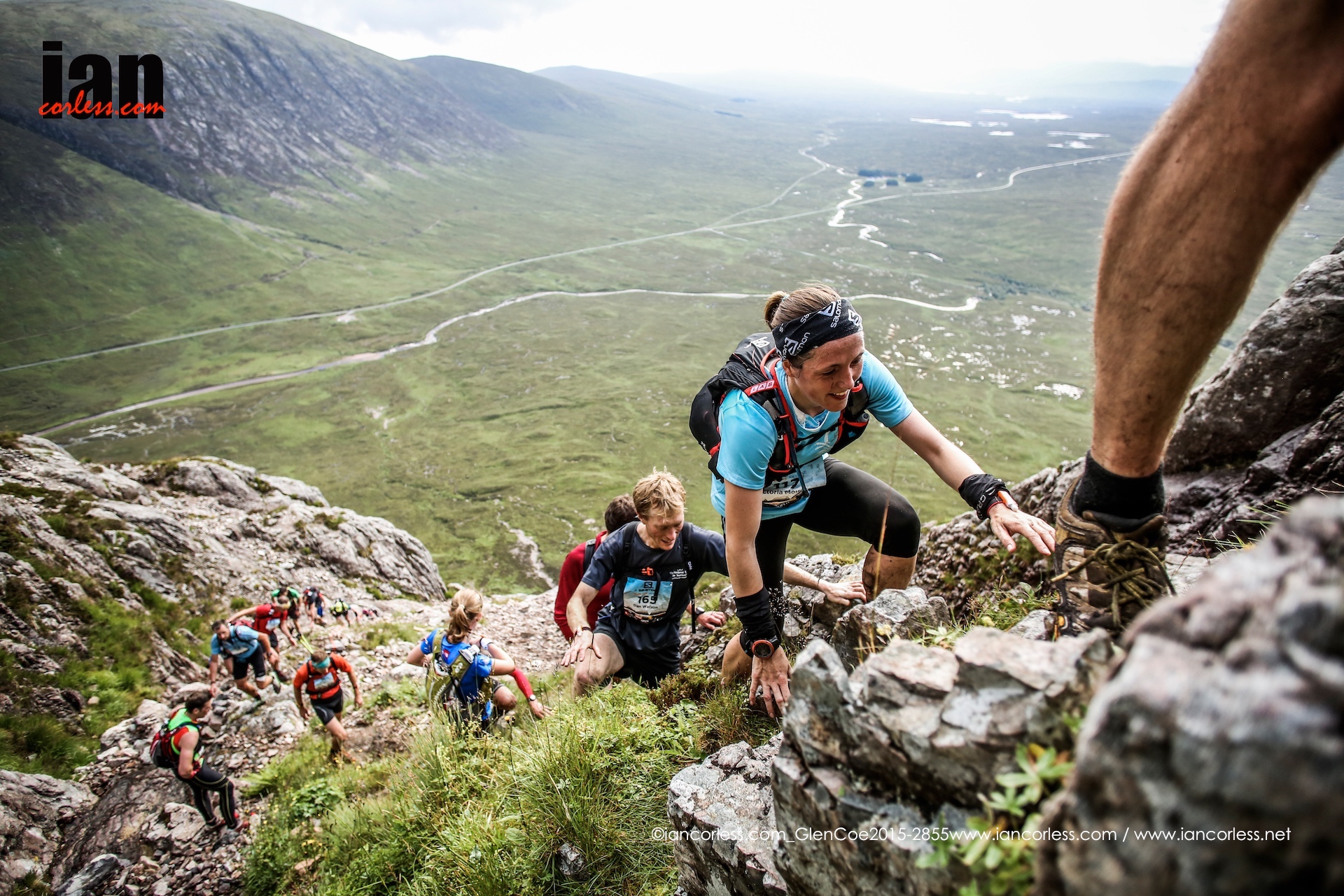
Finally, Victoria Mousley is another hot contender for the top of the podium. Her experience on courses such as The Three Peaks, Tour of Pendle and Scaffell Pike Marathon will set her up nicely for a great run at LSU.

Race details can be viewed here:  HERE

Course map here: HERE

RACE ENTRY HERE (open till September 6th)

HERE

SkyrunningUKlogo

Skyrunning UK at http://www.skyrunninguk.com