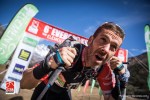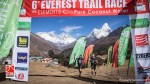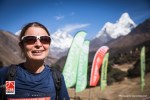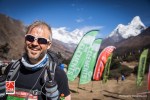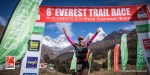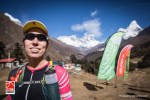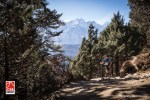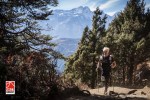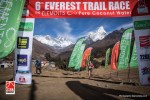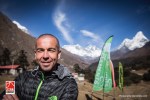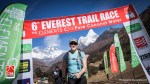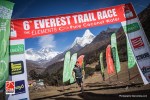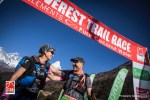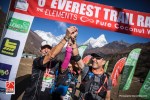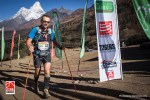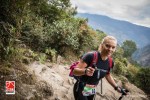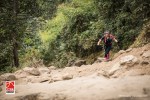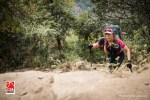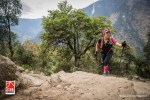
Everest Trail Race 2016 #ETR2016 – Stage 6 Results and Summary

iancorless-com_etr2016-6118

Everest Trail Race – Race Day 6 Tyangboche to Lukla

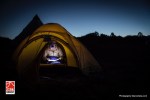
At 3086m, the temperatures were just a little cool outside, a night in a lodge offered just that ‘little’ extra protection but many commented that they thought it was warmer in a tent.

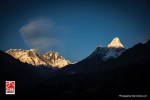
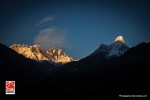
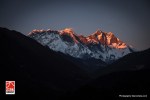
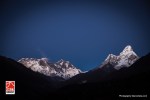
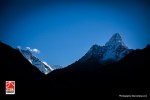
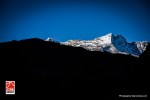
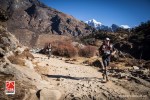
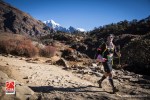
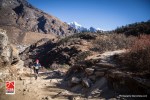
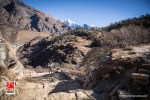
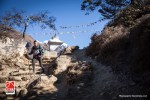
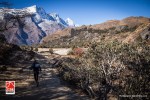
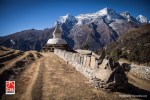
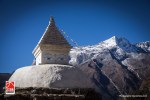
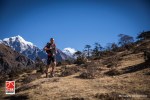
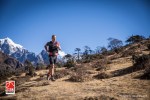
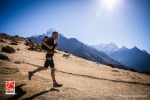
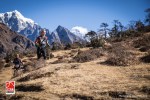
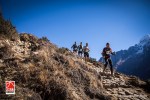
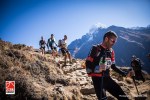
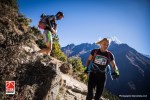
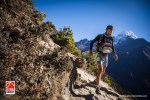
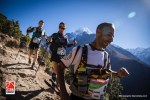
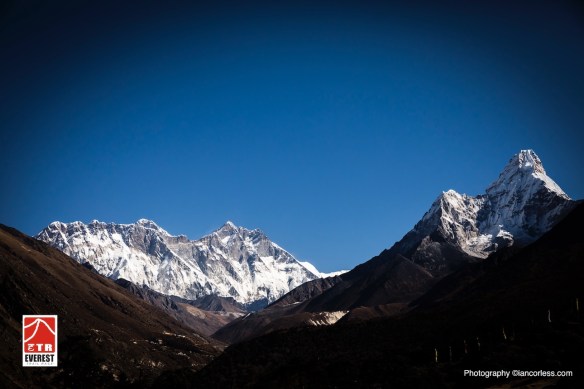
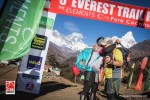
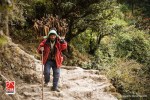
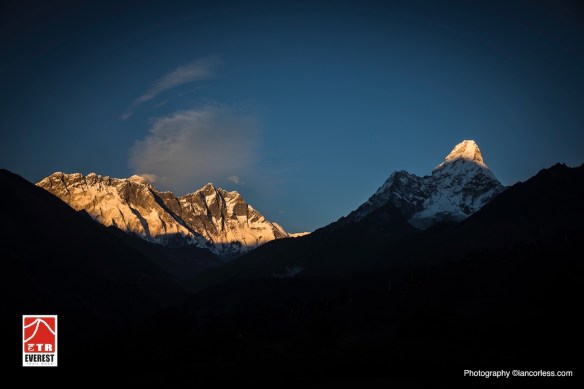
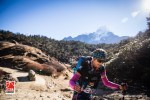
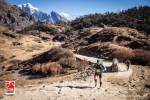
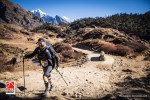
I was up at 0530 an on the trails by 0600 to hike 2-hours into the course to Khumjung which would offer us the spectacular back drop of Everest, Lohtse and the stunning Ama Dablam. The first runners arrived before 0900 and then I spent a day on the trails, running, hiking and walking with the race as it unfolded.

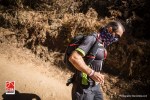
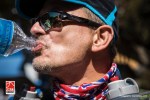
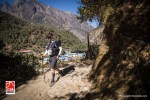
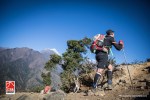
It was a cold start with temperatures well below freezing, however, moving with a pack and a couple of cameras soon elevates your internal temperature and before long I was down to a base layer, gloves and a buff for additional temperature regulation.

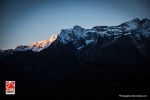
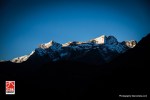
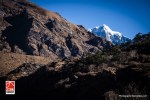
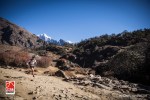
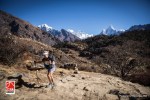
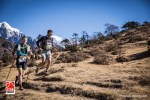
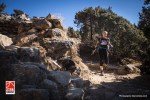
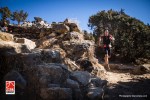
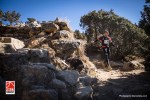
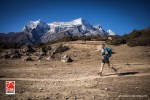
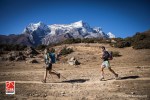
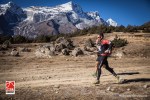
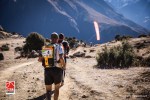
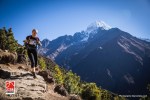
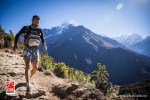
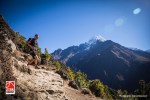
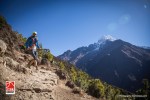
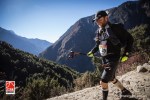
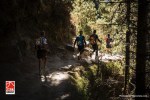
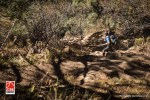
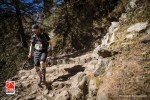
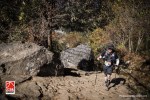
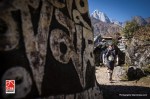
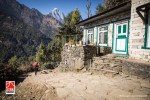
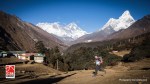
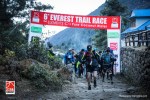
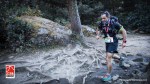
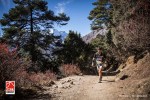
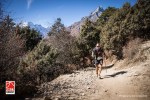
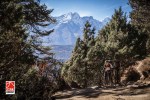
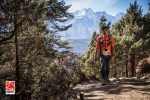
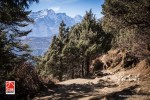
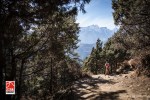
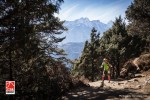
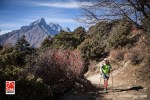
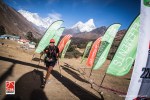
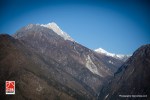
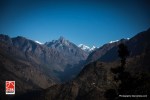
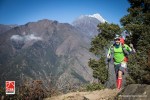
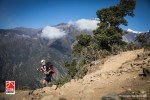
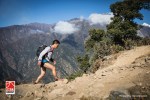
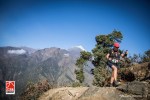
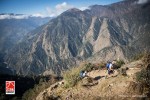
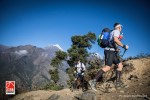
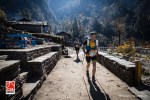
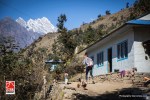
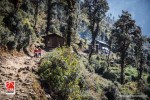
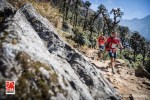
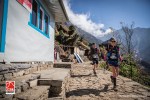
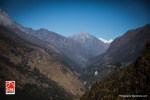
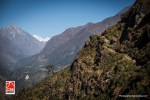
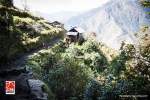
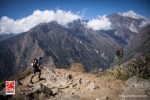
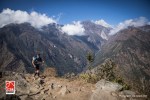
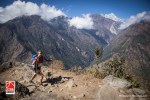
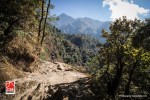
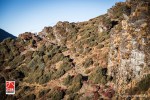
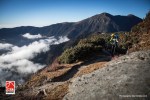
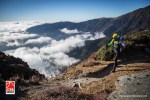
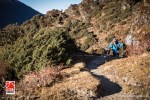
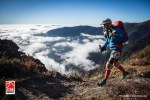
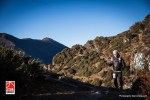
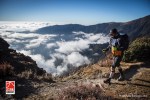
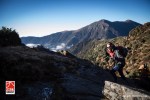
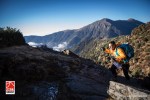
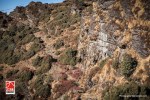
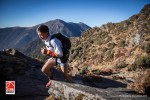
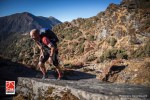
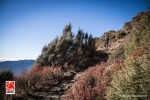
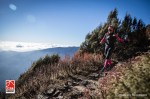
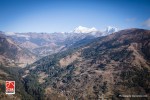
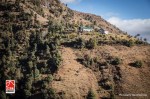
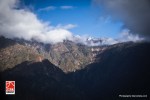
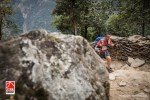
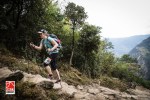
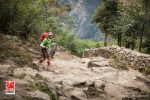
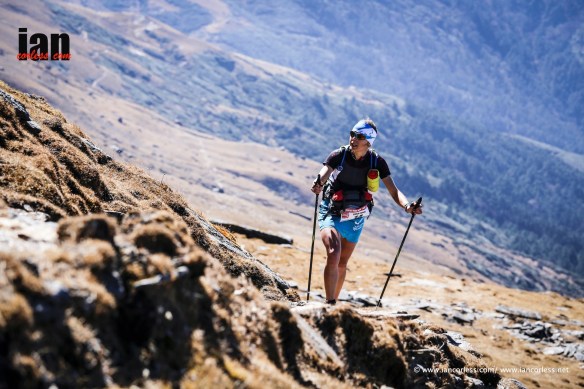
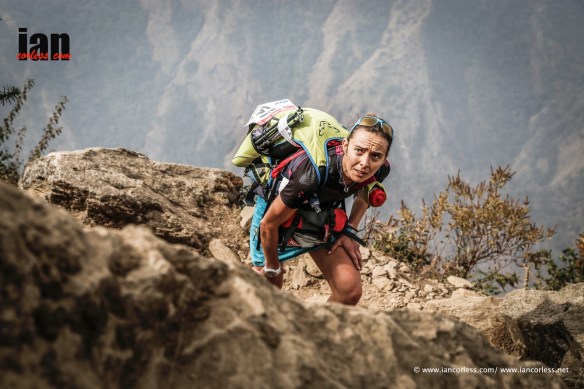
The race started had two starts again, 0700 and 0800. The route dropped immediately from 3800m to 3300m before climbing back up to Khumjung at just over 3800m. It’s a beautiful trail, technical in sections but the views offered are inspiring. It’s a difficult place to run… you need to watch where you put your feet but around you the vistas are just incredible.

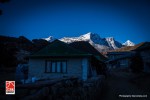
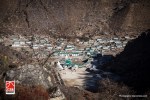
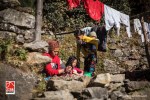
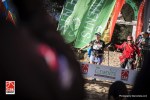
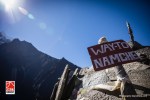
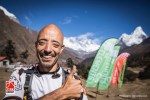
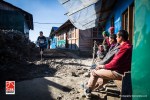
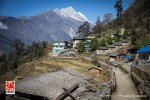
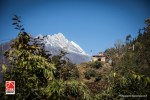
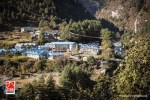
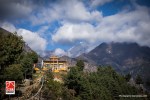
Climbing up to Khumjung one is suddenly surprised by quite a large village with rows and rows of houses. I had to look twice to make sure I was still in Nepal. At our vantage point, we waited. On cue, Pasang Lama arrived running up trails I struggled to hike up. This guy is a machine. He waved, wished Namaste and pushed onward up the trail.

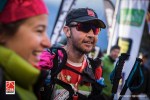
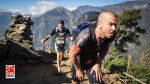
Over 30-minutes later, the usual suspects arrived, Miguel Capo Soler, Casey Morgan, Andreja Sterle Podobonik and many of the other top placed runners today were running together and having fun. It was a little like the last day of the Tour de France. They were working together and obviously content that the last day would be an enjoyable one.

Andreja was powering along, looking up the trail she focused on keeping a pace with the top men.  It may have been the last day with a commanding lead but she wasn’t taking it easy.

Sarah Davies was the next top ranked lady that passed me and I suddenly started to wonder if 2nd placed lady, Jennifer Hill was having a bad day? It turns out that Jennifer had sickness through the night – the last day was going to be a tough one!
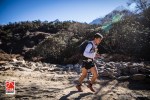
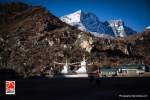
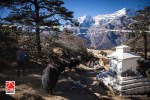
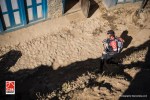
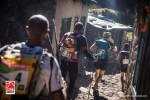
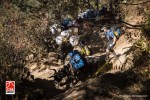
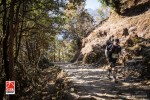
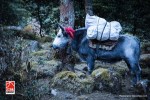
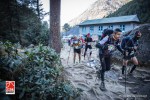
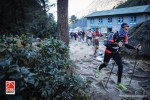
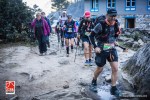
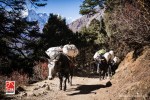
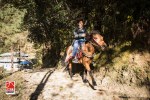
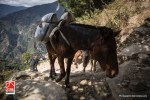
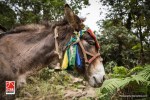
The long descent from Khumjung lasted 6km. It wasn’t an easy 6k! The trail twisted from left to right with conditions changing from dry sand, rocks, clay and large stones. Passing through Namche Bazaar was quite an experience; one would almost call this a ‘metropolis’ of the region. It has many building, an obvious presence of tourists and with this demand, shops, restaurants and bars. We had no time to stop, pushing on through the trail we were now on one of the main trekking routes to Lukla. Yaks made the journey difficult in places, they occupy the single-track with horns outstretched, needless to say, and you need to be careful.

At the front of the race, the pattern was set and overall standings would not change, Pasang Lama and Andrej Sterle Podobonik would be crowned ‘champions of the 2016 Everest Trail Race.

However, as they crossed the line in Lukla, I was several hours behind following the experiences of the other competitors. This is what is so great about the ETR, irrespective of ability or speed, Nepal, the region, the trails; the people offer something for all. It has been the most remarkable journey.

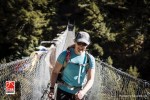
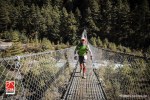
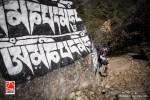
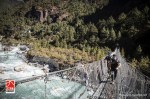
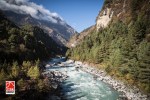
At Phakding we crossed the Dudh Koshi river and we were in the final stretch home. Weaving in and out, up and down, the sun beat down on us. Today was all about camaraderie and I was fortunate to experience those moments.

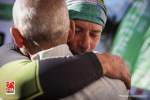
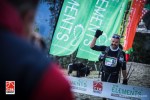
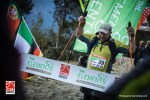
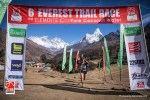
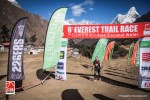
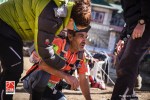
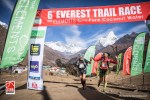
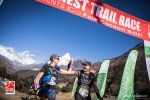
Cheplung was our final CP, just 3.5km to go uphill to the finish in Lukla. It was a beautiful moment to see the pain, the passions and emotions from six grueling days on the most incredible trails released as each and every runner passed under the ETR banner. Tears, joy and relief; it was a bond shared with each and every runner and one that each member of the ETR staff could appreciate. You see, the race is not only about the participants, it is also about the incredible organization and planning task that is undertaken by Jordi Abad and his team.

This is no ordinary race! You can’t just drive a car to a place as and when it is needed. Meticulous planning makes this race happen and I have to say, it was executed to precision and perfection.

The race is over. But the journey is not complete. Tomorrow we fly from Lukla back to Kathmandu and the prospect of a day and a half to explore inspires even more emotions and passions.

Nepal is a contrast. It is a cacophony that penetrates the eyes, skin and mind. It is possibly the most exhilarating, awe inspiring and incredible experience you could ever witness.

The ETR doesn’t come to an end for me, it’s my 3rd time in Nepal and I have the same feelings and emotions just like the first time. Nepal provides a beginning, a beginning of a love affair with Nepal, the people the trail and the Himalayas.

Namaste.

The 2016 Everest Trail Race Overall Results (confirmed times to follow)

  1. Pasang Lama
  2. Miguel Capo Soler
  3. Casey Morgan
  1. Andrej Sterle Podobonik
  2. Jennifer Hill
  3. Sarah Davies
Everest Trail Race 2016 #ETR2016 – Stage 5 Results and Summary

iancorless-com_etr2016-5292

Everest Trail Race – Race Day 5 Phakding to Tyangboche

Last night we stayed in a lodge and it was another very cold night. We were in a valley, so, once the sun disappeared, temperatures plummeted. Everyone was cold, despite being inside.

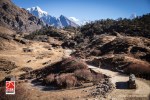
Stage 5 of the race is the one we have all been waiting for. The arrival at Tyangboche provides one of the greatest vistas available with Everest taking center stage.

The first 5km rolled along pretty easy with Pasang and Alejandra leading the way. On entering the Sagramantha National Park route markings would no longer exist and participants would need to use the route book. In principal this sounded a little more complicated than it actually was. The route was very straightforward and at any points where an error could be made, an ETR staff member would be present to ensure the correct path was taken.

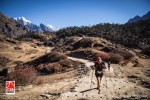
After crossing the famous Hillary Bridge the main ascent to Namche Bazaar would start. At CP1 Pasang was once again forging an unassailable lead, not only on the stage but the overall classification. He is well ahead of the rest of the racers. Miguel Capo Soler and Casey Morgan followed the Nepalese runner but he was too strong finishing well ahead of the Compressport duo. On the final tough ascent to the finish, Miguel pulled away from Casey opening a short time gap.

Alejandra once again showed her dominance not only in the ladie’s field but the overall classification. She took another stage win and overall victory is not in doubt. Jennifer Hill ran another consistent day but could not match the ladies’ race leaders pace and once again Sarah Davies finished 3rd lady and almost certainly secured the final podium place.
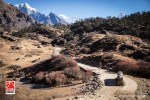
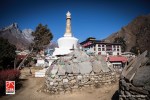
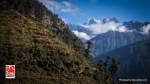
Irrespective of the efforts of all the runners and ETR staff, the main hero of the day is Nepal. The sky remained clear and pure blue to show the beauty of the region and the stunning Himalayas. Tyangboche is an incredible place with a series of small lodges and shops serving essentials. It has a monastery and of course it’s a hub for those trekking or moving higher up into the mountain ranges or going to base camp.

This evening we are all treated to a night in a lodge! Of course we have no heating, but at 4000m we all expect -10 temperatures. However, I do think a few ‘beverages’ may be consumed with just one day remaining and the finish at Lukla.

Stage results: *Times to follow

  1. Pasang Lama 3:13:27
  2. Miguel Capo Soler 3:25:04
  3. Casey Morgan 3:27:27
  1. Andreja Sterle Podobnik 4:16:15
  2. Jennifer Hill 4:40:06
  3. Sarah Davies 5:44:37
General Classification: *Ranking to follow

  1. Pasang Lama 18:43:21
  2. Miguel Capo Soler 19:32:18
  3. Casey Morgan 19:43:16
  1. Andrej Sterle Podobonik 26:04:14
  2. Jennifer Hill 27:12:58
  3. Sarah Davies 34:07:11
Everest Trail Race 2016 #ETR2016 – Stage 4 Results and Summary

iancorless-com_etr2016-4293

Everest Trail Race – Race Day 4 Kharikhola – Phakding

It was a wonderful calm night and relatively warm, certainly in contrast to the previous night. I was up and on the trail by 0600 to hike my way in to CP1 at Kari La (2893m). It was a tough 8km, basically climbing 1000m in 5km.

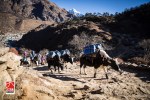
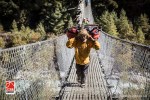
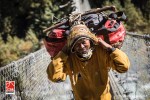
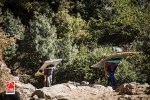
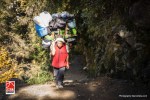
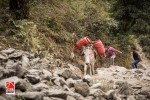
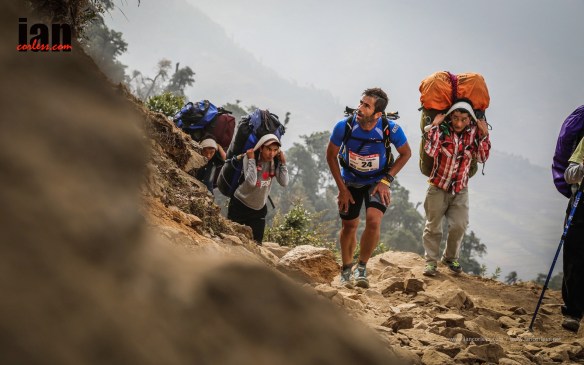
Kharikhola to Phakding is a very busy trail with Sherpa’s and Porters making journeys up and down the trail, there are continual mule trains ferrying all sorts of supplies to shops, lodges and other facilities. This is the only way to move things around. This the motorway of this region!

I arrived at CP1 approximately 30 minutes before Pasang Lama arrived, once again he was leading the way. He covered the initial 8km in a ridiculous 60-minutes. Today, Casey Morgan was feeling jaded with a head cold, he pursued the Nepalese runner with Miguel Capo Soler but the writing was already on the wall. Andrej Sterle Podobnik controlled the ladies field from the front once again putting race leader Jennifer Hill under pressure. Jennifer looked relaxed as she followed but Andreja was pulling away.

It seems highly unlikely that Pasang Lama will not be the 2016 Everest Trail Race winner but the ladies’ race has an exciting battle between Andreja and Jennifer.

From Kari La, the trail drops down through twisting and winding trail; sometimes technical and occasionally muddy. However, if you are confident on your feet and feeling good, you can certainly keep a great pace going.

Pasang arrived at CP2, Surke in 2-hours with 17km covered. His nearest rivals were 17-minutes later.

The further down the trail we went, the busier it became. We started to see more and more groups of trekkers with Sherpa’s and porters and of course the continual ferrying of all sorts of items escalated as the demand for supplies increased.

From CP3 at Cheplung, passing Nurning the towns became a little more organized, formal and touristy. I don’t mean that in a negative way, but our early days on the trail had been remote, almost isolated. We were now entering in to the hub of Nepal’s trekking arena and our proximity to Lukla was obvious. Lukla is a main hub for the doorway to Everest.

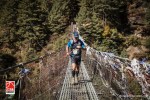
Weaving in and out of the trails, passing on the right of mules, squeezing past trekkers on the left and jumping around porters, the finish of stage 4 was soon in sight.

Dropping down the trail and crossing the Kamsyawa Khola (river) the day was done. An exhilarating and eye opening day on the trails of Nepal.

Pasang Lama once again took victory with Casey Morgan and Miguel Capo Soler placing 2nd and 3rd. For the ladies, it was Andreja Sterle Podobonik ahead of Jennifer Hill and Sarah Davies. Importantly, Andreja now has the lead in the ladie’s race.

Stage results:

  1. Pasang Lama 3:45:43
  2. Miguel Capo Soler 4:03:33
  3. Casey Morgan 4:03:34
  1. Andreja Sterle Podobnik 5:10:50
  2. Jennifer Hill 5:55:29
  3. Sarah Davies 6:54:02
 

General Classification: 

  1. Pasang Lama 15:29:55
  2. Miguel Capo Soler 16:07:16
  3. Casey Morgan 16:15:50 
  1. Andrej Sterle Podobonik 21:48:00
  2. Jennifer Hill 22:32:54
  3. Sarah Davies 28:22:35
Stage 5 Preview: Phakding to Llegada 20km

Leaving Phkakding at 2600m runners will only gain 200m in the first 8km. The climbing of the day begins but the terrain and severity is much more relaxed than the previous days. CP1 Namche Bazar is at 10km  (3400m).  Phunki Tenga at 17.5km (3300m) now will offer the runners the most spectacular views of Everest and the other 8000m peaks. This sight will spur them on for the kick in the tail, the 2km climb from 3300m to 3700m and the finish at Tyangboche.


Everest Trail Race 2016 #ETR2016 – Stage 3 Results and Summary

iancorless-com_etr2016-3065

Everest Trail Race – Stage 3 Jase Bhanjyang to Kharikola

The mist and wind persisted into the night and it was seriously cold! Jase Bhanjyang sitting just below 4000m is renowned for being a cold place and last night it lived up to expectations. Needless to say, kit was tested and those who compromised on weight were left with a really cold and uncomfortable night. Pretty much everyone slept in base layers and down jackets with hoods up and gloves on.

Once again, it would be a split start, 0700 and 0800. Today’s stage had considerably less climbing than stage two, however, it had lots of descending, it may not hurt the lungs as much but it would certainly hurt the legs. Many thought it would be an easier day…

A short climb out of camp the runners would then descend to Jumbesi (CP1) at 2696m. This initial trail would see them running through a dense forest section.

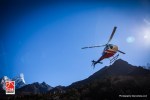
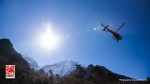
No hiking on the trail for me today, I was helicoptered out to Kharikhola – a beautiful Monastery on top of a mountain (Pema Namding).

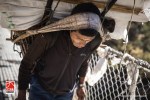
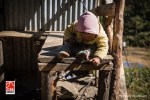
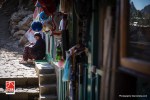
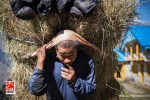
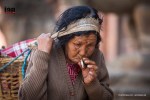
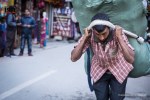
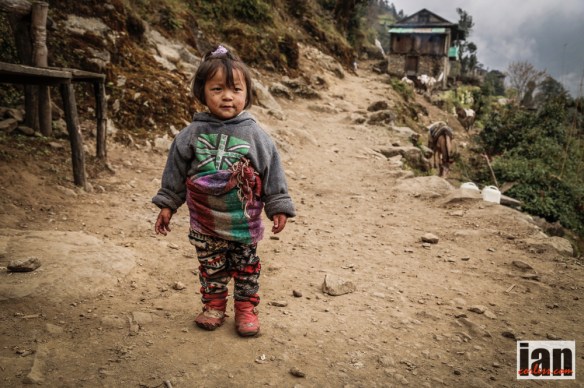
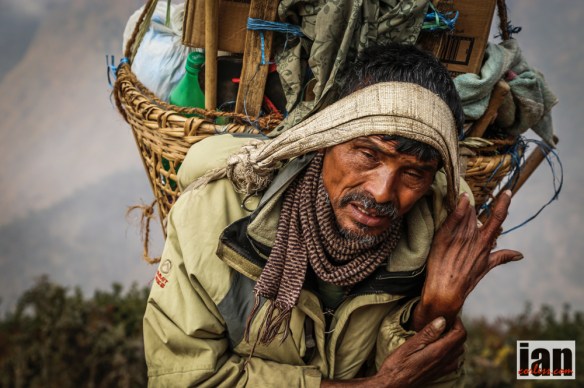
Kharikhola is a main trekking route and in addition, it is a main route for supplies. It amazes me to watch children carry baskets literally as big as they are and for sure, probably twice the weight. Donkeys go up and down the trail all day carrying all sorts of supplies, from bottles of gas, water, corn, maize, beer, Coke, cigarettes and so on. You suddenly realize how life moves around in these mountains.

Sherpa’s arrive carrying packs that look as though it will be break their packs, behind them, a string of tourists with small packs and poles.

Back on the trail, not surprisingly, Pasang Sherpa was once again blazing a trail along this tough ETR route, he was looking to make amends for a poor day yesterday. He was pursued by the top-4 runners, Joan Soler, Casey Morgan and Miguel Capo Soler. In the ladies, Andreja Sterle Podobnik took the race to Jennifer Hill today leading by a minute at the top of the first climb.

After CP1 at Jumbesi, the runners crossed the Junbesi Khola river and climbed up to Phurteng at just over 3000m. Descending to CP2 at Lharpa another climb awaited.

The race now had a familiar format; Pasang would lead the men by a considerable margin, followed by Casey and Miguel, Joan was off the pace, today he didn’t feel quite as good!

For the ladies, Andreja like Pasang would lead the lead the way but Jennifer marked the gap.

Today’s finish line at Kharikhola is a special one, it’s one of the best I have witnessed, however, the runners have to work for that finish. Leaving Taksindu La, the final long descent of the day, 3100m to 1500m in 10km. However, at the bottom the sting in the tail, a 4km climb from Jubhing to the Monastery finish.

Pasang and Andreja took out the respective stage wins. Importantly, Pasang dictated a very fast pace today regaining all the time lost yesterday and now providing himself a convincing lead over Miguel and Casey. Although Andreja tried today, Jennifer ran a consistent pace and the time she lost was relatively insignificant to the overall classification.

Stage results:

  1. Pasang Lama
  2. Casey Morgan
  3. Miguel Capo Soler
  1. Andrej Sterle Podobnik
  2. Jennifer Hill
  3. Sarah Davies
 

General Classification:

  1. Pasang Lama
  2. Miguel Capo Soler
  3. Casey Morgan
  1. Jennifer Hill
  2. Andrej Sterle Podobonik
  3. Sarah Davies
Stage 4 preview: Kharikhola to Llegada 27.5km

Departing the monastery, a small descent awaits the runners of just 4km before a long tough climb to Kari La (CP1) at 2900m. From here the course goes up and down all around 2700/2800m for appx 10km before a very steep descent to CP2 at Surke (2200m). A continual climb to CP3 at Cheplung continues to the arrival at Phakding/ Llegaga.


Everest Trail Race 2016 #ETR2016 – Kathmandu

iancorless-com_etr2016-8651

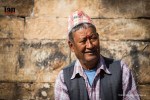
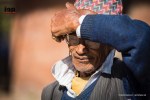
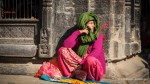
Today was a relaxing day in Kathmandu soaking up the sights, sounds, colour but most importantly, for me, the people!

Nepal and the Nepalese people fascinate me.

The day started with a morning in Patan – Patan, an ancient fortified town, was founded in 745 AD by Vanraj Chavda, the most prominent king of the Chavda Kingdom. He named the city Anhilpur Patan or “Anhilwad Patan” after his close friend and Prime Minister Anhil shepherd. (wikipedia).

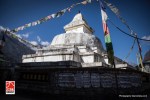
And the midday around the Boudhanath Stupa (or Bodnath Stupa) which is the largest stupa in Nepal and the holiest Tibetan Buddhist temple outside Tibet. It is the center of Tibetan culture in Kathmandu and rich in Buddhist symbolism. The stupa is located in the town of Boudha, on the eastern outskirts of Kathmandu. (sacred-destinations).

The close of the day allowed runners to obtain race numbers, have equipment checked and as I write this, the race briefing is about to start.

Tomorrow we leave Kathmandu for Jiri, a journey of 7-8 hours and our first overnight camp. Racing will start on Thursday at 0900.

iancorless-com_etr2016-8651


Everest Trail Race 2016 #ETR2016 – Arrival Kathmandu

iancorless-com_etr2016-1469

The 2016 Everest Trail Race has begun… as with all races, it starts with a journey and as I am sure you all know, some are more bearable than others. This was a good one! We departed Heathrow on Nov 6th in the early evening, a 4-hour flight to Istanbul was followed with a short wait time before a red-eye flight through the night to arrive in Kathmandu for midday the following day.

The Nepal/ Kathmandu impact hits immediately – noise, colour, cars, motorbikes, buses, dust and people are everywhere!

A short journey to our hotel is followed by a simple pre-registration of athletes; the official race briefing will take place tomorrow. Everyones tired but a new day has kicked in leaving everyone unsure if they should be eating lunch or breakfast? Eyes are watery and red, hair is a little dishevelled and wild, but the anticipation of the 2016 ETR has everyone wired and excited.

It’s time to unpack, prepare and organise equipment for the race that starts in three days time but first a little exploring – the bustling streets of Tamil await and provide a quick and rapid immersion into the wonders of Nepal and it’s people.

Tomorrow, Monday, is a day of organised exploring to the Monkey Temple and Durba Square; a hub of history for this region of Nepal.

Sleep deprived, it’s a short day for everyone, bed calls and tomorrow the 2016 Everest Trail Race experience really begins for all concerned.

Racing starts on Thursday10th November

Day 1 – Departing Jiri at 0900 runners will cover two major peaks, Mali at just over 2400m and Deurali Pass (2700m).

Day 2 – Leaving Bhandar, non-stop climbing follows a short 4km descent; firstly, to Gompa (Golla) at 3010m, a small downhill section follows of 2km and then a climb to Pikey Peak at 4068m. It’s a tough-tough day and the sting in the tail comes at the very end with a very short and steep ascent to Jase Bhajyang.

Day 3 – Jase Bhanjyang to Kharikhola

Stage 3 is all about running downhill, however, the finish is brutal ascent to Kharikhola at 2100m. Leaving Jase Bhanjyang runners have a short ascent of 2km to 3800m and then an 8km descent to Jumbesi, CP1. A 6km climb to just over 3000m is then followed with a 4km descent to Lharpa and CP2. Another 3km climb to 3000m and then a brutal leg-sapping drop from 3000m to 1500m in 10km before the final sting in the tail, a 3km climb to the finish.

Day 4 – Kharikhola to Llegada

Departing the monastery, a small descent awaits the runners of just 4km before a long tough climb to Kari La (CP1) at 2900m. From here the course goes up and down all around 2700/2800m for approximately 10km before a very steep descent to CP2 at Surke (2200m). A continual climb to CP3 at Cheplung continues to the arrival at Phakding/ Llegaga. 

Day 5 – Phakding to Llegada

Leaving Phakding at 2600m runners will only gain 200m in the first 8km. CP1 Namche Bazar is at 10km  (3400m).  Phunki Tenga at 17.5km (3300m) now will offer the runners the most spectacular views of Everest and the other 8000m peaks. This sight will spur them on for the kick in the tail; the 2km climb from 3300m to 3700m and the finish at Tengboche.

Day 6 – Thyangboche to Lukla

The final stage of the ETR re-traces much of the same ground of Day-5 but (obviously) in the opposite direction. The main difference comes after Phakding when the trail splits and participants go left climbing to the finish in Lukla.

Everest Trail Race 2016 #ETR2016 Race Preview

©iancorless.com_Nepal2014_8-1926#ETRDay5

Set against one of the most iconic and awe-inspiring backdrops on the planet, the Everest Trail Race is one of the world’s toughest high-altitude ultra-marathons. I had the pleasure to attend the 2013 and 2014 and I am pleased to say for 2016, I am going back… 

IMAGE GALLERIES from 2014 HERE

etr2014

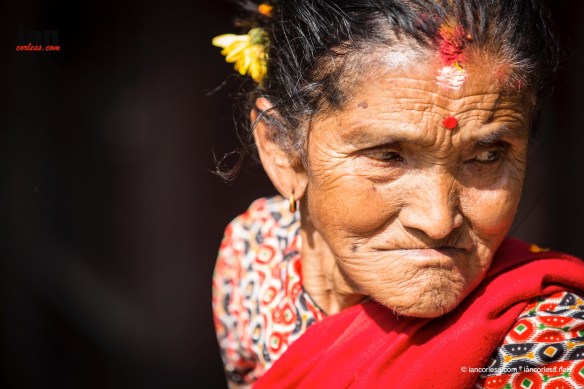
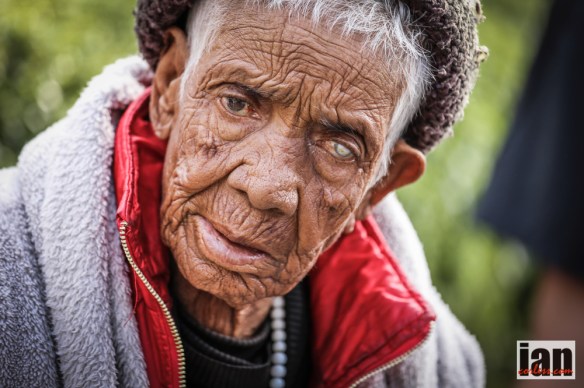
The FACES of NEPAL HERE

Nepal, the Himalayas, the Nepalese people and the amazing trails that lead to the stunning vistas of Everest, Tawache, Ama Dablam, Nuptse, Lohtse and Thamserku from the amazing Tengboche (Thyangboche) Monastery are some of the most memorable moments I have ever had.

On my first visit, I was told Nepal would change me and it did. It’s a cacophony of sound, visuals and emotion.

©iancorless.com_Nepal2014-0108#ETRkathmandu

From the noisy and frenetic streets of Kathmandu to the isolation of camping under the stars at the monastery at Kharikhola, Nepal and its people cemented itself within my heart and I know that participants of the 2016 ETR are in for a very special experience.

©iancorless.com_Nepal2014-0113#ETRkathmandu

Winding through the remote Solukhumbu region of the Himalayas in Nepal, the ETR takes place over six punishing days and covers a distance of 160-km with over 25,000m of vertical gain.

Terrain is mixed and the daily distances are, on paper, relatively short. Don’t be fooled though. Altitude and technical trails make the ETR a very specific challenge. Daily altitude gain starts 3,000 meters up to 5,950. It’s a breathtaking route that starts in Jiri and follows an incredible route that would eventually lead to the base camp of Everest.

©iancorless.com_Nepal2014_7-1485#ETRkathmandu

Runners will trace the footsteps of Edmund Hillary and Tenzing Norgay, the first man to reach the summit of Everest, along with Hillary, who was born in the Tengboche area in a village called Thani.

©iancorless.com_Nepal2014_7-1013#ETRkathmandu

Participants will experience breath-taking views of not only one, but also several of the world’s tallest mountains: Everest, Lothse, Ama Dablam, Tamseku, Kangtega, Makalu and Kanchenjunga. On the fifth day, arriving at Tenggboche the Himalayan backdrop is magnificent providing a wonderful boost before returning to Lukla via Namche Bazaar.

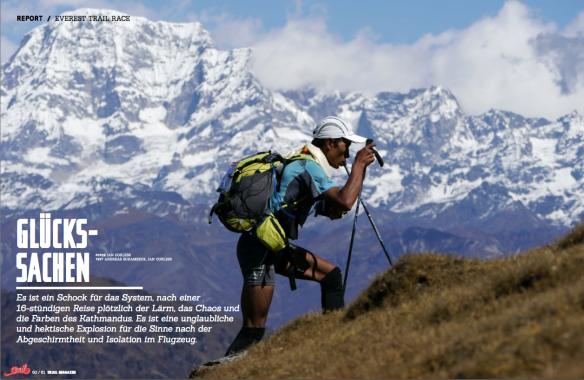
Trail Magazin_ETR_Sp1

A self-sufficient race, participants must carry all they need with the exception of food for meals and a tent. Breakfast and dinner is provided and all the runners sleep in 2-man tents.

©iancorless.com_Nepal2014_7-1111#ETRDay4

Temperatures vary greatly from warm sunny days to icy cold nights. Remember, the runners carry everything they need, so, shorts and T-shirts for the day and a down jacket, multiple layers and a very warm sleeping bag for the night. As with most multi-day races, a change of clothes is a luxury and a shower almost non-existent.

The route is only accessible by foot or helicopter, so, the challenge is equally tough for the race team.

The Everest Trail Race is without doubt the journey and experience of a lifetime.

LOGO ETR

“You reach the highest point of the day and you are breathing hard, short shallow breaths. You think you must stop, that you can’t go on, but then you settle into a sustainable rhythm. Your body is adapting to the workload, to the altitude and with that realisation you feel a rush of empowerment that motivates you to run right past the foot of Everest.”

Schedule:

6th November – Travel to Kathmandu

7th November – Kathmandu

8th November – Sight-seeing in Kathmandu

9th November – Transfer to Jiri

Race dates 10th – 15th November.

  • Day 1 10th – 22 km (+ 3800 m ascent)
  • Day 2 11th – 24 km (+ 5300 m ascent)
  • Day 3 12th – 37 km (+ 6600 m ascent)
  • Day 4 13th – 28 km (+ 4500 m ascent)
  • Day 5 14th – 20 km (+ 3200 m ascent)
  • Day 6 15th – 30 km (+ 5200 m ascent)

16th November – Return to Kathmandu

17th November – Relaxing day in Kathmandu

18th November – Return home

©iancorless.com_Nepal2014_9-3522#ETRkathmandu

The actual routes and formats change every year. The Race Director, Jordi Abad and his team spend over a month meticulously planning routes that are made public before the event starts.

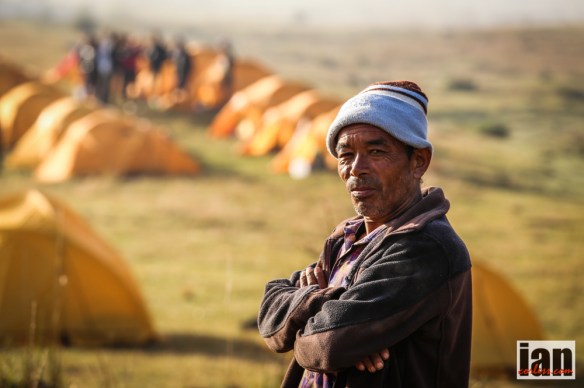
Competitors camp overnight in two-man tents provided by the ETR. The tents are transported stage-by-stage and await the runners at the end of each day. Meals are provided each night in a large food tent. It provides a wonderful and most memorable sound each evening as the sound of weary laughter echoes around camp.

Race Route (to be confirmed)

Day 1 – Departing Jiri at 0900 runners will cover two major peaks, Mali at just over 2400m and Deurali Pass (2700m).

Day 2 – Leaving Bhandar, non-stop climbing follows a short 4km descent; firstly, to Gompa (Golla) at 3010m, a small downhill section follows of 2km and then a climb to Pikey Peak at 4068m. It’s a tough-tough day and the sting in the tail comes at the very end with a very short and steep ascent to Jase Bhajyang.

Day 3Jase Bhanjyang to Kharikhola

Stage 3 is all about running downhill, however, the finish is brutal ascent to Kharikhola at 2100m. Leaving Jase Bhanjyang runners have a short ascent of 2km to 3800m and then an 8km descent to Jumbesi, CP1. A 6km climb to just over 3000m is then followed with a 4km descent to Lharpa and CP2. Another 3km climb to 3000m and then a brutal leg-sapping drop from 3000m to 1500m in 10km before the final sting in the tail, a 3km climb to the finish.

Day 4Kharikhola to Llegada

Departing the monastery, a small descent awaits the runners of just 4km before a long tough climb to Kari La (CP1) at 2900m. From here the course goes up and down all around 2700/2800m for approximately 10km before a very steep descent to CP2 at Surke (2200m). A continual climb to CP3 at Cheplung continues to the arrival at Phakding/ Llegaga. 

Day 5 – Phakding to Llegada

Leaving Phakding at 2600m runners will only gain 200m in the first 8km. CP1 Namche Bazar is at 10km  (3400m).  Phunki Tenga at 17.5km (3300m) now will offer the runners the most spectacular views of Everest and the other 8000m peaks. This sight will spur them on for the kick in the tail; the 2km climb from 3300m to 3700m and the finish at Tengboche.

Day 6 – Thyangboche to Lukla

The final stage of the ETR re-traces much of the same ground of Day-5 but (obviously) in the opposite direction. The main difference comes after Phakding when the trail splits and participants go left climbing to the finish in Lukla.

Ones to watch.

The ETR is very much a race about an experience and a journey, however, a race will take place and as in previous years, this will be very competitive at the front.

©iancorless.com_Menorca2015-2815

From the UK, Casey Morgan will be one of the main contenders for overall victory. In 2016 he has raced consistently well in tough and mountainous races all over the world. The big question will come with his ability to handle high altitude.

Miguel Capo Soler placed 17th at the 2014 Marathon des Sables but his best result came in 2013 when he placed 3rd along with 10th at Lavaredo Ultra Trail.

©iancorless.com_HTV2016-2828

Roger Vinas has had an incredible 2016 racing the Skyrunner World Series – the technical trails and altitude of Nepal should not be a problem for this talented runner.

Ismael Dris placed 18th at the 2015 Marathon des Sables, 2nd at the 2013 The Coastal Challenge and has raced Everest Trail Race on one previous occasion.

Sarah Davies from the UK placed 2nd lady in the 2016 Spine Challenger and also won the Malvern Hills Ultra. Adapting to the cold shouldn’t be a problem, the altitude will be a question mark.
Argentina will be represented by Paula Haimovich, Vanesa Levi and Daniela Alderete.

Full entry list HERE.

The 2016 edition of the race has a main sponsor – The Elements Pure Coconut Water. Other official sponsors are Compressport, 225ers, ways gps and Burq.

Official Race Website – HERE

UK entries – HERE
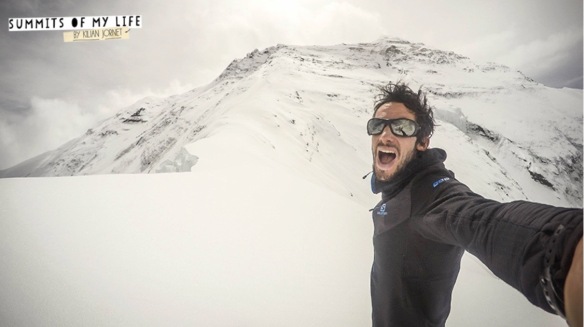
Kilian Jornet chronicles his #SOML #Everest attempt in 2016
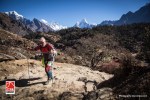
kilian_soml

                                        Image ©kilianjornet/ summitsofmylife

“Time was running out and conditions on the mountain weren’t changing. The unstable weather continued and there continued to be a high risk of avalanches on the higher reaches. We left the mountain feeling somewhat frustrated. We were well acclimatized and could climb without taking serious risks, but at the same time we were very satisfied with the activities that we had been able to carry out.” – Kilian Jornet
The mountain is always the boss. The day that you don’t respect the mountain may well be the last day that you spend in the playground. I am pleased to say that Kilian as an adventurer and mountaineer has progresses not only physically but mentally. He some this up well when despite obvious eagerness to reach the summit of Everest, he was able to step back and think, ‘We had to postpone the challenge of climbing Everest because a rapid ascent would expose us to the risk of accidents.’
I for one am happy to hear Kilian speak these words. The mountain will always be there.

“I’m very happy with what I’ve learned these last few weeks in the Himalayas. We’ve seen what things work and what needs to change. We have learned and personally I have grown as a climber. The expedition has left us feeling very positive in spite of not being able to reach the summit.” – Kilian Jornet

Importantly, Kilian looks at this expedition not as failure but as a stepping stone to a future successful attempt.

In his own words you can read his thoughts on his SOML post HERE.

all content Copyright © 2016 Summits of My Life, All rights reserved.

Anna Comet to run The Coastal Challenge 2017

©iancorless.com_AnnaComet (1 of 1)

The Coastal Challenge are pleased to announce that Anna Comet (Spain), two times winner of the Everest Trail Race will participate in the 2017 edition of the race.

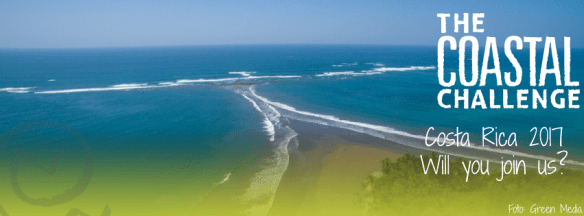
A multi-day race over 6-days starting in the southern coastal town of Quepos, Costa Rica and finishing at the stunning Drake Bay on the Osa Peninsula, The Coastal Challenge is an ultimate multi-day running experience.

Intense heat, high humidity, ever-changing terrain, stunning views, Costa Rican charm, exceptional organisation; the race encompasses Pura Vida! Unlike races such as the Marathon des Sables, ‘TCC’ is not self-sufficient, but don’t be fooled, MDS veterans confirm the race is considerably harder and more challenging than the Saharan adventure.

©iancorless.com_TCC2016-0873

Hugging the coastline, the race travels in and out of the stunning Talamanca mountain range via dense forest trails, river crossings, waterfalls, long stretches of golden beaches backed by palm trees, dusty access roads, high ridges and open expansive plains. At times technical, the combination of so many challenging elements are only intensified by heat and high humidity that slowly but surely reduces even the strongest competitors to exhausted shells by the arrival of the finish line.

2017 will signify the ‘lucky for some’ 13th edition and building on the success of the 2016 edition, Central America’s most important multi-day race looks set to elevate itself to new heights with this first of six announcements about the elite field who will undertake the race next year.

©iancorless.com_AnnaComet (7 of 1)

Anna Comet in recent years has shot to fame as a trail and mountain runner after a very successful career as an Alpine skier and ski mountaineer. Her 2014 victory at the Everest Trail Race (also a multi-day race) paved the way for a strong and consistent Skyrunning year in 2015.

Born in Girona, the mountain has always been a passion for Anna. A 4-year stint living in the French Alps at 14-years old and 2-years in Andorra laid the foundations for selection for the Spanish National Team for Alpine Skiing. A 6-year career saw Anna race many European Cups and the FIS World Cup Races.

Injury unfortunately removed Anna from competitive sport for 4-years and when she returned, trail running and ski mountaineering were her chosen disciplines.

Although my heart says to me that I have to keep pushing on ski mountaineering competition, common sense and my mind are pushing me to focus all my efforts to one goal; trail running. I feel that this is what I have to do! – Anna Comet

Despite placing 6th on two occasions at Pierramenta, 2nd at Patrouille des glaciers and many top 10-places on the World Cup races, during the 2014 season Anna slowly moved purely to trail and mountain running. Victory at the 2014 Everest Trail Race confirmed she had made a wise decision.

*****

©iancorless.com_AnnaComet (3 of 1)

You have raced multi-day races twice before, the Everest Trail Race, on both occasions you won. What do you like about multi-day racing?

EN: I think there are two big special things: 1. there is more race strategy than in other races and 2. the contact and the experience with the rest of the racers is very special.

SP: Creo que hay dos cosas muy especiales: 1. hay más estrategia que en otro tipo de carreras y 2. el contacto y la convivencia con el resto de corredores es muy especial.

The Coastal Challenge in Costa Rica will be very different to Nepal, what is the attraction?

EN: The biggest attraction is that it will be very different to Nepal and to all the other races I have done before; the terrain, the heat, the sea, etc.

SP: La mayor atracción es esto, será muy distinto que Nepal y que el resto de carreras que he hecho antes, el terreno, el calor, el mar, etc.

©iancorless.com_AnnaComet (2 of 1)

Like ETR, TCC is not self-sufficient, you dont need to carry all your equipment like MDS, is that more appealing? You are free to run!

EN: Of course yes! I like running free, you can run faster and one of the things that I like most of running is to run as fast as I can.

SP: Por supuesto! Me gusta correr libre, se puede correr más rápido y una de las cosas que más me gusta de correr es hacerlo tan rápido como pueda.

High heat and intense humidity makes the TCC an extreme challenge, will you prepare specifically for this?

EN: I would like to, but I think it will be impossible. In Catalonia where I live it is cold from November, so I will have to get used to the heat and humidity during my stay in Costa Rica.

SP: Me encantaría pero creo que será imposible. En Cataluña, donde vivo, hace frío a partir de noviembre… así que tendré que acostumbrarme cuando llegue a Costa Rica

©iancorless.com_AnnaComet (8 of 1)

You have excelled at Skyrunning in recent years, will the combination of technical trails, water crossings, climbing etc, of Costa Rica appeal to you?

EN: I’m sure of it! I am really looking forward to going and running there!

SP: Estoy segura que si! Tengo muchas ganas de ir y correr allí!

TCC is almost 1-year away and you have a busy year ahead, what does your race calendar look like for 2016?

EN: This year I’m going to participate in all the races of the Skyrunner World Series. I am going to start in may with Transvulcania, then USM (Ultra SkyMarathon Madeira) in Madeira in June, Ultra Trail Vanoise (formerly Ice Trail) in Val d’sere in July, The Rut, USA in September and Ultra Pirineu, Spain in September again.

SP: Este año volveré a participar en las carreras del Ultra World Tour de la ISF: Empezaré en mayo en Transvulcania, después Madeira en junio, Val d’isère en julio, USA en setiembre y UP también en setiembre.

What are your long term goals with running?

EN: My goals for this season is to be the best that I can be in the Skyrunner World Series and of course, enjoy what I do!

SP: Mis objetivos para esta temporada es probar de volver a quedar entre las mejores de las world series y, por supuesto, disfrutar de lo que hago.

Do you have a dream race other than The Coastal Challenge?

EN: There are a lot of races around the world and a lot of nice places to go. I like to go step-by-step, I’ve been twice to Nepal and now I really want to go to Cost Rica.

SP: Hay muchas carreras y muchos lugares bonitos en el mundo. Me gusta ir paso a paso, he estado dos años en Nepal y ahora me apetece mucho ir a Costa Rica.

Ester Alves won the TCC in 2016, you have raced against her in Skyrunning races, should she return to Costa Rica to defend her crown, would you embrace the challenge?

EN: Of course! I like to compete against strong competition. I think it’s a chance to grow as athlete and to become better. And of course I will be happy to meet Ester in competition and then relax later in the camp chatting.

SP: Por supuesto! Me gusta competir con buenas corredoras. Creo que es la forma de crecer como atleta y mejorar día a día. Y por supuesto me encantará conocerla en competición y después en el campamento tranquilamente.

Anna, any final thoughts

EN: Since I decided to go to TCC next year I can’t stop watching videos and photos from there! I’m excited!

SP: Desde que he decidido ir a TCC el próximo año no puedo parar de mirar videos y fotos! Estoy emocionada!

©iancorless.com_AnnaComet (6 of 1)

In a very short space of time, Anna has elevated her status as one of the worlds best female Skyrunner’s as reflected in her 2015 results.

  • 2nd Transvulcania Ultramarathon, La Palma, Spain
  • 5th European Skyrunning Championships, Ice Trail Tarentaise, Val D’Isere, France.
  • 2nd Mont-Blanc 80km, Chamonix, France.
  • 4th Matterhorn Ultraks, Zermatt, Switzerland.
  • 1st Everest Trail Race, Nepal – new course record
  • Ranked 3rd lady overall in the ISF Skyrunning World Series 2015.

A full 2016 calendar lies ahead but rest assured, Anna will be firing on all cylinders for the 2017 edition of The Coastal Challenge which will take place Feb 10th – 19th, 2017.

All images ©iancorless.com – all rights reserved

Contact Information

Email: HERE

Website: HERE

Facebook: HERE

Twitter: @tcccostarica

Global Contacts: HERE

Follow #TCC2017

More information:

Read the full 2016 race story HERE

View and purchase images for the 2016 race HERE

You can read daily reports from the 2016 edition HERE

TCC_2017_JoinUs?

Lead From Behind by Niandi Carmont

©iancorless.com_Lanza2016-05464

“It is better to lead from behind and to put others in front, especially when you celebrate victory when nice things occur.” – Nelson Mandela

©iancorless.com_Lanza2016-05567

I just so love this quote by Mandela one of history’s truly great legendary and inspiring leaders. This guiding principle is what no doubt helped Mandela lead South Africa towards the democracy it is today, even from behind the secluded prison bars of Robbin Island.

Leading from behind is one of the most effective, rewarding and empowering leadership strategies. It goes against the traditional image we hold of great leaders, leading the troops from the front by setting the example.

©iancorless.com_Lanza2016-03389

As a coach during a 2016 training camp for multi-day racing and specifically the Marathon des Sables (here), I had the opportunity to put this into practice. Marathon des Sables or “MDS” as it is affectionately called by most aficionados is a gruelling self-sufficiency multi-stage running event which takes place every year in April in the Sahara. The event is celebrating its 31st year this year and will gather over 1300 international participants at the start line on 8 April. Participants are required to carry a minimum weight of 6.5kg with a minimum calorie allowance of 2000Kcal/day covering a total distance of 250km with temperatures exceeding 45C over dunes, jebels and scorched sun-dried salt lakes.

©iancorless.com_Lanza2016-02516

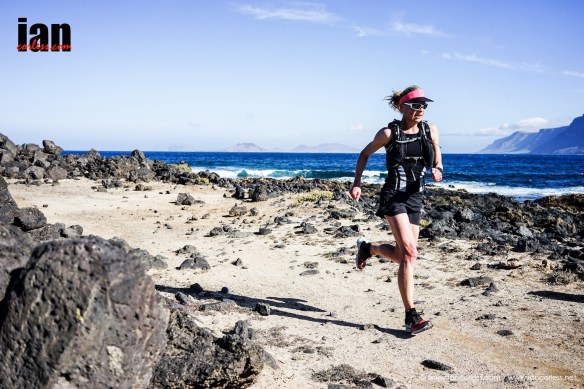
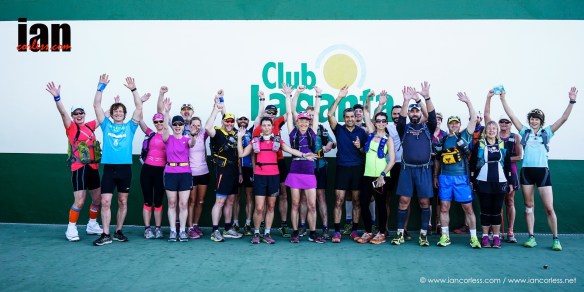
The pre-race training camp last week in Lanzarote provided participants with an opportunity to run long distances on consecutive days in the heat and on demanding terrain simulating that encountered in the Sahara. It also allowed them to test their equipment and exchange with coaches on nutritional and hydration strategies.

Attendees were divided into groups of differing ability depending on the objectives they had set themselves.

“Outstanding leaders go out of their way to boost the self-esteem of their personnel. If people believe in themselves, it’s amazing what they can accomplish.” — Sam Walton

Coaching one of the groups provided me with one of the most insightful weeks on leadership, mentoring and providing feedback. How do you support and develop each participant in the group giving them the self-confidence to learn and grow? This is where leading from behind comes in. At times I would be running ahead setting the pace. Then I would slow down and run in the group egging them on to the next landmark. Other times I would drop down to the back of the pack and let them set the pace. After all isn’t it all about a balance between pushing people outside their comfort zone because you know this is what will help them have the strength to face adversity in the challenge they have set themselves? Then again you also need to be there to monitor their progress and not push them beyond their limits or dampen their enthusiasm. A fine line!

©iancorless.com_Lanzarote2016-00897

A good leader is also a good listener. Managers are advised to listen 70% and speak 30% when providing feedback. It is surprising what you learn from coachees when you listen actively. I learnt a wealth of useful information listening to each participant in my run group. Listening gave me a better understanding of the difficulties of each and everyone: ranging from juggling personal and professional commitments to finding the time to train, fitting training around consecutive business trips, adopting a healthy nutritional strategy with a demanding work schedule and business dinners, dealing with sports injuries due to increased mileage, apprehension of the unknown, fear of failure, professional stress impacting on training performance…the list is endless. But listening helped me to be specific in my advice.

“A leader takes people where they want to go. A great leader takes people where they don’t necessarily want to go, but ought to be.” — Rosalynn Carter

©iancorless.com_ScottVest-01561

A leader should also enhance competitiveness. Many in my group had set out with the objective of completing Marathon des Sables and getting that beautiful big shiny medal handed over to them by the race Director Patrick Bauer, ticking MDS off on their bucket-list of ultra-running achievements and adding it to their run CV. I know the runners in my group will cross that finish line but I also know that they can achieve much more. They showed that tenacity, grit and determination in training that will take them to the finish line at MDS.

“The final test of a leader is that he leaves behind him in other men, the conviction and the will to carry on.” – Walter Lippman

And so my final message to my coachees after a week of learning from them about leadership, mentoring and providing feedback is:

“I won’t be there with you at the start-line although I’d love to be but I will be be tracking your progress live on-line and living every minute of the MDS experience with you.” – Niandi


©iancorless.com_Lanza2016-05055

If you would like to join our 2017 Multi-Day Training Camp, please go HERE

View images from 2016 HERE

View daily images and summaries from 2016 HERE