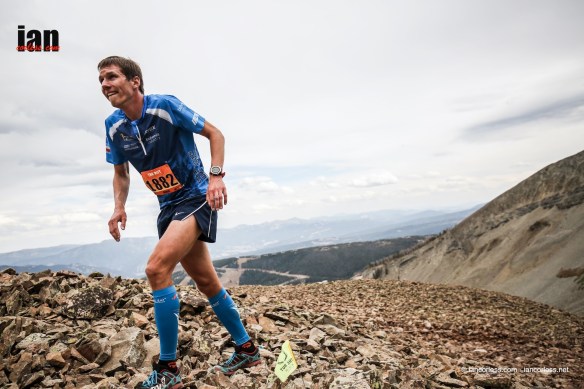
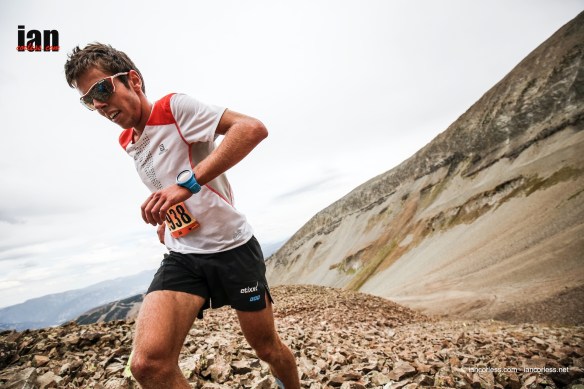
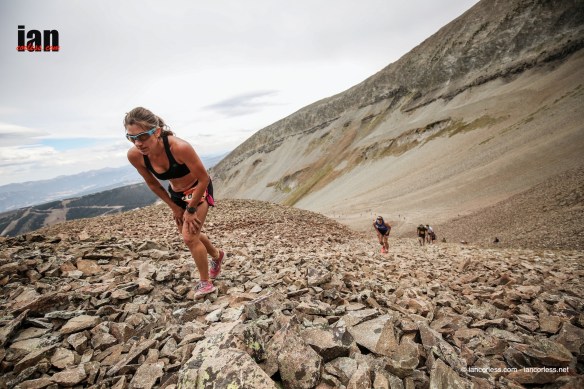
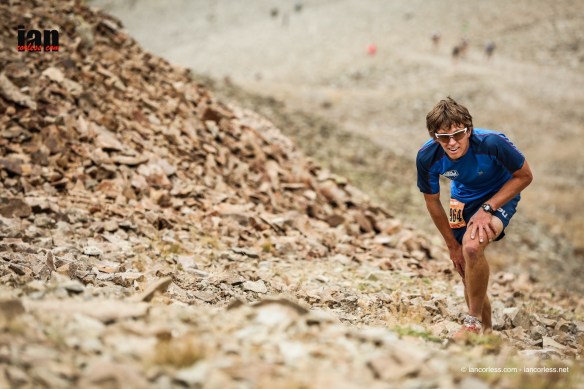
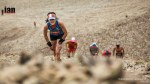
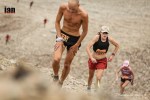
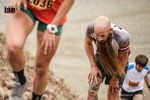
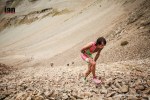
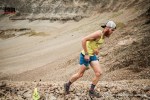
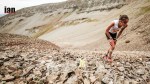
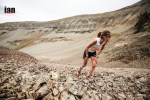
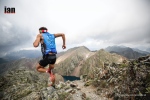
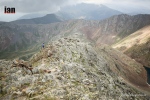
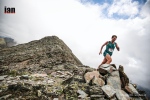
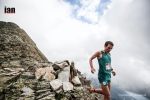
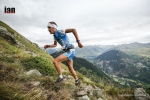
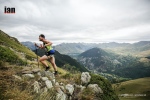
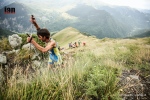
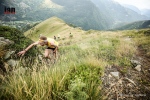
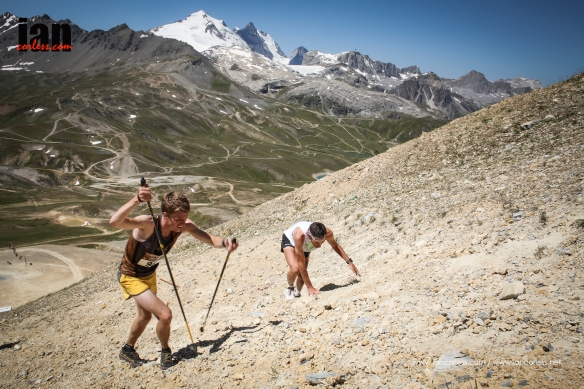
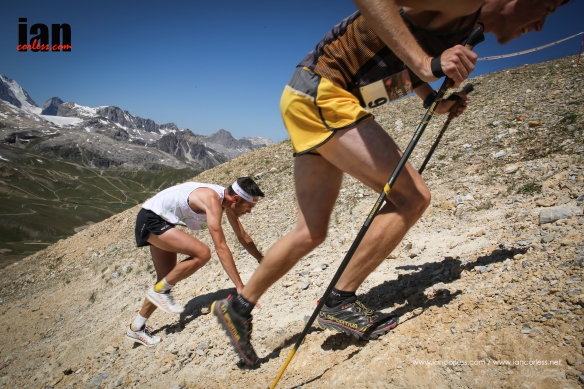
The Skyrunner® World Series continues in Montana, the USA with three races at Run the Rut, today it was the Lone Peak VK. It may not be the steepest VK on the circuit but it certainly is dramatic with the finish line high in the sky and always visible. Well, that would have been the case had the VK route not been changed… Weather in this area can change in just 5-minutes and storms had been predicted for the afternoon. It’s always a tough call for a RD but Mike Foote took the cautions to heart and had his team mark an alternative route. He made a call at midday and decided on an alternative route that reduced the climb by 300m to 700m vertical gain and a distance of 2.3 miles.
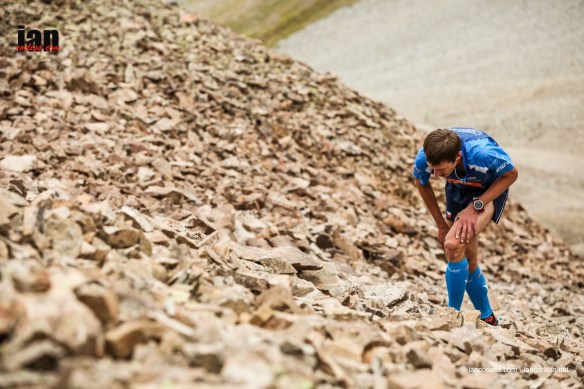
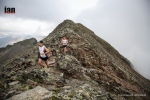
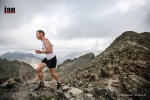
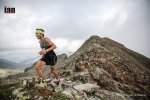
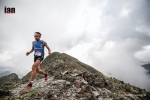
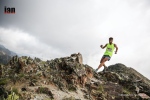
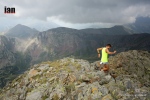
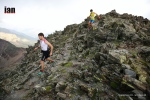
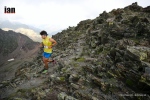
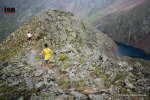
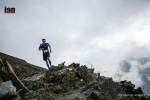
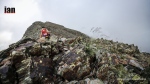
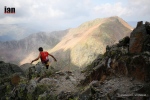
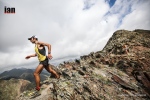
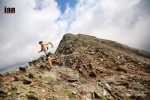
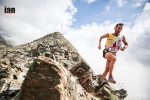
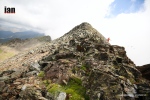
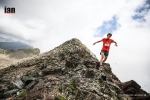
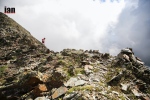
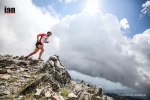
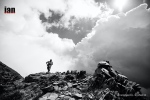
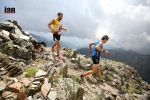
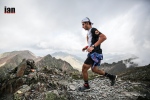
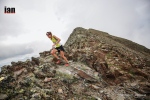
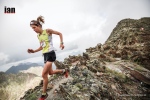
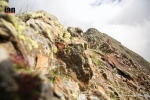
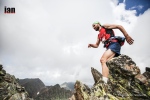
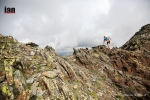
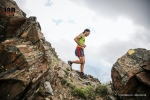
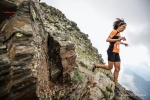
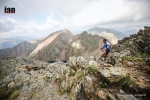
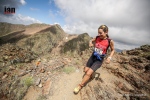
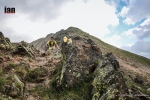
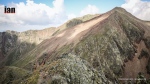
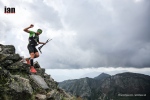
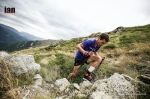
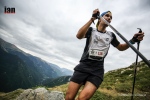
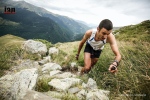
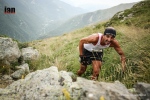
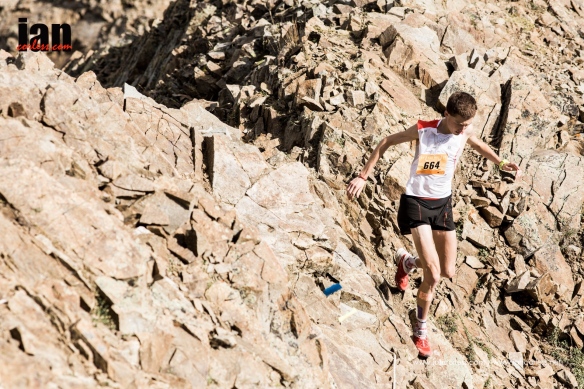
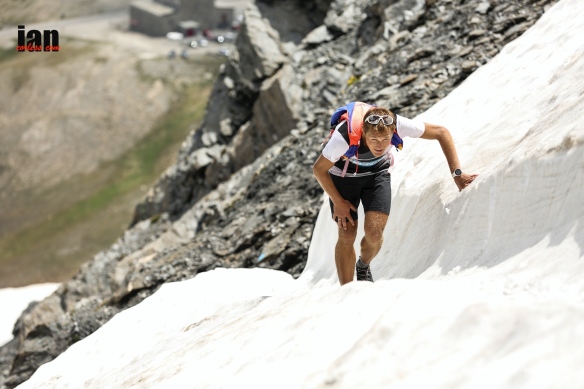
The route was somewhat steeper and more direct in the early stages and followed the ethos and principals of Skyrunning perfectly, start low, get high! At the Bone Crusher, the runners should have gone to the impressive Alto ridge, here it gets steep, gnarly and technical with plenty of hands-on-knees action and scrambling with some via ferrata before the final sections of exposed rock and loose terrain to the summit. The re-route missed this section, dropped down a short descent and then once again climbed up through a steep section of loose rocks and scree. It was challenging but considerably less challenging than the original route.
The early stages were always going to be about finding a rhythm and tackling the early steep and slippery gradients. The route was wide though and overtaking was no issue.
Ondrej Fejfar and Jan Margarit Sole pushed from the start and both looked very strong at the midway point before the more technical sections started. Ondrej looked in control though holding a good gap.
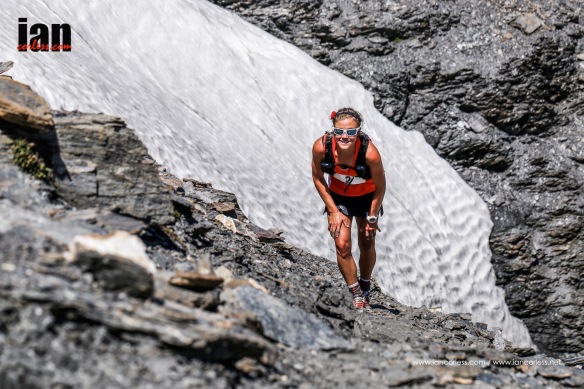
In the ladies race Cynthia Arnold looked to be closing the gap on the expected victor and leader Laura Orgue. Laura looked less comfortable than normal, occasionally looking behind to see where Cynthia was but I think all along it was about doing enough to win and not expending too much energy. Maria Zorroza was running a strong race in 3rd but would she stay ahead of her team-mate Aitziber Iberia ?
In the men’s race, Ondrej was in a class of his own on this shorter course and finished clear of Jan by 24 seconds.
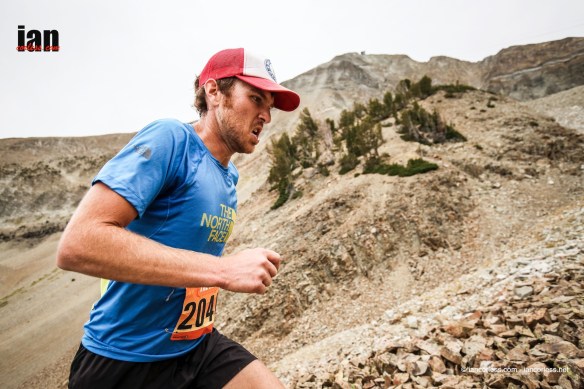
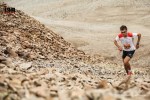
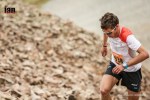
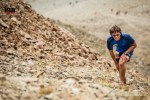
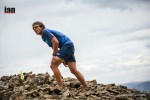
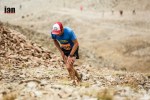
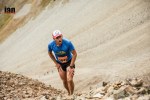
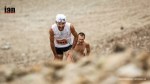
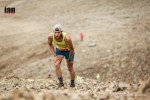
Scott Patterson was a surprise 3rd (he is a ski mountaineer) ahead of race director, Mike Foote who looked to be having a blast on his new course, Salomon Team Manager, Greg Vollet finished 5th.
Surprise of the day was expected winner, Ferran Teixido who finished 7th obviously having a below par day potentially due to the more runnable re-route and altitude?
In the ladies’ race Laura finished a strong 1st 41-seconds clear of Cynthia and Maria 3rd +2:16 back.
Altitude played a key factor in the Lone Peak VK, starting above 2000m it is very difficult for those with little or no adaptation. When combined with challenging terrain, this only adds to the problem. Unlike other VK’s the Lone Peak VK is unique with its mixture of surfaces. The loose and large rocks create many frustrations as often it stops participants getting a rhythm, this is contrasted by the early sections when it’s possible to find a good momentum despite the steep gradients.
Attention now turns to Saturday’s 28km event which starts at 0800, you can read a preview HERE. This event, as last year, will prove to be fast, the mixed terrain includes single track, jeep roads, alpine ridge lines and at the summit of the iconic Lone Peak a gnarly and technical descent brings the runners back to the resort of Big Sky where the race started. The race has 2375m of vertical gain with a low point of 2286m and a high point of 3403m. Ones to watch are Laura Orgue and Yngvild Kaspersen who will also have run the VK and Megan Kimmel who is the outright ladies favourite. In the men’s race, Marc Lauenstein and Dakota Jones head up a strong mens field.
SkyRace® Comapedrosa – Skyrunner® World Series 2016
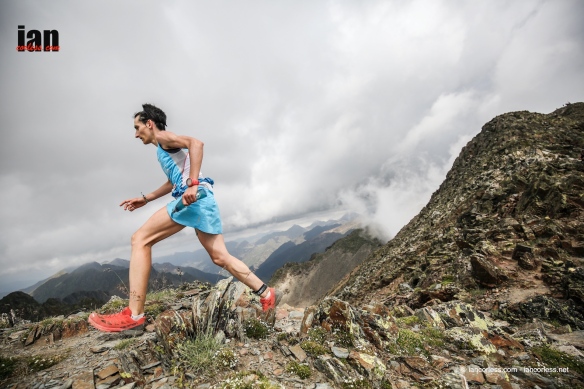
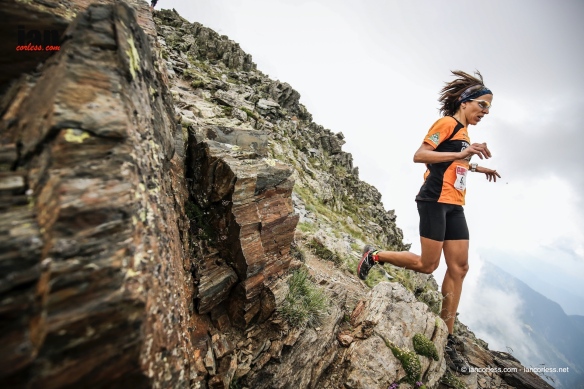
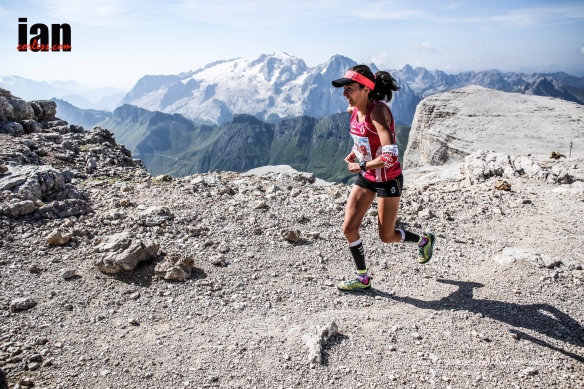
The SkyRace® Comapedrosa really did personify everything that a Skyrunning race should be today as the Skyrunner® World Series 2016 moved at a fast pace. The race route was tough, technical, had loads of climbing and plenty of time up in the sky at altitude. In many respects, it’s a course of two halves – the early stages weave up steep forest paths and then in the latter half, after summiting the highest point of the course, the iconic peak of Comapedrosa, the terrain becomes almost permanently rocky and technical.
Laura Orgue and Tom Owens were champions of the day and with two new course records! What makes the result of the dynamic duo more impressive is that they both achieved ‘silver,’ just last weekend at the Skyrunning World Championships organized by the ISF.
The tiny ski-resort of Arinsal in Andorra hosted 370 runners as they toed the line to cover the 21.2km course with a vertical ascent of over 2,000m+. Much of the pre-race talk had been about ‘the wall,’ a technical 1000-metre vertical climb over the short distance of just 2km to the summit of the Comapedrosa at 2,942m, the highest peak in the principality of Andorra.
Aritz Egea lead the race on the climbs and reached the summit of Comapedrosa with Tom Owens, Oscar Casal Mir and trailing Alexis Sevennec. Egea who has not been inform of late struggled to keep the second place after Owens passed him on the last long technical descent but the revelation came from Hassan Ait Chaou who closed from outside the top-5 to take 2nd on the podium.
Egea held on for 3rd and post-race said, “I’m very happy with third. This year has been a little complicated for me, I’ve not been very motivated, so this a good surprise. The course is really, really tough but I love this kind of race, especially the steep climbs.”
Tom Owens had contemplated not racing but sometimes last minute decisions work, “I was un-decided if I should run?” said Owens. “Today I felt great, sometimes it’s nice to race with no expectation. I was 6th or 7th on the first climb but running on those ridges was just brilliant. The descents were great for me…and move quite quickly and pull back places.”
Pull back places Owens did and on that final descent he gave it everything and moved up from the 3rd to take victory in a new CR, knocking 6-minutes of the old record of 2:46:42.
Owens continued, “My weakness is on the steep climbs. The other guys would just pull away… then I eased back on the second climb. We all pretty much reached the summit of the second climb at the same time and from there I knew I had to concentrate.”
Surprisingly, the top three in the male podium all crossed the finish line today under the previous CR, a true sign of a fast, furious and highly competitive race.
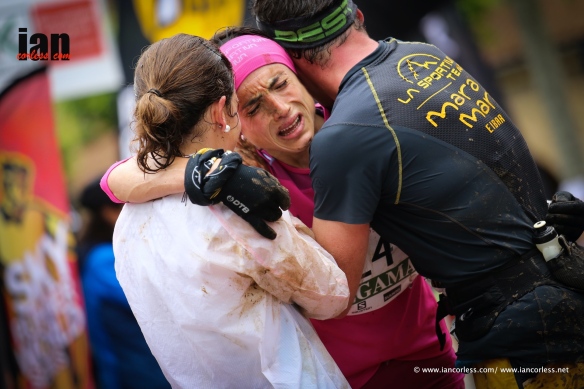
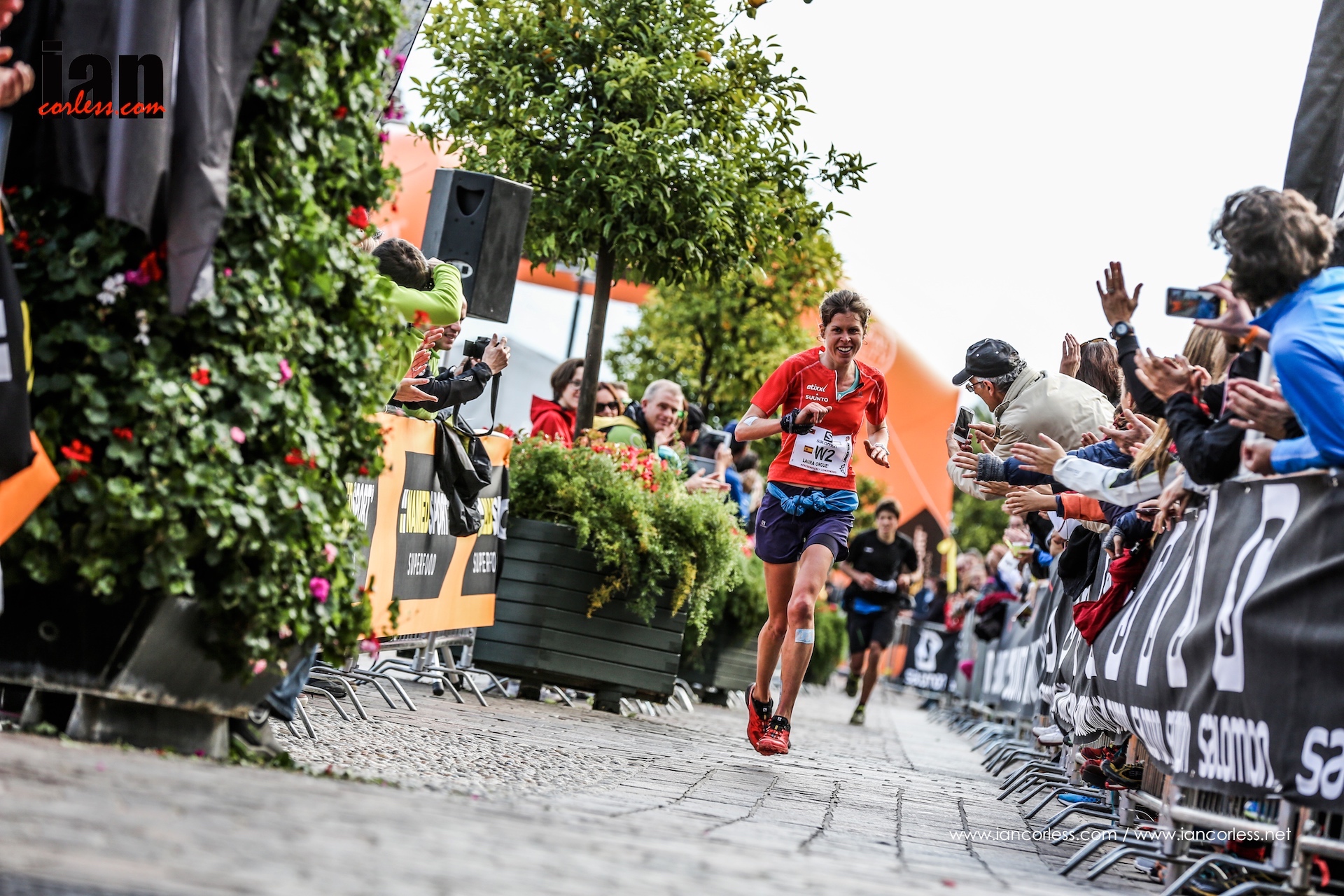
Laura Orgue ran an impressive time of 3:12:27 in the ladies’ race beating the previous CR of 3:21:15 held by Oihana Kortazar who would place 2nd. Like Owens, Orgue had achieved a silver medal just last weekend in the Skyrunning World Championships and although victory and CR were hers, she complained of not being her normal self. A VK specialist, Orgue loves to climb but today it was the worst part of her race… the other female runners must be terrified if she has a good day!
Oihana Kortazar, placed 2nd and was also very happy to beat her own course record, no doubt due to the blistering pace of Orgue, “In this race I prefer the ascents to the descents, which are very, very technical. Andorra has some really tough terrain and I welcome the challenge. My next race is Matterhorn Ultraks in Zermatt.”
Third was Àngela Castelló in 3:20:13. As with the male podium, the top three in the female podium all came in under the previous CR.
Attention now turns to next weekend and the first race in the EXTREME series, the Tromso SkyRace.
Provisional Race Results
Male:
1.Tom Owens 2:40
Hassan Ait Chaou 2:41
Aritz Egea 2:44
Female:
Laura Orgué 3h14′
Oihana Kortazar 3h17′
Angela Castello 3h20′
Thanks to the support of our Partner Migu Xempower, Sponsor Alpina Watches and Official Pool Suppliers, Scott Running, Compressport and Salomon.
About Skyrunner® World Series
Skyrunning was founded in 1992 by Italian Marino Giacometti, President of the International Skyrunning Federation which sanctions the discipline worldwide and sports the tagline: Less cloud. More sky.
The Skyrunner® World Series was launched in 2004 and has grown to represent the peak of outdoor running defined by altitude and technicality. In 2016, the Series, composed of four disciplines, features 23 races in 15 venues on three continents.
iancorless.com is the official photographer and media partner for the Skyrunner® World Series Follow on:
Every two years the Skyrunning world assembles at an iconic venue and racing commences in VK, SKY and ULTRA distances to announce a male and female champion in the respective distances for the Skyrunning World Championships. Two years ago, the endurance capital of the world Chamonix, hosted the championships and this year it is Spain.
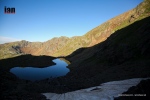
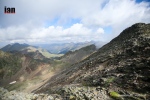
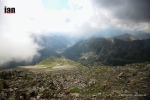
The Vall de Boí in the Spanish Pyrenees will provide a modern day coliseum where Skyrunning gladiators will battle at the BUFF® Epic Trail Aigüestortes events. A spectacular natural arena surrounded by 3,000m peaks and 200 mountain lakes. Rich in cultural history, it is also a UNESCO World Heritage site.
Kicking off a weekend of activity, the BUFF® EPIC TRAIL VK started at 10am, a race for the short and steep specialists! At 2.8 km long with 1,030m positive climb. The average incline is 30.7% and reaches a mean 50.4% at the steepest point.
250 runners started the race departing at 30-second intervals.
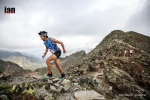
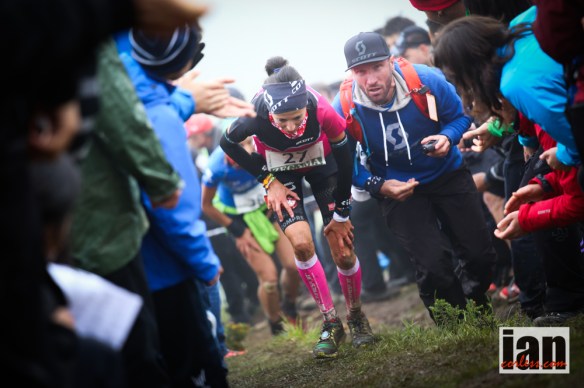
Dark and moody skies, occasional rain and even a little snow welcomed the runners as they climbed hard and fast to the finish line. For many, the cooler temperatures made for perfect running.
Stian Angermund from Norway ran an incredible race and became the 2016 VK World Champion crossing the line in 34:16:09. Columbian runner, Sau Antonio Padua Rodriguez finished 2nd in 34:42:63 and Hannes Perkmann from Italy took the bronze medal in 34:44:01 making a truly ‘world’ podium.
In the ladies race, pre-race favourite Christel Dewalle from France received the gold medal after crossing the line in 39:35:28. Laura Orgue from Spain took silver just over 1-minute later in 40:39:15 and Maite Maiora, also from Spain took bronze in 41:59:41.
Every two years the Skyrunning world assembles at an iconic venue and racing commences in VK, SKY and ULTRA distances to announce a male and female champion in the respective distances. Two years ago, the endurance capital of the world Chamonix, hosted the championships and this year it is Spain.
The Vall de Boí in the Spanish Pyrenees will provide a modern day coliseum where Skyrunning gladiators will battle at the BUFF® Epic Trail Aigüestortes events. A spectacular natural arena surrounded by 3,000m peaks and 200 mountain lakes. Rich in cultural history, it is also a UNESCO World Heritage site.
It may come as no surprise that runners from all over the world will arrive in Spain and over the three races, the lineup of talent is second to none. The line-up has five previous world champions returning:
Luis Alberto Hernando
Luis Alberto Hernando, Laura Orgue, Oihana Kortazar, Augusti Roc and Elisa Desco.
In 2014, Australia were a dominant force and surprised many with break through performances, once again they return with a super strong field. The Czech Republic, Japan and Portugal are also sending talented squads, for many, it may well be a first racing in Europe or the high mountains of the Pyrenees. In total, 35 different countries will be represented.
Events start on Friday July 22nd with the VK, on Saturday 23rd it is the ULTRA and closing events on Sunday 24th is the SKY distance.
Importantly, WADA anti-doping tests will be carried out at the Championships managed by FEDME, the Spanish Mountain Sports Federation and ISF member for Spain which will sanction the events and oversee them with their referees. The organisation will be in the capable hands OCI Sport, with whom the ISF has collaborated on a number of high-profile events including the 2012 SkyGames® in Andorra and Spain.
Needless to say, the number of athletes taking part is extensive and at this stage, we may well have some late additions. Below are many of the key runners who I anticipate to do well:
VK – For the short and steep specialists, the BUFF® EPIC TRAIL VK is 2.8 km long with 1,030m positive climb. The average incline is 30.7% and reaches a mean 50.4% at the steepest point. It is capped at 250.
Ferran Teixido from Andorra is currently ranked highly on the SWS2016 and we can expect strong competition from Saul Antonio Padua, Andrej Fejfar, Augusti Roc, Jan Margarit, Alexis Sevennec and Pascal Egli.
Laura Orgue just did the ‘double’ in the Dolomites winning both VK and SKY and will be hot favourite on home soil. However, Christel Dewalle will have other ideas and the race may well be a head-to-head between the two. Vanessa Ortega, Yngvild Kaspersen, Therese Sjursen and Ekaterina Mityaeva.
SKY – The rugged BUFF® EPIC TRAIL 42KM is a point to point with 3,200m positive vertical climb. Again, a highly challenging extremely technical race with a nine-hour time limit capped at 500.
Is going to be fast and furious and the lineup is stunning with Tom Owens, Blake Hose, Manuel Merillas, Pascal Egli and Marcin Swierc pushing for the top slot. But strong competition will also come from Marc and Oscar Casal Mir, Pablo Villa, Jessed Hernandez, Alexis Sevennec, Dai Matsumoto and Artem Rostovstev.
Elisa Desco, Yngvild Kaspersen, Azara Garcia and Maite Maiora form a stunning quad of talent but Oihana Kortazar, Ida Nilsson, Marta Molist, Ragna Debats and Katrine Villumsen will make sure that the run for the line is not an easy one. Dark horse is the UK’s Jasmin Paris – watch out.
ULTRA – The BUFF® EPIC TRAIL 105KM, with a grueling 8,000m elevation gain and a maximum gradient of 56%, is as tough as they come. Strict qualification standards will be enforced for participants, which are capped at 250.
The ultra is the big one and I have to say the talent is what one would expect when a world title is at stake. Luis Alberto Hernando may well be the one to beat on home soil but Andy Symonds after recent success in Lavaredo will push him. As will Franco Colle, Majell Backhausen, Zaid Ait Malek, Cristofer Clemente and Ben Duffs. Miguel Heras is also toeing the line and if in form, watch out! Fulvio Dapit, Leonardo Diogo, Nuno Silva, Jan Bartas and Pau Bartolo are also strong contenders.
The ladies race is equally editing with Caroline Chaverot being the lady to beat. She has been on fire this year! Ruth Croft made the podium at Transvulcania but arguably local lady, Nuria Picas is the one to upset the apple cart. A strong fight will come from Fernanda Maciel, Anna Strakova, Gemma Arenas, Hillary Allen, Ester Alves, Kristina Pattison, Soto Ogawa and let’s not forget Mira Rai who is returning from injury.
****
World titles and medals will be awarded, crowning the champions of the Ultra, Sky and Vertical disciplines together with combined titles and country ranking. A total of twenty-seven medals and a €20,000 prize purse await the champions of these prestigious competitions.
Alpina Watches, 2016 Skyrunning World Championships Official Timekeeper, will award six prestigious Alpina Horological Smartwatches to the male and female champions of each category, Vertical, Sky and Ultra.
The Vall de Boí will also host the 2016 ISF General Assembly on July 22, which will be attended by members from far and near.
Check out details of the three World Championship courses here.
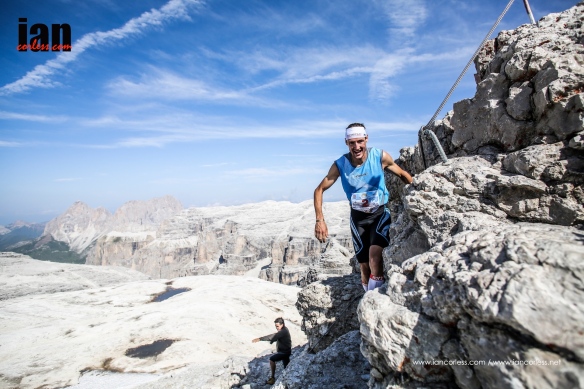
At 22km long with 10km uphill and 12km downhill The Dolomites SkyRace is a tough Skyrunning race that perfectly shows the ethos of the sport – start low, get high and then return as quickly as possible. Piz Boe at 3152m is the high point of the course and what follows is a technical descent to the starting town of Canazei.
Kilian Jornet and Megan Kimmel hold the current course, their times 2:00:11 and 2:25:57 recorded in 2013 and 2015 respectively.
Starting in Piazza Marconi, Canazei at 0830, 4 hours 30 minutes are allocated for participants to complete the course.
From the gun Aritz Egea dictated the pace and lead a chasing trio of 2015 champion Tadei Pivk, Stian Overgaard and Martin Anthamatten. On the slopes leading up Piz Boe, Egea was relegated to 4th and a battle was on for victory.
At the summit, Pivk took the lead and descended without fear as Anthamatten and Overgaard chased.
Pivk was too strong though crossing the line in 2:03. Overgaard in his first Skyrunning race placed 3rd in 2:04 and 2015 Matterhorn Ultraks champion, Anthamatten placed 3rd.
In the ladies’ race, Laura Orgue was always going to be the lady to beat, the only question mark would come on her ability to descend from the summit of Piz Boe… easier this year she broke her leg in a skiing accident.
We should have no questions! From the beginning Orgue pushed the pace and the only lady in close contention was Elisa Desco. Orgue summited first and then held that lead all the way to the line besting Desco by 2-minutes, 2:28 to 2:30.
Surprise of the day came in the ladies 3rd place, Celia Chiron who ran an incredible 2:32. Pre-race favourites Yngvild Kaspersen finished 5th and post-race said, “I had bad feelings today and my legs were just heavy.” It was a similar story for 2016 Transvulcania champion, Ida Nilsson.
Attention now turns to this coming weekend, the Skyrunning World Championships will take place in Spain with VK, SKY and ULTRA races
Thanks to the support of our Partner Migu Xempower, Sponsor Alpina Watches and Official Pool Suppliers, Scott Running, Compressport and Salomon.
About Skyrunner® World Series
Skyrunning was founded in 1992 by Italian Marino Giacometti, President of the International Skyrunning Federation which sanctions the discipline worldwide and sports the tagline: Less cloud. More sky.
The Skyrunner® World Series was launched in 2004 and has grown to represent the peak of outdoor running defined by altitude and technicality. In 2016, the Series, composed of four disciplines, features 23 races in 15 venues on three continents.
iancorless.com is the official photographer and media partner for the Skyrunner® World Series Follow on:
Kicking off a weekend of racing, the Dolomites Vertical Kiolmeter® started today, Friday 15th, in waves of 20 runners. The juniors started at 0930 in Cisates, just a short walk from the centre of Canazei.
It was a clear day but the wind was blowing and the temperatures were very cool. Great for running a VK but not when you stop – the wind was icy cold. Departing in approximately 4-minutes gaps, wave-after-wave departed until it came time for the elite men and elite women at 1100am.
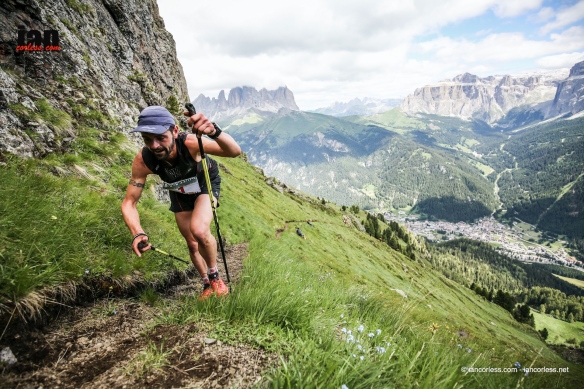
Departing at an altitude of 1450m they reach the high point of Spiz 2465m with a total distance of 2.4km covered. The Dolomites VK is considered one of the toughest on the circuit due to the short, steep course and underfoot, much of the terrain is grass. Poles are not essential but recommended.
Course records date back to 2015 and 2014 when Philip Goetsch ran an incredible 32:38 and Laura Orgue ran 38:14.
Once again it was Goetsch and Orgue who dominated both fields. They were well ahead of their respective waves and unlike in the past, victory for either runner was not contested. So impressive was Goetsch, he soloed not only to victory but a new course record of 31:34 – almost 1-minute off his old record.
Equally Orgue was impressive coming back from injury with a time of 38:31 – just 17-seconds shy of her 2014 record.
They dominated!
With Urban Zemmer and Saul Antonio Padua not racing, Nejc Kuhar lead the chase for 2nd in 32:41 and Hannes Perkmann was 3rd in 33:02.
Valentina Belotti was the 2nd lady with a strong and gutsy run just 30-seconds behind Orgue and the ever-present Francesca Rossi sealed 3rd place in 40:00.
Attention now turns to Sunday and the Dolomites SkyRace (preview HERE). Weather systems are currently moving in and out of Canazei and yesterday it snowed! Currently, Piz Boe summit has plenty of snow on it… we could be in for a very exciting and dramatic day of Skyrunning!
Thanks to the support of our Partner Migu Xempower, Sponsor Alpina Watches and Official Pool Suppliers, Scott Running, Compressport and Salomon.
About Skyrunner® World Series
Skyrunning was founded in 1992 by Italian Marino Giacometti, President of the International Skyrunning Federation which sanctions the discipline worldwide and sports the tagline: Less cloud. More sky.
The Skyrunner® World Series was launched in 2004 and has grown to represent the peak of outdoor running defined by altitude and technicality. In 2016, the Series, composed of four disciplines, features 23 races in 15 venues on three continents.
iancorless.com is the official photographer and media partner for the Skyrunner® World Series Follow on:
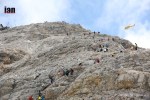
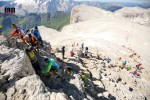
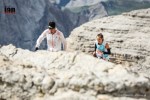
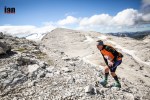
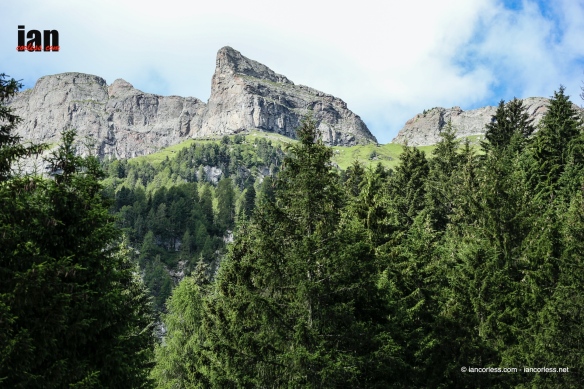
It’s a classic, no doubt about it and as such the Dolomites SkyRace personifies the ethos of the pure and simple act of starting low racing high and returning as quickly as possible – Skyrunning!
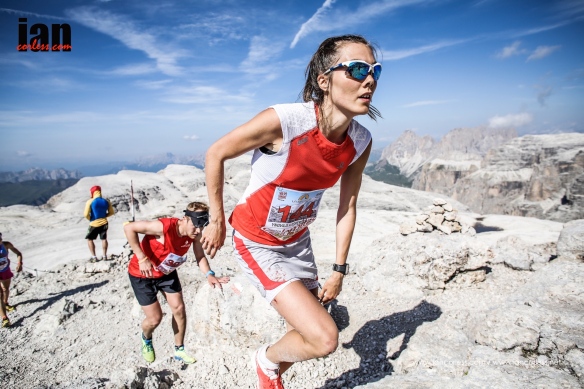
The race is 22km long with 10km uphill and 12km downhill. Depending on the weather, the route may or may not have snow which only adds to the complexity of the terrain. The route changes constantly and on the ascent the runners must fight gravity trying to reach the high point of the course, Piz Boe at 3152m.
From the summit, runners must defy gravity and drop like a stone with no fear, this race is often won on the descent!
Piazza Marconi, Canazei is the start and finish point and 4 hours 30 minutes are allocated for participants to complete the course. Course records currently stand with Kilian Jornet and Megan Kimmel. Their times 2:00:11 and 2:25:57 recorded in 2013 and 2015 respectively.
Added interest can be noted in the record for the ascent and descent, a key feature of this race. Augusti Roc Amador and Laura Orgue have recorded 1:16:47 and 1:29:30 of the ascent and Fabio Bonfanti and Angela Mudge hold the records for the descent, 00:43:35 and 00:58:47.
In 2015 Tadei Pivk (2:02:47) beat Ionut Zinca and Pascal Egli to the top of the podium. In the ladies’ race, Megan Kimmel (2:25:57) beat Laura Orgue and Elisa Desco with a stunning descent and a course record time.
What is in store for 2016?
As one would expect, the line up in both the men’s and lady’s fields is stunning. Tadei Pivk heads up the men’s field after his victory in 2015 and his SWS 2015 title. He has been racing regularly in Italy and was the winner at Livigno SkyMarathon recently. However, he did play 5th at Zegama-Aizkorri.
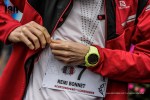
Tadei will definitely not have things his own way. A last minute entry by Remi Bonnet will almost certainly raise the Italians eyebrows. Remi raced the VK in Val D’Isere this past weekend and placed 3rd (28 seconds off the lead), not a position he is used to but he has been nursing an injury and may well not be in full shape in Canazei? That said, he is a formidable competitor over the SKY distance.
Manuel Merillas, 4th at Zegama-Aizkorri always races consistently well over the SKY distance and almost certainly he will contest the top 5 and more than likely the podium.
Marc Casal Mir, 2nd on the SWS ranking is a consistent performer but has never made the podium in Canazei. For sure he will be in contention but more likely in the top 10.
Andre Jonsson has been somewhat of a revelation in 2016, he goes out hard, puts it all on the line and races full on. He currently lies 3rd on the SWS 2016 ranking.
Martin Anthamatten will also be one to watch, he had a great result at Matterhorn Ultraks and in the USA at the RUT series of races. The Dolomites will suit him!
Saul Antonio Padua may well be the first to the top but he always falters on the descent, a key element of the Dolomites race, I wonder, this year can he string the two together?
Other top names to watch out for are Francois Gonon, Alexis Sevennec, Aritz Egea, Dmityr Mityaev, Jan Magrit Sole, Hassan Ait Chaou, Daniel Garcia Gomez, Jessed Hernandez, Nil Cardona, Hector Haines and many more.
With Megan Kimmel missing from the race, Laura Orgue heads up the ladies race after a stunning performance in 2015. Laura’s only problem may well come on the descent… over the winter months she picked up an injury and the Dolomites SkyRace will be the first big test.
Laura though will have some serious competition from her Salomon teammates, Yngvild Kaspersen and Ida Nilsson. These two ladies are currently on fire and based on recent results they could take the top two spots? Yngvild won Zegama-Aizkorri and then went on the place 2nd at Mt Marathon in Alaska – for me, she is the favourite.
Ida had a stunning Transvulcania Ultramarathon has gone from strength-to-strength. Ironically, Transvulcania was a long way for Ida, the shorter distance will suit her running history. It’s going to be exciting!
Elisa Desco, 3rd in 2015 is back on form after injury and victory in Livigno. Elisa has the up and down game and without doubt is likely champion on Sunday.
2015 Zegama-Aizkorri champion, Azara Garcia has been looking for a return to form after prolonged injury and the Dolomites SkyRace may well be the opportunity to for her gain maximum points and challenge for the SWS ranking.
Maite Maiora has also had injury but if she is fit she will definitely be a contender for the podium. Maite races hard with 100% commitment in 2014 she placed 3rd behind Laura Orgue and Emelie Forsberg.
Marta Molist currently lies 2nd on the SWS ranking and she will be looking to gain valuable points, however, Russian Ekaterina Mityaev will be looking to topple the Spanish runner.
Ragna Debats and Sheila Alves heads up the other likely contenders for the top 5 followed by Aitziber Ibarbia, Eva Maria Moreda Gabaldon, Celia Chiron and of course, we may well have a few last minute entries…
Watch this space!
Kicking off proceedings on Friday, runners will take on the Dolomites Vertical Kiolmeter®. Starting at 0930 in Cisates just a short walk from the center of Canazei, runners will depart in groups of 20 with a time gap of 4-minutes separating the groups. Groups are categorized with slower runners departing early and elite runners departing last.
At 1100 the top runners as specified by the SWS ranking will depart.
Runners depart at an altitude of 1450m and reach the high point of Spiz 2465m with a total distance of 2.4km in length. The Dolomites VK is considered one of the toughest on the circuit due to the short, steep course and underfoot, much of the terrain is grass. Poles are not essential but recommended.
Course records date back to 2015 and 2014 when Philip Gotsch ran an incredible 32:38 and Laura Orgue ran 38:14.
Ferran Teixido heads up the men’s race field and he currently leads the SWS ranking however, he did have a below par performance at Face Bellevarde in Val d’Isere. Francois Gonon, Nejc Kuhar, Marco Moletto, Jan Margarit, Dimitry Mityaeva, Mirko Cocco and Oriol Cardona Coll will push the Andorran runner all the way to the line. As is always the case in Italy and on the VK circuit, La Sportiva will send a strong and deep field. Urban Zemmer if confirmed running of course will be a clear favourite along with Remi Bonnet and Saul Antonio Padua.
Laura Orgue heads up the ladies’ field and is the current course record holder but will have strong competition from Maite Maiora and Yngvild Kaspersen. Ekaterina Mityaeva,Maria Zorroza and Aitziber Ibarbia will provide competition but the ladies start list is definitely impacted by the Skyrunning World Championships that will take place the following weekend.
Thanks to the support of our Partner Migu Xempower, Sponsor Alpina Watches and Official Pool Suppliers, Scott Running, Compressport and Salomon.
About Skyrunner® World Series
Skyrunning was founded in 1992 by Italian Marino Giacometti, President of the International Skyrunning Federation which sanctions the discipline worldwide and sports the tagline: Less cloud. More sky.
The Skyrunner® World Series was launched in 2004 and has grown to represent the peak of outdoor running defined by altitude and technicality. In 2016, the Series, composed of four disciplines, features 23 races in 15 venues on three continents.
iancorless.com is the official photographer and media partner for the Skyrunner® World Series Follow on:
Anticipation mounts for two events new to the Skyrunner® World Series this weekend with World Champions and Series’ leaders in both the Sky and VK disciplines toeing the start line – Lauri van Houten writes a preview of the action
The locations are both well-known ski resorts and now that the snow has almost all gone, they will host participants from no less than 22 nations in the spectacular Italian Alps.
The events will see 10 of the top athletes take on both races – the first being the short steep Santa Caterina Vertical KM on Friday, June 24, followed by Sunday’s Livigno SkyMarathon® – both valid for the Skyrunner® World Series rankings.
Among the intrepid athletes lining-up for the double challenge are Skyrunning World Champions Elisa Descoand Oihana Kortazar. Laura Orgué, Vertical World Champion and winner of both the 2015 Vertical and Sky Series, will be aiming “just” for the VK.
“After four months since my fibula fracture I’m already back competing. However, I’m not ready for the Sky distance yet, but eager to try the VK. I’m aware I’m not on my best form, but just to get a bib for the World Series is especially exciting,” she comments. “Competing makes me feel alive and certainly I’ll give it everything”.
Friday’s VK starts in the village of Santa Caterina and heads 1,000m skywards to the summit of the Cresta Sobretta over a short, steep 3 km course. The records to beat are 35’29” for the men and 43’32” for the women.
On Sunday the events move to Livigno, or ‘Little Tibet’ as it’s known, the location of the Livigno SkyMarathon® – 34 km long with 2,600m vertical climb. The route weaves through untamed nature in the Stelvio National Park traversing the Swiss/Italian border with technical sections and stretches above 3,000m altitude – all in true skyrunning style designed by the magic hand of top runner Marco De Gasperi, on this occasion, in the role of race organiser.
“We’re incredibly satisfied and proud to be on the World Series. It has always been a dream to have a race of this level in our mountains. To have two is absolutely incredible,” he states. “As organisers we’re still young, but we’re driven by passion and a desire to deliver two top class events.”
Judging by the top class line-up, he should, indeed, be proud.
Among the top runners competing in the events are:
World Champions Laura Orgué, Elisa Desco and Oihana Kortazar. More top names include Christel Dewalle from France and Italian Antonella Confortola. In the men’s field: Italians Urban Zemmer andMarco Moletto; Slovenian Nejc Kuhar;new-entry Ondrej Fejfar from the Czech Republic; Slovenian Nejc Kuhar; Ferran Teixido from Andorra; from France, William Bon Mardion and Alexis Sevennec; Pascal Egli from Switzerland and Rolf Einar Jensen from Norway.
Italian Tadei Pivk and American Megan Kimmel head the current Sky Series ranking, followed by, in the men’s field: Spaniards Aritz Egea, Hassan Ait Chaou, Alfredo Gil Garcia, Sintu Vives, Jessed Hernandez andJokin Lizeaga; from Andorra, brothers Oscar and Marc Casal Mir and André Jonsson from Sweden, new to the skyrunning circuit and loving it!
In the women’s field: Spaniards Oihana Kortazar, Aitziber Ibarbia and Italian Elisa Desco.
Skyrunner® World Series is supported by Migu Xempower, Alpina Watches, Compressport, Salomon and Scott Sports.
iancorless.com is the official photographer and media partner for the Skyrunner®World Series Follow on:
Recently I have produced a couple of articles about how to ensure that you are an efficient walker when participating in long or mountainous events. You can read them HERE and HERE.
The first article discusses Training to Walk for Ultra, Trail and Mountain Running and the second article is about Walking, Running and Climbing with Trekking Poles.
JOIN OUR YEARLY MULTI-DAY TRAINING CAMP IN LANZAROTE – HERE
On December 15th, the University of Colorado Boulder released a document called, CU-Boulder researchers discover optimal range of slopes for extreme uphill running.
This article made me take a look and read in-depth for two reasons: first and foremost it ties in nicely with my previous two articles but more importantly and secondly, research into VK data dates back some 16-years and was pioneered by the ISF (International Skyrunning Federation) who created the VK format as a racing discipline.
To clarify a VK is 1000m of vertical ascent and the objective is to climb the elevation gain as quickly as possible. The original context of the VK always was about research and data.
VK courses vary greatly but the ISF consider a true VK to be under 5km in length. To understand the variables, some VK’s, for example the Dolomites are just over 2km in length. By contrast, Limone Extreme is a considerably longer course with a less extreme gradient.
Fully, Switzerland has long been a testing ground for VK performance and a post from the ISF which was updated 22nd October 2012 adds some very clear and specific points to consider:
“Italy’s Urban Zemmer rocketed up the 1,000m vertical course, only 1.9 km long, in just 30’26”, 20 seconds faster than the standing world record set here in 2011.”
In addition, the ladies records tumbled:
“French runner Christel Dewalle was first in 36’48” followed by Axelle Mollaret in 37’44” and third, Maude Mathys from Switzerland in 37’56, all beating the previous world record set two years ago by Italian Valentina Belotti in 38’50.”
Notably, the ISF commented:
“The new men’s record nears a speed of 2,000 vertical metres per hour (precisely 1,971m) an incredible ground-breaking performance that the ISF has been monitoring for many years in a scientific research project… Depending on the course and type of start, poles are permitted and yesterday, most of the runners used them. However, to date, the advantages of using poles has not been scientifically demonstrated.”
In 2014, the record for the VK was once again broken by Urban Zemmer at Fully, Switzerland with the incredible time of 29’ 42”.
Remi Bonnet prefers to run a VK and never walks
So by simple logic (I am no scientist), it would suggest that the steepest course is the fastest as Fully is only 1.9km long. To quote, Run the Alps,”The Vertical KM race in Fully, Switzerland is considered to be the fastest vertical kilometer course in the world. The race, held on a former funicular route, is home to both the men’s and women’s world records.”
You can watch a YouTube clip of the 2013 Fully race HERE
Watch the video of Fully and you will see varying techniques, some walk, some walk/ jog, some (most) use poles but one thing is consistent, the effort is almost maximal for all. Therefore, in a non-scientific look at Fully, the fastest performances come from the genetically gifted who have all the elements required for an optimum VK performance: lung capacity, V02max, lactate threshold, power to weight ratio, technique and so on.
Marco de Gasperi like to mix running and walking
But what about the optimal slopes for uphill running as questioned by CU-Boulder. They posed the question:
“Imagine that you are standing in Colorado at a trailhead where the base elevation is 9,000 feet. Your friend challenges you to race to the summit of the mountain, which tops out at 12,280 feet, roughly 1,000 meters of elevation gain. There are several different trails that go to the summit. They are all steep and some are extremely steep. One trail averages a 10 degree incline and the sign says it is 3.6 miles long. A second trail averages 30 degrees, but is only 1.25 miles long. A third trail averages 40 degrees, but only 1 mile long. To get to the summit the fastest, which trail should you choose and should you walk or run?”
Poles or no poles on a steep gradient?
This is a question that the ISF have asked and researched for many years. A paper titled, “Energy costs of walking and running uphill and downhill at extreme slopes” looks into this:
Davide Susta, Alberto E. Minetti*, Christian Moia and Guido Ferretti
Département de Physiologie, Centre Médical Universitaire, 1211 Genève 4, Switzerland, *Department of Exercise and Sport Science, Manchester Metropolitan University, Alsager ST7 2HL, U.K.
The energy costs of walking and running (Cw and Cr, respectively, in J kg-1 m-1) increase with the slope uphill (up to +20%) and decrease with the slope downhill (down to -10%) (Margaria, 1938; Margaria et al, 1963). Outside this range, no measurements of Cw and Cr are available in the literature, even though walking and running on the mountains at greater slopes is becoming commoner and commoner practice in leisure and sport. We therefore set out to carry out the present study, the aim of which is to determine Cw and Cr on men walking and running at slopes up to +45% and -45% on the treadmill. After local ethical approval, 10 subjects (Skyrunners) were admitted to the study (age 32.6 + 7.5 years, body mass 61.2 + 5.7 kg, maximal O2 consumption 68.9 + 3.8 ml min-1 kg-1). They are all endurance athletes practicing mountain racing. O2 consumption at the steady state was measured by the open circuit method, using Leybold O2 and CO2 analysers and a Singer dry gas meter. Heart rate was measured by cardiotachography. Blood lactate concentration was determined after each run as a check for submaximal aerobic exercise.
Each subject performed up to three walking and three running trials at progressively increasing speeds on the level, and at the slopes of 10, 20, 30, 35, 40 and 45 % uphill and downhill. The duration of each trial was 4 min, and expired gas was collected during the 4th min of exercise. Minimum Cw on the level was:
1.85 + 0.57 J kg-1 m-1 (n = 10) at the speed of 0.69 m s-1. During uphill walking, Cw increased with the slope, to attainthevalueof18.08+1.57Jkg-1 m-1 (n=9)atthespeedof0.69ms-1 andat the slope of +45%. During downhill walking, minimum Cw was lower at the slope of -10% (0.81 + 0.37 J kg-1 m-1, n = 9) than on the level. At slopes below -10%, it progressively increased. At -45%, it was 3.46 + 0.95 J kg-1 m-1(n = 5). Cr on the level was 3.40 + 0.24 J kg-1 m-1(n = 30). Cr increased with the slope, to attain 18.69 + 1.42 J kg-1 m-1(n = 6) at +45%.
During downhill running, Cr decreased and attained its lowest value at the slope of -20% (1.73 + 0.36 J kg-1 m-1, n = 24). At lower slopes, it increased. At -45%, at speeds higher than 1.38 m s-1, it was equal to 3.79 + 0.57 (n = 7). The mechanical efficiency for vertical displacement was 0.216 + 0.015 at +45% and 1.078 + 0.275 at -45%. This data on the level and at slopes up to 20% correspond to those found by others on non-athletic subjects (Margaria, 1938). At higher slopes, the increases in Cw and Cr are such as could be predicted assuming that all energy is used to lift the body. By contrast, at -10% and -20%, both Cw and Cr are lower than in non- athletic subjects (Margaria, 1938), suggesting greater recovery of elastic energy at each step in the present athletes. At slopes below -20%, the increases in Cw and Cr are such as could be predicted assuming that all energy expenditure is for negative muscle contractions.
REFERENCES
Margaria, R. (1938). Atti Acad. Naz. Lincei 7, 299-368.
Margaria, R., Cerretelli, P., Aghemo, P. & Sassi, G. (1963). J. Appl. Physiol. 18, 367-370. This work was supported by a grant from the FSA- Federation.for Sport at Altitude
Referring back to the CU-Boulder research:
“Based on our research, we now know that choosing the second trail (30 degrees) and walking as fast as you can within your aerobic capacity is the fastest way to go,” Kram said. “For either running or walking, slopes between 20 and 35 degrees require nearly the same amount of energy to climb the hill at the same vertical velocity.”
This new study (HERE), which was recently published in the Journal of Applied Physiology, is believed to be the first to examine the metabolic costs of human running and walking on such steep inclines (suggested by the CU-Boulder researchers.) However, I would question this and refer to research by the FSA – “Energy cost of walking and running at extreme uphill and downhill slopes.” Received 29 November 2001; accepted in final form 29 April 2002. You can download this detailed documentation HERE and it is essential reading.
Who is the most efficient?
It would appear that gradients of 20-35 degrees require the same amount of effort and interestingly, CU-Boulder research found in a study:
“A vertical rate of ascent of just over 1 foot per second, is a pace that high-level athletes could sustain during the testing. At that speed, walking used about nine percent less energy than running. So, sub-elite athletes can ascend on very steep uphills faster by walking rather than running.”
In simple terms, this is something I have found out by attempting VK’s in my own time in and around events. More often than not, the effort required to run is so hard that it becomes counter productive. I have even found that including run sections to be counter productive as this raises my heart rate, increases lactate acid and requires me to recover while still climbing. However, if I maintain a constant effort walking, this produces the best results for me.
CU-Boulder research went on to say:
“The study examined 15 competitive mountain runners as they ran and walked on the treadmill at seven different angles ranging from 9 to 39 degrees. The treadmill speed was set so that the vertical rate of ascent was the same. Thus, the treadmill speeds were slower on the steeper angles. The athletes were unable to balance at angles above 40 degrees, suggesting a natural limit on the feasible slope for a VK competition.”
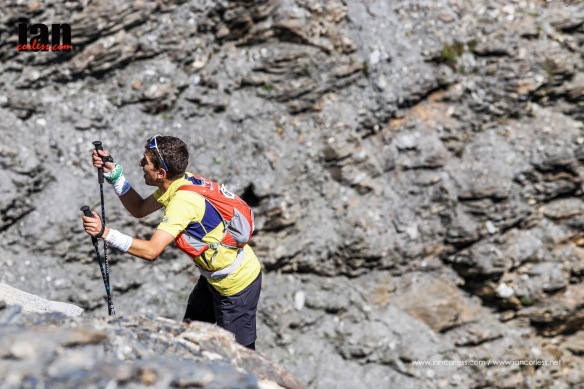
In regard to the latter point, this in some respects relates to Fully, Switzerland and brings in another element, the use of poles and if poles allow a faster ascent when the gradient steepens. One only has to look at the Dolomites VK and Fully VK where poles are used by nearly all participants. The ISF plan to do a new test with and without ski poles, but it is not easy to do a serious test. Although not scientifically proven, it’s fair to say that using poles with gradients under 20% it will mean more Kcal and a reduced performance. However, with gradients steeper than 25 or 30%, the use of poles can correct style, etcetera and can improve the overall performance.
The CU-Boulder article is available to read in full HERE.
I can quote technical papers and research all day, however, as a runner you want to know the answer to the question, should I walk or should I run uphill and should I use poles?
Irrespective of if you plan to run a VK or not, the research and thoughts provided by the FSA and CU-Boulder confirm that running or walking uphill provides an incredible workout. Importantly though, research confirms that walking should be a key element in any training plan, (*…walking used about nine percent less energy than running) especially if you are racing or training on hilly or mountainous terrain.
When participating in ultra events, reverting to periods of walking may well produce greater results and faster times. This is very evident when the terrain steepens; running will only expend more energy and produce slower times. The use of poles appears to benefit performance when gradients steepen, this is not scientifically confirmed.
On a final note though, many other factors come into play when looking at results and as with everything, there are exceptions. Urban Zemmer, Remi Bonnet, Laura Orgue, Christel Dewalle and so many more are able to run when others need to walk. We can’t choose our parents or our genetic pool. Ultimately, find out what works for you but practice makes perfect and the more climbing you do, the better and the faster you will become.
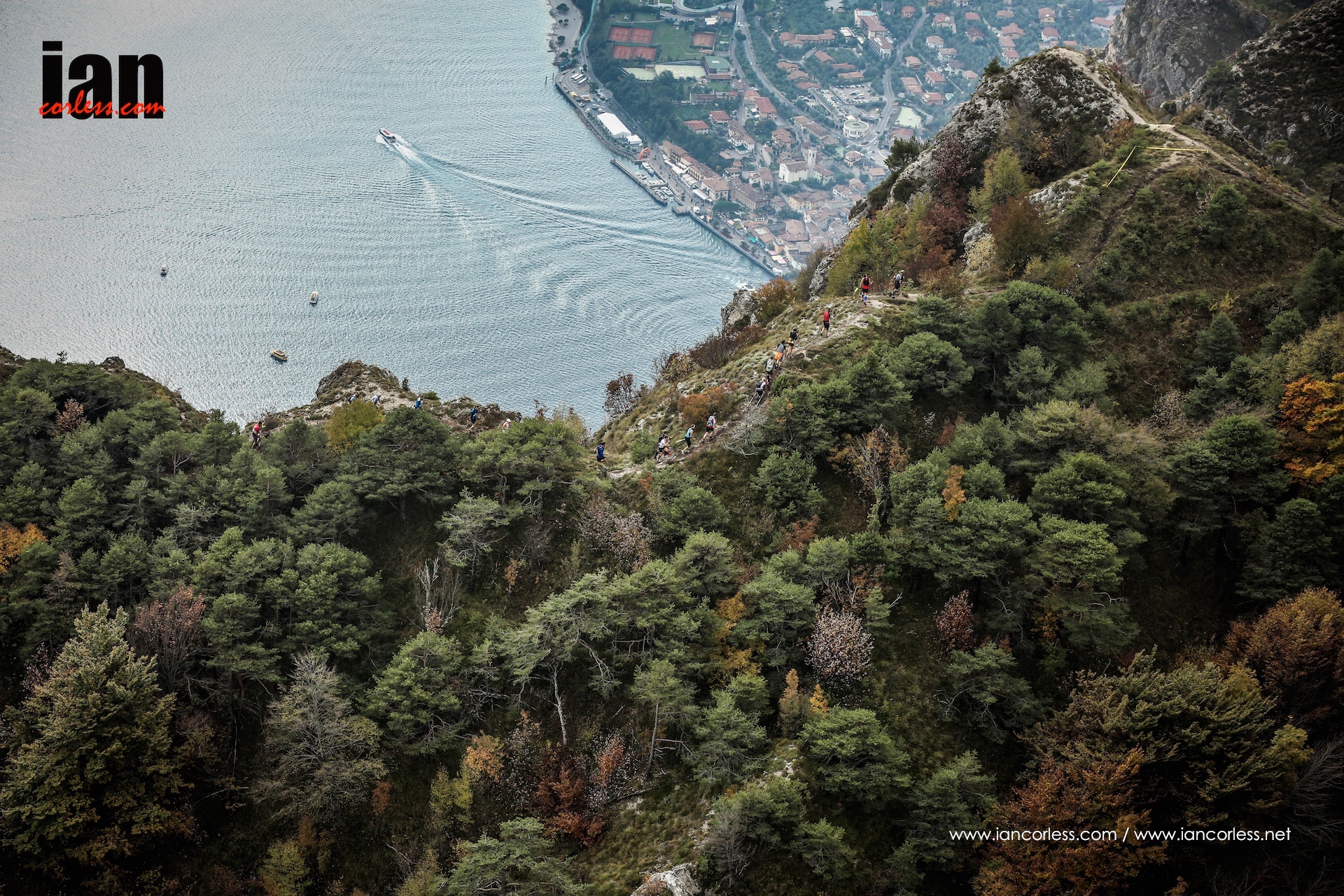
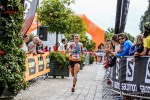
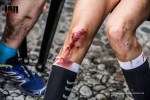
Another season of Skyrunning concluded in Limone sul Garda with the Limone Extreme SkyRace, the final race in the 2015 Skyrunner® World Series. As expected, it was a day of high emotions that ultimately resulted in blood, sweat, tears and elation.
Although race day conditions were ideal, a new course had been created after the thunderstorms of Thursday night and Friday morning. The resulting race although the same distance (23km) had an additional 800m of elevation and descent. Work it out! 23km and 2800m of elevation gain and descent, that can only mean one thing; pain!
One thing became clear though post race, although this new course was tougher it had a unanimous nod from all the runners that the additional difficulty was a good thing; that’s Skyrunning for you!
Final races in a series can often have a forgone conclusion of who will be crowned respective male and female Skyrunner® World Series champions, not here in Limone. It was wide open and all to fight for.
Click on the images to view pre race photographs:
In the men’s race, Remi Bonnet once again proved that we have a star in the making. He followed on from the previous nights VK victory with a world-class SKY performance that left every other runner in the race trailing in his wake. It was stunning to watch. This course is tough, don’t doubt it! Remi ran every step. He has an incredible style, almost shuffling as he moves from left-to-right foot in small movements. It’s incredibly effective and ultimately impossible to follow. Despite him winning the race outright, he could not follow up his Skyrunner® World Series victory for the VK distance as he did not have a result on a Continental race, had he had this, he may well have been the 2015 champion?
Behind Remi, series leader, Tadei Pivk grabbed the bull by the horns and followed the young Swiss runner with 100% determination. His style on the climbs was in complete contrast to Remi; he almost fought the terrain! On the final long descent back down to the Lake and the finish line in Limone, I had expected Tadei to close the gap as he descends incredibly well. Alas no, the day was not for him but his 2nd place gave him the ultimate prize of the 2015 Skyrunner® World Series title.
Ever present Manuel Merillas, also a strong contender for the overall series ran a well paced race and moved from 6th, 5th and 4th to finally finish 3rd. It was a great result and ultimately secured his 2nd place in the Skyrunner® World Series rankings ahead of Martin Anthamatten who took the final podium slot despite finishing 13th on the day, no doubt carrying over fatigue from his recent victory in the USA.
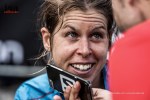
In the ladies race a hotly anticipated battle between Laura Orgue and Megan Kimmel really came to fruition and as always happens in these scenarios, somebody wins, somebody looses. Laura Orgue already had the Skyrunner® World Series title for the VK distance secure before Friday’s VK race and she made the very sensible decision not to race and save her legs for the following day and Saturday’s Sky race.
Running at the front of the race, the VK specialist really embraced the additional 800m of vertical gain and used all her climbing skills to pull off a stunning victory. It was a gutsy ‘give it everything’ performance and one that Maite Maiora tried to spoil. They traded blows throughout the day and Laura managed to squeeze ahead and find those extra percentages of performance to finish just 17-seconds ahead of the La Sportiva runner.
Could Megan Kimmel finish 3rd and secure the world series title?
No! A tough day in the office and carried over fatigue from a recent victory in the USA’s Flagstaff race resulted in Megan feeling tired all day. Of course, the additional 800m of vert didn’t help. Megan finally finished 6th and just had to accept that ‘these things happen!’
Oihana Kortazar followed up a great run from the previous days VK with the final podium place ahead of Elisa Desco and Yngvild Kaspersen.
A season comes to an end and with it we have memories, emotions and passion. The 2015 Skyrunner® World Series champions are:
Laura Orgue and Remi Bonnet are the SWS champions for the VK distance.
Laura Orgue and Tadei Pivk are the SWS champions for the SKY distance.
Emelie Forsberg and Luis Alberto Hernando are SWS champions for the ULTRA distance.
Attention now turns to 2016 and the calendar of races that will once again secure the hearts and minds of the mountain running community.
Less Cloud, More Sky!
Results
Laura Orgue 3:18:50
Maite Maiora 3:19:07
Oihana Kortazar 3:22:24
Elisa Desco 3:28:00
Yngvild Kaspersen 3:28:40
Remi Bonnet 2:45:25
Tadei Pivk 2:51:08
Manuel Merillas 2:52:52
Jokin Lizeaga2:53:55
Aritz Egea 2:55:47
Moments from the finish line, click on images to view larger:
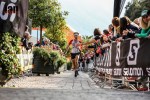
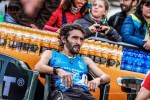
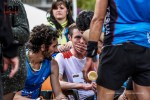
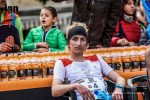
RACE DAY IMAGES – more images to follow as soon as wifi becomes available

 Scott Patterson was a surprise 3rd (he is a ski mountaineer) ahead of race director, Mike Foote who looked to be having a blast on his new course, Salomon Team Manager, Greg Vollet finished 5th.
 Surprise of the day was expected winner, Ferran Teixido who finished 7th obviously having a below par day potentially due to the more runnable re-route and altitude?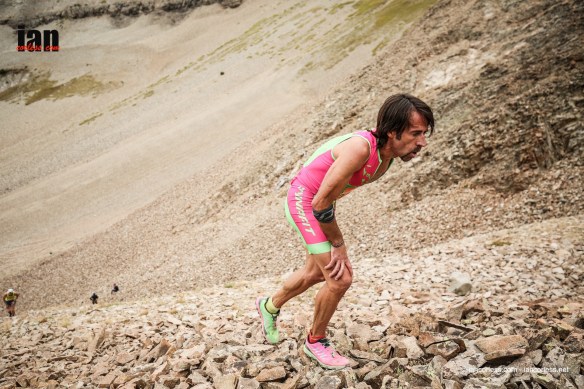


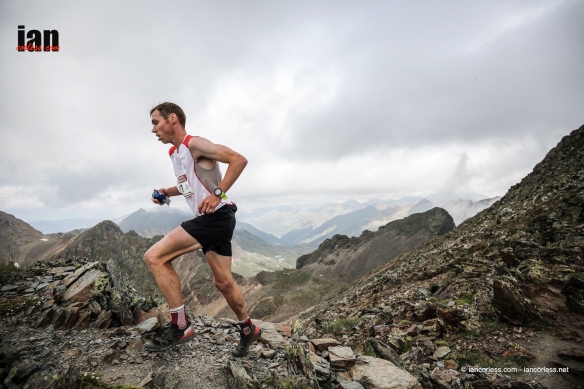

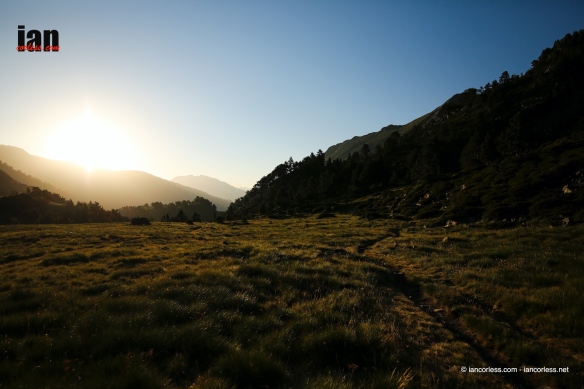


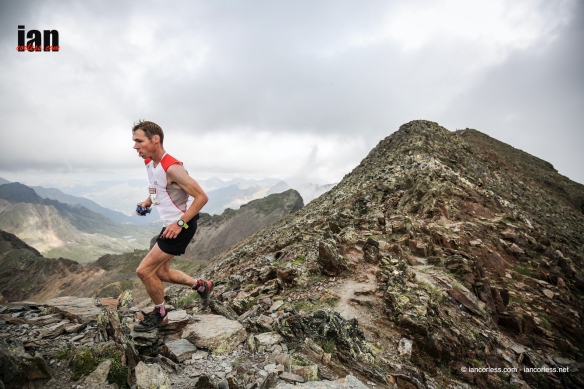


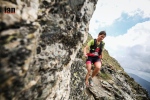
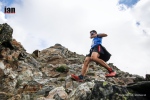
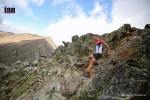
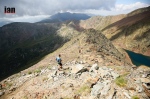
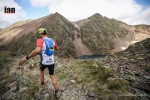
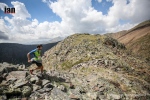
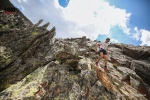
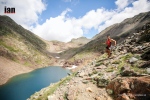
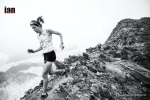
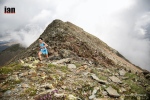


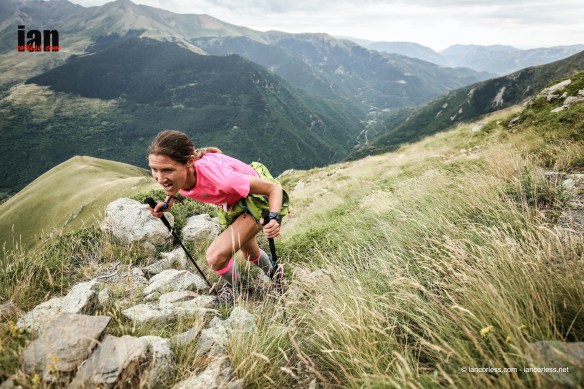
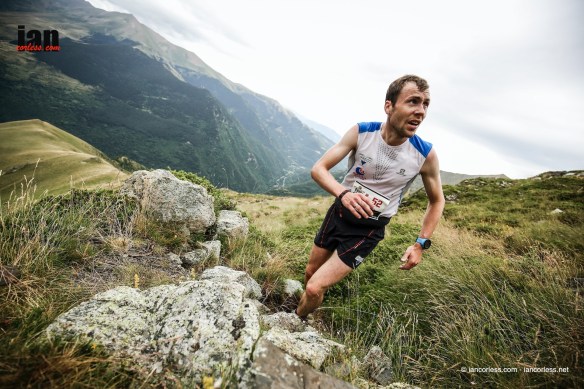
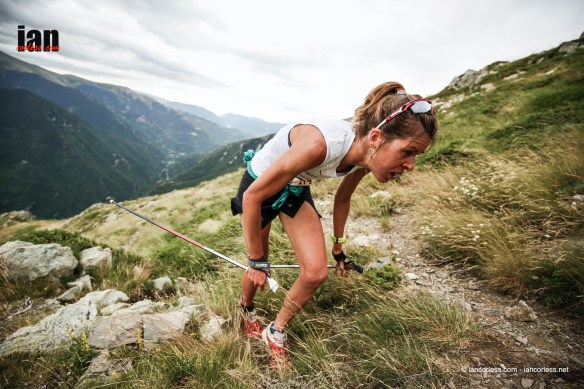
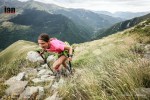
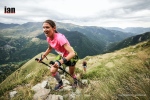
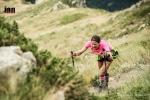
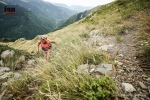
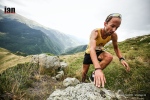
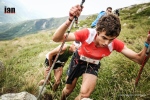
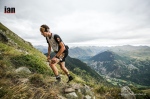
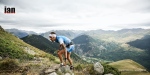

 Every two years the Skyrunning world assembles at an iconic venue and racing commences in VK, SKY and ULTRA distances to announce a male and female champion in the respective distances. Two years ago, the endurance capital of the world Chamonix, hosted the championships and this year it is Spain.



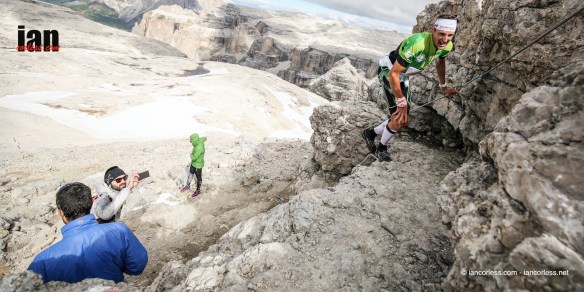
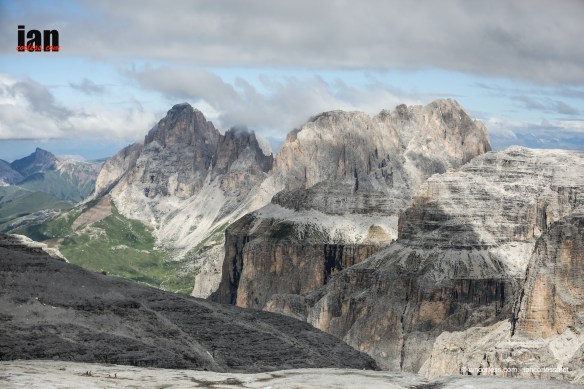
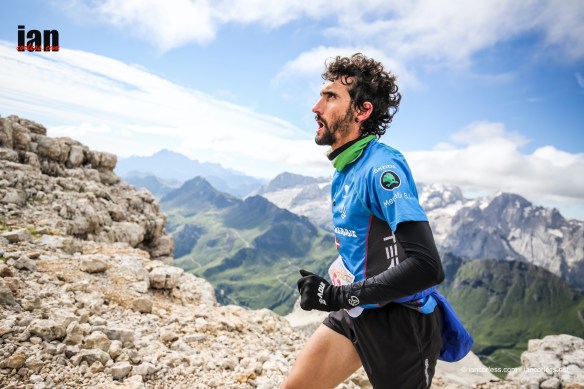

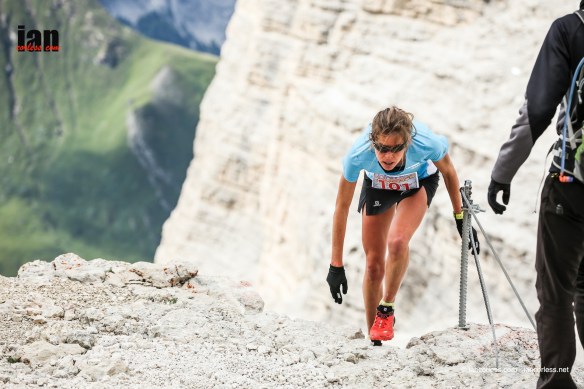
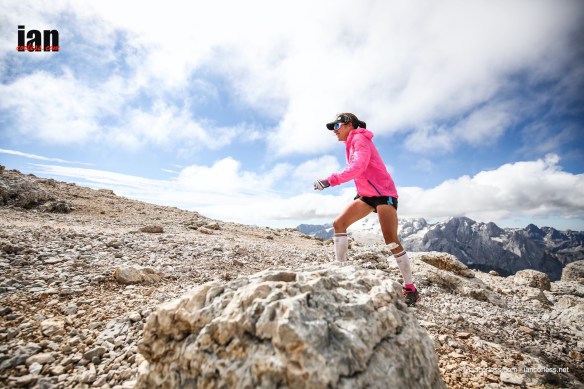
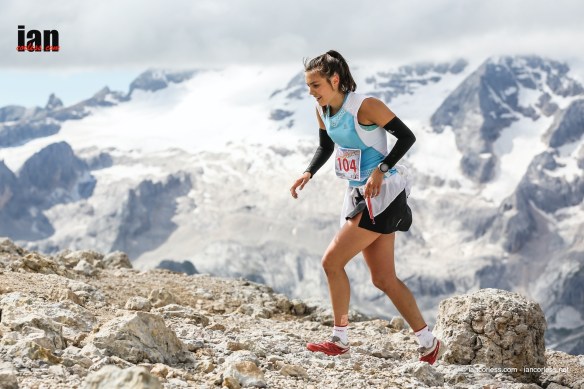

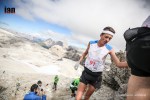

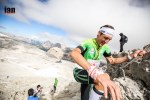
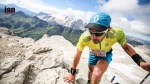
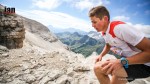
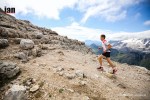
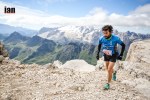
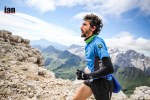
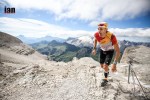
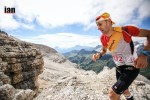
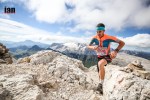
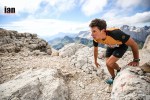


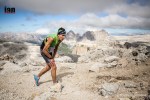
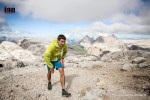
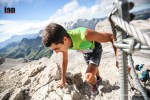

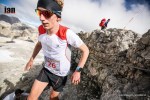
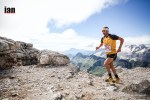


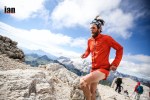

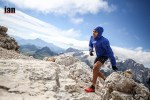
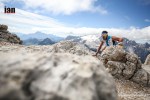
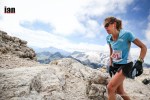

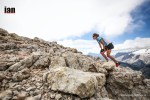

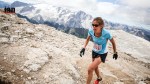
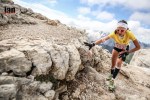
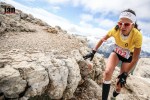
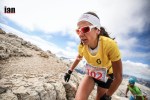


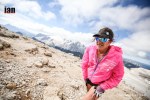

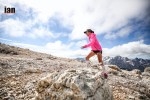


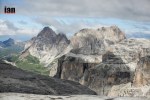
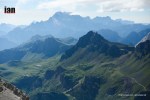
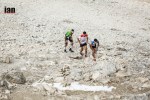
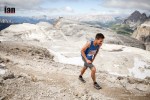
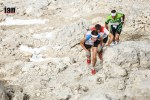
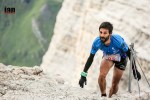
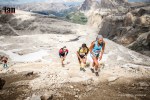
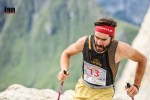

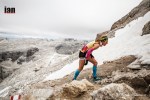
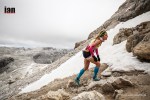
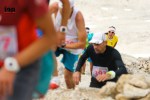
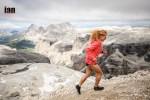

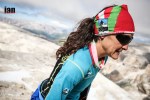


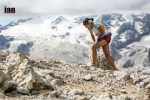
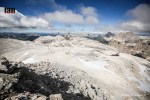



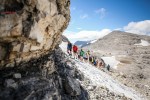
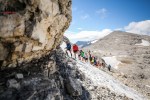


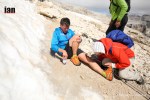
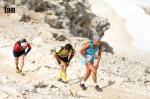




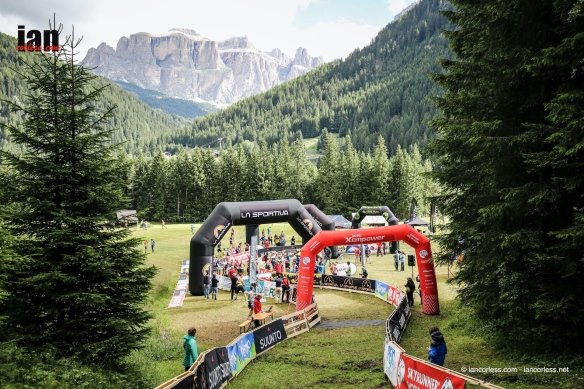
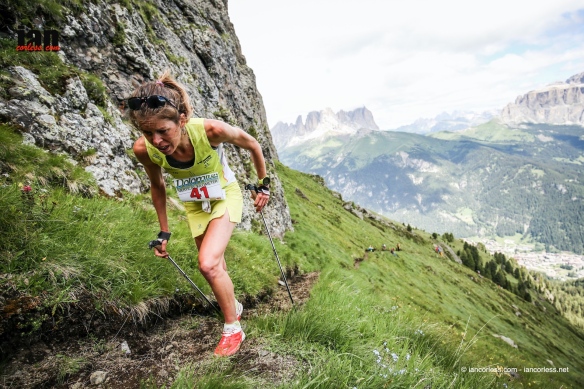
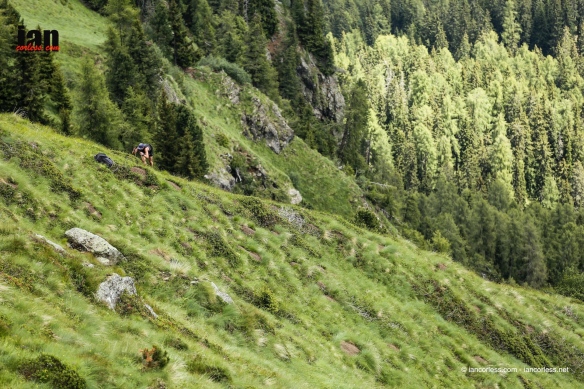
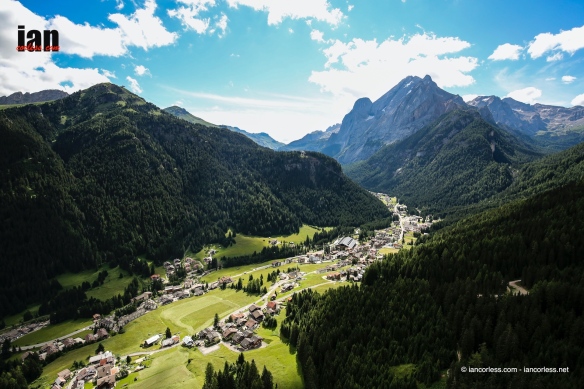
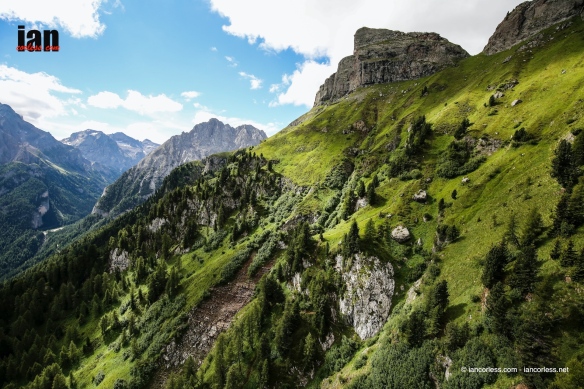
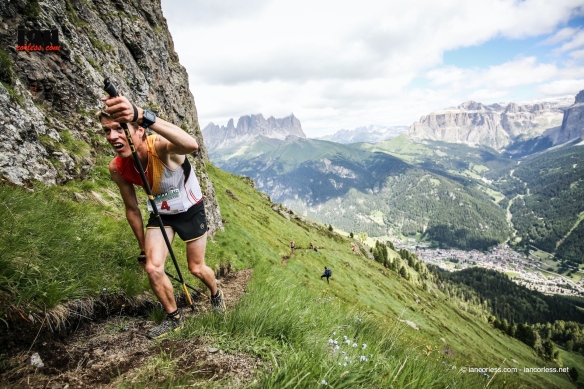
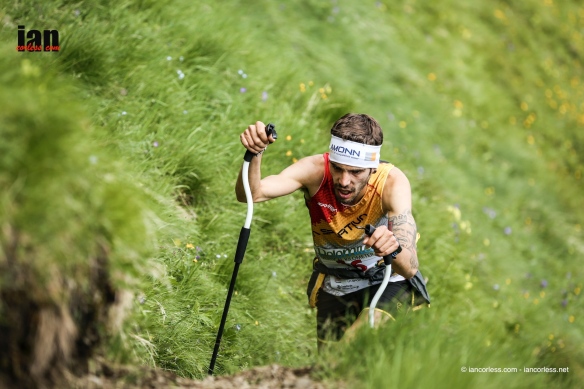
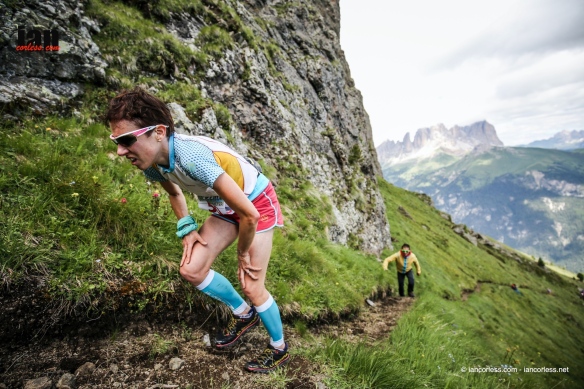


 It’s a classic, no doubt about it and as such the Dolomites SkyRace personifies the ethos of the pure and simple act of starting low racing high and returning as quickly as possible – Skyrunning!





 Elisa Desco, 3rd in 2015 is back on form after injury and victory in Livigno. Elisa has the up and down game and without doubt is likely champion on Sunday.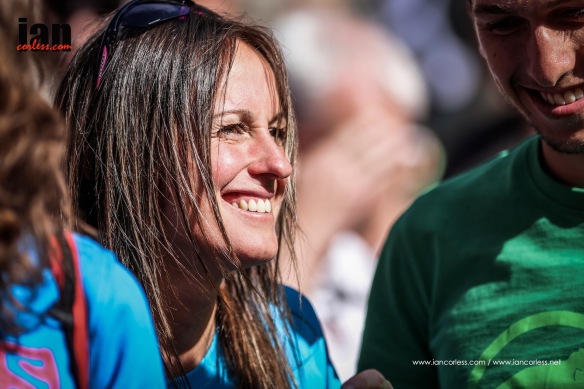












































 IAN CORLESS